Advanced interventional titanium materials engineered for superior cortical anchorage, compression dynamics, and rapid patient mobilization in Italian clinics.
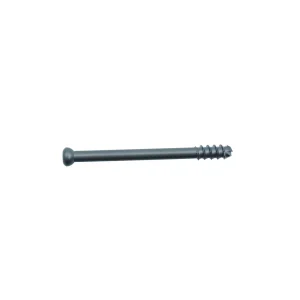
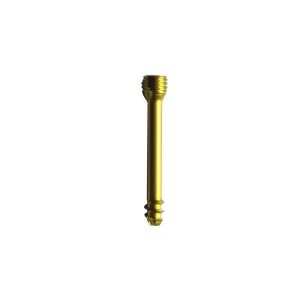
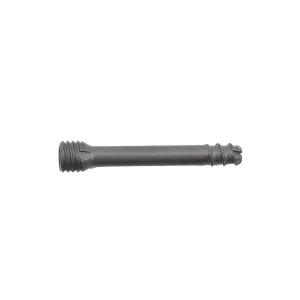
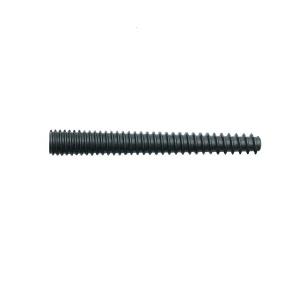
Genoa, as the capital of the Liguria region in Northern Italy, presents a unique demographic and geographical matrix that shapes its clinical orthopedic demands. With one of Europe’s highest aging indexes, the local healthcare framework prioritizes highly efficient osteosynthesis systems to treat geriatric trauma, particularly osteoporotic hip, distal radius, and humeral neck fractures.
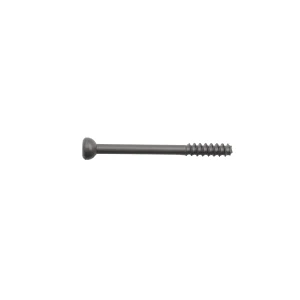
Major regional healthcare institutions, such as the Ospedale Policlinico San Martino IRCCS (a nationally recognized scientific institute and regional trauma hub), the Galliera Hospital, and the specialized orthopedic departments at the Istituto Giannina Gaslini, require implant systems that facilitate minimally invasive surgical (MIS) approaches. Cannulated screws are pivotal in these settings. Their cannulation allows for precise percutaneous placement under fluoroscopic guidance using guide wires, reducing soft tissue trauma, intraoperative blood loss, and anesthesia times—factors critical for the survival and rapid recovery of elderly Ligurian patients.
Furthermore, Genoa’s industrial profile as a major maritime port and logistics hub generates a consistent demand for robust trauma solutions for occupational acute bone fractures. High-grade titanium cannulated compression screws, designed for optimal pull-out resistance and compression retention, meet the rigorous mechanical requirements demanded by the region's trauma surgeons.
High geriatric index necessitates low-trauma percutaneous osteosynthesis. Our titanium cannulated screws allow for high compression with minimal head protrusion, ideal for osteopenic bone.
Genoa’s health administration (Alisa) enforces strict EU MDR compliance. Our CE-certified implants (under MDR 2017/745) ensure frictionless public tender participation.
Heavy machinery and logistics activity in the Port of Genoa require high-strength, fatigue-resistant Grade 5 titanium implants for high-energy traumatic fractures.
HBM Medical Apparatus And Instruments Co., Ltd. integrates state-of-the-art Chinese medical manufacturing capacity with global regulatory alignment, delivering CE and MDSAP certified implants globally.
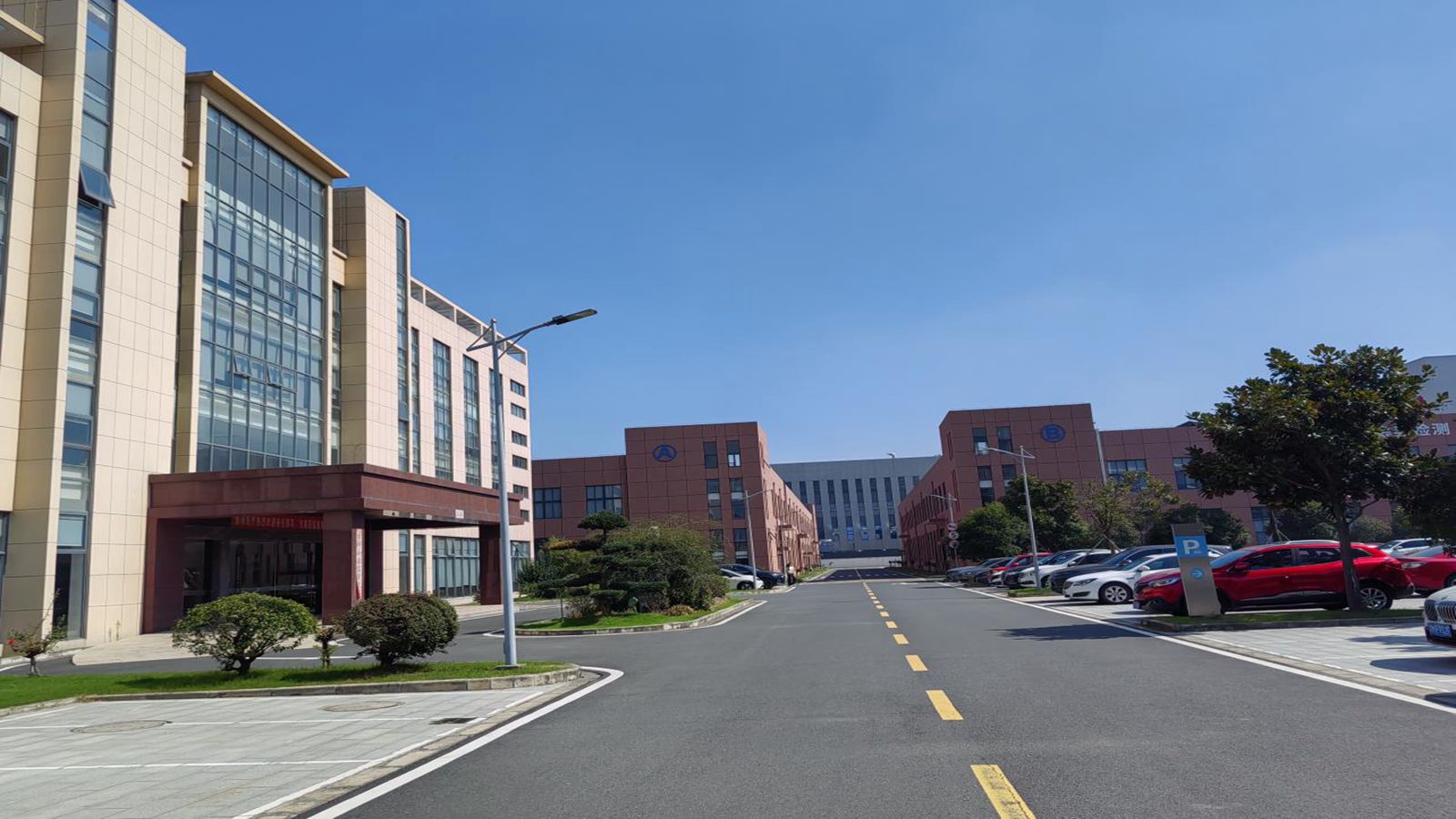
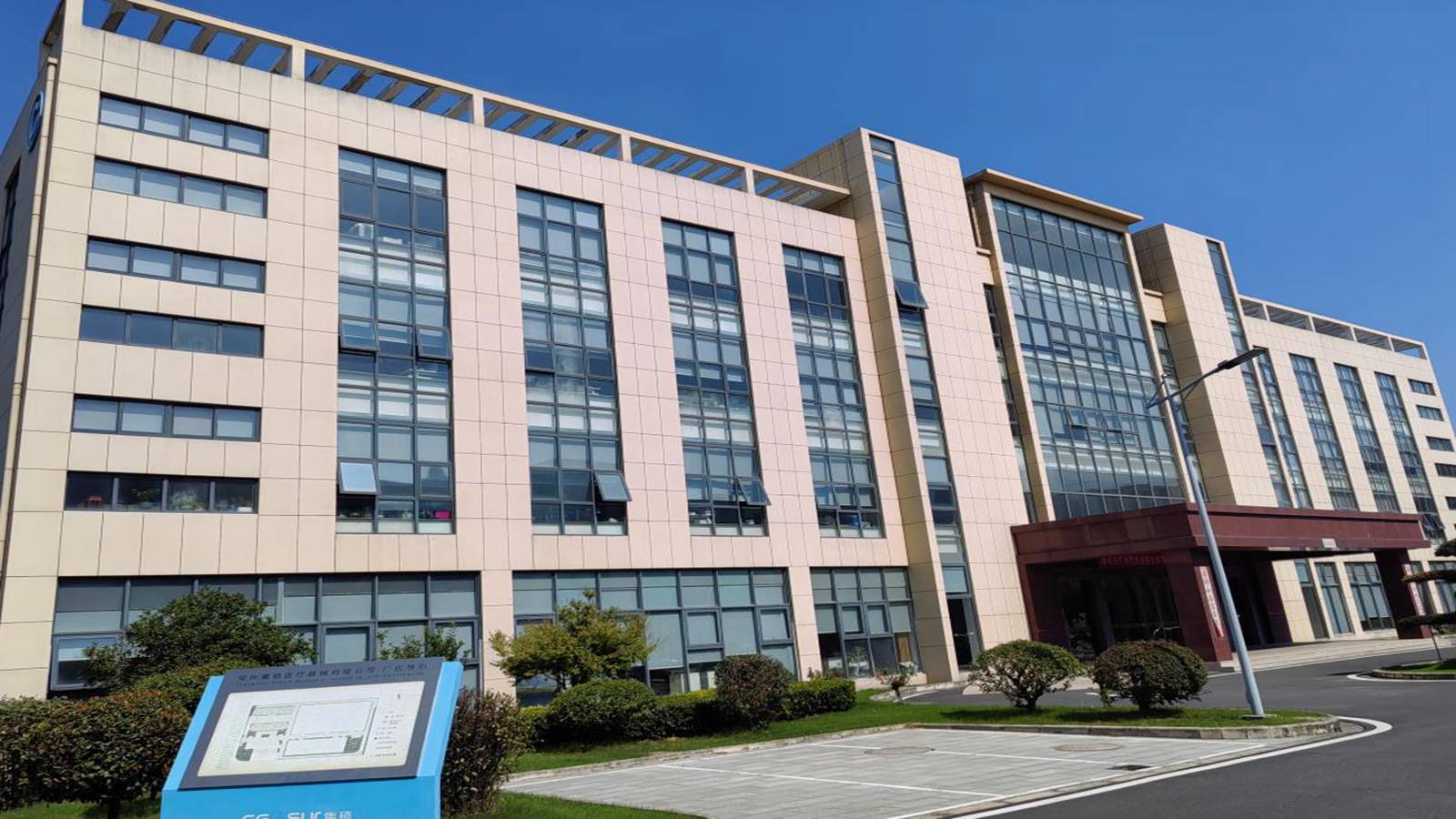
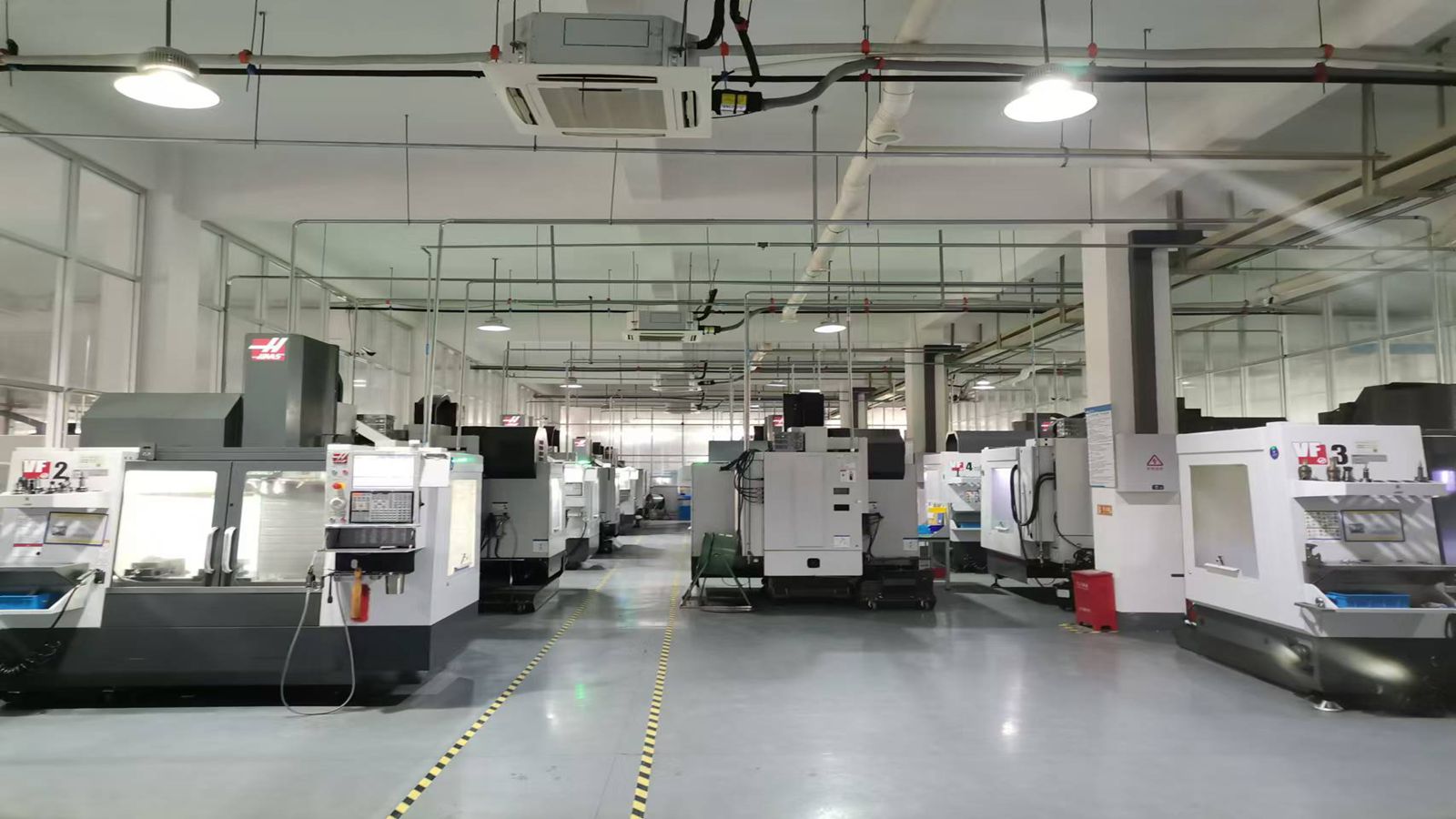
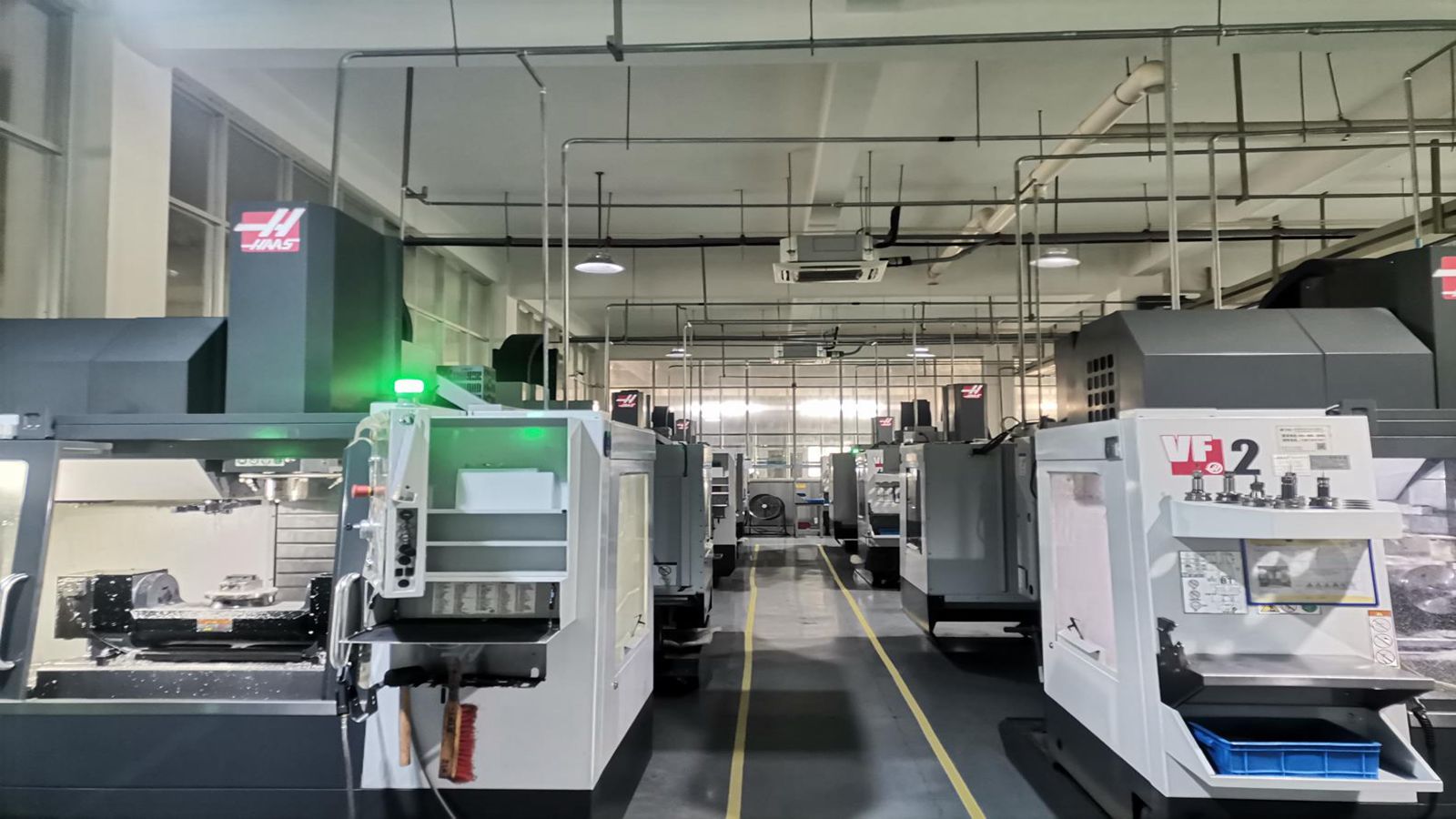
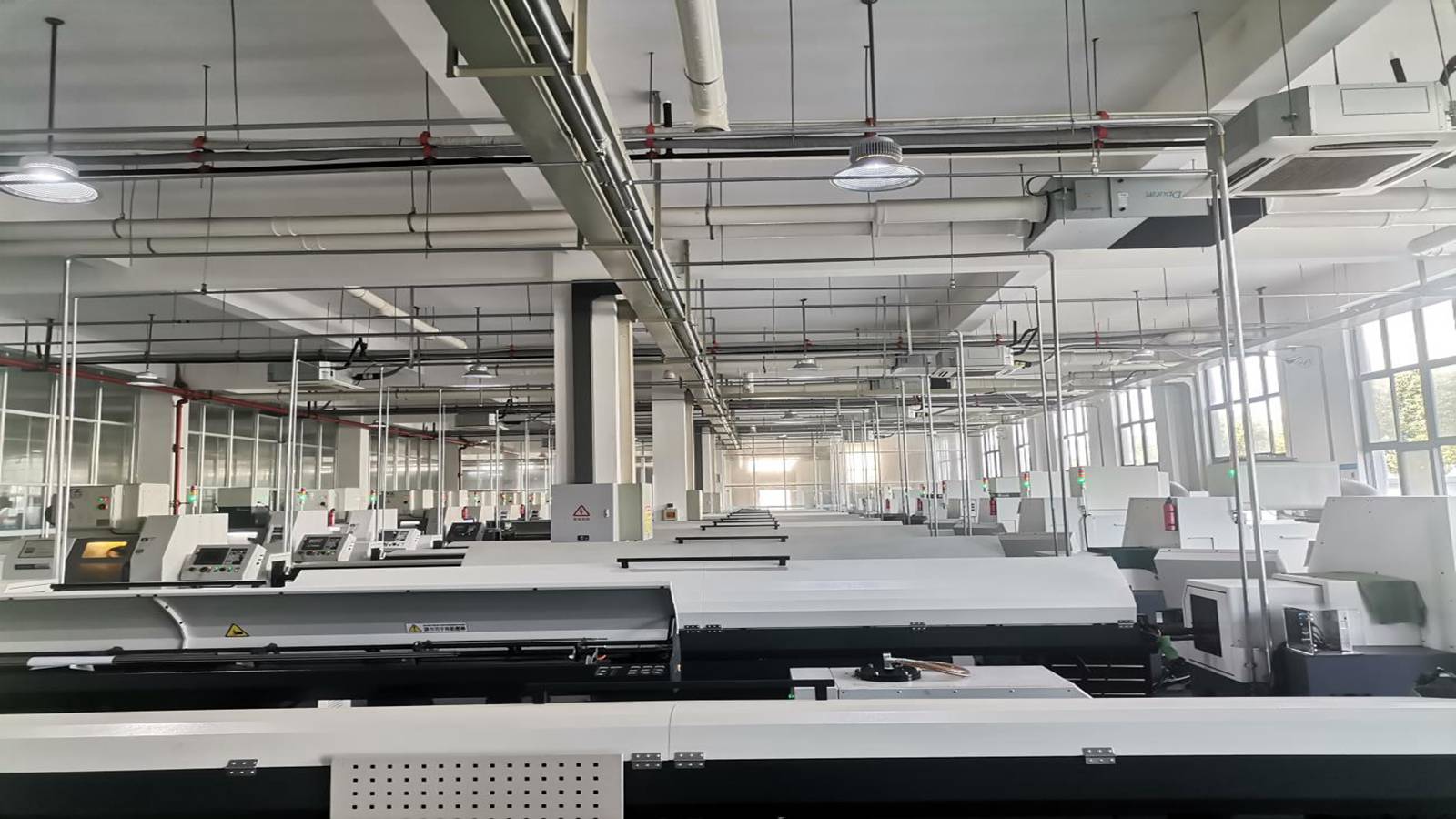
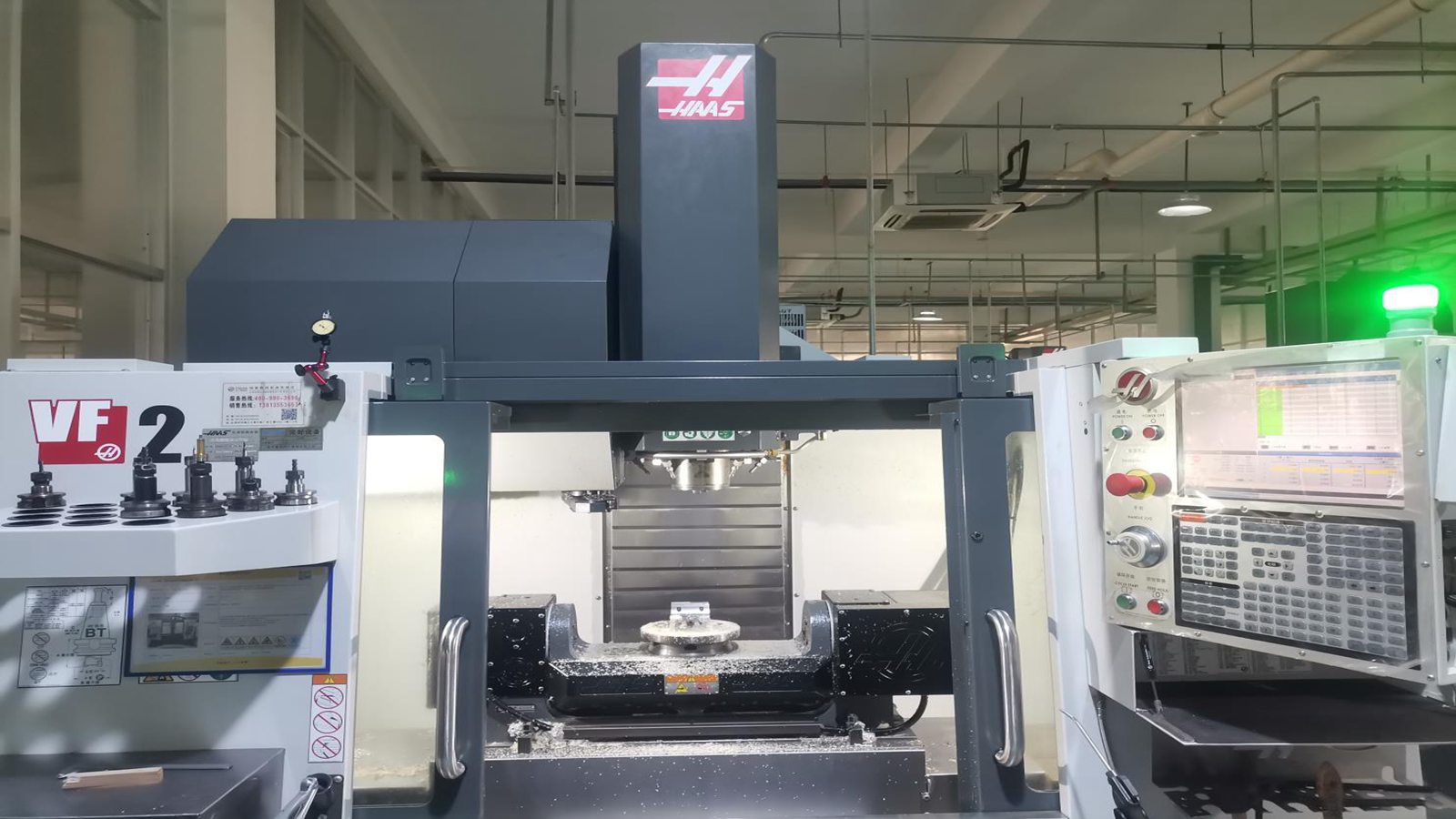
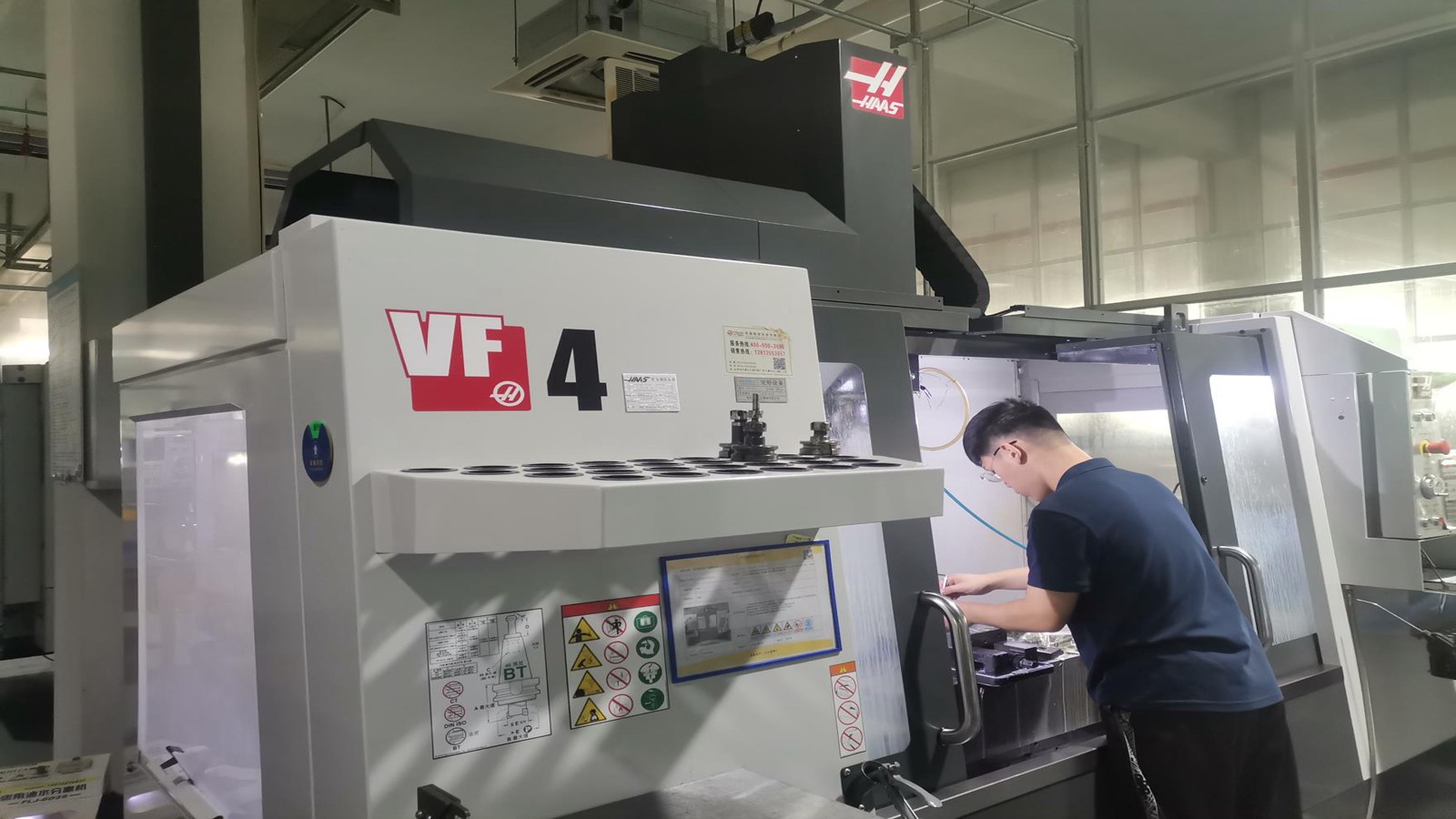
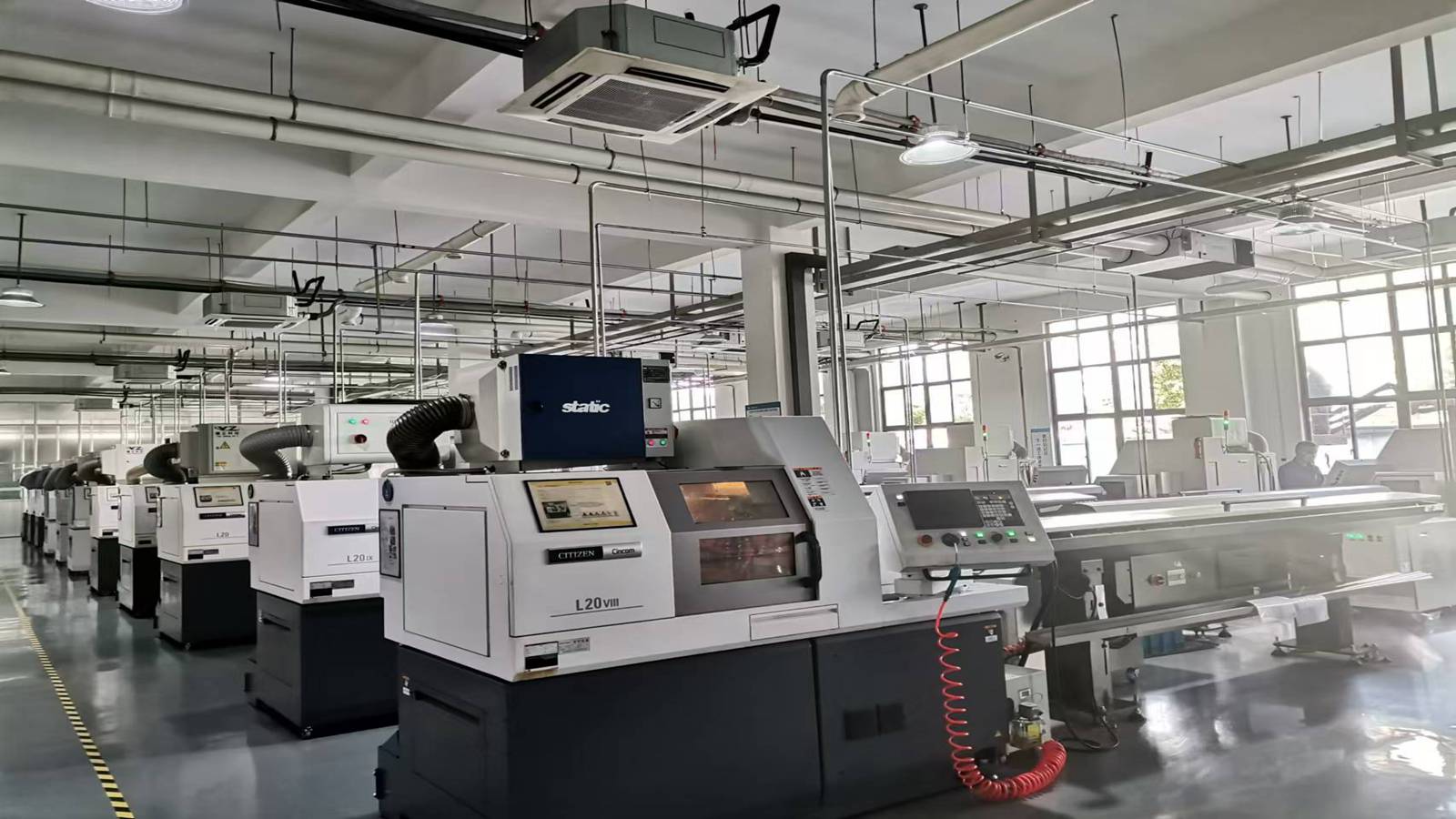
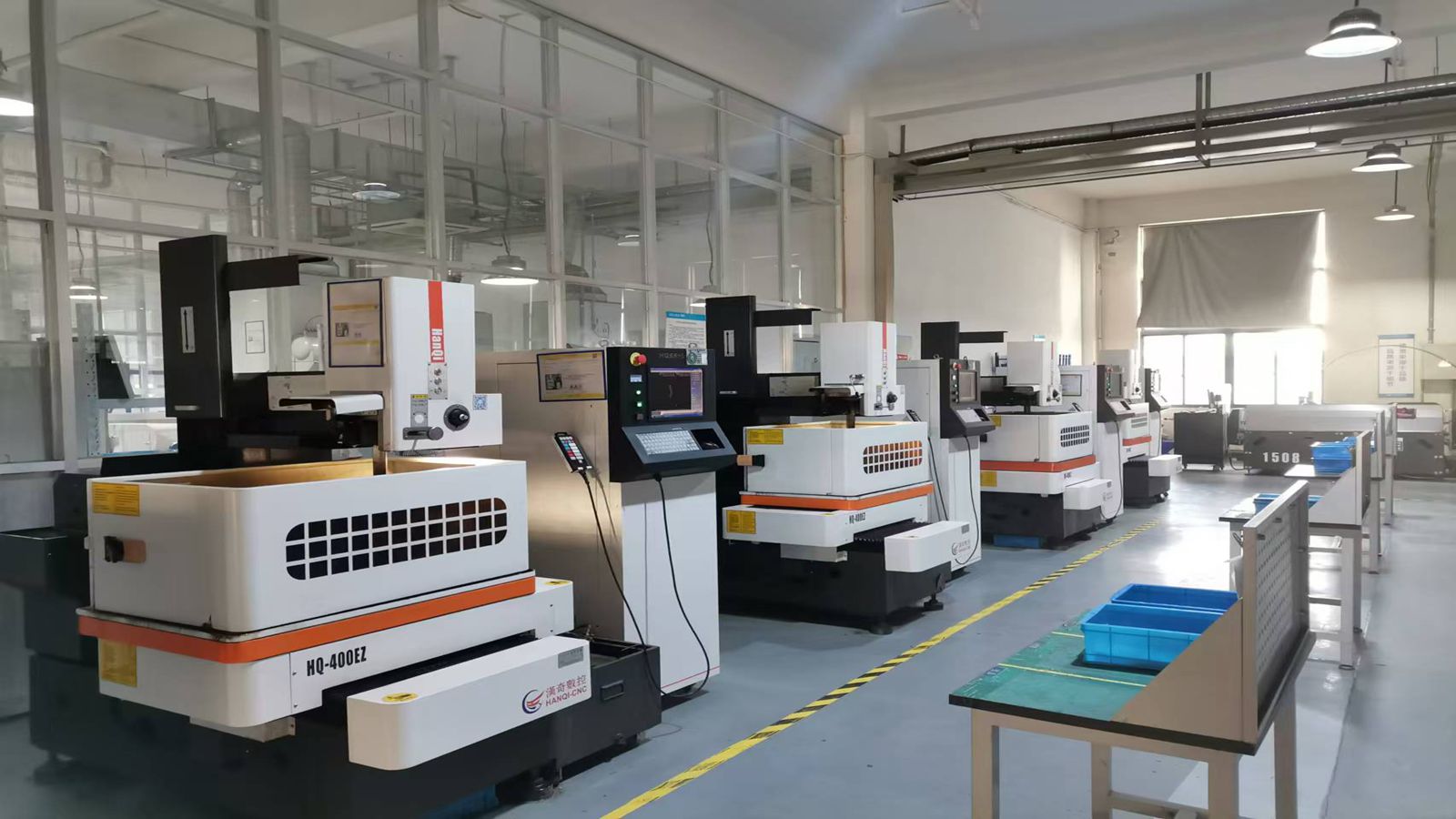
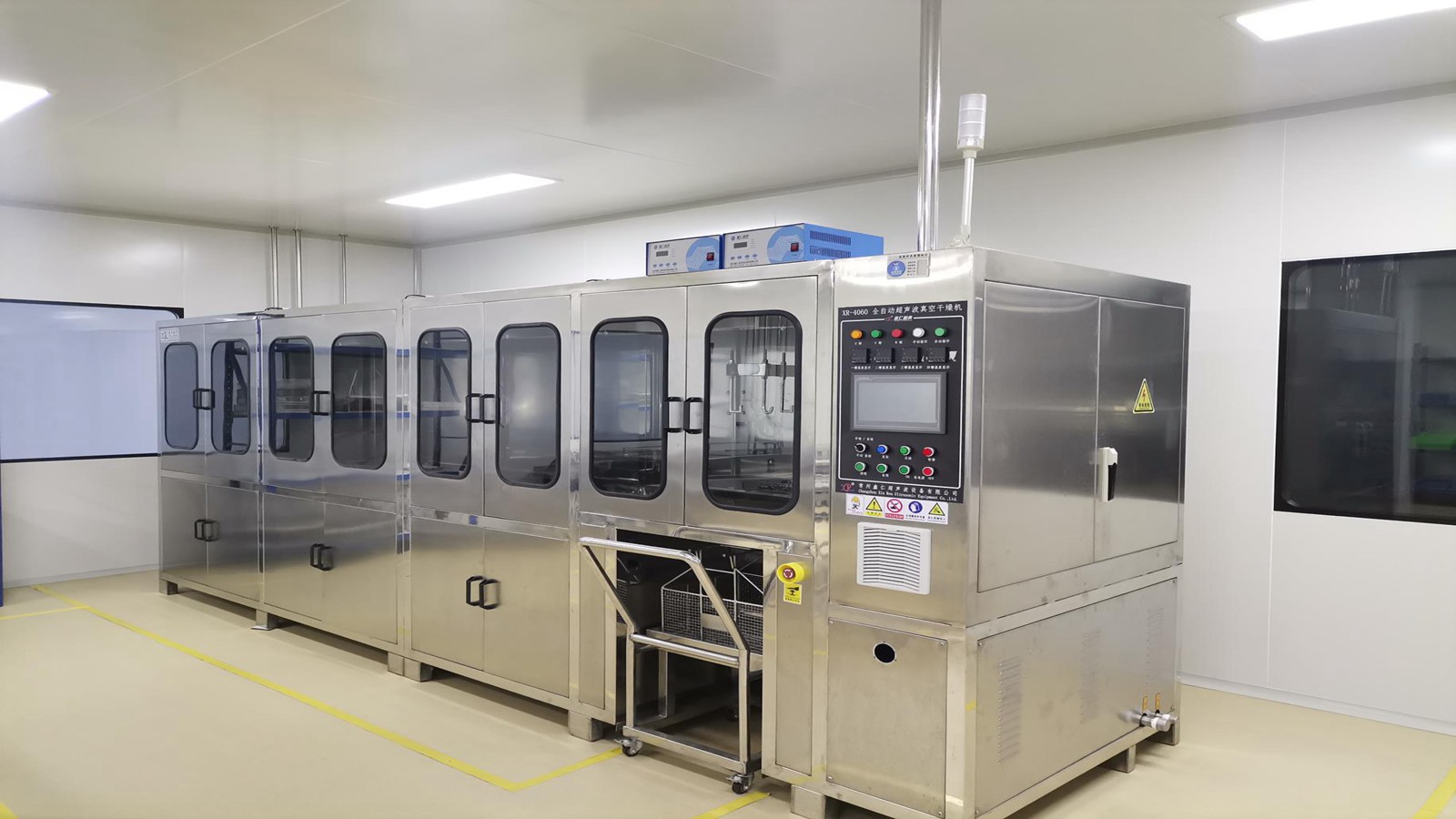
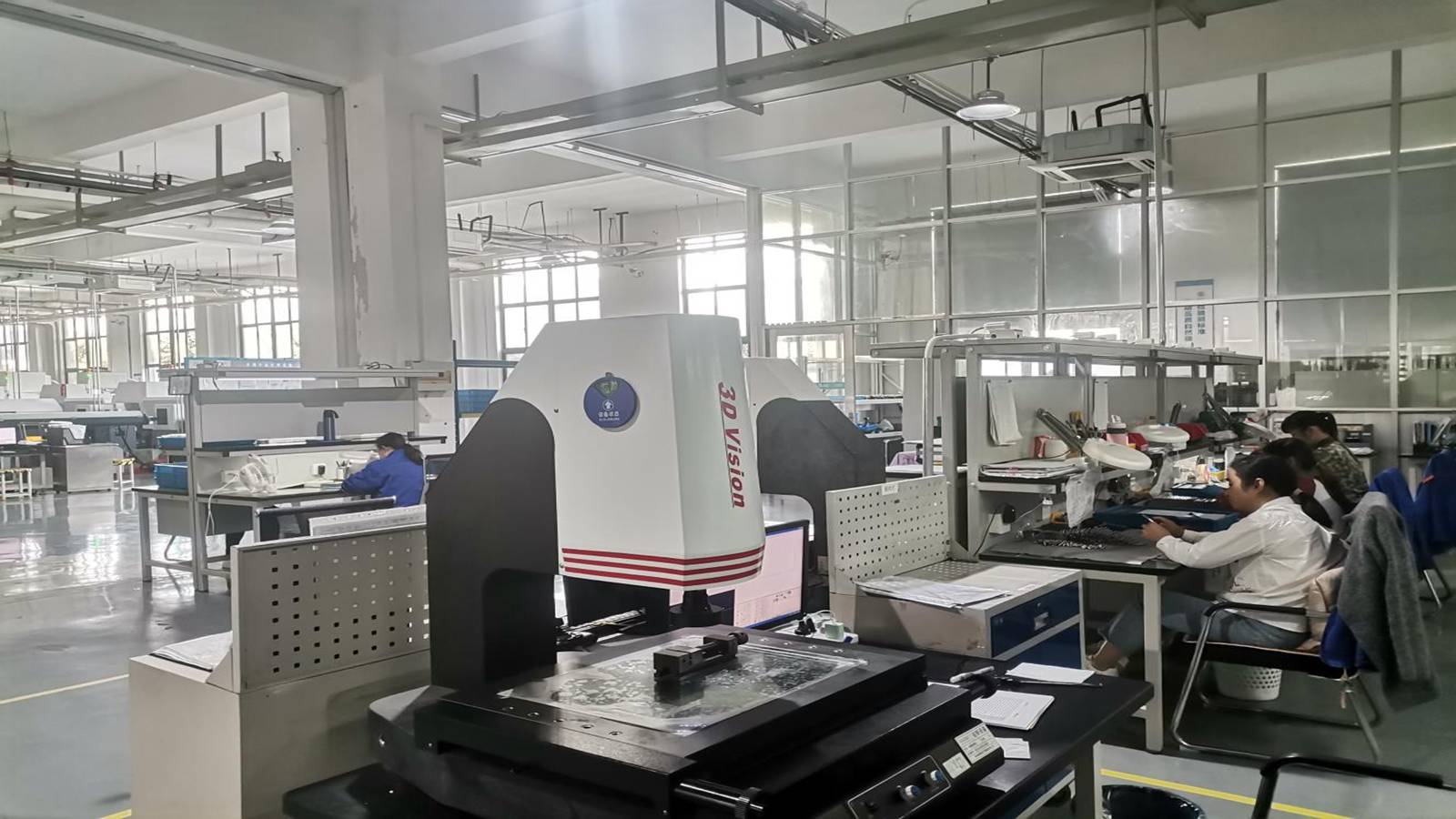
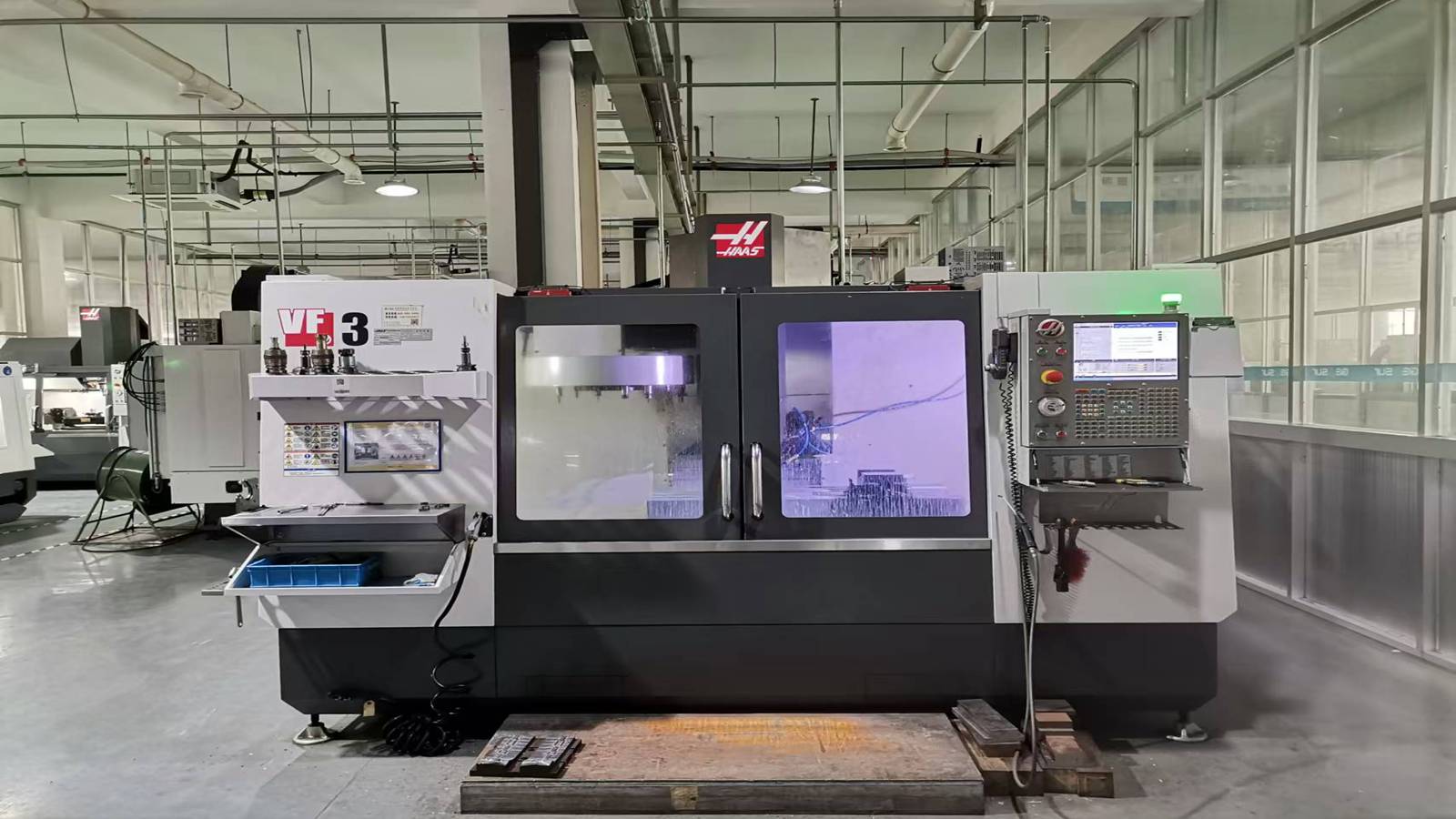
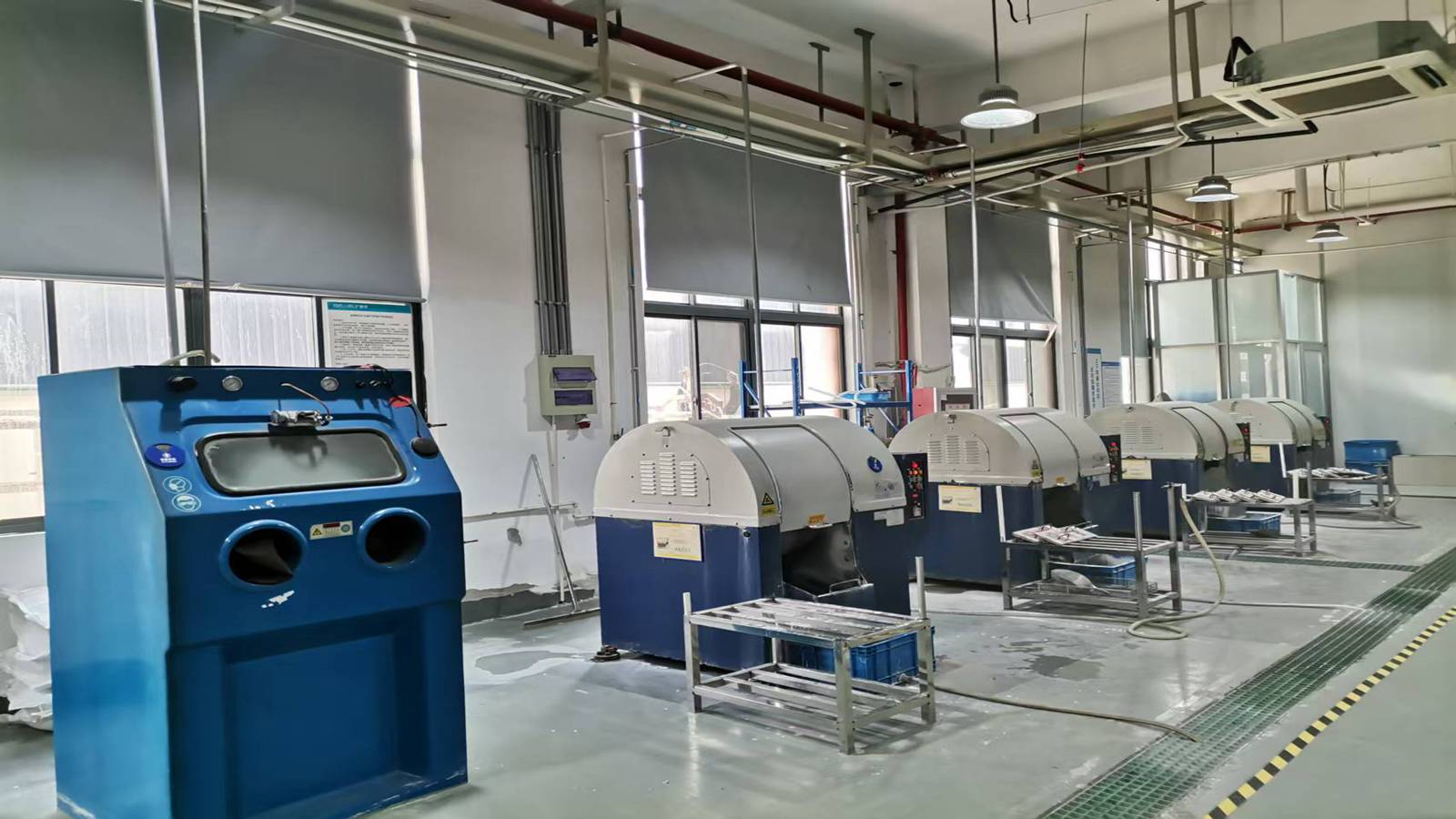
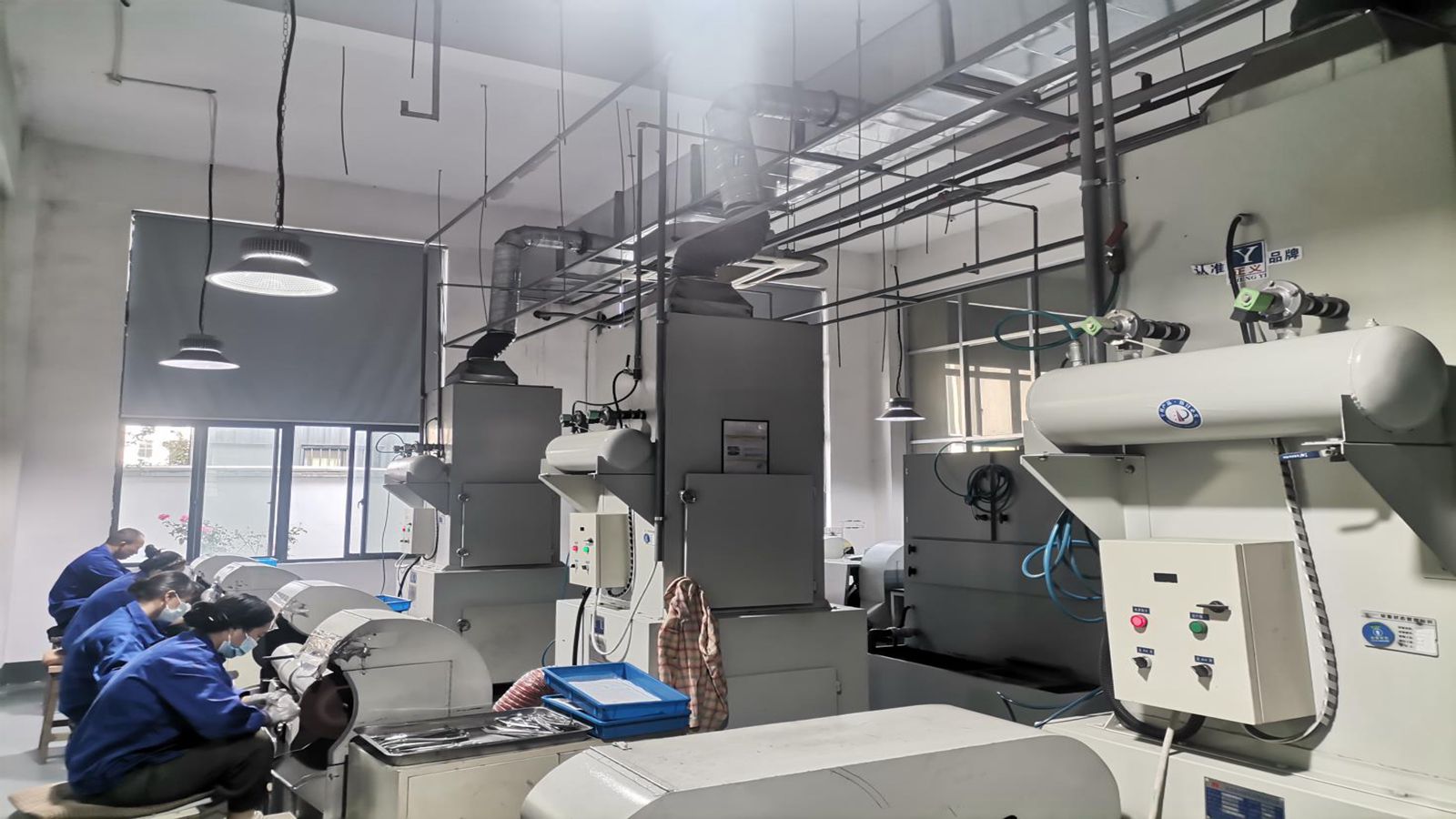
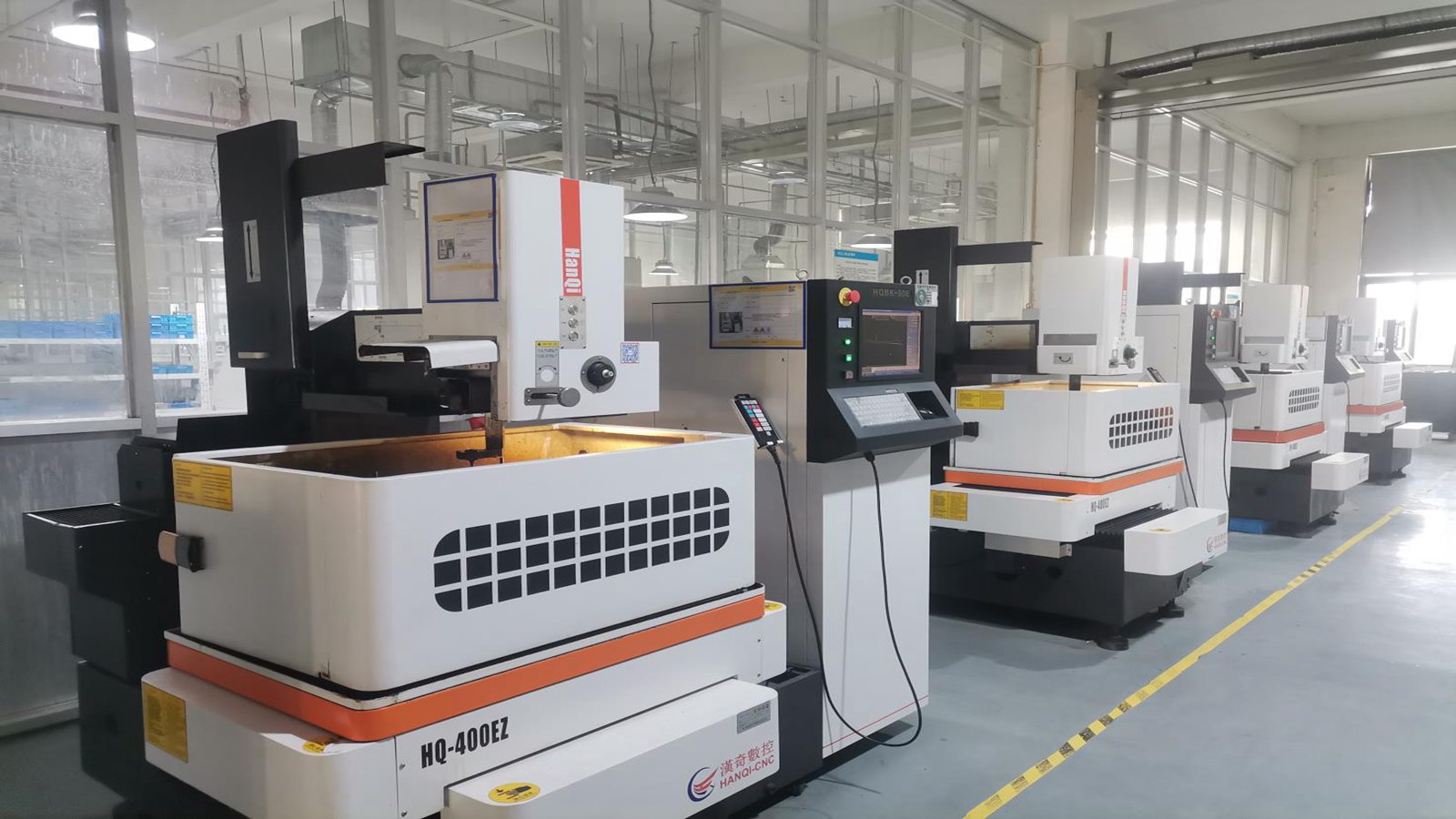
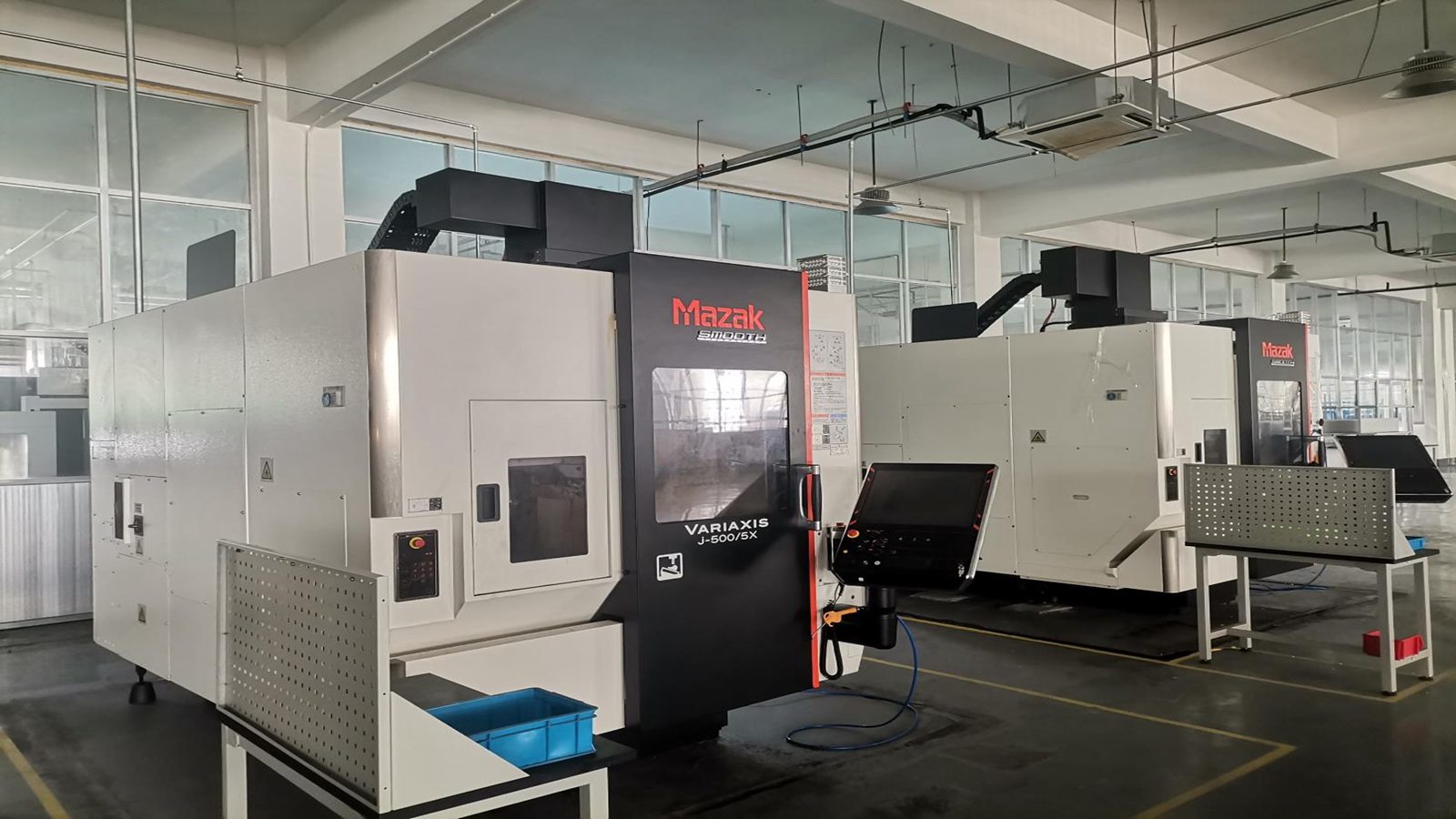
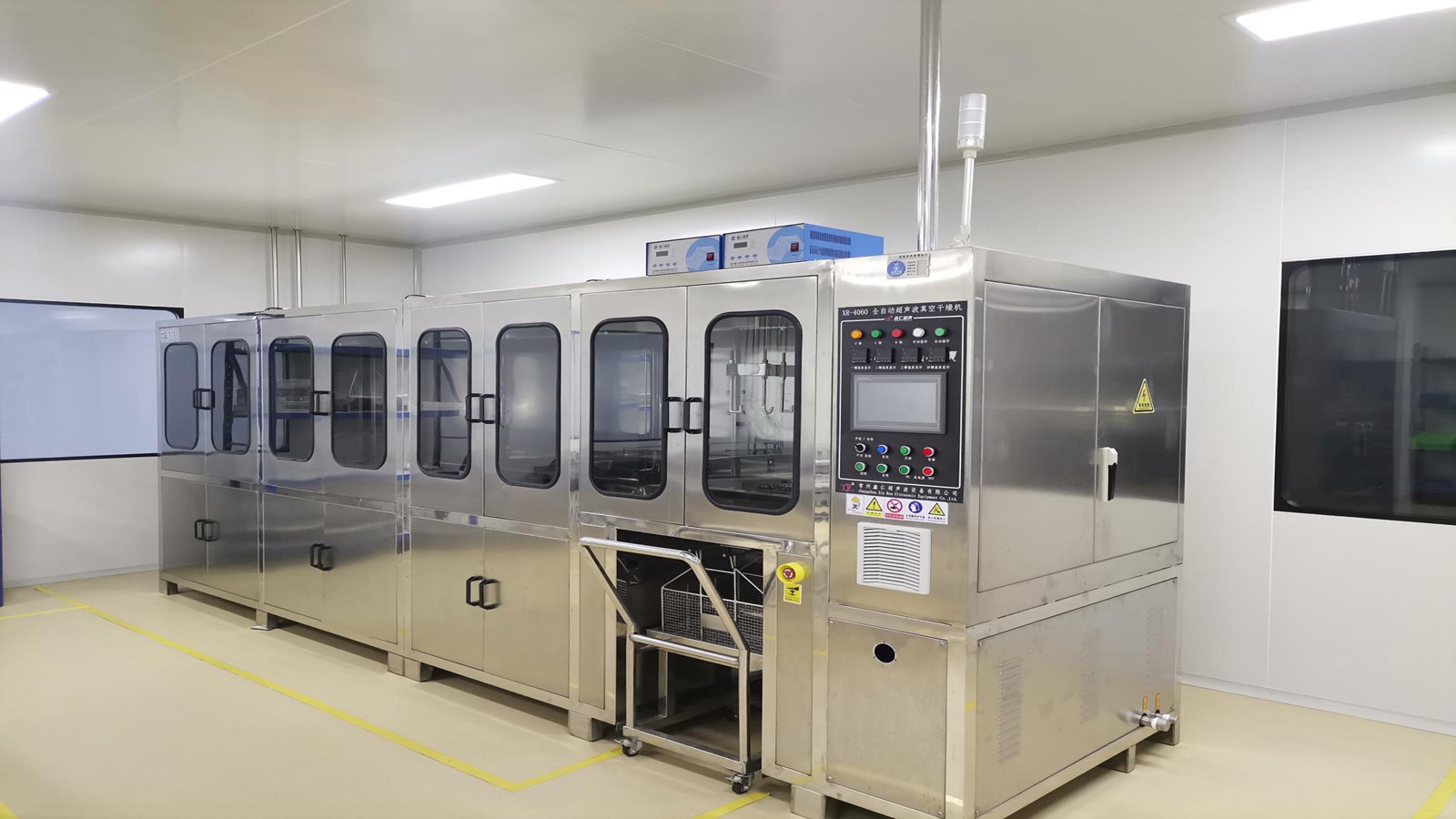
Founded in 2015, HBM Medical is an industry-leading orthopedic trauma implant manufacturing enterprise. Over the past decade, we have established a sophisticated system that links metallurgy, mechanical testing, clinical validation, and regulatory compliance. Our facilities are equipped with 12 automated production lines, ensuring high throughput without compromising on micro-scale tolerances.
Our dedication to engineering is driven by our R&D team of 31 specialized engineers (comprising 1 Doctorate, 11 Post-Graduates, 17 Graduates, and 2 Junior College specialists). By focusing on thread profile optimization, surface anodization, and self-tapping flute configurations, HBM continuously improves the biomechanical security of fracture fixation.
Analyzing the engineering parameters that differentiate HBM titanium cannulated compression systems in clinical environments.
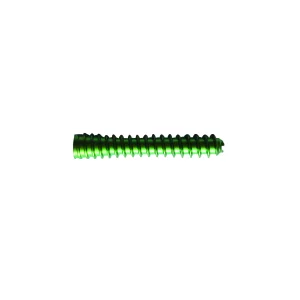
Headless compression screws utilize variable pitch threads to achieve interfragmentary compression. The leading thread (distal) has a larger pitch than the trailing thread (proximal). As the screw rotates, it advances faster through the distal fragment than the proximal fragment. This differential advancement pulls the bone fragments together, generating high compression without a protruding screw head, which is highly beneficial for intra-articular fractures (e.g., scaphoid, femoral head, radial head) where a standard head would cause soft tissue irritation.
HBM implants are fabricated exclusively from medical-grade Extra Low Interstitial Titanium Alloy (Ti-6Al-4V ELI) conforming to ASTM F136. This material provides:
To minimize bone trauma and mechanical stress during insertion, our screws feature self-tapping cutting flutes at both ends. Additionally, reverse cutting flutes on the proximal end facilitate screw removal during implant retrieval surgeries without destroying surrounding cancellous structures.
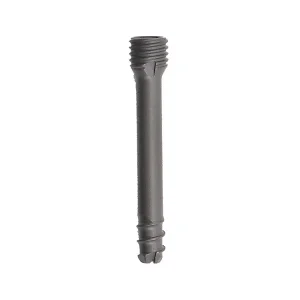
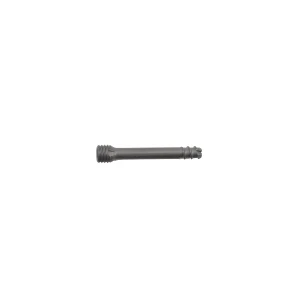
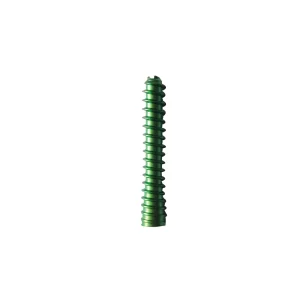
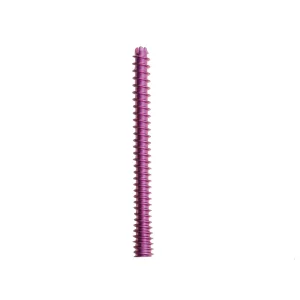
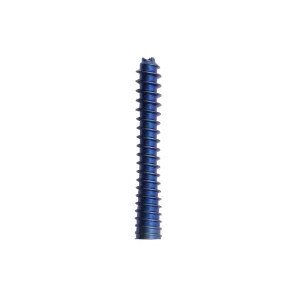
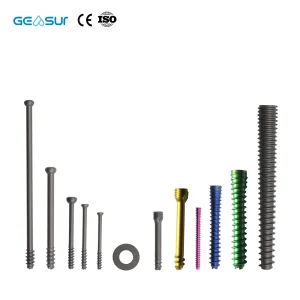
A comprehensive inventory of CE-certified locking bone screws, headless compression systems, and trauma instrumentation sets designed for surgical flexibility.
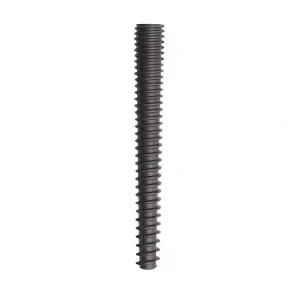
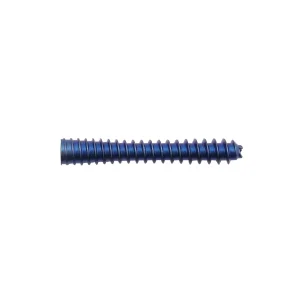
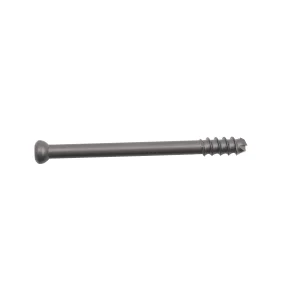
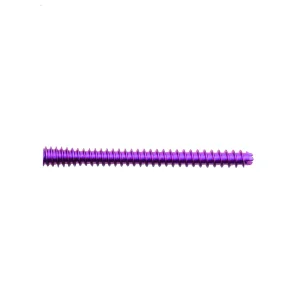
Regulatory alignment is a critical component of medical device supply chains. HBM Medical operates in compliance with international quality management standards, ensuring our products meet the technical requirements of surgical teams in Genoa and broader European networks.
Operating through Genoa's port facilities (Porto di Genova) and Cristoforo Colombo Airport (GOA), HBM provides optimized logistical workflows for medical distributors in Northern Italy.
Implants are supplied in either non-sterile double-barrier packaging suitable for local hospital autoclaving cycles, or pre-sterilized formats using validated Gamma irradiation or Ethylene Oxide (EO) sterilization barriers.
We provide comprehensive tender support documentation, including technical files, biocompatibility reports (ISO 10993), clinical evaluation reports (CER), and localized Italian instruction manuals to assist partners during regional ASL (Azienda Sanitaria Locale) procurement cycles.
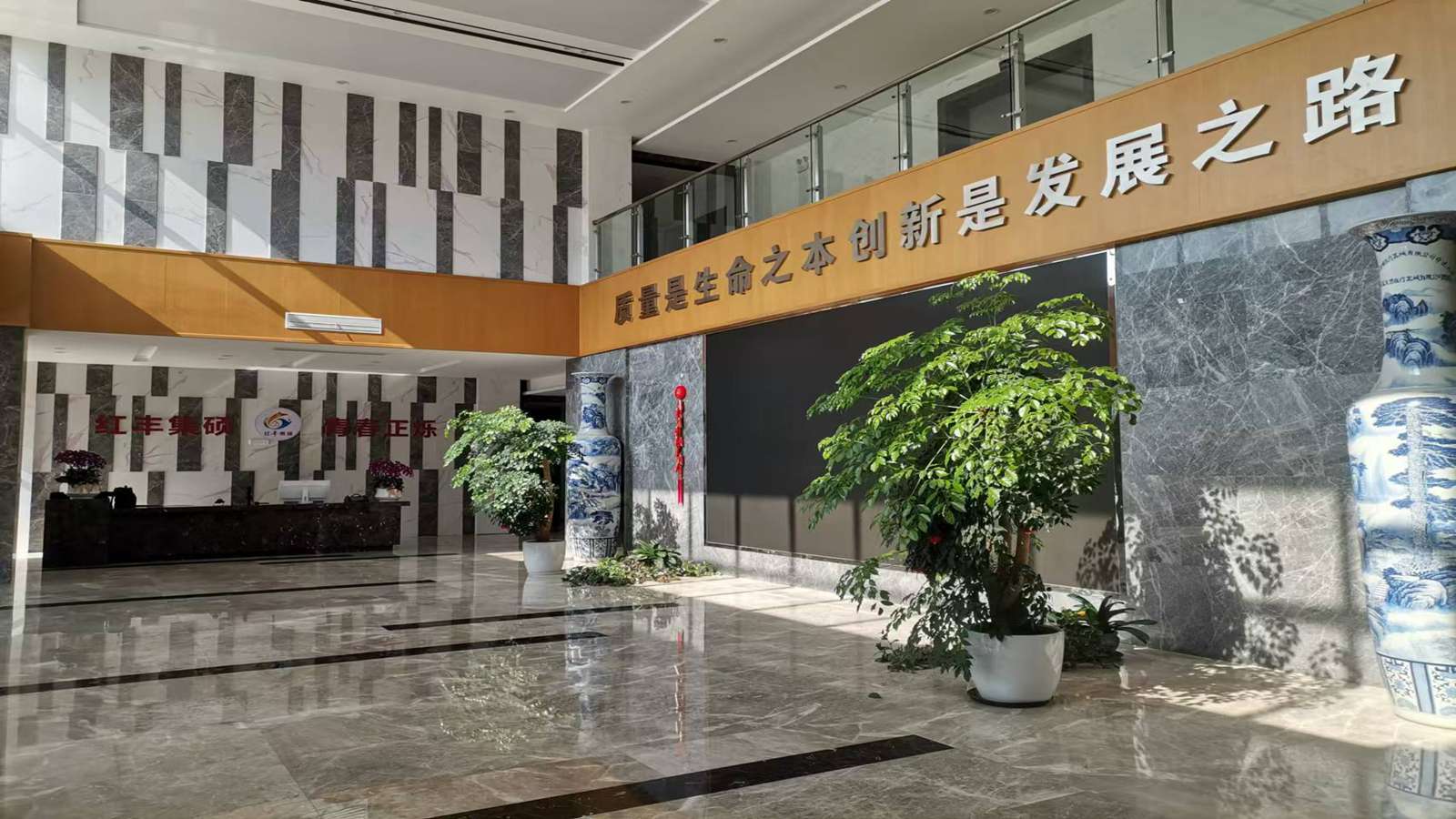
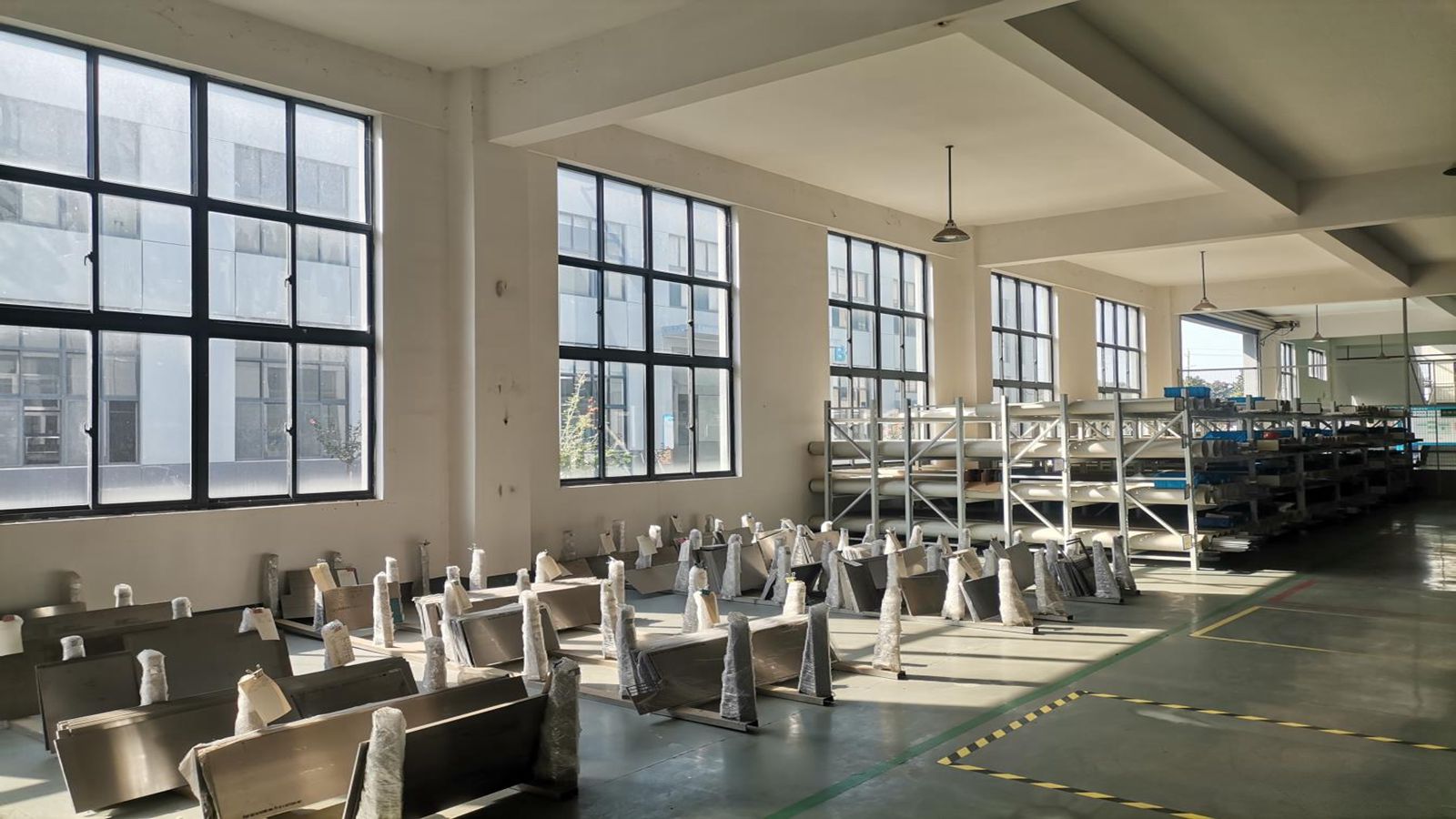
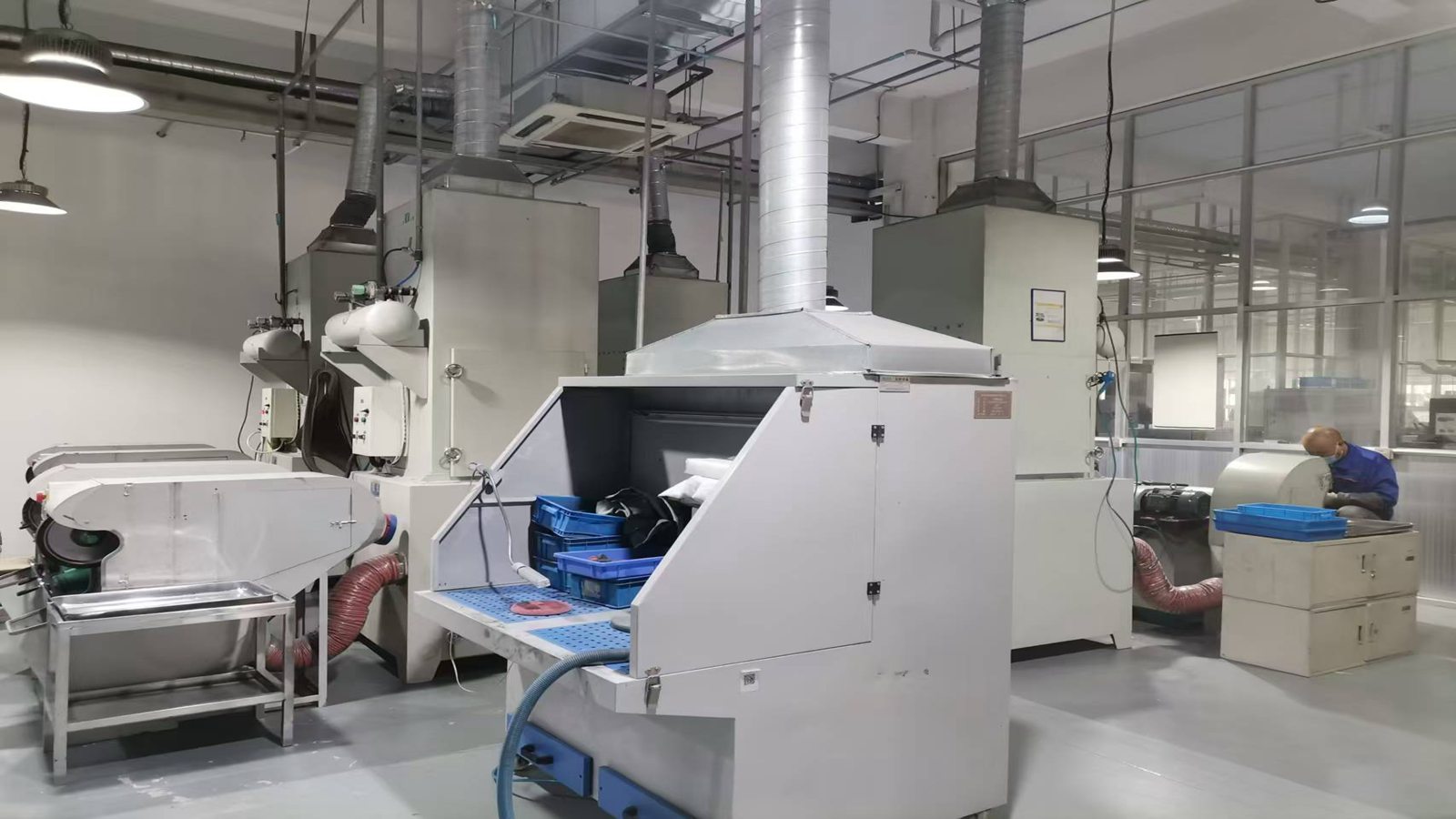
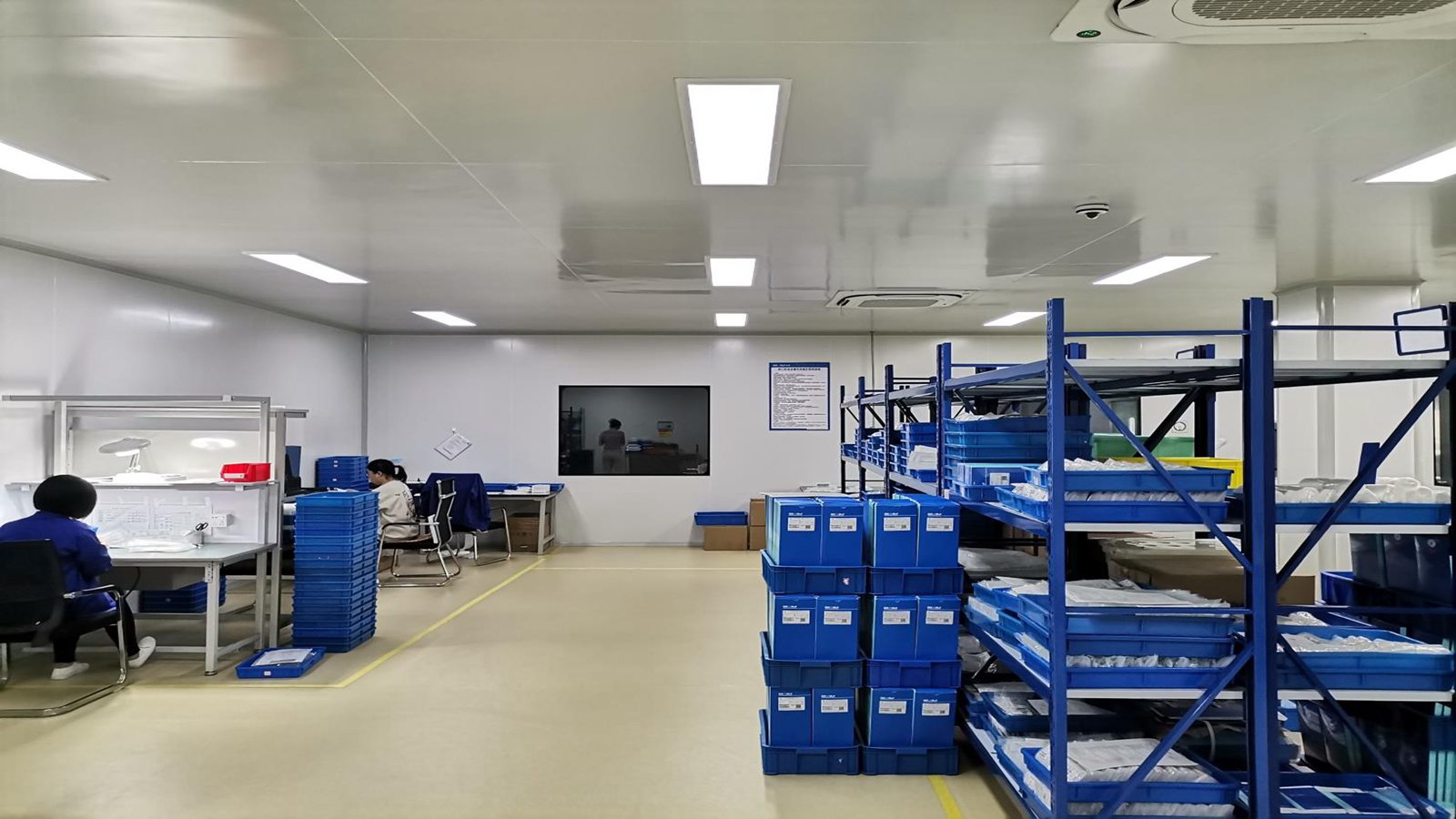
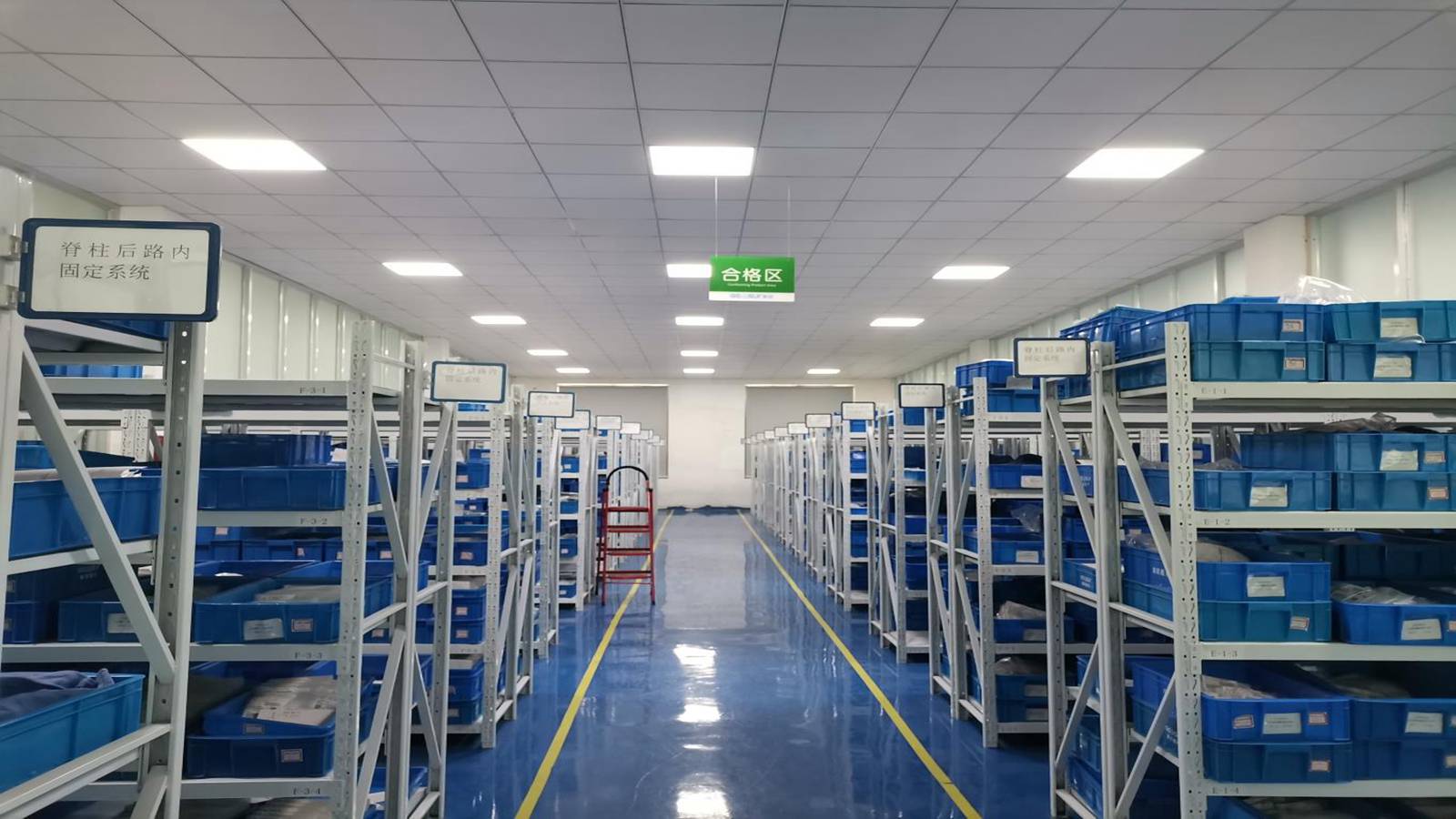
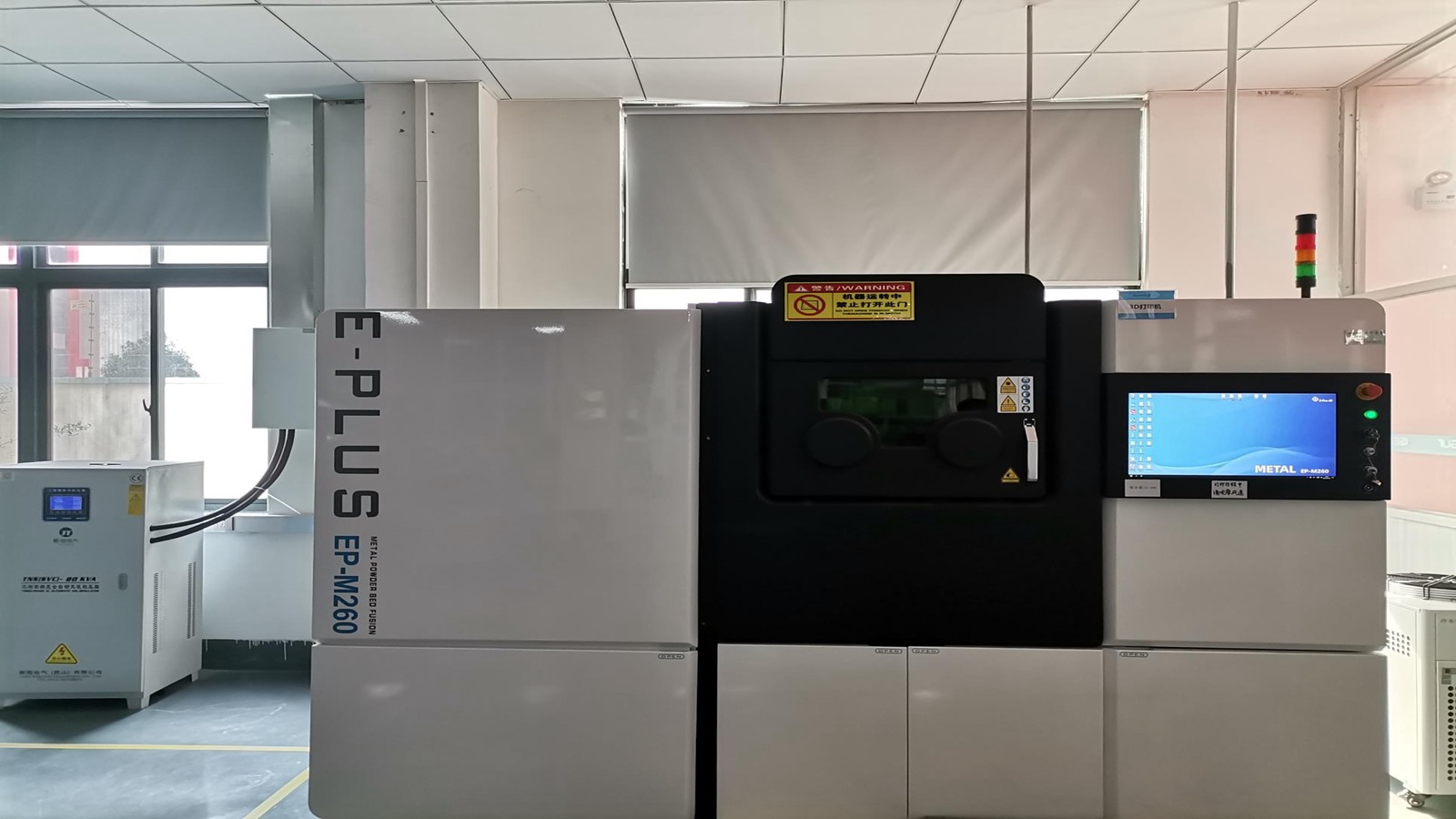
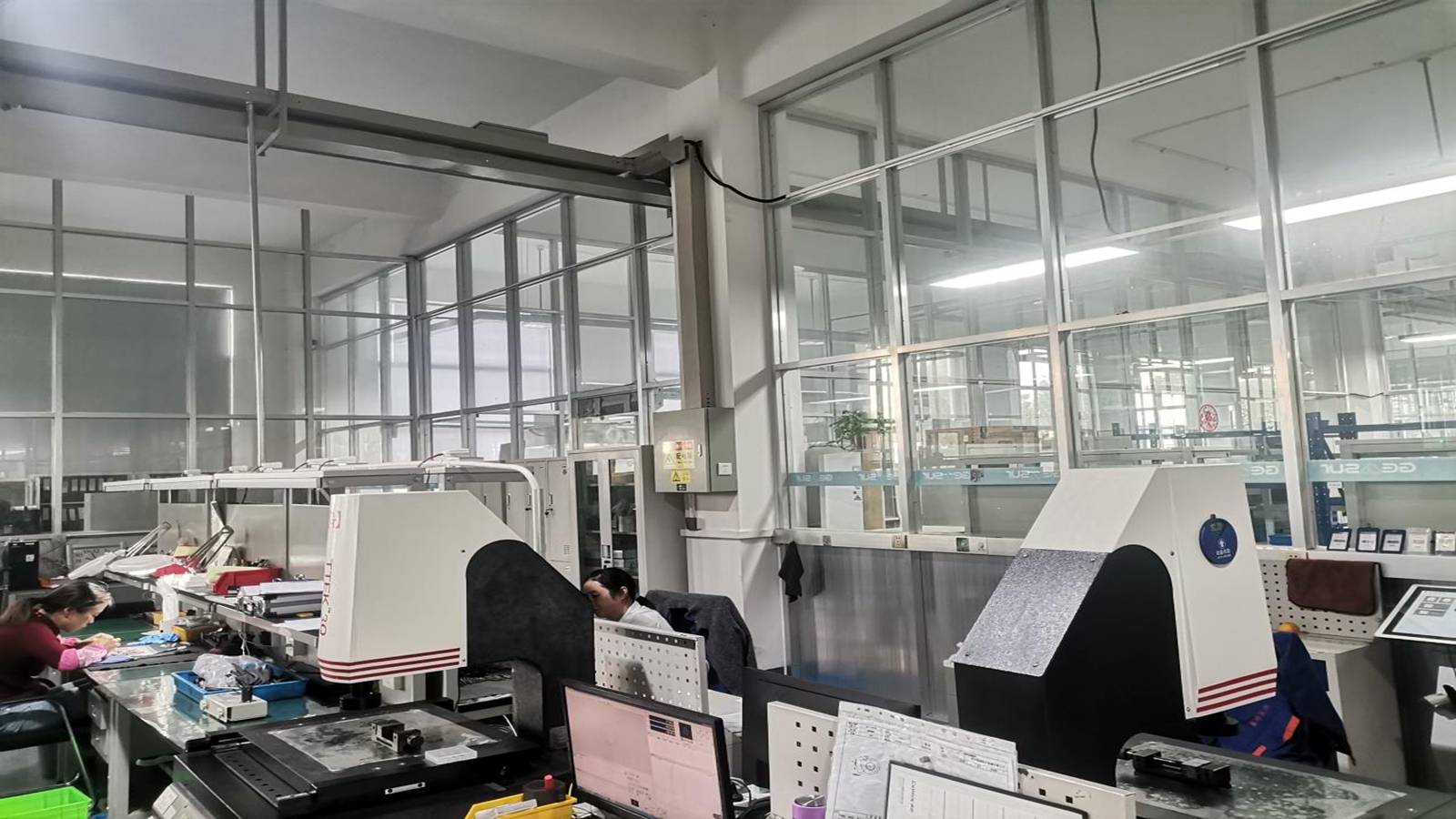
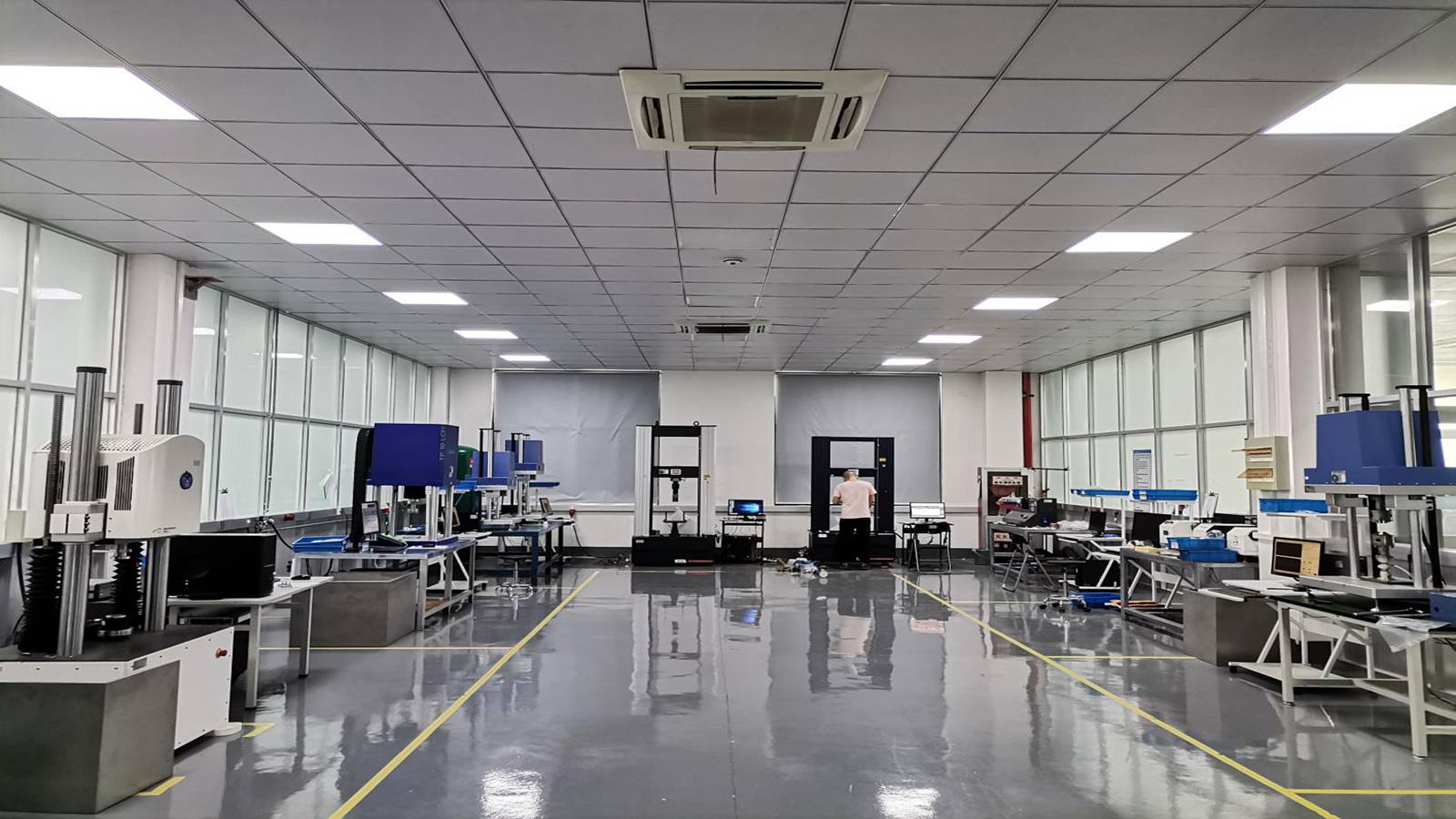
A technical look inside our ISO 13485 cleanrooms, CNC machining centers, and validation laboratories.
Analyzing industry shifts toward surface modification, customized geometries, and bio-absorbable materials.
The clinical performance of permanent titanium bone implants is tied to how effectively they integrate with the surrounding bone. HBM is researching biological coatings, such as biomimetic hydroxyapatite (HA) and electrochemical type III anodization, to accelerate osteoblast proliferation along the screw threads. This is particularly relevant in osteopenic populations where bone density is compromised.
For pediatric applications and specific non-load bearing configurations, the clinical community is showing interest in bioresorbable metals like Magnesium alloys (Mg-Nd-Zn-Zr) and polymeric composites. These materials degrade progressively as the bone heals, eliminating the need for a secondary hardware removal surgery, a clear clinical benefit for pediatric hospitals like Genoa's Gaslini Institute.
While standard sizing (2.5mm to 7.3mm screws) covers most trauma scenarios, complex reconstructive and revision oncology cases benefit from customized components. Combining patient-specific CT datasets with high-precision 3D titanium printing allows HBM to address anatomically atypical bone reconstructions.
By combining standard precision-turned screws with customized 3D printing capabilities, HBM provides hospital networks and medical device OEM brand owners with a versatile, single-source procurement pathway.
Clarifying engineering specifications, material selections, and EU MDR certification details for procurement managers and surgical consultants.
Whether you are an OEM brand manager, a surgical distributor in Genoa, or an institutional procurement officer, HBM Medical offers the regulatory compliance, manufacturing capacity, and engineering precision to meet your clinical needs.
Send Inquiry Now HBM Medical