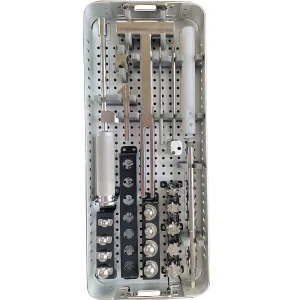
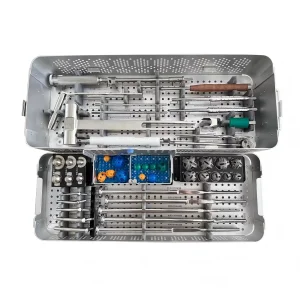
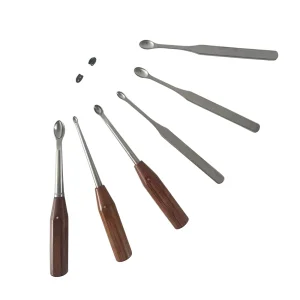
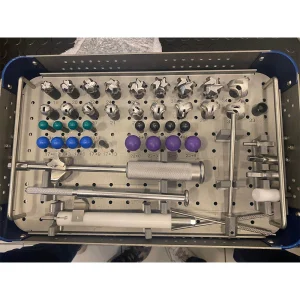
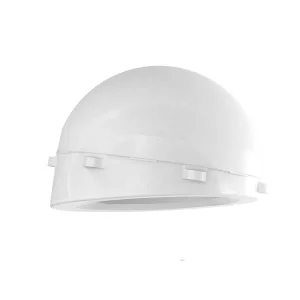
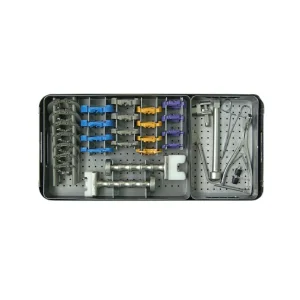
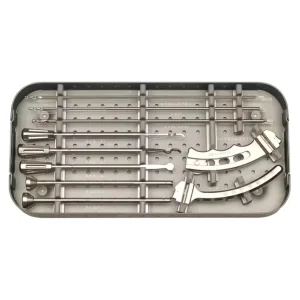
Explore our primary total hip and knee replacement kits, featuring advanced materials and precision-engineered surgical instrumentation.
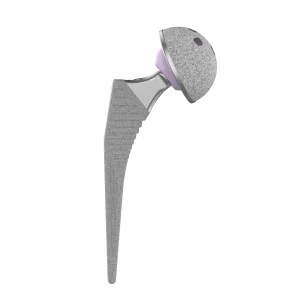
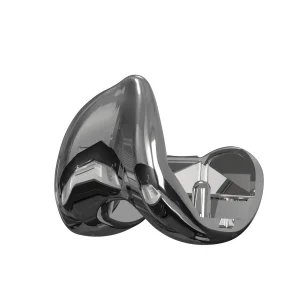
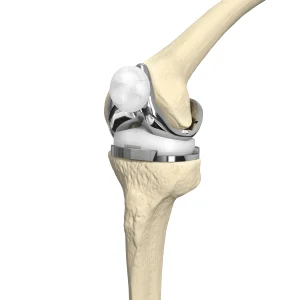
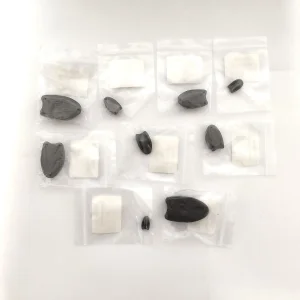
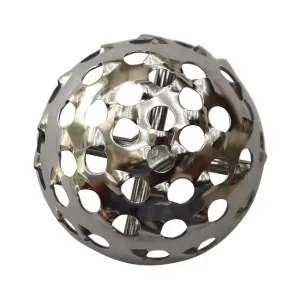
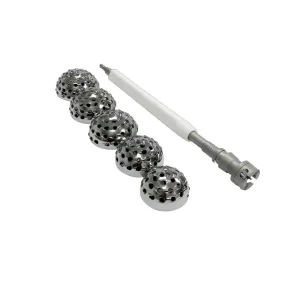
Total Hip Arthroplasty (THA) and Total Knee Arthroplasty (TKA) represent two of the most clinically successful and cost-effective surgical interventions developed in modern medicine. As the global population ages and the prevalence of degenerative joint diseases such as osteoarthritis, rheumatoid arthritis, and avascular necrosis escalates, the demand for high-performance joint replacement implants has surged. For global medical device distributors, healthcare procurement networks, and orthopedic surgeons, securing a reliable, highly compliant, and technologically advanced manufacturing partner is critical.
HBM Medical Apparatus And Instruments Co., Ltd. stands at the forefront of this industry. Established in 2015, HBM Medical has spent a decade perfecting the research, development, and large-scale manufacturing of Class III orthopedic implants and high-precision surgical instruments. Operating from a state-of-the-art 30,343 square meter facility in China, HBM Medical integrates advanced material science, robotic-assisted manufacturing, and stringent quality management systems to deliver orthopedic solutions that meet and exceed international regulatory standards, including CE (MDR) and MDSAP.
"Our mission is to bridge the gap between advanced orthopedic engineering and global accessibility. By leveraging China's highly resilient medical supply chain and our robust R&D capabilities, we provide global markets with implants that guarantee long-term survivorship and exceptional clinical outcomes."
The global joint reconstruction market is undergoing a profound structural shift. Historically dominated by a few multinational conglomerates, the industry is transitioning toward a diversified supply model. Rising healthcare costs, coupled with the expansion of universal healthcare systems in emerging economies, have created an urgent need for high-quality, cost-effective orthopedic implants that do not compromise on clinical safety.
Key drivers of the global THR/TKR market include:
Utilization of medical-grade Titanium Alloys (Ti6Al4V ELI) and Cobalt-Chromium-Molybdenum (CoCrMo) conforming to ASTM and ISO standards to ensure optimal biocompatibility and fatigue strength.
Advanced articulation pairings featuring BIOLOX® delta ceramic heads and highly cross-linked polyethylene (XLPE) liners to minimize wear debris and prolong implant life.
Vacuum Plasma Sprayed (VPS) Titanium and Hydroxyapatite (HA) dual-coatings to promote rapid, stable biological fixation and long-term osseointegration.
The global medical device supply chain has faced unprecedented disruptions over the past few years. In this volatile environment, China's orthopedic manufacturing sector has demonstrated remarkable resilience, efficiency, and technological maturity. HBM Medical exemplifies these advantages, offering global partners a highly stable, vertically integrated manufacturing ecosystem.
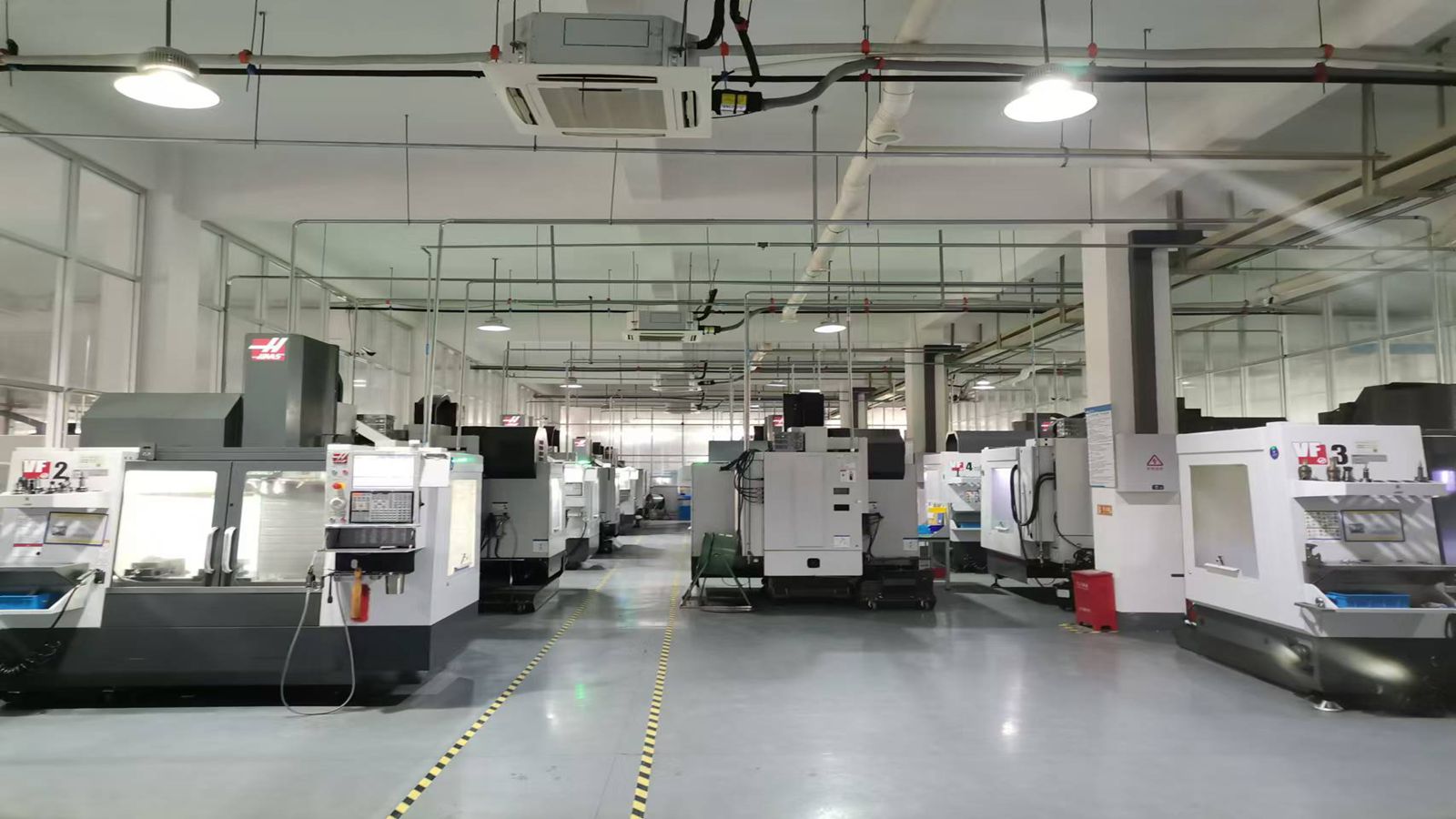
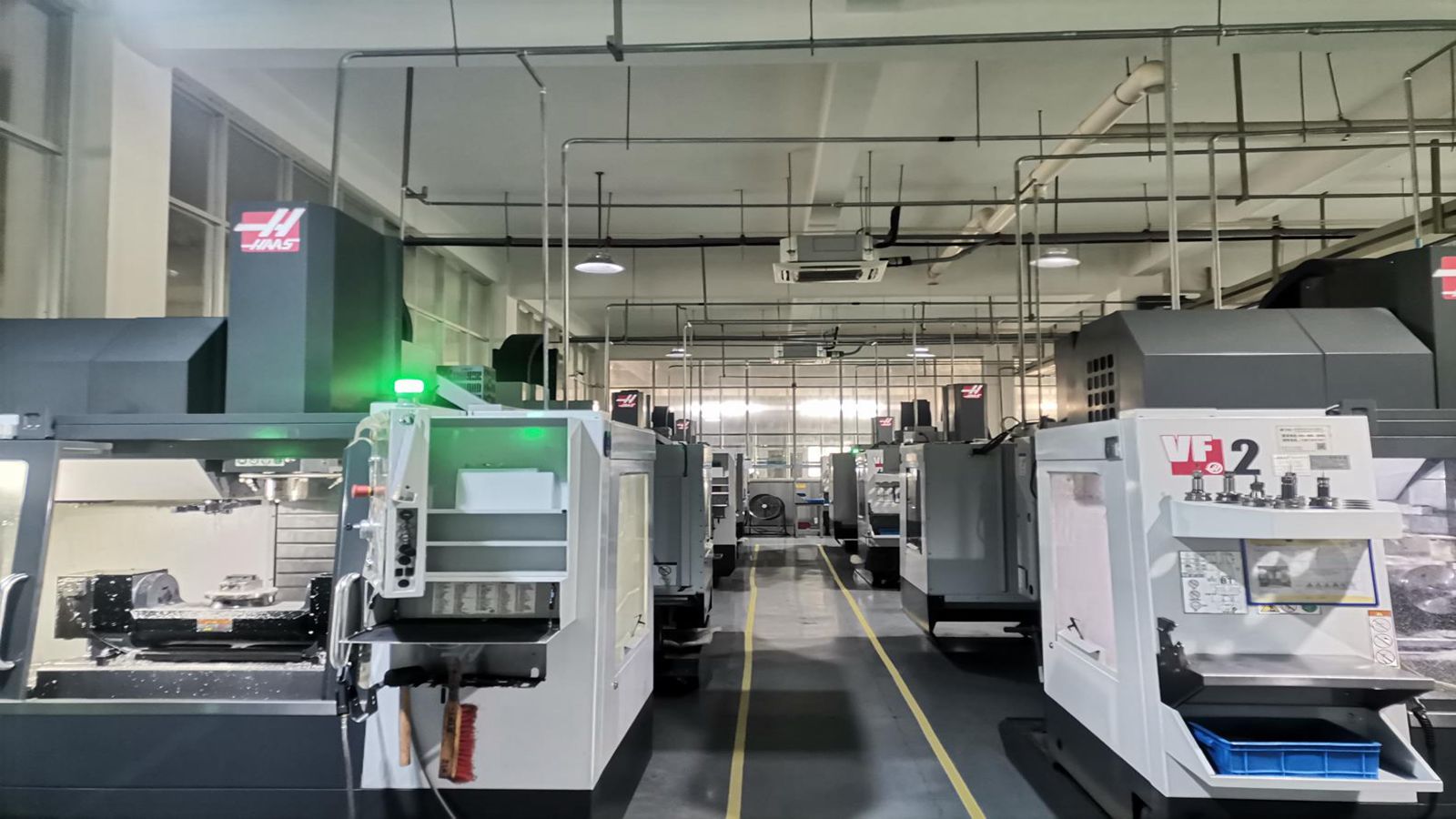
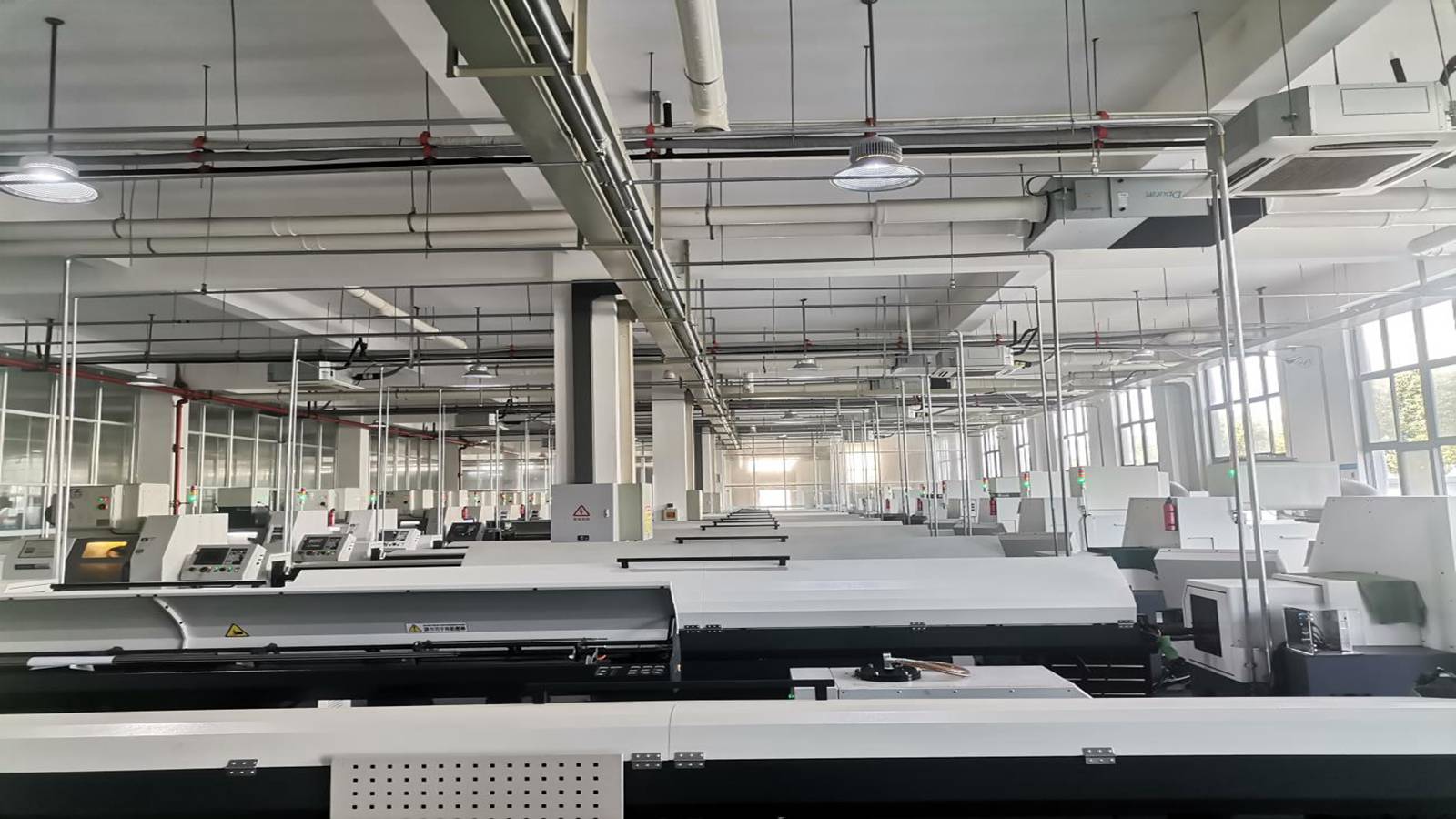
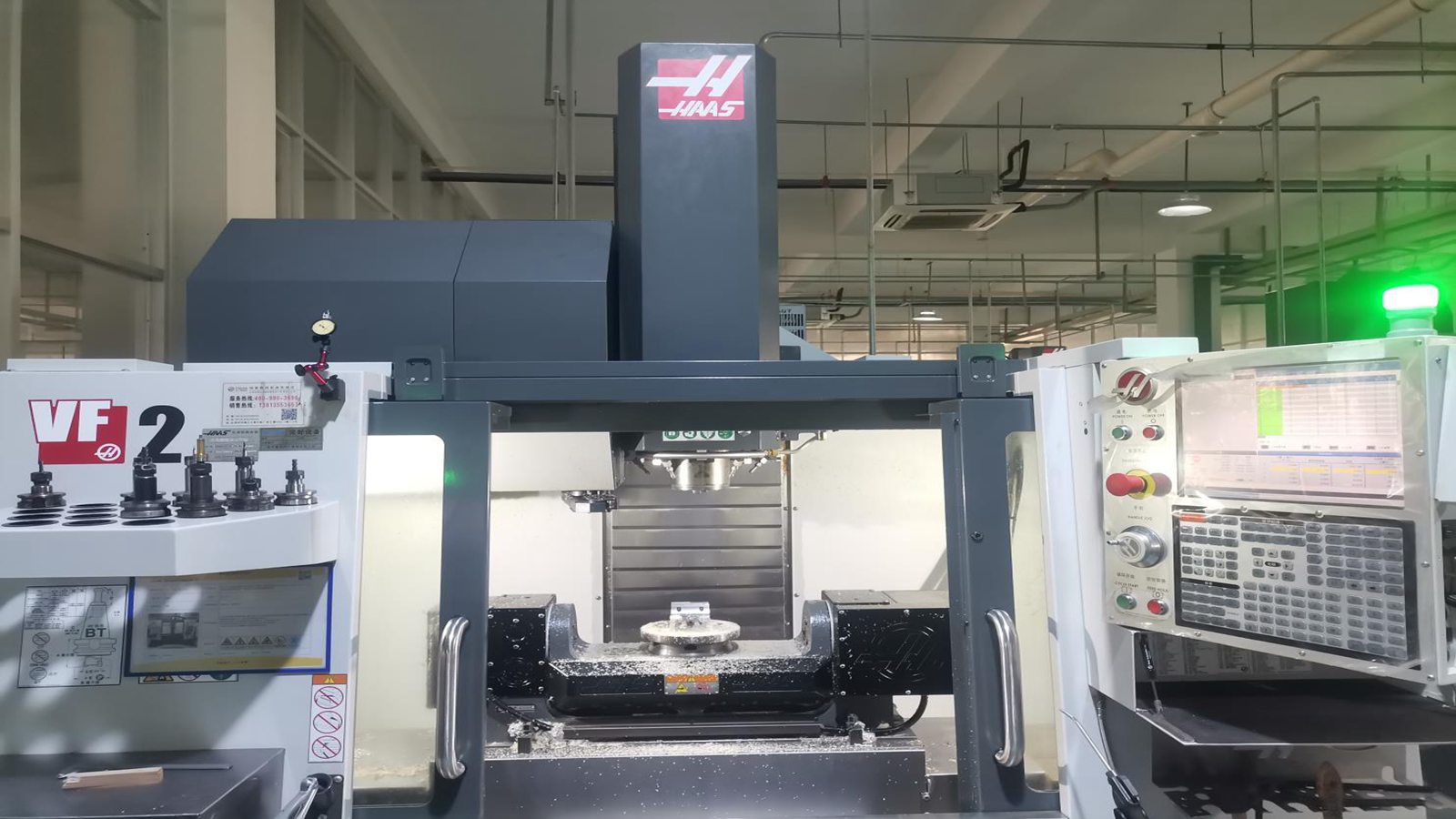
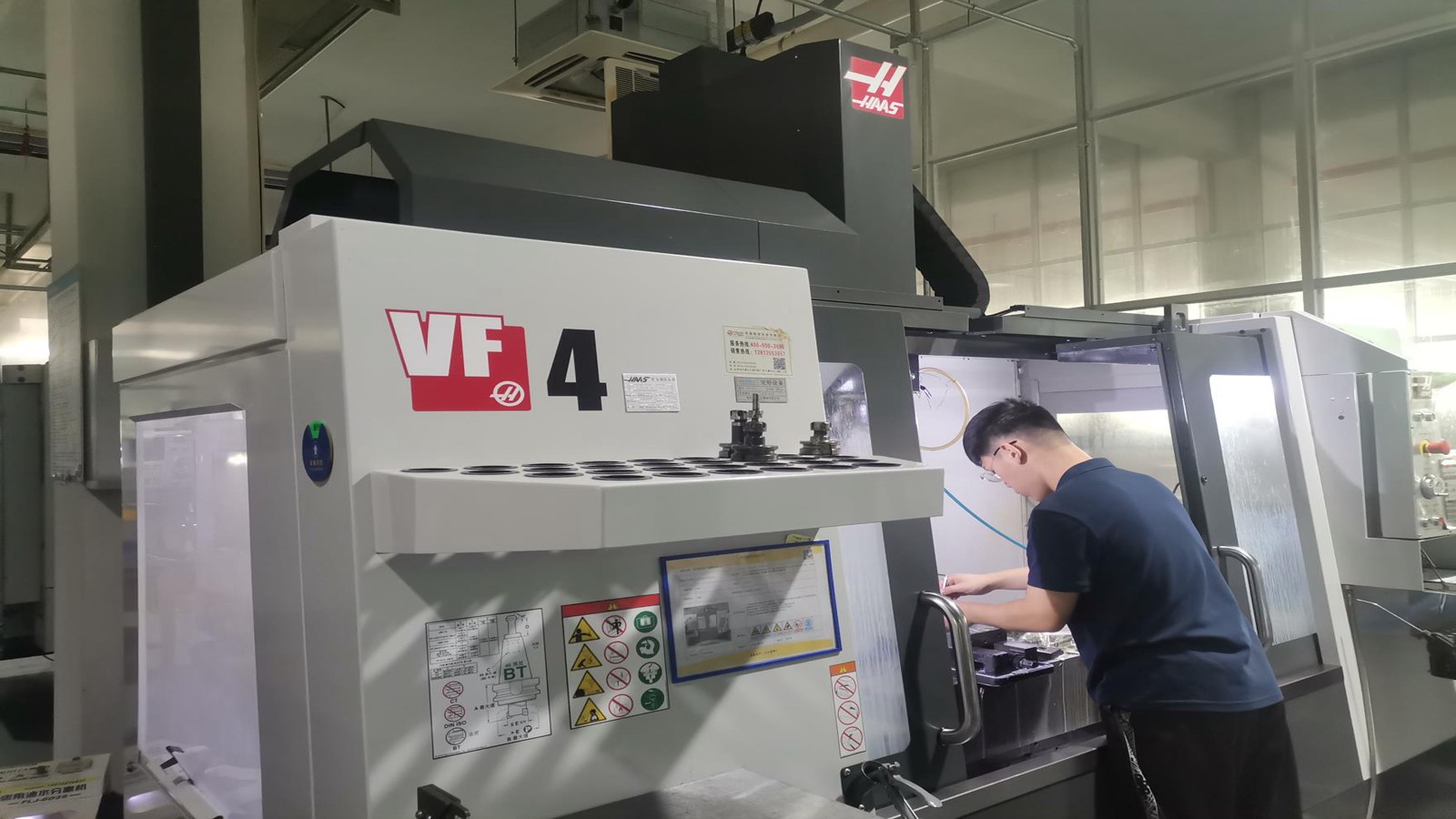
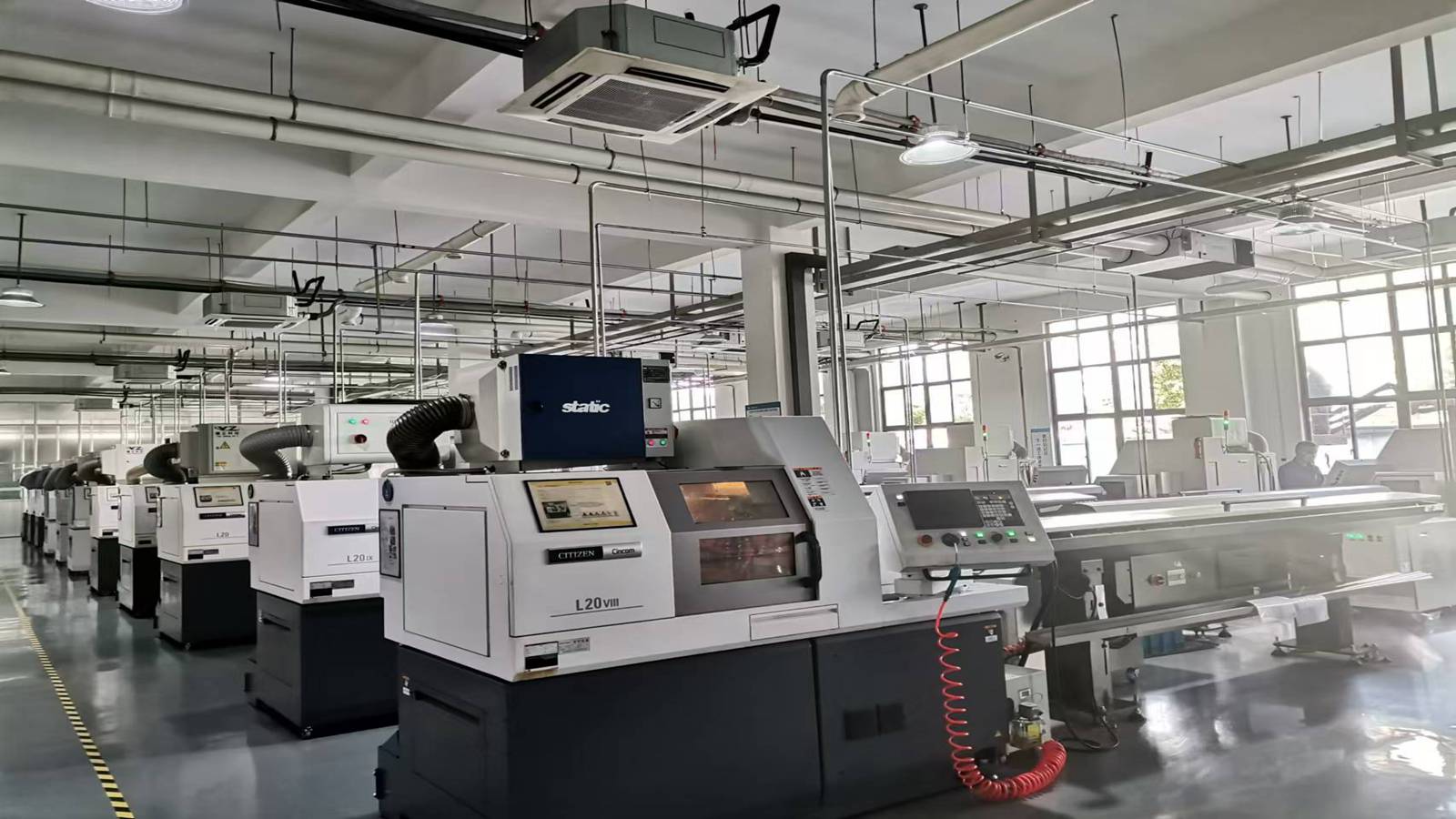
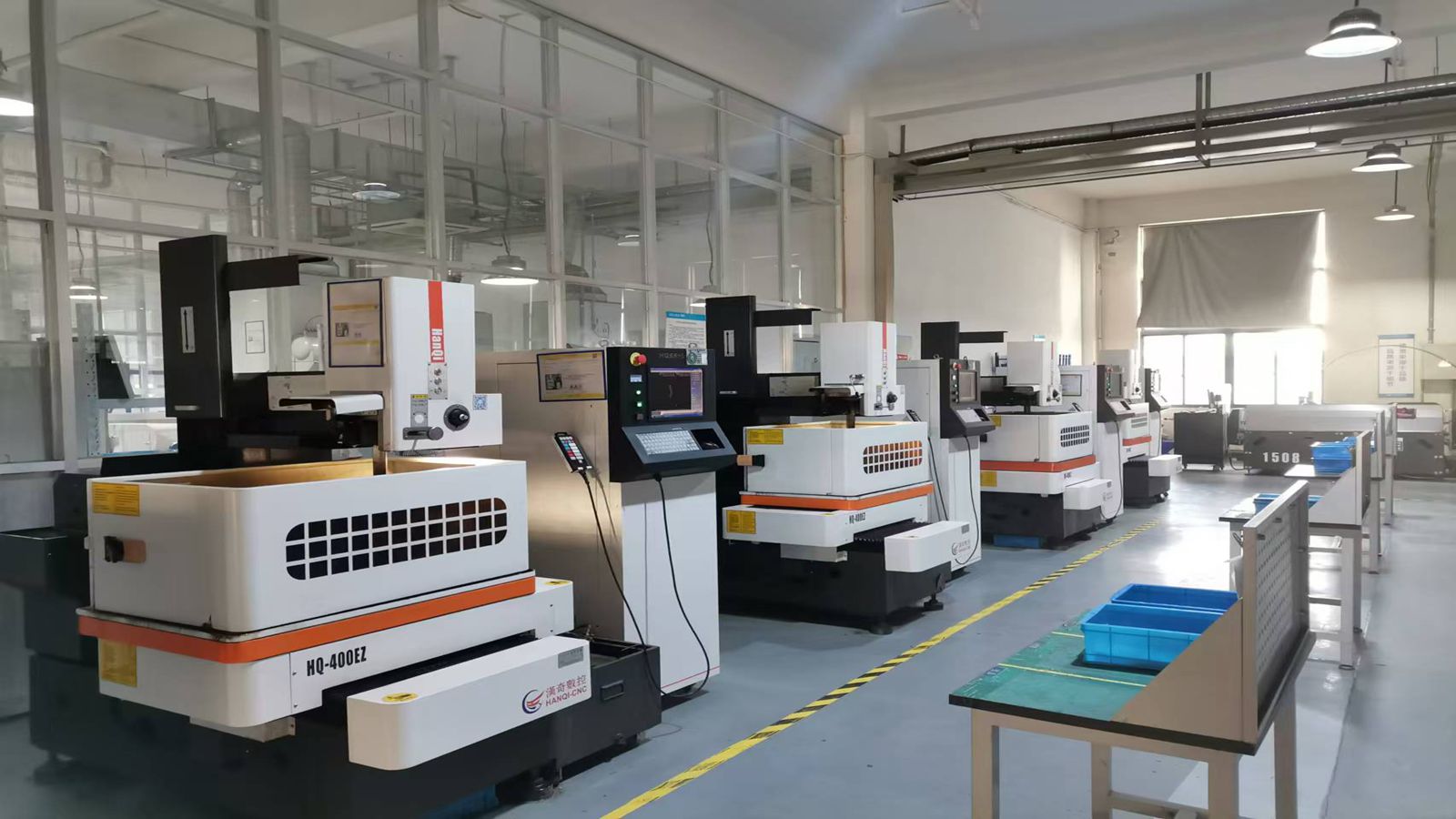
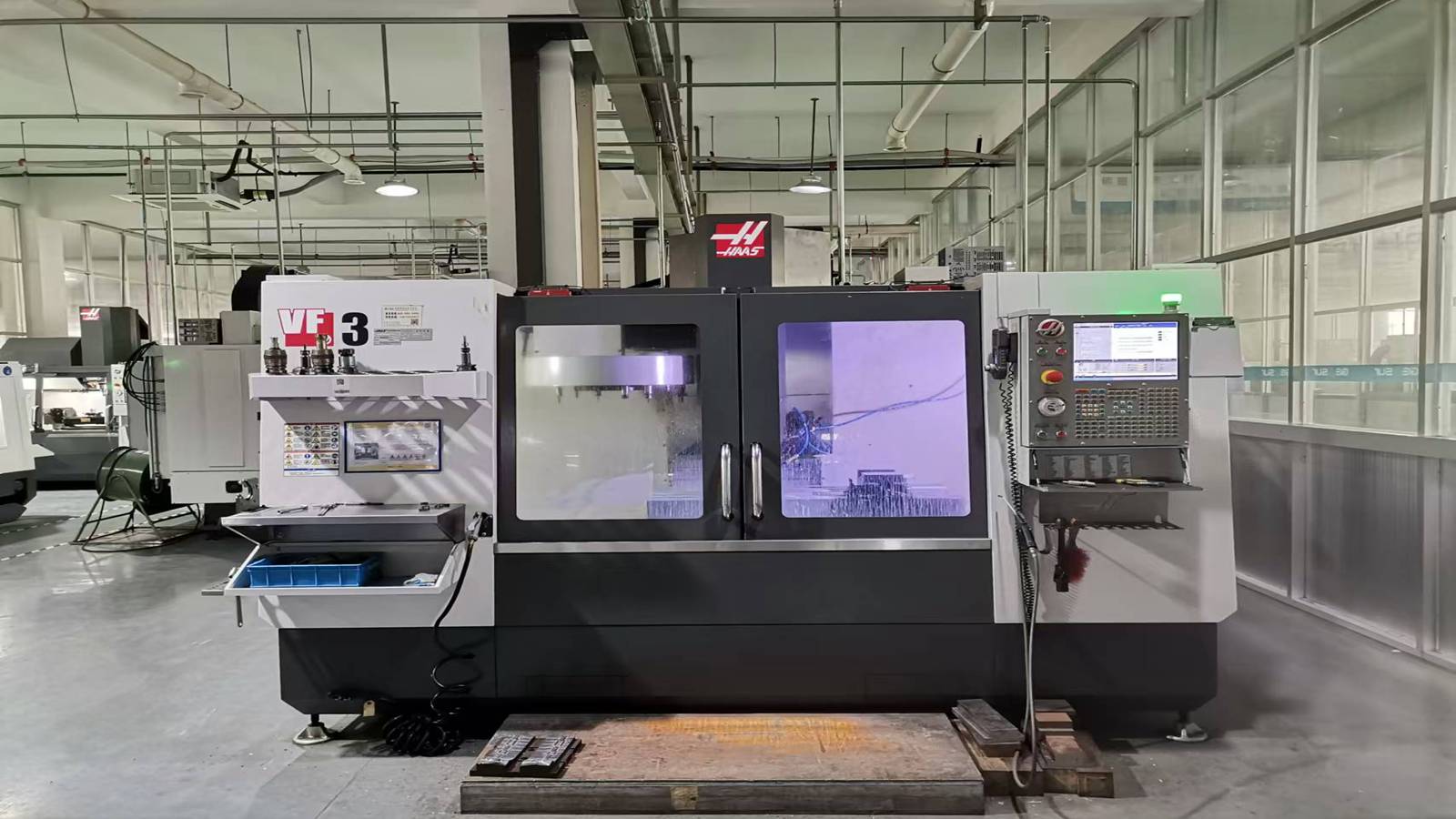
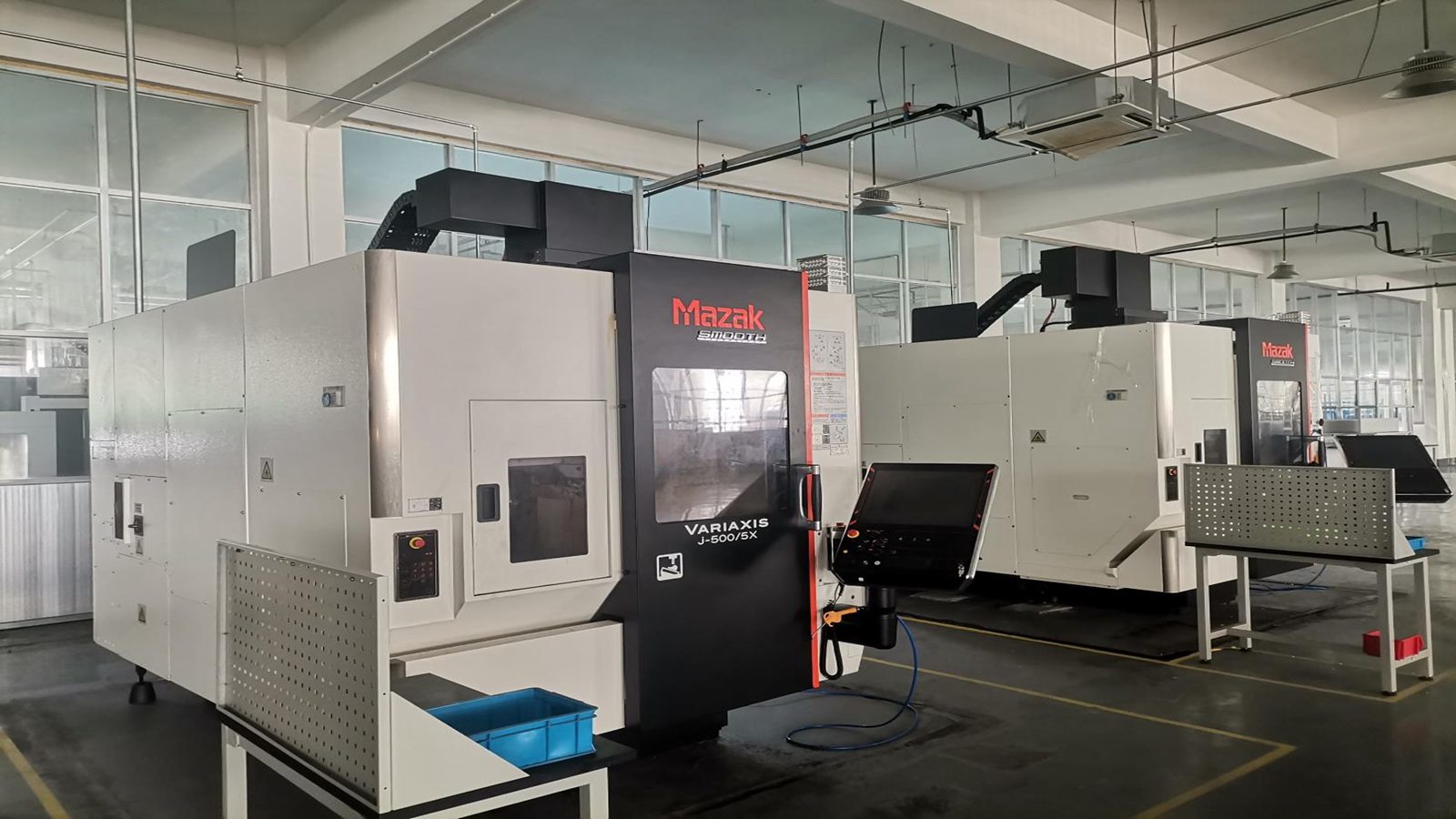
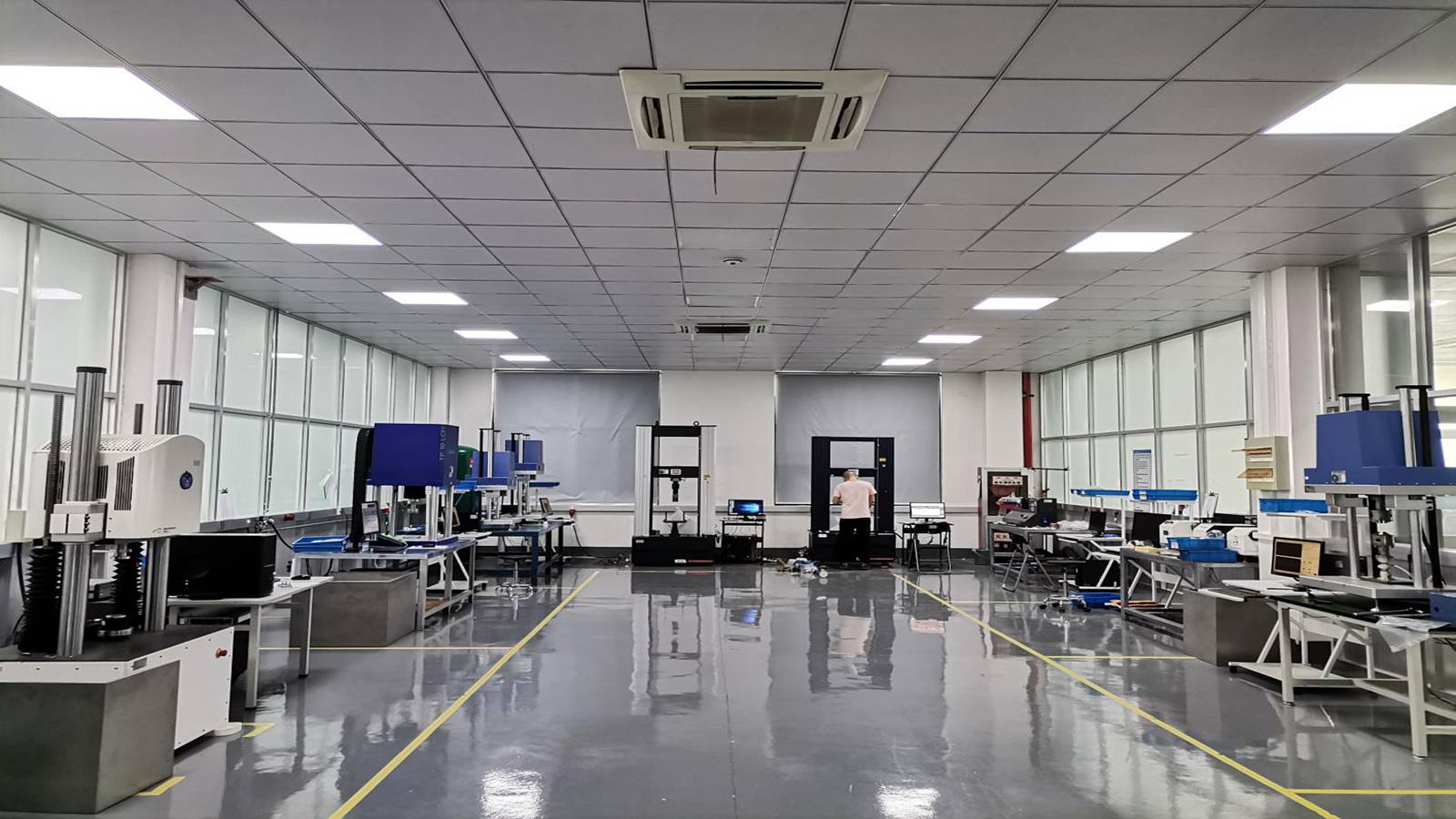
Our facility in China boasts a production area exceeding 30,000 square meters, equipped with over 350 advanced processing and testing machines. With 12 dedicated production lines and 120 high-precision CNC machining centers, we possess the capacity to scale production rapidly to meet sudden surges in global demand. This massive infrastructure is backed by a robust local supply chain for raw materials, surface treatment processes, and sterile packaging, ensuring that lead times remain minimal and highly predictable.
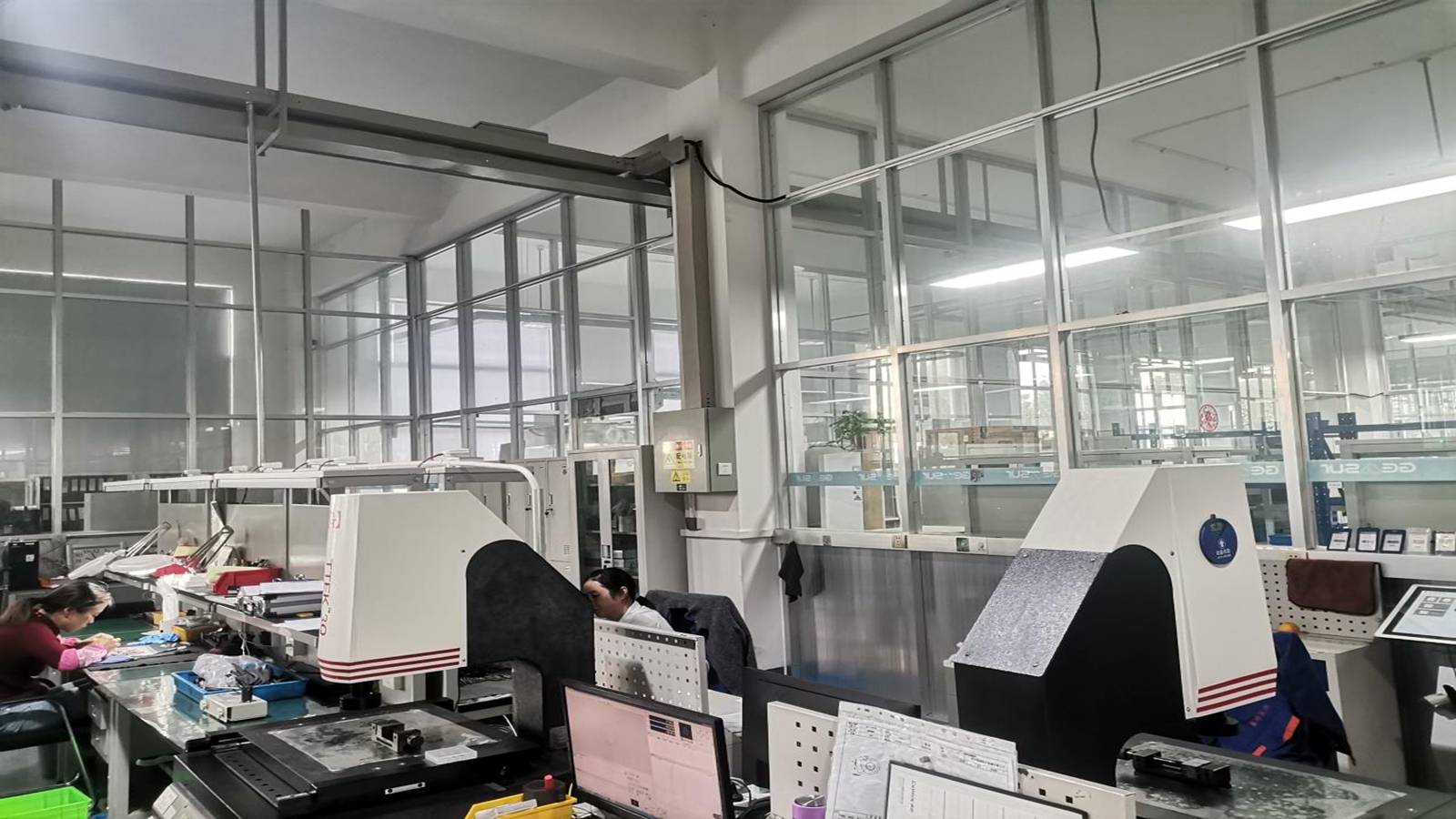
Furthermore, our manufacturing efficiency translates directly into cost advantages for our partners. By optimizing production workflows, utilizing automated precision machining, and maintaining a high yield rate under the supervision of 36 dedicated QA/QC inspectors, we significantly reduce per-unit production costs. These savings are passed on to our global distributors, allowing them to compete aggressively in their local markets while maintaining healthy margins.
At HBM Medical, we believe that innovation is the key to long-term clinical success. Our R&D team, consisting of 31 highly qualified engineers (including 1 Doctorate and 11 Postgraduate researchers), is continuously pushing the boundaries of orthopedic design and material science. Our technology roadmap is focused on three core pillars:
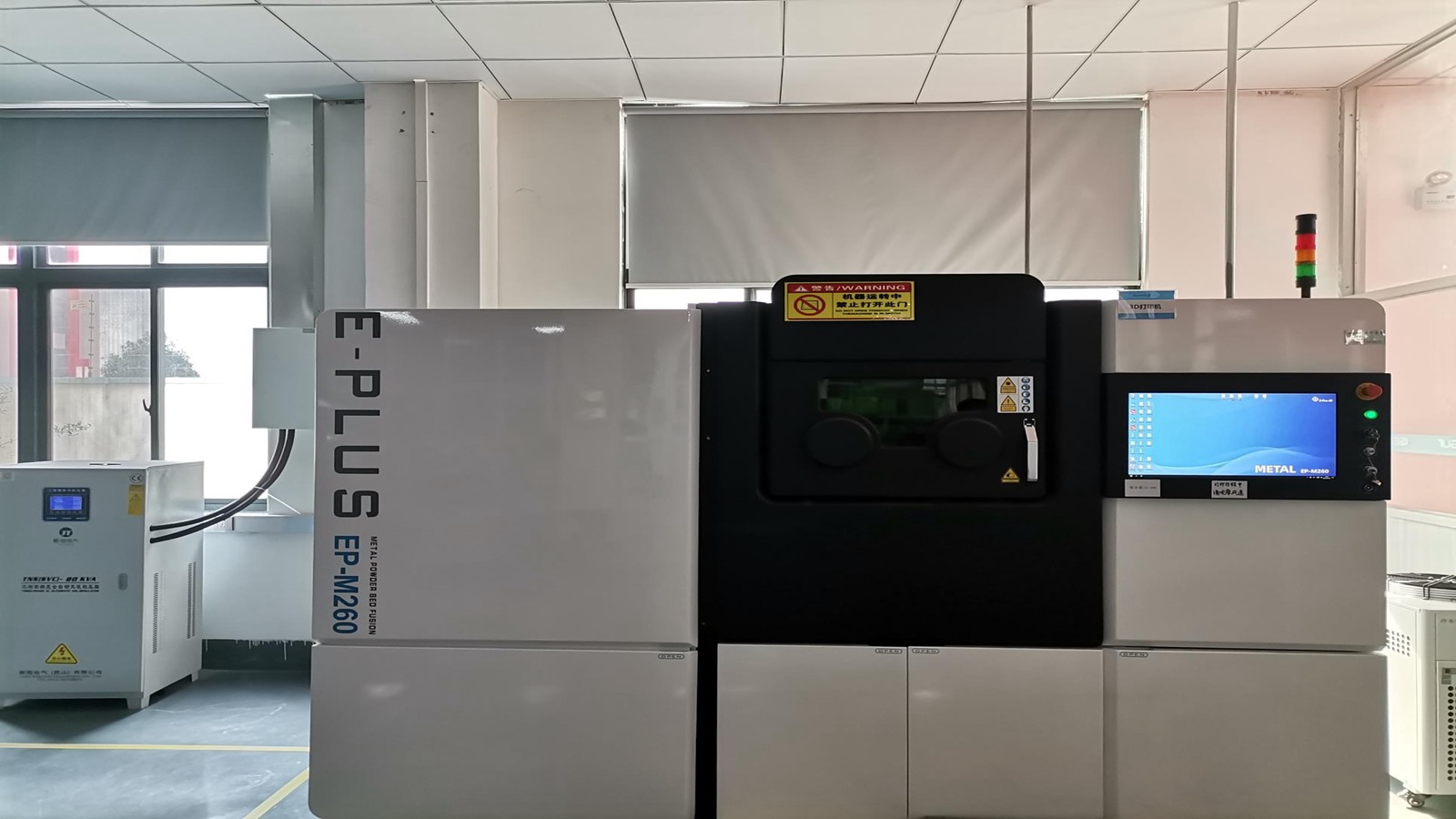
We are actively integrating Electron Beam Melting (EBM) and Direct Metal Laser Sintering (DMLS) technologies to produce highly porous titanium structures. These 3D-printed scaffolds mimic the trabecular structure of natural bone, facilitating superior bone ingrowth and initial mechanical stability, particularly in complex revision surgeries.
The future of joint arthroplasty lies in precision alignment. We are developing next-generation, single-use instrument kits and collaborating with digital health innovators to integrate our implant systems with robotic-assisted surgery platforms and navigation systems, ensuring perfect component positioning and minimizing soft tissue trauma.
To combat prosthetic joint infection (PJI)—one of the most devastating complications in arthroplasty—our research team is developing silver-doped hydroxyapatite and polymer-based drug-eluting coatings designed to prevent bacterial colonization on the implant surface without compromising bone integration.
Orthopedic clinical practices vary significantly across different regions due to anatomical differences, patient lifestyle expectations, and healthcare infrastructure. HBM Medical designs its THR/TKR portfolios with high modularity to ensure seamless adaptability to diverse localized clinical scenarios:
For Class III medical devices, quality is not just a metric—it is a legal and ethical imperative. HBM Medical operates under a rigorous quality management system certified to ISO 13485 and MDSAP (Medical Device Single Audit Program). Our products carry prestigious CE certifications (under MDR certificates EPT 0477.MDR.25/5905 and EPT 0477.MDR.25/5973), permitting seamless entry into the European Union and other global markets recognizing CE marks.
Our quality assurance protocol includes:
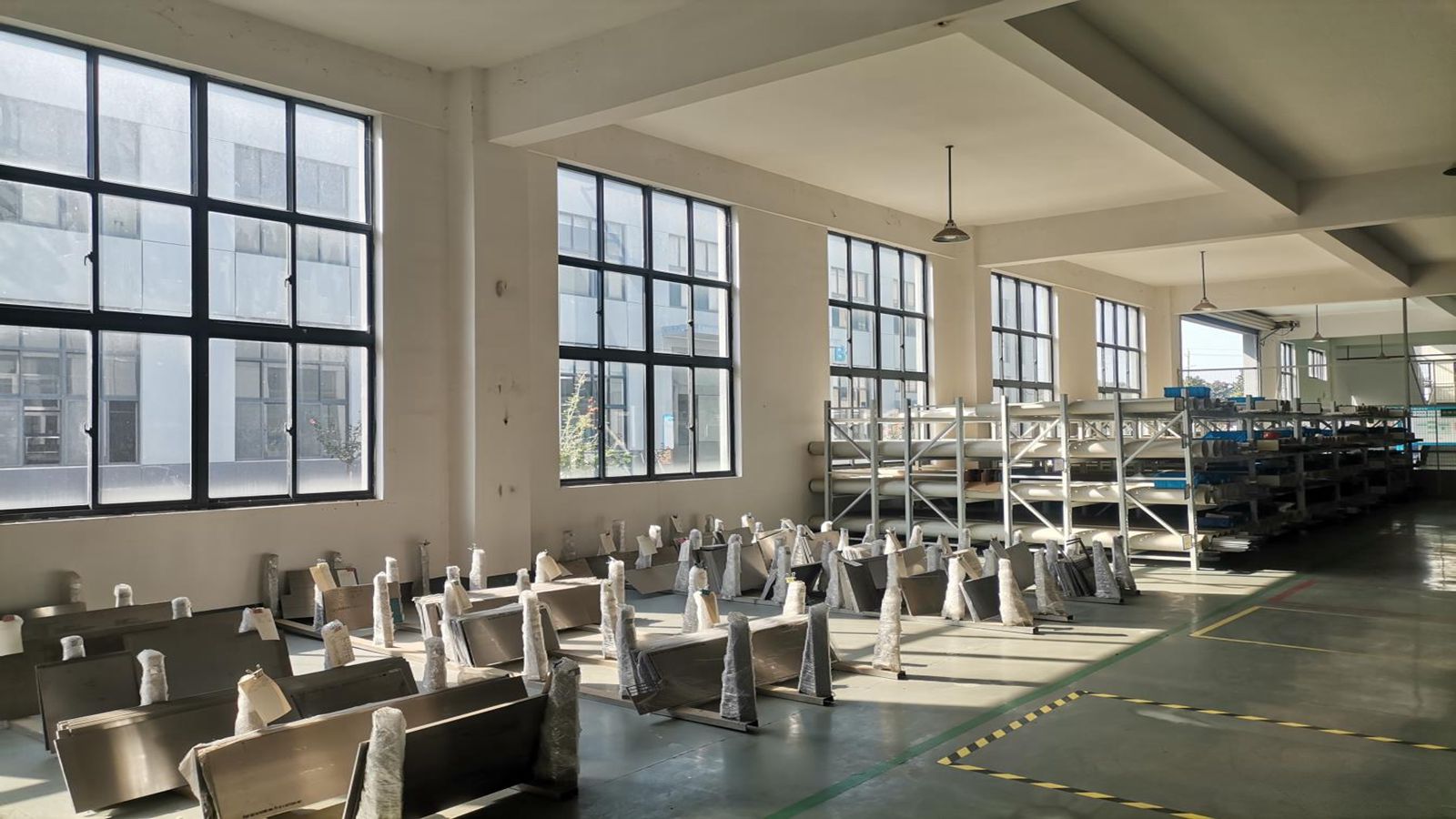
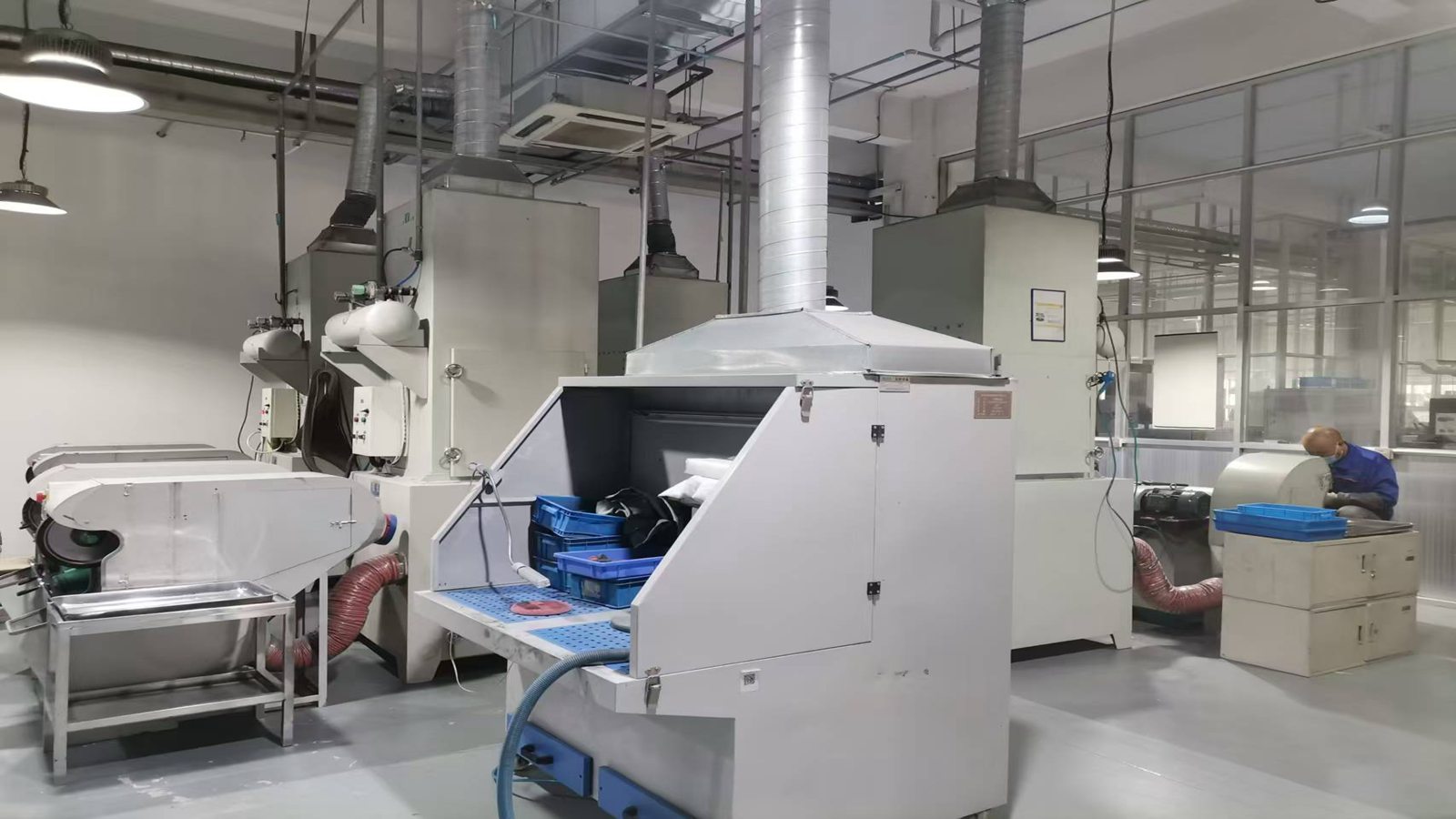
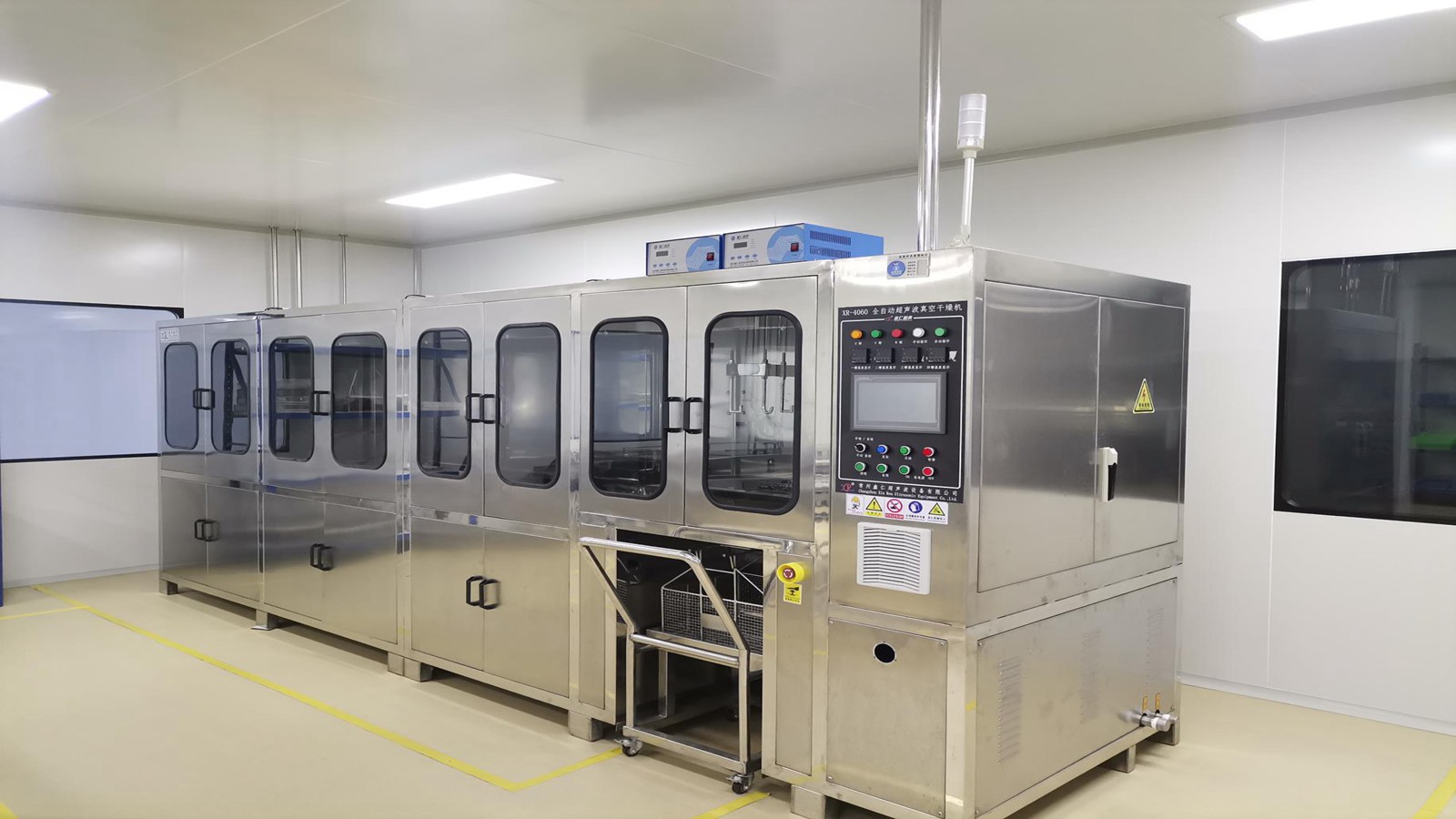
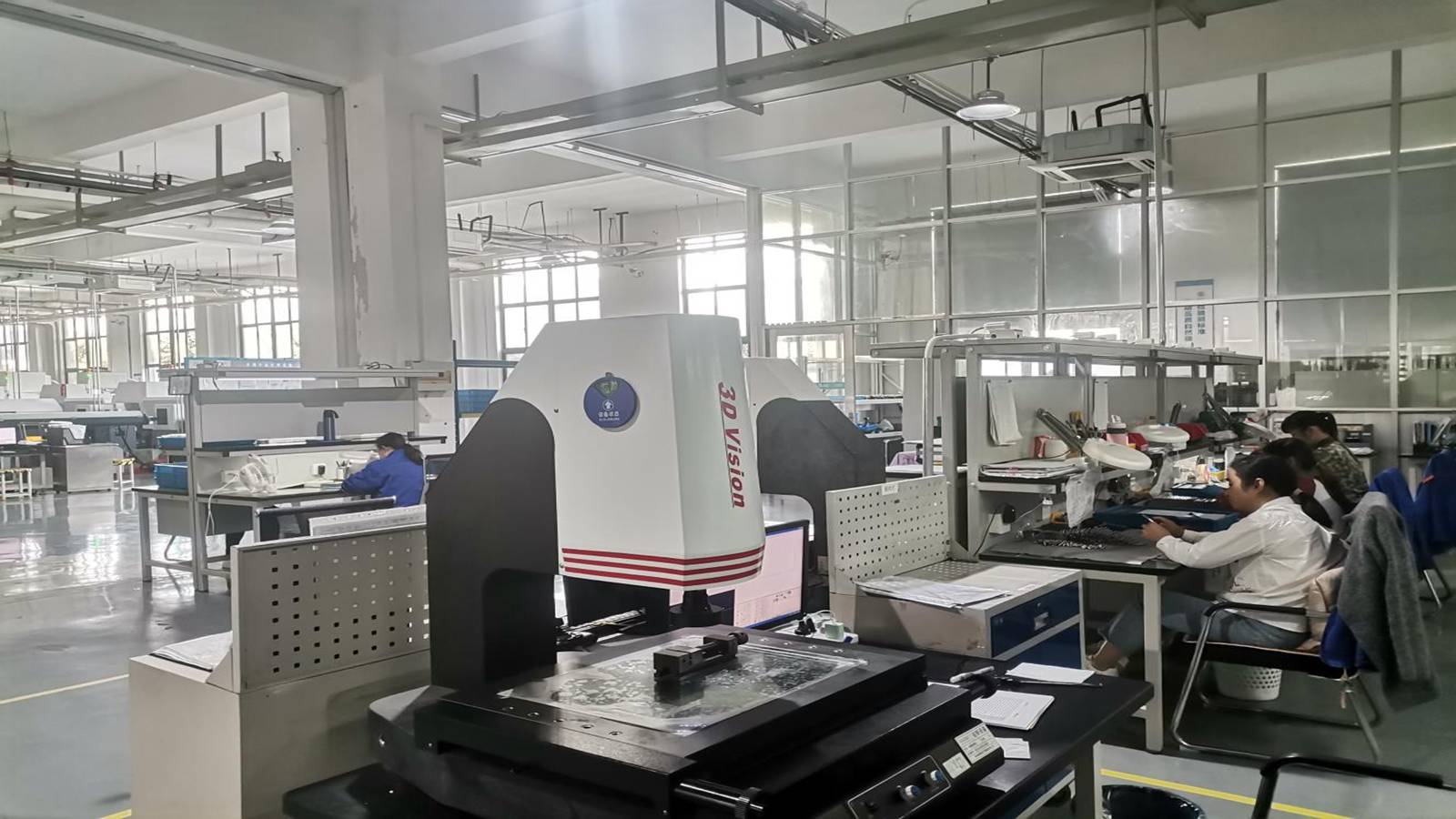
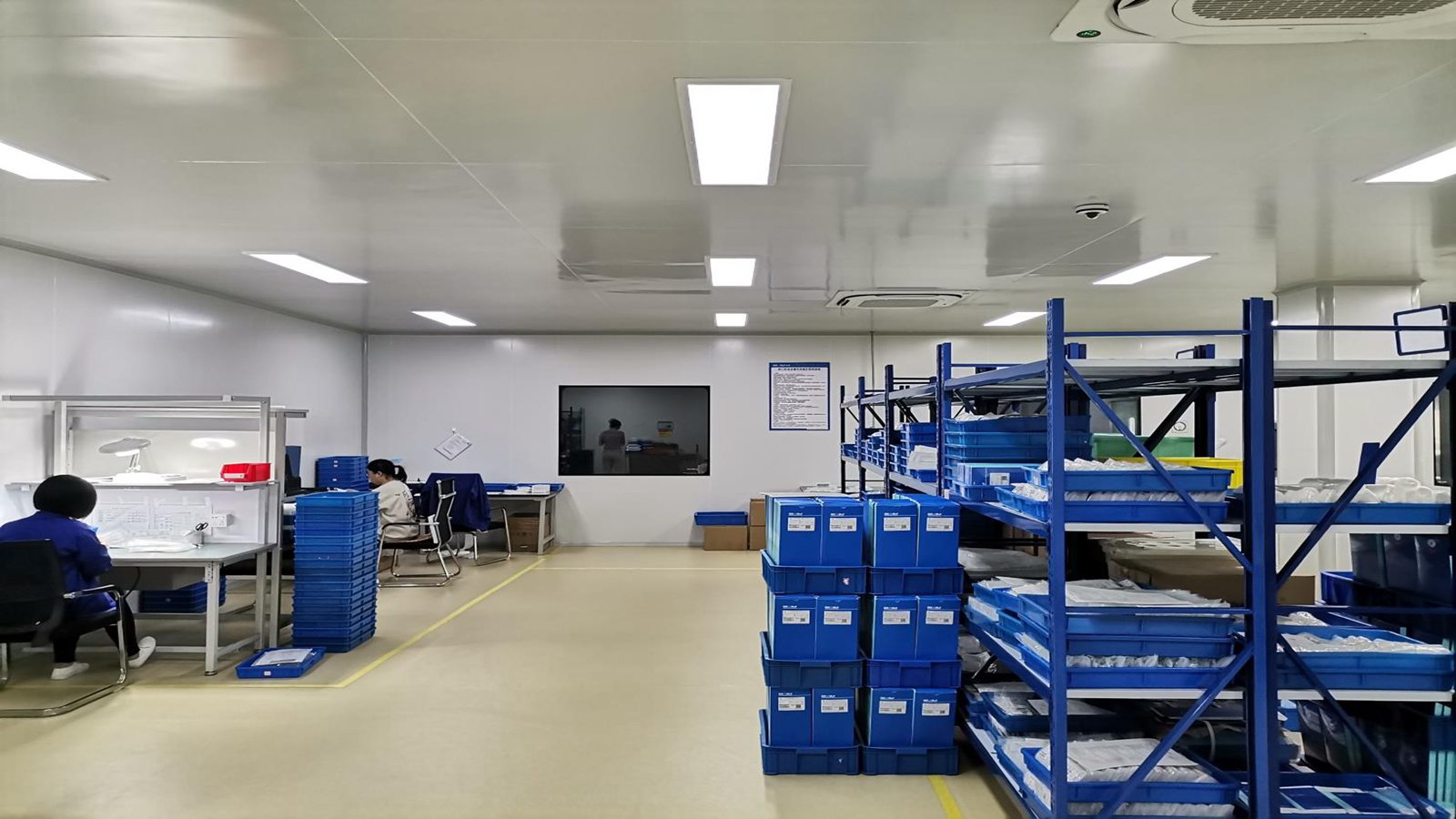
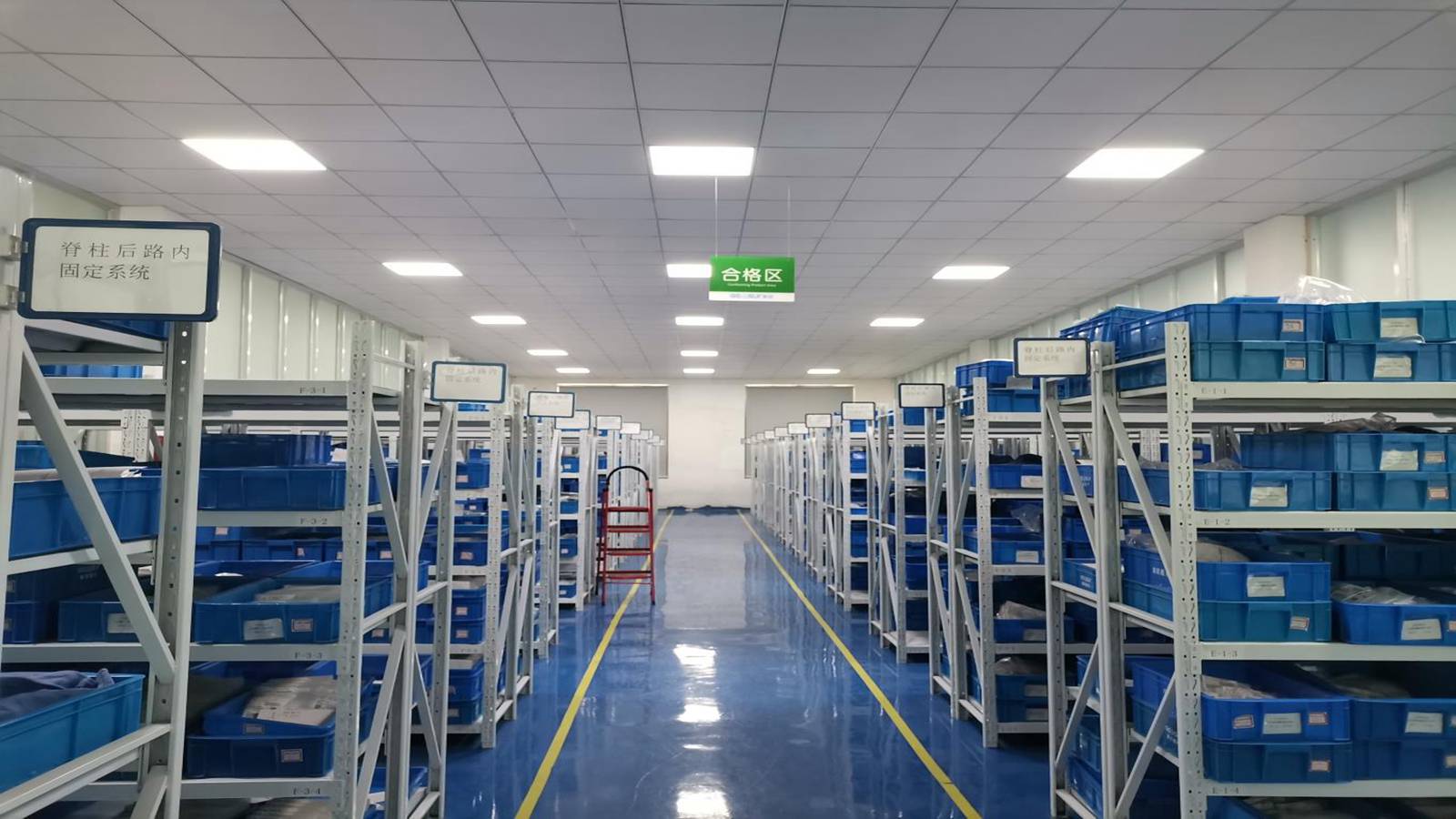
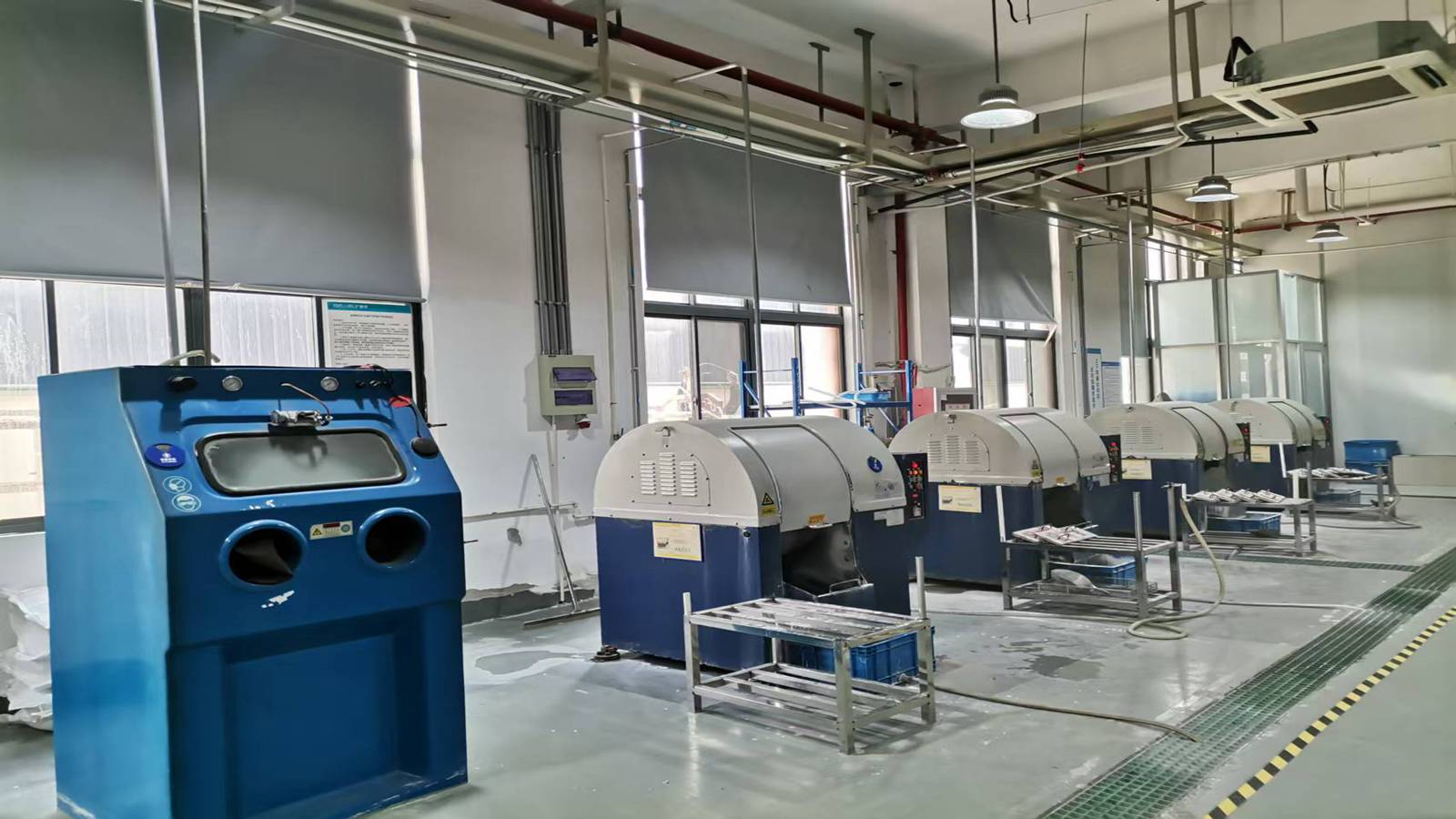
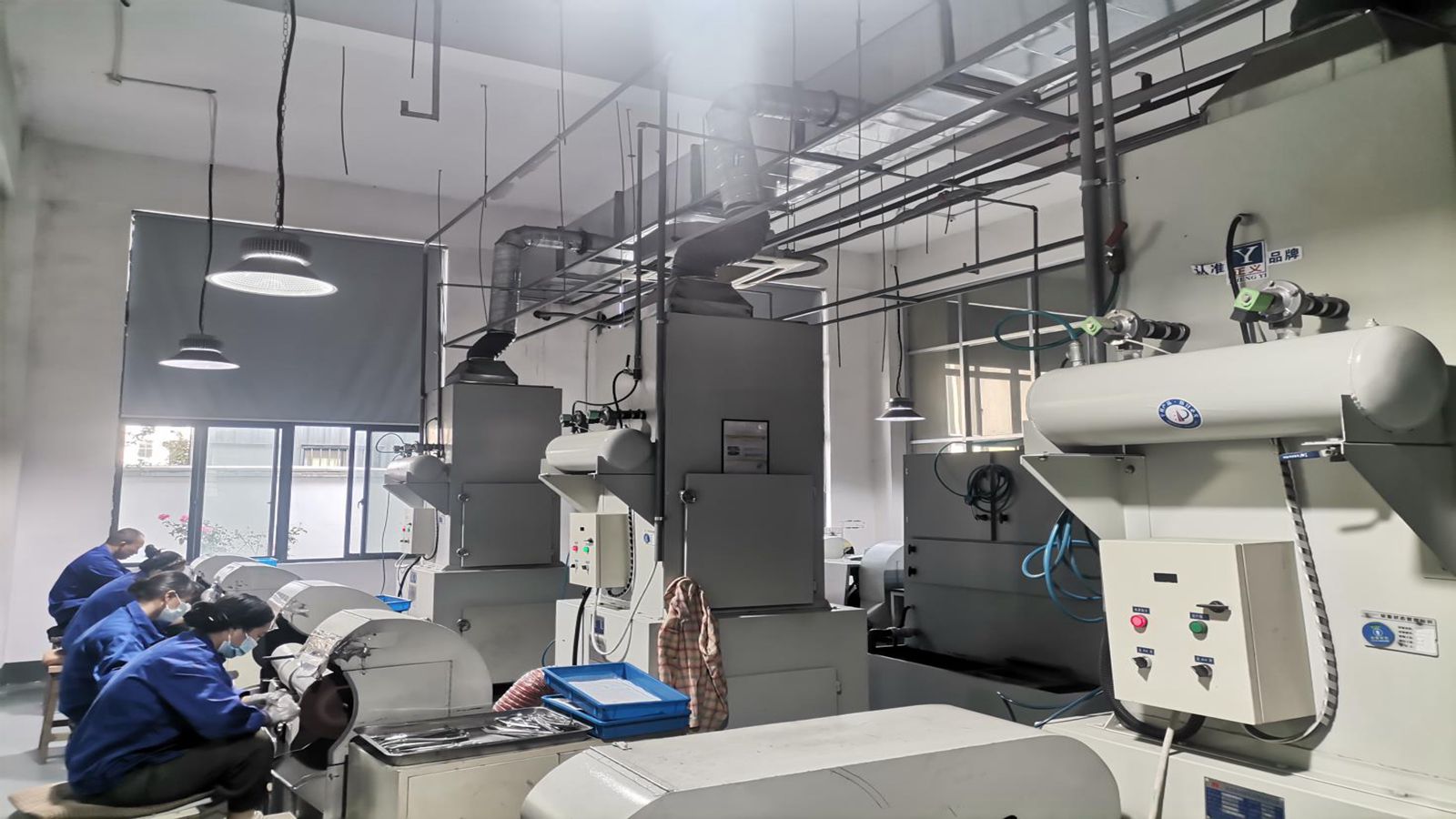
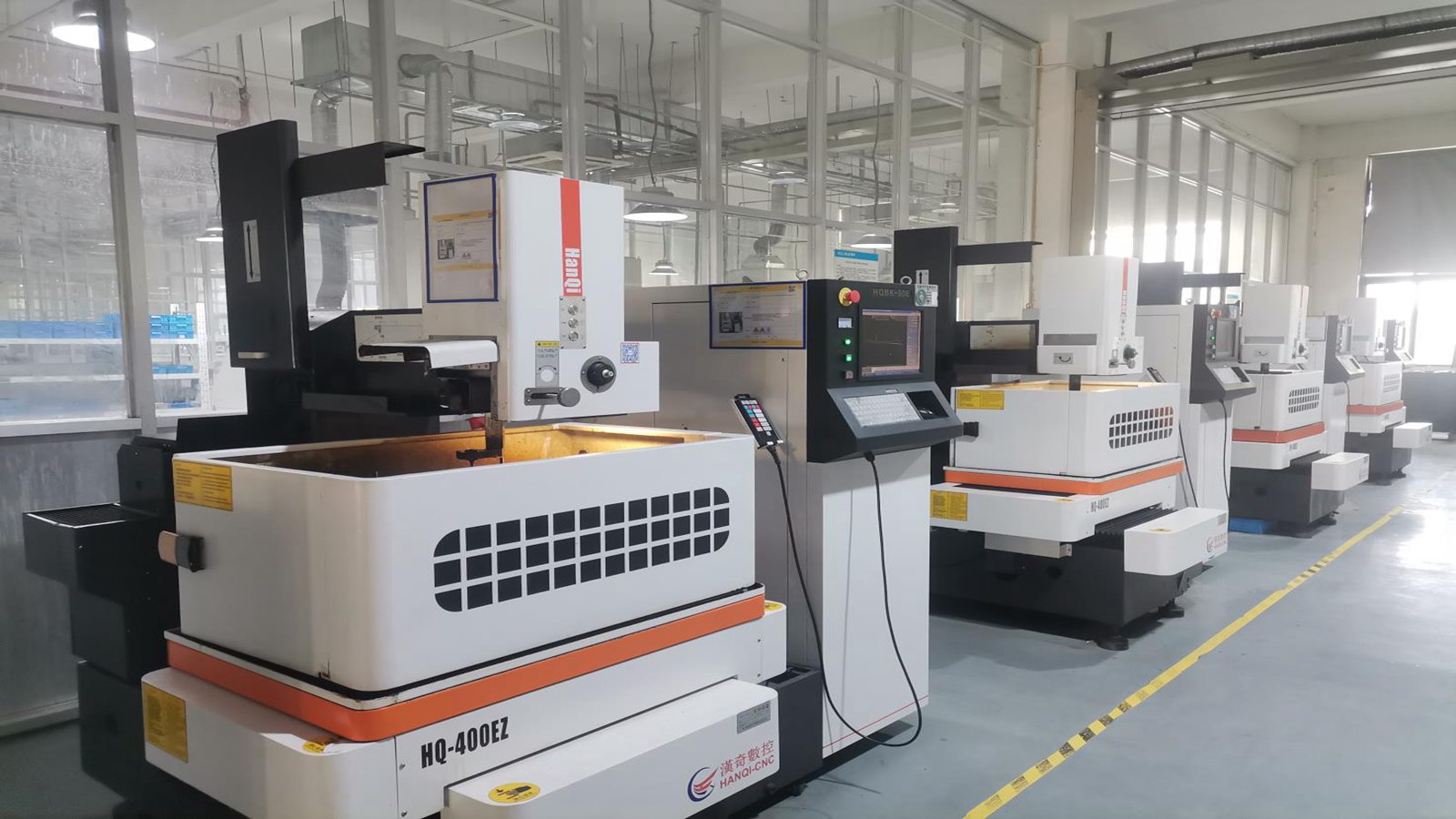
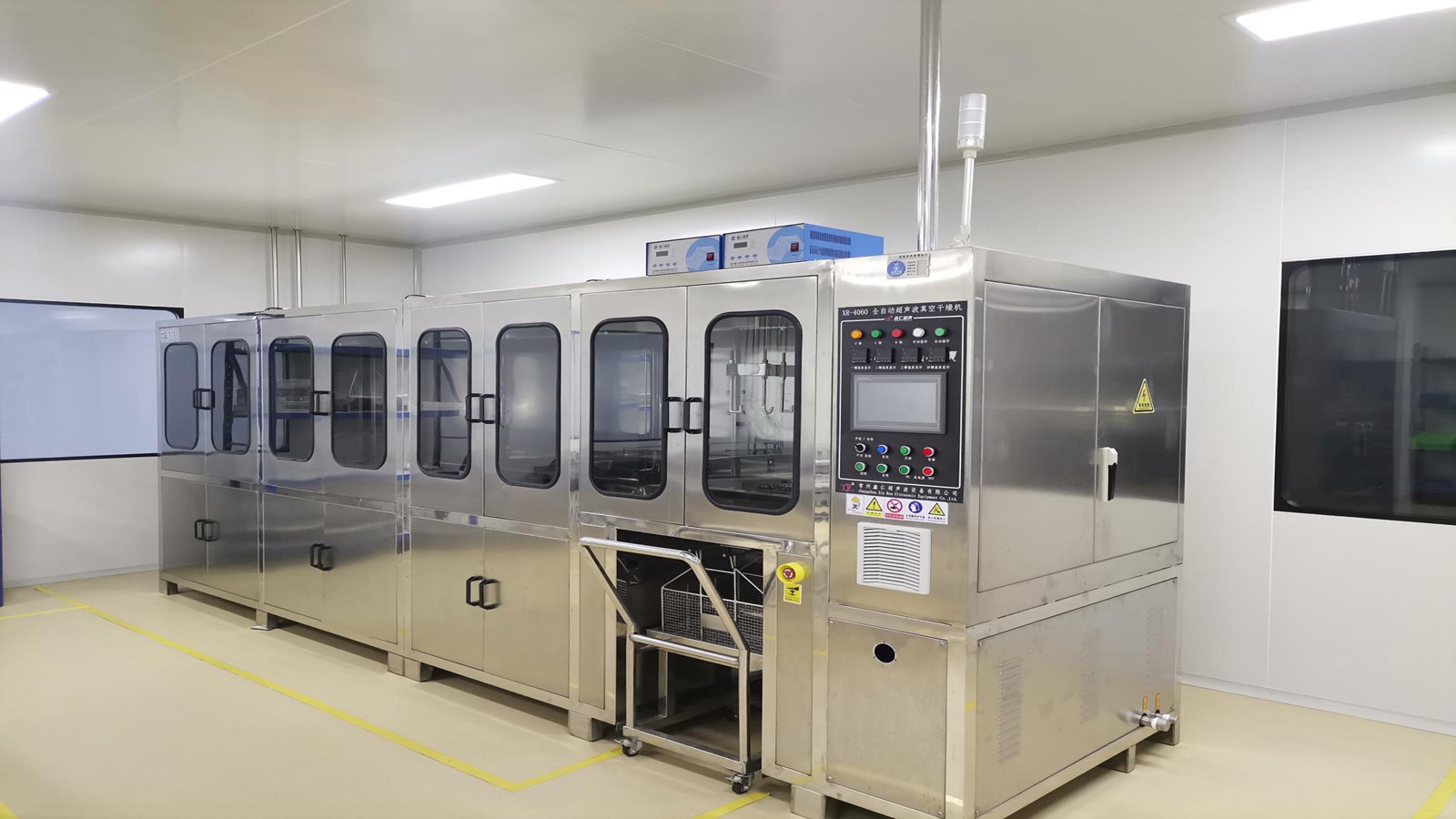
Take a look inside HBM Medical's advanced production lines, testing laboratories, and cleanrooms.



Get authoritative answers to common technical, regulatory, and commercial questions regarding our THR/TKR systems.
Explore our specialized titanium implants, veterinary joint systems, and precision surgical instruments.
 HBM Medical