Explore our premium range of clinically proven intramedullary implants designed for femoral, tibial, humeral, and pediatric trauma indications.
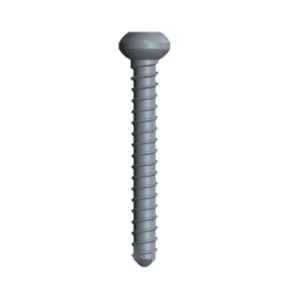
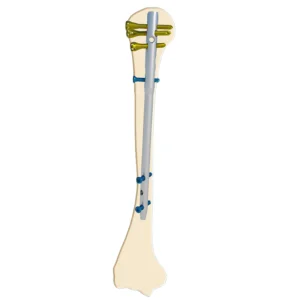
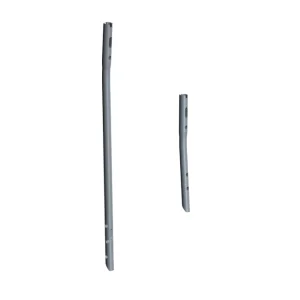
The global demand for high-performance orthopedic trauma implants is undergoing a significant shift. Healthcare systems, Group Purchasing Organizations (GPOs), and medical device distributors are increasingly prioritizing manufacturers that can deliver uncompromising quality, absolute regulatory compliance, and robust supply chain resilience. Intramedullary (IM) nailing remains the gold standard for long bone fracture fixation, requiring implants that offer optimal biomechanical stability, anatomical fit, and ease of insertion.
As a leading intramedullary nails manufacturer and supplier, HBM Medical addresses these critical procurement needs. We understand that global buyers face complex challenges, including shifting regulatory landscapes (such as the transition to EU MDR), volatile material costs, and the absolute necessity for zero-defect manufacturing. Our comprehensive portfolio of titanium alloy interlocking nails is engineered to meet these rigorous demands, providing clinical confidence and operational efficiency to healthcare facilities worldwide.
We utilize only medical-grade titanium alloy (Ti-6Al-4V ELI) conforming to ASTM F136 and ISO 5832-3 standards, ensuring optimal mechanical strength, fatigue resistance, and excellent osseointegration properties.
With CE (MDR) and MDSAP certifications, HBM Medical guarantees complete raw material traceability and strict compliance with international medical device regulations, facilitating seamless global market entry.
Deep dive into the structural design, stress distribution, and future innovations of HBM intramedullary nail systems.
Unlike rigid plating systems, our intramedullary nails act as load-sharing devices. By positioning the implant close to the mechanical axis of the bone, they allow controlled micromotion at the fracture site, which stimulates callus formation and accelerates secondary bone healing.
Our Proximal Femoral Antirotation Nails (PFNA) feature an advanced helical blade design. This configuration compacts the cancellous bone rather than removing it, providing superior resistance to varus collapse and cut-out, particularly in osteoporotic bone structures.
Our R&D roadmap focuses on the integration of surface-modified bioactive coatings to minimize infection risks, and the development of biodegradable magnesium-based alloys for pediatric applications, eliminating the need for secondary removal surgeries.
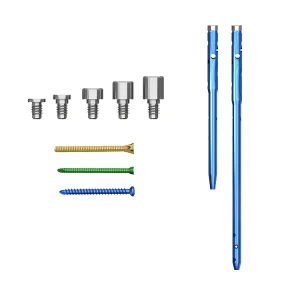
The efficacy of an intramedullary nail is heavily dependent on its locking configuration. Static locking provides absolute axial and rotational stability, essential for highly comminuted or unstable fractures. Dynamic locking, on the other hand, allows controlled axial compression under weight-bearing conditions, which is highly beneficial during the later stages of bone remodeling. HBM's multi-dimensional locking systems offer surgeons the flexibility to switch between static and dynamic configurations intraoperatively, tailoring the biomechanical environment to the patient's specific healing progress.
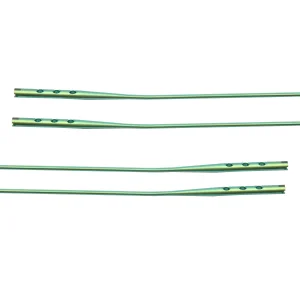
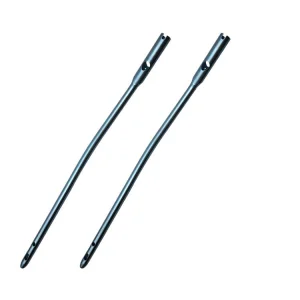
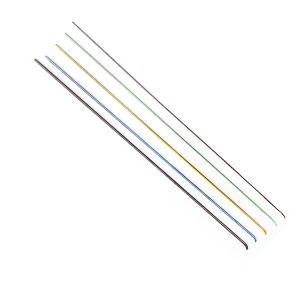
Furthermore, our pediatric elastic intramedullary nails (ESIN) utilize the biomechanical principle of three-point fixation. By inserting two pre-bent elastic titanium nails symmetrically, they create a balanced force system that maintains alignment while allowing early mobilization of pediatric patients. This minimally invasive approach minimizes damage to the periosteum and growth plates, ensuring normal bone development.
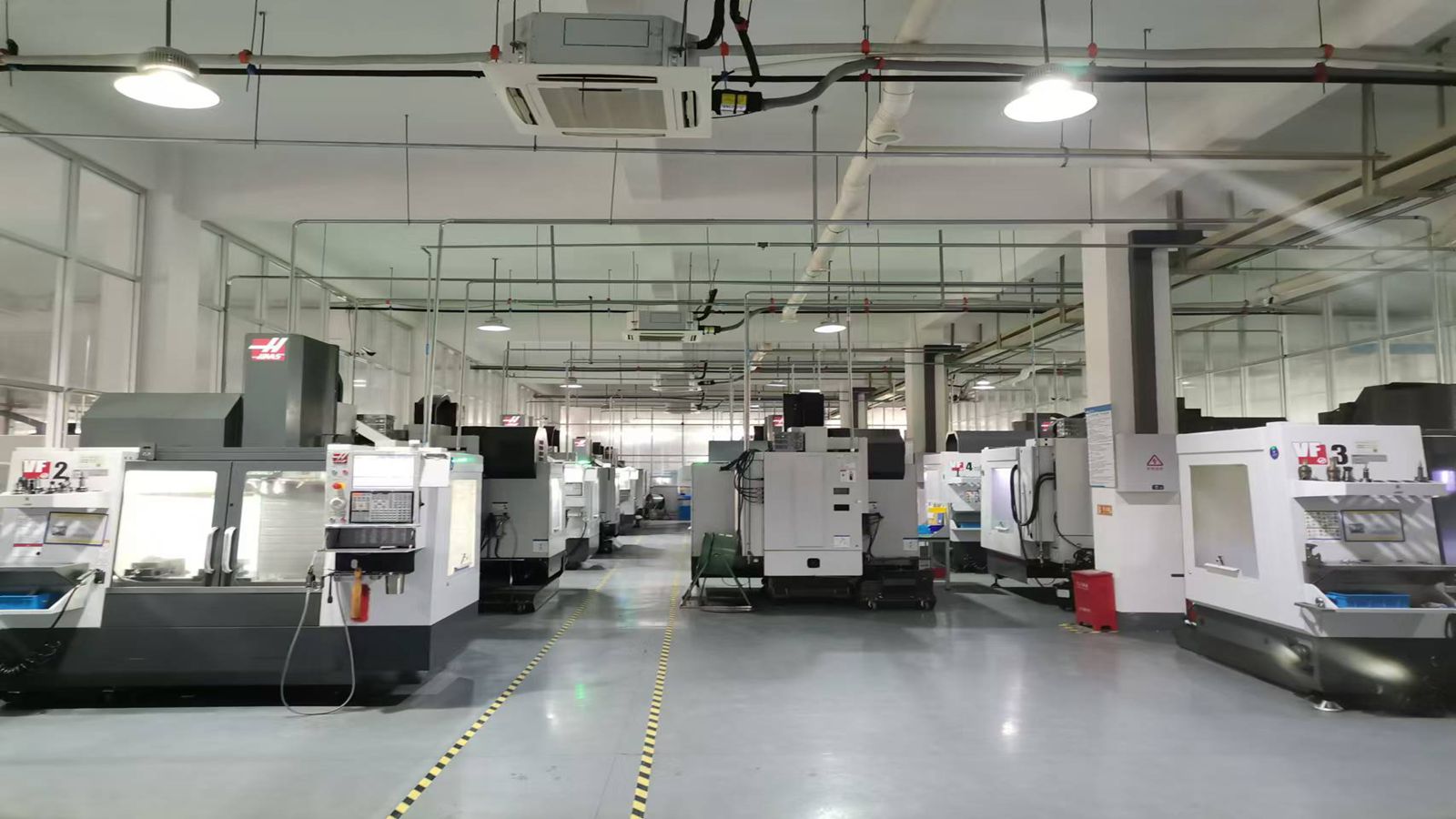
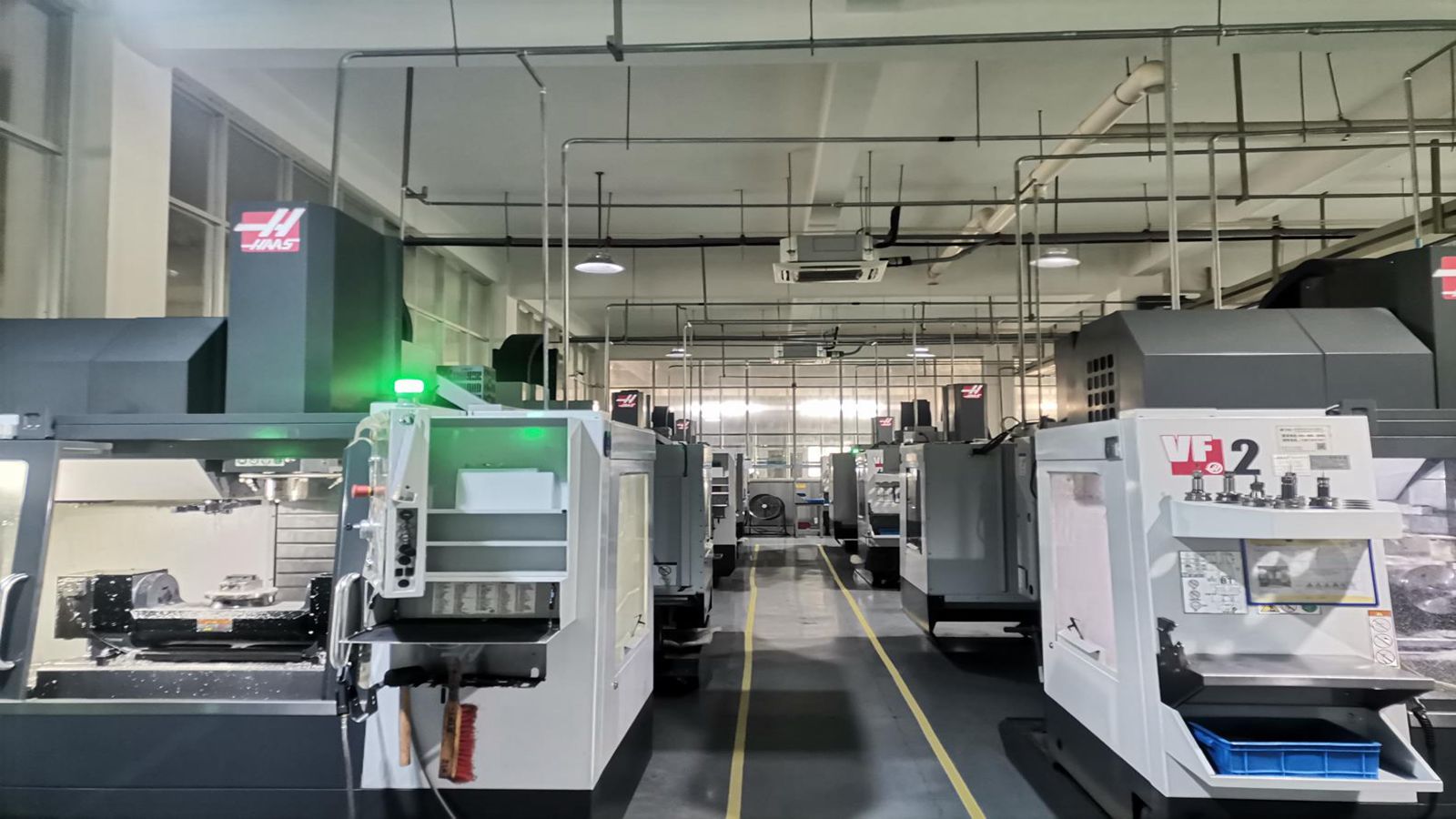
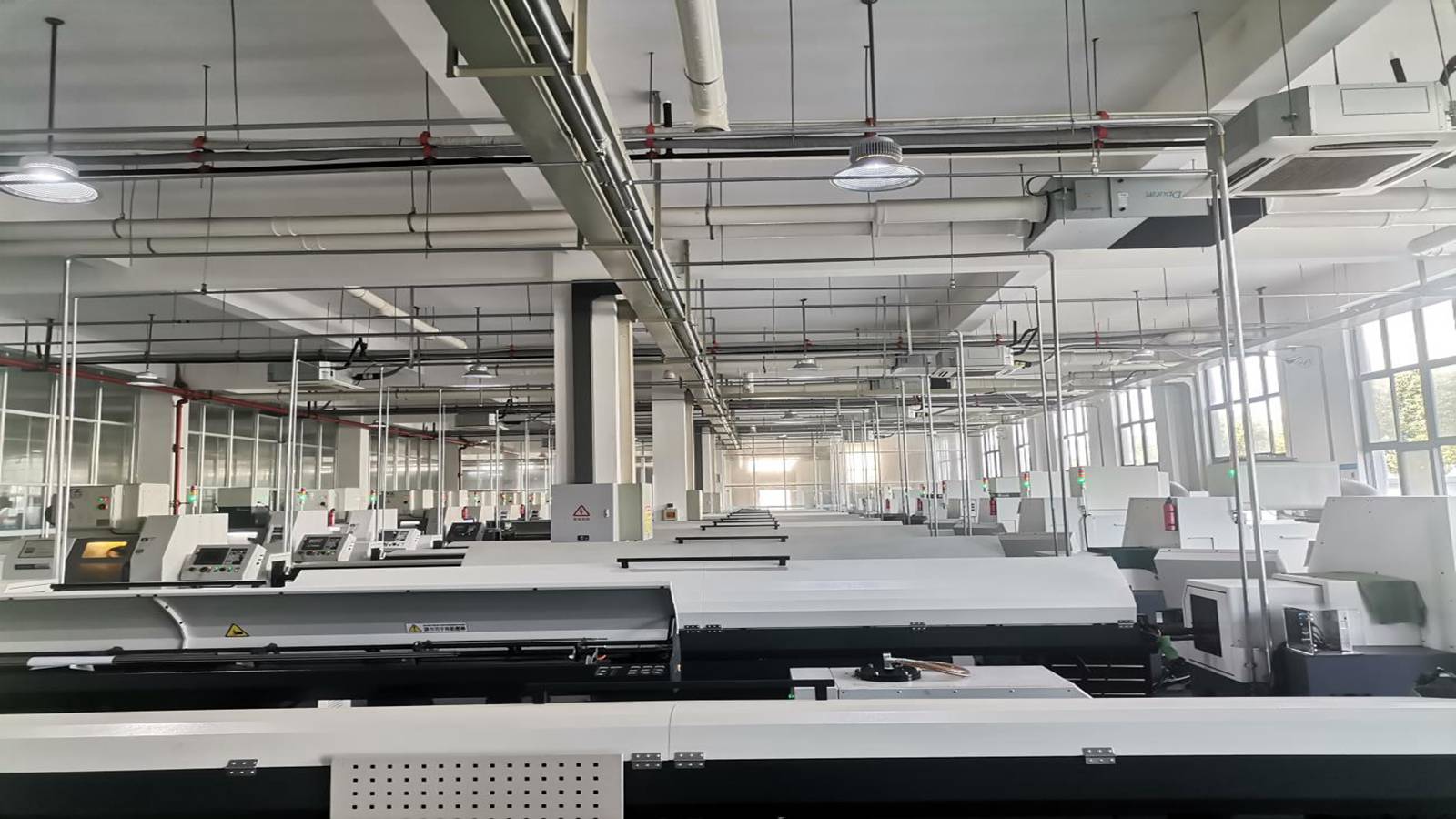
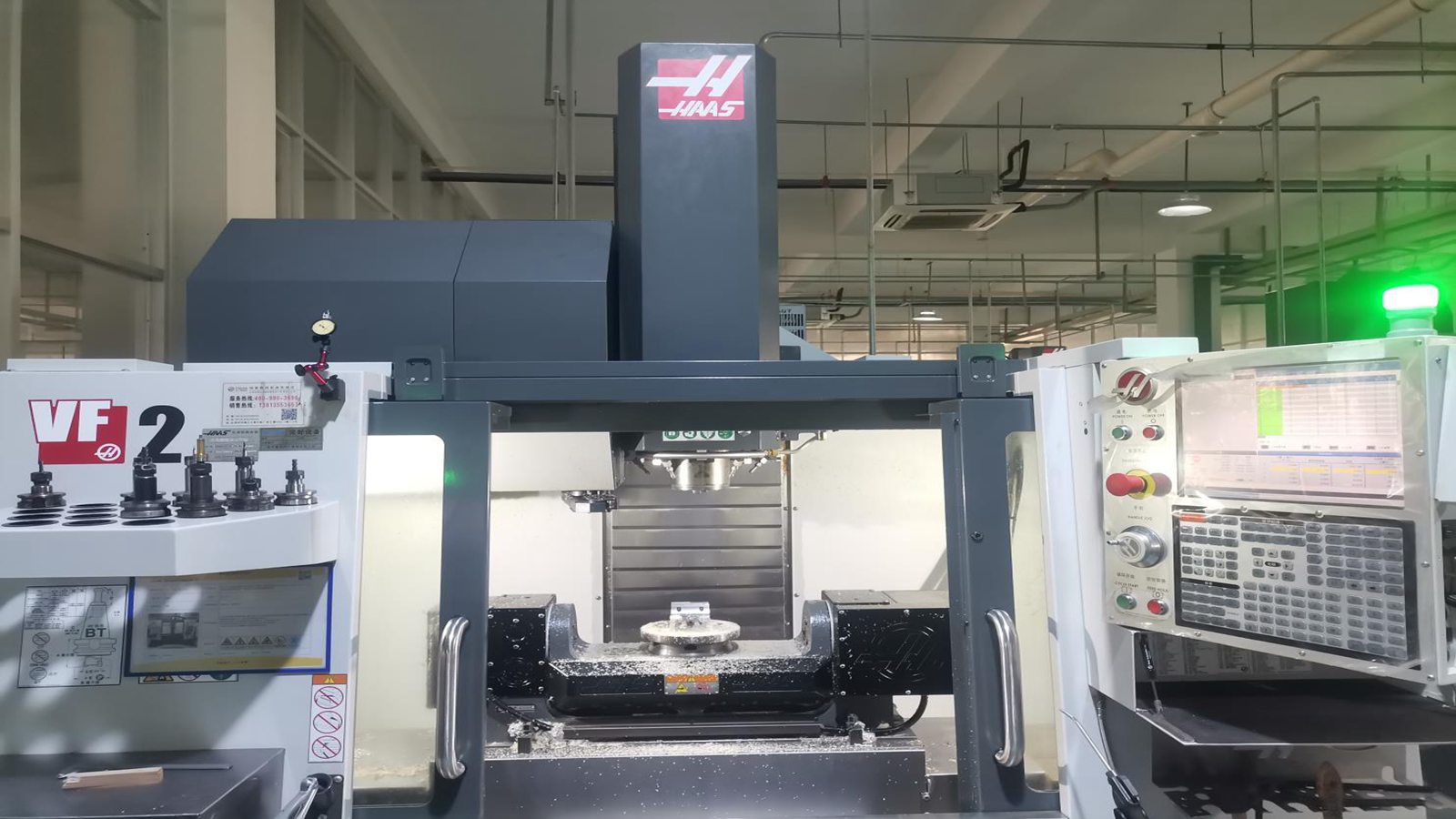
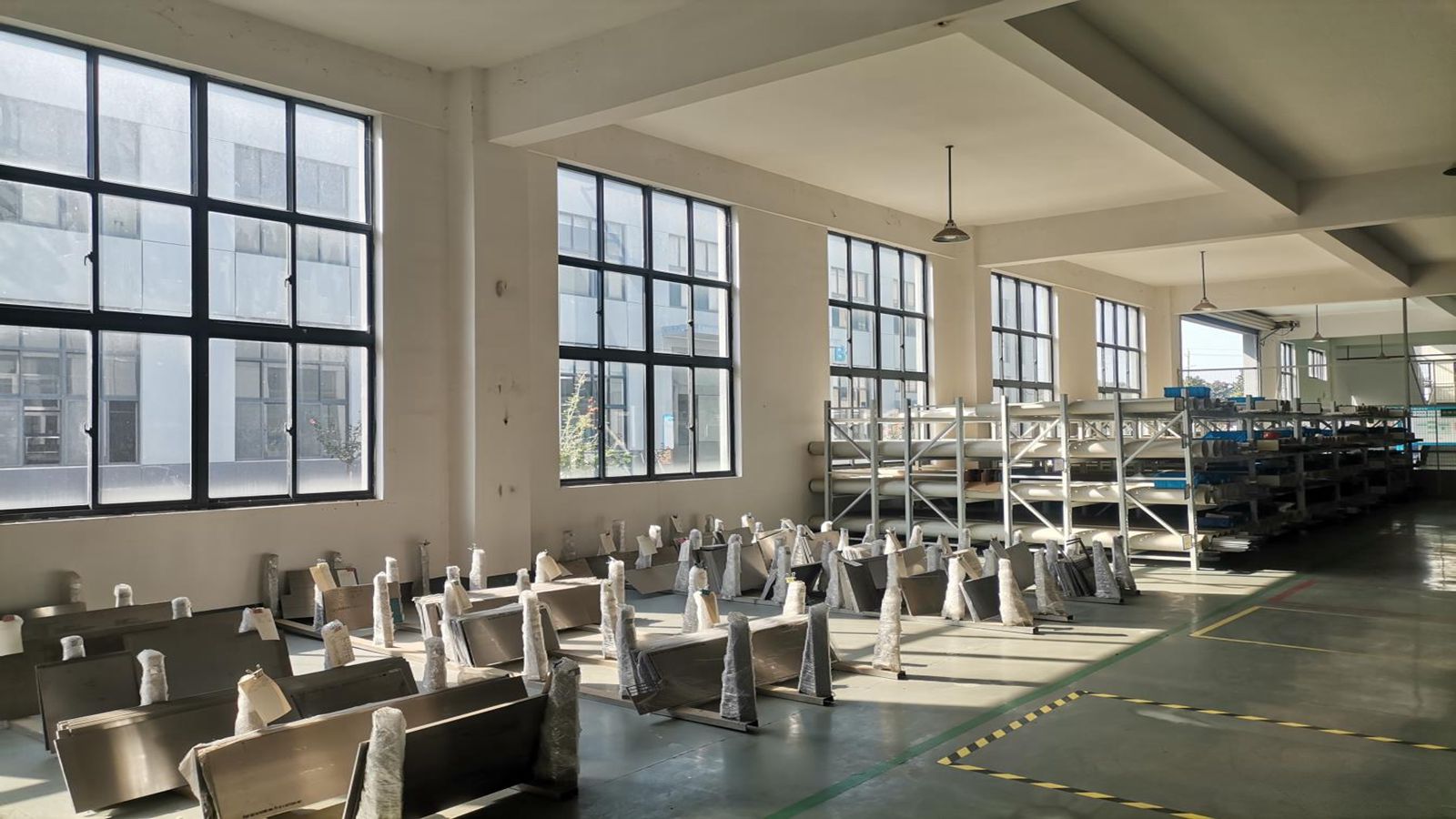
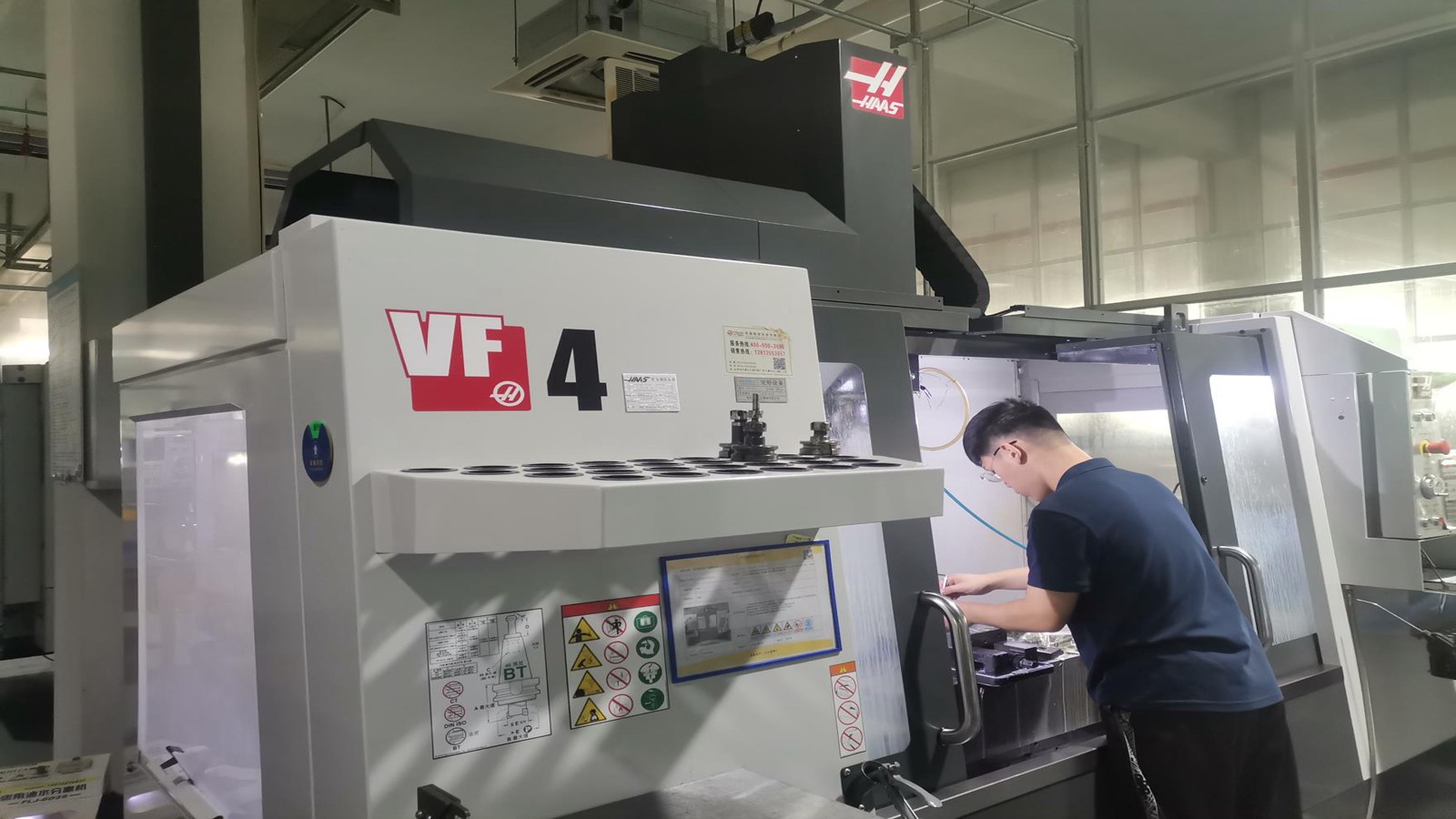
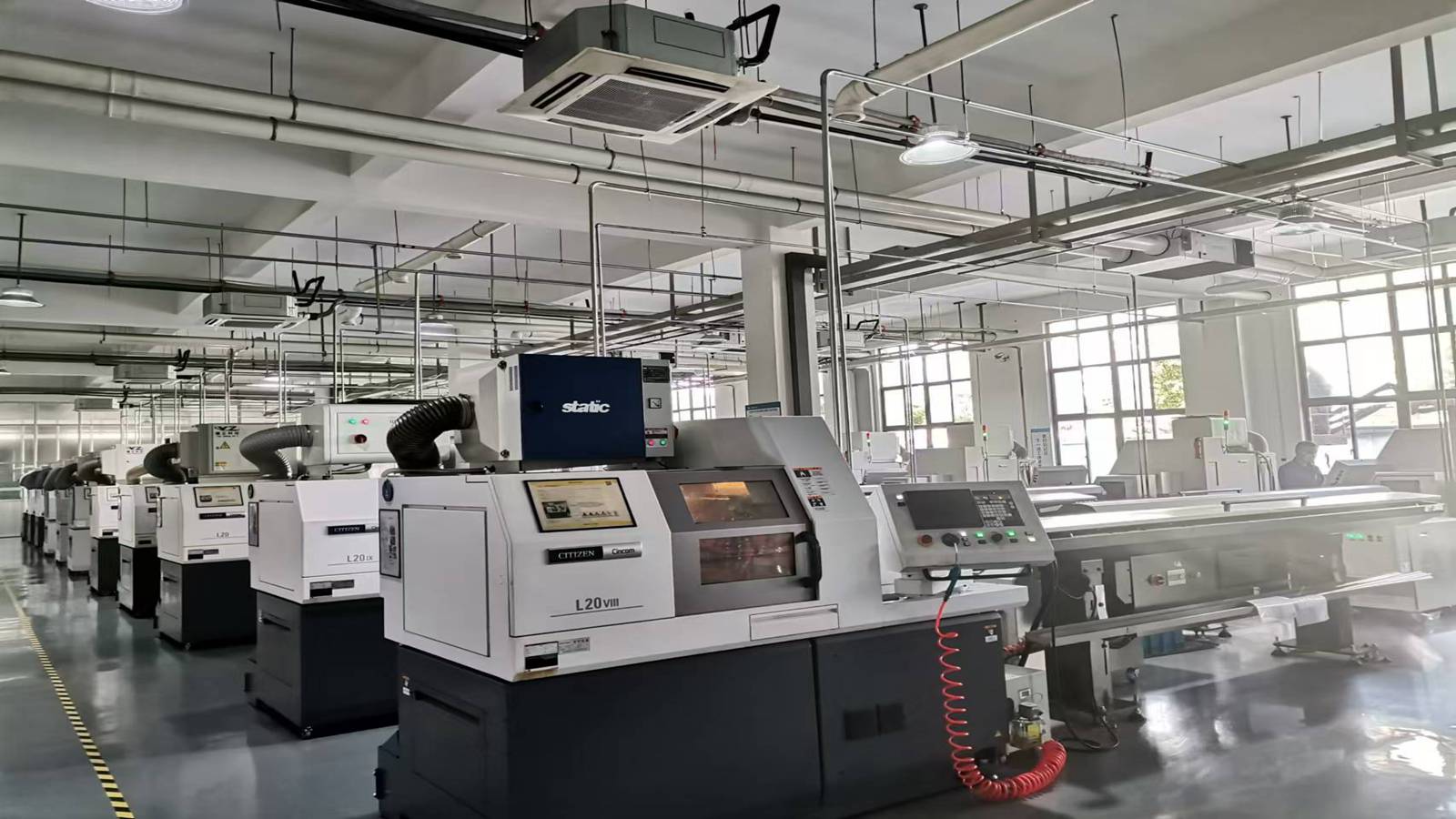
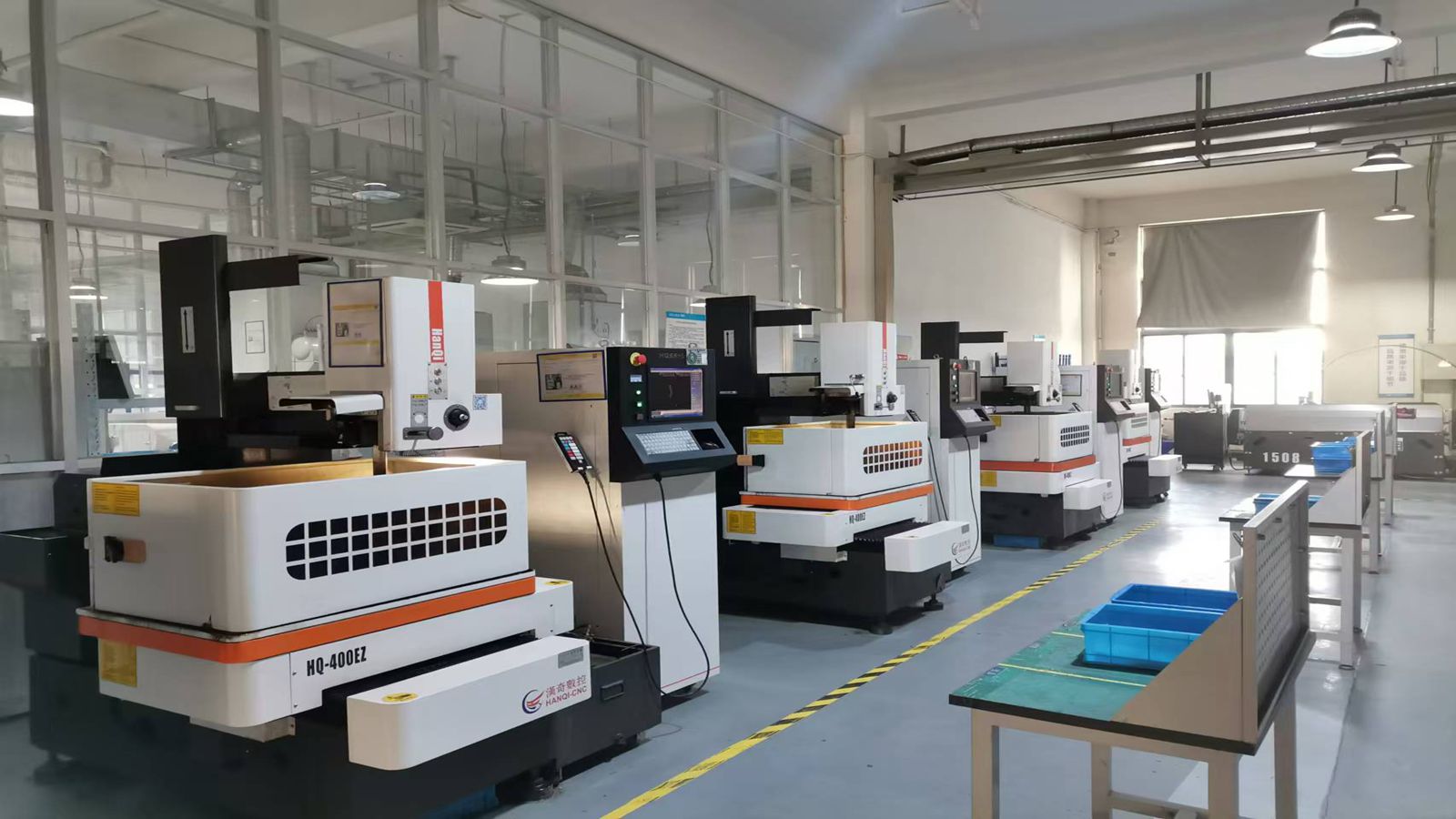
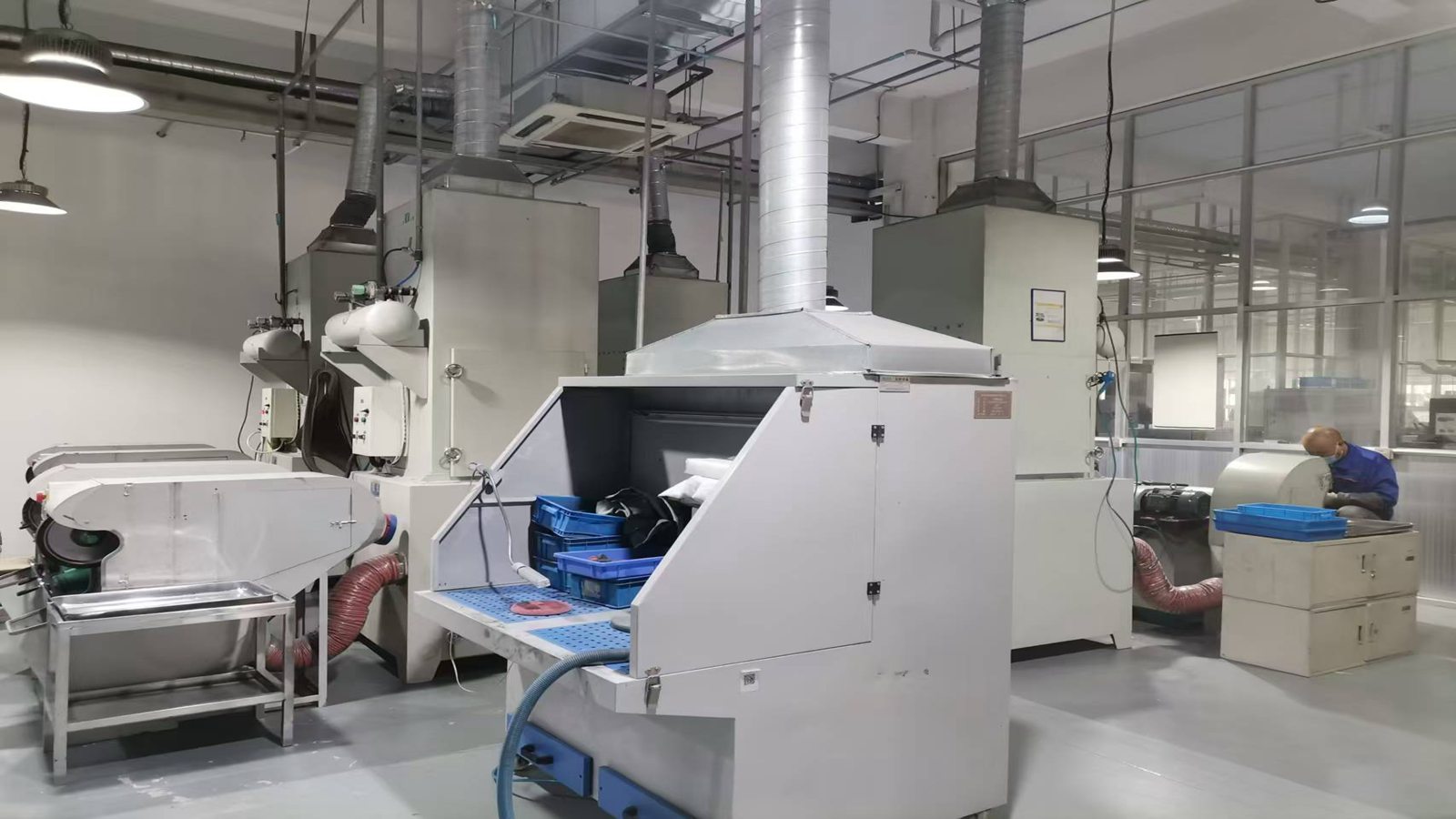
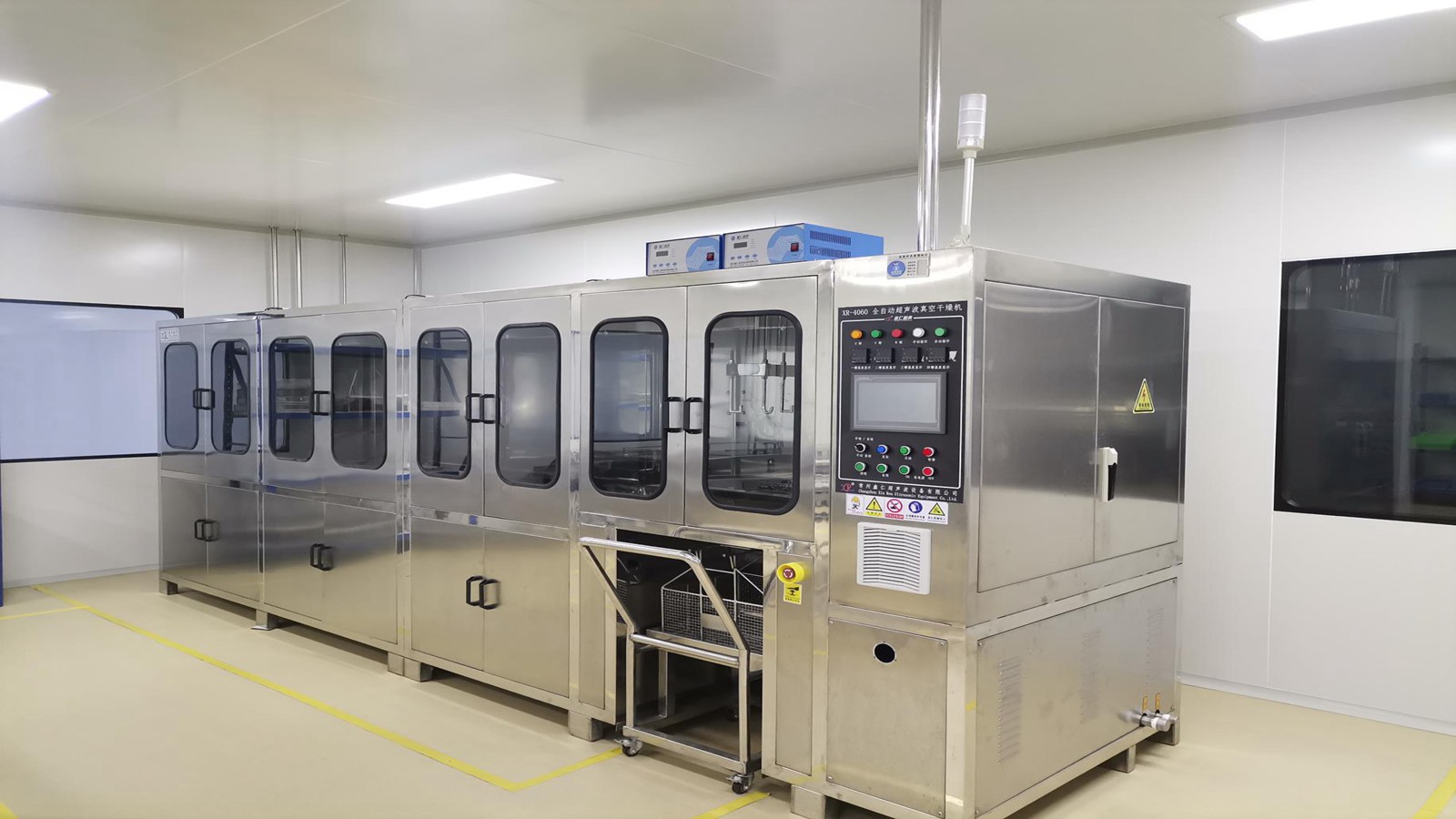
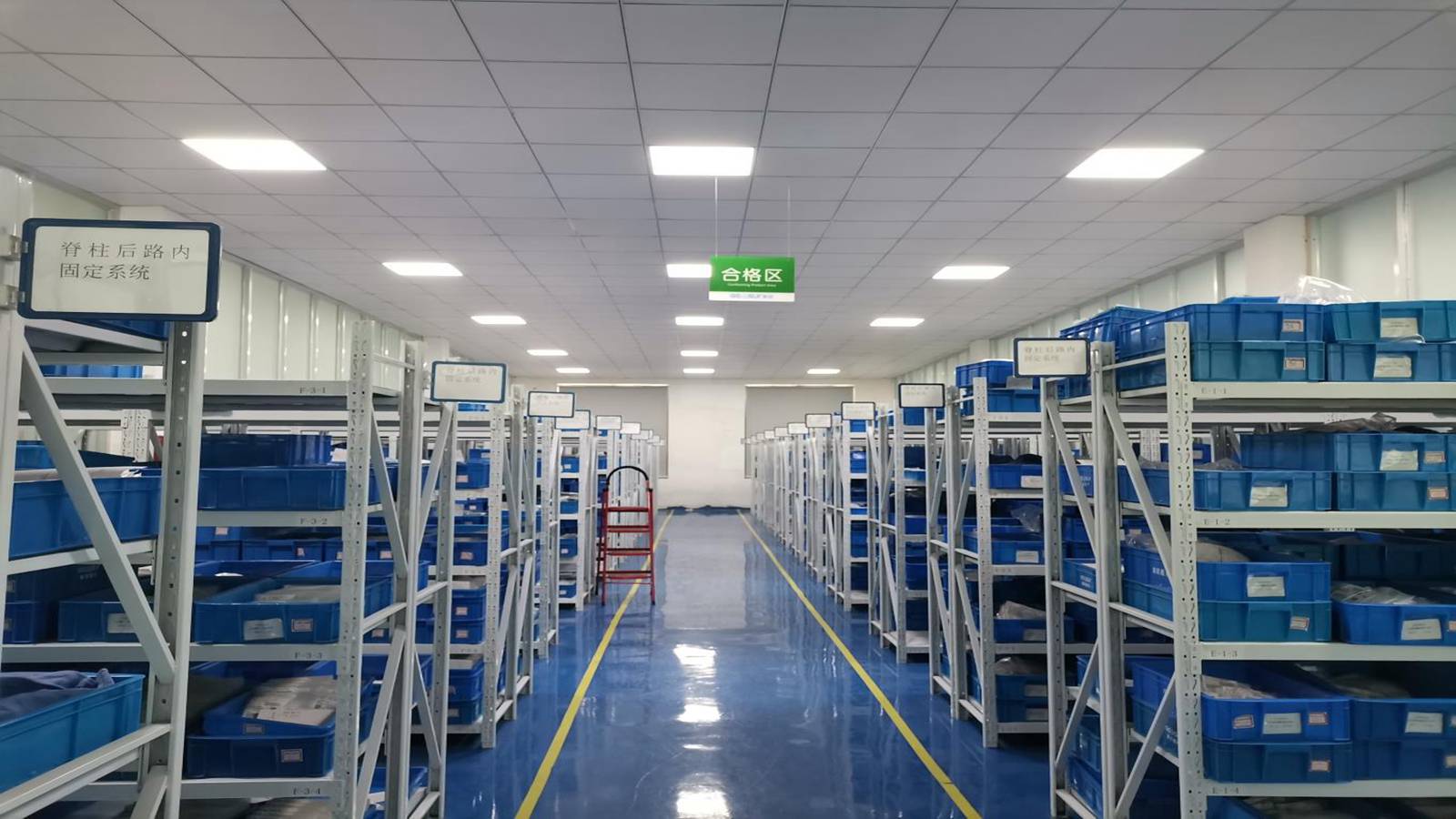
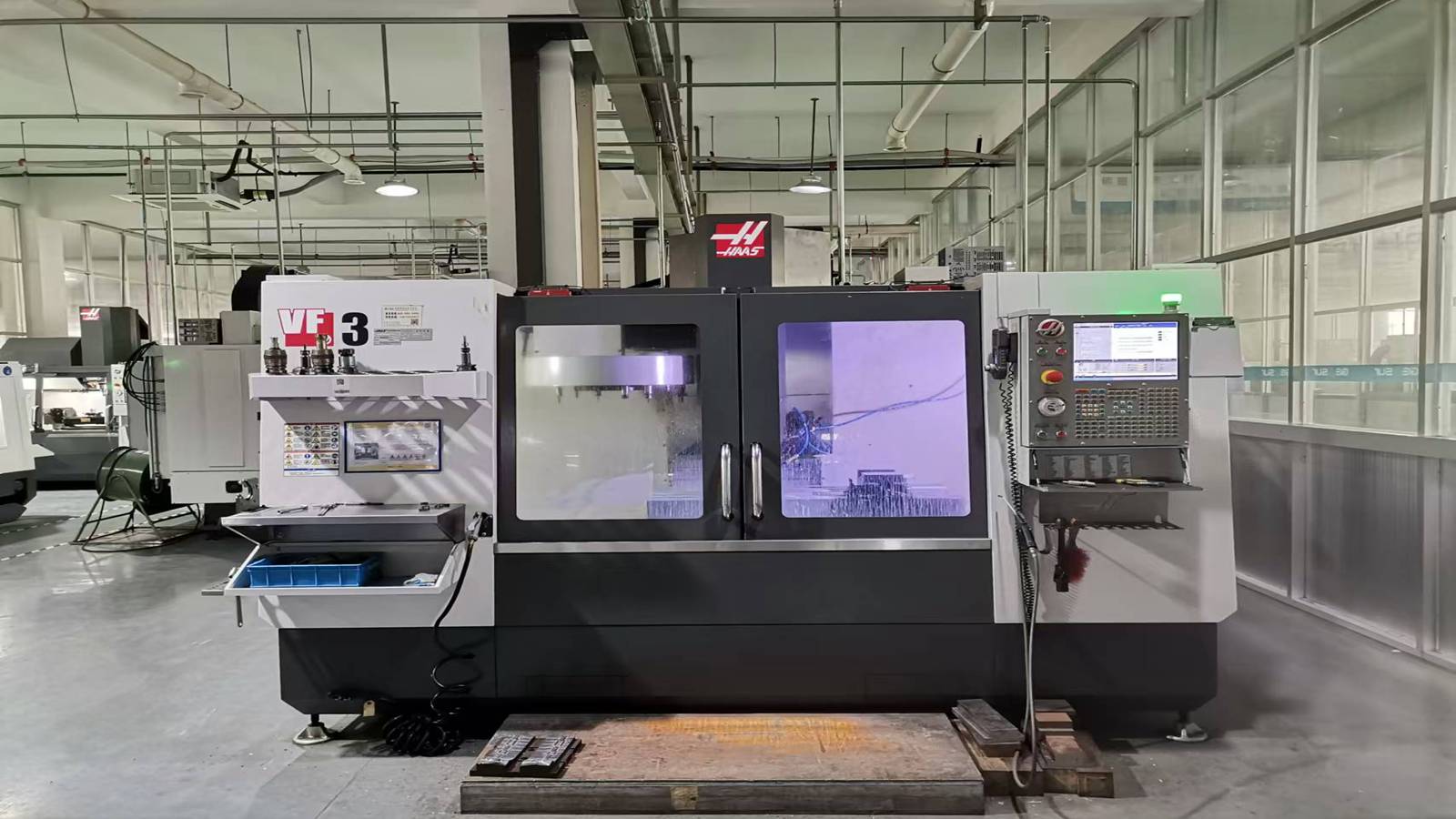
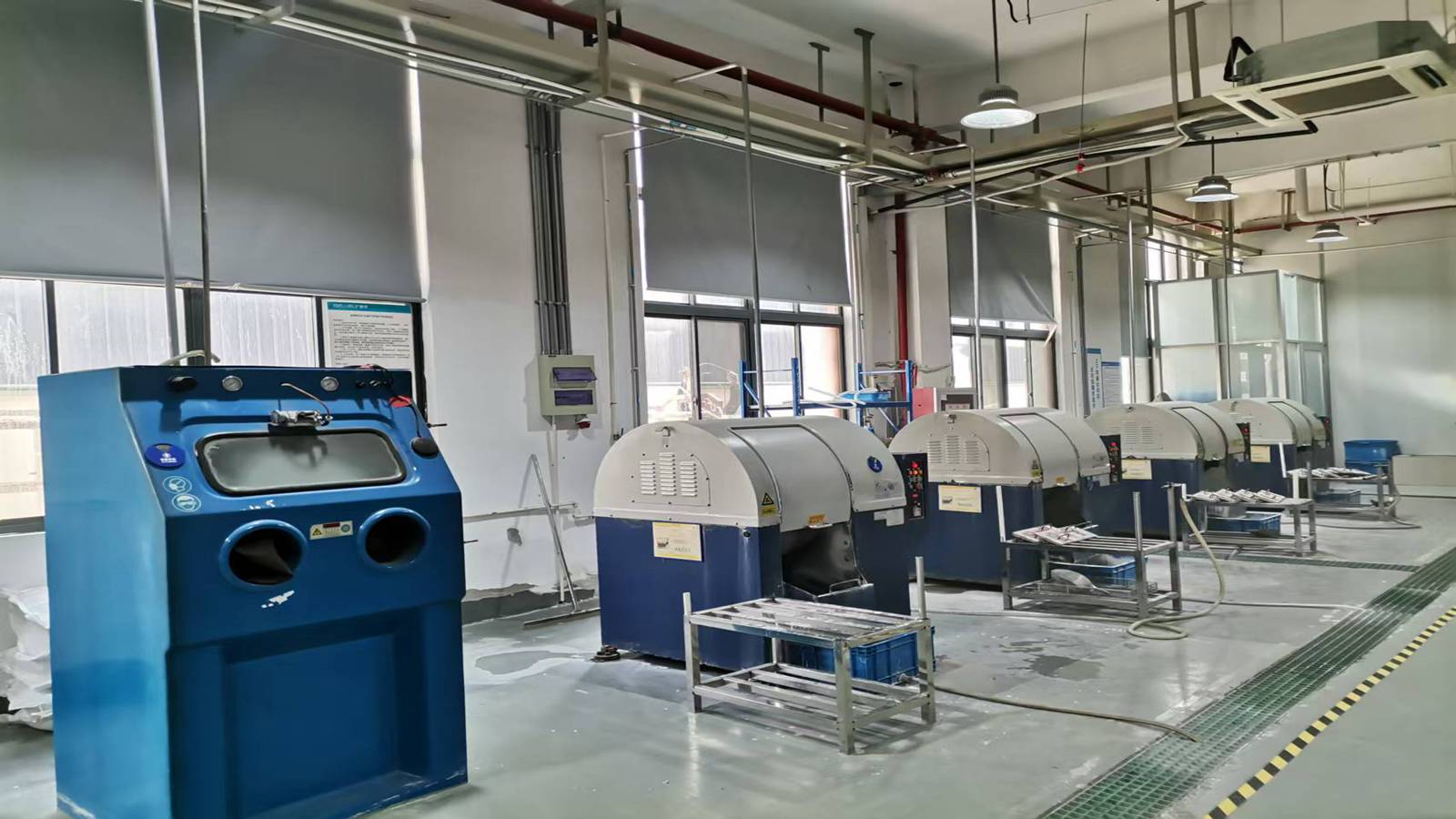
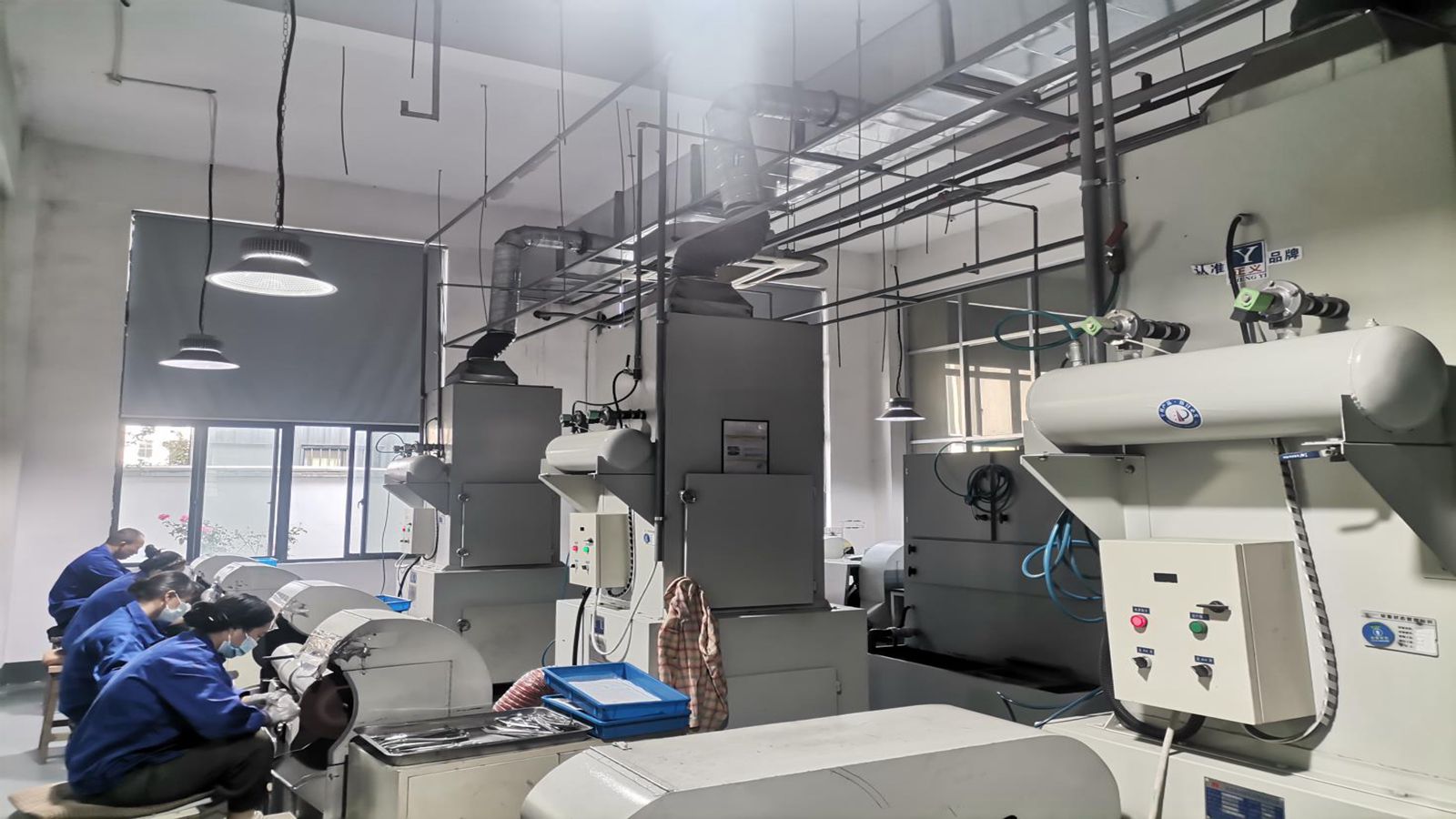
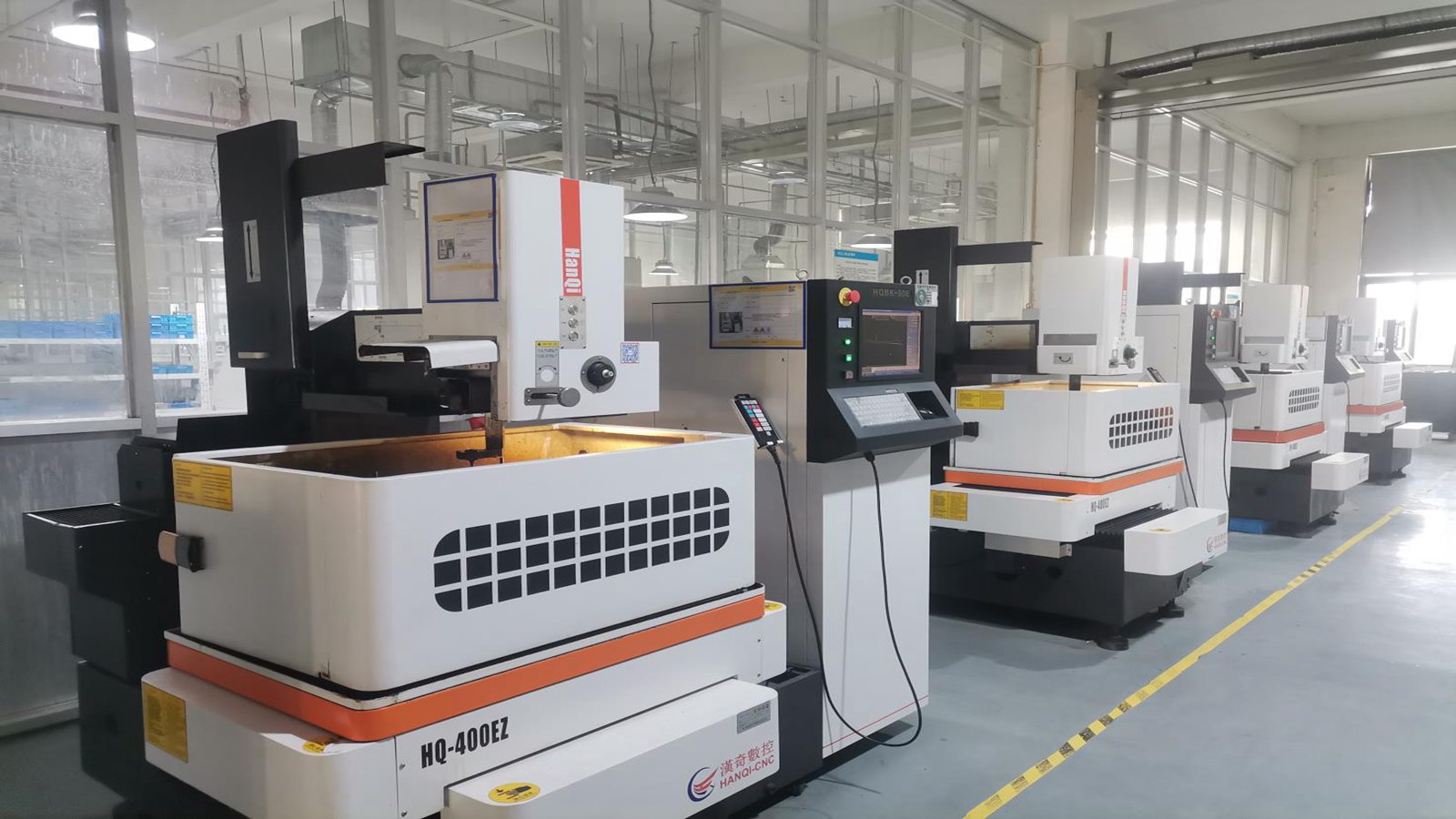
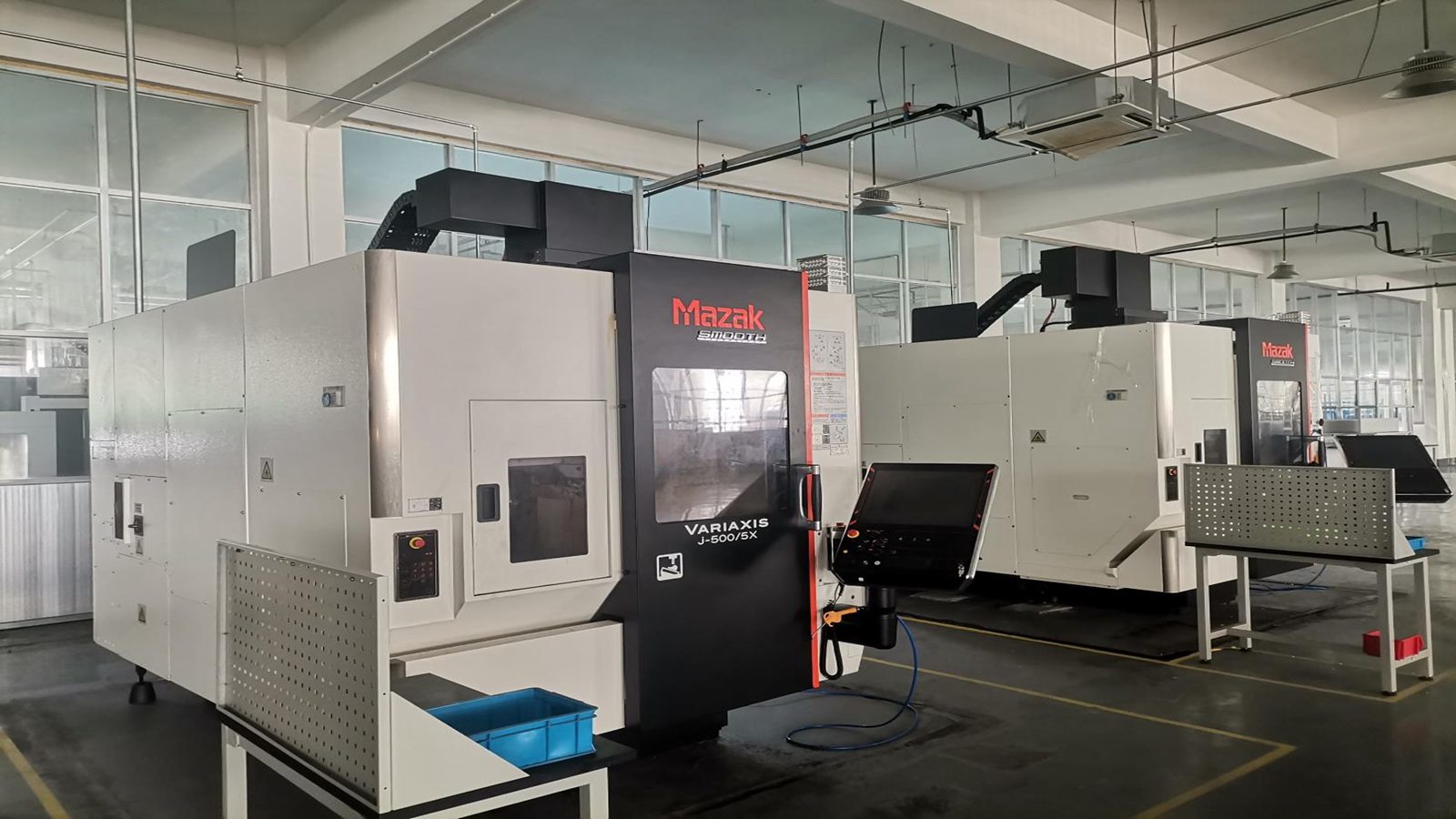
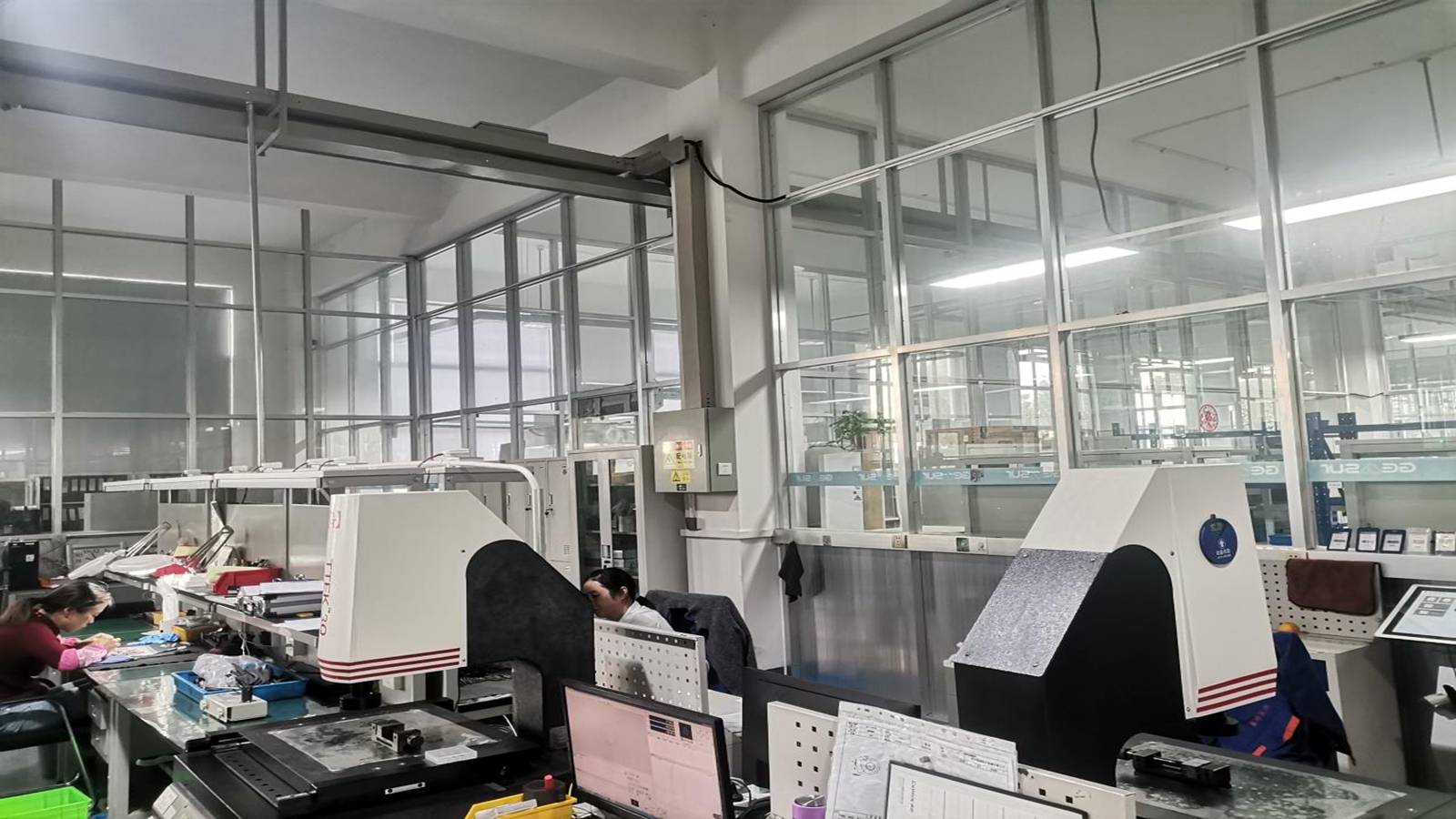
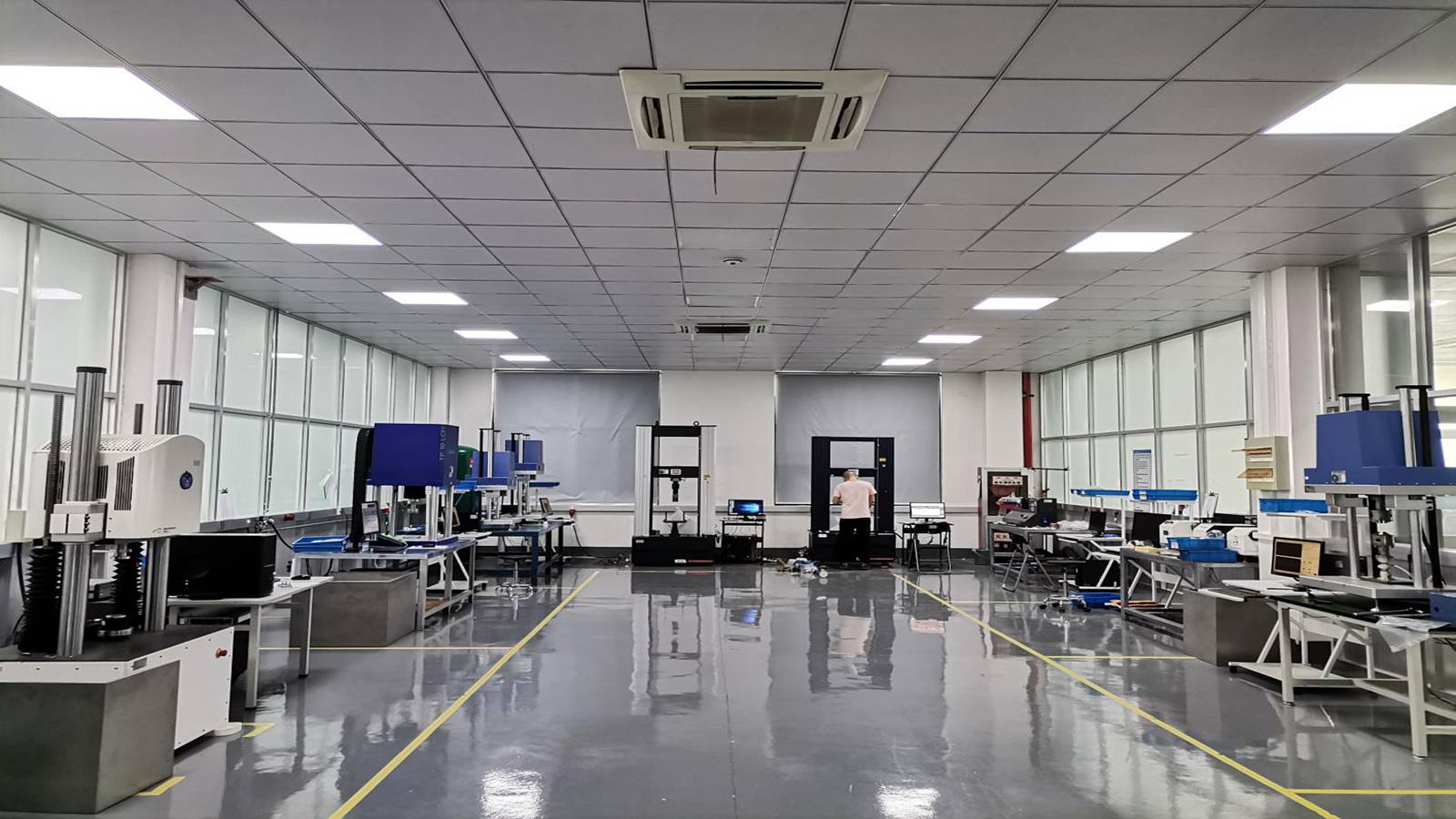
Founded in 2015, HBM Medical Apparatus And Instruments Co., Ltd. has established itself as a premier developer and manufacturer of orthopedic implants and surgical instruments in China. Spanning a state-of-the-art production site of over 30,343 square meters, our facility is equipped with more than 350 advanced processing and testing machines, including high-precision Swiss-type CNC lathes and 5-axis machining centers.
Our manufacturing philosophy is rooted in technological innovation and uncompromising quality. We operate 12 dedicated production lines capable of high-volume output while maintaining strict dimensional tolerances. Our robust R&D team consists of 31 highly qualified engineers, including 1 Doctorate, 11 Postgraduates, and 17 Graduates, driving continuous product innovation and custom OEM/ODM solutions for global partners.
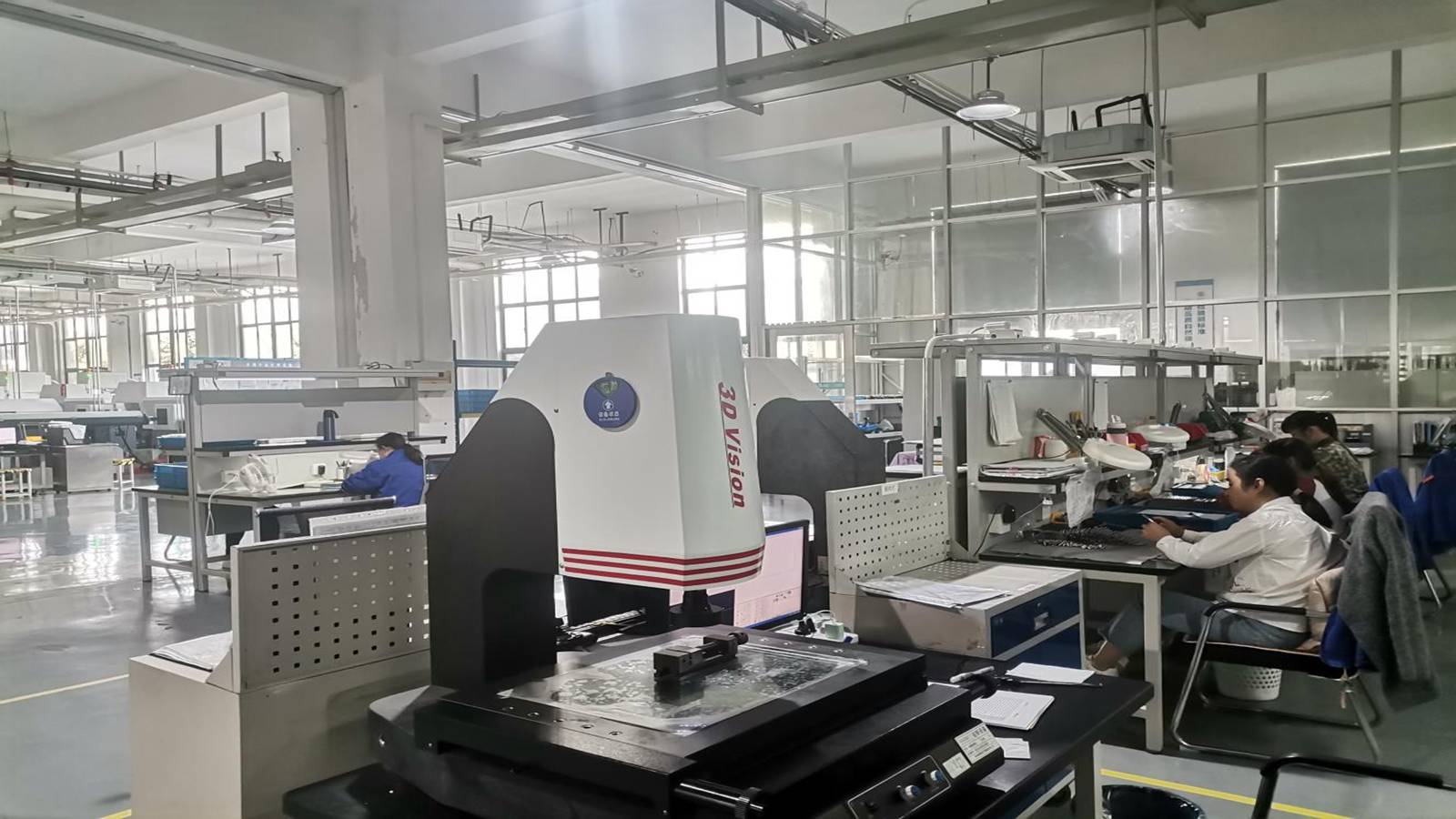
Quality control is integrated into every phase of our manufacturing process. With 36 dedicated QA/QC inspectors, we conduct 100% inspection on critical dimensions and maintain full traceability of raw materials from certified medical-grade suppliers. This rigorous approach ensures that every intramedullary nail leaving our facility meets the highest standards of safety and efficacy.
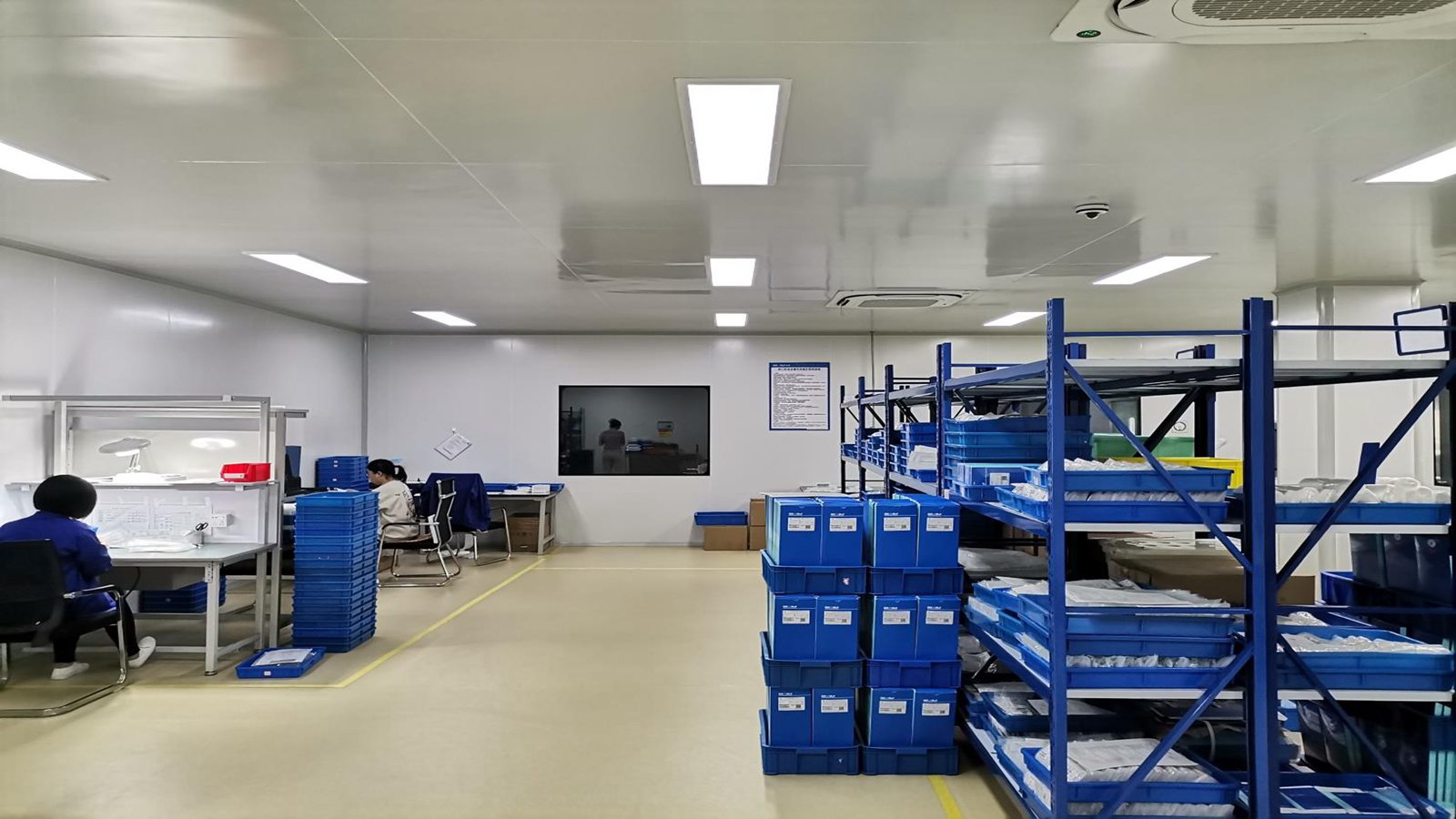
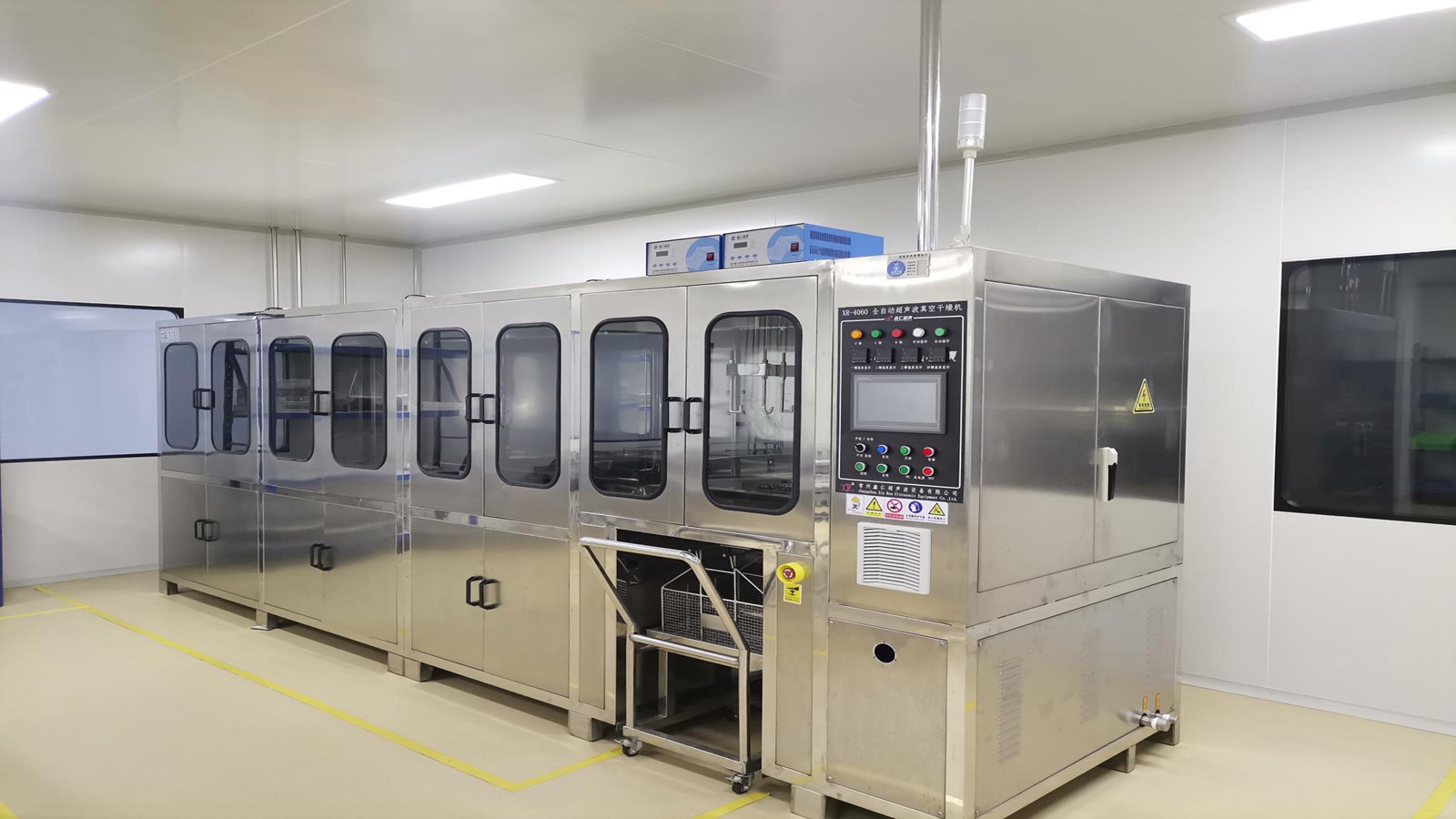
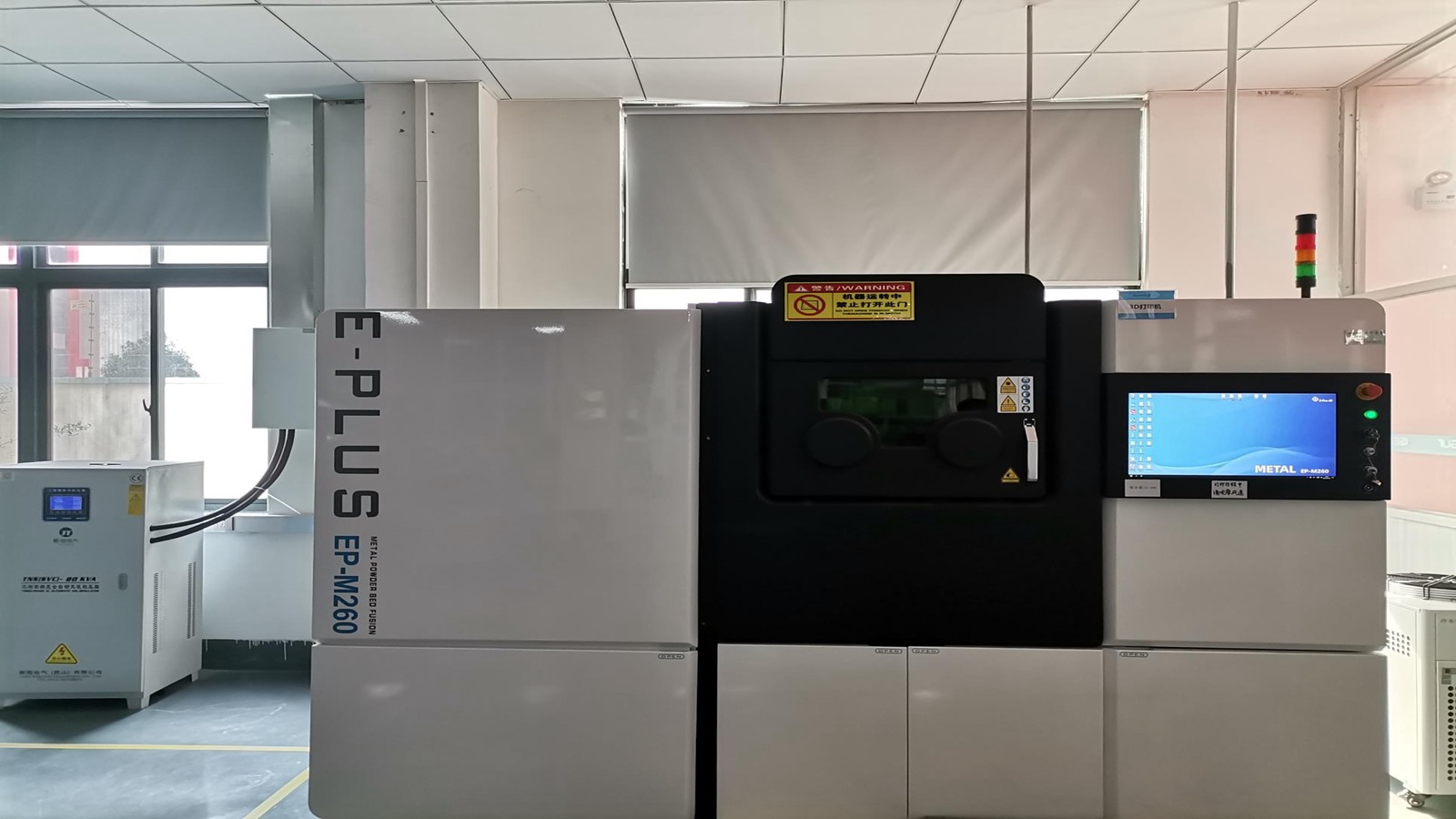
A visual tour of our advanced production lines, cleanrooms, and quality testing laboratories.



In the highly regulated medical device industry, compliance is not merely a legal requirement; it is the foundation of patient safety and clinical trust. HBM Medical operates under a rigorous quality management system certified to ISO 13485 and the Medical Device Single Audit Program (MDSAP). This dual certification demonstrates our ability to meet the stringent regulatory requirements of multiple global markets, including the United States, Canada, Australia, Japan, and Brazil, through a single, comprehensive audit process.
Furthermore, our intramedullary nail systems carry the CE Mark (MDR) under certificates EPT 0477.MDR.25/5905 and EPT 0477.MDR.25/5973. This confirms that our products comply with the latest European Union Medical Device Regulation (2017/745), which demands enhanced clinical evidence, rigorous post-market surveillance, and robust risk management. For our global distributors and hospital partners, this level of compliance guarantees seamless importation, reduced regulatory risk, and absolute clinical confidence.
Our quality management system is audited and certified under MDSAP, ensuring compliance with the regulatory standards of five major global medical device markets.
HBM implants meet the strict requirements of the EU Medical Device Regulation, backed by comprehensive clinical evaluation reports and post-market clinical follow-up.
Engineered to address complex anatomical challenges and diverse patient demographics.
Our Proximal Femoral Antirotation Nails (PFNA) are specifically optimized for osteoporotic bone. The helical blade compacts the cancellous bone structure, significantly increasing cut-out resistance and providing stable fixation in elderly patients with poor bone quality.
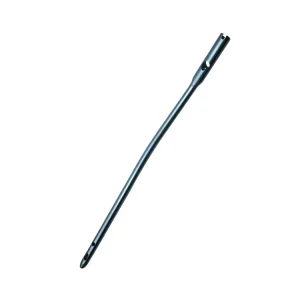
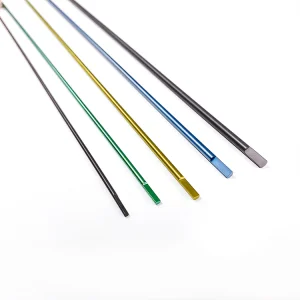
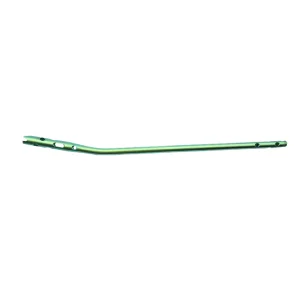
HBM's Titanium Elastic Nails (TEN) offer a minimally invasive solution for pediatric femoral, tibial, and humeral fractures. By preserving the periosteum and avoiding the growth plates, they ensure safe, rapid healing with minimal scarring.
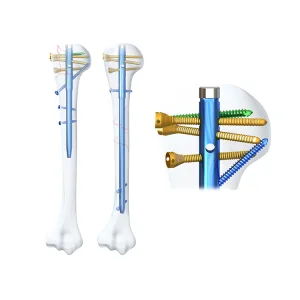
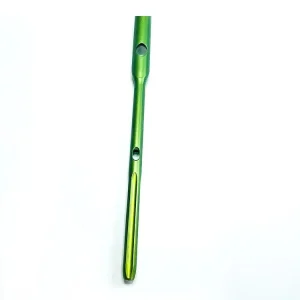
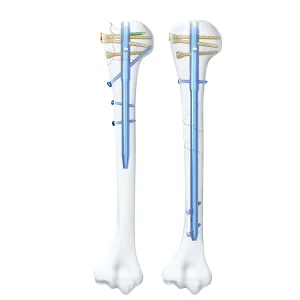
Our interlocking tibial and humeral nails feature multi-dimensional locking holes, allowing for precise stabilization of proximal, distal, and mid-shaft fractures. The anatomical curvature of the nails facilitates easy insertion and optimal fit.
Technical and commercial insights for healthcare professionals and procurement managers.
Browse our specialized interlocking systems for pediatric, tibial, and complex humeral reconstruction.
 HBM Medical