High-precision titanium compression and trauma screws optimized for immediate clinical deployment in Sri Lankan medical institutions.
Sri Lanka's healthcare sector is undergoing a rapid transition. With an expanding network of public teaching hospitals—such as the National Hospital of Sri Lanka (NHSL) in Colombo, and provincial general hospitals in Kandy, Galle, and Jaffna—alongside a booming private healthcare sector led by groups like Asiri Health, Nawaloka, and Durdans, the demand for high-quality orthopedic implants has reached unprecedented levels. Orthopedic trauma, driven primarily by road traffic accidents, industrial growth, and an aging demographic, represents one of the most critical clinical challenges in the country.
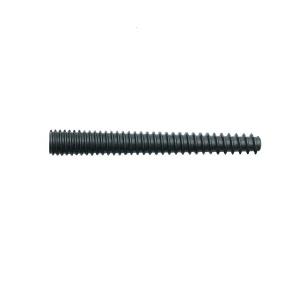
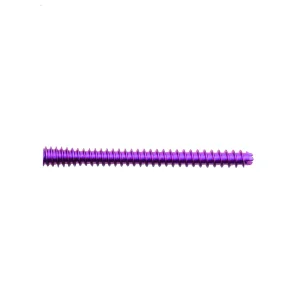
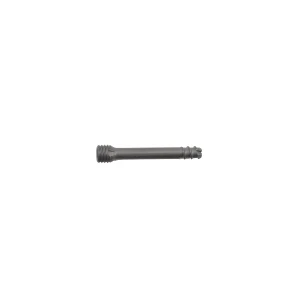
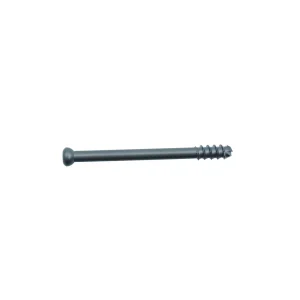
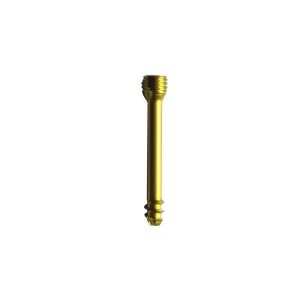
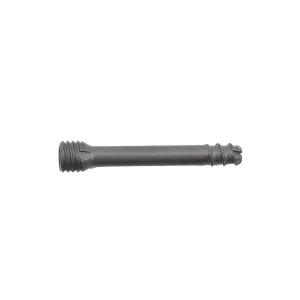
Cannulated screws play a pivotal role in modern minimally invasive osteosynthesis across Sri Lanka. These specialized, hollow-core screws allow orthopedic surgeons to achieve precise percutaneous fixation over a guide wire, minimizing soft tissue disruption and accelerating patient recovery. However, the Sri Lankan market has historically faced challenges in securing a stable supply of high-grade titanium implants that balance international regulatory compliance (such as CE and FDA approvals) with local economic viability.
"As Sri Lanka aligns its medical device procurement with the National Medicines Regulatory Authority (NMRA) guidelines, the demand for certified Class III orthopedic implants has shifted from basic structural hardware to highly engineered, bio-compatible titanium alloy systems."
By establishing a robust supply chain link between advanced manufacturing hubs in China and healthcare providers in Sri Lanka, HBM Medical Apparatus And Instruments Co., Ltd. delivers clinical-grade titanium cannulated screws that meet the stringent requirements of Sri Lankan orthopedic surgeons. Our systems ensure maximum pull-out strength, precise concentricity, and seamless integration with standard surgical instrumentation sets.
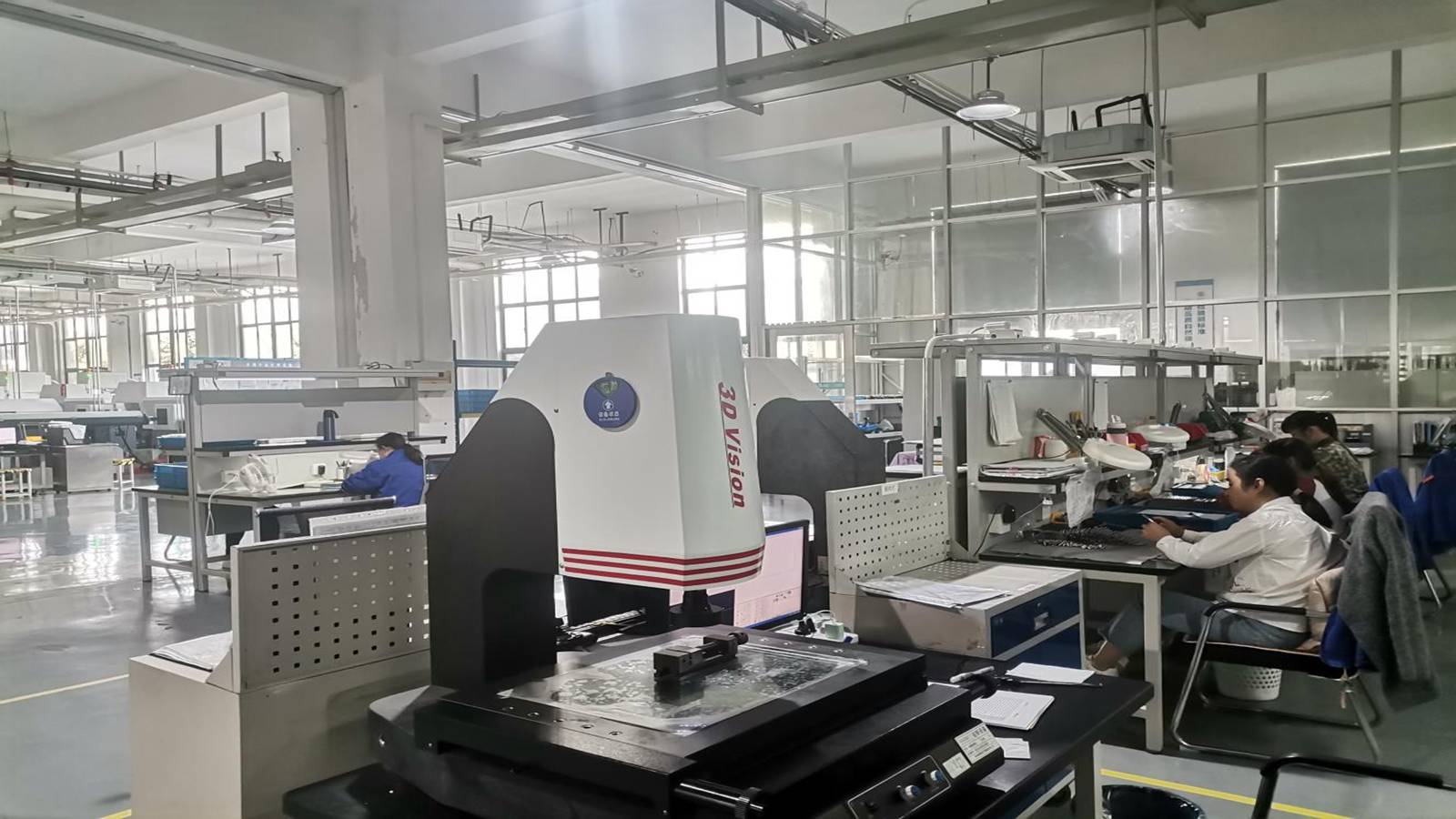
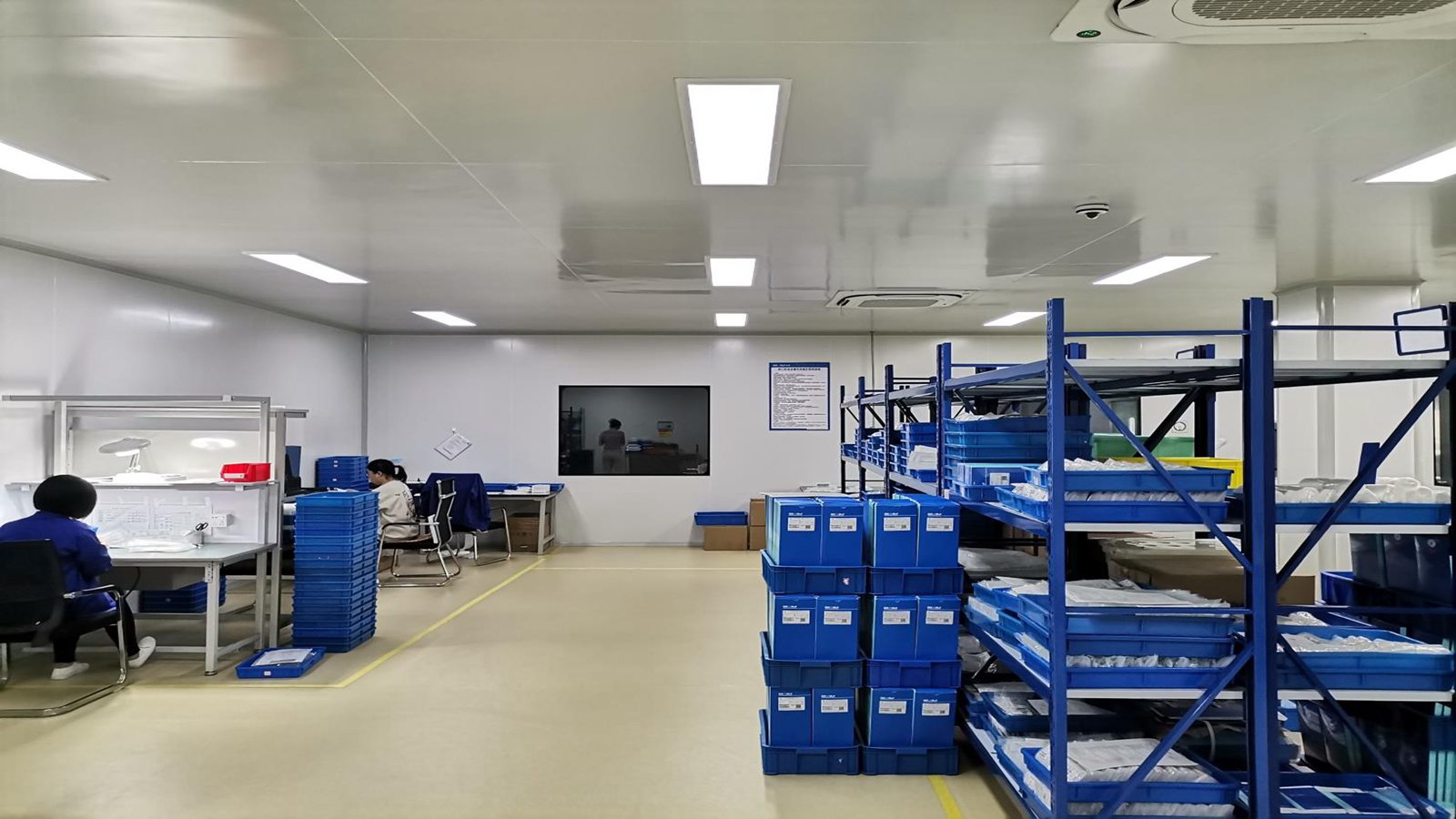
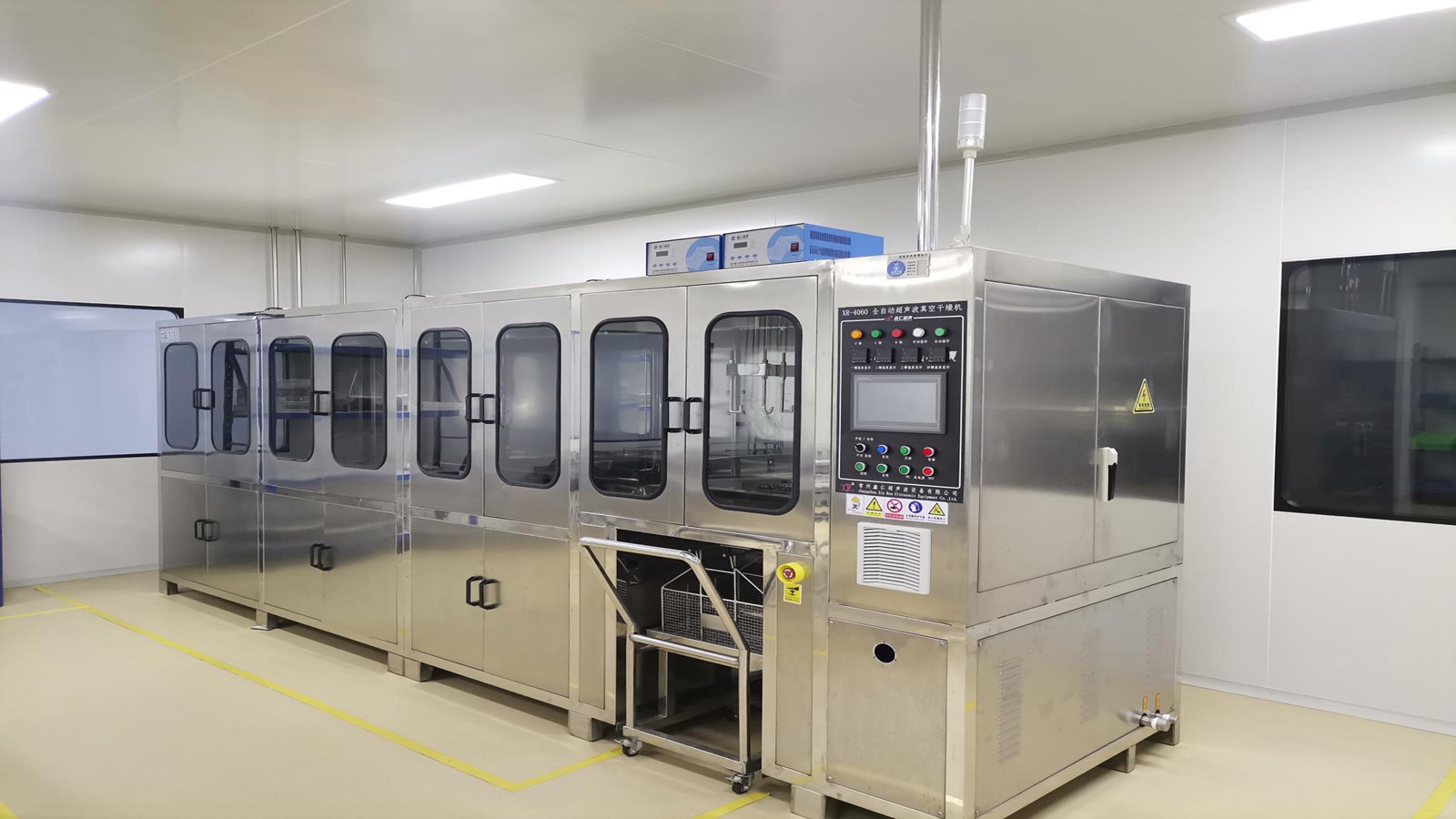
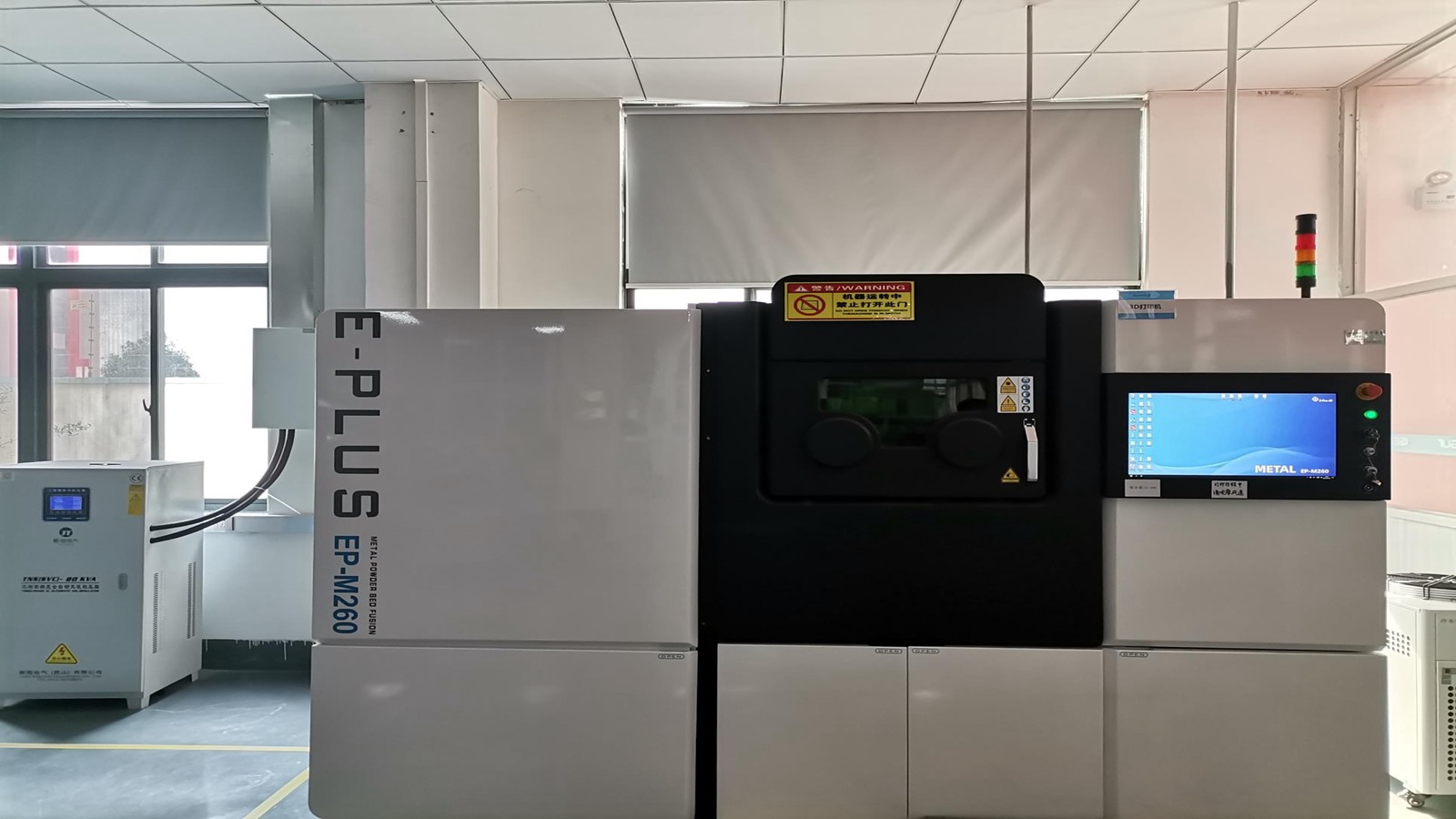
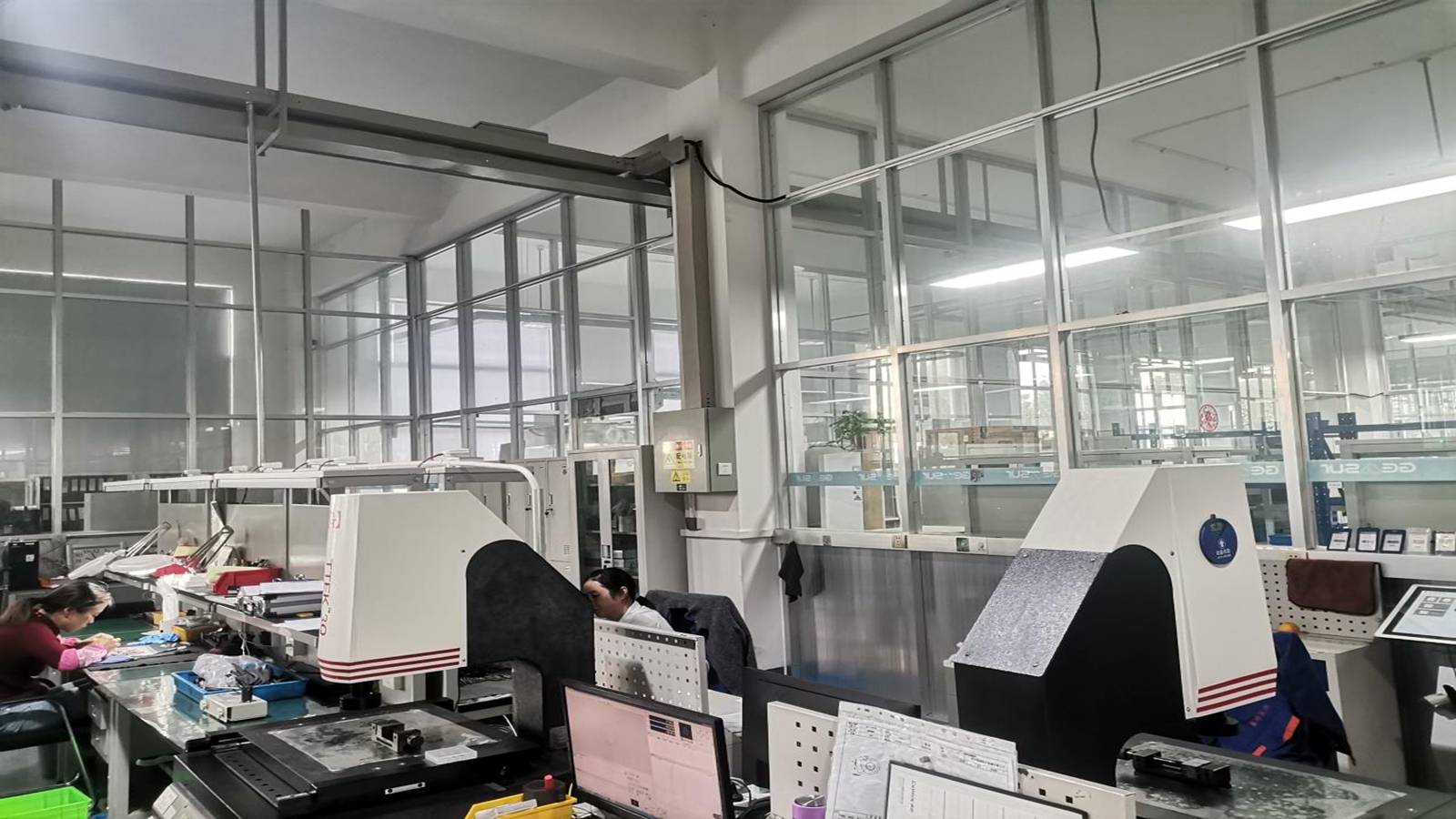
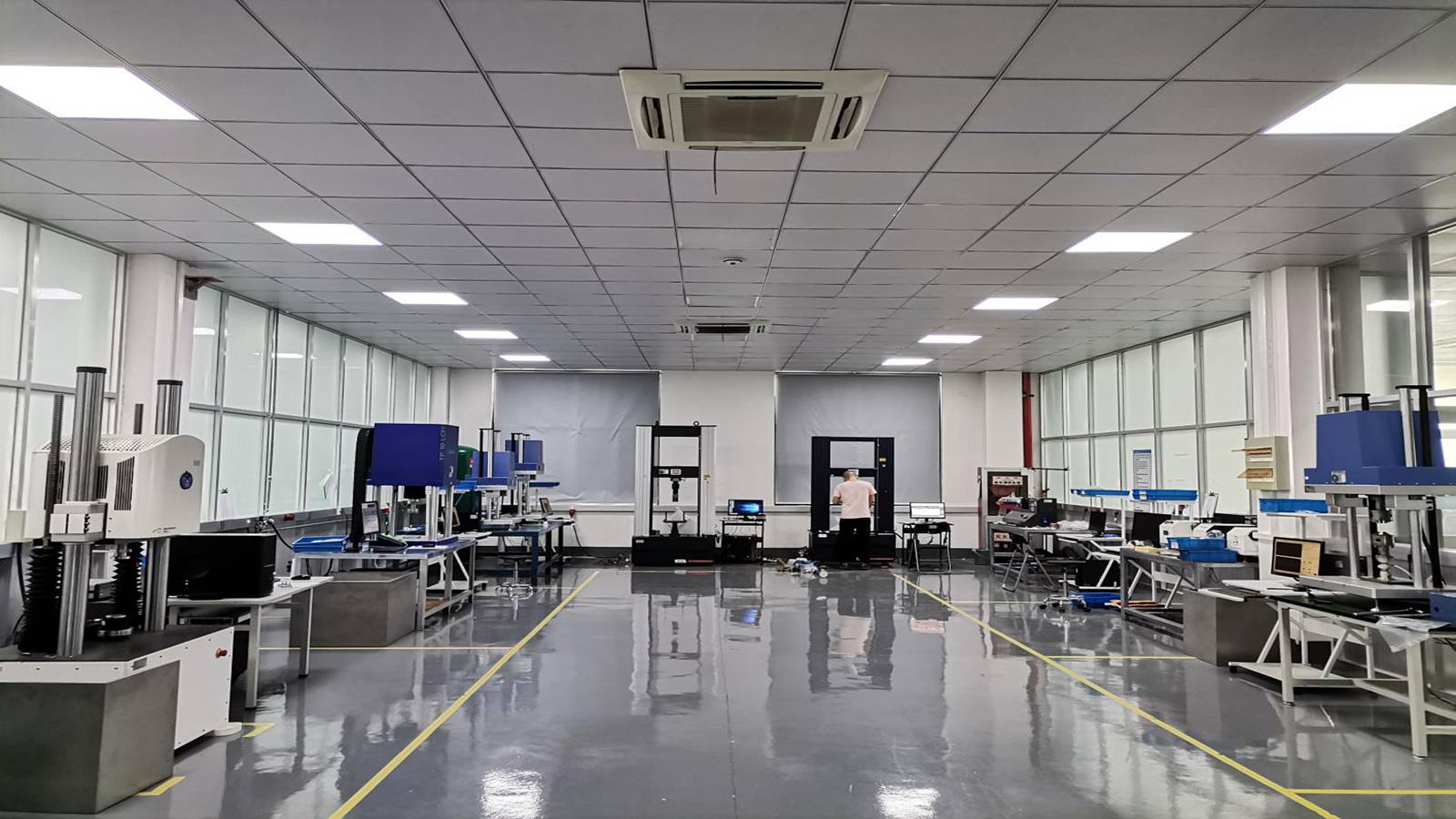
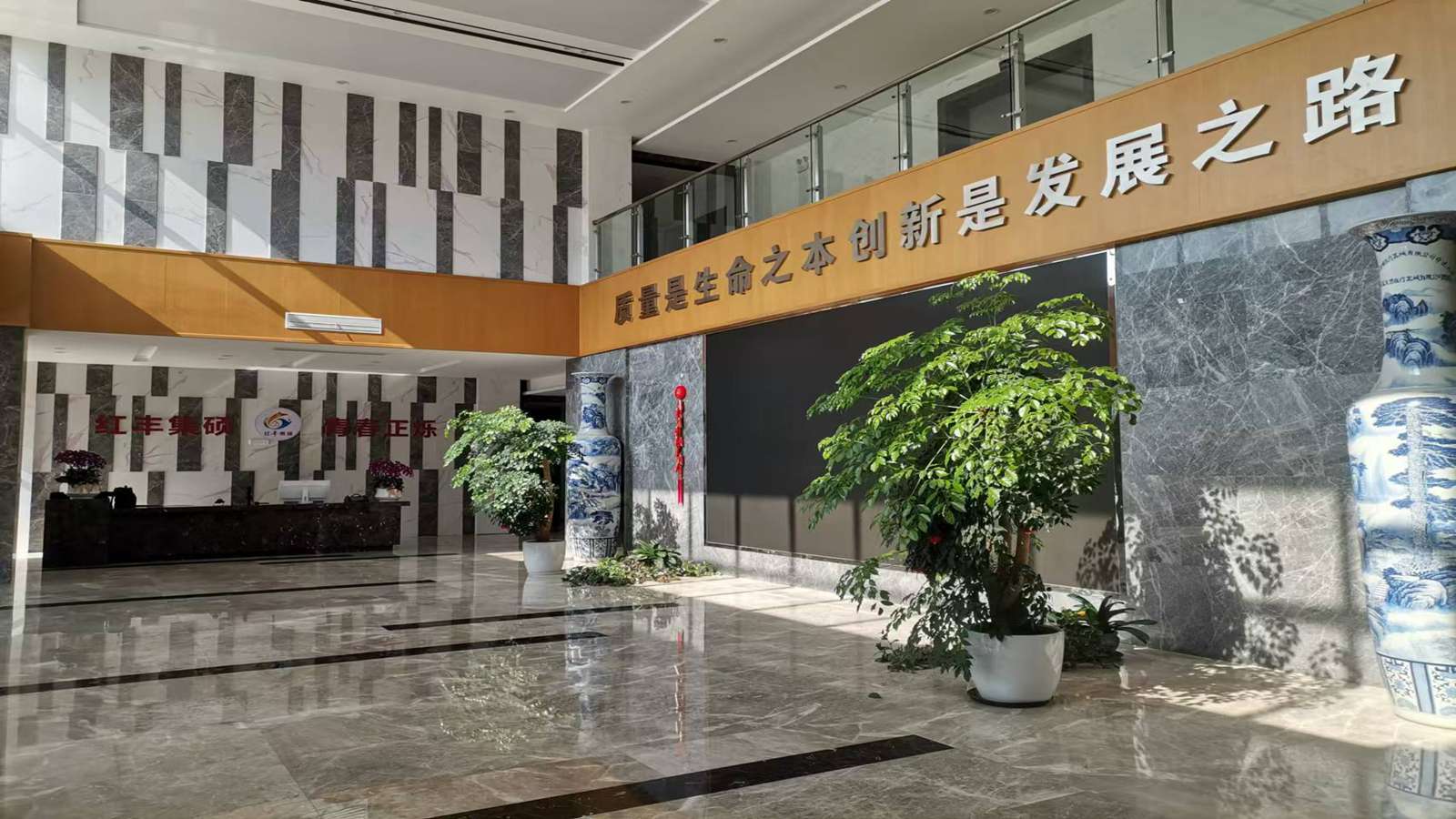
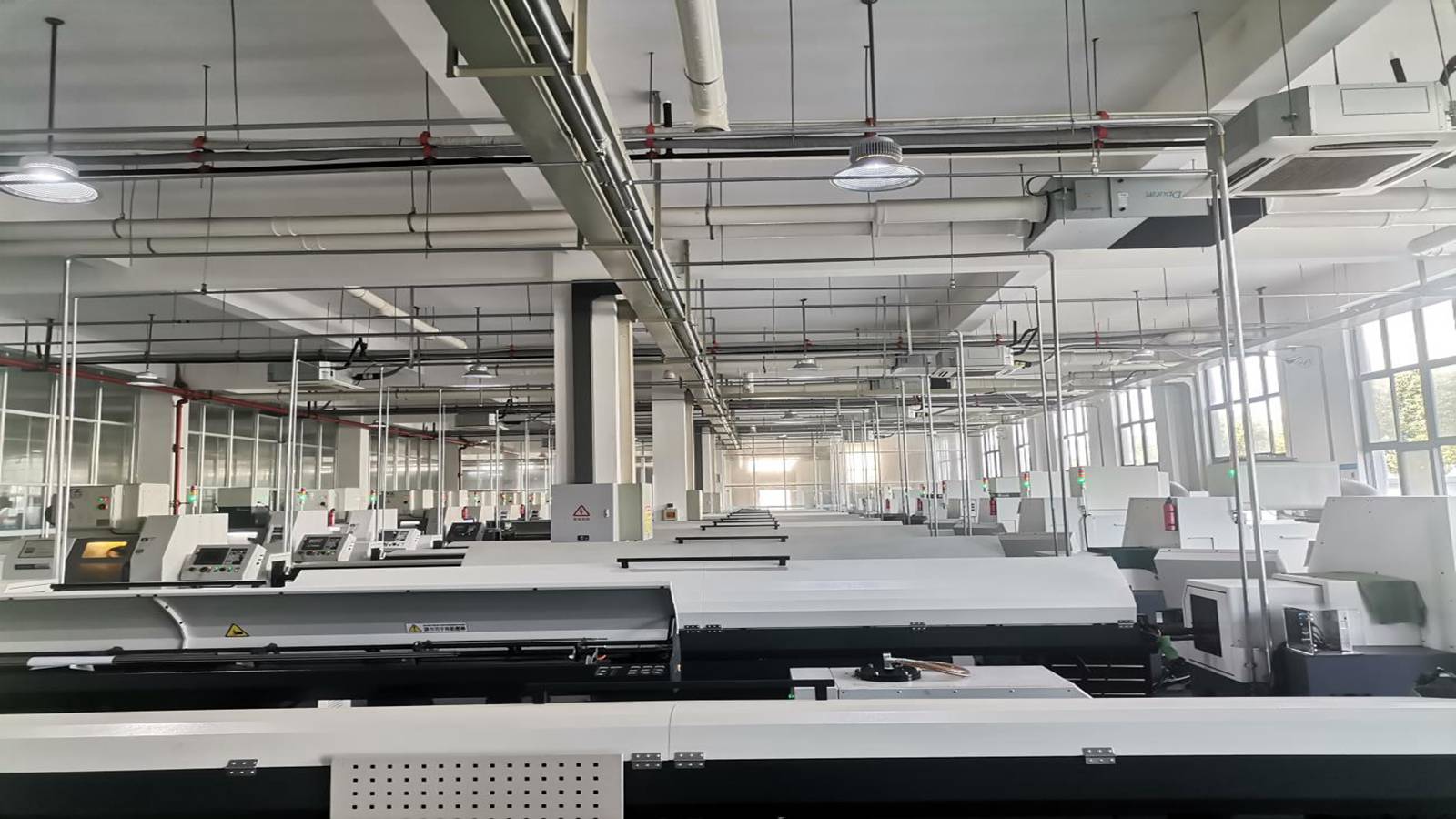
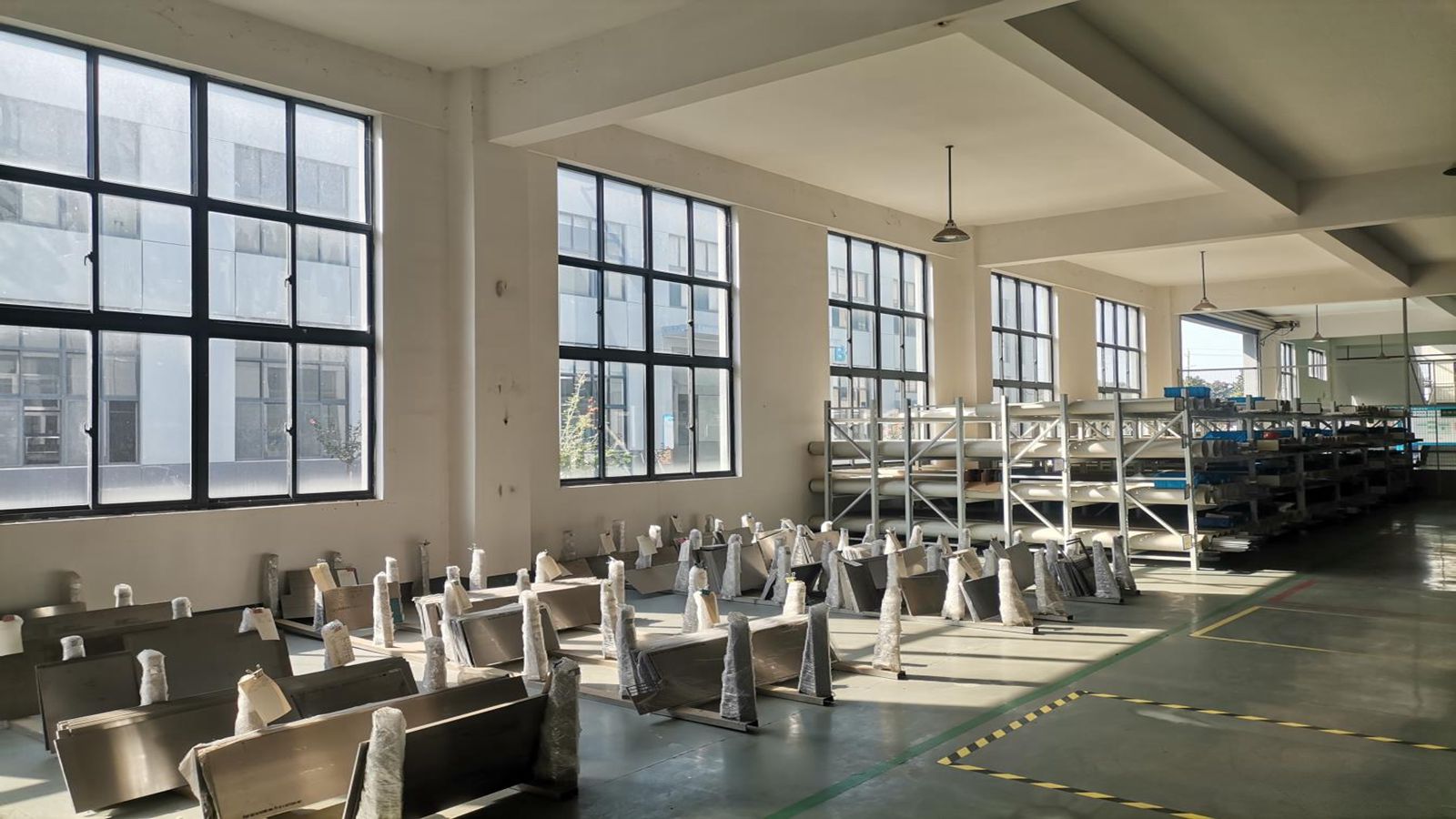
Founded in 2015, HBM Medical Apparatus And Instruments Co., Ltd. has established itself as a premier global R&D and manufacturing powerhouse in the orthopedic implant sector. Operating from a state-of-the-art 30,343 square meter facility, HBM integrates advanced metallurgy, precision mechanical engineering, and rigorous clinical feedback to produce world-class trauma and compression screw systems.
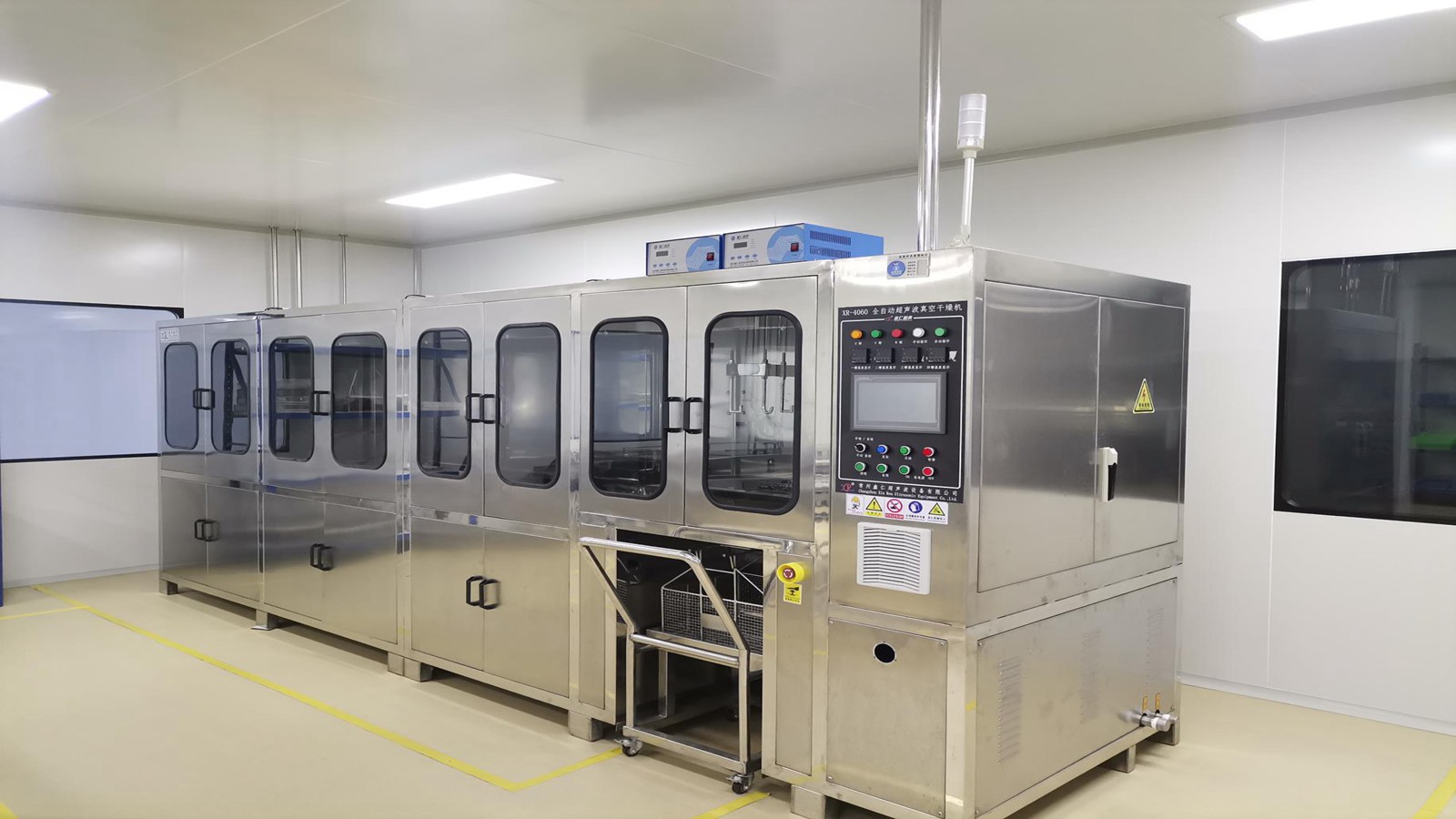
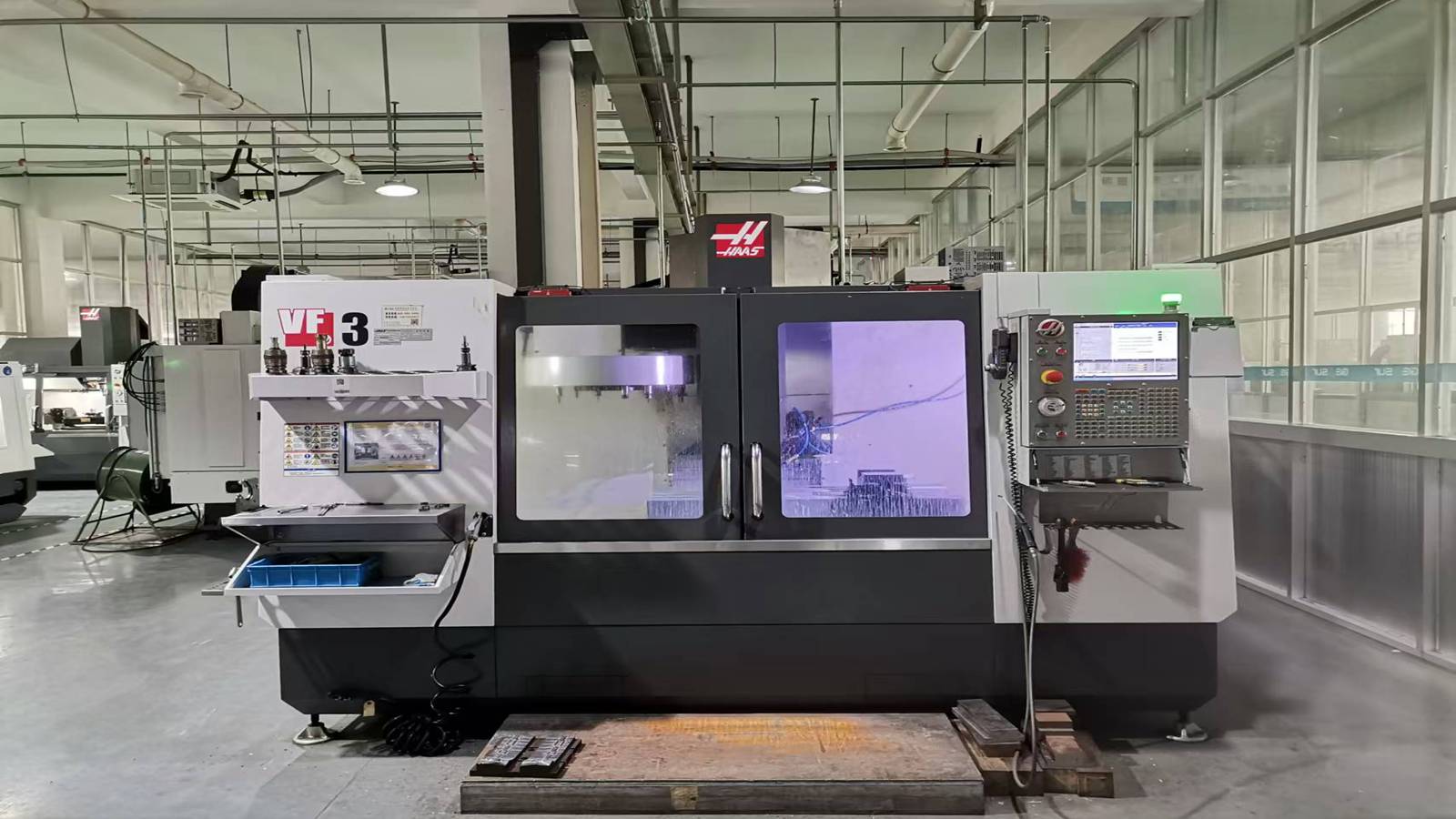
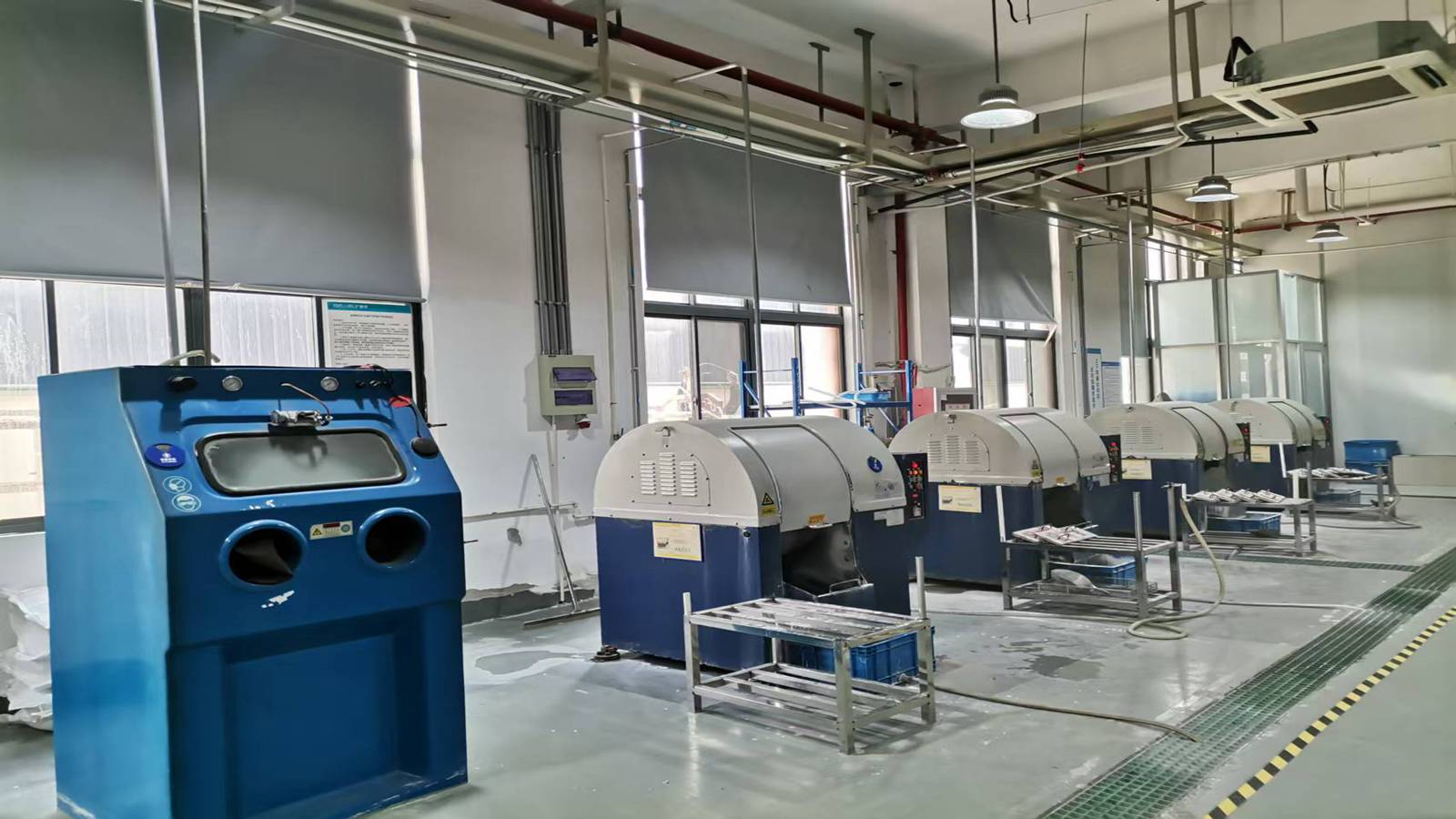
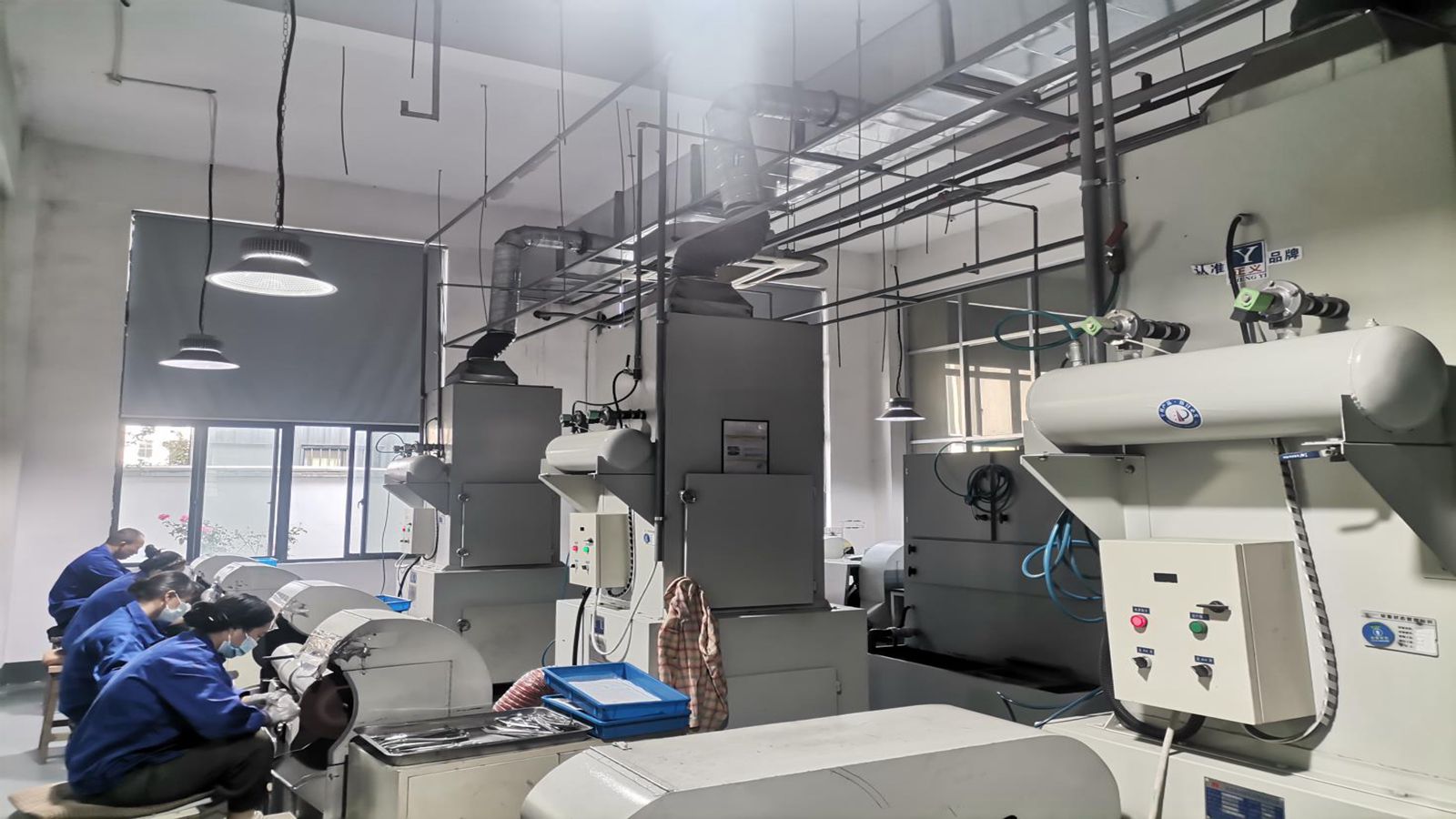
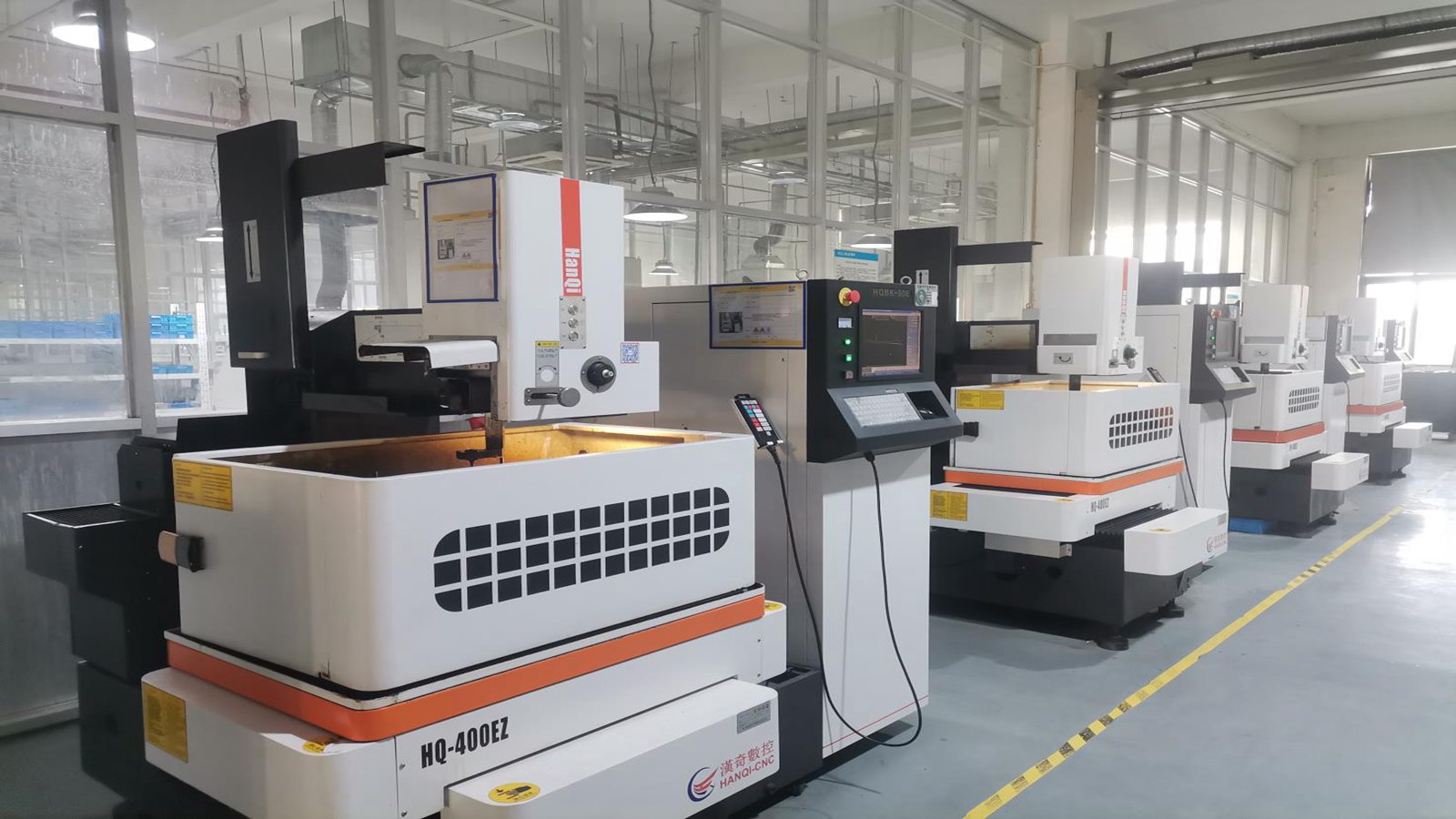
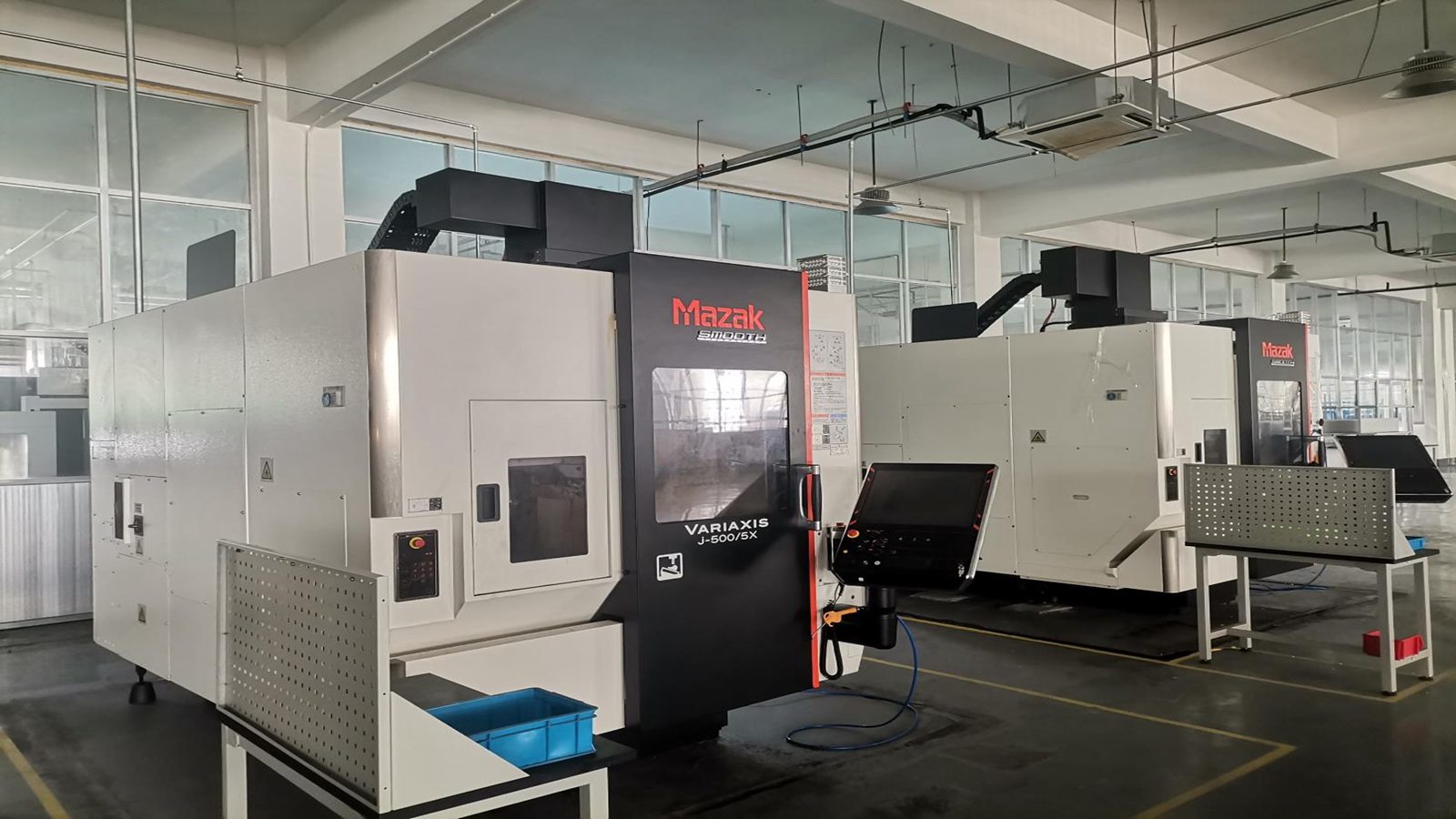
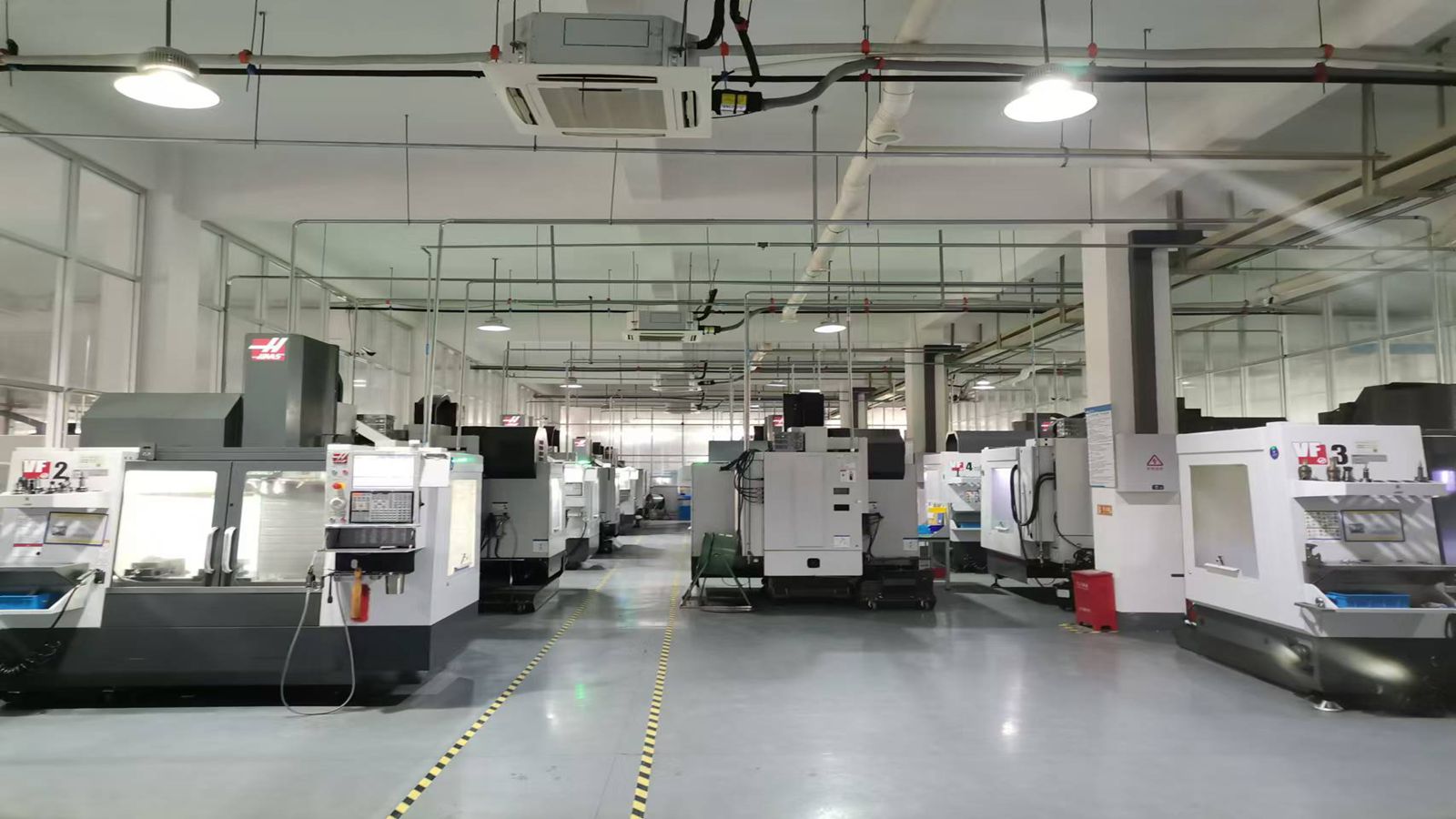
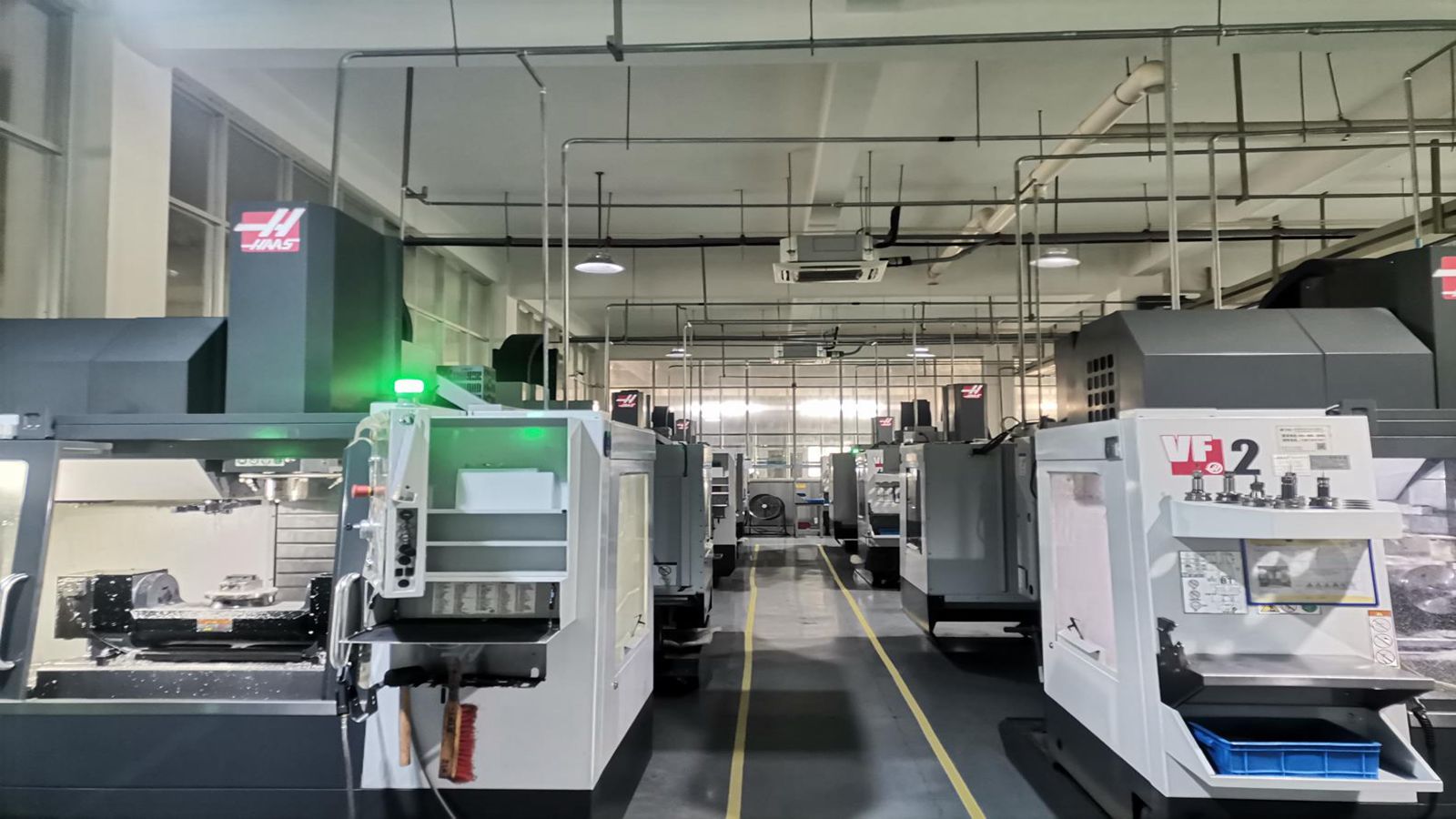
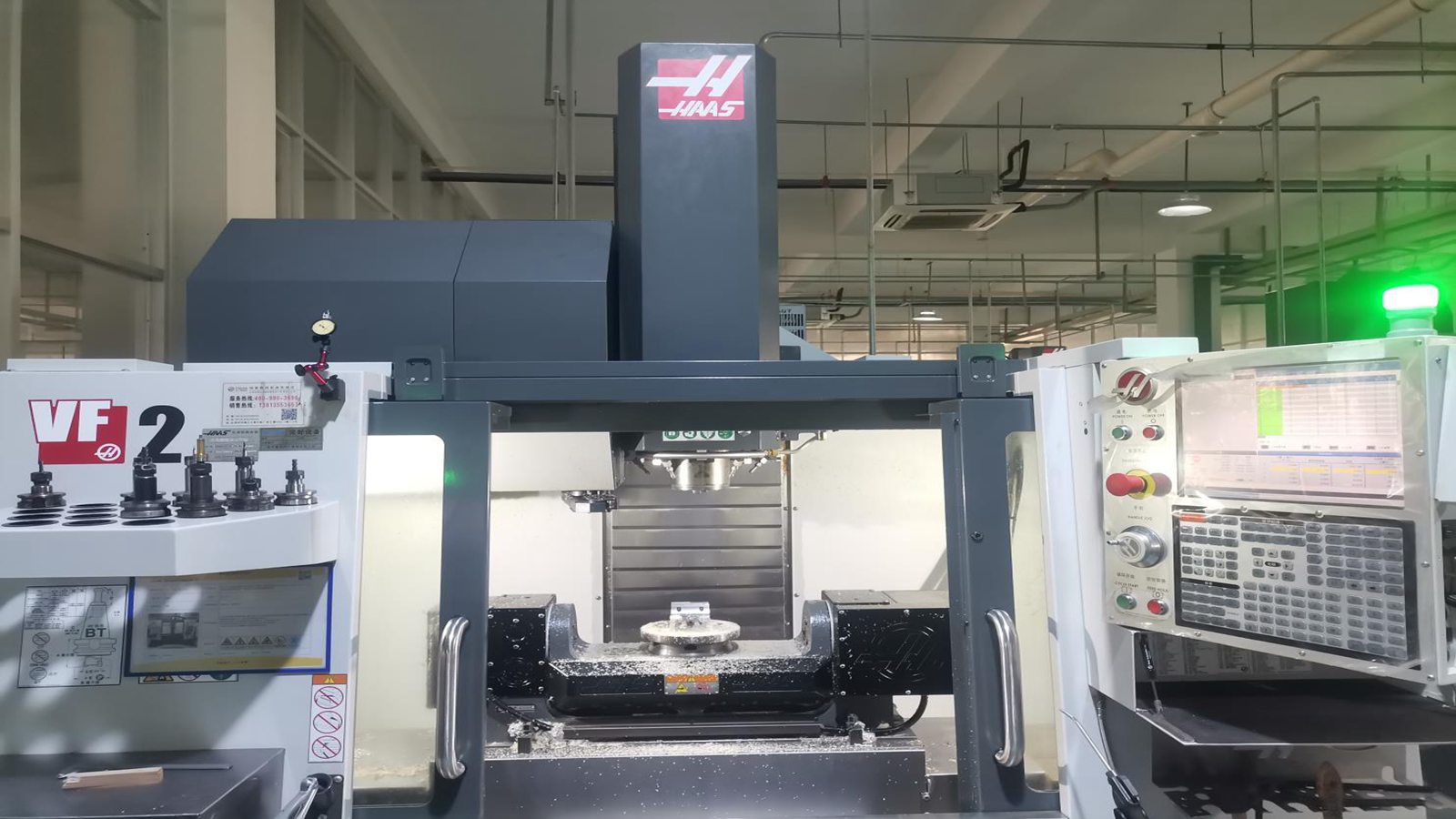
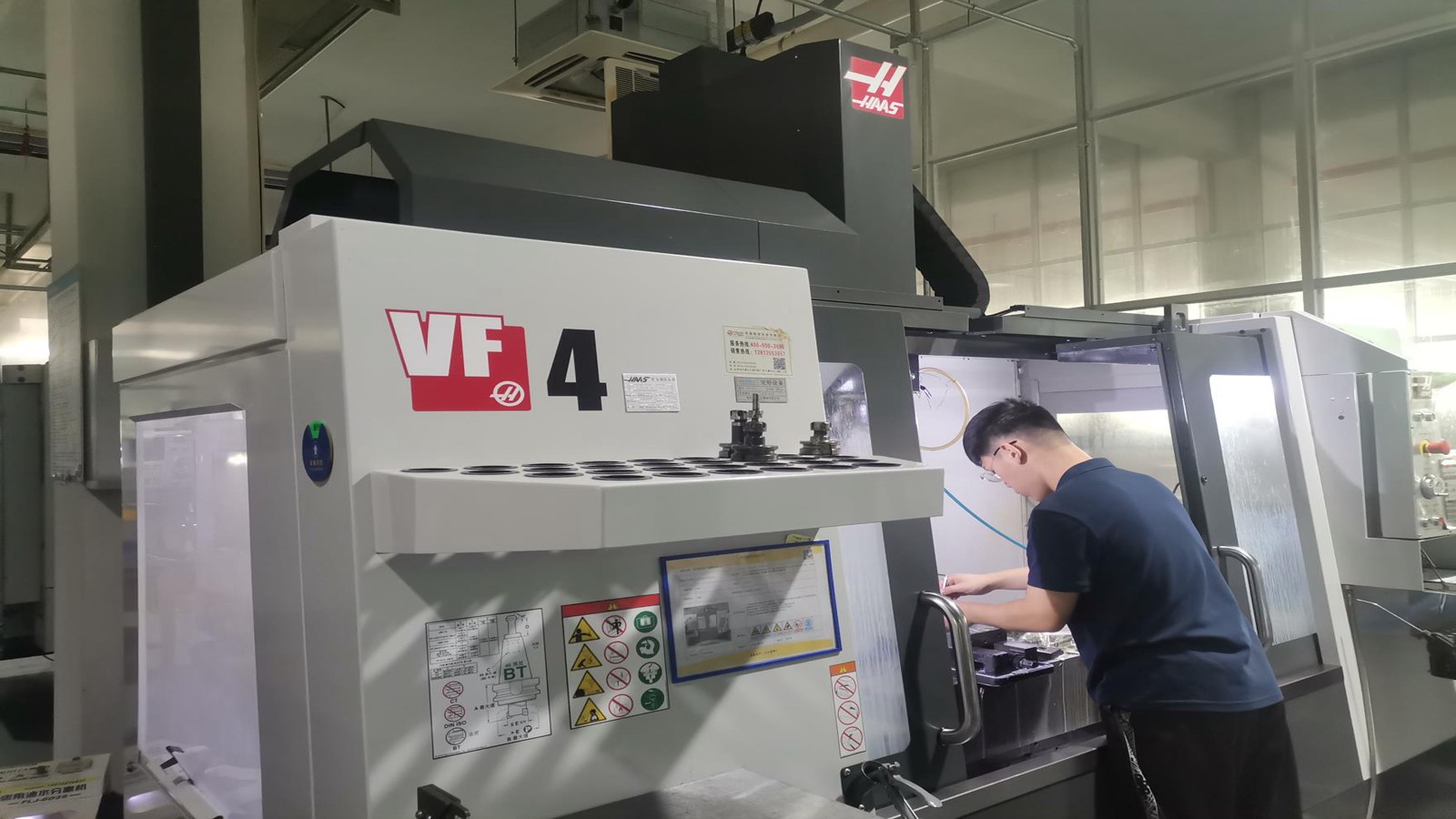
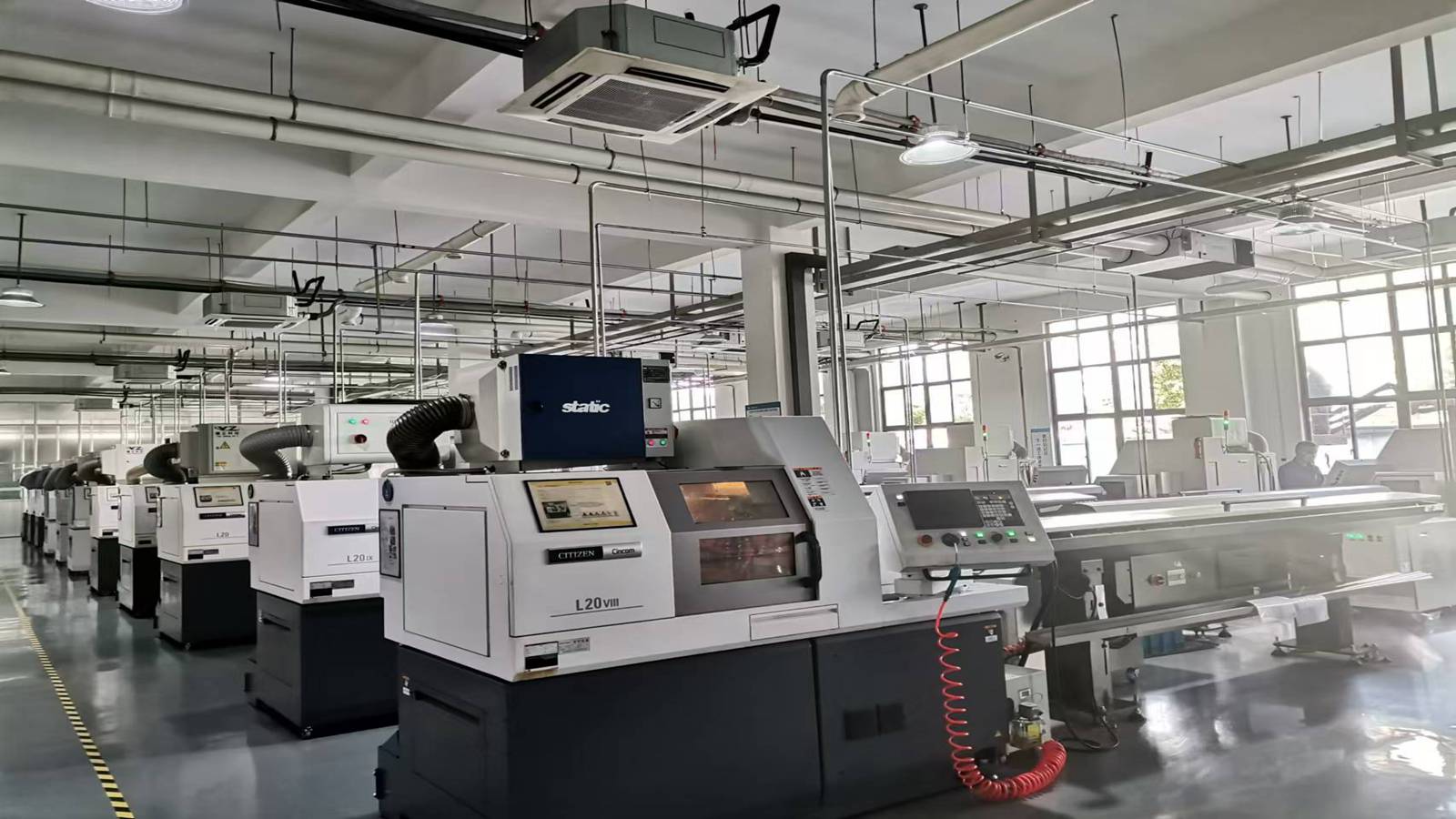
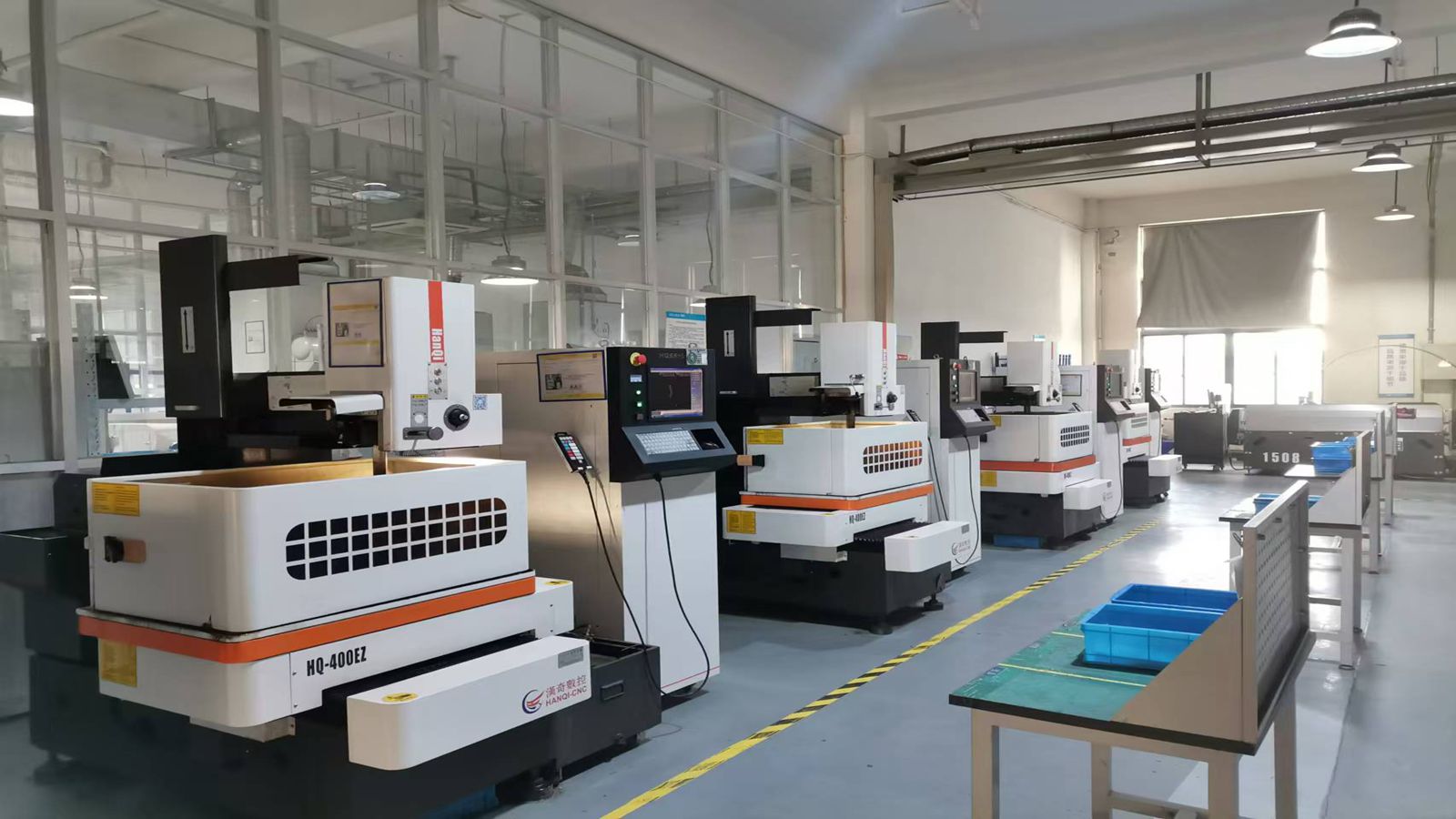
Our manufacturing infrastructure is designed to guarantee absolute traceability and consistency. Equipped with 12 highly automated production lines and over 120 precision CNC machining centers, we maintain complete control over the entire fabrication process—from raw medical-grade titanium alloy (Ti-6Al-4V ELI) sourcing to final sterile packaging.
The clinical success of a cannulated screw depends on its mechanical integrity, biocompatibility, and ease of insertion. HBM Medical utilizes medical-grade titanium alloy (Ti-6Al-4V ELI / TC4), which offers an optimal balance of high tensile strength, excellent fatigue resistance, and a low elastic modulus close to human cortical bone. This significantly reduces the risk of stress shielding and promotes faster osseointegration.
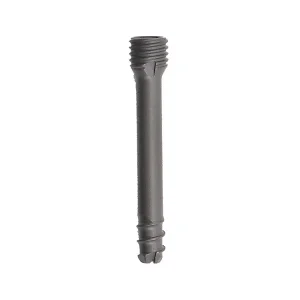
Our cannulated screws feature a highly engineered hollow core (cannulation) designed for precise guide wire insertion. The concentricity of the inner lumen is strictly controlled to prevent guide wire binding or deviation during high-torque insertion.
Dual-Pitch Technology (Herbert Design): Our headless compression screws utilize a differential thread pitch. The leading thread has a larger pitch than the trailing thread, which naturally draws the bone fragments together as the screw is driven home, providing powerful interfragmentary compression without the need for a traditional screw head. This is highly beneficial in articular surfaces where head protrusion would cause soft tissue irritation or joint impingement.
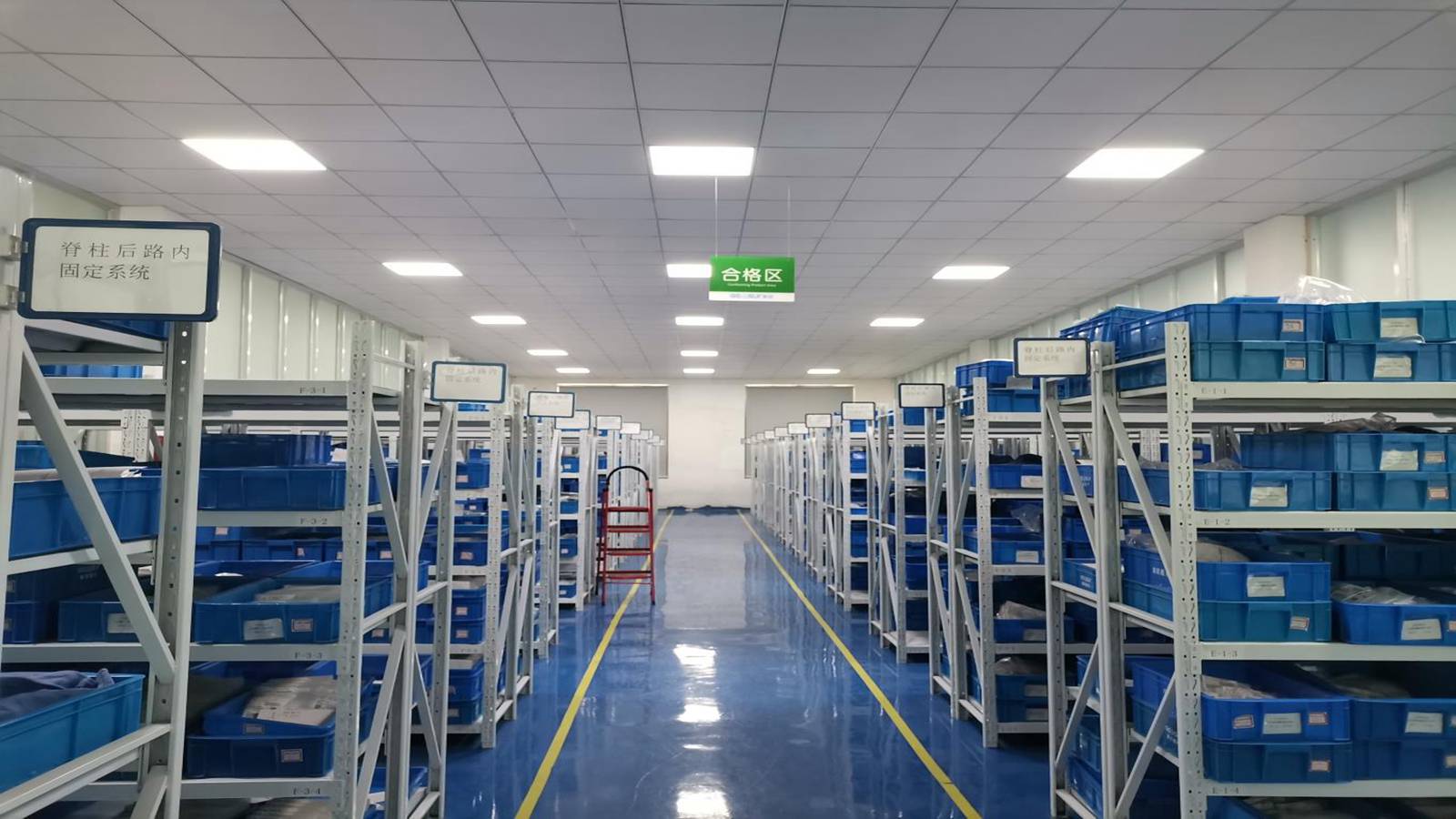
In the globalized medical device market, supply chain disruptions can directly impact patient outcomes. HBM Medical has developed a highly resilient logistics and distribution framework specifically optimized for the Sri Lankan market. By leveraging direct shipping routes from our manufacturing hub in China to the Port of Colombo and Bandaranaike International Airport, we guarantee rapid transit times and uninterrupted inventory replenishment.
We understand the macroeconomic challenges currently faced by Sri Lankan healthcare distributors. Our flexible commercial terms, combined with the high cost-efficiency of our automated production lines, allow us to offer premium-quality titanium implants at highly competitive price points. This enables local distributors to participate successfully in Ministry of Health (MOH) tenders and supply private hospital networks with sustainable margins.
Furthermore, HBM provides comprehensive documentation support, including Certificate of Analysis (CoA), raw material traceability certificates, CE certificates, and sterilization validation reports, facilitating rapid customs clearance and NMRA registration.
Explore our extensive range of CE-certified titanium cannulated screws, designed to meet diverse orthopedic trauma and reconstructive surgical needs in Sri Lanka.
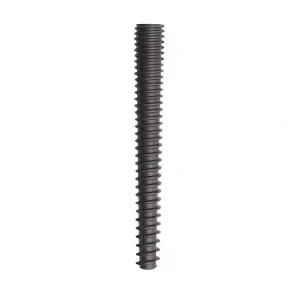
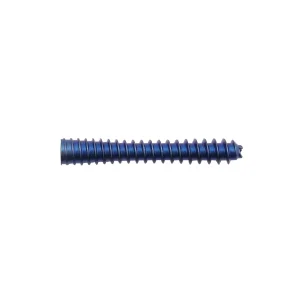
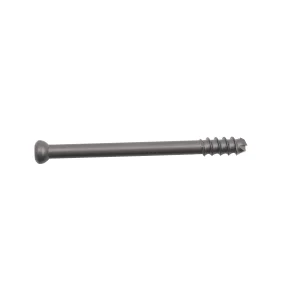
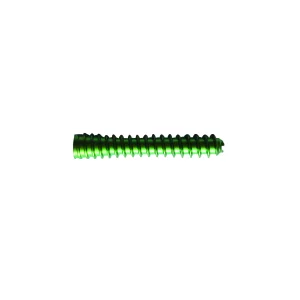
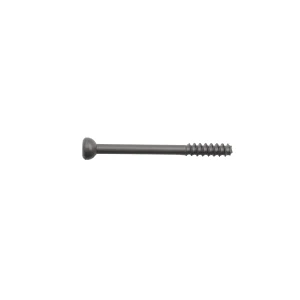
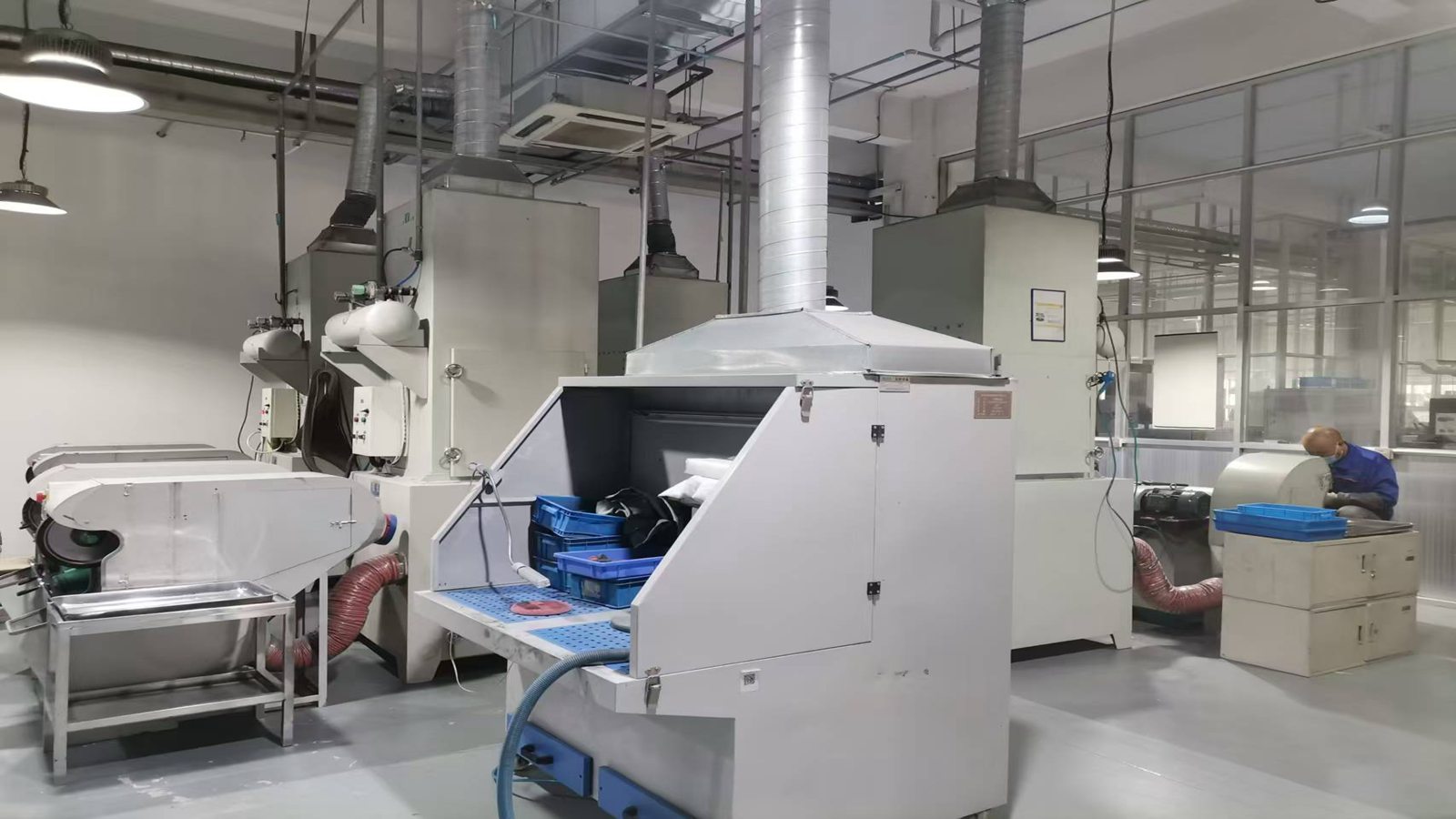
Visual evidence of our commitment to precision, cleanliness, and state-of-the-art medical device production technology.


As orthopedic surgery evolves towards robotic-assisted navigation and personalized medicine, HBM Medical is actively developing next-generation implant technologies. Our technical roadmap focuses on three primary pillars:
1. Advanced Surface Modifications: We are pioneering the application of biomimetic coatings, such as hydroxyapatite (HA) and micro-arc oxidation (MAO) layers, onto our titanium cannulated screws. These coatings accelerate bone-to-implant contact, reducing healing times—a critical factor for diabetic patients and elderly osteoporotic populations in Sri Lanka.
2. Smart Surgical Instrumentation: To support Sri Lankan surgeons in achieving perfect alignment, we are introducing color-coded, ergonomic, and modular instrument sets that integrate seamlessly with digital surgical planners. This reduces operating room time and minimizes surgical cognitive load.
3. Biodegradable Magnesium Alloys: Looking further ahead, HBM is investing in R&D for bio-absorbable magnesium alloy cannulated screws. These implants provide stable temporary fixation and gradually degrade as the bone heals, eliminating the need for a secondary implant removal surgery—saving significant costs for the Sri Lankan public healthcare system.
Essential information regarding regulatory compliance, material quality, and distribution logistics for Sri Lankan buyers.
Are you an orthopedic distributor, hospital procurement manager, or clinical specialist in Sri Lanka? Contact our global growth team today to request product catalogs, technical whitepapers, and competitive wholesale pricing.
Send Inquiry Now HBM Medical