Direct from our ISO 13485 & MDSAP Certified Manufacturing Facility
A Scientific and Biomechanical Perspective on Modern Interbody Fusion Cages
In the realm of spinal reconstructive surgery, the selection of biomaterials for interbody fusion devices is a critical determinant of long-term clinical success. For decades, titanium and its alloys served as the gold standard due to their exceptional mechanical strength and biocompatibility. However, the mismatch in the elastic modulus between titanium (~110 GPa) and human cortical bone (12–18 GPa) frequently led to stress shielding, bone resorption, and subsequent cage subsidence. This clinical challenge paved the way for the adoption of Polyetheretherketone (PEEK).
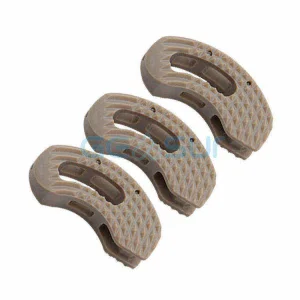
PEEK, a semi-crystalline thermoplastic polymer, offers a Young's modulus (~3.6 GPa) that closely mirrors that of human cancellous and cortical bone. This biomechanical compatibility optimizes load sharing across the anterior column of the spine, stimulating natural osteogenesis according to Wolff's Law. Furthermore, PEEK’s inherent radiolucency allows surgeons to accurately assess the progression of arthrodesis via standard X-ray and CT imaging without the metallic artifacts associated with titanium implants.
"The clinical paradigm has shifted from merely stabilizing the spinal segment to actively fostering a biological environment conducive to rapid, robust fusion. PEEK interbody fusion cages represent the pinnacle of this evolution, offering the perfect balance of mechanical integrity, imaging compatibility, and patient safety."
Our R&D initiatives focus heavily on maximizing the clinical benefits of PEEK through advanced structural engineering. The primary advantages include:
Unmatched Manufacturing Scale and Rigorous Quality Control Systems
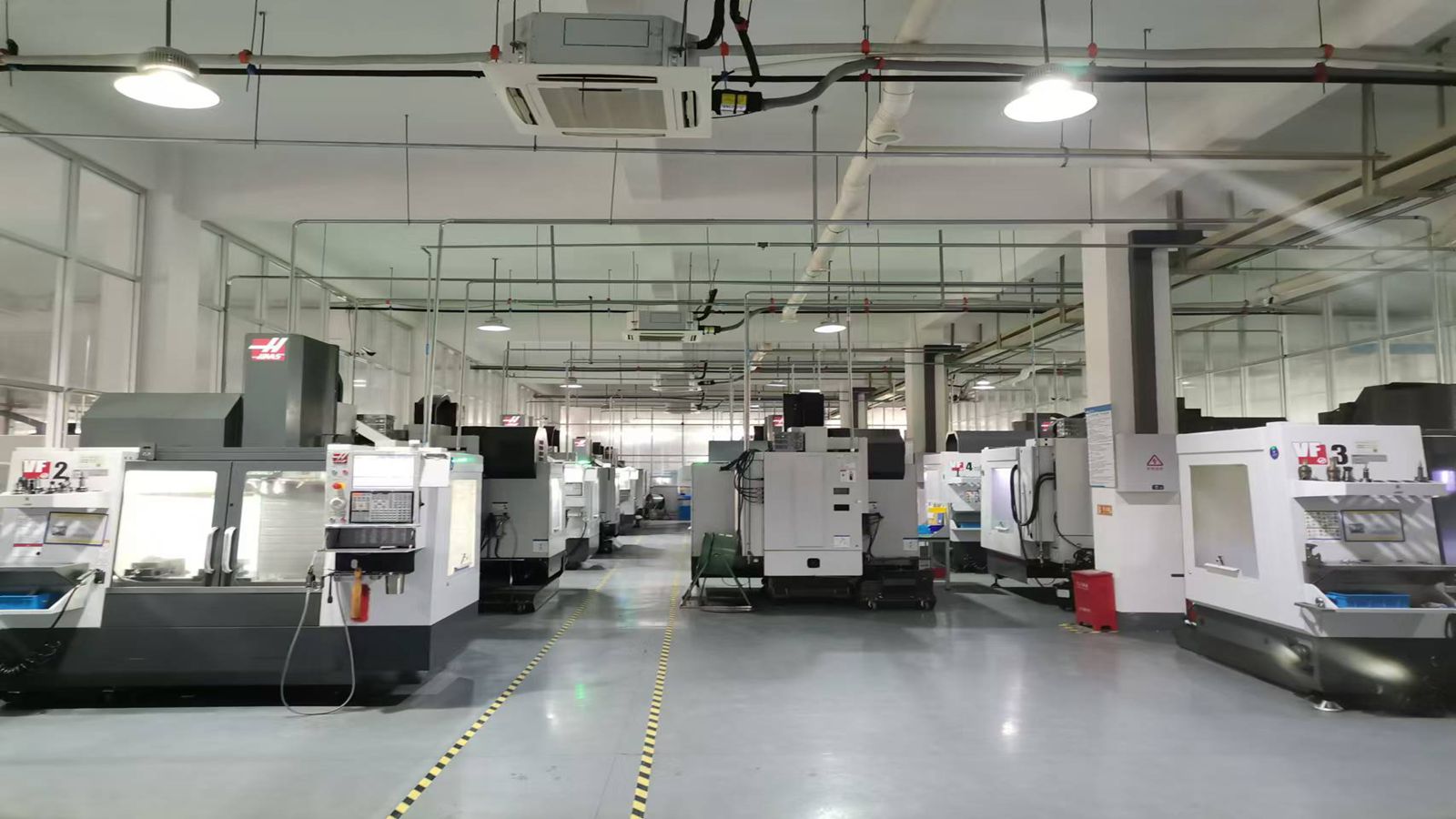
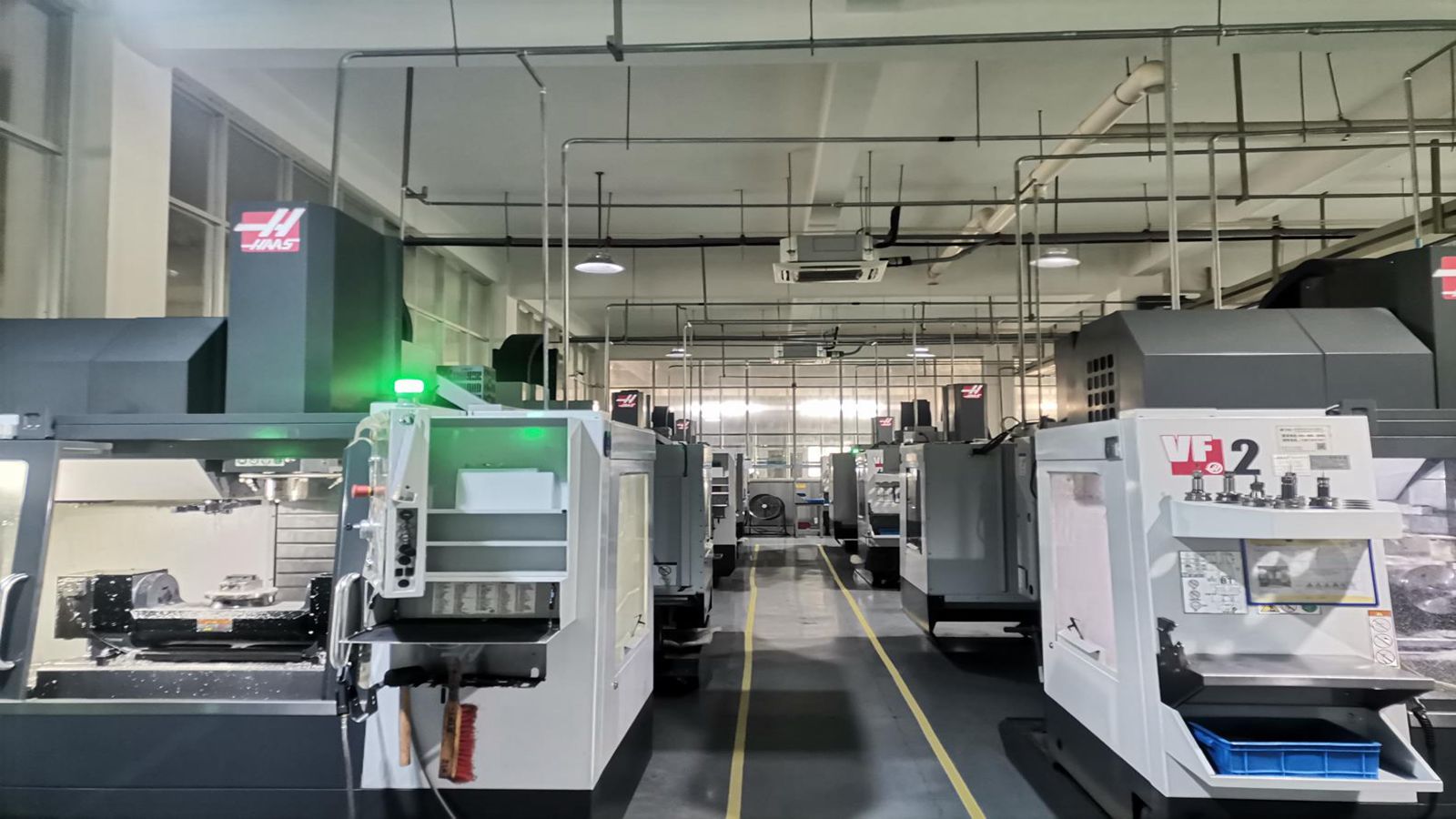
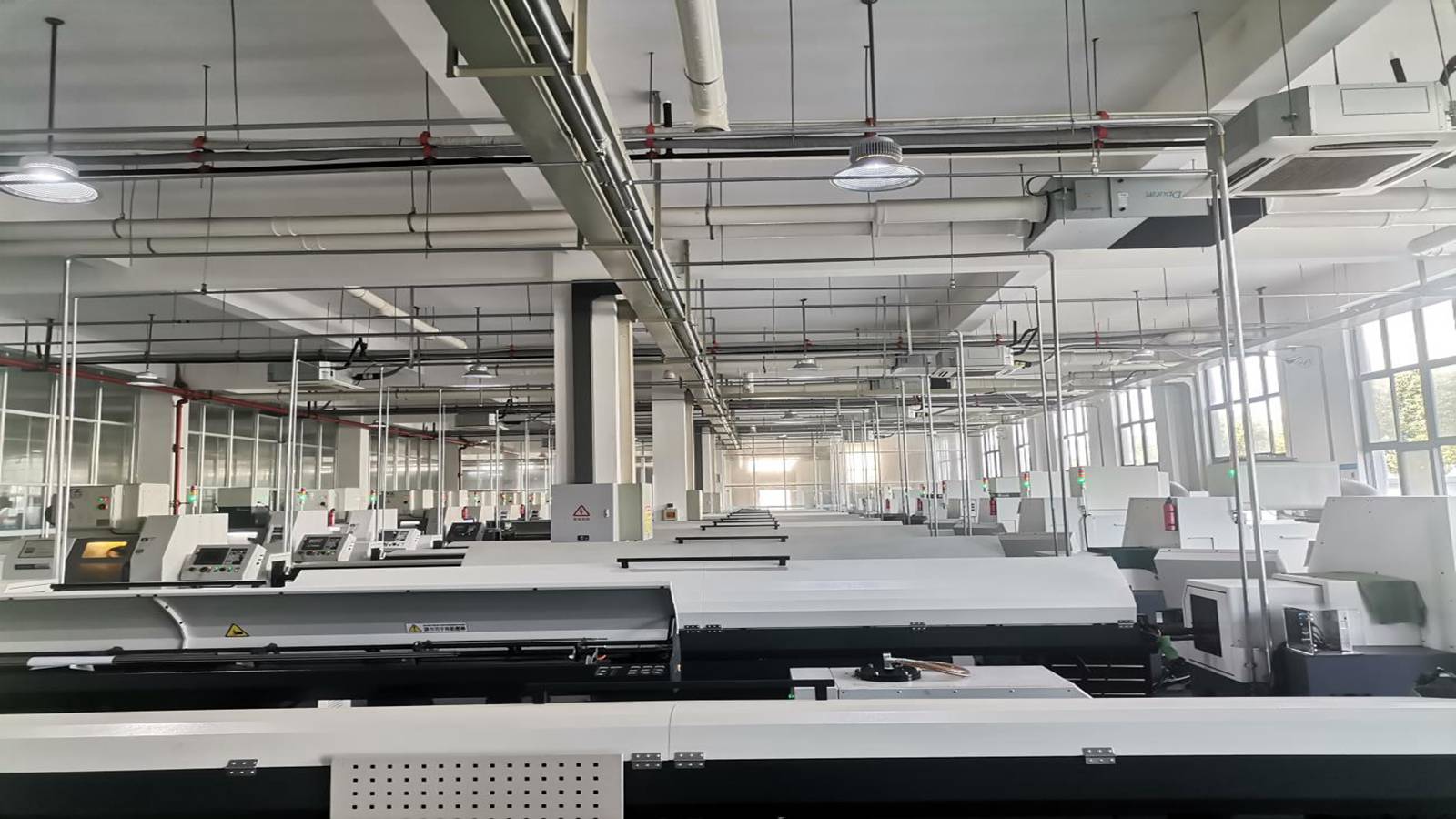
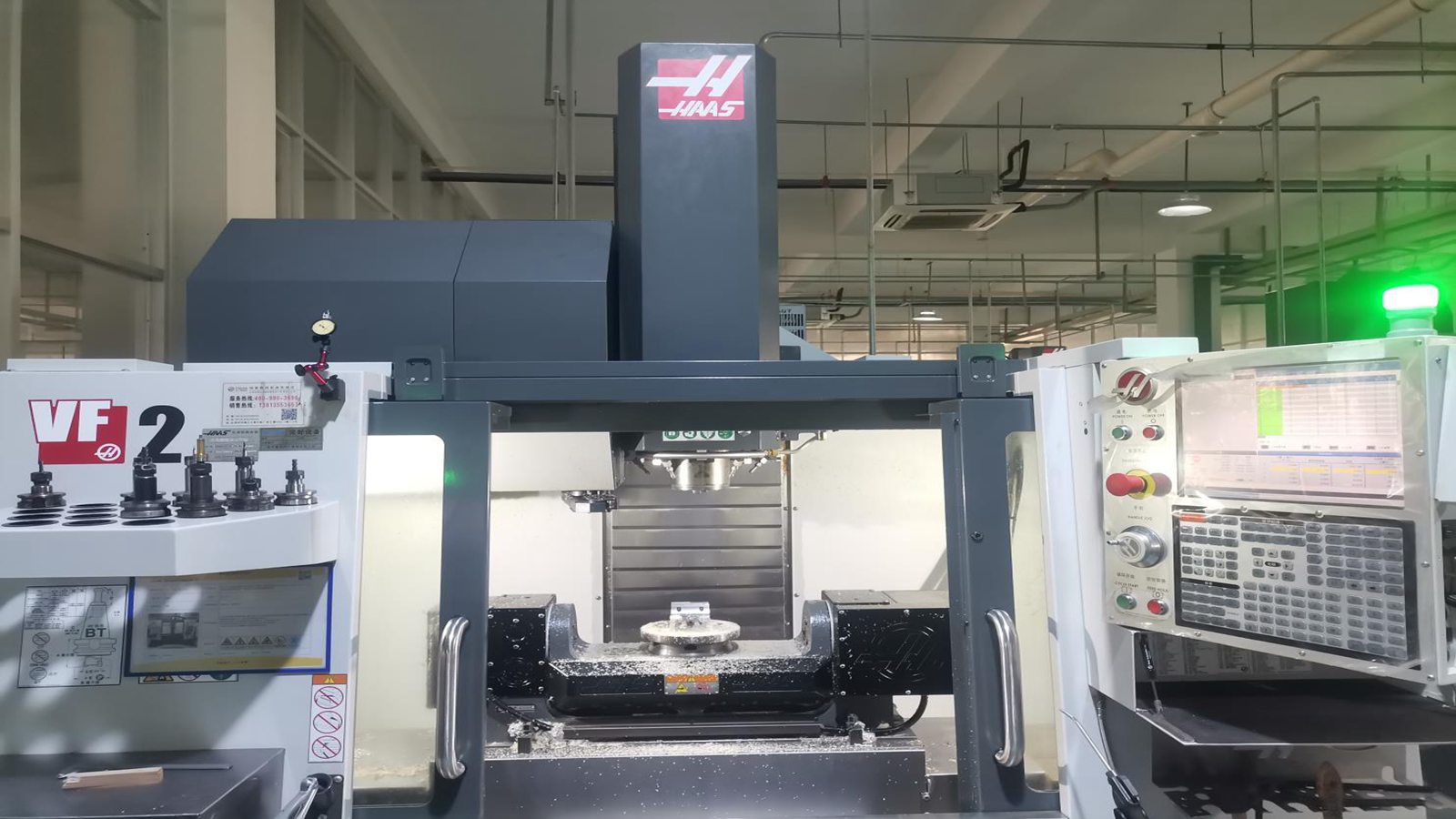
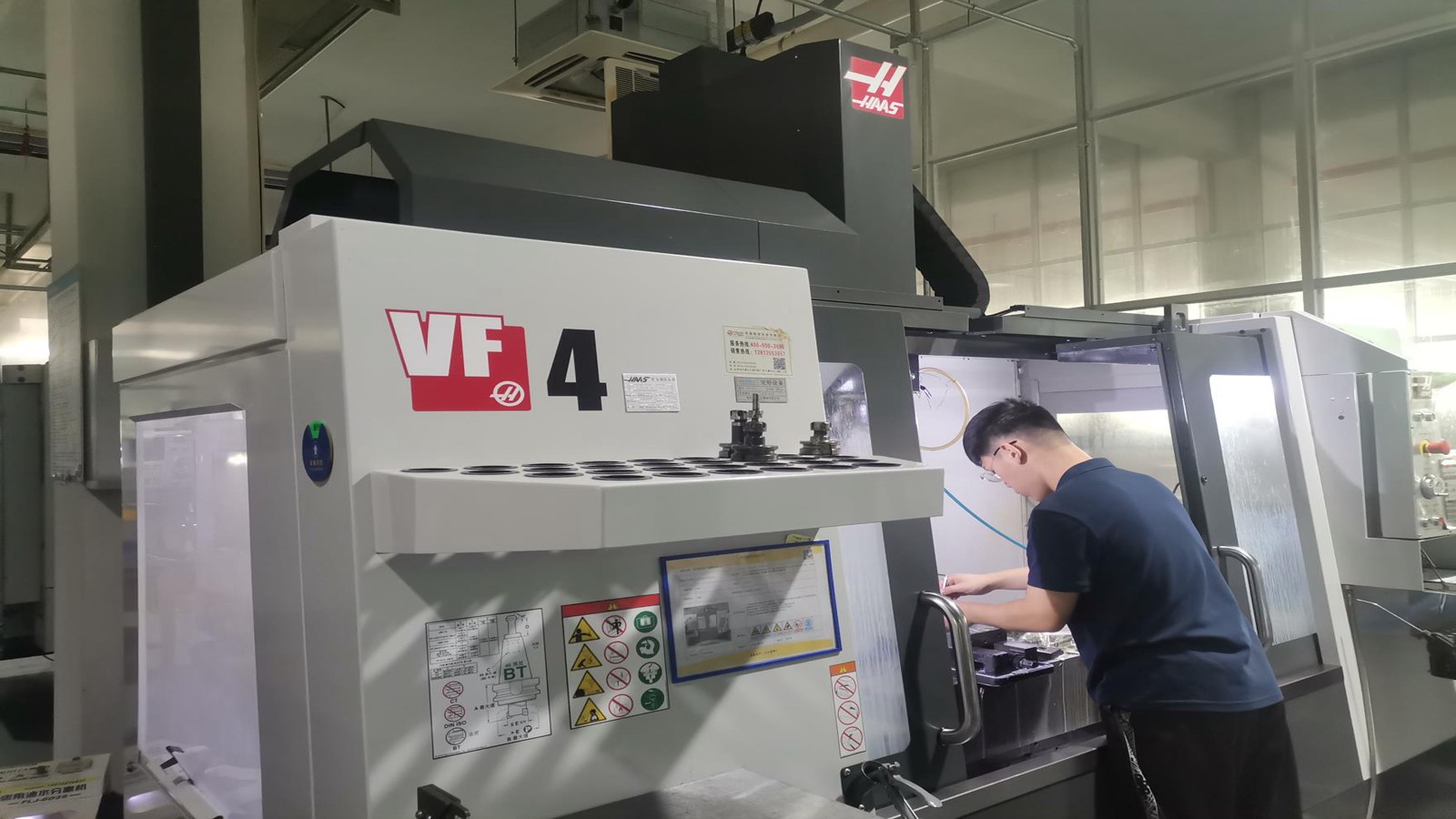
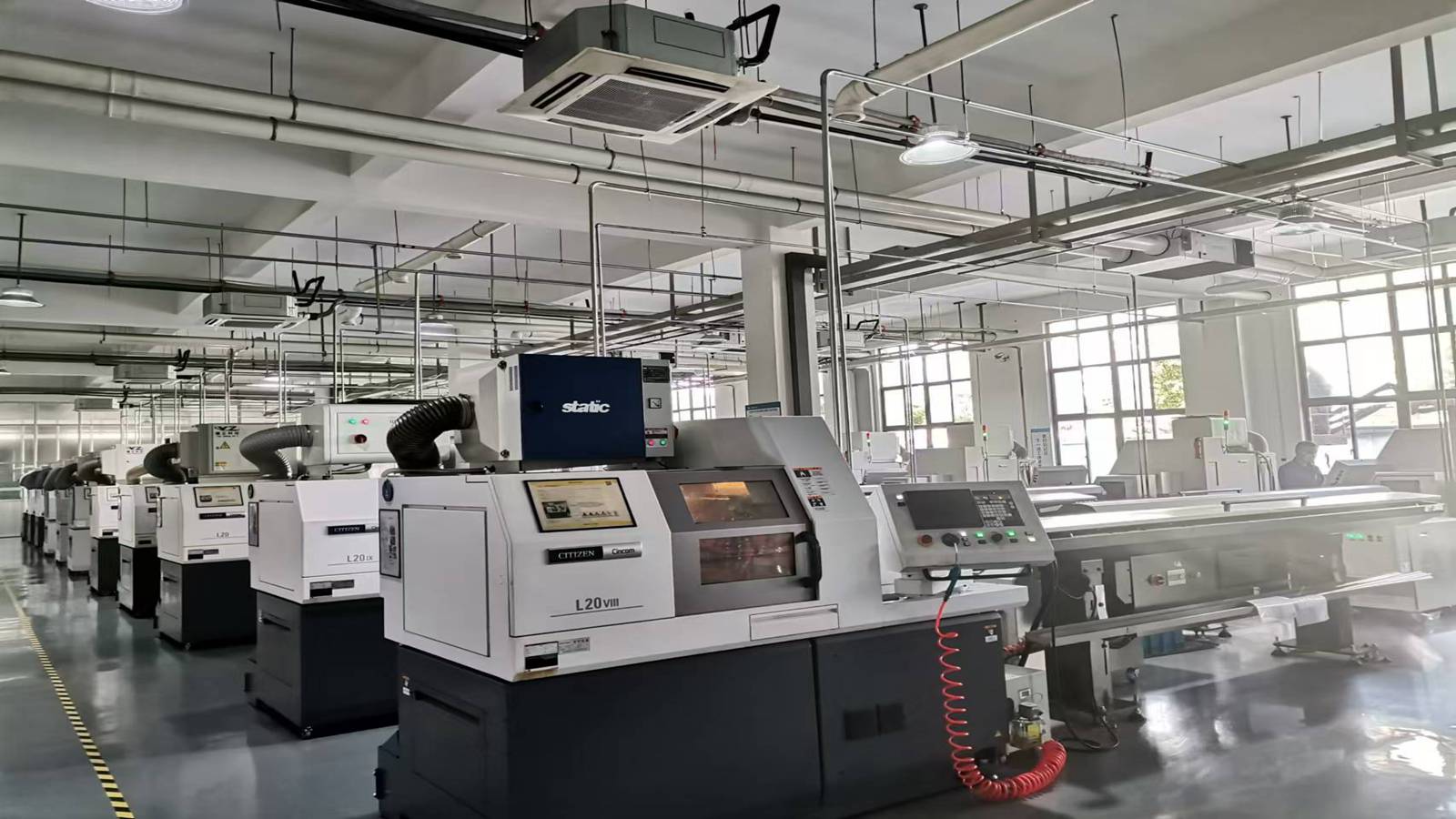
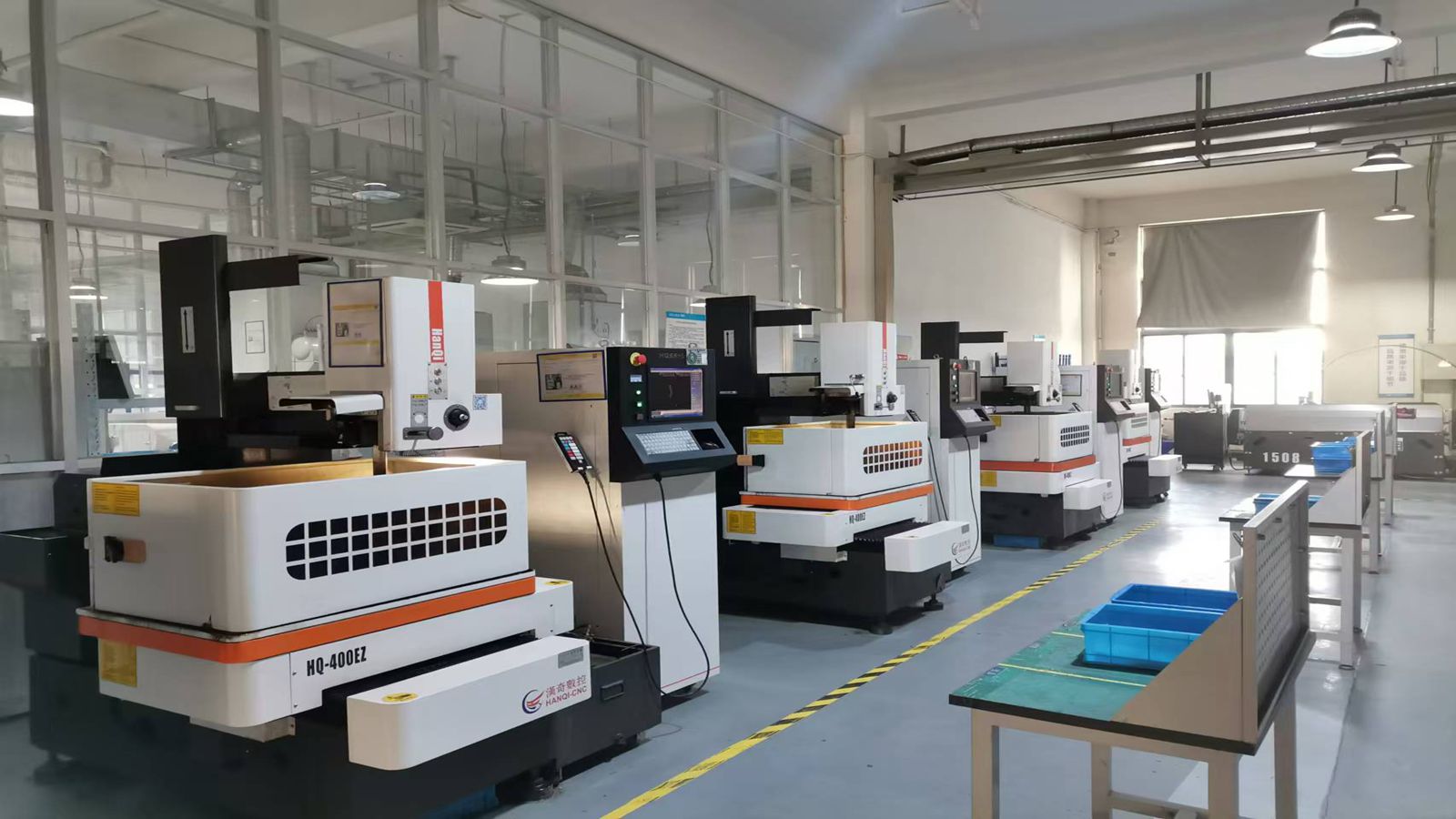
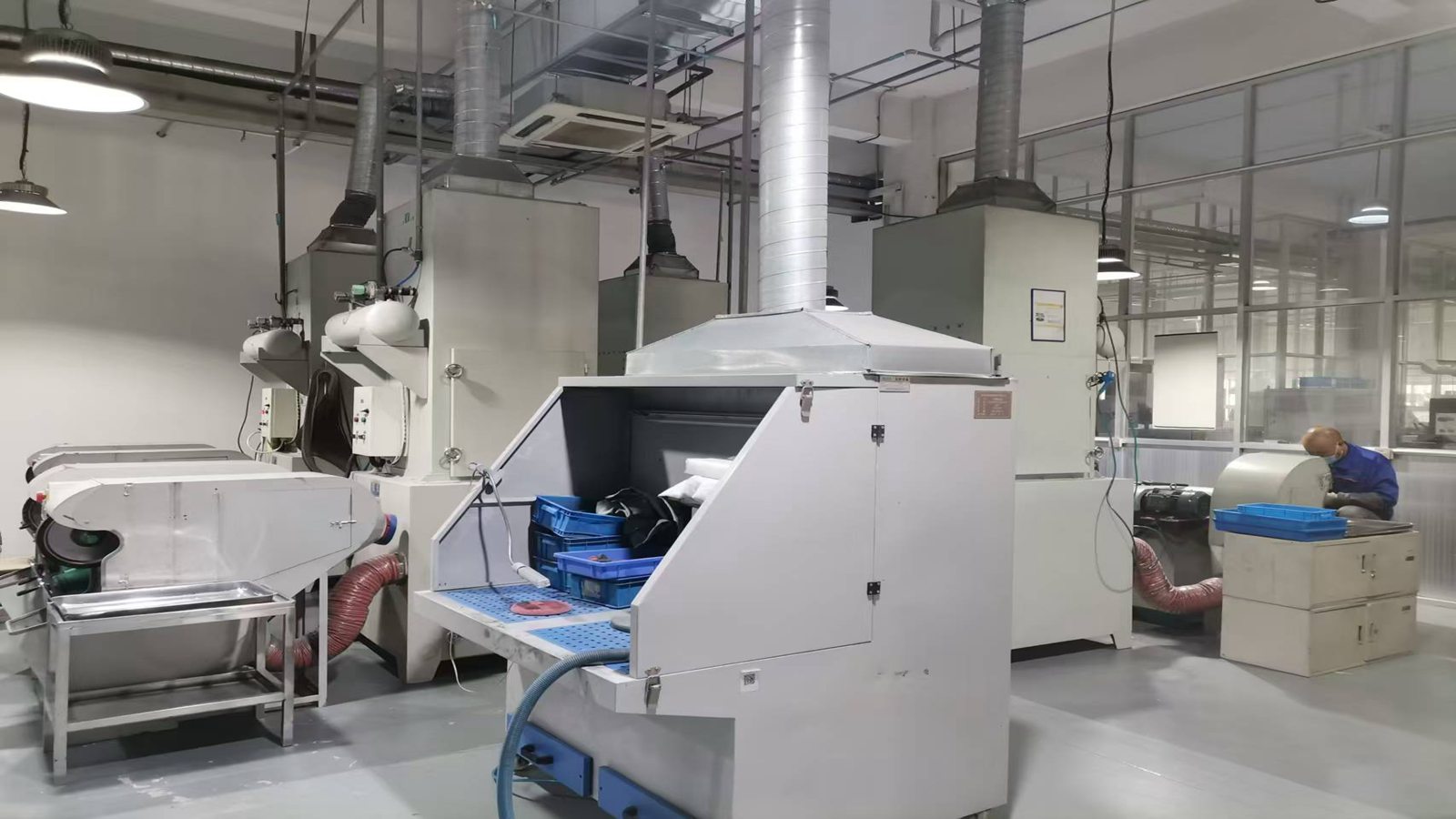
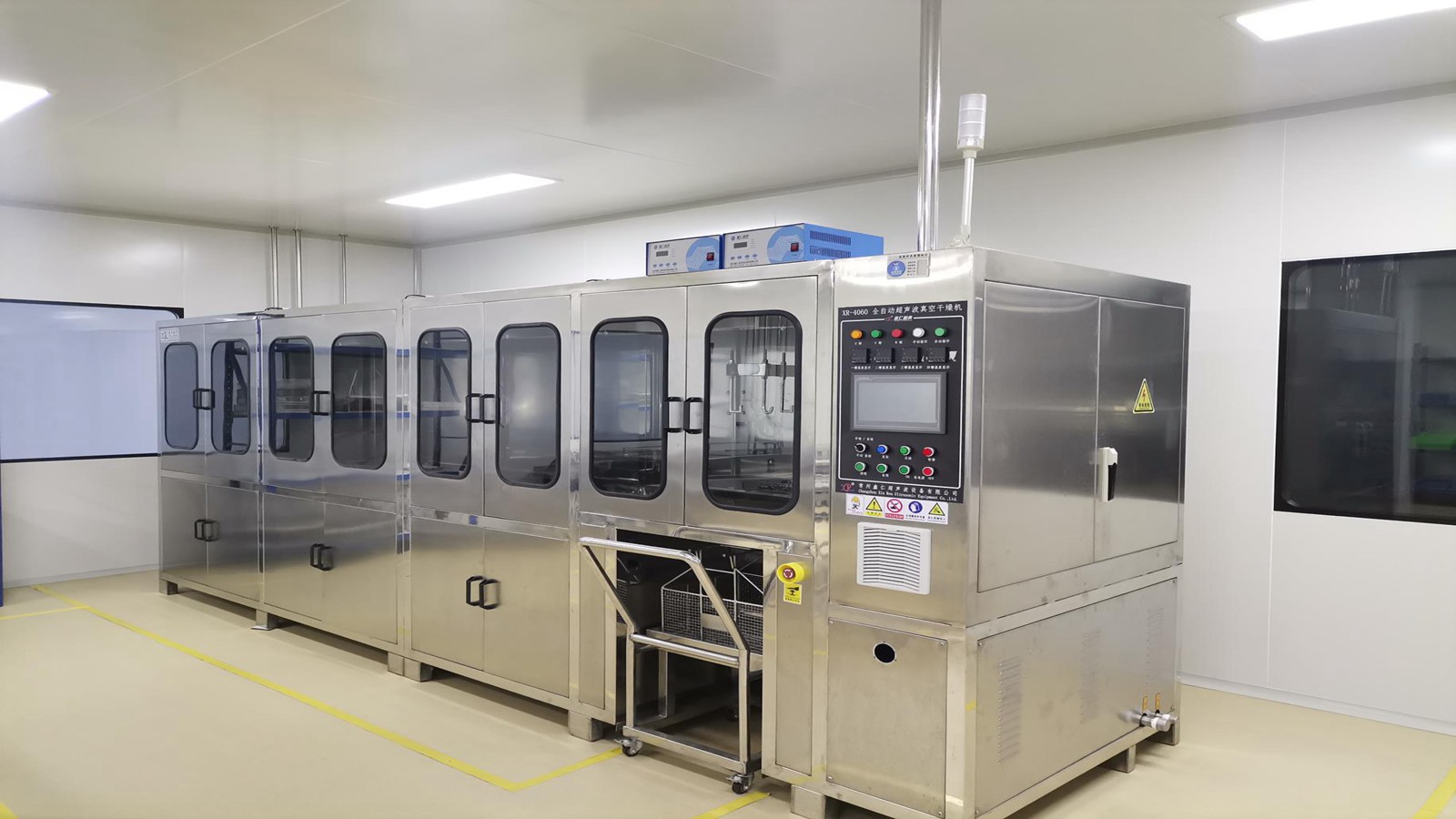
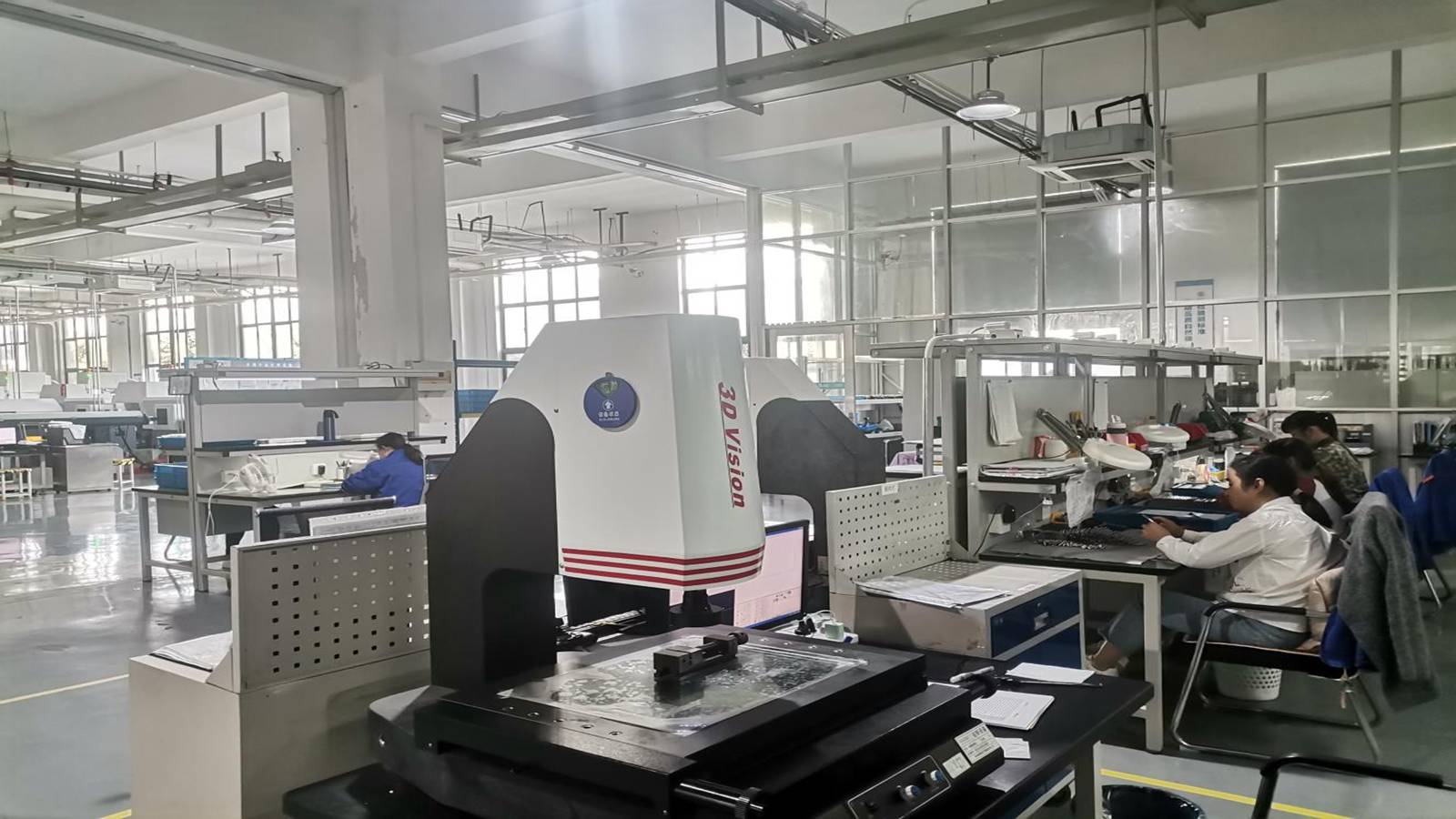
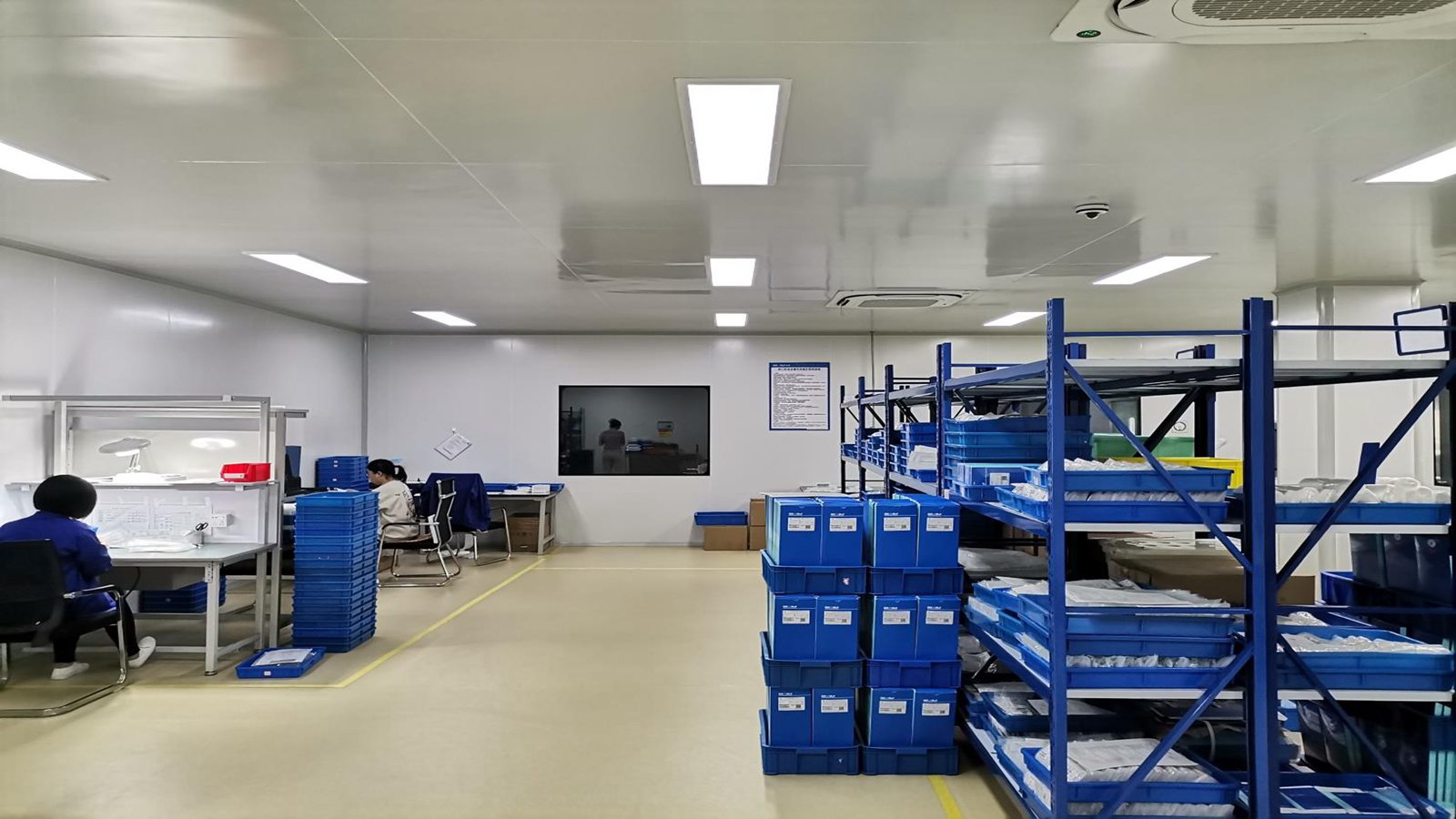
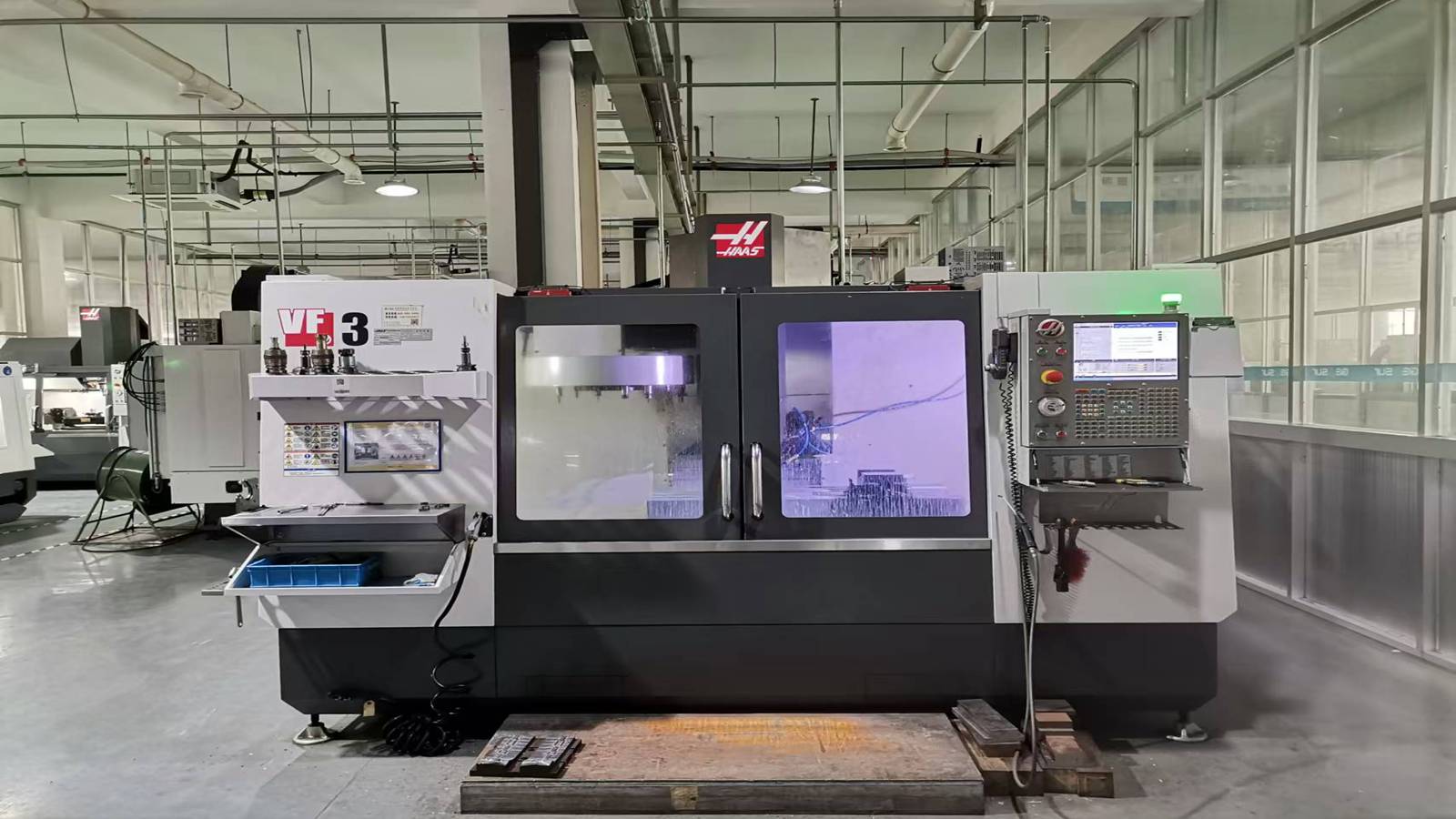
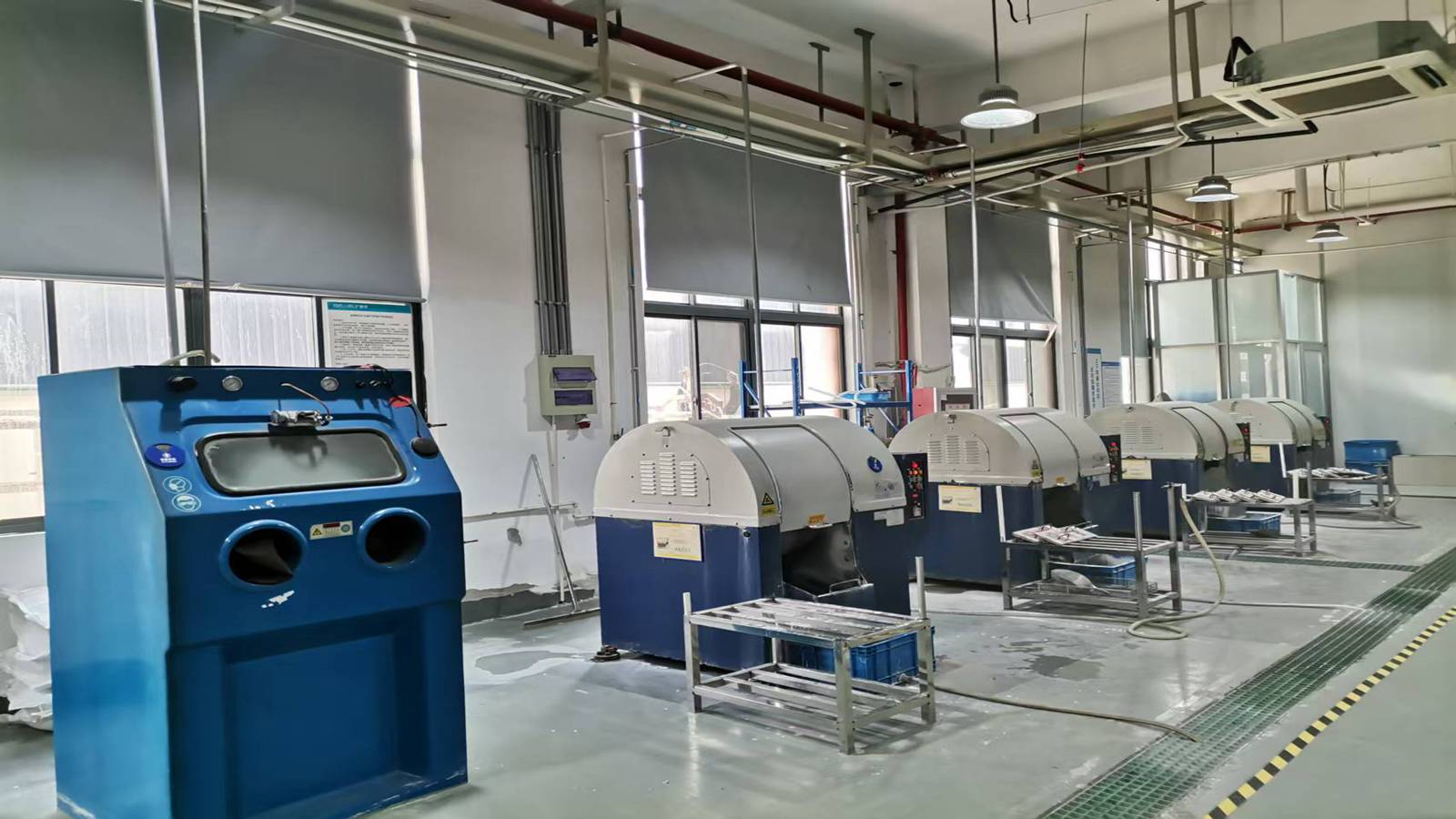
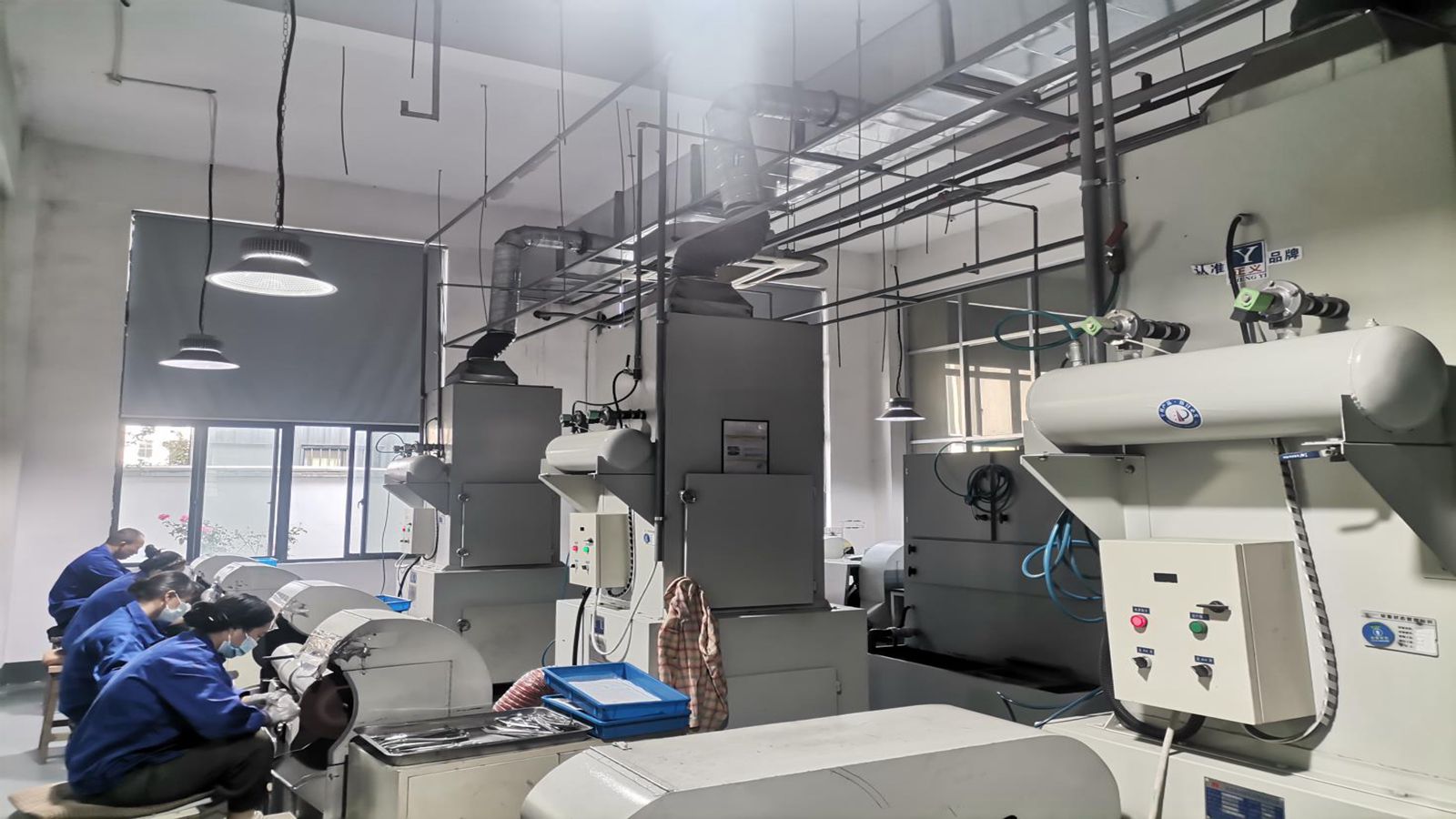
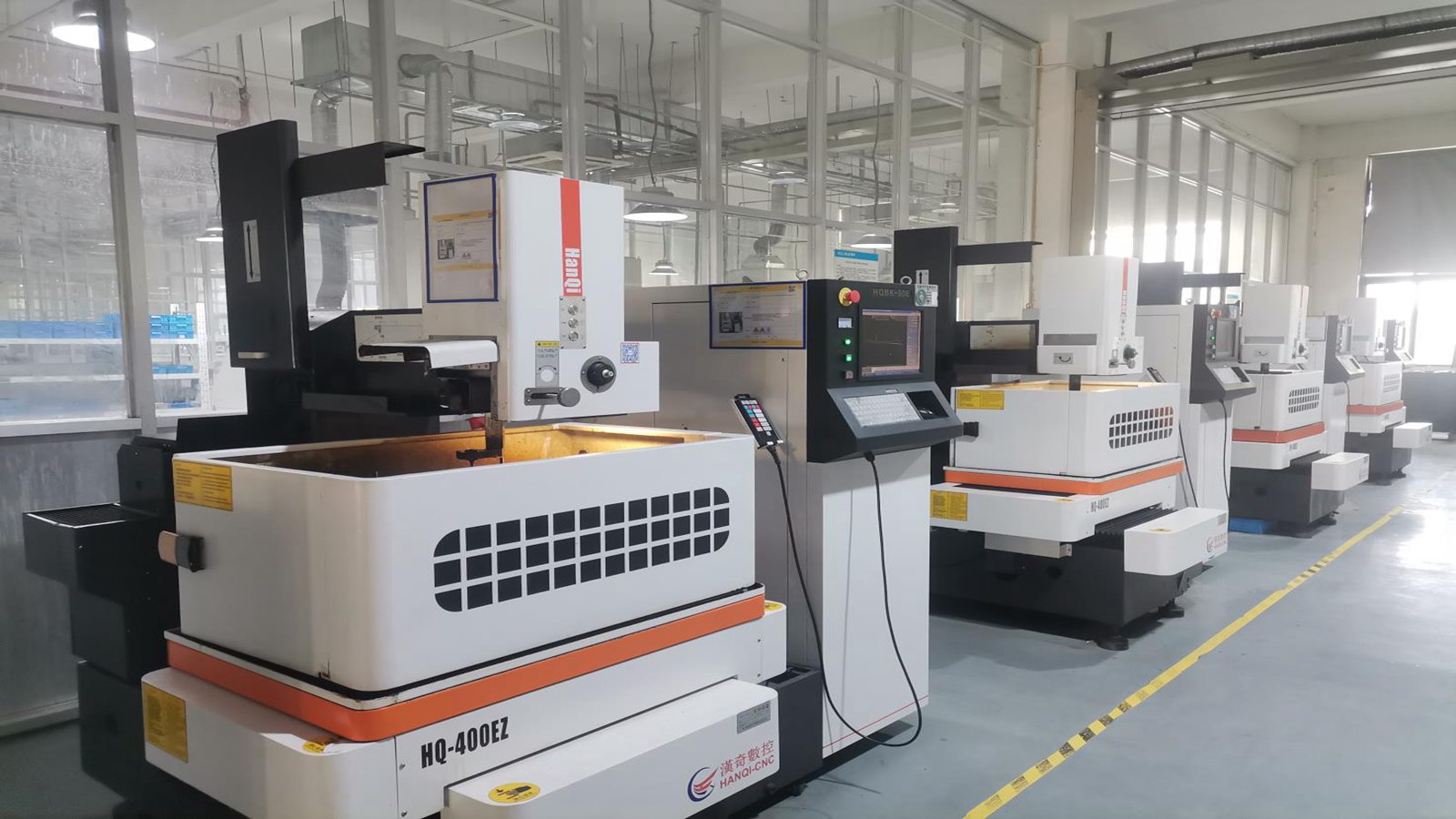
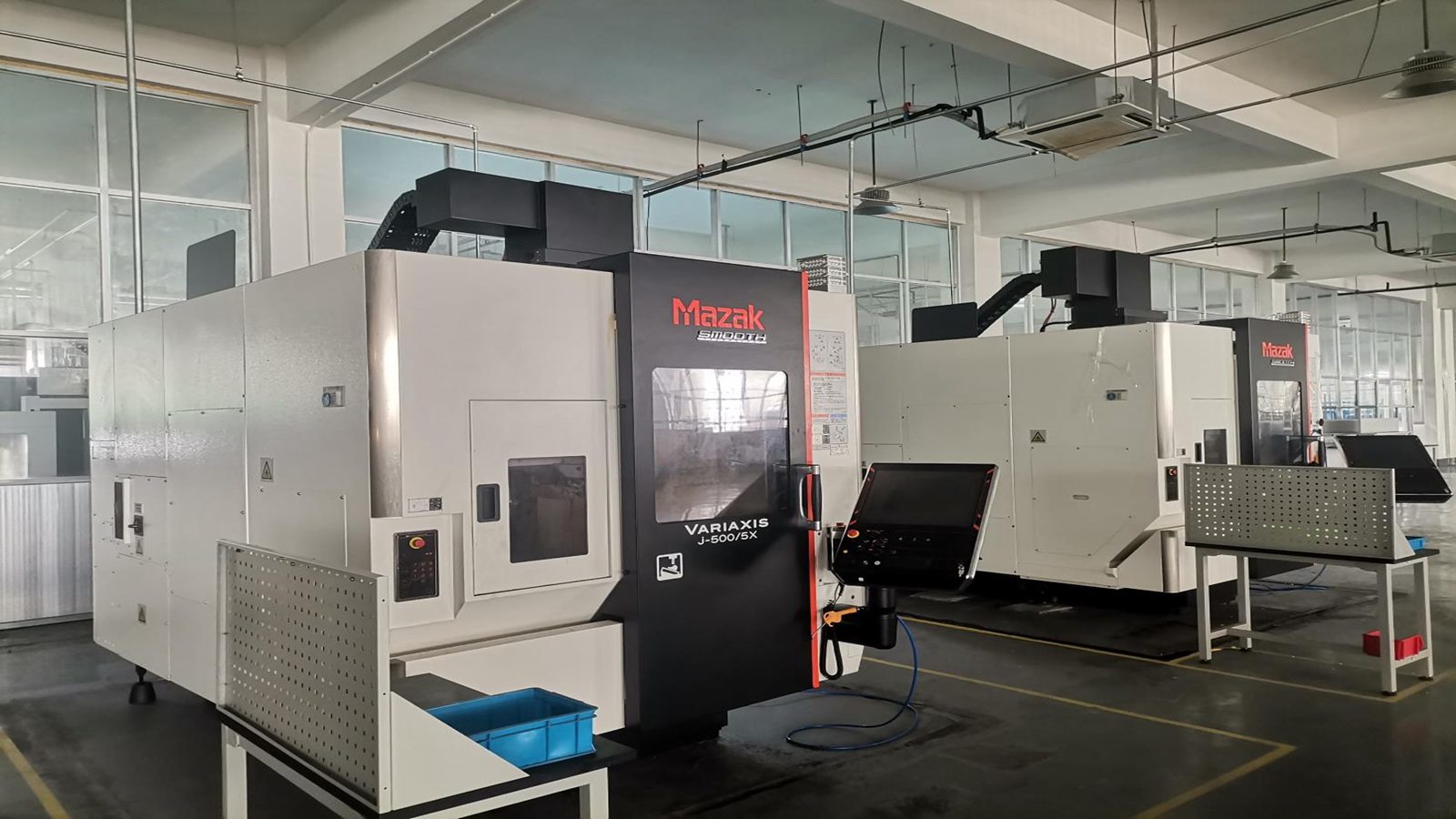
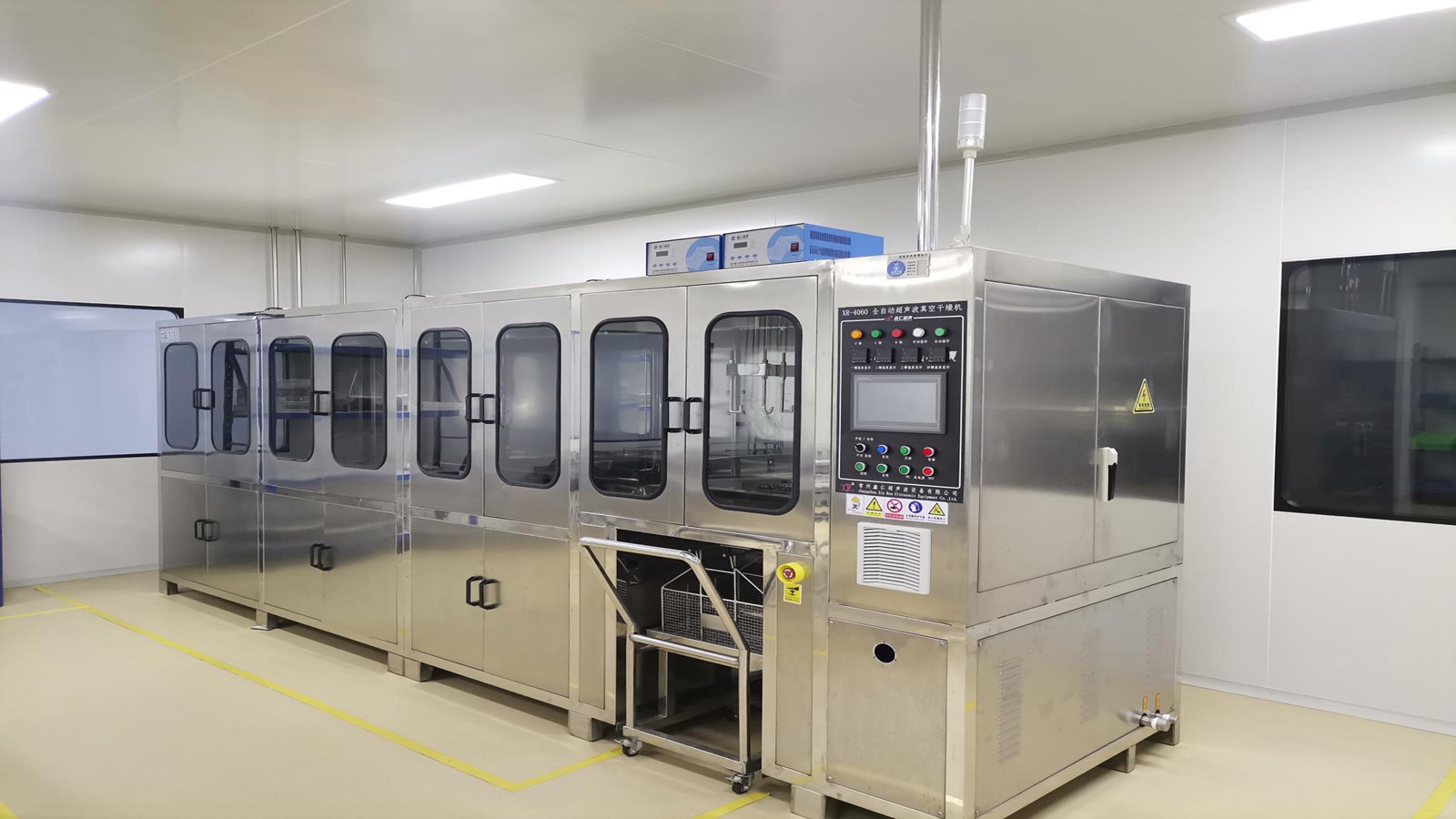
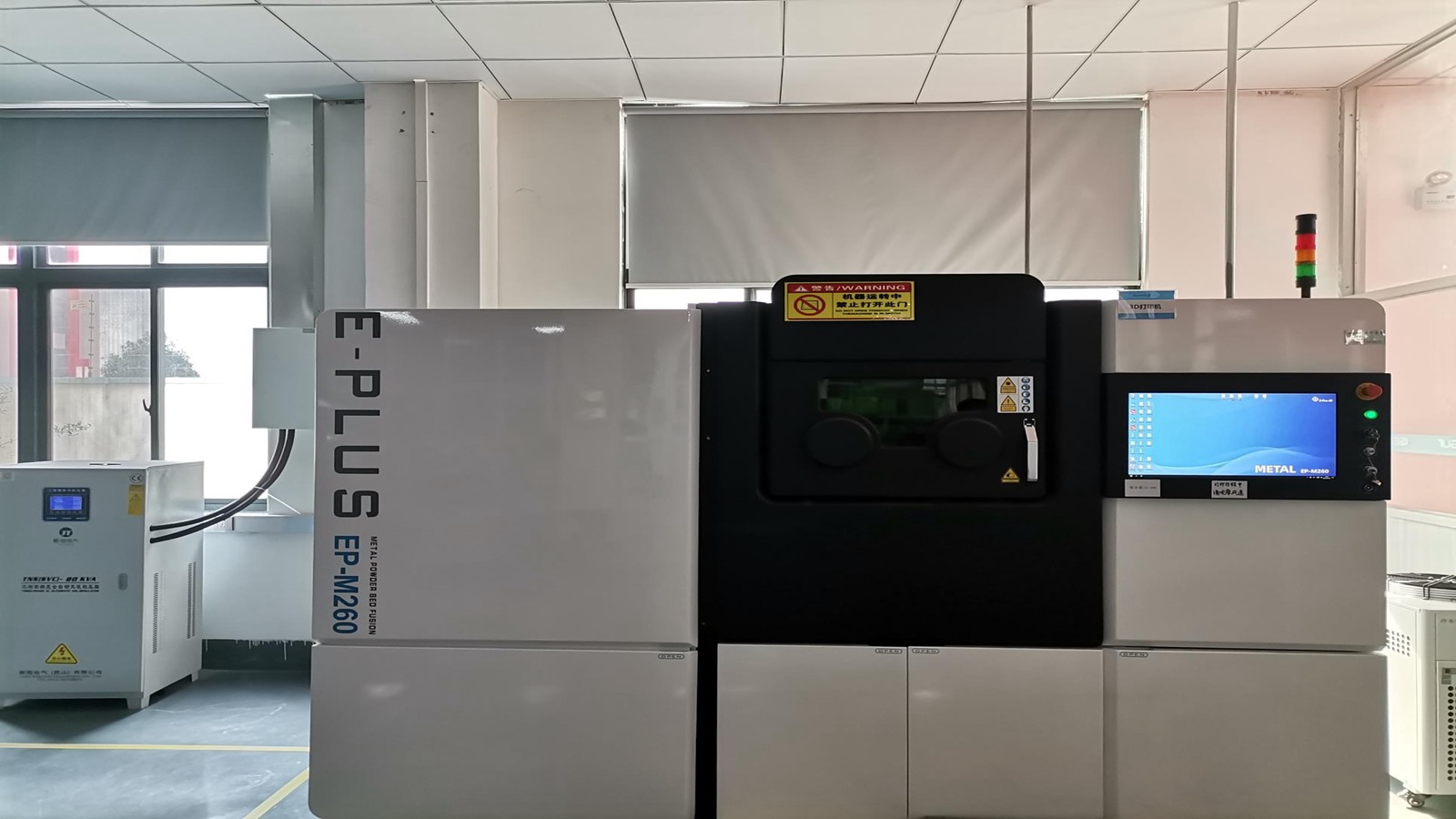
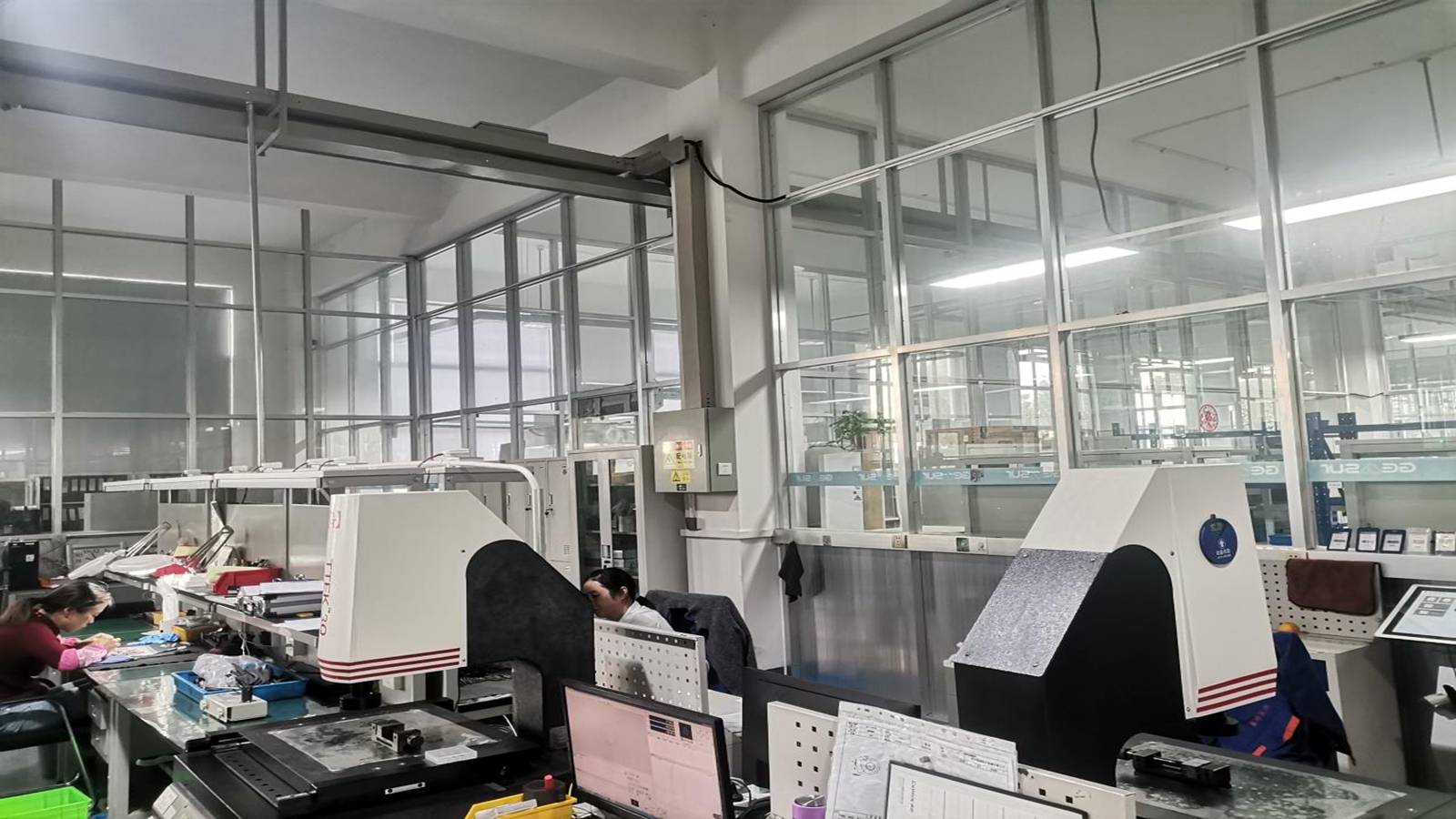
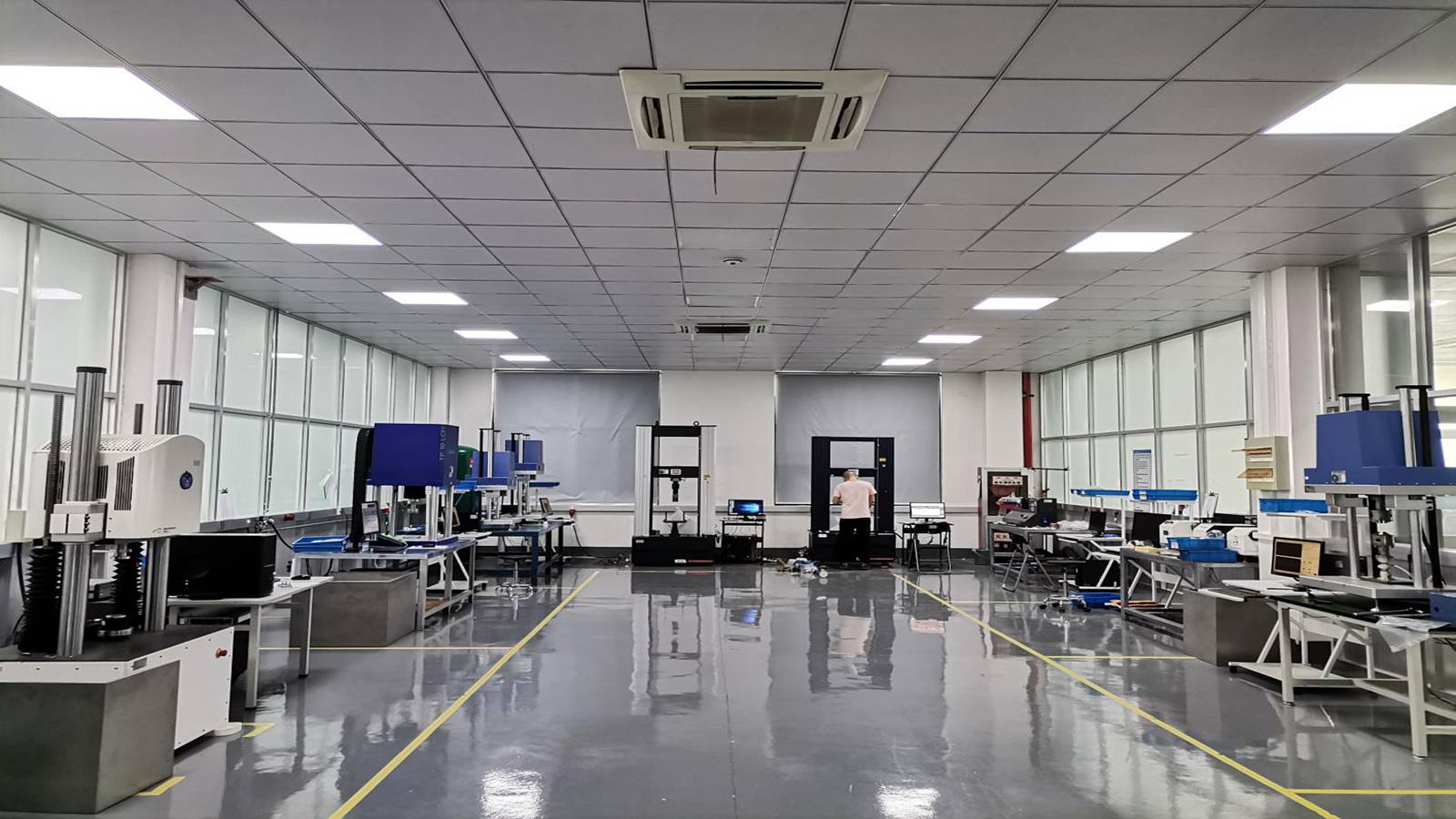
Established in 2015, HBM Medical Apparatus And Instruments Co., Ltd. has emerged as a premier force in the orthopedic medical device industry. Over the past decade, we have developed a highly integrated ecosystem spanning research and development, ultra-precision manufacturing, and global regulatory compliance. Our facility is equipped with state-of-the-art multi-axis CNC milling centers, cleanroom packaging lines, and advanced testing laboratories that ensure every PEEK cage meets the strict mechanical and biological requirements of international markets.
Our commitment to quality is backed by world-recognized certifications, including ISO 13485, MDSAP (Medical Device Single Audit Program), and CE (under MDR 2017/745). This robust framework guarantees complete raw material traceability, strict process validation, and 100% finished product inspection, making HBM a trusted OEM/ODM partner for leading global orthopedic brands.
How HBM Medical Redefines the Economics of Global Orthopedic Sourcing
The global medical device supply chain is undergoing a profound transformation. Healthcare systems and distributors are increasingly demanding not only superior clinical performance but also supply chain agility, resilience, and cost predictability. HBM Medical addresses these demands by implementing Factory 4.0 principles across our manufacturing footprint.
By combining China's robust industrial supply chain with automated manufacturing technologies, we significantly reduce lead times and production costs without compromising quality. Our partners benefit from highly competitive pricing structures, allowing them to achieve healthy margins while providing healthcare providers with premium-grade implants.
Engineered for Optimal Biomechanical Stability and Fusion Outcomes
| Parameter | Technical Specifications & Design Features |
|---|---|
| Material Composition | Medical-Grade PEEK (Polyetheretherketone) conforming to ASTM F2026 |
| Radiopaque Markers | Tantalum alloy pins (ASTM F560) for precise intraoperative visualization |
| Available Configurations | PLIF (Posterior), TLIF (Transforaminal), ALIF (Anterior), LLIF/DLIF (Lateral), and Cervical Cages |
| Lordotic Angles | 0°, 4°, 8°, 12°, and 15° options to restore natural sagittal alignment |
| Surface Texture | Micro-textured surface with anti-migration teeth to enhance primary stability |
| Sterilization Compatibility | Autoclave, Ethylene Oxide (EtO), or Gamma Irradiation |
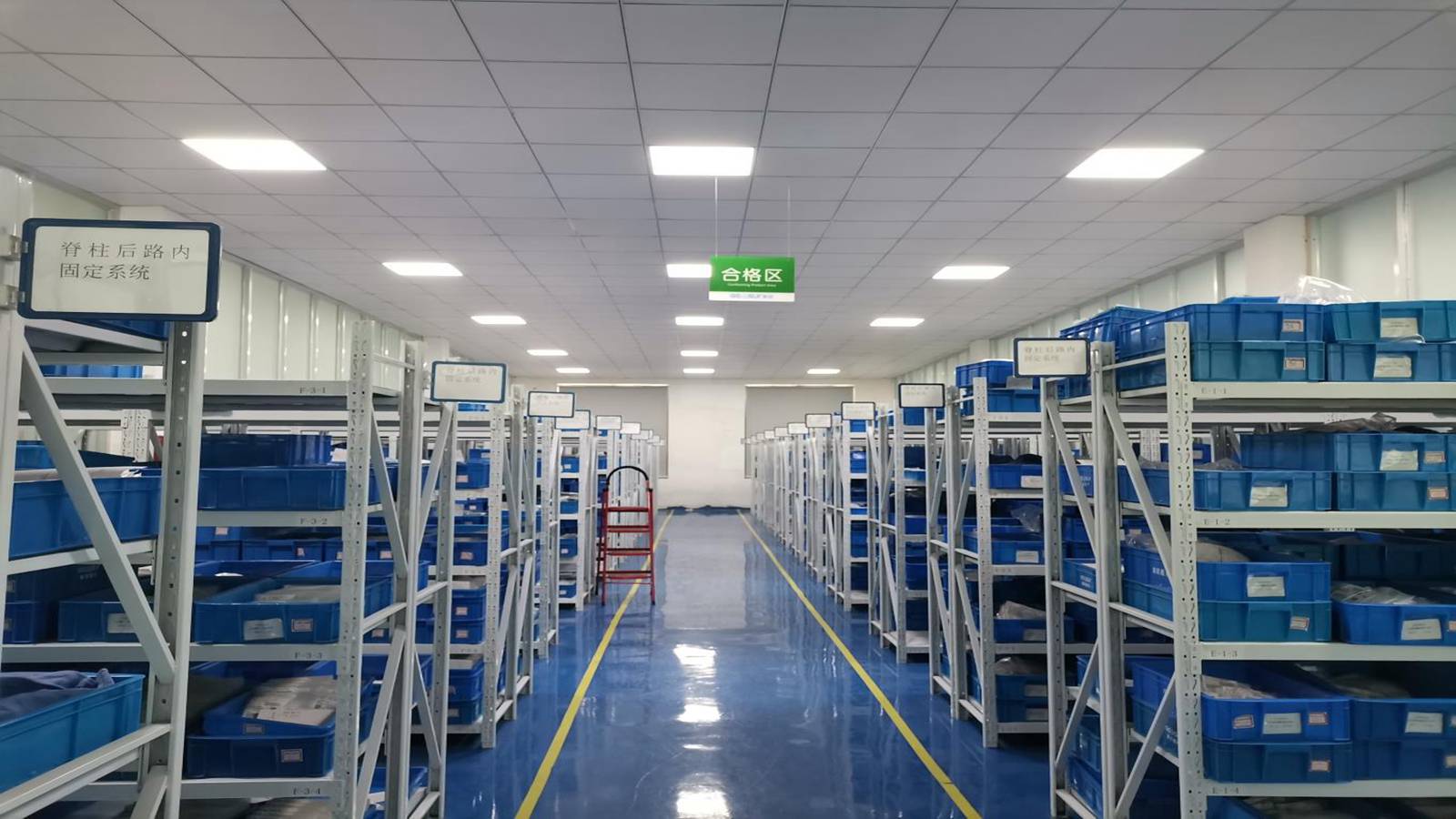
Advanced Production, Cleanroom Packaging, and Quality Testing Environments




Mitigating Regulatory Risks and Optimizing Procurement Workflows
For procurement directors, category managers, and hospital administrators, sourcing spinal implants internationally involves navigating a complex web of regulatory, technical, and logistical variables. The primary objective is to secure a partner capable of delivering consistent, high-quality implants that comply with local healthcare laws while maintaining a stable supply chain.
When evaluating a Chinese manufacturer for PEEK interbody fusion cages, the following criteria must be thoroughly assessed to satisfy internal quality management systems (QMS) and external regulatory audits:
Implanting devices into the human body requires the highest level of regulatory scrutiny. A manufacturer must possess valid certifications that align with target market requirements. HBM Medical is fully certified under the Medical Device Single Audit Program (MDSAP), which satisfies the regulatory standards of the United States (FDA), Canada (Health Canada), Australia (TGA), Brazil (ANVISA), and Japan (MHLW/PMDA). Additionally, our products carry the CE Mark (MDR), enabling seamless distribution throughout the European Economic Area.
The performance of a PEEK cage is fundamentally linked to the quality of the raw polymer. Industrial-grade or substandard polymers can release volatile compounds or fail under physiological loads. HBM Medical utilizes exclusively medical-grade PEEK (ASTM F2026) sourced from certified global chemical leaders. Each batch of raw material is accompanied by a Certificate of Analysis (CoA) detailing its chemical purity, molecular weight distribution, and mechanical properties, ensuring absolute biocompatibility and long-term in vivo stability.
Different patient populations and surgical philosophies require tailored implant designs. Whether it is a specific lordotic angle to correct sagittal balance or a unique footprint for lateral lumbar interbody fusion (LLIF), a manufacturer must possess robust R&D capabilities. With 31 dedicated R&D engineers and advanced CAD/CAM software, HBM Medical offers comprehensive OEM and ODM services, transforming clinical concepts into sterile, market-ready implants.
Expert Insights into PEEK Interbody Fusion Cages and Manufacturing Standards
Precision-Engineered Solutions for Spine, Trauma, and Joint Reconstruction
 HBM Medical