Explore our premium medical instruments engineered for maximum surgical efficacy, absolute biocompatibility, and strict regulatory alignment.
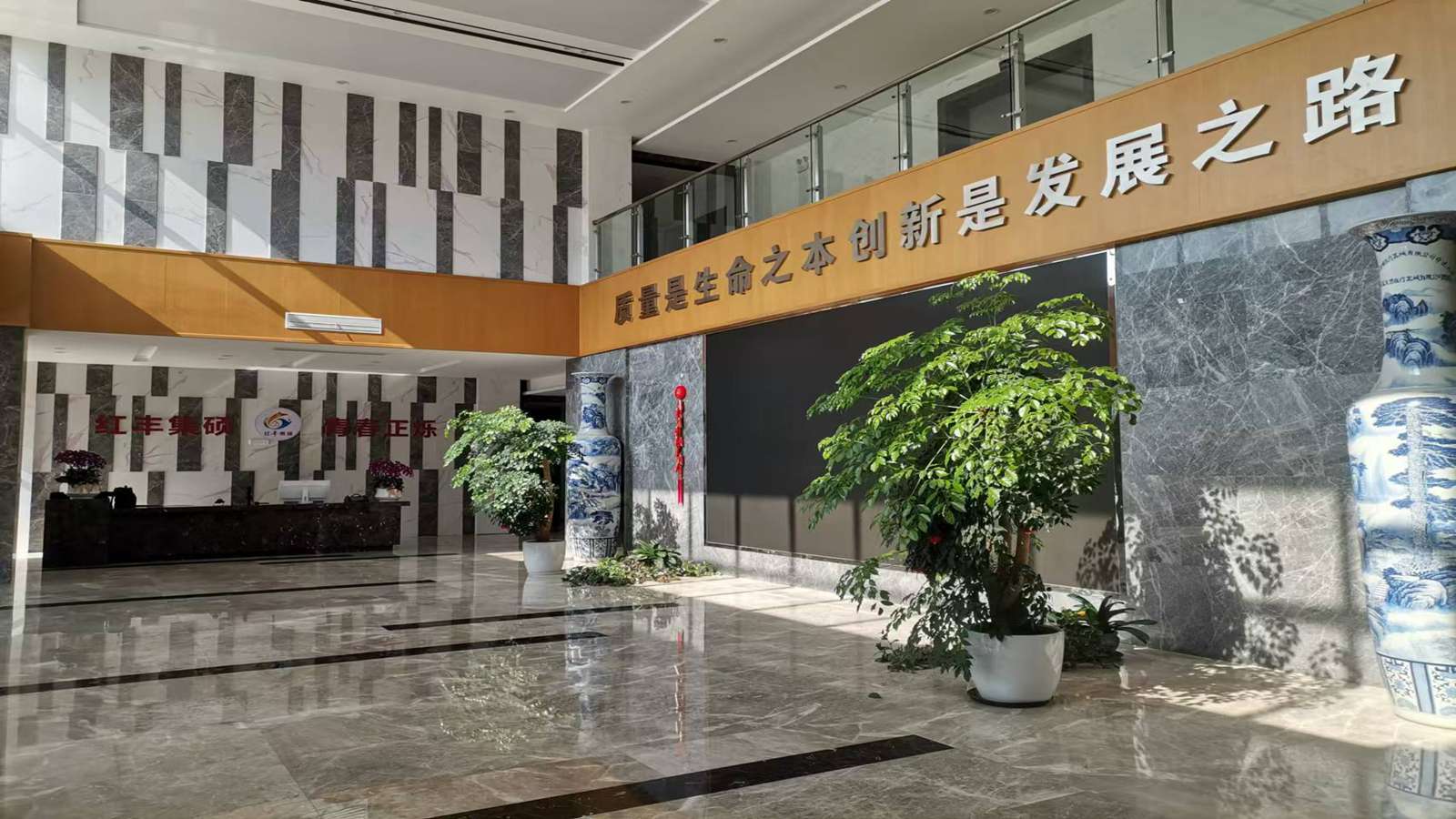
HBM Medical Apparatus And Instruments Co., Ltd. is a leading orthopedic medical equipment R&D, manufacturing, and operation enterprise in China. With sales networks covering the country and offices globally, we integrate raw medical-grade materials into state-of-the-art implants. Operating under a quality management system aligned with international standards, HBM provides high-performance clinical solutions.
Adhering to the corporate development concept of "Technological Innovation, Product Innovation, and Service Innovation," we gather superior resources to serve human health. Guided by our motto "Integrate the Master, Health being achieved," we work collaboratively with surgeons and clinical groups to advance patient rehabilitation and recovery metrics.
With an active R&D department featuring 31 dedicated engineers (including 1 Doctorate, 11 Postgraduates, and 17 Graduates), we launched 25 new medical devices last year. We support full contract manufacturing pathways (OEM/ODM) including sample processing, custom CAD designs, and client-tailored regulatory packaging.
An in-depth analysis of materials evolution, biomechanical characteristics, and why HBM stands out in spinal fusion manufacturing.
In the field of spine surgery, the treatment of cervical disc herniation and cervical spondylotic myelopathy relies heavily on anterior cervical discectomy and fusion (ACDF). The selection of appropriate cervical implants is crucial to maintaining disc space height, ensuring load-bearing stability, and promoting rapid bone fusion. As a premier Chinese manufacturer, HBM Medical leverages advanced metallurgy and polymer chemistry to produce world-class implants.
Historically, bone graft spacers evolved from autologous bone grafts to metallic structures, and subsequently to high-performance polymers. Today, PEEK (Polyetheretherketone) and Titanium (Ti-6Al-4V ELI) represent the industry standards:
| Implant Material | Elastic Modulus (GPa) | Radiolucency | Osseointegration Properties |
|---|---|---|---|
| Cortical Bone (Ref) | 12 - 18 GPa | Low / Semi-lucent | Natural Remodeling |
| Medical PEEK-OPTIMA® | 3.6 GPa (Matches bone) | Fully Radiolucent | Requires texture/coating to prevent fibrous encapsulation |
| Titanium Grade 5 (ELI) | 110 GPa (Higher stiffness) | Radio-opaque (Artifacts) | Excellent direct bone bonding (osteoblast adhesion) |
To capture the benefits of both materials, HBM utilizes advanced surface modification technologies, including rough-textured Titanium coatings applied to a PEEK substrate. This composite approach provides the optimal combination of anatomical load distribution (preventing subsidence) and rapid implant-bone integration.
Global demographics show a clear trend: the rising average age of the population, combined with prolonged screen use, has dramatically increased the prevalence of cervical degenerative disc disease (DDD). Hospitals and procurement managers require solutions that are clinically effective, economically viable, and reliably supplied.
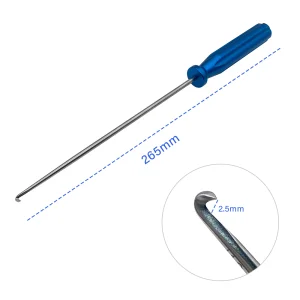
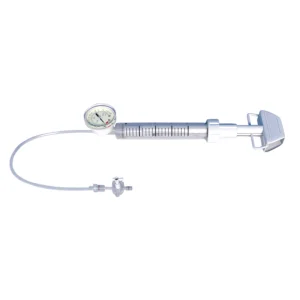
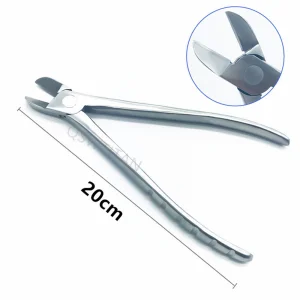
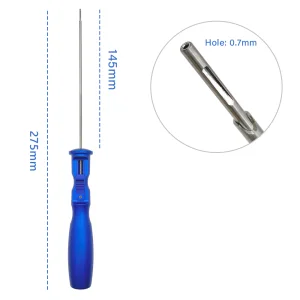
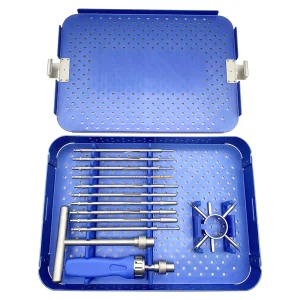
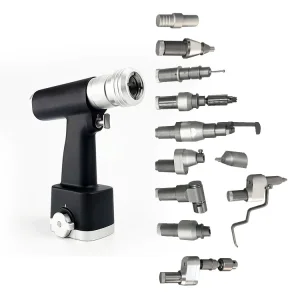
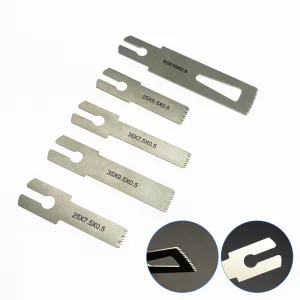
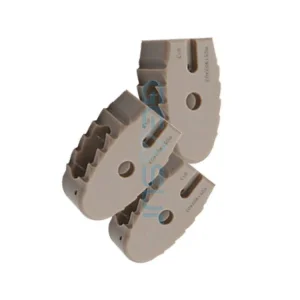
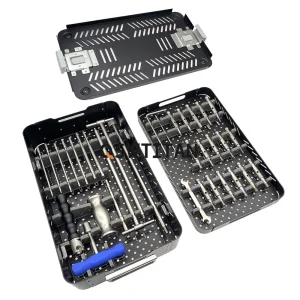
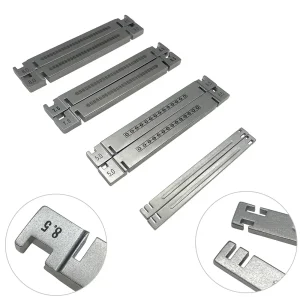
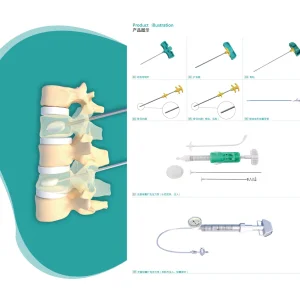
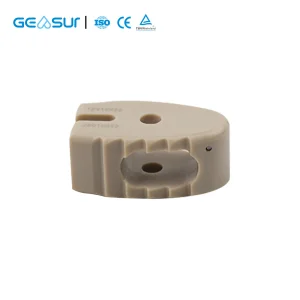
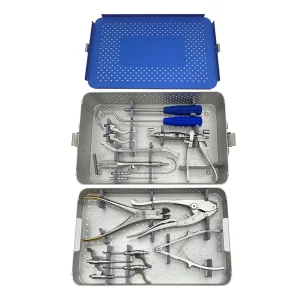
HBM Medical provides a comprehensive, macro-level procurement solution. By manufacturing both the active spinal implants (such as the Cervical PEEK Cage and Titanium Artificial Interbody Fusion Cage) and the necessary surgical delivery instruments (including *Knot Pushers*, *Suture Cutters*, and *Kyphoplasty needles*), we drastically reduce compatibility issues and simplify hospital workflows.
Our centralized manufacturing strategy lowers procurement overhead by 25-40% compared to fragmented western supply channels, allowing medical organizations to optimize capital without compromising clinical outcomes.
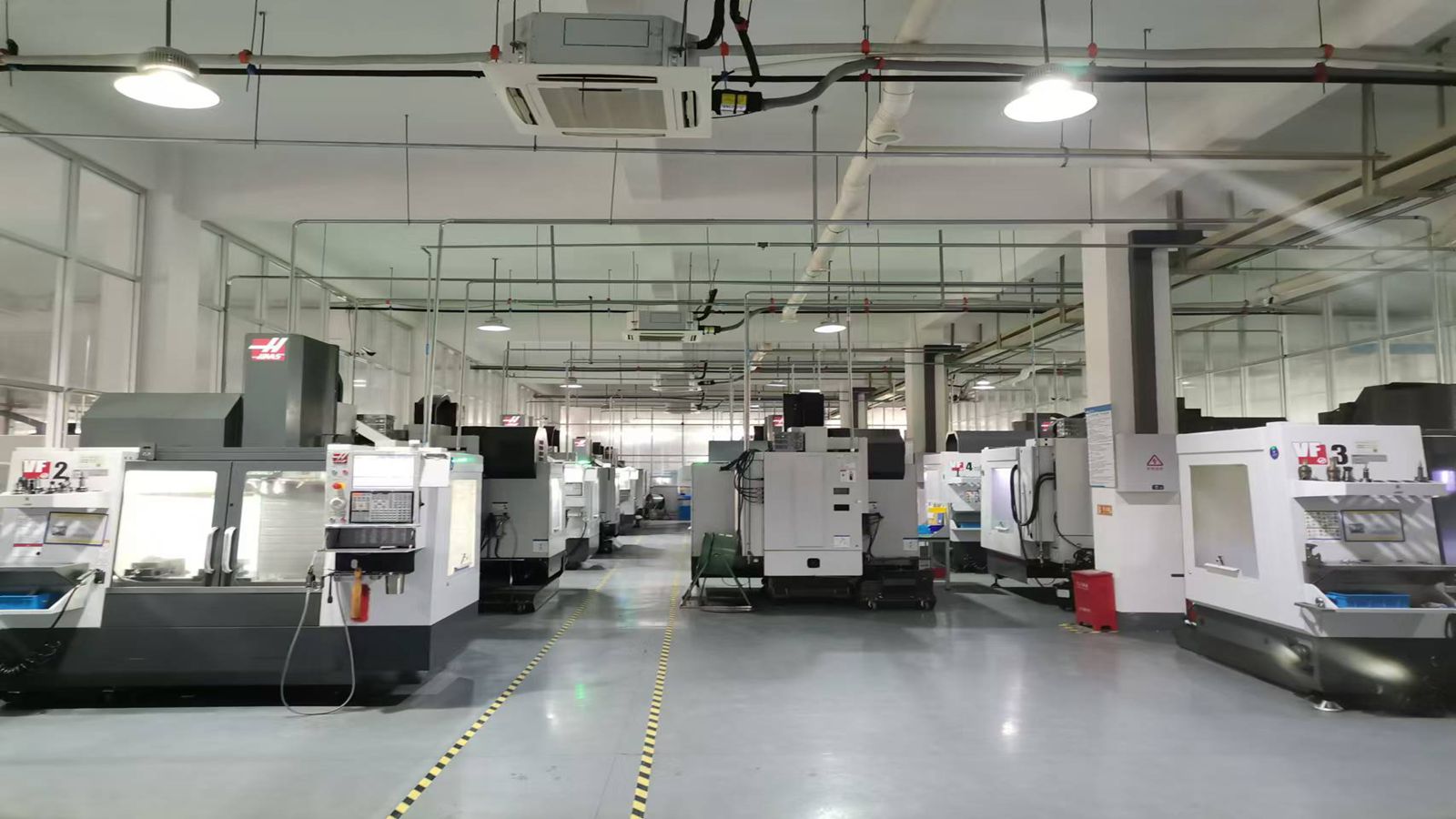
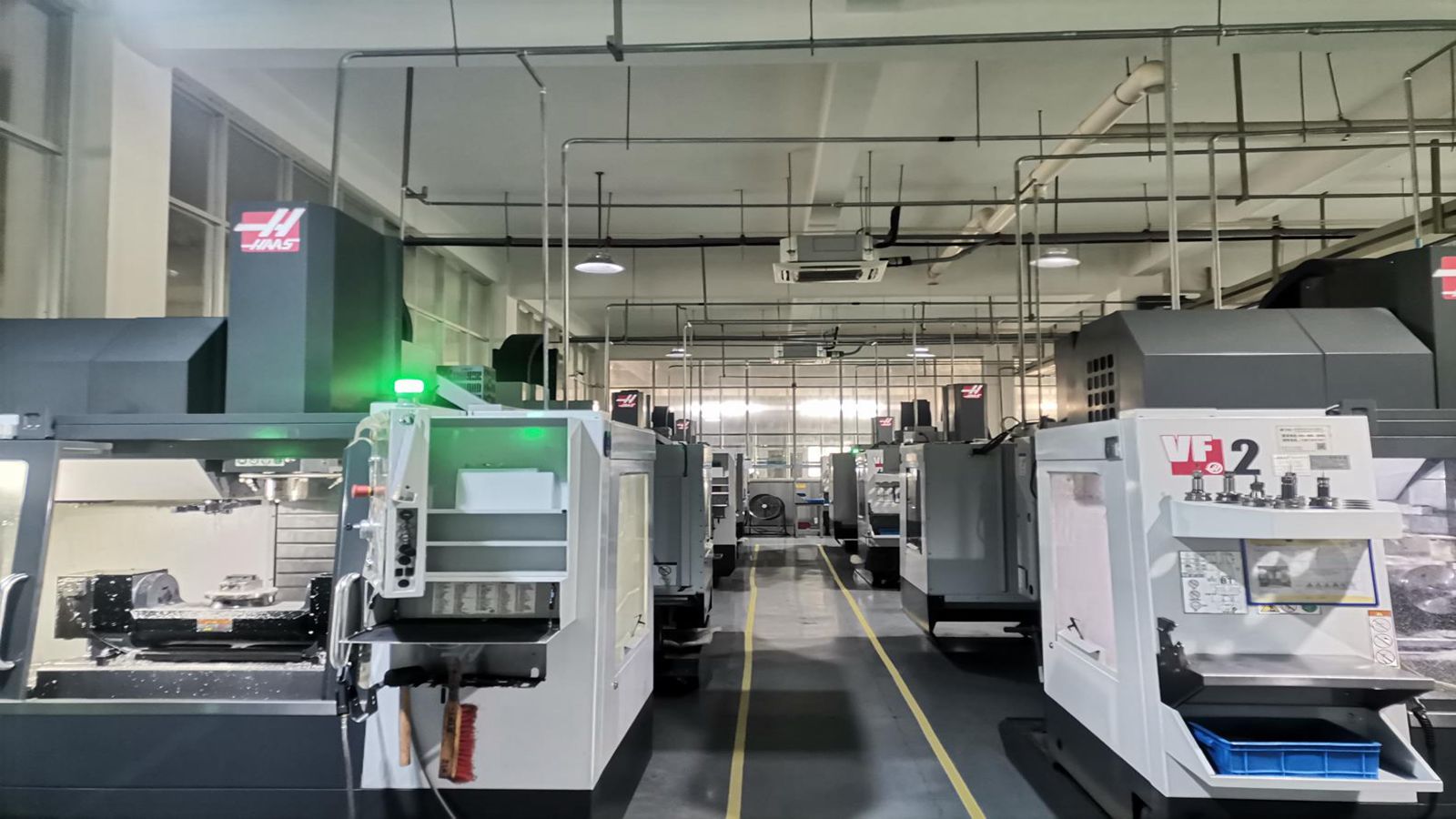
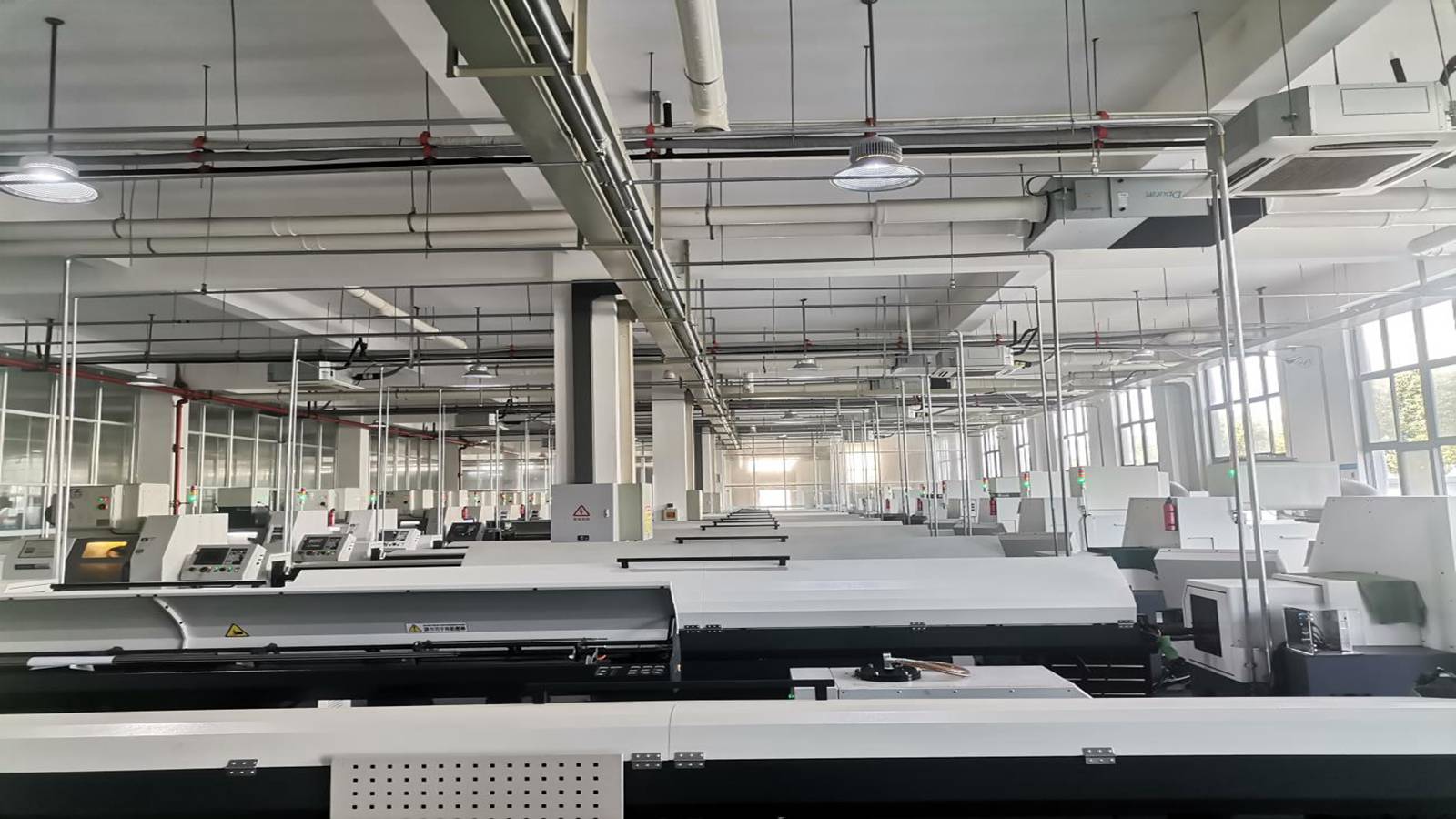
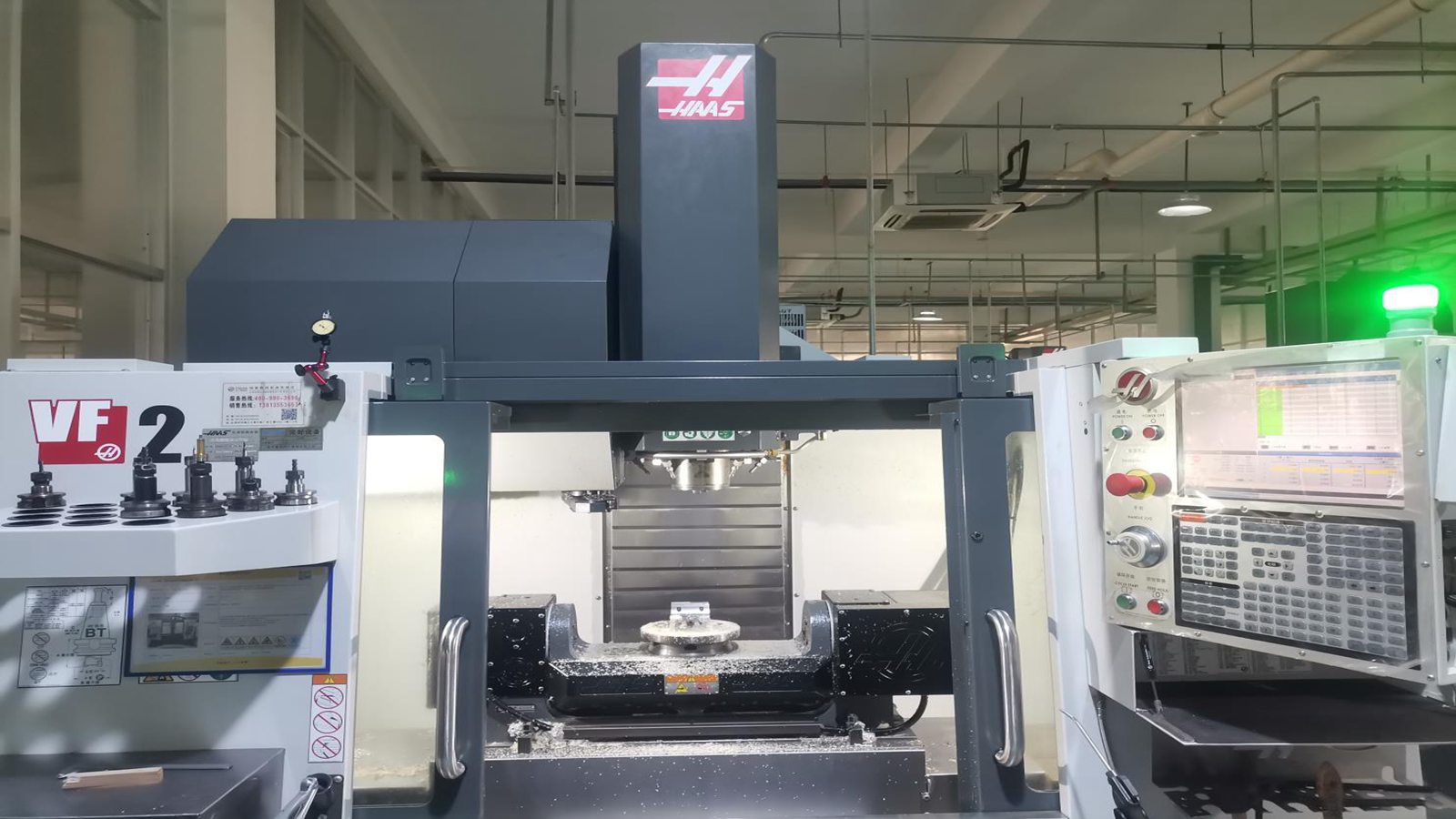
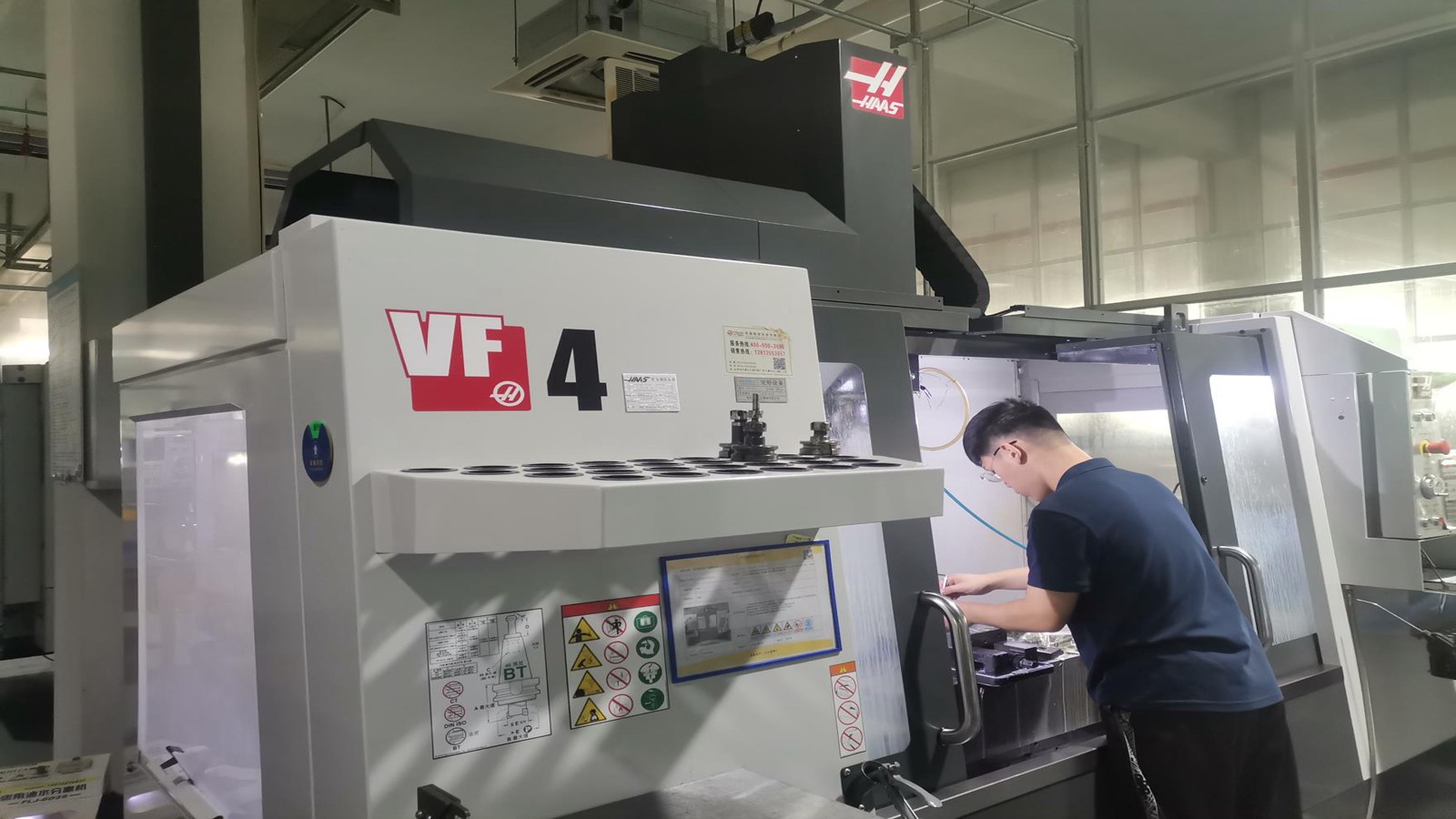
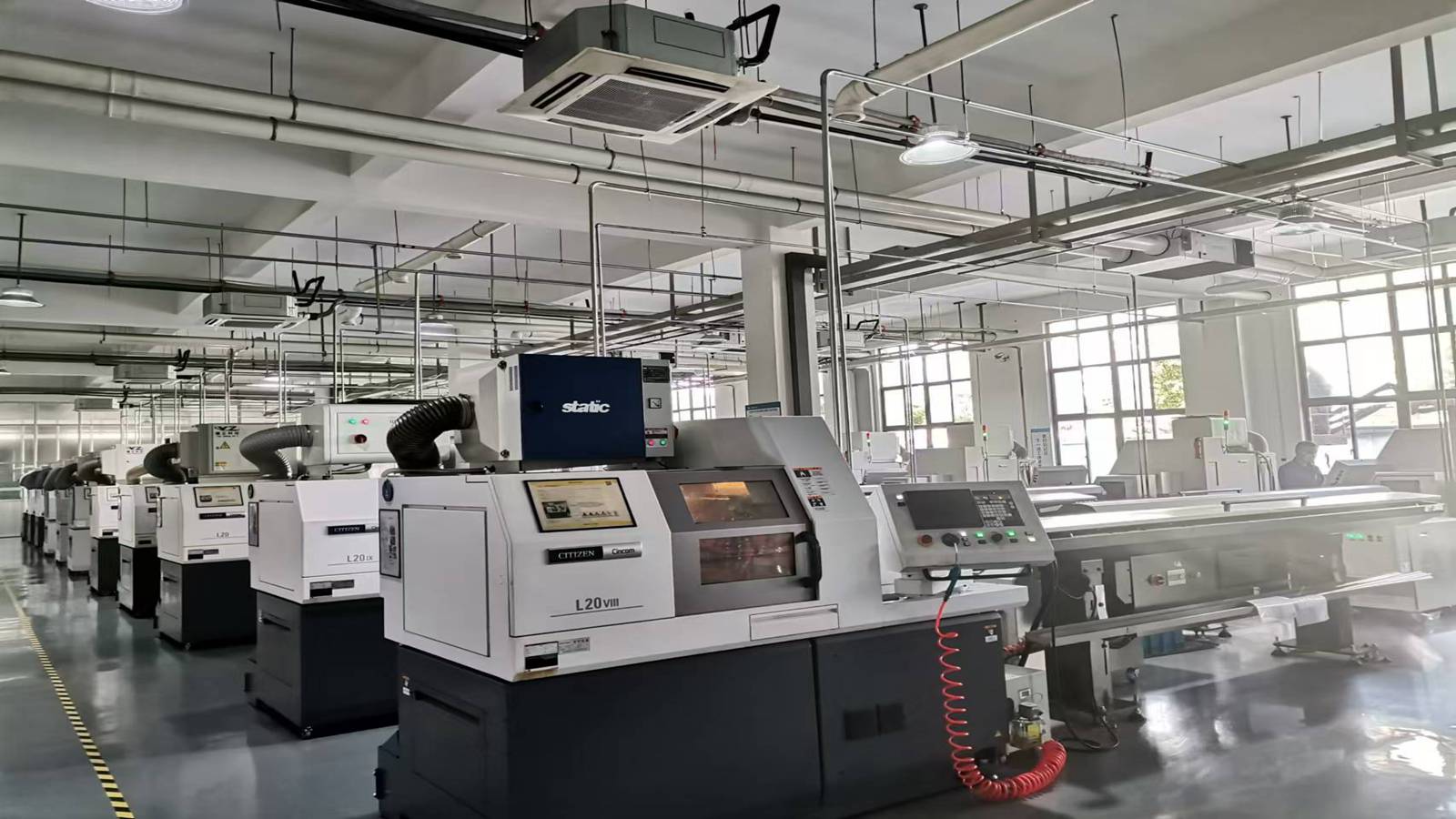
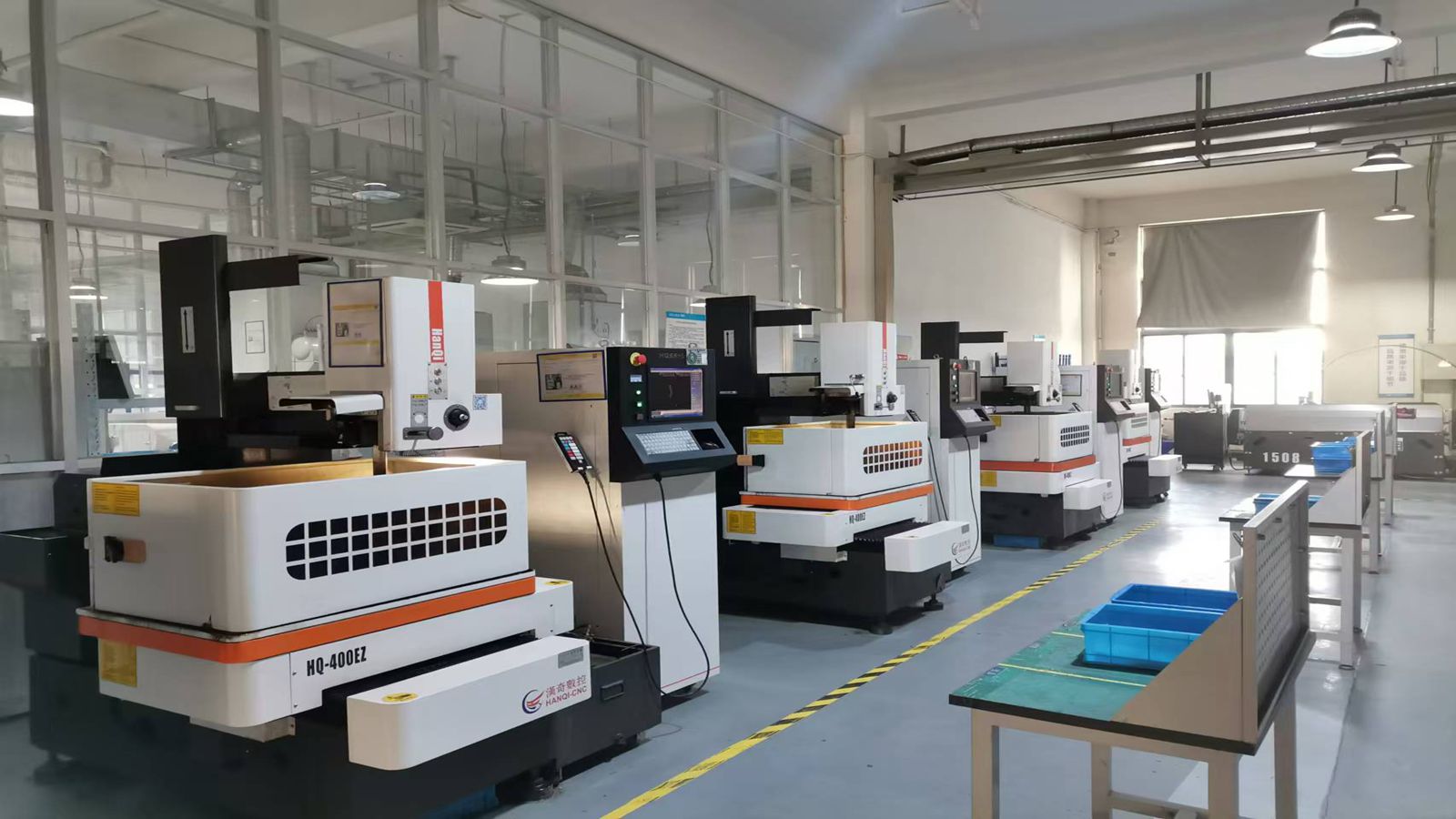
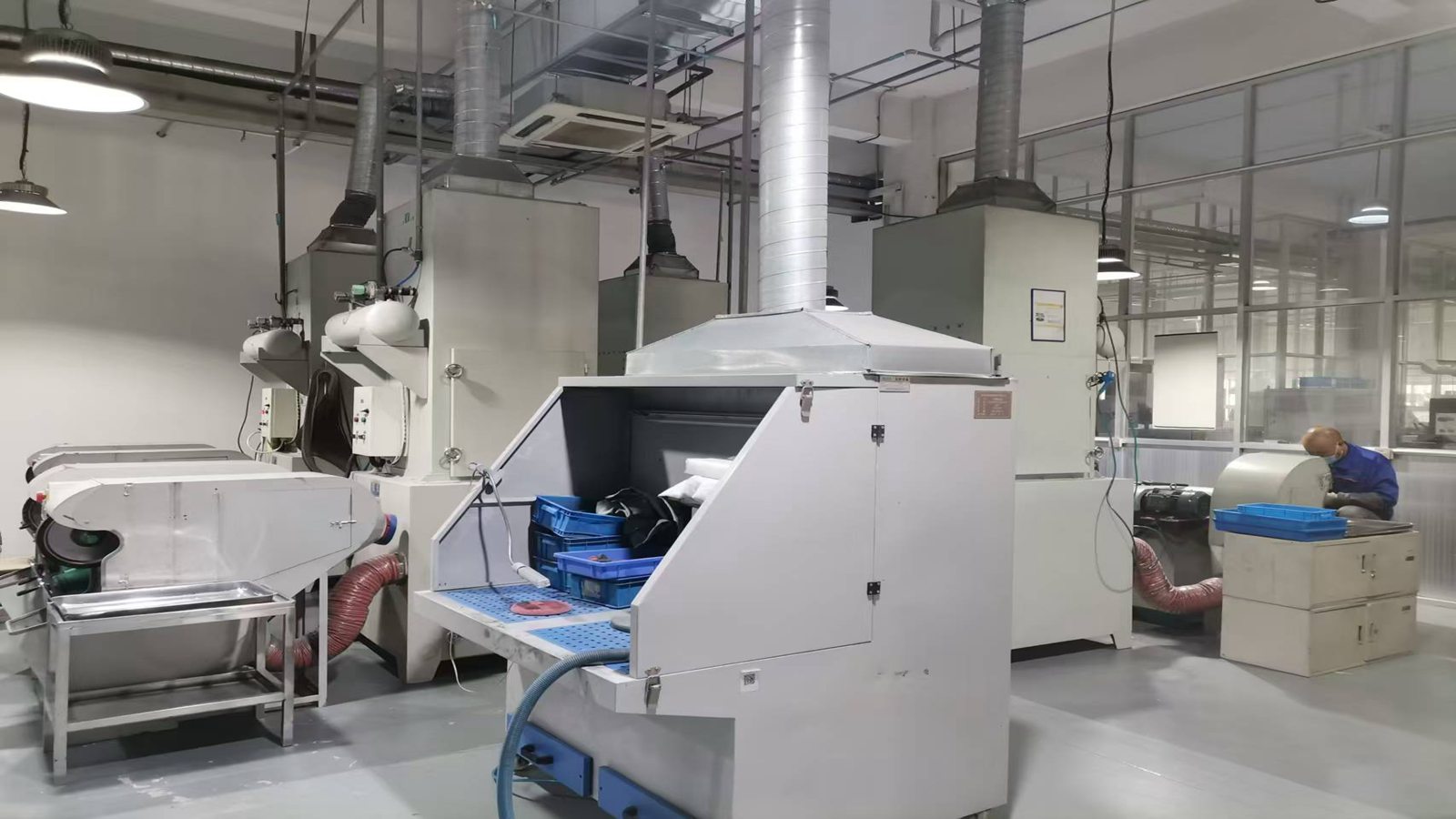
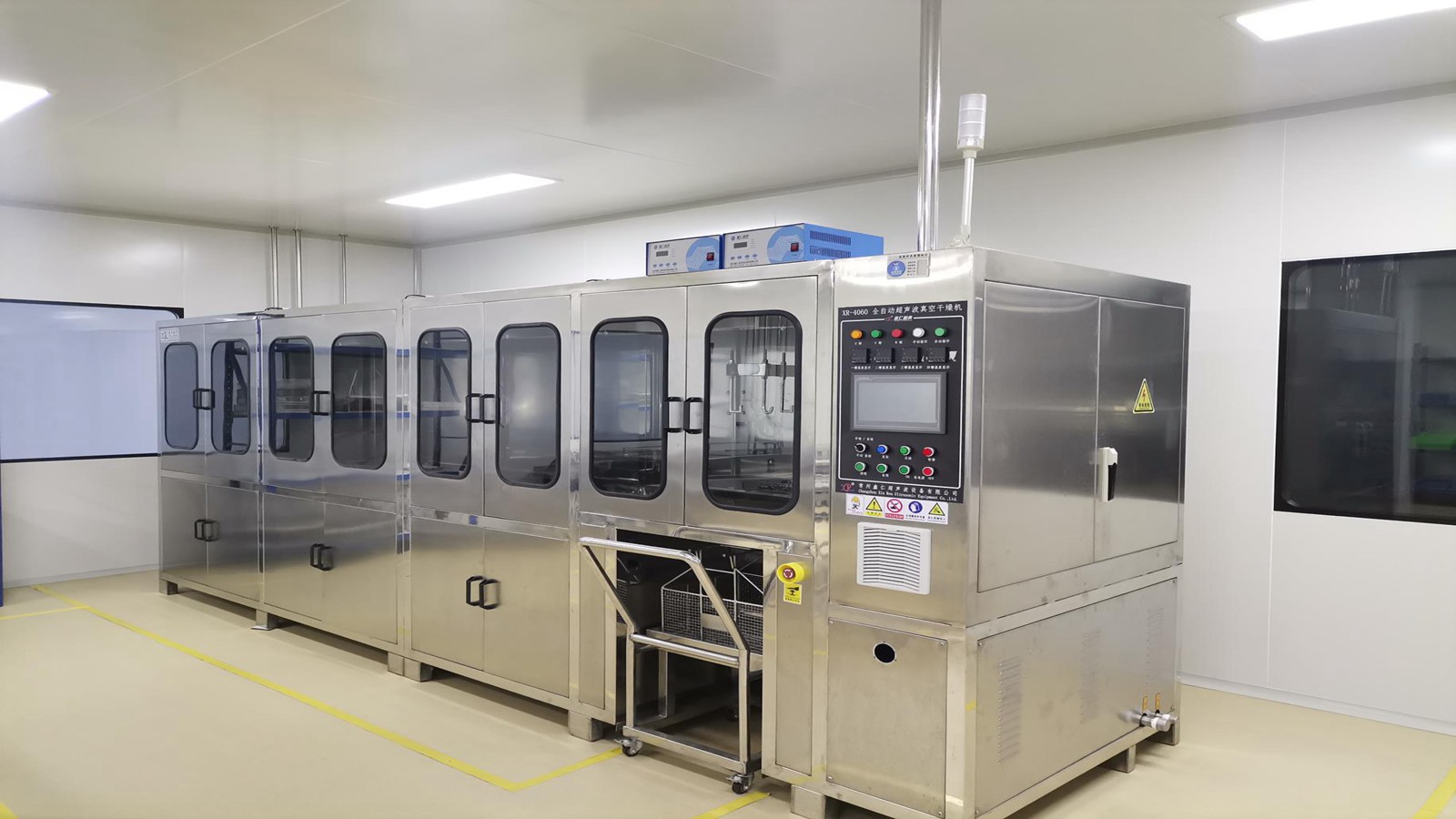
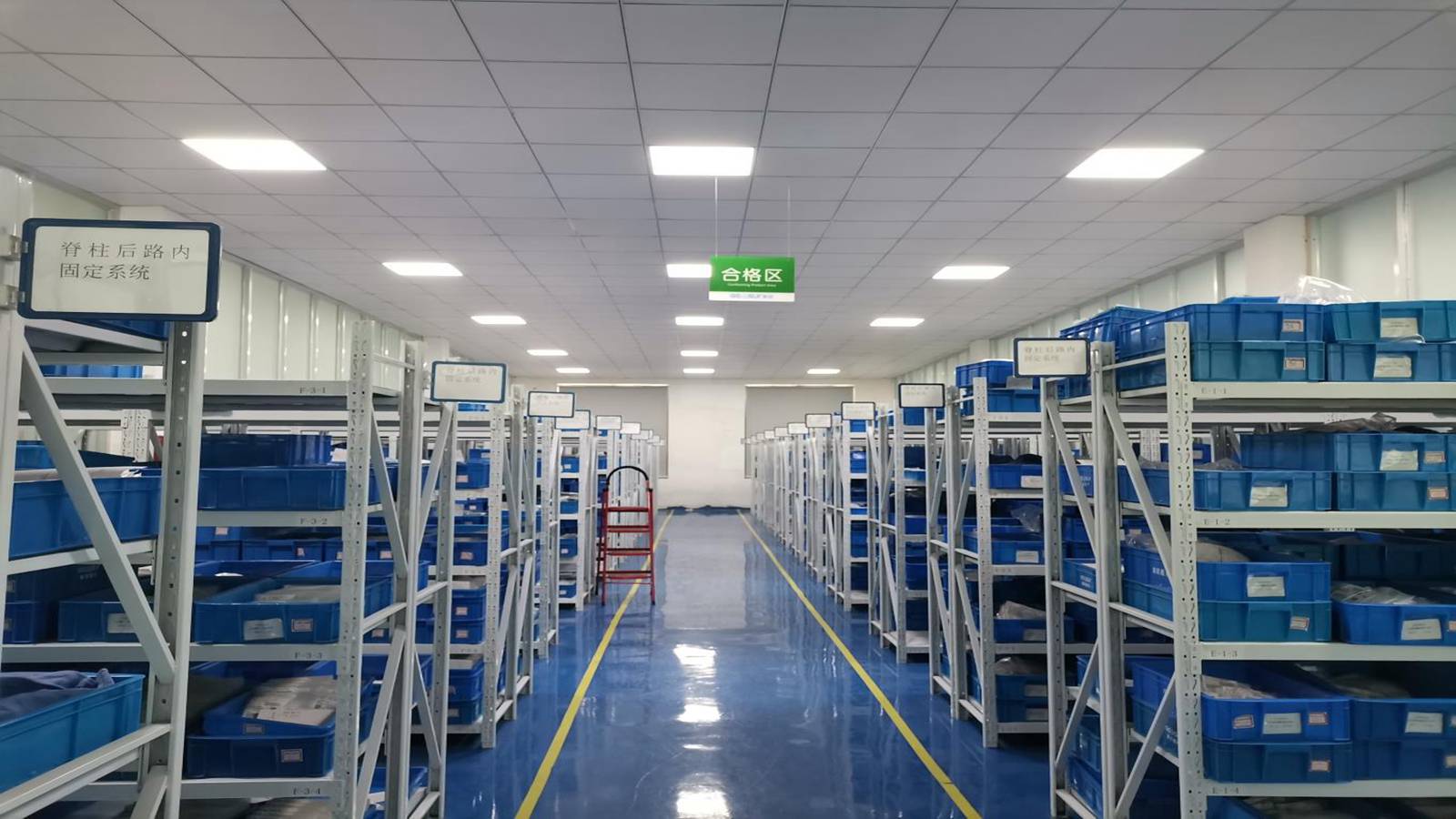
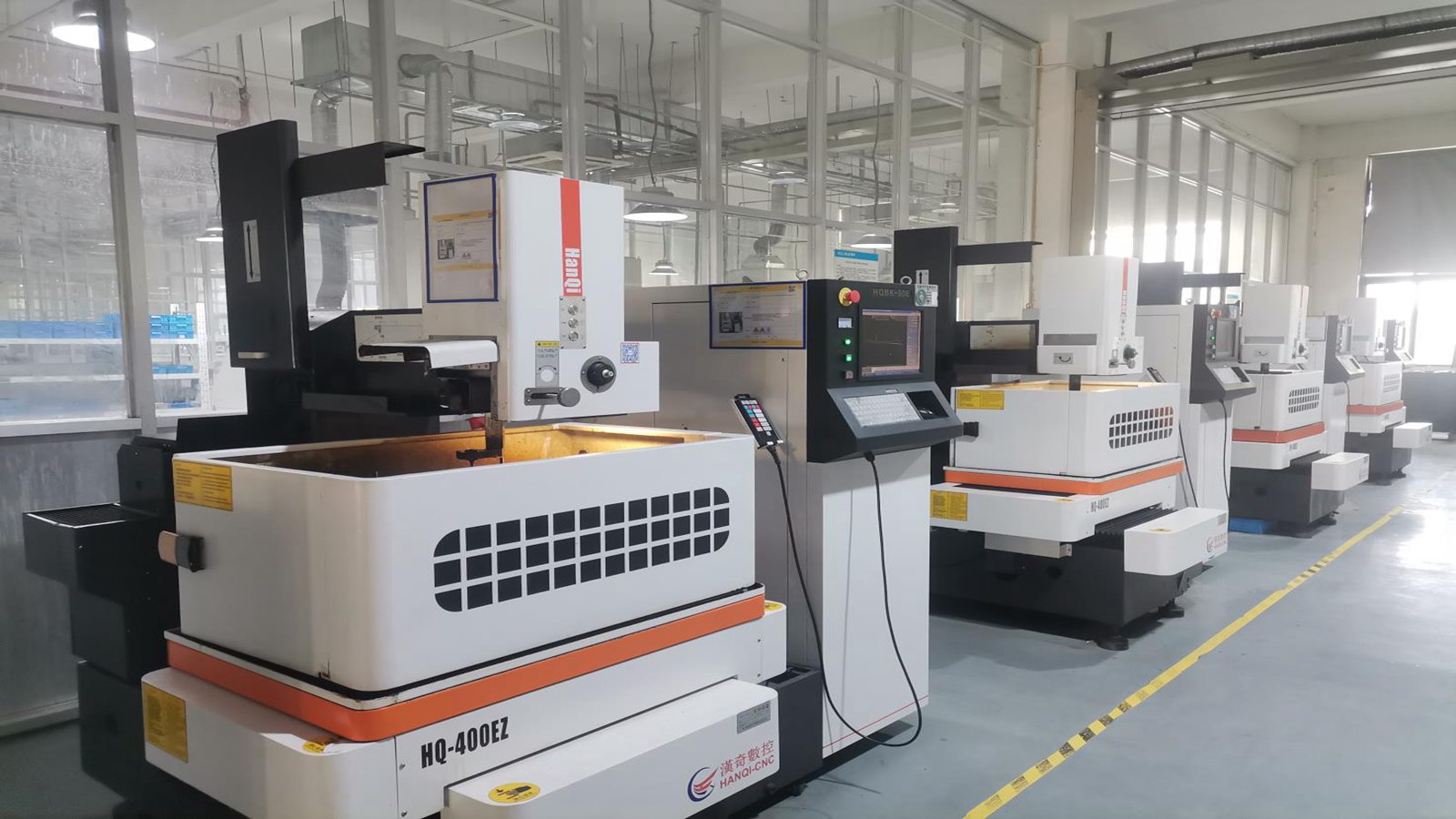
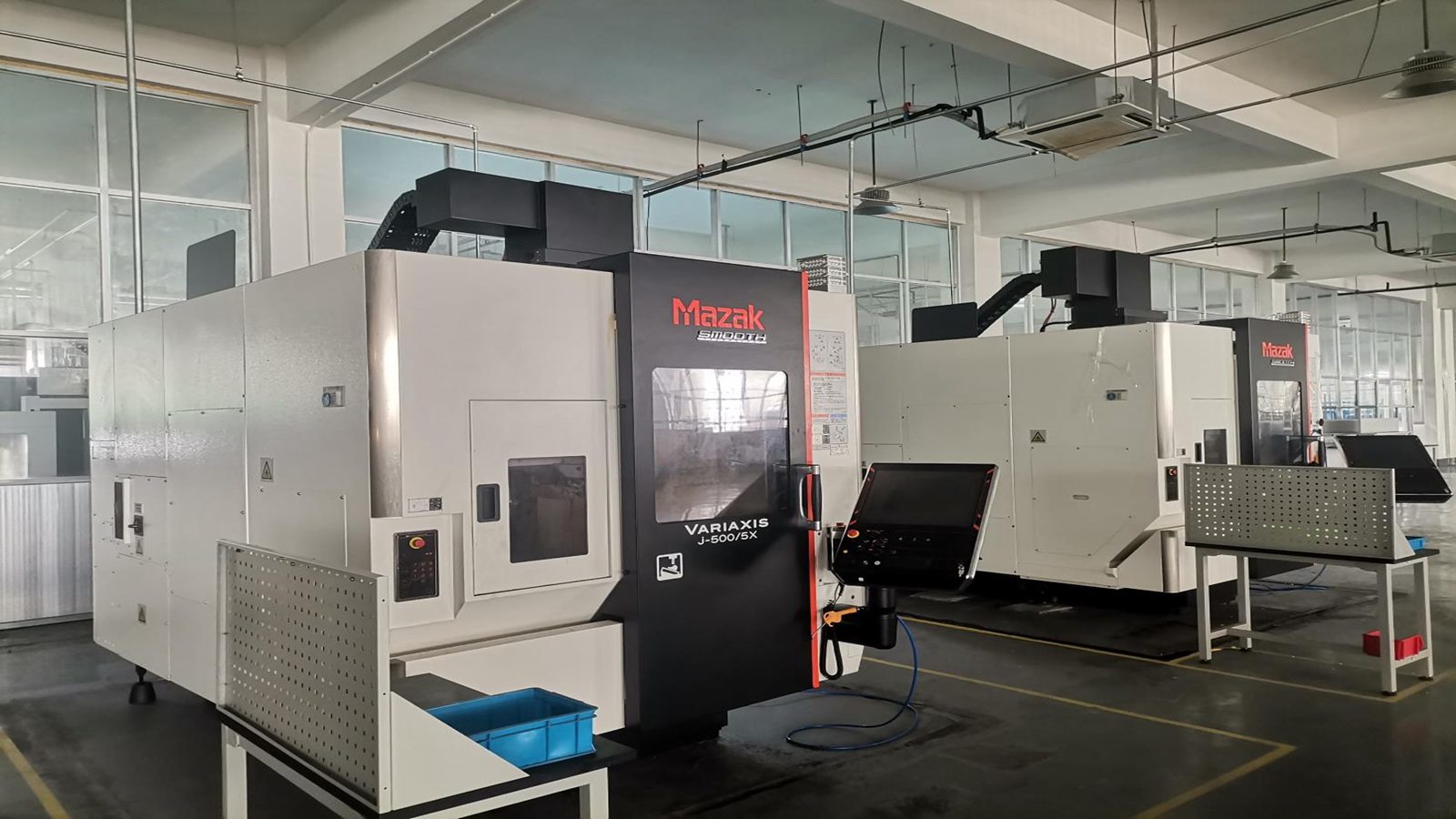
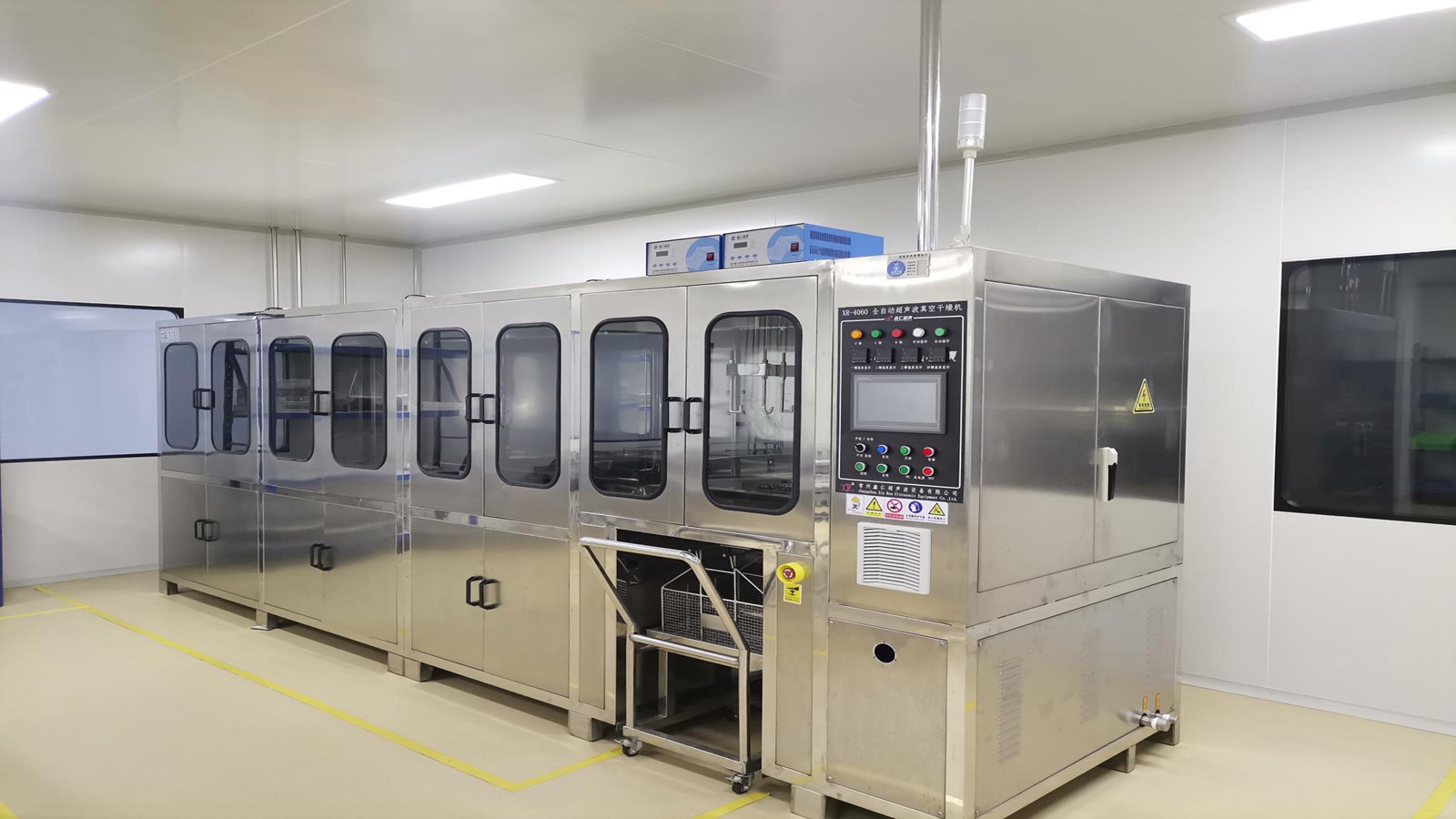
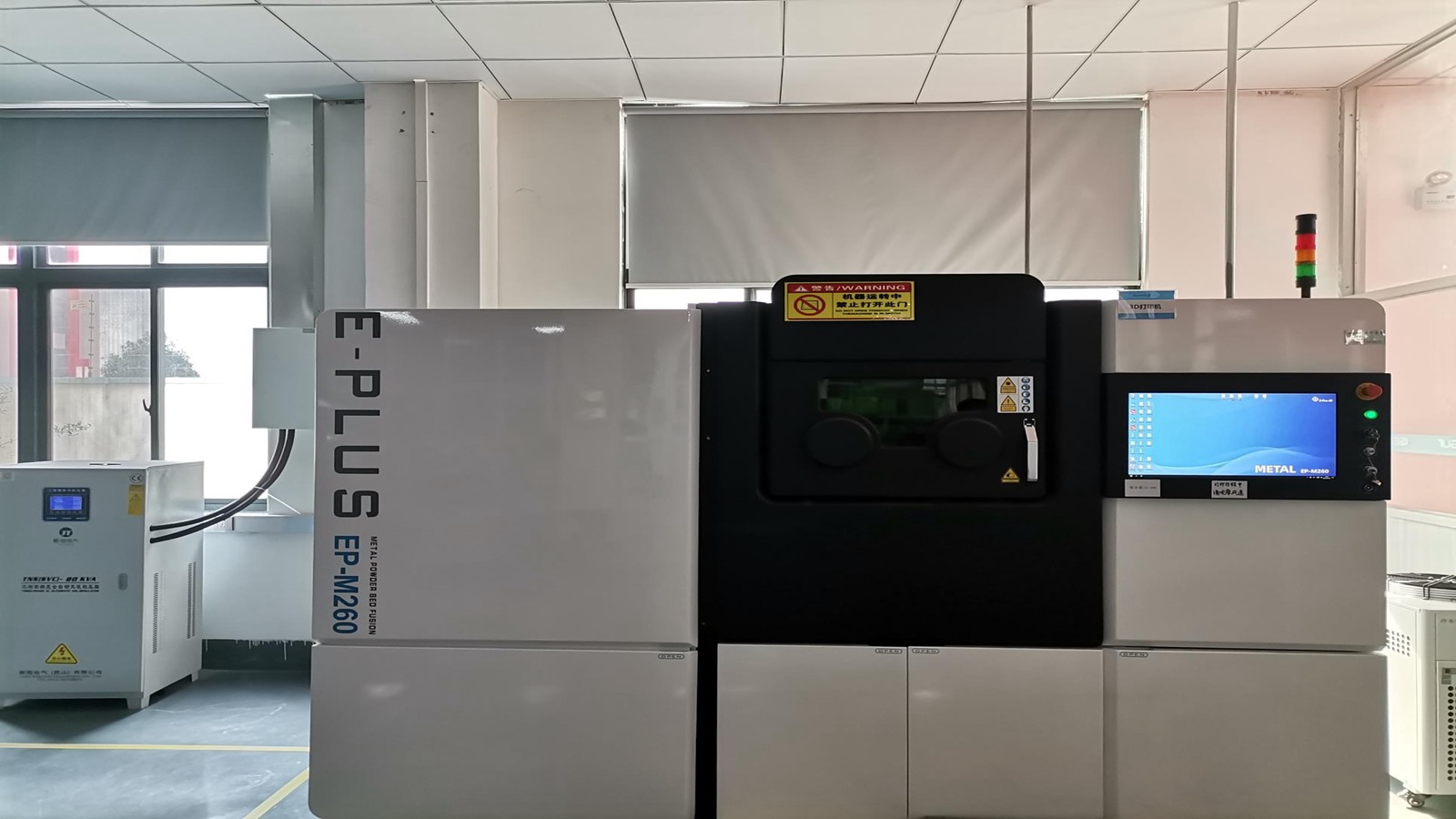
Operating a 30,343 square meter state-of-the-art facility, HBM Medical demonstrates how advanced automation drives quality and cost efficiency.
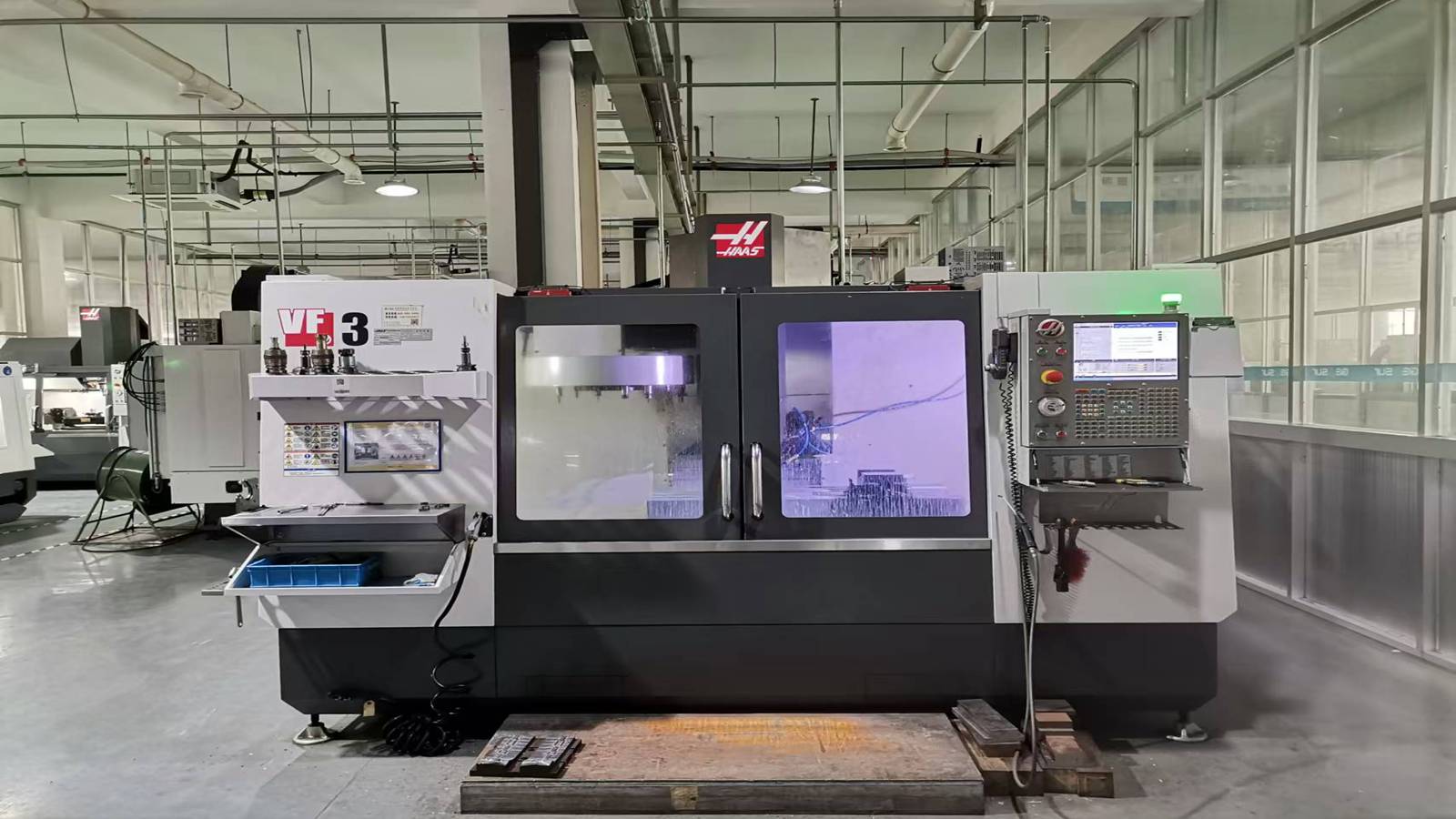
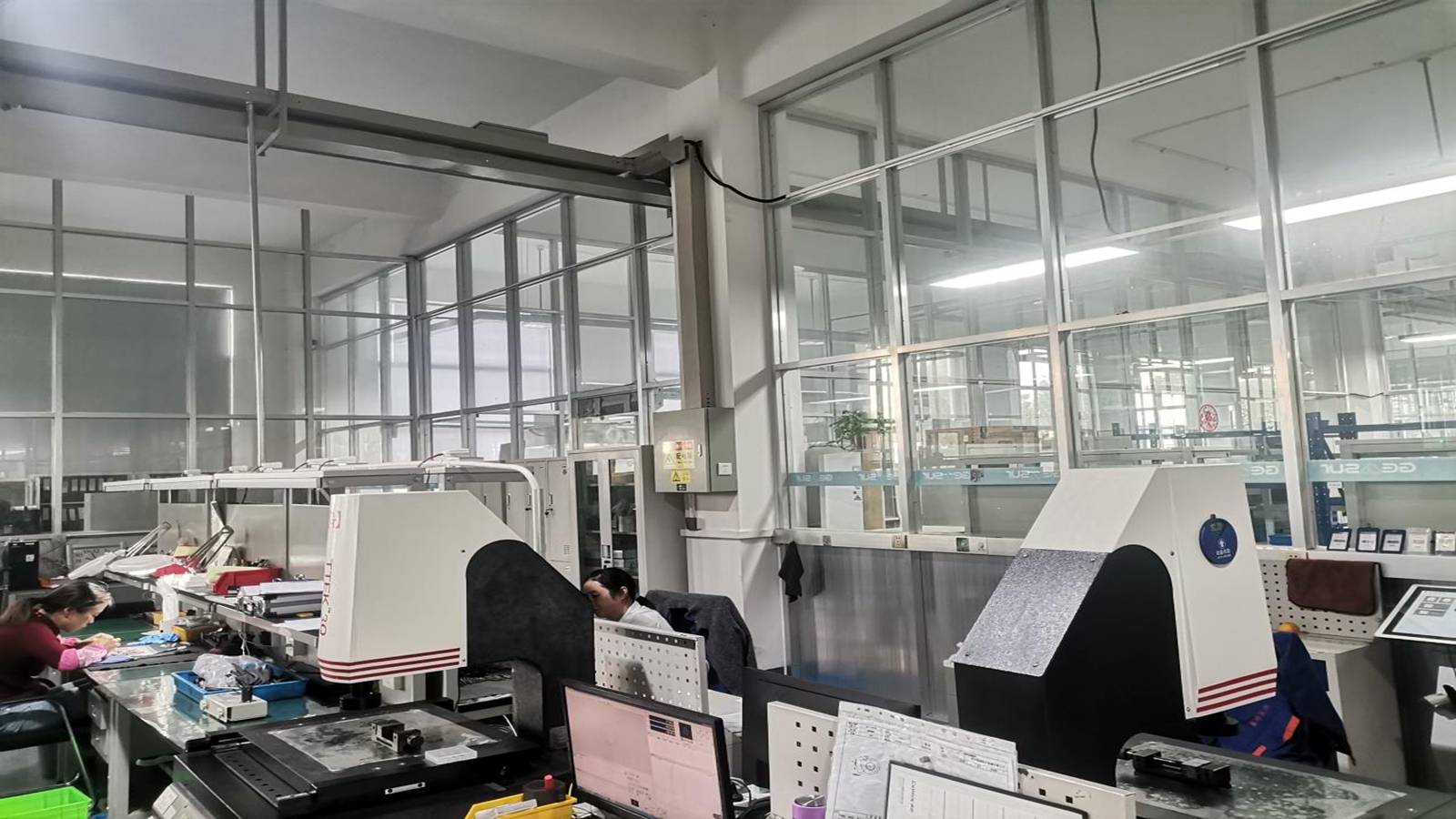
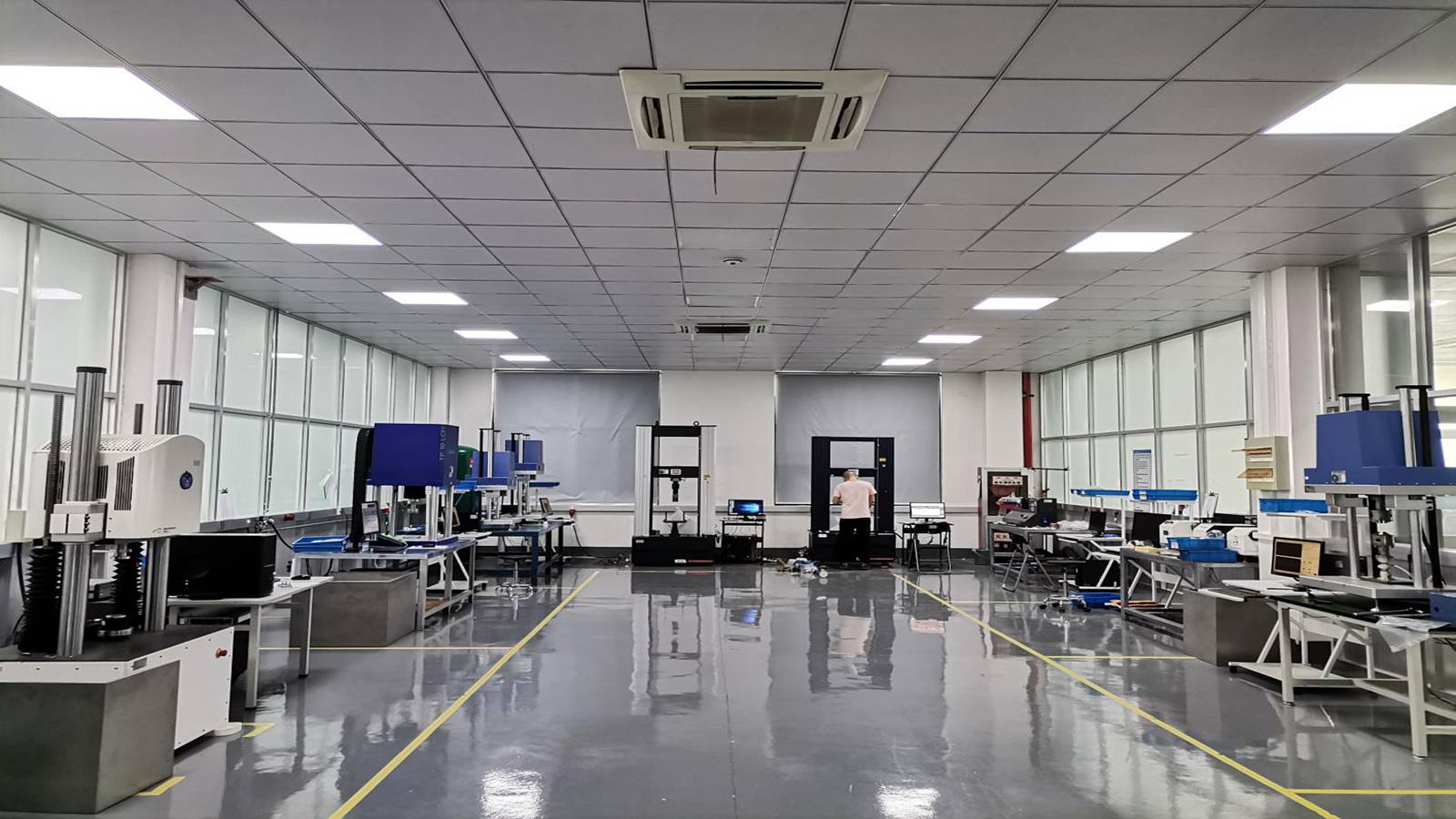
Our manufacturing floor is equipped with 120 sets of advanced processing machinery, including German-engineered five-axis CNC machining centers and Swiss-type longitudinal turning lathes. This precision setup allows us to achieve tolerances within ±0.005mm, ensuring consistent thread pitch, locking mechanism engagement, and structural integrity for our cervical plate and cage components.
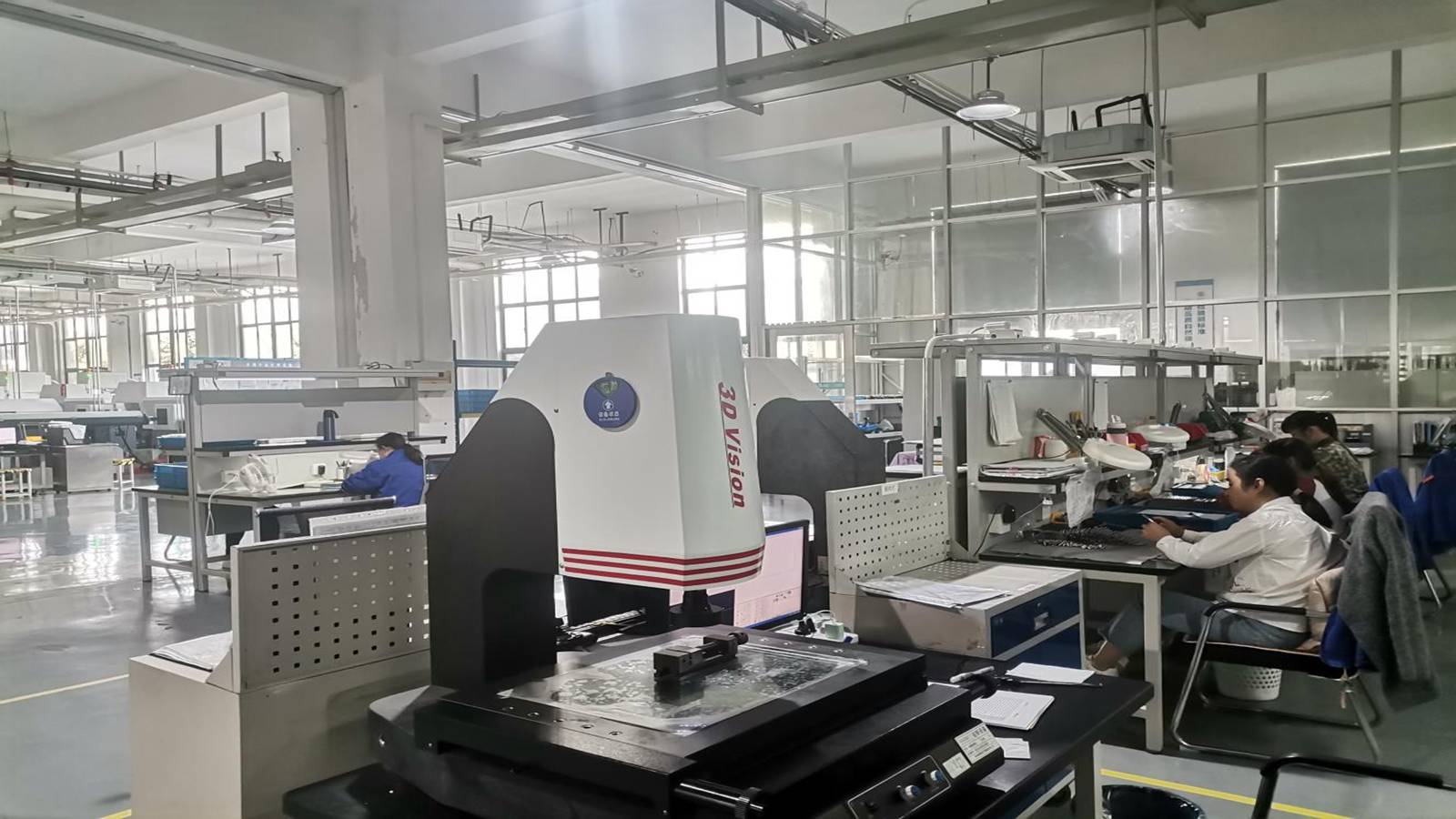
Our quality assurance program is managed by 36 certified QA/QC inspectors. Raw materials are 100% traceable, from incoming titanium bar stock heat numbers to final sterile packaging. We employ optical comparators, coordinate measuring machines (CMM), and dynamic fatigue testing rigs to verify compliance with ISO 13485 and MDSAP regulations.
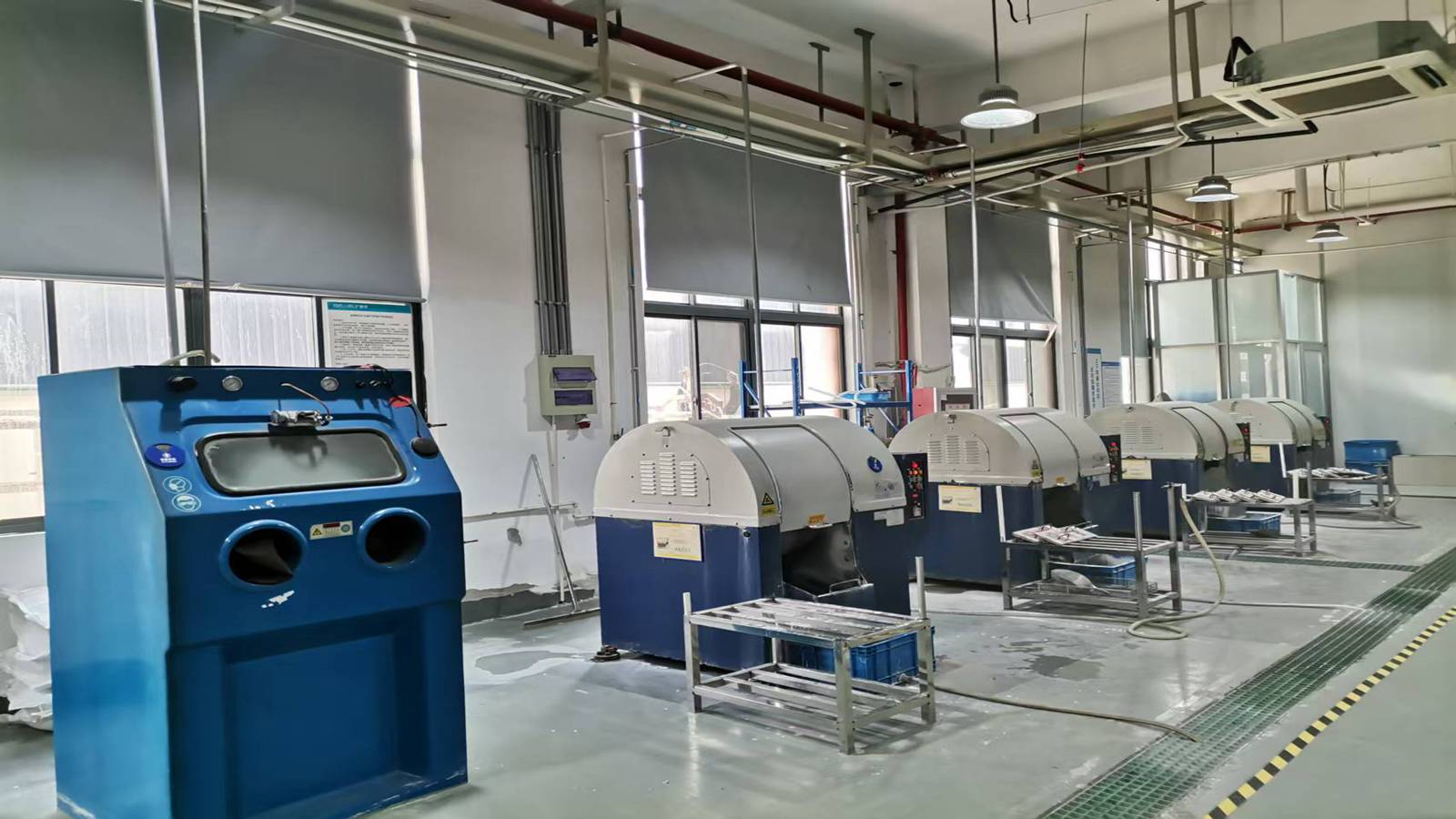
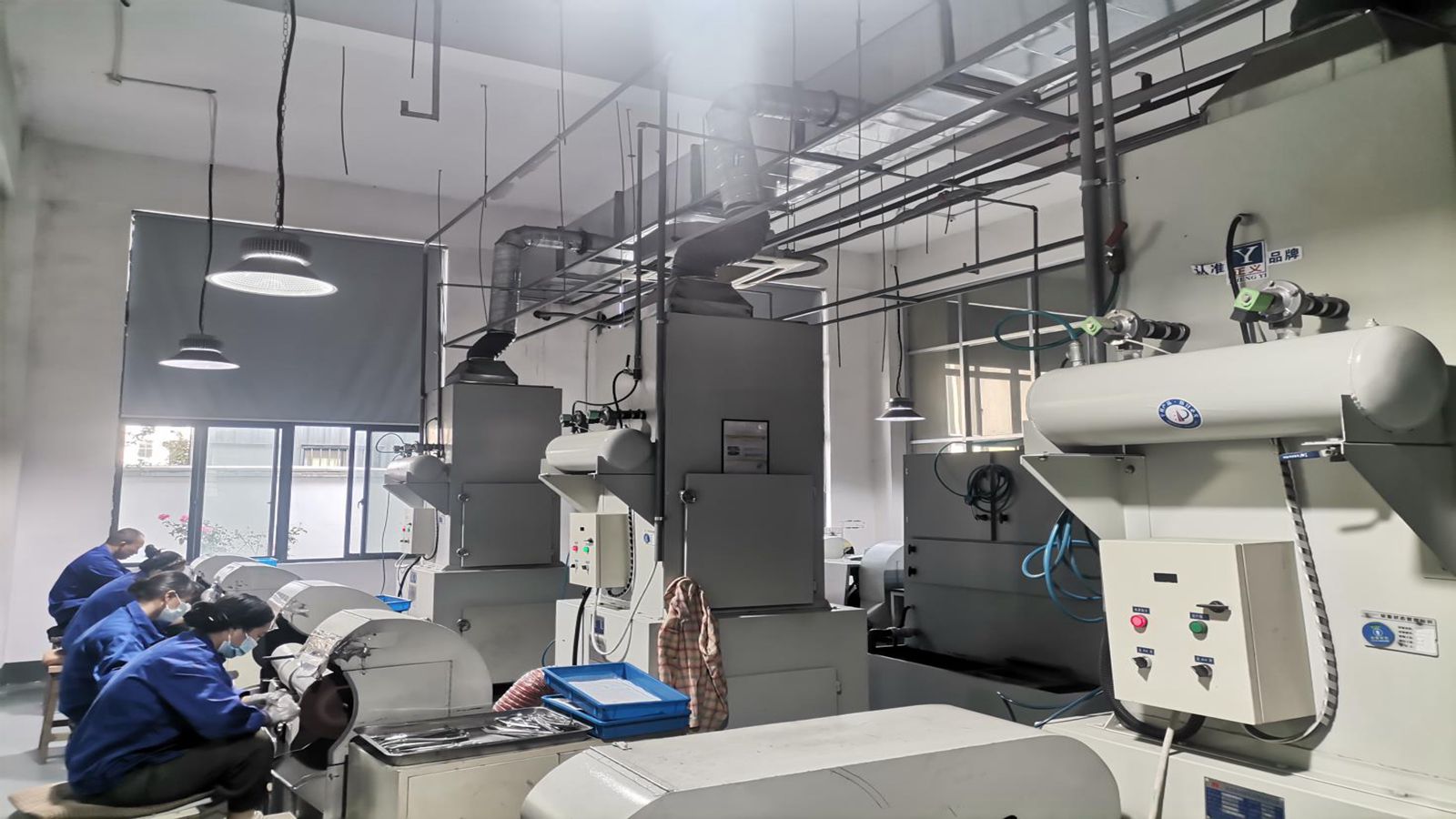
By keeping design, machining, anodizing, cleaning, sterilization, and testing under one roof, we eliminate third-party logistics delays. This vertically integrated supply chain enables us to consistently deliver high-volume orders with a lead time 30% shorter than the industry average.



Where is spinal fusion engineering heading next? Explore the advancements HBM Medical is integrating into our clinical product pipeline.
By mimicking the trabecular structure of cancellous bone, 3D-printed porous structures support cell migration and rapid vascularization. HBM's upcoming line features customizable pore sizes (300-600 micrometers) and up to 75% porosity to accelerate osteogenesis.
To eliminate the need for permanent foreign objects in the spine, we are researching bioresorbable magnesium-polymer composites. These implants provide structural support during the critical fusion window before degrading safely into metabolic byproducts.
The integration of micro-sensors into cervical implants will allow surgeons to monitor localized bone fusion progress and detect early mechanical failures or infections in real-time. Data is transmitted wirelessly via low-power telemetry to an external reader.
Navigating different global regulatory systems is crucial for cross-border medical device distribution. HBM offers specialized registration support.
To support our international partners, HBM Medical maintains a comprehensive compliance framework:
A structured approach to evaluating HBM Medical as your primary OEM/ODM orthopedic manufacturing partner.
Clients submit their design specifications, CAD drawings, or raw clinical prototypes. Our engineering team refines these drafts to ensure they are optimized for cost-effective, high-yield CNC machining.
We produce samples within 7-14 business days. These prototypes undergo rigorous mechanical stress testing (such as static compression and dynamic shear testing) to verify safety and performance.
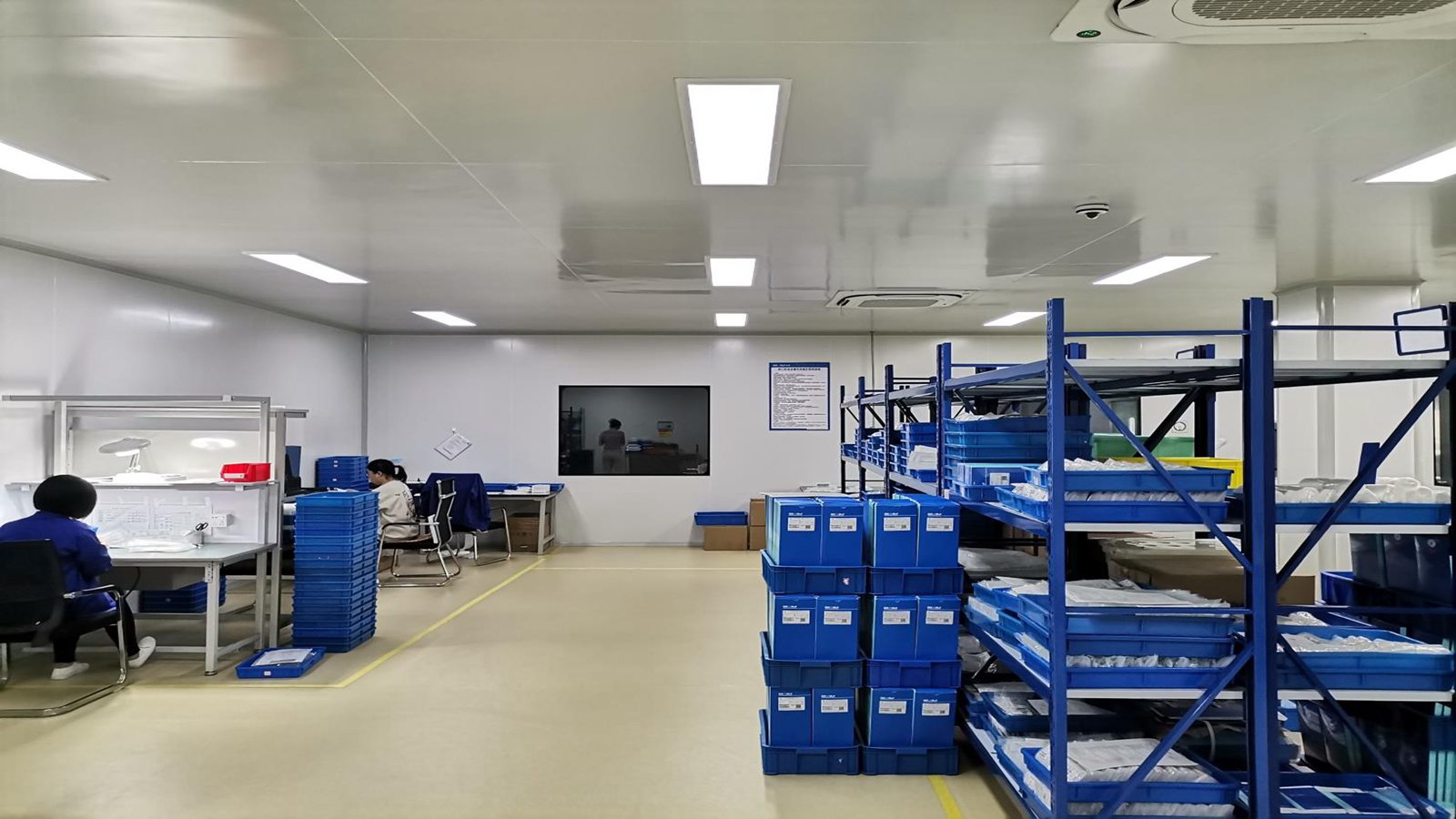
Once approved, we scale production across our 12 automated lines. All orders include full material traceability certificates and cleanroom packaging, ready for distribution.
Essential details on manufacturing timelines, biocompatibility standards, and customization capabilities.
Explore the remainder of our advanced surgical instrument systems designed to support precise and efficient clinical operations.
 HBM Medical