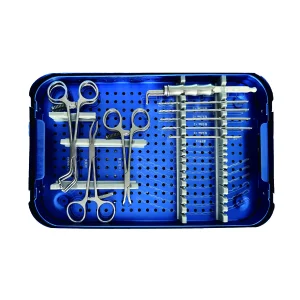
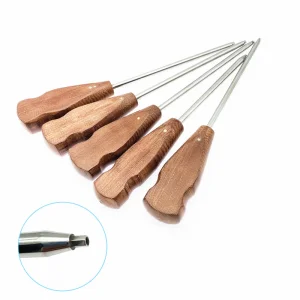
Engineered for high-precision osteosynthesis and rigid internal fixation in Uruguayan clinical centers.
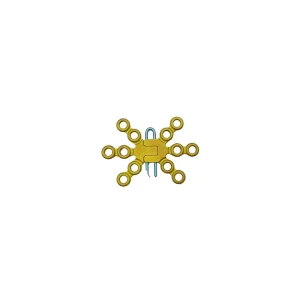
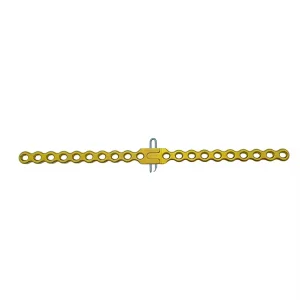
An in-depth look at clinical demands, regulatory frameworks, and industrial supply chains in Uruguay.
Uruguay's healthcare system, renowned for its high coverage through the Sistema Nacional Integrado de Salud (SNIS), demands medical devices of the highest caliber. In major clinical hubs across Montevideo, Maldonado, and Salto, cardiothoracic surgeries—ranging from coronary artery bypass grafting (CABG) to complex chest wall reconstructions—are performed daily. Historically, traditional wire cerclage was the standard for sternal closure. However, modern clinical evidence has driven a rapid transition toward rigid sternal fixation systems.
Uruguayan medical institutions, including the prestigious Hospital de Clínicas, FNR (Fondo Nacional de Recursos) funded centers, and private mutualistas, are increasingly prioritizing patient outcomes by reducing post-operative complications. Sternal dehiscence and mediastinitis represent significant financial and clinical burdens. Rigid fixation using biocompatible titanium plates provides superior biomechanical stability, drastically lowering the risk of bone non-union and deep wound infections.
On a global scale, the sternal fixation market is undergoing a technological revolution. The shift from stainless steel monofilament wires to rigid titanium locking plates represents a paradigm shift in osteosynthesis. Titanium alloys, specifically Ti-6Al-4V ELI (Extra Low Interstitial), have become the gold standard due to their exceptional biocompatibility, high strength-to-weight ratio, and low elastic modulus, which closely mimics human cortical bone.
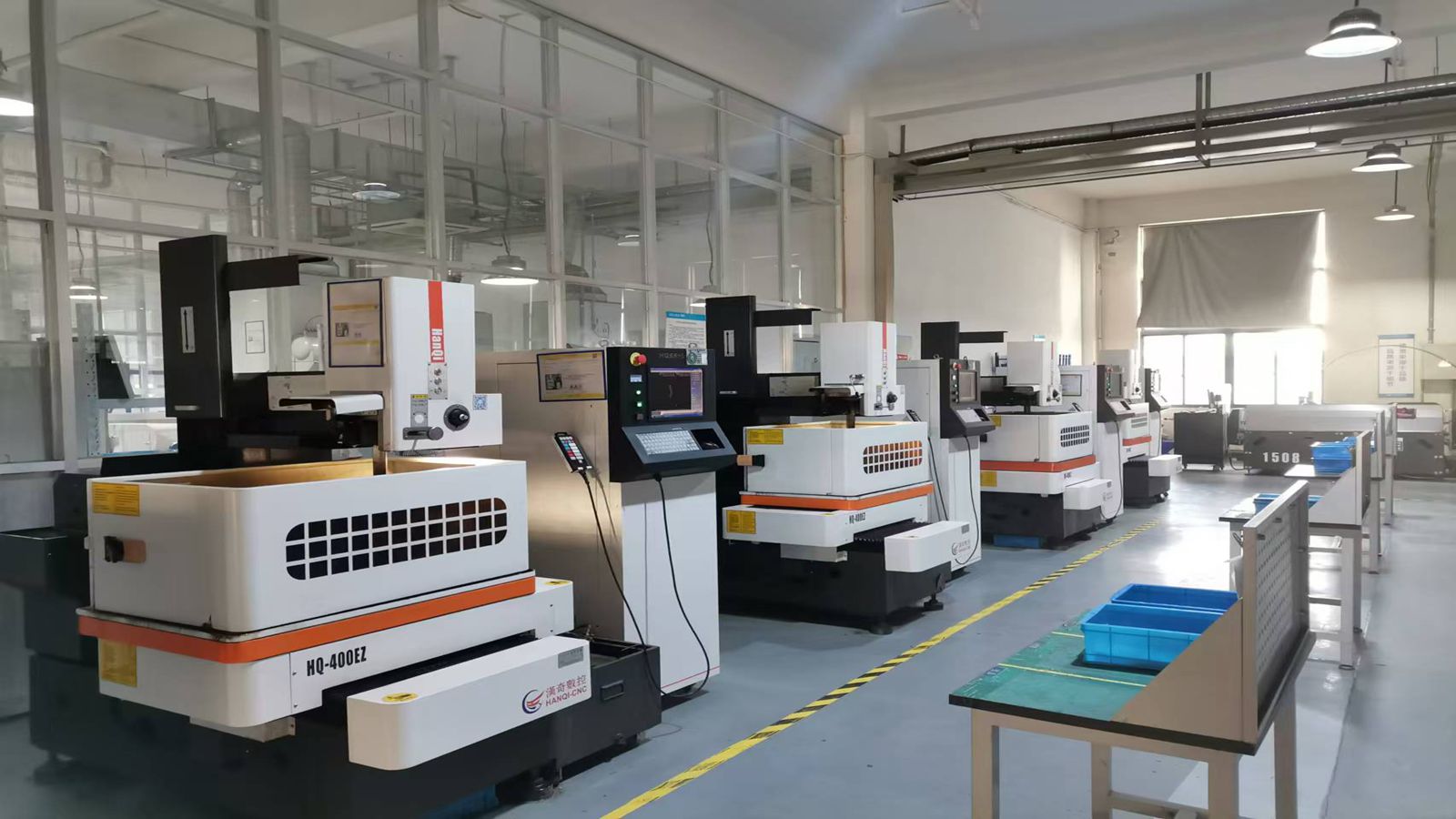
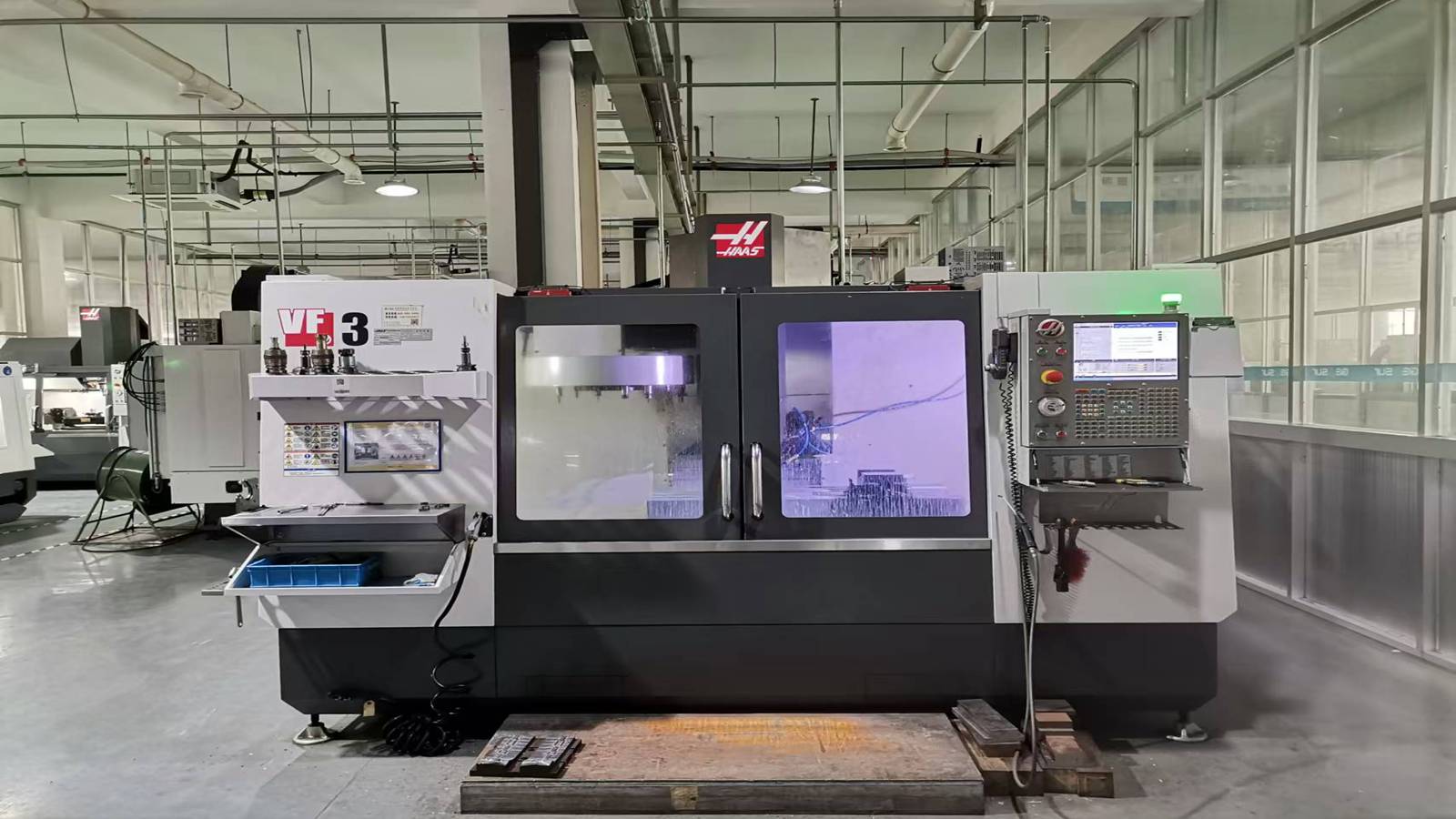
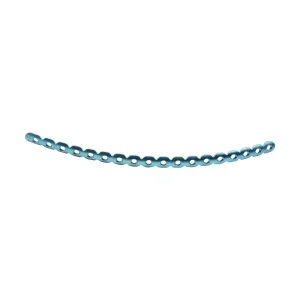
Furthermore, advanced manufacturing techniques such as high-precision CNC milling and laser-cutting allow for the creation of low-profile, pre-contoured anatomical plates. These plates reduce soft-tissue irritation and eliminate the need for intraoperative bending, saving valuable surgical time. As a premier global manufacturer, HBM Medical integrates these global innovations directly into our production lines, ensuring that Uruguayan surgeons have access to world-class trauma and cardiothoracic implants.
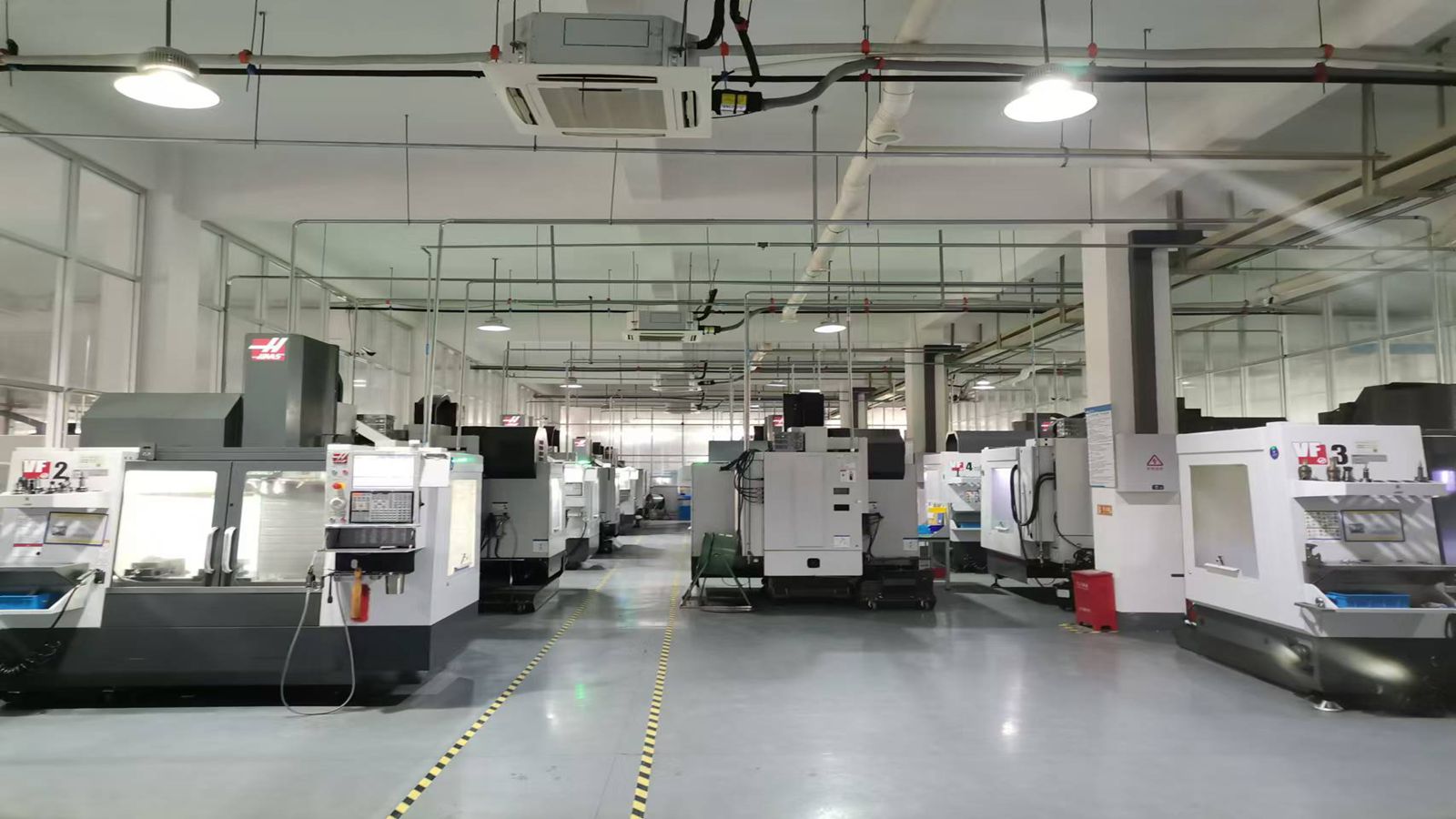
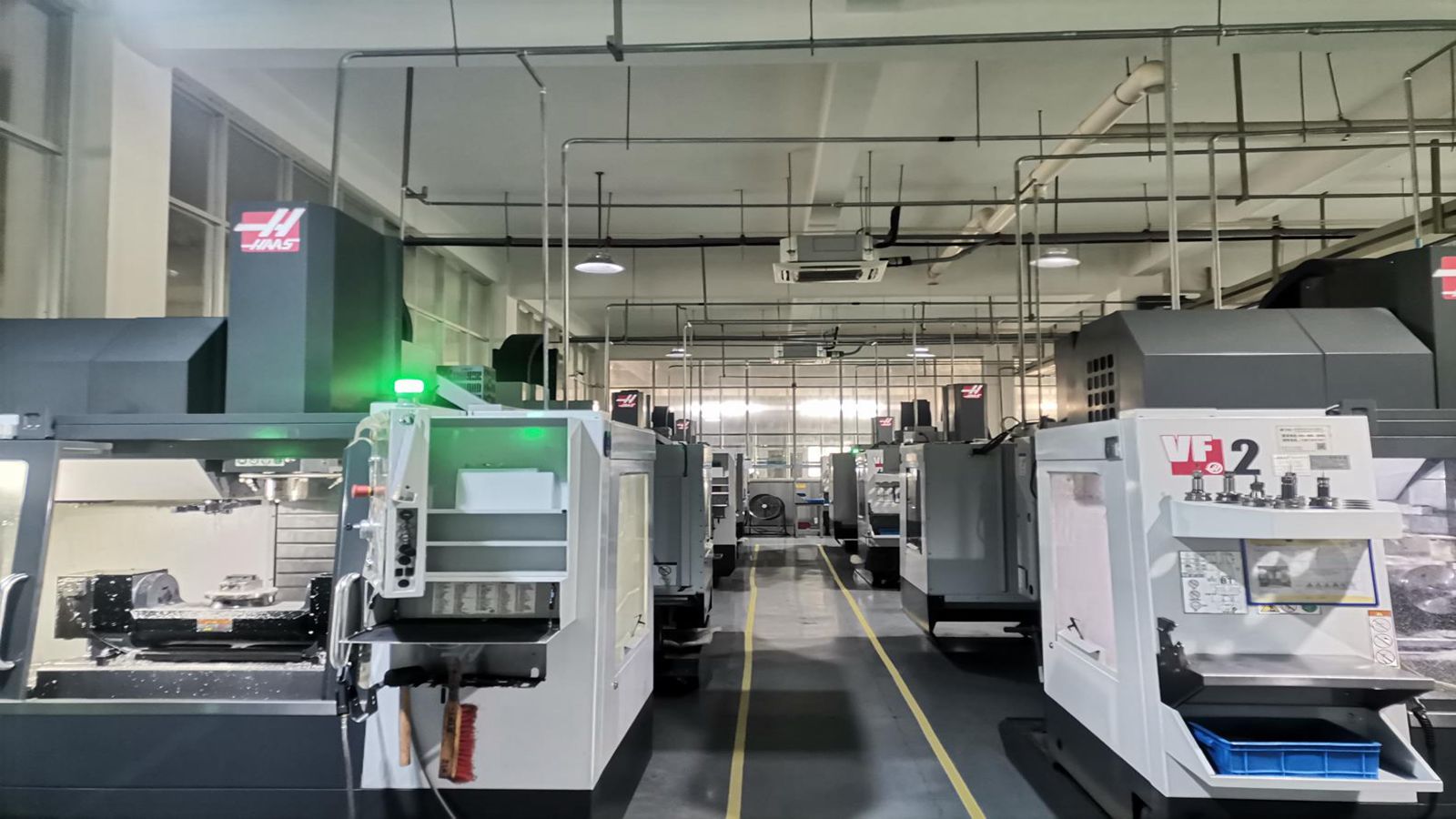
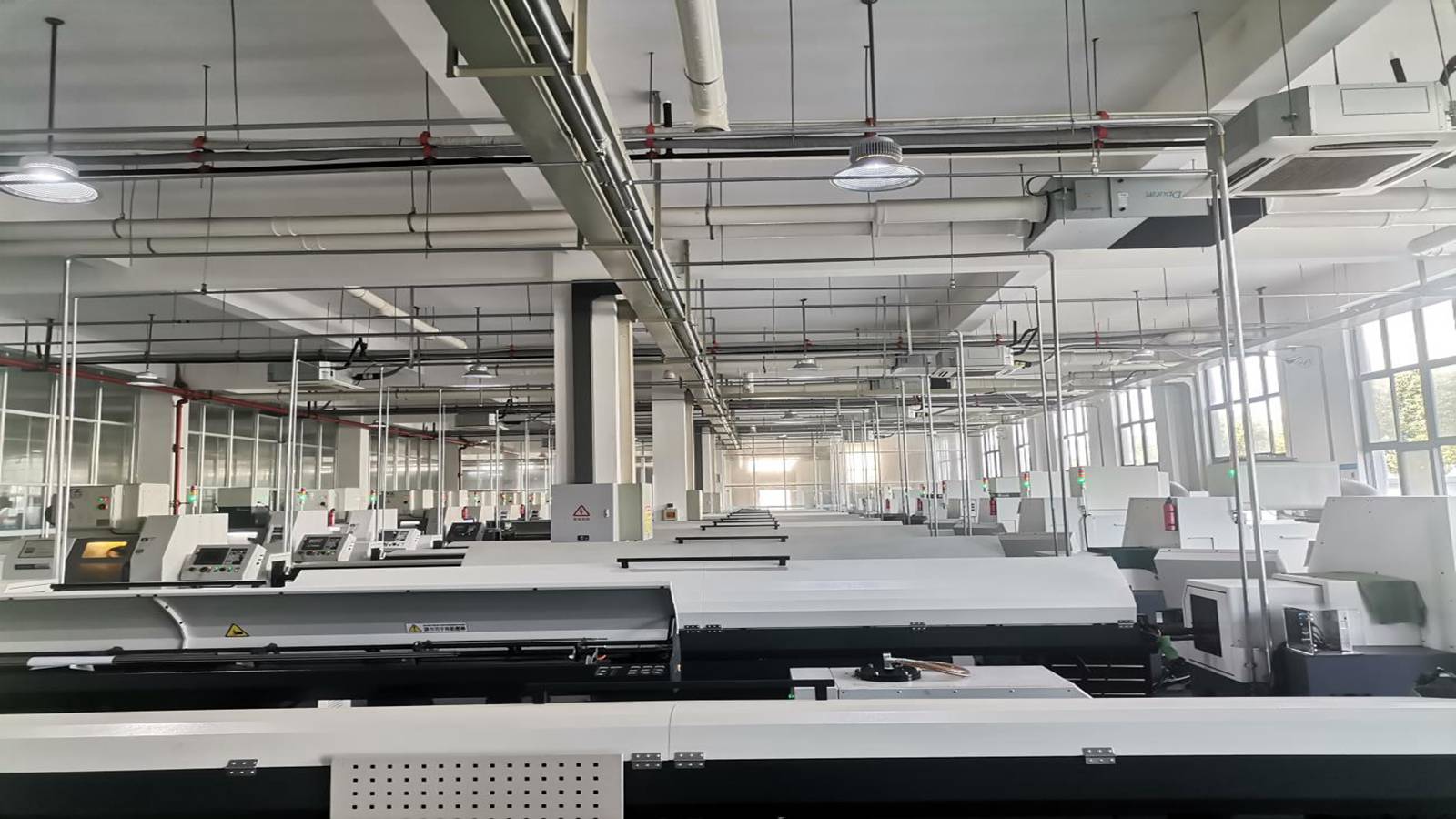
Leveraging state-of-the-art infrastructure to supply high-precision orthopedic and thoracic implants globally.
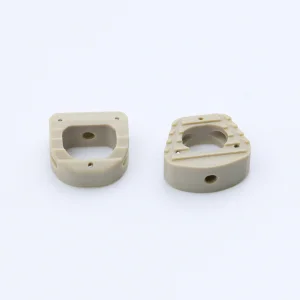
HBM Medical operates under the strictest international quality management systems. Our production processes are fully compliant with ISO 13485, MDSAP, and CE (MDR) standards. We ensure 100% traceability of raw materials, utilizing only medical-grade titanium and PEEK sourced from certified global suppliers.
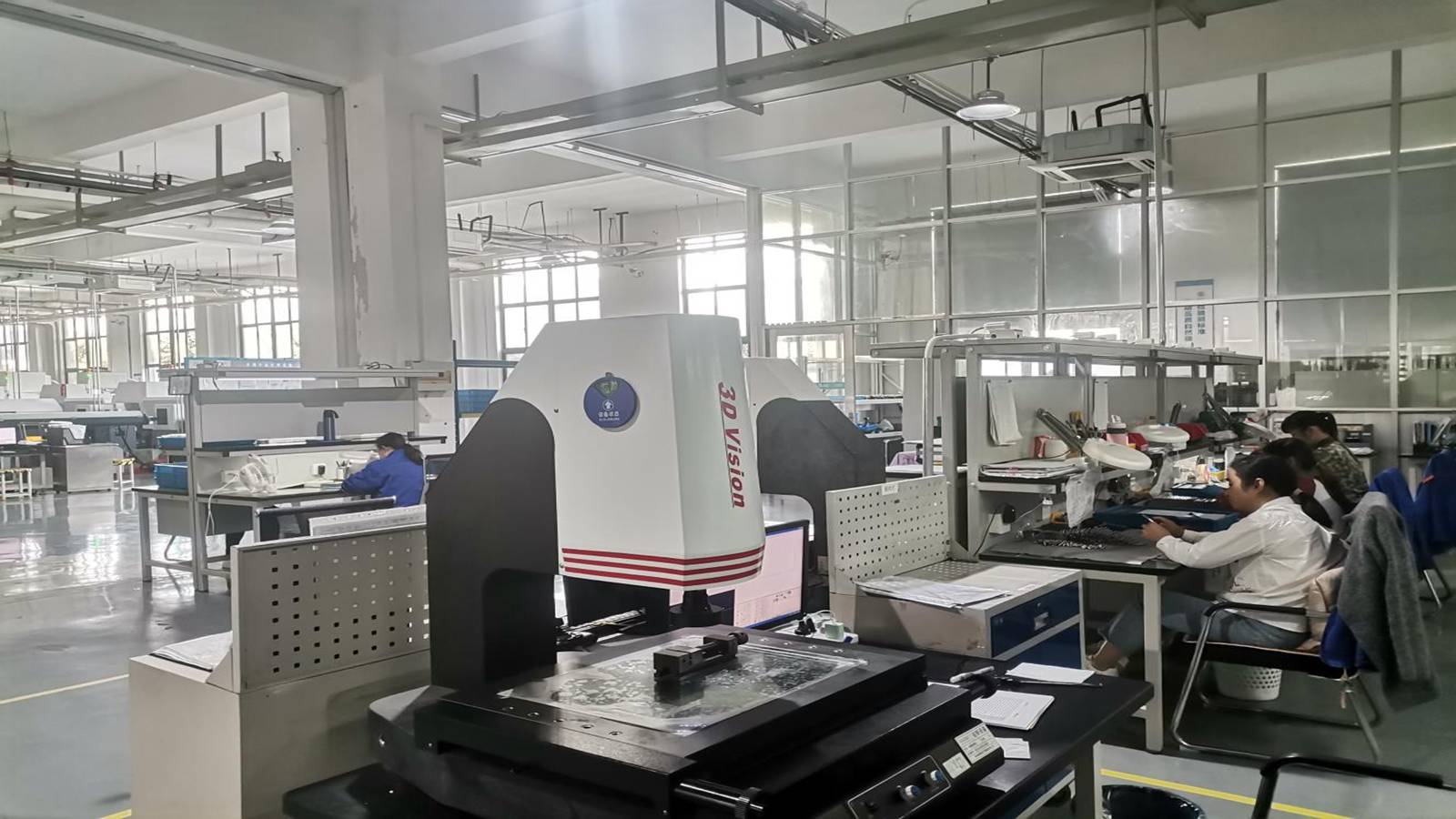
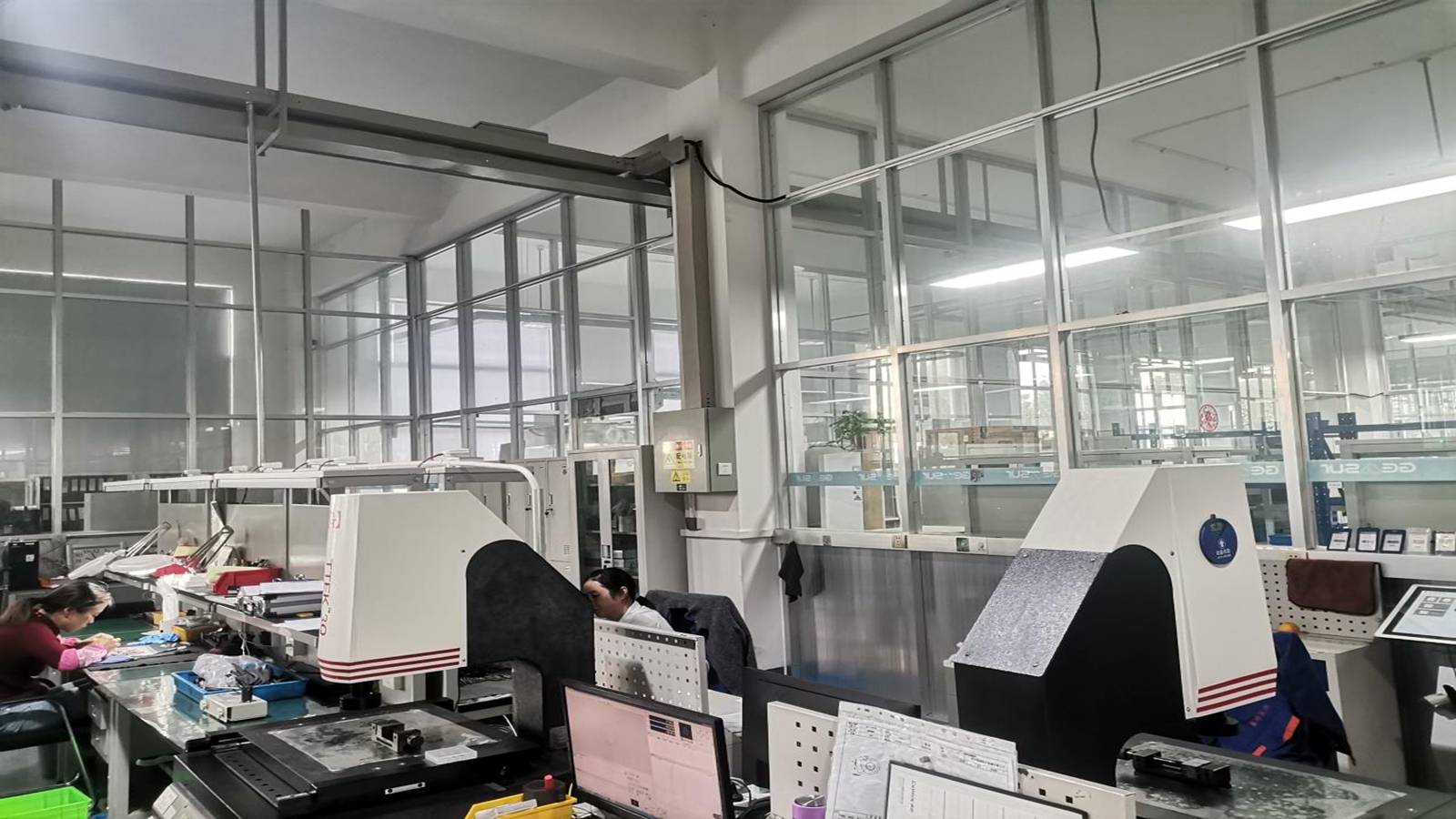
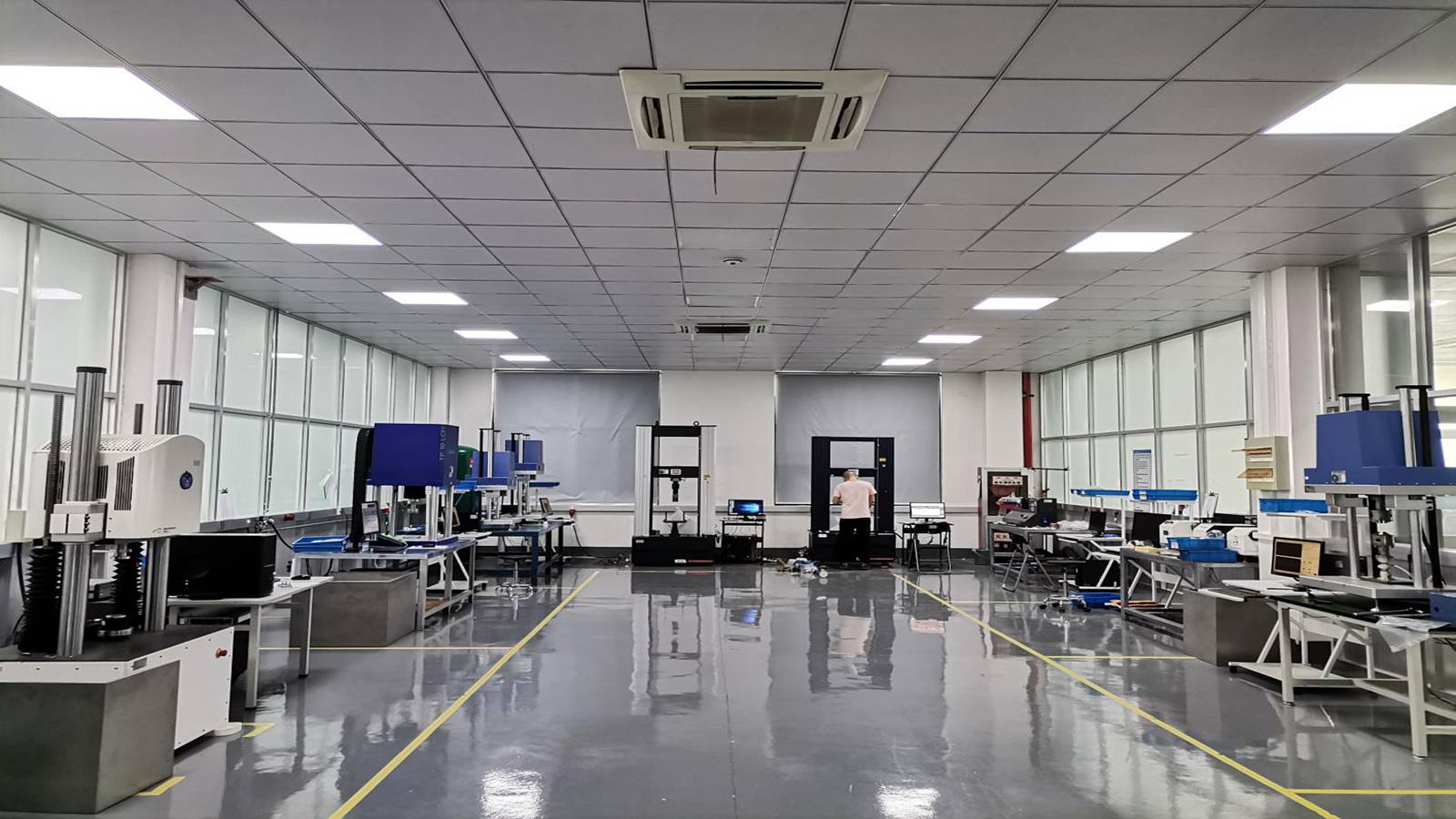
With 36 dedicated QA/QC inspectors and advanced testing laboratories, every single plate, screw, and instrument undergoes rigorous mechanical testing, including fatigue and pull-out resistance tests, before being packaged for shipment to Uruguay and other international markets.
Request Certification DocumentsPioneering the next generation of cardiothoracic and orthopedic fixation technologies.
Our R&D team is developing dynamic locking plates that allow micro-motion. This mimics the natural physiological expansion and contraction of the ribcage during respiration, accelerating bone remodeling while preventing screw back-out.
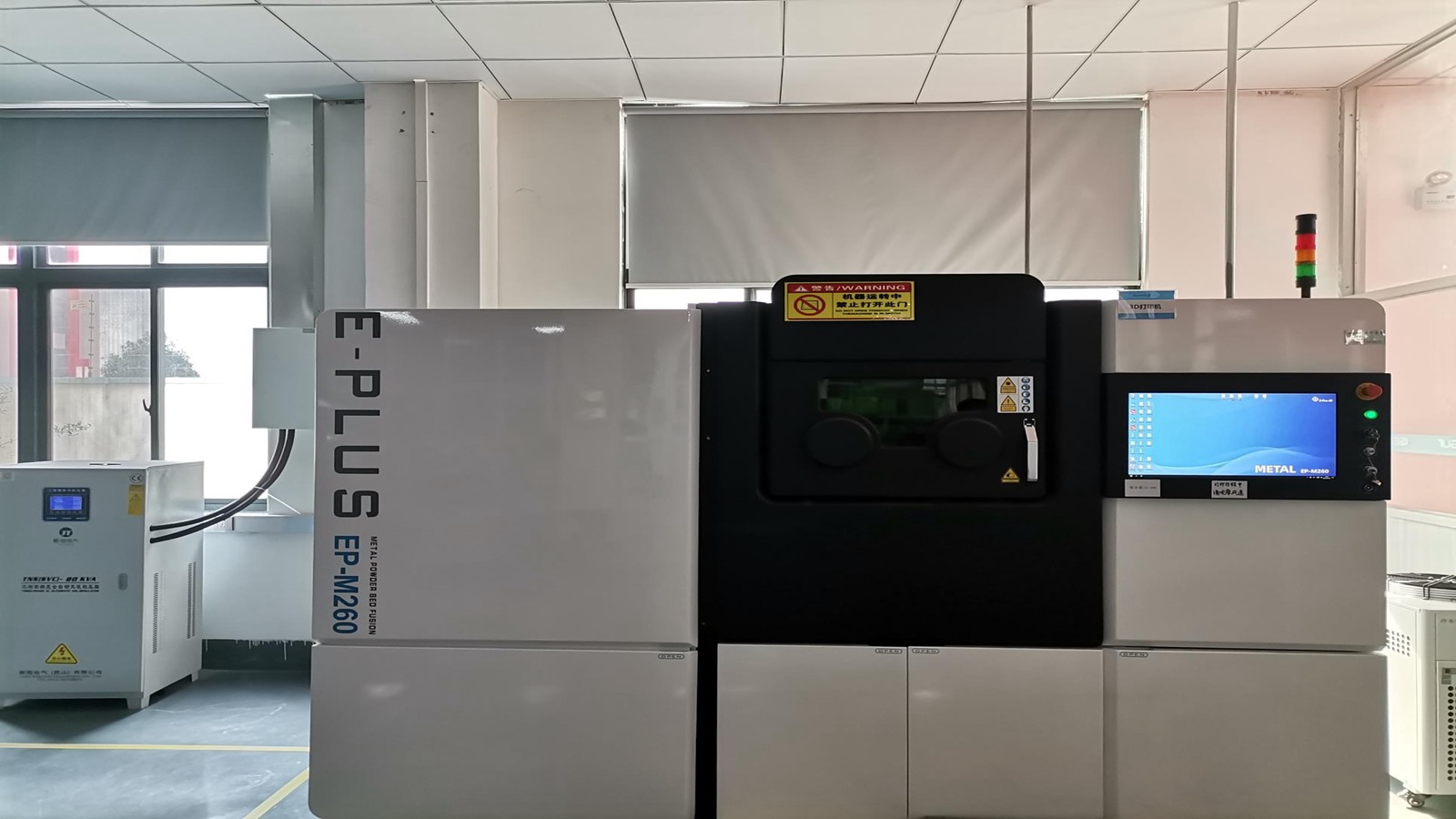
Utilizing high-resolution DICOM data from CT scans, HBM is advancing 3D-printed custom titanium sternums and rib plates. This provides an exact anatomical match for complex chest wall reconstructions following tumor resections.
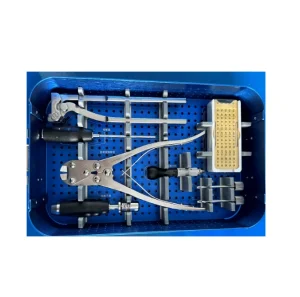
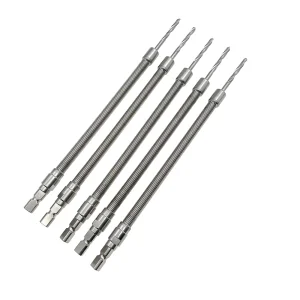
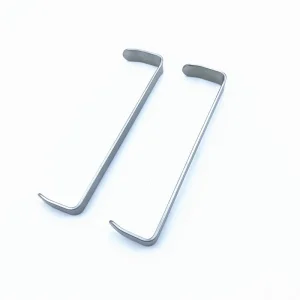
We are refining our surgical instrument sets to facilitate smaller incisions. Our low-profile screwdrivers and flexible drill guides allow for precise implant placement with minimal muscle dissection, promoting faster recovery.
HBM Medical does not simply supply products; we deliver comprehensive therapeutic solutions. For our partners in Uruguay, we provide a complete ecosystem that includes sterile-packaged implants, specialized surgical instrumentation, and extensive clinical training materials. Our 10 exporting years have allowed us to streamline logistics, ensuring reliable cold-chain and standard shipping directly to Montevideo's port or Carrasco International Airport.
We also offer robust OEM/ODM capabilities. Whether you require customized plate configurations, specific screw thread profiles, or co-branded surgical kits, our R&D department (comprising doctorates and postgraduates) can rapidly prototype and manufacture solutions tailored to the unique clinical preferences of Uruguayan cardiothoracic surgeons.
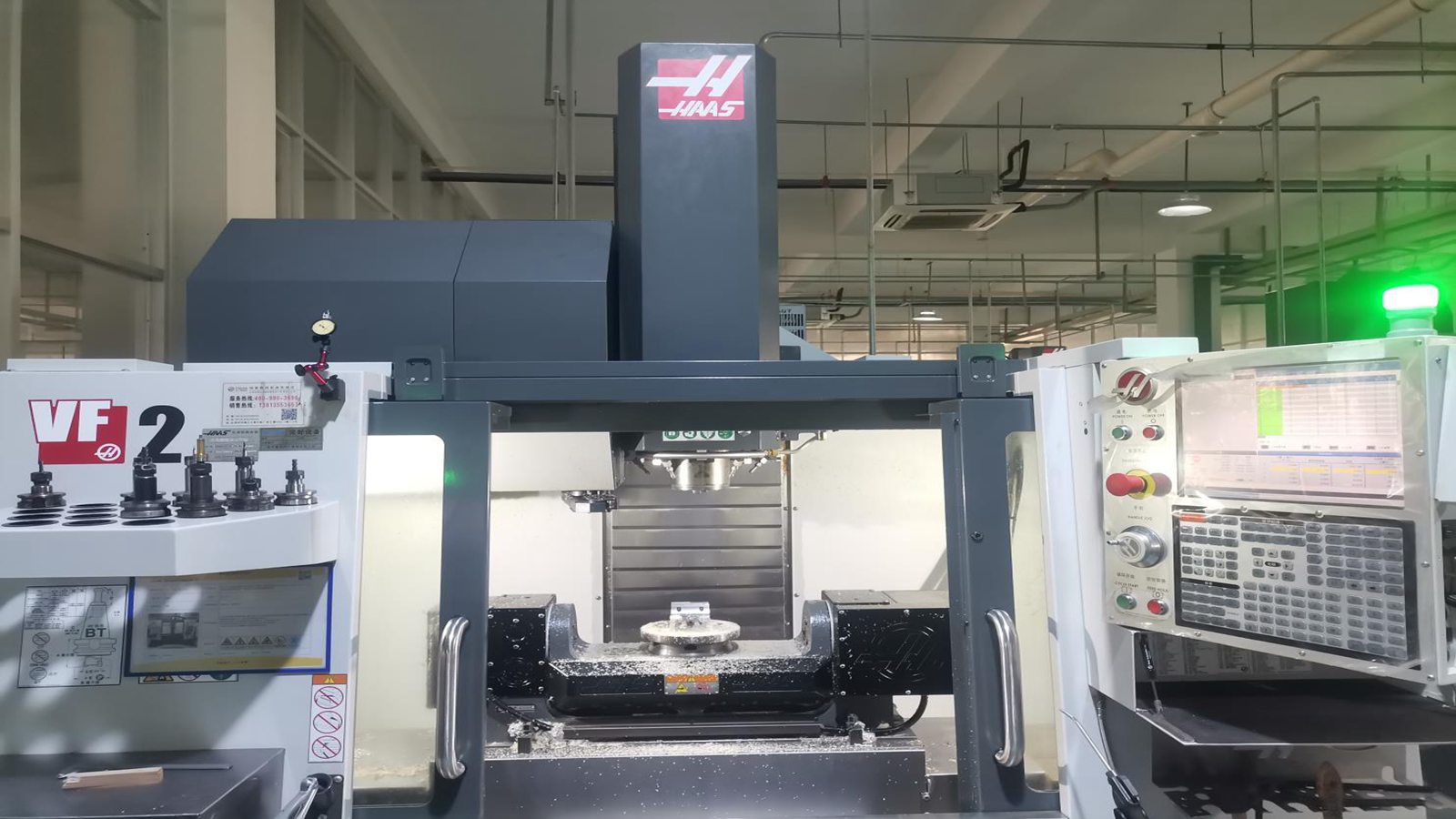
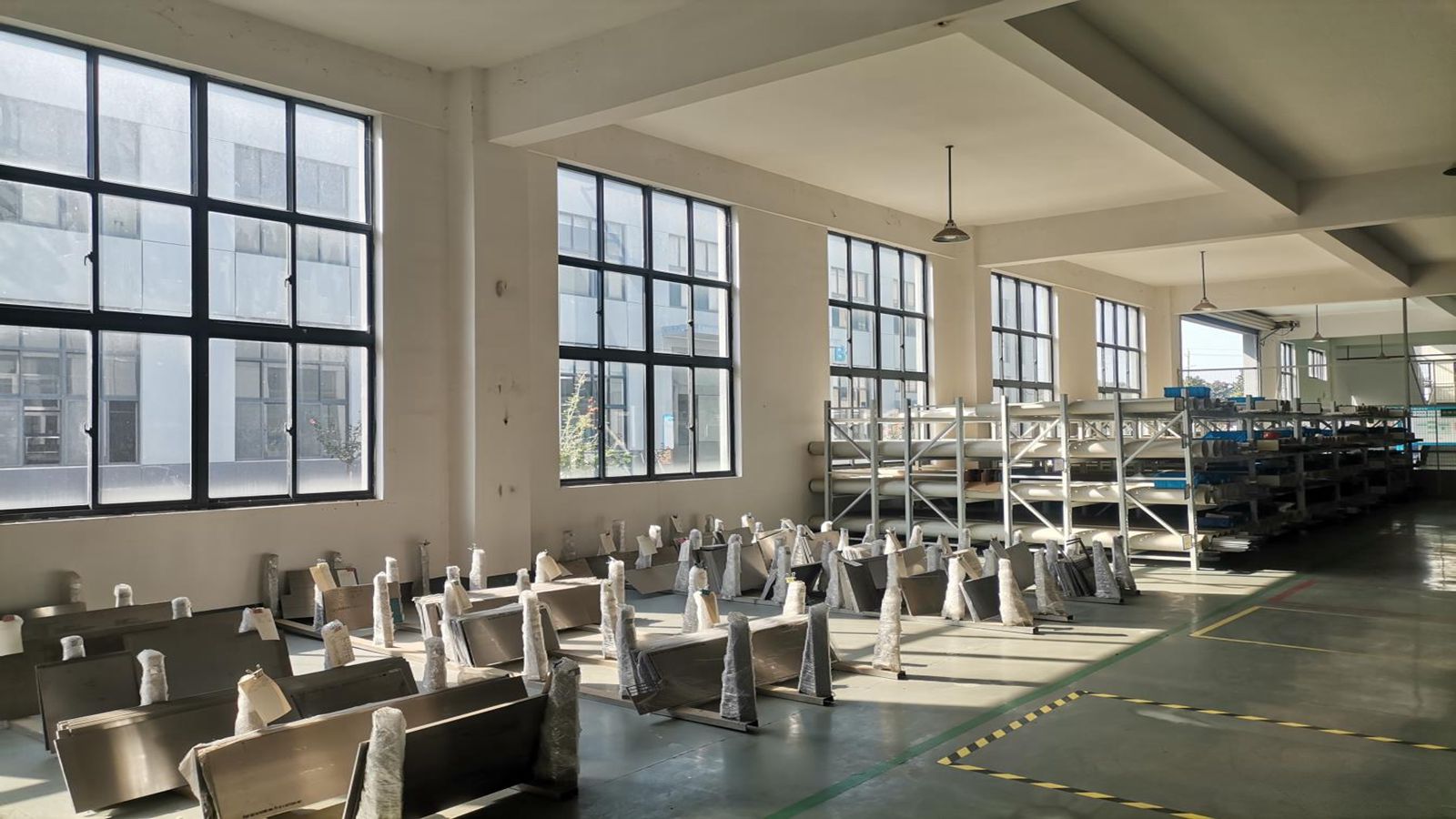
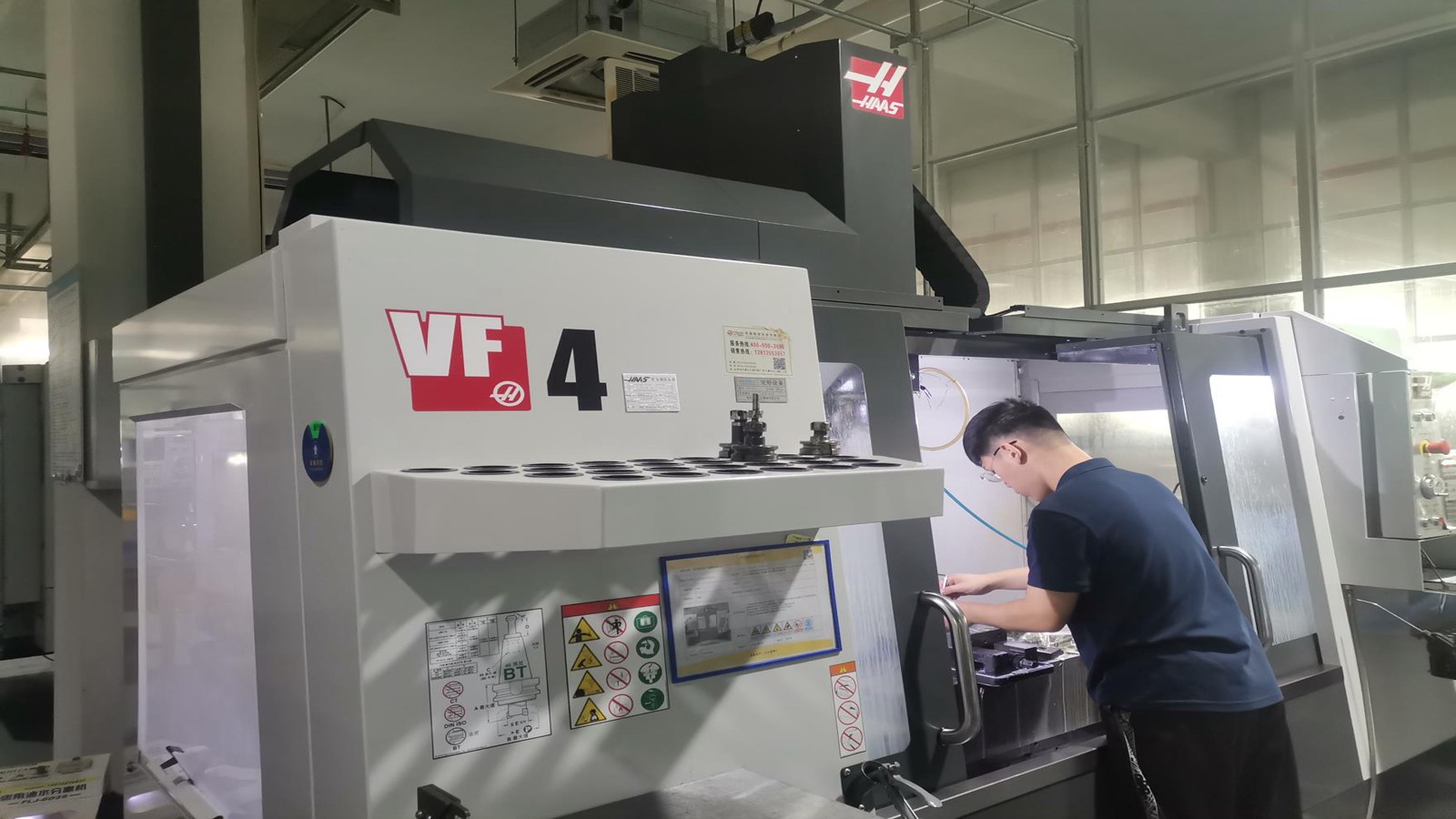
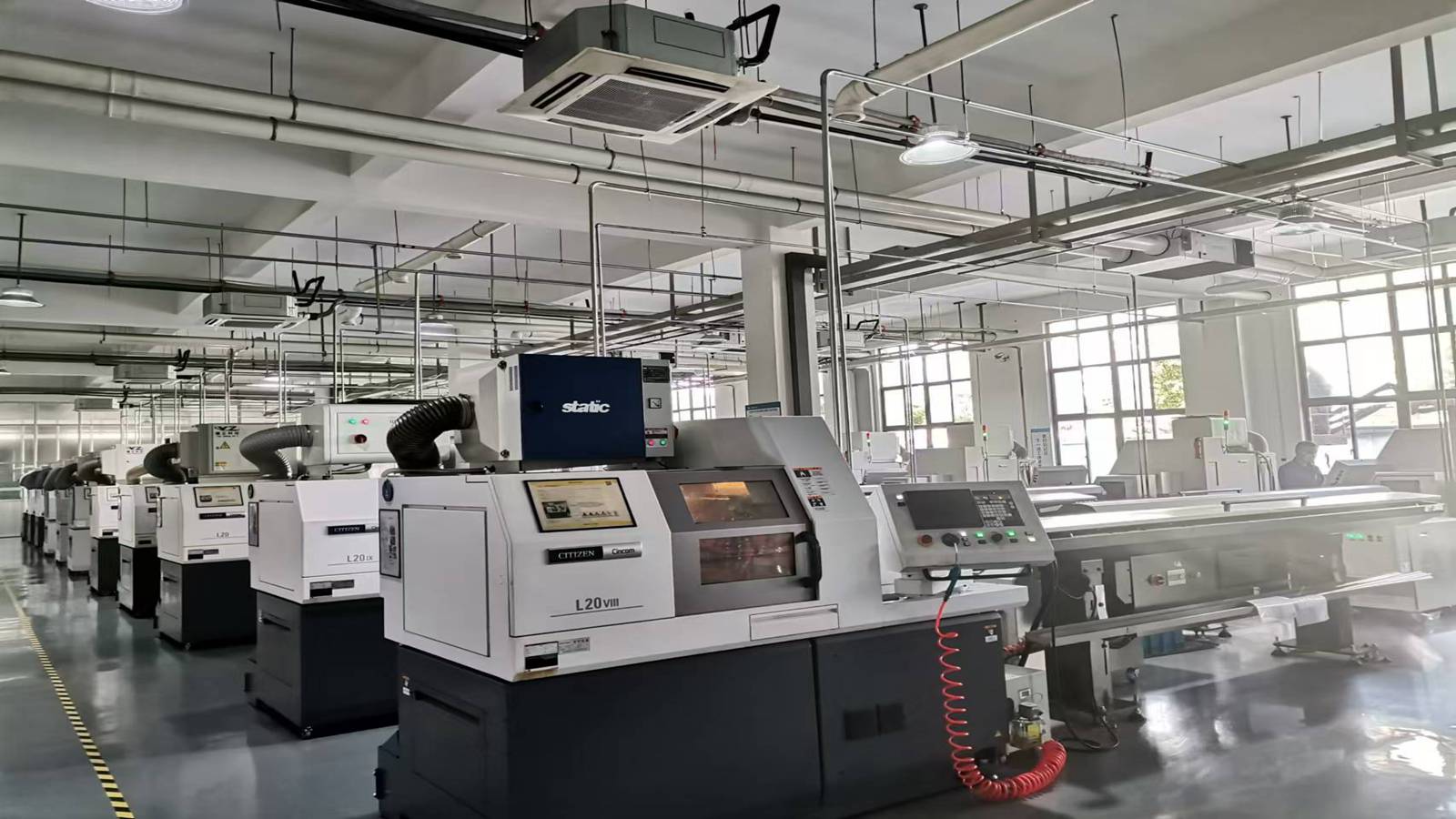
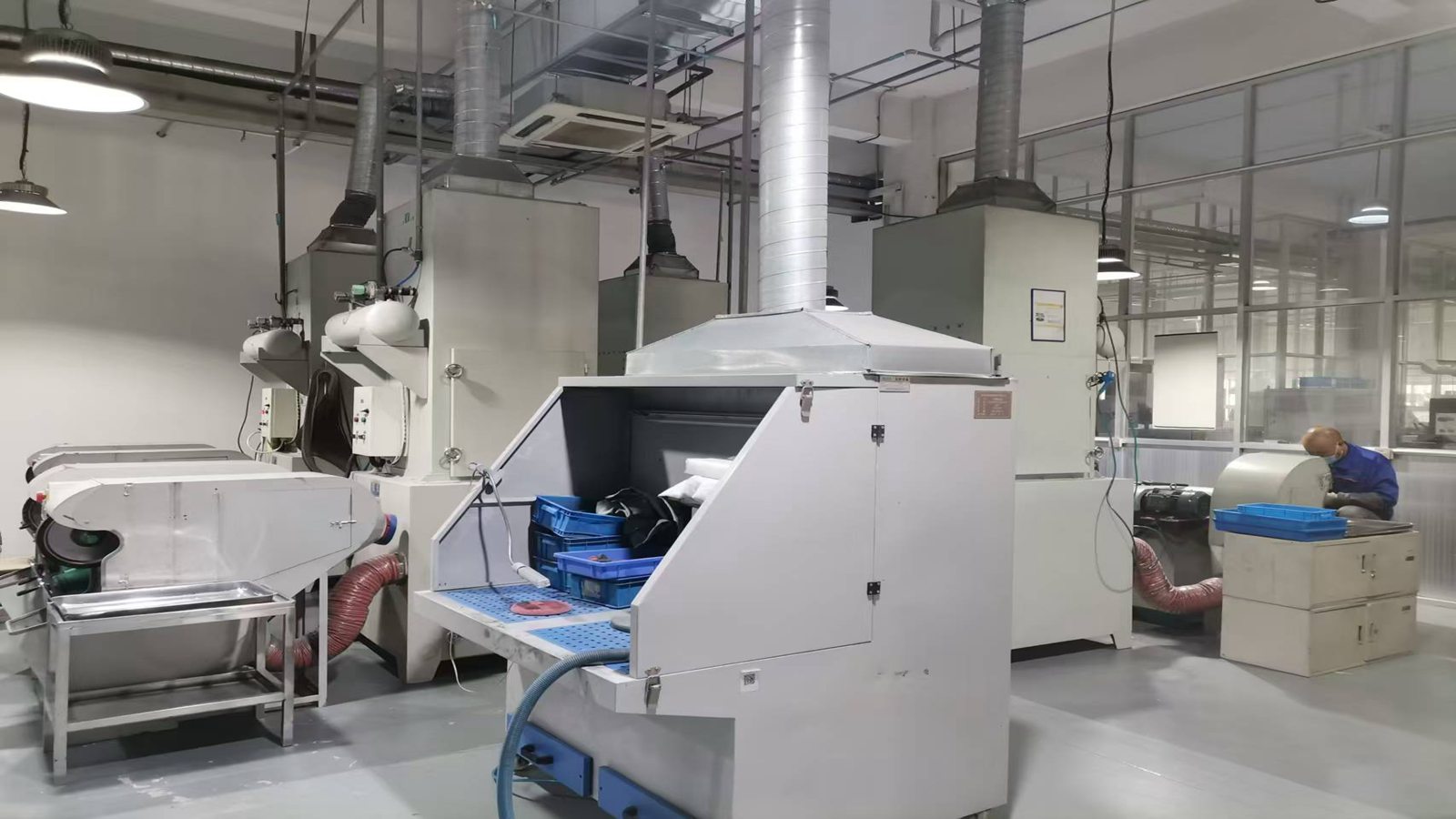
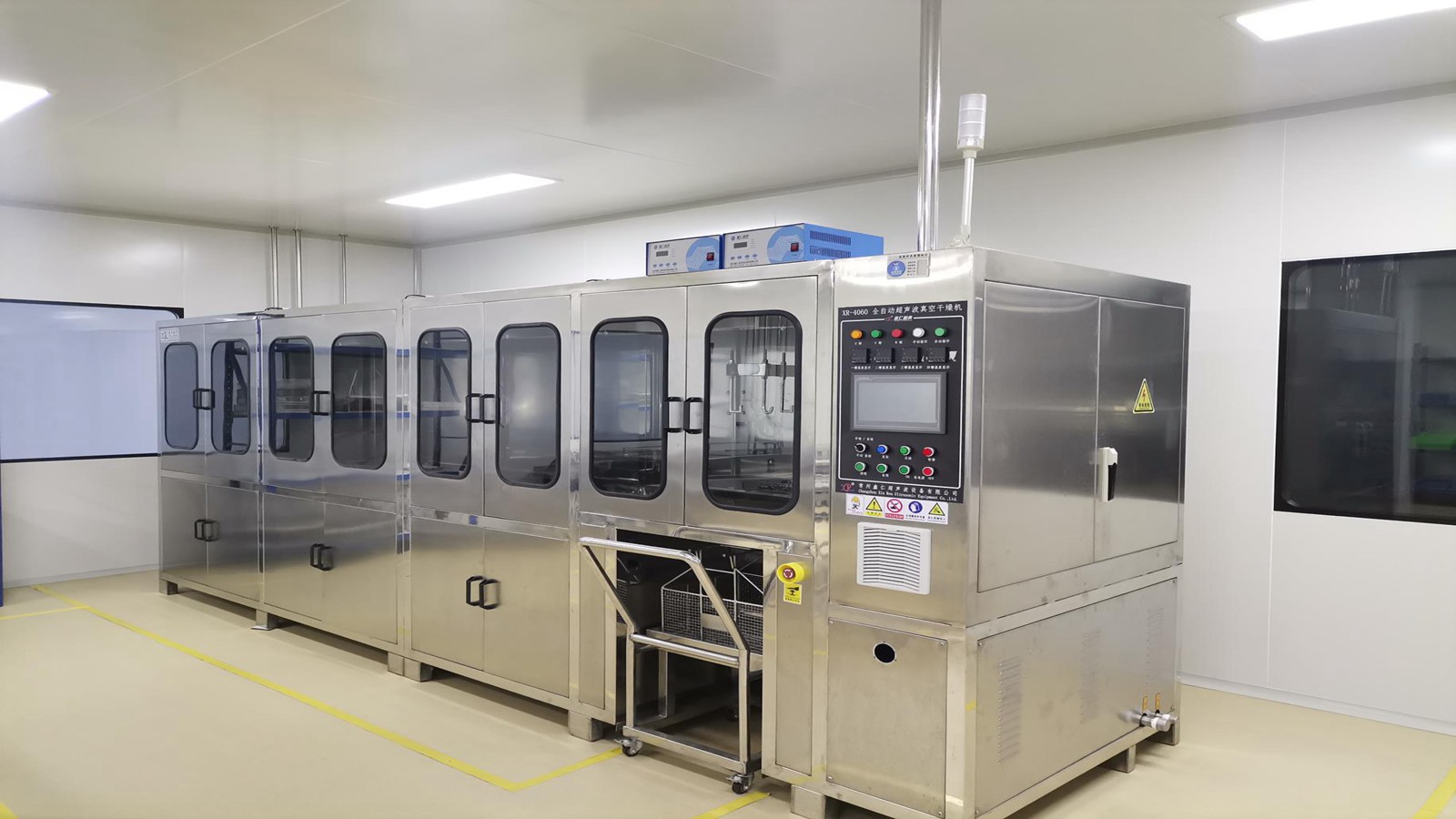
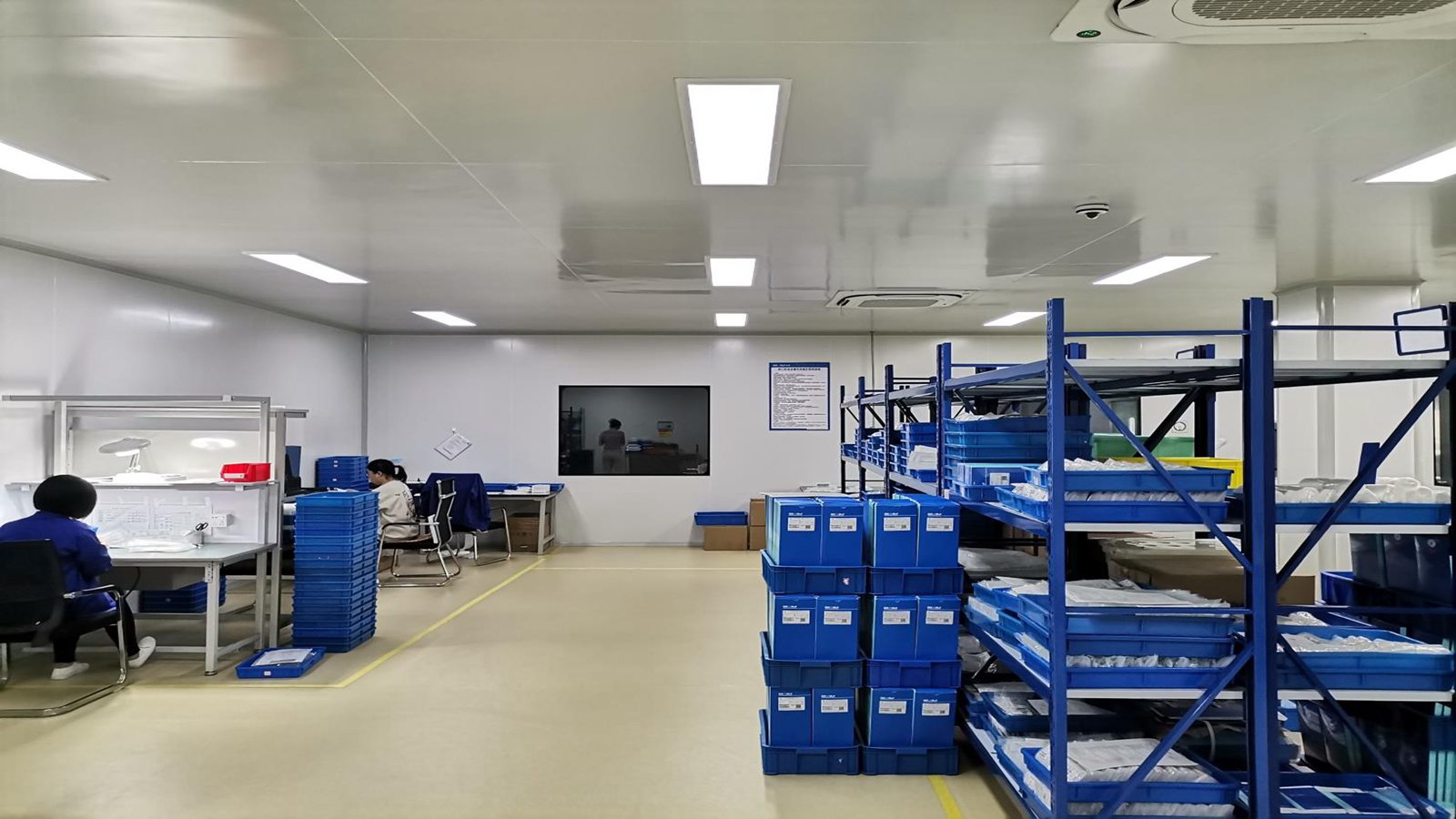
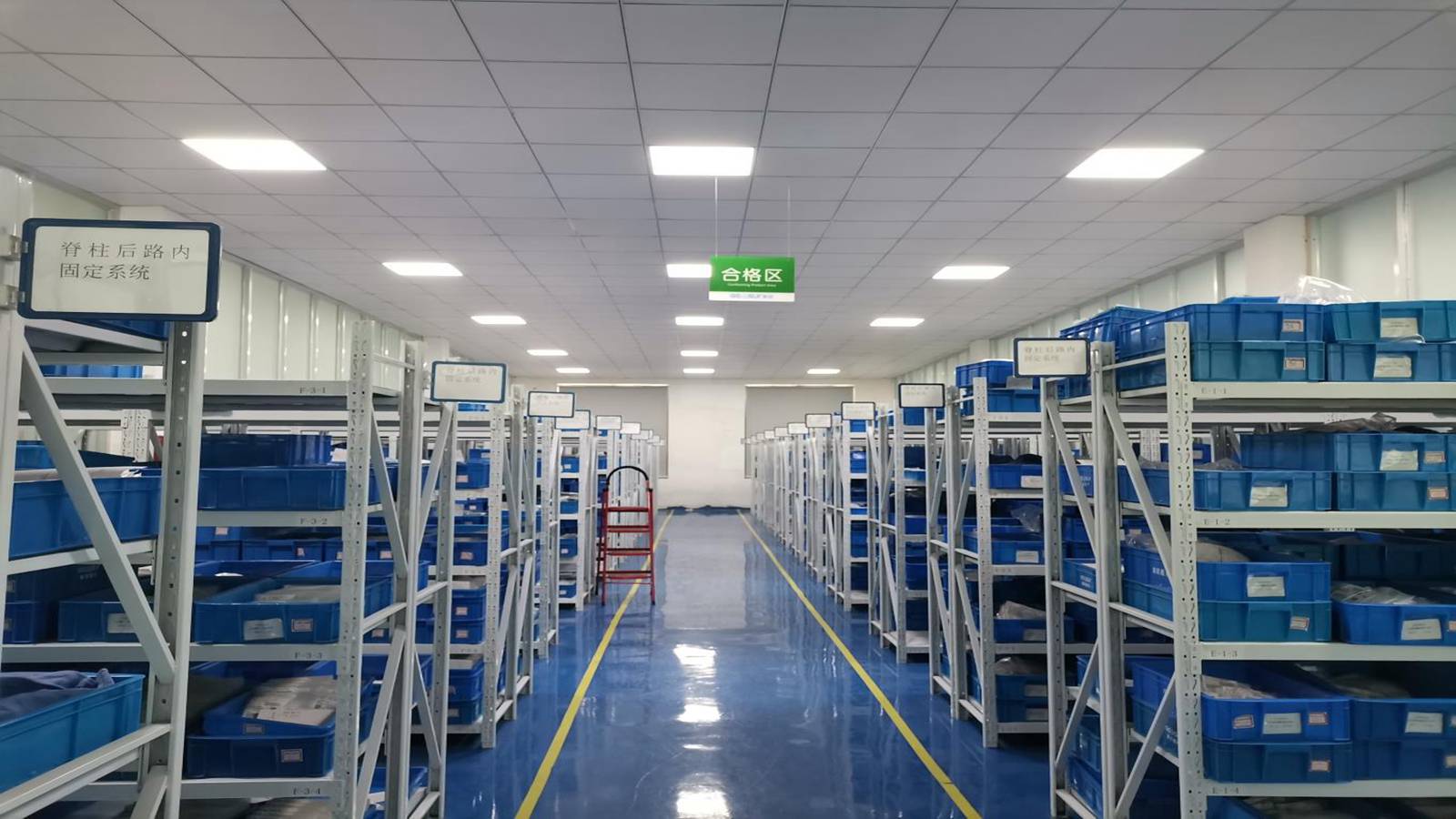
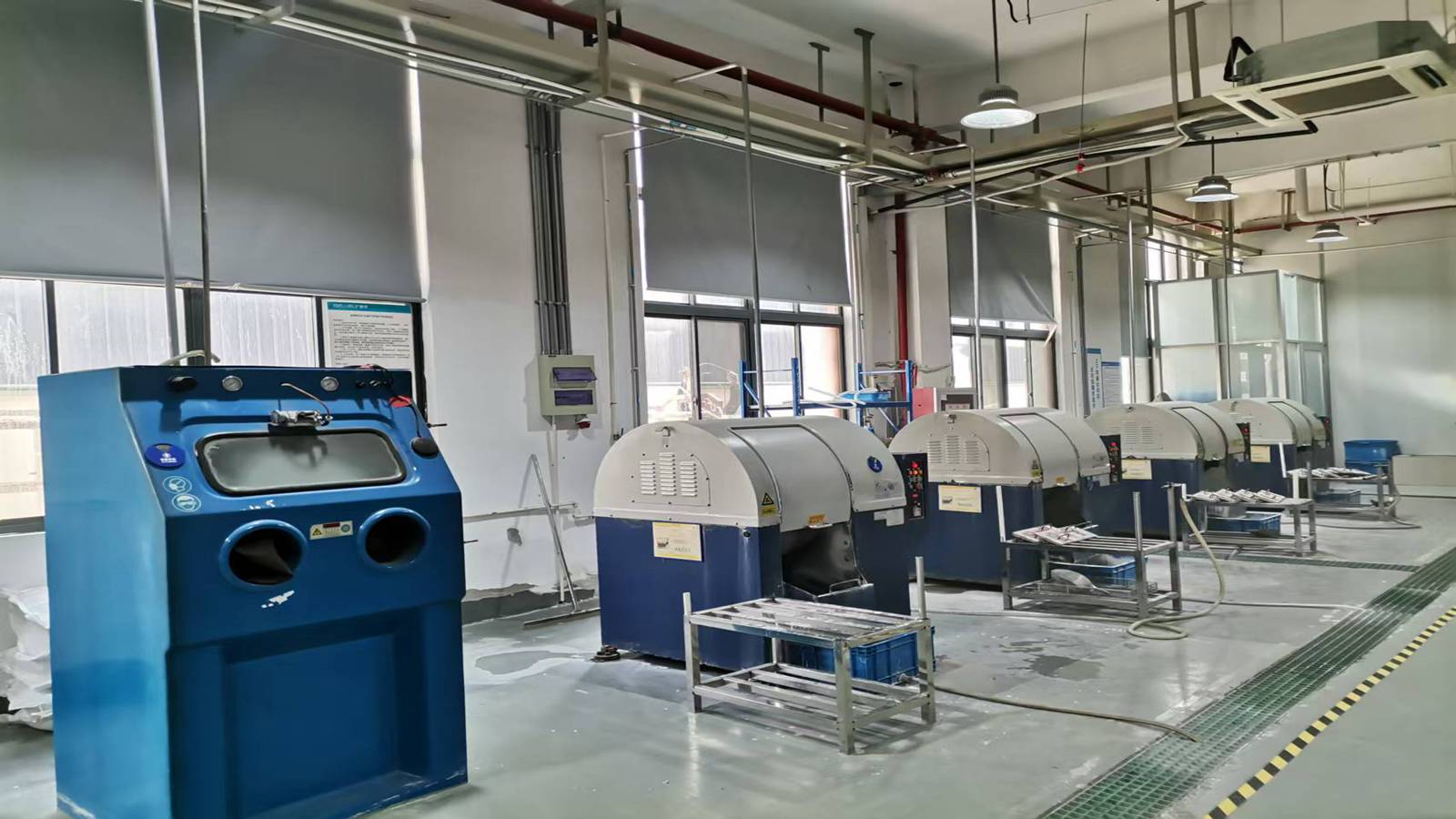
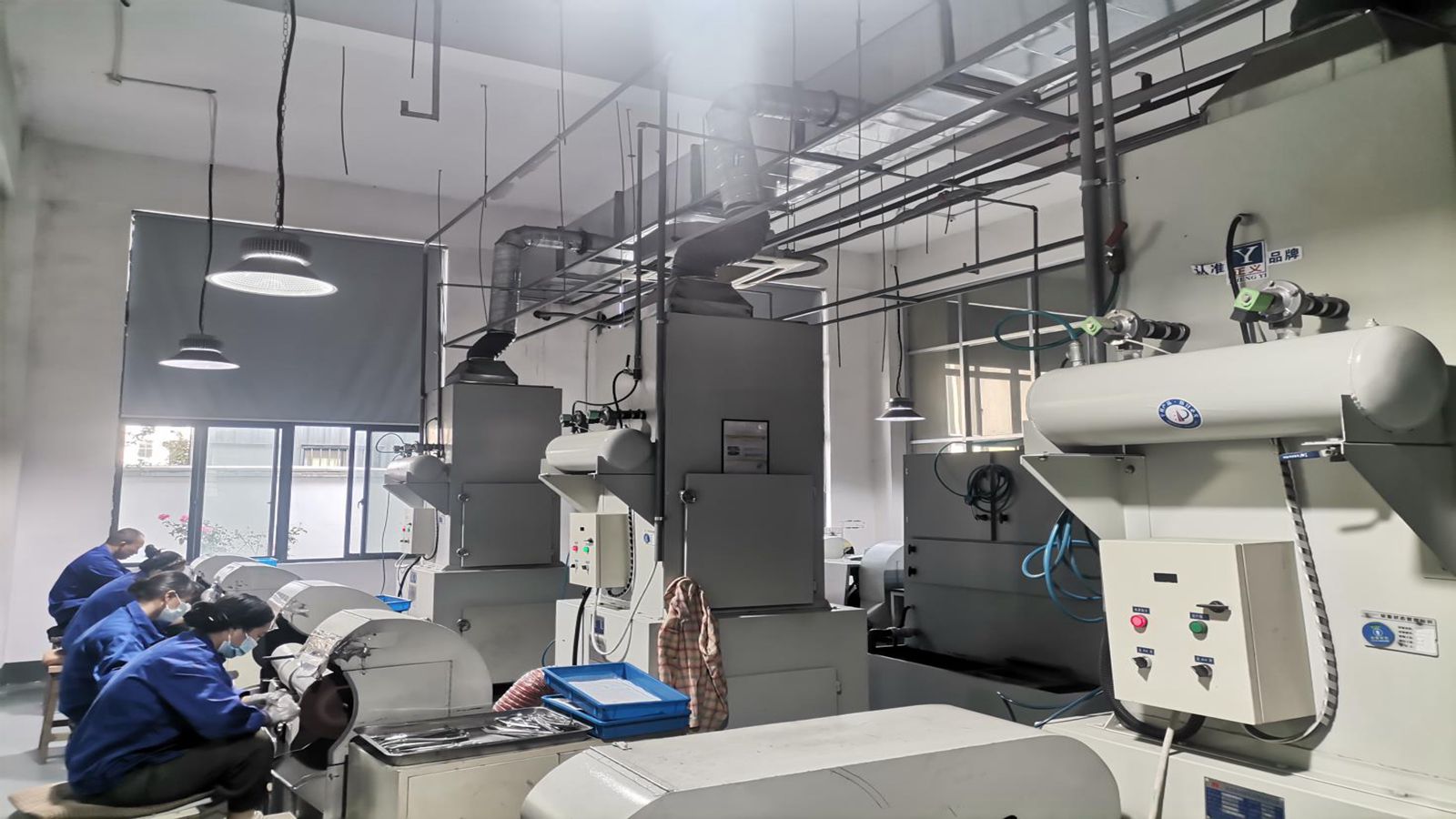
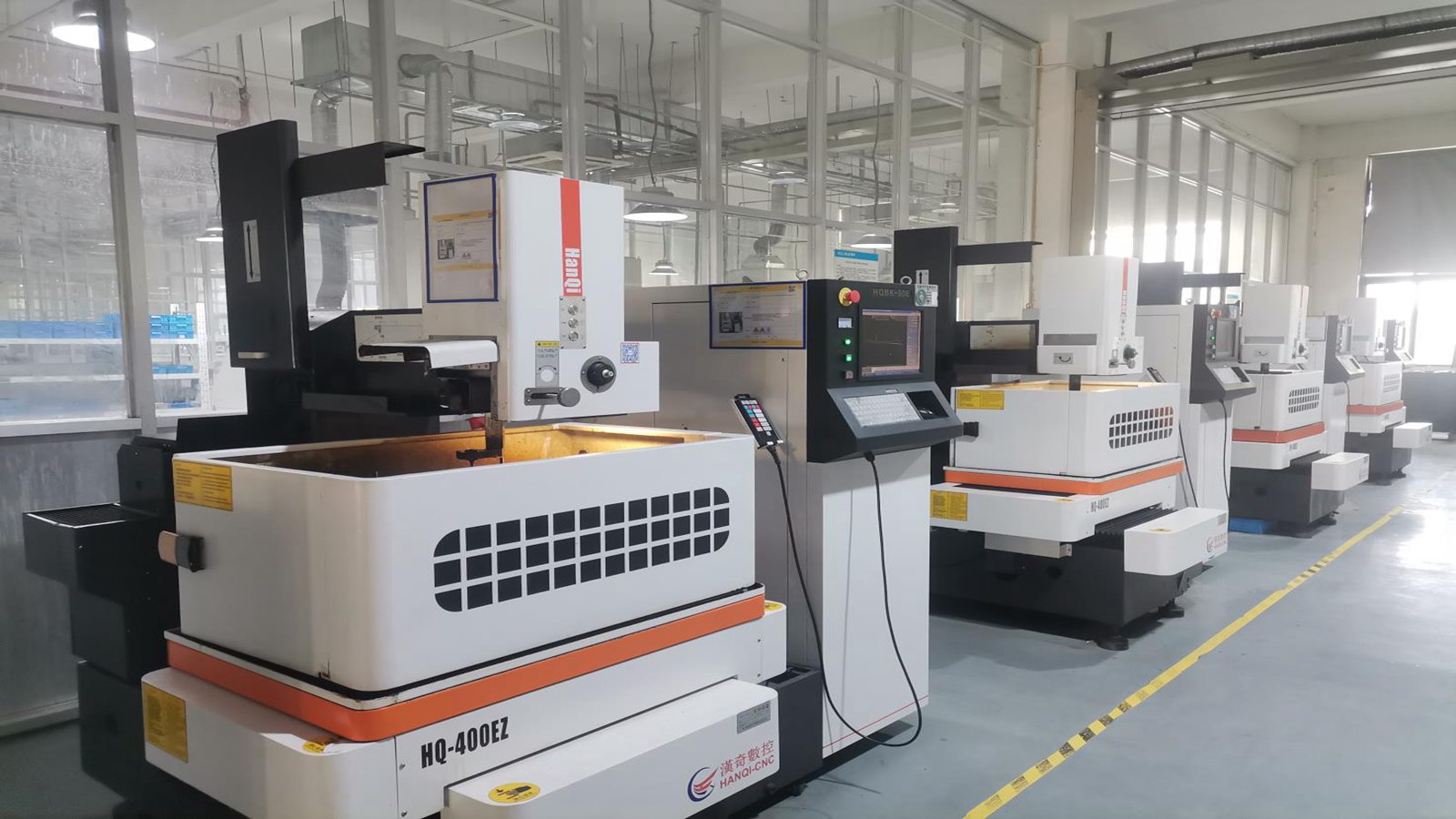
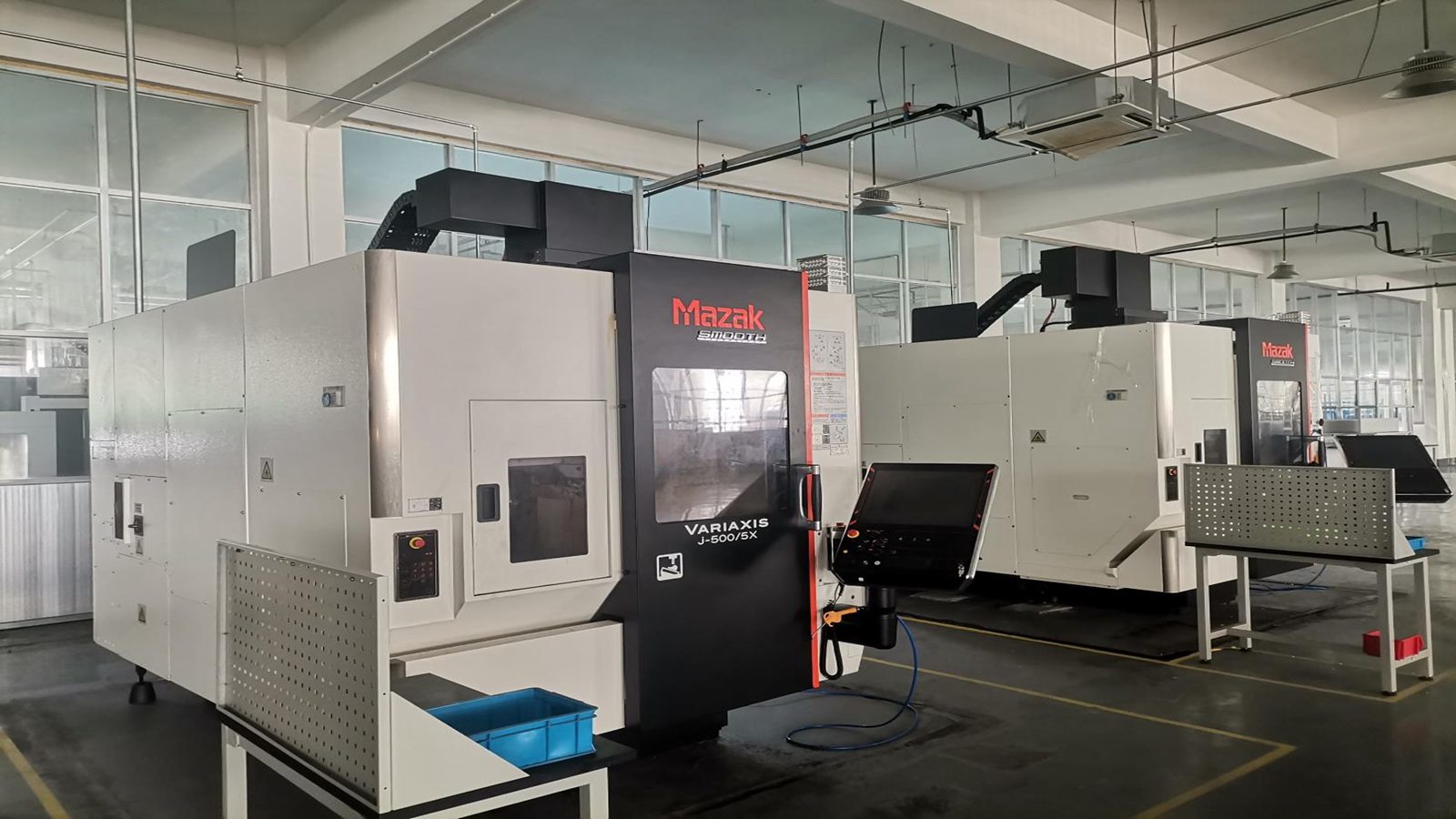
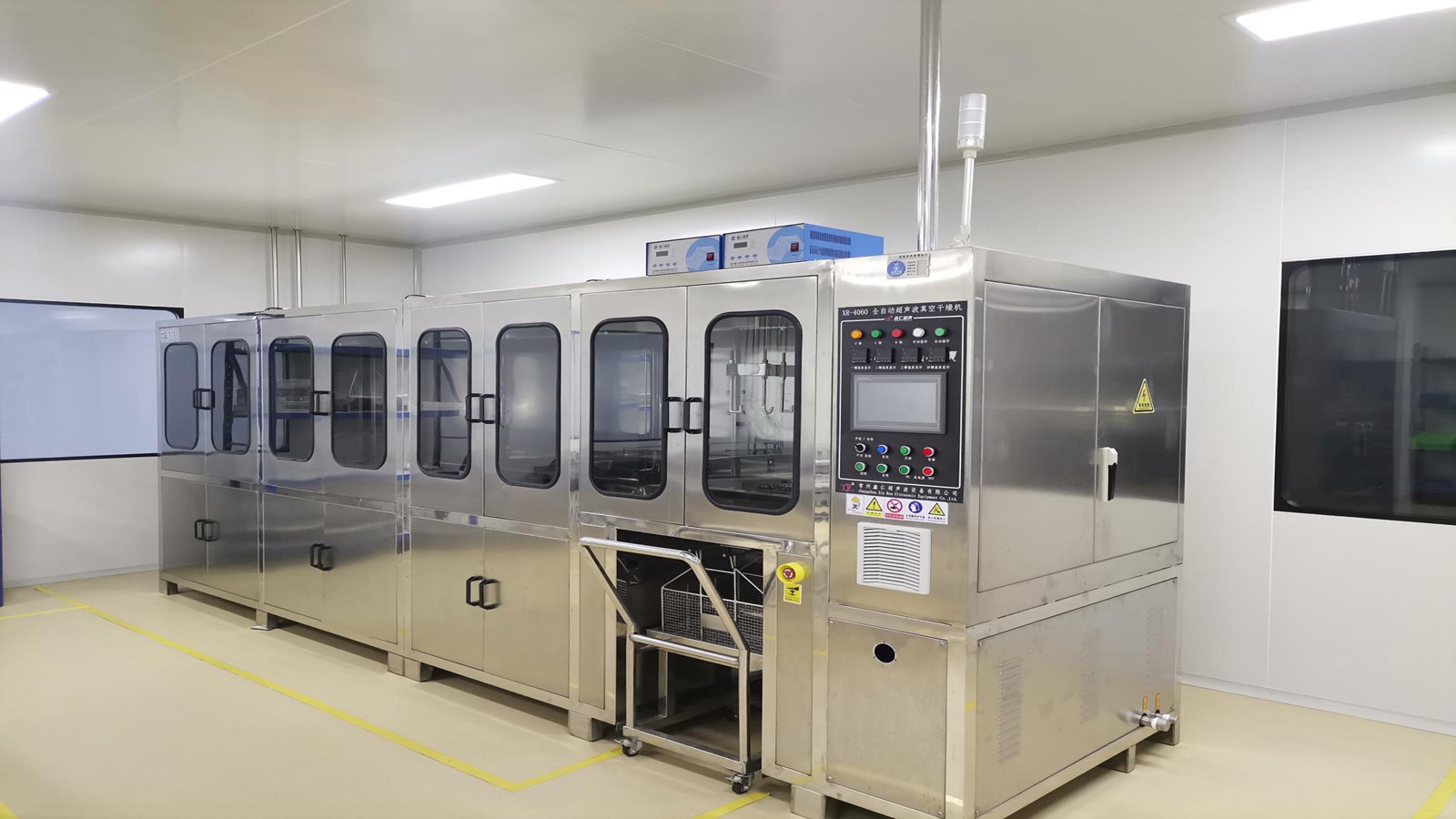
A visual tour of our 30,000+ square meter manufacturing base, featuring high-precision CNC machining and cleanrooms.



Addressing the key technical, regulatory, and commercial queries of Uruguayan medical professionals.
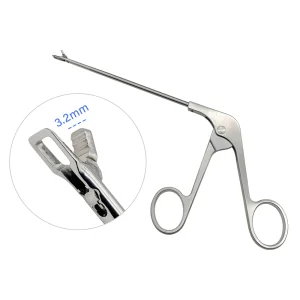
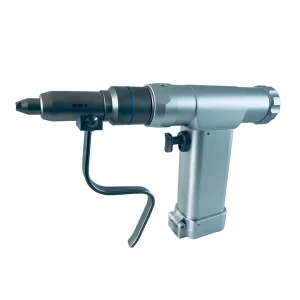
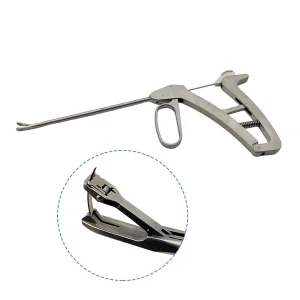
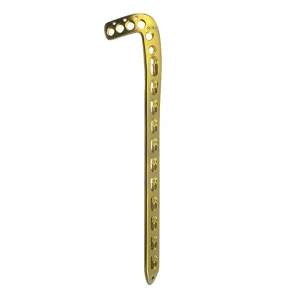
Explore our comprehensive portfolio of trauma plates, spinal implants, and specialized surgical instrumentation.
Equip your clinical facility or distribution network in Uruguay with state-of-the-art, CE & MDSAP-certified thoracic and orthopedic implants. Contact our technical sales team today for detailed catalogs, pricing, and regulatory support.
 HBM Medical