High-precision orthopedic and cardiothoracic fixation systems engineered for superior clinical outcomes in Algerian healthcare facilities.
Algeria's healthcare infrastructure is undergoing a profound modernization phase. Driven by the government's commitment to upgrading public hospital networks (Etablissements Hospitaliers Spécialisés - EHS) and expanding private clinical capabilities, there is an unprecedented focus on reducing patient recovery times and post-operative complications. In the field of cardiothoracic surgery, particularly open-heart procedures requiring median sternotomy, the choice of sternal closure technology plays a pivotal role in patient prognosis.
Historically, traditional wire cerclage has been the standard method for sternal closure across many Algerian medical centers. However, clinical data increasingly highlights the limitations of wire cerclage, especially in high-risk patient cohorts—such as those presenting with obesity, chronic obstructive pulmonary disease (COPD), diabetes, or osteoporosis. Sternal instability, dehiscence, and Deep Sternal Wound Infections (DSWI) represent significant clinical and financial burdens for Algerian hospitals. The transition toward Rigid Sternal Fixation Systems is no longer just a technological preference; it is a critical clinical necessity that aligns with modern global standards of patient care.
Rigid plate fixation provides significantly greater mechanical stability compared to monofilament wires, reducing micro-motion at the osteotomy site and accelerating primary bone healing.
By eliminating sternal instability, rigid fixation systems drastically lower the incidence of mediastinitis and deep sternal wound infections (DSWI) in high-risk patients.
Patients undergoing rigid sternal plating experience reduced post-operative pain, improved respiratory mechanics, and a faster return to daily activities, shortening ICU stays.
Our industrial capacity and strict adherence to international quality standards make us the preferred partner for Algerian medical distributors.
The global cardiothoracic community is witnessing a paradigm shift. Clinical guidelines from leading international thoracic societies increasingly recommend rigid internal fixation for patients with high-risk profiles. The mechanical rationale is clear: the sternum is subjected to continuous dynamic forces during respiration, coughing, and patient movement. Cerclage wires, while cost-effective, act as line loads that can cut through osteoporotic bone under tension, leading to "sternal saw" effect and subsequent dehiscence.
In contrast, rigid plates distribute the physiological load over a wider surface area. HBM Medical’s Sternal Fixation Systems utilize pure titanium and titanium alloys (Ti-6Al-4V ELI) that offer the perfect balance of biocompatibility, high fatigue strength, and low elastic modulus. This minimizes stress shielding and promotes rapid bone remodeling. For the Algerian market, importing these advanced systems directly from a certified manufacturer ensures that local surgeons have access to the same caliber of medical devices used in leading European and North American clinics.
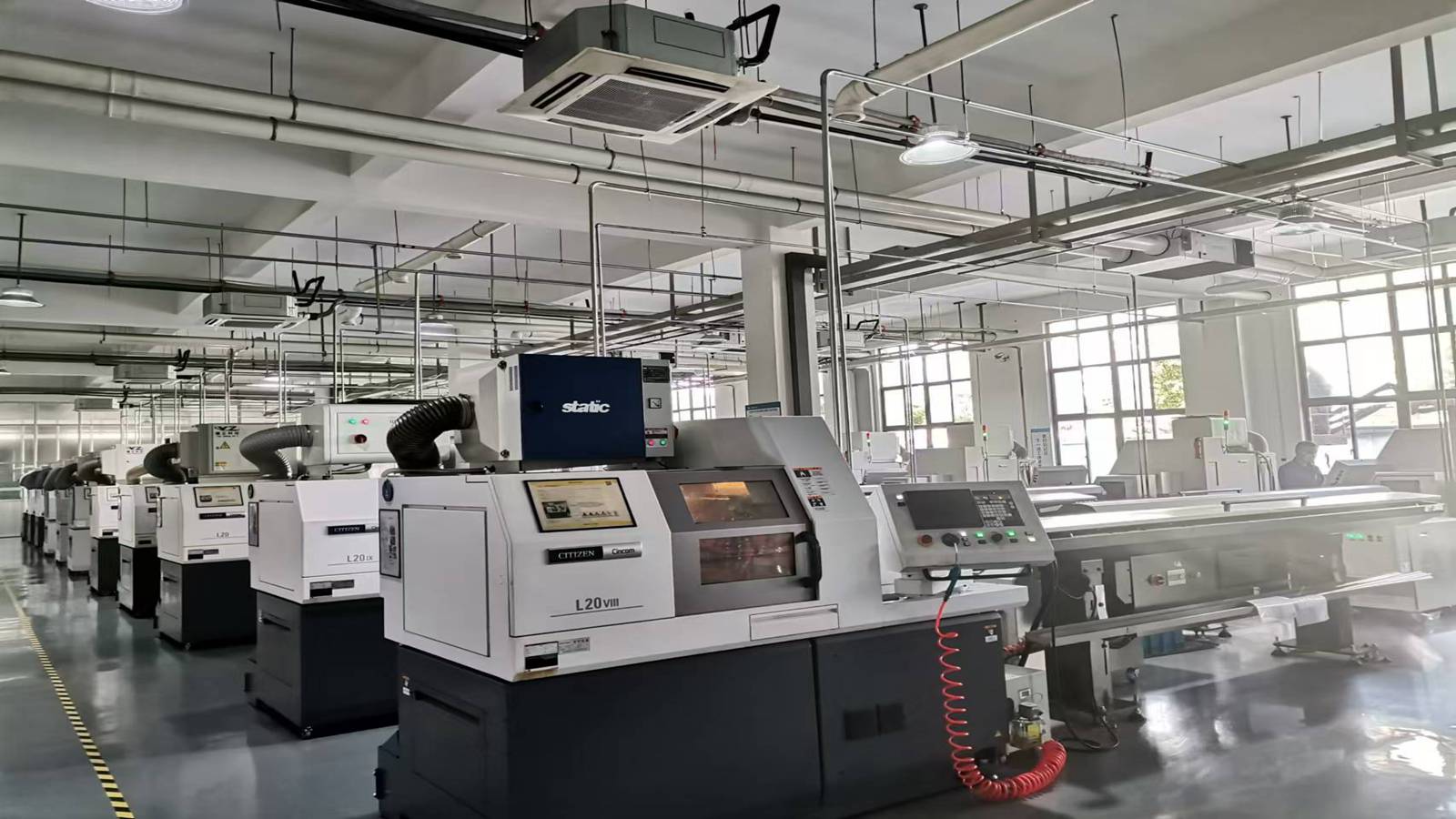
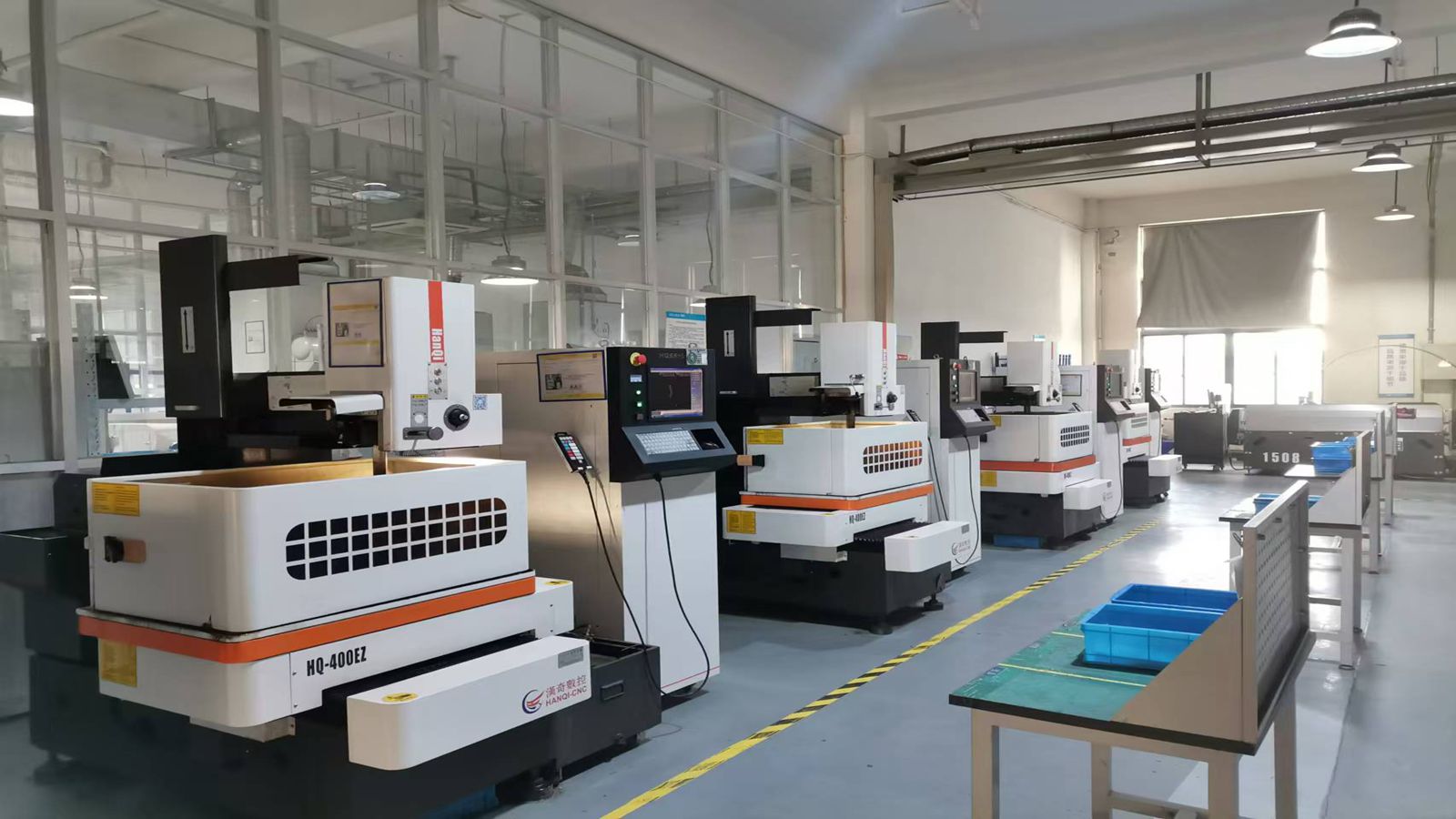
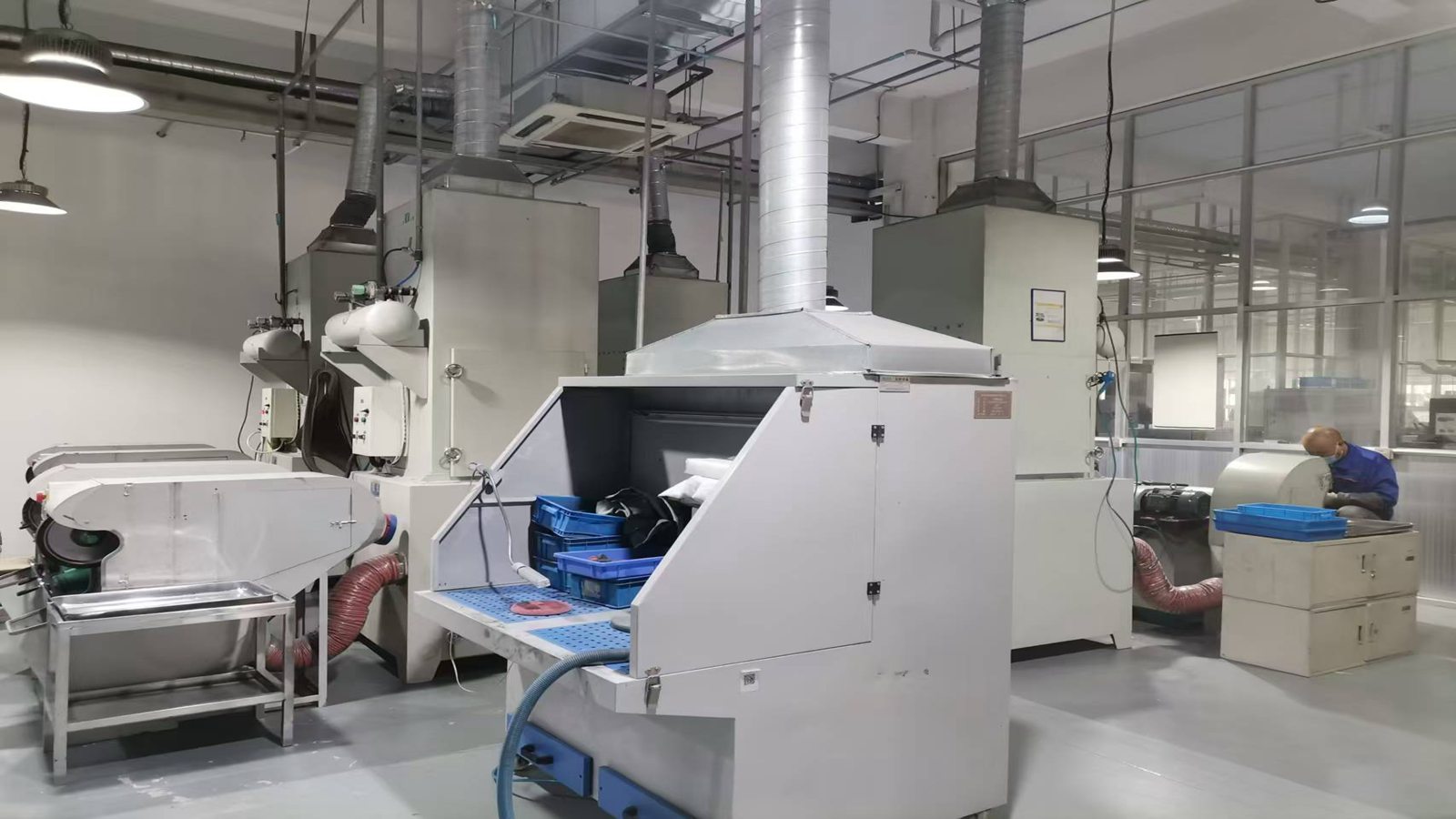
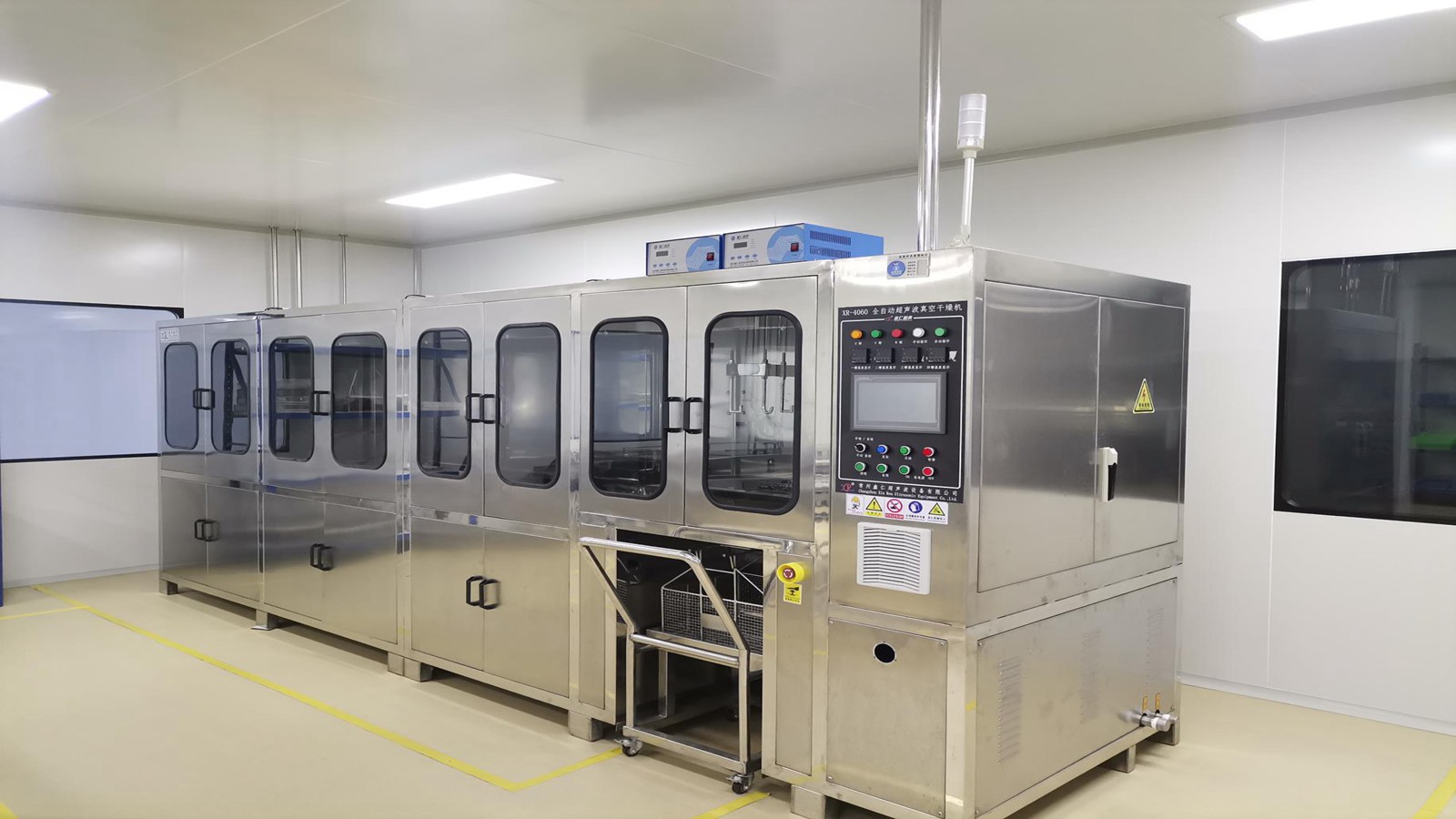
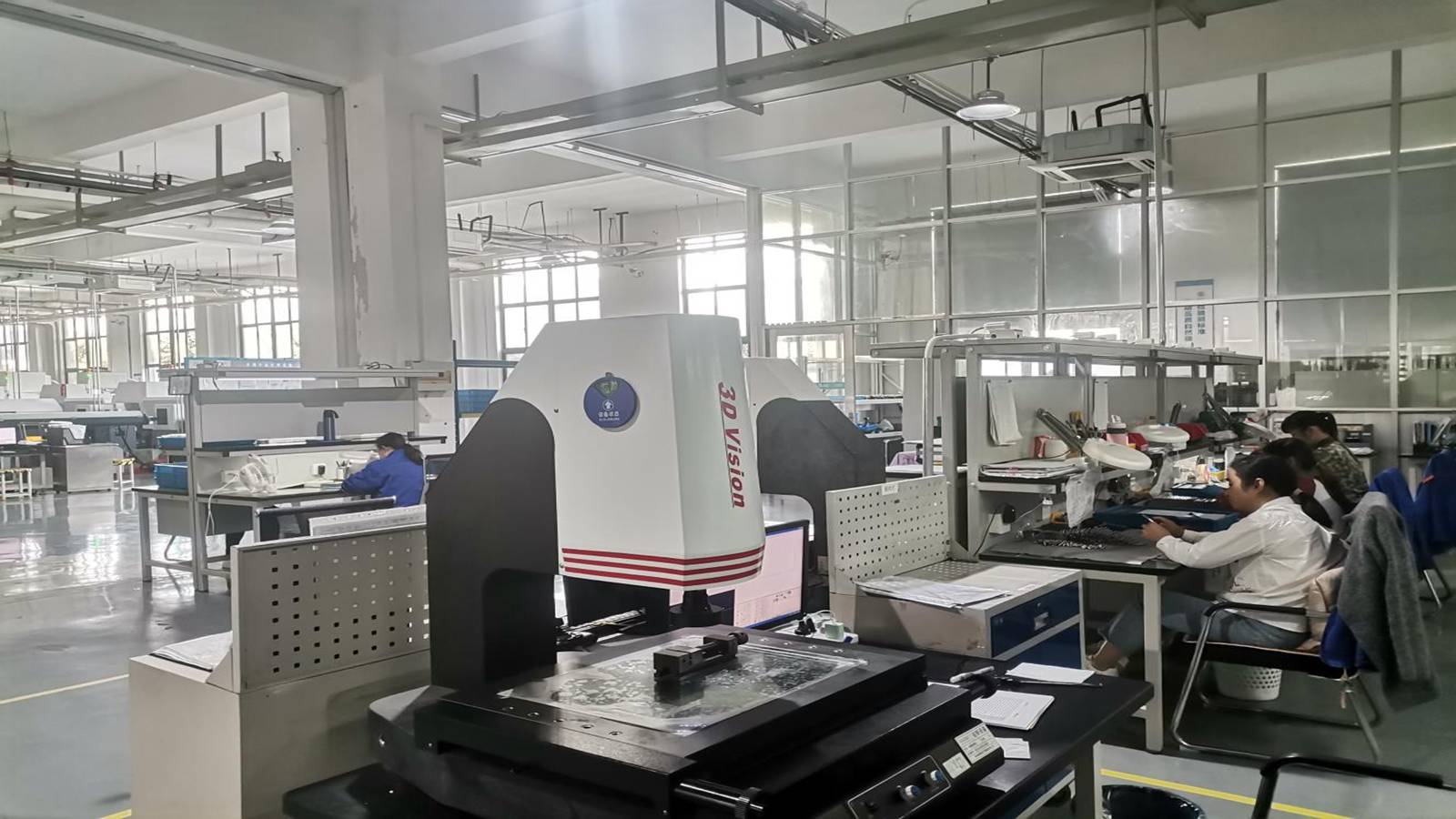
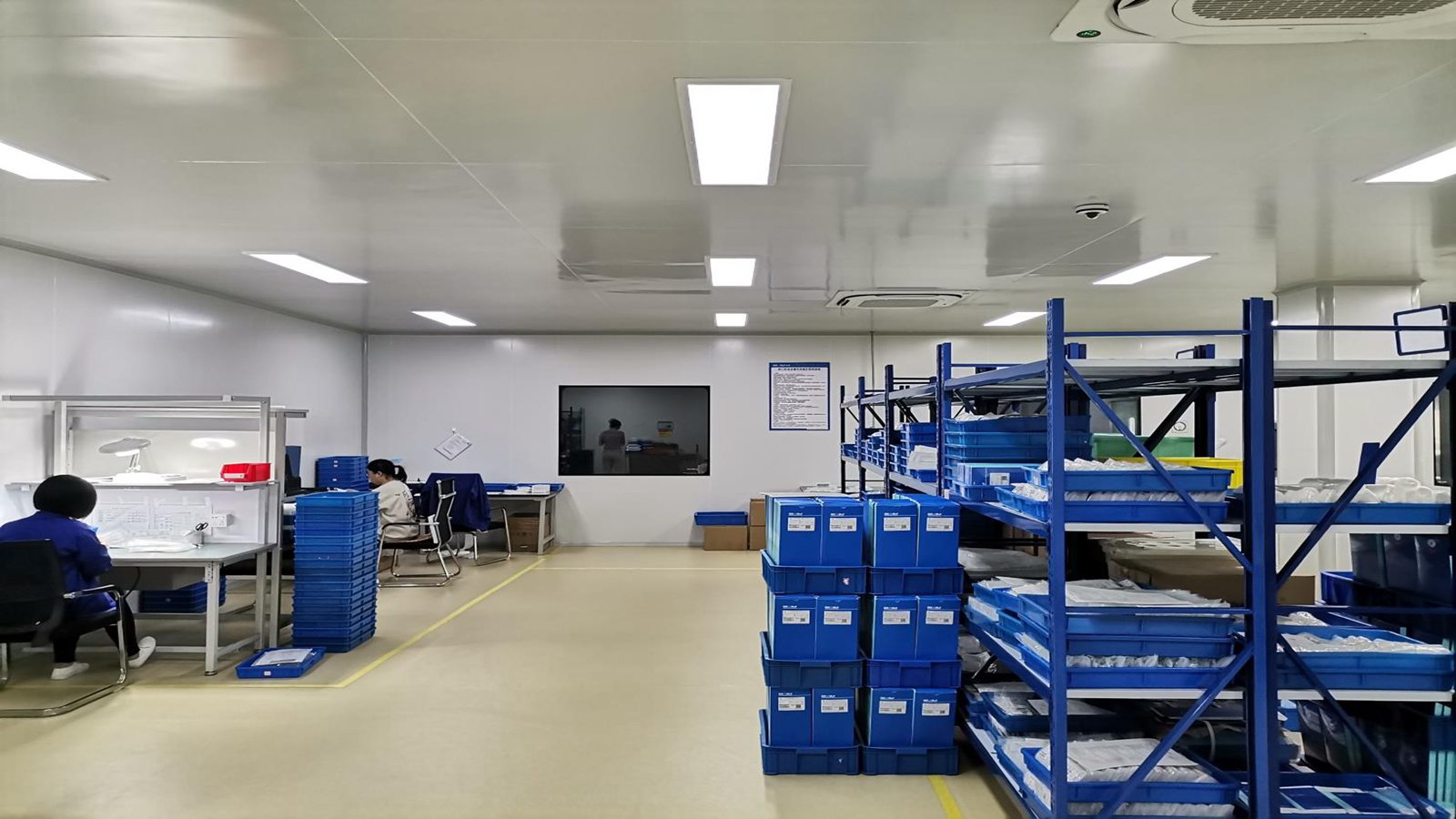
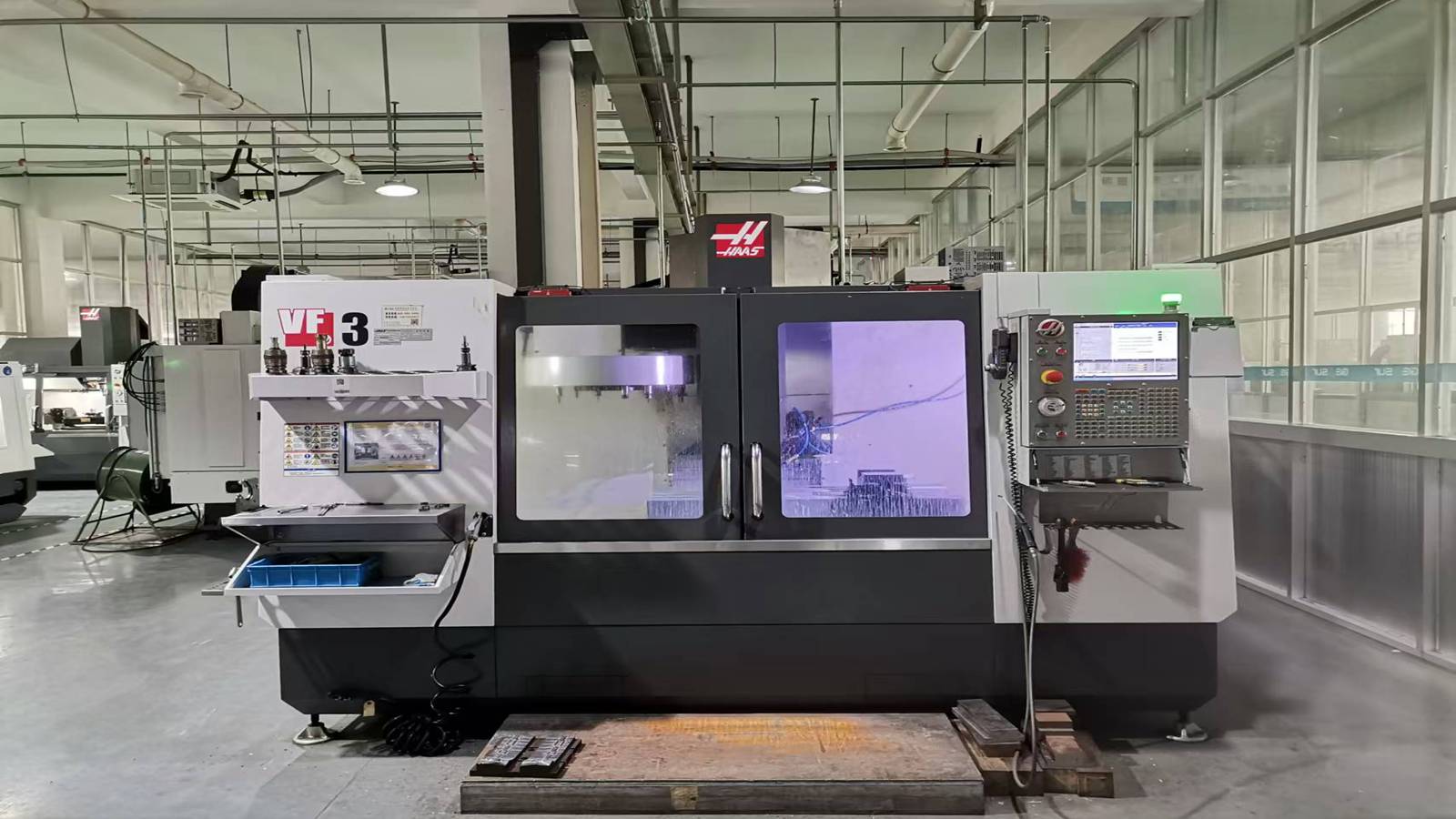
As a premier orthopedic and thoracic medical device manufacturer in China, HBM Medical has integrated "Factory 4.0" principles into our production ecosystem. Our facility in China is equipped with state-of-the-art multi-axis CNC machining centers, automated surface treatment lines, and Class 100,000 cleanrooms. This high level of automation guarantees absolute dimensional consistency across every sternal plate, rib plate, and locking screw we produce.
For Algerian importers, procurement managers, and the Ministry of Health, partnering with HBM Medical offers distinct strategic advantages:
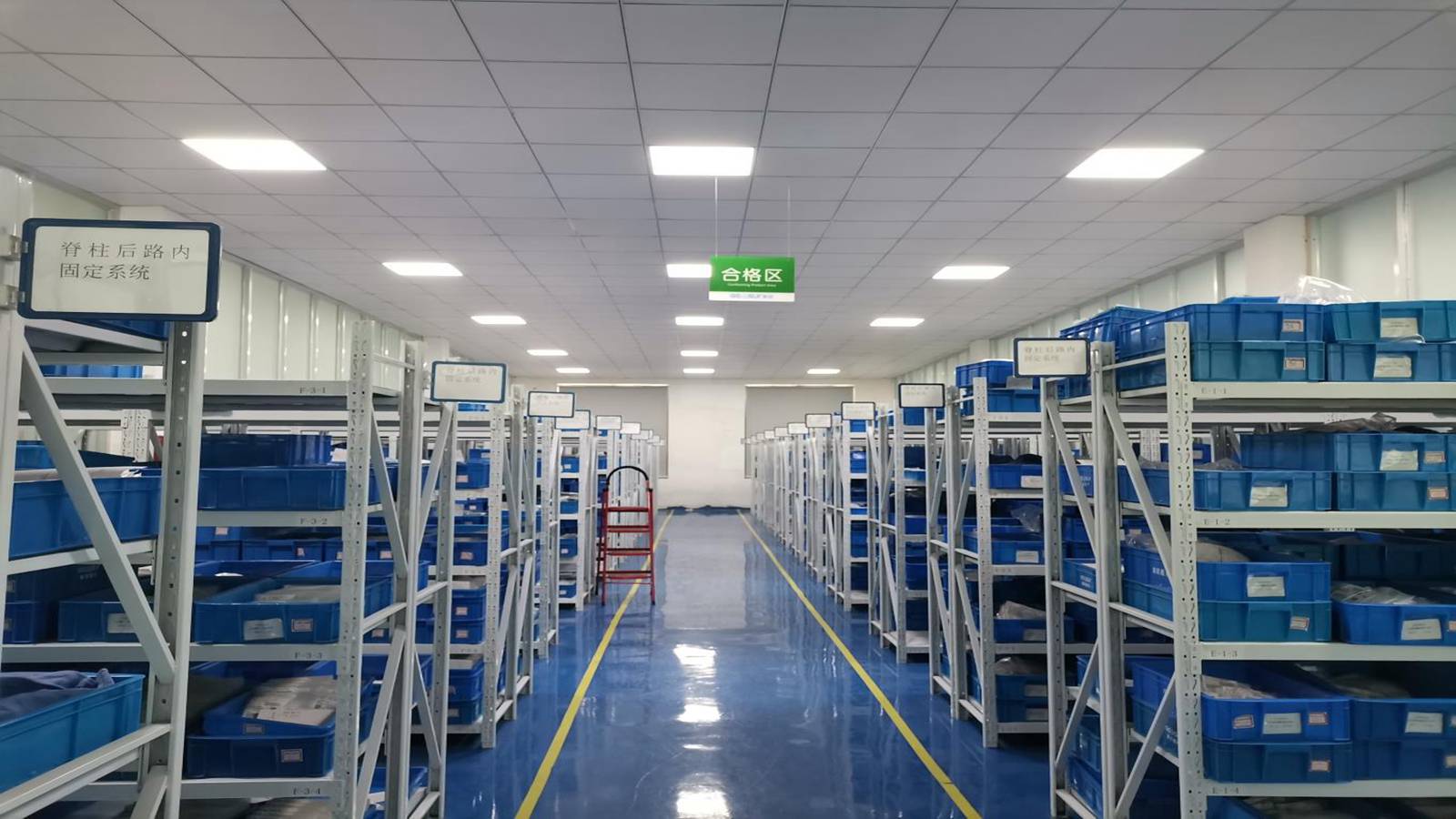
Take a virtual tour of our advanced production lines, testing laboratories, and cleanrooms designed for medical-grade excellence.

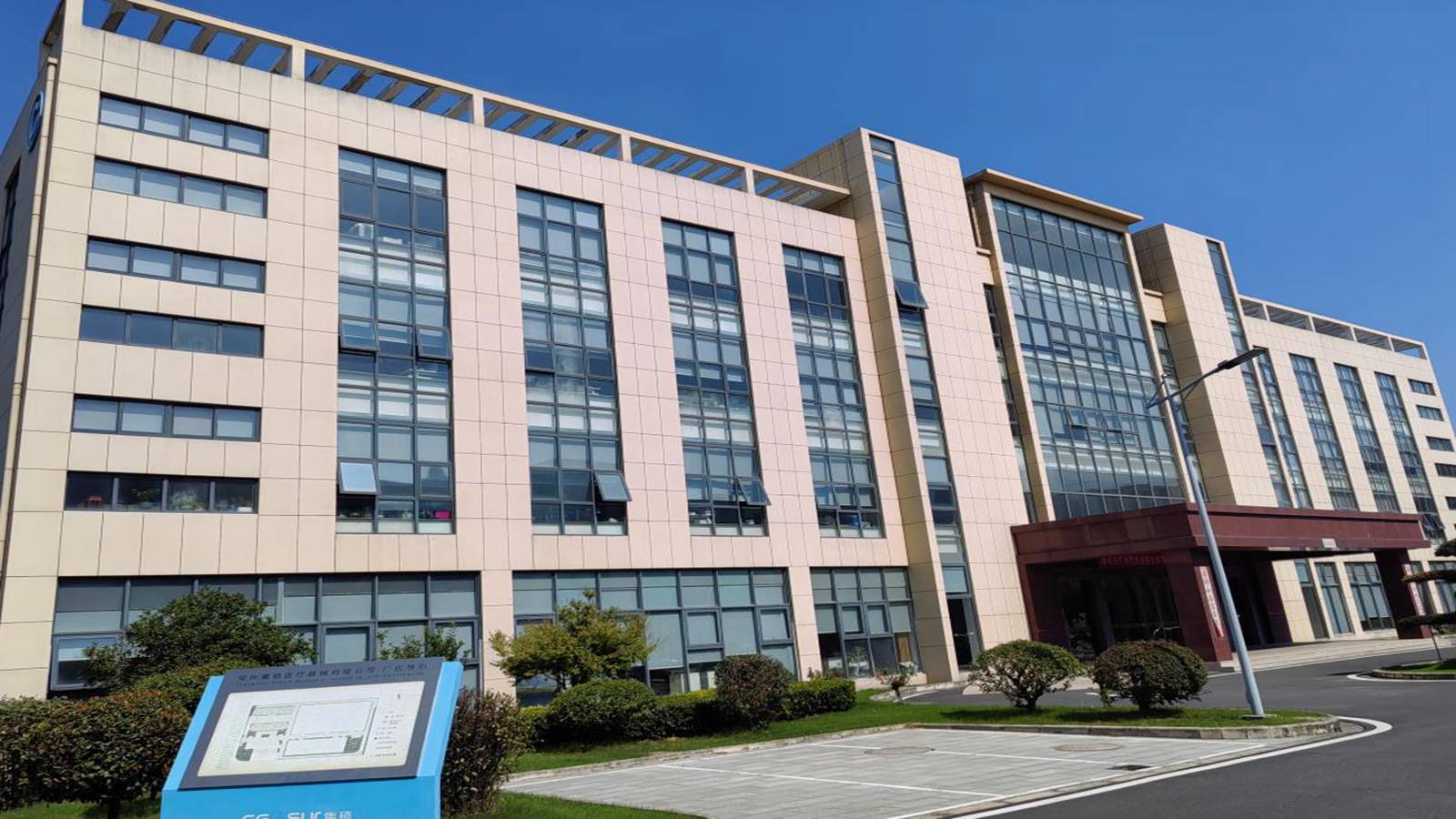
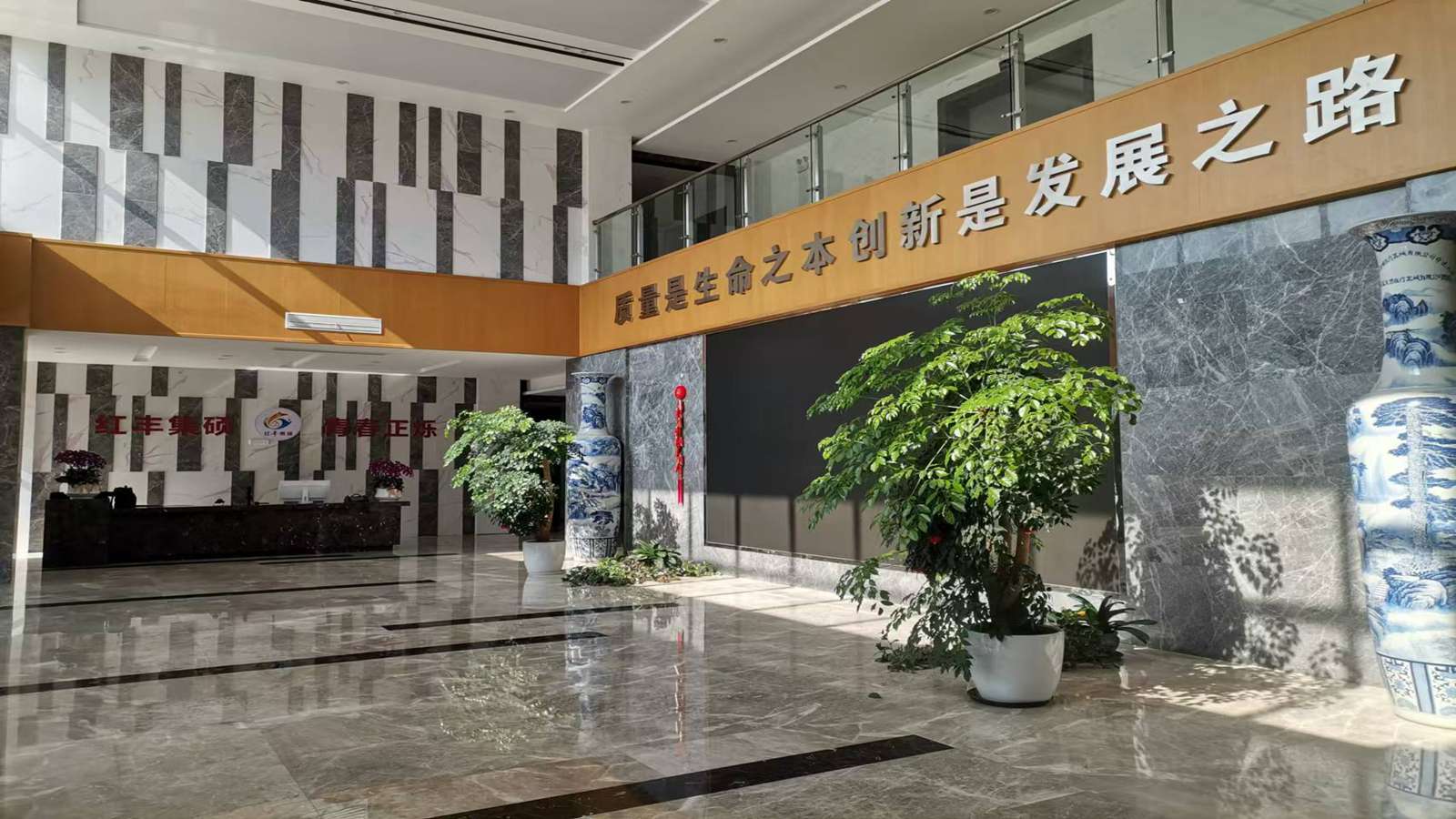
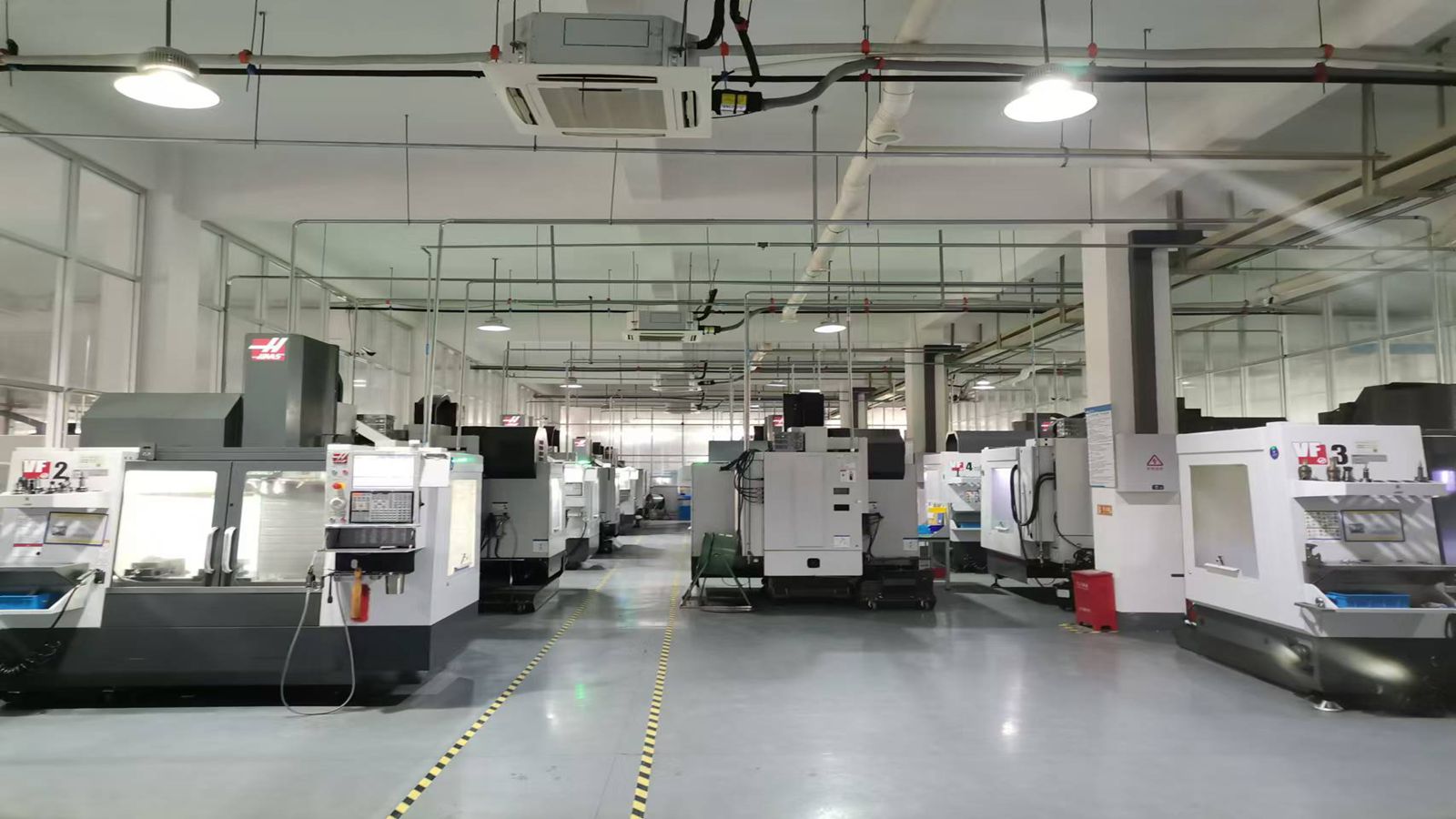
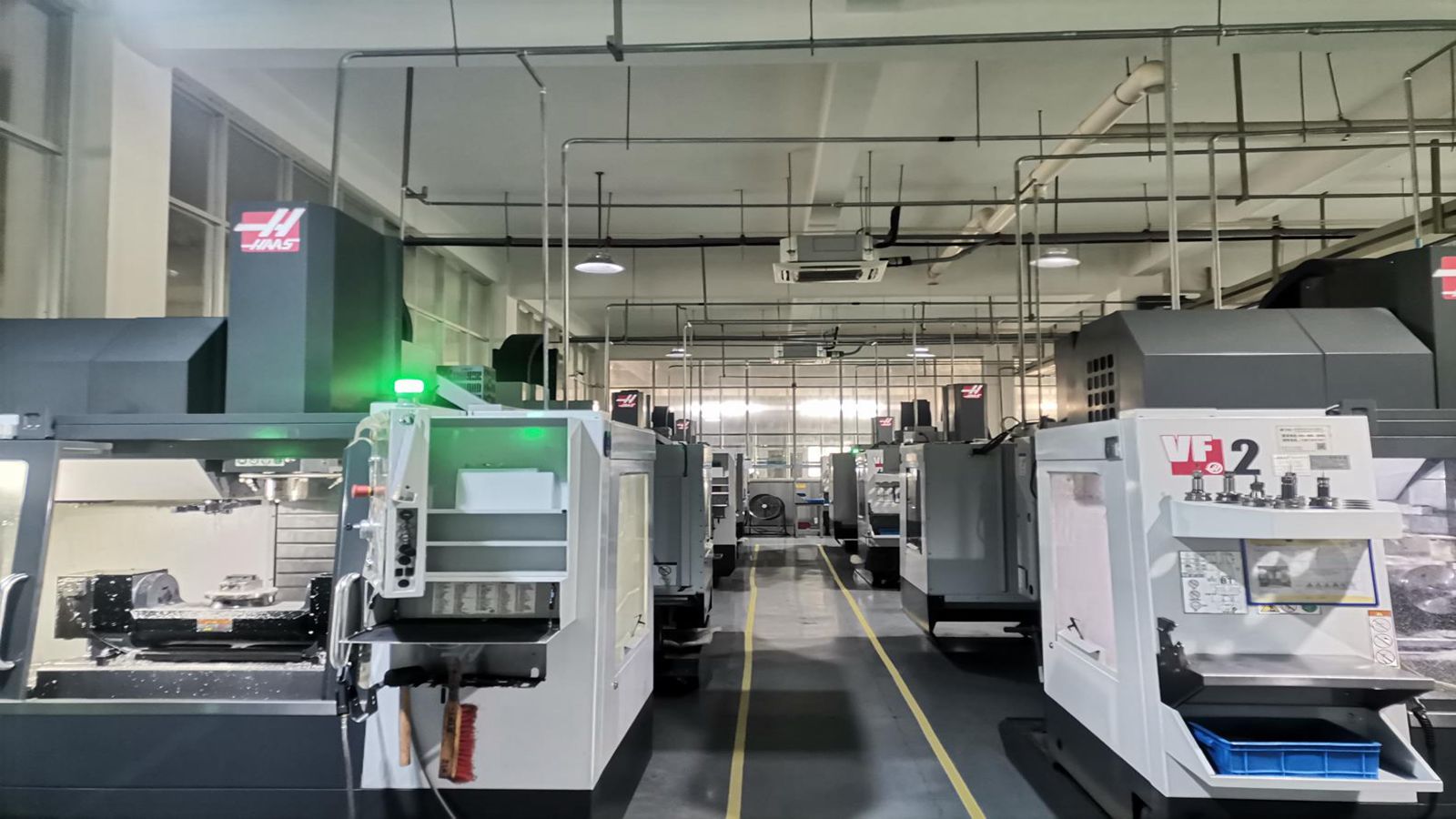
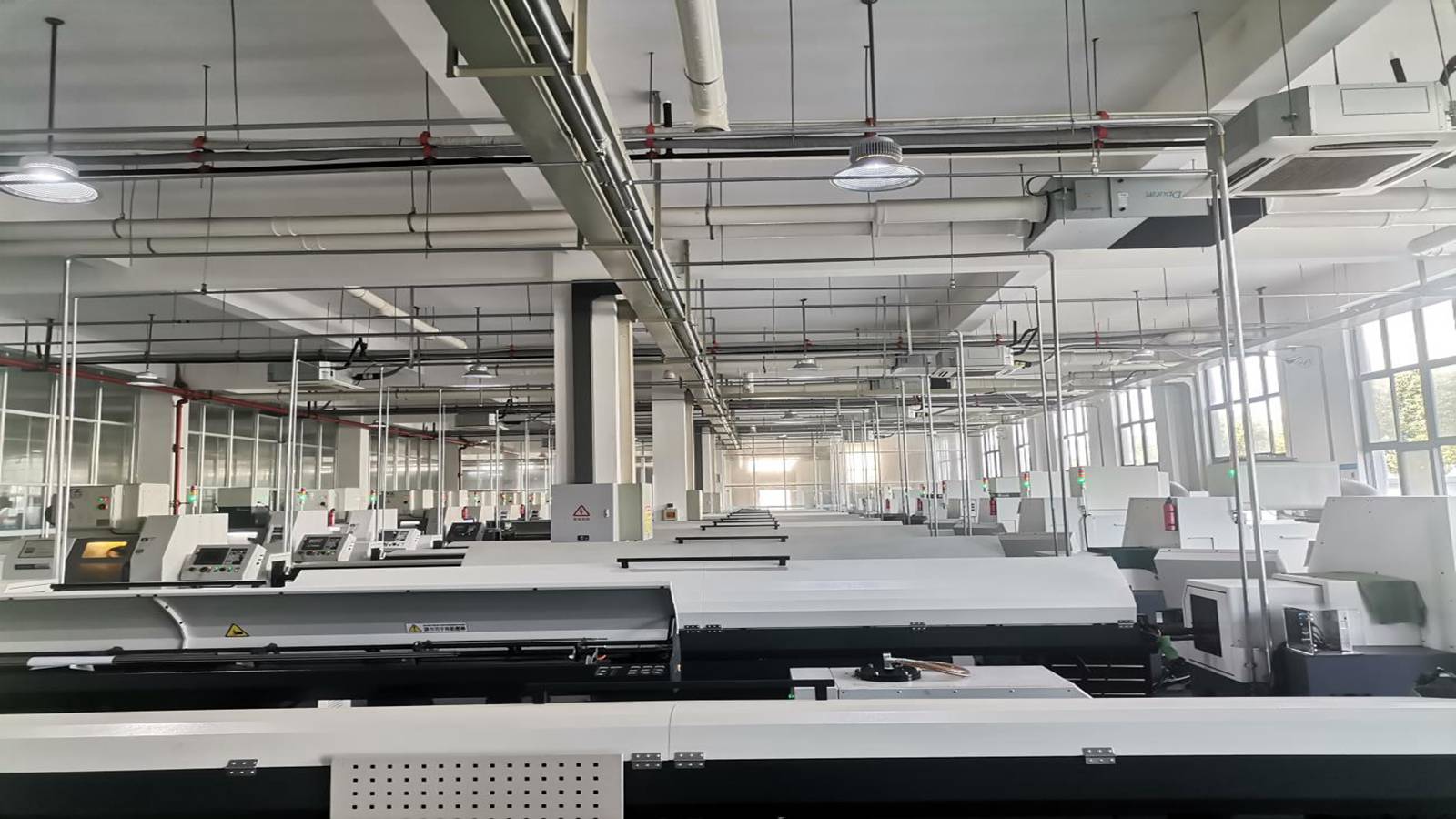
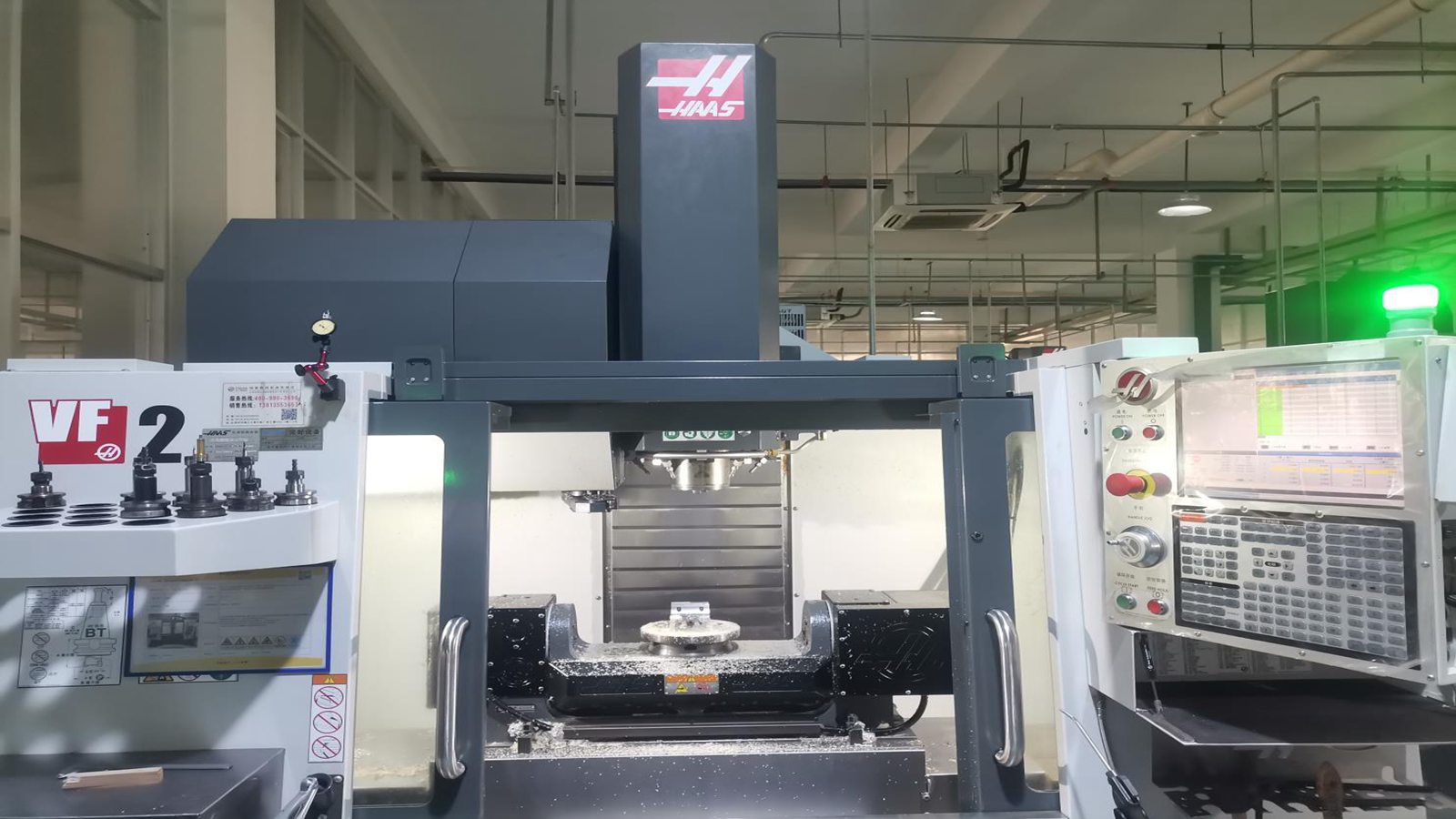
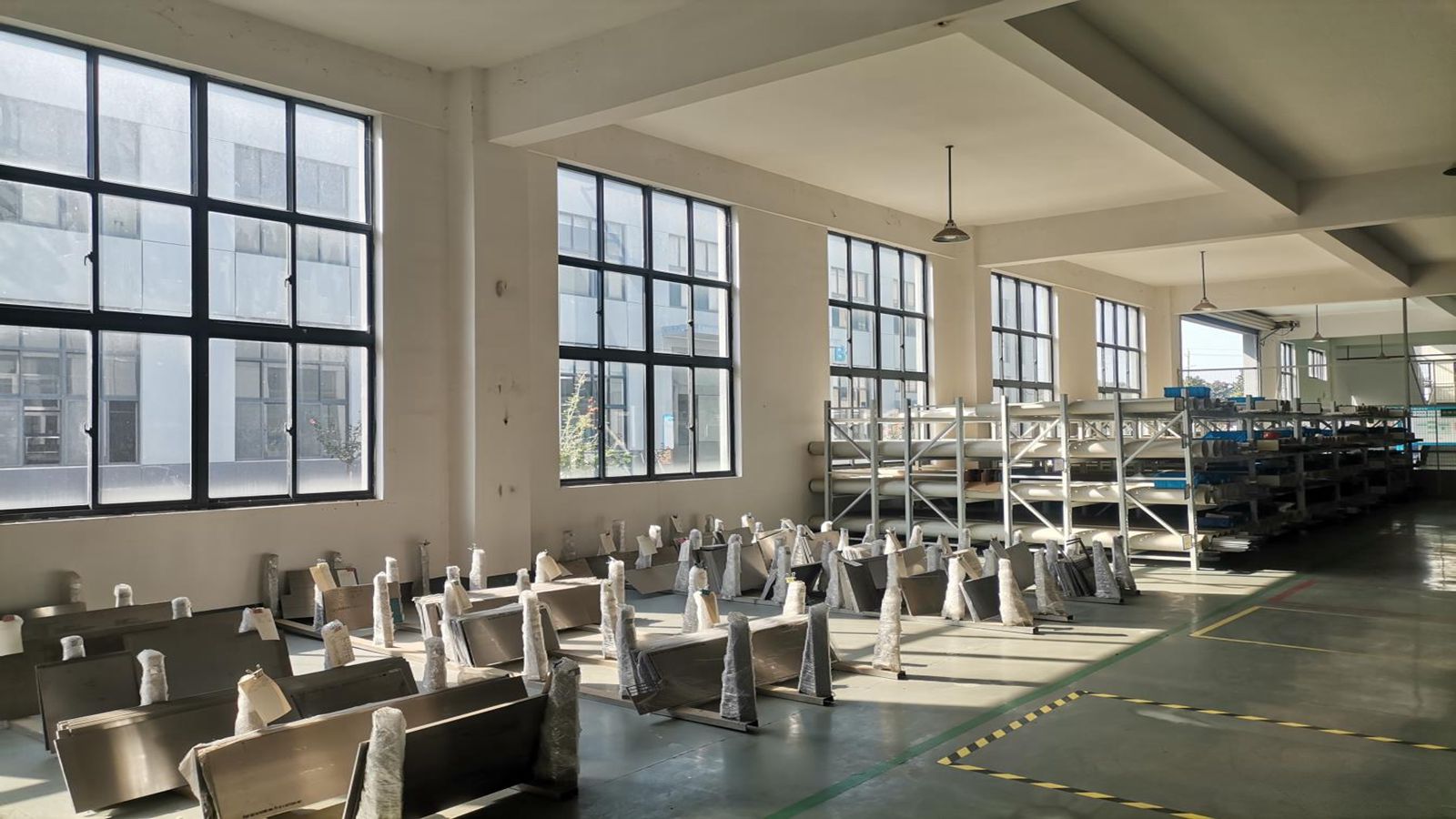
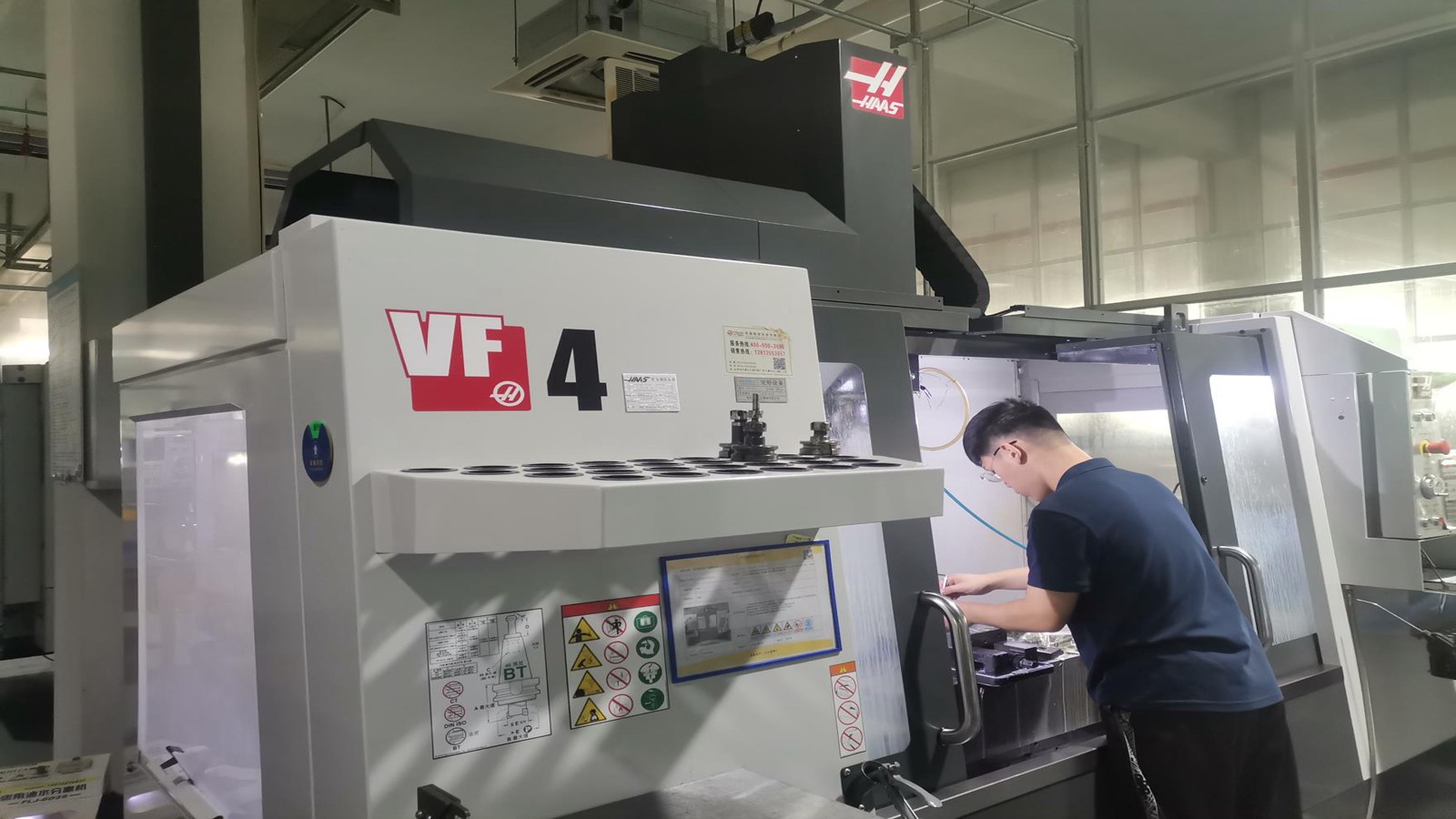
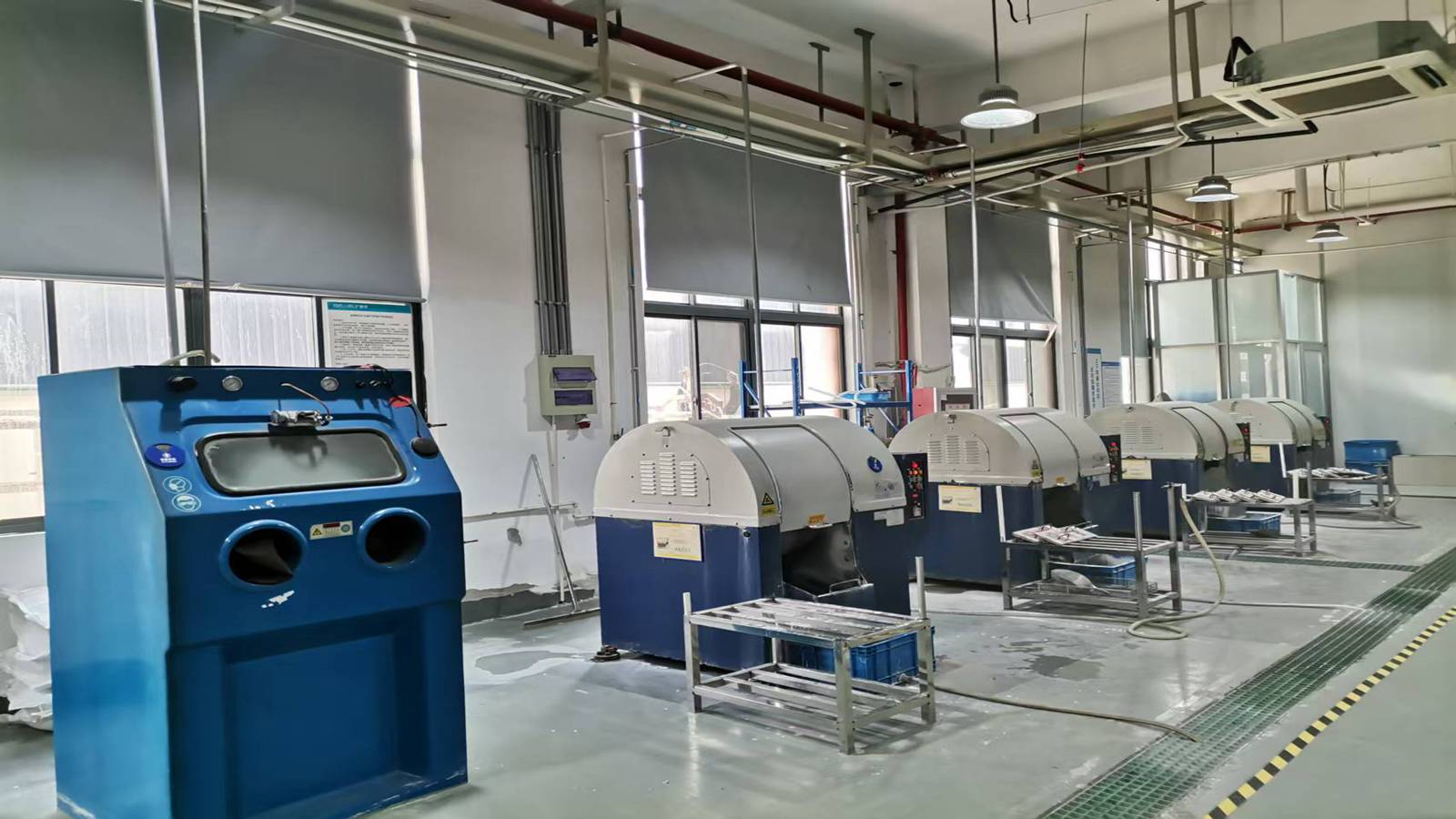
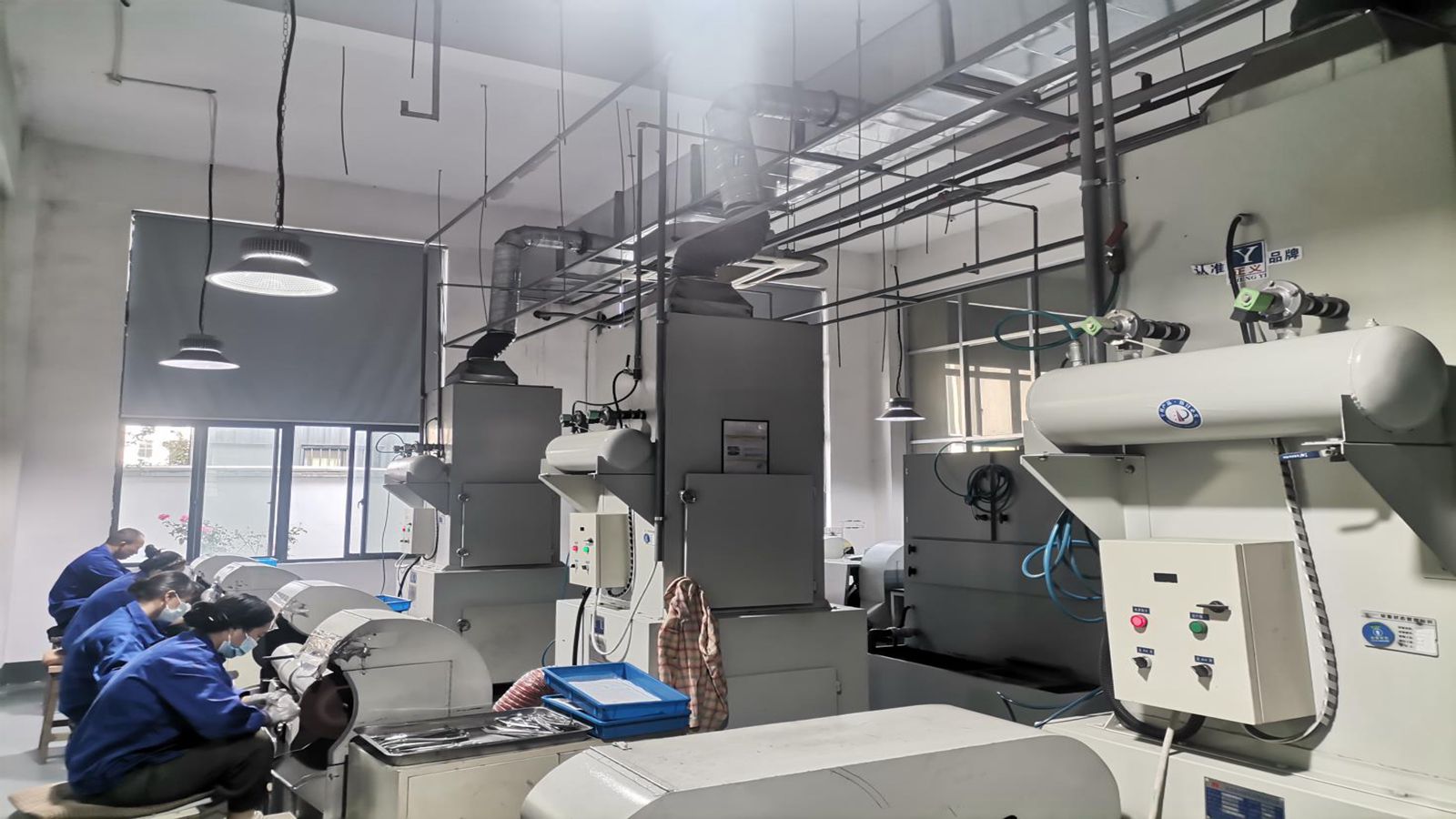
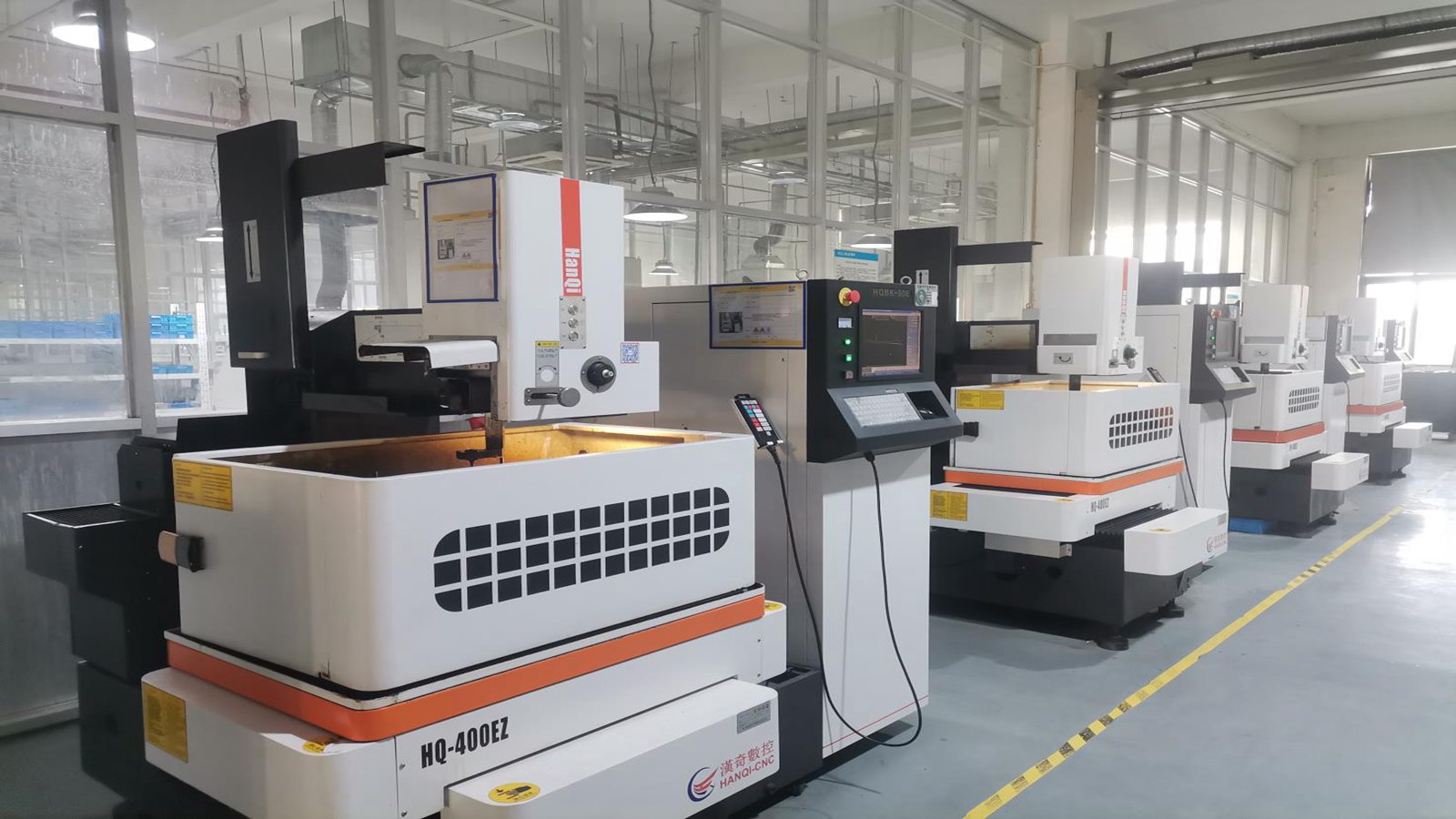
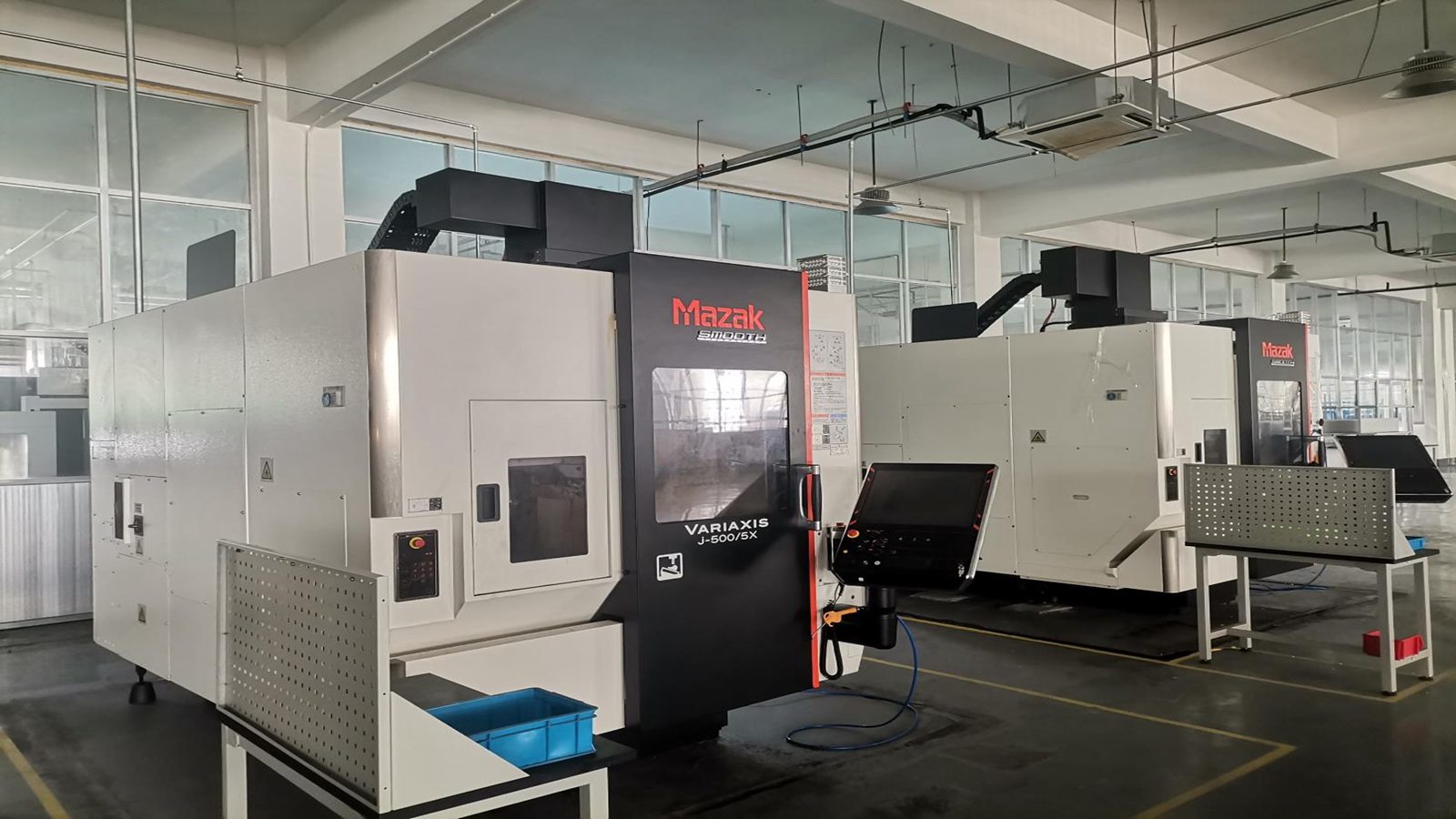
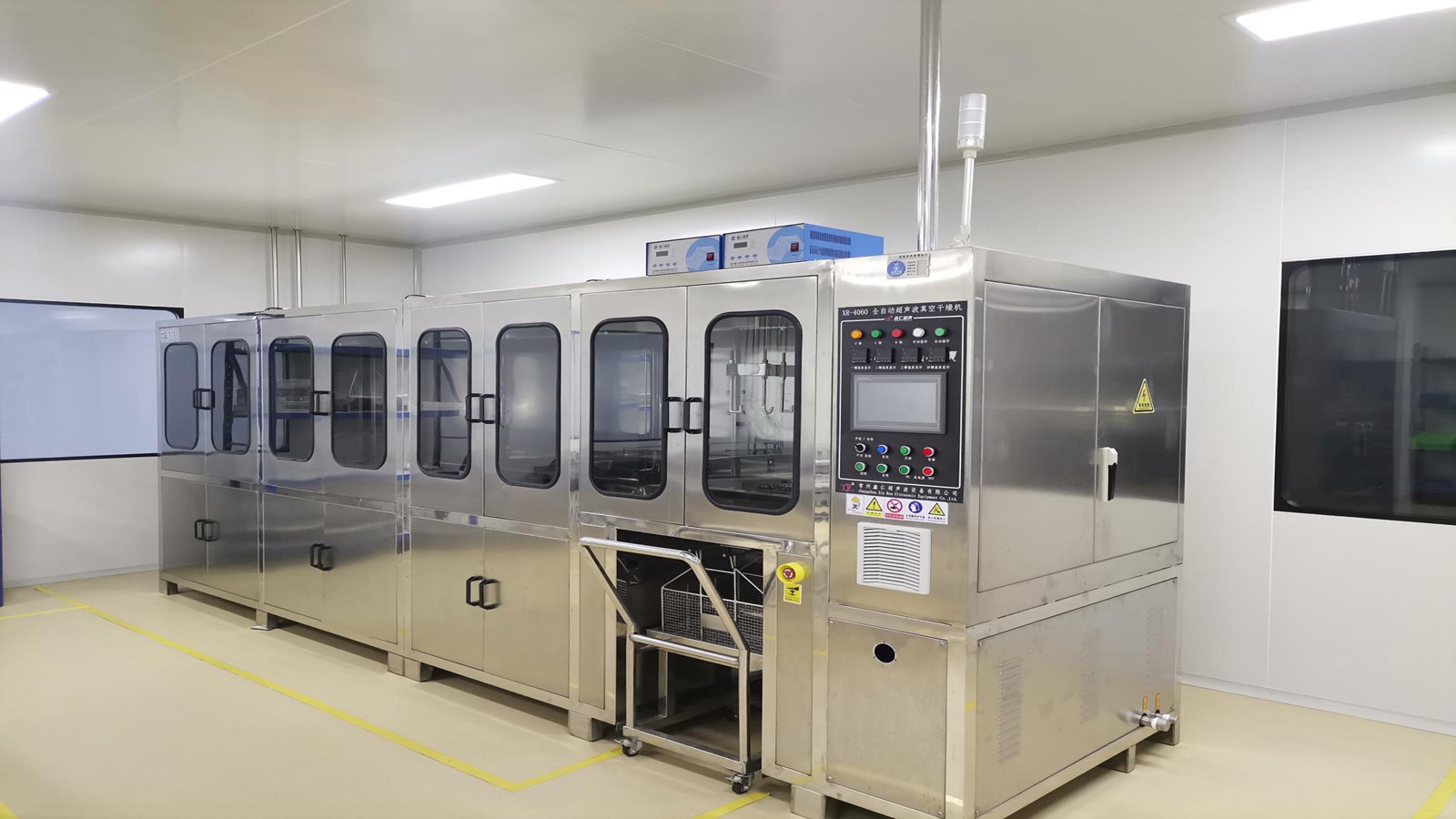
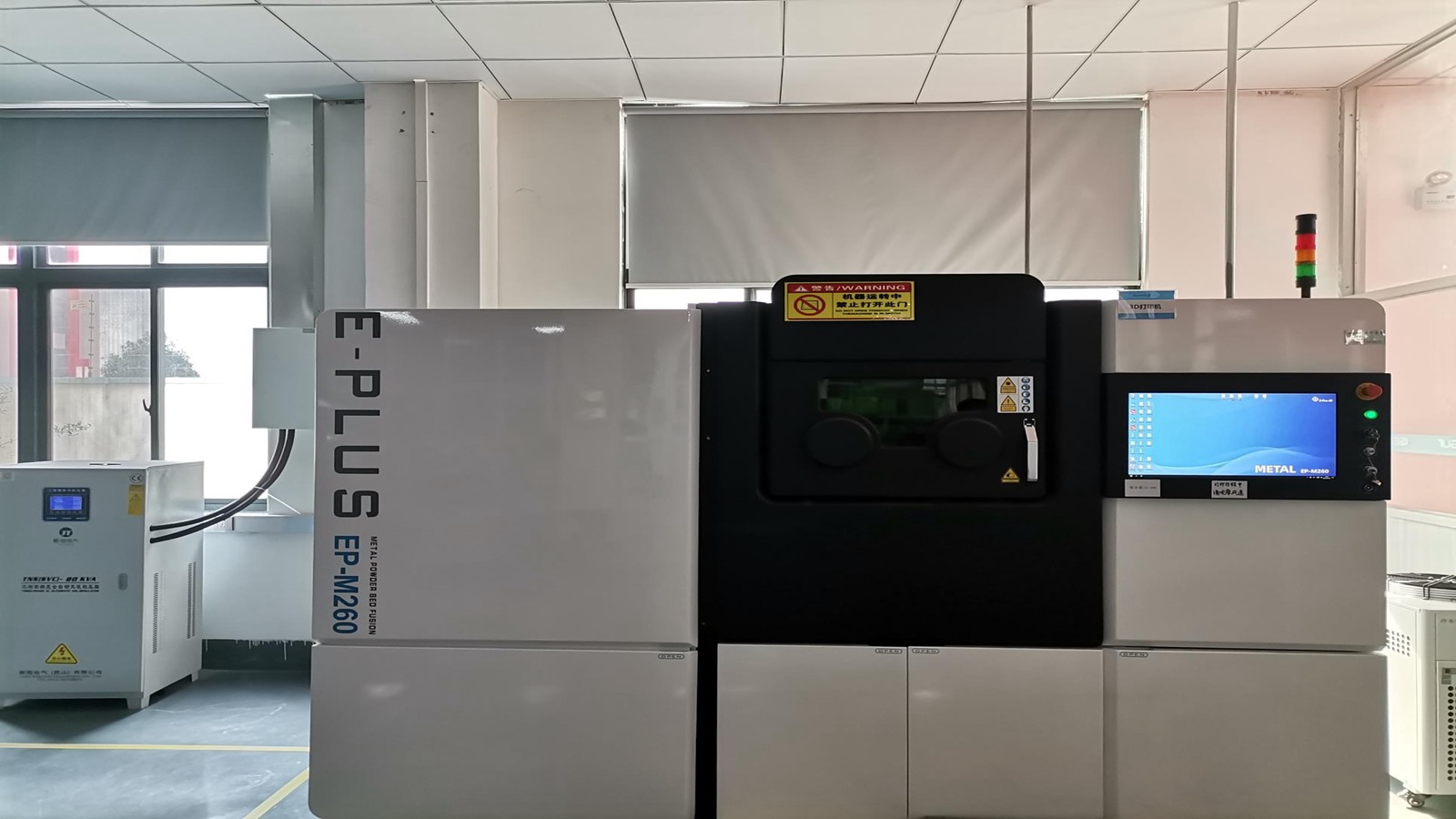
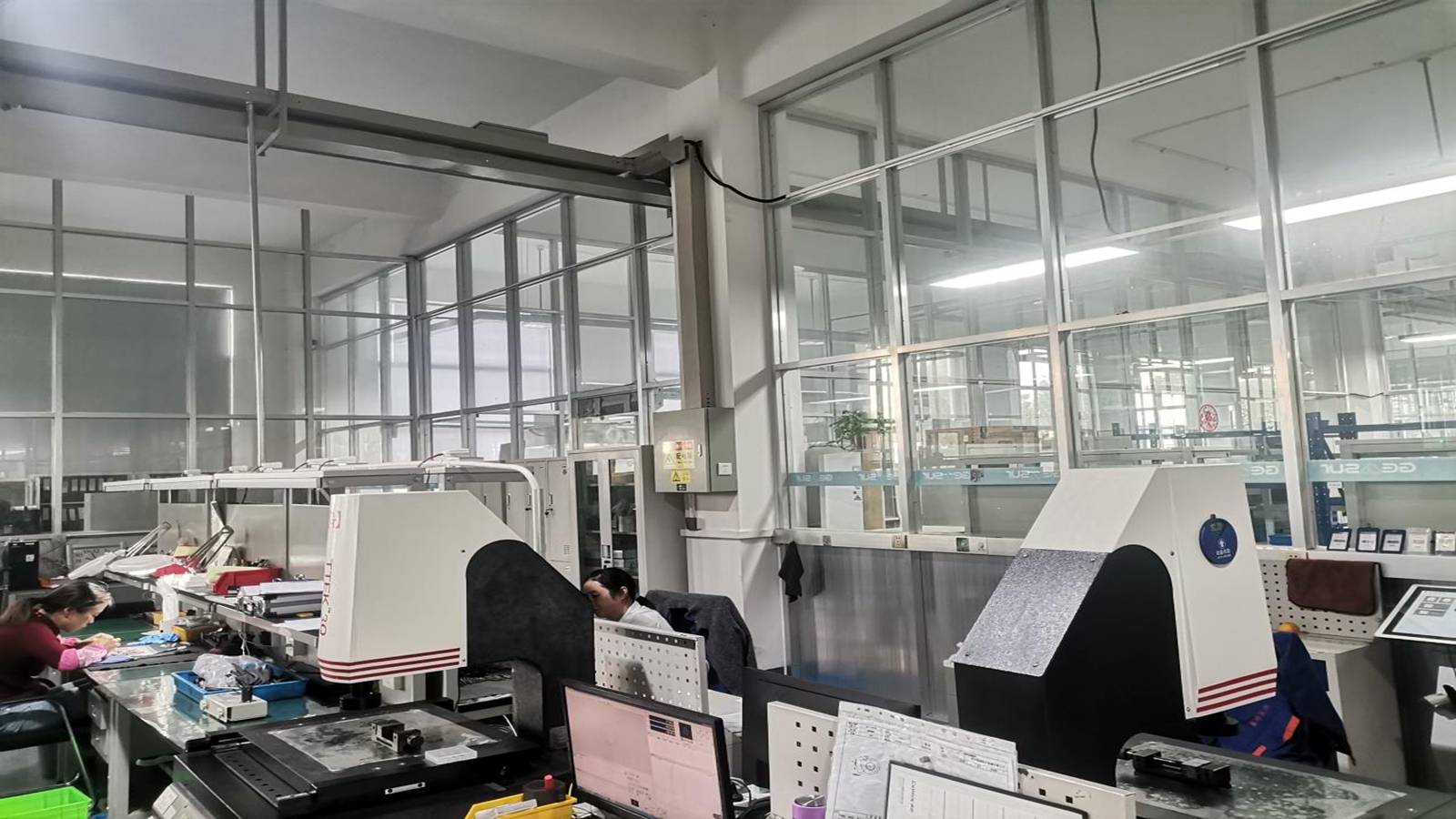
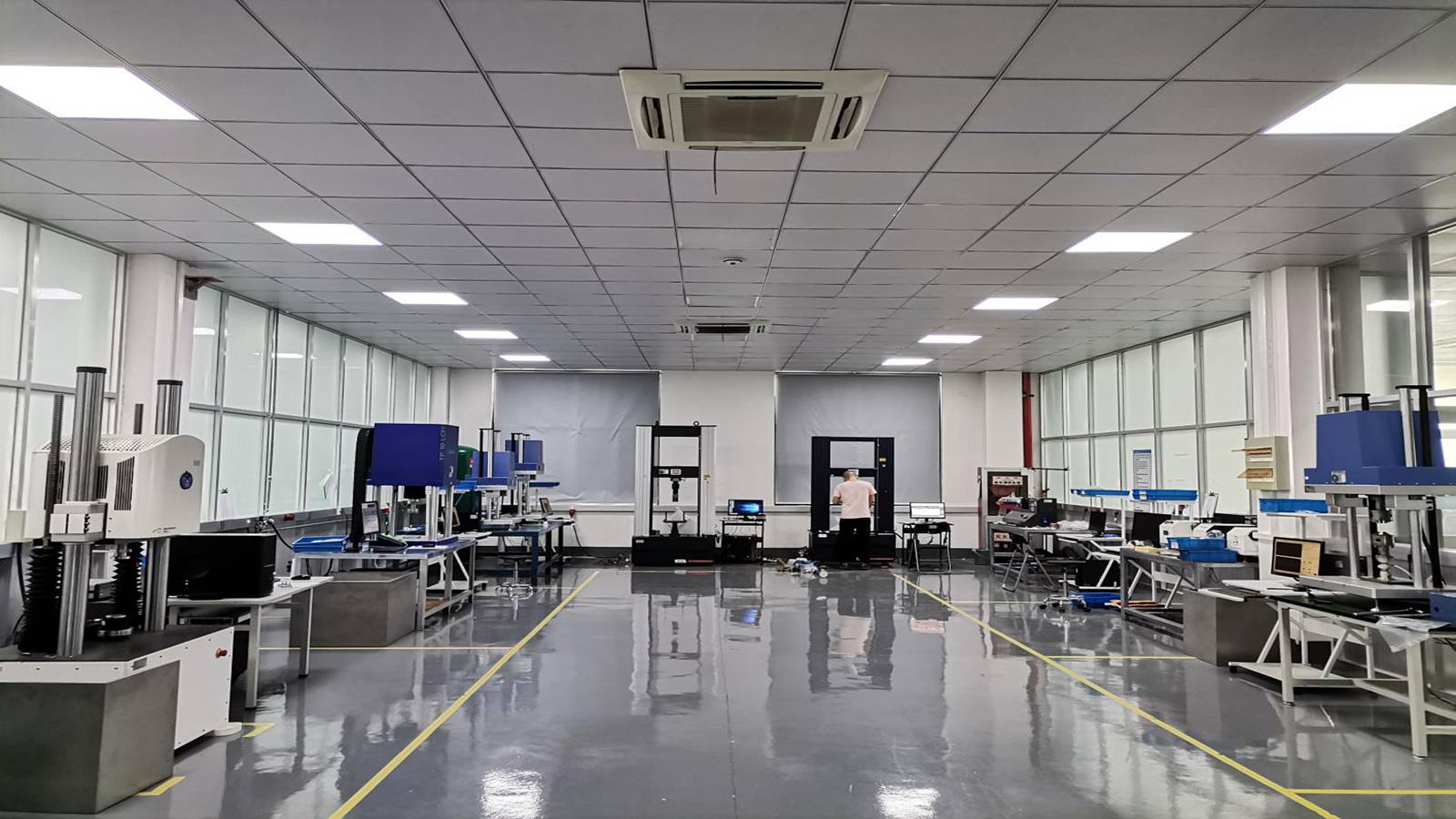
To maximize the clinical efficacy of HBM Sternal Fixation Systems, it is essential to understand their application in the specific context of the Algerian healthcare system. Our systems are designed to integrate seamlessly into the workflows of major university hospitals (CHU) and specialized clinics across Algeria, including CHU Mustapha Bacha in Algiers, CHU Oran, and EHS Constantine.
Diabetes mellitus is highly prevalent in Algeria. Diabetic patients undergoing Coronary Artery Bypass Grafting (CABG) are at an elevated risk for impaired bone healing and wound infections. Standard wire closure often fails to provide the rigid immobilization required to prevent sternal micro-motion, which can lead to bacterial colonization. By utilizing HBM's low-profile titanium locking plates, surgeons can achieve absolute rigid fixation. This significantly reduces the risk of sternal dehiscence, allowing for aggressive early mobilization and chest physical therapy, which are vital for preventing post-operative pneumonia.
Road traffic accidents and industrial trauma represent a significant portion of emergency admissions in Algerian trauma centers. Flail chest and multiple displaced rib fractures severely compromise respiratory function. HBM's Titanium Rib Bone Plate System allows trauma surgeons to perform Surgical Stabilization of Rib Fractures (SSRF) quickly and effectively. The anatomically pre-contoured plates reduce surgical time, restore chest wall integrity, decrease ventilator days, and dramatically lower the patient's pain scores compared to conservative management.
Explore our full line of CE and ISO certified implants, surgical power tools, and specialized fixation systems.
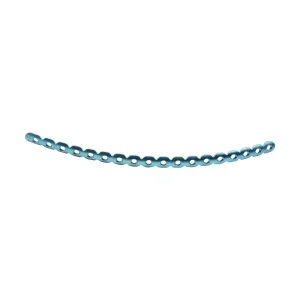
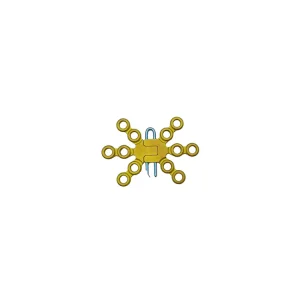
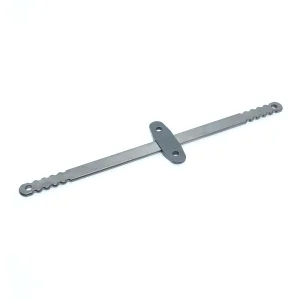
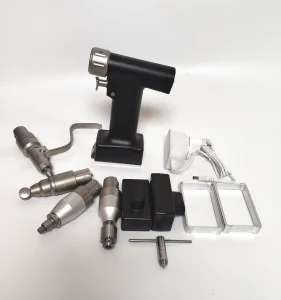
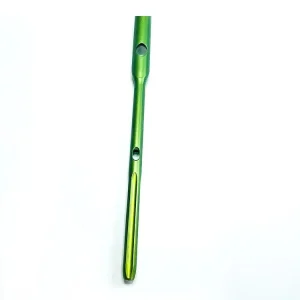
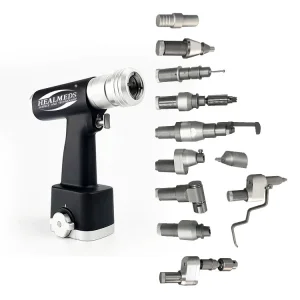
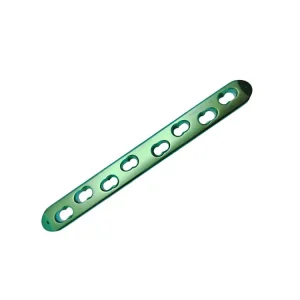
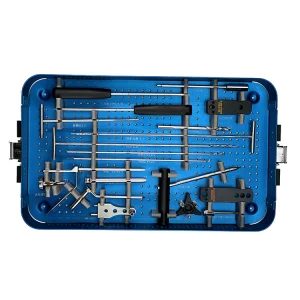
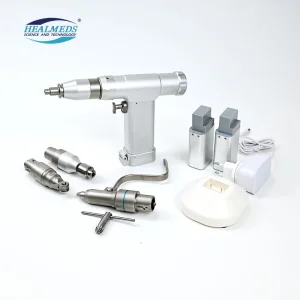
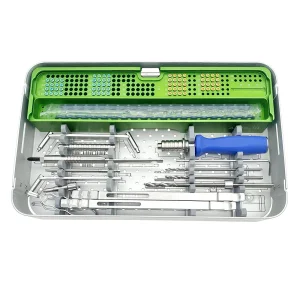
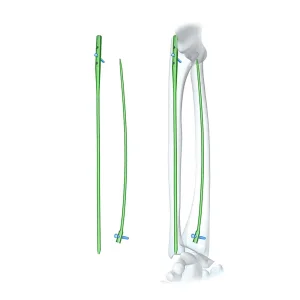
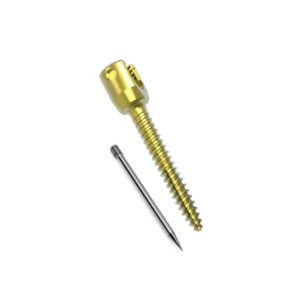
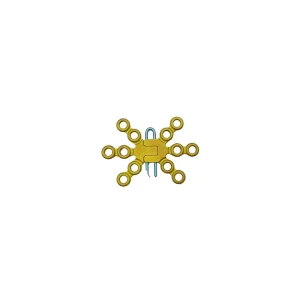
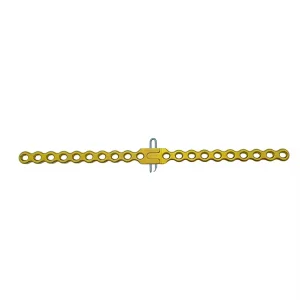
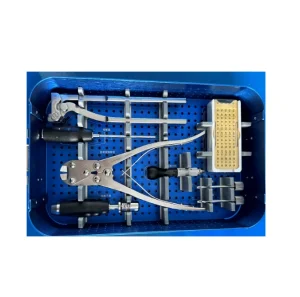
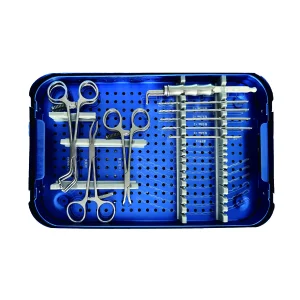
HBM Medical's Sternal Fixation System is engineered to address the complex dynamic environment of the human thorax. The system consists of anatomically pre-shaped plates, locking screws, and specialized instrumentation designed to facilitate rapid, precise implantation.
All plates and screws are fabricated from medical-grade Titanium Alloy (Ti-6Al-4V ELI) conforming to ASTM F136 standards. This material is selected for its exceptional strength-to-weight ratio, superior fatigue resistance, and excellent biocompatibility. The passive oxide layer on the titanium surface prevents corrosion and minimizes adverse tissue reactions, ensuring long-term implant safety.
With a plate thickness of only 1.5mm to 2.0mm, our sternal plates minimize post-operative palpable discomfort and soft tissue irritation. The low-profile design is particularly beneficial in thin or cachectic patients, reducing the likelihood of secondary surgeries for implant removal.
The system utilizes self-tapping locking screws that create a rigid, fixed-angle construct. This locking mechanism prevents screw back-out and ensures stable fixation even in poor-quality osteoporotic bone. The screws are available in multiple lengths (typically ranging from 10mm to 18mm) to accommodate varying sternal thicknesses, preventing damage to posterior mediastinal structures.
In cardiothoracic surgery, the ability to perform rapid emergency re-sternotomy is a critical safety requirement. HBM's sternal plates feature a dedicated central bridge design that can be cut in seconds using standard wire cutters or specialized plate cutters, allowing immediate access to the mediastinum in emergency situations.
Get answers to the most common questions regarding the procurement, registration, and clinical application of our Sternal Fixation Systems in Algeria.
Are you a medical device distributor, hospital procurement manager, or surgical specialist in Algeria? Contact our international sales and technical support team today to request product samples, technical dossiers, and a competitive quotation.
Send Inquiry Now HBM Medical