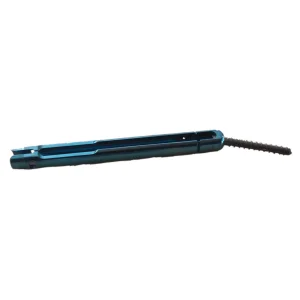
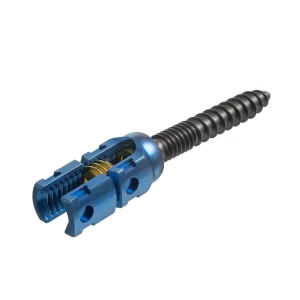
Designed to meet the stringent mechanical demands of major Michigan spine centers and clinical research labs. Our signature line provides maximum construct rigidity and low-profile ease of use.
The metropolitan Detroit market is currently experiencing a historic convergence of advanced clinical demand and orthopedic care optimization. Driven by major medical systems such as the Detroit Medical Center (DMC), Henry Ford Health System, and regional trauma networks across Southeast Michigan, the consumption of spinal implants is scaling rapidly. However, clinical buyers and hospital procurement offices are facing intense cost pressures under the current bundled payment systems for Medicare and Medicaid.
To address these economic realities, health systems are diversifying their supplier portfolios away from domestic distributors that impose massive margins, looking instead toward direct-from-manufacturer alliances. Global exporters capable of satisfying high biocompatibility thresholds and certified raw materials traceability (such as medical-grade titanium alloy Ti-6Al-4V ELI) are transforming how Detroit-based medical supply networks function.
In the international arena, the orthopedics sector is transitioning from standard open surgeries to complex, robotically assisted Minimally Invasive Spine (MIS) procedures. For procurement managers from the Americas to Eastern Europe and Southeast Asia, understanding these technical shifts is vital.
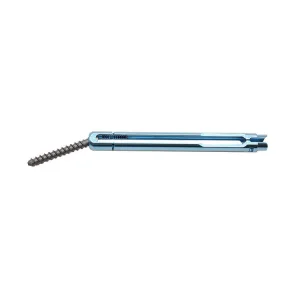
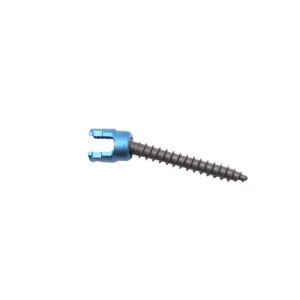
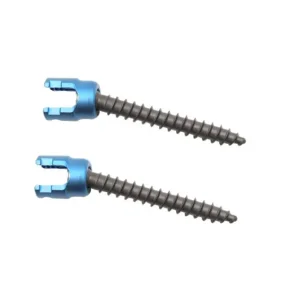
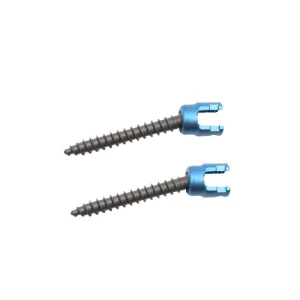
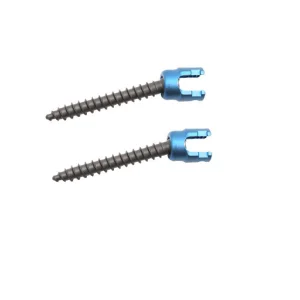
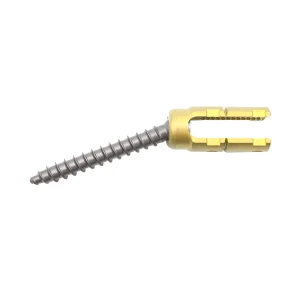
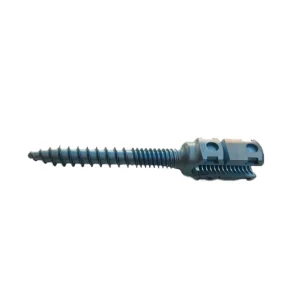
Minimally invasive pedicle screws allow smaller incisions, reduce muscle trauma, and lower hospital stays. HBM's dynamic MIS systems feature integrated reduction sleeves and optimized thread pitches, giving surgeons the torque control they need in compact surgical corridors.
Medical-grade titanium alloys (ISO 5832-3 and ASTM F136) remain the gold standard due to their incredible fatigue resistance, osseointegration properties, and compatibility with MRI imaging. We inspect all incoming raw materials to prevent micro-impurities.
Inflationary pressures are forcing global healthcare groups to bypass intermediaries. Developing a structured supply pipeline directly from an ISO 13485 and MDSAP certified factory in Asia ensures consistent quality and continuous product availability.
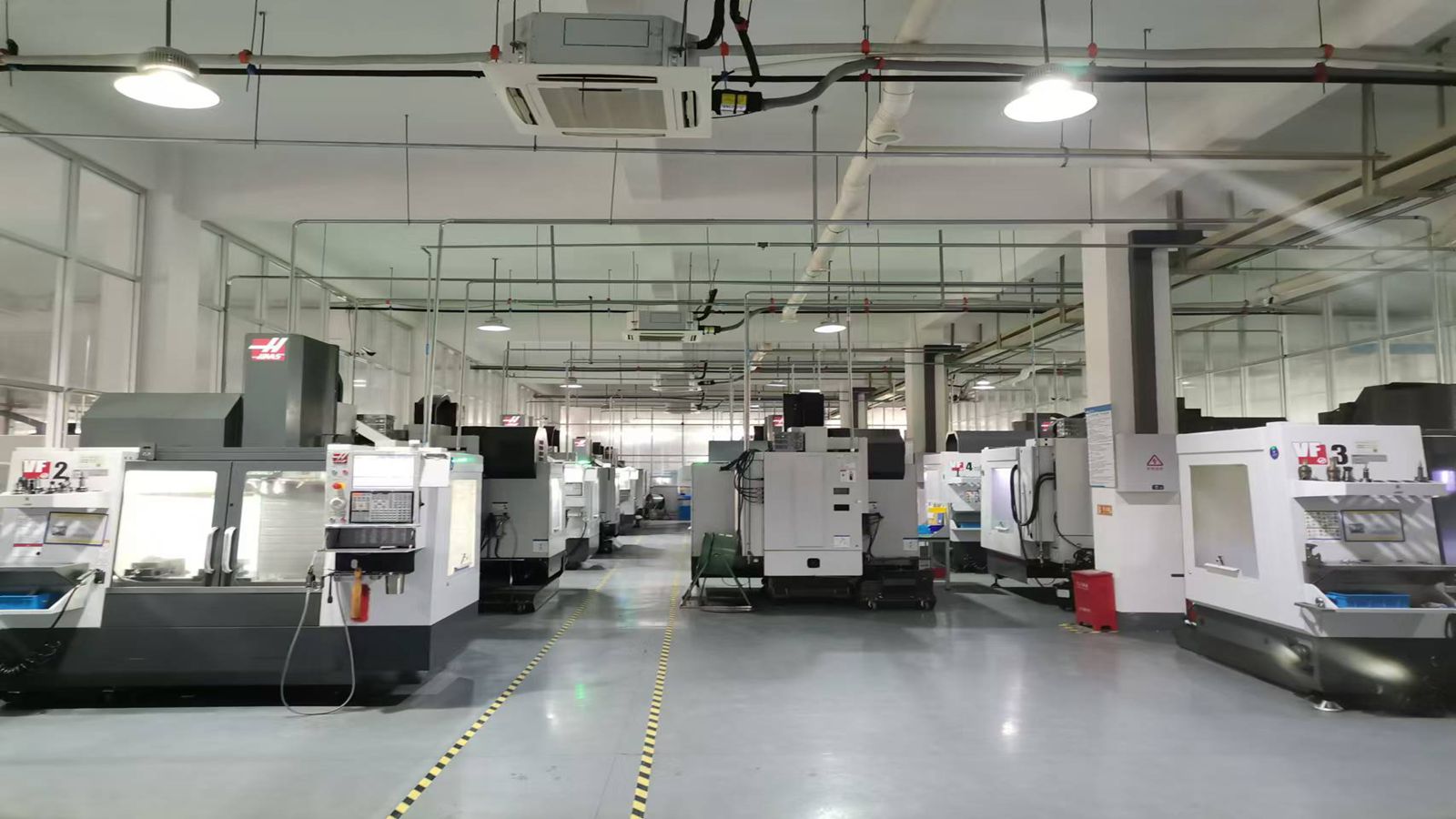
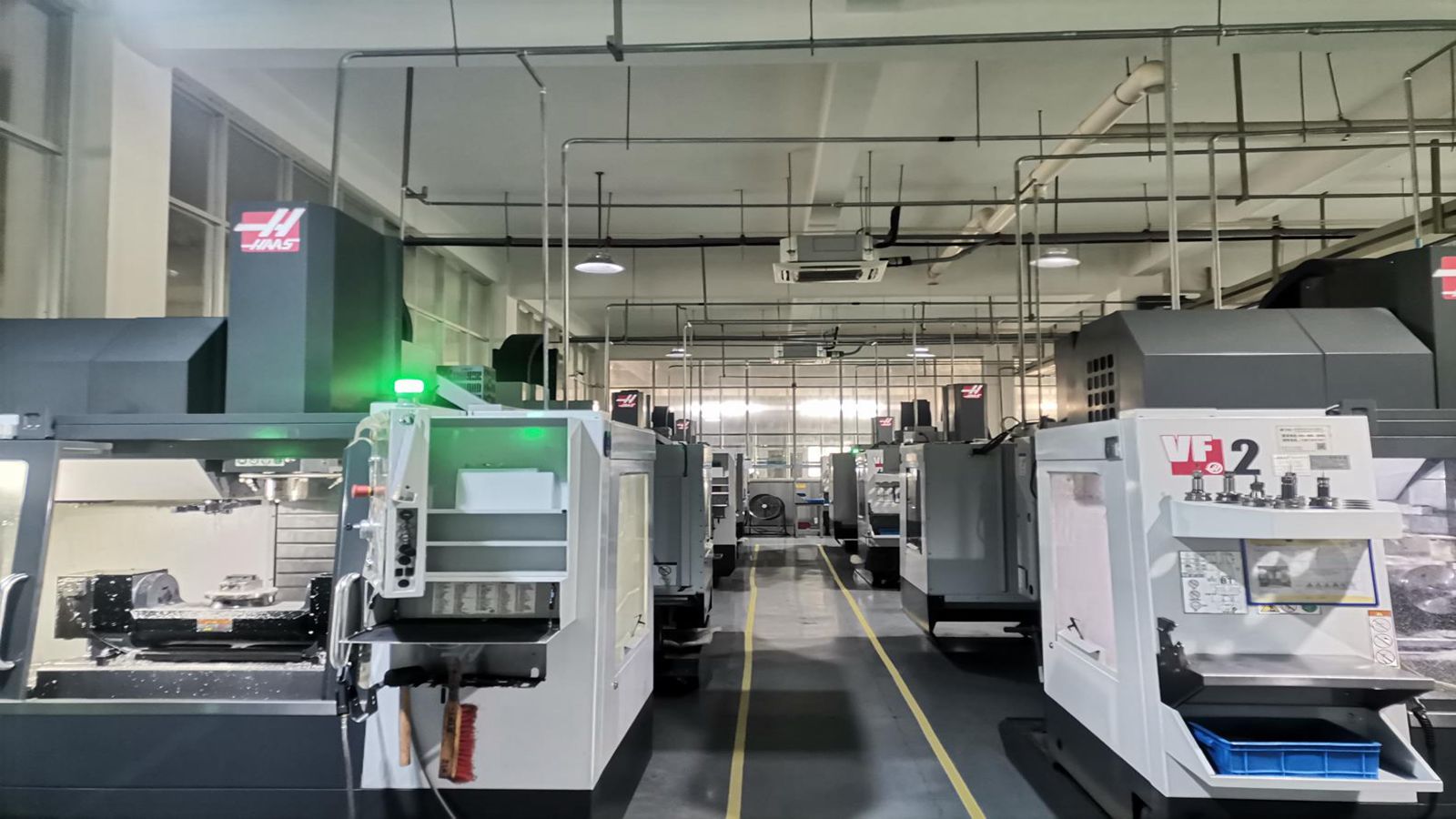
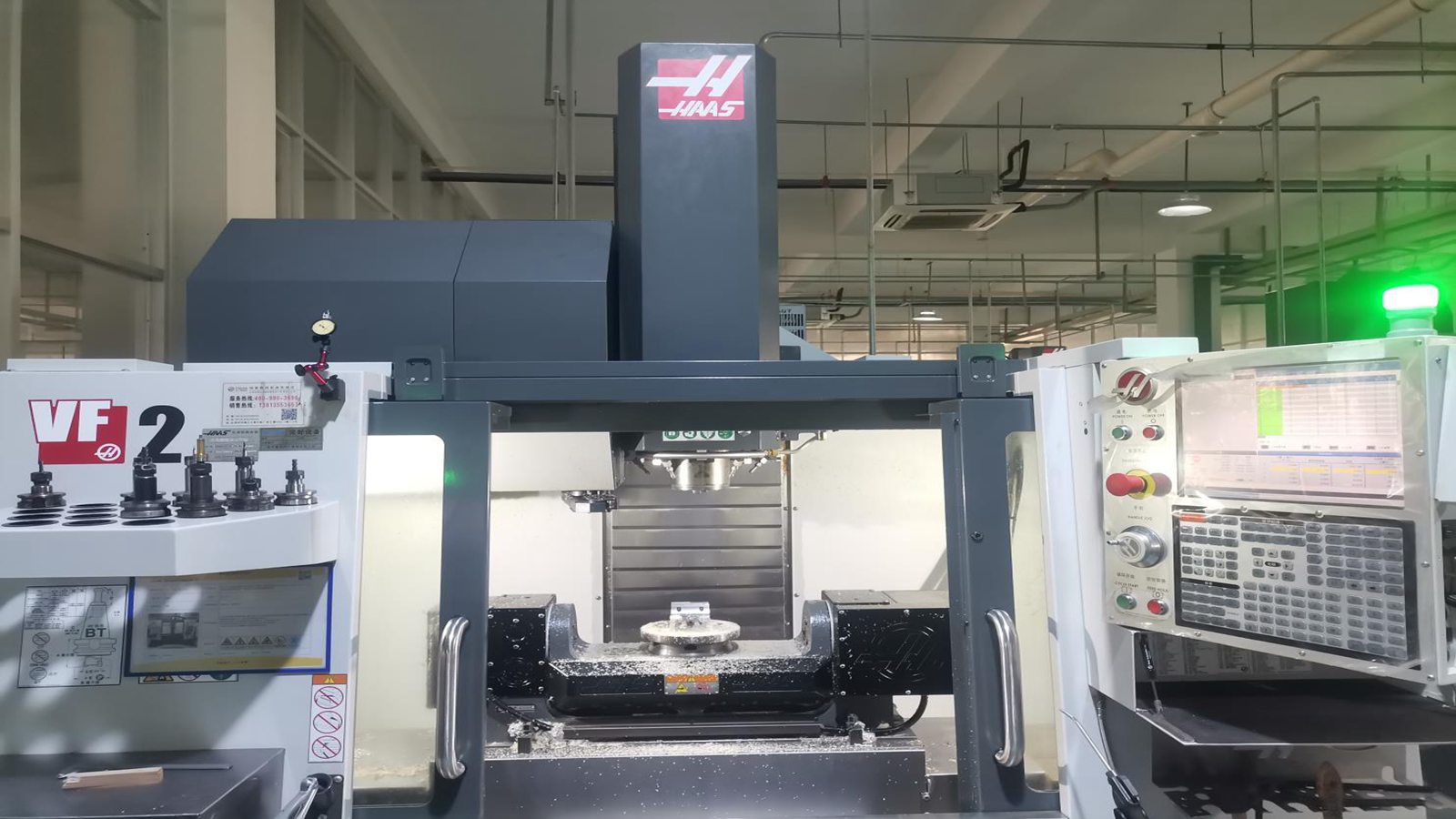
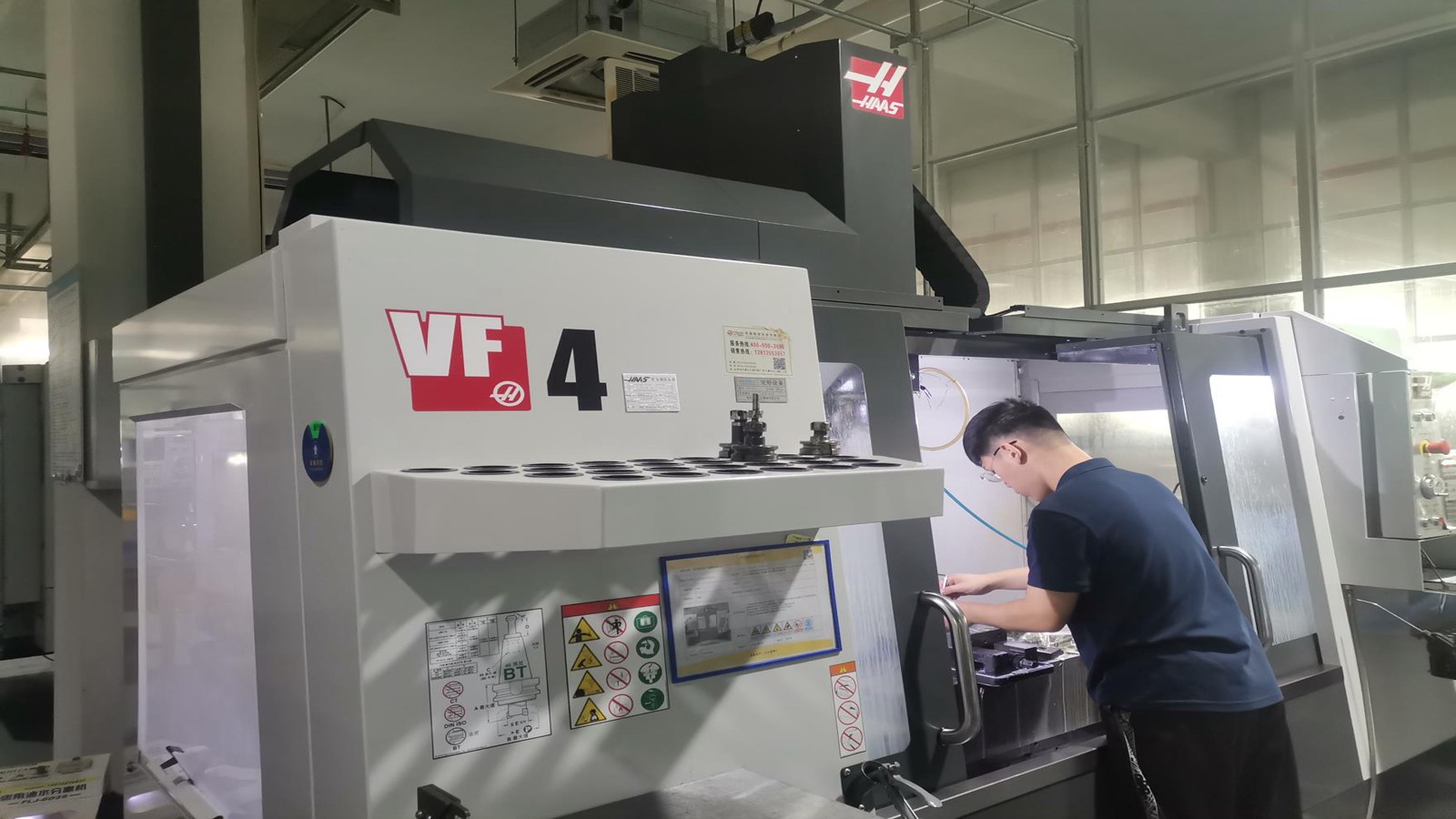
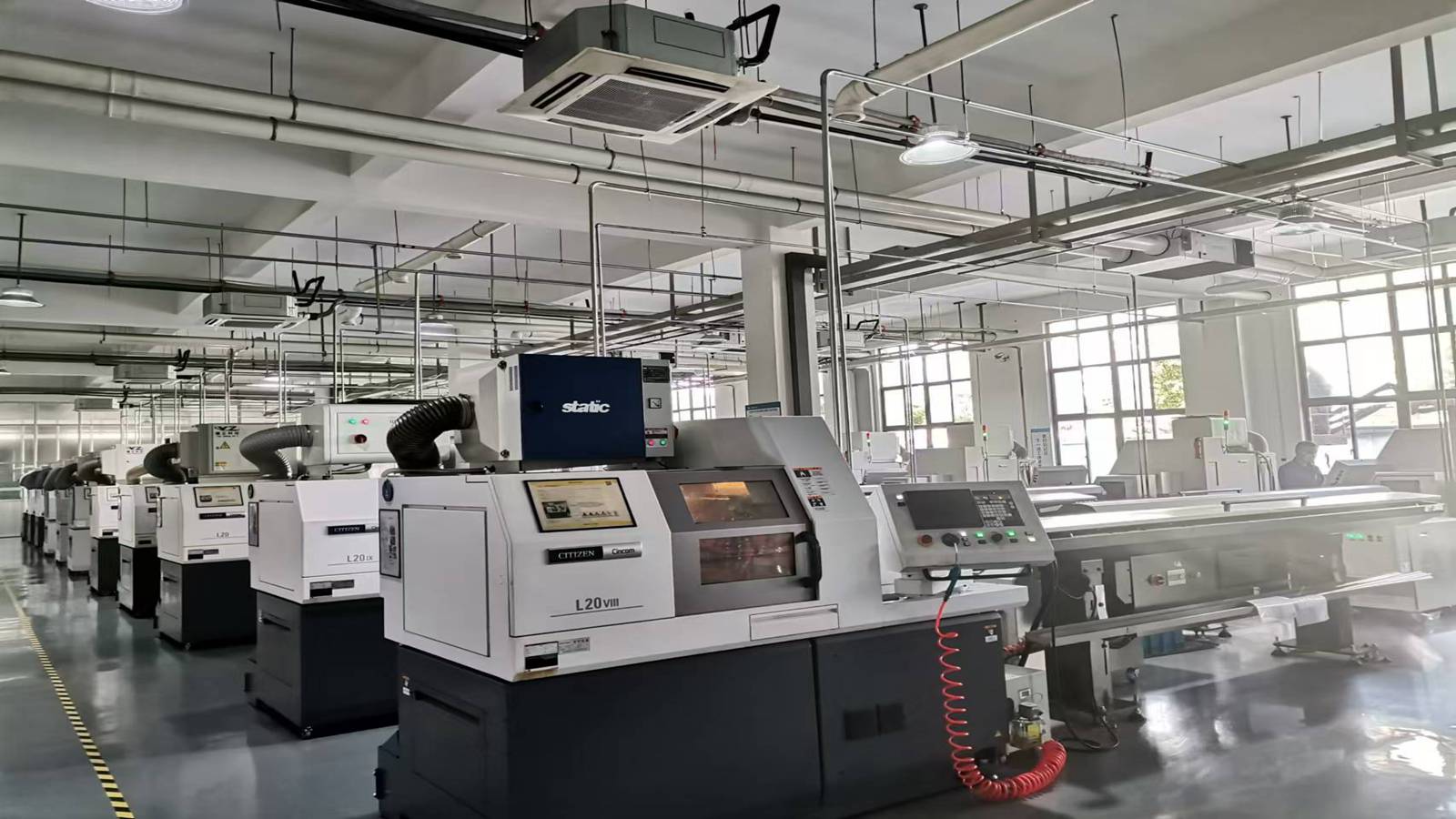
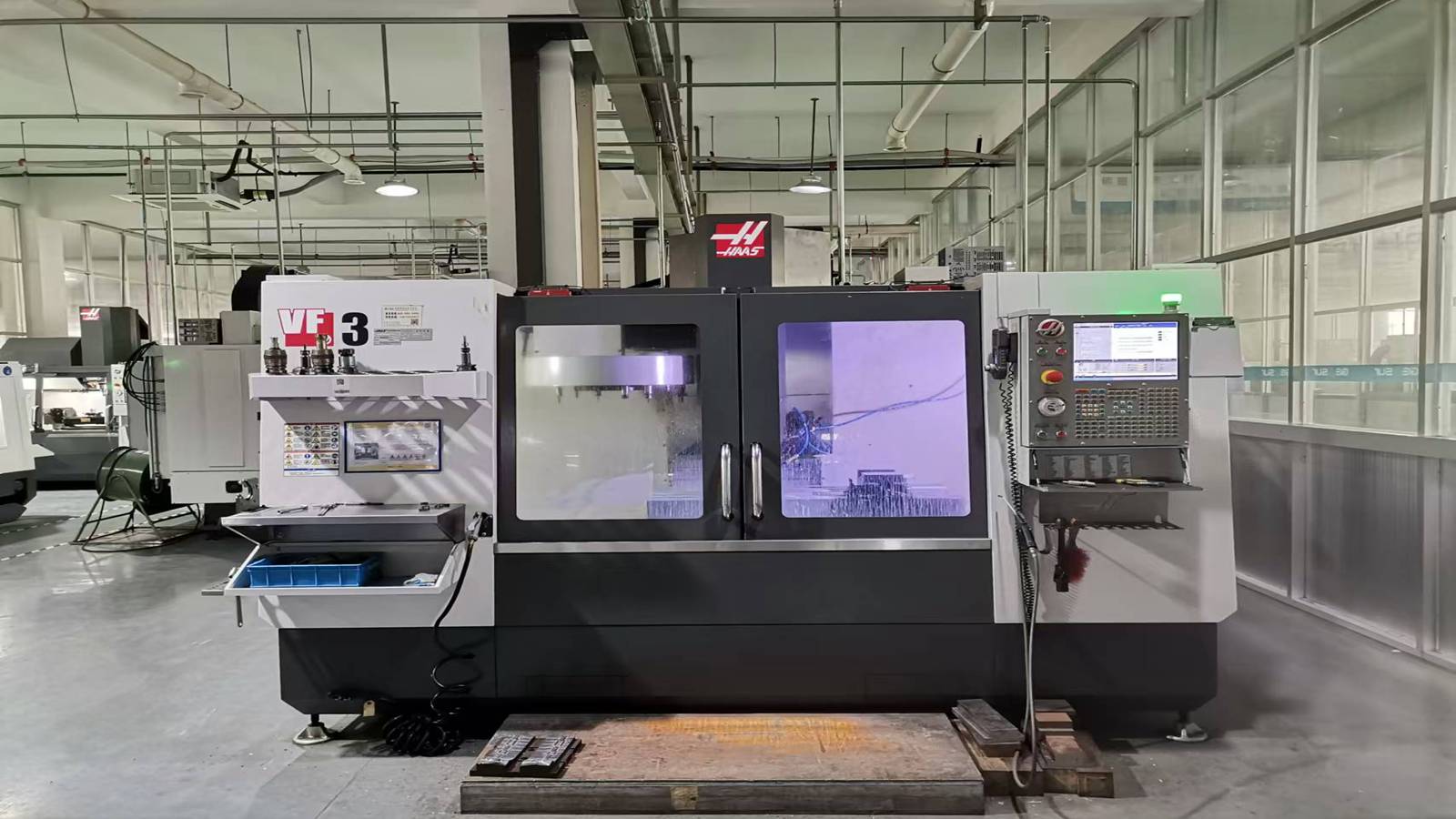
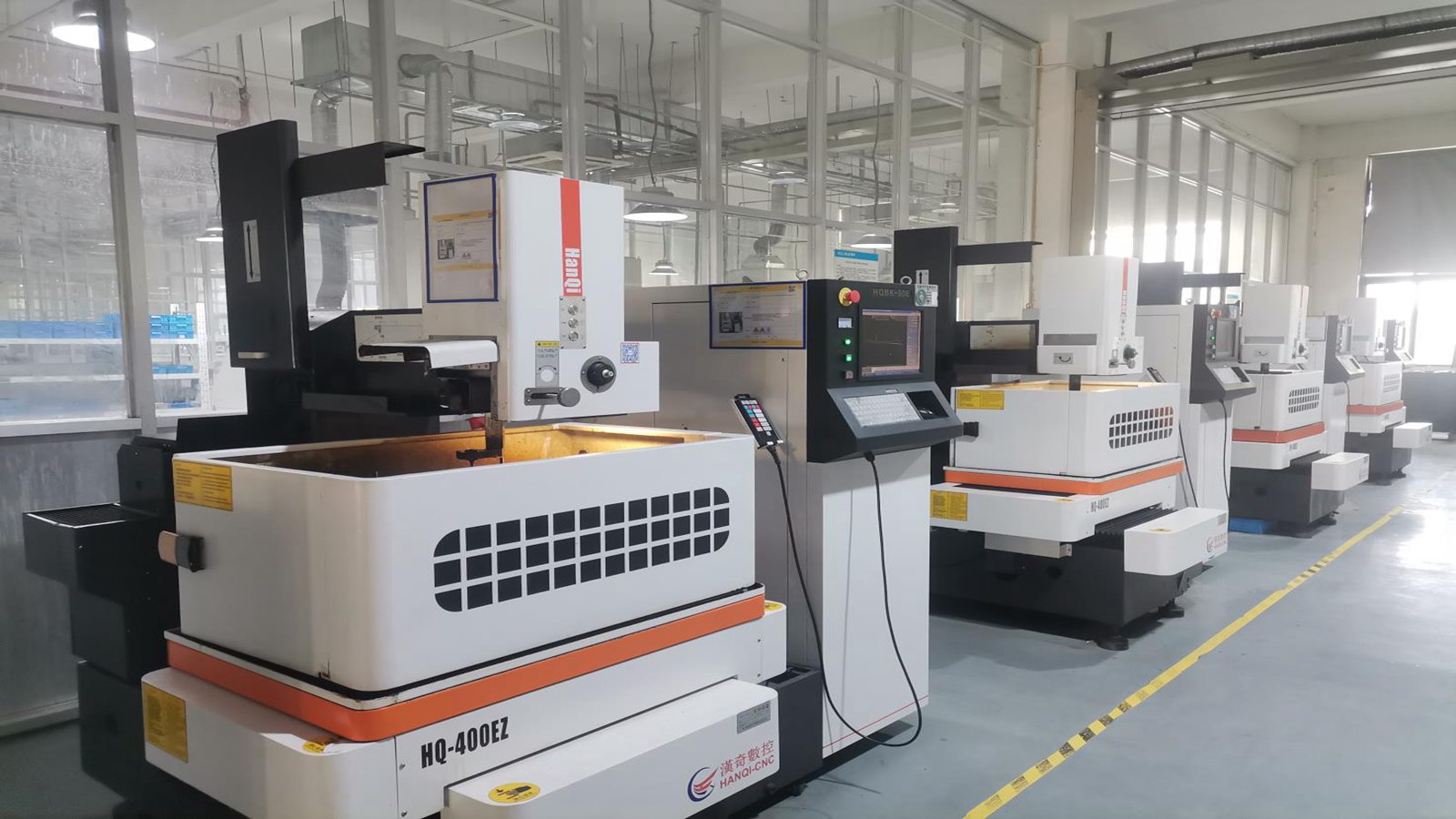
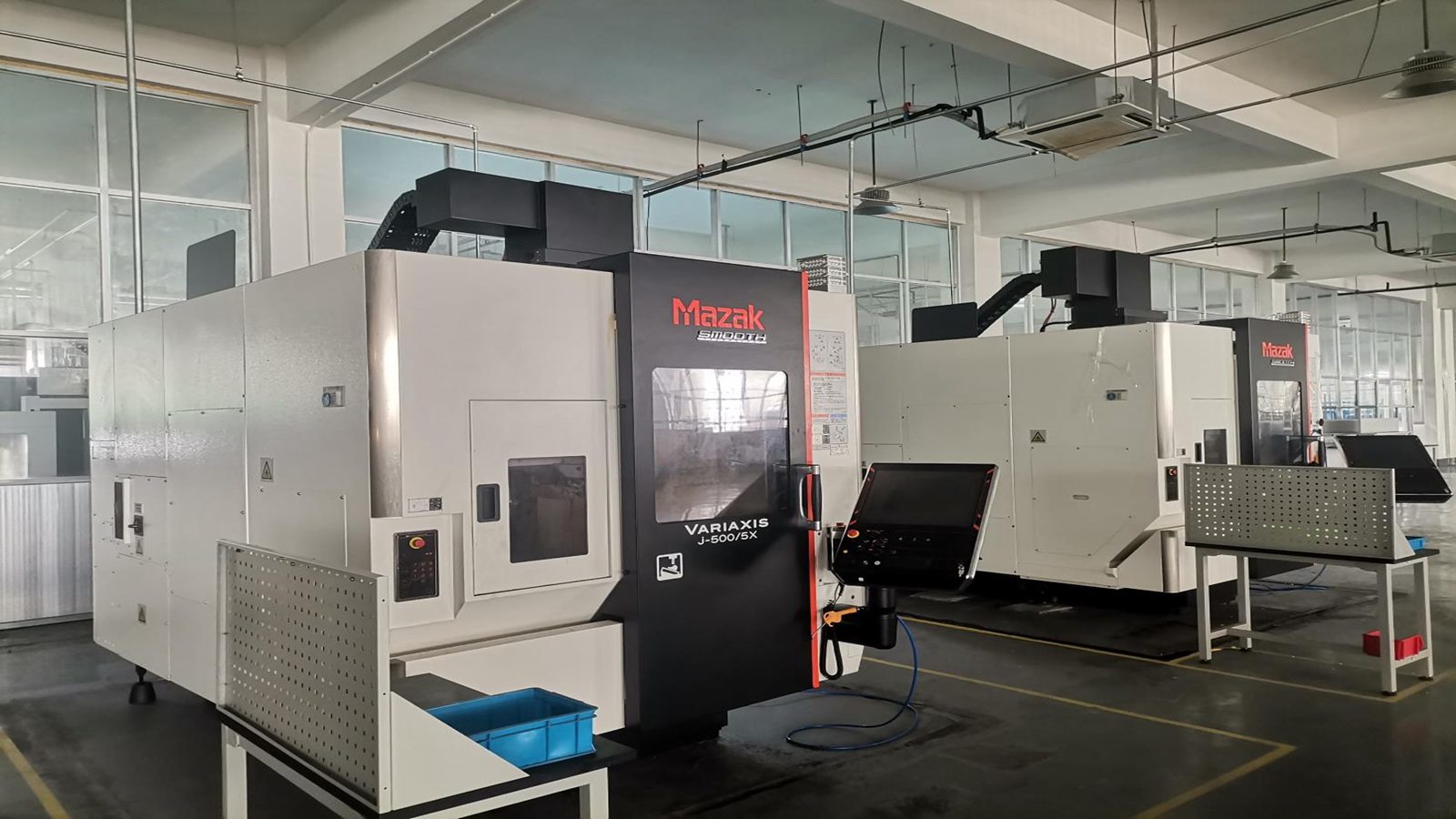
At HBM Medical, we combat international supply chain blockades through advanced infrastructure and digital planning. By implementing automated high-precision CNC multi-axis milling, we maintain sub-micron tolerances across all pedicle screw assemblies.
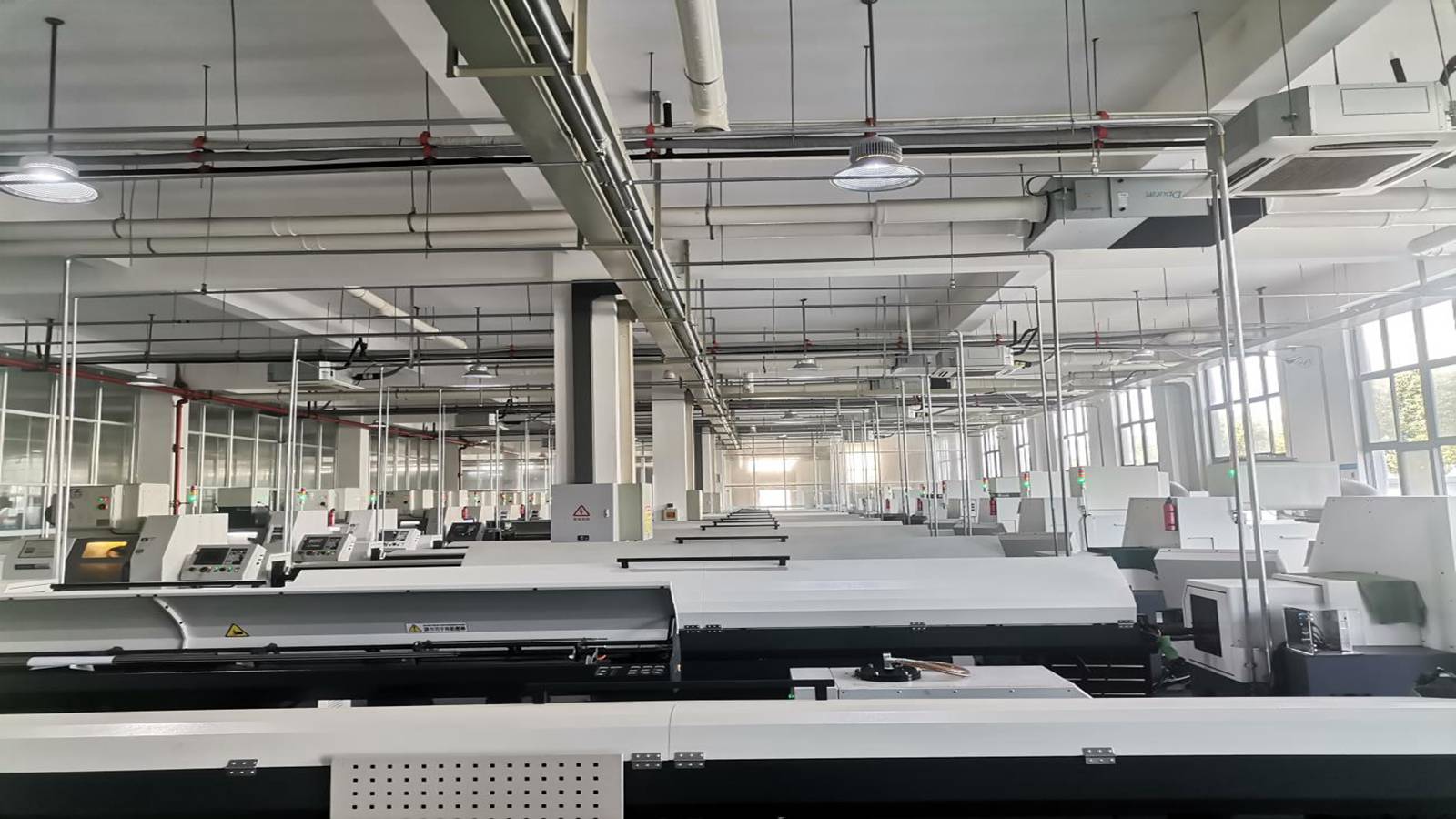
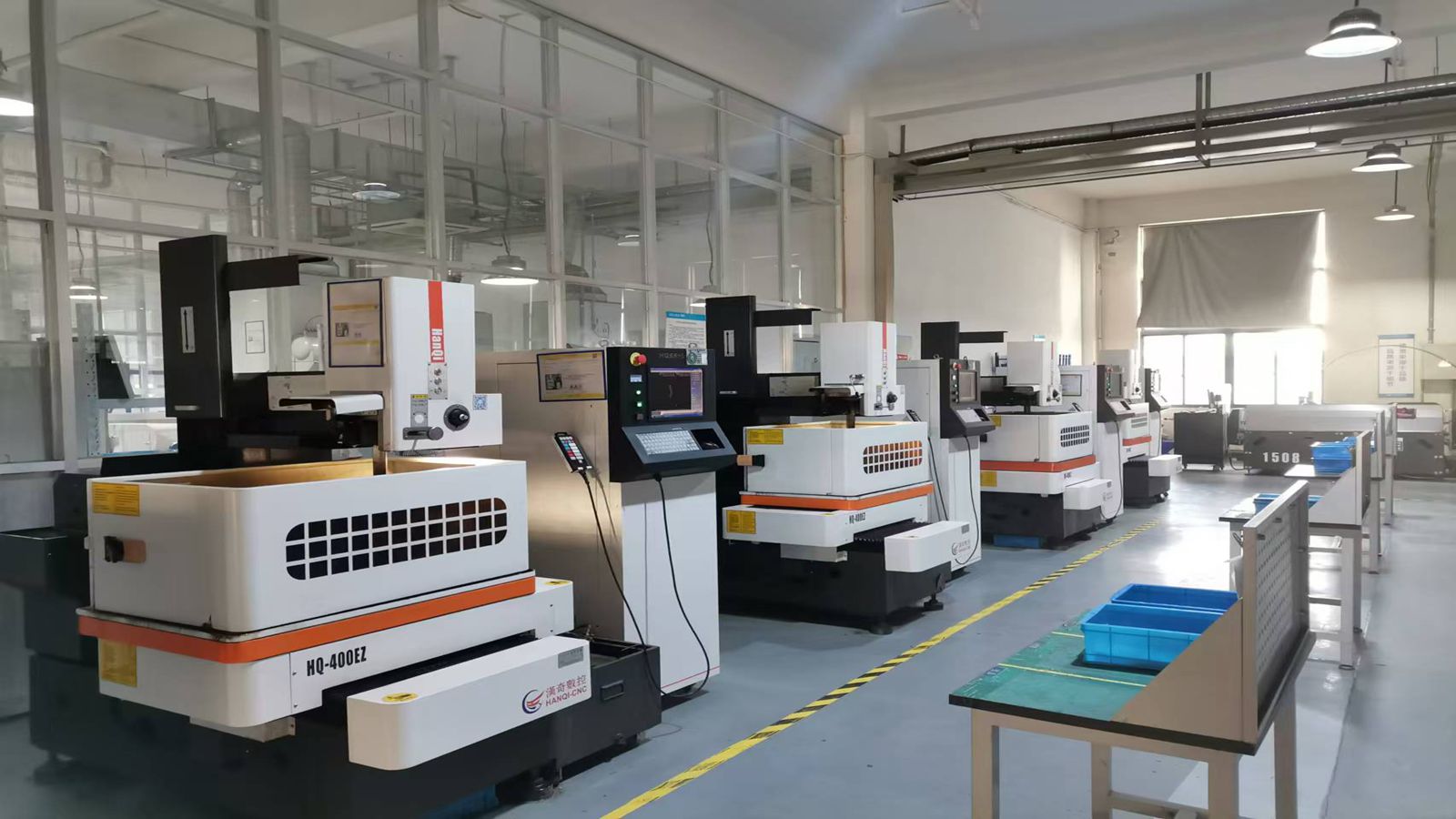
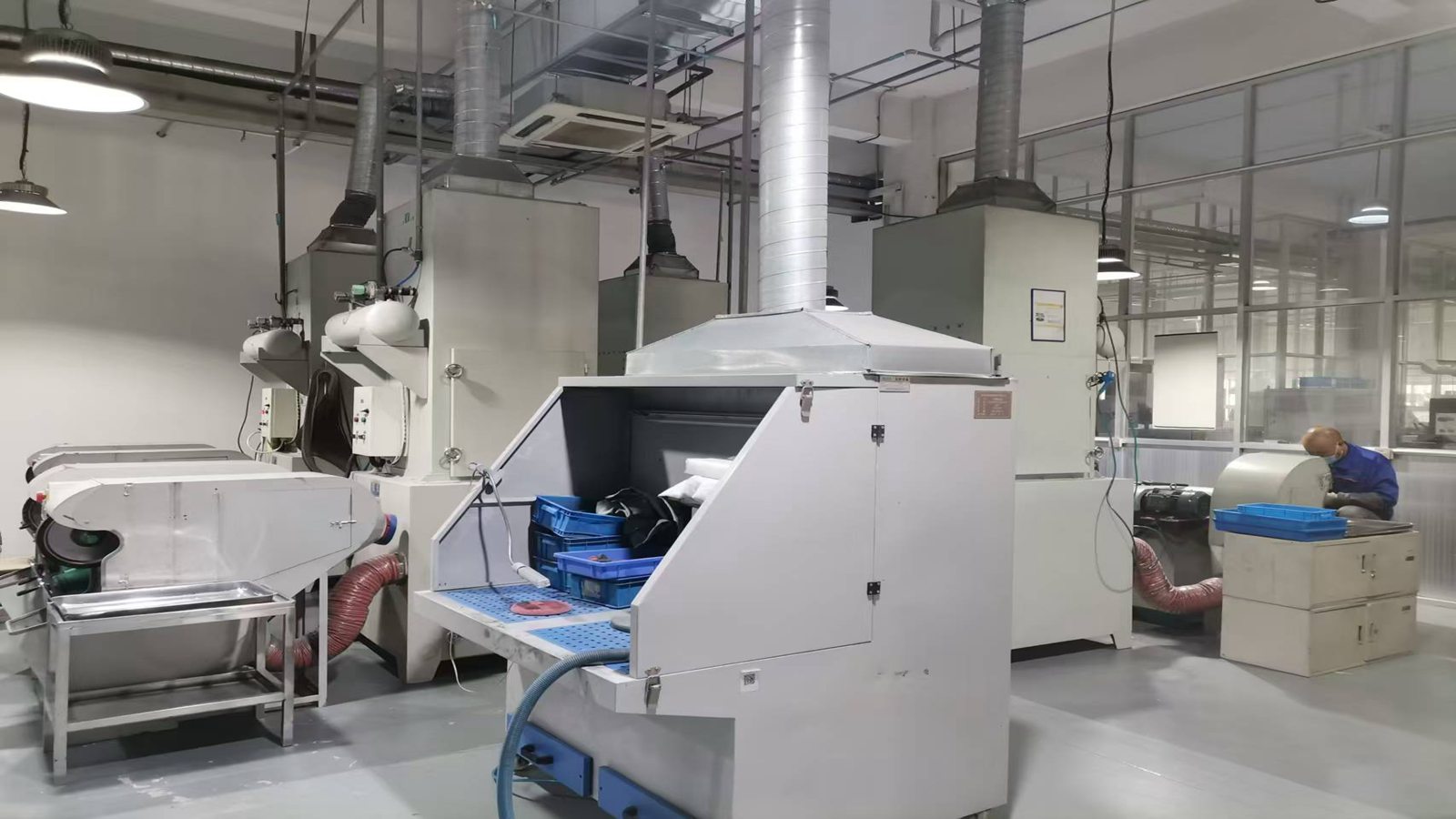
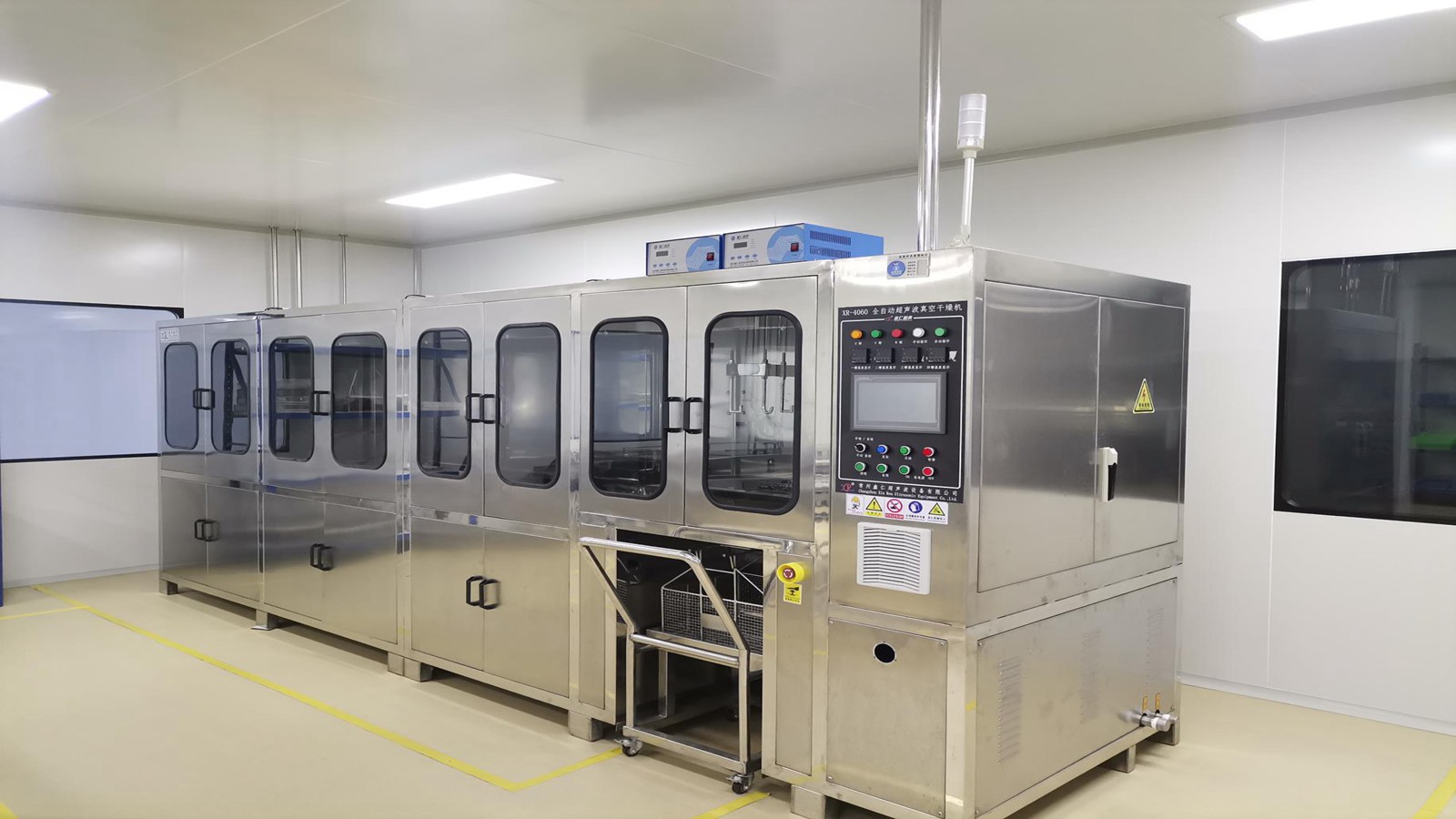
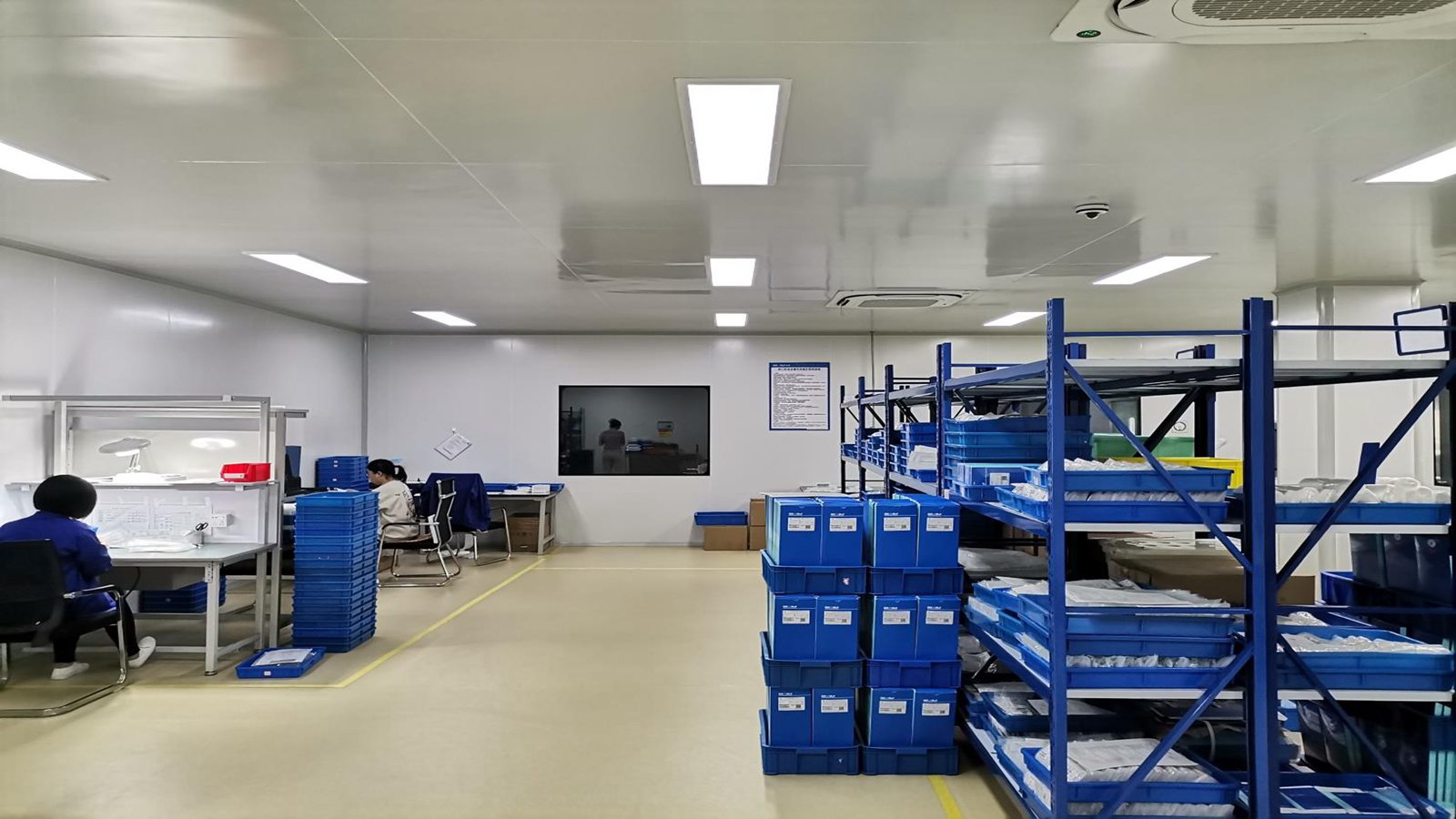
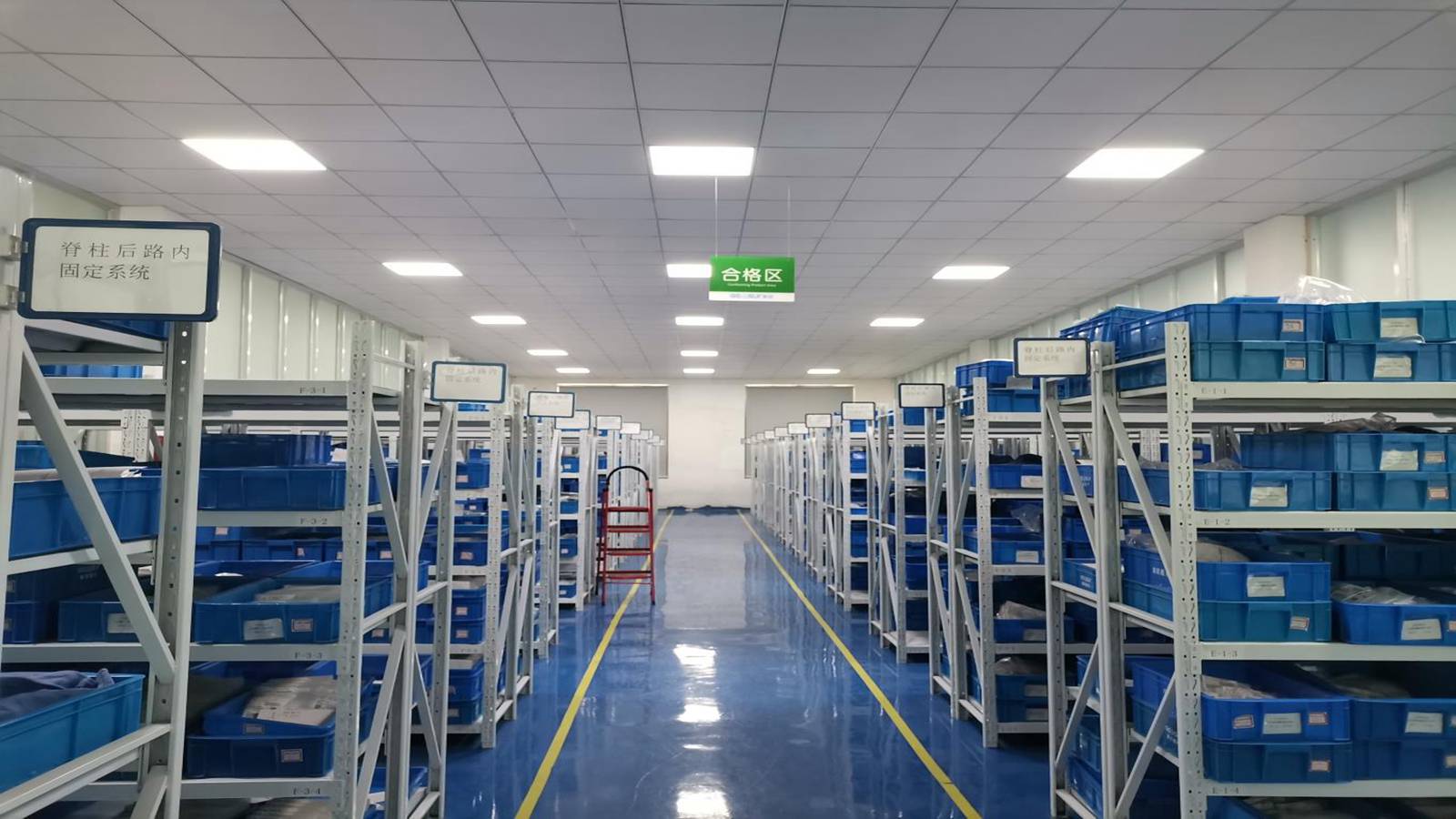
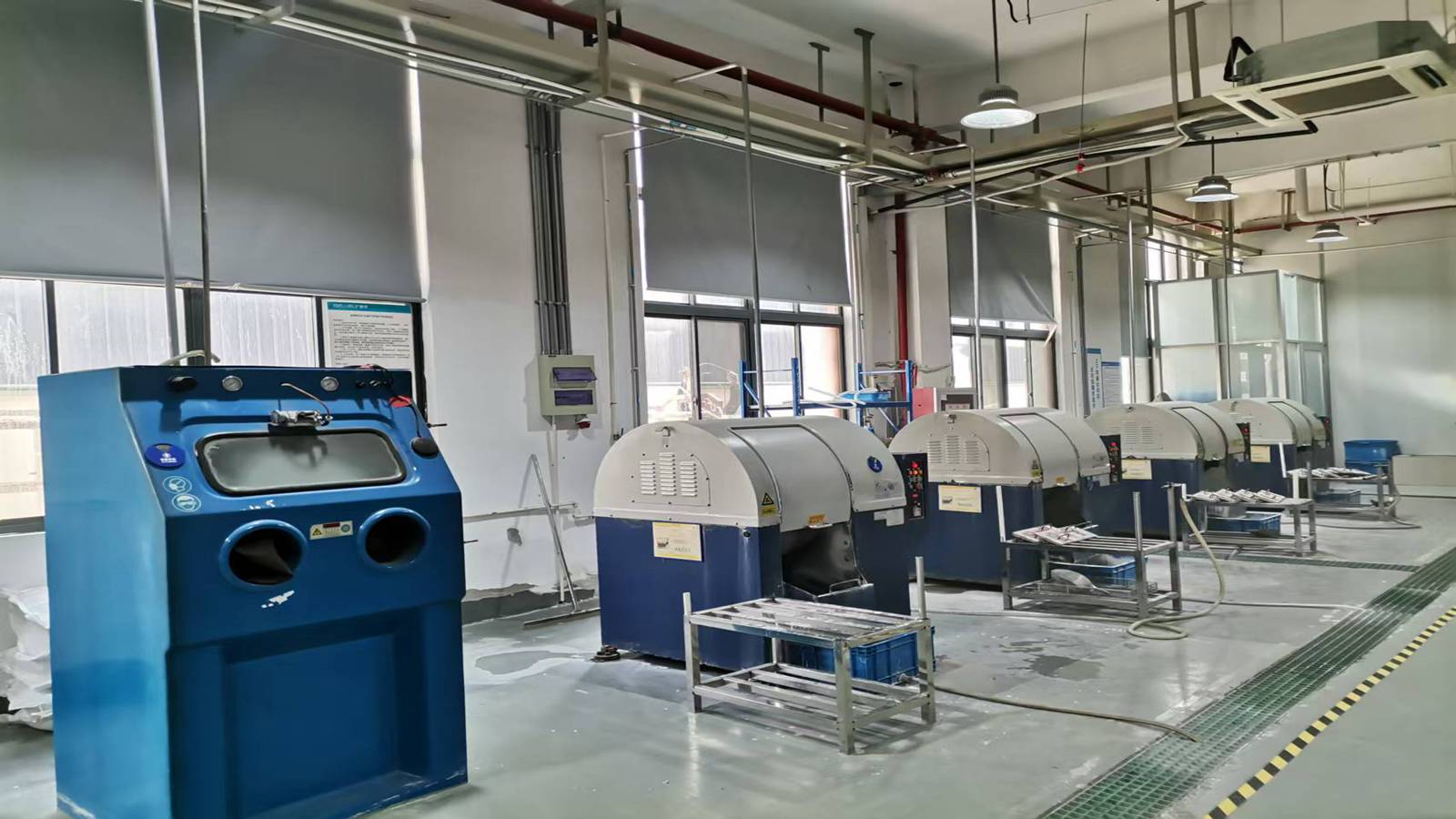
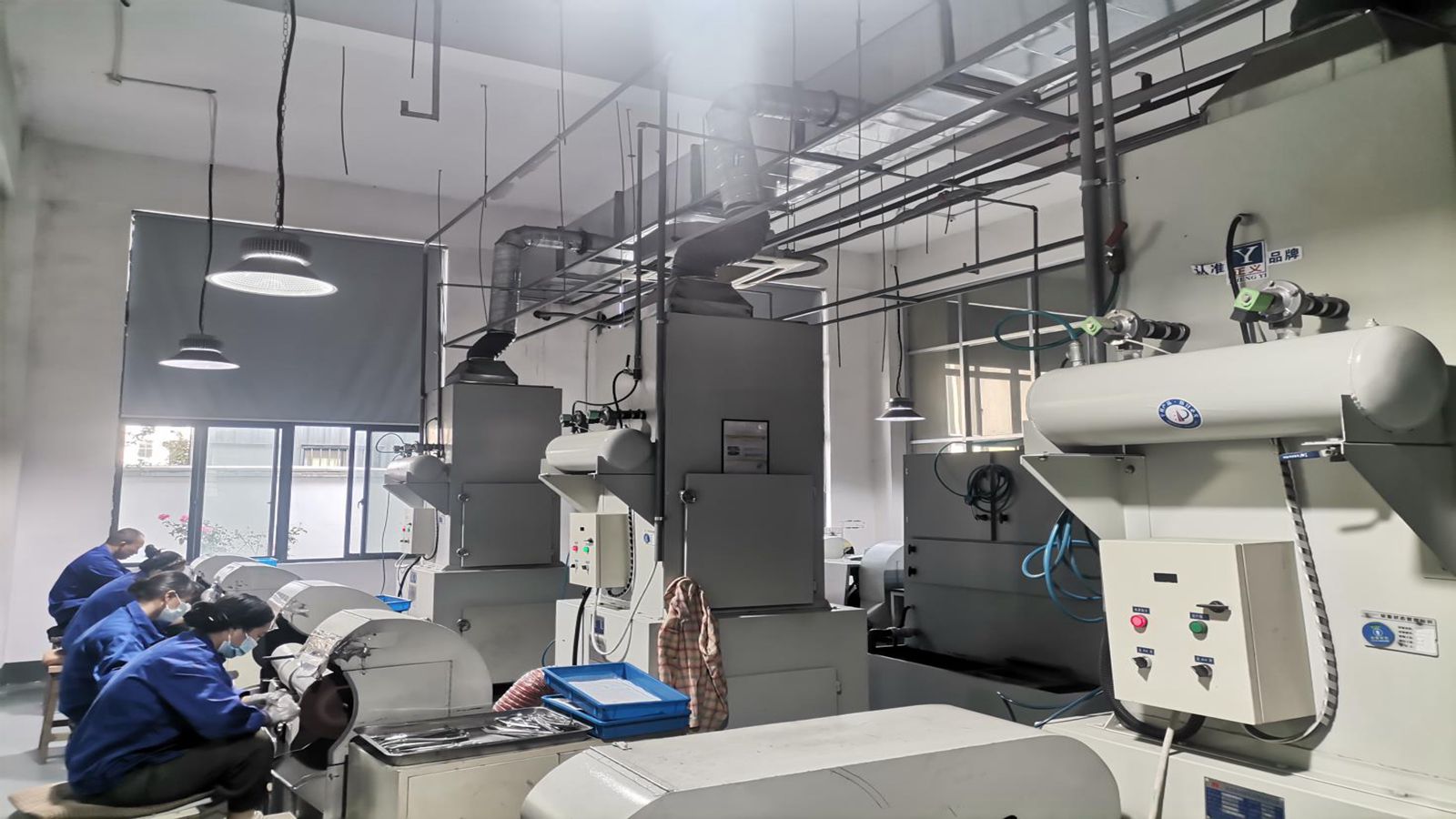
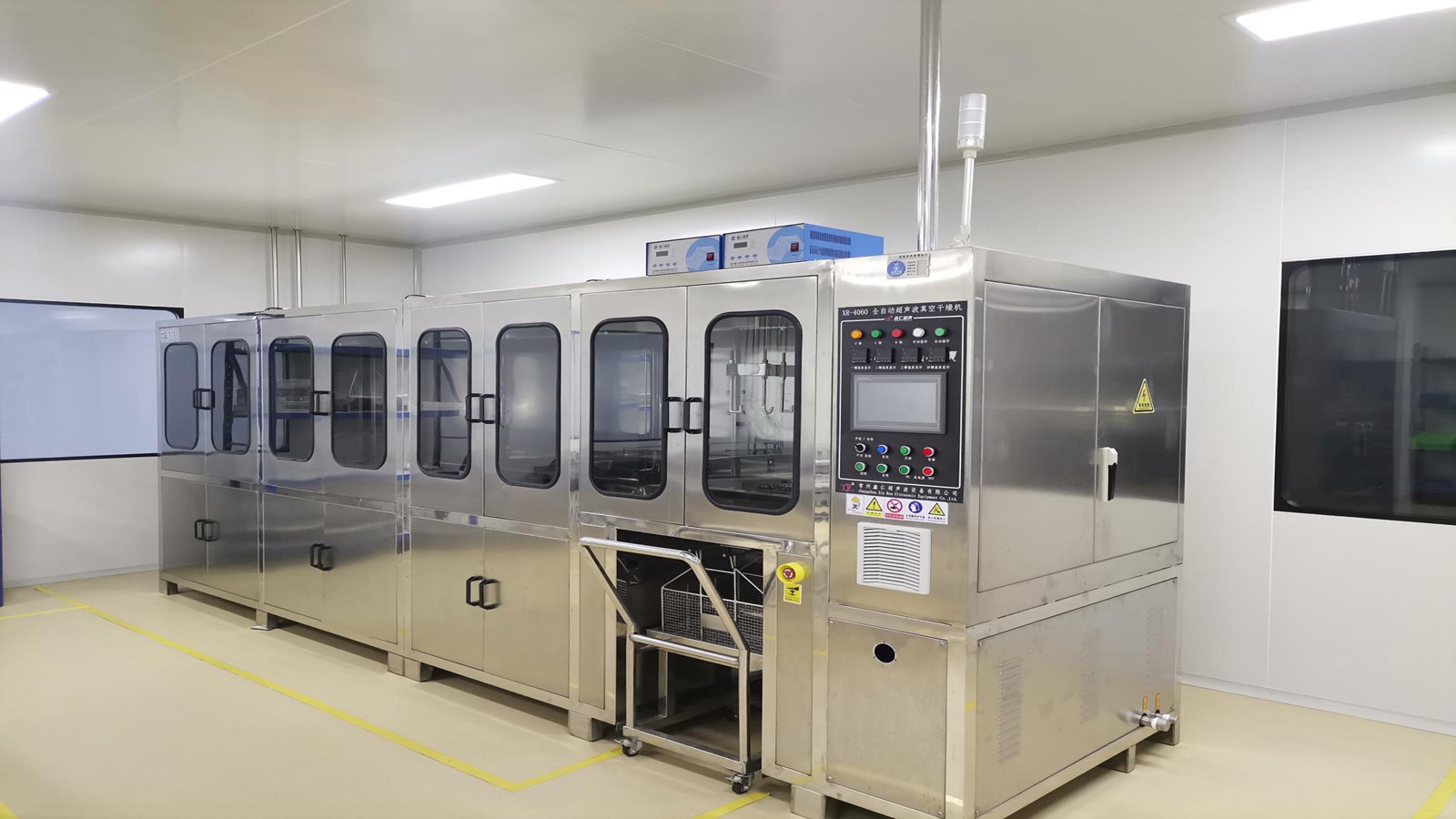
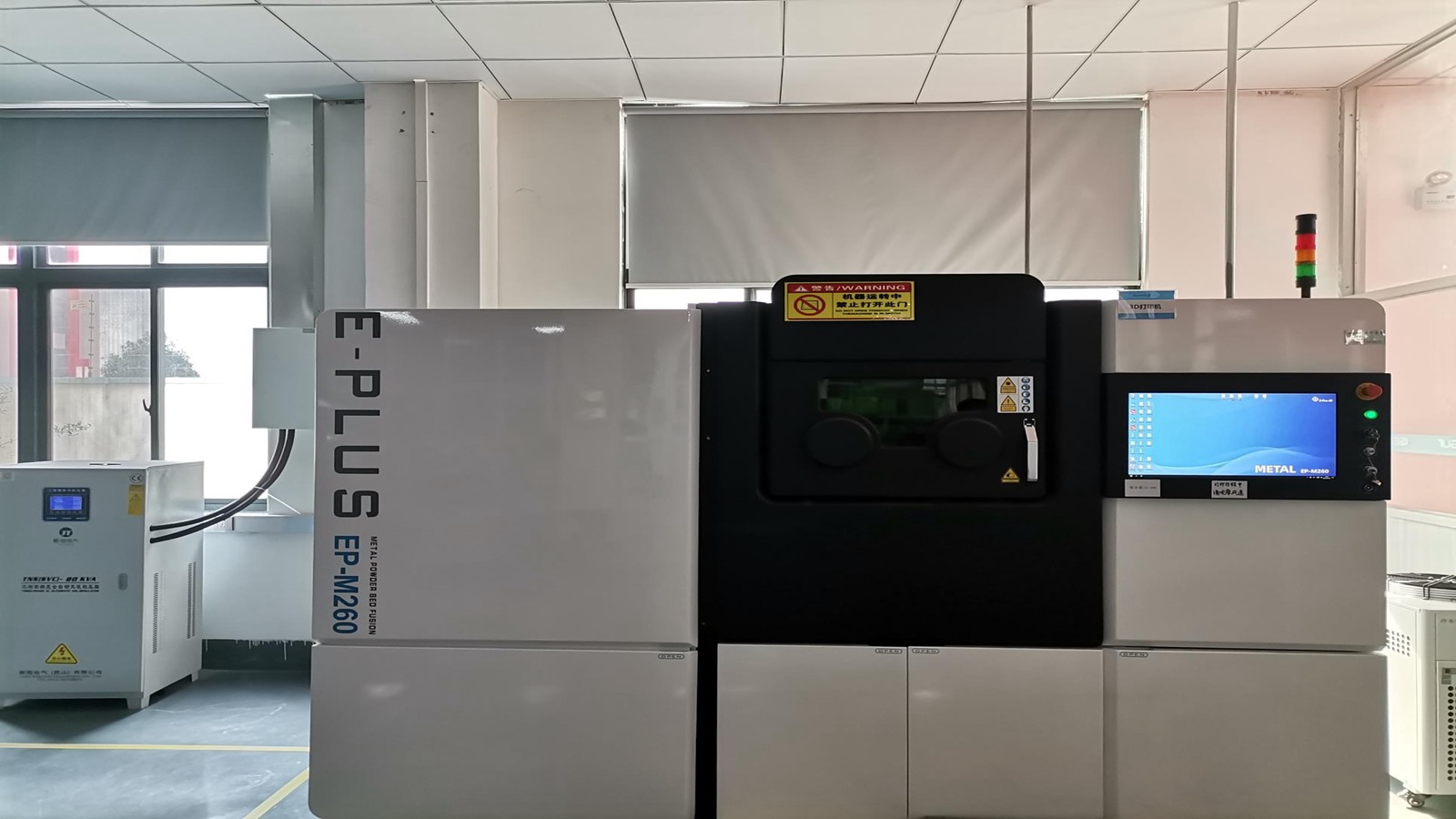
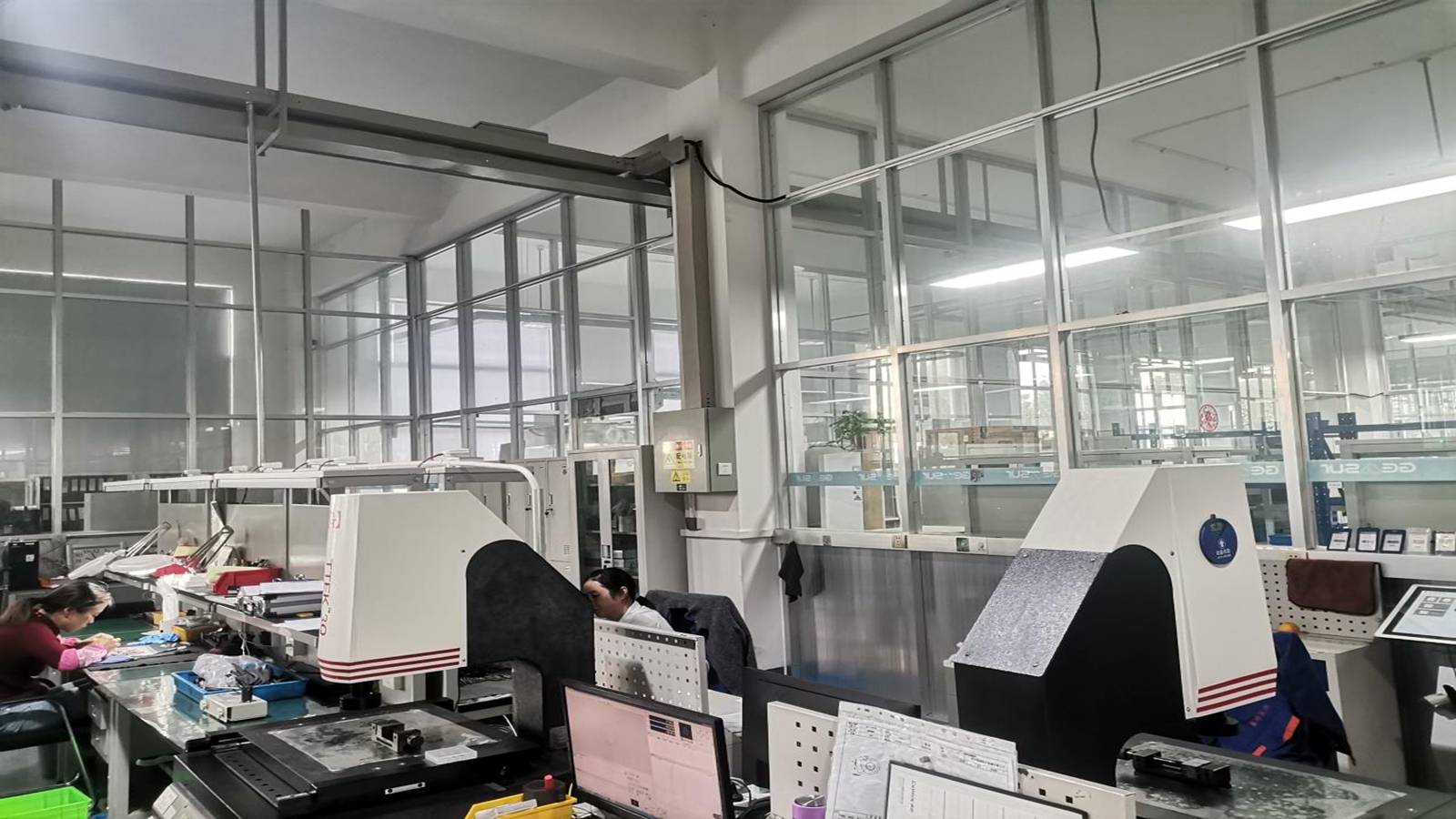
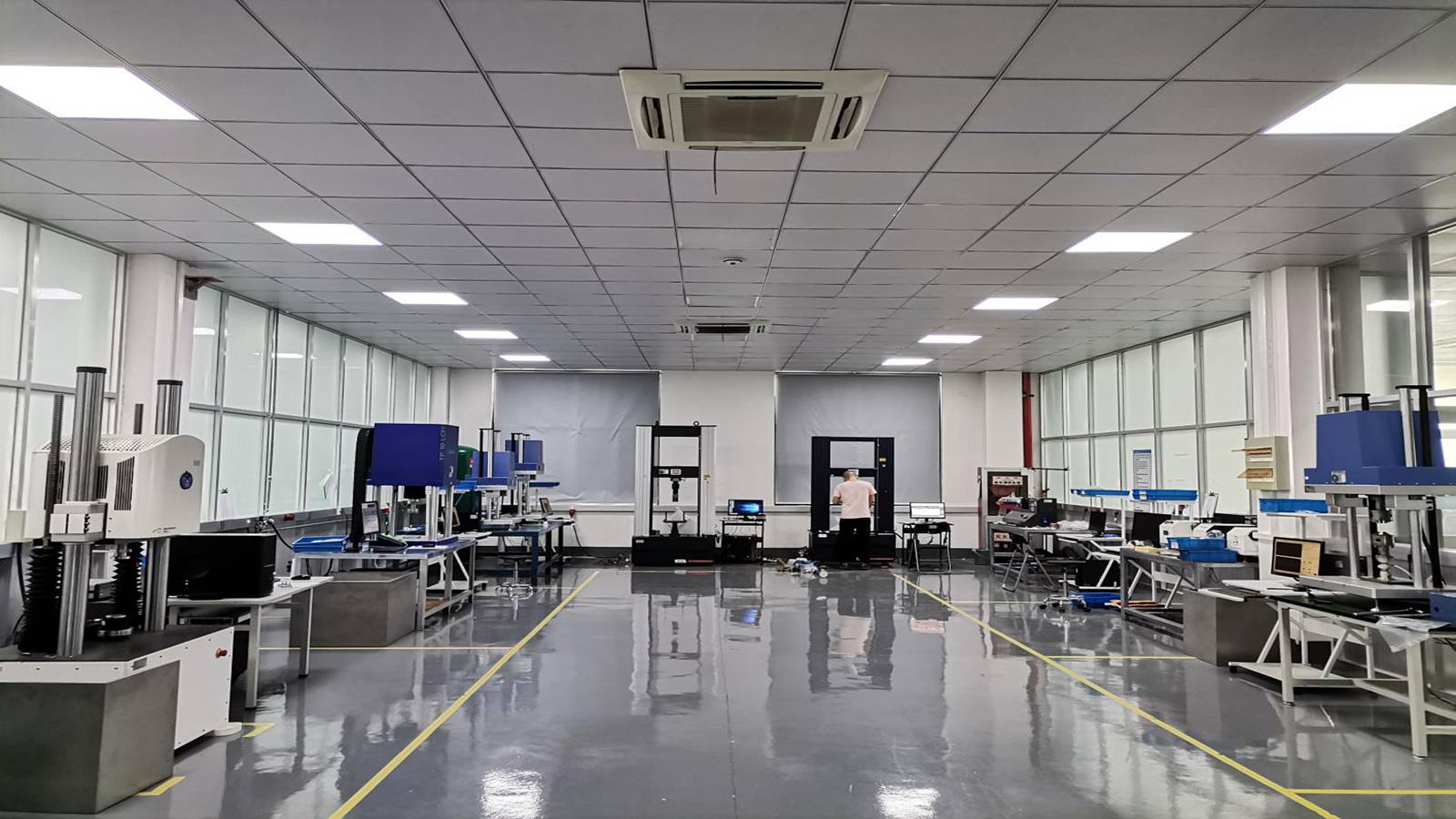
Our facility houses 12 independent production lines and over 120 testing and processing units. Backed by 36 specialized QA/QC inspectors, HBM provides a seamless path from raw titanium to sterilized implants ready for clinical application.
HBM Medical Apparatus And Instruments Co., Ltd. is a leading orthopedic medical equipment R&D, manufacturing and operation enterprise in China. With first-class production equipment, professional R&D, technology and manufacturing teams, a quality management system in line with international standards, and an efficient marketing service strategy, HBM has won the recognition of many partners worldwide.
HBM medical has always put the talent development strategy in the first place, constantly building a professional innovation team with high quality and strong R&D ability. We adhere to the development concept of technological innovation, product innovation, and service innovation. "Integrate the Master, Health being achieved."
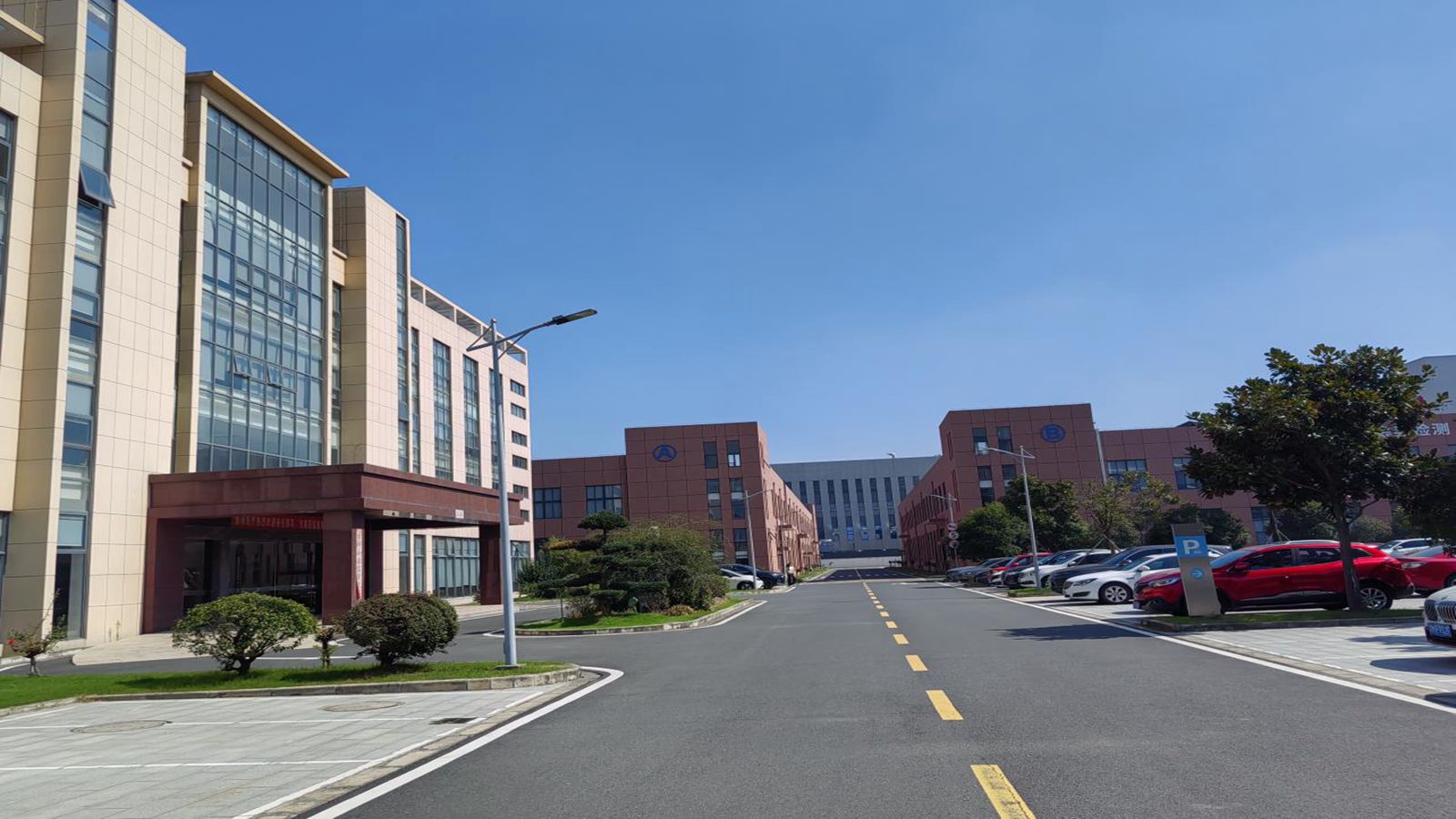
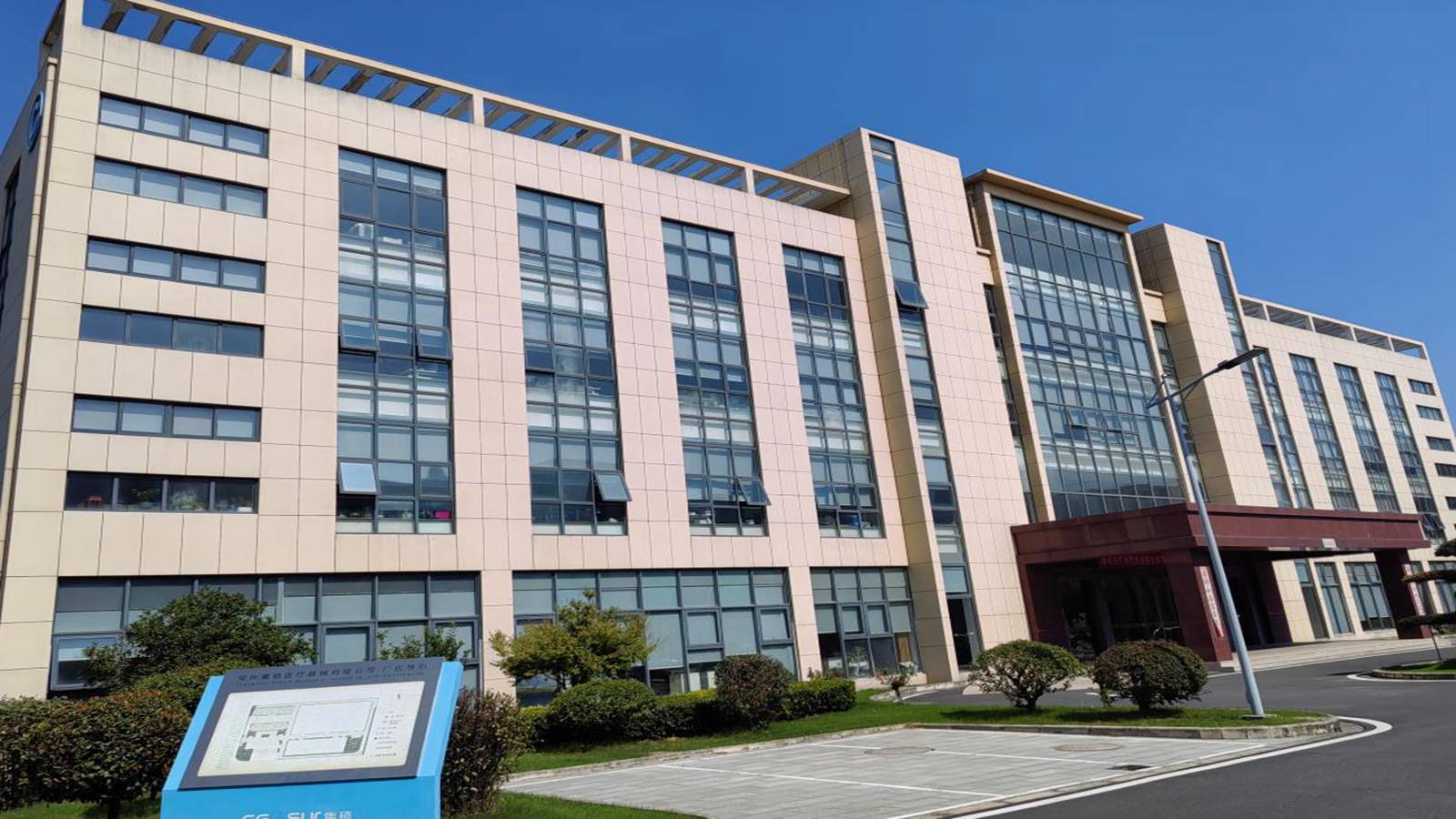
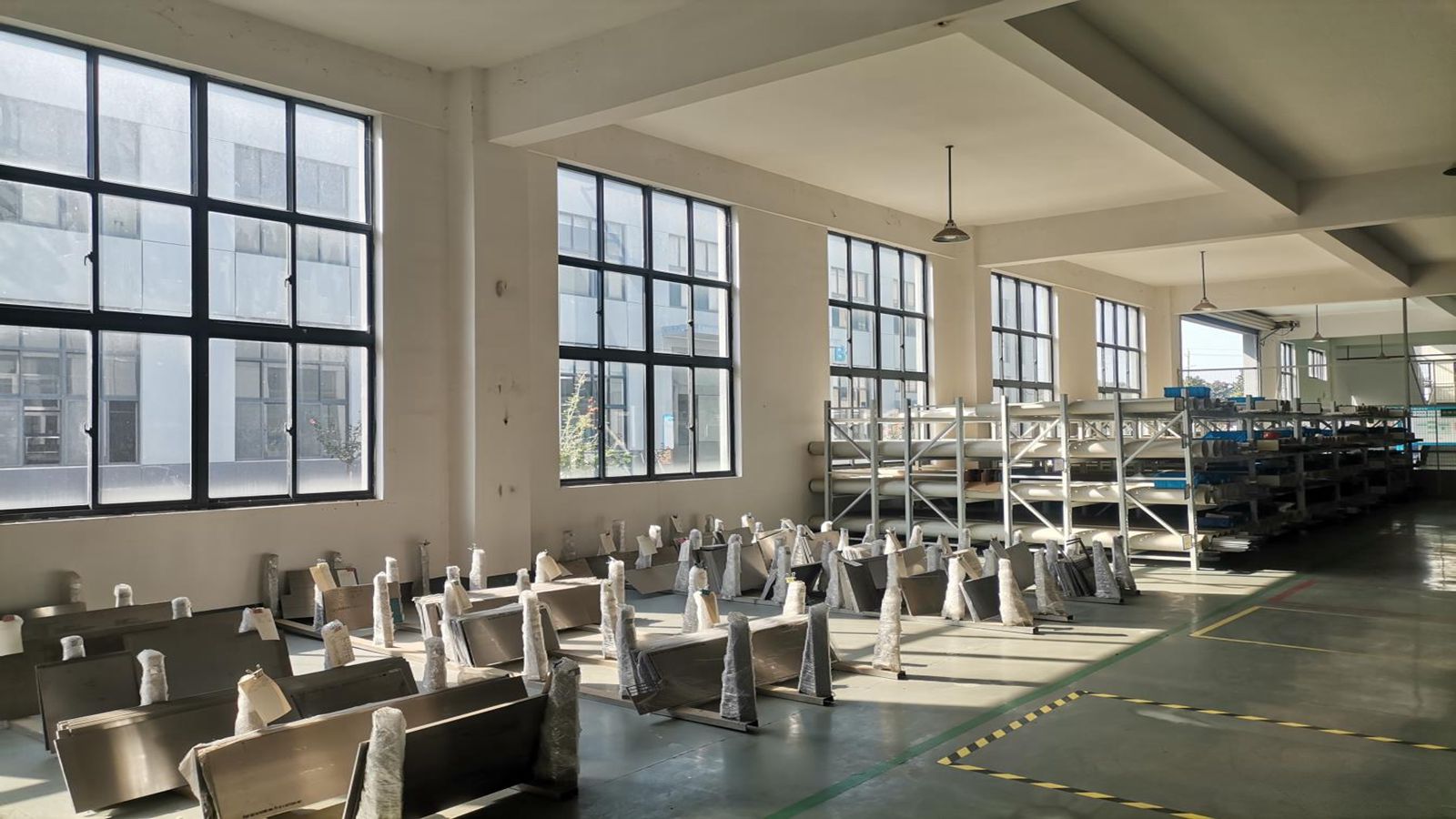
Established in 2015, HBM features a production site of over 30,000 square meters. Our products have obtained major certifications including ISO 13485, MDSAP, and CE, providing customers with reliable quality assurance and customizable options.
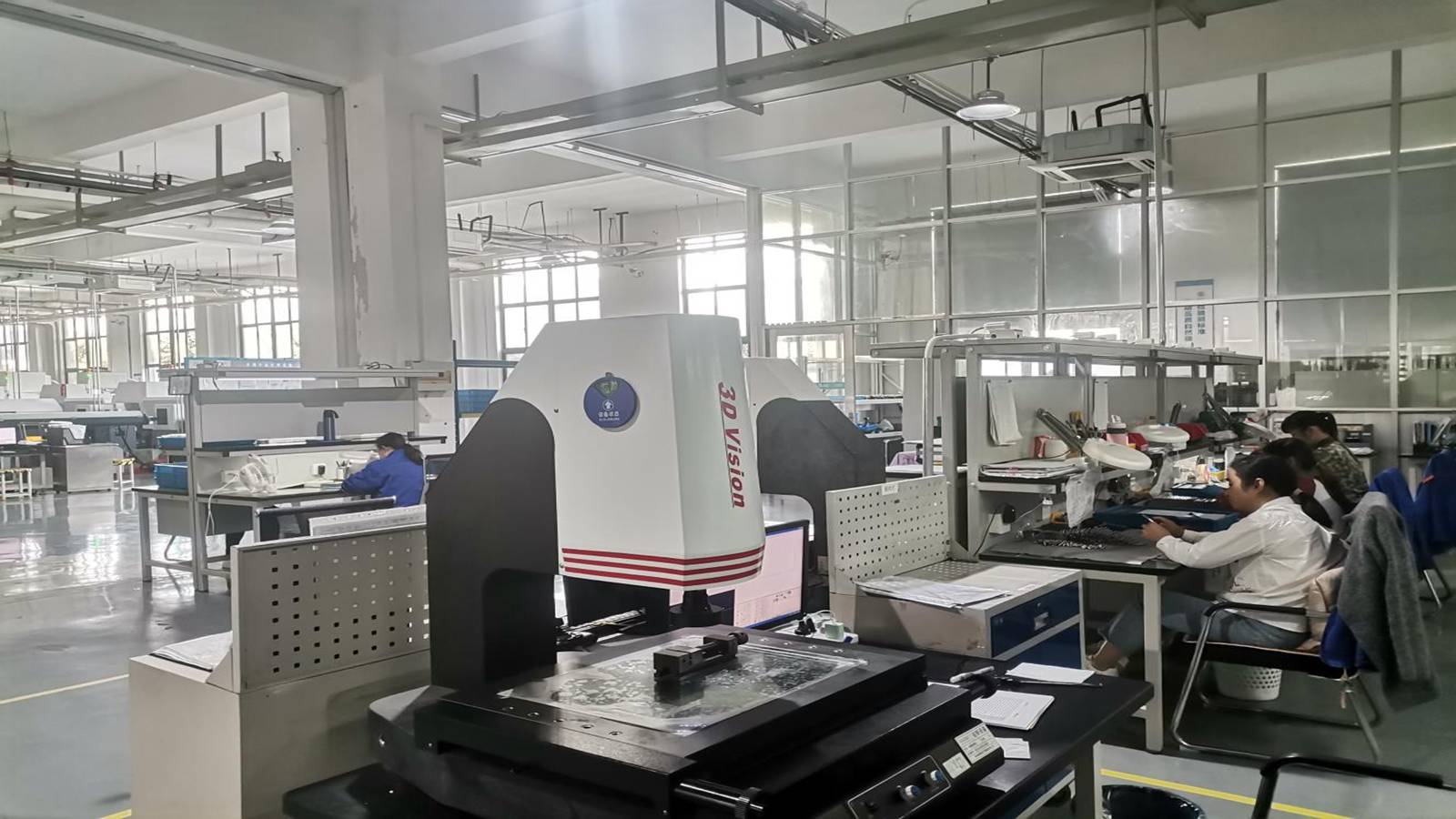
With 36 internal QA/QC inspectors, raw materials are fully traced back to their melt batch. Our quality procedures execute full inspection of all products or random checks based on client requirements.
Understanding how HBM spinal implants interface with local surgical guidelines inside major Michigan operating rooms.
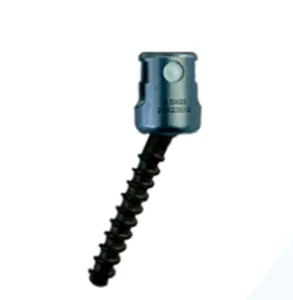
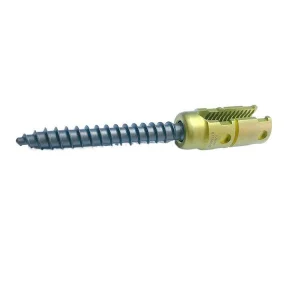
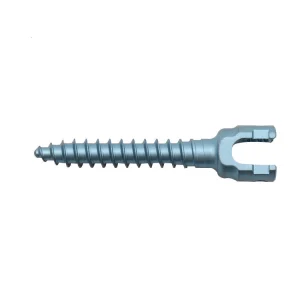
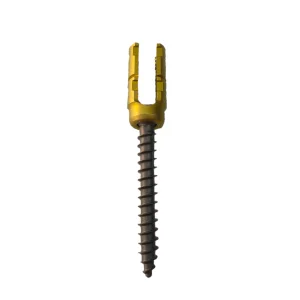
In severe automobile accidents or occupational spinal trauma cases treated at Level 1 Trauma Centers in Detroit, rapid stabilization is critical. Our 6.0mm Polyaxial Pedicle Screws offer high pullout resistance and wide-angle flexibility, helping trauma surgeons secure multi-level constructs quickly.
Ambulatory Surgical Centers (ASCs) throughout the Midwest are performing more lumbar fusions. Cost-effective minimally invasive implant kits with transparent raw material certifications (ISO 13485 / MDSAP) allow ASC administrators to maintain margins without sacrificing safety.
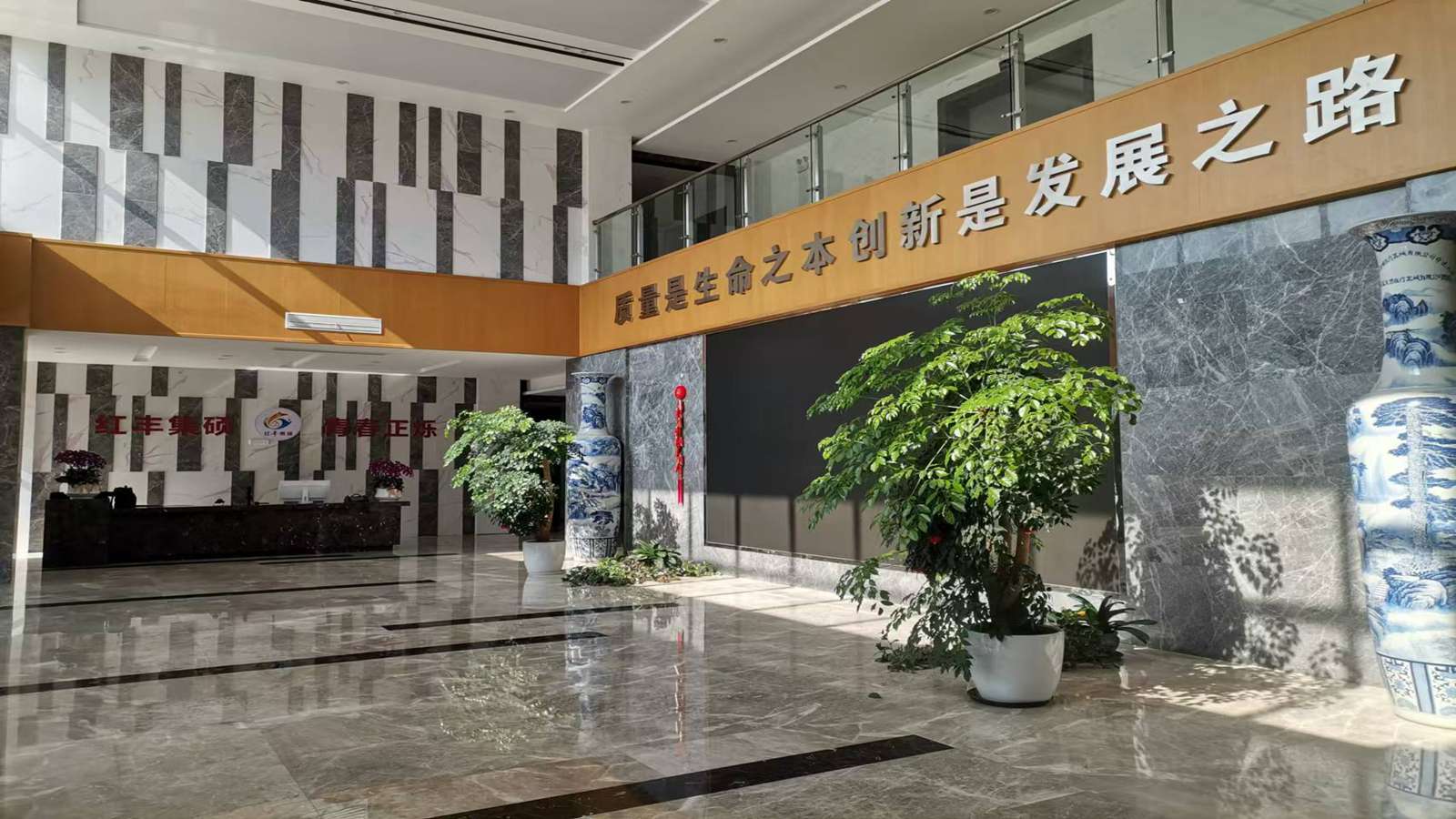
A closer look at our cleanrooms, modern CNC systems, and quality testing facility.
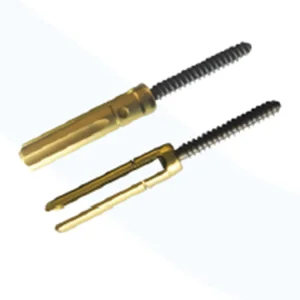
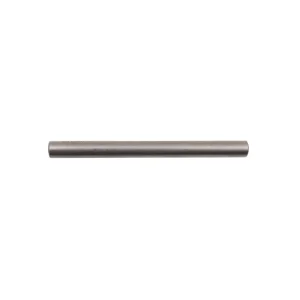
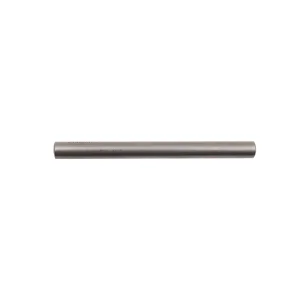
Browse our comprehensive list of titanium screws, spinal rods, and reduction instruments designed for modern posterior and anterior surgery workflows.
Get in touch with our technical sales division to request a sample pack, inspect material certificate logs (ASTM F136 / ISO 5832-3), or discuss customized designs.
Contact HBM Medical Now HBM Medical