Highly engineered reconstruction systems optimized for arthroscopic procedures and regional orthopedic centers.
Equatorial Guinea, located strategically in the Gulf of Guinea, is undergoing an ambitious healthcare modernization paradigm. Guided by the National Economic and Social Development Plan (PNDES), the government is prioritizing the structural enhancement of tertiary hospitals in key urban nodes such as Malabo, Bata, and Oyala. Within this framework, specialized medical fields—most notably orthopedics and sports traumatology—have transitioned from basic emergency care models to advanced reconstructive surgeries, necessitating a highly reliable, certified supply chain of medical devices.
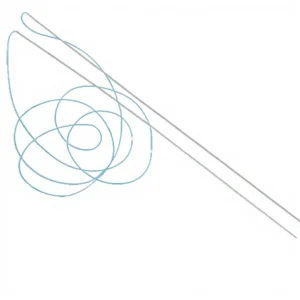
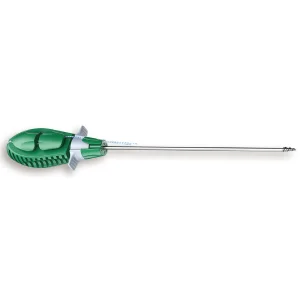
Historically reliant on direct patient referrals to European and South African facilities, Equatorial Guinea is actively retaining clinical talent and constructing regional centers of excellence, such as the La Paz Medical Center in Malabo and Bata. As sports medicine and minimally invasive arthroscopy become standard practices for treating soft tissue pathologies, the demand for implantable titanium suture anchors, UHMWPE sutures, and bioabsorbable interference screws has scaled exponentially. HBM Medical Apparatus and Instruments Co., Ltd., as an established R&D-driven manufacturer, bridges this technological gap by providing world-class orthopedic instrumentation and implant systems to clinical operators and procurement entities throughout the CEMAC (Central African Economic and Monetary Community) region.
Streamlined customs clearance and medical device registration protocols under regional harmonized commerce treaties for Central Africa.
Collaborative medical training programs for local surgeons in Malabo and Bata utilizing high-fidelity anatomical model instrumentation kits.
Reducing lead times through optimized multi-modal airfreight connections to Malabo International Airport (SSG), bypassing common logistics bottlenecks.
The sports medicine industry has pivoted away from highly invasive open-joint surgeries toward Minimally Invasive Surgery (MIS) techniques. Arthroscopic procedures preserve healthy tissue, drastically reduce post-operative recovery timelines, and lower infection risks—factors that are critically important in tropical and sub-Saharan clinical settings. This technological evolution requires implants designed for extreme bio-compatibility, optimized pull-out strength, and high knot security.
Globally, procurement agencies and distributors are looking beyond basic pricing metrics, prioritizing strict quality compliance and materials traceability. From a regulatory perspective, the transition from the old Medical Device Directive (MDD) to the rigorous European Medical Device Regulation (MDR 2017/745) has reshaped supply chains. Factories that lack extensive clinical evaluations, ISO 13485 quality systems, or MDSAP (Medical Device Single Audit Program) certificates are being excluded from national tenders. HBM Medical addresses these market trends by dedicating over 10% of its resources to continuous research, backed by a clinical advisory board comprising orthopedic specialists and PhD materials scientists.
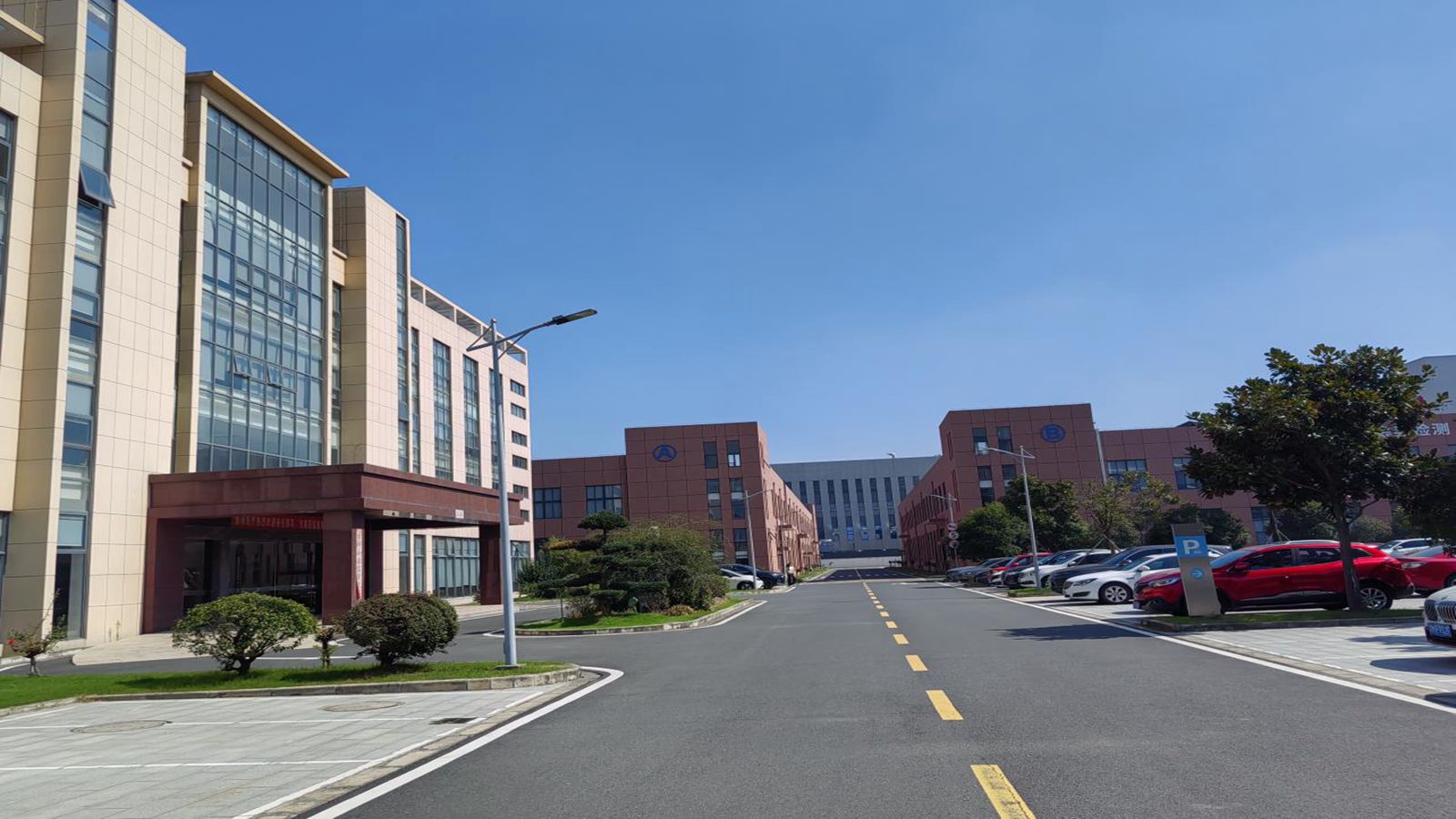
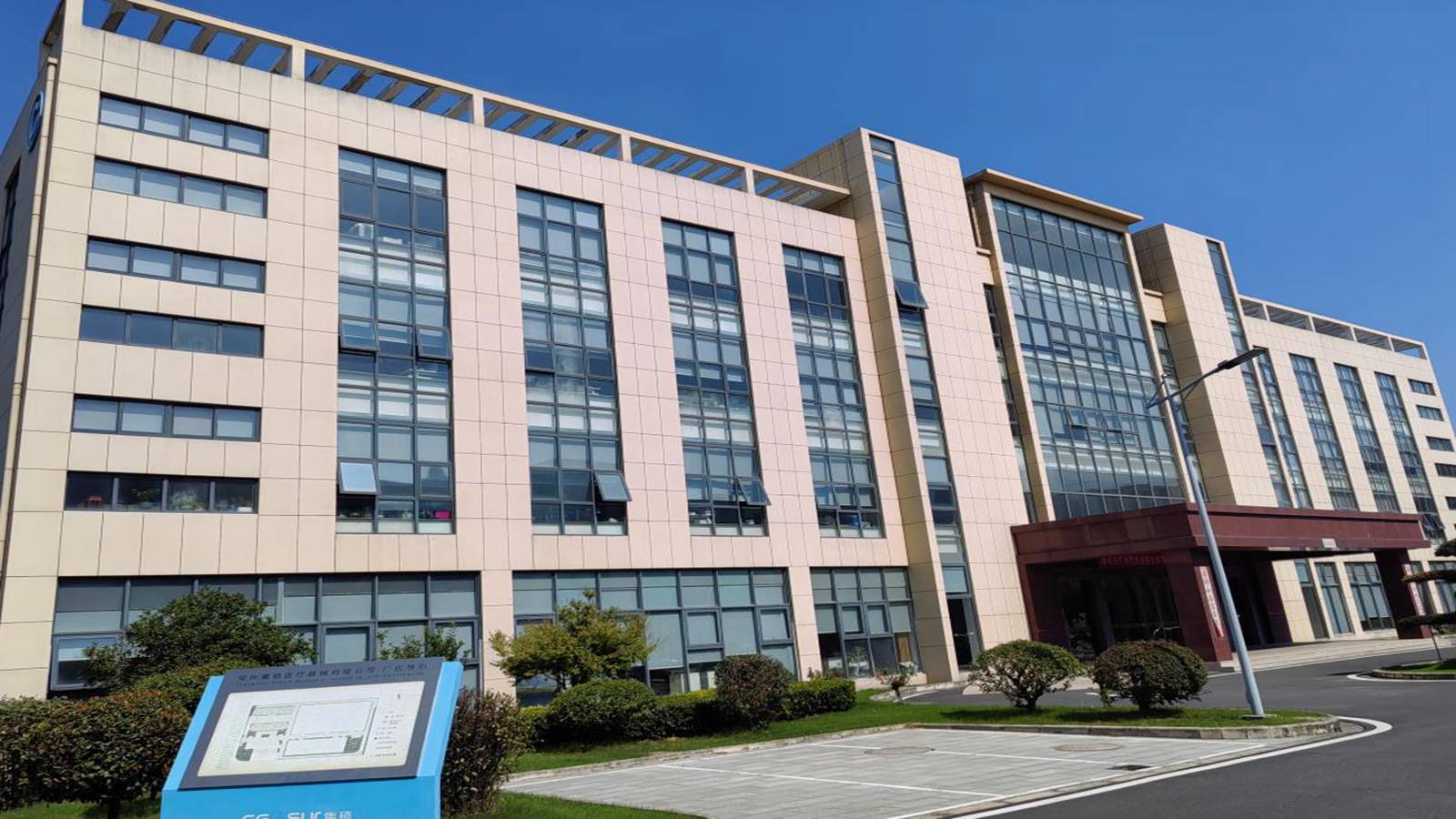
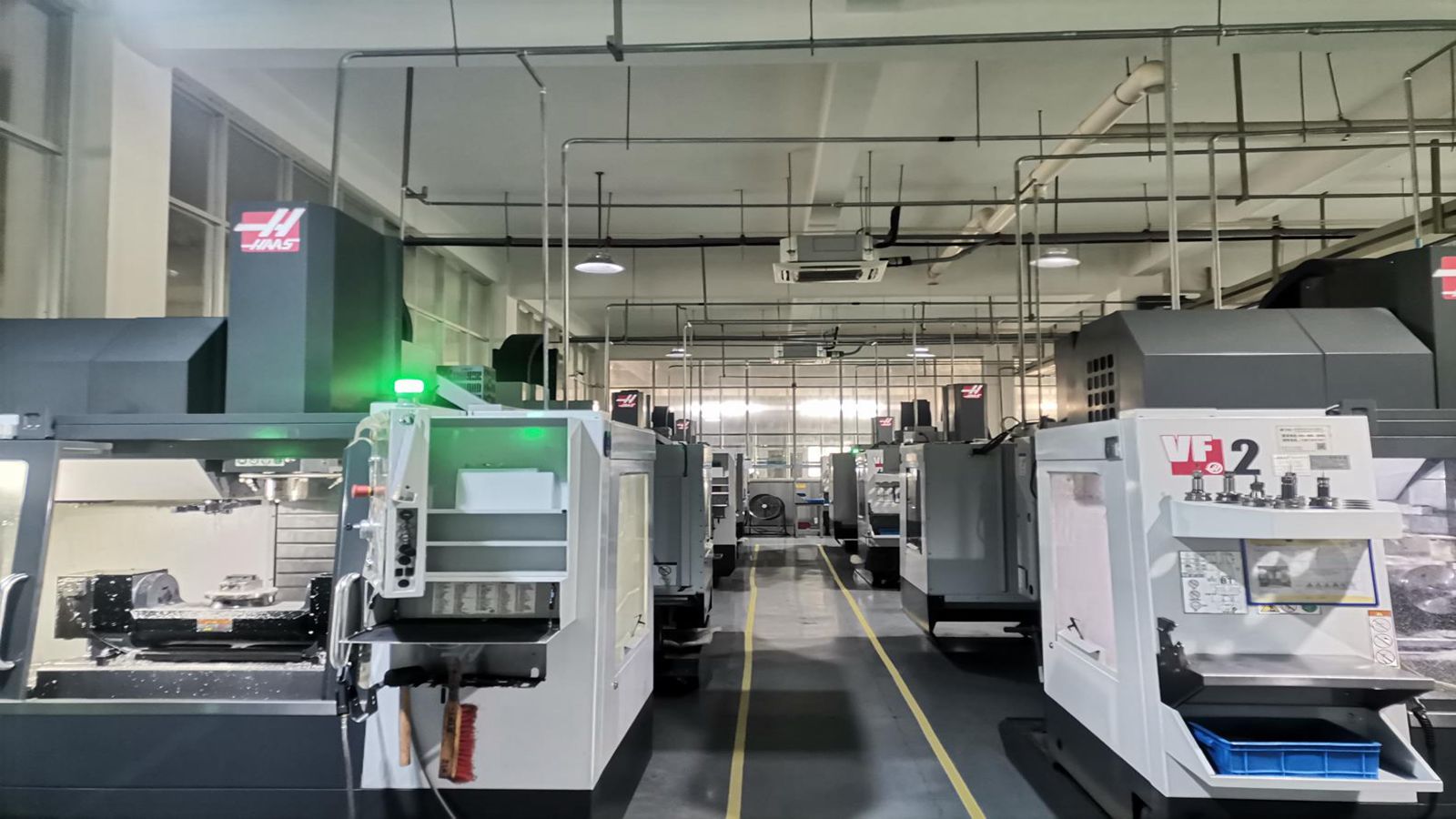
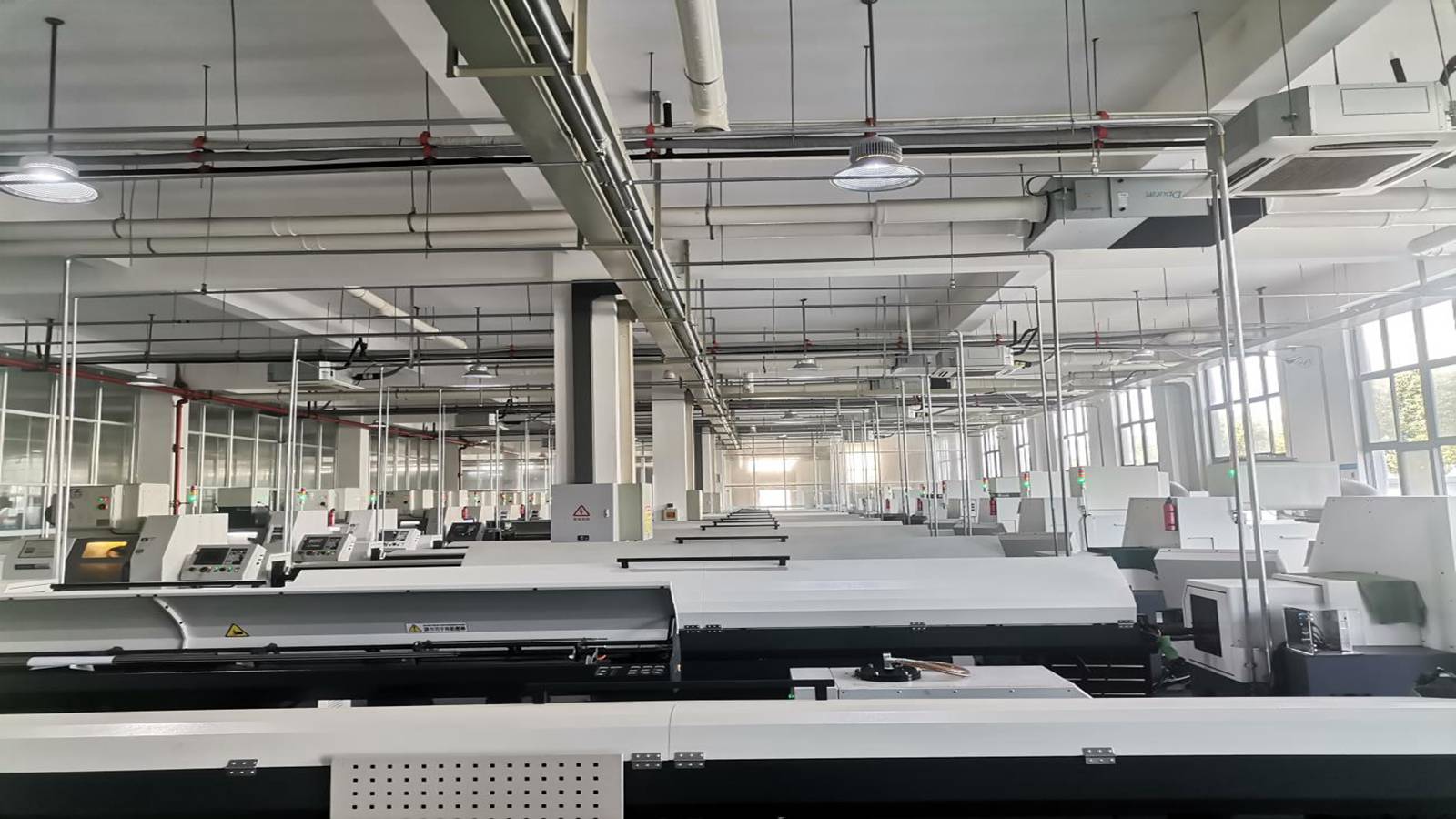
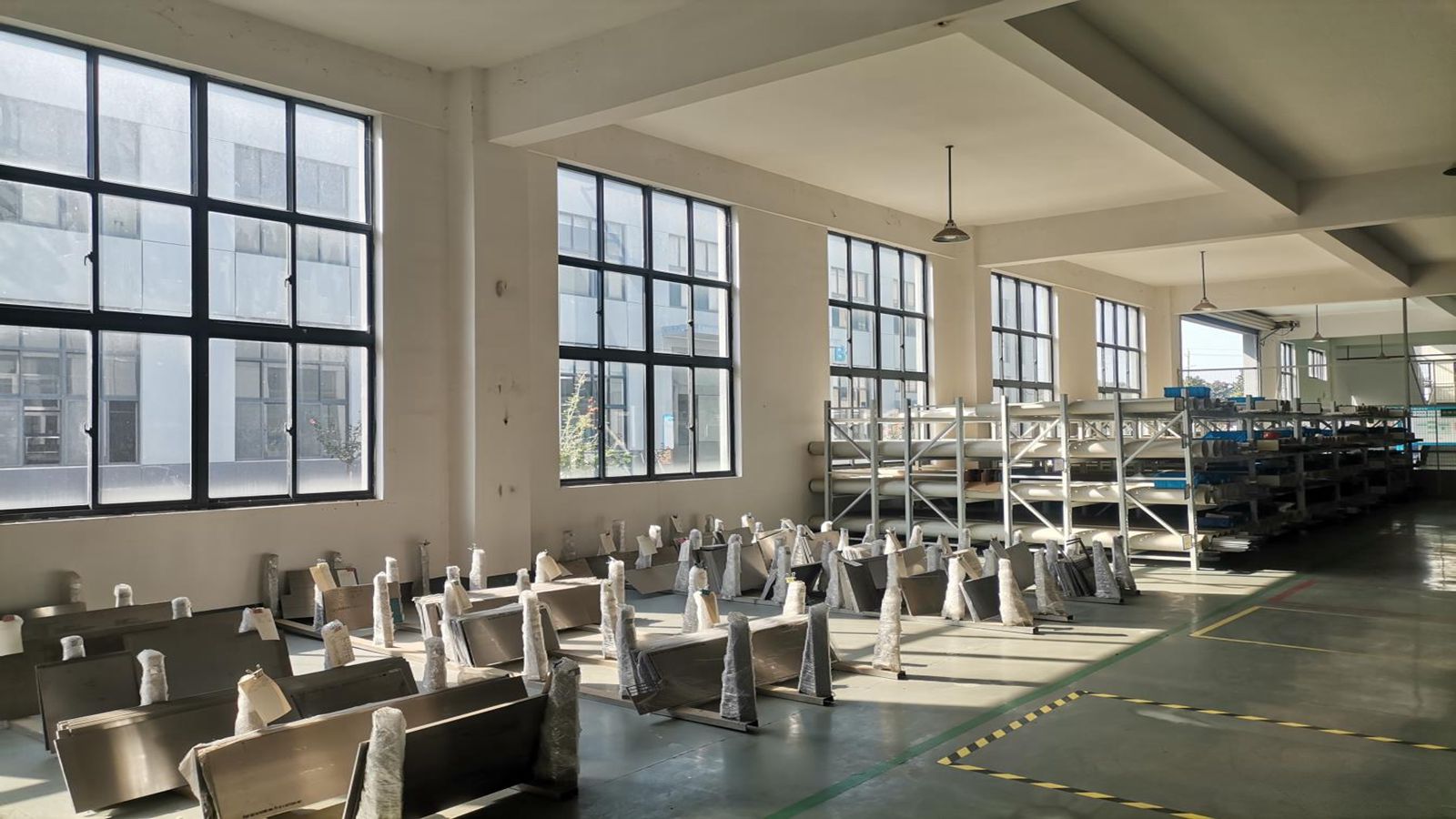
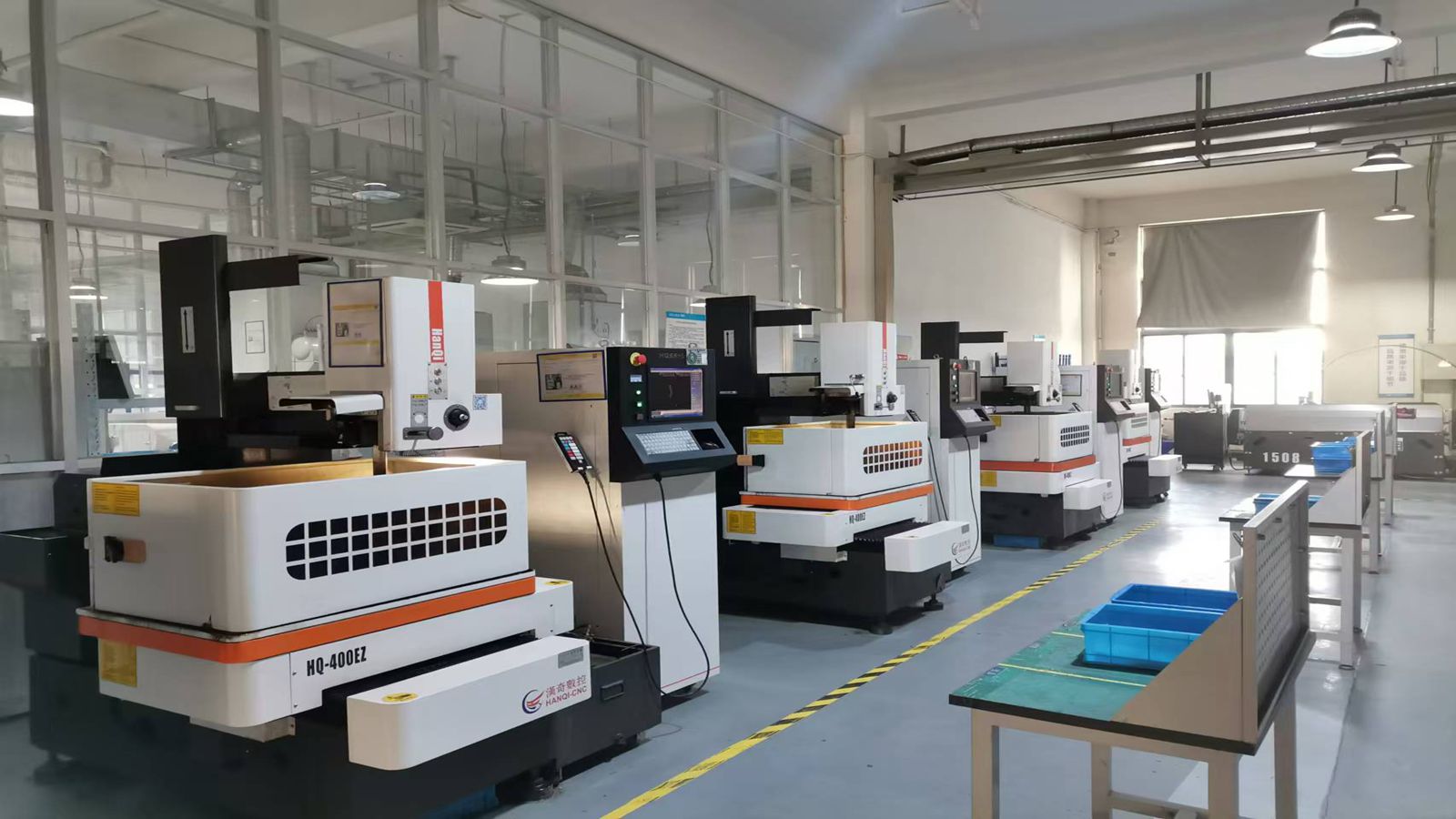
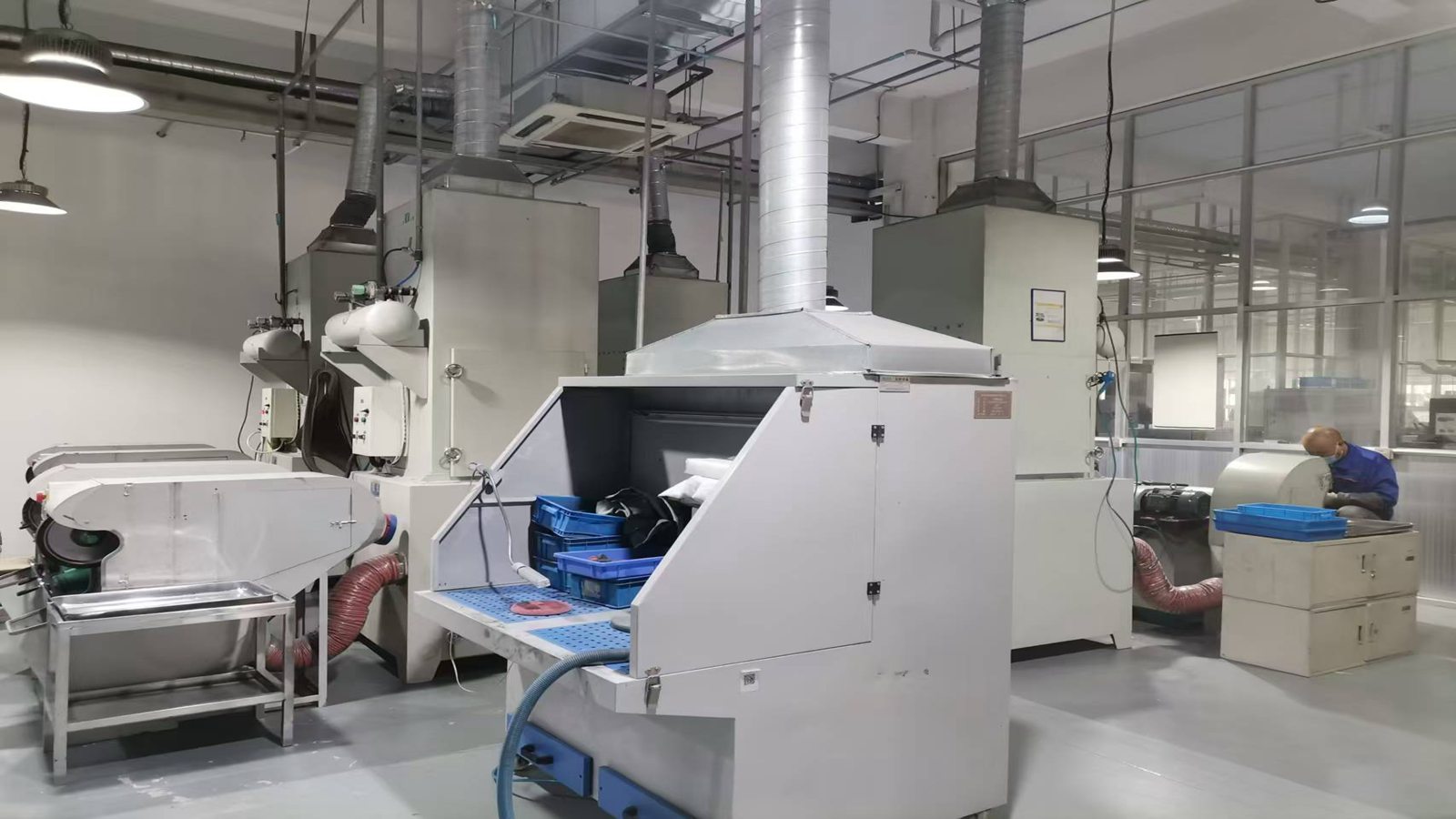
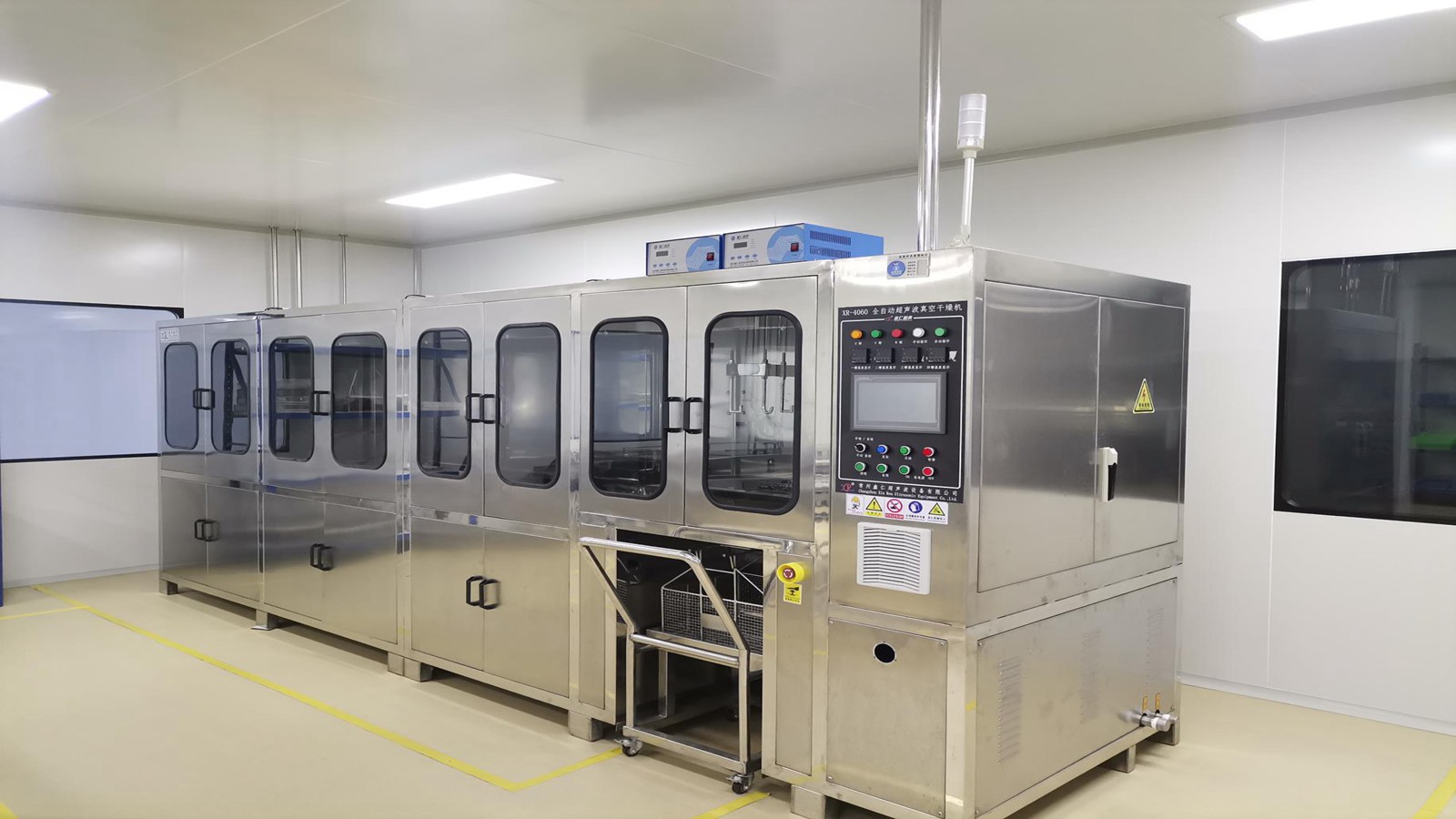
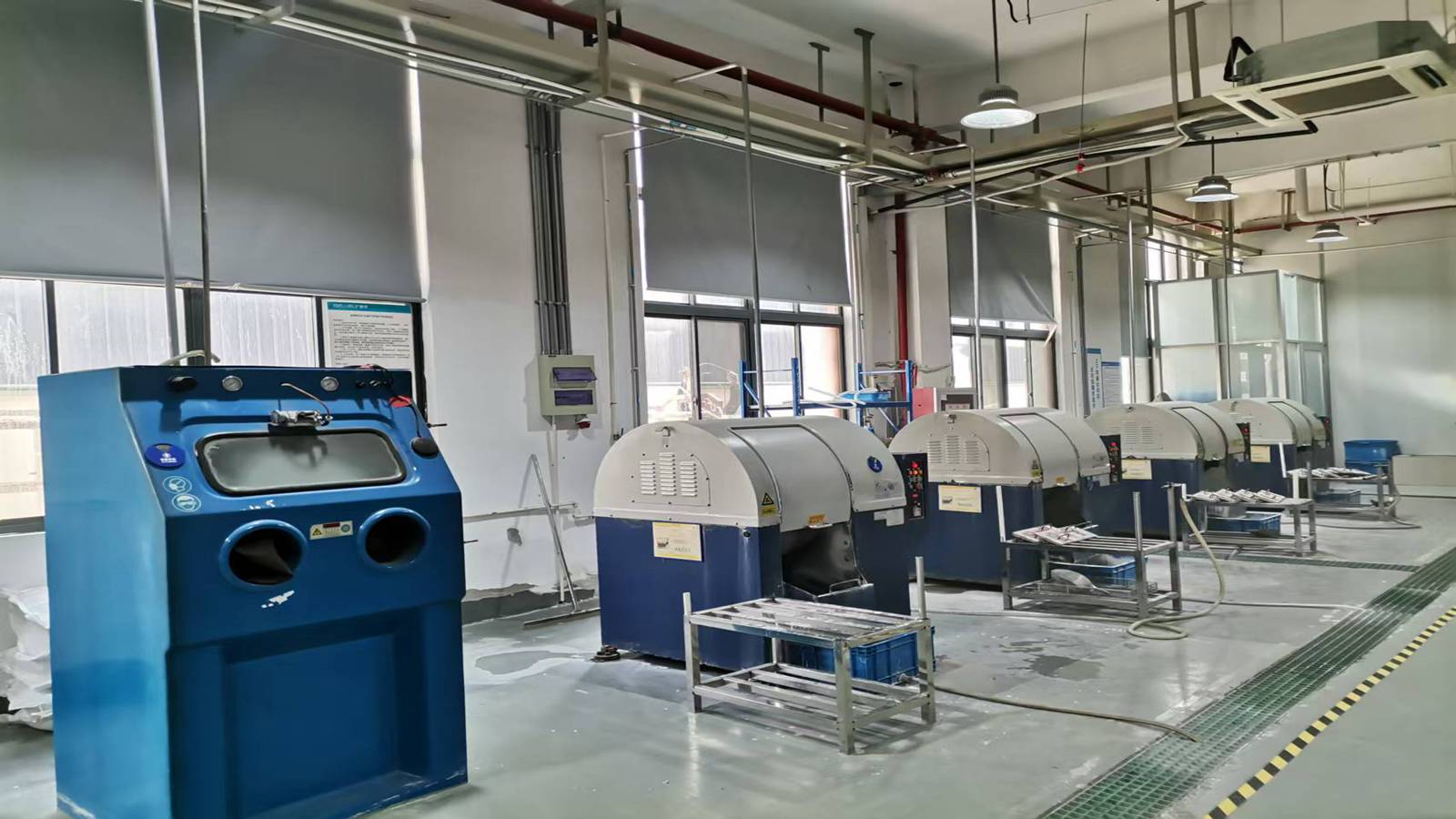
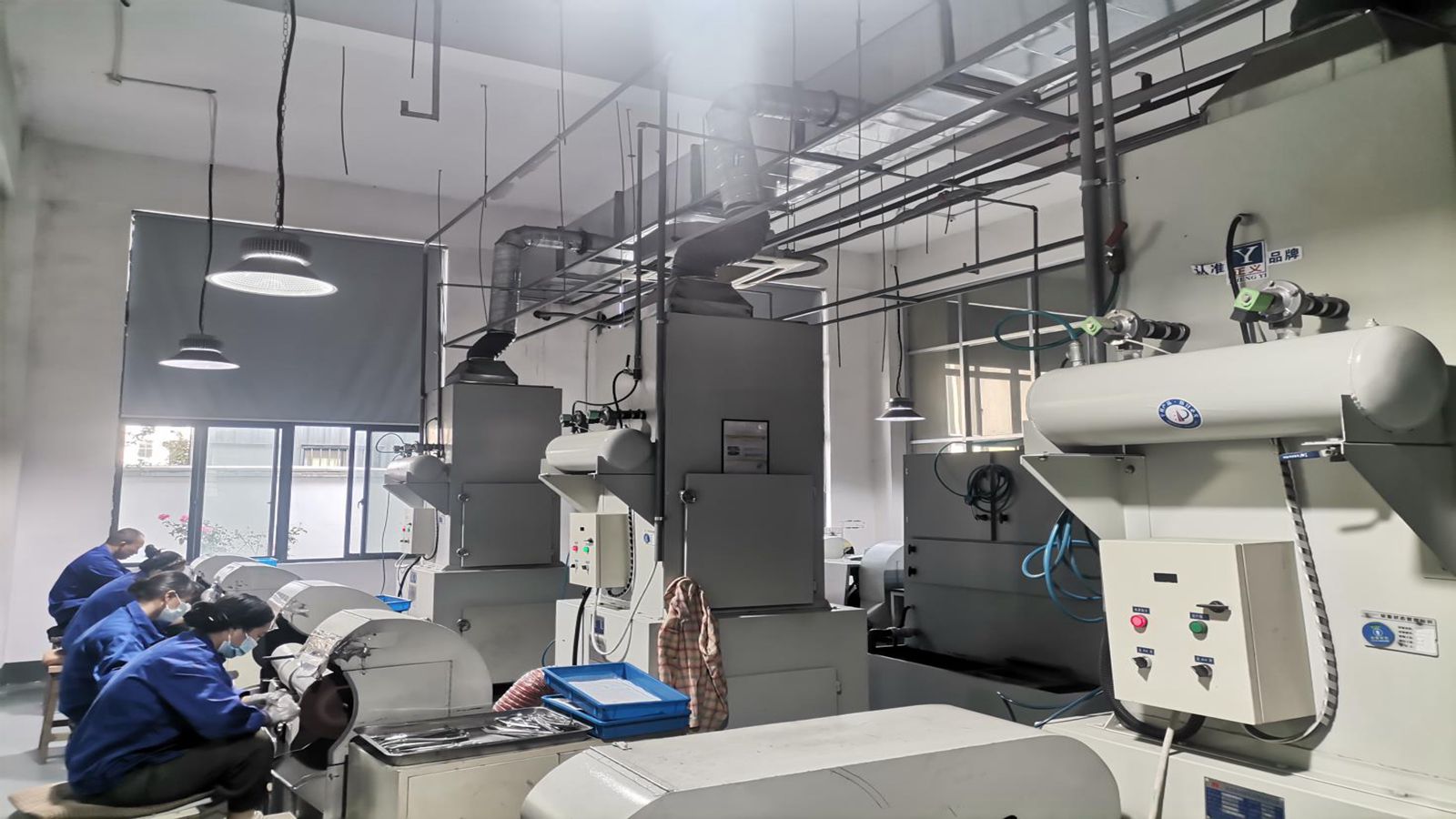
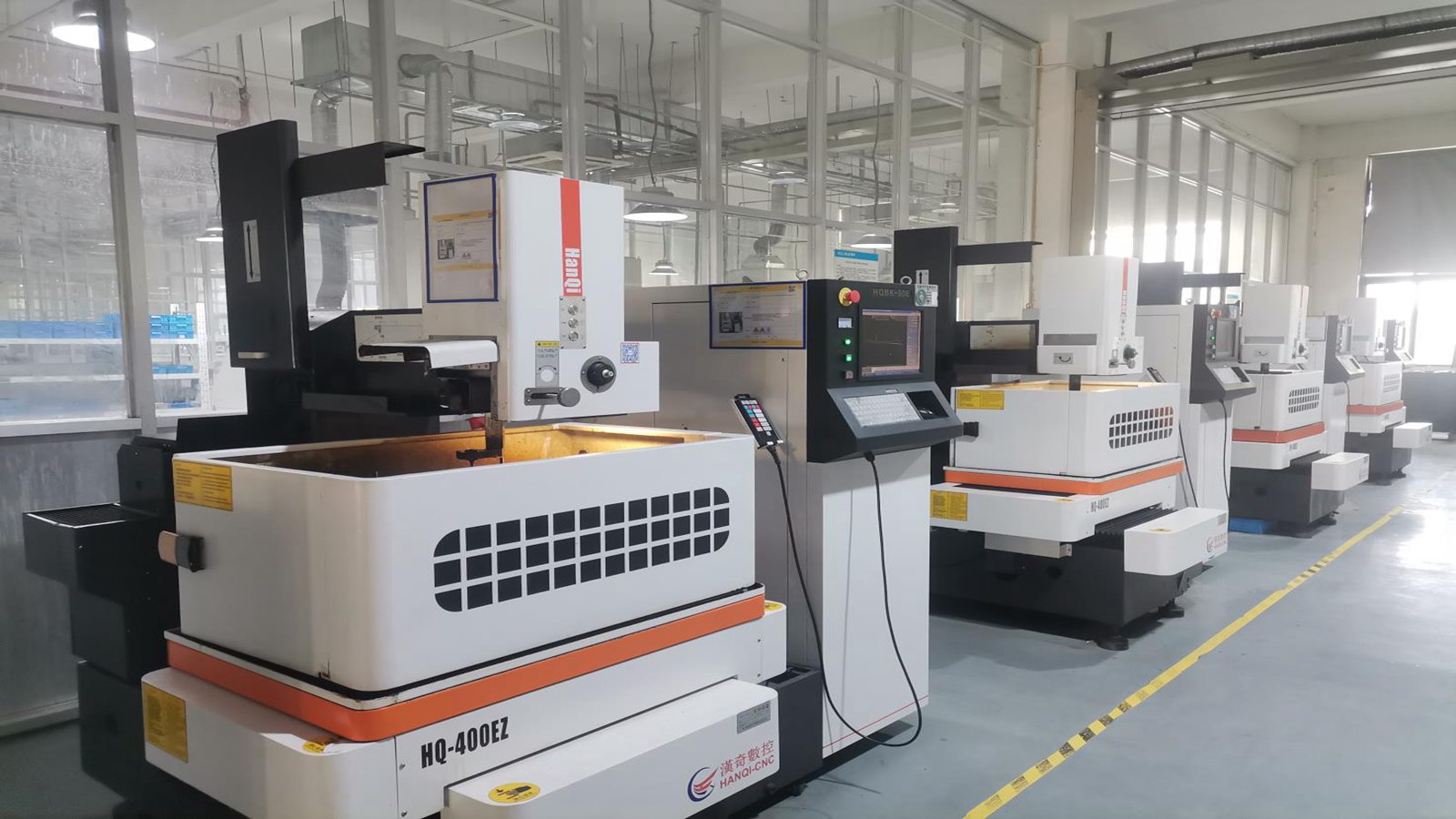
HBM Medical Apparatus and Instruments Co., Ltd. represents the absolute state-of-the-art in medical device production. Operating a centralized manufacturing campus of over 30,343 square meters, our facility integrates raw material processing, precision CNC machining, class 10,000 cleanroom packaging, and EO (Ethylene Oxide) sterilization in an uninterrupted production pipeline.
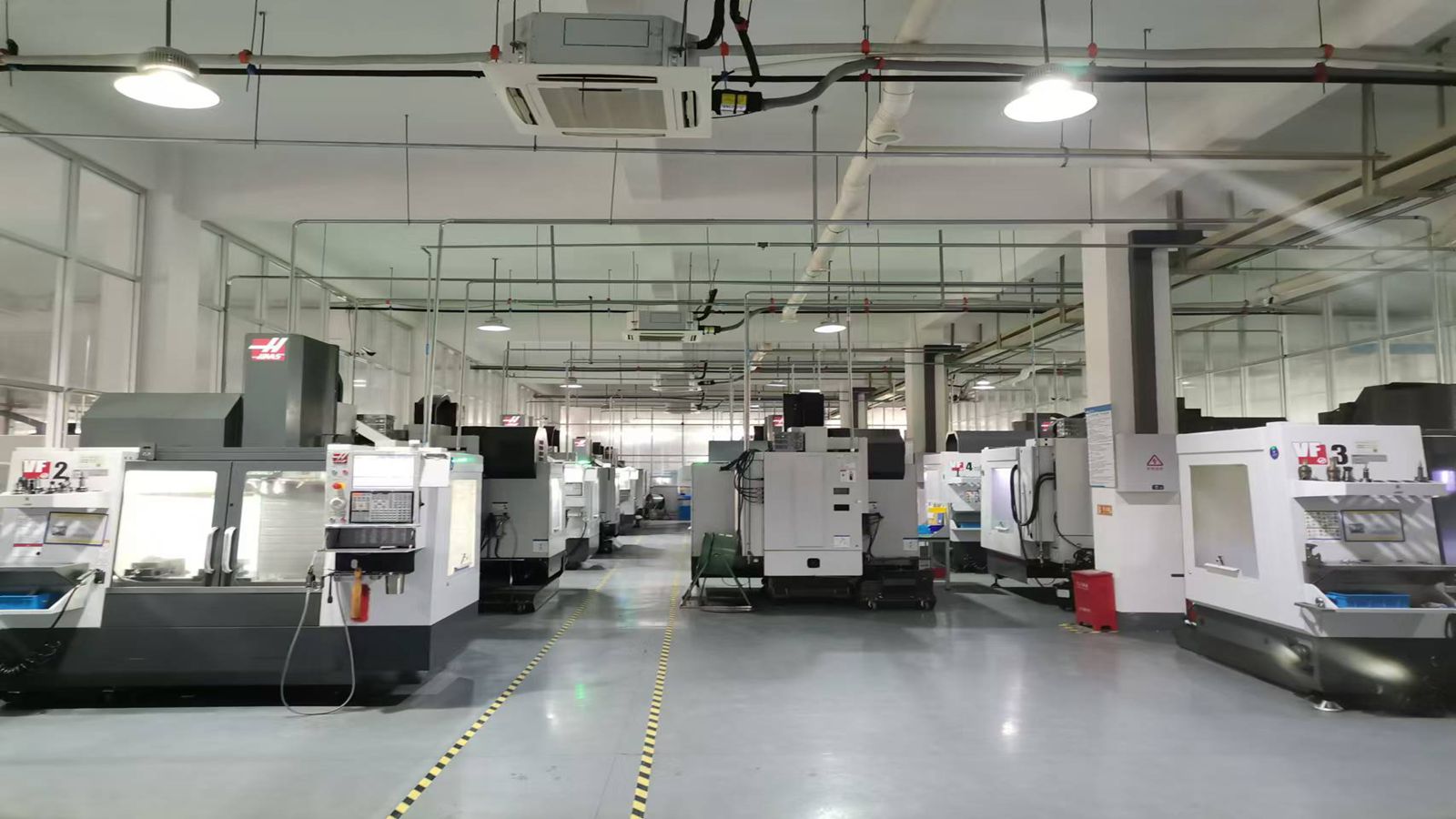
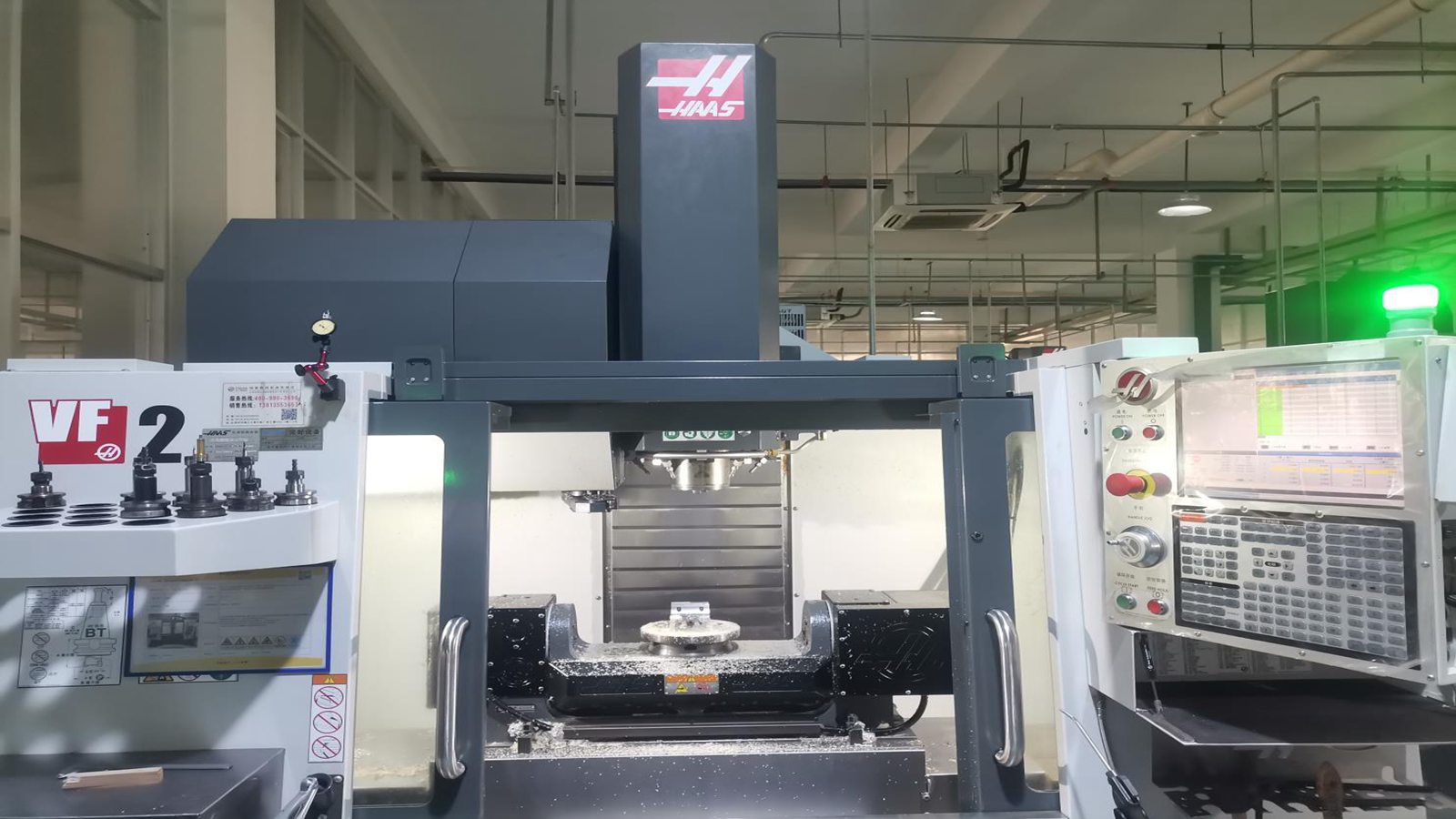
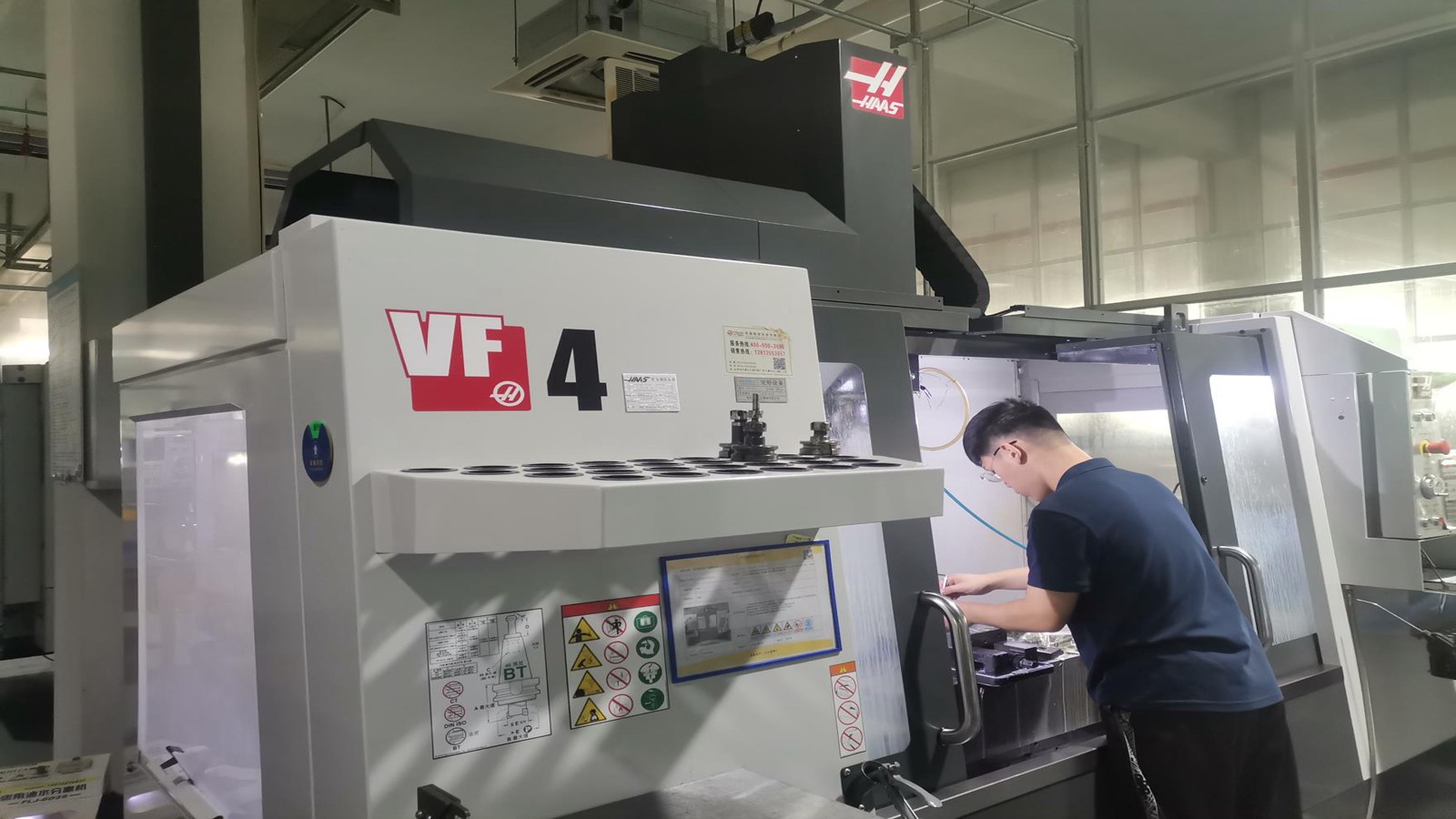
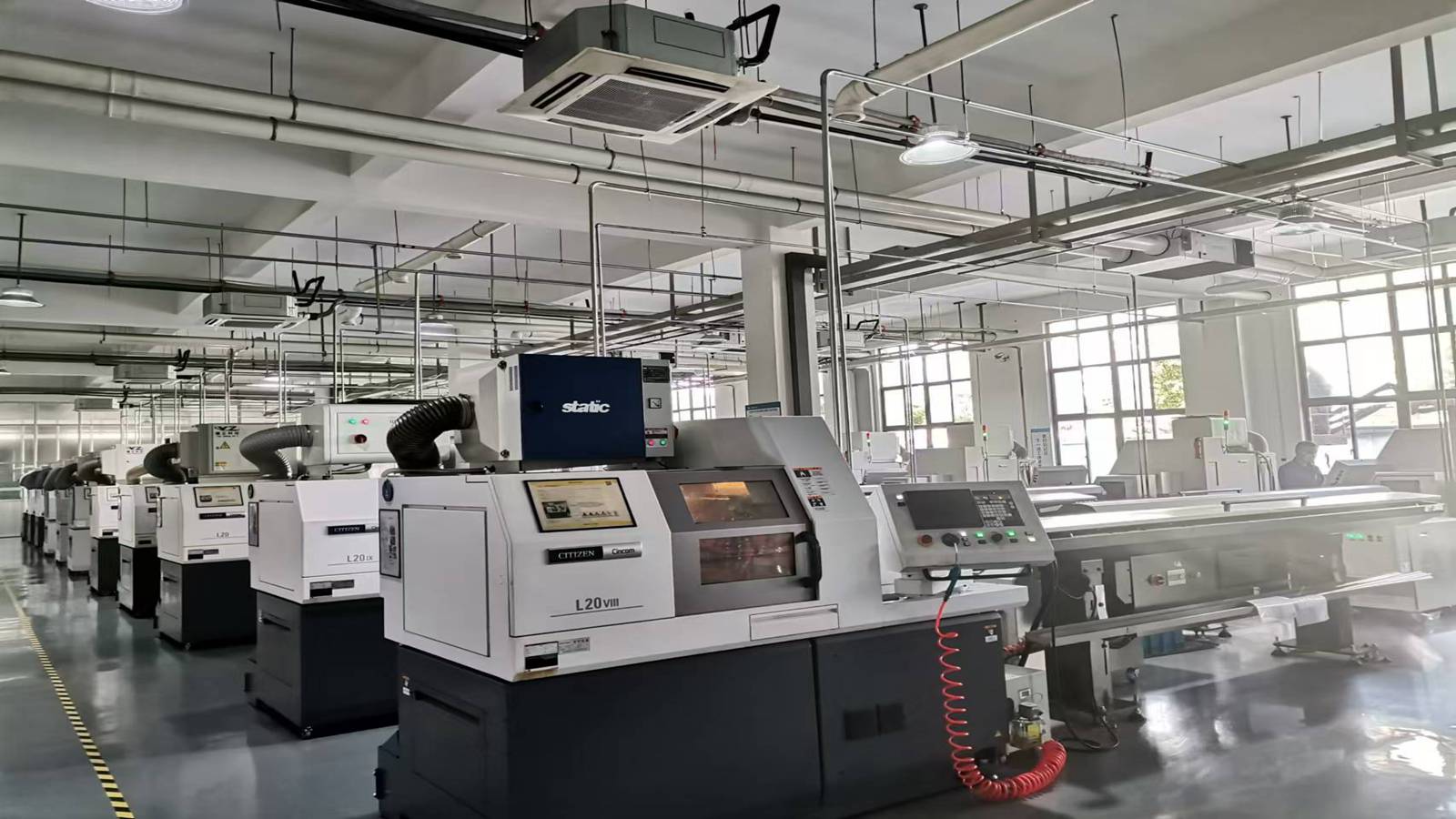
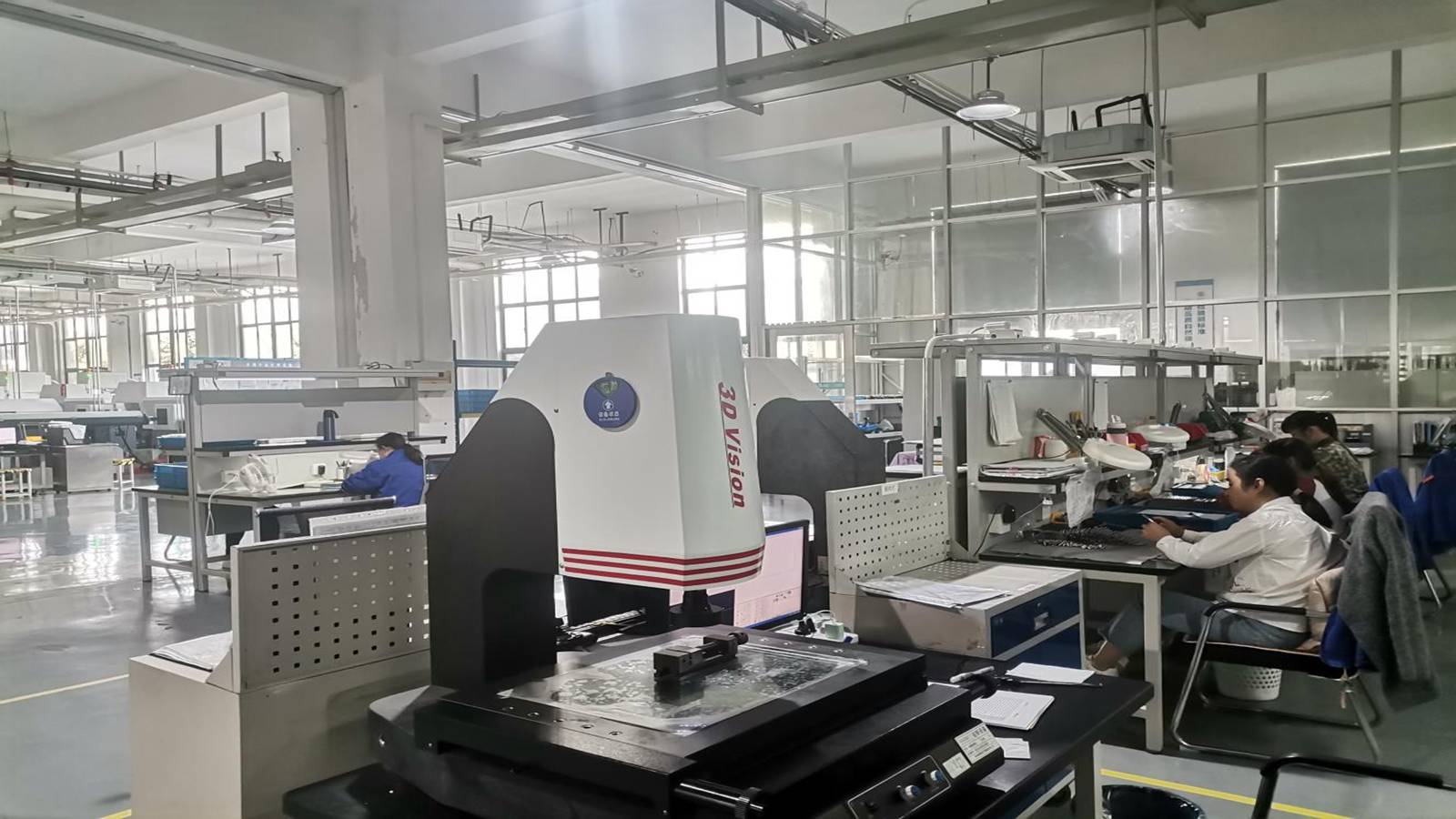
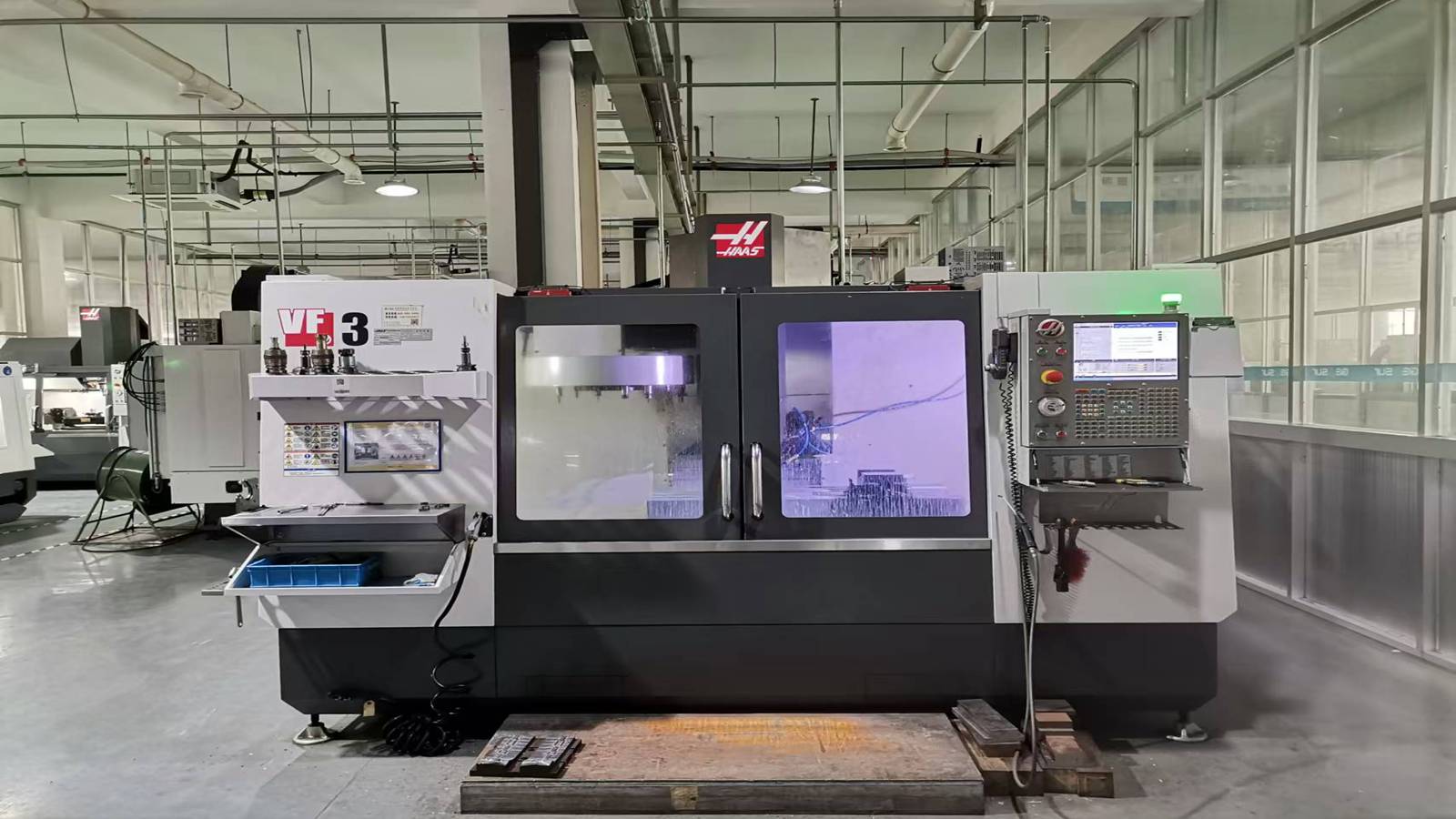
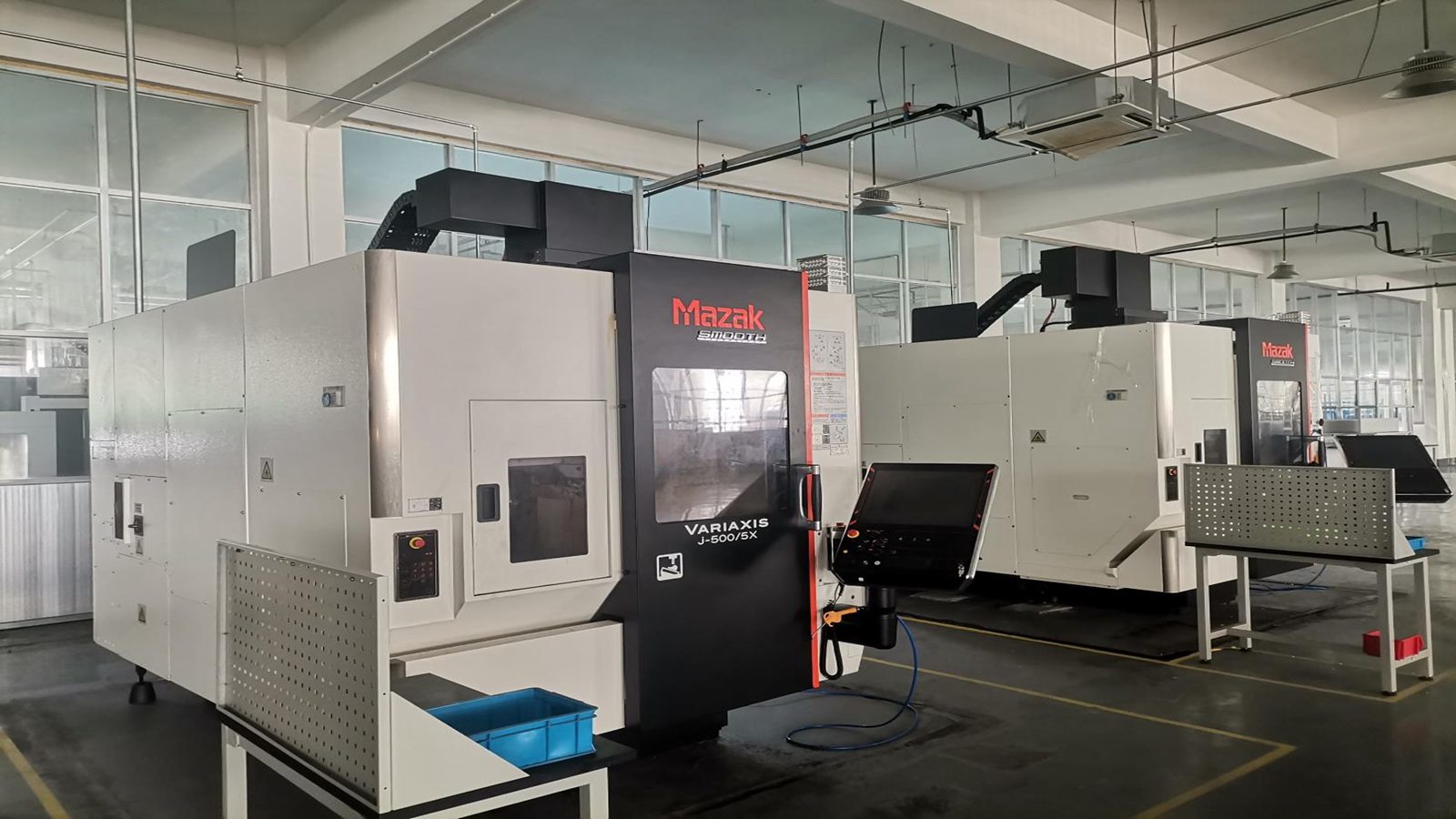
With 12 automated production lines and 120 precision machining centers (including advanced Swiss-type longitudinal lathes and 5-axis DMG Mori CNC systems), HBM produces implants and surgical instruments with sub-micron accuracy. Our strict raw material validation procedures require that every batch of titanium alloy (Ti6Al4V ELI) and PEEK be accompanied by metallurgical certifications and biocompatibility validation reports, ensuring compliance with ASTM and ISO international standards.
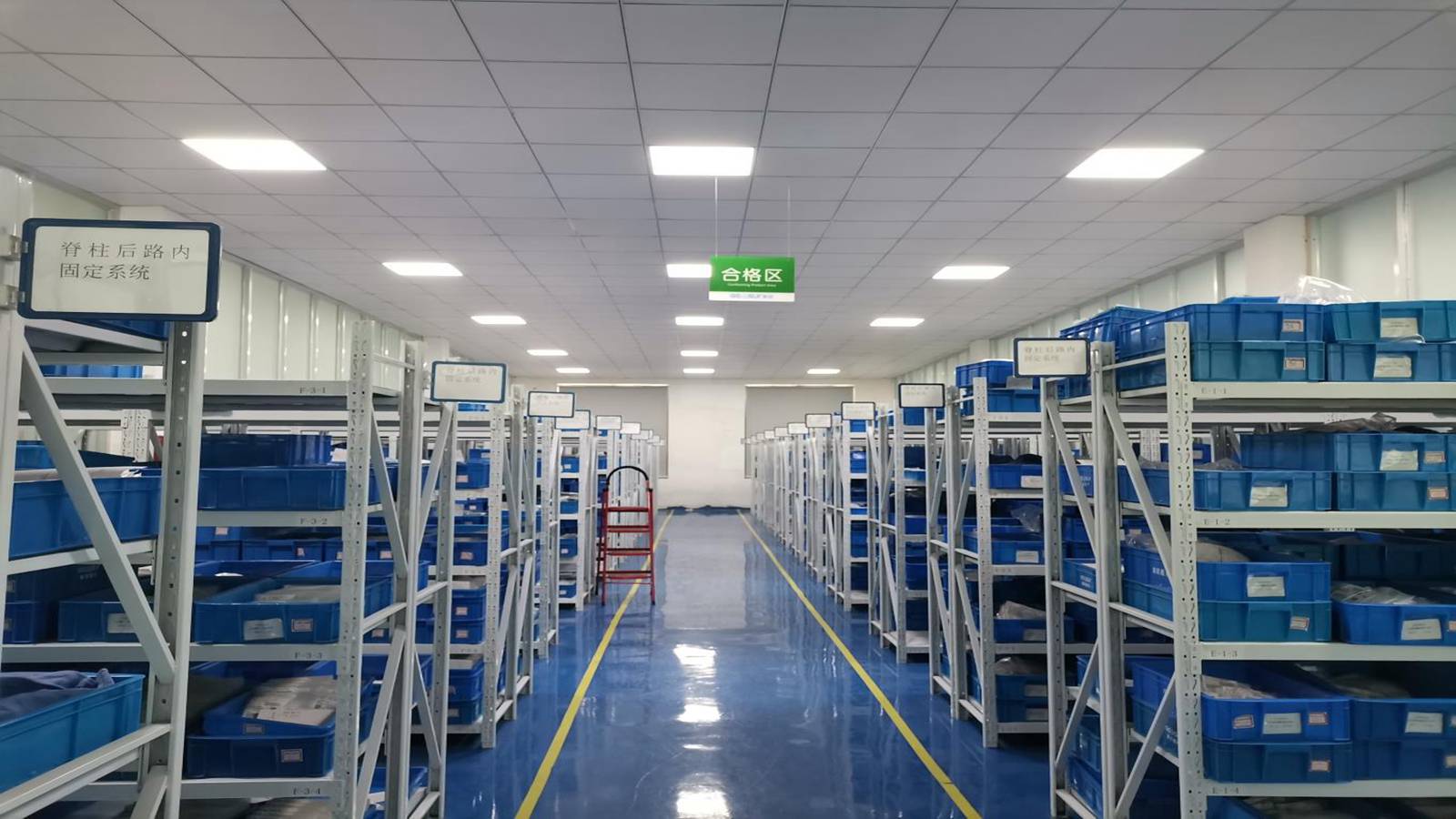
Quality at HBM is not simply a final inspection phase; it is an integrated engineering process. Under the guidance of 36 dedicated QA/QC inspectors, raw materials are tracked from receipt to finished product using unique digital batch identifiers. Our quality control system is certified under ISO 13485 and MDSAP, verifying compliance with the stringent medical device standards of major global jurisdictions.
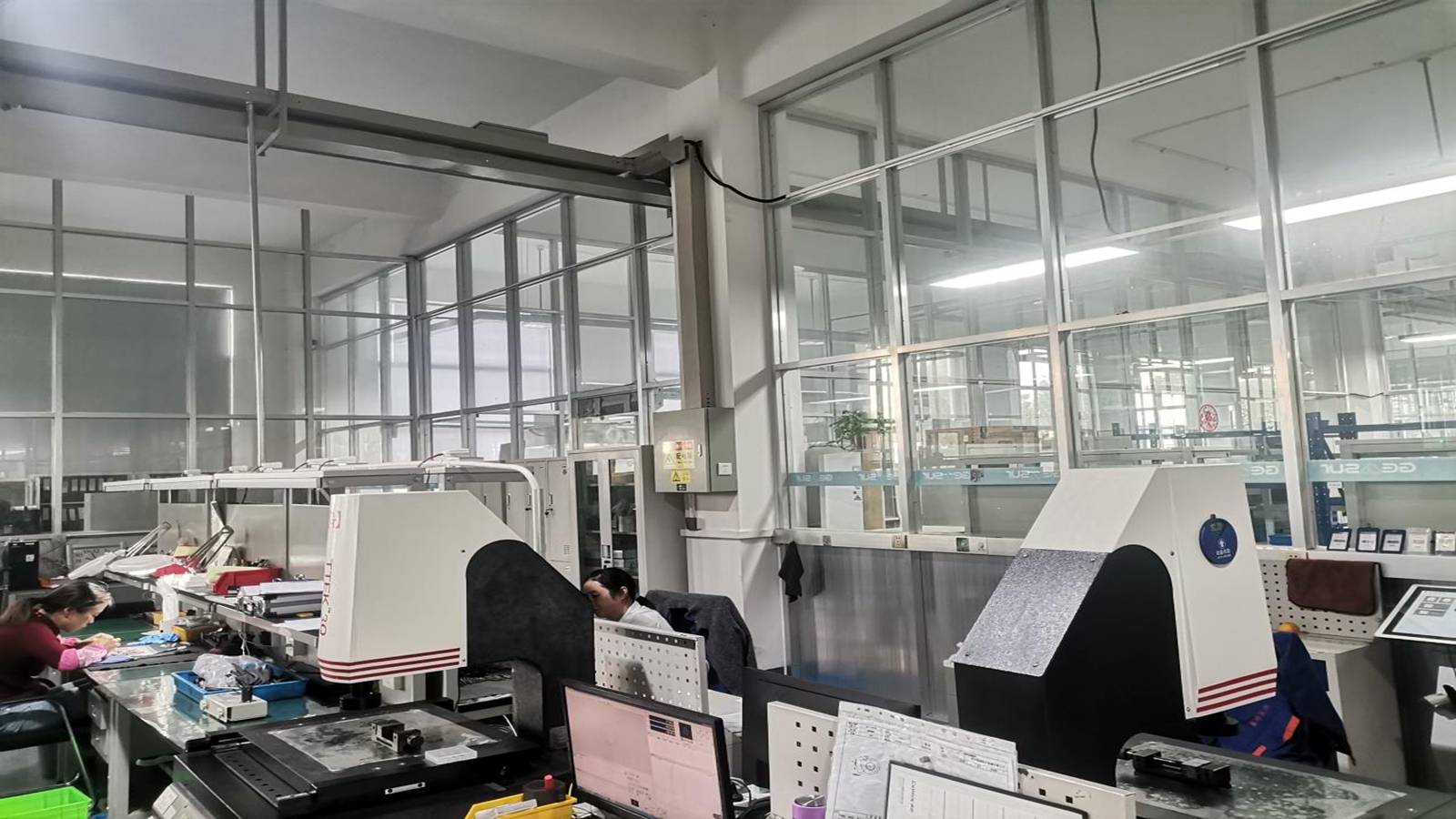
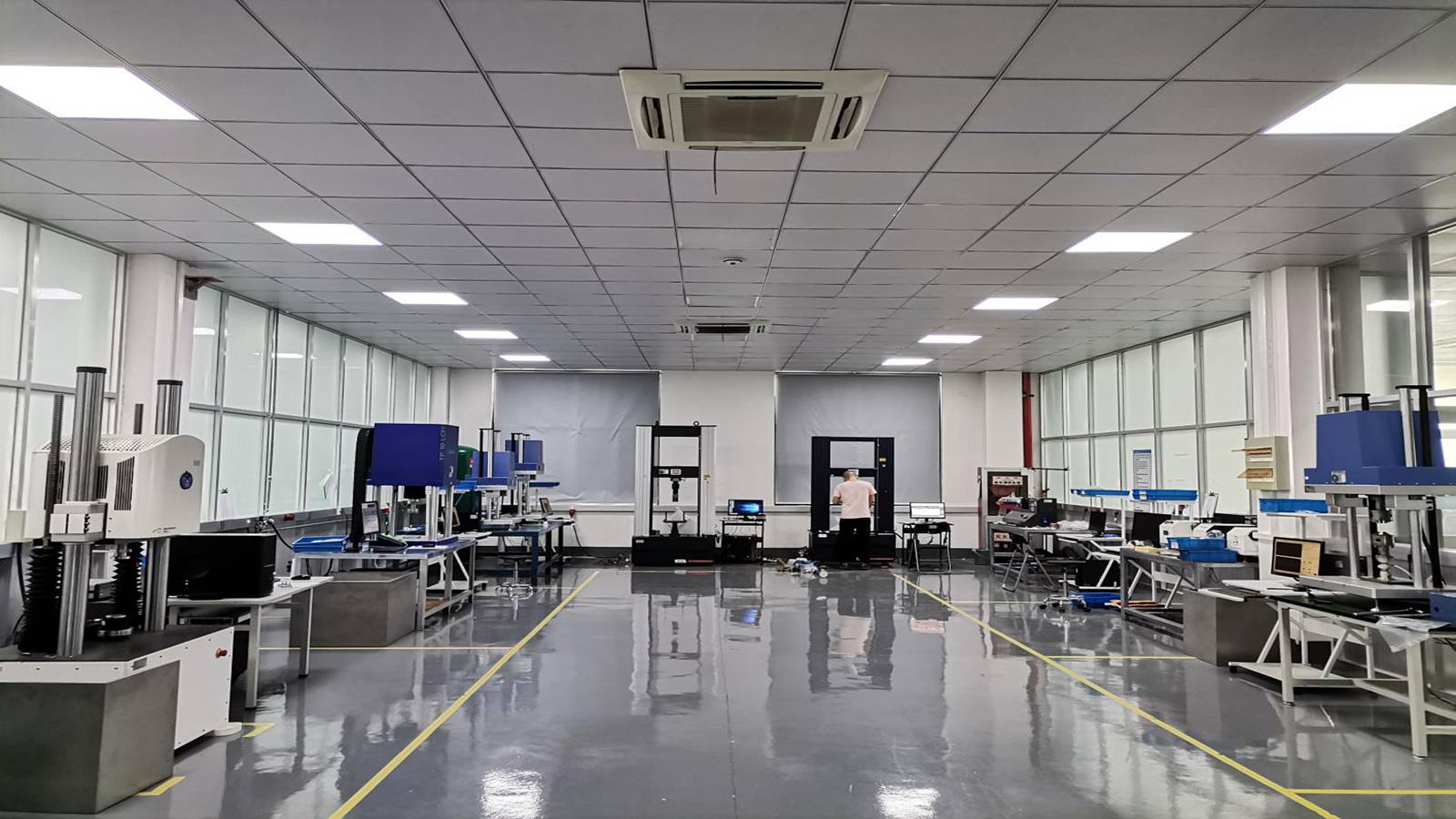
Our quality control methodologies include coordinate measuring machine (CMM) dimensional checks, surface roughness testing, suture tensile strength tests, and bioburden testing within our in-house microbiological laboratory. This comprehensive approach guarantees that all sports medicine implants shipped to Equatorial Guinea, Eastern Europe, and Southeast Asia are completely defect-free and ready for clinical use.
Procuring surgical implants for developing healthcare infrastructures requires solutions that address complex regulatory and logistics environments. At HBM, we understand the operational challenges faced by regional health boards, hospital administrators, and import partners in Equatorial Guinea. To ensure smooth integration and product delivery, we offer a comprehensive suite of support services:
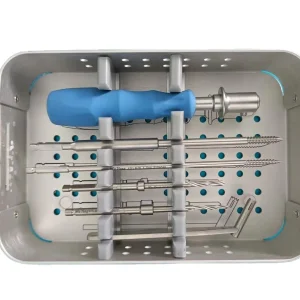
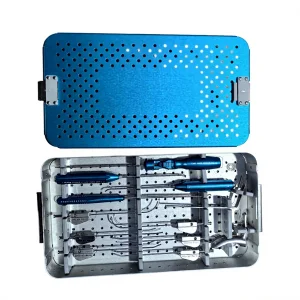
HBM supports diverse customization requests. Whether you require modified instrumentation layouts for specific surgical trays or custom-labeled sterile packaging in Spanish (the official language of Equatorial Guinea), our R&D and graphic processing teams can tailor packaging and documentation to meet local compliance requirements.
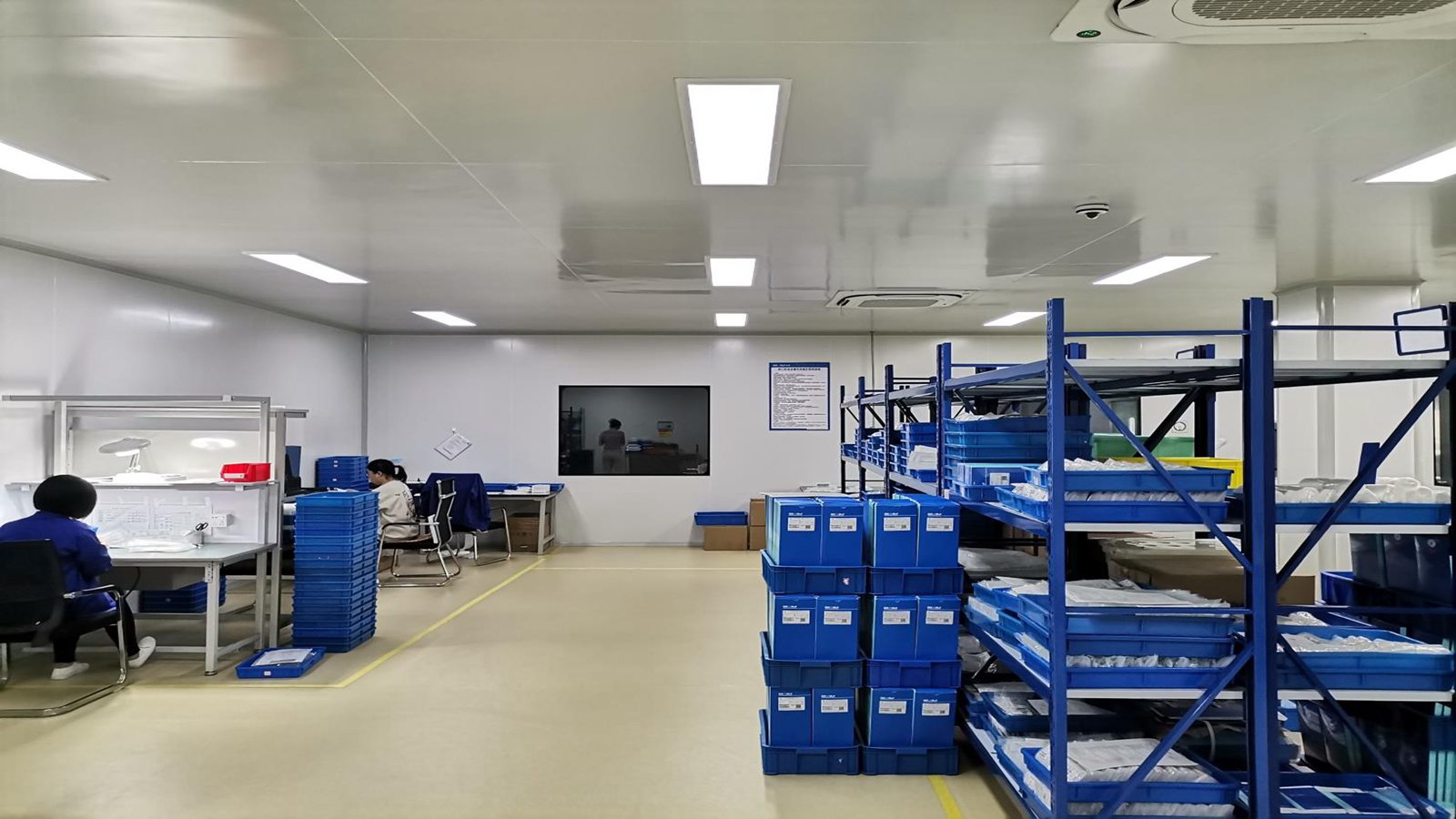
Our double-barrier Tyvek sterile packaging protects implants and surgical instruments during long-distance shipping and storage in humid, tropical climates. Our dynamic shelf-life tests verify that our sterile packaging maintains its integrity for up to 5 years, providing reliable long-term storage options for regional hospitals.
To support the adoption of advanced arthroscopic techniques, HBM provides virtual training modules, detailed surgical guides, and physical training workshops. We collaborate with domestic distributors to supply hospitals in Malabo and Bata with high-fidelity joint models and demonstration kits, allowing local surgical teams to practice procedures before using implants in the operating room.
The field of orthopedics is transitioning toward smart implants and advanced tissue engineering. HBM Medical’s R&D department, led by 31 engineers (including a doctorate researcher and 11 postgraduates), is actively developing new technologies to improve patient outcomes. Last year alone, HBM successfully launched 25 new products, demonstrating our commitment to ongoing technological innovation.
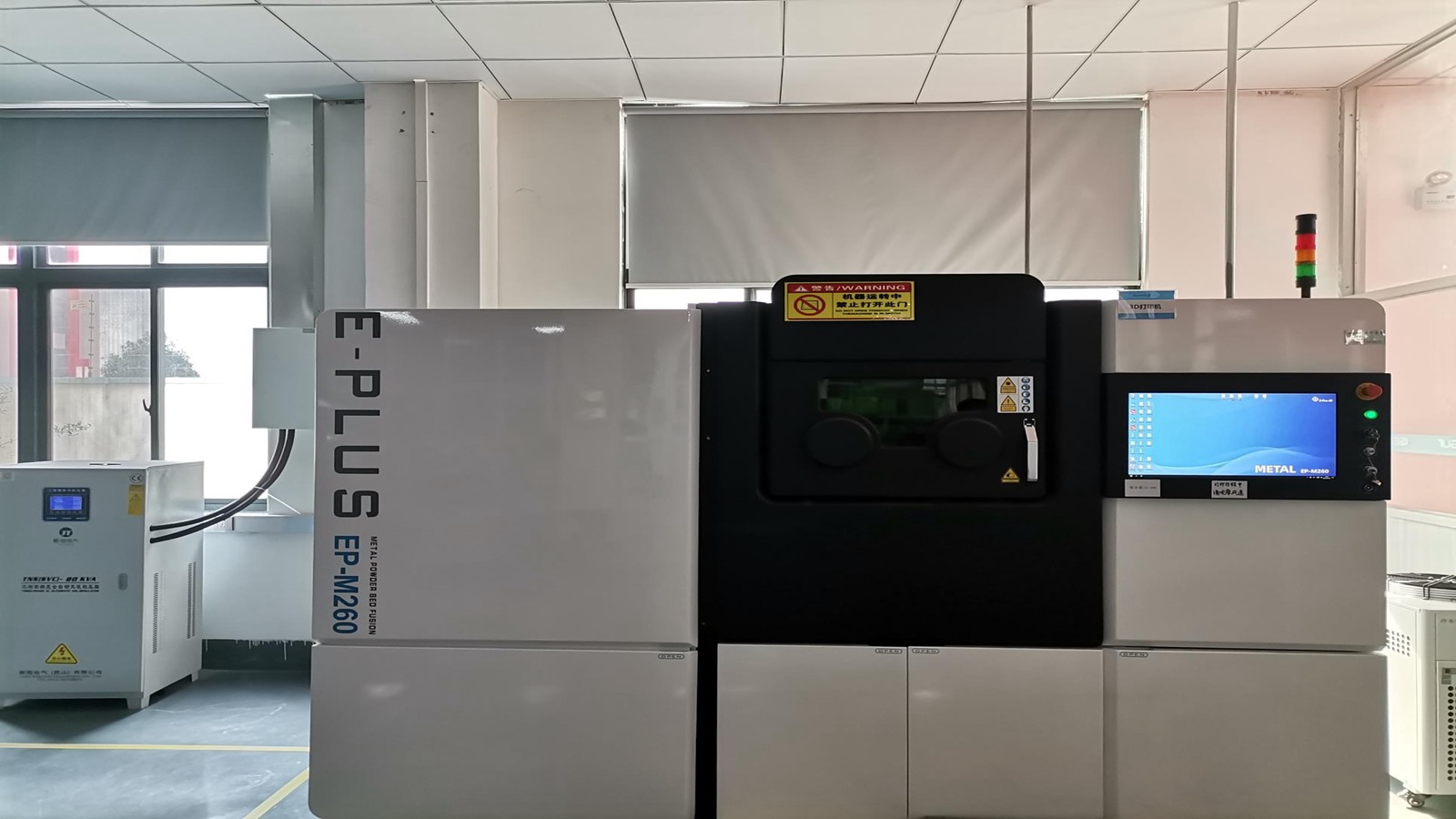
Our product roadmap focuses on developing bioactive coatings for suture anchors. By applying micro-thin coatings of hydroxyapatite (HA) or magnesium alloys to titanium and PEEK anchors, we can stimulate local osteogenesis, accelerating bone integration and reducing recovery times for reconstructive surgeries. Additionally, HBM is investing in computerized digital manufacturing systems, laying the groundwork to supply patient-matched customized instrumentation sets using high-precision metal 3D printing technologies in the near future.
Common questions from distributors, hospital buyers, and clinical operators in Equatorial Guinea and the CEMAC region.
Complete line of CE/MDSAP certified orthopedic devices and sterile instruments for arthroscopic procedures.
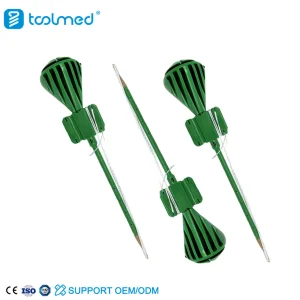
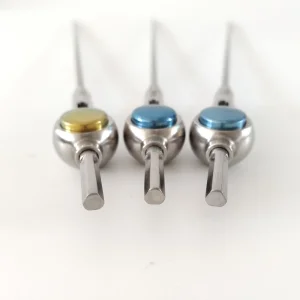
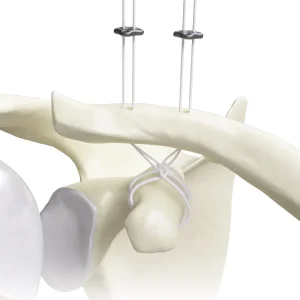
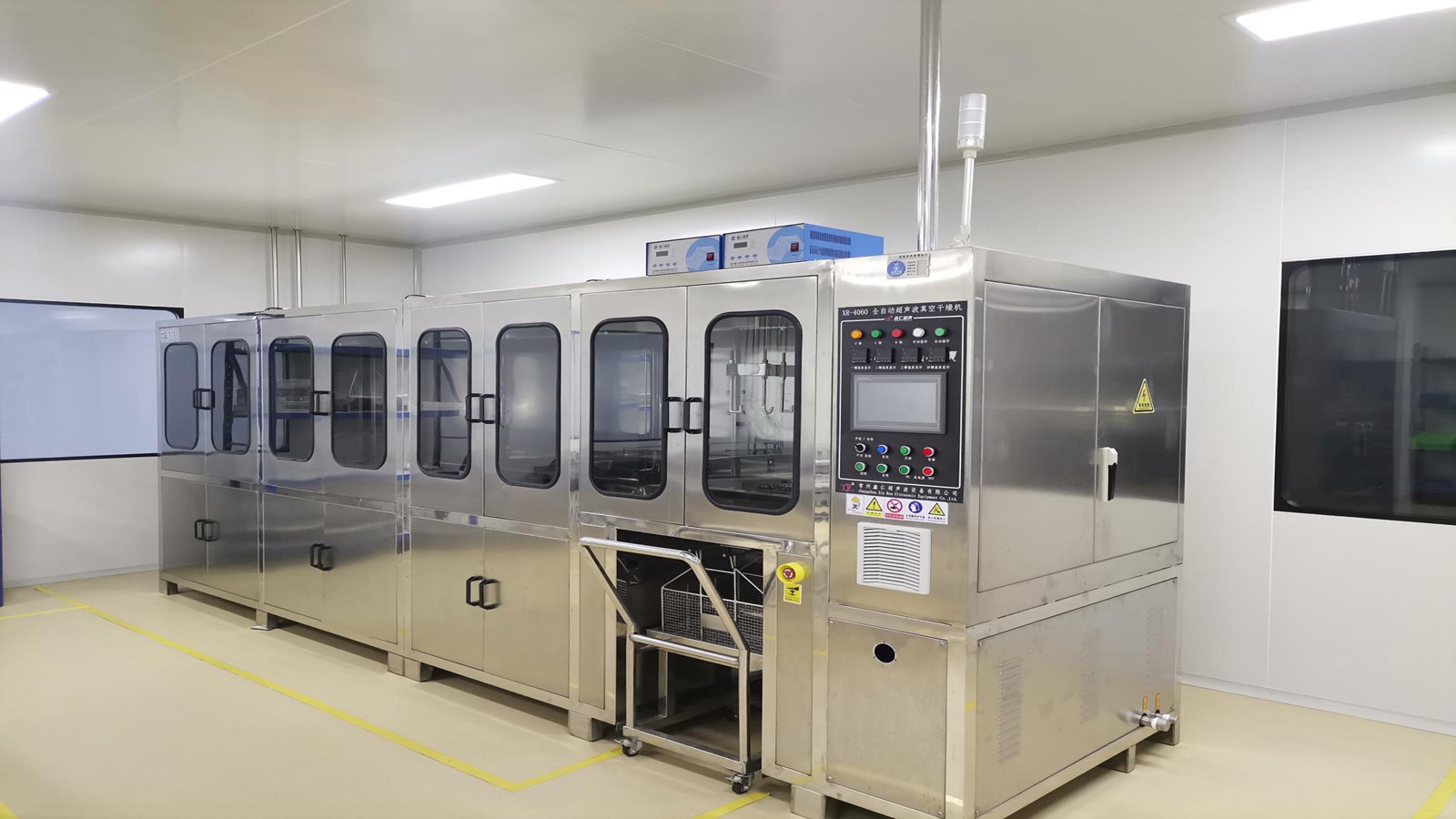
The manufacturing process for implantable medical devices requires strict cleanliness and environmental controls. At HBM Medical, all assembly and final packaging of sterile products are performed within our Class 10,000 cleanrooms, which feature automated control systems to monitor air pressure, temperature, and relative humidity. Our cleanroom design minimizes the risk of particulate contamination, ensuring our implants meet global endotoxin requirements.
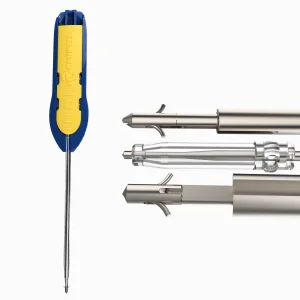
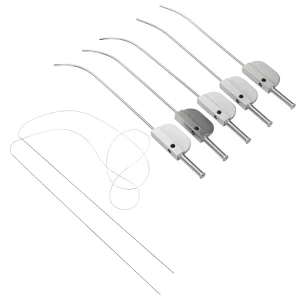
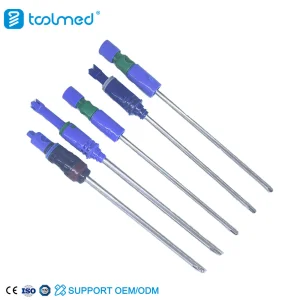
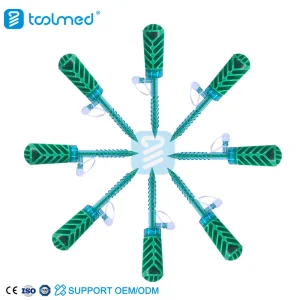
We use high-precision five-axis CNC machining systems to manufacture our titanium suture anchors. This advanced machinery allows us to form complex thread profiles and internal drive geometries in a single setup, ensuring optimal dimensional accuracy. Suture materials, such as our ultra-high molecular weight polyethylene (UHMWPE) line, are processed on specialized weaving and tensioning machines, followed by mechanical testing to verify they meet high tensile and pull-out strength requirements before packaging.
 HBM Medical