Engineered for extreme performance, sterilization robustness, and compatibility with the most advanced European surgical operating theaters.
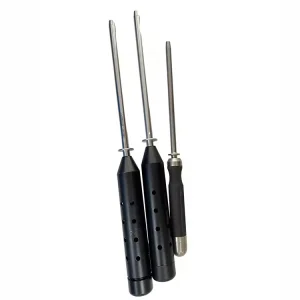
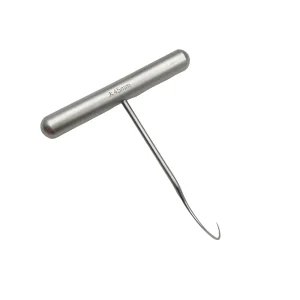
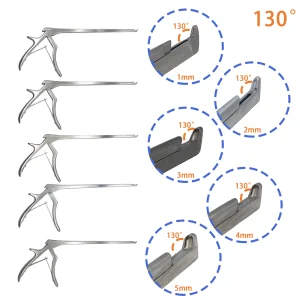
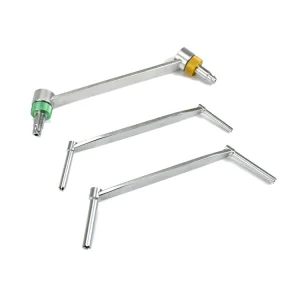
A detailed structural analysis of modern orthopedic requirements, regulatory pathways, and global logistical dynamics between Swiss biomedical clusters and global tier-1 manufacturers.
Switzerland represents the global gold standard in biomedical research, high-complexity precision surgery, and health technology infrastructure. Cantons such as Zurich, Geneva, Vaud, and Bern host some of the world's most renowned university clinics (e.g., Inselspital Bern, Universitätsspital Zürich, and the Hirslanden Group). Operating in this clinical environment demands implant systems and accessories that meet unparalleled performance criteria. As surgeons transition to more patient-specific surgical treatments and ultra-precise computer-assisted orthopedics, the stress on hand-held manual tools, spinal screw implants, and guides has risen exponentially.
To serve the Swiss healthcare corridor, medical device manufacturers must transition from standard mechanical components to smart, micro-structured instruments. Highly refined surgical workflows like posterior pedicle screw placement in scoliosis treatment or arthroscopic shoulder reconstructions require accessories engineered to zero-tolerance specifications. This clinical reality dictates that any implant or ancillary tool must demonstrate perfect biocompatibility, structural fatigue resistance, and total stability under high autoclaving pressures.
HBM Medical Apparatus and Instruments Co., Ltd., established in 2015, stands as a premier modern factory built specifically to meet these stringent international clinical requirements. Operating a modern facility spanning over 30,343 square meters, we have configured 12 heavy-duty, cleanroom-aligned production lines housing 120 precision processing units and state-of-the-art testing stations.
Our manufacturing paradigm is driven by an elite engineering team comprised of 31 full-time R&D engineers, bringing together academic and industrial expertise including postgraduate and doctoral leadership. Rather than operating simple assembly operations, HBM implements a robust 100% raw material traceability process. Every piece of raw medical-grade titanium (Ti-6Al-4V ELI) or surgical-grade stainless steel (AISI 316LVM / AISI 630) is tracked back to its original heat treatment batch, guaranteeing absolute structural uniformity.
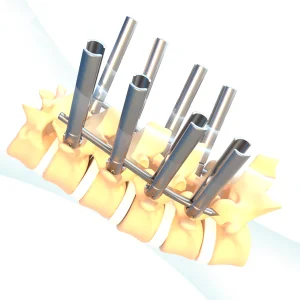
Modern spinal surgeries are undergoing a transition toward Minimally Invasive Surgery (MIS). Traditional open surgeries are increasingly replaced by percutaneous approaches, designed to minimize muscle damage, reduce intraoperative blood loss, and shorten recovery times. In Switzerland, patient recovery timelines and procedural safety are highly scrutinized KPIs, driving massive clinical adoption of MIS techniques.
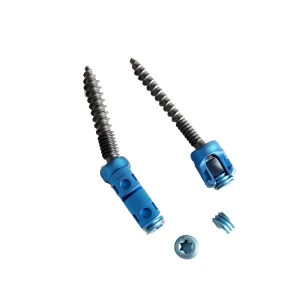
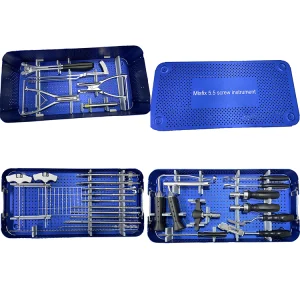
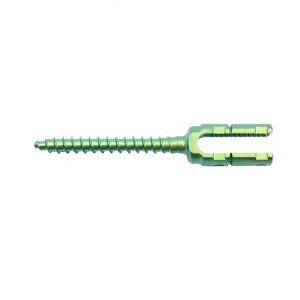
HBM's technology roadmap addresses this shift by investing heavily in specialized 5.5mm and 6.0mm titanium pedicle screw systems and minimally invasive instrumentation. By utilising precise multi-axis CNC Swiss-type lathes, we can achieve thread profile accuracy within a few microns. This micro-precision ensures the screw interfaces flawlessly with the insertion driver, reducing the risk of slippage inside the surgical cavity and enabling accurate placement under fluoroscopic guidance.
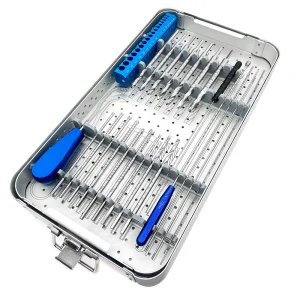
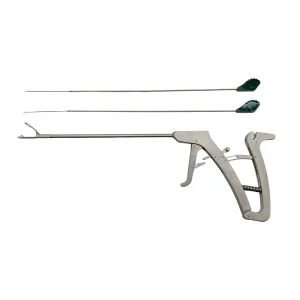
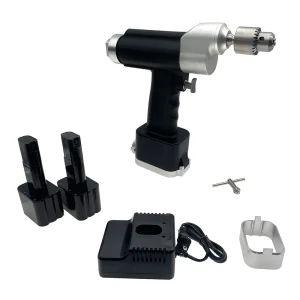
High-integrity solutions for reconstructive arthroscopy, structural spine fusion, trauma osteosynthesis, and robust veterinary applications.
Partner with an MDSAP & CE-certified medical apparatus leader. Access our high-capacity production, advanced materials laboratory, and rapid customization facilities serving Swiss clinics and global markets.
Send Inquiry Now HBM Medical