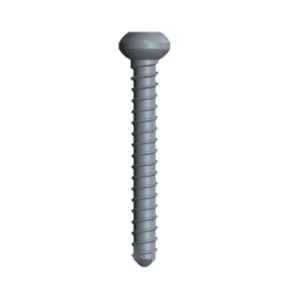
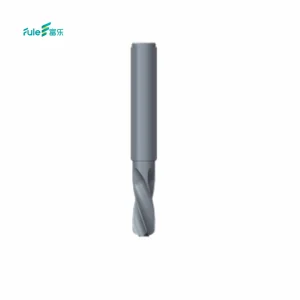
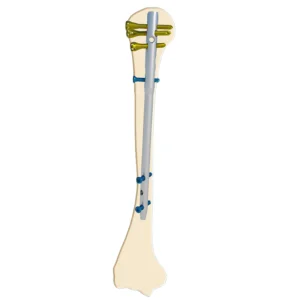
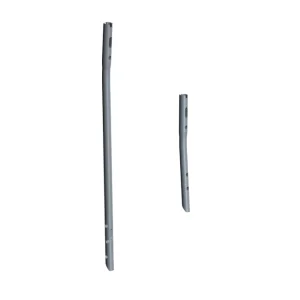
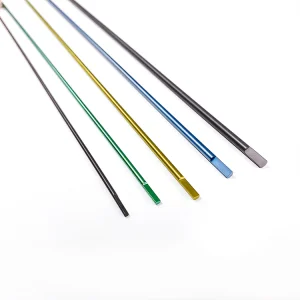
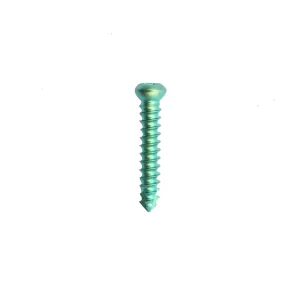
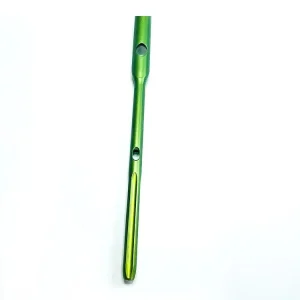
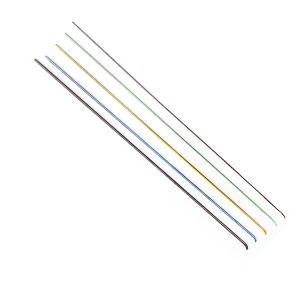
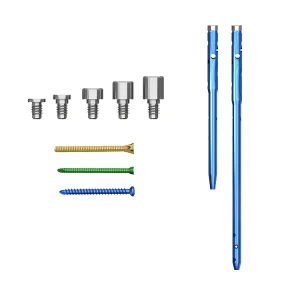
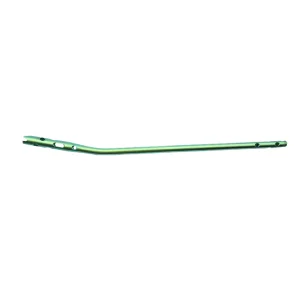
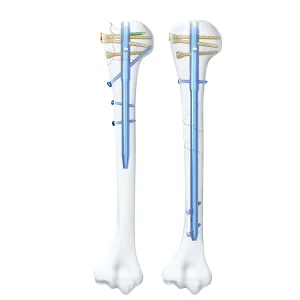
Advanced load-sharing intramedullary fixation systems designed for immediate diaphyseal and metaphyseal repair.
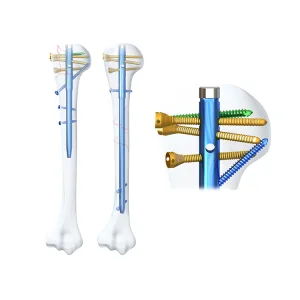
Intramedullary (IM) nailing represents the gold standard for the stabilization of long bone fractures, specifically targeting the femur, tibia, and humerus. In modern trauma orthopedics, the shift from rigid external fixation and plates to internal load-sharing nails has revolutionized patient rehabilitation trajectories, drastically reduced non-union rates, and minimized soft-tissue disruption. By placing the implant directly within the medullary canal, the biomechanical axis of the limb is restored, allowing axial load sharing and stimulating secondary bone healing via micro-motion at the fracture site.
This comprehensive industry report addresses the unique clinical, commercial, and logistical landscapes of the Western Australian medical market centered in Perth. Additionally, it highlights the manufacturing capabilities of China's elite medical apparatus sector, exemplified by HBM Medical, demonstrating how high-precision production aligns with strict regulatory environments globally.
Unlike bone plates, which act as load-bearing structures that can cause bone atrophy under the plate due to "stress shielding," intramedullary nails are load-sharing devices. They sit near the neutral axis of the bone, transmitting forces physiologically across the fracture gap. This accelerates callus formation and shortens post-operative recovery times.
The metropolitan region of Perth, Western Australia, features a highly centralized healthcare network serving an exceptionally decentralized geography. Crucial public facilities, including the Royal Perth Hospital (RPH) (the state’s primary adult trauma center), Fiona Stanley Hospital (FSH) in the south, and Sir Charles Gairdner Hospital (SCGH), process thousands of orthopaedic admissions annually.
Western Australia's demographic challenges are unique:
The global intramedullary nails market is expanding at a steady CAGR of 5.8%, driven by an aging global population, rising traffic collision rates in developing nations, and technical innovations. The segment is shifting from traditional stainless steel (316L) to high-strength titanium alloys (such as Ti-6Al-4V ELI) and carbon fiber composite materials that offer radiolucency and reduced stiffness, which prevents stress shielding.
In terms of purchasing trends, global procurement managers at major health networks are increasingly focusing on the total cost of ownership (TCO). This involves purchasing complete osteosynthesis systems that offer not only premium implants but also reusable surgical instrumentation kits with high durability, simplified targeting devices, and color-coded guides.
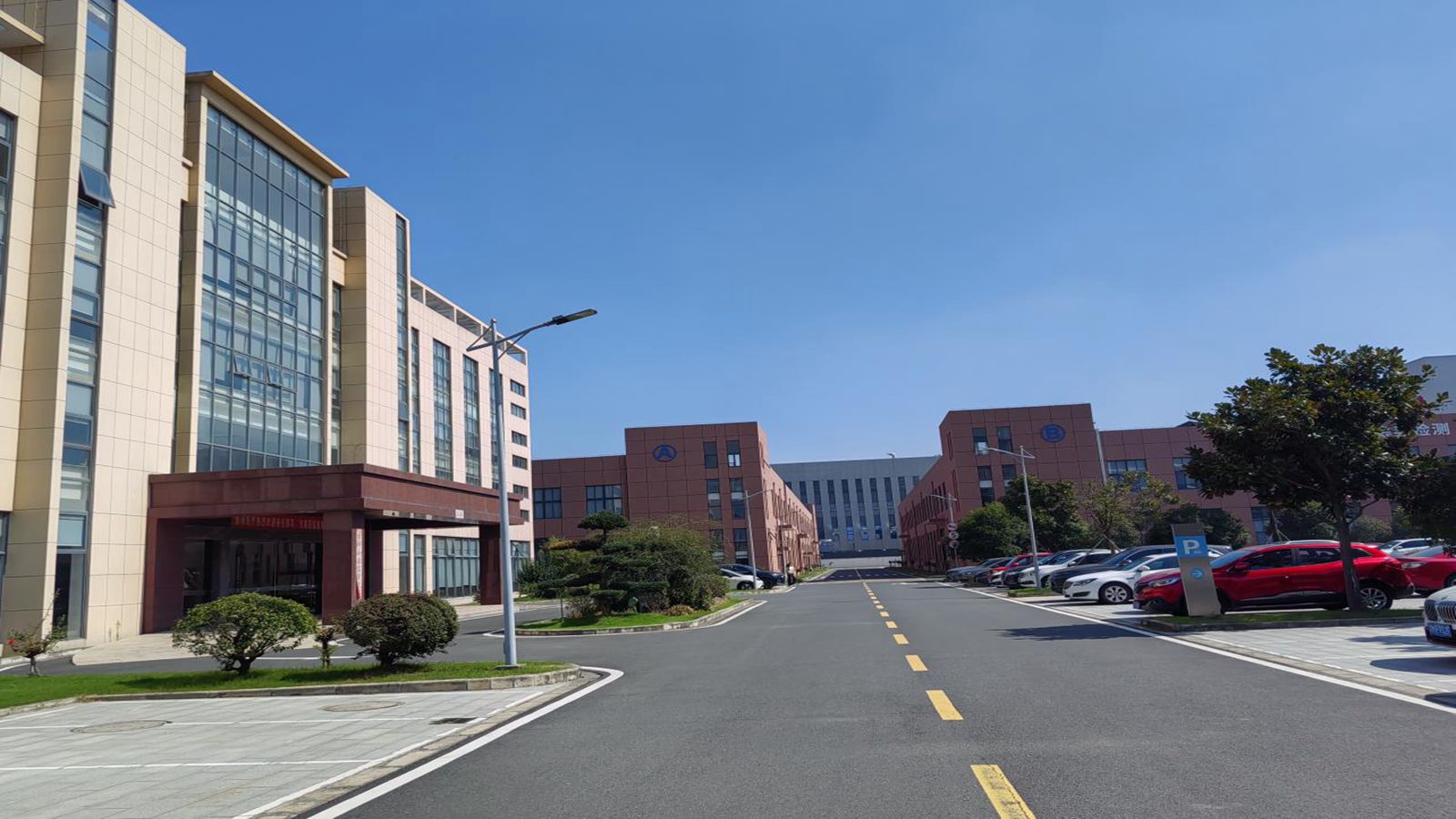
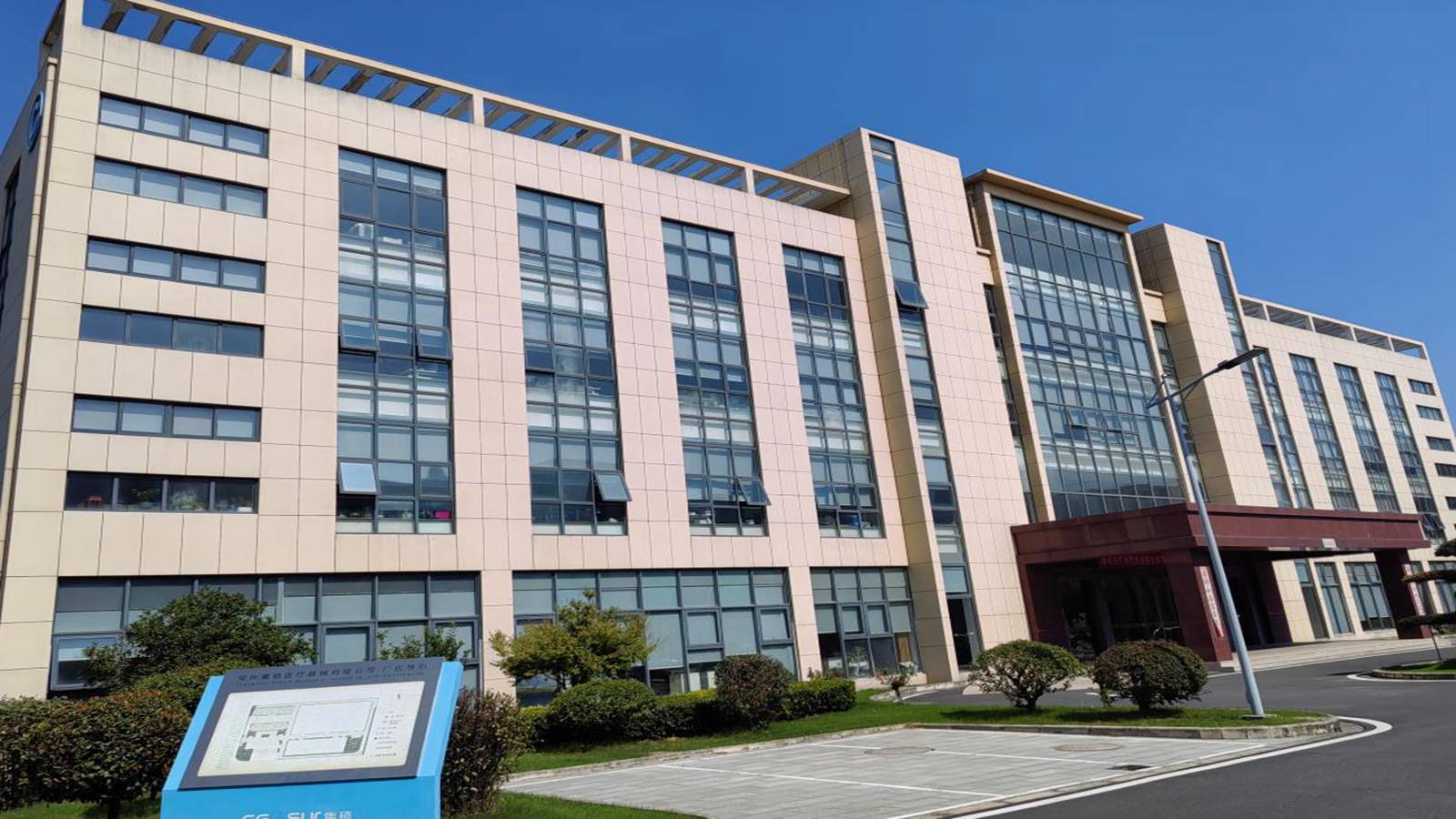
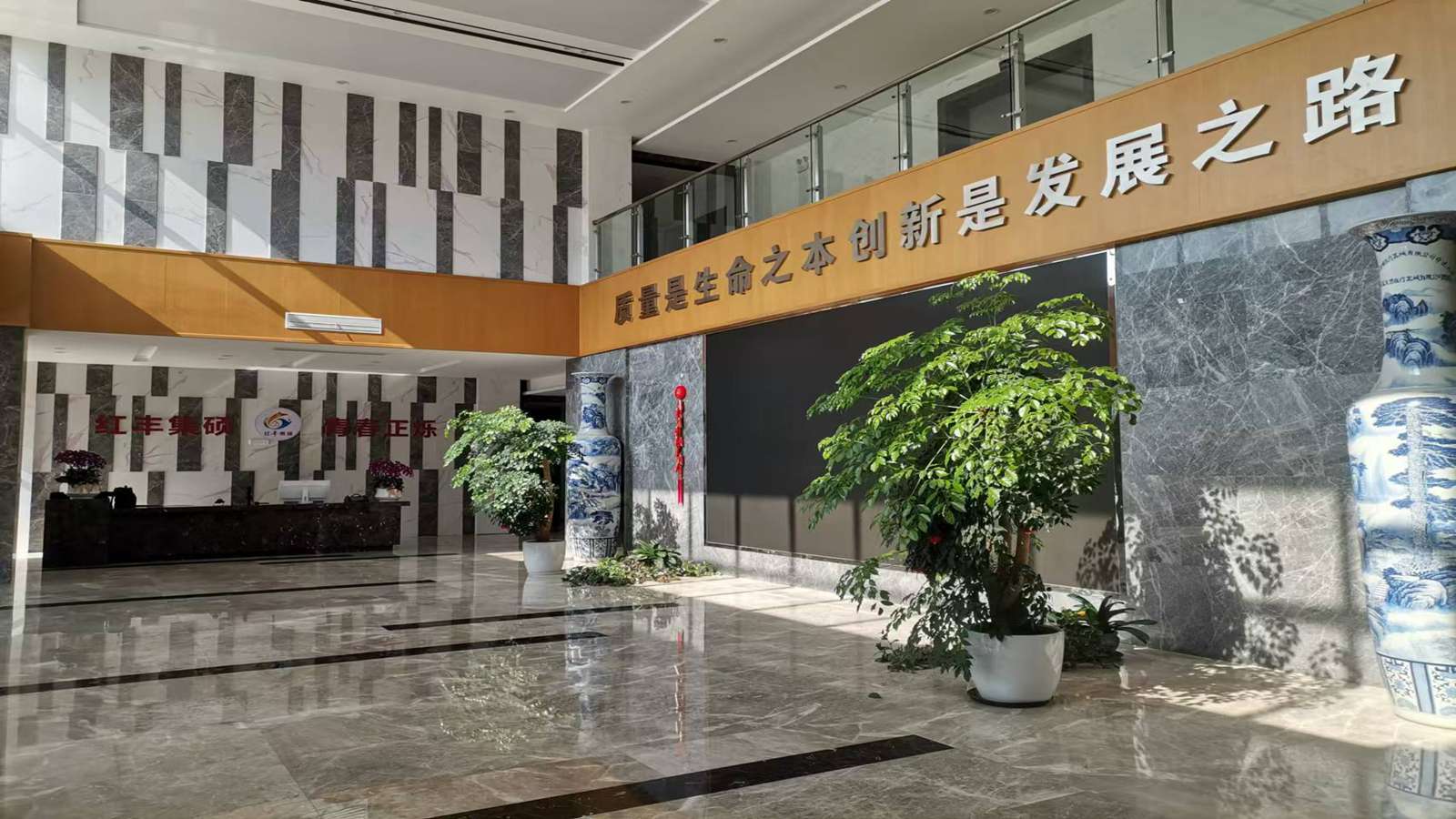
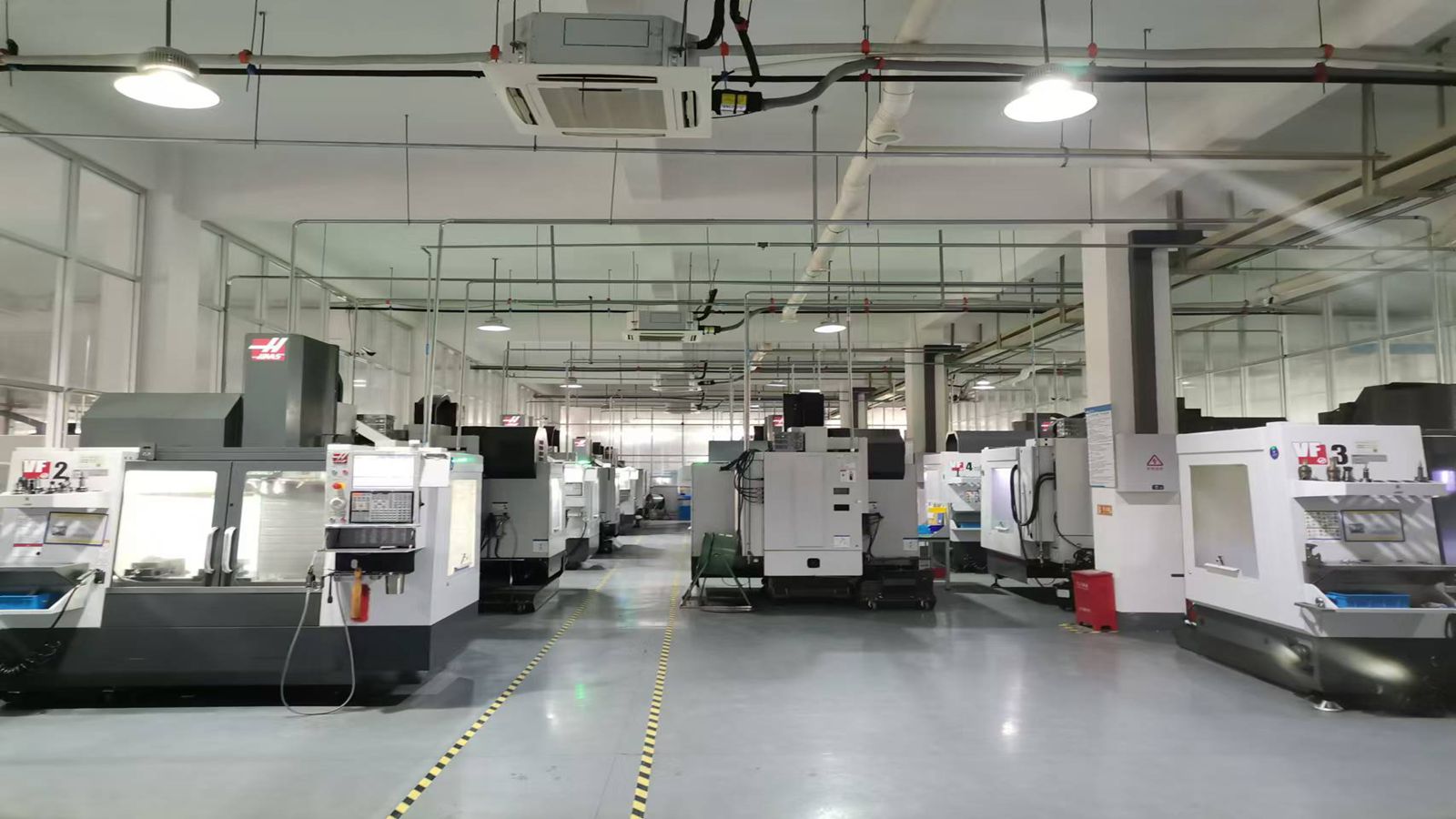
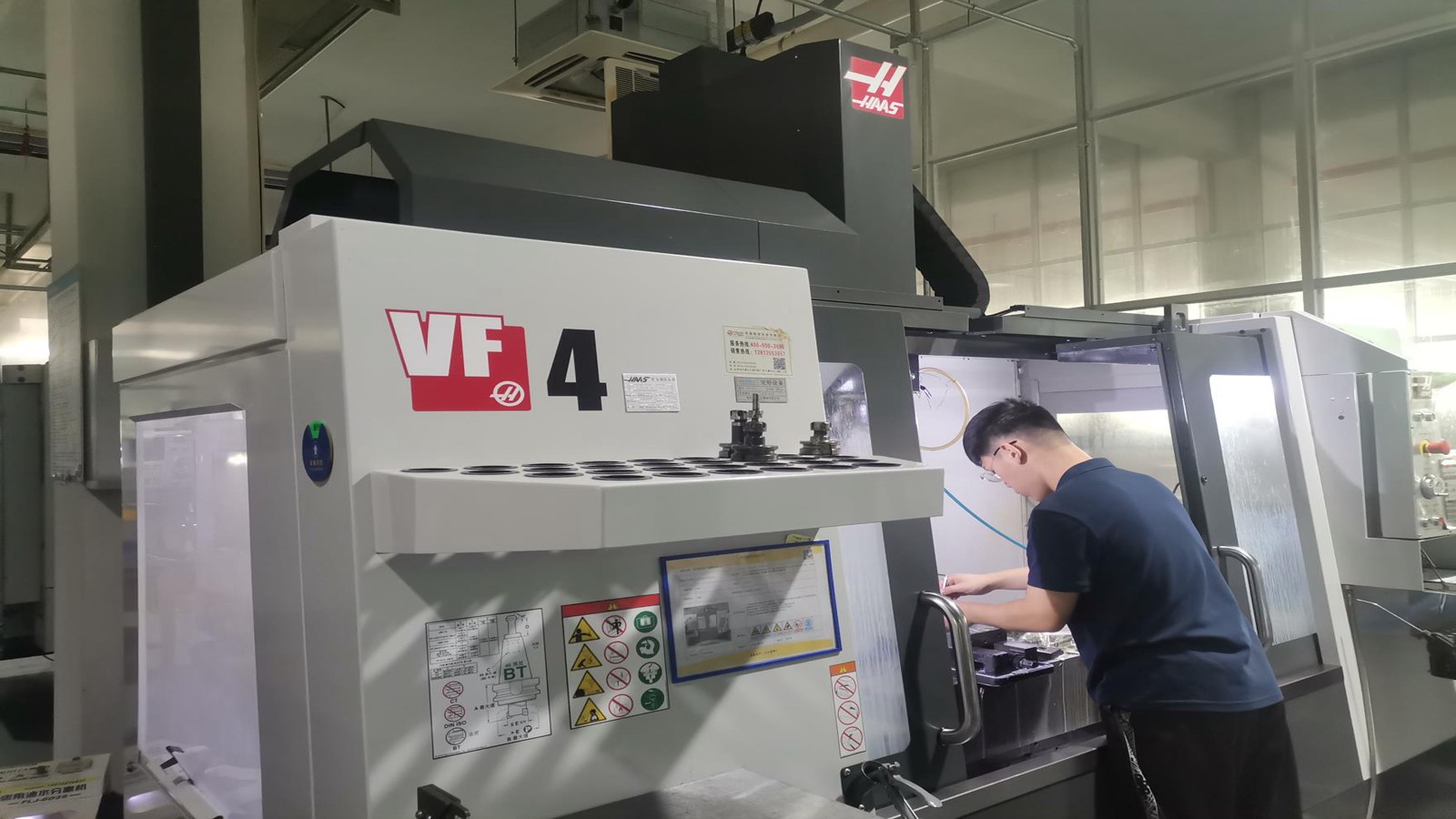
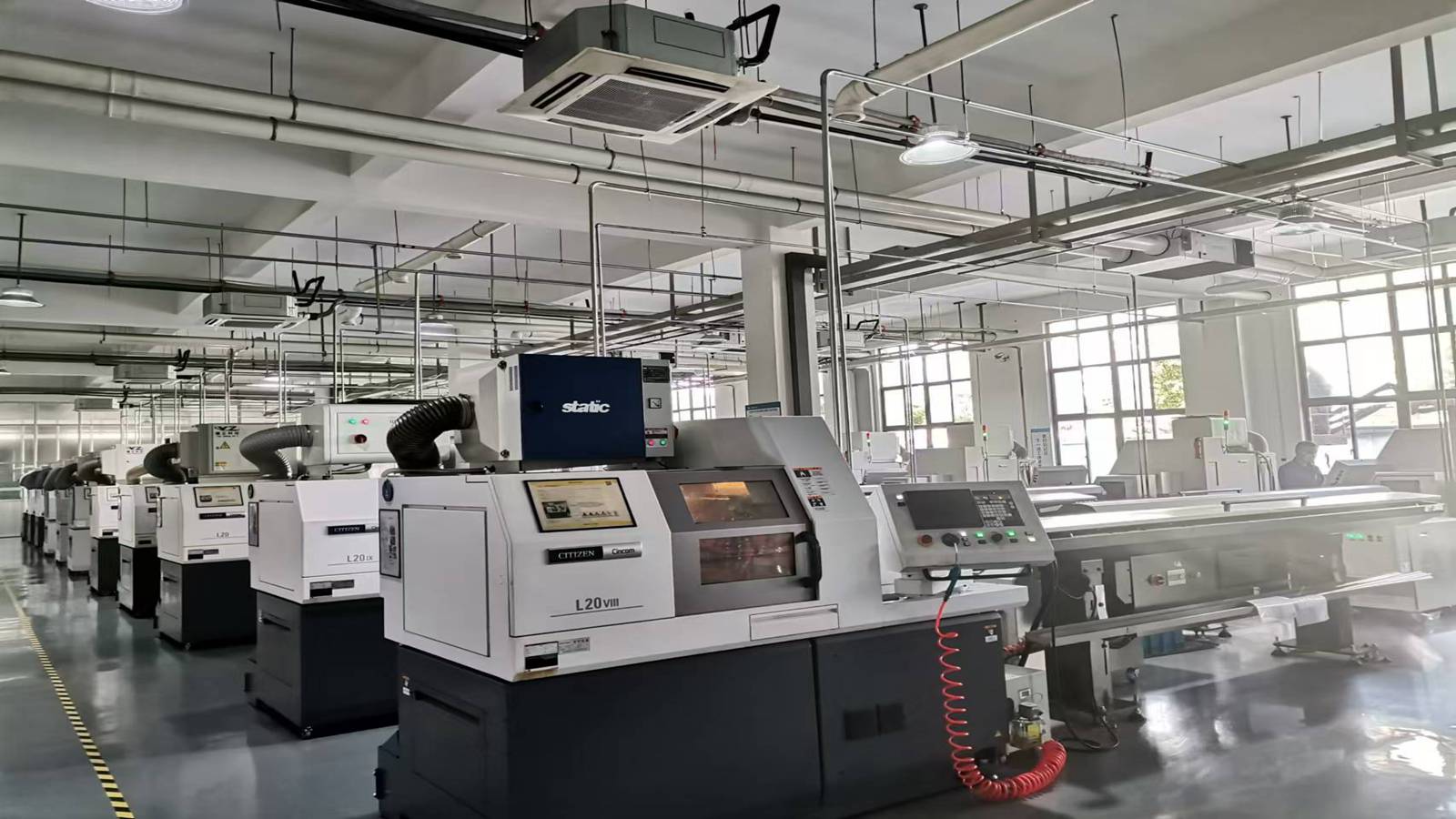
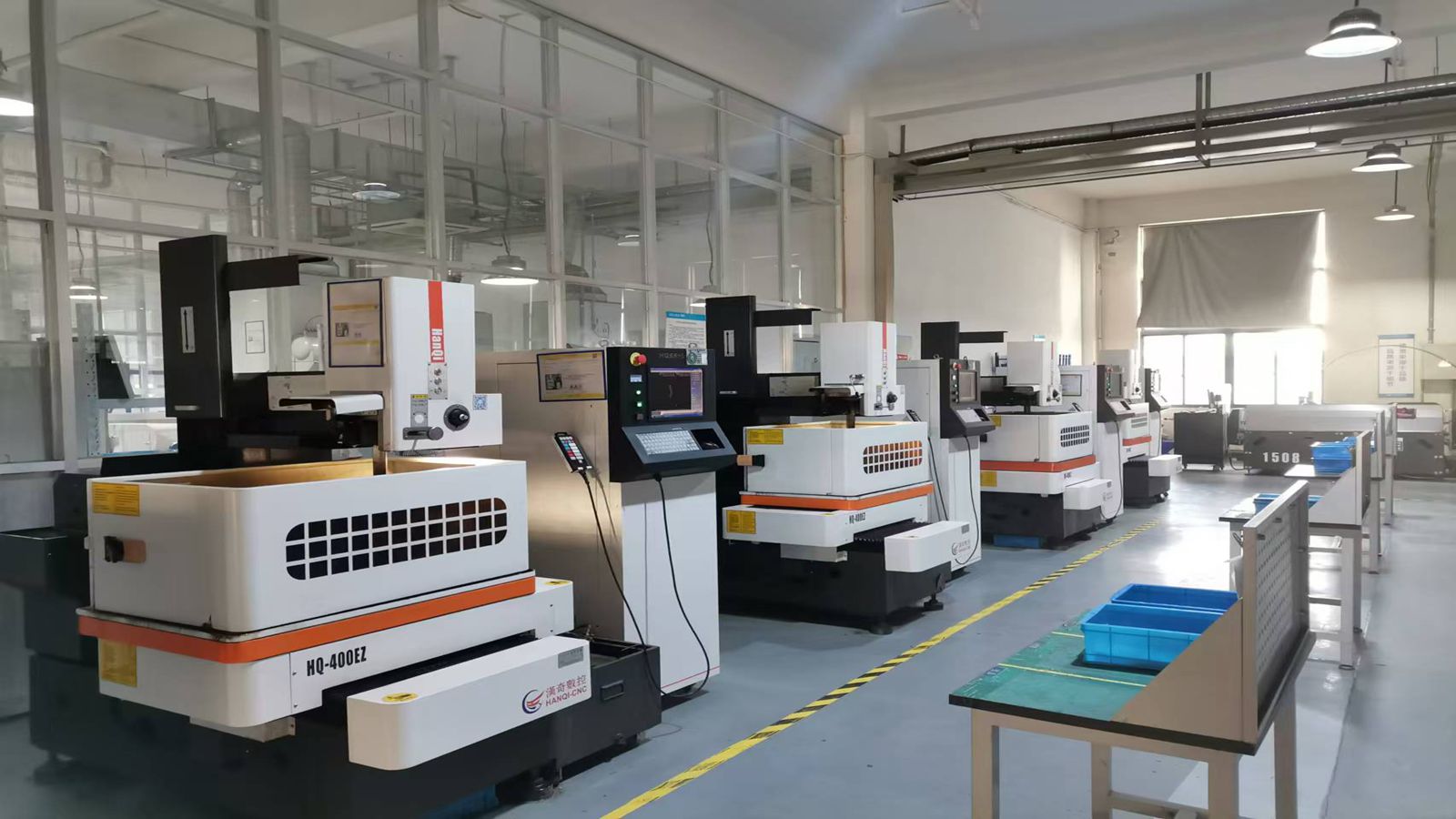
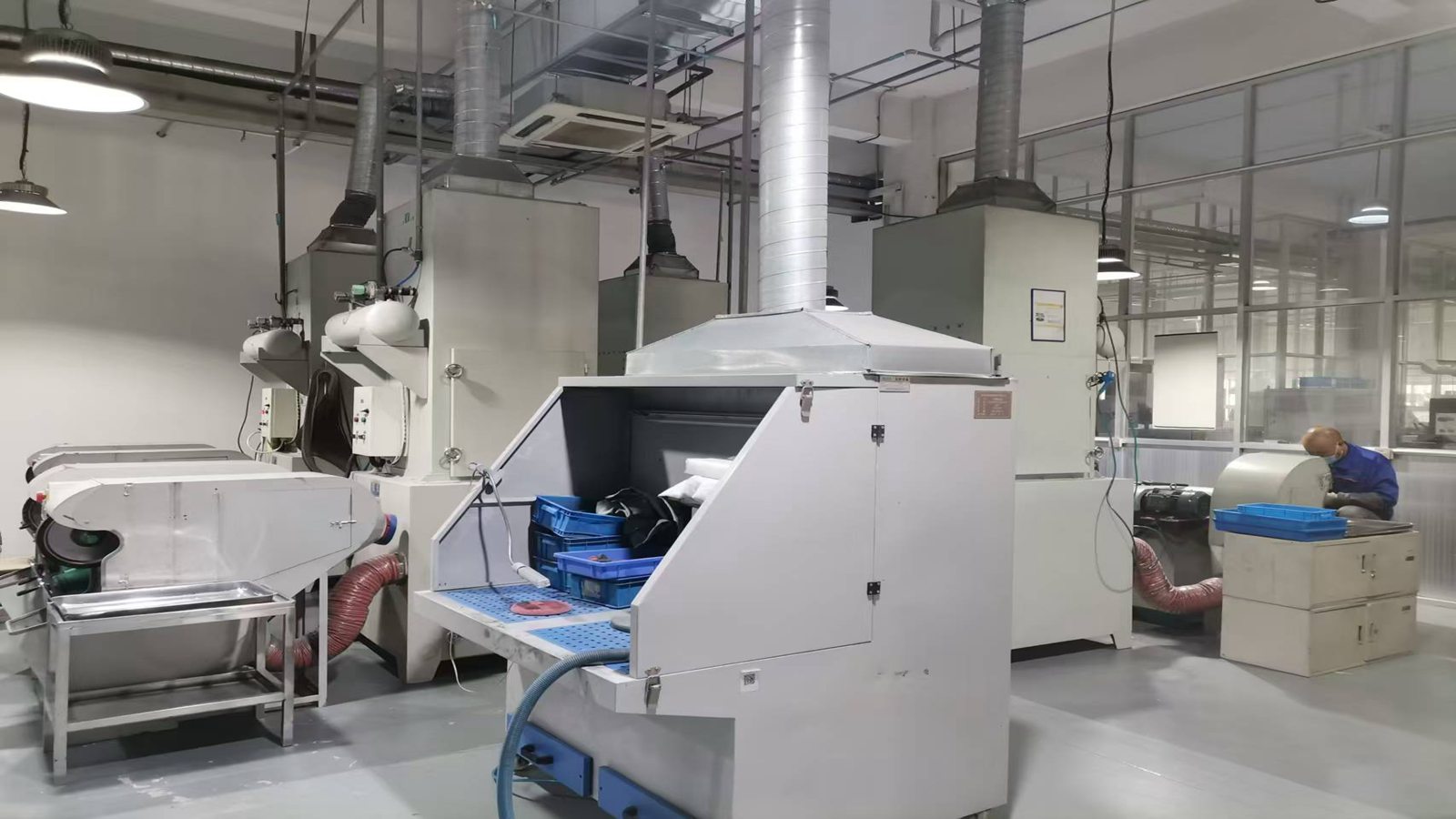
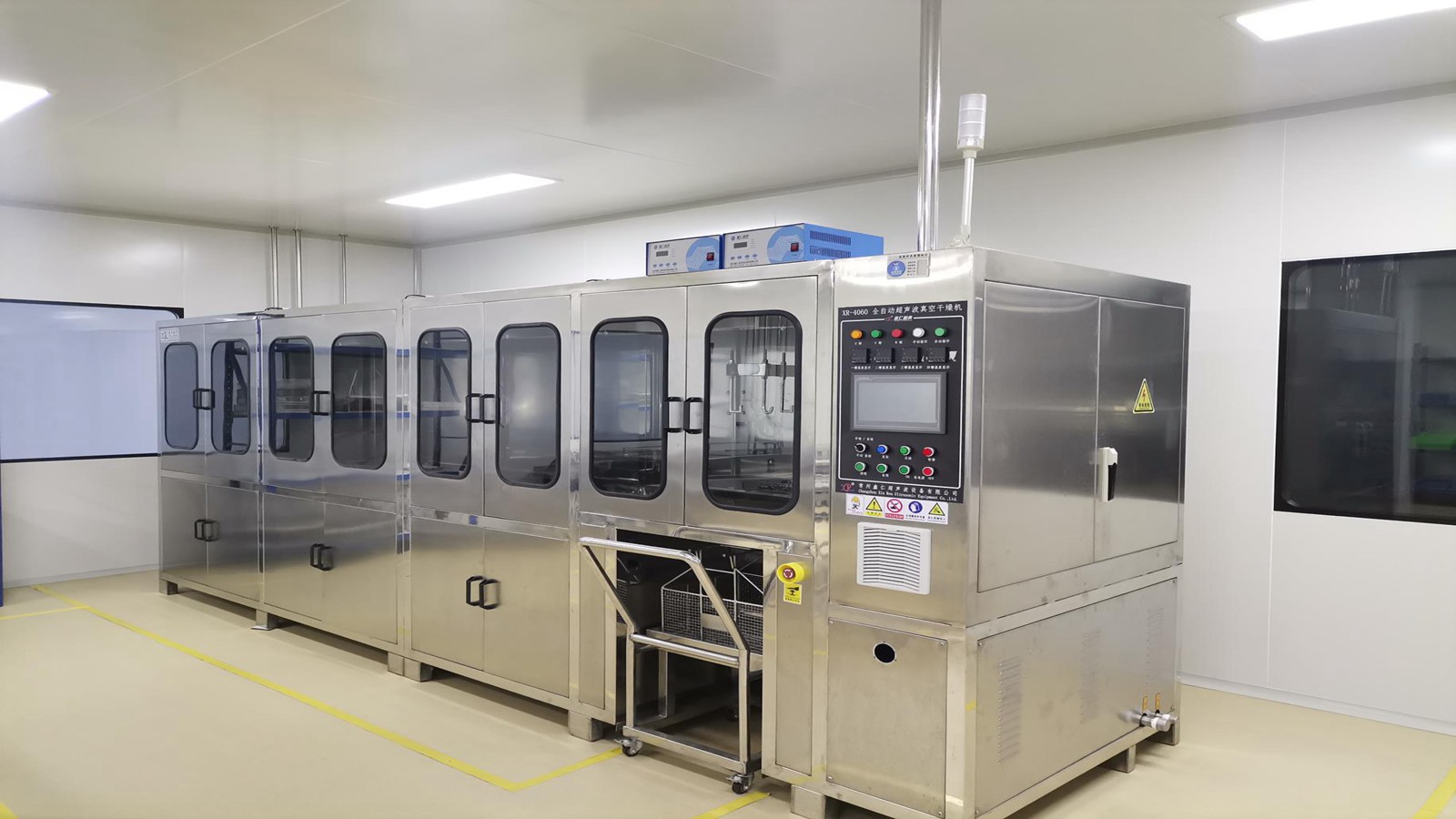
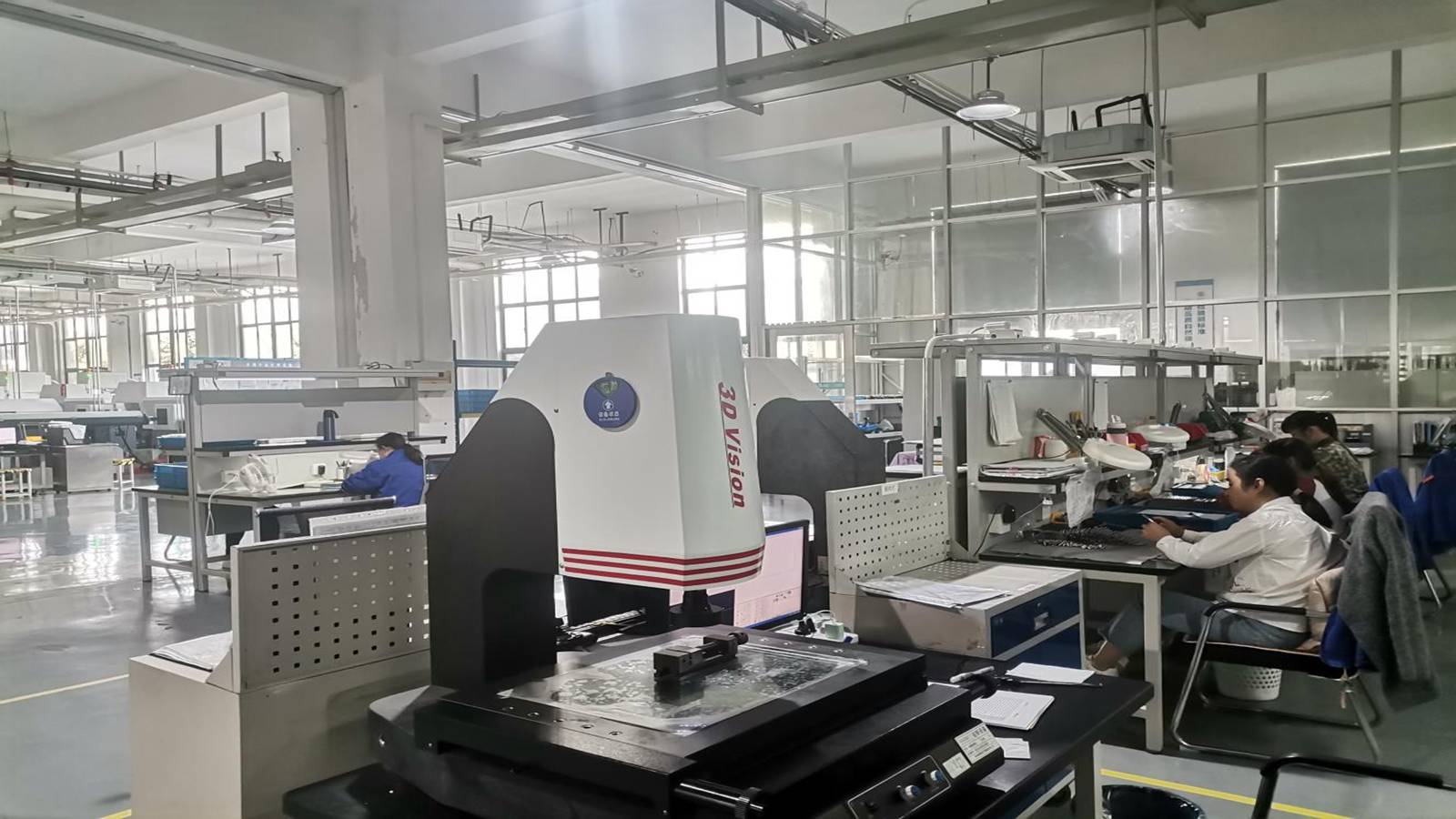
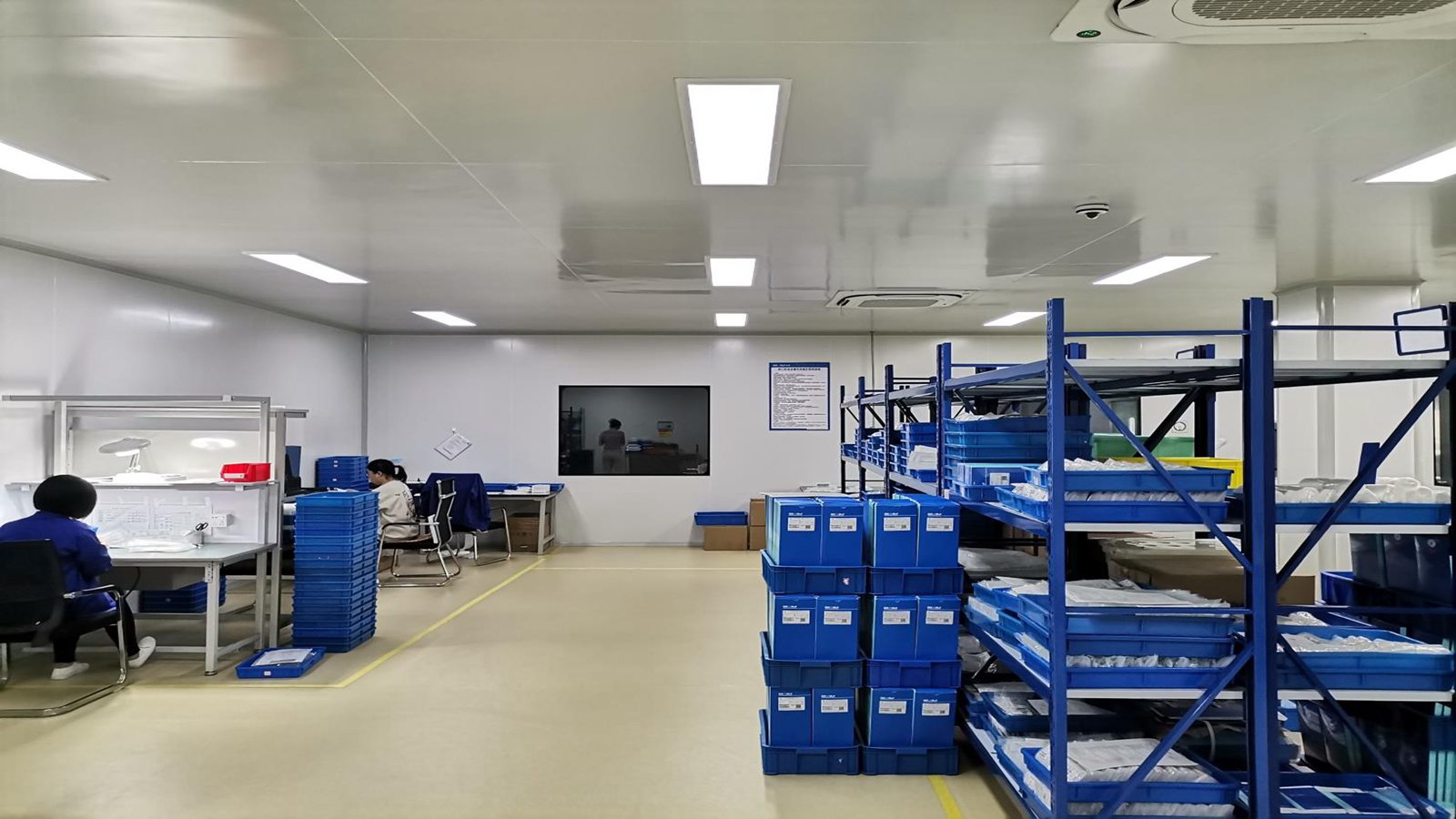
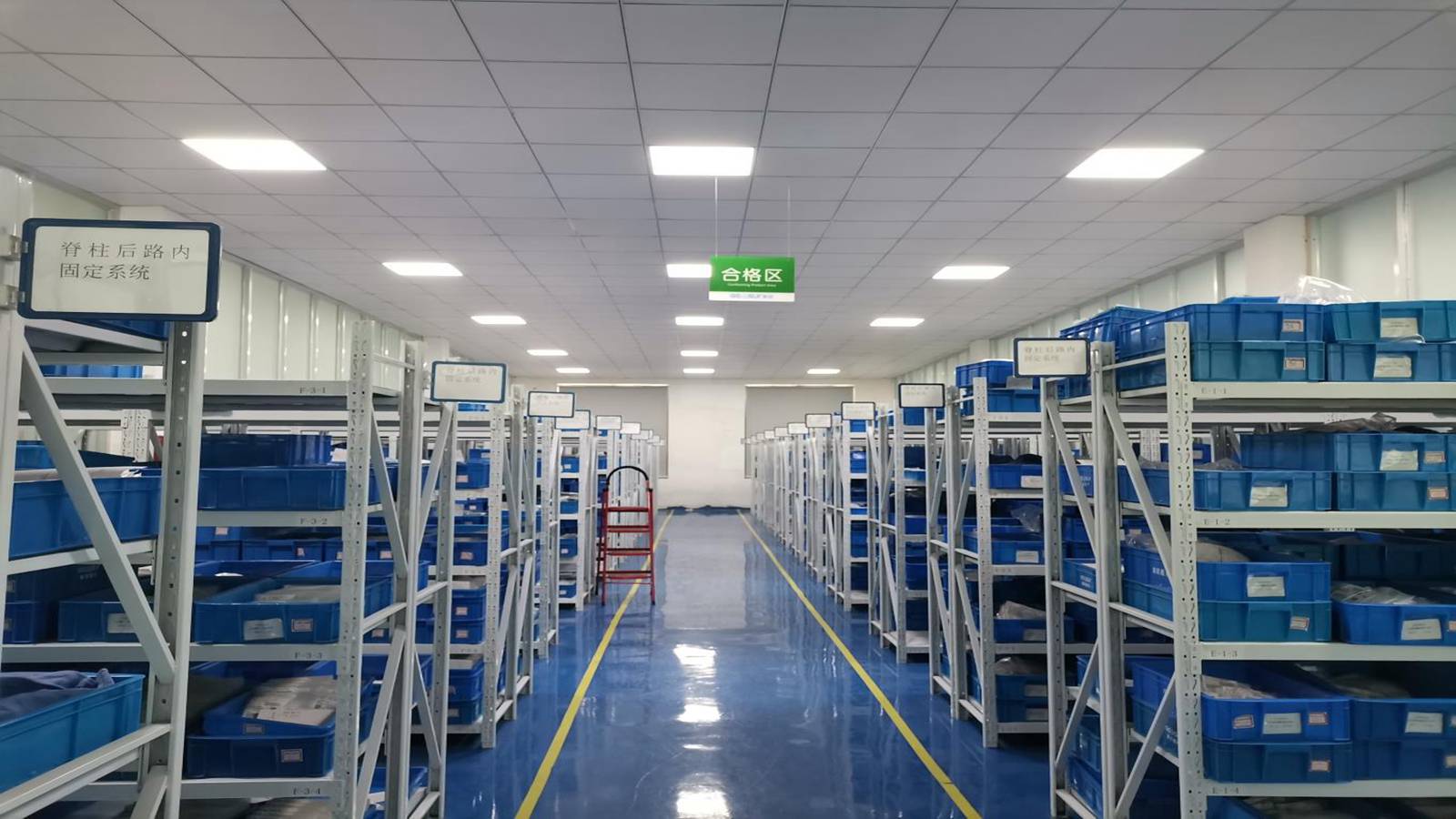
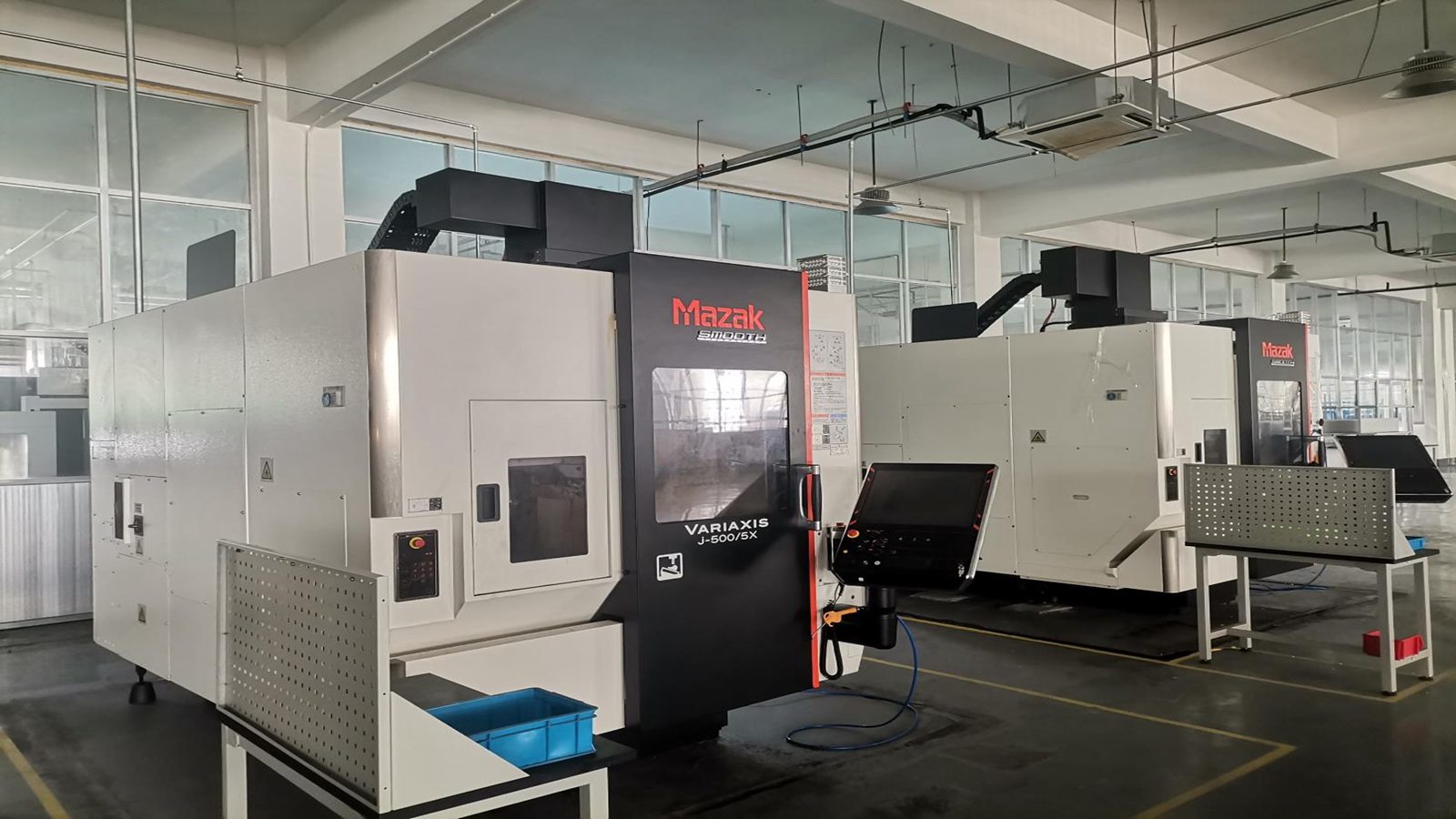
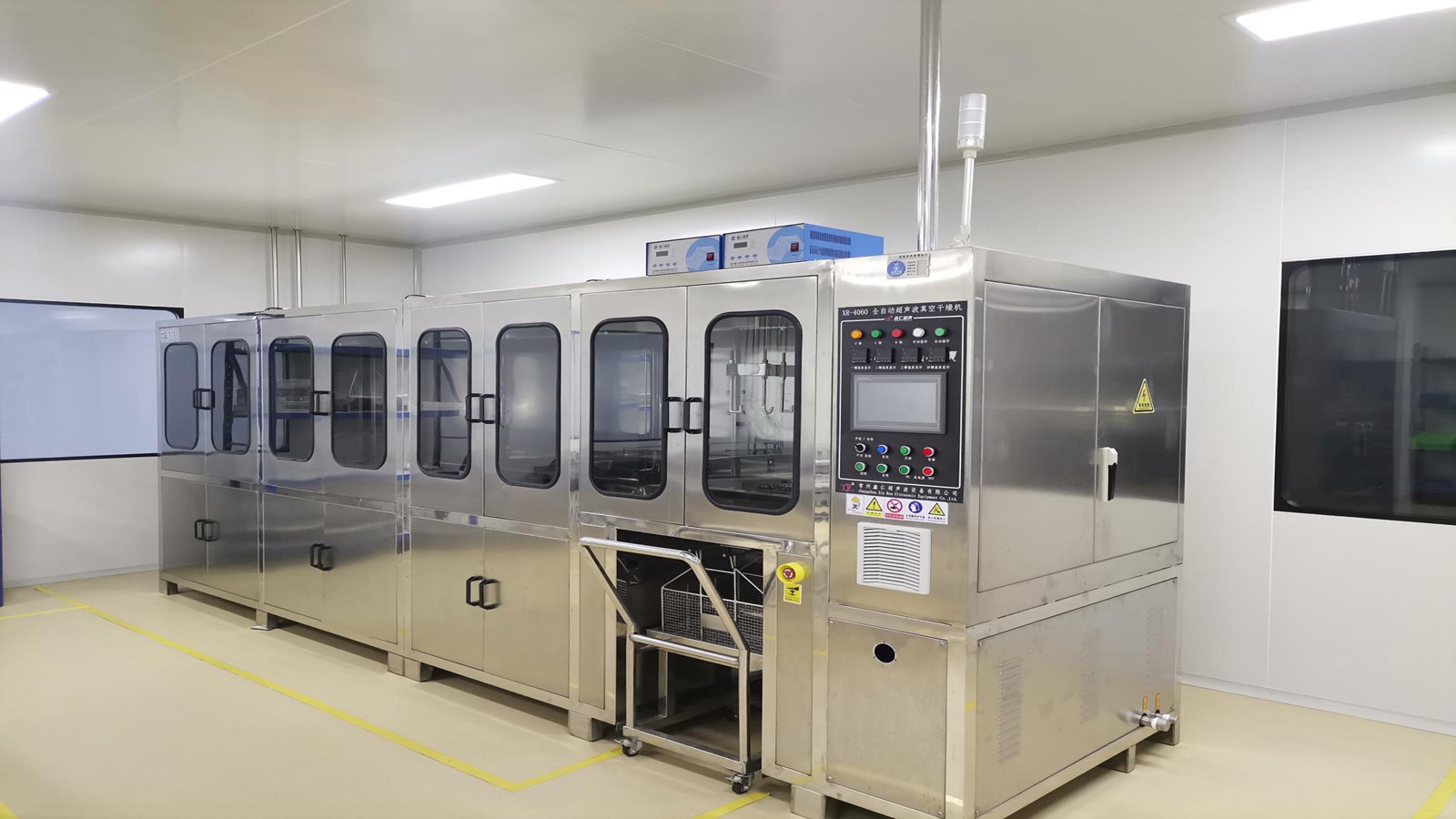
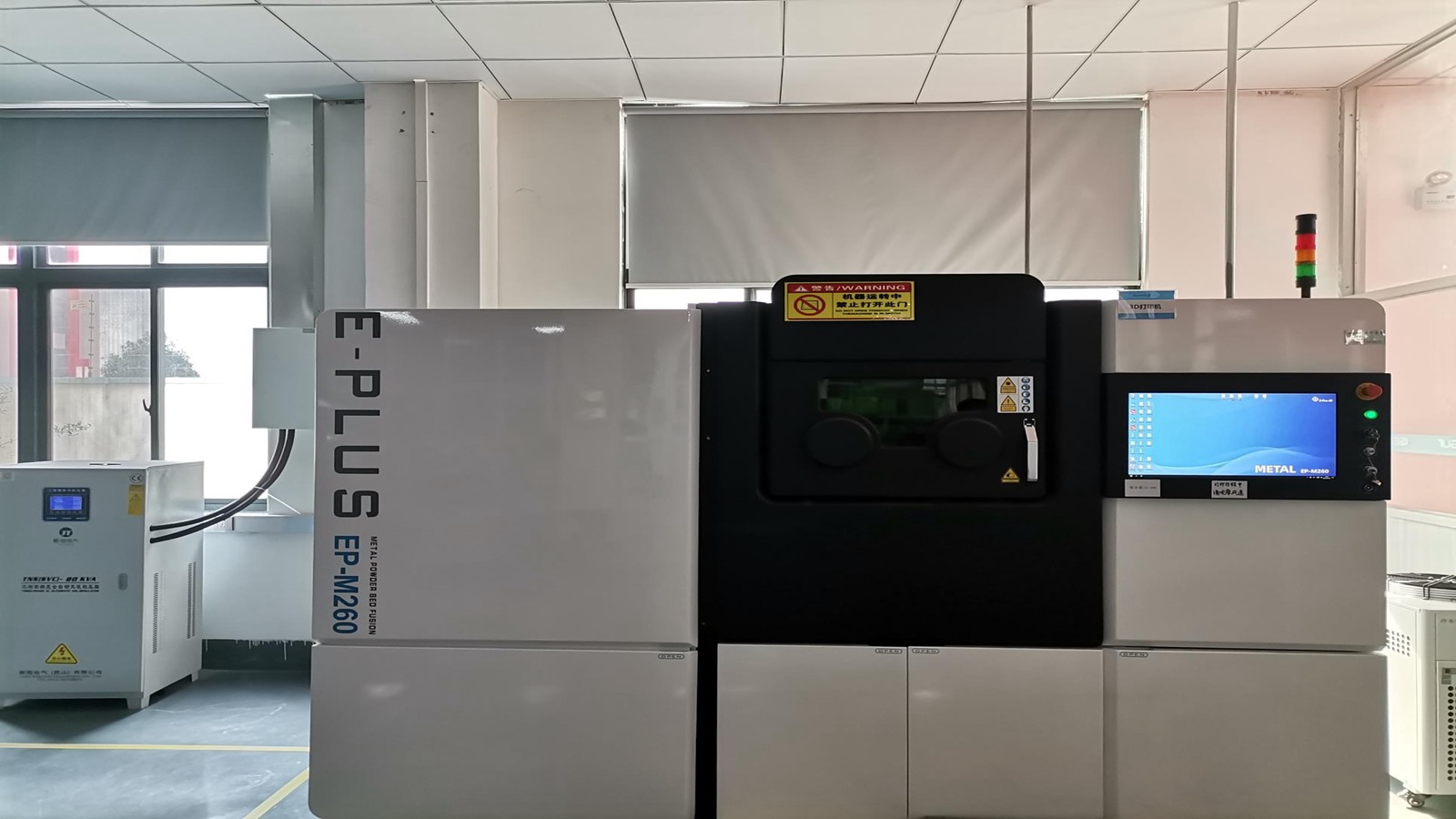
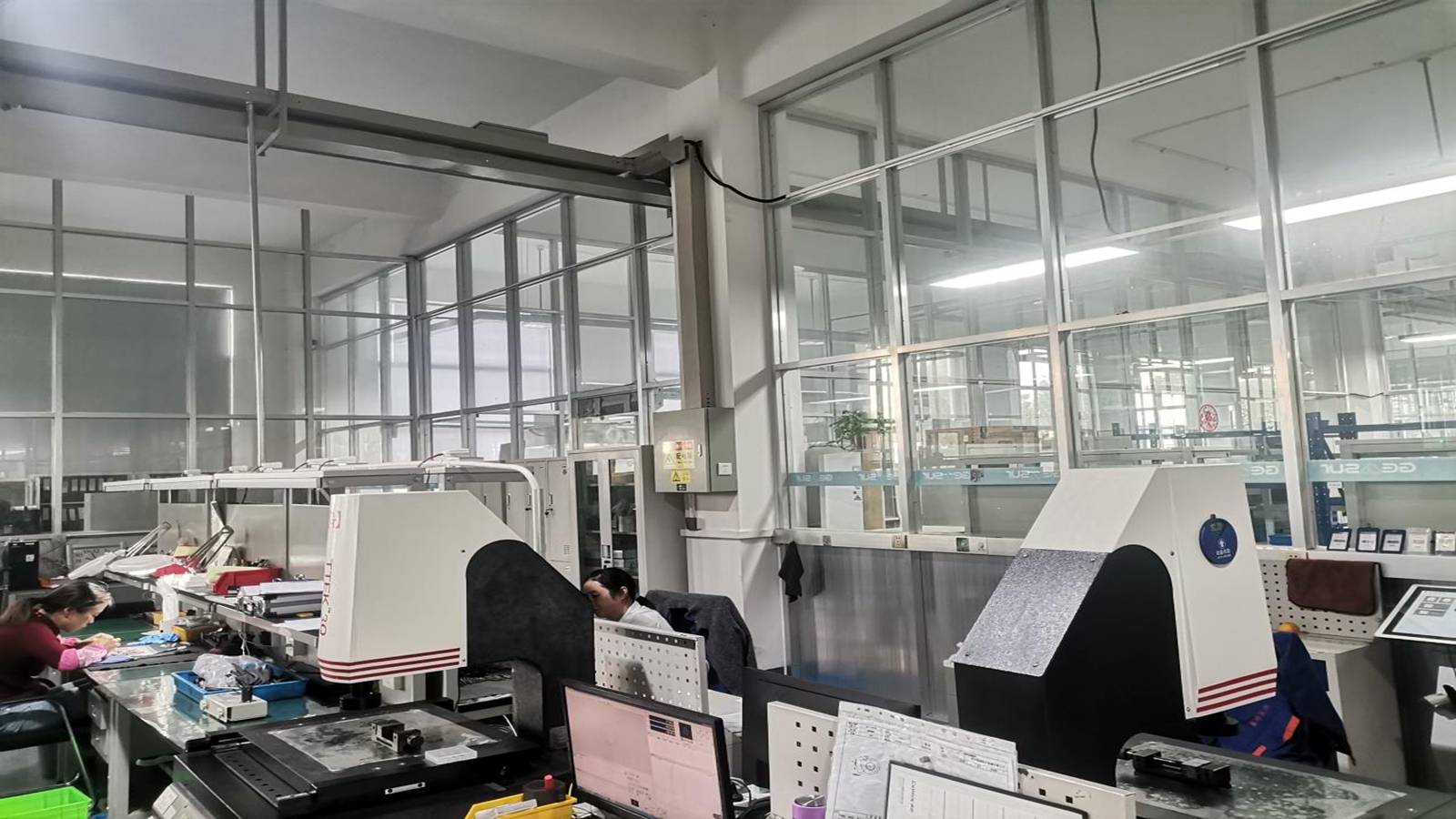
HBM Medical’s state-of-the-art facilities ensure traceabilty, regulatory alignment, and massive production scalability.
| Factory Profile & Verification Data (ISO 13485 / CE MDR Registered) | |
|---|---|
| Company Registration Date | 2015-10-15 (Over 10 Years in Industry & Export) |
| Accepted Communication Languages | English (Direct OEM/ODM Procurement Support) |
| Certifications Held | ISO13485 (04723Q10000765), MDSAP (C730178), CE MDR (EPT 0477.MDR.25/5905 & EPT 0477.MDR.25/5973) |
| Testing Protocols | Traceability of raw materials validated, 100% inspection on production lines, random verification batch runs |
| R&D Team Strength | 31 Specialized Engineers (1 Doctorate, 11 Post-graduates, 17 Graduates) |
| Customization Capabilities | Sample processing, graphic processing, custom instrumentation development on demand |
| Product Development Velocity | 25 New clinical-grade products launched in the last calendar year |
The manufacturing of orthopedic implants requires exceptional precision. Interlocking tolerances are measured in microns, and surface finishes must meet strict standards to prevent mechanical failure. Historically, Western European and American manufacturers dominated this market, resulting in higher pricing for healthcare systems.
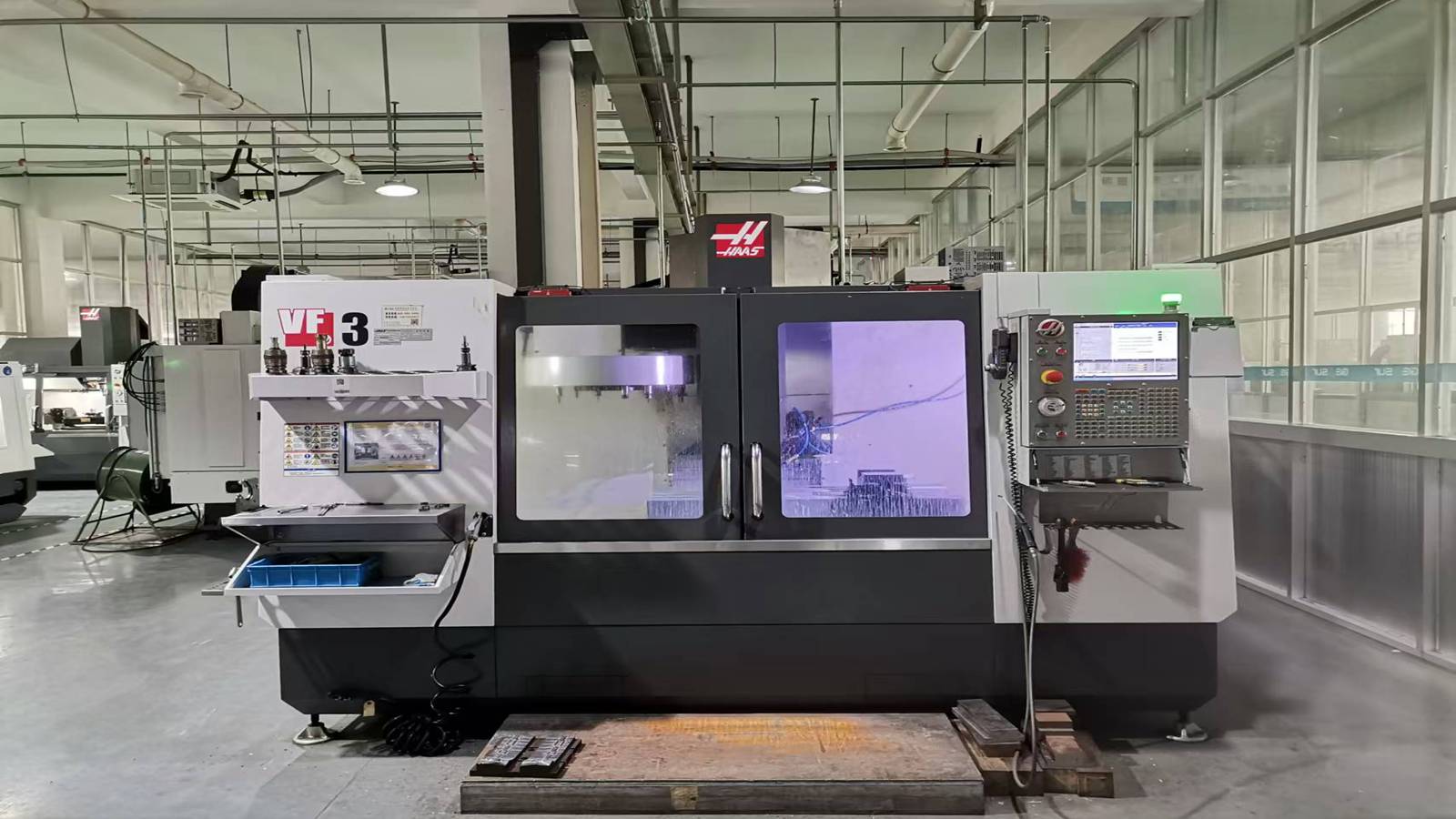
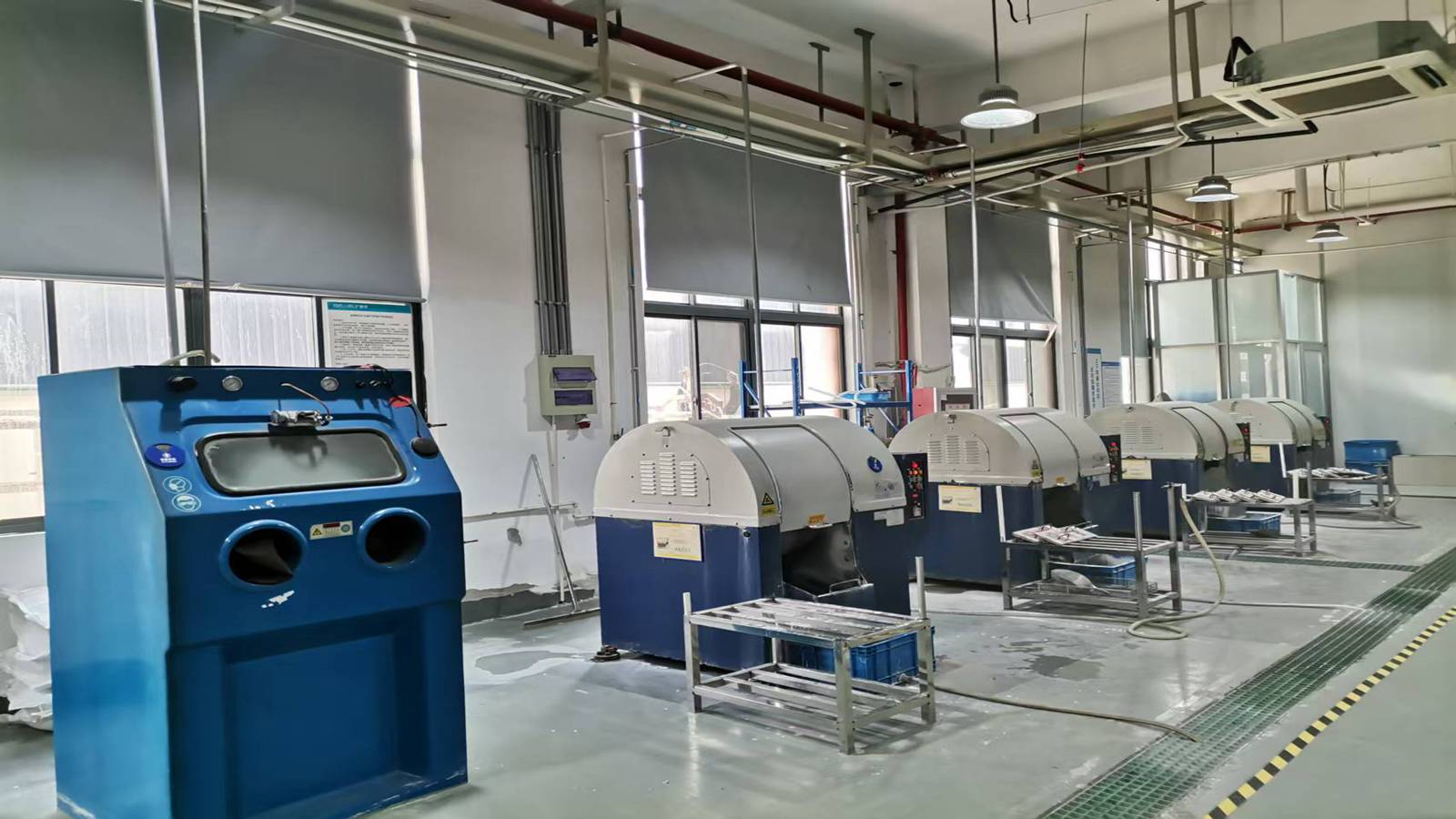
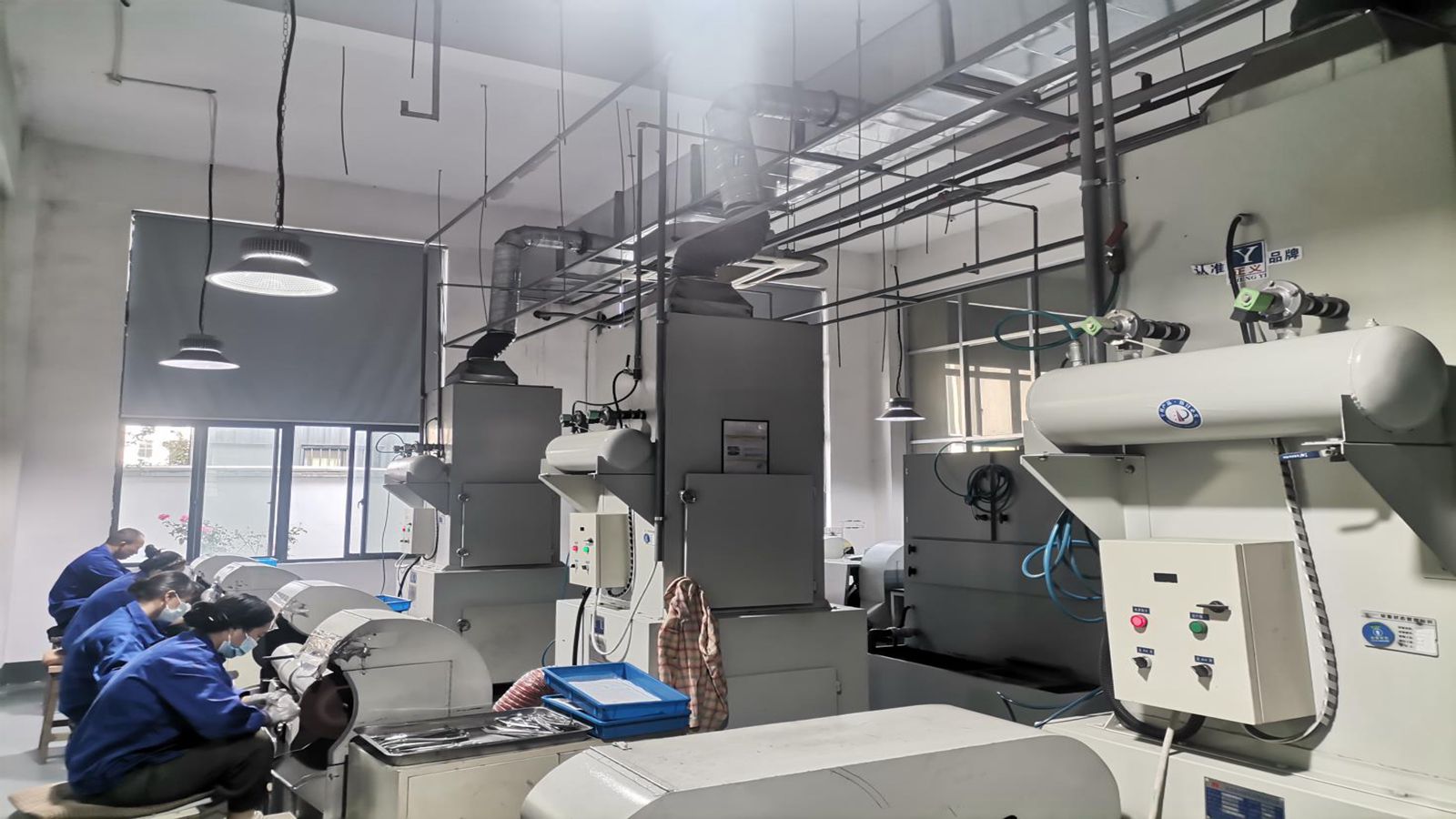
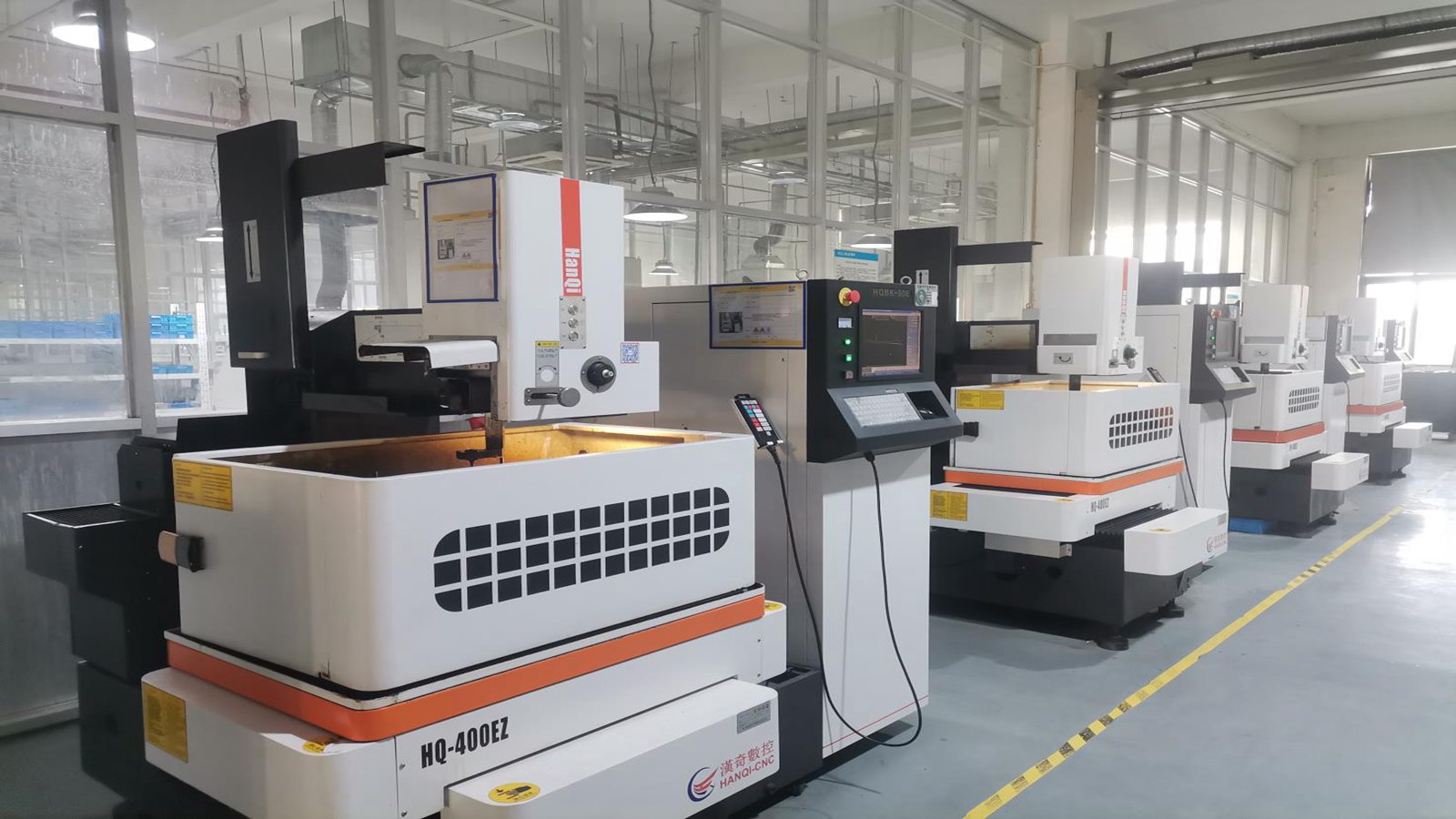
Today, Chinese facilities like HBM Medical Apparatus and Instruments Co., Ltd. provide a competitive option for high-end orthopedic manufacturing. This shifts the value proposition by offering:
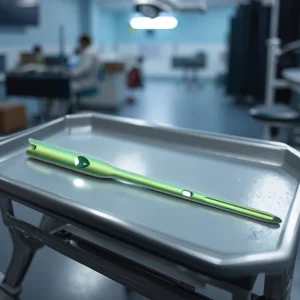
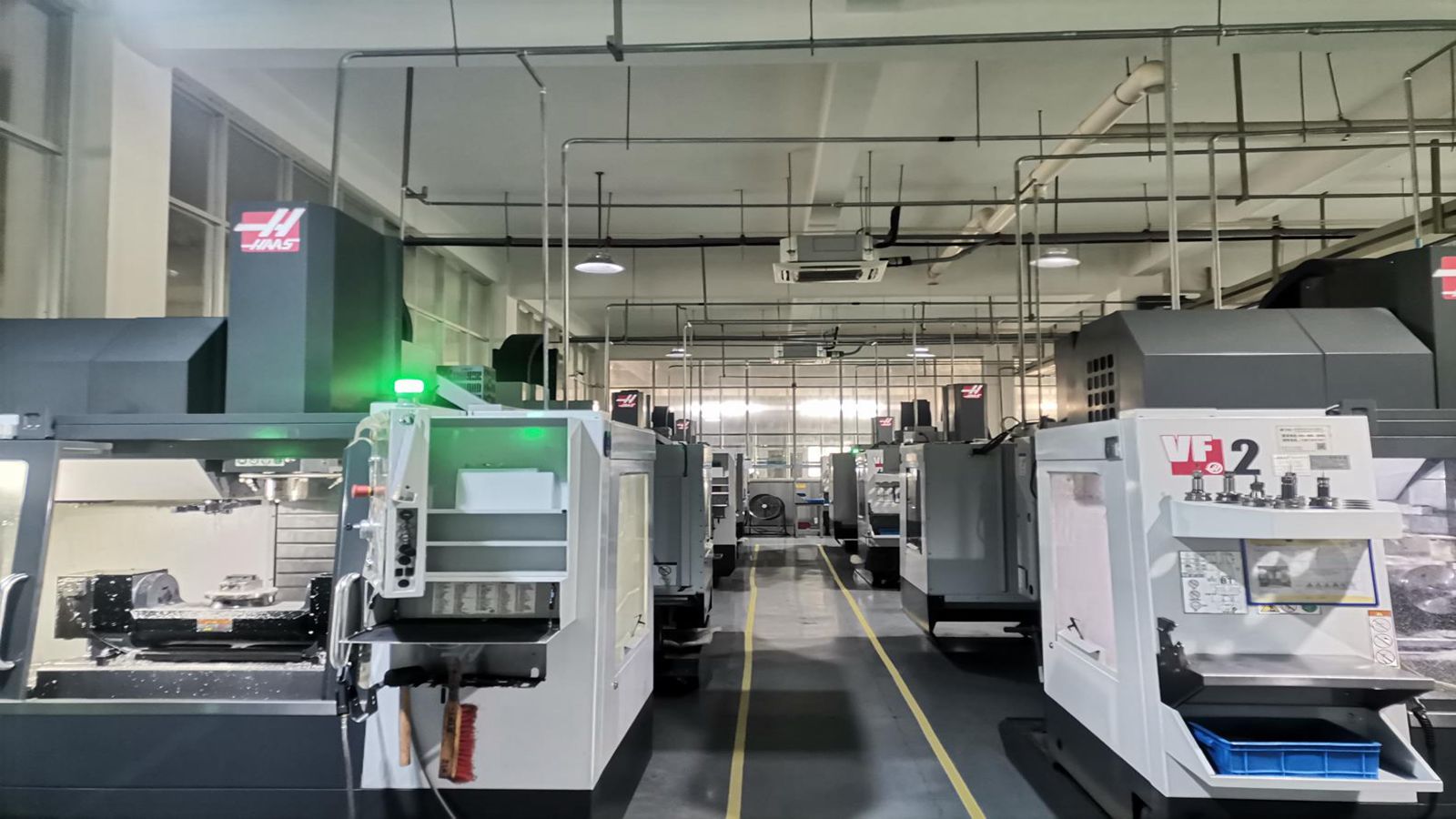
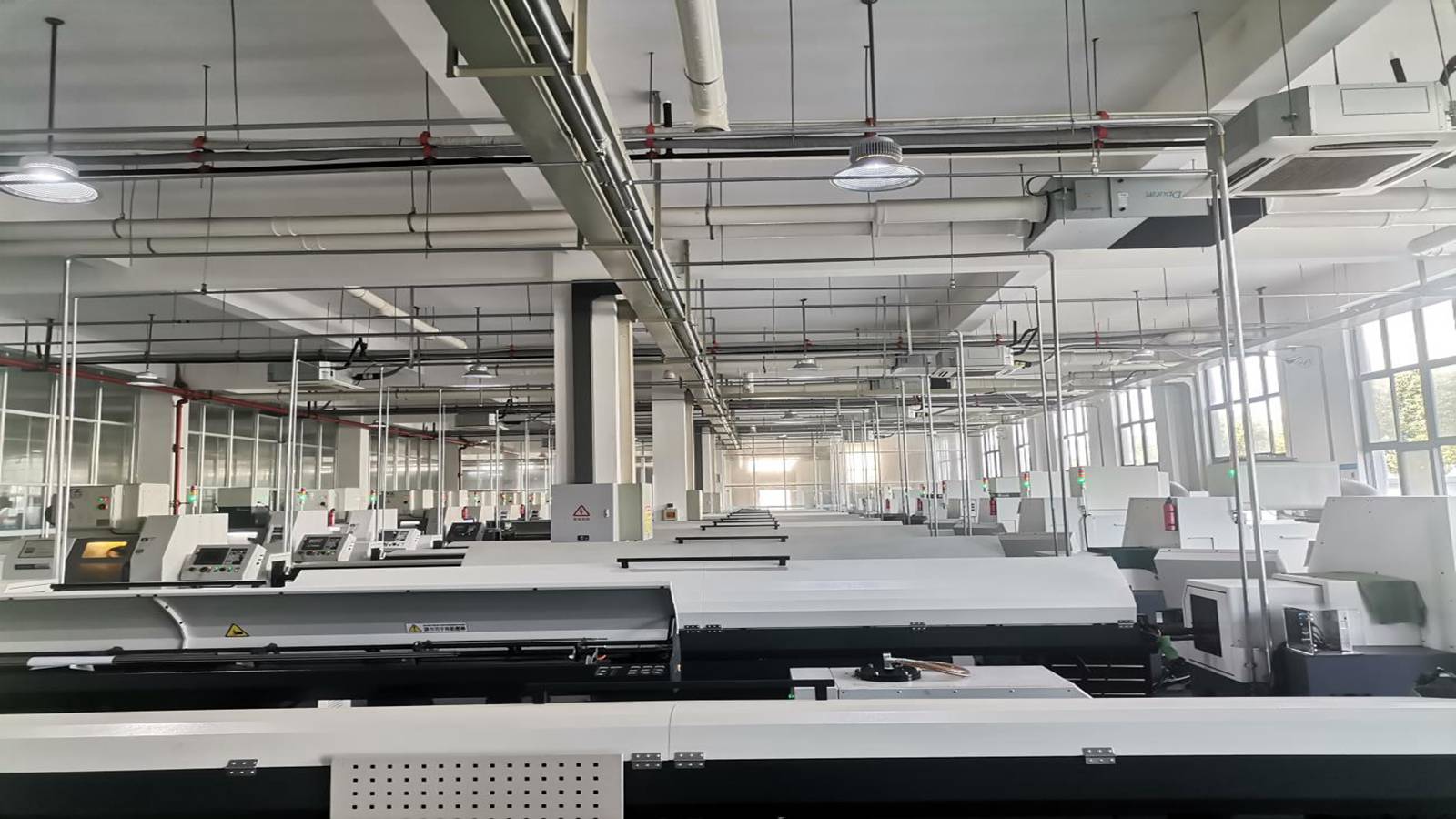
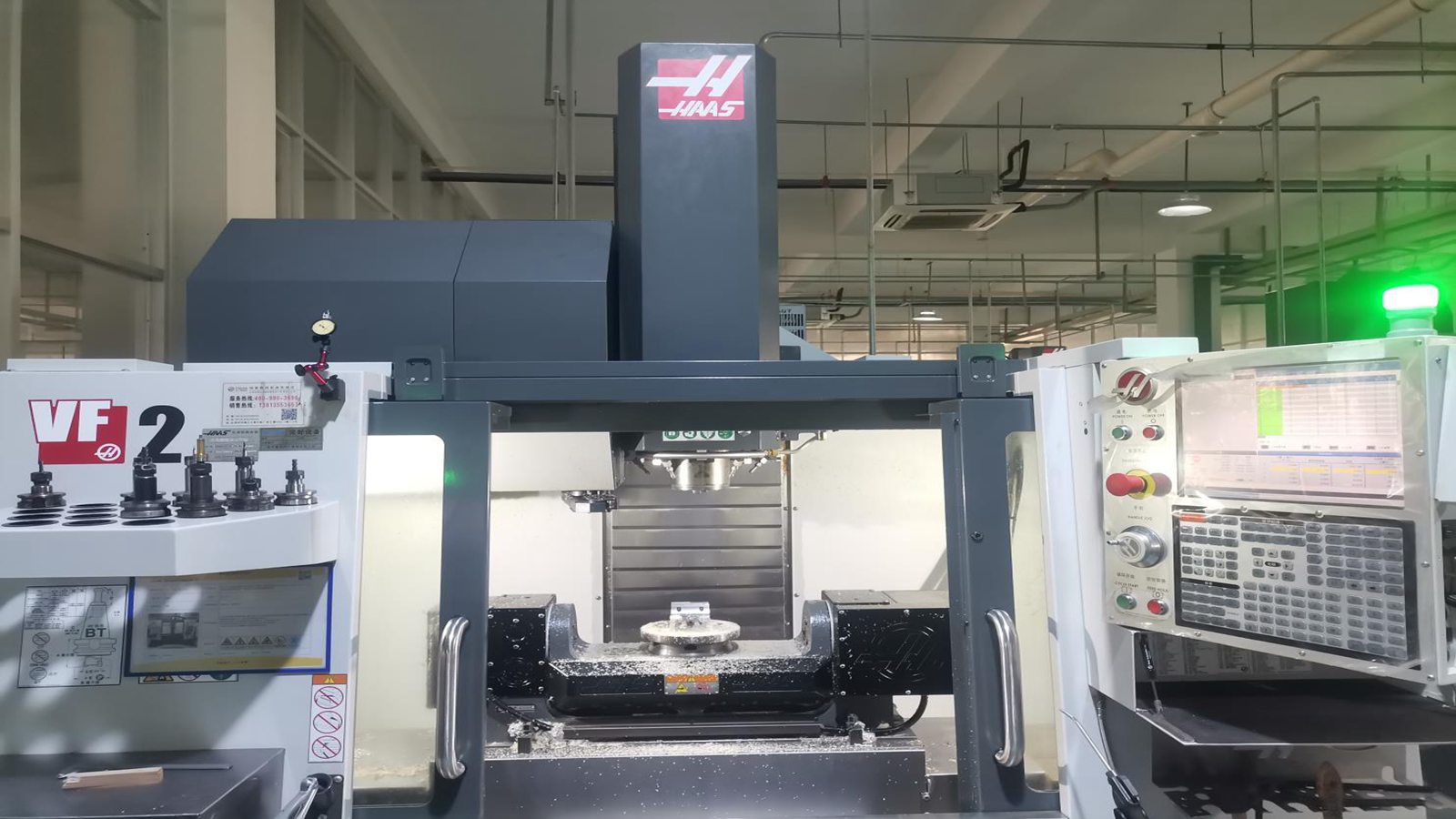
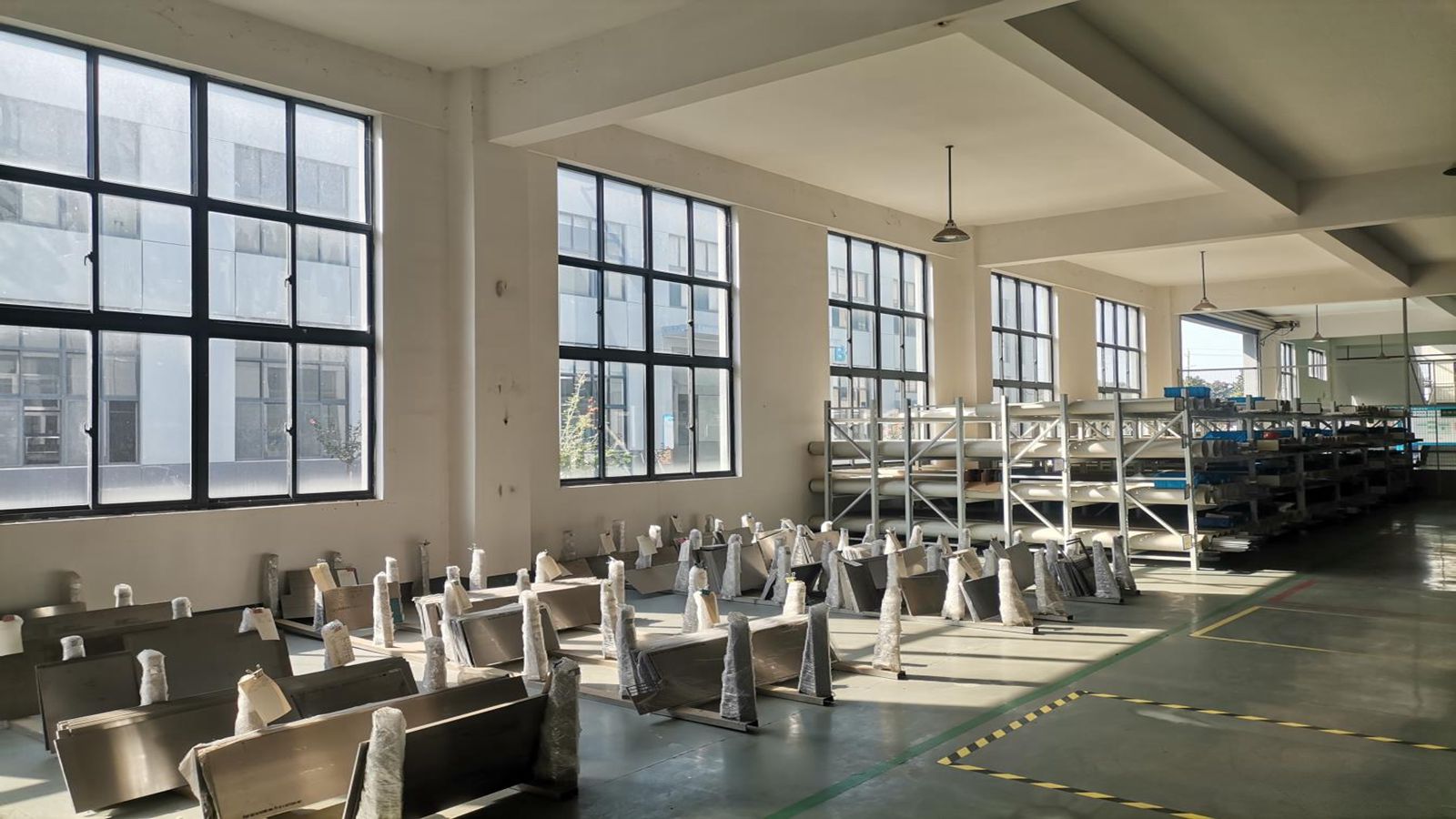
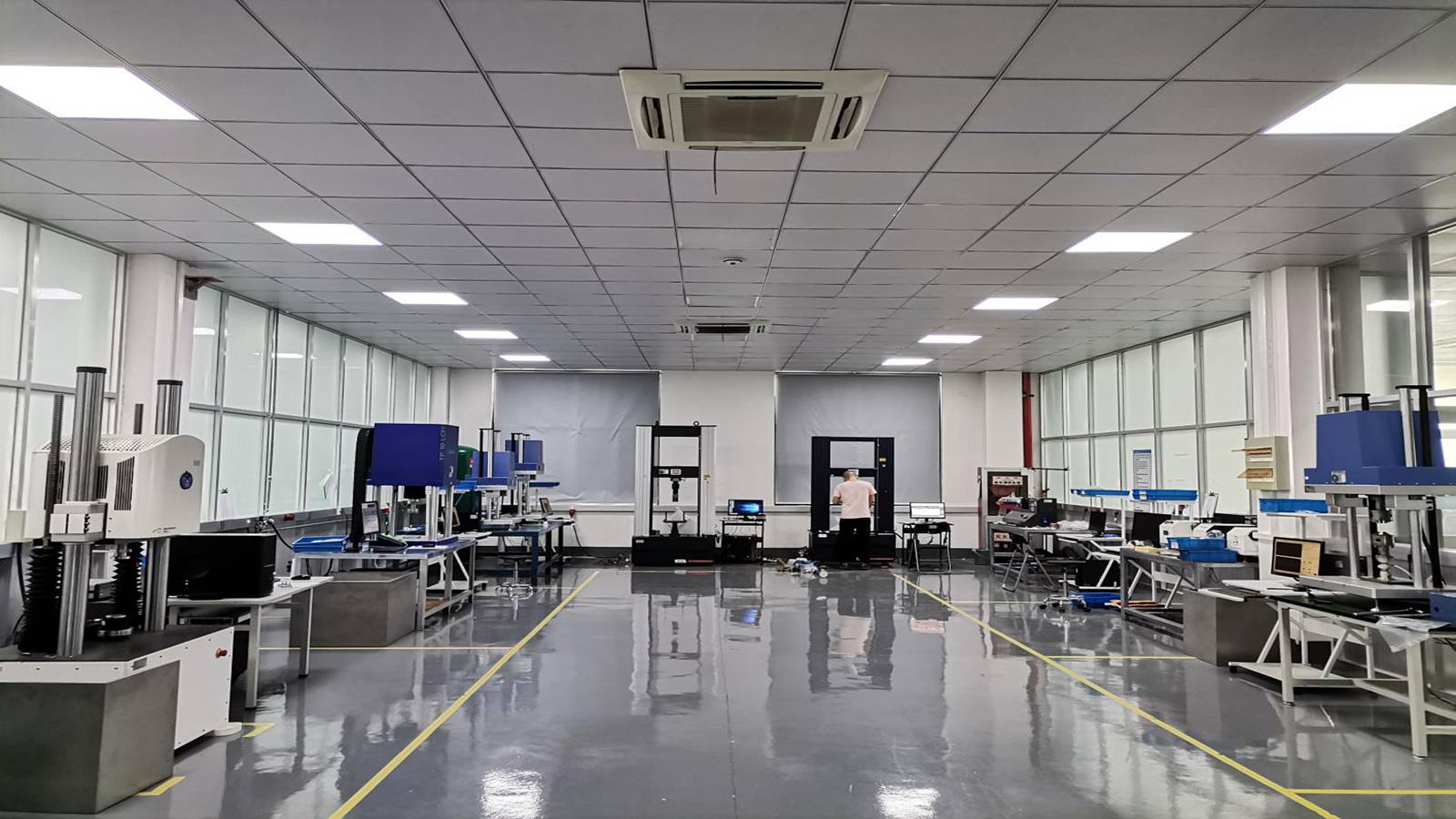
A visual representation of our manufacturing quality, class-10,000 cleanroom packaging lines, Swiss CNC machining, and automated polishing systems:
Intramedullary nails are tailored to the biomechanical and anatomical profiles of specific bones:
The field of internal fixation is continually advancing. Key developmental areas include:
A comprehensive inventory of interlocking nails, pediatric elastic implants, and trauma screws matching clinical requirements.
Essential answers for hospital procurement boards, orthopedic distributors, and surgical coordinators.
 HBM Medical