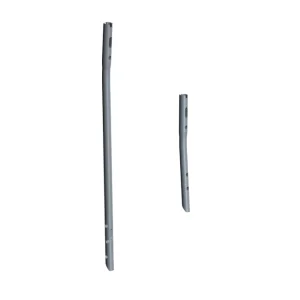
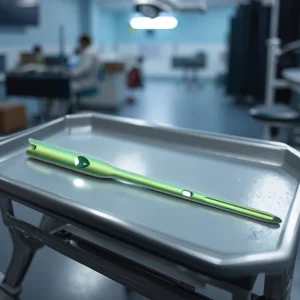
Explore our core selection of intramedullary implants designed to meet the rigorous clinical performance thresholds of European trauma surgery centers.
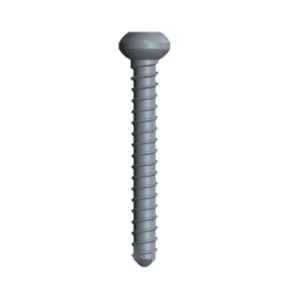
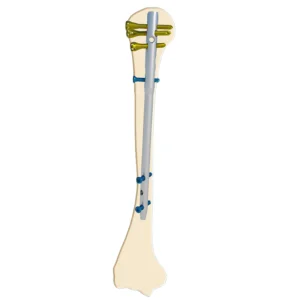
The Veneto region, with Verona as a primary focal point, supports a robust healthcare network, anchored by prestigious institutions such as the Azienda Ospedaliera Universitaria Integrata di Verona (AOUI) and local trauma-related networks. There is a strong clinical demand for advanced fixation methods for osteoporotic fractures and high-energy traumatic injuries.
We supply local medical distributors, hospital procurement specialists, and orthopedic device retailers in Northern Italy with cost-effective, high-grade biocompatible titanium implants that bypass traditional European logistical inflation.

An in-depth review of load-sharing characteristics, material chemistry, and regulatory requirements in modern trauma surgery.
Intramedullary (IM) nails have long stood as the gold standard for treating diaphyseal fractures of long bones (femur, tibia, and humerus). Unlike plating systems, which act as load-bearing structures and can cause stress-shielding, an IM nail functions as an internal splint. By placing the implant close to the neutral axis of the bone, load-sharing is optimized. The micro-motion allowed at the fracture site stimulates external callus formation, speeding secondary bone healing. For trauma surgeons operating in Verona's critical hospitals, ensuring optimal implant elasticity and locking stability is vital for patient recovery times.
Modern implant engineering relies heavily on alloy selection. At HBM Medical, our implants are fabricated from Titanium Alloy Ti-6Al-4V ELI (Extra Low Interstitial), conforming to ASTM F136 standards. This medical-grade titanium offers a lower modulus of elasticity compared to stainless steel (110 GPa vs 200 GPa), aligning closer to human cortical bone. This reduces the risk of stress shielding while maximizing fatigue life. Furthermore, titanium exhibits superior biocompatibility and a high corrosion resistance profile, ensuring low revision rates for Italian surgical patients.
| Implant Property | Ti-6Al-4V ELI (HBM Standard) | Stainless Steel 316LVM | Clinical Advantage for Surgeons |
|---|---|---|---|
| Elastic Modulus (GPa) | 105 - 115 | 190 - 200 | Reduced stress shielding; preserves surrounding cortical bone density. |
| Ultimate Tensile Strength (MPa) | ≥ 860 | ≥ 490 | Allows high load-bearing capacity during early rehabilitation. |
| Biocompatibility | Excellent (Inert oxide layer) | Moderate (Risk of Nickel release) | Negligible inflammatory response, essential for long-term placement. |
| MRI Compatibility | High (Non-ferromagnetic) | Low (High artifact creation) | Clear postoperative diagnostic imaging. |
Unstable trochanteric and subtrochanteric fractures present significant challenges. The Proximal Femoral Nail Antirotation (PFNA) system resolves this by utilizing a helical blade instead of traditional locking screws. The HBM PFNA system relies on a single helical blade that compacts cancellous bone during insertion. This compaction provides excellent resistance against cut-out, a primary failure mechanism in osteoporotic bone. For clinical practitioners in Verona, utilizing PFNA systems translates into reduced operating times and lower risk of postoperative secondary displacement.
Leveraging deep industrial R&D, certified quality control processes, and automated production infrastructure to supply global orthopedic markets.

HBM Medical operates in strict adherence to international quality management guidelines. Our facilities include advanced Class 10,000 and Class 100,000 cleanrooms for sterile cleaning and packaging processes. We ensure absolute raw material traceability from premium ingot suppliers, supported by chemical analysis and mechanical testing reports for every batch.
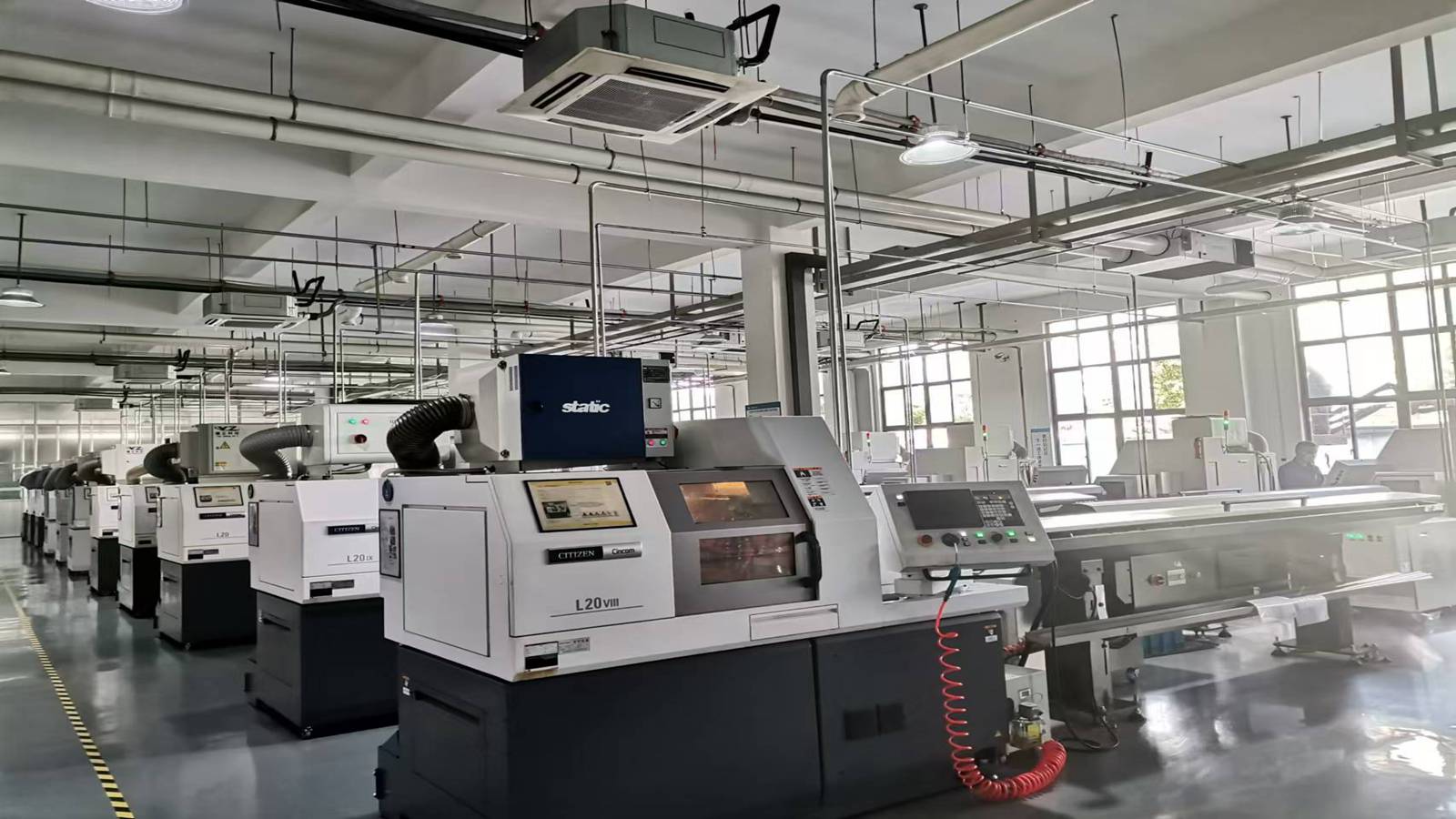
Our Quality Assurance team includes 36 expert QC inspectors. They supervise processes from initial Swiss-type lathe turning to final anodizing and laser-etched serialization.
Download Factory Quality ManualWhy source your orthopedic implants from HBM Medical instead of expensive domestic medical device conglomerates?

A comprehensive collection of specialized proximal femoral, humeral, tibial, pediatric, and micro-locking interlocking nails, optimized for the Verona market.
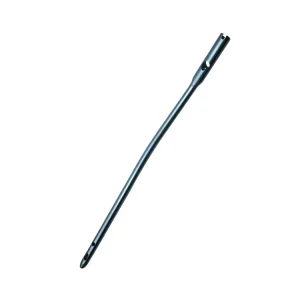
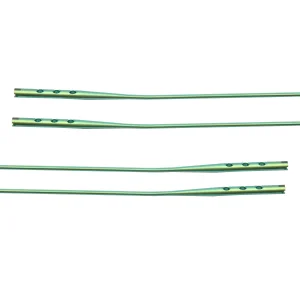
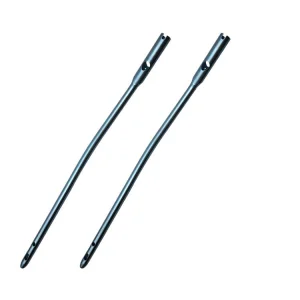
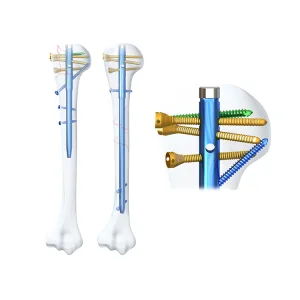
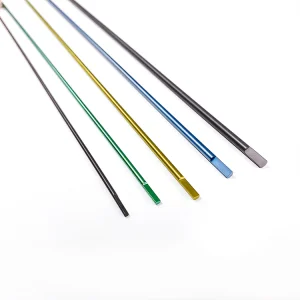
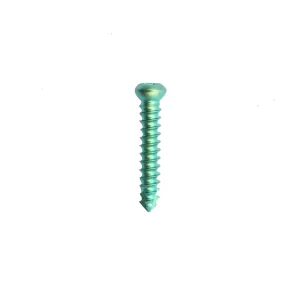
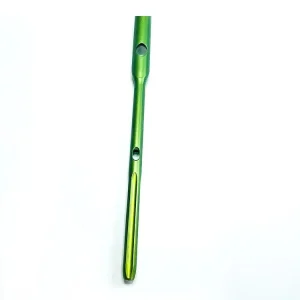
Achieving compliance under the European Medical Devices Regulation is critical. Here is how HBM Medical supports Verona clients.
The transition from the Medical Device Directive (MDD 93/42/EEC) to the European Medical Device Regulation (MDR 2017/745) introduced strict requirements for Class III implantable devices, including intramedullary nails and associated locking hardware. HBM Medical has updated its technical documentation to ensure full compliance. Our implants carry authentic CE certificates issued by Eurofins Product Testing Italy S.r.l. (Notified Body 0477), specifically certificate numbers EPT 0477.MDR.25/5905 and EPT 0477.MDR.25/5973.
To operate within Italian public hospital purchasing networks (like those in the Veneto region), manufacturers must present comprehensive Post-Market Clinical Follow-up (PMCF) plans. HBM continuously tracks clinical feedback, implant survival rates, and bone healing parameters. This systematic monitoring ensures that our intramedullary nail systems maintain the highest clinical efficacy standards, protecting patient safety and hospital procurement integrity.
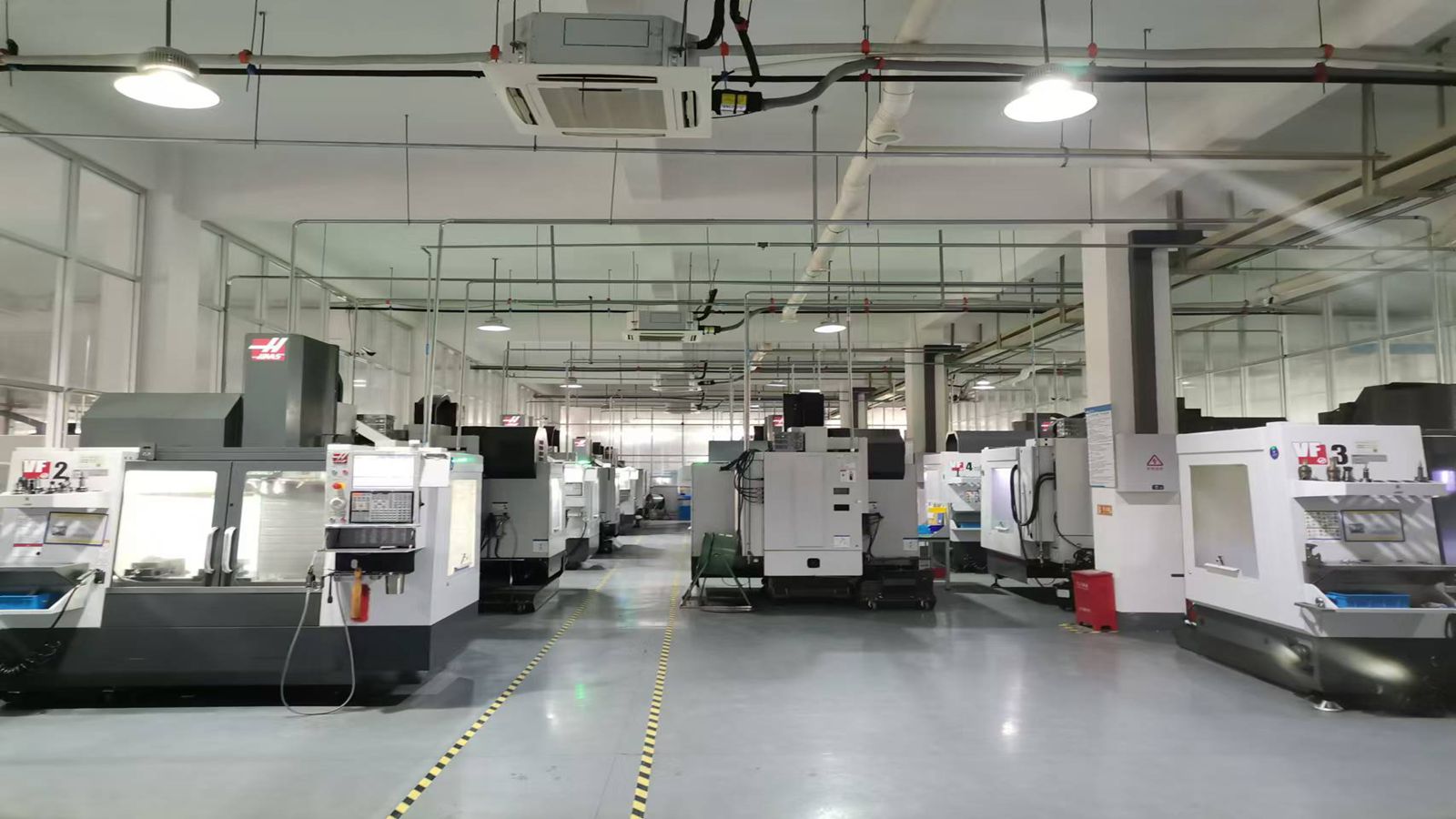
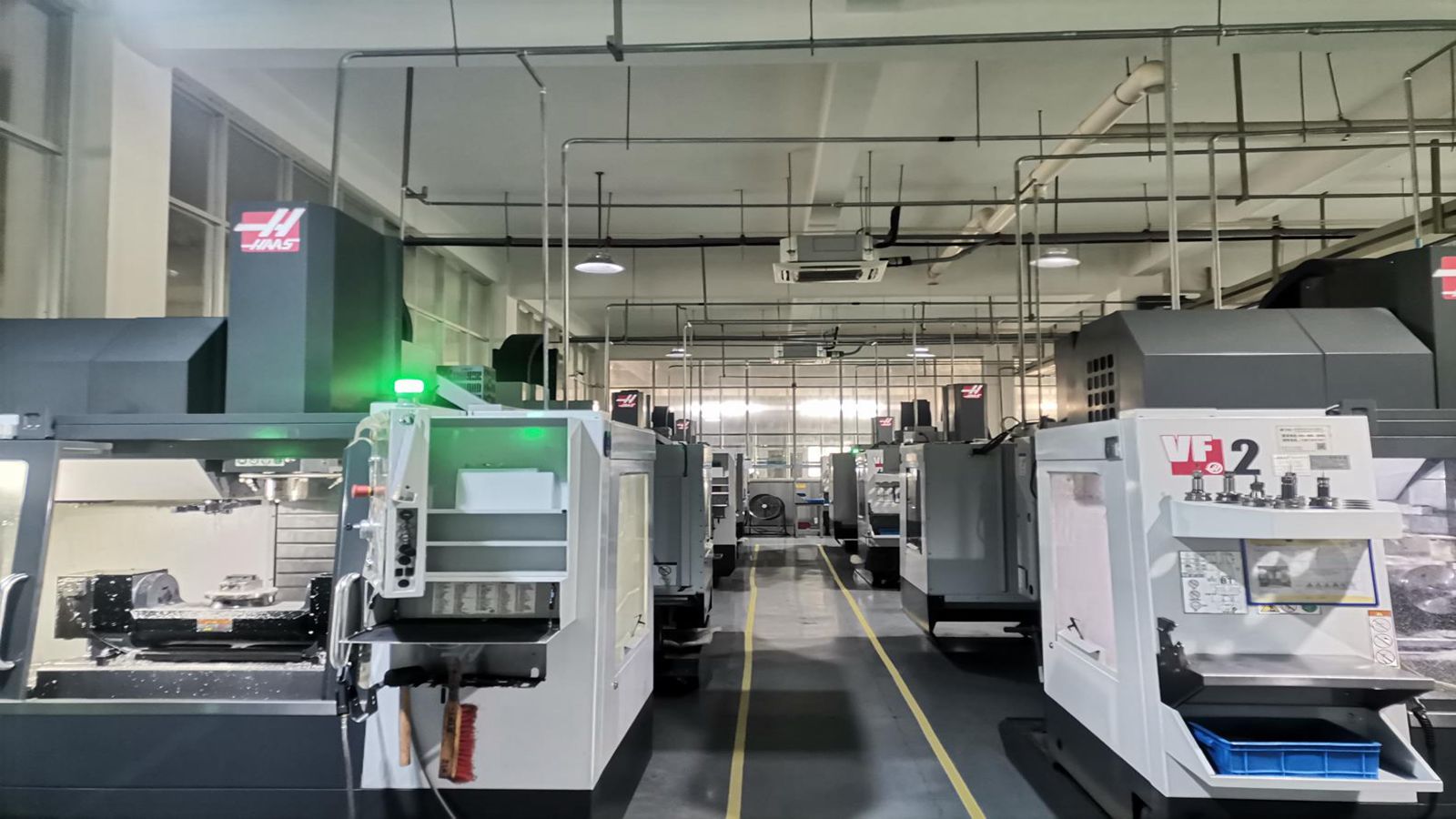
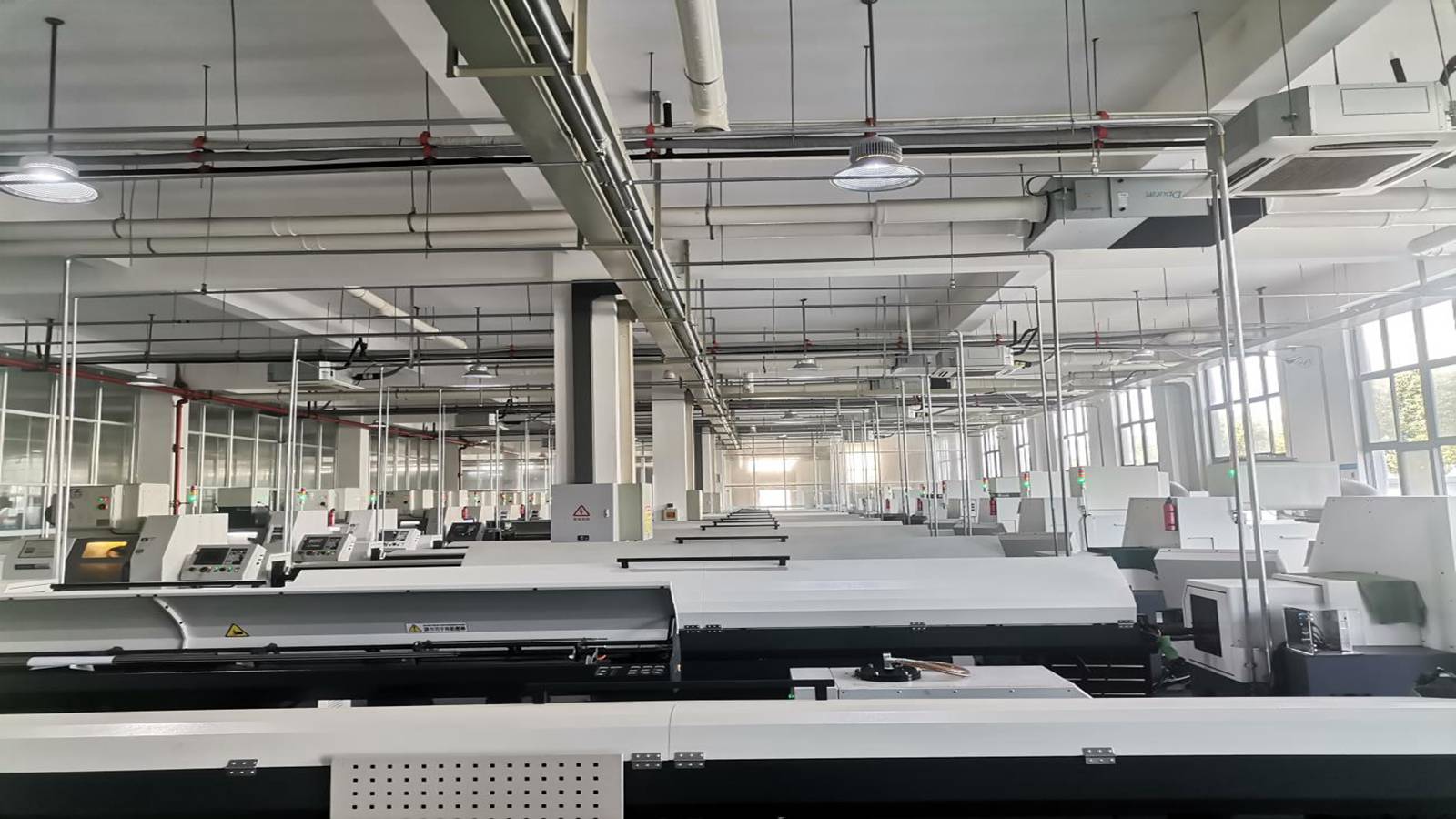
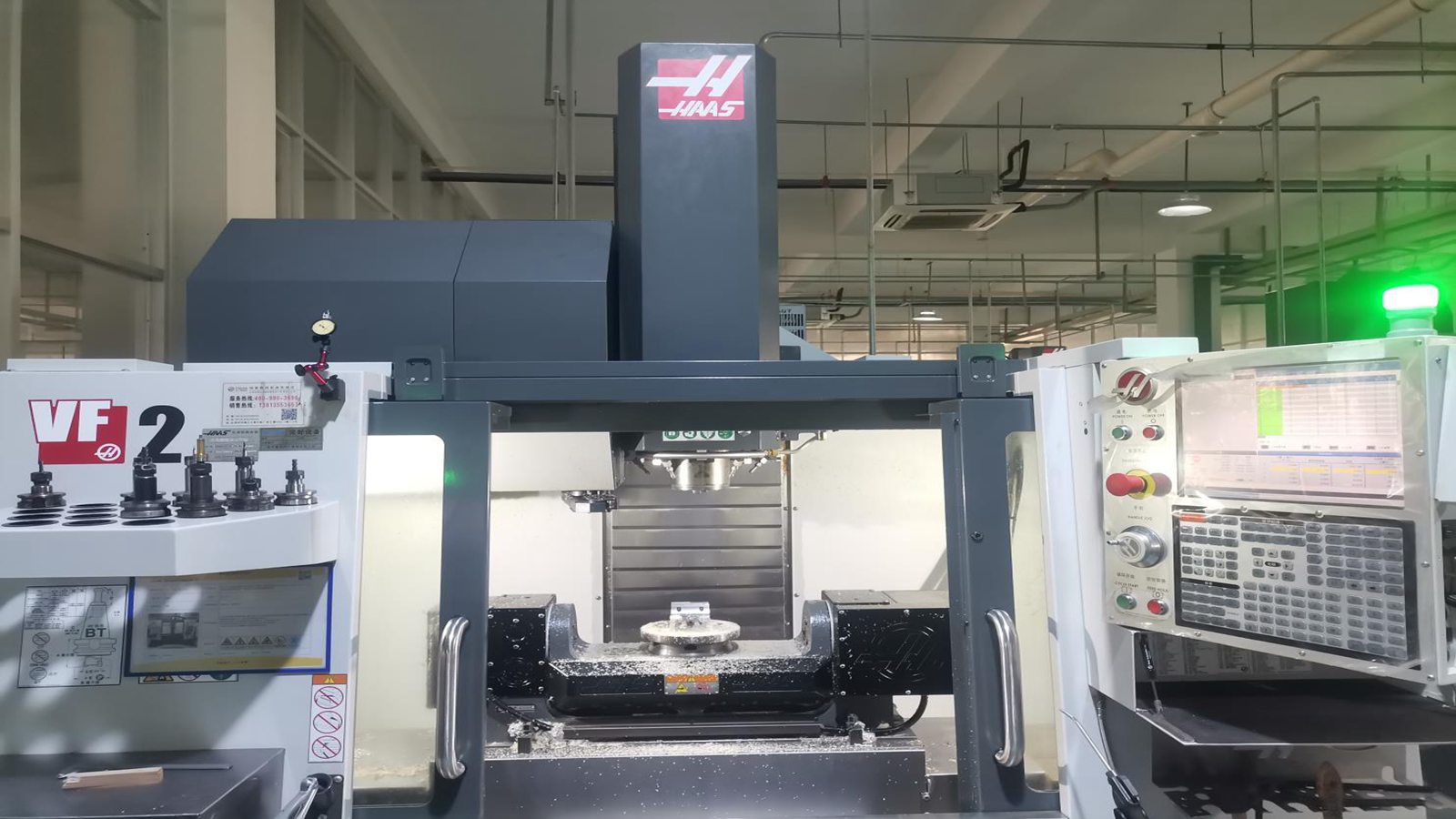
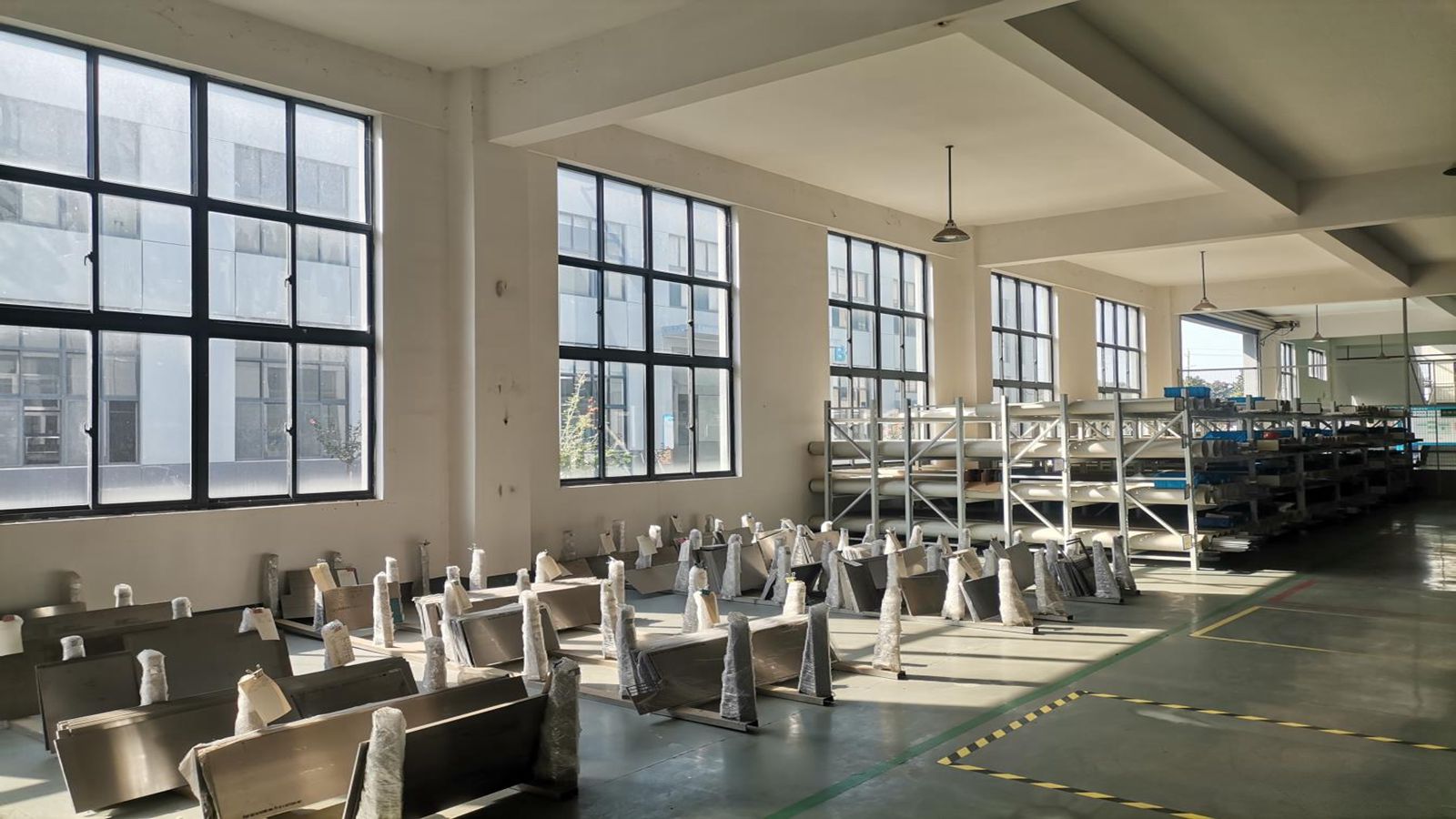
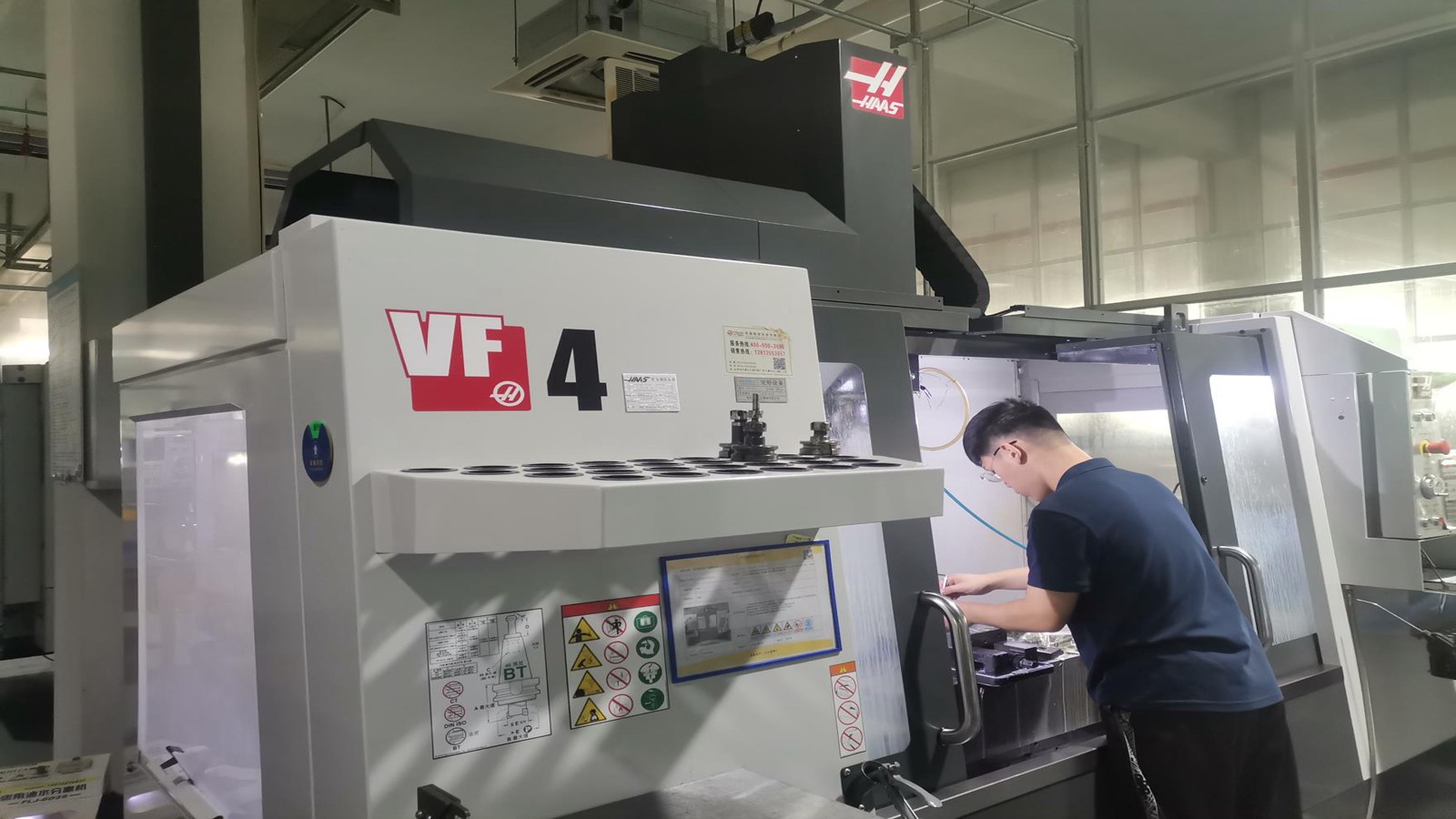
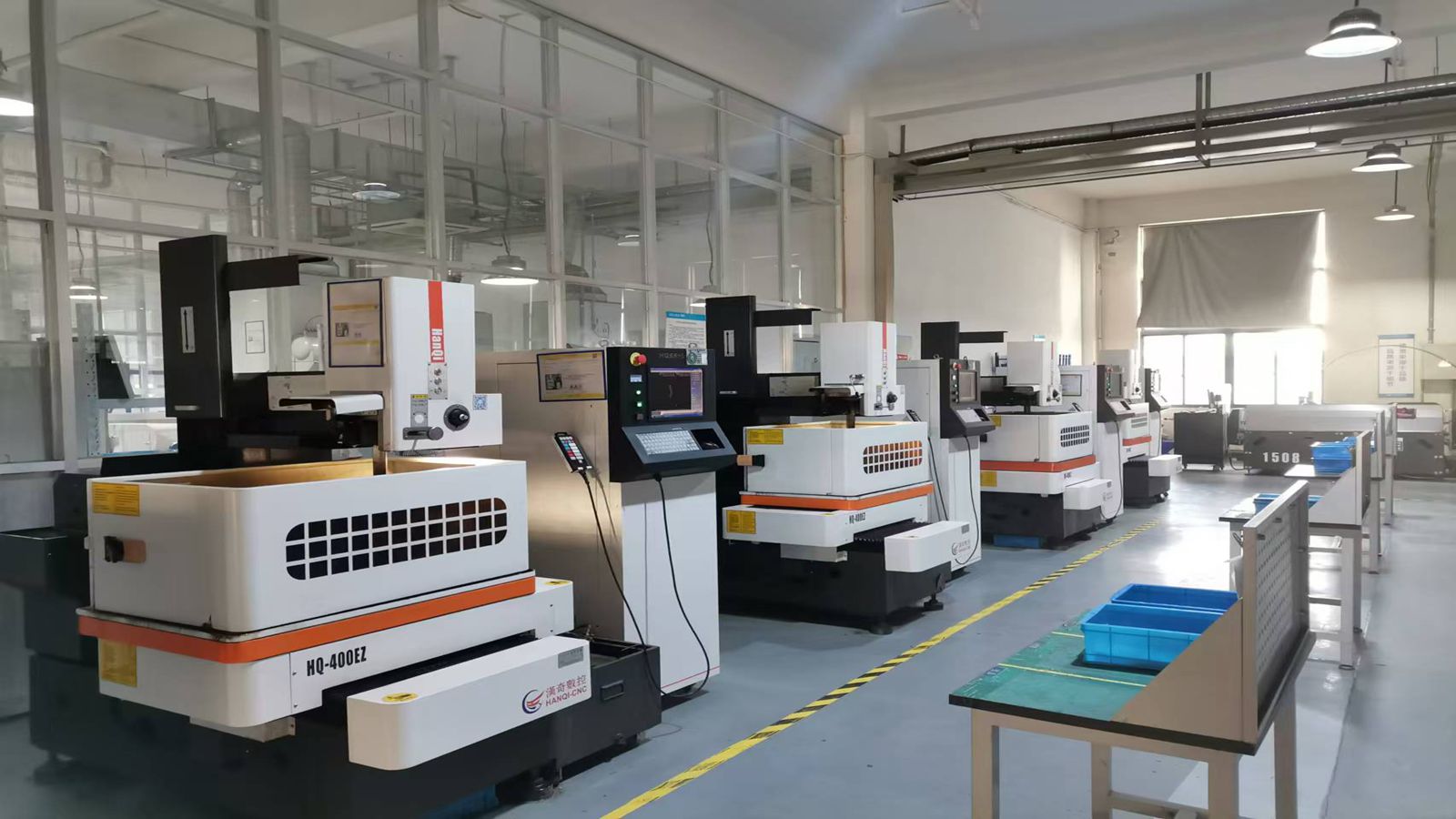
An inside look at our 30,343-square-meter facility, showcasing our CNC production floor, quality control labs, and logistics centers.
Comprehensive answers regarding compliance, material testing, custom OEM services, and shipping logistics to Italy.
Get in touch with our clinical sales consultants to receive full technical documentation, samples, and competitive OEM/ODM volume quotes optimized for the Verona market.
Send Inquiry Now HBM Medical