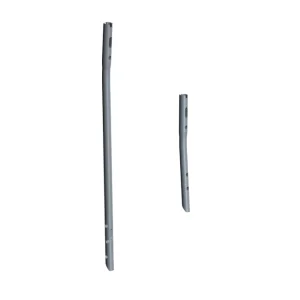
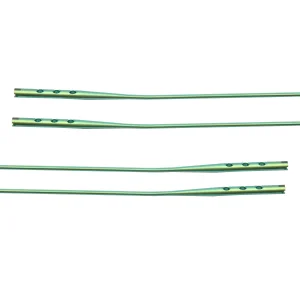
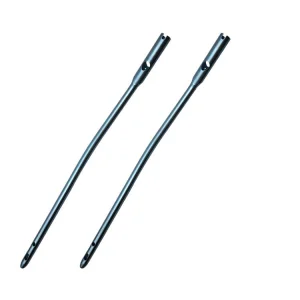
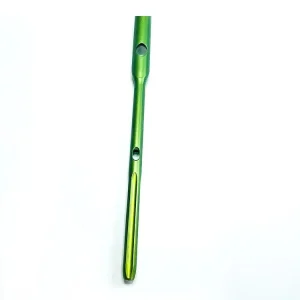
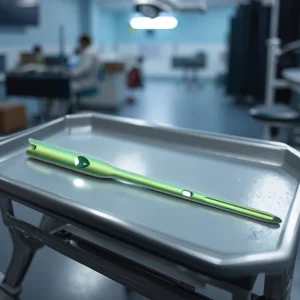
Key intramedullary fixation systems optimized for rapid deployment and high stability in complex diaphyseal and subtrochanteric fractures.
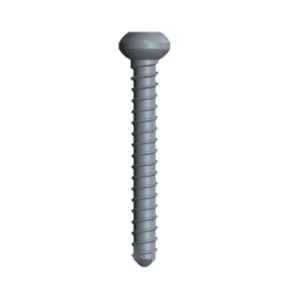
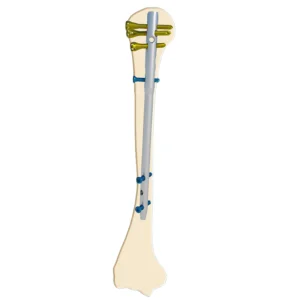
A deep dive into clinical requirements, logistics management, and biomaterial resilience in small island developing states.
Timor-Leste presents a unique topographical and demographic profile that significantly affects trauma medicine. With a growing population and expanding infrastructure connecting Dili to regional hubs like Baucau, Maliana, and Oecusse, the incidence of high-energy trauma—specifically motorcycle accidents and falls from height—has escalated. Diaphyseal fractures of the femur and tibia, along with complex proximal humeral fractures, represent a substantial portion of orthopedic admissions at the Hospital Nacional Guido Valadares (HNGV).
Historically, conservative fracture management or external fixation led to high non-union rates, prolonged hospitalization, and significant economic burdens on families. Modern internal fixation using interlocking intramedullary nails has emerged as the clinical standard of care. However, the hot, humid tropical climate of Timor-Leste introduces unique challenges for surgical logistics, inventory preservation, and implant longevity. Sterile barrier integrity, resistance to saline-induced corrosion, and absolute reliability during locking screw integration are non-negotiable requirements for surgical teams operating in these conditions.
Implant failure in the field is a catastrophic event that regional hospitals cannot easily manage. Consequently, our intramedullary nails are fabricated exclusively from medical-grade Titanium Alloy (Ti-6Al-4V ELI). Compared to traditional stainless steel, this material offers:
Enables controlled axial dynamization while maintaining rotational stability, facilitating secondary healing of the bone.
Engineered based on global anthropometric databases to facilitate insertion and reduce intraoperative cortical impingement.
Rigorous quality management certified under international standards to assure smooth importation via SAMES.
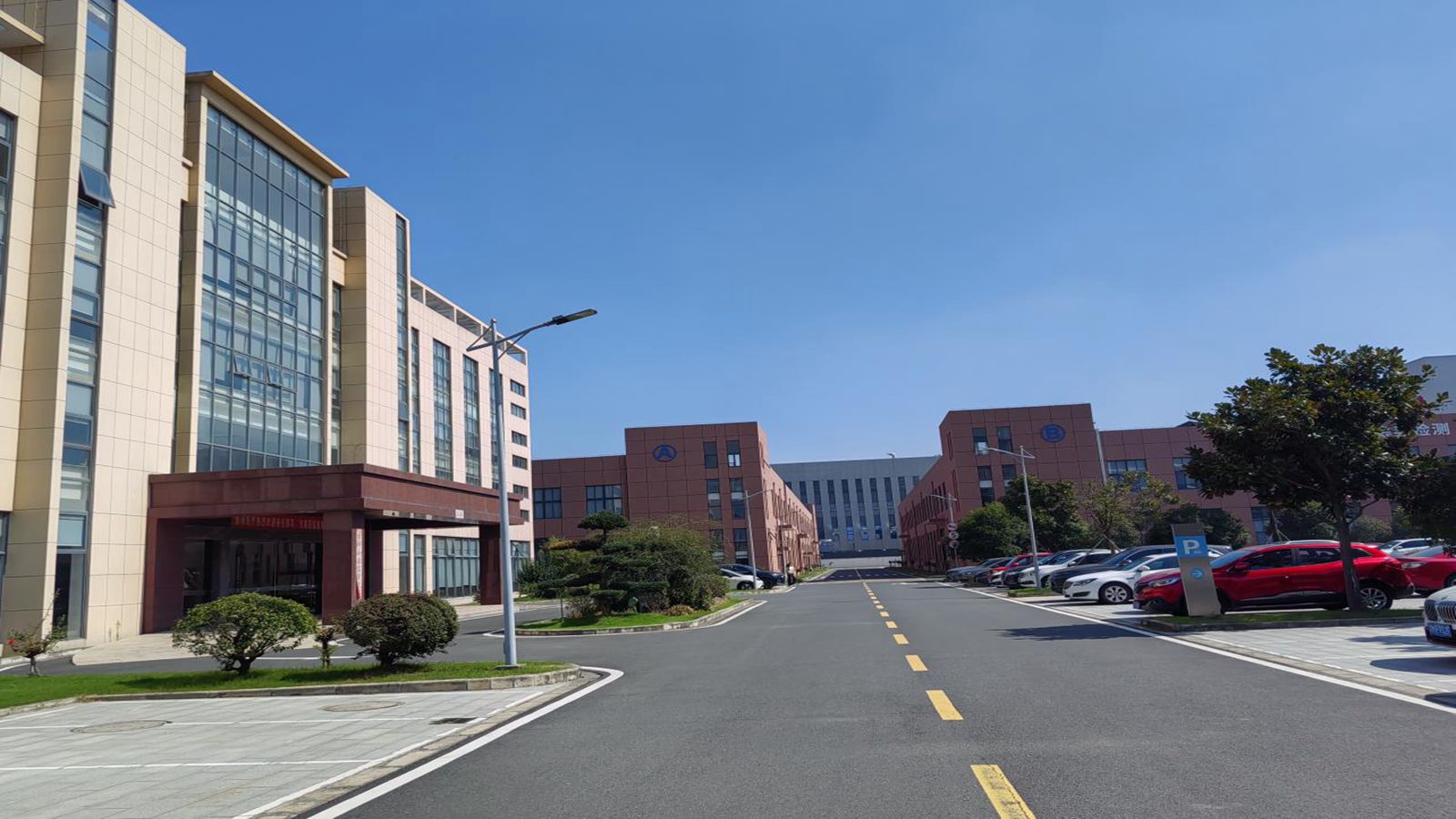
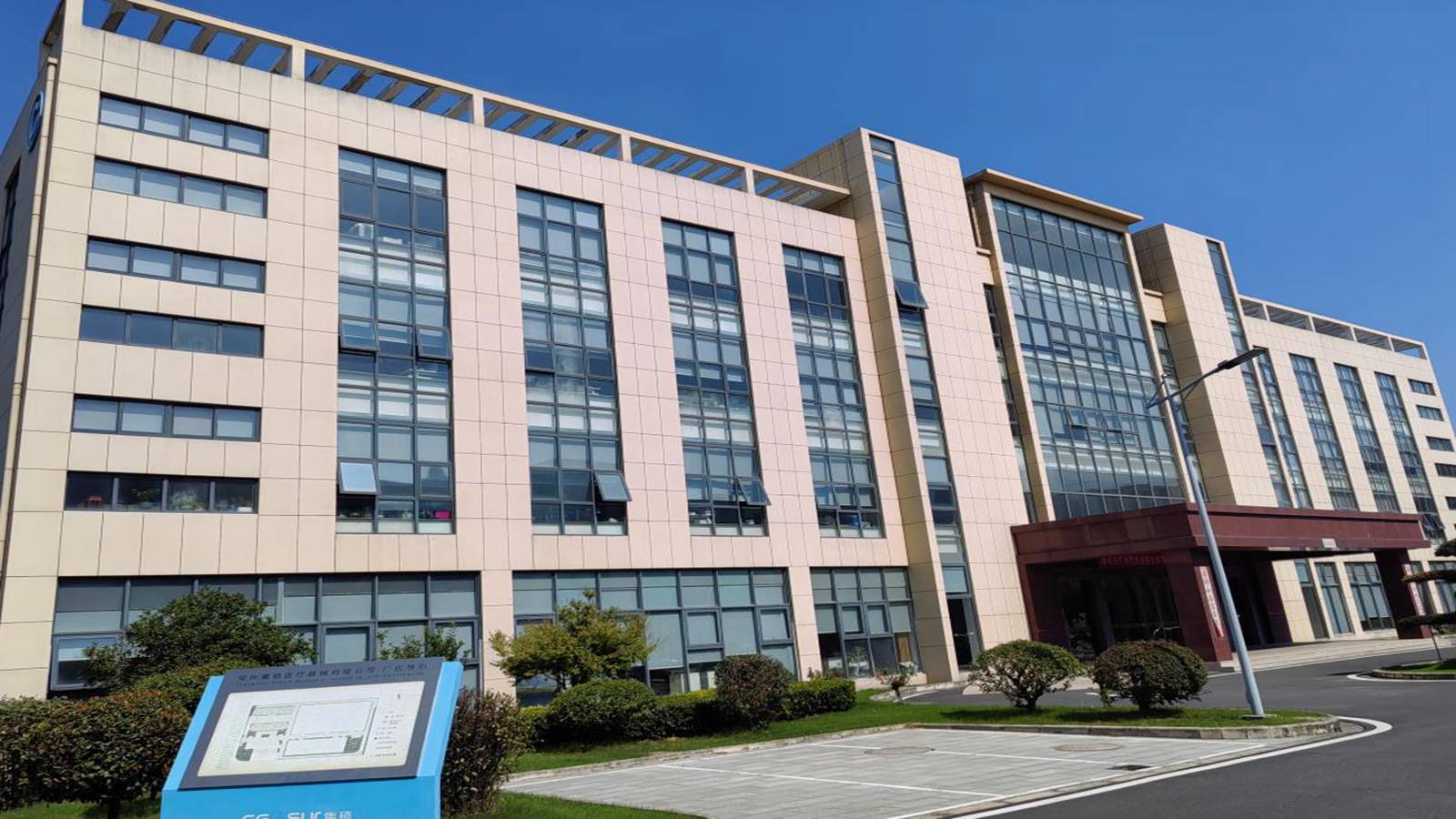
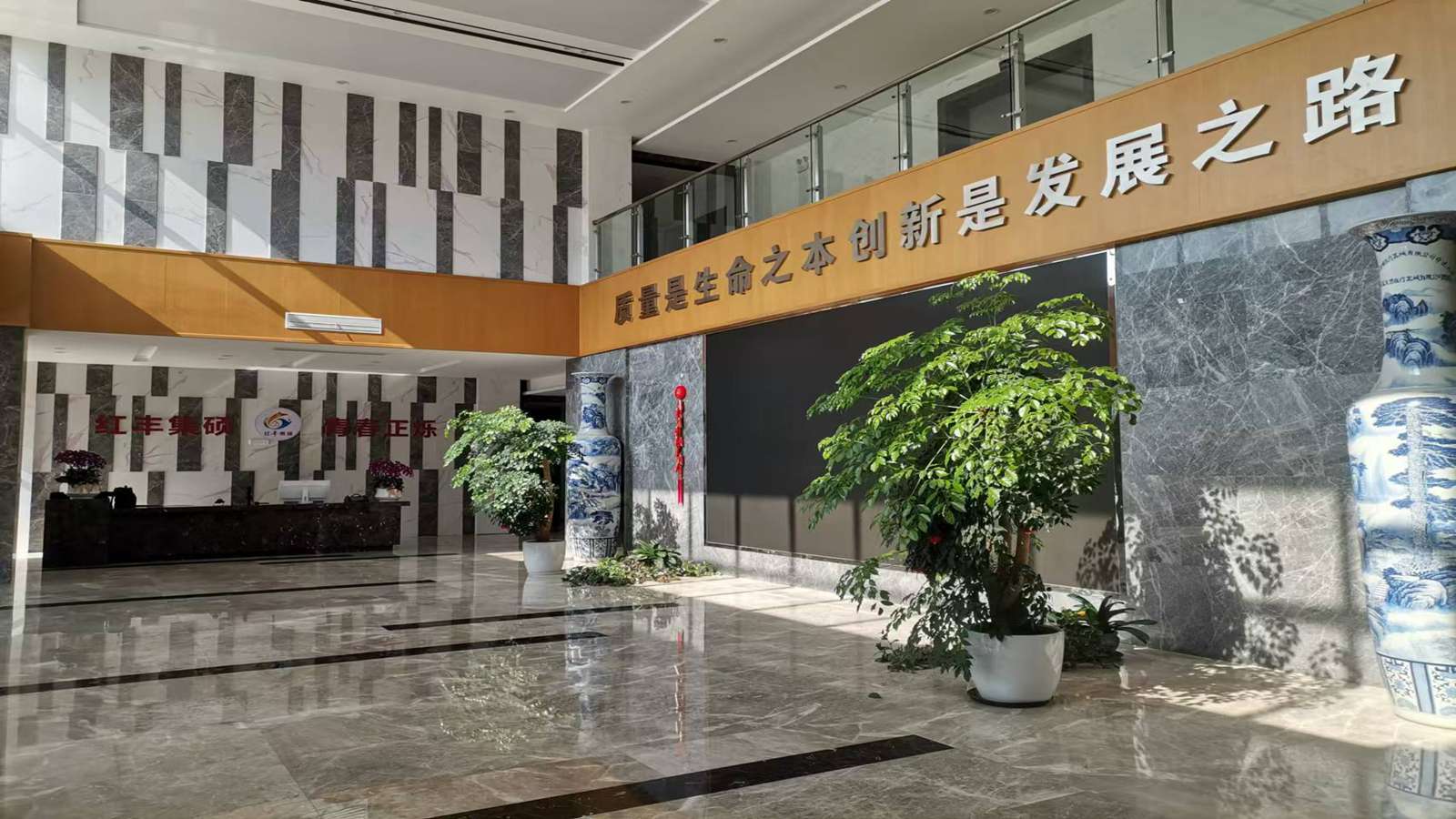
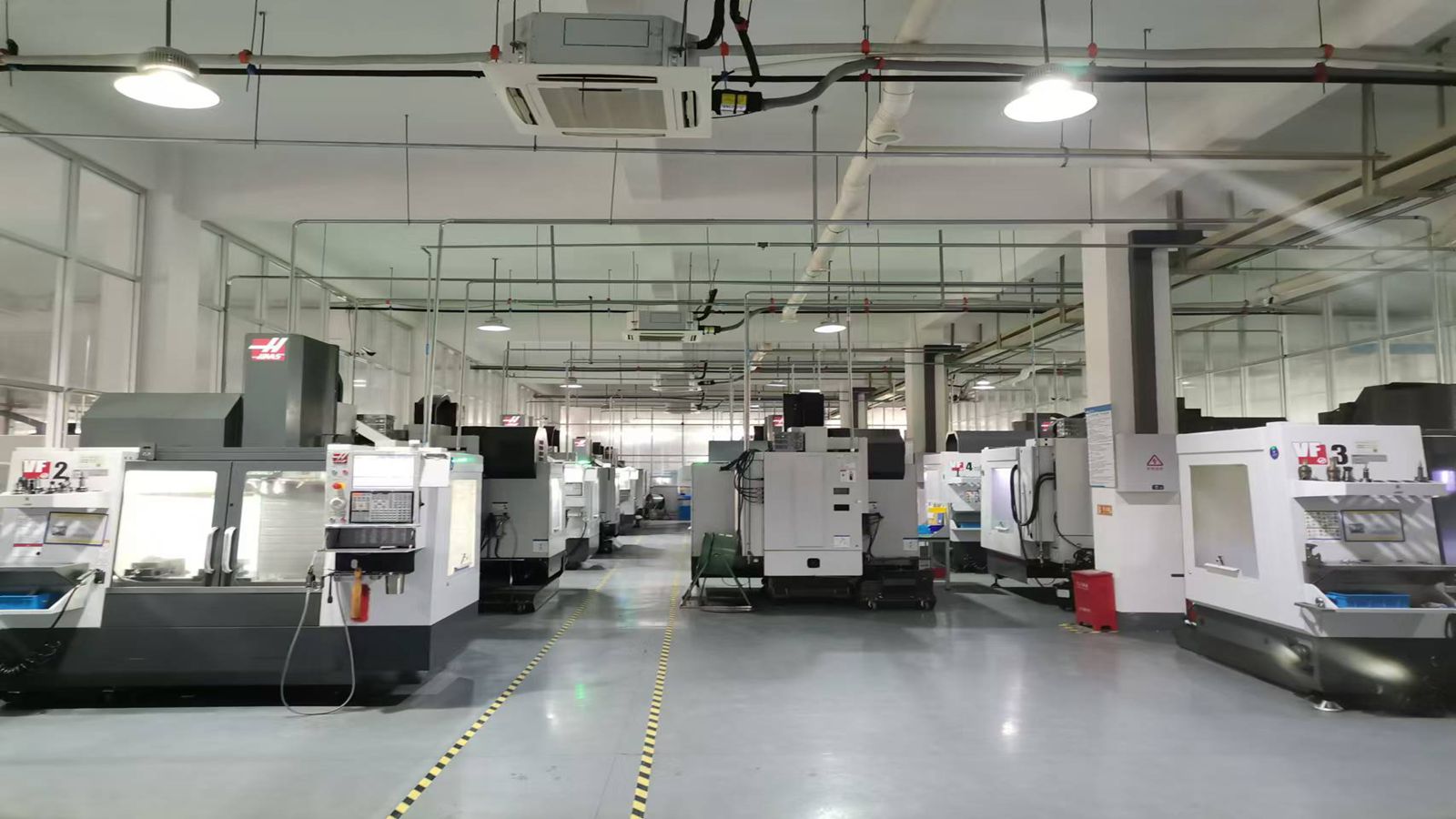
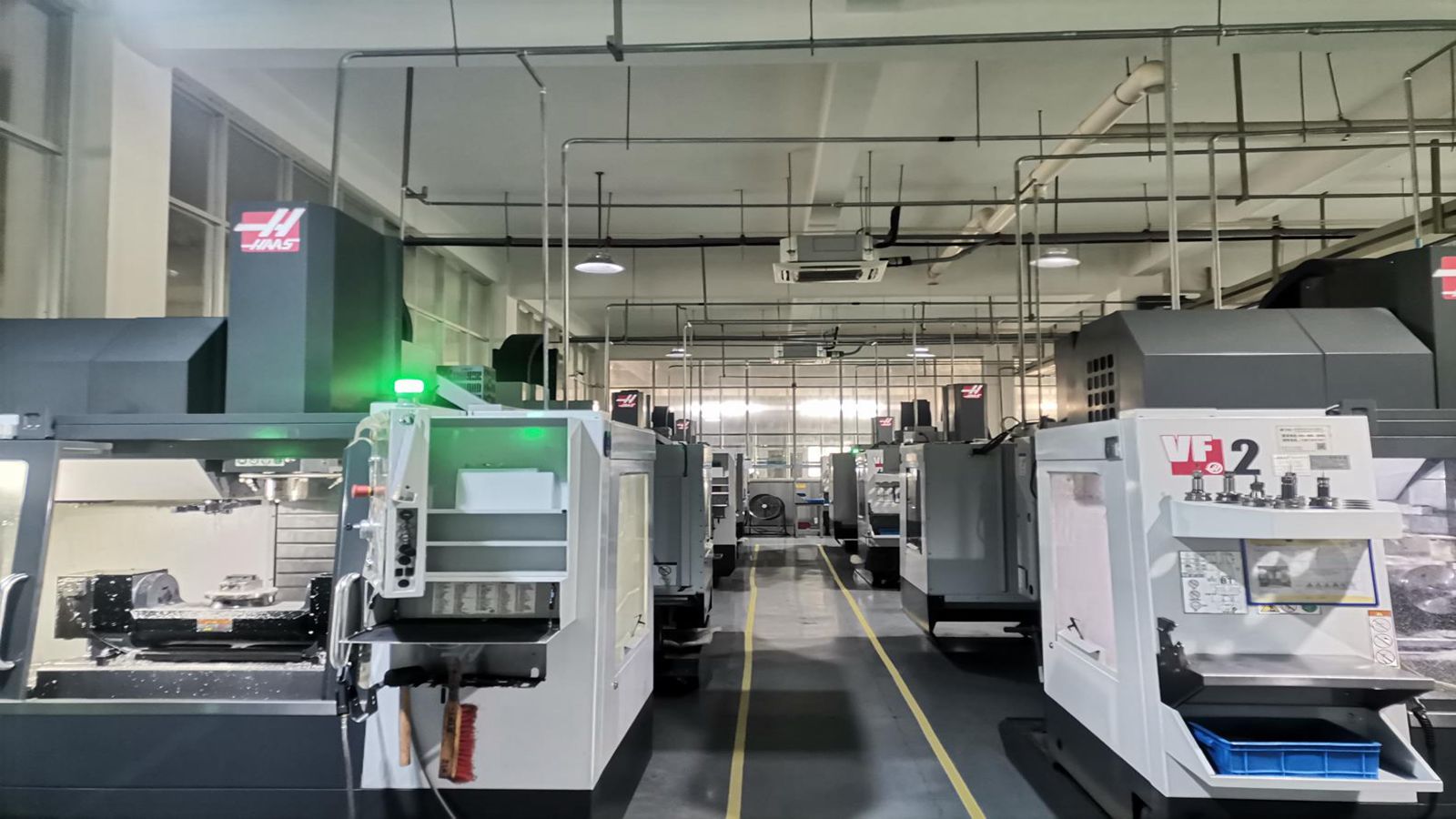
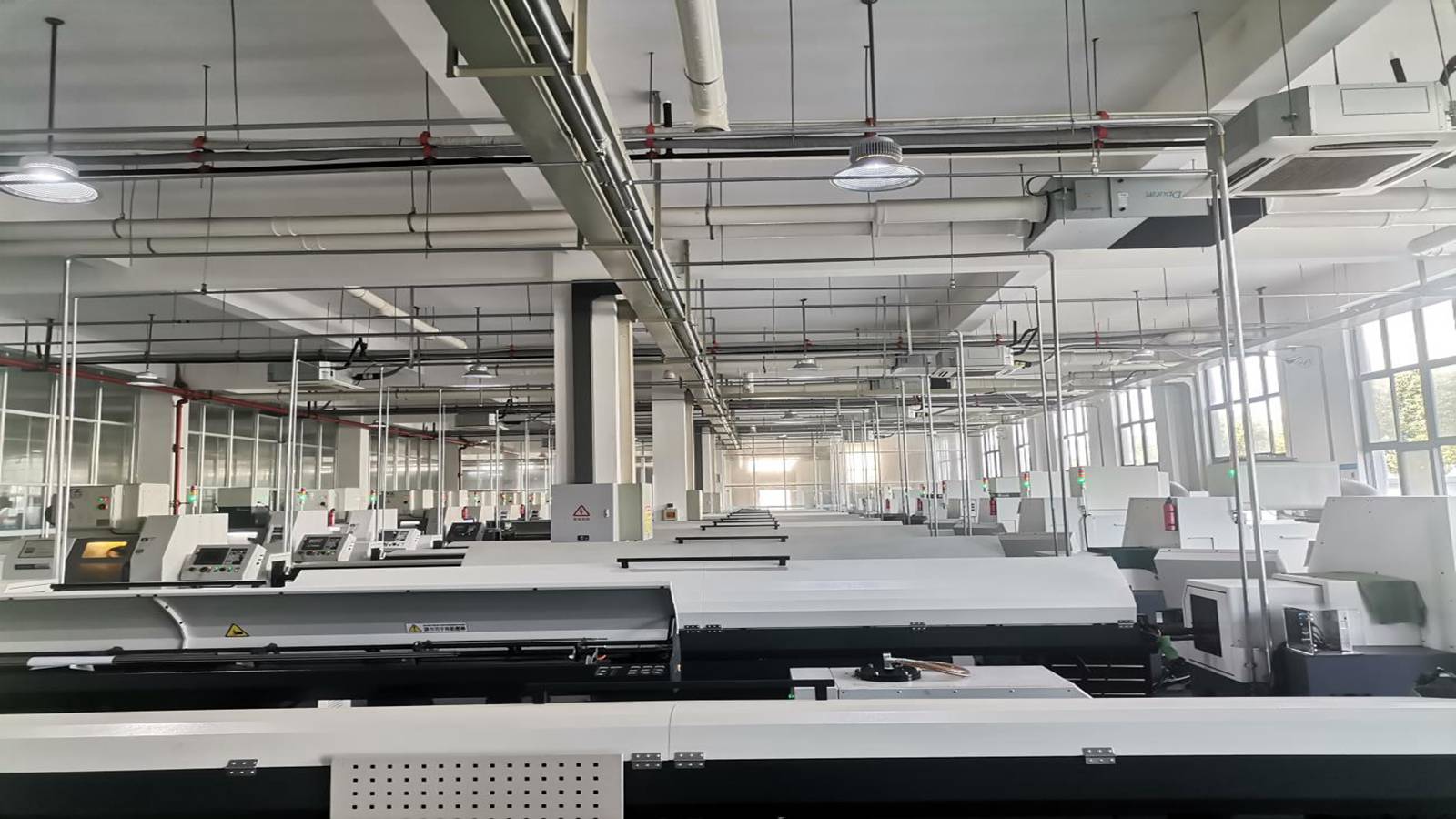
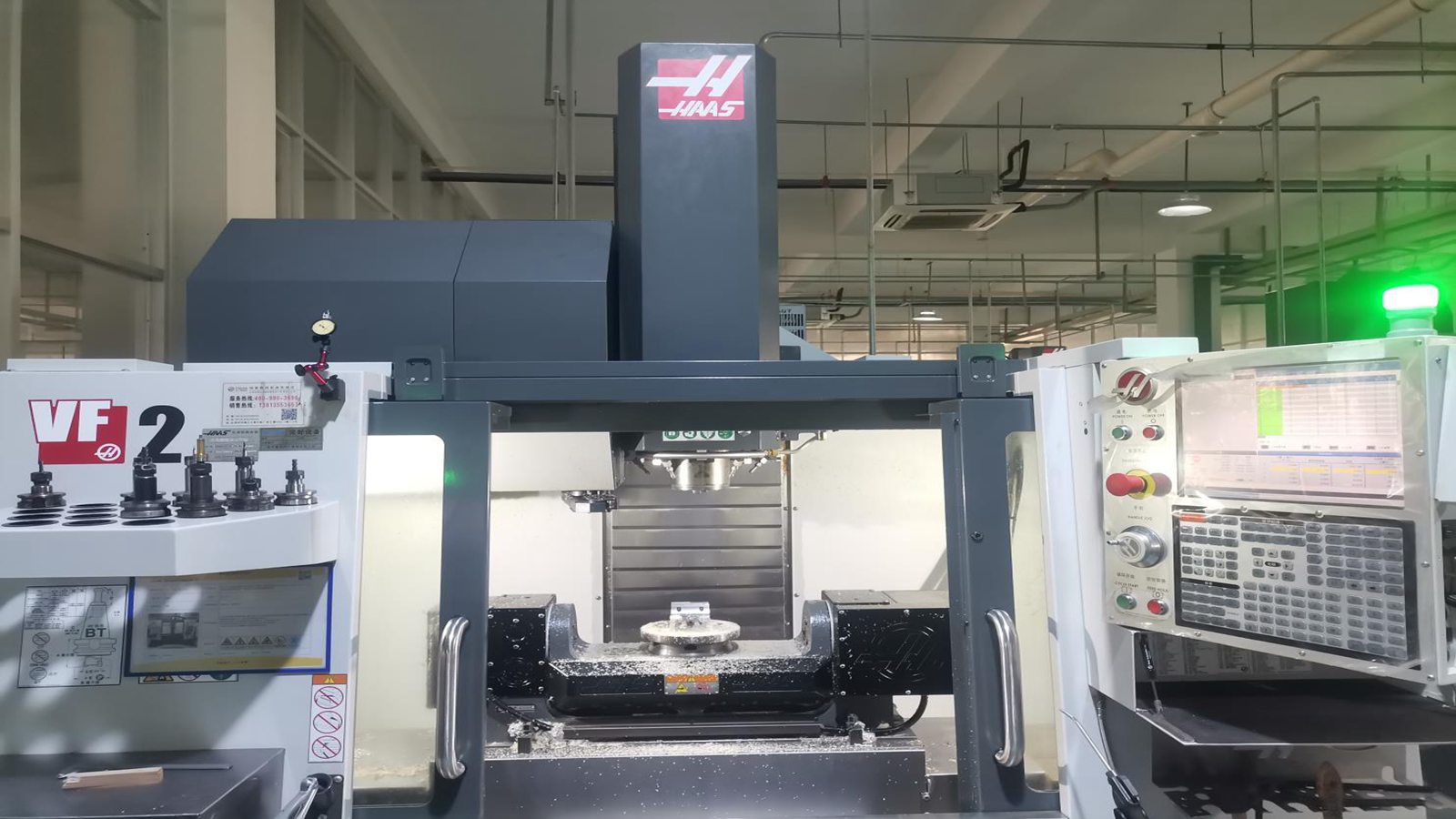
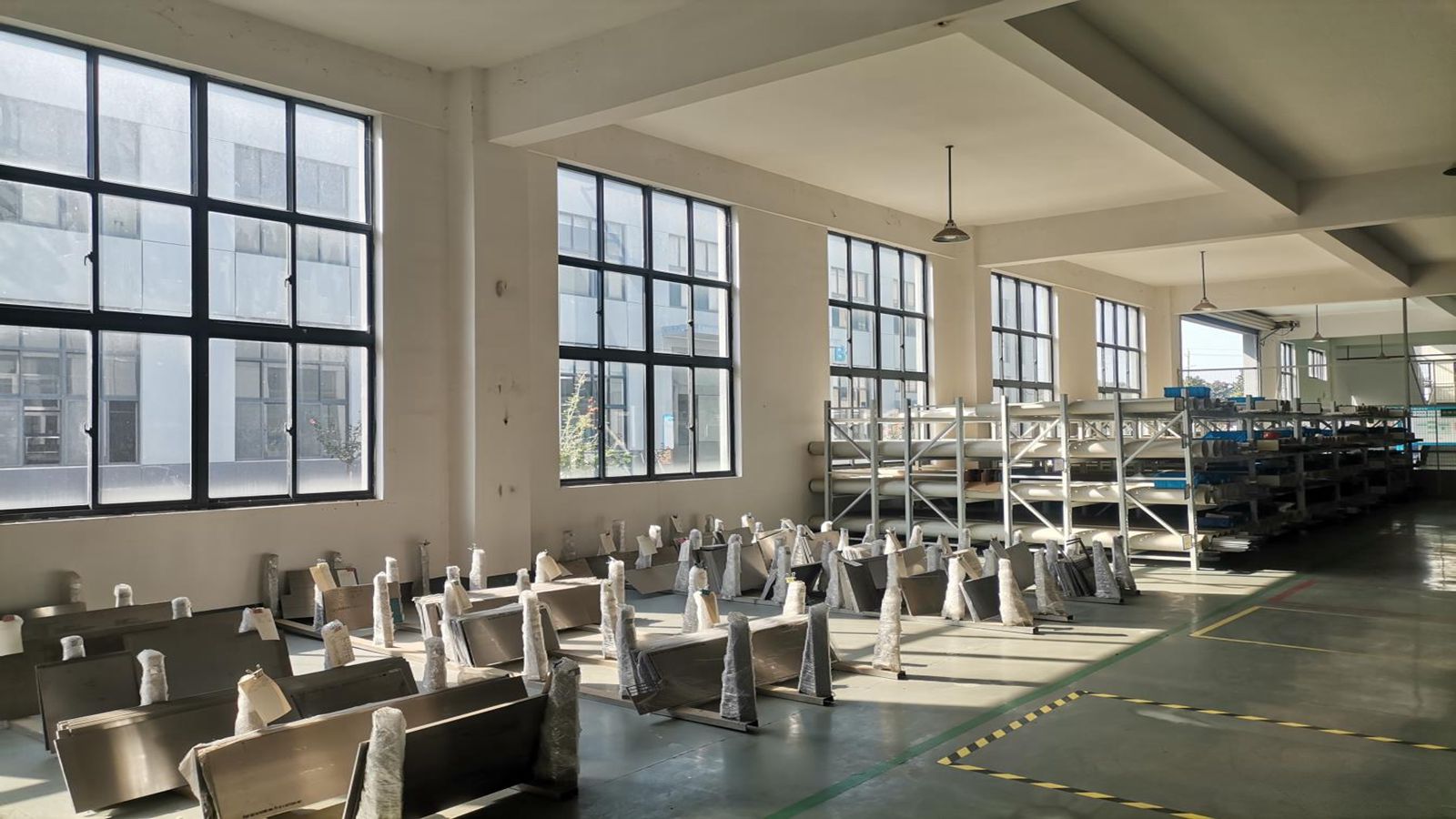
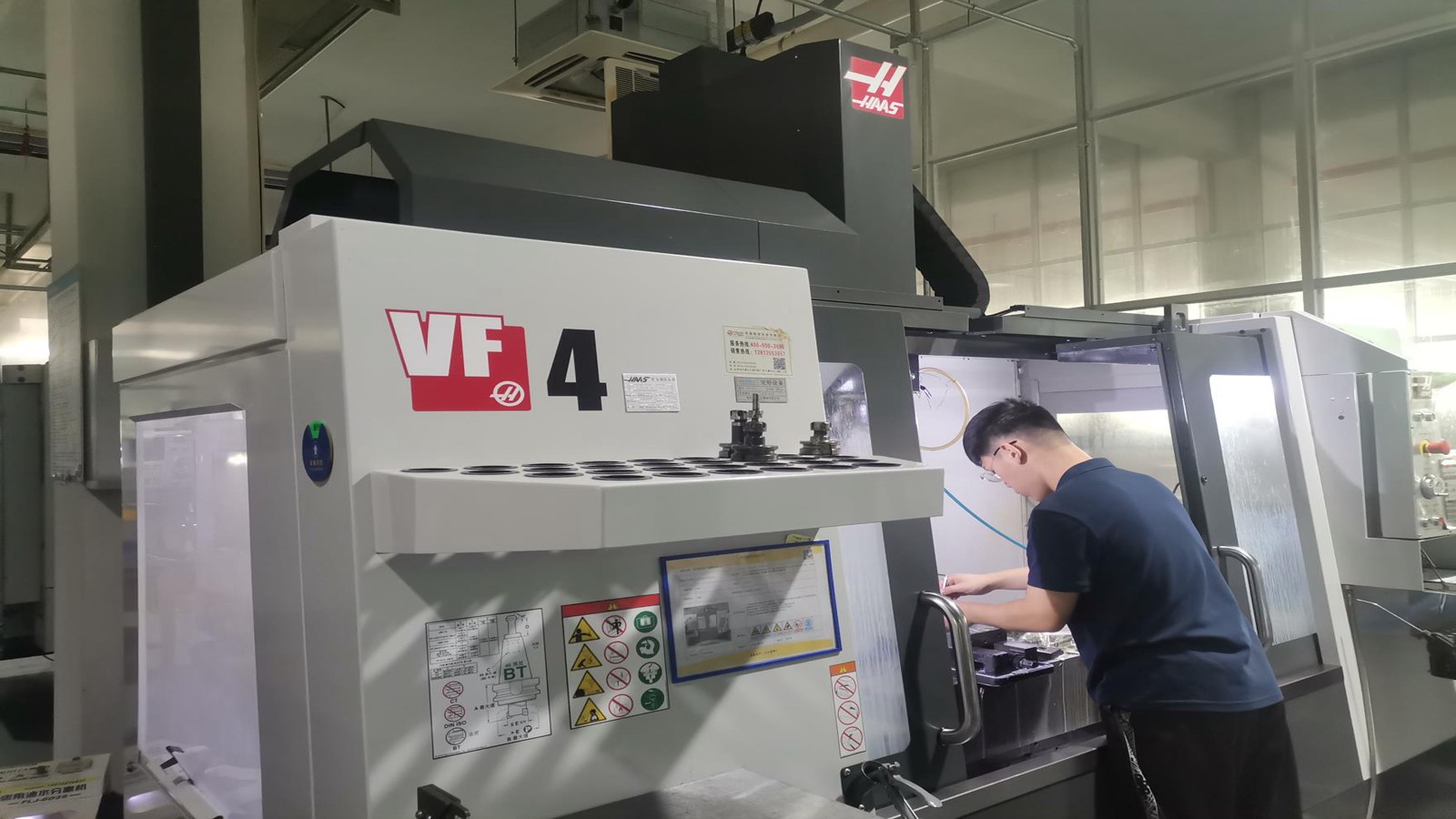
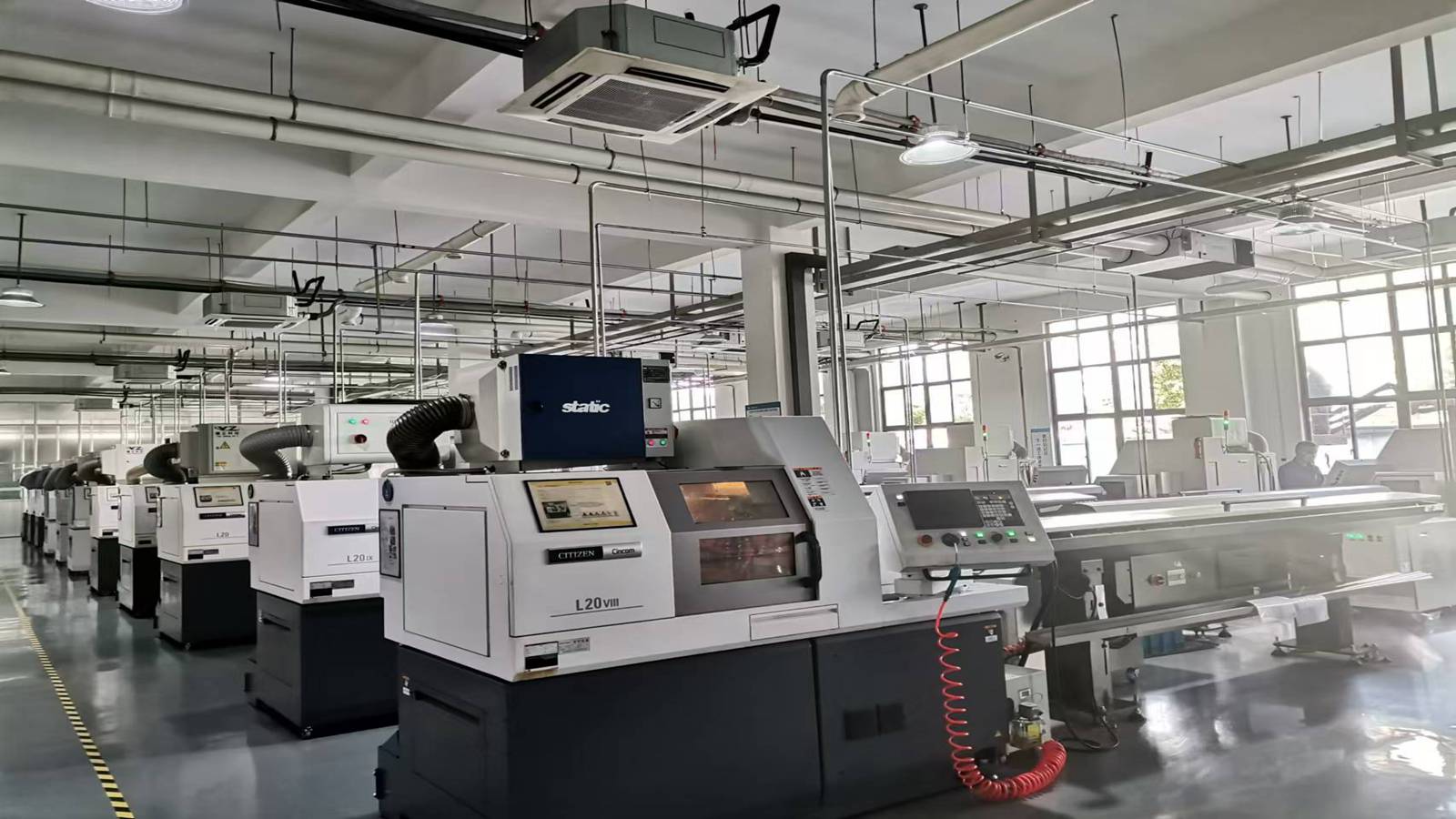
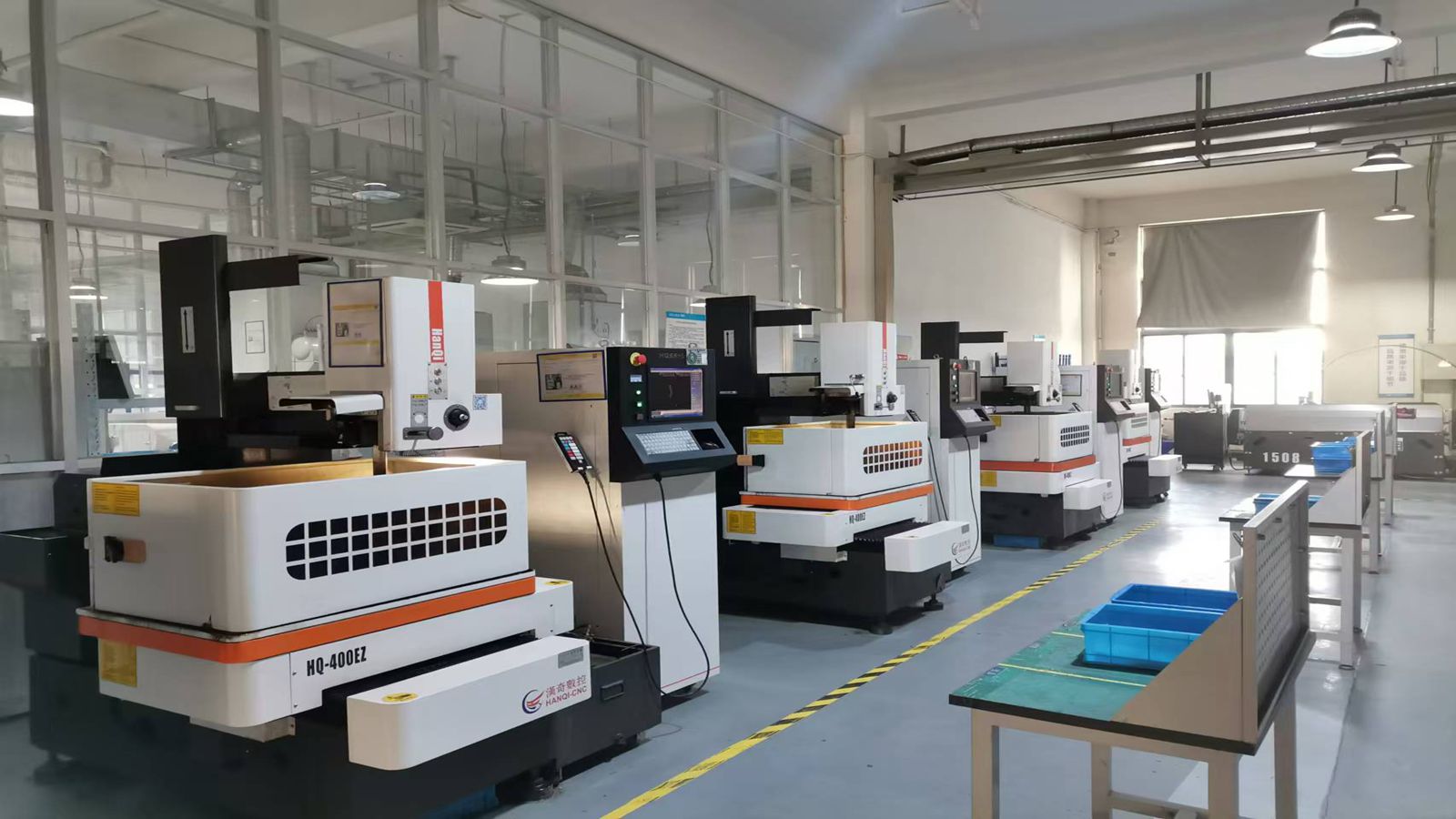
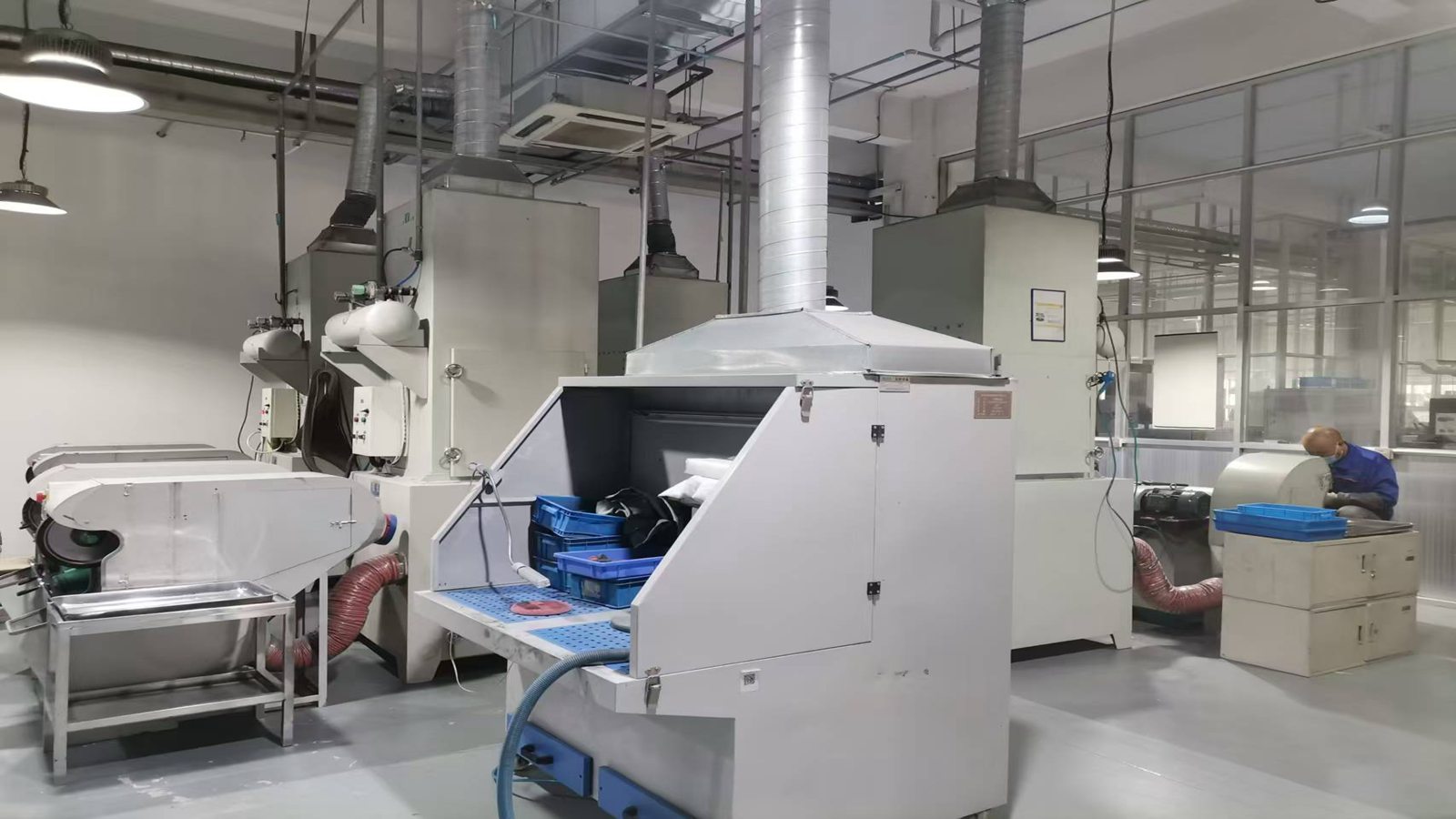
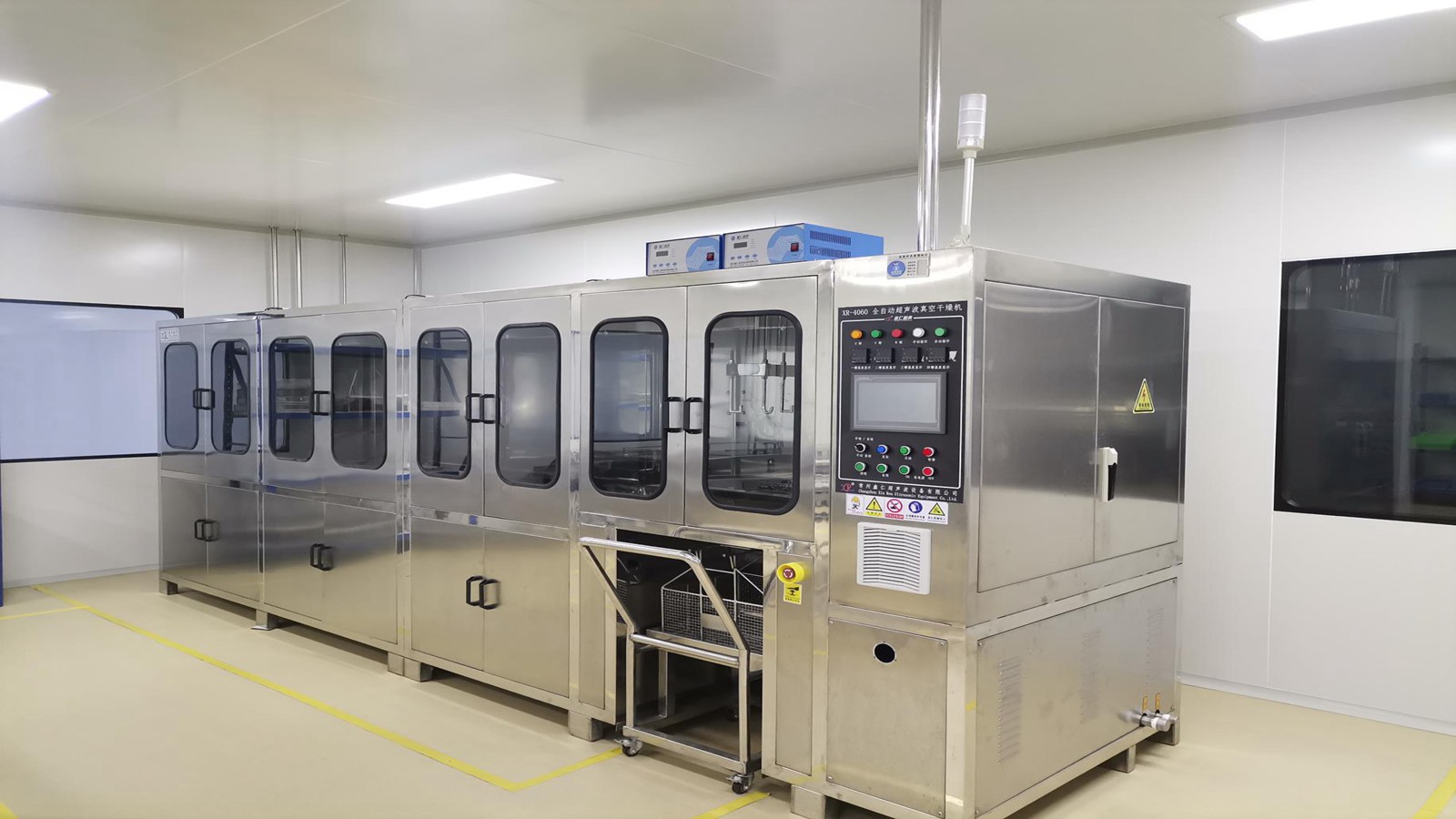
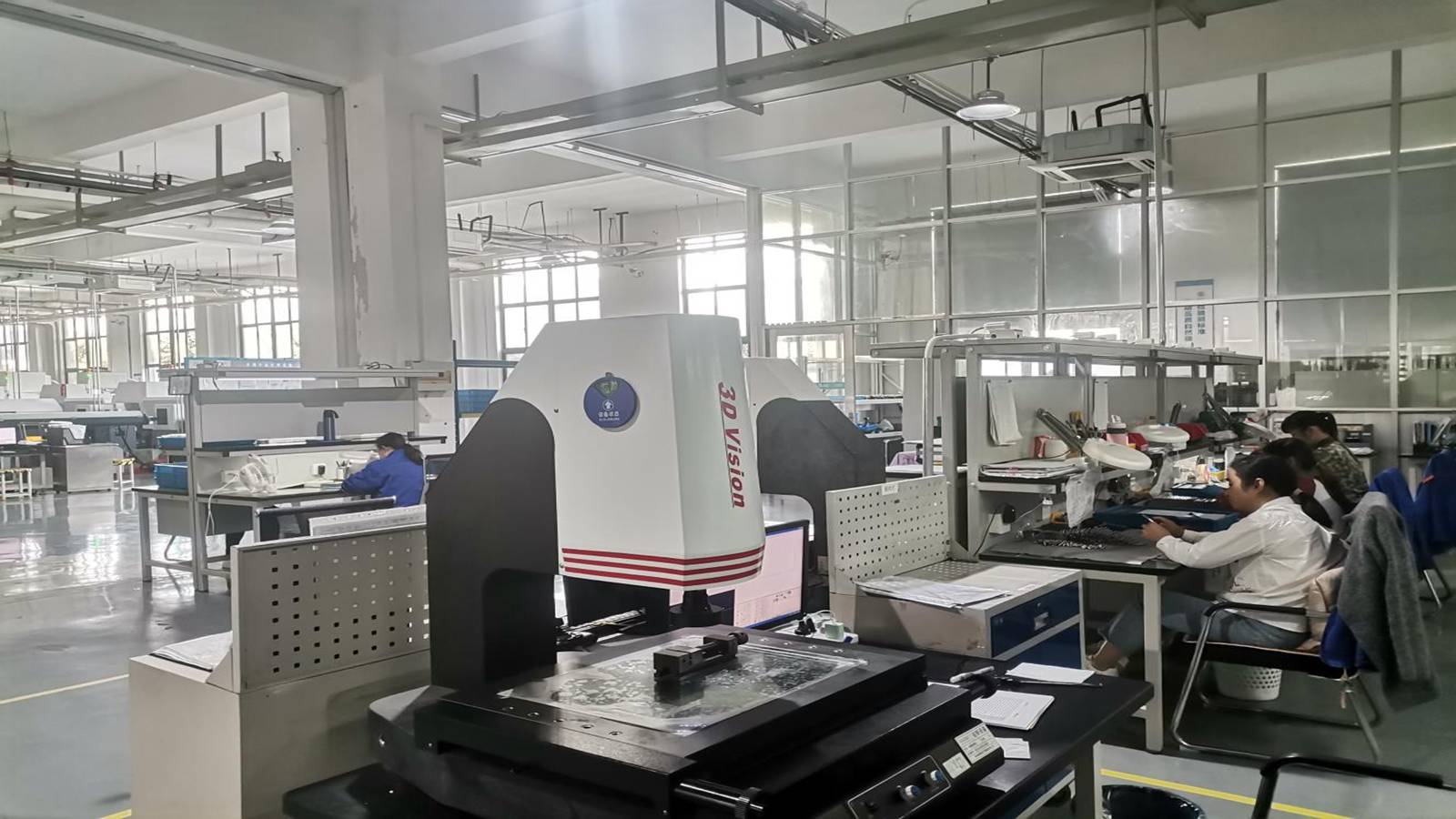
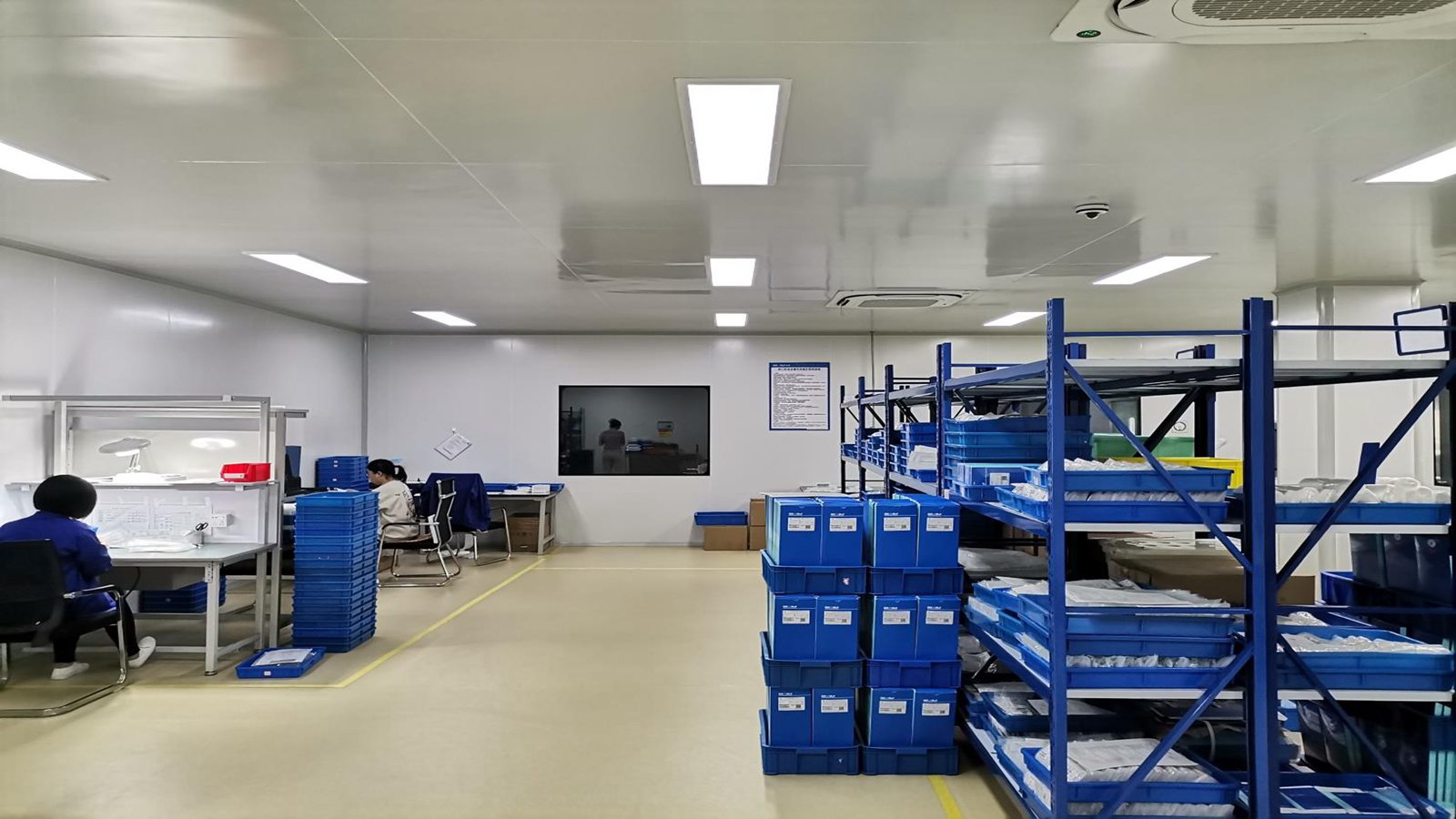
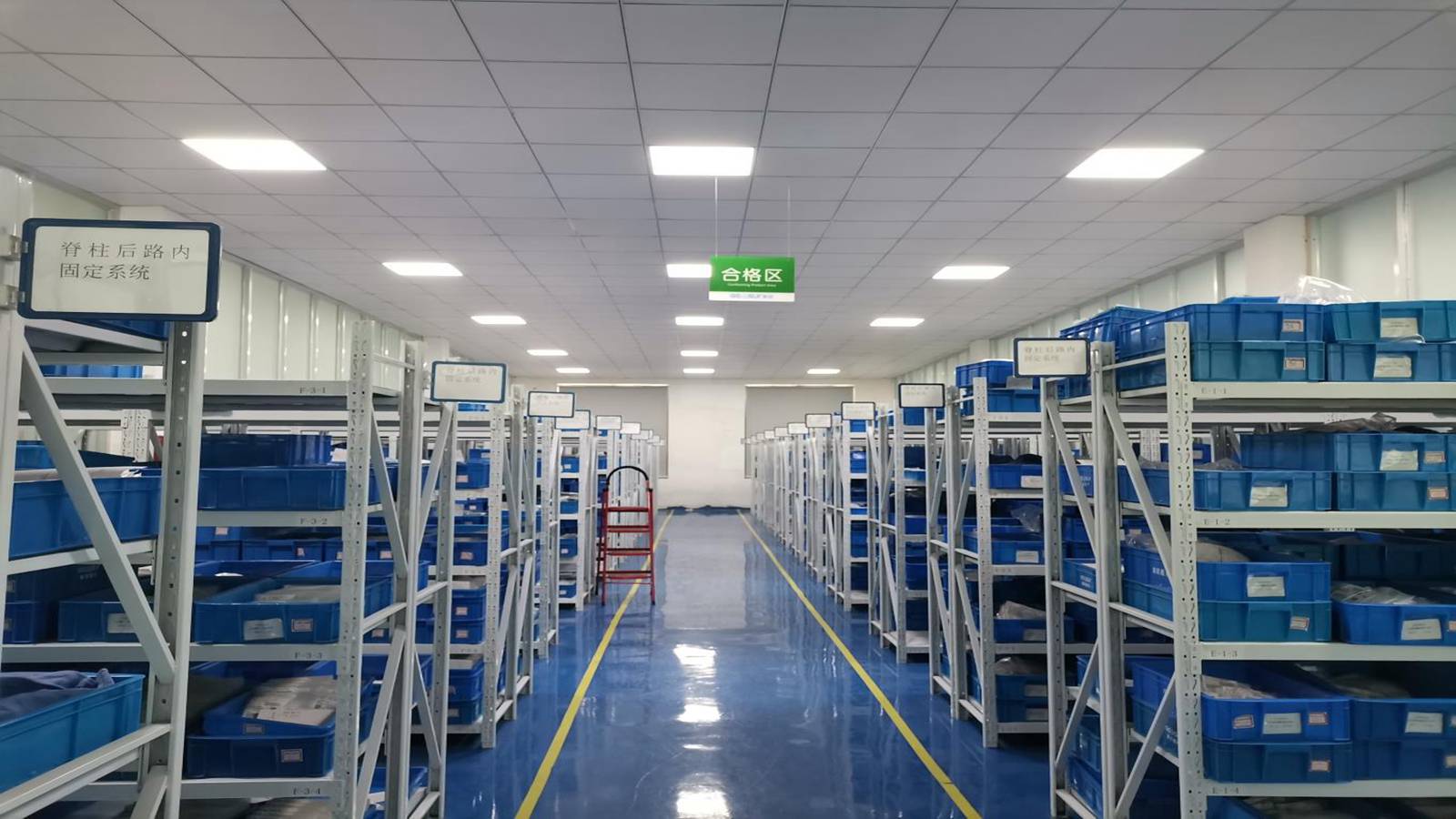
Behind our implants lies a robust manufacturing framework, characterized by advanced engineering, stringent quality controls, and modern facilities.
HBM Medical Apparatus and Instruments Co., Ltd. combines advanced manufacturing facilities with deep research expertise to deliver reliable medical devices. With a production floor space exceeding 30,000 square meters and more than 12 specialized production lines, we support clinical systems worldwide. Our implants undergo intensive fatigue testing, dimensional verification, and sterile validation to ensure they perform reliably in demanding environments.
| Specification Parameter | Manufacturing & Quality Standard details |
|---|---|
| Raw Material Grade | Ti-6Al-4V ELI (Grade 5 Titanium Alloy) conforming to ASTM F136 / ISO 5832-3 |
| Certifications | CE (EPT 0477.MDR.25/5905 & 5973), MDSAP (C730178), ISO 13485, ISO 14001 |
| Traceability Management | 100% material lot traceability from melt source to individual unique device identifier (UDI) |
| Manufacturing Accuracy | CNC multi-axis milling up to tolerance profiles of ±0.01mm |
| QC Inspection Staff | 36 dedicated QA/QC Inspectors operating on 100% critical-to-quality checkpoints |
| Packaging | Double-barrier medical grade Tyvek peel pouches suitable for steam autoclave sterilization |
Our certified manufacturing environment ensures cleanroom compliance, raw material testing, and precise metal forming.
Meeting the demands of varying patient demographics, bone qualities, and anatomical anomalies.
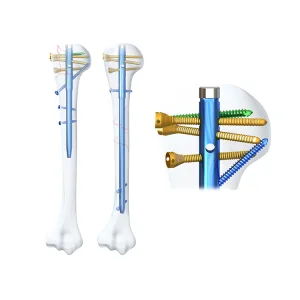
Orthopedic surgeons require versatile implant systems to match the specific biological demands of each patient. For instance, osteoporotic bone in elderly patients suffering from proximal femoral hip fractures demands high pull-out resistance, which is addressed by our PFNA (Proximal Femoral Nail Antirotation) helical blade system. Conversely, young patients with high-energy diaphyseal fractures require multi-dimensional locking nails that prevent leg shortening and rotational deformity under early mobilization.
Medical supply chains in Timor-Leste require careful coordination. The state purchasing agency, SAMES (Serviço Autónomo de Medicamentos e Equipamentos de Saúde), demands rigorous regulatory verification prior to customs release.
To facilitate import clearance and maintain continuous inventory in Dili hospitals, HBM provides comprehensive documentation, including:
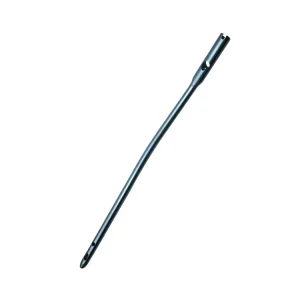
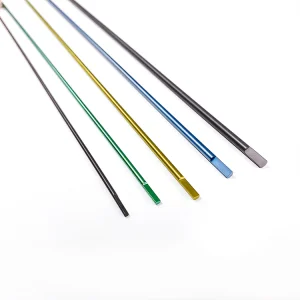
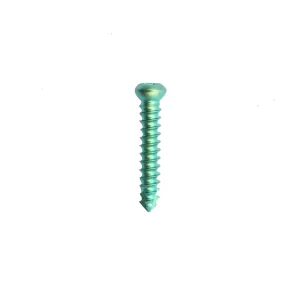
Explore our full line of locking nails, elastic nails, and reconstructional implants certified for global hospital distribution.
Key details regarding distribution, sterilization protocols, and regulatory support for procurement coordinators in Timor-Leste.
Partner with an established manufacturer certified under CE and MDSAP guidelines. Get detailed product catalogs, clinical documentation, and a direct quote optimized for the Timor-Leste procurement pipeline.
Send Inquiry Now HBM Medical