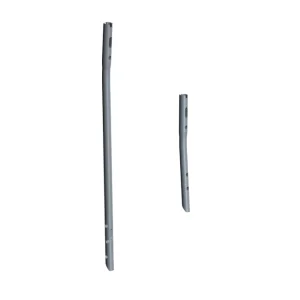
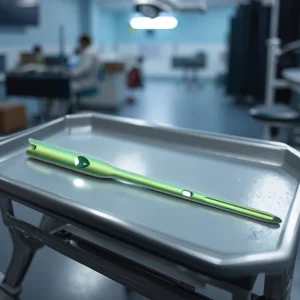
Engineered to meet the rigorous demands of modern osteosynthesis, our premium intramedullary nails provide exceptional mechanical stability, anatomical compliance, and optimized load-sharing capabilities for rapid patient mobilization.
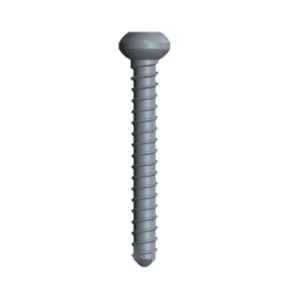
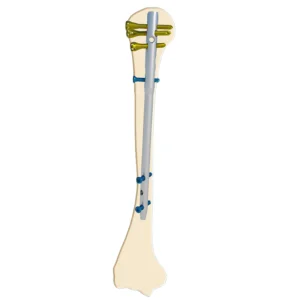
The global orthopedic trauma fixation market is undergoing a profound technological and structural shift. Intramedullary nailing (IMN) remains the gold standard for treating diaphyseal fractures of long bones, including the femur, tibia, and humerus. As clinical outcomes increasingly prioritize early weight-bearing and minimally invasive techniques, the demand for high-performance titanium alloy implants has surged globally.
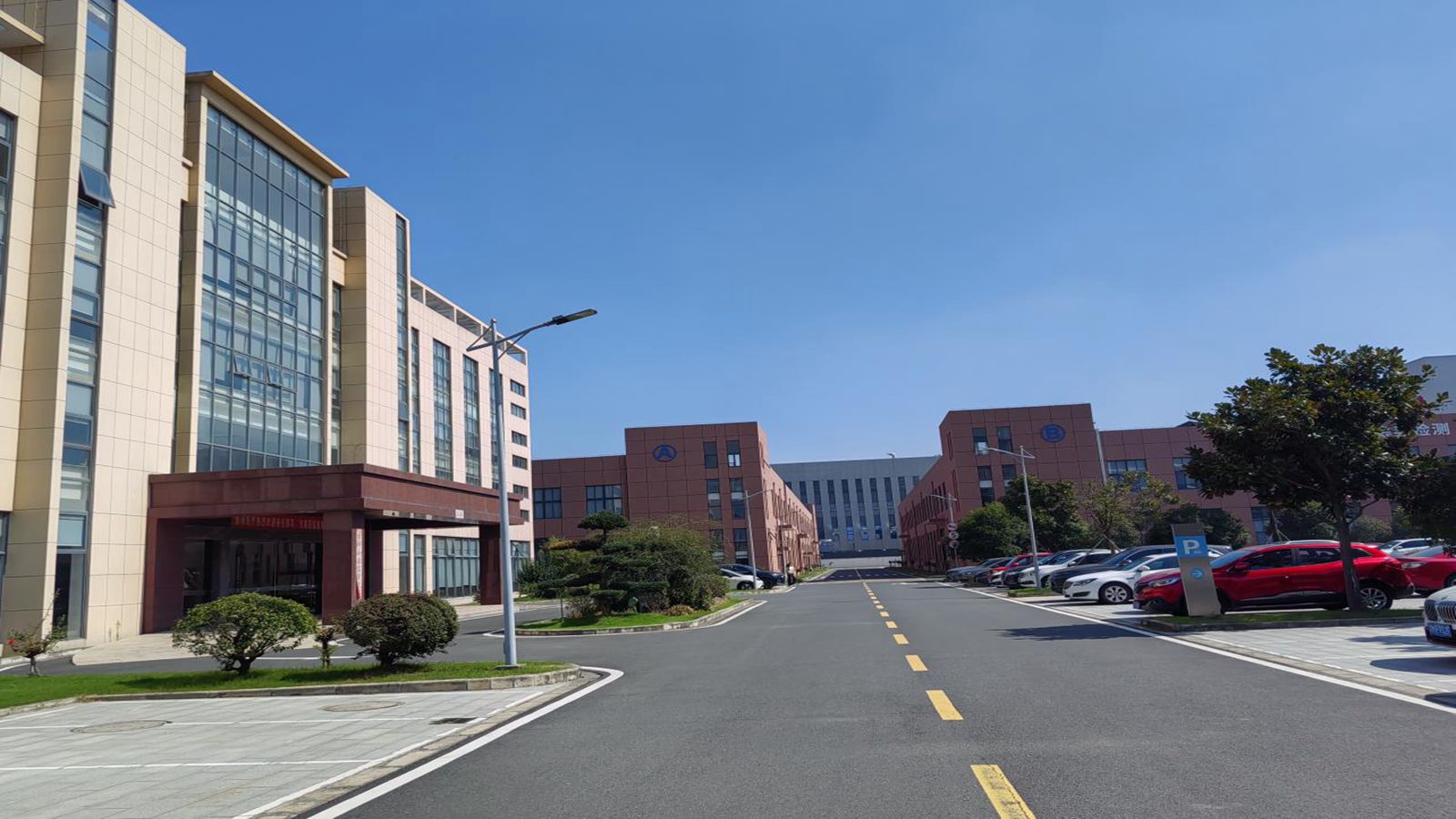
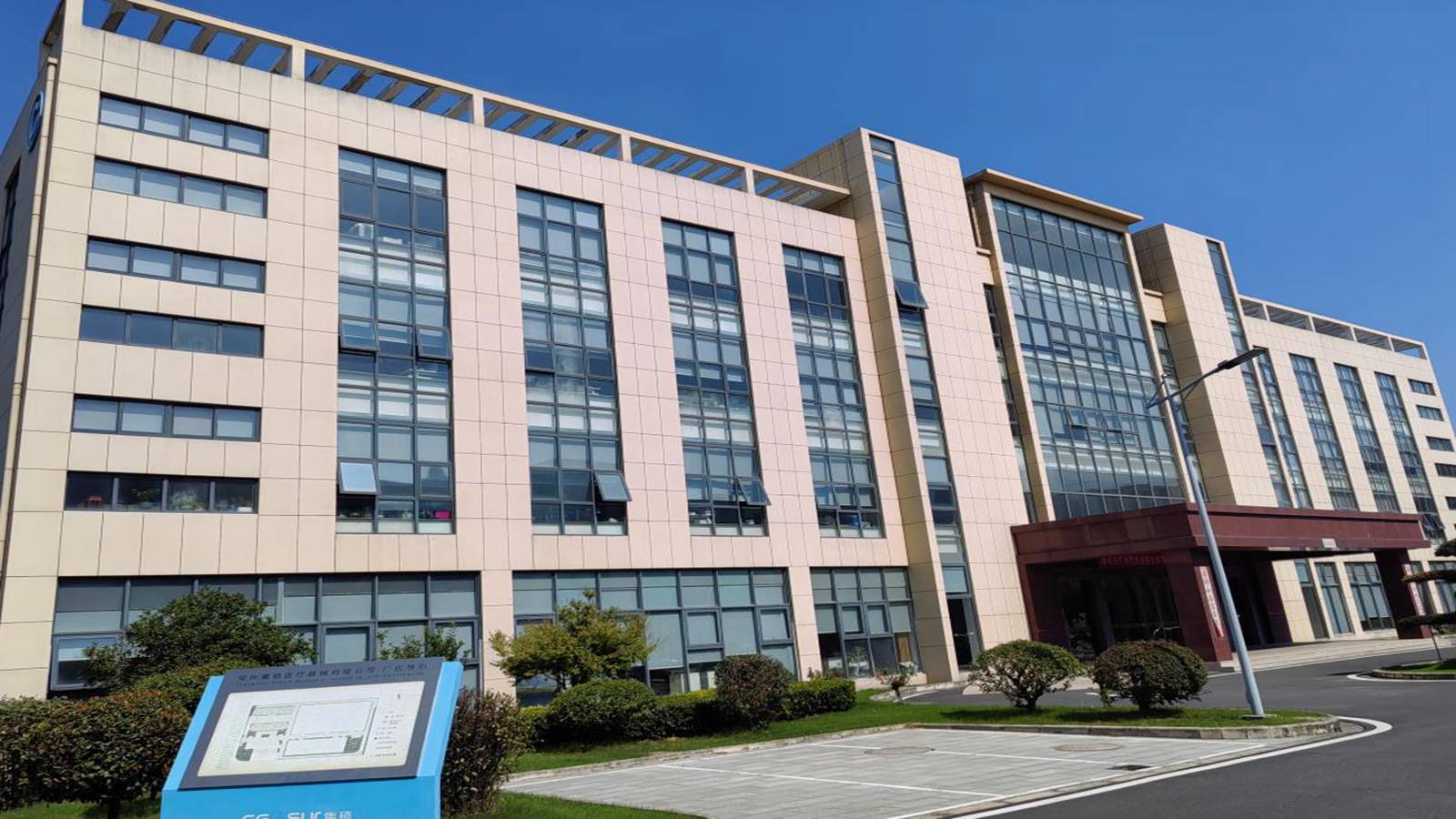
Historically dominated by a few multinational conglomerates, the global supply chain for orthopedic implants is diversifying. Advanced manufacturing hubs in Asia, led by state-of-the-art facilities like HBM Medical, are bridging the gap between premium clinical efficacy and economic sustainability. By leveraging advanced Swiss-type CNC machining, rigid ISO 13485 quality management systems, and extensive R&D pipelines, modern factories are delivering Class III implants that rival or exceed traditional Western brands in biomechanical performance and surface finish.
The Russian Federation presents a unique and highly demanding environment for orthopedic trauma care. Due to severe winter conditions, high-energy traffic accidents across vast highway networks, and an aging demographic prone to osteoporotic fractures, Russian municipal and federal hospitals face a continuous influx of complex skeletal trauma cases. In particular, proximal femoral fractures among the elderly require immediate surgical intervention using Proximal Femoral Nail Antirotation (PFNA) systems to prevent prolonged recumbency and associated high mortality rates.
Clinical practices in major Russian medical centers—such as the Vreden National Medical Research Center of Traumatology and Orthopedics in St. Petersburg and the Priorov Central Research Institute of Traumatology and Orthopedics in Moscow—have shifted decisively toward internal interlocking fixation. However, regional hospitals often face budget constraints while striving to maintain high standards of patient care. This has created a critical market need for reliable, high-quality, and cost-effective titanium intramedullary nails that comply fully with Russian regulatory frameworks (Roszdravnadzor registration) and Eurasian Economic Union (EAC) standards.
Extreme seasonal temperature drops in Russia lead to a dramatic increase in slippery surfaces, causing a predictable spike in ankle, tibial, and proximal humeral fractures that require rapid surgical intervention.
An aging population in urban centers like Moscow and Novosibirsk demands advanced PFNA systems with helical blades to secure stable fixation in compromised, low-density cancellous bone.
Industrial accidents and high-speed road traffic accidents across regional federal highways necessitate robust, multi-dimensional locking tibial and femoral nails capable of handling unstable, comminuted fractures.
As a leading R&D and manufacturing enterprise, HBM Medical continuously pushes the boundaries of implant metallurgy and biomechanical engineering. Our technical roadmap for intramedullary nails focuses on three core pillars: material optimization, surface modification, and anatomical design precision.
We utilize medical-grade Titanium Alloy (Ti-6Al-4V Extra Low Interstitial) conforming to ASTM F136 standards. This material offers an exceptional strength-to-weight ratio, superb biocompatibility, and a lower elastic modulus closer to human cortical bone compared to stainless steel, significantly reducing the risk of stress shielding.
To enhance fatigue strength and minimize galling between locking screws and the nail body, our implants undergo advanced Type II electrochemical anodization. This creates a dense, biocompatible titanium oxide layer that improves wear resistance and reduces ion release in vivo.
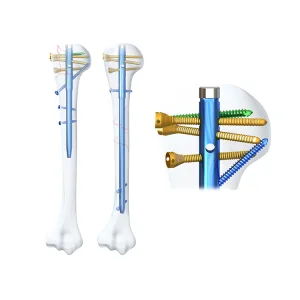
Modern clinical scenarios demand versatile locking options. Our multi-dimensional locking configurations allow surgeons to achieve optimal stability in both proximal and distal fragments, accommodating highly unstable fractures near the joint lines.
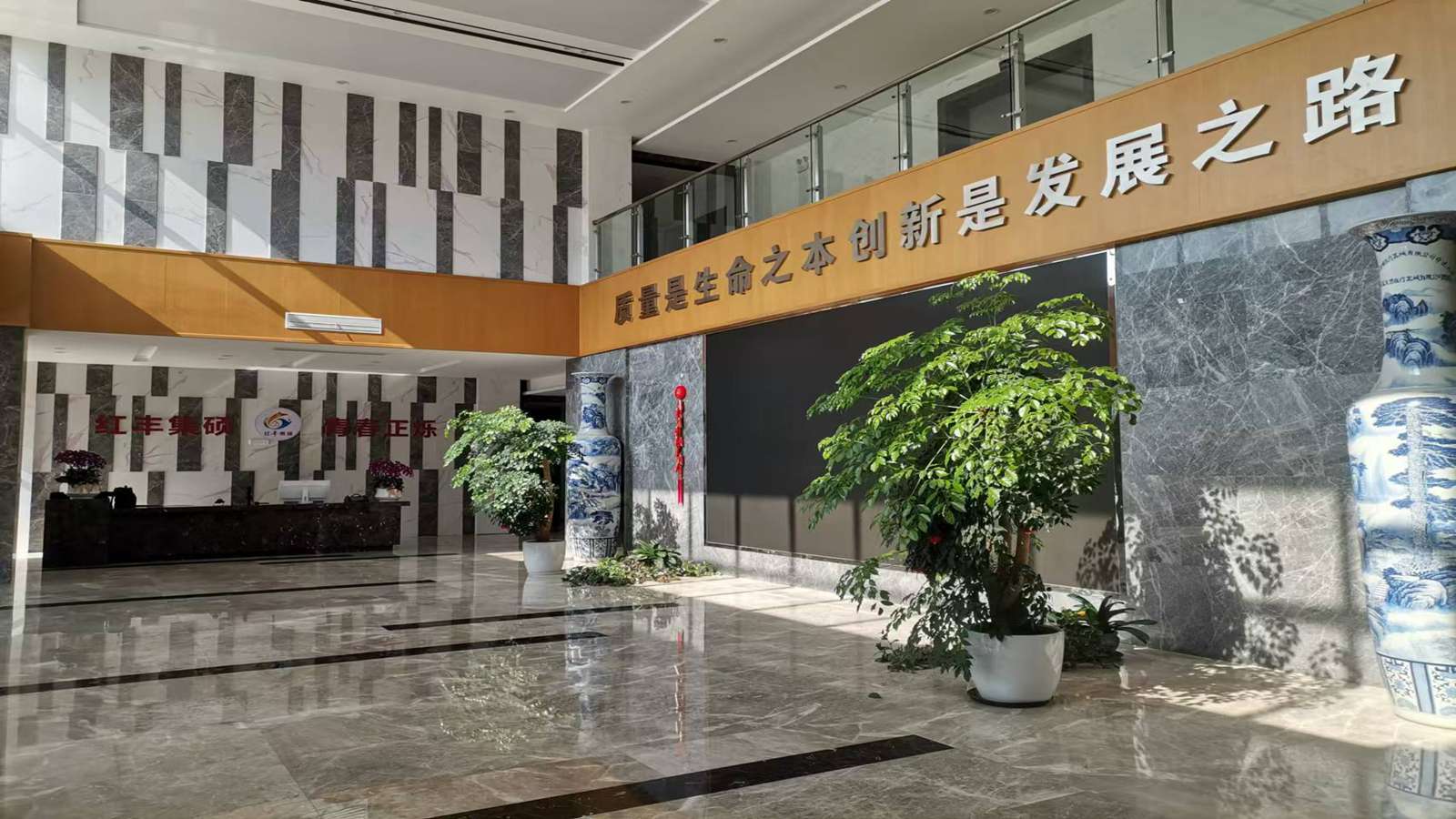
In today's volatile global market, supply chain continuity is paramount for hospital procurement departments and medical distributors. HBM Medical Apparatus And Instruments Co., Ltd. offers an unmatched combination of manufacturing scale, technological capability, and quality control to guarantee uninterrupted supply to the Russian market.
With over 10 years of exporting experience and a state-of-the-art facility equipped with more than 350 processing and testing instruments, HBM Medical ensures 100% raw material traceability. Our QA/QC protocols mandate rigorous testing on all production lines, including dimensional verification using optical comparators, coordinate measuring machines (CMM), and mechanical fatigue testing under simulated physiological loads. This guarantees that every single intramedullary nail shipped to Russia meets the highest international standards of safety and efficacy.
Navigating the regulatory landscape in the Russian Federation requires deep expertise and robust quality certifications. HBM Medical is fully aligned with global and regional compliance frameworks, ensuring smooth customs clearance, hospital bidding participation, and clinical adoption.
Our manufacturing processes are certified under ISO 13485 and the Medical Device Single Audit Program (MDSAP). Furthermore, our core product lines carry CE Markings (EPT 0477.MDR.25/5905 and EPT 0477.MDR.25/5973), validating their compliance with stringent European Medical Device Regulations (MDR). For the Russian market, we provide comprehensive technical dossiers, raw material mill test certificates, and sterilization validation reports to support local registration with Roszdravnadzor and compliance with GOST-R standards.
We work closely with leading Russian logistics partners to offer flexible shipping terms (FOB, CIF, CIP) and ensure secure, timely delivery to major distribution hubs in Moscow, Vladivostok, and St. Petersburg.
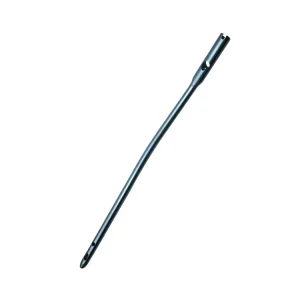
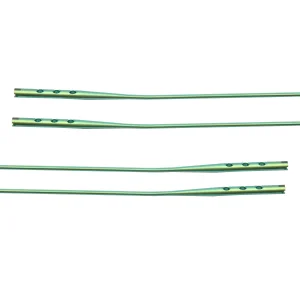
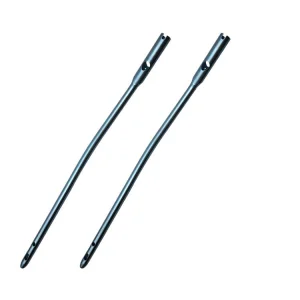
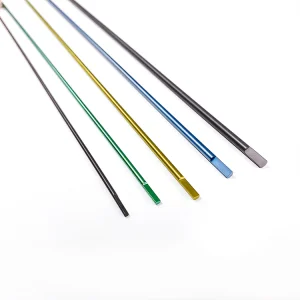
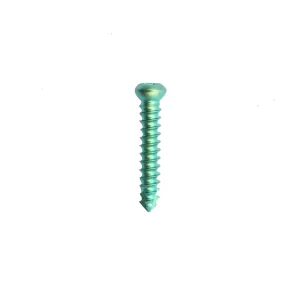
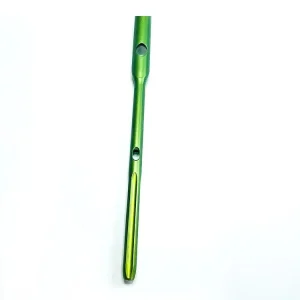
Explore our extensive range of interlocking nails, pediatric elastic systems, and specialized anatomical implants engineered for superior clinical outcomes across all age groups and fracture patterns.
Get professional insights into our manufacturing standards, material specifications, and partnership options for the Russian market.
 HBM Medical