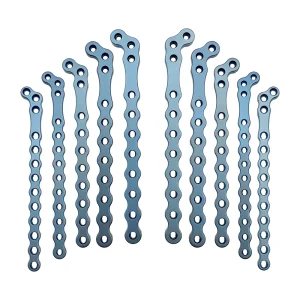
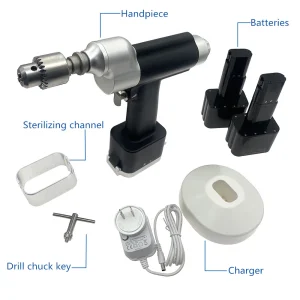
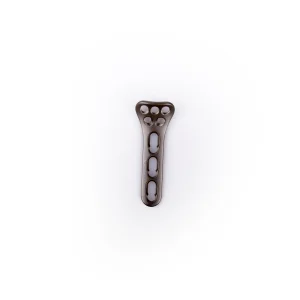
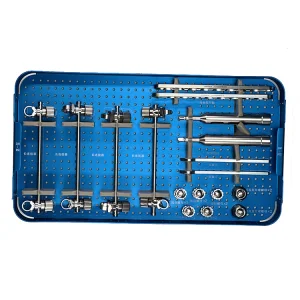
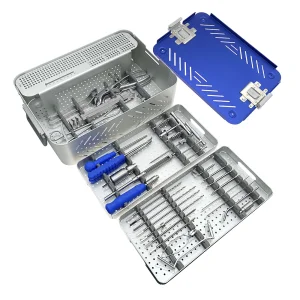
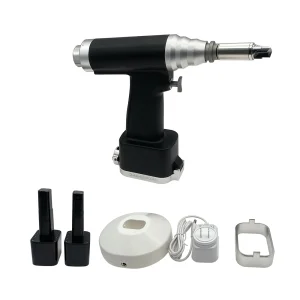
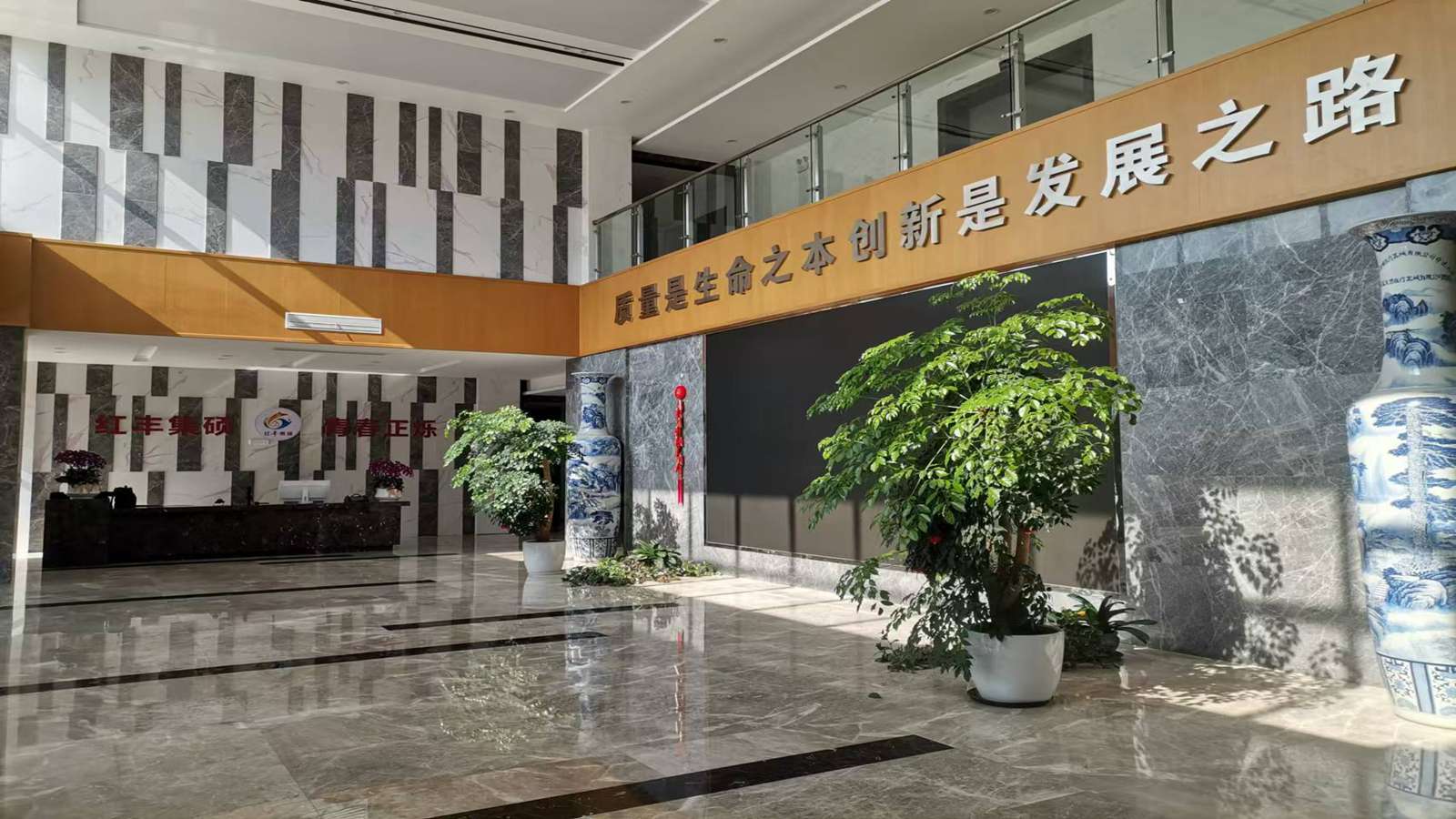
A leading orthopedic medical device R&D, manufacturing and operation enterprise in China. Founded in 2015, HBM Medical provides high-precision implants and surgical instruments tailored to class III clinical standards.
HBM Medical Apparatus And Instruments Co., Ltd. can provide professional integrated solutions for the R&D, production, and sales of orthopedic implants and surgical instruments. Equipped with first-class production equipment, professional R&D, technology and manufacturing teams, a quality management system in line with international standards, and an efficient marketing service strategy, HBM has won the recognition of many partners.
The company has a production site of over 30,000 square meters, more than 350 processing and testing equipment, and strong production capacity. The products have obtained certifications such as CE and FDA, which meet international standards and ensure quality. The company has passed systems such as ISO 13485, ISO 4001, etc., and has sufficient sustainable development capabilities to provide customized services for customers.
The company has a number of senior R&D technical teams with years of orthopedic medical device industry, and has made unique achievements in the field of orthopedic medical devices. HBM medical has always put the talent development strategy in the first place, and constantly improved and built a professional innovation team with high quality and strong R&D ability. Adhere to the development concept of technological innovation, product innovation and service innovation. Gather and integrate superior resources, serve the great cause of human health, work hard and forge ahead bravely—"Integrate the Master, Health being achieved".
A comprehensive B2B purchasing guide covering mechanics, clinical compliance, and vendor qualification.
Procuring thoracolumbar systems requires strict attention to engineering tolerance, biological compatibility, and instrument-to-implant synergy. When purchasing agents and category managers source spinal fixations, they focus on several primary benchmarks:
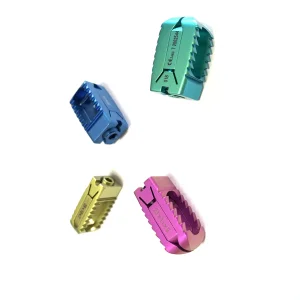
Screws and rods must use Grade 5 Titanium (Ti-6Al-4V ELI) complying with ASTM F136. Cages must use biocompatible Polyetheretherketone (PEEK-OPTIMA®) or 3D-printed porous titanium to prevent subsidence and promote bone ingrowth.
Every batch of pedicle screws must undergo static and fatigue bending testing according to ASTM F1717. Pullout strength, axial gripping force, and torque-to-failure parameters must exceed standard clinical thresholds.
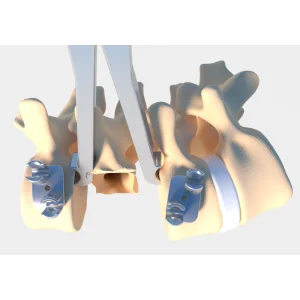
Self-tapping and self-drilling thread configurations reduce insertion time. System modularity (polyaxial, monoaxial, and sagittal-slotted screws) gives spine surgeons flexibility in complex spinal reconstructions.
| Implant Component | Standard Specifications | Key Engineering Parametric Focus | Surgical Utility Benefit |
|---|---|---|---|
| Polyaxial Pedicle Screws | Diameter: 4.5mm - 7.5mm; Length: 30mm - 55mm | 60-degree angulation cone, dual-lead thread pitch | Easy rod insertion in complex anatomy; reduces insertion torque |
| Thoracolumbar Rods | Diameter: 5.5mm / 6.0mm | Pre-bent contour lines, high fatigue resistance | Maintains sagittal curvature; matches patient lordosis |
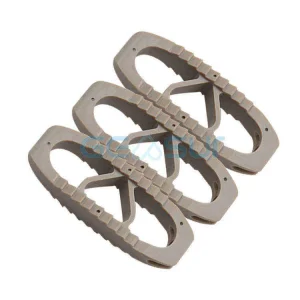
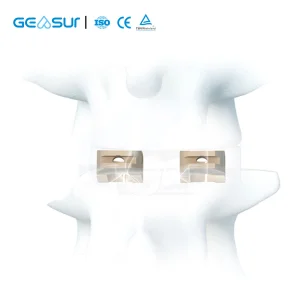
| TLIF/PLIF Cages | PEEK / Porous Titanium; Heights: 7mm - 14mm | Large graft window, anti-migration teeth design | Prevents interbody subsidence; accelerates fusion rate |
| Cross Connectors | Adjustable length range: 30mm - 70mm | Multi-axial joint locking mechanisms | Provides rotational stability for long-construct fixations |
Addressing clinical challenges through biomechanical design and advanced materials.
The thoracolumbar junction (T10-L2) is a common site for trauma, degeneration, and deformity due to the transition from the rigid thoracic cage to the mobile lumbar segments. Common clinical challenges include:
HBM Medical works closely with clinical research teams to match surgical challenges with exact manufacturing solutions, ensuring our implants deliver reliable clinical performance.
Our engineering pipeline is focused on three main research areas:
HBM Medical maintains a 30,343 square meter production site with over 350 pieces of processing and testing equipment, including Swiss-type CNC automatic lathes and cleanrooms.


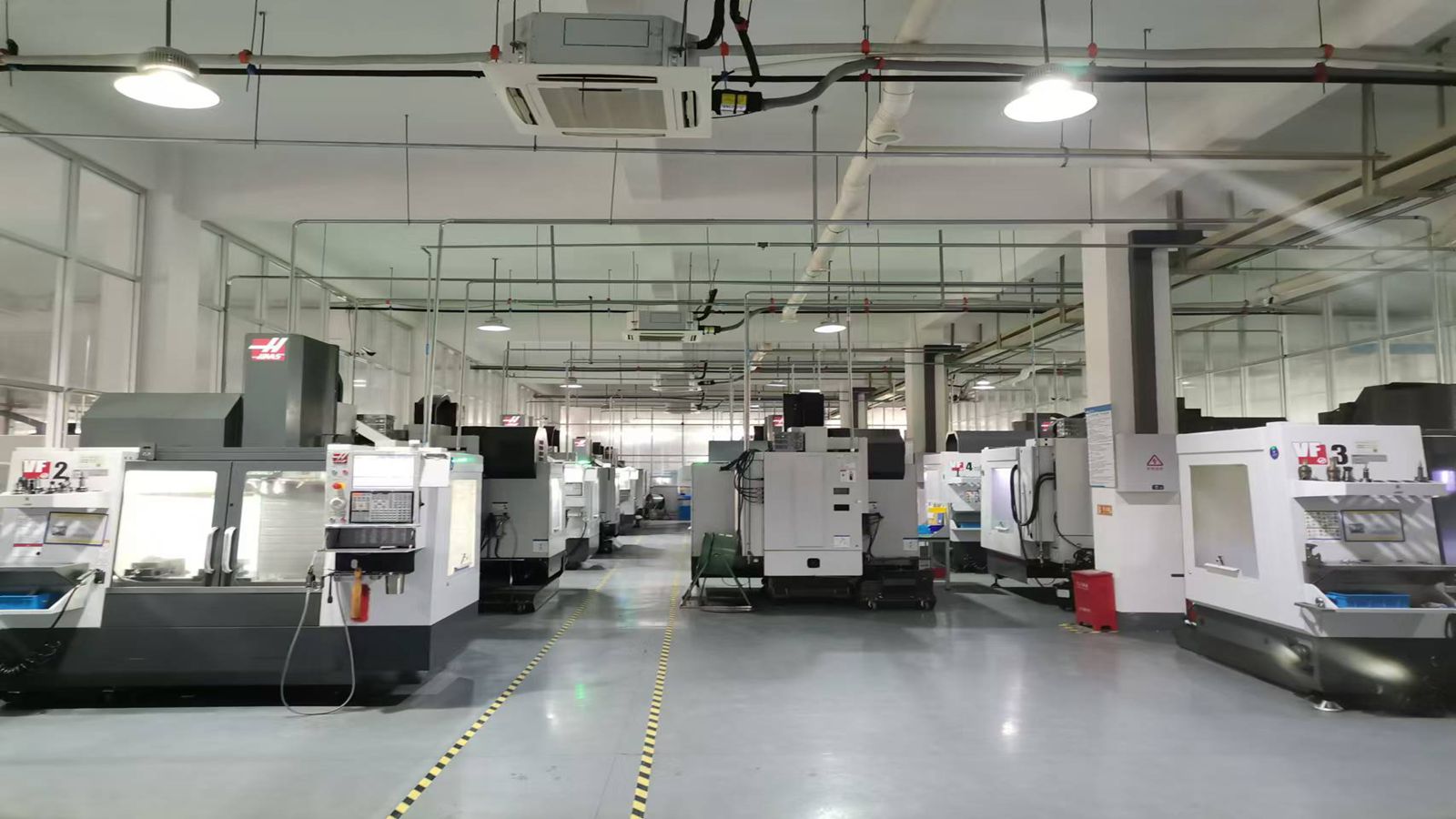
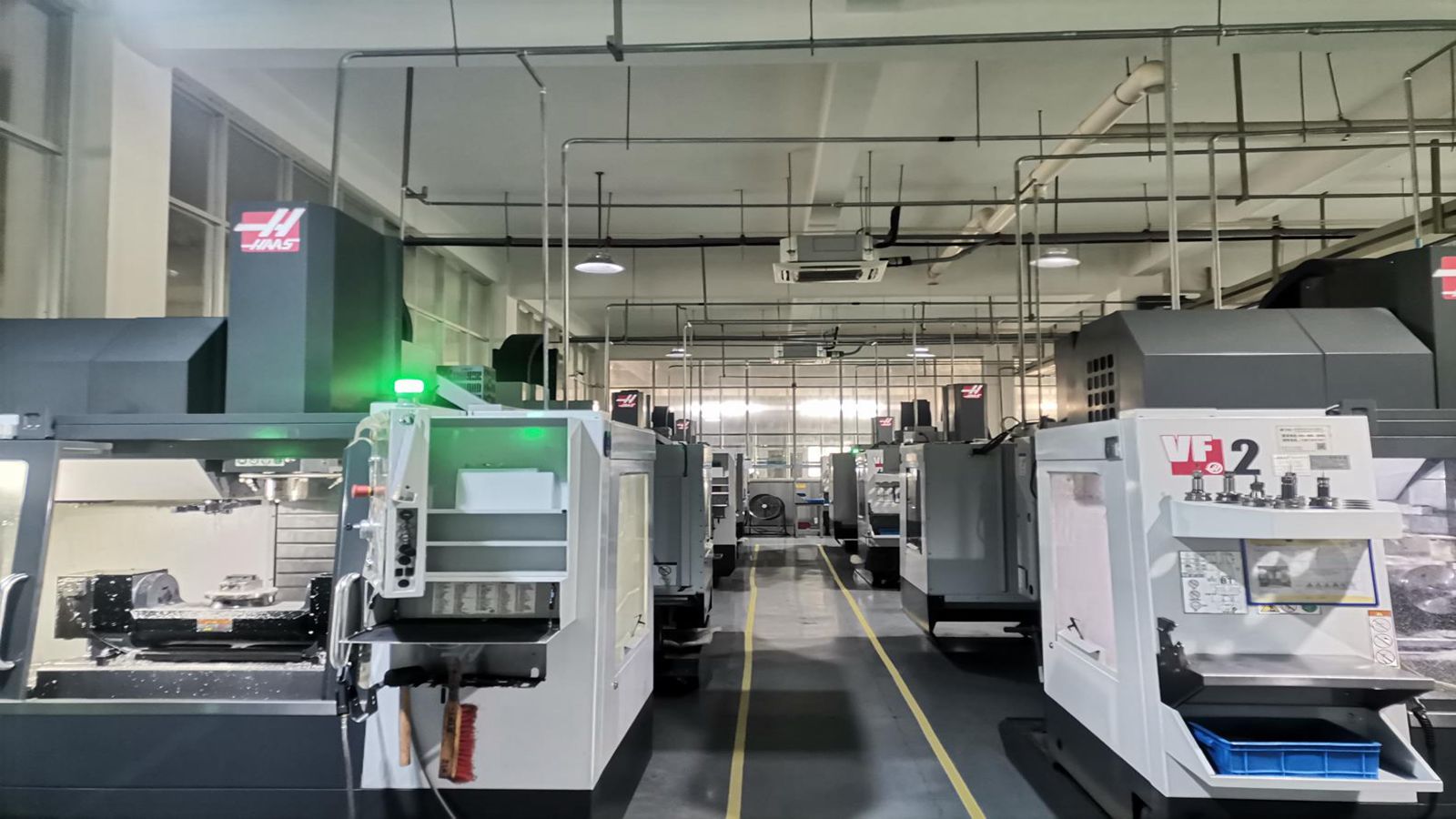
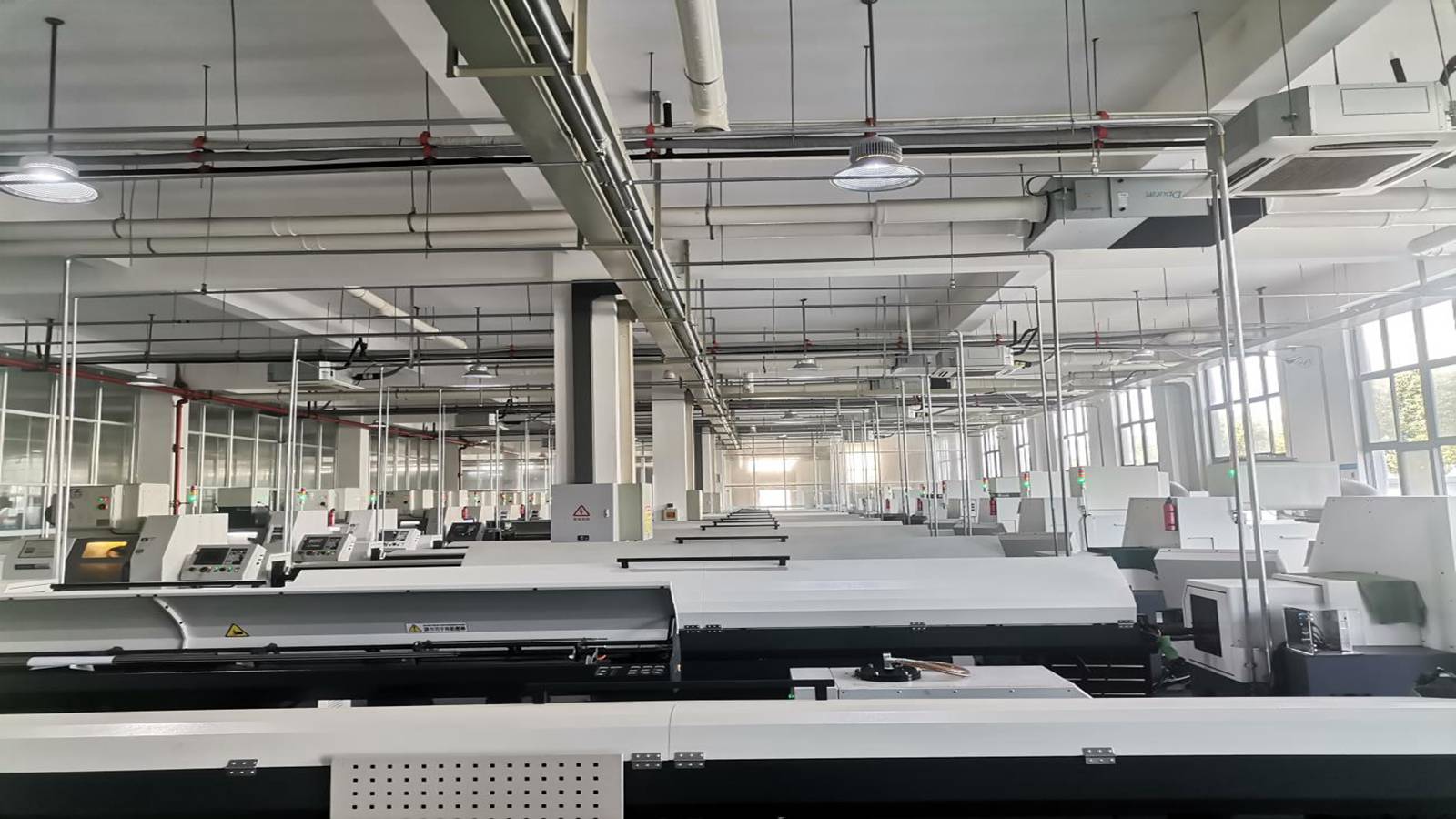
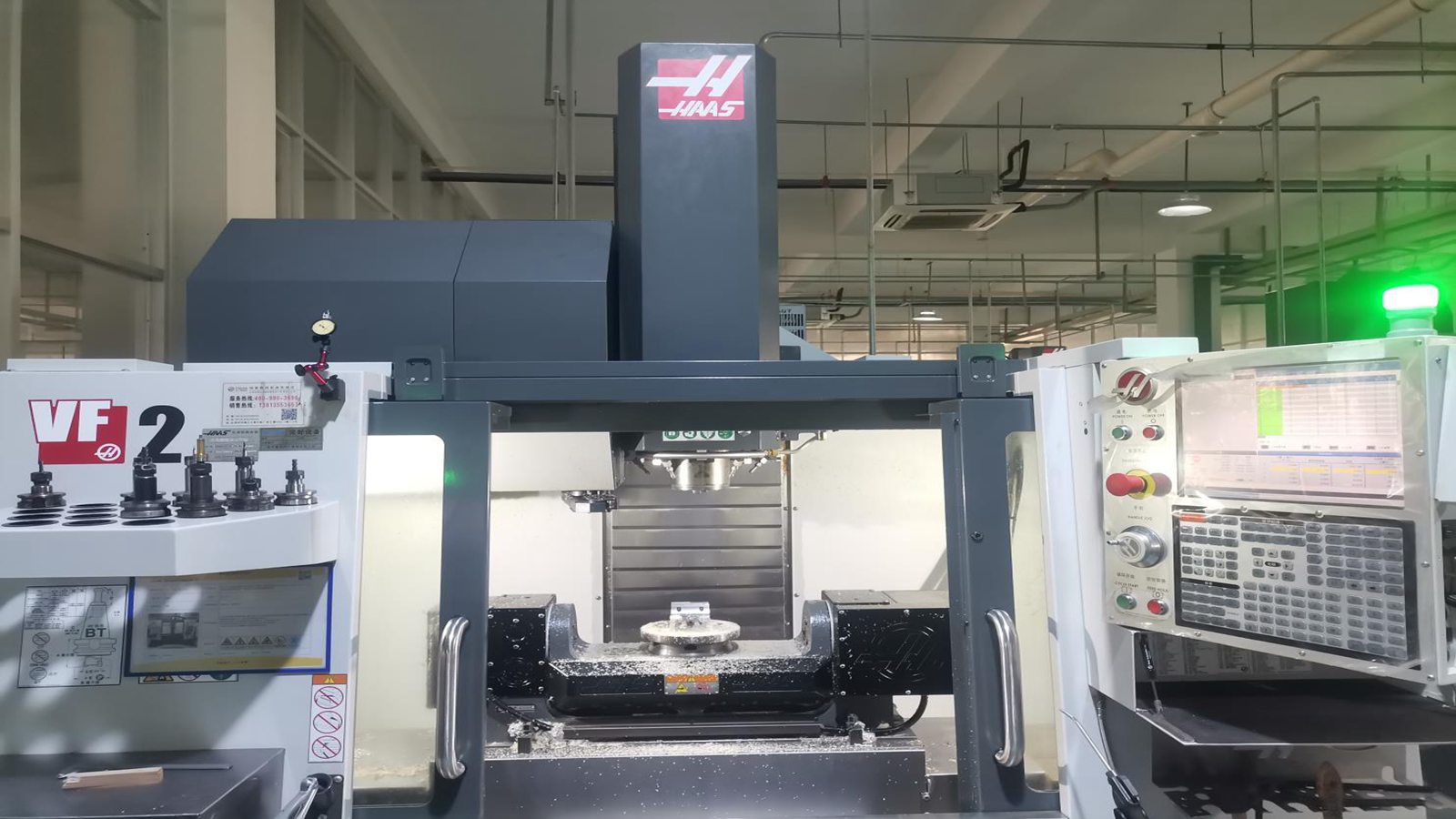
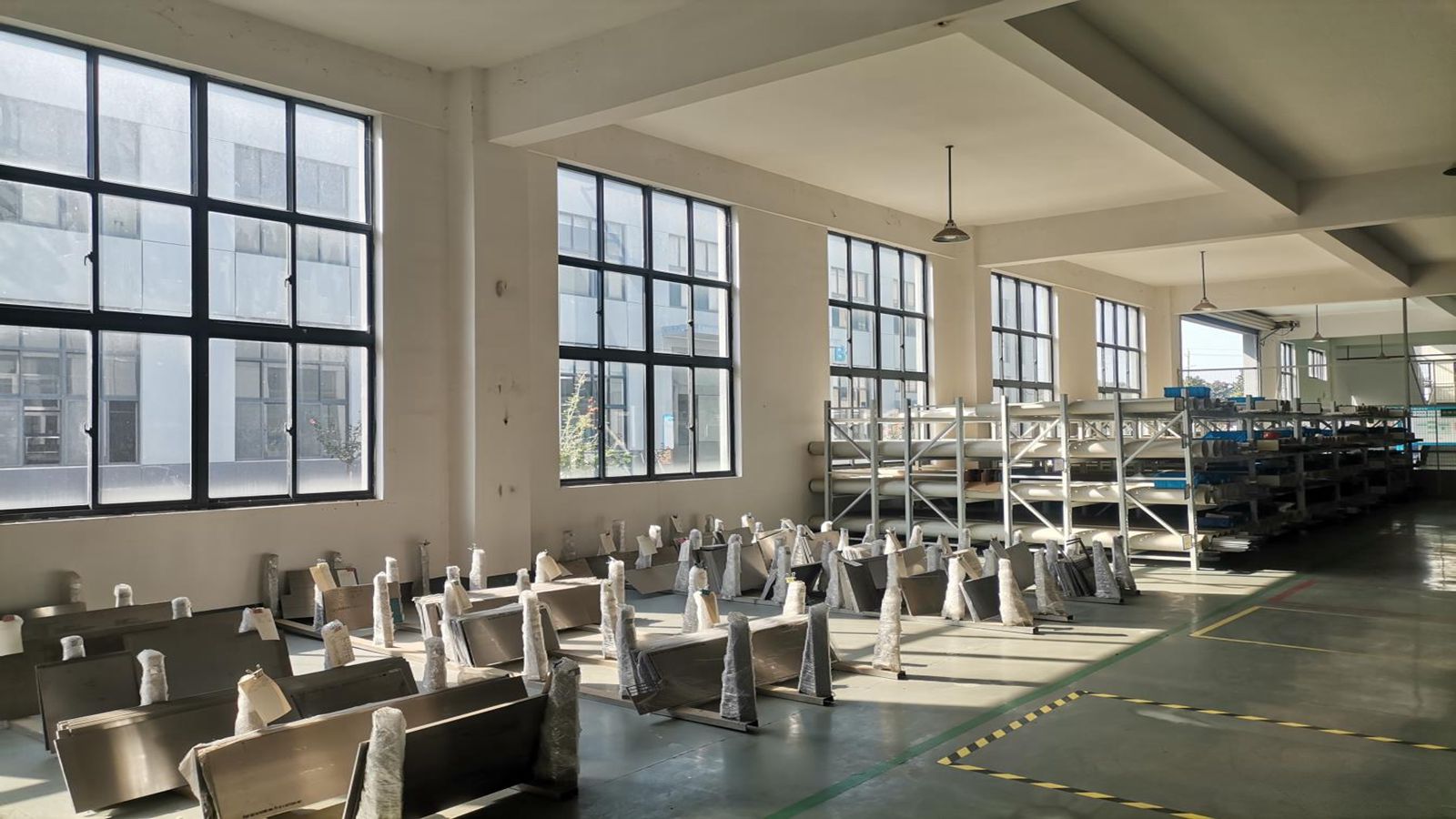
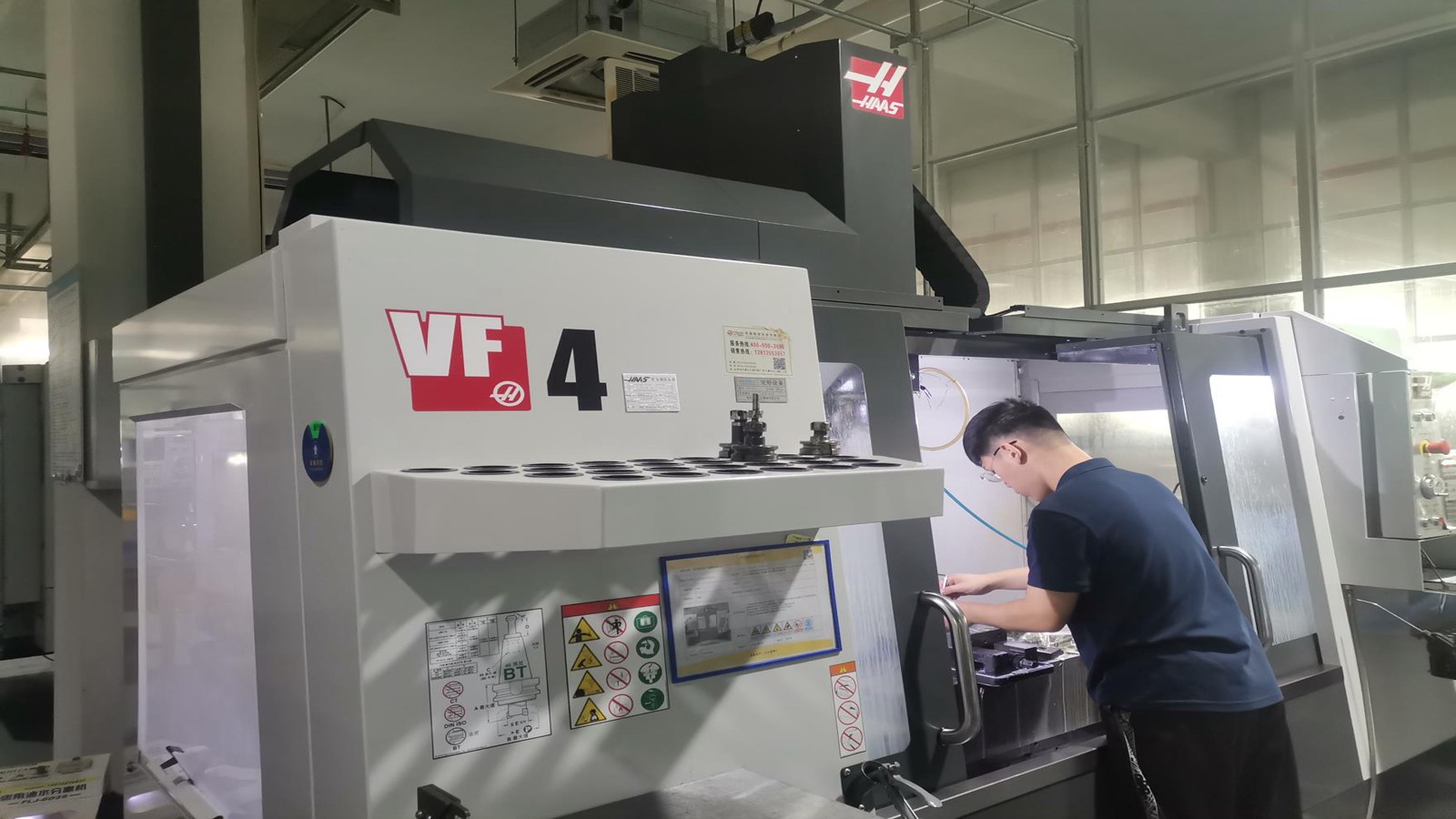
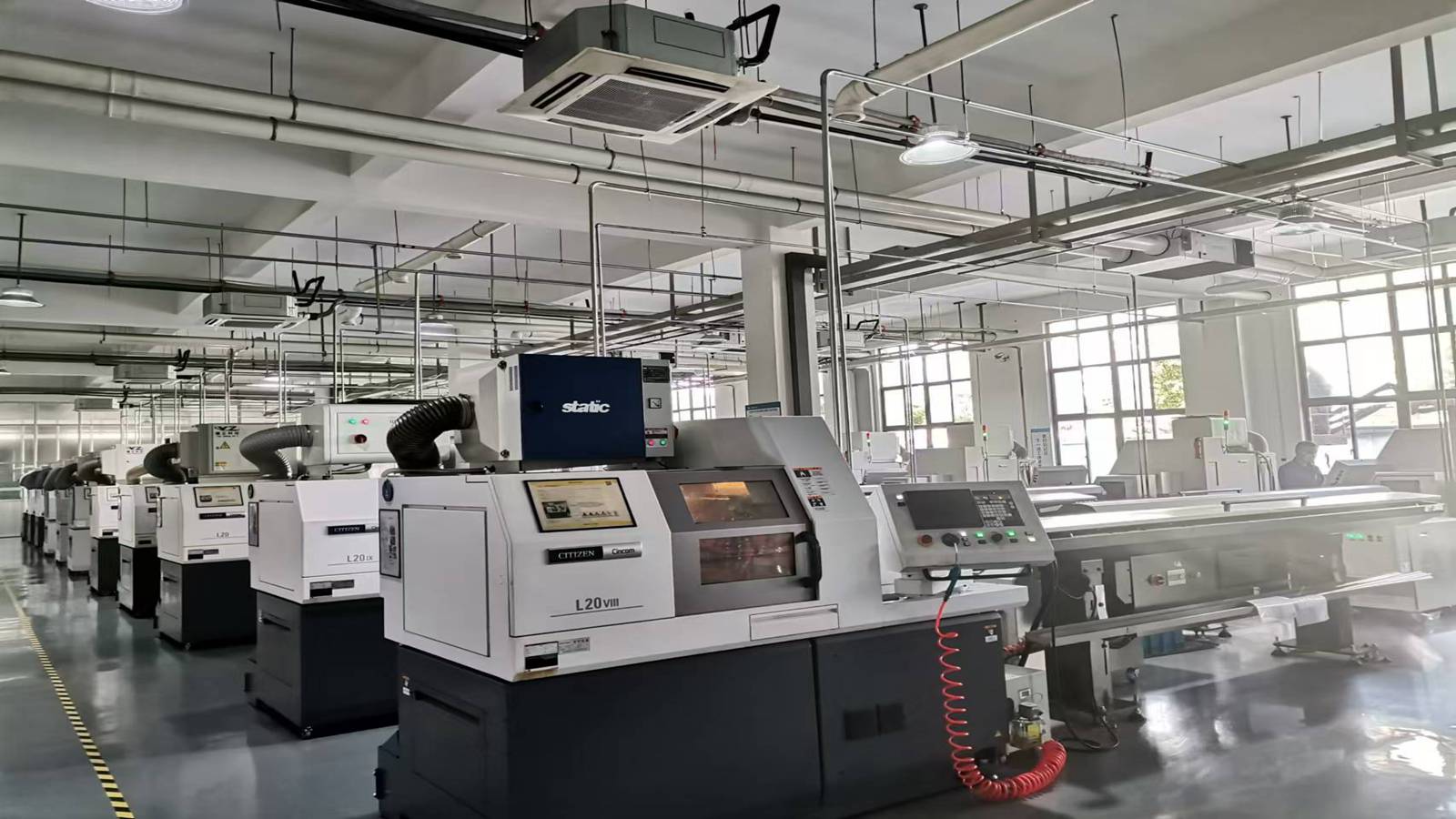
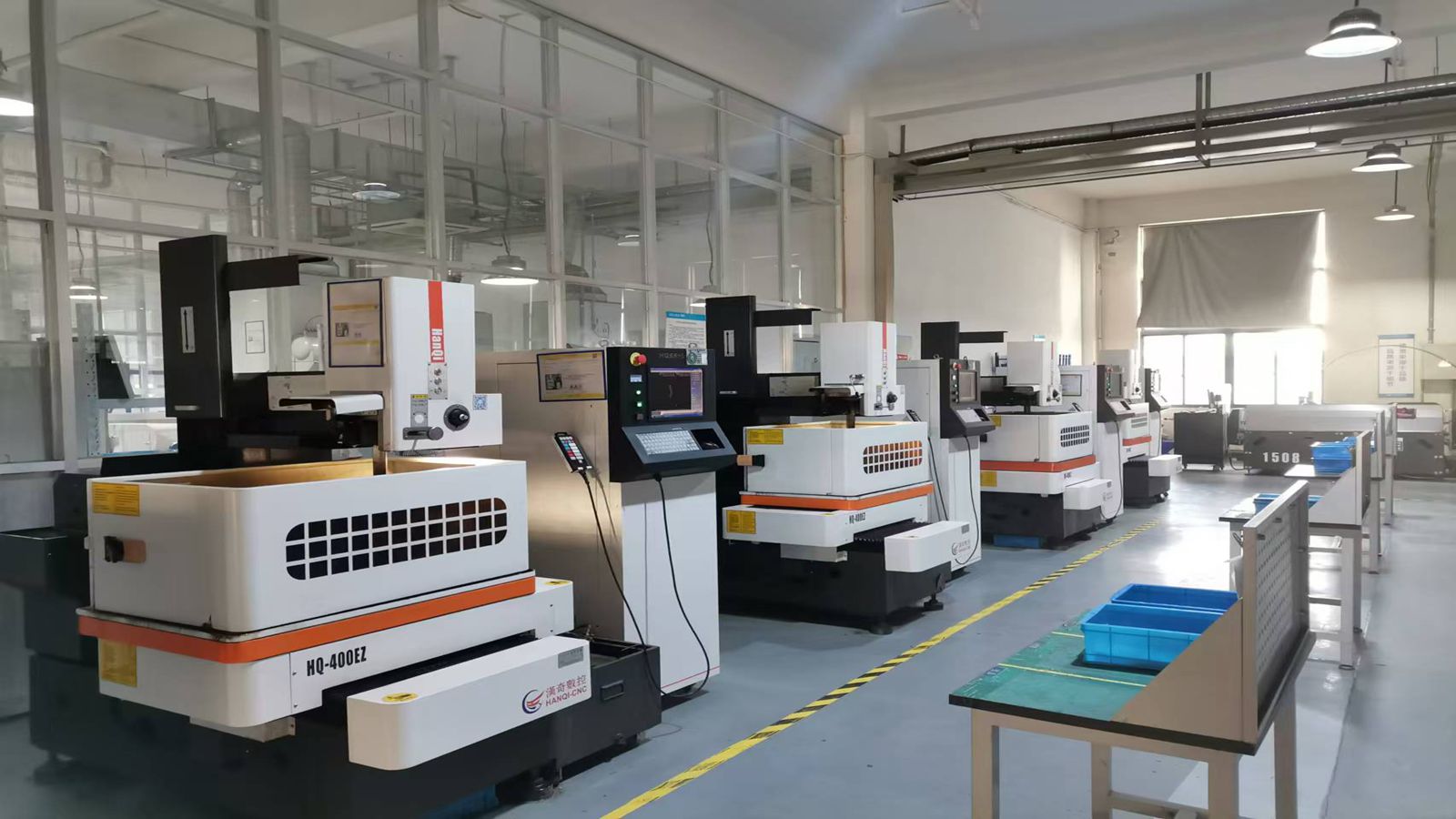
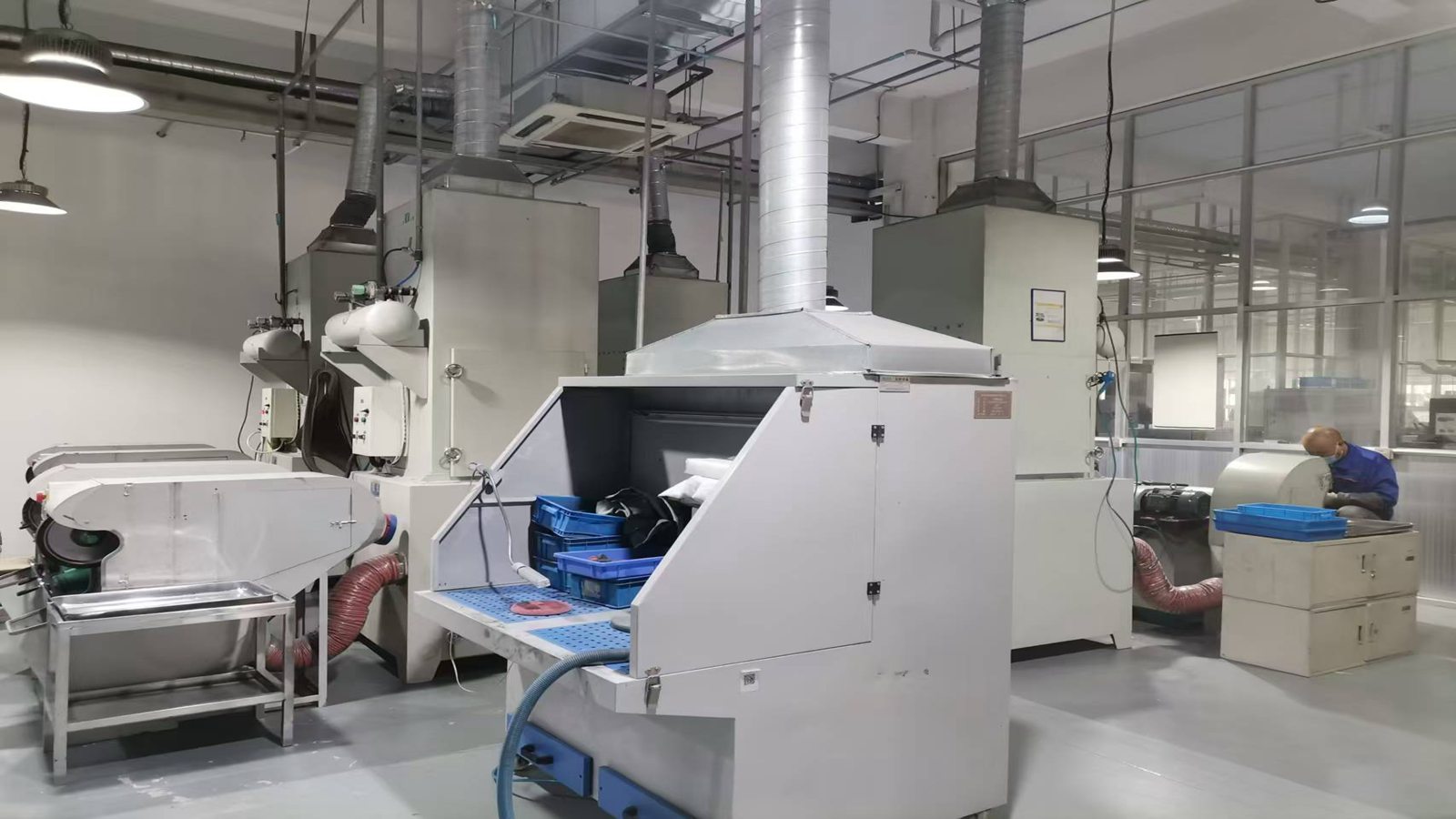
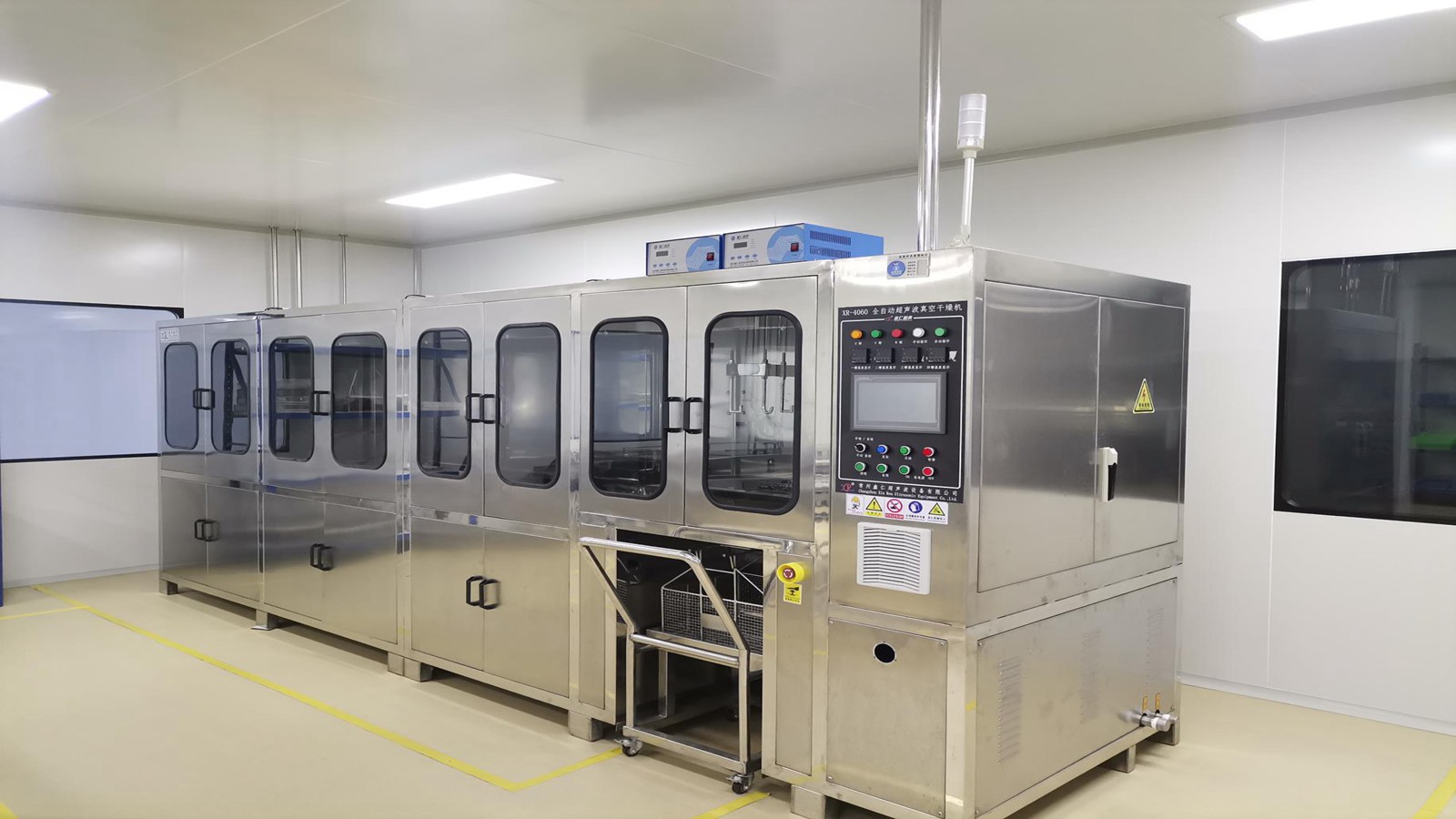
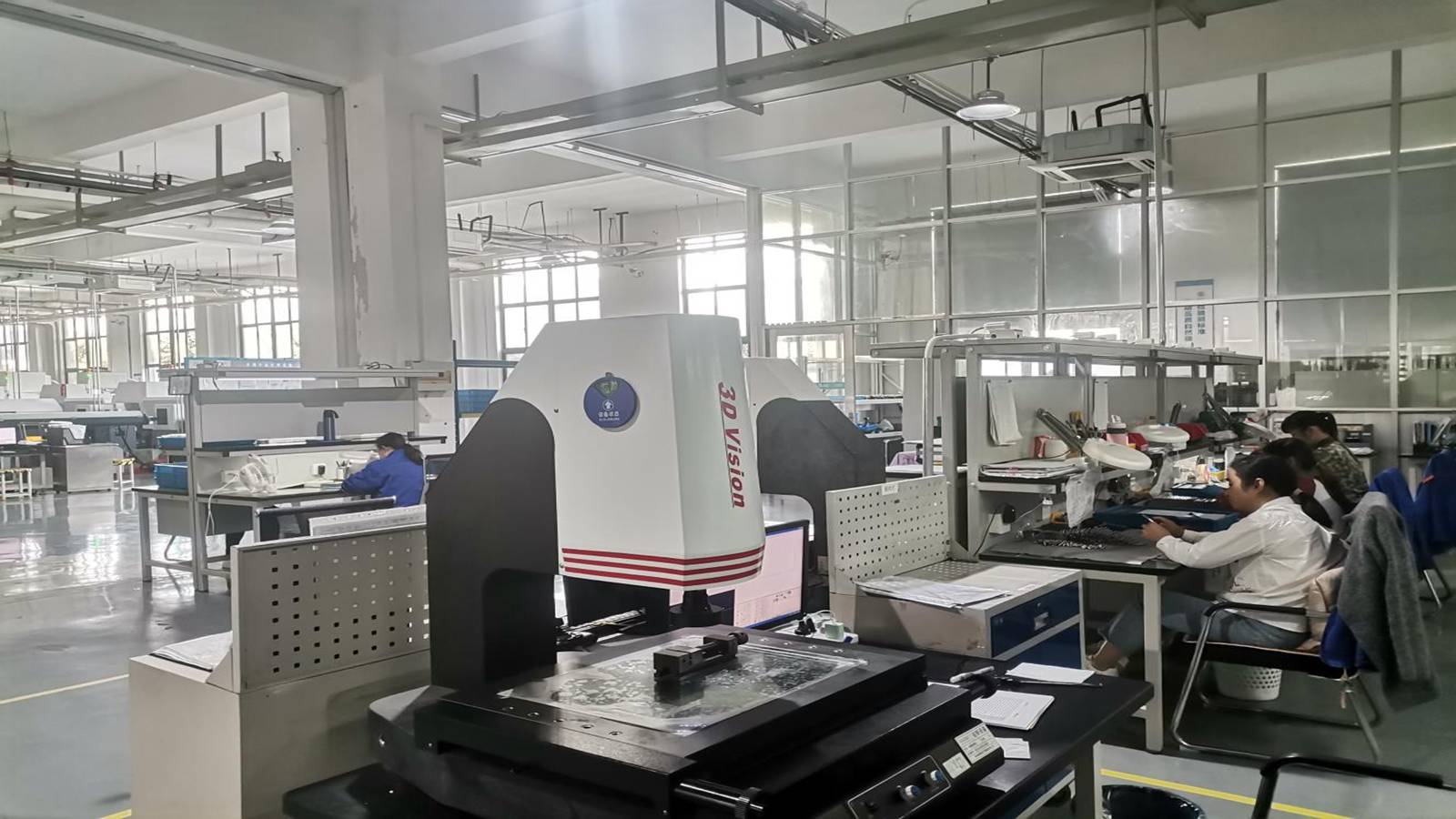
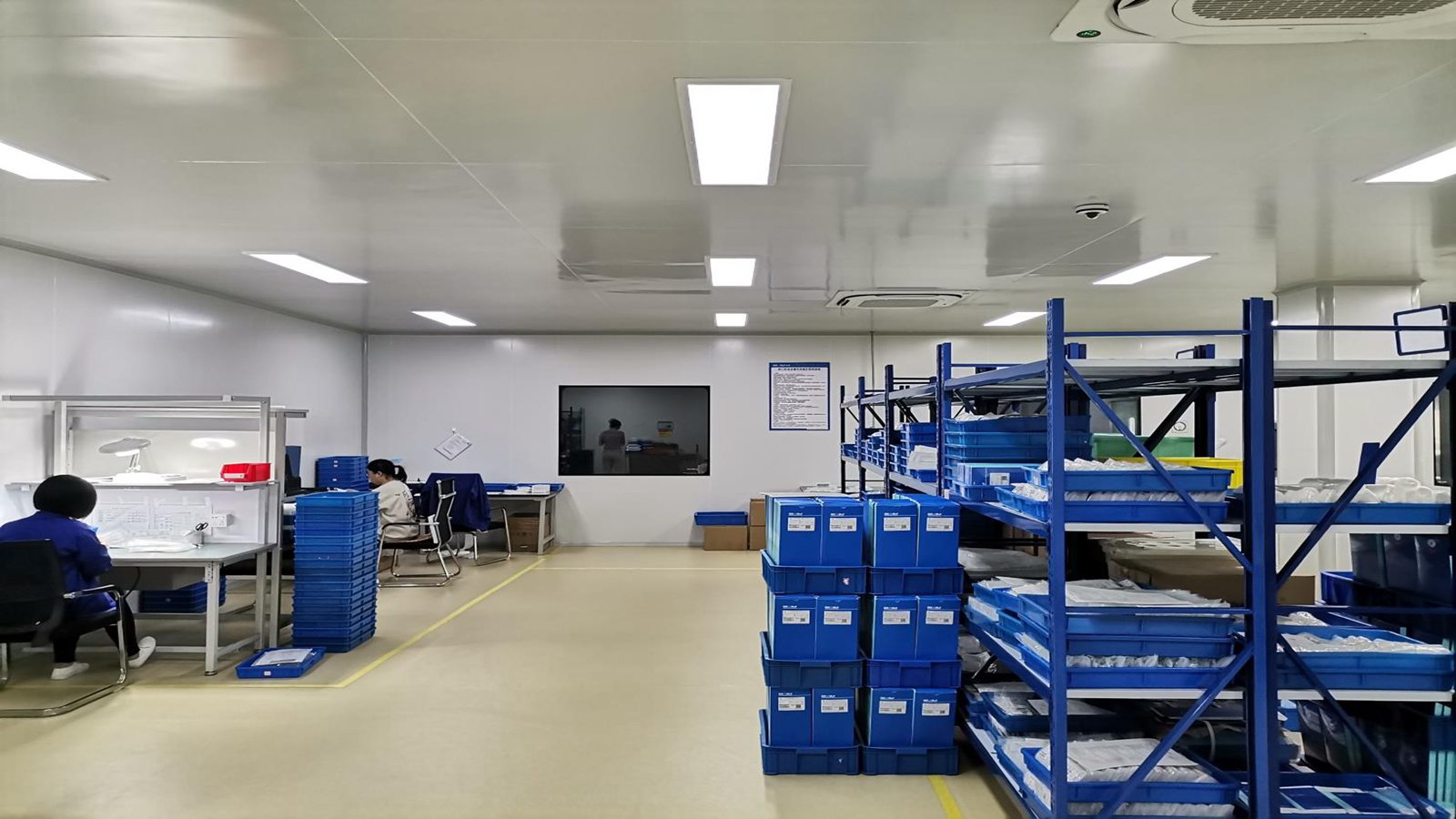
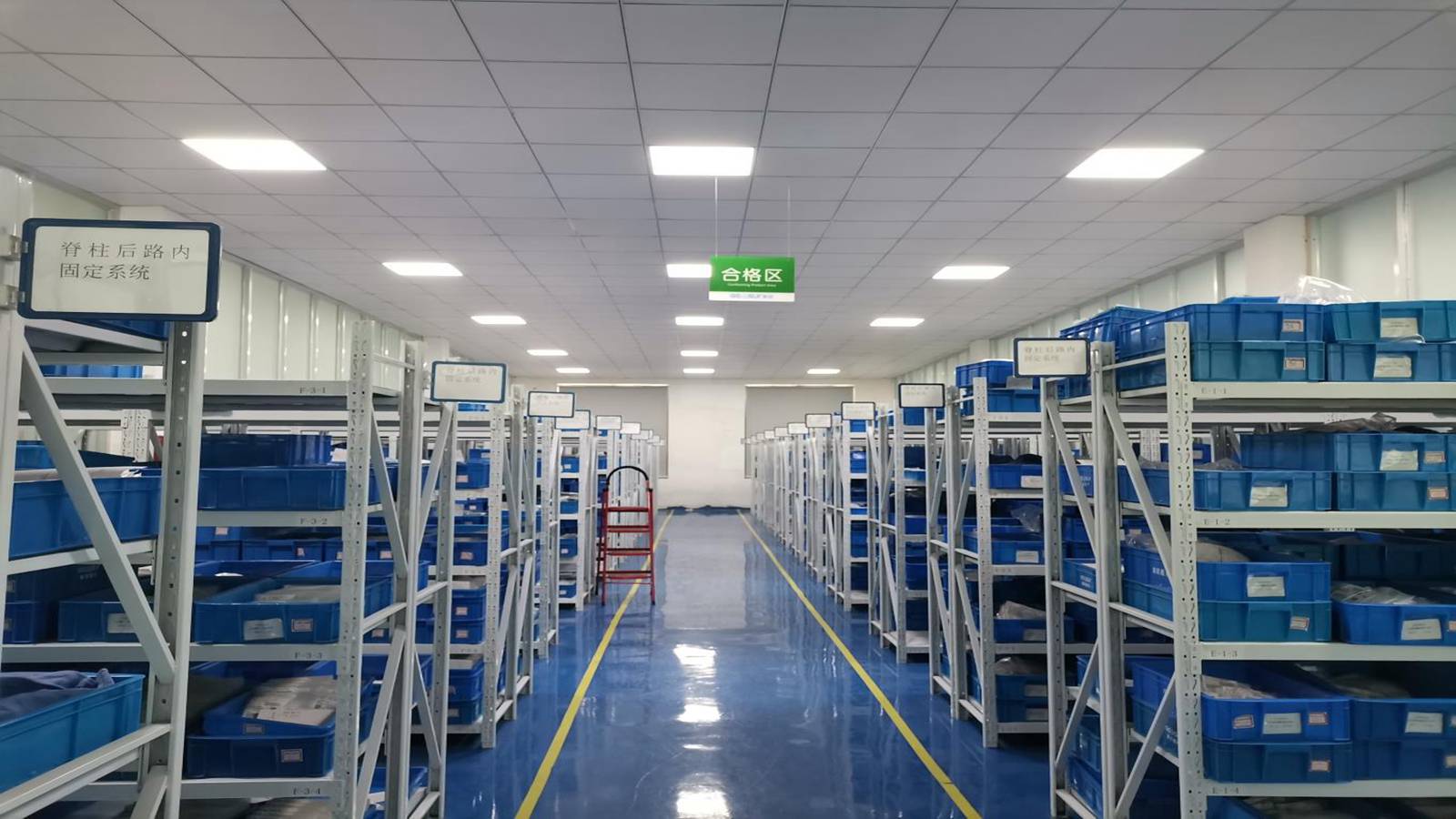
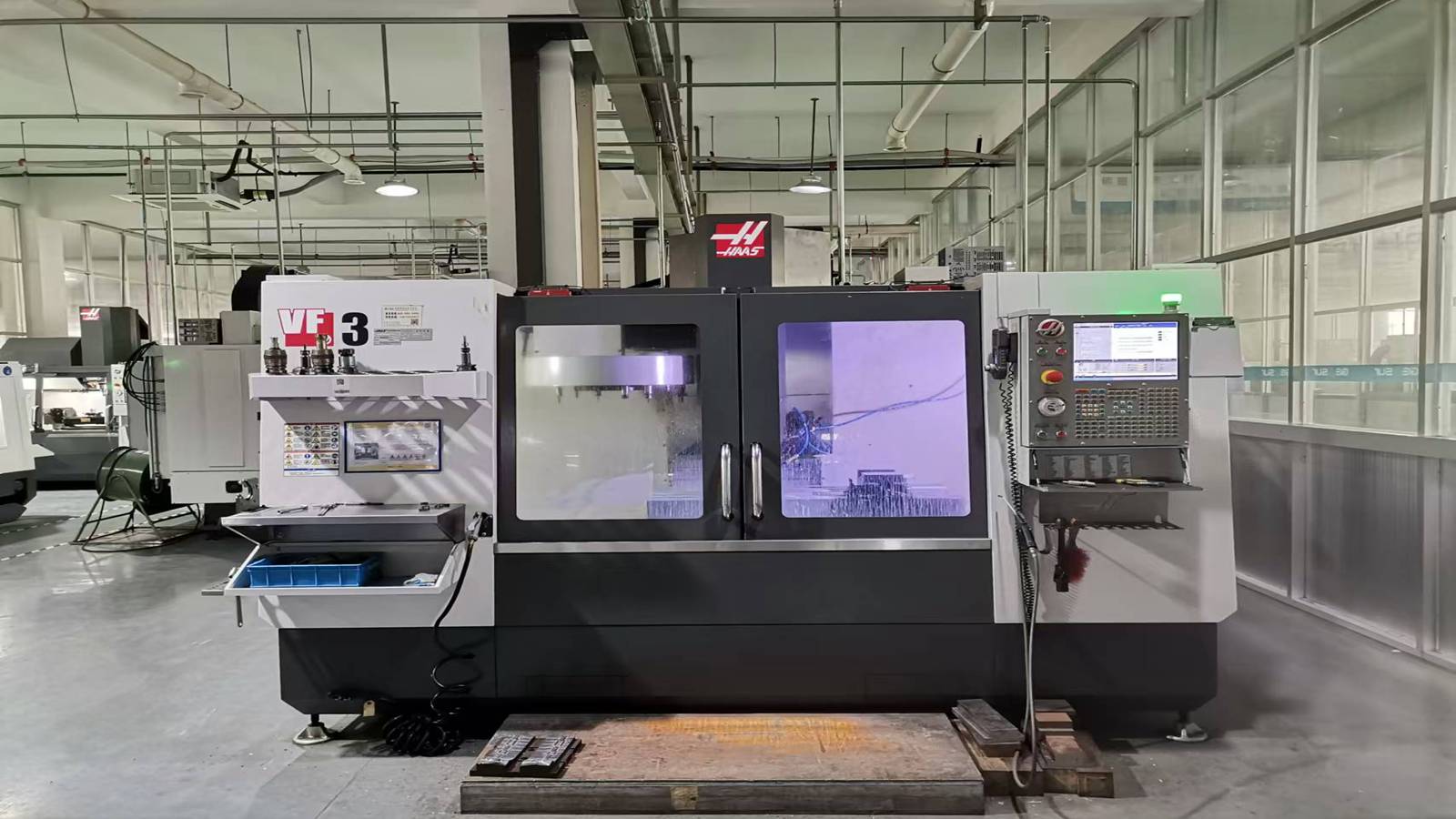
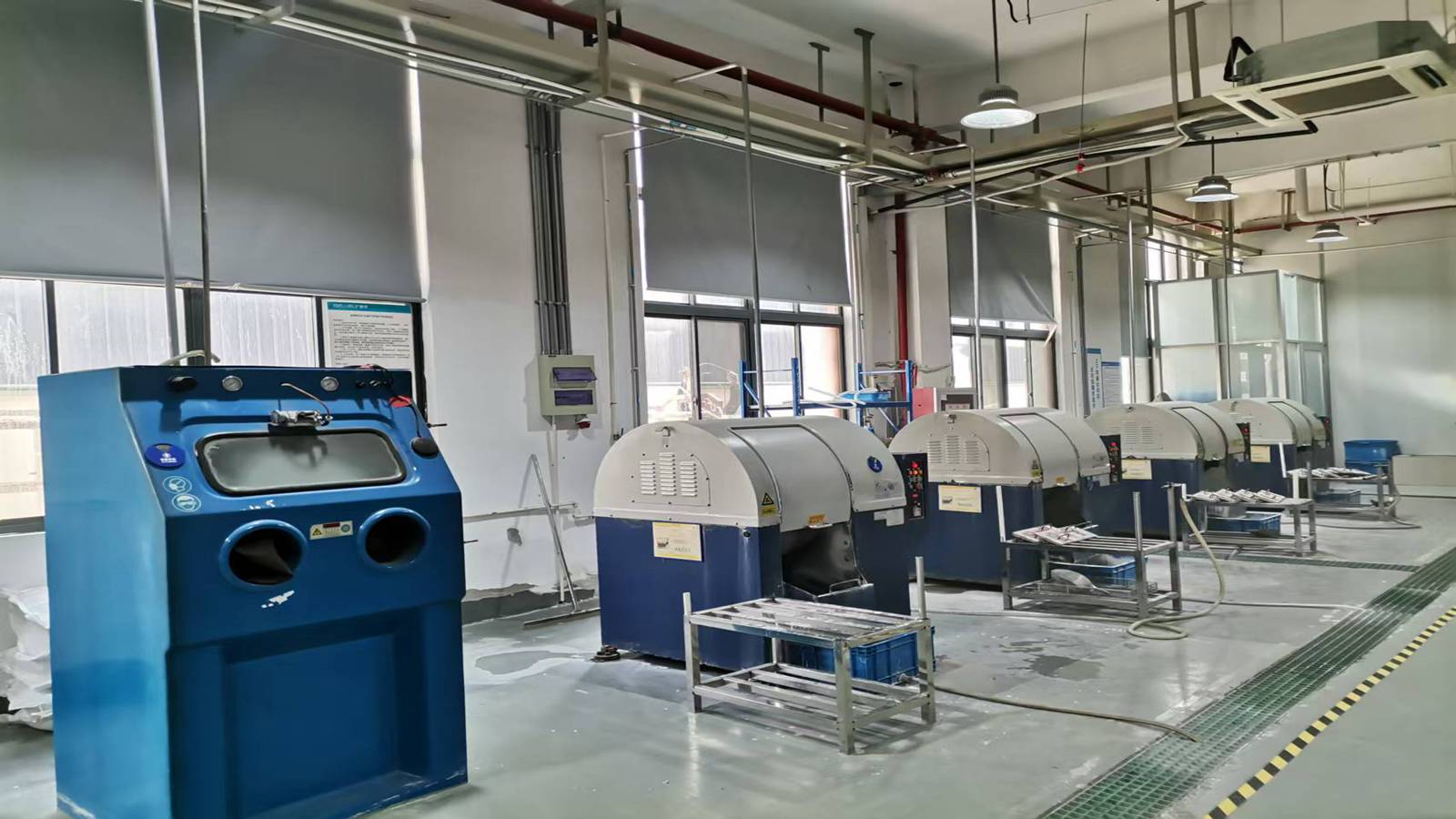
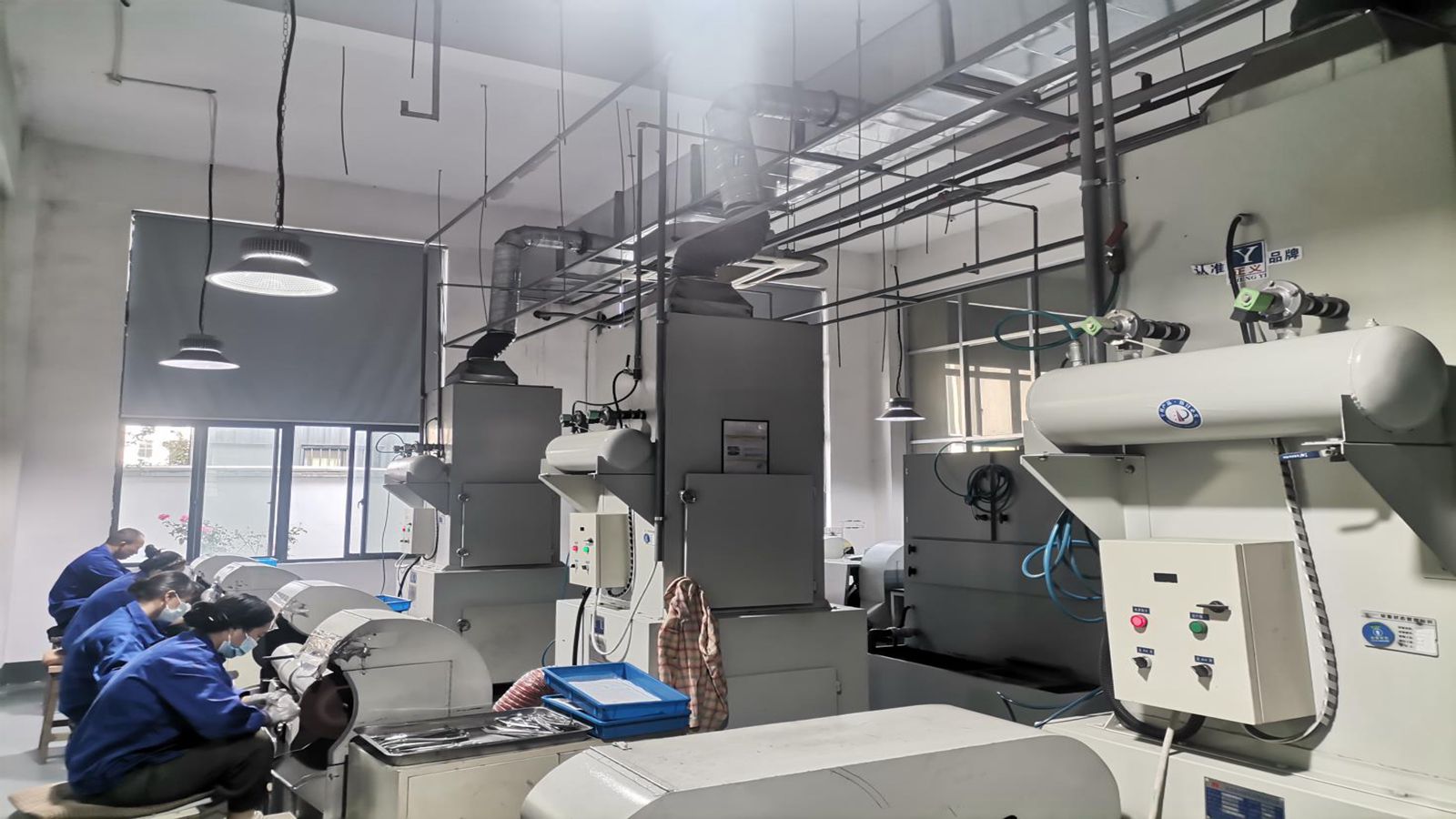
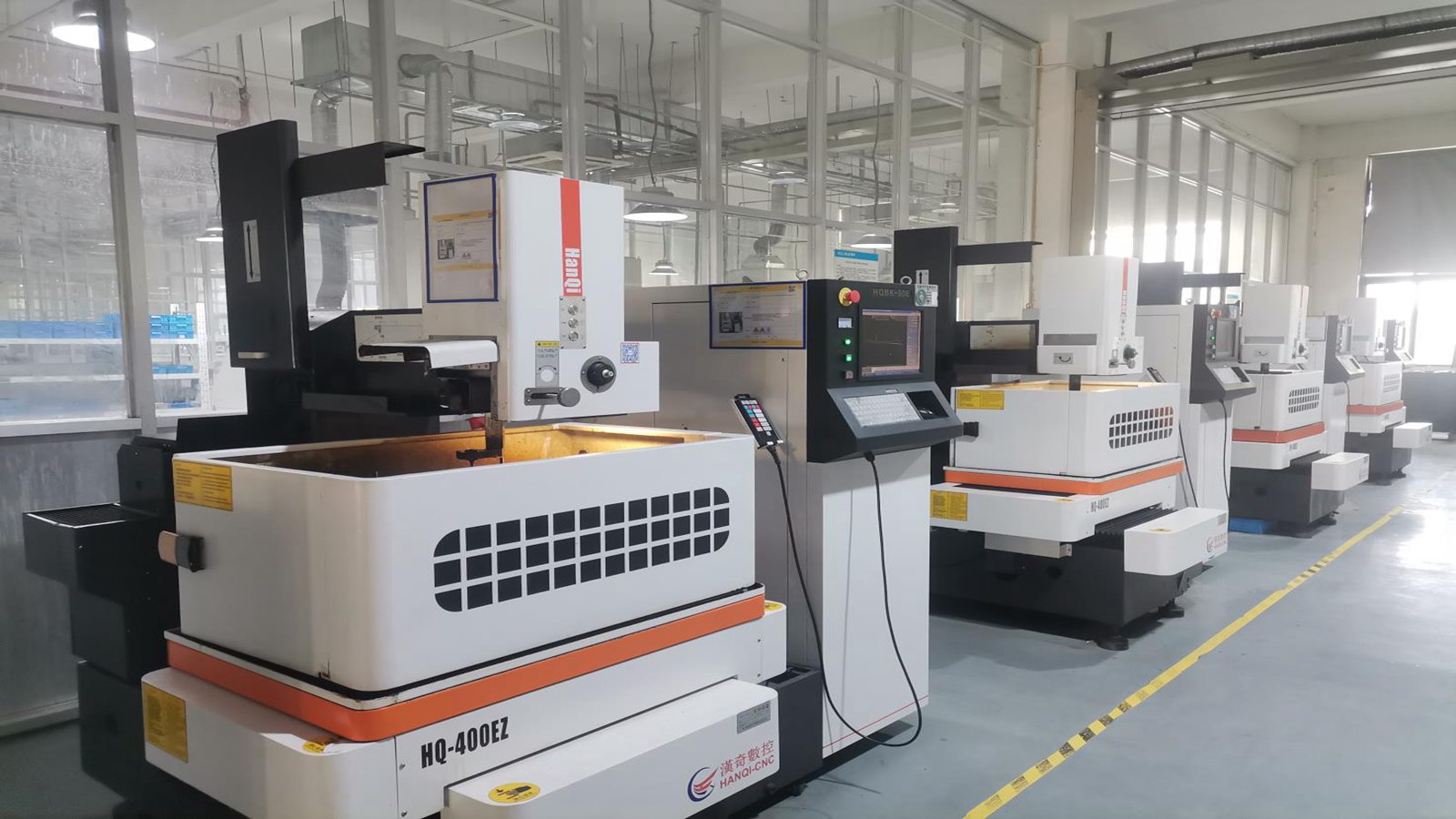
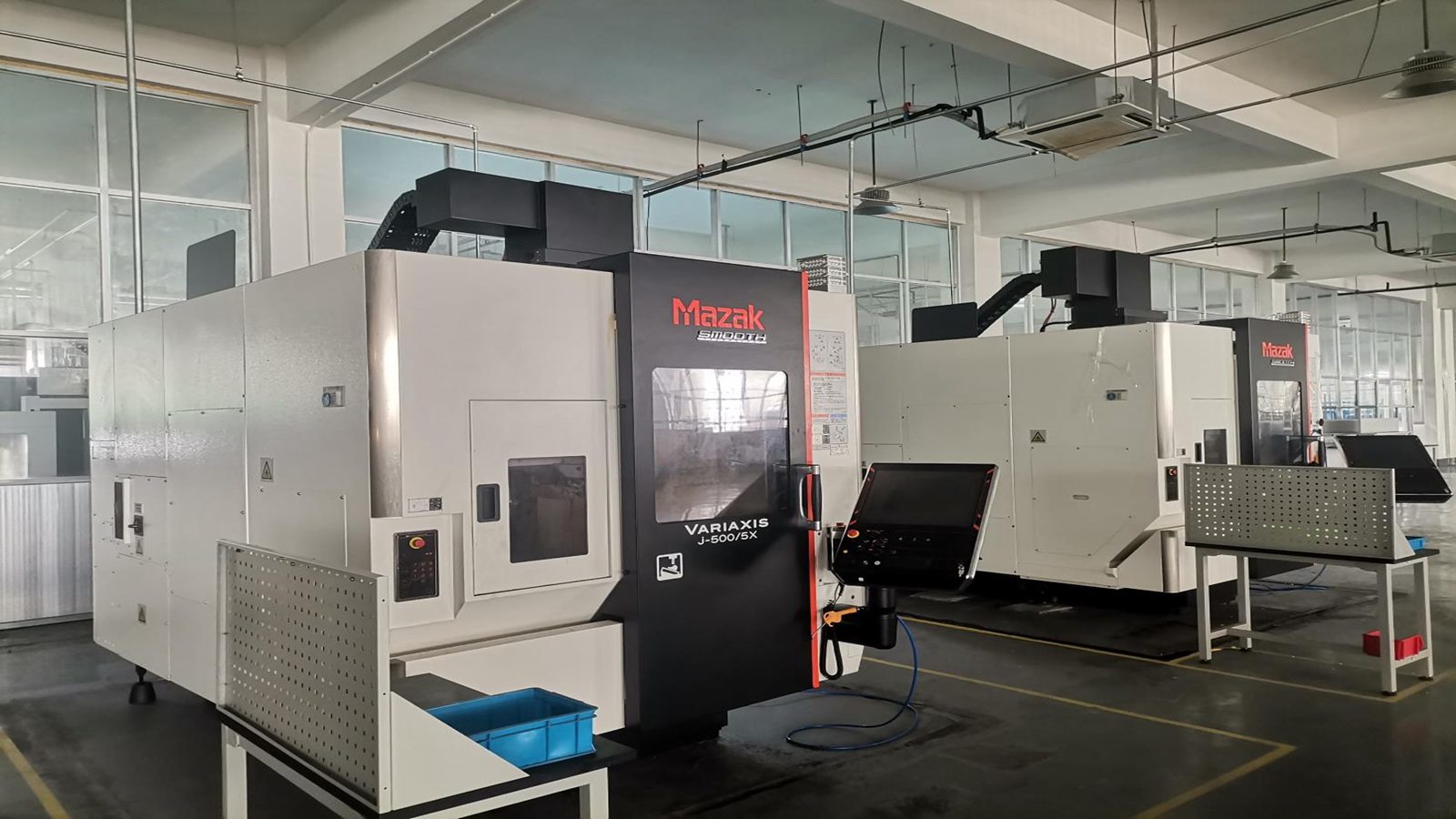
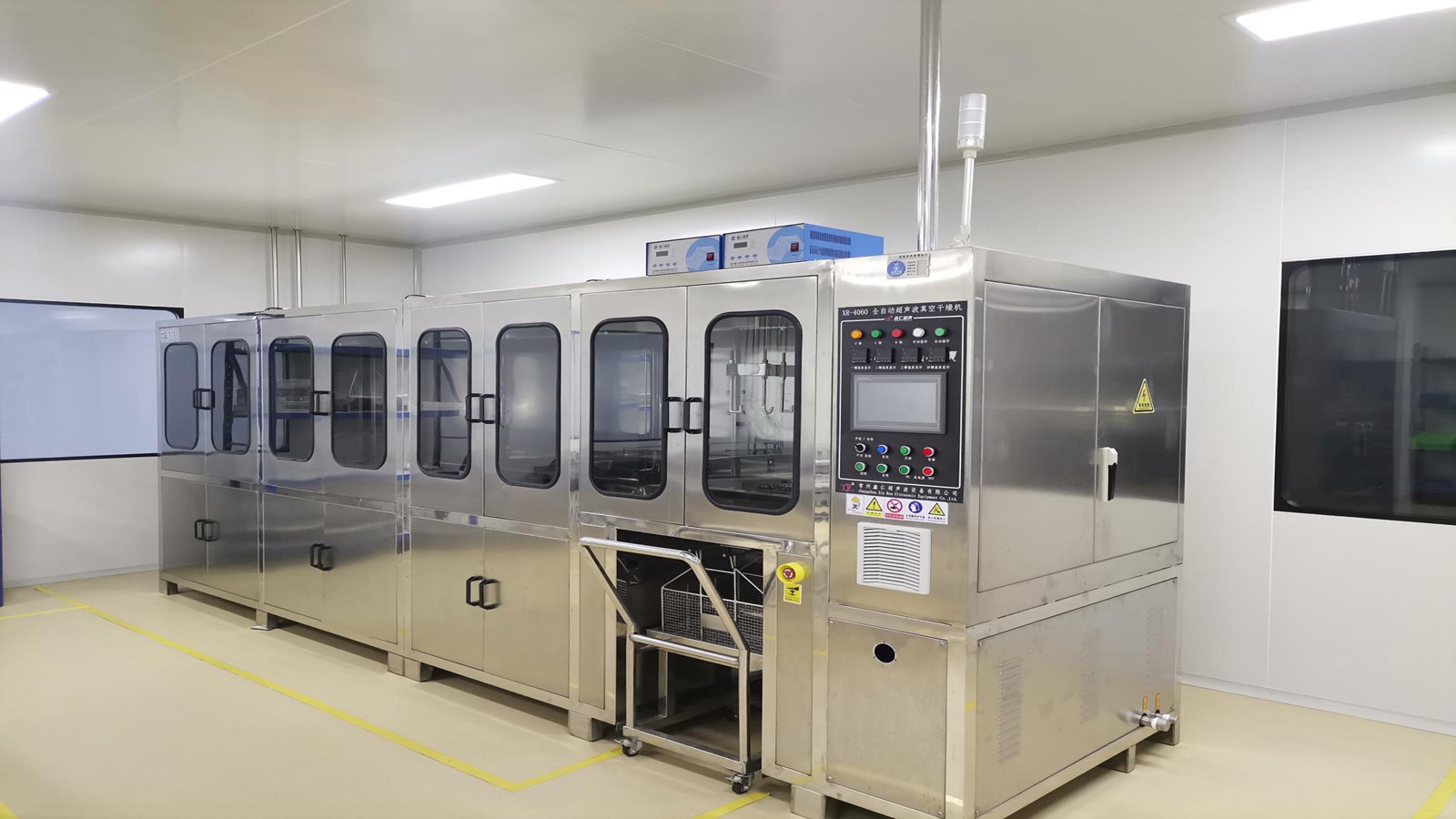
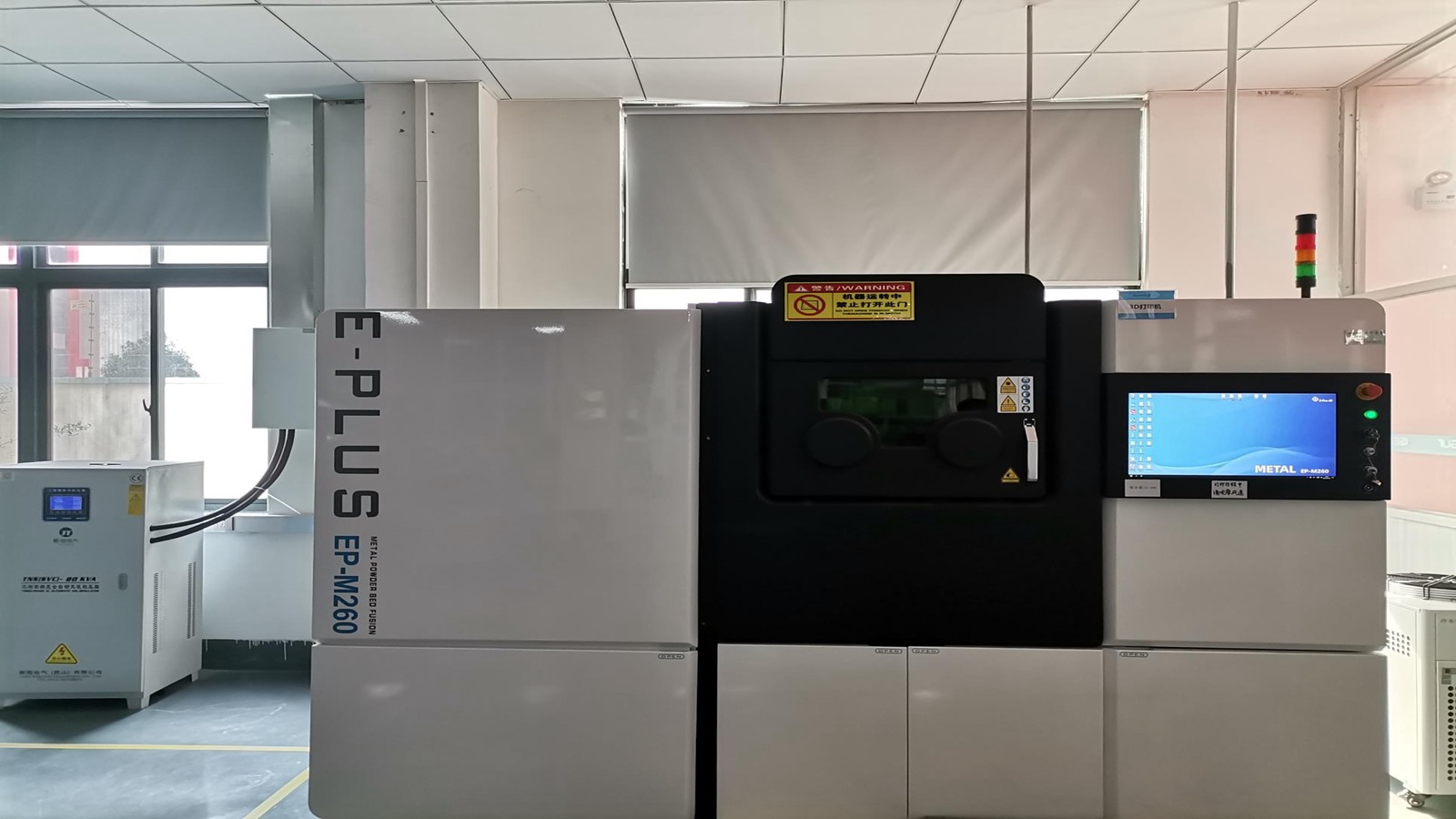
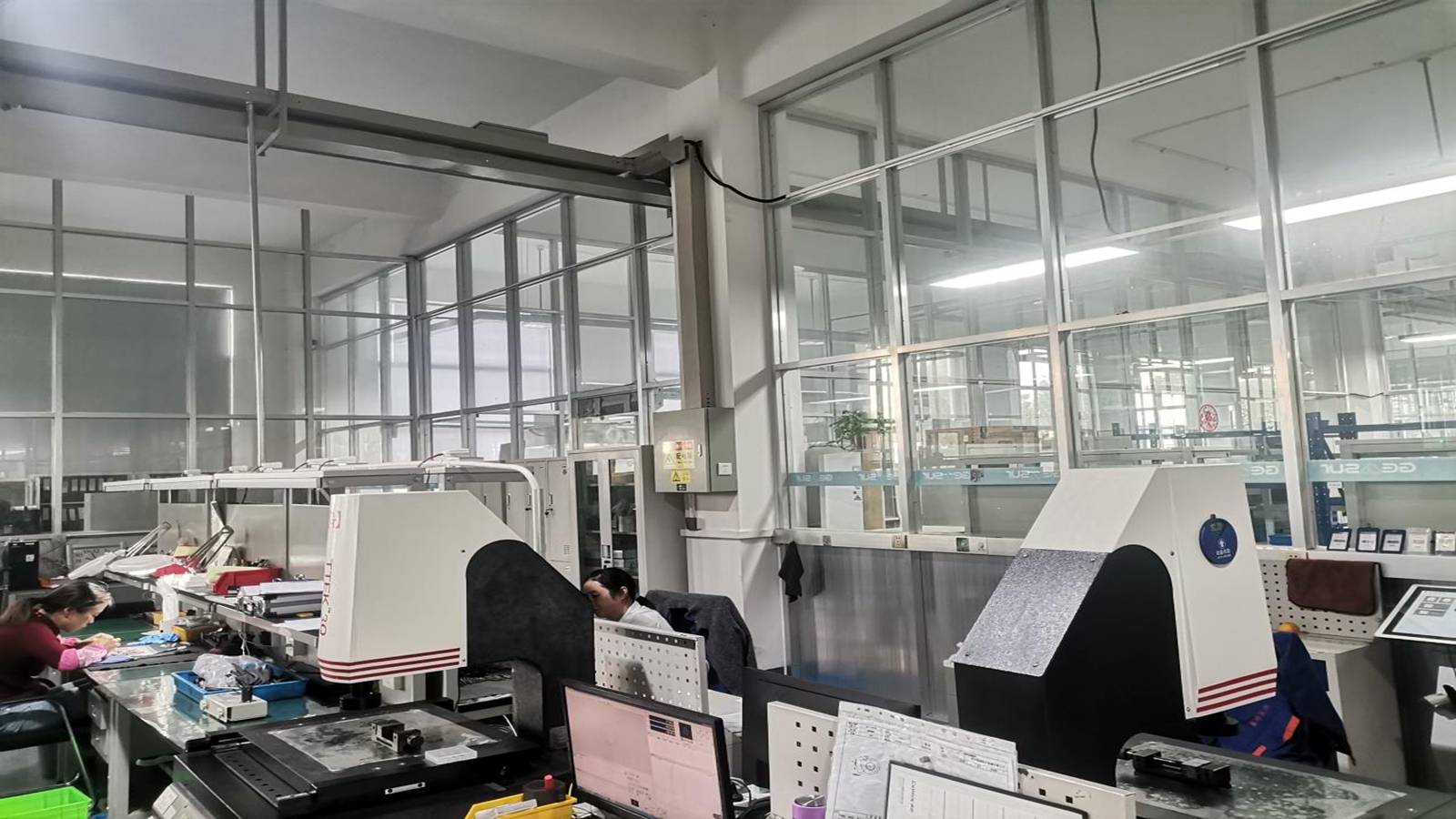
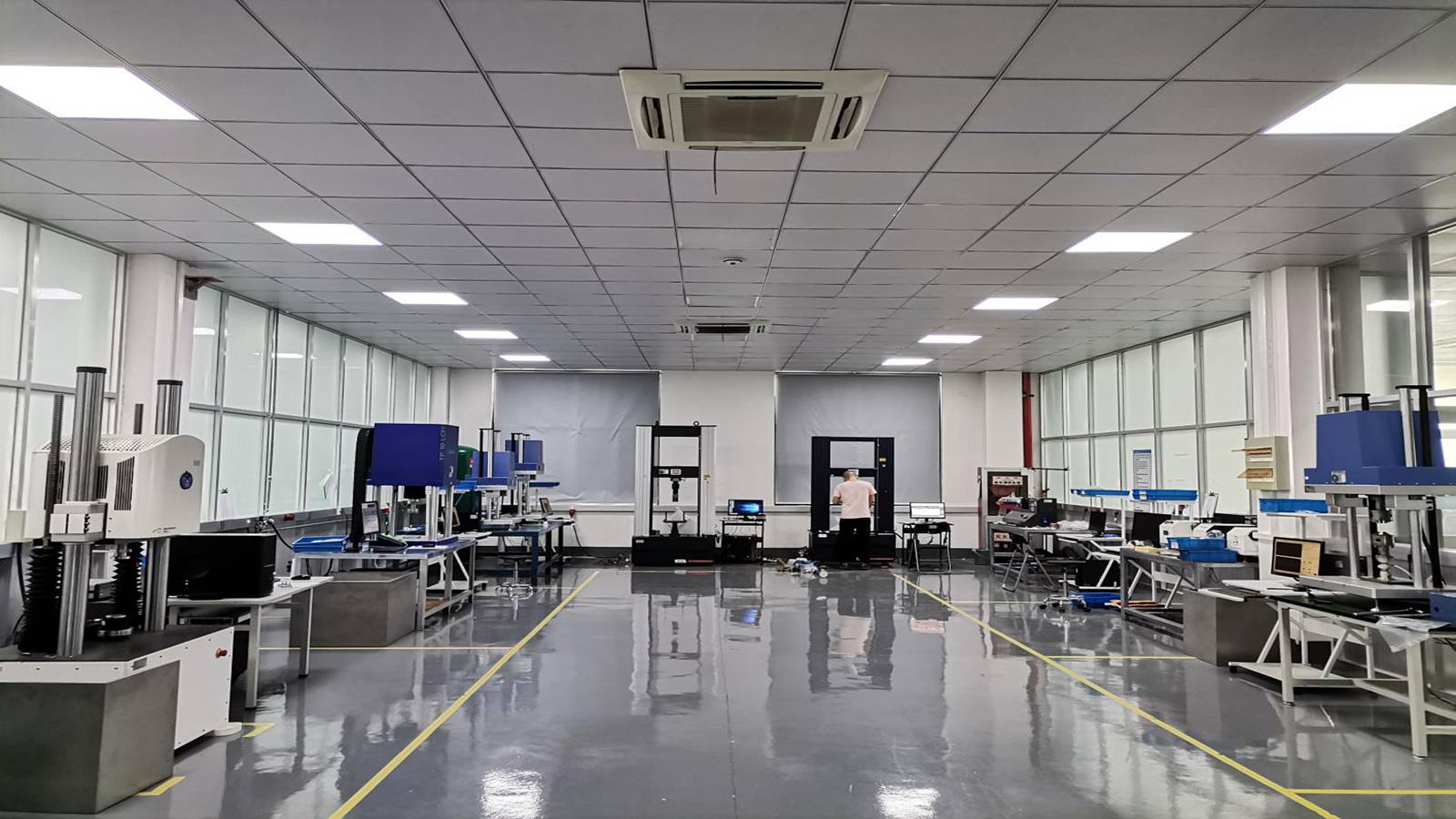
HBM Medical maintains traceability and verification across every stage of the manufacturing process.
Our quality control program covers the entire manufacturing process, from raw materials to final packaging. We maintain 36 QA/QC inspectors and full traceability for all raw materials.
HBM has 10 years of international trade experience, exporting high-precision medical devices to several major global markets.
| Main Markets | Domestic Market (80%), Eastern Europe (5%), Southeast Asia (5%), and expanding global networks. |
| Target Client Types | Brand owners, Medical distributors, Orthopedic engineers, Importers, and OEM manufacturers. |
| Regulatory Certifications | ISO13485, MDSAP, CE (MDR) certifications (EPT 0477.MDR.25/5905 & EPT 0477.MDR.25/5973). |
| Customization Options | Processing from samples, CAD/CAM drawing customization, and custom packaging designs. |
Answering common engineering and logistics questions from medical device distributors.
 HBM Medical