Explore our premium selection of surgical instruments, fixation systems, and specialized orthopedic tools engineered for clinical excellence.
An In-Depth Analysis of Biomechanical Superiority, Clinical Efficacy, and Market Dynamics in Sports Medicine.
In the realm of sports medicine, particularly for Anterior Cruciate Ligament (ACL) and Posterior Cruciate Ligament (PCL) reconstructions, the choice of fixation device is paramount to patient outcomes. Historically, surgeons relied on metallic (titanium) or bioabsorbable (PLA/PLGA) interference screws. However, both presented distinct clinical challenges. Titanium screws, while mechanically robust, cause significant artifacts in post-operative MRI scans and often require secondary surgeries for removal due to irritation or hardware complications. Conversely, first-generation bioabsorbable screws frequently led to sterile inflammatory reactions, premature degradation, and incomplete bone replacement.
Polyetheretherketone (PEEK) has emerged as the definitive material solution. As a high-performance semi-crystalline thermoplastic, PEEK offers an exceptional balance of chemical inertness, biocompatibility, and mechanical strength. Crucially, its elastic modulus closely matches that of human cortical bone, which minimizes stress-shielding effects and promotes natural bone remodeling around the implant site.
"The clinical transition to PEEK interference screws represents a paradigm shift in sports medicine. By combining absolute radiolucency with mechanical properties that mimic native bone, PEEK ensures stable graft fixation without compromising post-operative diagnostic imaging or triggering adverse tissue reactions."
— Global Sports Medicine Journal Review
From an engineering and clinical perspective, PEEK interference screws manufactured by top-tier exporters like HBM Medical offer several distinct advantages:
How HBM Medical combines state-of-the-art automation, rigorous quality control, and cost efficiencies to serve global healthcare markets.
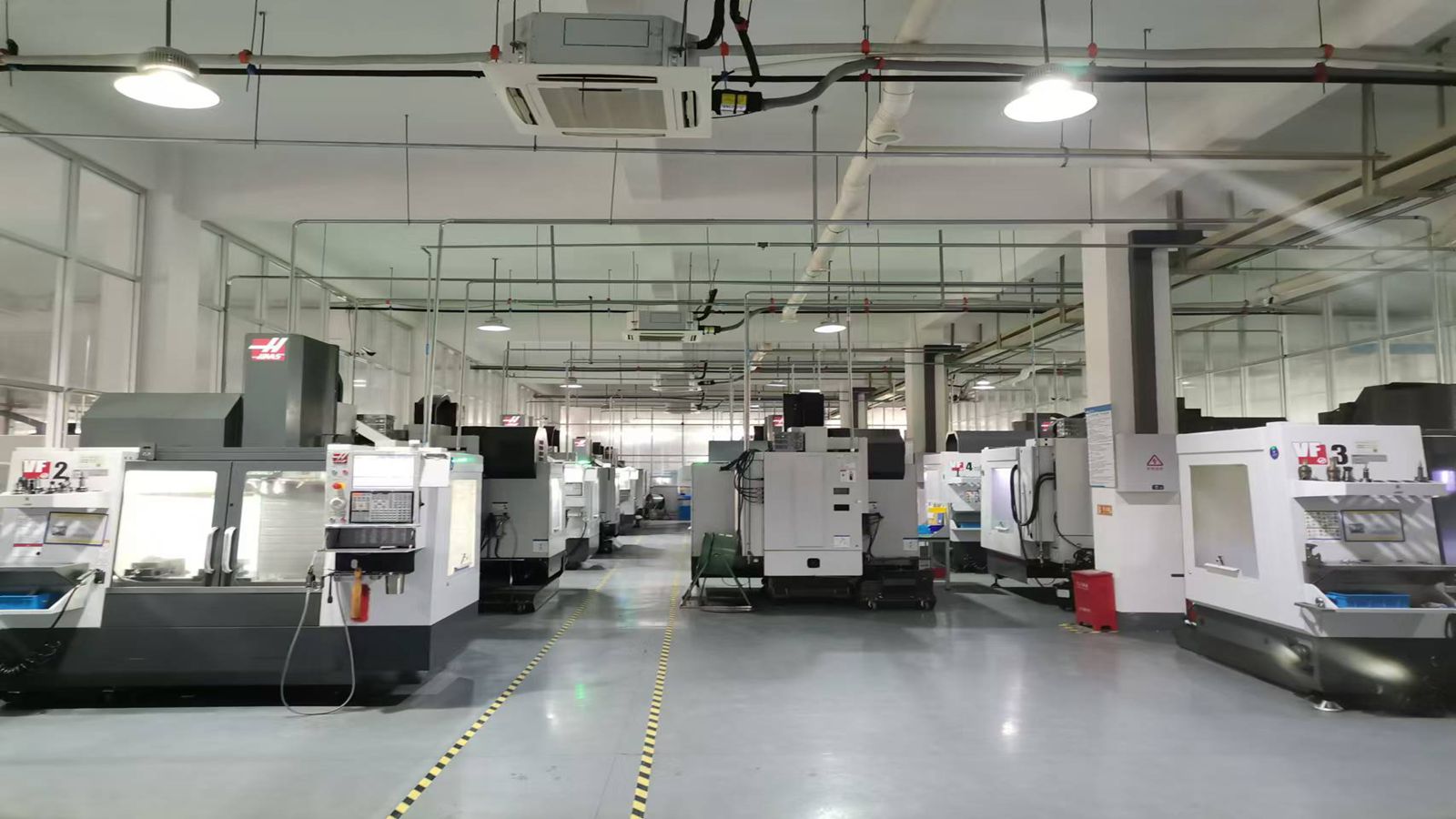
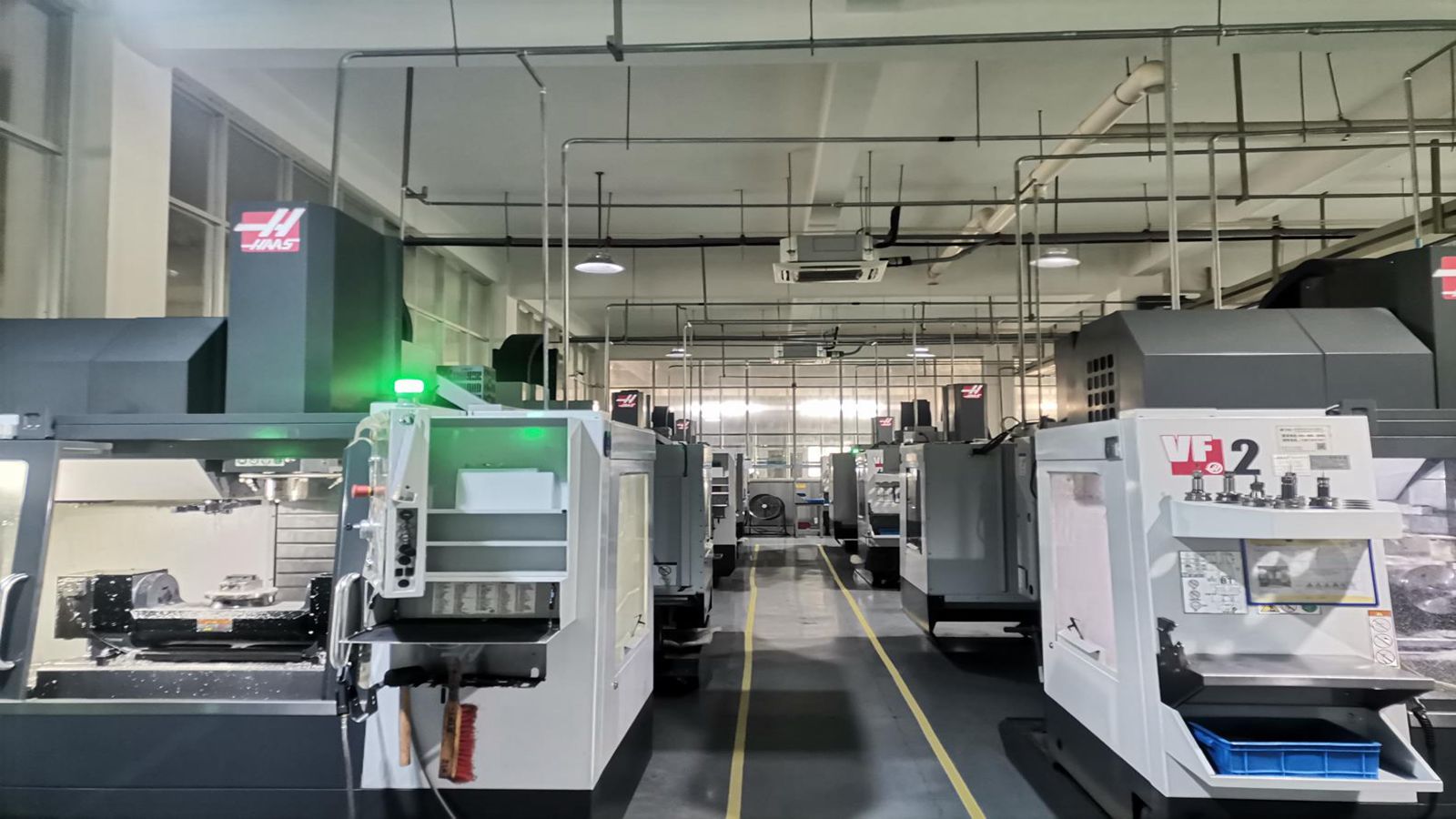
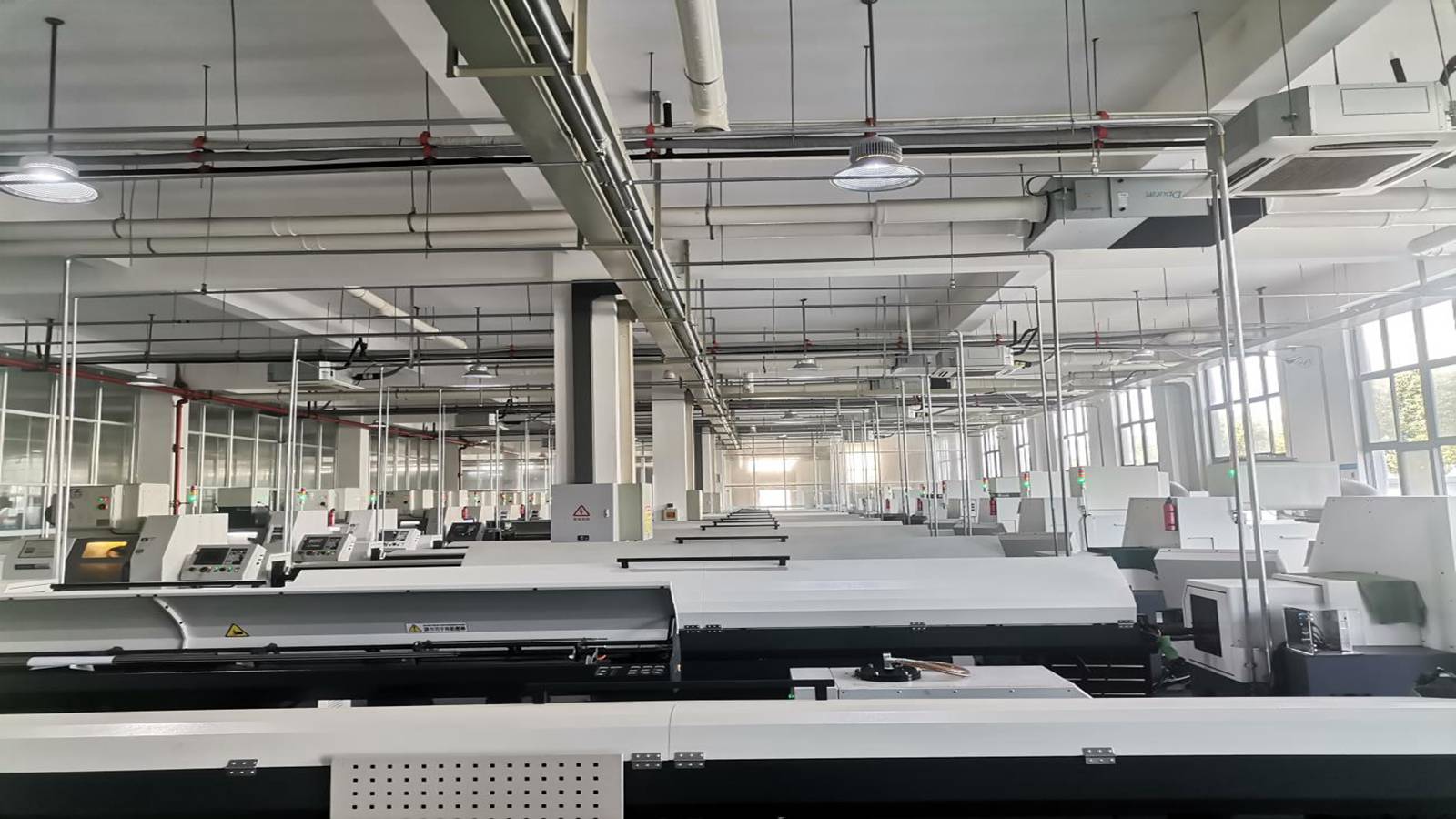
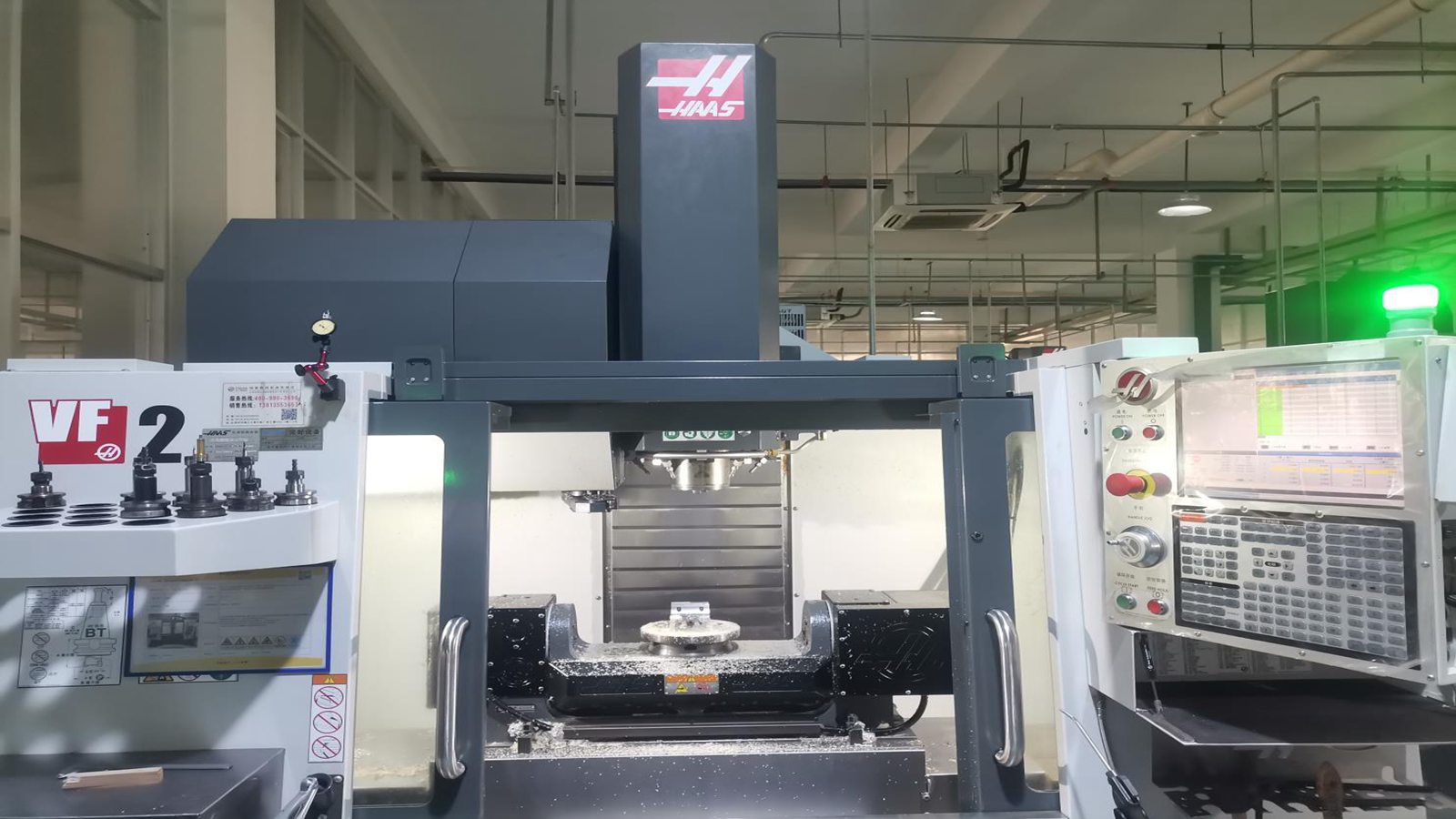
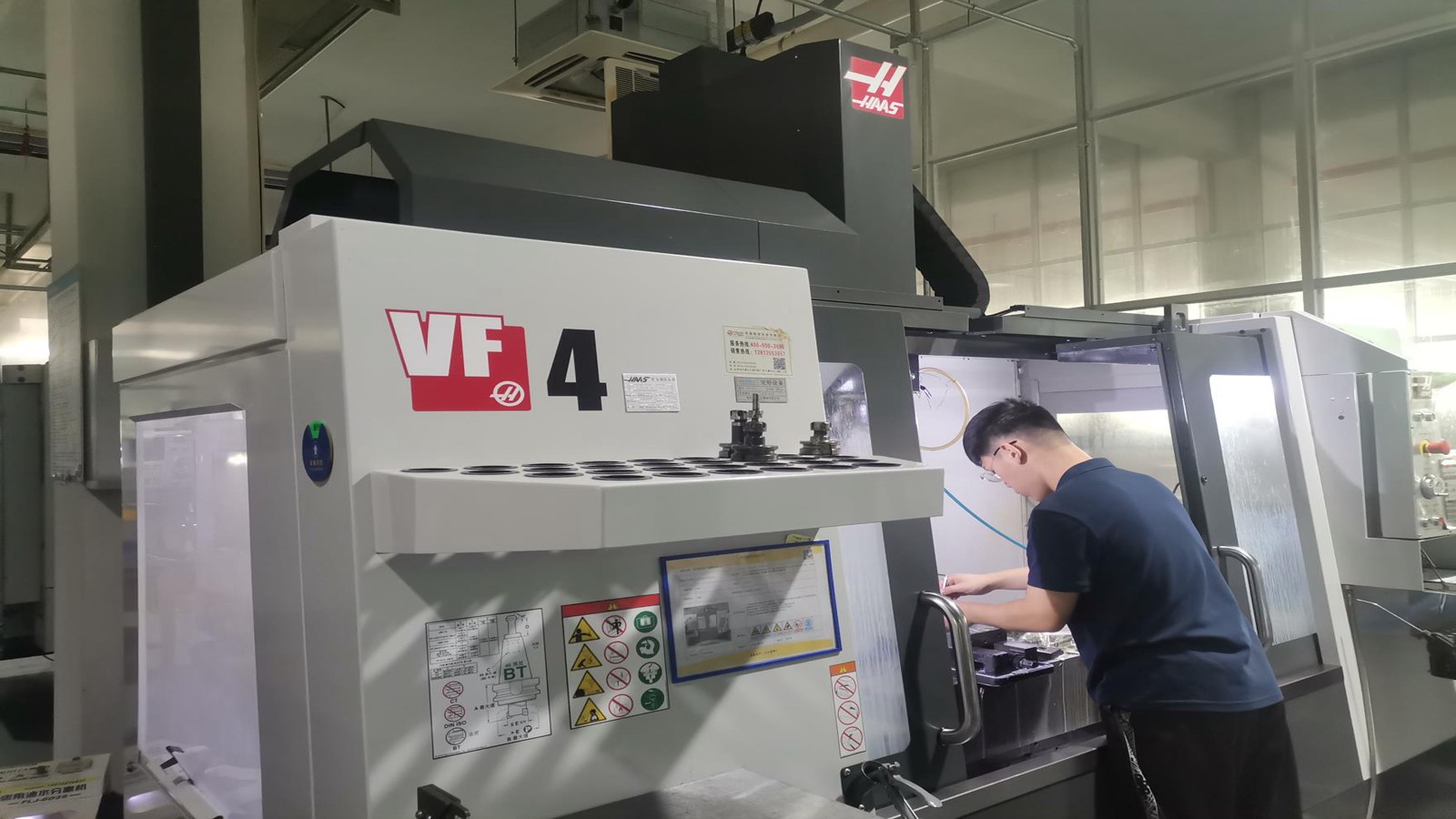
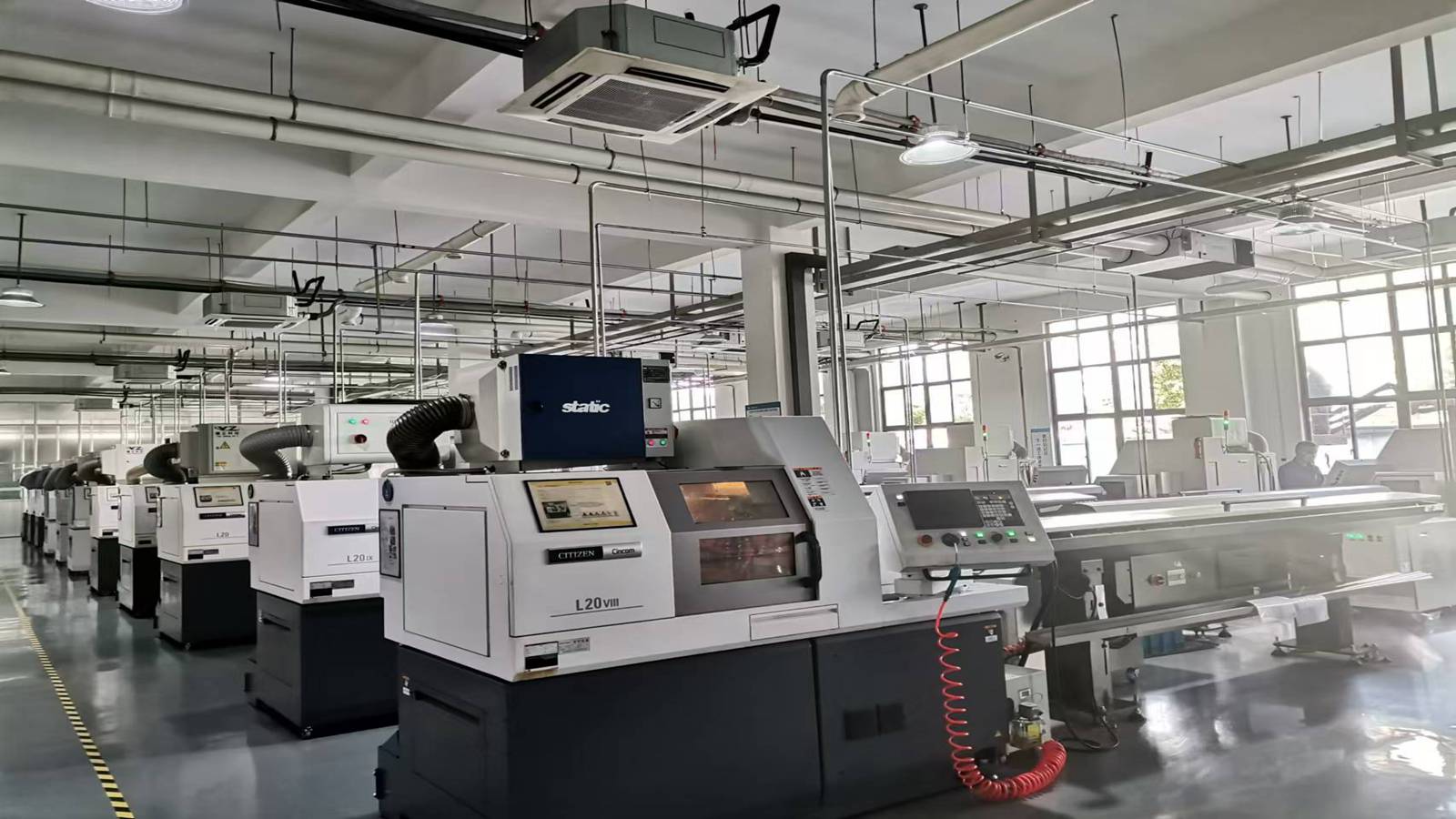
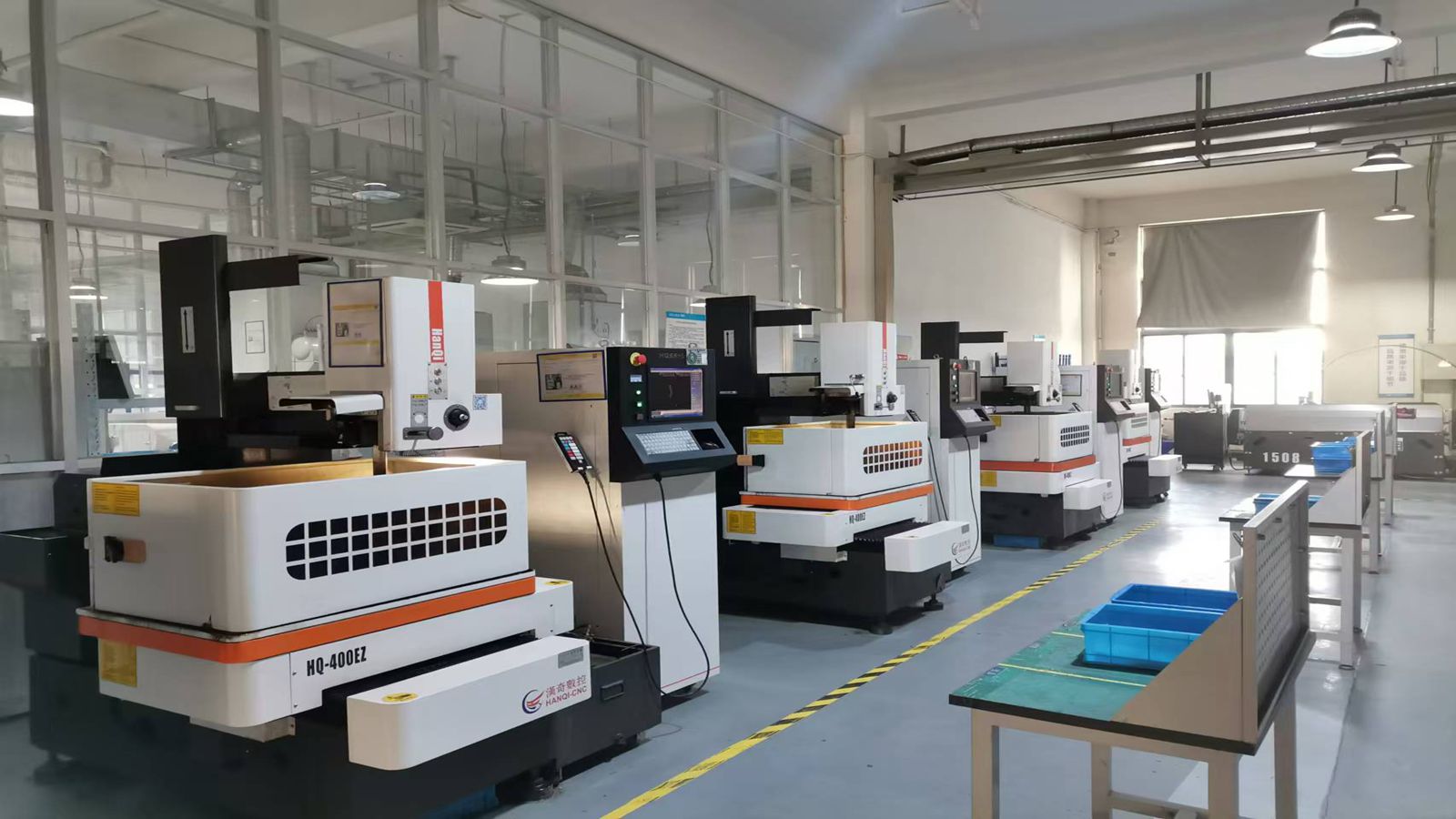
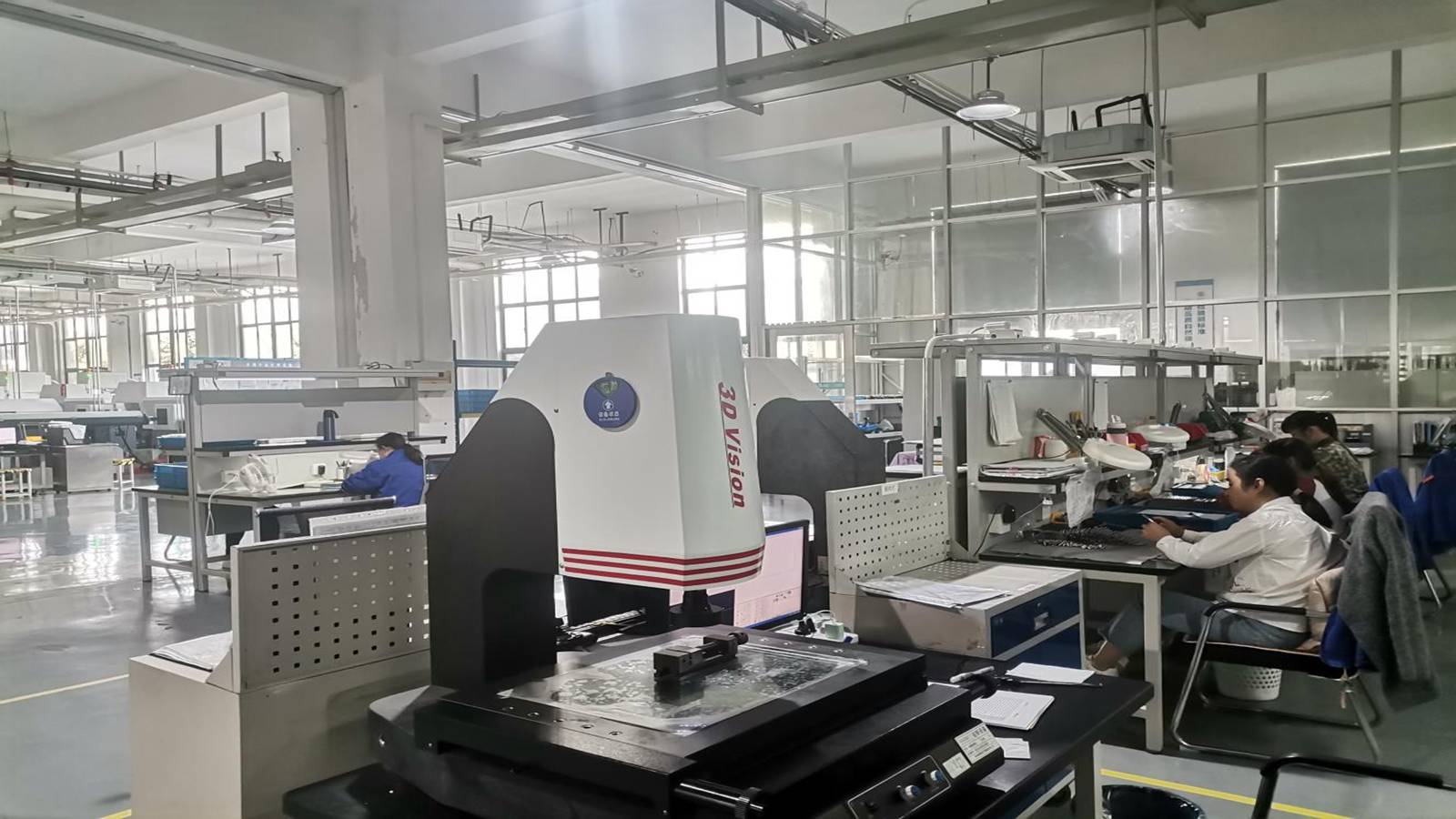
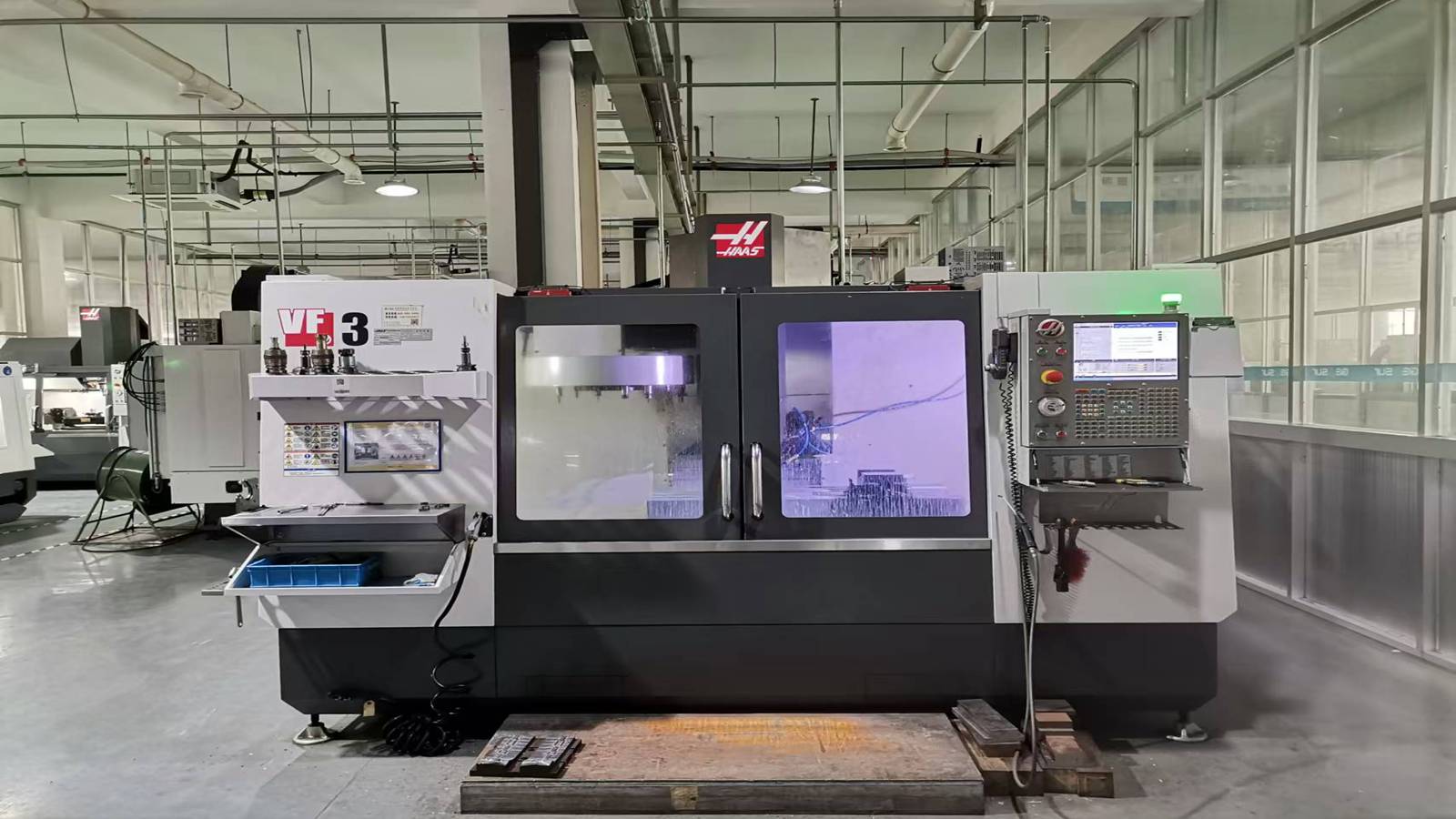
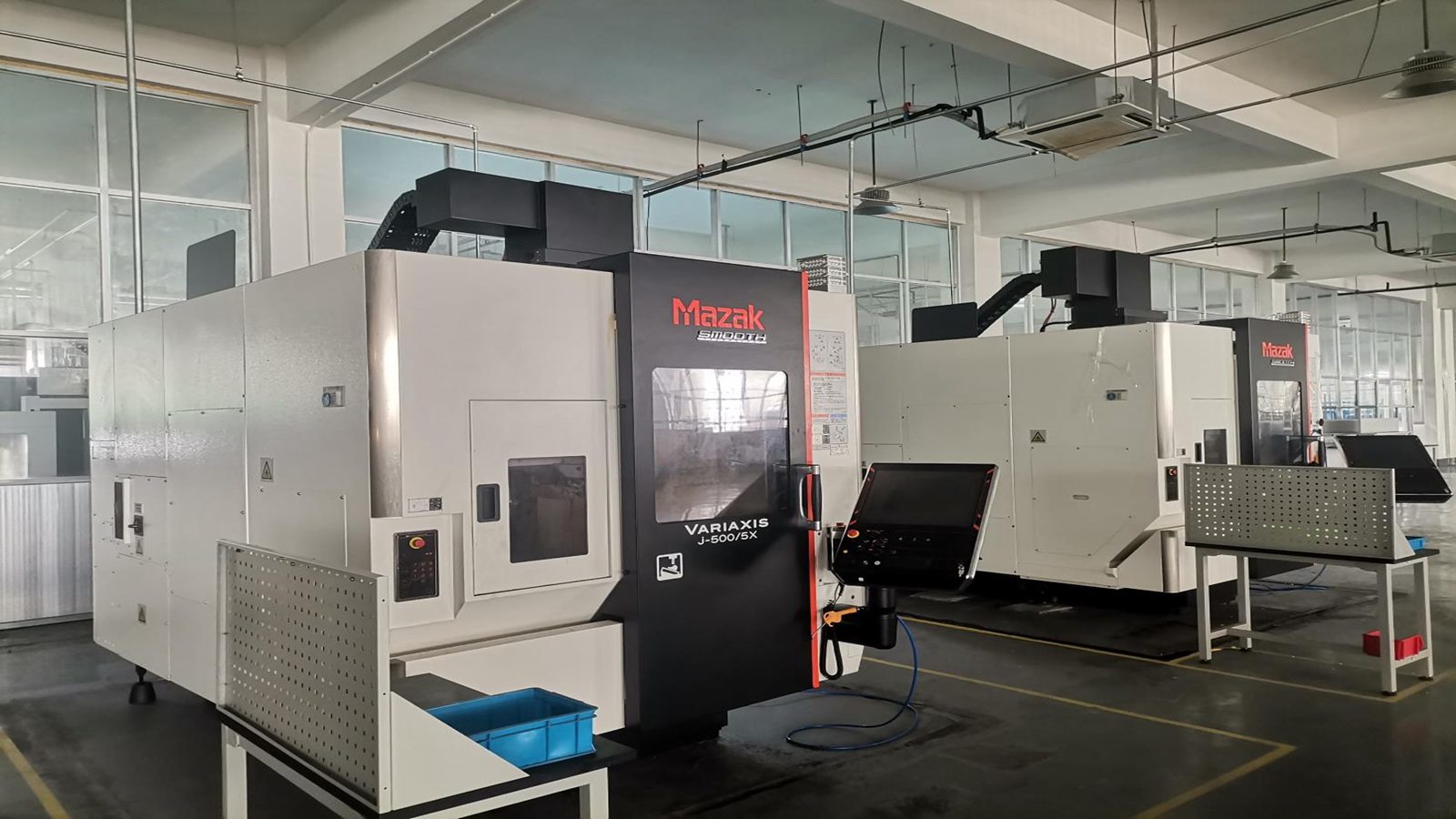
Utilizing 120+ advanced production machines and Swiss-type CNC lathes, we achieve tolerances within microns, ensuring every PEEK screw thread is perfectly formed to prevent graft damage.
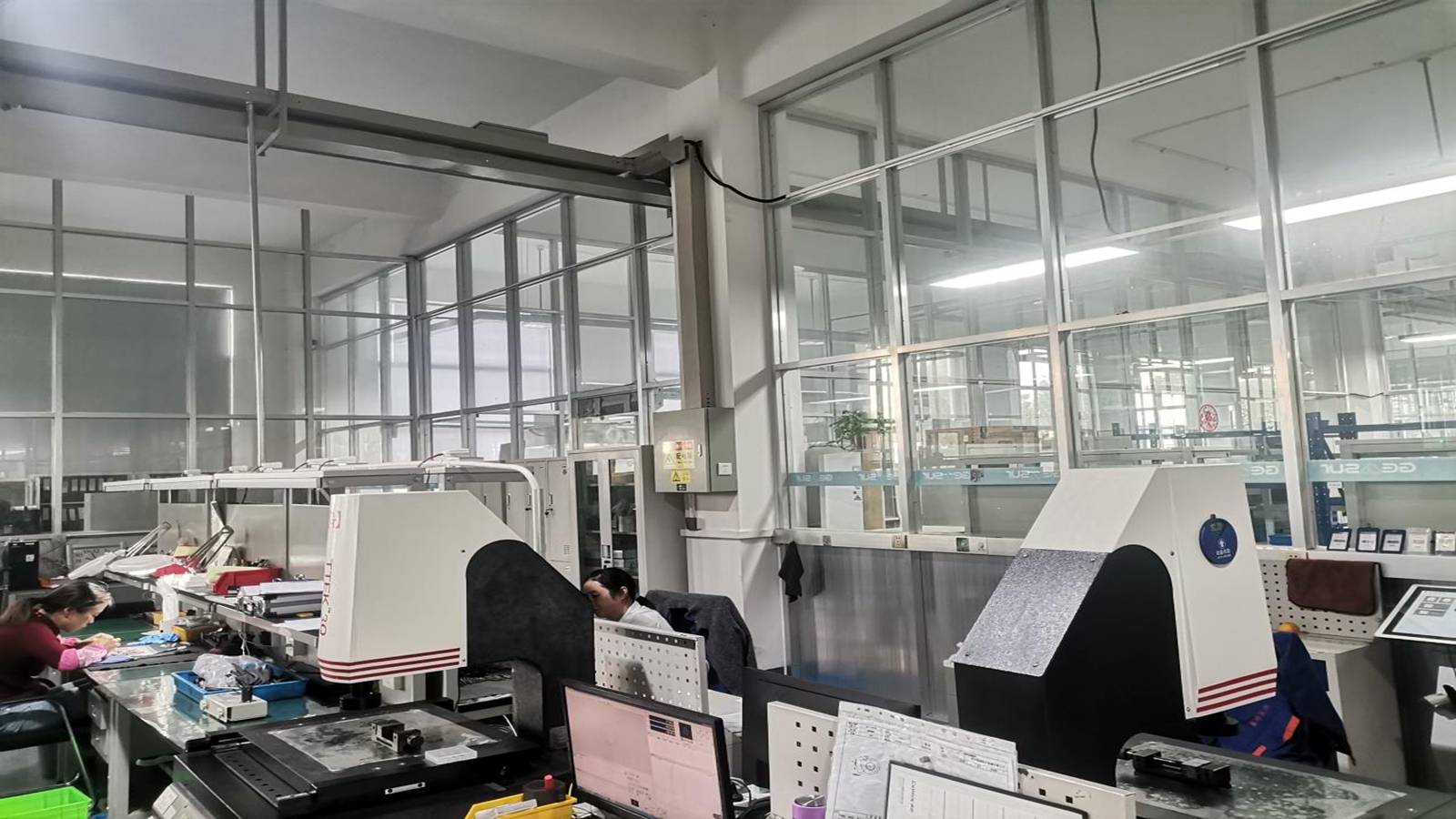
Our facilities are fully certified under ISO13485, MDSAP, and CE (MDR). With 36 dedicated QA/QC inspectors, we guarantee 100% raw material traceability and rigorous batch testing.
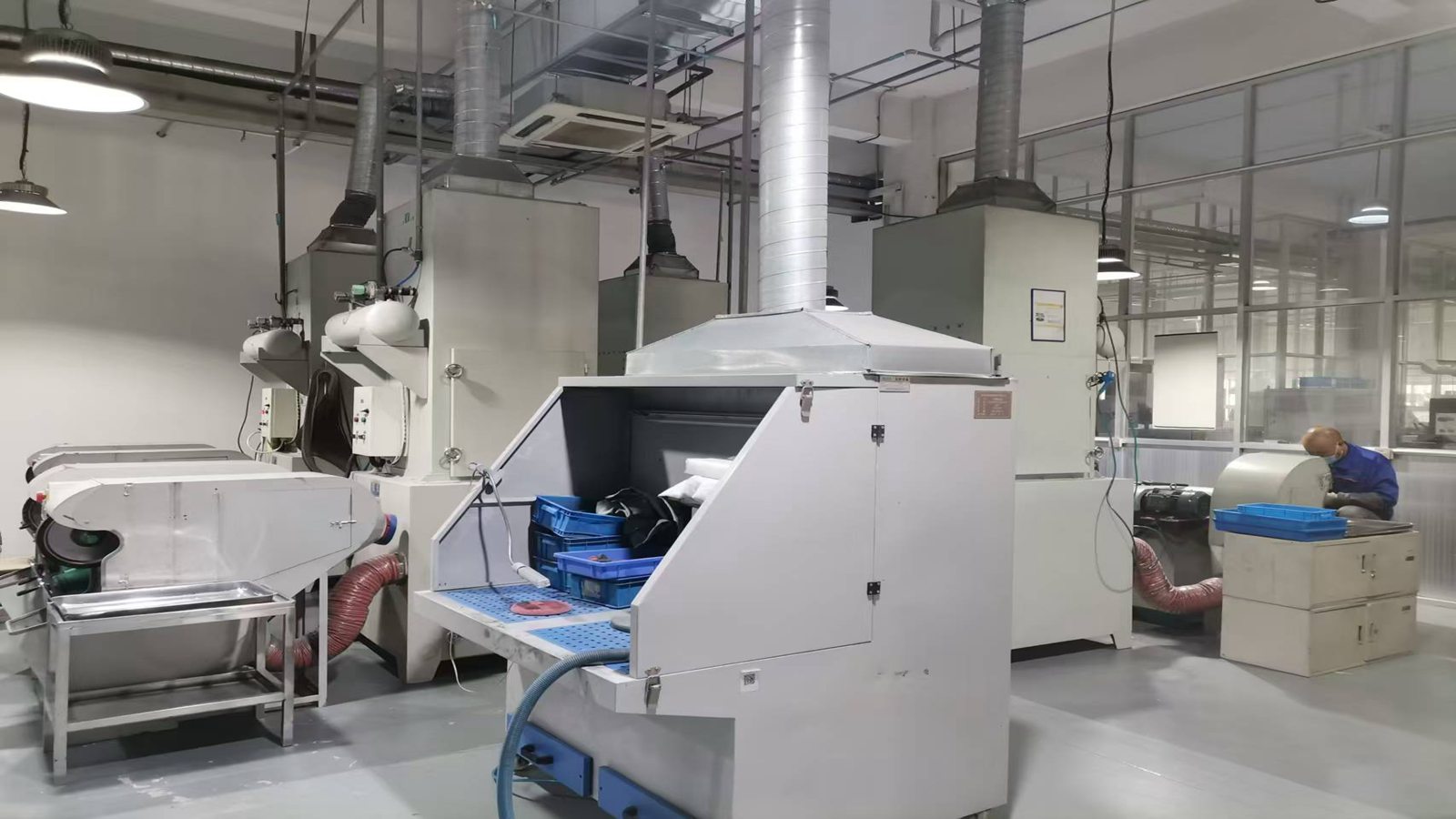
Operating a 30,343 m² production site with 12 highly efficient production lines, we provide flexible OEM/ODM customization, rapid prototyping, and reliable global export logistics.
PEEK interference screws are highly versatile implants utilized across multiple orthopedic sub-specialties. Understanding these localized clinical applications helps procurement managers and surgical teams select the correct specifications:
This is the primary application for PEEK interference screws. During ACL reconstruction, the screw is used to secure either a bone-patellar tendon-bone (BTB) graft or a soft-tissue (hamstring) graft inside the femoral and tibial tunnels. The high thread engagement of PEEK screws ensures immediate mechanical stability, allowing for early mobilization protocols which are crucial for professional athletes and active patients.
In tendon transfers and lateral ligament reconstructions of the ankle, smaller diameter PEEK screws (typically 4mm to 6mm) provide excellent fixation in relatively dense bone structures. Their non-absorbable nature ensures long-term joint stability without the risk of late-onset sterile inflammatory reactions.
For proximal biceps tendon transfers, PEEK interference screws offer a reliable, knotless fixation method. The radiolucency of the screw is highly beneficial here, as it allows clear visualization of the humeral head and surrounding structures during follow-up examinations.
With the rapid growth of advanced veterinary medicine, PEEK implants are increasingly used in canine ligament repairs (such as CCL stabilization and TPLO procedures). The biocompatibility and mechanical resilience of PEEK make it ideal for active animals.
As a leading R&D-driven manufacturer, HBM Medical is actively investing in the next generation of PEEK implant technologies. The industry is moving towards bio-active PEEK. By incorporating osteoconductive materials such as Hydroxyapatite (HA) or Tricalcium Phosphate (TCP) into the PEEK matrix, or creating highly porous surface structures (porous PEEK), future implants will not only provide mechanical fixation but will actively encourage direct bone ingrowth (osseointegration). This eliminates the clear interface boundary between the screw and the bone, leading to even stronger long-term biological fixation.
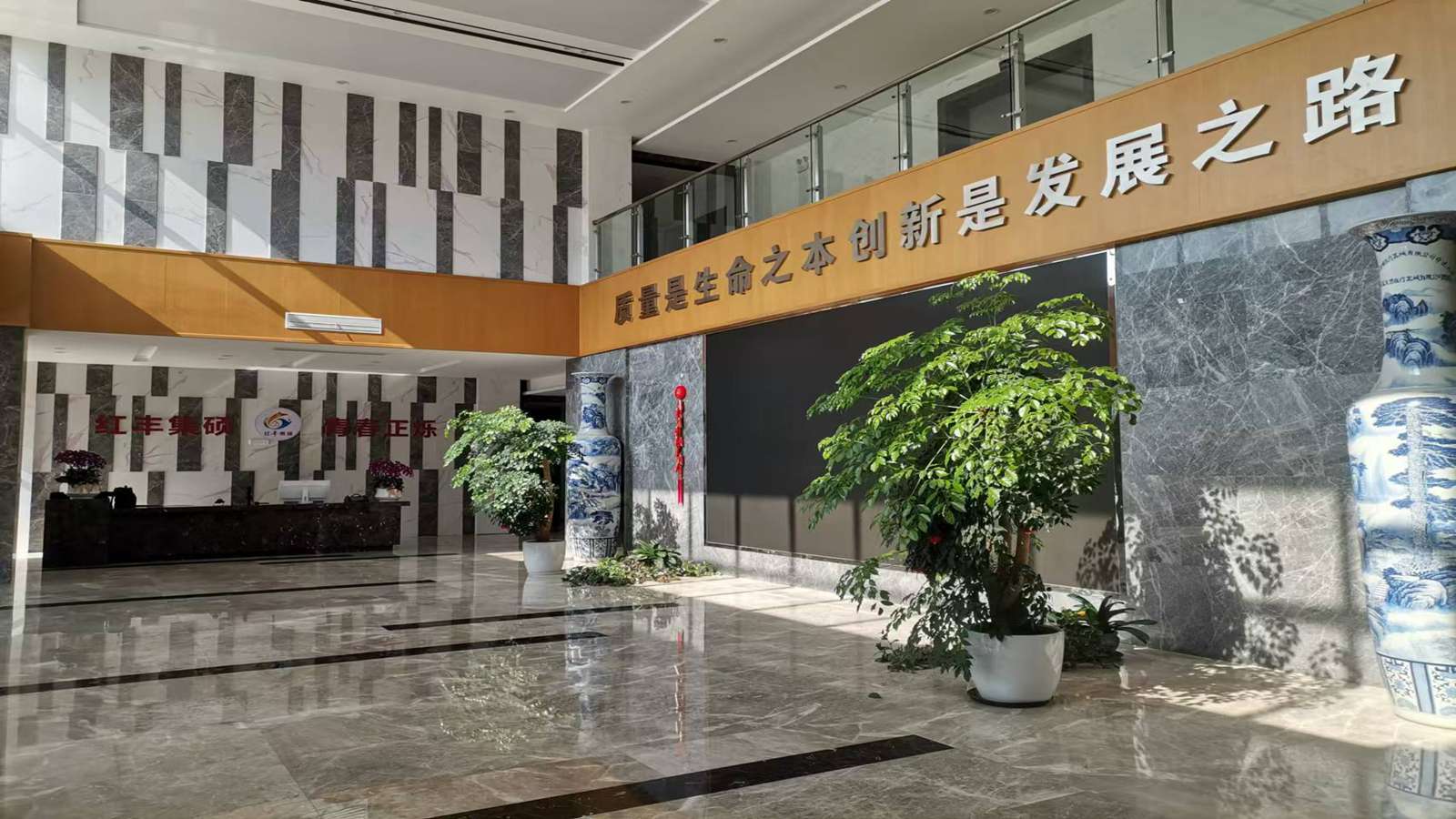
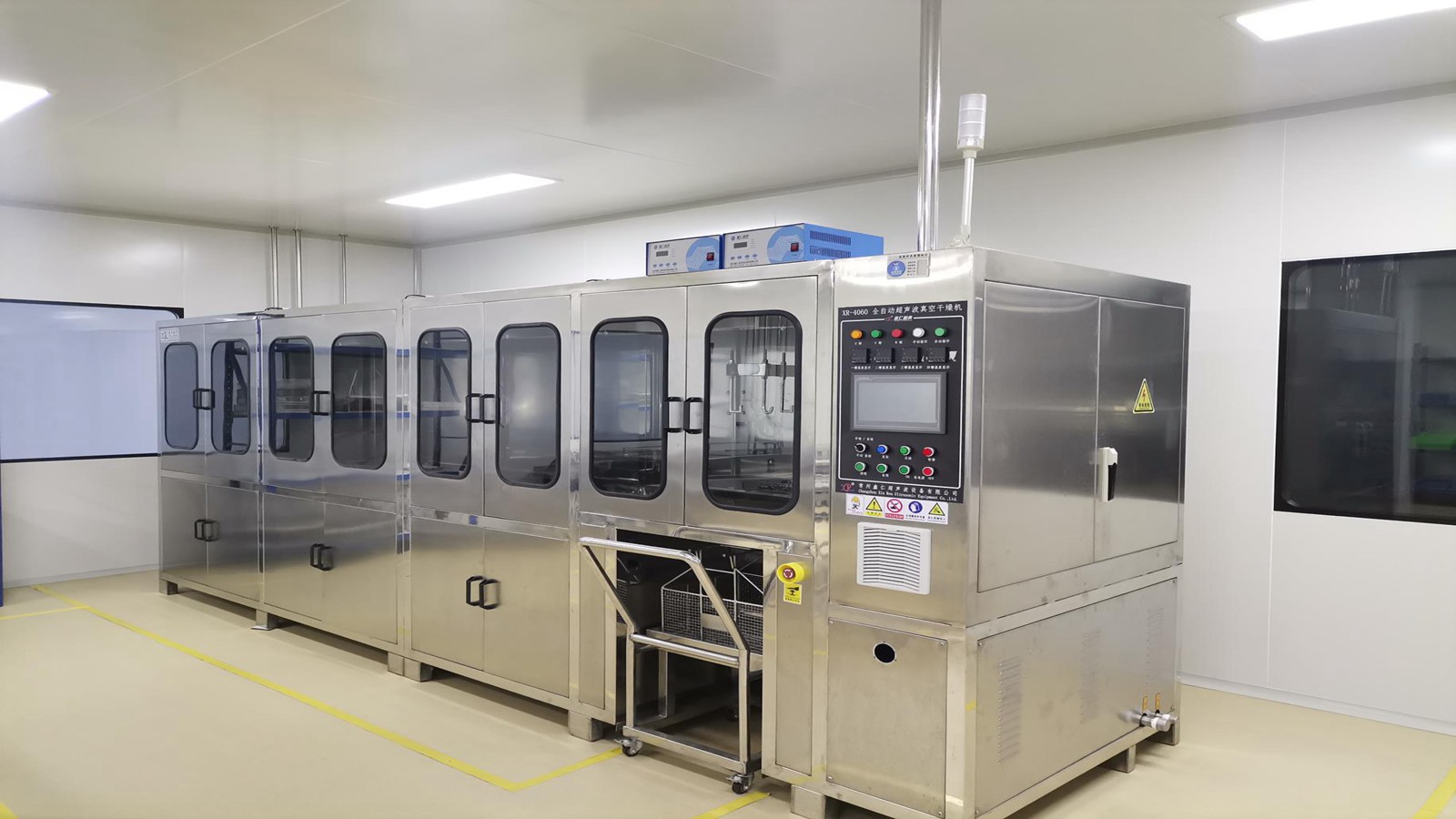
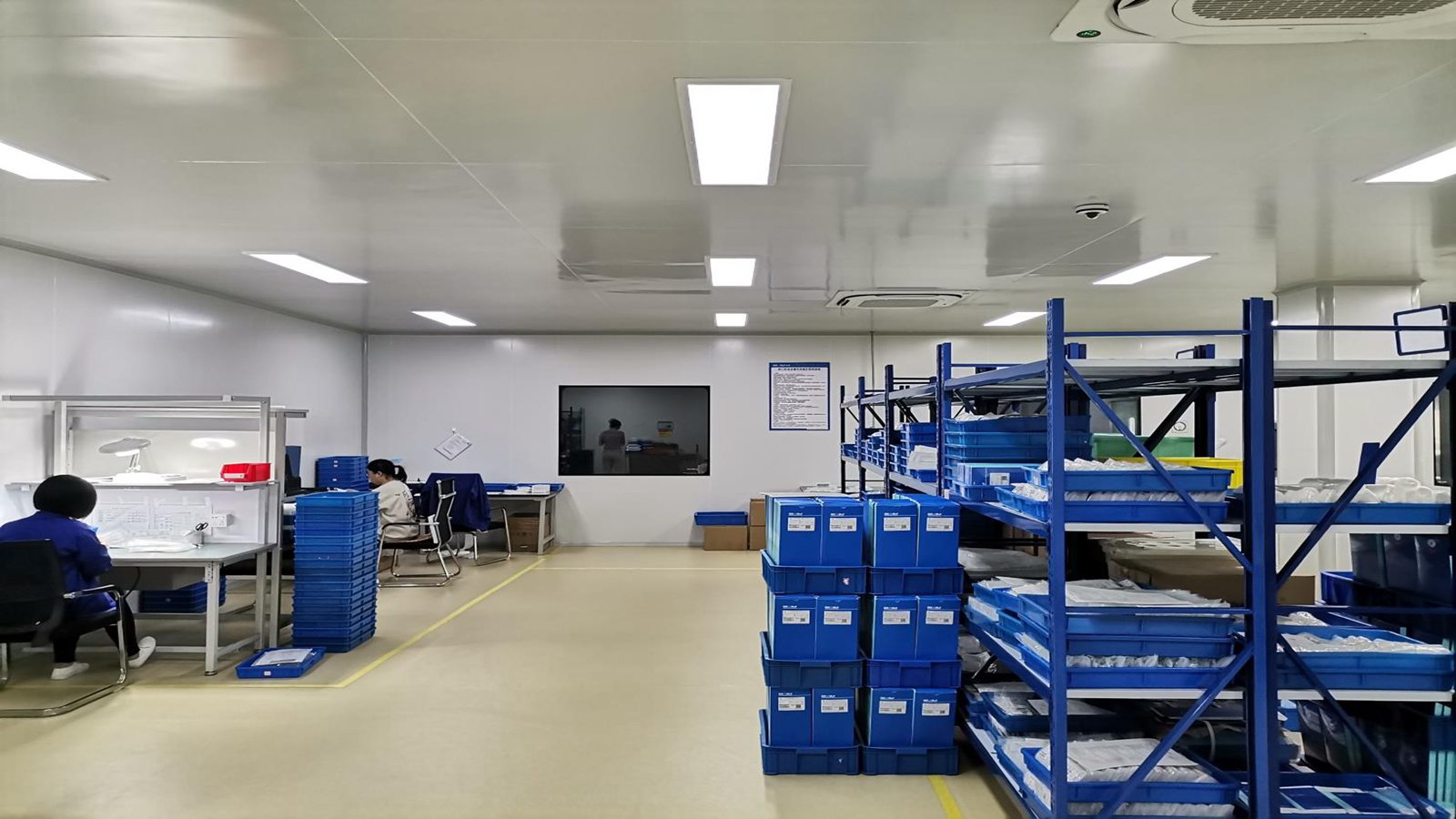
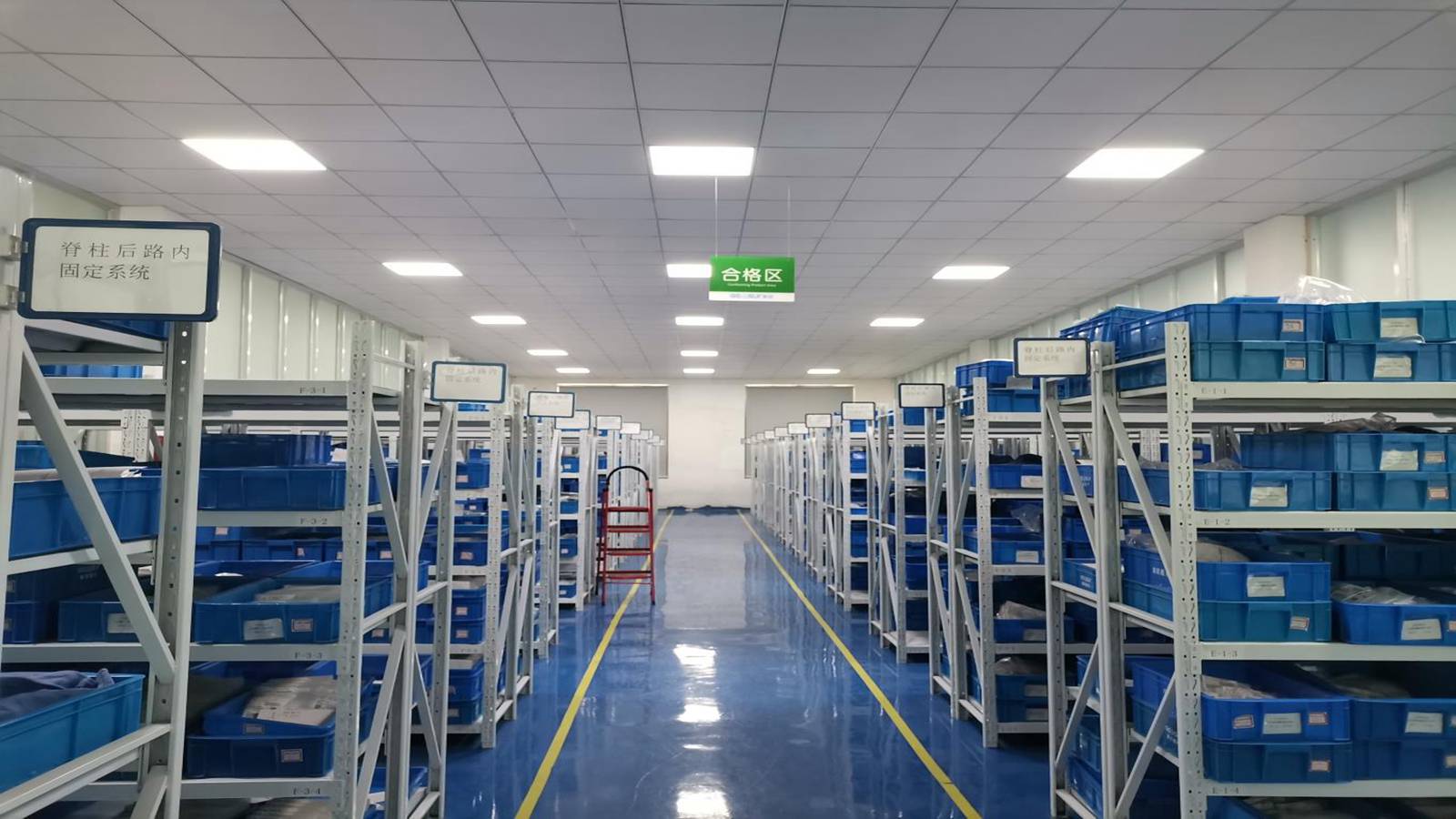
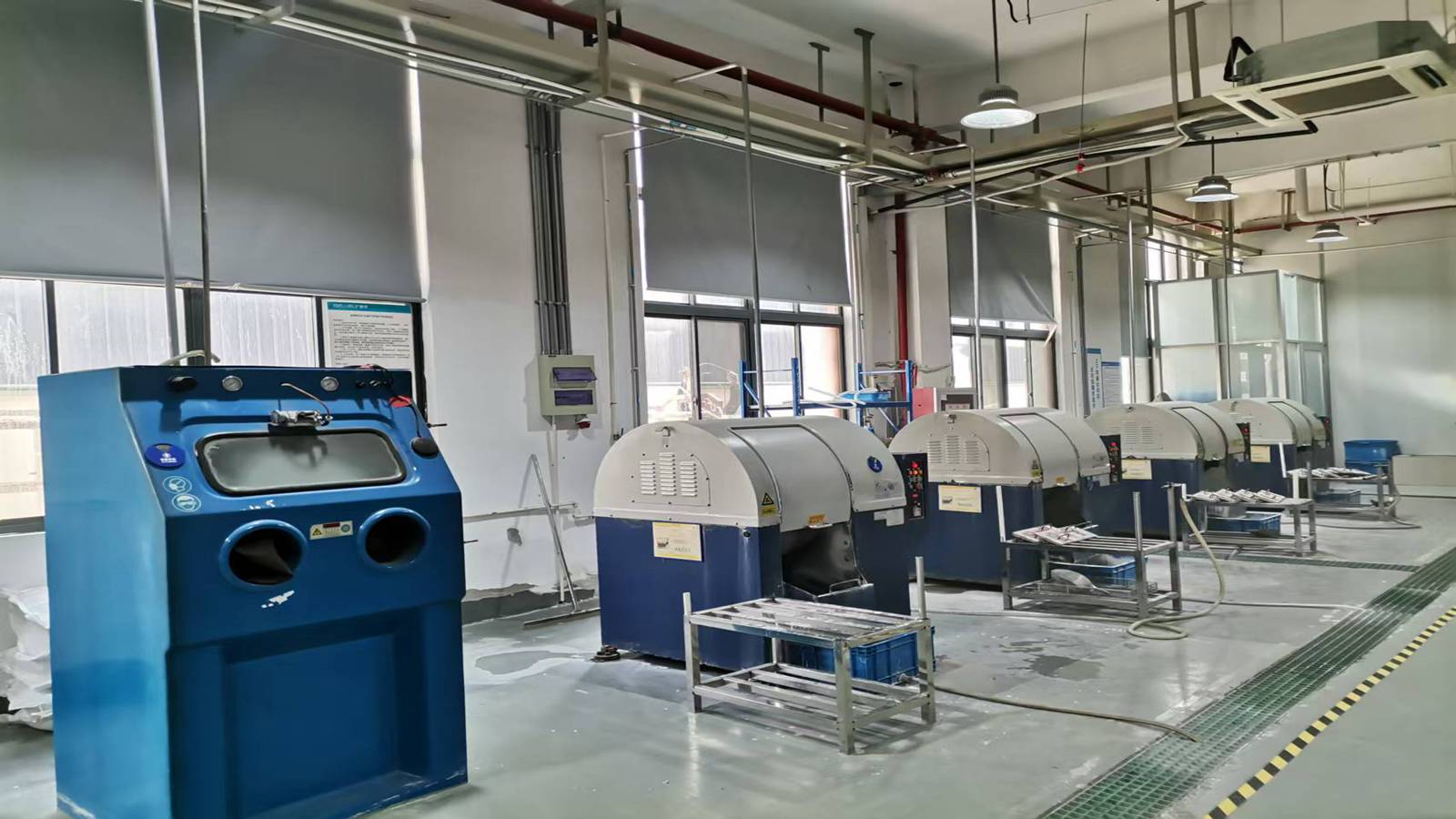
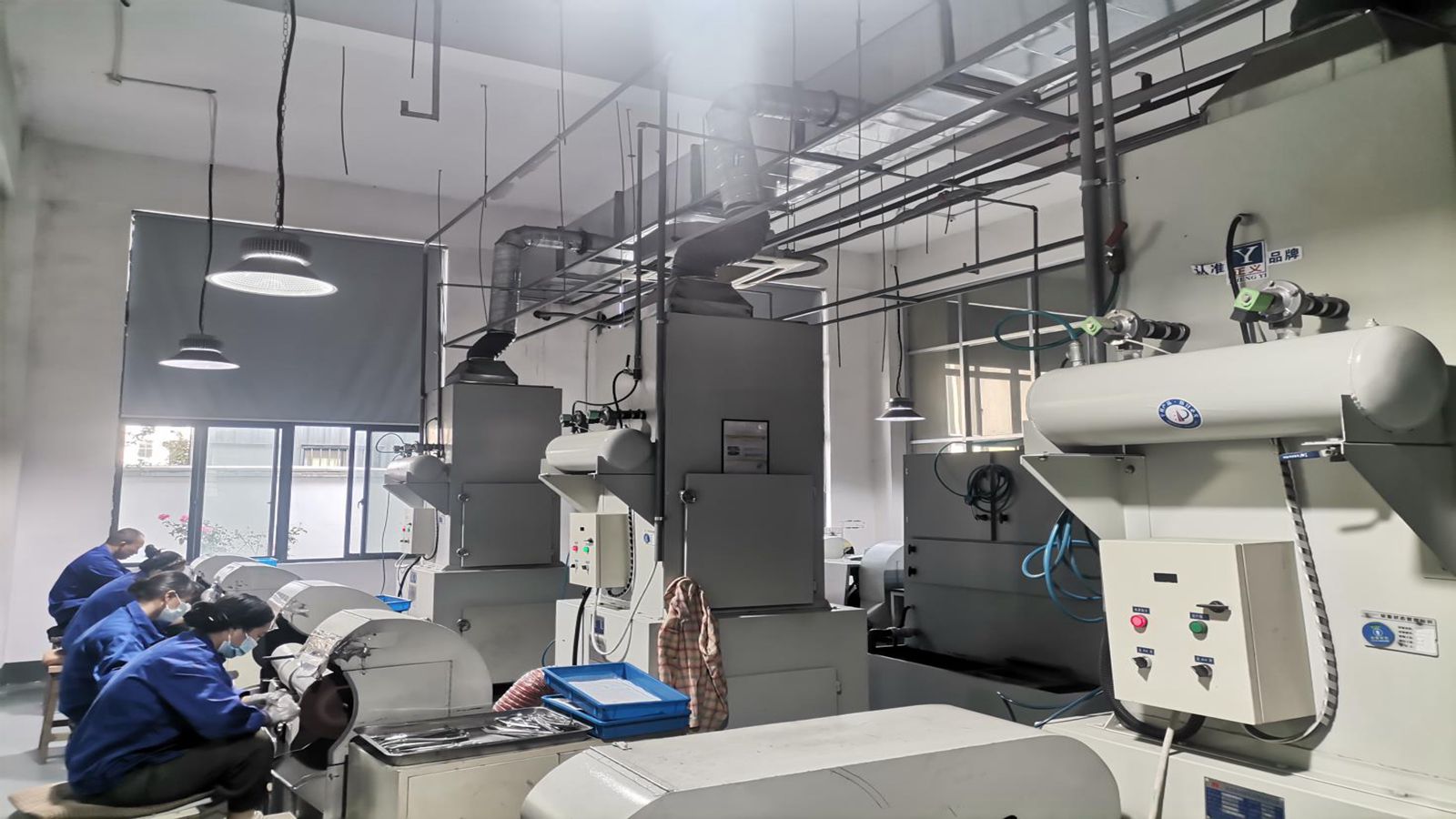
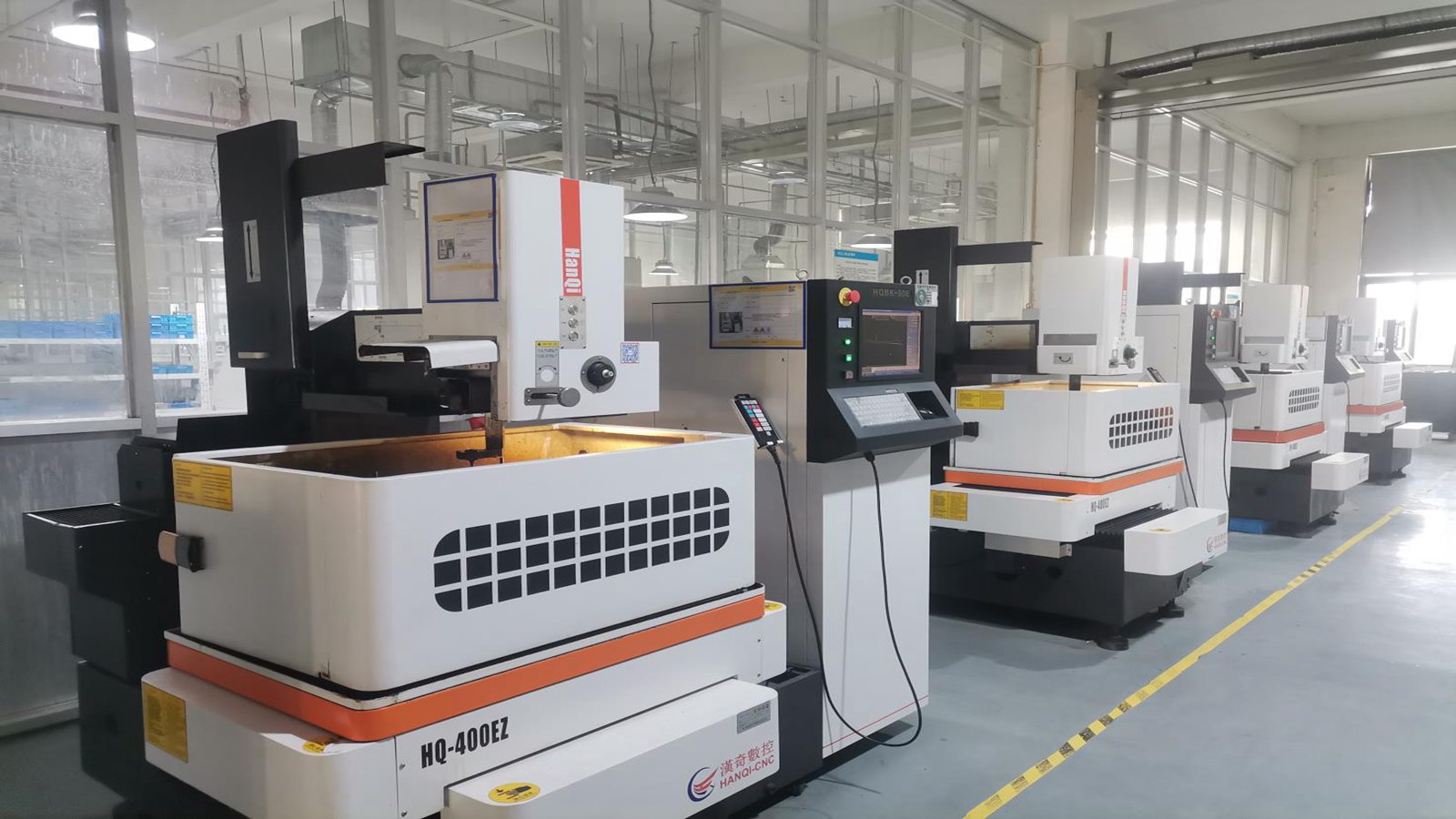
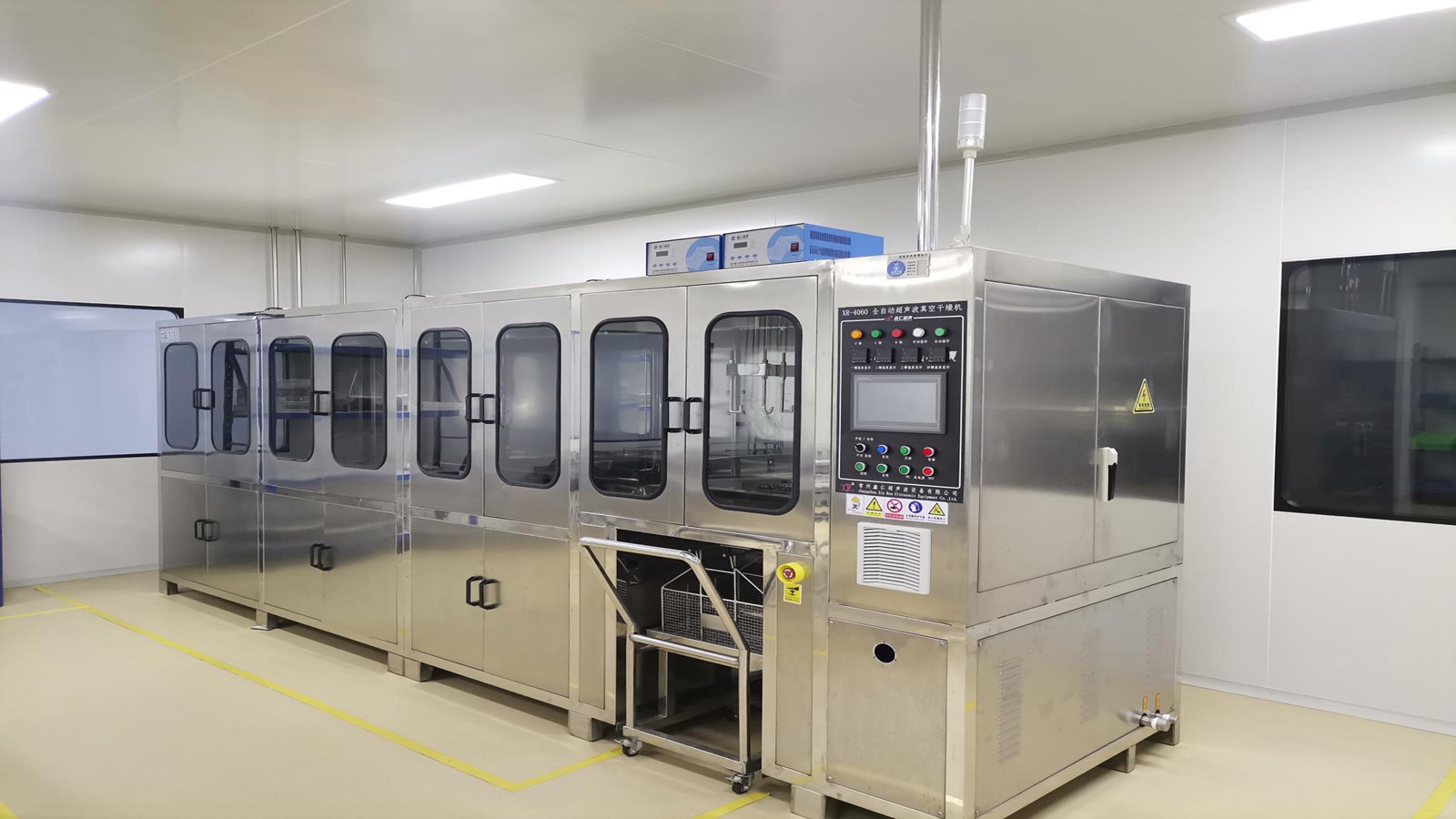
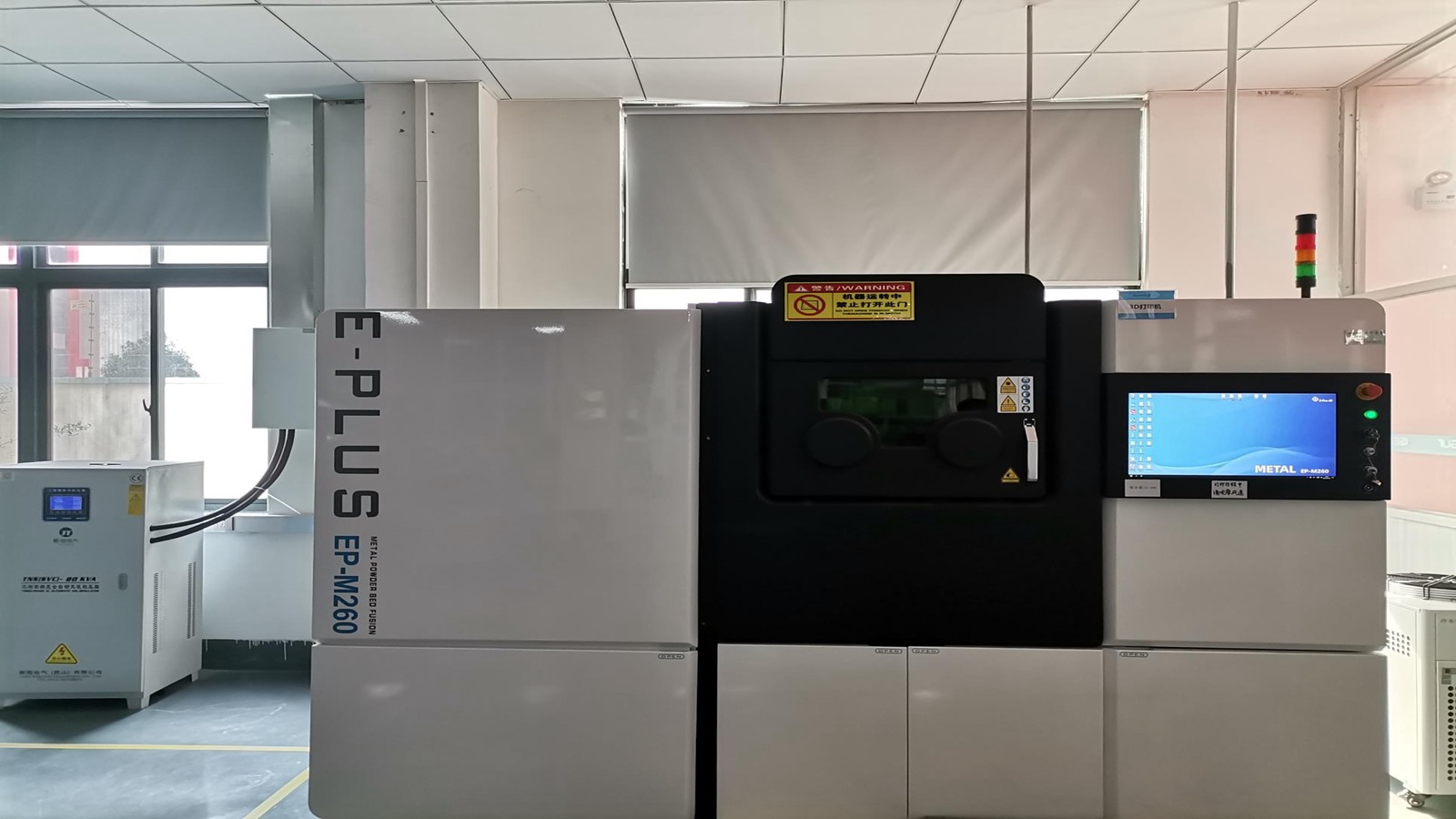
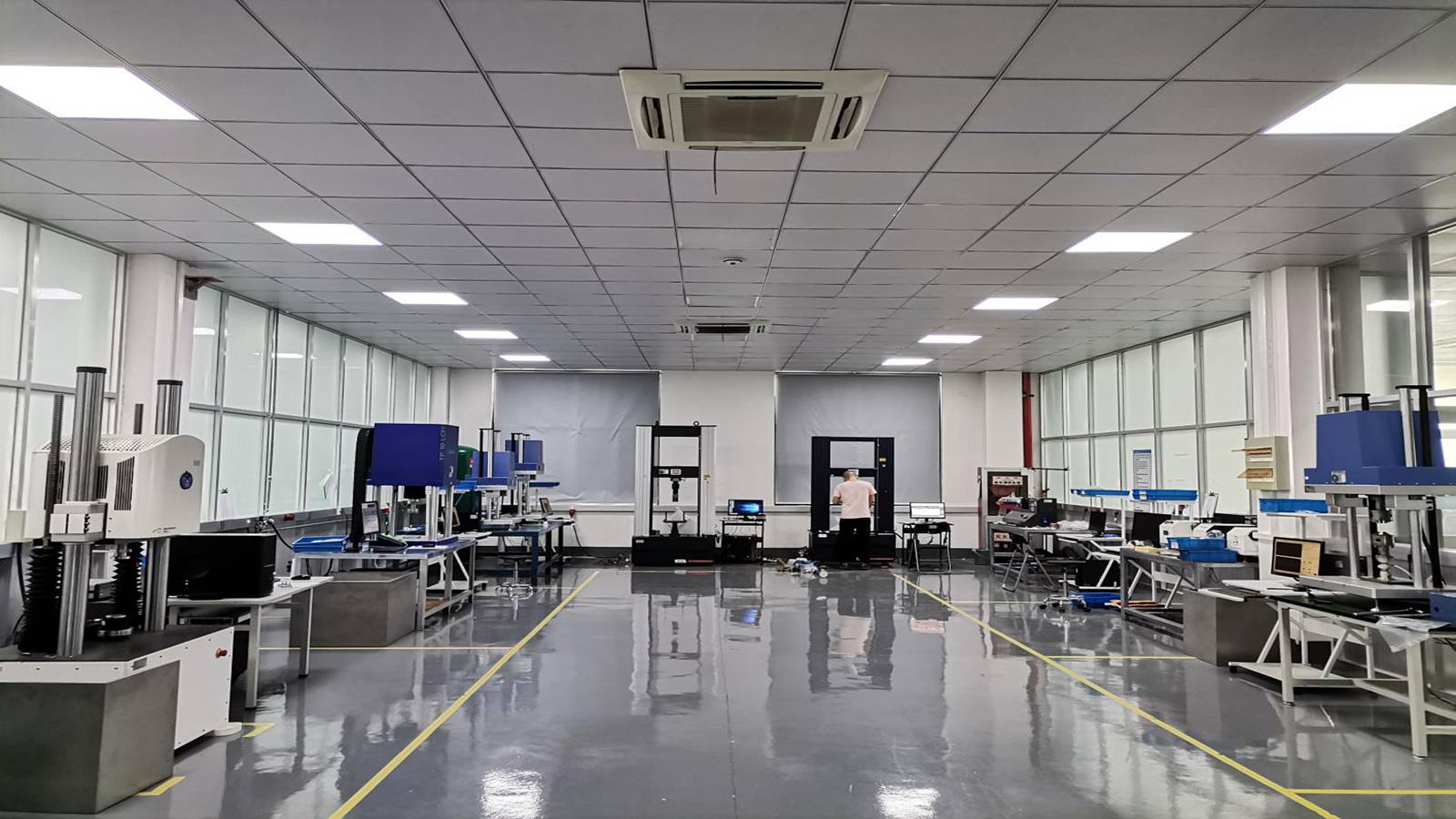
A visual tour of our state-of-the-art production floors, advanced testing laboratories, and certified packaging cleanrooms.



Expert answers to the most common technical, clinical, and procurement questions regarding PEEK interference screws.
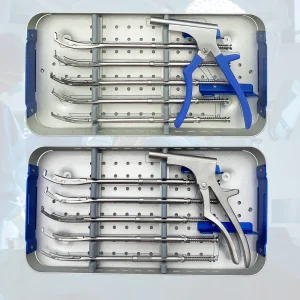
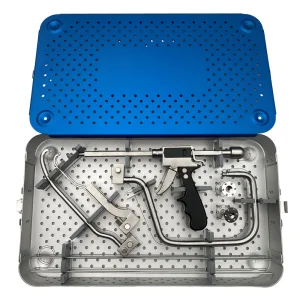
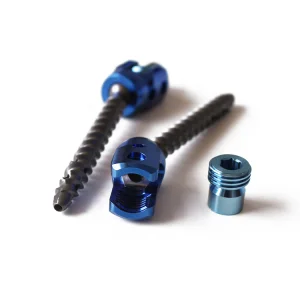
Explore our high-precision surgical instruments, power tools, and specialized fixation hardware designed for modern operating rooms.
 HBM Medical