Explore our premium selection of CE and ISO-certified orthopedic implants and high-precision surgical instruments engineered for optimal clinical outcomes.
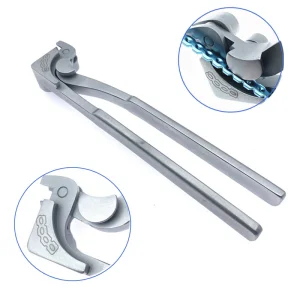
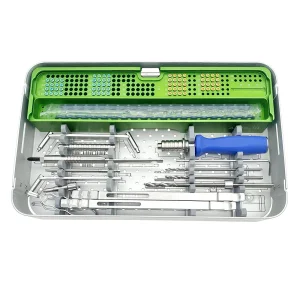
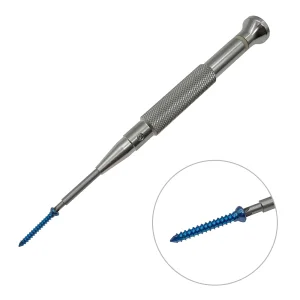
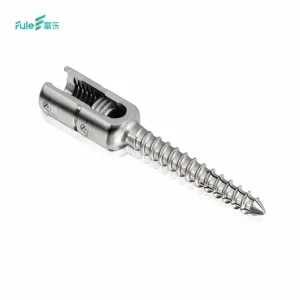
Headless cannulated screws represent a pinnacle of modern orthopedic fixation technology. By eliminating the traditional screw head, these implants allow for complete intraosseous insertion, minimizing soft tissue irritation, tendon impingement, and articular cartilage disruption. This makes them the gold standard for intra-articular fractures, osteochondral reconstructions, and small bone fusions.
The engineering marvel behind these implants lies in their differential pitch design. The leading thread has a larger pitch than the trailing thread. As the screw is driven into the bone across a fracture line, the trailing threads rotate slower relative to the forward progression of the leading threads. This difference in pitch pulls the bone fragments together, generating powerful, controlled dynamic compression without the need for a physical screw head to press against the cortex.
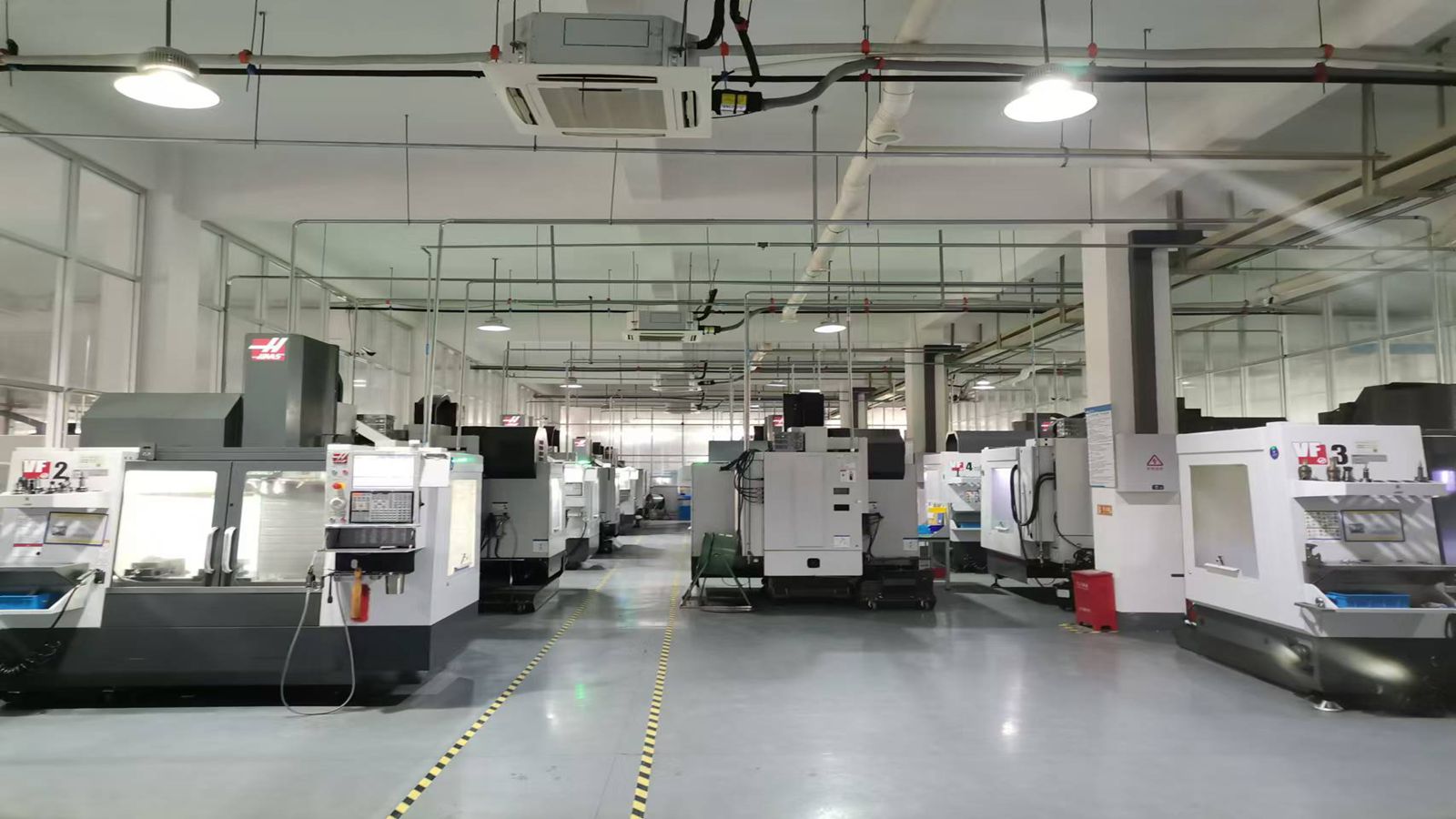
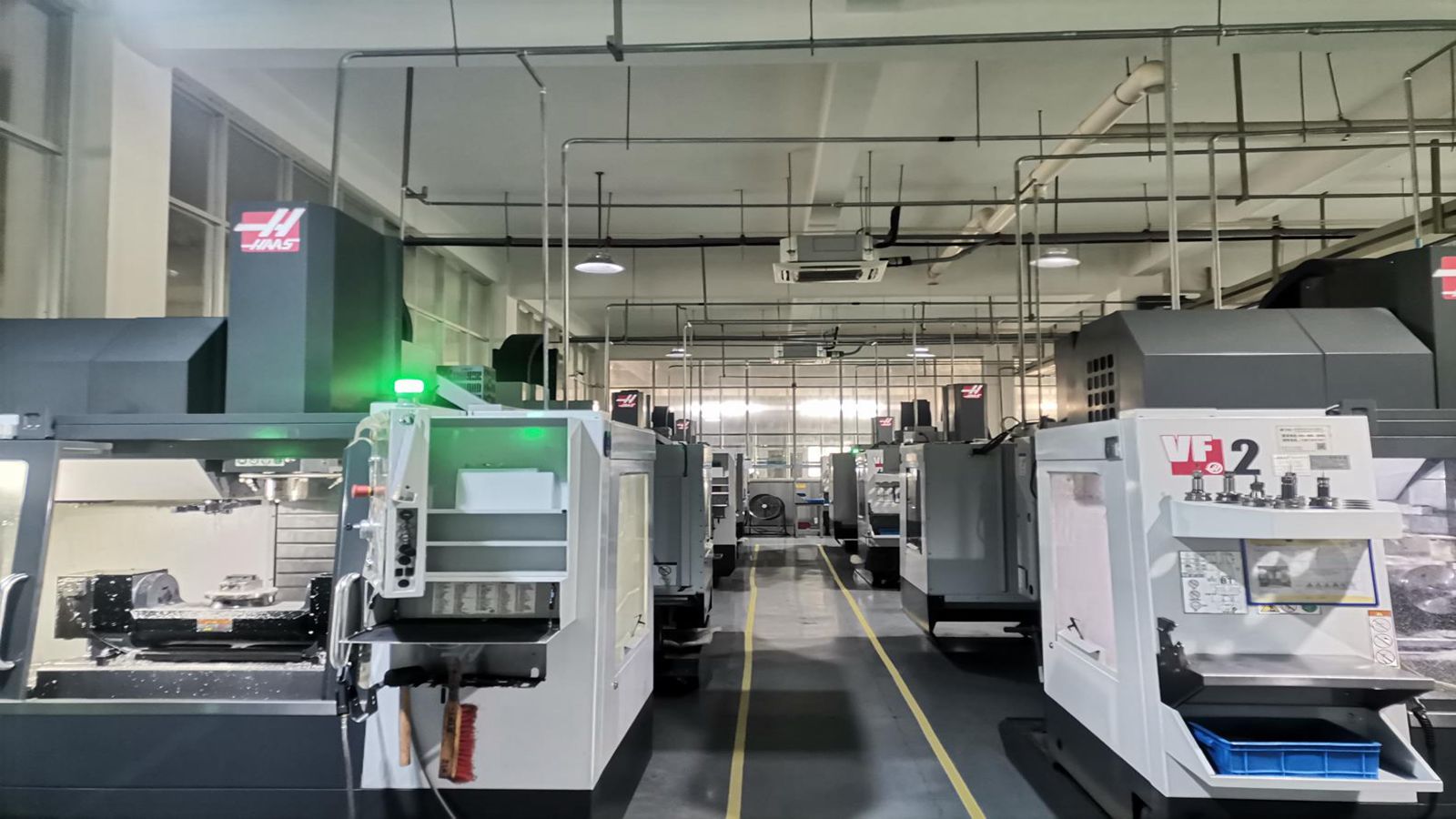
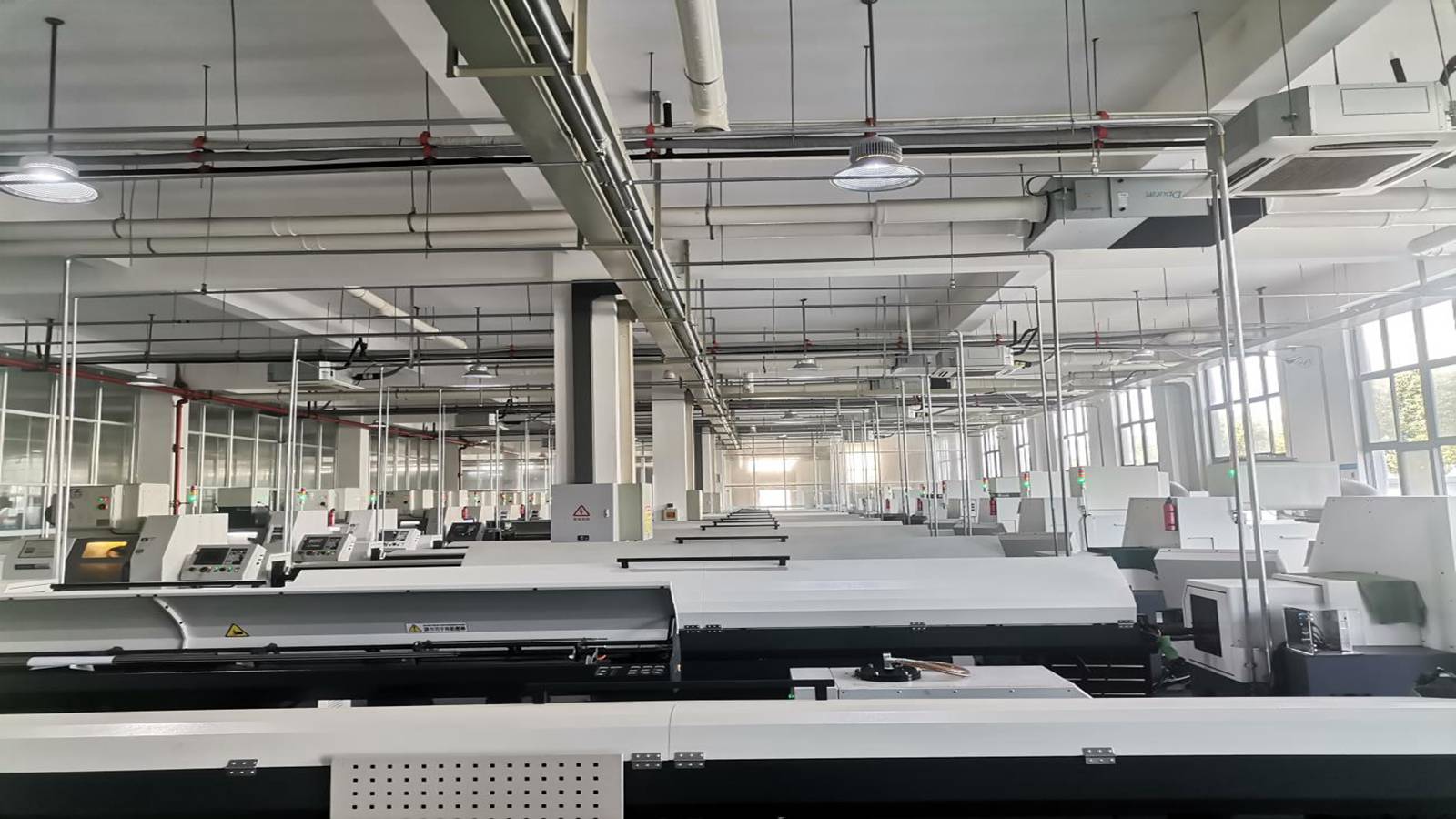
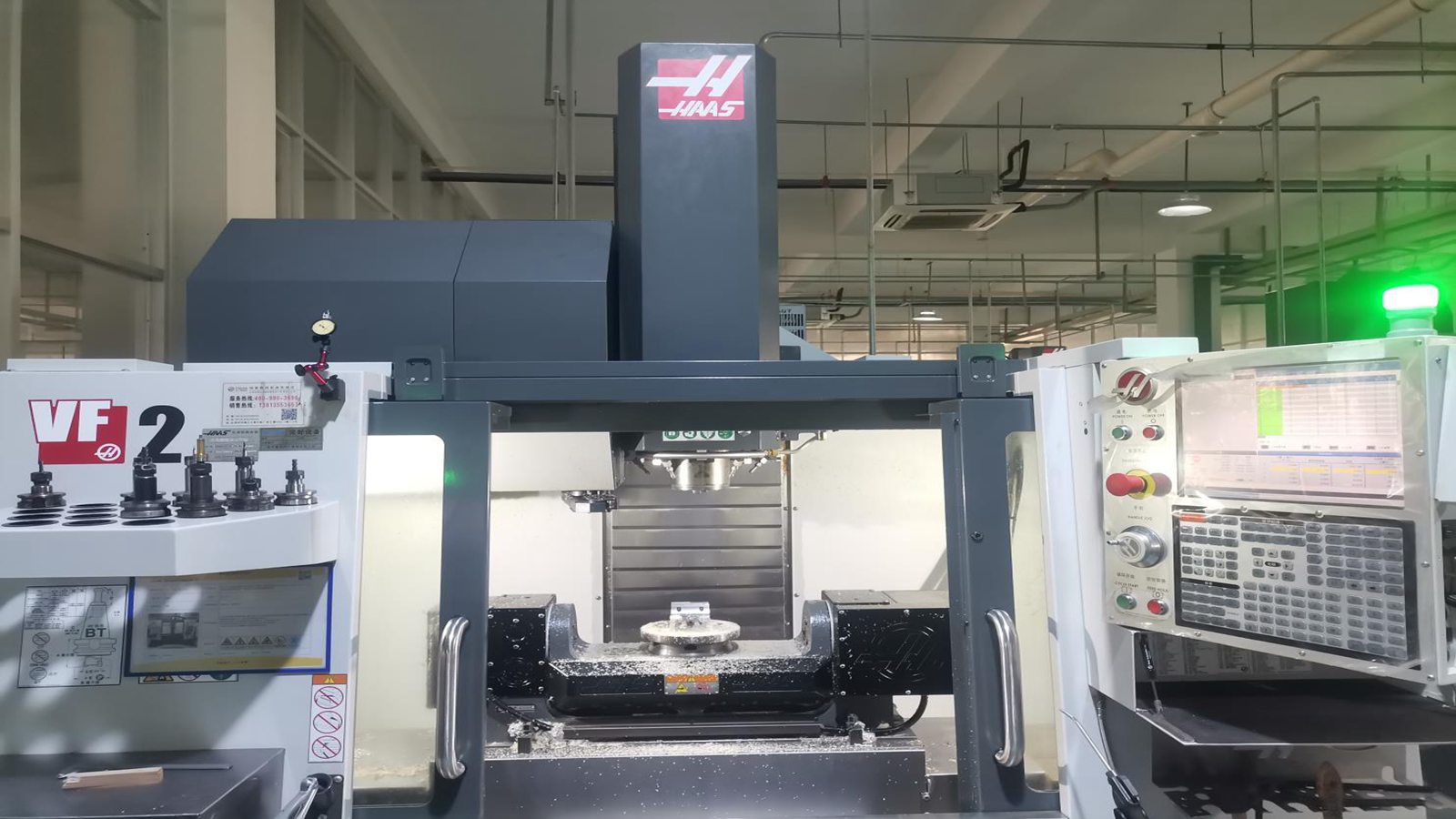
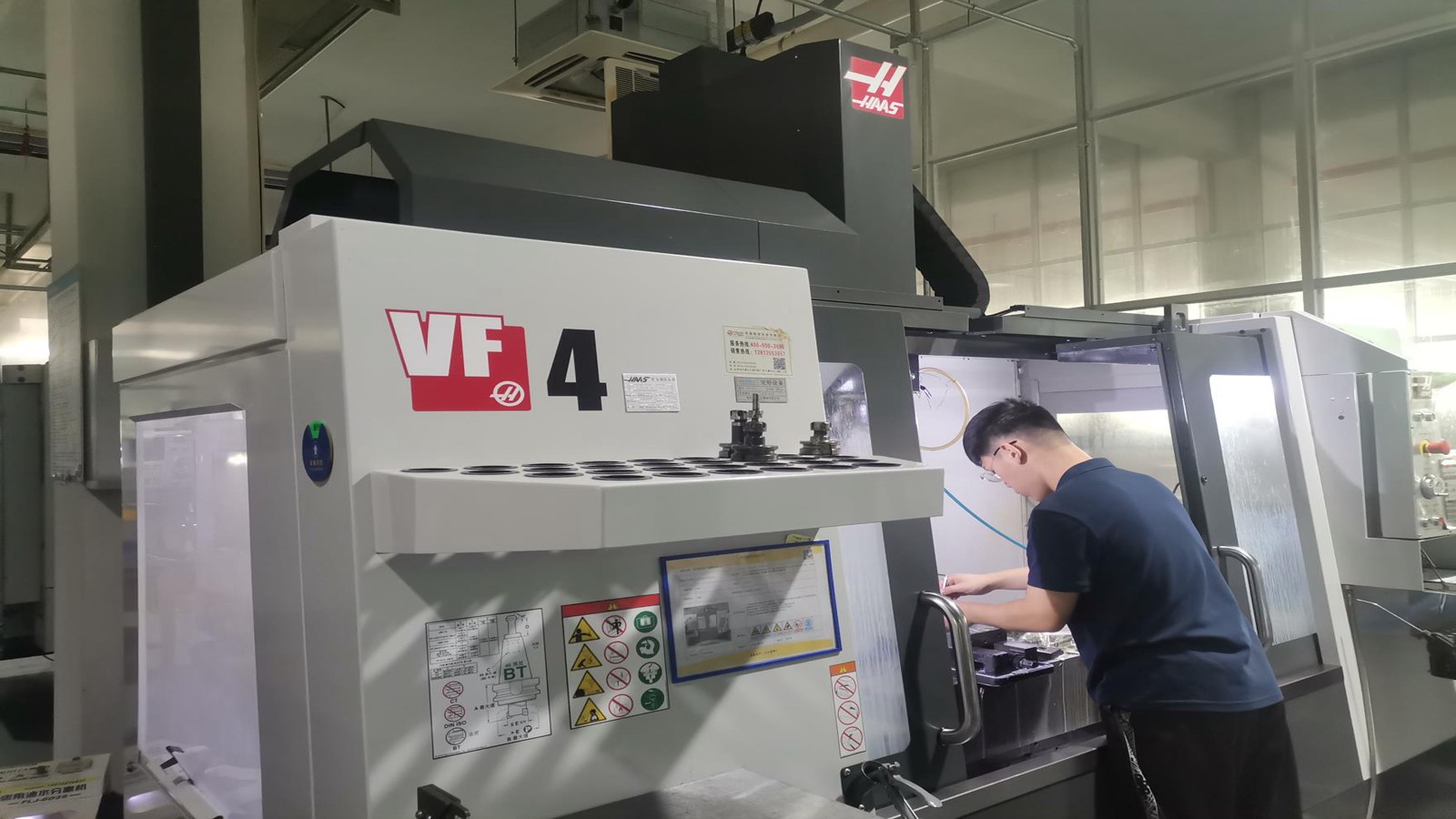
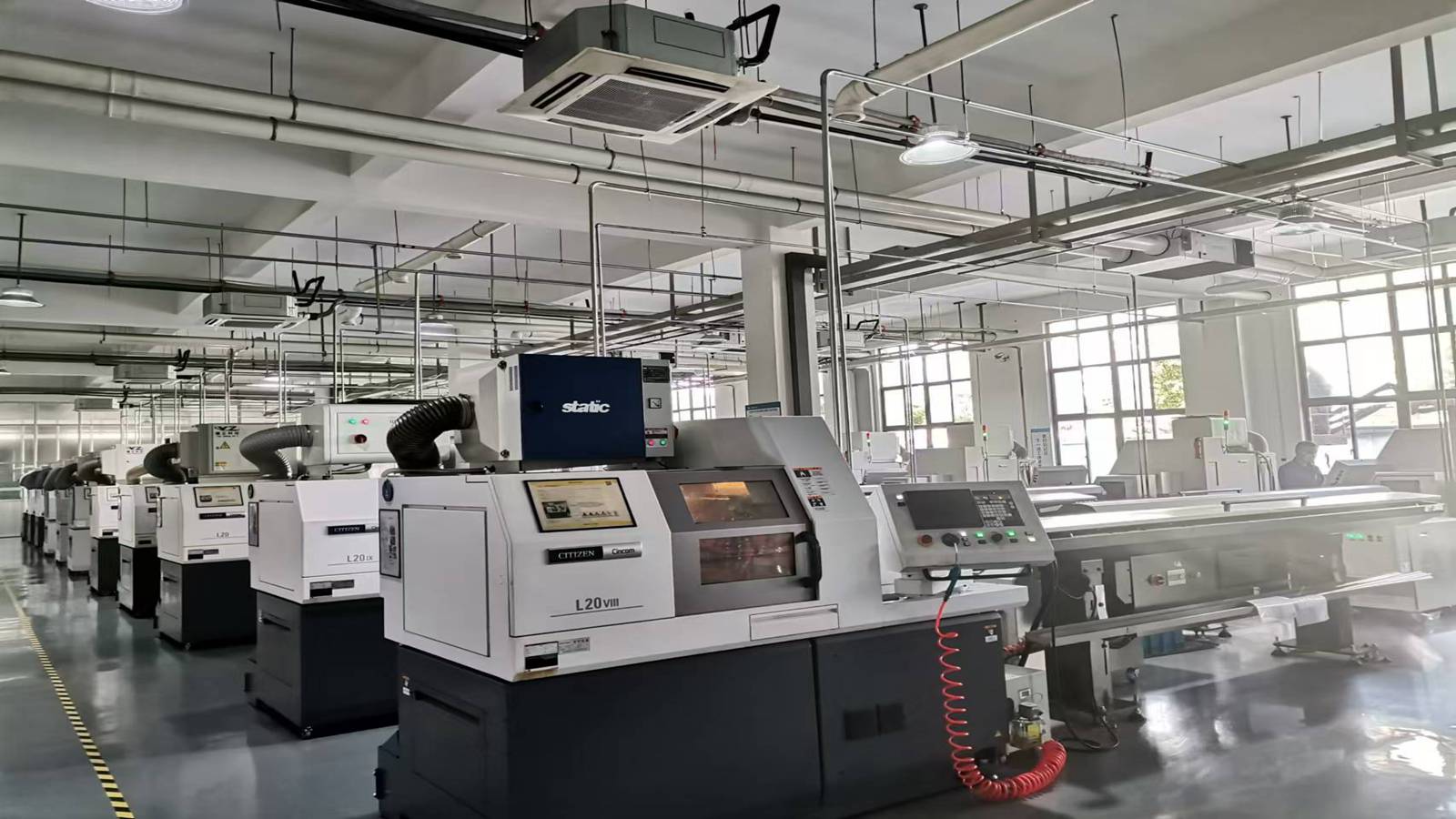
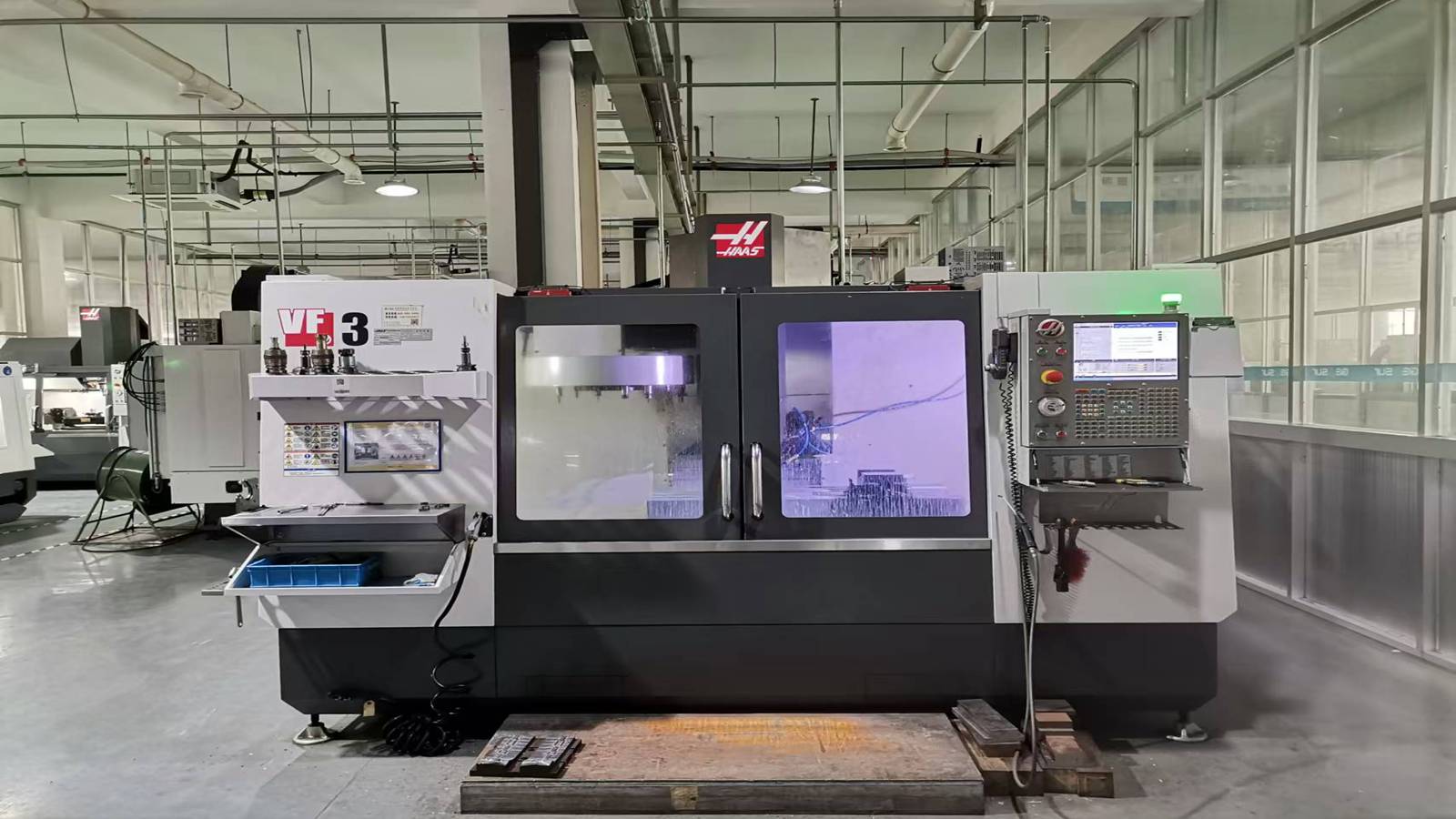
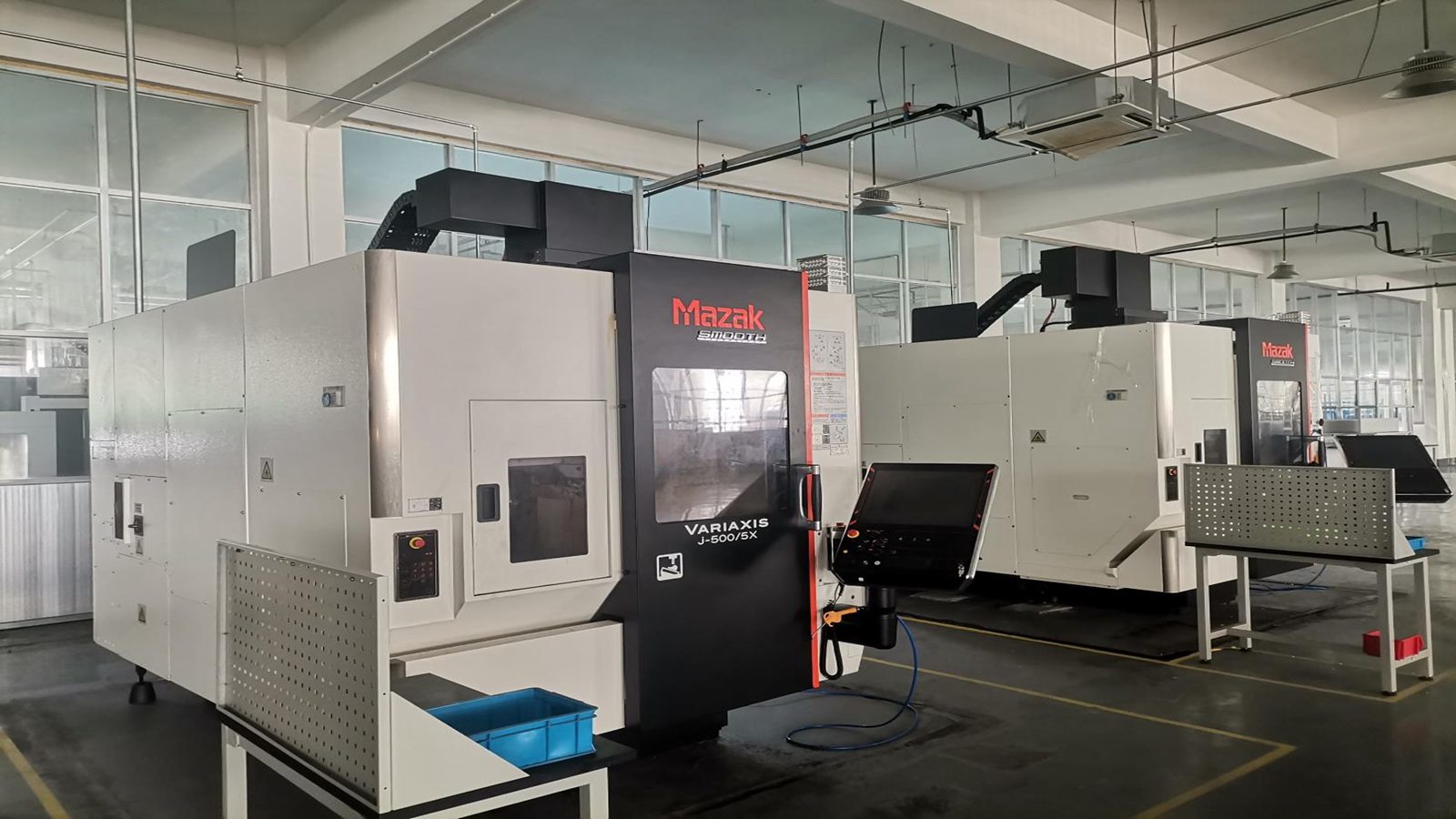
At HBM Medical, we leverage advanced finite element analysis (FEA) and state-of-the-art CNC Swiss-type machining to manufacture headless cannulated screws that deliver optimal compression profiles, high fatigue resistance, and absolute clinical reliability.
The global demand for high-performance orthopedic implants is surging, driven by an aging global population, the rise of minimally invasive surgery (MIS), and the rapid expansion of outpatient surgical centers (ASCs).
Minimally invasive surgeries require implants that can be delivered percutaneously with extreme precision. Cannulated systems allow surgeons to secure fractures through tiny incisions, leading to faster recovery times, reduced infection rates, and lower overall healthcare costs.
Ambulatory Surgical Centers require highly reliable, standardized implant sets that minimize operating room prep time. HBM Medical provides complete, sterile-packaged implant and instrument systems that streamline logistics and reduce sterilization costs.
With 10 years of exporting experience and a robust distribution network, HBM Medical mitigates supply chain risks for international distributors, ensuring a steady, uninterrupted supply of critical trauma implants.
Established in 2015, HBM Medical Apparatus And Instruments Co., Ltd. has grown into a leading R&D and manufacturing powerhouse in China's orthopedic medical device sector. Our state-of-the-art facility is engineered to meet the most stringent international quality standards.
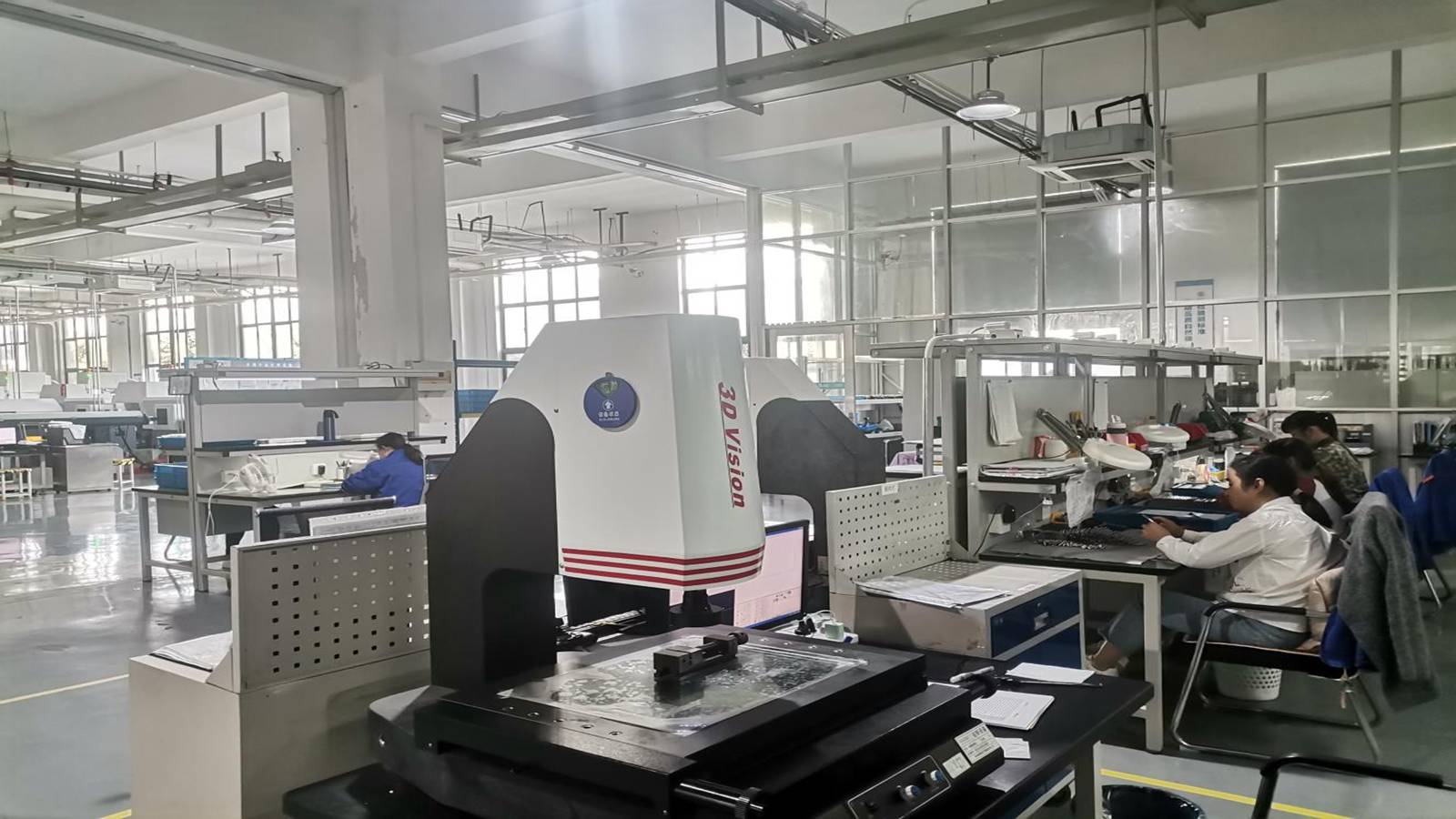
Quality is the cornerstone of patient safety. HBM Medical operates a comprehensive quality management system that guarantees 100% raw material traceability. Every batch of medical-grade titanium alloy is verified through chemical and mechanical testing before entering our production lines. Our team of 36 QA/QC inspectors conducts rigorous in-process and final inspections using advanced coordinate measuring machines (CMM) and optical comparators to ensure every screw meets sub-micron tolerances.
Our headless cannulated screws are designed in multiple diameter families to address specific anatomical requirements, from delicate hand and wrist procedures to robust foot and ankle reconstructions.
| Screw Diameter | Guide Wire Size | Anatomical Applications | Available Lengths | Material Specification |
|---|---|---|---|---|
| Ø 2.0 mm / 2.5 mm (Micro) | Ø 0.8 mm | Scaphoid fractures, phalangeal fusions, osteochondral fragments | 10 mm – 30 mm | Ti-6Al-4V ELI (ASTM F136) |
| Ø 3.0 mm / 3.5 mm (Mini) | Ø 1.1 mm | Radial head fractures, carpal/tarsal fusions, hallux valgus correction | 12 mm – 40 mm | Ti-6Al-4V ELI (ASTM F136) |
| Ø 4.0 mm / 4.5 mm (Medium) | Ø 1.4 mm | Malleolar fractures, talar fractures, patellar fractures | 20 mm – 80 mm | Ti-6Al-4V ELI (ASTM F136) |
| Ø 6.5 mm / 7.3 mm (Large) | Ø 2.8 mm | Femoral neck fractures, sacroiliac joint disruptions, calcaneal osteotomies | 40 mm – 120 mm | Ti-6Al-4V ELI (ASTM F136) |
Navigating the complex regulatory landscape of medical devices requires a partner with proven credentials. HBM Medical is fully certified to meet the highest regulatory standards across major global markets.
Our manufacturing processes and facilities are certified under ISO 13485, MDSAP (Medical Device Single Audit Program), and CE (MDR), ensuring seamless registration and import clearance for our global partners.
We understand that clinical preferences and regulatory requirements vary by region. HBM Medical provides comprehensive localization and customized manufacturing support:
Headless cannulated screws are highly versatile implants utilized across a broad spectrum of orthopedic specialties. Below are the primary clinical indications where these implants provide superior biomechanical stability.
The scaphoid is the most commonly fractured carpal bone. Due to its retrograde blood supply, stable internal fixation is critical to prevent non-union. Our Ø 2.0mm and Ø 2.5mm headless screws provide rigid compression across the fracture line while remaining completely buried under the articular cartilage, preserving wrist mobility.
Used extensively in distal metatarsal osteotomies (e.g., bunion correction), arthrodesis of the interphalangeal joints, and tarsal coalition resections. The headless design prevents hardware prominence under the thin skin of the foot, significantly reducing the rate of secondary hardware removal surgeries.
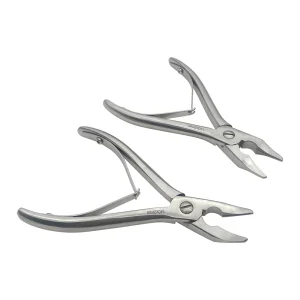
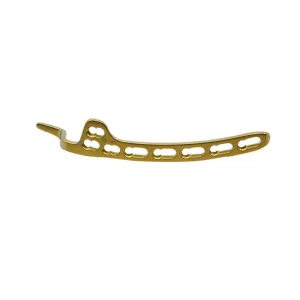
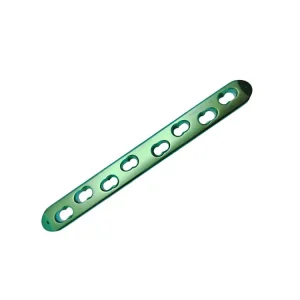
As highlighted in our product portfolio, veterinary trauma surgery demands robust, corrosion-resistant implants. Our titanium locking plate systems and cannulated screws are widely used in canine and feline fracture repairs, providing veterinary surgeons with human-grade orthopedic solutions.
HBM Medical is committed to continuous technological innovation. Our R&D team, consisting of 31 highly educated engineers (including PhD and postgraduate researchers), is actively developing the next generation of fixation systems.
We are researching magnesium-based bioabsorbable alloys that provide high initial mechanical strength but gradually degrade and are replaced by natural bone, completely eliminating the need for secondary removal surgeries.
Developing bioactive anodic oxidation coatings that promote osseointegration and possess antimicrobial properties, significantly reducing the risk of implant-associated infections in complex trauma cases.
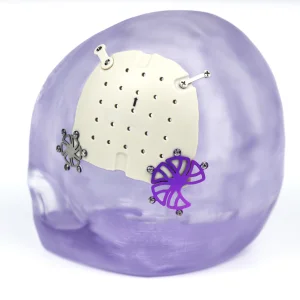
Integrating patient-specific CT data with additive manufacturing to produce customized locking plates and bone scaffolds for complex reconstructive surgeries.
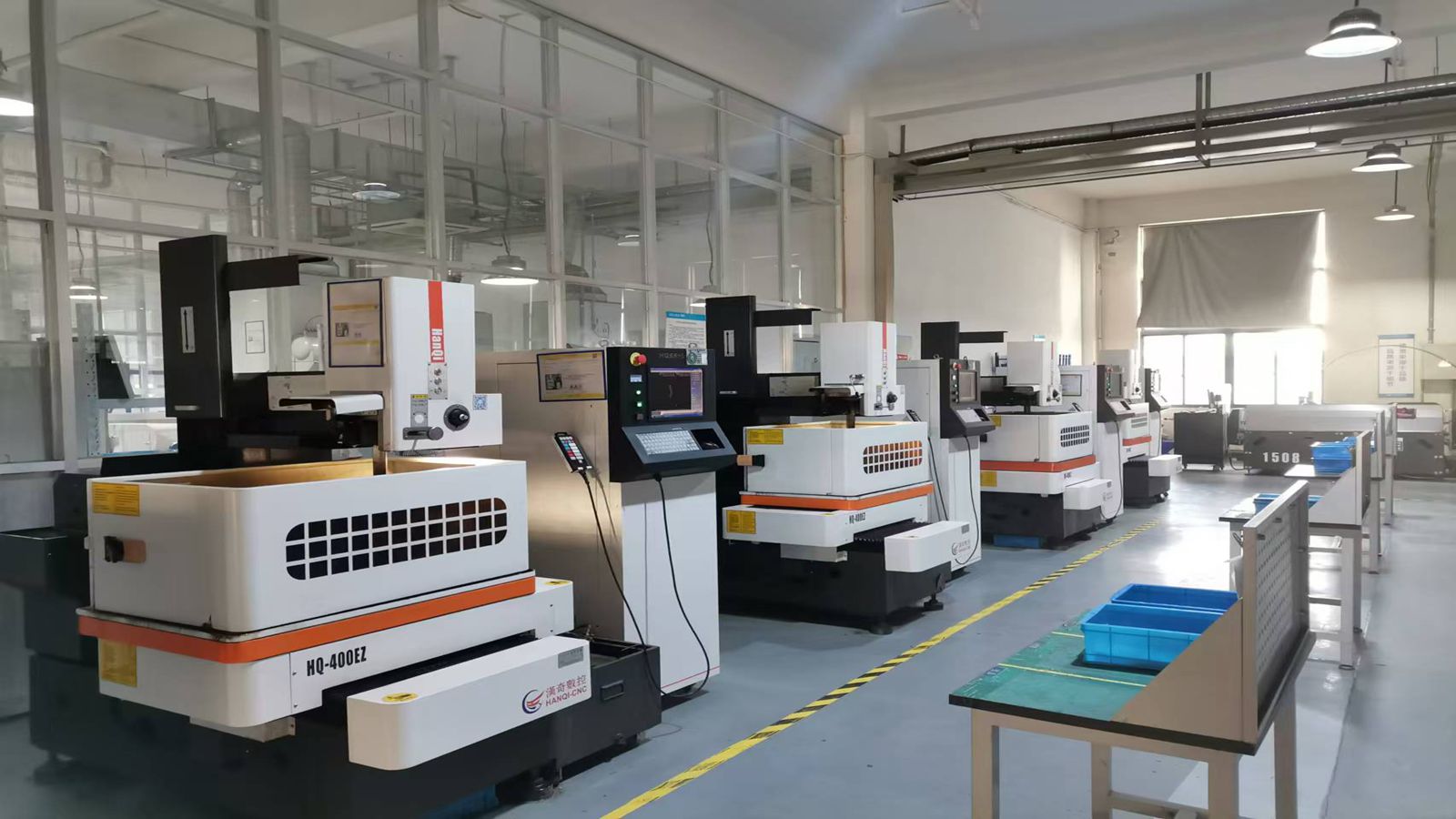
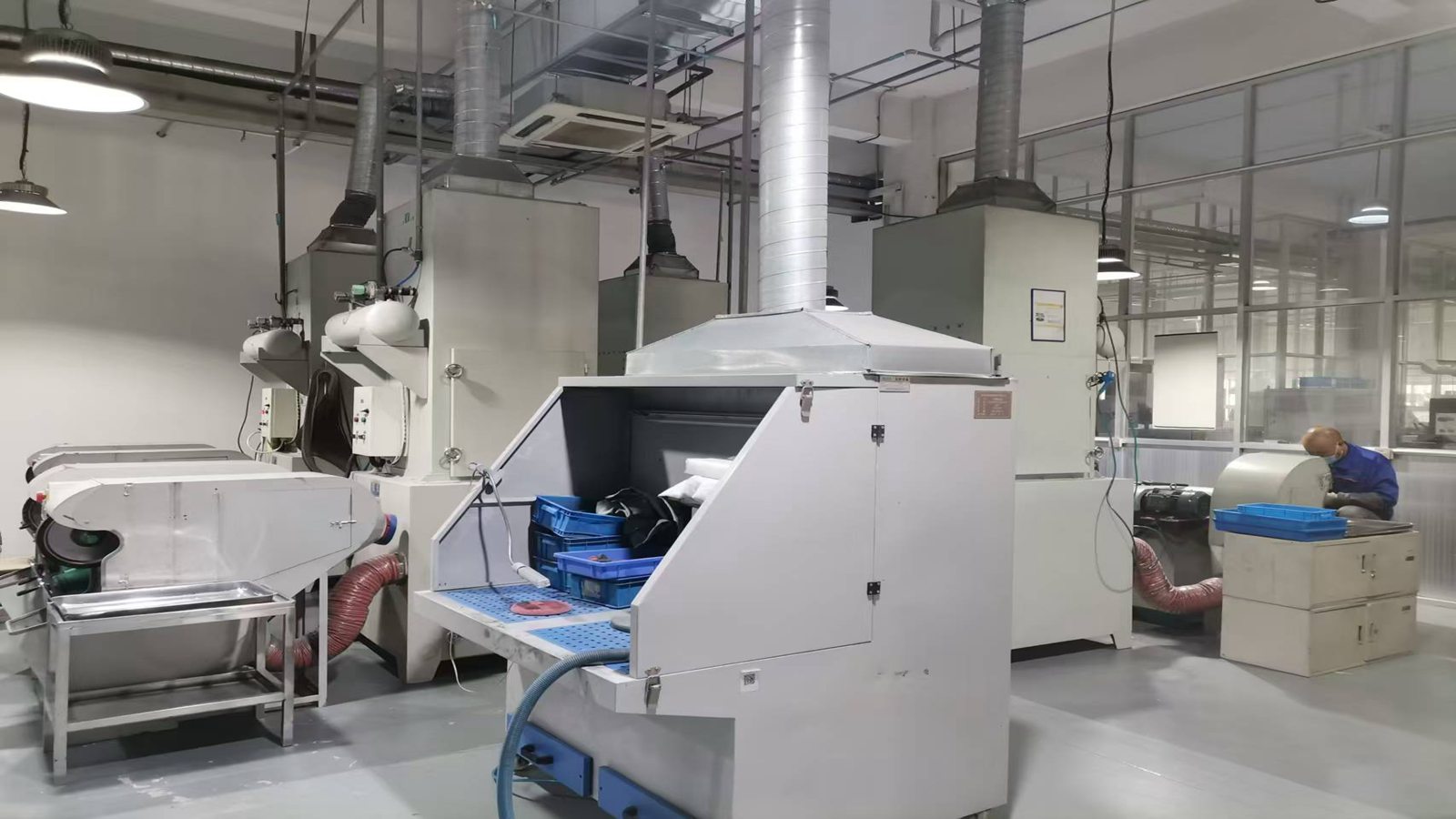
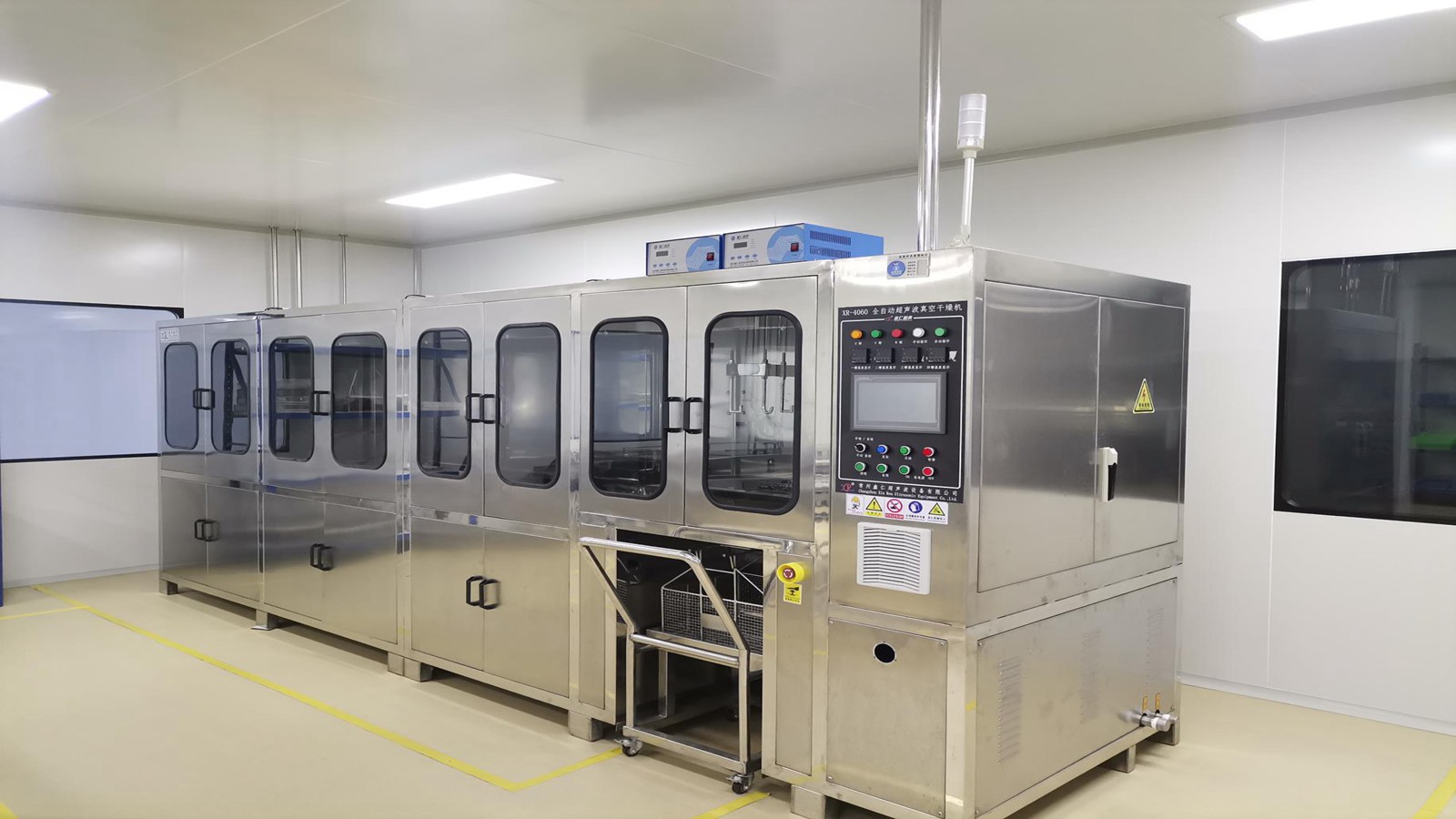
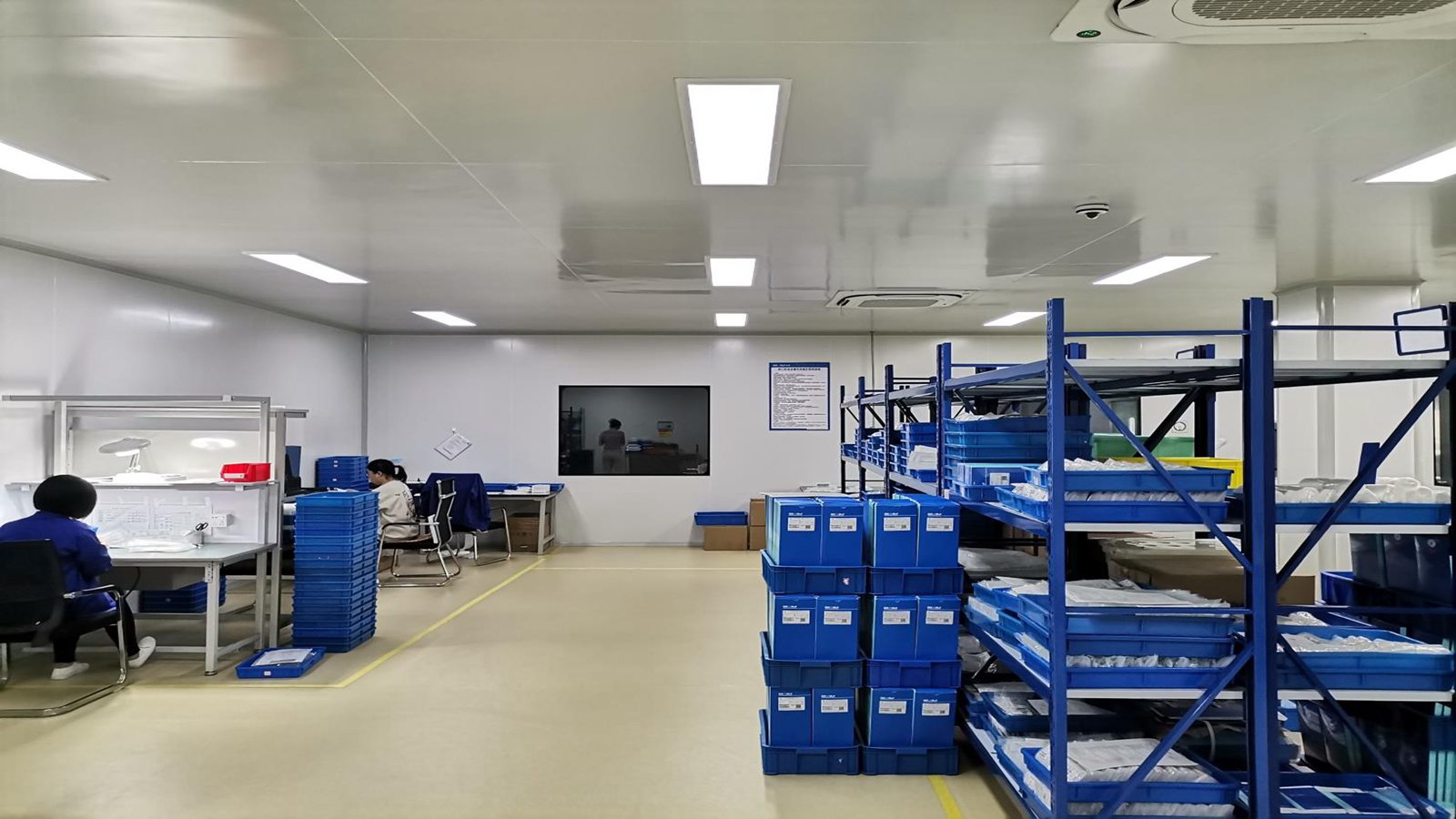
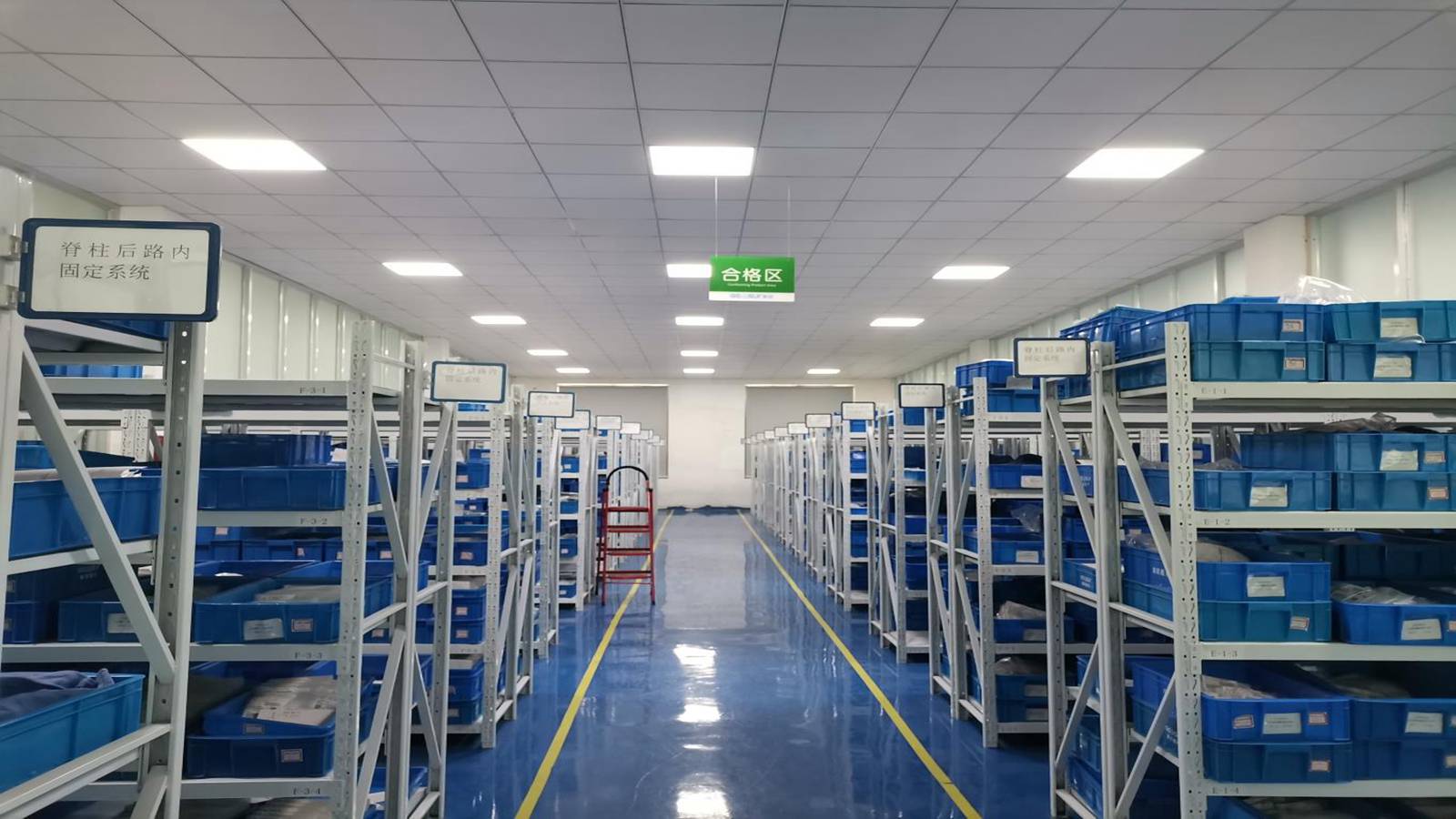
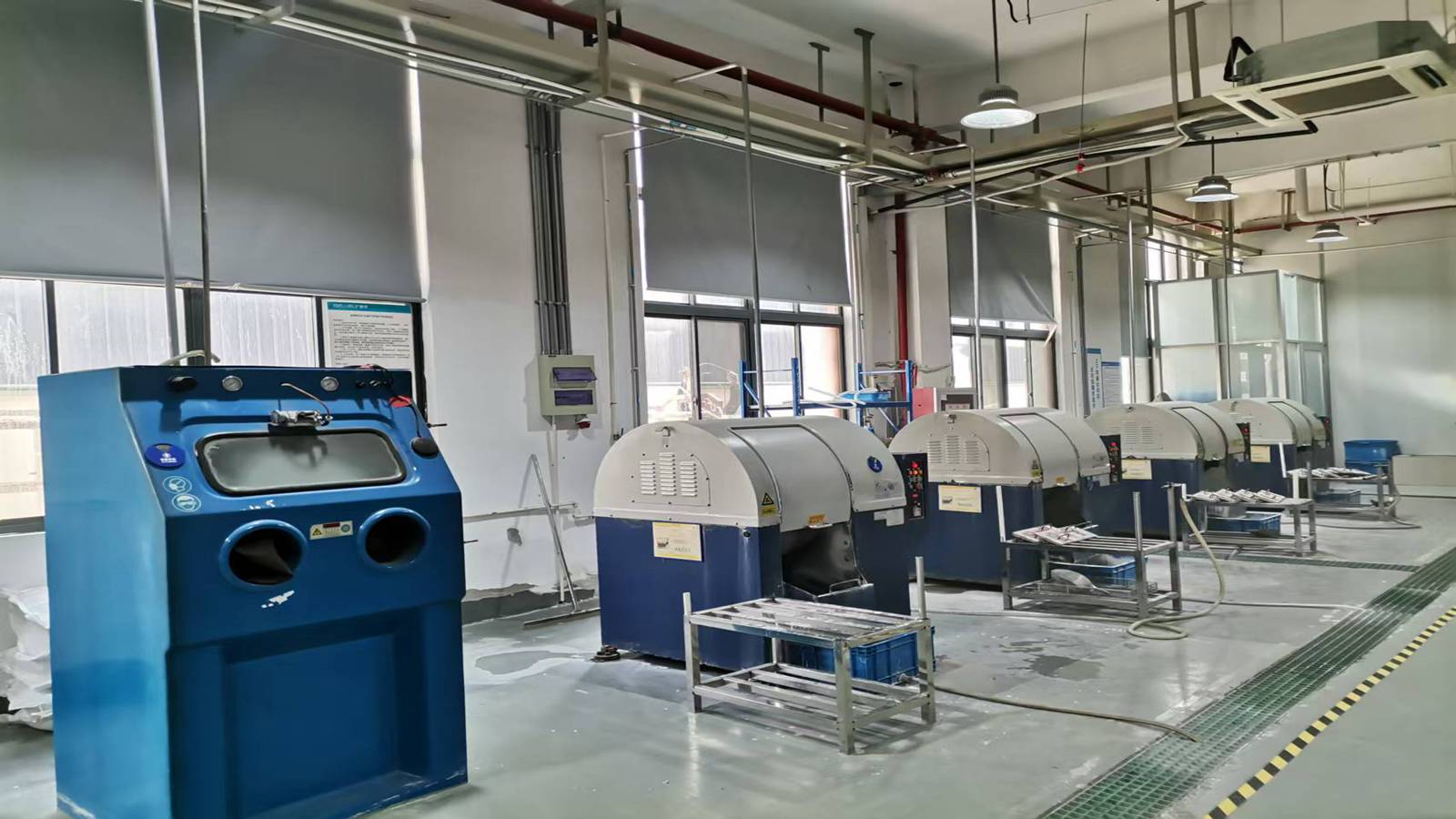
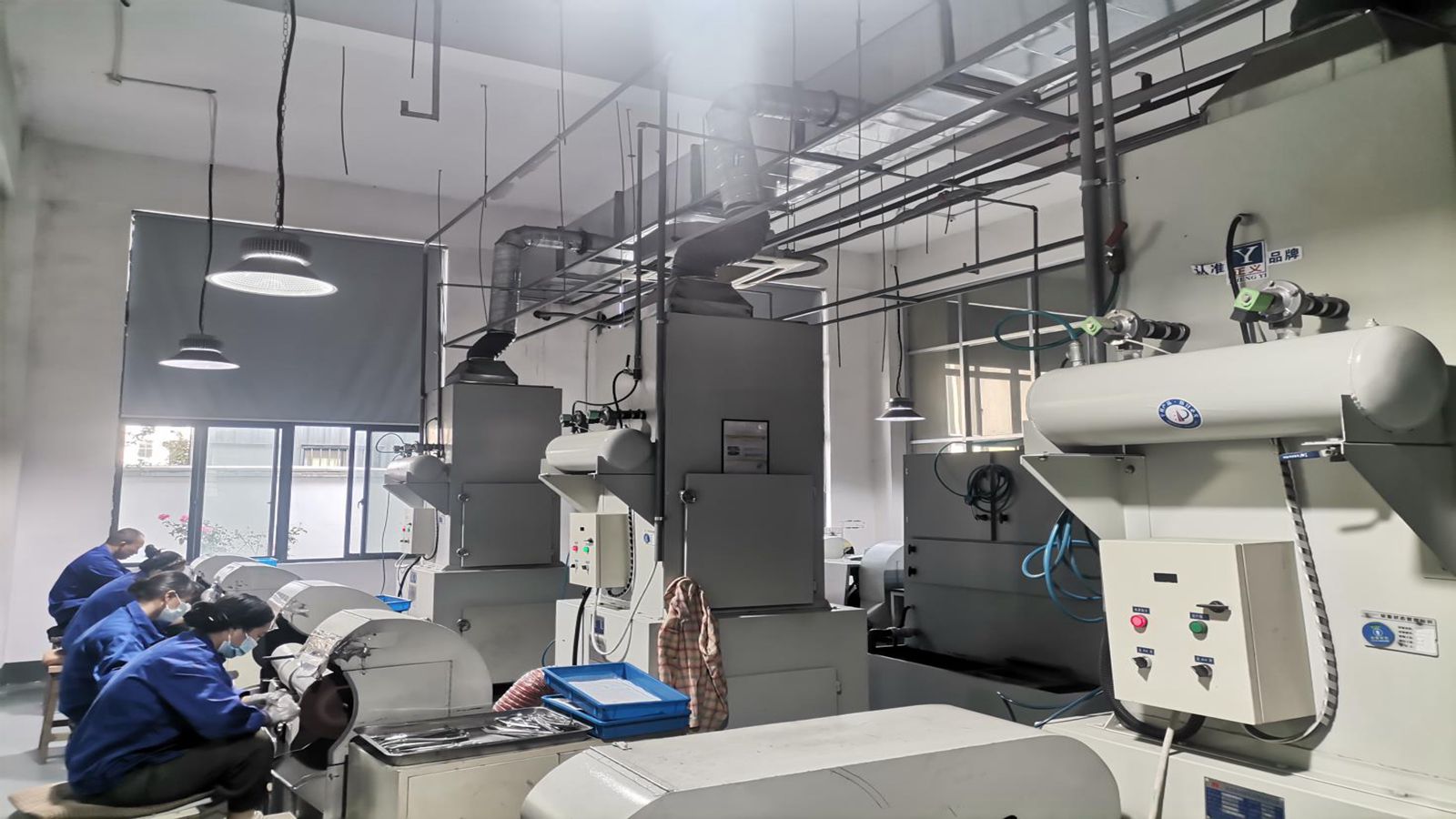
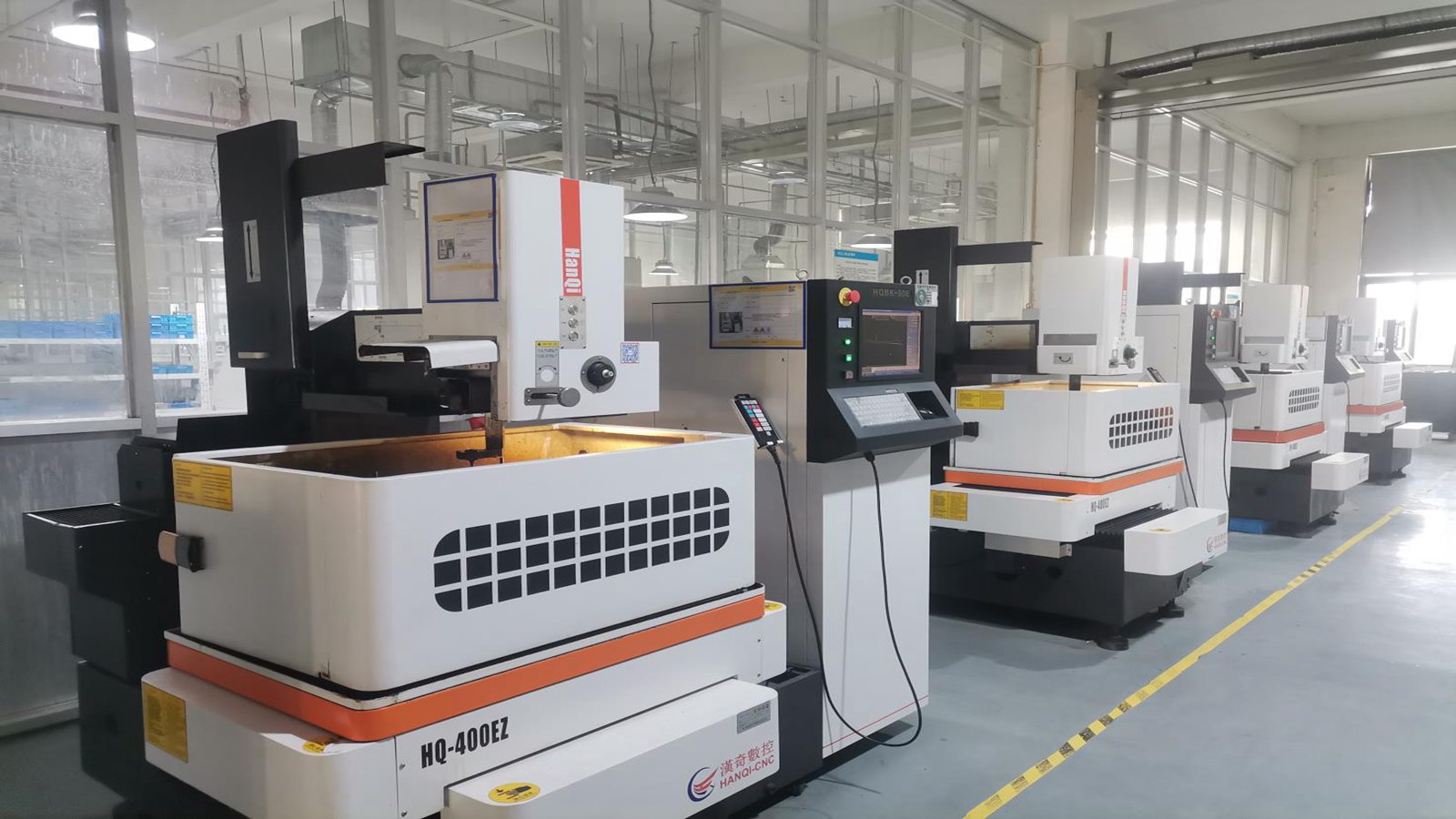
Take a visual tour of HBM Medical's advanced production environment, cleanrooms, and high-precision testing laboratories.






Compression is achieved via the differential thread pitch. The leading thread has a wider pitch (advances faster per turn) than the trailing thread (advances slower). As both threads engage separate bone fragments, the trailing fragment is pulled toward the leading fragment, generating compression as the screw is fully seated.
We exclusively use medical-grade Ti-6Al-4V ELI (Extra Low Interstitial) Titanium Alloy, conforming to ASTM F136 standards. This material offers superior biocompatibility, high fatigue strength, and excellent corrosion resistance compared to standard titanium or stainless steel.
Yes, our products are certified under CE (MDR) and comply with ISO 13485 and MDSAP quality systems. We actively support our global distributors with the necessary technical documentation to obtain local FDA and health ministry clearances.
For standard OEM orders, lead times typically range from 4 to 6 weeks, depending on order volume and customization requirements. Custom instrument tray development or specialized thread profiles may require 8 to 12 weeks, including prototype validation.
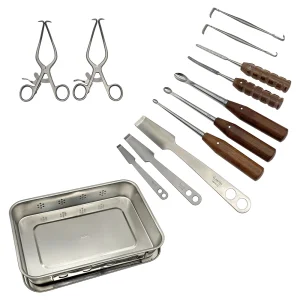
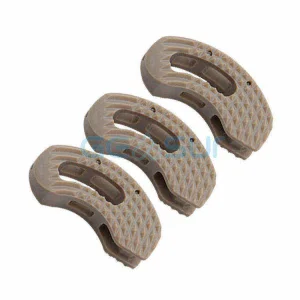
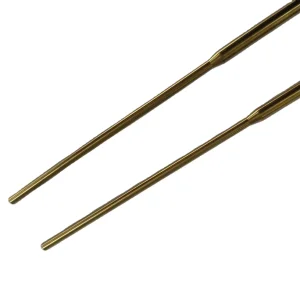
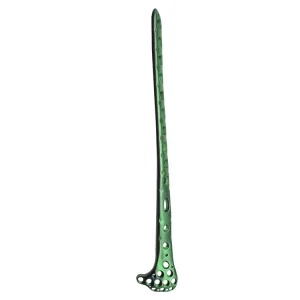
Explore our specialized trauma fixation plates, spinal rods, and veterinary instrumentation designed for complex reconstructive procedures.
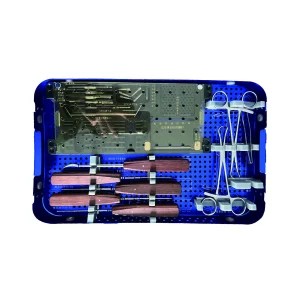
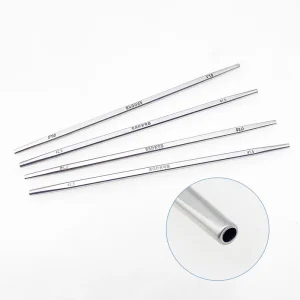
Whether you are an established global brand, a regional distributor, or a specialized medical device engineer, HBM Medical has the engineering expertise, manufacturing scale, and regulatory credentials to support your growth.
 HBM Medical