Explore our CE & ISO 13485 certified surgical implant portfolio manufactured under strict medical-grade QA/QC standard protocols.
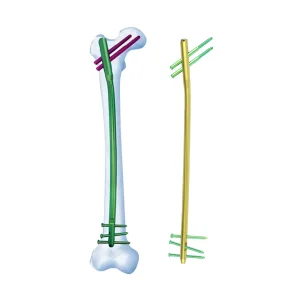
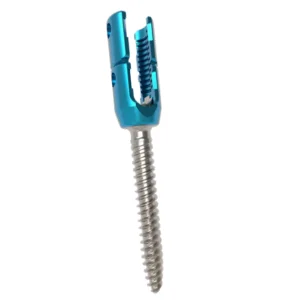
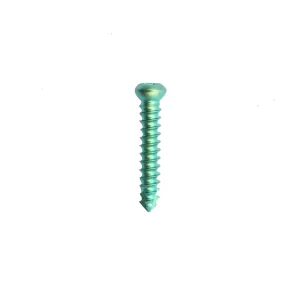
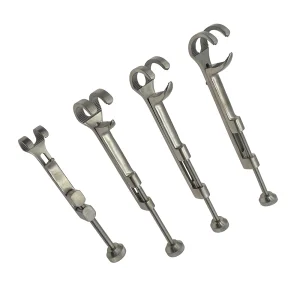
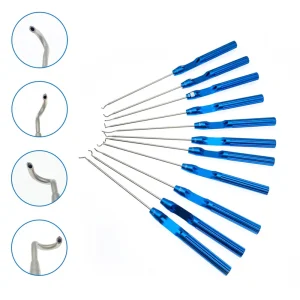
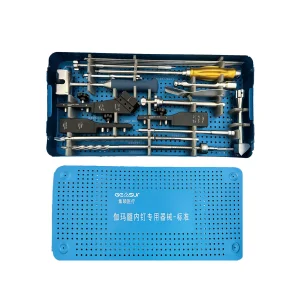
The global orthopedic trauma devices market is undergoing a seismic structural transition. Driven by aging demographics, rising vehicular trauma incidents, and rapid advancements in biological fracture fixation, the demand for high-precision **tibia plates (locking plate systems, anatomical distal/proximal tibial plates, and LISS systems)** has reached unprecedented levels. Modern surgical paradigms demand implants that provide optimal mechanical stability while maintaining periosteal blood supply to accelerate osteogenesis.
Modern tibial fracture management requires a deep understanding of anatomical contours, soft tissue coverage challenges, and biomechanical load distribution.
Historical non-contoured plates required tedious intraoperative manual bending, which induced material fatigue and localized stress concentration. Modern Chinese tibia plates utilize 3D anatomical scanning data to produce pre-contoured plates specifically tailored for proximal tibia medial/lateral condyles and distal anterolateral/medial regions. The low-profile design minimizes soft tissue irritation and skin tenting—a critical consideration for distal tibia fractures where subcutaneous coverage is minimal.
Less Invasive Stabilization Systems (LISS) have revolutionized complex intra-articular proximal and distal tibial fracture care. By combining combi-holes (allowing both dynamic compression and angular stable locking), surgeons can achieve rigid fixations even in severely osteoporotic bone. Polyaxial locking mechanism integration allows for ±15° screw trajectory flexibility, enabling custom trajectory placement around complex fracture fragments and joint surfaces.
Material selection directly dictates clinical success. Leading Chinese suppliers have transitioned completely to extra-low interstitial grade Titanium Alloy (Ti-6Al-4V ELI) and Pure Titanium (Grade 4). These materials offer a modulus of elasticity closer to human cortical bone compared to traditional 316L stainless steel, significantly reducing stress shielding while delivering superior MRI compatibility and zero cytotoxic corrosion rates.
For international medical device brand owners, hospital procurement consortiums, and stocking distributors, sourcing tibia locking plates from China involves stringent evaluation across four non-negotiable pillars:
Sourcing partners must maintain robust technical documentation, including Device Master Files (DMF), Risk Management Files (ISO 14971), and full CE certification under the new EU Medical Device Regulation (MDR 2017/745), along with MDSAP and ISO 13485 accreditations.
Every titanium bar or sheet processed must come with certified mill test reports (MTR). Complete lot-level and serial-level traceability from raw material ingots to final sterile or non-sterile packaged implants is imperative for clinical risk mitigation.
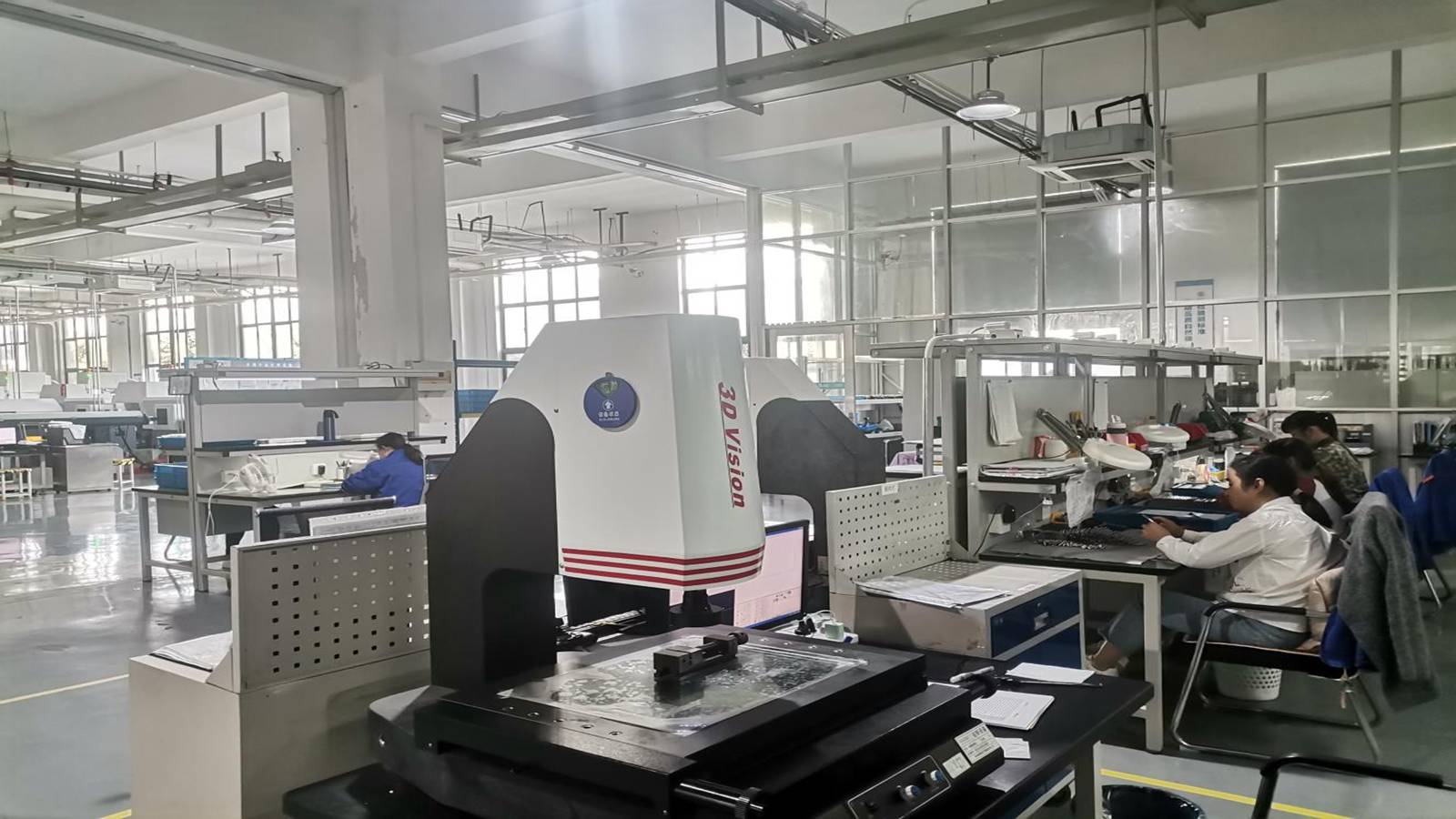
Tolerance precision within ±0.005mm is mandatory for locking thread pitch integrity. Inconsistent thread cutting leads to cross-threading intraoperatively, compromising angular stability and risking surgical failure.
Global brands require supplier partner teams capable of converting CAD models into functional prototype samples within 14 working days, accompanied by complete FEA (Finite Element Analysis) structural simulation reports.
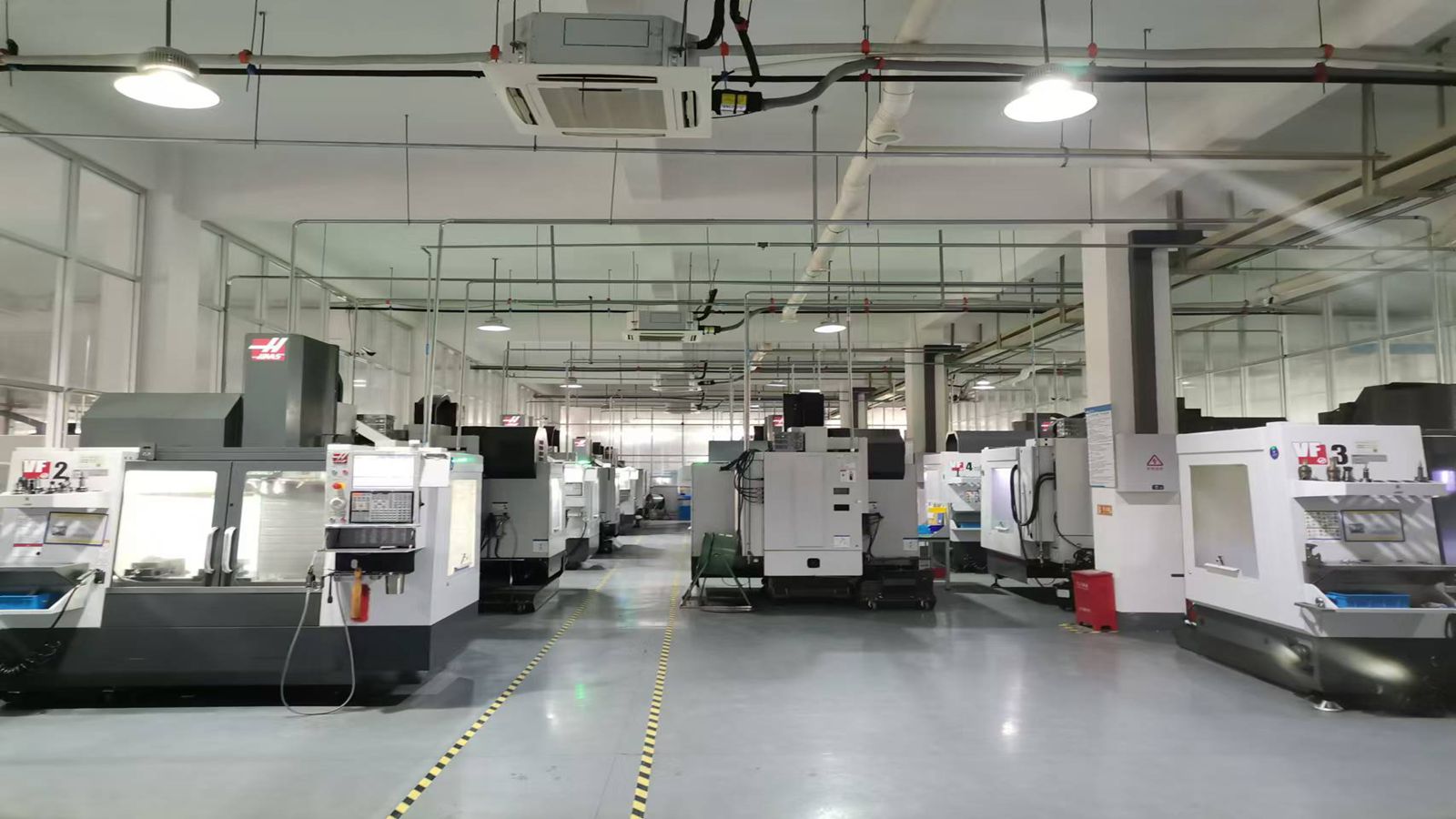
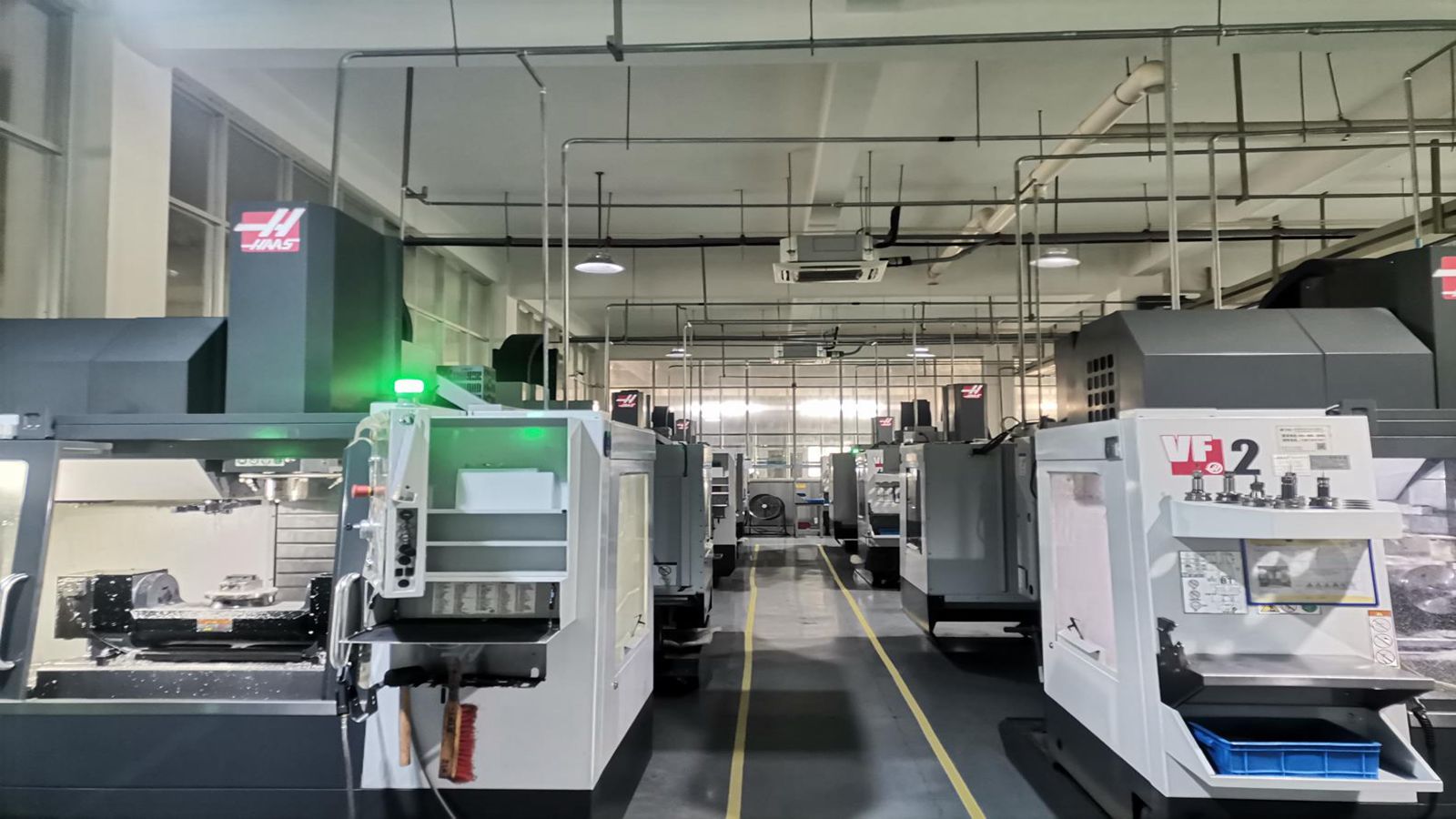
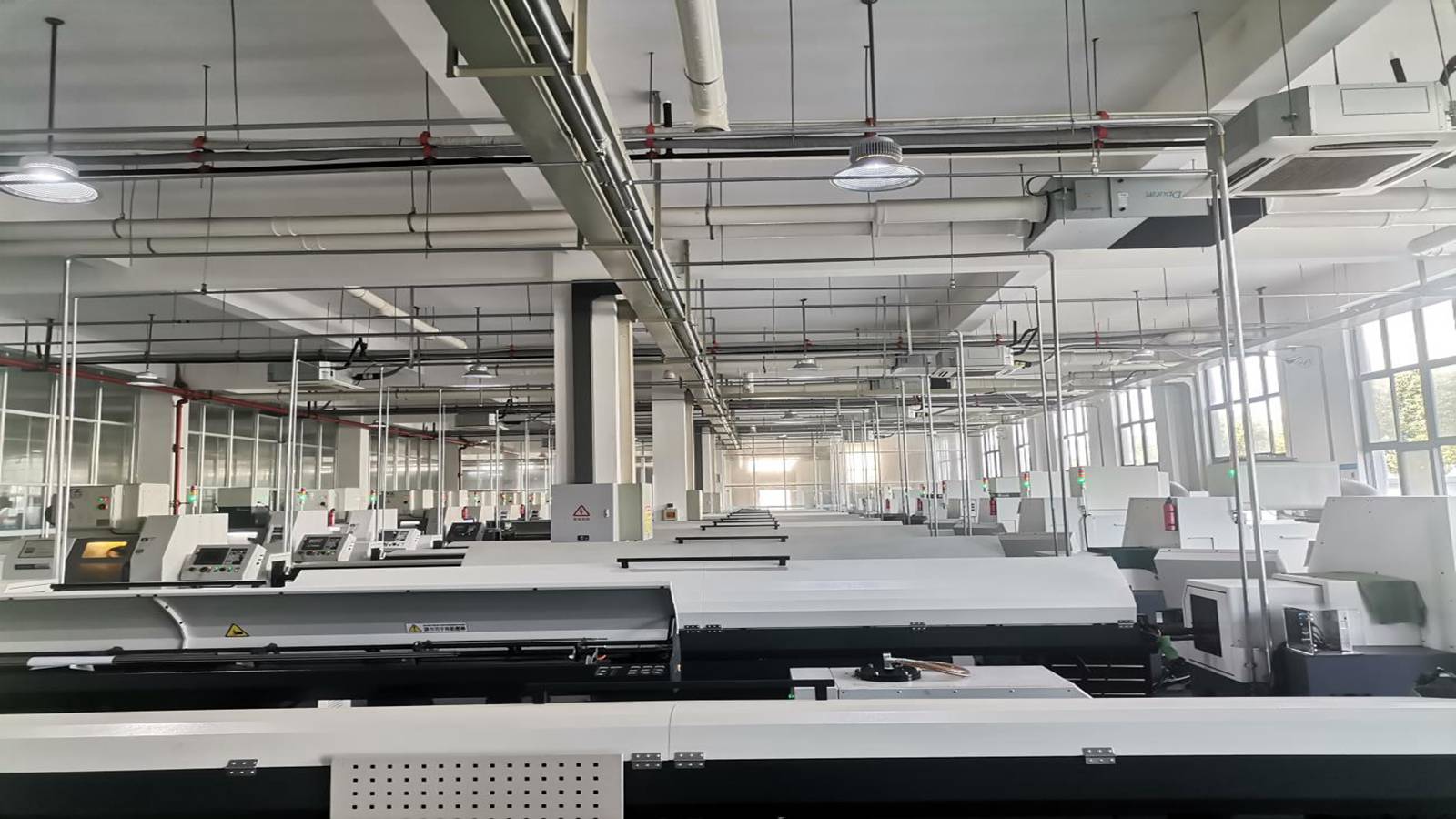
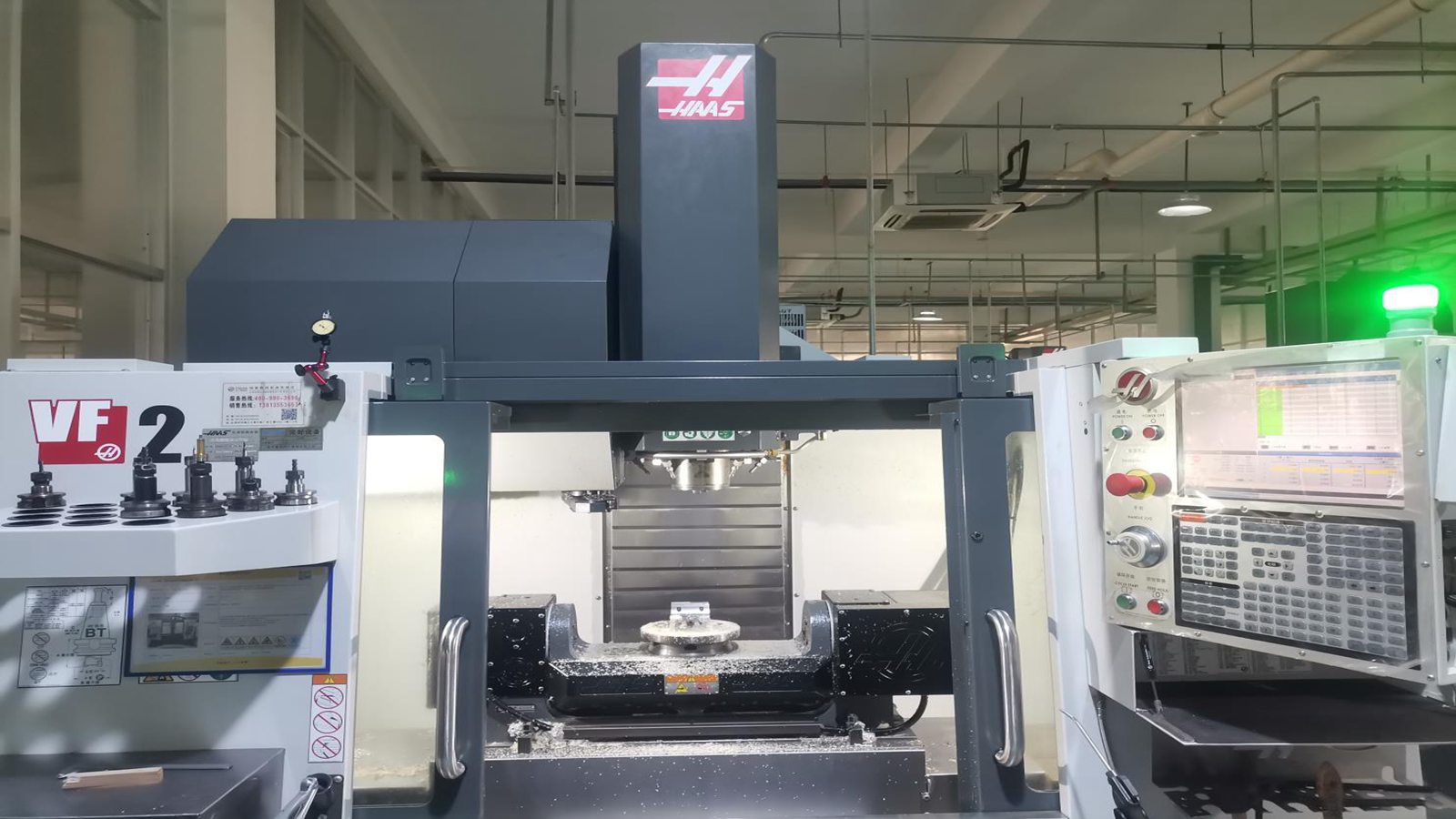
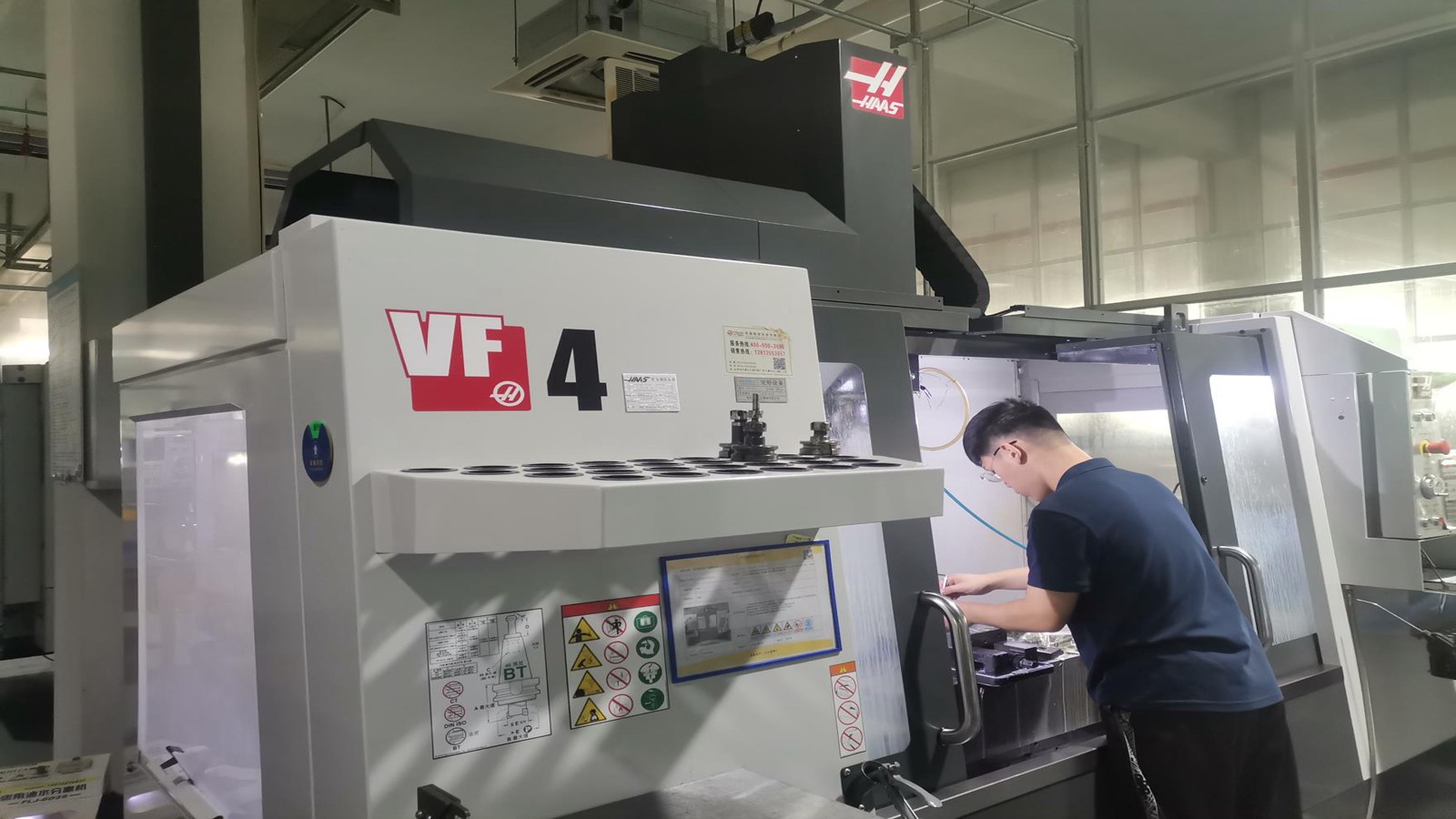
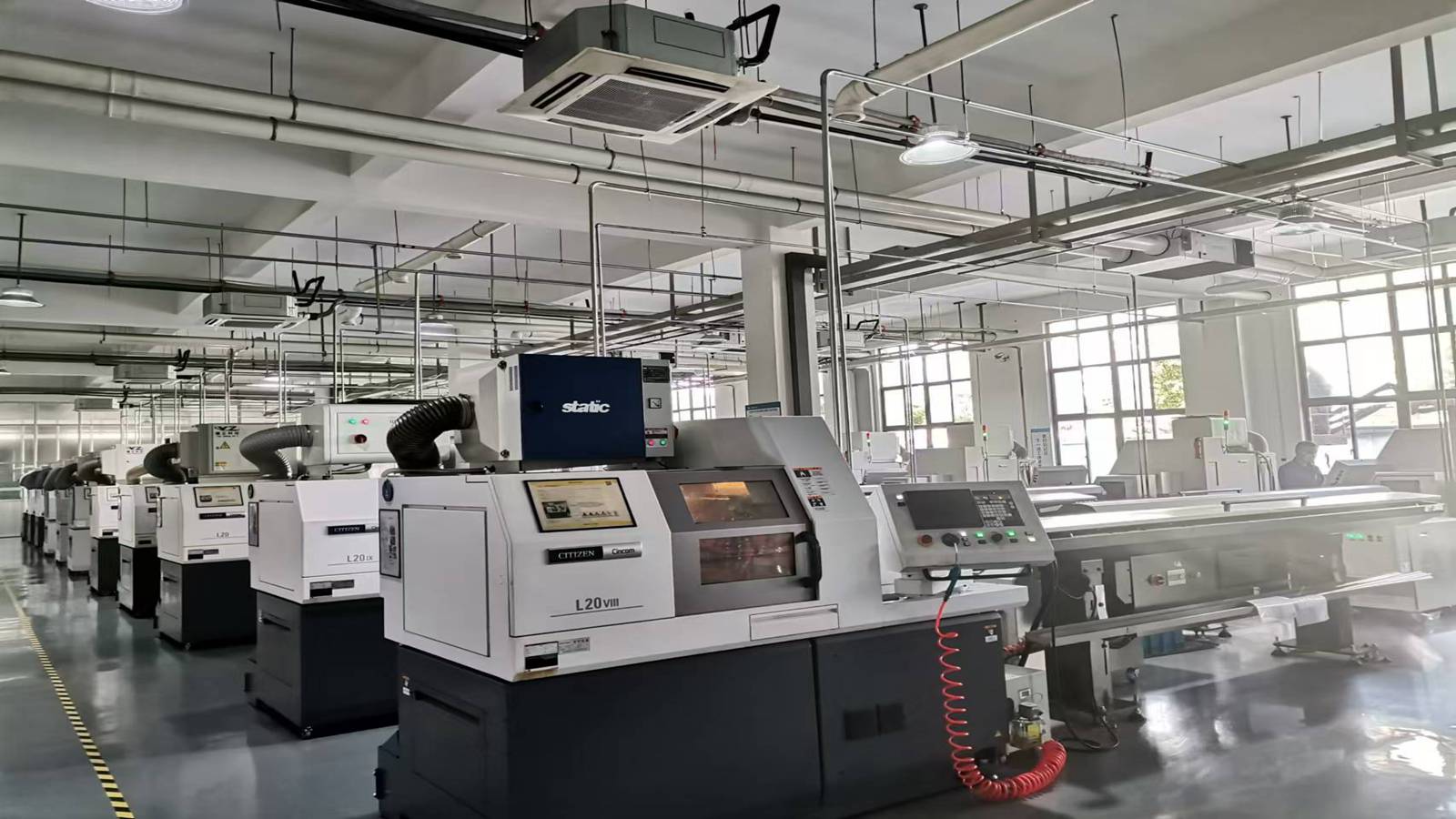
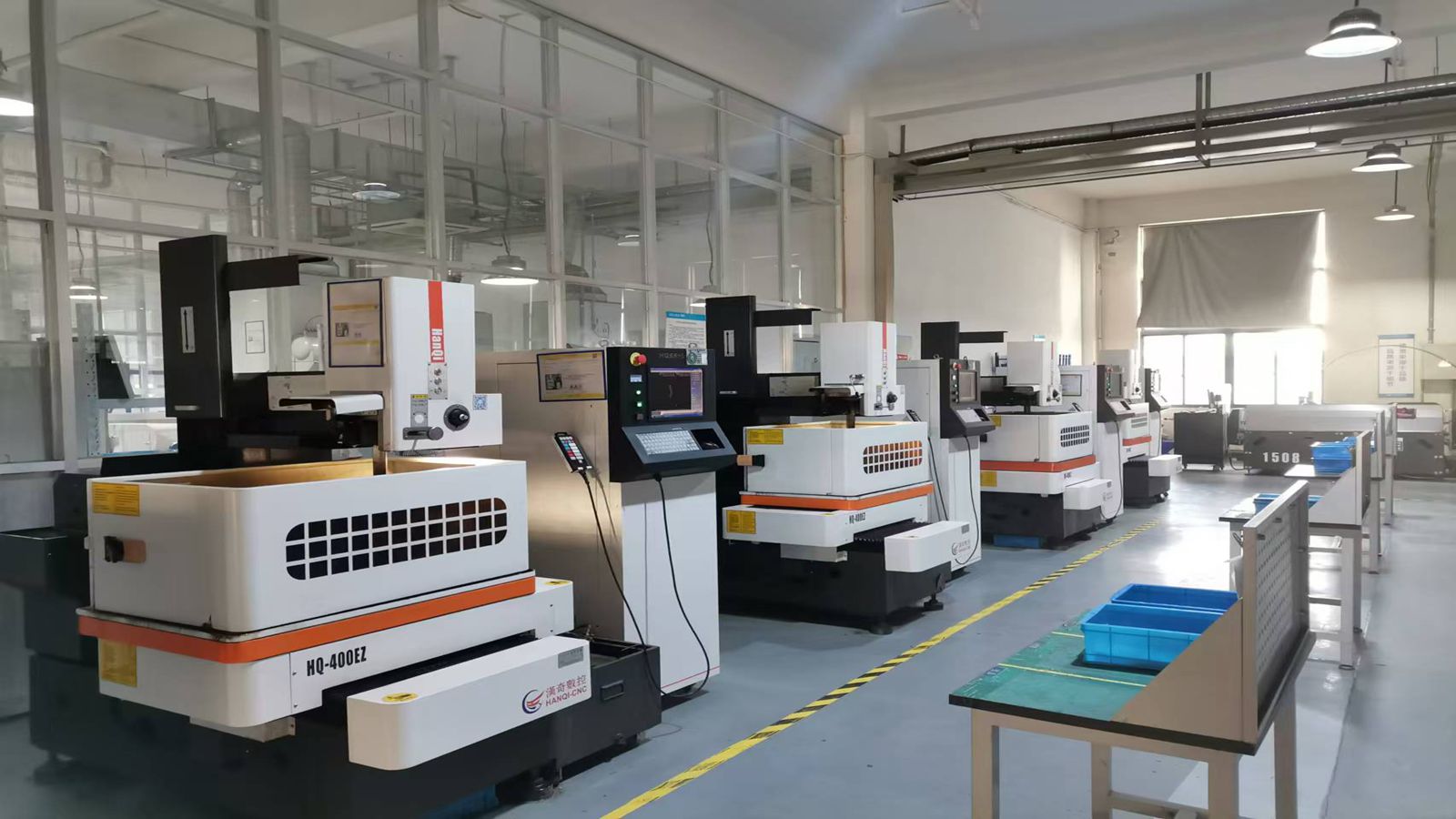
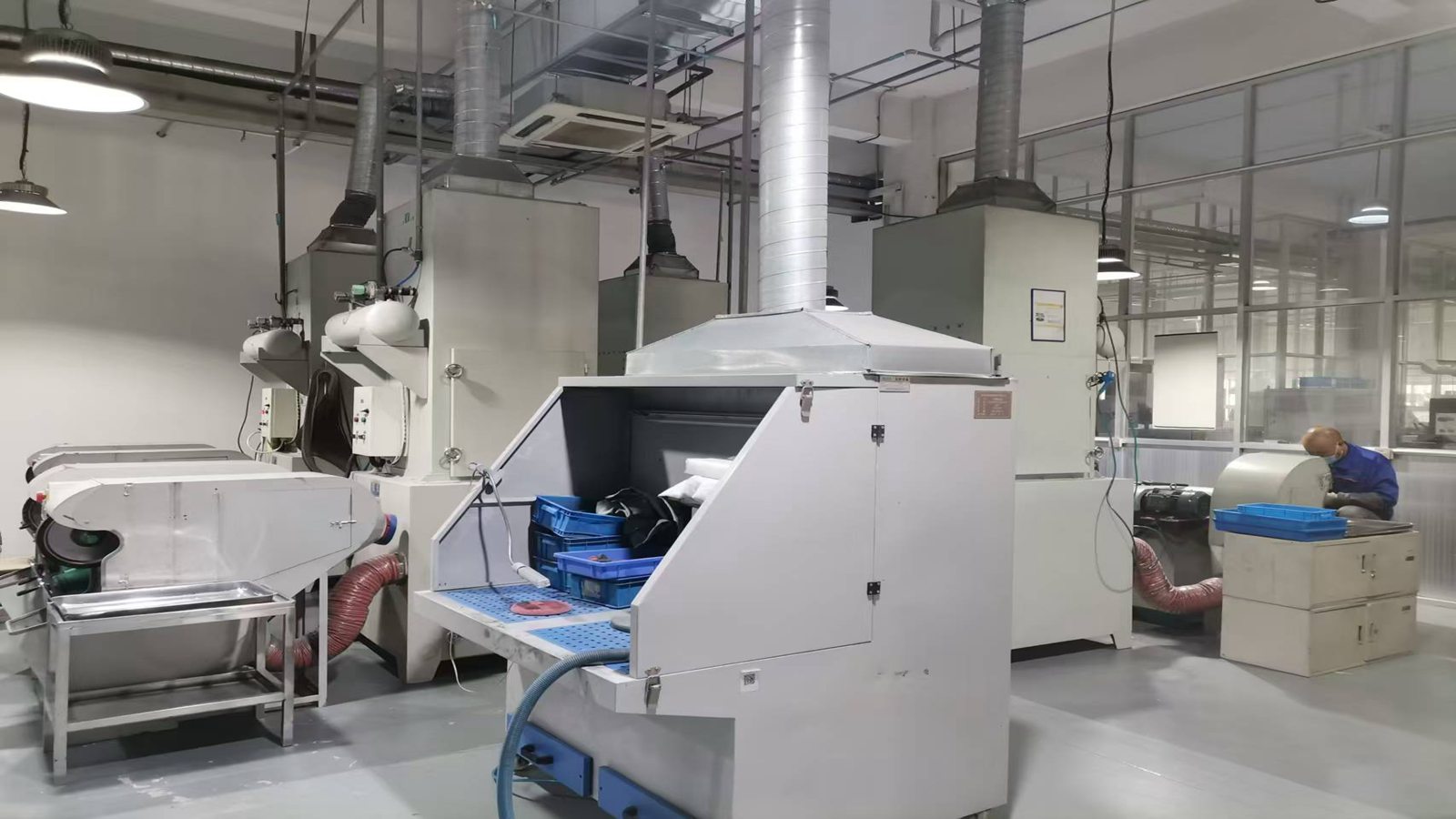
The modern Chinese medical device cluster integrates advanced high-speed machining centers, automated robotic deburring, and digital quality management systems.
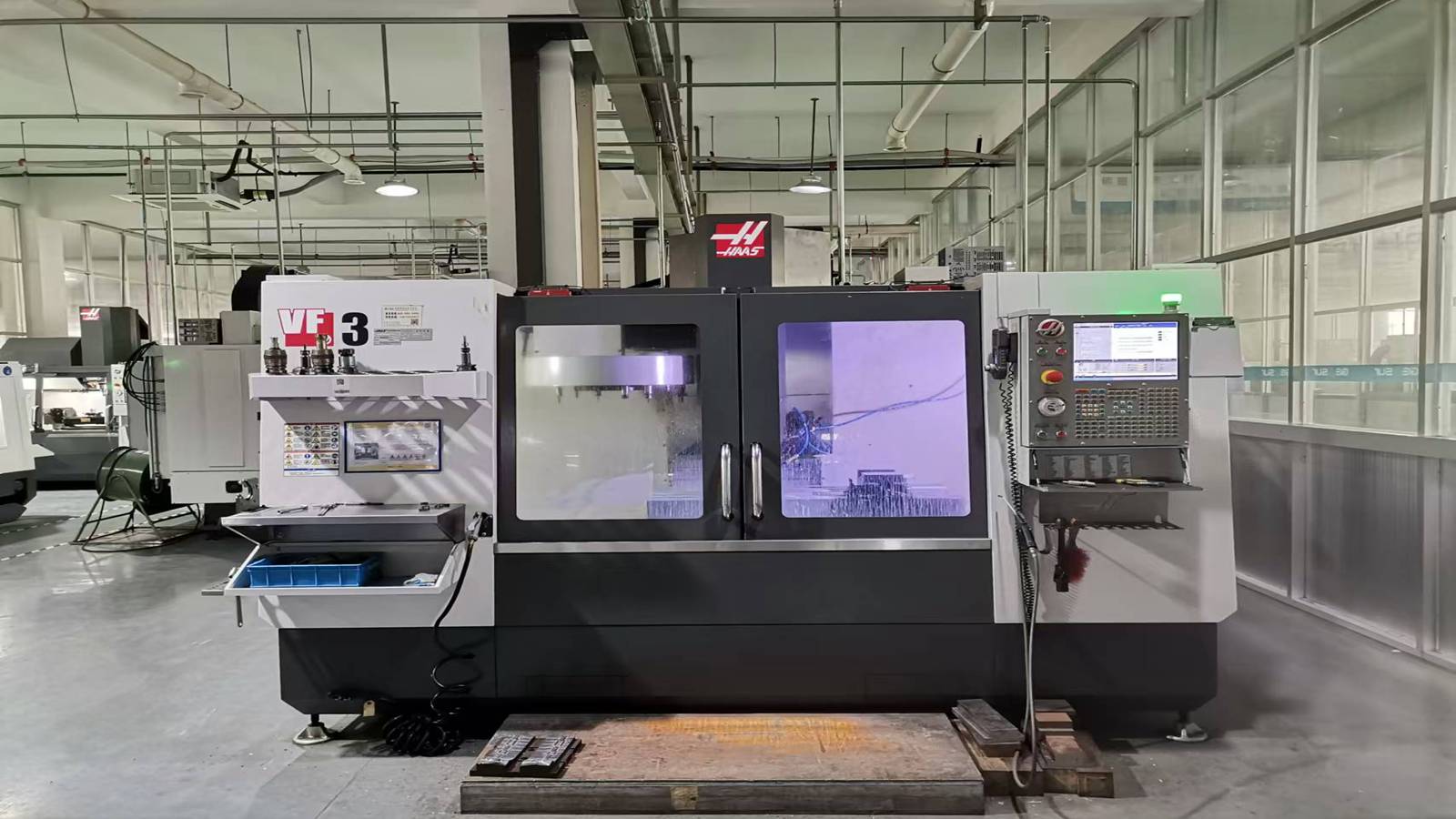
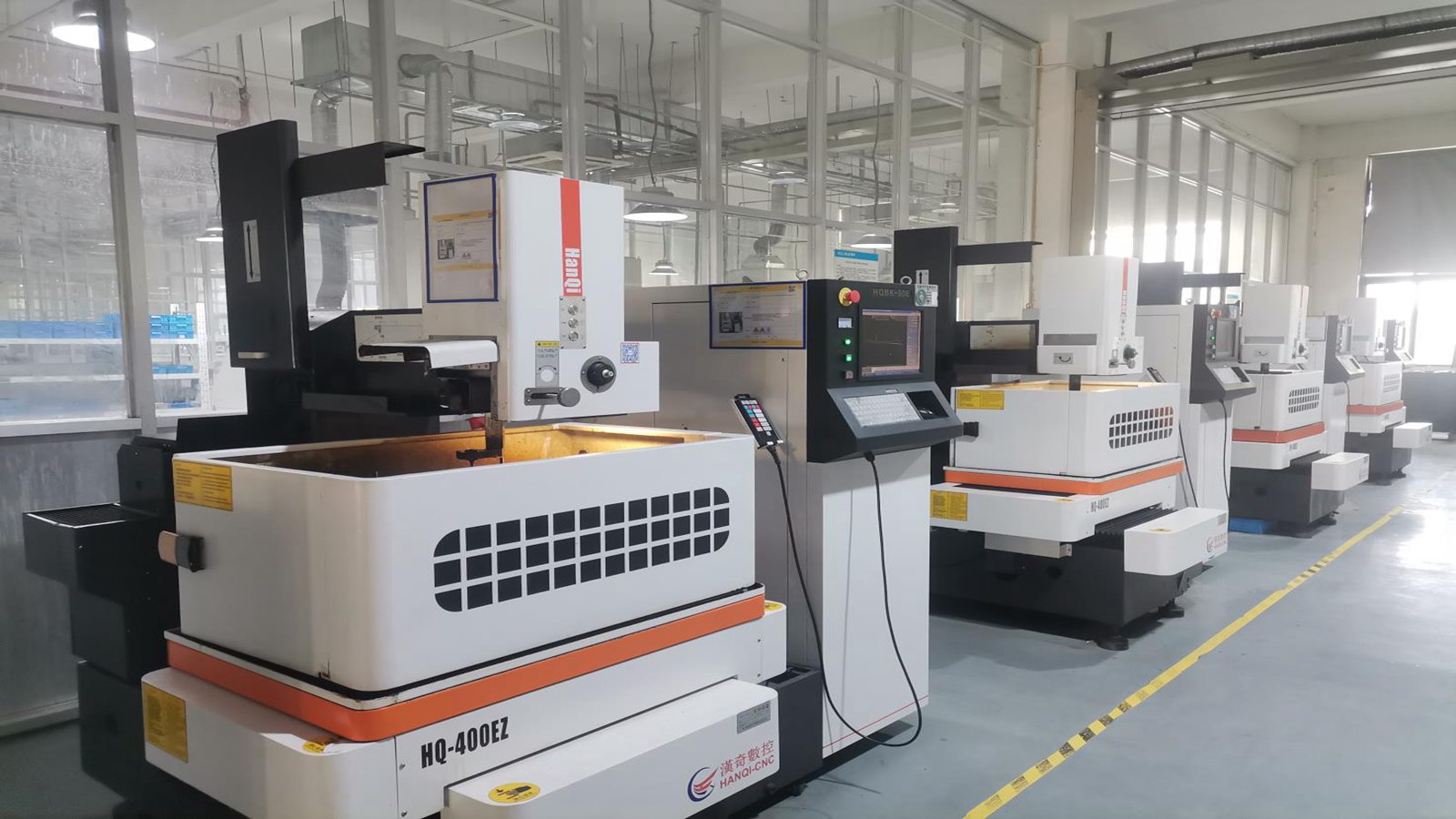
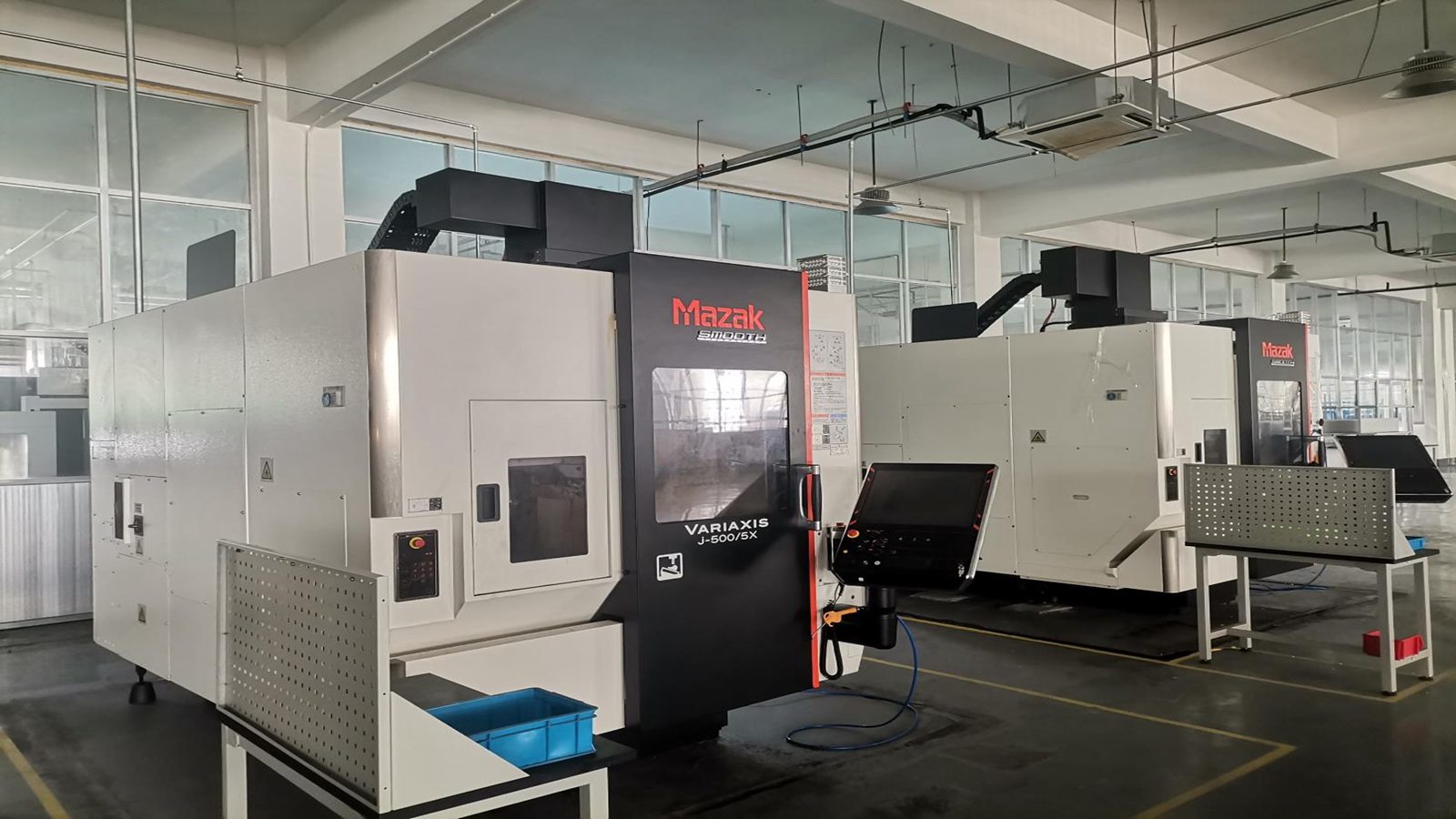
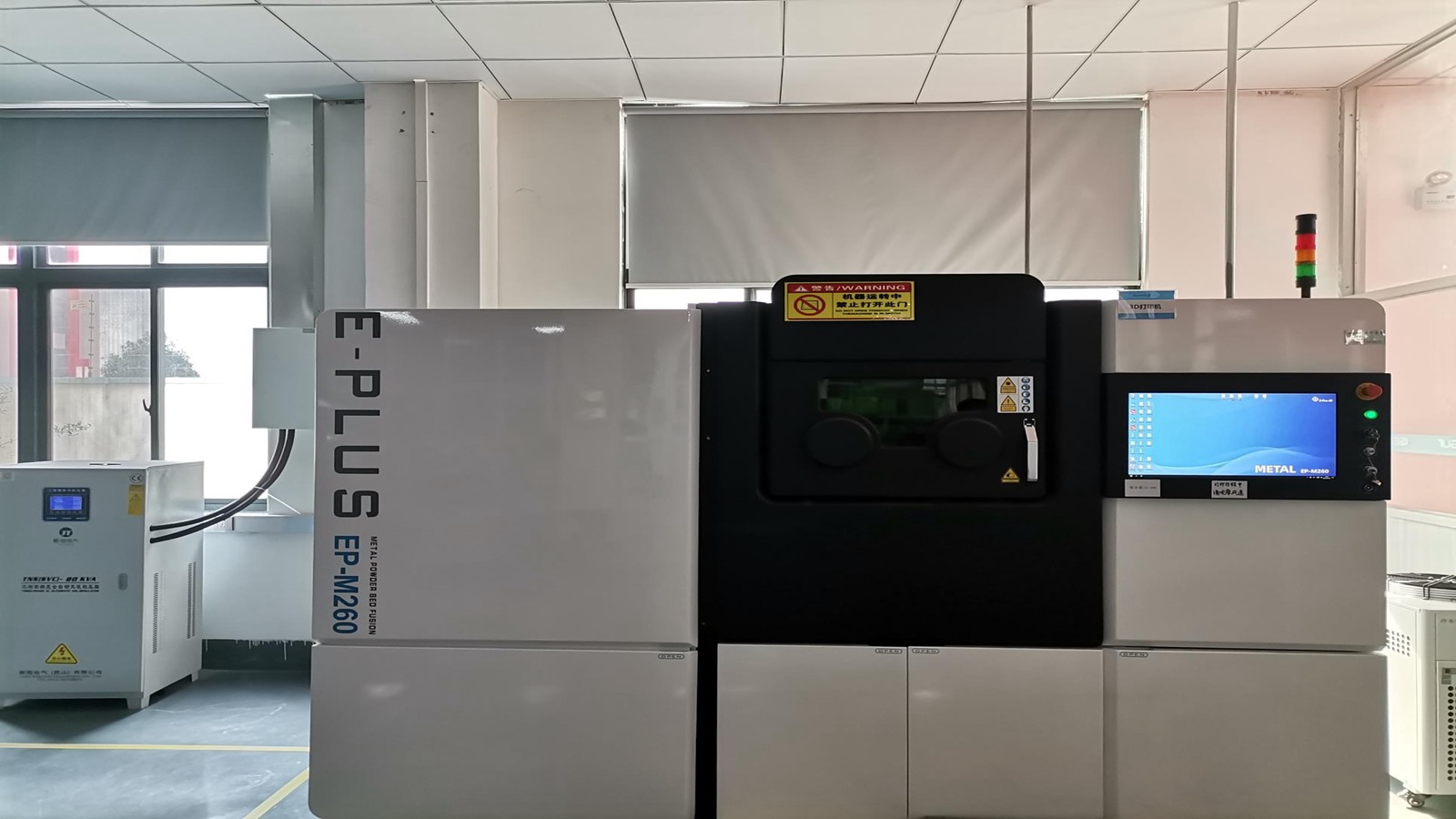
Utilizing high-end DMG MORI and Citizen Swiss-type multi-axis CNC machines, complex anatomical contours of distal tibia LISS plates and thread locking holes are machined in a single setup, eliminating repositioning error and guaranteeing high geometric accuracy.
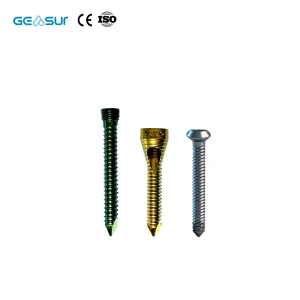
Automated Type II titanium anodization creates a thick, uniform oxide layer that enhances surface hardness, reduces friction co-efficient, eliminates cold welding (galling) between screw and plate, and provides vivid color coding for quick intraoperative size identification.
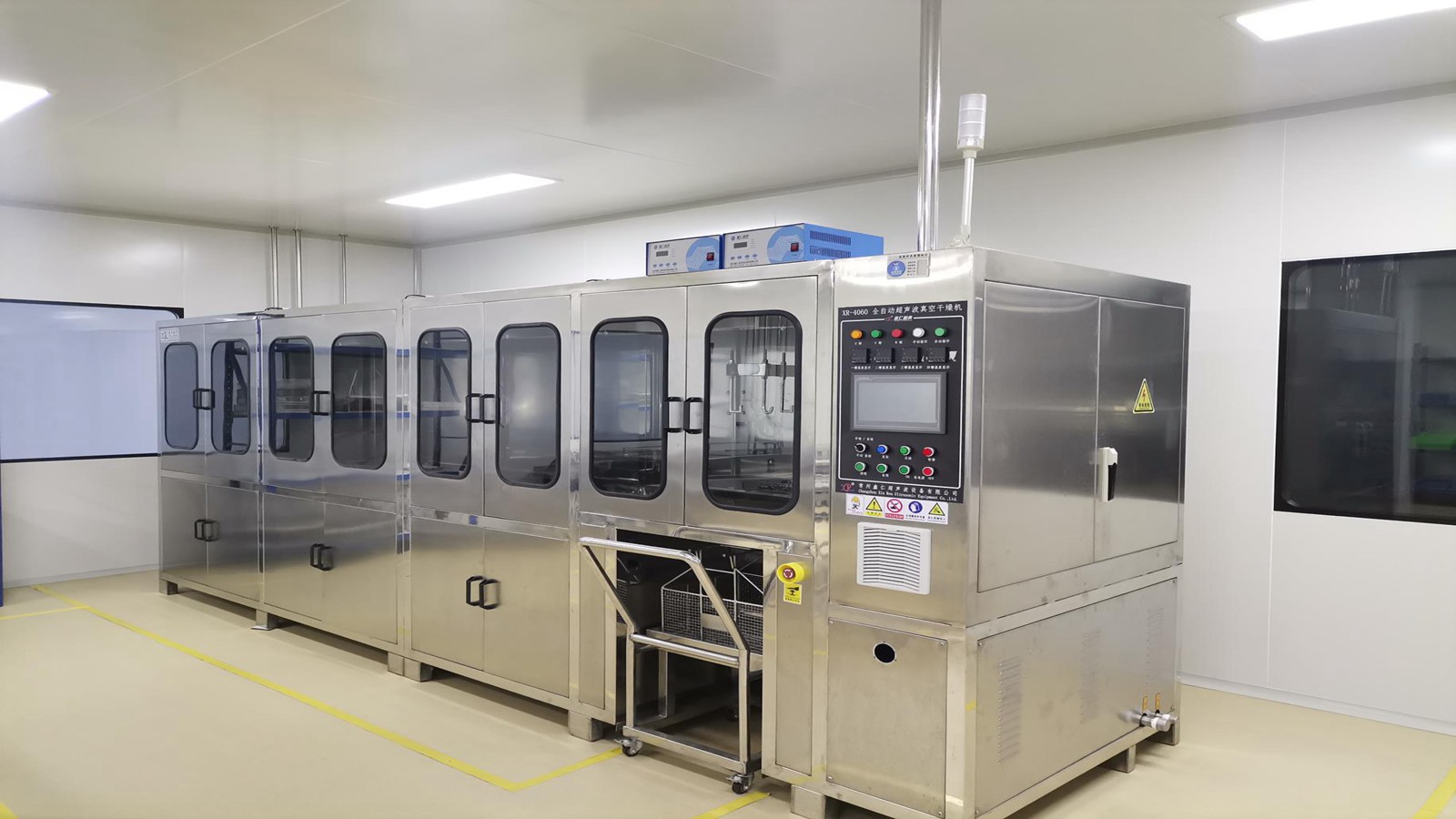
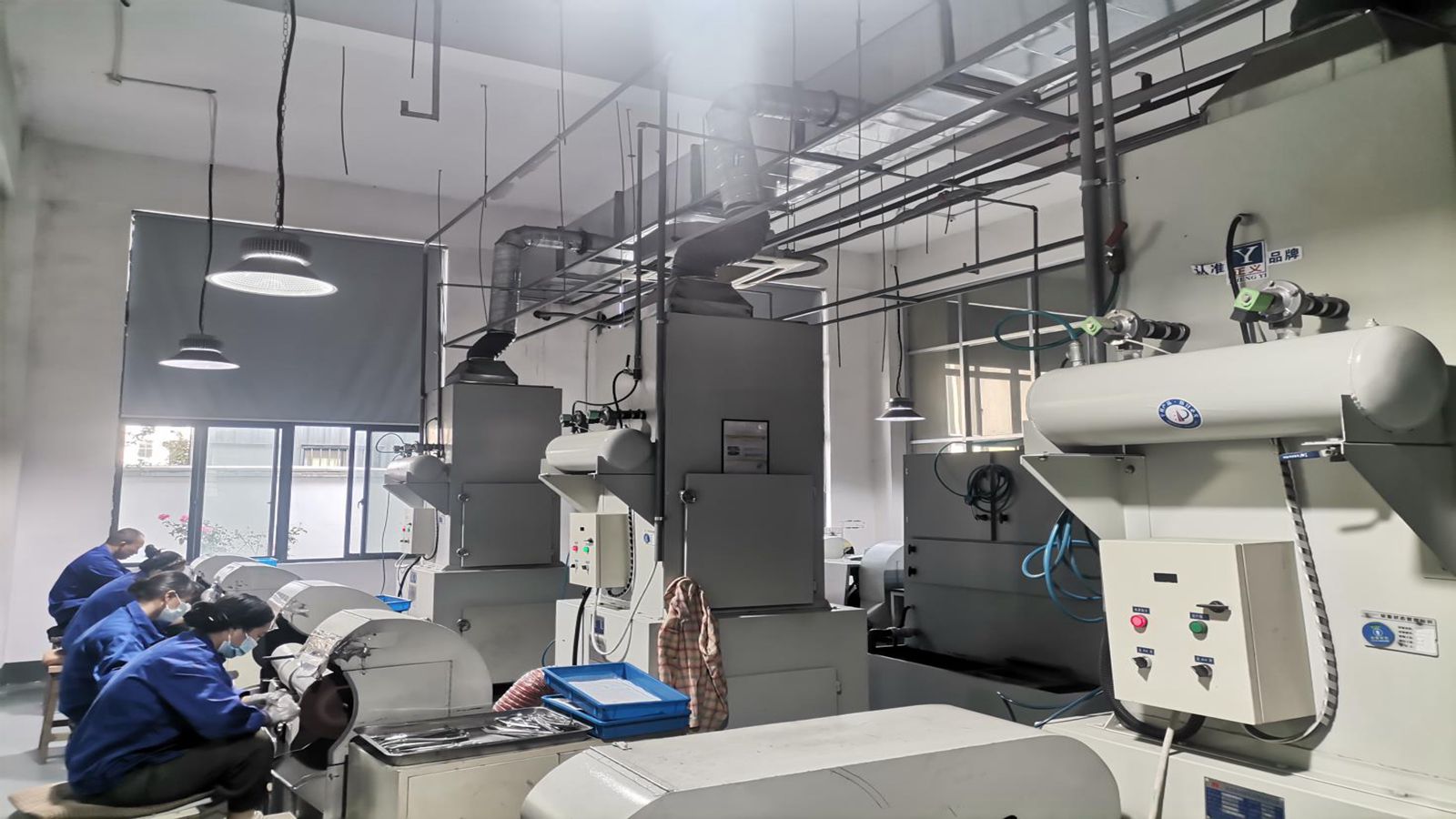
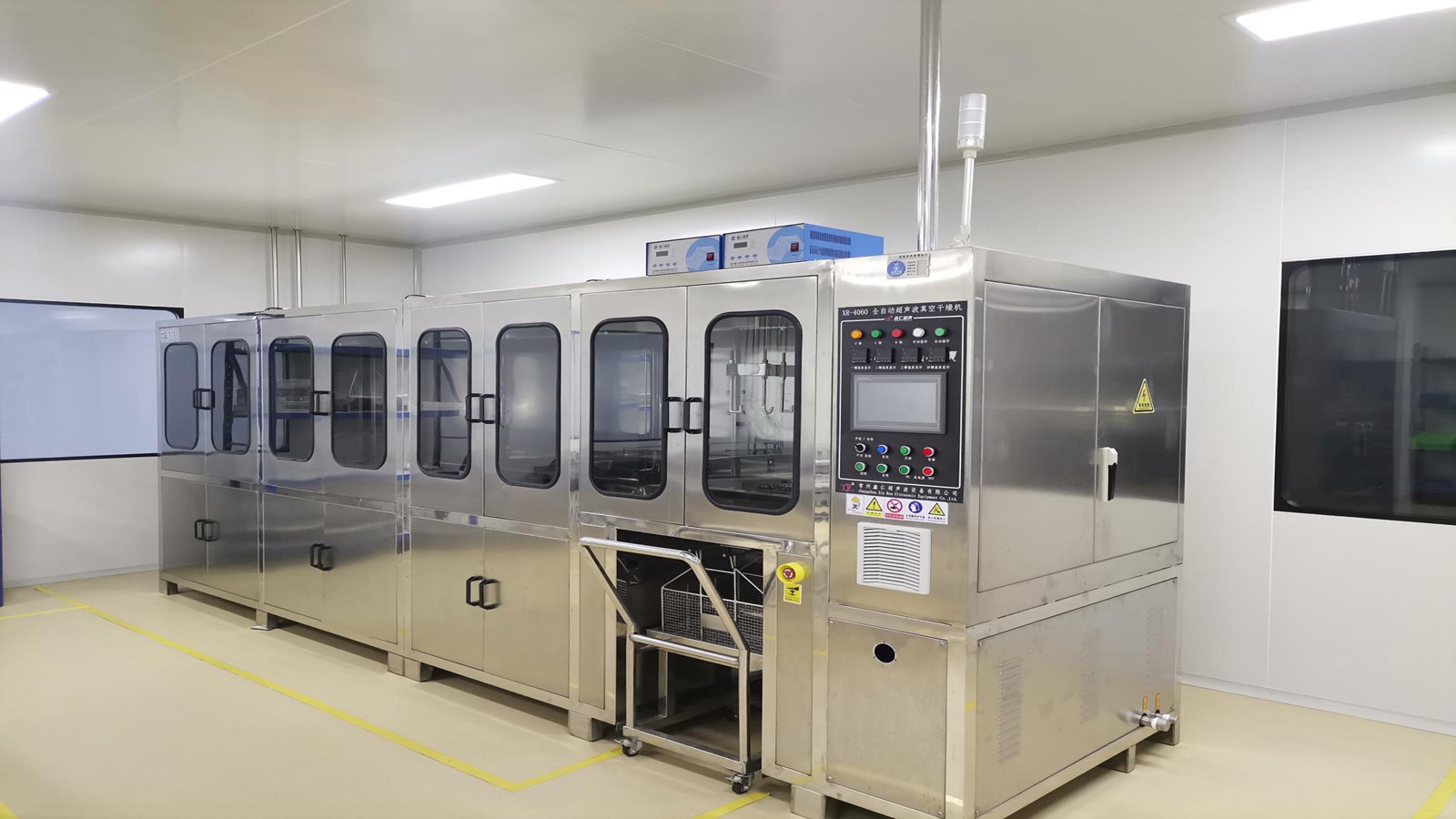
Cleanroom washing utilizing multi-stage ultrasonic solvent degreasing and purified water rinsing ensures sub-micron particle control and bioburden minimization before entering Class 10,000 (ISO Class 7) primary packaging areas.
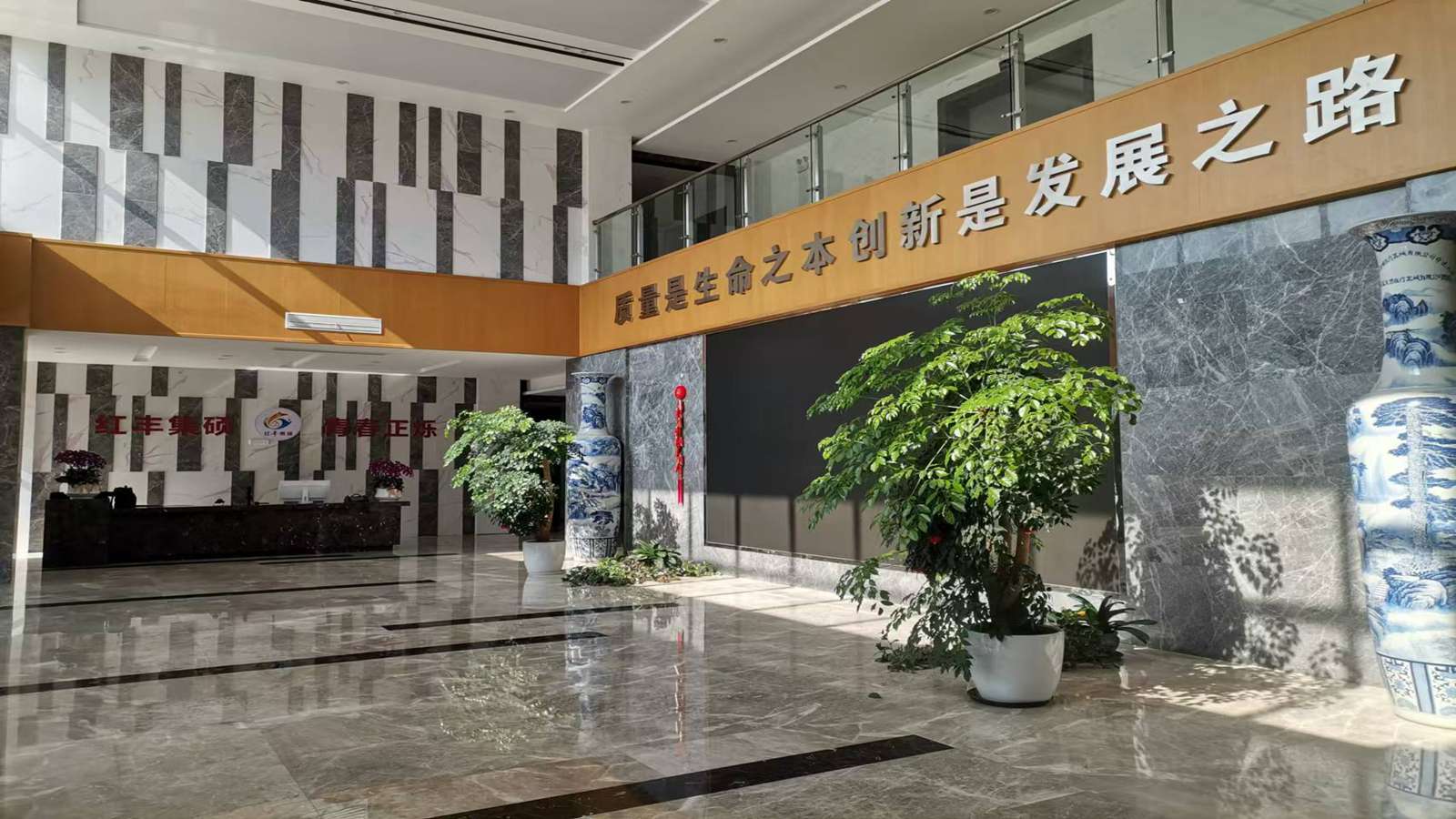
HBM Medical Apparatus And Instruments Co., Ltd. represents the pinnacle of Chinese orthopedic R&D and high-precision manufacturing. With an unwavering commitment to technological innovation, product excellence, and customer service, HBM serves as a benchmark enterprise serving global trauma, spine, and veterinary surgical sectors under the operational philosophy: "Integrate the Master, Health being achieved."
| Parameter | HBM Operational Capabilities & Infrastructure |
|---|---|
| Date of Registration | 2015-10-15 (Over 10 Years Industry Exporting Expertise) |
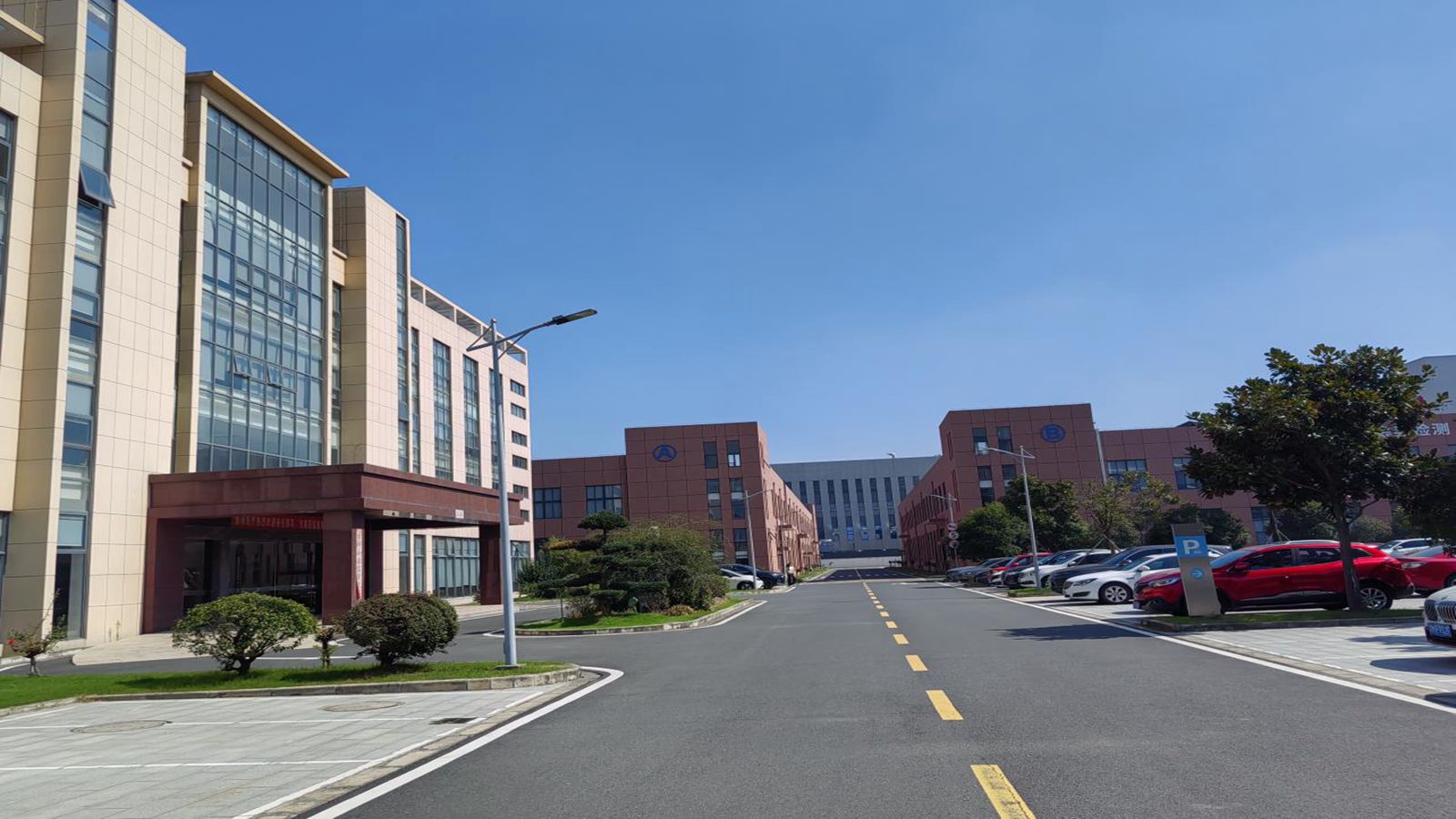
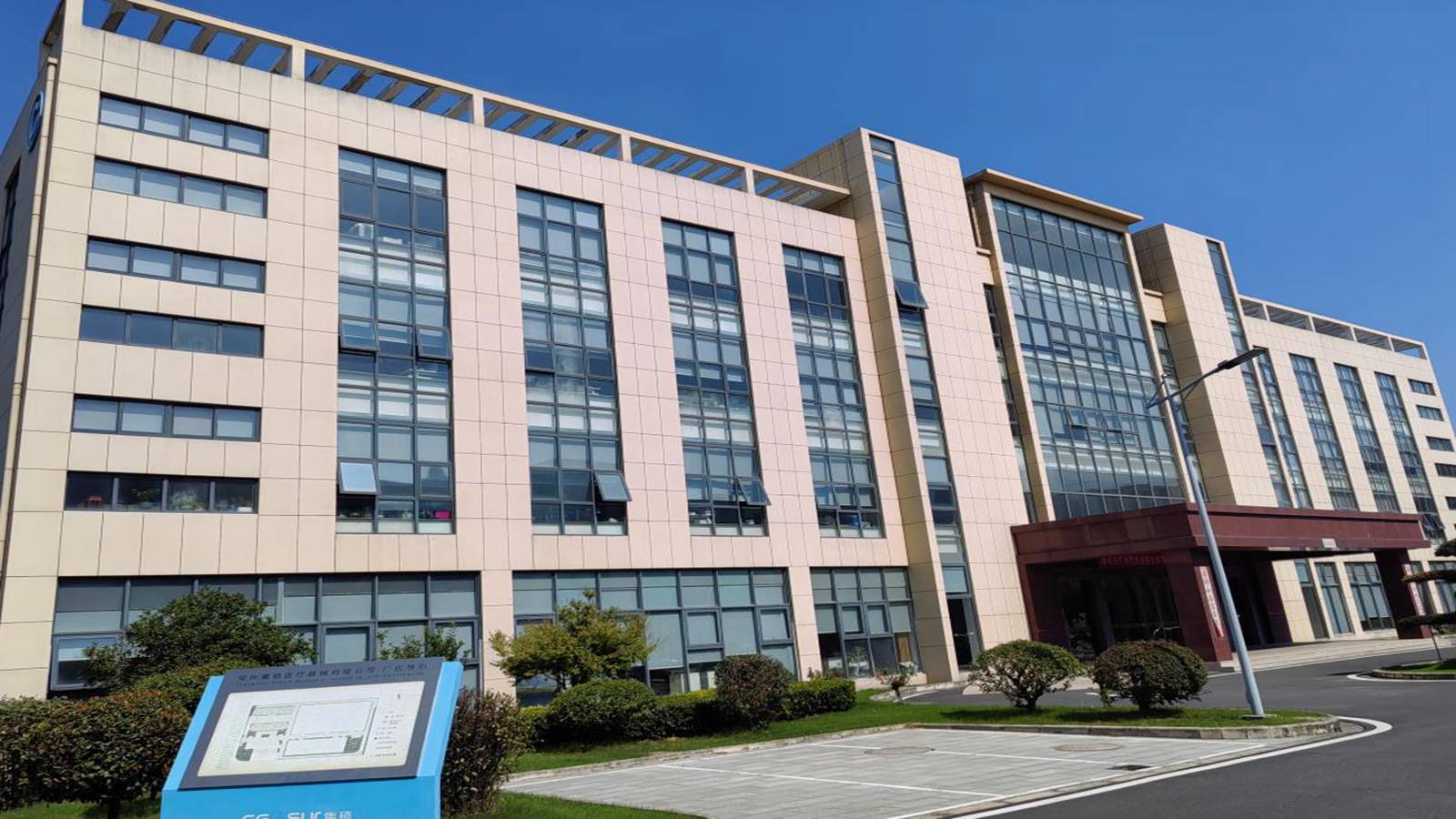
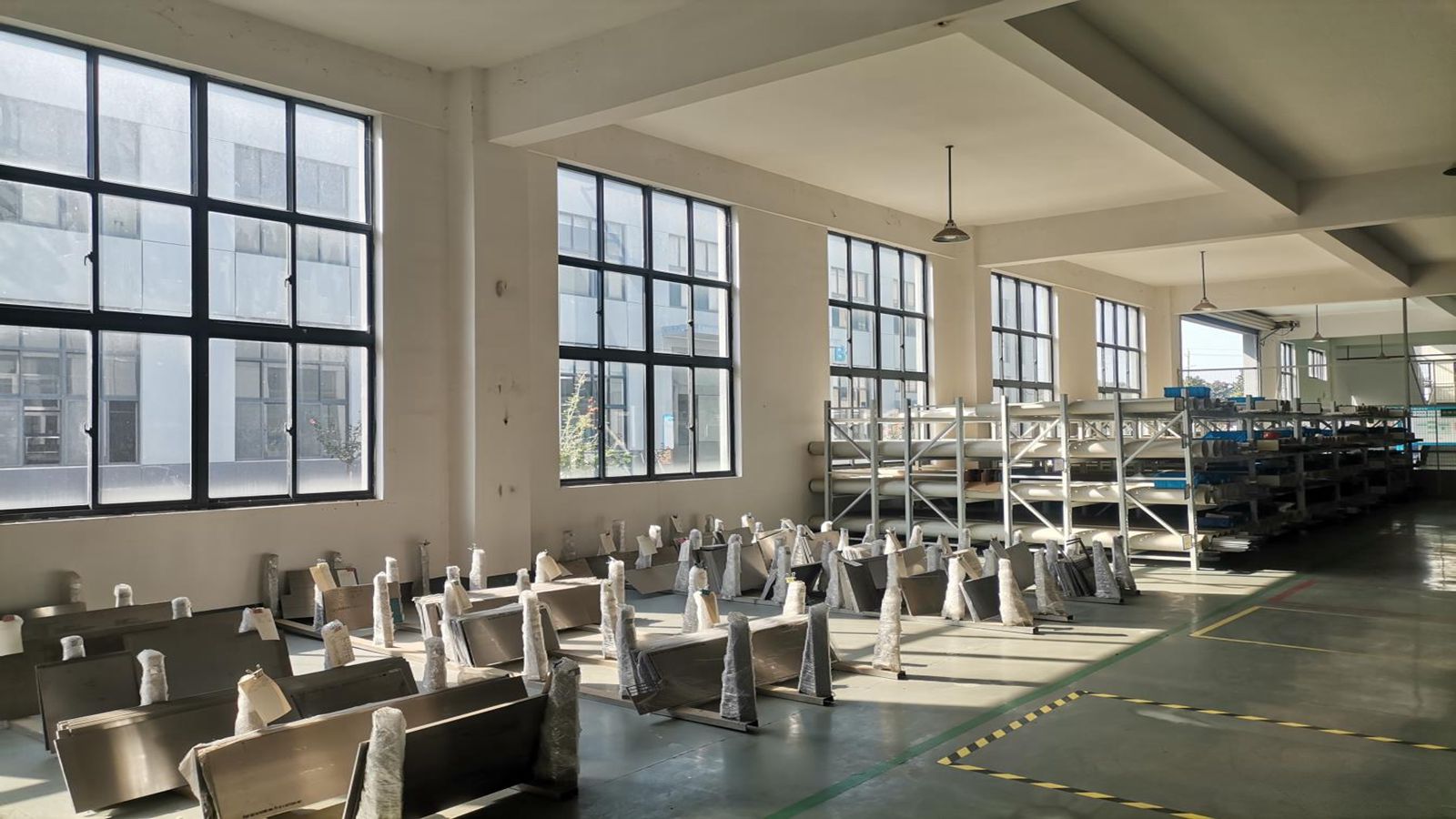
| Total Floor Space | 30,343 Square Meters Modern Industrial Park Facility |
| Machinery Infrastructure | 350+ Advanced Machining & Testing Units (12 Dedicated Production Lines) |
| International Certifications | ISO 13485 (04723Q10000765), MDSAP (C730178), CE MDR (EPT 0477.MDR.25/5905 & EPT 0477.MDR.25/5973) |
| Quality Control Team | 36 Full-time QA/QC Inspectors; 100% Raw Material Traceability & Line Inspection |
| R&D Talent Pool | 31 Specialized Engineers (1 Doctorate, 11 Post-Graduates, 17 Graduates, 2 Junior College) |
| Annual Innovation Rate | 25+ New Product Launch Systems Per Year |
| Customization Capabilities | Sample Processing, CAD/CAM Graphic Processing, Custom On-Demand OEM/ODM |
| Global Sales Coverage | Domestic (80%), Eastern Europe (5%), Southeast Asia (5%), Americas & Middle East Networks |
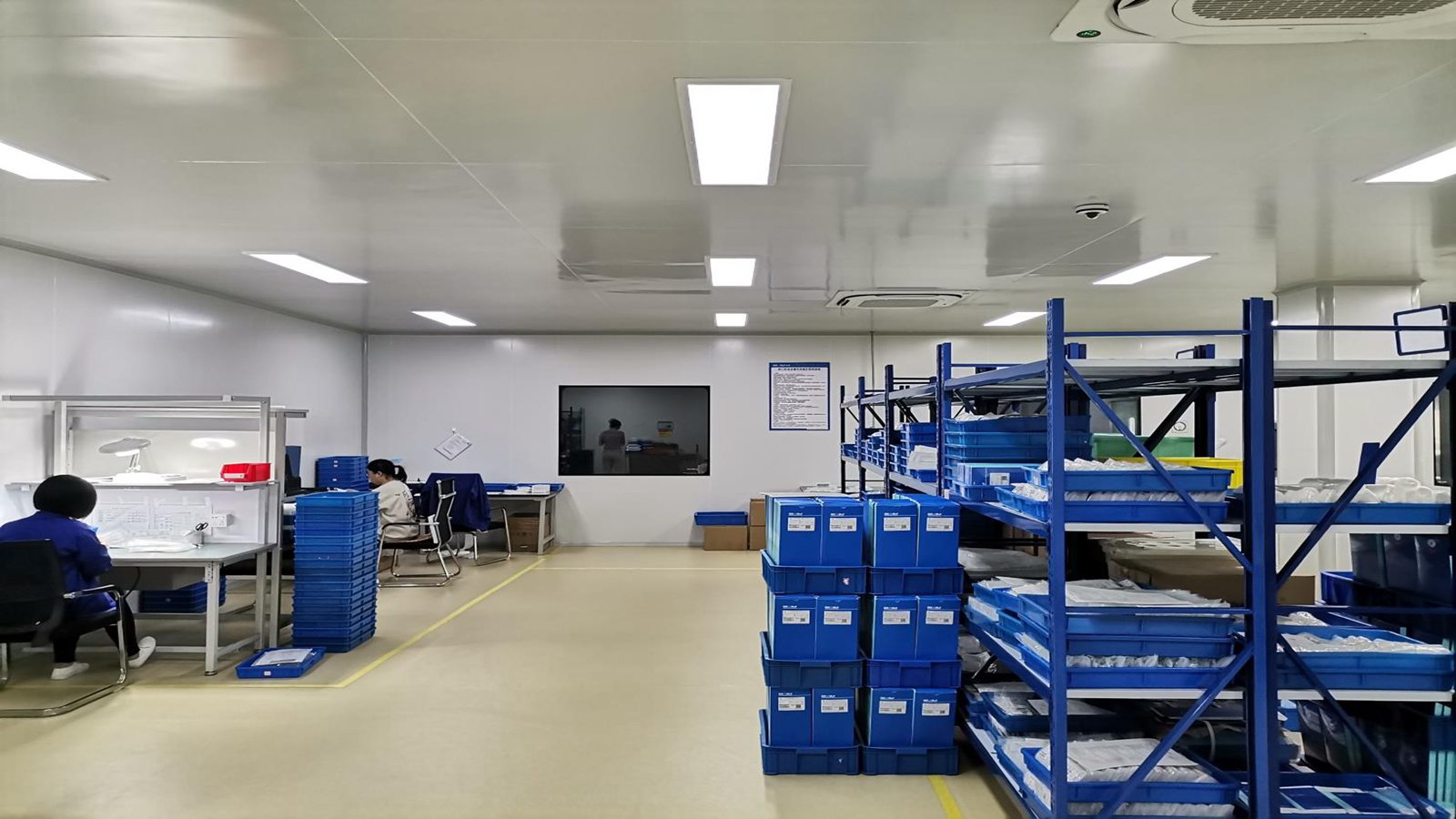
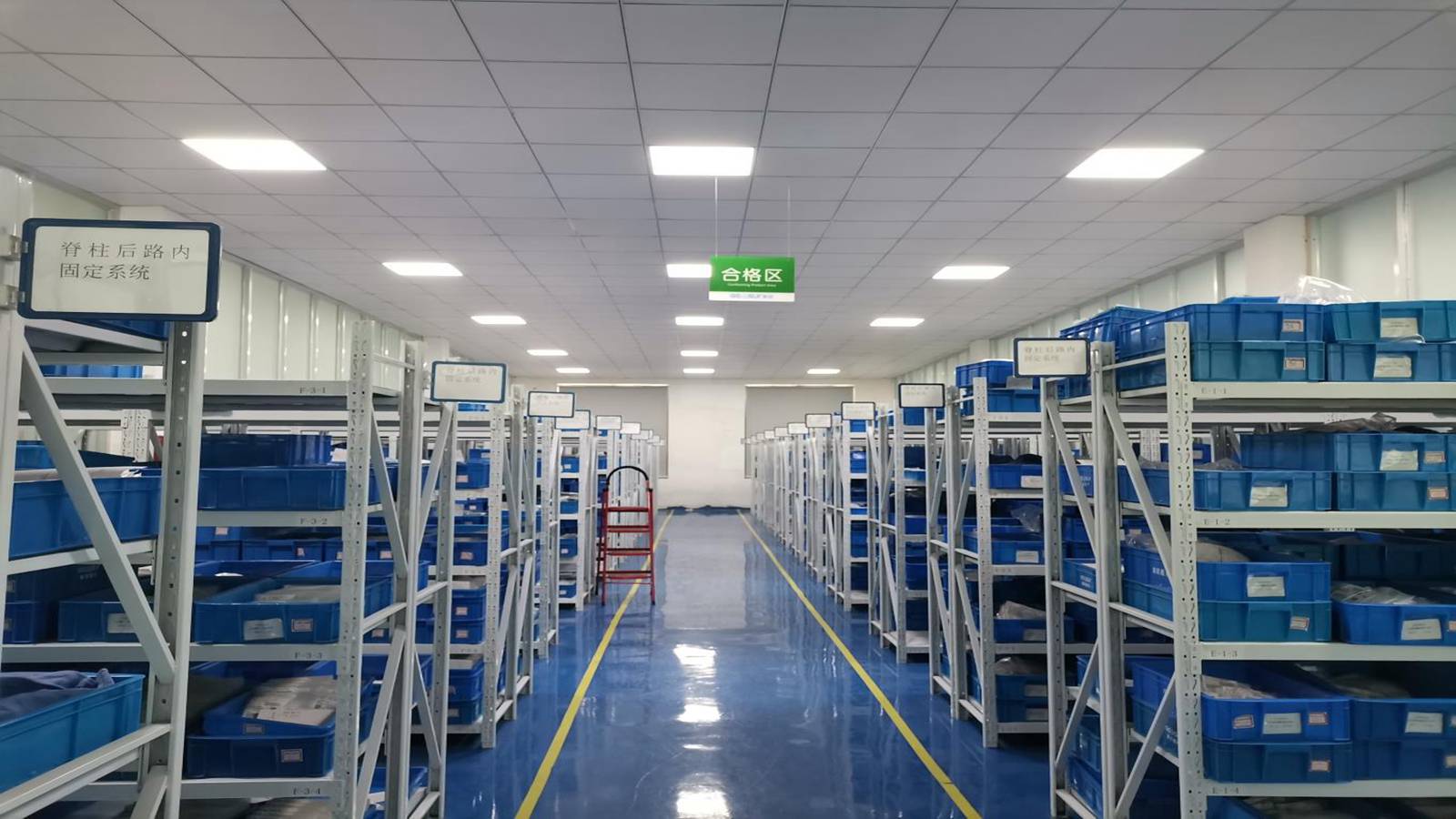
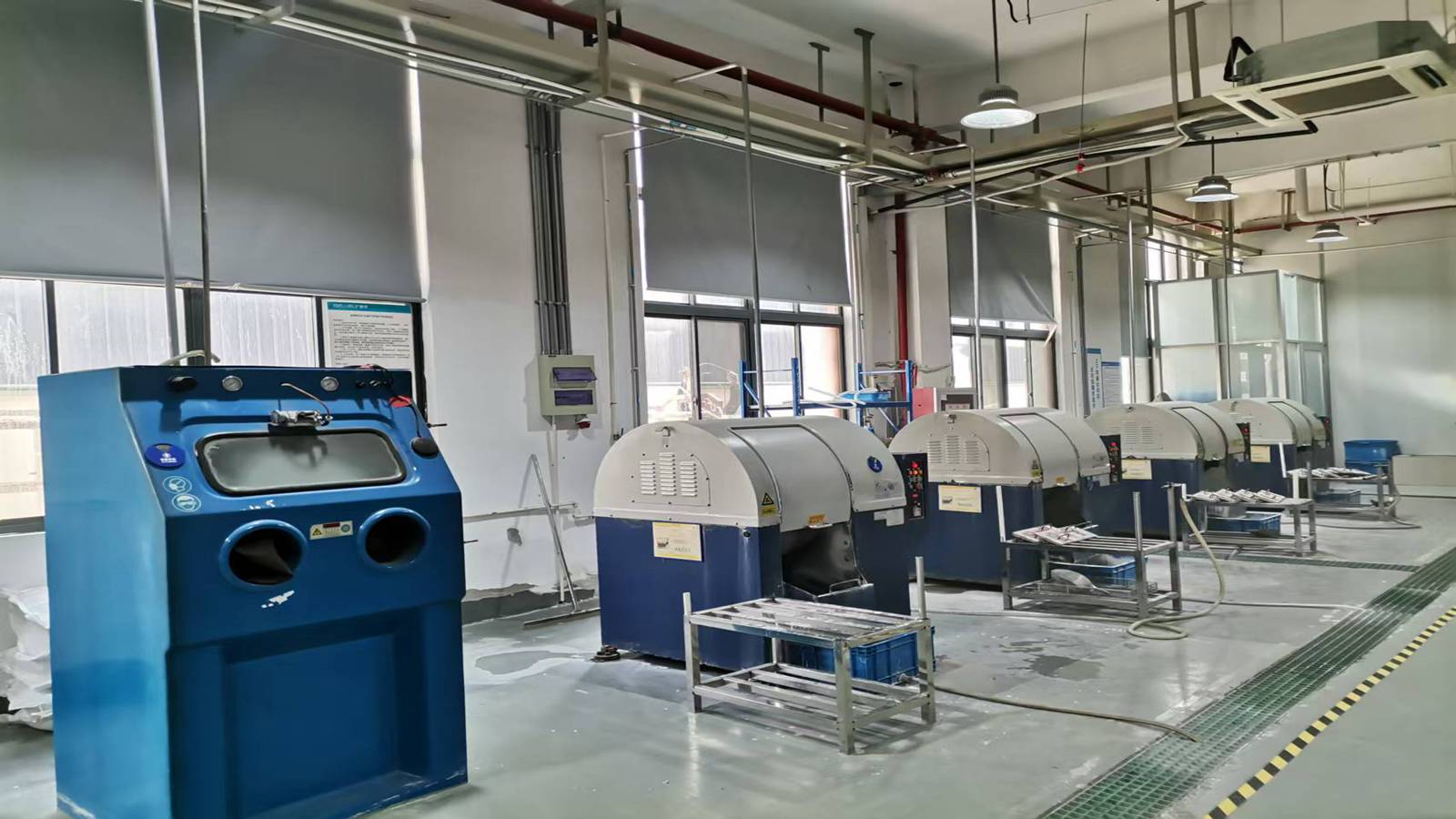
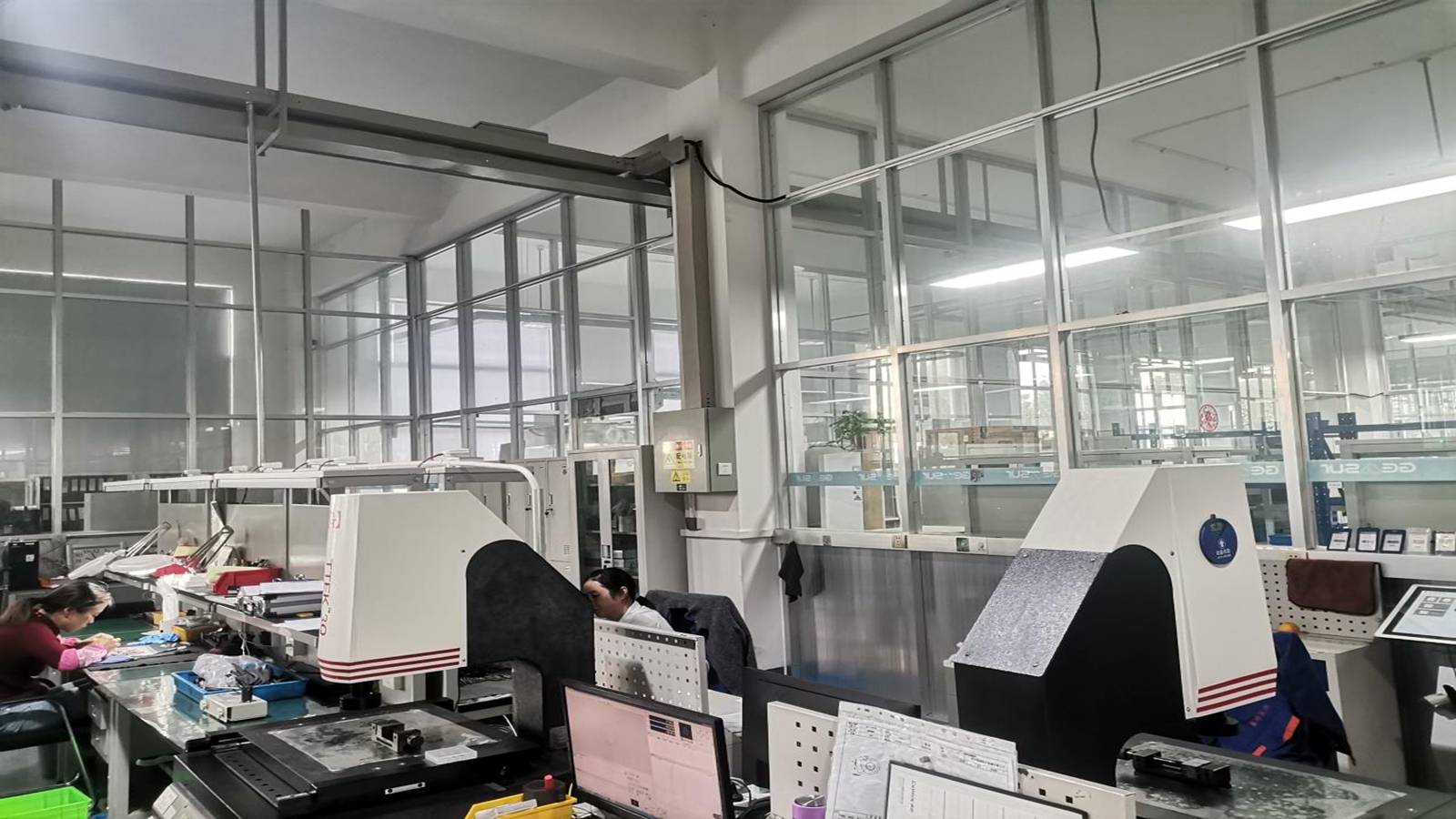
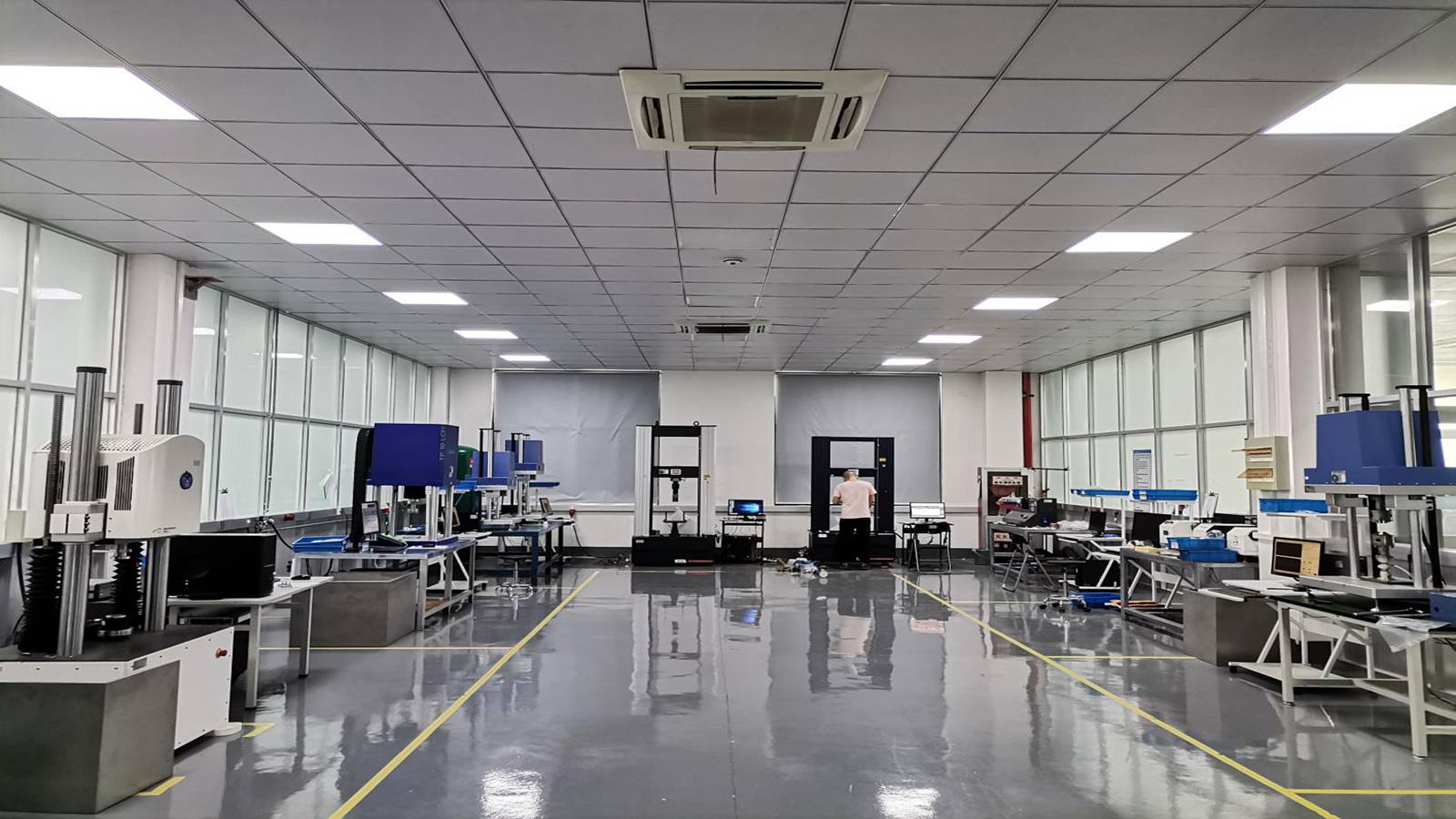
HBM Medical operates state-of-the-art production floors equipped with CMM micro-measurement devices, optical comparators, fatigue testing rigs, and CNC centers.
Tibia locking plate systems engineered in China cover the complete spectrum of lower extremity orthopedic trauma procedures:
High-energy intra-articular injuries require subchondral raft screws to prevent articular surface subsidence. Anatomical medial and lateral proximal tibia locking plates offer pre-shaped contours that fit the natural metaphysis without excessive intraoperative bending, securing fragment stability.
Anterolateral and medial distal tibia LISS plates utilize ultra-low profile edges and multi-planar distal screw trajectories. This design prevents hardware prominence against thin subcutaneous tissue while providing rigid fixation across complex metaphyseal comminution zones.
For patients suffering from unicompartmental knee osteoarthritis, HTO locking compression plates provide stable fixation after open-wedge or closing-wedge osteotomy, allowing early weight-bearing and fast bone union.
Expanding beyond human medicine, specialized mini bone plates, osteotomes, and bone-holding clamps serve veterinary orthopedic surgery, providing high-durability internal fixation options for canine and feline limb fractures.
Detailed answers addressing procurement inquiries, technical specifications, regulatory standards, and OEM collaboration workflows.
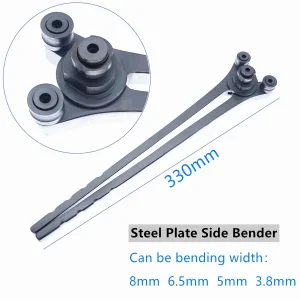
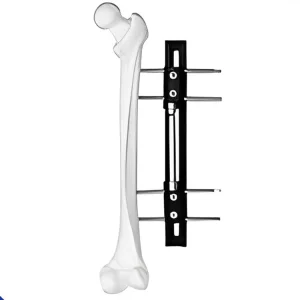
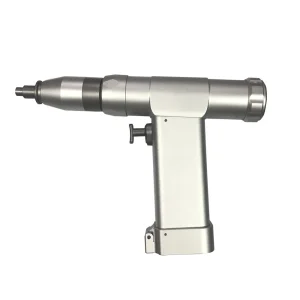
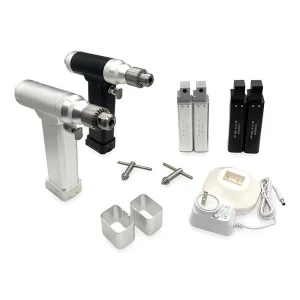
Discover our comprehensive range of specialized titanium plates, external fixators, power tools, and veterinary orthopedic instruments.
 HBM Medical