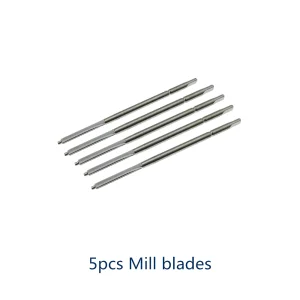
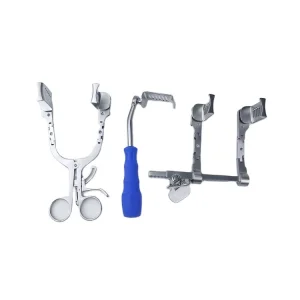
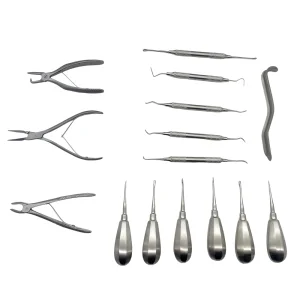
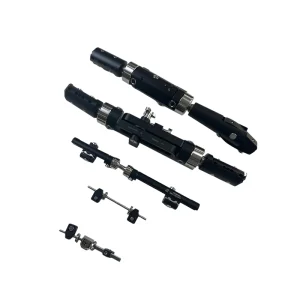
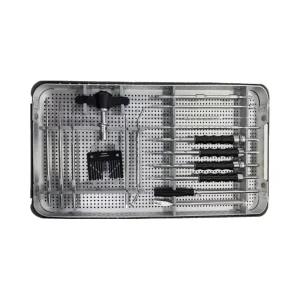
Explore our premium selection of CE-certified implants, micro-retractors, and specialized surgical instrument kits engineered for high-precision clinical outcomes.
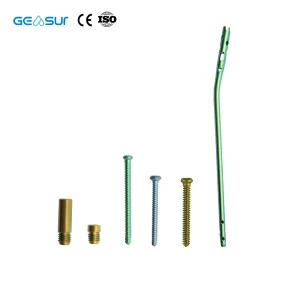
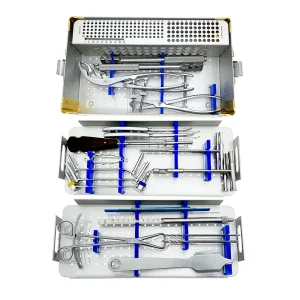
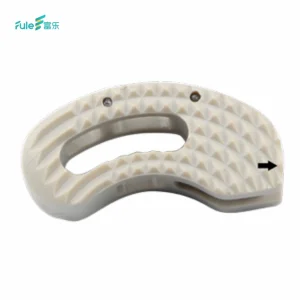
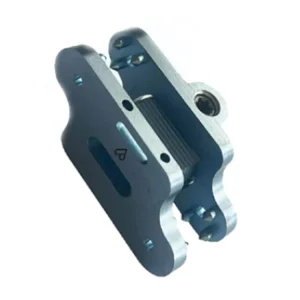
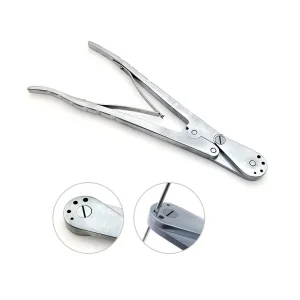
In the global orthopedic arena, the management of long bone fractures—specifically femoral, tibial, and humeral diaphyseal fractures—has undergone a paradigm shift. The gold standard has firmly transitioned from open reduction and plate fixation to minimally invasive intramedullary nailing (IMN). Interlocking intramedullary nails act as load-sharing devices, preserving the periosteal blood supply, accelerating callus formation, and allowing early weight-bearing for patients.
As clinical demands grow more sophisticated, global healthcare systems require implants that offer not just mechanical stability, but also biological optimization. The rise of geriatric populations suffering from osteoporotic fractures, alongside high-energy trauma incidents in developing economies, has accelerated the demand for high-performance, cost-effective interlocking nails. Today, leading Chinese manufacturers like HBM Medical are bridging the gap between premium clinical efficacy and economic sustainability, supplying highly engineered titanium alloy and PEEK systems to international markets.
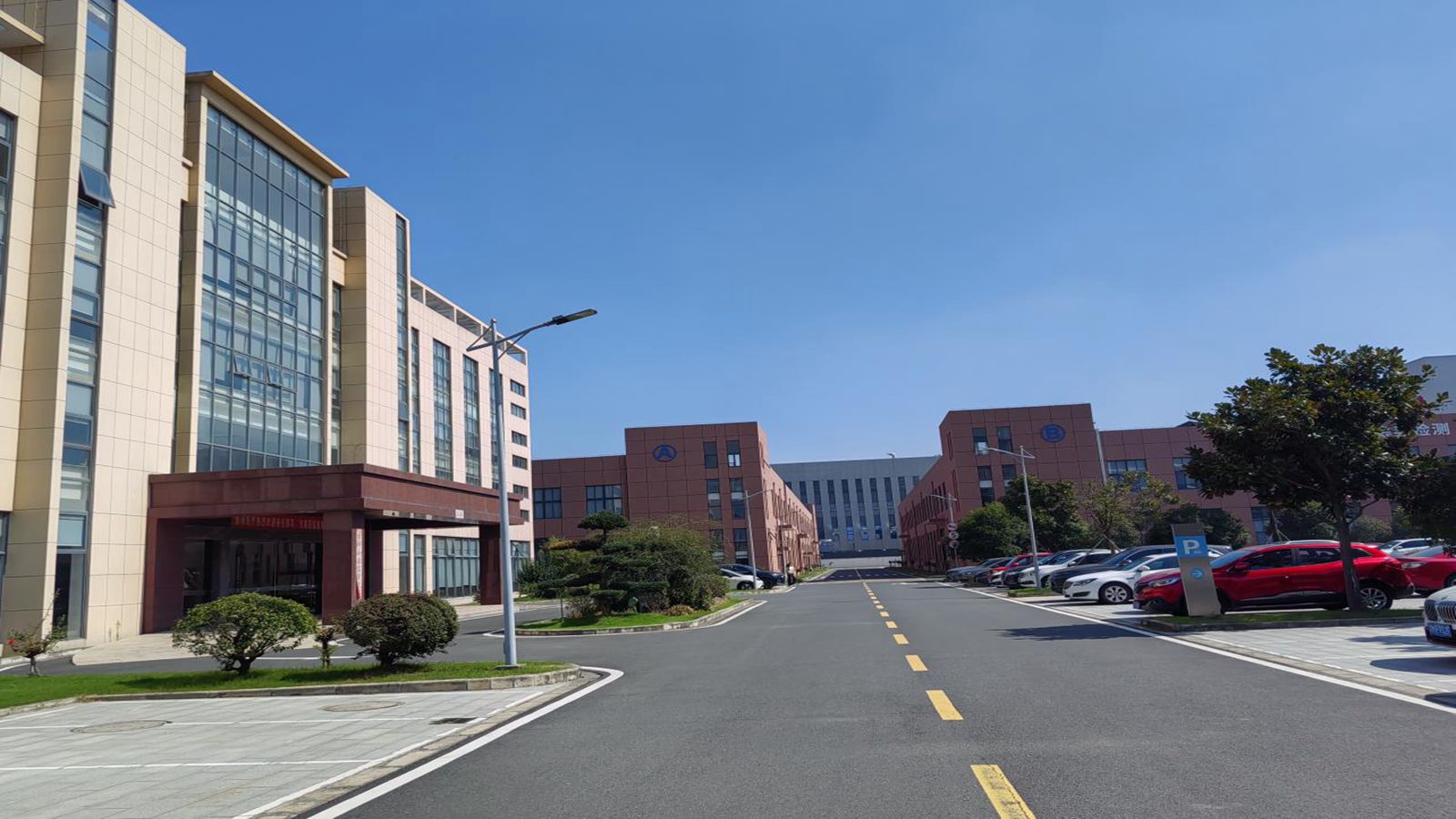
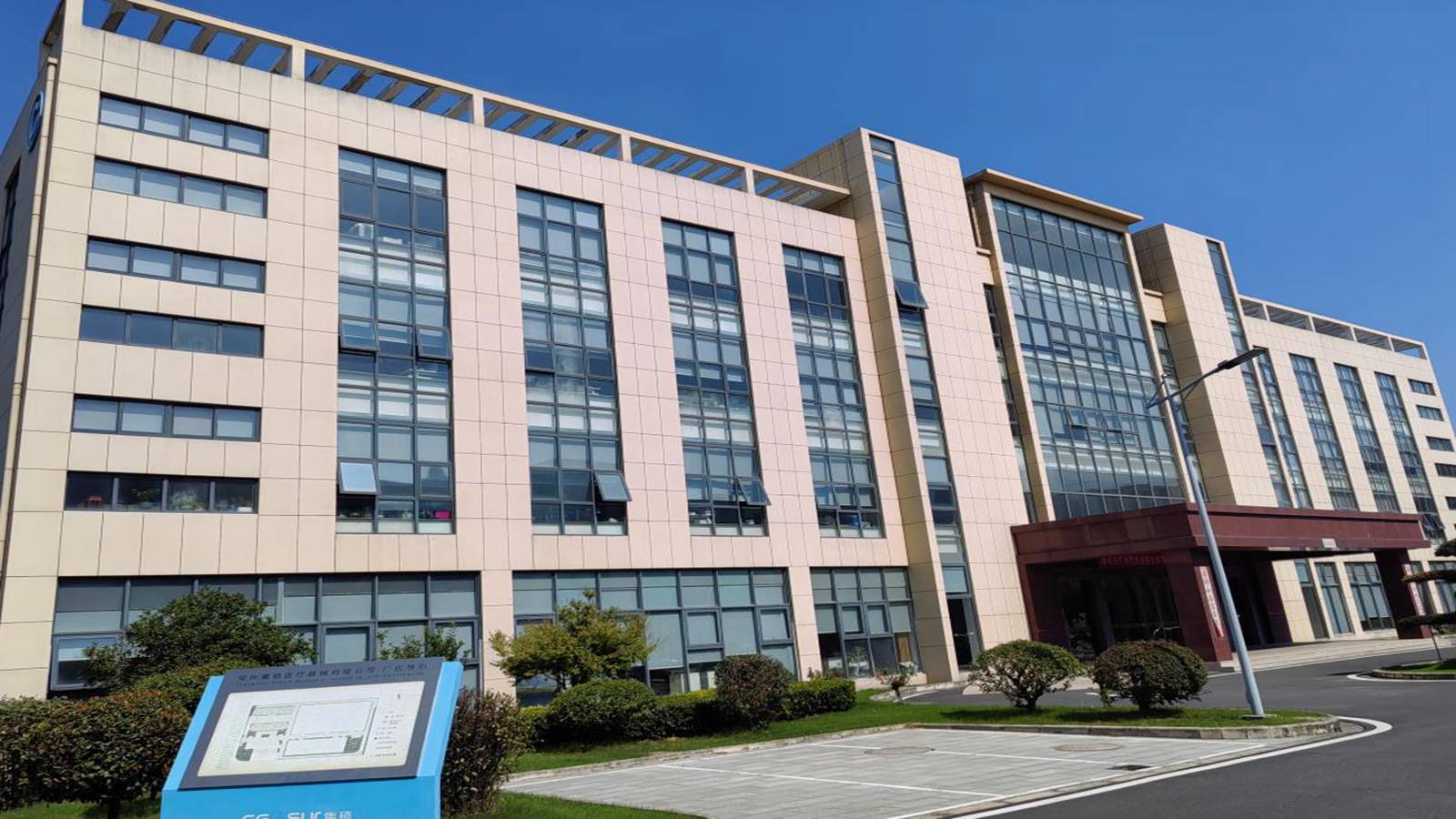
Founded in 2015, HBM Medical Apparatus And Instruments Co., Ltd. is a premier Chinese R&D and manufacturing powerhouse specializing in orthopedic implants and surgical instruments.
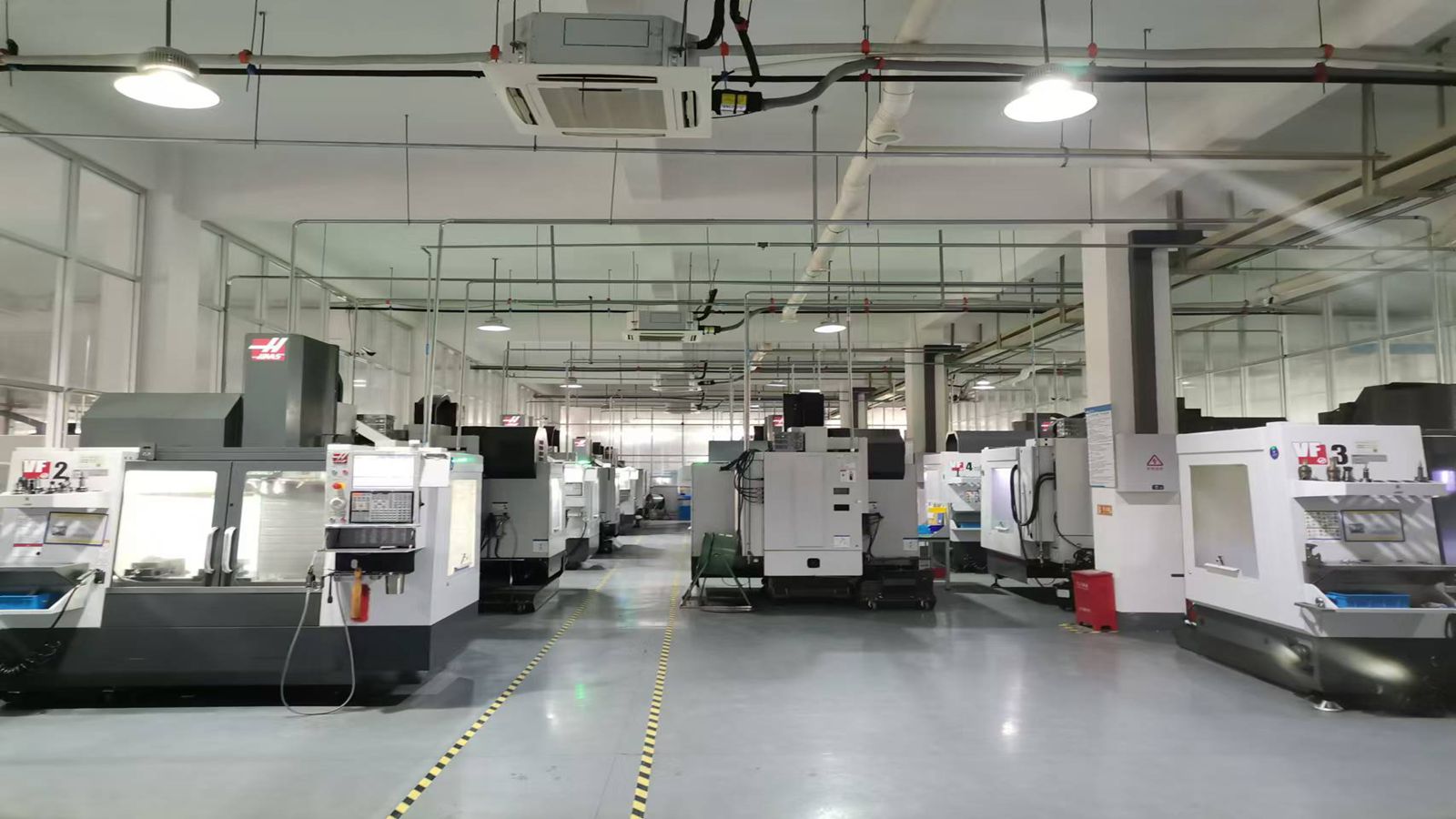
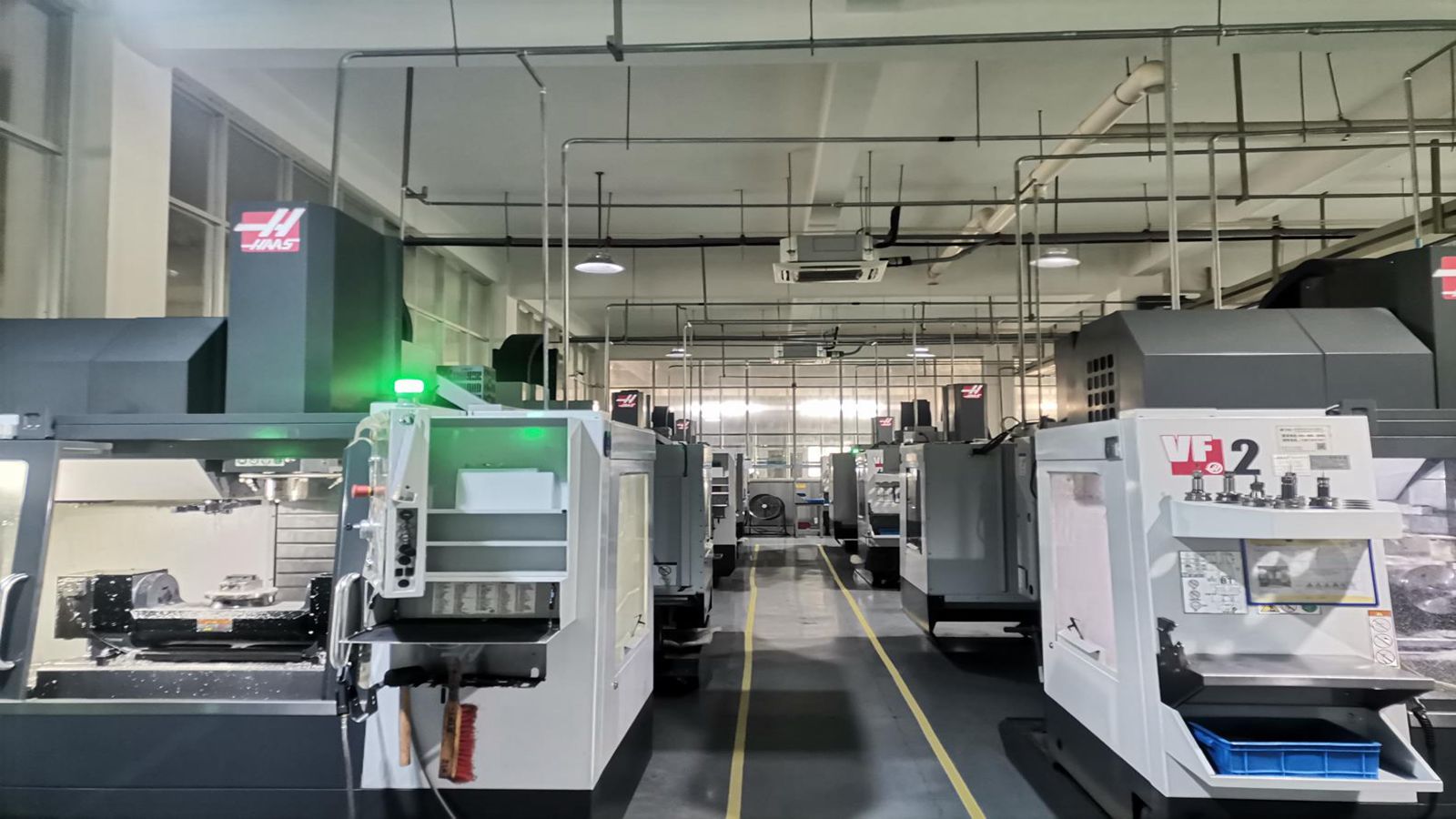
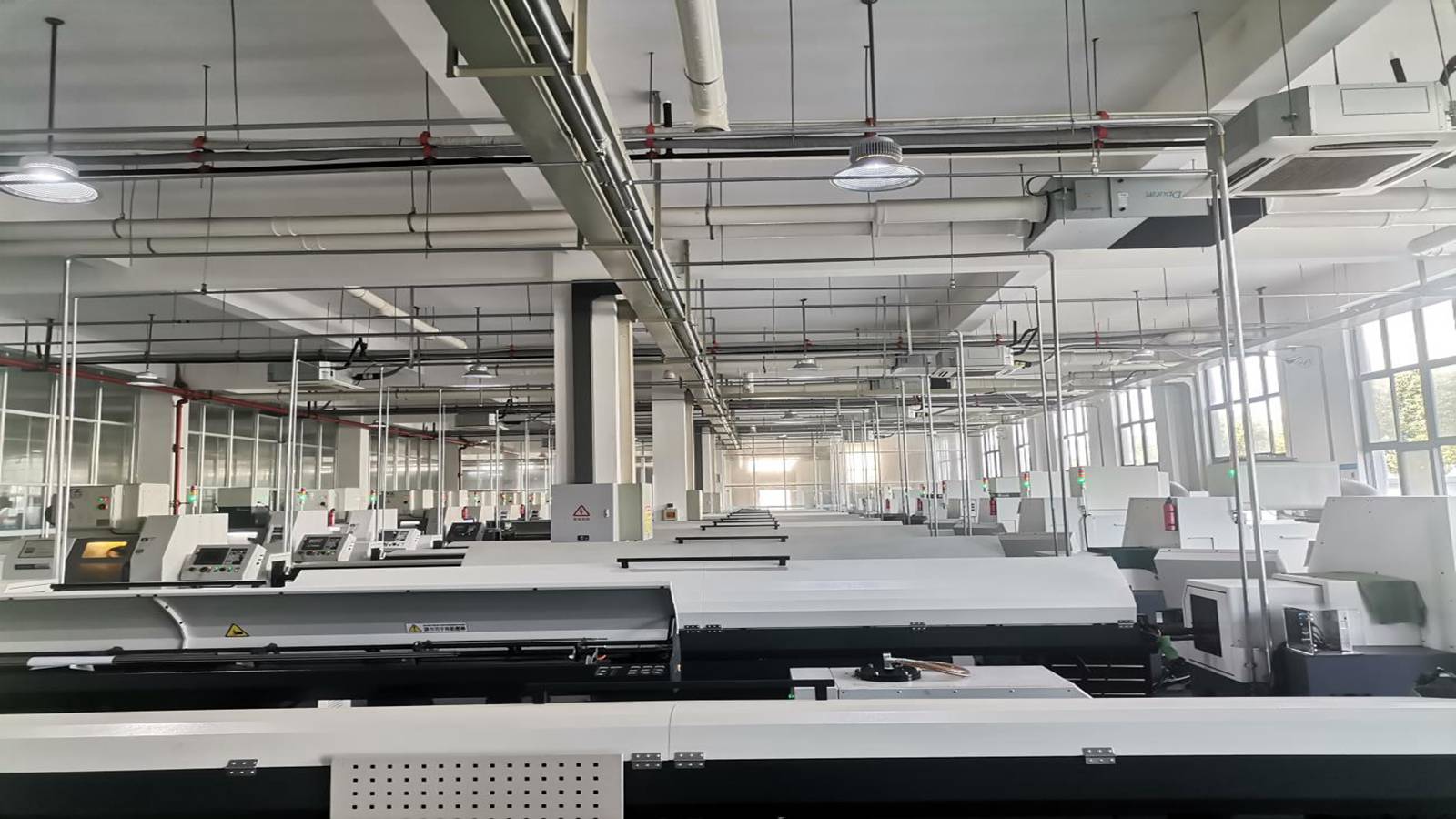
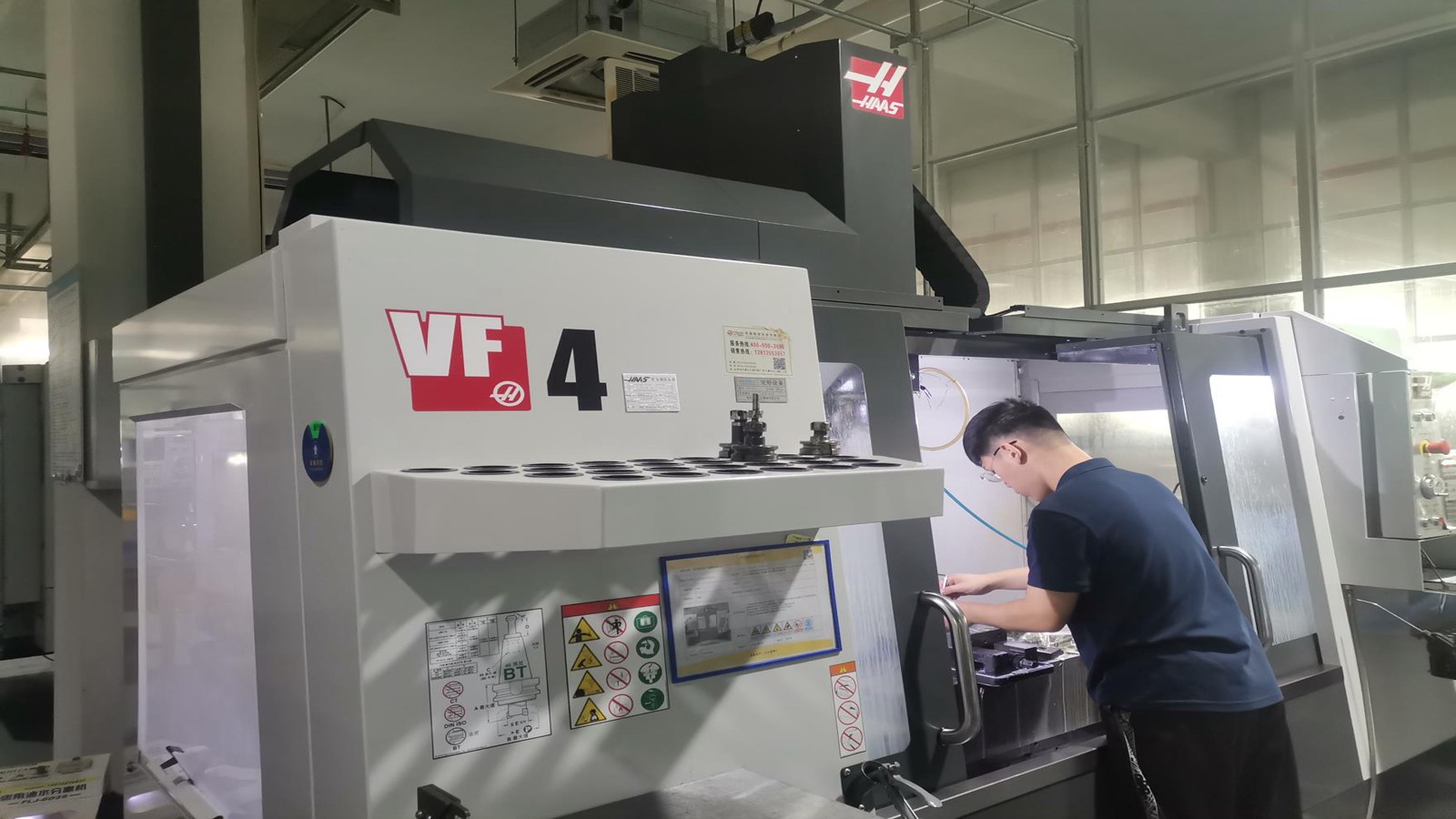
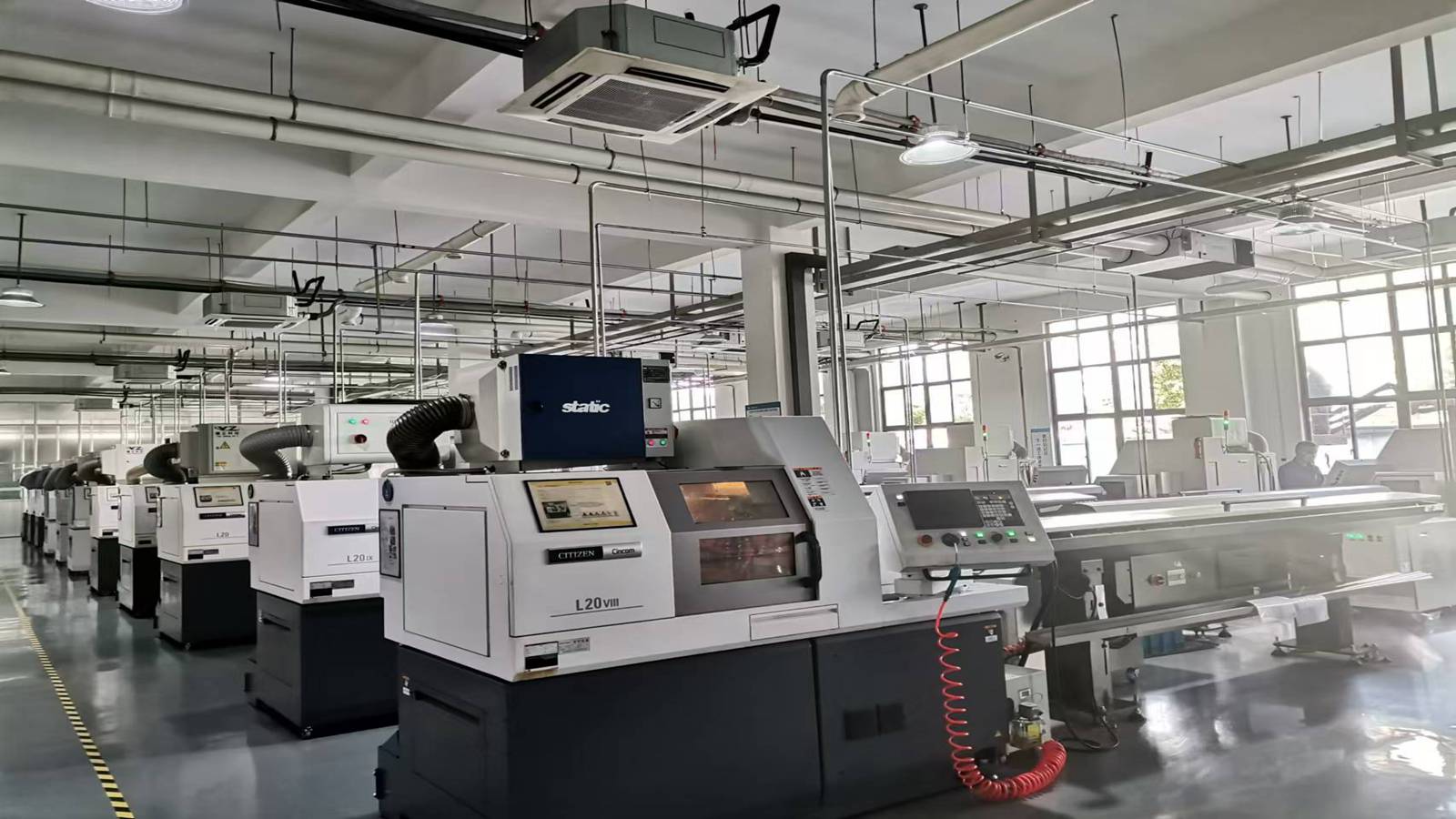
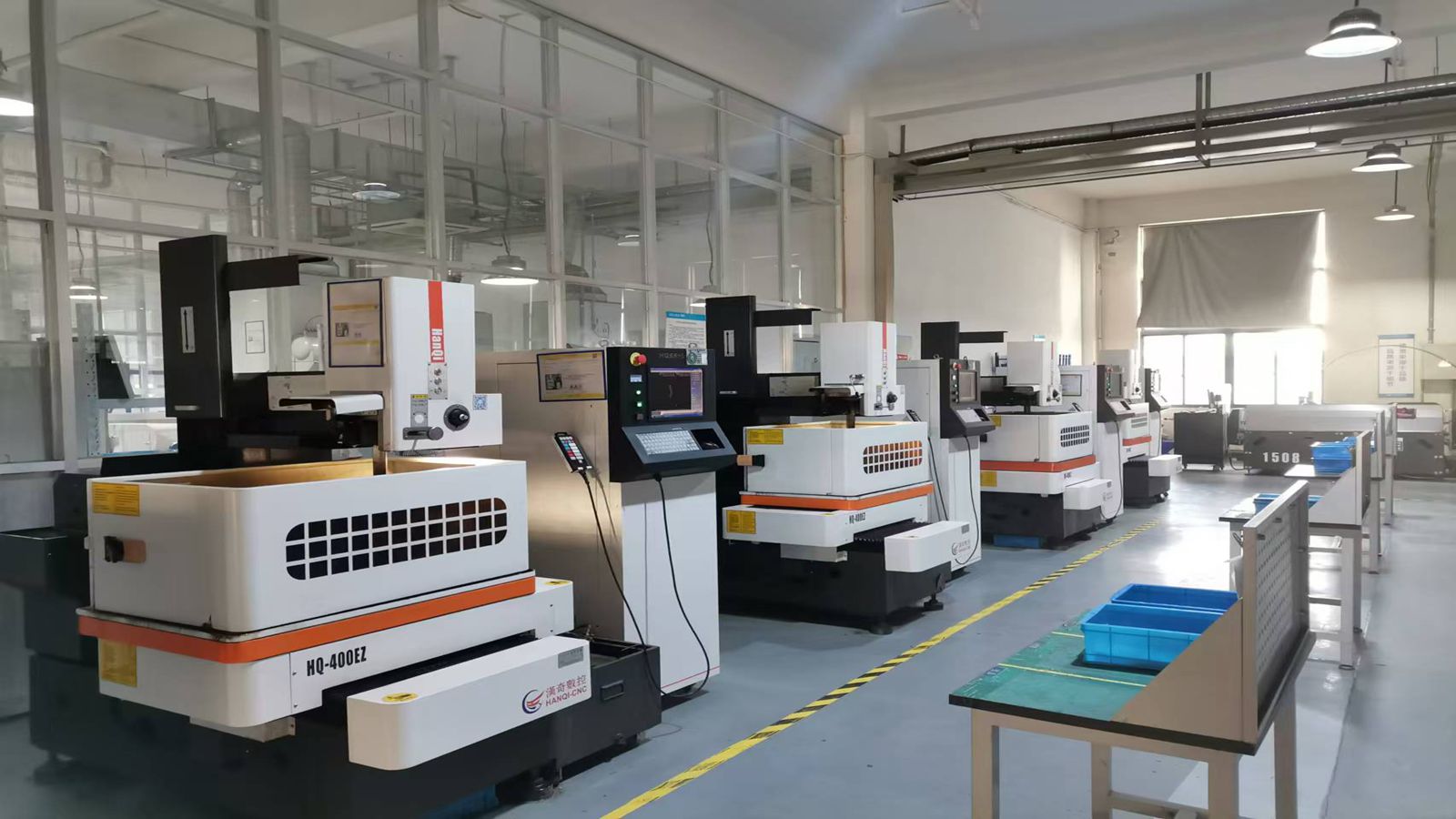
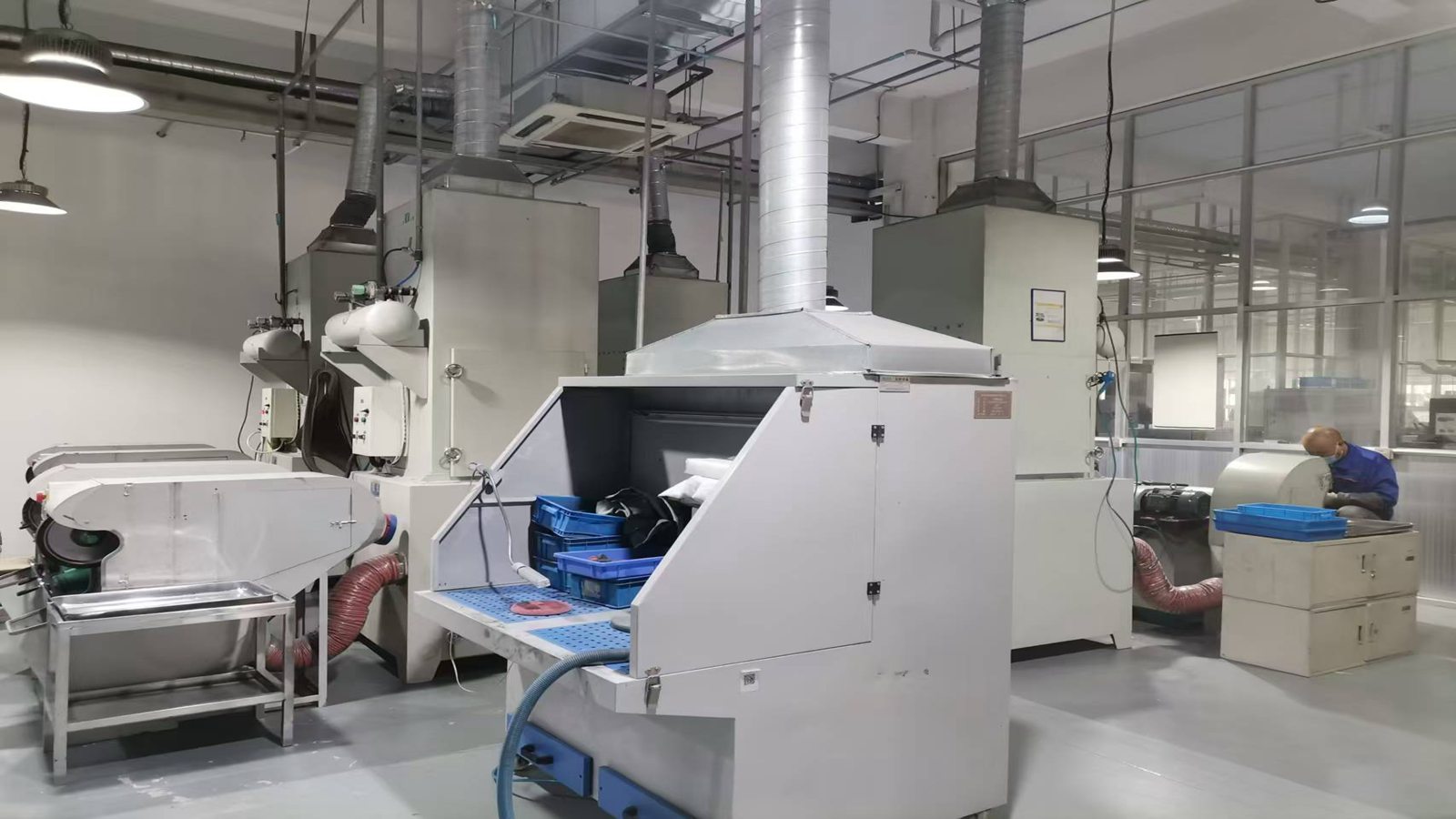
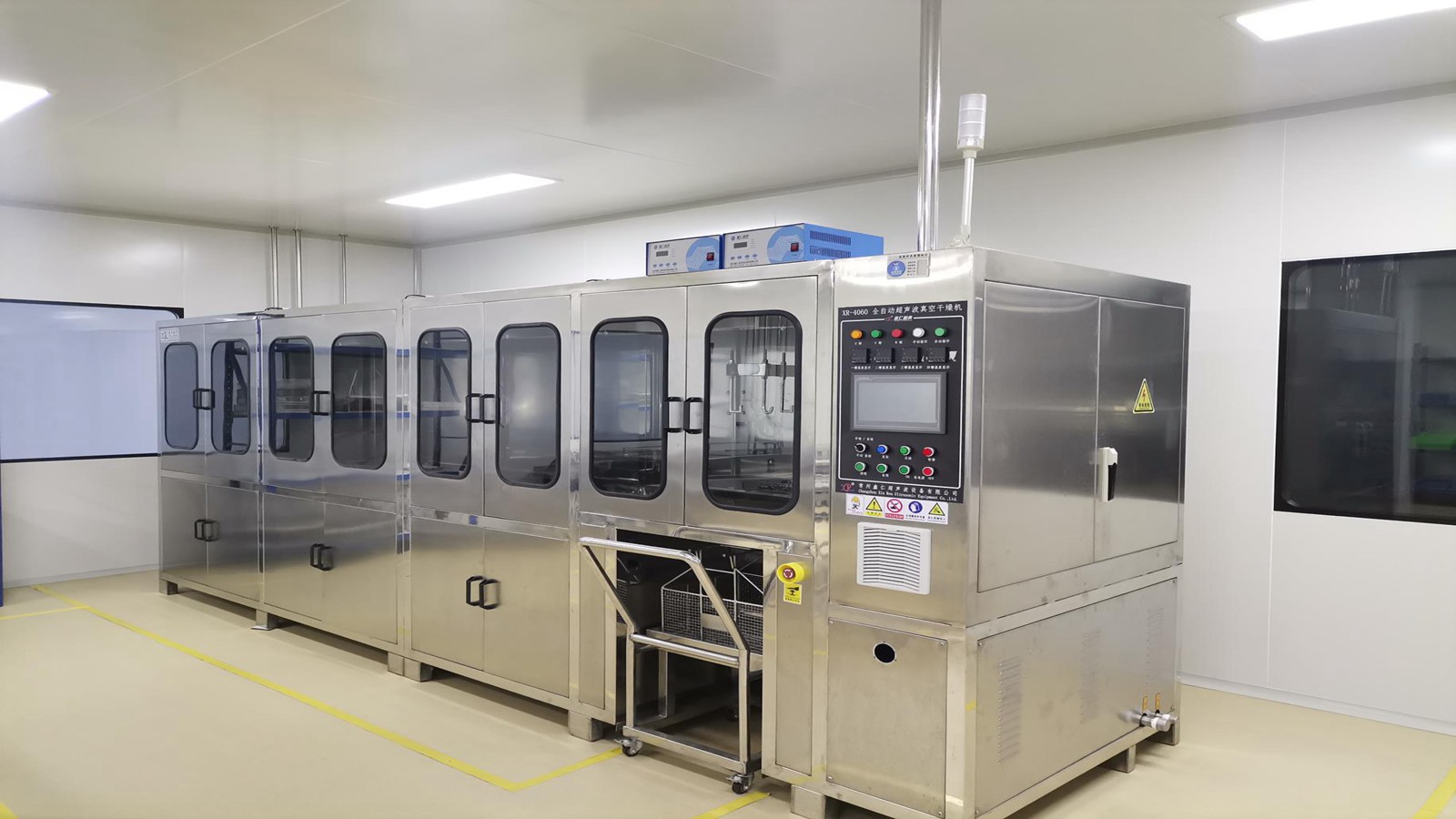
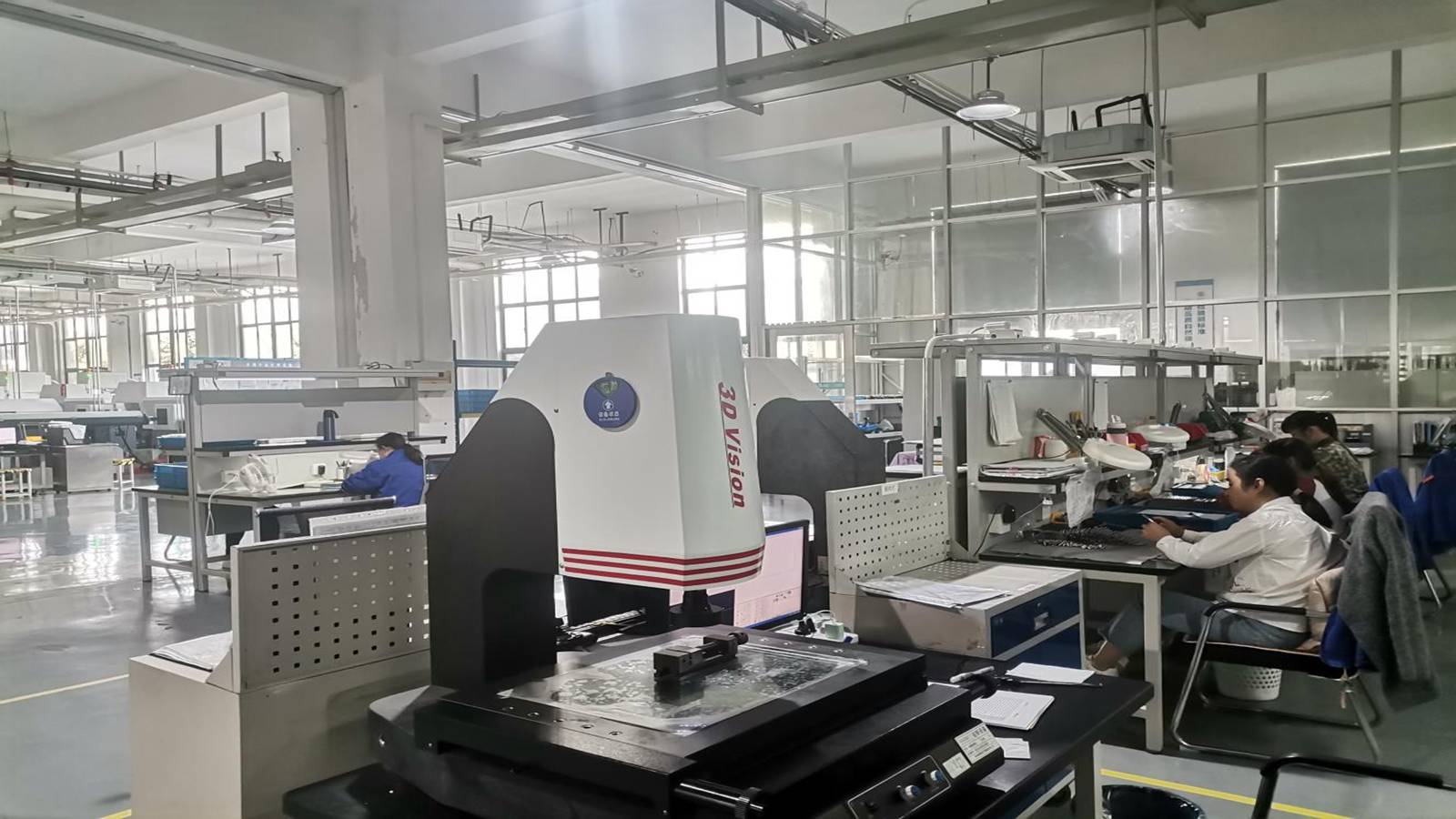
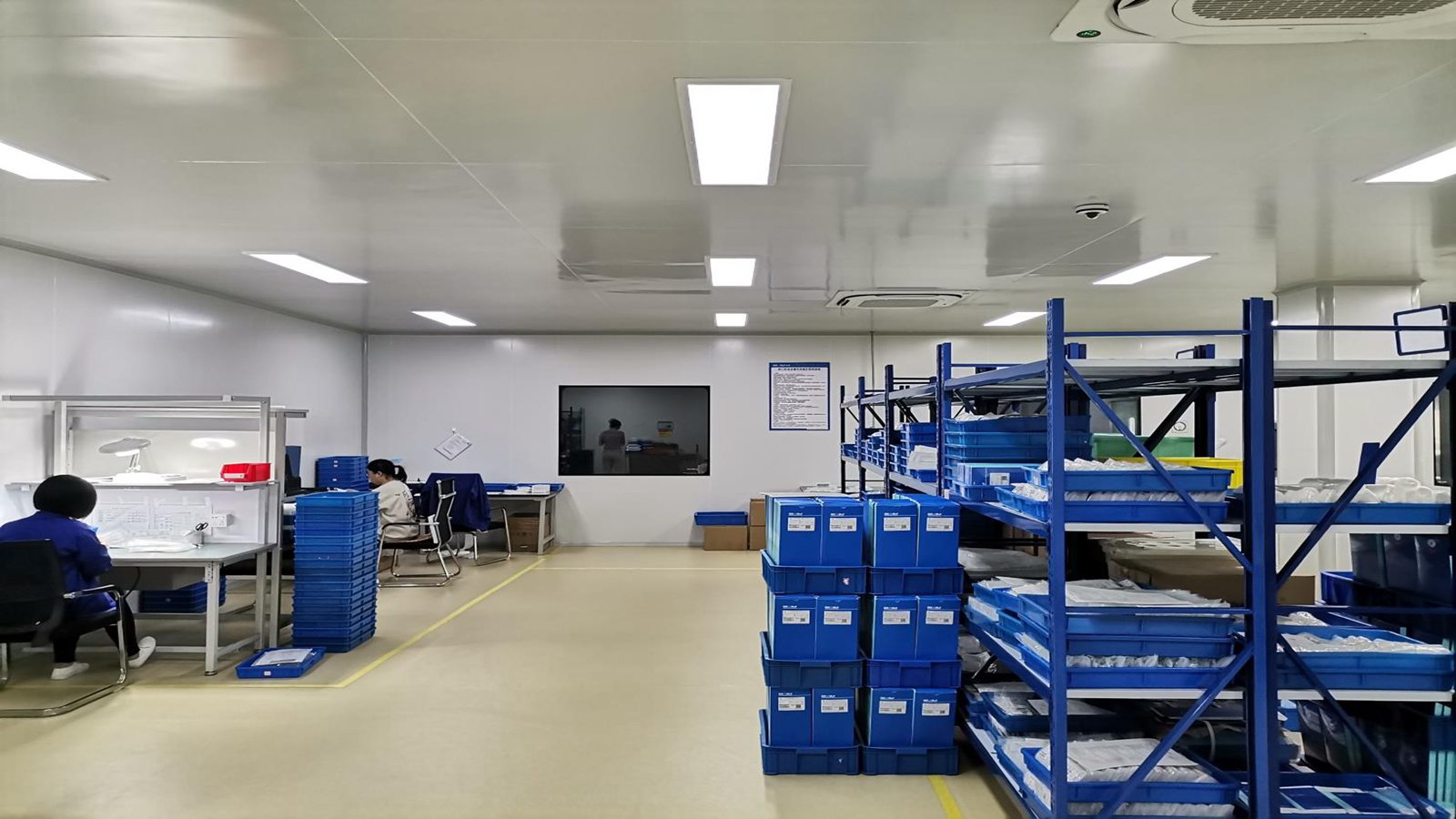
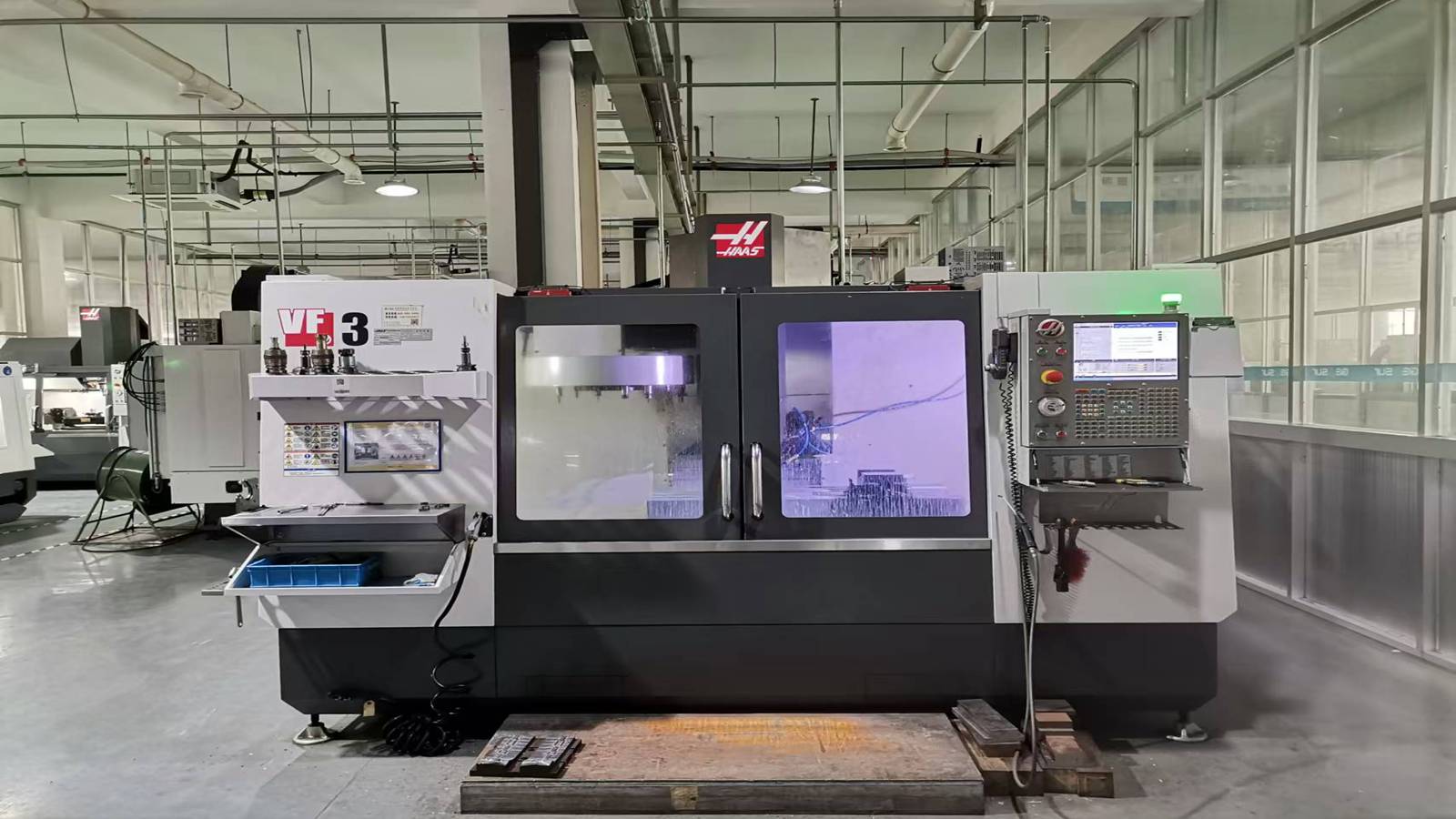
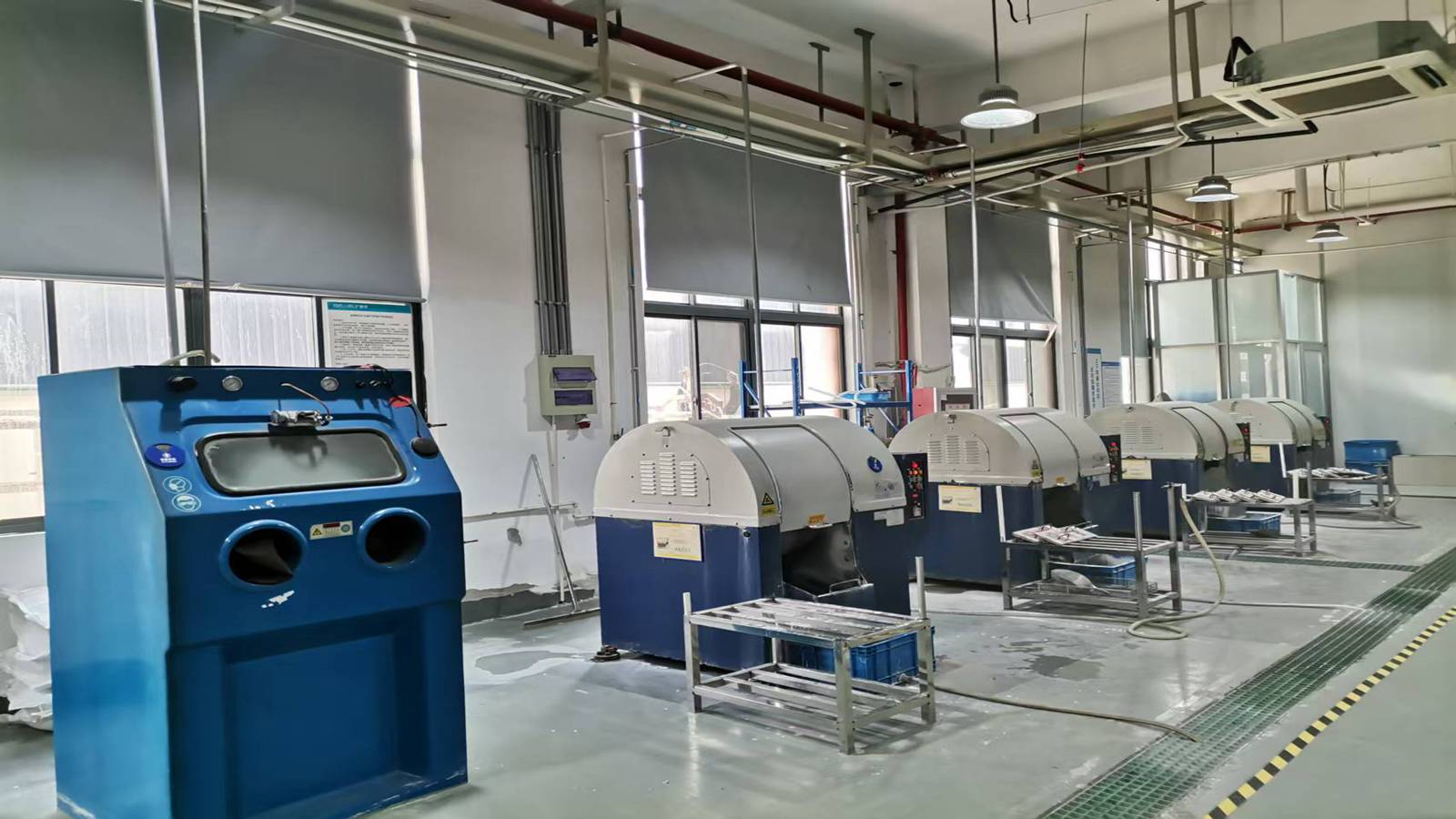
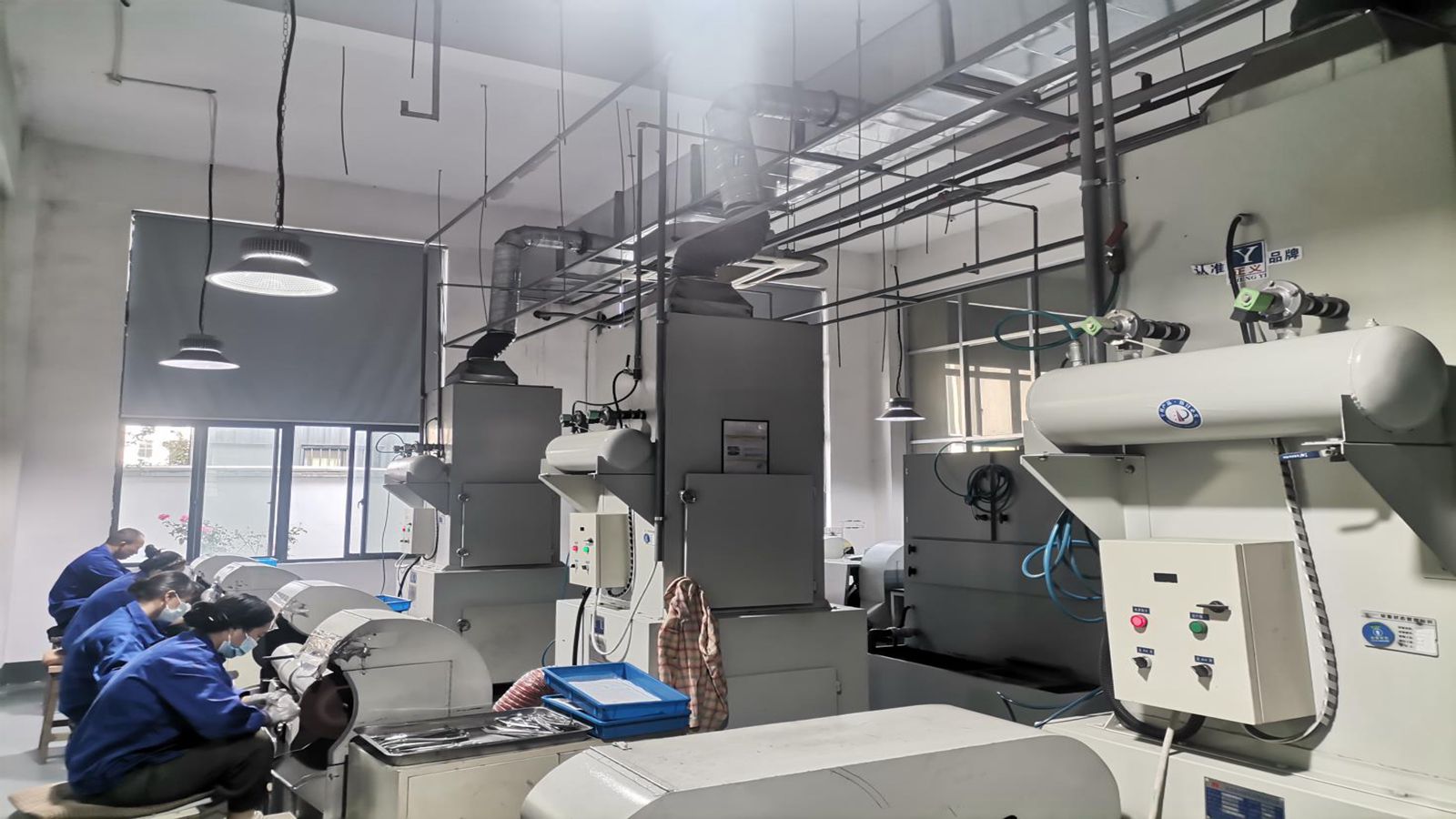
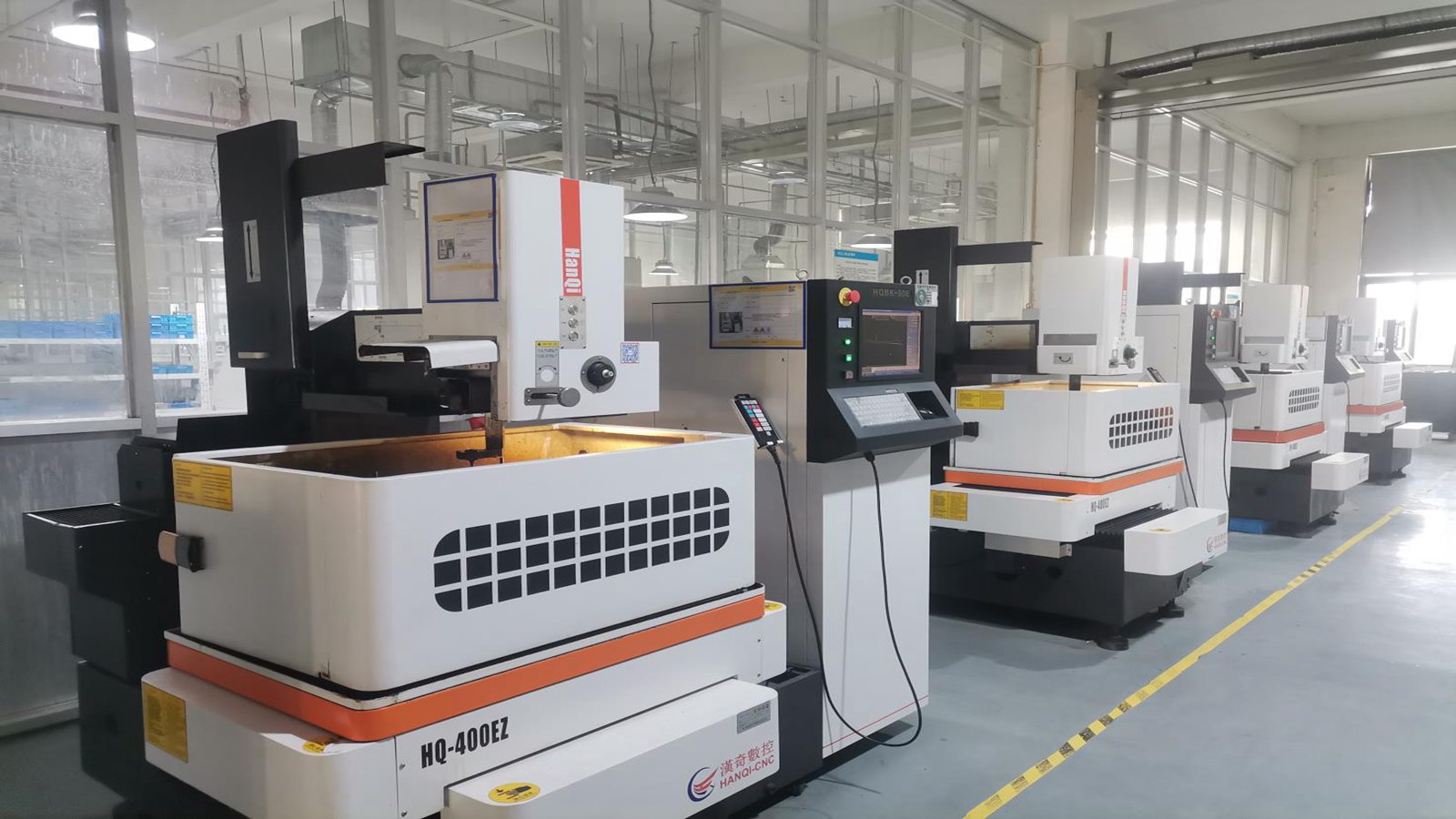
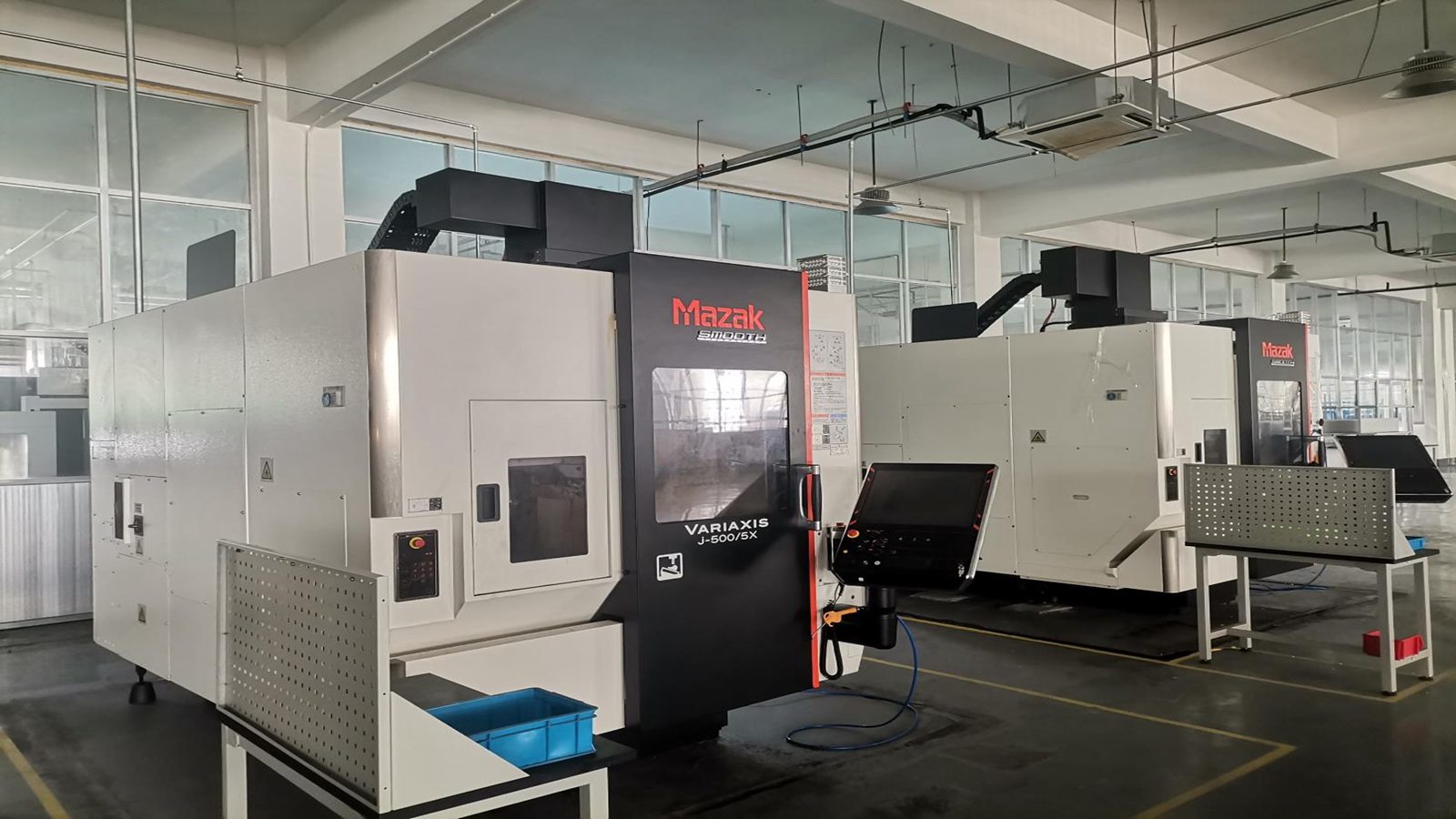
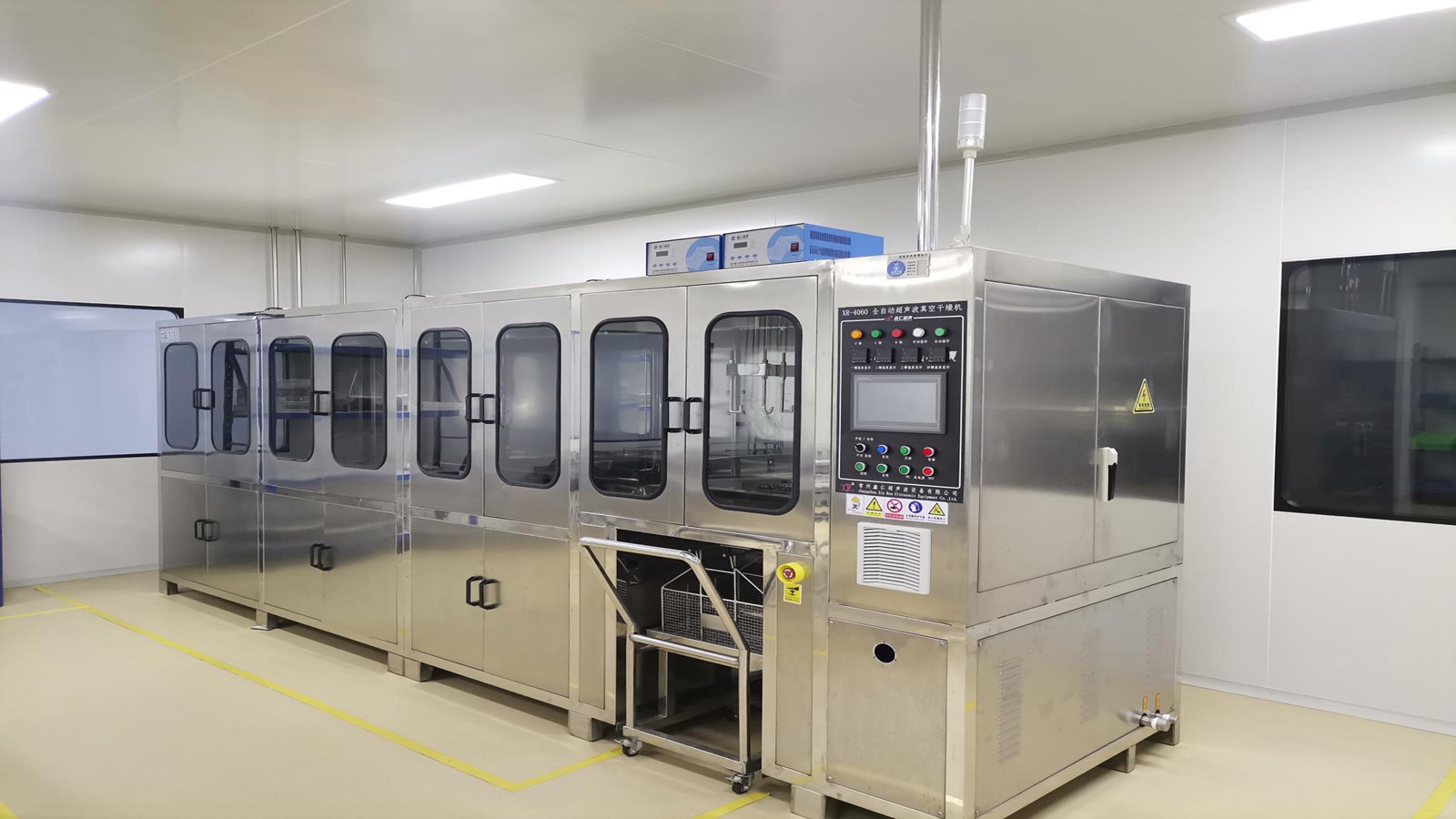
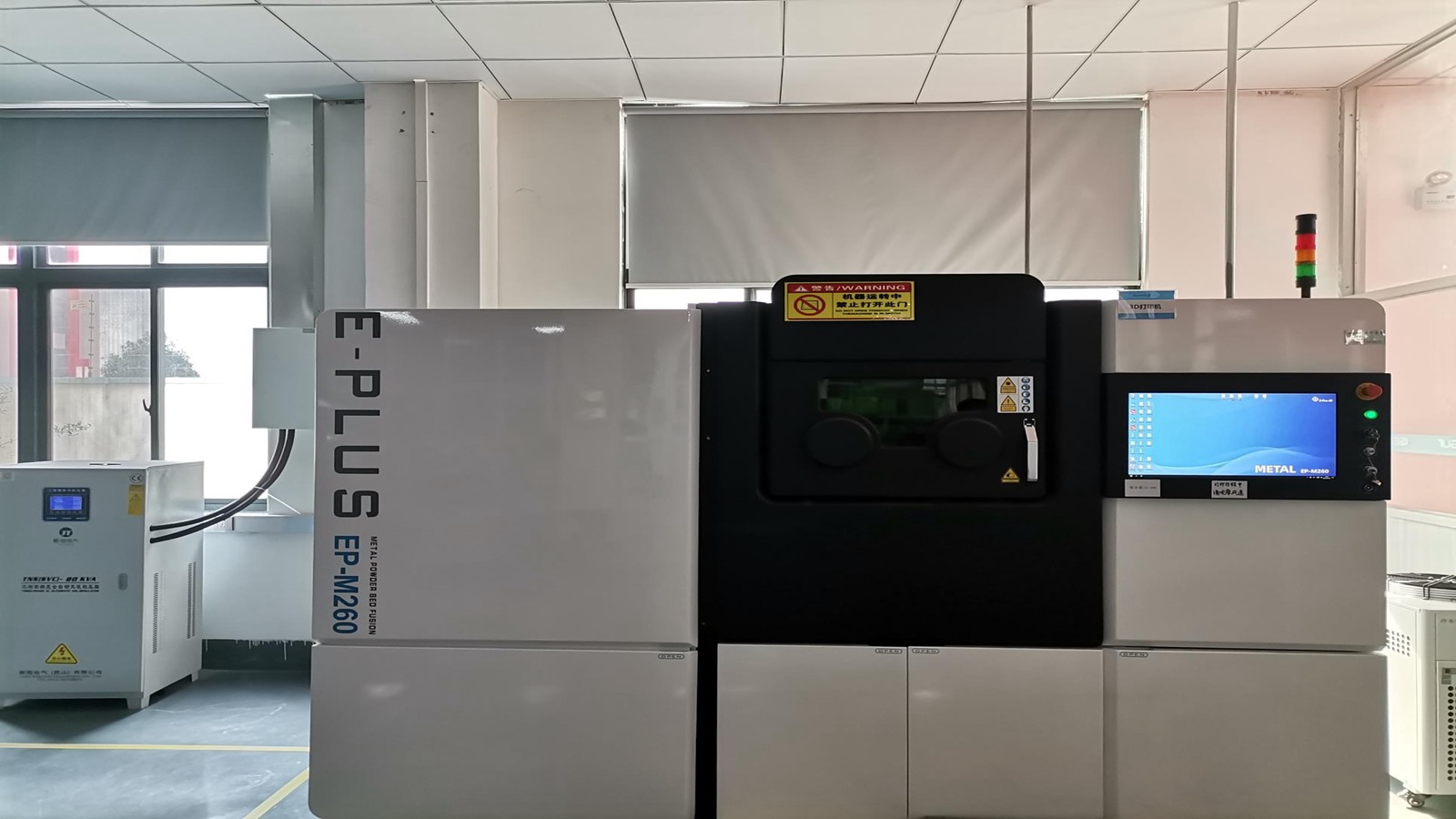
Equipped with a state-of-the-art production site spanning over 30,343 square meters, HBM Medical operates 12 highly automated production lines housing more than 120 advanced processing and testing machines. Our robust manufacturing capacity is backed by a quality management system in line with strict international standards, including ISO 13485, MDSAP, and CE (MDR) certifications. This ensures that every interlocking intramedullary nail, spinal spacer, or trauma plate we produce meets the uncompromising safety standards of global healthcare providers.
At the heart of HBM's success is our talent-driven innovation strategy. We host a senior R&D team consisting of 31 dedicated engineers, including 1 Doctorate, 11 Postgraduates, and 17 Graduates. By constantly refining our technological, product, and service frameworks, HBM Medical delivers customized OEM/ODM solutions (including sample processing, graphic processing, and customized on-demand manufacturing) to brand businesses, wholesalers, retailers, and medical institutions worldwide.
How HBM Medical engineers interlocking intramedullary nails to optimize mechanical stability and biological healing.
We utilize medical-grade Titanium Alloy (Grade 5 ELI), offering superior biocompatibility, high fatigue strength, and a lower elastic modulus compared to stainless steel. This reduces stress shielding and promotes rapid bone remodeling.
Our nails, such as the Geasure II Tibial Intramedullary Nail System, feature optimized anatomical curvatures (e.g., Herzog bend for tibial nails) to facilitate easy insertion, minimize bone displacement, and ensure a precise fit within the medullary canal.
Engineered with multi-directional locking holes at both proximal and distal ends. This allows surgeons to switch between static locking (for maximum rotational and axial stability) and dynamic locking (to allow controlled micro-motion that stimulates bone healing).
HBM Medical's R&D division is actively mapping out the future of intramedullary fixation. Our technical roadmap includes the integration of bioactive surface coatings (such as hydroxyapatite and anodic oxidation treatments) to enhance early osseointegration and mitigate surgical infection risks. Furthermore, we are exploring carbon-fiber reinforced PEEK composites to provide radiolucent properties, allowing surgeons to monitor fracture healing via X-ray without metal artifact interference.
Orthopedic trauma demands highly adaptable solutions. HBM Medical’s interlocking intramedullary nails are engineered to perform flawlessly across diverse clinical and geographical environments:
Whether treating a complex tibial shaft fracture in a high-altitude clinic or performing a delicate femoral reconstruction in a metropolitan teaching hospital, HBM's implants provide the mechanical integrity required for successful patient rehabilitation.
Why global distributors and OEM brands choose HBM Medical as their long-term strategic manufacturing partner in China.
China's medical device manufacturing sector has evolved from a low-cost production hub into a highly integrated, technologically advanced ecosystem. HBM Medical stands at the forefront of this transformation, leveraging unique regional supply chain advantages to deliver superior value:
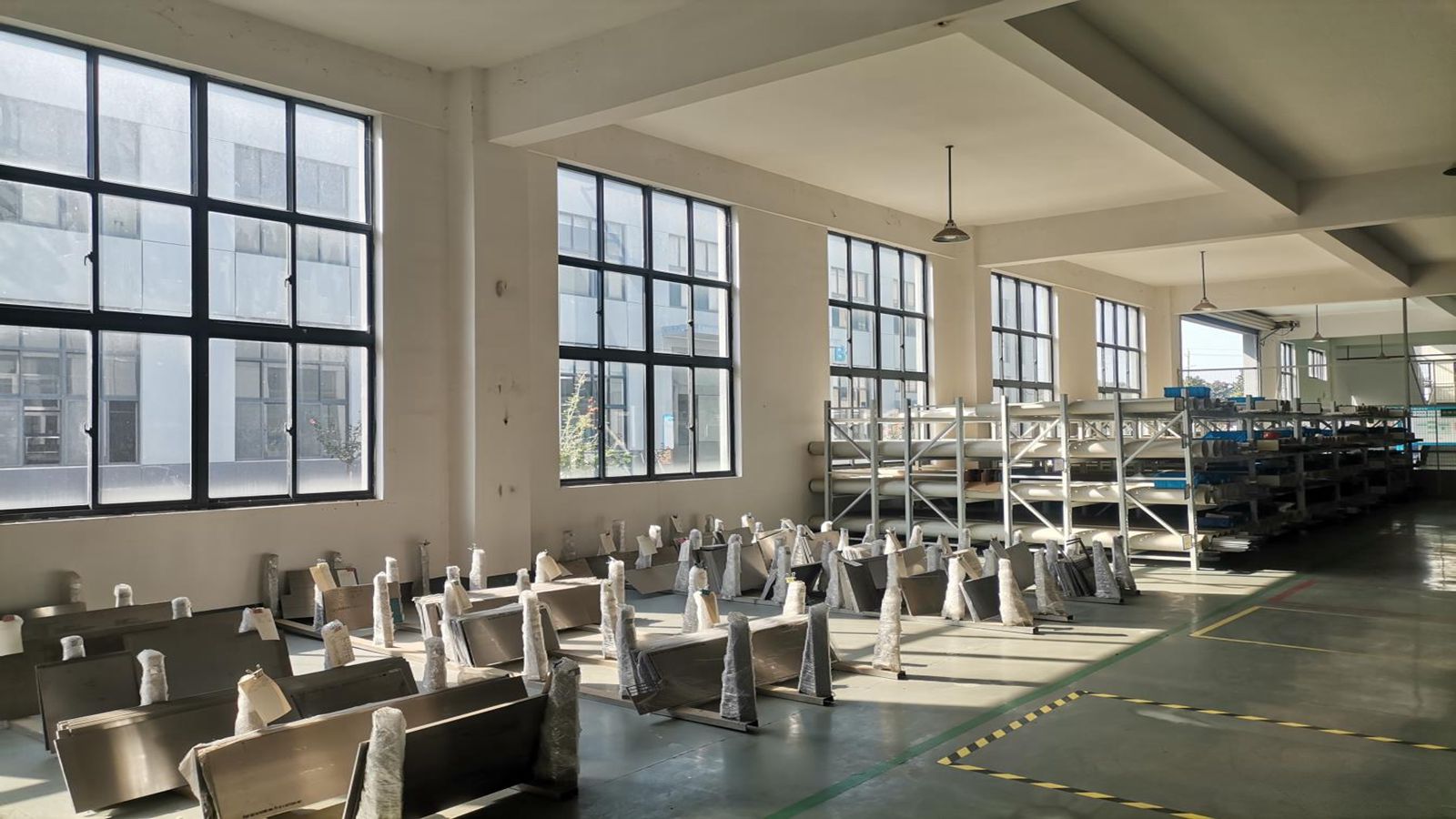
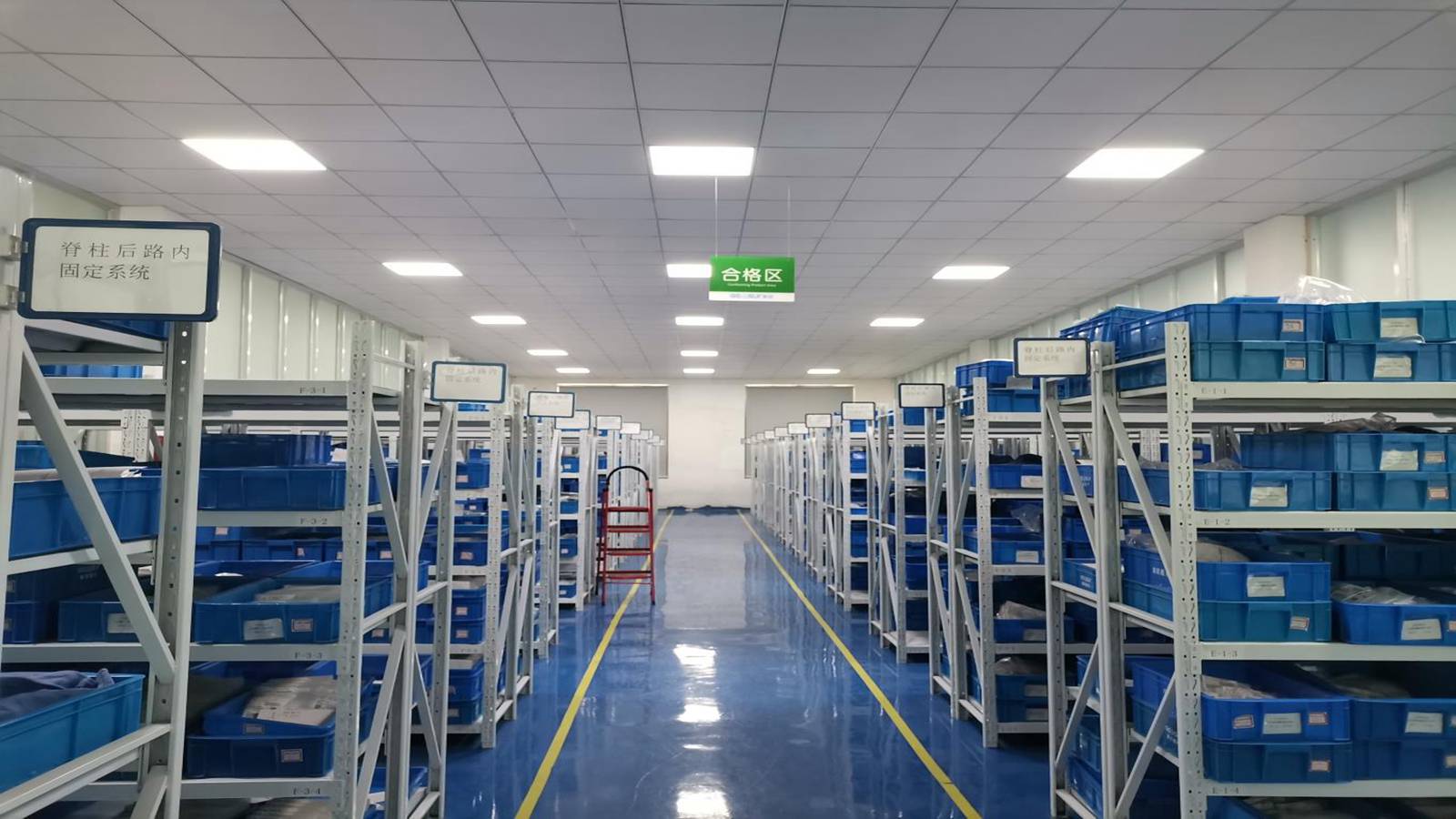
From raw titanium ingots to final sterile packaging, our entire production cycle is managed in-house. This minimizes external dependencies, guarantees raw material traceability, and dramatically reduces lead times.
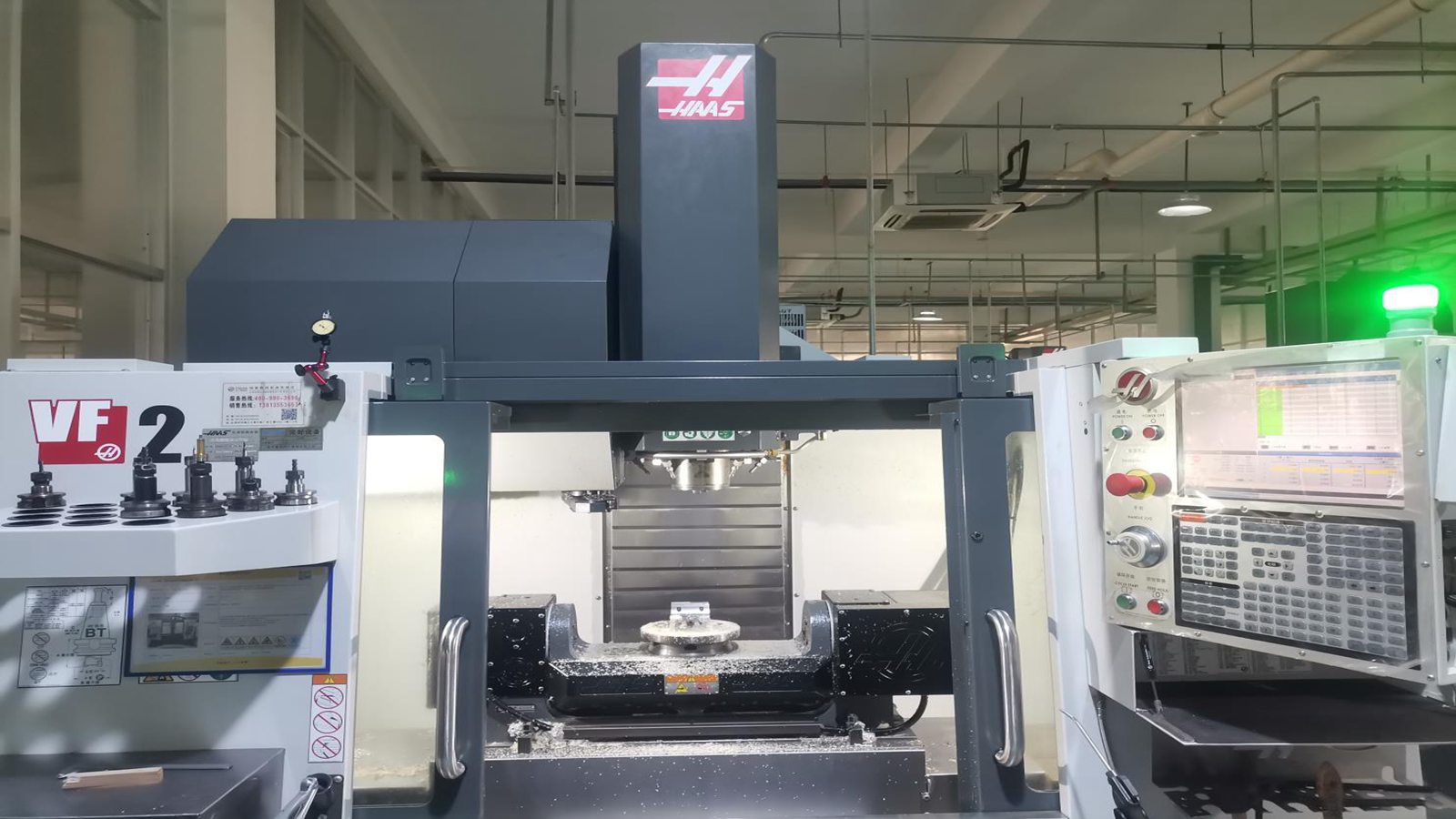
With over 120 high-precision Swiss-type CNC lathes and 5-axis machining centers, we achieve tolerances within microns. This ensures that every interlocking screw fits perfectly into its corresponding nail hole, eliminating intraoperative play.
Supported by our 31 R&D engineers, we offer rapid prototyping. We can translate a surgeon's custom design or a distributor's proprietary specifications into physical samples within weeks, backed by comprehensive mechanical testing reports.
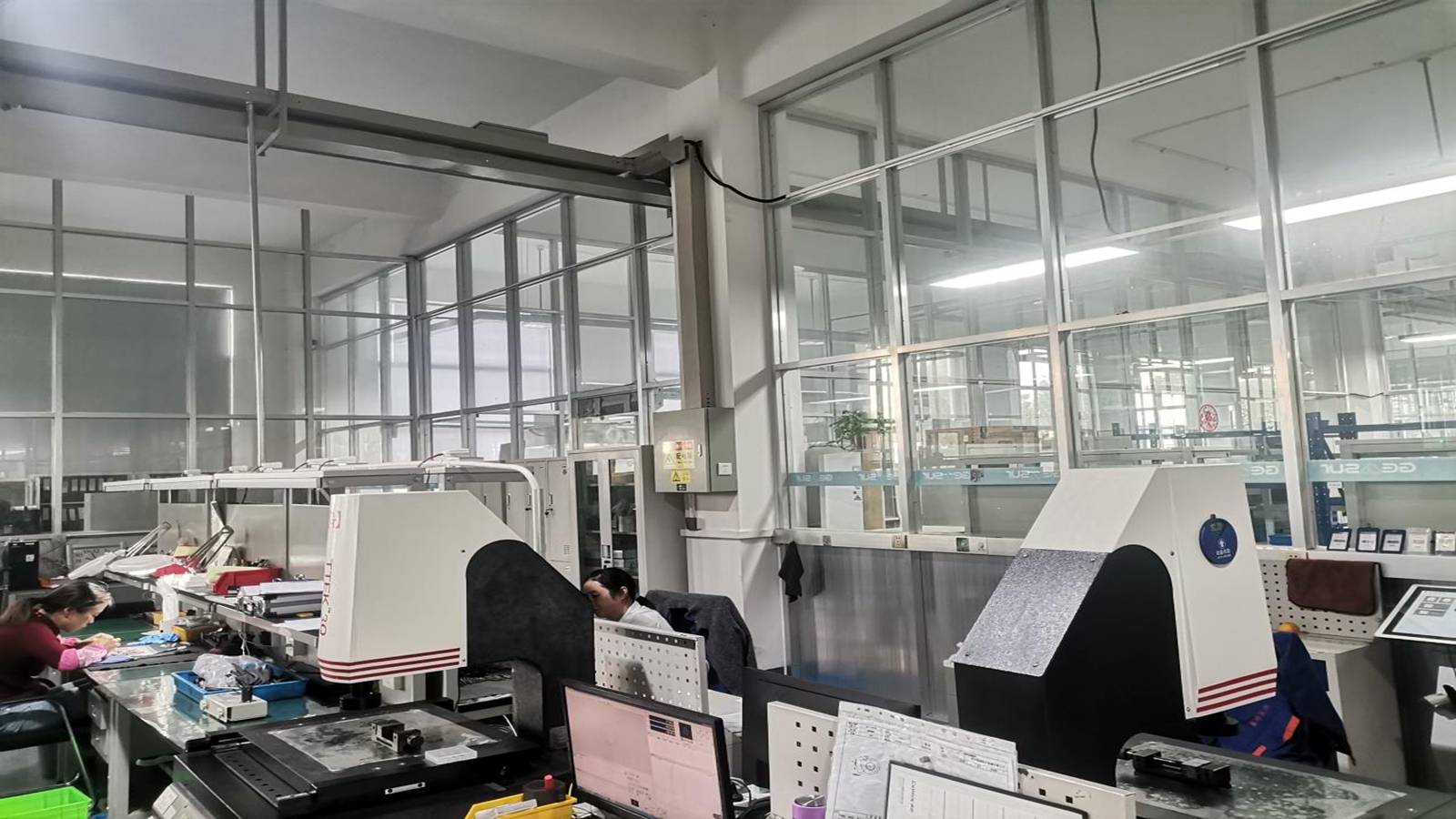
Patient safety is non-negotiable. HBM Medical operates under a zero-defect quality philosophy, enforced by 36 dedicated QA/QC inspectors who oversee every stage of the manufacturing process.
Our facility is fully certified under the most stringent international quality frameworks:
We perform 100% inspection on critical dimensions, alongside rigorous fatigue testing, corrosion resistance testing, and cleanroom bioburden monitoring, ensuring that every implant is safe, sterile, and ready for the operating theater.
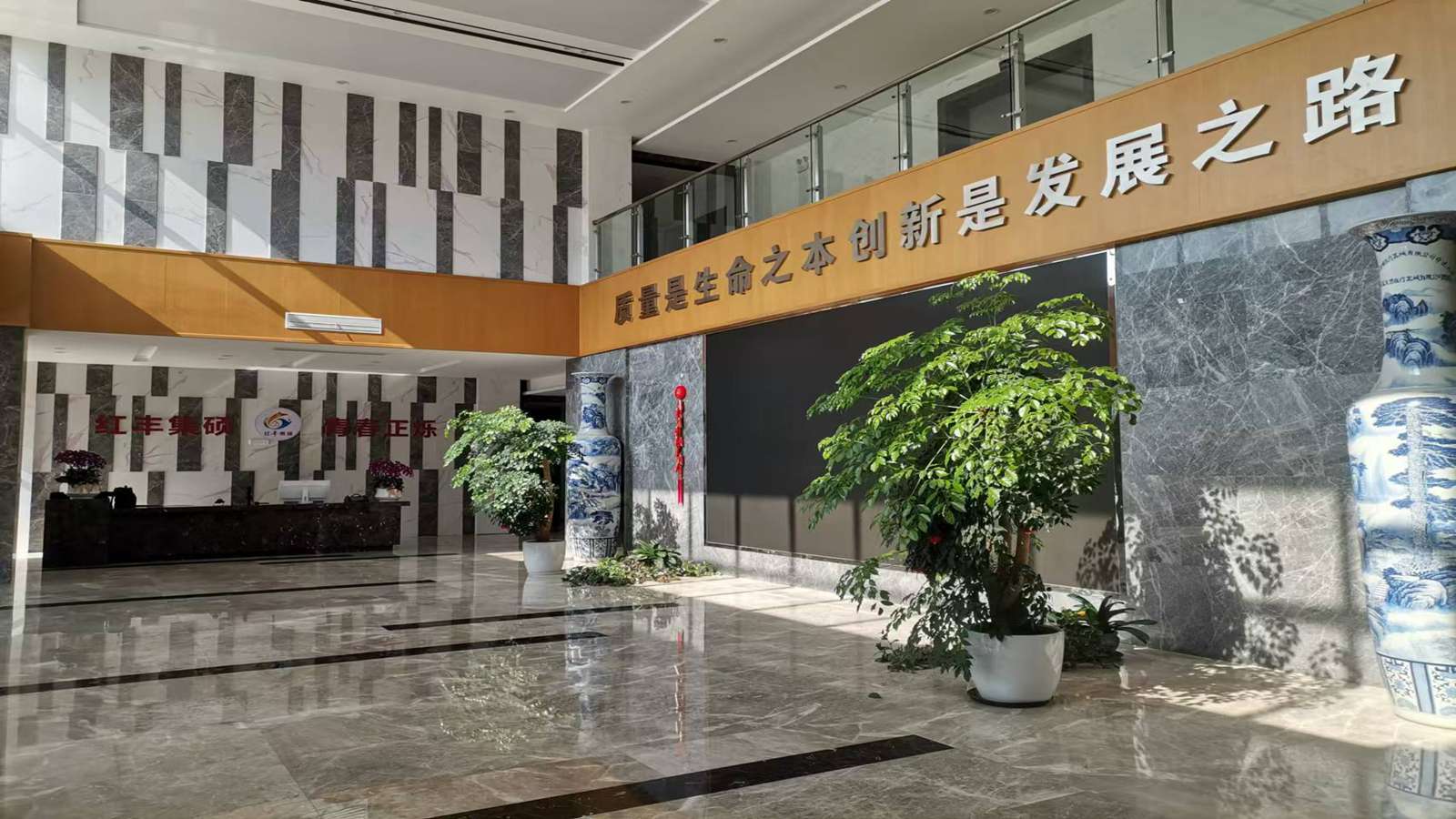
A visual insight into HBM Medical's advanced production lines, cleanrooms, testing labs, and international certifications.
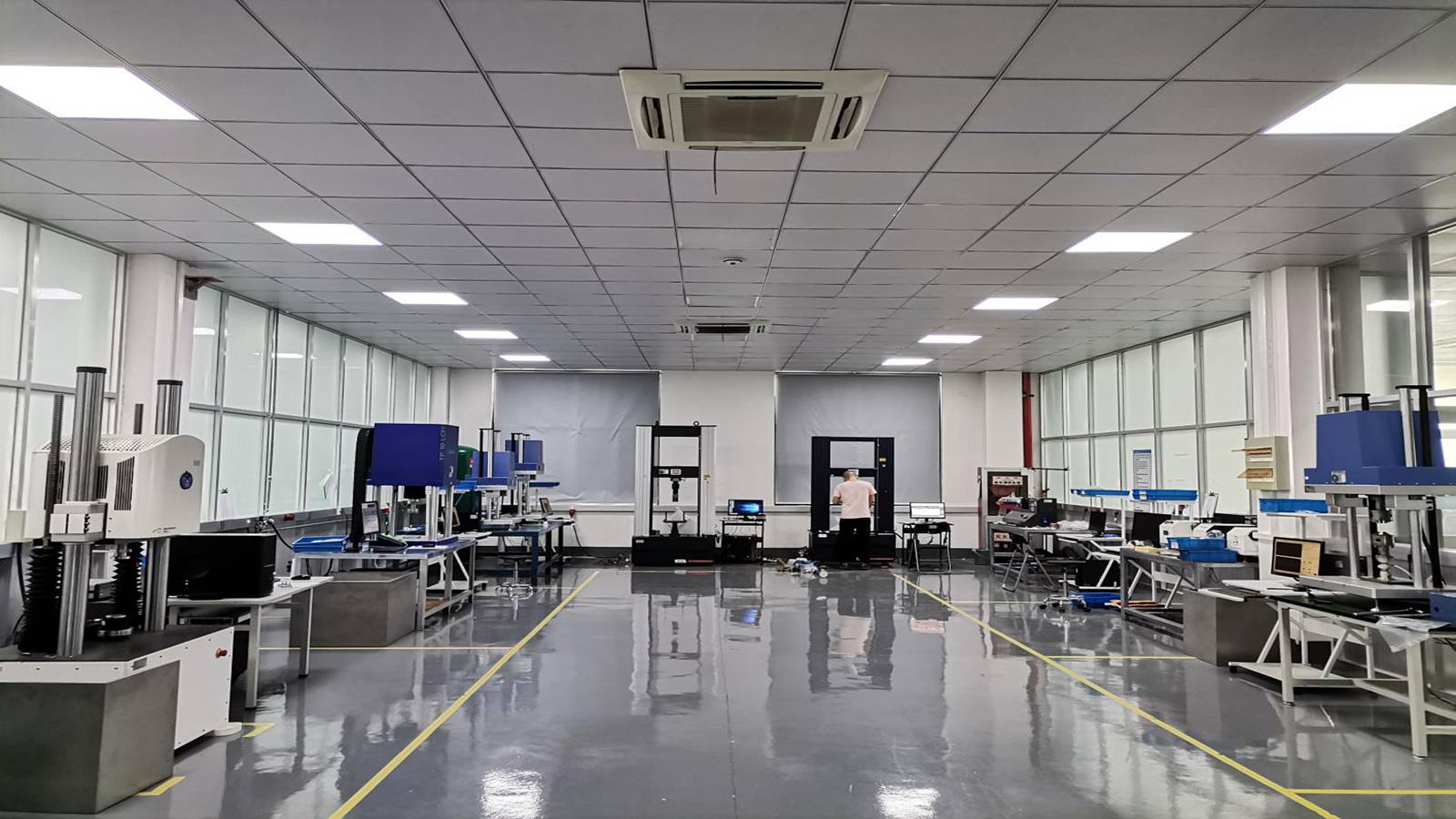
Crucial insights for global procurement officers, orthopedic distributors, and hospital purchasing managers.
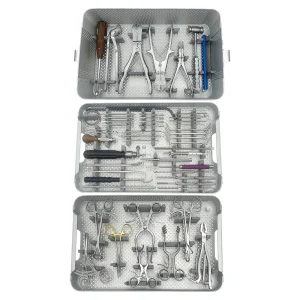
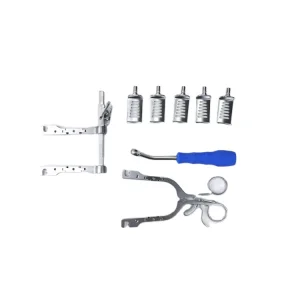
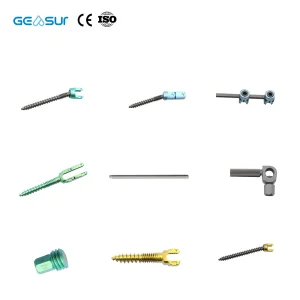
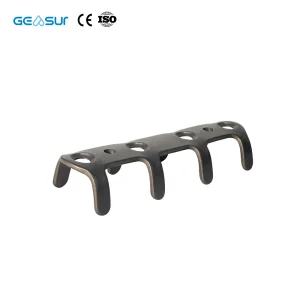
Explore our comprehensive range of veterinary instruments, spinal fixation systems, and specialized trauma plates engineered for rapid clinical recovery.
 HBM Medical