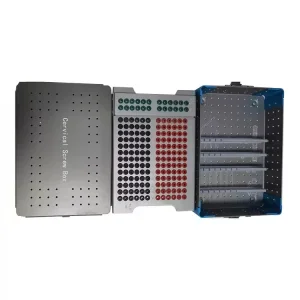
Explore our catalog of certified surgical orthopedic drills, guide systems, implants, and specialty surgical tool sets engineered for precision clinical applications.
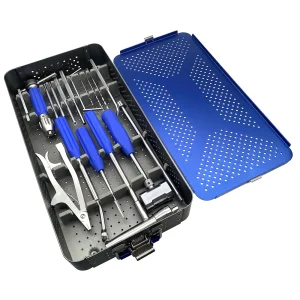
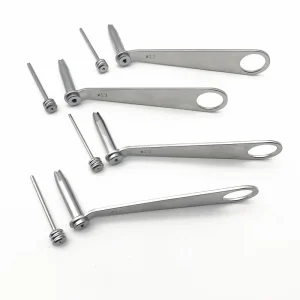
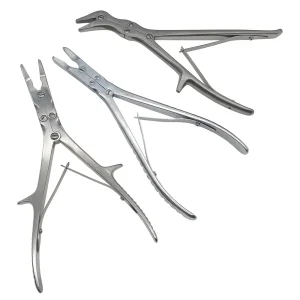
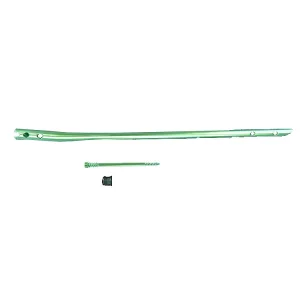
The global orthopaedic power tool and surgical drill market has advanced from basic manual rotary instrumentation to highly complex, smart micro-motorized systems. These advanced instruments are designed to operate at exact speeds, control torque dynamically, and withstand intensive autoclave cycles. Medical facilities demand surgical drills that deliver thermal control to prevent osteonecrosis while maximizing battery run-time and ergonomic balance.
For B2B buyers, sourcing these critical surgical tools requires navigating strict regulatory frameworks (FDA, CE, and MDSAP certifications) alongside high-capacity precision engineering. Reliable manufacturing partners must offer robust material traceability, strict quality assurance, and continuous R&D innovation to address the needs of modern clinical environments.
Key Manufacturing Capabilities at a Glance
Analyzing key structural shifts in high-precision orthopedic medical manufacturing.
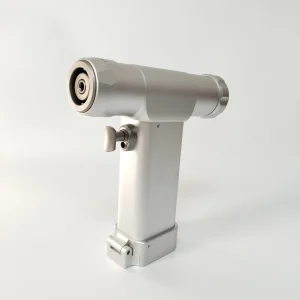
Modern surgical bone drills leverage advanced brushless DC motors that offer higher power-to-weight ratios, minimal heat generation, and maintenance-free operation. Built-in smart boards dynamically adjust speed and torque to limit tissue damage during drilling and screwdriving.
Autoclave sterilization cycles (commonly 134°C at high pressure) pose a major design challenge for electronics and batteries. Leading manufacturers utilize high-grade hermetic sealing techniques and aerospace-grade materials to guarantee longevity through hundreds of sterilization cycles.
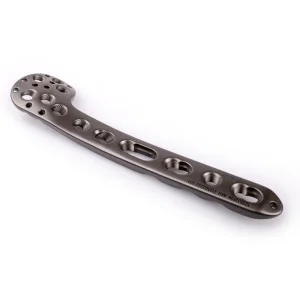
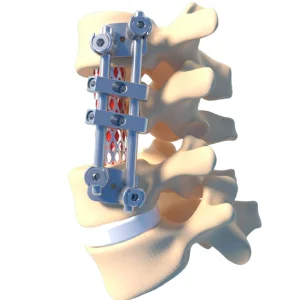
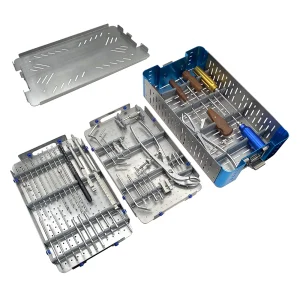
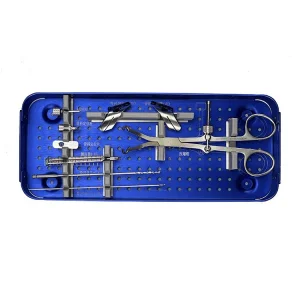
Hospitals prefer complete, integrated surgical kits that package drills, drill guides, implants, osteotomy plate systems, and rongeurs together. This reduces prep time, ensures absolute instrument compatibility, and streamlines inventory management.

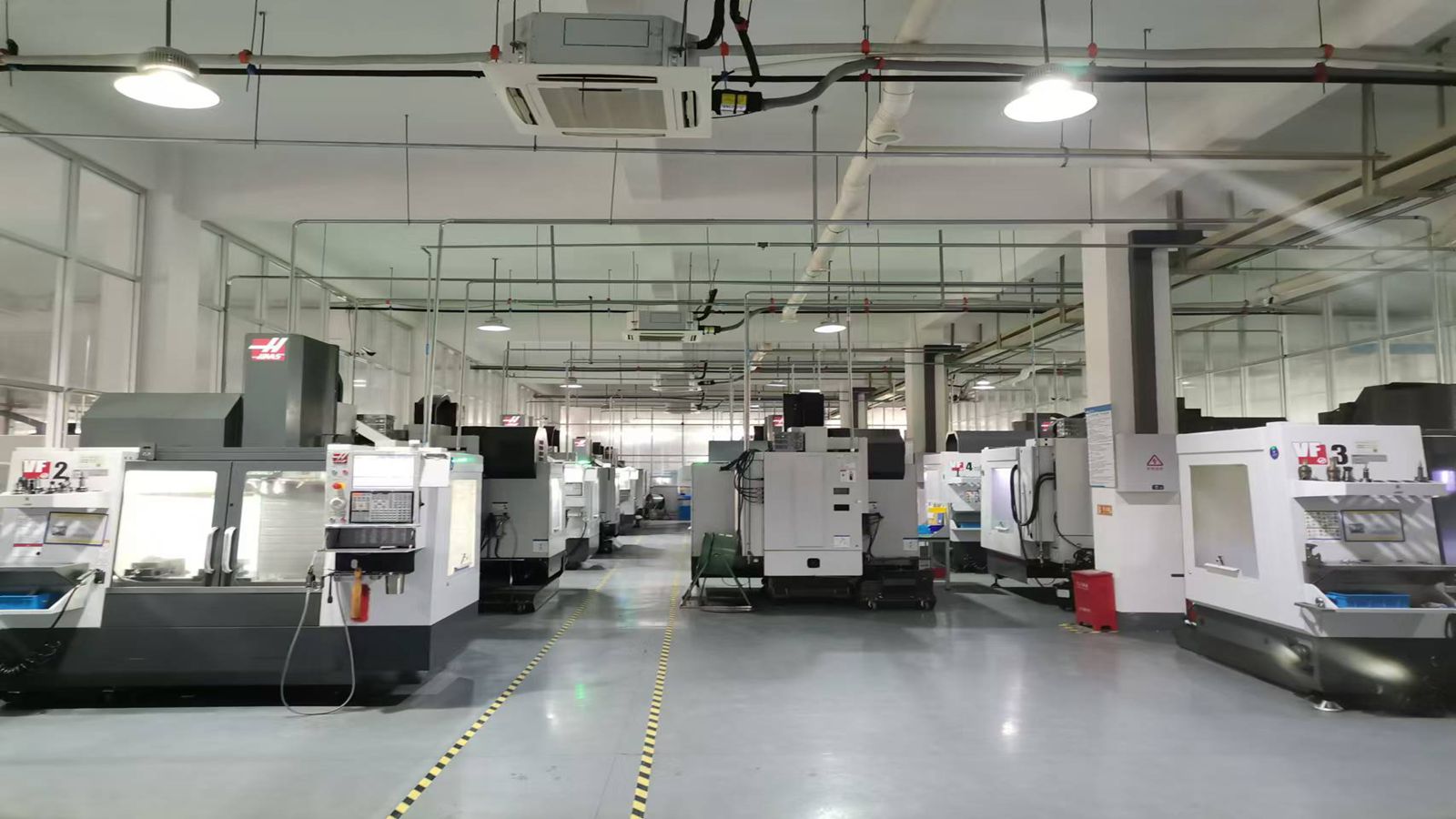
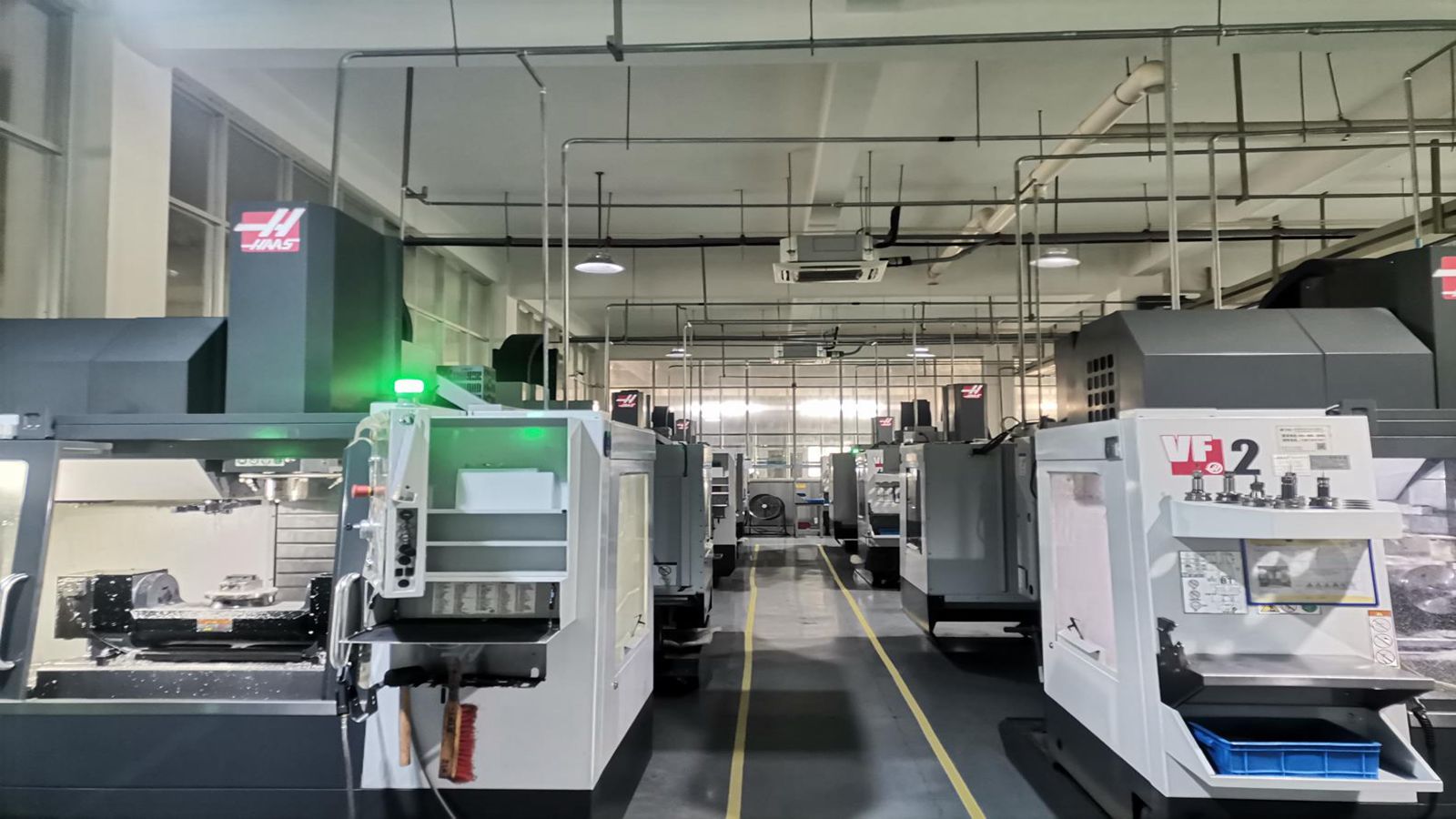
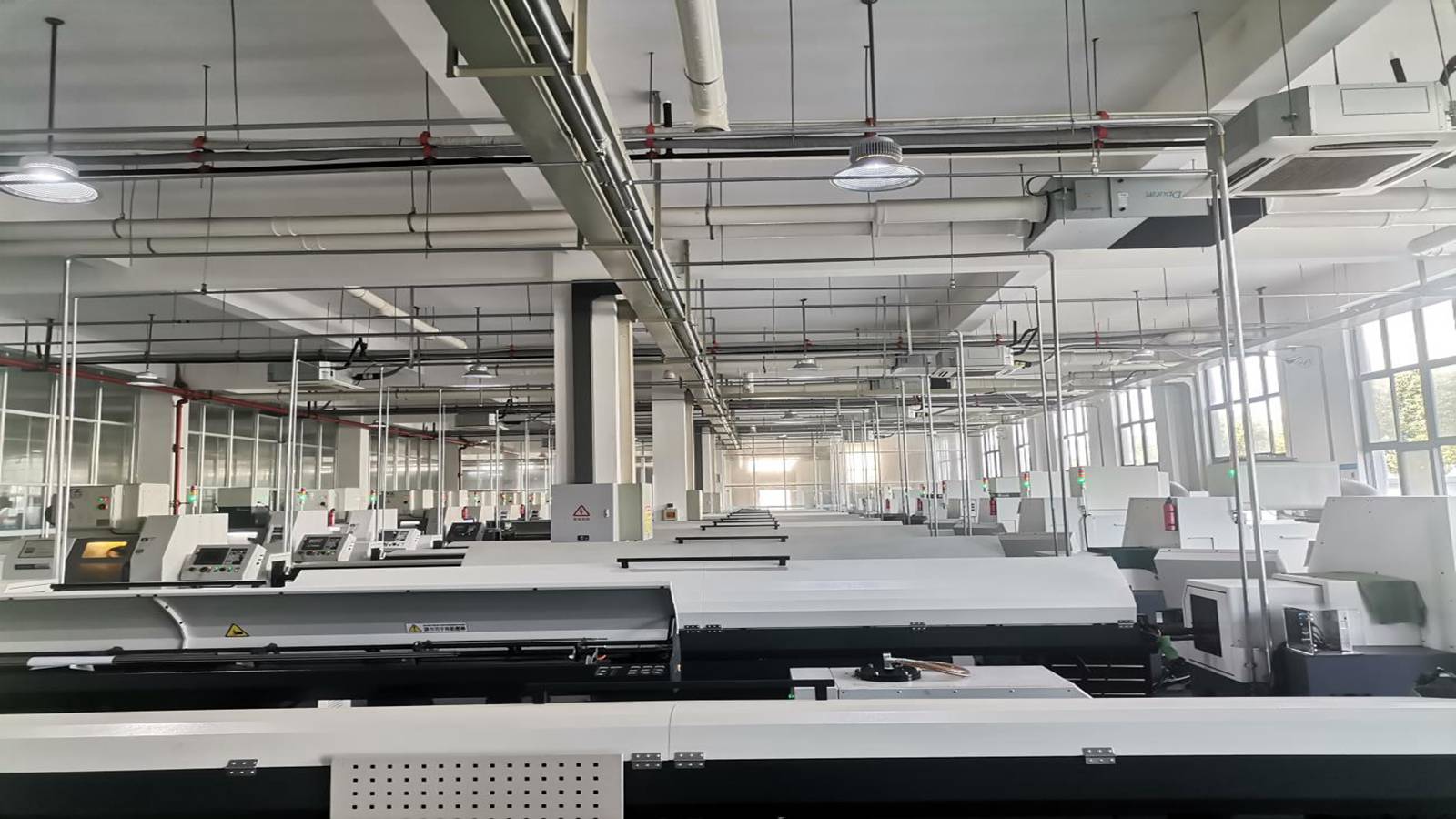
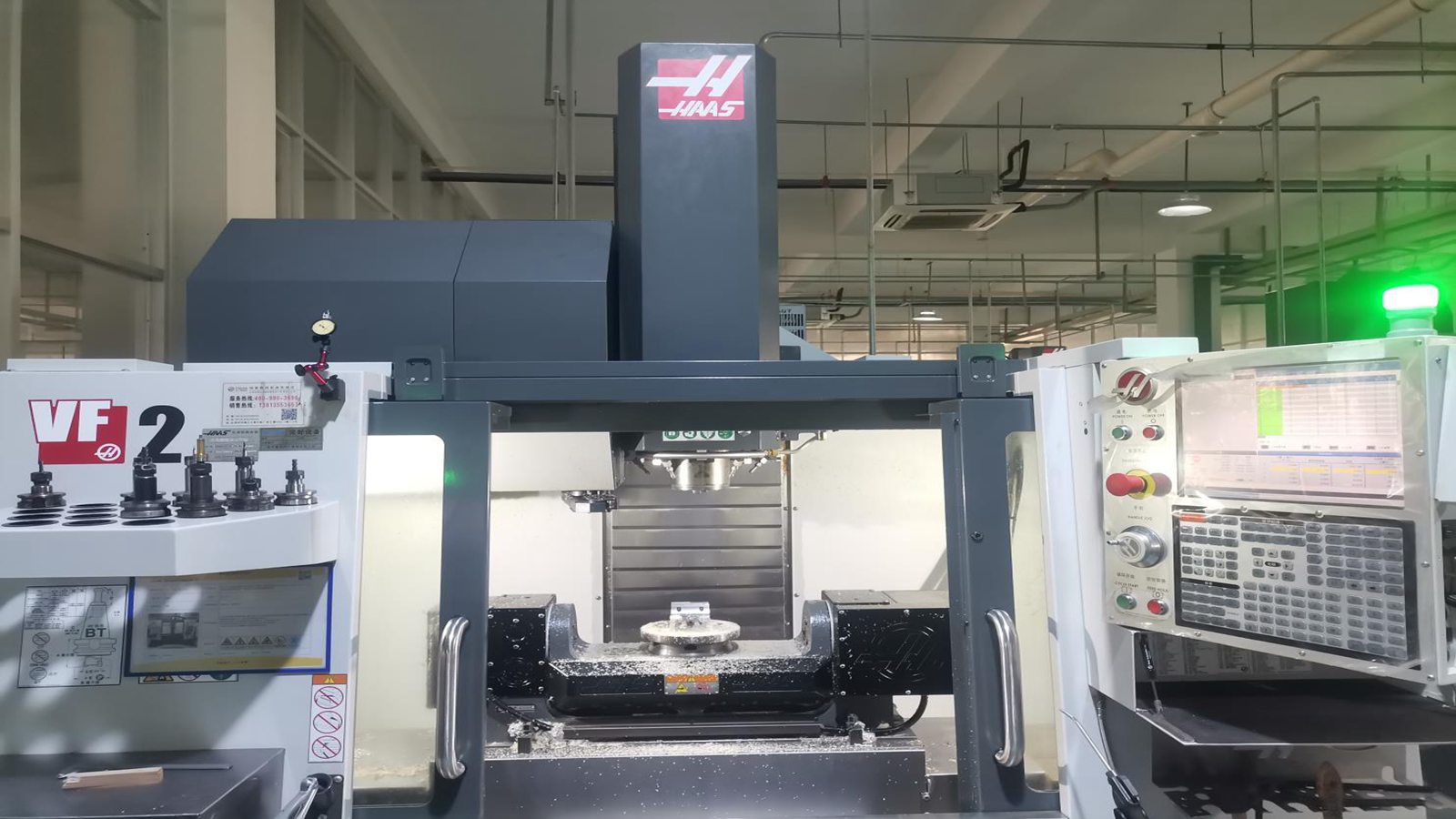
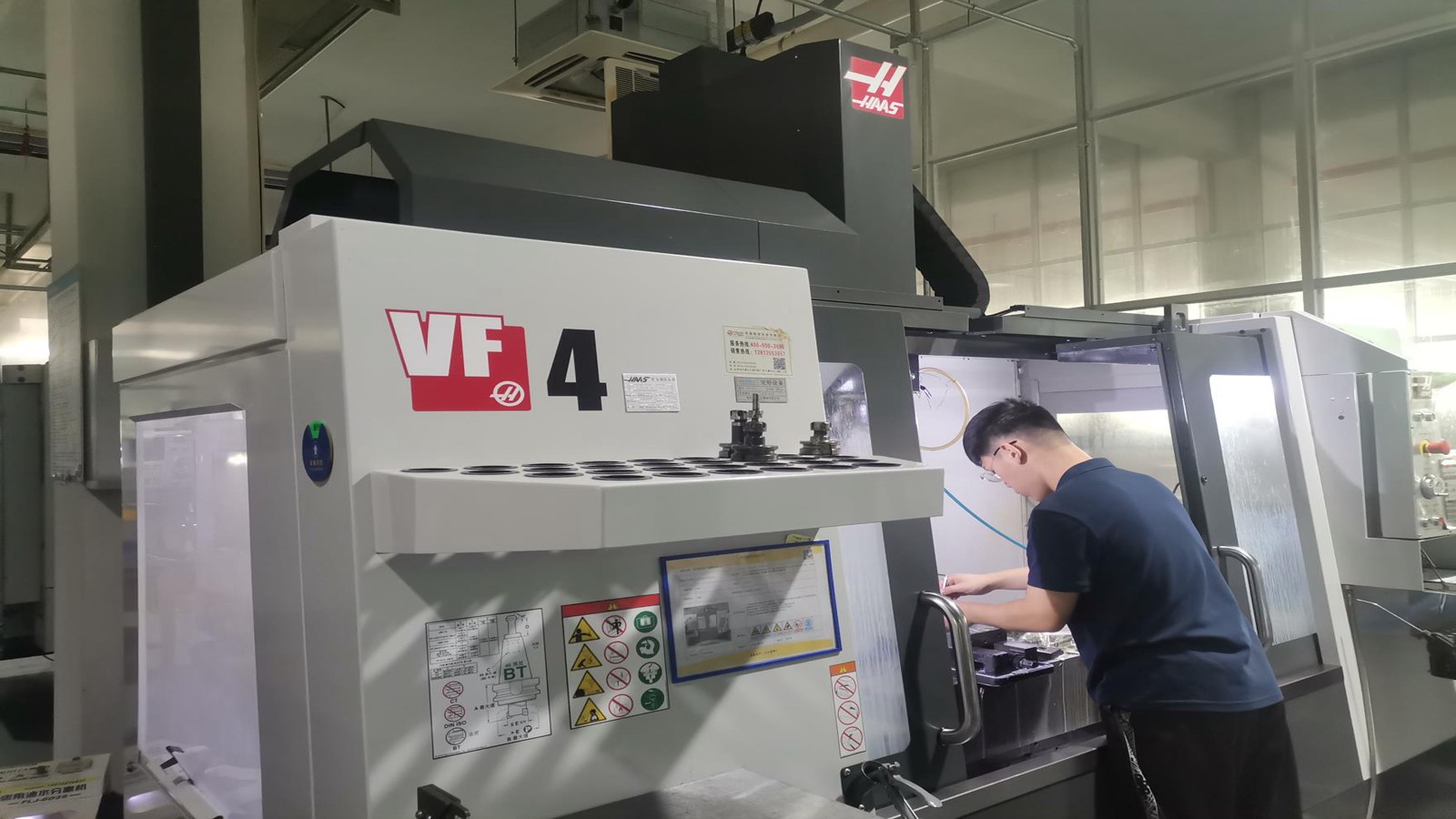
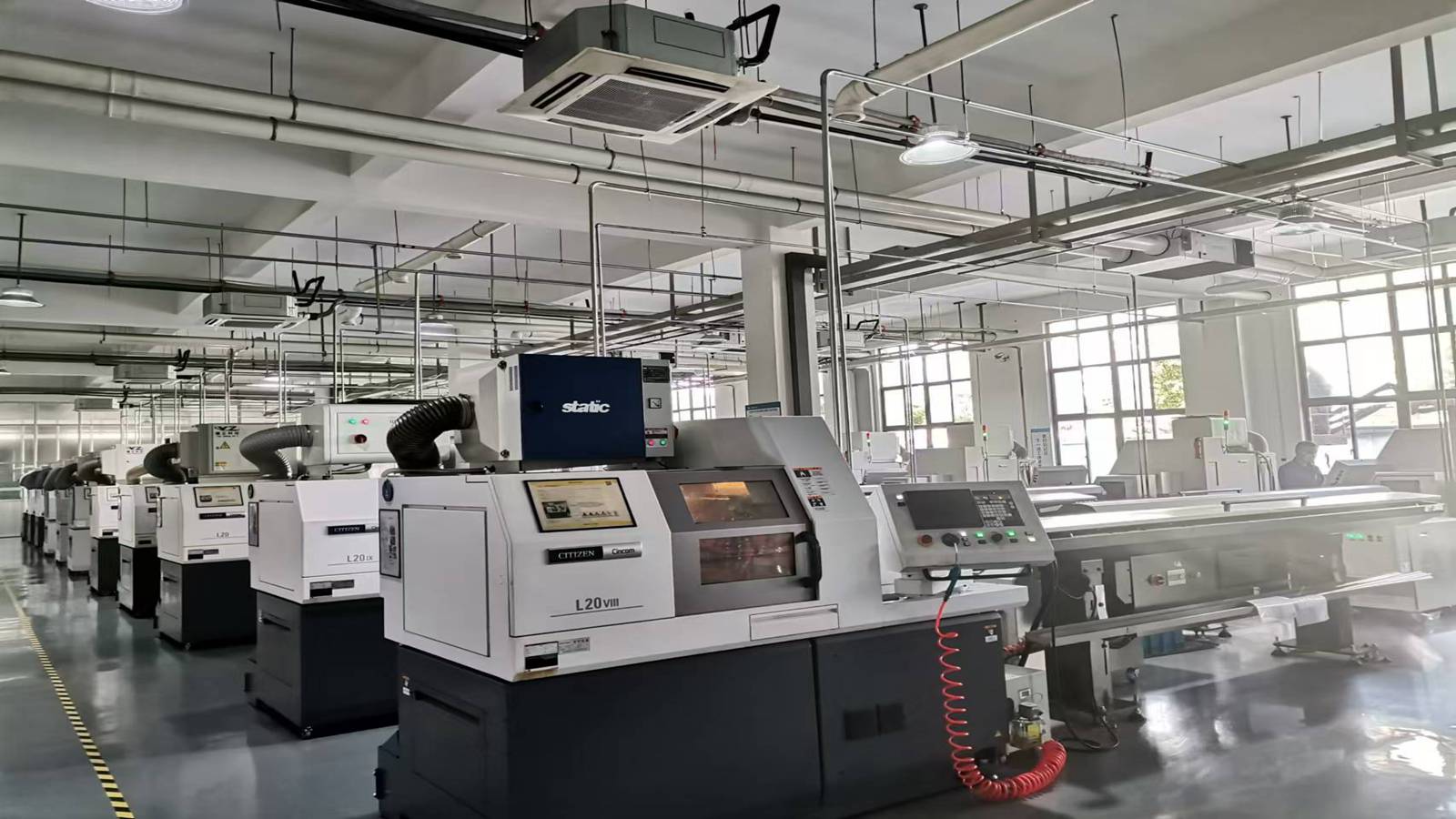
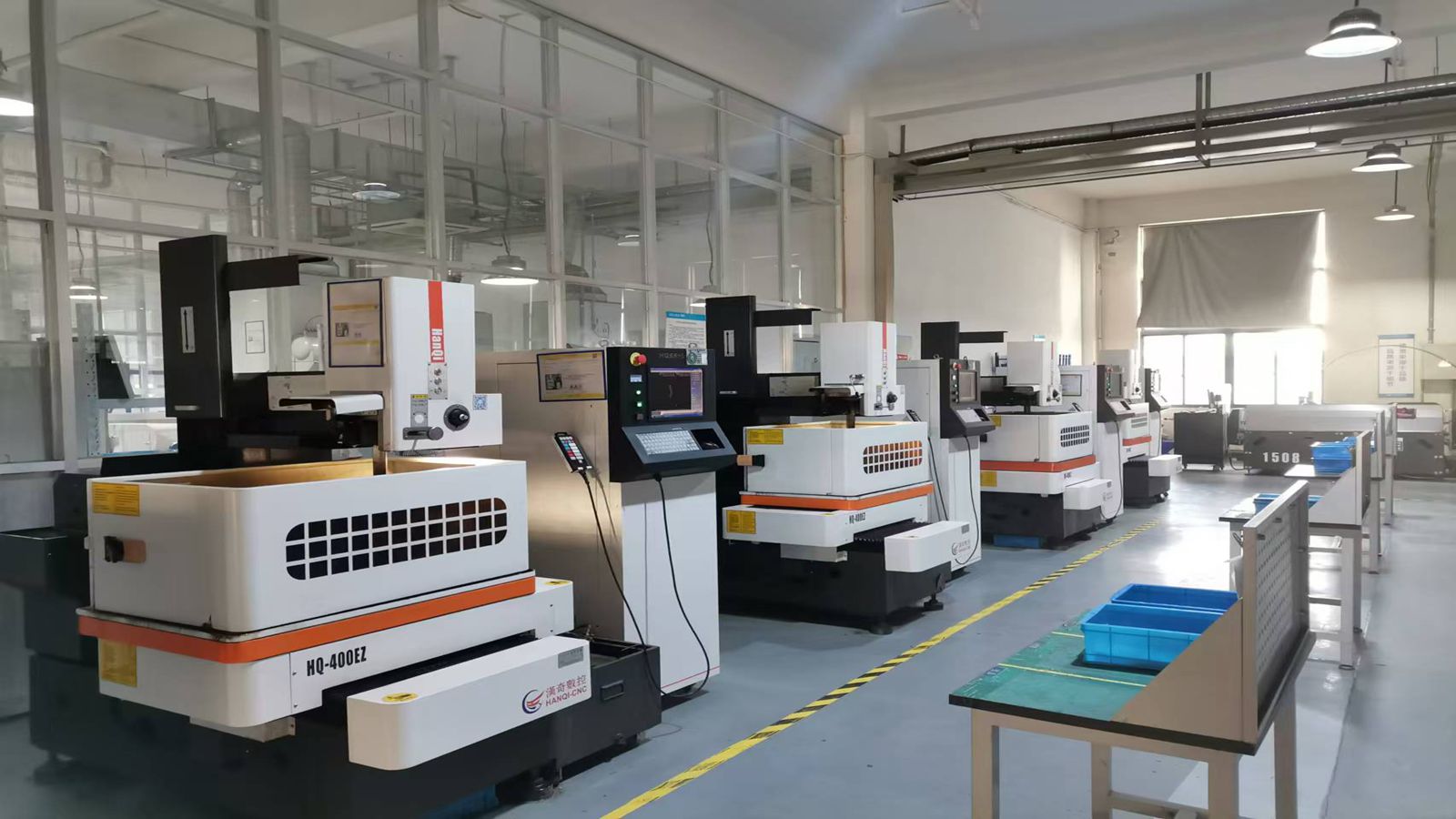
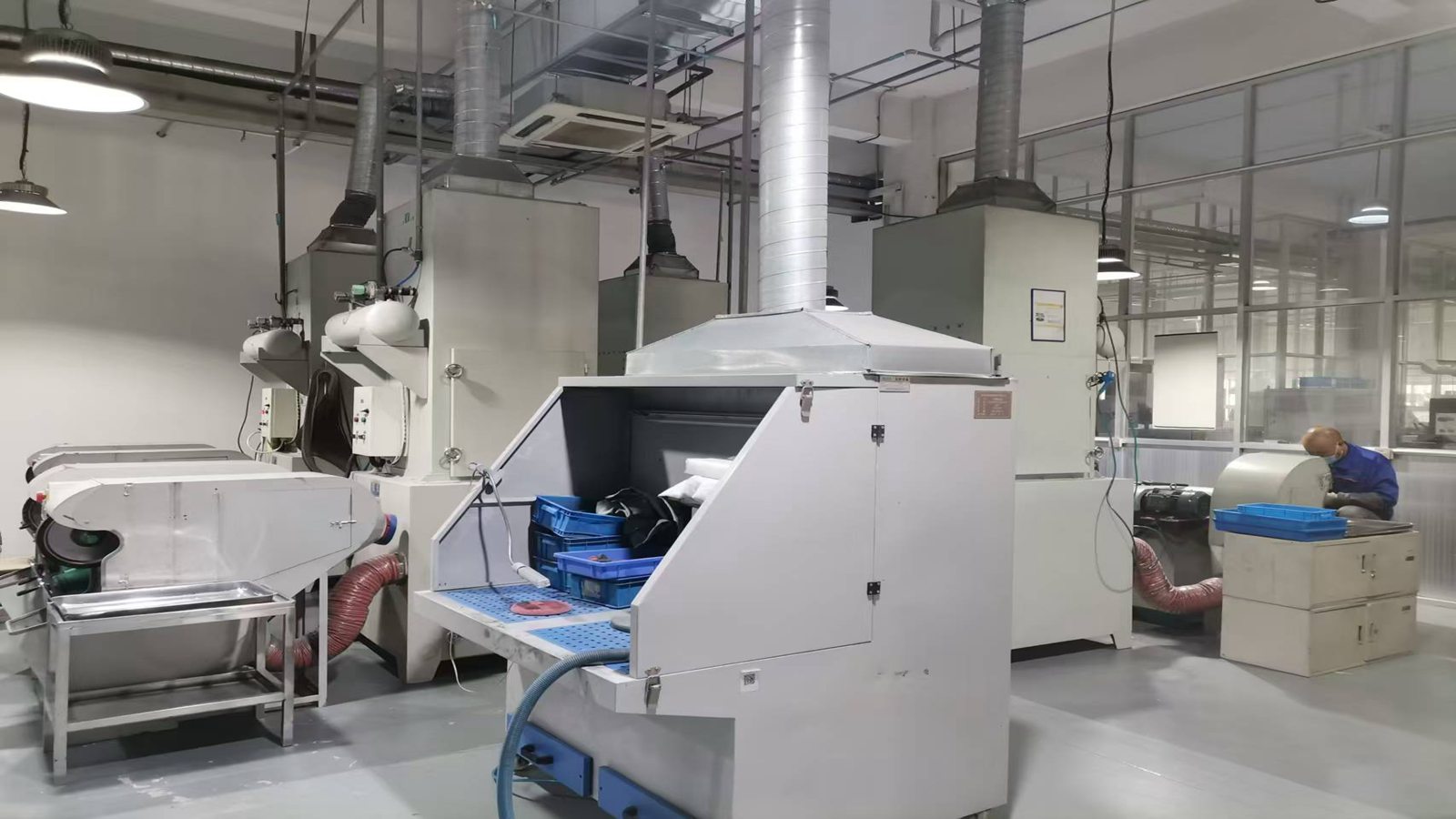
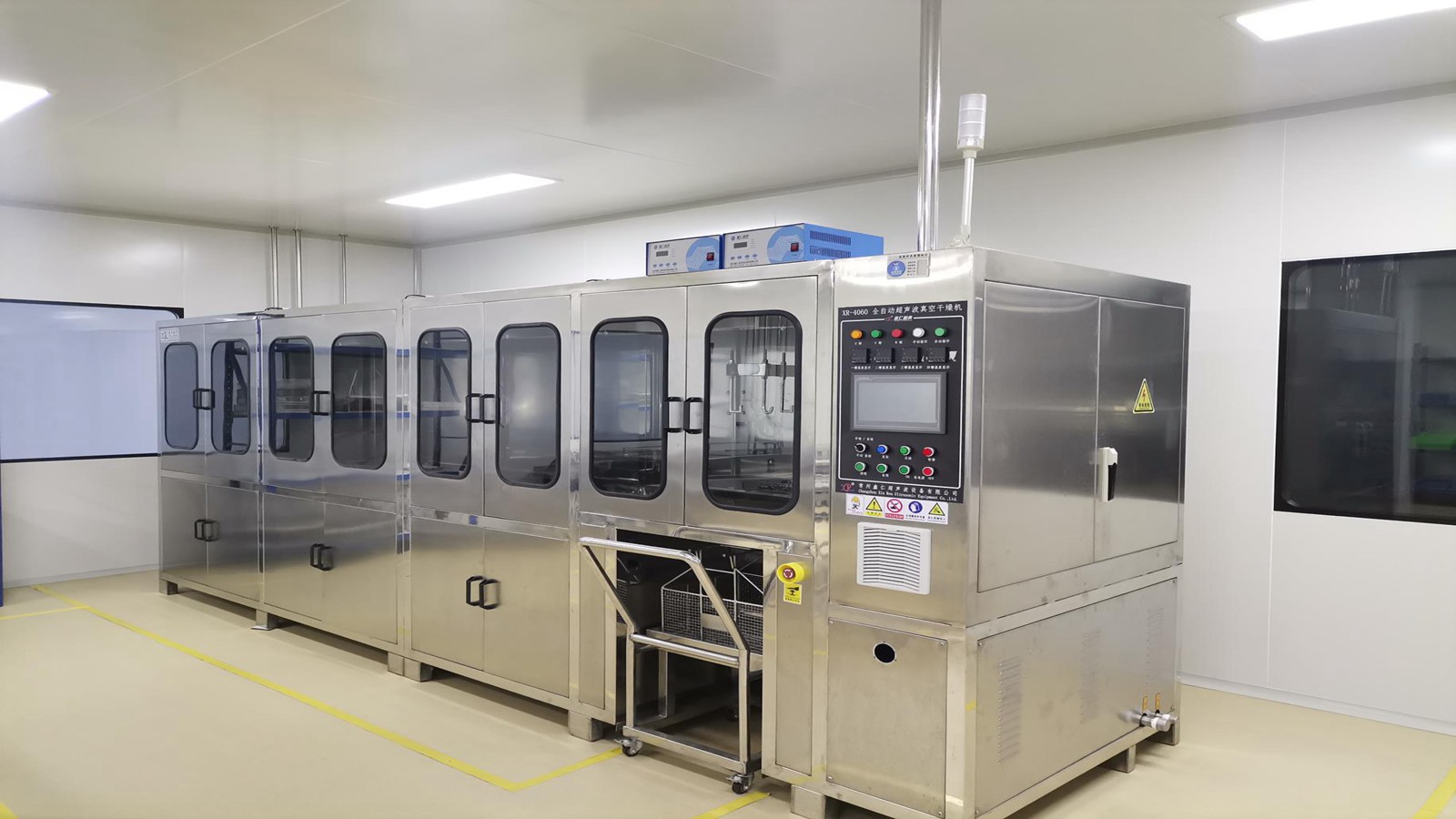
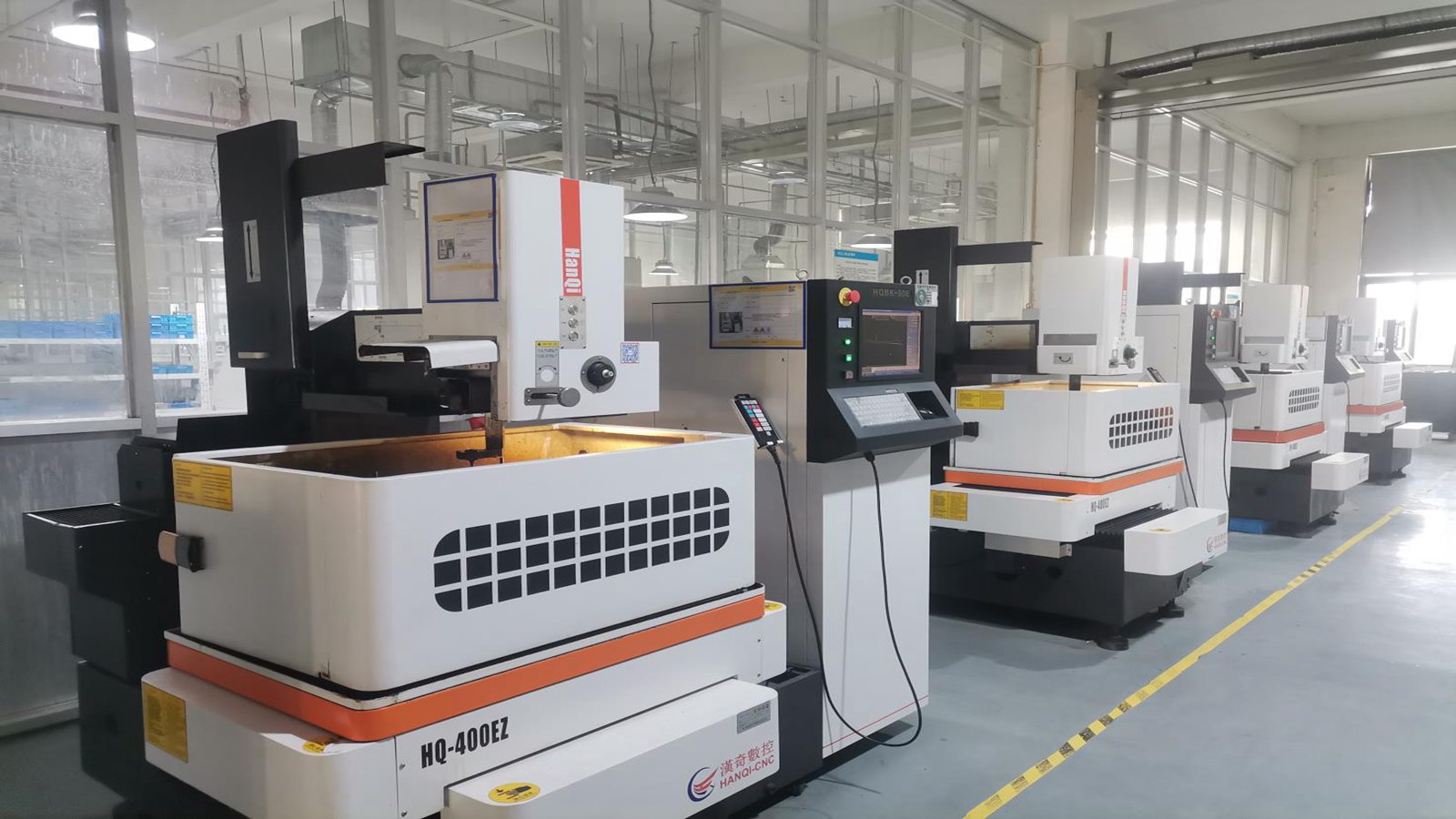
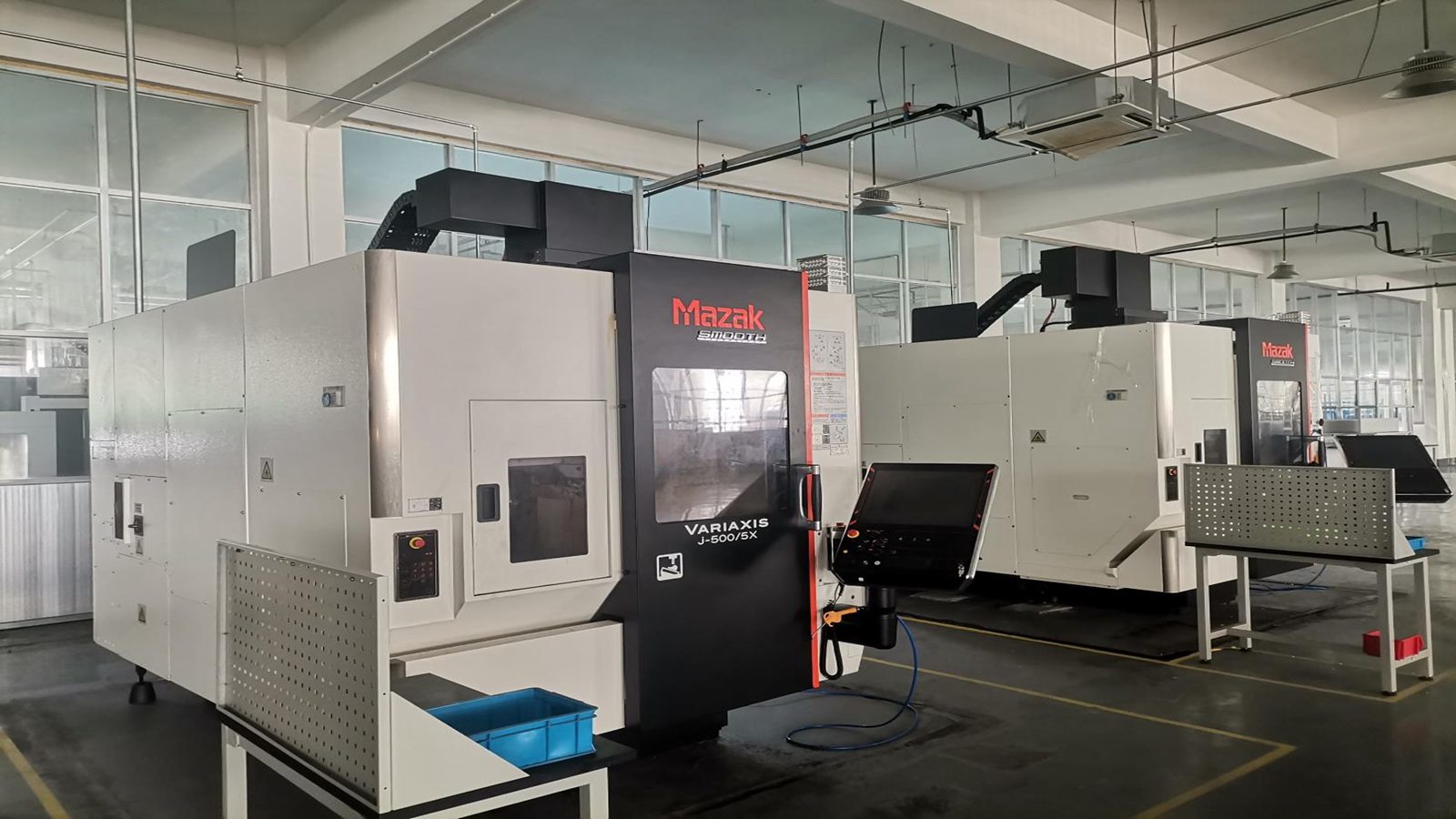
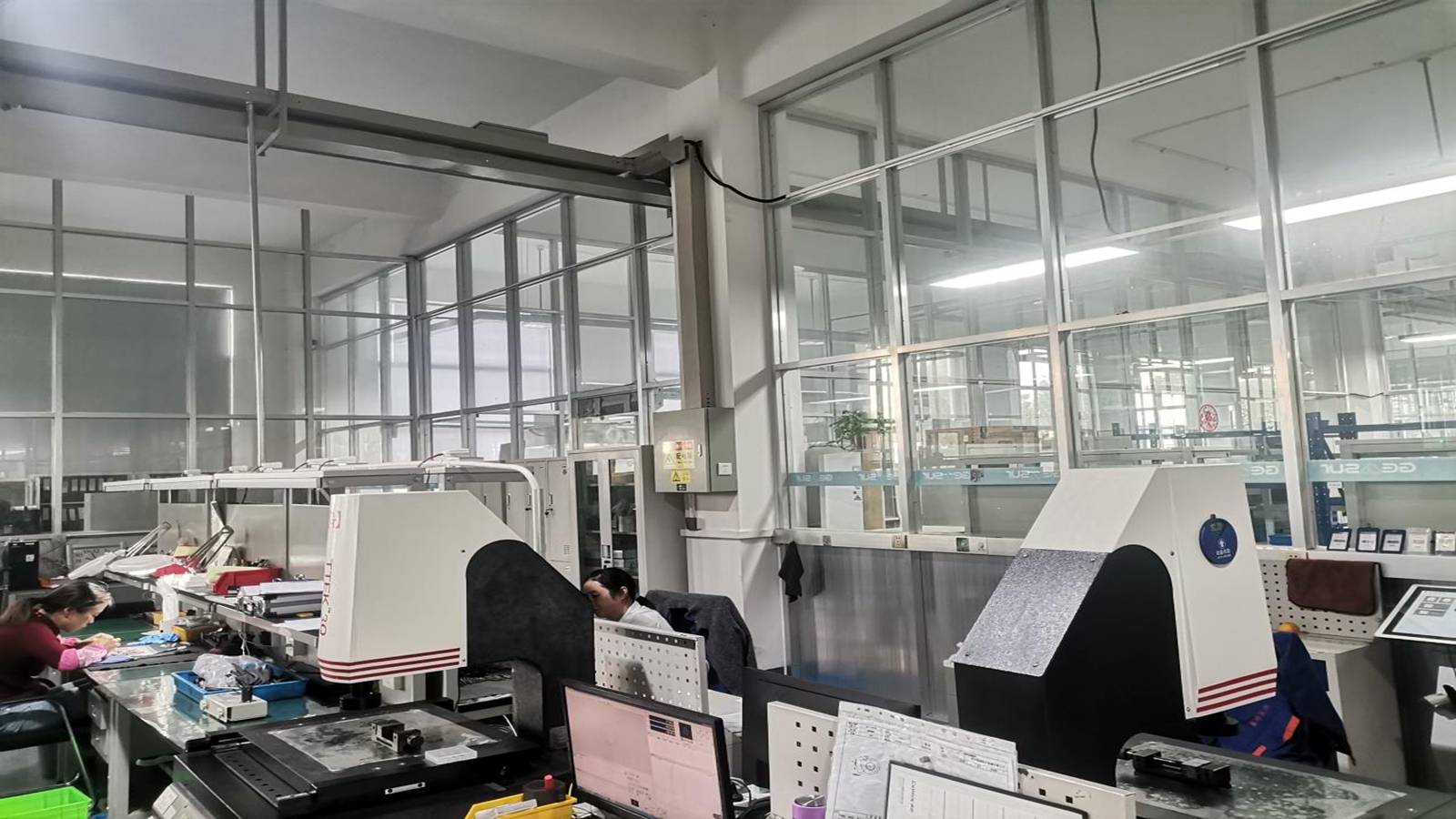
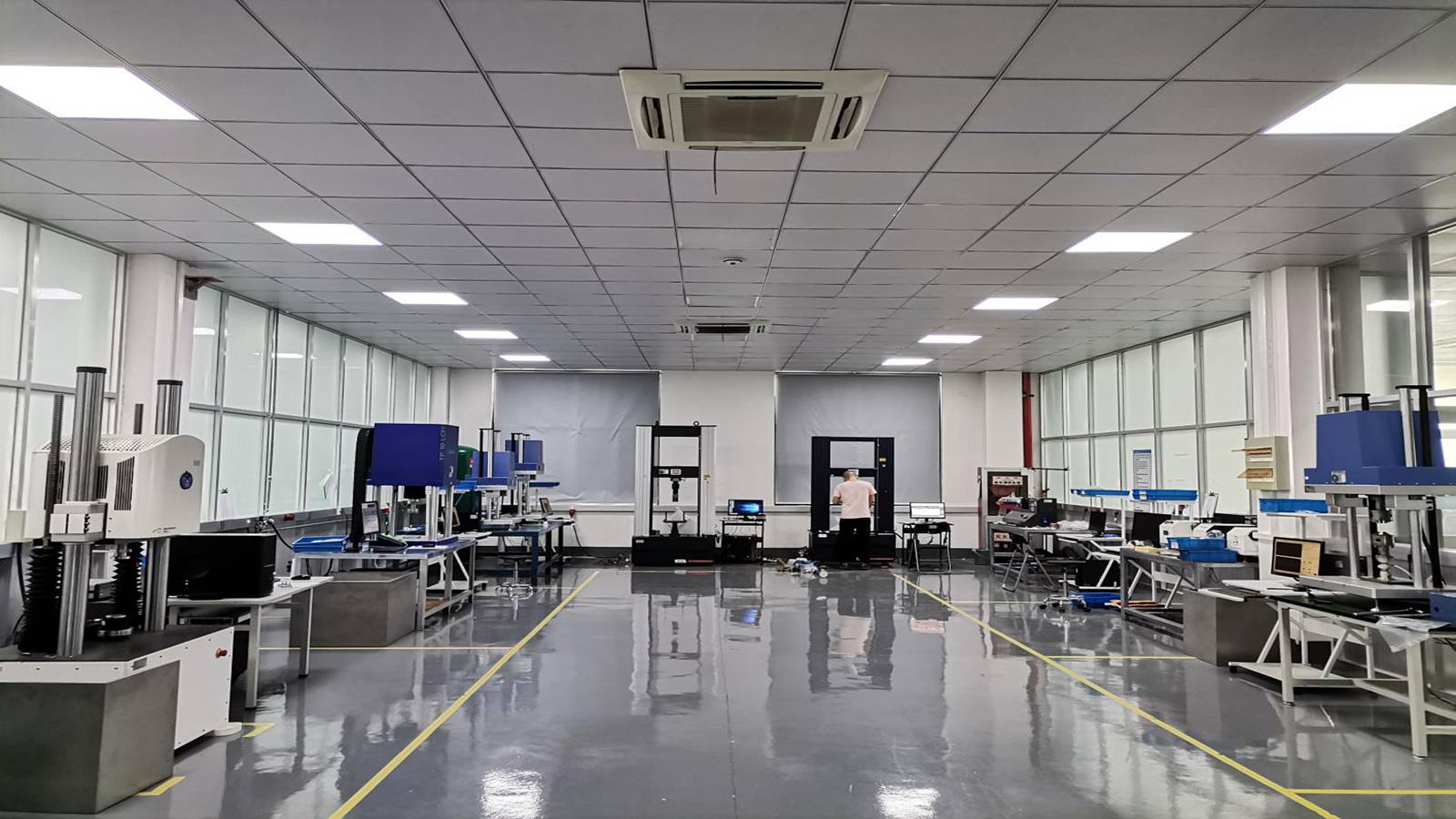
Medical device manufacturing requires deep supply chain integration. The China Factory 4.0 model leverages automated manufacturing, advanced quality control inspection, and end-to-end material traceability. With HBM Medical's 30,343 square meter production site, the factory coordinates production through 12 advanced assembly lines and over 120 dedicated machining centers.
This integration guarantees that raw titanium alloys and medical-grade stainless steel are traced from receipt to final sterile packaging. An on-site R&D department consisting of 31 engineers ensures rapid prototyping, custom OEM/ODM adjustments, and product optimization for global clinical demands.
With CE, MDSAP, and ISO 13485 certifications, HBM Medical serves as a reliable manufacturing hub for international brand owners, wholesalers, and medical institutions seeking consistent quality and stable supply.
A strategic framework for procurement directors to assess technical capabilities and supplier risk.
Verify ISO 13485, CE, and MDSAP certifications. Ensure raw materials are backed by metallurgical test reports. A top manufacturer must support complete trace records of all implantable metals and mechanical parts.
An engineering team with postgraduate and doctoral-level expertise ensures the manufacturer can handle complex OEM/ODM projects, manage mold updates, and implement customized modifications.
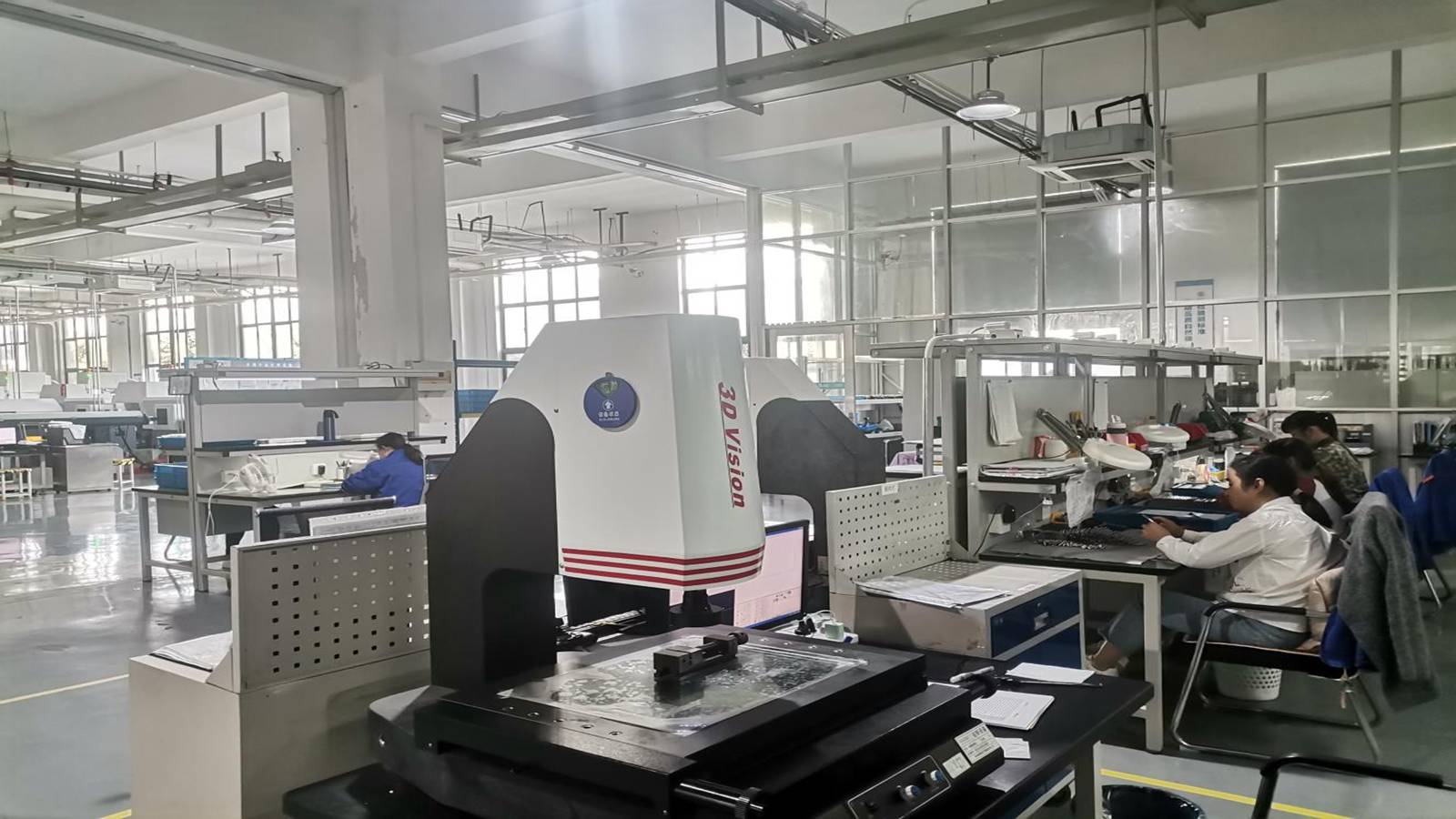
Examine the ratio of QC inspectors to production staff. HBM Medical employs 36 QA/QC inspectors across 12 lines, checking alignment, run-out tolerance, micro-hardness, and surface roughness.
Surgical power systems require post-sale support. Suppliers must offer clear warranty terms, spare parts supply chains, and engineering documentation to assist in hospital clinical setup.
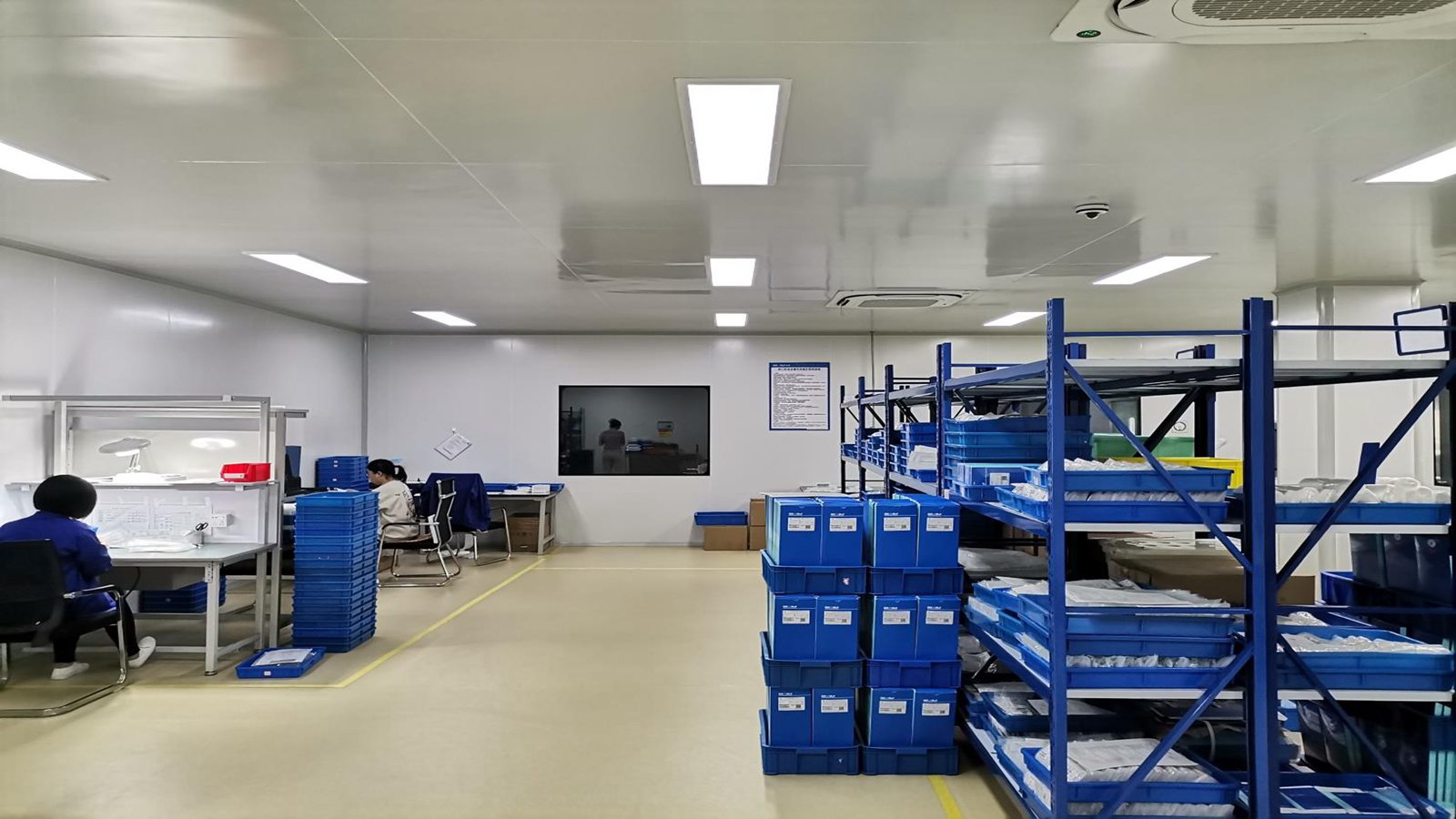
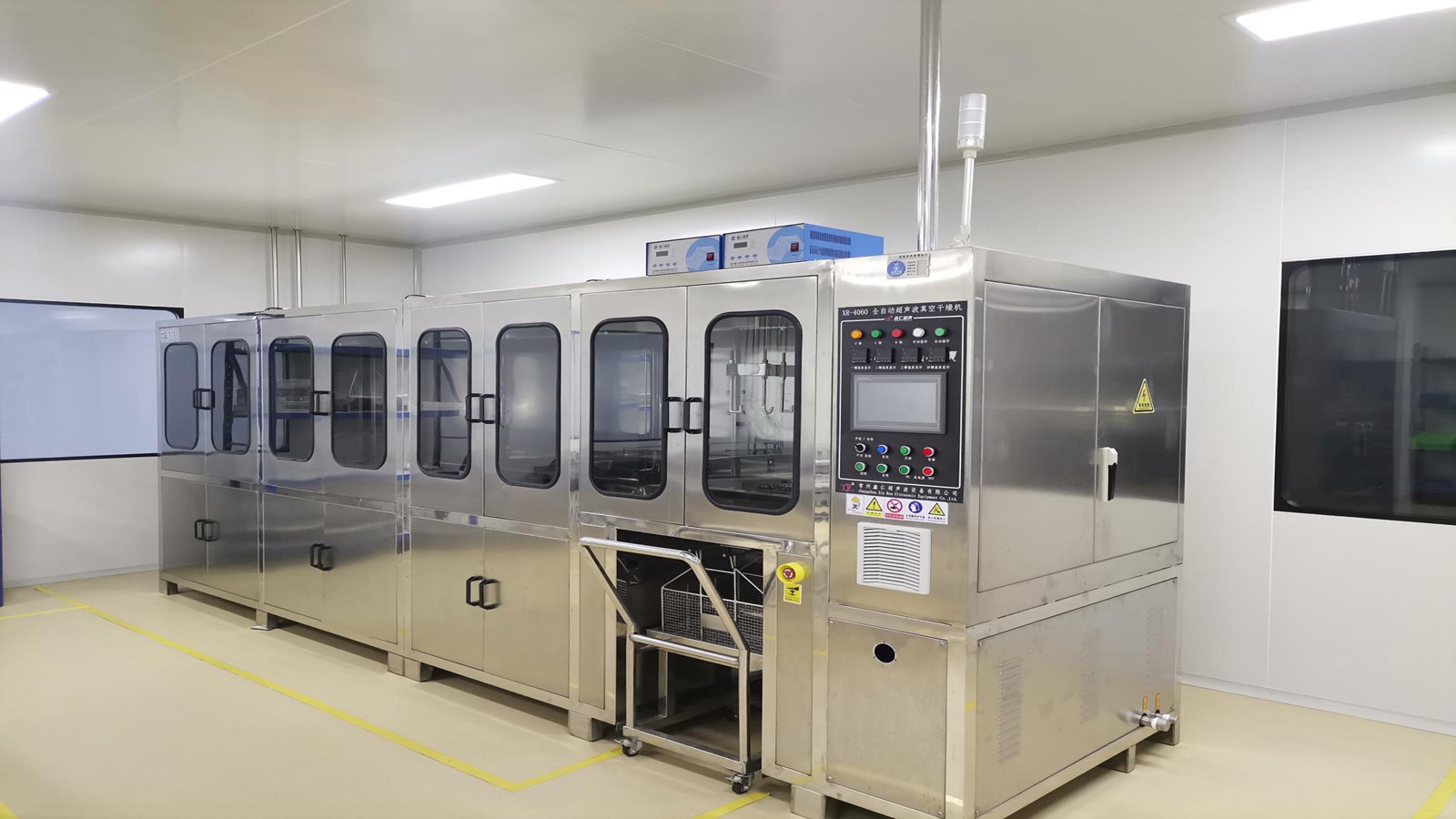
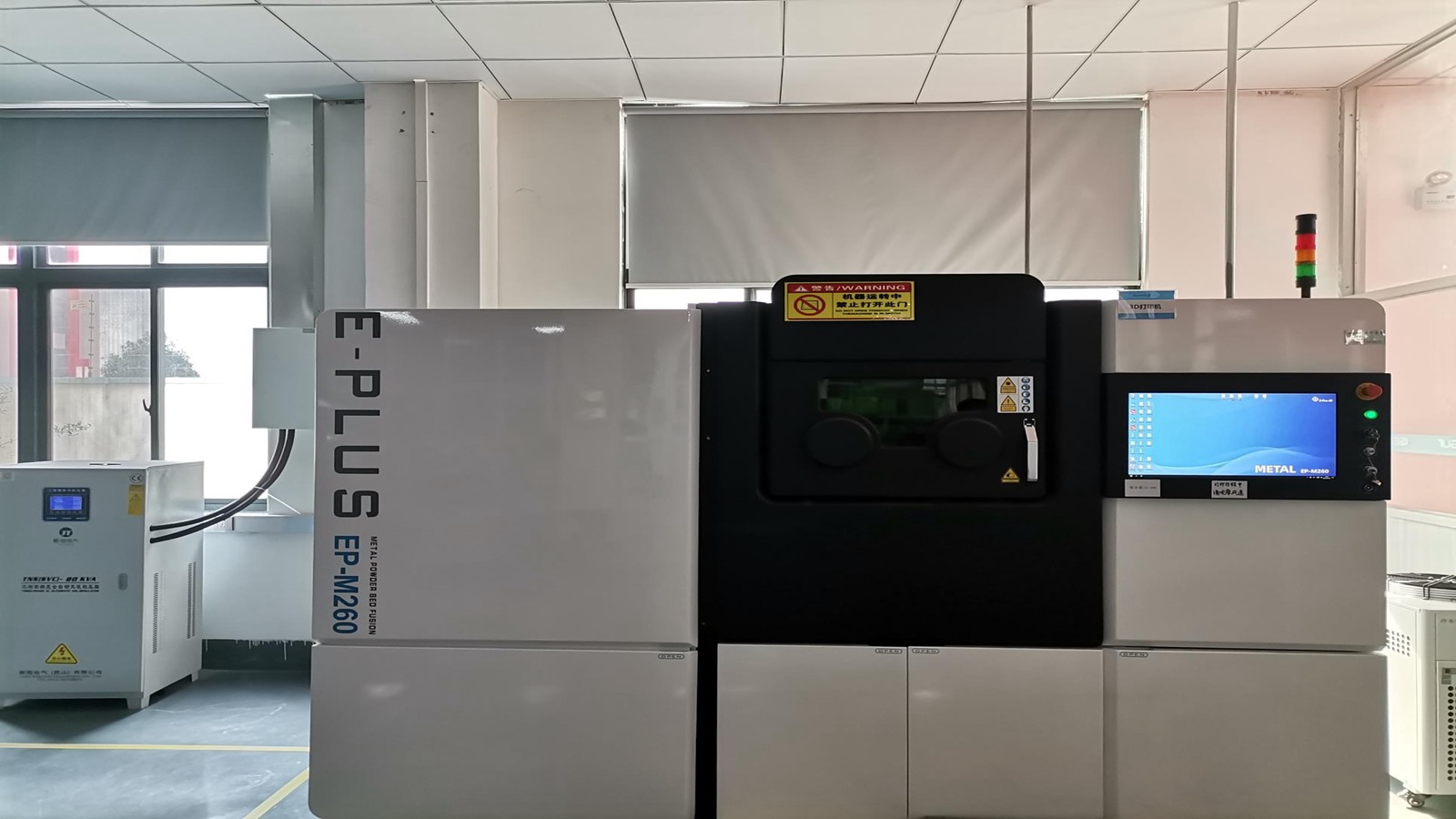
A visual overview of our modern production floor, CNC machinery, inspection centers, and clean rooms.



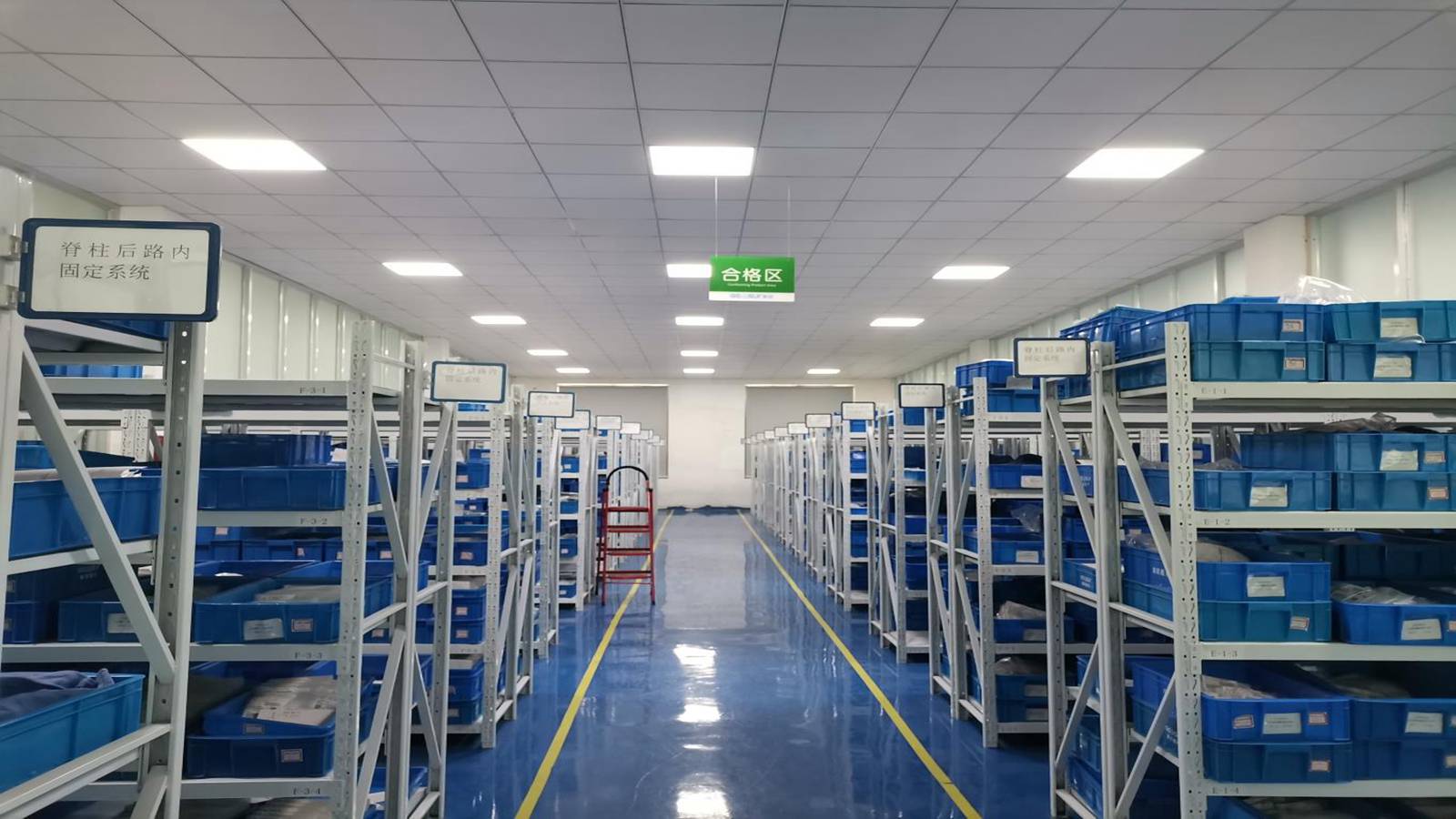
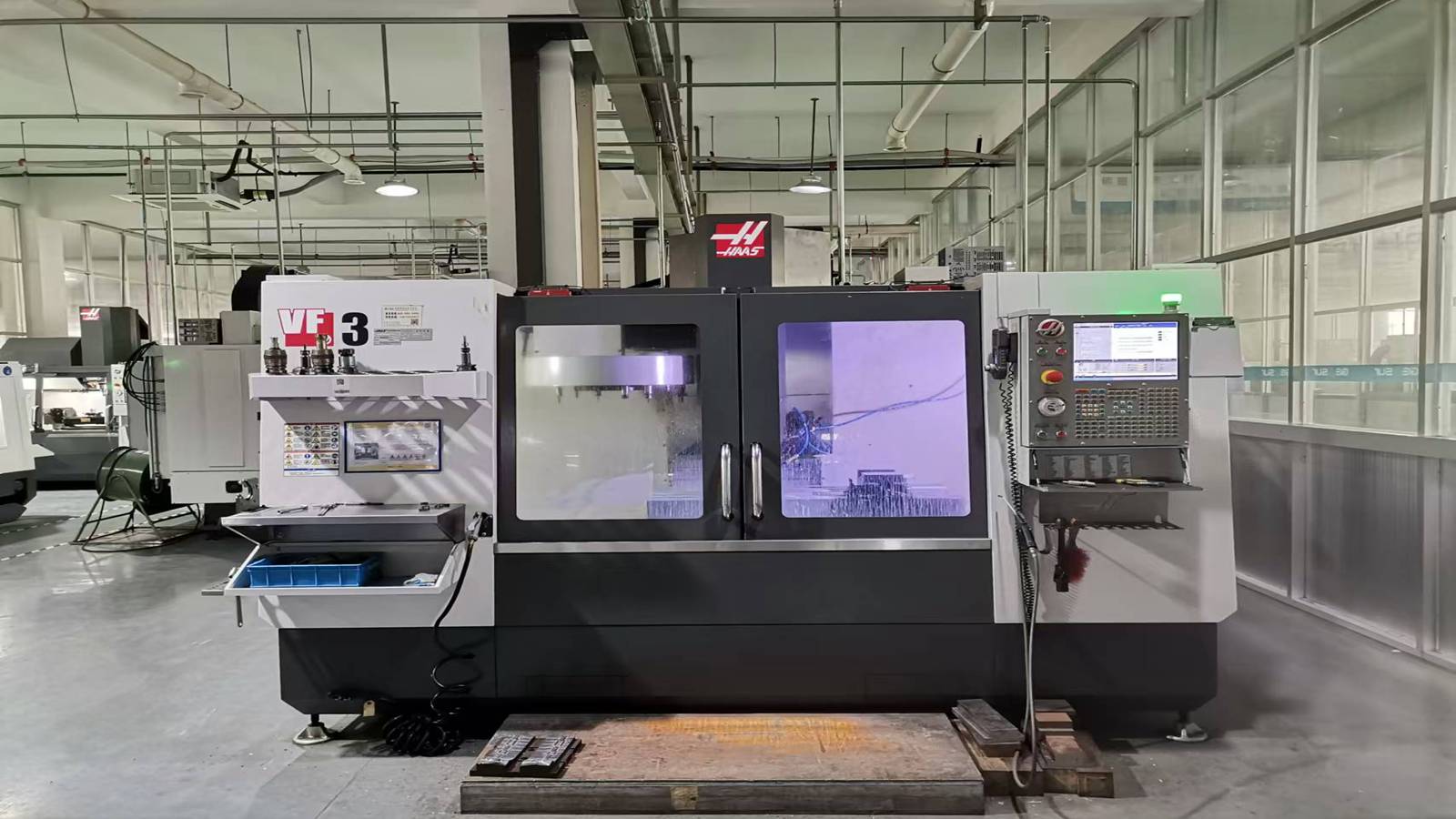
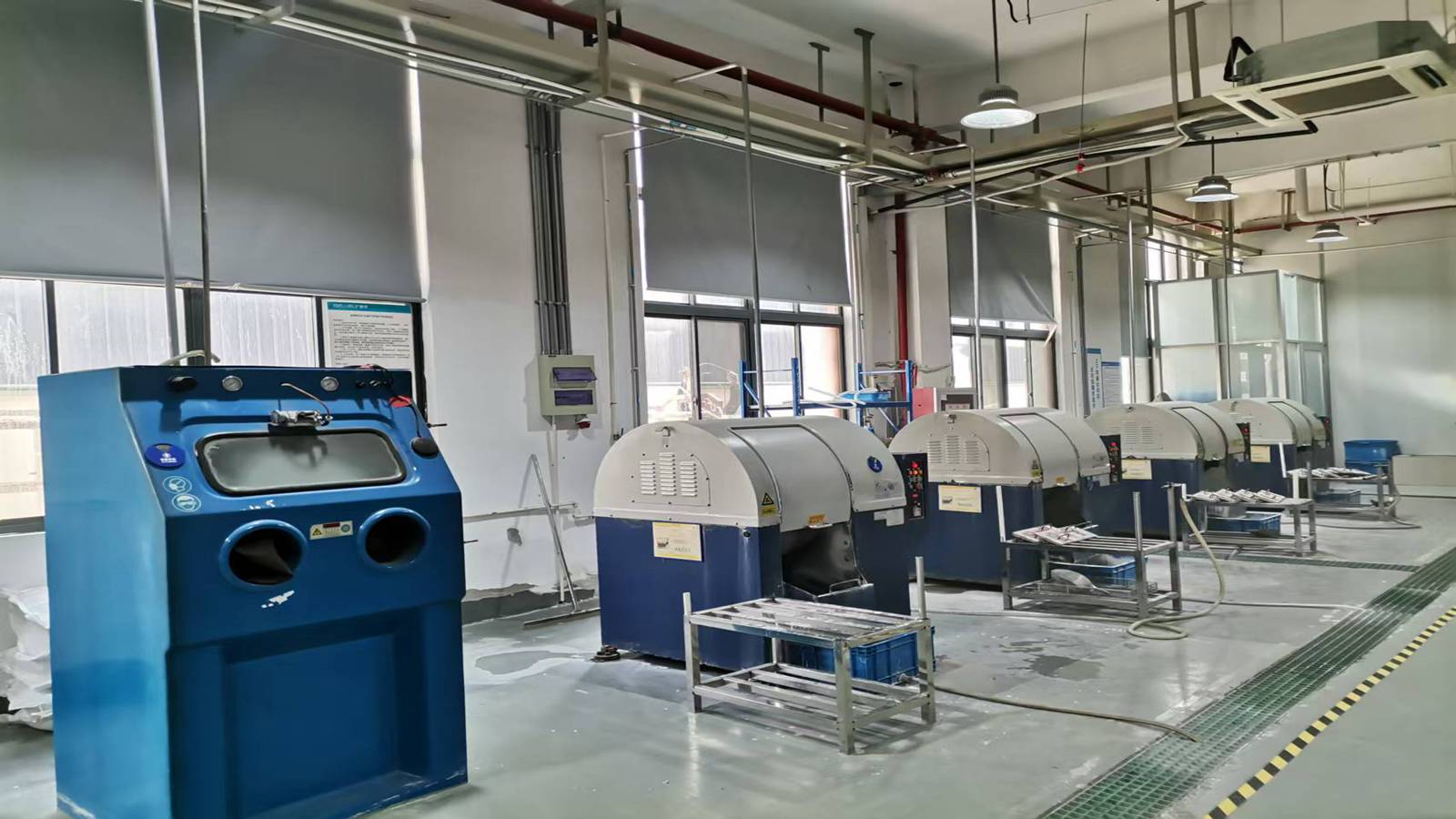
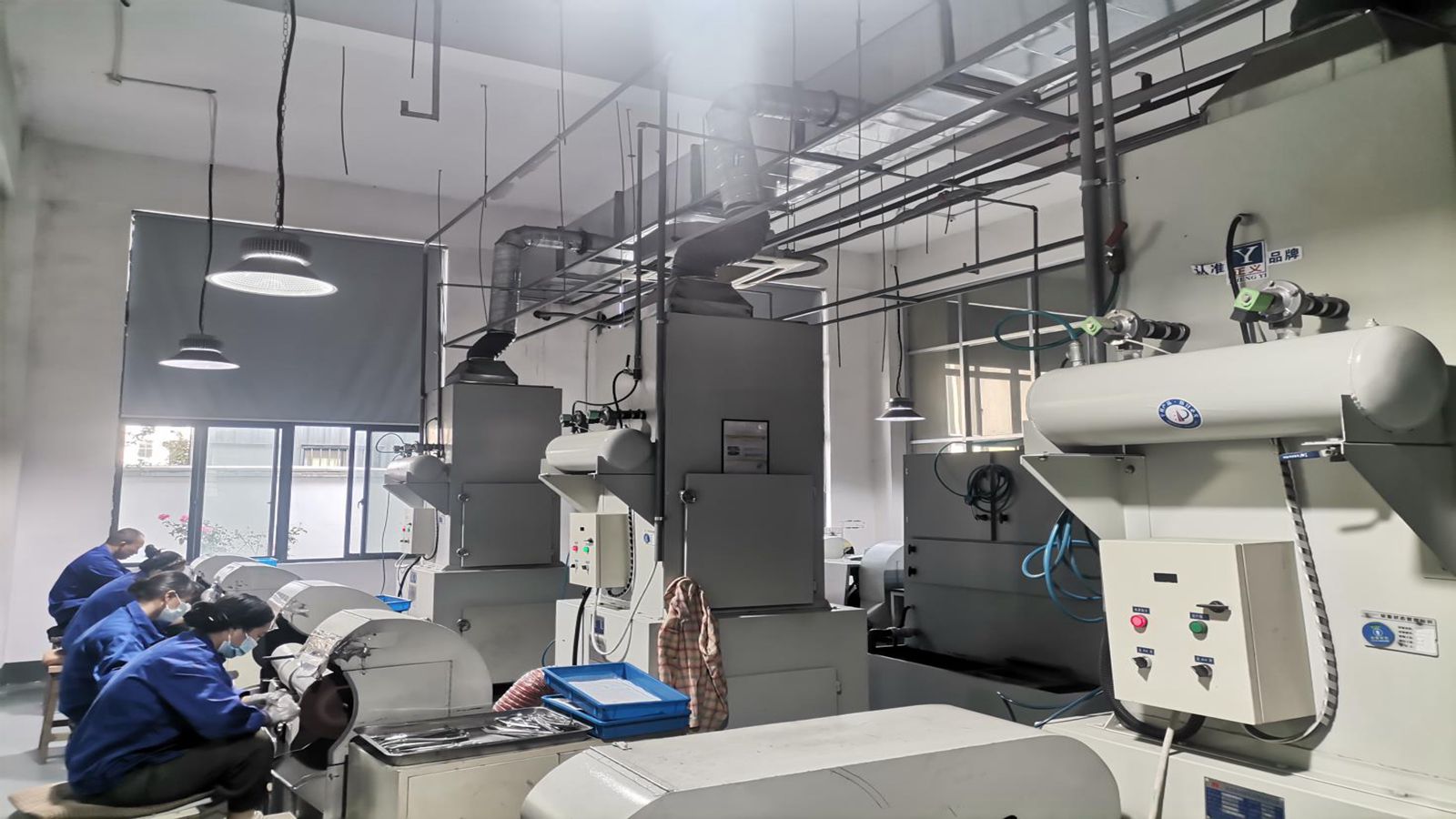
How global orthopedic teams utilize integrated power tools and fixation components across key specialties.
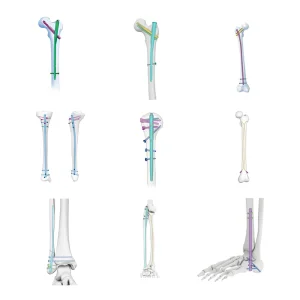
In acute fracture interventions, surgeons use cannulated drills and bone drill guiders to install titanium locking plates or intramedullary nails. Variable drill speeds prevent heat buildup in bone tissue while allowing fast screw insertion.
Joint reconstruction procedures, such as rotator cuff or ACL repair, require clean tunnel preparation. Sports medical shaver blades, burrs, and suture anchors are used together to provide stable soft-tissue fixation.
Veterinary surgeons require high-performance, compact surgical systems. Autoclavable veterinary bone drills and pediatric locking plate sets are used to treat fractures in companion animals and working breeds.
Key information regarding compliance, sterilizing protocols, and custom OEM/ODM parameters.
Explore our locking plates, intramedullary rods, arthroscopic shavers, and dedicated instrument sets.
 HBM Medical