Engineered for physiological load-sharing, precision fitment, and structural stabilization across human and veterinary applications.
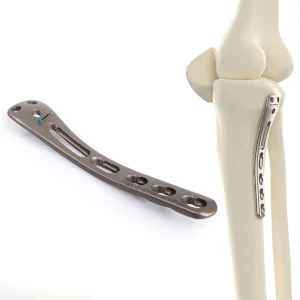
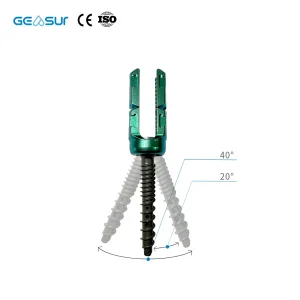
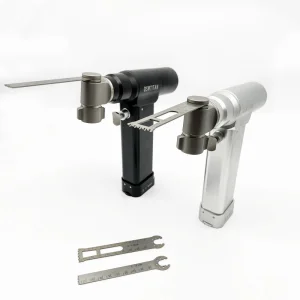
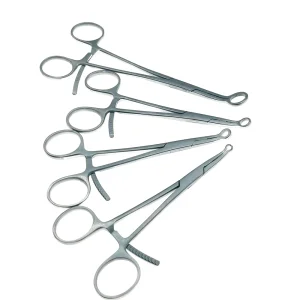
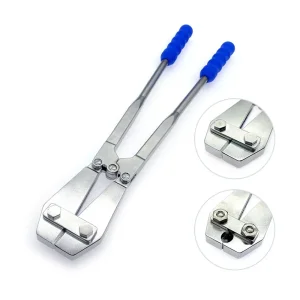
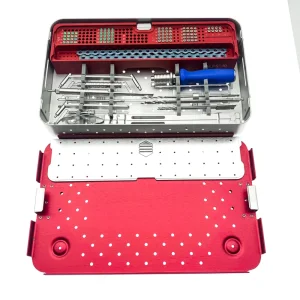
In modern osteosynthesis, internal fixation technologies have shifted from rigid mechanical stabilization to biologically optimized, load-sharing systems. As global medical demands increase due to an aging demographic and heightened occurrences of complex trauma, the global market for bone plate systems has seen unprecedented expansion. Modern medical practices emphasize minimally invasive procedures, anatomical pre-contouring, and material integration that optimizes healing timelines while reducing postoperative complications.
Historically, orthopedic plate systems served purely as mechanical braces. However, today’s clinical landscape demands dynamic interface interactions. Advanced plate manufacturing requires the incorporation of biocompatible metals, primarily Grade 5 Titanium (Ti-6Al-4V ELI) and commercially pure Titanium (CP-Ti), alongside high-performance polymers like PEEK (Polyetheretherketone). These materials mitigate the effects of stress shielding—a primary cause of implant loosening and bone resorption—by mimicking the natural elastic modulus of cortical bone.
From a global market perspective, the orthopedic implant manufacturing sector is divided between high-volume standard component suppliers and advanced solution integrators. Standard components must meet precise geometric tolerances (measured in microns) to guarantee uniform biomechanical responses. As clinical protocols become more localized, developers must design platforms that accommodate varied skeletal structures and differing surgical approaches globally, while securing rigorous global certifications like CE and FDA clearances.
Modern plates utilize dynamic locking mechanisms. Variable-angle locking systems permit screw placement at off-axis directions, offering customized anchorage in osteopenic bone structures.
Micro-textured and anodized surface modifications promote initial osteoblast adhesion, minimizing soft tissue friction and accelerating osseointegration.
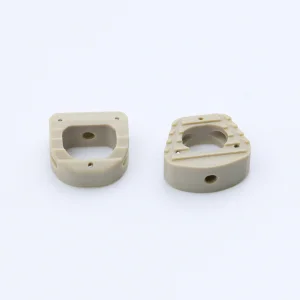
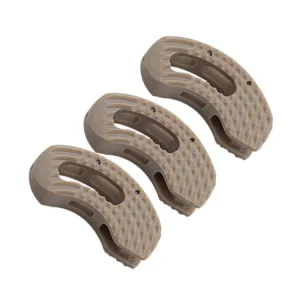
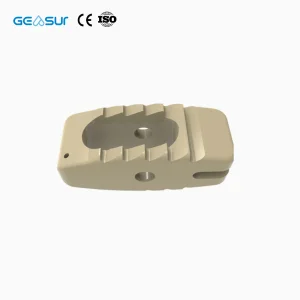
Radiolucent PEEK cages and plate components eliminate imaging artifacts under CT or MRI, allowing surgeons to monitor fusion progressions precisely.
Verified industrial metrics highlighting R&D capacity, quality control infrastructure, and global production scope.
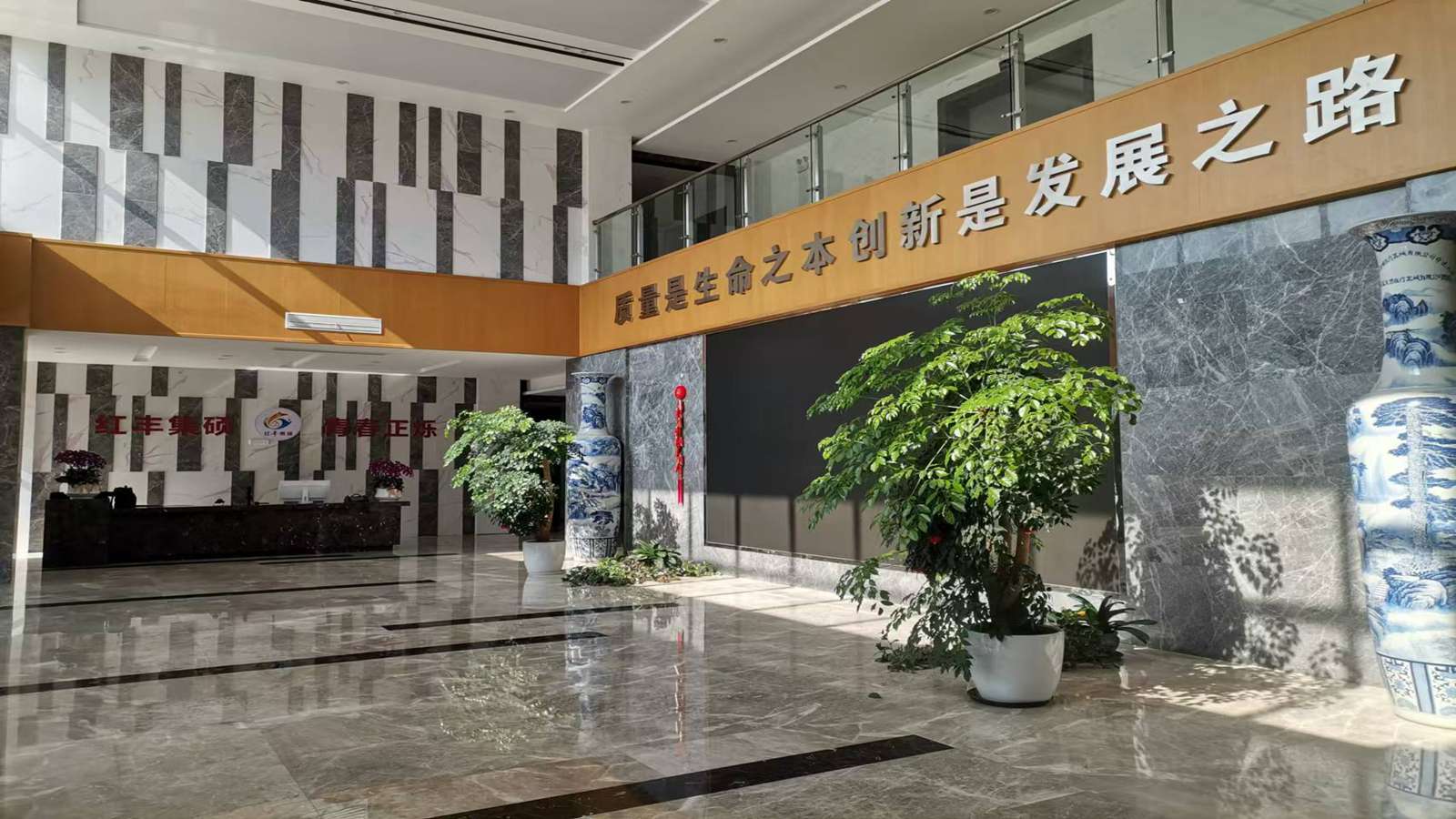
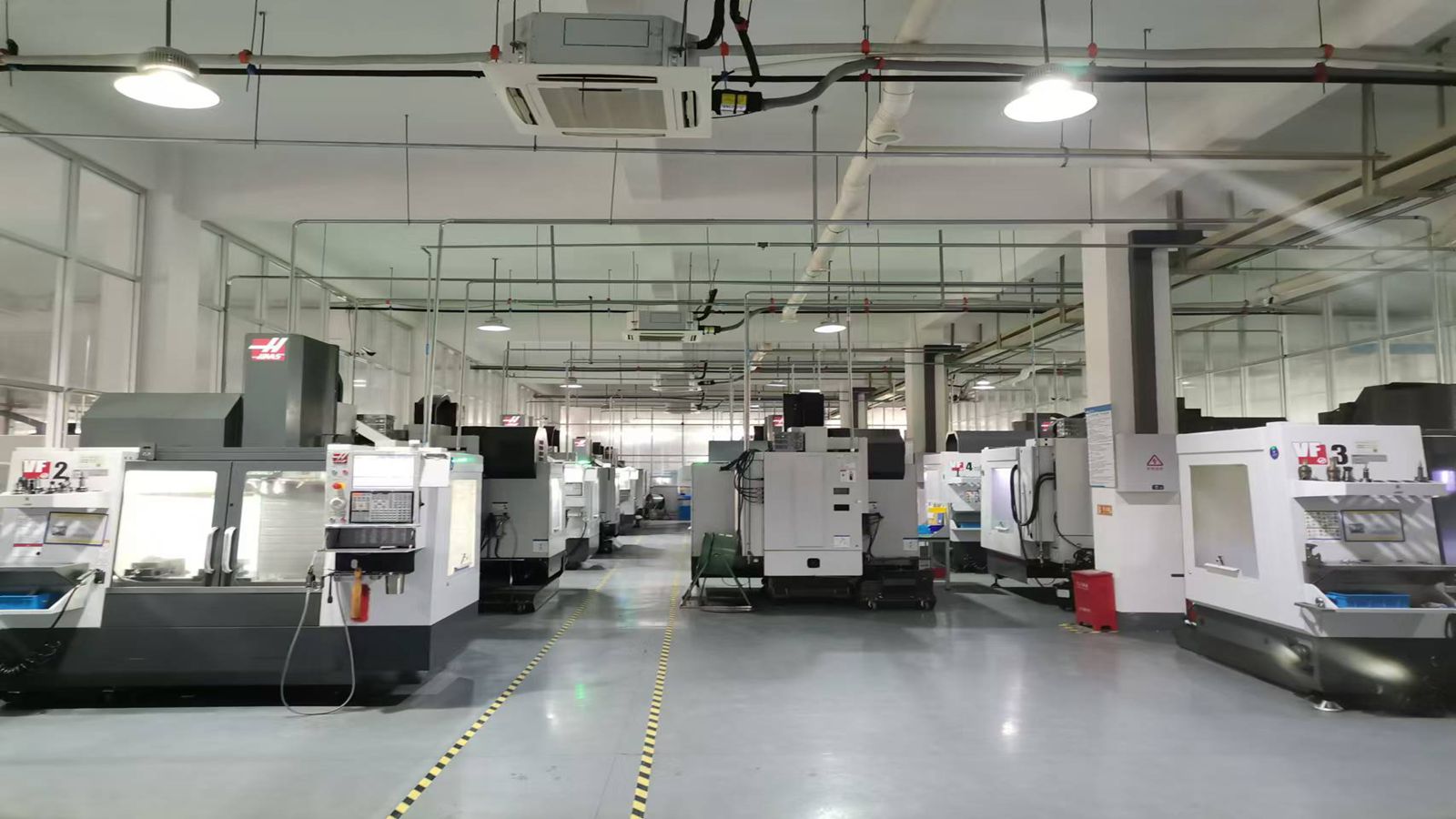
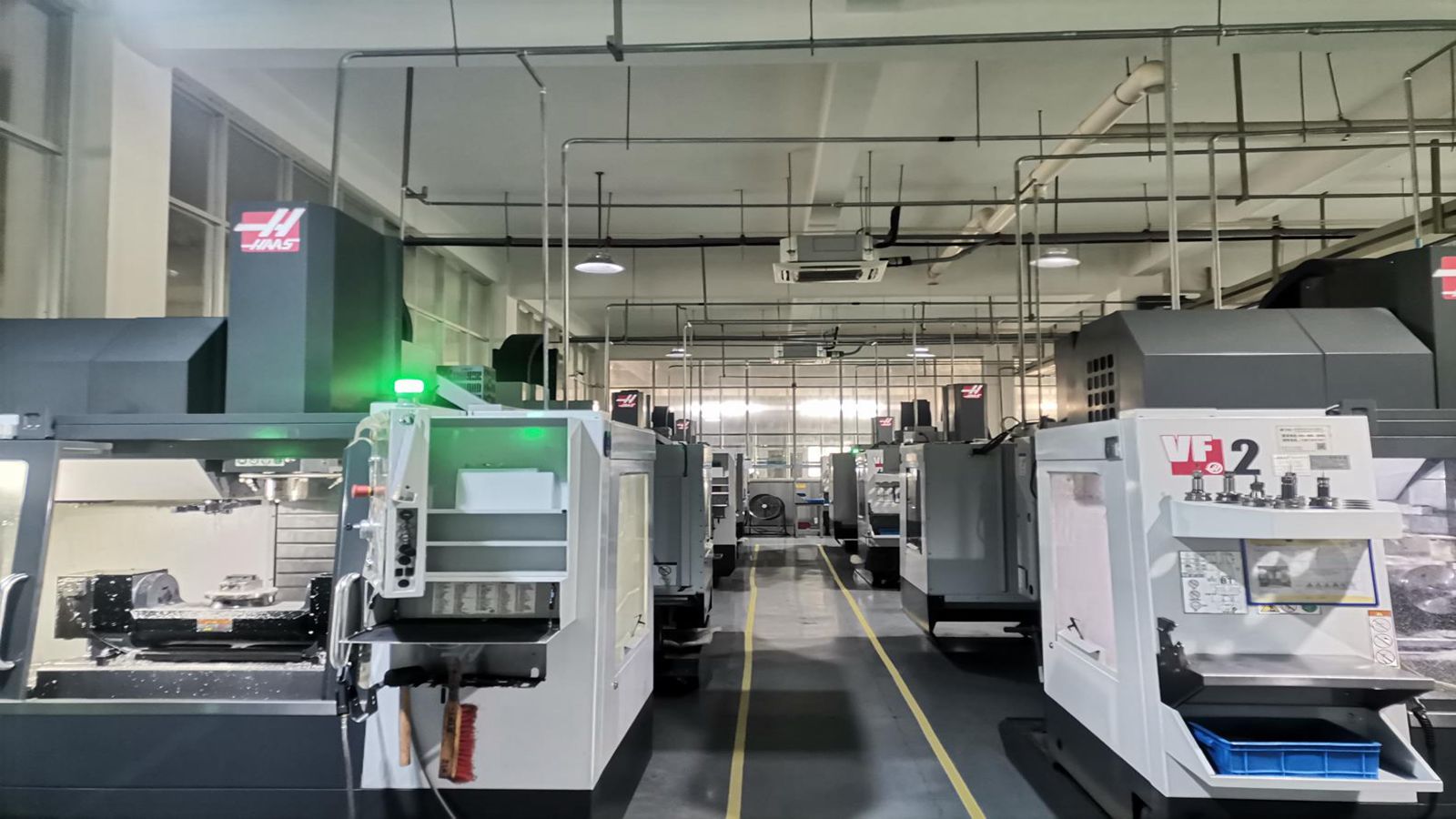
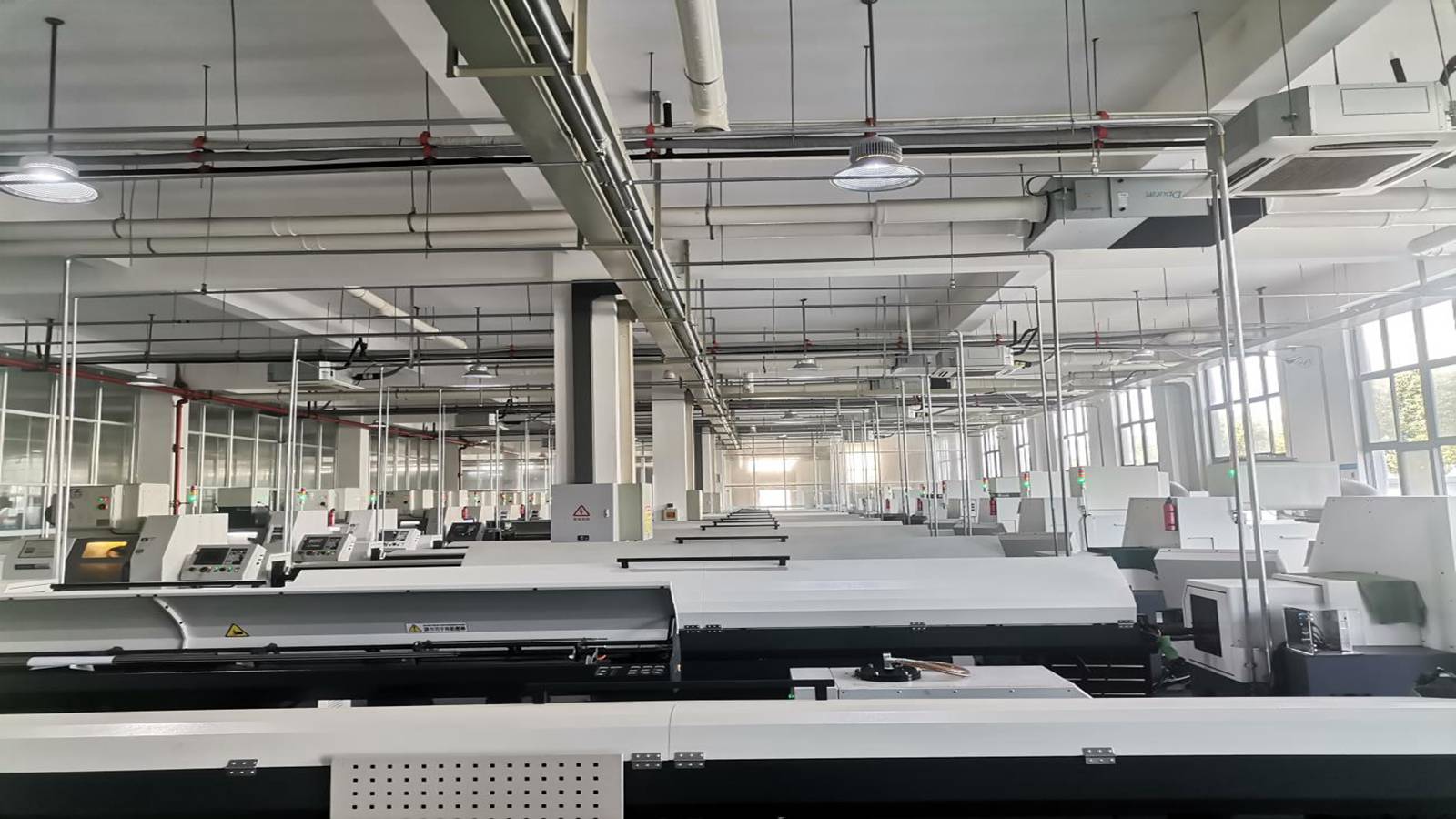
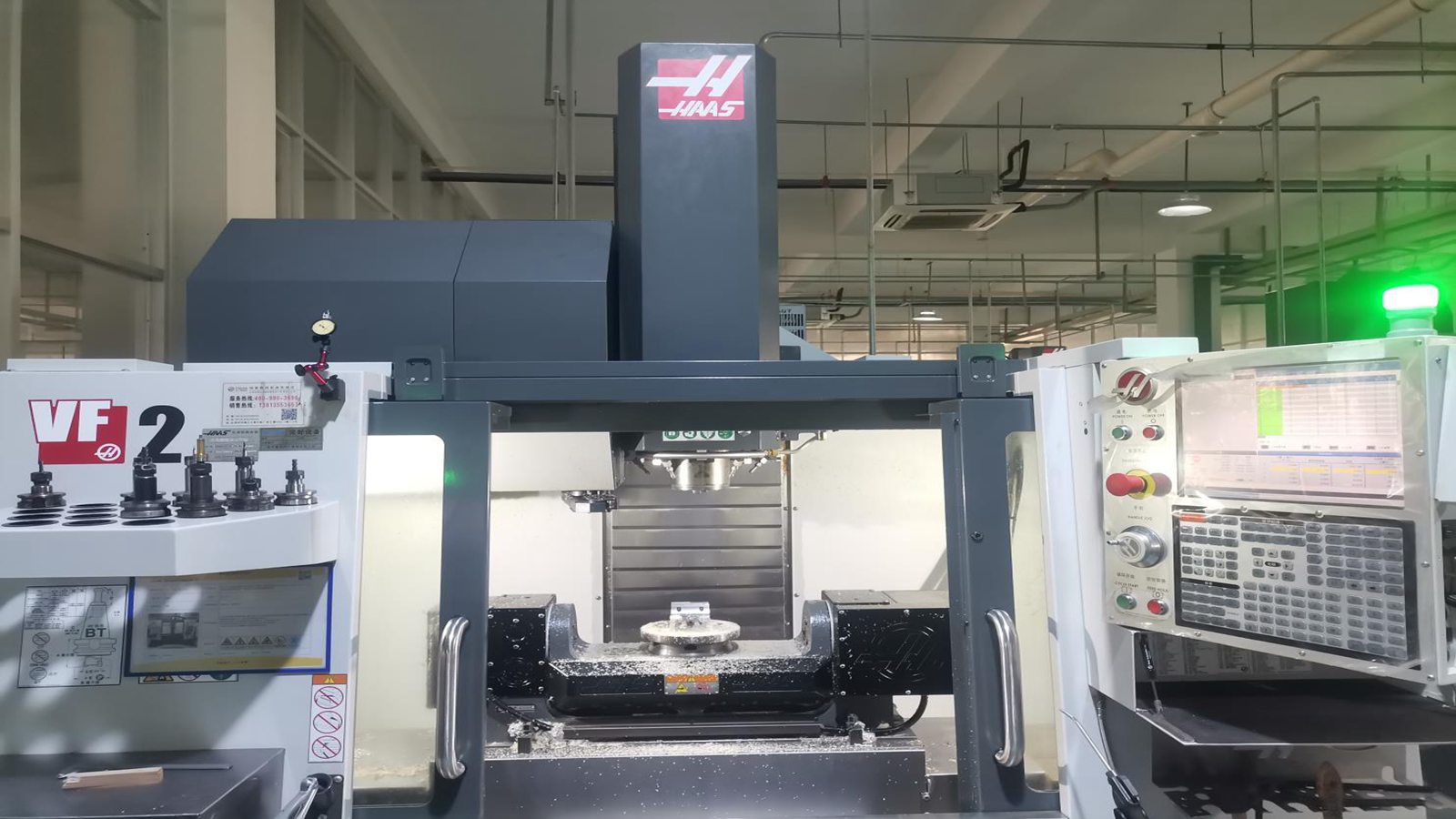
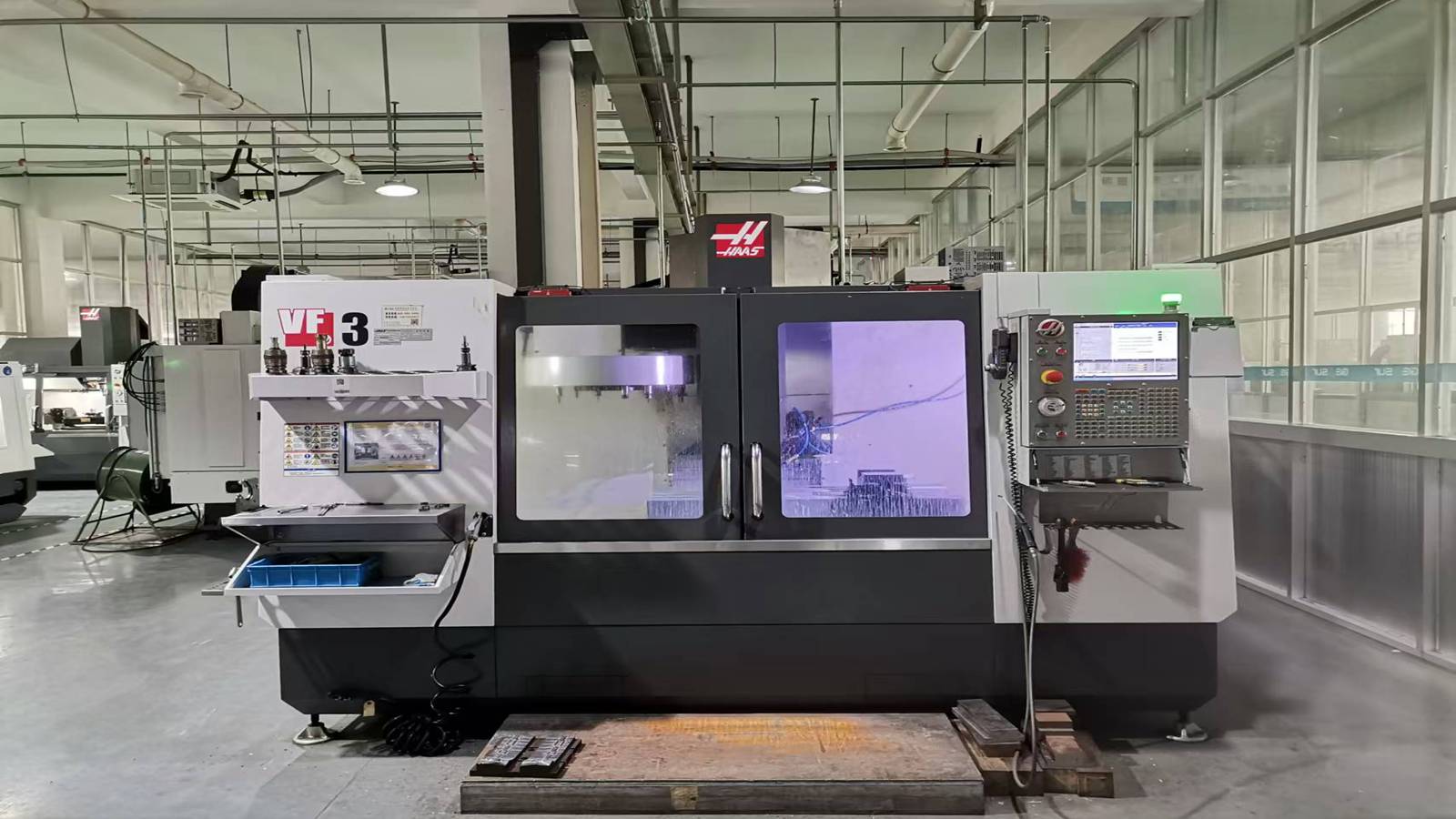
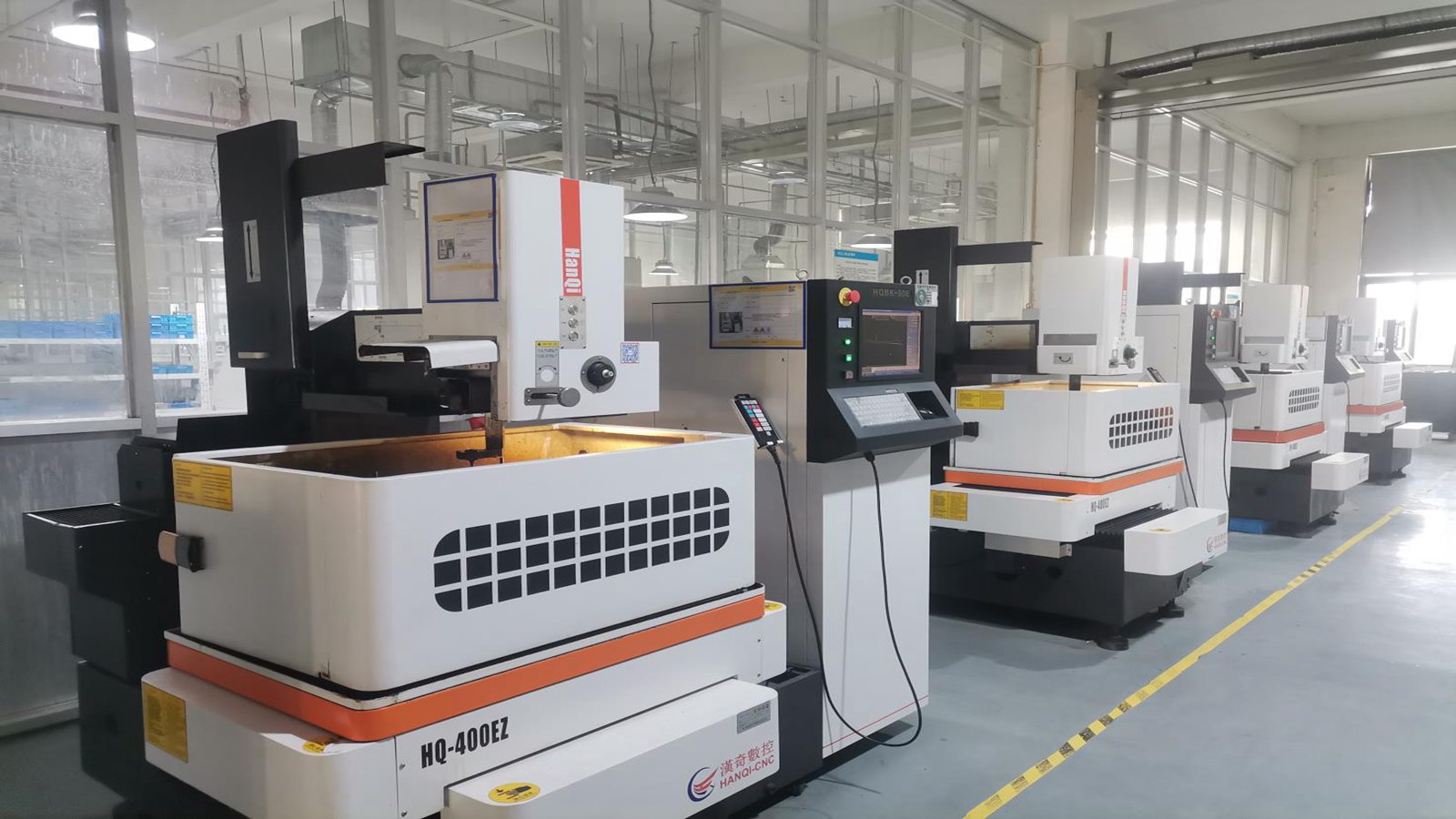
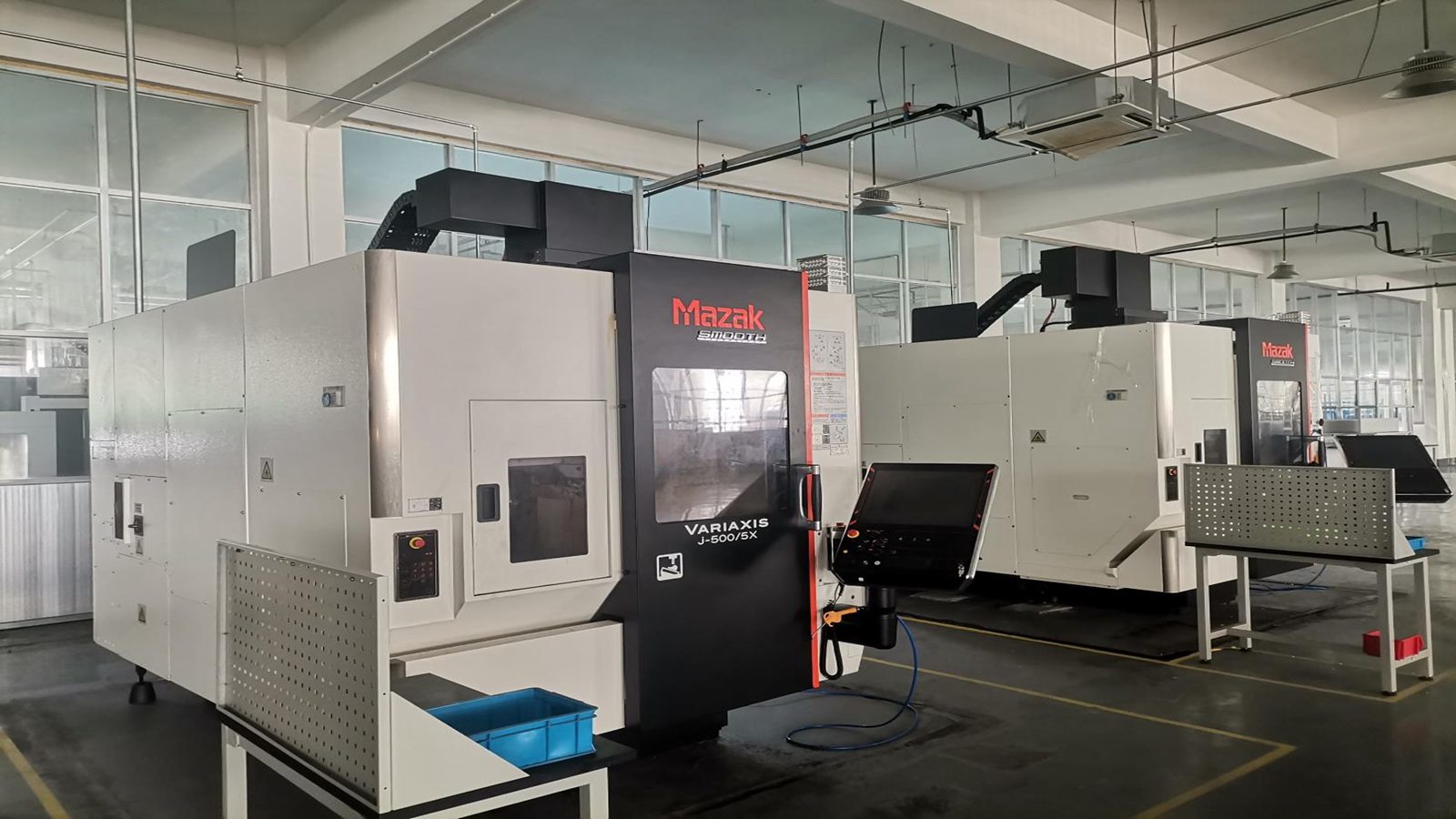
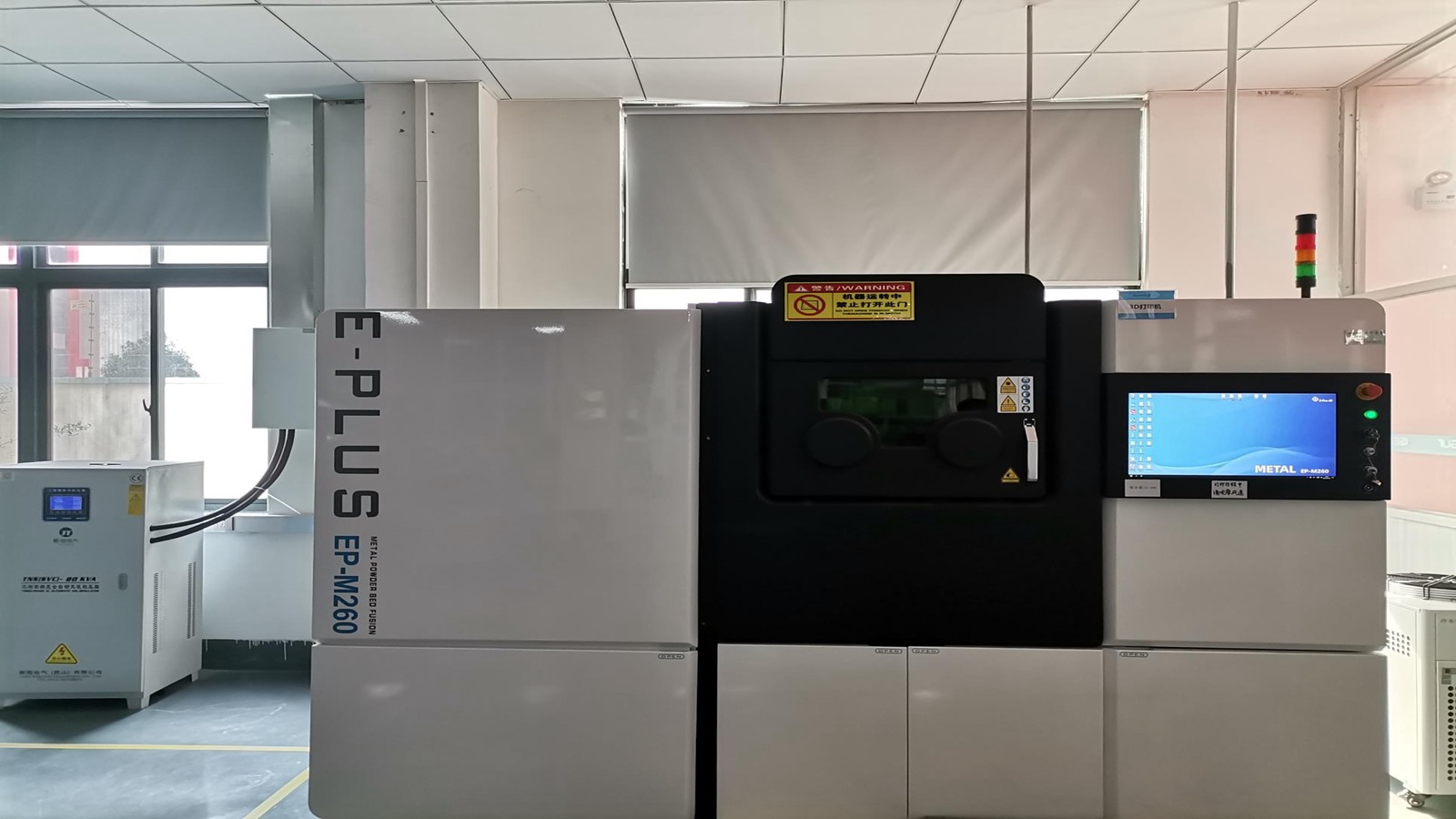
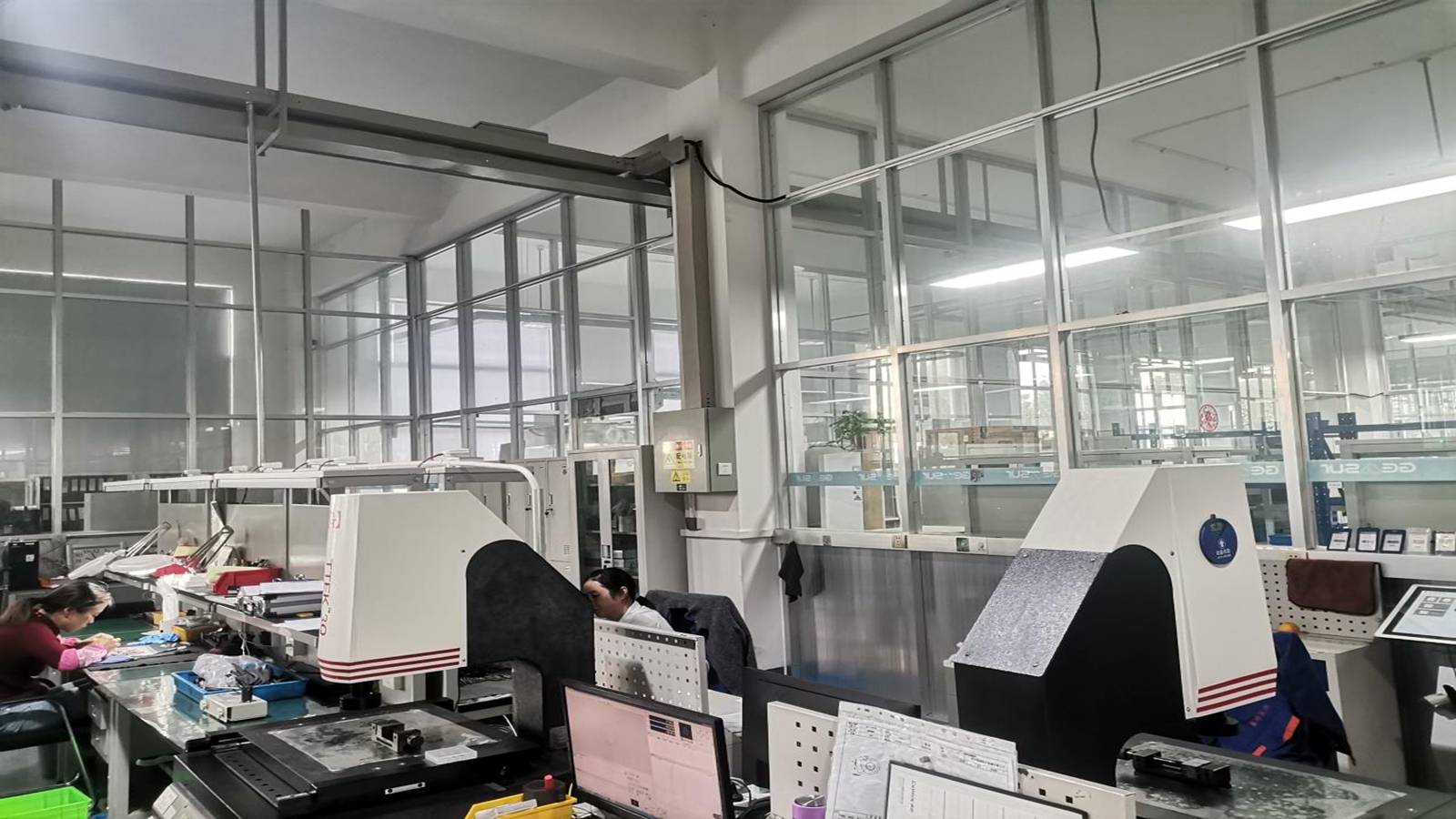
Founded on rigorous engineering principles, HBM Medical Apparatus And Instruments Co., Ltd. has positioned itself as a leading orthopedic medical equipment R&D, manufacturing, and operation enterprise. Utilizing first-class processing machinery and professional R&D teams, HBM supports a wide distribution network across China and primary export corridors in Eastern Europe, Southeast Asia, and beyond. The manufacturing infrastructure consists of high-precision CNC multi-axis milling machines, automated sliding head lathes, and advanced coordinate measuring machines (CMM) to maintain sub-micron quality consistency.
The enterprise places strategic focus on continuous engineering development. Out of its 31 dedicated R&D engineers, the team includes 1 doctorate researcher, 11 postgraduate degree holders, 17 graduates, and 2 junior college technicians. This intellectual framework facilitates rapid prototyping, structural FEA (Finite Element Analysis) simulation, and custom-order processing (OEM/ODM) to meet exact hospital and brand requirements globally.
| Operational Parameters | Technical Verification Metrics |
|---|---|
| Establishment Date | October 15, 2015 |
| Core Certifications Held | ISO13485 (04723Q10000765), MDSAP (C730178), CE MDR (EPT 0477.MDR.25/5905 & EPT 0477.MDR.25/5973) |
| Quality Assurance Staff | 36 QA/QC Professional Inspectors |
| Material Traceability | Full raw material chemical & mechanical validation (100% Traceability) |
| Standard Customization Formats | Sample processing, graphic modeling, custom dimension prototyping |
| Annual R&D Output | 25+ newly approved orthopedic instruments/implant systems introduced yearly |
In modern orthopedic pathology, stabilization plates are crucial in treating articular complex fractures, long bone defects, and degenerative spinal conditions. The clinical objective is to bridge gaps, control structural alignment, and preserve local blood supply (vascularity) around periosteum surfaces. Plate design must strike a balance: it needs to be rigid enough to resist torsional and bending loads, but sufficiently elastic to stimulate natural bone remodeling.
HBM Medical provides end-to-end solutions targeting multiple physiological disciplines:
By optimizing the interface between the screw thread and the locking plate hole, modern systems reduce the risk of secondary loss of reduction. In complex procedures like proximal tibial osteotomies or multi-segment spinal fusion, having matching instruments and implants is key to lowering infection risk, shortening anesthesia time, and improving patient outcomes.
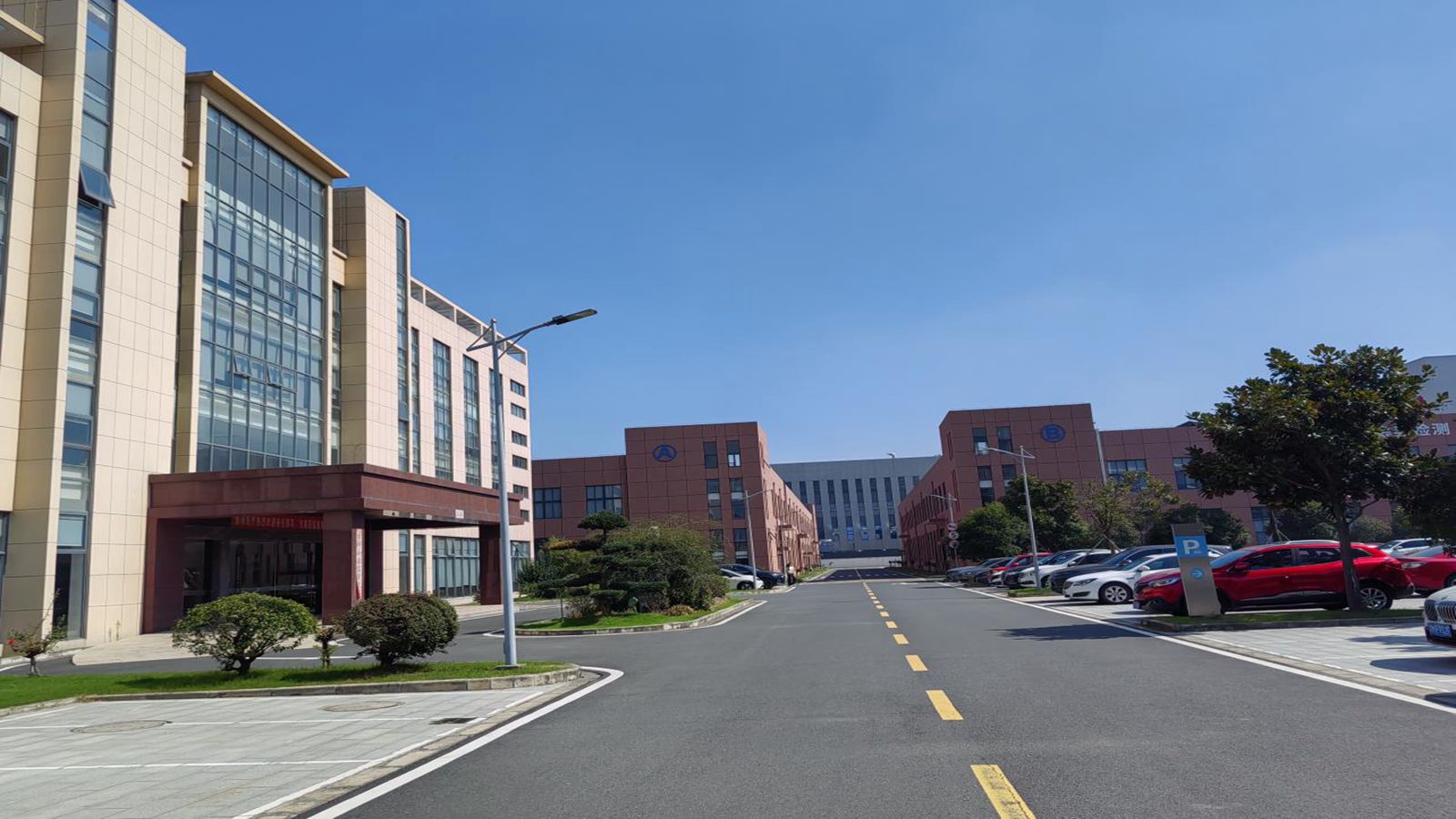
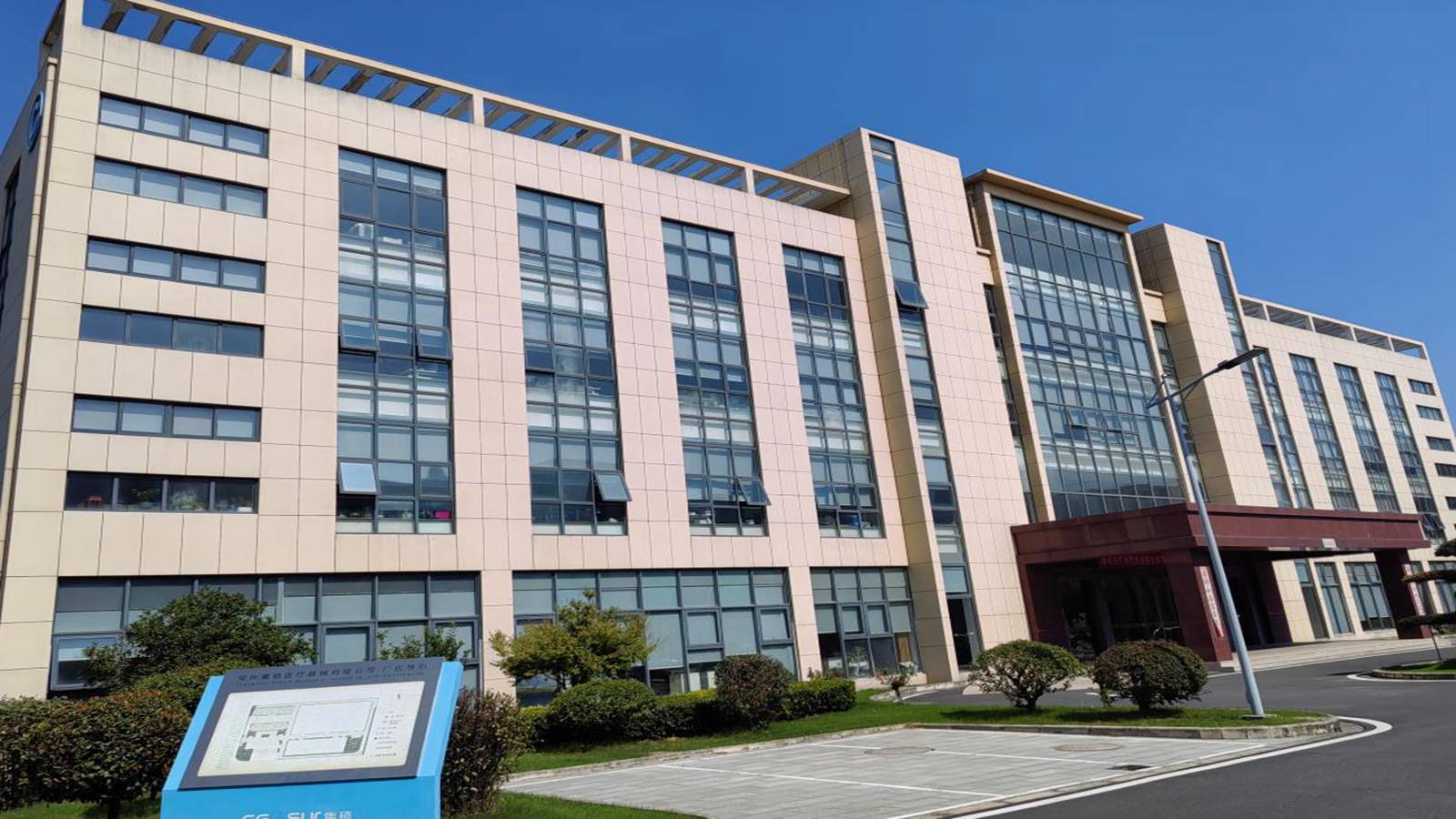
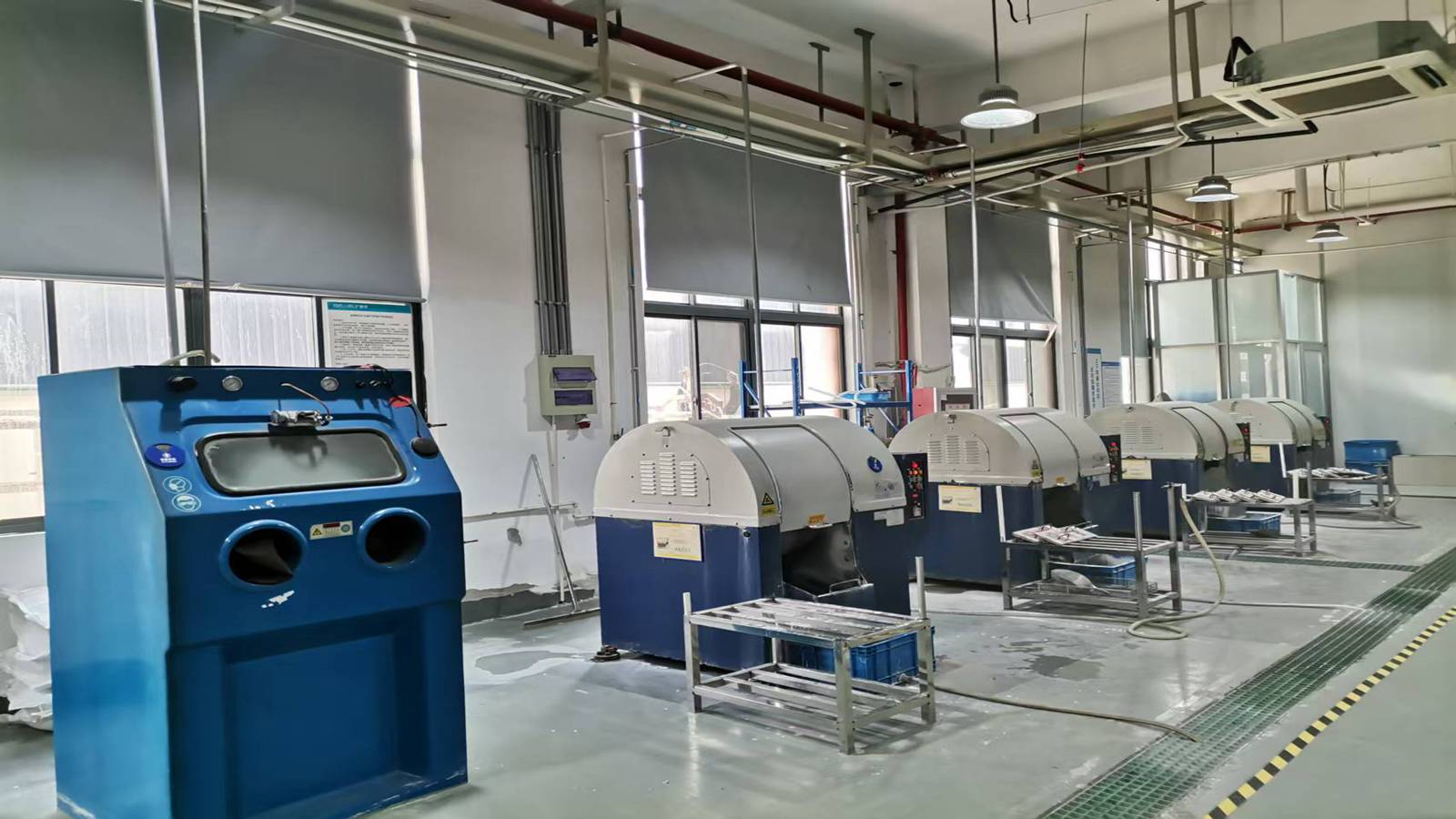
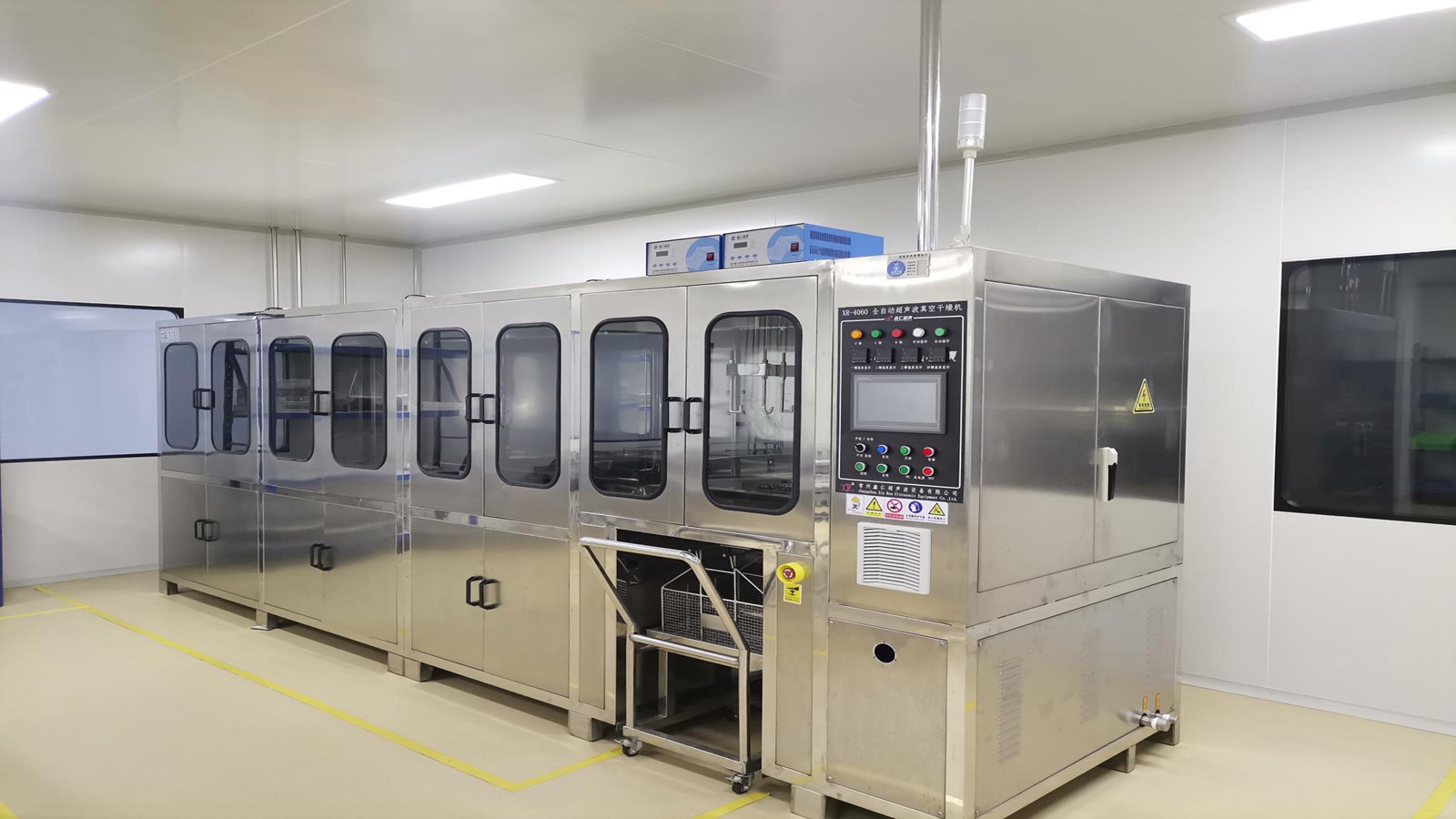
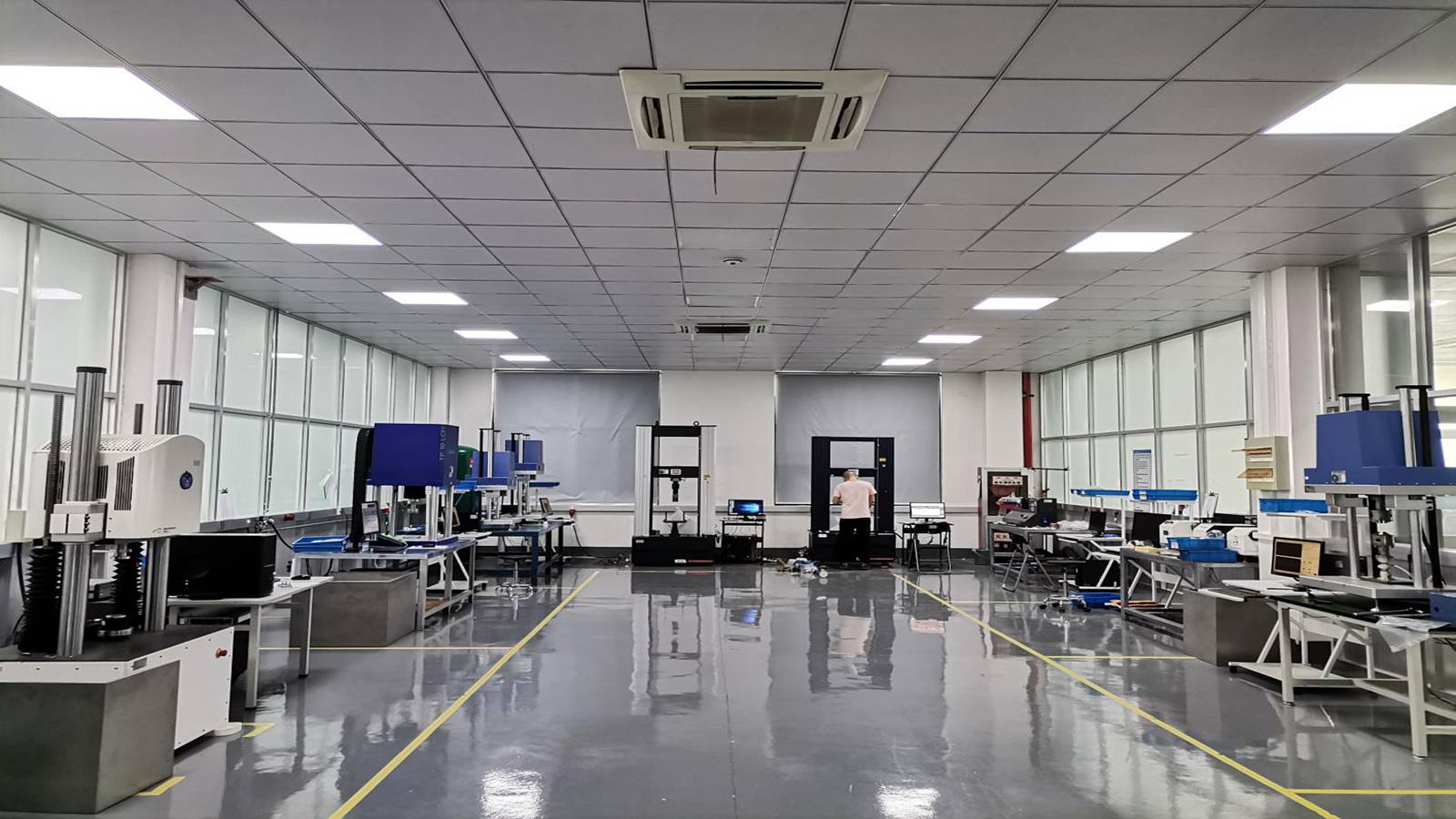
HBM Medical operates state-of-the-art facilities that enforce strict compliance with international medical device standards. The manufacturing facility features dust-free cleaning areas, high-end surface anodizing lines, and automated physical testing labs to guarantee mechanical integrity under cyclic fatigue loads.
Exporting implantable class-III medical devices requires deep regulatory expertise and compliance. Regulatory environments like the European Union's Medical Device Regulation (MDR 2017/745) and the Medical Device Single Audit Program (MDSAP) have raised the bar for manufacturing validation, technical documentation, and clinical follow-up (PMCF).
HBM Medical maintains a comprehensive compliance strategy, supported by certifications that ease market entry globally:
HBM's experienced regulatory affairs team assists international distributors by providing necessary registration documents, clinical data summaries, and quality system certificates to accelerate local clearance pathways.
The field of internal fixation is shifting toward intelligent and bio-interactive solutions. HBM Medical’s technology roadmap prioritizes several development streams:
1. Surface Modifications with Nanotechnology: Integrating hydroxyapatite or silver nanoparticle coatings onto titanium surfaces to provide antimicrobial protection and support bone cell growth, reducing post-surgical infection rates.
2. Bioabsorbable Fixation Systems: Developing magnesium alloy and polymer composites that offer structural support during the critical healing phase, then gradually degrade and dissolve in the body, eliminating the need for a second extraction surgery.
3. Patient-Specific Customization (3D Printing): Utilizing advanced electron beam melting (EBM) and selective laser melting (SLM) to fabricate custom implants direct from clinical CT scan data. This is particularly valuable for complex revision surgeries, oncology resections, and severe cranio-maxillofacial reconstructions.
4. Dynamic Stress Mitigation: Using structural modeling to create plates that adjust stiffness in response to physiological load patterns, helping to prevent implant fracture and supporting faster rehabilitation.
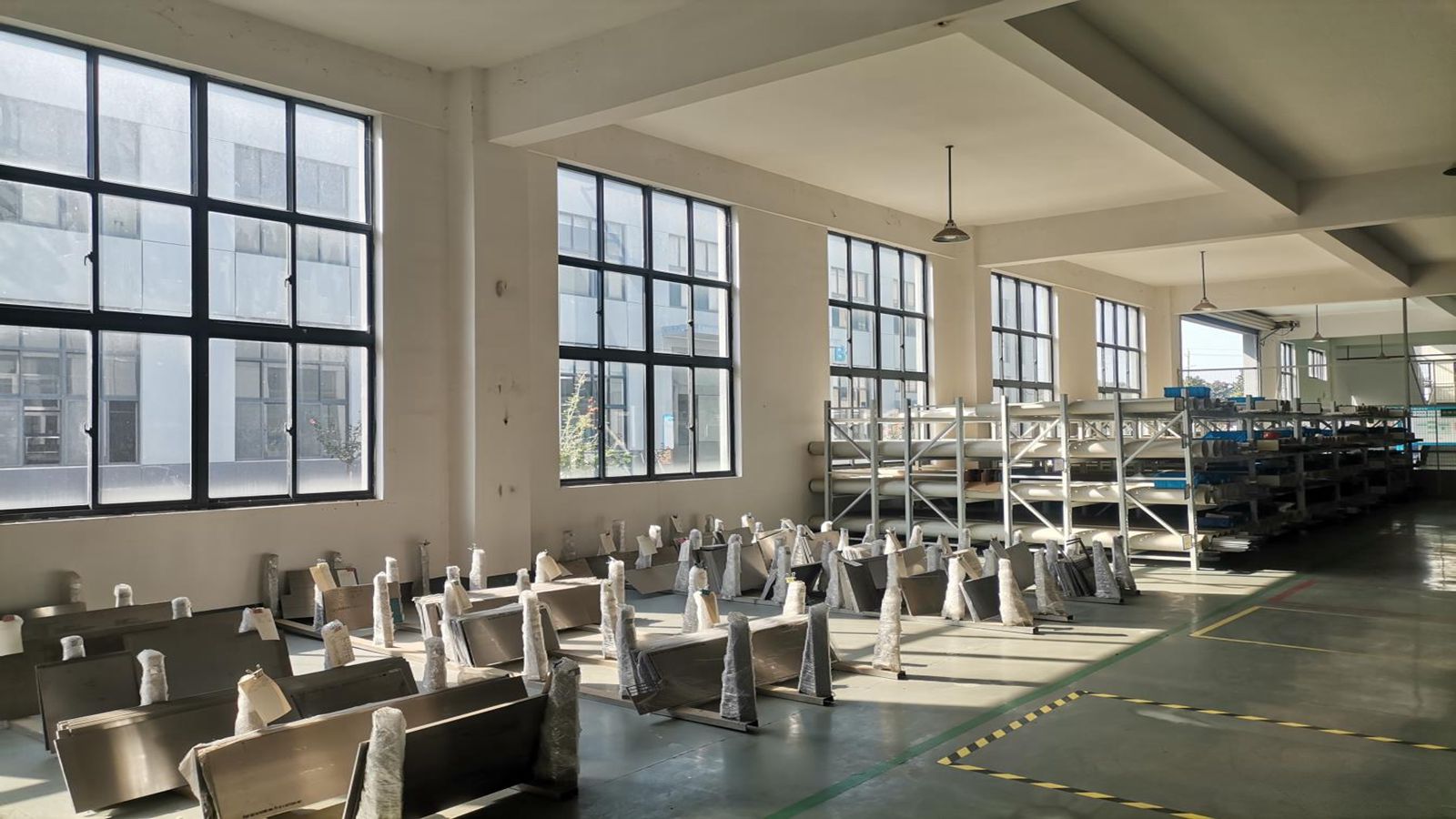
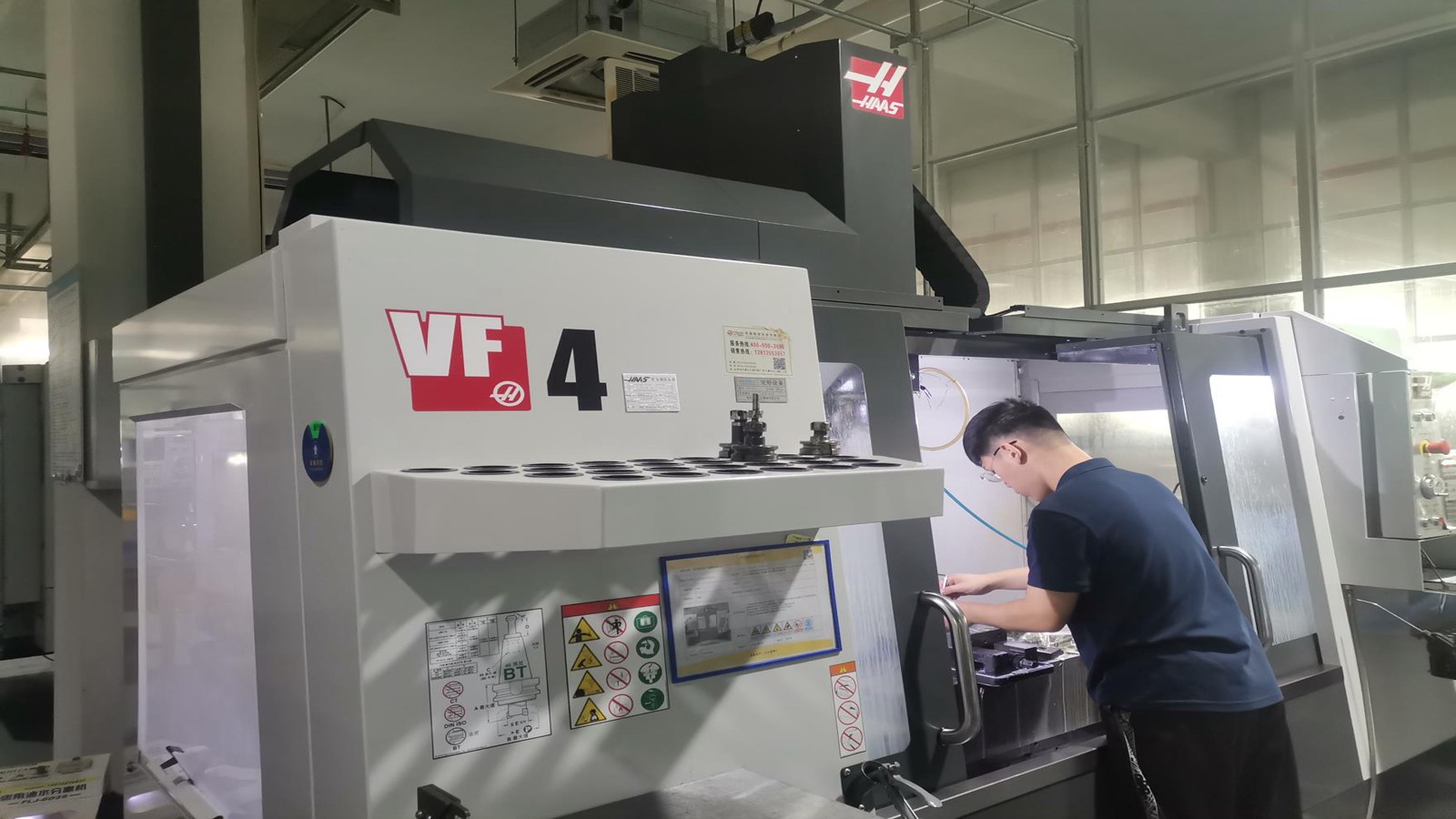
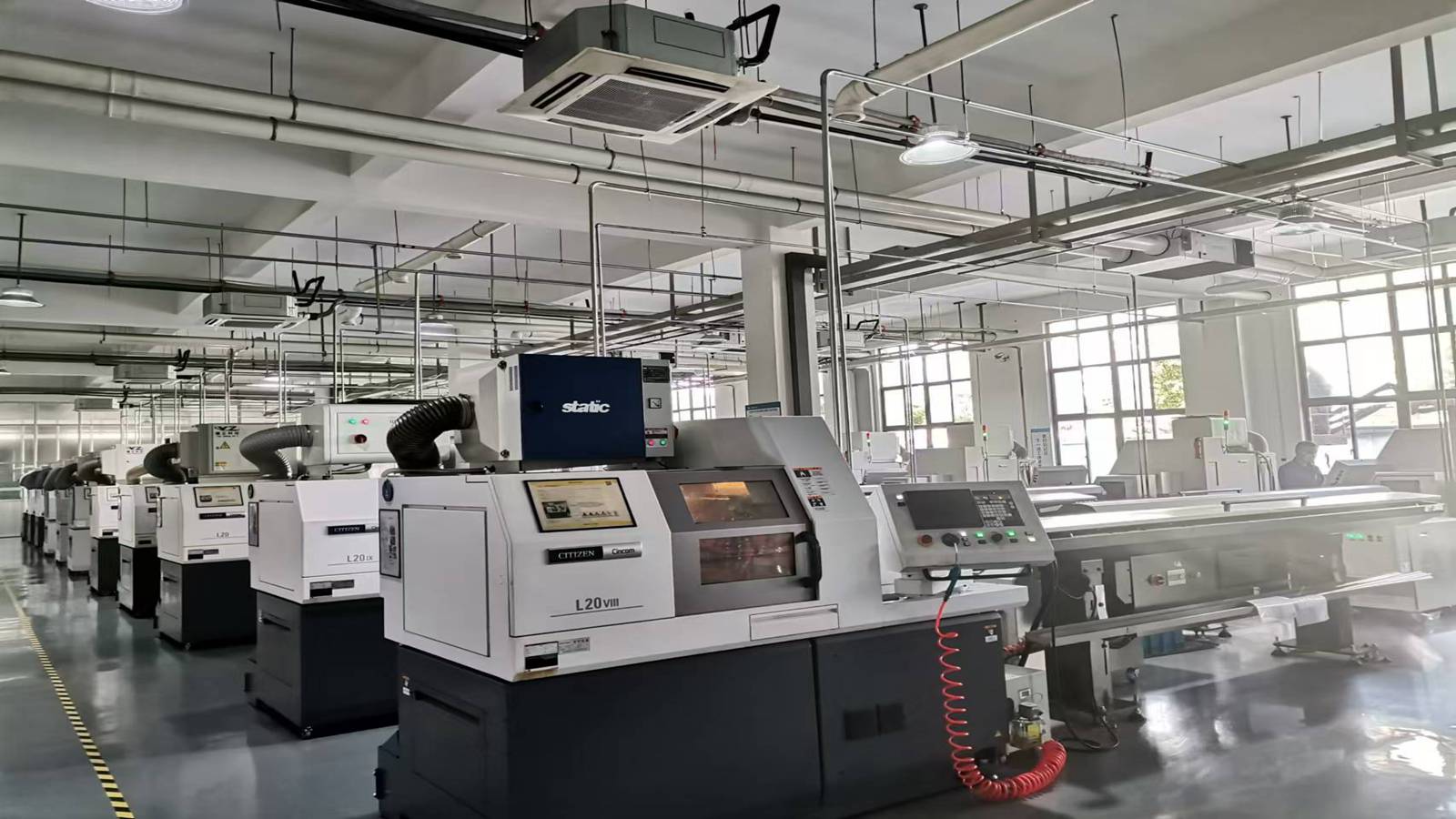
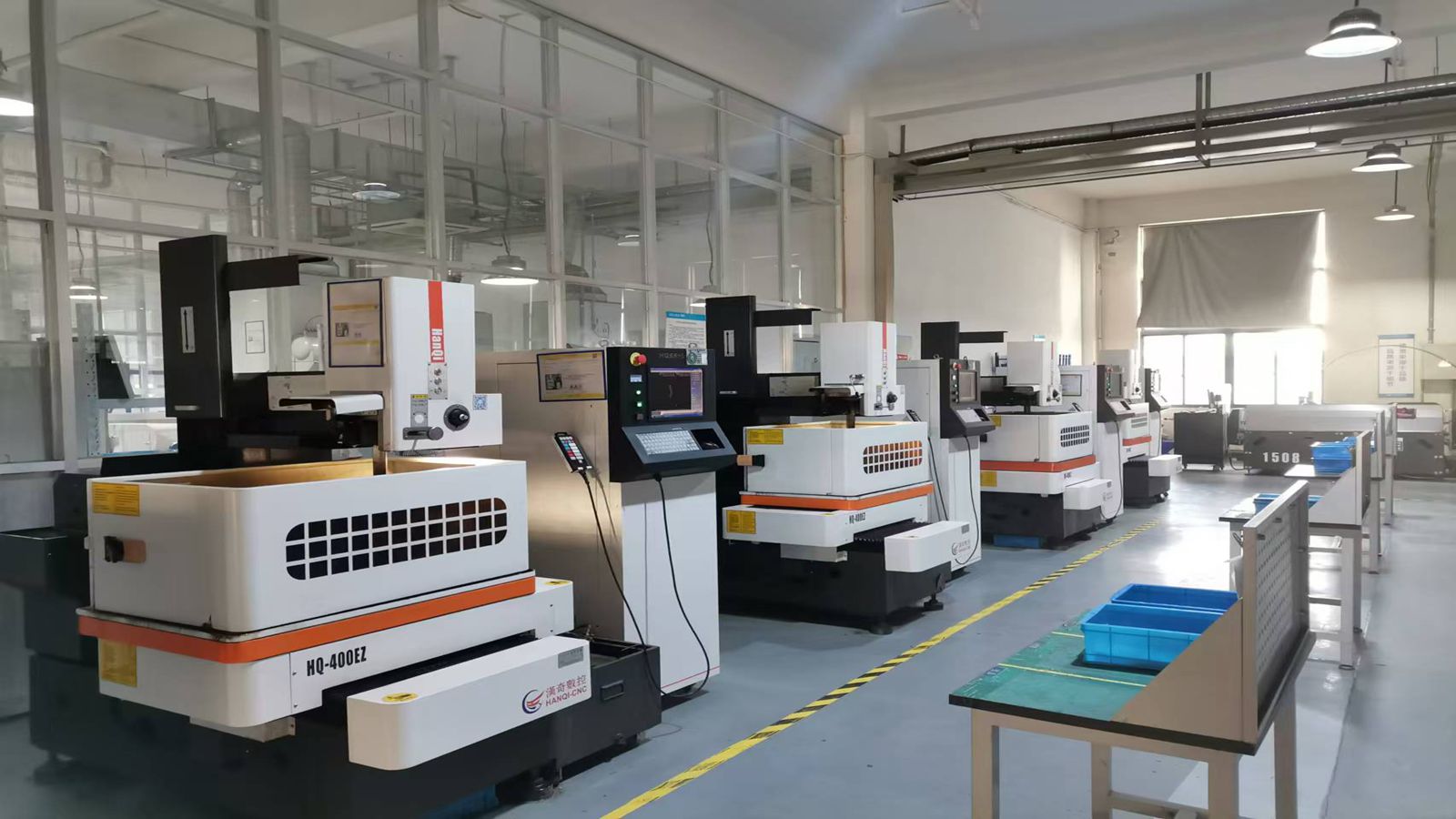
Every step of our process—from testing raw materials to final sterilization inspection—is structured to minimize variability and guarantee reliable performance.
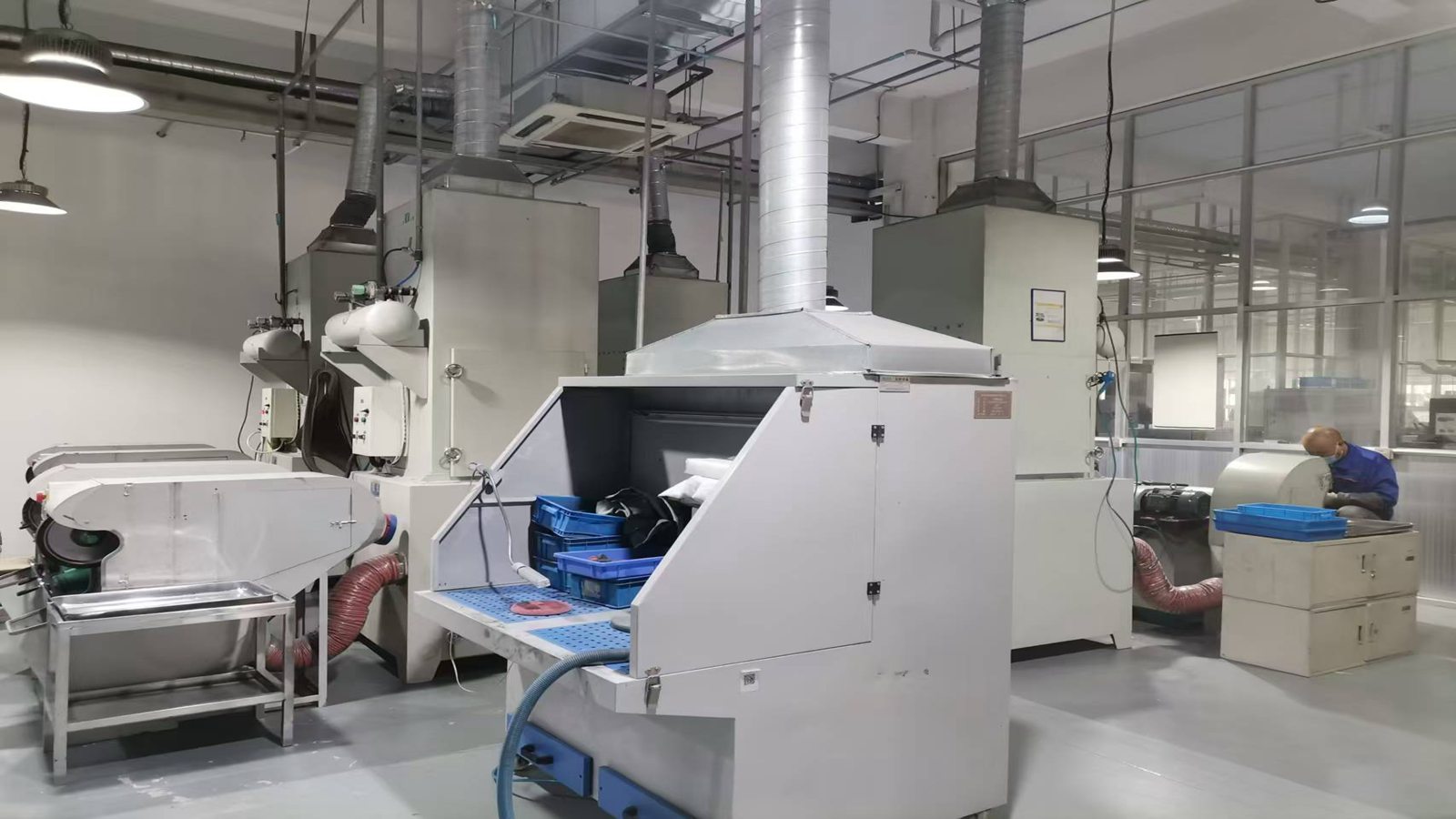
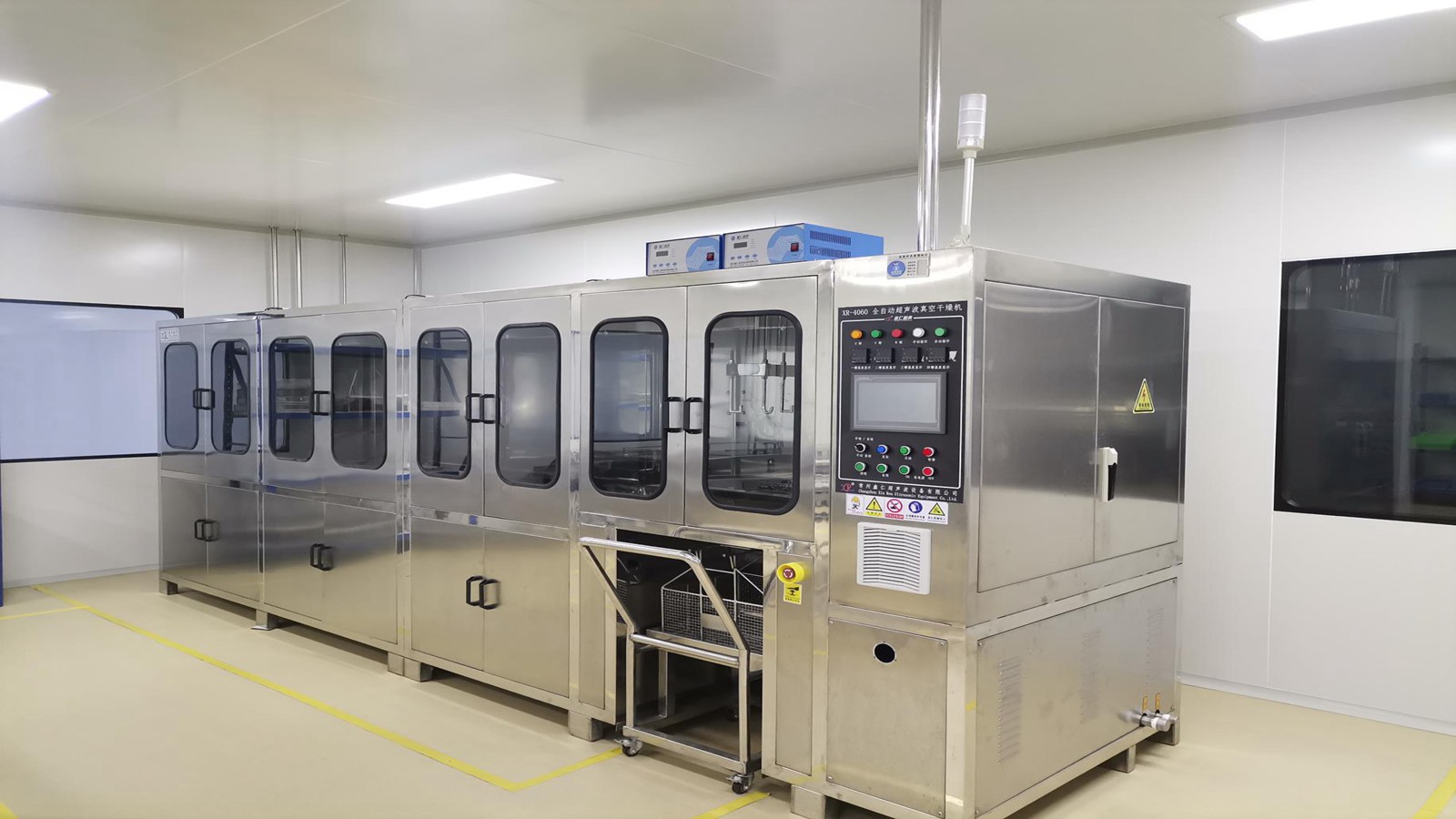
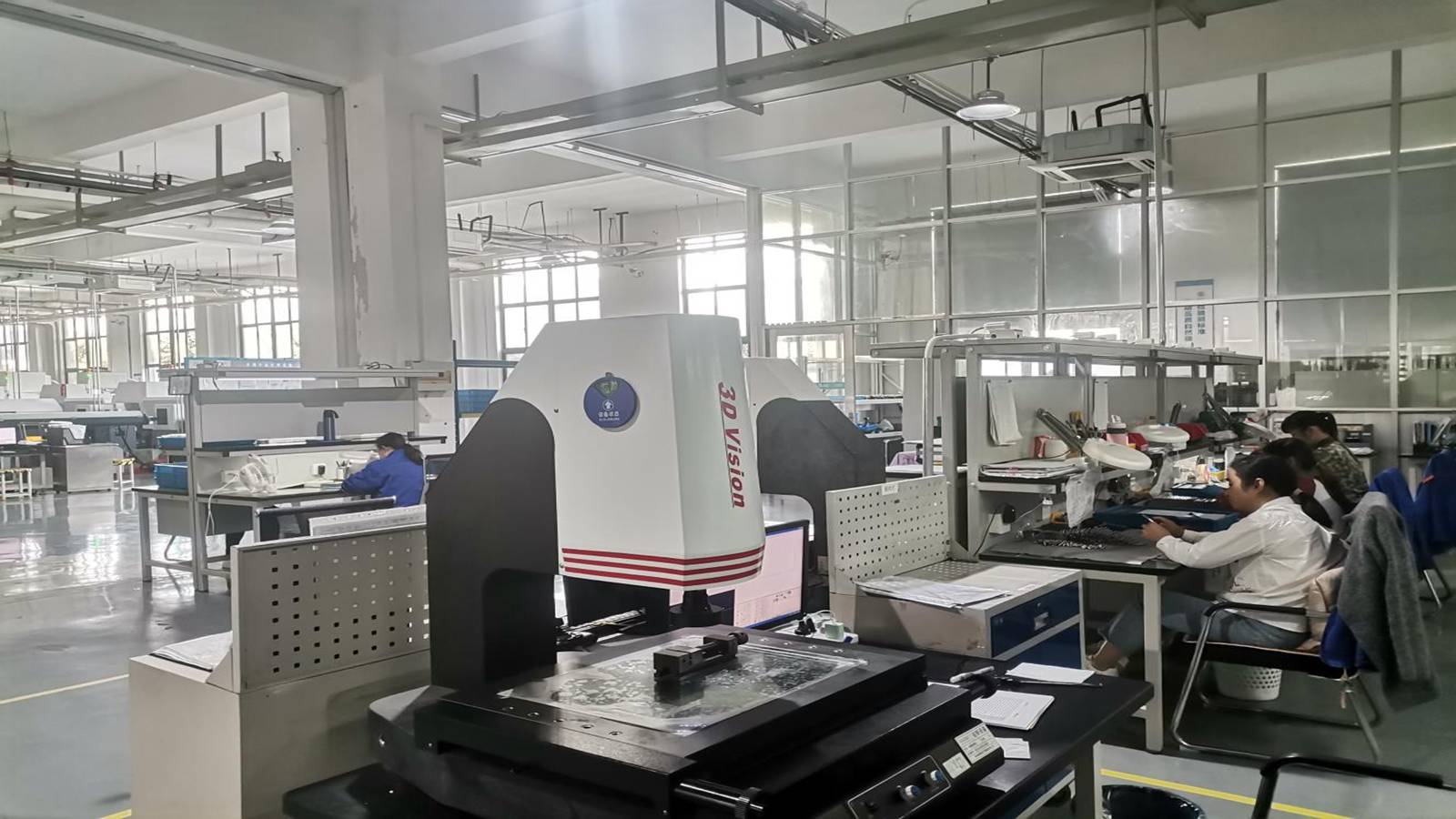
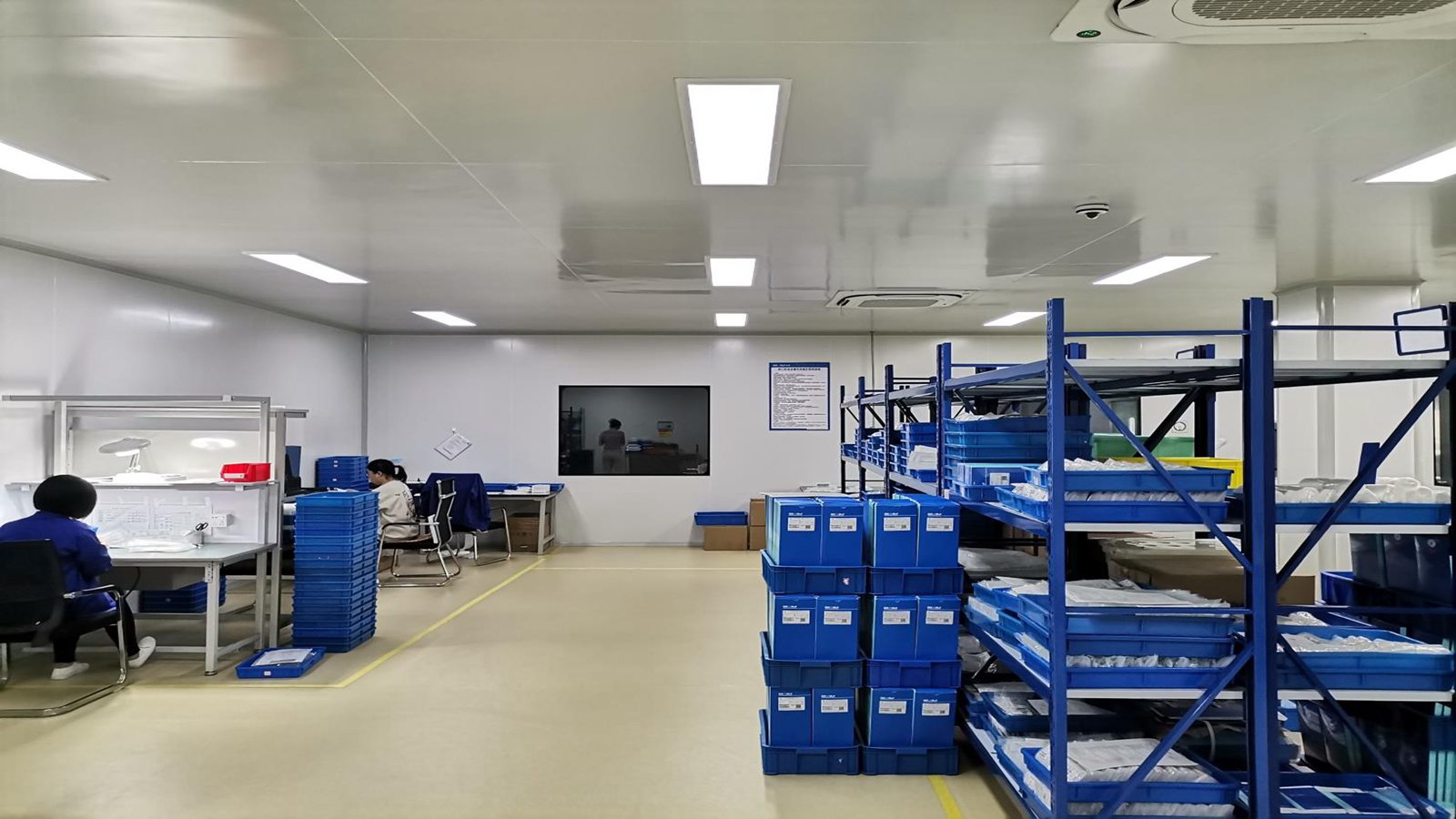
HBM Medical maintains a comprehensive design evaluation program. Computational models analyze peak stress regions under physiological loading, simulating thousands of motion cycles to ensure performance. High-precision CNC machinery translates these computational designs into physical implants, working with tight tolerances to ensure precise bone-to-implant fitment.
Our quality control infrastructure involves multiple stages of inspection. Finished implants undergo ultrasonic cleaning, microscopic visual checks, and dimensional verification. Every step is documented to support clinical safety and ensure reliable performance in demanding surgical environments.
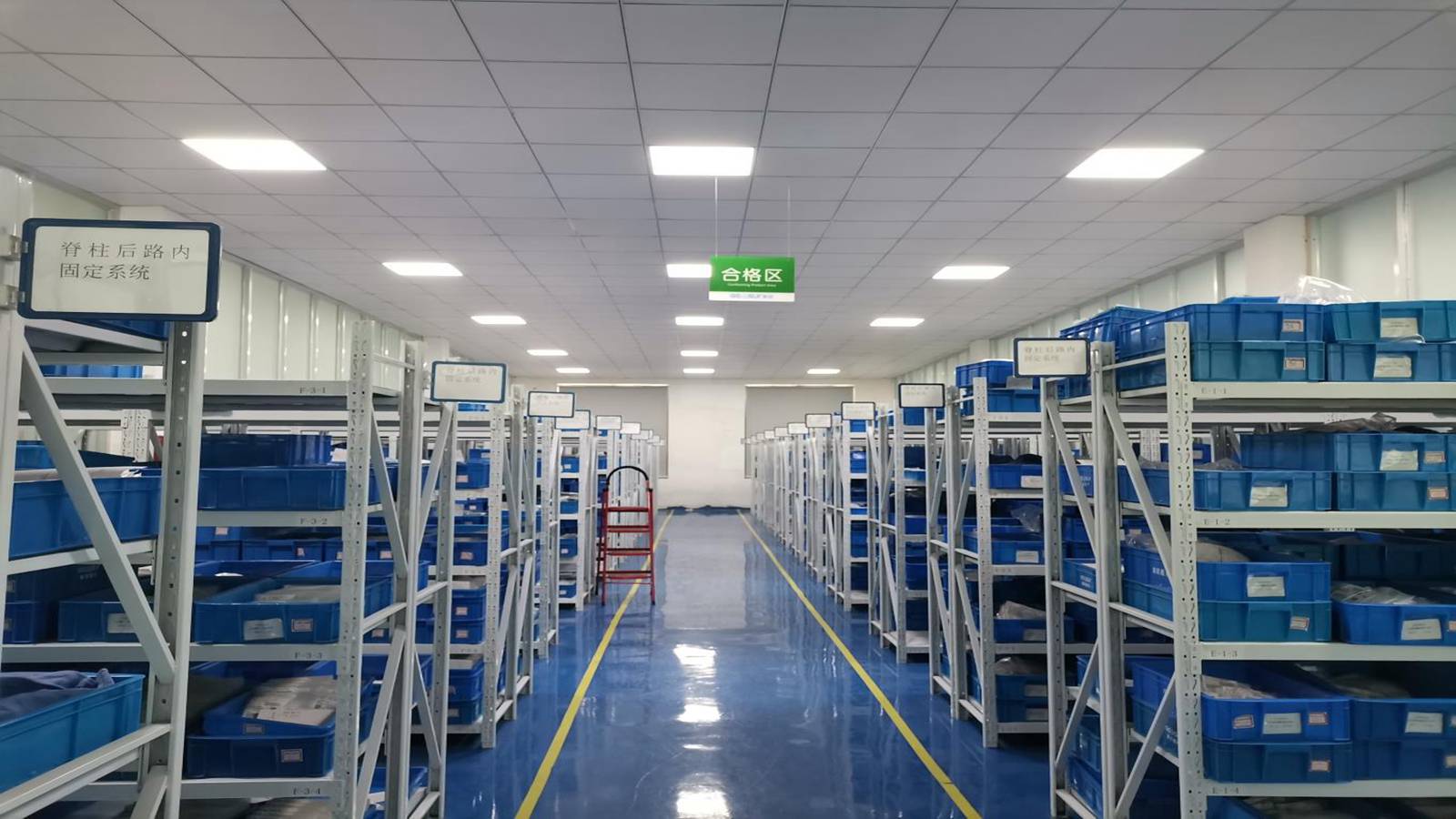
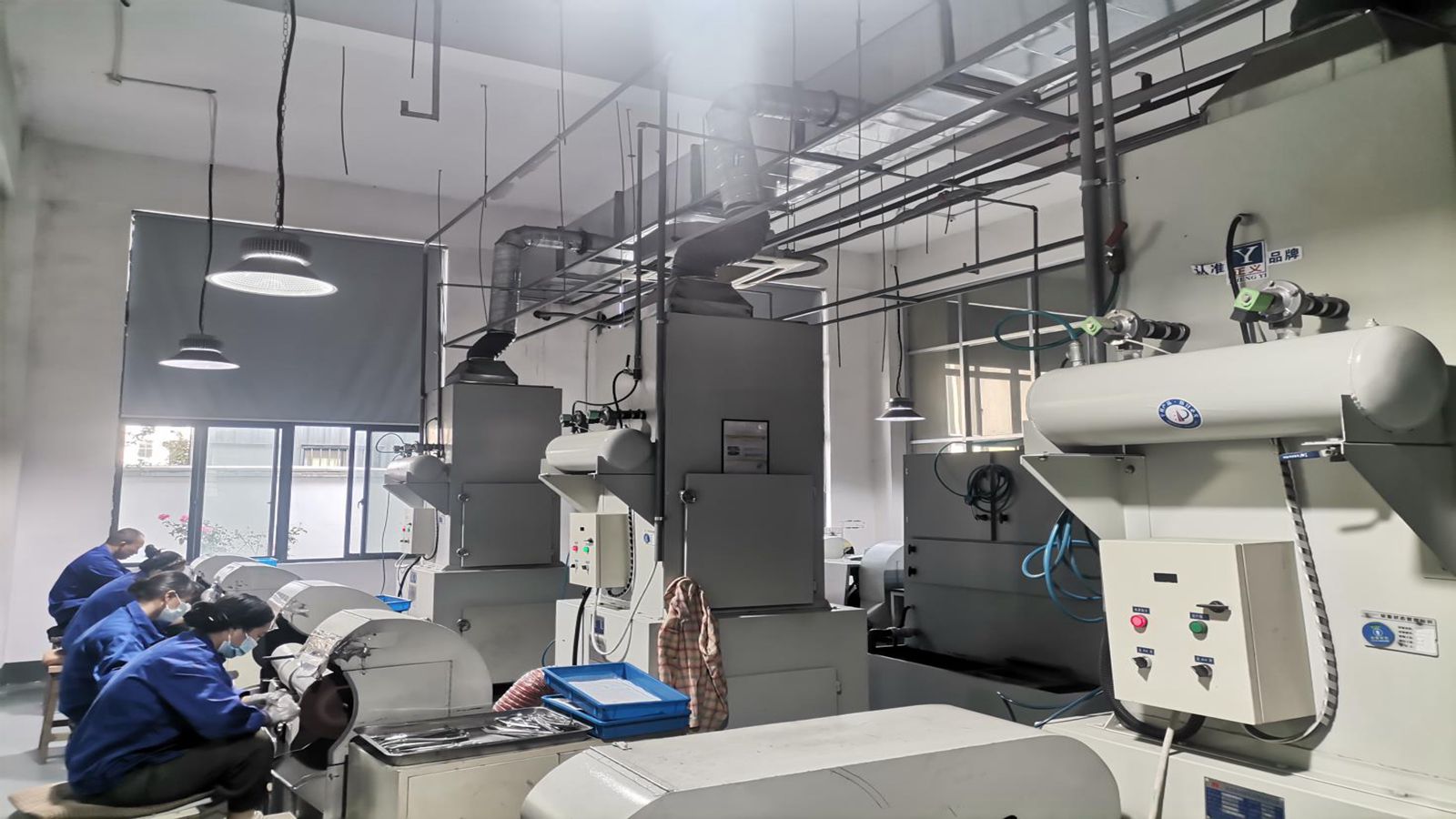
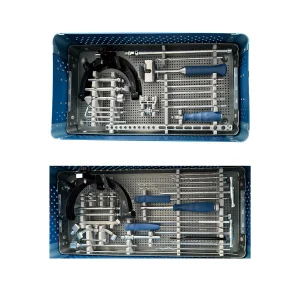
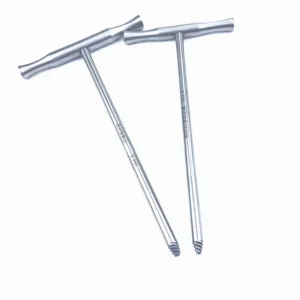
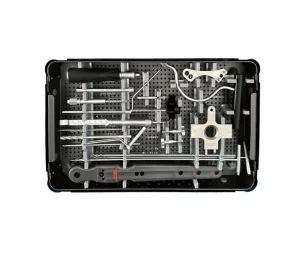
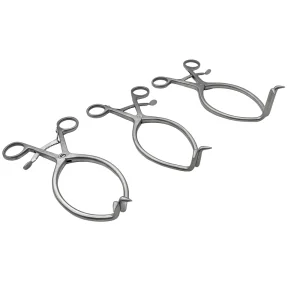
Beyond producing reliable implants, we ensure they reach surgical environments safely and efficiently. HBM coordinates with global distribution partners to deliver complete, sterilized surgical kits. These kits contain all necessary trial templates, benders, drill guides, screw extractors, and drivers required for internal fixation procedures.
Our transport packaging conforms to ISO 11607 standards for terminal sterilization, ensuring products remain sterile until use. Standardized container layouts simplify inventory tracking for hospital technicians, reducing prep times in the operating room.
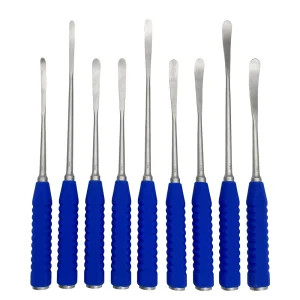
Expanding options for specialized spine procedures, soft tissue reconstruction, and veterinary orthopedics.
Answers to common technical, manufacturing, and regulatory questions from clinical procurement managers.
 HBM Medical