Explore our high-precision surgical tools and implantable systems designed for optimal clinical performance.
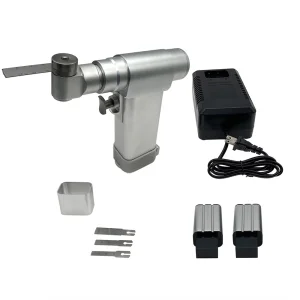
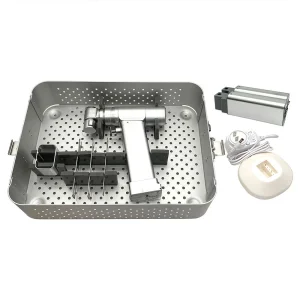
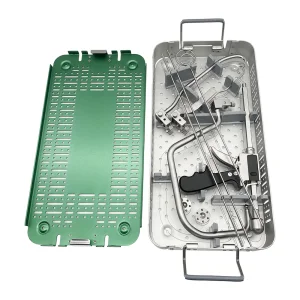
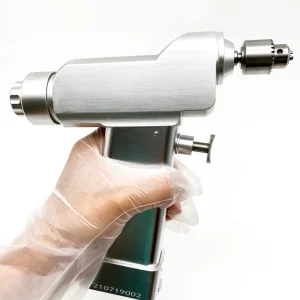
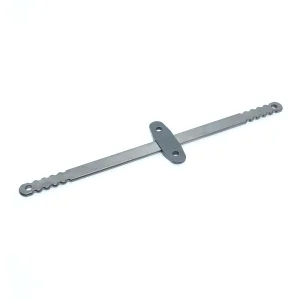
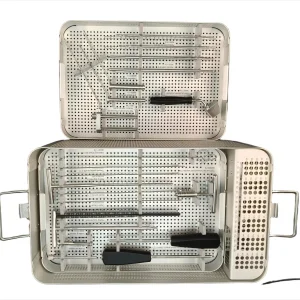
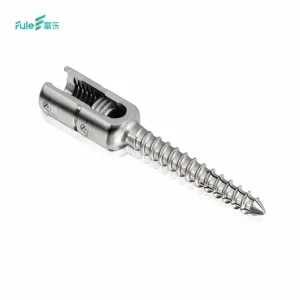
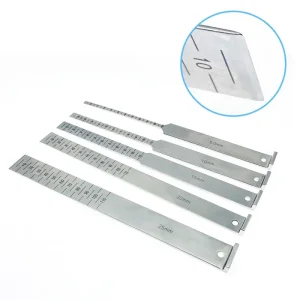
Cervical laminoplasty has established itself as a premier motion-preserving surgical technique for treating multi-level cervical spondylotic myelopathy (CSM) and ossification of the posterior longitudinal ligament (OPLL). Unlike laminectomy and fusion, which eliminate segmental motion and accelerate adjacent segment disease (ASD), laminoplasty reconstructs the spinal canal while maintaining the biomechanical integrity of the posterior column.
At the heart of this procedure is the laminoplasty plate system. These micro-plates act as structural struts, securing the elevated lamina (the "door") in its open position. The biomechanical demands on these plates are immense: they must resist the physiological forces exerted by the posterior cervical musculature, prevent post-operative closure of the lamina, and facilitate rapid osteointegration at the hinge site.
"Modern laminoplasty plates are engineered with low-profile geometries to minimize soft-tissue irritation and dysphagia, while utilizing medical-grade titanium alloys (Ti-6Al-4V ELI) to guarantee superior fatigue strength and biocompatibility."
As global healthcare systems face an aging population, the demand for reliable, high-performance laminoplasty systems has surged. Surgeons require systems that offer variable-angle locking screws, pre-bent plate contours that match anatomical variations, and streamlined instrumentation that reduces intraoperative time.
Integrating state-of-the-art manufacturing, rigorous quality control, and world-class R&D to deliver premium surgical solutions.
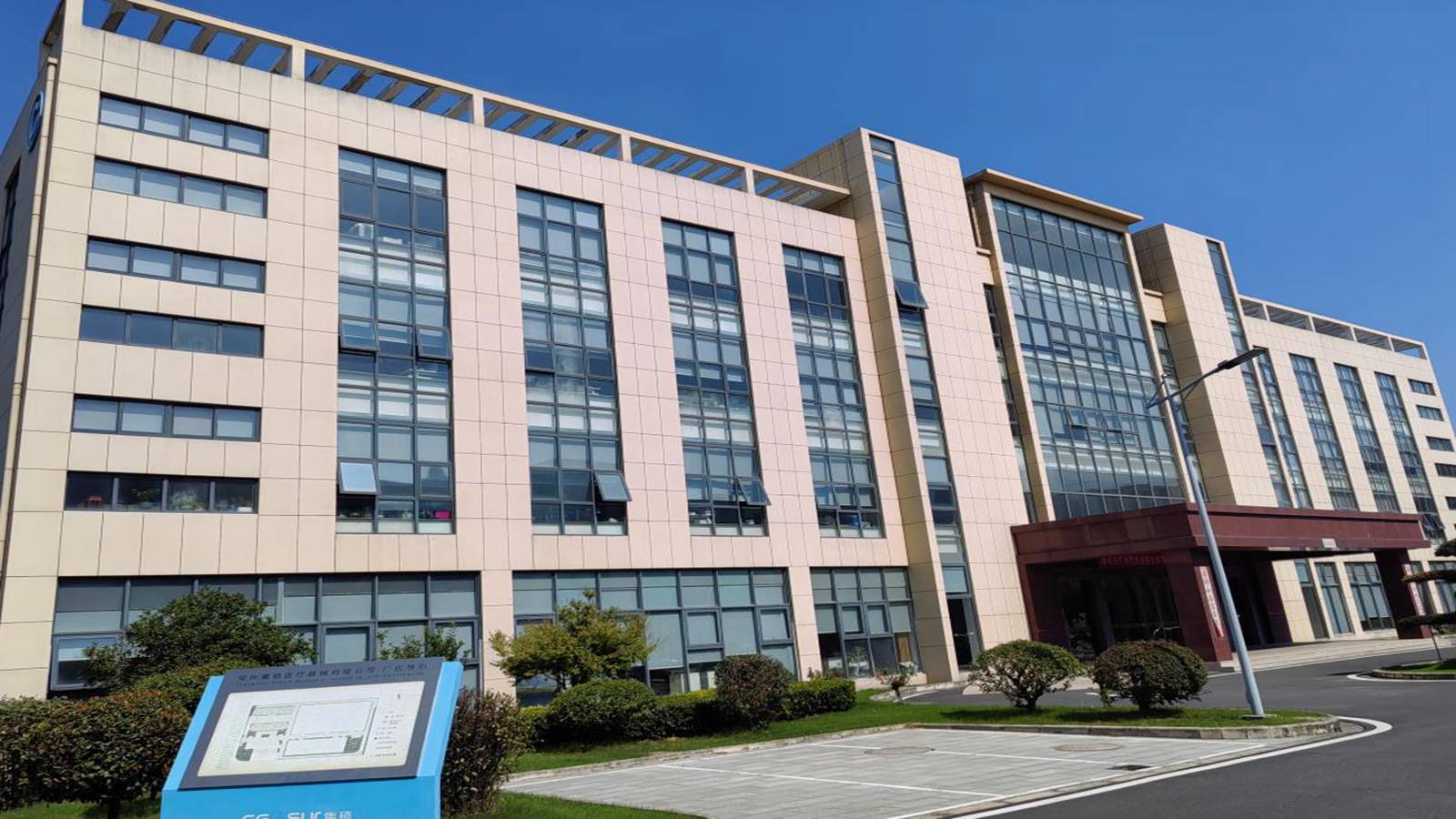
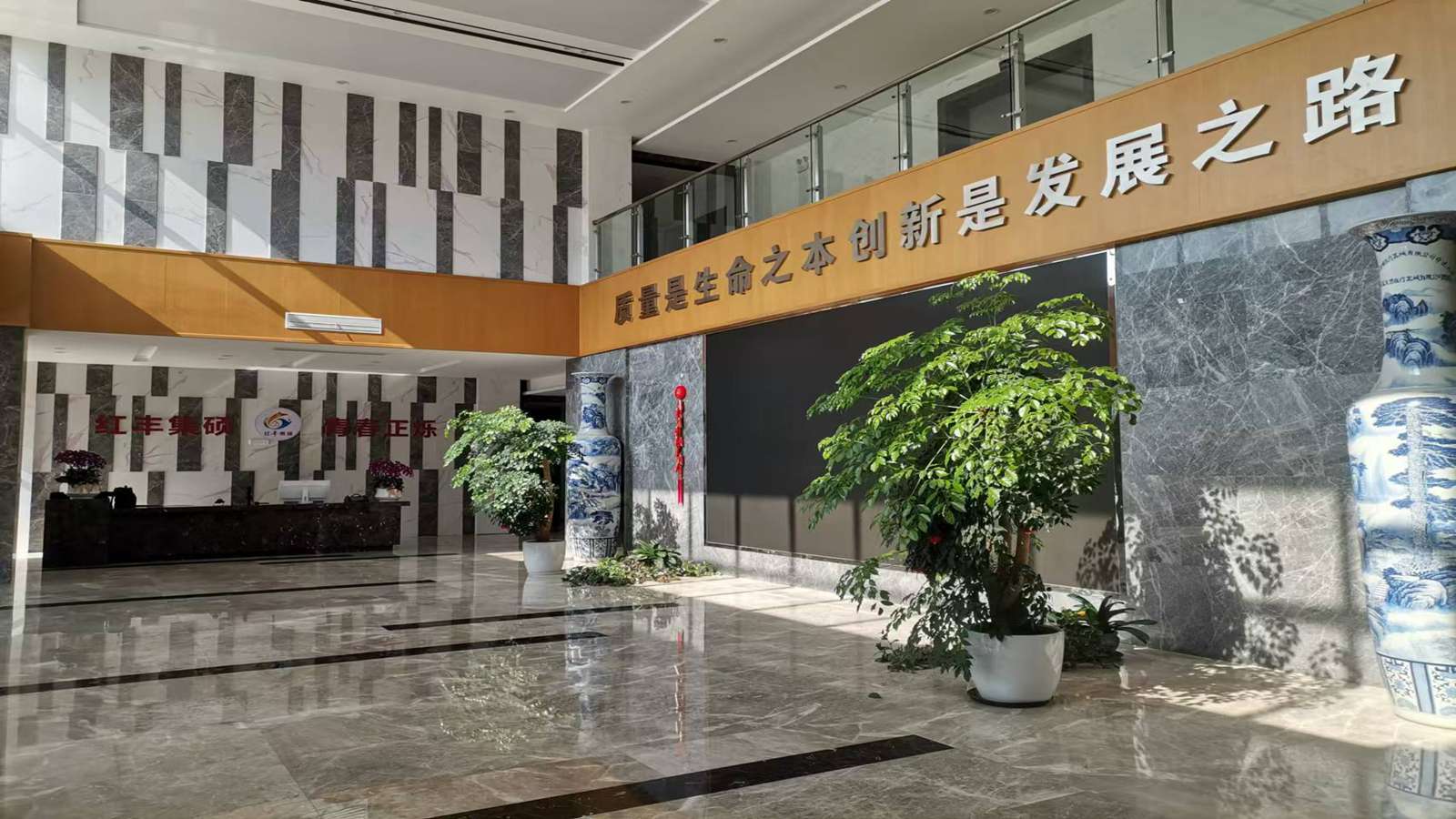
HBM Medical Apparatus And Instruments Co., Ltd. (established on October 15, 2015) stands at the forefront of China's orthopedic medical device industry. Over the past decade, HBM has built a reputation as a trusted OEM/ODM partner and exporter, delivering high-precision implants and surgical instruments to clinical markets worldwide.
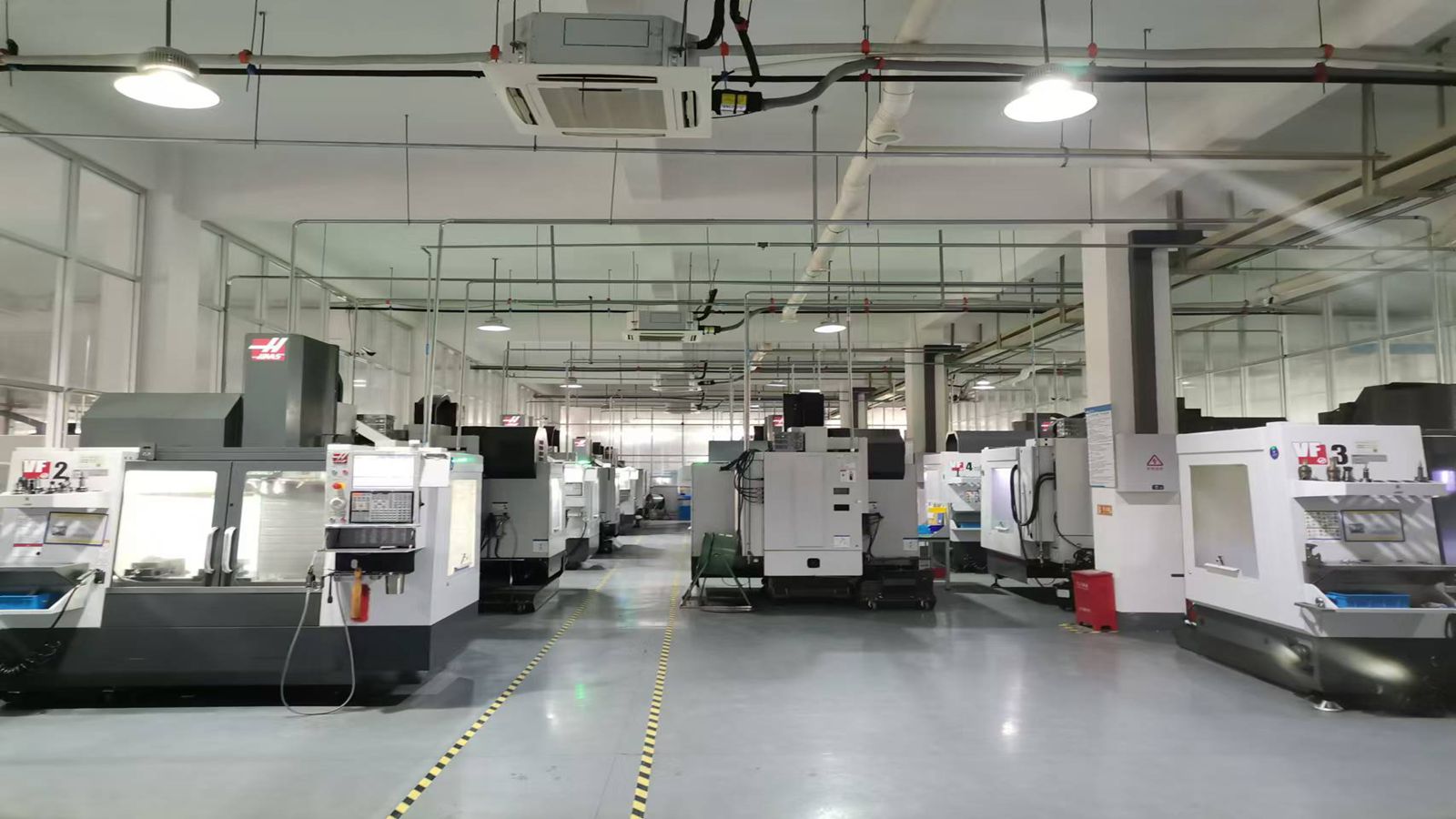
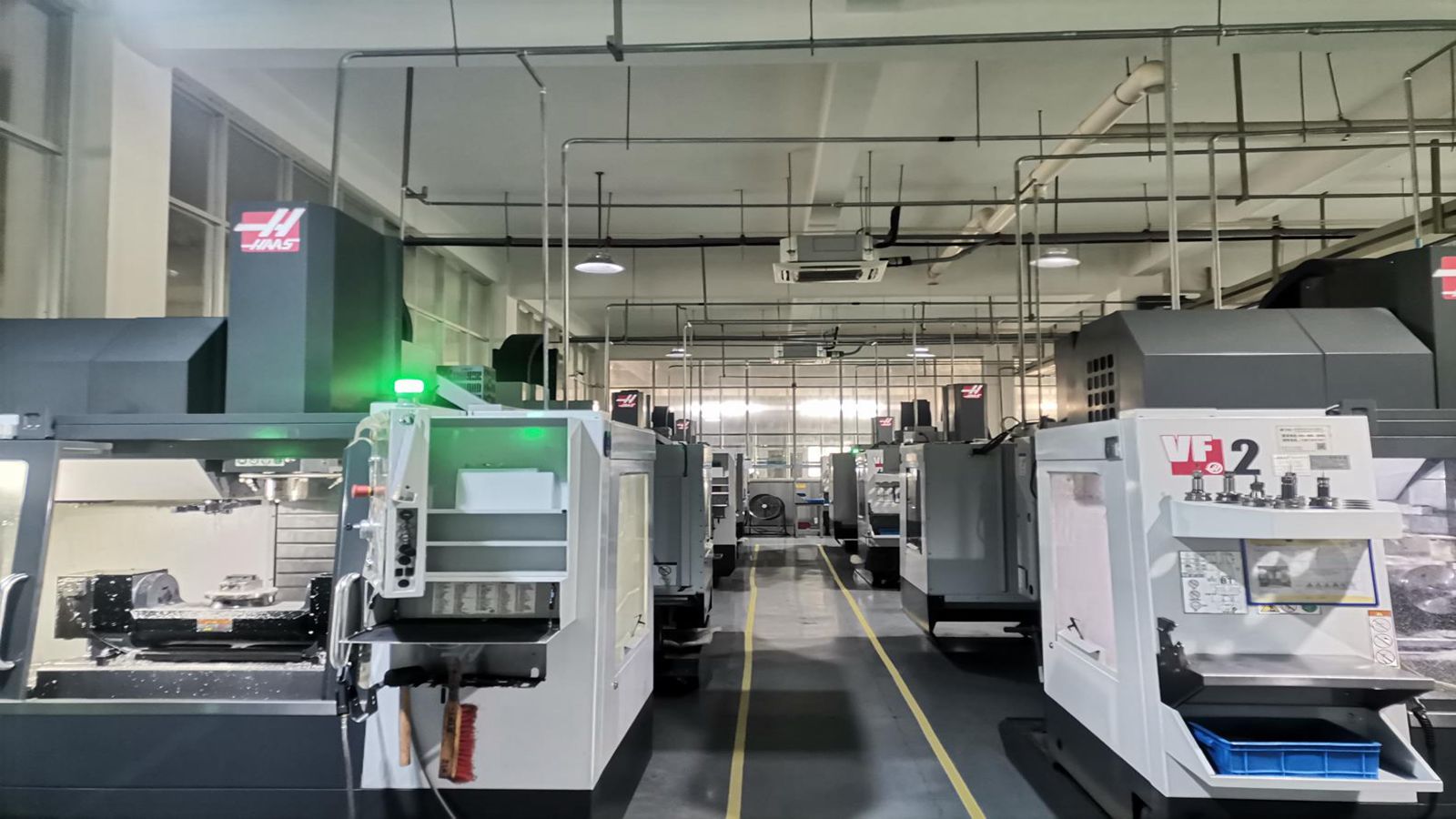
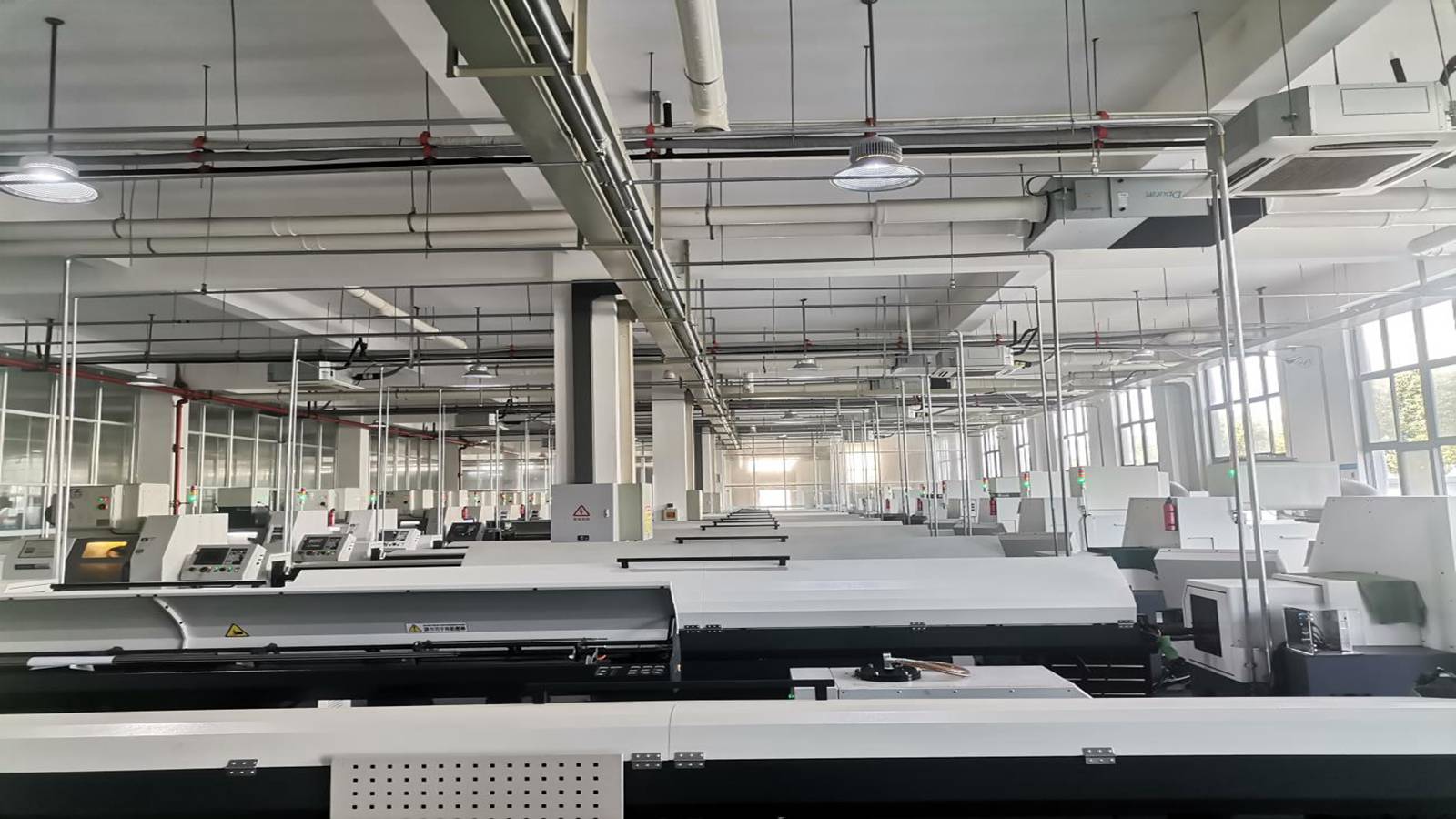
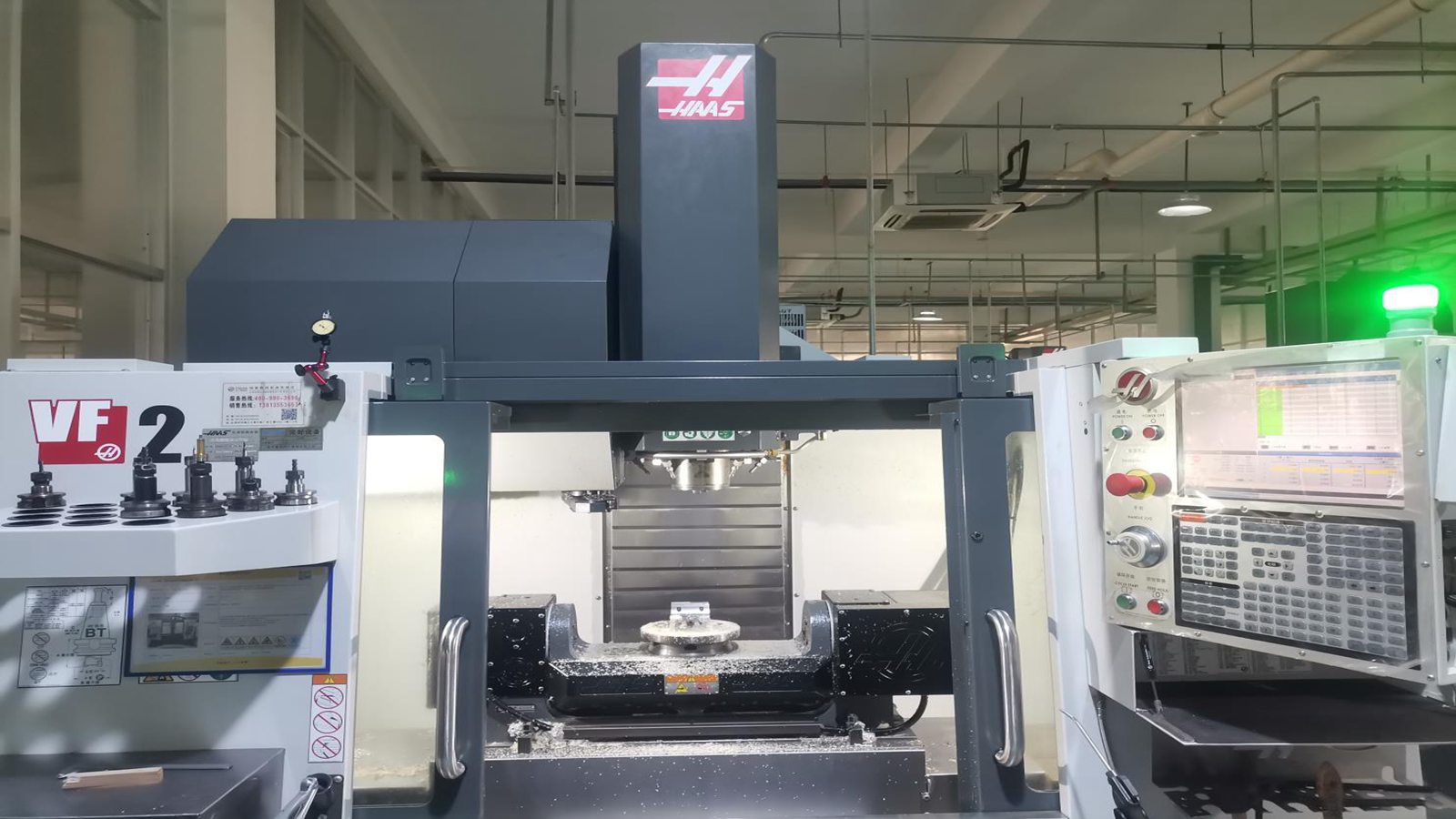
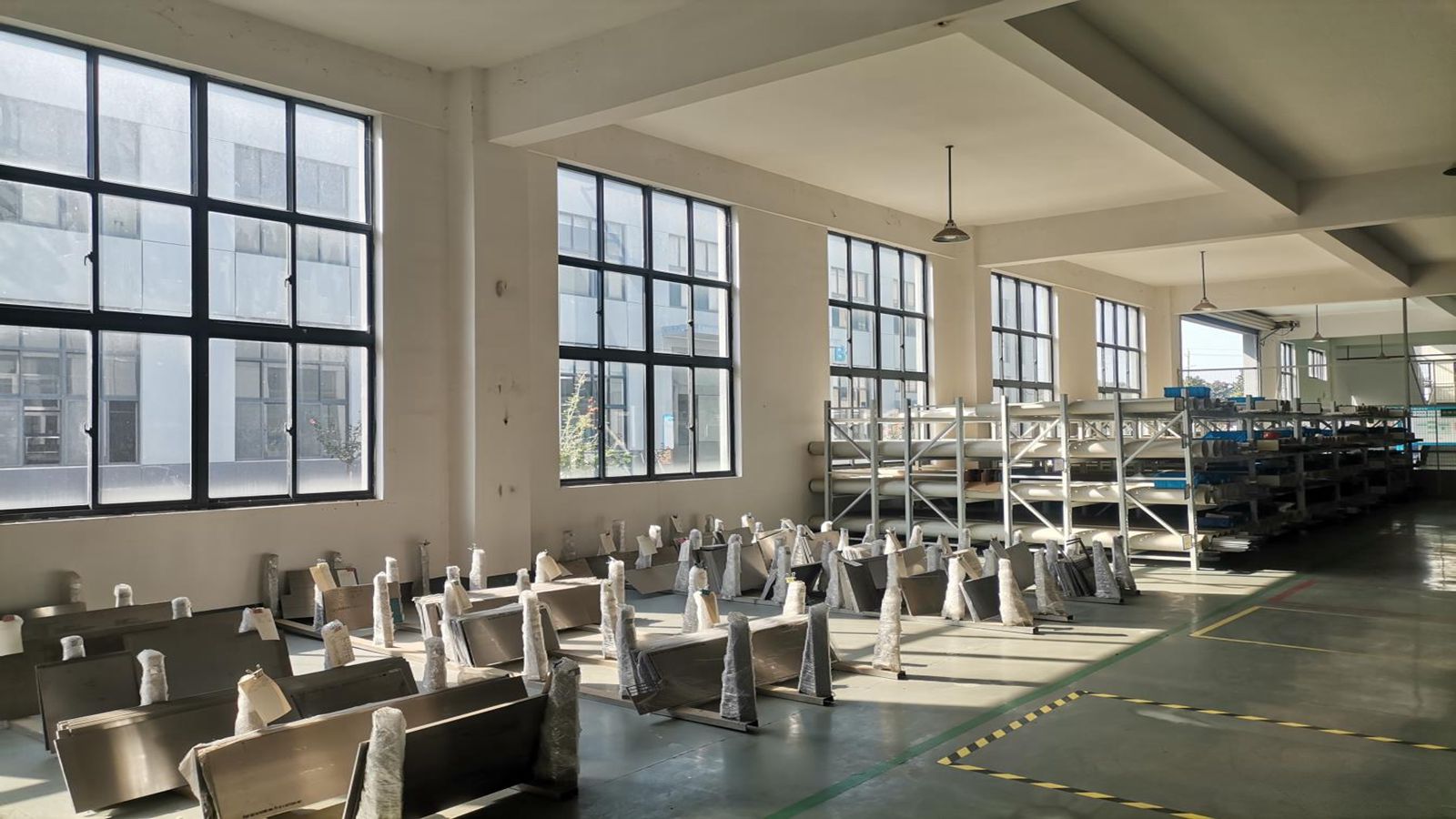
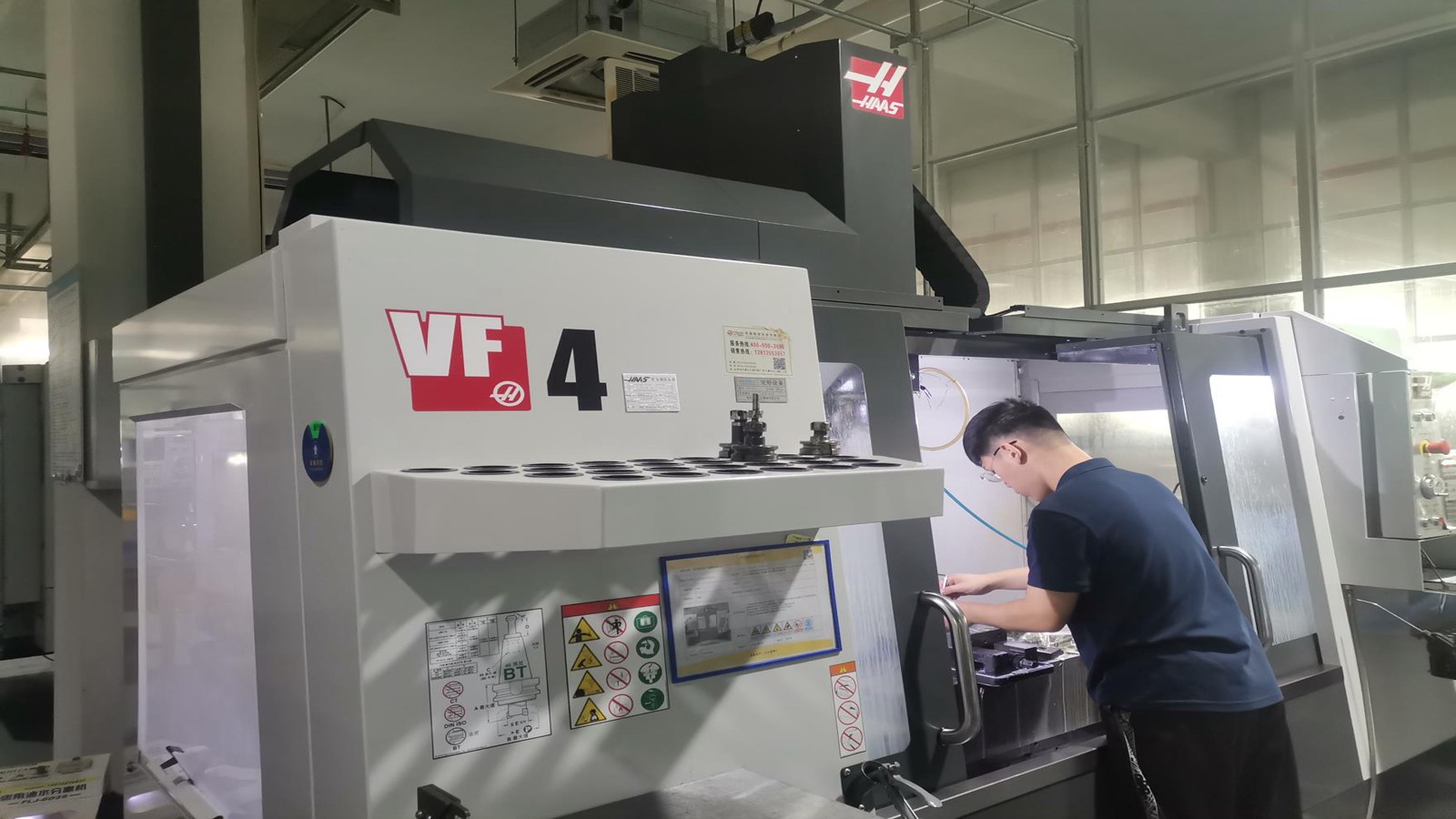
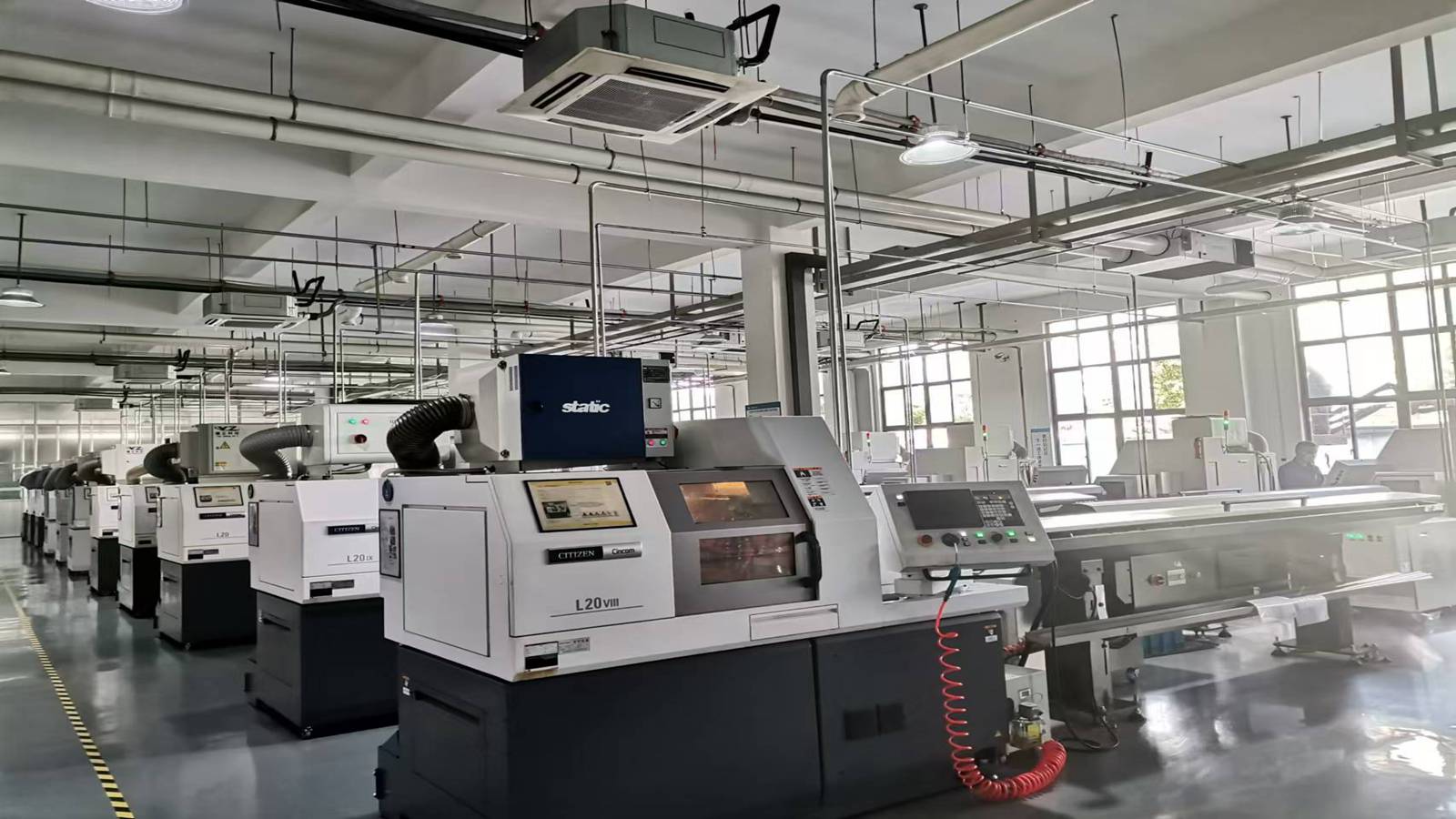
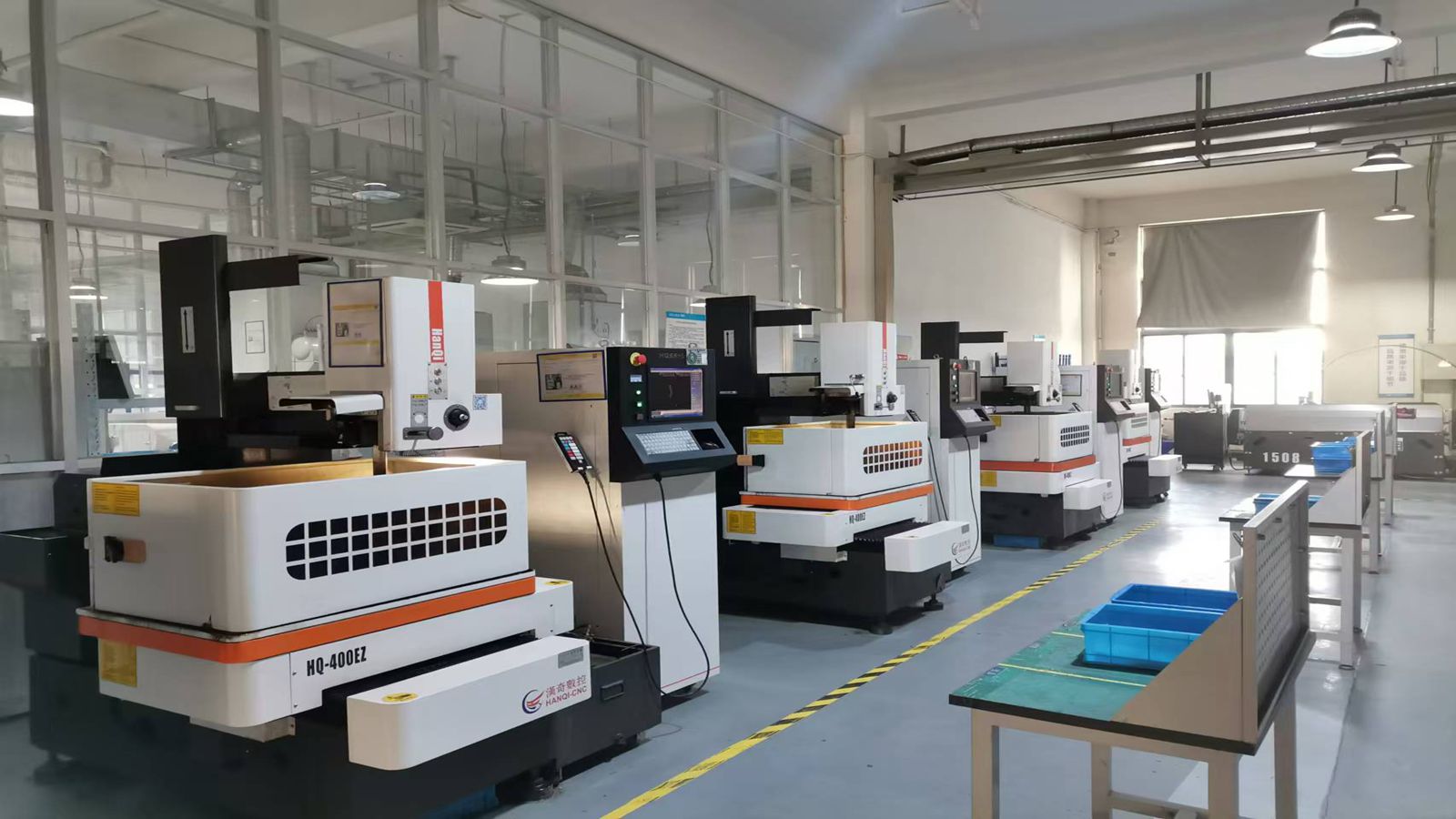
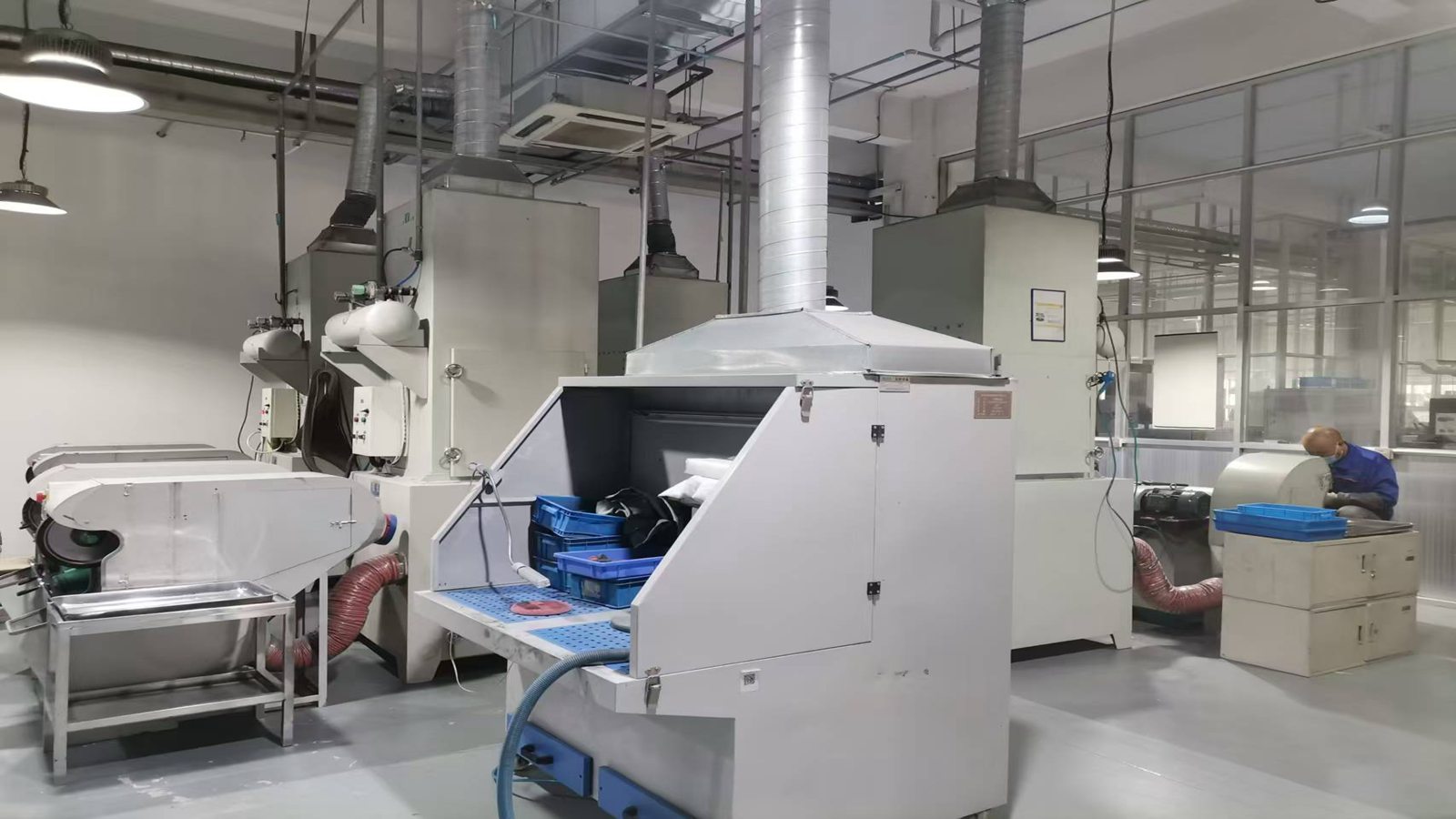
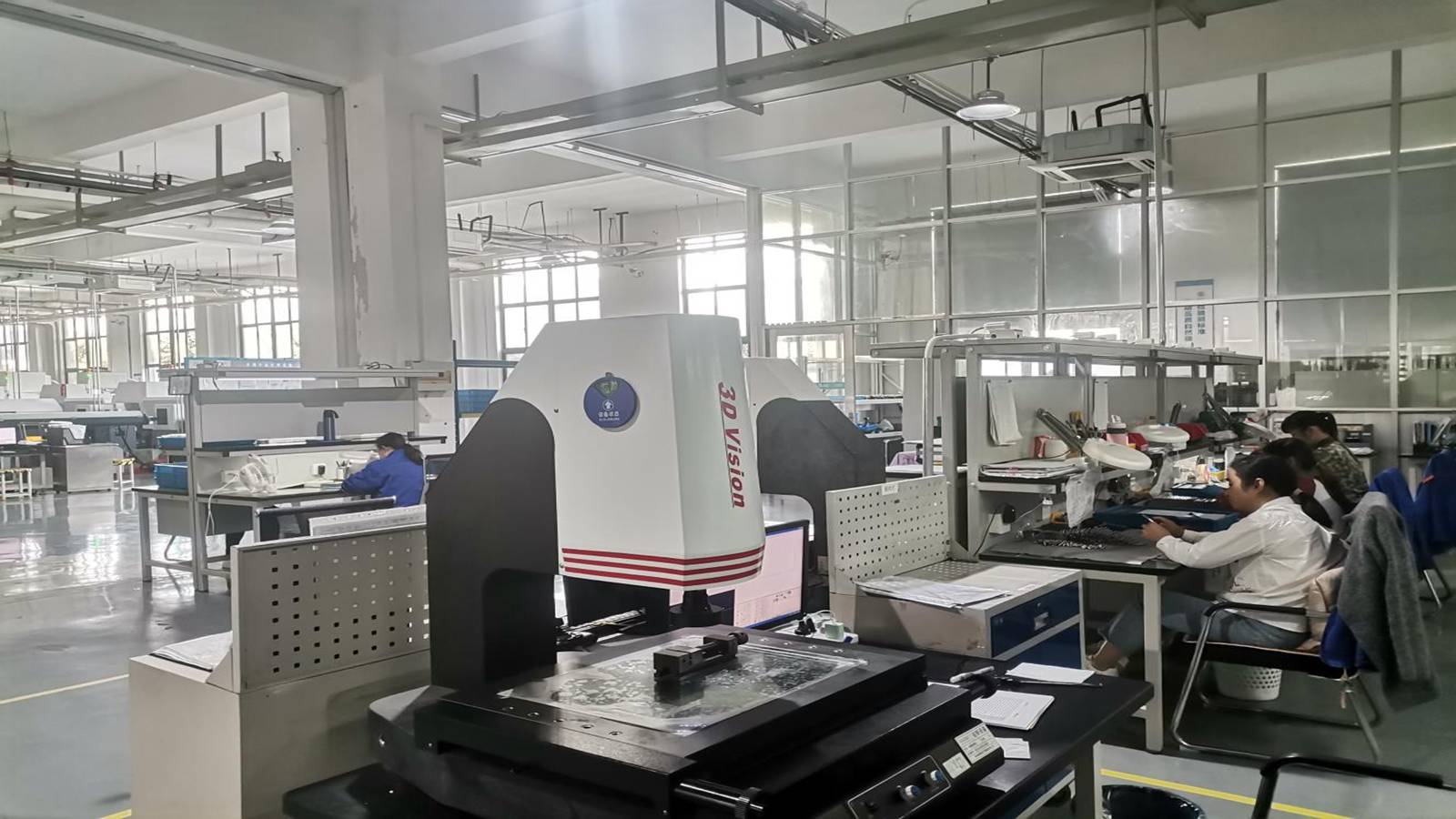
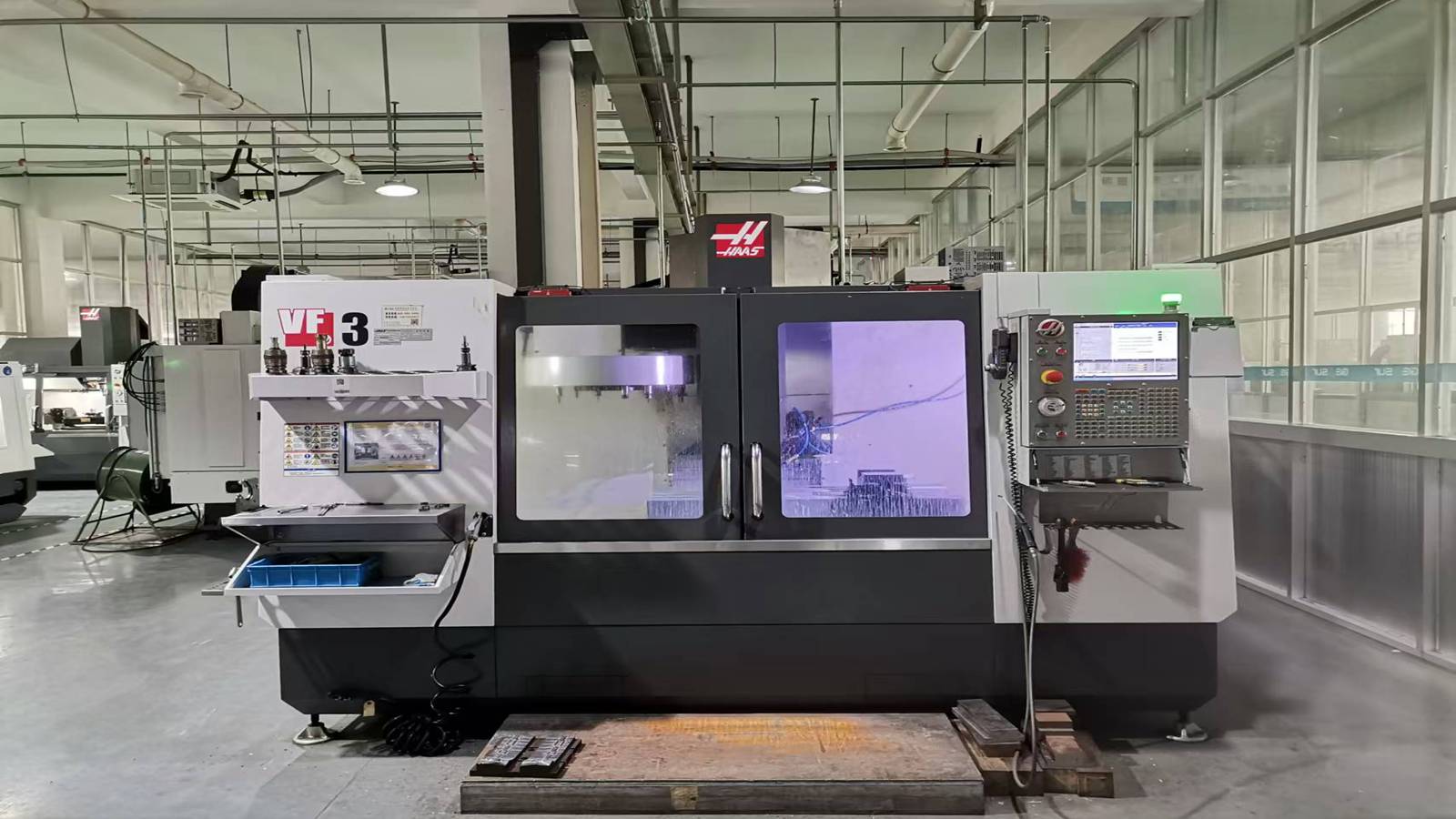
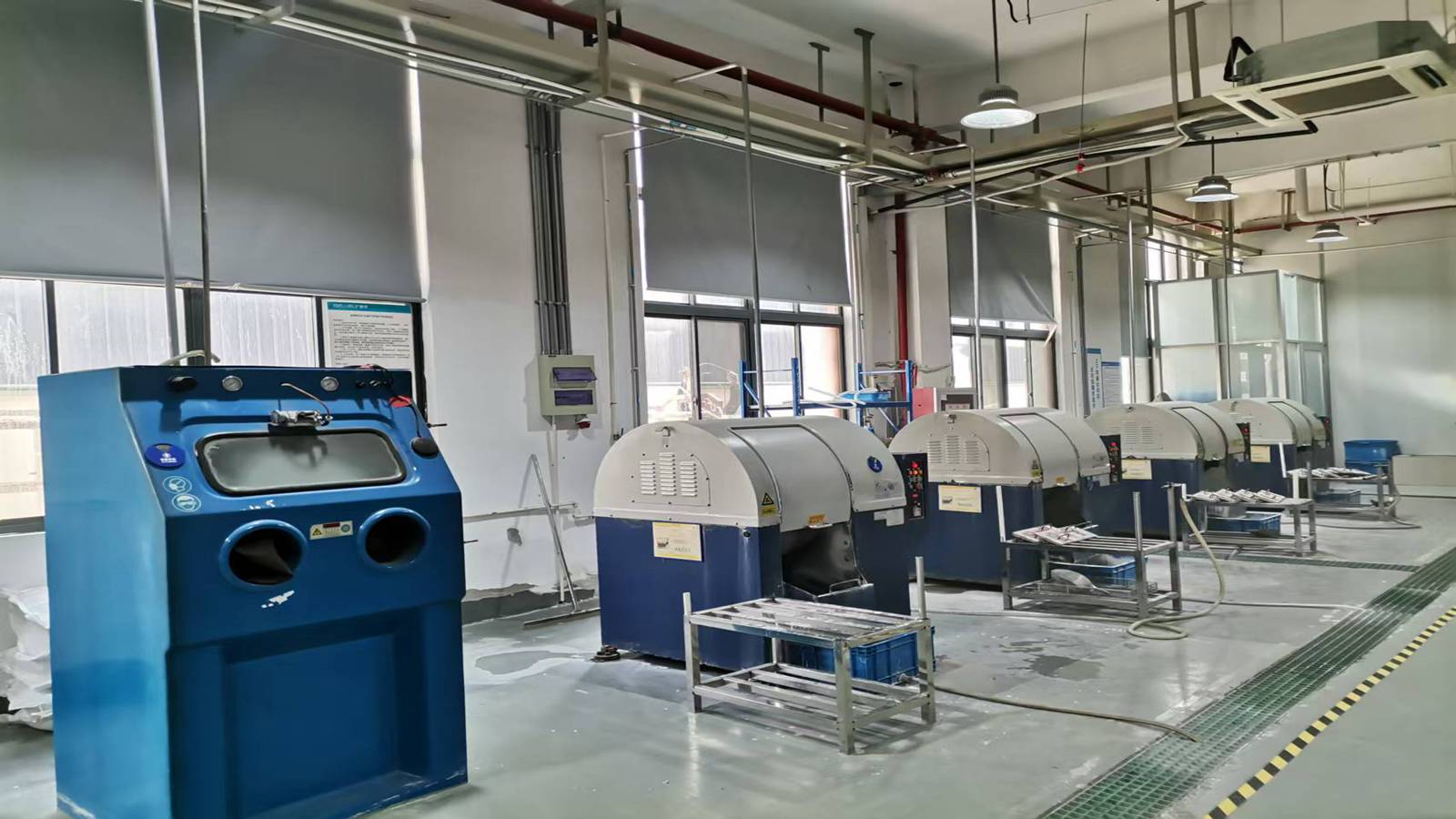
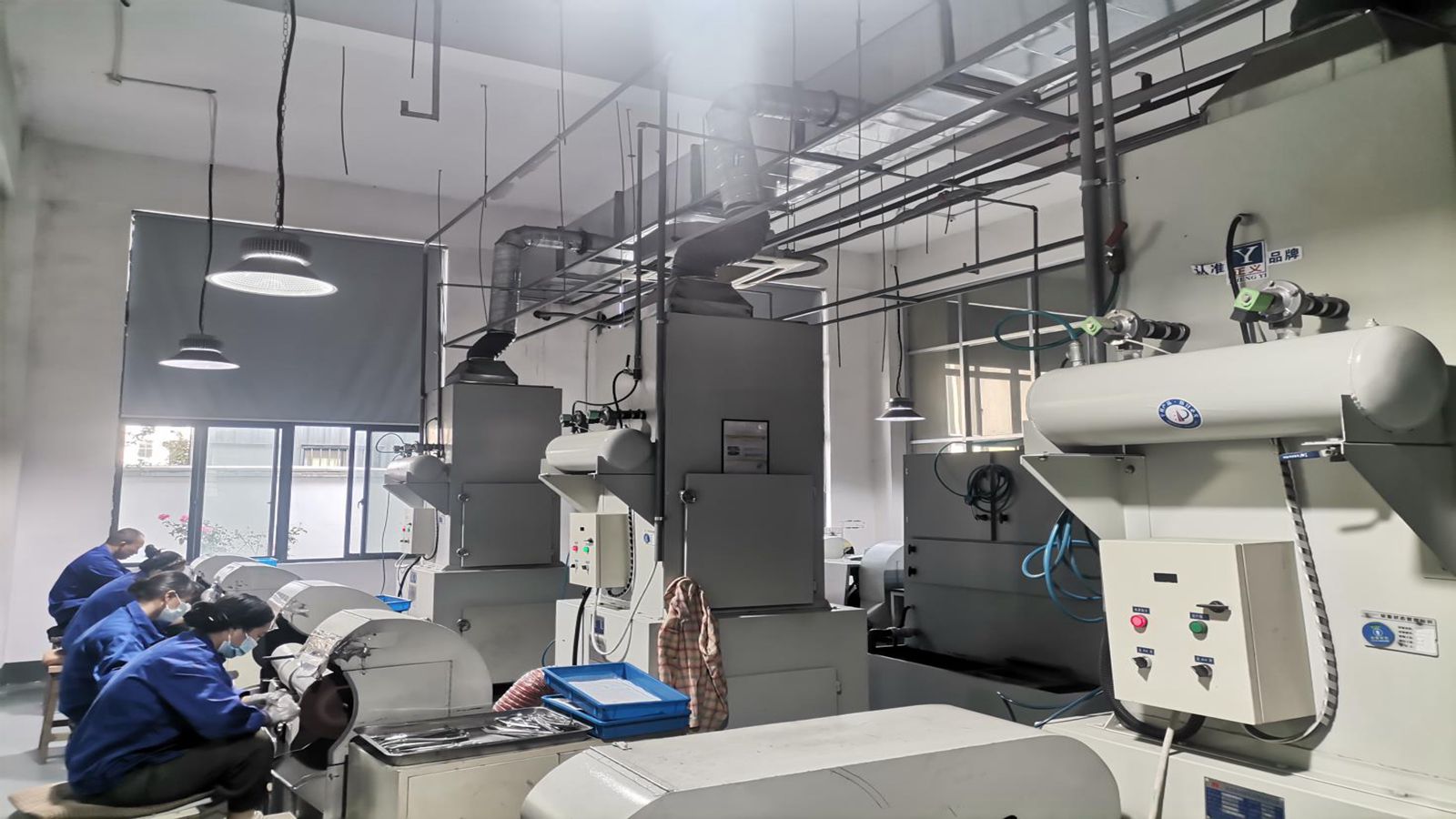
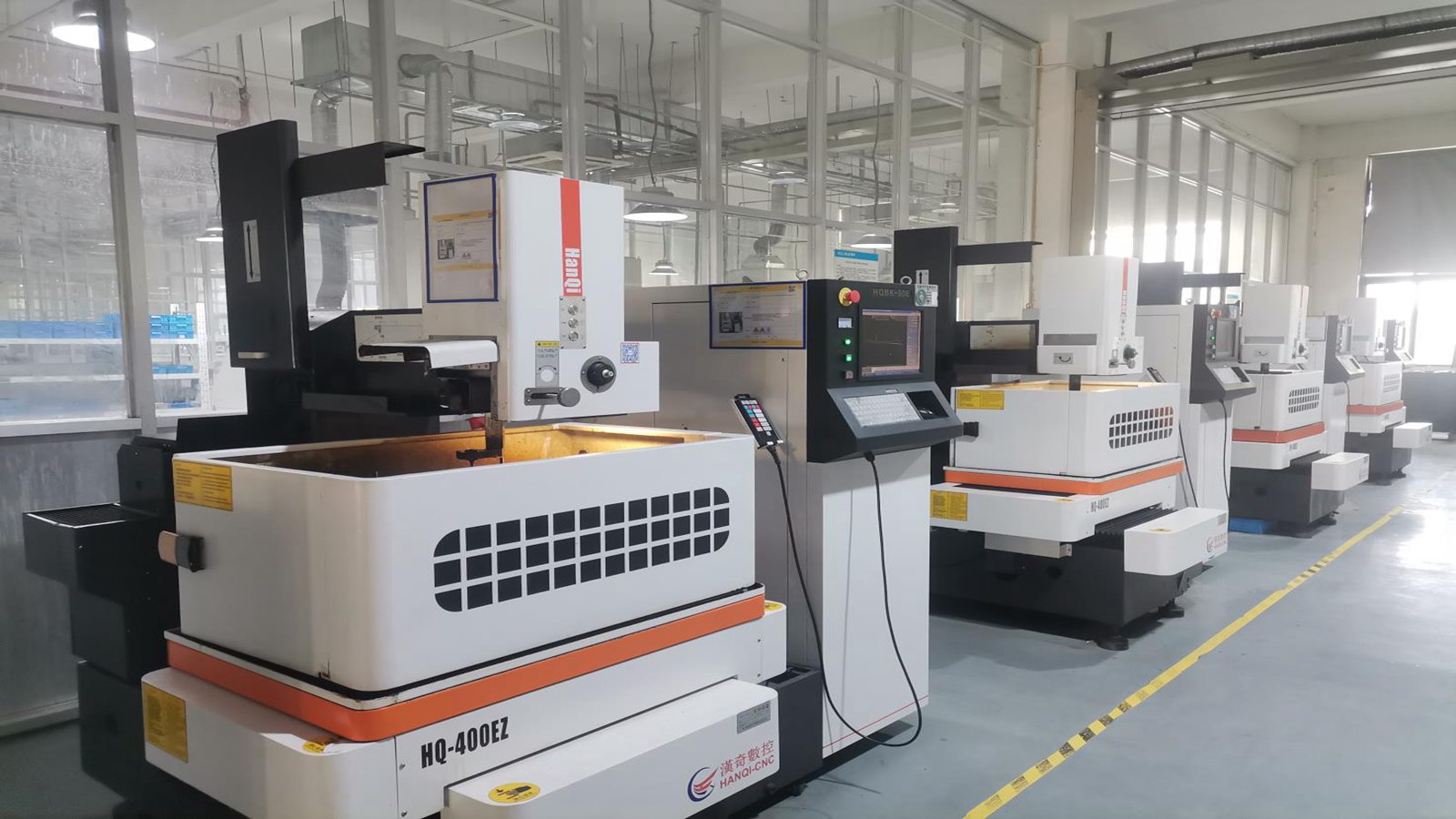
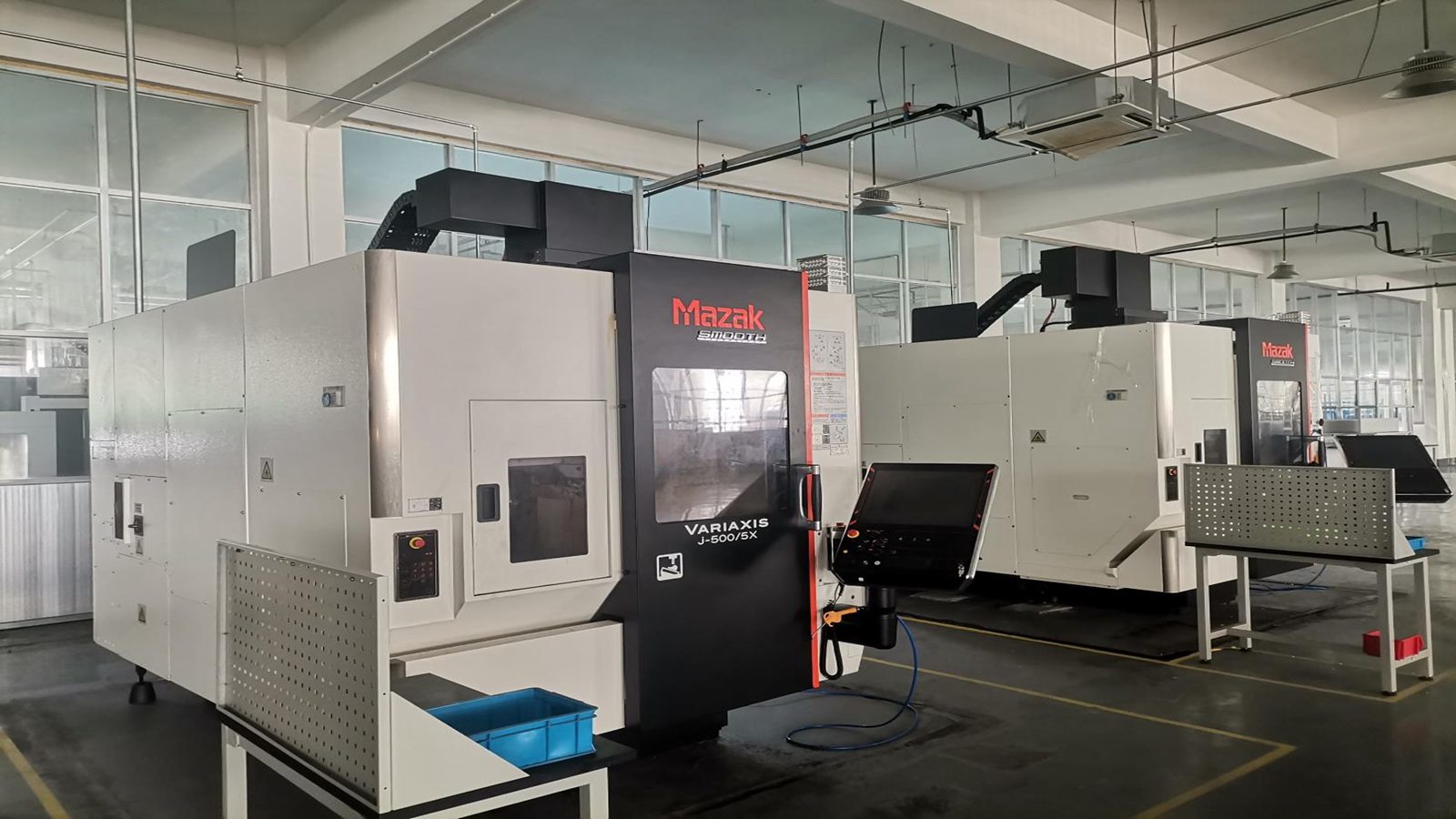
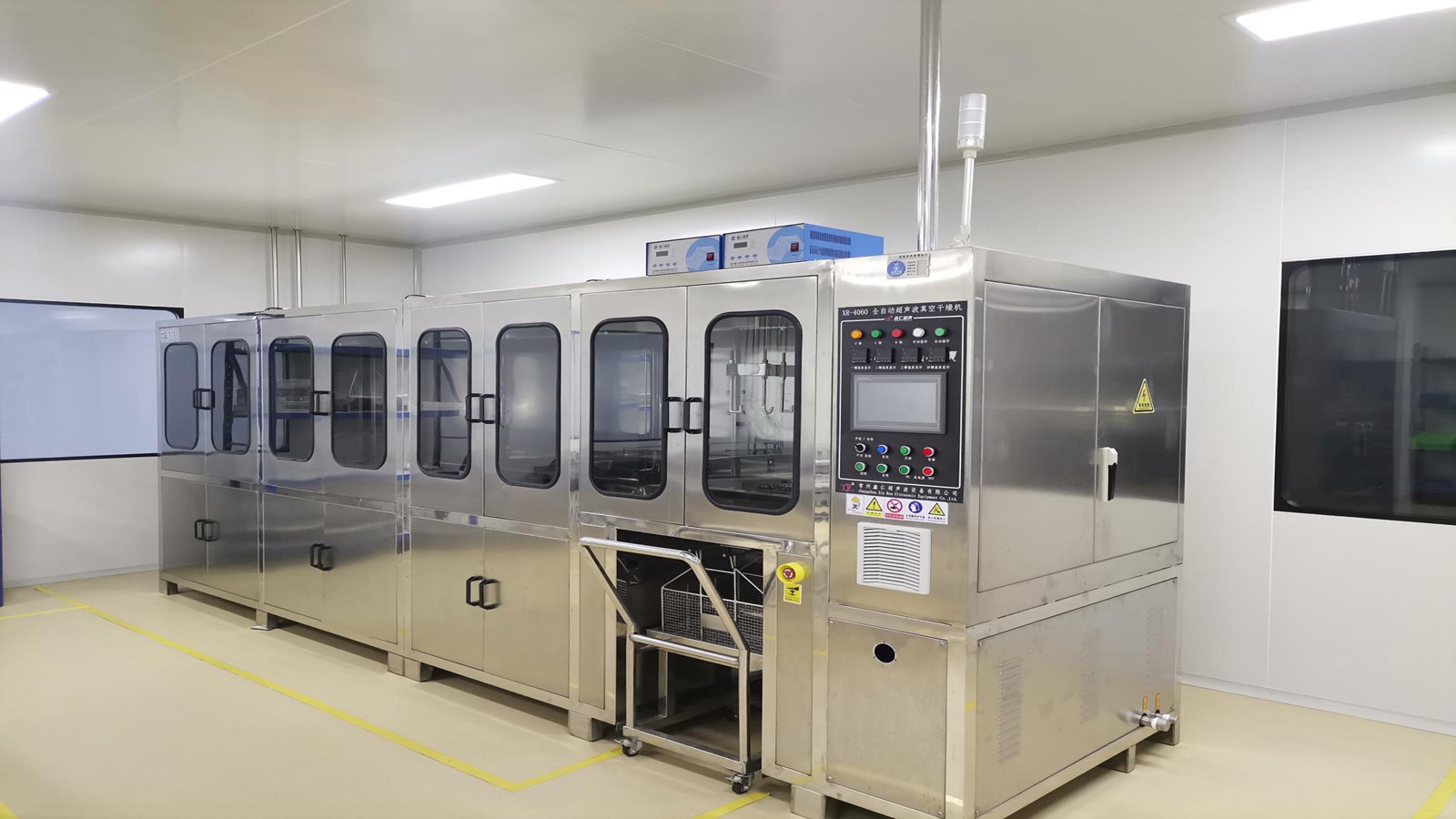
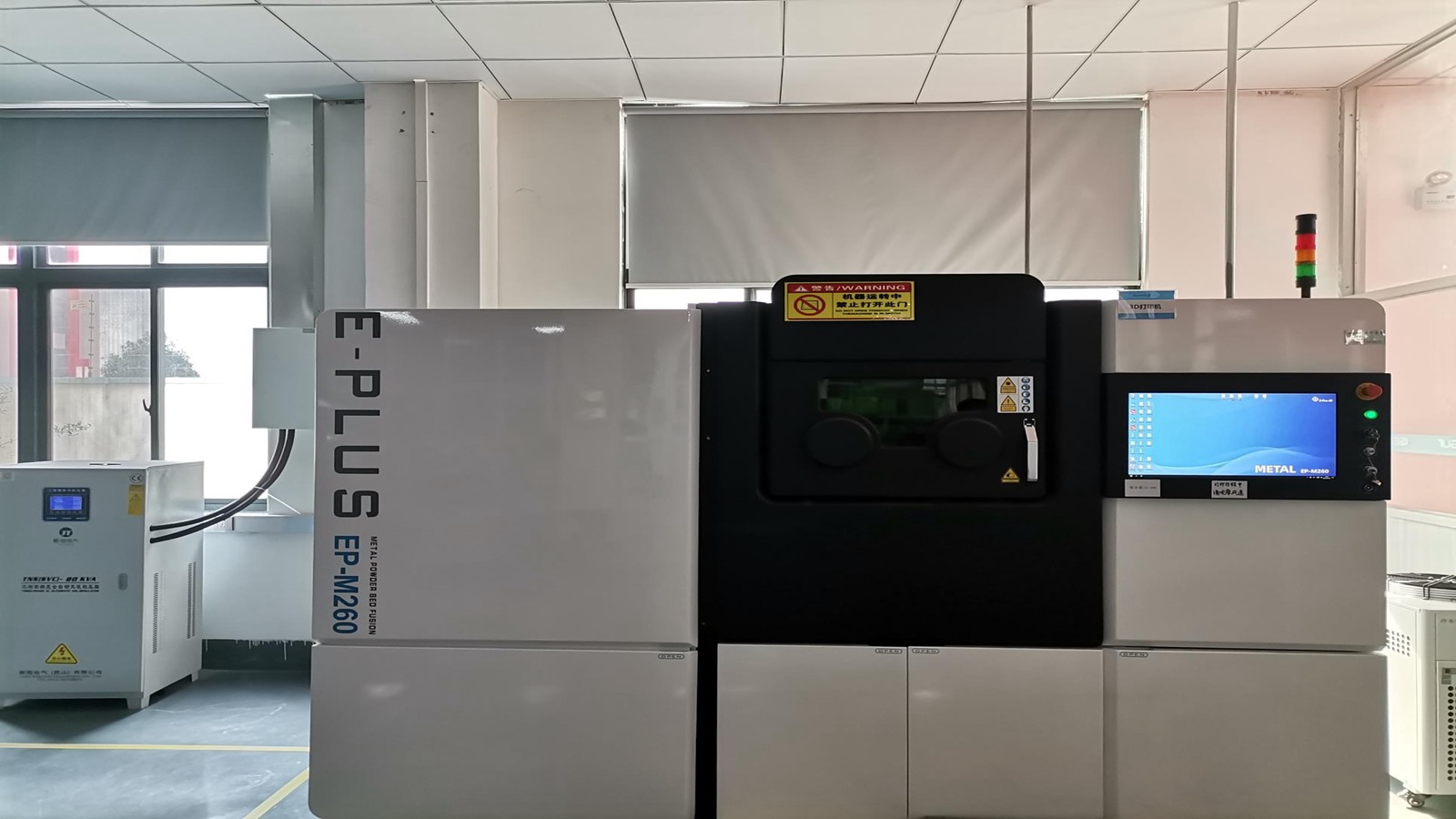
Our manufacturing facility spans over 30,000 square meters and is equipped with more than 120 advanced processing and testing machines. This robust infrastructure allows us to maintain complete control over the production lifecycle, from raw material sourcing to final sterile packaging.
Operating under strict international standards, HBM Medical is certified under ISO 13485, ISO 14001, and the Medical Device Single Audit Program (MDSAP). Our spinal and trauma products carry prestigious CE certifications (including EPT 0477.MDR.25/5905 and EPT 0477.MDR.25/5973), ensuring seamless regulatory compliance across Europe, Latin America, and Asia-Pacific markets.
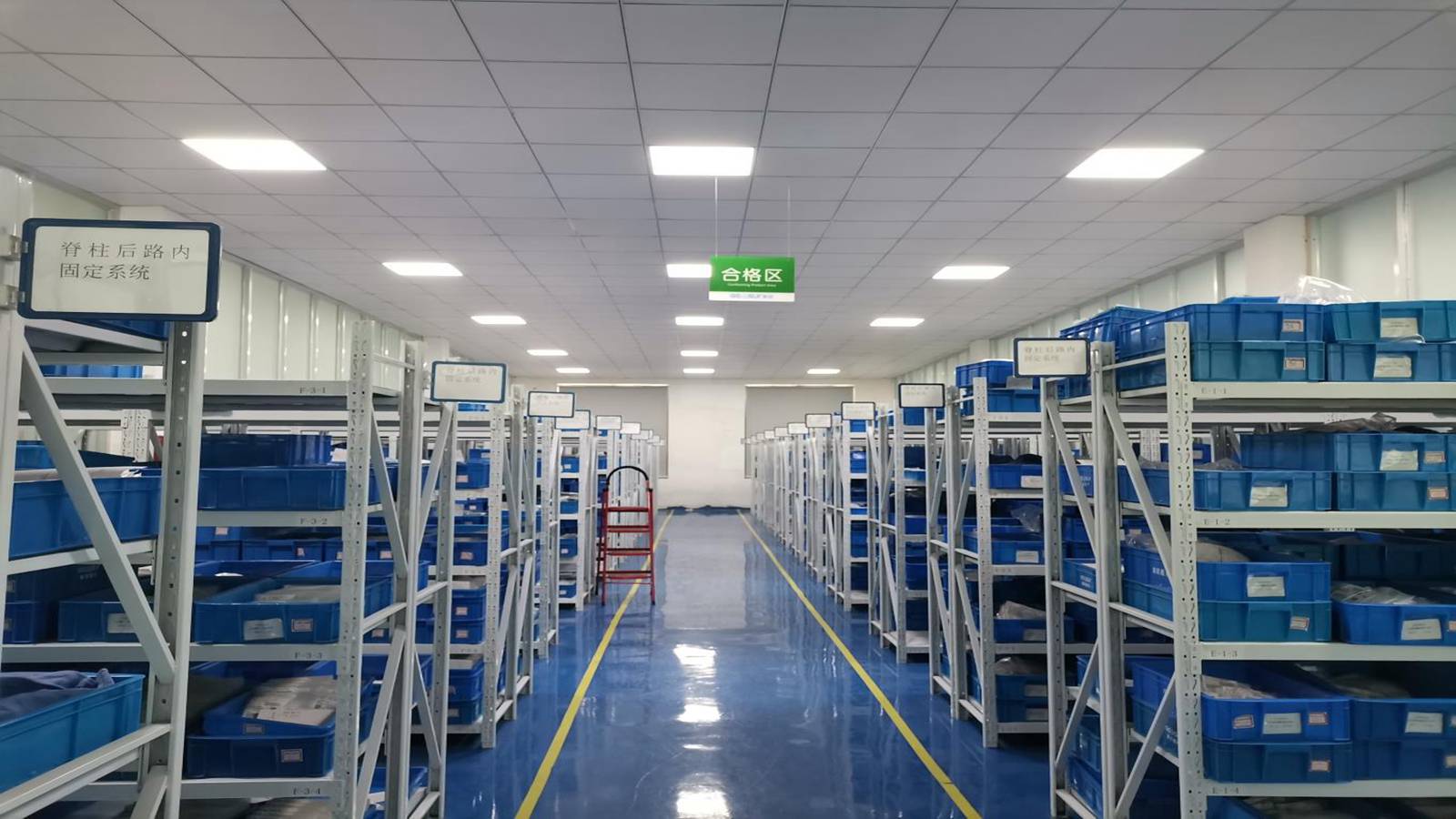
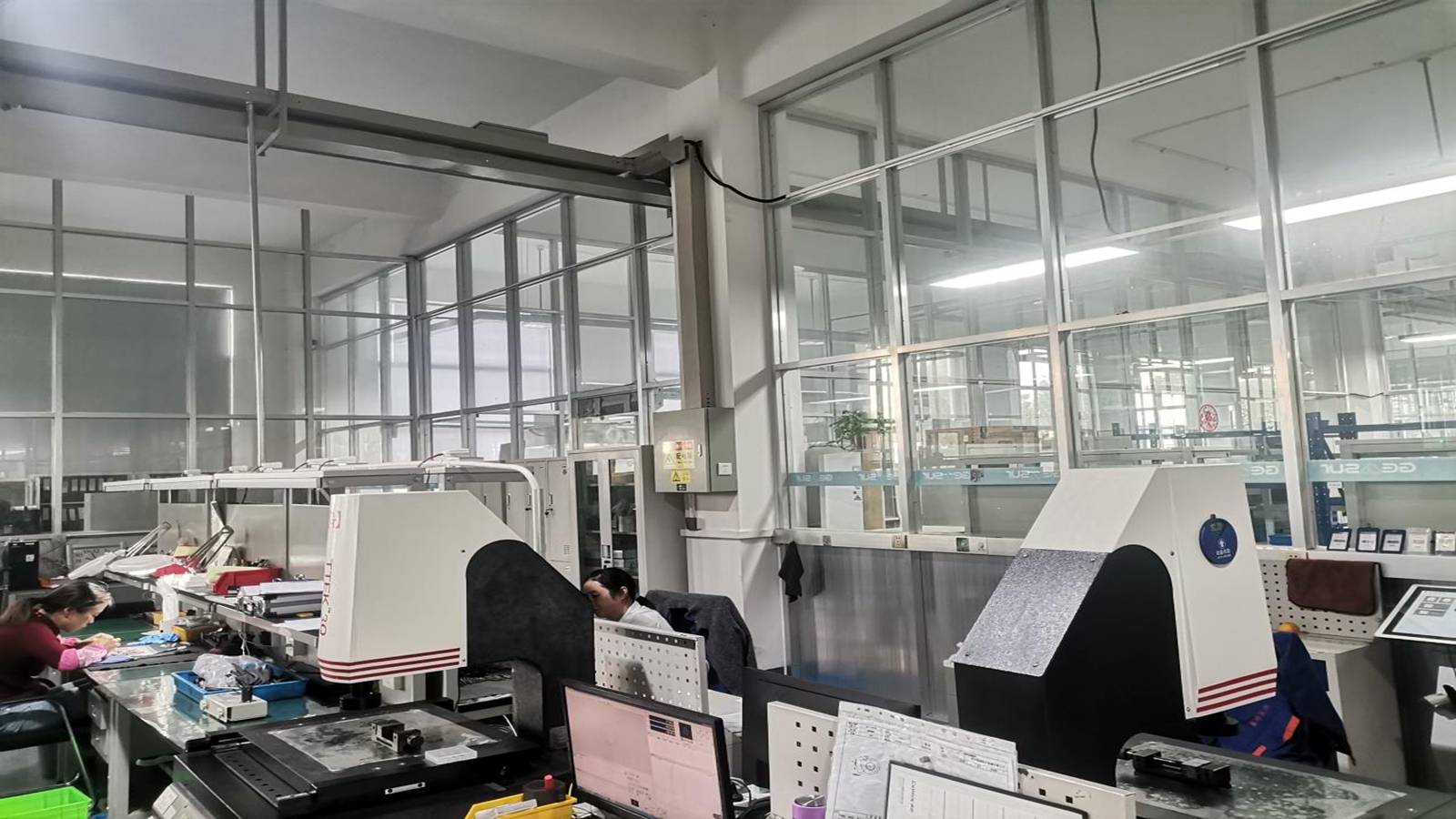
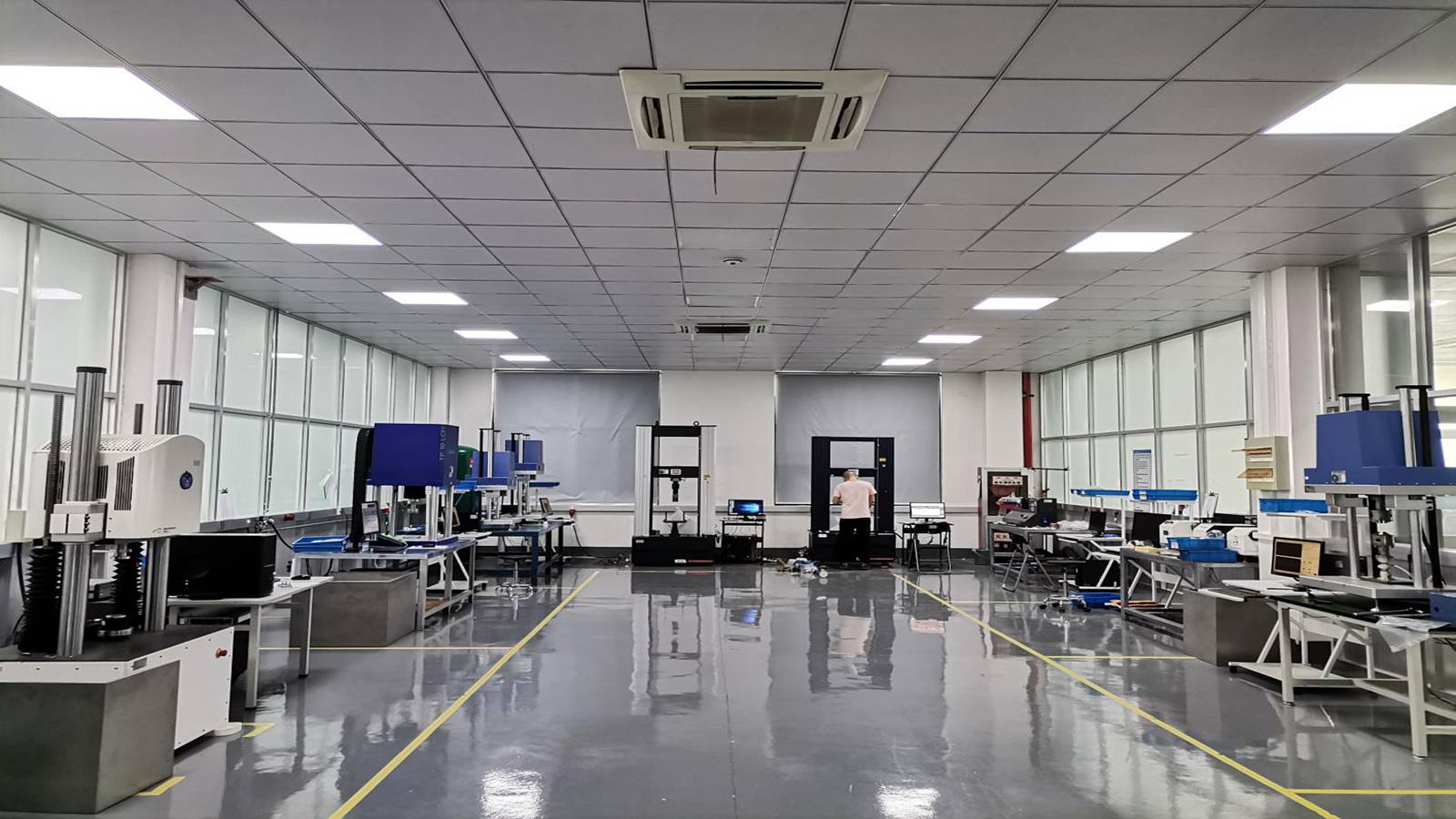
Our quality control team consists of 36 dedicated QA/QC inspectors who oversee 100% raw material traceability and conduct rigorous testing on all production lines. Whether it is dynamic fatigue testing, surface roughness analysis, or dimensional verification via high-precision coordinate measuring machines (CMM), HBM guarantees that every implant meets or exceeds ASTM and ISO standards.

The global medical device supply chain has undergone a structural shift. China is no longer just a high-volume producer; it has evolved into an epicenter of high-precision biomedical engineering. When sourcing laminoplasty plates, international distributors and hospital networks gain distinct advantages by partnering with leading Chinese manufacturers like HBM Medical:
Hospital procurement managers, orthopedic distributors, and OEM brand owners face multifaceted challenges when sourcing spinal implants. Regulatory barriers, quality consistency, and supply chain transparency are paramount. HBM Medical addresses these pain points through comprehensive, macro-level solutions:
Navigating the transition from MDD to MDR in Europe, or securing FDA 510(k) clearances, requires exhaustive technical documentation. HBM provides complete Design History Files (DHF), clinical evaluation reports, and biocompatibility data (ISO 10993) to streamline local registration processes for our international partners.
Every clinical market has unique anatomical preferences. Our R&D team of 31 engineers leverages advanced finite element analysis (FEA) and 3D printing to customize plate profiles, screw thread designs, and surgical instrumentation sets to match specific regional requirements.
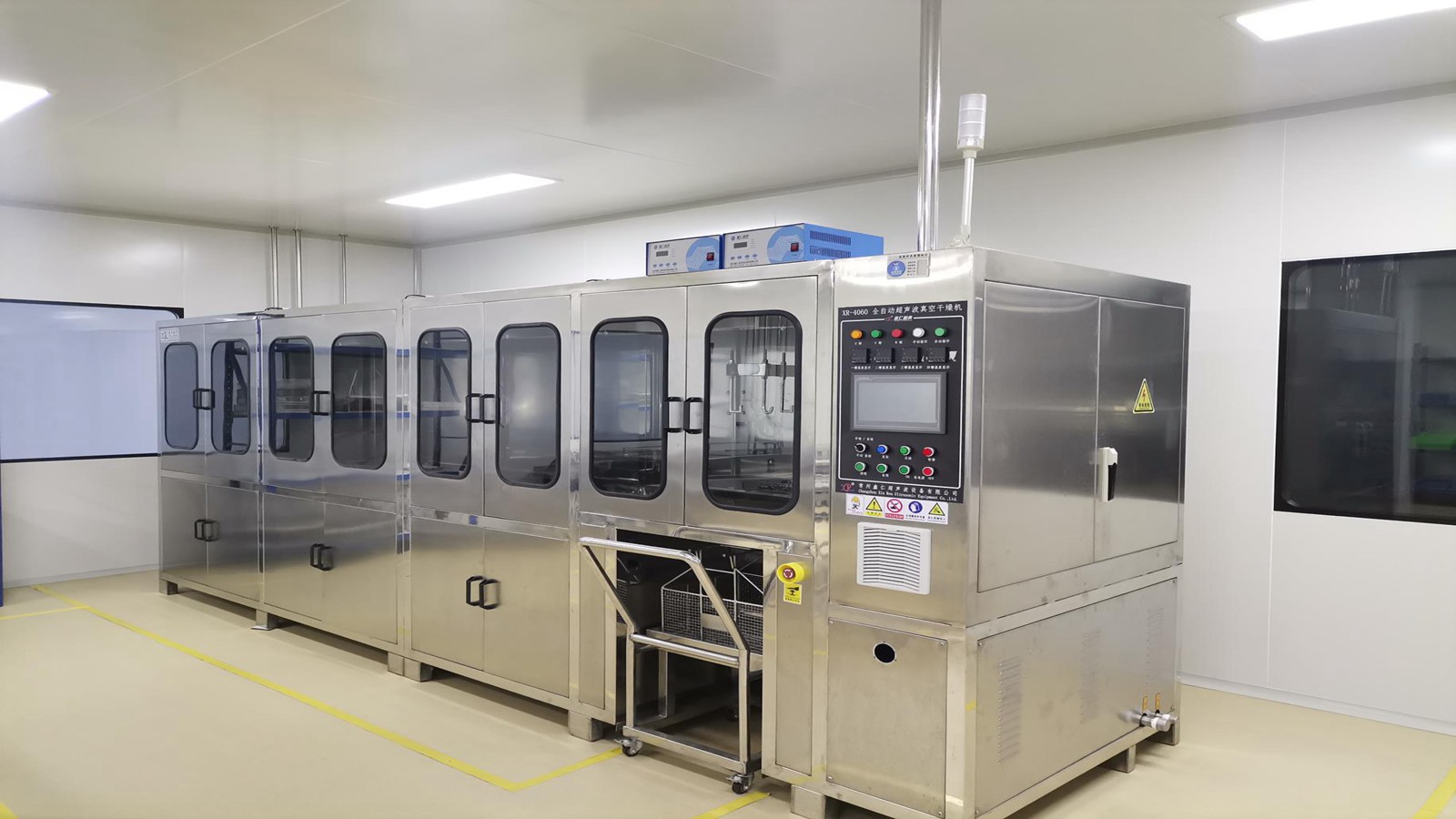
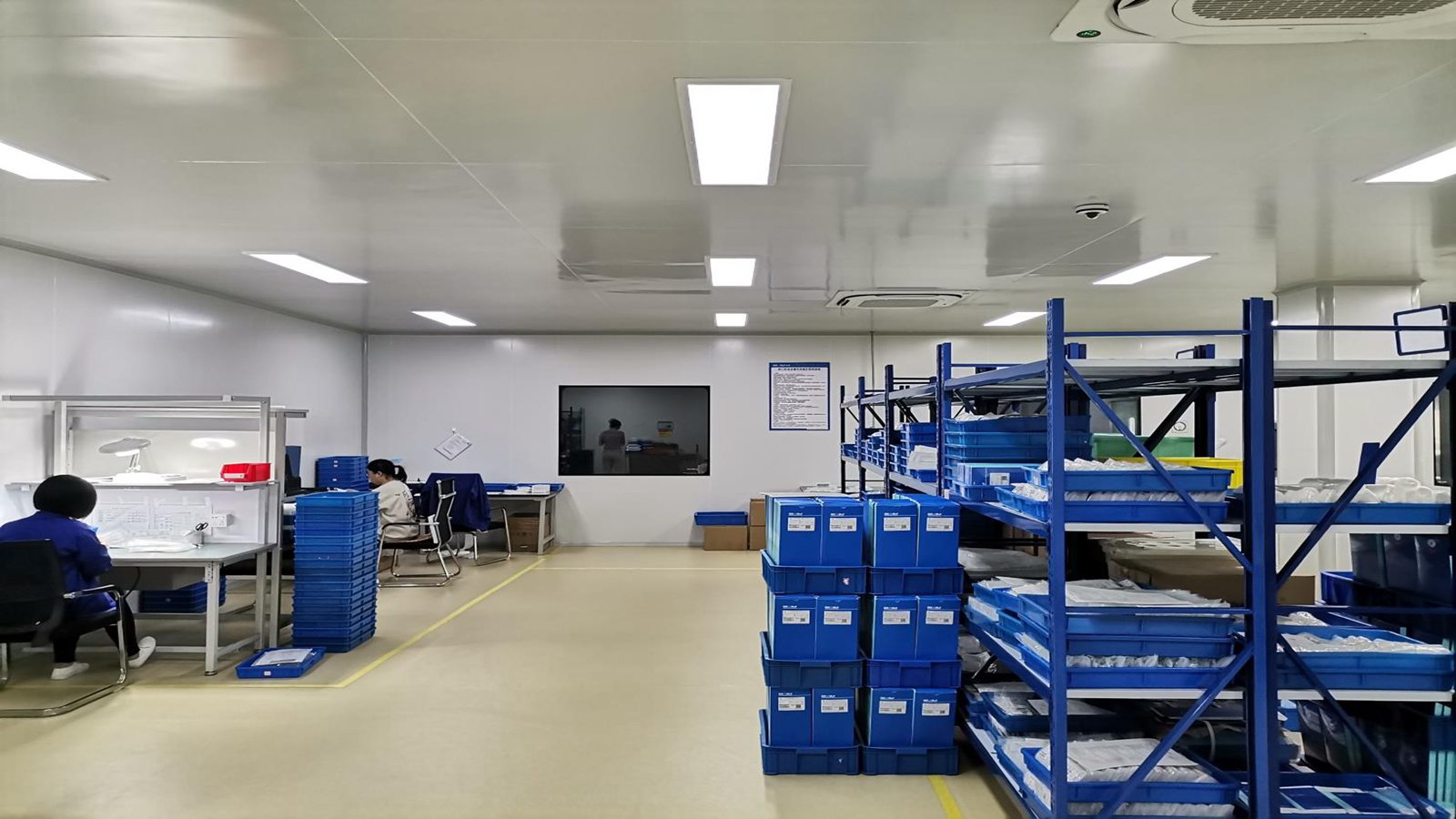
To ensure patient safety, HBM implants are processed in Class 100,000 (ISO Class 7) cleanrooms. We offer both non-sterile bulk packaging and pre-sterilized, double-barrier blister packaging (gamma or EO sterilization), allowing implants to be delivered directly to the operating theater.
Laminoplasty plate systems are highly versatile implants utilized across several distinct clinical scenarios. Understanding these applications helps procurement teams align their inventory with surgical demands:
In this classic procedure, a hinge is created on one side of the lamina, and the other side is opened to expand the canal. The laminoplasty plate is secured to the lateral mass and the elevated lamina edge, acting as a rigid spacer. This technique requires plates with varying spacer heights (typically 4mm to 14mm) to accommodate different anatomical sizes.
This approach splits the spinous process and lamina down the midline, creating bilateral hinges. A specialized double-door plate or spacer is secured in the middle. This technique is highly favored in regions where symmetrical expansion of the spinal canal is preferred to minimize unilateral nerve root tension.
Geriatric patients often present with osteoporotic bone, requiring locking screw configurations with deeper thread profiles to maximize pull-out strength. Conversely, pediatric applications demand ultra-low-profile plates that accommodate ongoing skeletal growth without causing premature fusion of adjacent segments.
The field of spinal arthroplasty and reconstruction is evolving rapidly. As a forward-looking manufacturer, HBM Medical continuously monitors and integrates emerging technologies into our product pipeline:
Get authoritative answers to technical, regulatory, and commercial inquiries regarding laminoplasty plates and orthopedic procurement.
HBM Laminoplasty Plates are manufactured exclusively from medical-grade Titanium Alloy (Ti-6Al-4V ELI) conforming to ASTM F136 and ISO 5832-3 standards. This material offers the optimal balance of high fatigue strength, low modulus of elasticity (closer to bone), and excellent biocompatibility.
Yes. HBM Medical holds comprehensive CE certifications under the European Medical Device Regulation (MDR). We are also certified under the Medical Device Single Audit Program (MDSAP), which covers regulatory requirements for the USA (FDA), Canada (Health Canada), Australia (TGA), Japan (PMDA), and Brazil (ANVISA).
Absolutely. Backed by our team of 31 R&D engineers (including postgraduates and doctorates) and over 120 high-precision CNC machines, we offer complete OEM/ODM services. We can customize plate geometries, screw dimensions, surface anodization colors, and design dedicated surgical instrument kits based on your specifications.
We implement a strict raw material control system. Every batch of titanium alloy is sourced from certified medical-grade suppliers and undergoes independent chemical composition and mechanical property verification. We maintain 100% traceability, linking every finished implant back to its original raw material heat number.
For standard catalog products, our lead time typically ranges from 30 to 45 days, depending on order volume. For custom OEM/ODM runs requiring new tooling or design validation, lead times generally range from 60 to 90 days. We work closely with global freight forwarders to ensure timely delivery via air or sea.
Discover our comprehensive range of trauma, spine, and joint reconstruction systems engineered for clinical excellence.
 HBM Medical