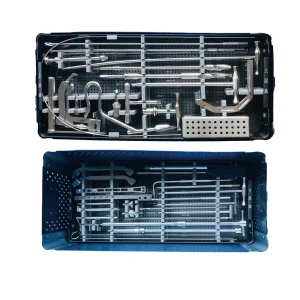
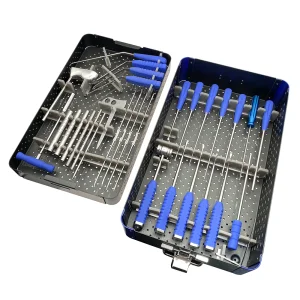
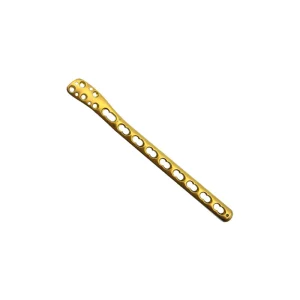
Explore our high-precision implants and specialized surgical instrument sets engineered for optimal clinical outcomes.
For decades, metallic implants—predominantly titanium alloys and stainless steel—have served as the gold standard in orthopedic trauma and reconstructive surgeries. However, the clinical limitations of permanent metallic hardware are well-documented: stress shielding due to Young's modulus mismatch, chronic foreign body reactions, potential mutagenic metal ion release, and the frequent necessity of a secondary surgery for hardware removal.
The emergence of bioresorbable orthopedic implants represents a profound paradigm shift in osteosynthesis. Engineered from biocompatible polymers such as Poly-L-Lactic Acid (PLLA), Poly-D-Lactic Acid (PDLA), Polyglycolic Acid (PGA), and their co-polymers (PLGA), these advanced biomaterials provide temporary mechanical stability during the critical bone healing phase. As the bone progressively regenerates and regains its load-bearing capacity, the implant undergoes controlled hydrolytic degradation, ultimately metabolizing into carbon dioxide and water via the Krebs cycle. This eliminates the risks associated with permanent implants and completely bypasses the clinical and financial burdens of secondary retrieval surgeries.
"The ideal orthopedic implant is one that performs its structural duty diligently and then vanishes without a trace, leaving behind only healthy, fully regenerated native bone."
As healthcare systems globally transition toward value-based care, procurement officers, hospital administrators, and medical device distributors face complex sourcing challenges. The demand for bioresorbable solutions is surging, driven by pediatric orthopedics (where growing bones make permanent metal highly problematic), sports medicine (cruciate ligament reconstruction, meniscus repair), and craniomaxillofacial surgeries.
When evaluating a China Bioresorbable Orthopedic Implants Exporter, global buyers must navigate several critical vectors:
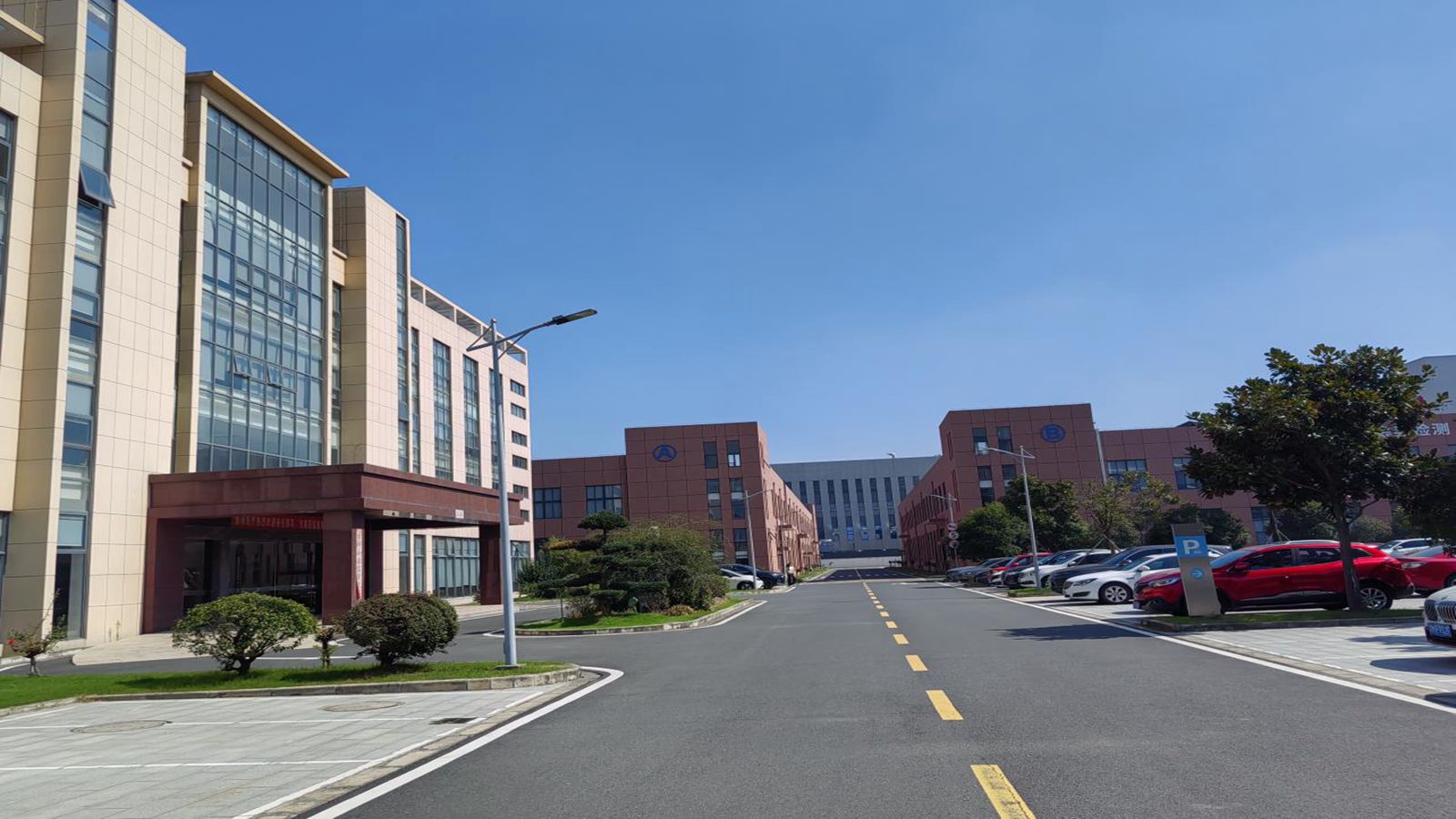
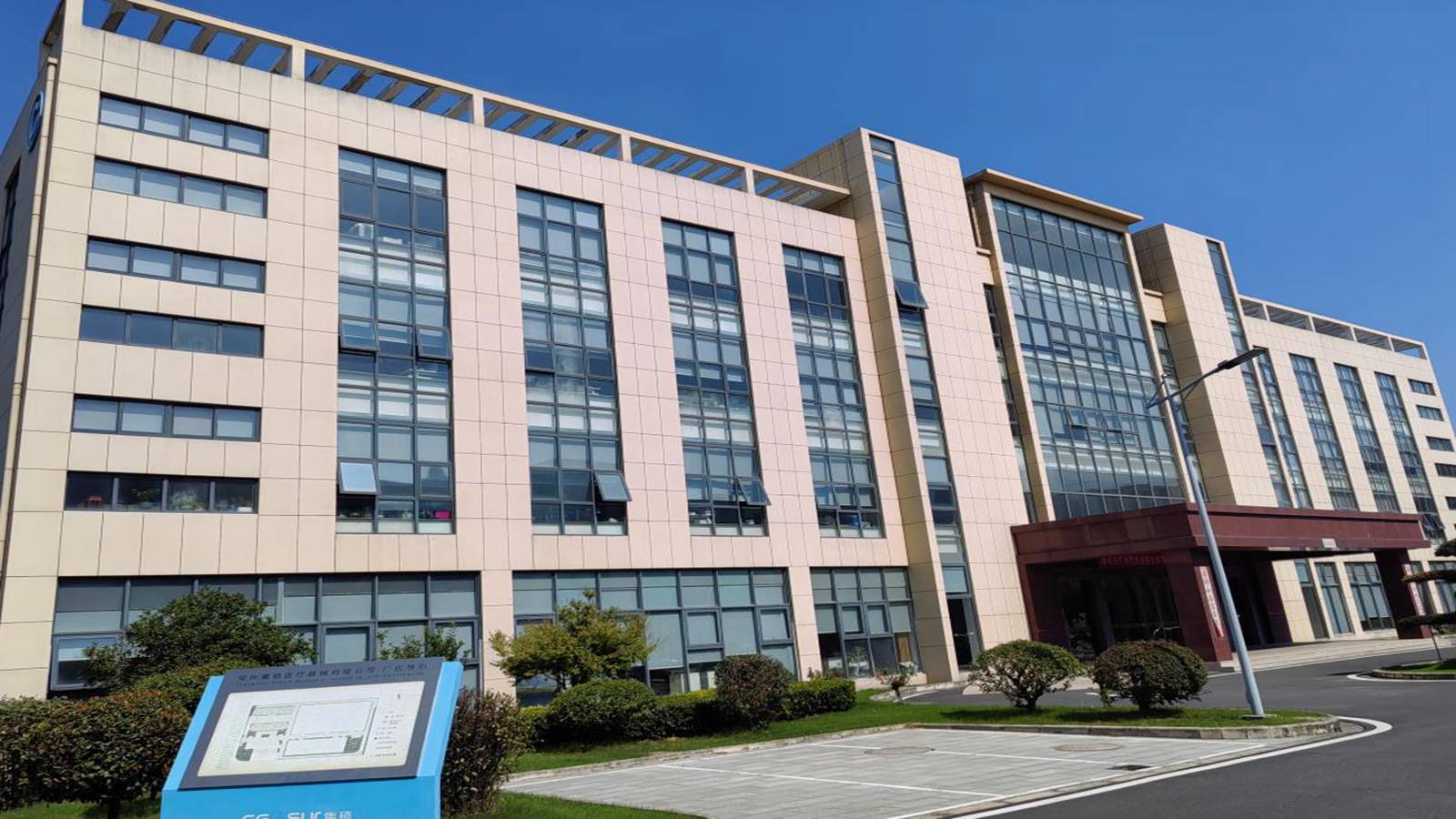
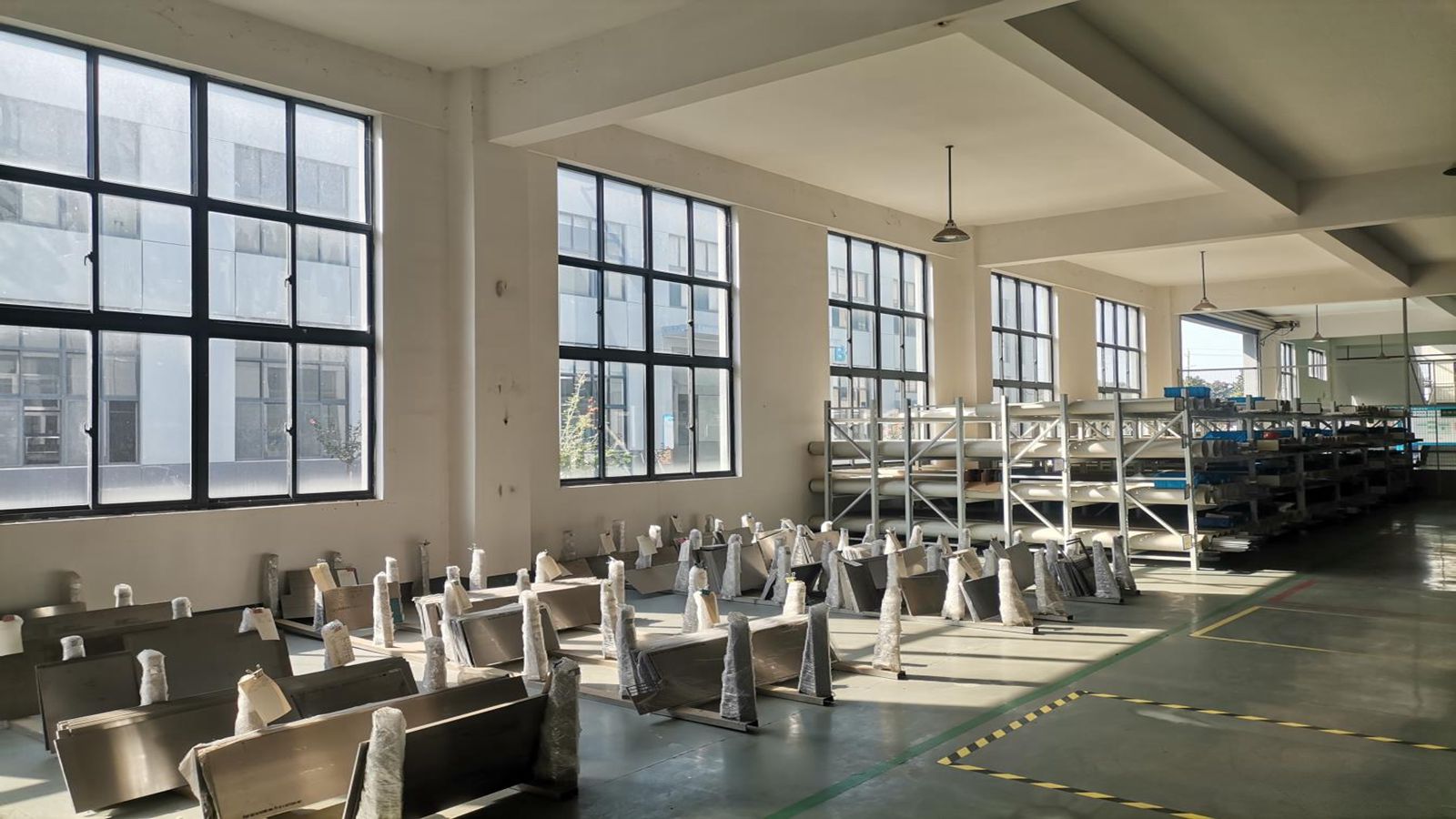
Established on October 15, 2015, HBM Medical Apparatus And Instruments Co., Ltd. has rapidly emerged as a leading force in the research, development, manufacturing, and global distribution of high-end orthopedic solutions. Spanning a state-of-the-art facility of 30,343 square meters, HBM Medical integrates cutting-edge production technologies with a rigorous scientific approach to address the most demanding clinical needs.
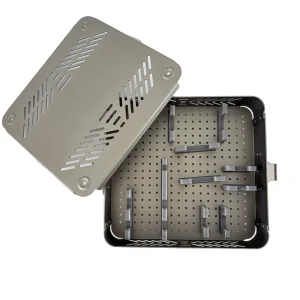
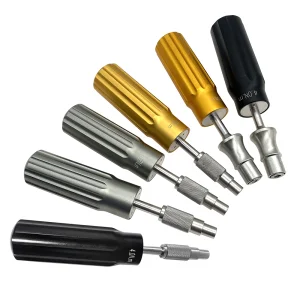
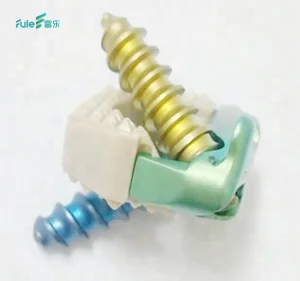
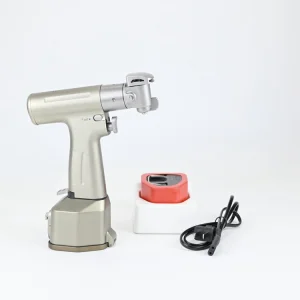
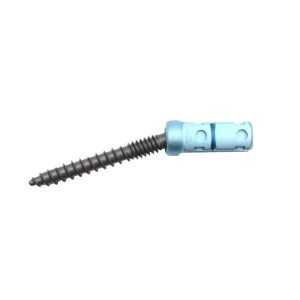
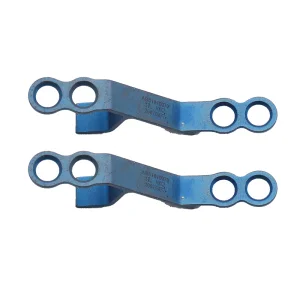
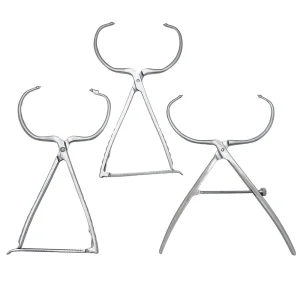
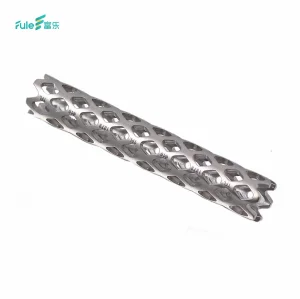
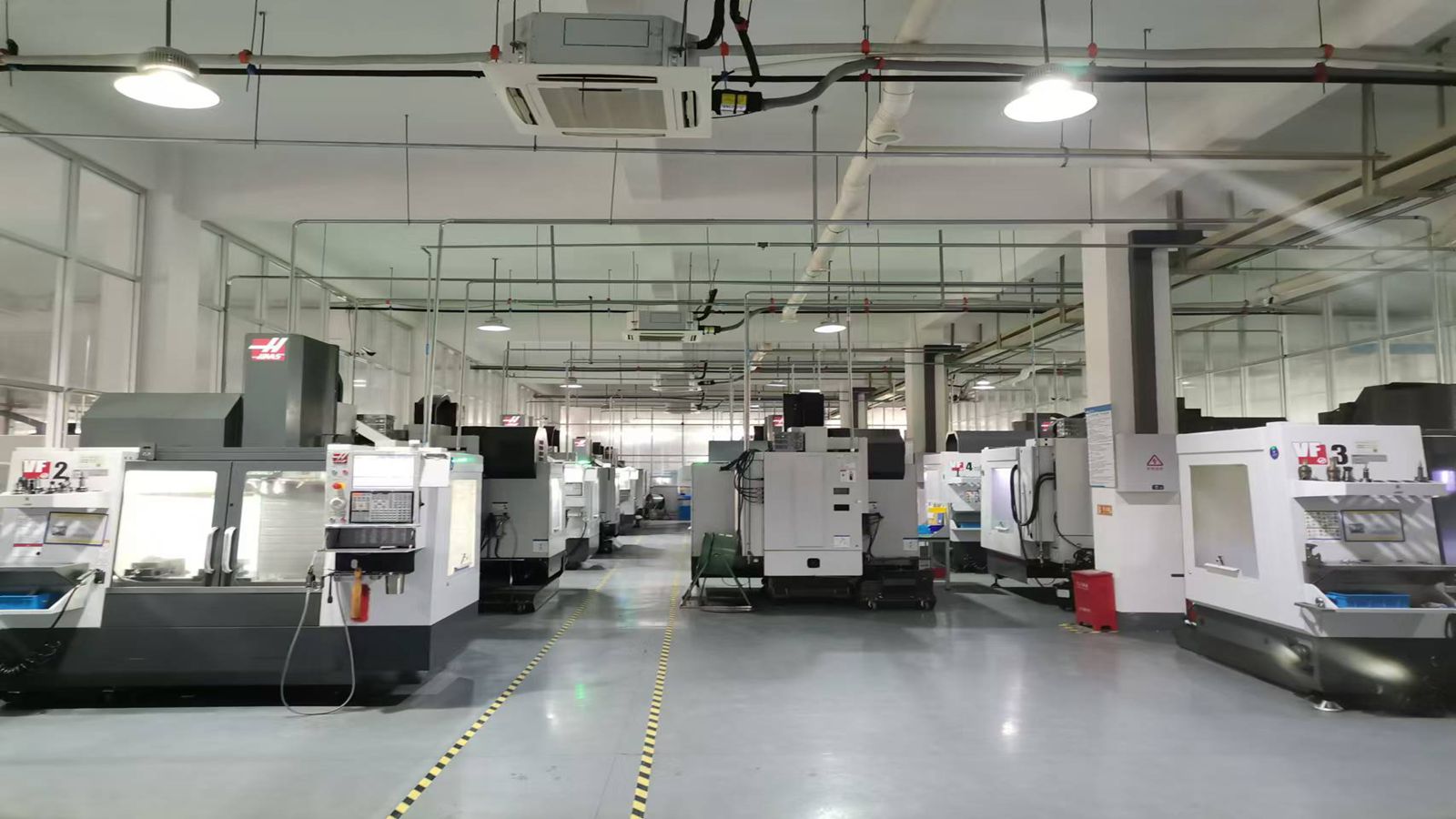
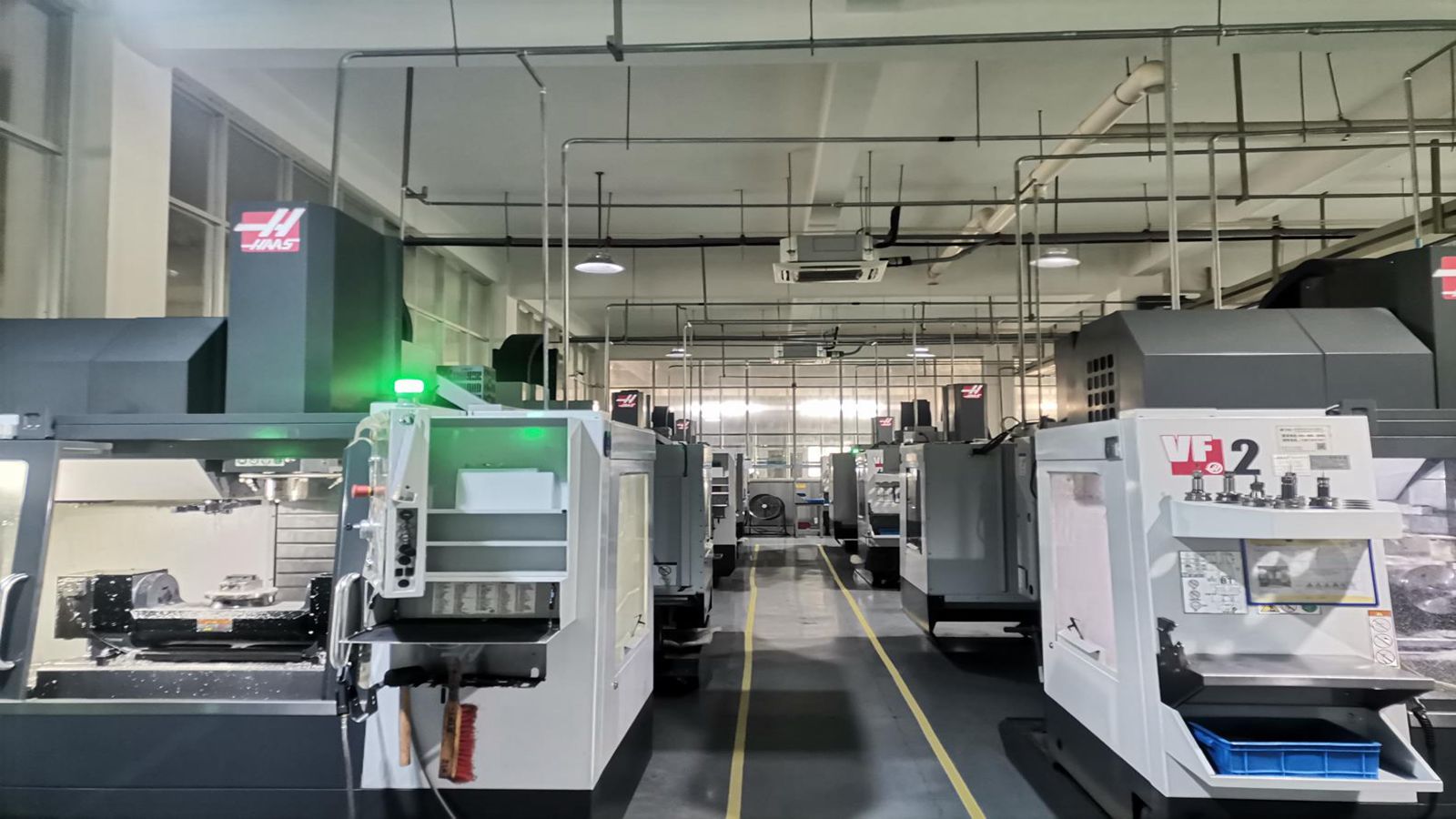
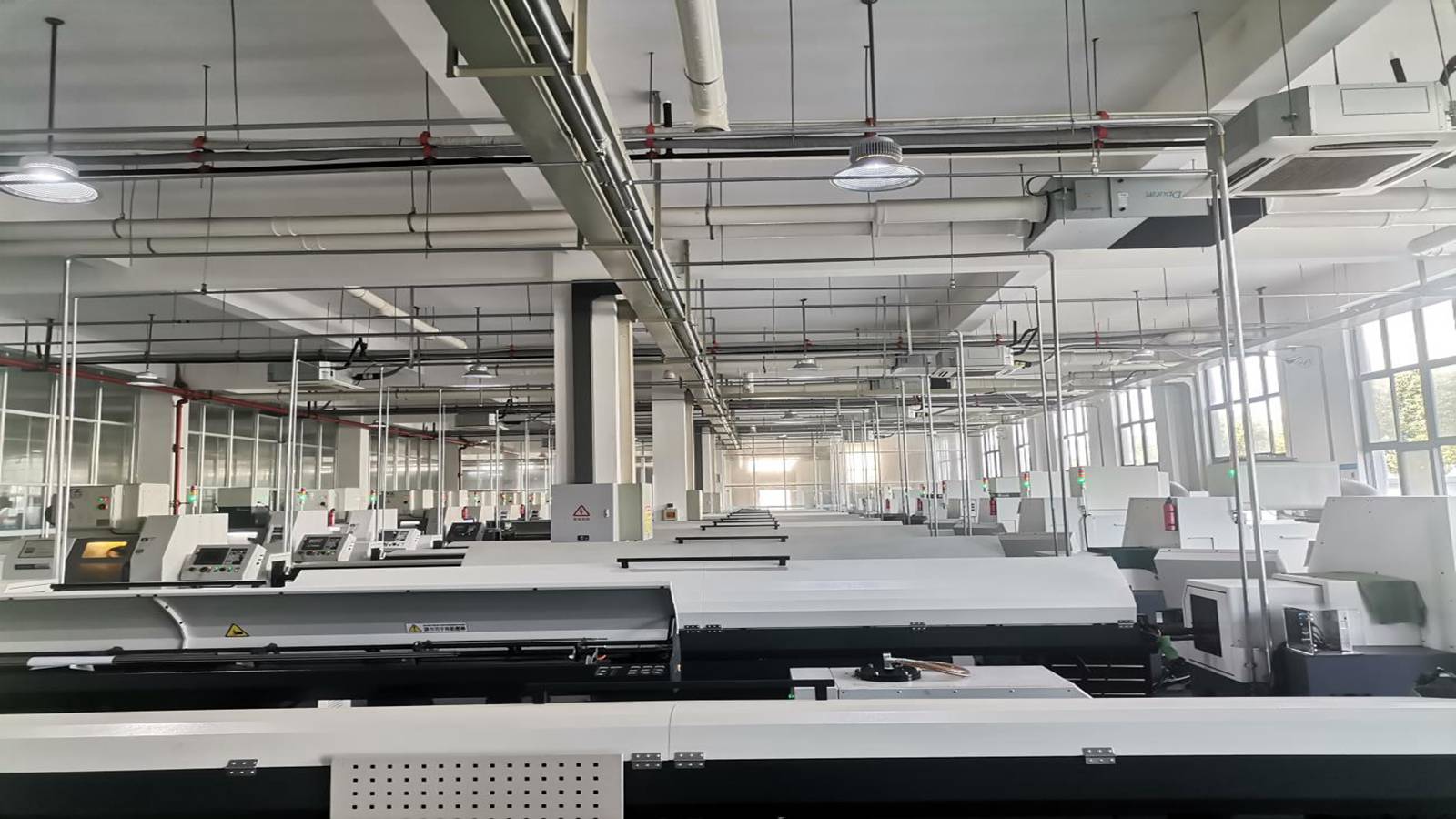
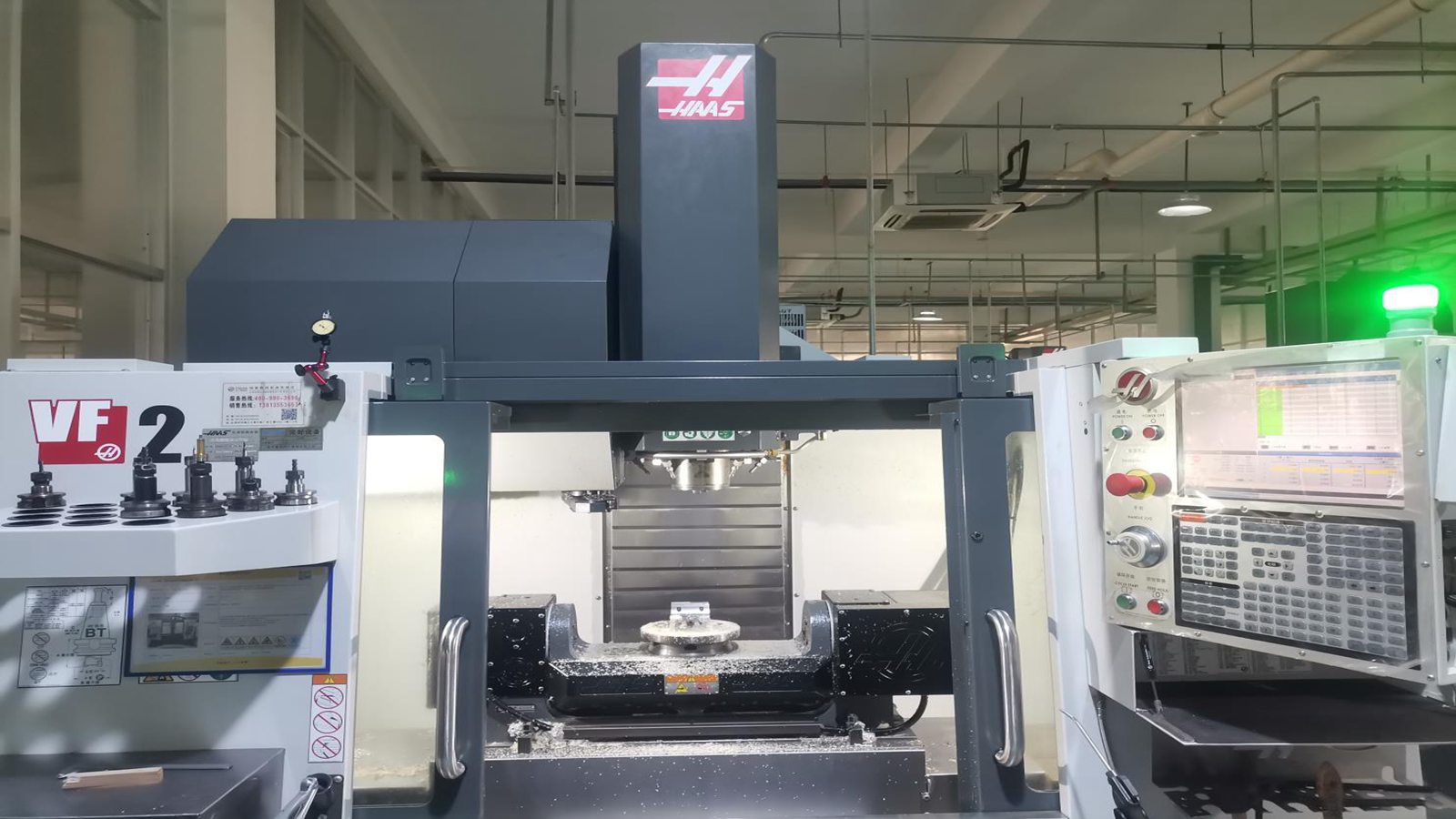
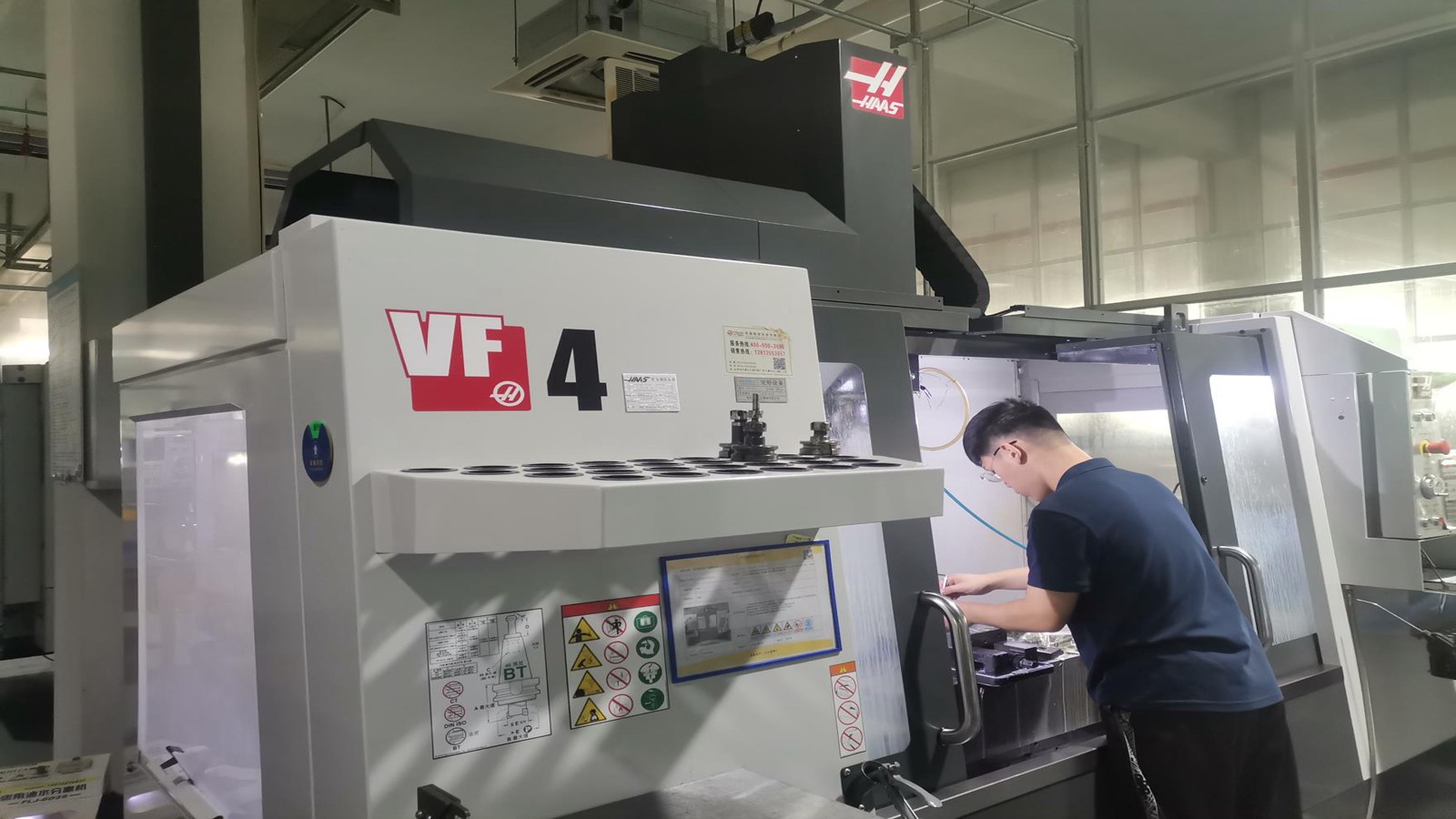
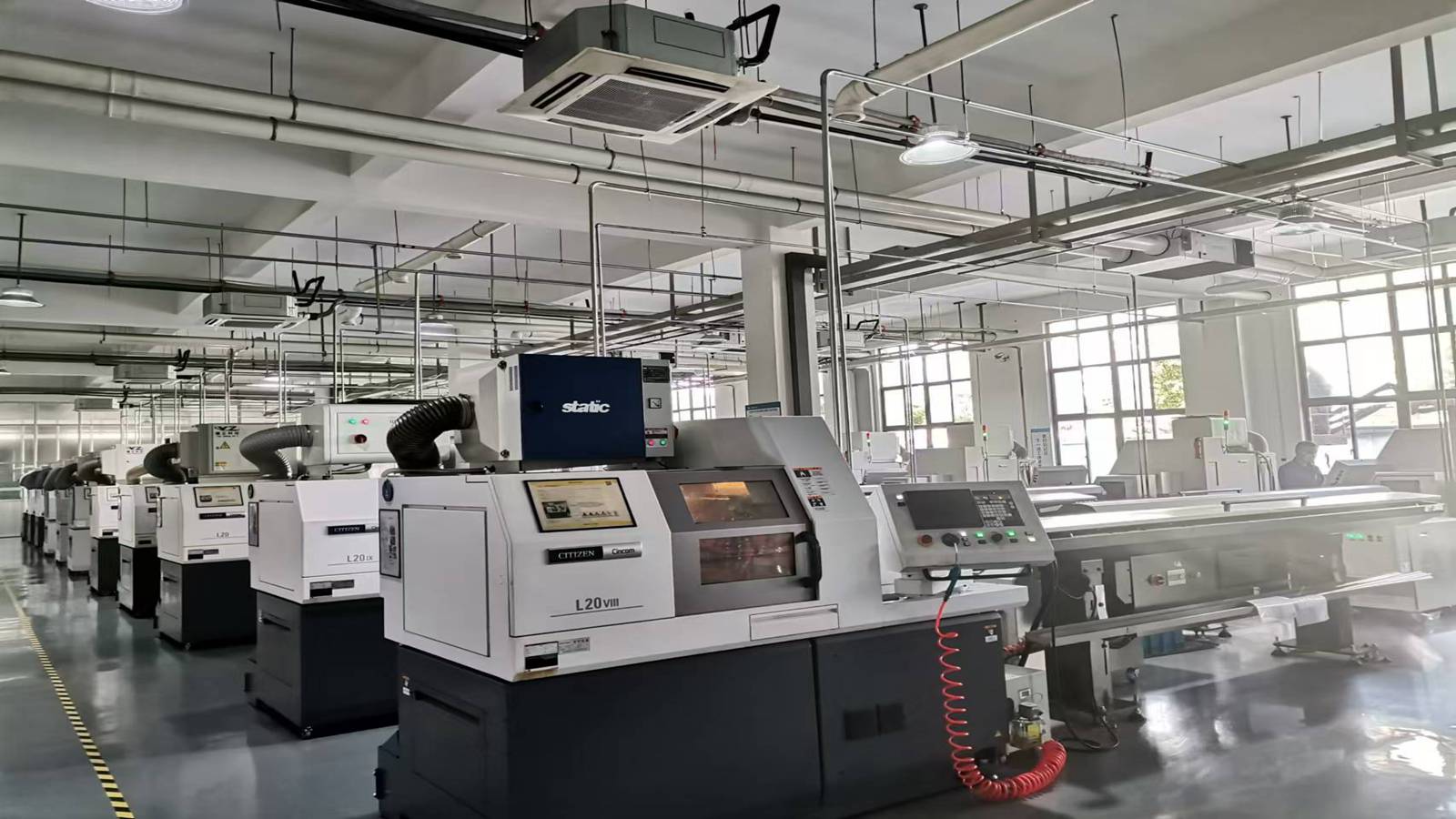
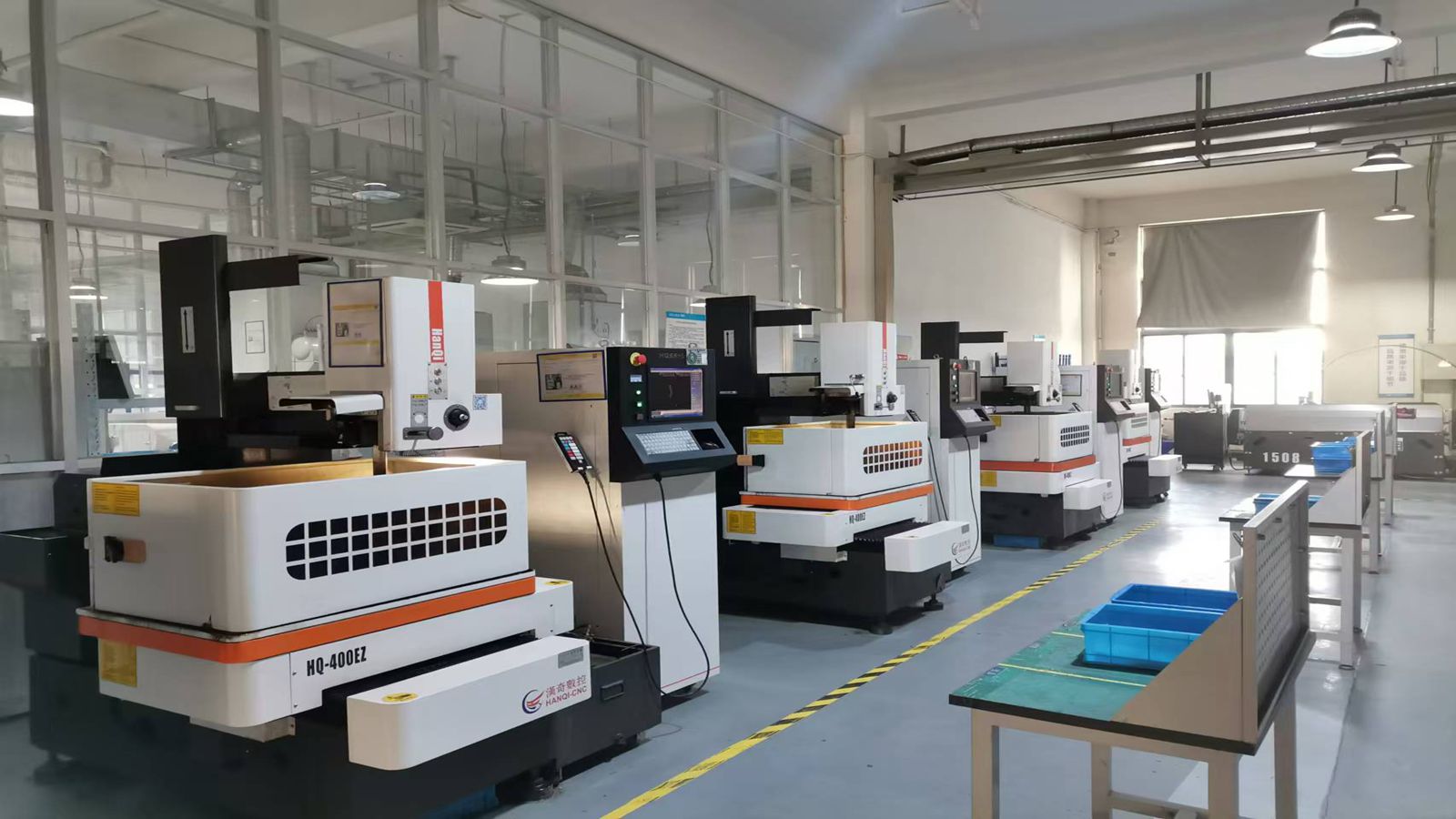
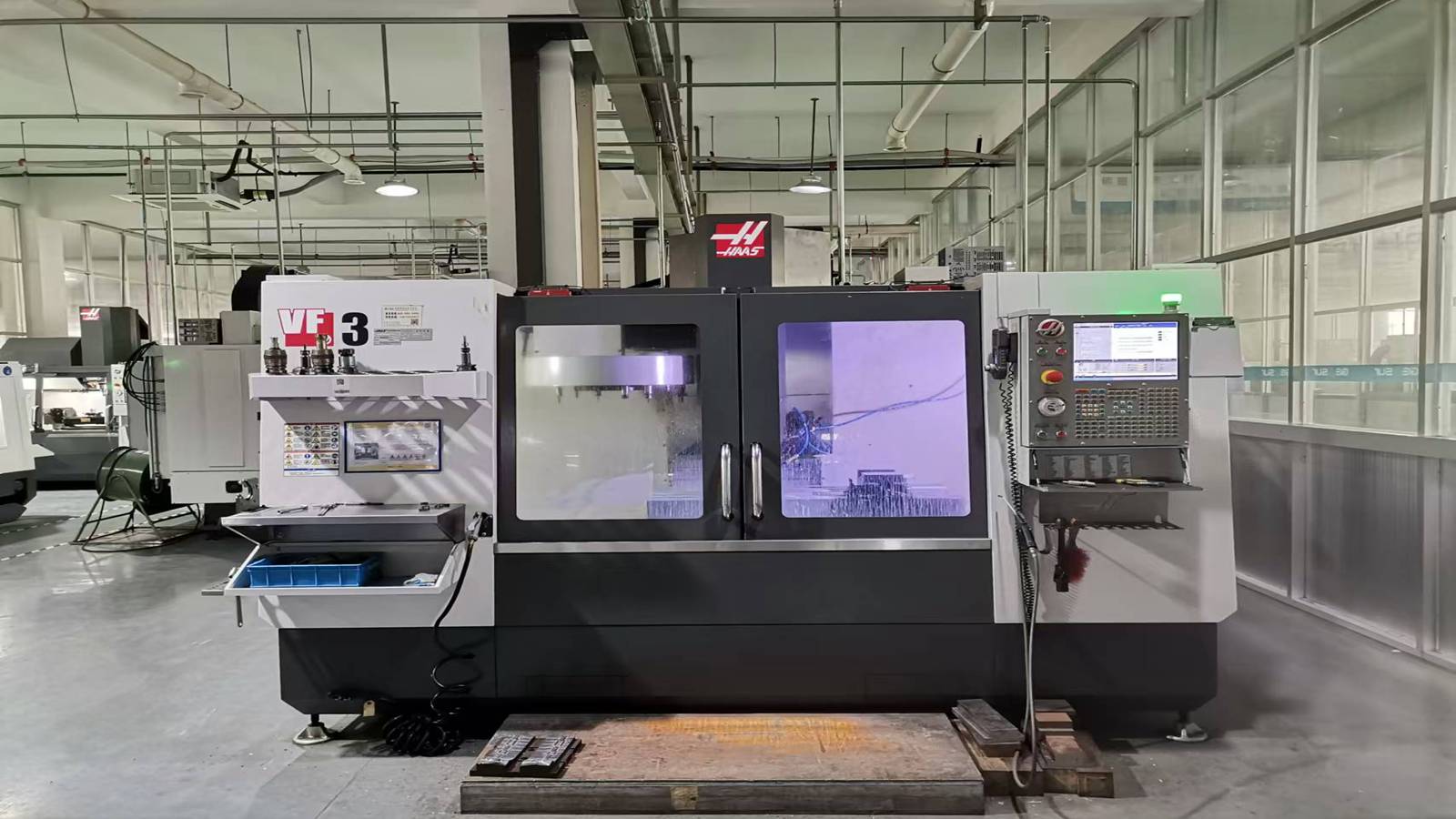
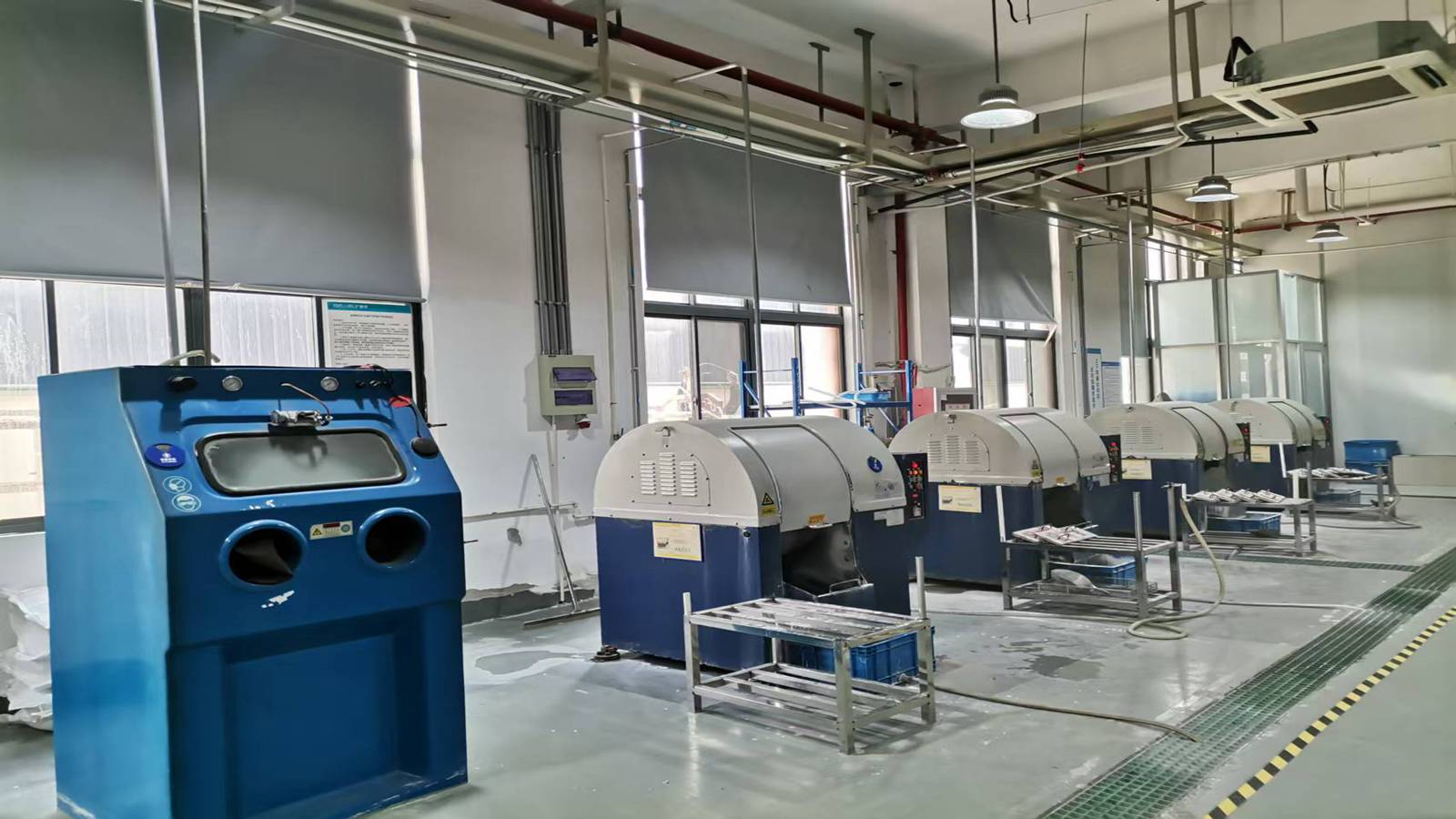
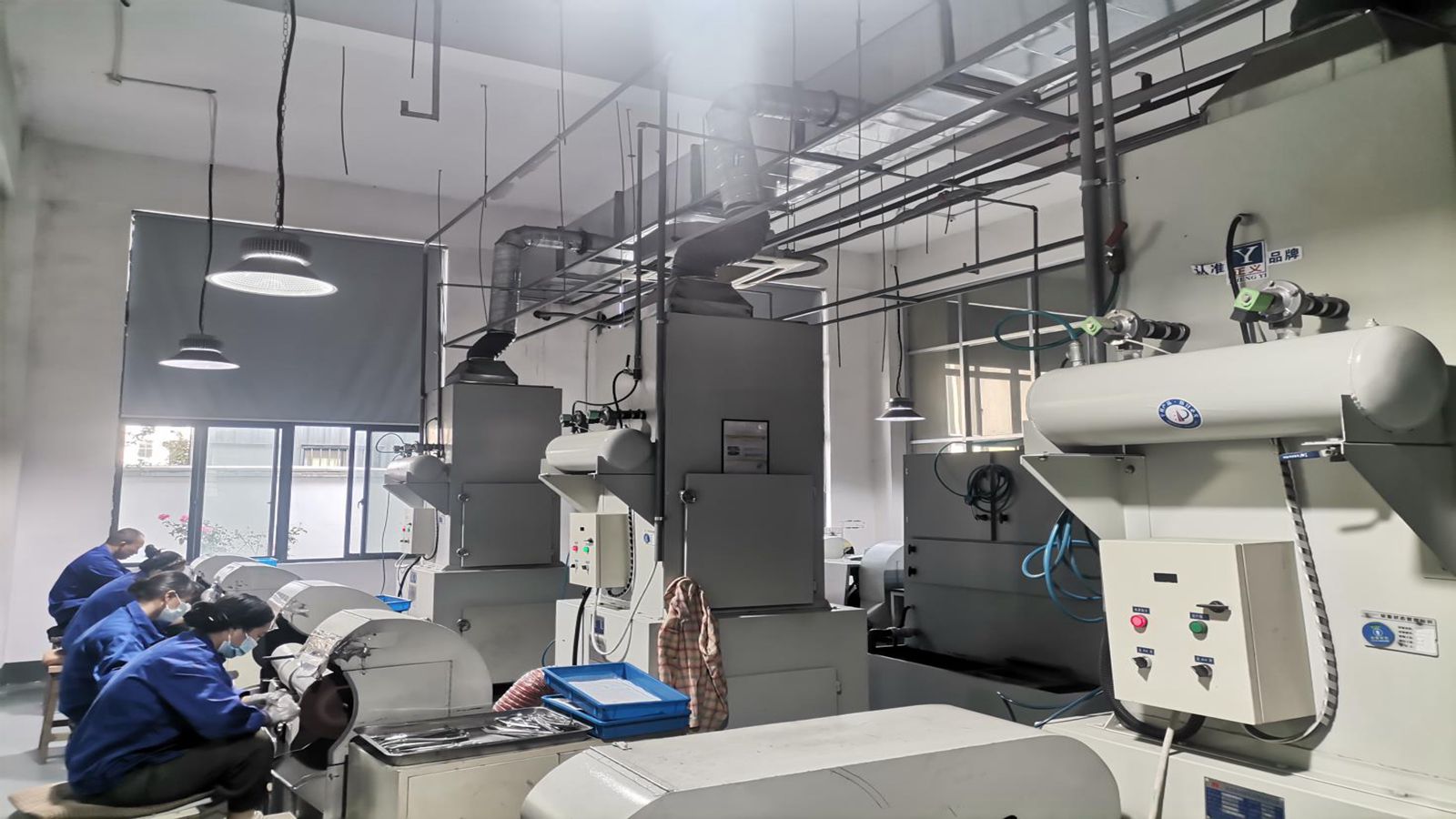
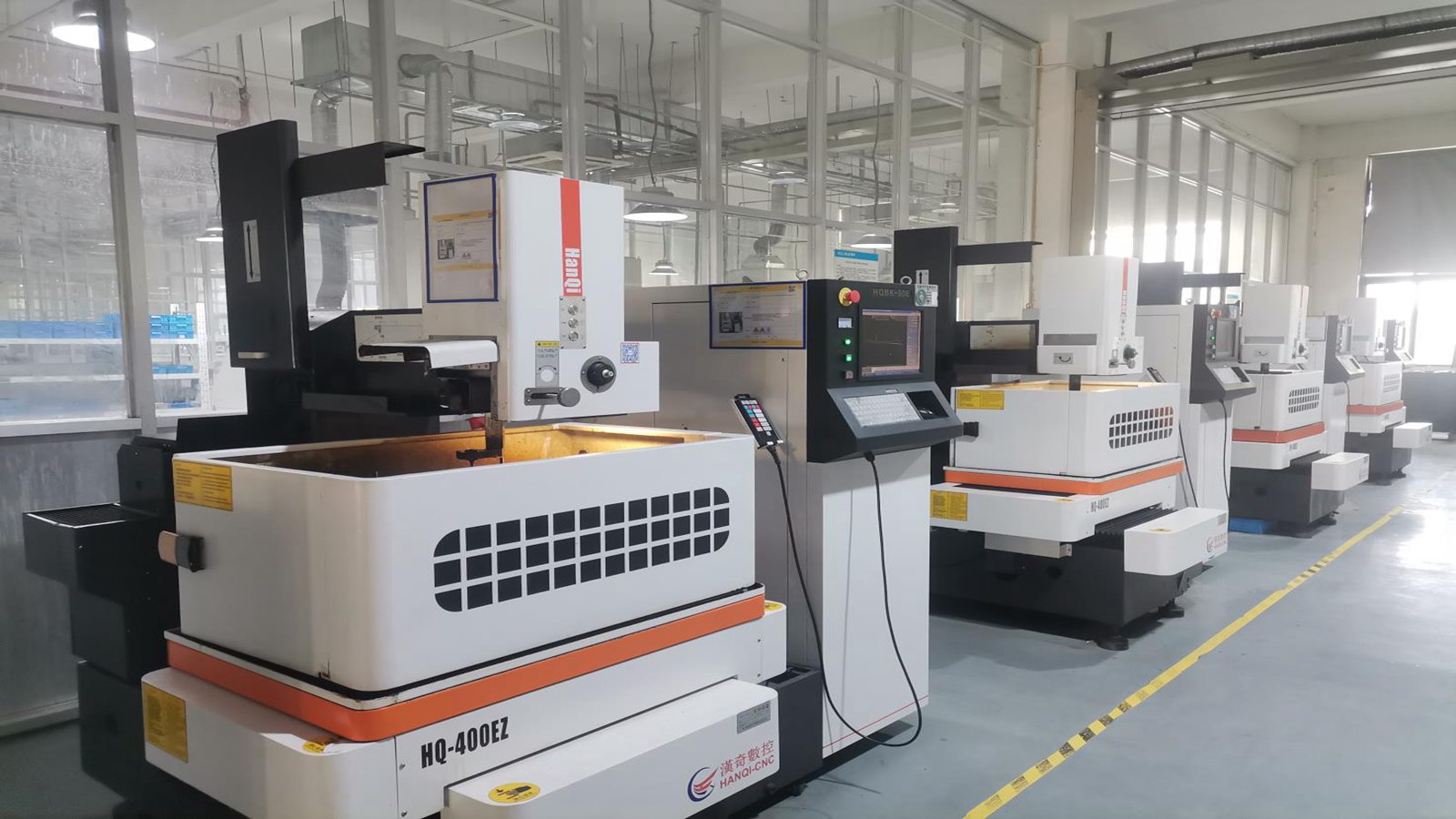
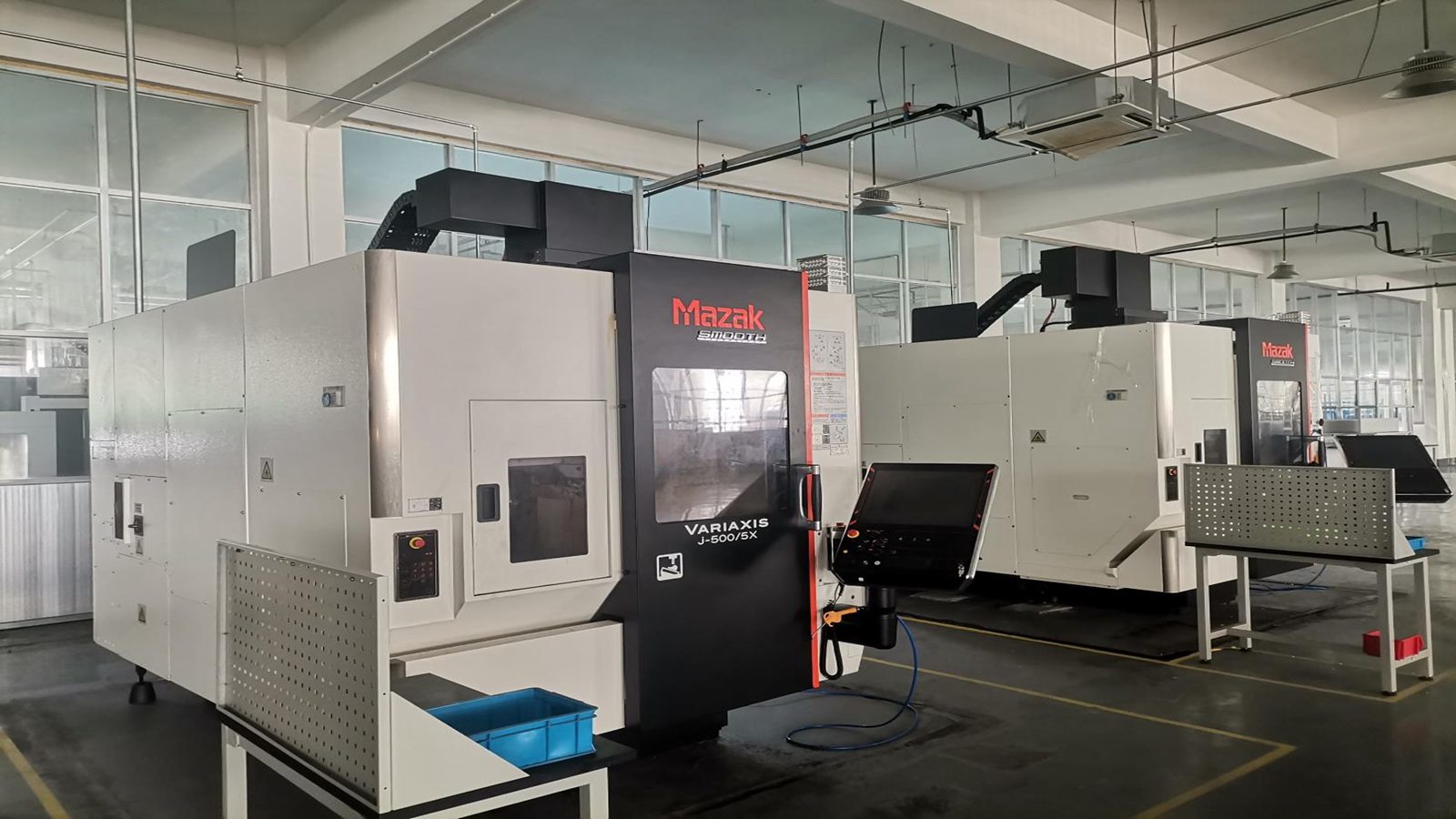
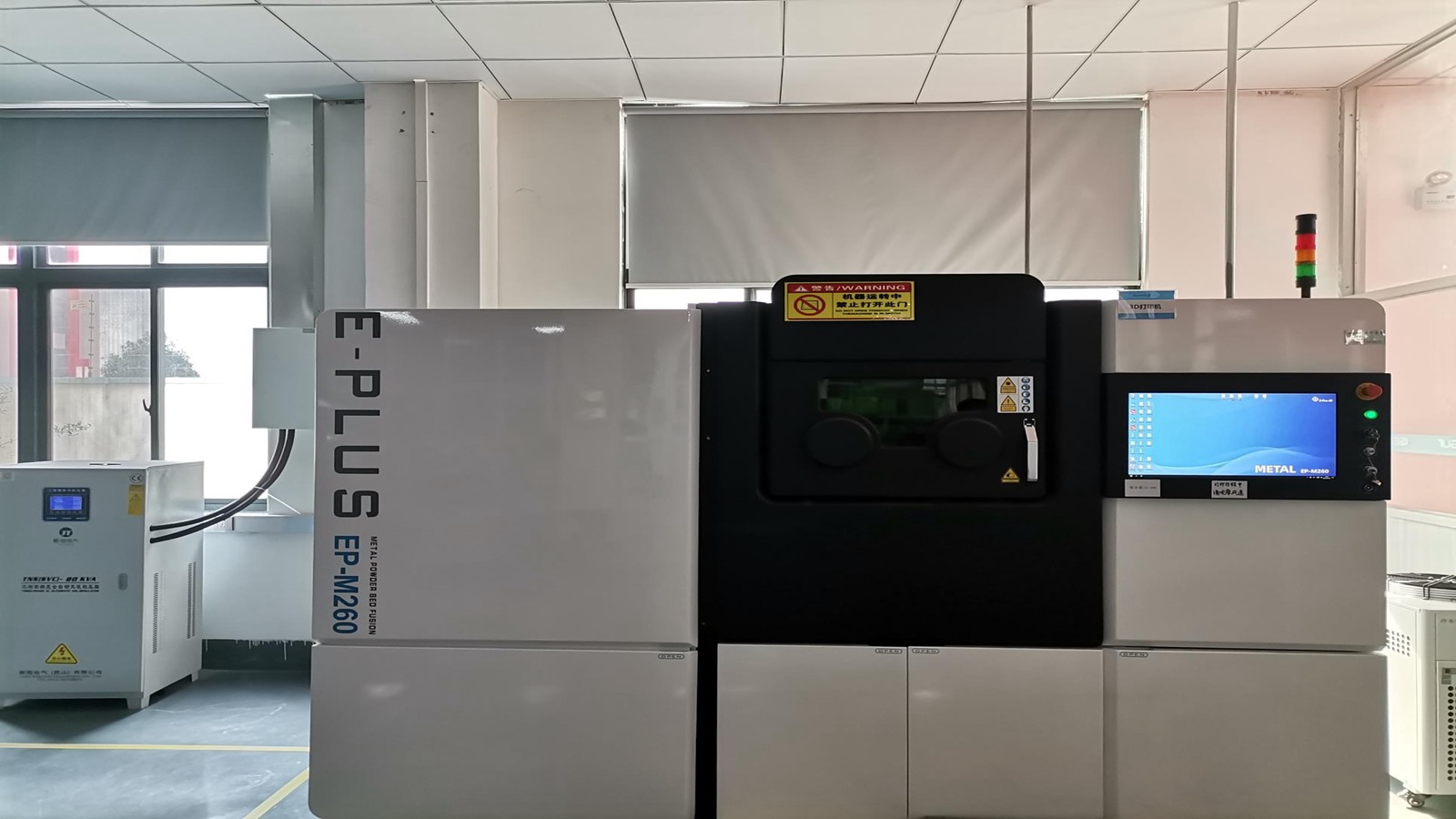
With 10 years of exporting experience and an established presence in domestic and international markets (including Eastern Europe and Southeast Asia), HBM Medical operates 12 advanced production lines equipped with over 120 high-precision manufacturing machines. Our comprehensive portfolio spans trauma locking plates, spinal fusion cages, intramedullary nails, and specialized surgical instrumentation, providing global partners with a robust, single-source OEM/ODM manufacturing ecosystem.
The core challenge in bioresorbable implant design lies in balancing the mechanical degradation rate with the bone healing rate. If the implant degrades too quickly, the bone suffers structural failure; if it degrades too slowly, it behaves like a permanent foreign body, delaying natural remodeling.
HBM Medical’s R&D division—comprising 31 highly qualified engineers (including 1 Doctorate and 11 Postgraduates)—is actively pioneering advanced material formulations to optimize this balance:
| Material Class | Mechanical Strength | Degradation Profile | Primary Clinical Application |
|---|---|---|---|
| PLLA (Poly-L-Lactic Acid) | High Tensile Strength | Slow (18 - 36 Months) | Load-bearing trauma plates, interference screws |
| PGA (Polyglycolic Acid) | Moderate Strength | Rapid (6 - 12 Weeks) | Sutures, fast-healing pediatric pin fixation |
| PLGA (Co-polymer) | Tunable / Customizable | Variable (3 - 12 Months) | Sports medicine anchors, drug-delivery scaffolds |
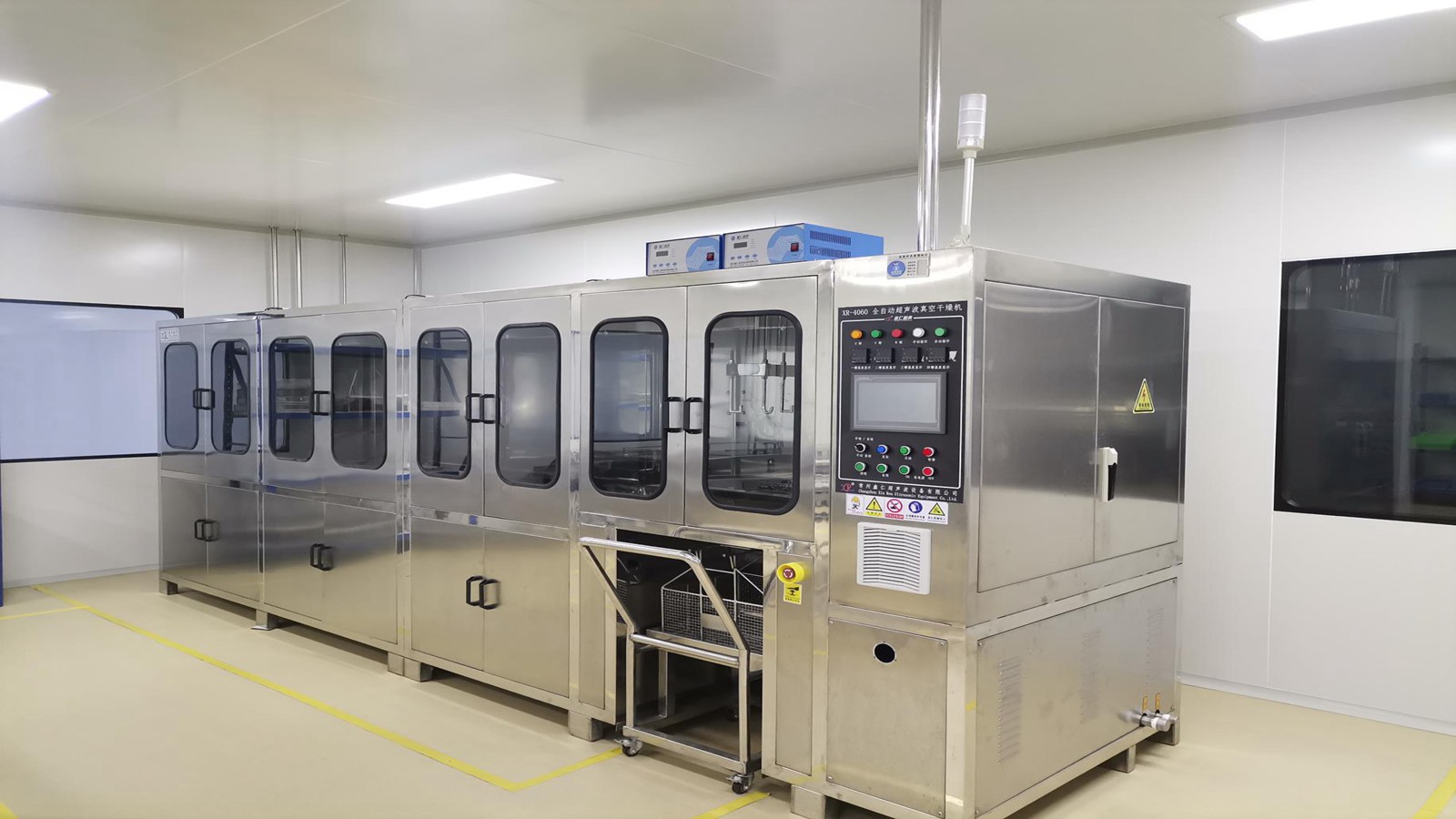
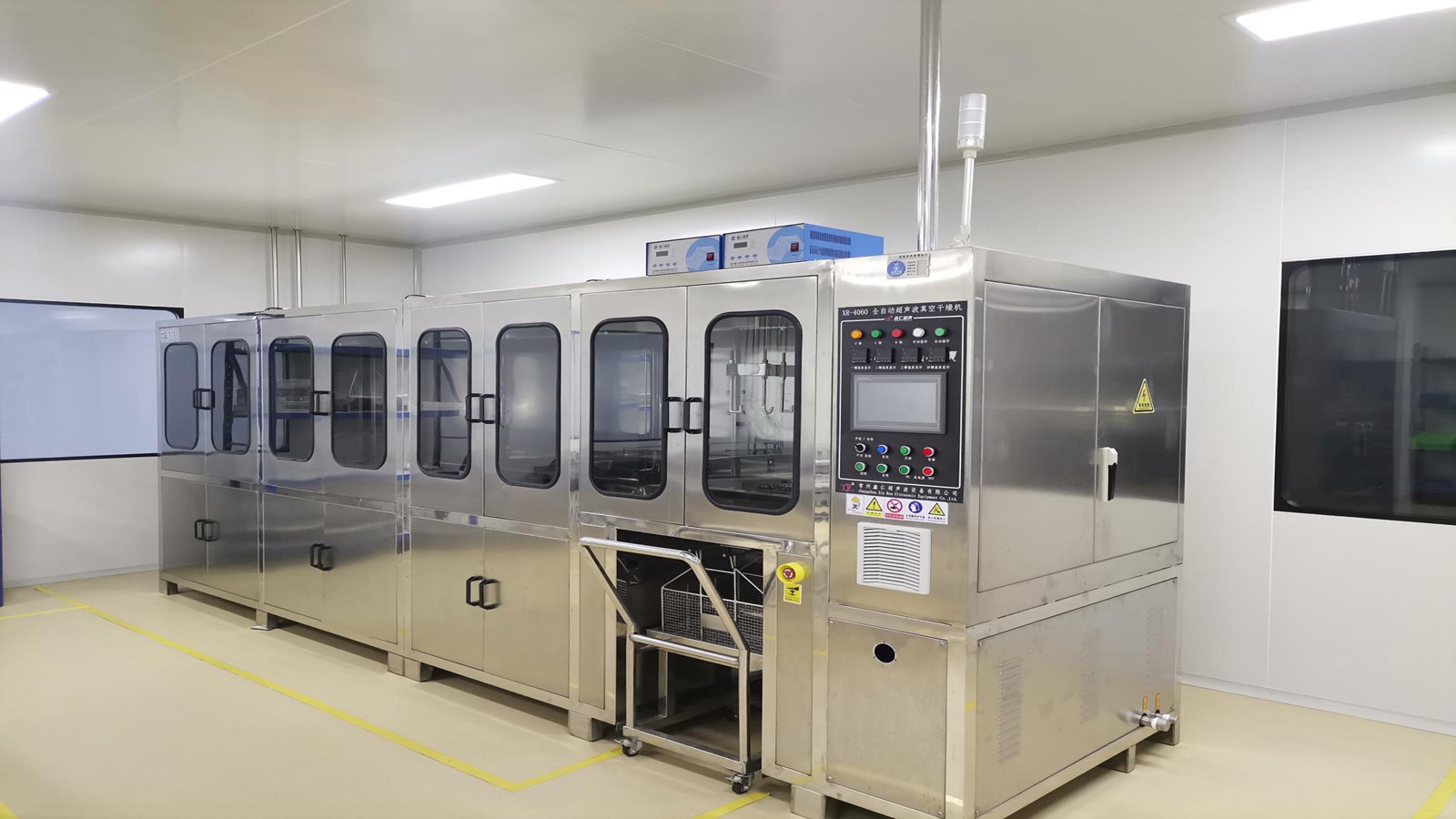
By utilizing high-molecular-weight polymers and advanced injection molding techniques under strict ISO Class 7 cleanroom conditions, HBM Medical ensures that every bioresorbable implant maintains structural integrity during the critical initial 6–8 weeks of osteosynthesis, followed by a gradual, benign degradation process.
In the medical device industry, quality is synonymous with patient safety. HBM Medical operates under a comprehensive quality management system certified to international standards, including ISO 13485, ISO 14001 (ISO 4001), and the highly stringent MDSAP (Medical Device Single Audit Program).
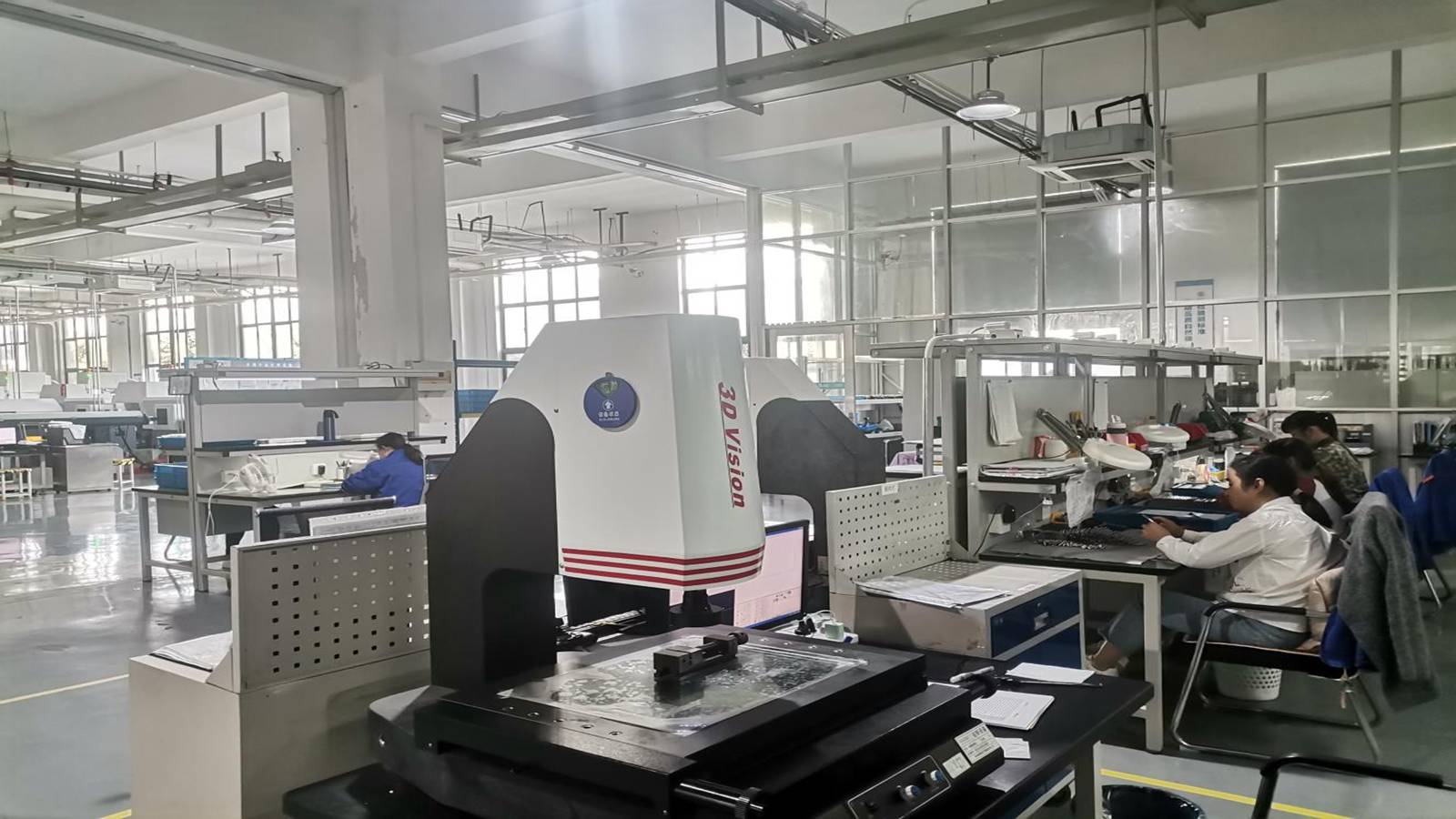
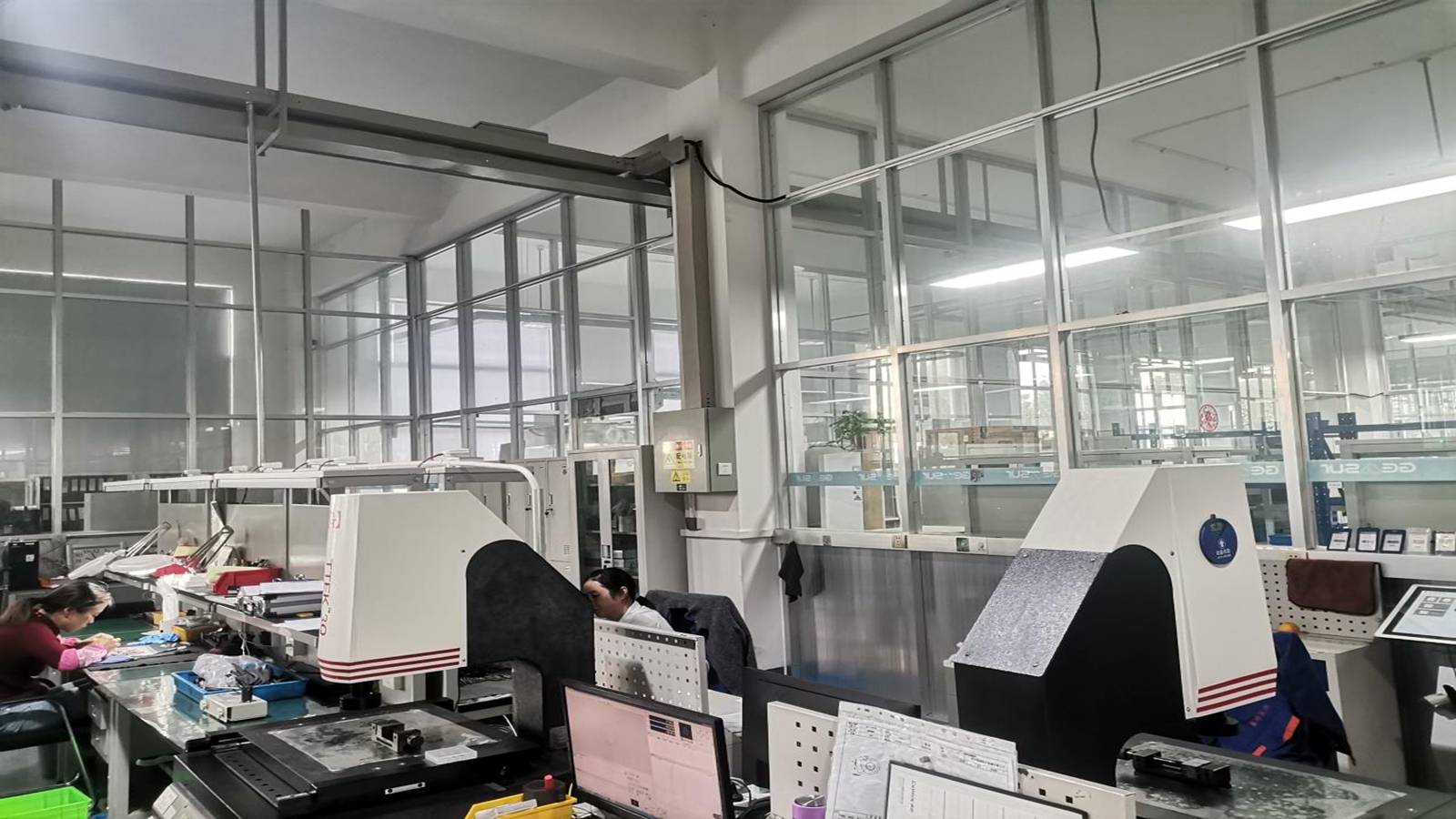
Our dedicated Quality Control department is staffed by 36 professional QA/QC inspectors who execute rigorous testing protocols across all stages of production. From 100% raw material traceability verification to finished product dimensional analysis using advanced coordinate measuring machines (CMM), we guarantee that every batch of implants leaving our facility meets or exceeds international standards (CE Certificates: EPT 0477.MDR.25/5905 & EPT 0477.MDR.25/5973).
A data-driven overview of our industrial footprint and commitment to orthopedic innovation.
Providing end-to-end support from raw material selection to regulatory registration for global distributors.
We offer robust sample processing, graphic processing, and customized on-demand manufacturing to match your local market requirements and surgical preferences.
100% raw material traceability and comprehensive quality checks at every stage of production. Backed by 36 dedicated QA/QC inspectors for absolute reliability.
Leverage our extensive regulatory portfolio (CE, FDA, MDSAP) to accelerate registration and commercialization in your target country, backed by complete technical dossiers.
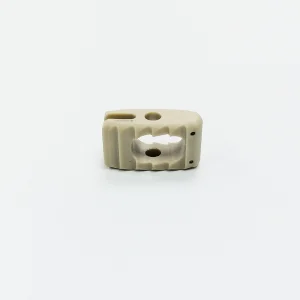
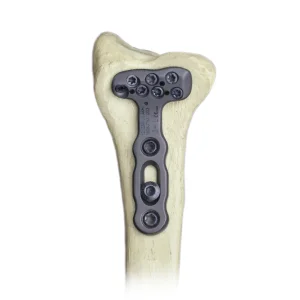
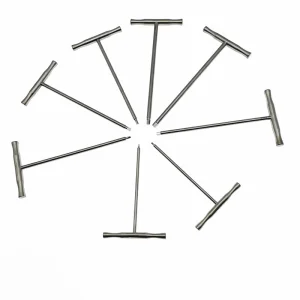
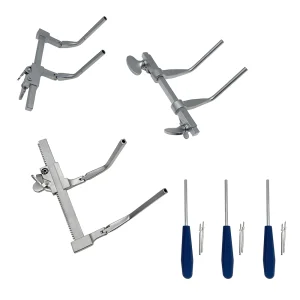
Discover our comprehensive range of spinal fusion cages, locking plates, and specialized orthopedic instruments.
Crucial insights for medical device distributors, procurement managers, and orthopedic surgeons.
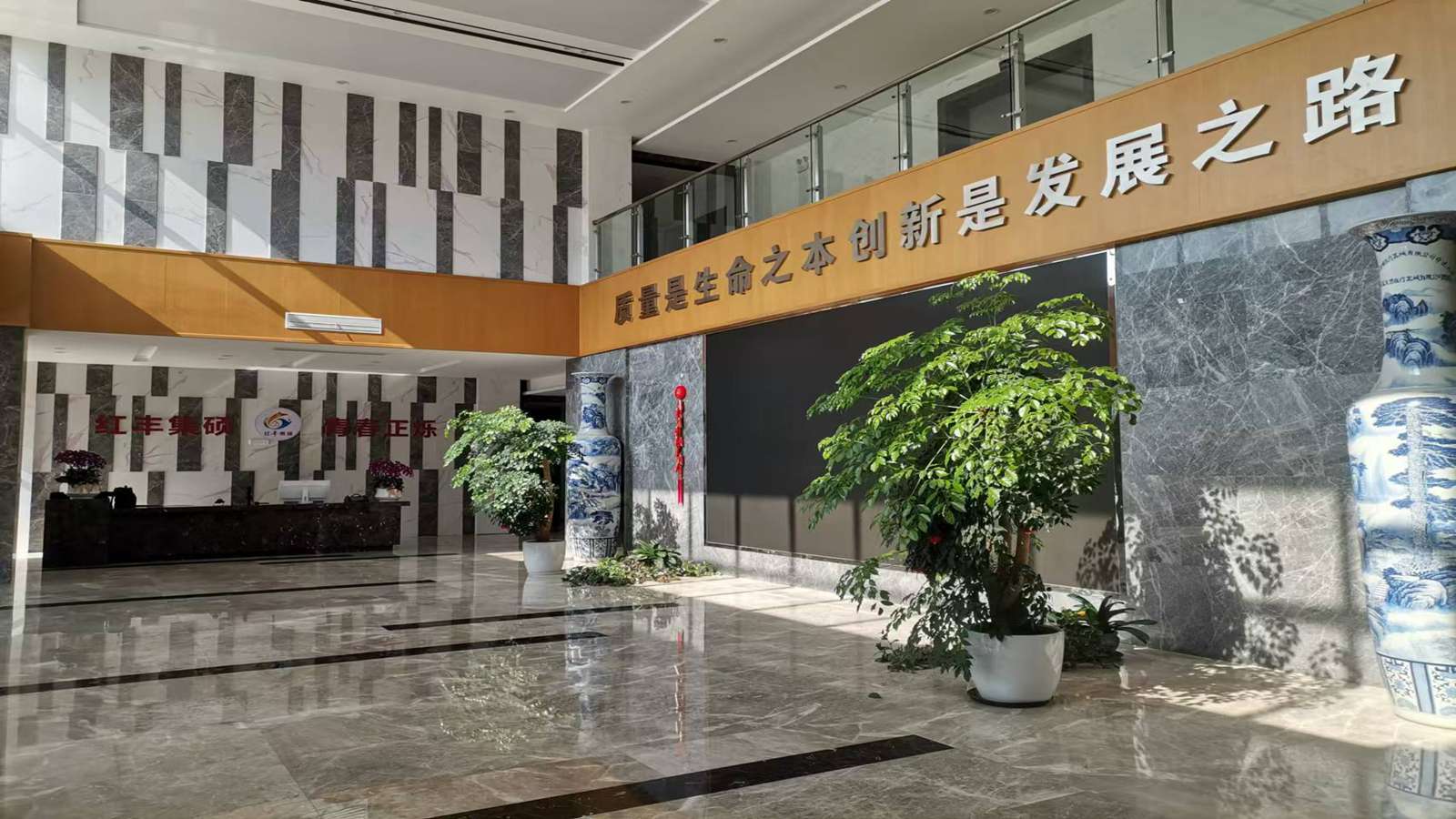
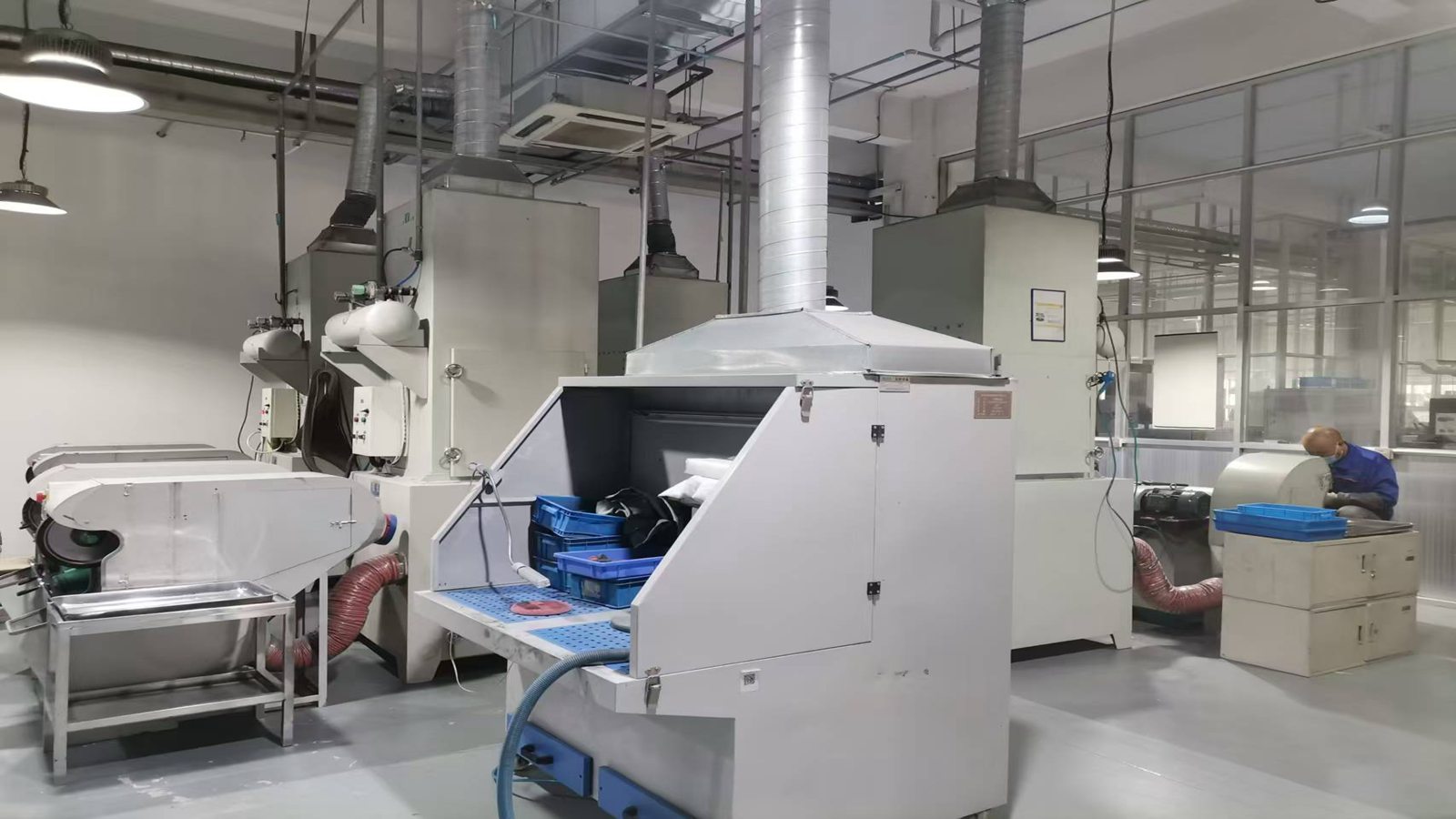
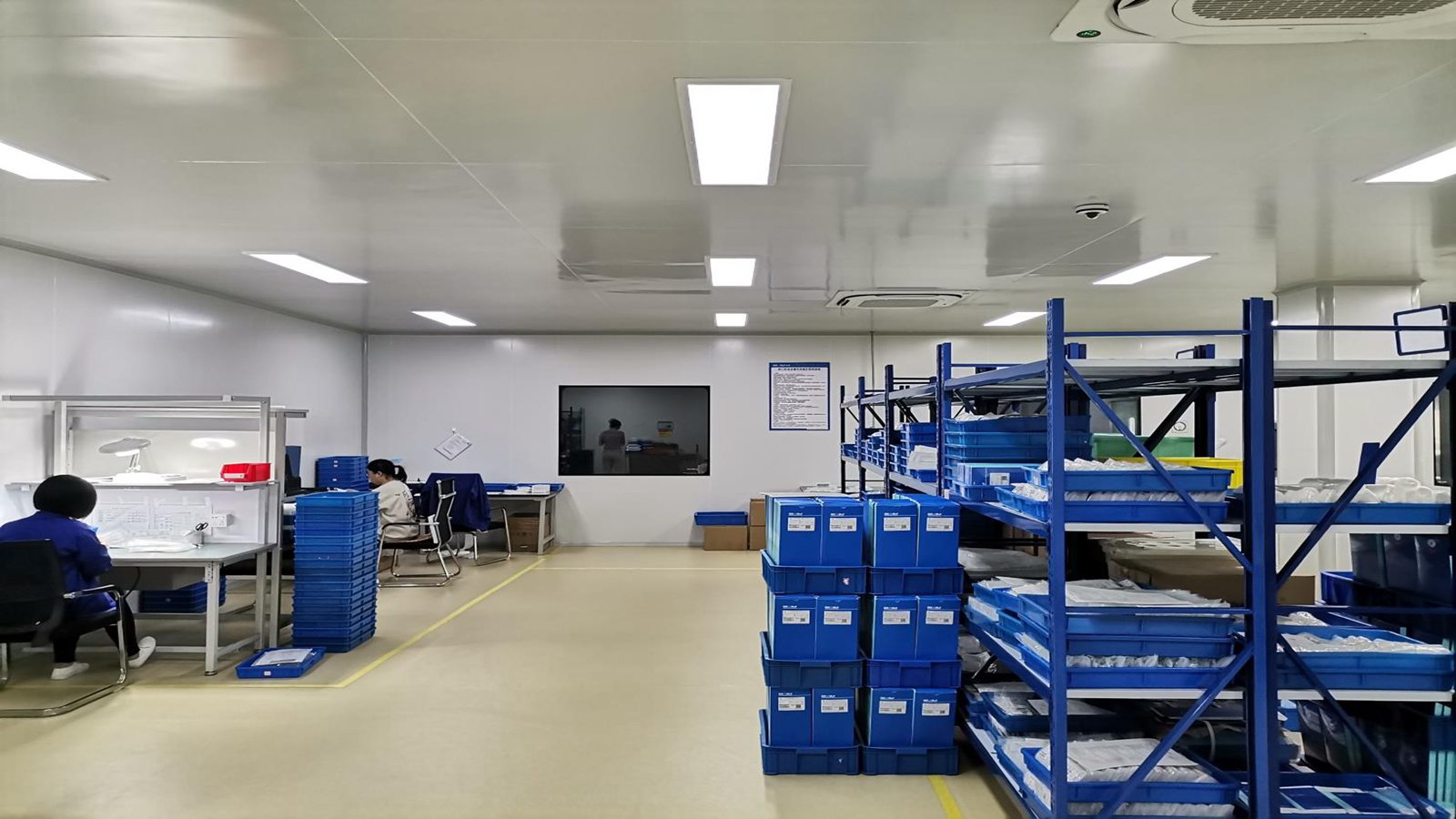
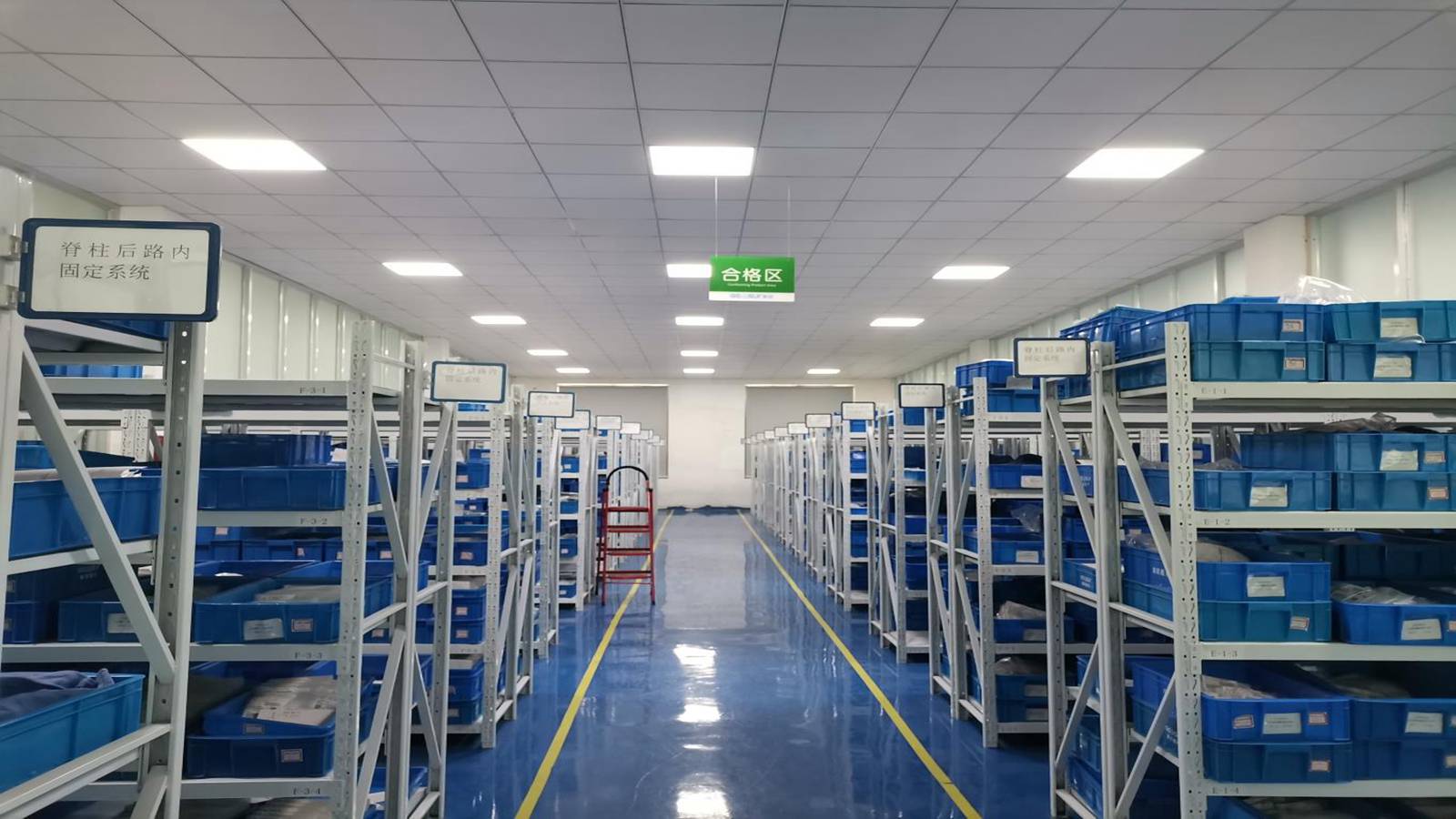
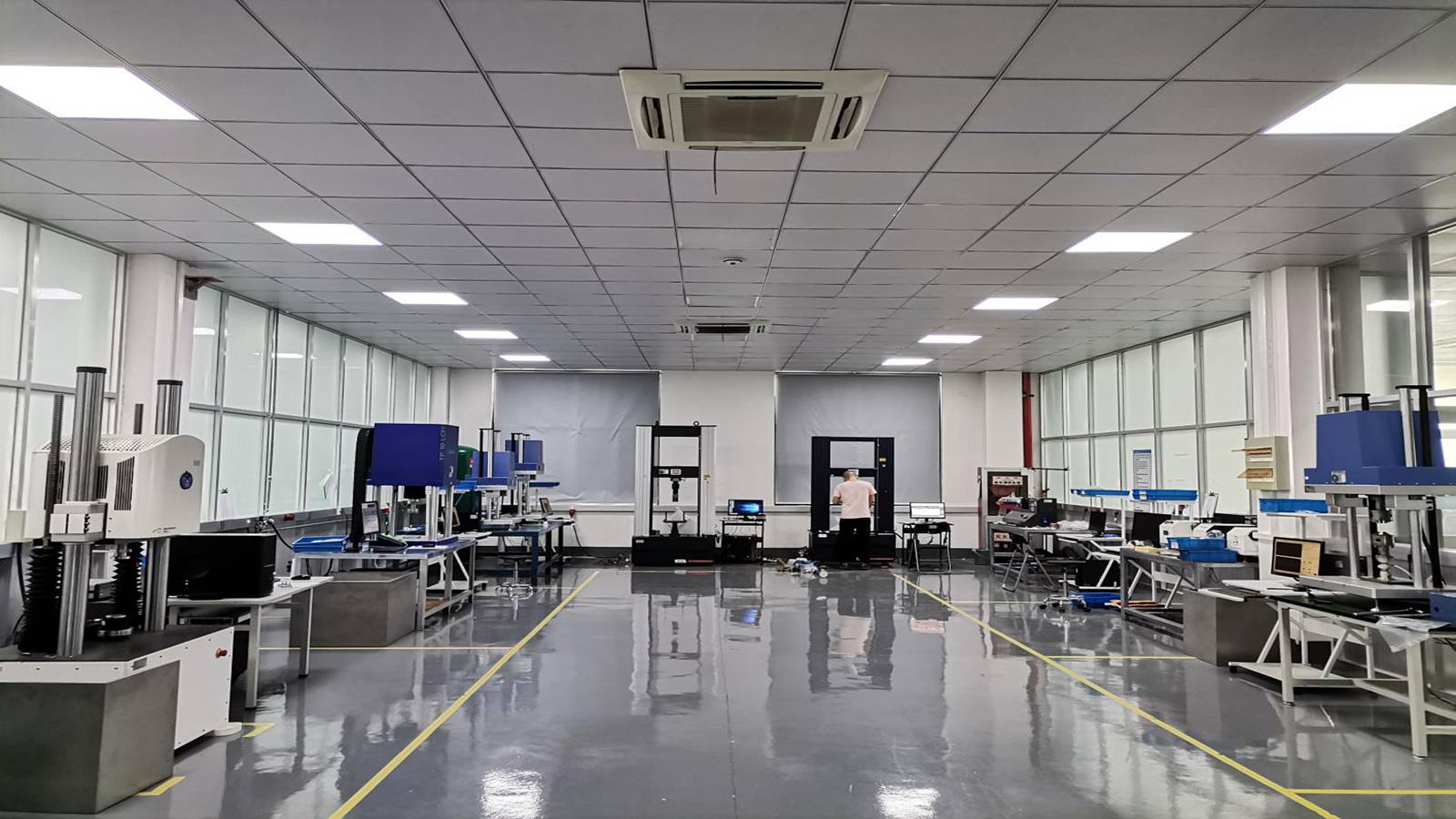
A visual tour of our state-of-the-art manufacturing infrastructure, cleanrooms, and high-precision testing laboratories.
 HBM Medical