Certified Class IIb & Class III Orthopedic Fixation Devices and Power Instrumentation
Understanding stress distribution, micro-motion stability, and alloy metallurgy in CE-marked internal fixation systems
In contemporary trauma surgery, spinal reconstruction, and craniomaxillofacial interventions, CE certified medical screws represent the cornerstone of load-bearing internal fixation. The biomechanical primary objective of an orthopedic bone screw is to convert rotational torque applied by the surgeon into axial compression across a fracture line, stabilizing bone fragments and enabling primary (direct) cortical bone healing without exuberant callus formation.
Modern medical screw manufacturing demands strict material purity to eliminate inflammatory reactions, metallosis, and premature fatigue failure. Leading exporters utilize Grade 5 Titanium Alloy (Ti-6Al-4V ELI - Extra Low Interstitial, conforming to ASTM F136 / ISO 5832-3) and implant-grade Stainless Steel (316LVM, conforming to ASTM F138 / ISO 5832-1). Ti-6Al-4V ELI is preferred in permanent or high-stress spinal pedicle screws due to its lower elastic modulus (~110 GPa), which closely mimics human cortical bone (~18-22 GPa) compared to stainless steel (~200 GPa), significantly diminishing the destructive effects of stress shielding.
To accelerate osseointegration and suppress bacterial biofilm colonization, advanced Chinese medical screw factories implement specialized surface treatments:
Navigating EU MDR 2017/745, ISO 13485:2016, MDSAP, and FDA compliance for seamless international distribution
The regulatory landscape for medical device export has undergone a structural paradigm shift. With the complete enforcement of the European Union Medical Device Regulation (EU MDR 2017/745), medical bone screws—classified as Class IIb (trauma/extremities) and Class III (long-term spinal/joint implants)—are subject to rigorous Notified Body oversight, extensive Clinical Evaluation Reports (CER), and full Post-Market Surveillance (PMS) protocols.
| Certification Standard | Regulatory Body / Scope | Audit & Verification Parameters | Impact on Global Buyers |
|---|---|---|---|
| CE MDR (2017/745) | EU Notified Bodies (e.g., EPT 0477) | GSPR compliance, Clinical data verification, Risk assessment (ISO 14971) | Legal permission for sales across EU member states & CE-accepting nations. |
| ISO 13485:2016 | TÜV / NQA / Accredited Registrars | Comprehensive Quality Management System (QMS) for medical devices | Ensures batch-to-batch repeatability and total process control. |
| MDSAP Certification | USA, Canada, Brazil, Japan, Australia | Unified regulatory audit across 5 major international healthcare jurisdictions | Streamlined market access in North America, LATAM, and Asia-Pacific. |
| Full Traceability (UDI) | GS1 System / FDA GUDID | Laser-etched Unique Device Identification matrix code on each screw head | Immediate trace-back from hospital operating theater to raw titanium batch. |
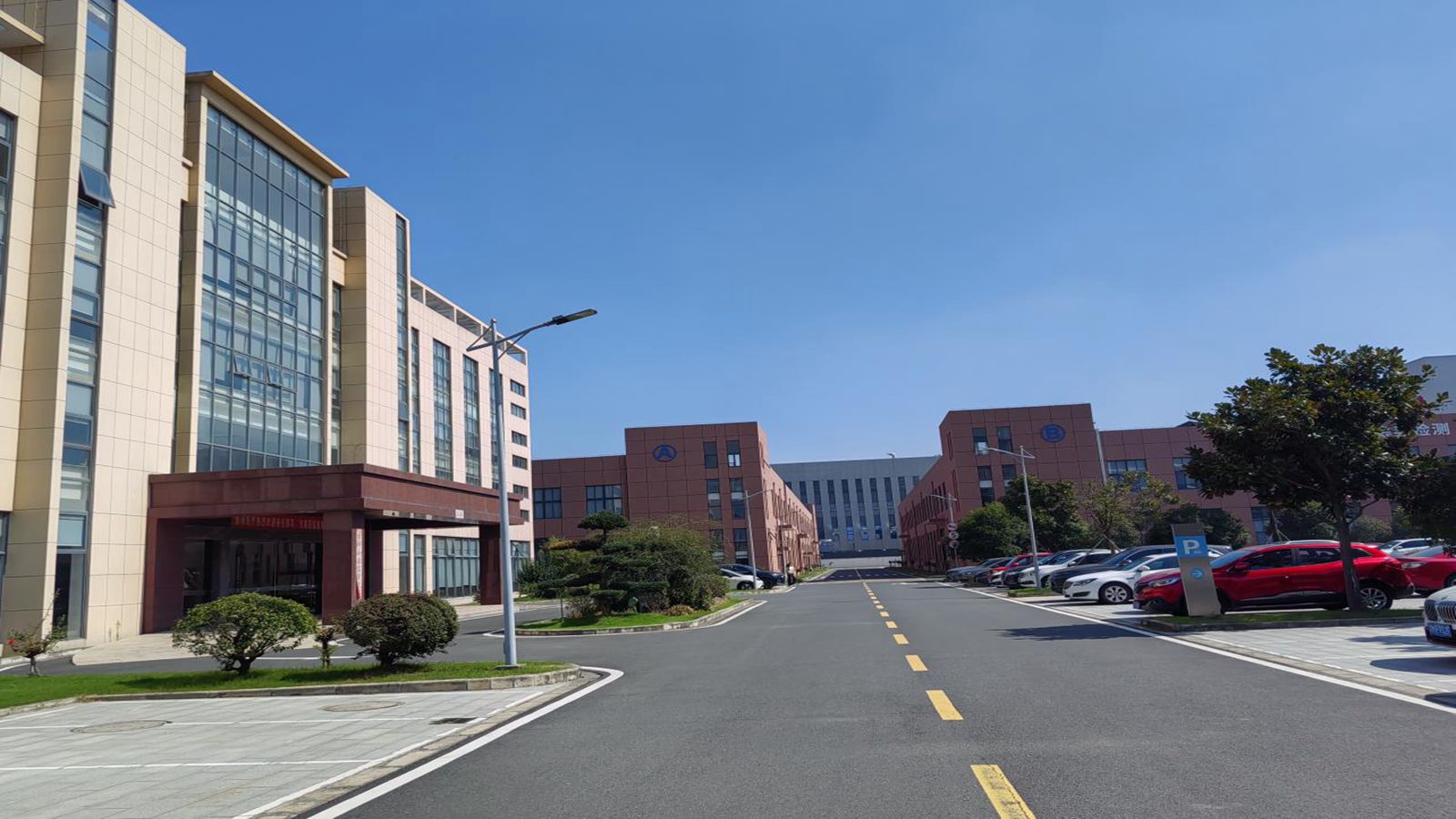
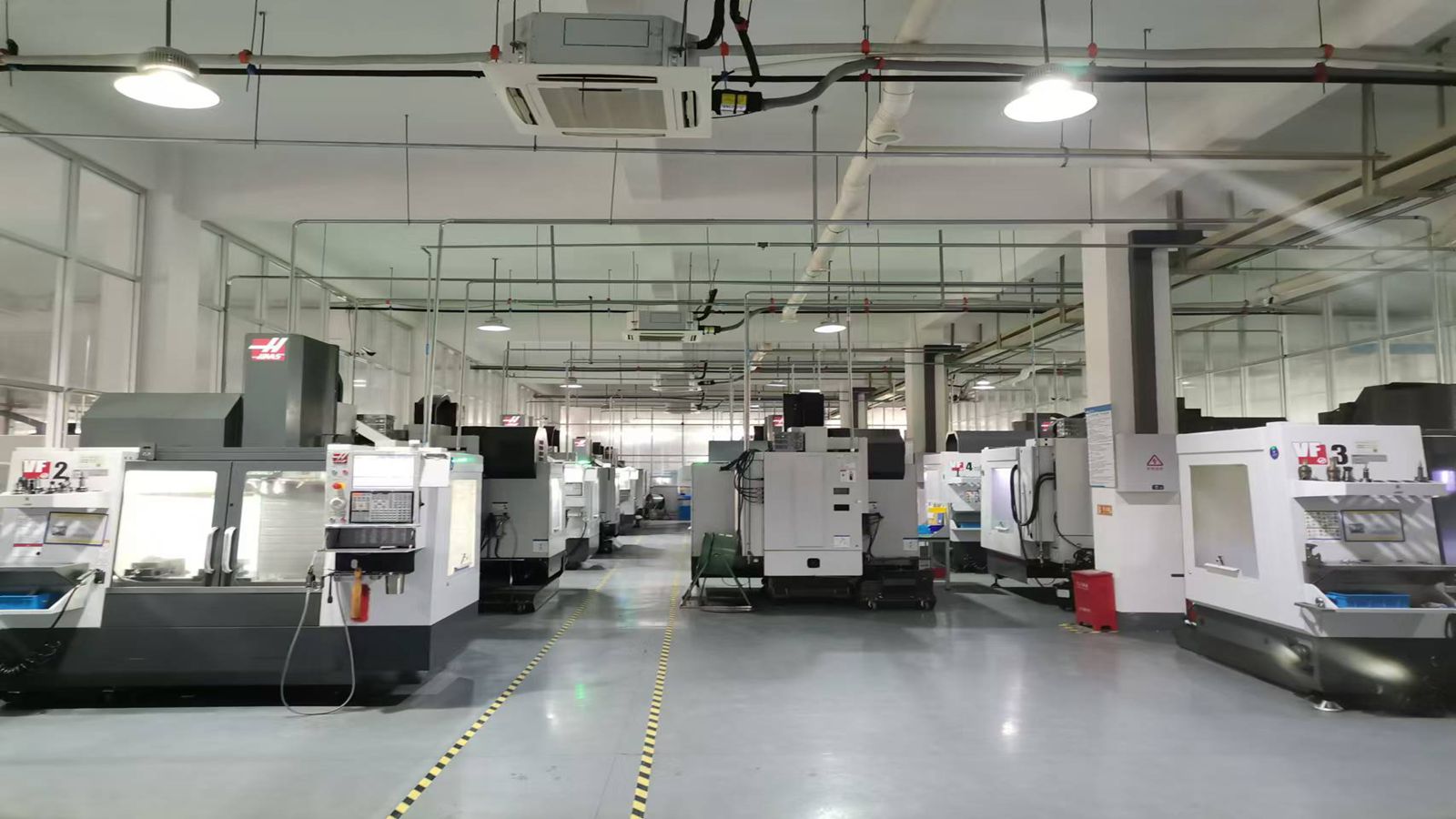
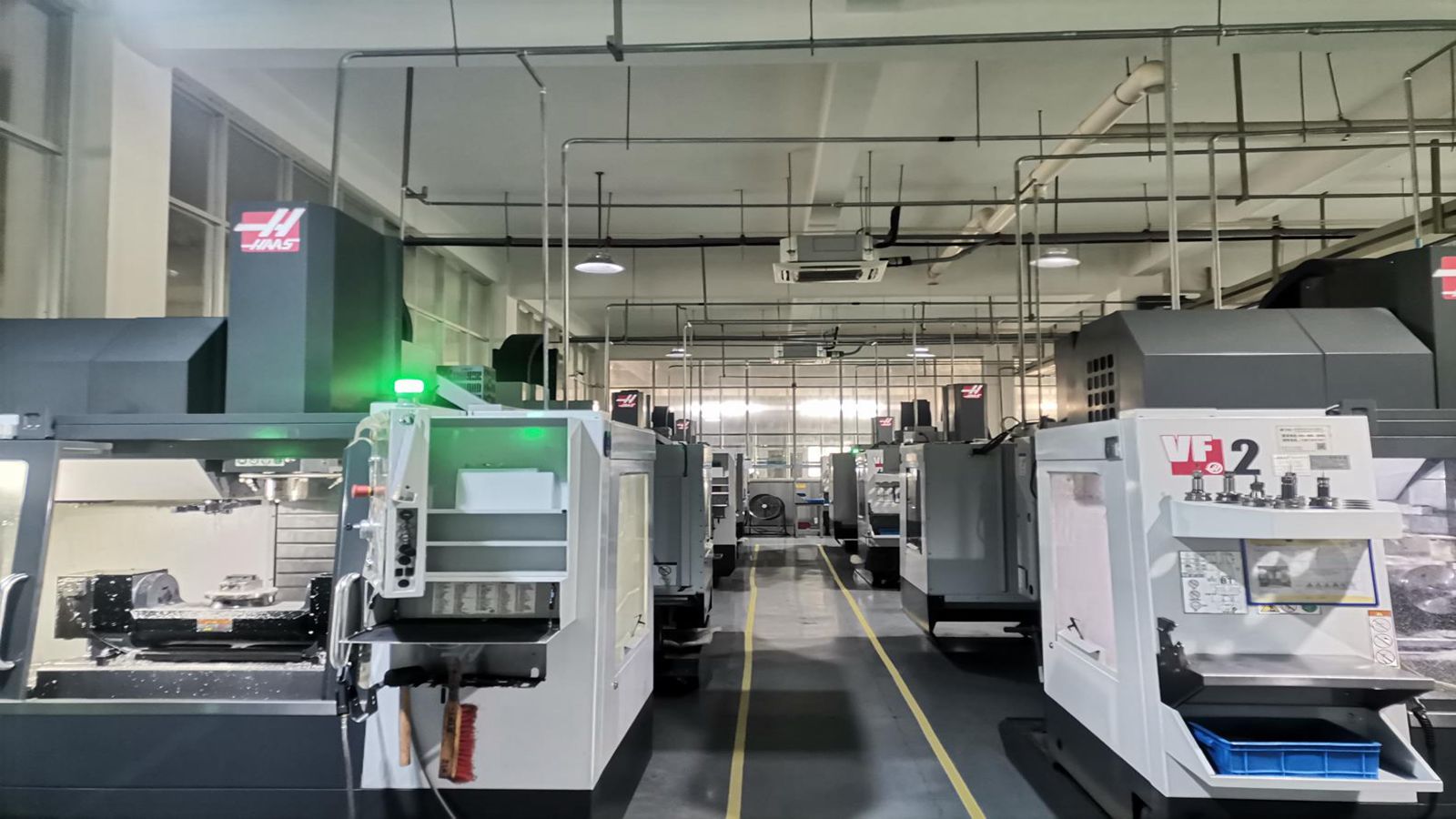
How HBM Medical leverages 30,343 m² of ultra-precision CNC technology to empower international OEM/ODM brands
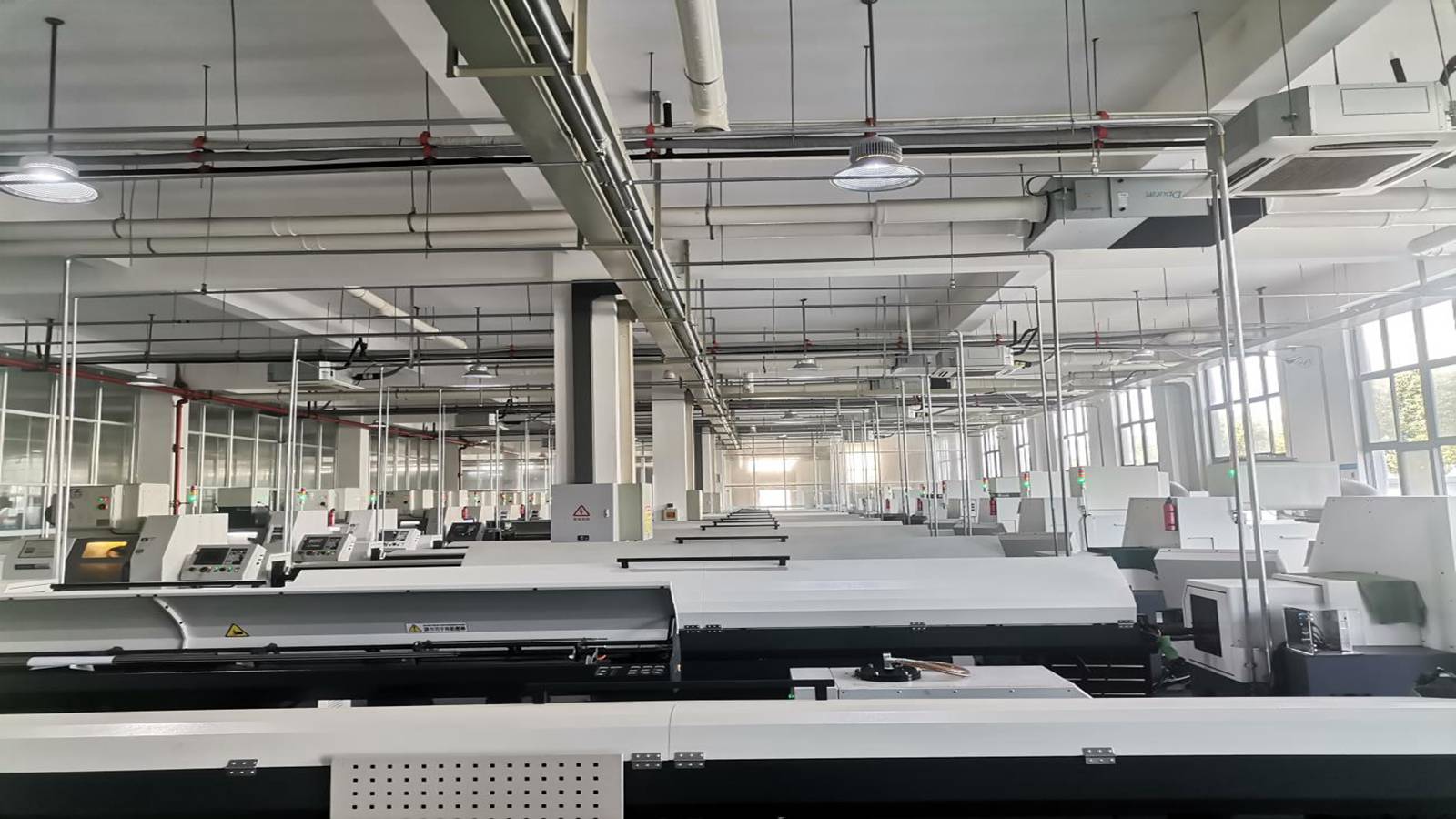
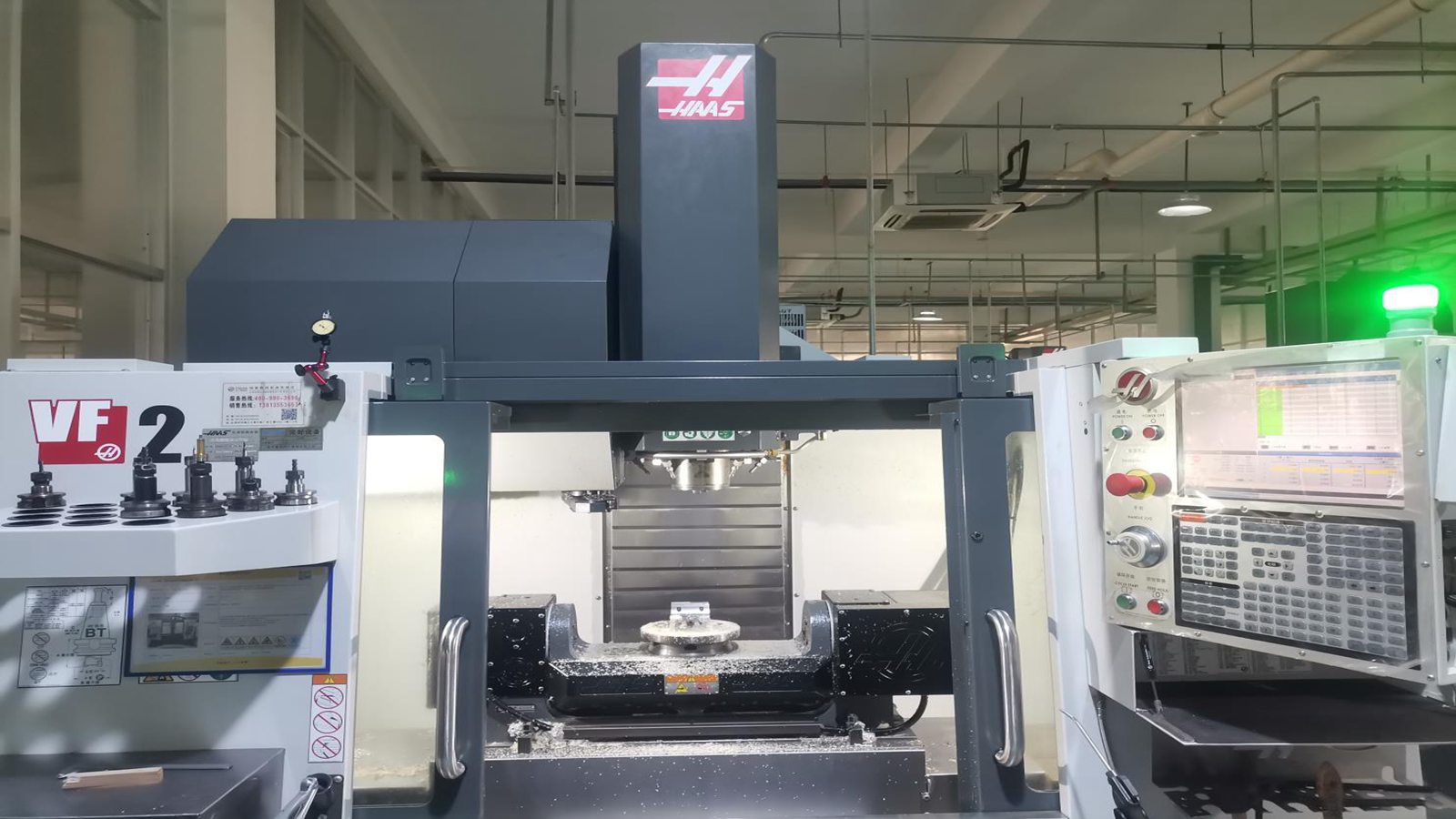
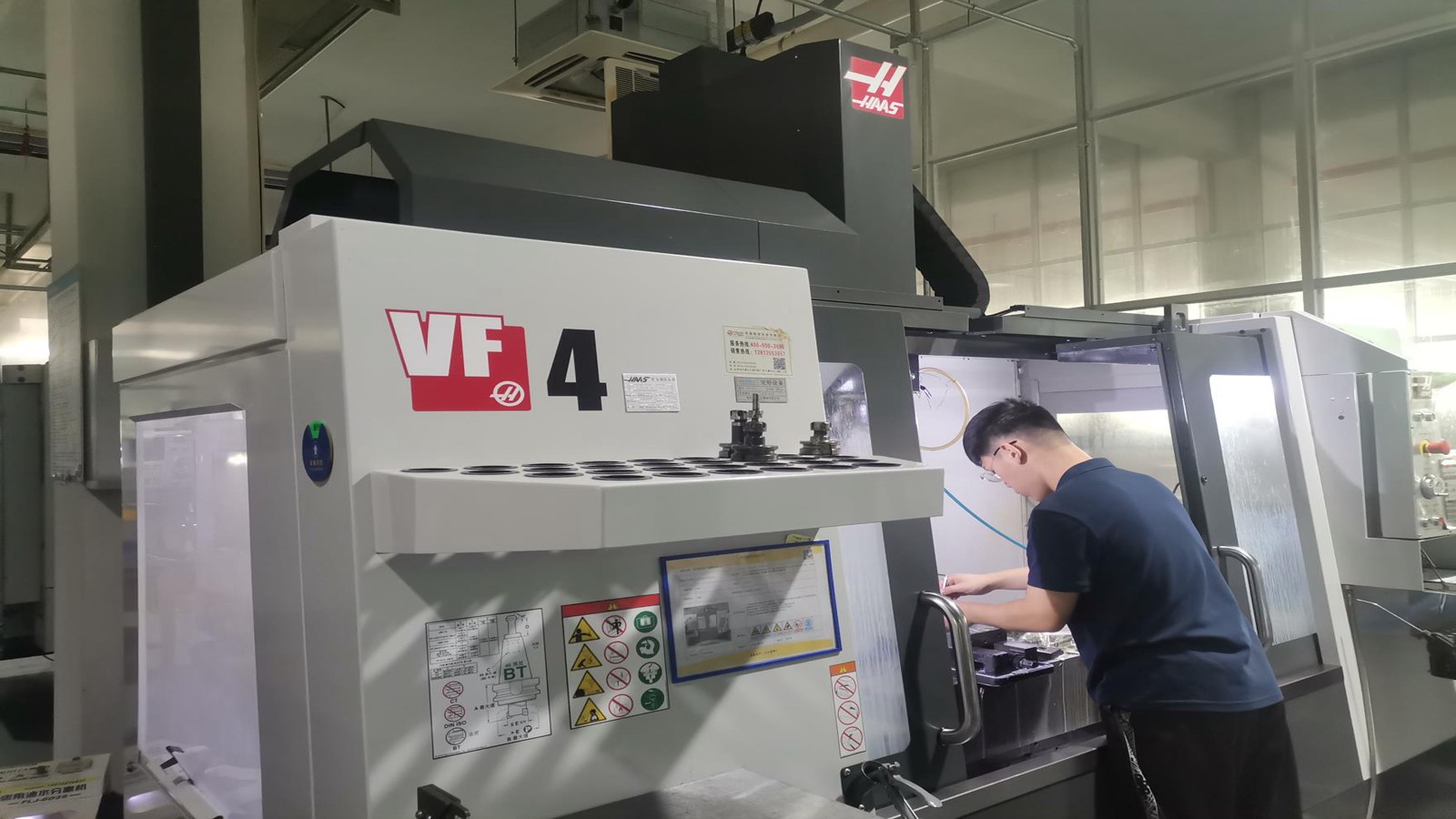
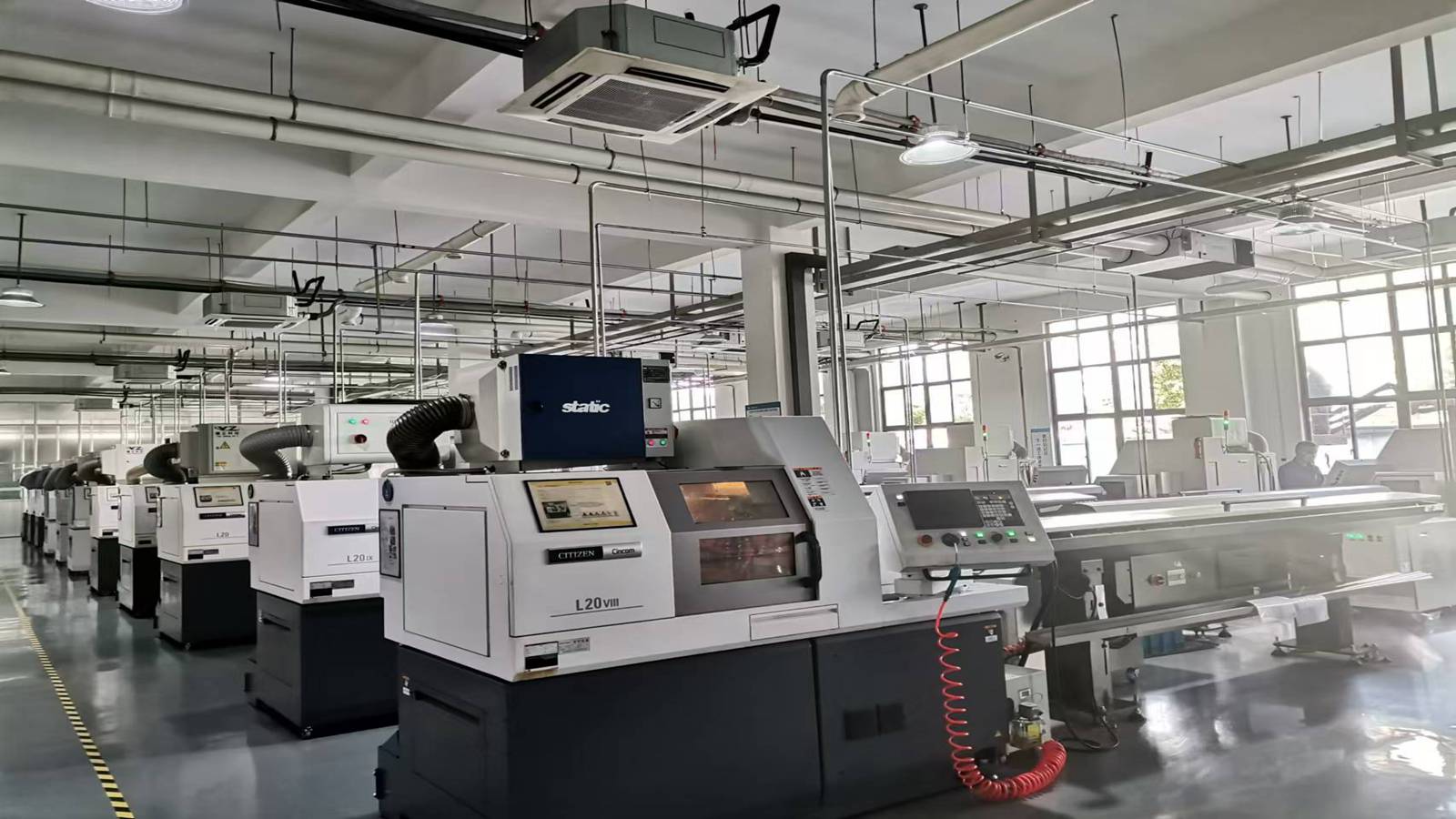
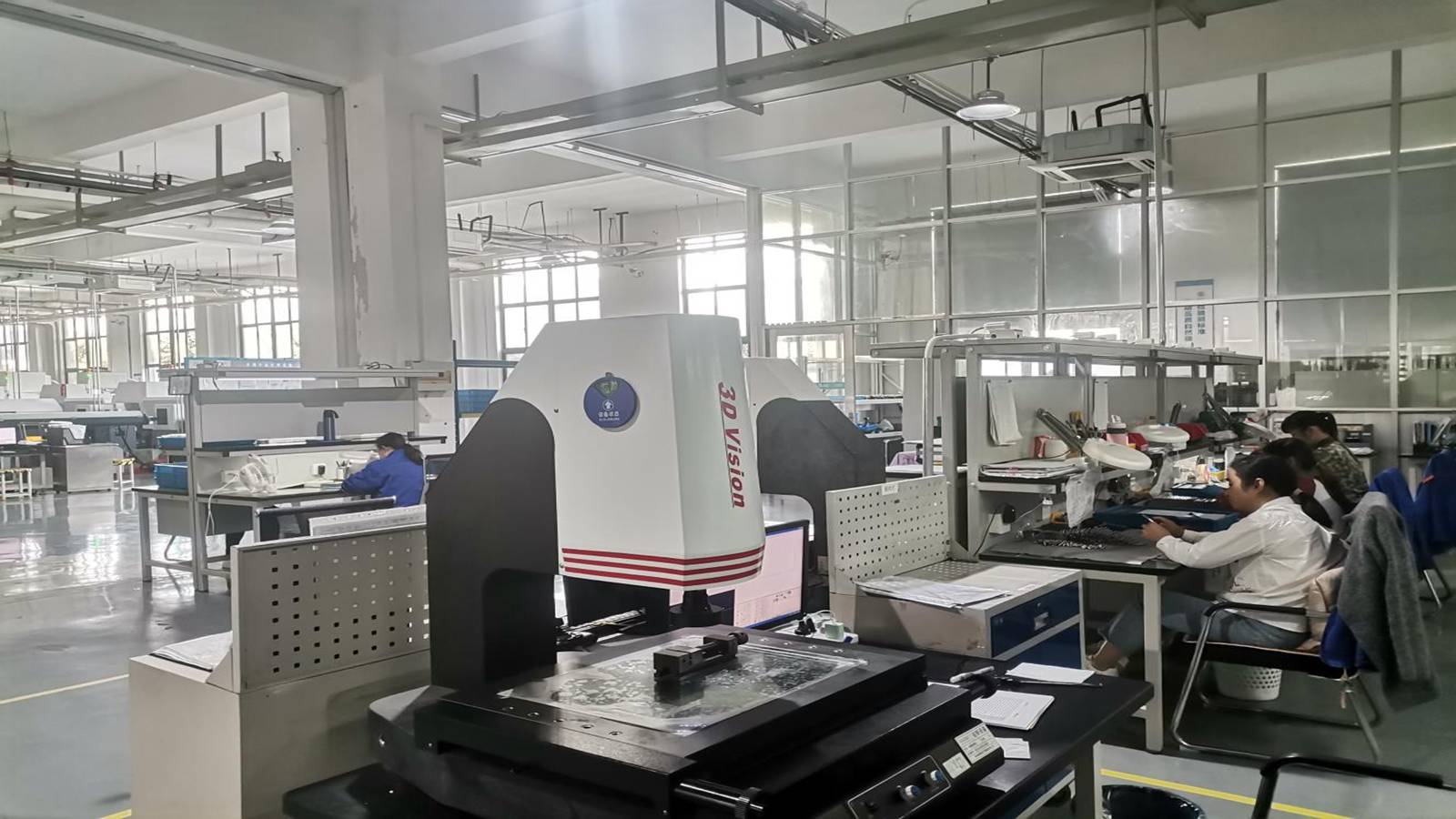
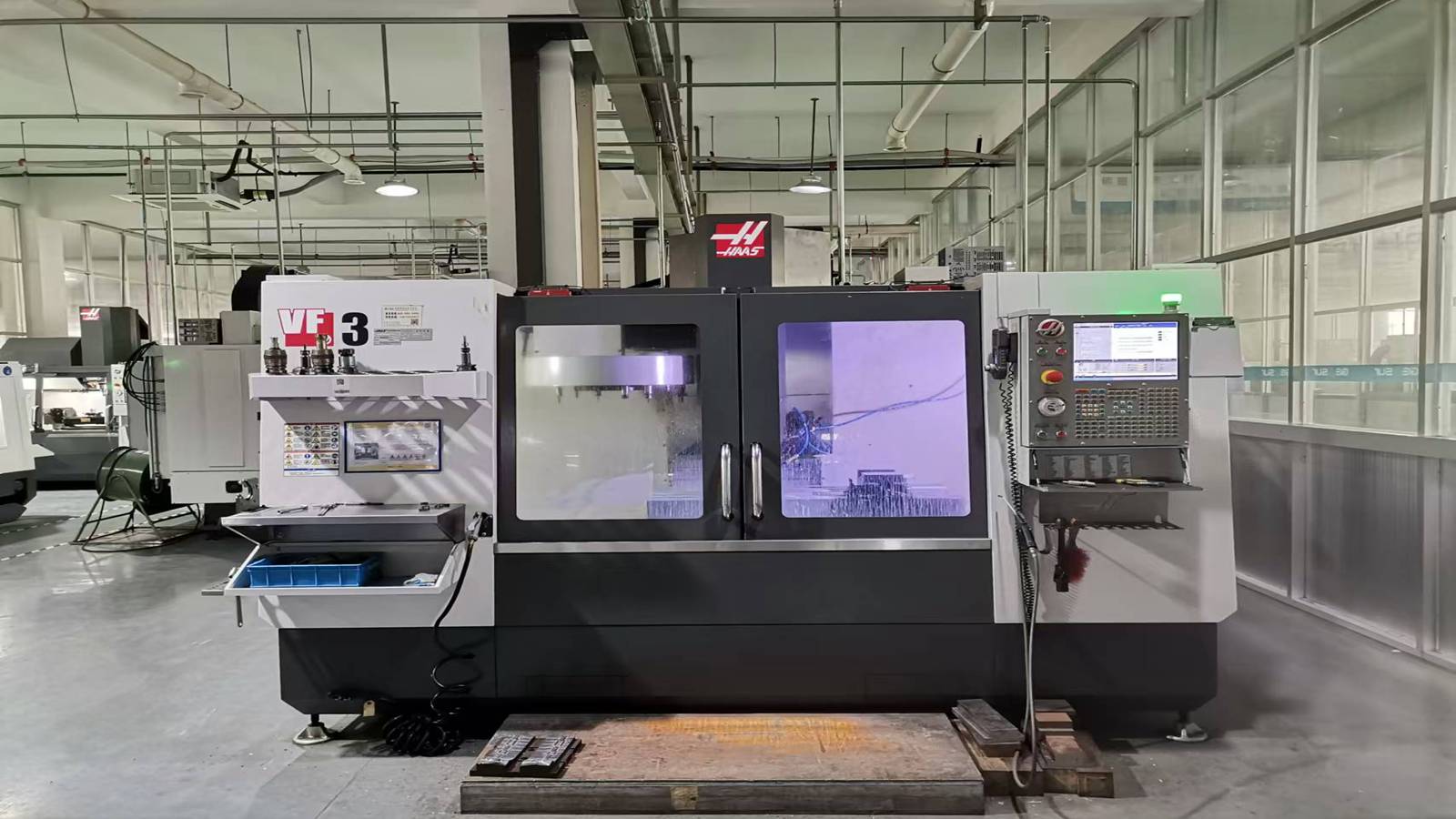
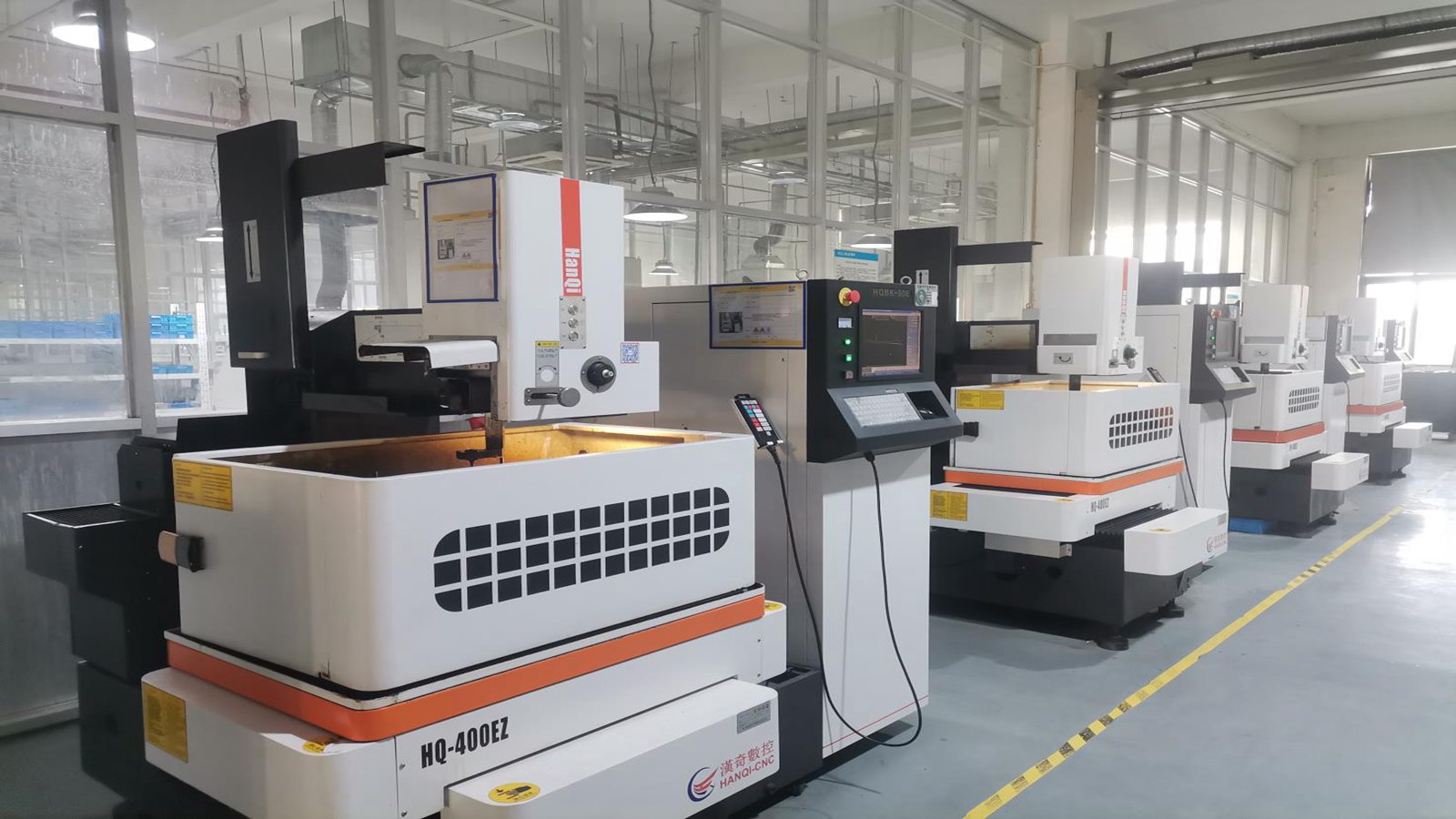
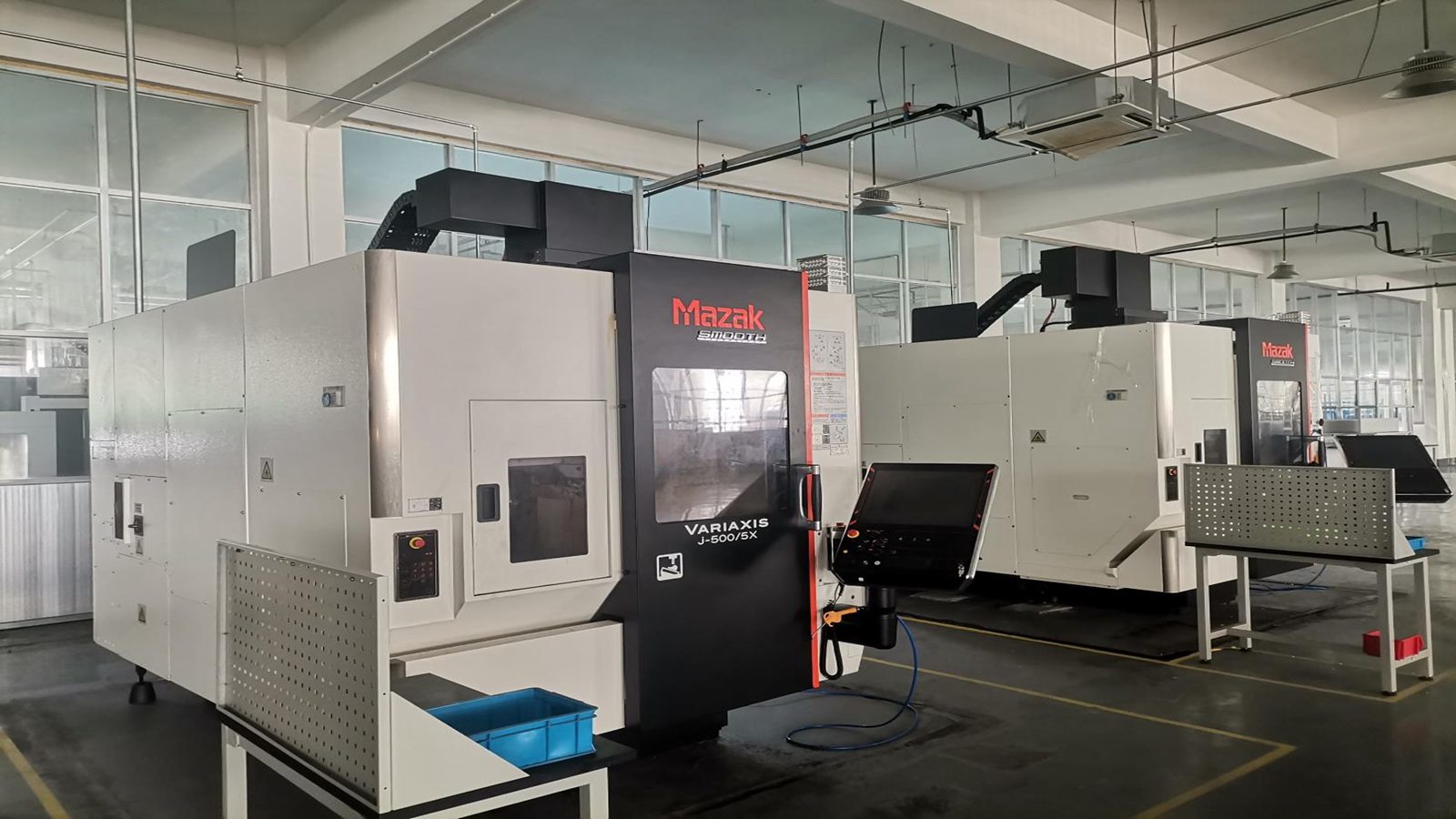
China’s medical device ecosystem has transitioned from low-cost manufacturing to high-end precision engineering. Facilities such as HBM Medical Apparatus And Instruments Co., Ltd. integrate world-class Japanese and Swiss multi-axis CNC lathe machines (e.g., Star, Citizen) designed for complex thread milling, cannulation drilling, and micro-machining of headless compression screws in a single setup.
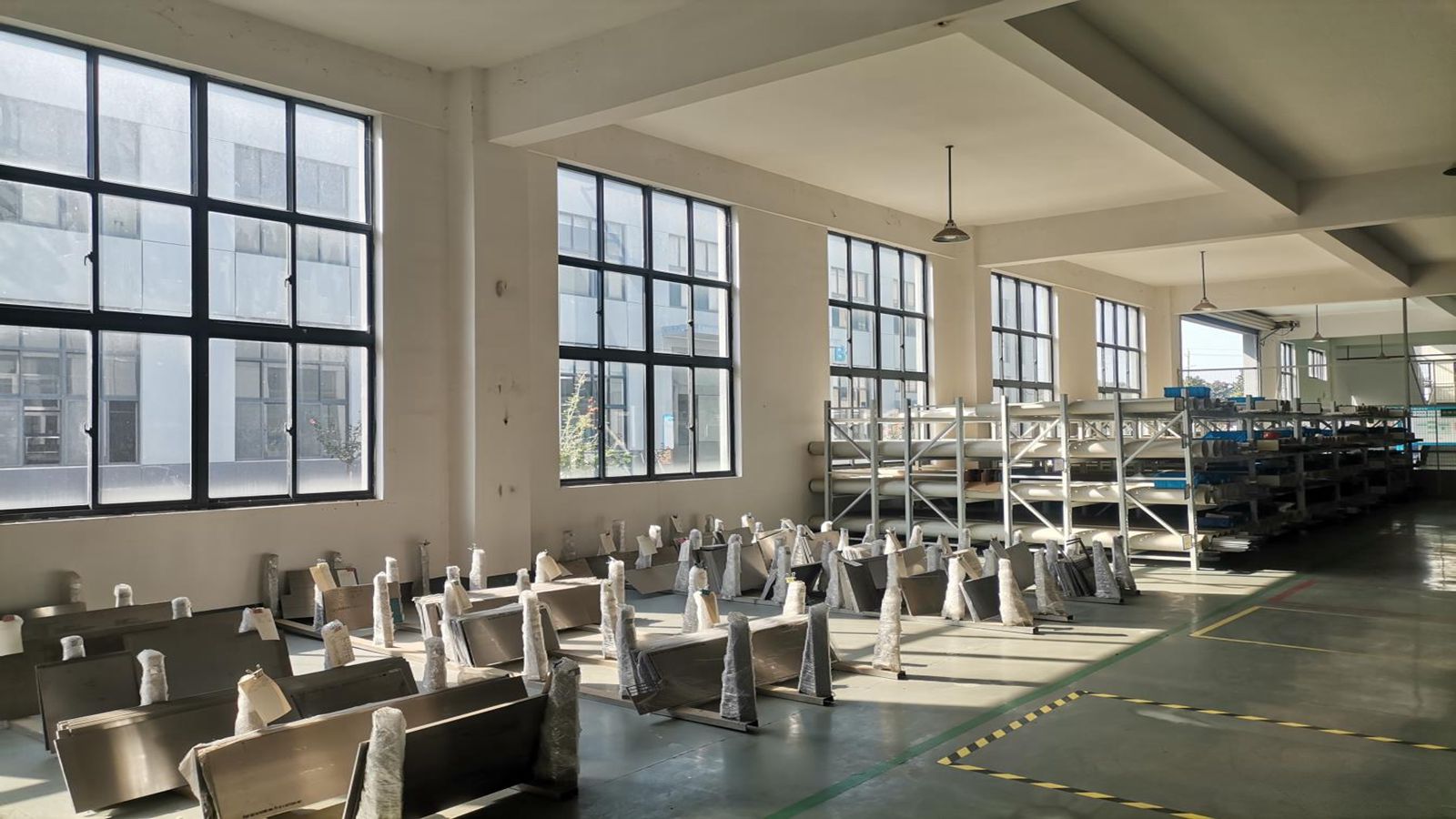
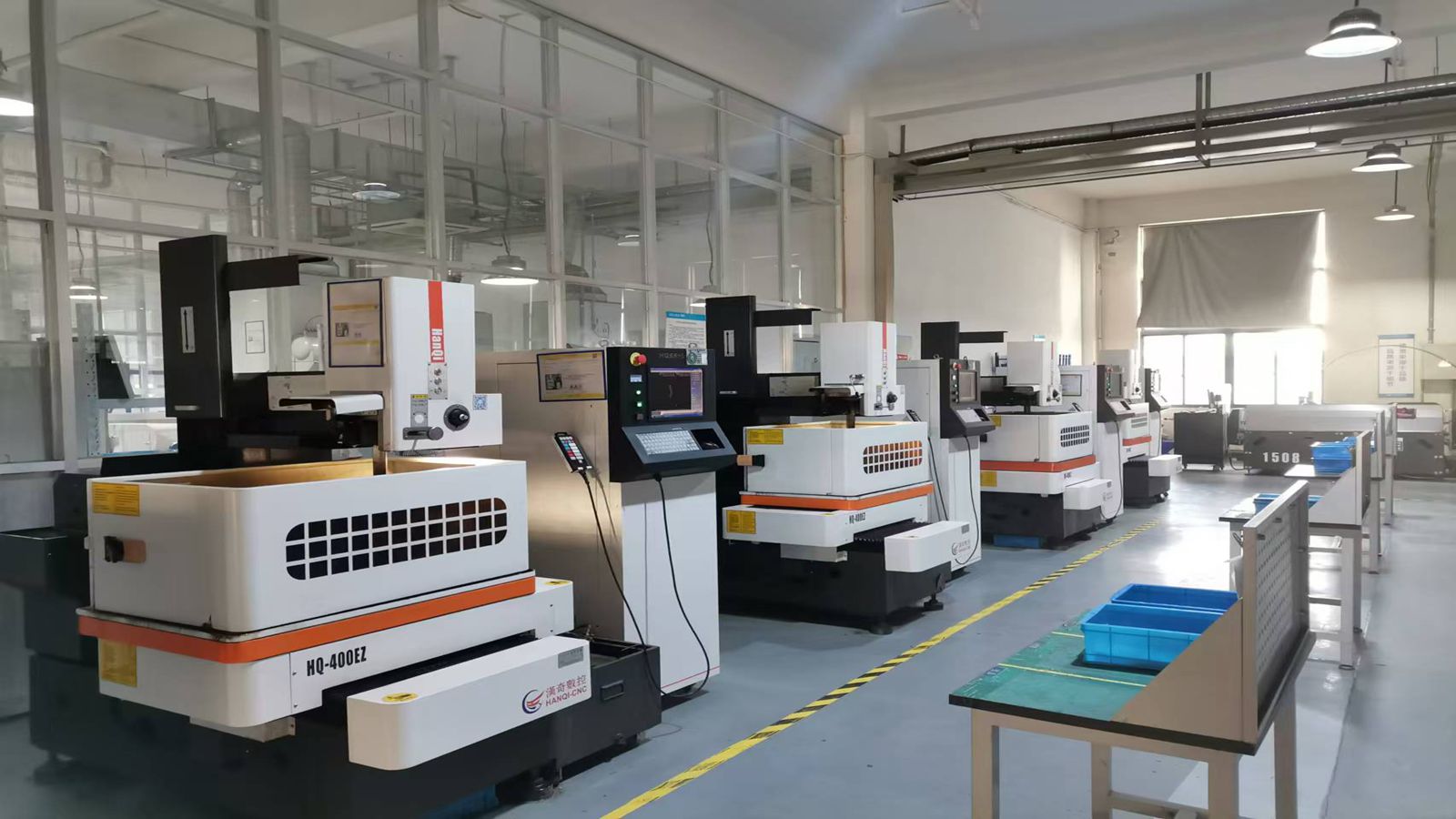
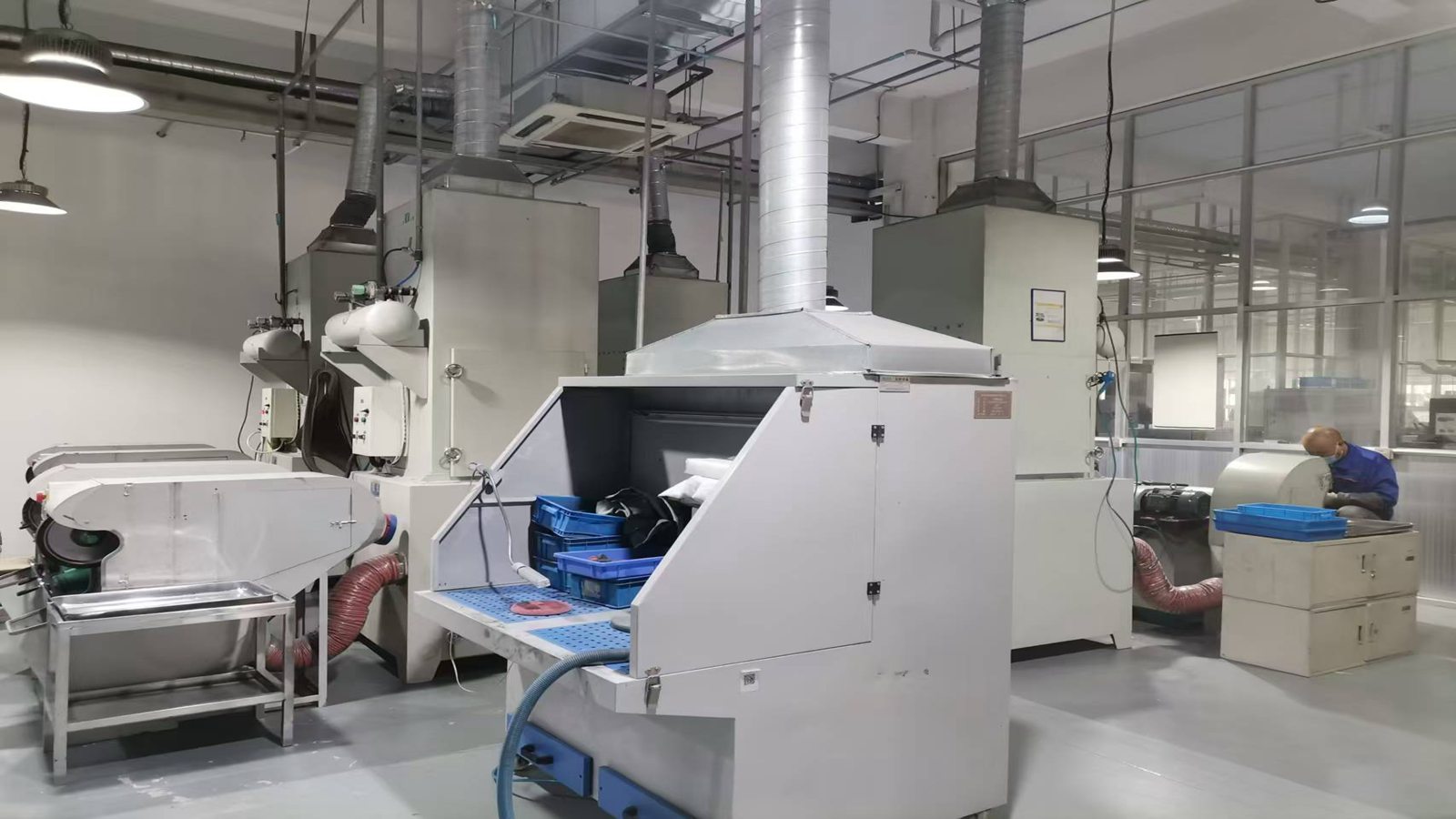
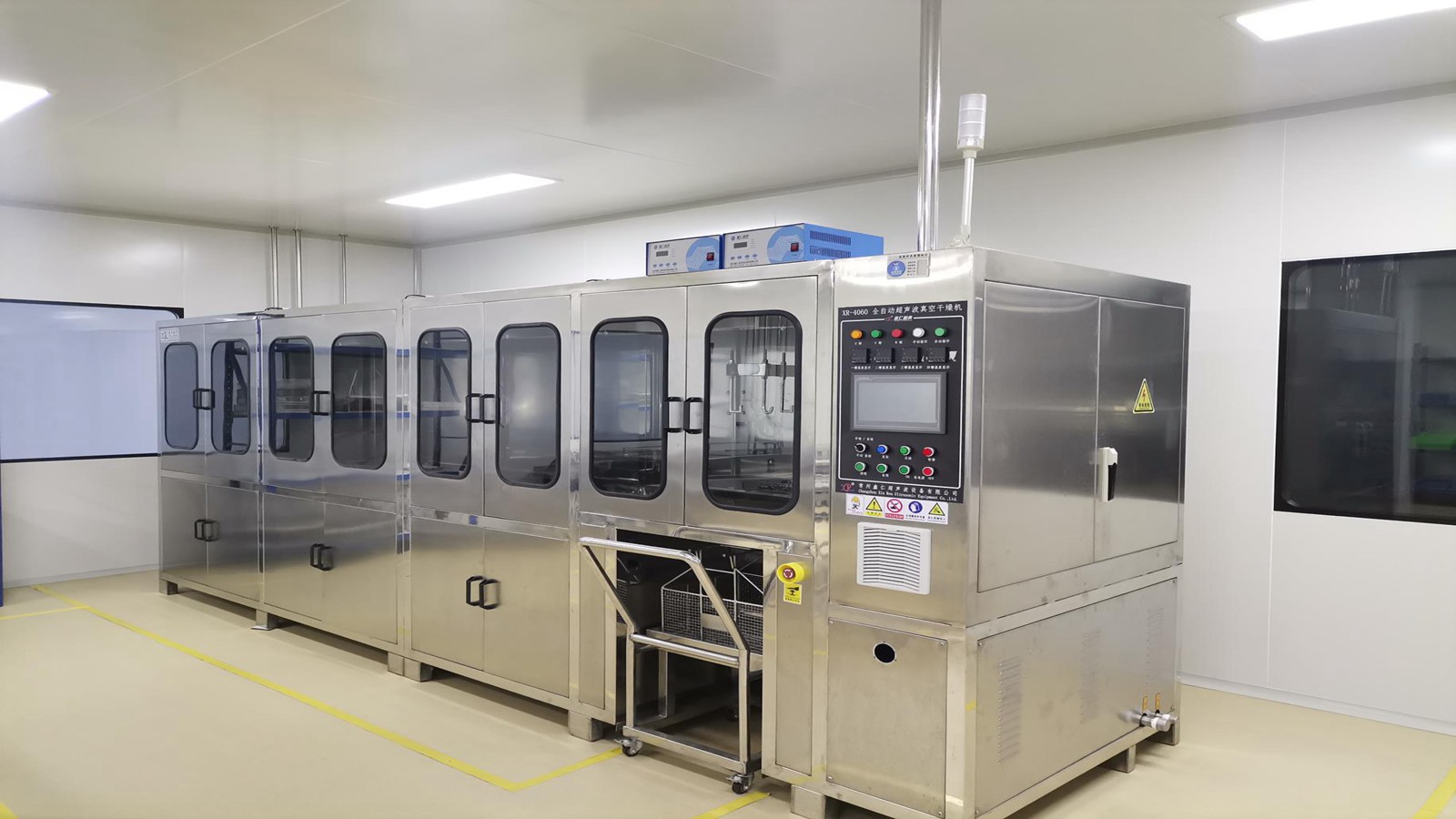
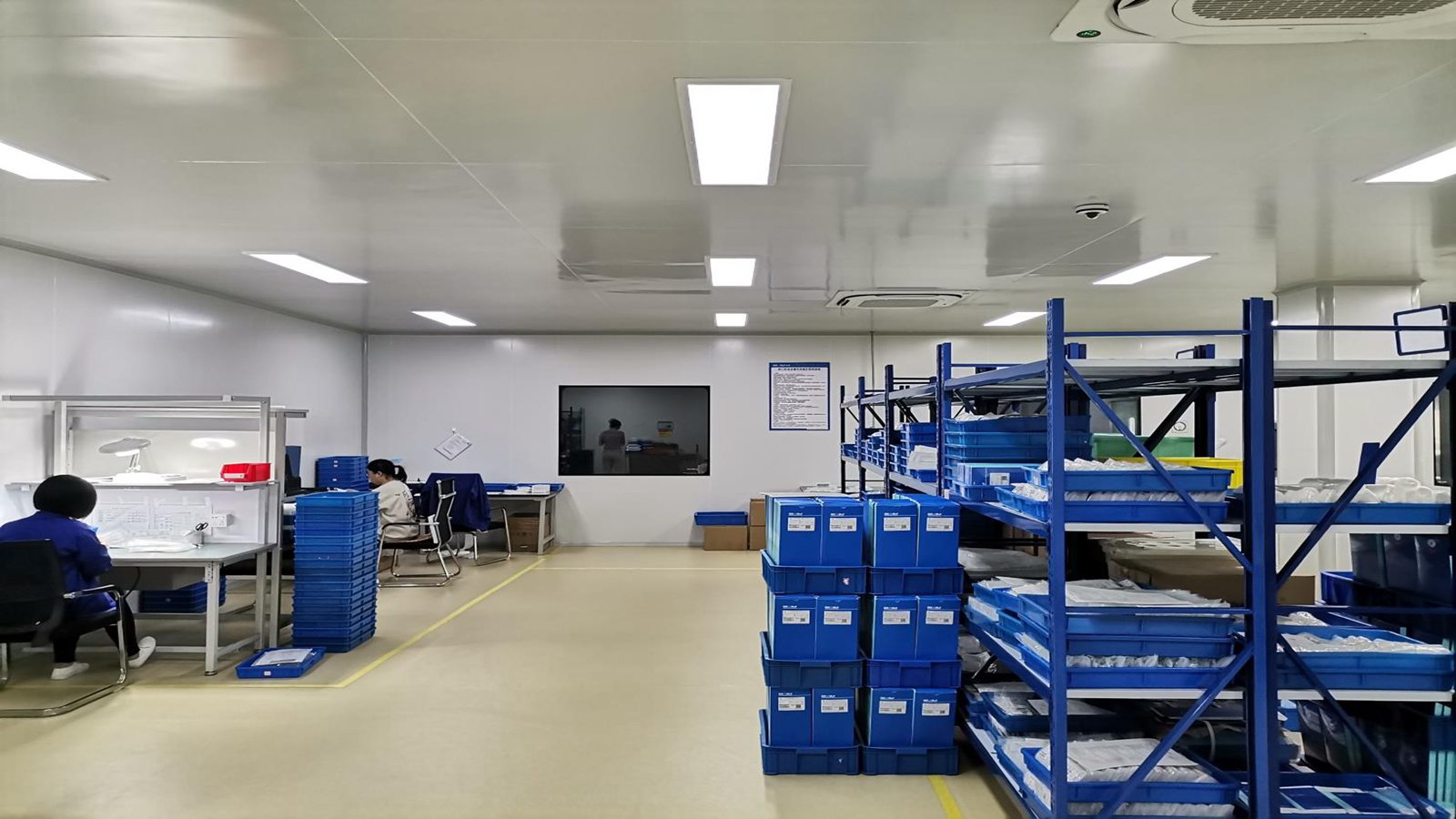
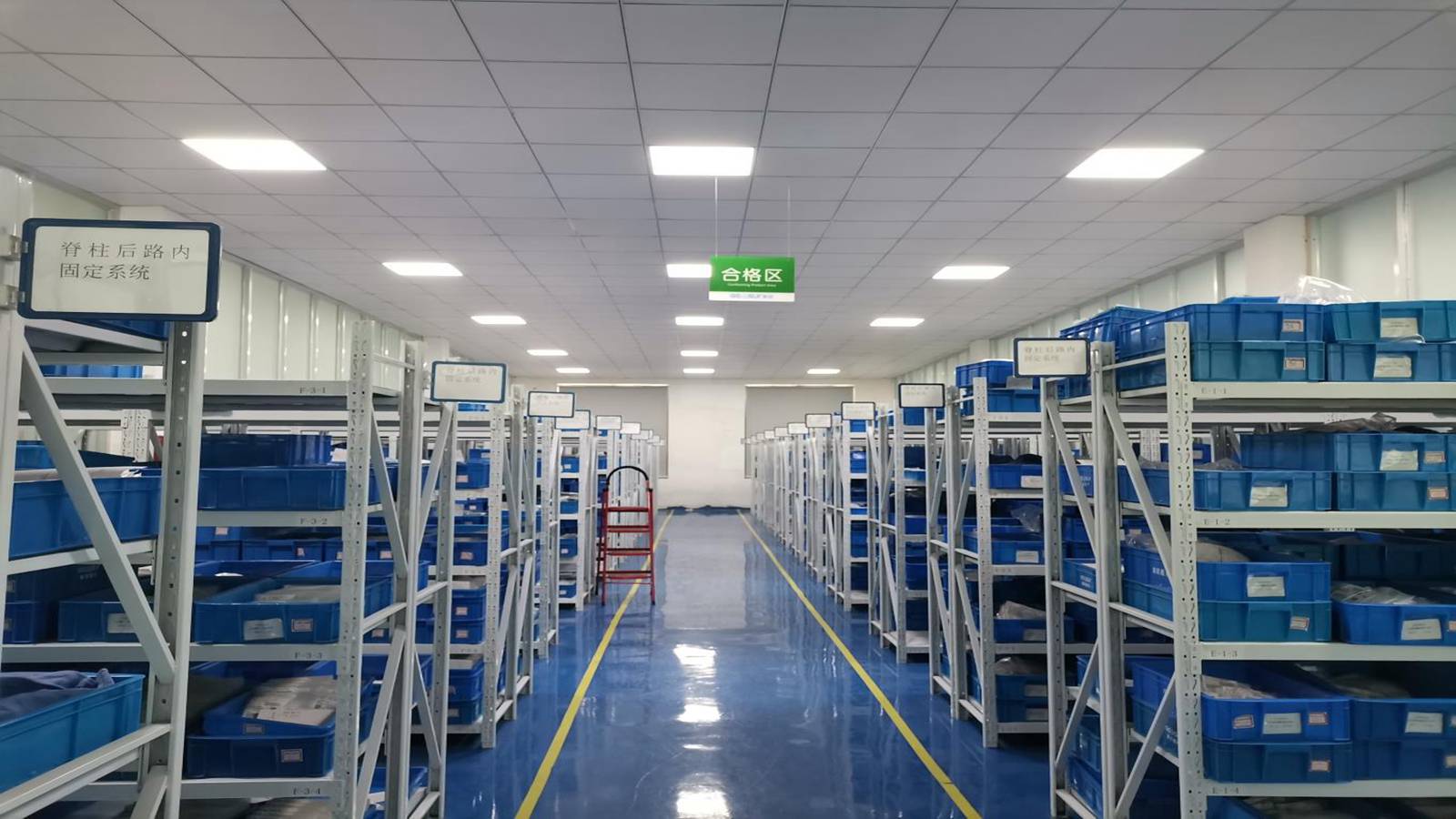
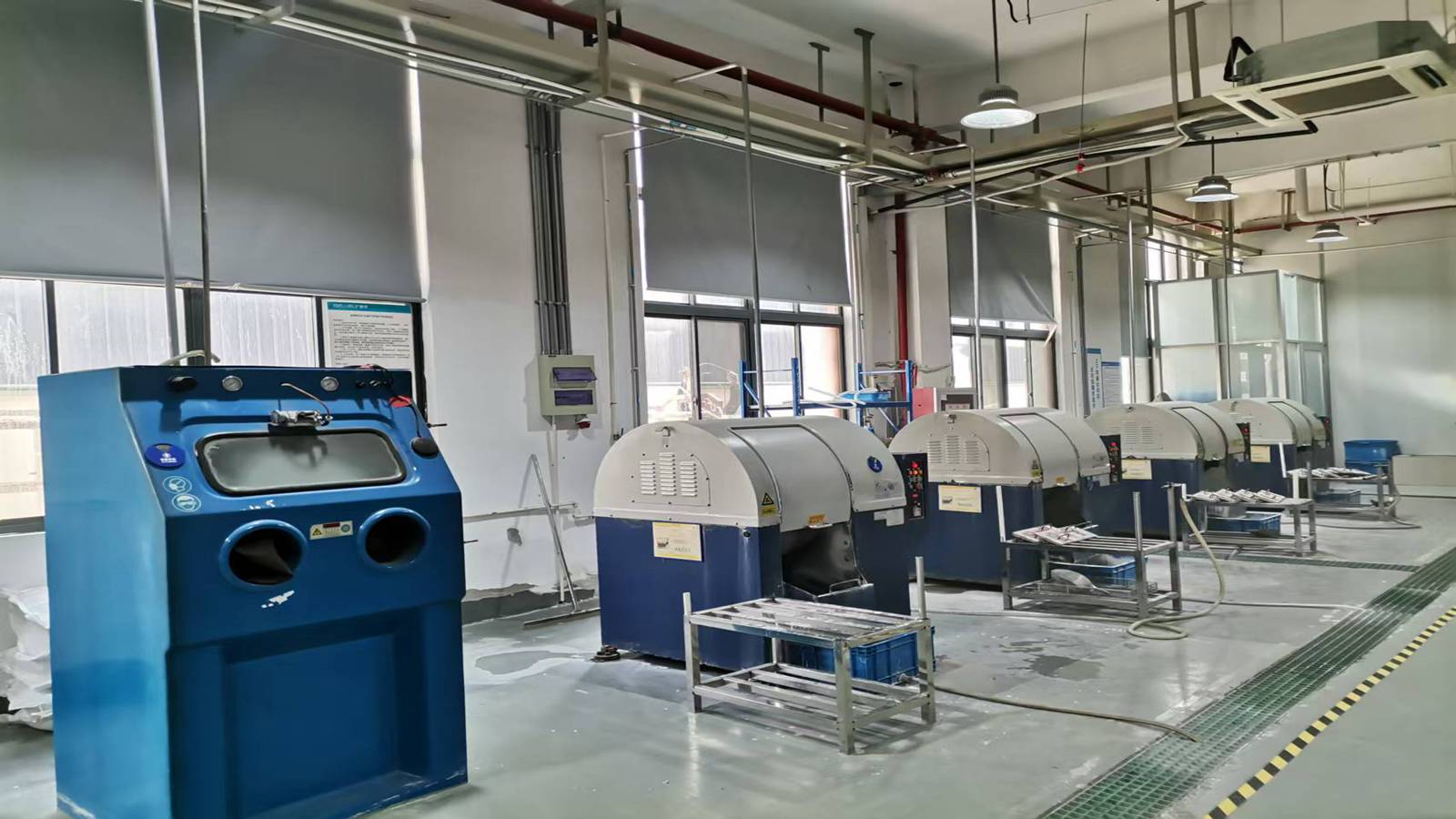
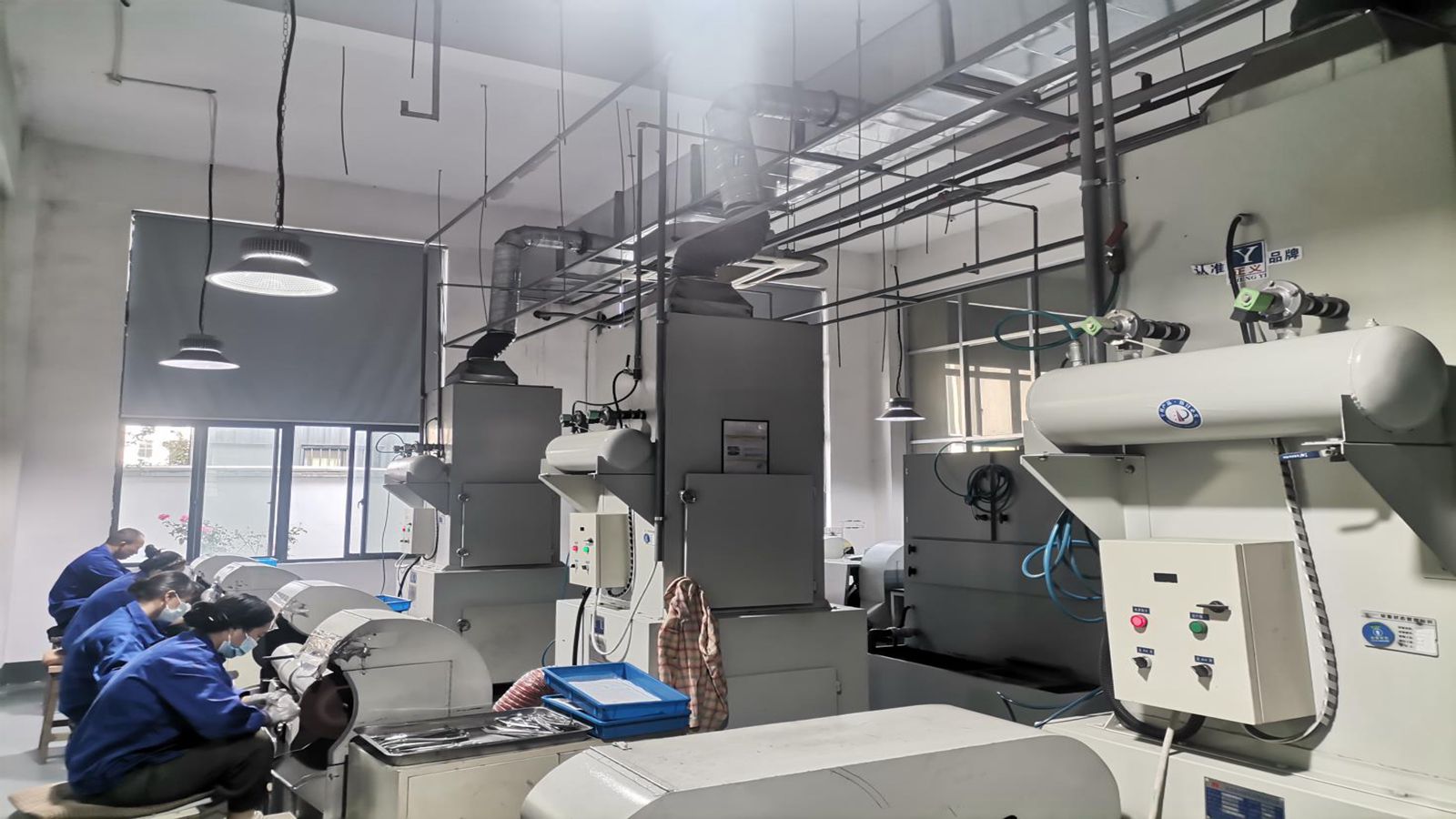
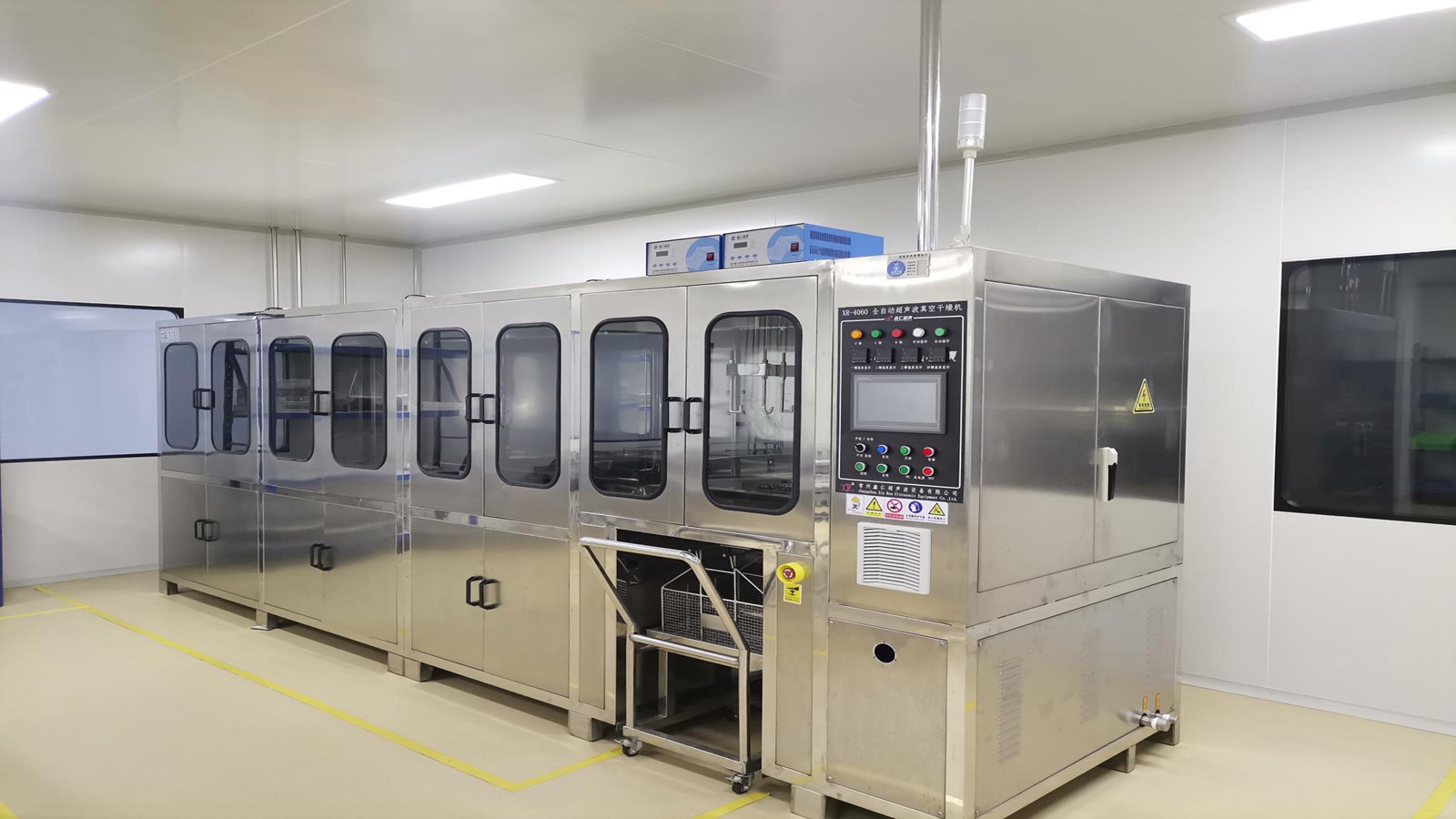
By operating 12 dedicated automated production lines, HBM Medical reduces production lead times by 40% compared to Western competitors. The facility houses internal tool-making departments, surface treatment lines, ultrasonic washing stations (ISO Class 7 cleanrooms), and automated pouch sealing. This vertical integration guarantees complete control over the supply chain, protecting buyers from geopolitical volatility and component shortages.
Engineered for diverse surgical disciplines: Trauma, Spinal, Sports Medicine, and Reconstruction
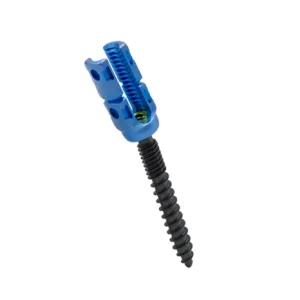
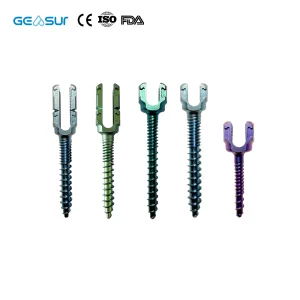
Features: Polyaxial articulation up to 45°, break-off friction top towers, dual-thread pitch.
Application: Posterior thoracolumbar fixation, spondylolisthesis reduction, degenerative disc disease stabilization.
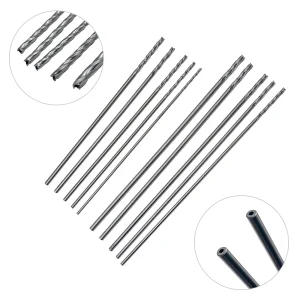
Features: Hollow core for Kirschner wire guidance, self-drilling, self-tapping threads.
Application: Femoral neck fractures, scaphoid non-unions, intra-articular fractures requiring minimally invasive insertion.
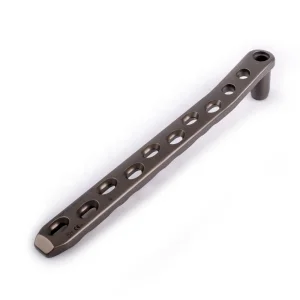
Features: Large diameter lag thread with controlled collapse capability inside side-plates.
Application: Intertrochanteric and subtrochanteric fractures of the proximal femur.
Features: Variable thread pitch design; leading thread advances faster than trailing thread to draw bone together.
Application: Osteochondral fractures, small bone arthrodesis in hand and foot surgery.
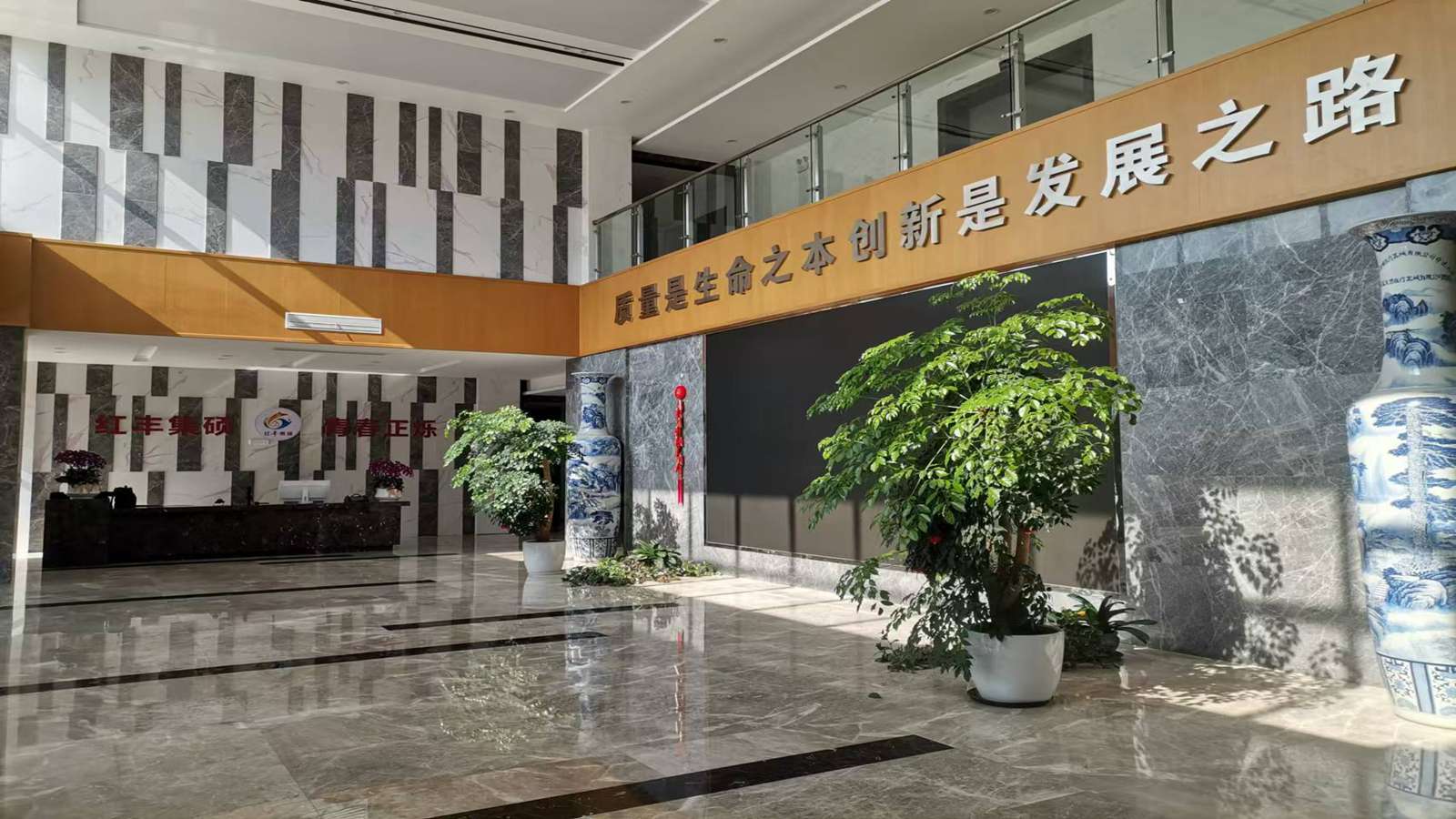
Established in 2015, HBM Medical combines scientific innovation with high-volume industrial output
| Operational Metric | Factory Specification & Capability Details |
|---|---|
| Company Name | HBM Medical Apparatus And Instruments Co., Ltd. |
| Registration Date | 2015-10-15 (10 Years Industry Experience / 10 Years Exporting) |
| Cleanroom Plant Area | 30,343 Square Meters |
| R&D Staff Composition | 31 Senior Engineers (1 Doctorate, 11 Master's, 17 Bachelor's, 2 Assoc. Degrees) |
| Annual Innovation Rate | 25+ New Product Kits Launched Annually |
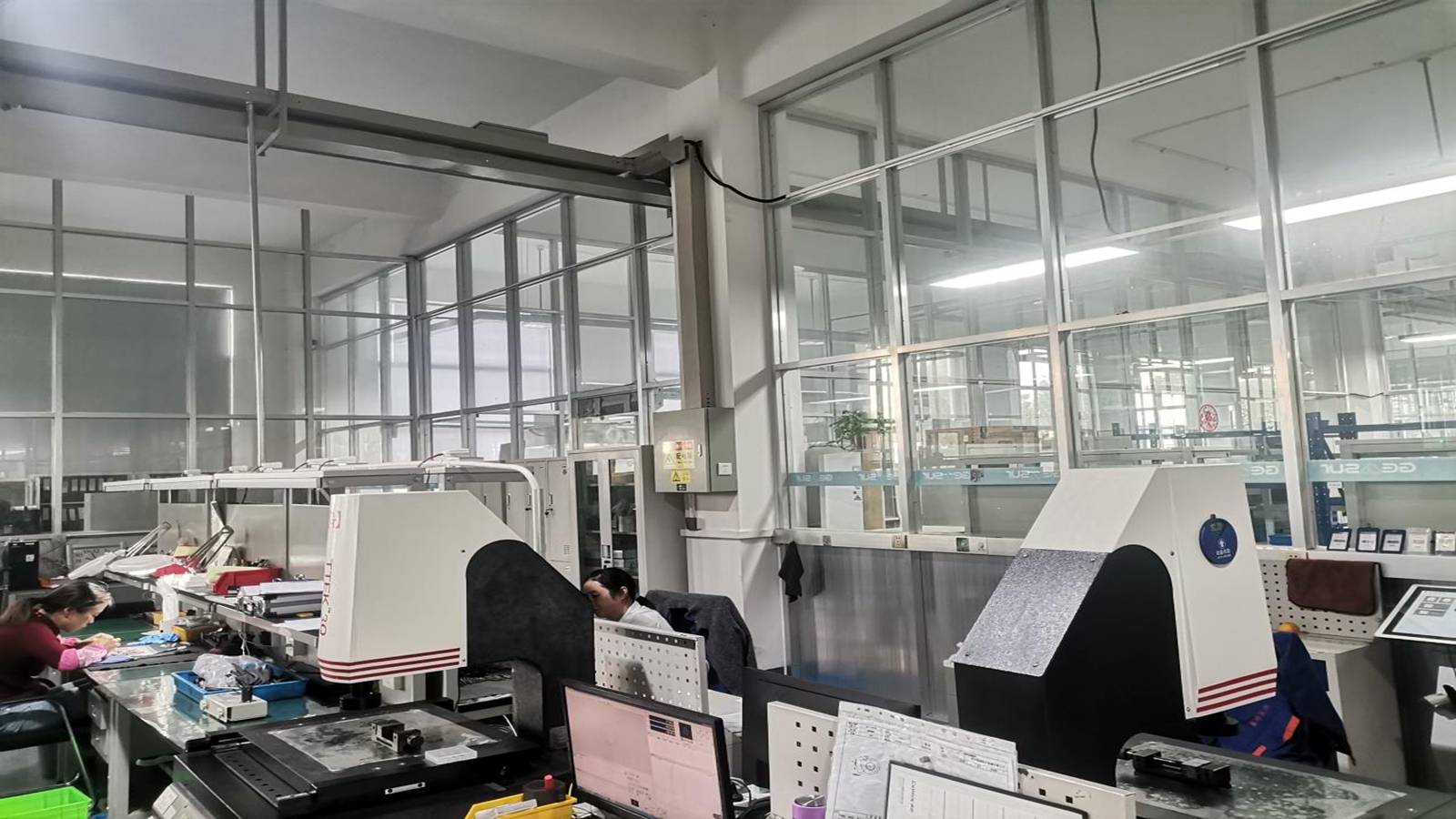
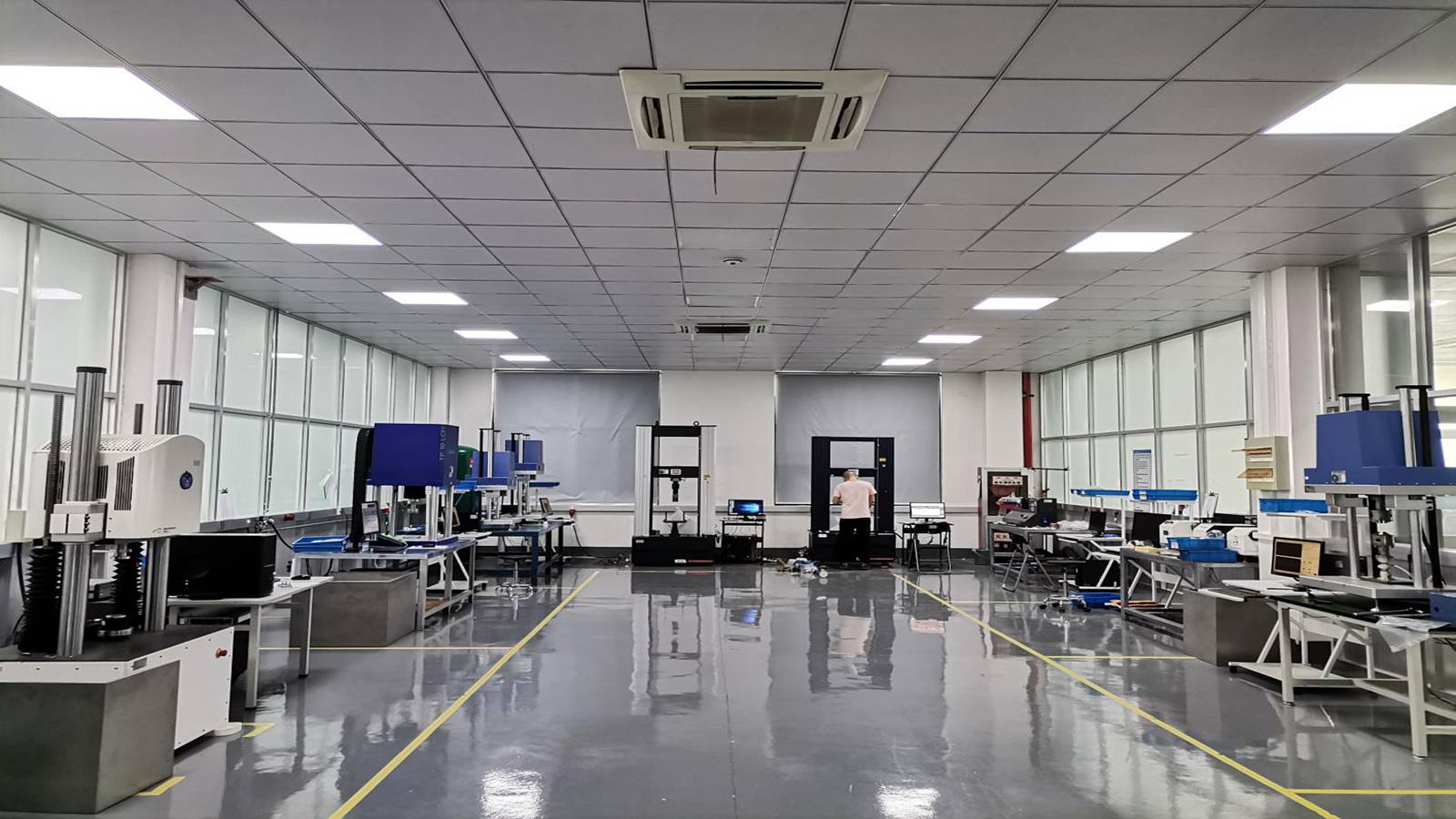
| Quality Assurance Corps | 36 QA/QC Full-Process Inspectors (Raw Material to Finished Sterilized Goods) |
| Customization Scope | Sample Processing, CAD/CAM Graphic Processing, Custom Thread Geometry On-Demand |
| Primary Export Markets | Domestic (80%), Eastern Europe (5%), Southeast Asia (5%), Latin America & Middle East |
For international distributors and OEM brand owners, HBM Medical offers complete regulatory support packages. This includes assisting with local ministry of health registrations (e.g., ANVISA in Brazil, SFDA in Saudi Arabia, MoH in Vietnam), providing full technical dossiers (STED), biocompatibility test reports (ISO 10993 series), and validated sterile barrier packaging according to ISO 11607.

Bioabsorbable polymers, 3D porous titanium structures, and smart sensor integration
The global market for medical screws is advancing toward intelligent, bioactive implants. HBM Medical’s R&D department actively investigates three main technological vectors that are defining the future of trauma and spinal surgery:
Eliminating the need for secondary hardware removal procedures, bioabsorbable screws gradually degrade into harmless biological byproducts while bone regenerates.
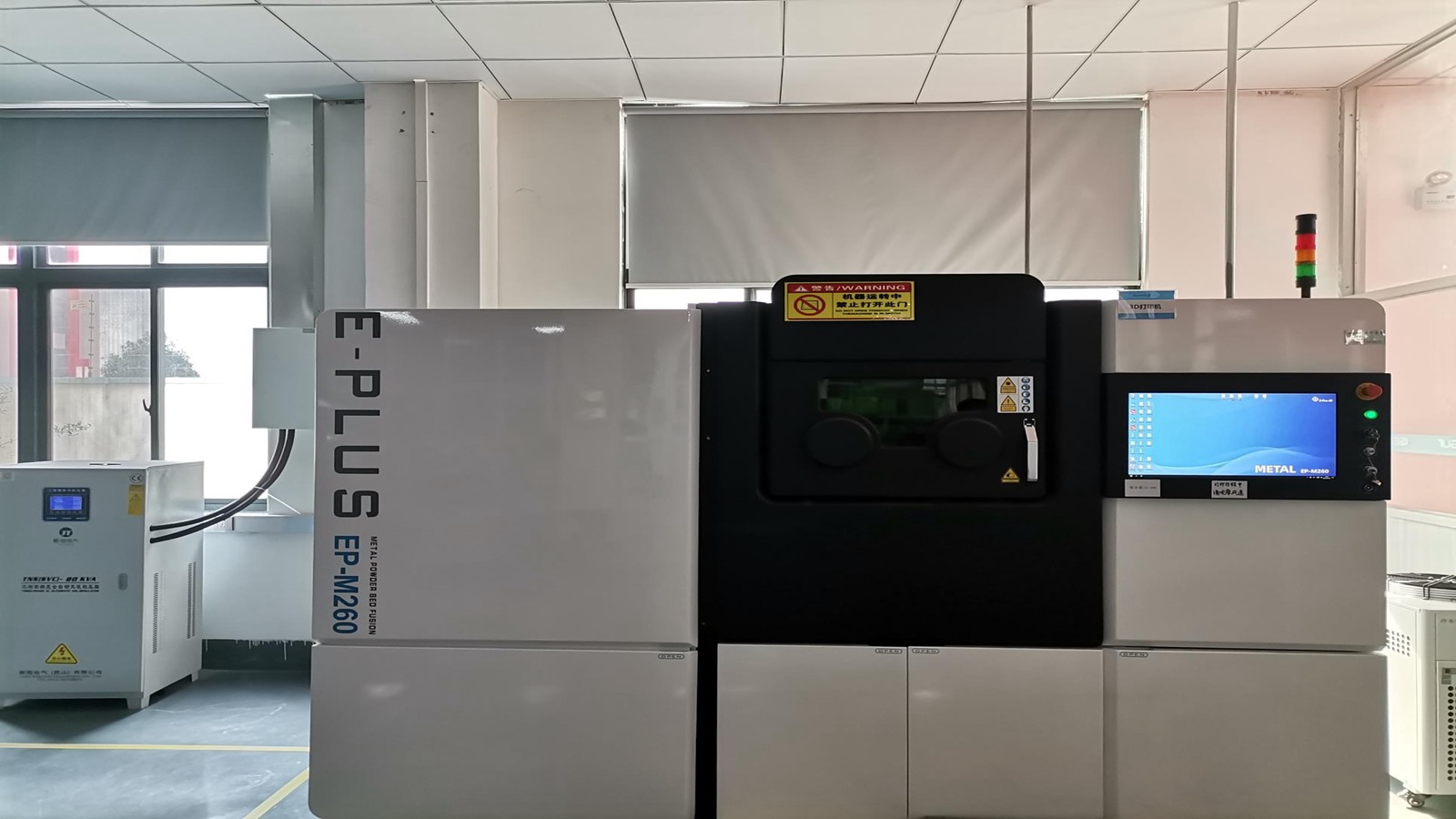
Additive manufacturing allows direct laser sintering (DMLS) of titanium screws with interconnected porosity (60-70%), encouraging direct cellular ingrowth.
Ultra-precise drive heads (such as Torx-plus and Star drive) engineered to seamlessly integrate with robotic arms and optical navigation tracking arrays.
Addressing key procurement, certification, and engineering inquiries for international importers
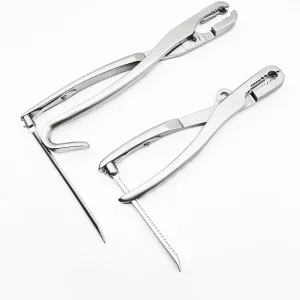
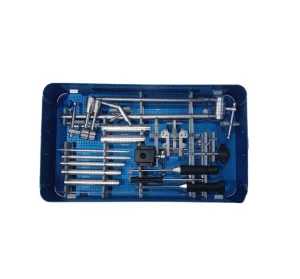
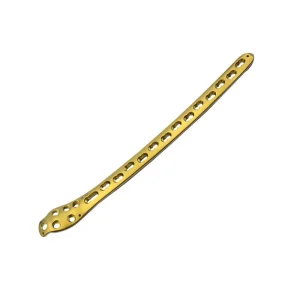
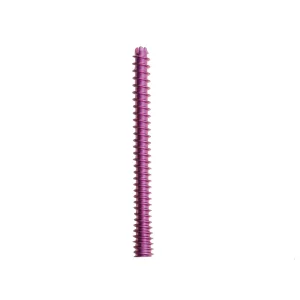
Explore our specialized orthopedic instruments, spinal sets, and bone reduction forcep systems
 HBM Medical