High-performance primary joint replacement systems engineered for clinical excellence and long-term survivorship in Indonesian orthopedic centers.
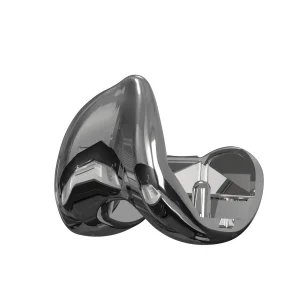
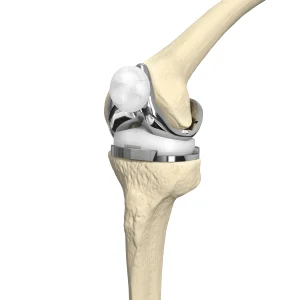
As the largest economy in Southeast Asia, Indonesia is experiencing a profound demographic shift. With a population exceeding 275 million, the country is witnessing an aging demographic curve, combined with an increasing incidence of osteoarthritis and joint degenerative diseases. This has triggered an unprecedented surge in demand for Total Hip Replacement (THR) and Total Knee Replacement (TKR) surgeries.
Historically, the Indonesian medical device market has relied heavily on imported orthopedic implants. Under the national health insurance scheme, BPJS Kesehatan (Badan Penyelenggara Jaminan Sosial Kesehatan), access to joint arthroplasty has been democratized, allowing millions of citizens to undergo life-changing surgeries. However, this has placed immense pressure on hospital procurement departments to source implants that offer the perfect balance between clinical excellence, regulatory compliance, and cost-efficiency.
"The integration of high-quality, CE-certified implants into the BPJS system is crucial for reducing the revision rate of joint replacements in Indonesian public hospitals." - Senior Orthopedic Consultant, Jakarta.
To serve this rapidly growing market, international exporters must navigate complex regulatory pathways managed by the Indonesian Ministry of Health (Kemenkes) and BPOM (National Agency of Drug and Food Control). Implants must meet stringent biocompatibility, mechanical strength, and sterility standards, making certified manufacturers like HBM Medical the partner of choice for local distributors.

Bridging the gap between cutting-edge global arthroplasty technology and the specific clinical needs of Indonesian surgeons.
Indonesian and Asian patient populations often exhibit distinct femoral and tibial morphology compared to Western demographics. HBM's R&D team utilizes advanced morphometric data to design THR/TKR components that offer a superior anatomical fit, reducing the risk of aseptic loosening and intraoperative bone splitting.
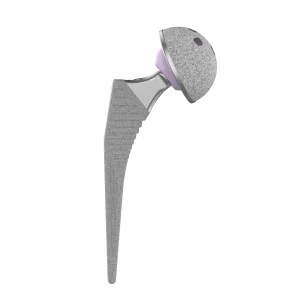
Our titanium hip stems feature highly porous Titanium plasma spray and Hydroxyapatite (HA) double coatings. This biomimetic interface accelerates osseointegration, ensuring rapid biological fixation—a critical factor for active patients in urban centers like Bandung and Surabaya.
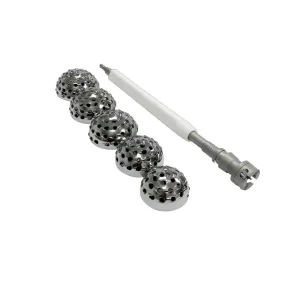
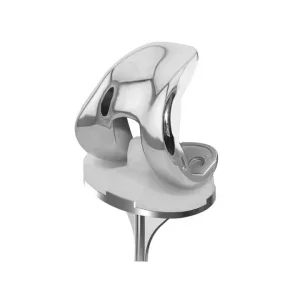
Utilizing highly cross-linked polyethylene (XLPE) liners combined with medical-grade Cobalt-Chromium-Molybdenum (CoCrMo) or Ceramic femoral heads, our joint systems minimize wear debris, dramatically extending the implant lifespan and reducing revision rates.
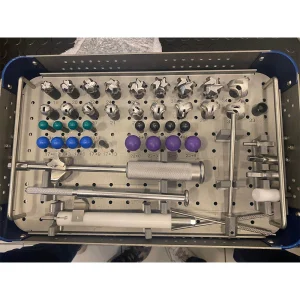
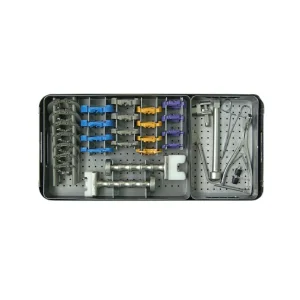
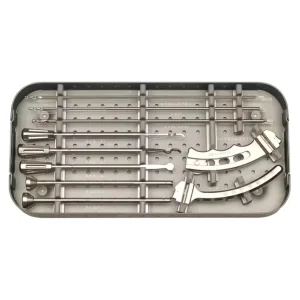
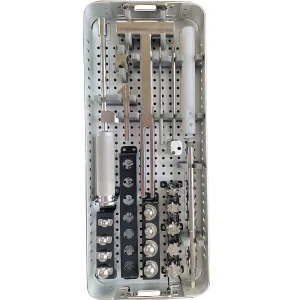
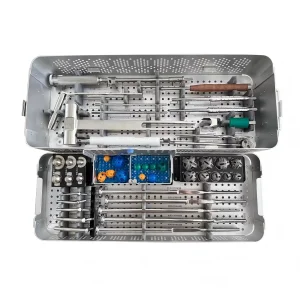
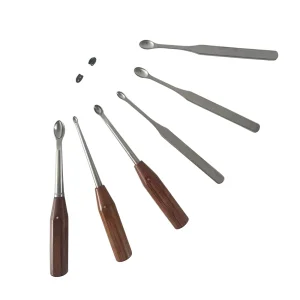
From top-tier referral institutions like RSUPN Dr. Cipto Mangunkusumo (RSCM) in Jakarta to regional general hospitals (RSUD) across the archipelago, the clinical requirements for joint replacement vary. In high-volume public hospitals, the primary challenge is operating room efficiency. HBM addresses this by providing comprehensive, streamlined surgical instrument sets (PGR and THR/TKR kits) that reduce prep time and simplify surgical steps.
In private healthcare networks such as Siloam Hospitals and Mayapada Healthcare, the focus shifts to premium patient outcomes and rapid recovery. Our advanced cementless hip systems and posterior-stabilized (PS) knee joints allow surgeons to perform minimally invasive procedures, enabling faster patient mobilization and shorter hospital stays.

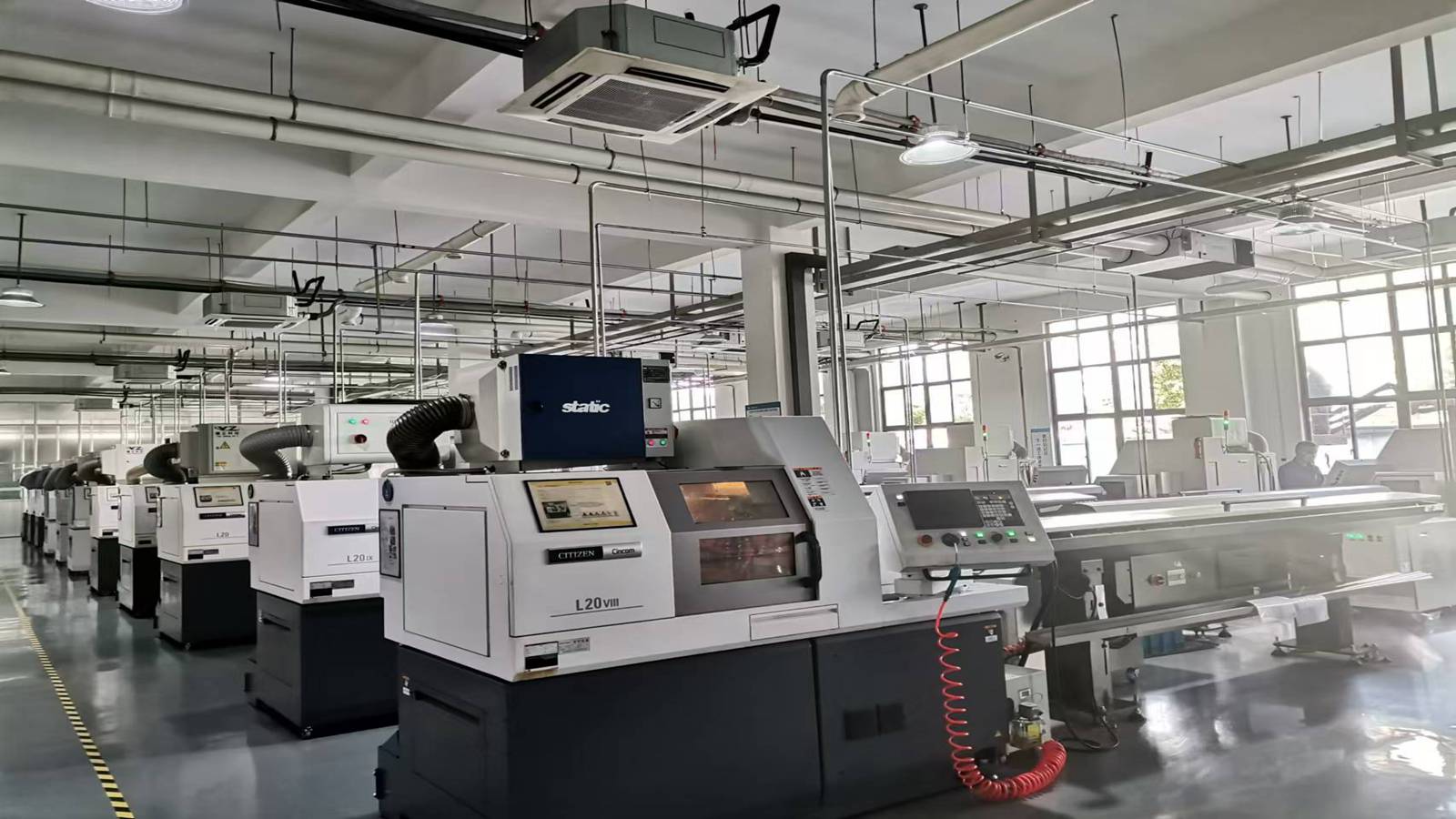
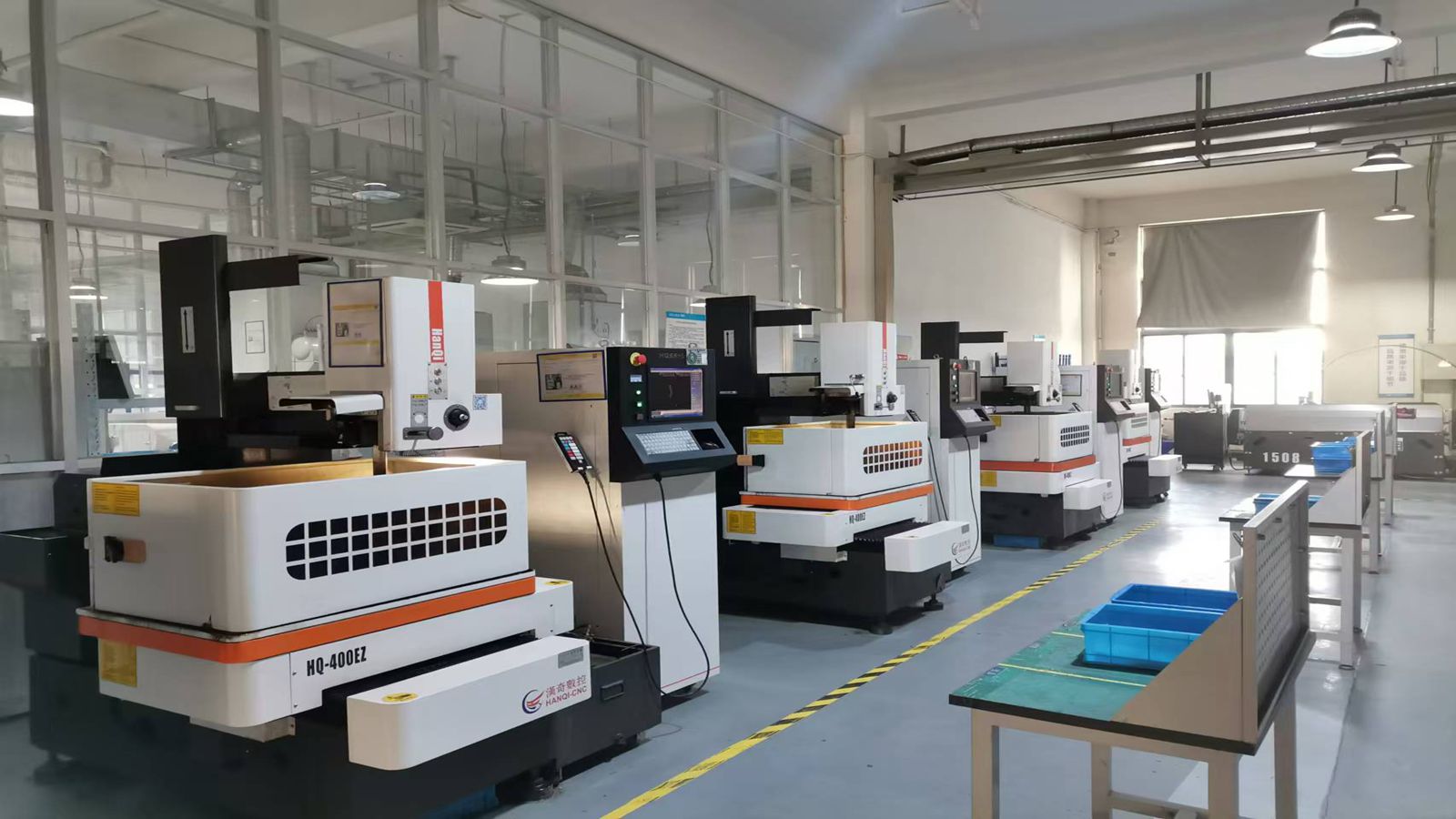
In the post-pandemic global economy, supply chain disruptions can directly impact patient care. HBM Medical Apparatus And Instruments Co., Ltd. has pioneered the integration of Factory 4.0 paradigms in orthopedic manufacturing to guarantee supply continuity for our global partners, particularly in fast-growing markets like Indonesia.
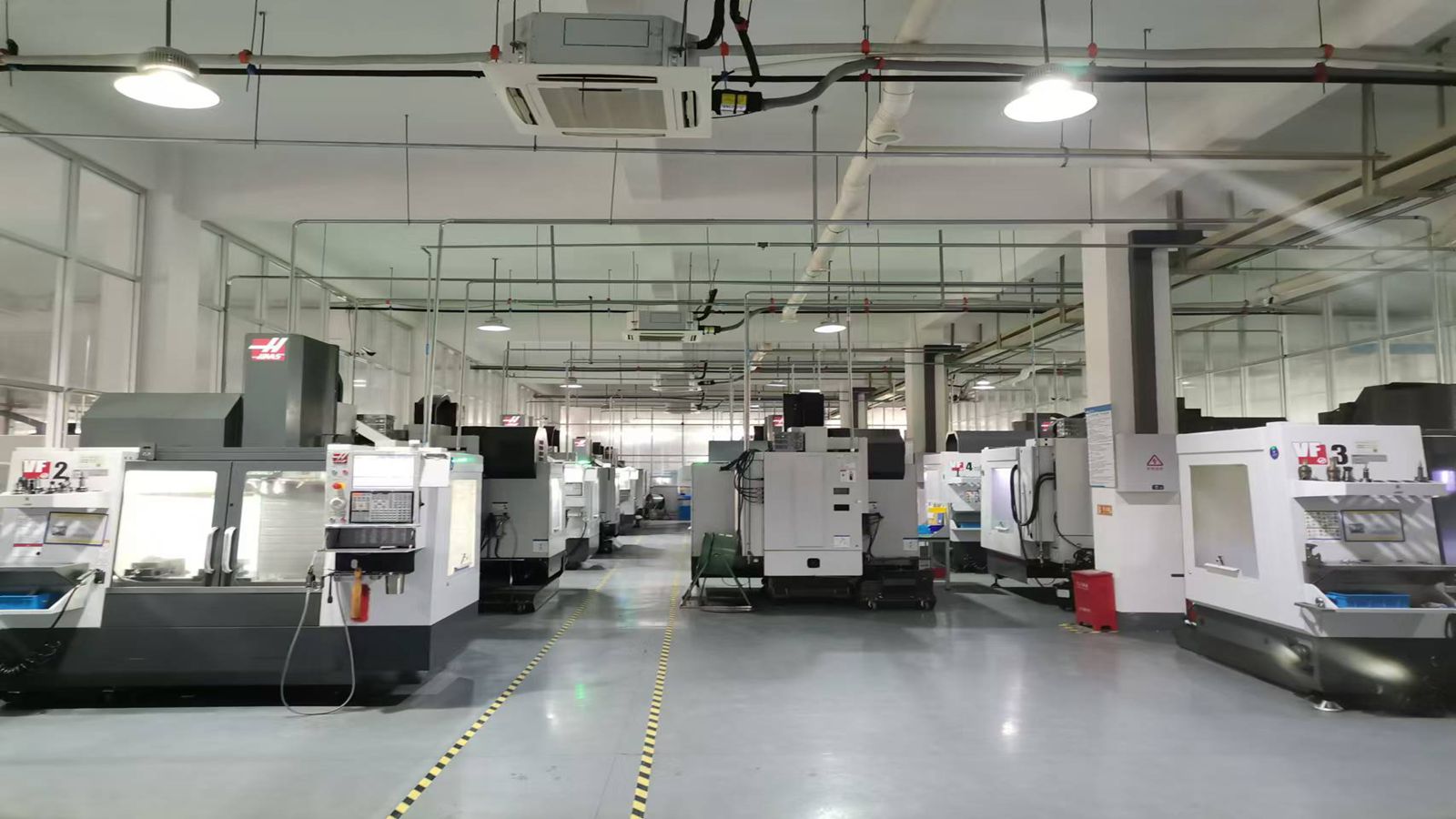
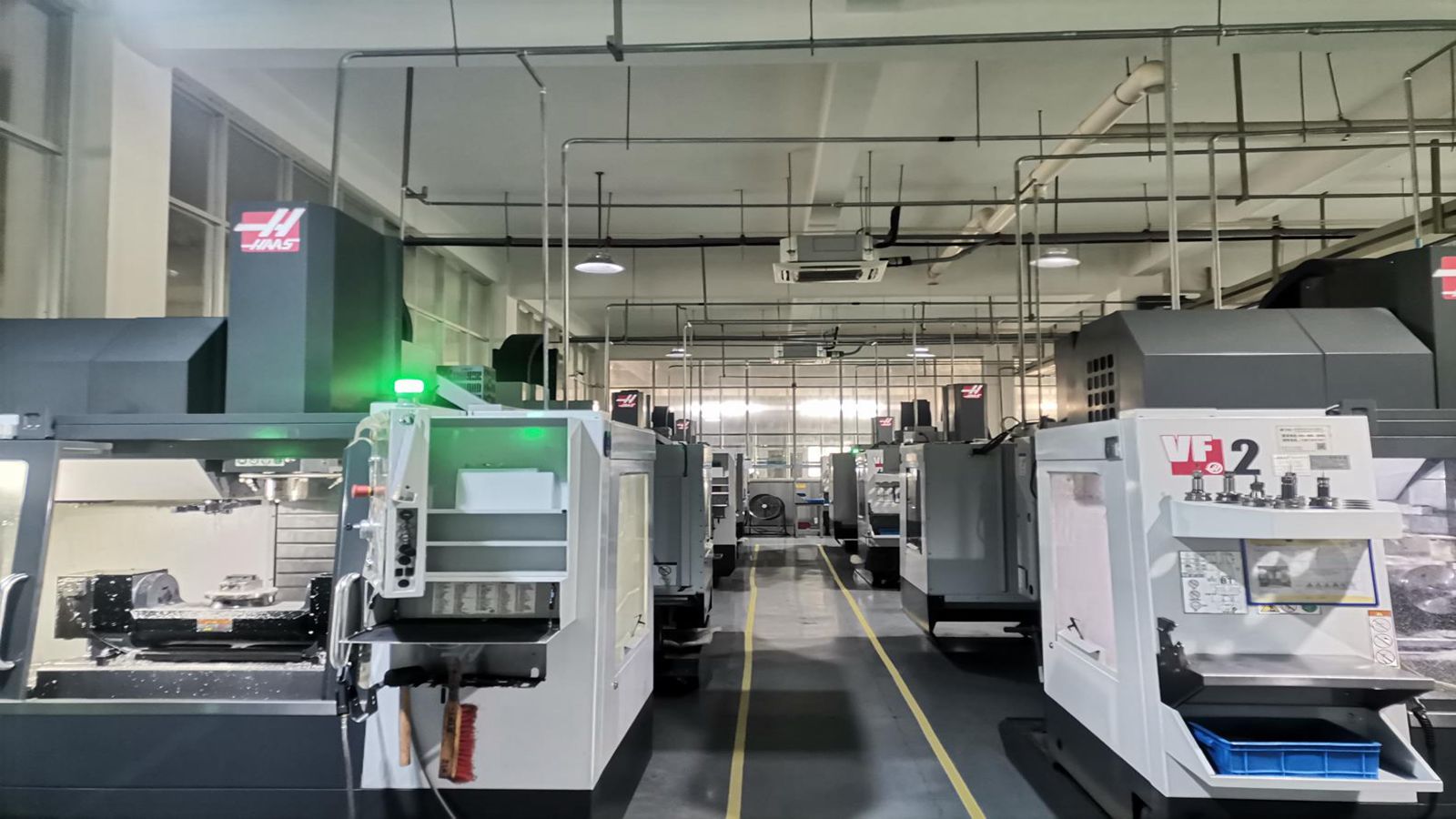
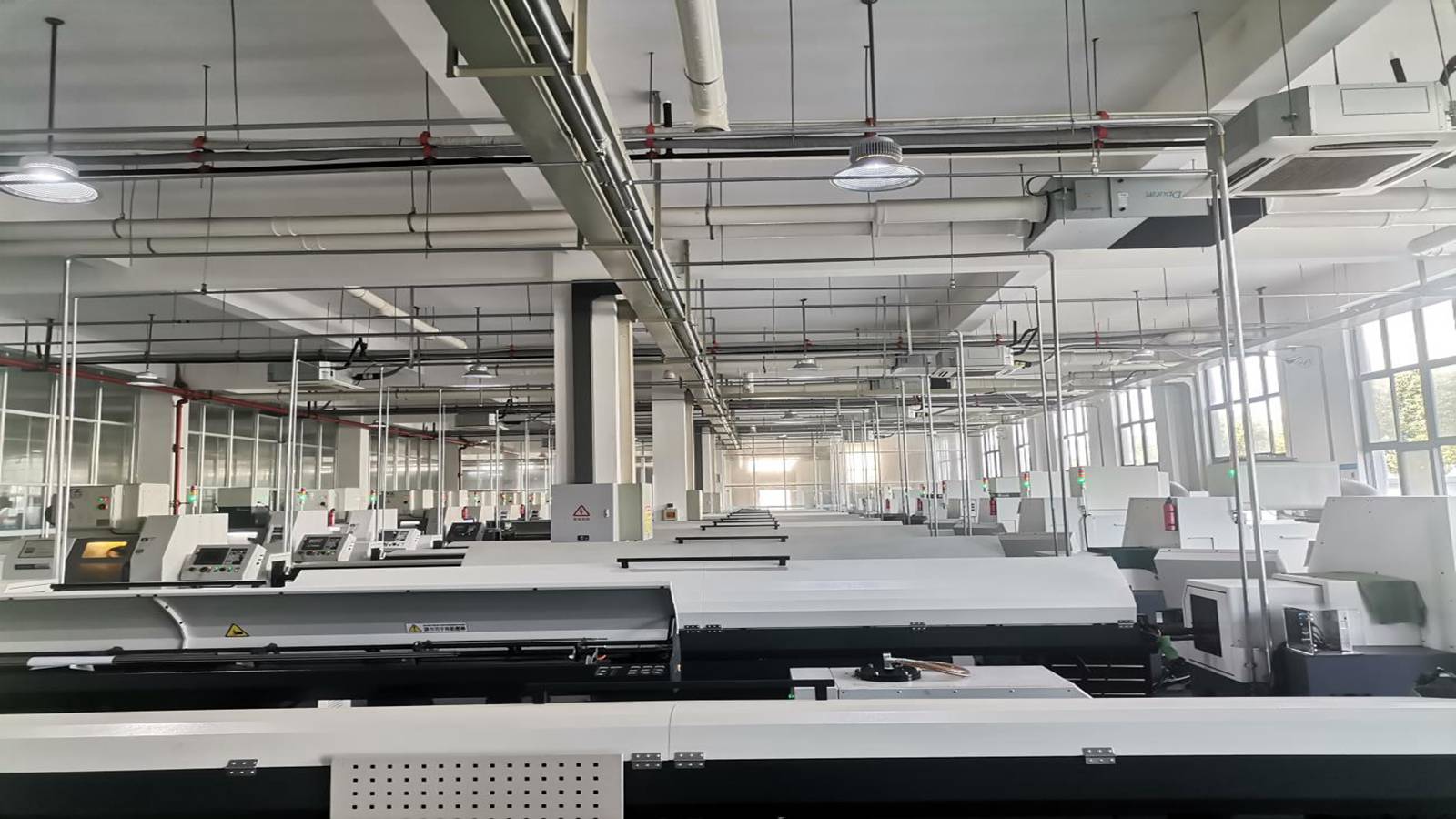
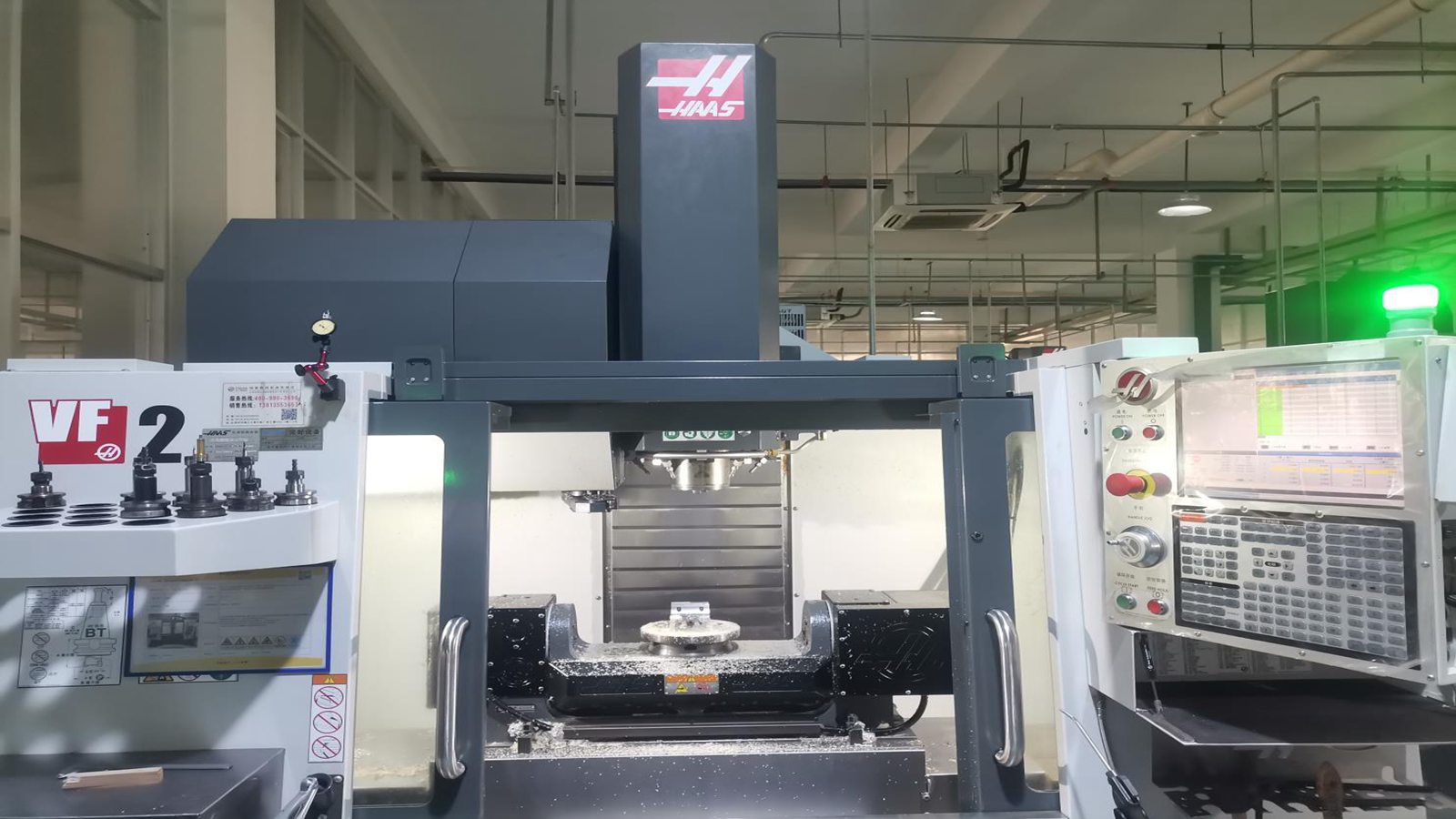
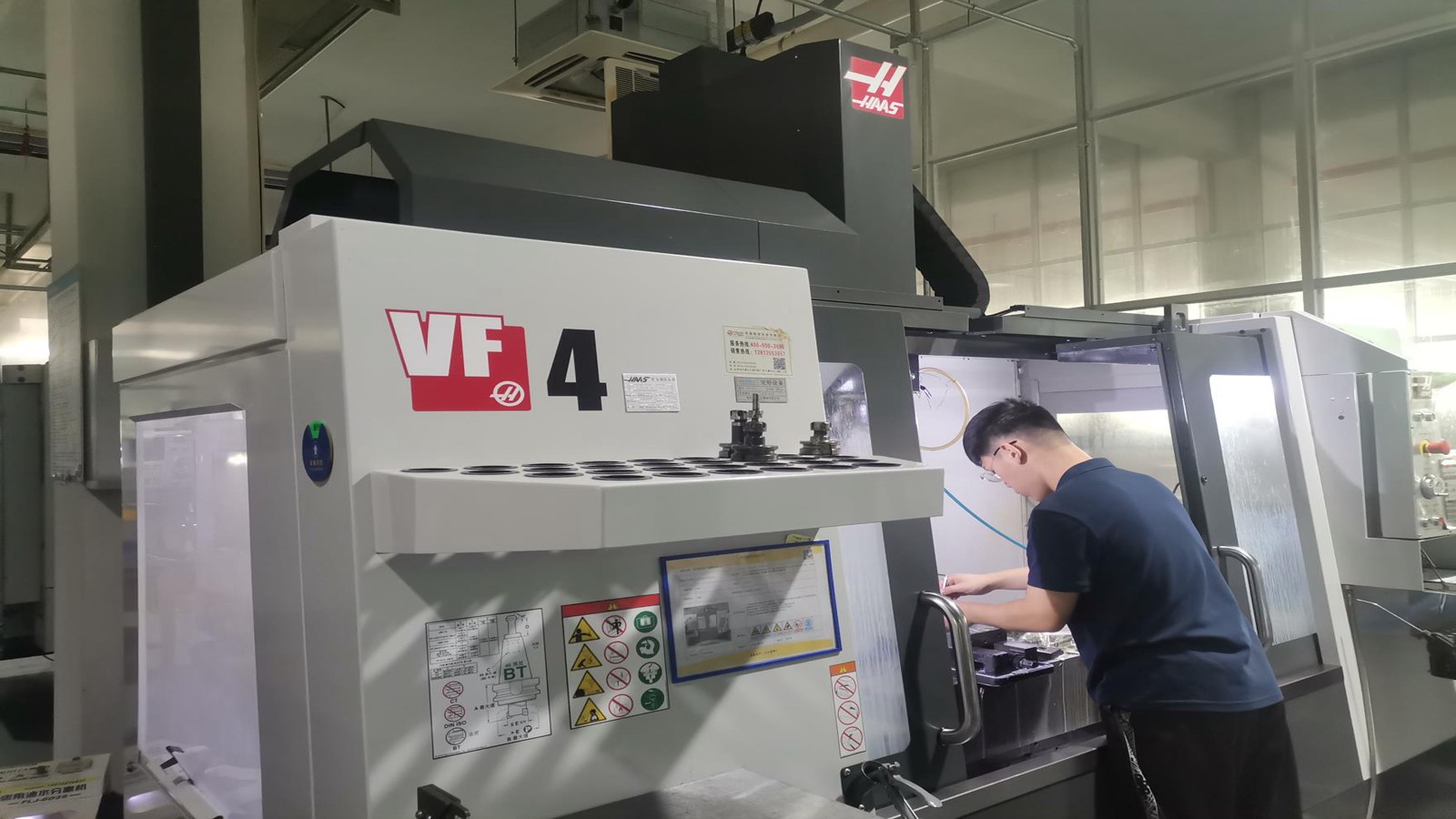
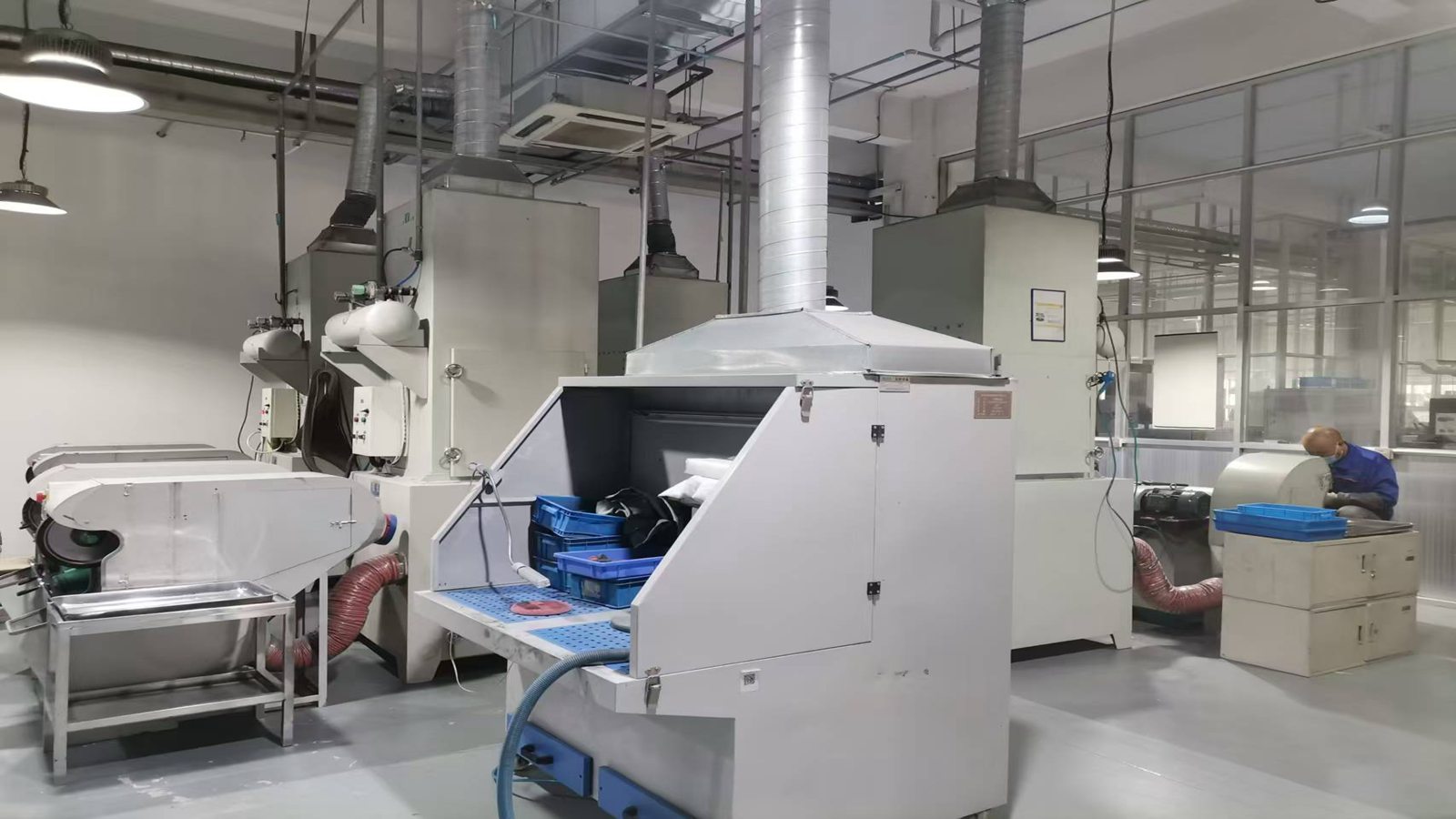
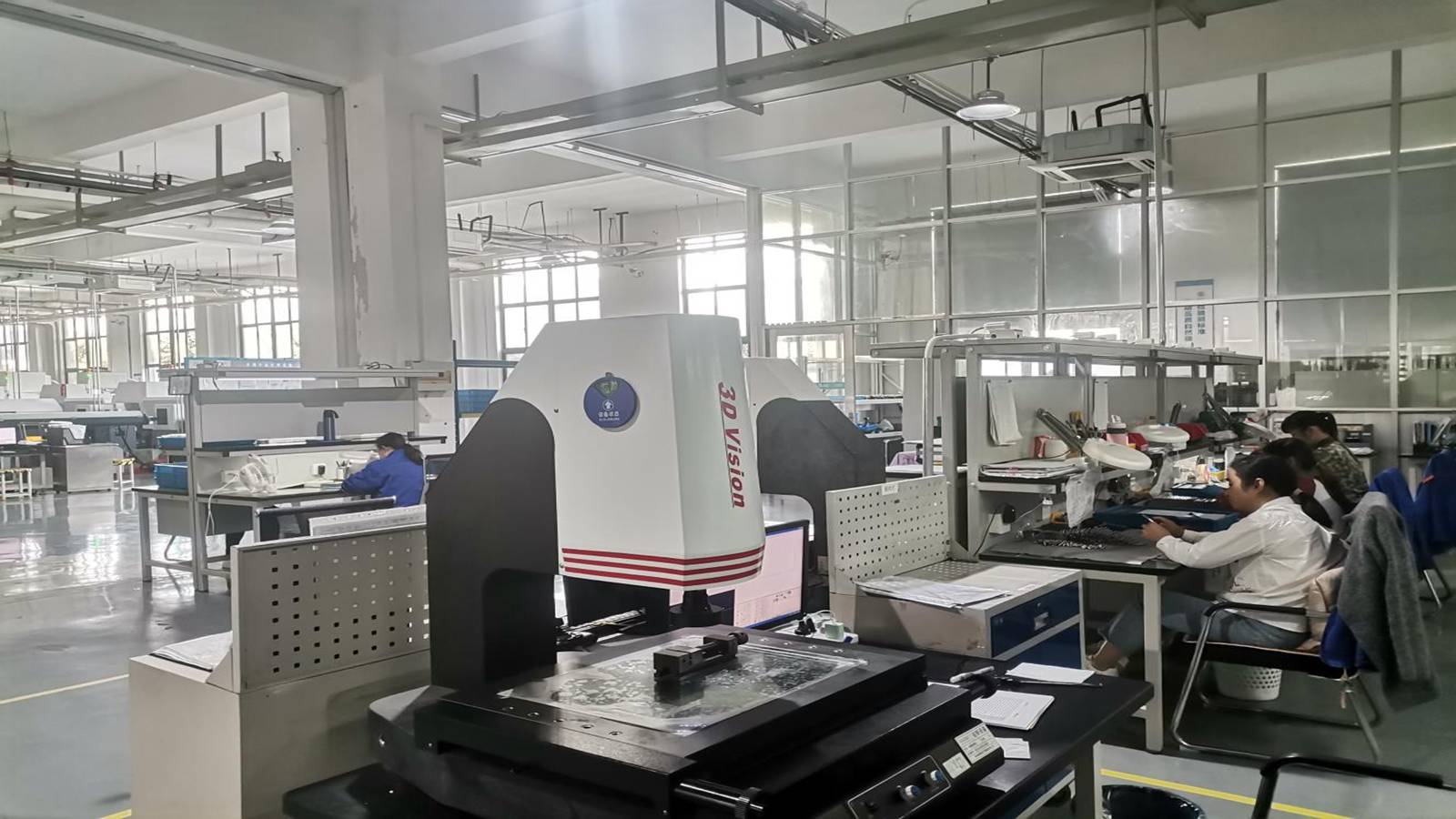
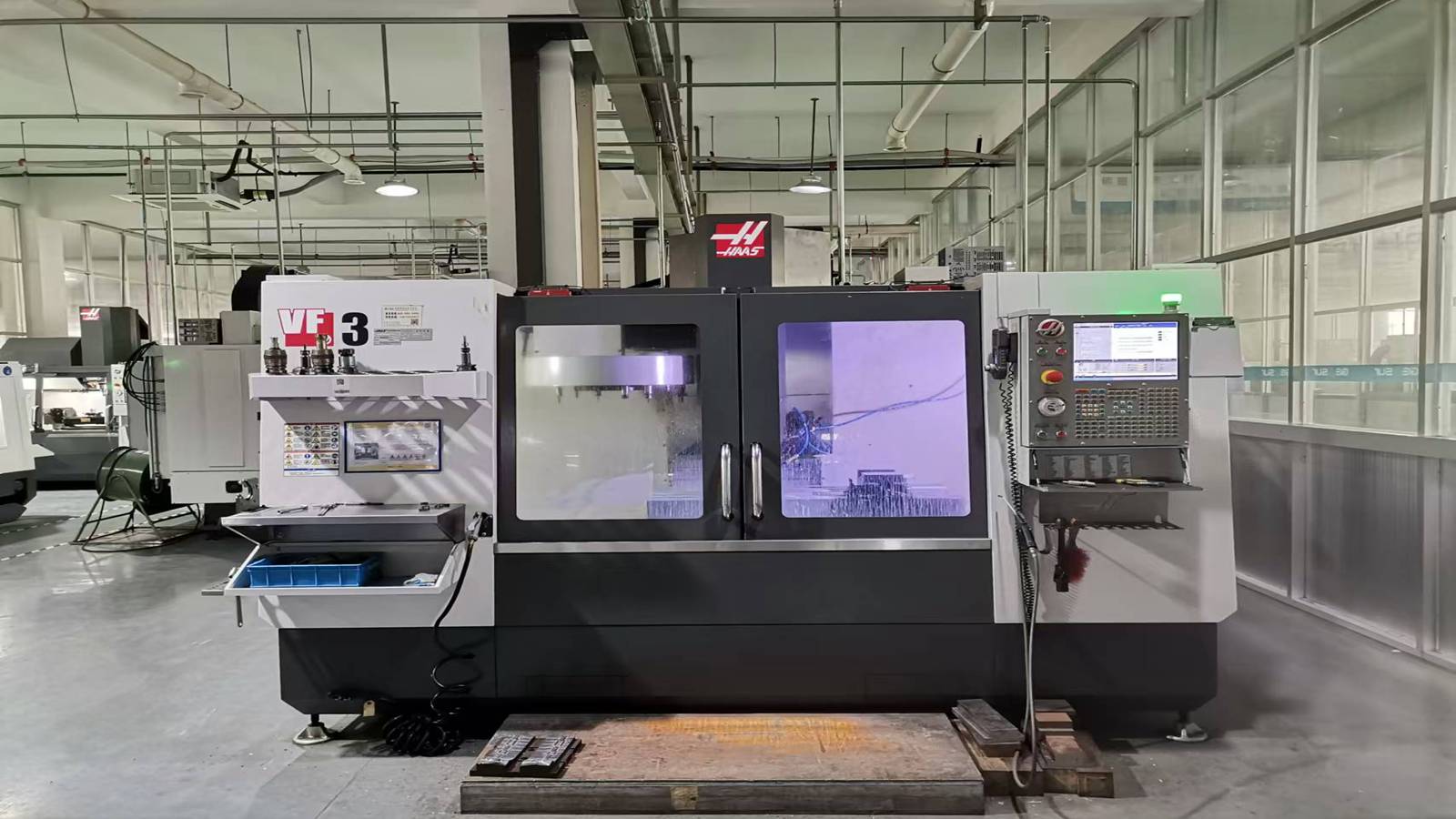
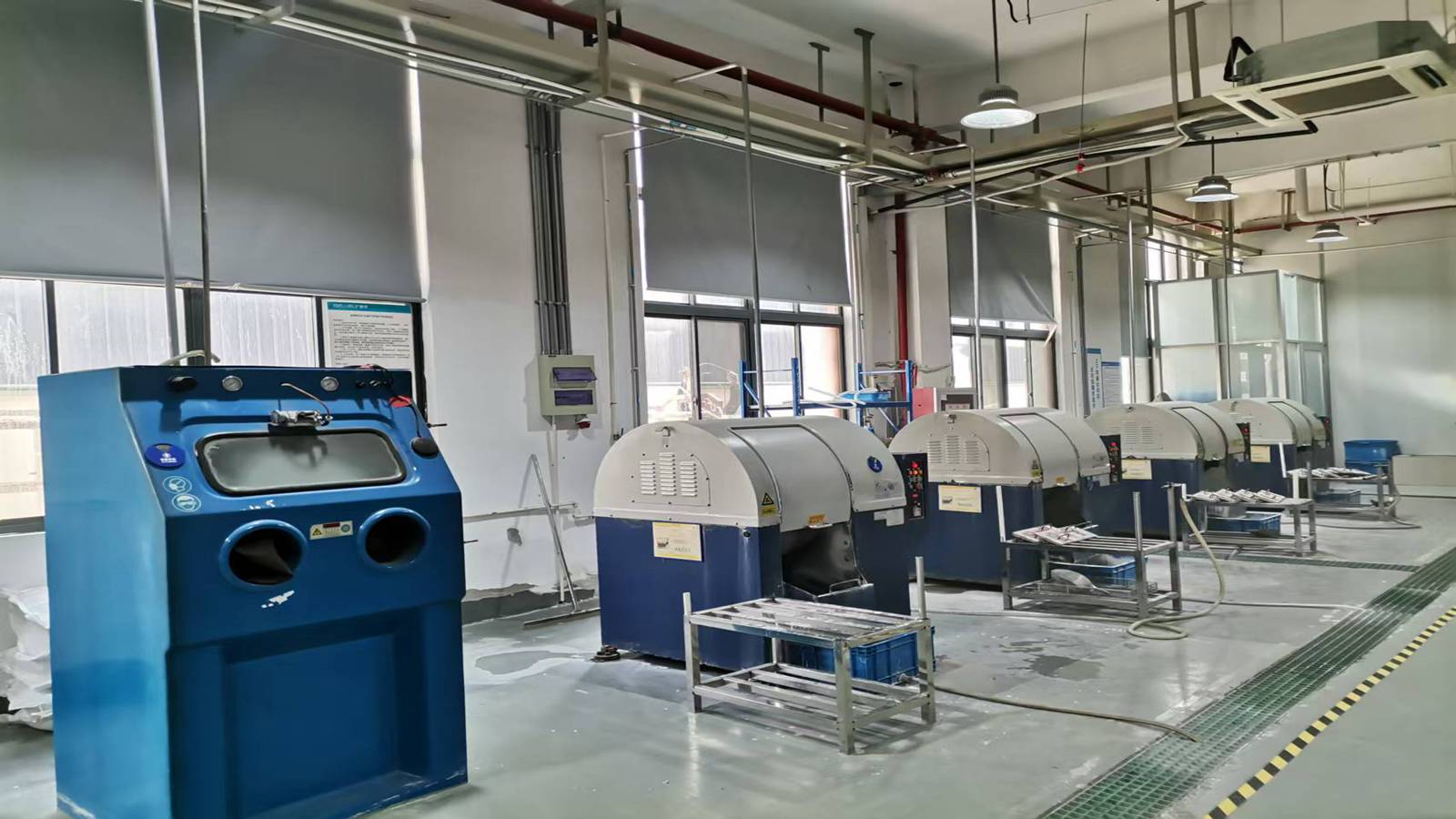
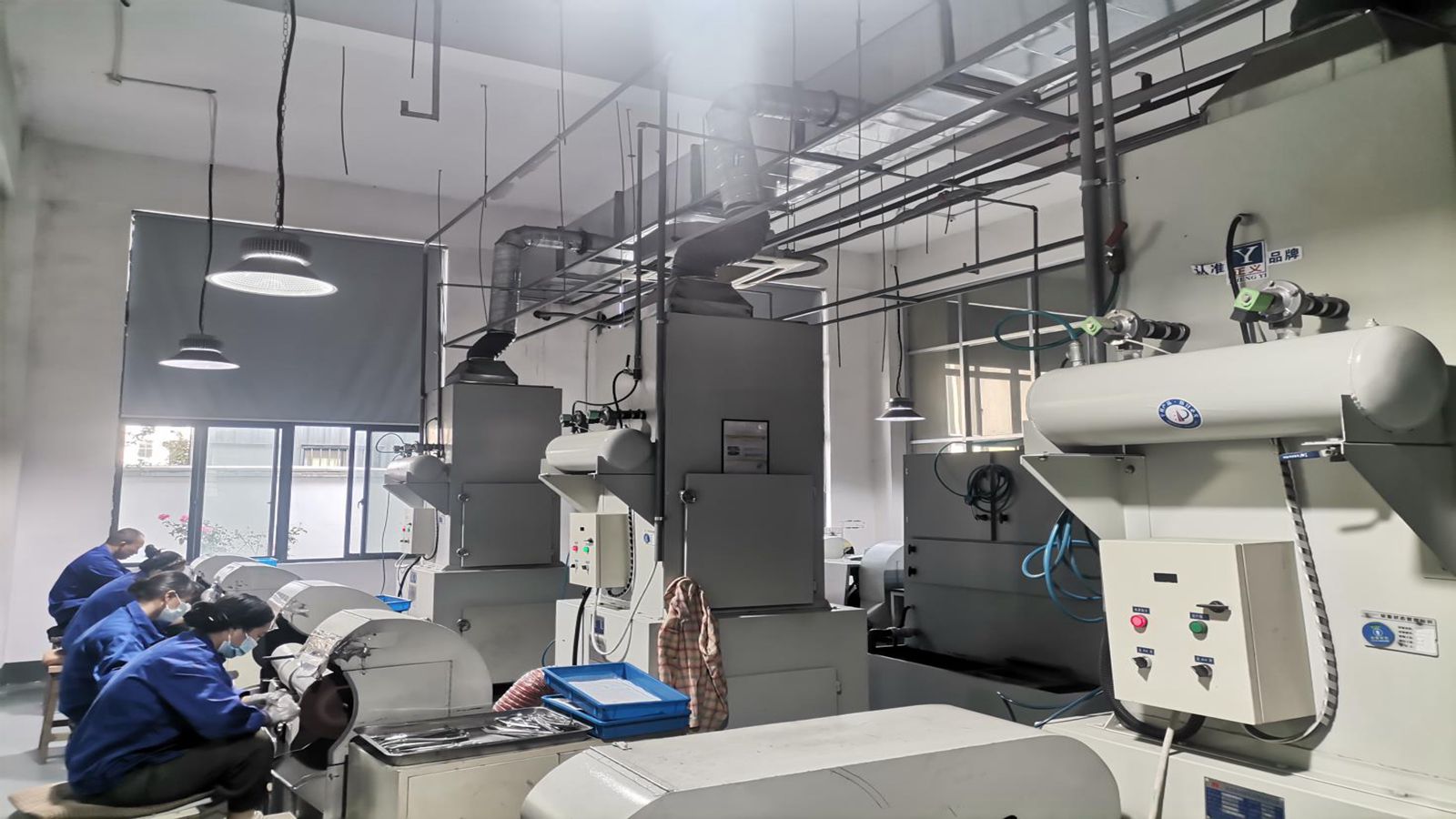
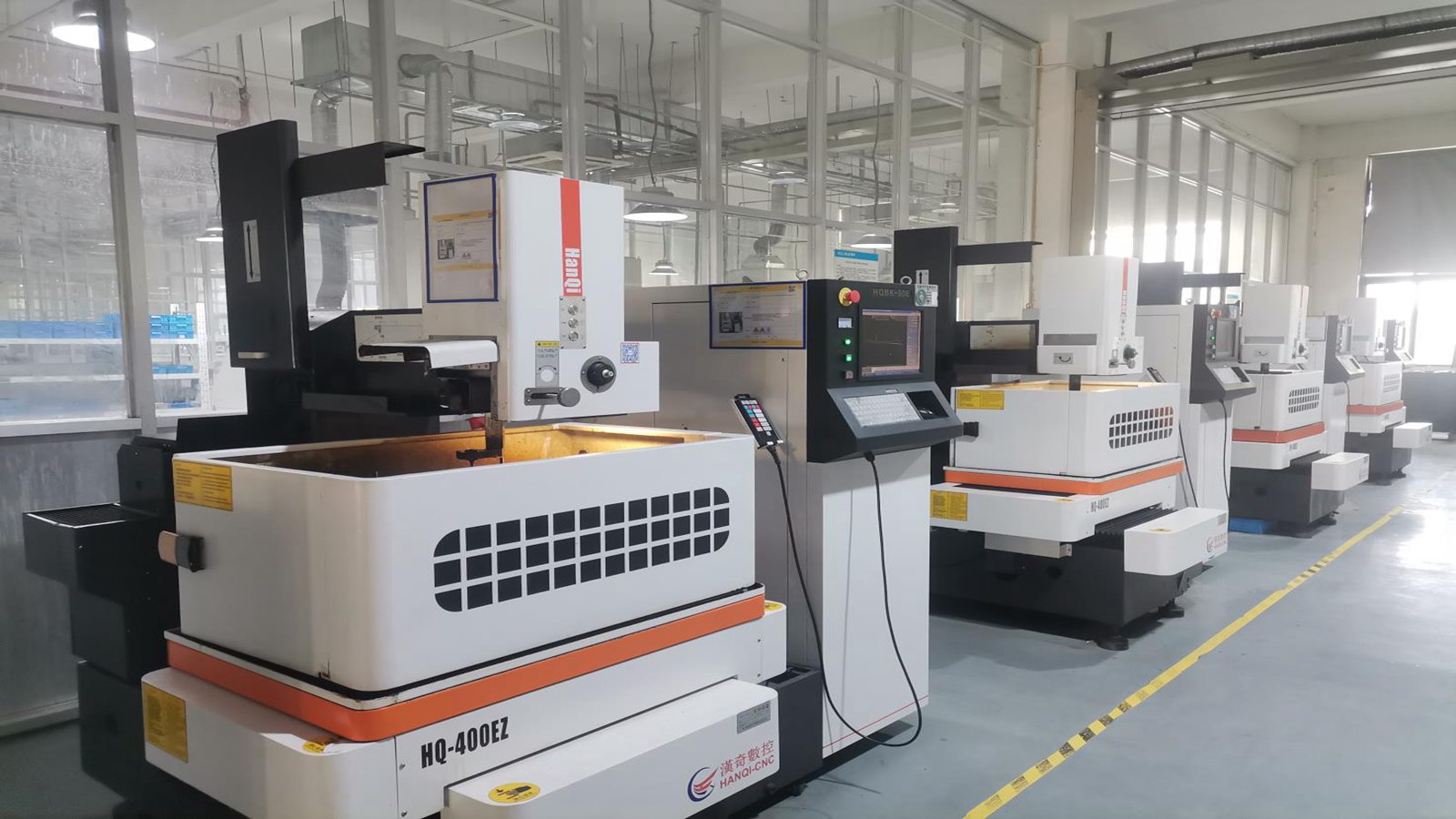
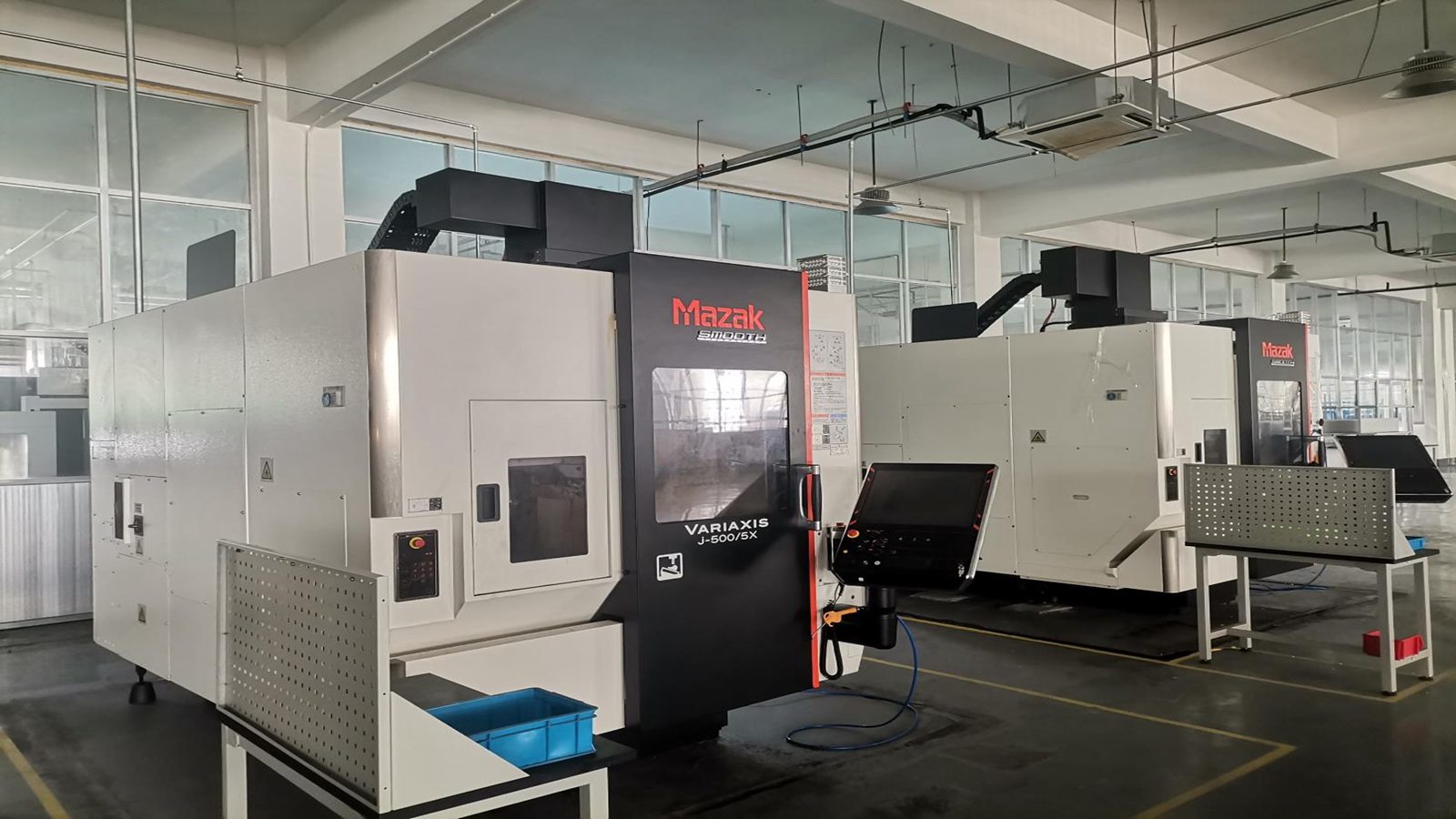
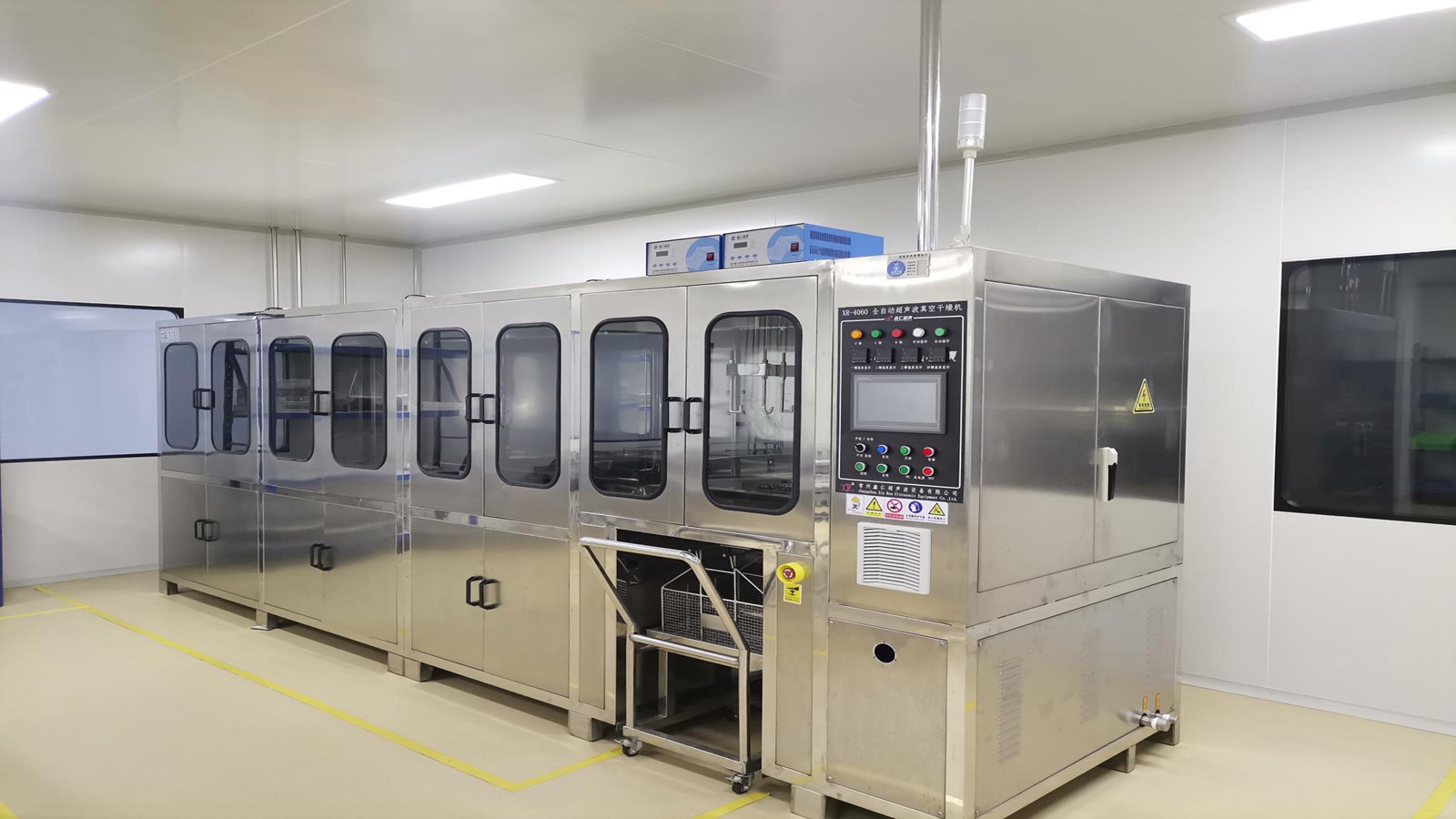
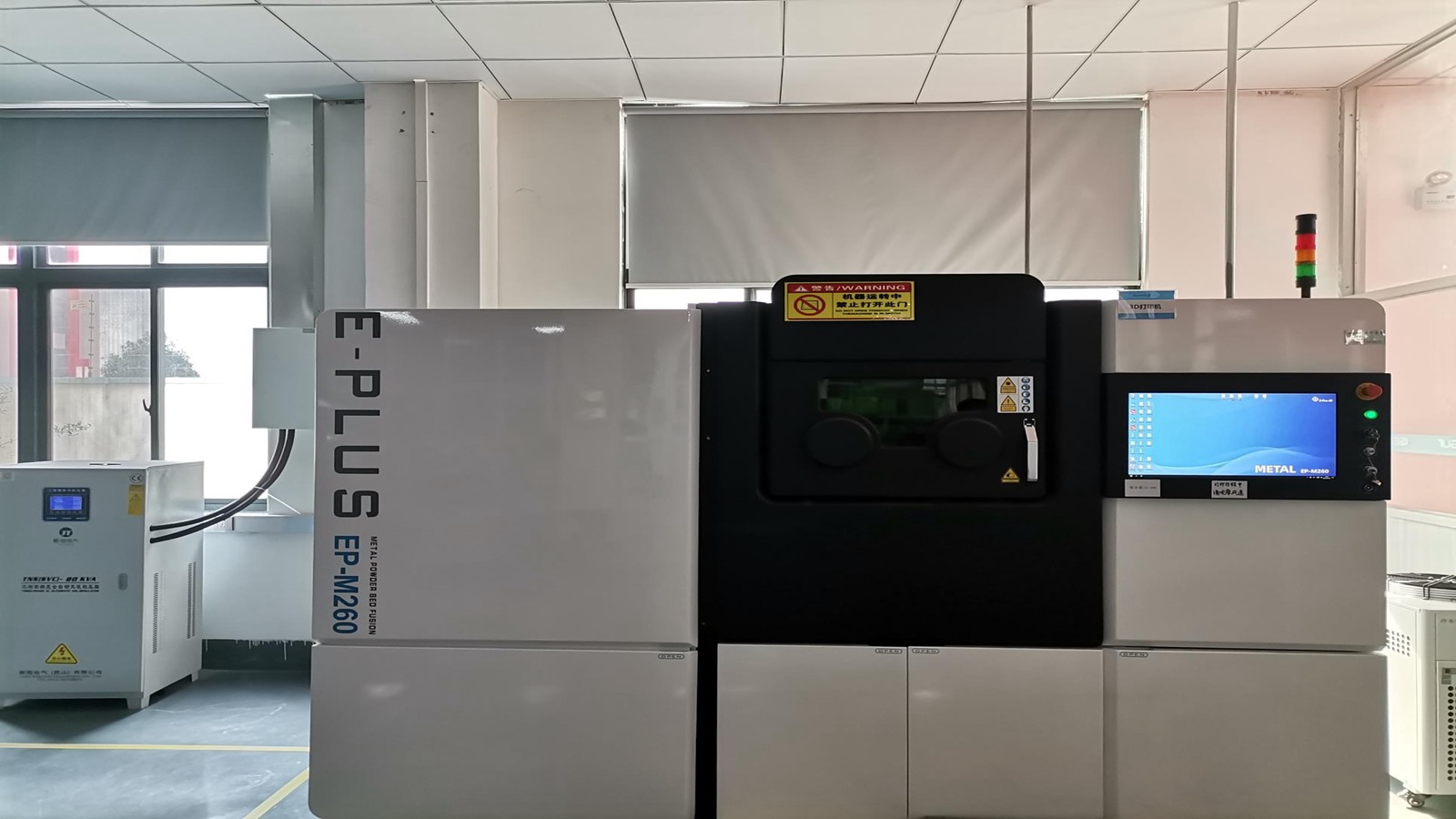
Operating from a state-of-the-art 30,343 square meter production facility equipped with over 120 advanced CNC machining centers and 12 automated production lines, HBM possesses the industrial scale required to handle large-scale municipal and national tenders. Our manufacturing processes are fully digitized, allowing for real-time tracking of raw materials from certified medical-grade titanium and cobalt alloys to the finished sterile package.
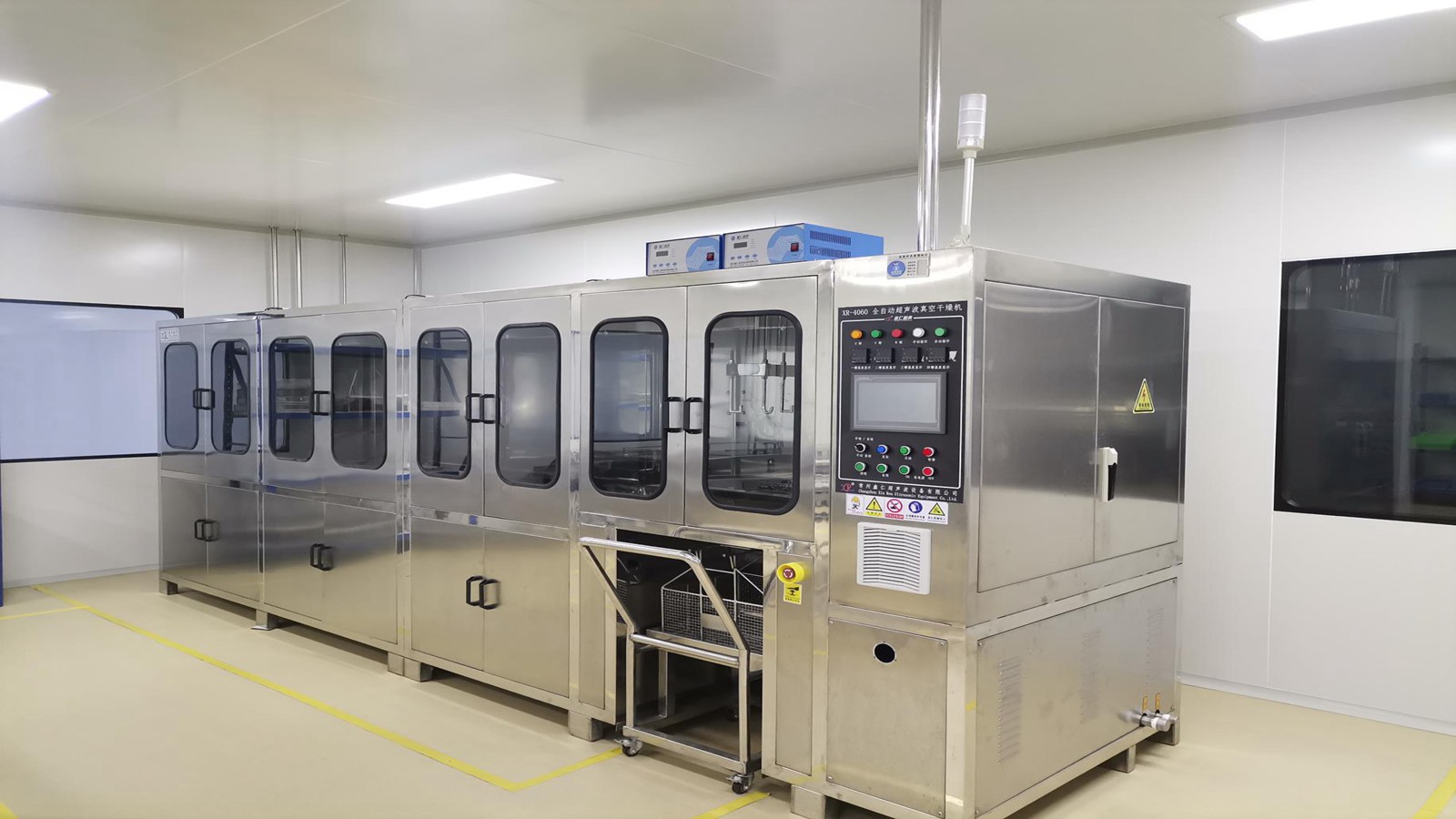
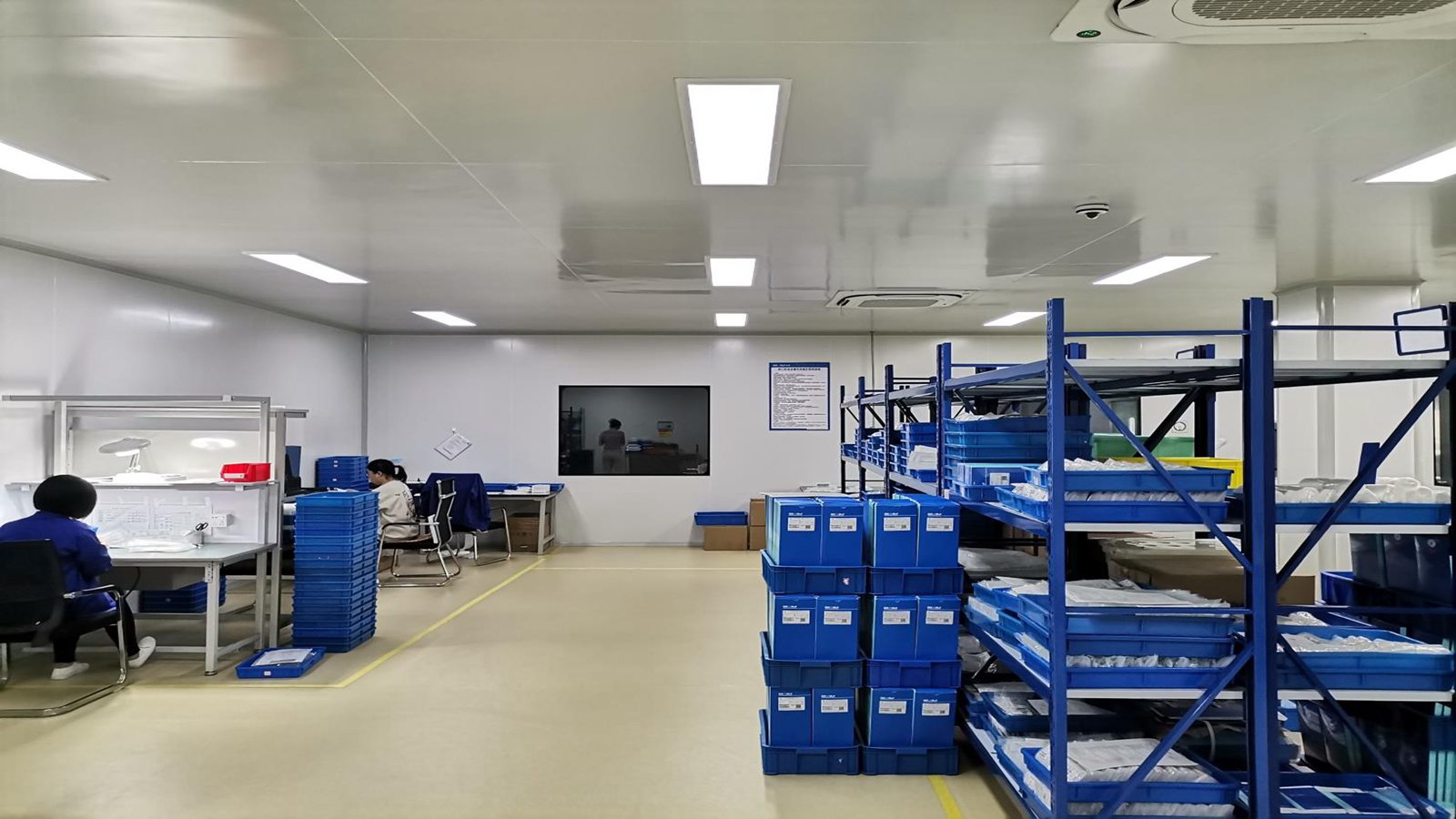
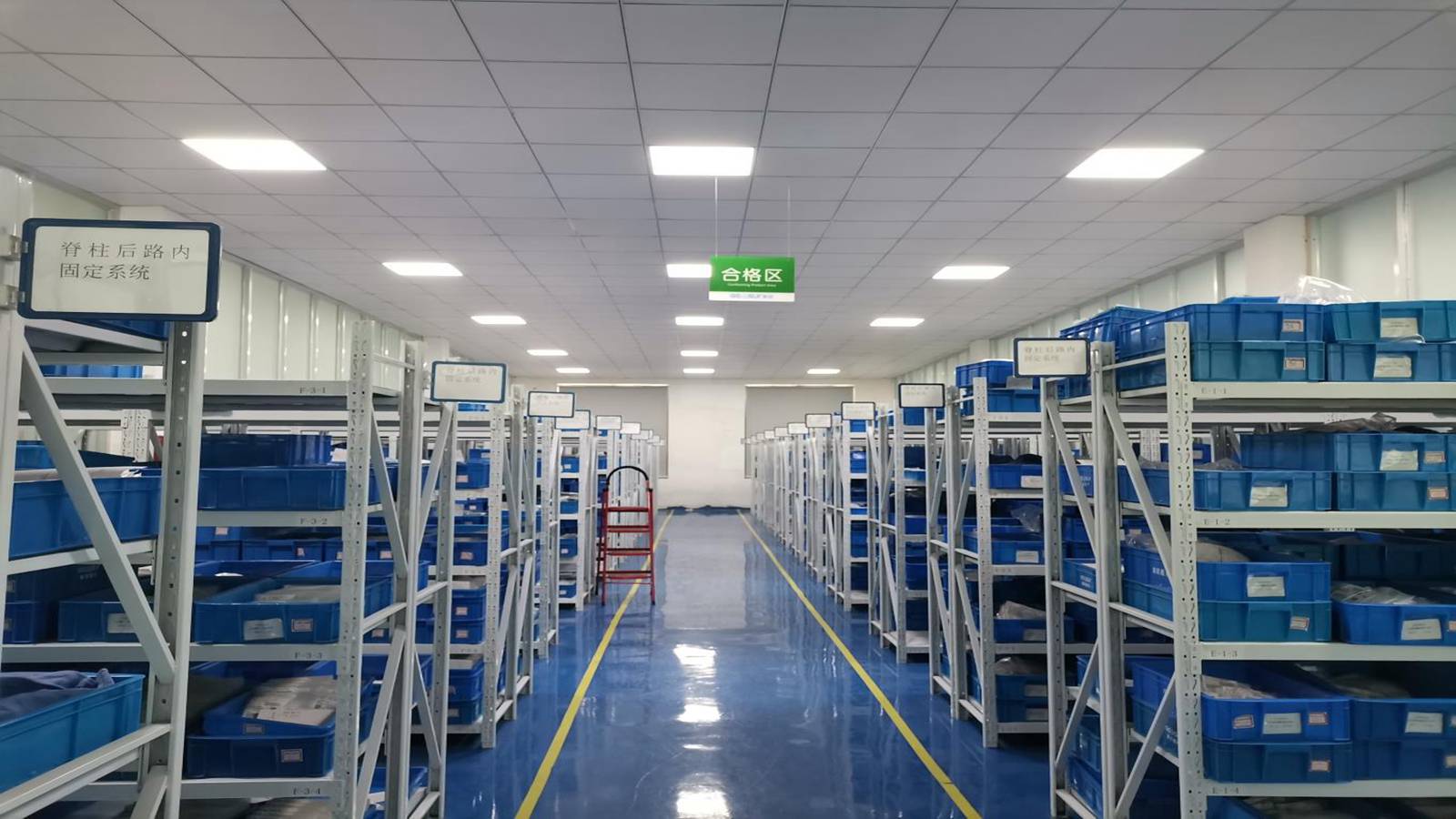
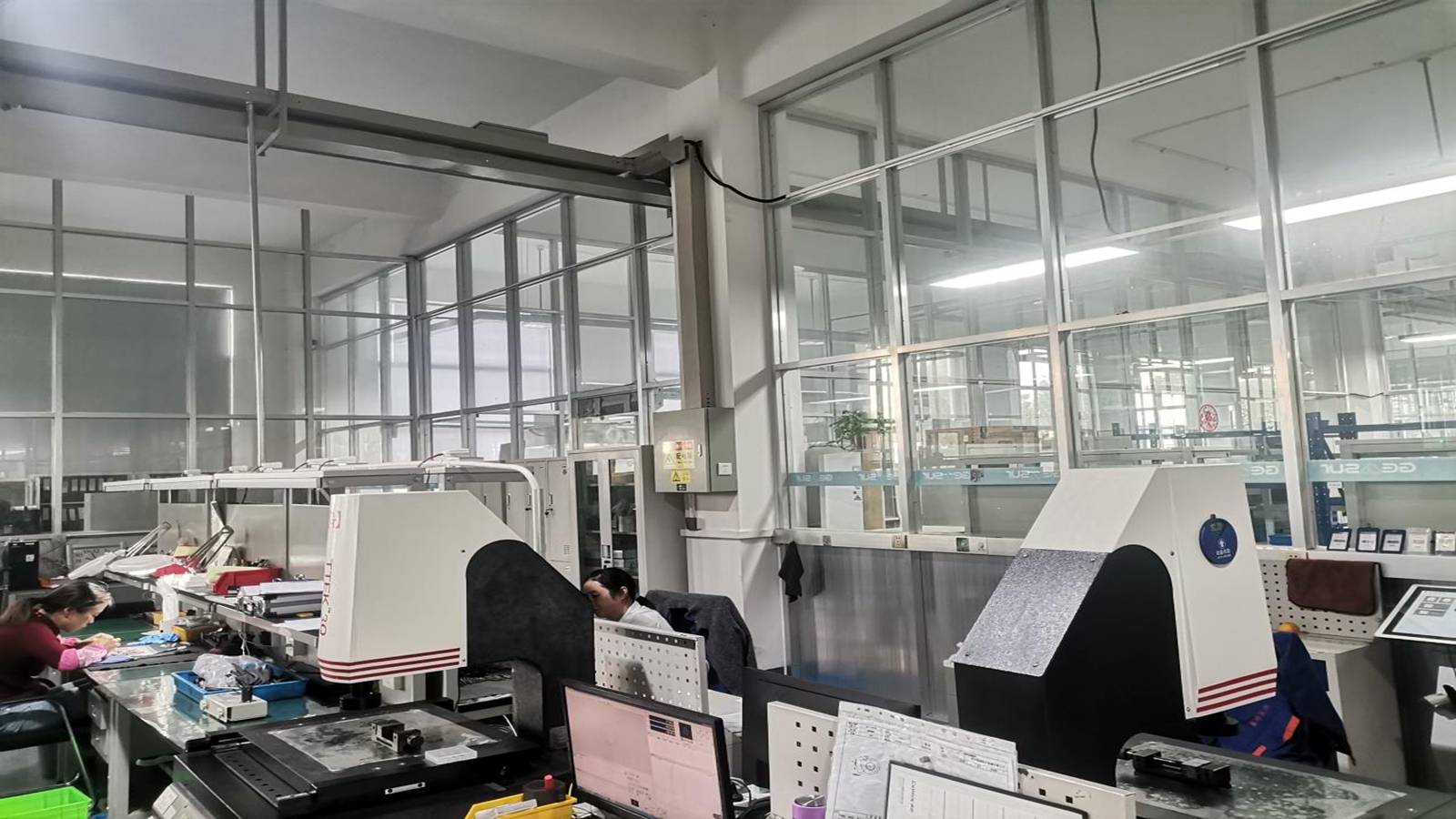
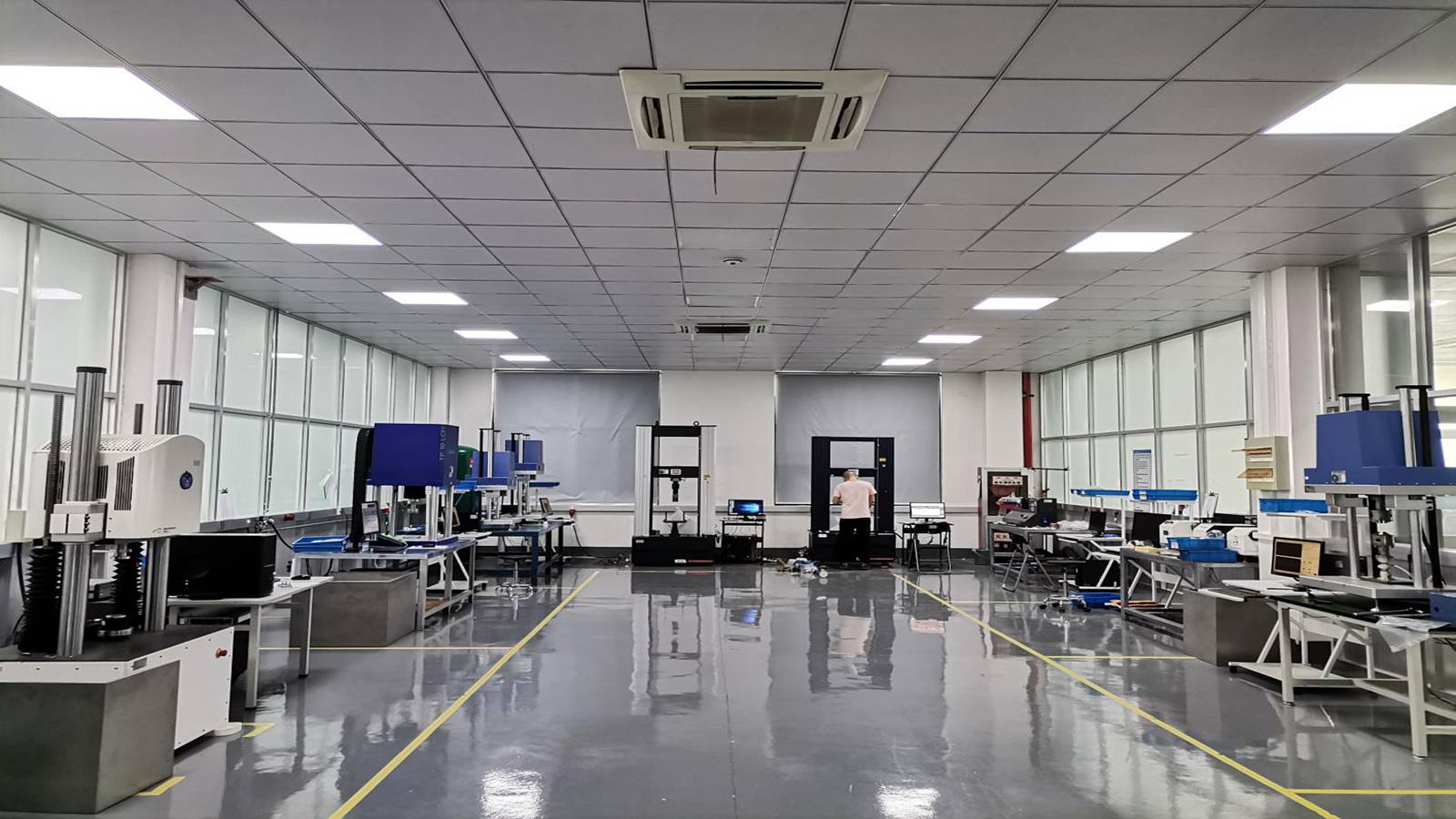
Our commitment to quality is backed by rigorous international standards, including ISO 13485, MDSAP (Medical Device Single Audit Program), and CE certifications (MDR 2017/745). With 36 dedicated QA/QC inspectors and 100% traceability, we ensure that every single implant delivered to a hospital in Jakarta or Surabaya meets the exact same high standards as those used in Europe and North America.
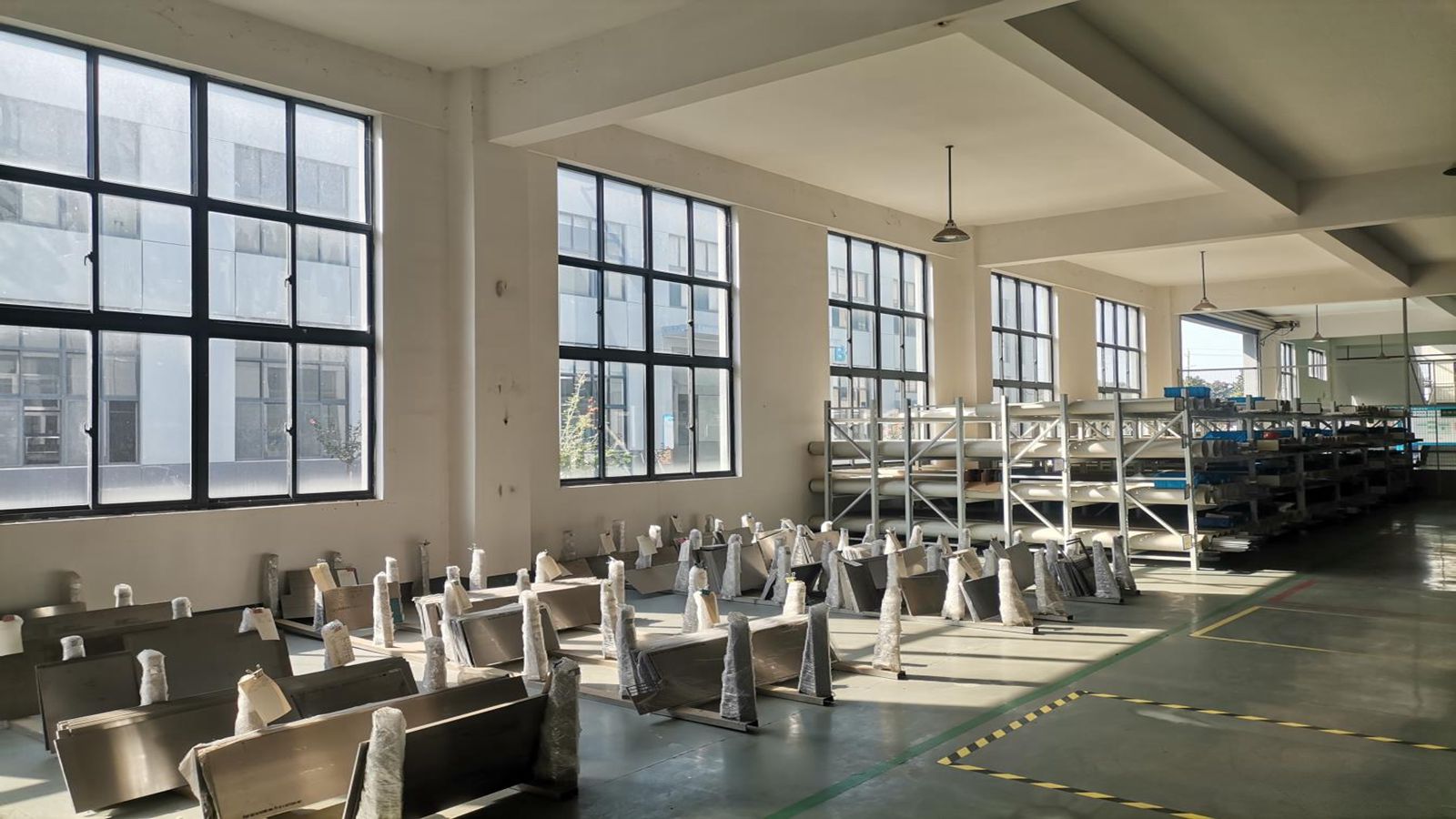
A visual testament to our manufacturing scale, advanced cleanrooms, precision testing laboratories, and international compliance.

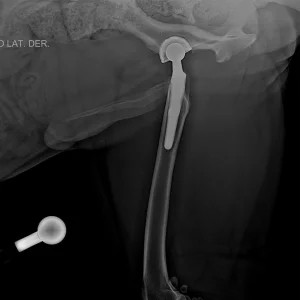
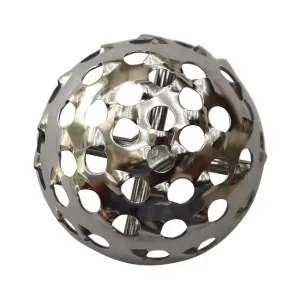
Ensuring complete clinical support with high-precision instrumentation and advanced veterinary arthroplasty systems for Indonesian clinics.
Get detailed answers regarding regulatory compliance, supply chain logistics, and product specifications for the Indonesian market.
Explore our full range of joint replacement systems, specialized surgical instruments, and veterinary orthopedic solutions.
Accelerate your orthopedic procurement with CE & MDSAP certified joint replacements, robust supply chain capacity, and dedicated regulatory support.
Send Inquiry Now HBM Medical