Advanced prosthetic solutions designed to meet the rigorous clinical standards of Peru's leading medical institutions and clinics.
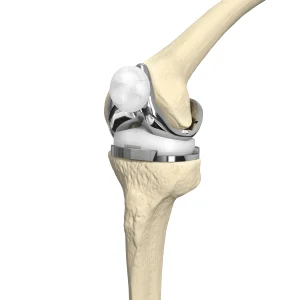
A comprehensive analysis of the joint reconstruction landscape in Peru: market drivers, clinical challenges, and supply chain strategies.
The demand for Total Hip Replacement (THR) and Total Knee Replacement (TKR) in Peru has experienced exponential growth over the past decade. Driven by an aging demographic, rising obesity rates, and expanding healthcare coverage under the SIS (Seguro Integral de Salud) and EsSalud (Seguro Social de Salud) networks, the Peruvian orthopedic market is transitioning toward high-performance, cost-effective implant systems. Historically dependent on expensive North American and European brands, Peruvian healthcare providers are actively seeking reliable, certified manufacturing partners that offer equivalent or superior clinical outcomes at sustainable price points.
Our analysis indicates that the metropolitan area of Lima, alongside regional hubs like Arequipa, Trujillo, and Cusco, accounts for over 75% of the total joint arthroplasty volume in the country. However, regional public hospitals often face severe budget constraints and prolonged procurement cycles, leading to critical shortages of implants and surgical instruments. By establishing direct-to-factory supply chains with certified manufacturers, Peruvian distributors and hospital groups can bypass multi-tiered intermediary markups, ensuring continuous availability of life-changing orthopedic solutions.
Developing orthopedic implants for the Peruvian population requires a deep understanding of local anatomical and geographical variations. One of the most significant factors is the high-altitude physiology of patients residing in the Andean regions (such as Puno, Cusco, and Huancayo). High-altitude environments influence bone density and mineralization patterns, often presenting unique challenges like early-onset osteoarthritis and atypical bone remodeling. Implants must feature advanced surface treatments, such as vacuum plasma-sprayed Titanium and Hydroxyapatite (HA) coatings, to accelerate osseointegration and ensure long-term mechanical stability in compromised bone beds.
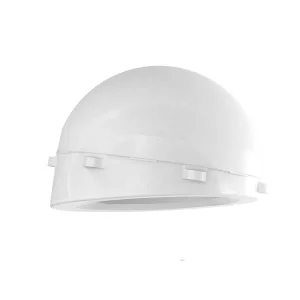
Furthermore, anatomical sizing studies indicate that the average femoral and tibial dimensions of the Mestizo population in Peru are generally smaller than those of Caucasian populations. Standard Western implant sizes often lead to overhang or mismatch, resulting in soft-tissue irritation and suboptimal kinematics. HBM Medical addresses this critical gap by offering highly customizable sizing matrices, including smaller femoral stems, narrow tibial components, and low-profile acetabular cups, ensuring a precise anatomical fit and reducing intraoperative bone resection.
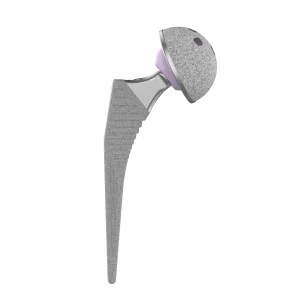
The clinical success of THR and TKR systems relies heavily on the integrity of the materials used. HBM utilizes medical-grade Cobalt-Chromium-Molybdenum (CoCrMo) alloys for articulating surfaces to minimize wear rates and maximize biocompatibility. For cementless applications, our titanium stems are manufactured from high-strength Ti-6Al-4V ELI alloy, featuring a dual-layer coating of porous titanium and crystalline Hydroxyapatite (HA) to mimic natural bone architecture and promote rapid biological fixation.
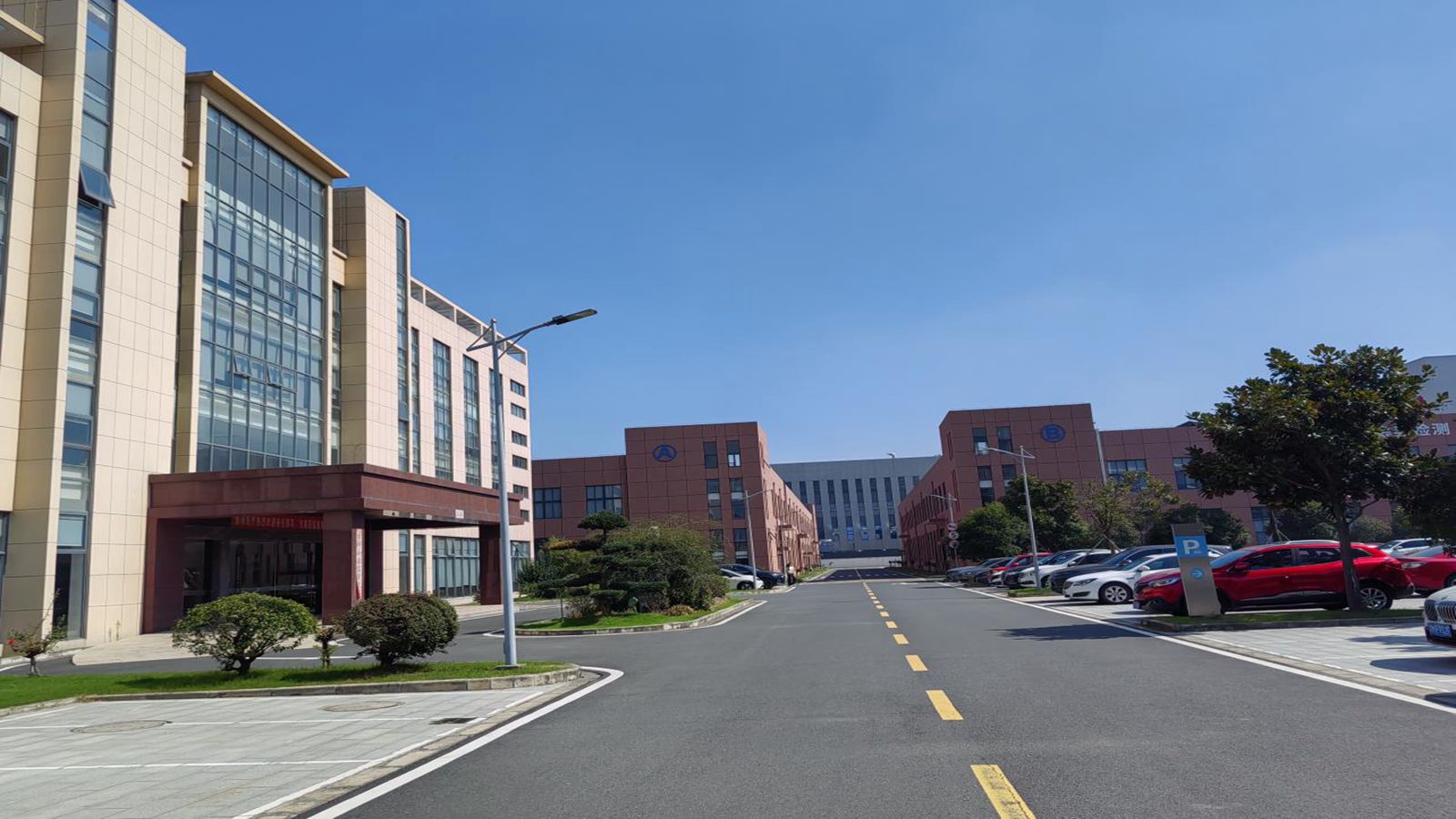
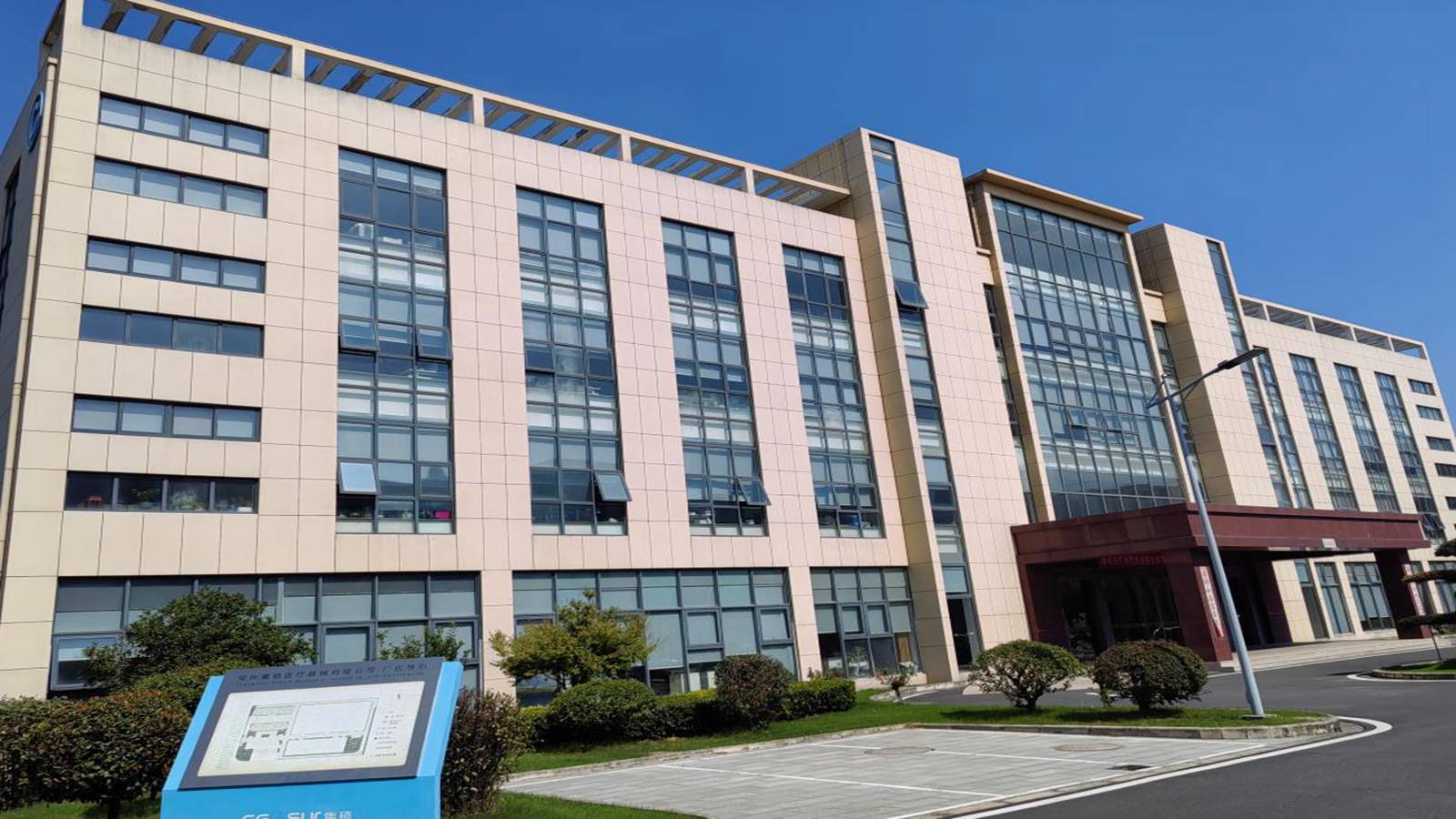
In the medical device industry, supply chain delays can directly impact patient care and surgical schedules. HBM Medical’s massive 30,343 square meter manufacturing facility houses 12 automated production lines and over 120 high-precision CNC and testing machines. This extensive infrastructure allows us to maintain a stable production capacity and insulate our partners from global supply fluctuations. For our clients in Peru, we have optimized shipping routes directly to the Port of Callao (Lima), utilizing trusted maritime and air freight carriers to guarantee predictable transit times and streamlined customs clearance.
Our robust supply chain model is backed by 100% raw material traceability. Every batch of titanium or cobalt-chromium alloy is sourced from certified global suppliers and undergoes rigorous chemical and mechanical verification before entering the production line. This level of control ensures that every implant delivered to a clinic in Arequipa or a public hospital in Lima meets the exact same high standards as those distributed in domestic and European markets.
World-class infrastructure, certified quality control, and extensive R&D capabilities driving global orthopedic innovation.
Driving the future of joint reconstruction through continuous R&D, advanced material science, and digital integration.
Implementation of high-crystallinity Hydroxyapatite (HA) coatings and porous titanium plasma spraying to maximize immediate mechanical stability and long-term biological fixation in diverse bone qualities.
Development of specialized sizing portfolios tailored specifically for Latin American patient demographics, reducing the need for extensive bone resection and improving post-operative range of motion.
Integration of implant systems with computer-assisted navigation and robotic surgical platforms, allowing Peruvian surgeons to achieve unprecedented precision during alignment and component positioning.
Navigating the regulatory landscape in Peru requires a partner with robust compliance credentials. All HBM orthopedic implants are manufactured under strict international standards, holding CE (MDR), FDA, ISO 13485, and MDSAP (Medical Device Single Audit Program) certifications. This comprehensive regulatory portfolio streamlines the registration process with DIGEMID (Dirección General de Medicamentos, Insumos y Drogas), allowing our local partners to import and distribute our products with absolute legal security.
Beyond regulatory compliance, we provide extensive localized support to ensure the clinical success of our implant systems:
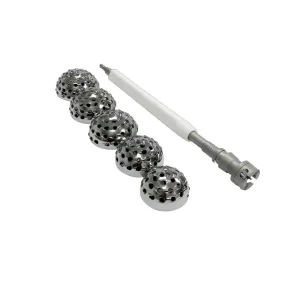
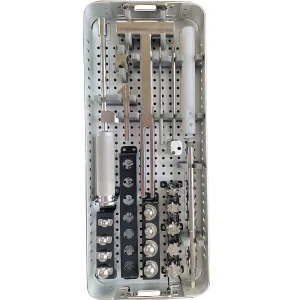
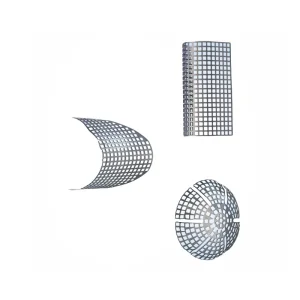
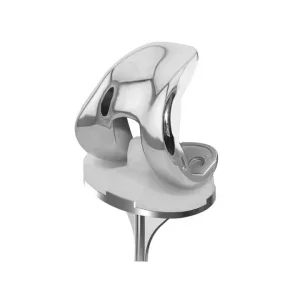
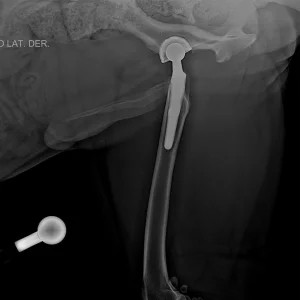
Explore our extensive range of hip and knee reconstruction systems, surgical instruments, and specialized veterinary implants.
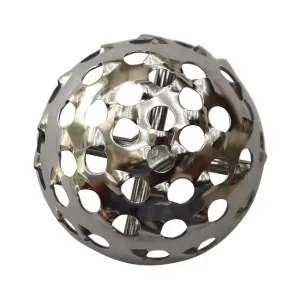
Key information regarding regulatory compliance, customization options, and logistics for the Peruvian market.
Equip your hospital, clinic, or distribution network in Peru with world-class, CE & FDA certified joint replacement systems. Contact our technical sales team today for a comprehensive quote and product catalog.
Send Inquiry Now HBM Medical