High-precision trauma and cardiothoracic implants engineered to meet the strict quality standards of Nagoya's clinical networks.
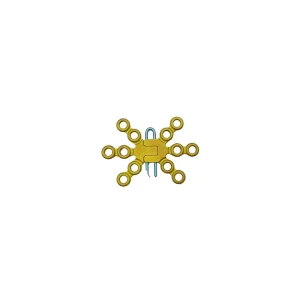
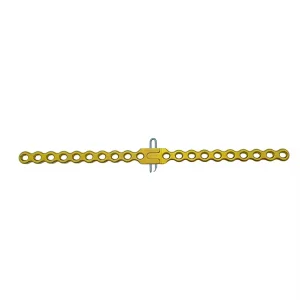
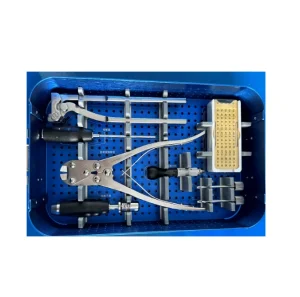
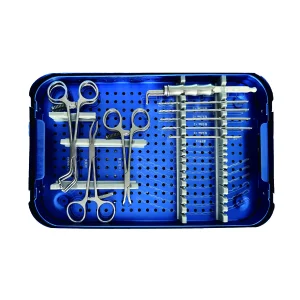
An authoritative analysis of rigid fixation systems in modern cardiothoracic surgery and their adoption in Nagoya's leading medical institutions.
Median sternotomy remains the gold standard pathway for major open-heart surgical procedures, including coronary artery bypass grafting (CABG), valve replacements, and aortic reconstructions. Historically, closure of the sternum relied almost exclusively on stainless steel wire cerclage. While cost-effective, wire cerclage is prone to mechanical limitations such as wire cutout, sternal instability, and subsequent deep sternal wound infections (DSWI) or mediastinitis—conditions carrying mortality rates as high as 40%.
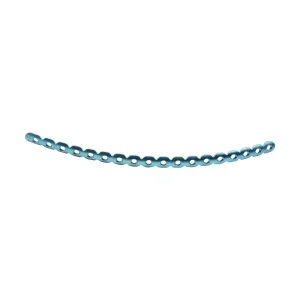
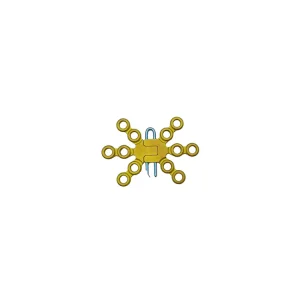
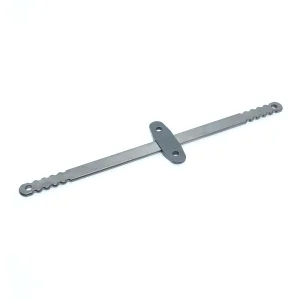
The introduction of Rigid Sternal Fixation Systems has revolutionized post-sternotomy care. By applying the biomechanical principles of orthopedic plate fixation to the thoracic skeleton, these systems provide superior structural stability, minimize micro-motion between sternal halves, and significantly reduce post-operative pain. Clinical data indicates that rigid plate fixation accelerates bone healing, reduces the incidence of sternal non-union, and shortens intensive care unit (ICU) stays, offering a compelling clinical and economic value proposition.
"Rigid fixation systems transform the mechanical environment of the healing sternum, shifting the clinical focus from mere approximation to absolute stability. This is particularly crucial for high-risk cohorts, including diabetic, obese, and elderly patients."
For medical distributors and procurement departments serving the Nagoya metropolitan area, sourcing high-quality, regulatory-compliant sternal fixation systems is paramount. Nagoya, as a center of medical excellence in Japan, demands implants that meet the highest standards of biocompatibility, fatigue resistance, and surgical ergonomics.
Bridging advanced clinical demands with high-precision manufacturing paradigms in the heart of Japan.
The Nagoya medical market is characterized by a unique intersection of clinical sophistication and deep appreciation for precision manufacturing (often referred to locally as *Monozukuri*). Cardiothoracic surgeons in Nagoya's leading hospitals are pioneers in adopting minimally invasive cardiac surgery (MICS) and advanced rigid closure systems. However, the local commercial landscape presents high entry barriers due to stringent PMDA (Pharmaceuticals and Medical Devices Agency) regulations and the demand for flawless product consistency.
As global manufacturers and exporters, we recognize that serving Nagoya requires more than just shipping implants. It demands a deep understanding of local surgical preferences, such as low-profile plate designs that minimize palpability in thinner patient profiles, and highly specialized instrument kits that facilitate rapid, stress-free application during critical closure phases. By aligning our advanced manufacturing capabilities with Nagoya's clinical expectations, we provide a reliable, high-performance alternative to traditional supply chains.
Key technological and regulatory shifts shaping the future of thoracic osteosynthesis.
Modern sternal plates are transitioning from pure titanium (Grade 4) to high-strength titanium alloys (Ti-6Al-4V ELI / Grade 5). This allows manufacturers to reduce plate thickness to under 1.5mm while maintaining superior fatigue life and tensile strength, effectively eliminating patient discomfort and plate palpability post-implantation.
Research is accelerating into dynamic sternal fixation systems that allow natural physiological expansion of the chest wall during deep respiration while maintaining rigid vertical stability. Additionally, bioresorbable polymers are being explored for pediatric sternal closures to avoid secondary surgeries for implant removal.
For complex sternal reconstructions following trauma or tumor resections, 3D-planned, patient-specific titanium implants are becoming standard. Integrating CT data with high-precision CNC milling or 3D printing allows surgeons to restore chest wall integrity with unprecedented anatomical accuracy.
The transition from MDD to MDR in Europe and the tightening of FDA 510(k) pathways have forced manufacturers to elevate their clinical evidence portfolios. Only manufacturers with robust quality management systems (QMS) and comprehensive clinical evaluation reports (CER) can sustain global export operations.
Engineered for structural integrity, anatomical conformity, and rapid surgical deployment.
How HBM Medical leverages advanced manufacturing paradigms to deliver world-class orthopedic solutions.
At HBM Medical Apparatus And Instruments Co., Ltd., our manufacturing philosophy is built on the principles of Industry 4.0. Operating a state-of-the-art production site spanning over 30,343 square meters, we have integrated advanced automation, real-time data monitoring, and precision robotics to ensure that every sternal plate and screw meets micro-level tolerances.
Our facility is equipped with more than 350 advanced processing and testing machines, including Swiss-type CNC longitudinal lathes, 5-axis machining centers, and automated anodizing lines. This extensive machinery footprint allows us to operate 12 highly specialized production lines, ensuring a stable, scalable supply chain that can rapidly adapt to fluctuating global demands. Whether catering to high-volume wholesale distributors or specialized OEM/ODM requests from Nagoya, our production capacity guarantees short lead times without compromising quality.
Quality control is the cornerstone of our operations. We employ 36 dedicated QA/QC inspectors who oversee every stage of production, from raw material verification to final sterile packaging. We guarantee 100% traceability of raw materials, sourcing only medical-grade titanium alloys accompanied by mill test certificates. Our quality management system is fully certified under international standards, including ISO 13485, MDSAP, and CE (MDR), ensuring seamless regulatory clearance in demanding markets like Japan.
By combining China's robust supply chain ecosystem with rigorous international quality standards, HBM Medical offers an unparalleled balance of cost efficiency, technical sophistication, and supply chain resilience.
Tailoring advanced thoracic solutions to the specific clinical workflows of Nagoya's medical institutions.
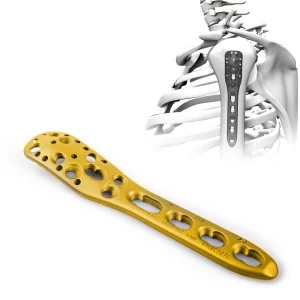
In Nagoya's aging demographic, cardiothoracic surgeons frequently operate on patients with osteoporotic bone structures, diabetes, or high BMI. Traditional wire closures in these cohorts carry a high risk of "sternal cutout." Our low-profile titanium locking plates distribute mechanical loads across a wider surface area, preventing bone shear and ensuring rigid stabilization even in compromised bone beds.
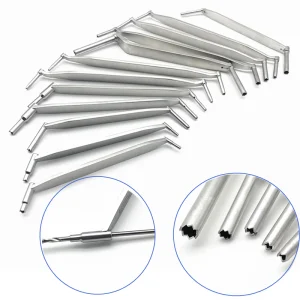
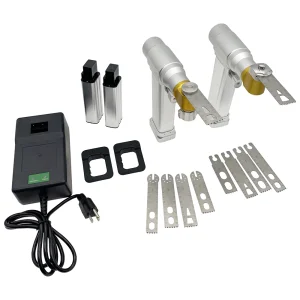
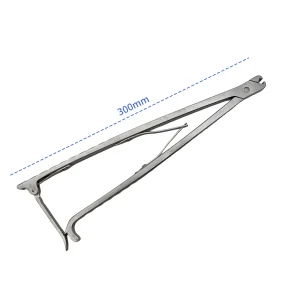
One of the primary concerns of surgeons regarding rigid plating is the time required for emergency re-entry in cases of post-operative cardiac tamponade. HBM's Sternal Fixation System features a specialized emergency cutting instrument or quick-release plate design, allowing surgical teams to gain access to the mediastinum in under 60 seconds, matching the speed of wire cutters.
From a procurement perspective, global hospital groups and Japanese medical distributors require seamless logistics, reliable sterilization container systems, and comprehensive surgical training kits. HBM Medical provides fully integrated solutions, including color-coded implant racks, ergonomic screwdrivers, and trial templates that streamline the intraoperative workflow, reducing overall OR time and improving surgical efficiency.
Addressing critical technical, regulatory, and supply chain questions for global buyers and Nagoya-based distributors.
Explore our wider range of CE and ISO-certified implants and surgical instruments serving global healthcare networks.
Get in touch with our technical sales team today to request samples, discuss custom OEM specifications, or receive a detailed quotation for the Nagoya market.
Send Inquiry Now HBM Medical