Engineered to meet the strict clinical demands of Dutch academic medical centers and surgical units.
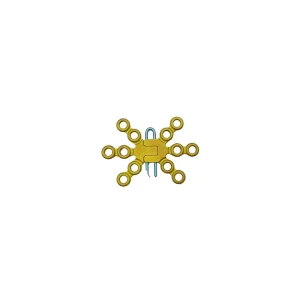
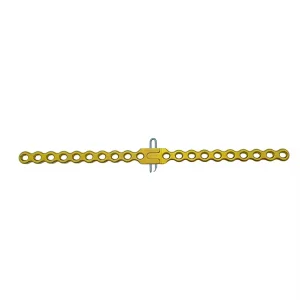
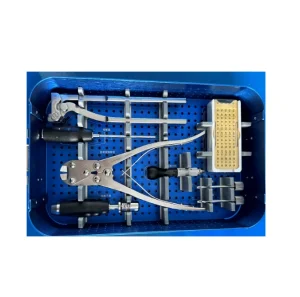
In the highly advanced healthcare ecosystem of the Netherlands, patient outcomes and value-based healthcare (Value-Based Health Care - VBHC) drive clinical decisions. Traditional wire cerclage, while historically the standard for sternal closure post-median sternotomy, is increasingly being replaced by rigid sternal fixation systems. Clinical data from leading Dutch academic medical centers, such as the Erasmus Medical Center in Rotterdam and the Amsterdam UMC, indicate that rigid fixation significantly reduces the incidence of Deep Sternal Wound Infections (DSWIs) and sternal dehiscence.
For patients with high-risk profiles—including obesity, advanced age, chronic obstructive pulmonary disease (COPD), diabetes, or osteoporosis—rigid plate fixation offers superior biomechanical stability. By minimizing micro-motion at the sternal osteotomy site, these systems facilitate primary bone healing, reduce post-operative pain, and allow for faster physical rehabilitation, ultimately shortening intensive care and overall hospital stays.
"Rigid sternal stabilization is no longer just an alternative; it is the clinical benchmark for high-risk sternotomy patients across European surgical centers."

Why leading European distributors and hospitals trust HBM Medical's implant engineering.
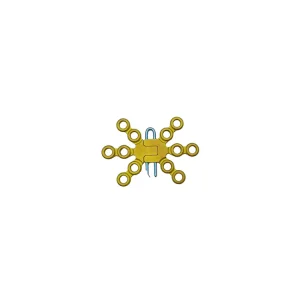
Our sternal plates are manufactured exclusively from medical-grade titanium alloy, offering exceptional biocompatibility, high fatigue strength, and MRI compatibility for post-operative imaging.
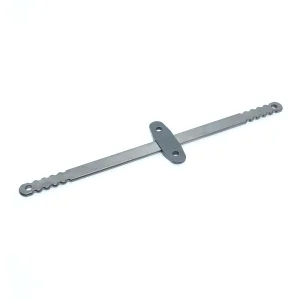
Engineered with a low profile to minimize soft-tissue irritation and palpable discomfort post-implantation, while maintaining optimal biomechanical rigidity across the sternum.
Features a highly secure locking mechanism that prevents screw back-out, ensuring stable fixation even in osteoporotic bone where traditional screws fail to gain purchase.

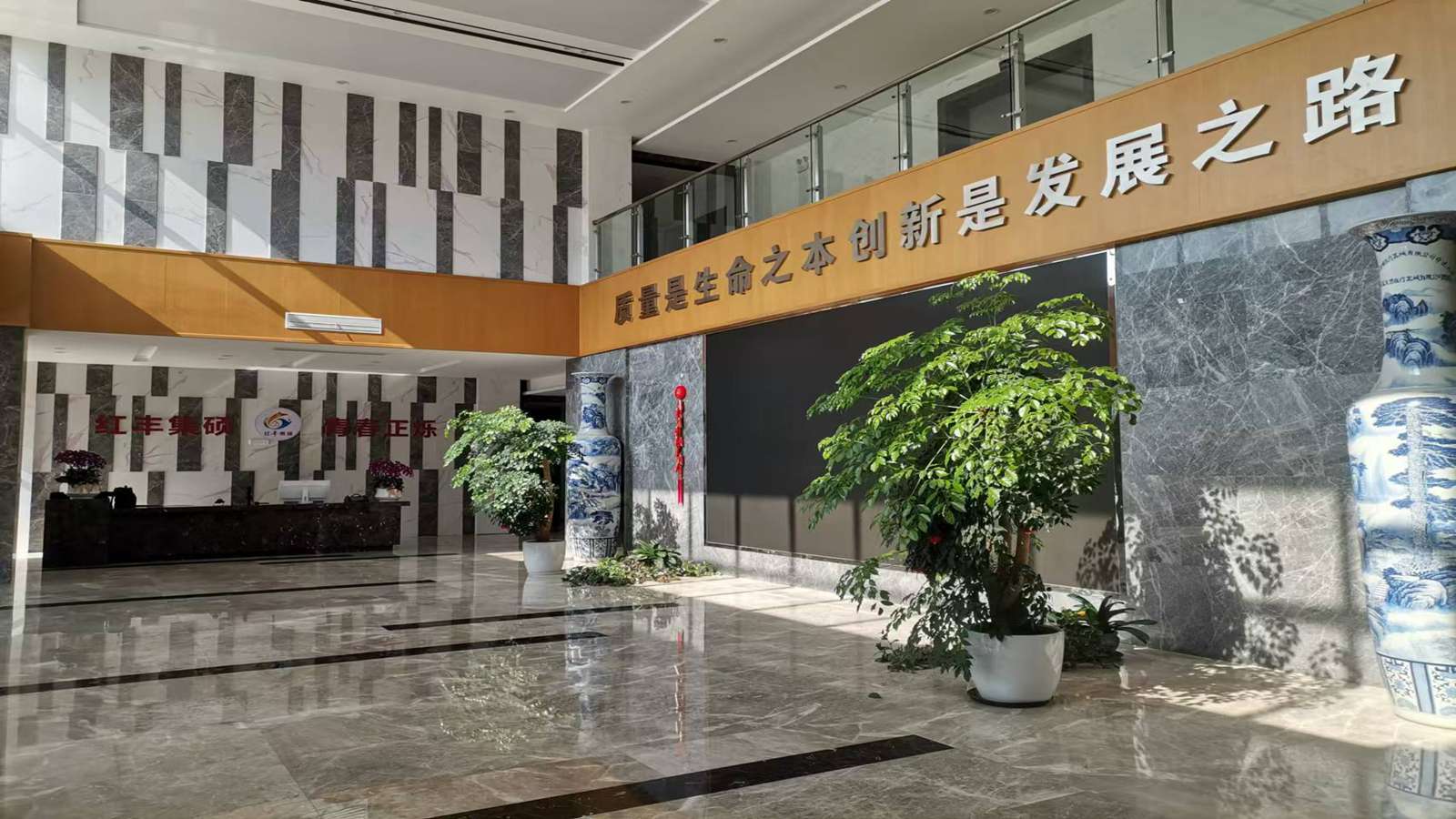
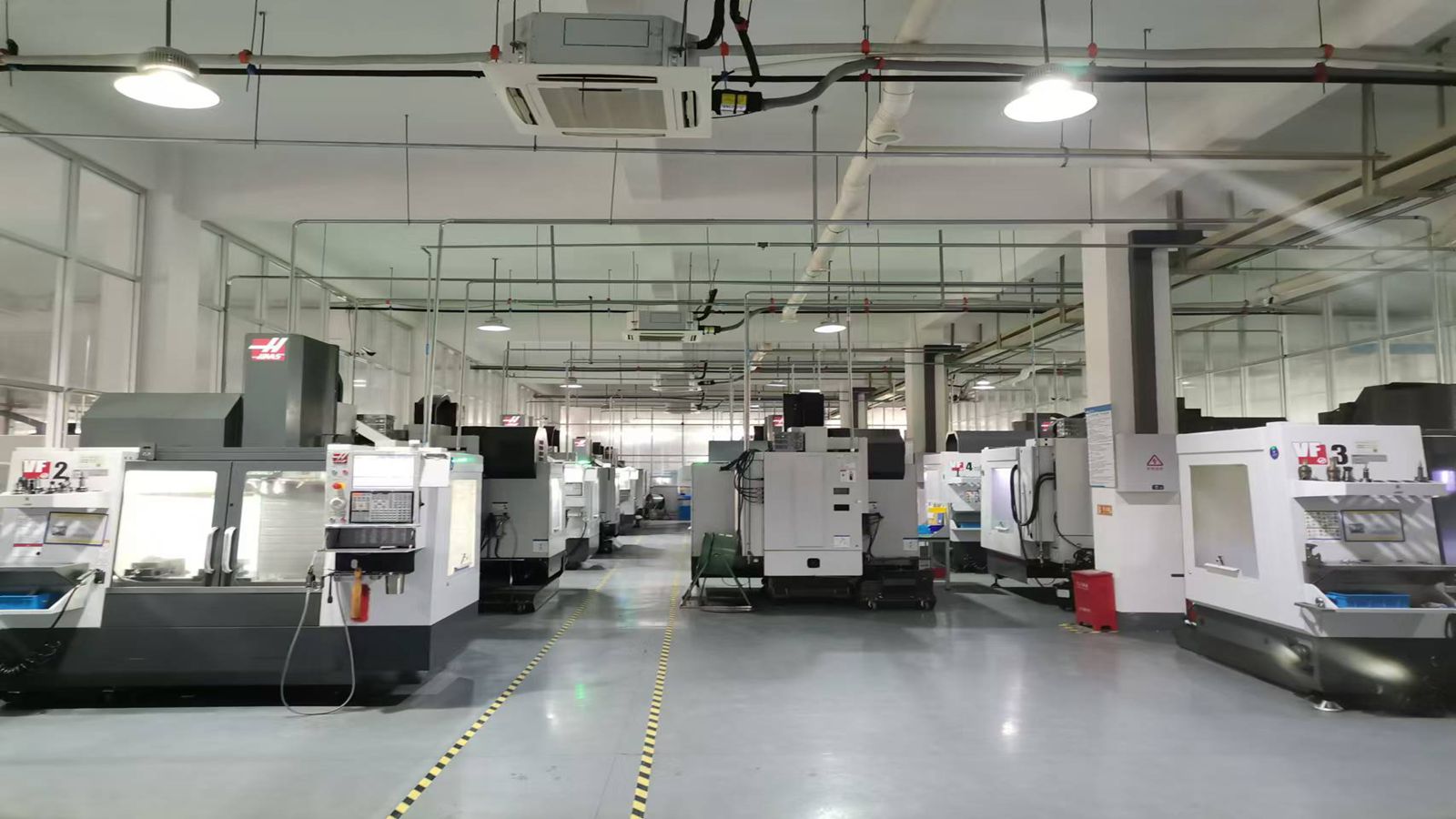
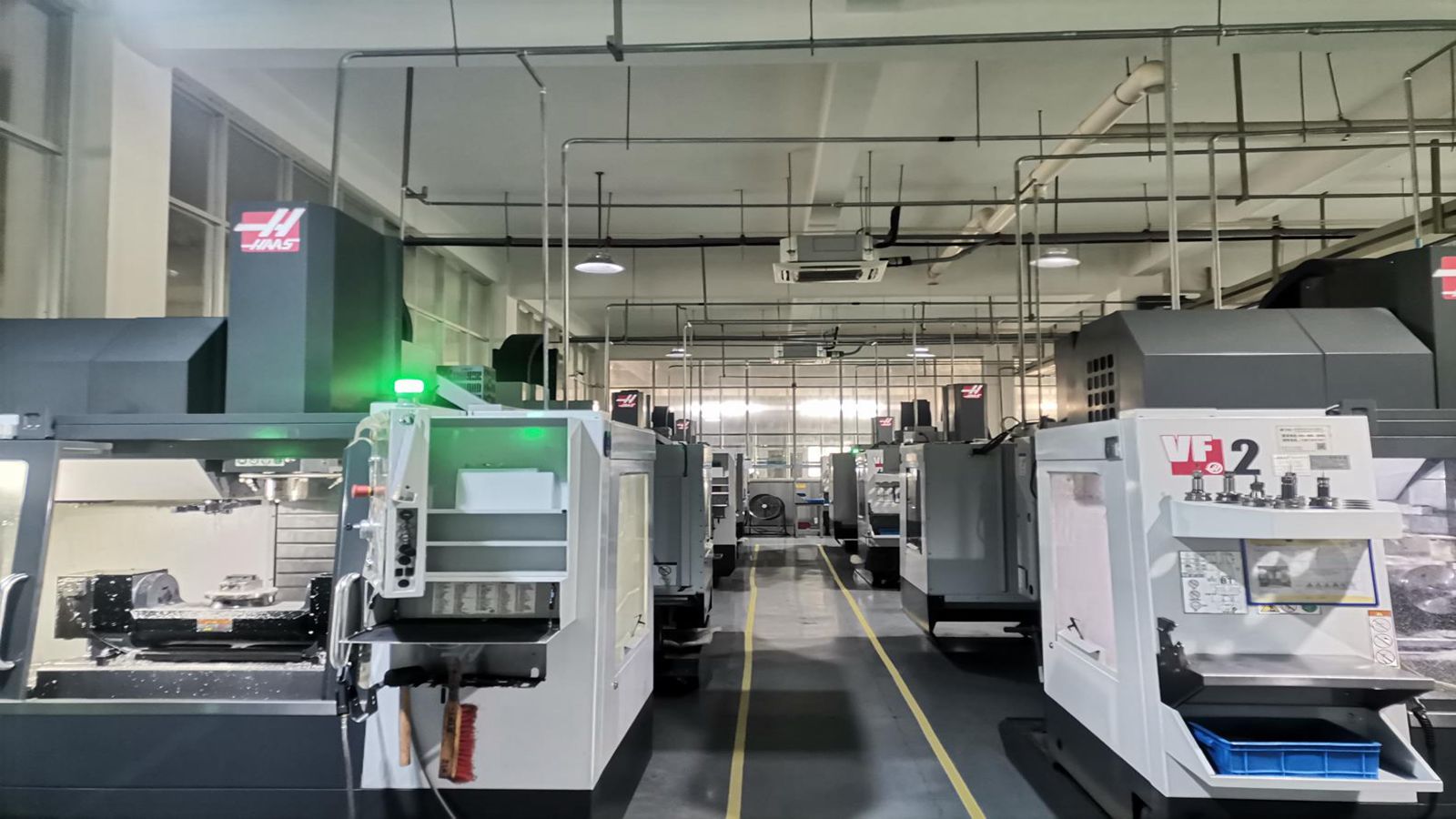
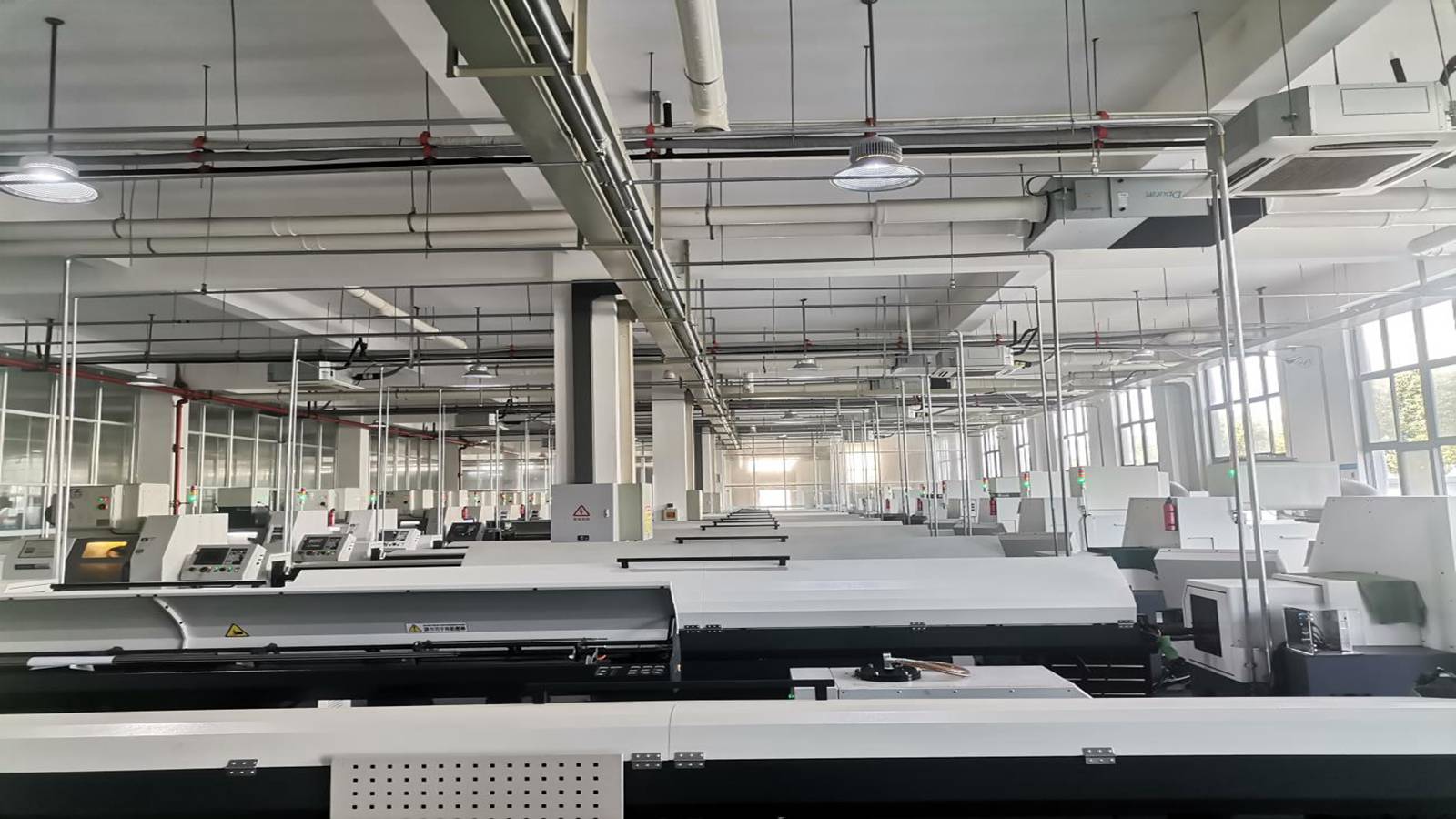
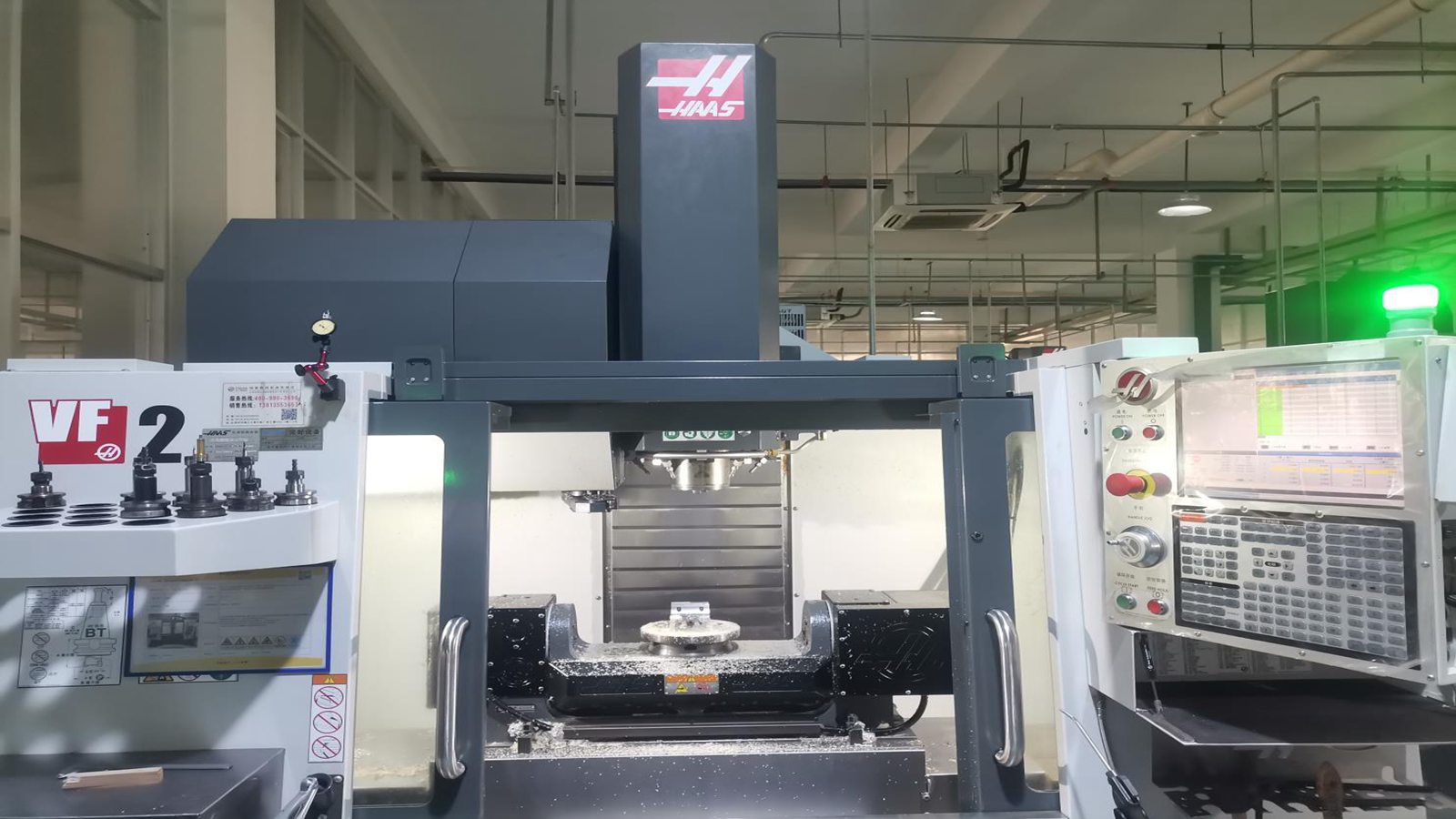
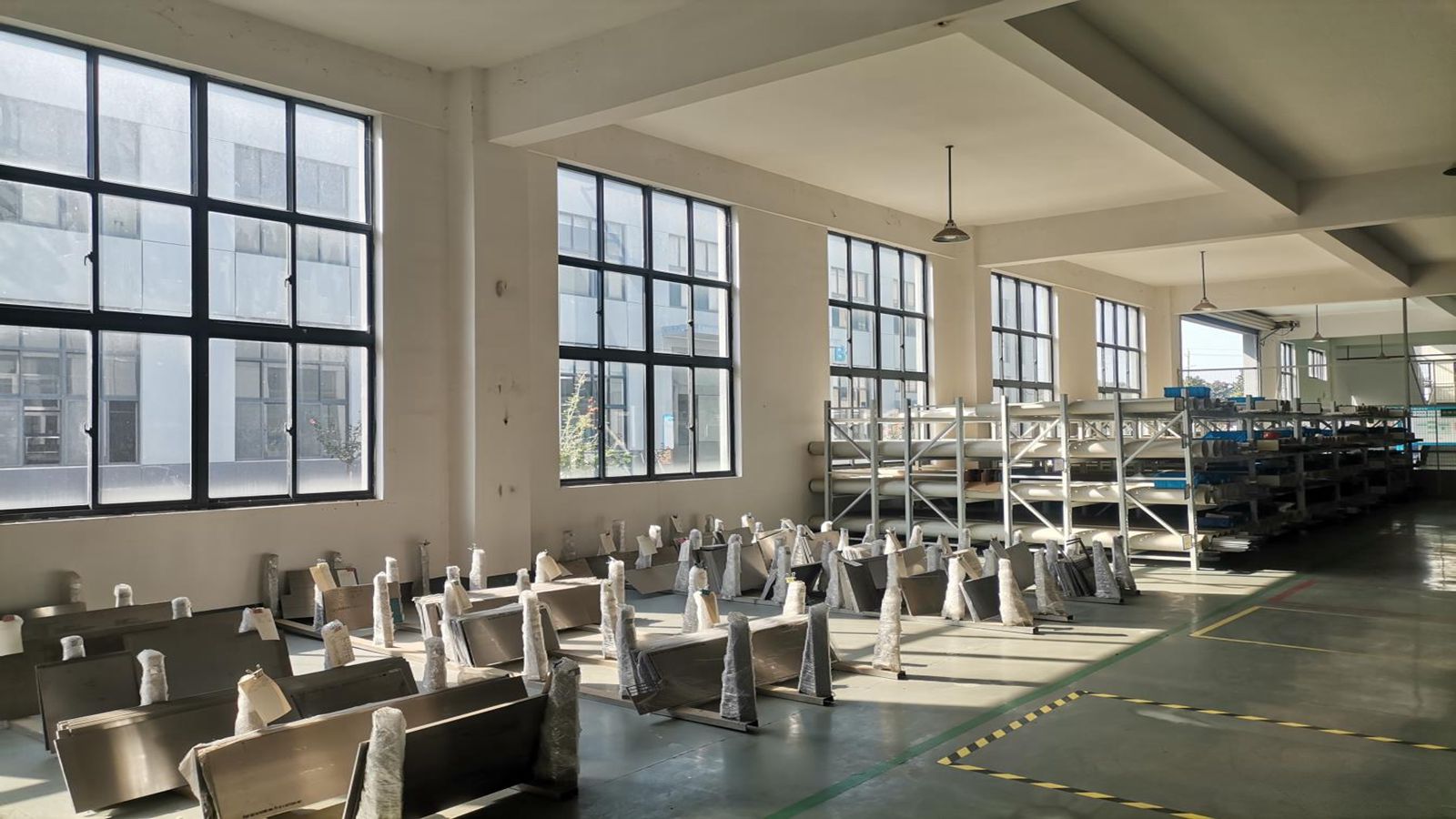
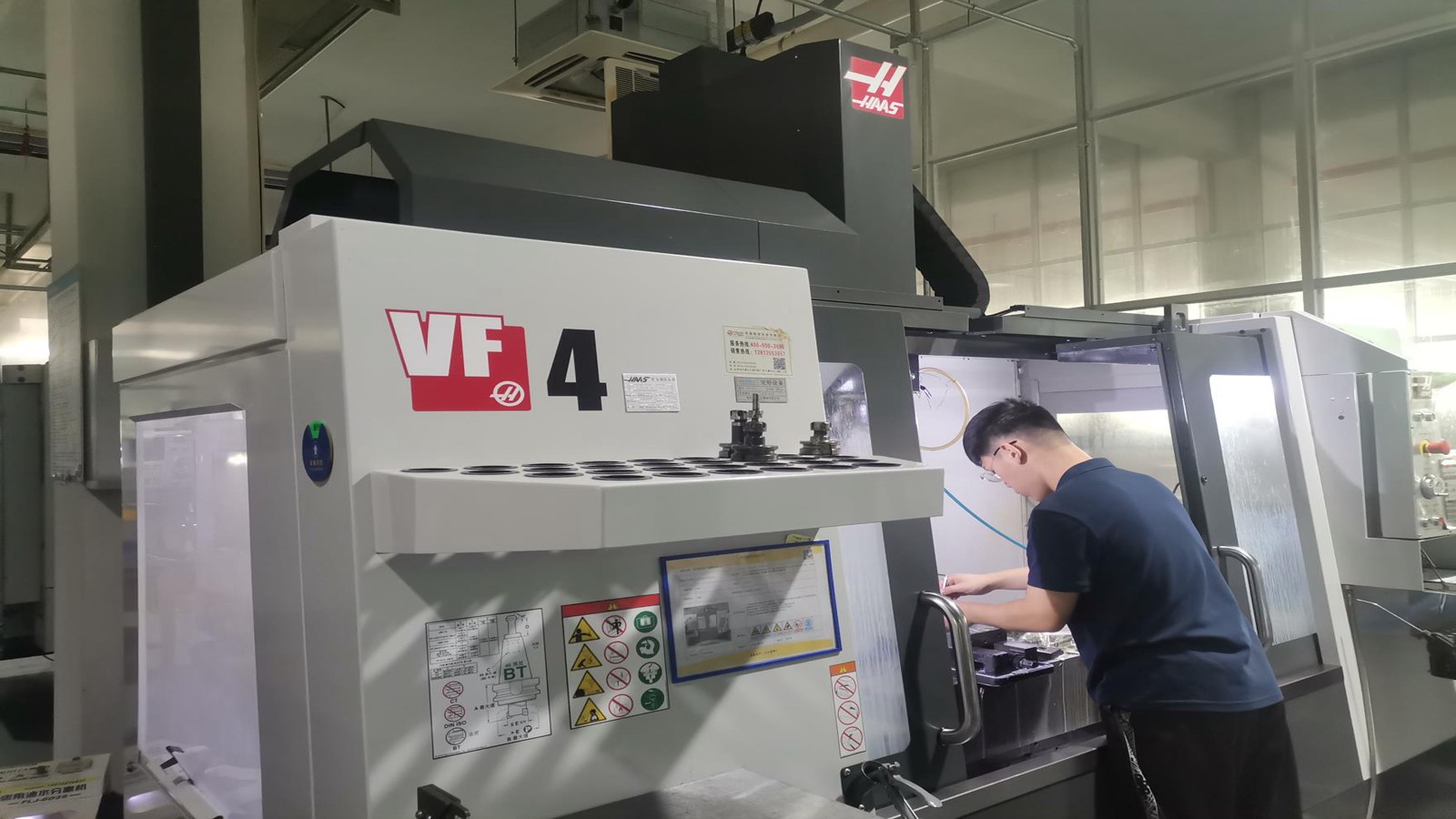
As a premier orthopedic and thoracic implant manufacturer, HBM Medical Apparatus And Instruments Co., Ltd. bridges the gap between high-volume manufacturing efficiency and strict European quality standards. Operating a massive 30,343 square meter state-of-the-art facility equipped with over 120 high-precision processing and testing machines, we ensure a seamless and highly reliable supply of implants and instruments.
Our manufacturing capability is backed by 12 dedicated production lines and a robust team of 31 R&D engineers (including postgraduates and doctorates). This allows us to offer extensive OEM/ODM customization options, including custom plate geometries and specialized instrument sets tailored to the specific surgical preferences of Dutch and European clinicians.
Navigating the transition from MDD to MDR (EU 2017/745) with certified safety and efficacy.
Our implants hold valid CE certifications under the latest European Medical Device Regulation (MDR) standards (Certificates: EPT 0477.MDR.25/5905 & 5973), ensuring legal and safe distribution across the Netherlands.
HBM Medical operates under a strict ISO 13485 certified quality management system and has successfully passed the Medical Device Single Audit Program (MDSAP) for global market access.
We collaborate with local medical distributors in the Netherlands to provide rapid logistics, sterile processing support, and hands-on surgical training to hospital staff.
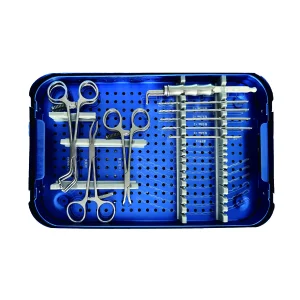
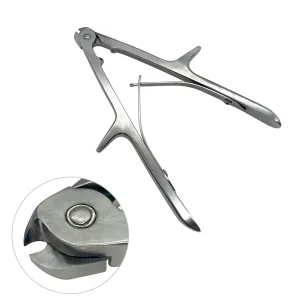
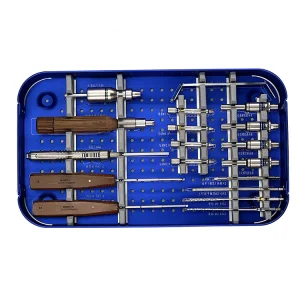
Explore our full range of CE-certified implants, trauma plates, and specialized surgical instrument sets.
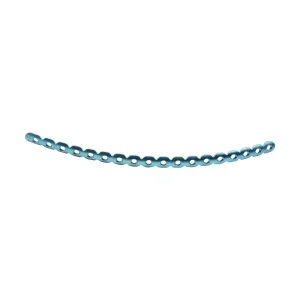
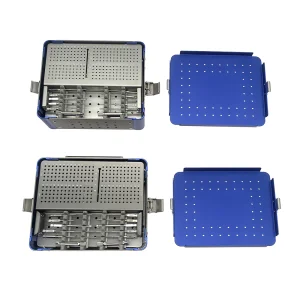
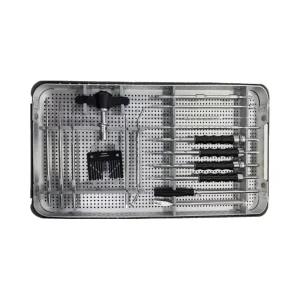
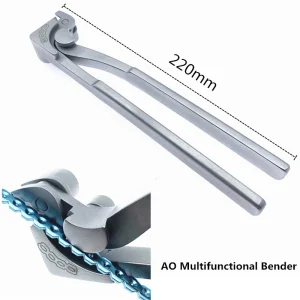
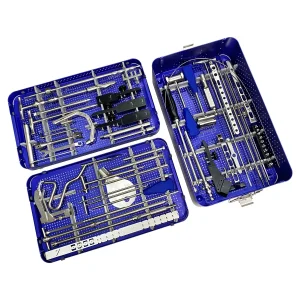
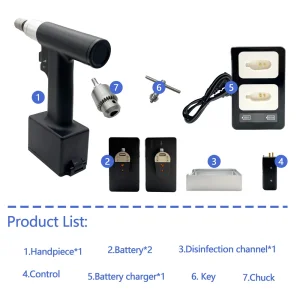
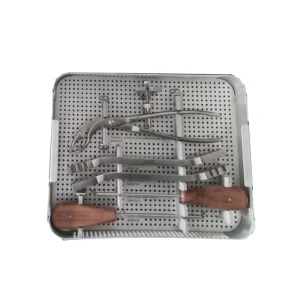
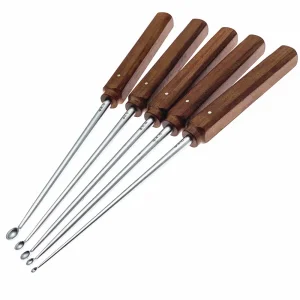
A visual look inside our ISO 13485 certified production lines and testing laboratories.
In Dutch cardiothoracic departments, patient stratification is key. Rigid sternal fixation systems are heavily utilized in patients presenting with multiple comorbidities. For example, patients undergoing coronary artery bypass grafting (CABG) who also suffer from insulin-dependent diabetes are at a significantly higher risk for impaired bone healing. Rigid titanium plates provide the necessary stability to prevent micro-motion, which is a primary trigger for sterile dehiscence and subsequent bacterial colonization.
With the rise of minimally invasive direct coronary artery bypass (MIDCAB) and video-assisted thoracic surgery (VATS) in the Netherlands, modern sternal systems must adapt. HBM Medical's low-profile plates and specialized instruments allow for precise placement through smaller incisions, ensuring that the aesthetic and recovery benefits of minimally invasive surgery are not compromised by bulky hardware.
While the initial material cost of a rigid sternal plate system is higher than standard stainless steel wire, health economic evaluations in European hospitals demonstrate a clear net saving. By preventing even a small percentage of deep sternal wound infections—which can cost upwards of €30,000 to €50,000 per patient in prolonged ICU stays, vacuum-assisted closure (VAC) therapy, and revision surgeries—rigid fixation systems prove highly cost-effective.
Get technical and regulatory answers regarding our sternal fixation systems and orthopedic implants.
Whether you are a medical device distributor in Amsterdam, a purchasing manager for a Dutch hospital group, or an orthopedic OEM brand, HBM Medical delivers the precision, compliance, and supply chain reliability you require.
Send Inquiry Now HBM Medical