High-demand anatomical locking plates engineered to meet ANMAT standards and optimize clinical outcomes in Argentinian trauma centers.
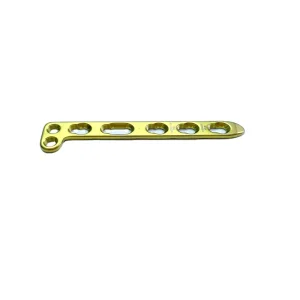
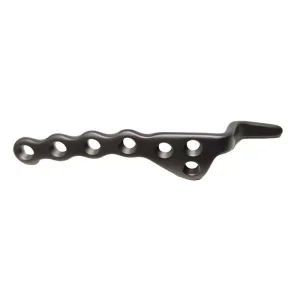
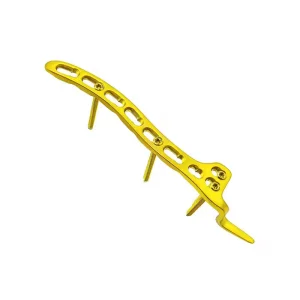
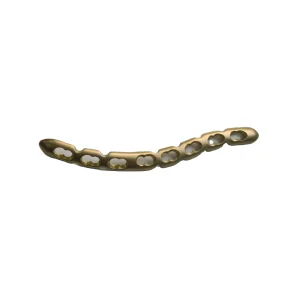
An in-depth look at the commercial, regulatory, and industrial dynamics shaping the osteosynthesis market in Argentina.
The healthcare system in Argentina, characterized by its tripartite structure—consisting of the public sector, social security (Obras Sociales), and the private sector (Prepagas)—demands highly reliable, cost-effective, and regulatory-compliant medical devices. In the realm of orthopedic trauma, the country has seen a significant transition. Historically reliant on high-cost imports from Western Europe and North America, Argentinian healthcare providers, distributors, and municipal hospitals are increasingly seeking strategic partnerships with global manufacturers capable of delivering equivalent or superior quality at sustainable price points.
A key driver of this shift is the stringent regulatory oversight by ANMAT (Administración Nacional de Medicamentos, Alimentos y Tecnología Médica). Any orthopedic implant, whether a distal radius locking plate or a proximal humeral compression system, must undergo rigorous registration processes to prove biocompatibility, mechanical endurance, and sterility. For international manufacturers, obtaining MDSAP (Medical Device Single Audit Program) or CE Mark (under MDR 2017/745) is no longer just an advantage; it is a fundamental prerequisite to streamline local ANMAT approvals and build trust among Argentinian orthopedic surgeons.
"The integration of advanced locking technology and anatomical pre-contouring has reduced operating room times in major public hospitals across Buenos Aires and Córdoba by up to 25%, highlighting the direct clinical value of high-quality trauma systems."
The demand for orthopedic trauma implants in Argentina is propelled by several socio-economic and clinical factors:
How modern engineering is redefining fracture fixation and patient recovery times.
Plates are engineered to match the natural anatomical curves of specific bone segments, minimizing the need for intraoperative bending and reducing mechanical stress on the implant.
Combining dynamic compression and locking capabilities in a single hole, allowing surgeons to choose between stable locking fixation, dynamic compression, or a combination of both.
Electrochemical treatment of titanium surfaces to form a dense, biocompatible oxide layer, reducing cold-welding of screws and enhancing overall corrosion resistance.
Leveraging advanced automation, rigorous quality control, and massive capacity to secure your local medical supply chain.
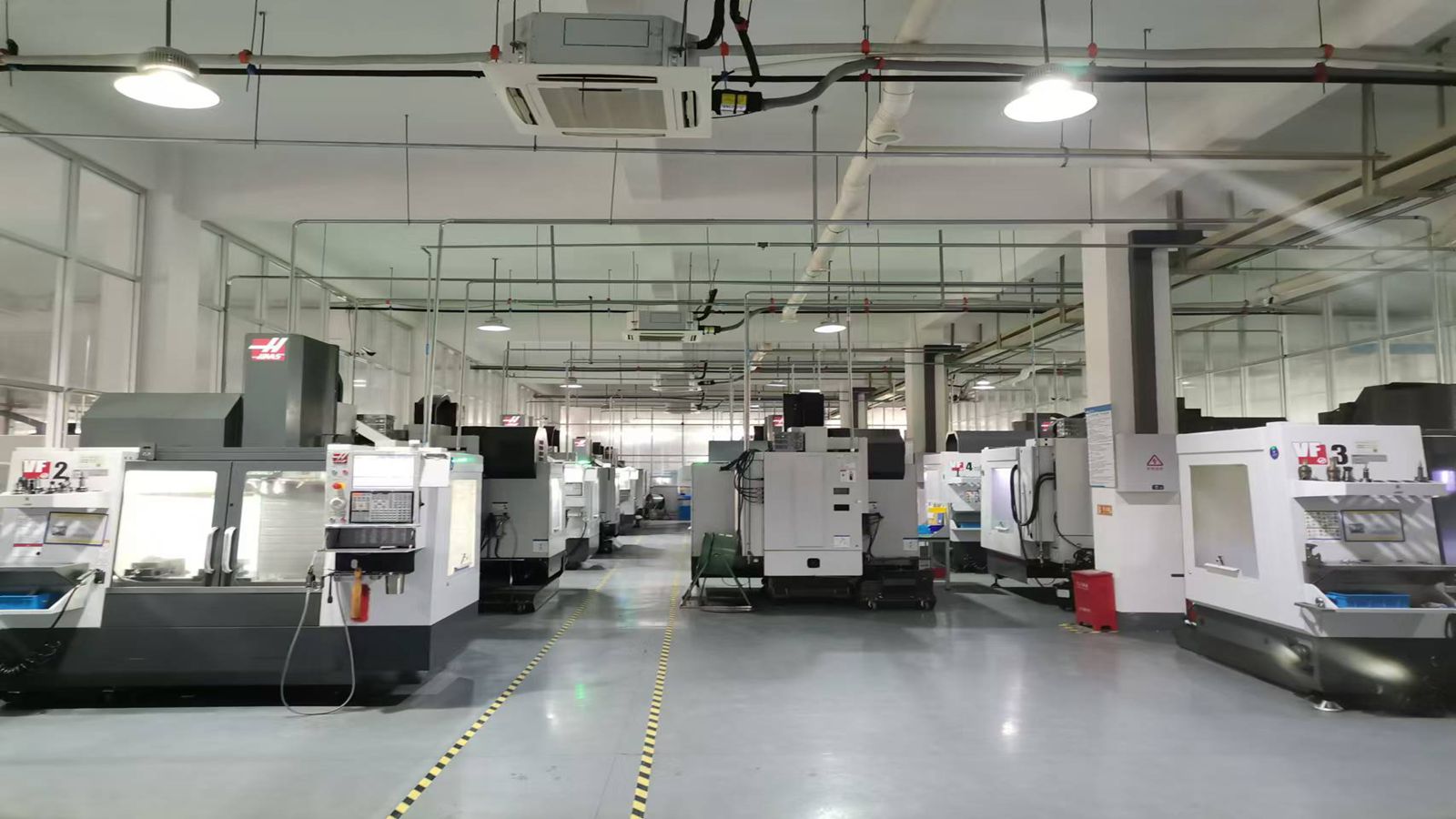
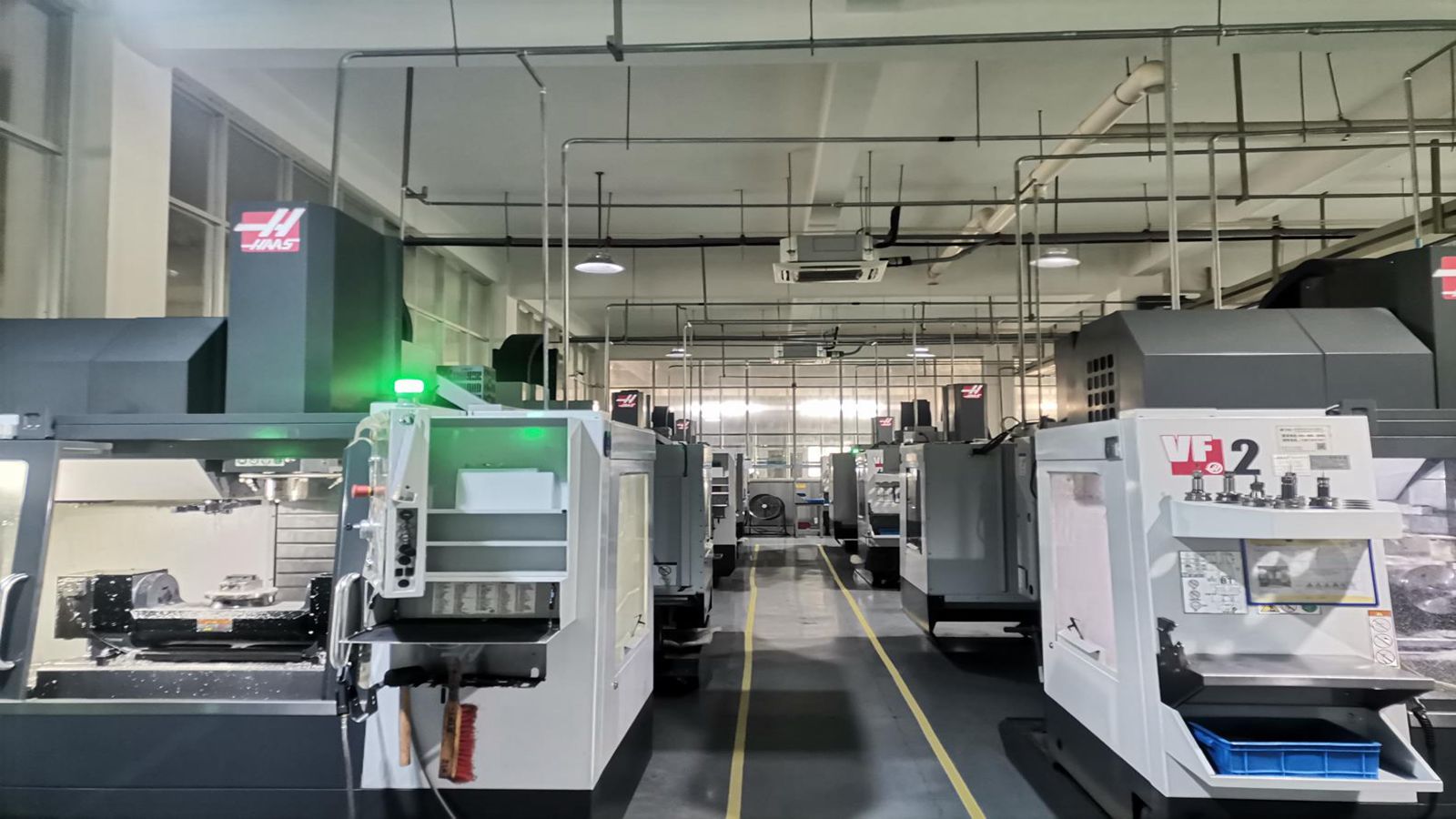
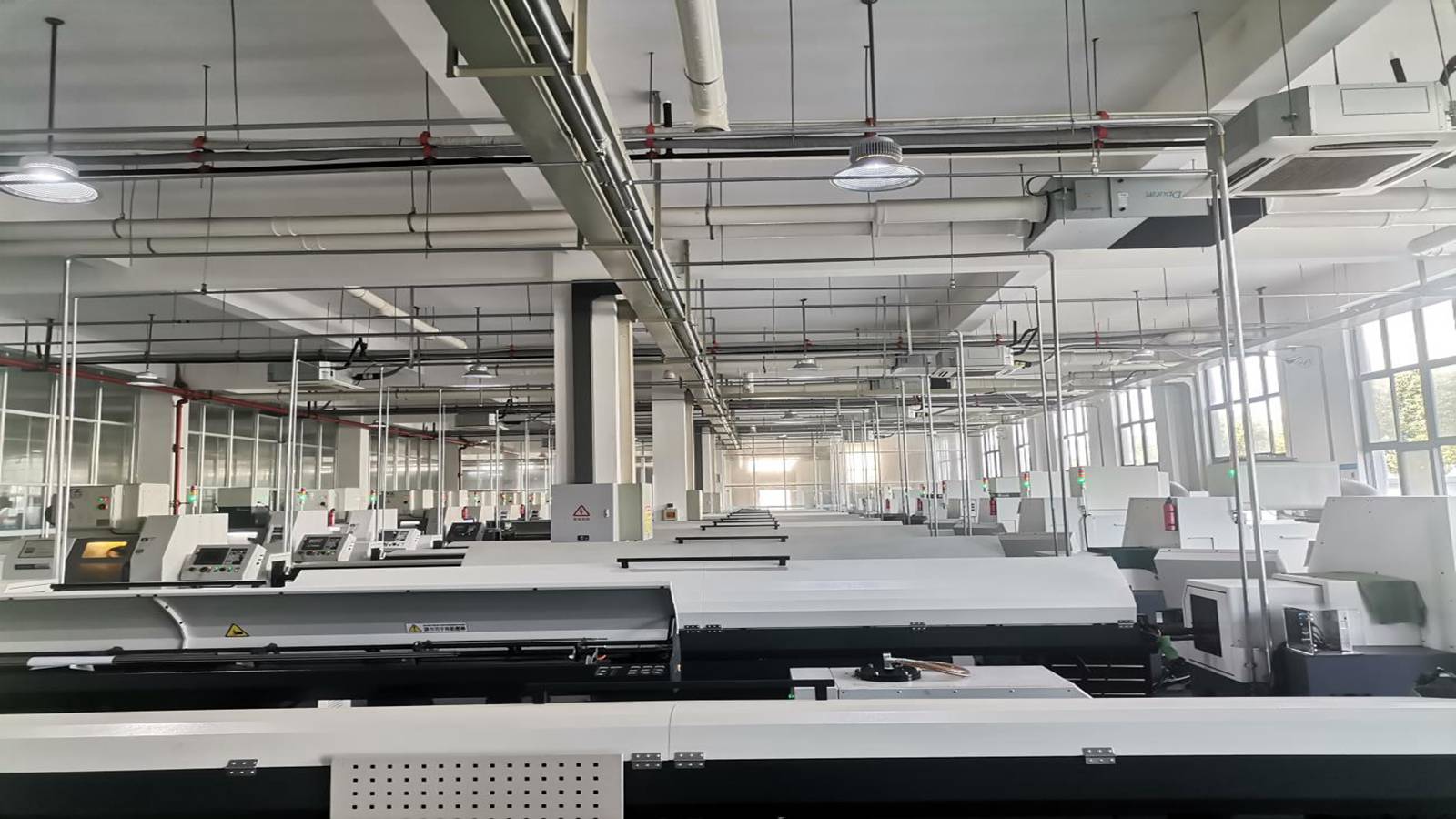
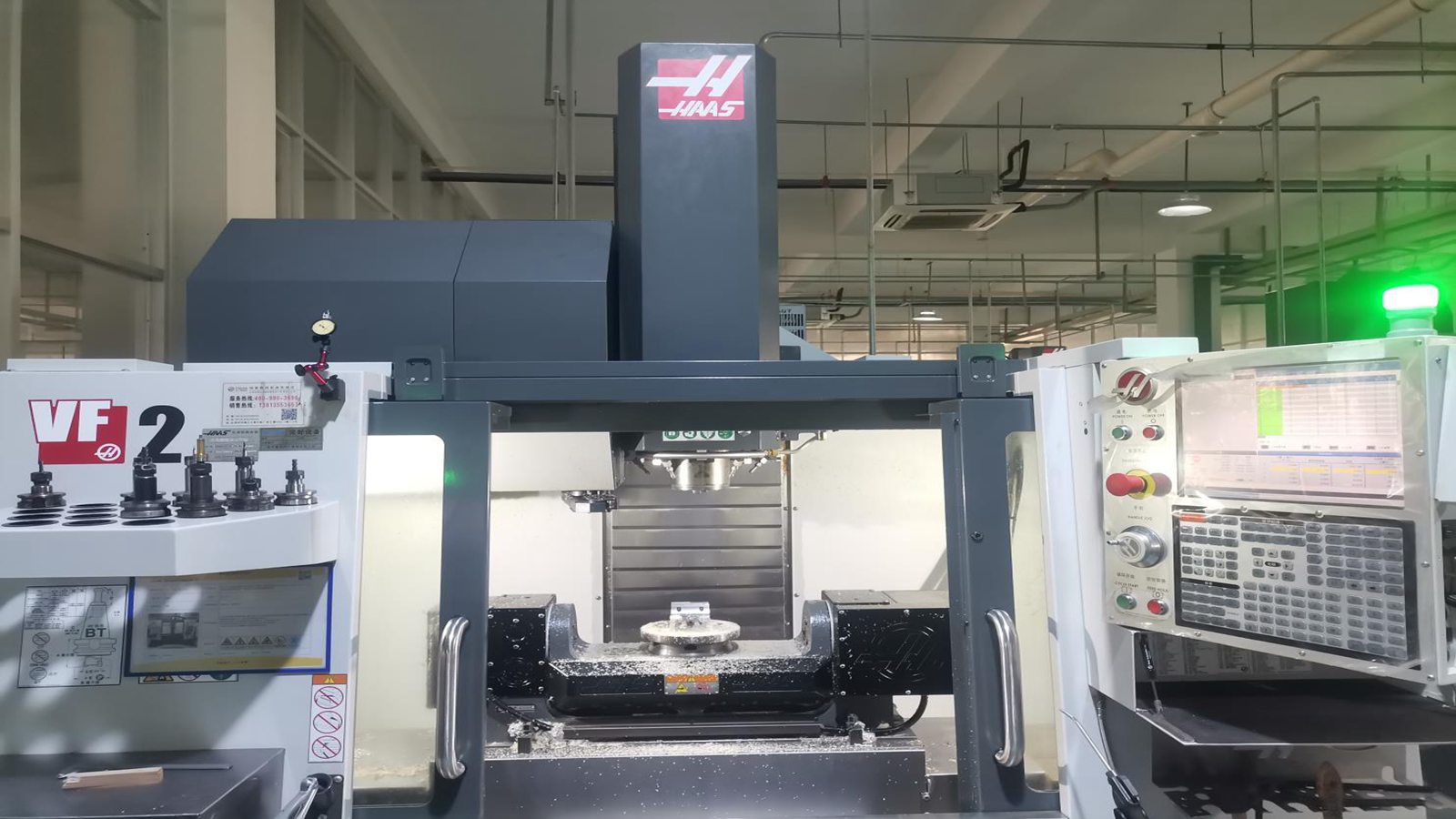
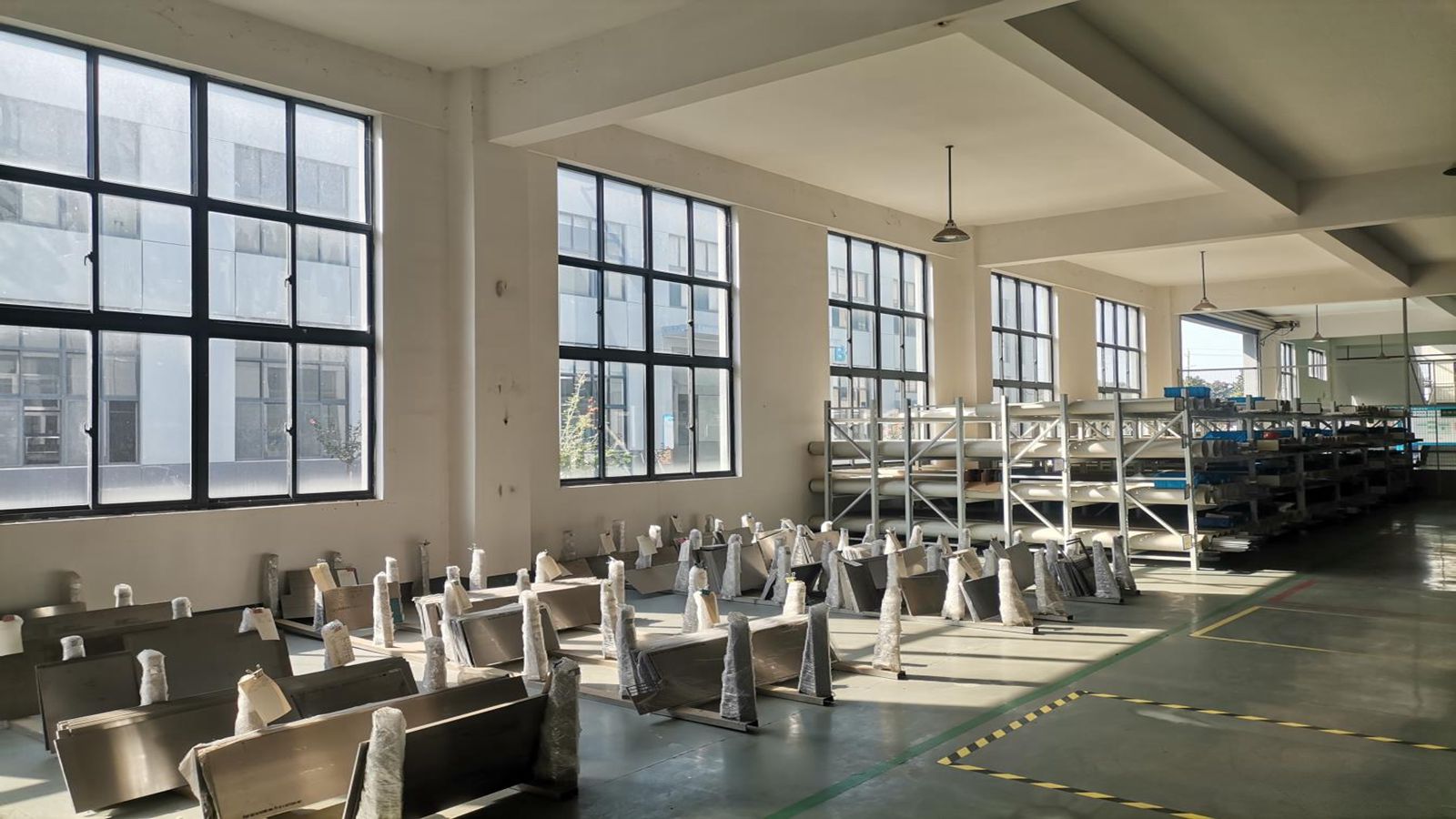
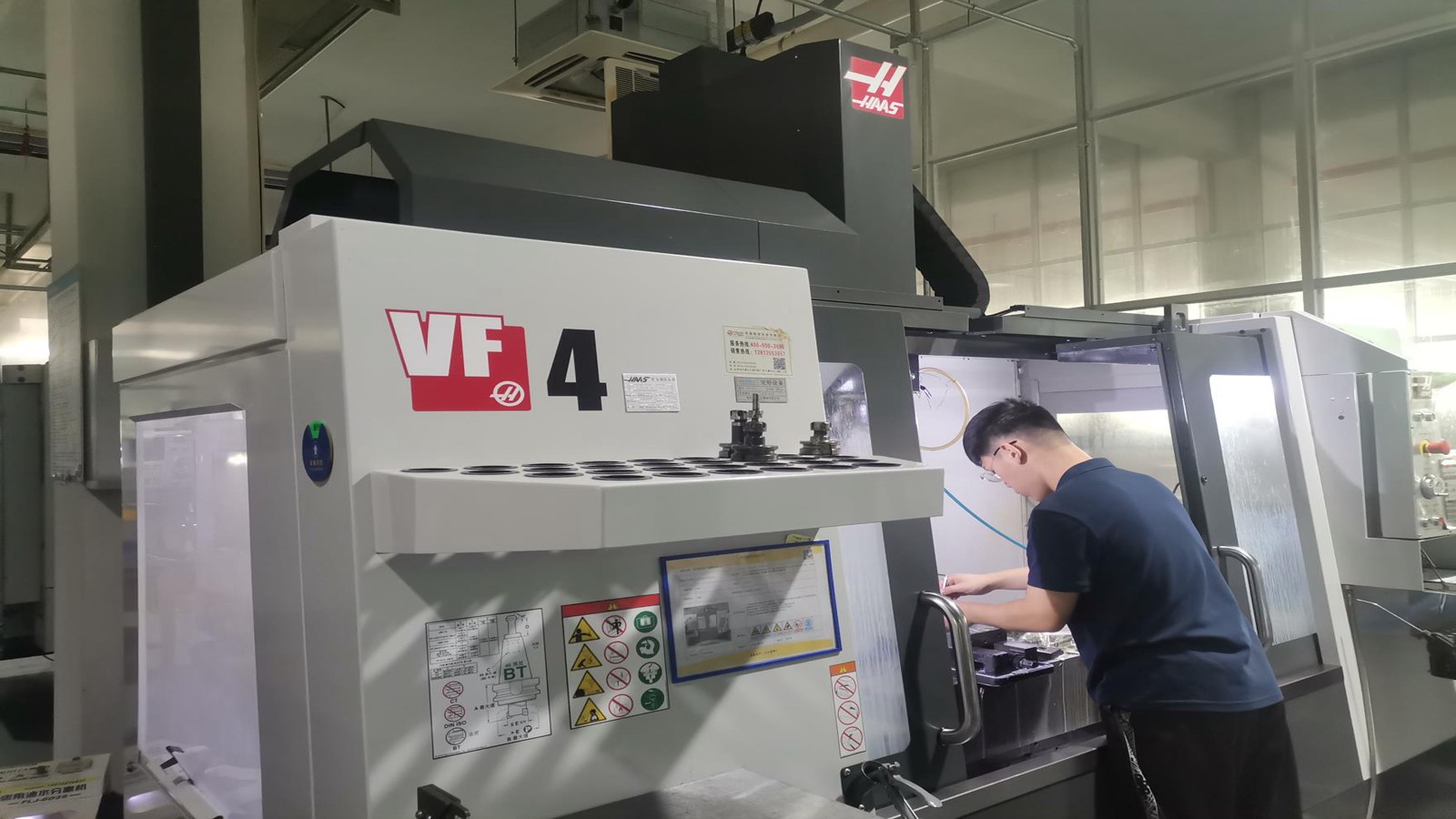
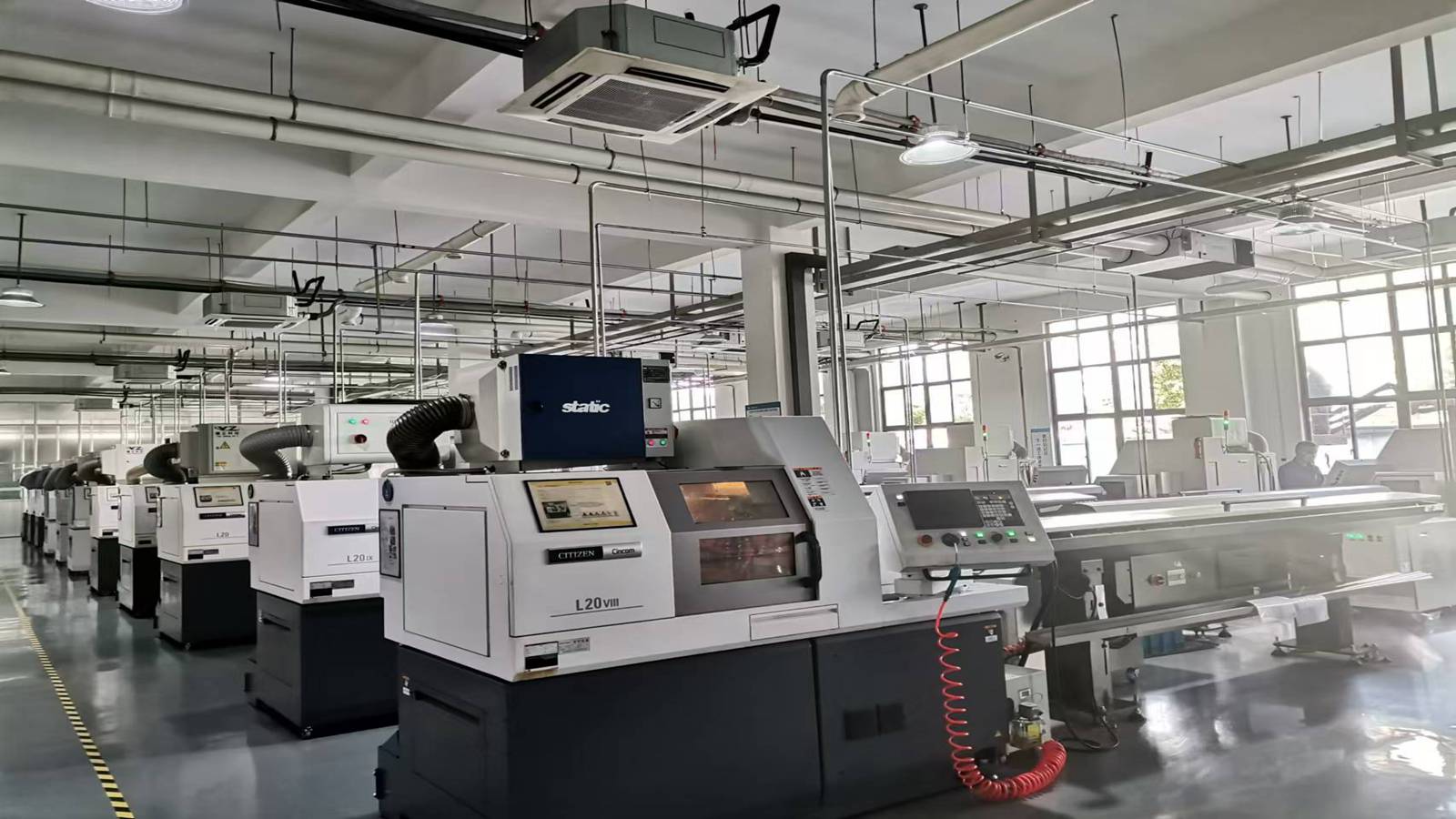
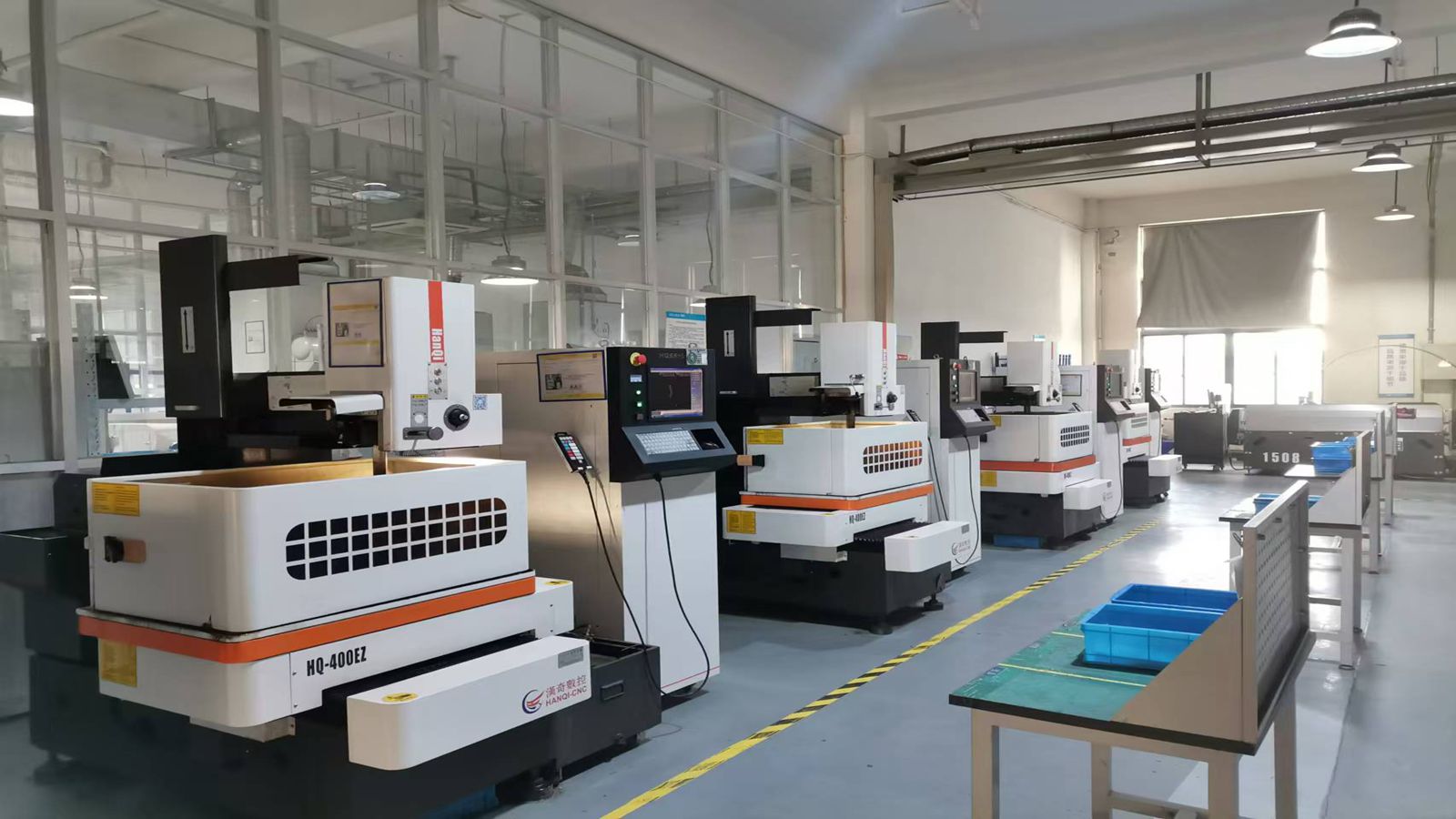
In the highly competitive medical device sector, supply chain disruptions can directly impact patient care. HBM Medical Apparatus And Instruments Co., Ltd. addresses this challenge by integrating Industry 4.0 principles into our state-of-the-art manufacturing facility in China. Spanning over 30,343 square meters and operating 12 dedicated production lines, our facility is equipped with more than 120 high-precision CNC machining centers and Swiss-type automatic lathes. This massive infrastructure ensures that we can scale production rapidly to meet large-scale Argentinian public hospital tenders without compromising on precision.
Our commitment to quality is backed by a robust team of 36 QA/QC inspectors who execute 100% inspection protocols on critical tolerances. Every single titanium plate and screw is fully traceable back to the raw material batch (medical-grade Ti-6Al-4V ELI conforming to ASTM F136). This level of traceability is critical for maintaining compliance with international standards and facilitating smooth audits by regulatory bodies such as ANMAT, CE, and FDA.
| Capability / Metric | HBM Medical Specifications | Strategic Advantage for Argentinian Buyers |
|---|---|---|
| Facility Footprint | 30,343 m² Smart Factory | High-volume capacity & stable lead times |
| Machinery | 120+ Advanced CNC & Testing Machines | Micrometer-level precision for complex geometries |
| R&D Strength | 31 Engineers (Doctorate, Post-Graduates) | Rapid OEM/ODM customization for local anatomical needs |
| Certifications | CE (MDR), MDSAP, ISO 13485, ISO 14001 | Simplified ANMAT registration and import clearance |
| Quality Control | 36 QA/QC Inspectors, 100% Traceability | Zero-defect guarantee, minimizing surgical complications |
Furthermore, our R&D department, comprising 31 highly educated engineers, continuously collaborates with clinical experts worldwide to launch over 25 new products annually. This ensures that our Argentinian partners always have access to the latest advancements in orthopedic trauma technology, keeping them ahead of local competitors.
Real-world medical environments where HBM's trauma systems deliver exceptional performance.
From the bustling emergency rooms of public hospitals in Buenos Aires to specialized private clinics in Córdoba, HBM's orthopedic trauma implants are designed to perform under pressure. Consider these typical clinical scenarios:
In major metropolitan areas, traffic accidents frequently result in complex, comminuted fractures. Surgeons require immediate access to comprehensive trauma sets. Our Medial Tibia Proximal Locking Compression Plates and Distal Tibia Locking Plates provide the rigid fixation required for early mobilization, reducing the risk of joint stiffness and deep vein thrombosis (DVT) in active patients.
In regions with a high demographic density of elderly patients, such as parts of Buenos Aires province, low-energy falls often lead to proximal humeral or distal radius fractures. Standard non-locking plates frequently fail due to screw pull-out in osteopenic bone. HBM’s Proximal Humeral Locking Plates utilize angular stability to lock the screws into the plate, creating a fixed-angle construct that maintains fracture reduction even in highly compromised bone structures.
Modern surgical trends in Argentina heavily favor minimally invasive techniques to preserve local blood supply and accelerate healing. The low-profile design and rounded edges of our Clavicle Reconstruction Compression Plates allow for easy percutaneous insertion, minimizing soft tissue disruption and improving cosmetic outcomes for patients.
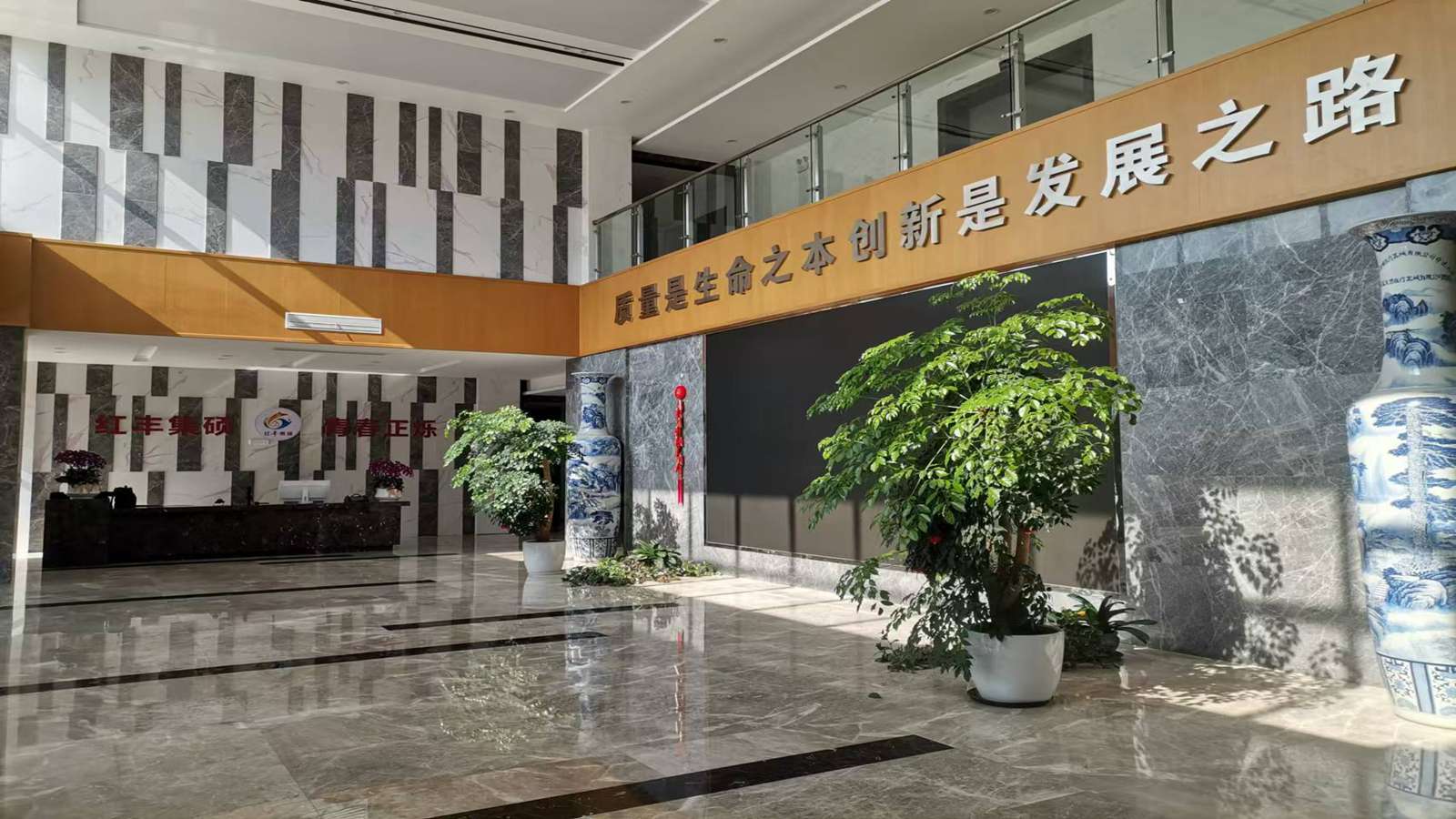
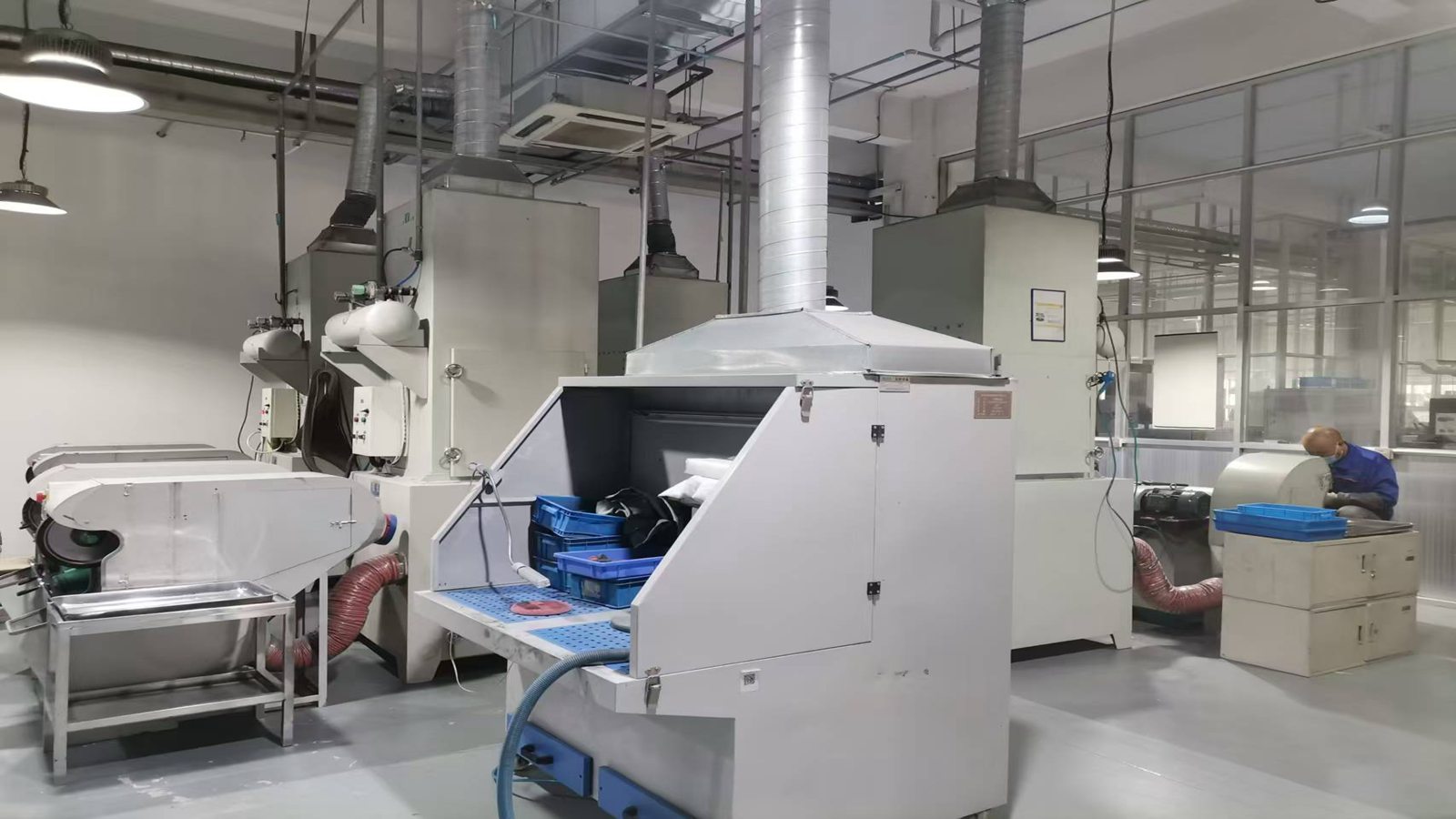
A visual tour of our advanced production lines, testing labs, and cleanrooms ensuring absolute compliance with international standards.


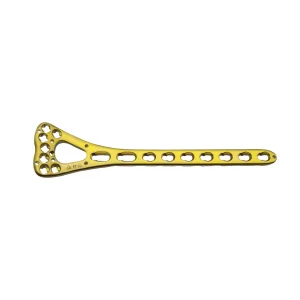
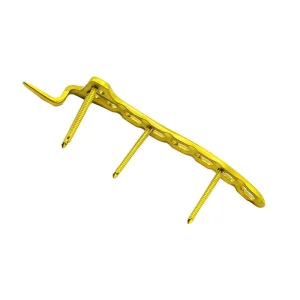
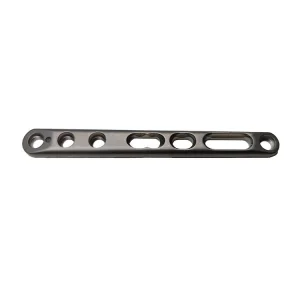
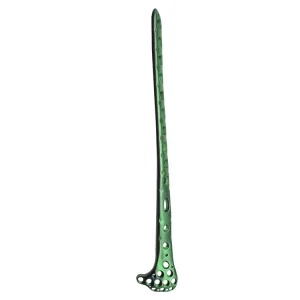
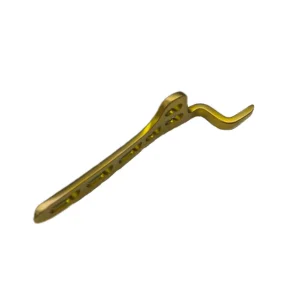
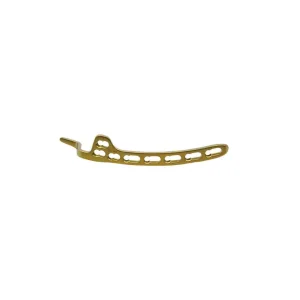
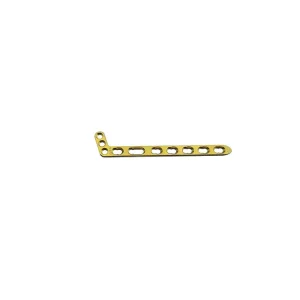
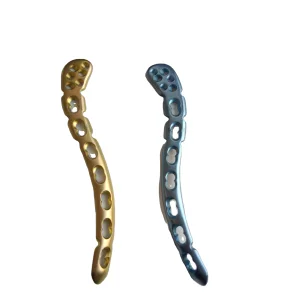
Explore our extensive range of CE and MDSAP certified titanium locking plates designed for diverse anatomical reconstructions.
Expert insights on regulatory compliance, import logistics, and technical specifications for Argentinian orthopedic distributors.
Expand your product portfolio in Argentina with high-margin, clinically proven titanium locking systems. Contact our export division today for technical catalogs, pricing, and regulatory support packages.
Send Inquiry Now HBM Medical