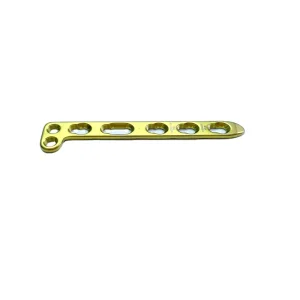
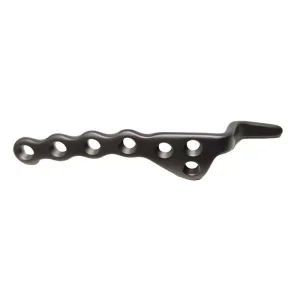
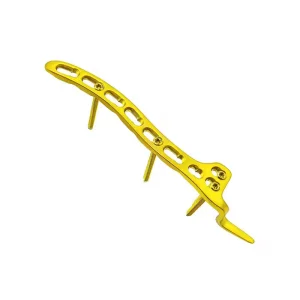
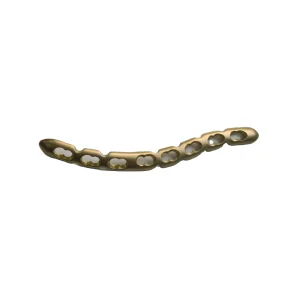
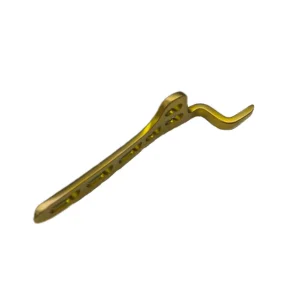
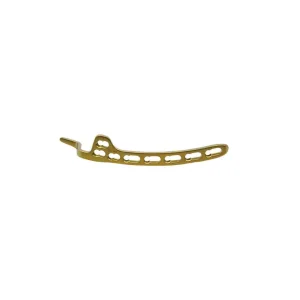
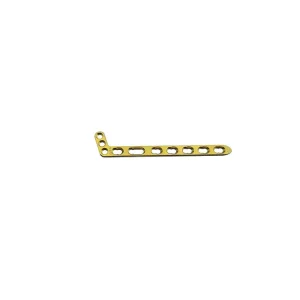
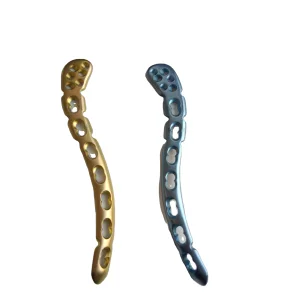
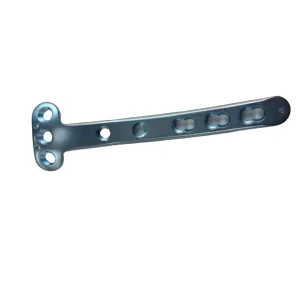
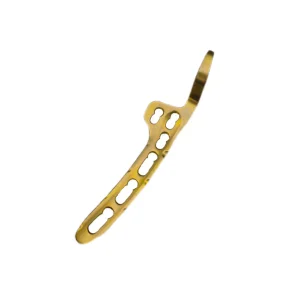
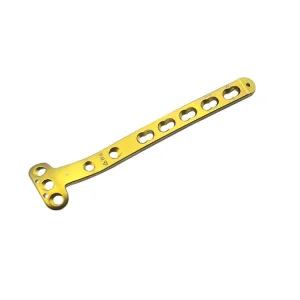
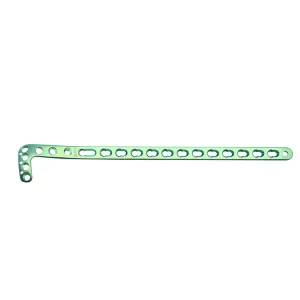
High-precision anatomical locking plates engineered for immediate osteosynthesis in Tokyo's leading trauma centers.
Addressing the Clinical Demands of a Super-Aging Urban Population
Tokyo stands at the global forefront of demographic aging, presenting unique clinical challenges in orthopedic trauma care. With over 30% of the metropolitan population aged 65 or older, local medical institutions like the Tokyo University Hospital and Juntendo University Hospital face a continuous influx of osteoporotic fractures. Geriatric trauma requires implants that offer immediate biomechanical stability, minimized periosteal damage, and anatomical pre-contouring to reduce intraoperative time.
Furthermore, Japan's strict regulatory framework governed by the PMDA (Pharmaceuticals and Medical Devices Agency) demands absolute material purity and flawless manufacturing traceability. HBM Medical addresses these demands by exporting high-purity titanium alloy (Ti-6Al-4V ELI) implants that ensure superior biocompatibility, high fatigue strength, and optimal modulus of elasticity, aligning perfectly with the rigorous clinical protocols of Tokyo's trauma centers.
How HBM Medical leverages advanced production technologies to deliver cost-effective, high-precision implants globally.
The global orthopedic trauma implant market is shifting rapidly from traditional stainless steel to advanced titanium alloys and bio-absorbable polymers. The demand for locking compression plates (LCP) is growing at a CAGR of 6.5%, driven by the global rise in geriatric populations and high-energy trauma incidents. Distributors in Tokyo and globally require agile manufacturing partners capable of rapid product iteration and reliable volume supply.
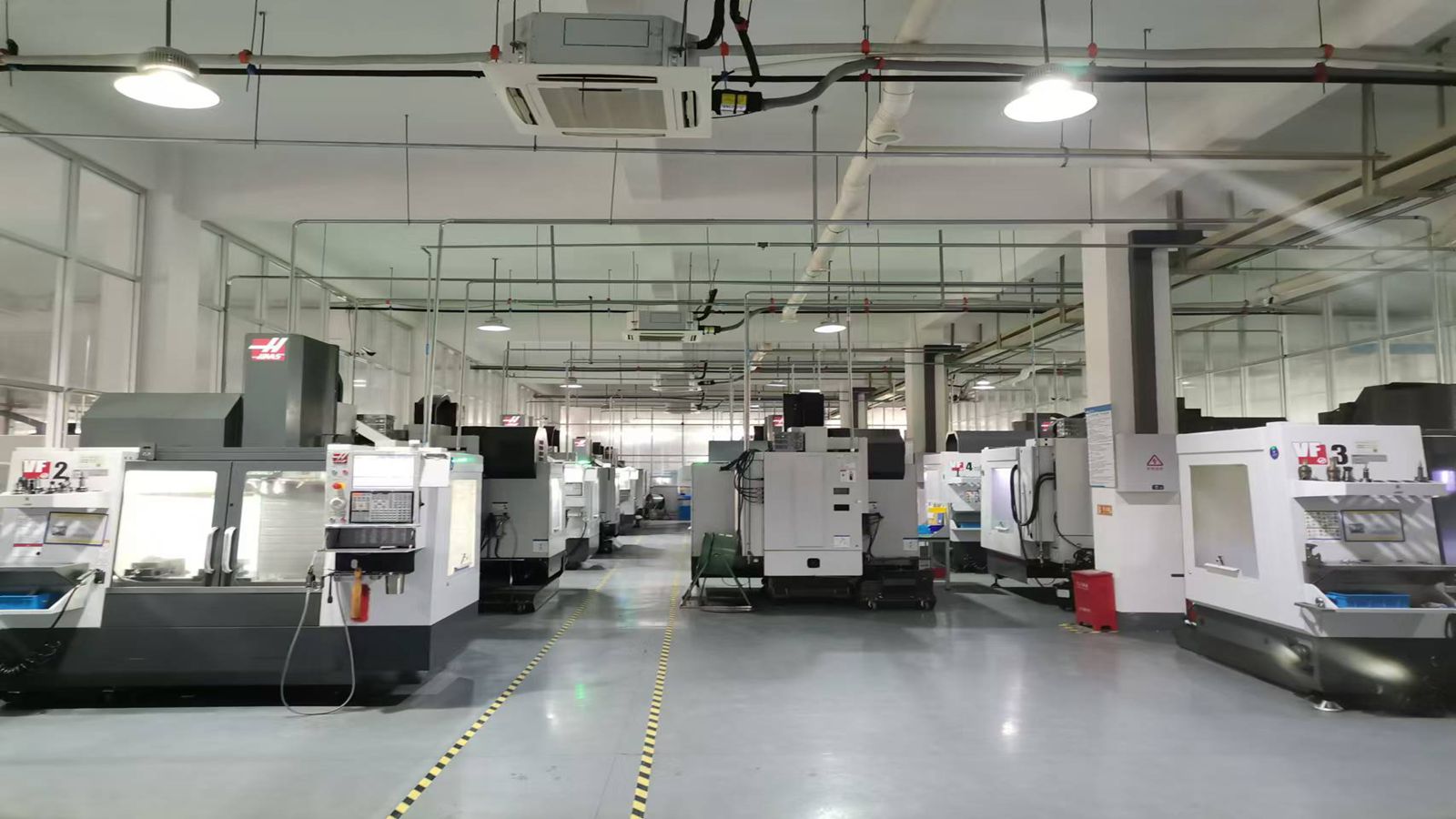
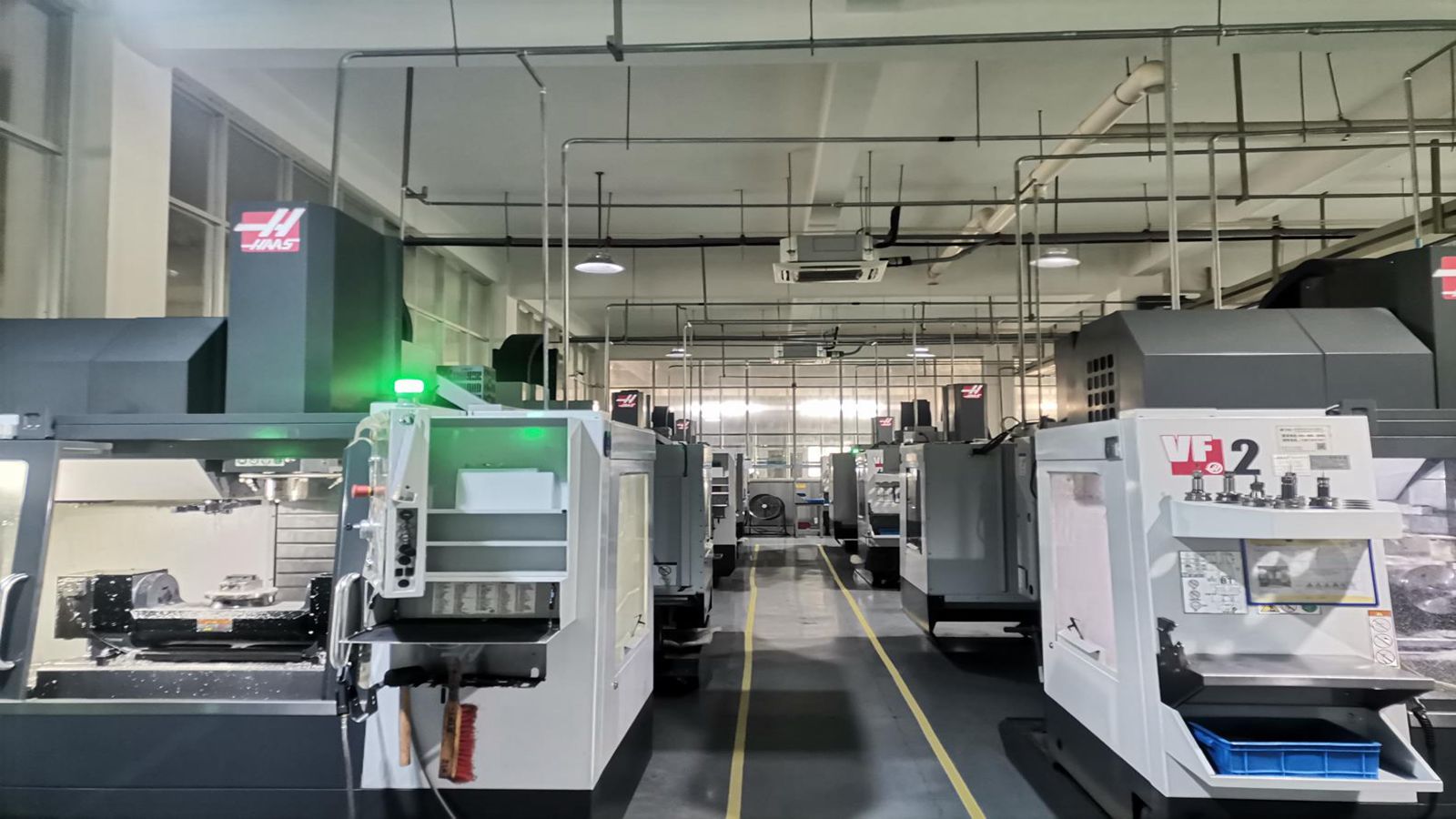
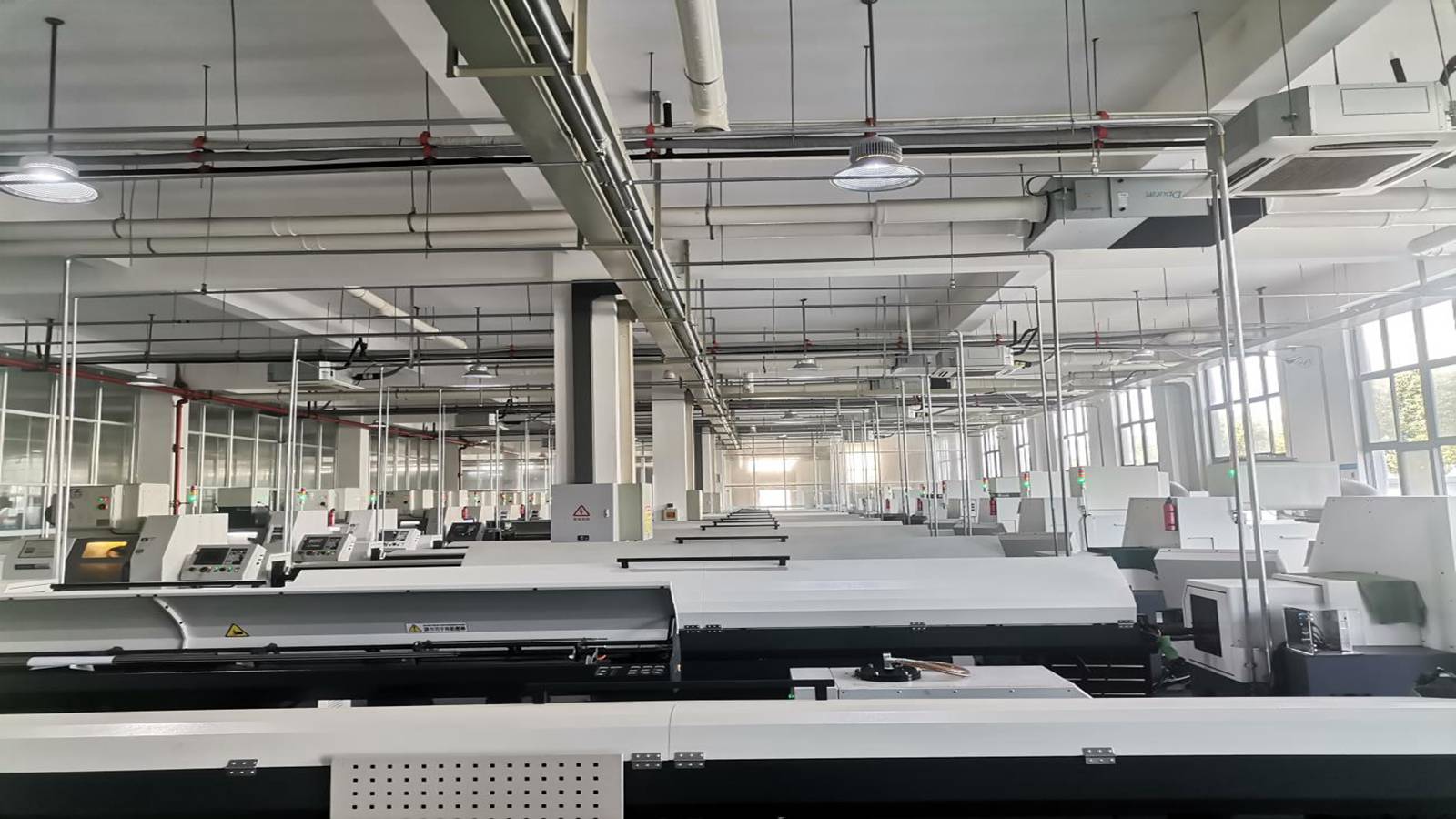
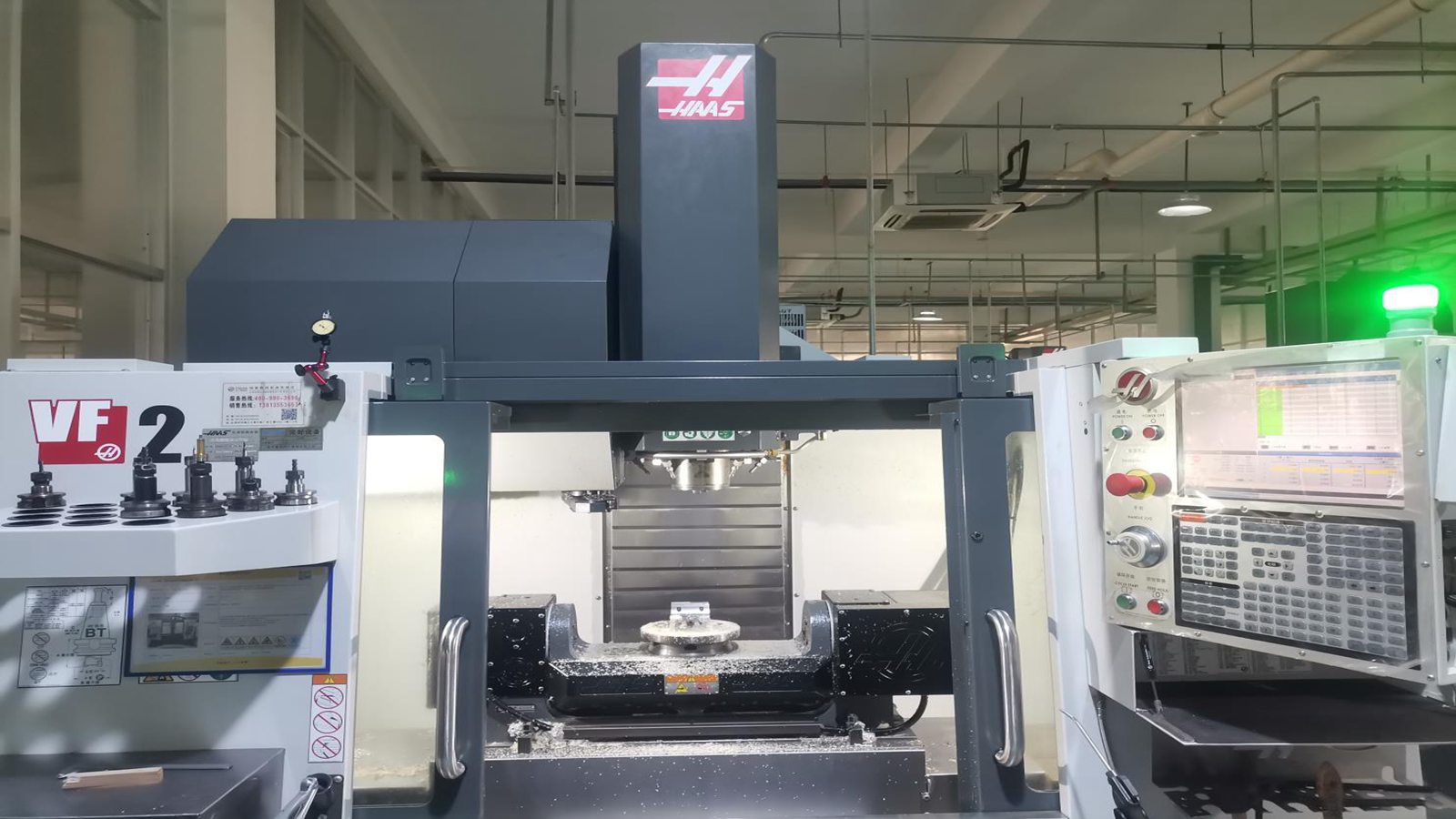
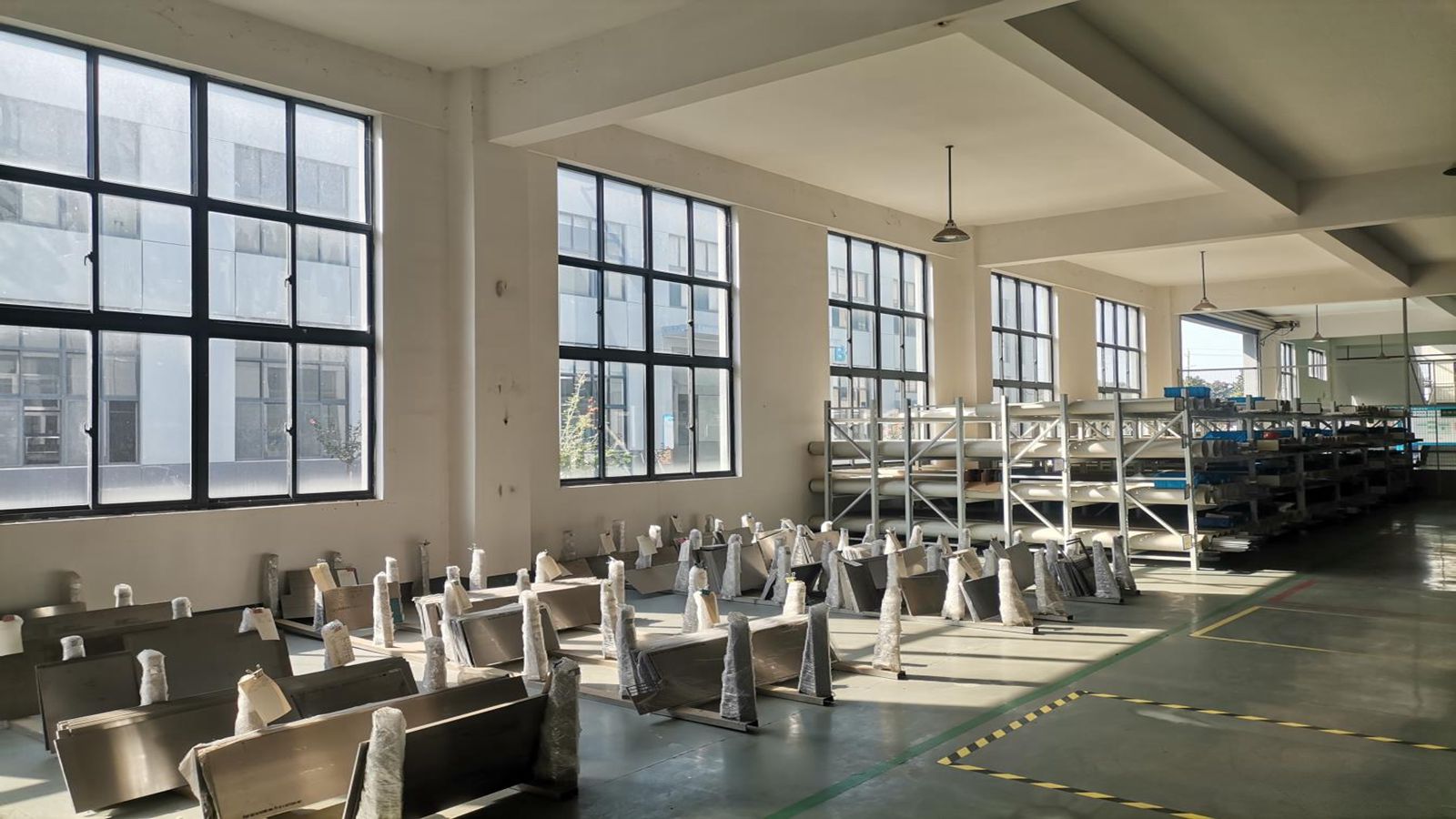
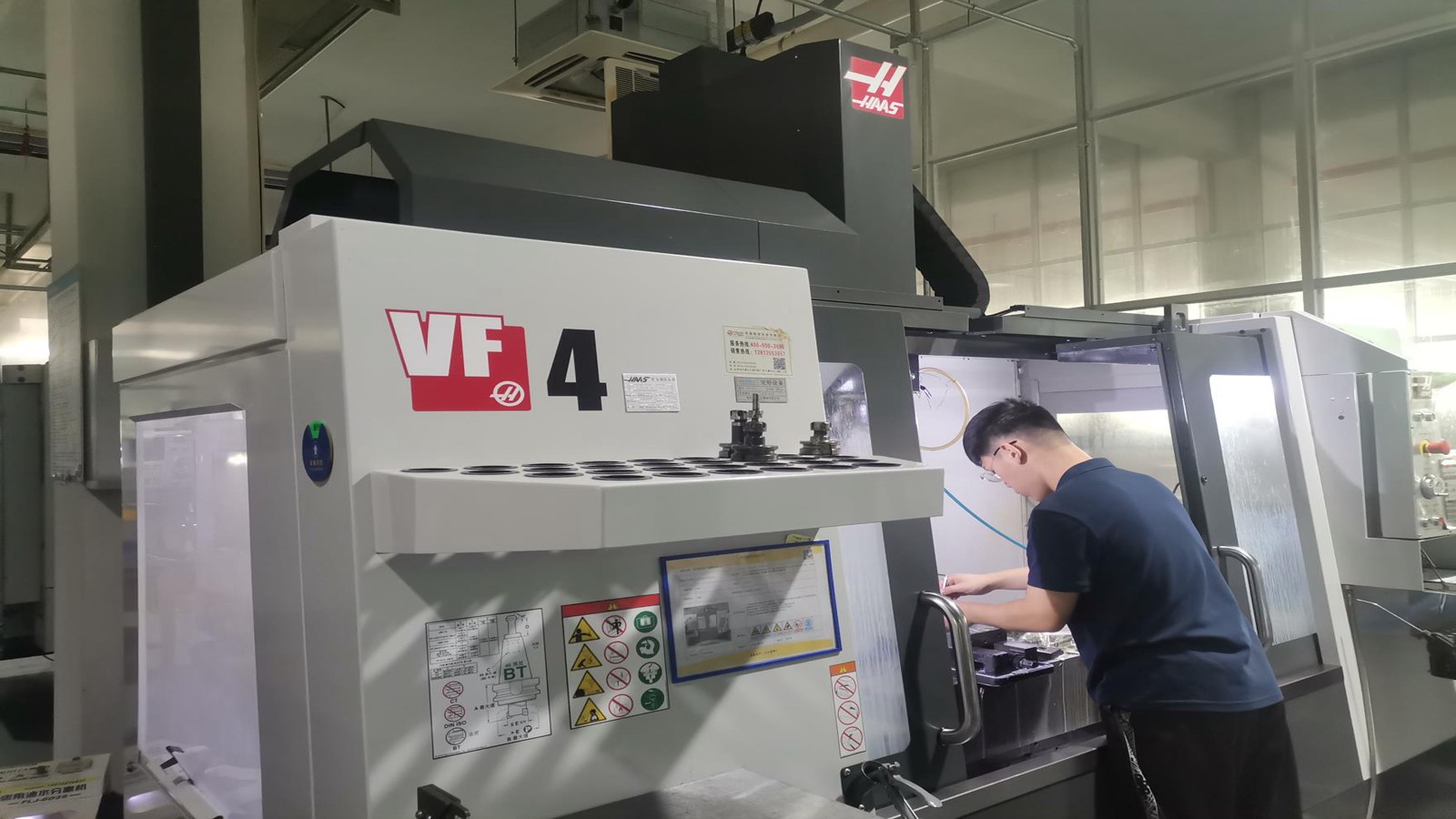
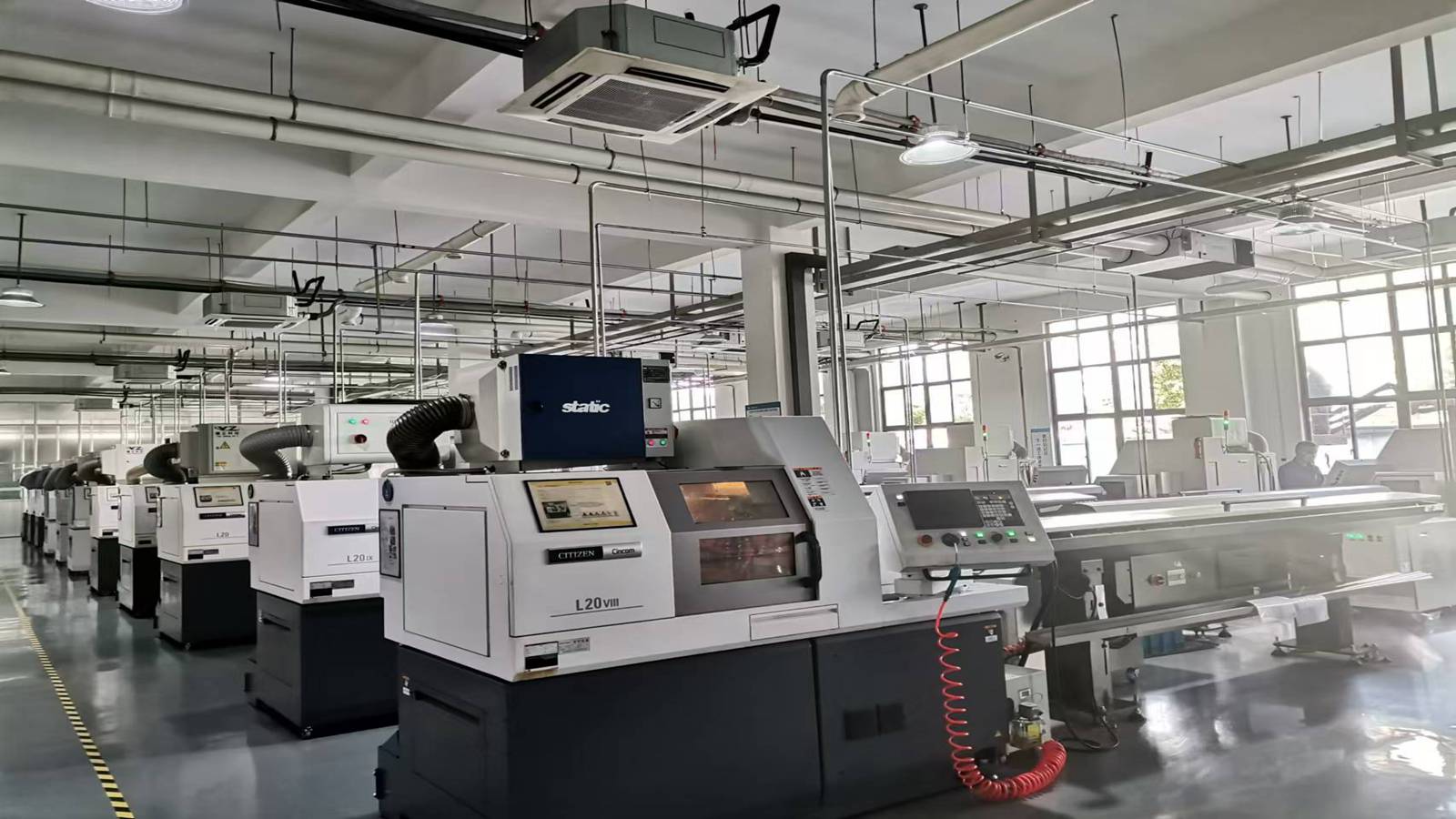
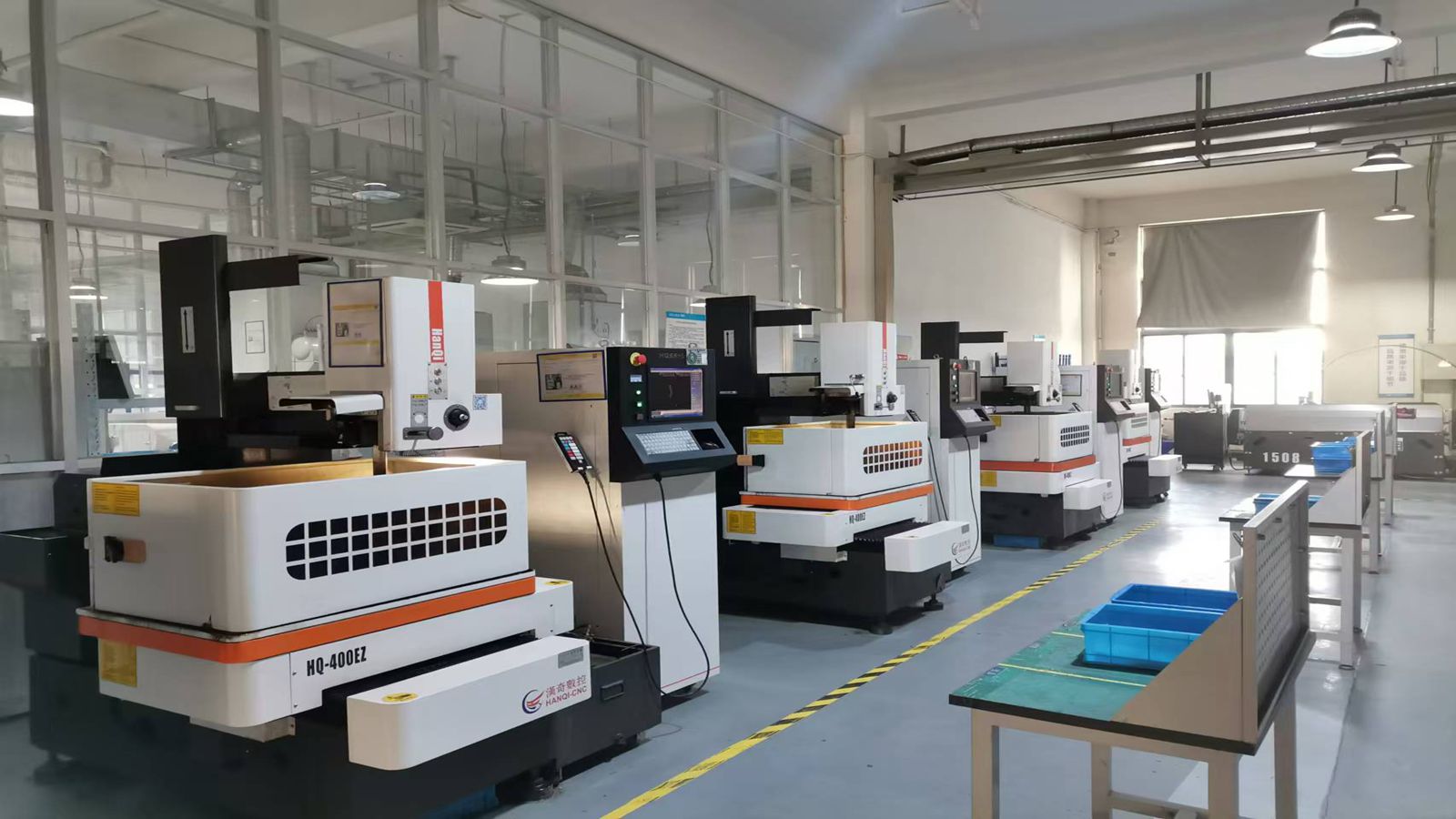
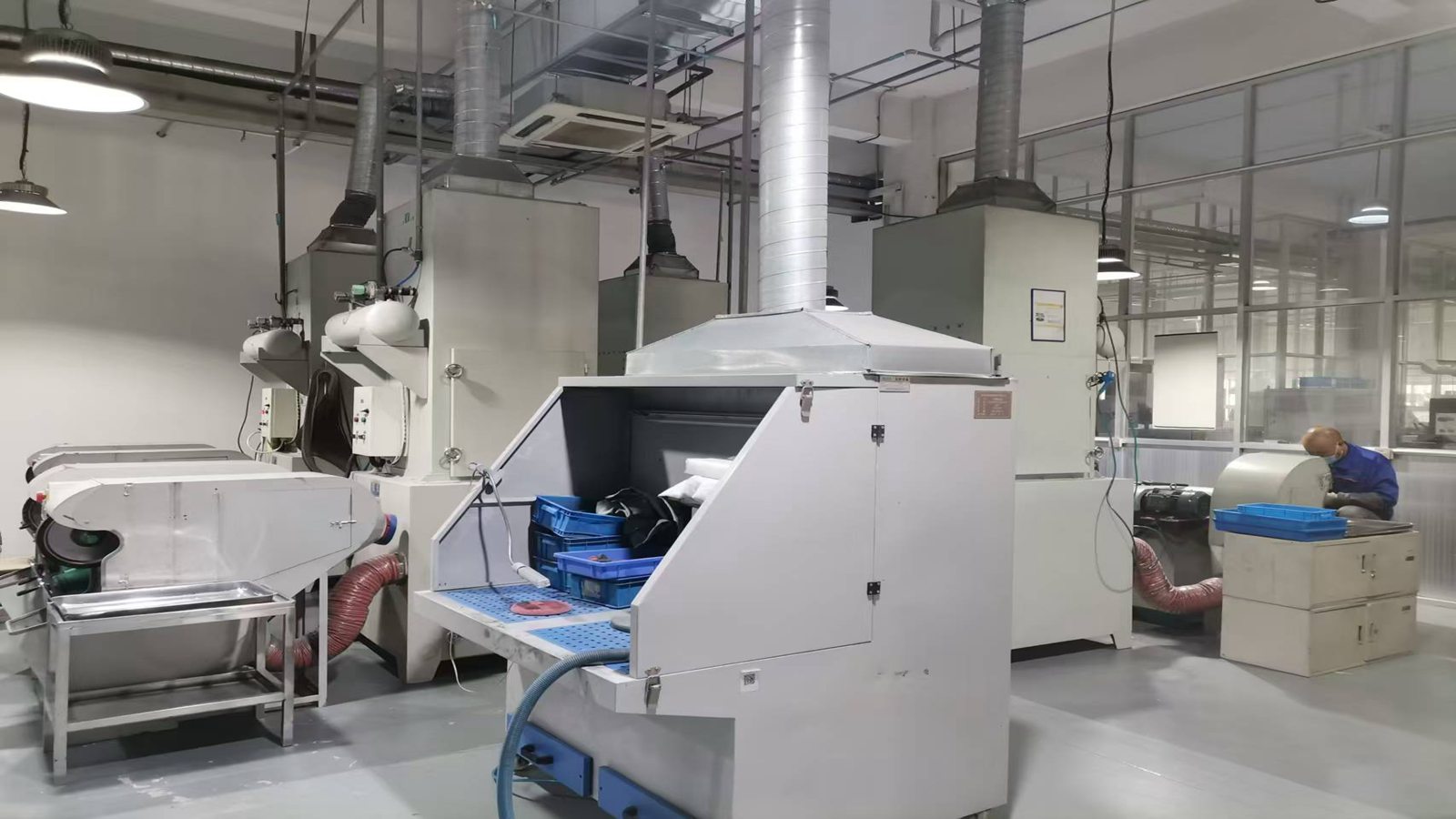
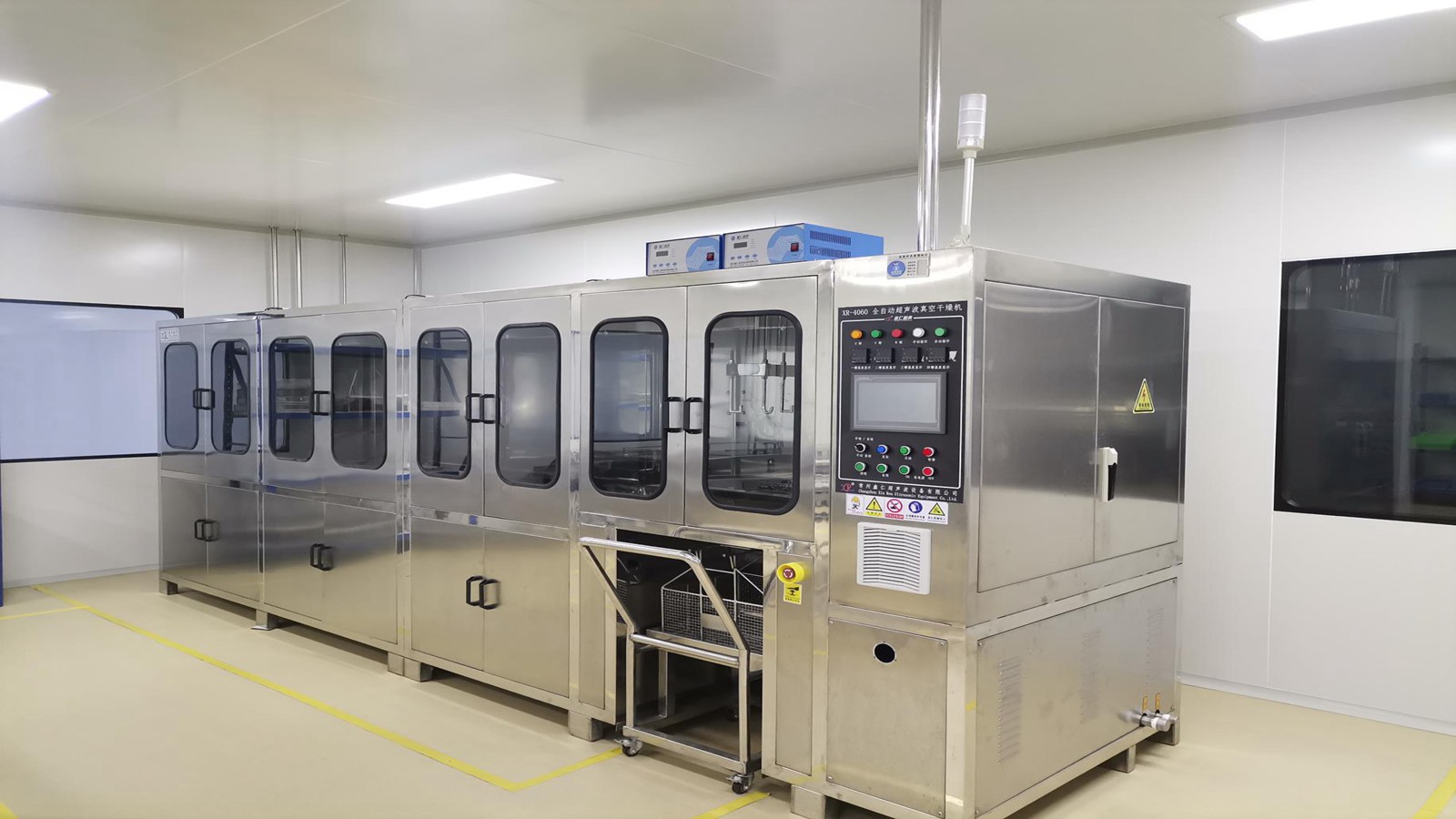
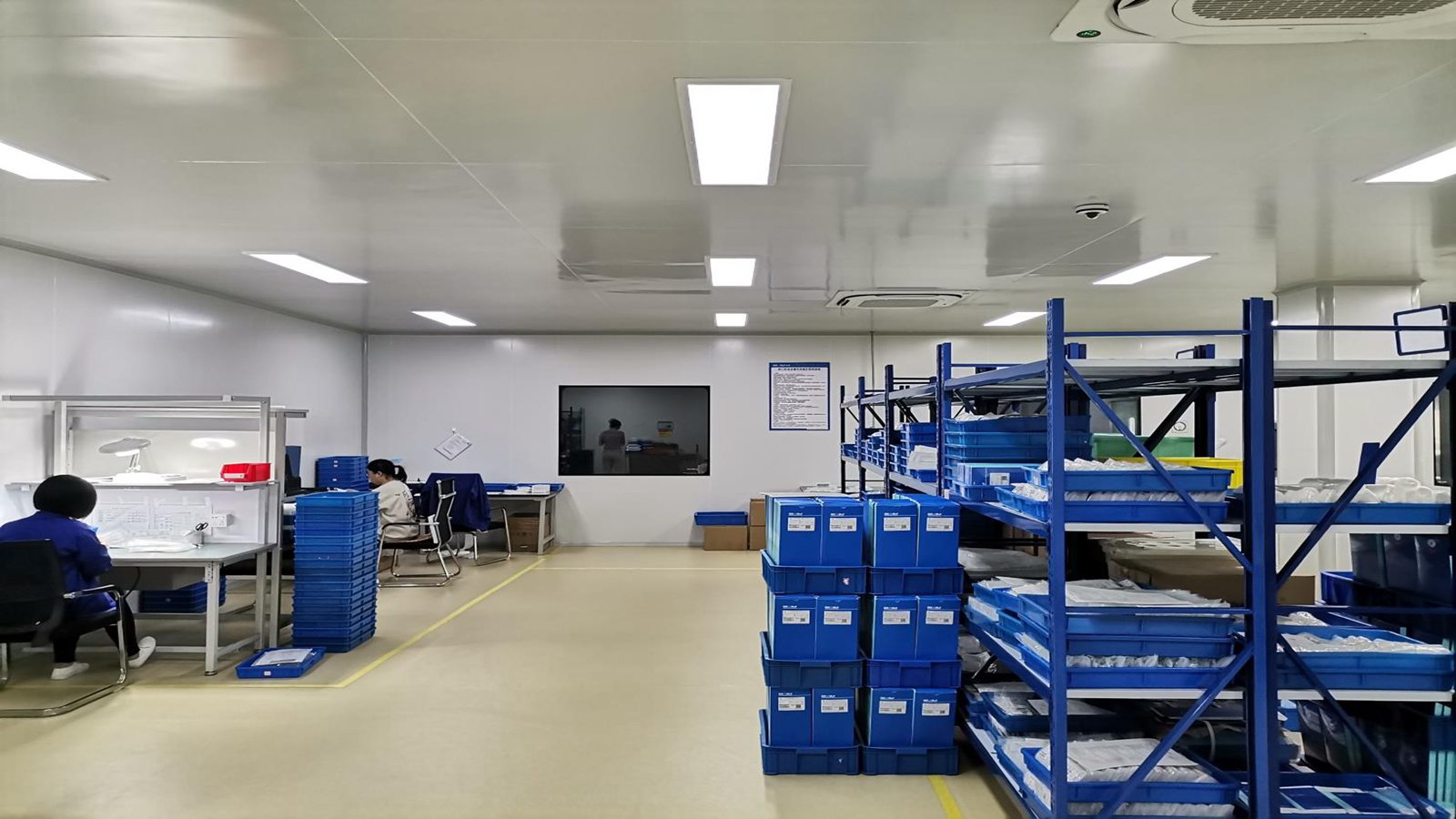
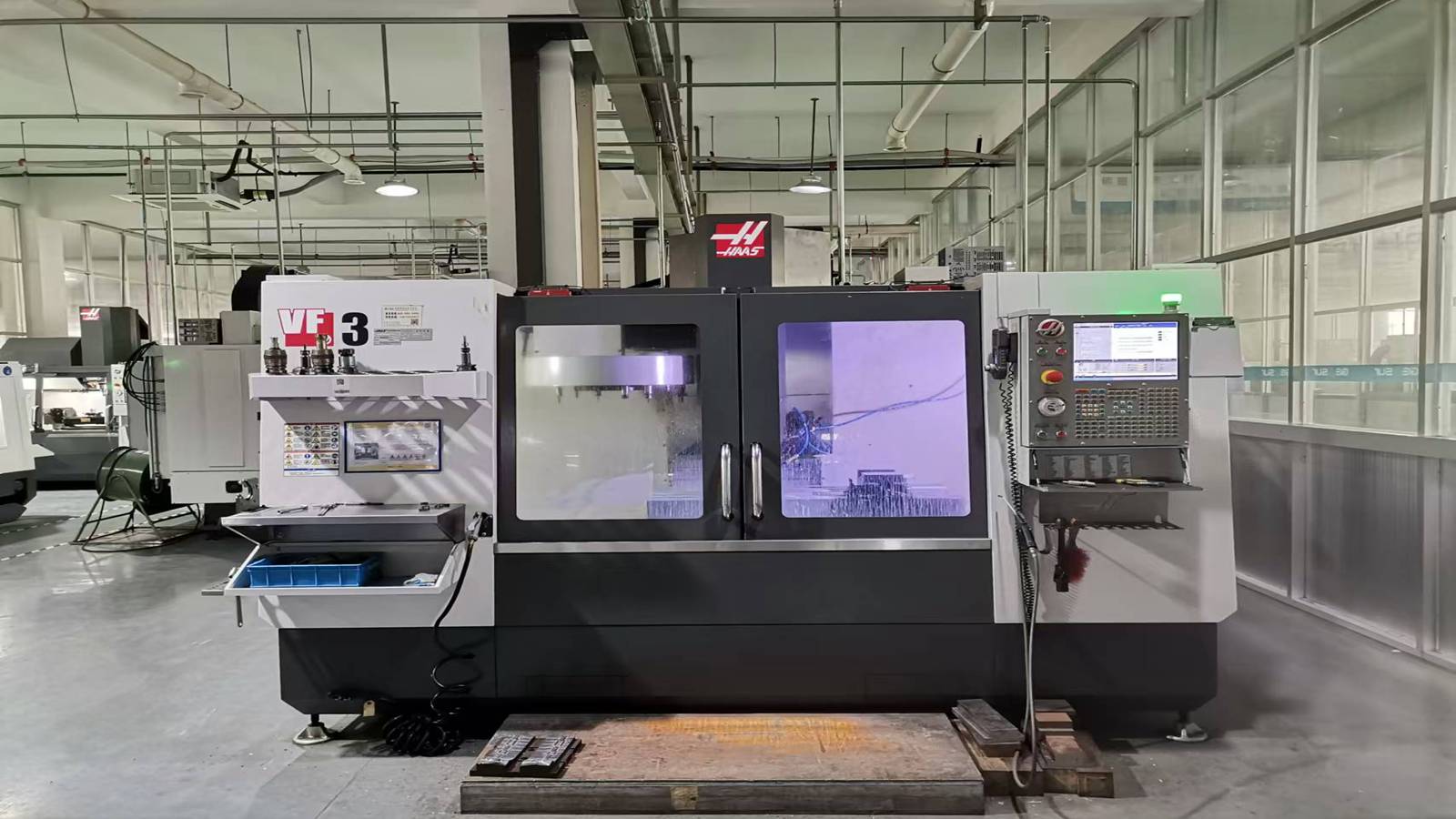
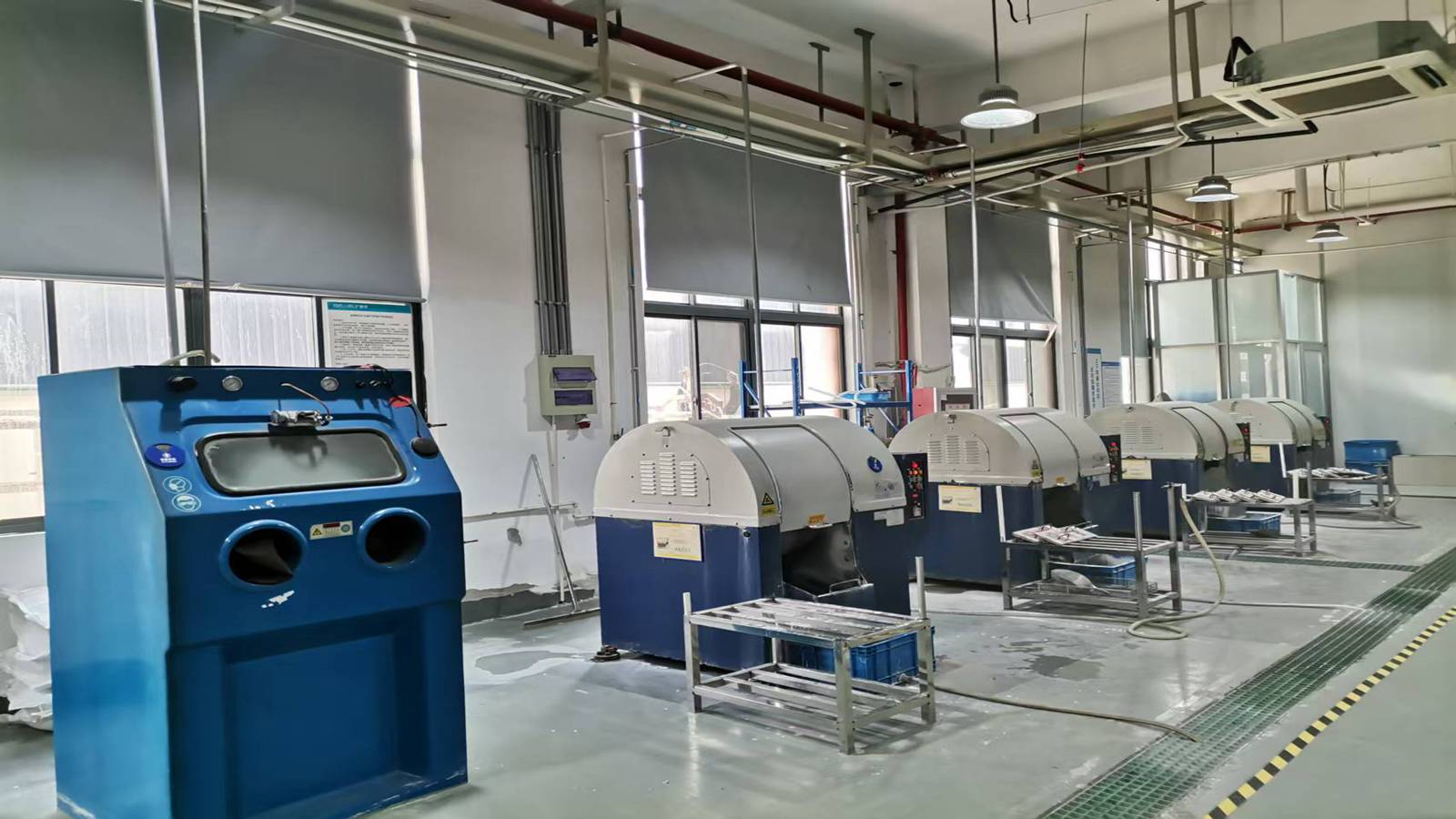
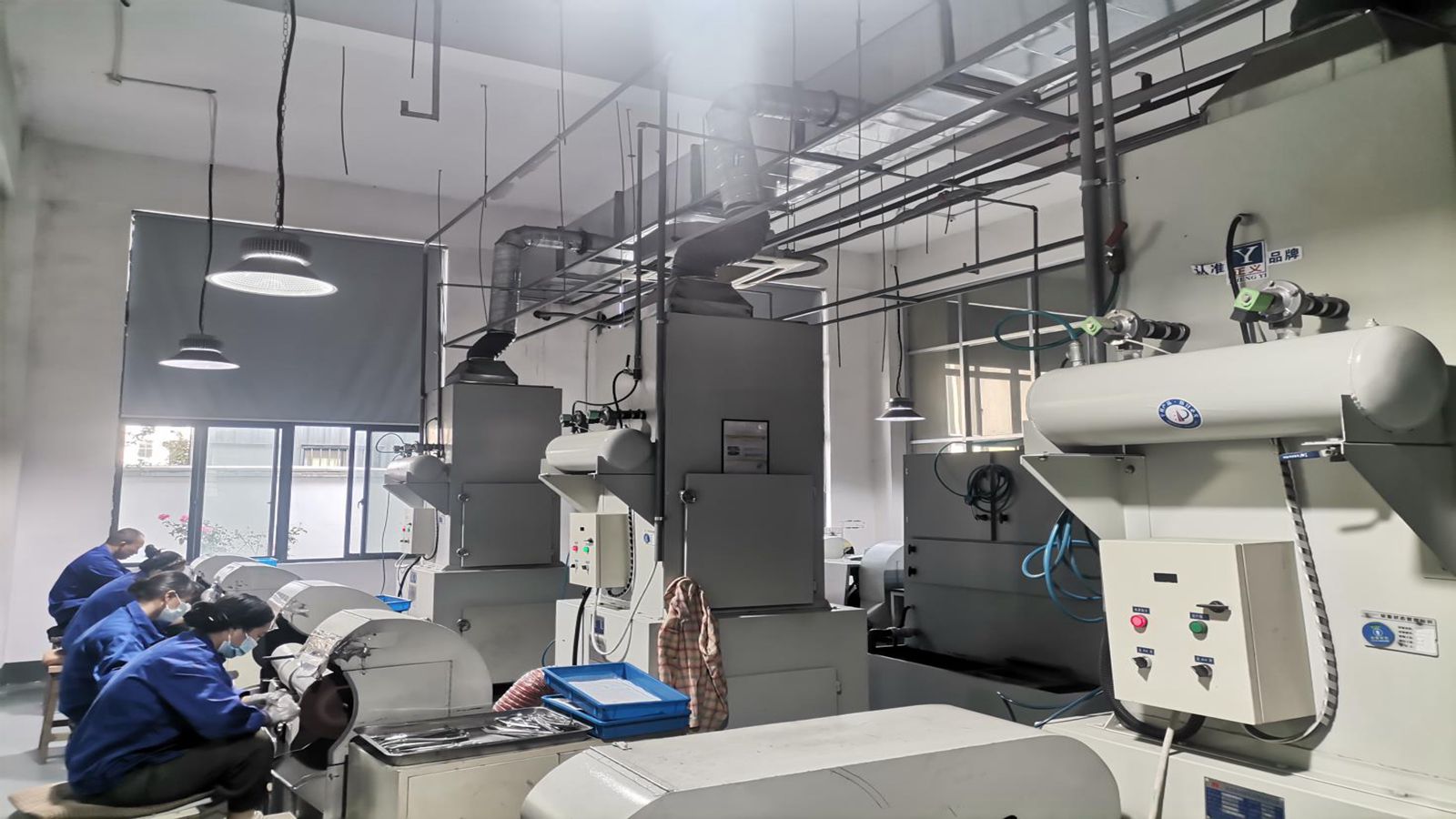
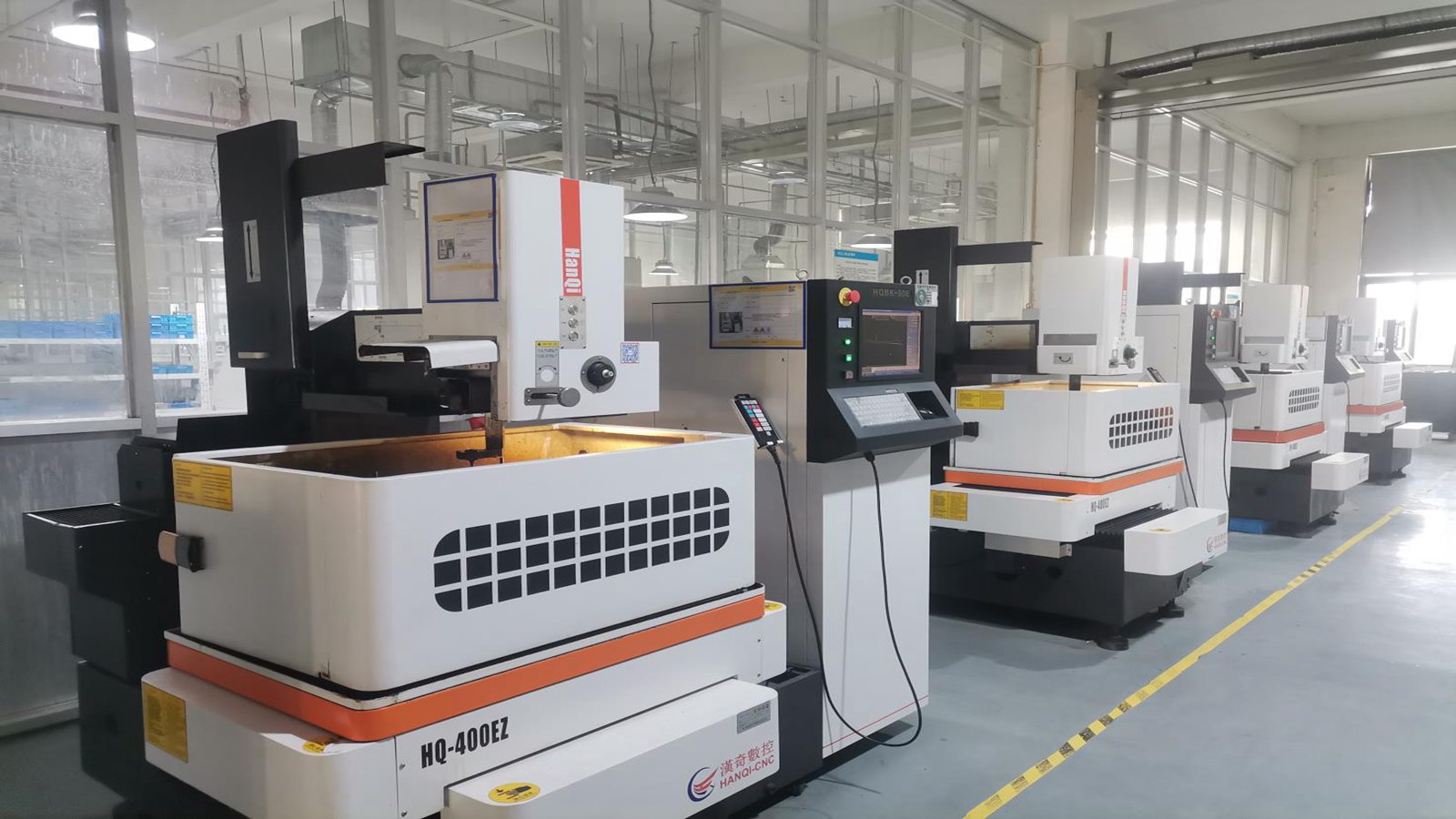
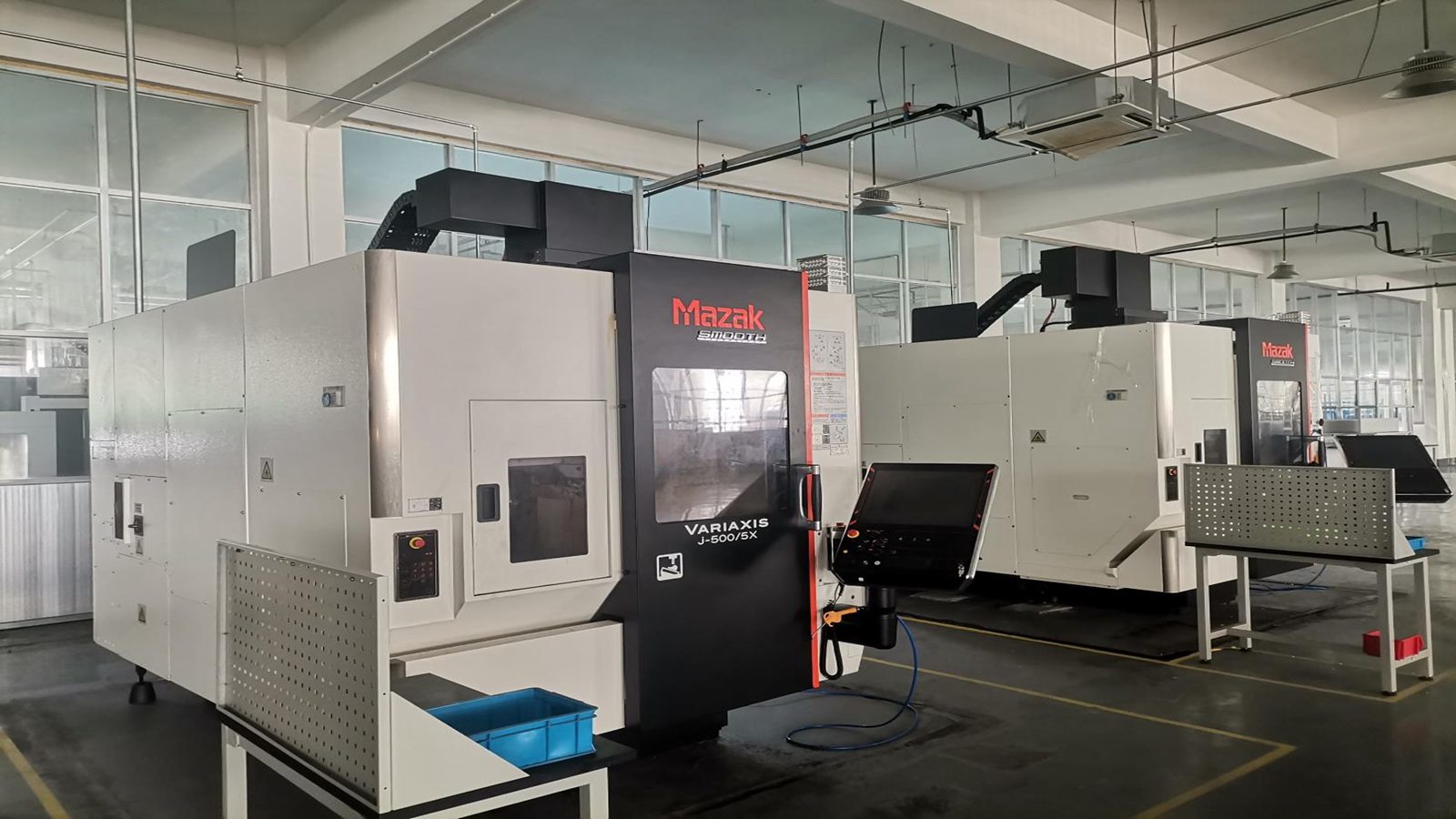
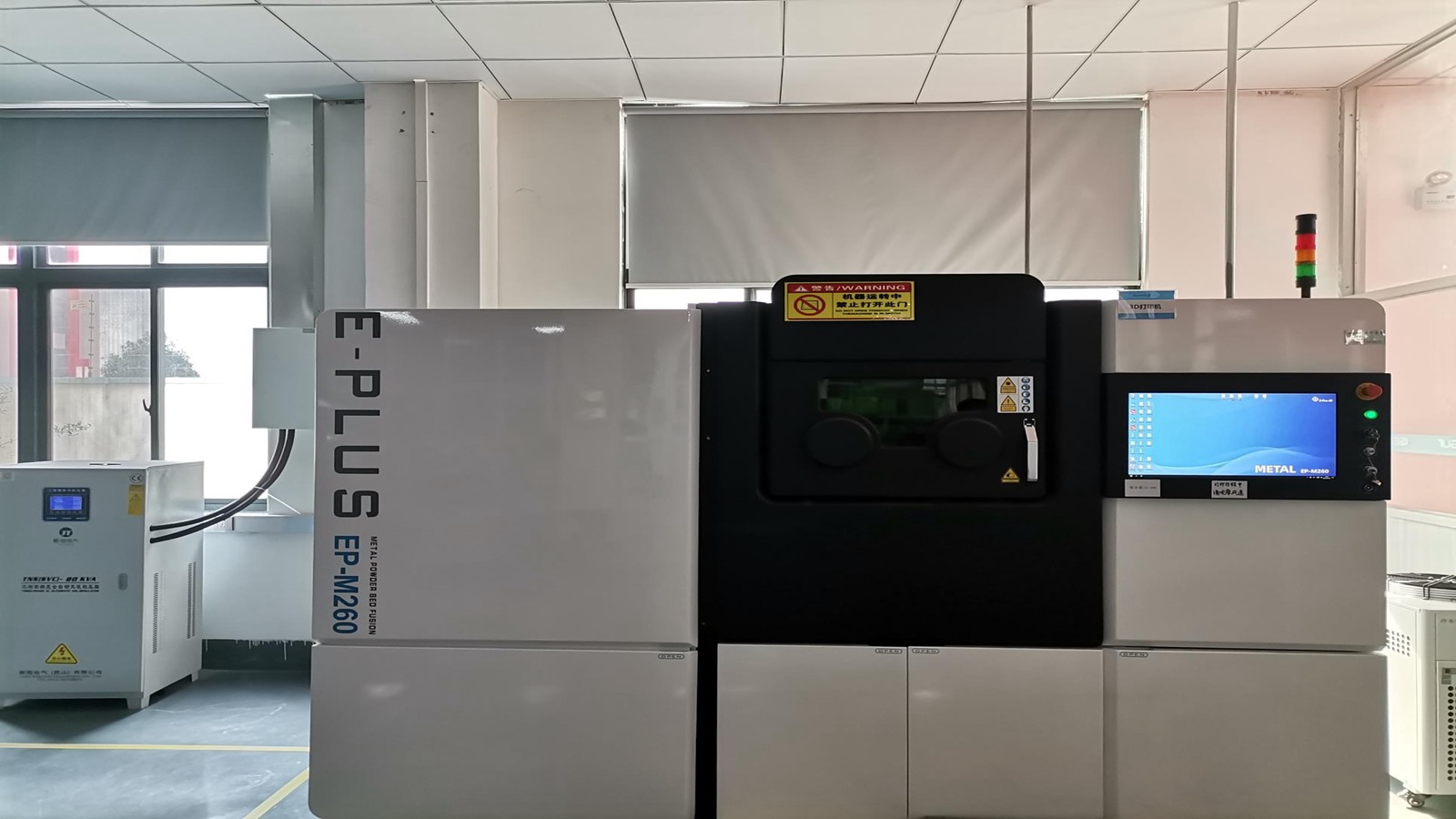
Operating a state-of-the-art 30,343 m² facility in China, HBM Medical bridges the gap between high-precision engineering and cost efficiency. With 12 specialized production lines and over 120 advanced CNC machining centers, we optimize production throughput while maintaining tolerances within microns. This industrial scale allows us to offer Tokyo distributors competitive pricing without compromising clinical efficacy.
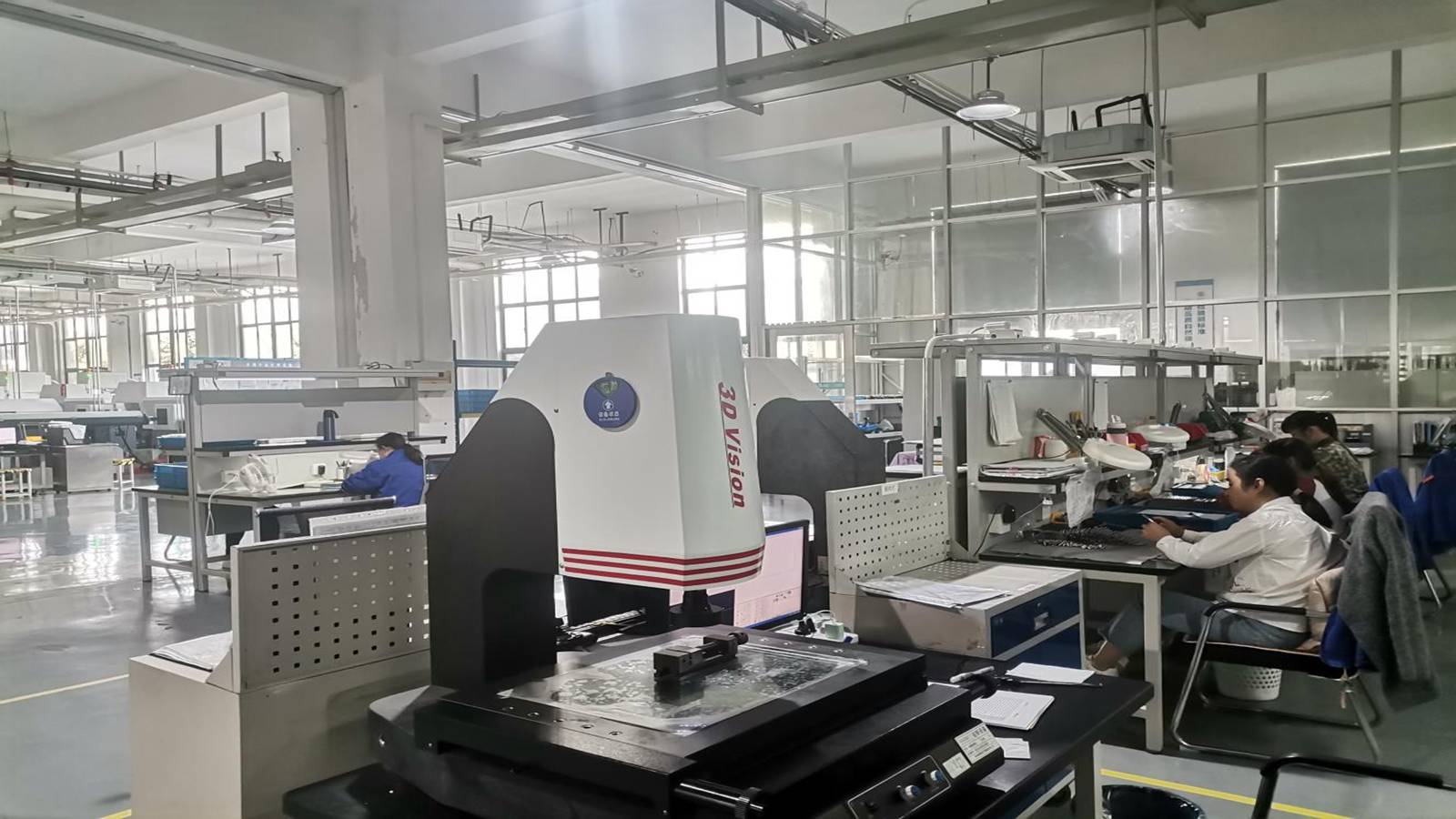
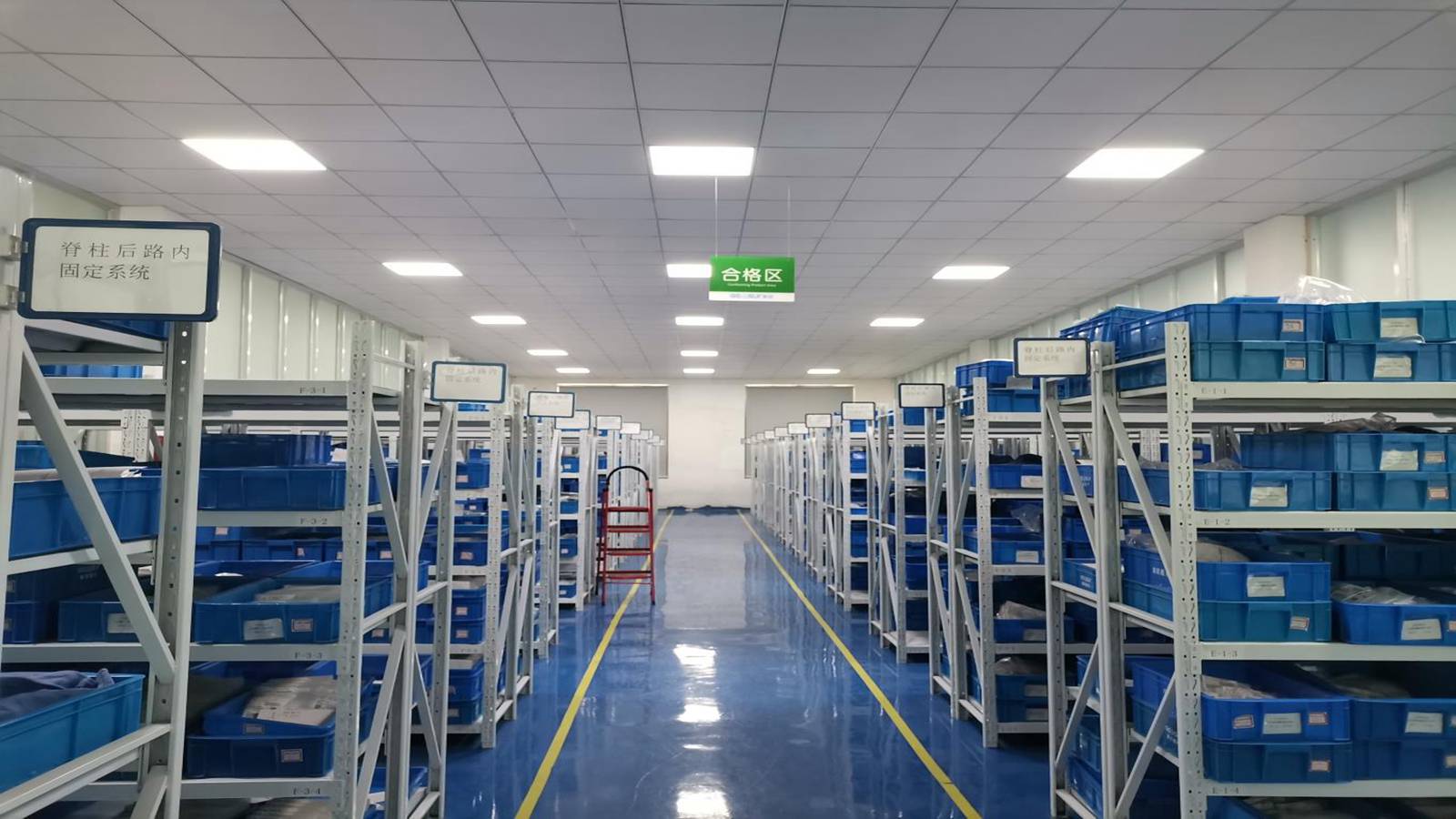
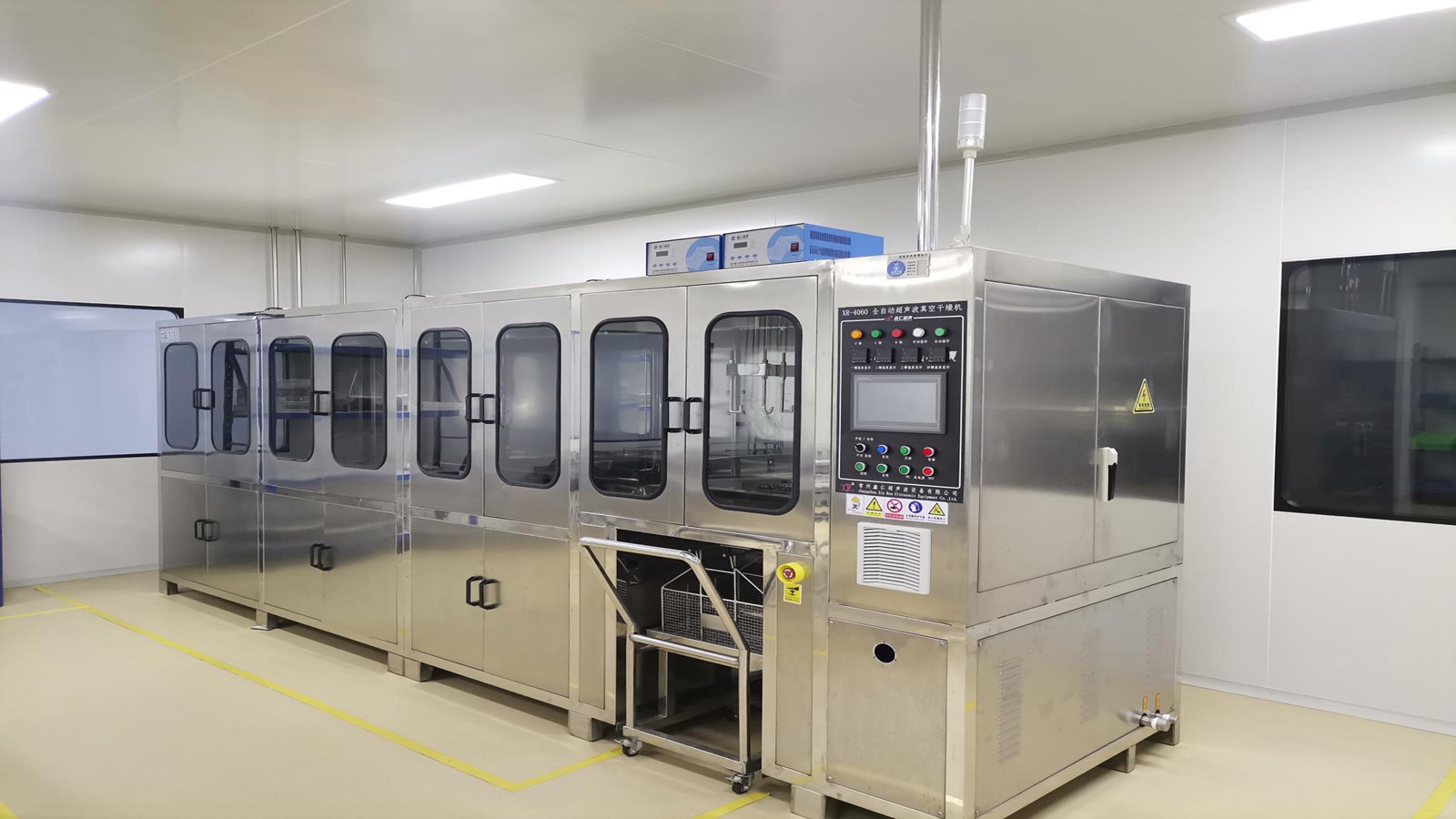
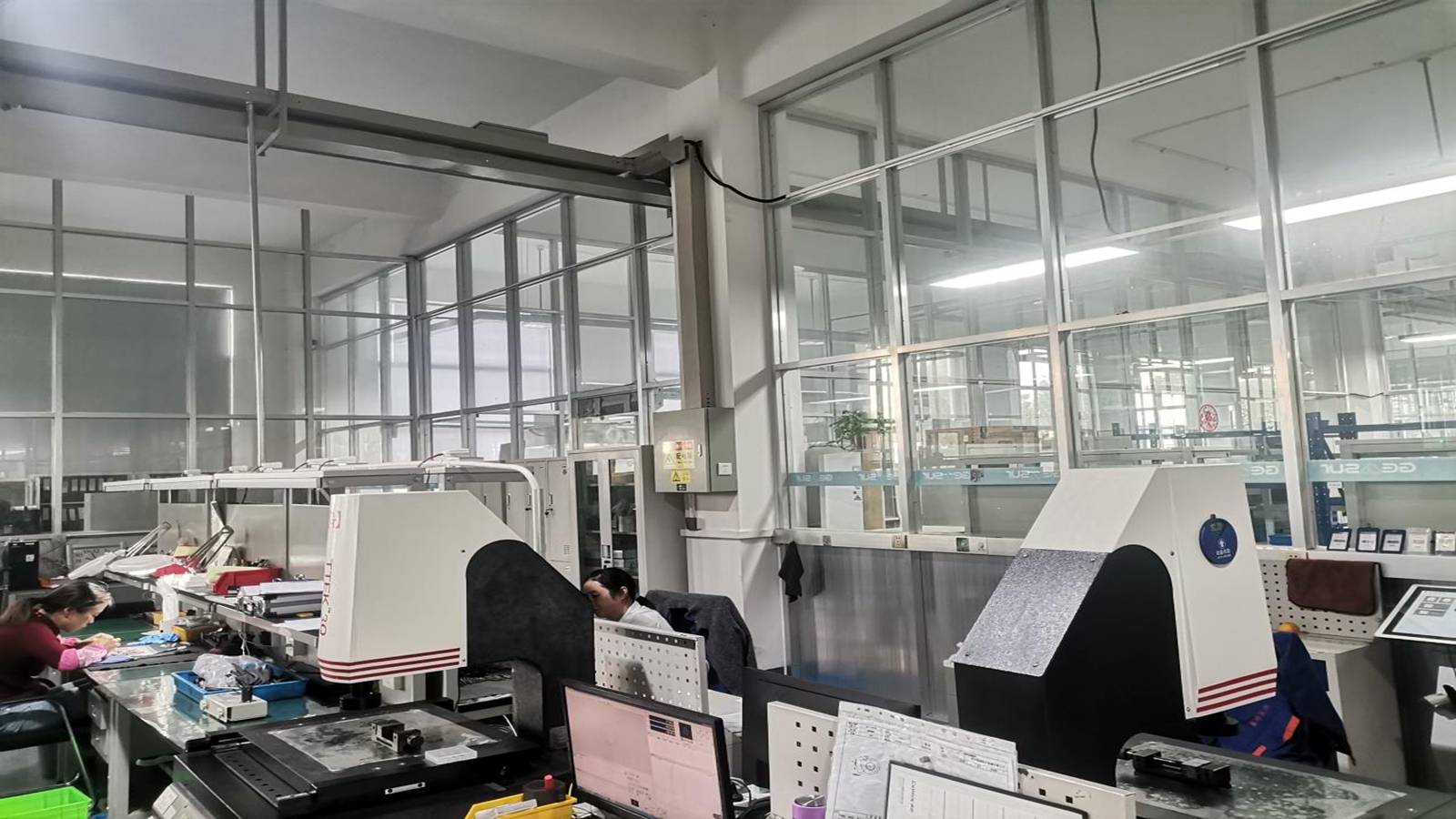
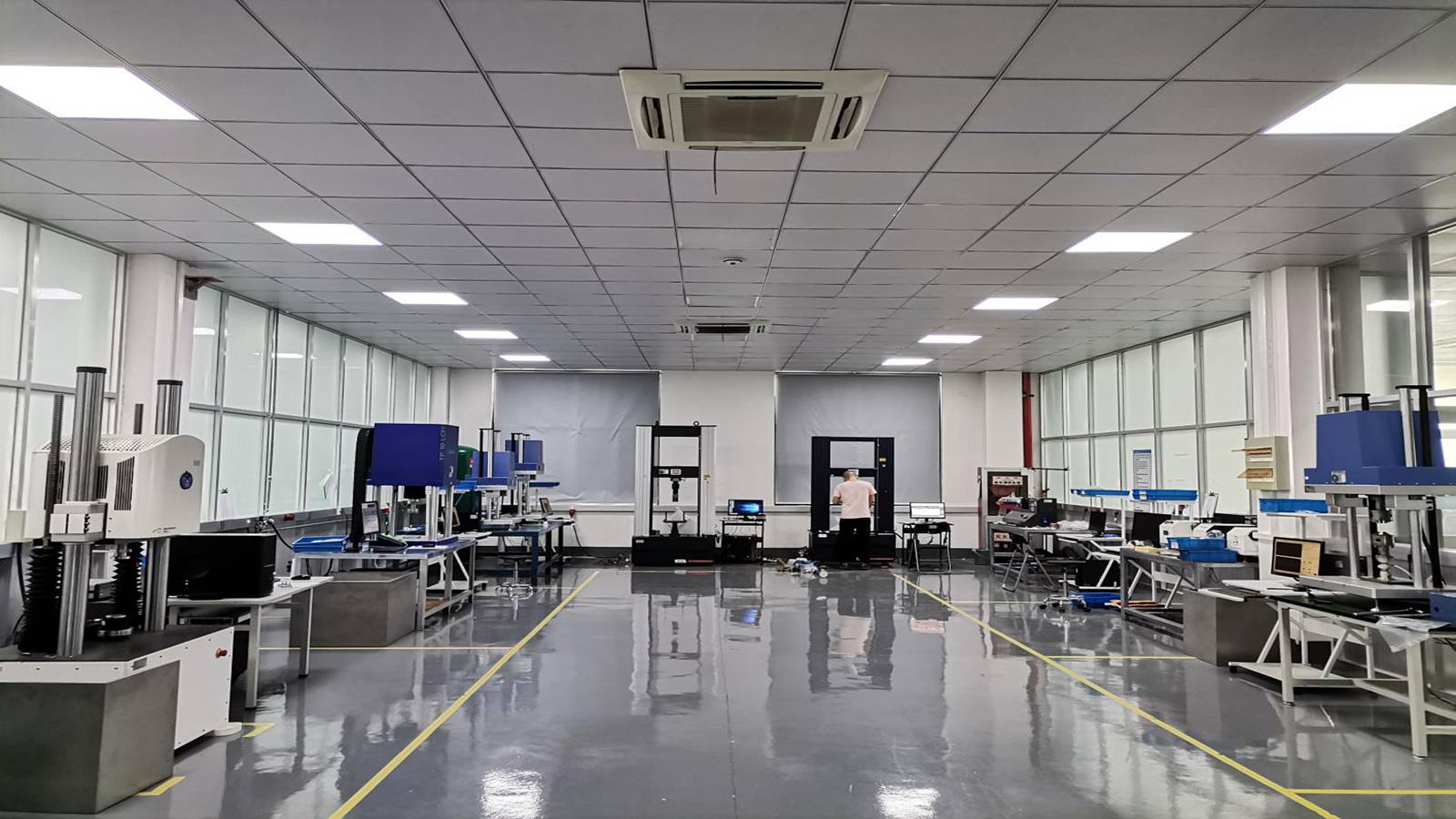
Quality is the cornerstone of our operations. With 36 dedicated QA/QC inspectors and 100% raw material traceability, every plate and screw undergoes rigorous mechanical testing, including fatigue, pull-out, and corrosion resistance tests. Our compliance with MDSAP (Medical Device Single Audit Program) ensures seamless regulatory acceptance across Japan, the USA, Canada, Australia, and Brazil.
HBM Medical's trauma implants are fabricated exclusively from medical-grade Titanium Alloy (Ti-6Al-4V ELI) conforming to ASTM F136 and ISO 5832-3 standards. This material is selected for its exceptional strength-to-weight ratio, superior fatigue resistance, and excellent biocompatibility.
Our proprietary surface anodization process creates a stable, bio-inert titanium oxide layer that minimizes ion release and enhances bone-to-implant contact. The low-profile plate design features rounded edges and tapered ends to preserve local blood supply and prevent soft tissue impingement, promoting faster biological healing.
| Specification Parameter | Technical Standard / Value |
|---|---|
| Material Composition | Ti-6Al-4V ELI (ASTM F136 / ISO 5832-3) |
| Tensile Strength | ≥ 860 MPa |
| Yield Strength | ≥ 795 MPa |
| Surface Treatment | Type II Anodization (Anti-galling, Bio-inert) |
| Screw Interface | Variable Angle & Fixed Angle Locking (2.4mm / 3.5mm / 5.0mm) |
High-precision CNC machining of titanium locking plates at HBM factory.
Engineered to meet the specific surgical requirements of Tokyo's leading medical institutions.
Scenario: High-density urban areas in Tokyo see a high incidence of fall-induced distal radius fractures in elderly patients with osteoporotic bone.
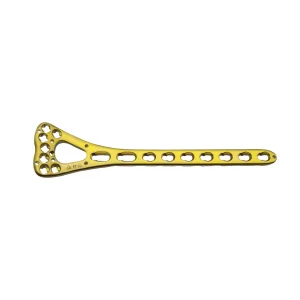
Solution: HBM's Distal Volar Radial Locking Plate features a multi-axial locking configuration, allowing precise screw placement to support the subchondral bone without risk of backing out, facilitating early mobilization.
Scenario: Complex multi-fragment fractures of the tibia and humerus resulting from metropolitan transit and highway accidents.
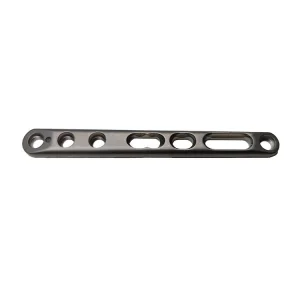
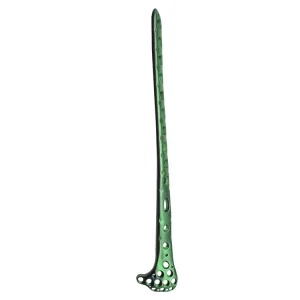
Solution: Our Medial Proximal Tibia Locking Plates provide rigid internal fixation. The combination of dynamic compression and locking screws ensures absolute mechanical stability under physiological load.
Scenario: Tokyo surgeons increasingly prefer minimally invasive percutaneous osteosynthesis to preserve periosteal blood supply.
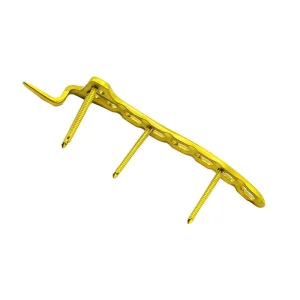
Solution: Tapered plate ends and dedicated percutaneous insertion instruments allow smooth sub-muscular plate passage, minimizing surgical trauma and accelerating recovery.
Comprehensive trauma portfolio including anatomical locking plates, reconstruction plates, and specialized surgical instruments.
Integrate the Master, Health being achieved
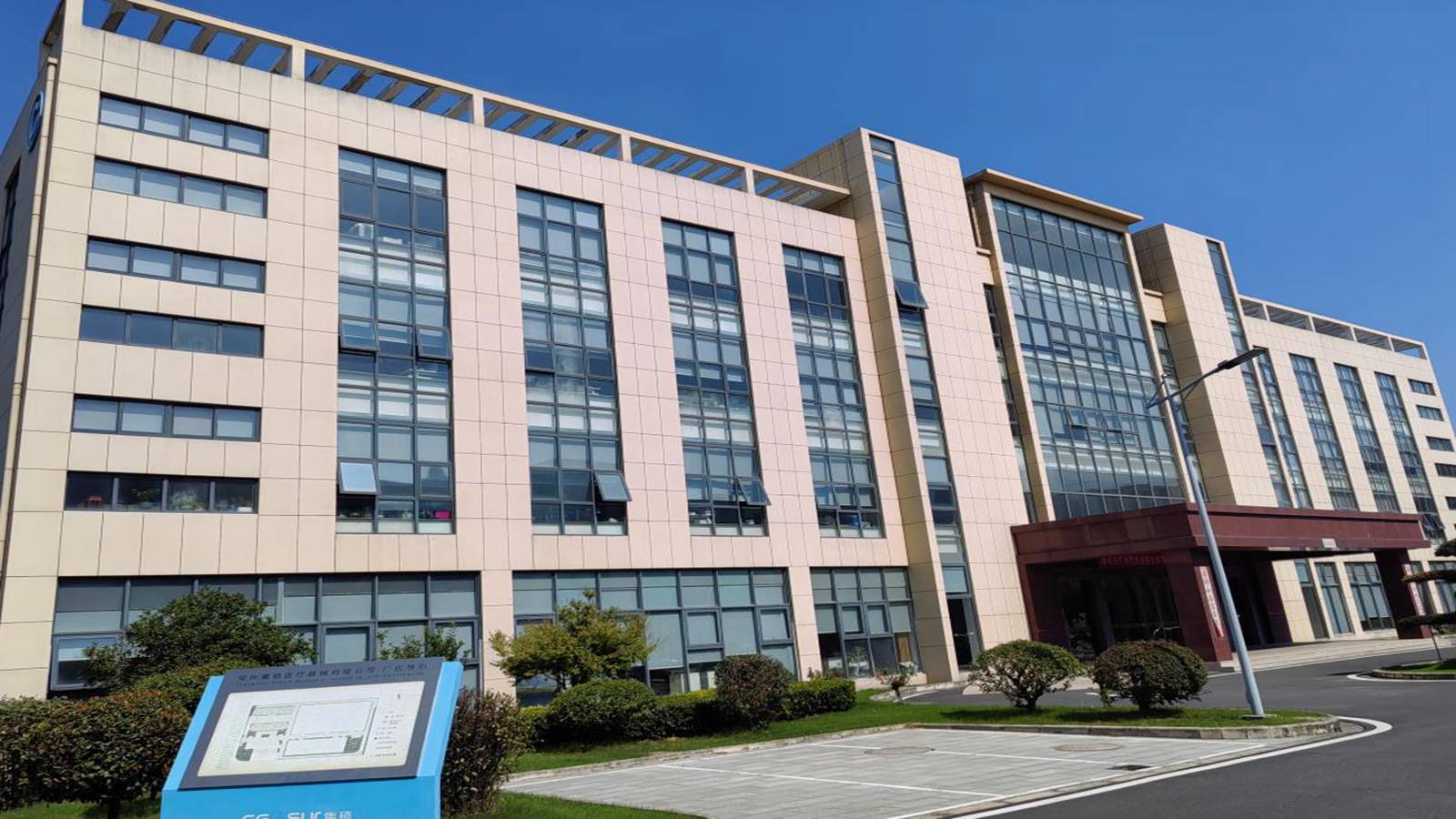
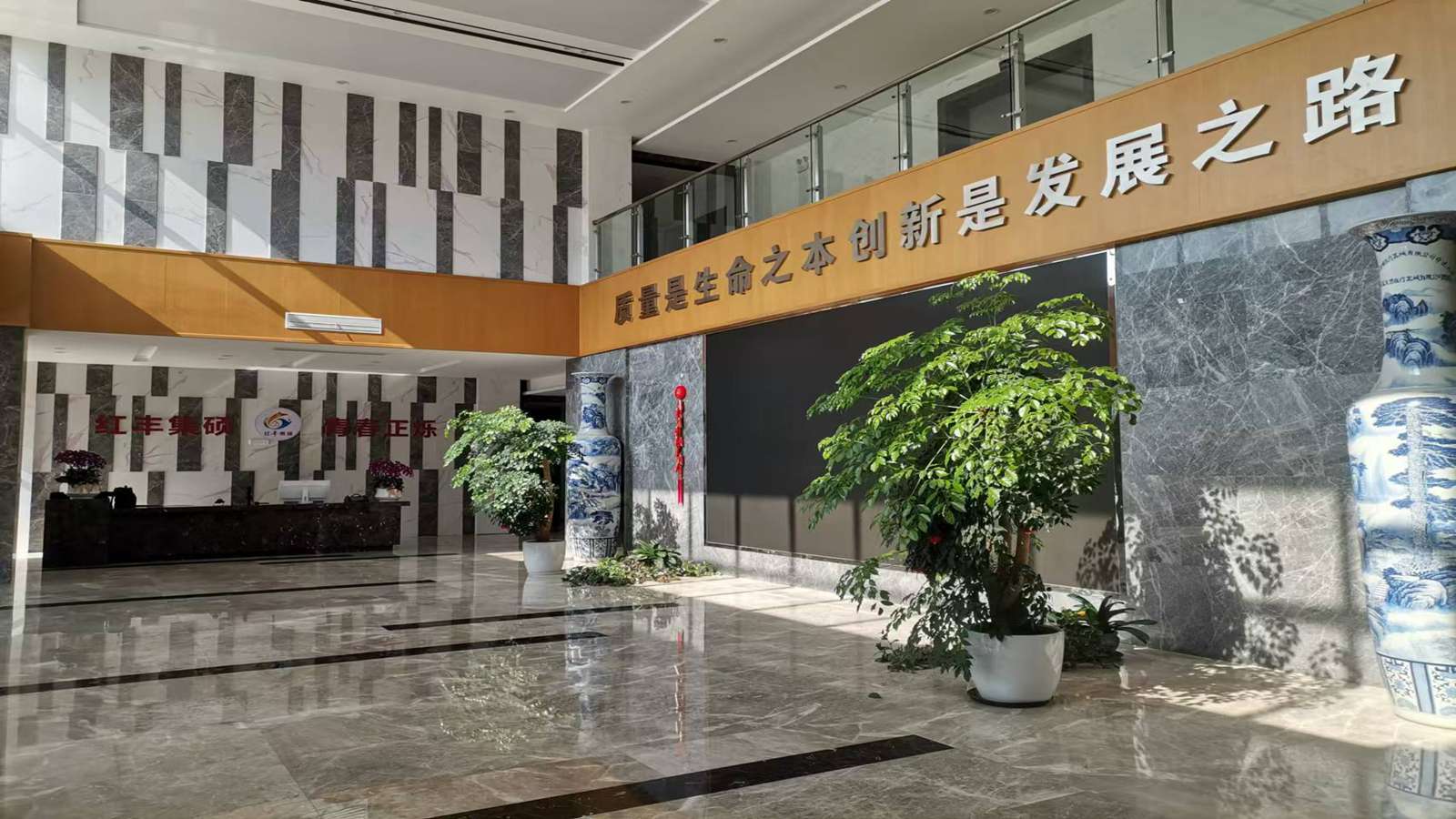
HBM Medical Apparatus And Instruments Co., Ltd. is a leading orthopedic medical equipment R&D, manufacturing, and operation enterprise in China. With a sales network covering the whole country and sales offices in many regions, HBM has won the recognition of many global partners. We provide professional integrated solutions for the R&D, production, and sales of orthopedic implants and surgical instruments.
Equipped with first-class production equipment, professional R&D, technology, and manufacturing teams, and a quality management system in line with international standards, HBM has made unique achievements in the field of orthopedic medical devices. We adhere to the development concept of technological innovation, product innovation, and service innovation, serving the great cause of human health.
Our R&D team consists of 31 highly qualified engineers (including 1 Doctorate, 11 Postgraduates, and 17 Graduates). We launched 25 new products last year alone, offering robust OEM/ODM customization options including sample processing, graphic processing, and customized-on-demand services.
Key technical and regulatory information for Tokyo medical distributors and procurement managers.
Partner with China's leading MDSAP-certified manufacturer to secure high-precision, cost-effective orthopedic implants for the Tokyo market.
 HBM Medical