Explore our premium selection of CE & ISO certified surgical instruments and implants engineered for high-precision clinical interventions.
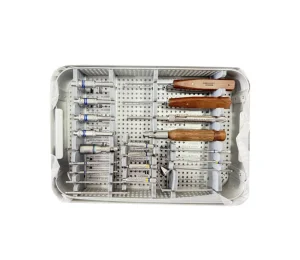
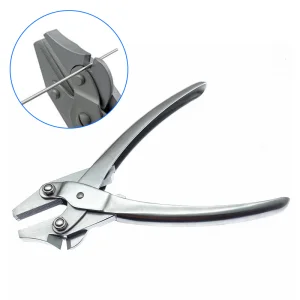
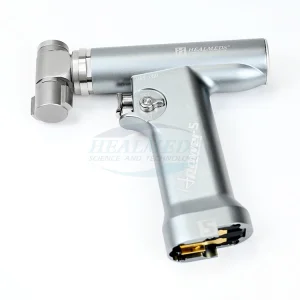

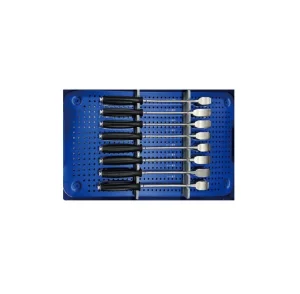
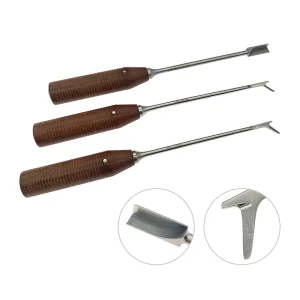
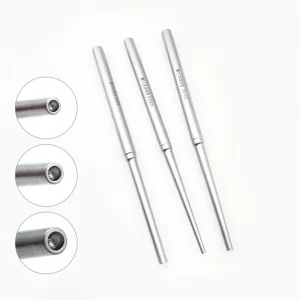
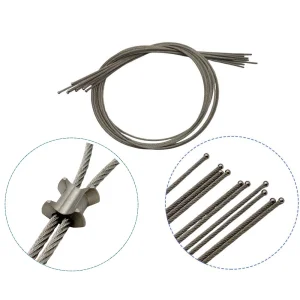
Cranial reconstruction, or cranioplasty, is one of the oldest and most rapidly evolving fields of neurosurgery. The primary objective is not only to restore the mechanical protection of the brain but also to normalize intracranial pressure dynamics, cerebral blood flow, and aesthetic symmetry. Among the various biomaterials utilized, titanium mesh has emerged as the gold standard globally due to its exceptional biocompatibility, high strength-to-weight ratio, and resistance to corrosion.
The global demand for cranial repair implants is driven by an increasing incidence of traumatic brain injuries (TBIs) resulting from road traffic accidents, industrial mishaps, and sports injuries, alongside a growing number of decompressive craniectomies performed post-stroke or tumor resection. According to clinical registries, titanium remains the most widely specified material for these procedures, capturing over 60% of the global cranioplasty market share.
Historically, Western multinational corporations dominated the supply chain. However, over the past decade, leading Chinese medical device manufacturers, such as HBM Medical Apparatus And Instruments Co., Ltd., have bridged the technological gap. By combining state-of-the-art CNC machining, advanced surface treatment technologies, and rigorous international quality standards (such as MDSAP and CE MDR), China has transitioned from a high-volume manufacturer to a premier exporter of high-precision, clinical-grade neurosurgical implants.
Unlike PMMA (polymethyl methacrylate) or PEEK (polyetheretherketone), titanium mesh offers an optimal balance of rigidity and malleability. It allows intraoperative contouring to match the complex curves of the human skull while maintaining structural integrity under external impact. Furthermore, its porous structure facilitates rapid tissue integration and vascularization, significantly reducing the long-term risk of implant infection and migration.
The neurosurgical implant sector is undergoing a paradigm shift characterized by three major technological trends:
Different regions present distinct clinical and regulatory requirements. In highly regulated markets like the European Union and North America, strict adherence to MDR (Medical Device Regulation) and FDA 510(k) pathways is mandatory. Implants must feature complete raw material traceability and undergo rigorous mechanical fatigue testing.
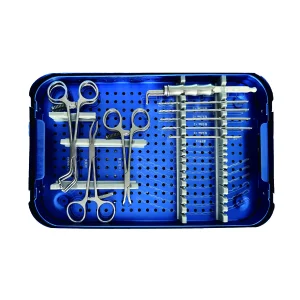
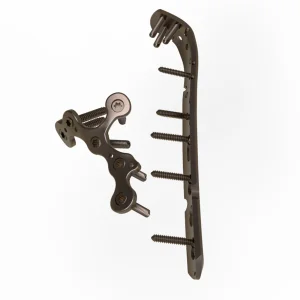
In emerging markets across Southeast Asia and Eastern Europe, there is a critical demand for cost-effective, high-quality standardized titanium mesh kits that include specialized surgical instruments, locking plates, and self-tapping screws. HBM Medical addresses these diverse needs by offering both standardized pre-shaped mesh systems and fully customized OEM/ODM solutions, backed by international certifications including ISO 13485, MDSAP, and CE (EPT 0477.MDR).
The roadmap for HBM Medical’s neurosurgical division focuses on the convergence of biotechnology and digital manufacturing. By leveraging our 30,000+ square meter facility and a dedicated R&D team consisting of postgraduates and doctorates, we are pioneering the next generation of cranial repair systems:
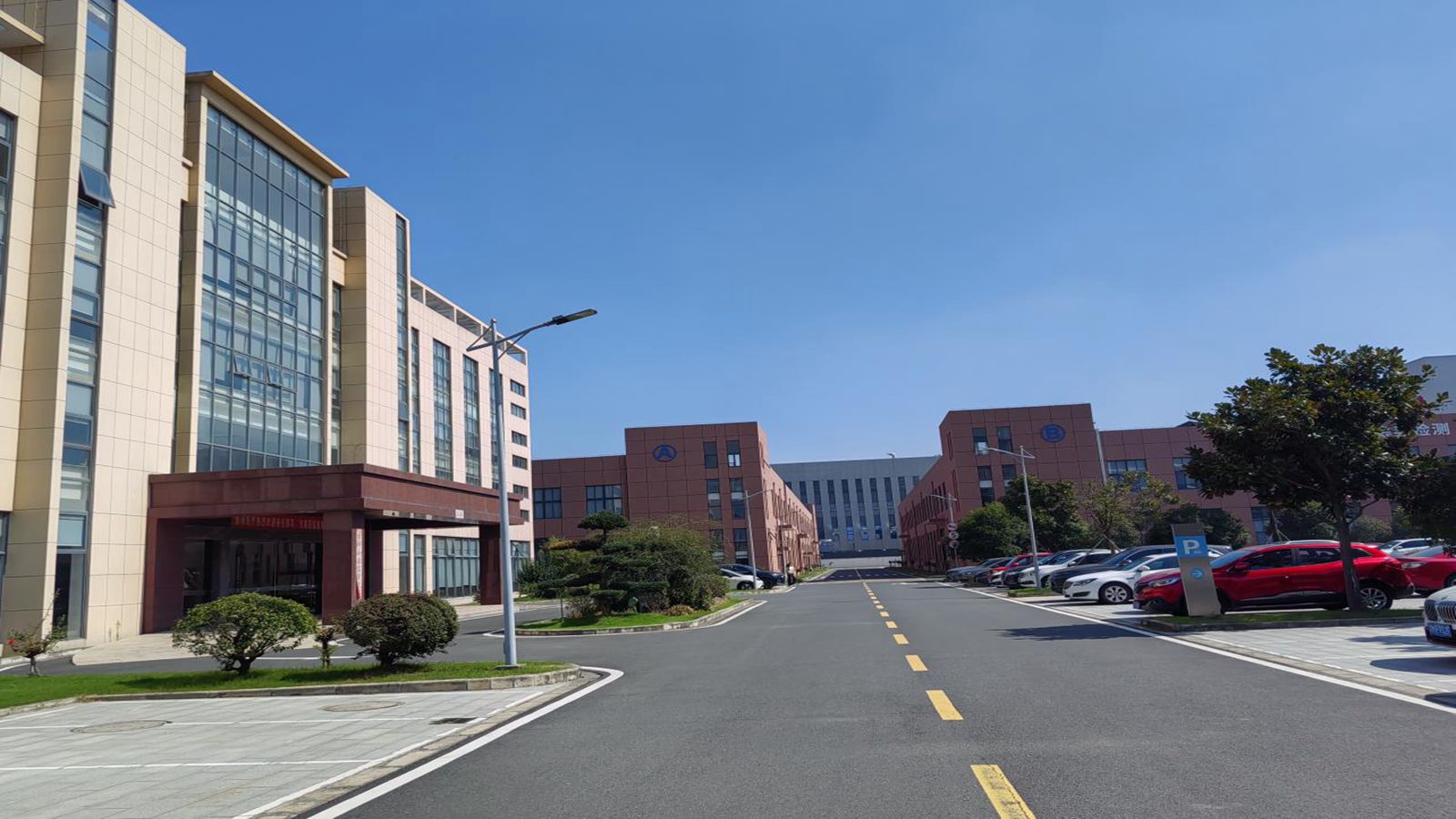
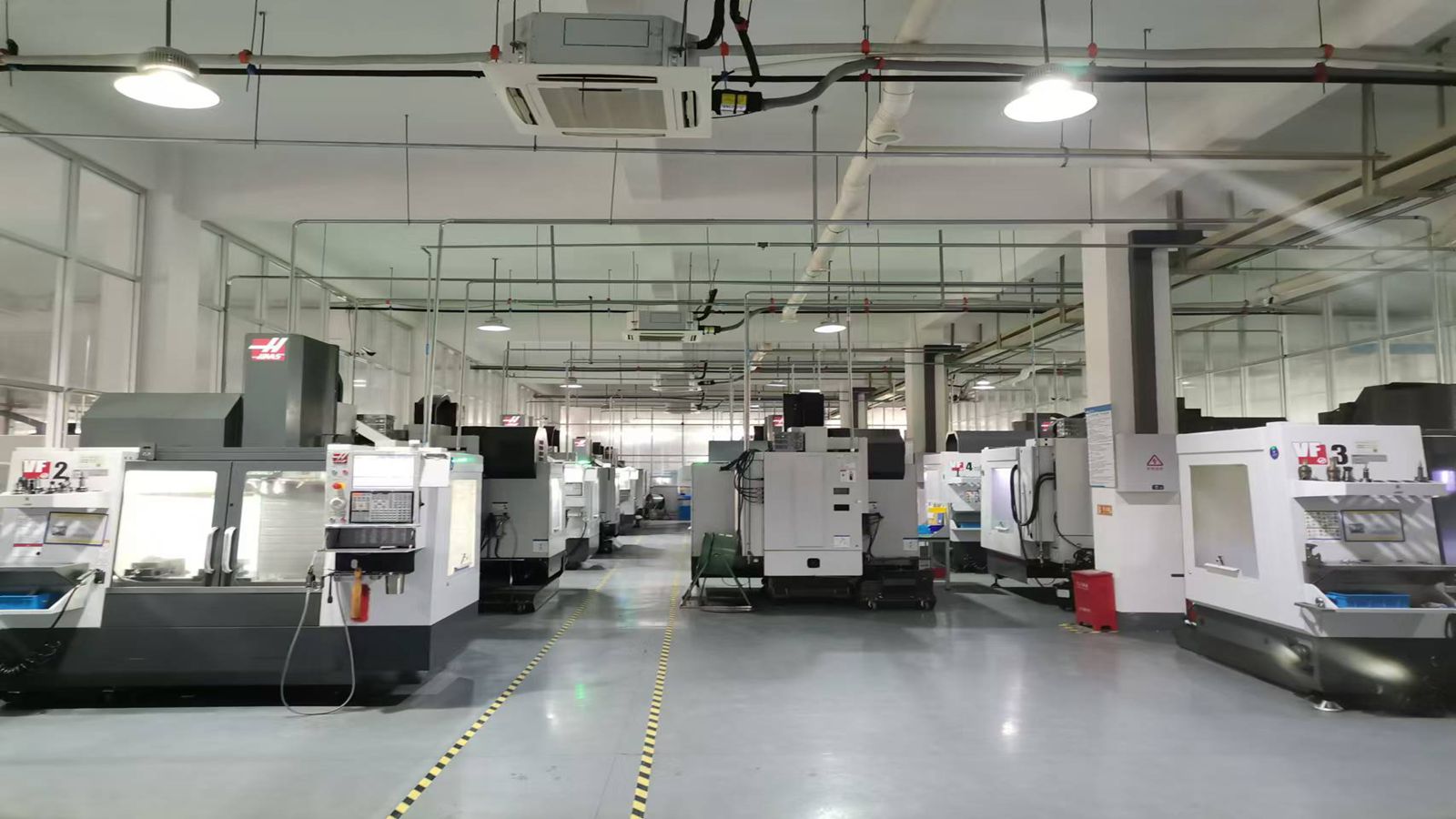
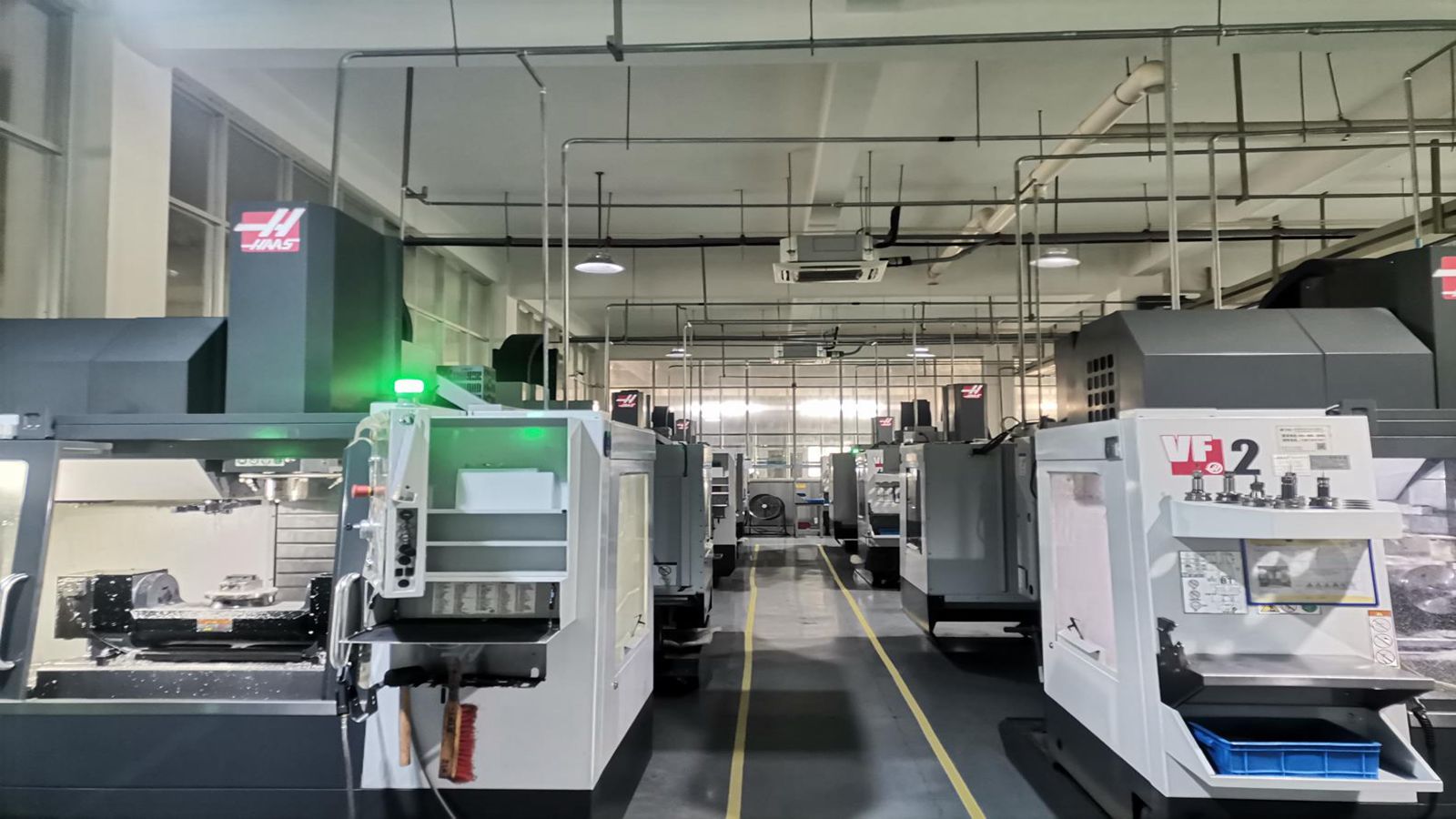
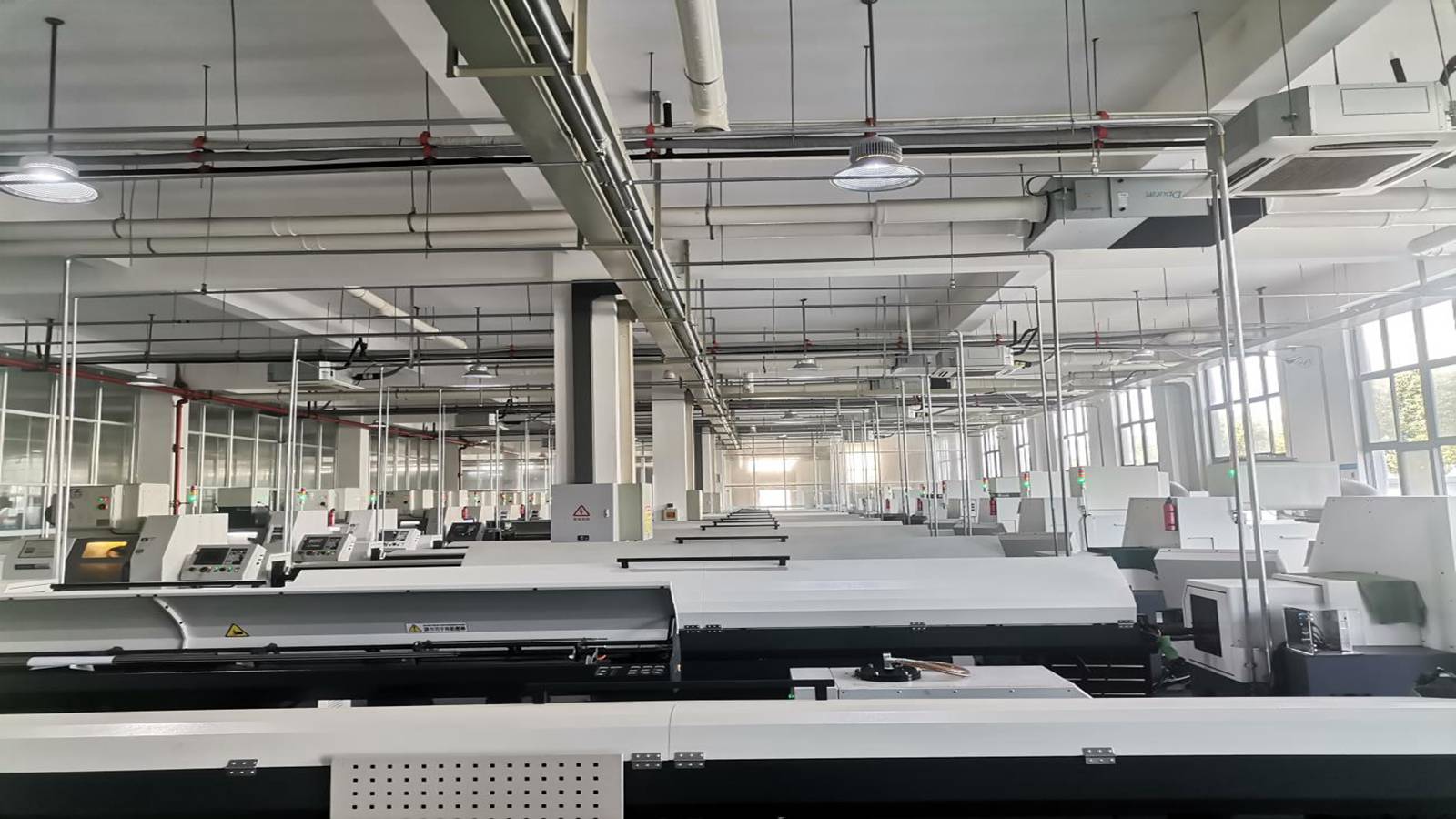
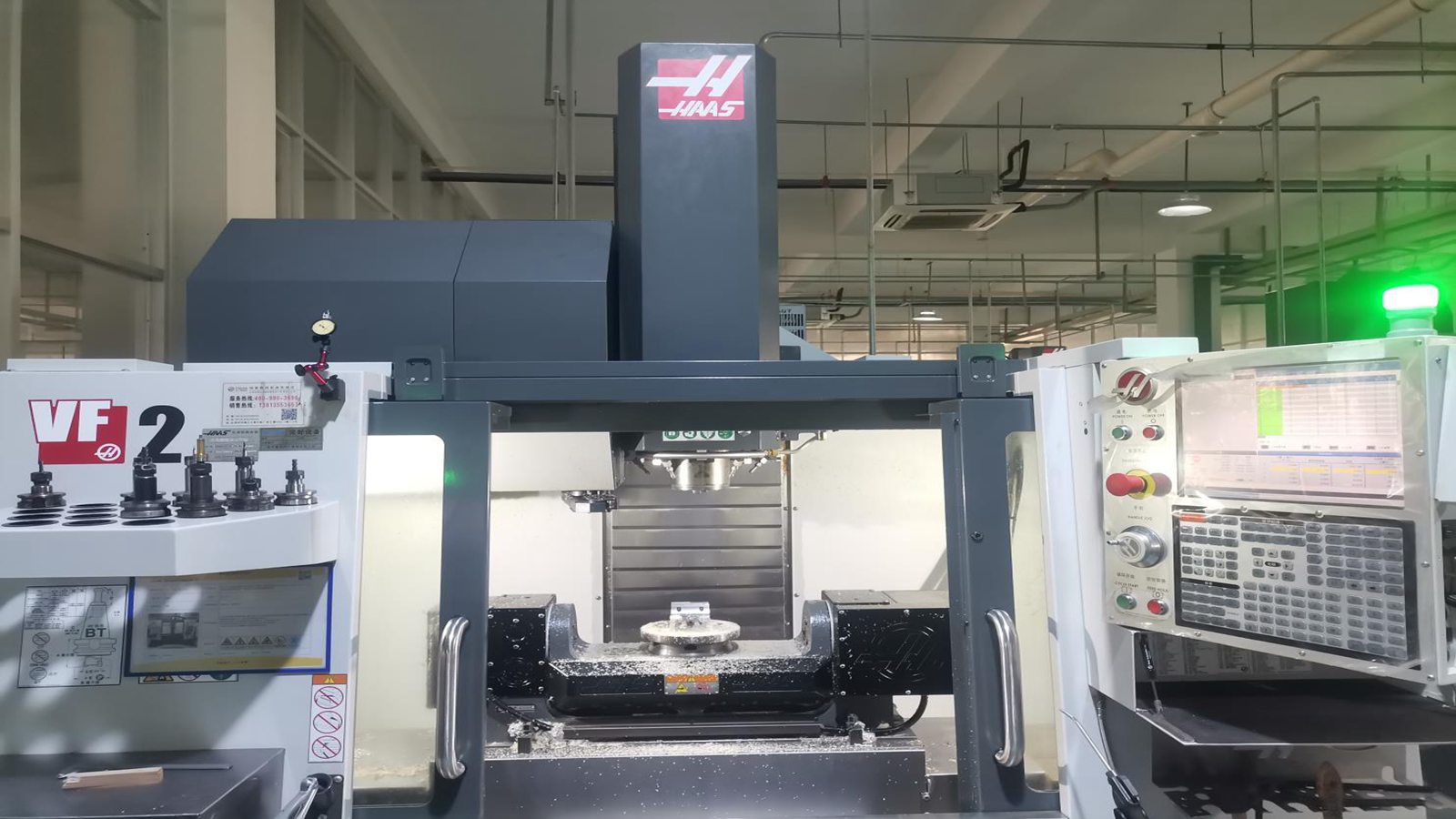
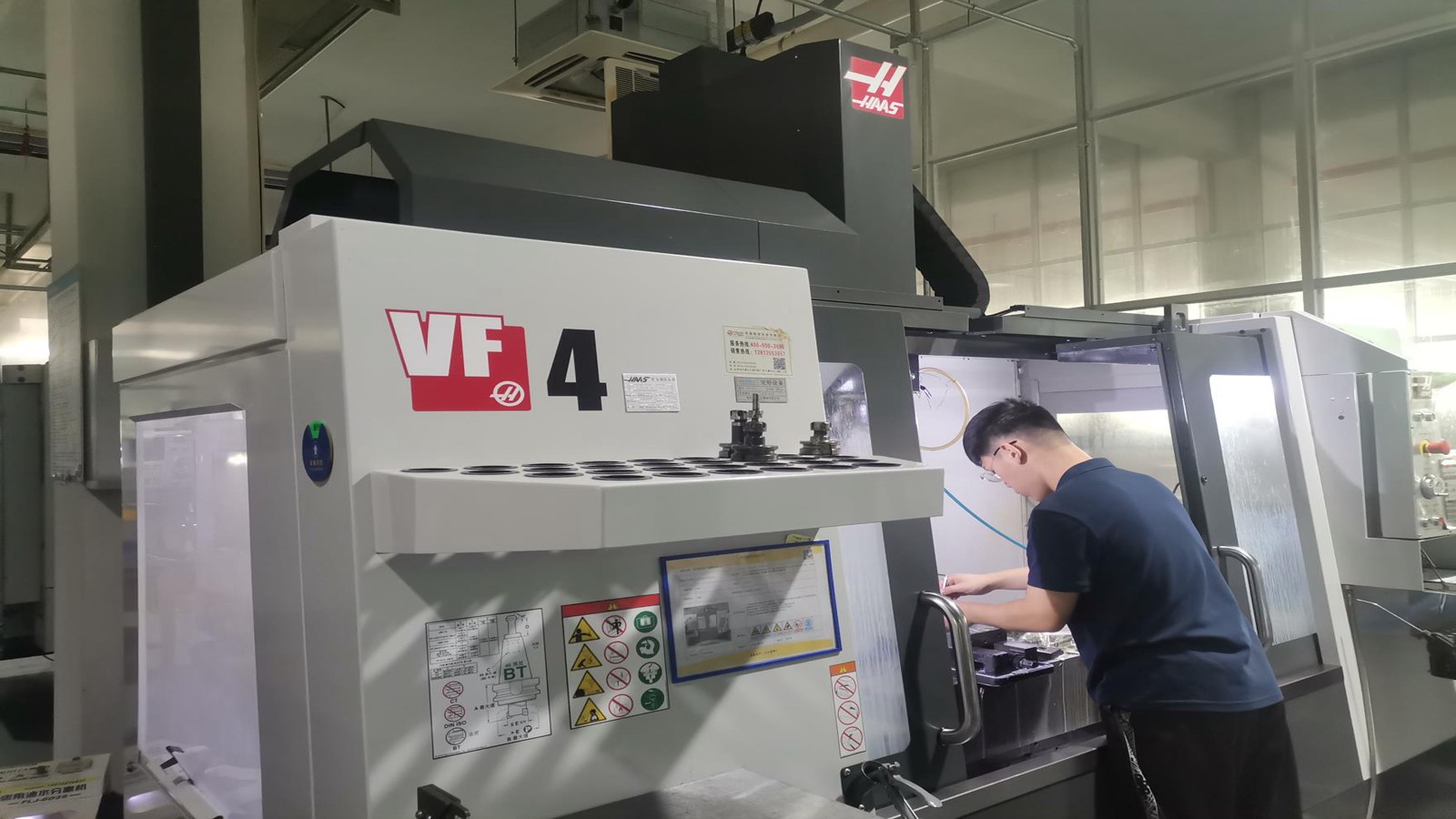
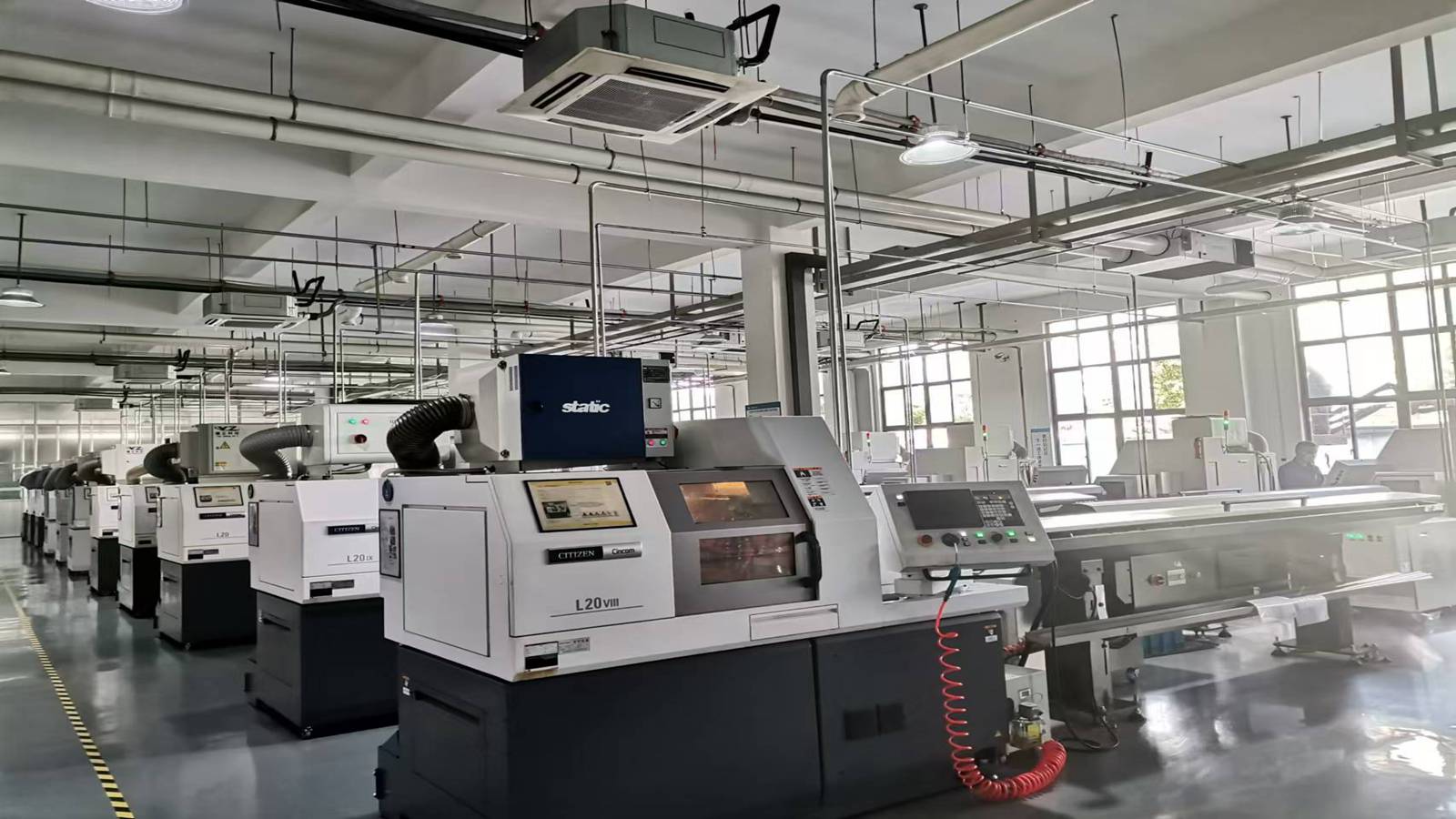
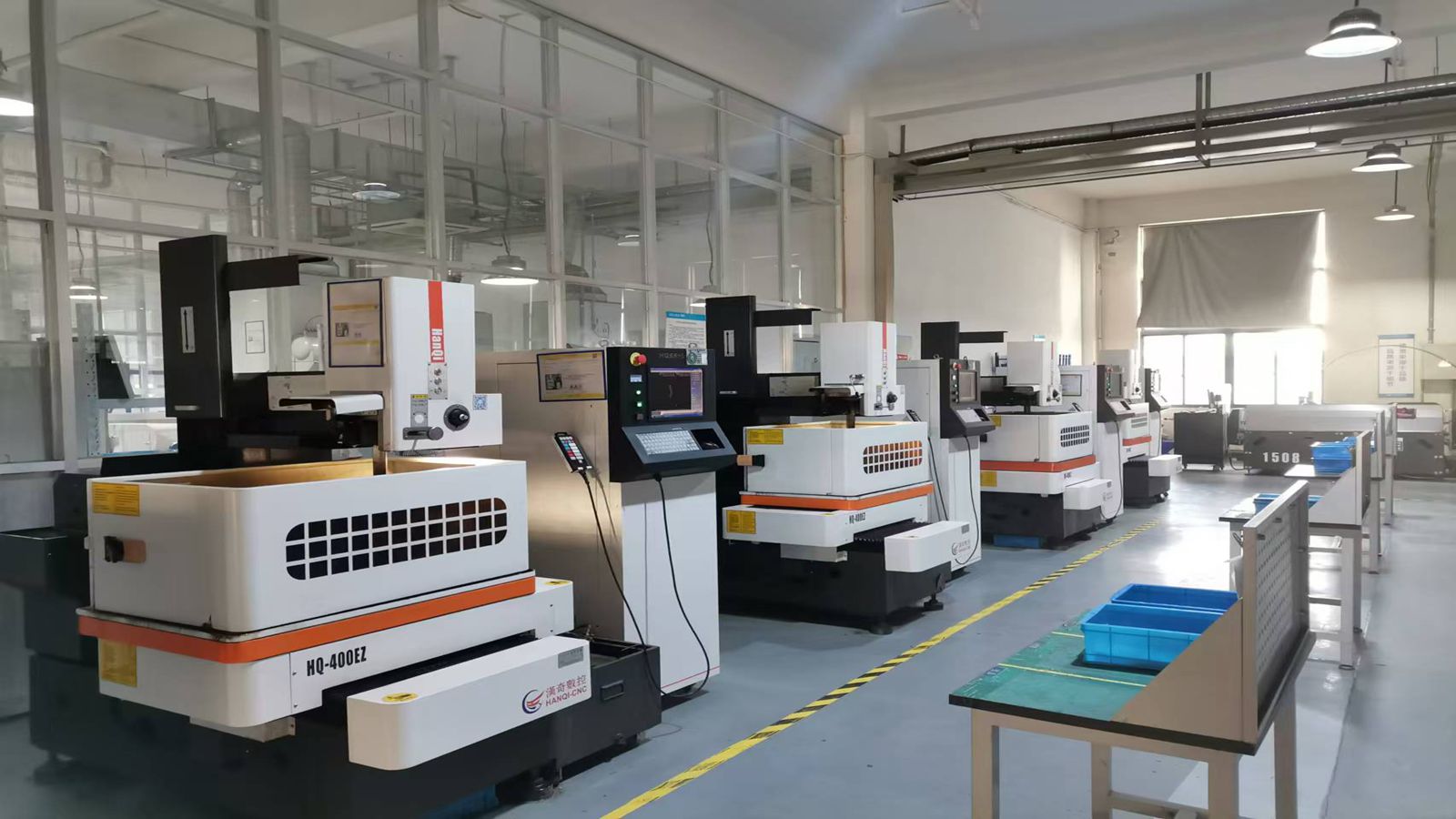
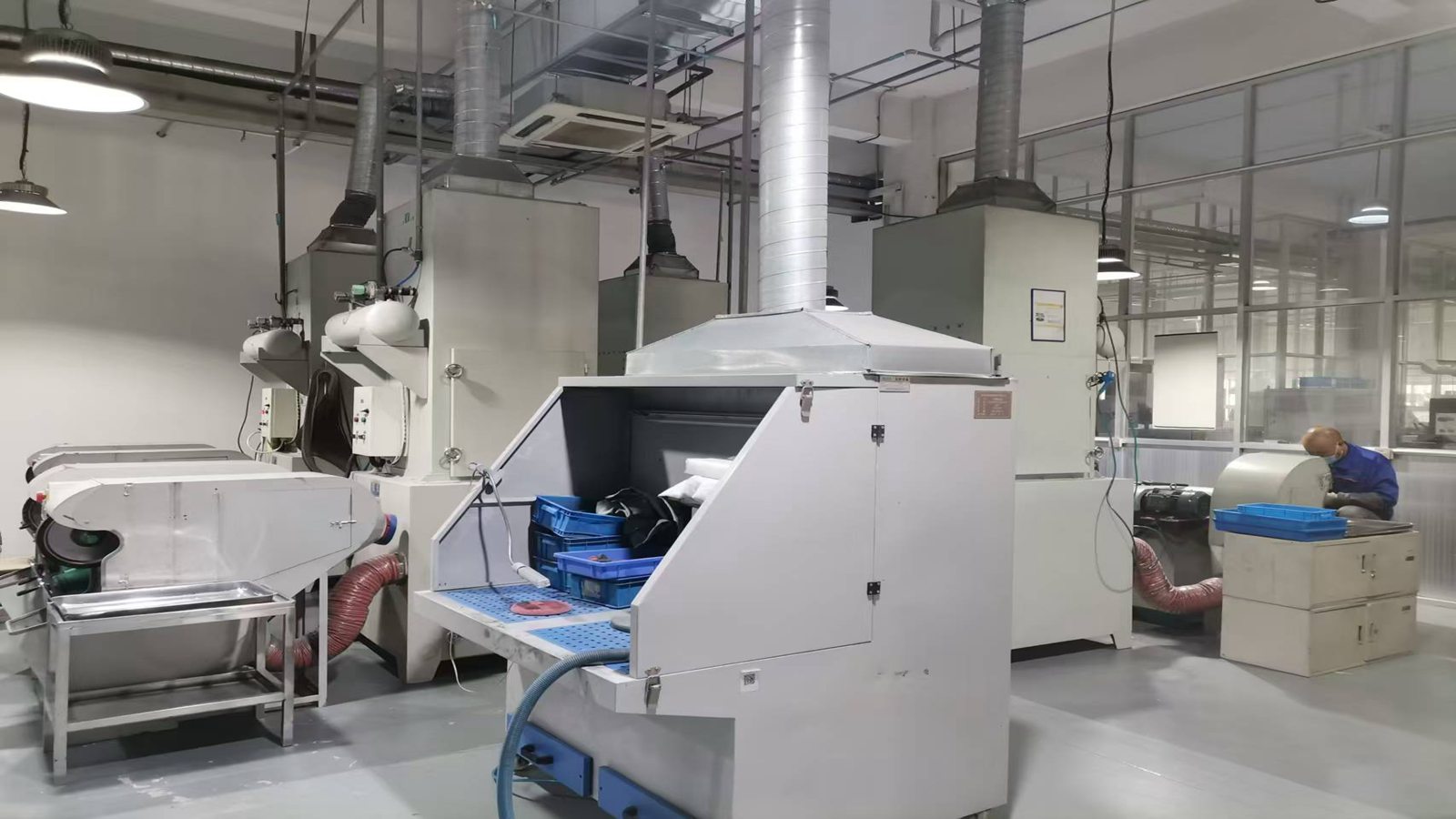
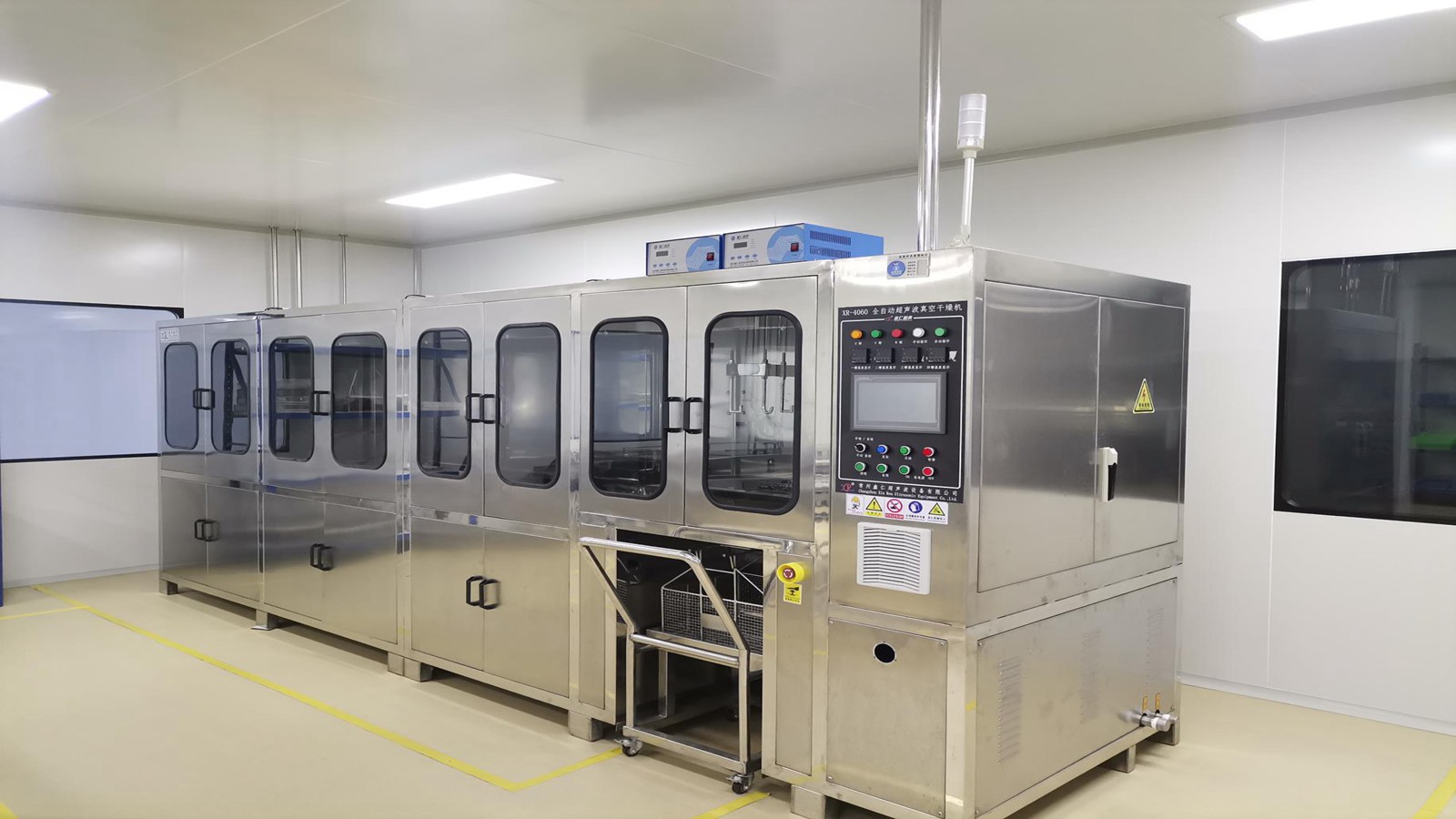
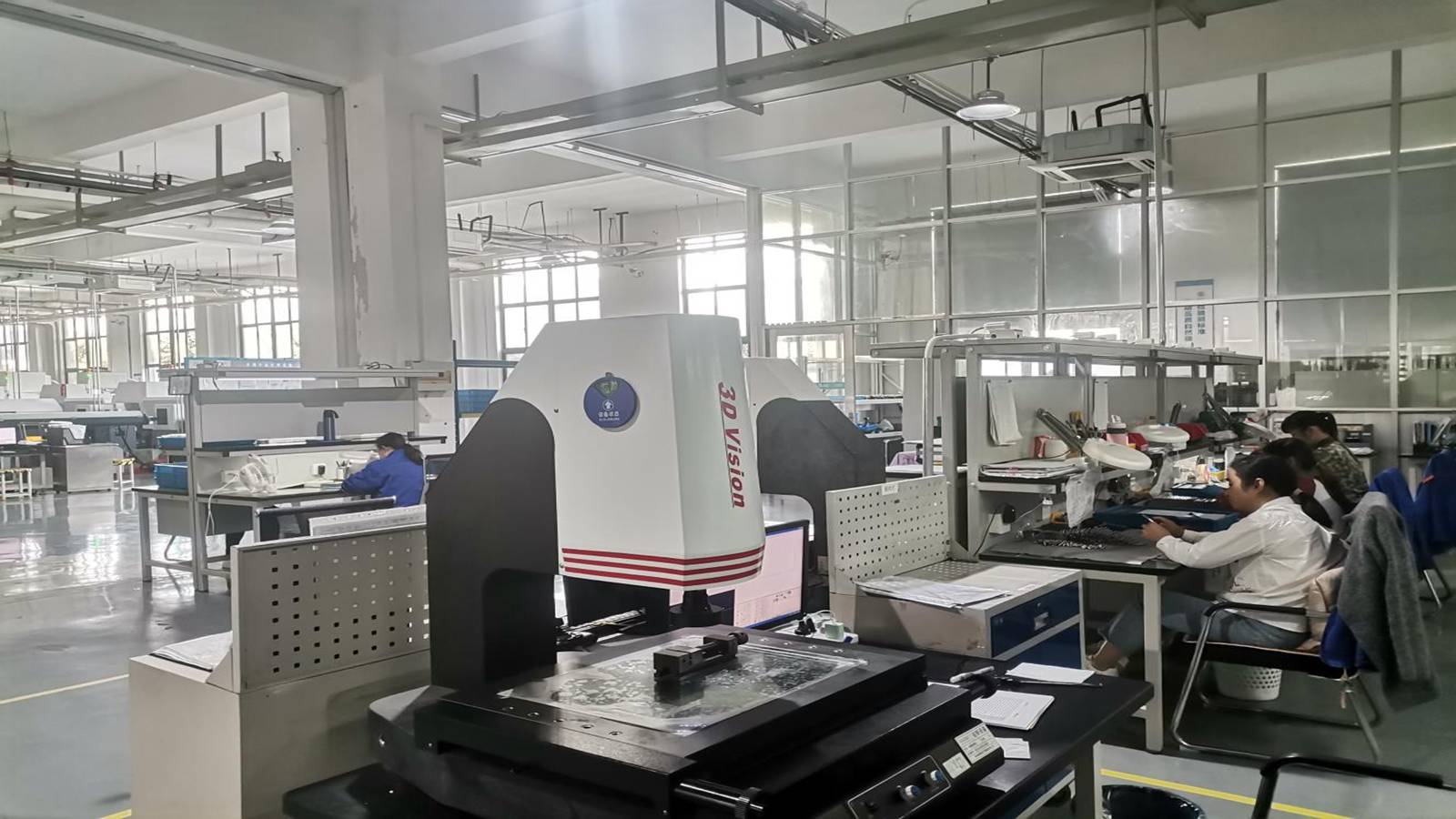
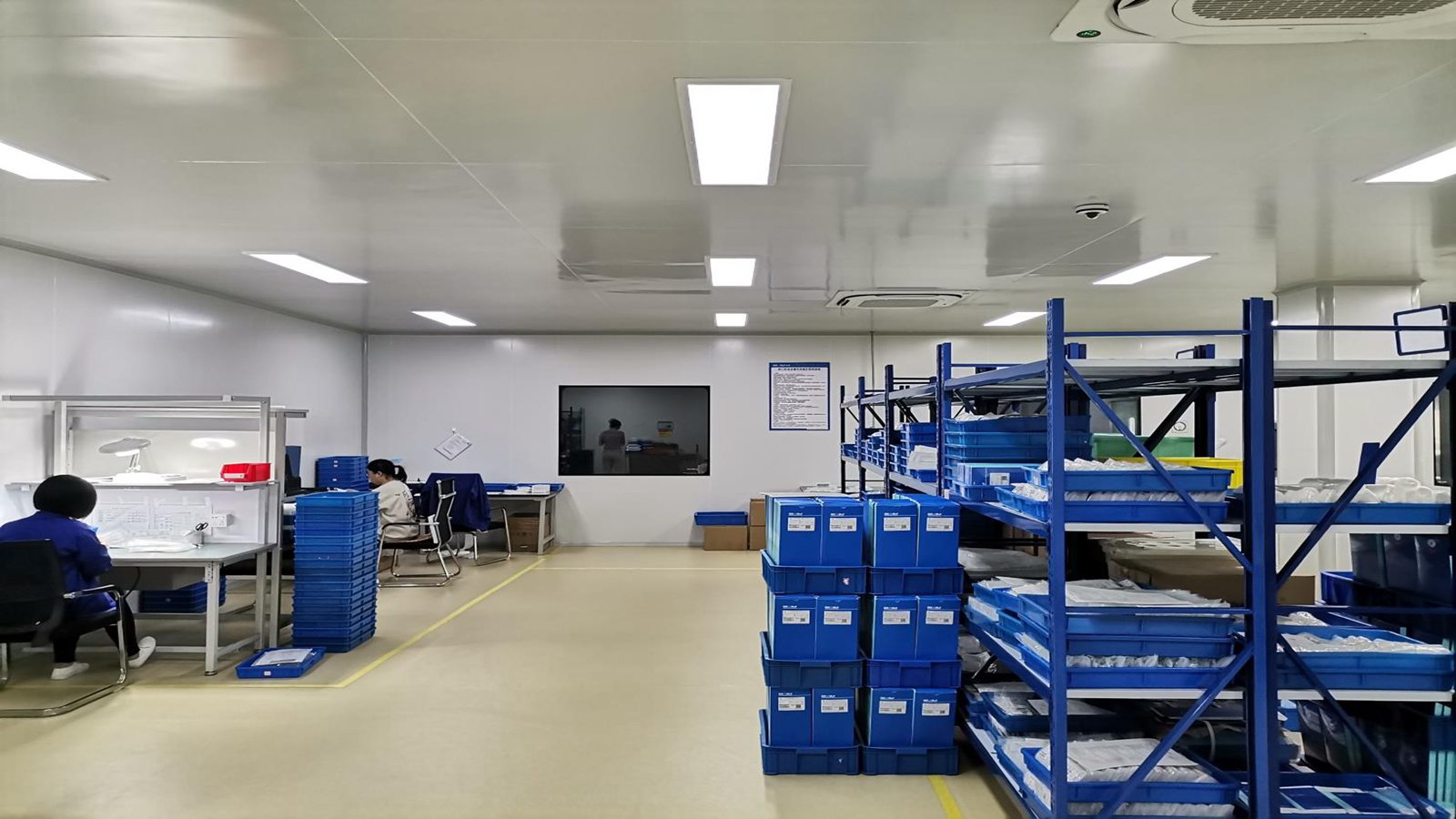
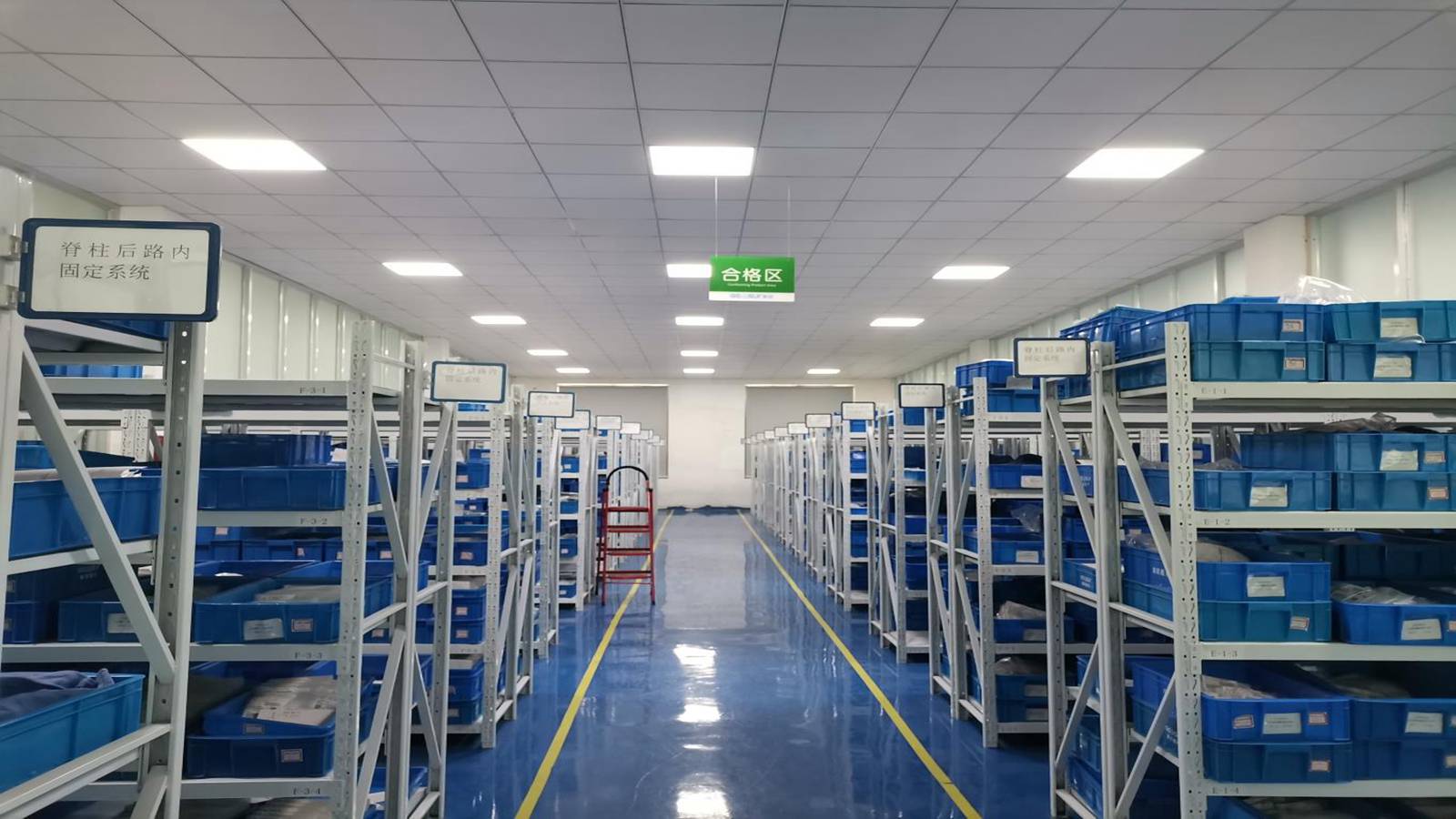
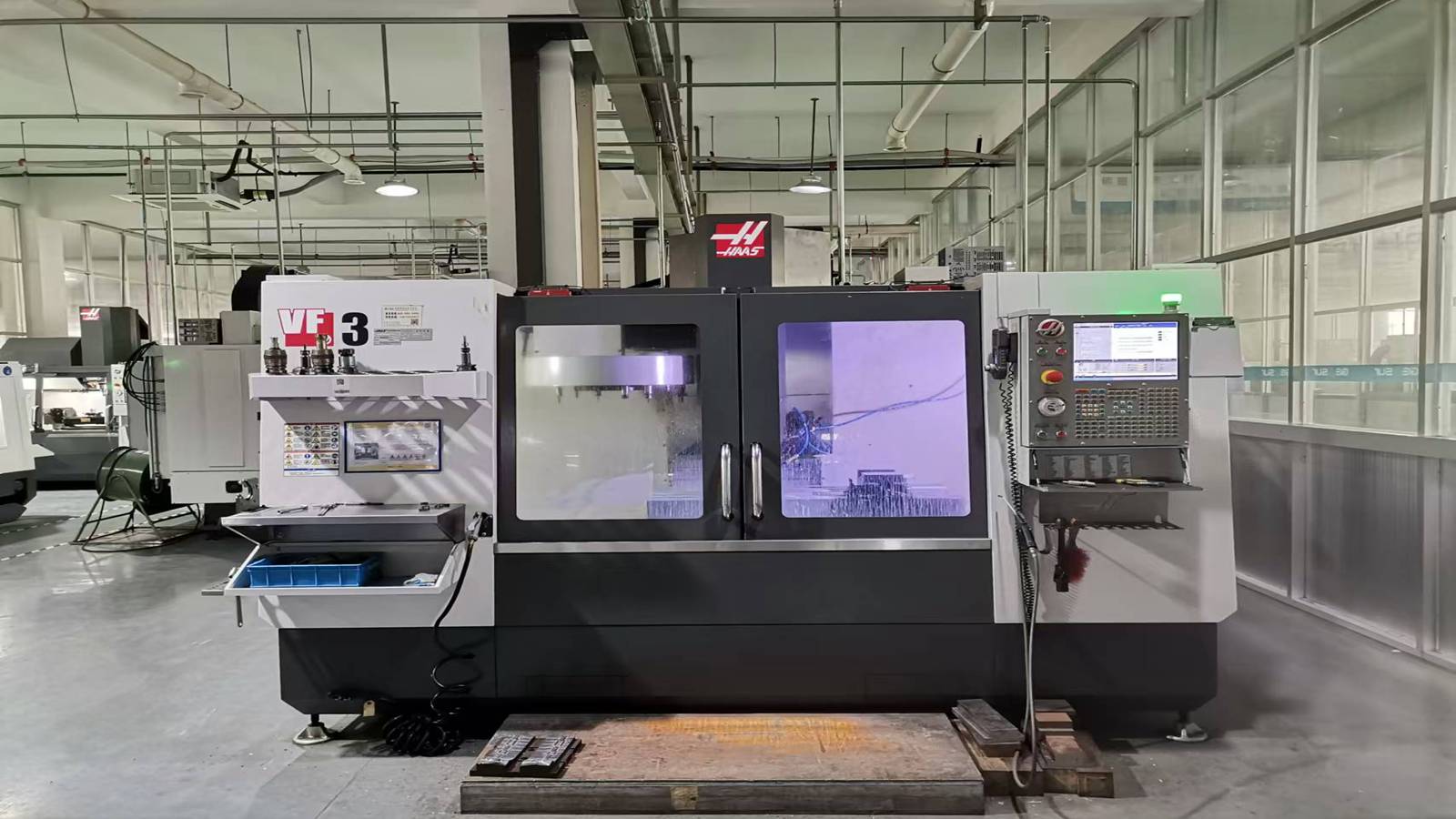
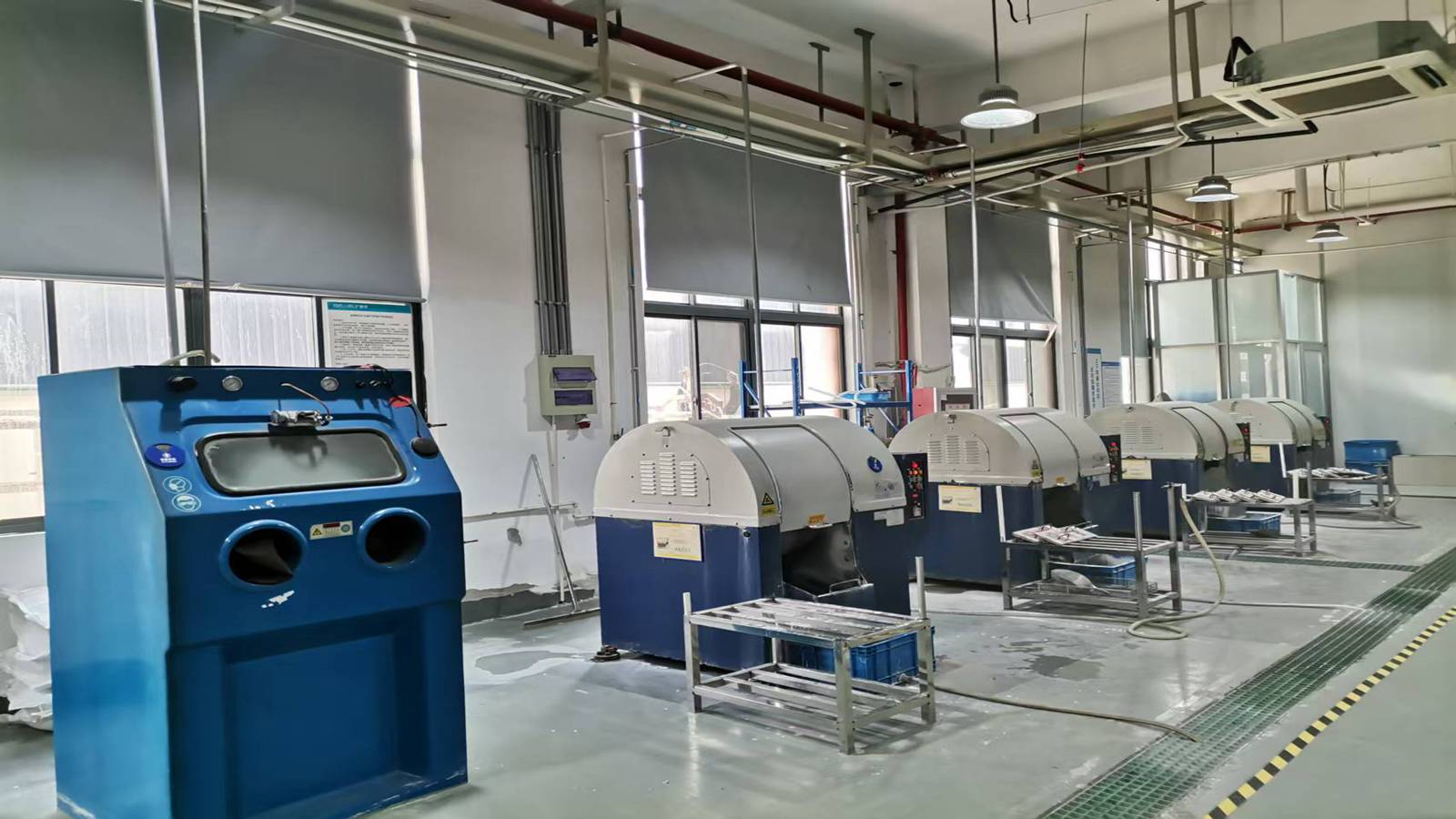
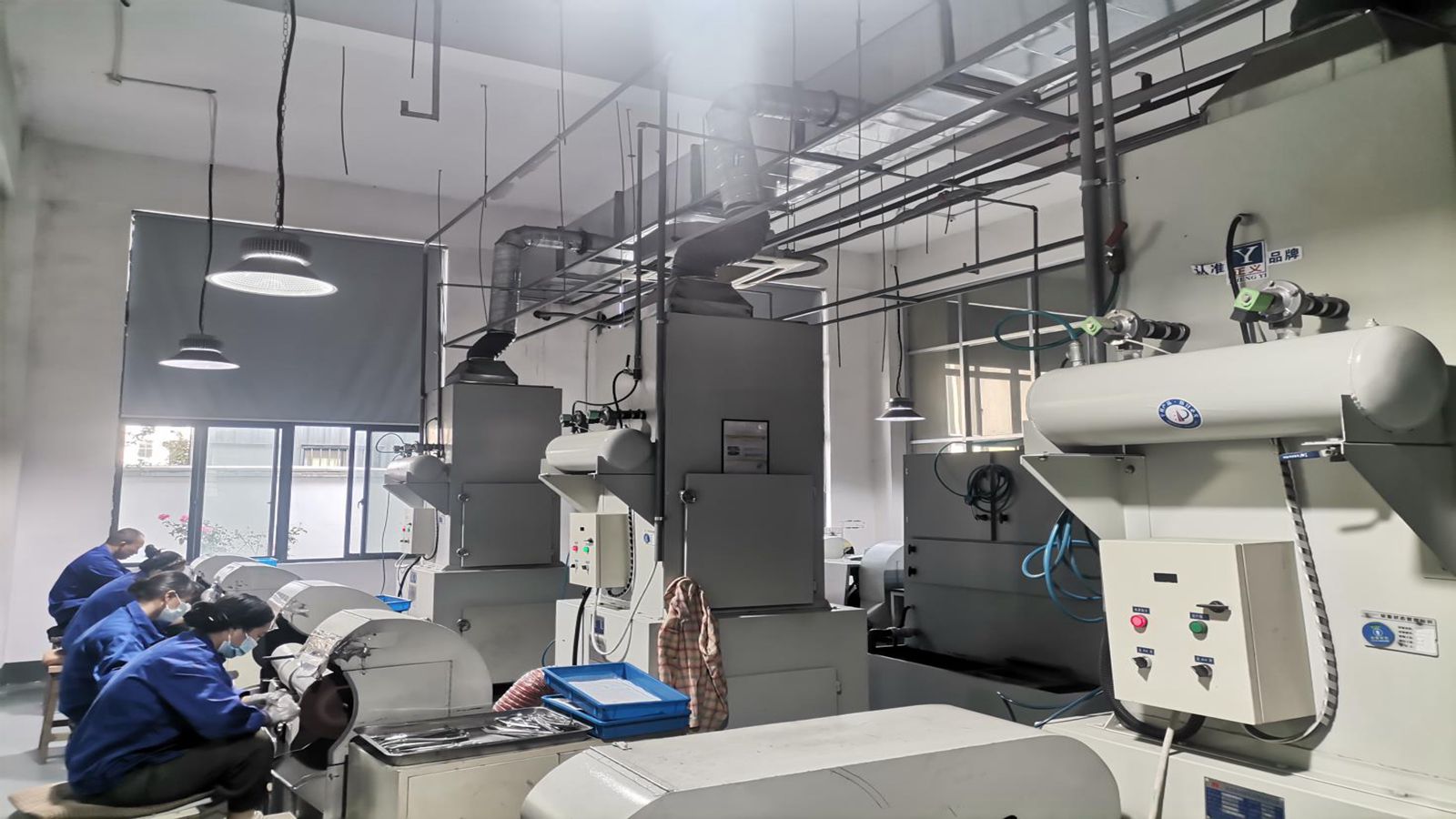
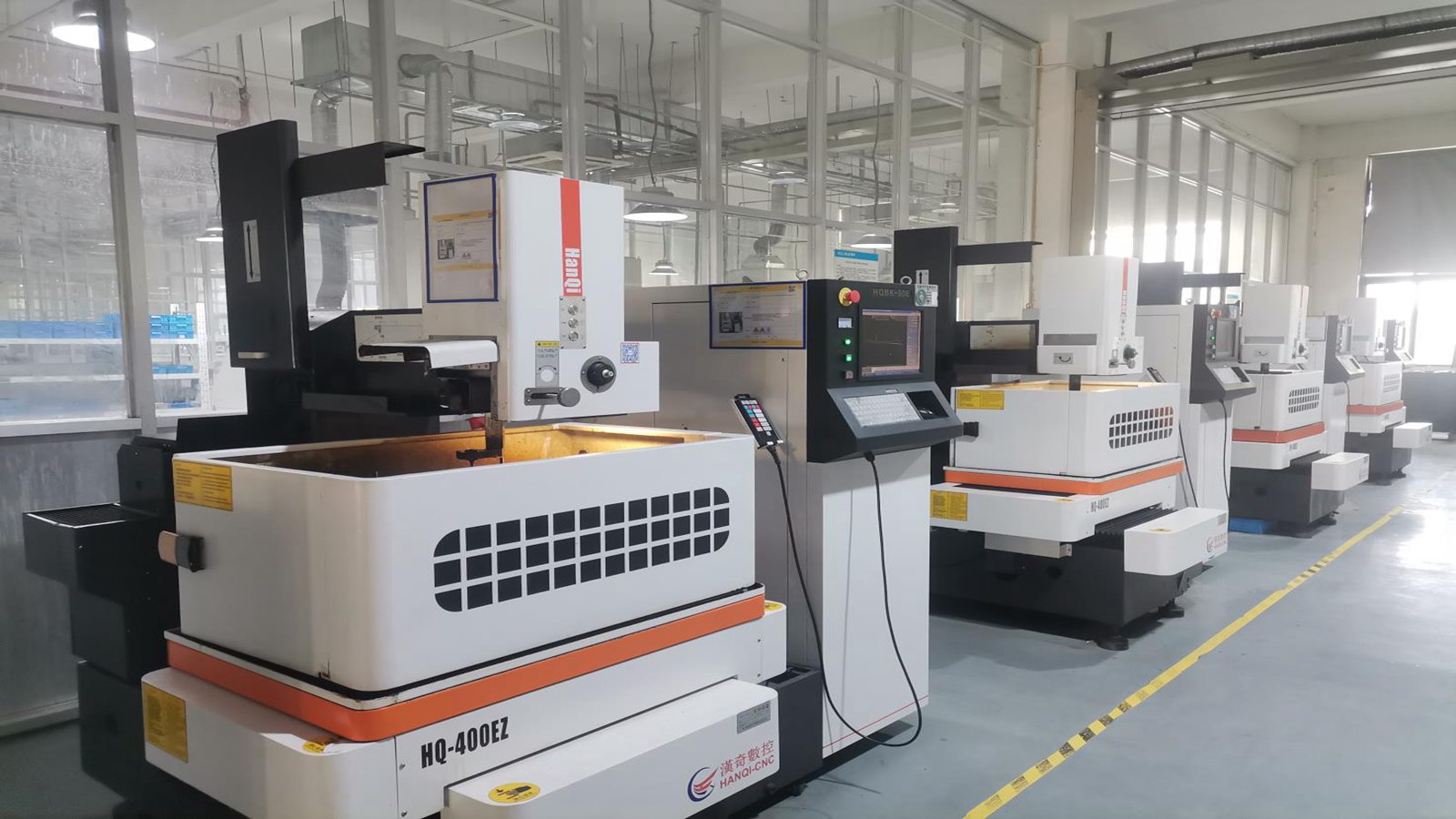
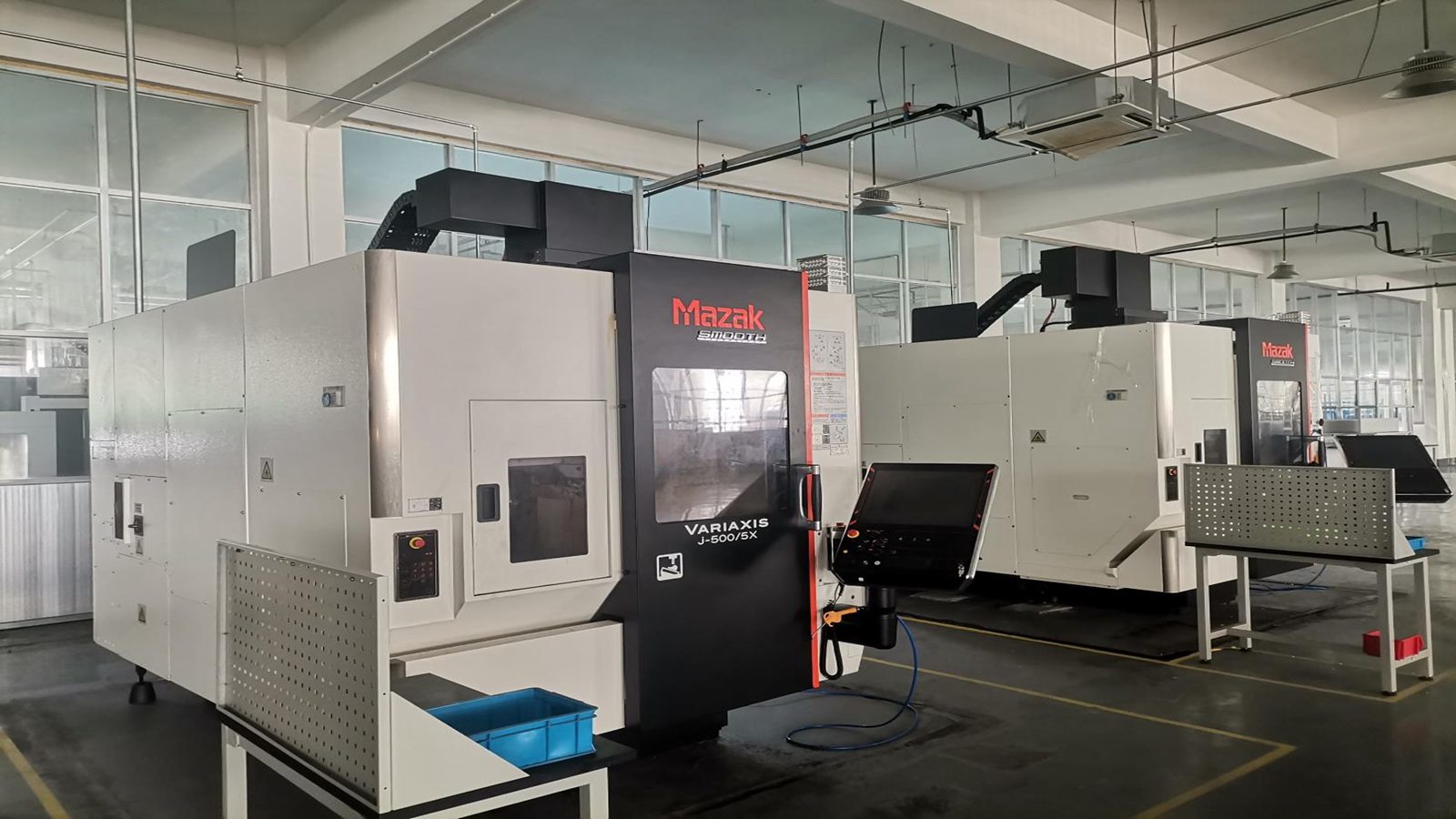
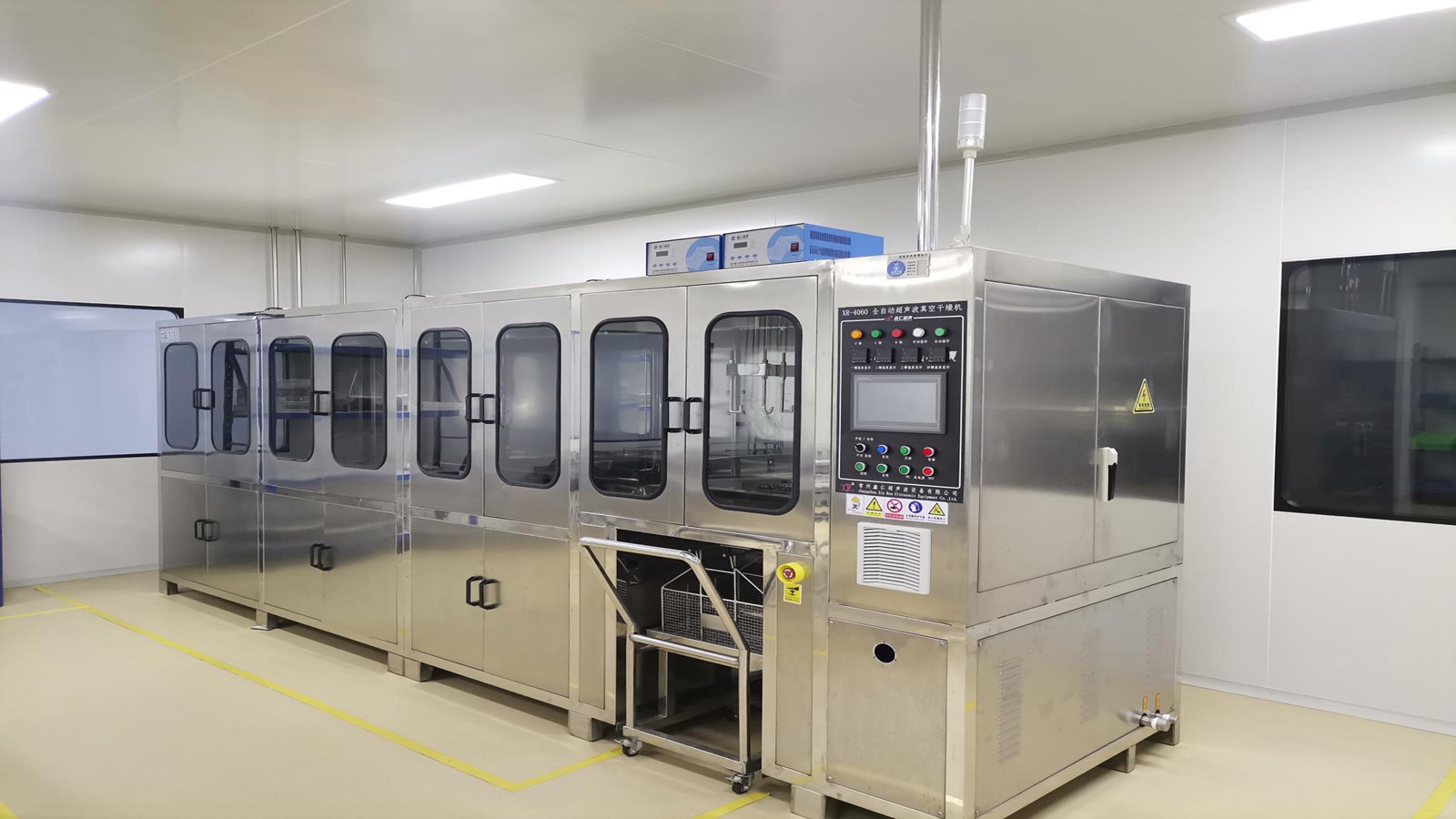
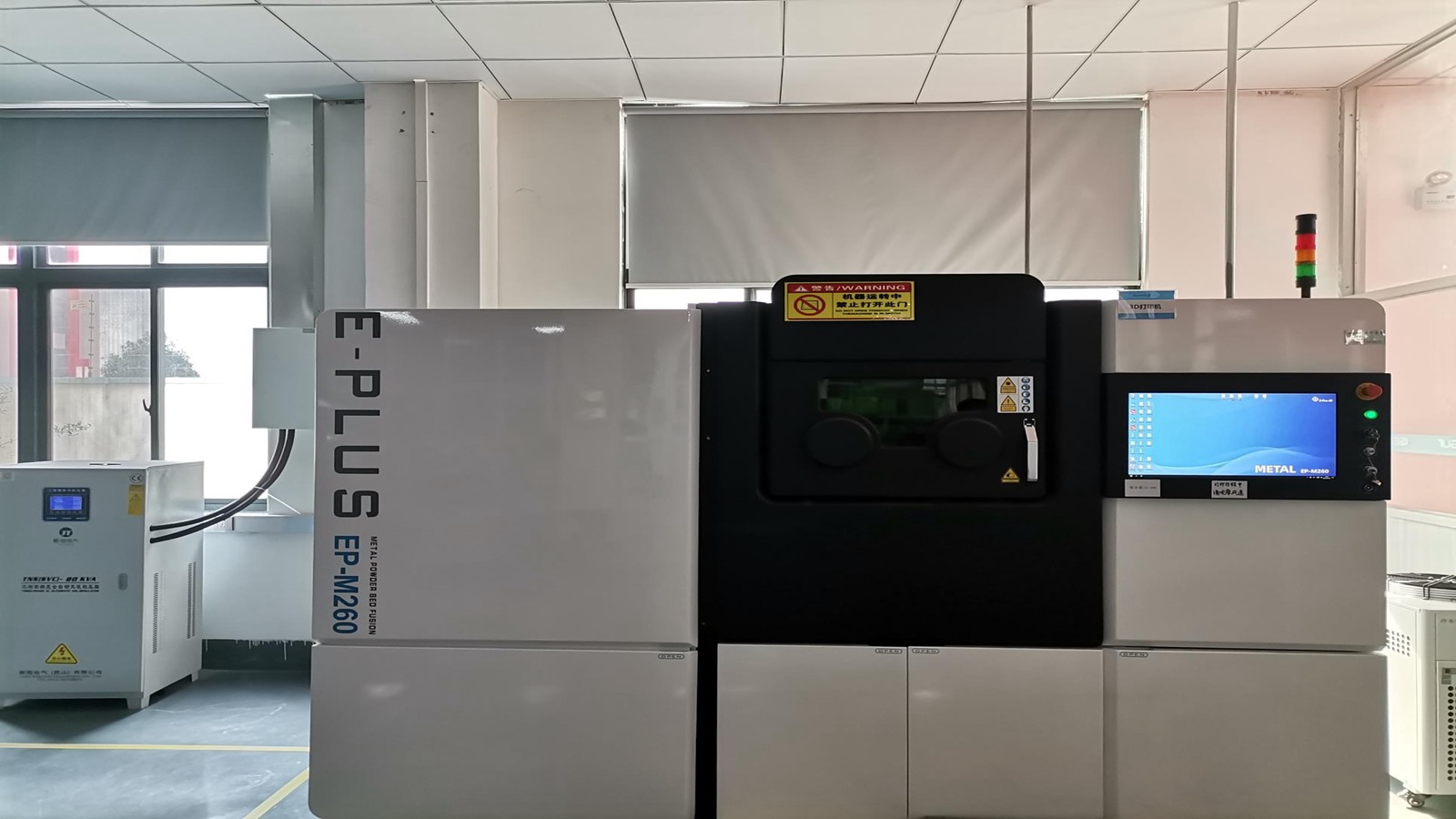
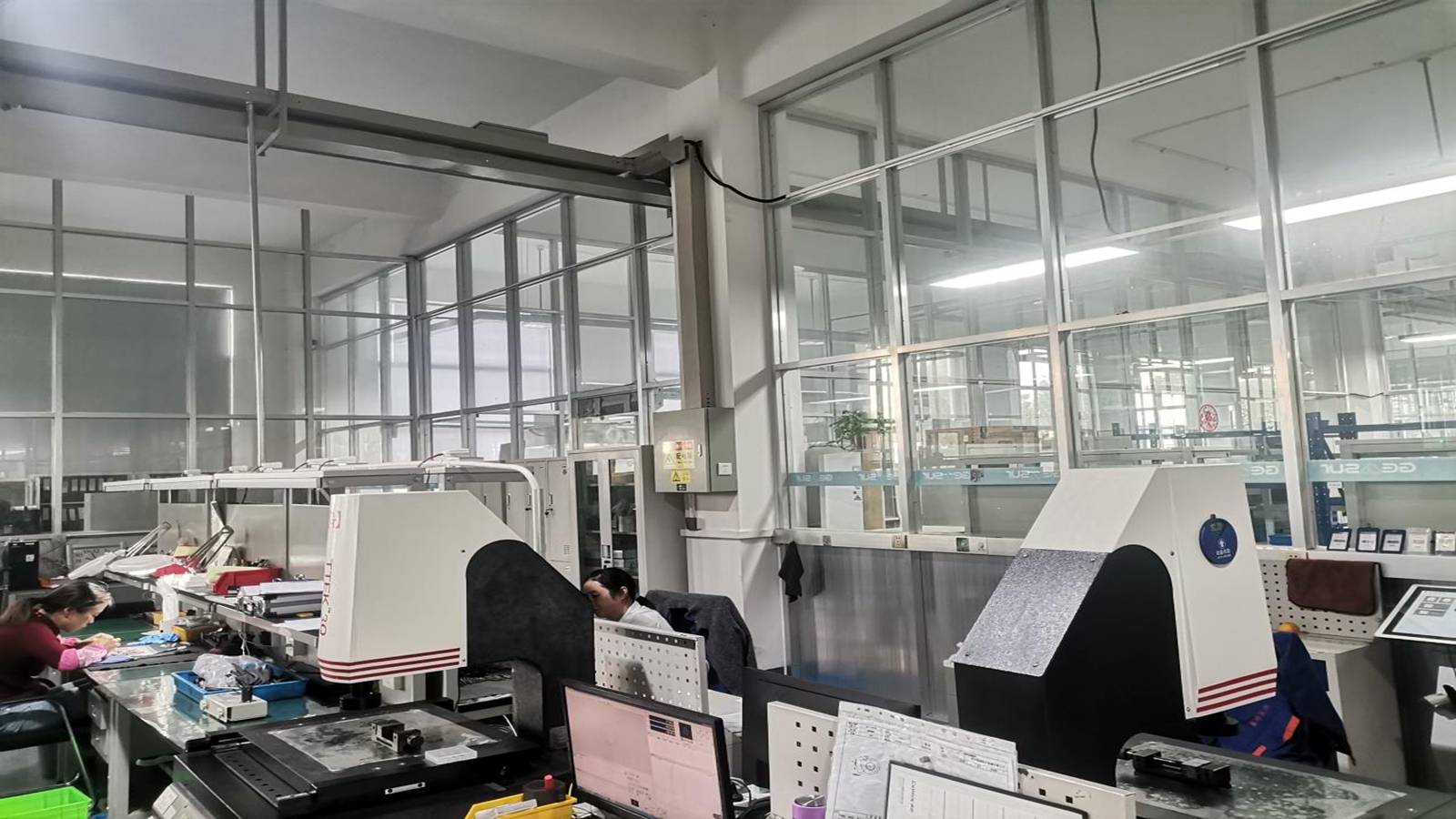
Our 30,000+ square meter production facility is equipped with over 350 advanced processing and testing machines, ensuring every implant meets the highest international medical standards.



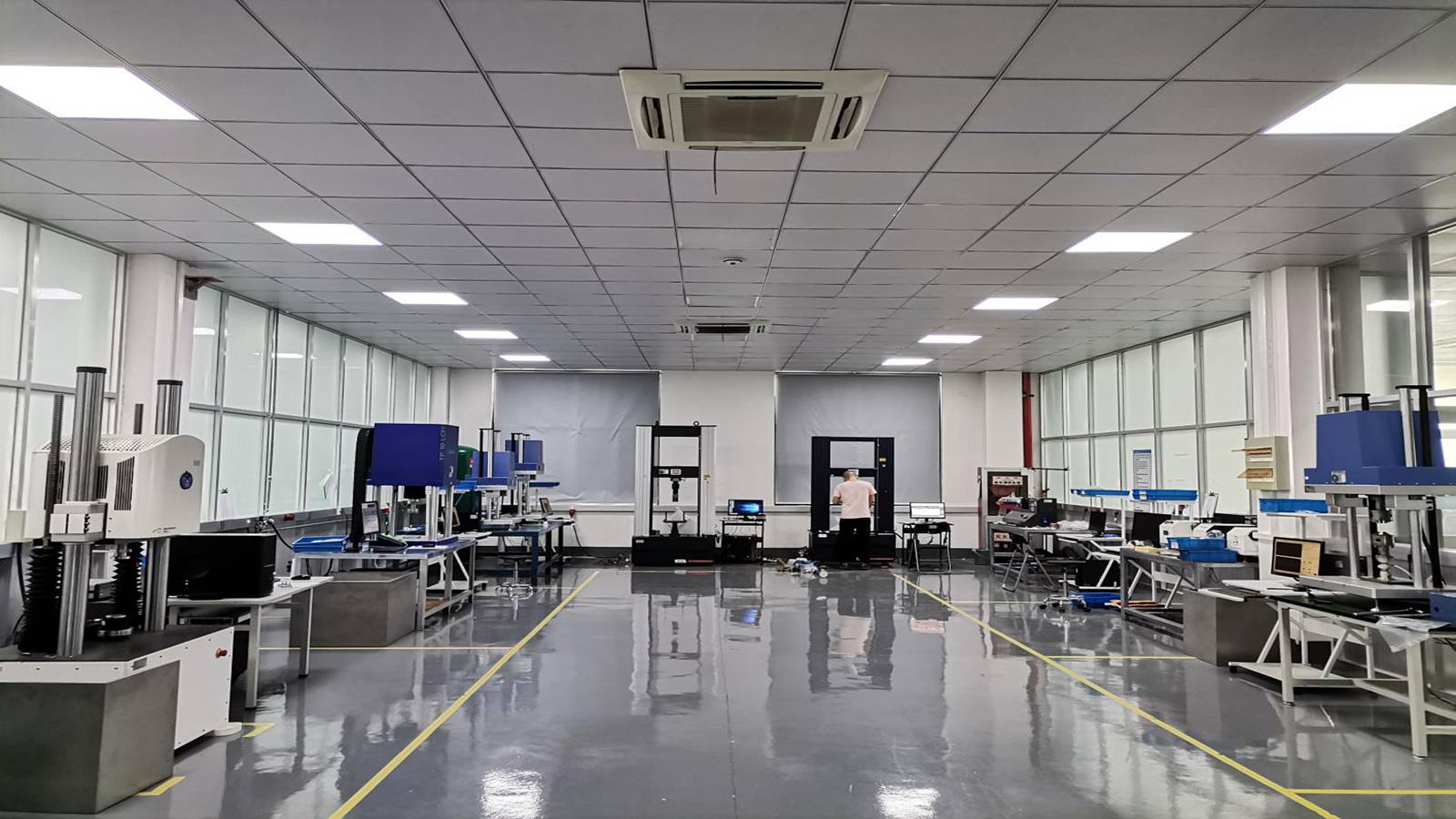
Expert insights into material selection, sterilization, regulatory compliance, and global logistics for titanium mesh systems.
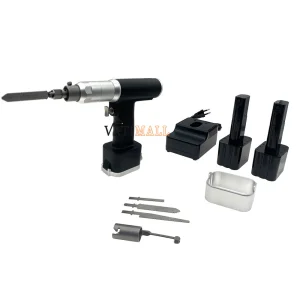
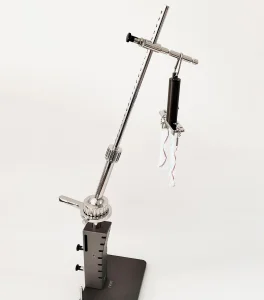
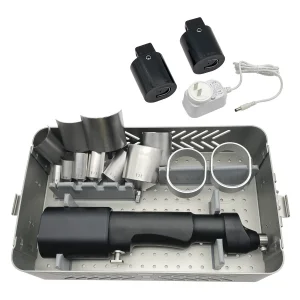
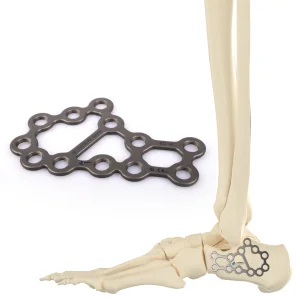
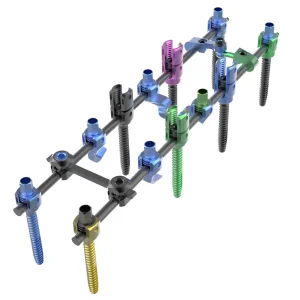
Complete your clinical inventory with our highly durable, autoclave-compatible surgical power tools and internal fixation systems.
 HBM Medical