Explore our premium selection of trauma surgery instruments, cannulated drills, and implant systems engineered to international standards.
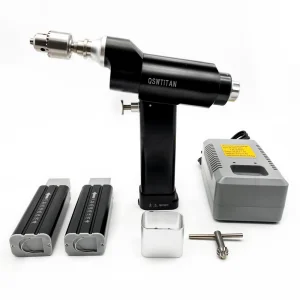
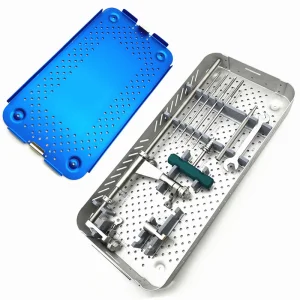
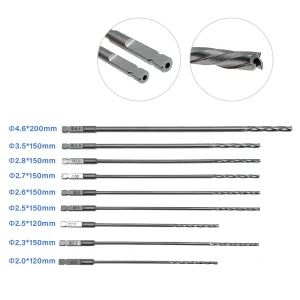
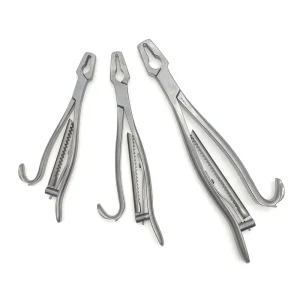
Empowering orthopedic surgery worldwide with advanced manufacturing facilities, rigorous quality control, and cutting-edge R&D capabilities.
In modern orthopedic traumatology, achieving stable internal fixation and optimal compression across fracture lines is paramount for bone healing. Traditional headed screws often present clinical challenges, particularly in intra-articular applications where the screw head can cause soft tissue irritation, tendon impingement, or cartilage damage. The introduction of the Acutrak-style headless compression screw revolutionized small bone fixation by utilizing a fully threaded, variable-pitch design.
The biomechanical superiority of Acutrak screws lies in their continuously varying thread pitch. Unlike standard Herbert screws, which feature two distinct threaded regions with different pitches separated by a smooth shaft, the Acutrak screw's pitch changes gradually from the tip to the tail. As the screw is inserted, the wider pitch at the leading tip advances faster than the narrower pitch at the trailing end. This differential advancement draws the bone fragments together, generating uniform, sustained compression across the entire length of the screw.
Key Clinical Advantage: The absence of a screw head allows for complete countersinking beneath the articular cartilage surface. This makes Acutrak screws the gold standard for scaphoid fractures, radial head fractures, osteochondral fractures, and distal/proximal interphalangeal arthrodesis.
Global medical device distributors, hospital procurement groups, and OEM brands face stringent challenges when sourcing orthopedic implants. The primary concerns center around regulatory compliance (MDR/FDA), material biocompatibility, and supply chain reliability. With the transition from the European Medical Device Directive (MDD) to the Medical Device Regulation (MDR 2017/745), many manufacturers have struggled to maintain their certifications, leading to global supply shortages.
Furthermore, B2B buyers require absolute assurance regarding raw material traceability. Orthopedic implants must be fabricated from medical-grade titanium alloys (such as Ti-6Al-4V ELI conforming to ASTM F136) or implant-grade stainless steel (316L conforming to ASTM F138). Any deviation in material purity or manufacturing tolerance can lead to catastrophic implant failure, revision surgeries, and severe legal liabilities for distributors.
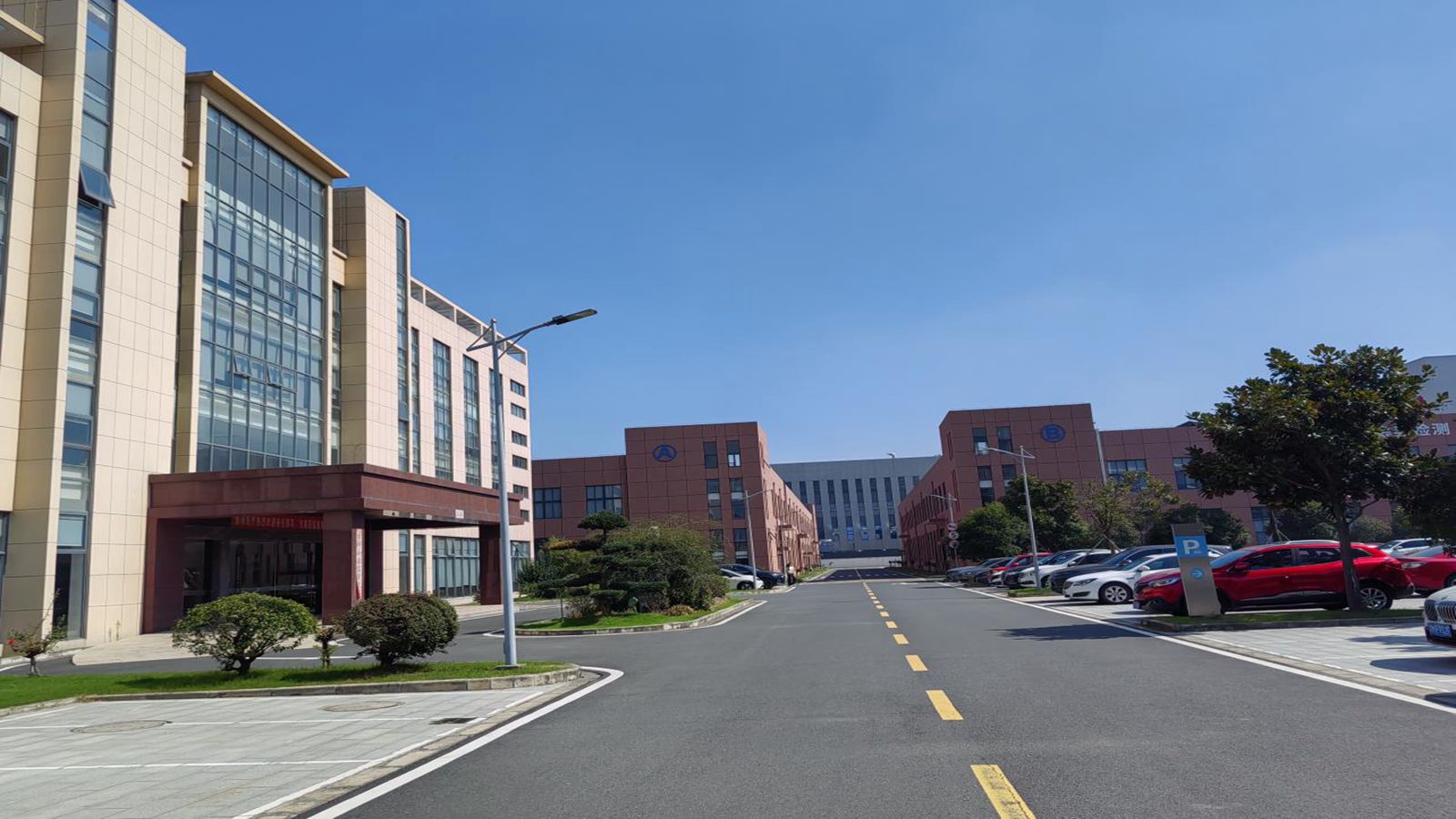
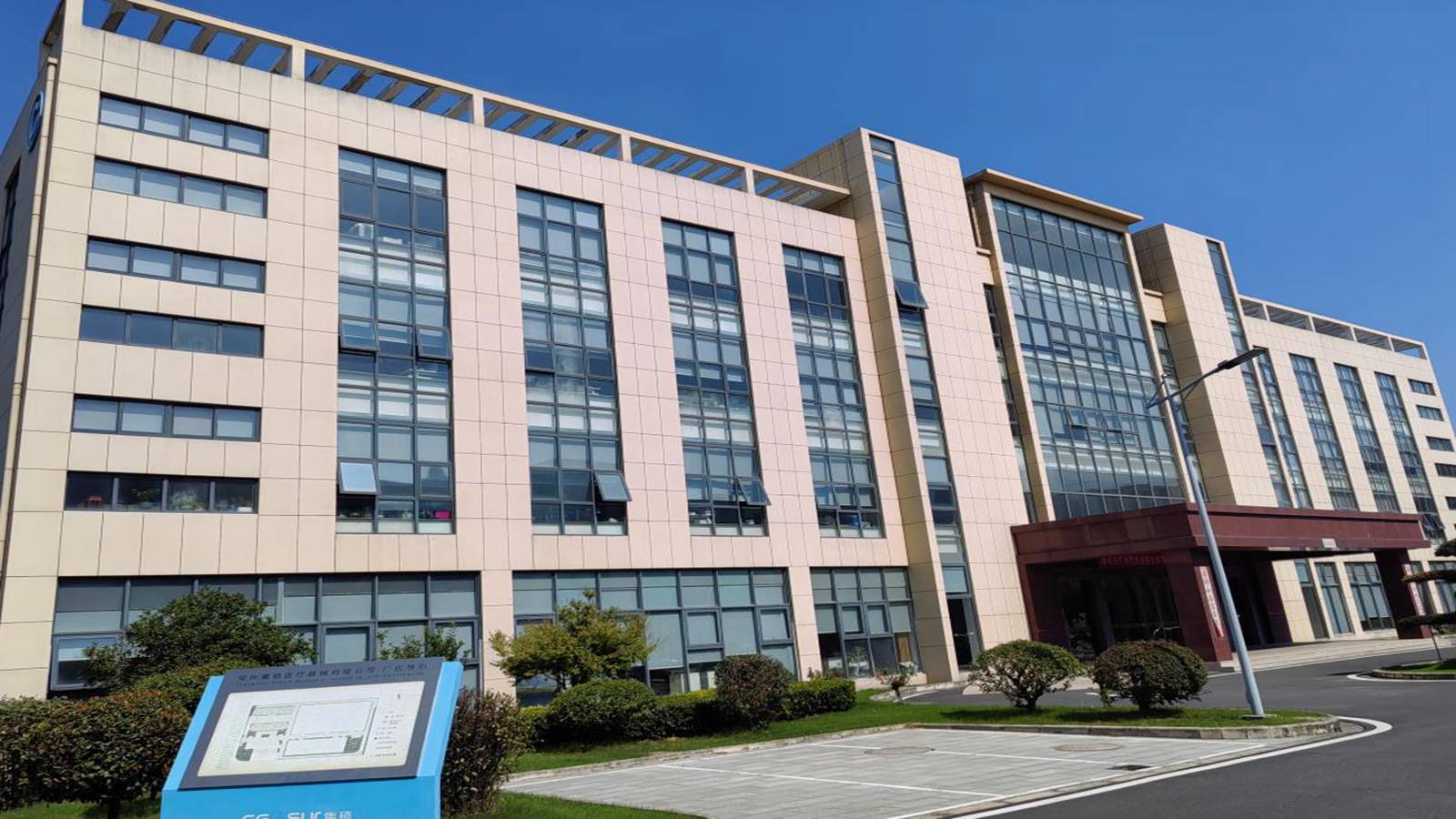
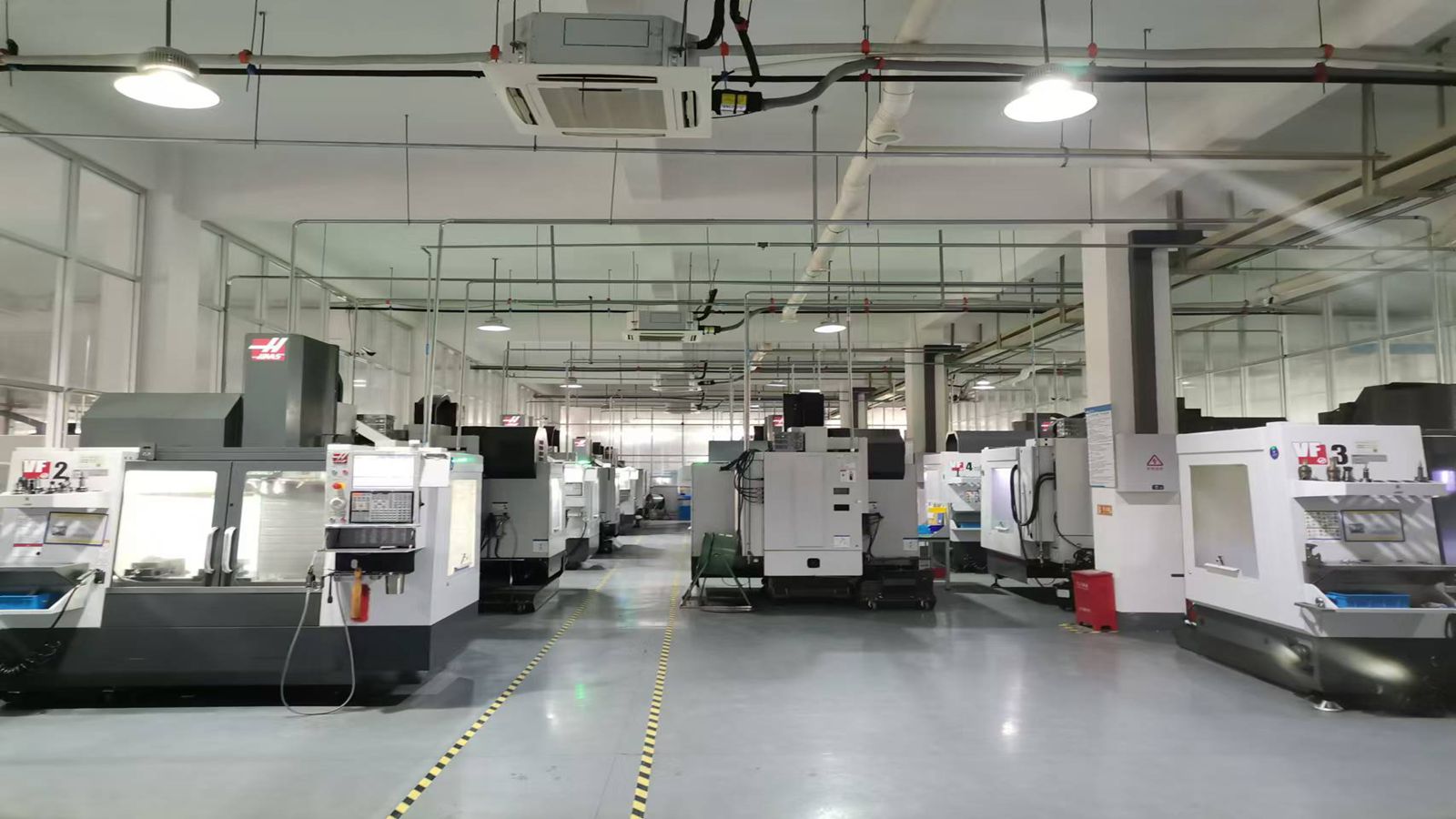
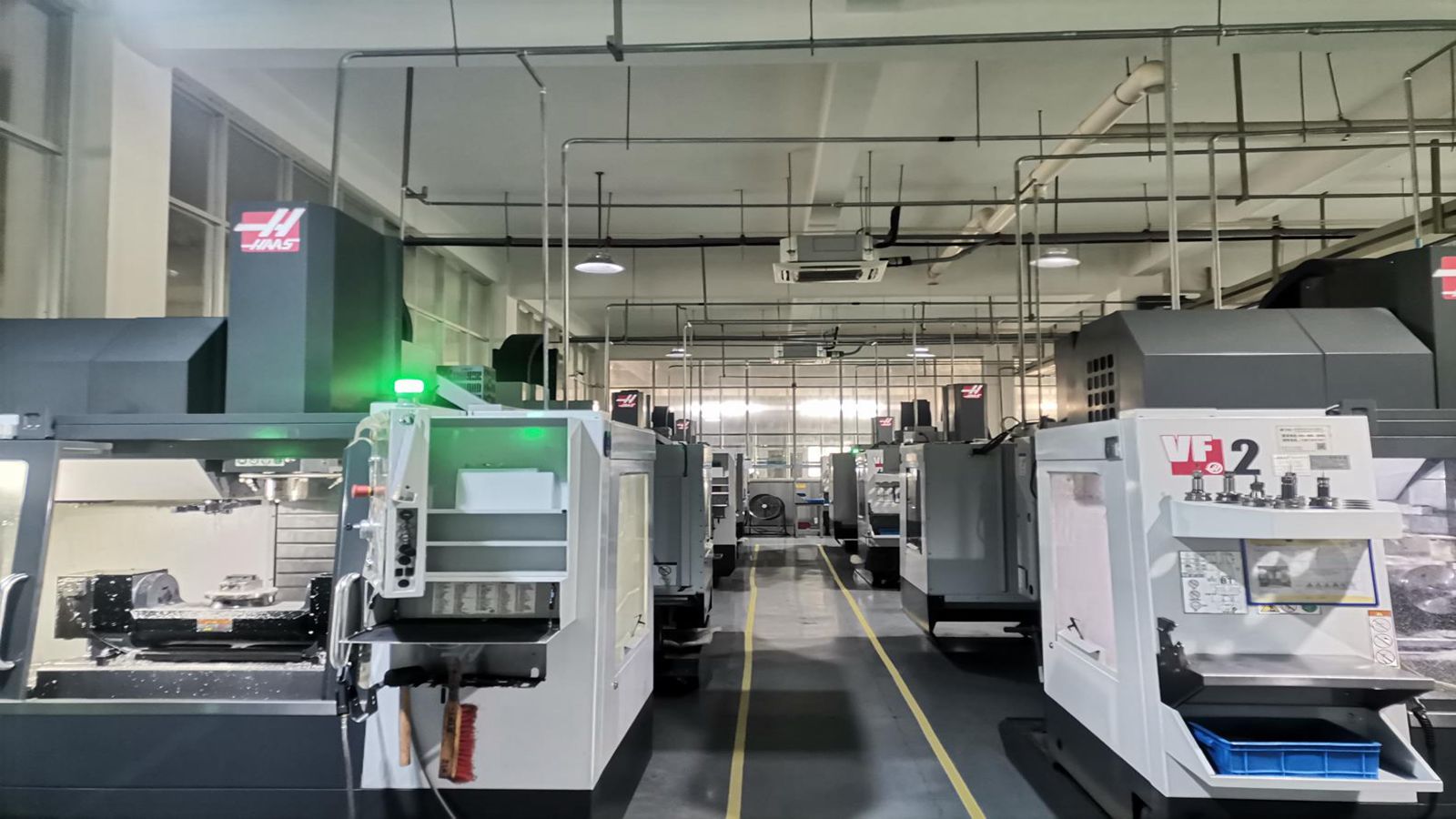
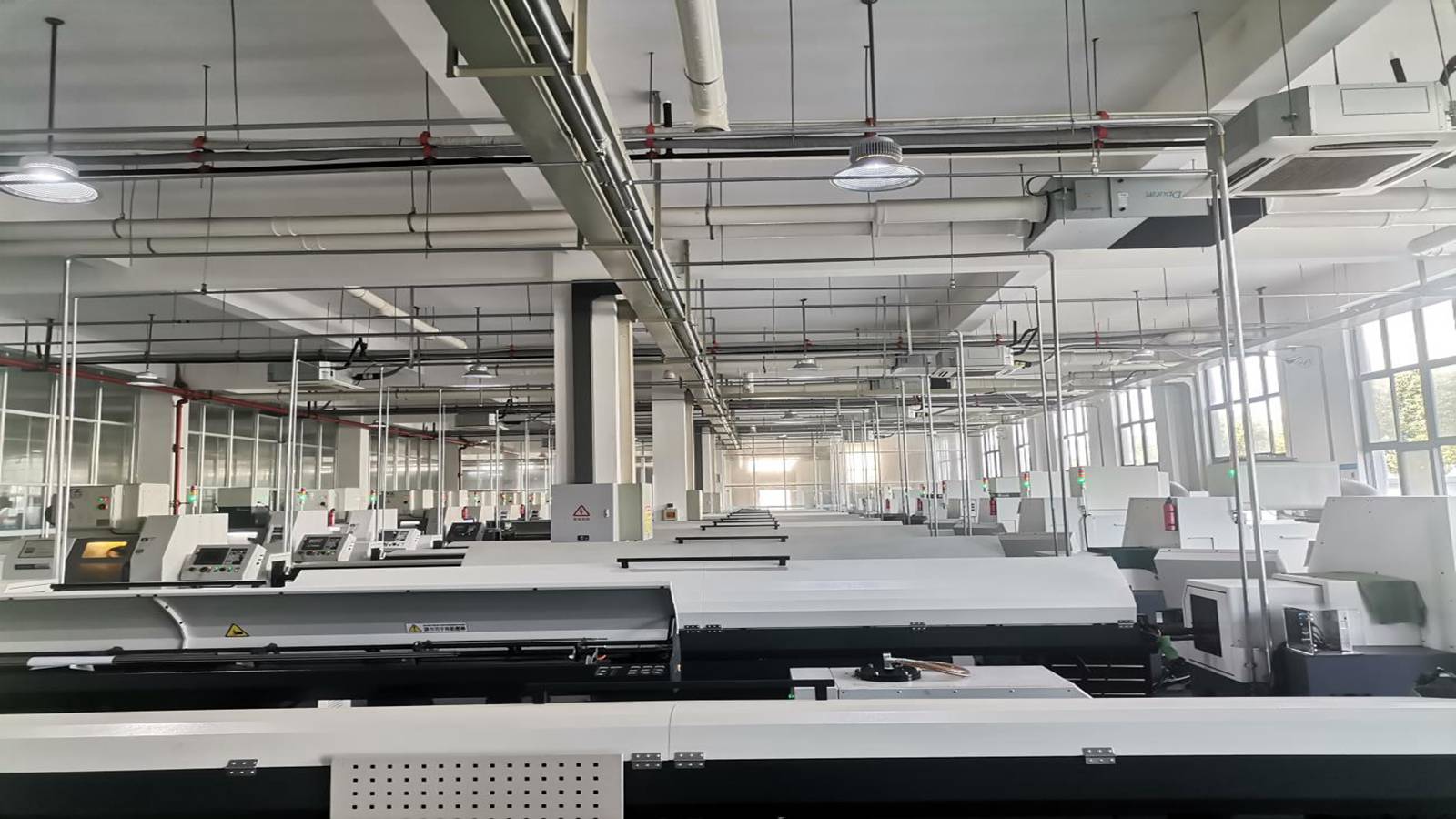
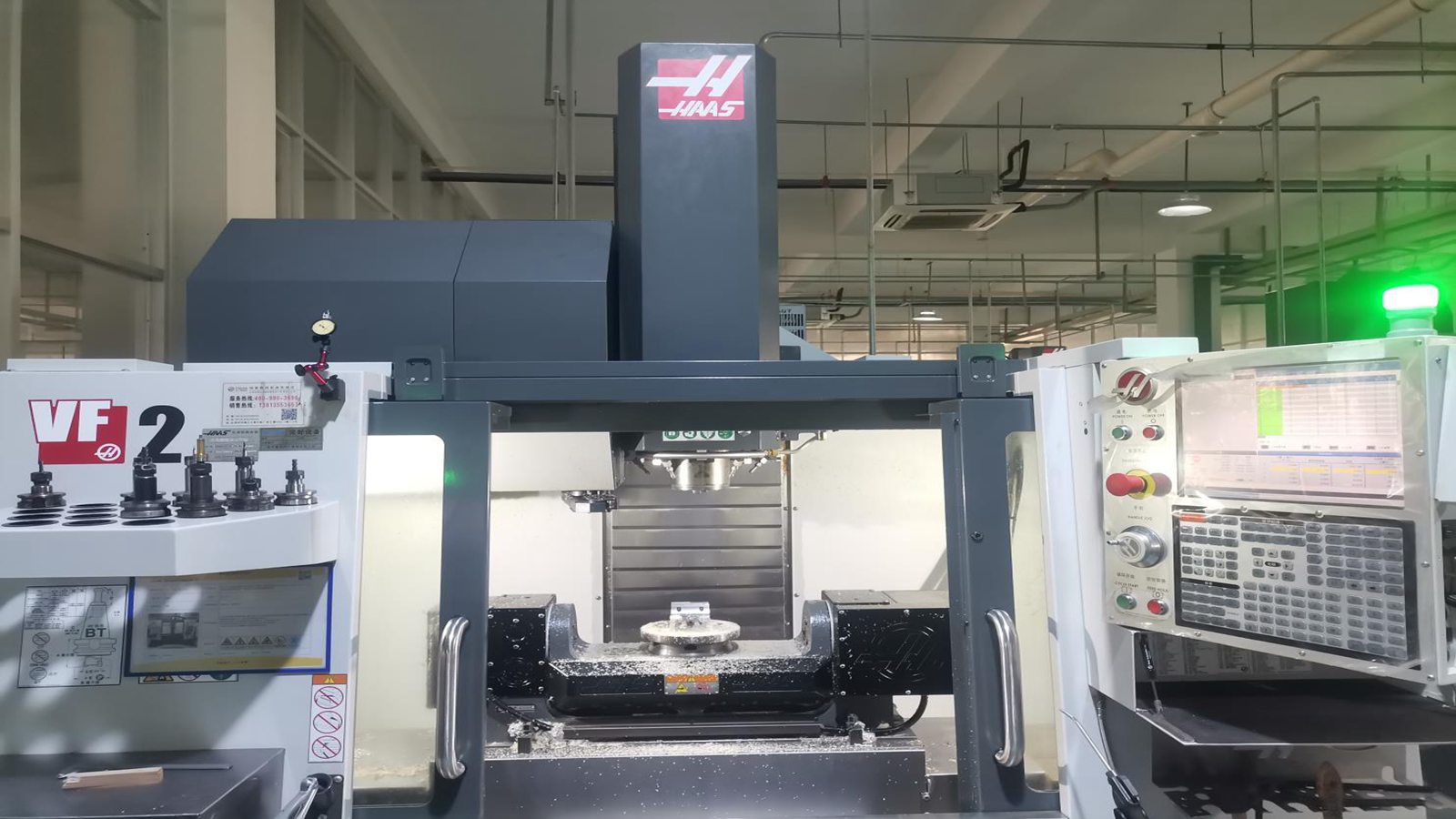
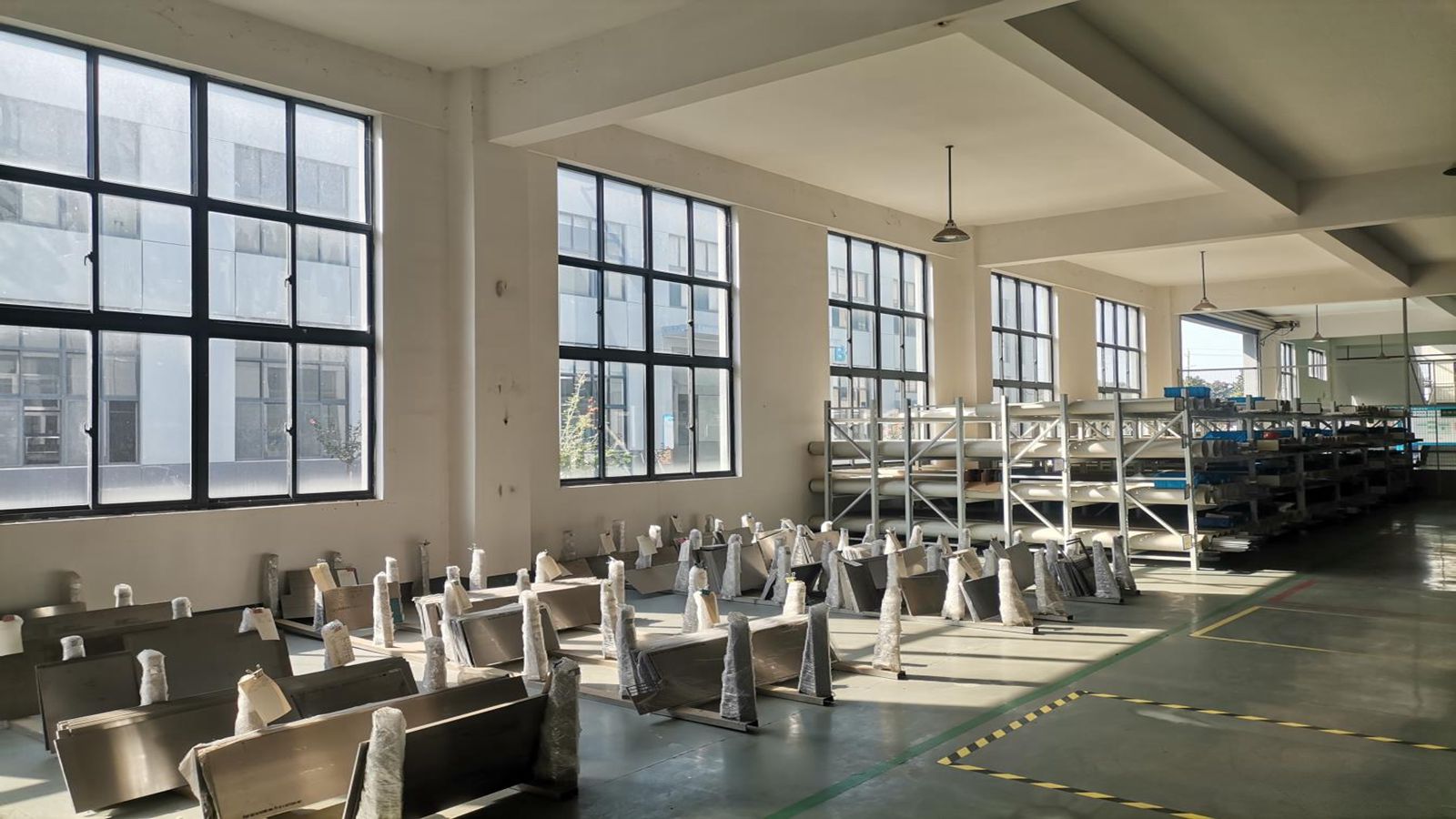
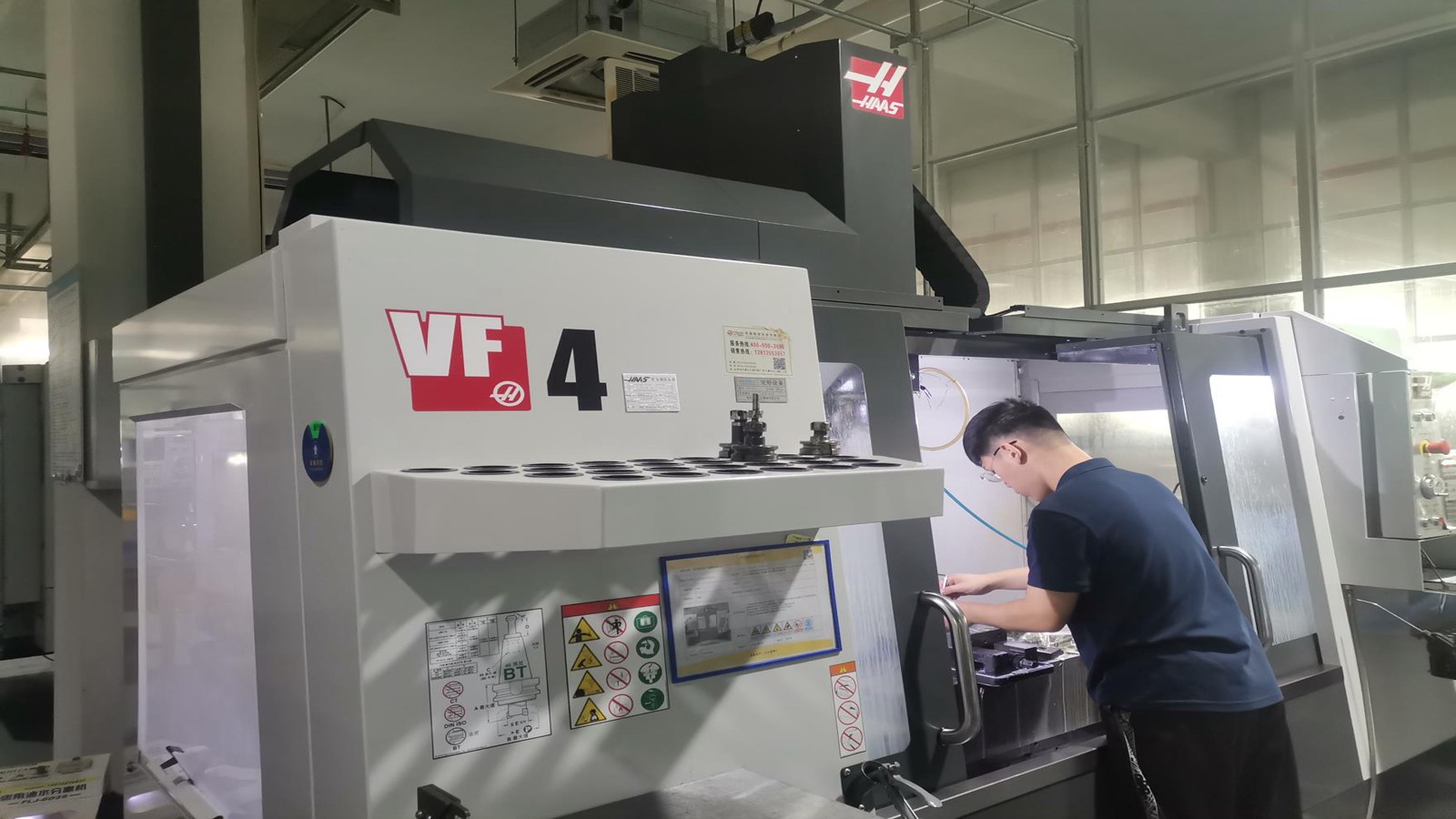
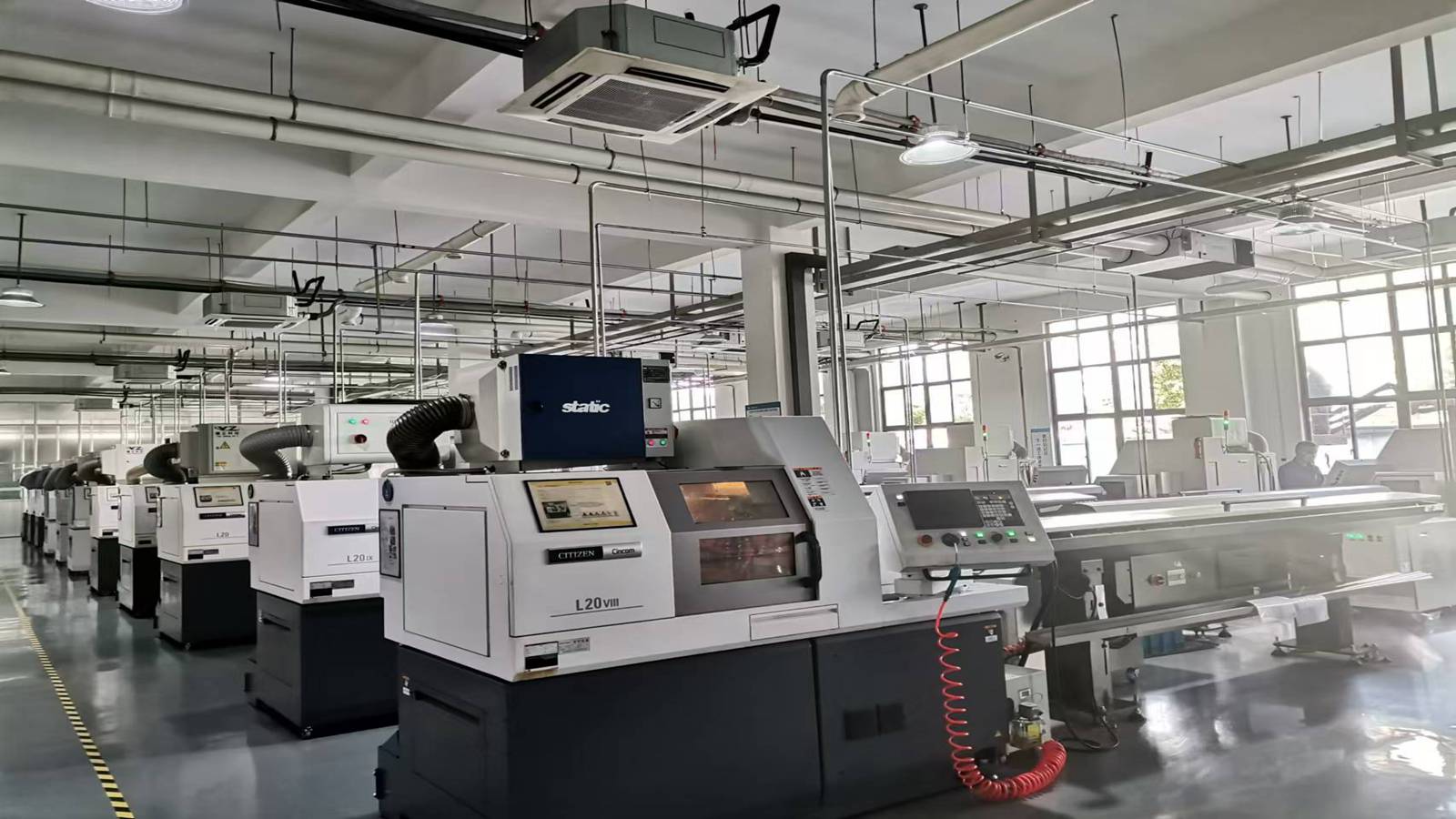
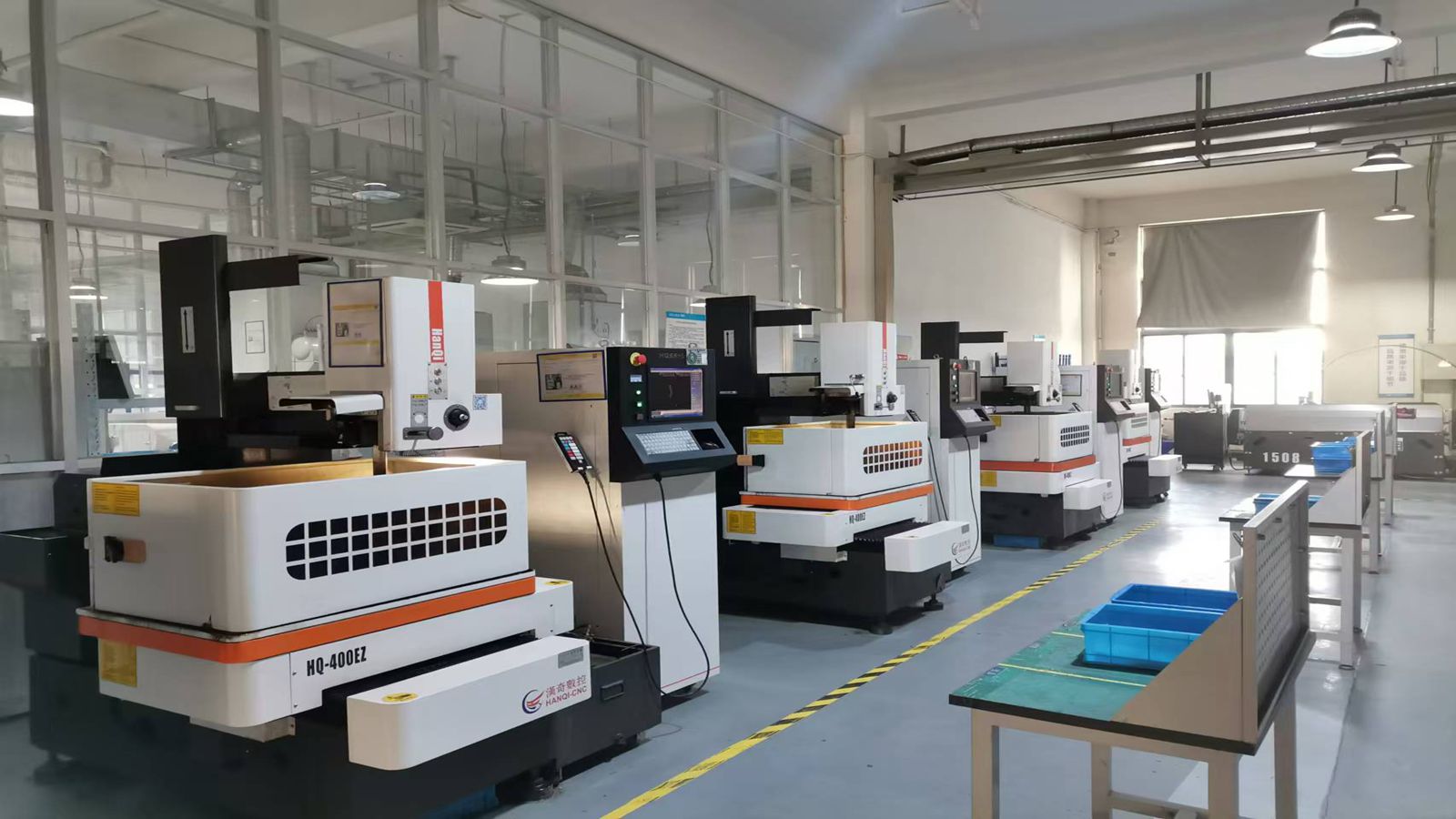
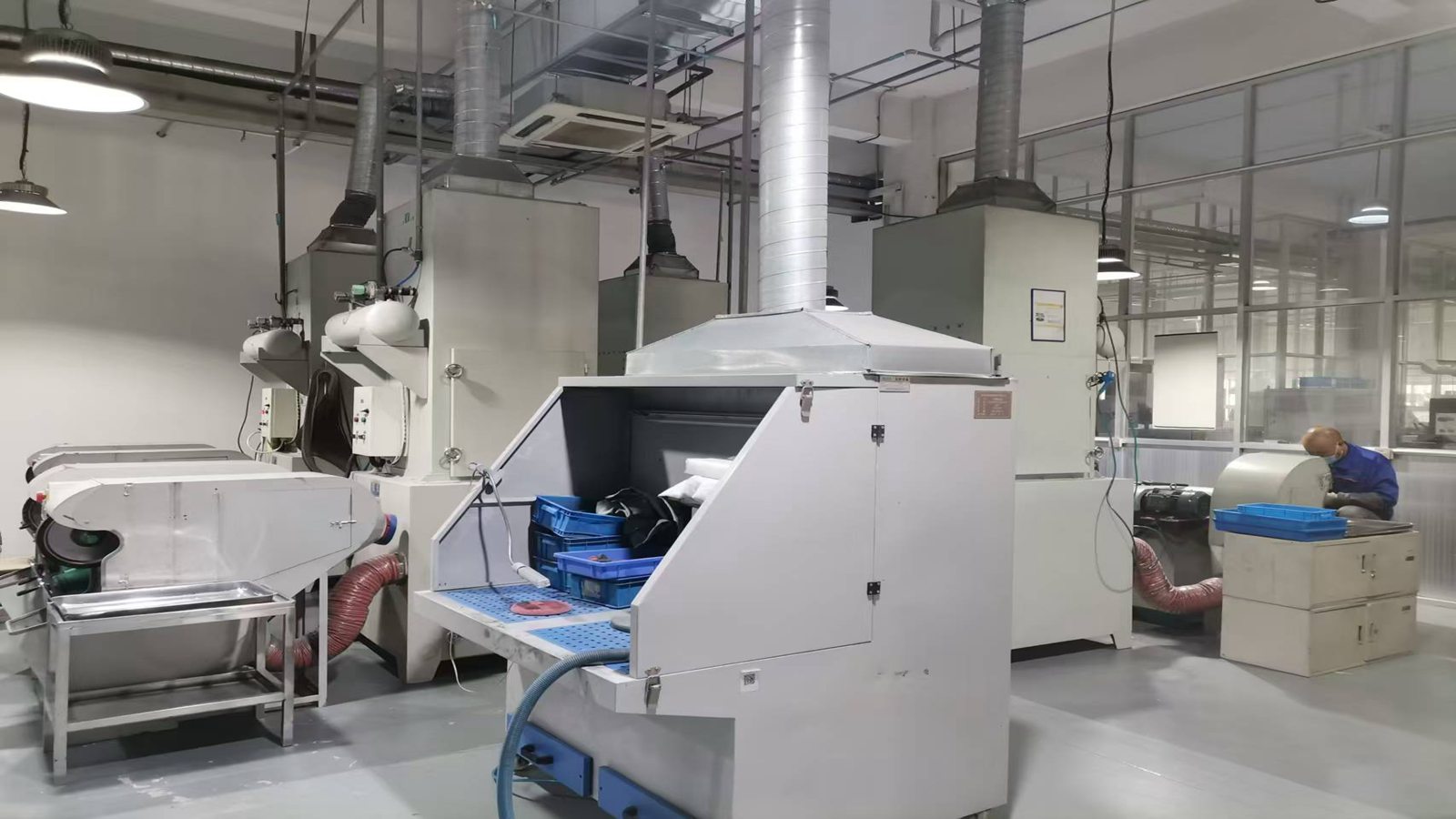
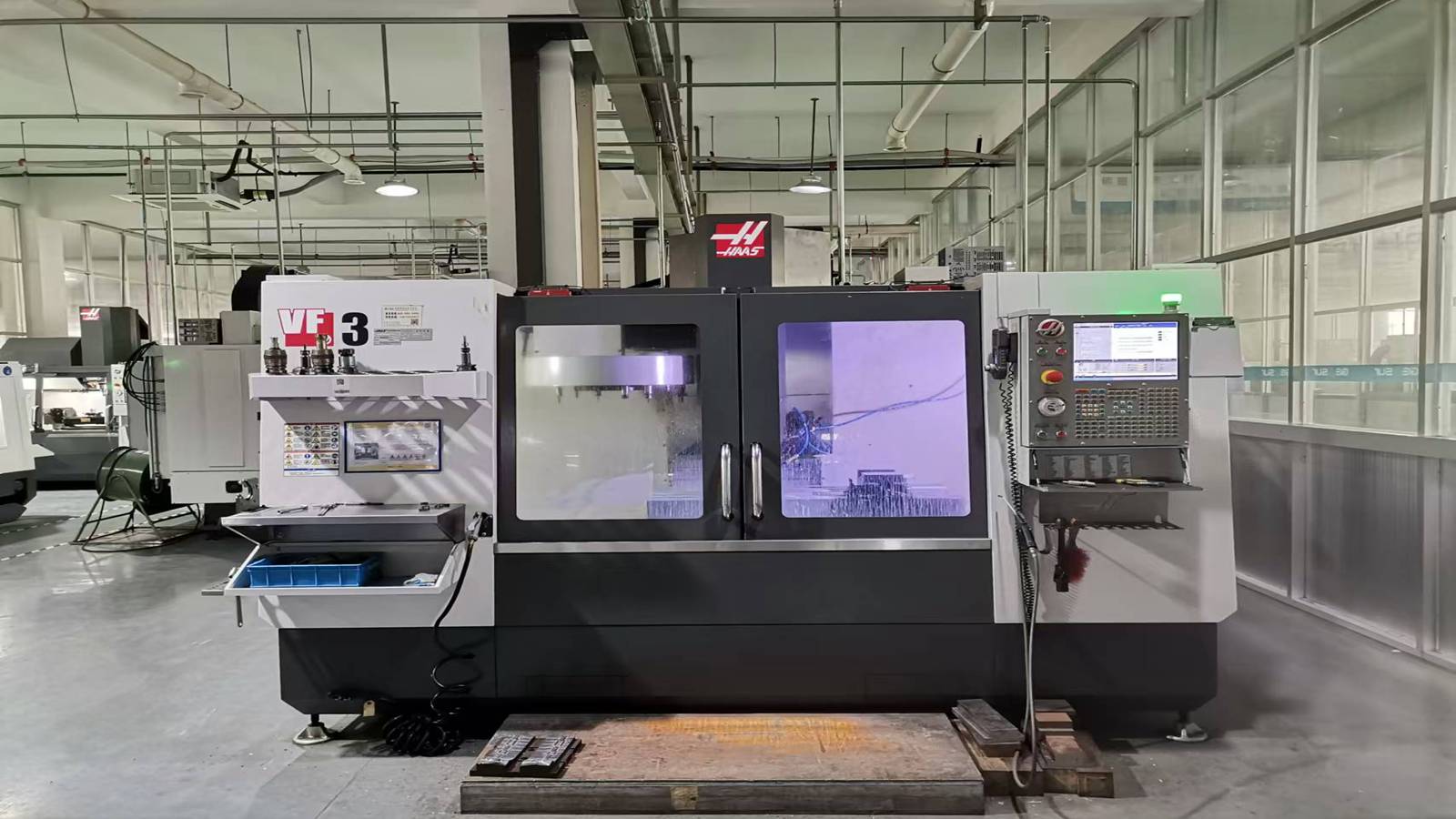
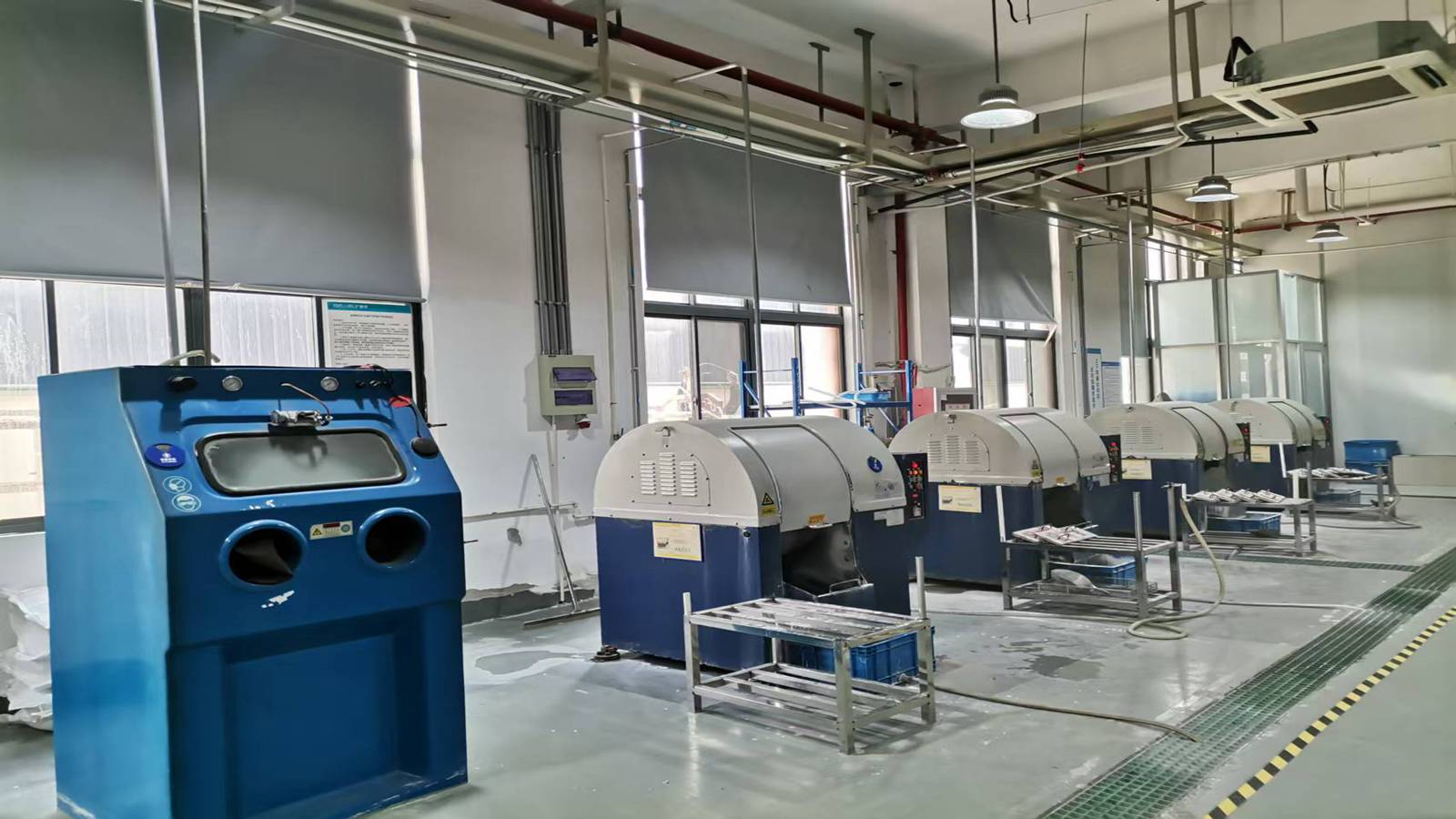
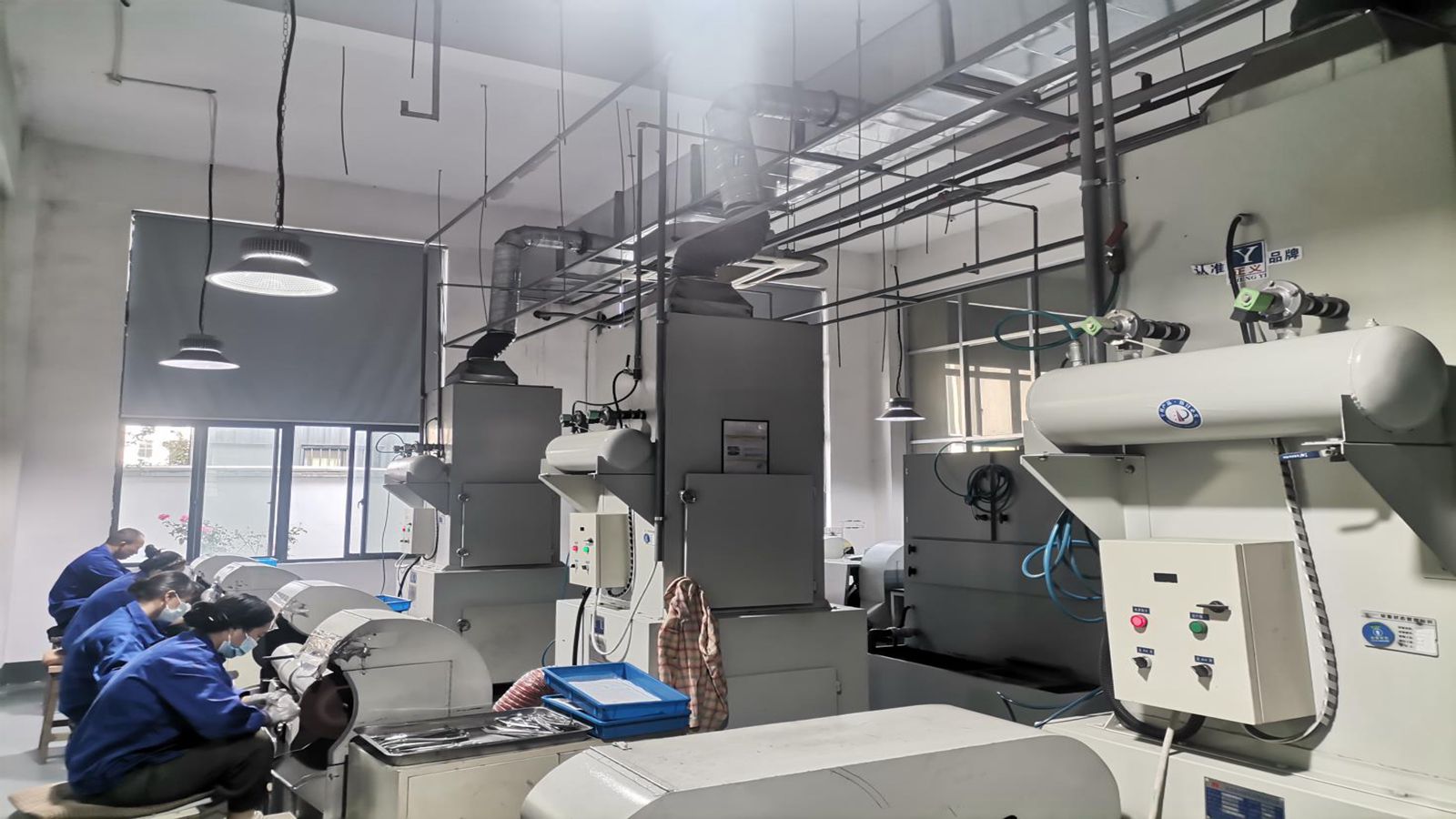
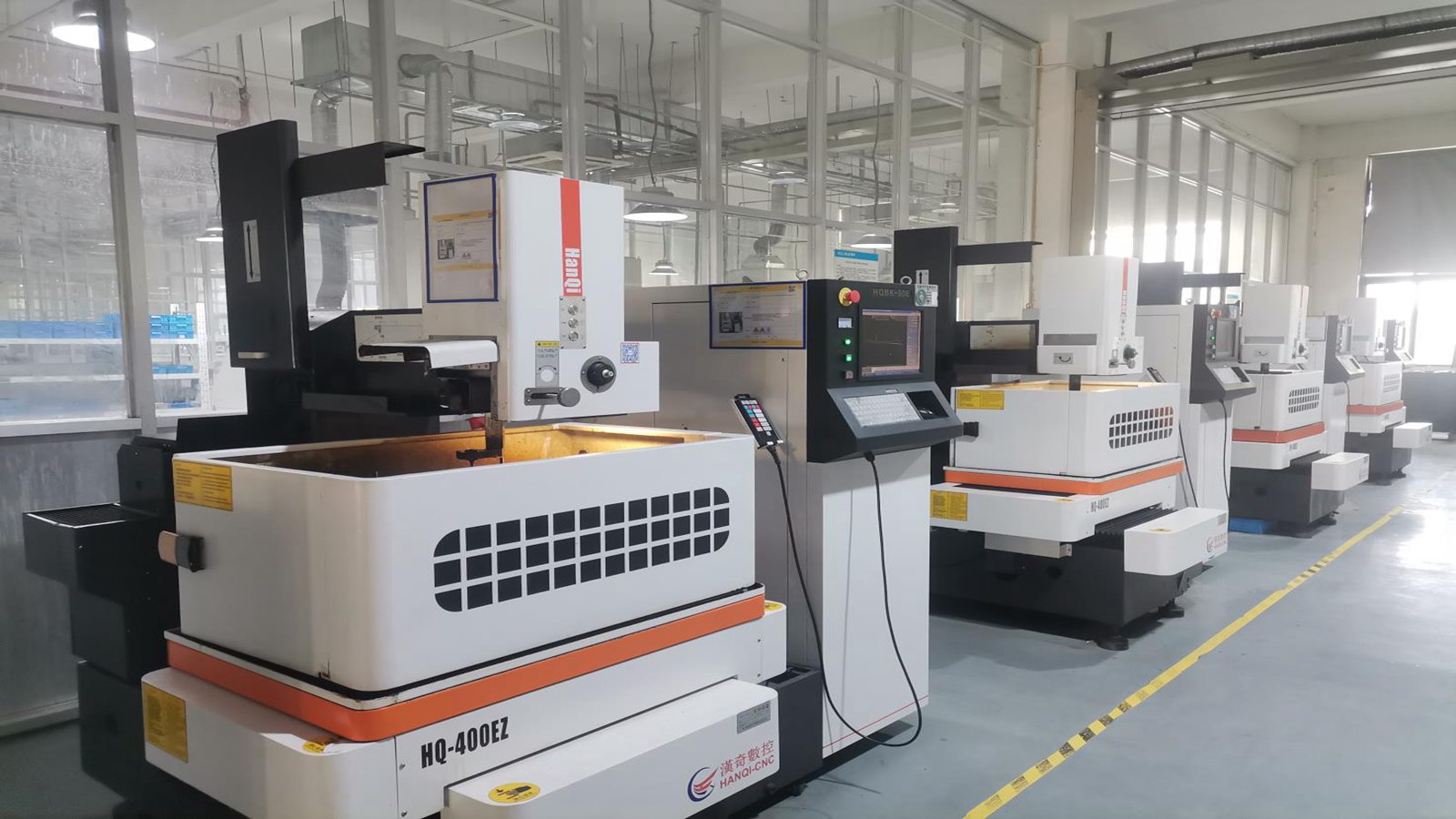
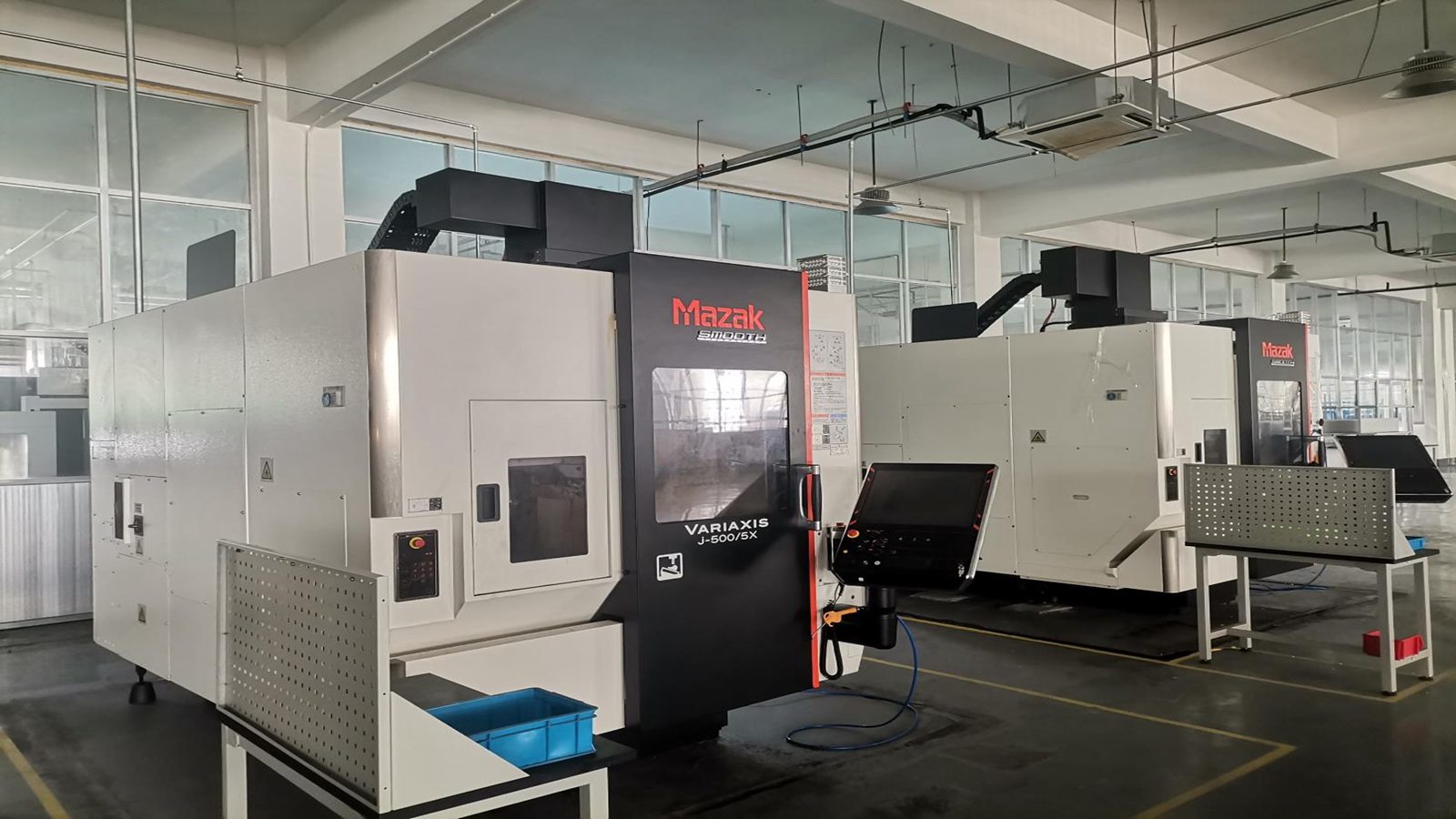
Established on October 15, 2015, HBM Medical Apparatus And Instruments Co., Ltd. has rapidly emerged as a premier orthopedic medical equipment R&D, manufacturing, and operation enterprise in China. Spanning a massive state-of-the-art production site of over 30,343 square meters, HBM is equipped with more than 350 advanced processing and testing machines, including 120 dedicated high-precision CNC production machines and 12 automated production lines.
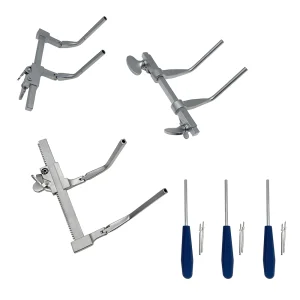
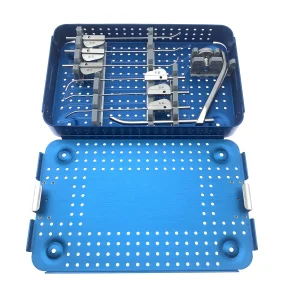
Our R&D capability is driven by a highly educated team of 31 senior engineers, including 1 Doctorate holder, 11 Postgraduates, and 17 Graduates. This team focuses on continuous technological innovation, product optimization, and custom OEM/ODM solutions. Whether it is refining the thread profile of cannulated screws or developing complex minimally invasive surgical kits (such as the VSSII 85mm Extended Arm Minimally Invasive System), HBM Medical stands at the forefront of orthopedic engineering.
At HBM Medical, quality is not just a checkbox; it is the core of our corporate ethos. We maintain a quality management system that strictly aligns with international standards, ensuring the highest level of Experience, Expertise, Authoritativeness, and Trustworthiness (E-E-A-T). Our certifications include:
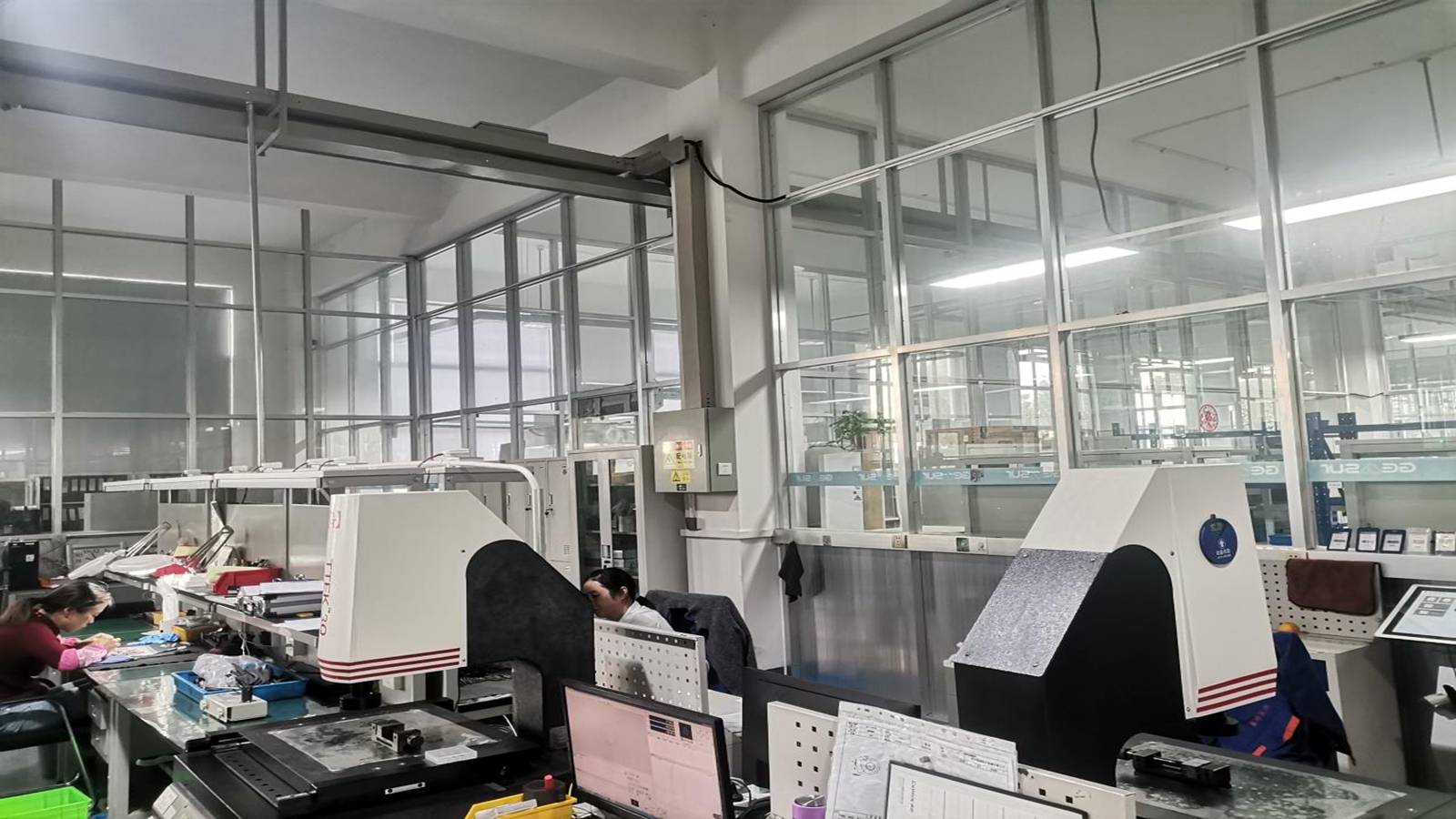
Our quality control department is staffed by 36 professional QA/QC inspectors who oversee every phase of production. We guarantee 100% traceability of raw materials, beginning with mill-certified titanium bars and extending to the final sterilized packaging. Inspection methods are tailored to client requirements, ranging from random sampling to 100% optical and dimensional verification using advanced coordinate measuring machines (CMM).
The global orthopedic implant market is shifting toward smart manufacturing, bio-absorbable materials, and patient-specific implant designs. HBM Medical's technical roadmap is strategically aligned with these macro trends:
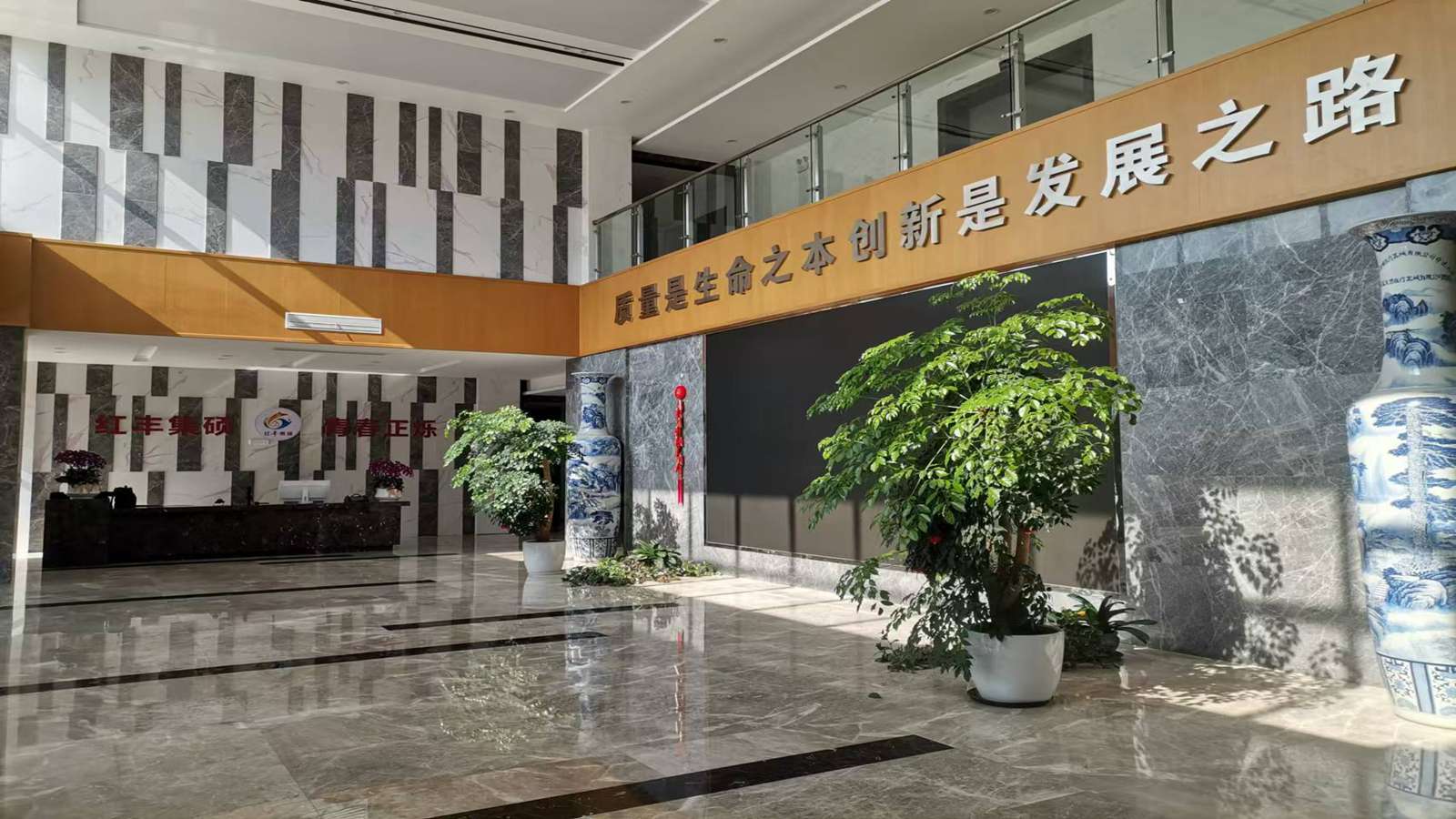
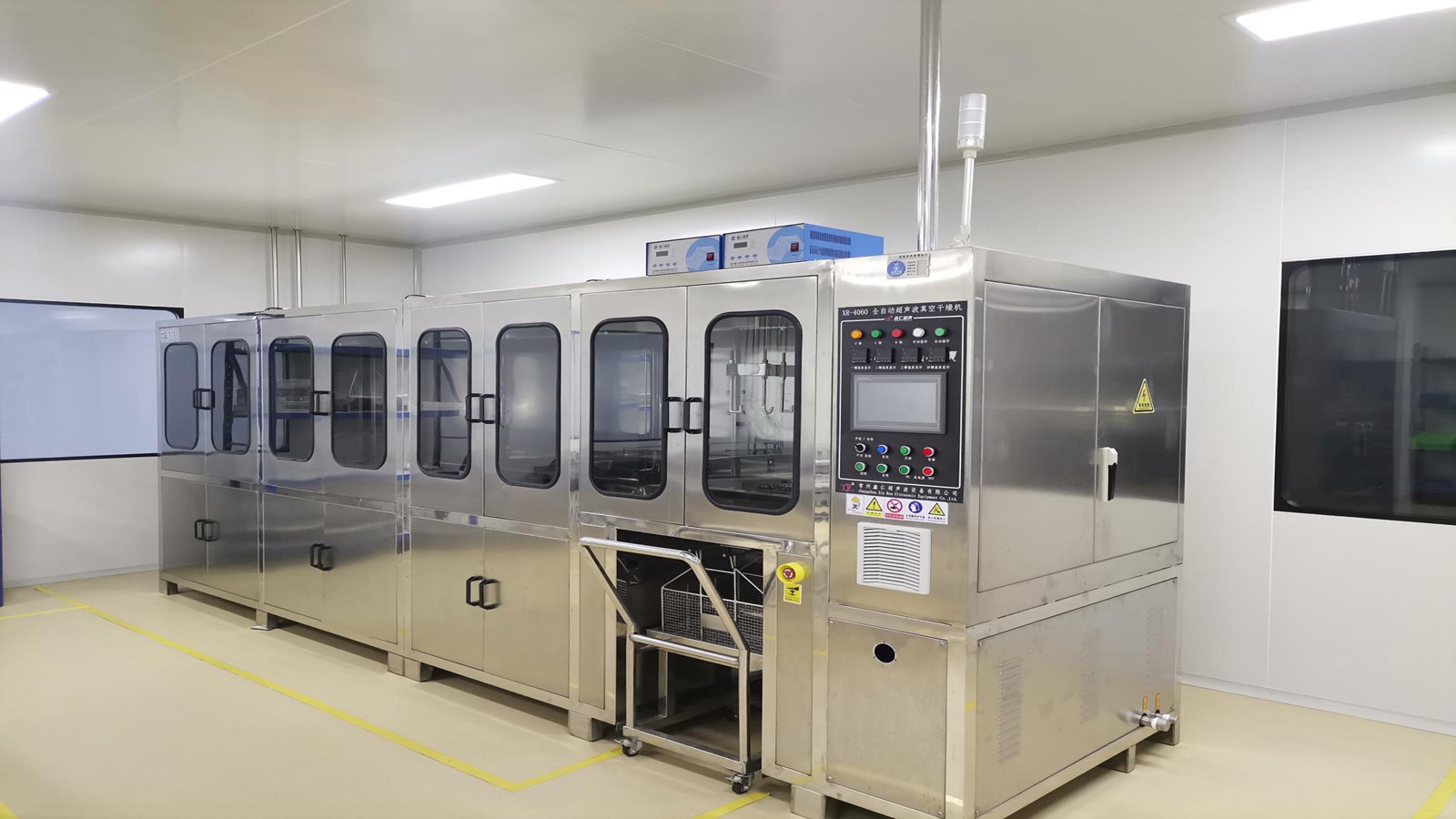
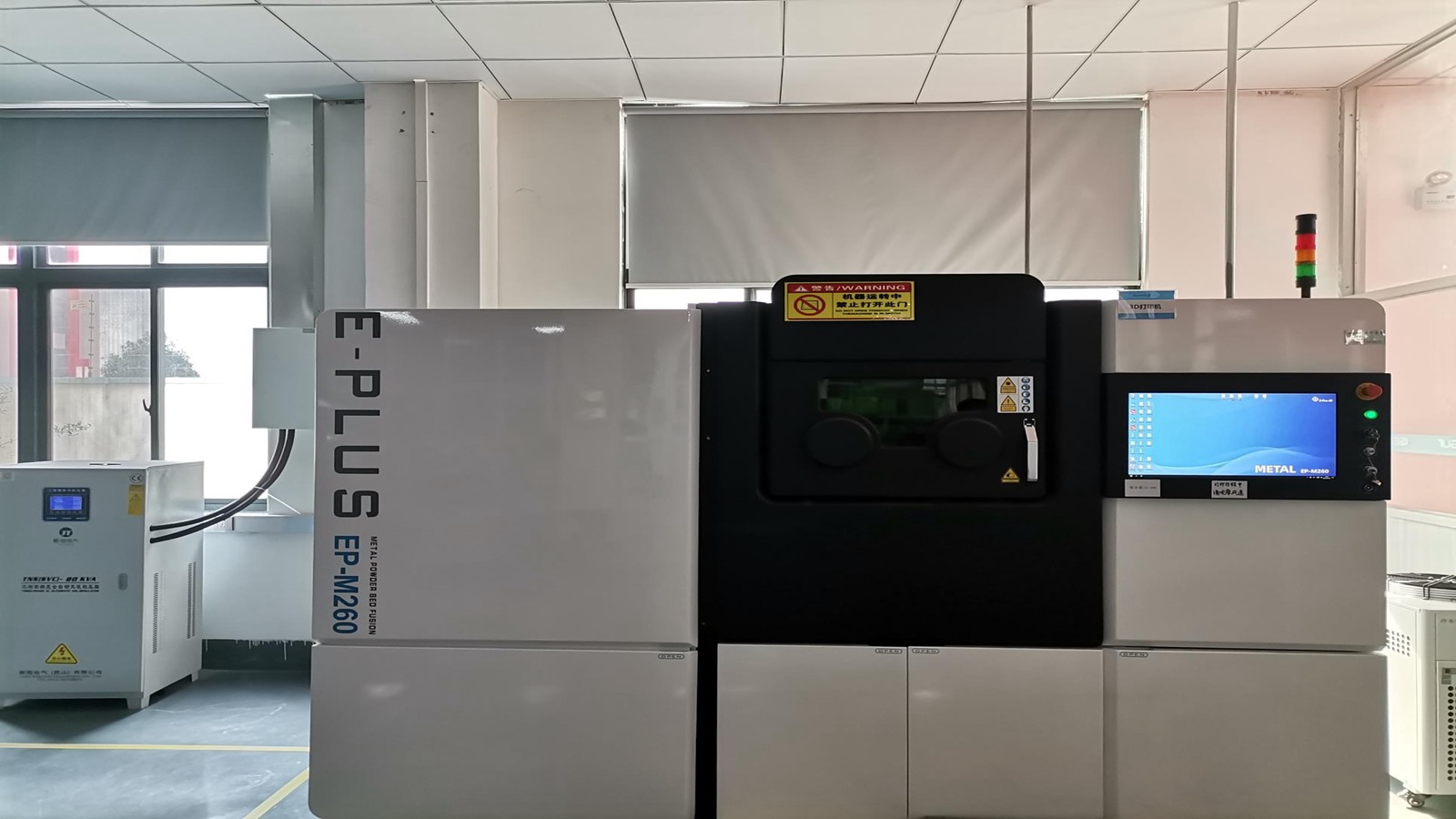
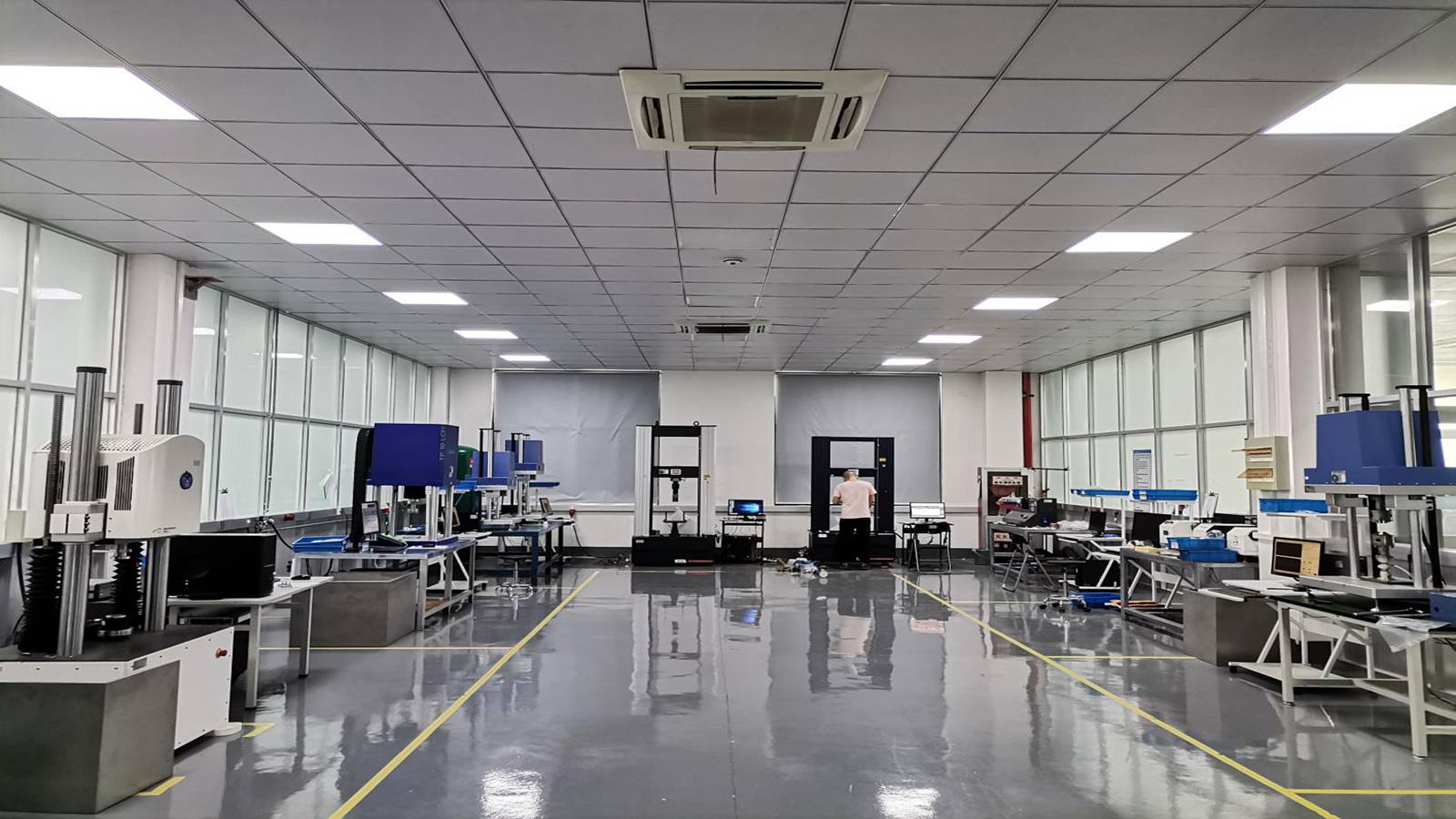
A visual tour inside our 30,343 square meter production facility, showcasing advanced CNC machinery, cleanrooms, and testing laboratories.
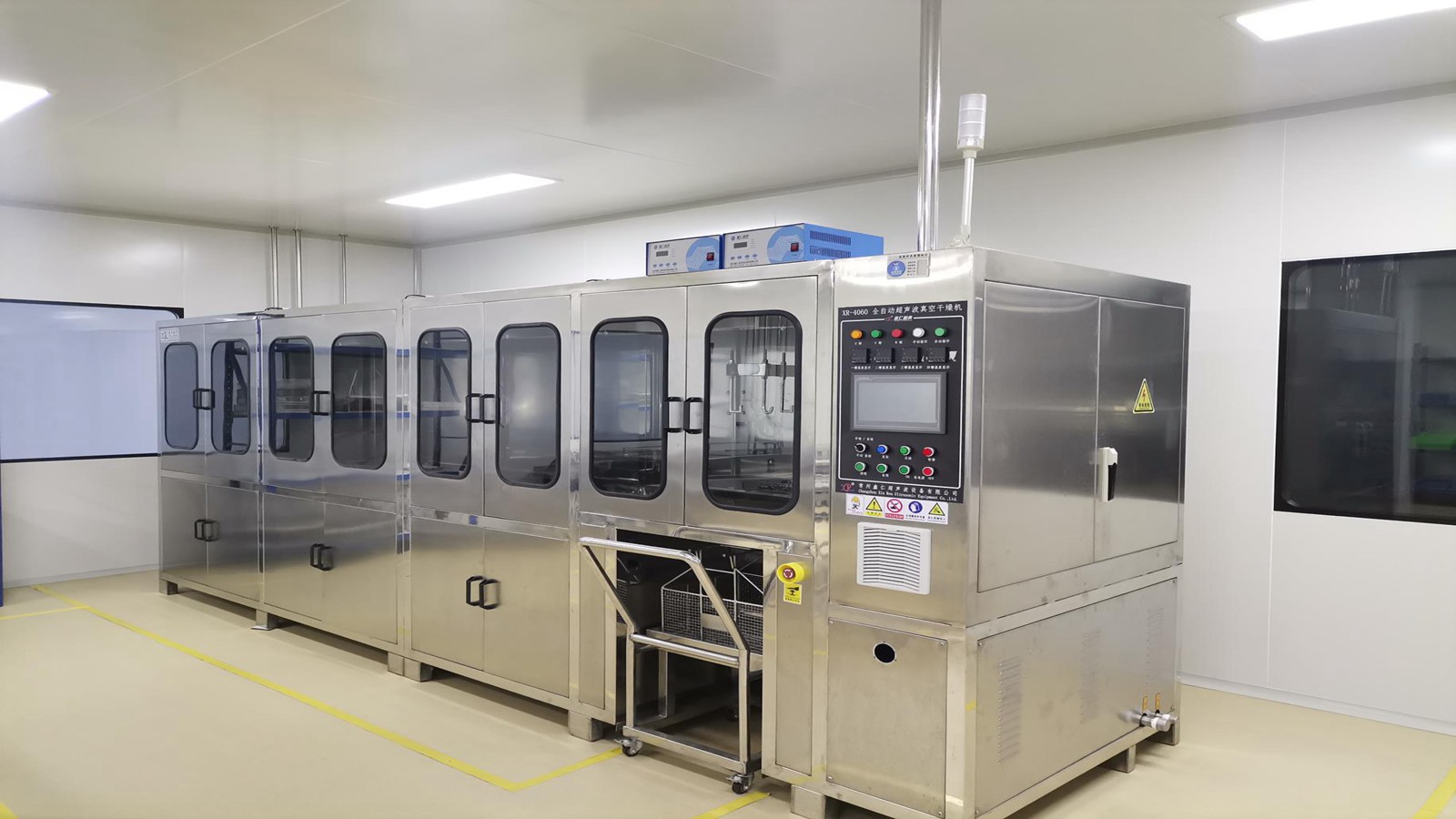
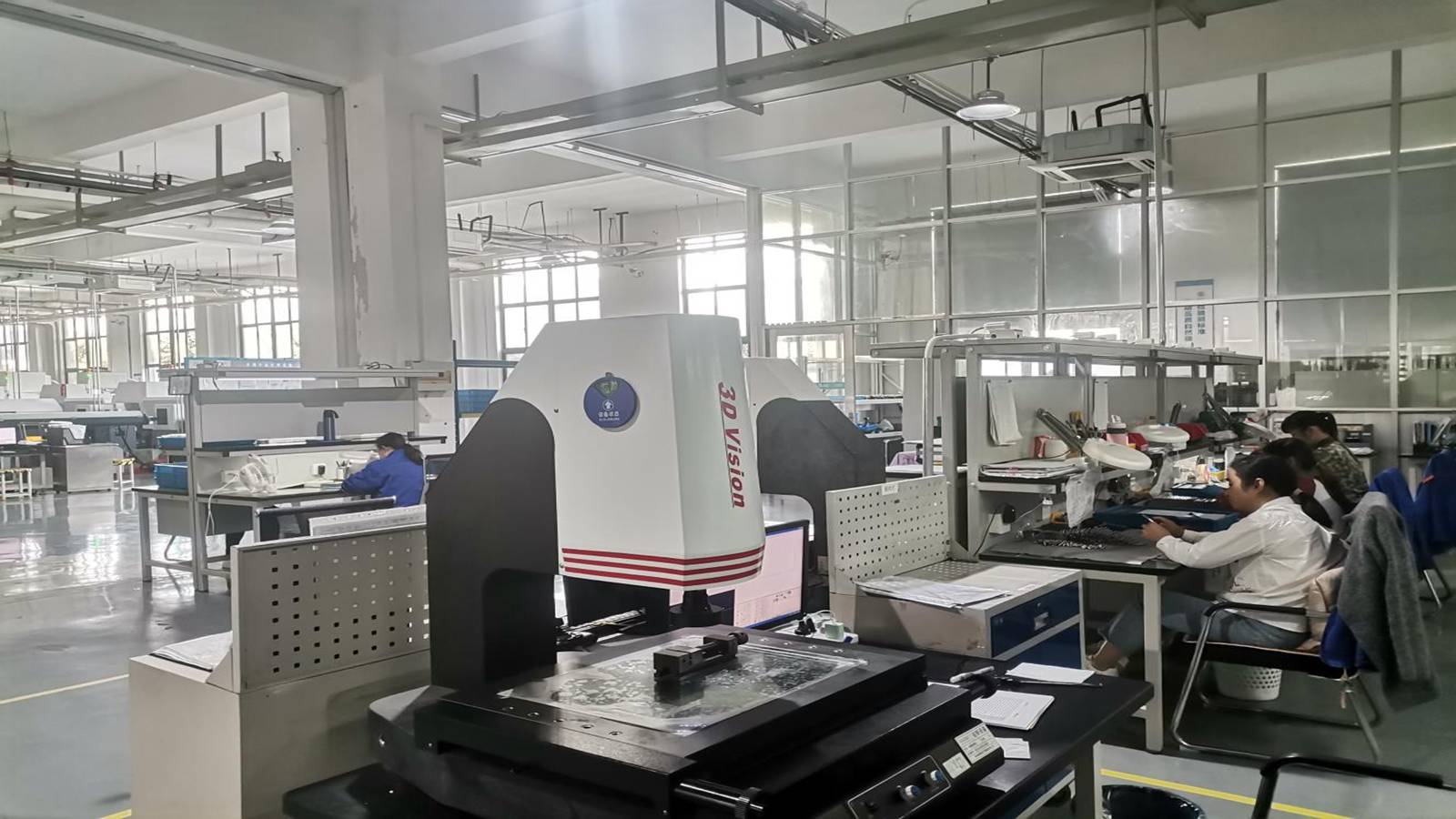
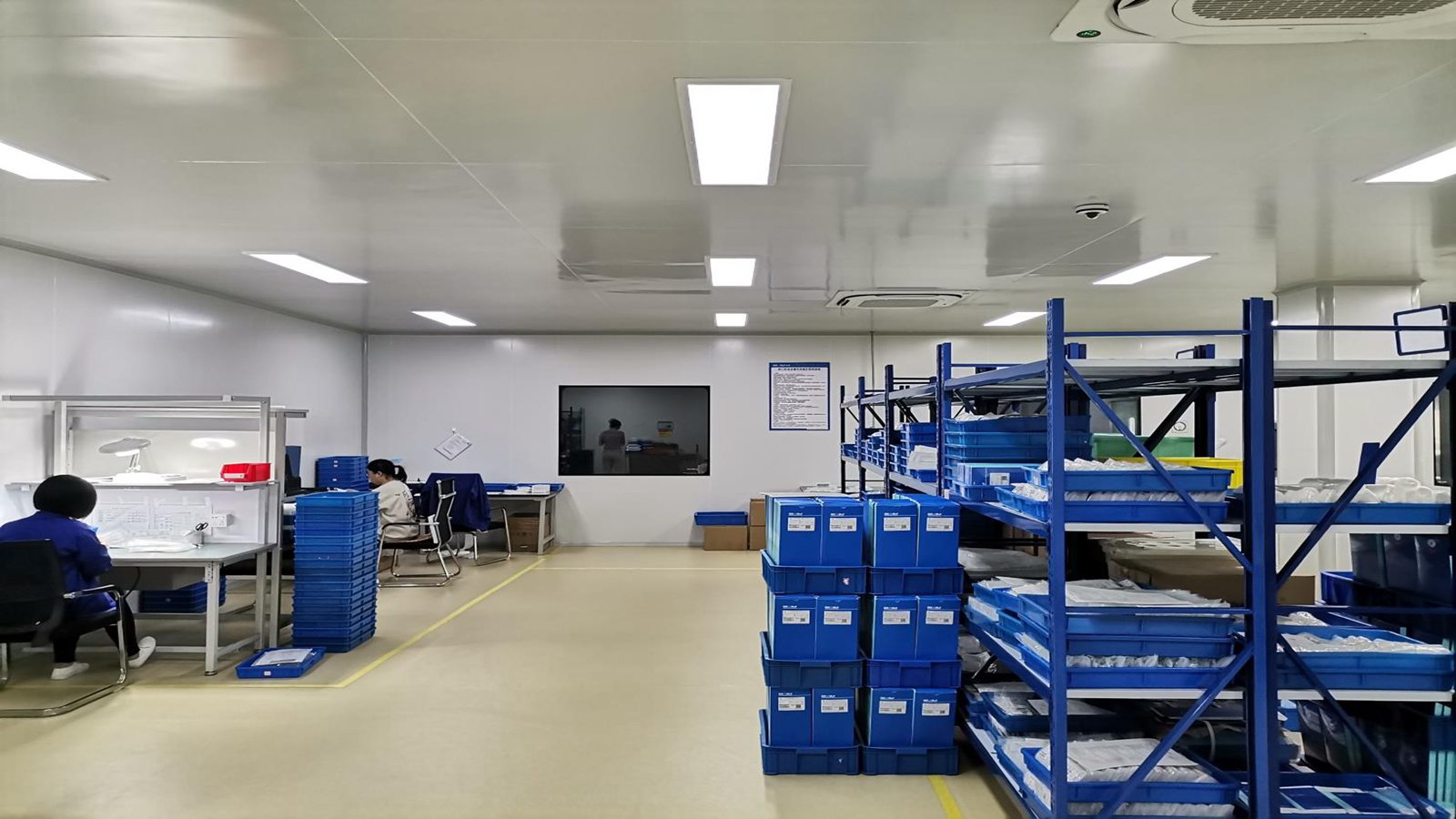
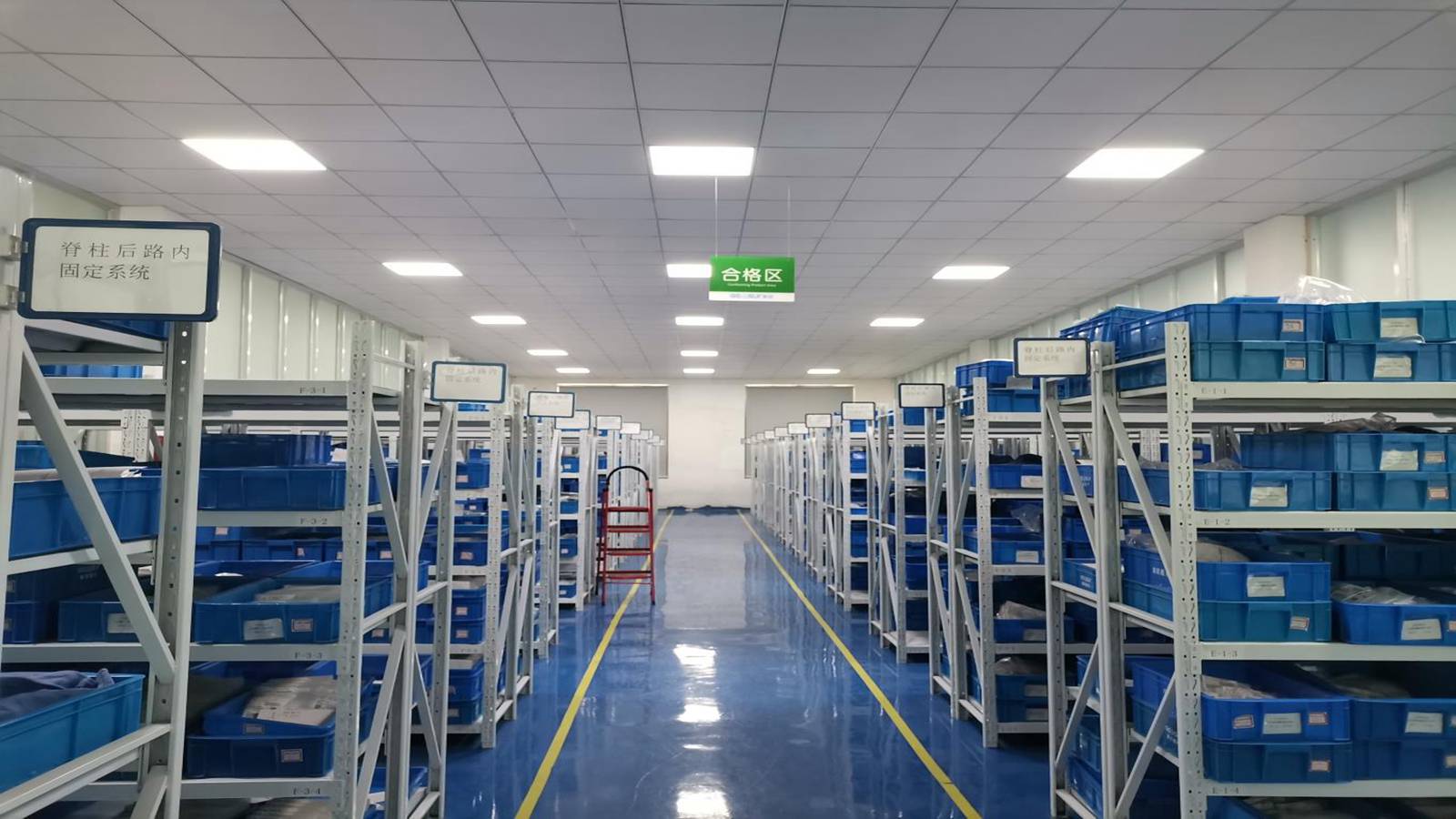
HBM Medical has spent over a decade building a robust global supply chain network. While 80% of our production serves the rapidly growing domestic market in China, 20% is exported to highly regulated international markets, including Eastern Europe and Southeast Asia. We offer comprehensive localization support to ensure seamless integration into your local healthcare ecosystem:
Get authoritative answers to common technical and commercial questions regarding our orthopedic systems and manufacturing capabilities.
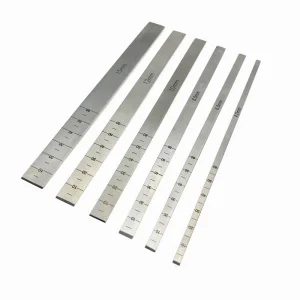
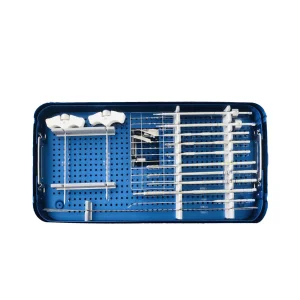
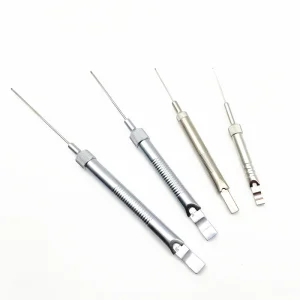
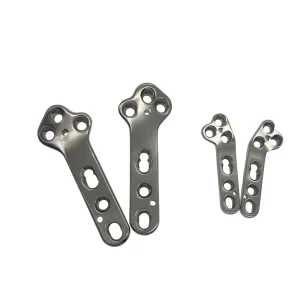
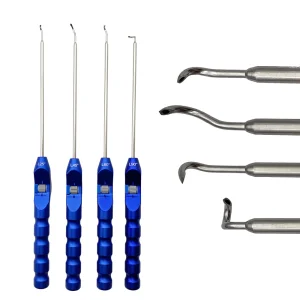
Complete your sourcing portfolio with our highly reliable surgical blades, depth gauges, and specialized fixation plates.
 HBM Medical