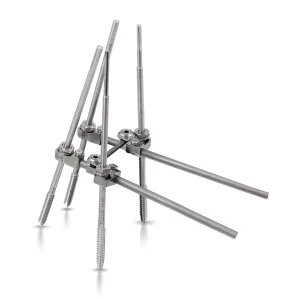
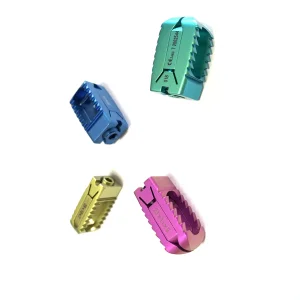
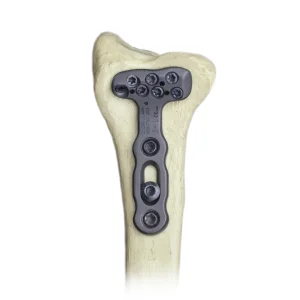
Explore the primary dynamic orthopedic portfolio featuring extreme precision manufacturing designed to synergize with total joint arthroplasty, reconstructive surgeries, and trauma interventions.
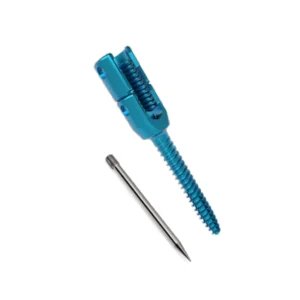
A macro-industrial analysis of reconstructive clinical markets, anatomical restoration, and systemic supply metrics.
The global market for Total Shoulder Prosthesis systems is experiencing exponential growth, driven primarily by an aging demographic and rising prevalence of degenerative joint disease. Clinically, the shift from traditional anatomical total shoulder arthroplasty (TSA) to Reverse Shoulder Arthroplasty (RSA) has revolutionized surgical options.
Top-tier manufacturers must address complex biomechanical profiles to support rotatory movement, maintaining structural stability even in cases of severe rotator cuff deficiency. This shift requires advanced fabrication techniques that accommodate specialized anatomical variances.
Modern prosthesis performance relies on advanced materials. Manufacturers use medical-grade Cobalt-Chromium-Molybdenum (CoCrMo) alloys, Titanium (Ti6Al4V) formulations, and ultra-high-molecular-weight polyethylene (UHMWPE).
Leading international factories have introduced cross-linked and vitamin E-infused polymers to reduce wear rates and prevent osteolysis, ensuring longer implant lifetimes. Highly porous titanium structures, inspired by trabecular bone patterns, are also utilized to facilitate rapid biologic osseointegration.
How advanced technology and custom diagnostic paradigms are steering the future of orthopedic implant manufacturing.
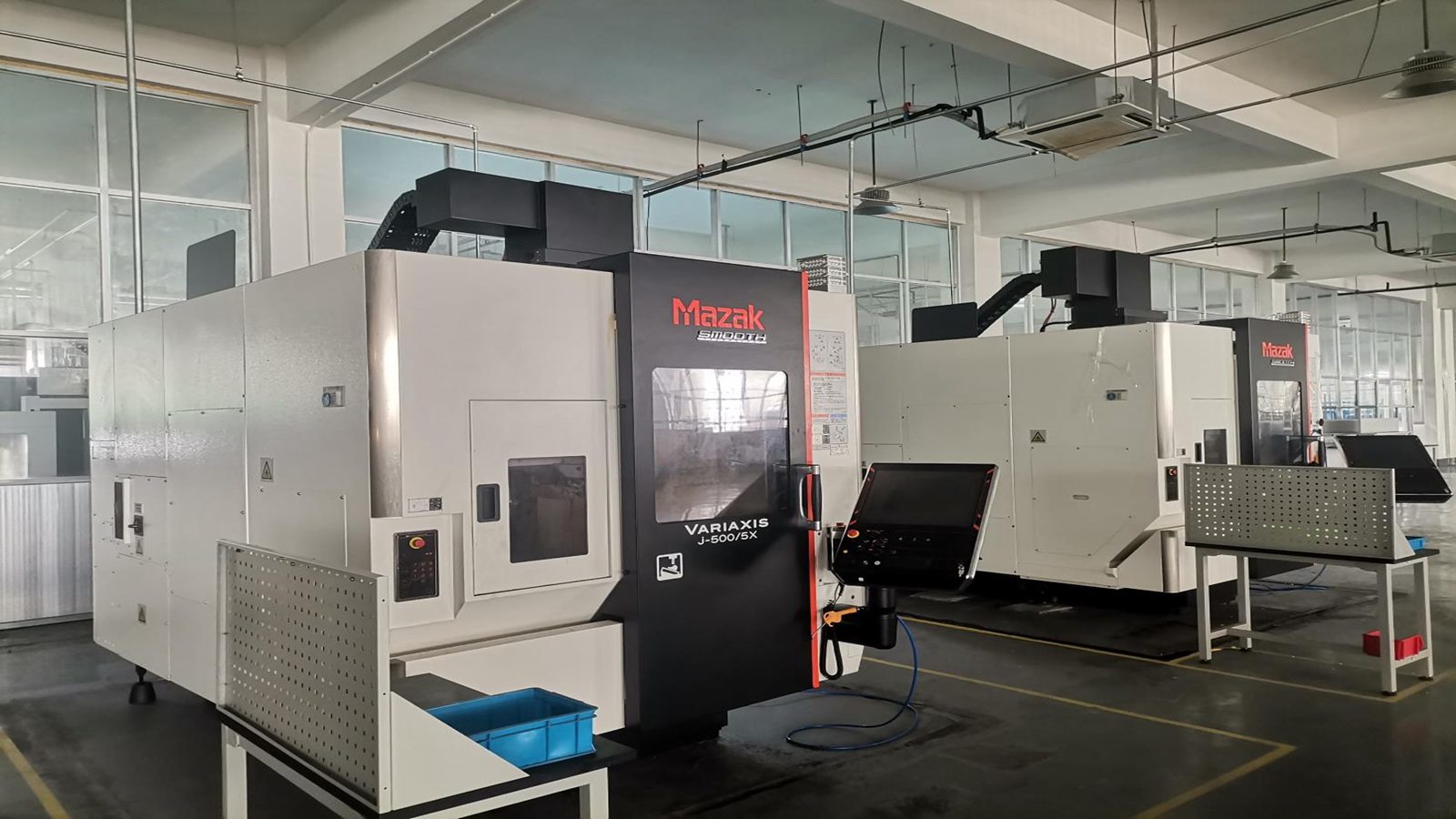
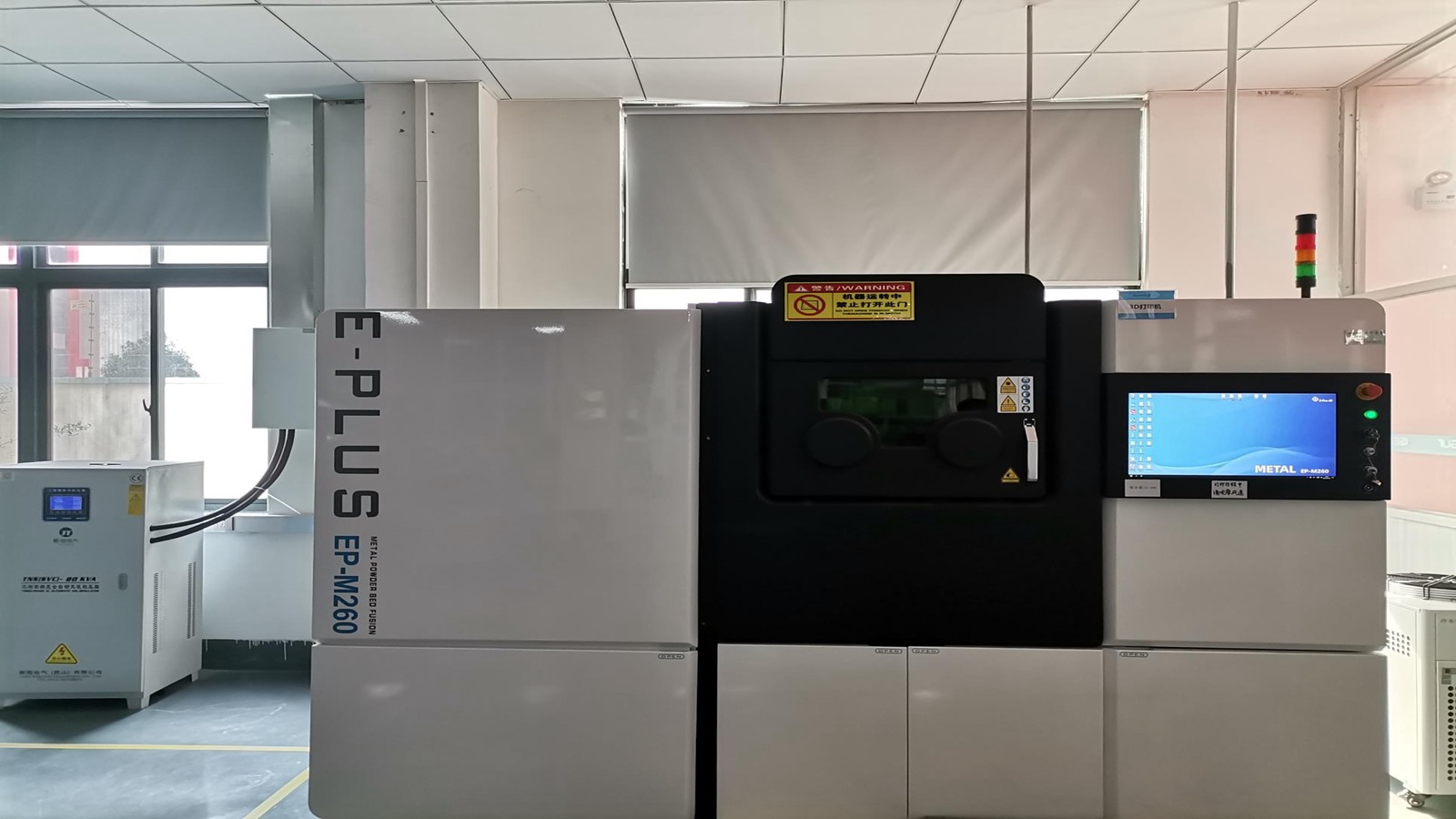
The manufacturing landscape has shifted from traditional subtractive CNC milling to advanced additive metal 3D printing. Electron Beam Melting (EBM) and Direct Metal Laser Sintering (DMLS) are standard technologies at advanced factories.
These methods allow factories to produce complex structures, porous surfaces, and patient-specific implants (PSIs) tailored to precise pre-operative CT scans. This capability improves bone-to-implant contact and reduces revision surgical times.
Implants are no longer viewed as isolated mechanical components; they are part of a digital orthopedic ecosystem. Future roadmaps feature sensor-embedded "smart implants" that track post-operative strain, range of motion, and wear metrics in real time.
Furthermore, leading global factories are aligning their production systems to support computer-assisted navigation software and augmented reality (AR) systems, ensuring precise clinical placement.
An in-depth case study of advanced orthopedic implant production, clinical design, and global market positioning.
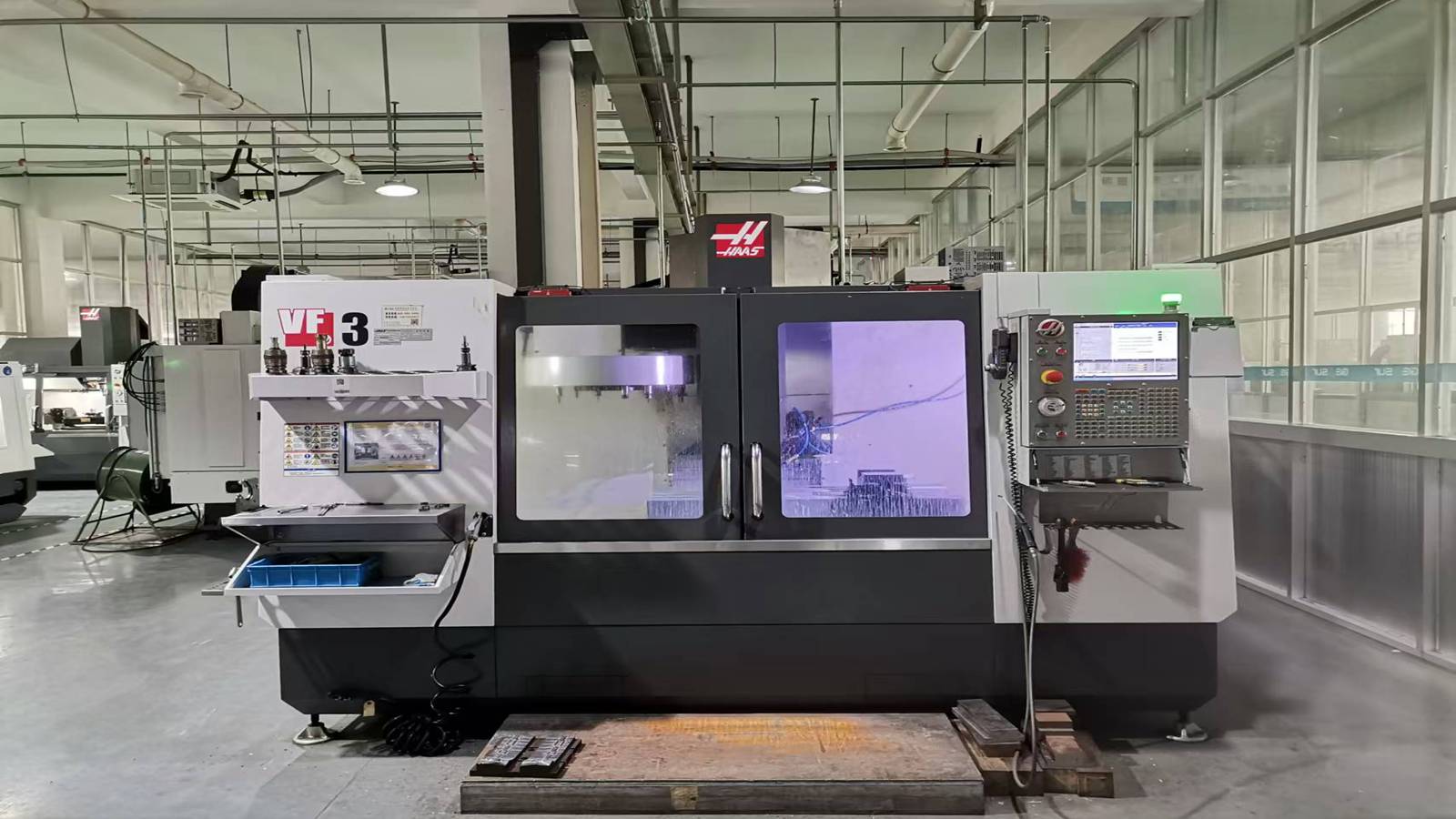
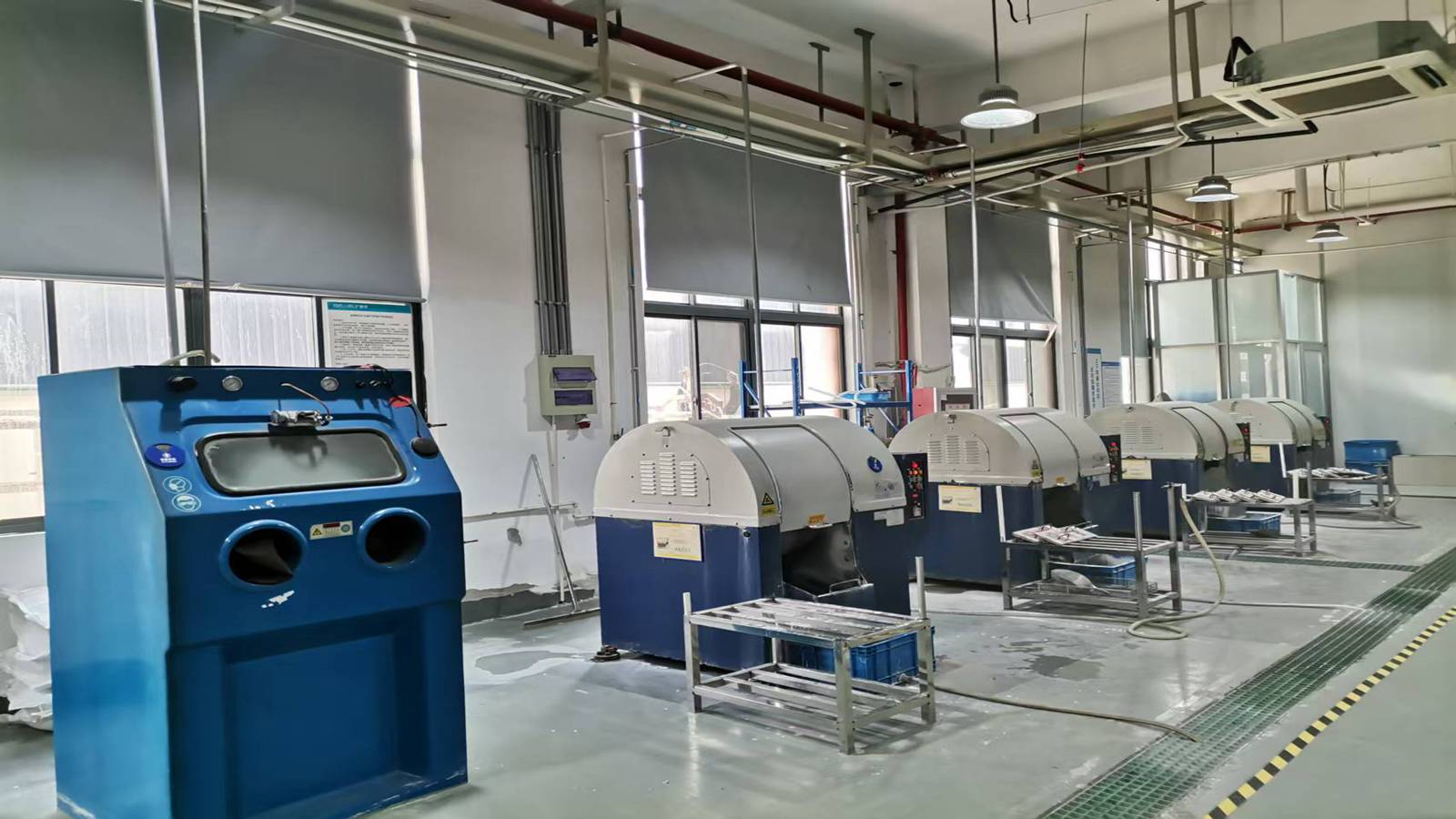
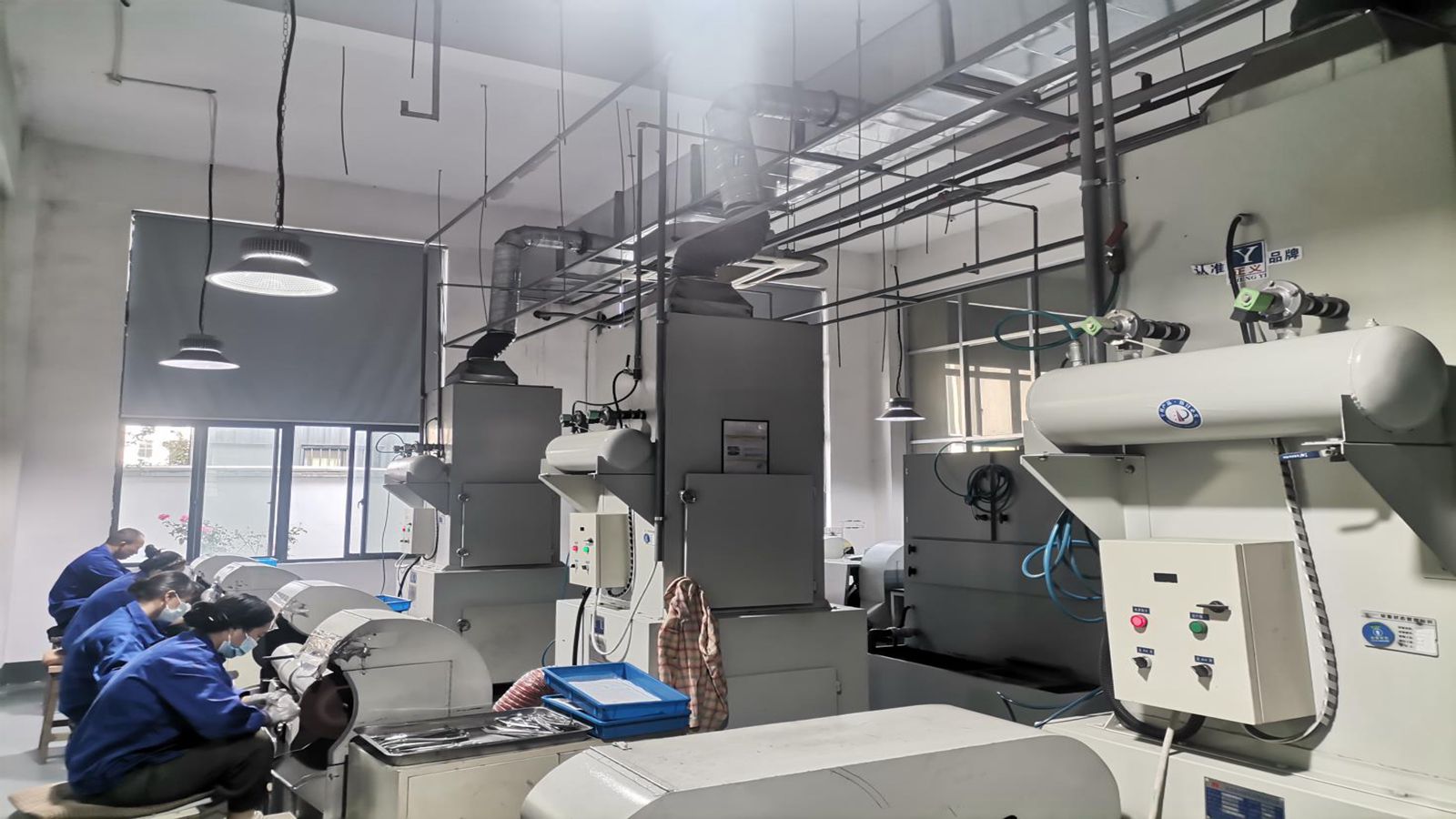
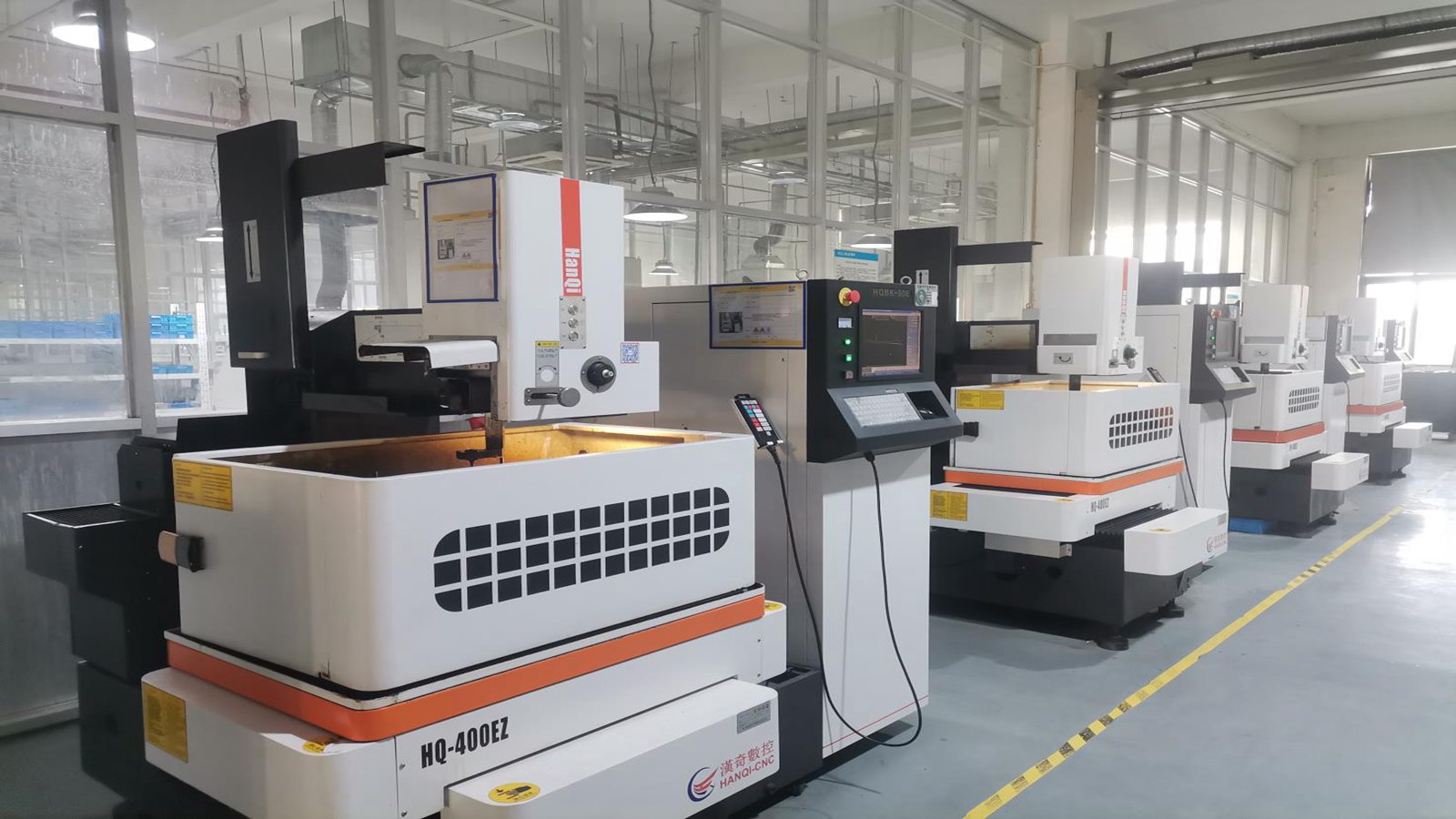
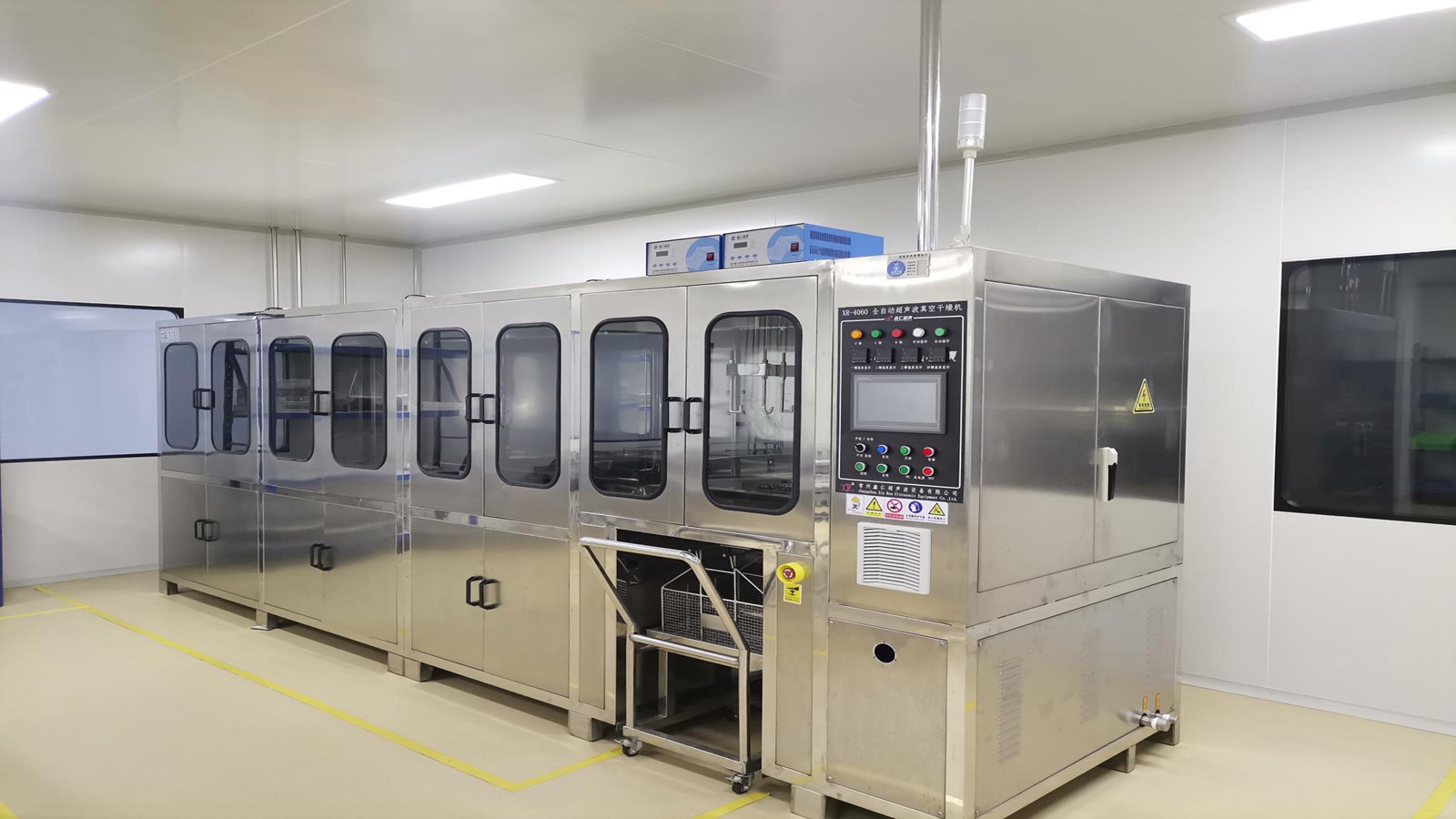
HBM Medical Apparatus And Instruments Co., Ltd. stands as a premium, forward-thinking medical device manufacturer. Founded on October 15, 2015, HBM has integrated advanced R&D, sophisticated CNC processes, and strict quality control to deliver high-performance orthopedic solutions globally.
With an export history spanning over a decade, HBM maintains compliance across key global regulatory jurisdictions. The company's production ecosystem holds certifications for ISO 13485, MDSAP, and multiple CE MDR (EPT 0477.MDR.25/5905 & EPT 0477.MDR.25/5973) profiles, facilitating access to diverse clinical markets.



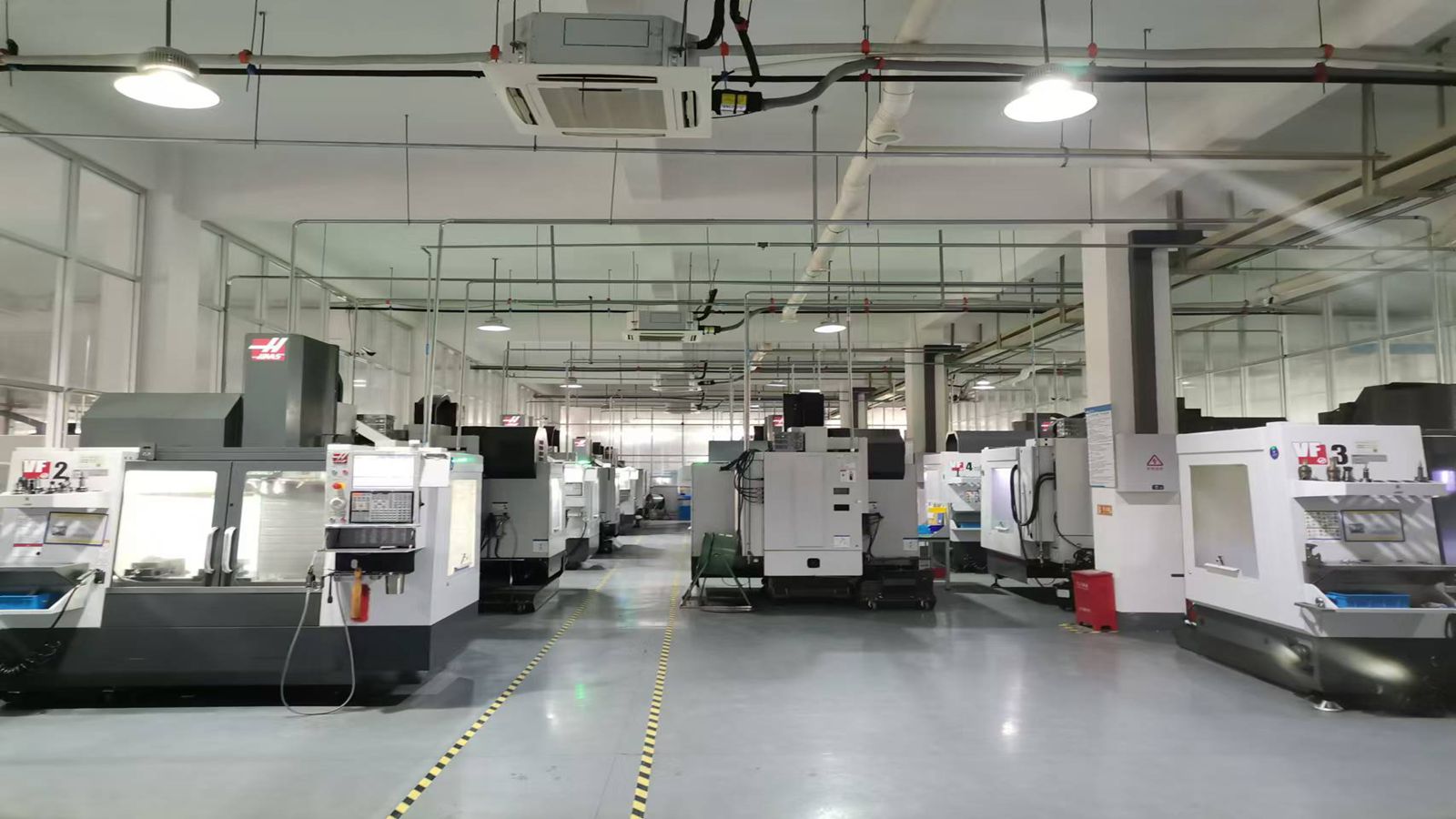
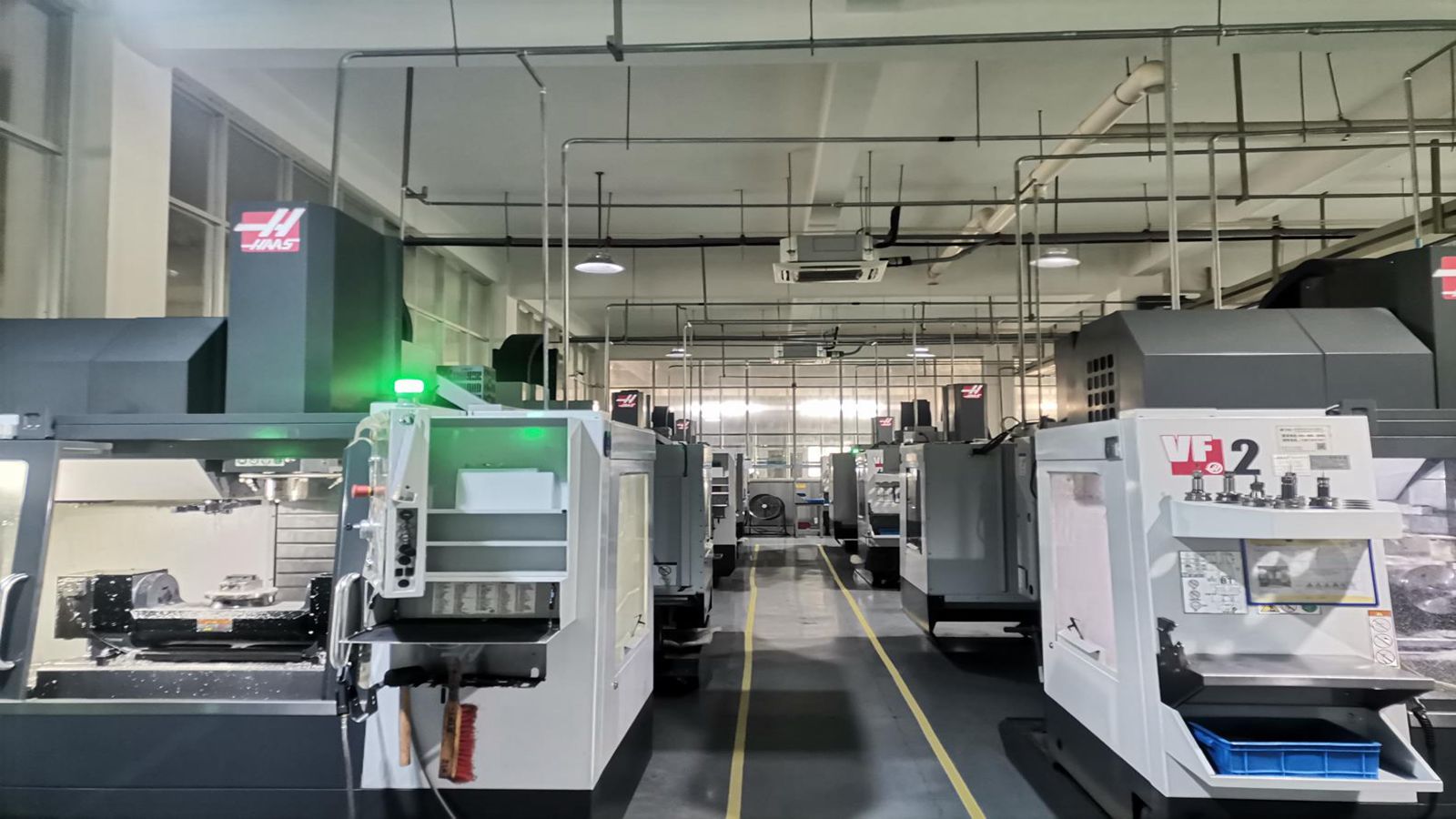
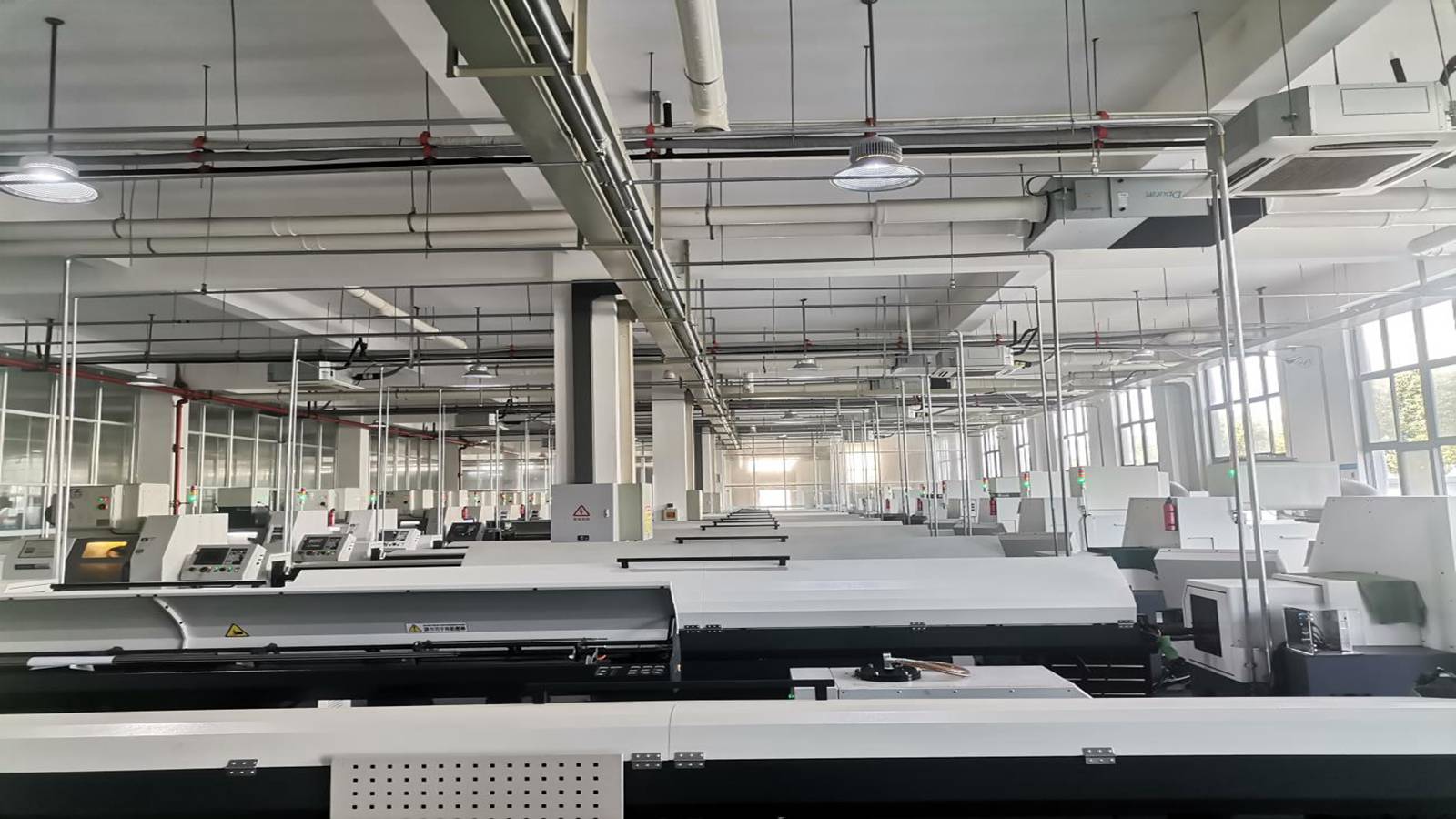
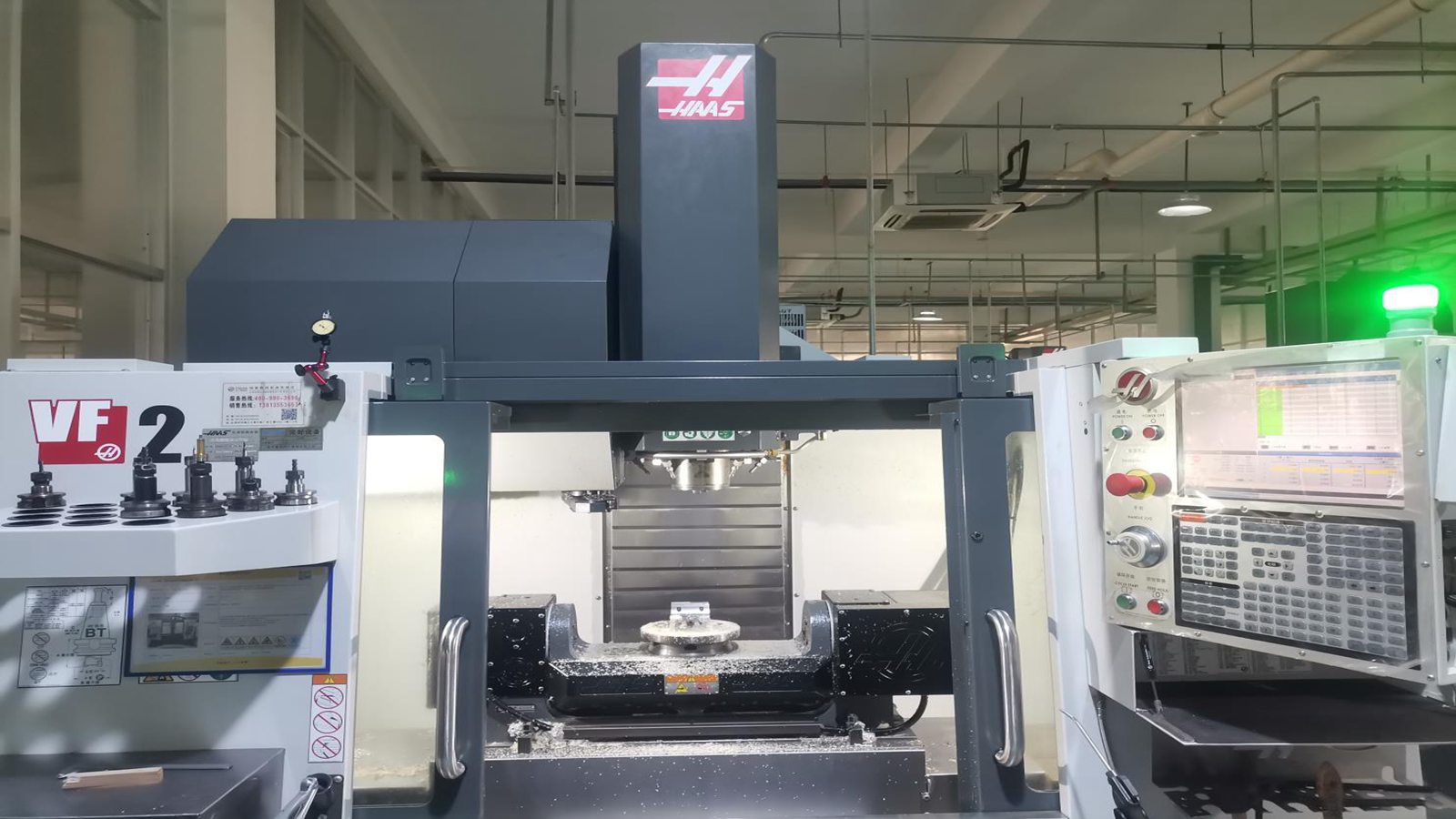

Ensuring absolute biological reliability, raw material traceability, and regulatory compliance.
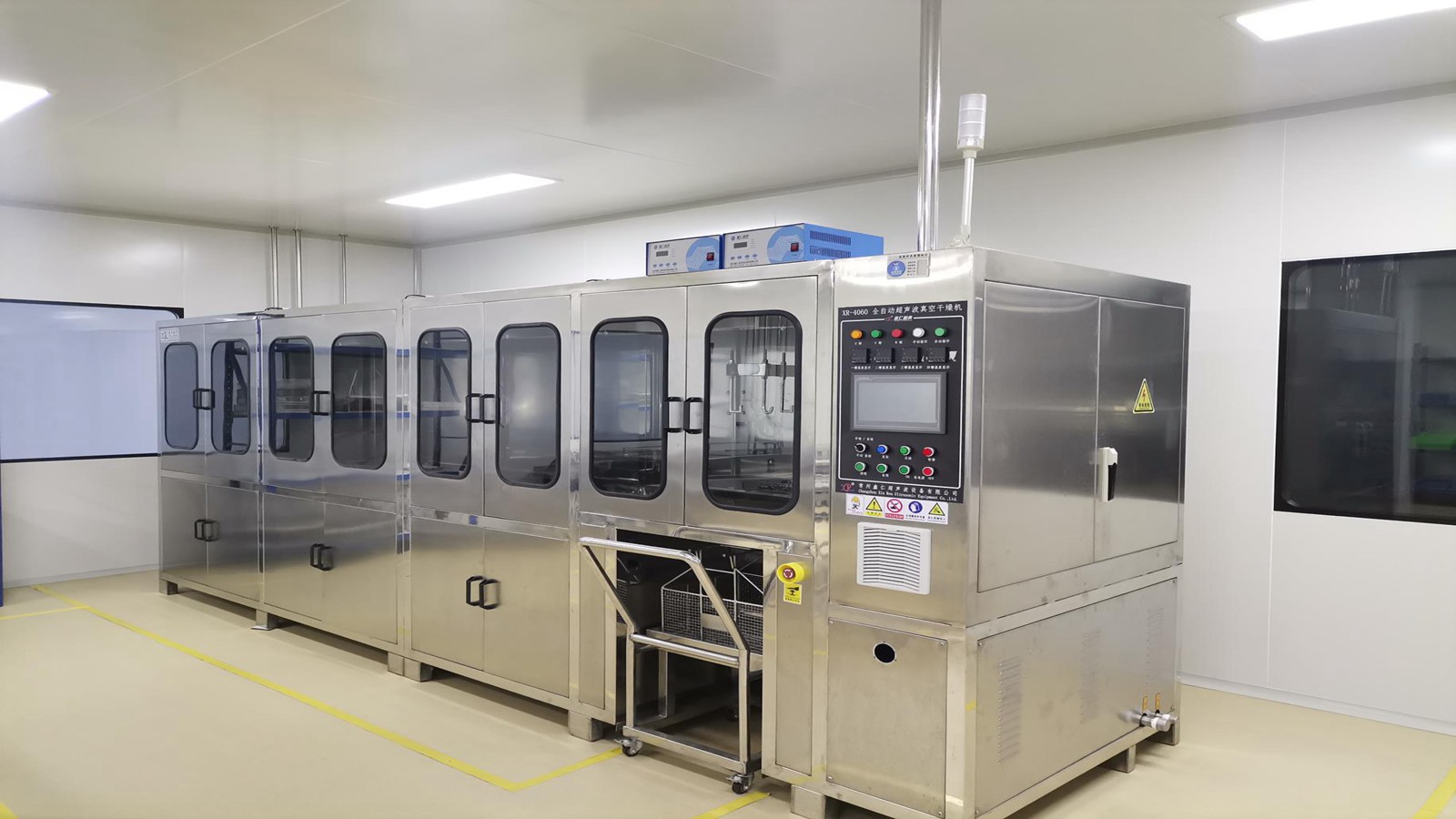
For total joint reconstruction, material composition is critical. Premium factories utilize dedicated spectrographic analysis and mechanical stress testing to verify all titanium, cobalt-chrome, and medical-grade polyethylene shipments.
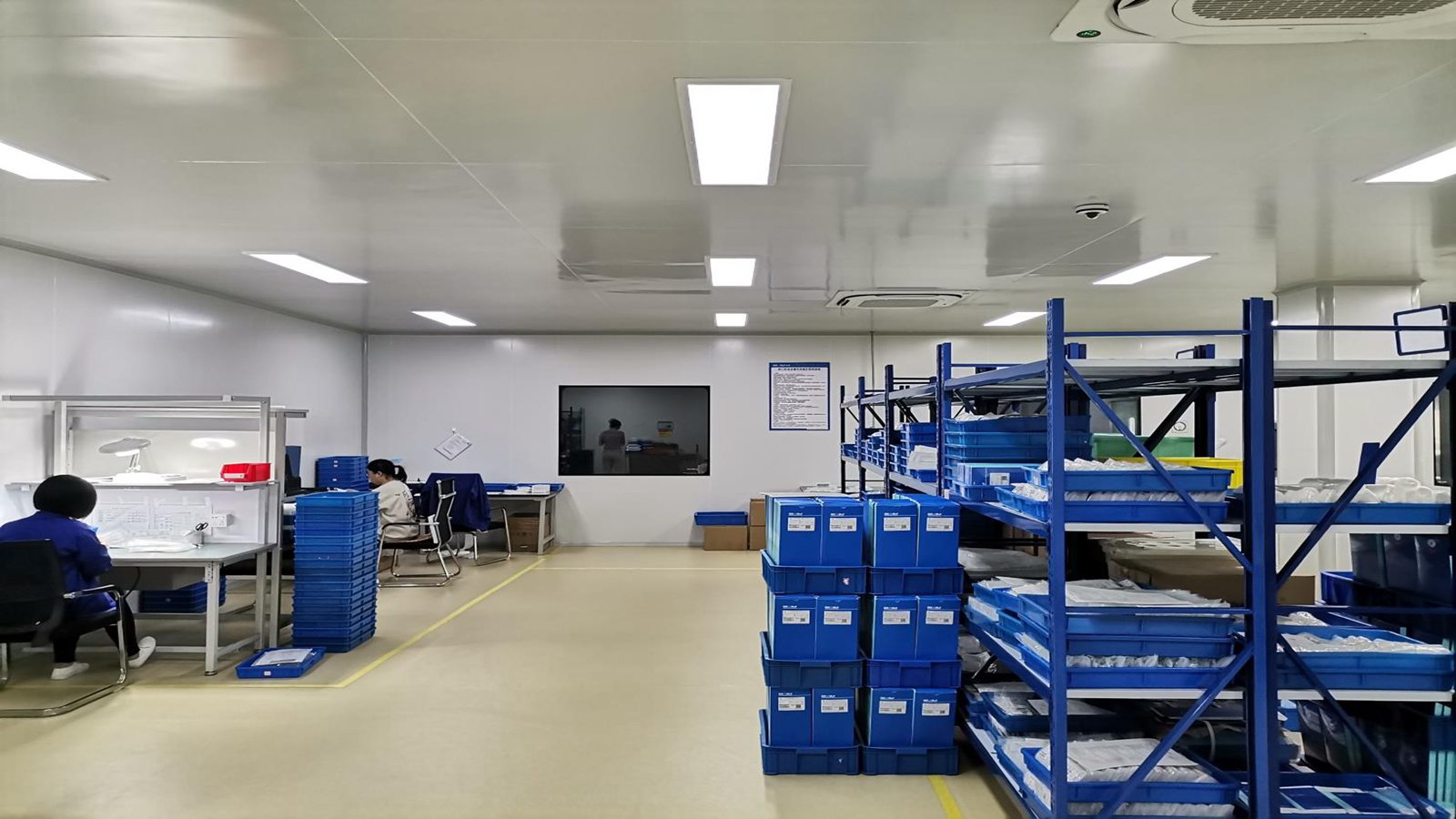
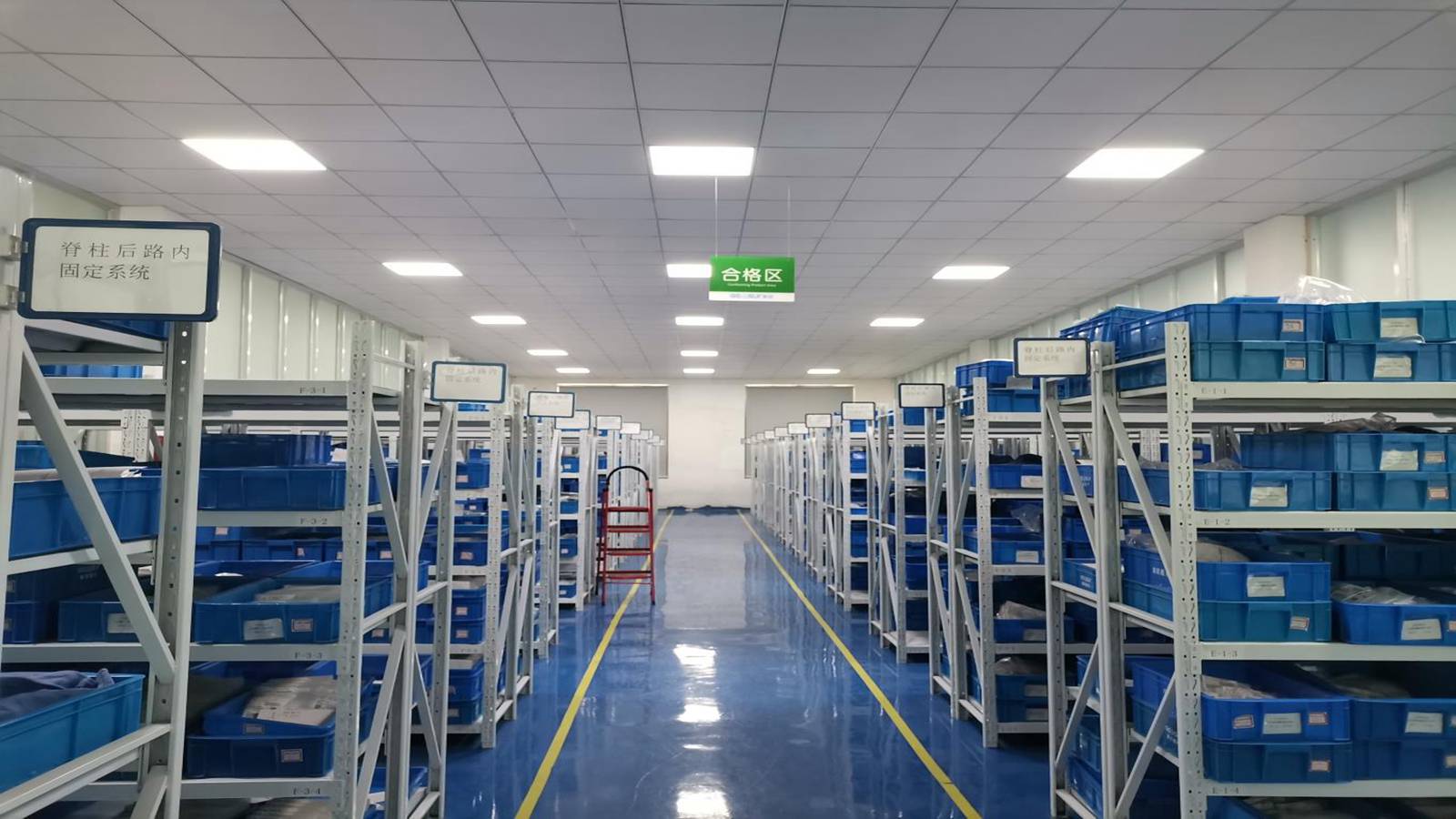
HBM Medical maintains a strict tracking process, logging the raw material lot number from its source through CNC milling, surface texturing, sterile packaging, and delivery, ensuring reliability at every stage.
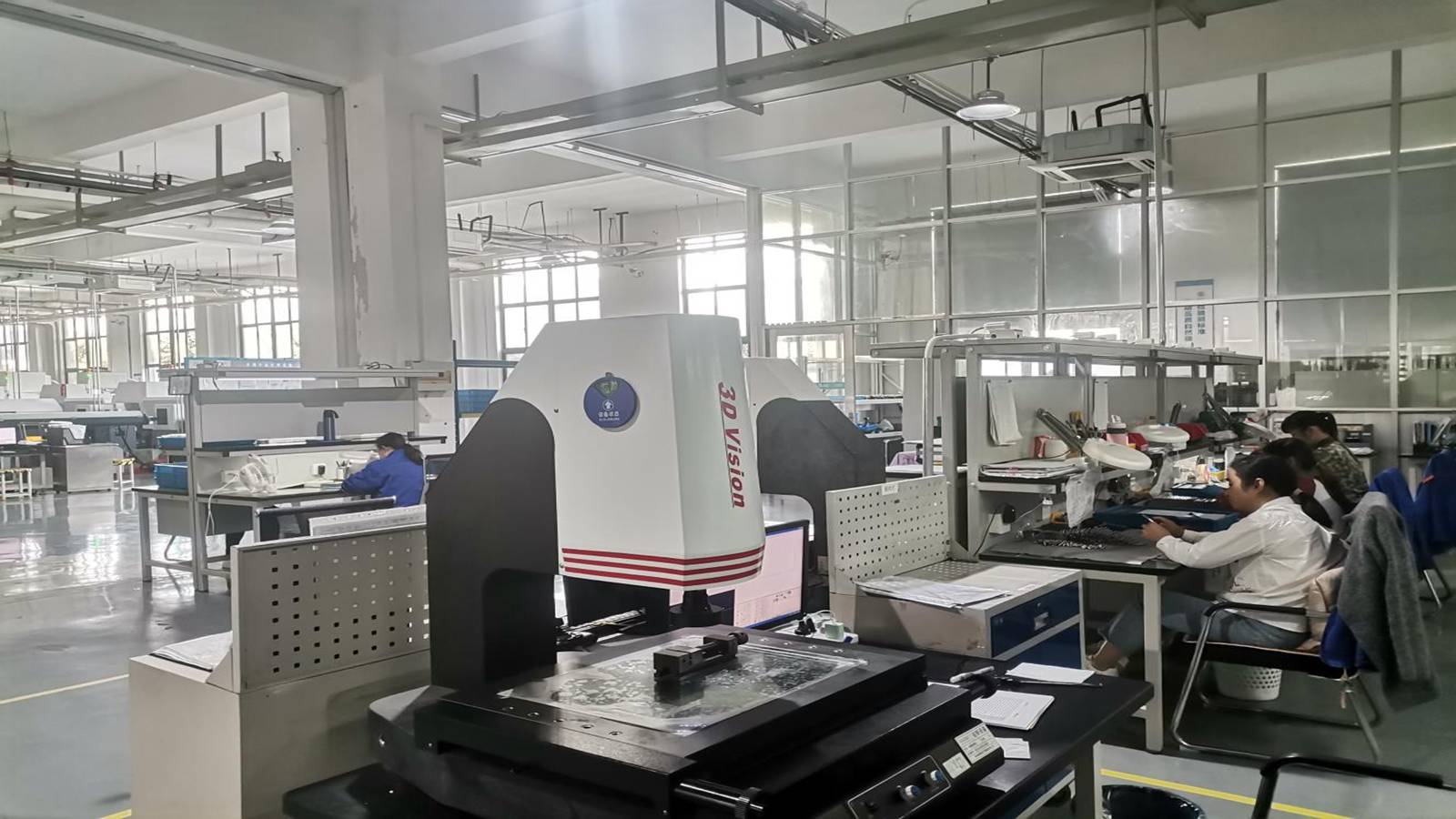
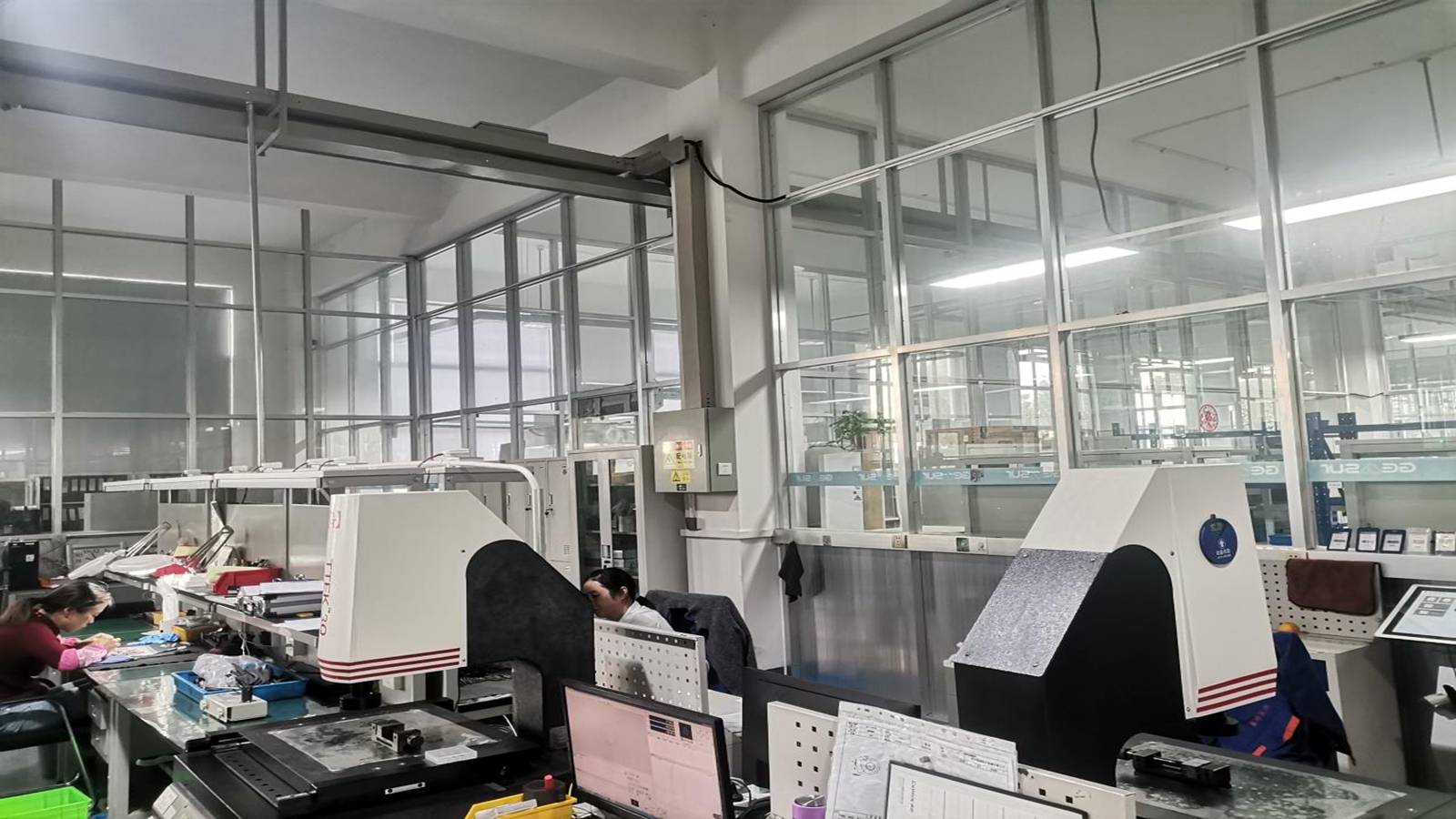
To meet global orthopedic standard protocols, manufacturers employ multiple inspection stages. These include Coordinate Measuring Machines (CMM) for sub-micron geometry, profilometers for micro-roughness validation, and non-destructive dye penetrant testing to identify surface micro-fissures.
HBM’s dedicated Quality Assurance team utilizes these methods to ensure that every shoulder and trauma implant meets critical specifications.
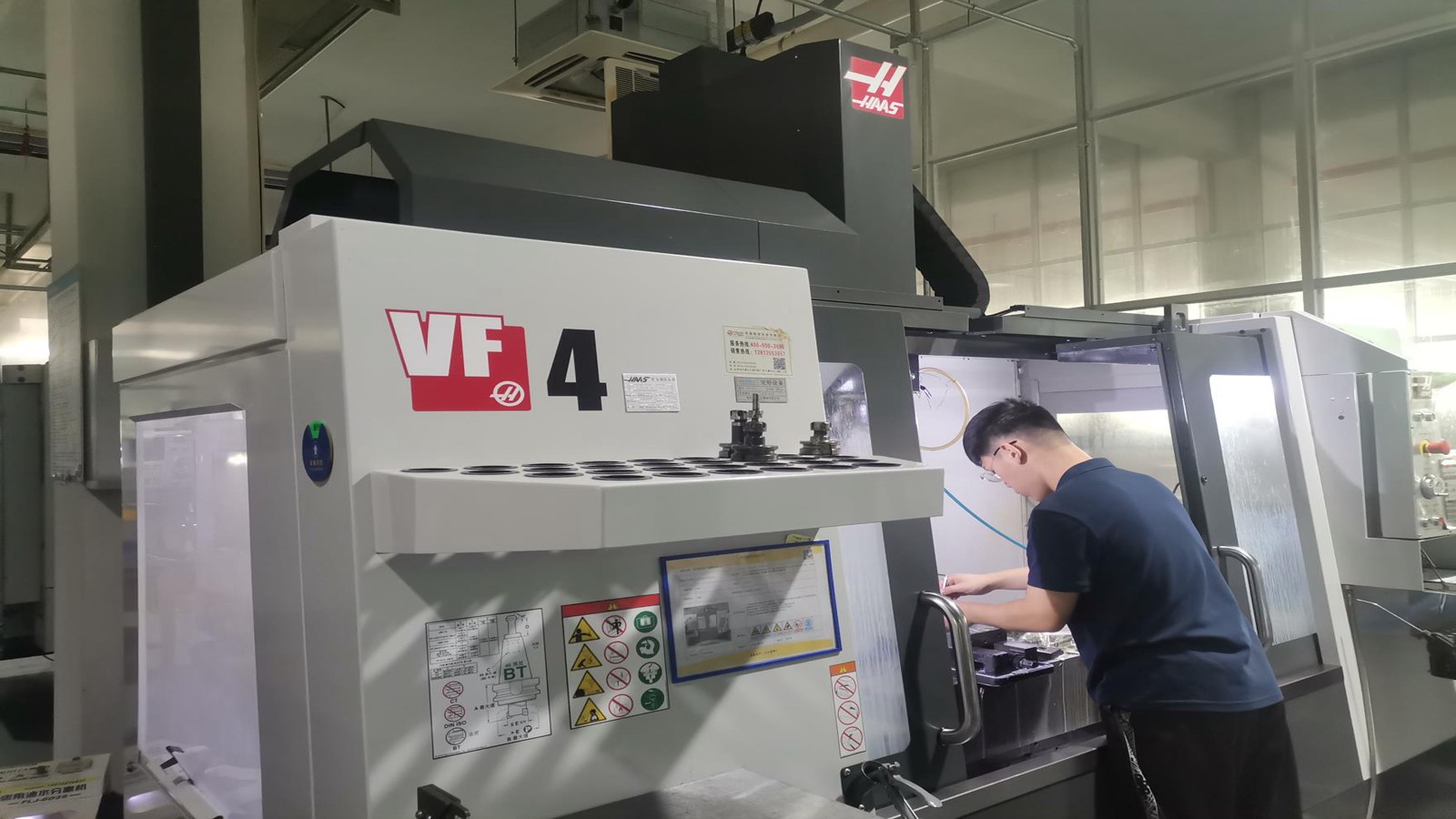
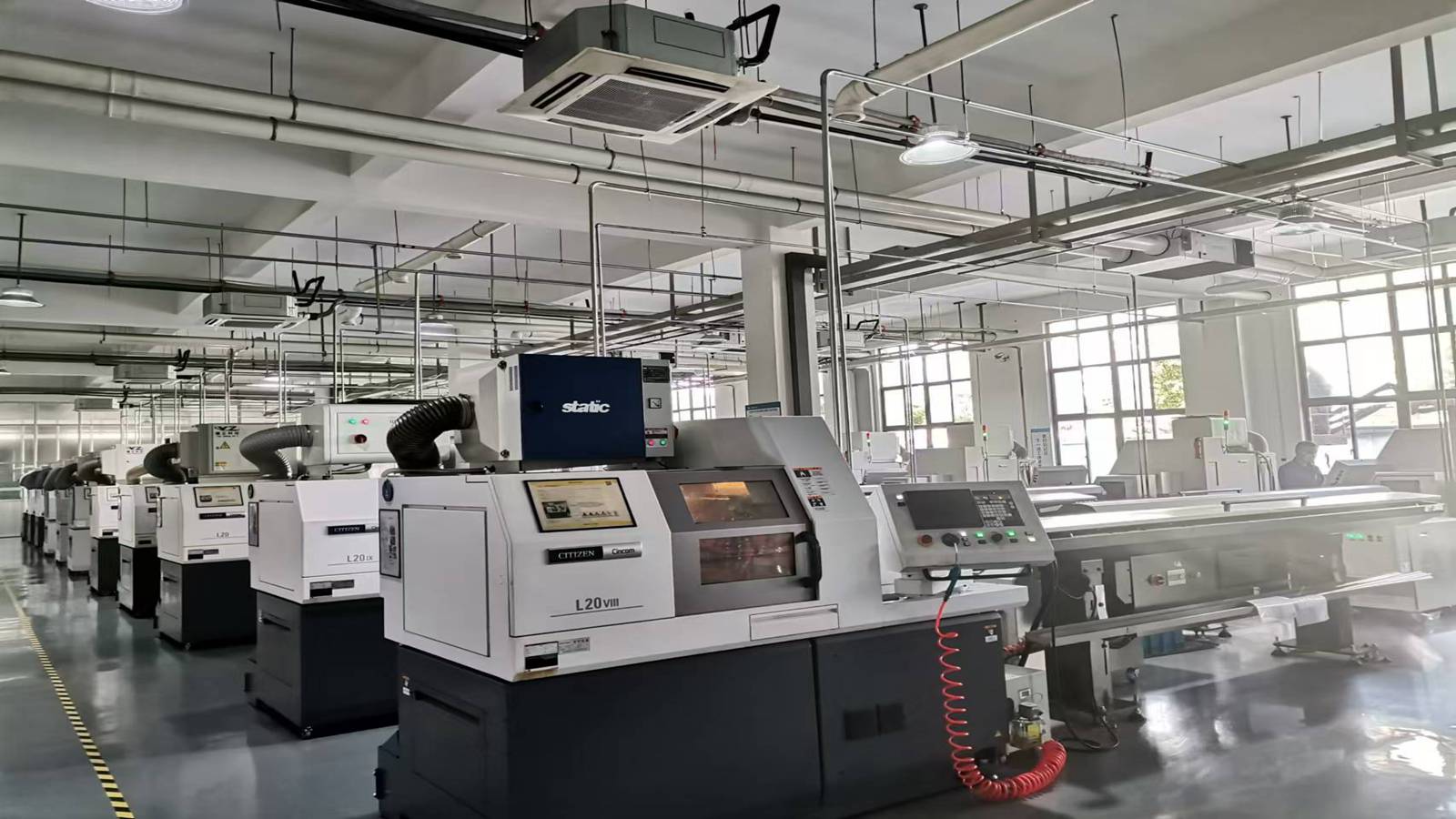
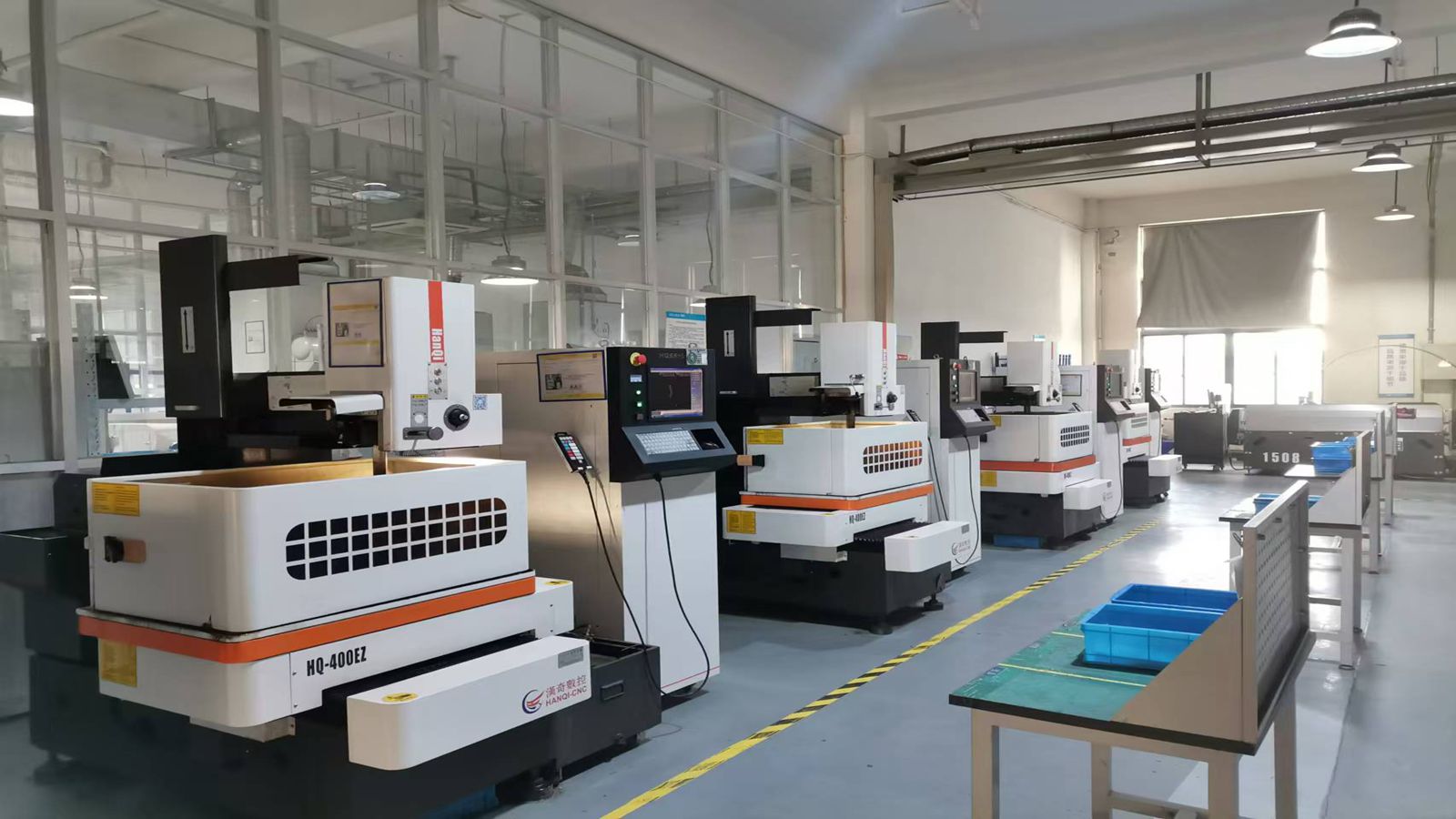

Optimizing manufacturing supply chains, offering custom design capabilities, and navigating global market regulations.
Strategic buyers face complex regulatory and logistics requirements. Selecting a supplier with established regional infrastructure helps optimize lead times, lower shipping costs, and ensure consistent delivery.
By leveraging factories with multi-market logistics expertise, distributors can reduce tariff exposure and maintain robust supply chains for critical joint replacement programs.
Orthopedic conditions vary widely across patient populations, requiring versatile product lines. Top manufacturers offer robust customization services, including sample processing, digital blueprint customization, and rapid prototyping.
This agility allows healthcare organizations and implant distributors to adapt instrumentation and implant sizes to specific clinical preferences and physiological trends.
Addressing technical, regulatory, and supply-chain inquiries for orthopedic sourcing specialists.
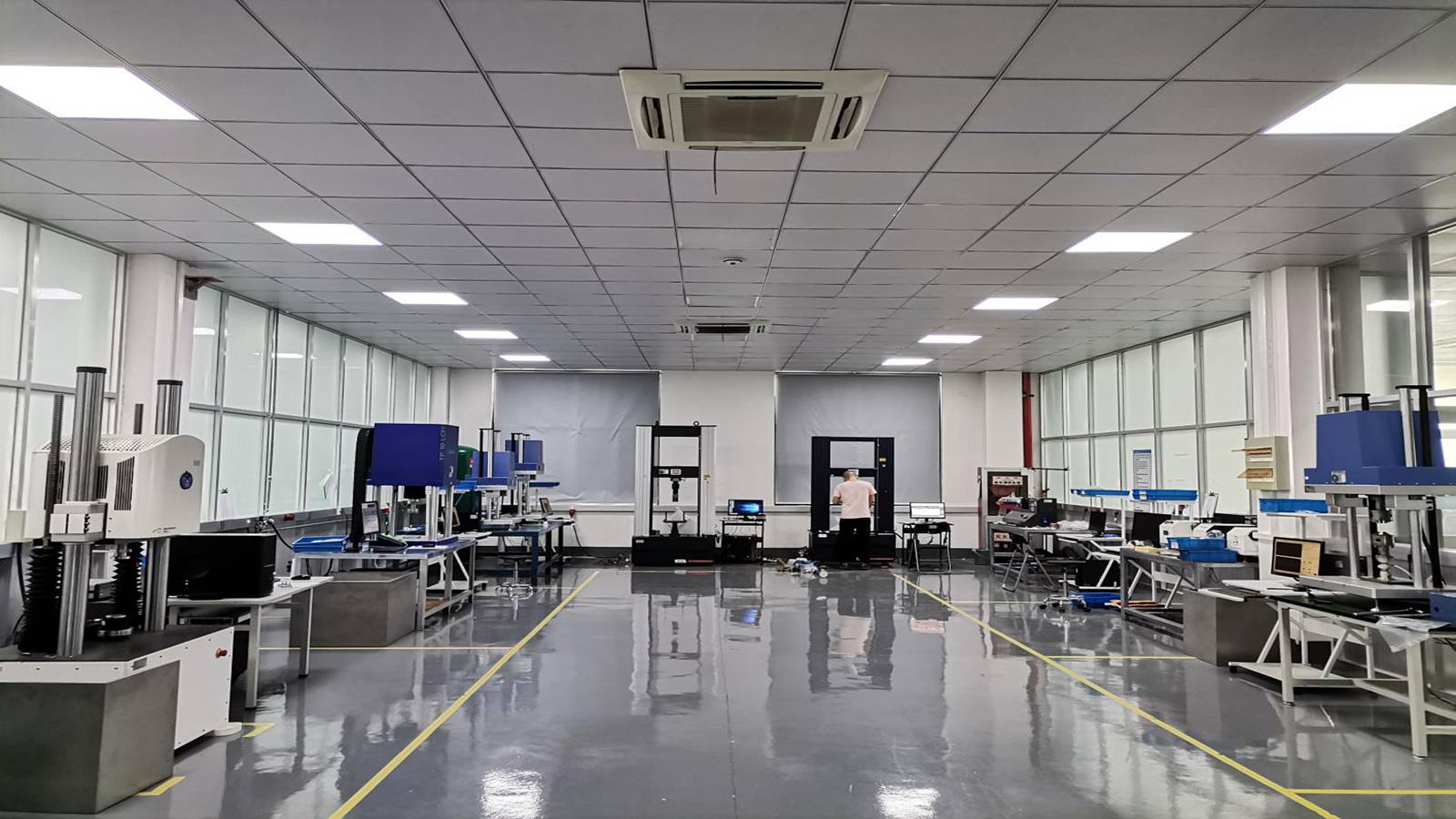
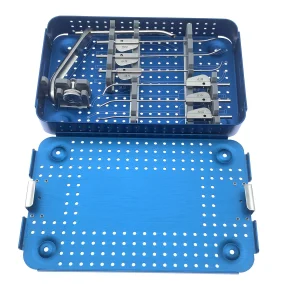
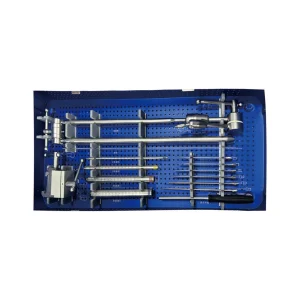
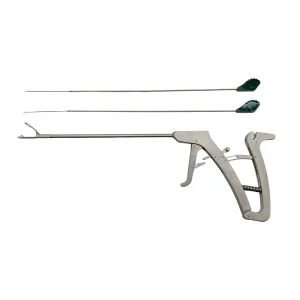
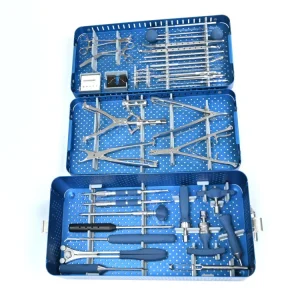
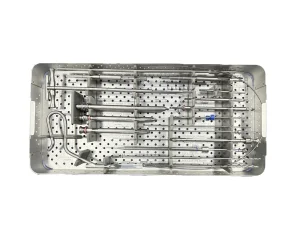
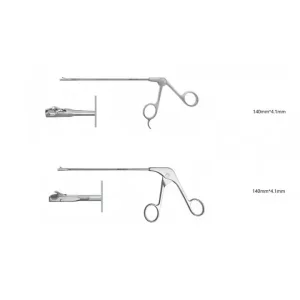
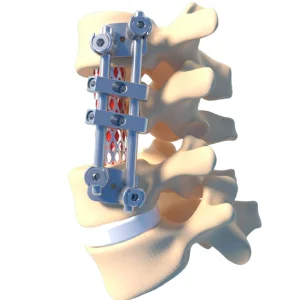
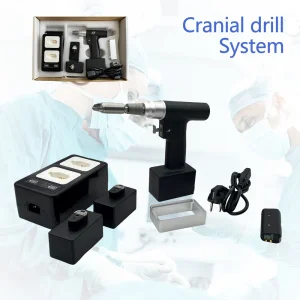
Explore secondary surgical instruments, specialized suture passers, and power tools supporting modern orthopedic and trauma workflows.
 HBM Medical