HBM Medical: Manufacturing Excellence & Global Reach
Empowering global healthcare with state-of-the-art orthopedic implants and surgical instruments through advanced R&D and rigorous quality control.
🏢
30,343+
Floor Space (㎡)
⚙️
12
Production Lines
🔬
31
R&D Engineers
🛡️
36
QA/QC Inspectors
Comprehensive Guide to Pelvic External Fixators: Global Industry Insights
Pelvic ring disruptions represent some of the most challenging and life-threatening injuries encountered by orthopedic trauma surgeons. The pelvic skeleton protects major vascular structures, neural pathways, and visceral organs. Disruption of this ring, often caused by high-energy trauma such as motor vehicle accidents or falls from heights, can lead to catastrophic retroperitoneal hemorrhage and high mortality rates. In these critical scenarios, pelvic external fixators serve as a cornerstone of emergency resuscitation and damage control orthopedics (DCO).
This comprehensive whitepaper explores the global commercial landscape of pelvic external fixation systems, analyzes the key technological advancements driving the industry, evaluates localized clinical application scenarios, and highlights the supply chain resilience and efficiency advantages offered by leading Chinese manufacturers like HBM Medical Apparatus And Instruments Co., Ltd.
"The primary objective of emergency pelvic external fixation is to reduce pelvic volume, stabilize disrupted bone fragments, and promote tamponade of venous bleeding, thereby stabilizing the patient hemodynamically during the golden hour of trauma care."
Pelvic external fixators are highly versatile devices, but their clinical utility varies significantly depending on the localized healthcare environment and trauma management protocols:
Level-1 Trauma Centers & Emergency Resuscitation: In highly developed urban trauma centers, pelvic external fixators are utilized as temporary stabilization tools in the emergency department or operating room. When a patient presents with an unstable pelvic fracture (e.g., Tile Type C or Young-Burgess APC II/III) and hemodynamic instability, rapid application of an anterior pelvic external fixator or a pelvic C-clamp is performed alongside angioembolization or preperitoneal pelvic packing.
Damage Control in Disaster & Military Medicine: In austere environments, remote areas, or mass casualty scenarios, pelvic external fixators provide definitive or semi-definitive stabilization. The ease of application under local anesthesia or light sedation makes them invaluable when access to advanced surgical suites for open reduction and internal fixation (ORIF) is delayed or unavailable.
Veterinary Orthopedic Applications: The principles of external fixation extend beyond human medicine. High-quality stainless steel and titanium external fixation components are increasingly adapted for veterinary orthopedics, particularly in treating pelvic and hindlimb fractures in large canine and feline patients, where customized configurations are required to accommodate varied anatomical structures.
2. Technology Roadmap & Future Outlook
The design and material science of pelvic external fixators have evolved dramatically over the past two decades. The industry is currently transitioning through several key technological phases:
Material Optimization (From Steel to Carbon Fiber): Traditional stainless steel frames, while robust, are heavy and radiopaque, which severely interferes with intraoperative fluoroscopy and postoperative CT imaging. Modern systems utilize high-strength, lightweight carbon fiber rods and radiolucent aluminum or titanium alloy clamps. This ensures complete radiolucency, allowing surgeons to clearly visualize fracture reduction under X-ray.
Pin Design and Bio-Coatings: Pin tract infection remains a common complication of external fixation. The integration of hydroxyapatite (HA) coatings or silver-impregnated surfaces on Schanz pins has shown significant promise in improving bone-pin interface stability and reducing bacterial colonization.
Smart Fixators & Digital Integration: The future of external fixation lies in "smart" systems. R&D teams are exploring the integration of micro-strain gauges and wireless sensors within the carbon fiber rods to monitor real-time load-bearing and fracture healing progress. This data can be transmitted directly to the surgeon's mobile device, enabling personalized rehabilitation protocols.
3. Chinese Factory Supply Chain Resilience & Efficiency
China has emerged as a global hub for medical device manufacturing, offering unparalleled supply chain resilience and cost-efficiency. Companies like HBM Medical exemplify these advantages through several key structural strengths:
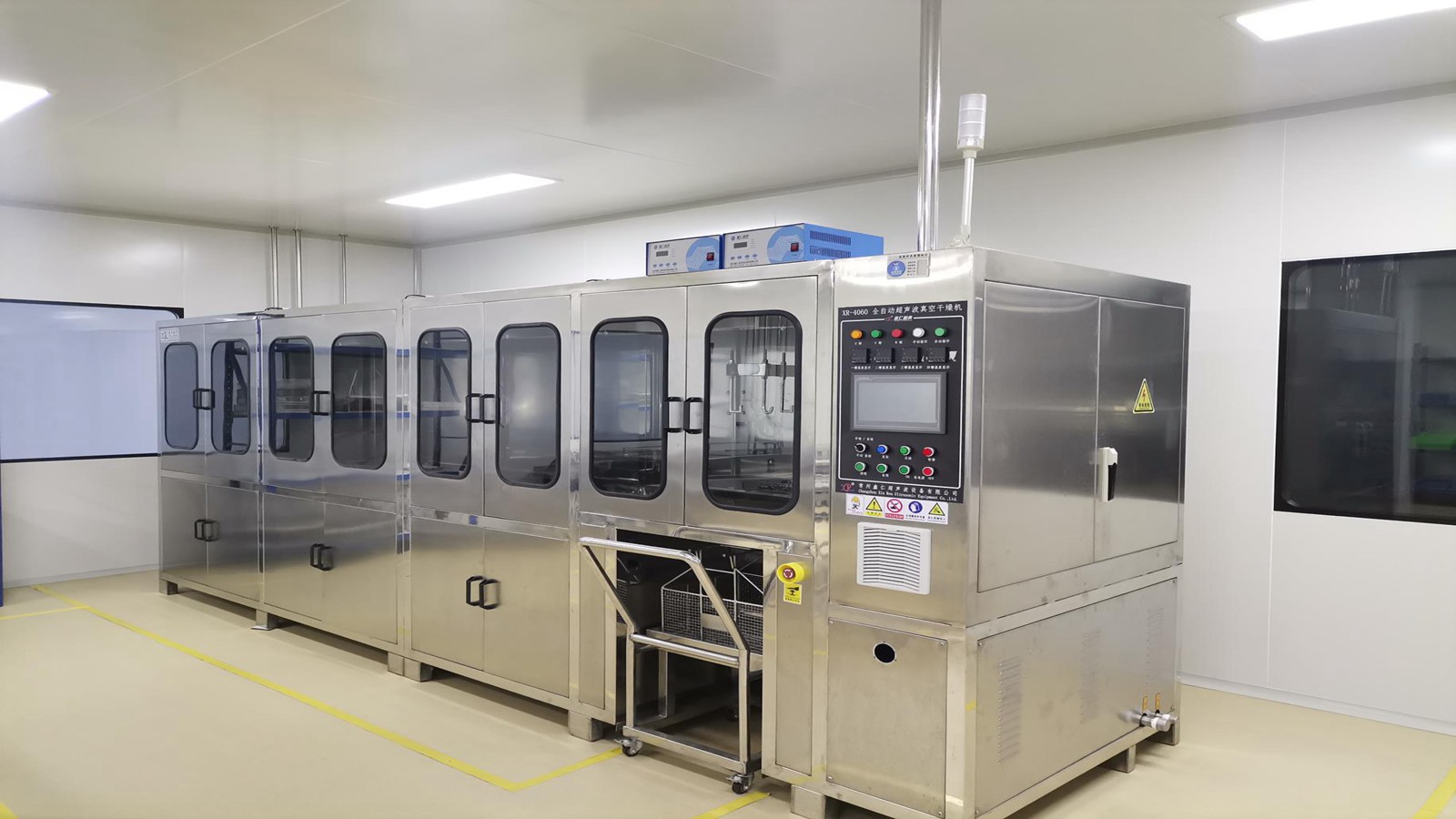
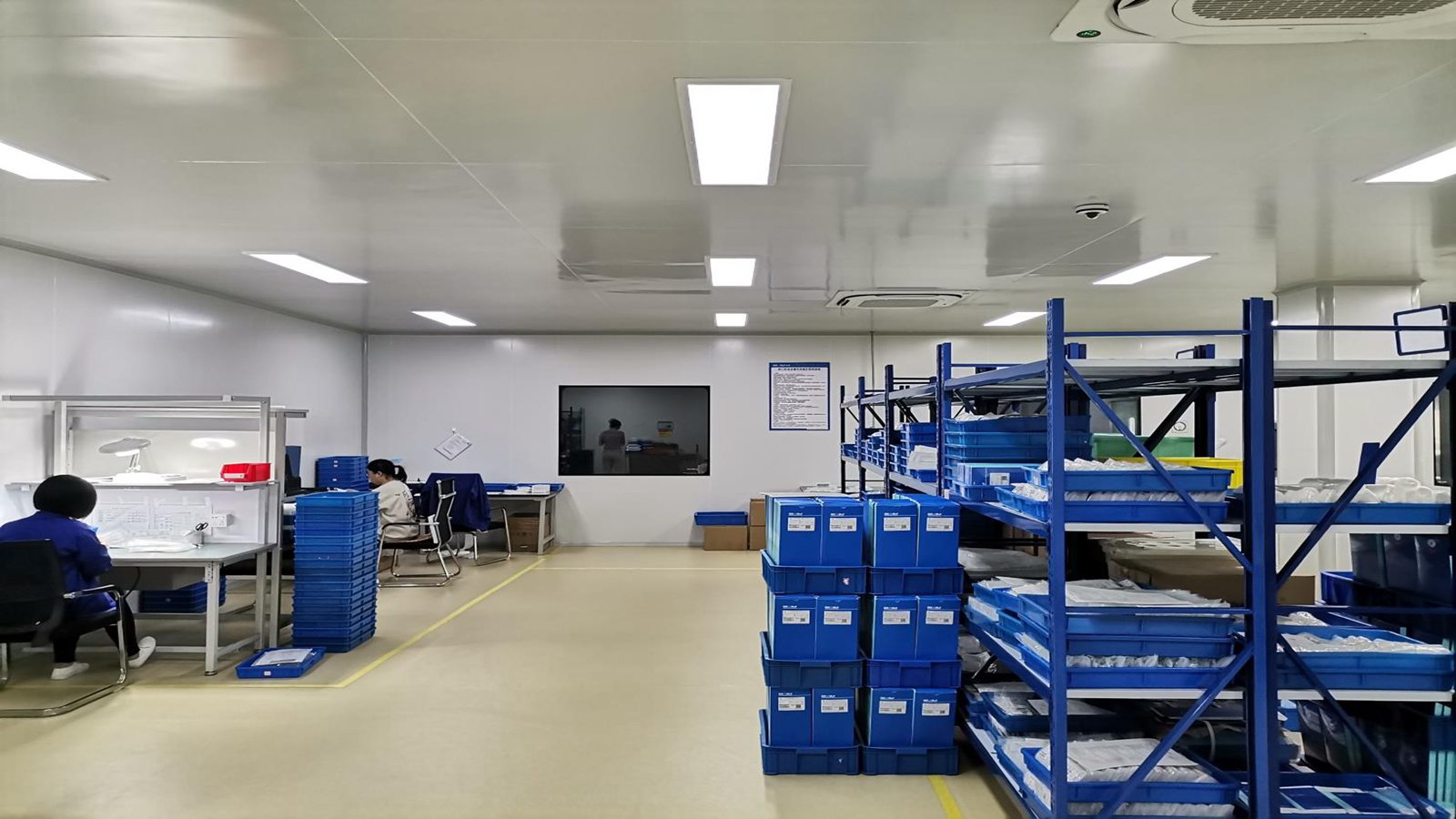
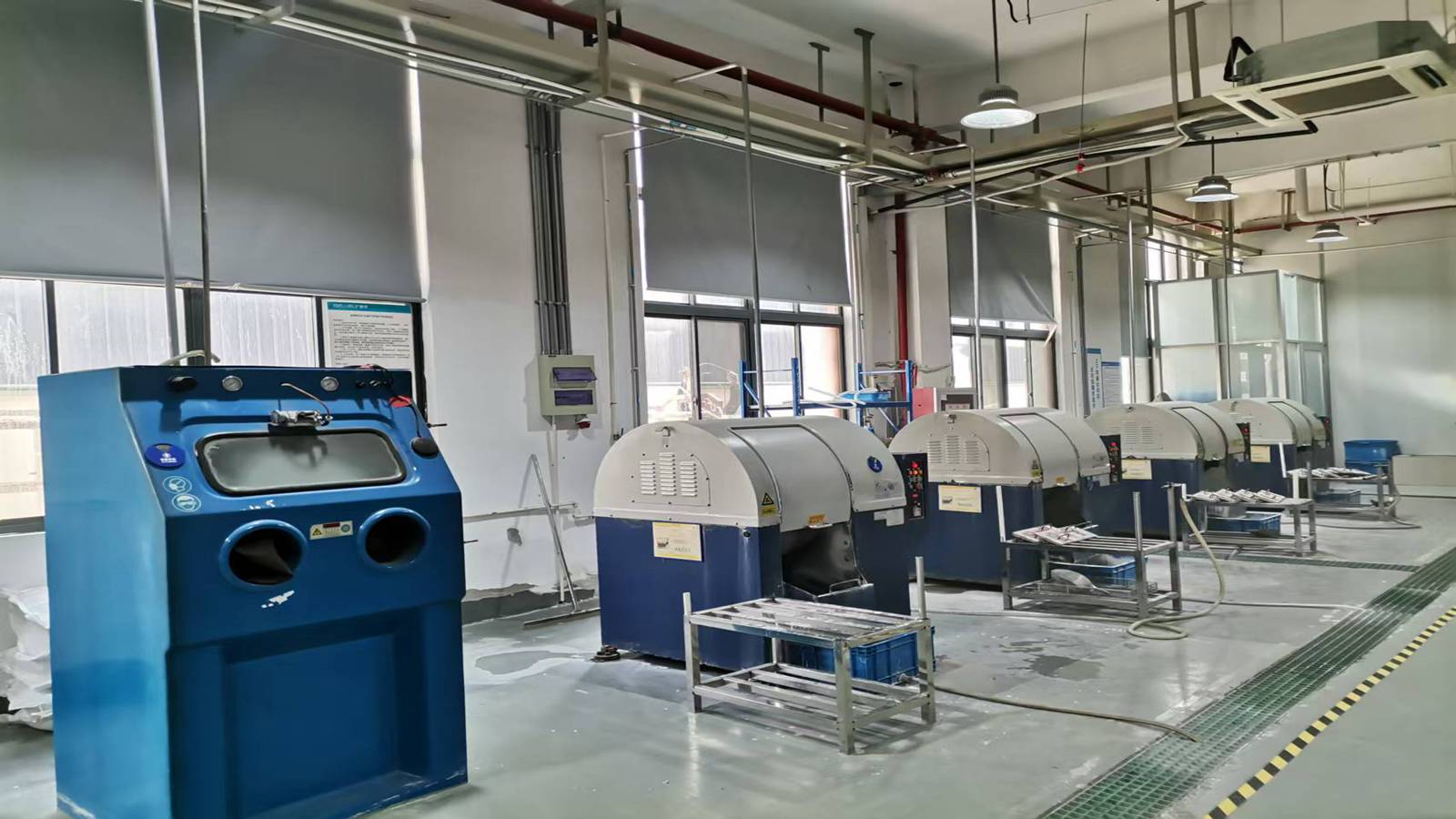
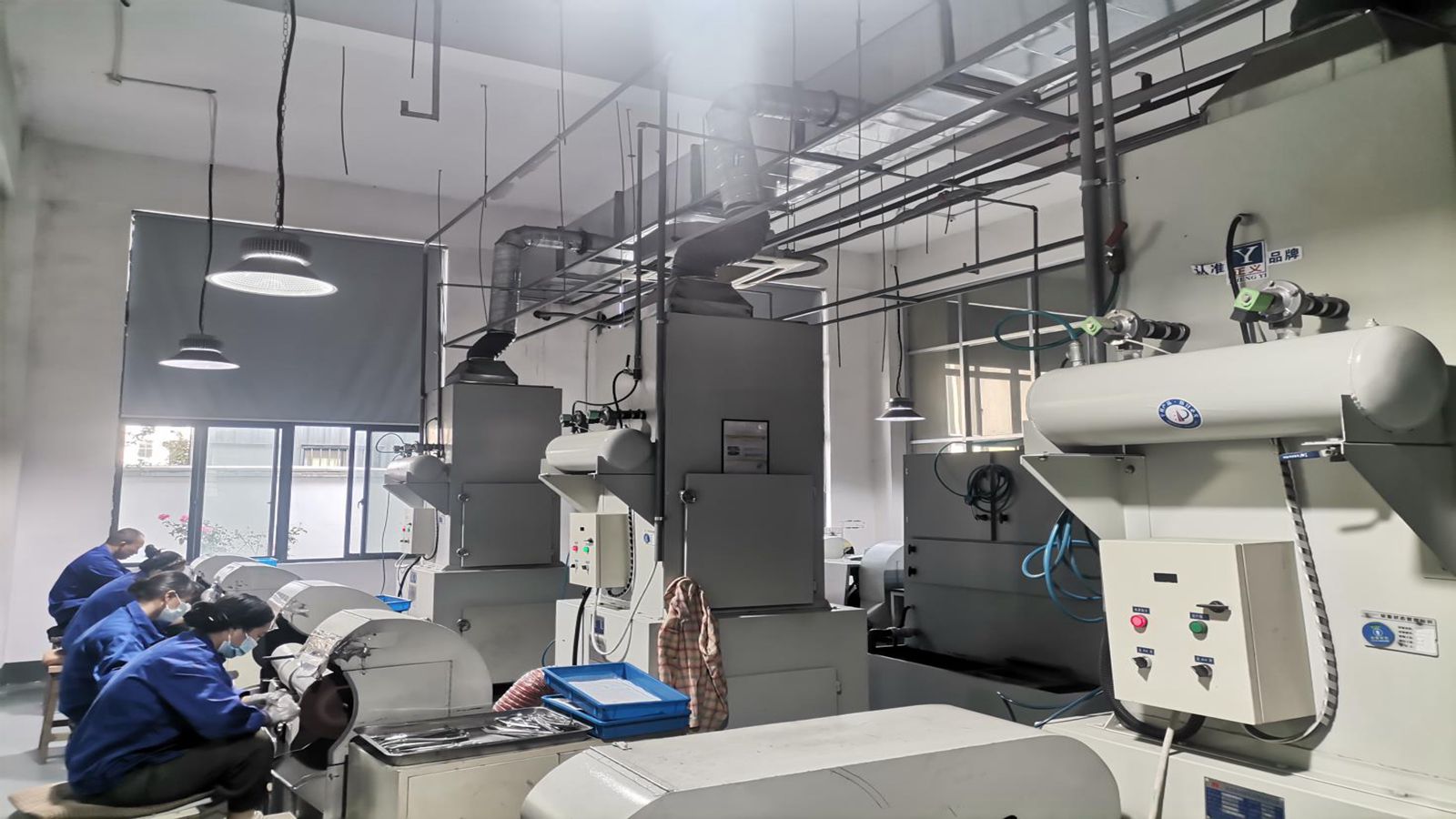
Vertical Integration: From raw material sourcing (medical-grade titanium Ti-6Al-4V ELI and carbon fiber) to precision CNC machining, surface treatment, cleanroom packaging, and sterilization, the entire production cycle is localized within state-of-the-art facilities. This minimizes vulnerability to global logistics disruptions.
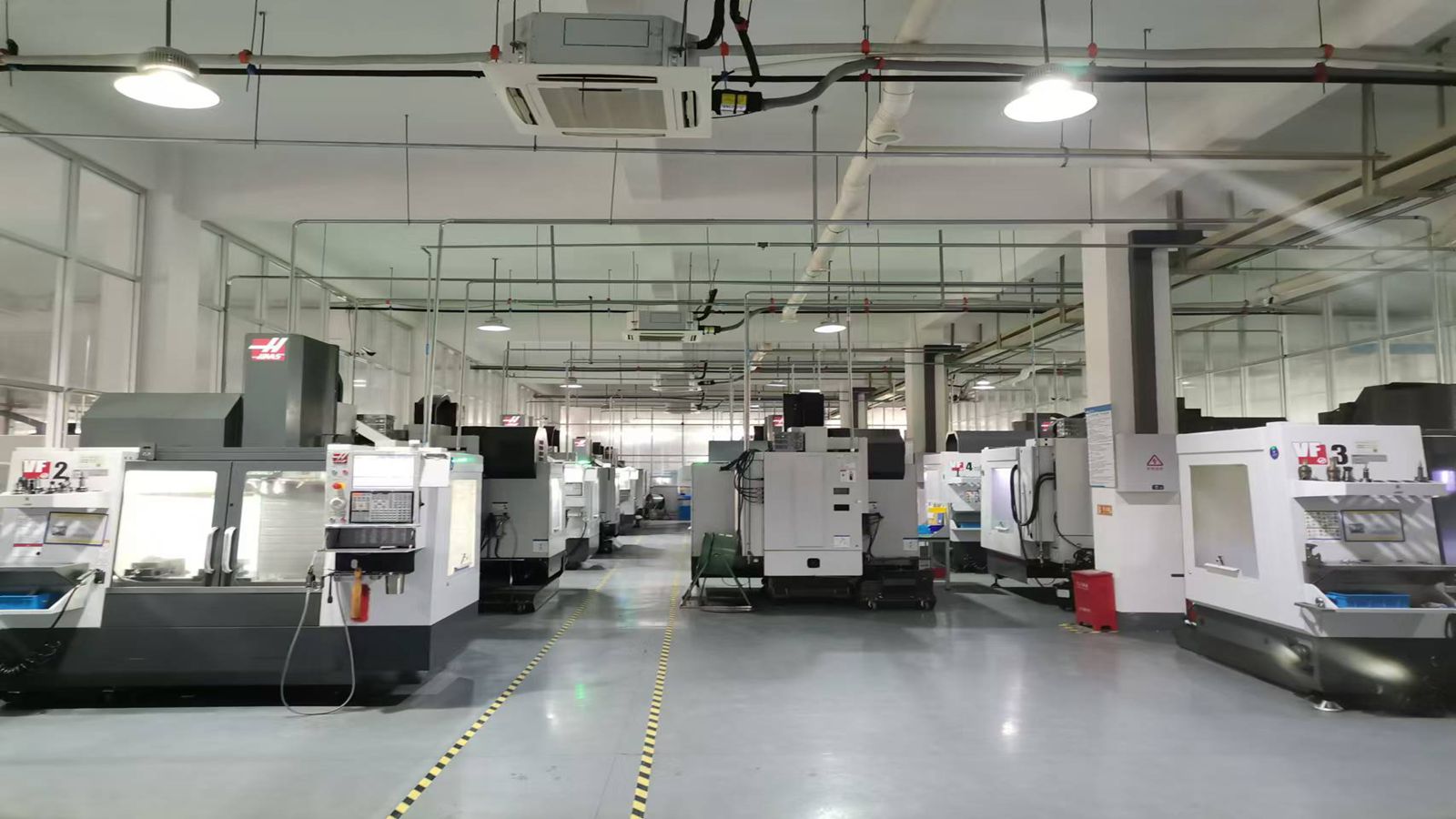
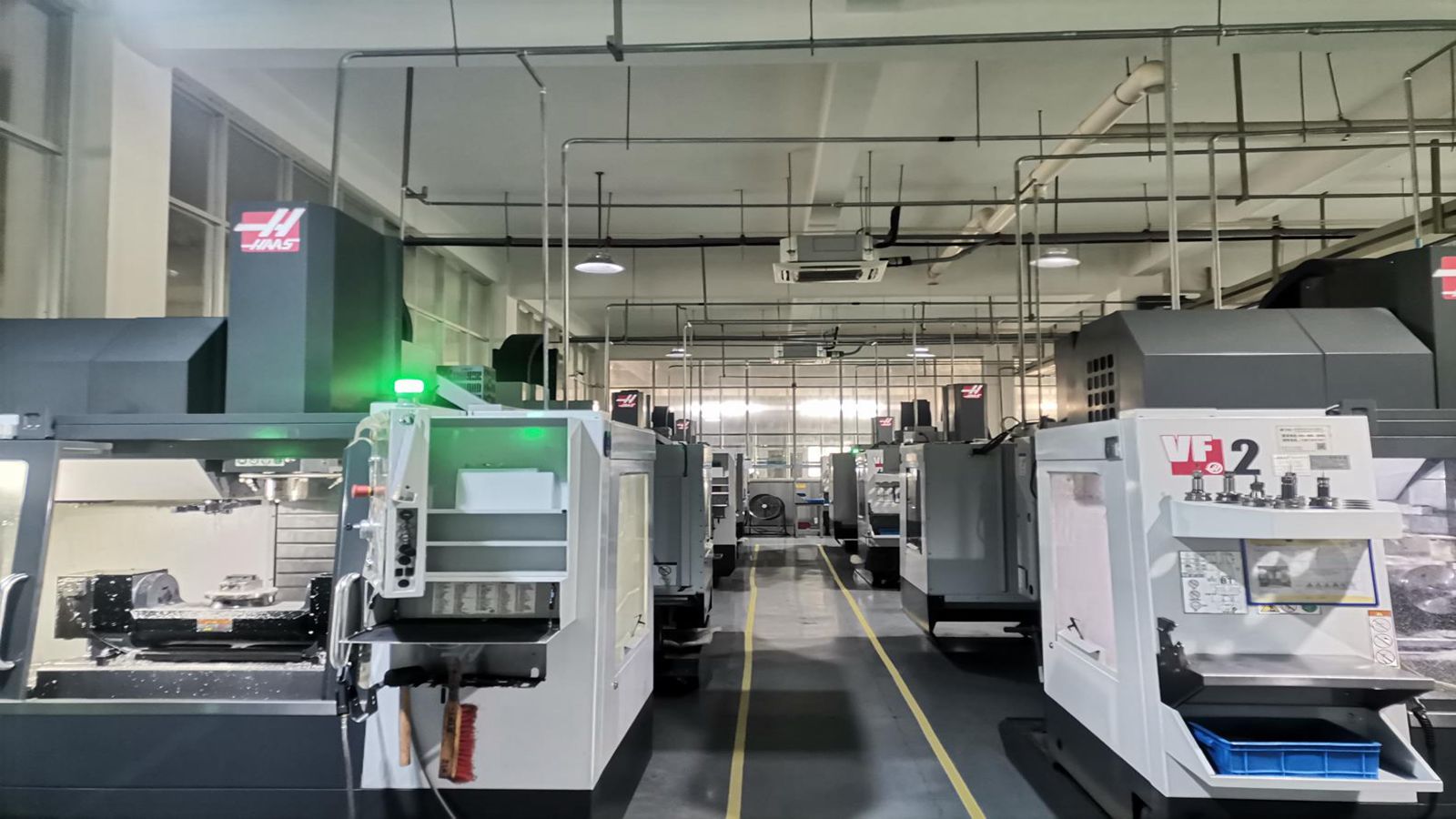
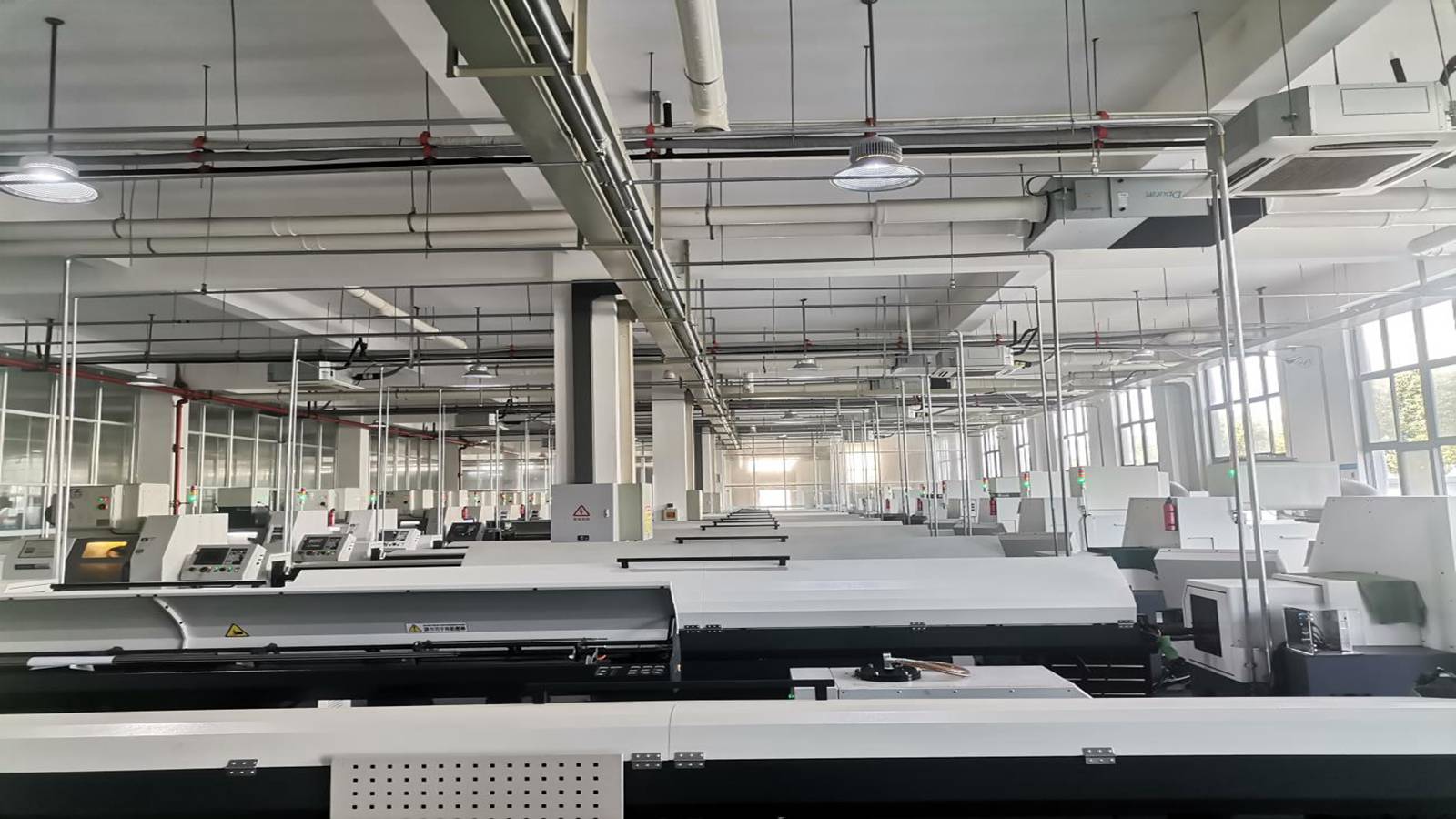
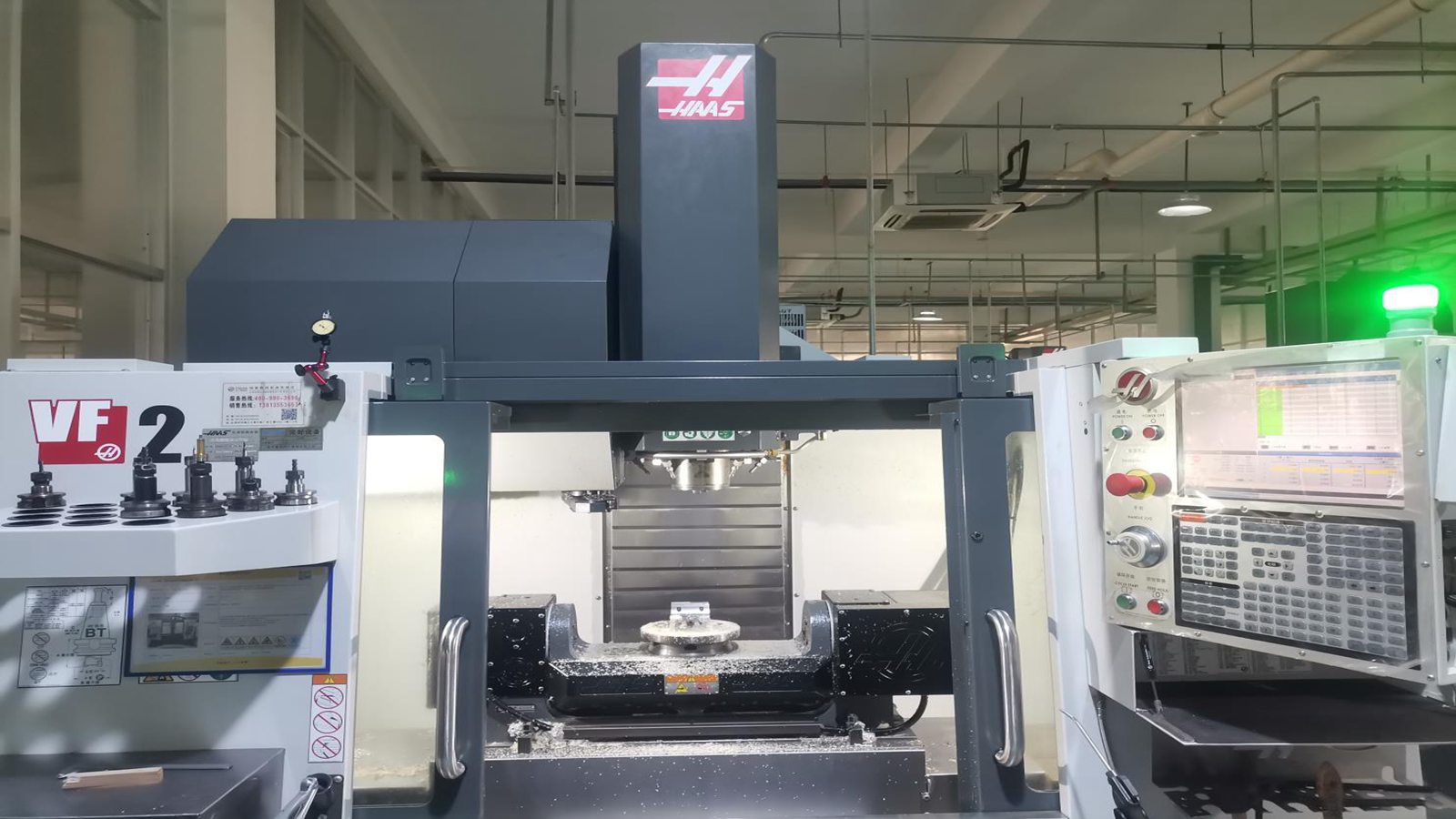
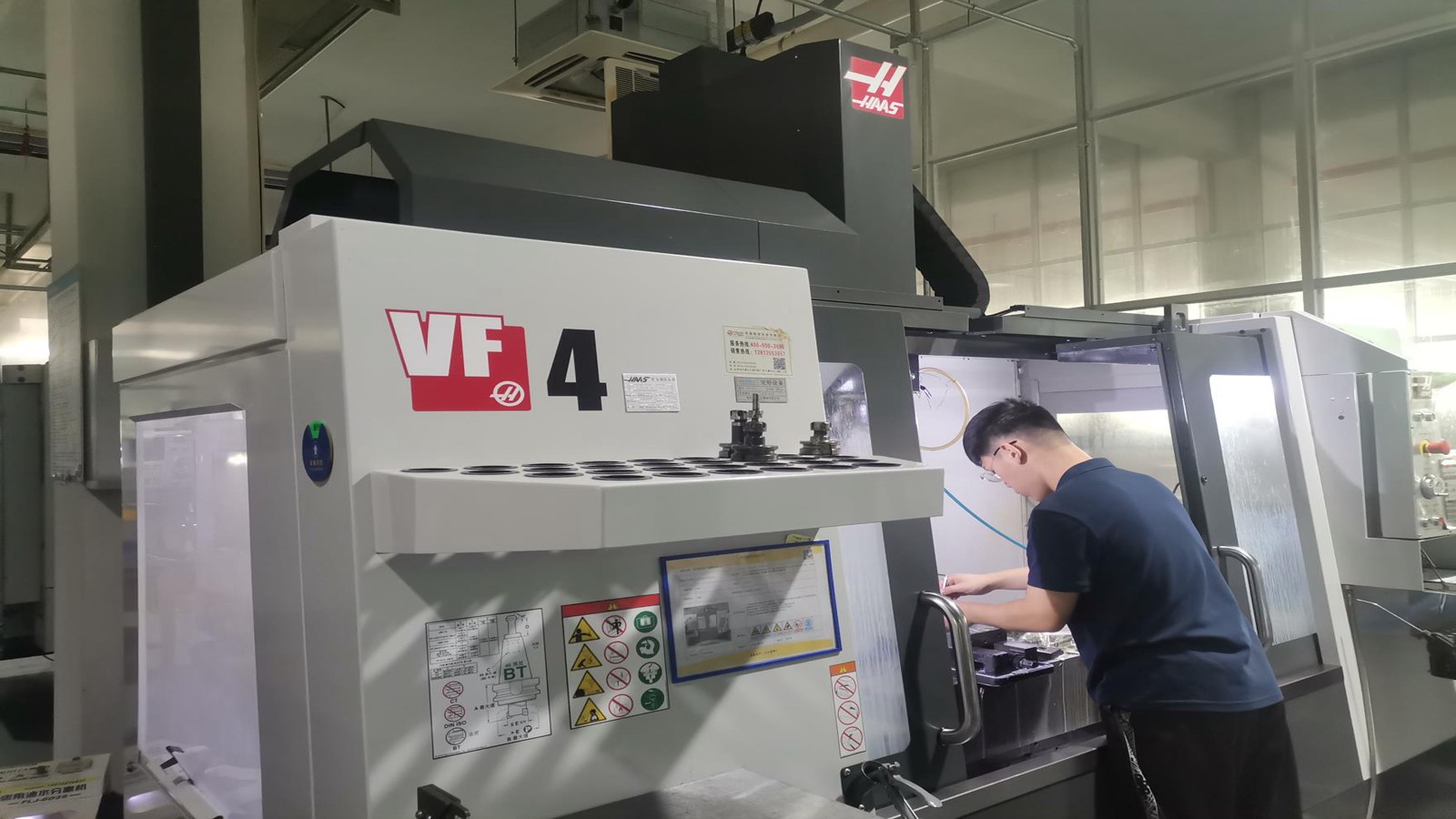
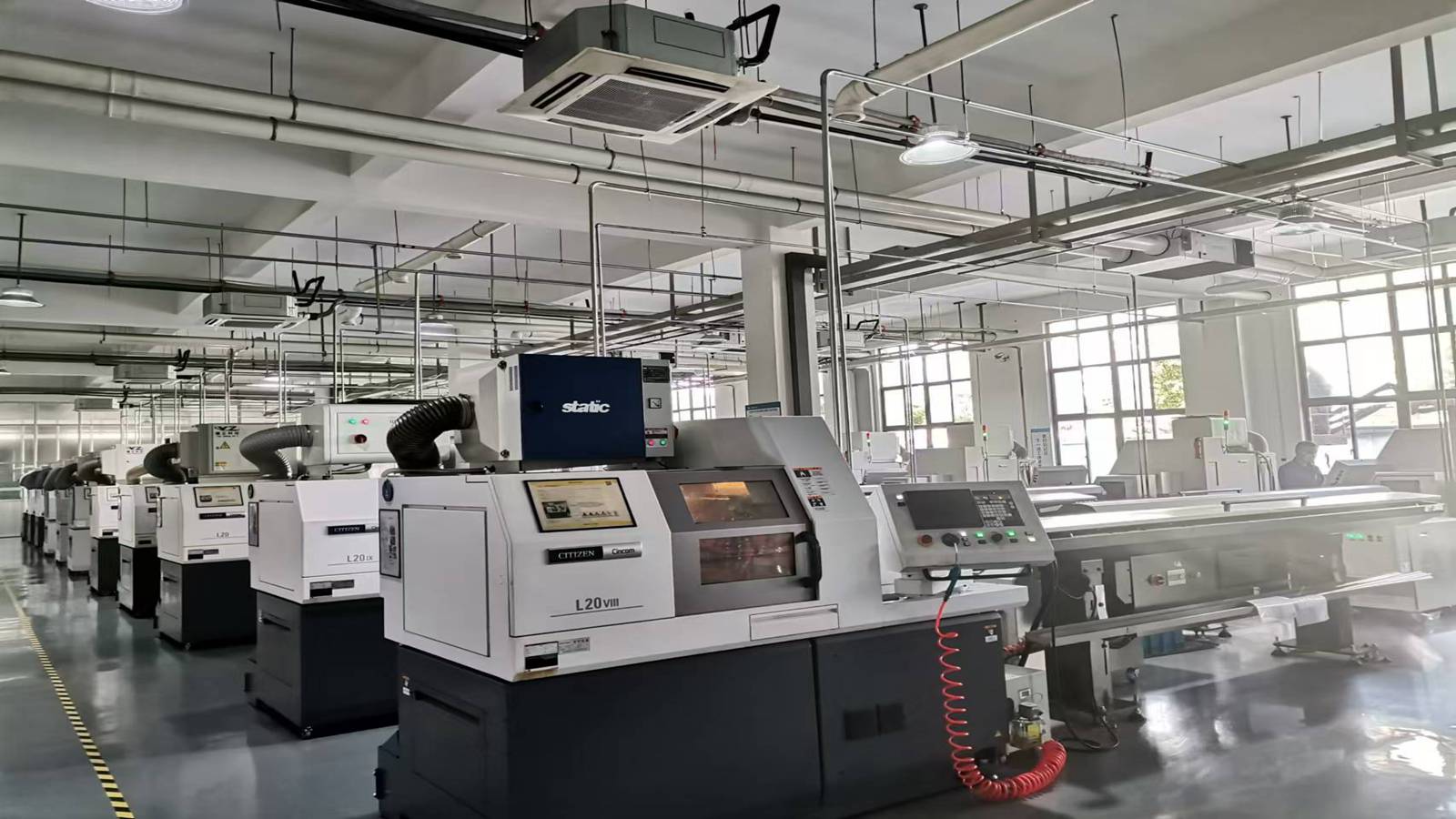
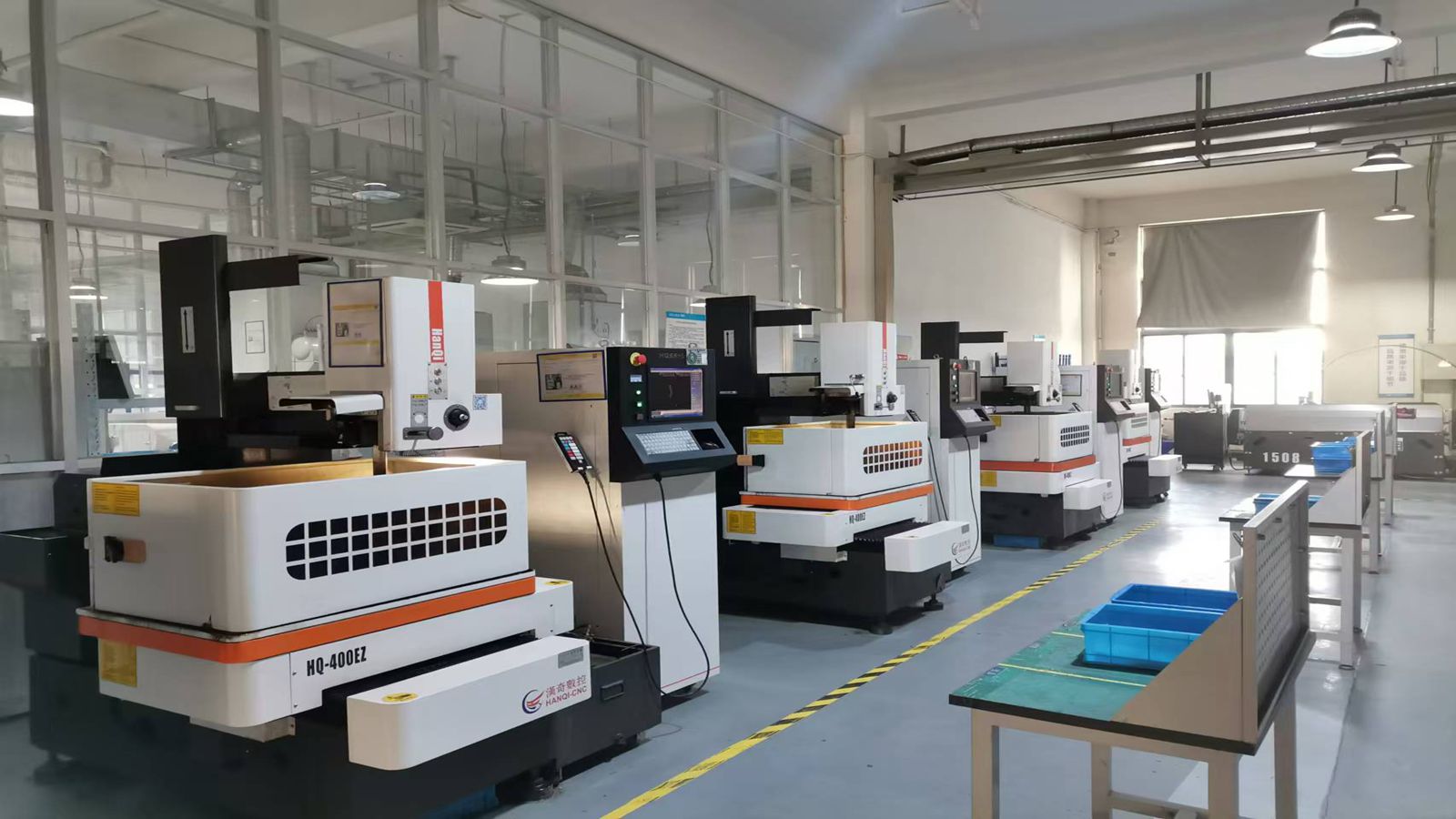
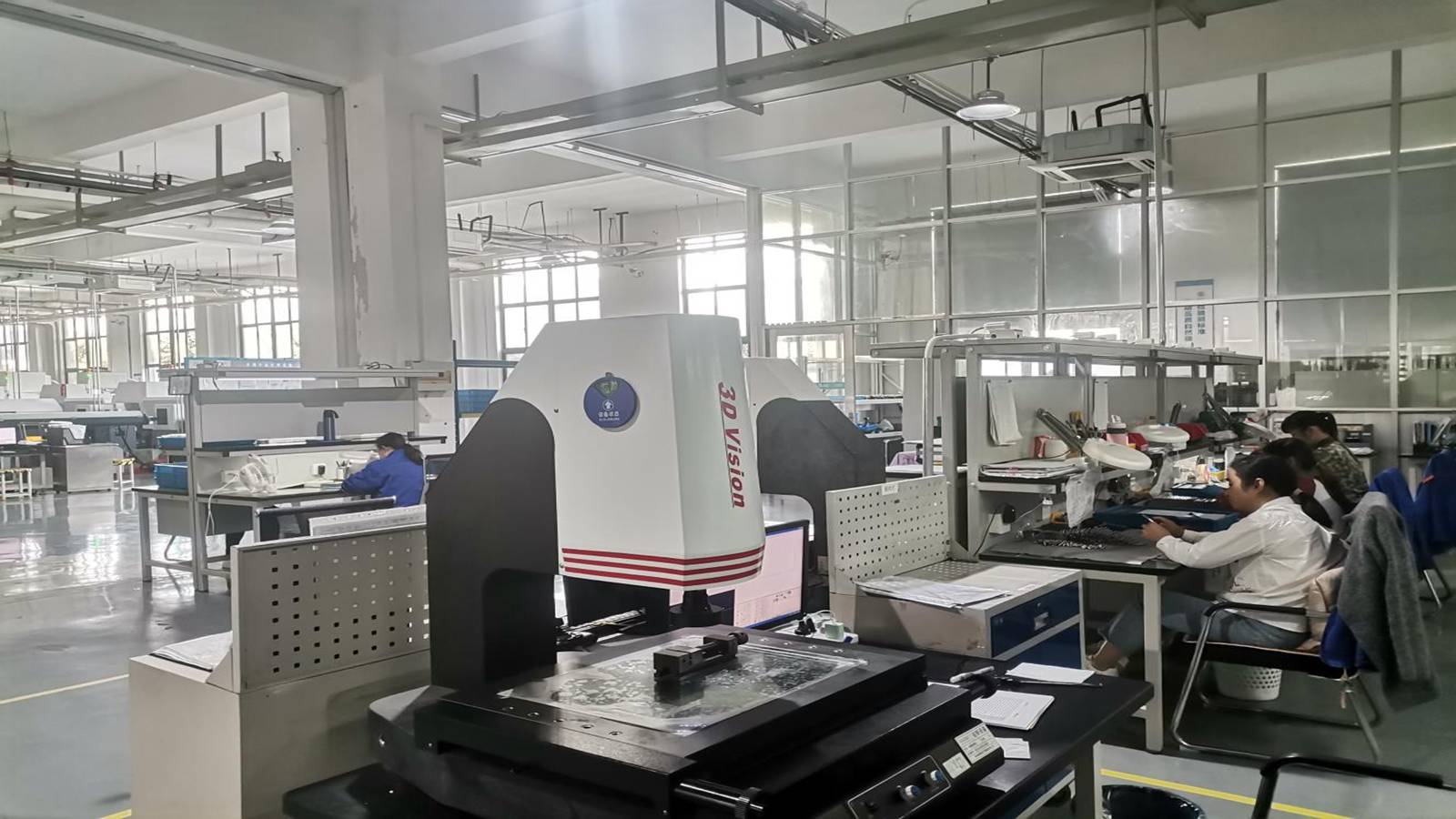
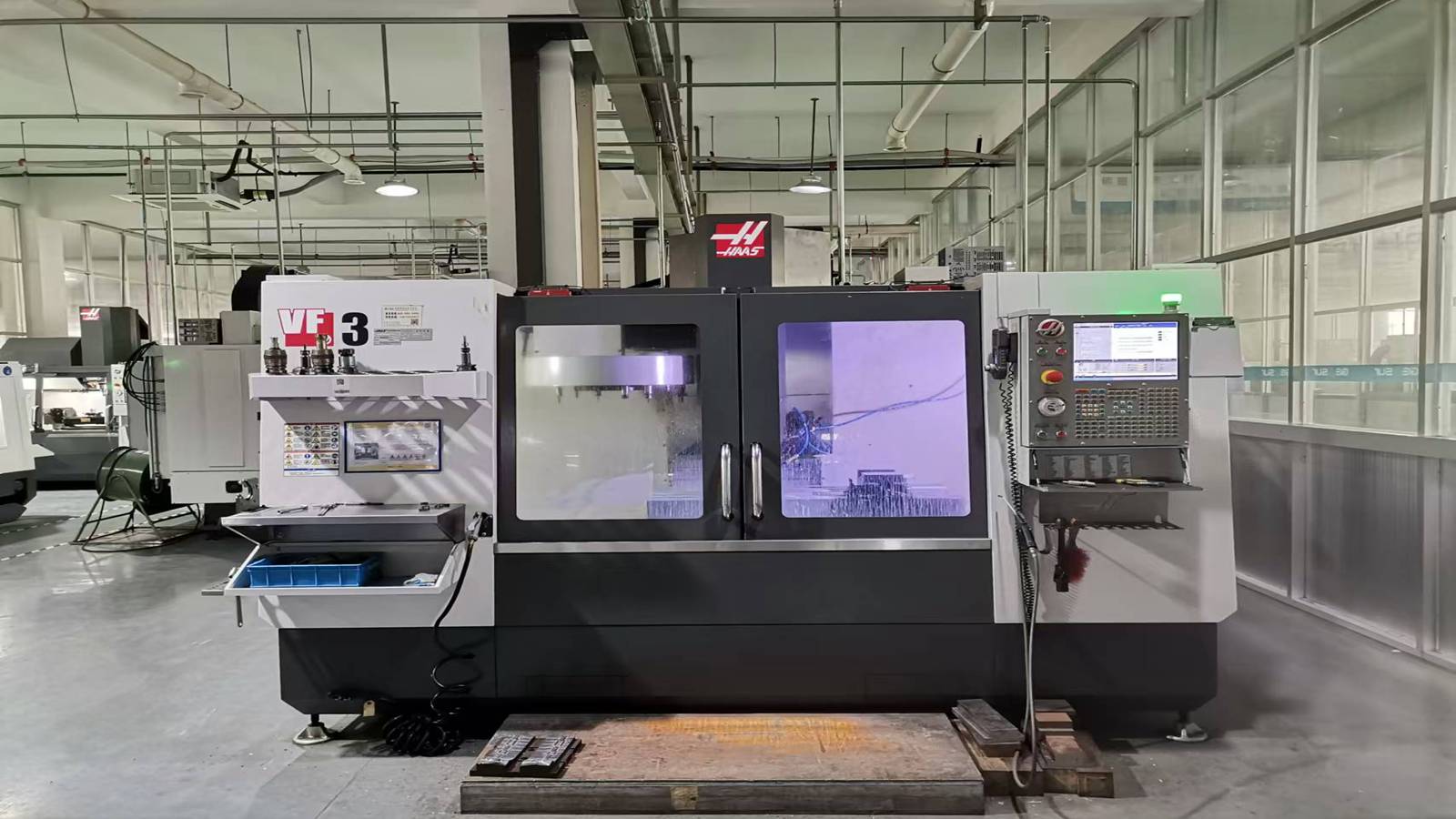
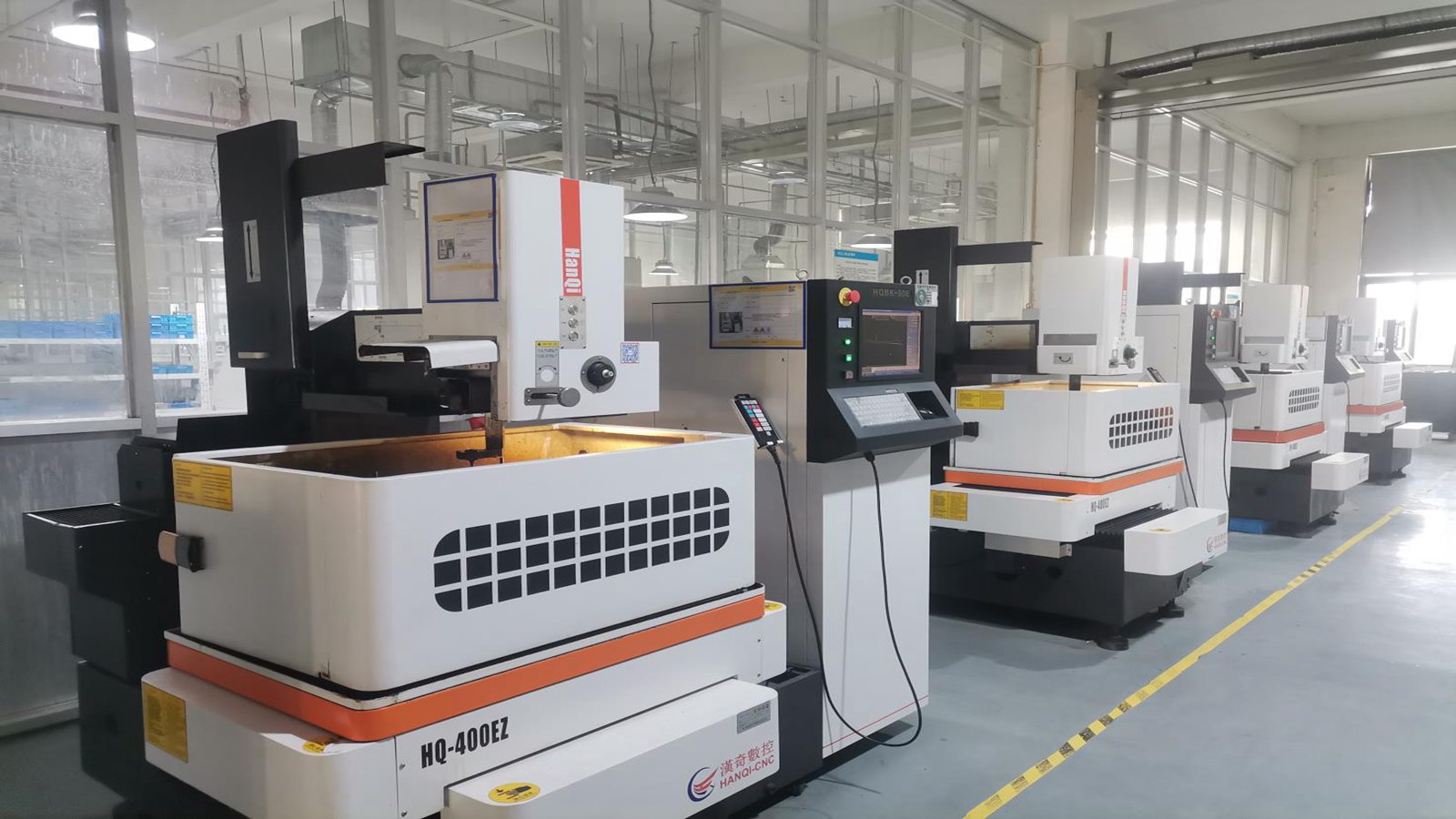
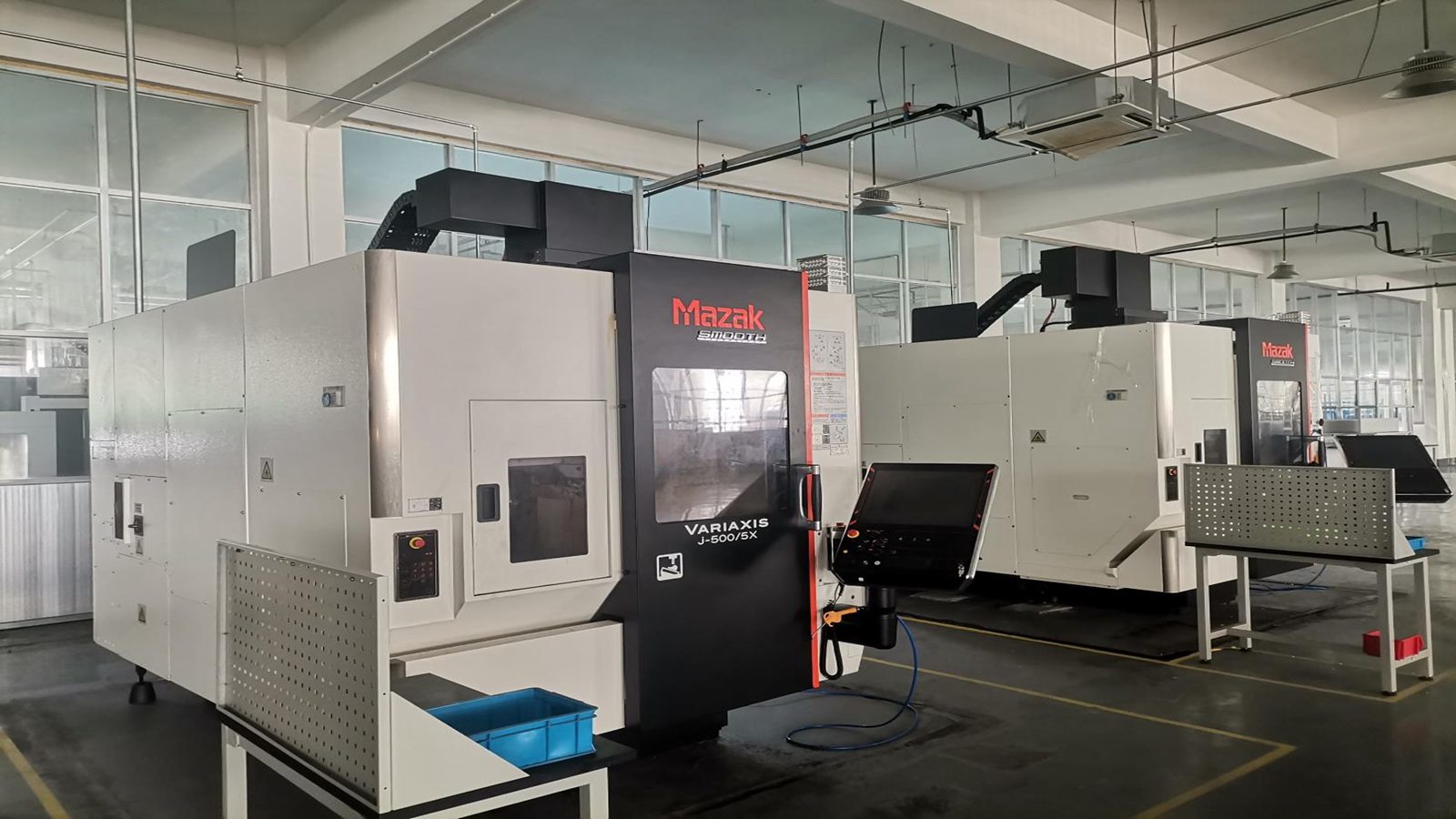
Advanced Manufacturing Infrastructure: With over 30,343 square meters of floor space and more than 120 high-precision production machines across 12 dedicated production lines, HBM Medical possesses the capacity to scale production rapidly to meet sudden surges in global demand.
R&D and Customization Capabilities: Backed by a robust team of 31 R&D engineers (including postgraduates and doctorates), Chinese manufacturers can rapidly prototype and customize external fixation systems (OEM/ODM) to meet specific anatomical requirements or regulatory standards of different international markets.
4. Global Commercial & Industrial Landscape
The global market for pelvic external fixators is characterized by a shift towards value-based healthcare. While premium Western brands historically dominated the market, high-quality, cost-effective alternatives from certified manufacturers in emerging markets are gaining significant traction. Hospital procurement departments and international distributors are increasingly prioritizing manufacturers that hold comprehensive international certifications, such as ISO13485, MDSAP, and CE (MDR), which guarantee that the products meet the highest safety and performance standards.
5. Localized Support & Compliance Assurance
Exporting medical devices globally requires strict adherence to localized regulatory frameworks and robust post-market surveillance. HBM Medical ensures seamless global distribution through:
Regulatory Compliance: Holding prestigious certifications including CE (EPT 0477.MDR.25/5905 & 5973) and MDSAP (C730178), ensuring compliance with European Medical Device Regulations and the unified standards of the US, Canada, Australia, Japan, and Brazil.
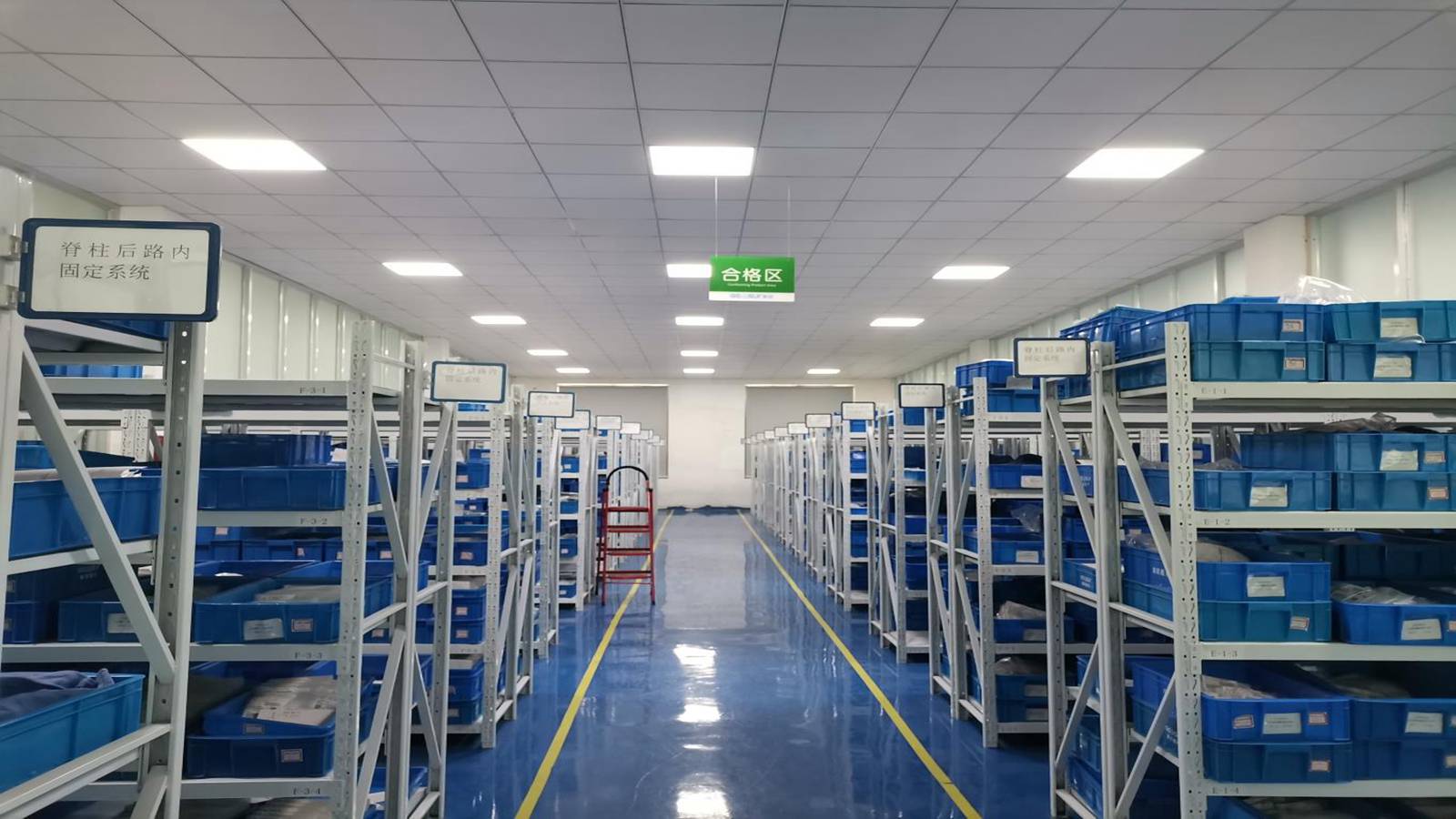
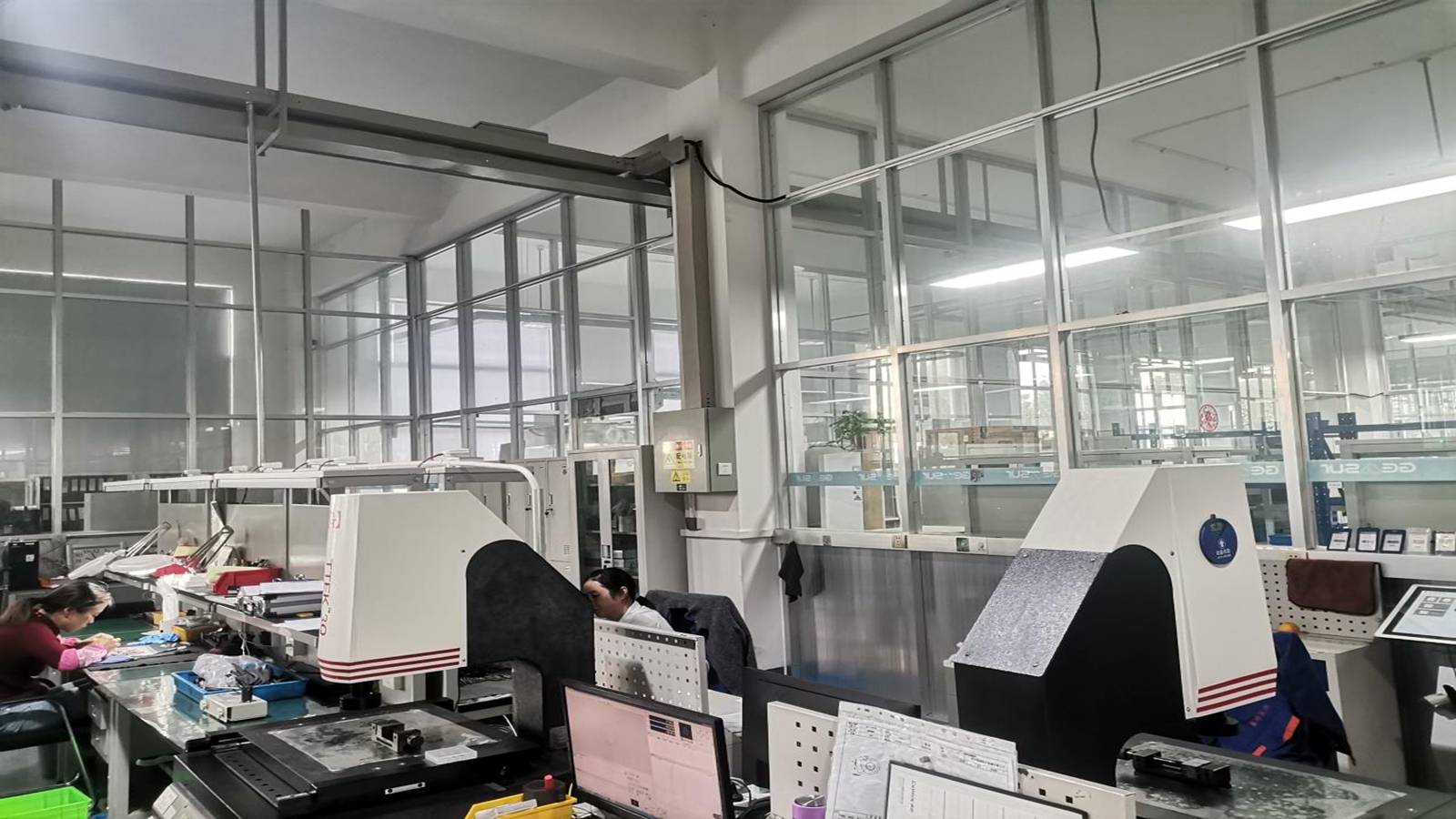
Comprehensive Traceability: Full raw material traceability and 100% product inspection protocols managed by 36 dedicated QA/QC inspectors ensure that every implant and instrument delivered to an operating room is defect-free.
Global Logistics & Technical Support: With 10 years of exporting experience and dedicated sales networks, HBM Medical provides localized technical support, surgical technique guides, and rapid replacement parts delivery to distributors worldwide.
HBM Corporate Profile
Established2015-10-15
Floor Space30,343 ㎡
Export Experience10 Years
Production Lines12 Lines
CNC Machines120+ Units
R&D Engineers31 (1 PhD, 11 Postgrad)
QA/QC Inspectors36 Inspectors
CertificationsCE (MDR), MDSAP, ISO13485
Main MarketsDomestic (80%), Eastern Europe (5%), Southeast Asia (5%)
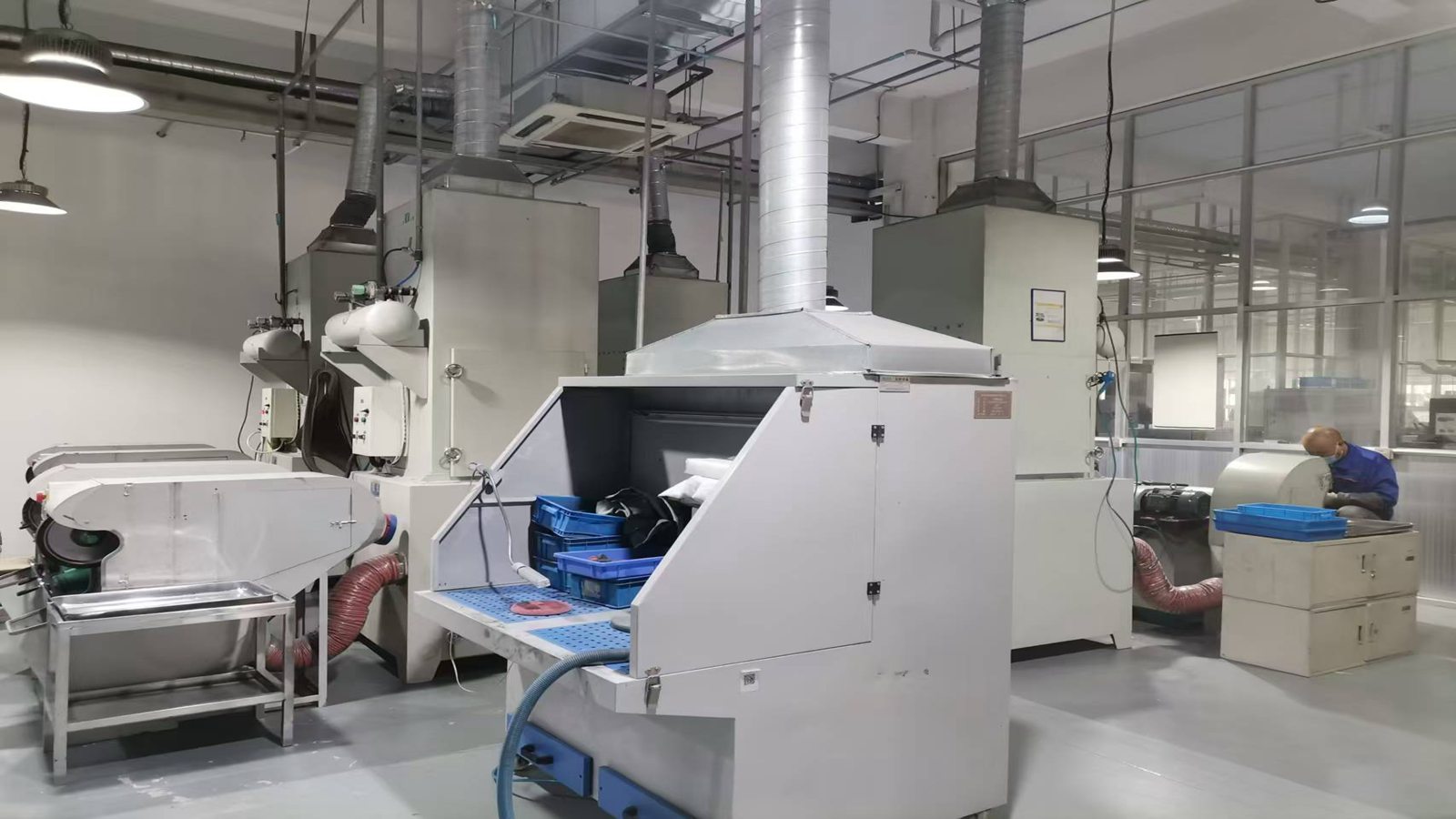
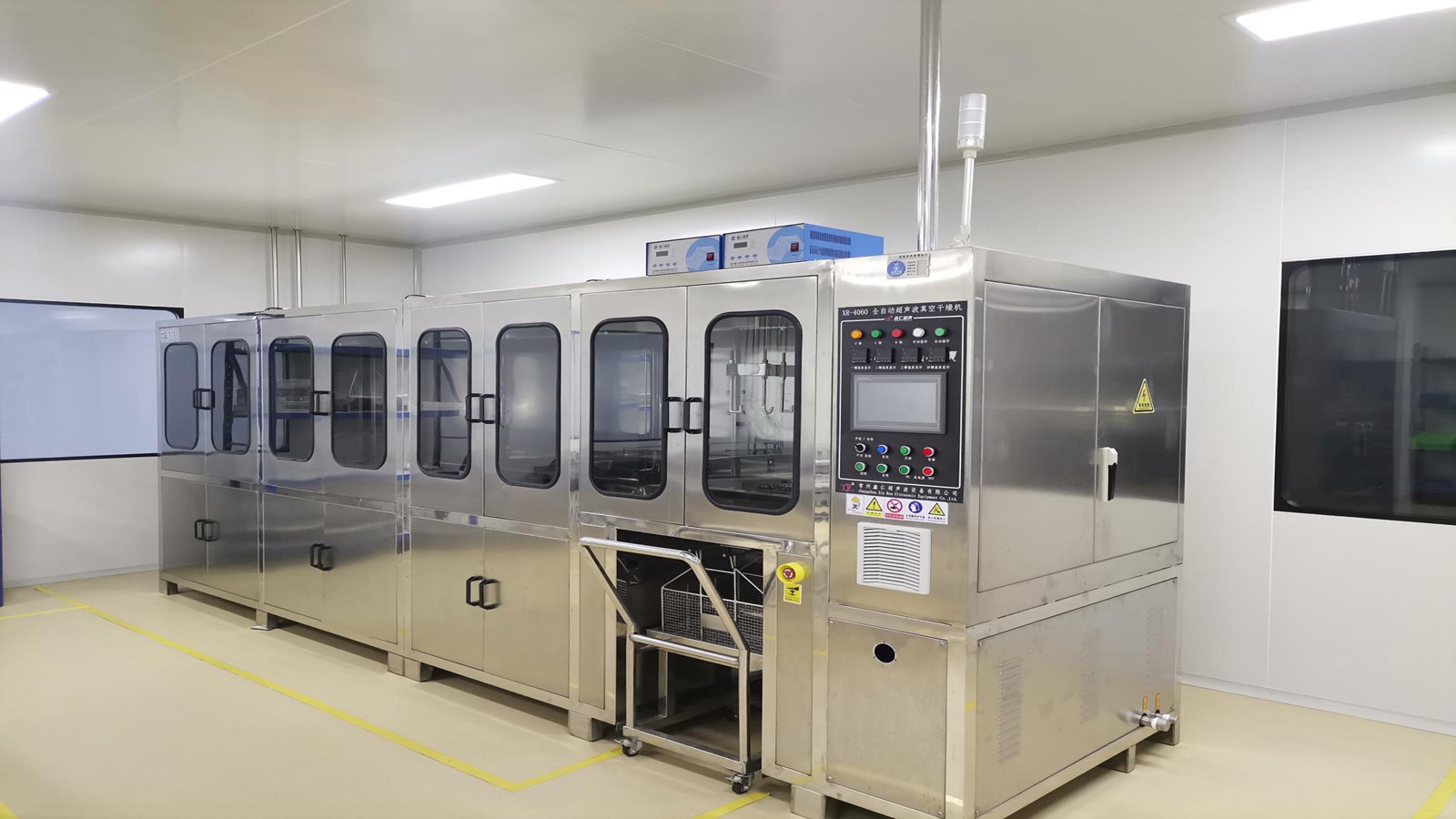
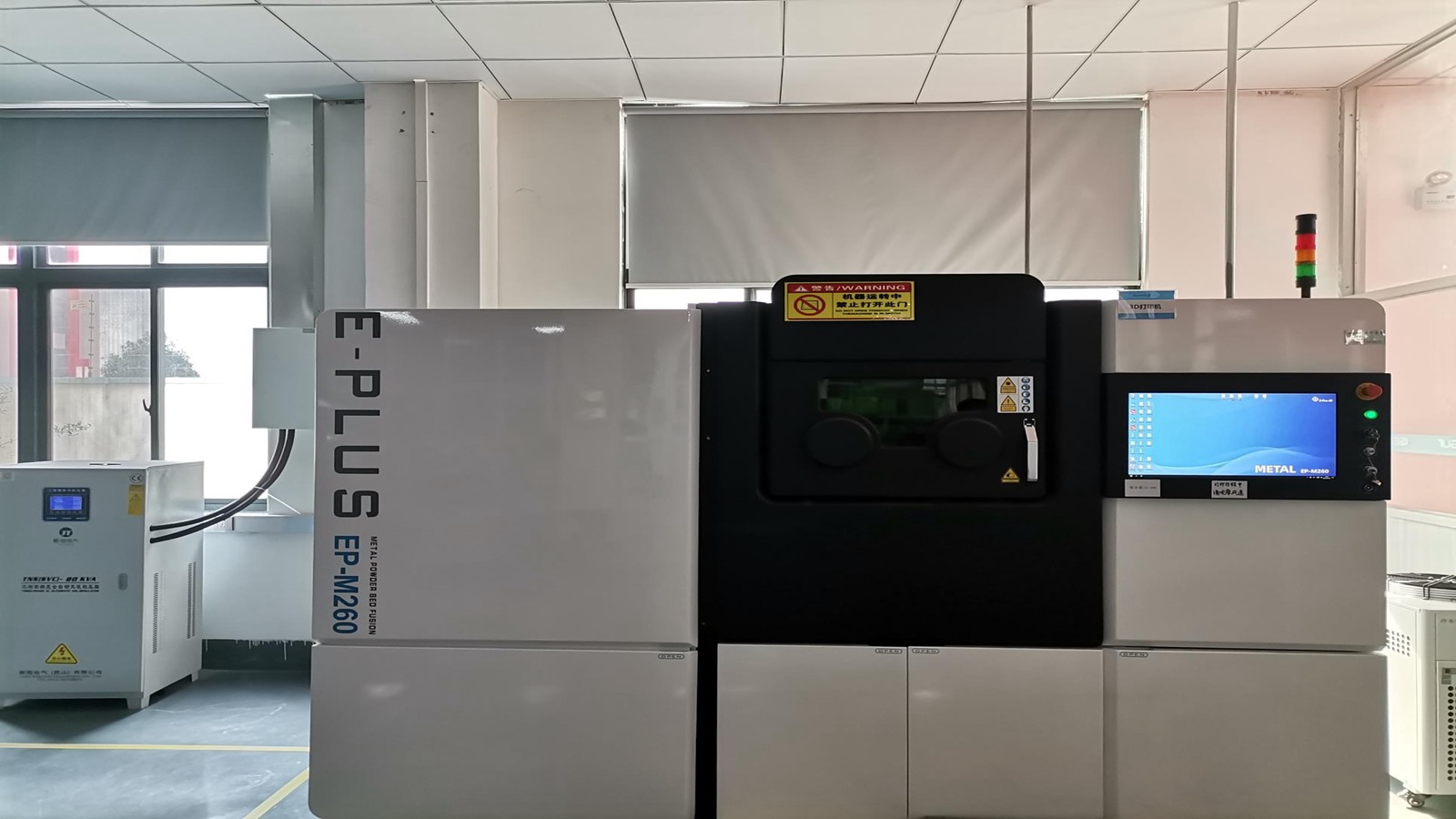
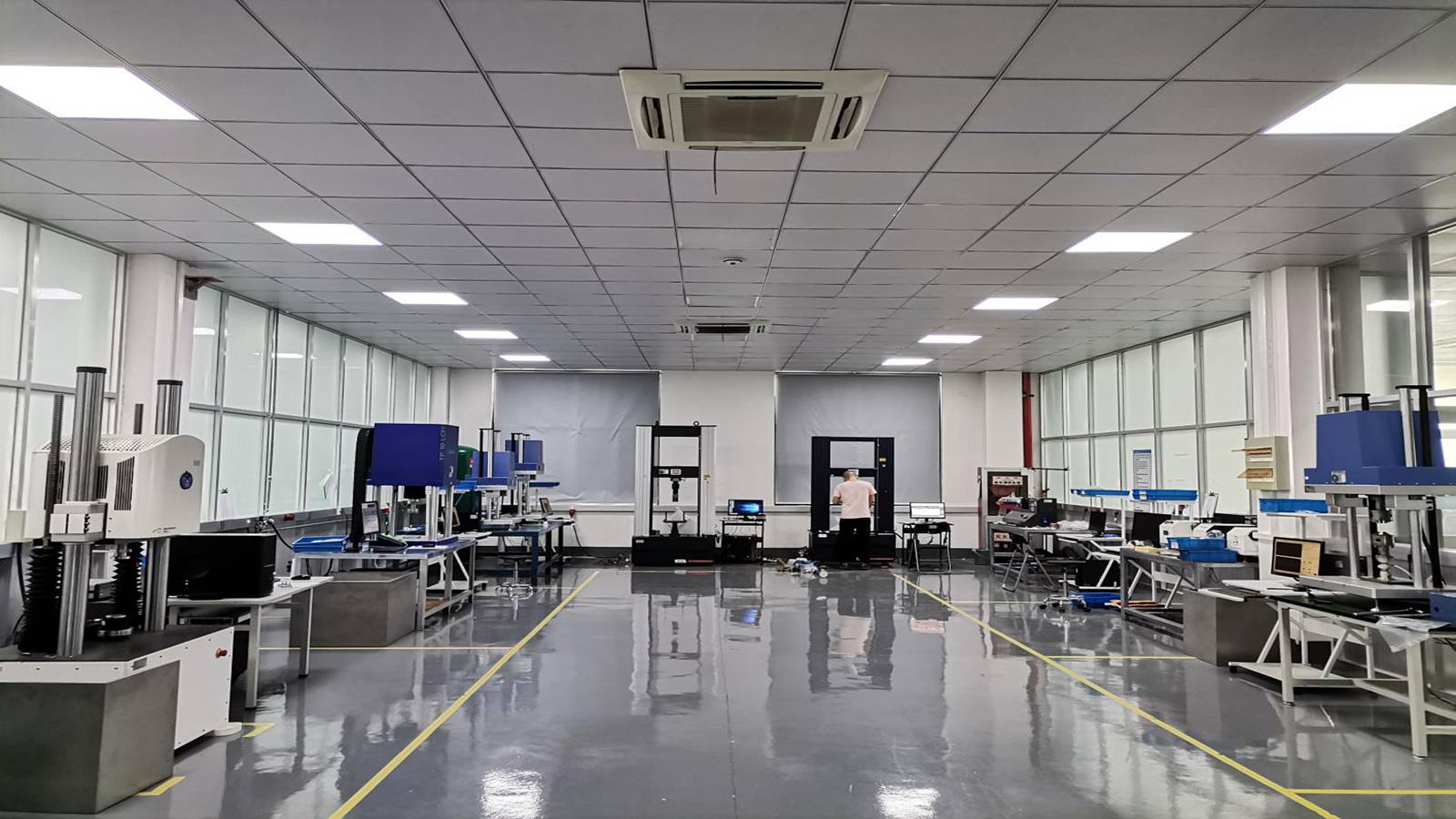
State-of-the-Art Manufacturing Facility
A visual tour of our advanced production lines, testing laboratories, cleanrooms, and warehouse operations, ensuring international quality standards.
Frequently Asked Questions (FAQ)
Get authoritative answers to technical, clinical, and commercial questions regarding pelvic external fixators and orthopedic supply chains.
Q1: What are the primary clinical indications for emergency pelvic external fixation?
Pelvic external fixation is primarily indicated for hemodynamically unstable patients presenting with high-energy pelvic ring disruptions, particularly Young-Burgess APC II/III or Tile Type B/C fractures. It is used as a rapid damage-control intervention to reduce pelvic volume, stabilize bone fragments, promote retroperitoneal clot formation (tamponade effect), and control severe venous hemorrhage.
Q2: Why is carbon fiber preferred over stainless steel for external fixator rods?
Carbon fiber offers two major advantages: high strength-to-weight ratio and complete radiolucency. Radiolucency is critical during intraoperative fluoroscopy and postoperative imaging (X-ray, CT, MRI), as it allows surgeons to clearly assess fracture reduction and alignment without the metallic artifacts caused by traditional stainless steel rods.
Q3: How does HBM Medical ensure the quality and biocompatibility of its implants?
HBM Medical utilizes medical-grade titanium alloys (such as Ti-6Al-4V ELI) and high-grade stainless steel sourced from certified suppliers with complete raw material traceability. All manufacturing processes comply with ISO 13485 and MDSAP standards. We perform 100% inspection on critical dimensions and conduct rigorous mechanical testing (fatigue, tensile, and torque tests) to ensure long-term biocompatibility and structural integrity.
Q4: What certifications do HBM Medical products hold for international markets?
Our products hold comprehensive international certifications, including CE certificates under the European Medical Device Regulation (MDR) (EPT 0477.MDR.25/5905 & 5973) and Medical Device Single Audit Program (MDSAP) certification (C730178), which covers regulatory requirements for the US, Canada, Australia, Japan, and Brazil.
Q5: Can HBM Medical support OEM/ODM customization for specific surgical techniques?
Yes. Backed by a dedicated R&D team of 31 engineers (including postgraduates and doctorates) and 12 advanced production lines, HBM Medical offers comprehensive OEM/ODM services. We can customize external fixator clamps, rod lengths, pin diameters, and surgical instrument kits based on your technical drawings, samples, or clinical requirements.
Q6: What is the typical lead time for bulk international orders?
Due to our robust manufacturing capacity (over 120 CNC machines and 12 production lines), standard catalog items can typically be shipped within 15 to 30 days. For customized OEM/ODM orders, lead times generally range from 45 to 60 days, depending on the complexity of the design and regulatory documentation requirements.
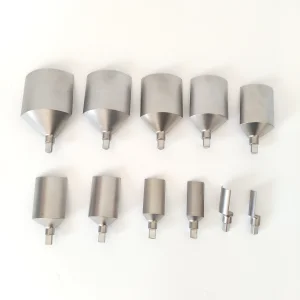
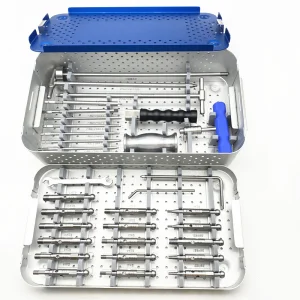
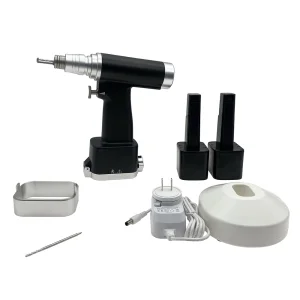
Complete Orthopedic Trauma & Surgical Portfolio
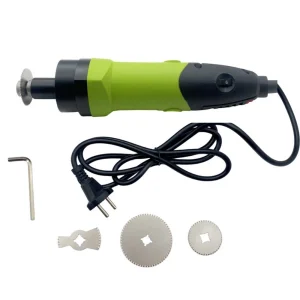
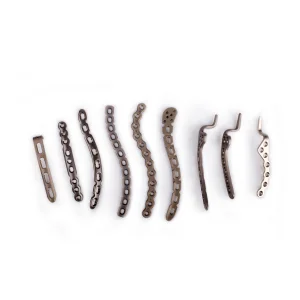
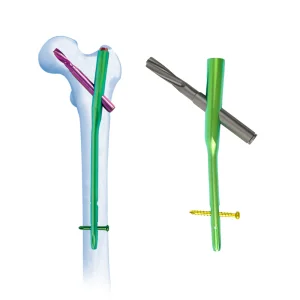
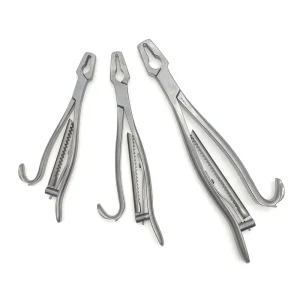
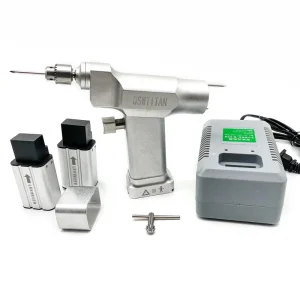
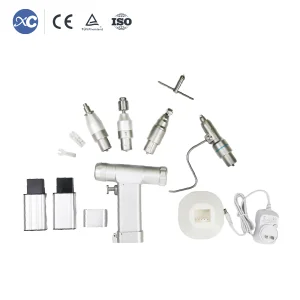
Browse our extensive range of bone reduction forceps, locking plates, intramedullary nails, and veterinary surgical power tools.
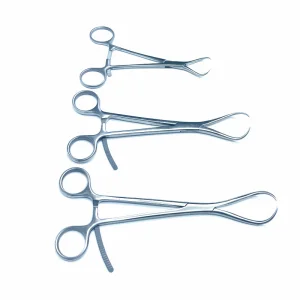
Orthopedics 3 Size Pointed Bone Reduction Forceps Bone Forceps Orthopedics Instruments




 HBM Medical