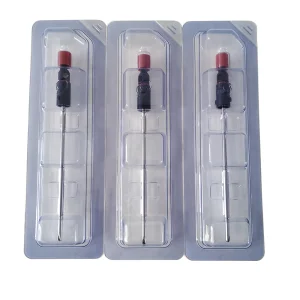
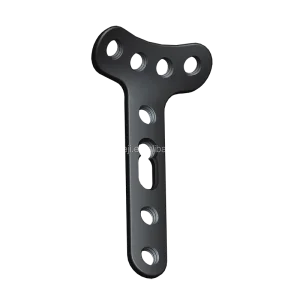
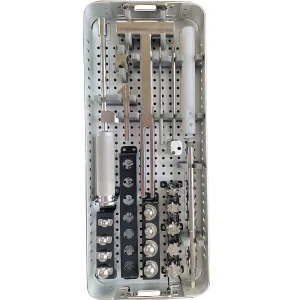
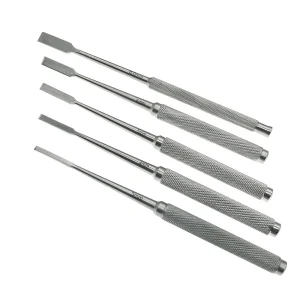
Explore our premium surgical implants and precision instrumentation systems engineered to meet international clinical standards.
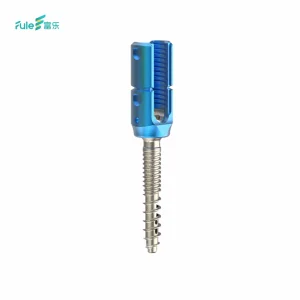
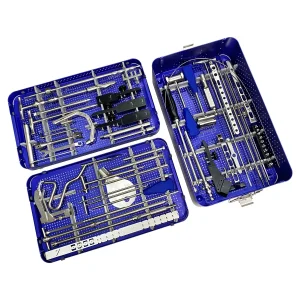
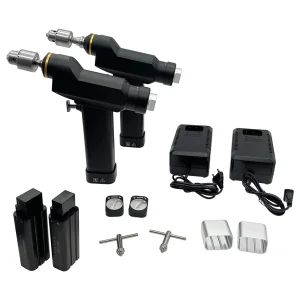
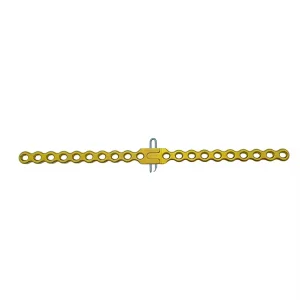
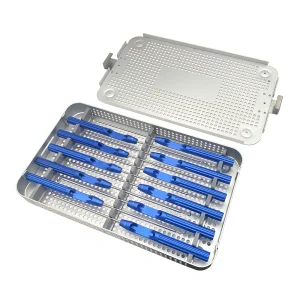
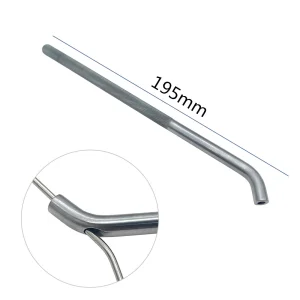
Understanding the market dynamics, supply chain structures, and regulatory frameworks shaping the craniomaxillofacial (CMF) implant industry.
The global maxillofacial plating systems market has entered a phase of rapid technological evolution and structural consolidation. Valued at over USD 2.5 billion, the Craniomaxillofacial (CMF) stabilization market is driven by an aging population, rising incidences of facial trauma, and the increasing adoption of virtual surgical planning (VSP). Maxillofacial plating systems—comprising micro-plates, mini-plates, reconstruction plates, and corresponding locking or non-locking screws—are highly specialized devices that demand absolute biocompatibility, mechanical fatigue resistance, and anatomical precision.
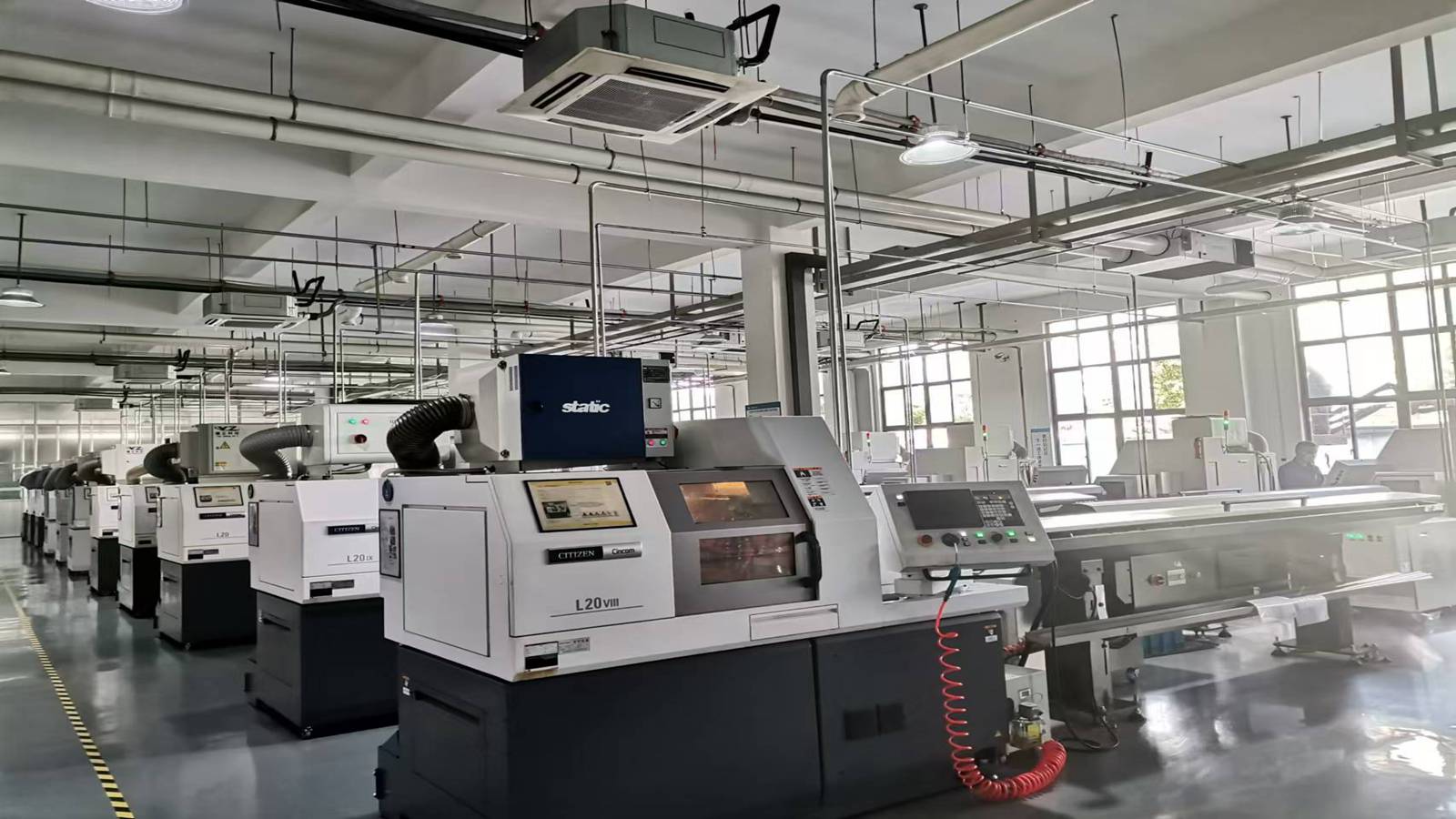
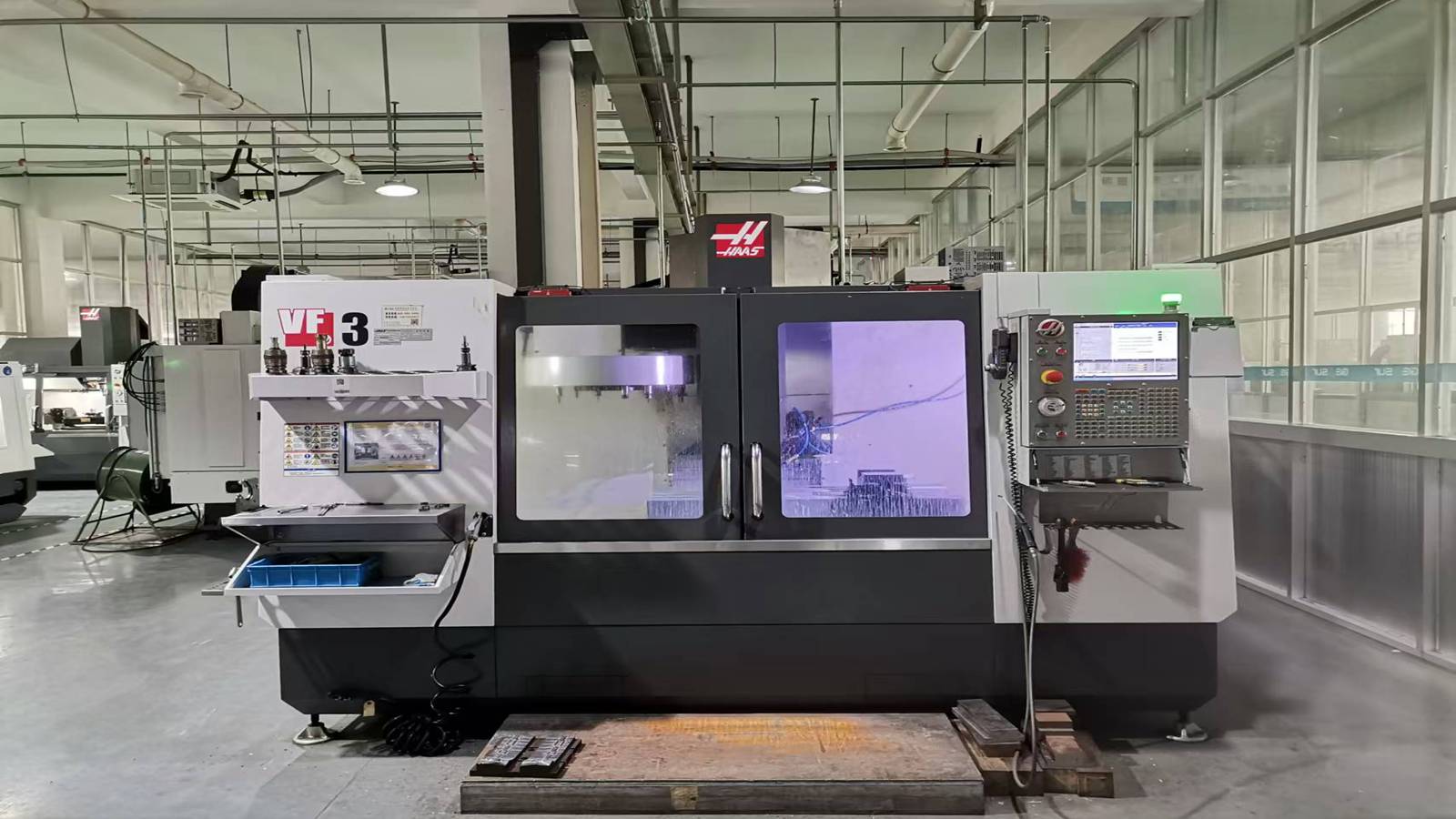
From an industrial perspective, the supply chain is highly consolidated, with top-tier European and North American manufacturers historically dominating the market. However, the last decade has witnessed a significant shift. Advanced manufacturing hubs in Asia, particularly in China, have leveraged state-of-the-art CNC Swiss-type machining, laser sintering, and automated surface treatment technologies to produce implants that match or exceed Western standards at highly competitive price points. This democratization of high-end manufacturing has enabled healthcare systems globally to access premium titanium osteosynthesis systems, reducing overall surgical costs while maintaining optimal patient outcomes.
Information Gain Insight: Modern maxillofacial plating relies heavily on Grade 2 (pure titanium) and Grade 5 (Ti-6Al-4V) titanium alloys. The choice between these materials dictates the balance between malleability (essential for intraoperative contouring of midface plates) and tensile strength (critical for load-bearing mandibular reconstruction plates).
Designed for non-load-bearing areas such as the fronto-nasal suture, orbital rim, and zygomatic arch. These systems prioritize low profile designs to prevent palpability under thin facial skin.
The workhorse of maxillofacial trauma. Used extensively in mandibular fractures, orthognathic osteotomies, and stable midface reconstructions, offering an optimal balance of strength and profile.
Engineered for heavy load-bearing applications, primarily segmental mandibular defects resulting from tumor resections or high-energy trauma. Requires high fatigue-strength locking plate designs.
Analyzing the paradigm shifts from standard off-the-shelf implants to patient-specific, bio-resorbable, and digitally integrated solutions.
The most disruptive trend in CMF surgery is the transition from standard, pre-bent plates to Patient-Specific Implants (PSIs). Utilizing high-resolution CT scans, biomedical engineers and surgeons collaborate via cloud-based platforms to design custom titanium plates and cutting guides. Direct Metal Laser Sintering (DMLS) allows for the fabrication of complex, porous geometries that promote osseointegration. PSIs significantly reduce operating room (OR) time, eliminate the mechanical stress induced by manual intraoperative plate bending, and achieve superior aesthetic symmetry.
In pediatric craniofacial surgery and low-load midface trauma, bioresorbable plating systems are gaining substantial traction. Composed of copolymers such as Poly-L-lactic acid (PLLA) and Poly-D-lactic acid (PDLA), these systems provide stable fixation during the critical bone-healing phase (typically 8 to 12 weeks) and are subsequently metabolized by the body via hydrolysis. This eliminates the need for a secondary implant removal surgery and mitigates the risk of implant-induced growth restriction in pediatric patients.
To combat implant-associated infections—which remain a critical concern in contaminated trauma cases—manufacturers are developing bio-active surface coatings. Anodization techniques are utilized to create highly controlled titanium dioxide (TiO2) nanotube surfaces. These nanostructures can be loaded with antimicrobial agents, silver nanoparticles, or bone morphogenetic proteins (BMP-2) to simultaneously prevent bacterial colonization and accelerate bone healing.
How maxillofacial plating systems are deployed across diverse surgical specialties and clinical environments.
In emergency trauma centers, rapid-stabilization kits are vital. Surgeons require comprehensive, color-coded modular trays containing micro, mini, and reconstruction plates. The primary goal is restoring pre-injury occlusion and facial projection. Locking plate technology is crucial here, as it prevents the plate from compressing onto the periosteum, thereby preserving the cortical blood supply and reducing infection rates.
Elective procedures like Le Fort I osteotomies, Bilateral Sagittal Split Osteotomies (BSSO), and genioplasties demand highly precise, pre-shaped plates. Because these procedures alter the patient's airway, bite, and facial aesthetics, the plating systems must offer absolute stability under the constant load of masticatory muscles. Low-profile L-shaped, T-shaped, and Y-shaped plates are standard.
Following radical tumor resections of the mandible, surgeons reconstruct the defect using osteocutaneous free flaps (typically harvested from the fibula). Maxillofacial reconstruction plating systems (2.4mm/2.7mm) act as the structural bridge, holding the vascularized bone segments in place. Custom-milled or 3D-printed reconstruction plates are increasingly utilized to perfectly replicate the complex mandibular curve.
A strategic projection of materials science, digital integration, and surgical delivery systems over the next decade.
The future of maxillofacial plating systems lies at the intersection of materials science, artificial intelligence, and digital surgery. The industry technical roadmap highlights several key milestones projected for the next 5 to 10 years:
A leading global OEM/ODM partner providing integrated orthopedic and craniomaxillofacial surgical solutions.
HBM Medical Apparatus And Instruments Co., Ltd. is a premier orthopedic medical equipment R&D, manufacturing, and operation enterprise in China. With a robust sales network covering the domestic market and expanding rapidly across international territories, HBM has established itself as an authoritative force in the medical device sector. Equipped with first-class production machinery, professional R&D teams, and a quality management system aligned with strict international standards, HBM delivers high-value clinical solutions to healthcare providers worldwide.
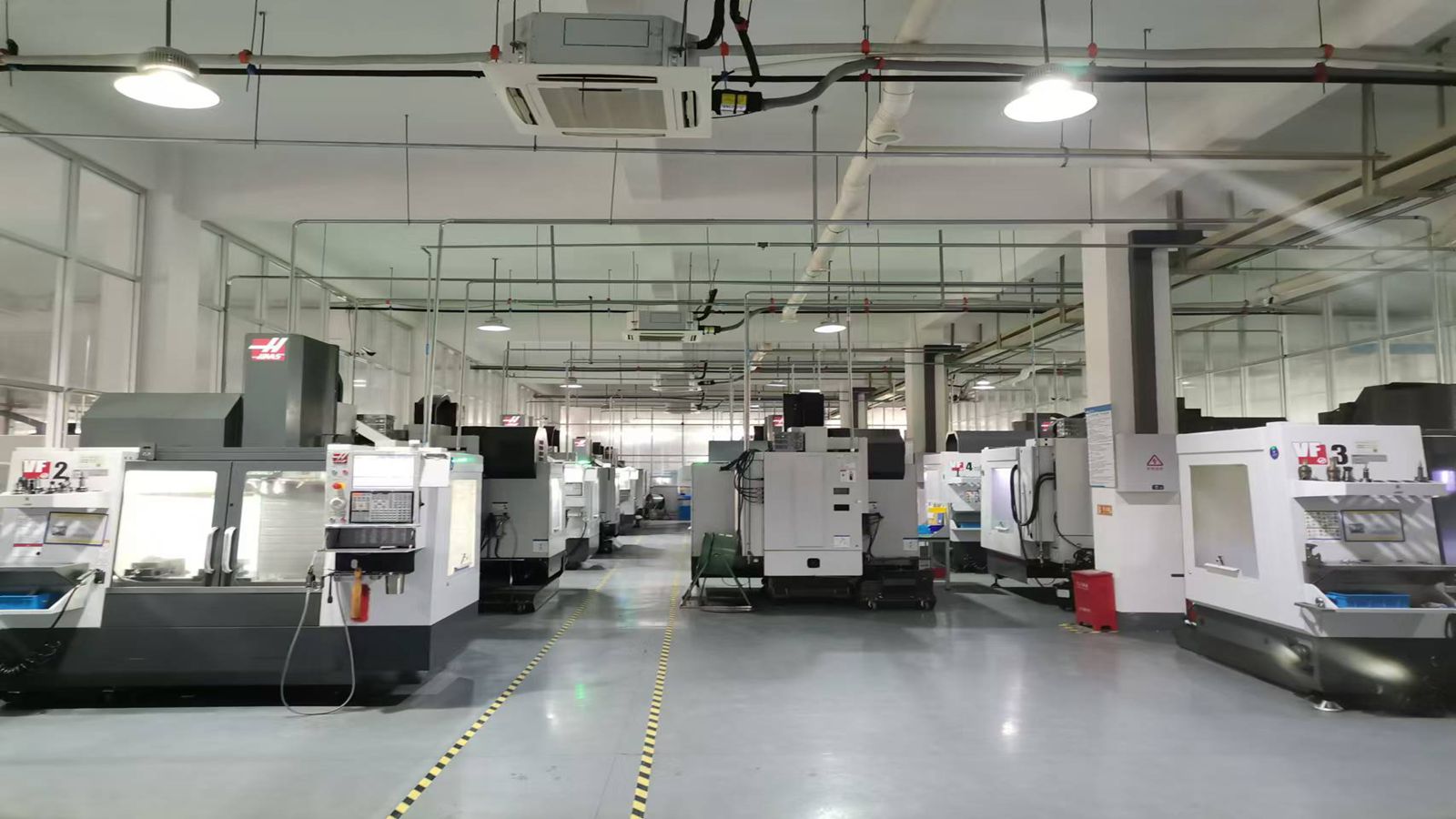
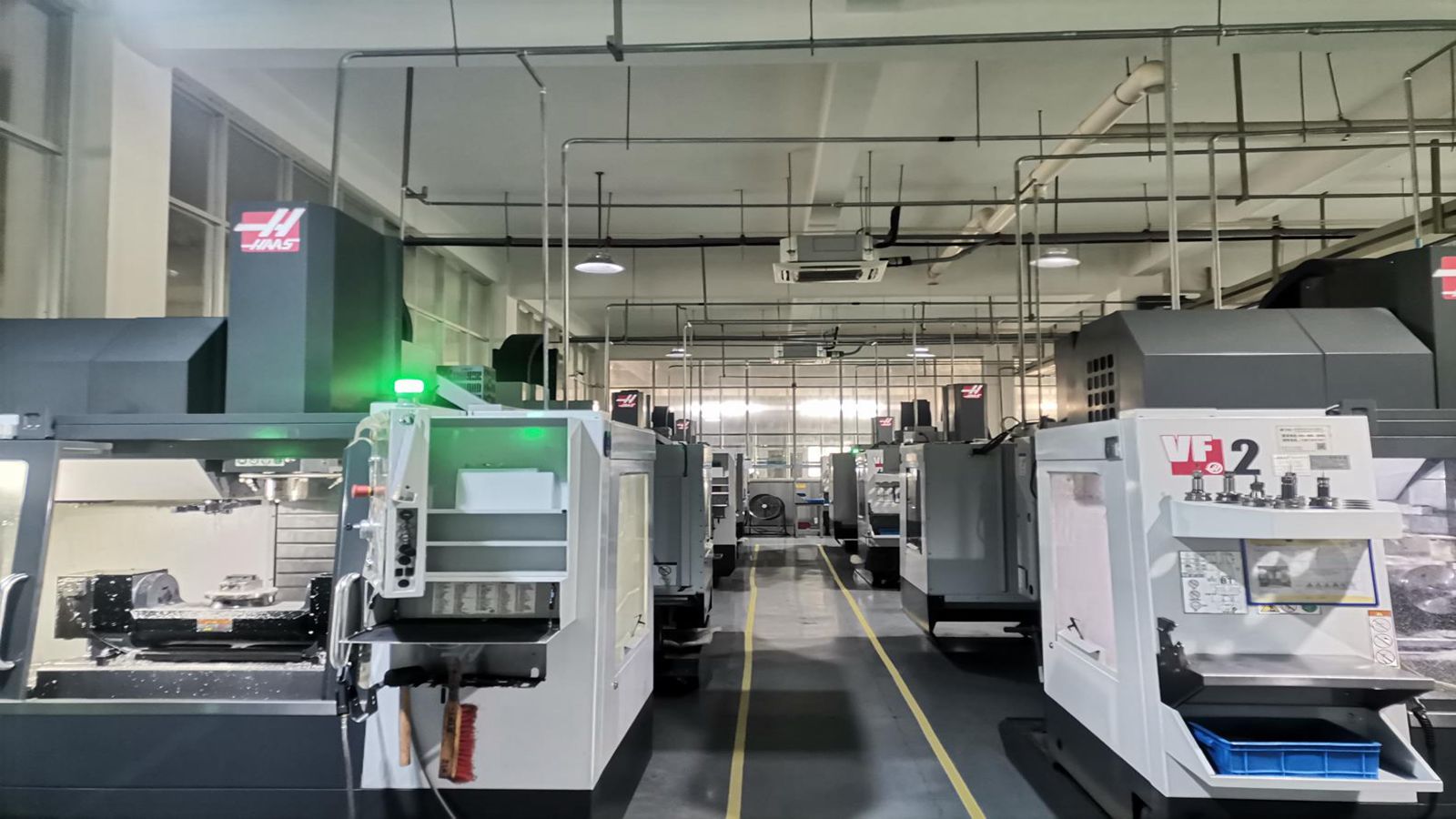
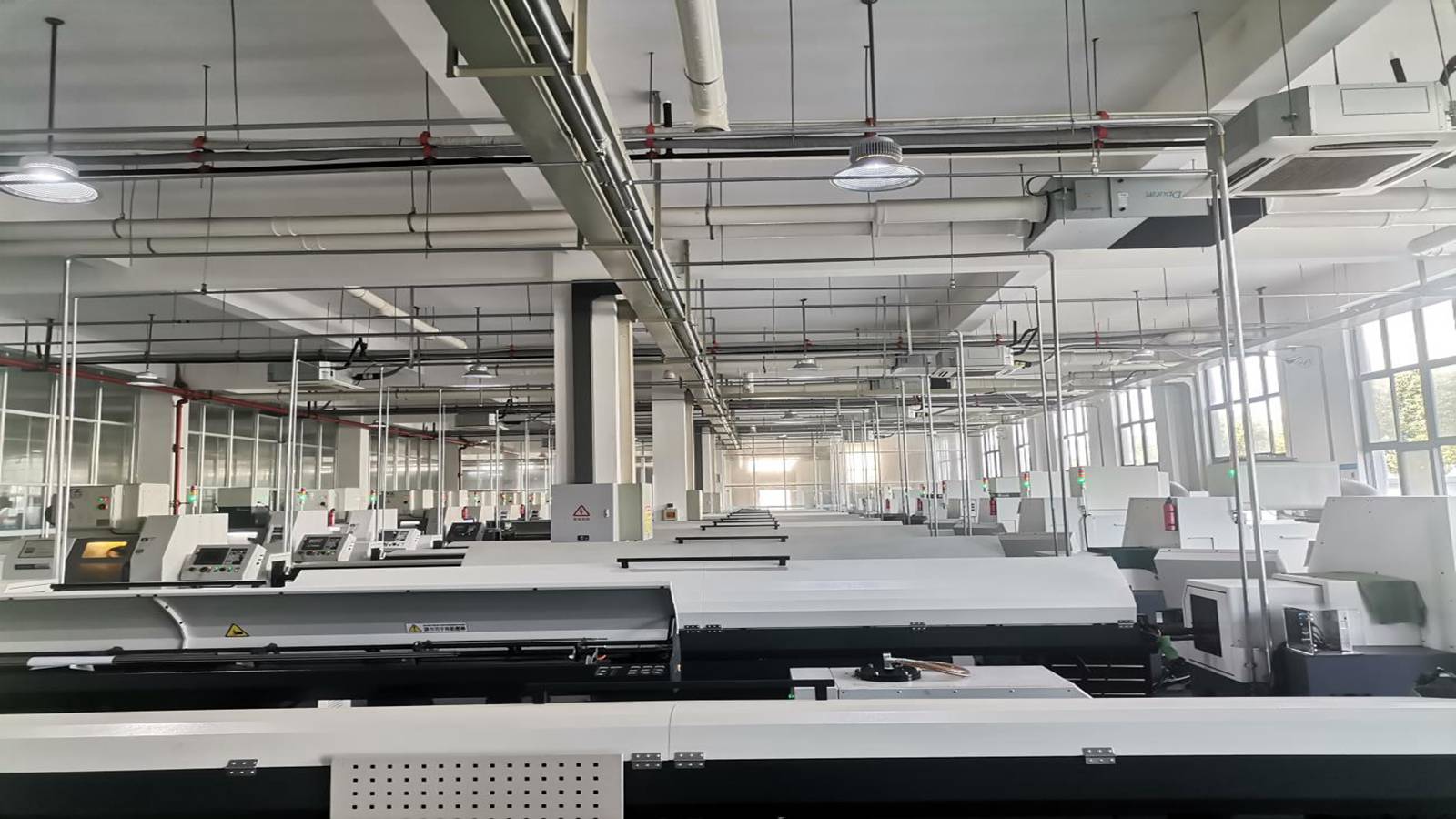
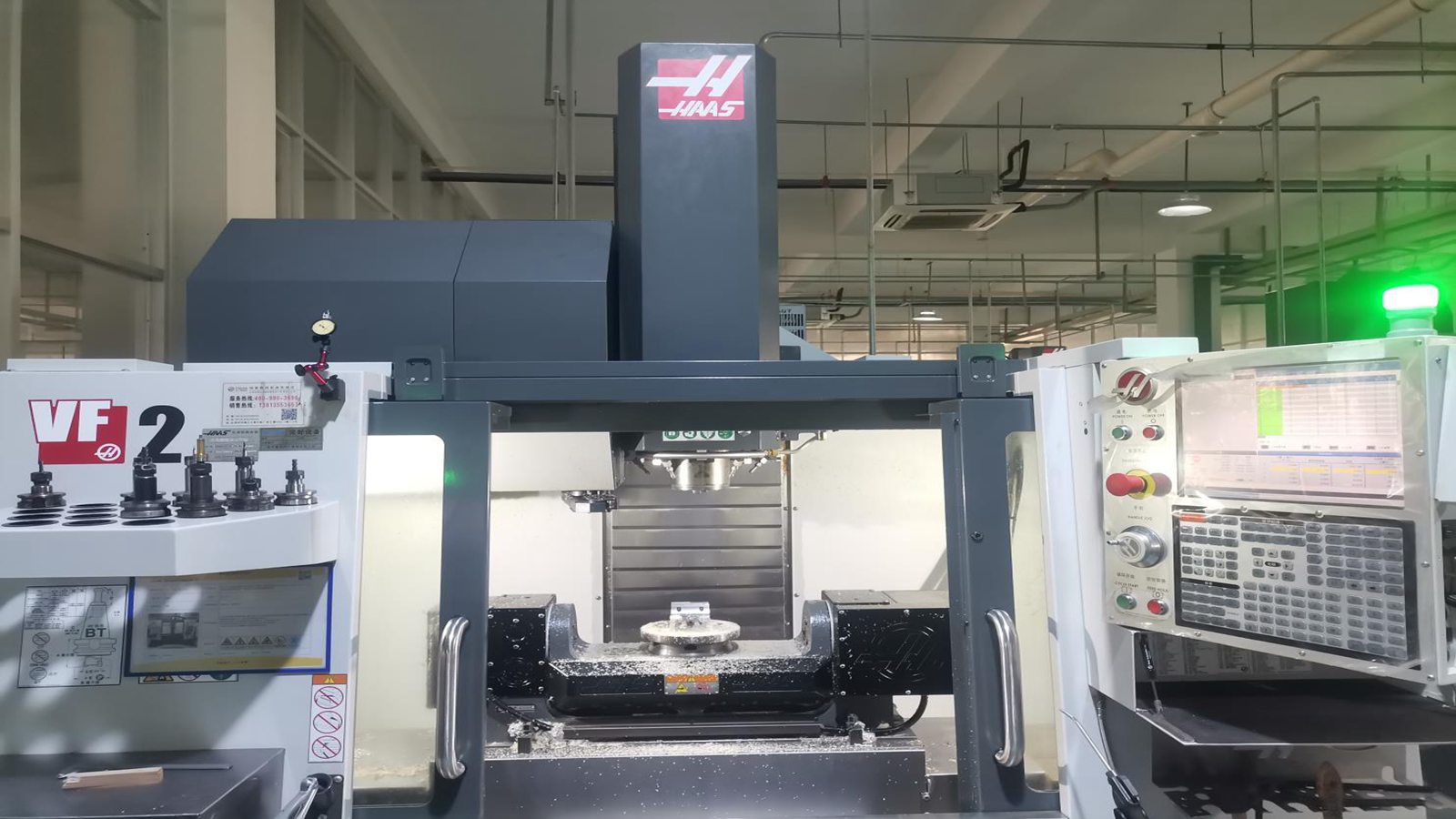
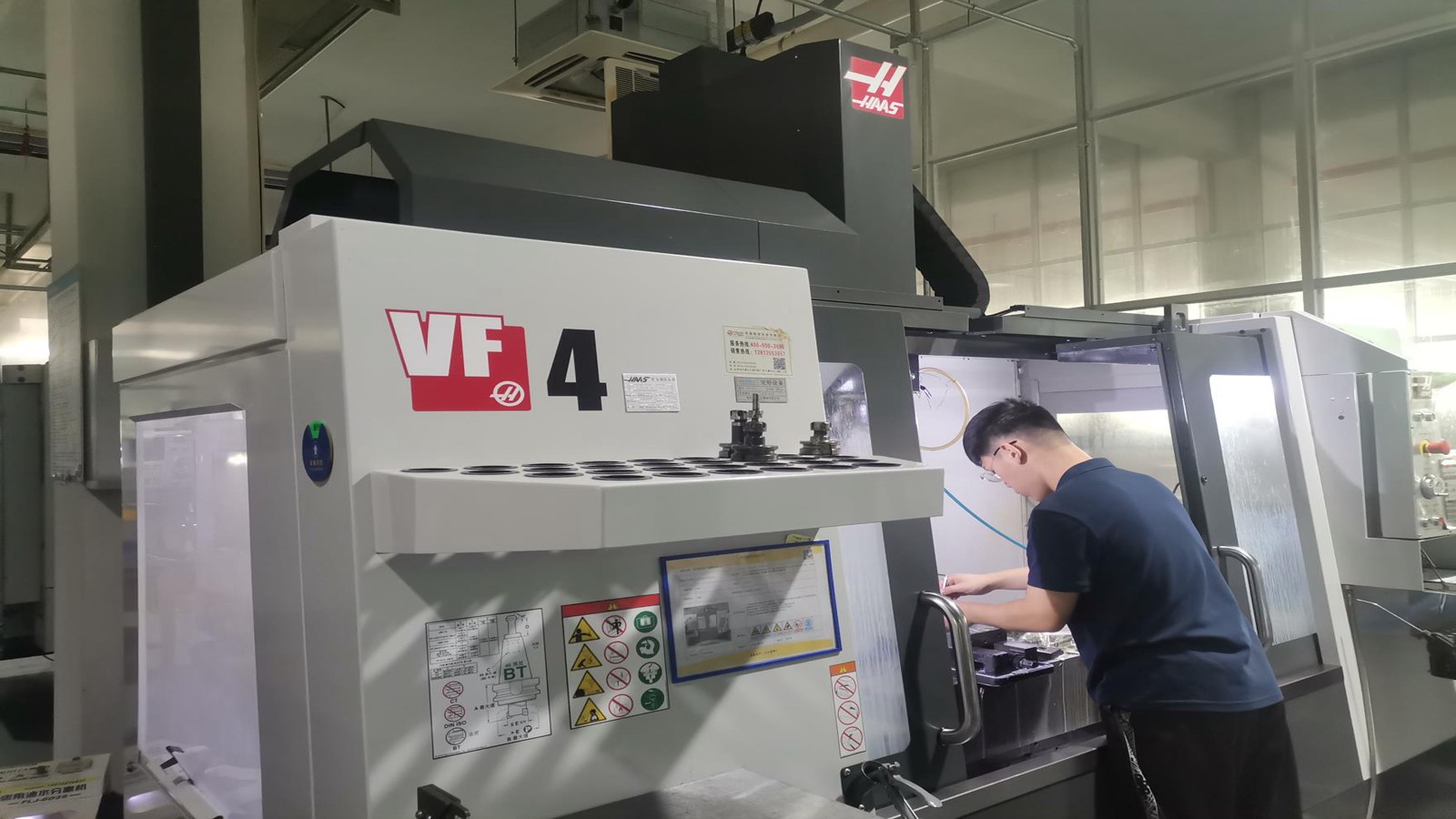
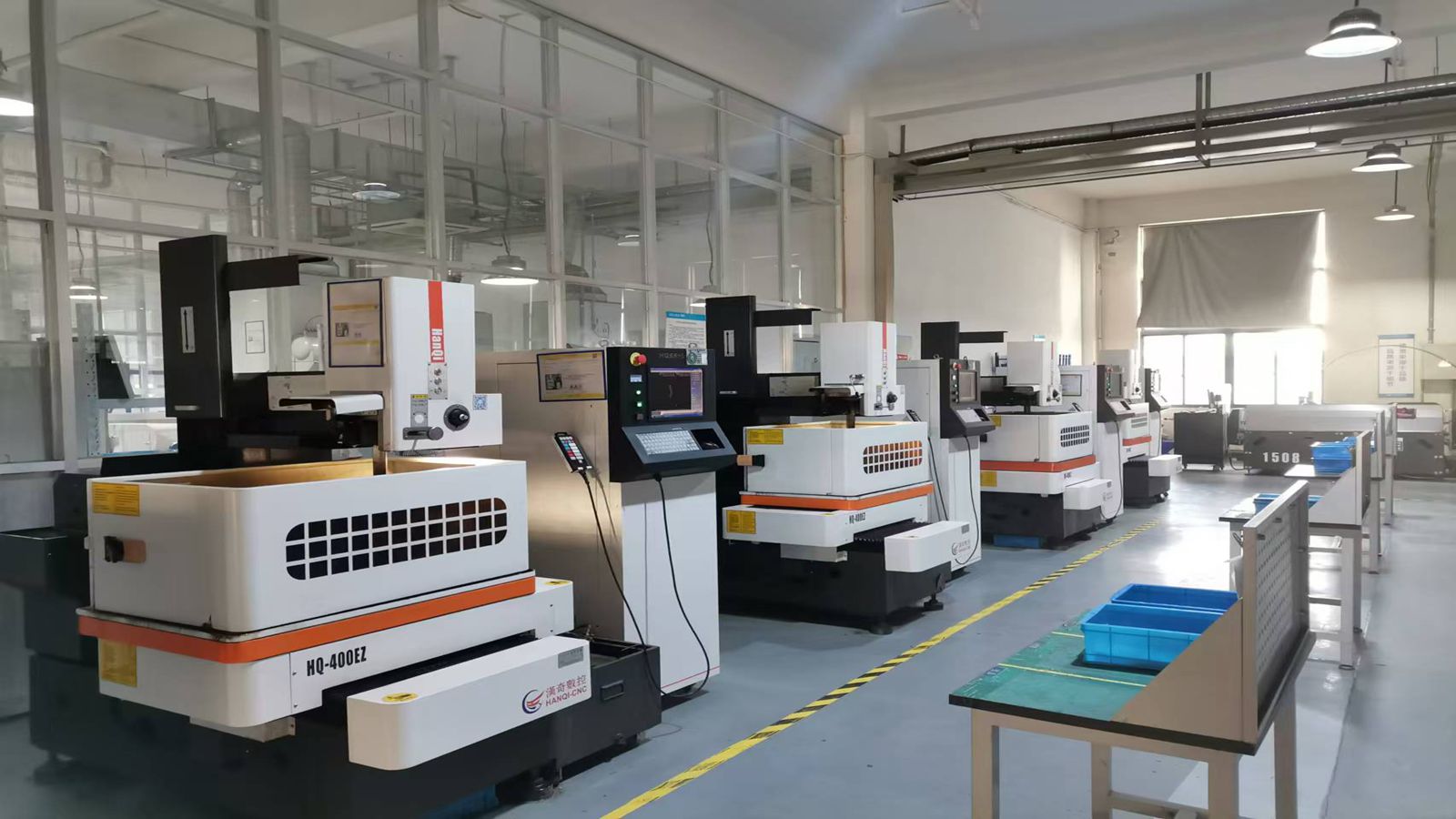
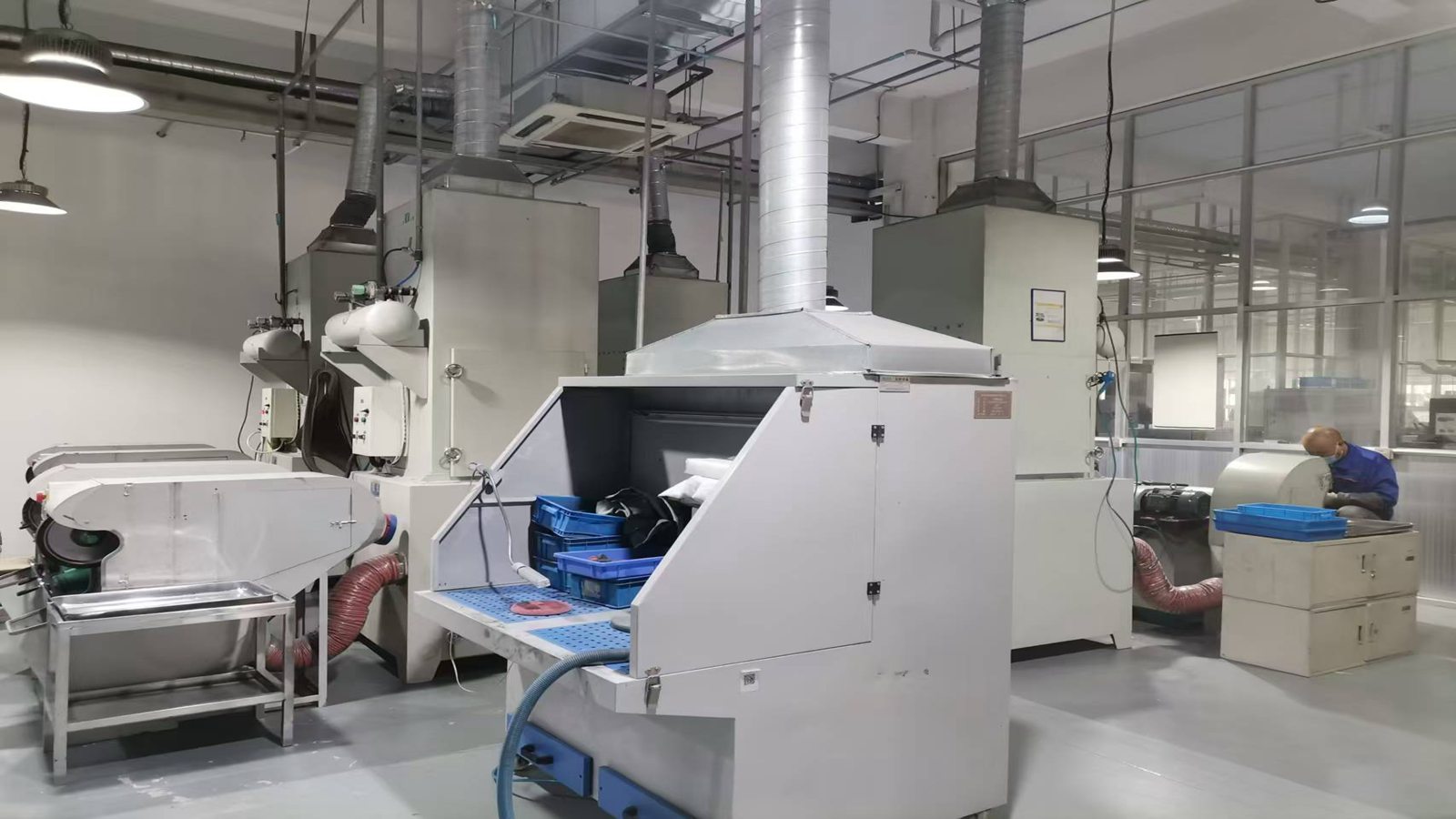
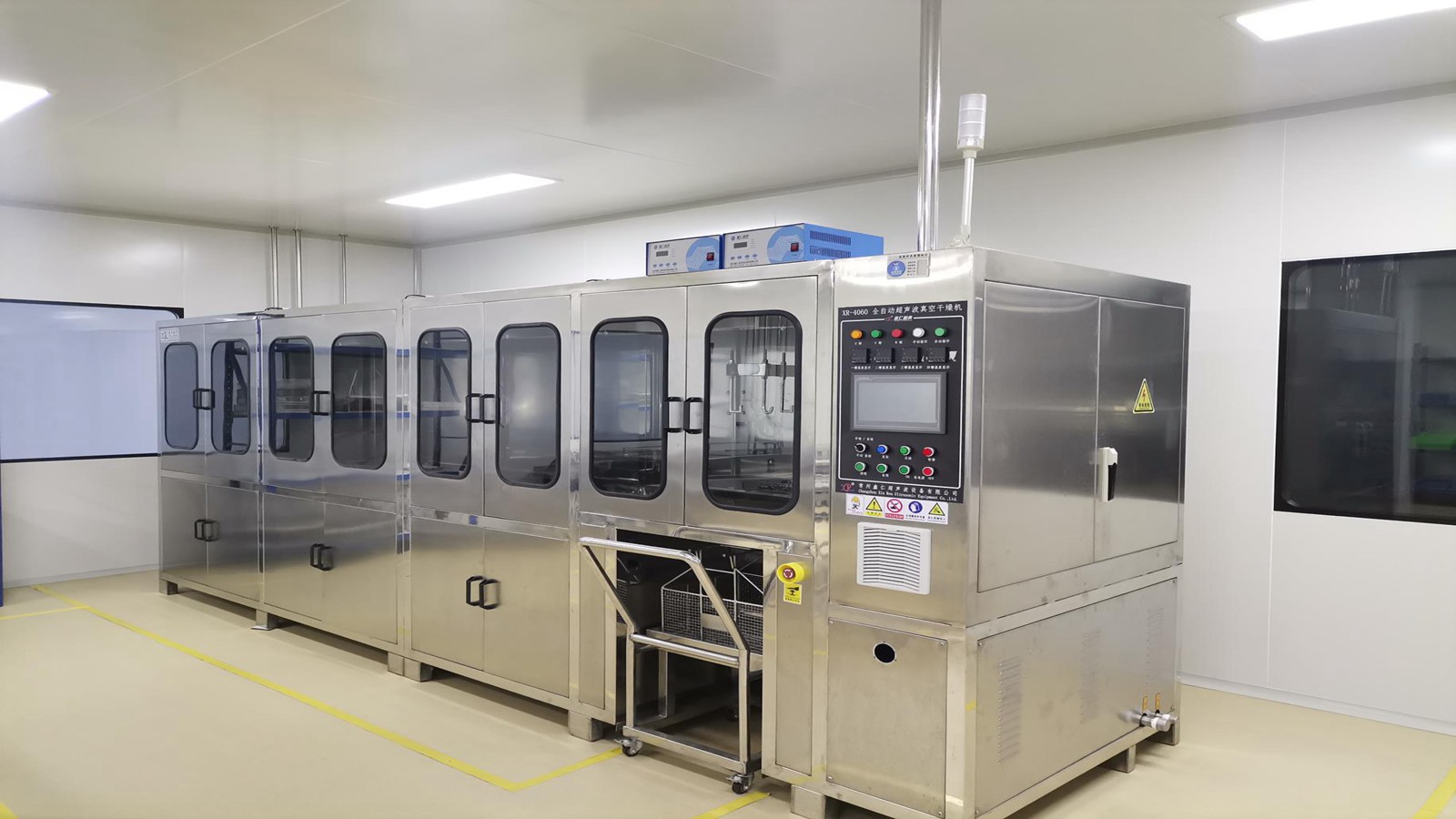
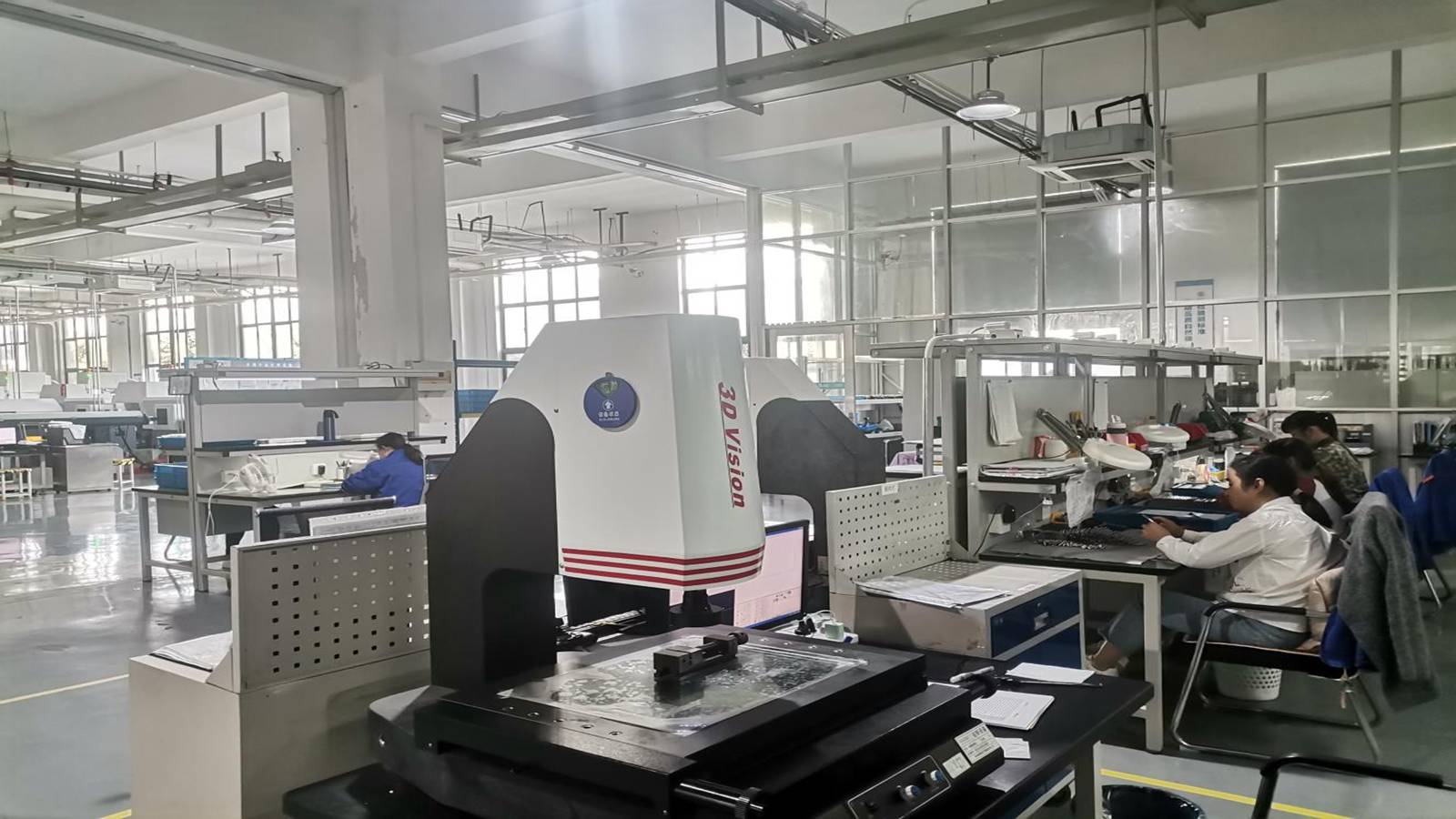
The company boasts a state-of-the-art production site spanning over 30,000 square meters, housing more than 350 advanced processing and testing machines. This massive infrastructure ensures a highly reliable supply chain capable of meeting large-scale global demands. HBM's commitment to technological, product, and service innovation is encapsulated in their core operating philosophy: "Integrate the Master, Health being achieved."
Key criteria for procurement departments, distributors, and hospital groups when selecting a manufacturing partner.
When sourcing craniomaxillofacial implants, procurement officers must evaluate suppliers based on a strict matrix of regulatory compliance, manufacturing capability, and material traceability. The top 10 global suppliers, including industry leaders and advanced manufacturers like HBM Medical, are evaluated on the following pillars:
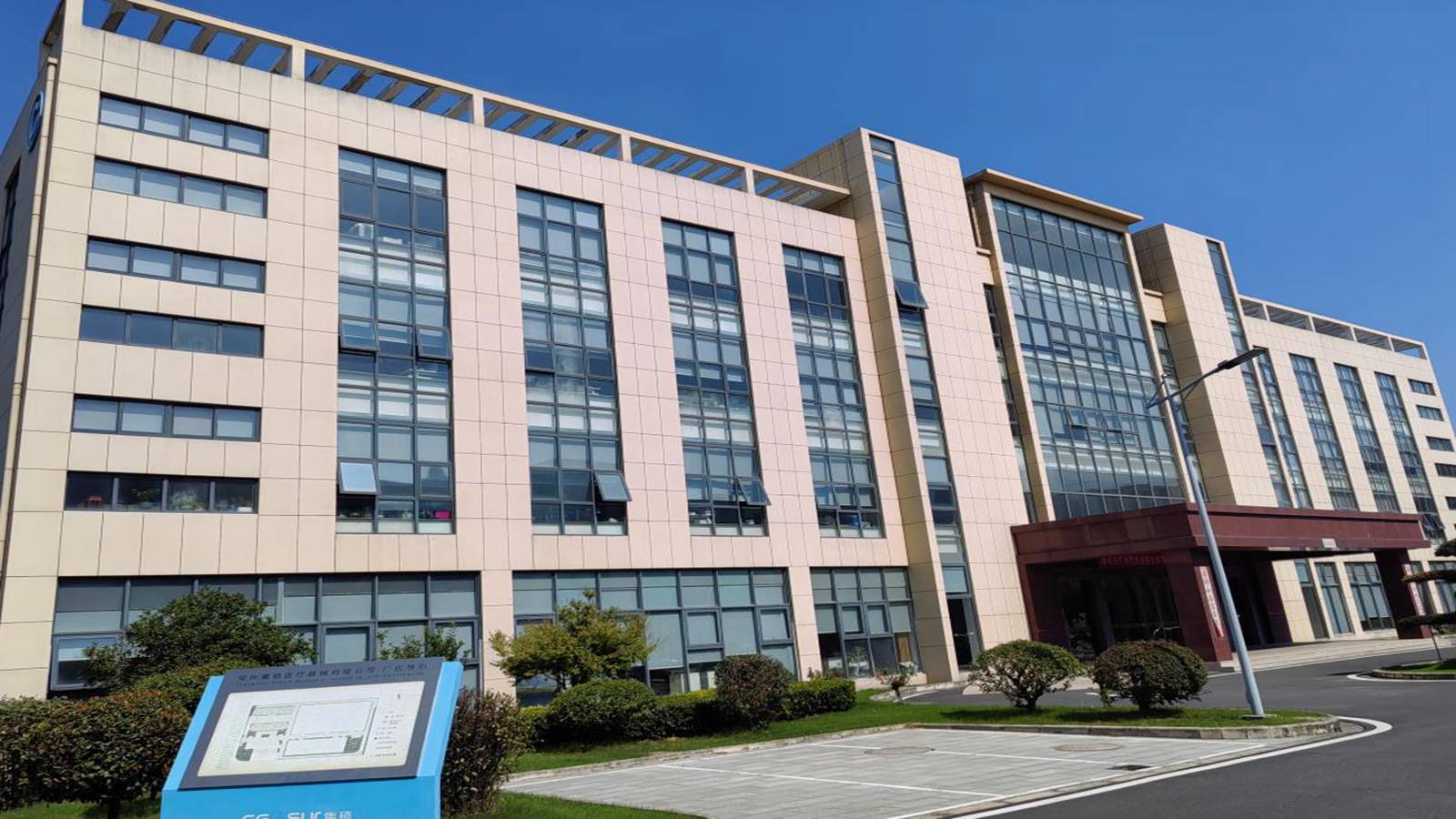
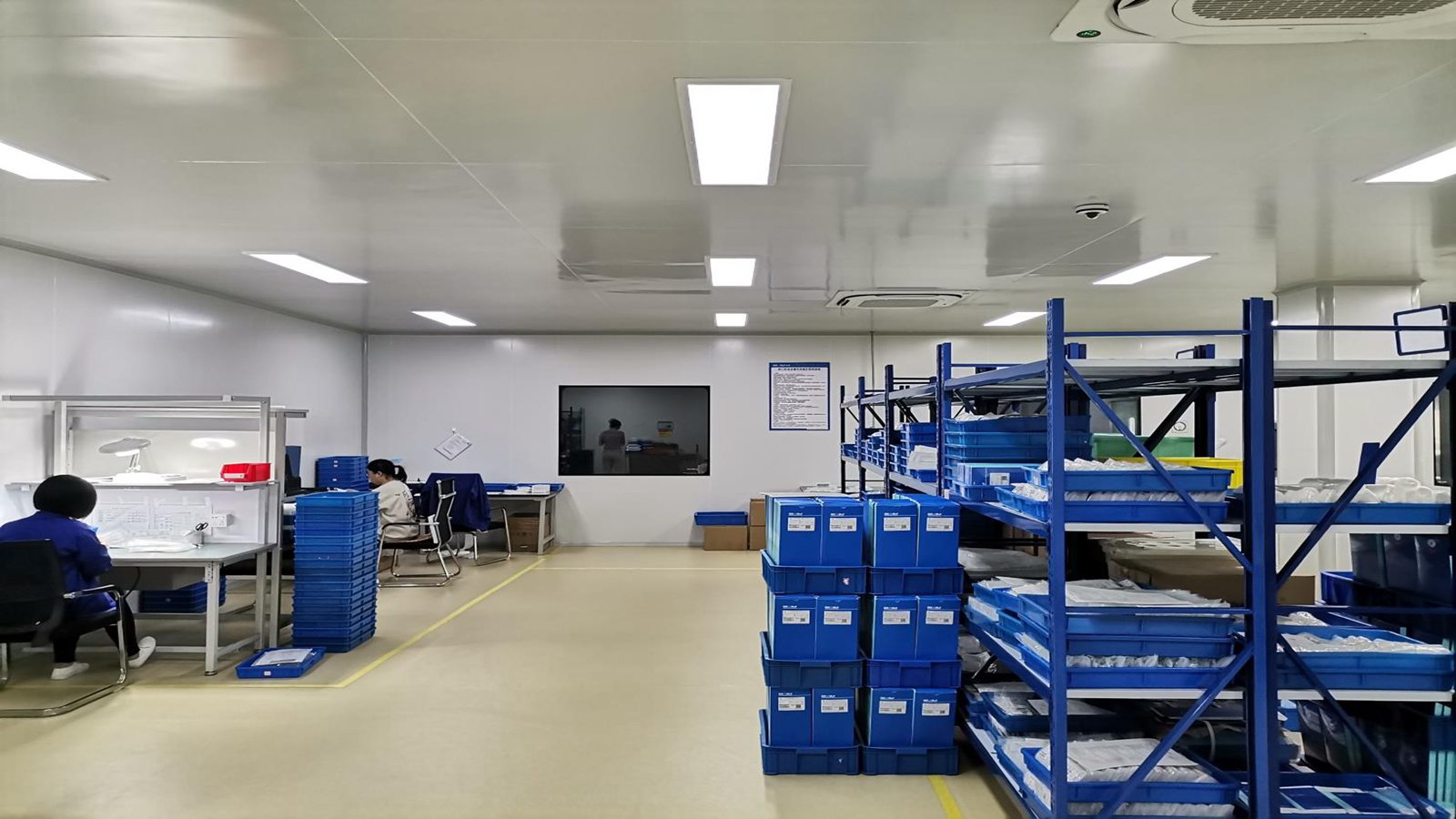
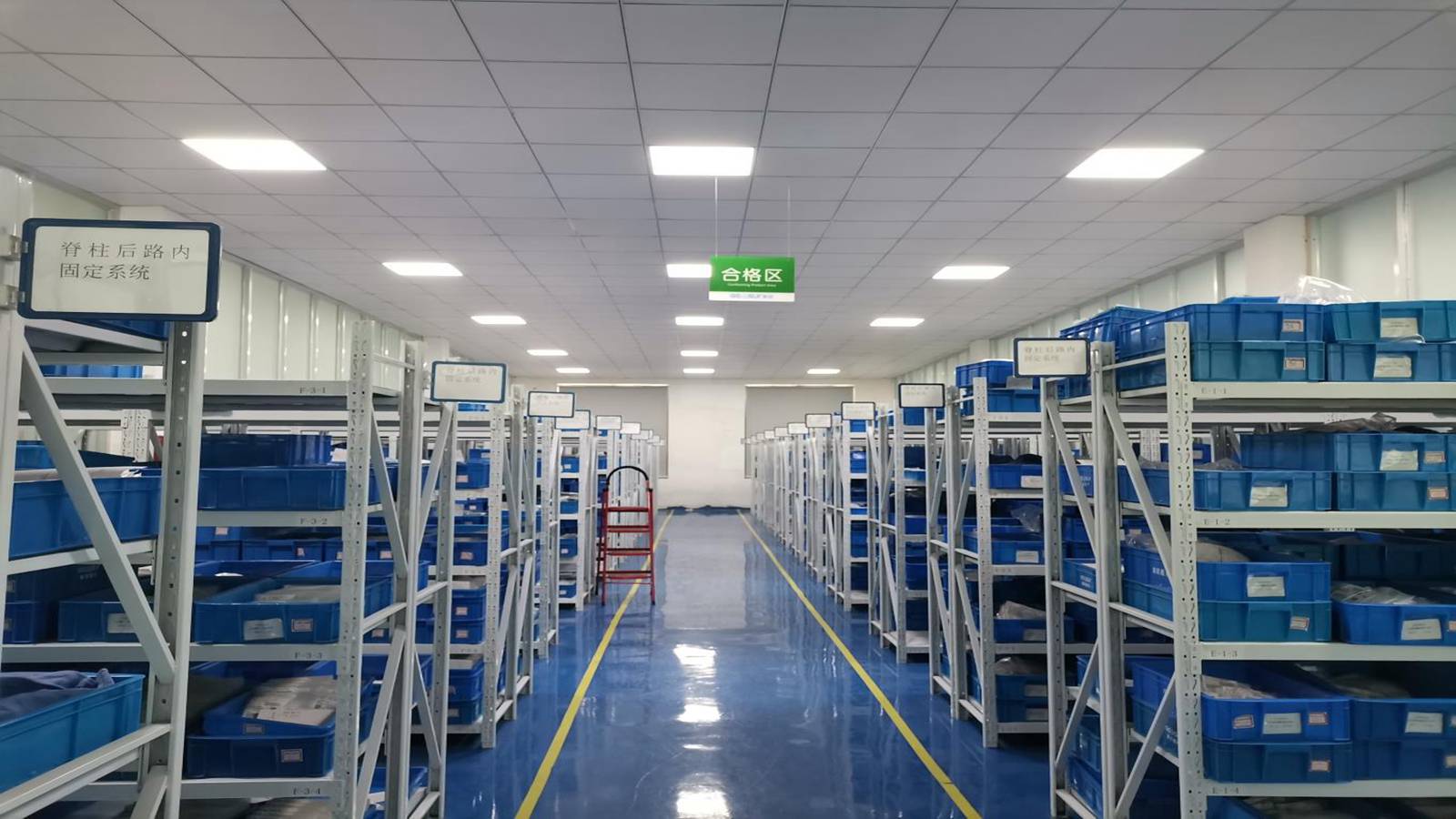
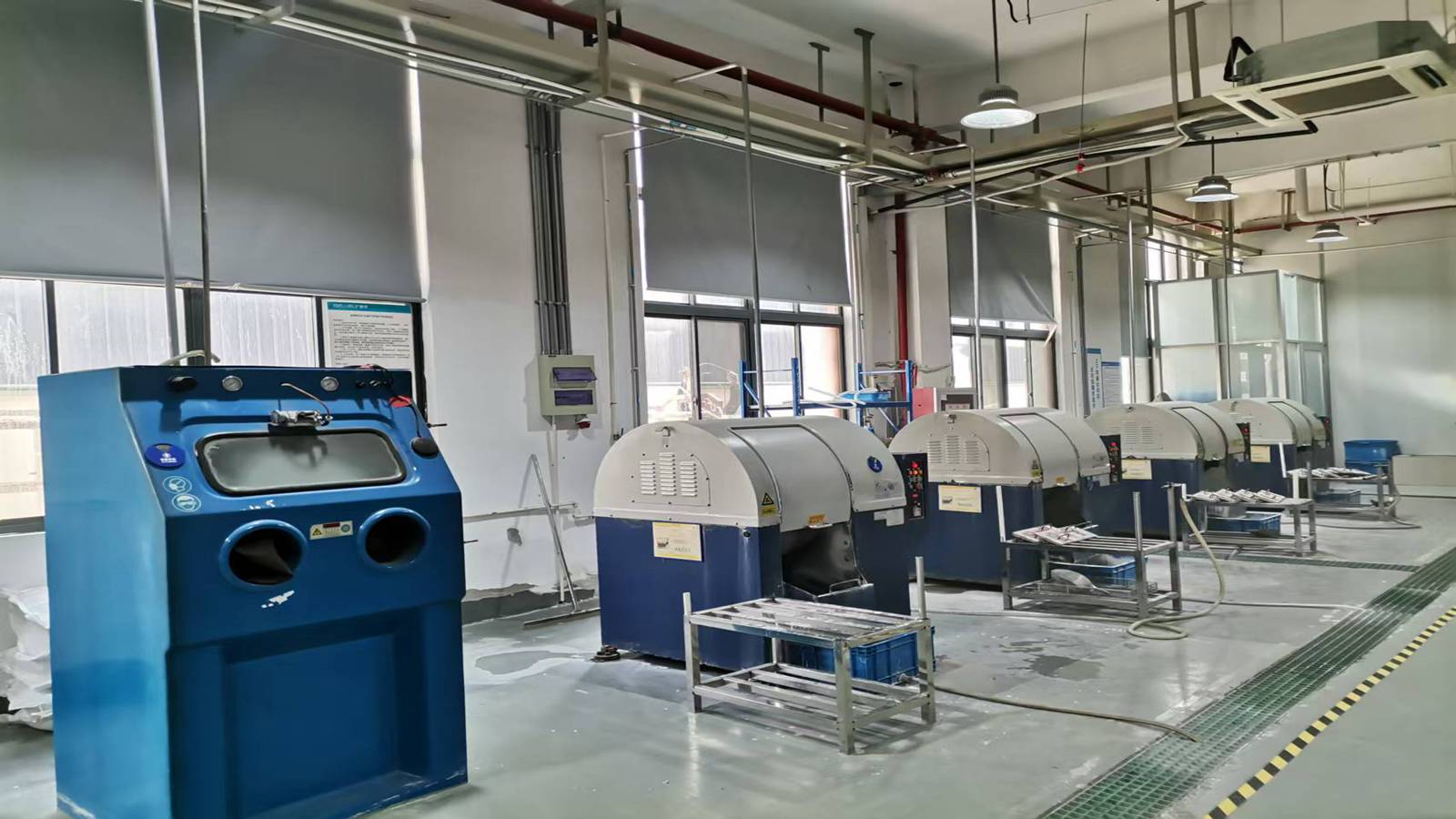
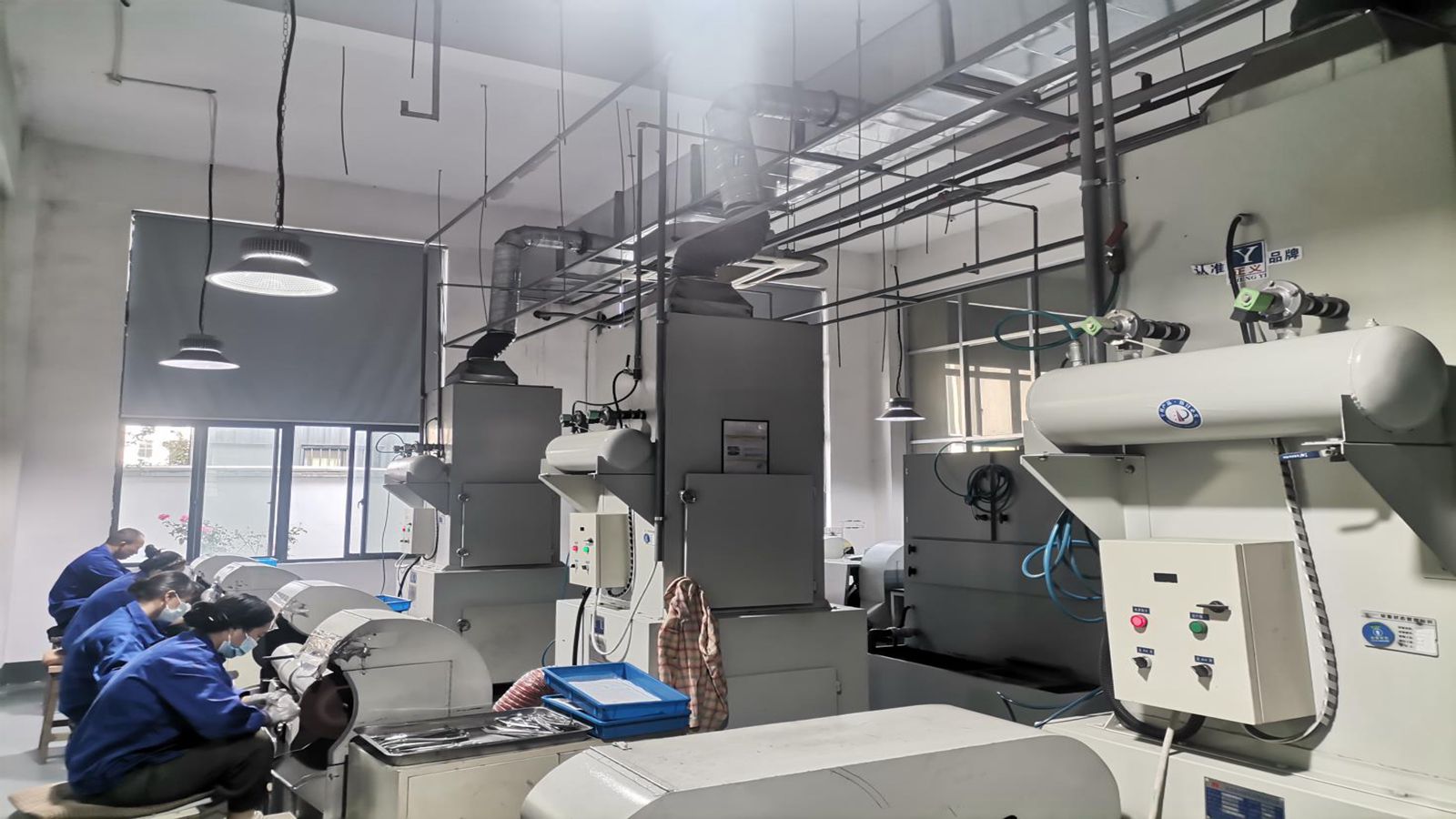
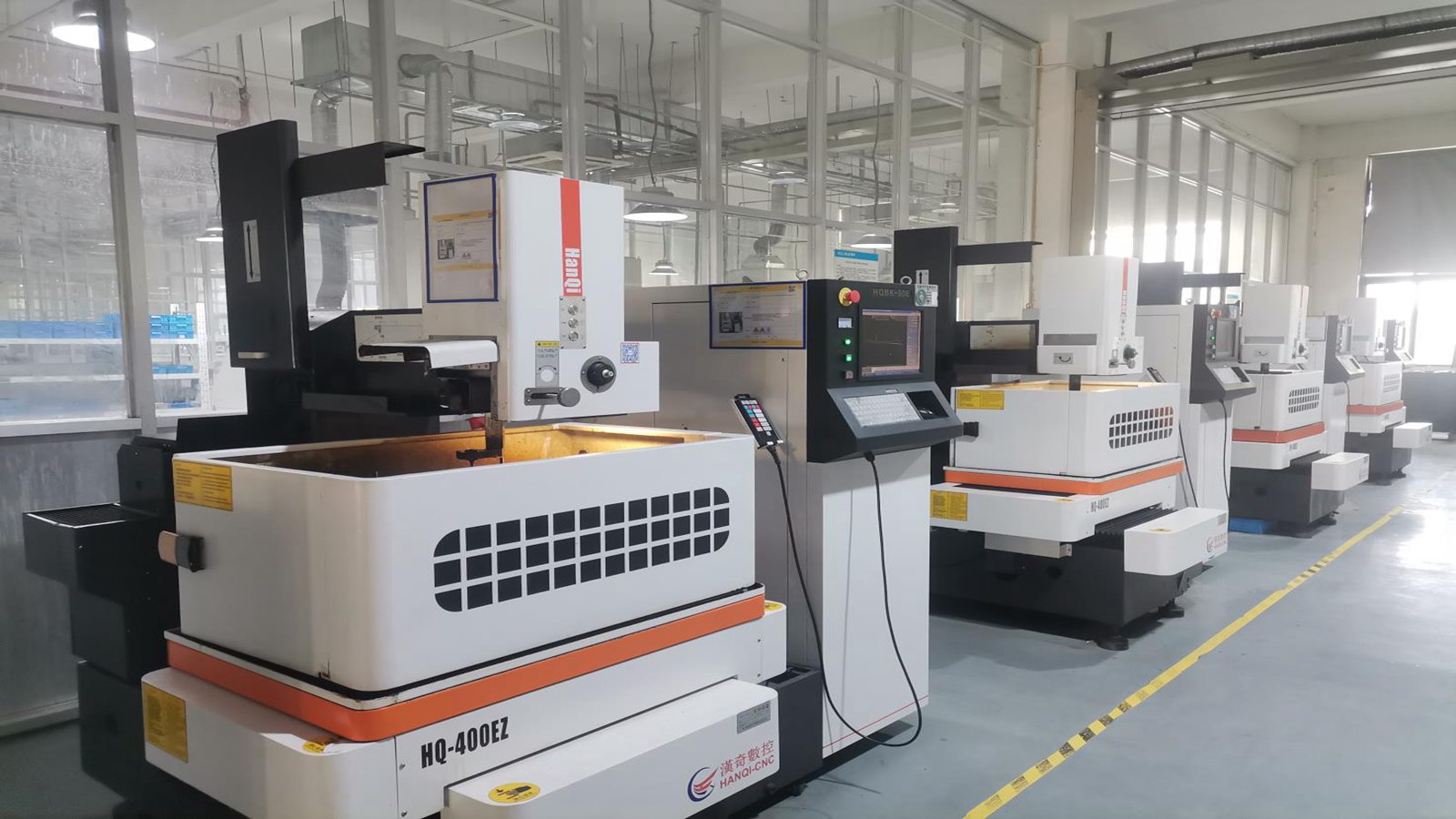
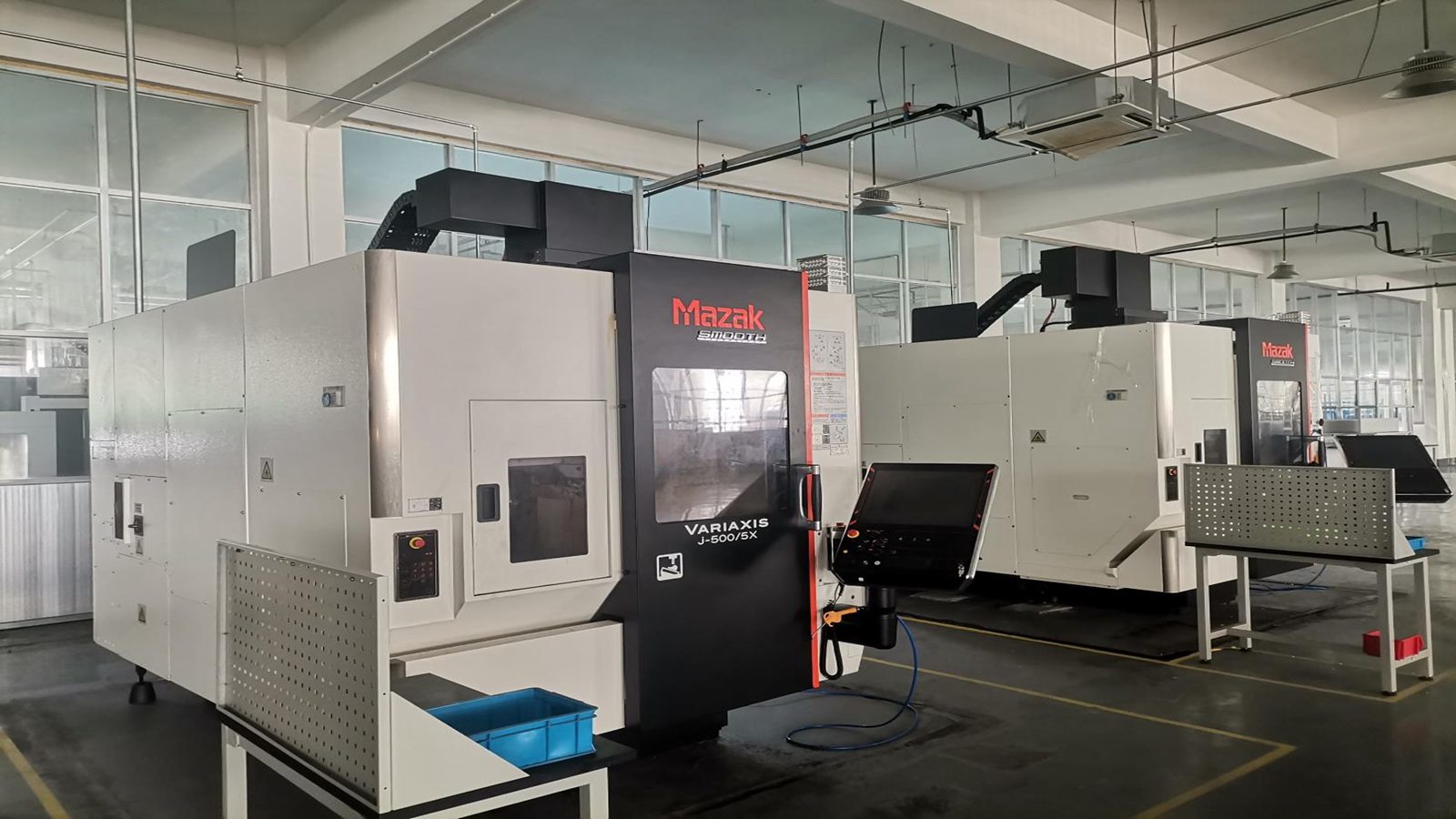
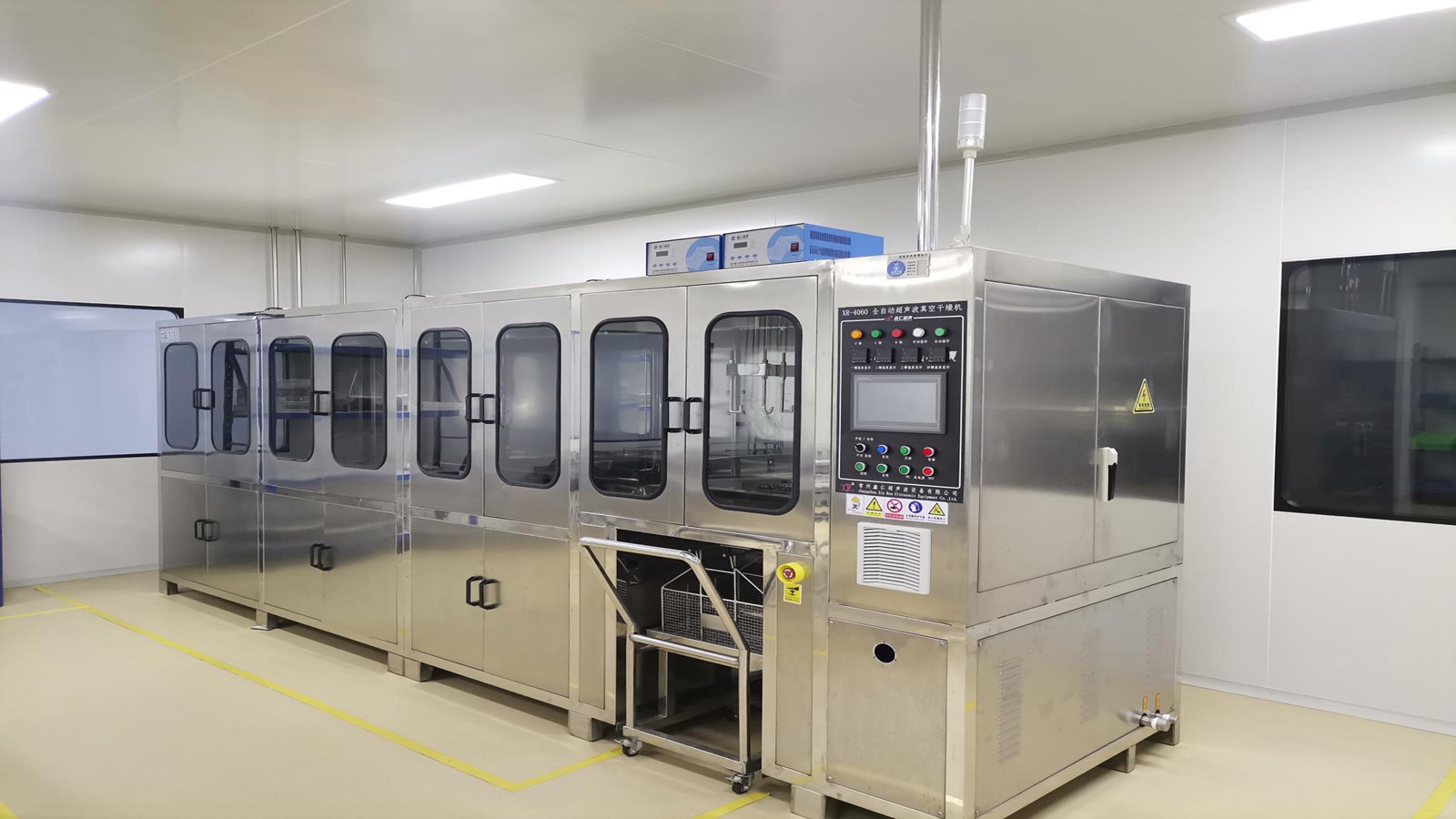
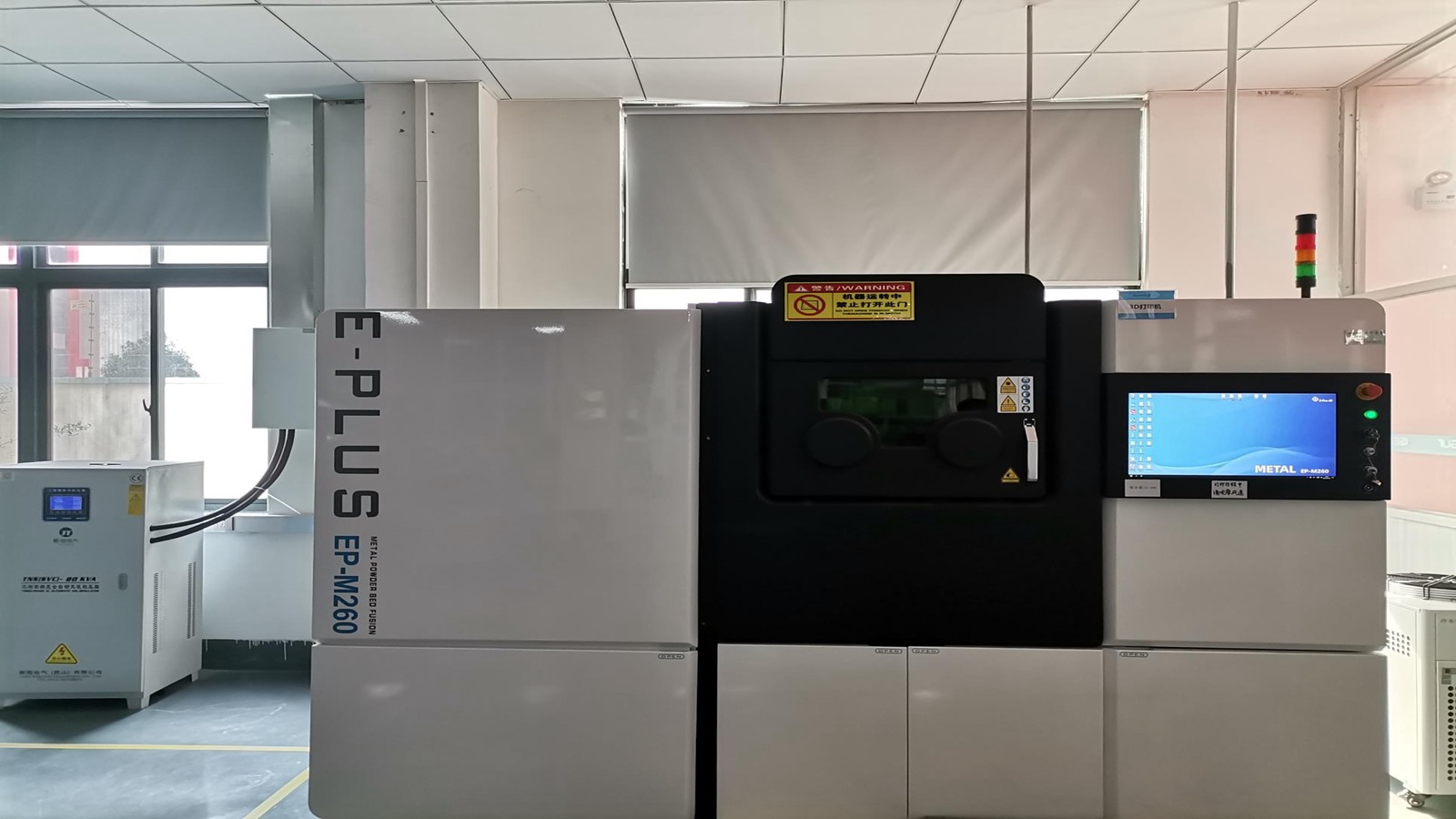
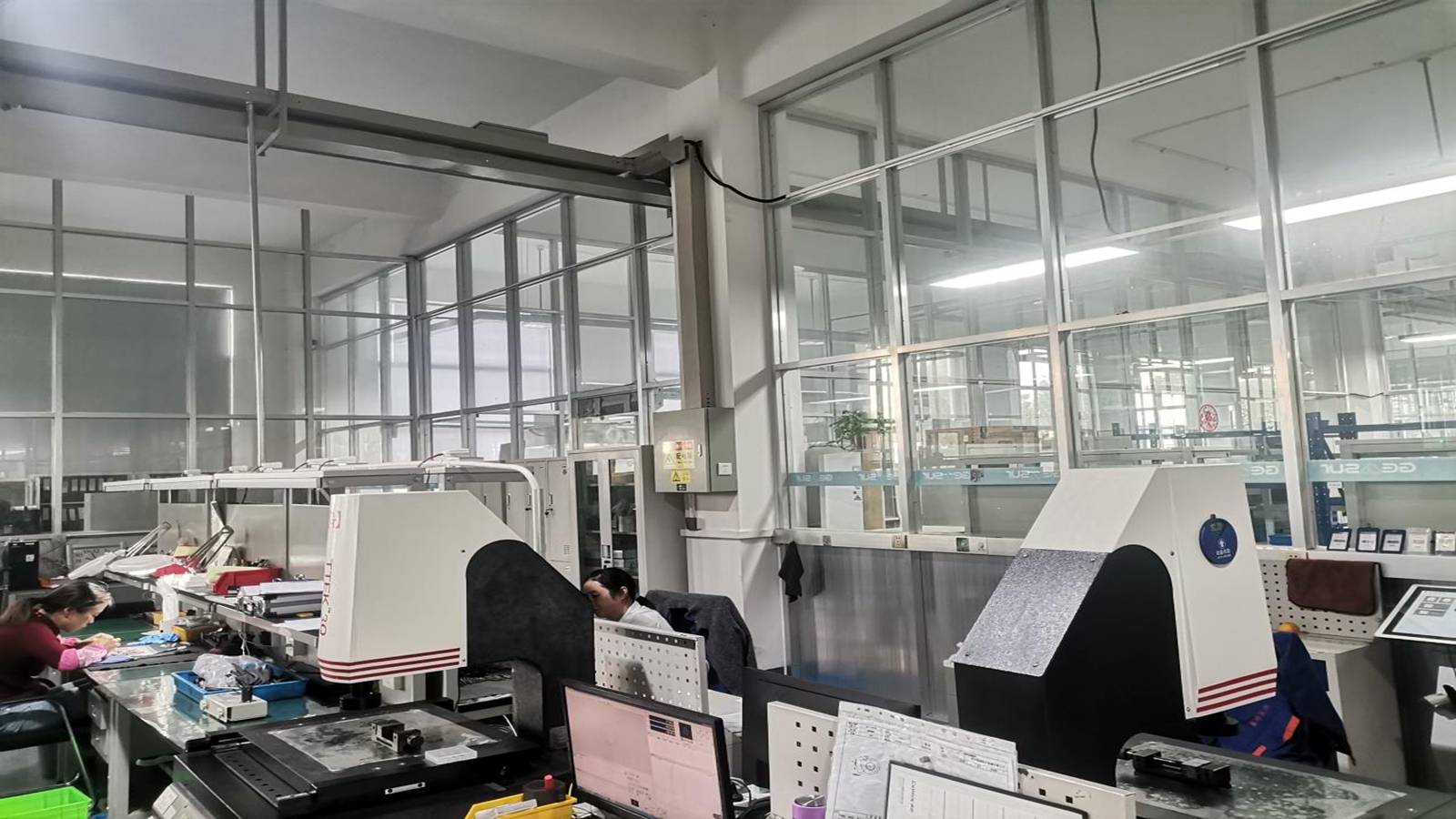
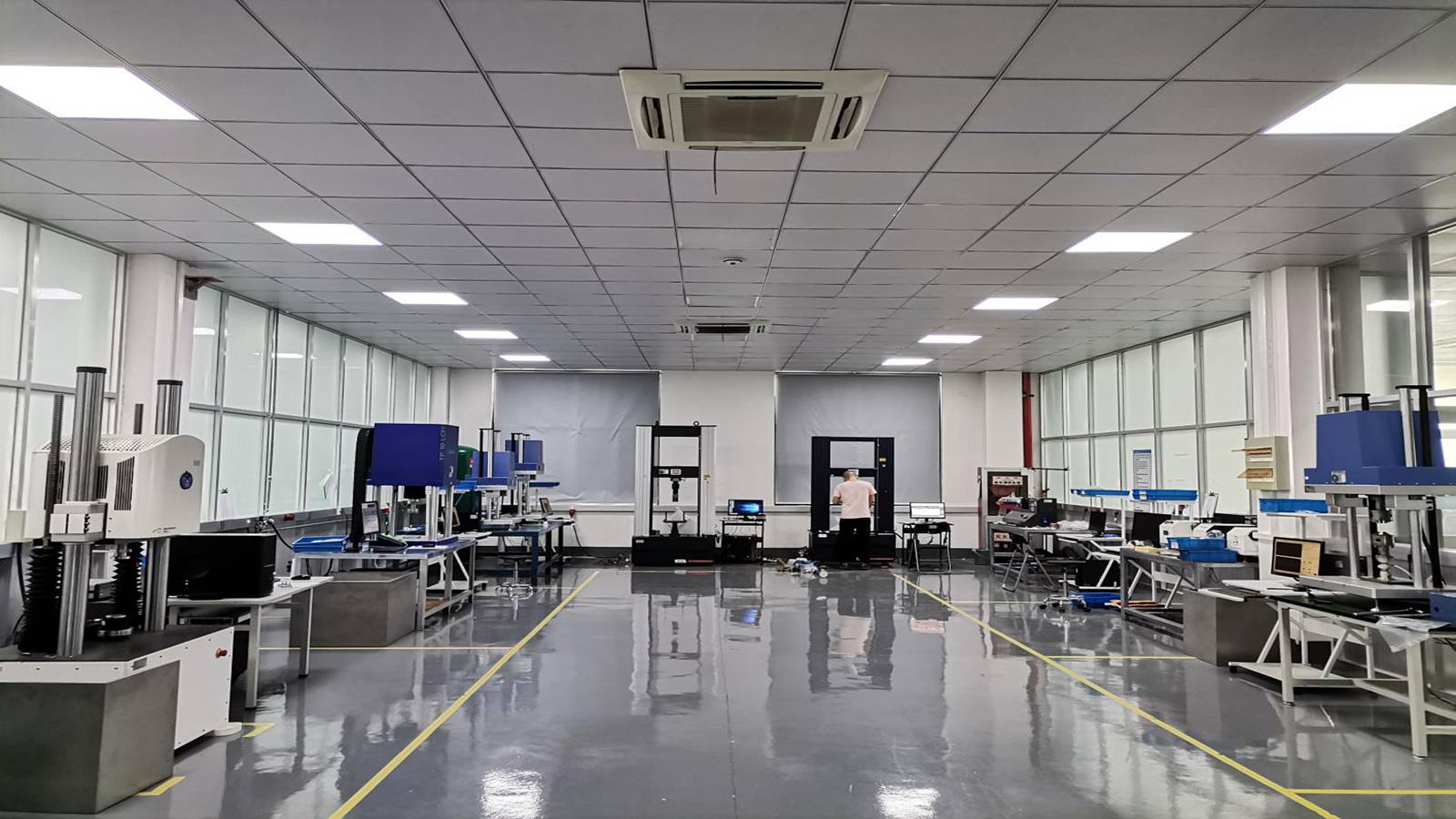
HBM Medical operates 12 highly specialized production lines with a dedicated team of 31 R&D engineers (including 1 Doctorate, 11 Postgraduates, and 17 Graduates). Their robust quality control system is backed by 36 QA/QC inspectors, ensuring 100% product inspection or custom inspection protocols based on client requirements. Below is a visual overview of HBM's world-class manufacturing, testing, and cleanroom facilities:



Addressing critical technical, regulatory, and commercial inquiries regarding maxillofacial plating systems.
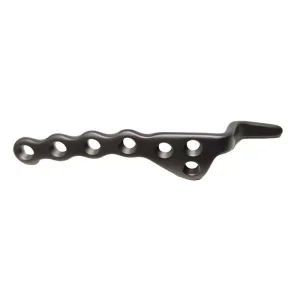
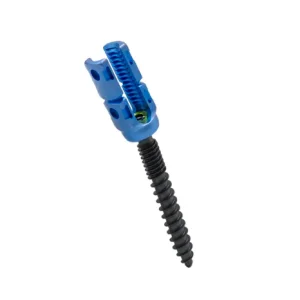
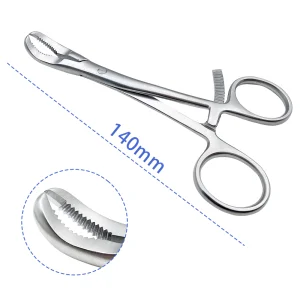
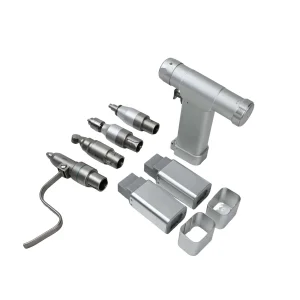
Discover our specialized trauma plates, spinal fixation systems, and veterinary orthopedic solutions designed for high-precision clinical applications.
 HBM Medical