Explore our highly engineered, clinically proven orthopedic implants and precision surgical instrument sets designed for global healthcare standards.
An in-depth analysis of market dynamics, clinical demands, and material science innovations driving the osteosynthesis sector.
The global orthopedic implants market, specifically the segment of bone plates and screws (osteosynthesis systems), is undergoing a profound technological and structural transformation. Driven by an aging global population, rising incidences of traumatic injuries, and rapid advancements in minimally invasive surgical (MIS) techniques, the demand for highly reliable, biocompatible, and anatomically optimized internal fixation devices has reached unprecedented heights.
According to recent clinical registry data and market analyses, the global trauma fixation devices market is projected to grow at a CAGR of over 6.5%, with locking plate systems and bioresorbable materials representing the fastest-growing sub-segments. Modern orthopedics demands implants that do not merely provide mechanical stabilization but actively promote physiological bone healing and minimize stress shielding.
Historically, stainless steel (such as 316L) was the gold standard for internal fixation due to its high mechanical strength and ductility. However, the industry has rapidly transitioned toward Titanium Alloys (Ti-6Al-4V ELI) and Pure Titanium (Grade 2/4) due to their superior biocompatibility, lower elastic modulus (which reduces stress shielding), and excellent corrosion resistance. Furthermore, the integration of PEEK (Polyetheretherketone) and carbon-fiber-reinforced composites has emerged as a major trend for radiolucent implants, allowing surgeons to monitor bone healing postoperatively via standard X-rays without metal artifact interference.
Modern plates are engineered using extensive 3D bone databases to match specific anatomical geometries, reducing intraoperative bending and operating room time.
The paradigm shift to locking screw technologies creates a fixed-angle construct, providing superior stability in osteoporotic bone or multi-fragmented fractures.
Anodic oxidation, acid etching, and bioactive coatings (such as Hydroxyapatite) are applied to enhance osseointegration and reduce bacterial adhesion.
Where the orthopedic implant industry is heading: from smart implants to additive manufacturing.
The orthopedic implant industry is transitioning from passive mechanical stabilization to intelligent, biological integration. The next decade will be defined by three major technological pillars:
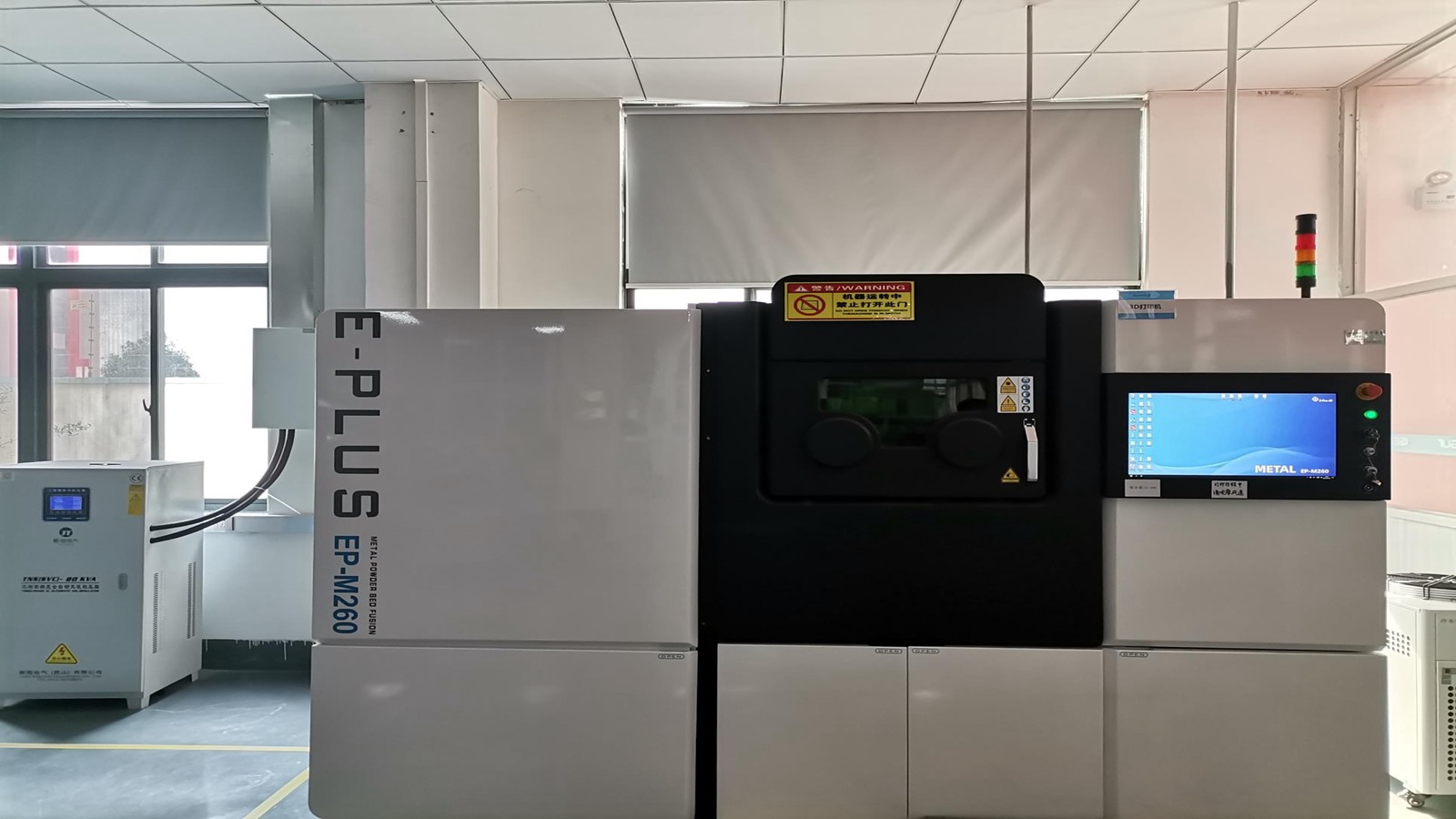
Direct Metal Laser Sintering (DMLS) and Electron Beam Melting (EBM) are revolutionizing the production of bone plates. Instead of machining implants from solid blocks of titanium, 3D printing allows for the creation of highly porous, trabecular-like structures. These porous surfaces mimic natural cancellous bone, encouraging rapid bone ingrowth and significantly improving the long-term stability of the implant-bone interface.
For pediatric applications and specific low-load trauma indications, the necessity of a second surgery to remove metal implants is a significant clinical burden. The development of magnesium alloys and advanced polylactic acid (PLA/PLGA) composites allows the bone plate and screws to gradually degrade at a rate that matches the natural healing speed of the bone, eventually leaving no foreign material in the patient's body.
The integration of micro-sensors within locking plates is currently in clinical trial phases. These sensors can measure real-time strain, temperature, and local pH levels, transmitting data wirelessly to the surgeon's tablet. This enables early detection of non-union, implant failure, or localized infection long before clinical symptoms present themselves on standard radiographs.
A deep dive into HBM Medical's state-of-the-art manufacturing capabilities, rigorous quality control, and global footprint.
HBM Medical Apparatus And Instruments Co., Ltd. is a premier orthopedic medical equipment R&D, manufacturing, and operation enterprise in China. With a sales network covering the entire domestic market and expanding rapidly into international territories, HBM has established itself as an elite partner for global healthcare distributors, hospitals, and medical device brands.
Founded with a commitment to technological innovation, HBM Medical operates a highly sophisticated manufacturing facility equipped with first-class production machinery. The company has built a multi-disciplinary R&D team consisting of materials scientists, biomechanical engineers, and clinical consultants. This robust R&D infrastructure allows HBM to launch over 25 new products annually, ensuring their product catalog remains at the absolute cutting edge of orthopedic science.
In the medical device industry, quality is not just a metric—it is a direct determinant of patient safety. HBM Medical operates a quality management system that strictly adheres to the highest international standards. The company is fully certified under ISO 13485, MDSAP (Medical Device Single Audit Program), and holds multiple CE Certificates (under the latest EU MDR regulations), ensuring seamless regulatory compliance across Europe, North America, and beyond.
| Certification / Parameter | Details & Reference Numbers | Clinical & Commercial Significance |
|---|---|---|
| ISO 13485:2016 | Certificate No: 04723Q10000765 | Guarantees a comprehensive quality management system for the design and manufacture of medical devices. |
| MDSAP Certification | Certificate No: C730178 | Enables compliance across multiple regulatory jurisdictions (USA, Canada, Australia, Japan, Brazil) via a single audit. |
| CE MDR Certification (Class III) | EPT 0477.MDR.25/5905 & EPT 0477.MDR.25/5973 | Complies with the stringent European Medical Device Regulation, allowing legal distribution throughout the EU. |
| Raw Material Traceability | 100% Traceable (Titanium Gr4, Ti-6Al-4V ELI) | Every single implant can be traced back to the exact raw material batch, including chemical composition and tensile strength reports. |
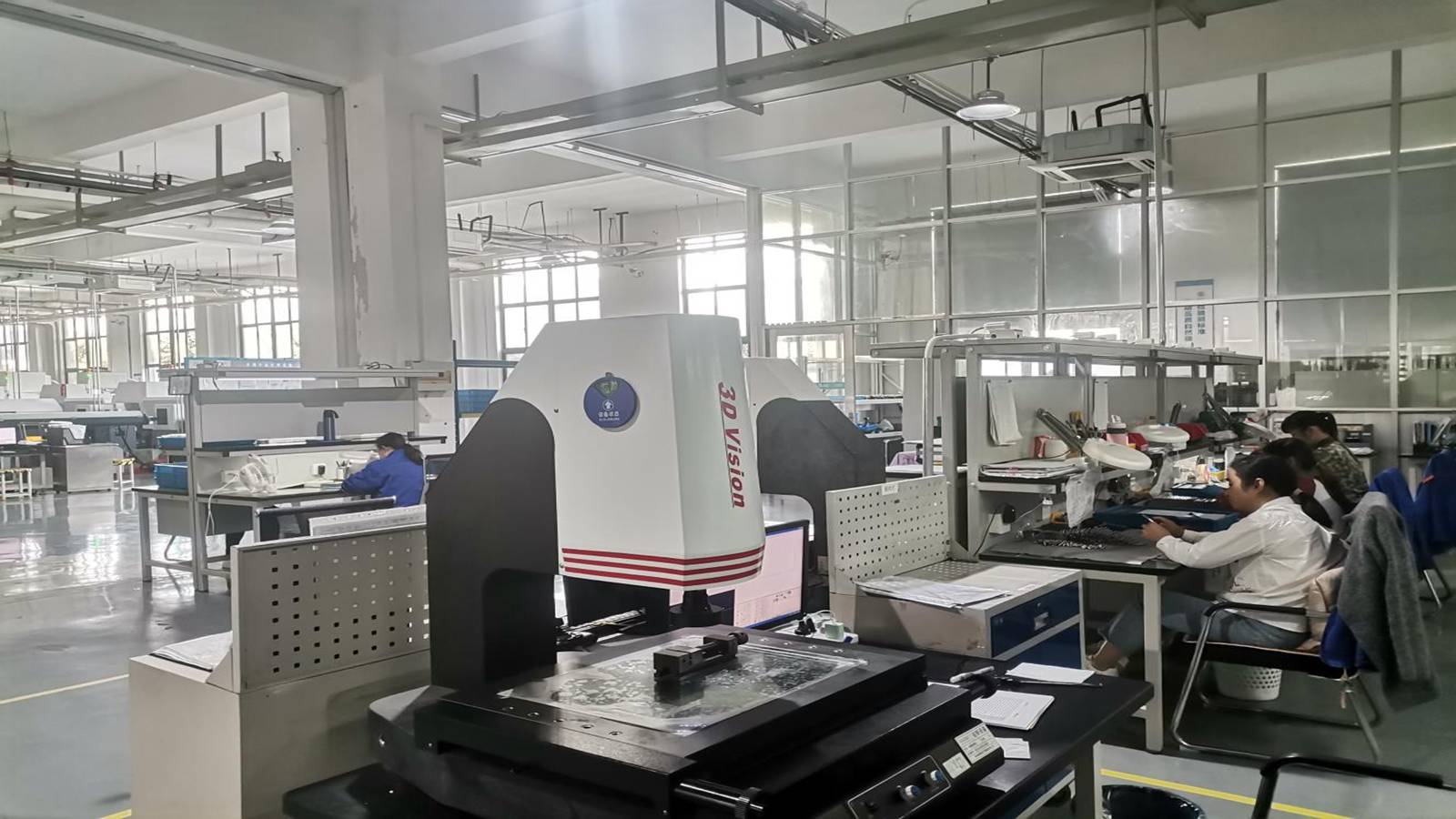
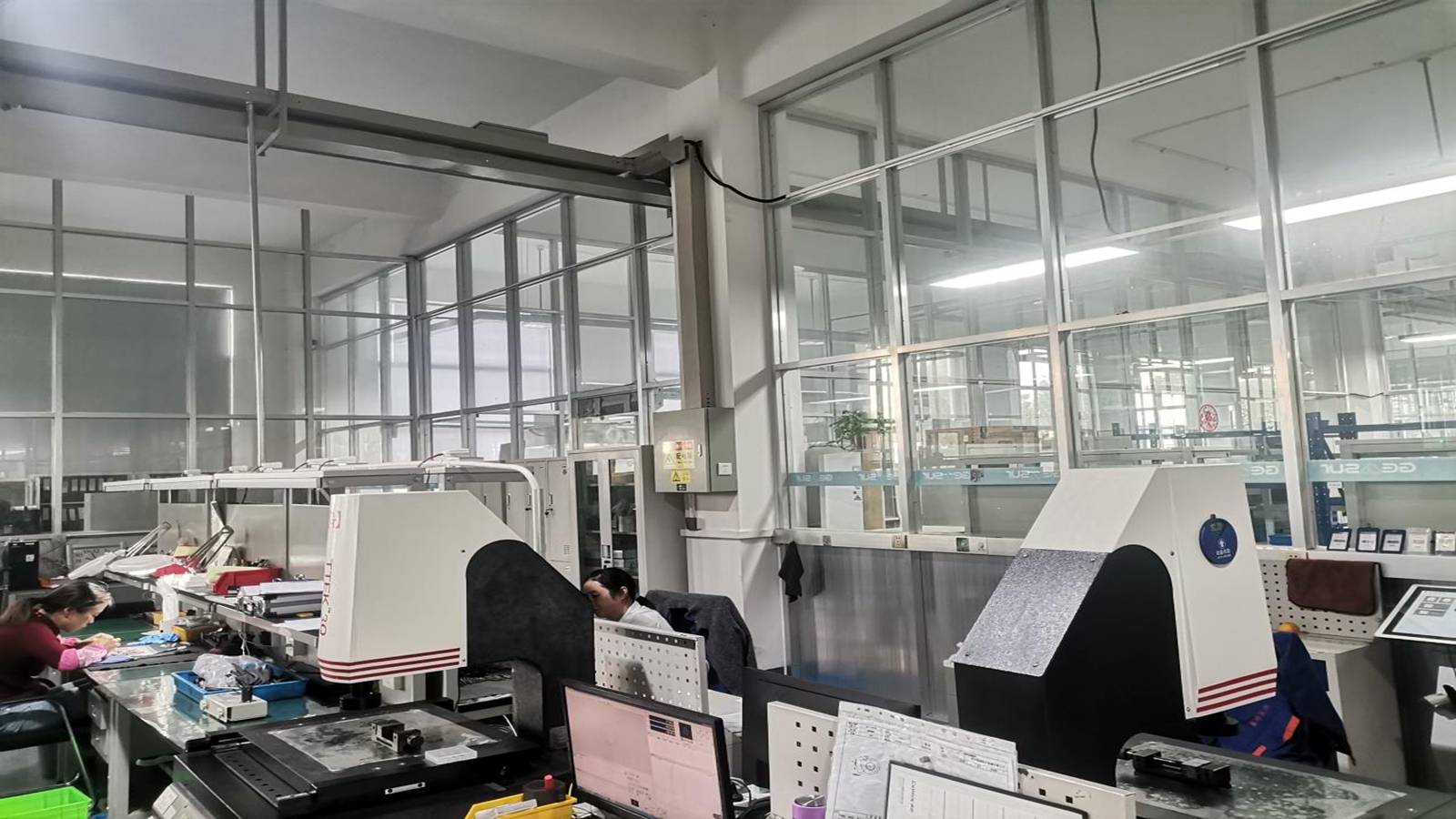
| QA/QC Inspection Force | 36 Dedicated Inspectors | Conducts 100% inspection on critical dimensions, thread tolerances, and surface finishes using advanced optical comparators. |
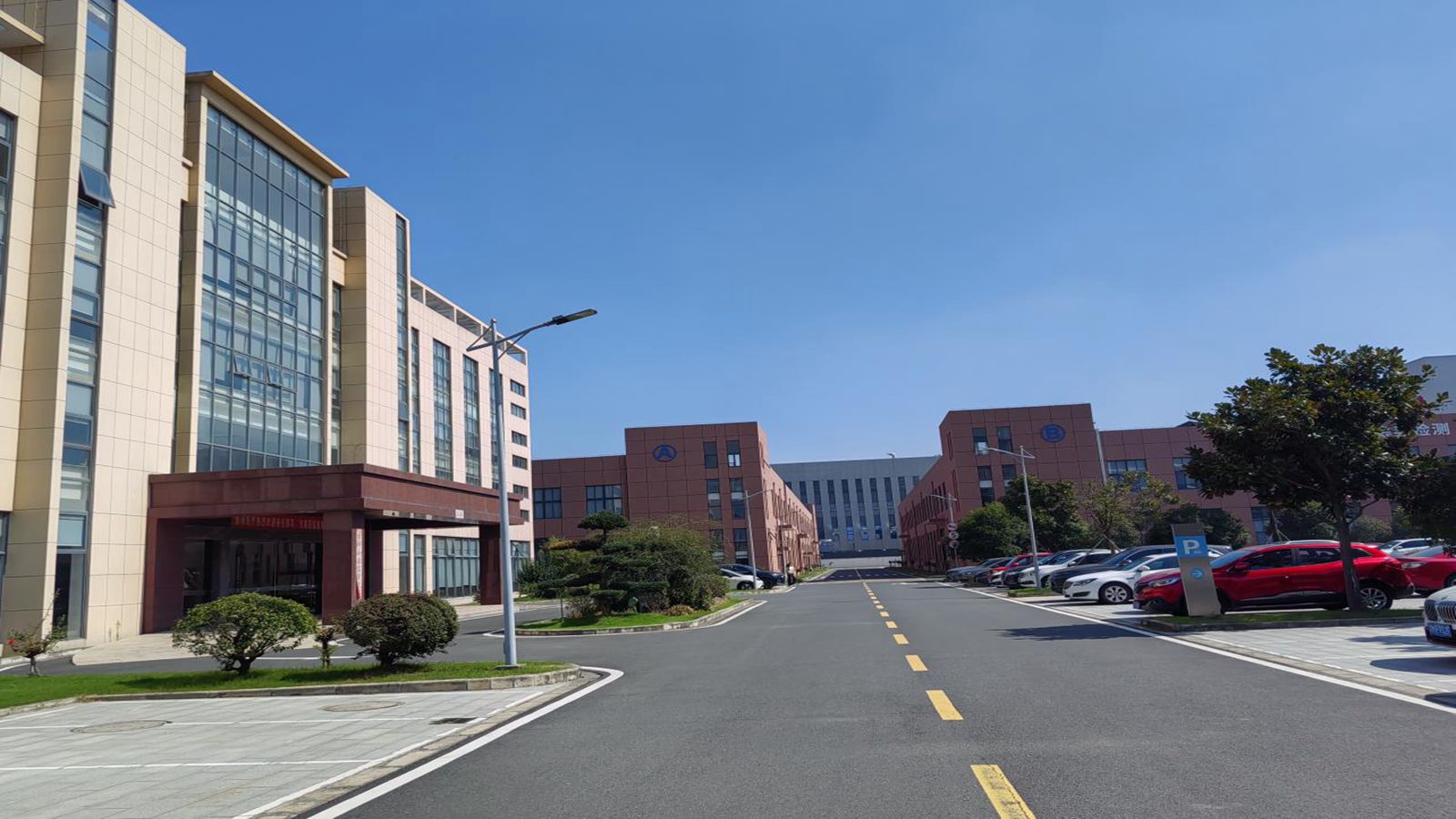
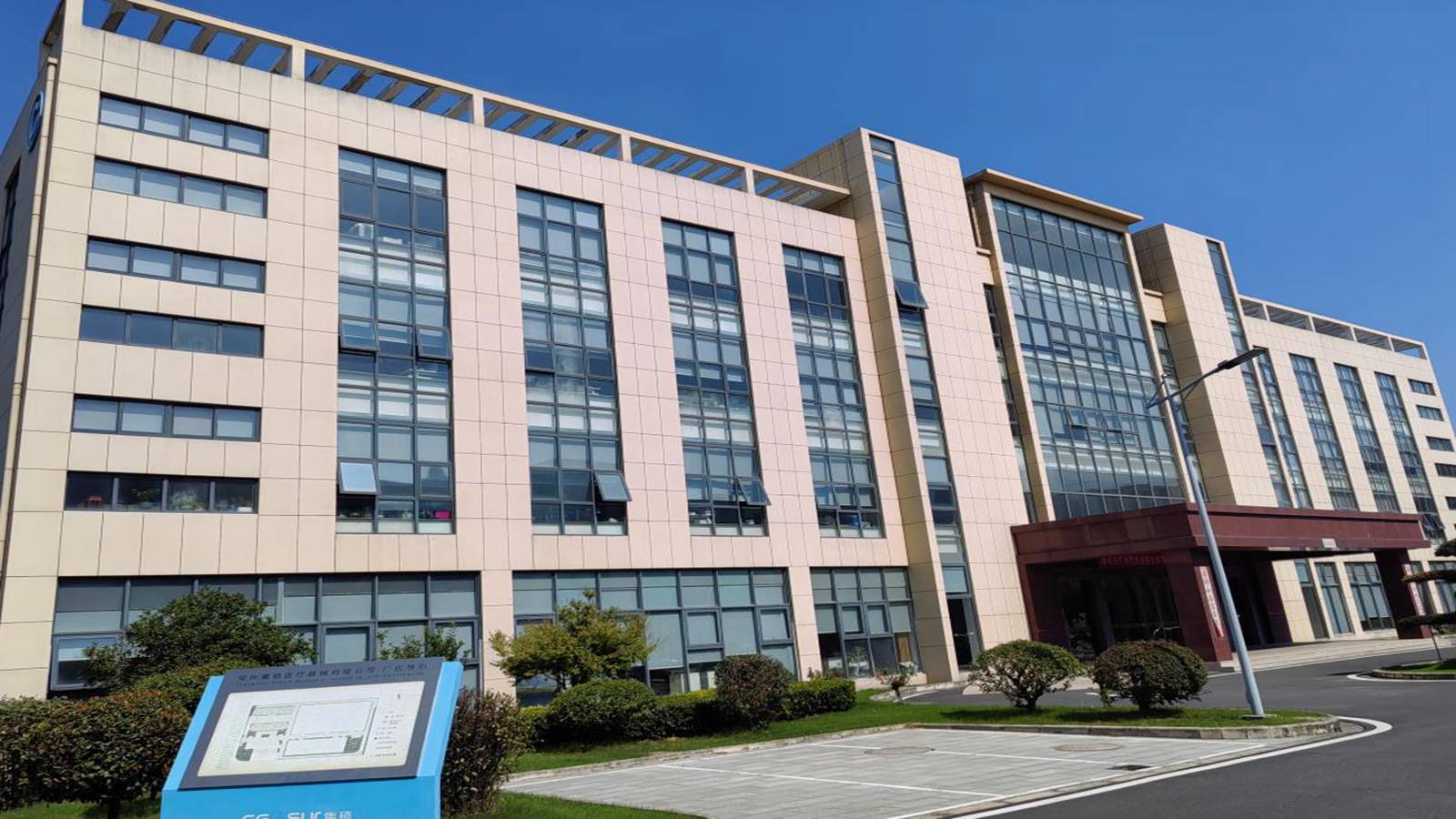
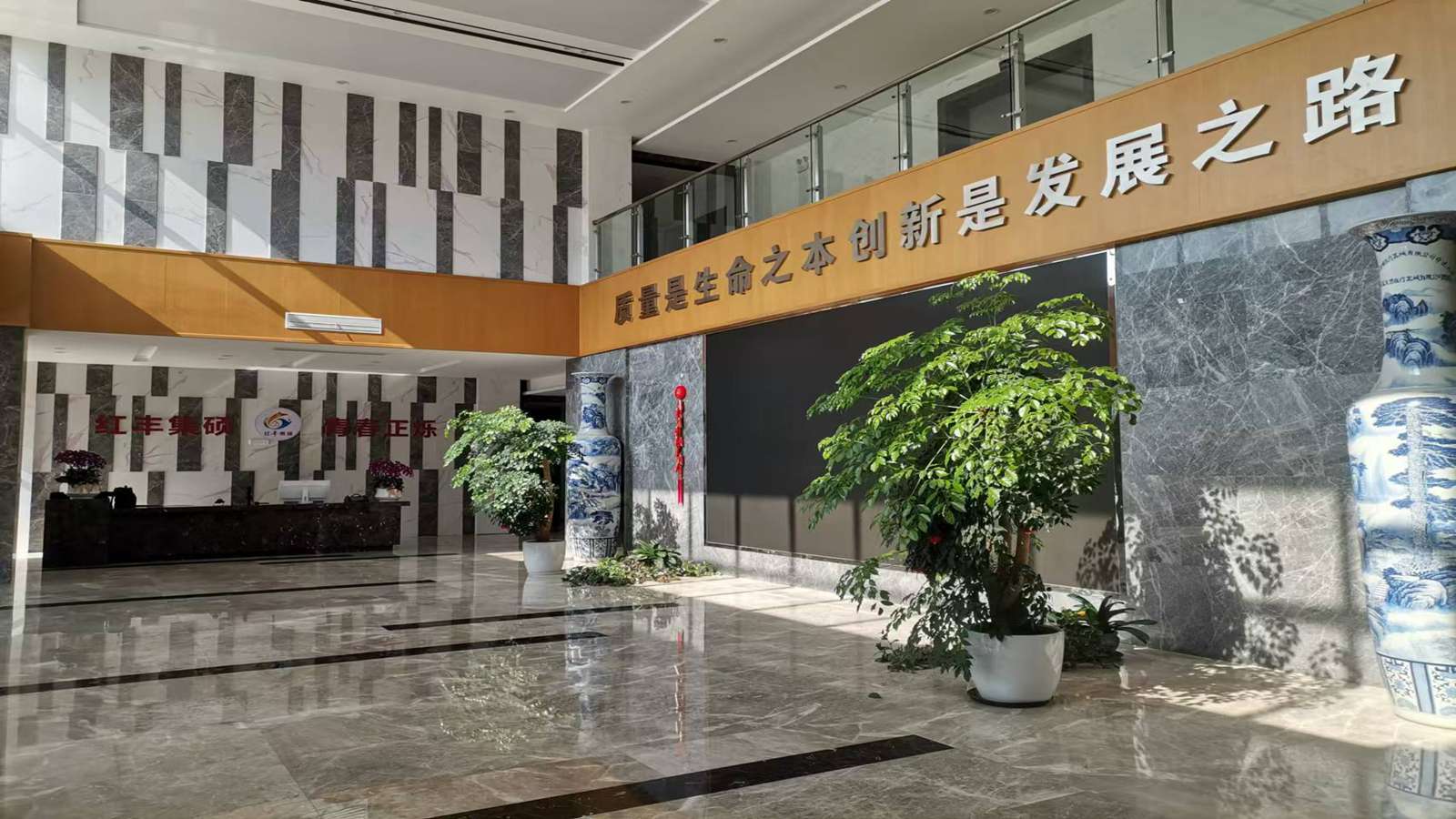
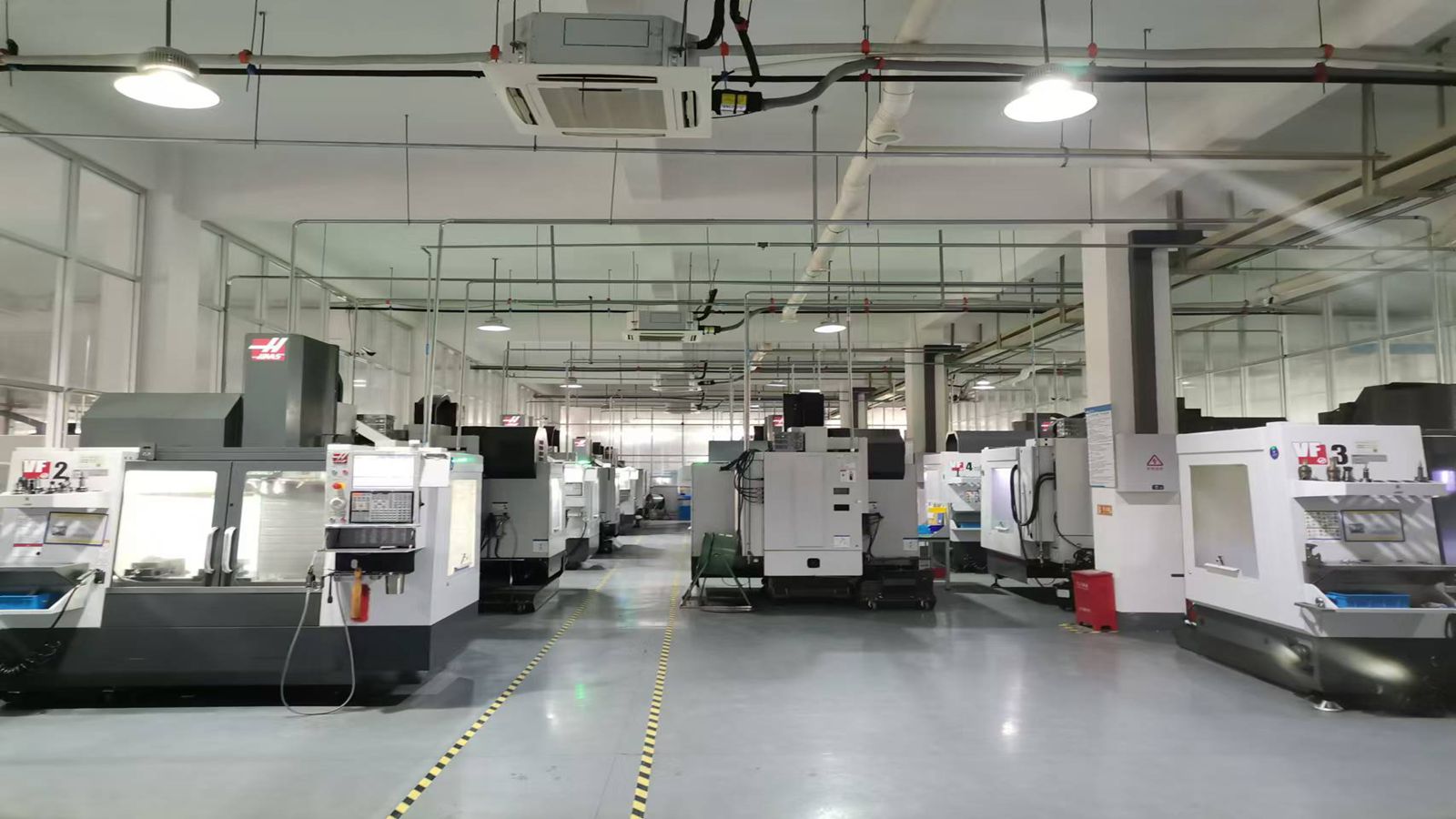
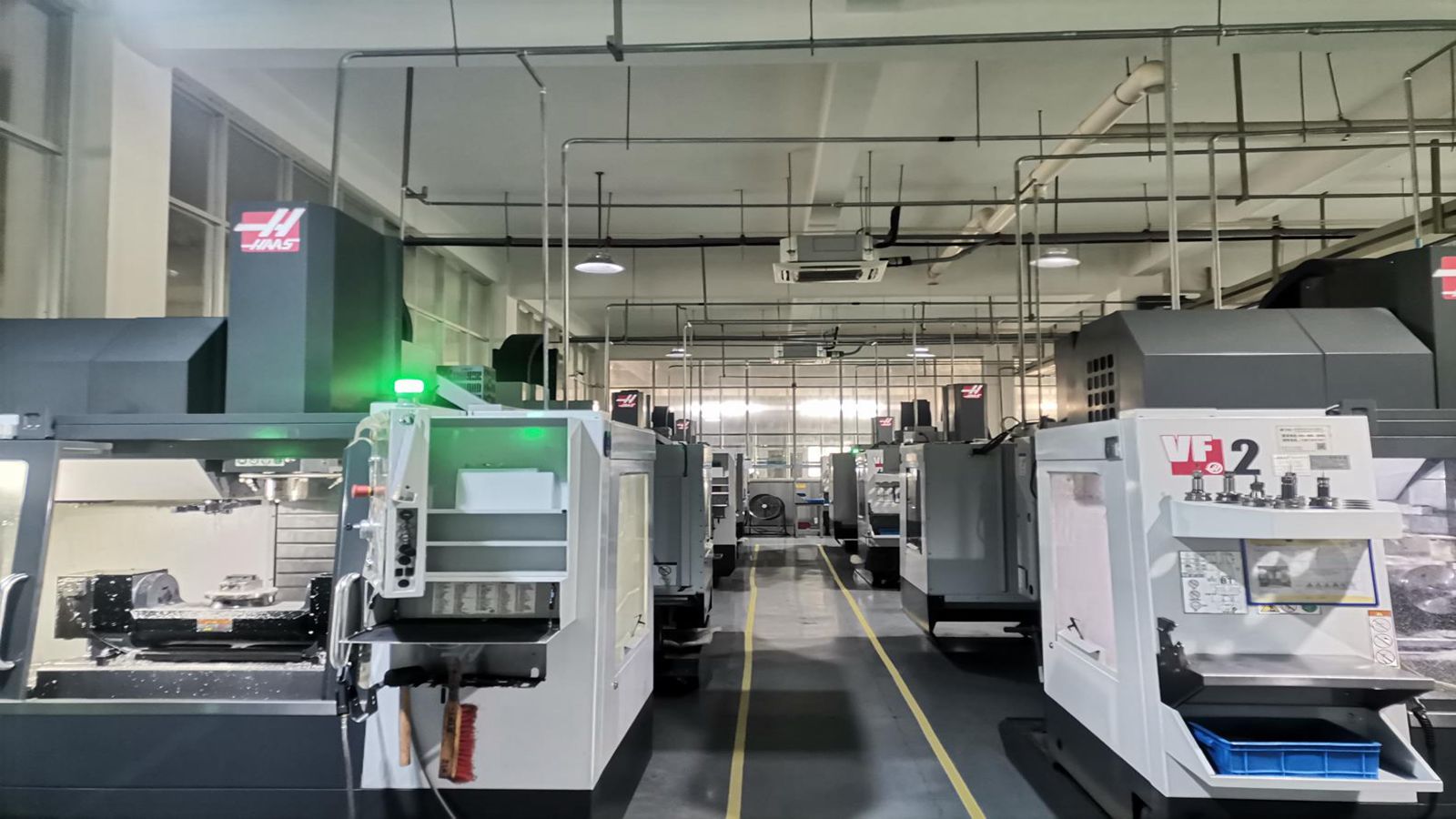
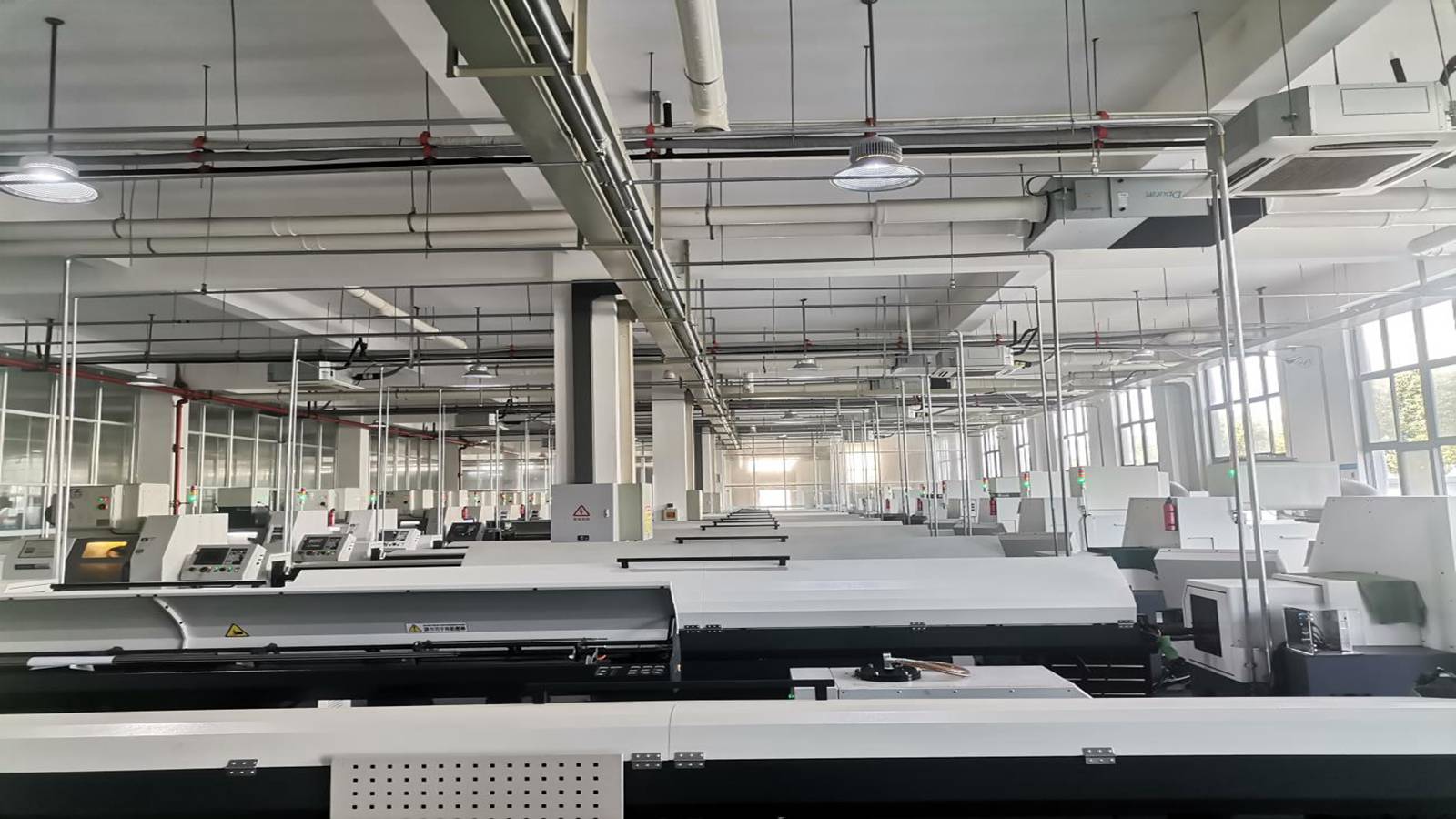
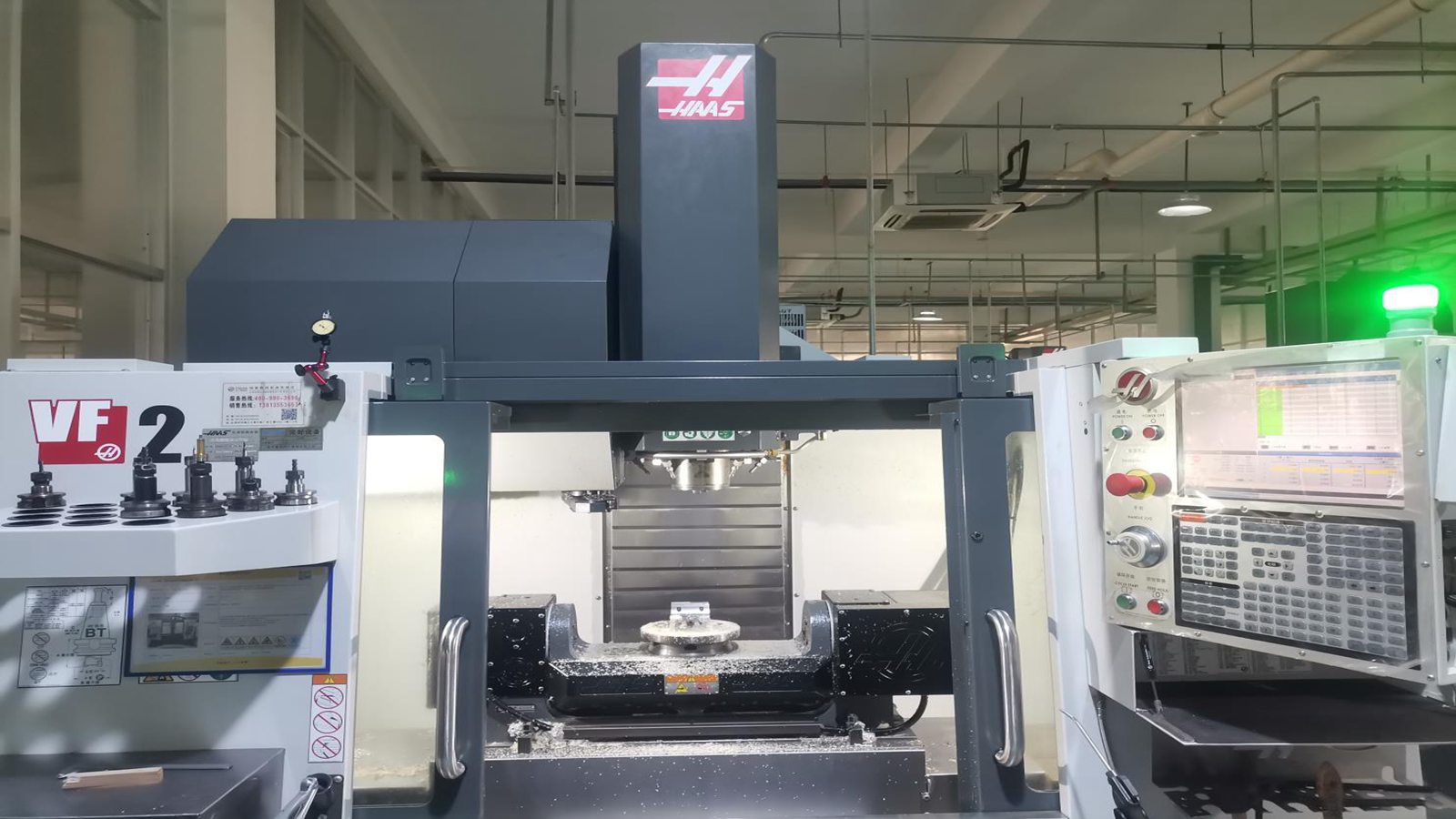
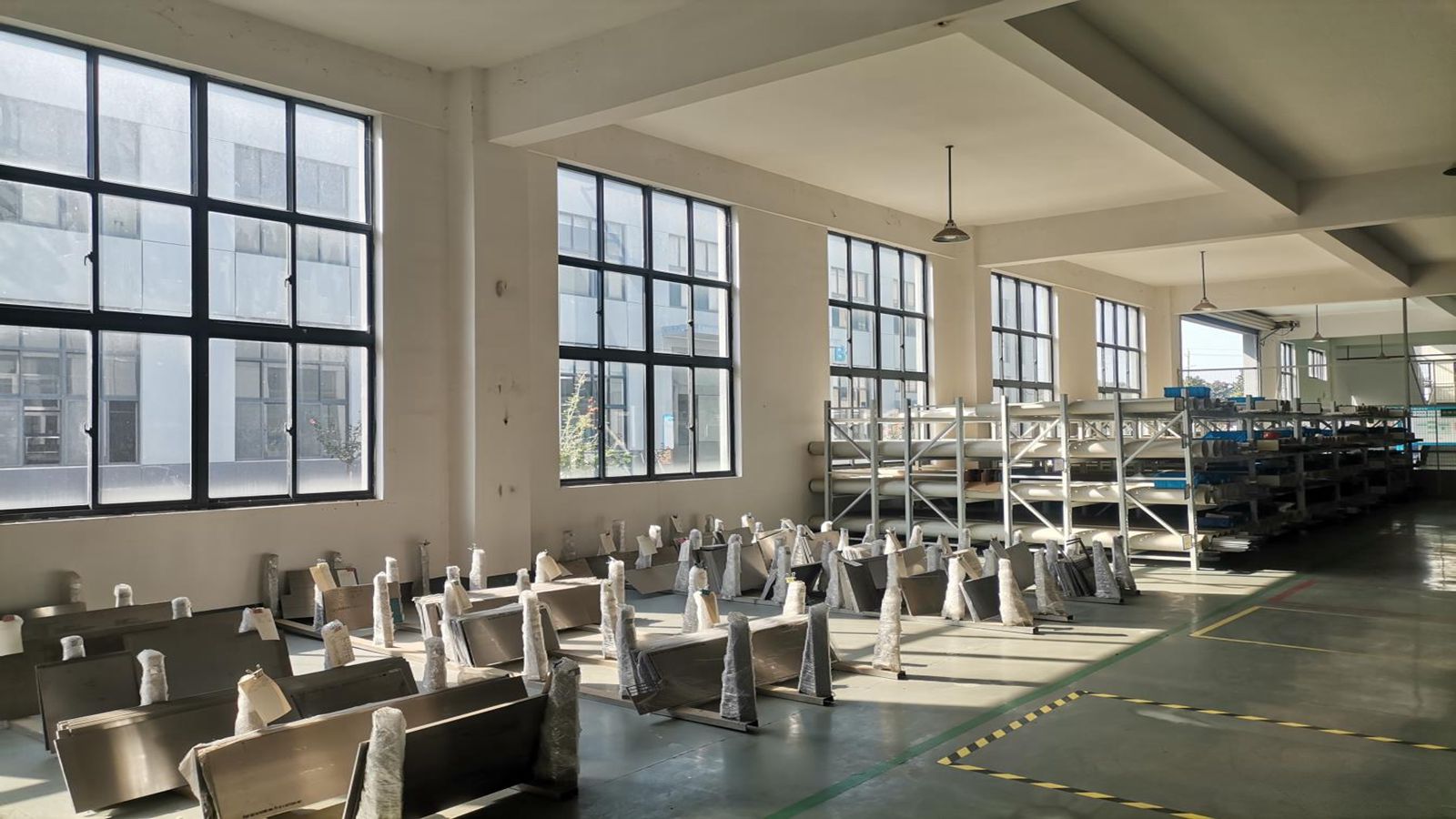
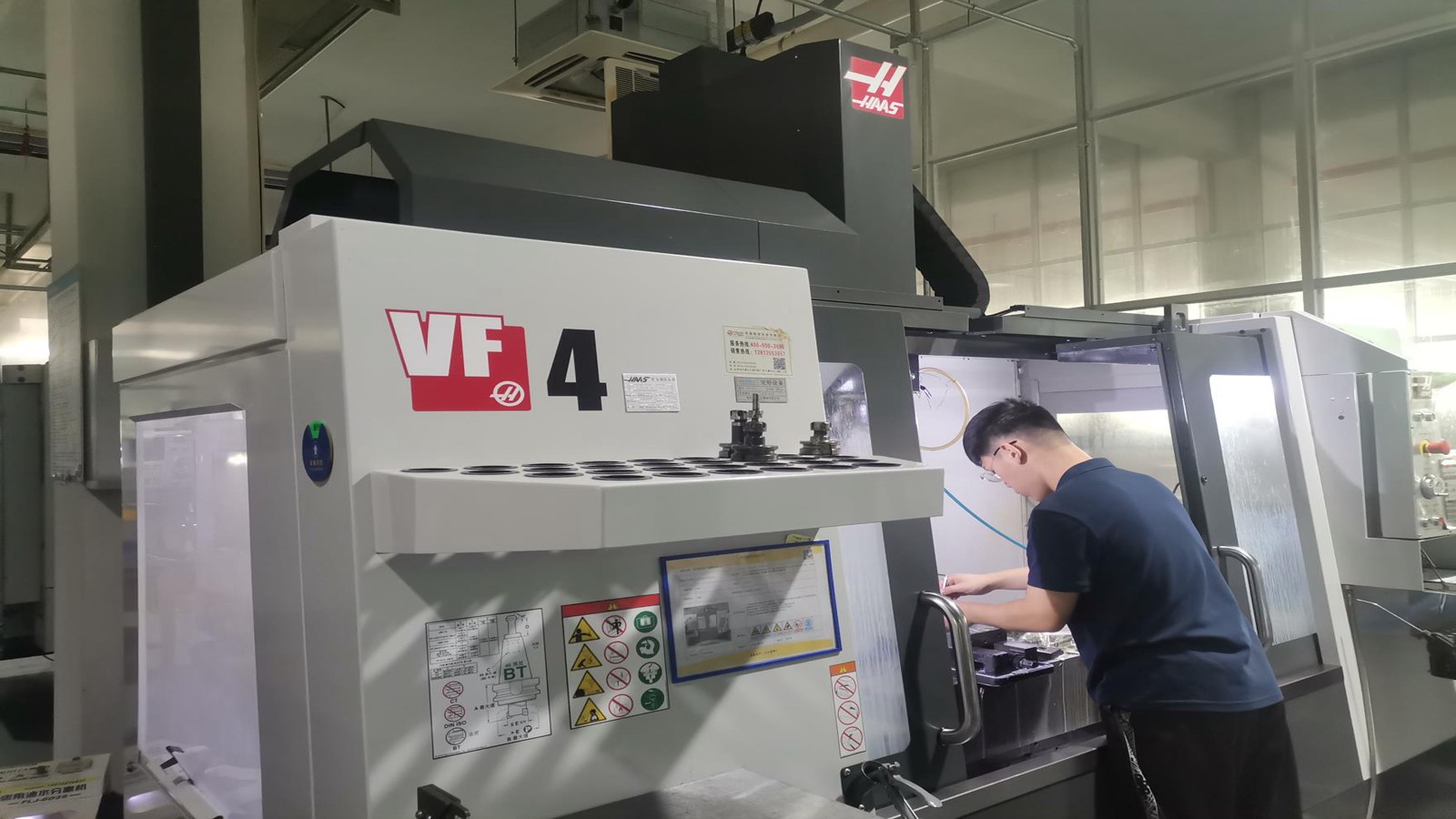
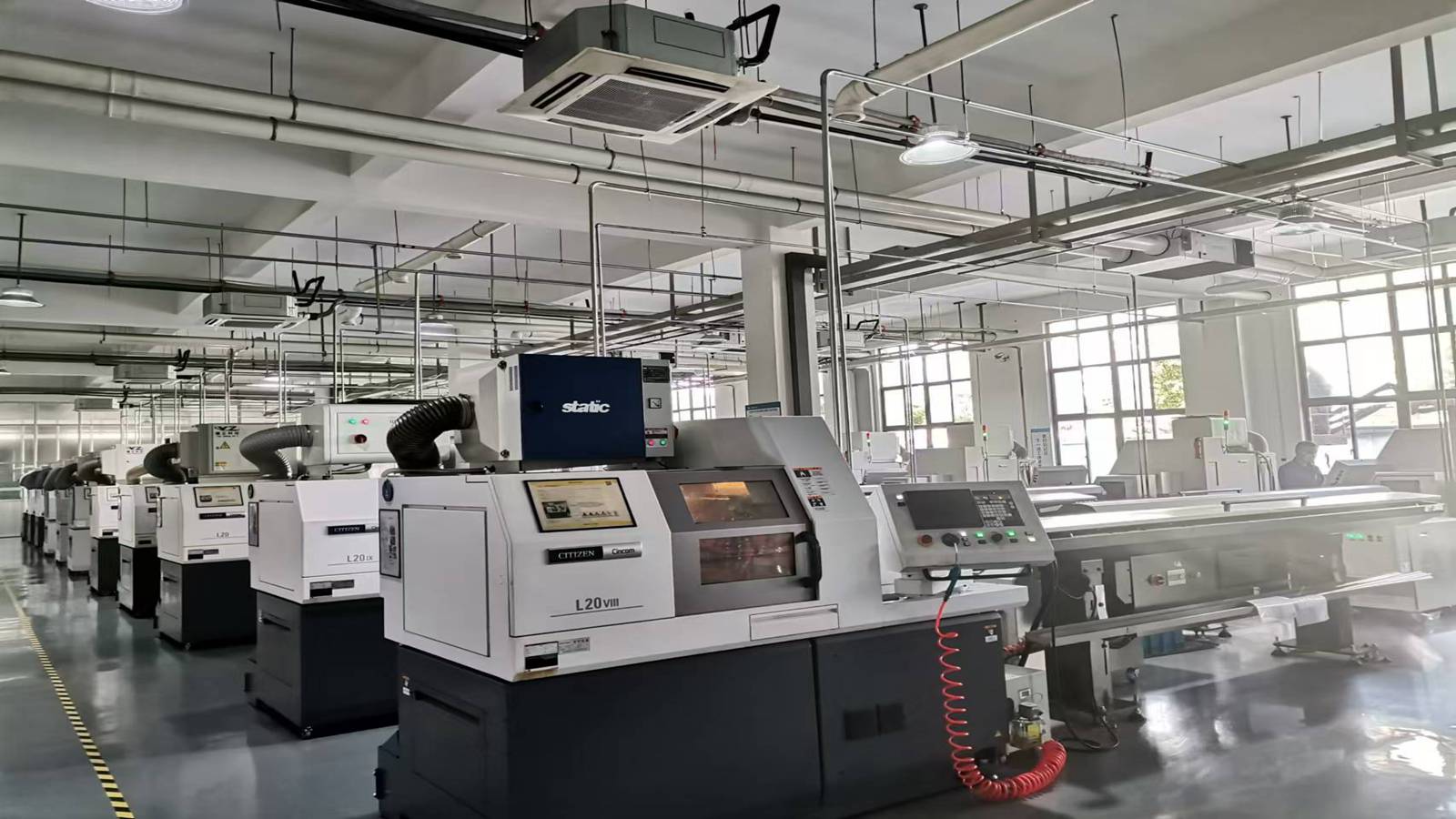
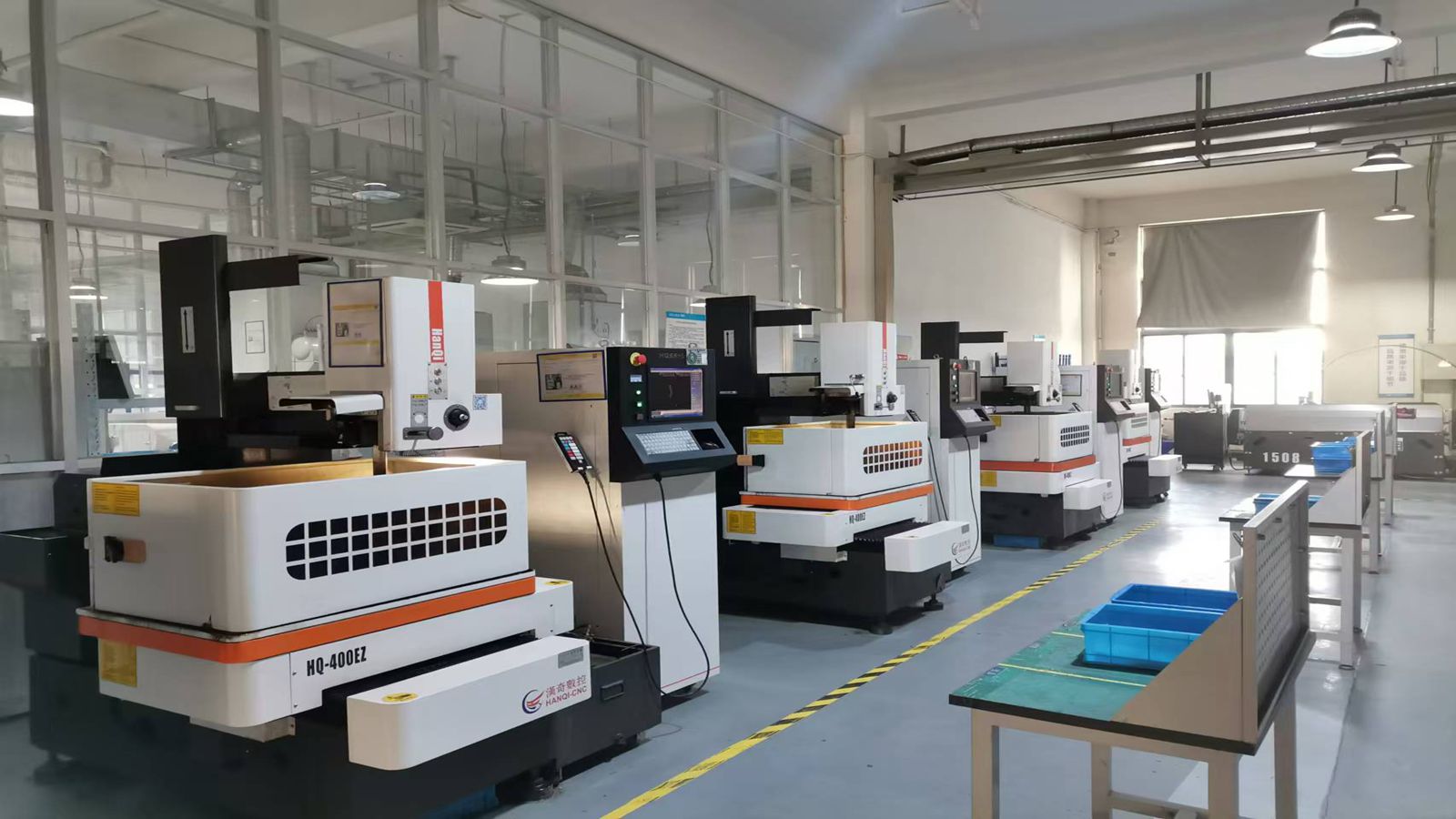
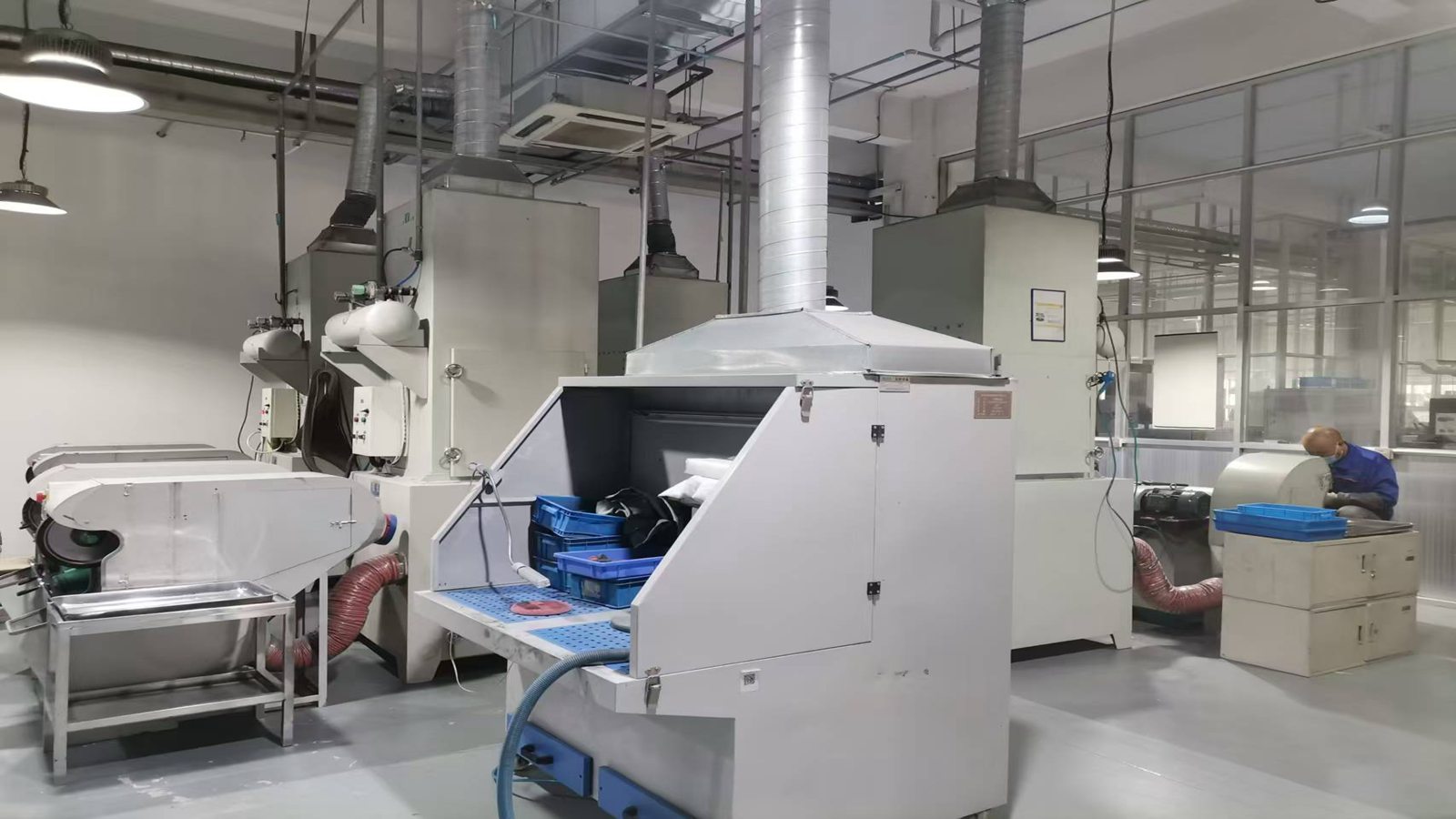
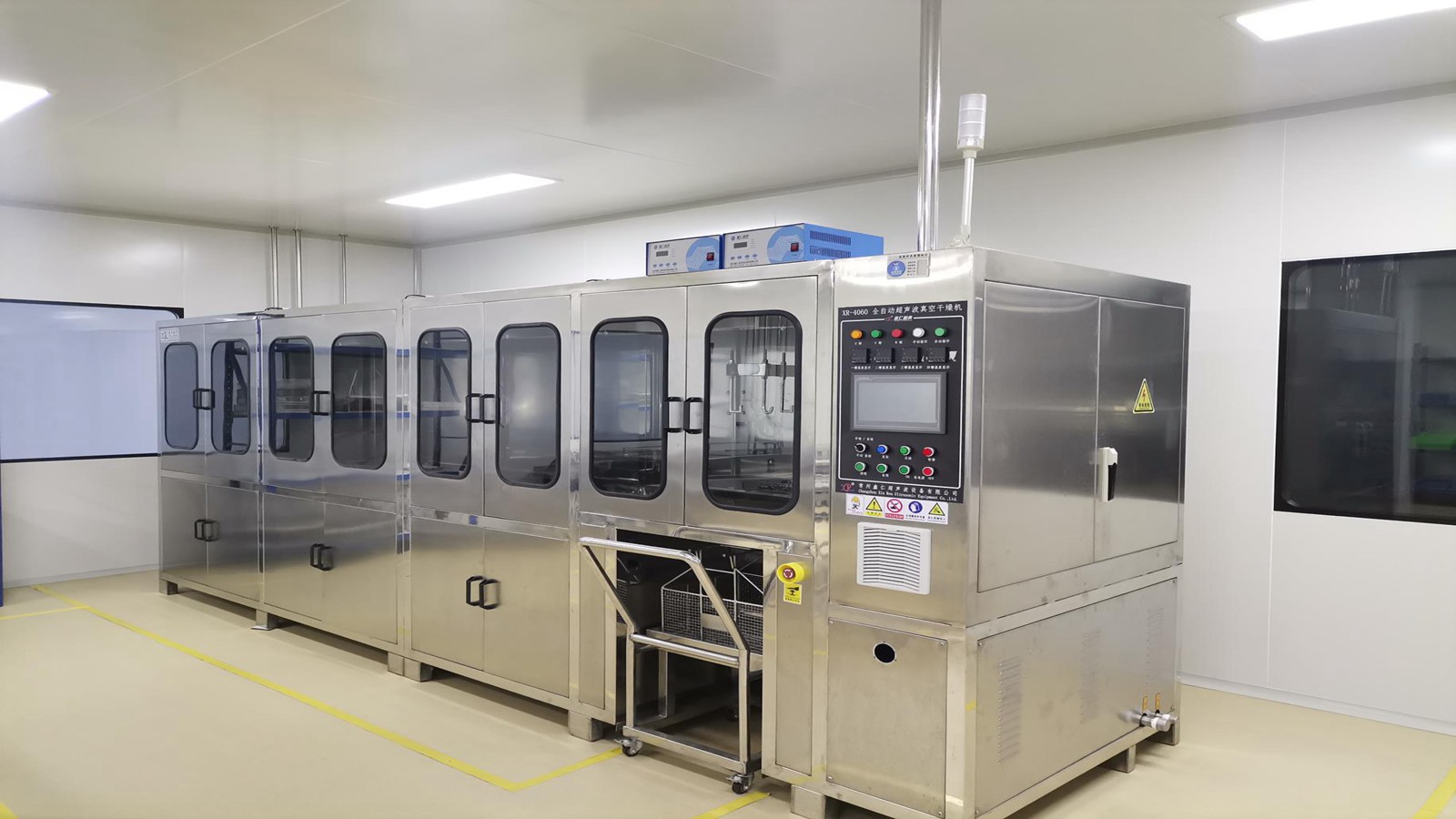
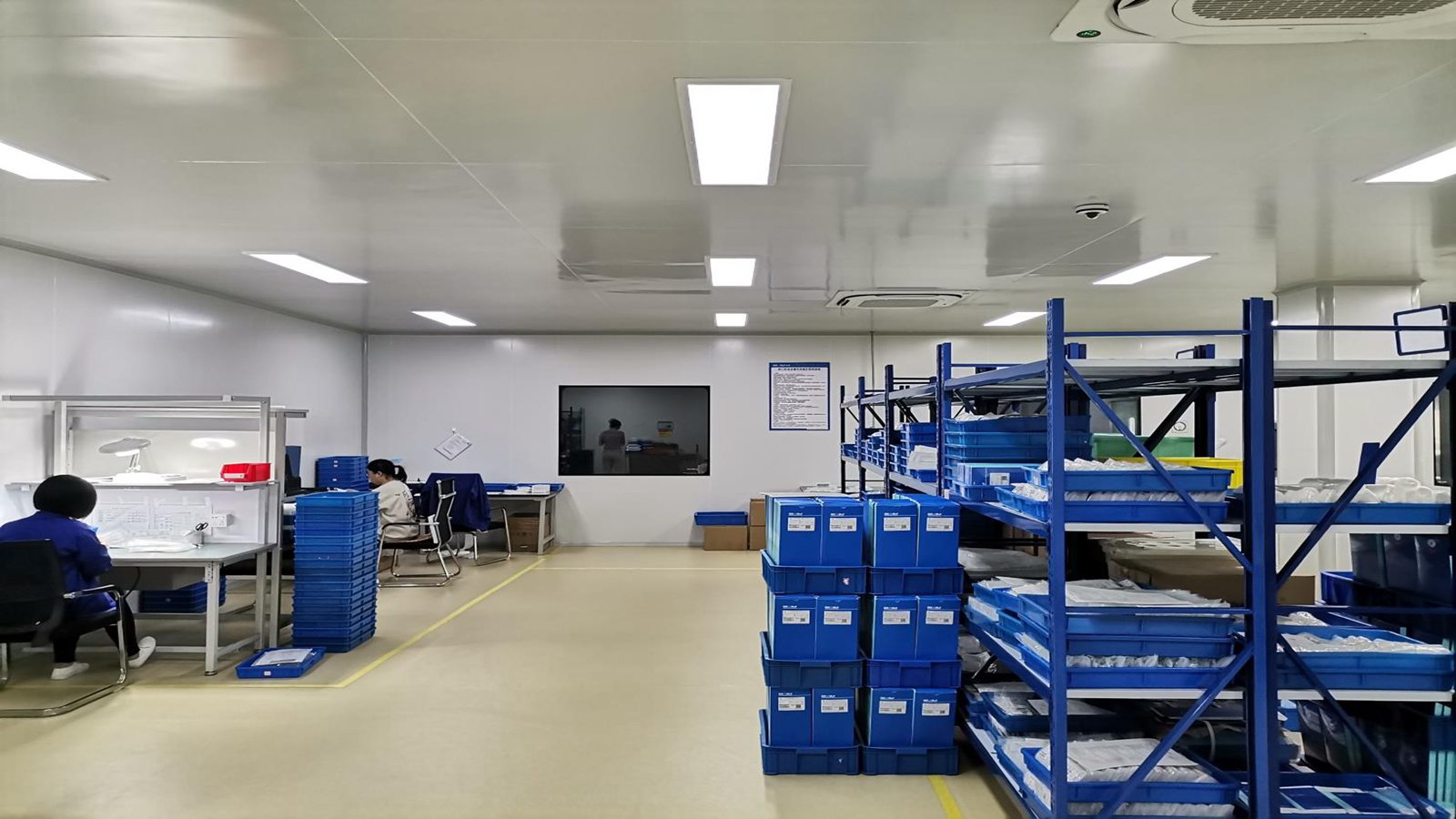
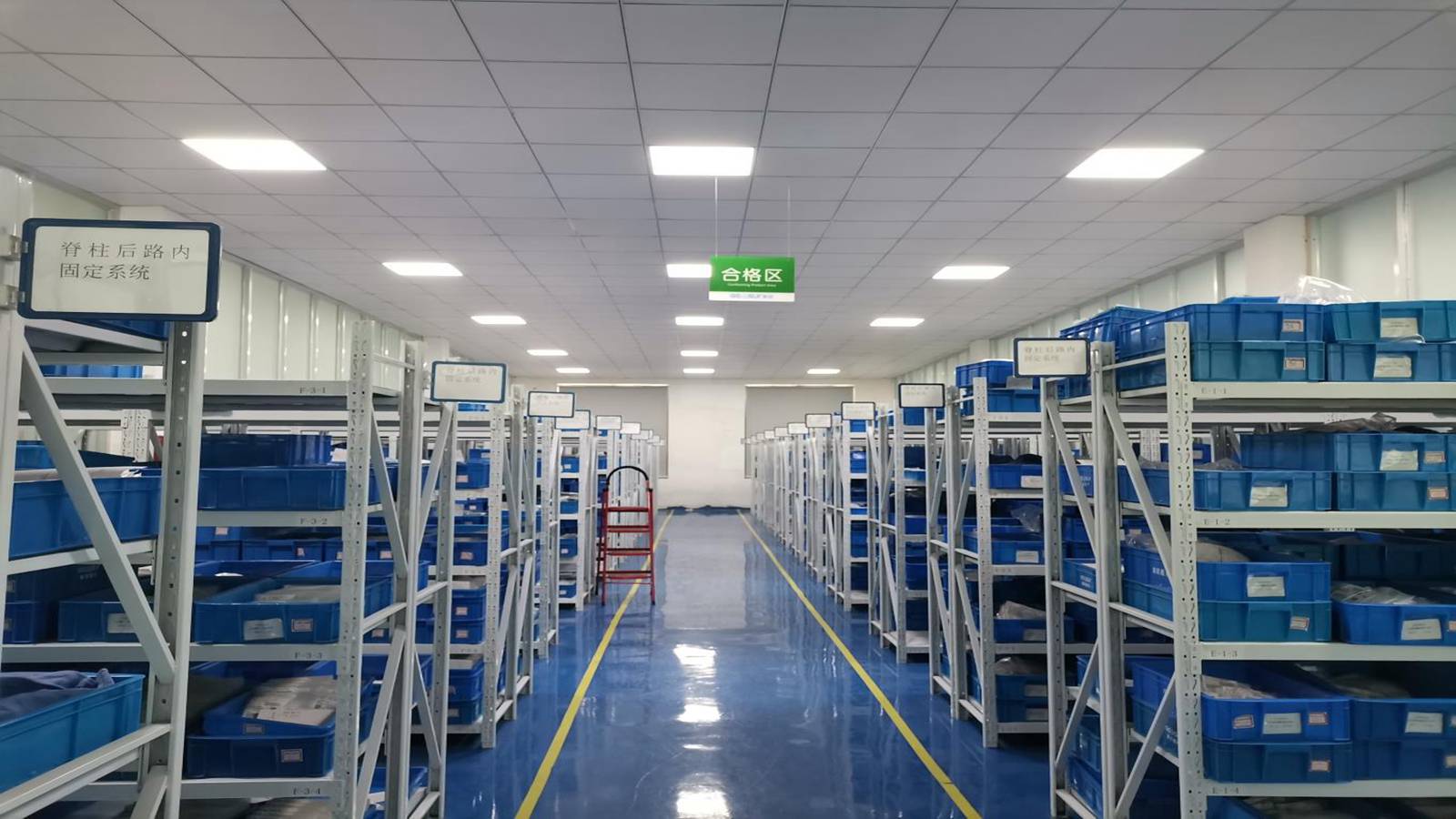
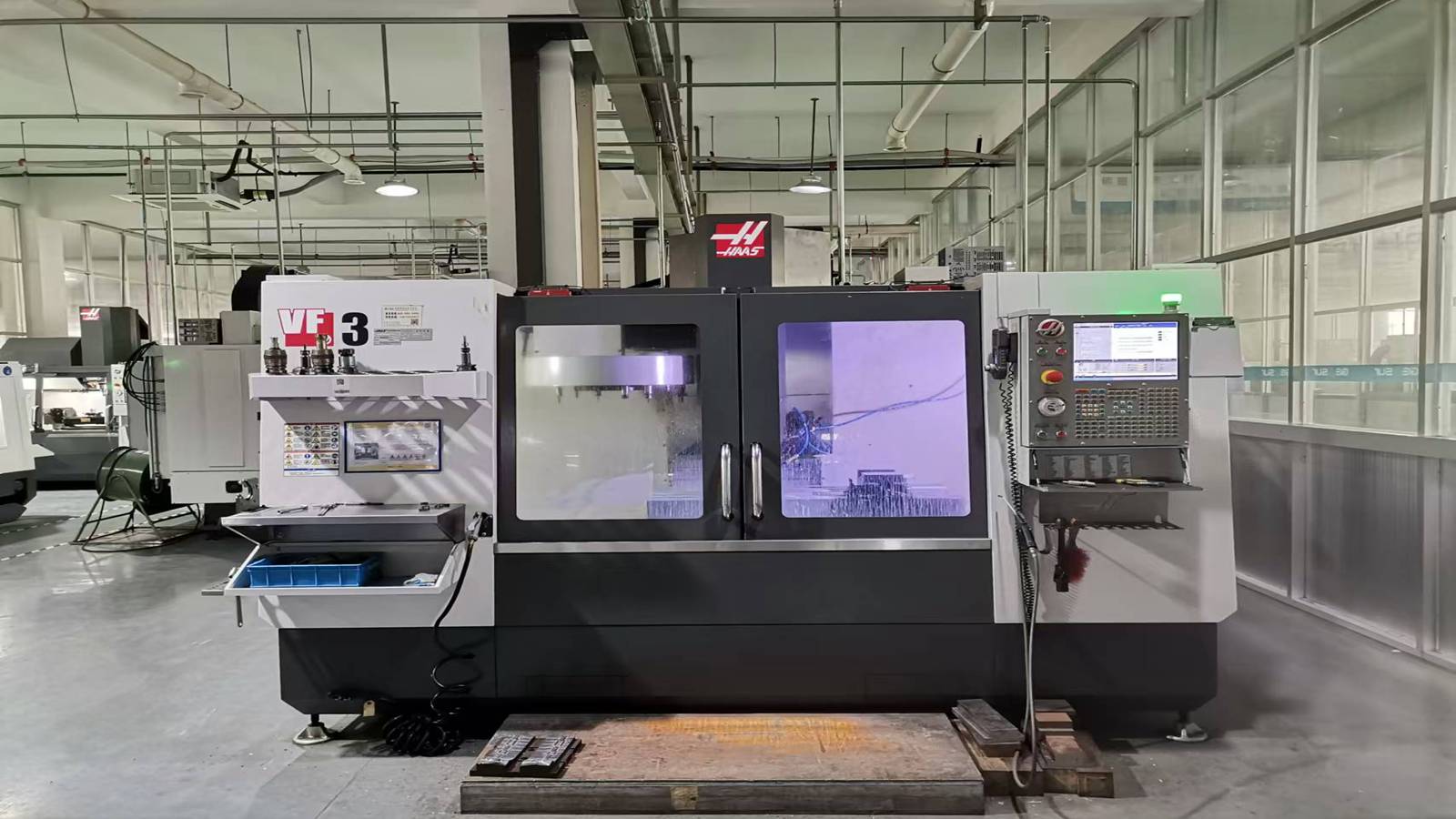
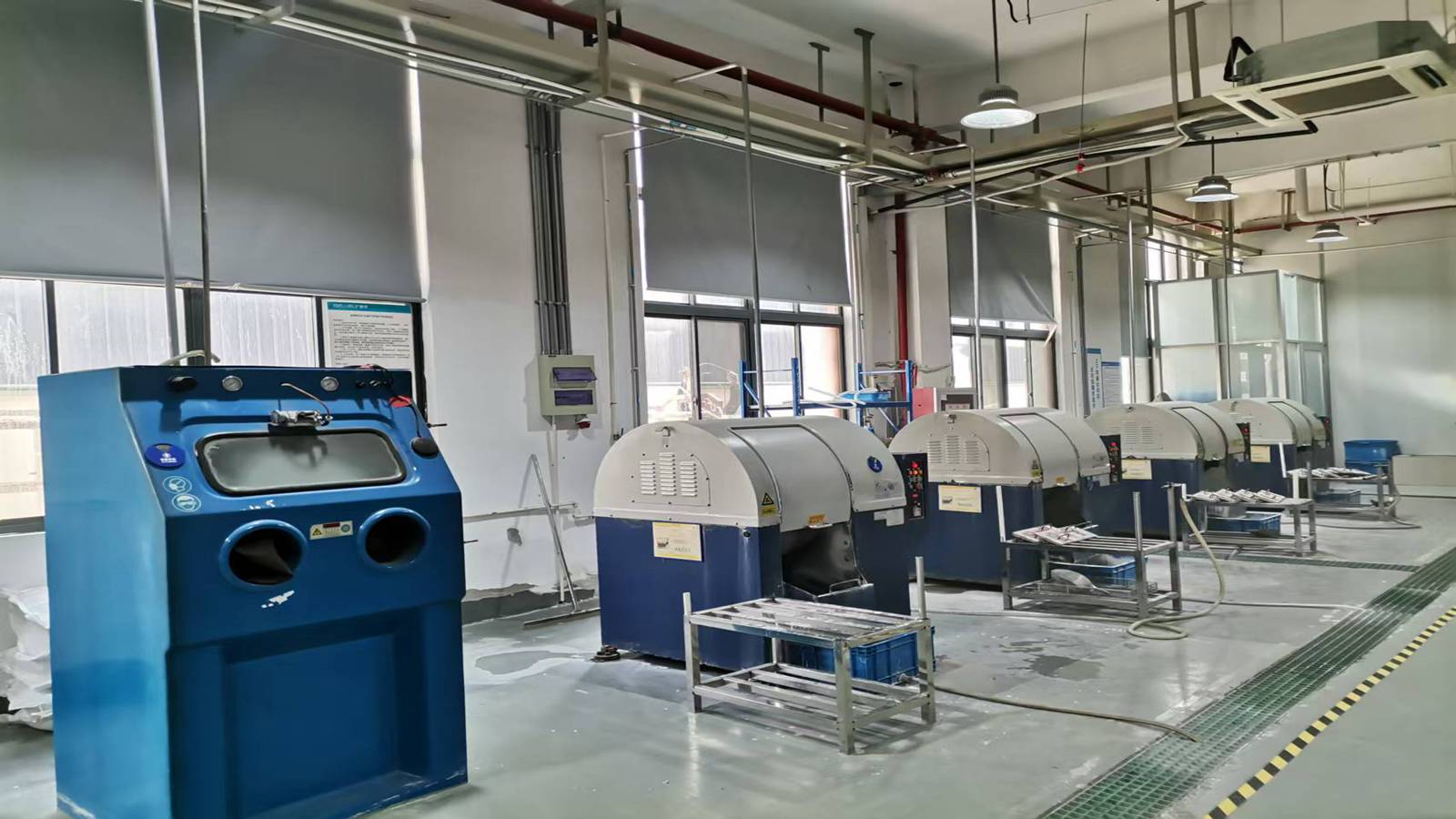
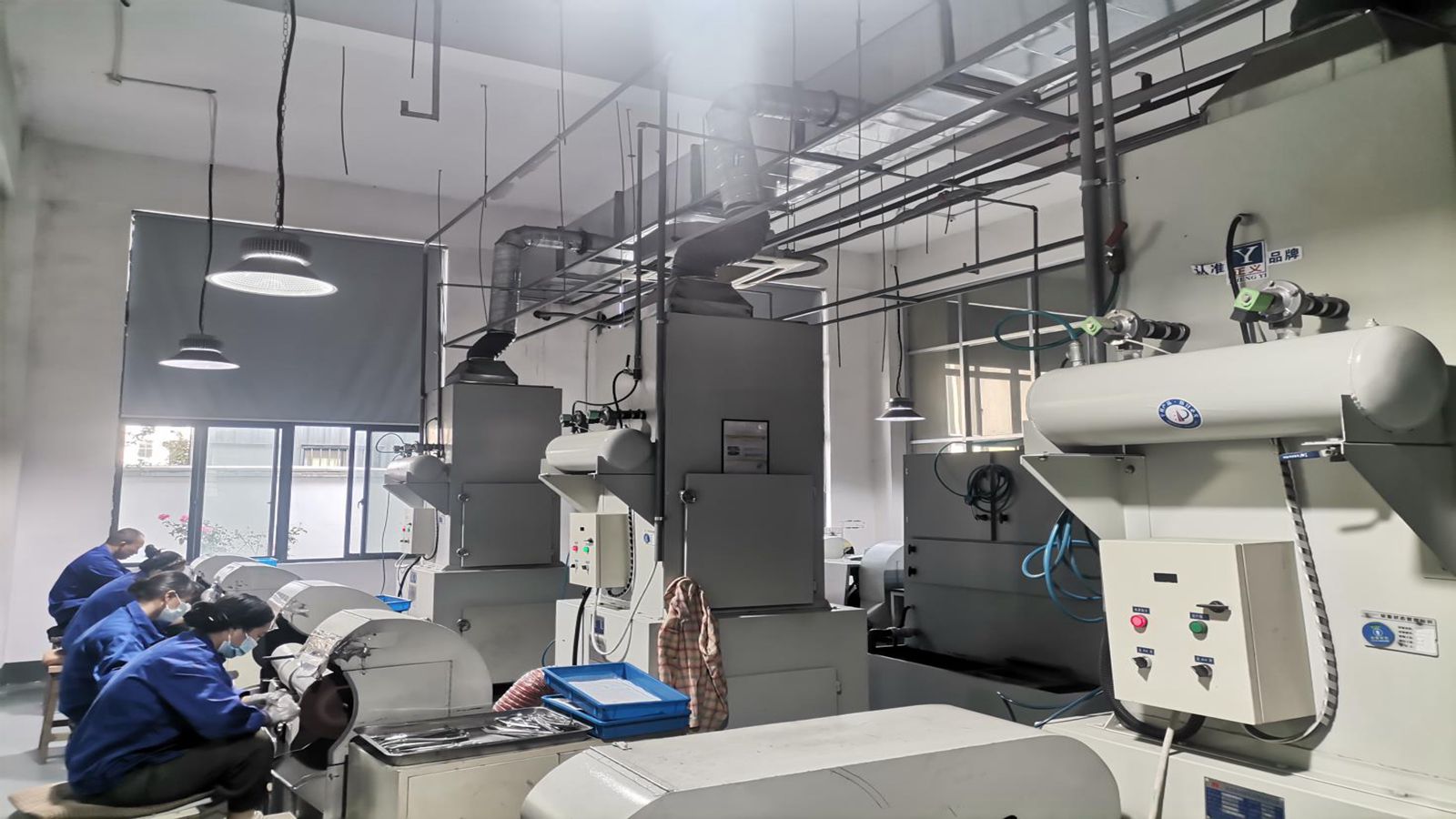
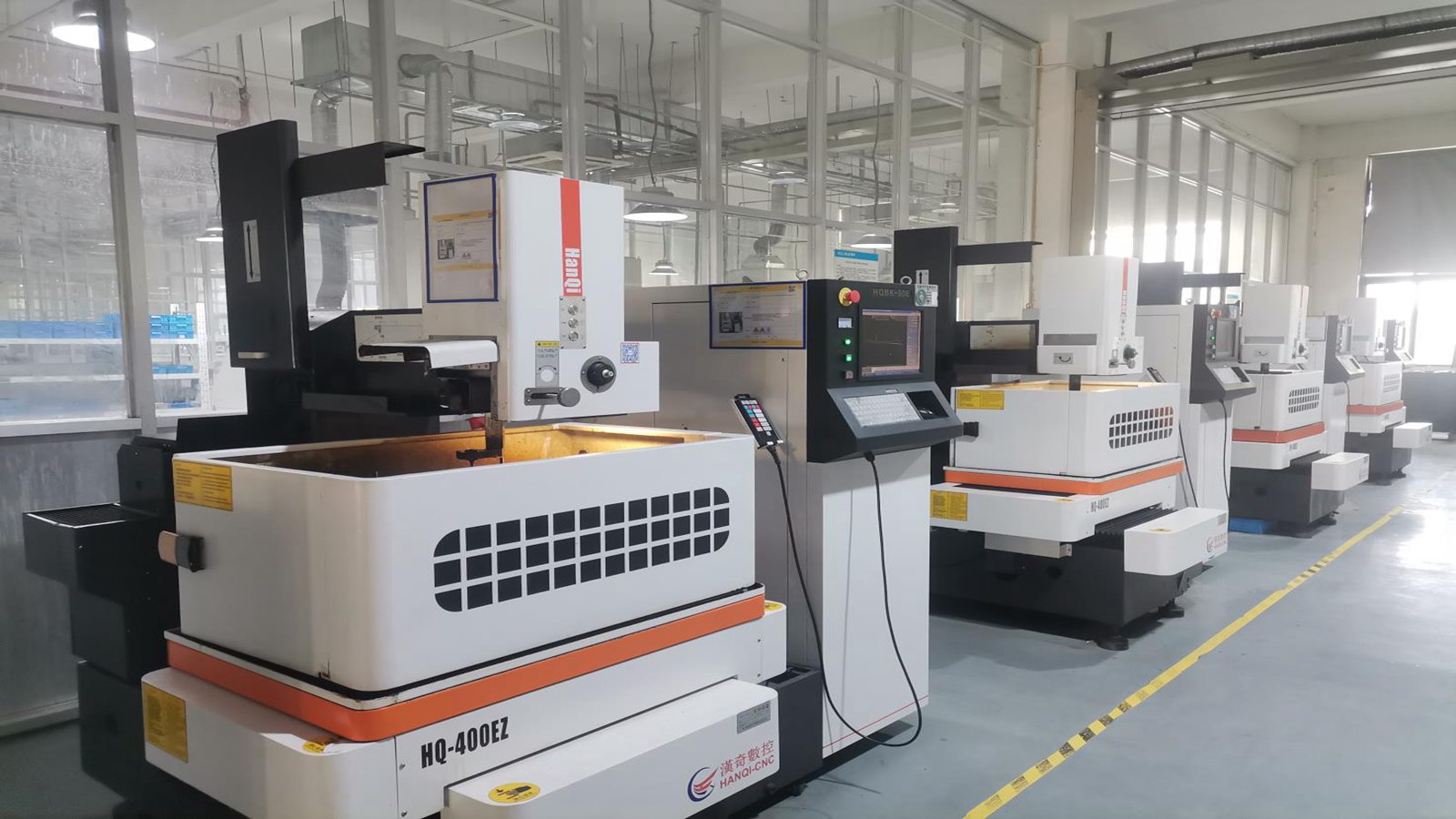
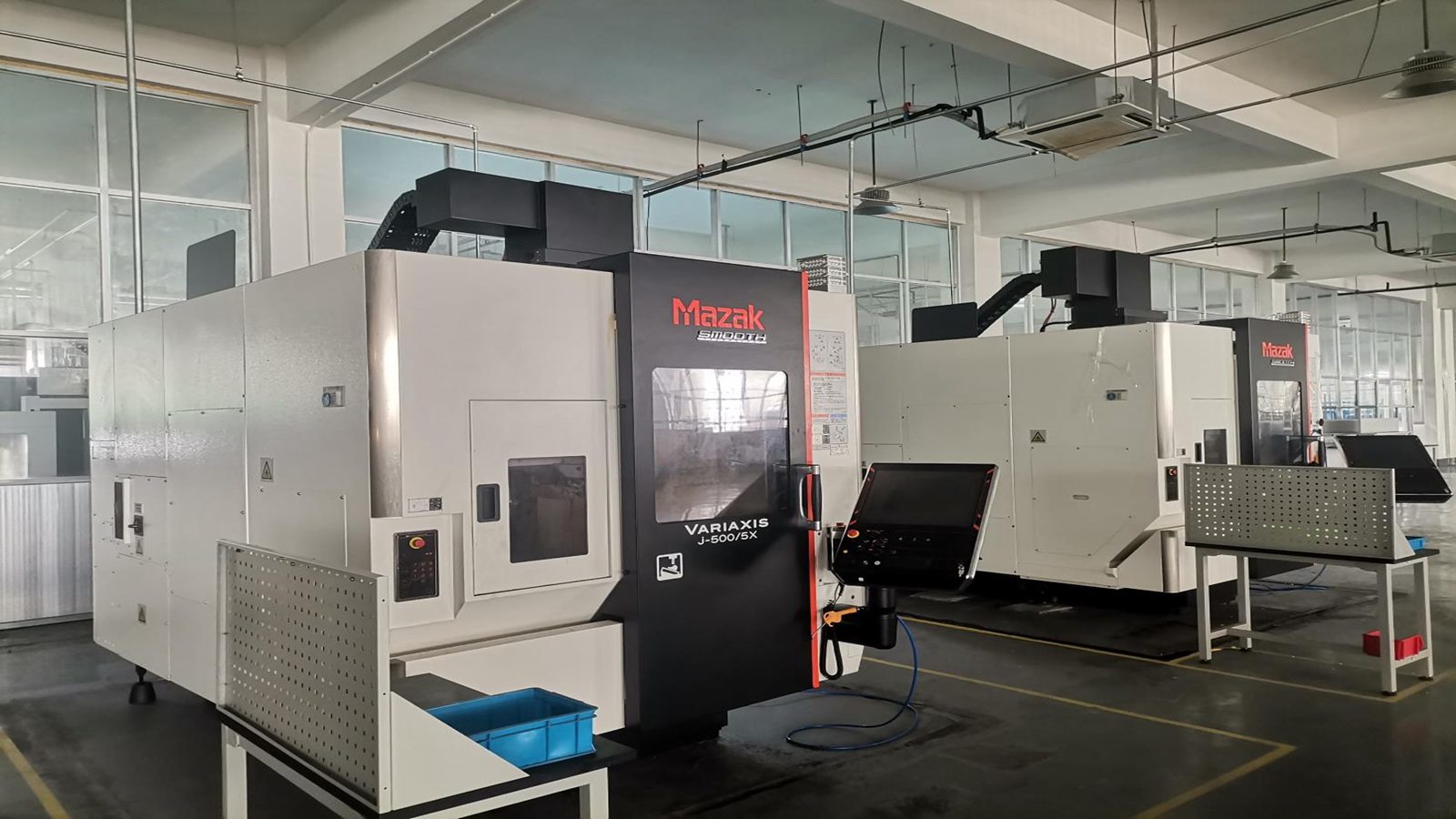
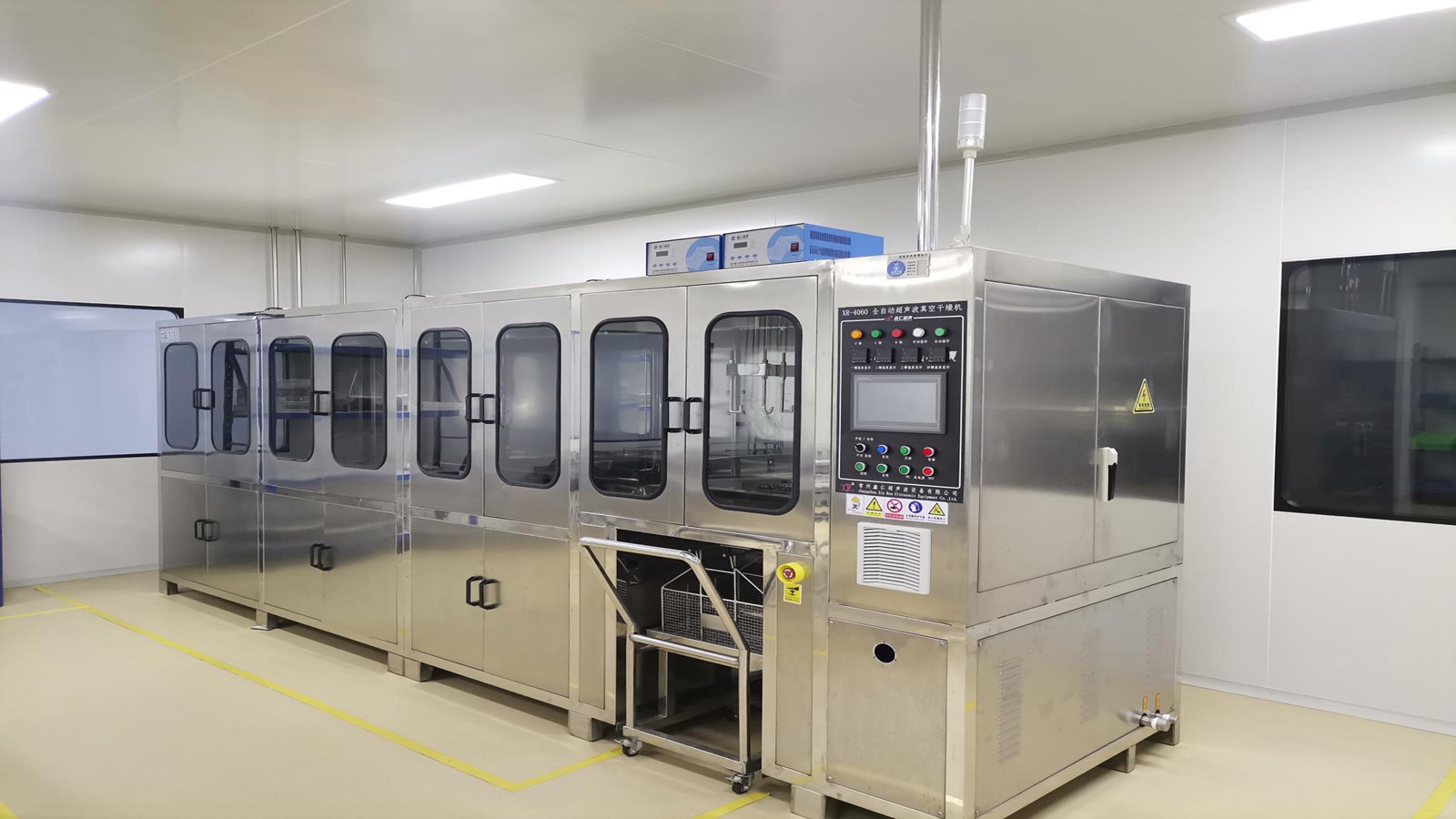
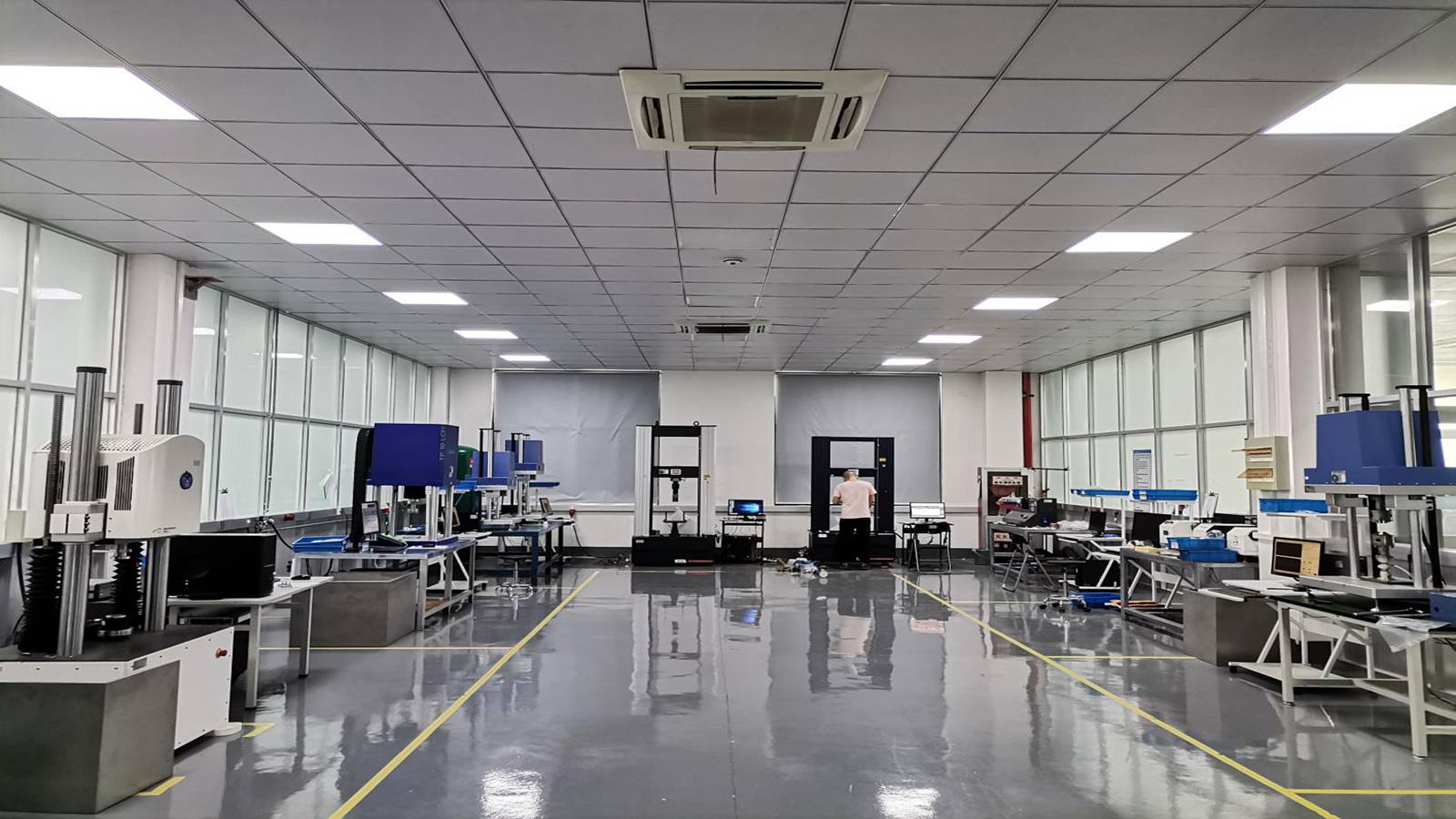
HBM's production site features class-100,000 cleanrooms, high-precision Swiss-type CNC lathes, 5-axis machining centers, and automated anodizing lines. Below is a visual overview of our advanced manufacturing, testing, and packaging environments:
An objective, expert-curated list of the world's leading osteosynthesis implant manufacturers, evaluated on R&D capacity, quality systems, and market share.
To assist procurement managers, hospital administrators, and B2B distributors in making informed sourcing decisions, we have compiled a definitive list of the top 10 global manufacturers of bone plates and screws. These companies represent the pinnacle of engineering excellence, regulatory compliance, and clinical reliability.
How advanced bone plating systems address specific clinical challenges across different anatomical regions.
Orthopedic trauma is highly diverse, requiring specialized implant geometries and mechanical properties depending on the anatomical site and patient profile. Modern manufacturers must provide comprehensive solutions across four primary clinical areas:
Requires ultra-low-profile, highly malleable titanium plates (typically 1.0mm to 2.0mm system) to reconstruct delicate facial bones without causing palpable or visible skin deformities.
Demands robust pedicle screw systems and cervical fusion plates engineered to withstand massive dynamic loads while preserving spinal alignment and promoting solid arthrodesis.
A rapidly expanding market. Veterinary surgeons require highly versatile, cost-effective micro-plating systems (1.5mm to 2.7mm) tailored to the unique biomechanics of canine and feline skeletal structures.
Expert answers to the most critical technical and commercial questions regarding orthopedic bone plates and screws.
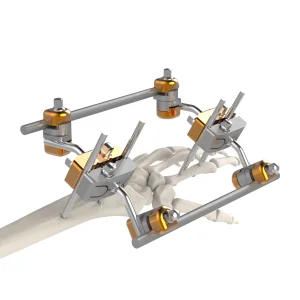
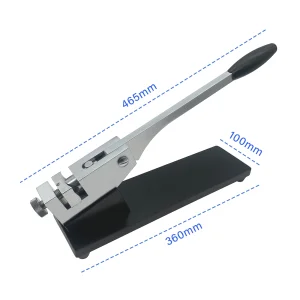
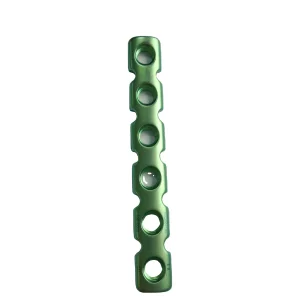
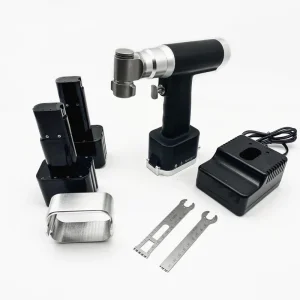
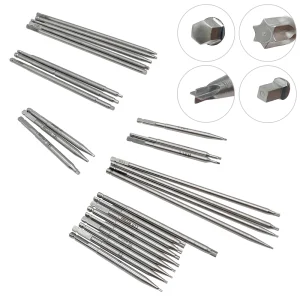
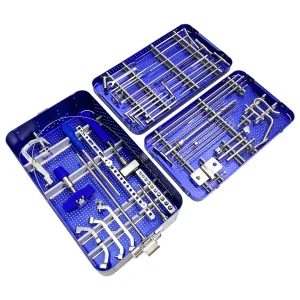
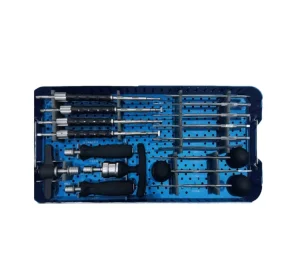
Discover our comprehensive range of external fixators, bone bending systems, power tools, and specialized spinal reconstruction kits.
 HBM Medical