Engineered to meet stringent international standards, our medical hardware delivers exceptional precision and reliability in high-stakes clinical environments.
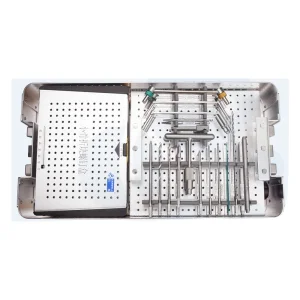
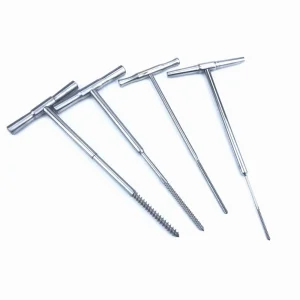
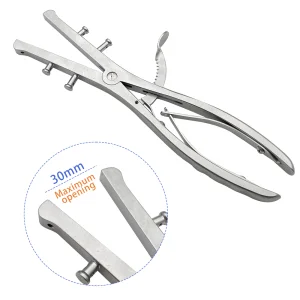
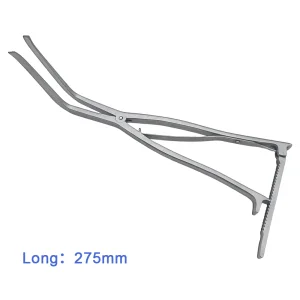
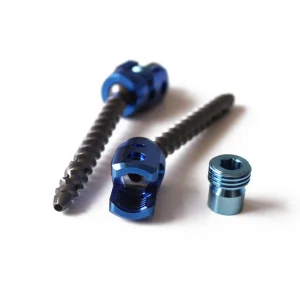
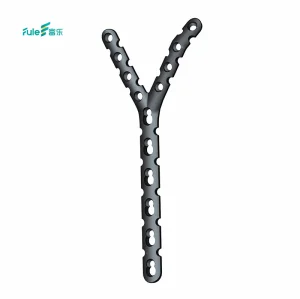
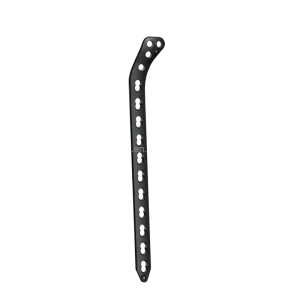
In modern orthopedic traumatology, unilateral external fixators serve as a cornerstone for stabilizing complex long bone fractures, managing non-unions, and facilitating limb reconstruction. Unlike circular frames, unilateral systems offer a streamlined, less invasive configuration that significantly reduces surgical time while maintaining excellent mechanical integrity. The primary clinical objective is to achieve optimal load-sharing between the implant and the bone, fostering secondary bone healing through controlled micro-motion.
Biomechanical stability in unilateral systems is governed by several critical factors: the distance between the main rod and the bone cortex, the spacing and diameter of the Schanz pins, and the material composition of the construct. By positioning the longitudinal rod closer to the bone, shear forces are minimized, and axial stiffness is maximized. This precise mechanical calibration prevents premature implant failure and mitigates the risk of pin-tract infections by reducing relative motion at the bone-pin interface.
Unilateral external fixation is highly indicated for Gustilo-Anderson Grade II/III open fractures, infected non-unions, pediatric limb lengthening, and temporary damage control orthopedics (DCO) in polytrauma patients.
The clinical success of unilateral external fixators depends heavily on material selection. At HBM Medical, we utilize medical-grade Titanium Alloys (Ti-6Al-4V ELI / Grade 23) and ultra-high-strength 316LVM Stainless Steel. Titanium alloys provide an exceptional strength-to-weight ratio, high fatigue resistance, and a lower modulus of elasticity closer to human cortical bone, which minimizes stress shielding. Furthermore, titanium's superior biocompatibility and corrosion resistance are essential for long-term external fixation applications.
For components requiring extreme rigidity, such as connecting clamps and primary rods, carbon fiber reinforced composites are integrated. Carbon fiber elements offer excellent radiolucency, allowing surgeons to obtain unobstructed intraoperative and postoperative X-ray and fluoroscopic views of the fracture site. This ensures precise alignment monitoring without removing the fixator frame, enhancing clinical outcomes and reducing patient radiation exposure.
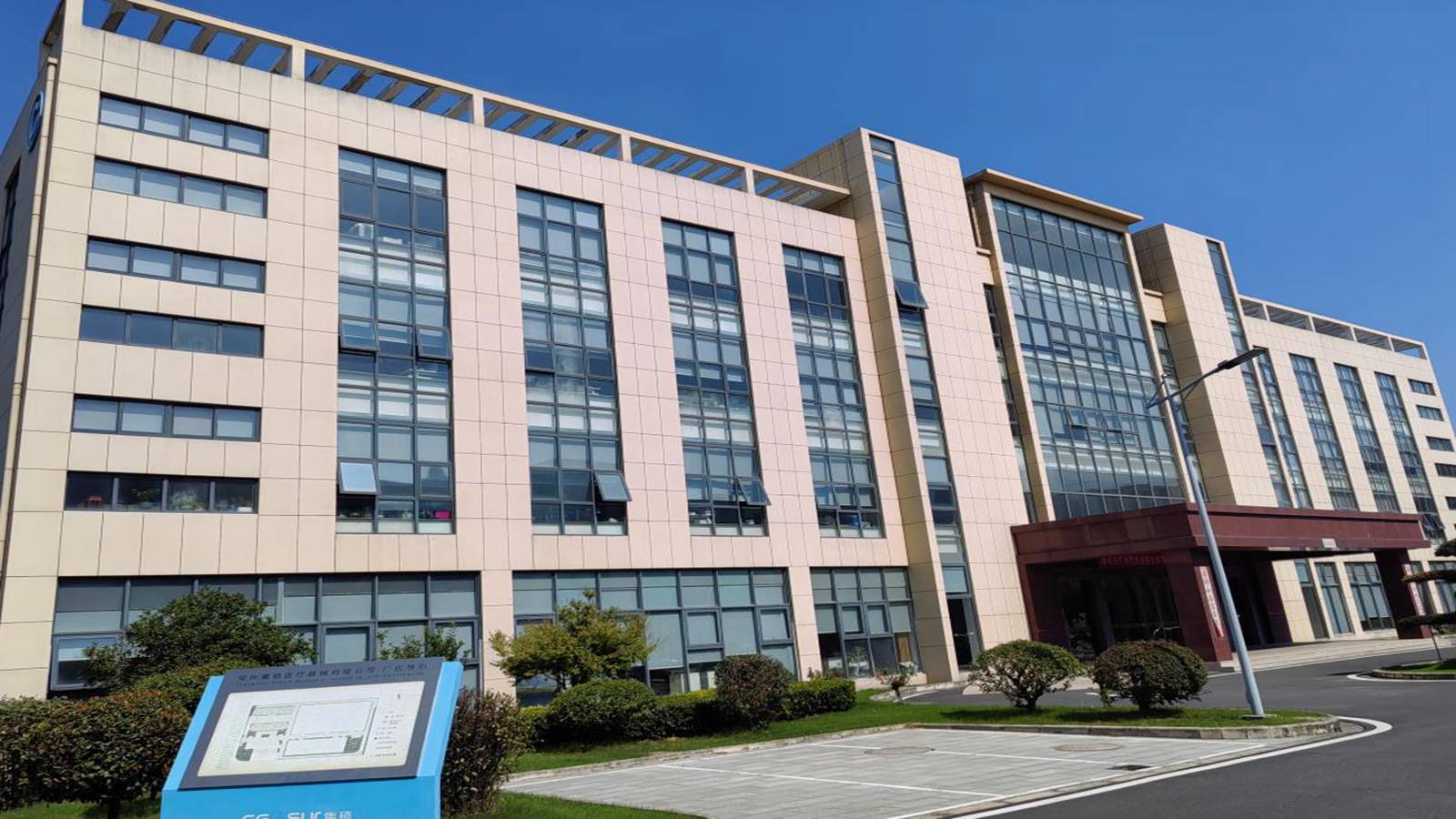
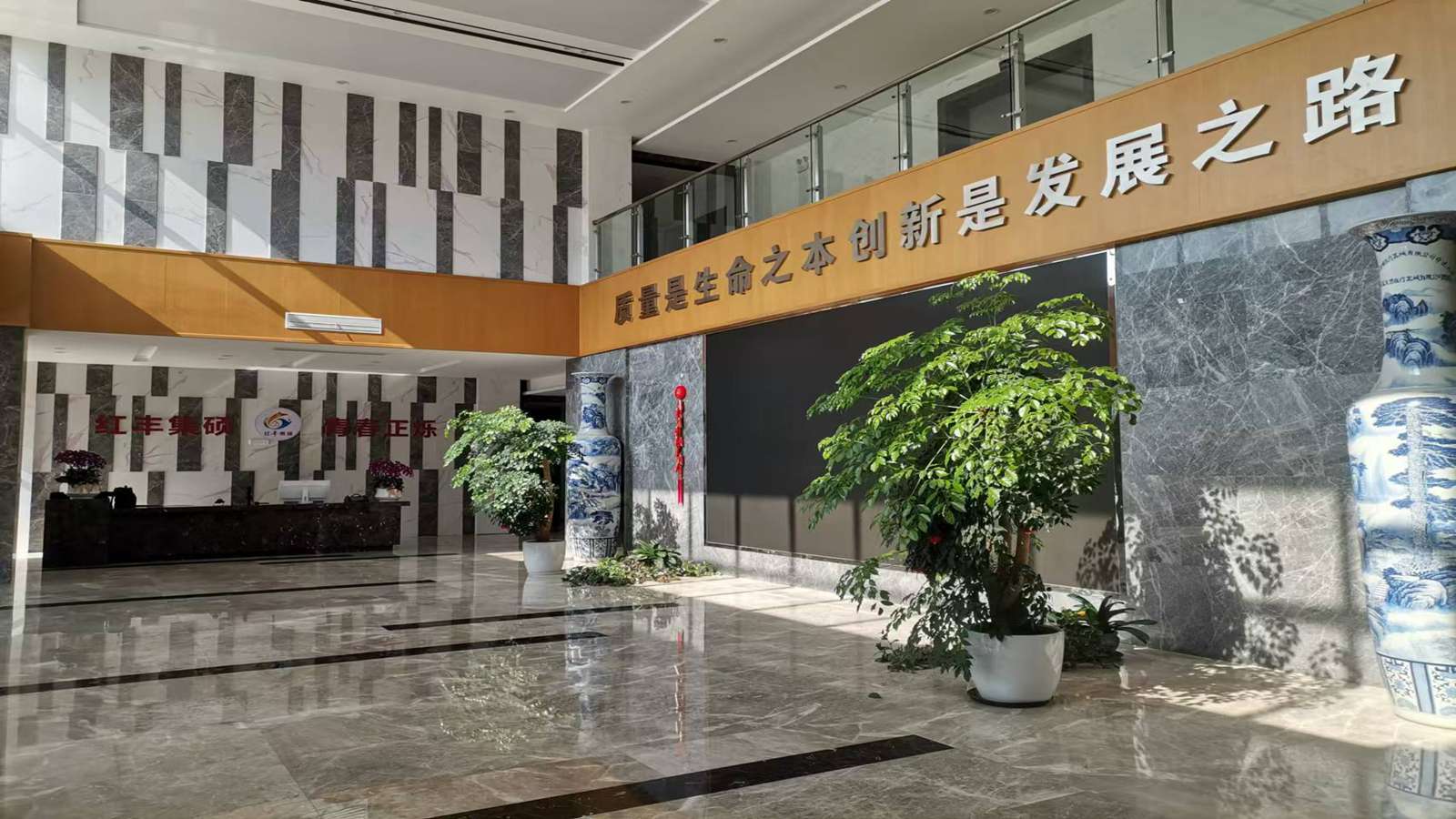
Integrating state-of-the-art R&D, advanced manufacturing, and rigorous quality control to deliver world-class orthopedic implants and surgical instruments.
Our dedicated team of 31 R&D engineers includes 1 Doctorate, 11 Postgraduates, and 17 Graduates. This academic and practical depth enables us to continuously pioneer innovative designs, launching 25+ new products annually to address evolving clinical needs.
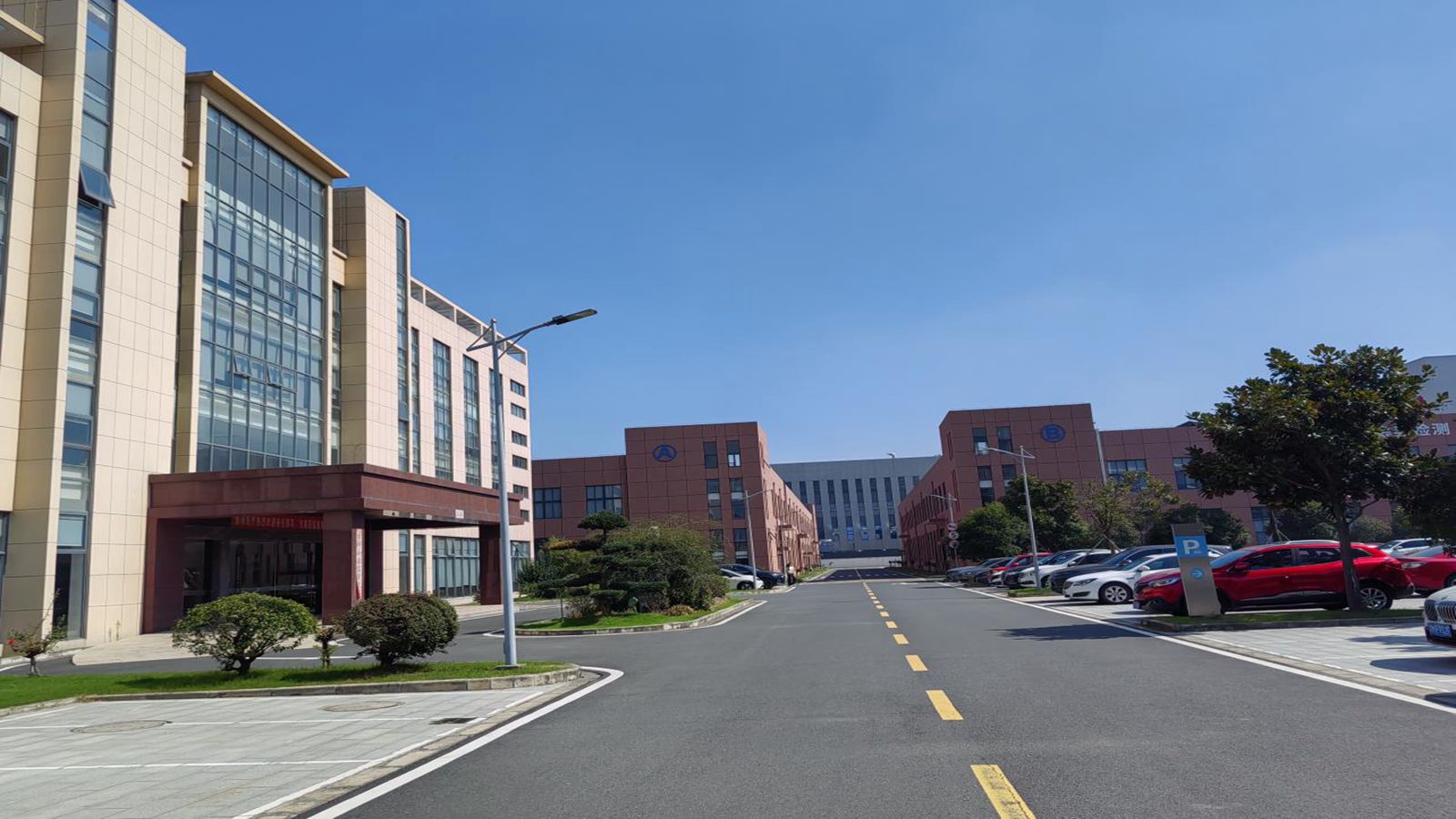
Operating from a 30,343 m² state-of-the-art facility, HBM Medical houses 12 advanced production lines and over 120 high-precision CNC machining centers. This robust infrastructure ensures seamless scalability and consistent quality for high-volume global demands.
With 36 dedicated QA/QC inspectors, we enforce 100% raw material traceability and comprehensive inspection protocols across all production lines. Our quality management system aligns with the highest international regulatory standards.
A comprehensive overview of HBM Medical's manufacturing capabilities, materials, and regulatory standards.
| Parameter / Capability | Specification Details | Clinical & Industrial Relevance |
|---|---|---|
| Primary Materials | Titanium Alloy (Ti-6Al-4V ELI), 316LVM Stainless Steel, Carbon Fiber | Ensures high tensile strength, biocompatibility, and radiolucency. |
| Manufacturing Standards | ISO 13485, MDSAP, CE Certified (MDR 2017/745) | Guarantees compliance with European and global medical device regulations. |
| Traceability | 100% Raw Material & Batch Traceability (ERP System) | Ensures complete accountability from raw ingot to finished sterile implant. |
| Customization Options | OEM/ODM Sample Processing, Graphic Customization, On-Demand Design | Allows global brands to tailor fixator designs to specific clinical protocols. |
| Testing Protocols | Static & Dynamic Fatigue Testing (ASTM F1541), Biocompatibility Testing | Verifies long-term mechanical endurance and safety under physiological loads. |
In the highly regulated orthopedic device market, global procurement officers face significant challenges: rising material costs, stringent regulatory shifts (such as the transition from MDD to MDR in Europe), and the critical need for supply chain continuity. Partnering with a vertically integrated OEM/ODM manufacturer like HBM Medical mitigates these risks. Our 10 years of exporting experience and robust supply chain infrastructure guarantee consistent delivery timelines and cost-effective manufacturing without compromising clinical quality.
By leveraging our extensive production capacity (12 lines, 120+ machines), we provide global distributors, hospital networks, and brand owners with flexible lead times and scalable production volumes. Our comprehensive regulatory support—including detailed technical documentation, MDSAP compliance, and CE certifications—streamlines the registration process in diverse international markets, accelerating time-to-market for our partners.
Pioneering the next generation of external fixation systems through digital integration and smart biomechanics.
We are actively researching the integration of micro-sensors within unilateral fixator rods to monitor real-time biomechanical load-sharing and strain. This telemetry data will provide clinicians with objective insights into fracture healing progress, enabling personalized weight-bearing protocols.
Leveraging Additive Manufacturing (3D printing), our engineering team is developing custom, topologically optimized titanium clamps. These components feature reduced weight while maintaining superior mechanical strength, tailored specifically for complex reconstructive surgeries.
To address the persistent clinical challenge of pin-tract infections, we are developing advanced silver-nanoparticle and hydroxyapatite (HA) coatings for our Schanz pins. These coatings enhance osseointegration at the bone interface while providing robust antimicrobial properties.
Expert insights into the technical, clinical, and regulatory aspects of unilateral external fixator procurement and application.
Unilateral external fixators offer a significantly lower profile, reduced surgical application time, and higher patient comfort compared to circular frames. They are less bulky, easier to apply in emergency trauma settings (damage control), and minimize soft-tissue disruption. However, circular frames remain superior for complex multi-planar deformities and extreme bone transport cases.
Every fixator design undergoes rigorous mechanical testing in accordance with ASTM F1541 standards. This includes static compression, torsion, and dynamic fatigue testing to simulate long-term physiological loading. Our 36 QA/QC inspectors utilize advanced coordinate measuring machines (CMM) and optical comparators to ensure every component adheres to strict dimensional tolerances.
Yes. Our OEM/ODM services are designed for seamless integration. We manufacture Schanz pins, connection clamps, and rods in standard metric and imperial dimensions, ensuring complete compatibility with major international orthopedic systems. We also offer custom coupling solutions to meet specific brand requirements.
HBM Medical is fully certified under ISO 13485 and the Medical Device Single Audit Program (MDSAP). Furthermore, our core product lines hold CE certifications under the European Medical Device Regulation (MDR 2017/745), specifically certificates EPT 0477.MDR.25/5905 and EPT 0477.MDR.25/5973, allowing unrestricted import and distribution across the European Union and other global markets recognizing CE marking.
For standard OEM orders leveraging our existing tooling and designs, the typical lead time is 30 to 45 days. For complex ODM projects involving custom CAD modeling, finite element analysis (FEA), prototyping, and regulatory validation, the timeline ranges from 3 to 6 months, depending on the complexity and registration requirements.
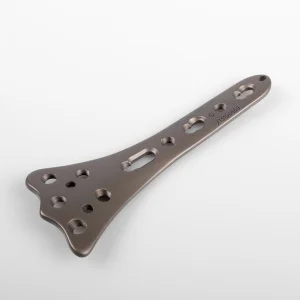
Explore our comprehensive range of high-precision bone plates, intramedullary nails, and specialized surgical instrumentation sets.
 HBM Medical