Explore our high-precision surgical instrument sets and advanced implant systems designed for optimal clinical outcomes.
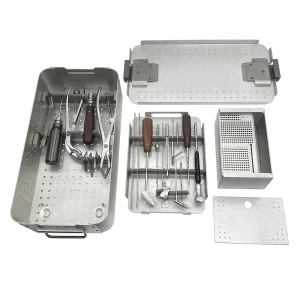
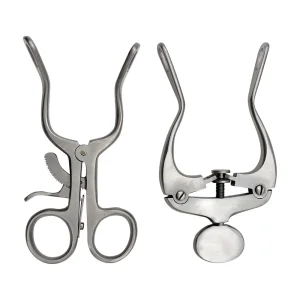
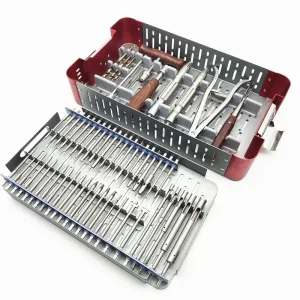
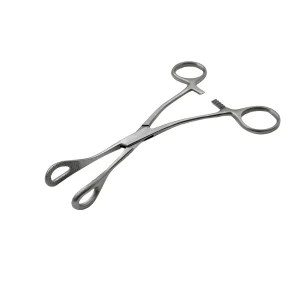
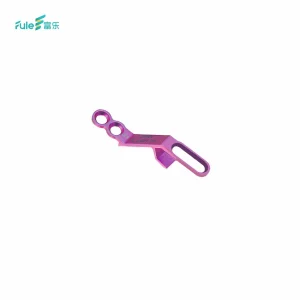
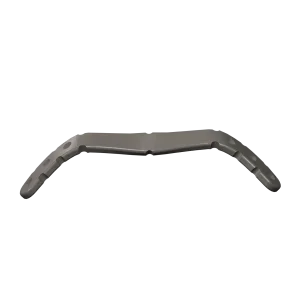
Retrograde intramedullary nailing has emerged as a gold-standard intervention for complex distal femur fractures, supracondylar fractures, and cases where antegrade access is compromised—such as in patients with ipsilateral hip implants, morbid obesity, or polytrauma. By inserting the nail through the intercondylar notch, surgeons can achieve stable fixation, minimize soft-tissue disruption, and maintain the vascular integrity of the femoral head.
From a biomechanical perspective, retrograde femoral nails act as load-sharing devices. Unlike eccentric plating systems, an intramedullary nail is positioned close to the mechanical axis of the femur, reducing the bending moments exerted on the implant. This alignment significantly lowers the risk of hardware failure, non-union, and malunion. Modern designs incorporate advanced distal locking configurations to secure the osteoporotic bone typically found in the metaphyseal region of elderly patients.
"The integration of multi-planar distal locking screws and anatomical curvature in retrograde femoral nails has revolutionized trauma orthopedics, offering superior rotational stability and allowing early weight-bearing protocols."
To meet these demanding clinical requirements, orthopedic OEMs and distributors require implants manufactured to the highest standards of dimensional accuracy and material purity. Grade 5 Titanium Alloy (Ti-6Al-4V ELI) is the material of choice, offering an optimal balance of biocompatibility, fatigue resistance, and a modulus of elasticity close to human cortical bone.
The global orthopedic trauma devices market is experiencing steady growth, driven by an aging global population, rising incidences of road traffic accidents, and expanding healthcare infrastructure in emerging economies. According to recent industrial analyses, the demand for intramedullary nails is shifting toward highly customized, anatomically optimized designs that accommodate regional anatomical variations in femoral curvature.
For international medical device brands, hospital procurement groups, and distributors, securing a reliable OEM partner is critical. The transition from the European Medical Device Directive (MDD) to the more stringent Medical Device Regulation (MDR), alongside evolving FDA 510(k) pathways, has placed unprecedented emphasis on supply chain transparency, quality management systems, and clinical data validation.
B2B buyers are no longer just looking for low-cost manufacturing; they require strategic partners capable of providing comprehensive regulatory documentation (such as ISO 13485, MDSAP, and CE certifications), robust raw material traceability, and agile R&D support to rapidly bring new product iterations to market.
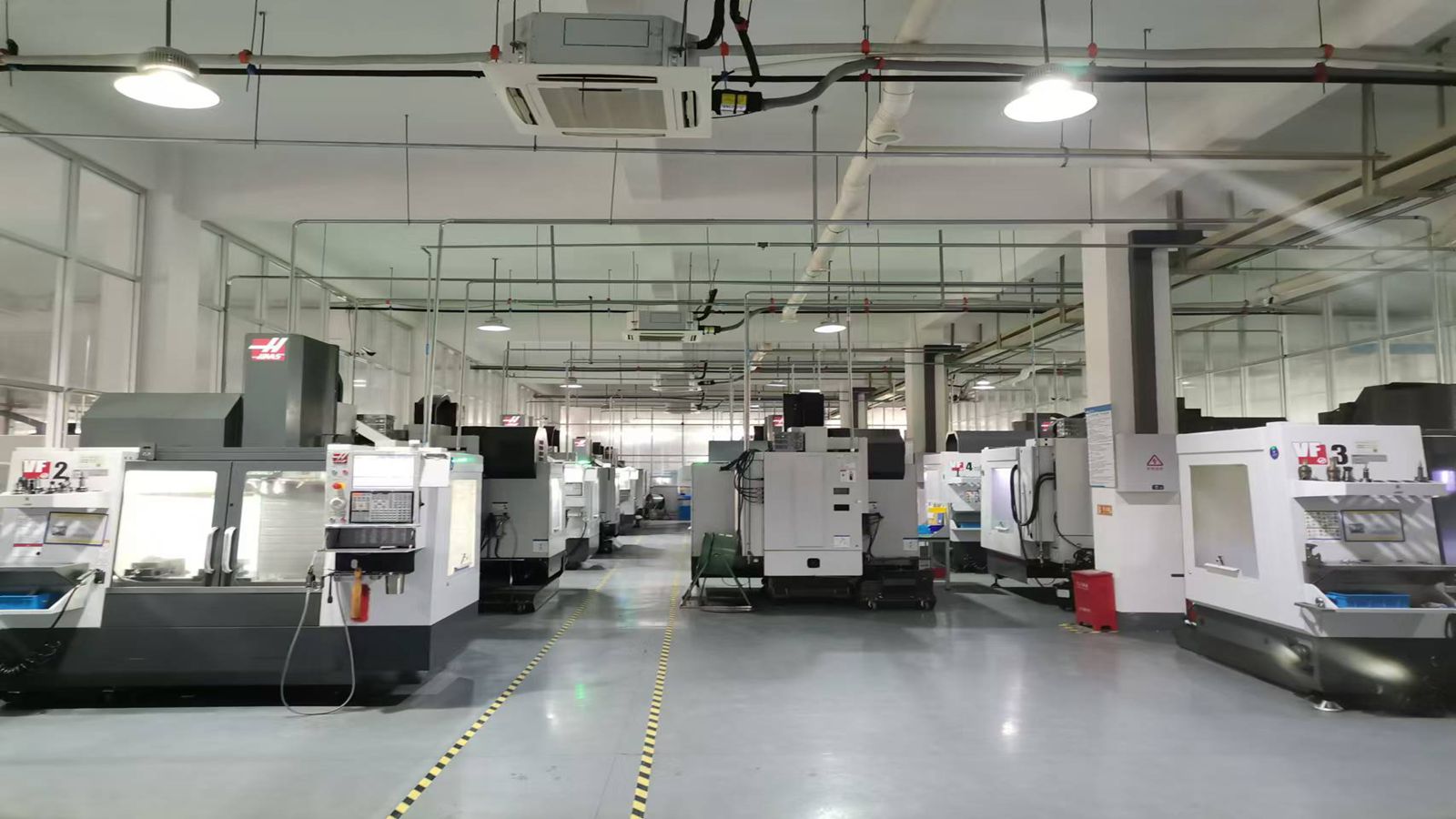
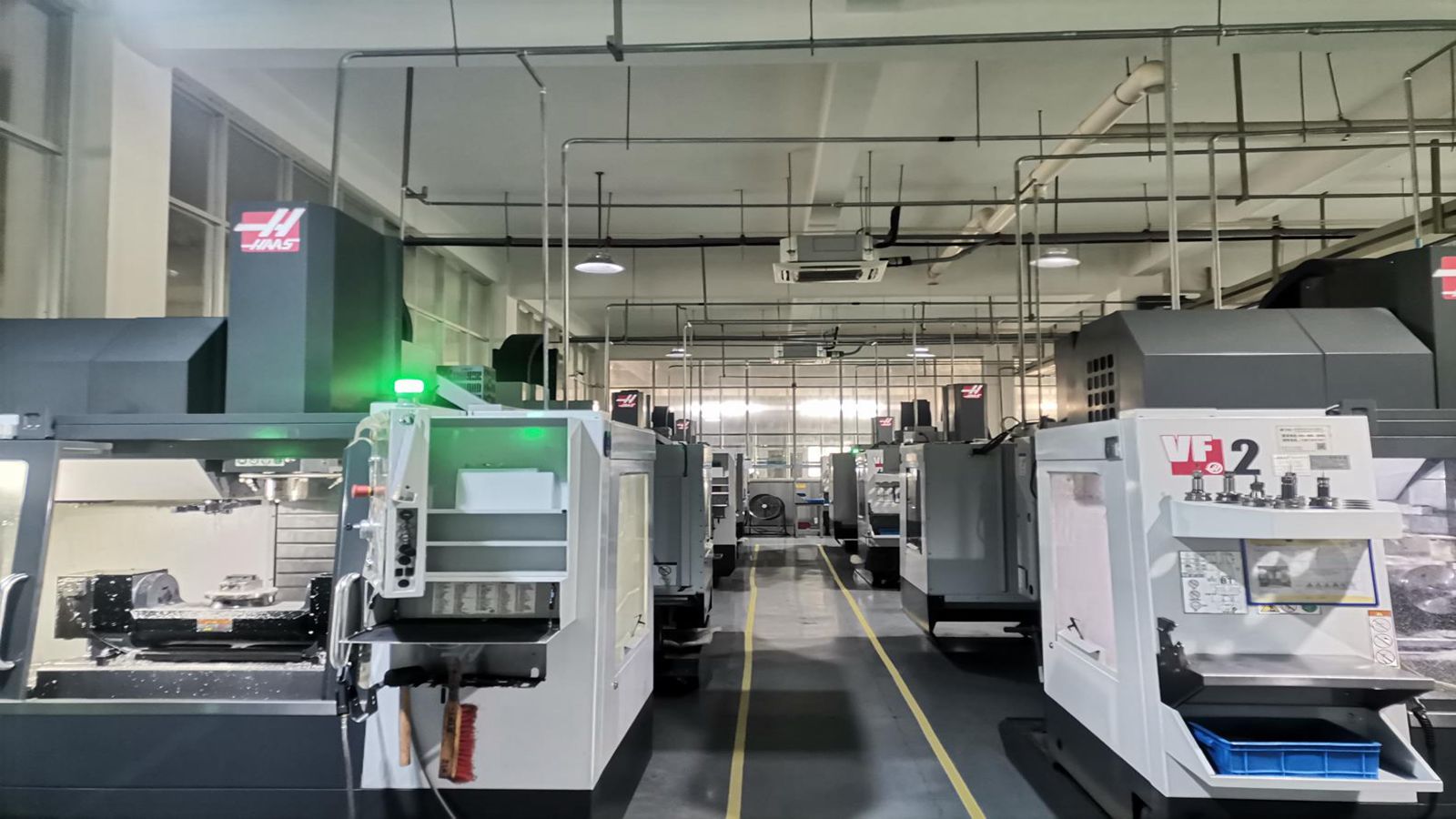
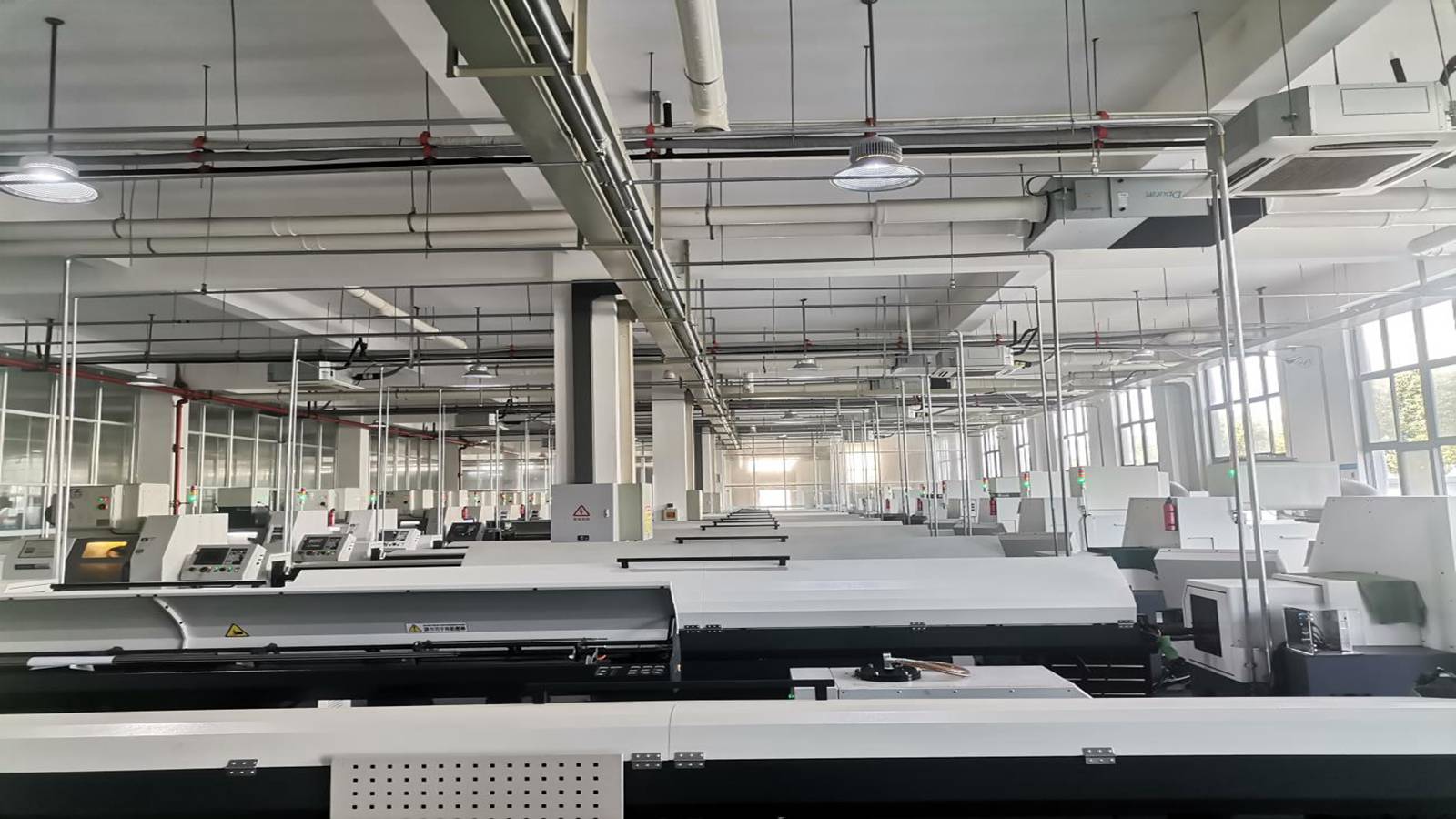
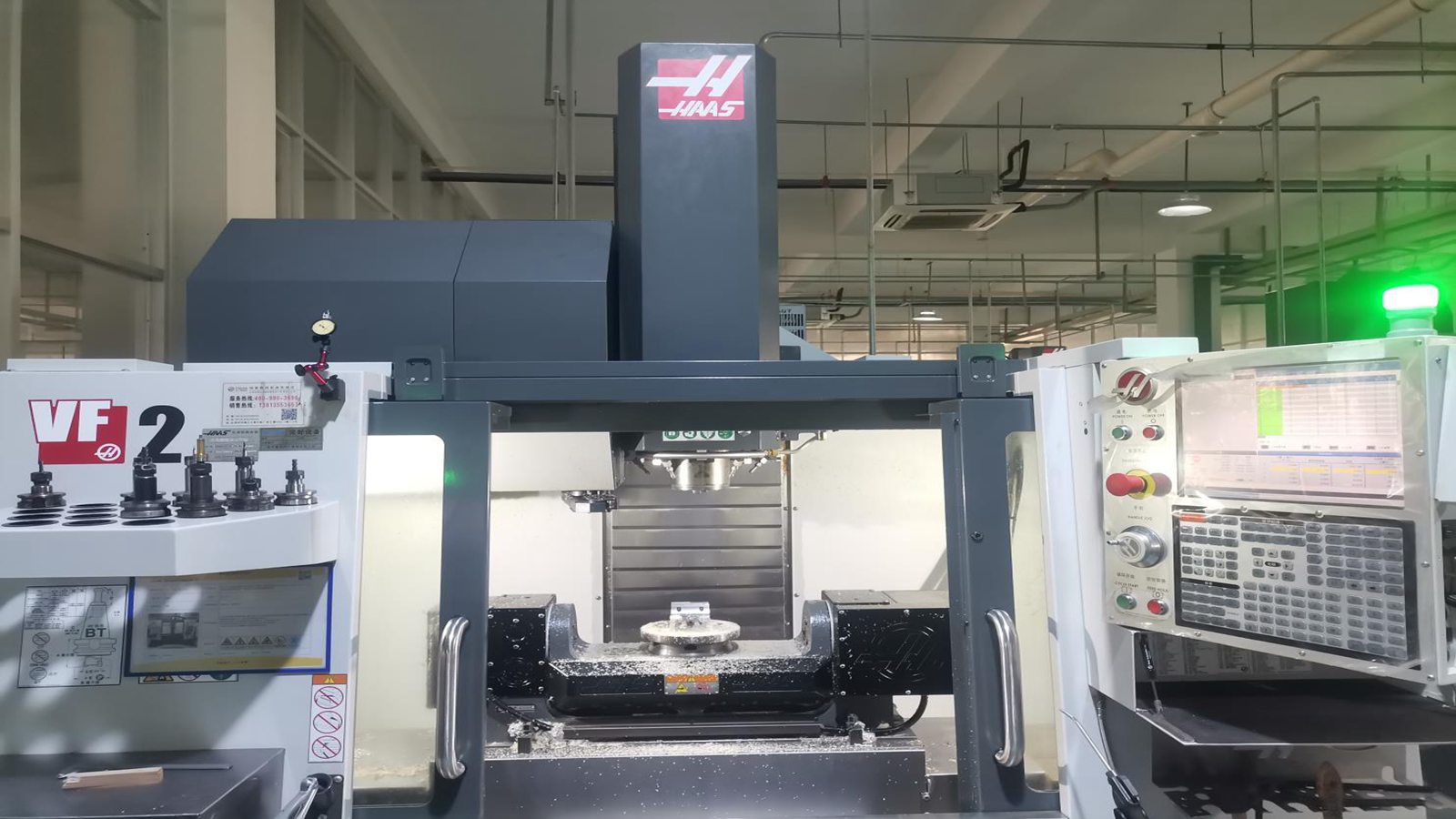
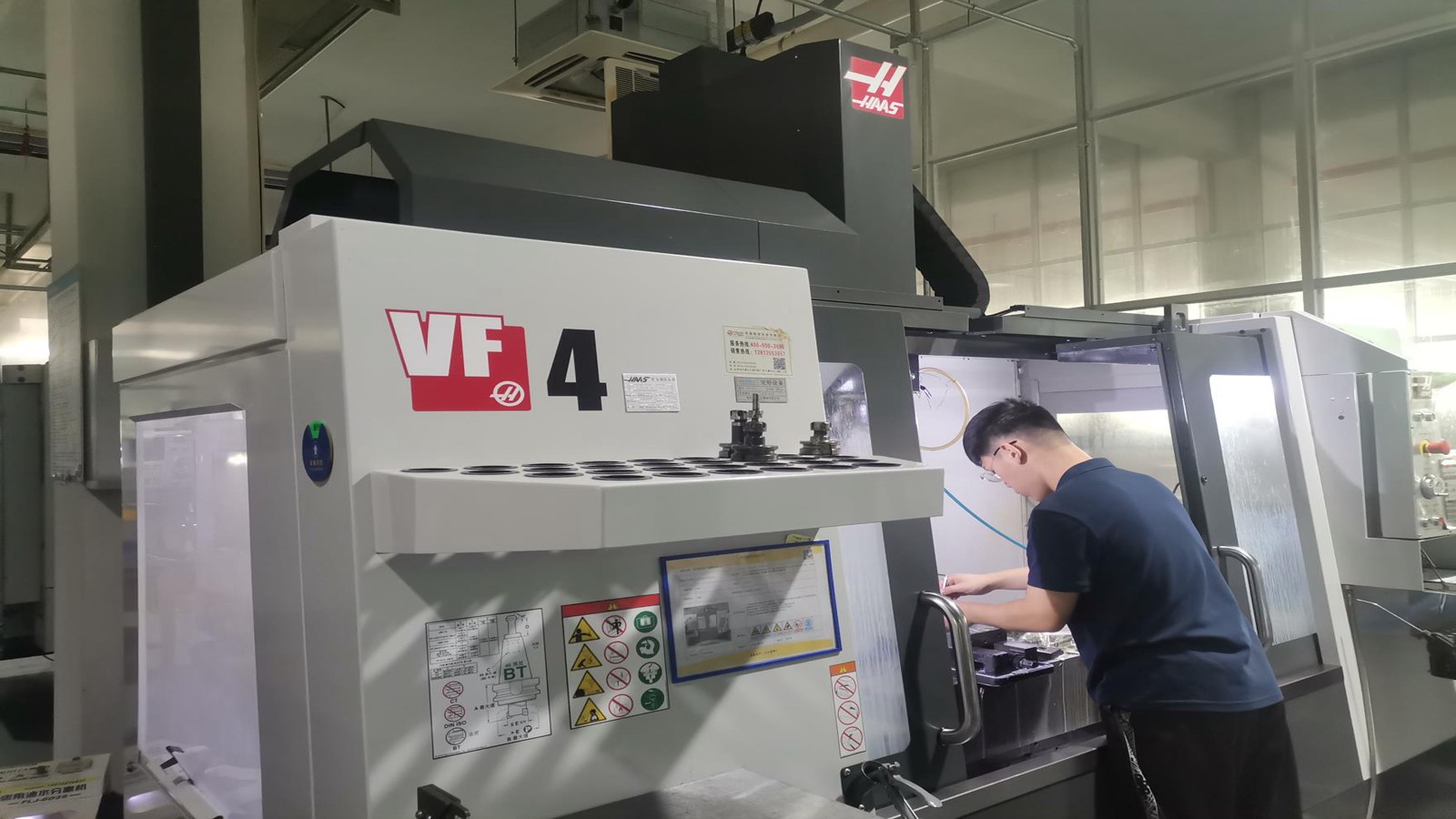
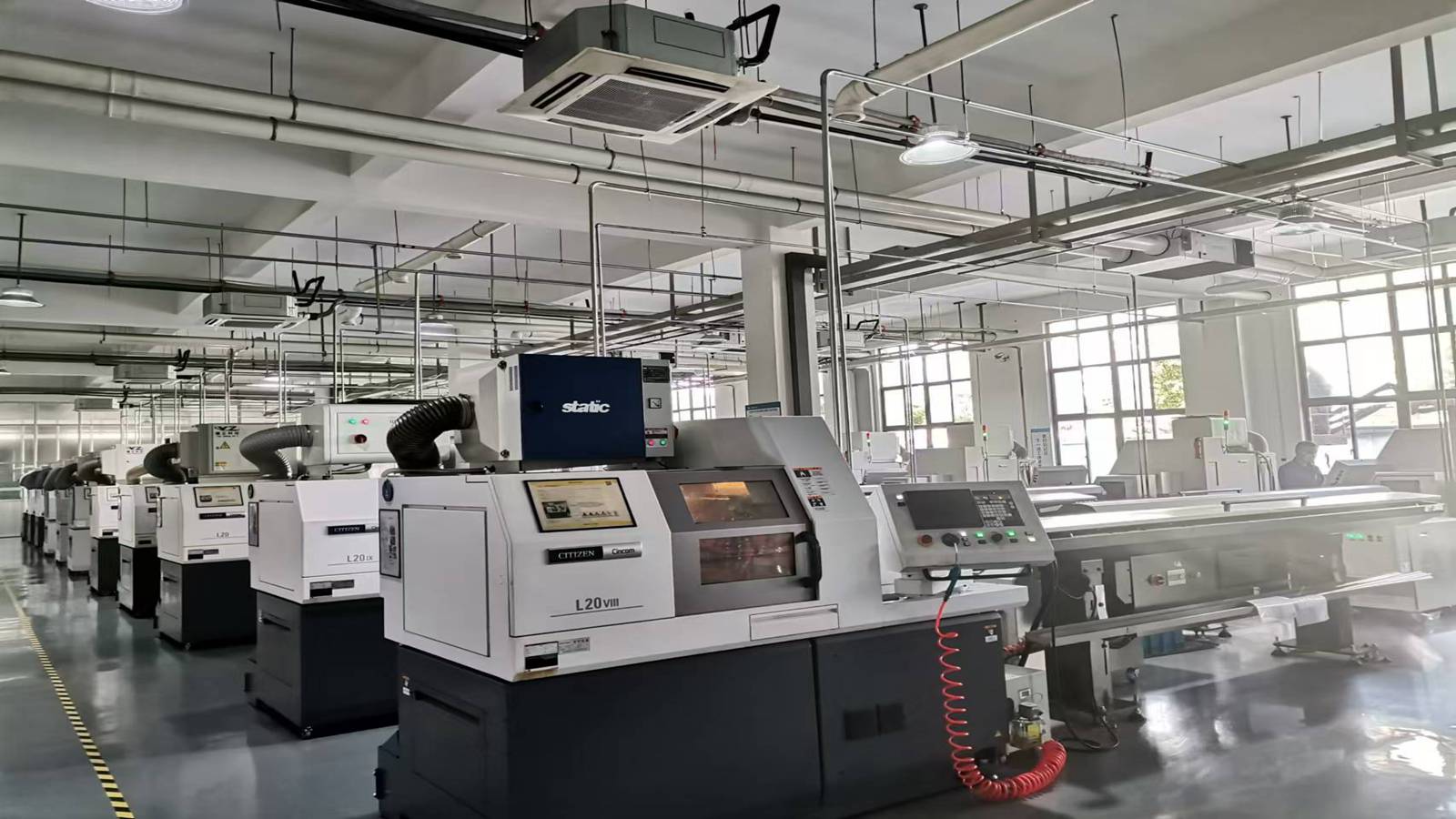
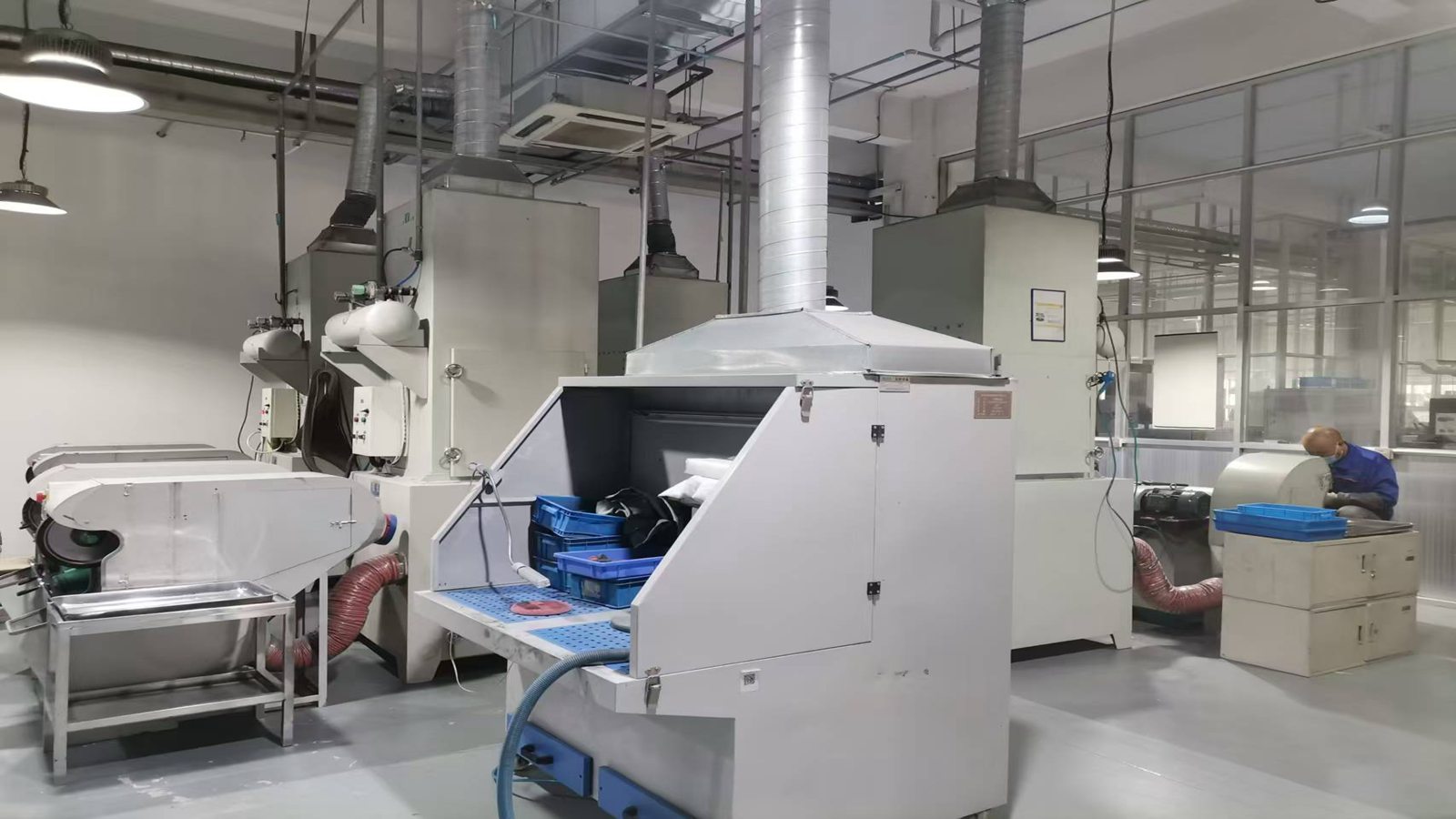
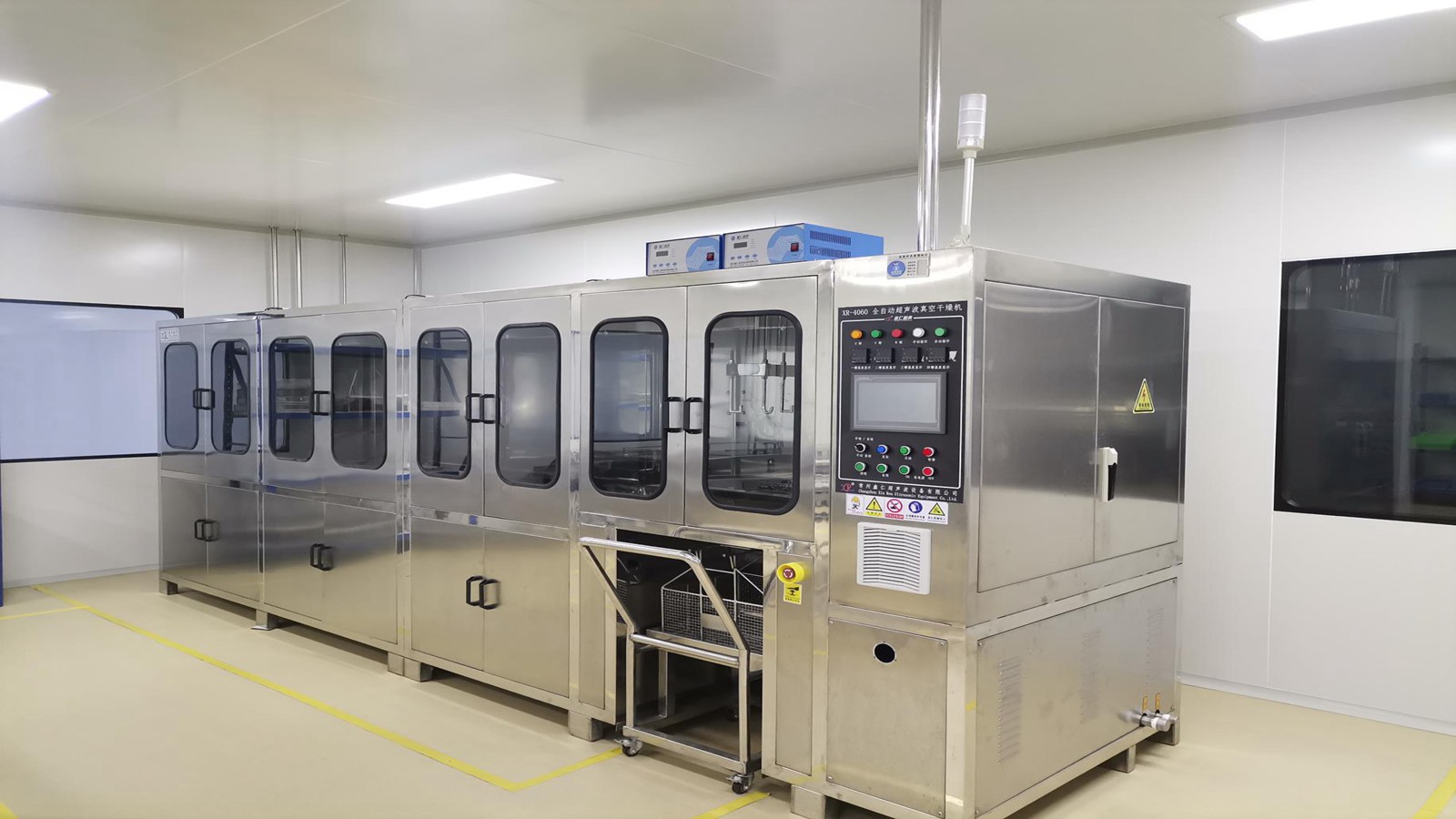
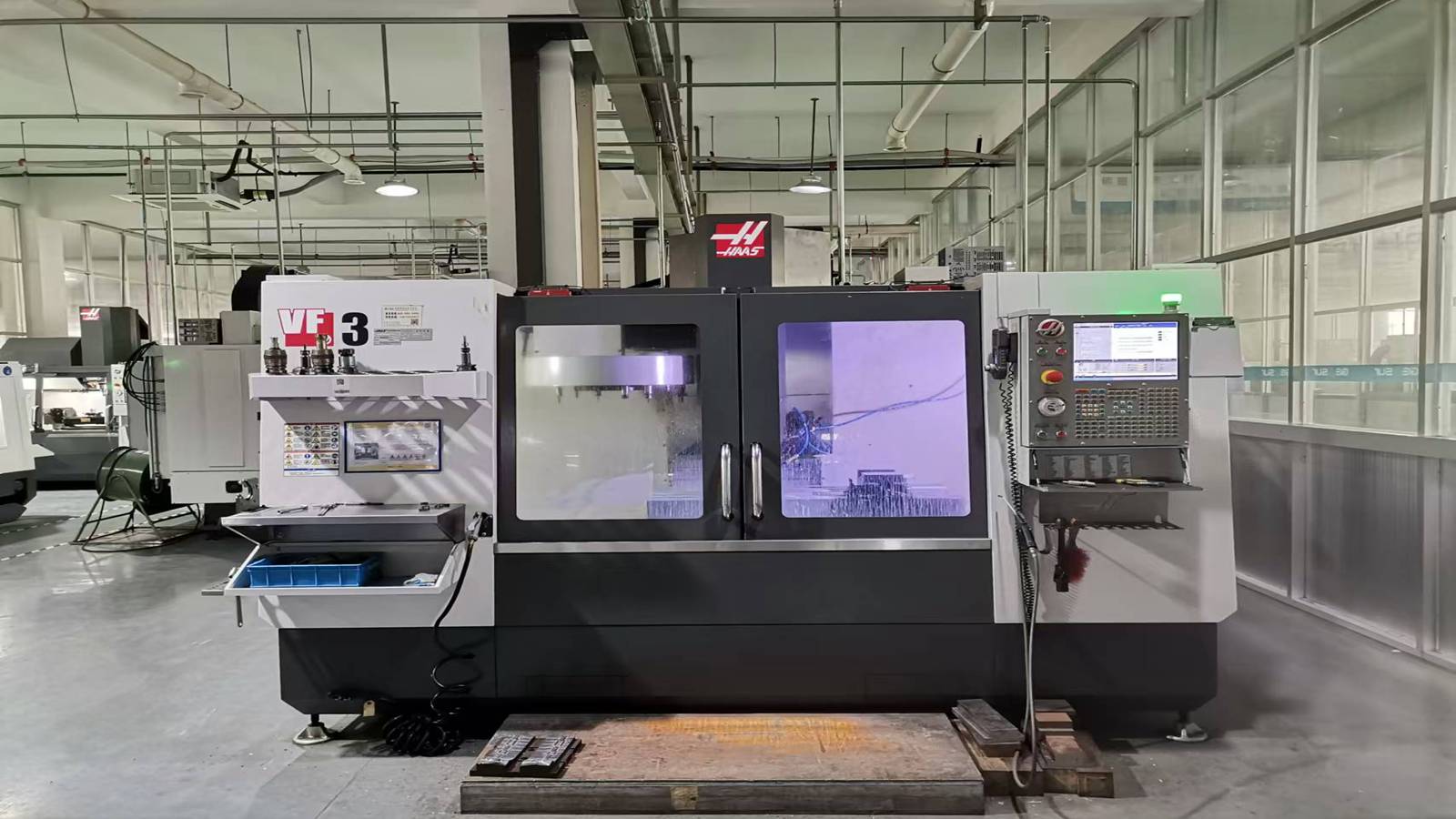
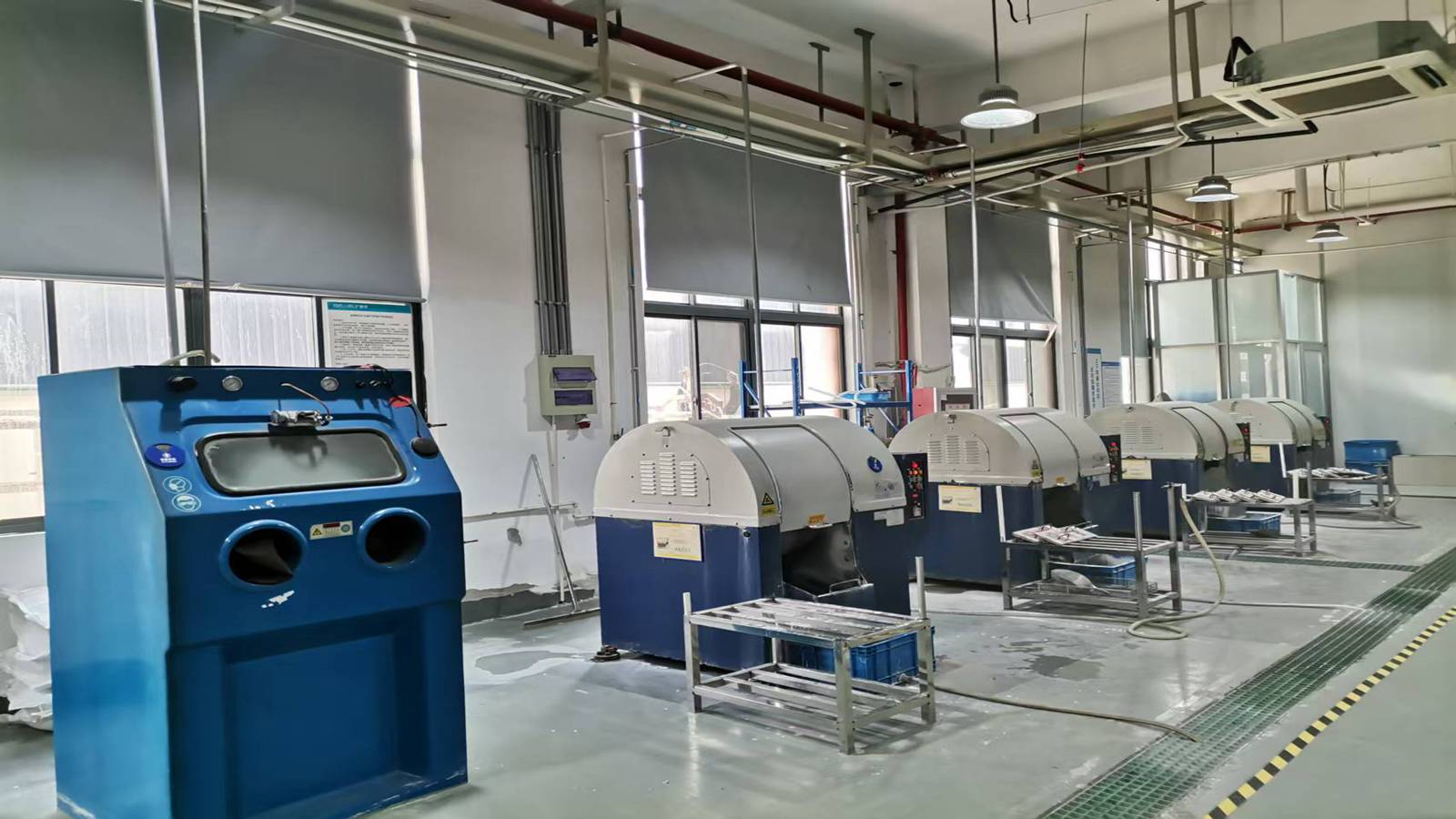
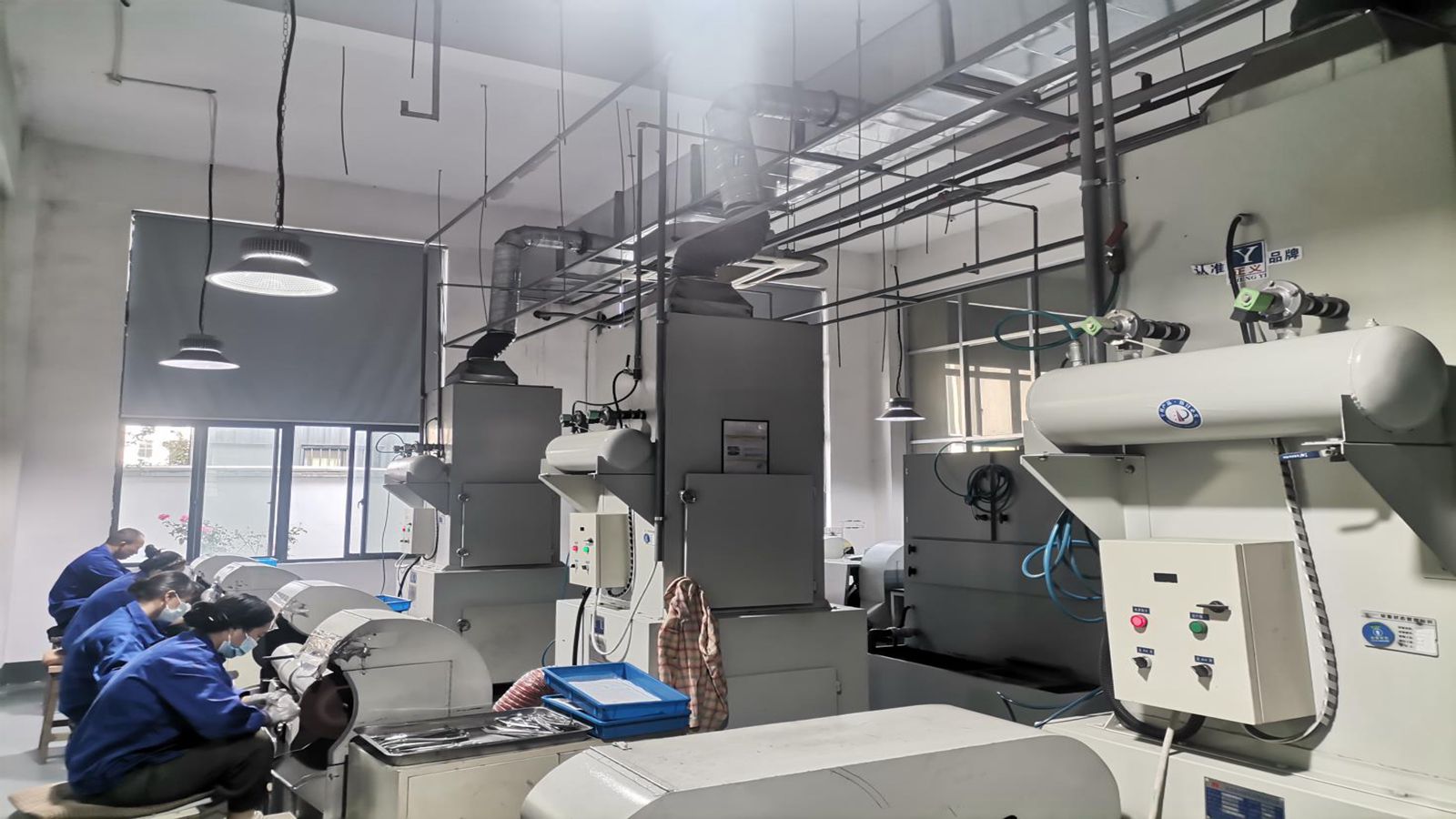
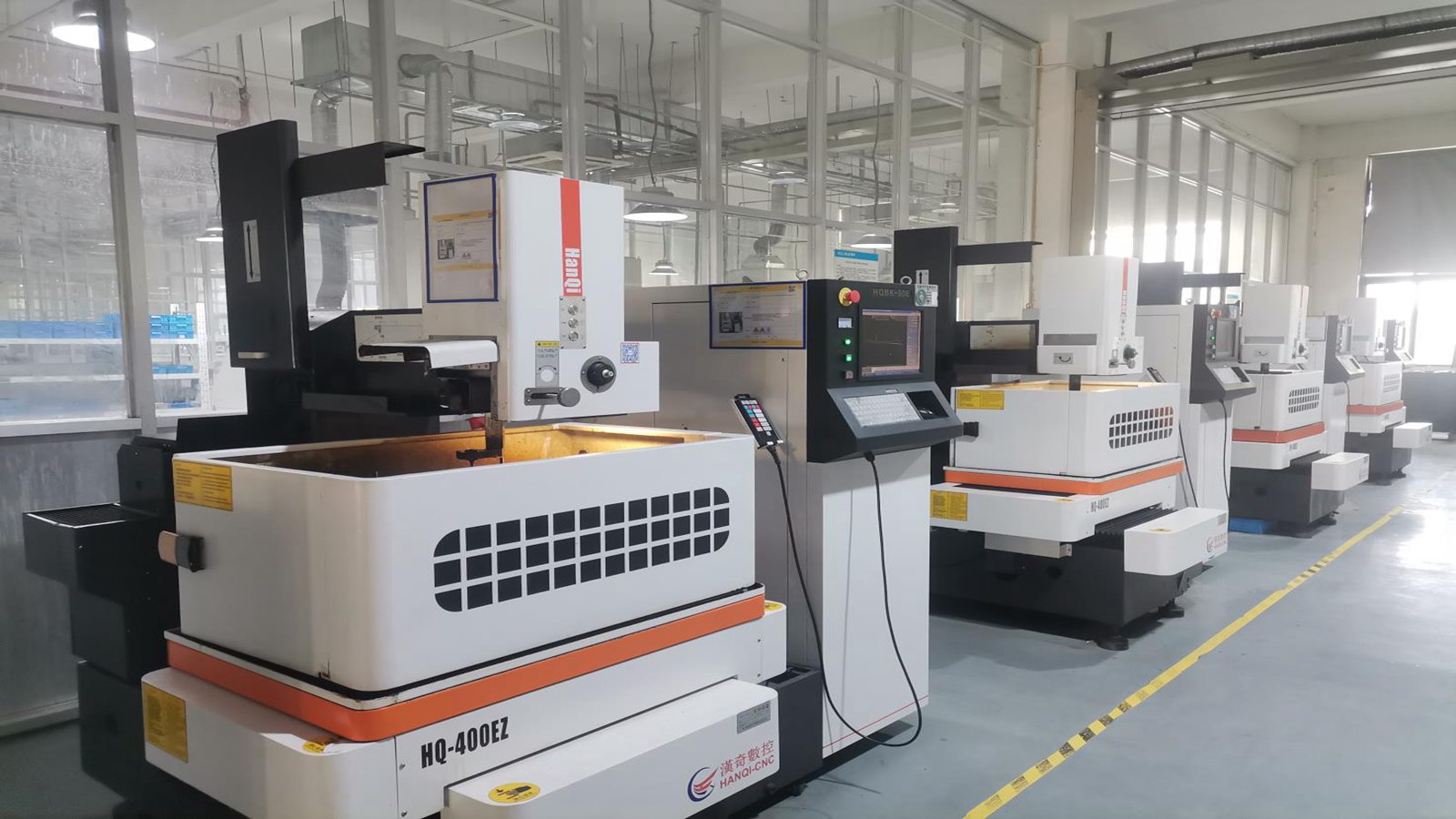
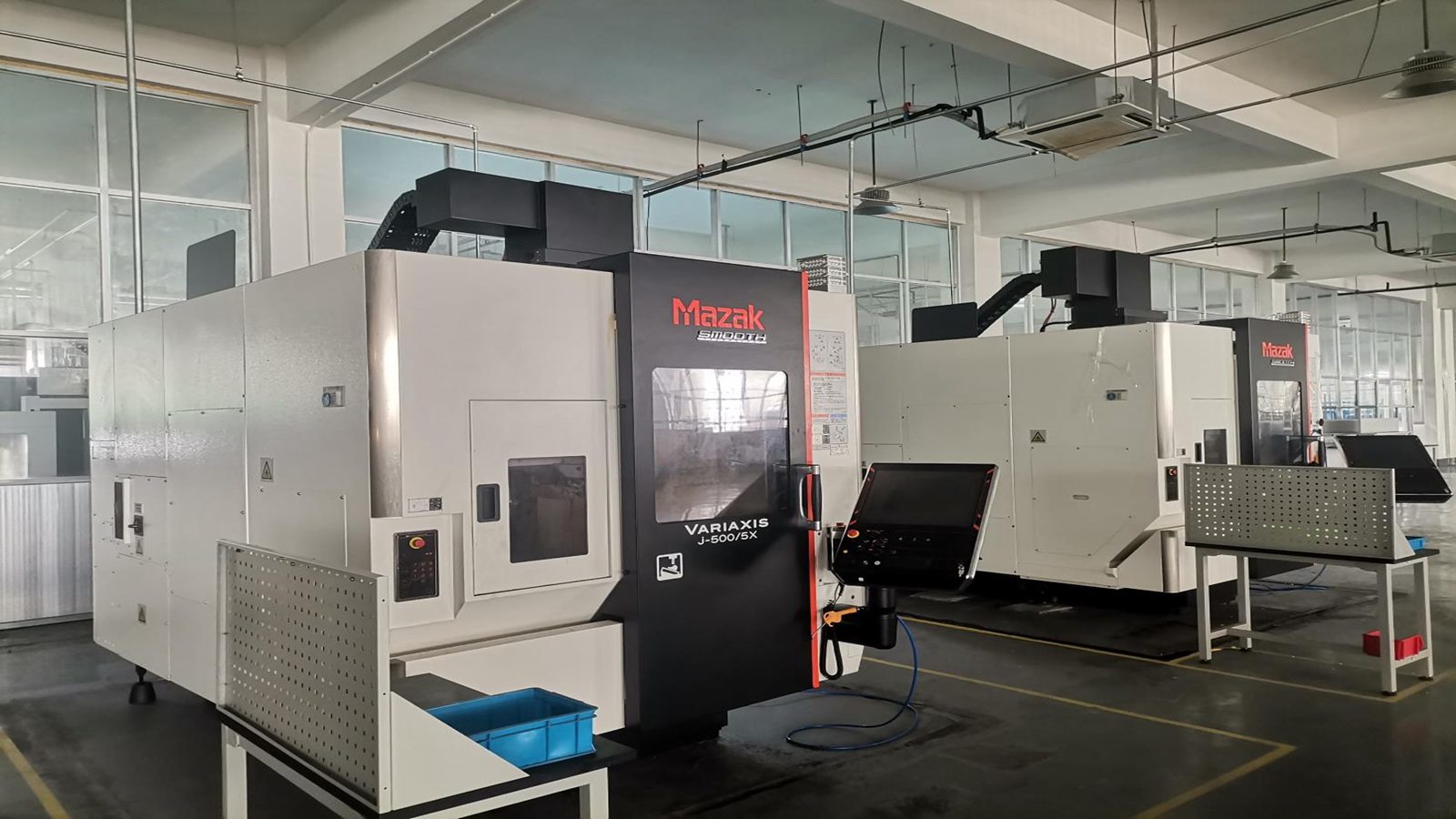
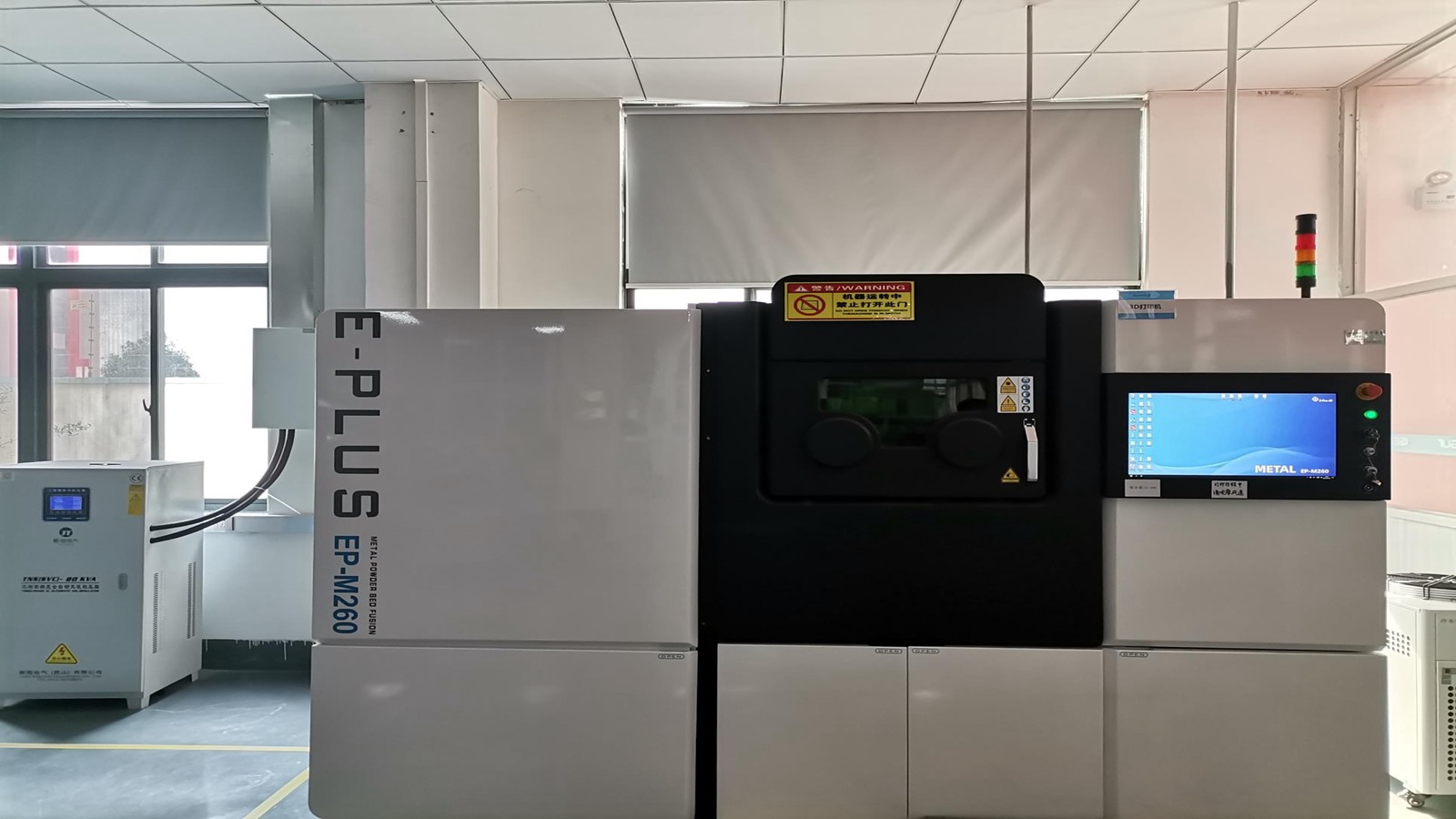
HBM Medical Apparatus And Instruments Co., Ltd. stands at the forefront of China's orthopedic manufacturing sector. Established in 2015, HBM has spent a decade refining its production capabilities, integrating advanced Swiss-type CNC machining centers, multi-axis milling machines, and automated surface treatment lines to deliver world-class orthopedic implants and surgical instruments.
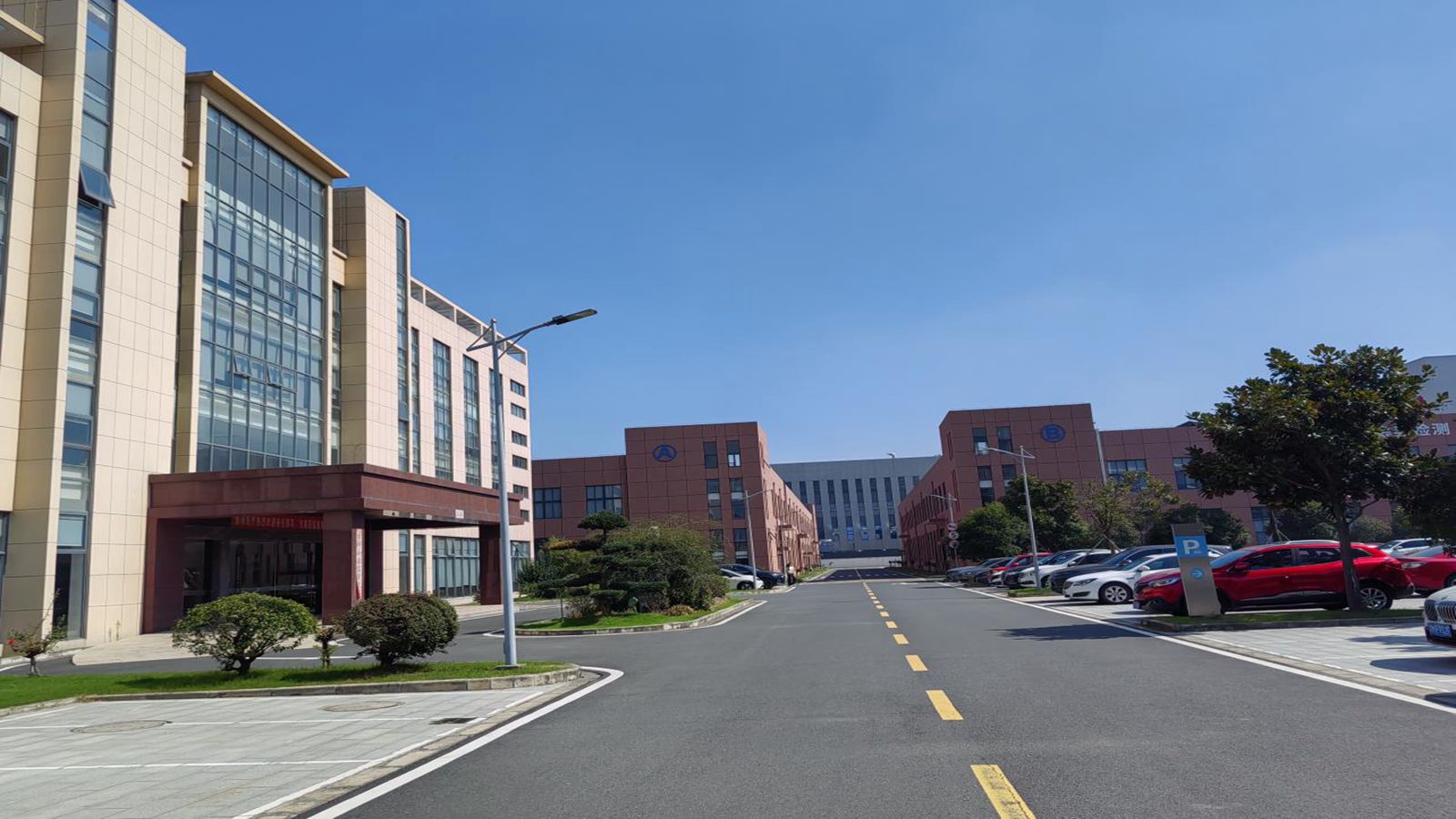
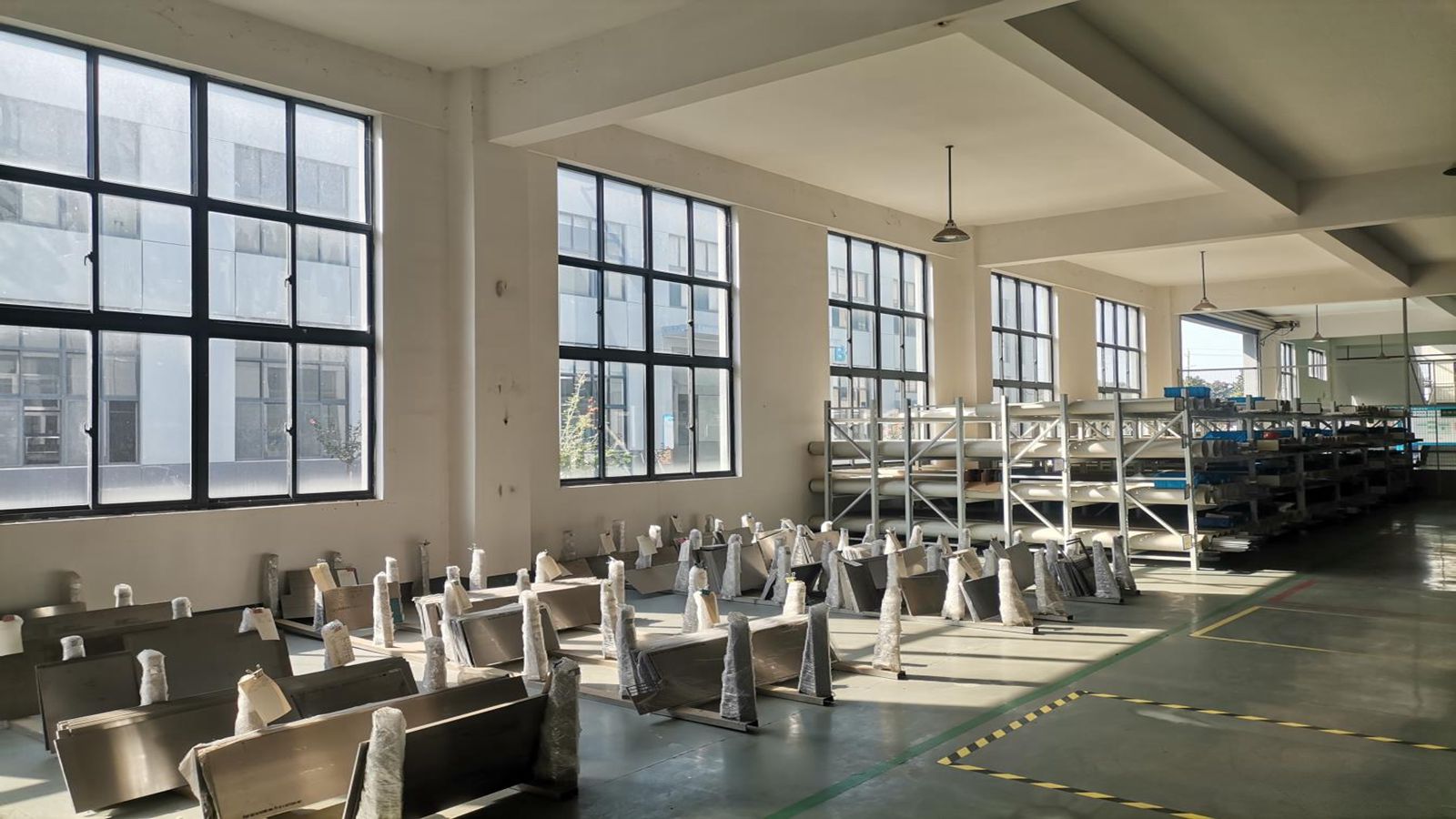
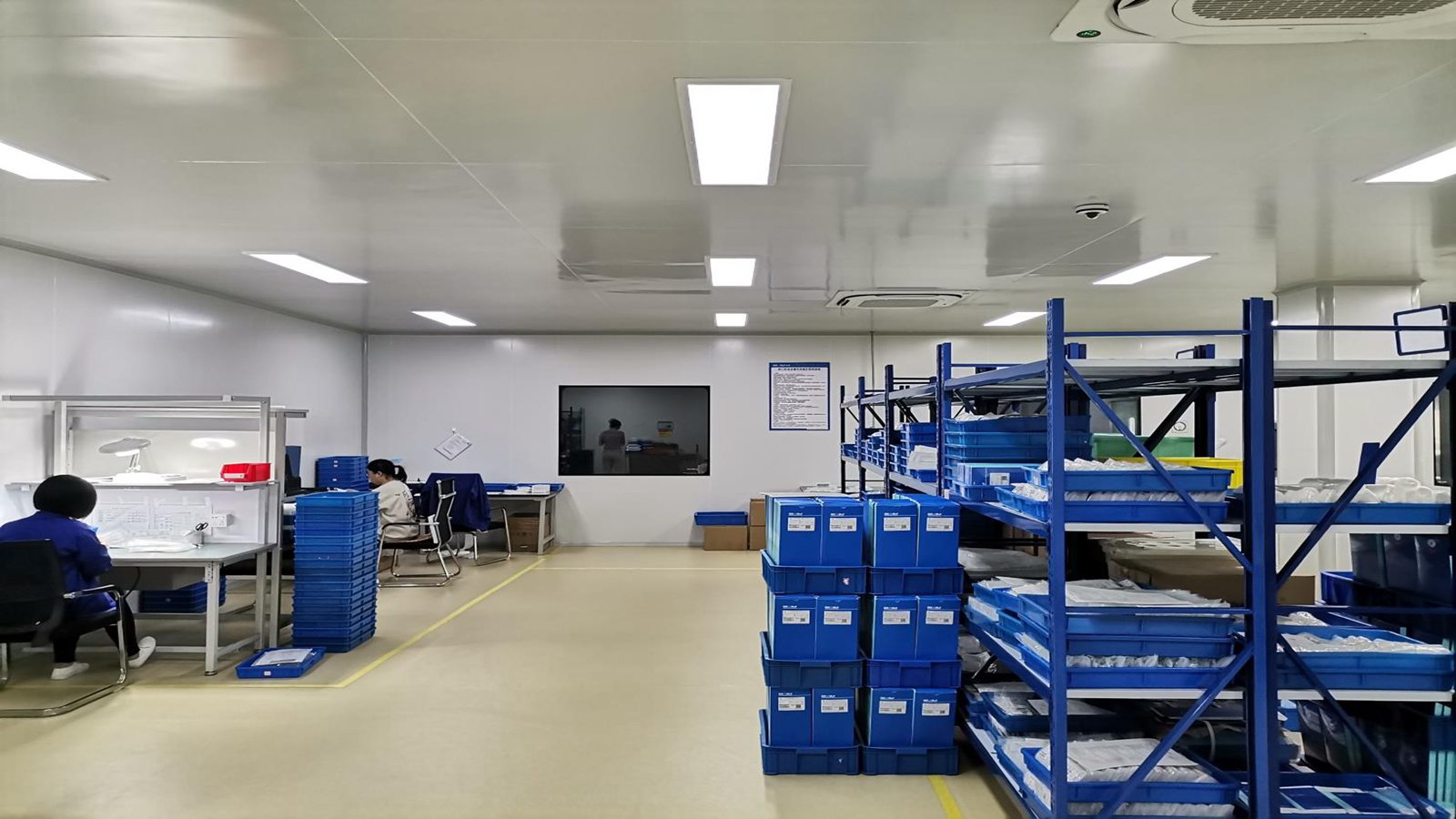
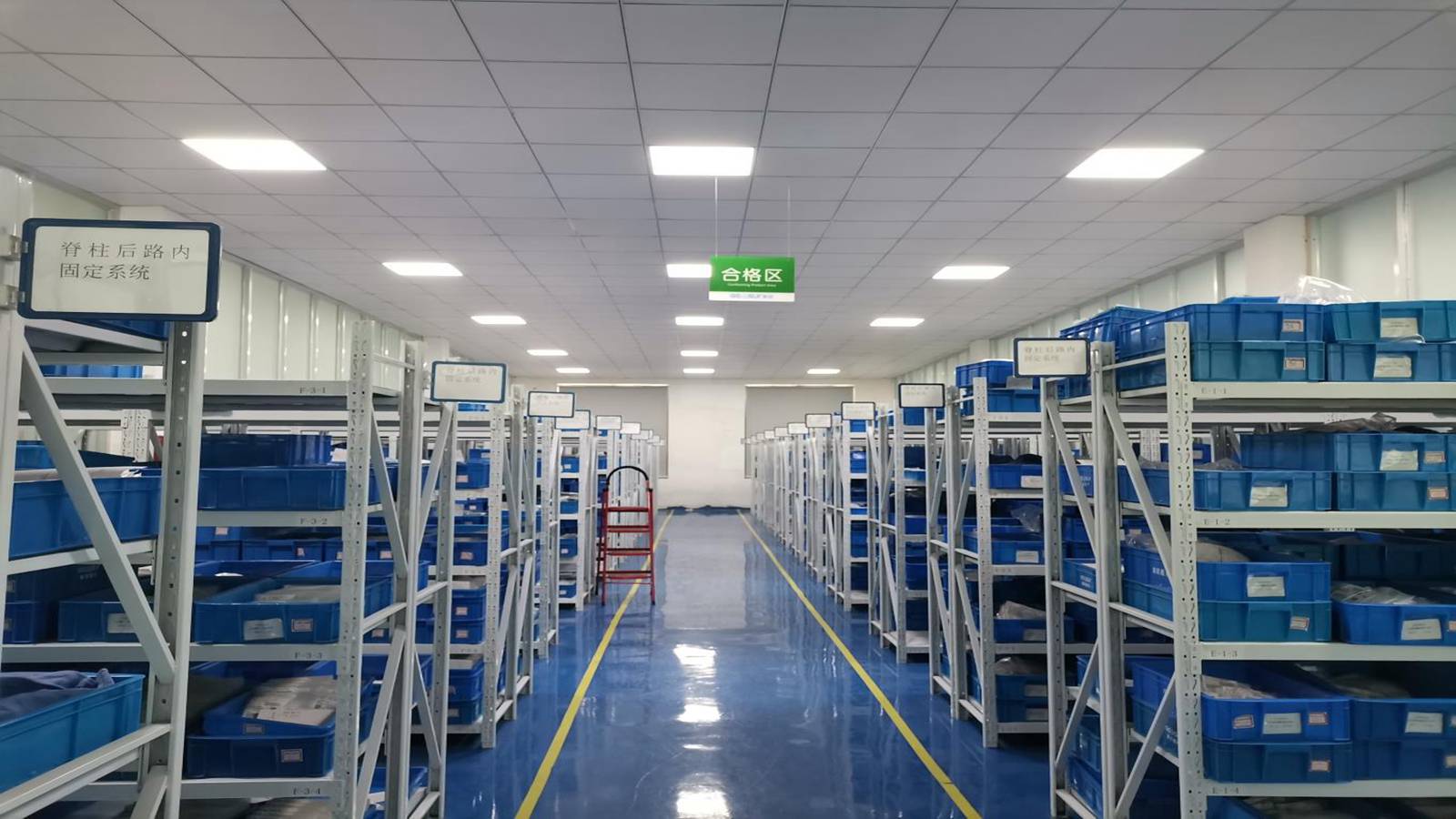
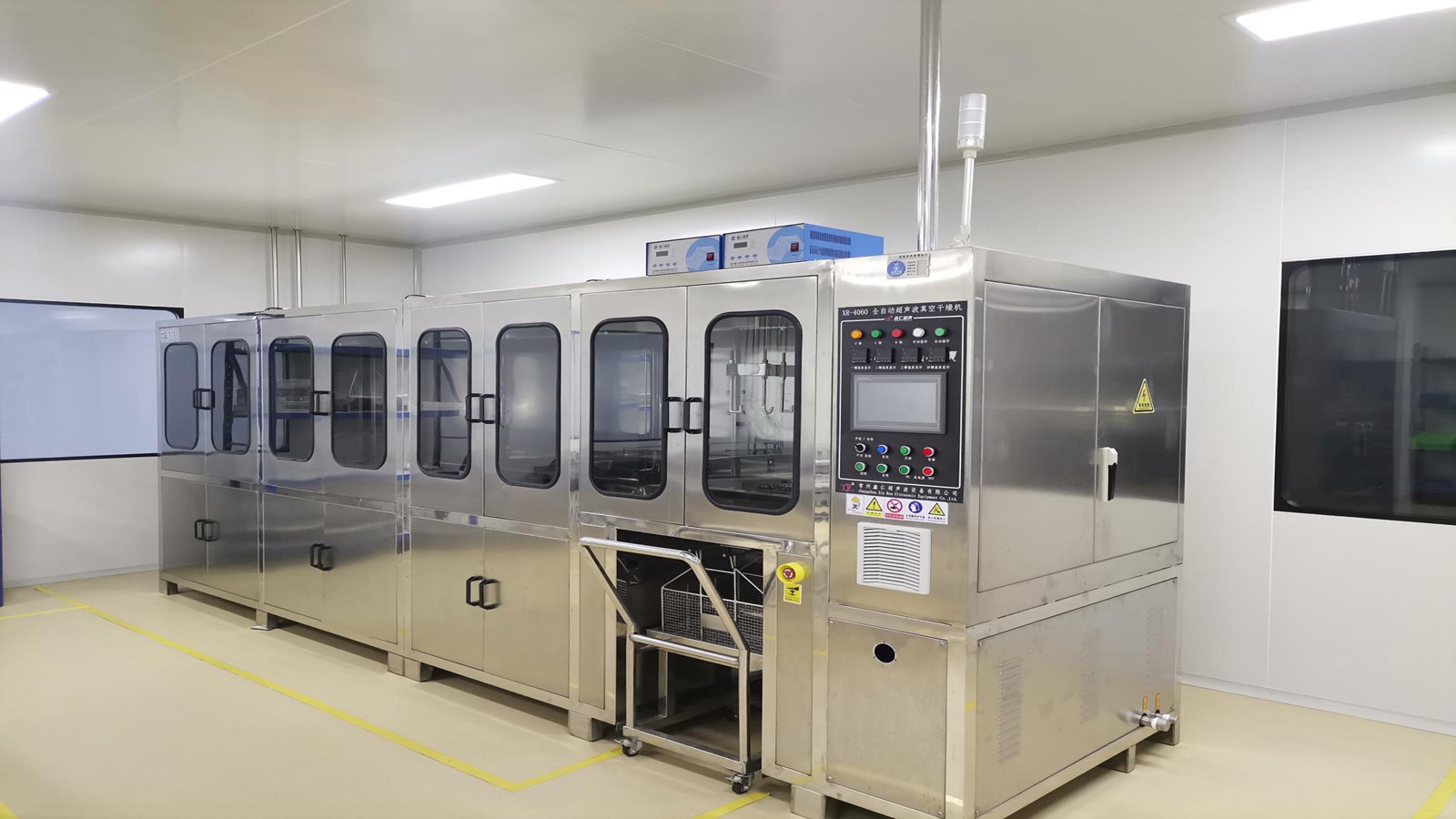
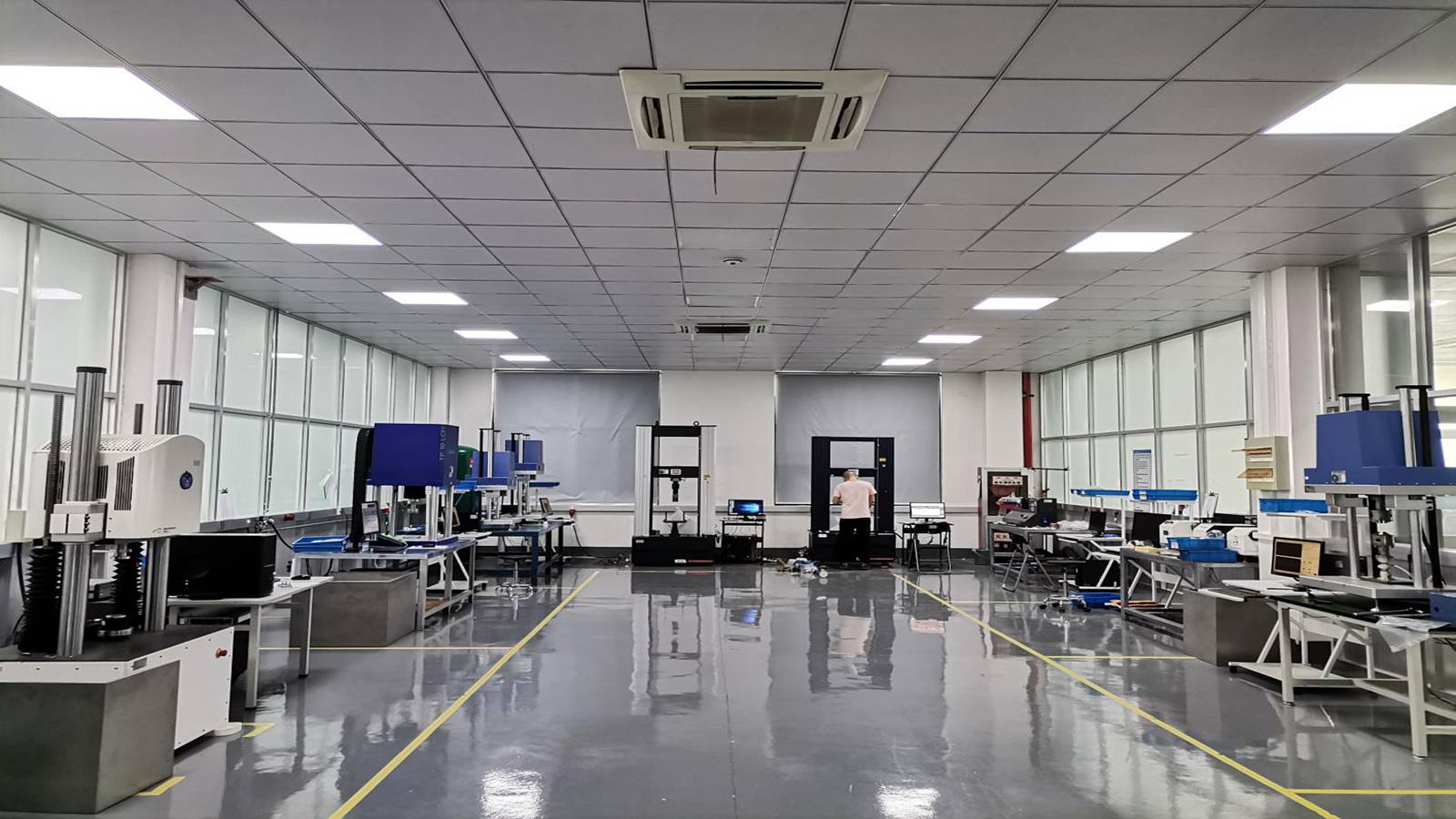
Our 30,343 square meter state-of-the-art facility is designed to optimize production flow, minimize contamination risks, and ensure maximum operational efficiency. By leveraging China's robust industrial supply chain, HBM offers competitive pricing structures without compromising on raw material quality or manufacturing precision.
We maintain complete traceability for all raw materials—sourcing exclusively from certified medical-grade titanium and stainless steel suppliers. This meticulous attention to detail ensures that every retrograde femoral nail leaving our facility meets or exceeds international standards, providing peace of mind to surgeons and patients worldwide.
Fully compliant with ISO 13485, MDSAP, and CE (MDR) certifications, ensuring seamless regulatory approval in global markets.
Driven by 31 dedicated R&D engineers, including PhD and postgraduate specialists, launching over 25 new products annually.
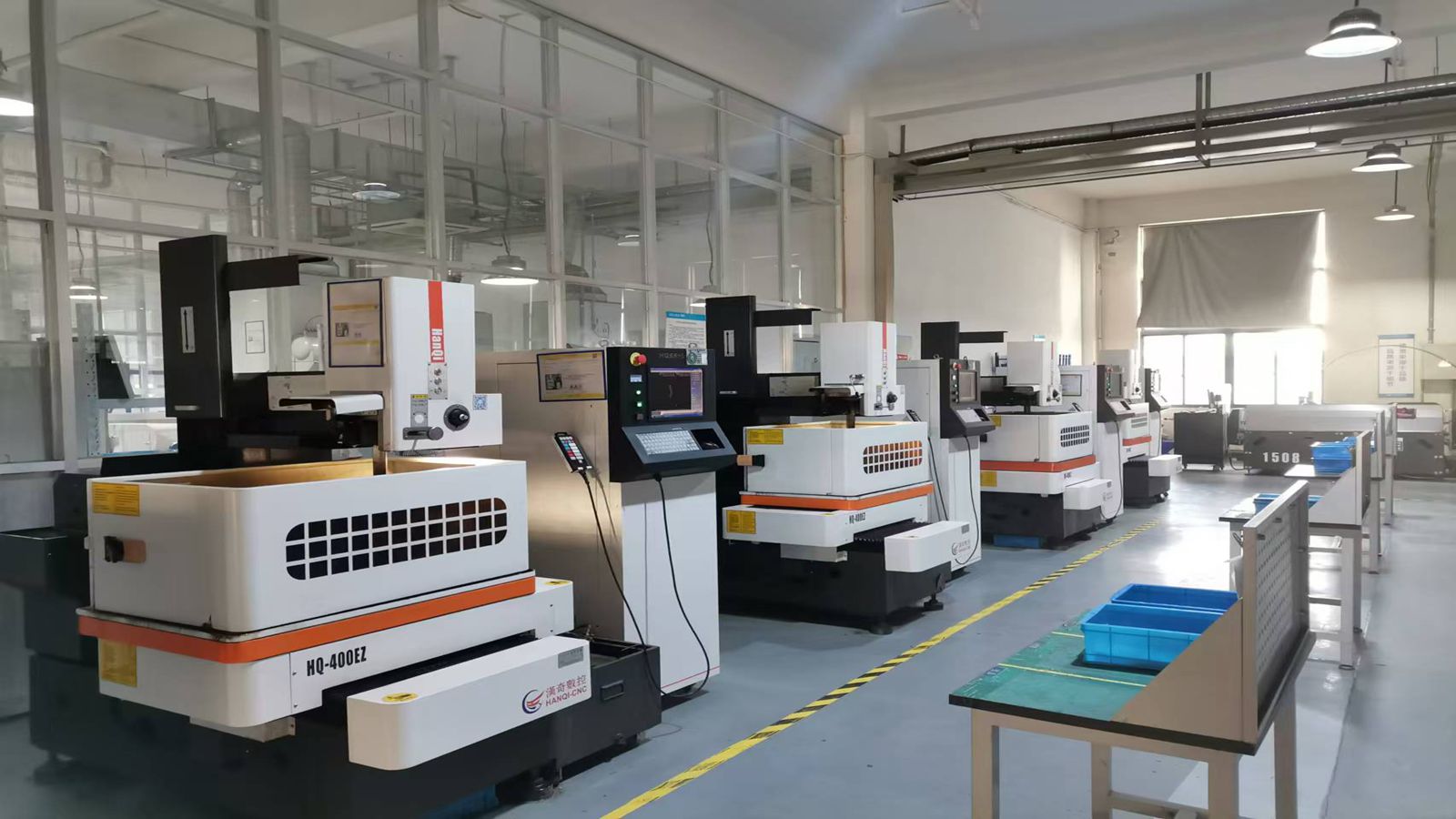
12 advanced production lines and over 120 high-precision machines guarantee reliable, on-time delivery for high-volume orders.
At HBM Medical, we understand that one size does not fit all in orthopedic trauma. Bone morphology varies across demographics, and surgical preferences differ globally. Our R&D department, comprised of 31 expert engineers (including postgraduates and doctorates), collaborates directly with client product managers to develop customized retrograde femoral nailing systems.
Our customization options include sample processing, graphic-based design optimization, and completely bespoke, on-demand engineering. Whether you require specific distal locking configurations, specialized targeting instruments, or custom surface anodization (such as Type II anodization for enhanced fatigue strength and color-coded identification), HBM has the technical expertise to deliver.
We employ advanced CAD/CAM software and finite element analysis (FEA) to simulate stress distribution and optimize nail geometry before physical prototyping. This rigorous engineering approach dramatically shortens development cycles and ensures that the final product performs flawlessly under physiological loads.
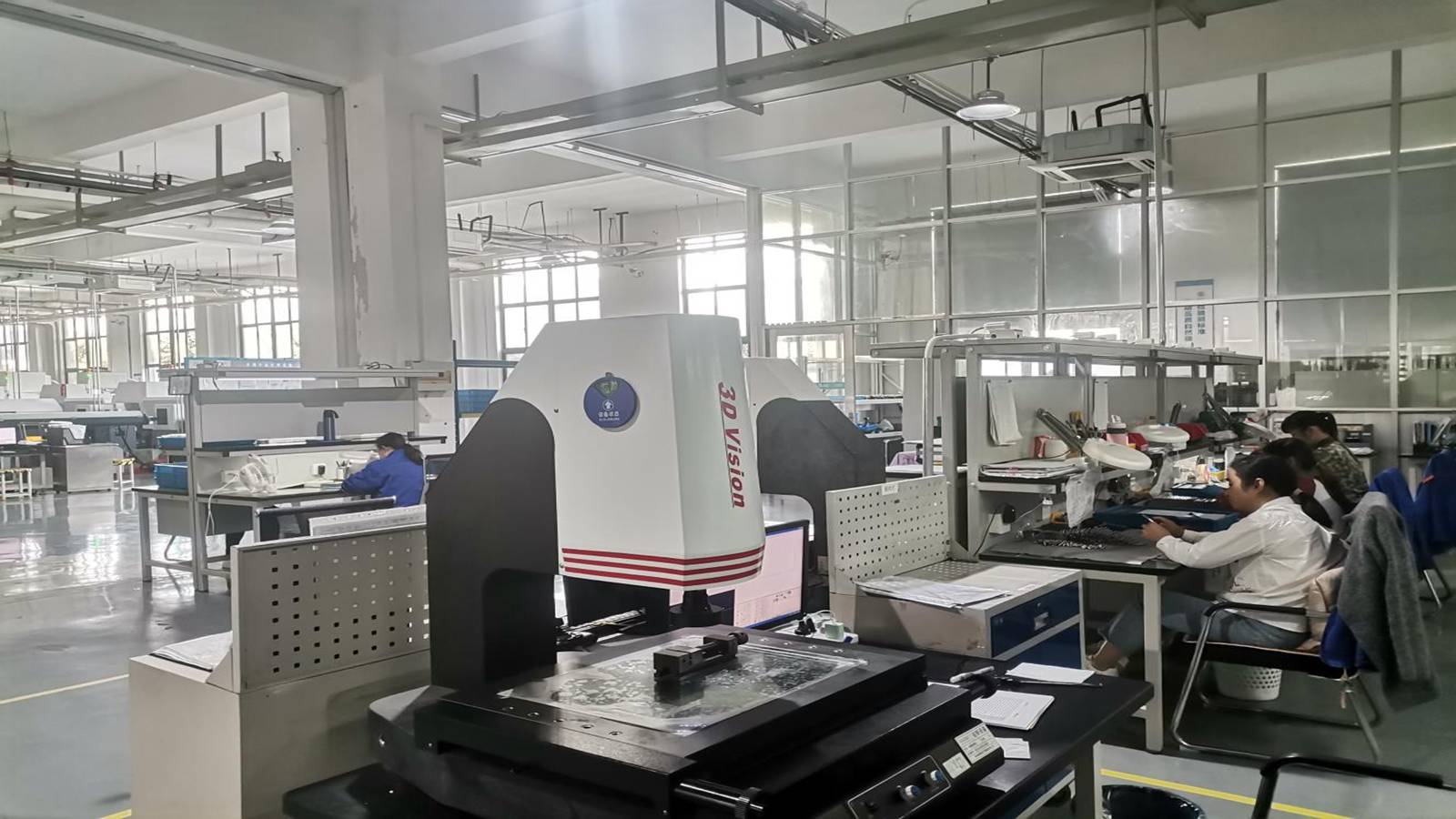
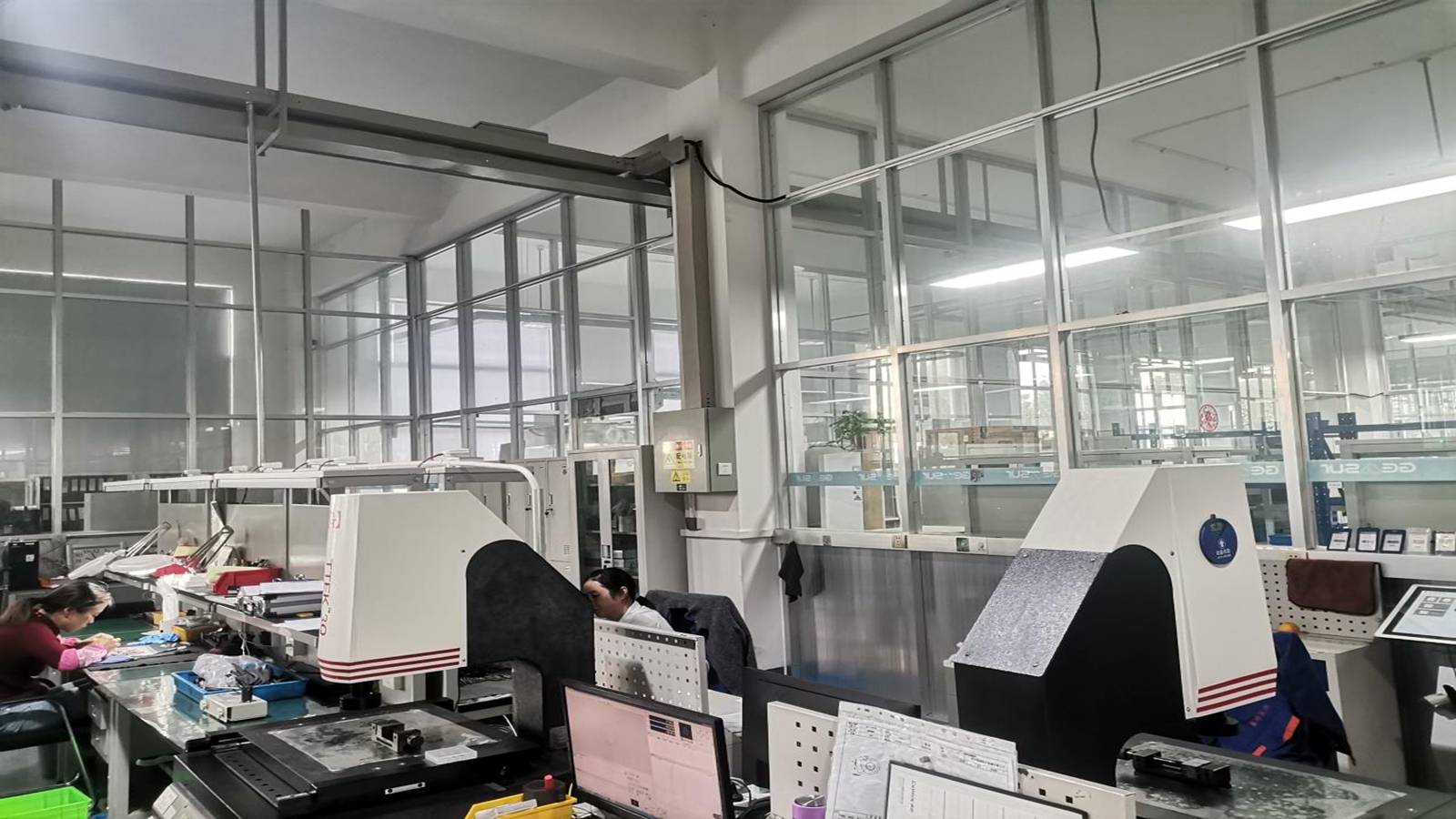
Patient safety is the cornerstone of our operations. HBM Medical operates under a comprehensive quality management system certified to ISO 13485 and MDSAP standards. Our dedicated quality control team consists of 36 professional QA/QC inspectors who oversee every phase of production, from raw material receipt to final sterile packaging.
We implement a 100% inspection protocol for critical dimensions, thread profiles, and surface finishes. Utilizing state-of-the-art coordinate measuring machines (CMM), optical comparators, and digital roughness testers, we guarantee that every implant adheres to the tightest tolerances (often within microns).
Furthermore, all raw materials are accompanied by mill test certificates and undergo independent chemical composition and mechanical property verifications. This rigorous traceability chain ensures that our titanium implants are free from interstitial impurities, preventing premature fatigue failure and ensuring long-term biocompatibility in vivo.
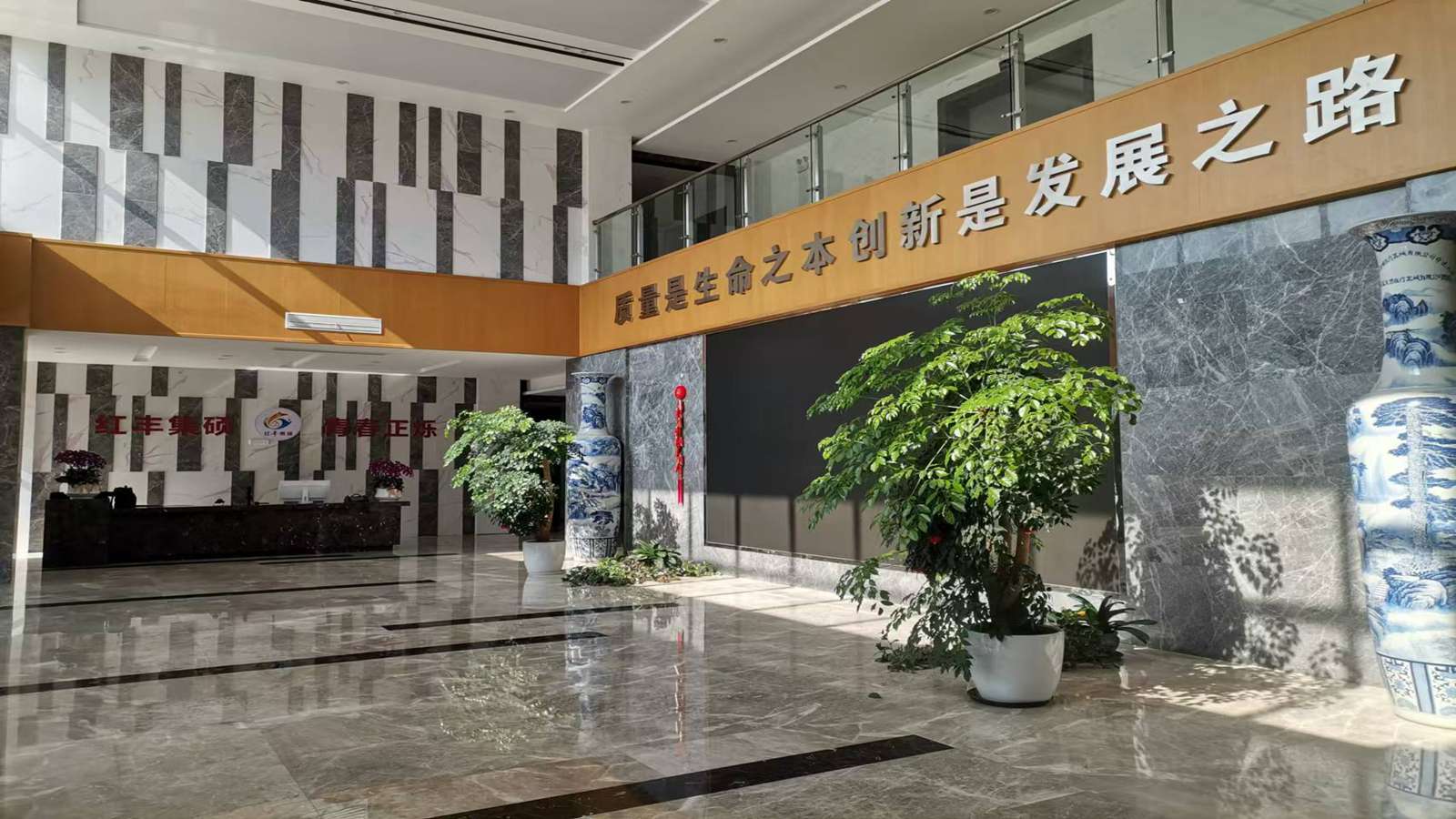
Take a virtual tour of our 30,343 m² production plant, advanced CNC machining centers, and cleanrooms.

Get answers to the most common technical, regulatory, and commercial questions regarding our OEM services.
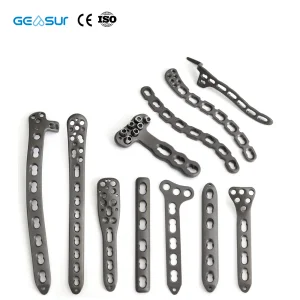
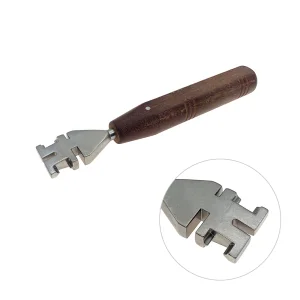
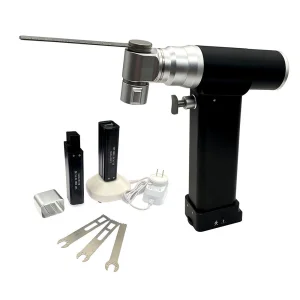
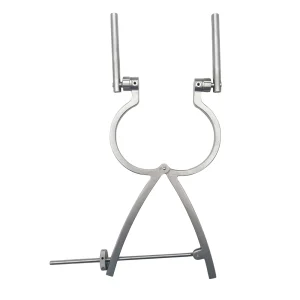
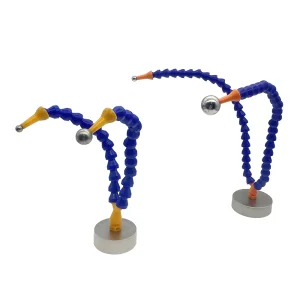
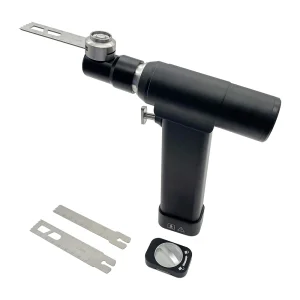
Discover our comprehensive portfolio of trauma plates, power tools, and specialized veterinary implants.
 HBM Medical