The global orthopedic landscape is witnessing an unprecedented surge in demand for highly stable, minimally invasive fixation devices. Among these, the Proximal Femoral Nail Antirotation (PFNA) has emerged as the gold standard for treating unstable trochanteric and subtrochanteric fractures, particularly in geriatric patients suffering from severe osteoporosis. As life expectancy increases globally, the incidence of hip fractures is projected to reach 4.5 million cases annually by 2050. This demographic shift places immense pressure on healthcare systems to adopt surgical solutions that reduce operating times, minimize blood loss, and allow for immediate post-operative weight-bearing.
From a commercial perspective, medical device distributors, hospital procurement networks, and multinational orthopedic brands are constantly seeking reliable OEM/ODM manufacturing partners. The challenge lies in balancing the rigorous biomechanical standards required for clinical safety with the cost-efficiencies needed to navigate modern healthcare reimbursement models. HBM Medical Apparatus And Instruments Co., Ltd. addresses this critical market gap by delivering state-of-the-art, CE and MDSAP-certified PFNA systems designed to meet the most stringent international regulatory frameworks.
Traditional intramedullary nails utilize standard lag screws to secure the femoral head. However, in osteoporotic bone, these screws are highly susceptible to "cut-out"—a catastrophic mechanical failure where the screw migrates through the weakened cancellous bone. The PFNA system revolutionizes this approach by utilizing a helical blade instead of a traditional screw.
When inserted, the helical blade does not remove bone material; rather, it compacts the surrounding bone tissue. This compaction significantly increases the local bone density around the implant, providing superior resistance to rotation and varus collapse. Biomechanical studies demonstrate that the helical blade offers up to 50% higher resistance to cut-out compared to conventional screw systems. Additionally, the anatomical design of the nail, featuring an optimized 6-degree lateral tilt angle, facilitates easy insertion through the greater trochanter, minimizing stress concentration at the femoral shaft.
The helical blade compacts cancellous bone during insertion, dramatically increasing pull-out strength in osteoporotic patients.
Dual-locking mechanisms and the unique blade profile prevent rotational displacement of the femoral head fragment.
Optimized nail geometry with a 6° lateral angle ensures anatomical fit and reduces the risk of anterior cortex impingement.
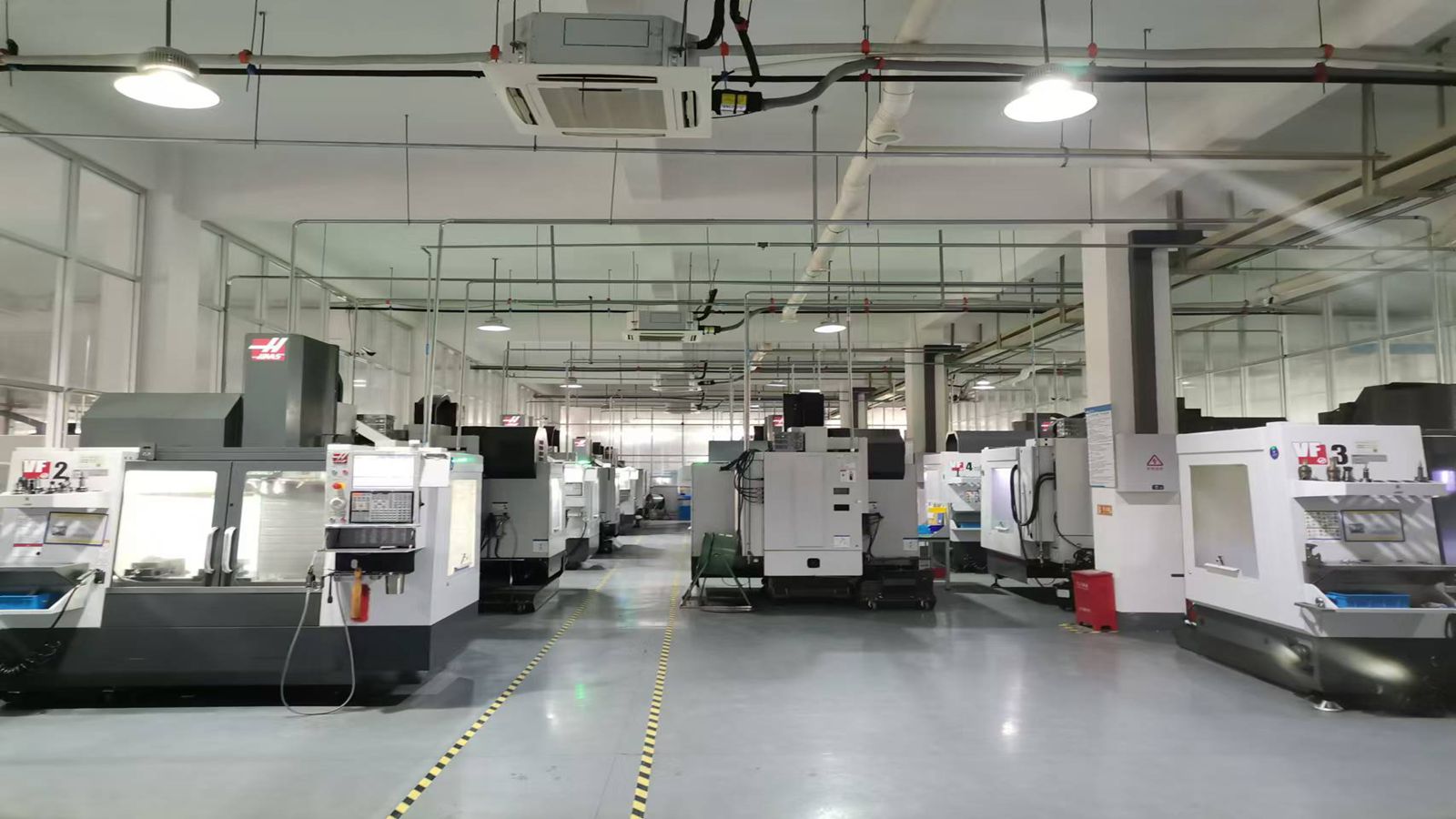
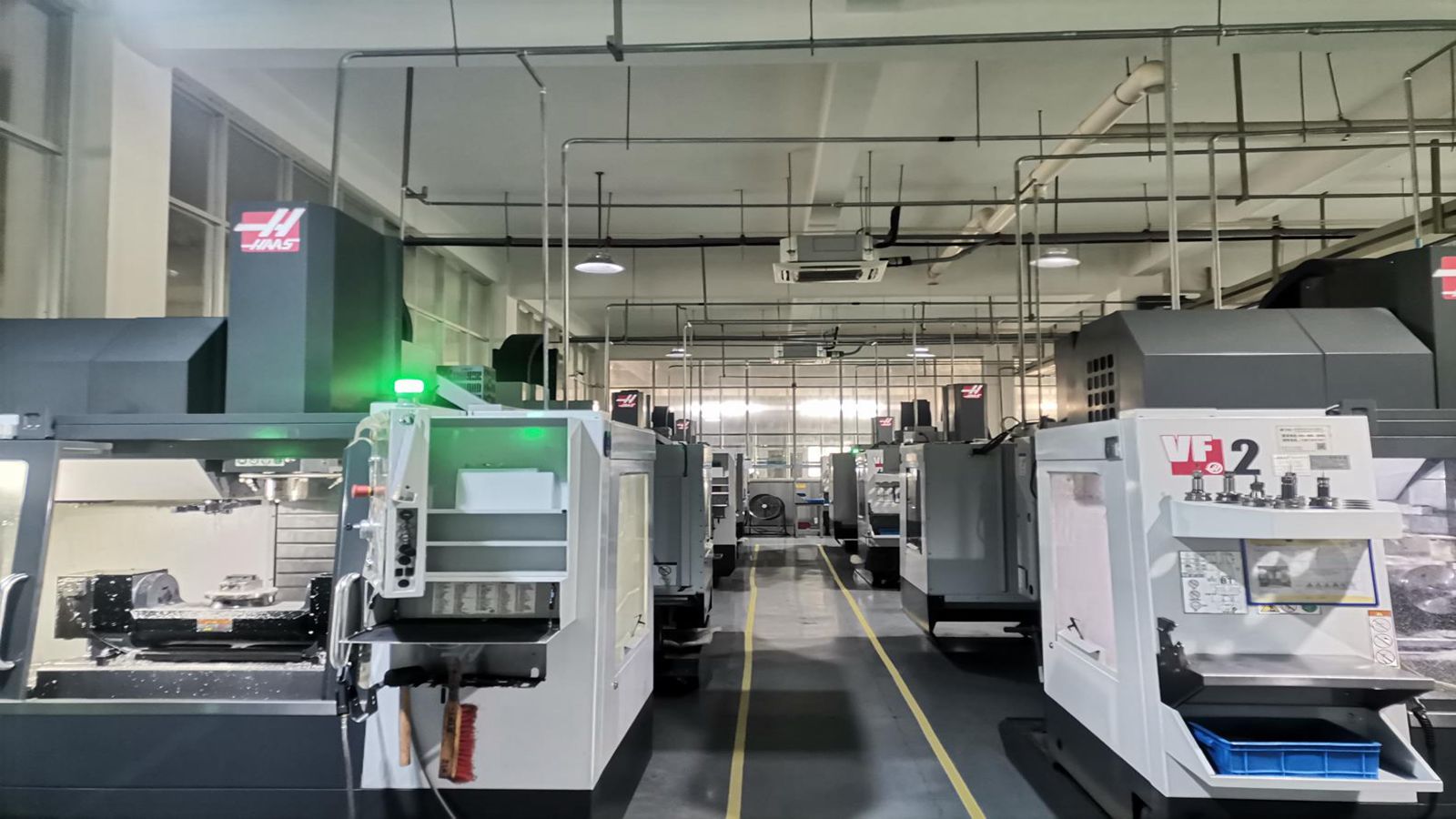
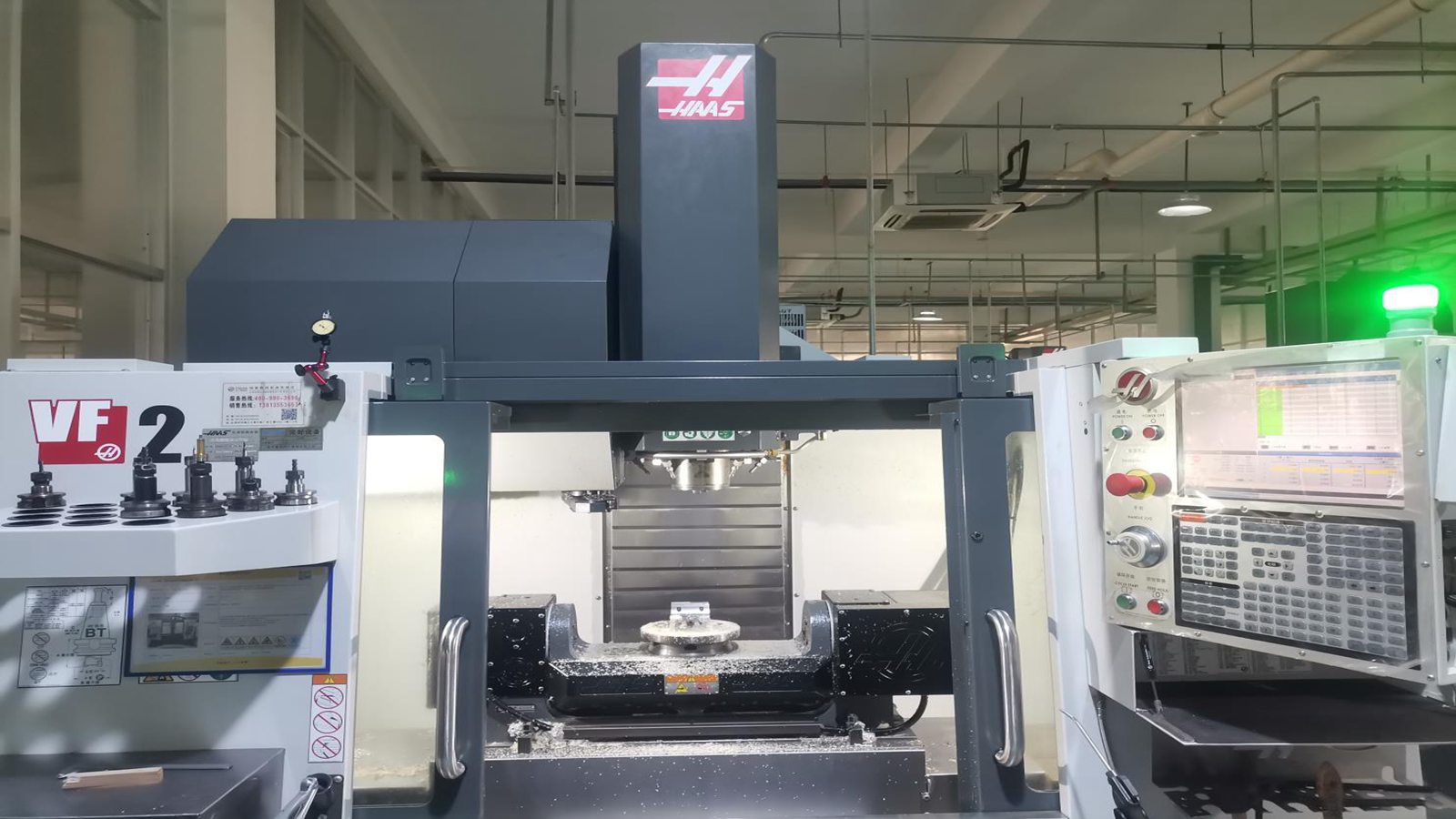
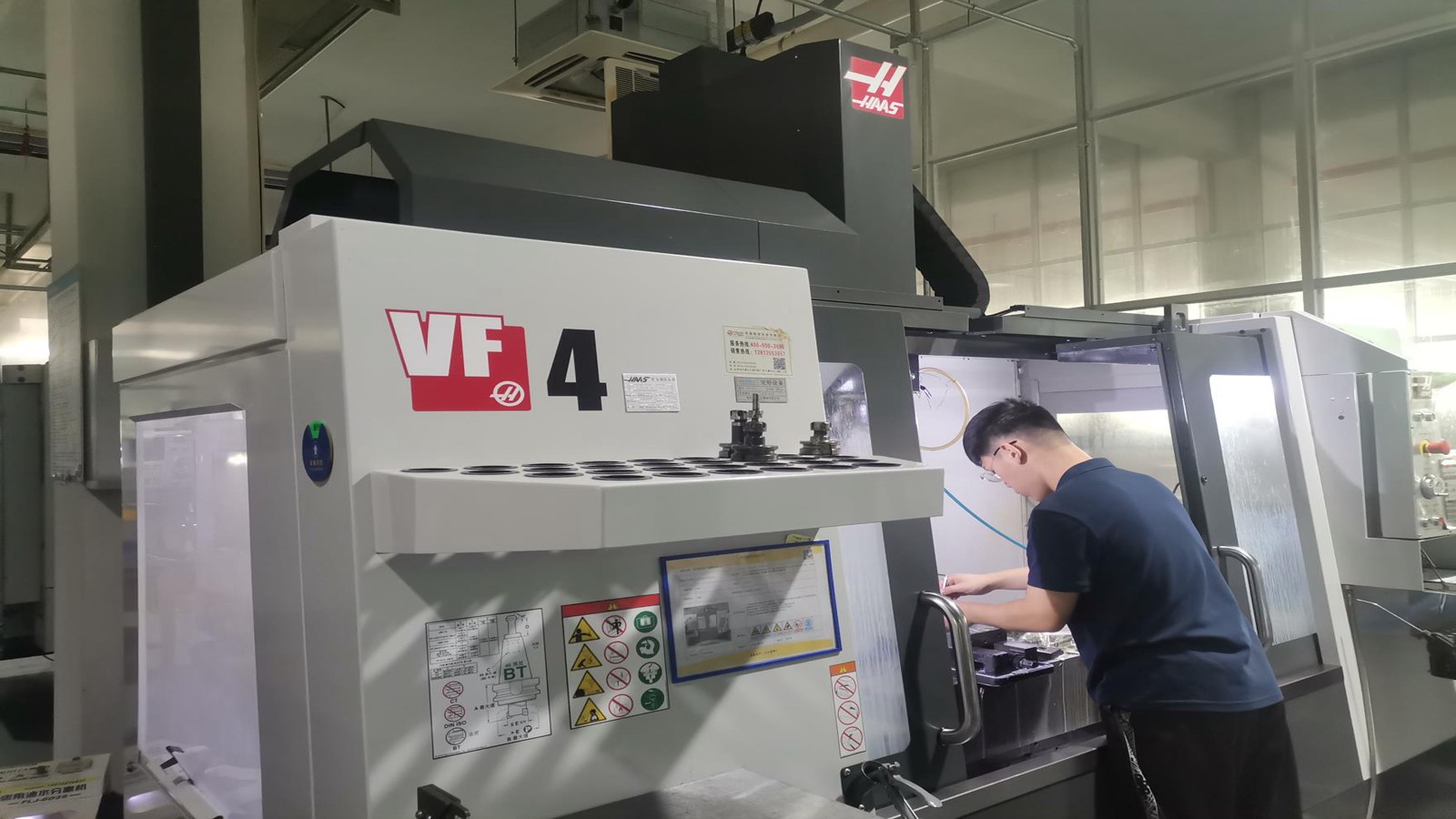
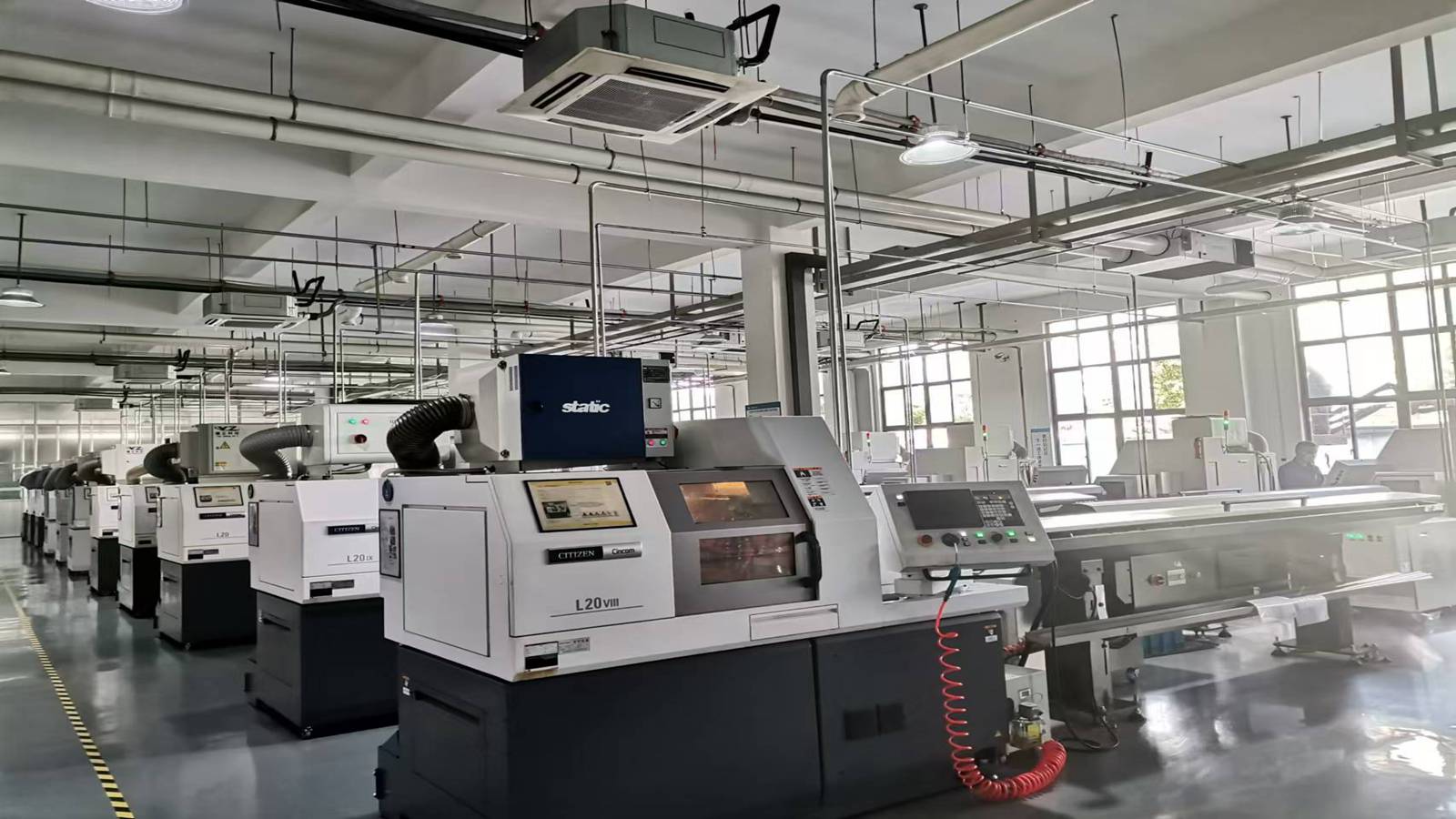
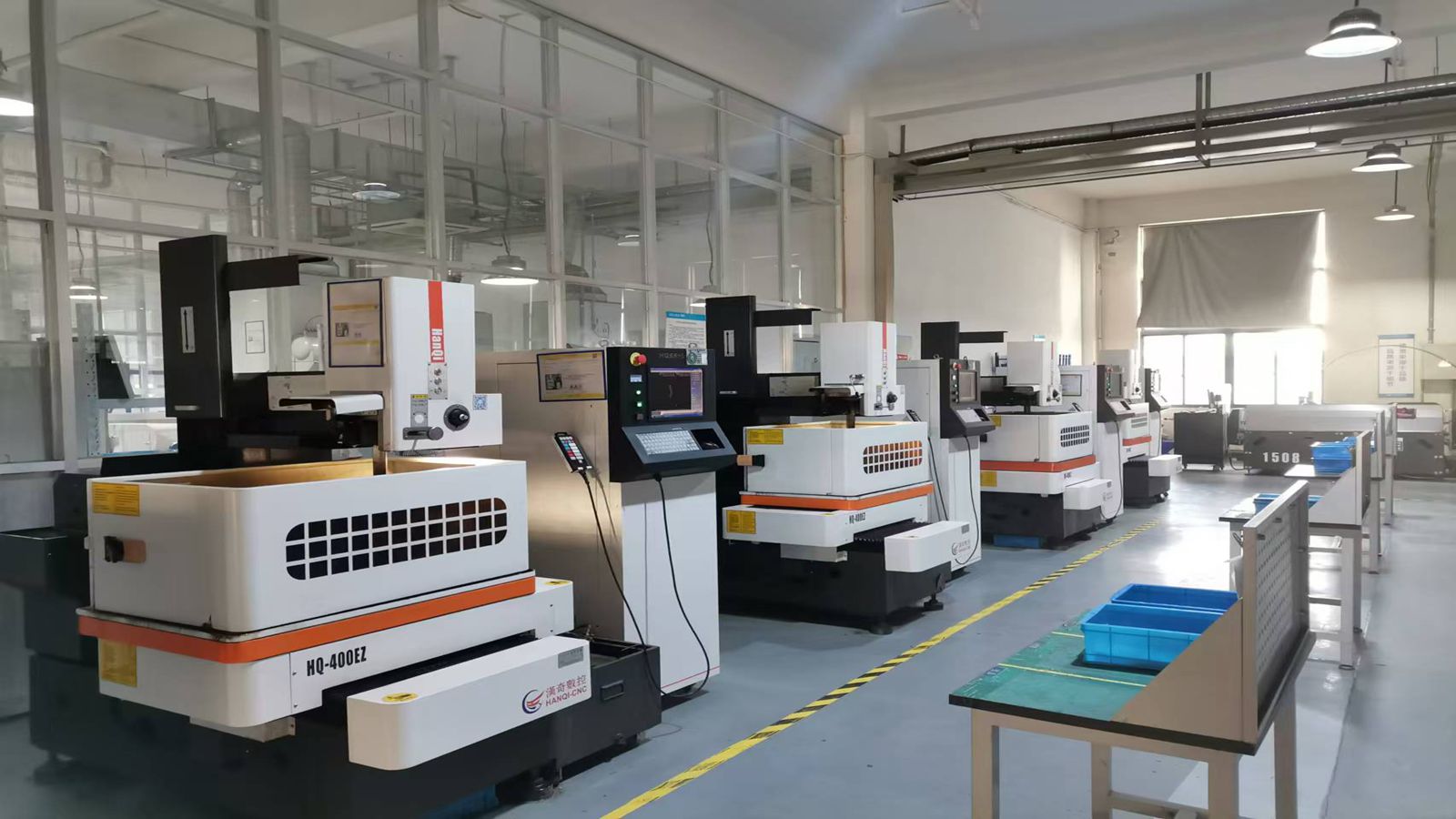
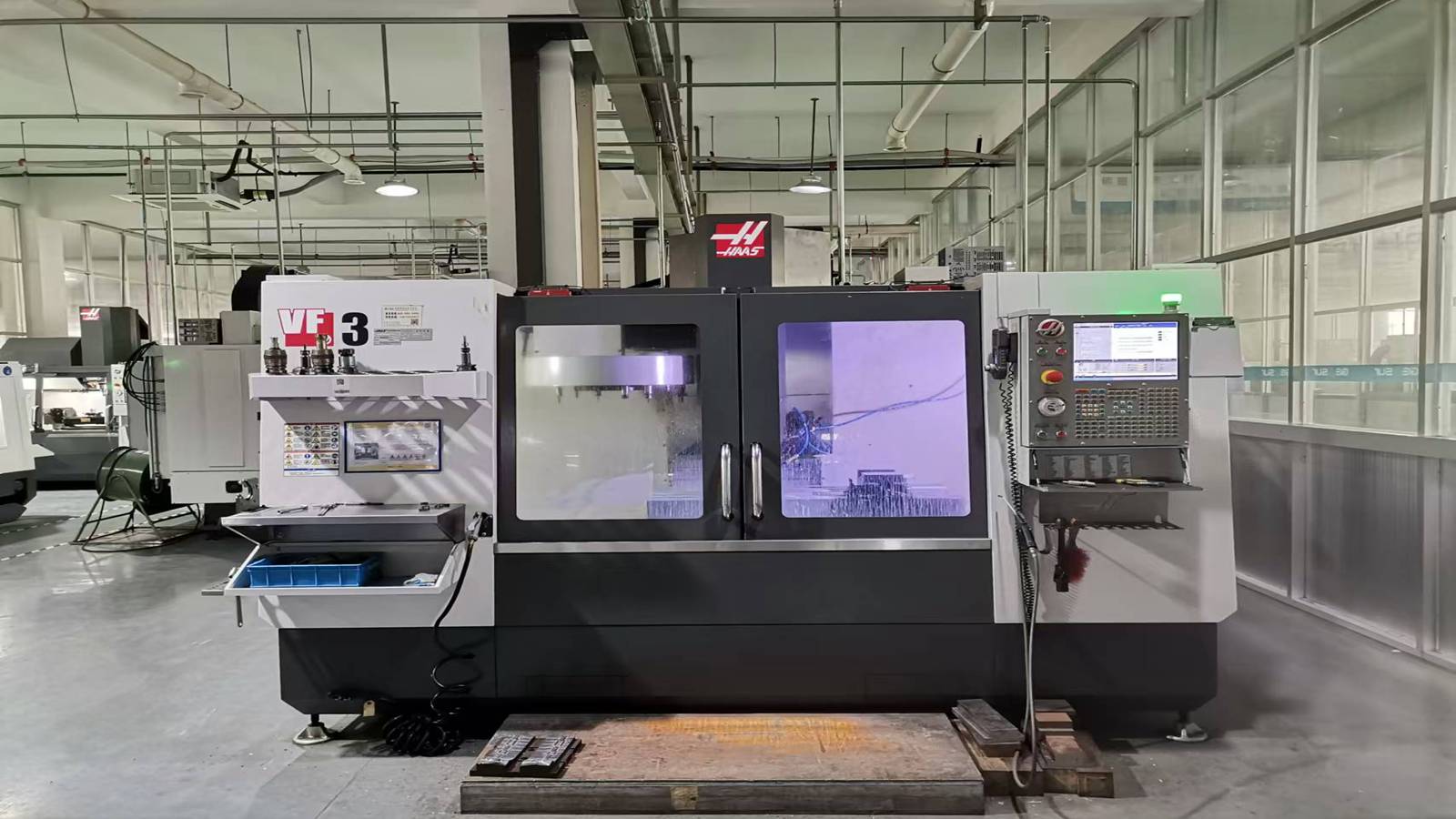
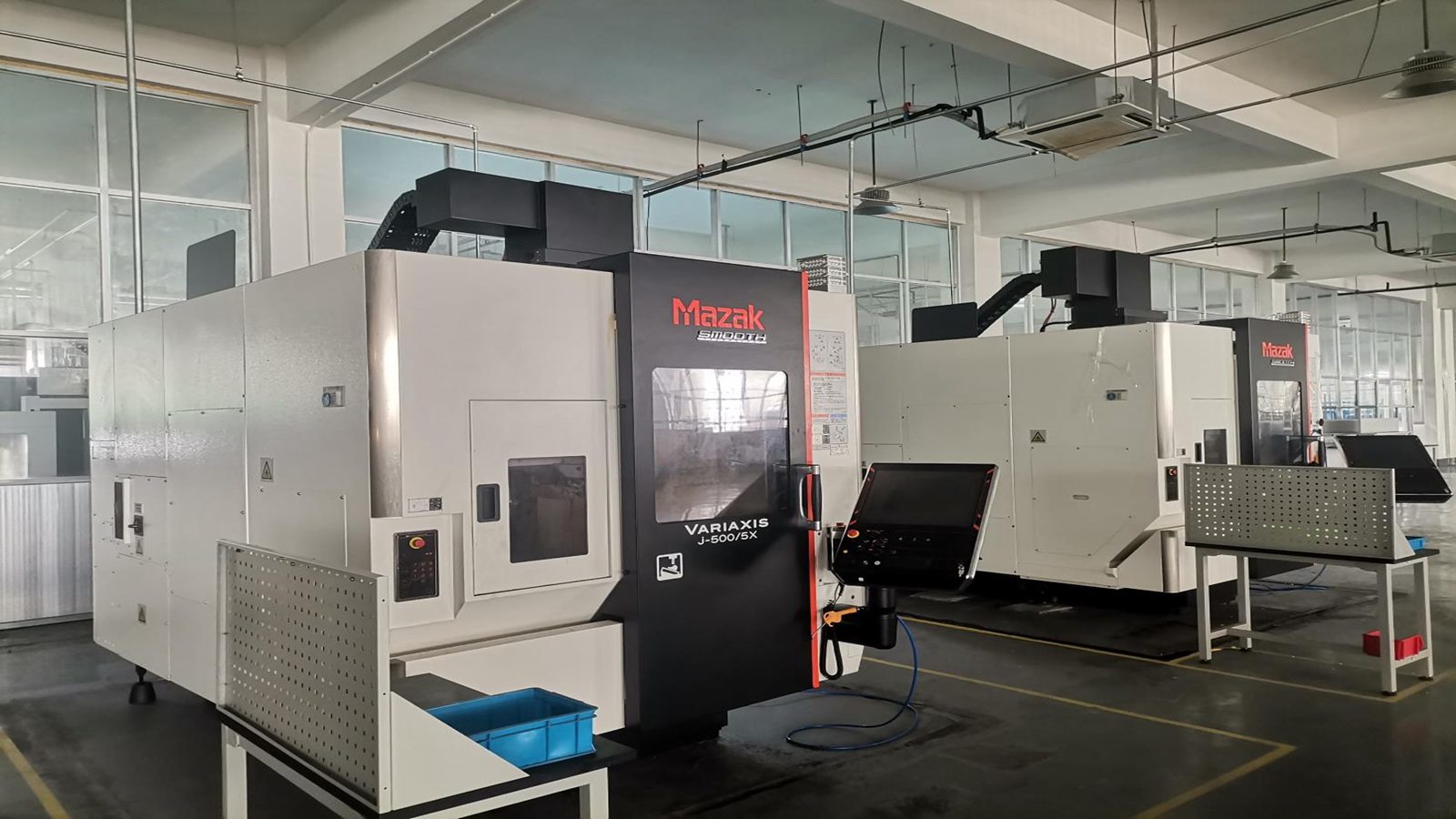
Established in 2015, HBM Medical Apparatus And Instruments Co., Ltd. has grown into a premier powerhouse for orthopedic R&D and manufacturing in China. Operating out of a massive, state-of-the-art facility spanning over 30,343 square meters, the company integrates advanced German and Swiss CNC machining centers to guarantee sub-micron precision for every implant produced.
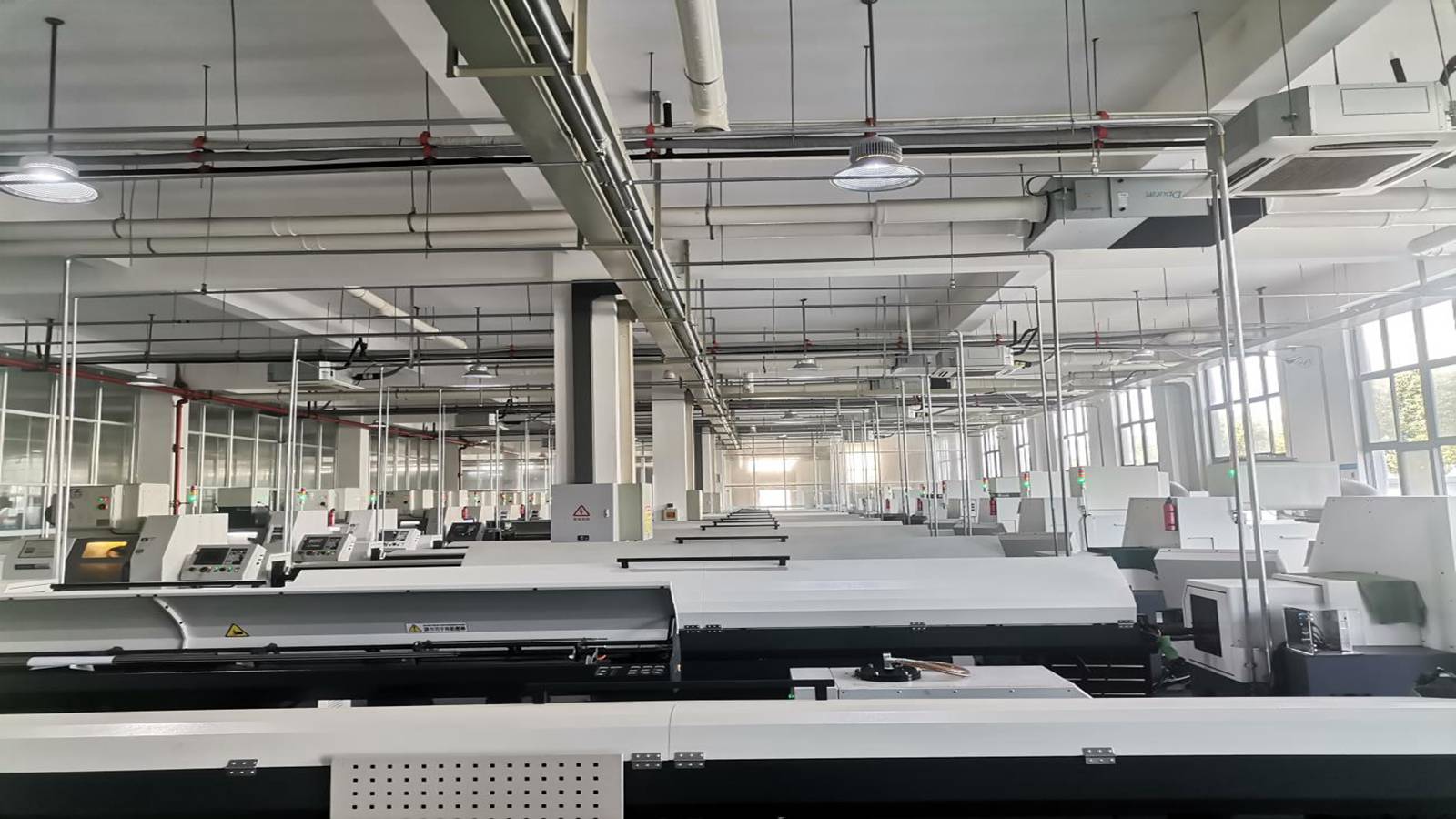
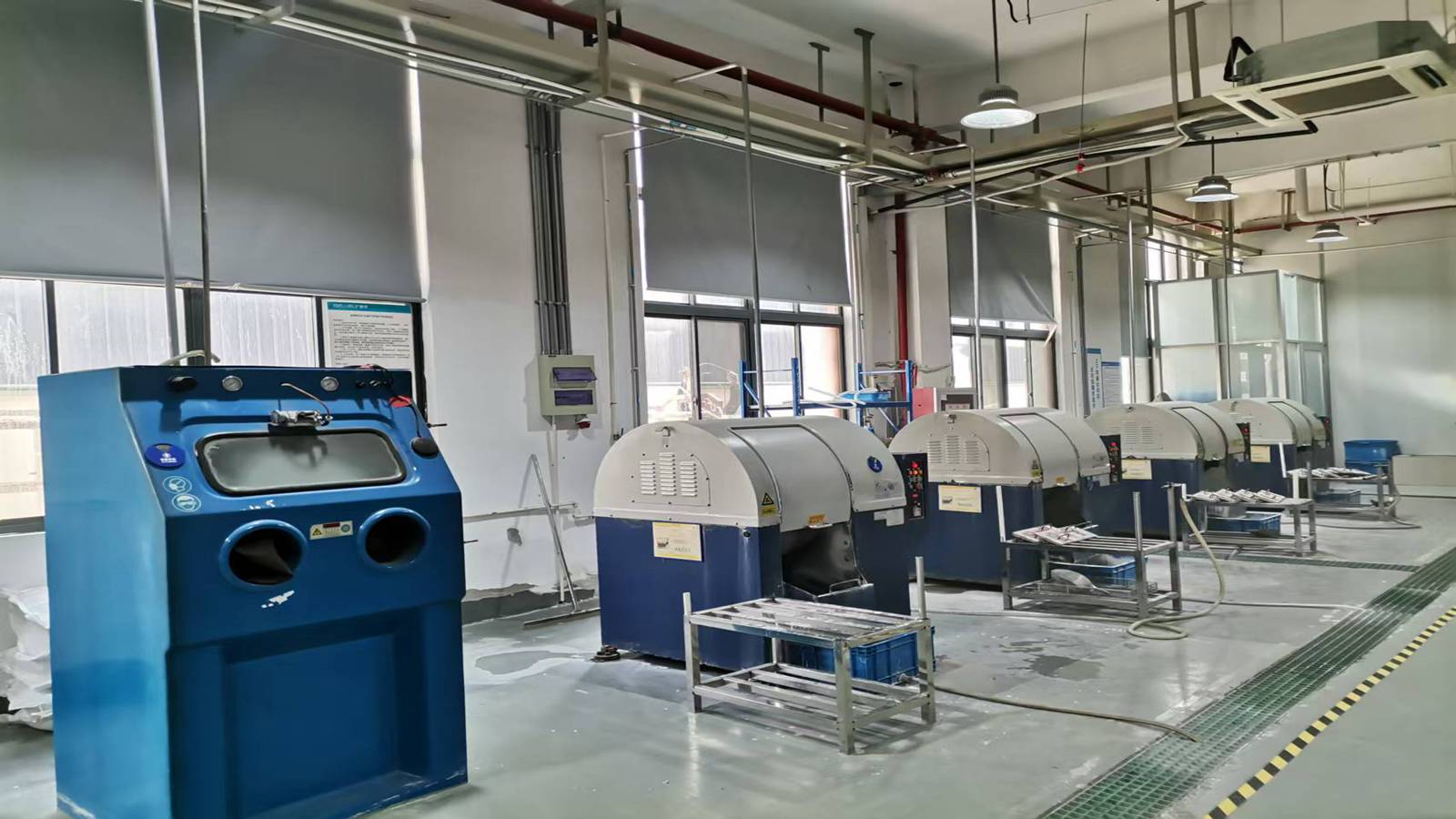
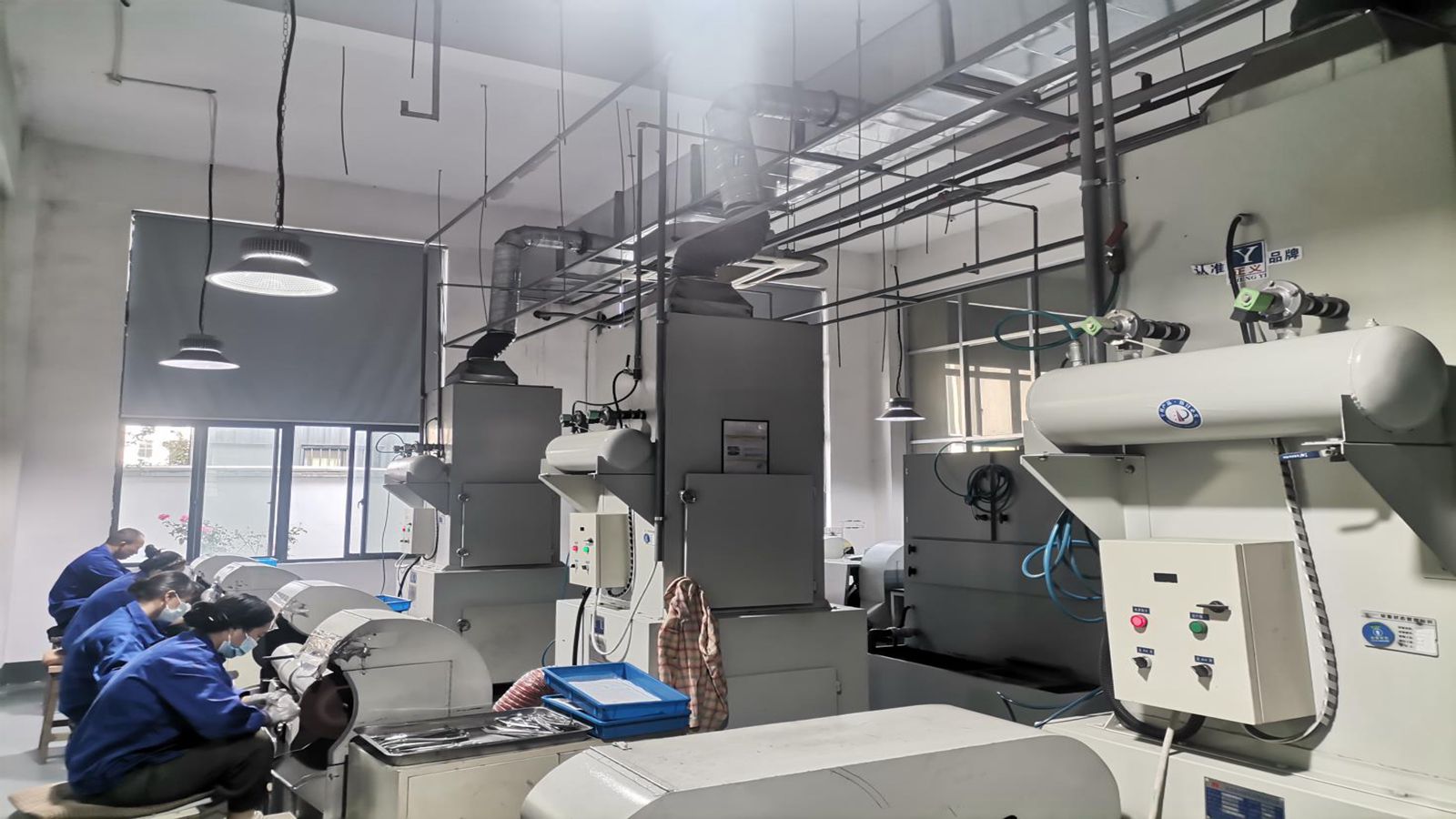
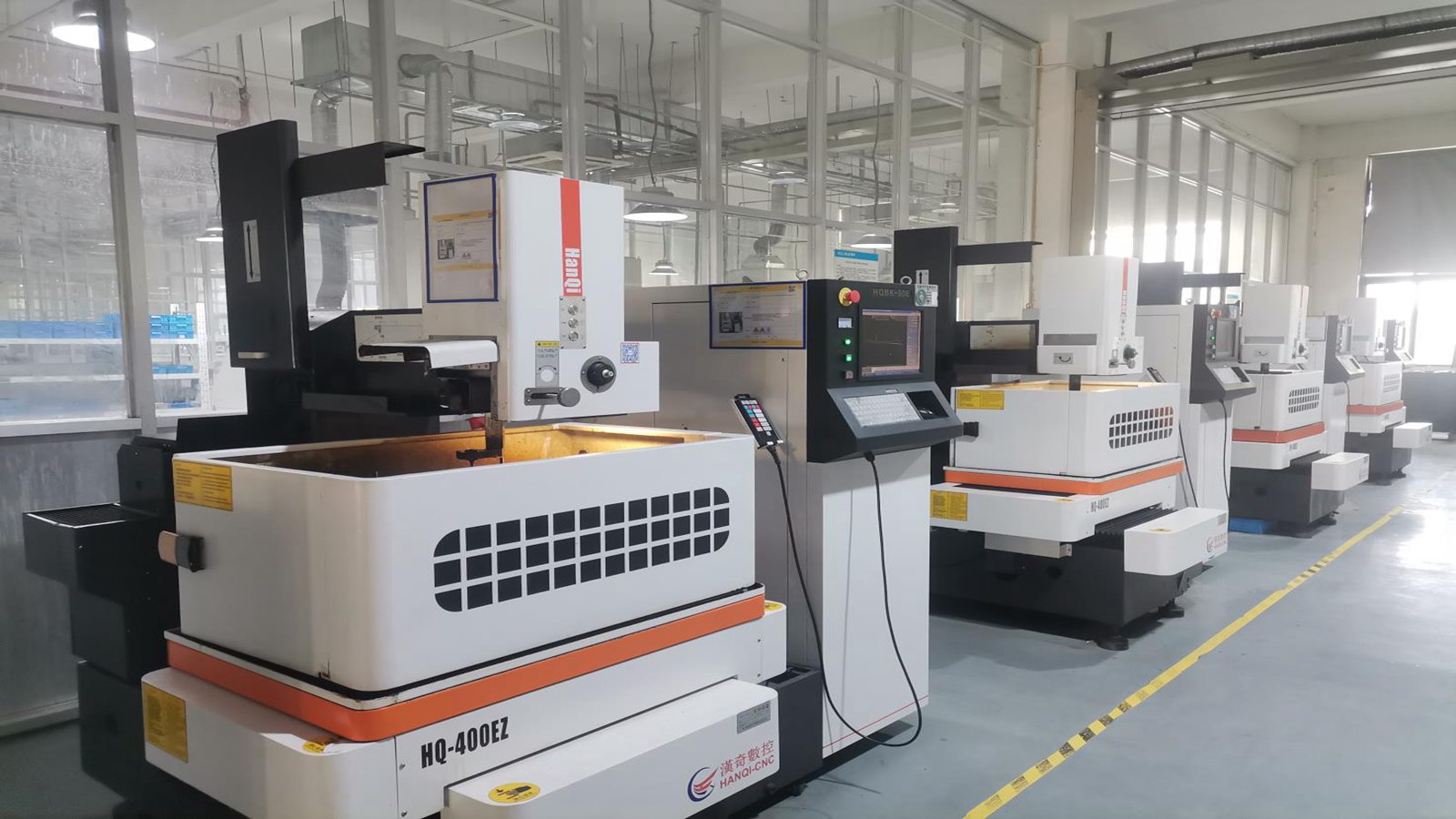
With 12 fully automated production lines and more than 120 high-precision production machines, HBM possesses the scalable capacity to handle high-volume global demands without compromising on quality. Our manufacturing ecosystem is designed to support complete traceability from raw medical-grade titanium alloy (Ti-6Al-4V ELI) to the finished, sterile-packaged medical device.
China's medical device manufacturing sector has transitioned from a low-cost production hub to a global center of high-tech engineering excellence. At HBM Medical, this transition is characterized by our ability to offer unmatched supply chain integration. By sourcing premium medical-grade titanium locally and utilizing highly optimized manufacturing workflows, we drastically reduce lead times while maintaining a cost structure that provides our global partners with a significant competitive edge.
Our efficiency is not merely about speed; it is about precision. The integration of CAD/CAM software with multi-axis Swiss-type lathe machines allows us to execute complex geometries, such as the variable pitch of the PFNA helical blade, with absolute repeatability. This technological capability ensures that every batch of implants delivered to Europe, Southeast Asia, or domestic markets conforms perfectly to the master engineering specifications.
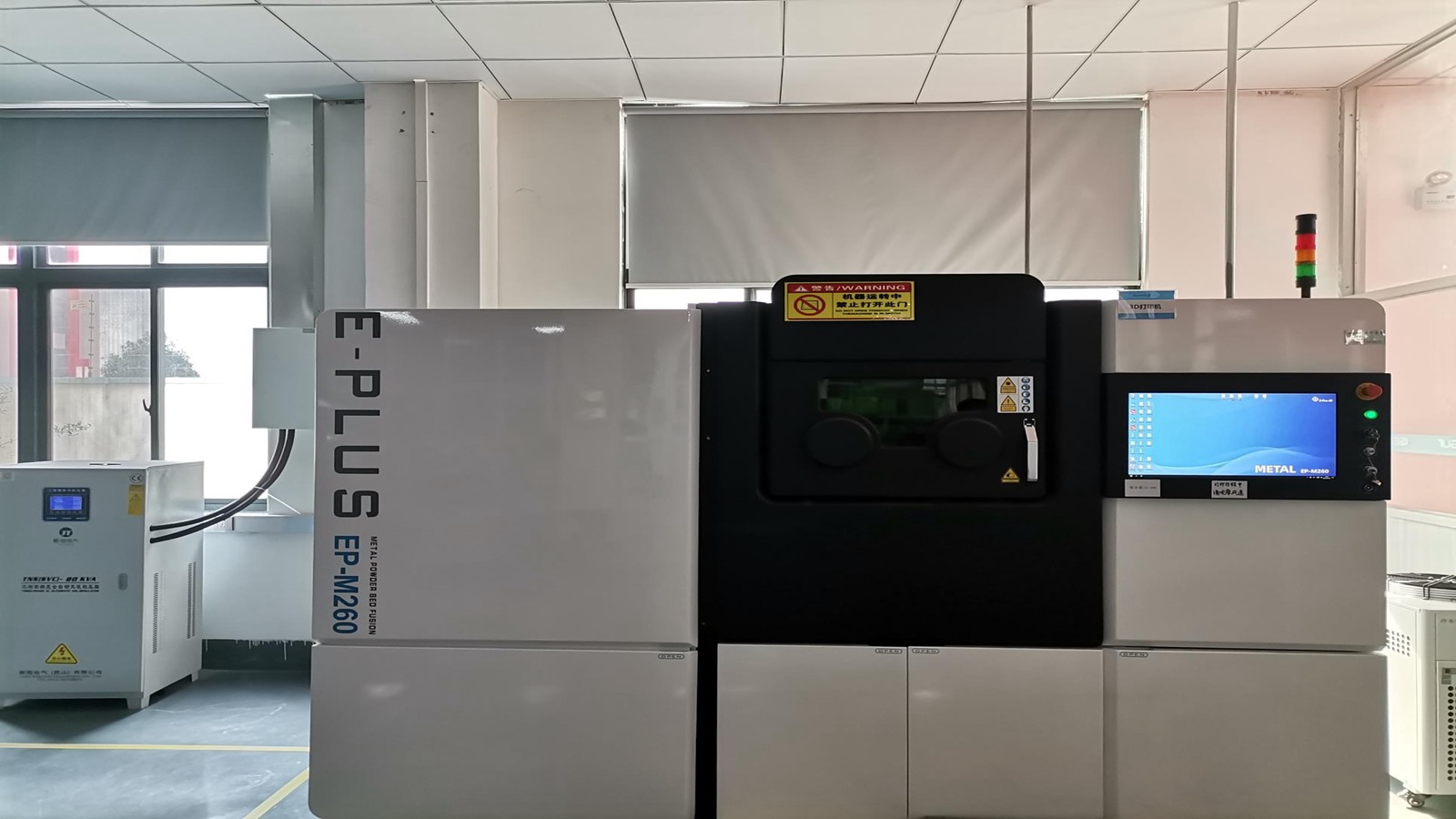
Leveraging advanced 3D printing and rapid tooling to transition from custom CAD concepts to physical titanium prototypes in record time.
Optimized manufacturing processes and local raw material sourcing reduce waste, translating directly to cost savings for our clients.
With 10 years of export experience, our logistics network ensures seamless customs clearance and timely delivery to over 30 countries.
In the medical implant industry, reliability is not optional—it is a matter of patient safety. HBM Medical operates under a rigorous quality management system certified to ISO 13485 and the Medical Device Single Audit Program (MDSAP). Our products carry the prestigious CE Mark (MDR compliant), allowing for seamless entry into the European Union and other highly regulated markets.
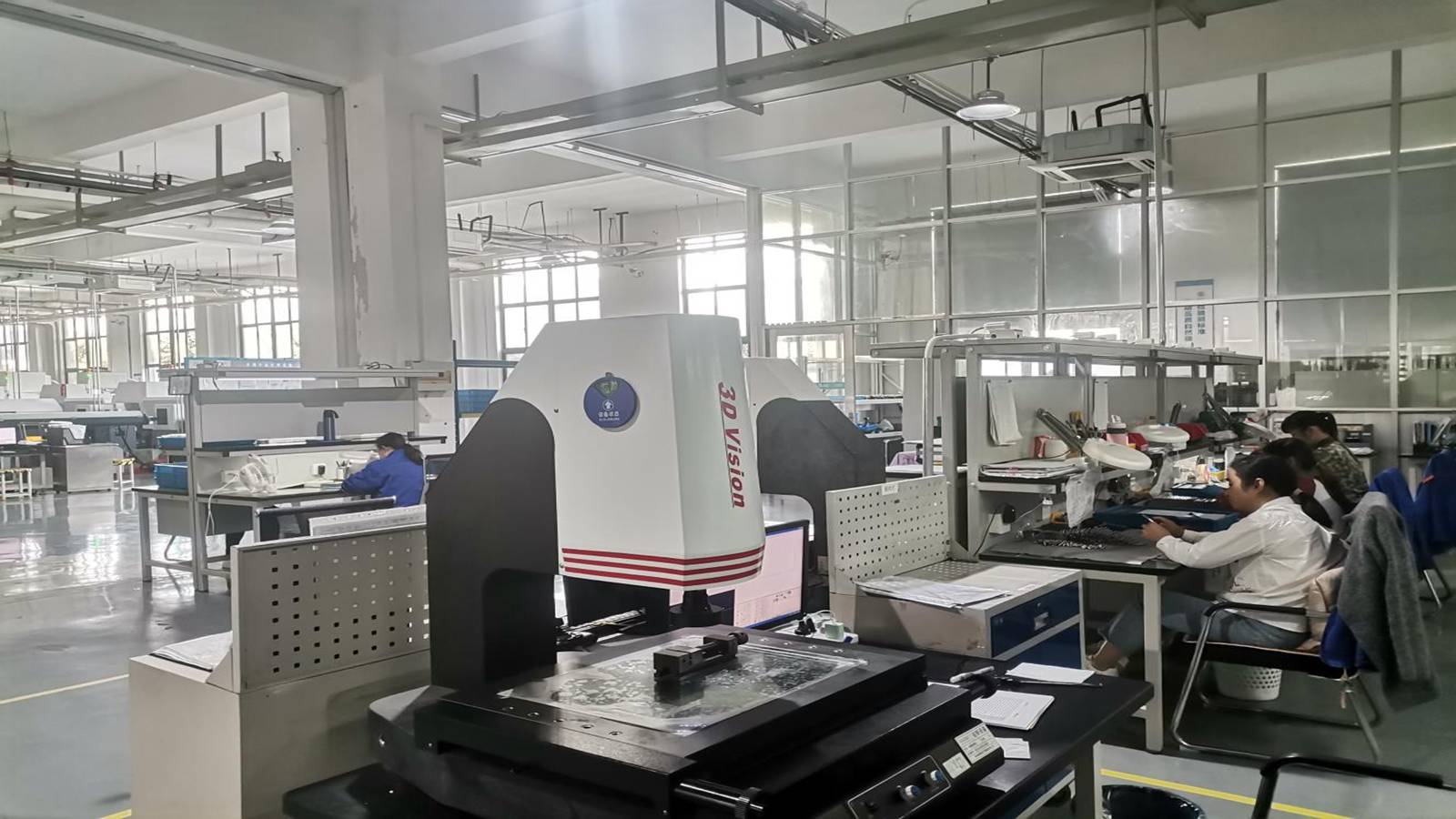
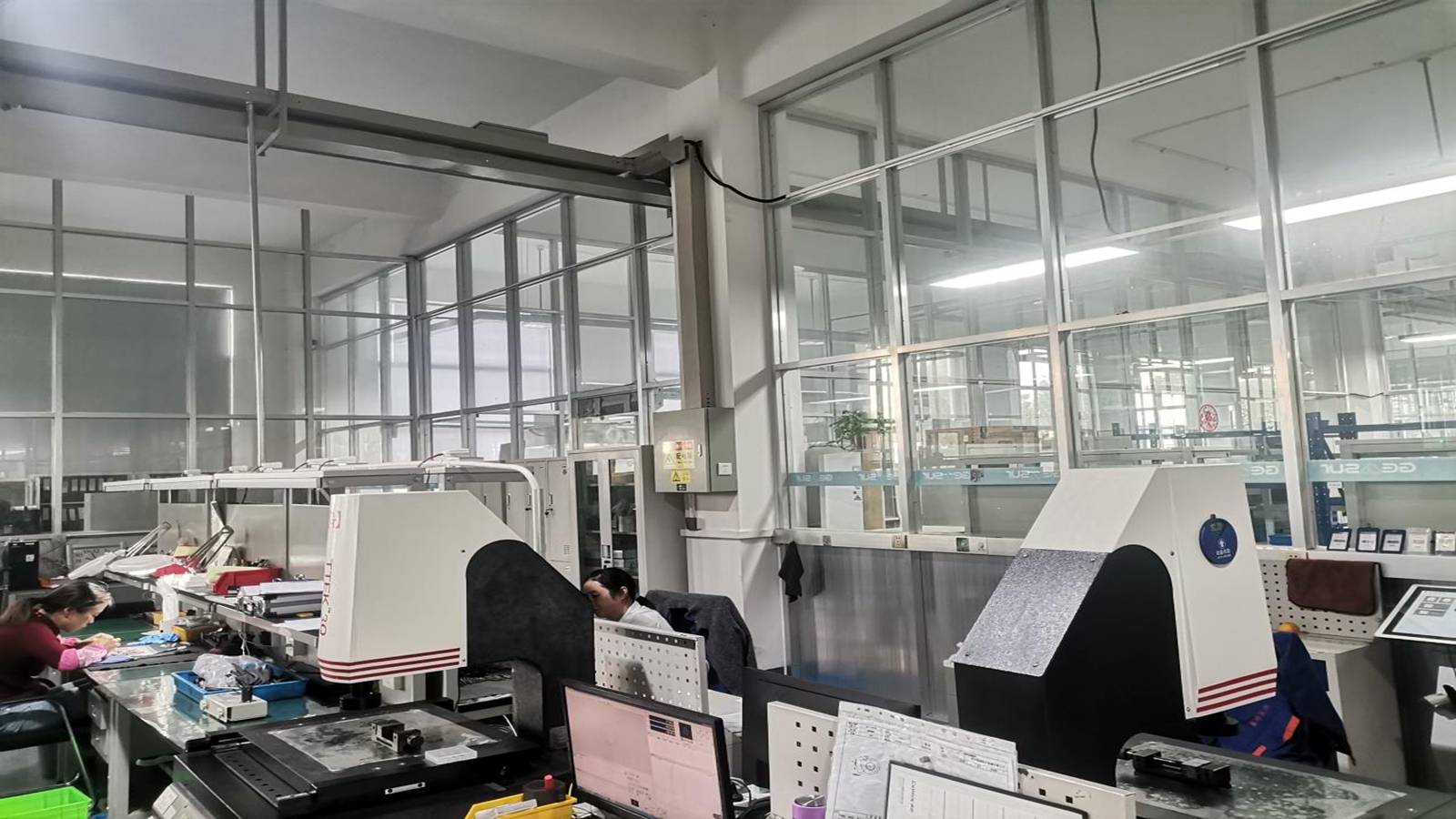
Our dedicated Quality Control department employs 36 professional QA/QC inspectors who oversee every stage of the production cycle. We enforce a strict 100% inspection protocol for critical dimensions using advanced coordinate measuring machines (CMM), optical comparators, and non-destructive testing (NDT) methods. This ensures that every single proximal femoral nail leaving our facility is free from micro-defects and perfectly matches the required mechanical tolerances.
Certified quality management system audited regularly to meet the highest global standards for medical device manufacturing.
Fully compliant with the European Medical Device Regulation, ensuring clinical safety and performance parameters are met.
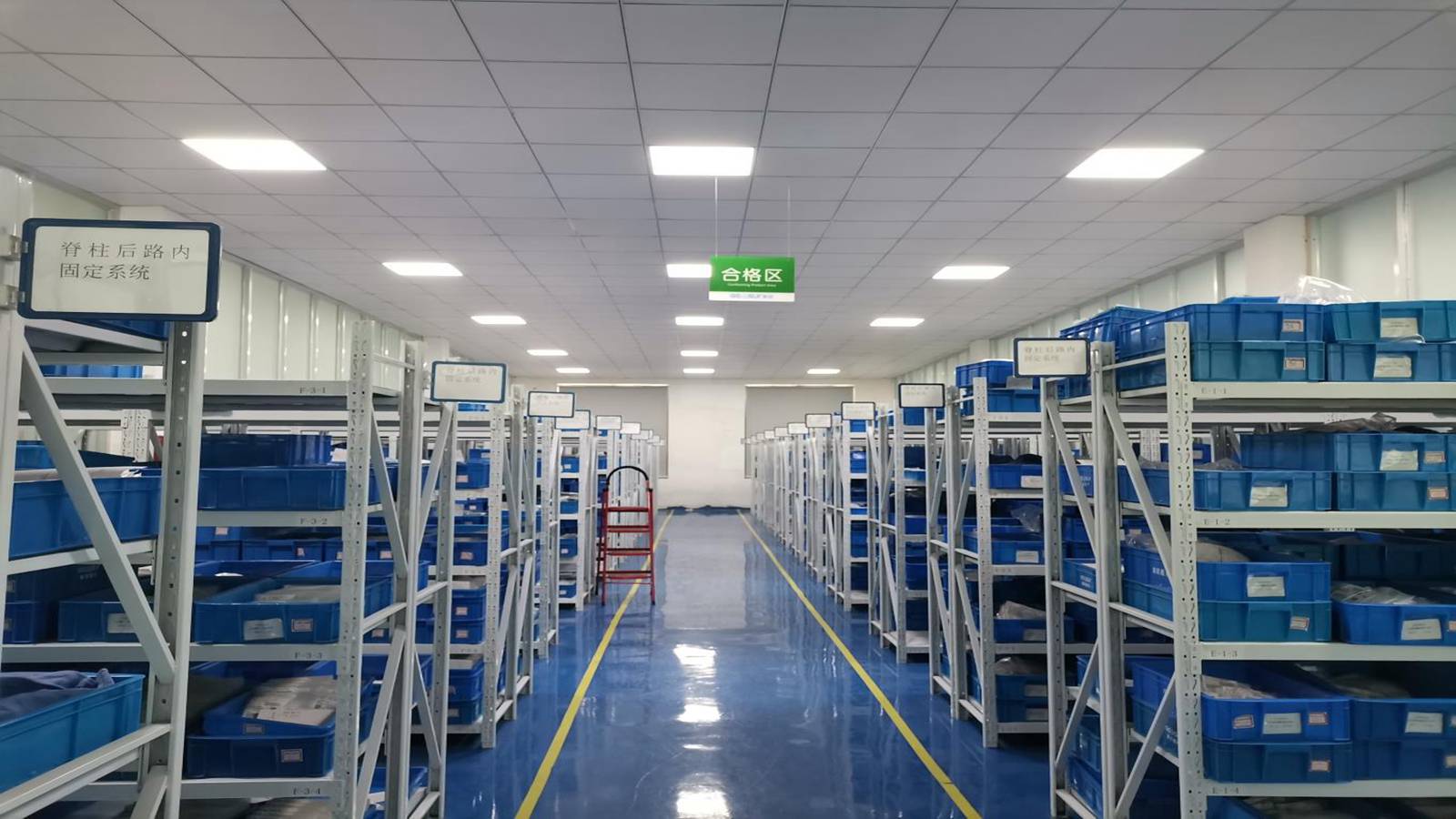
Full raw material traceability from premium titanium ingots to the final sterile package, backed by comprehensive material test reports.
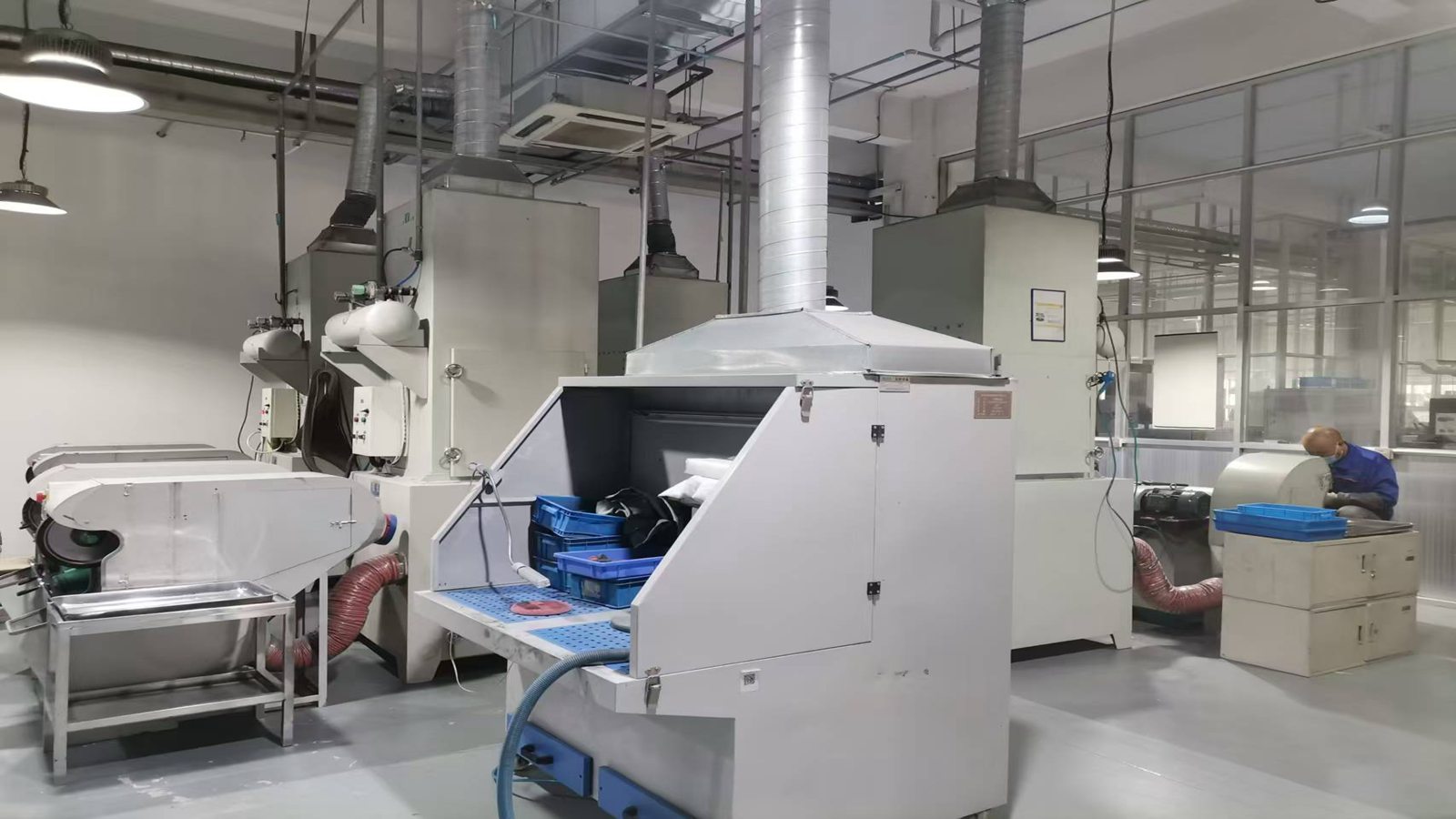
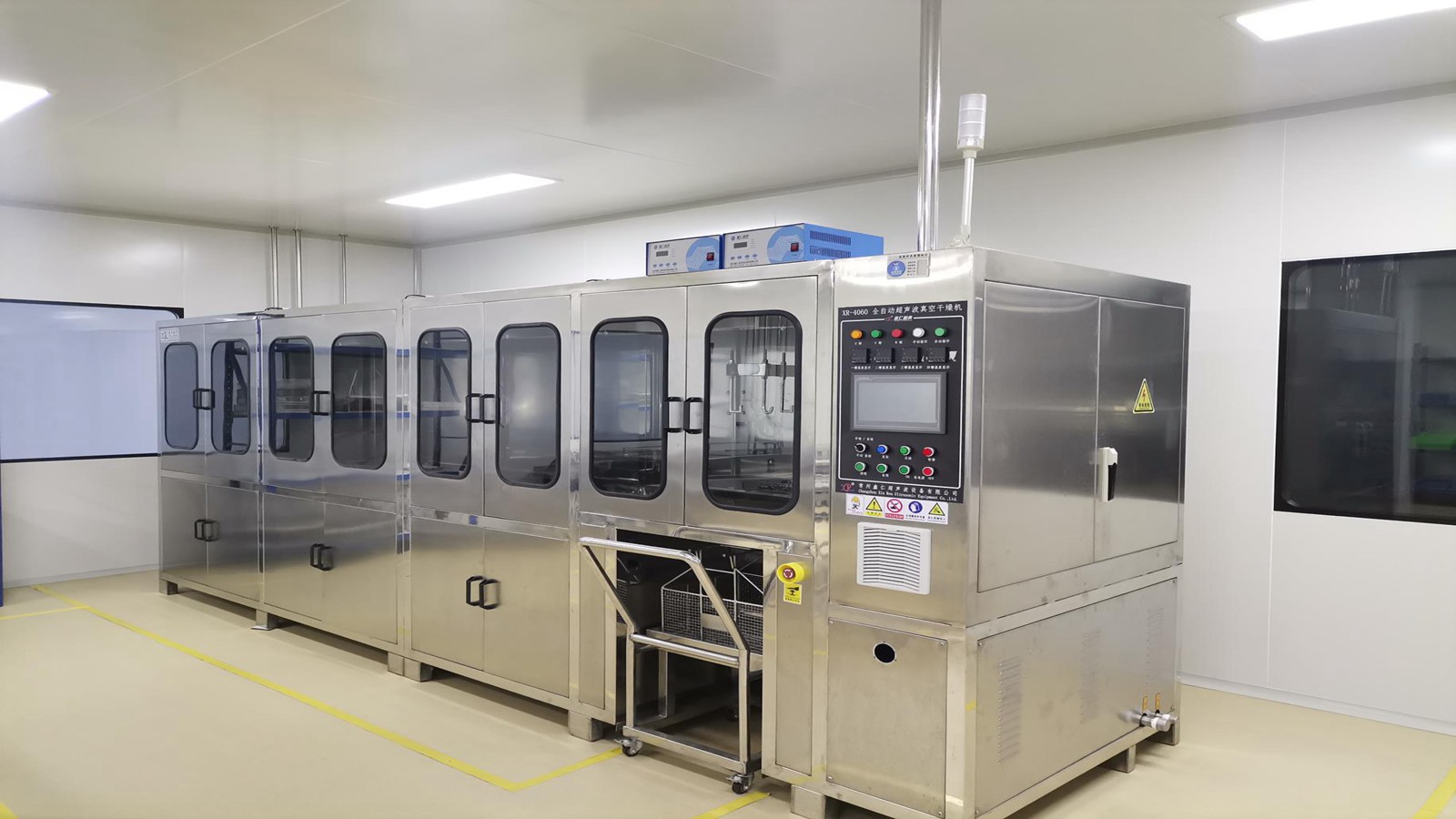
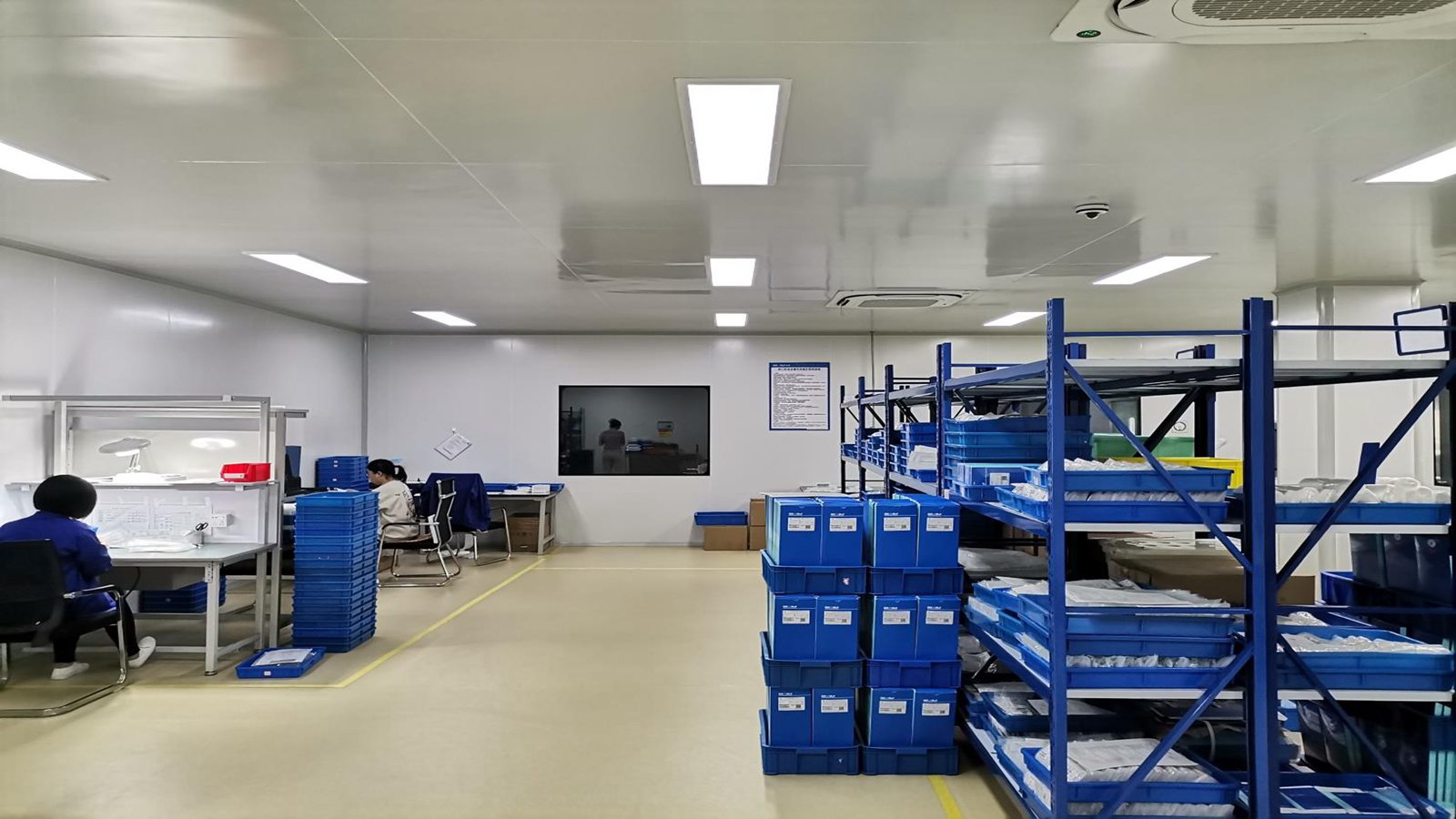
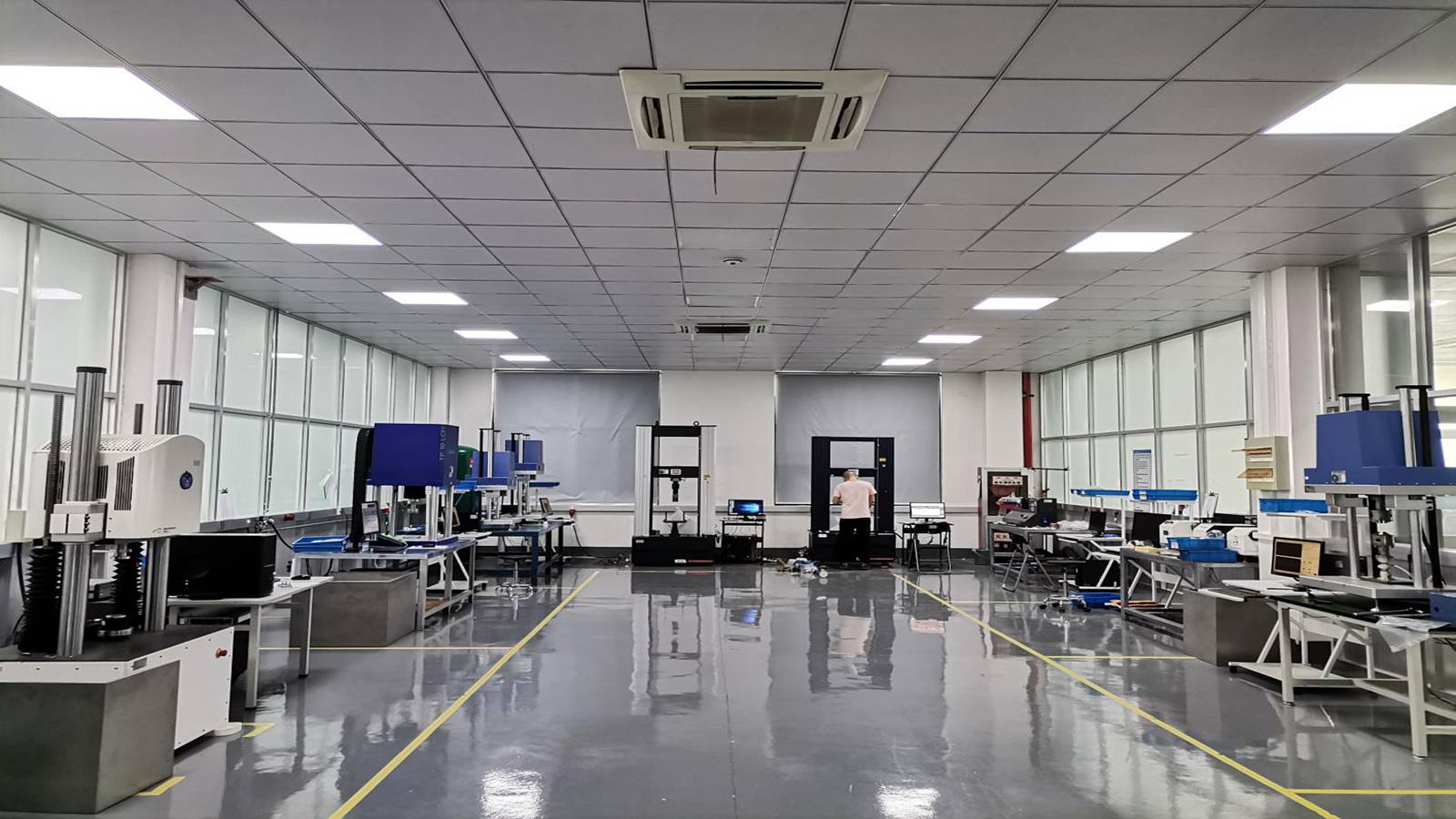
Take a virtual tour through our high-precision machining workshops, testing laboratories, and certified packaging cleanrooms.




HBM Medical is not just a manufacturer; we are a strategic R&D partner. With a highly educated team of 31 R&D engineers (including PhDs and Master's graduates), we offer comprehensive customization services tailored to the specific anatomical requirements of different global populations.
Whether you need modifications to the nail length, distal locking configurations, or the development of a completely proprietary instrumentation set, our team utilizes advanced Finite Element Analysis (FEA) to simulate stress distributions and optimize implant performance before physical production begins.
Collaborative engineering sessions to define product specifications, followed by 3D CAD modeling and biomechanical simulation.
Finite Element Analysis to test fatigue resistance, followed by rapid CNC prototyping for physical evaluation by clinical advisors.
Comprehensive mechanical testing (fatigue, static load) and provision of technical files to support your local regulatory submissions.
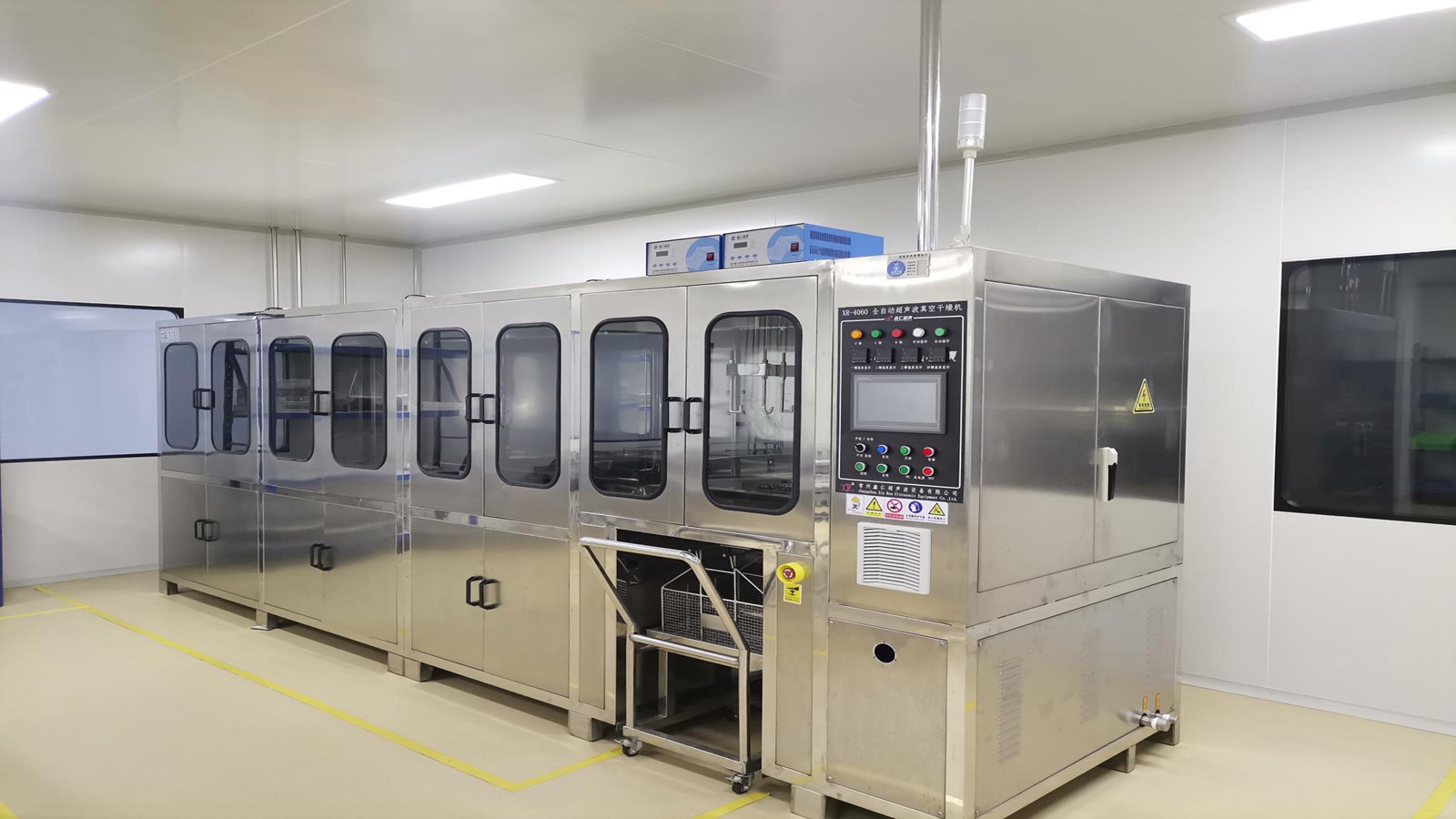
Scalable production in our ISO Class 8 cleanrooms, featuring custom laser marking, anodization, and sterile barrier packaging.
For procurement officers at hospital networks and international distributors, selecting a manufacturing partner involves evaluating long-term sustainability and risk mitigation. HBM Medical offers a highly stable partnership backed by a 10-year track record of exporting to highly competitive international markets.
We understand that supply chain disruptions can delay critical surgeries. Therefore, we maintain strategic safety stocks of medical-grade titanium and keep our production lines highly flexible to accommodate urgent, high-volume orders. Our transparent communication, comprehensive documentation, and dedicated post-market surveillance support make us the preferred partner for long-term OEM contracts.
 HBM Medical