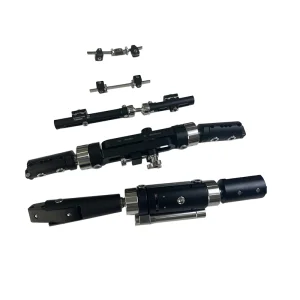
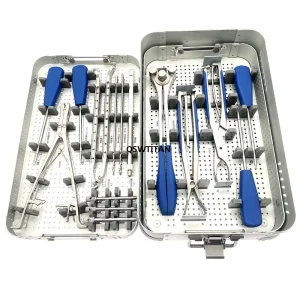
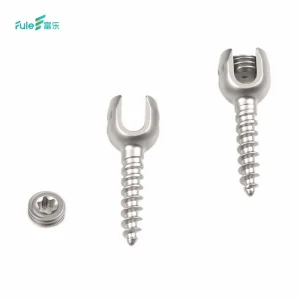
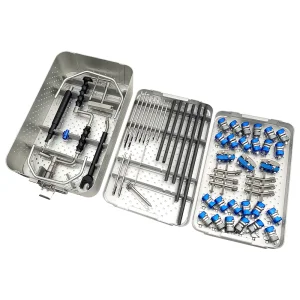
Explore our leading Class III clinical orthopedic systems and surgical instrumentation kits manufactured under strict CE, ISO, and MDSAP regulations.
The global orthopedic consumables sector is undergoing a profound structural evolution. Rapid demographic shifts, including an aging worldwide population and a rise in active lifestyles, have triggered unprecedented clinical demands for surgical implants and high-precision instrumentation.
Modern clinical settings prioritize surgical consumables that boast exceptional biocompatibility, long-term durability, and seamless biomechanical integration. From osteosynthesis trauma systems and spinal fixation constructs to total joint reconstruction and arthroscopic repair mechanisms, materials like ultra-pure medical grade Titanium Alloys (Ti-6Al-4V) and polyetheretherketone (PEEK) have become industry baselines. Regulatory environments, including the transition from MDD to the comprehensive EU Medical Device Regulation (MDR) and the stringent FDA 510(k) process, mean global brands are increasingly shifting development and production responsibilities to certified, contract OEM/ODM manufacturing enterprises with demonstrated capabilities.
"Medical device sourcing directors are moving away from traditional, highly fragmented vendor landscapes toward highly integrated, vertically aligned partners capable of managing supply chains from raw titanium sourcing through to regulatory certification."

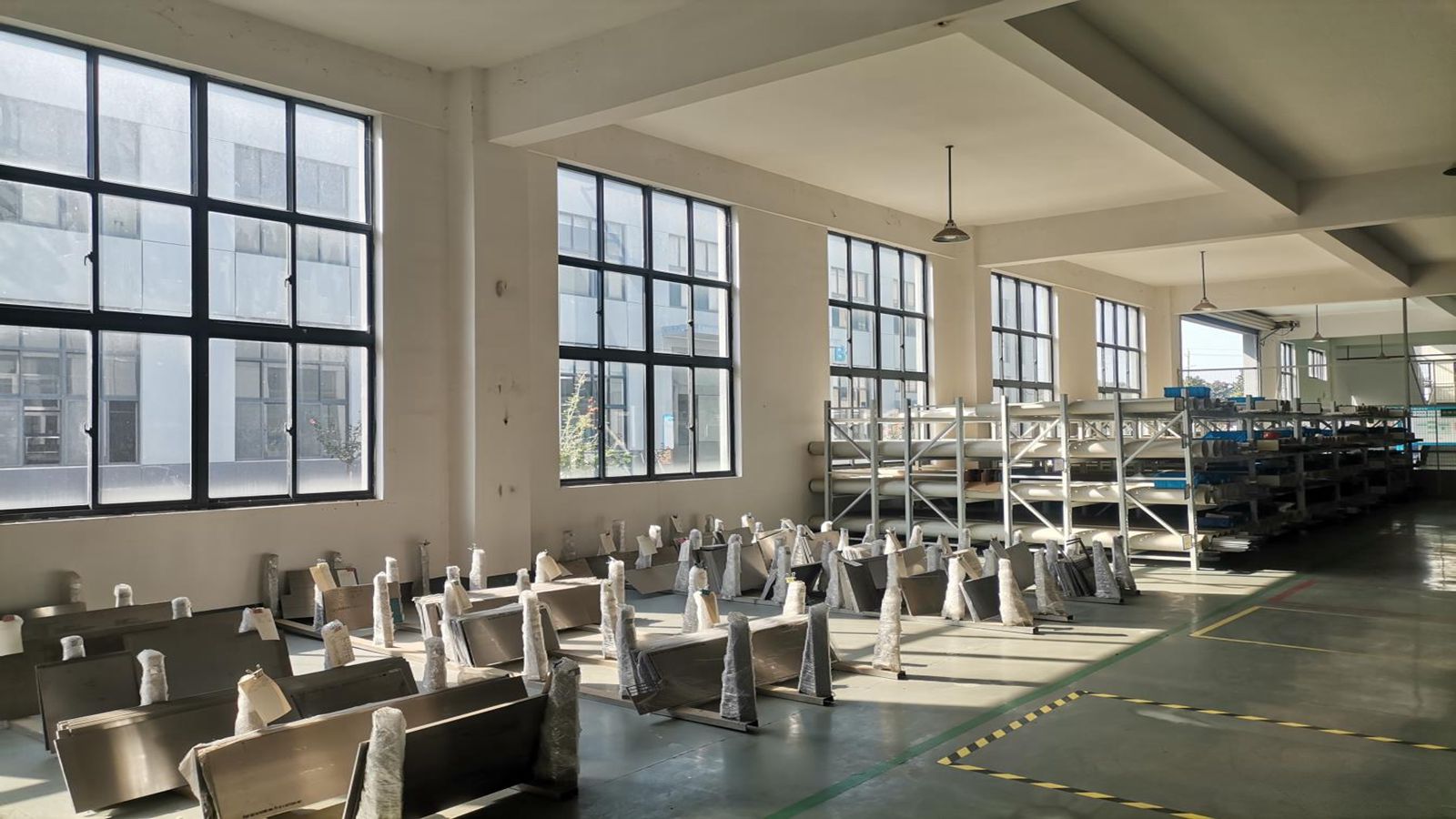
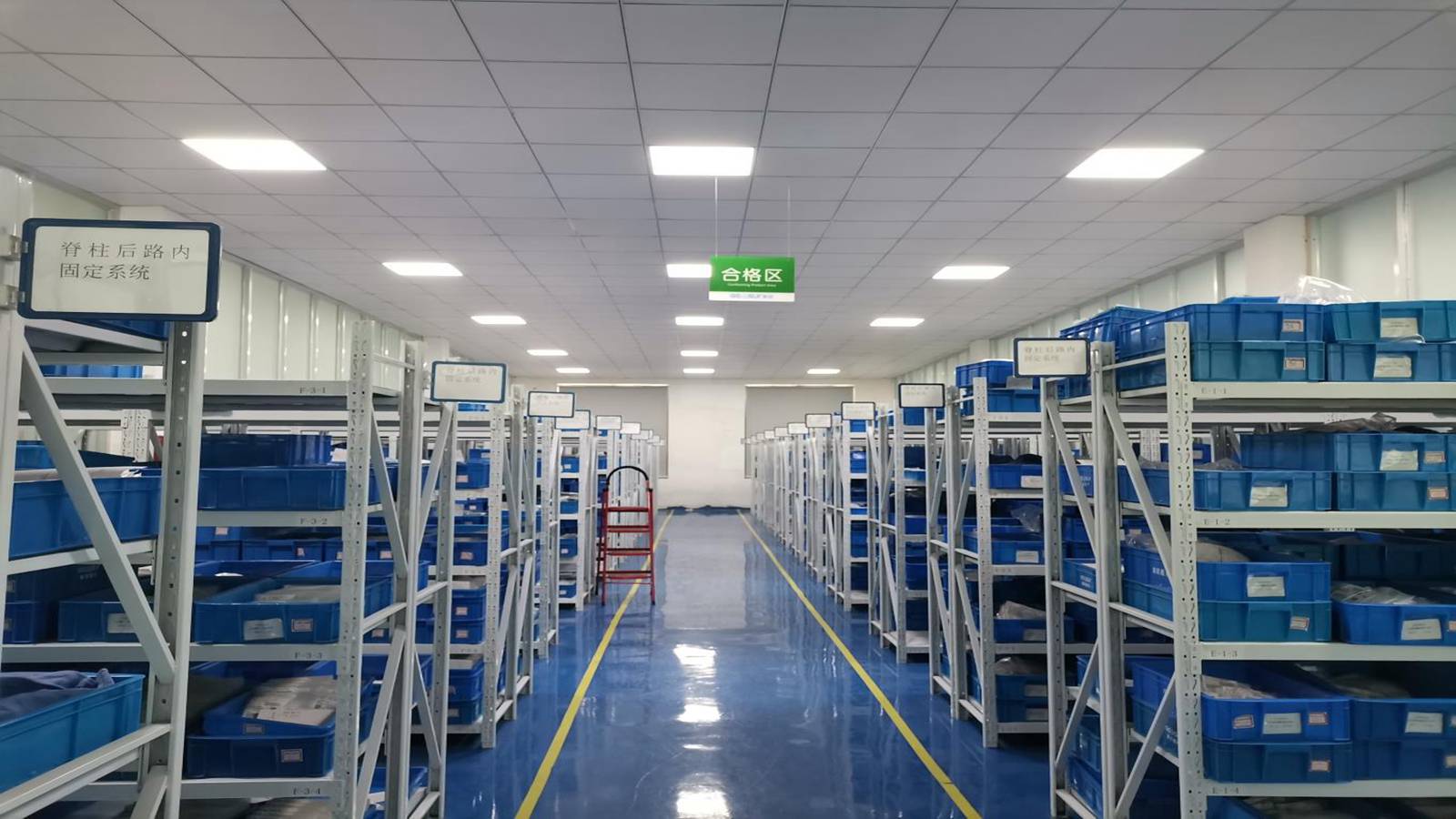
Industrial scale and strict quality management workflows define HBM Medical’s production facilities in China.
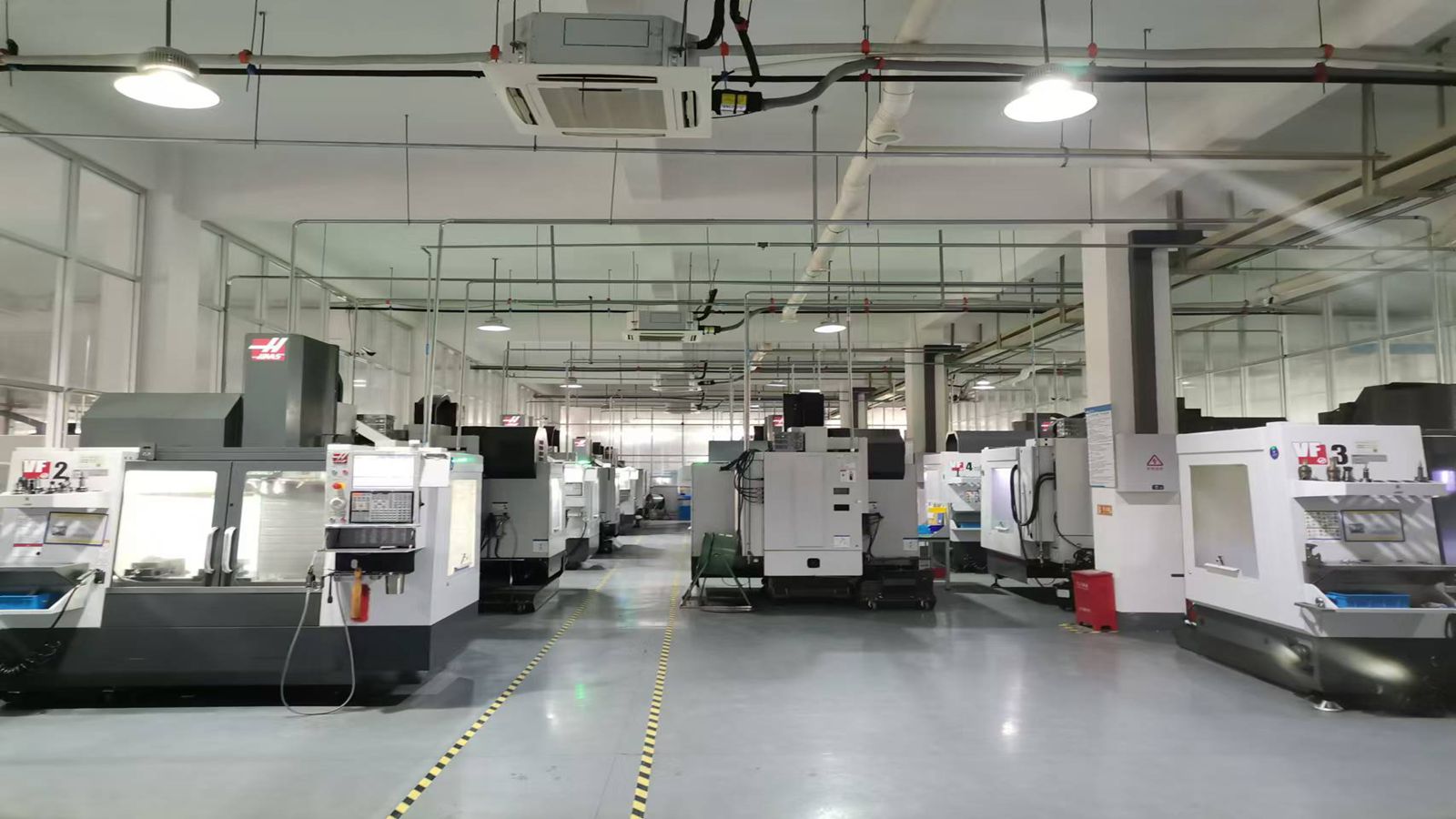
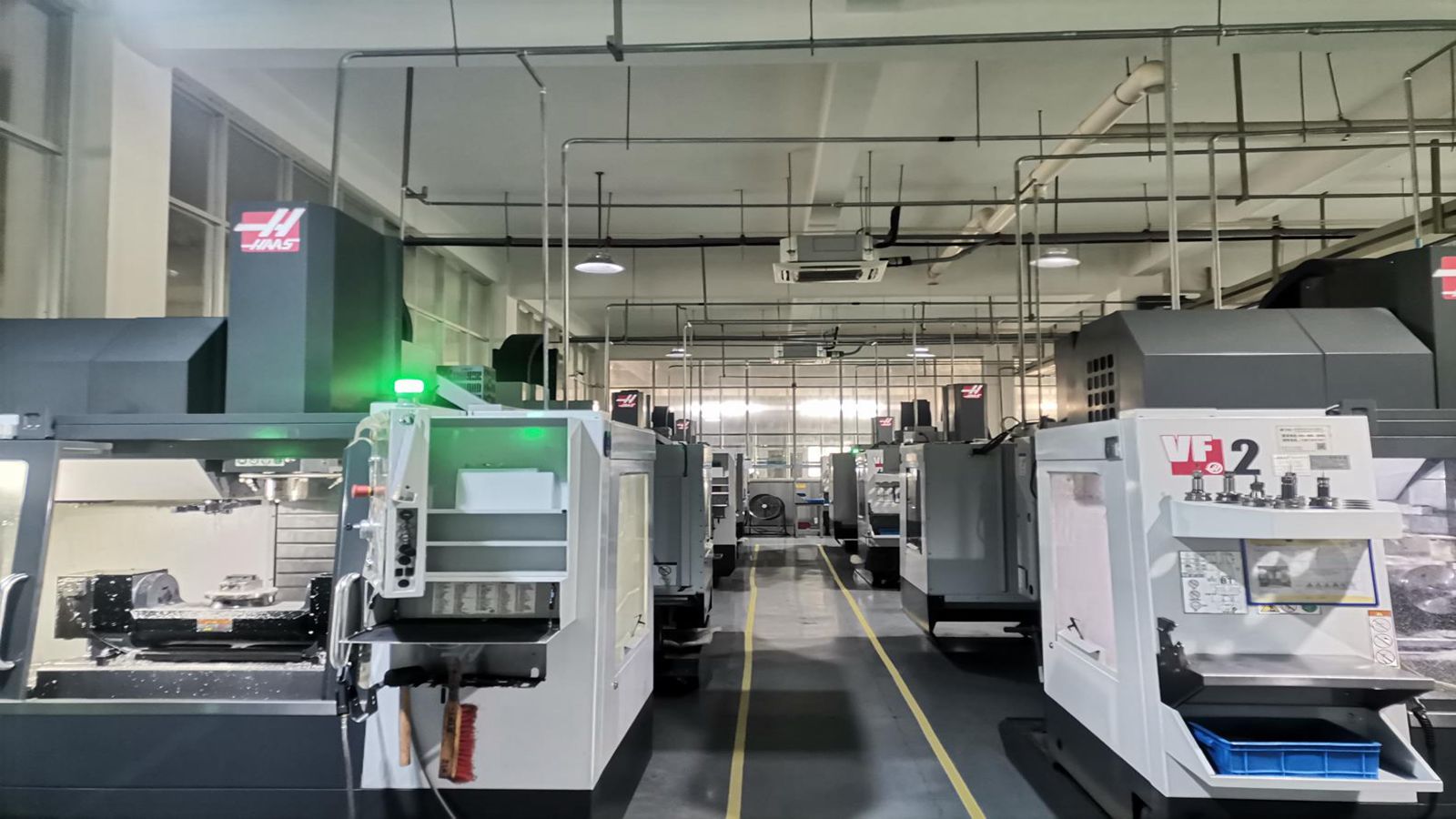
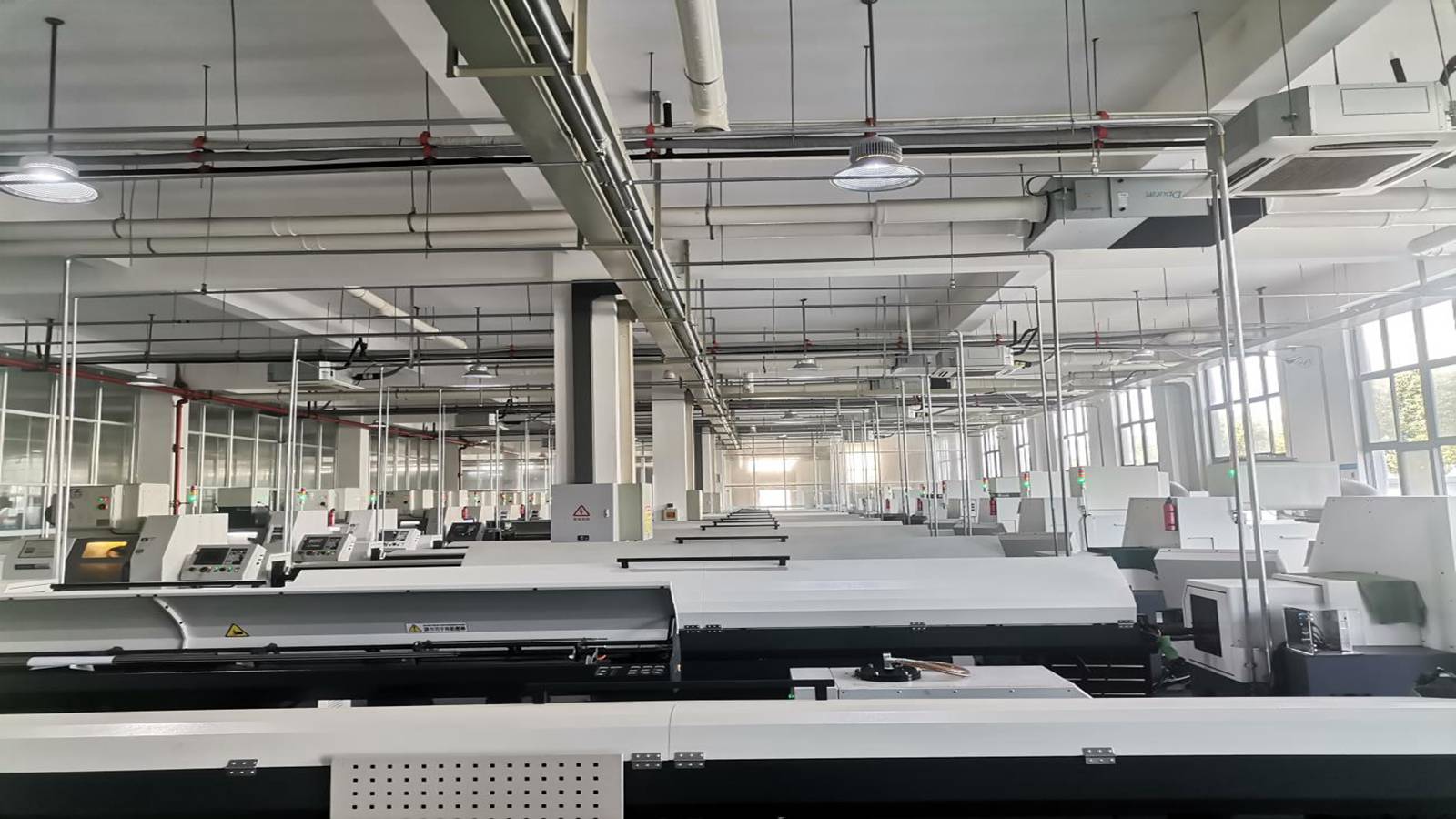
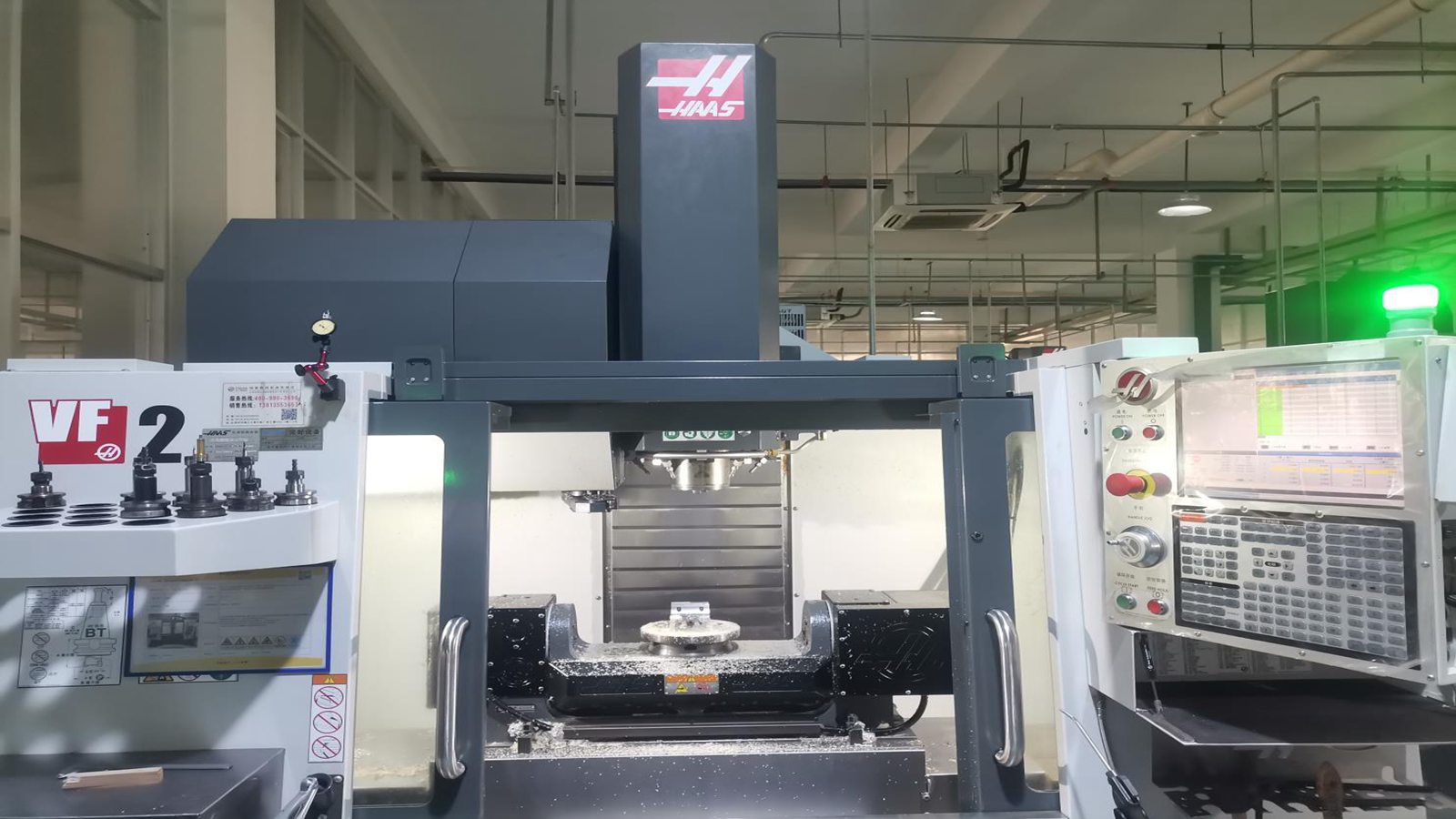
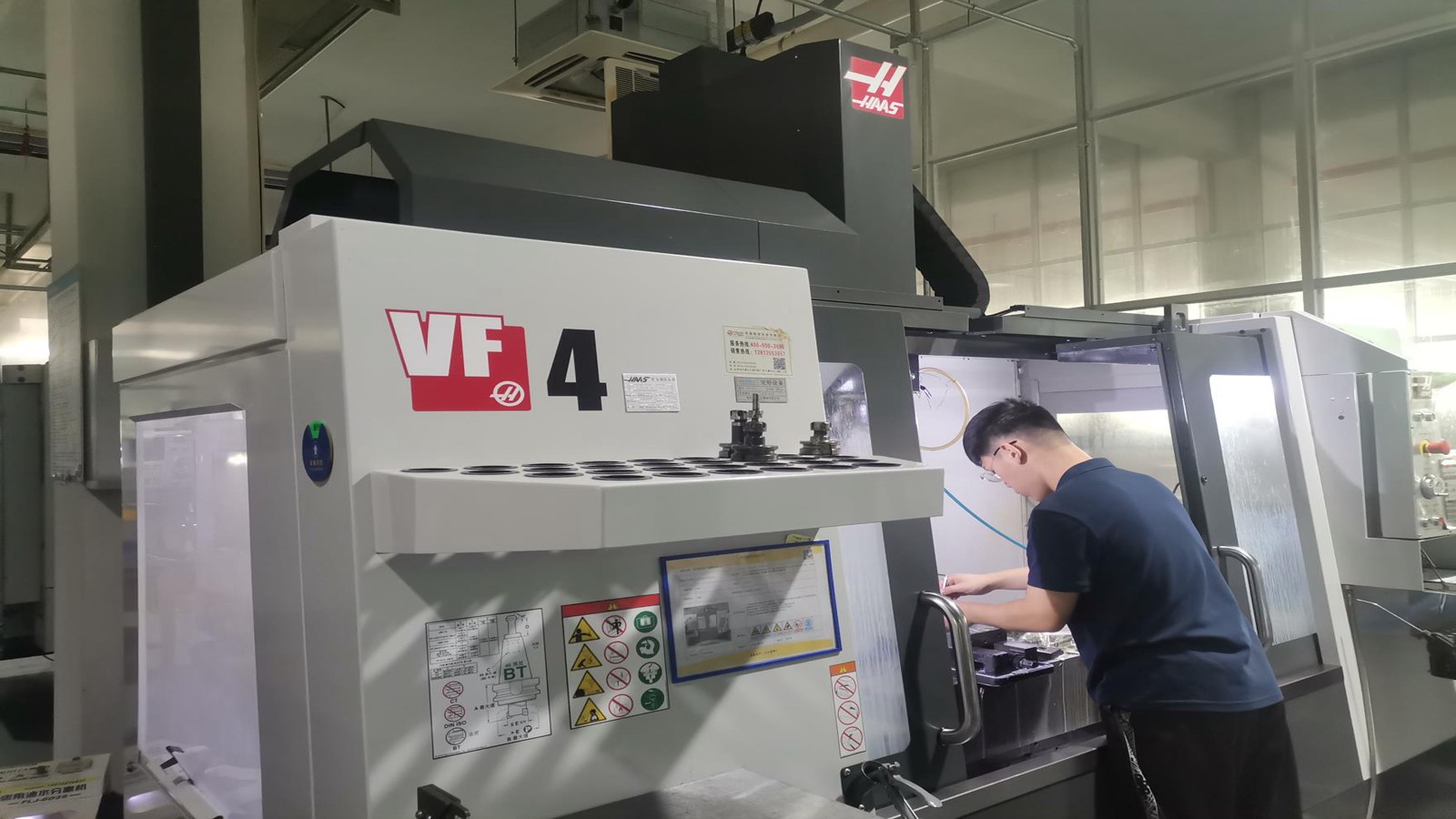
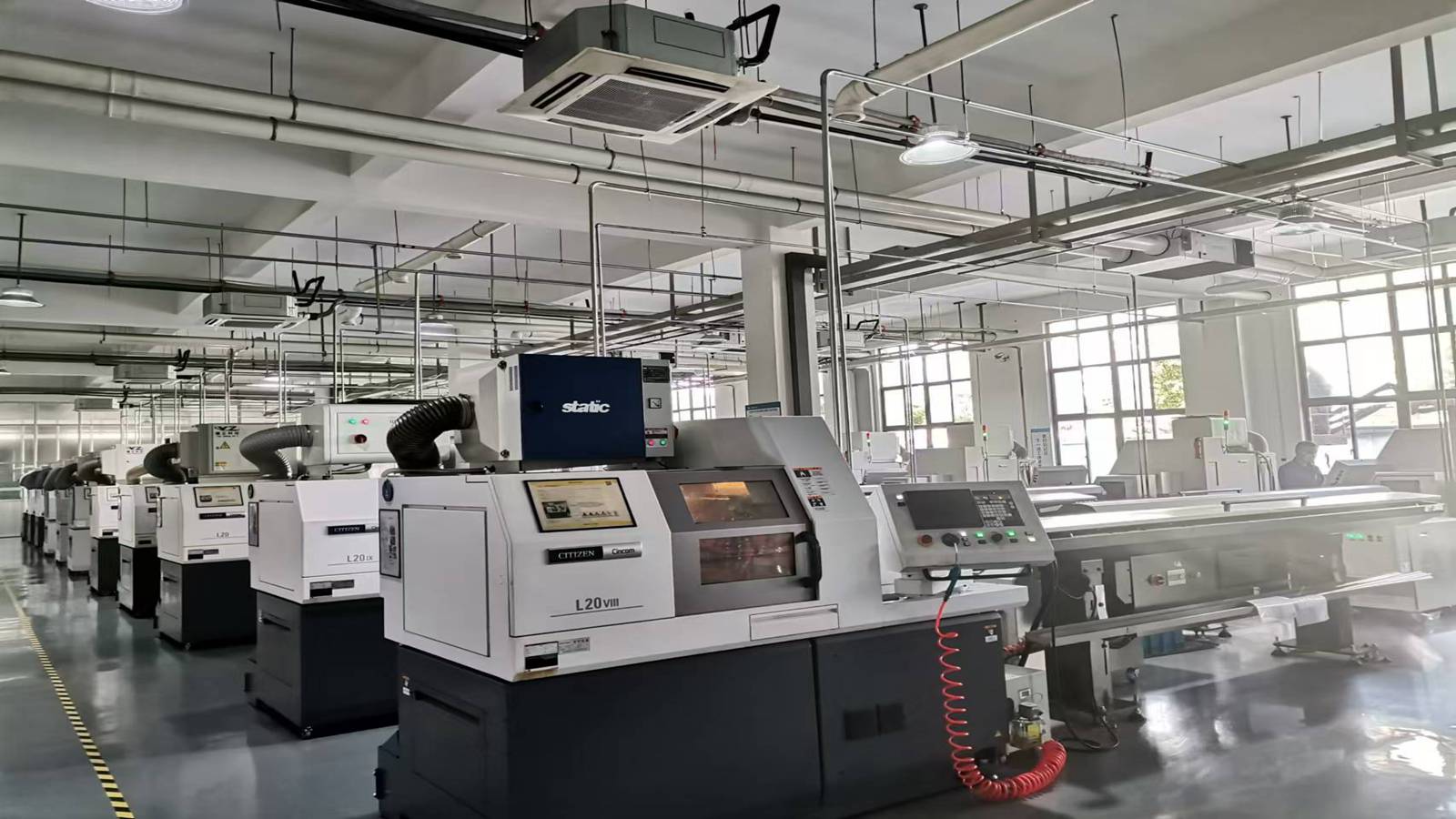
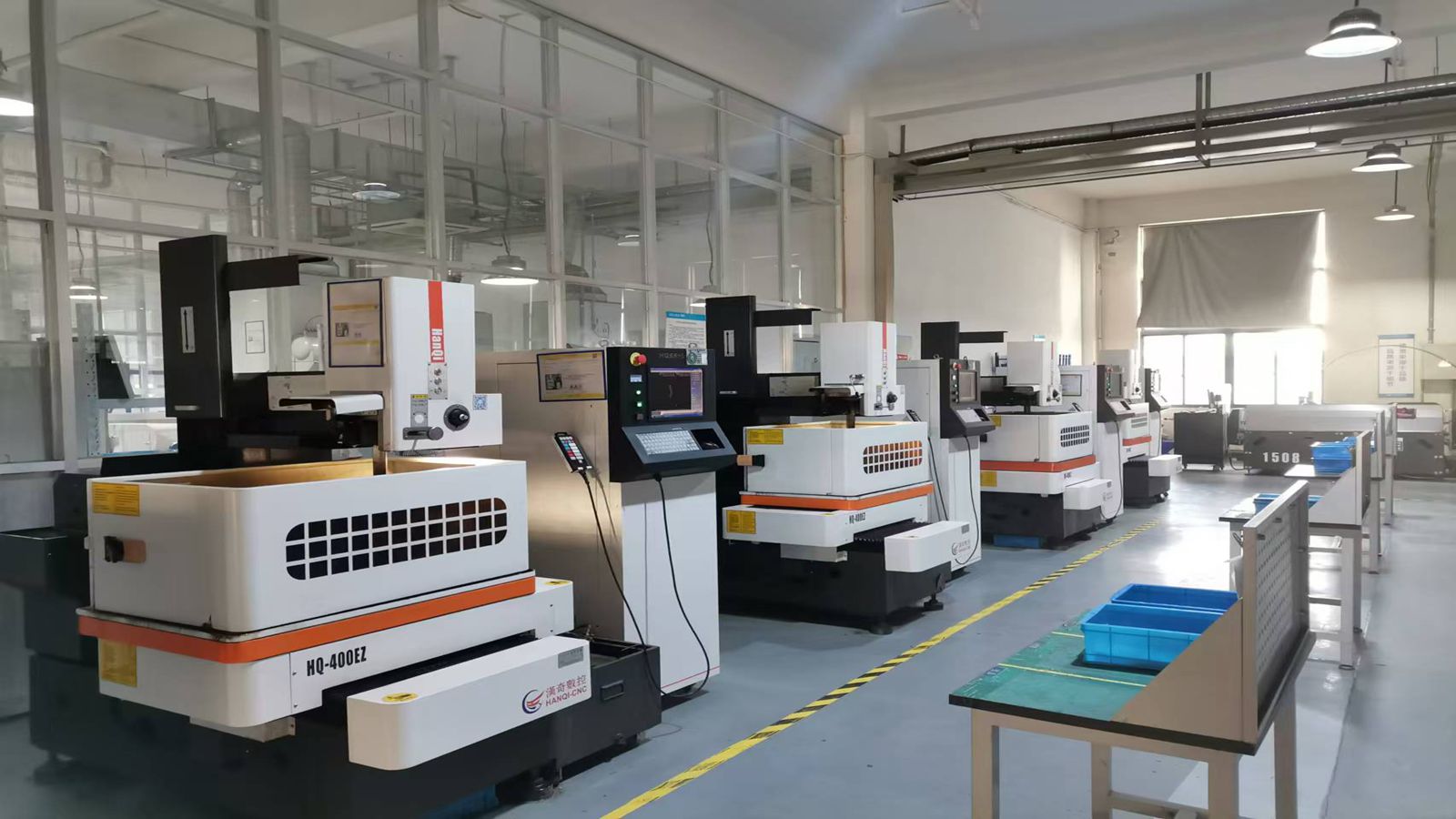
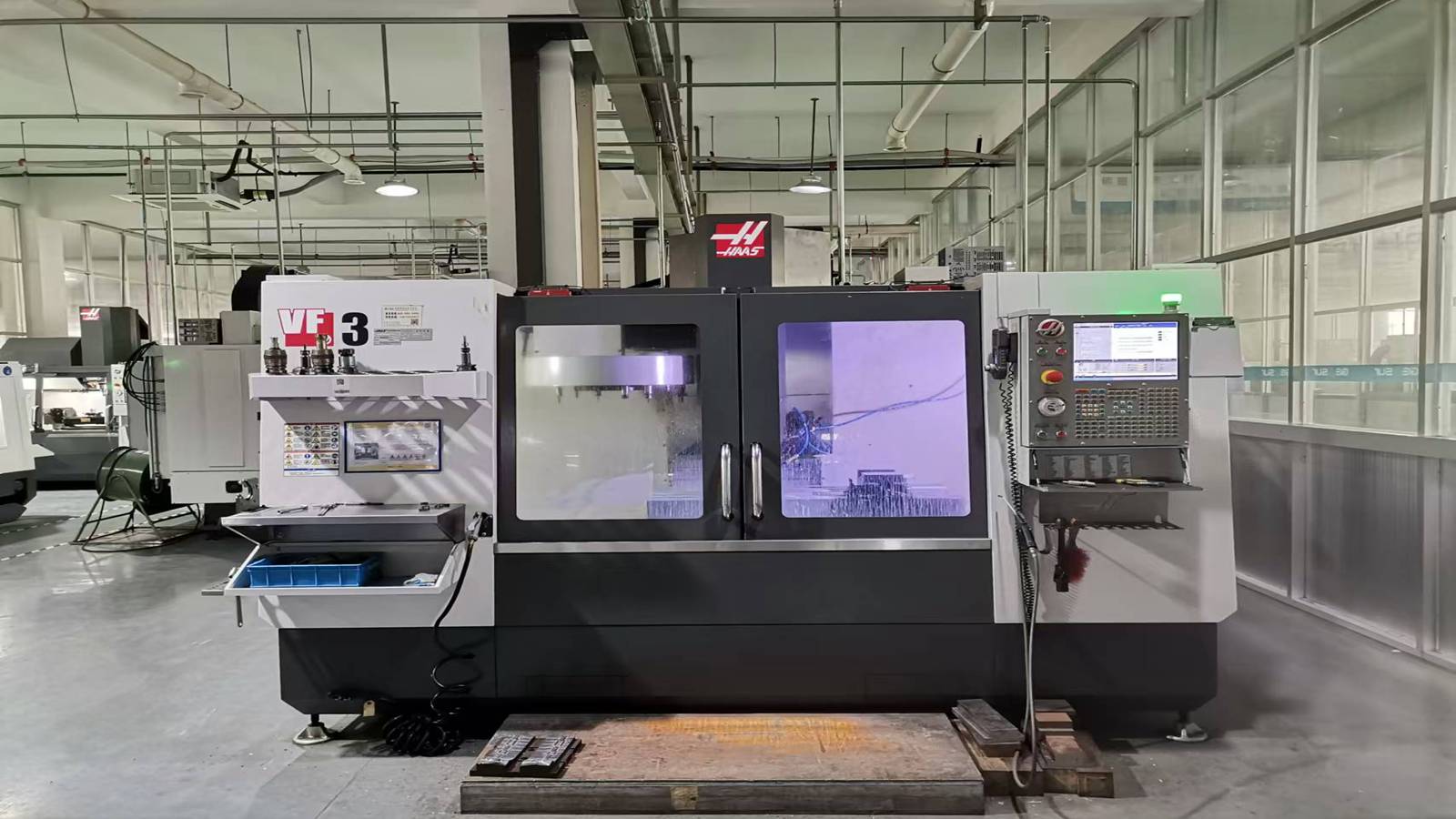
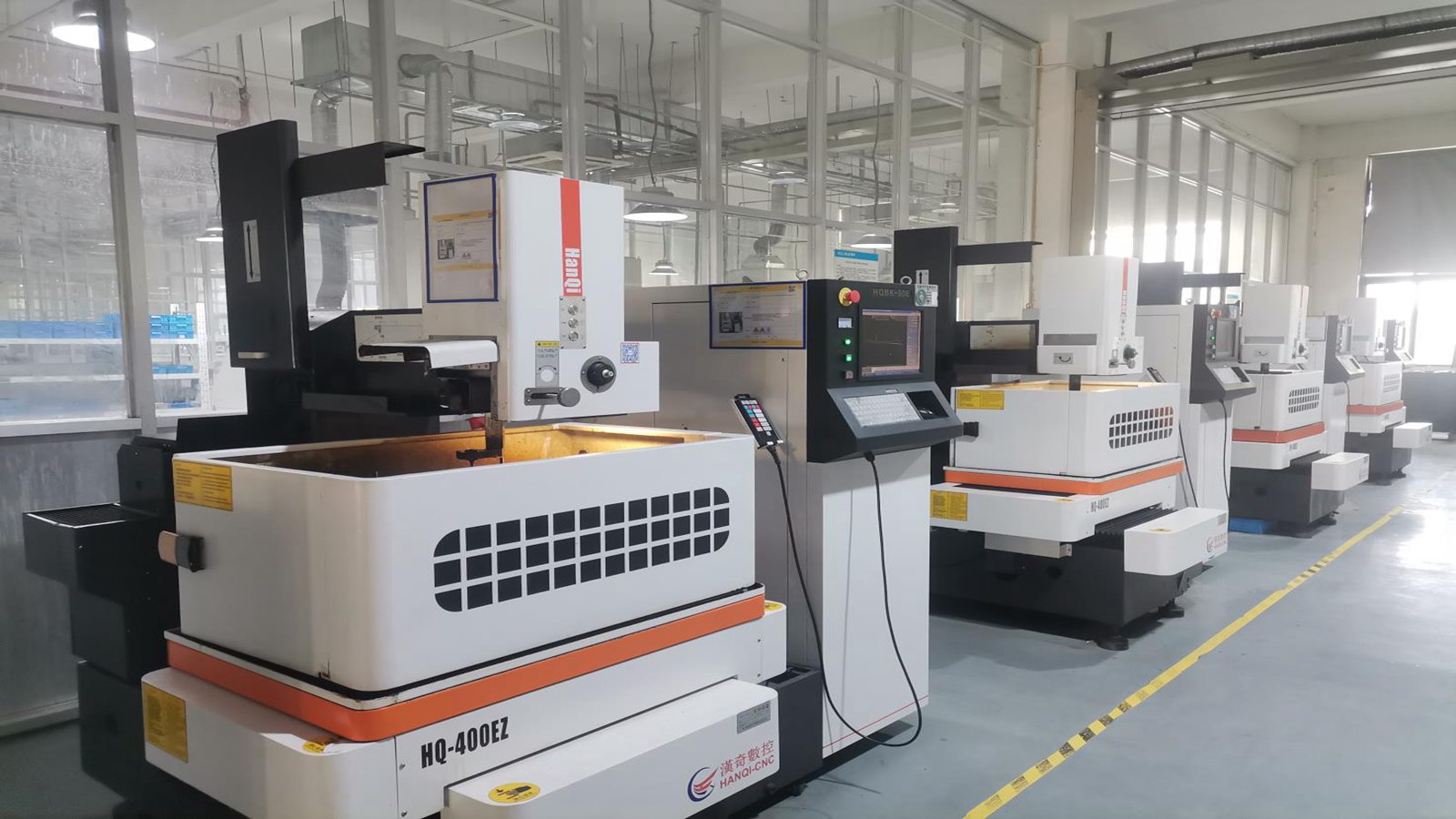
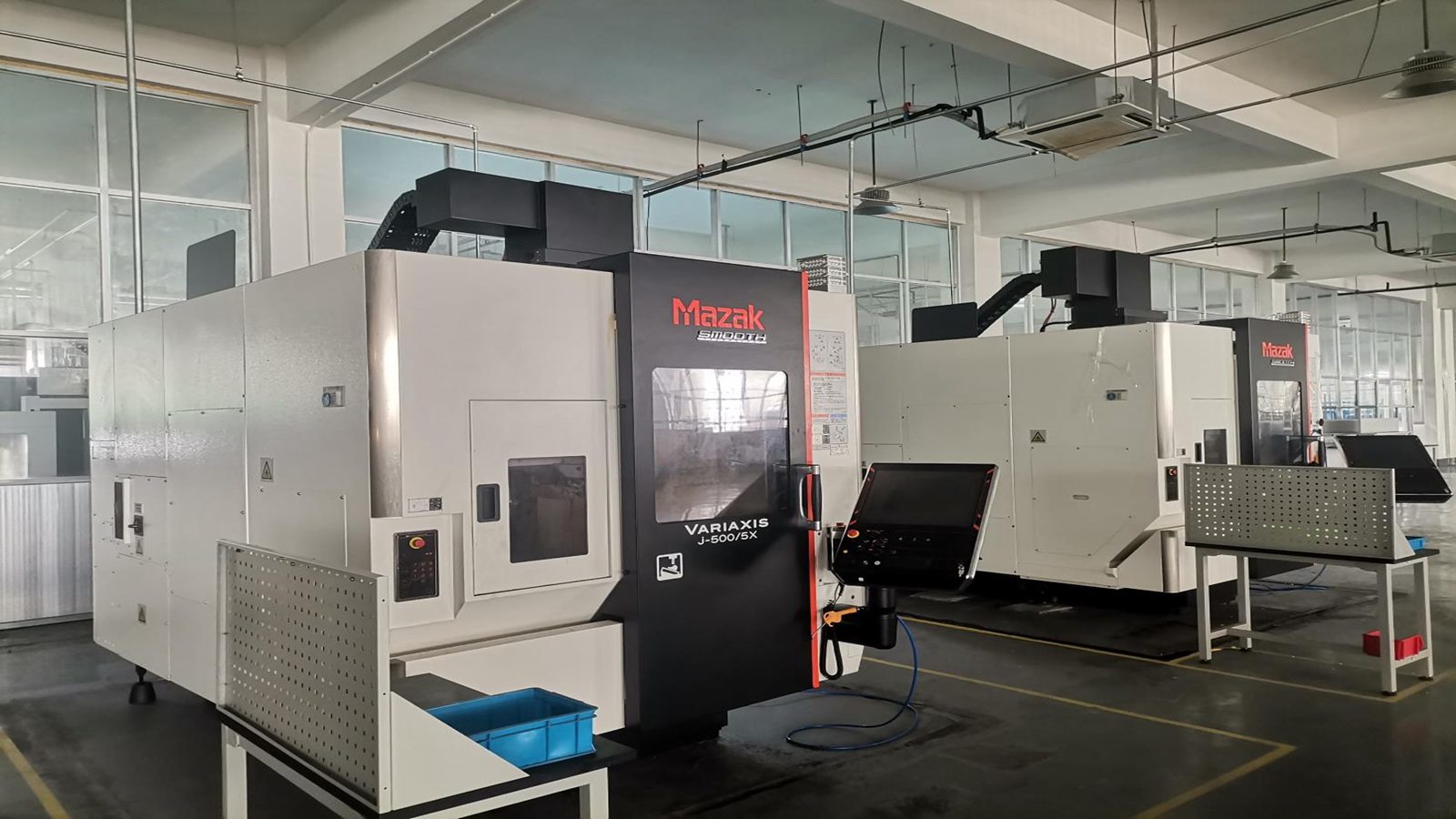
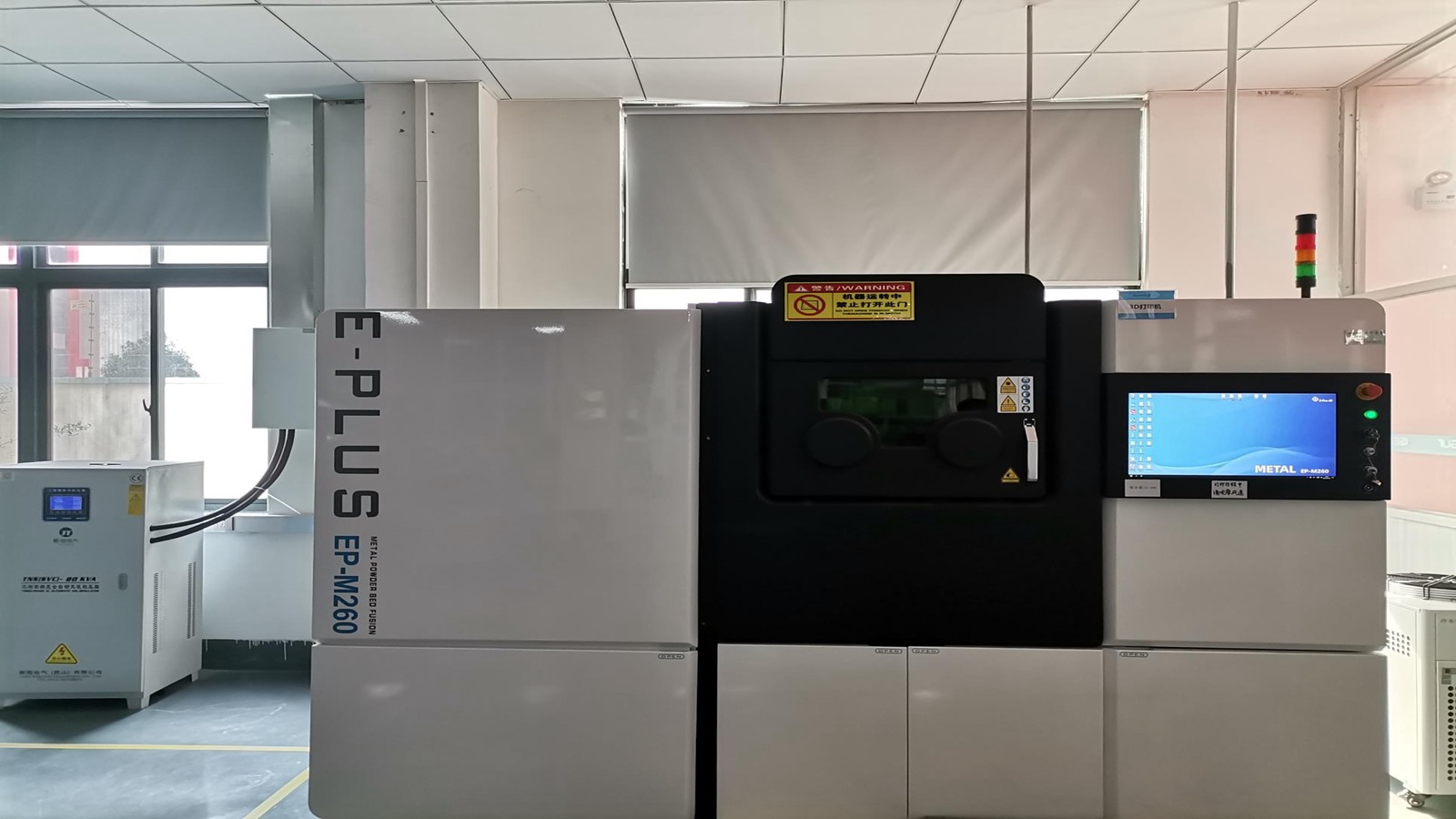
HBM Medical Apparatus And Instruments Co., Ltd. leverage advanced CNC processing and metrological validation labs in China to offer unmatched efficiency advantages. Operating out of an expansive 30,343 square meter state-of-the-art facility, our factory houses 12 dedicated high-throughput production lines and over 350 processing and testing machines.
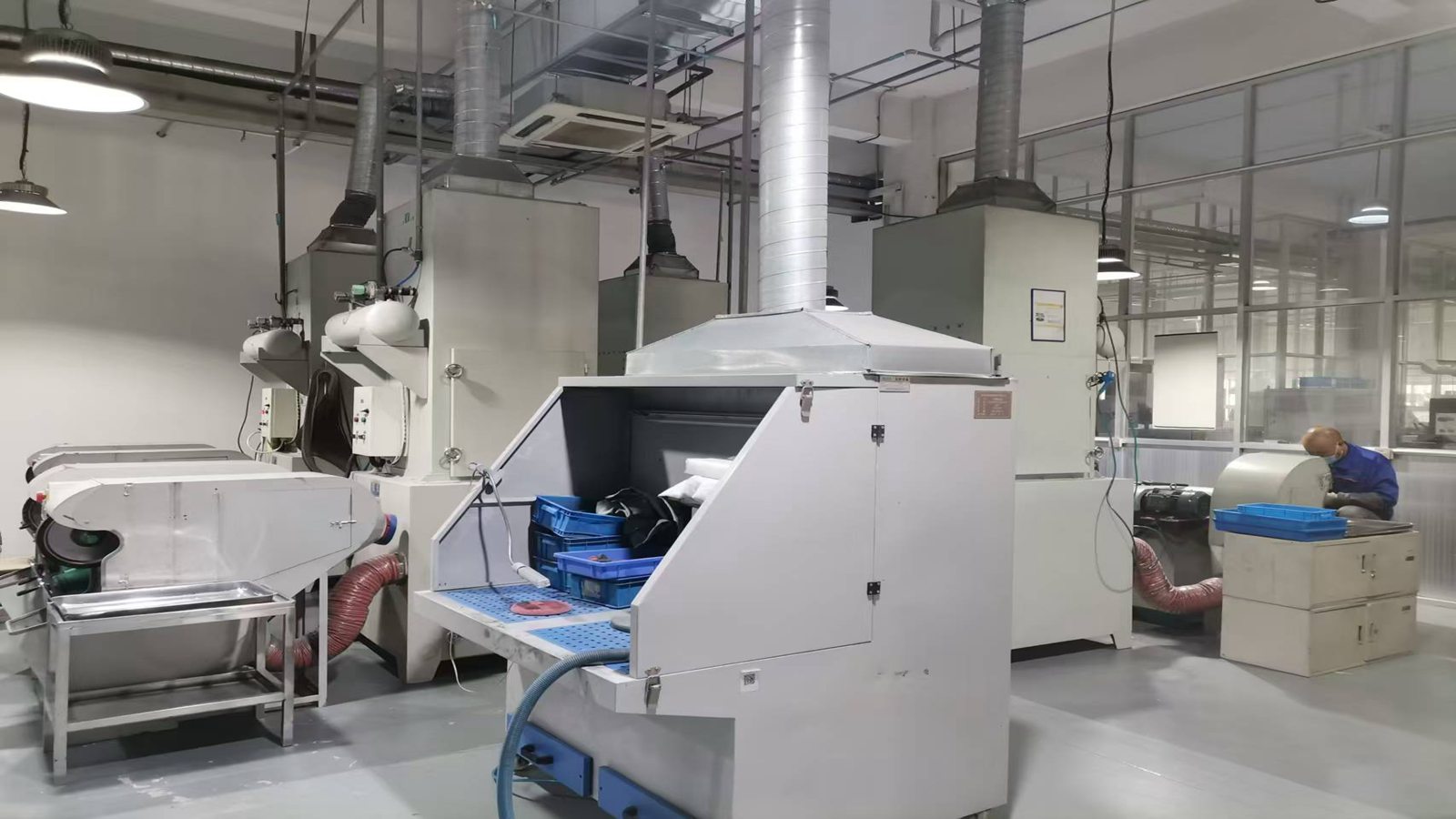
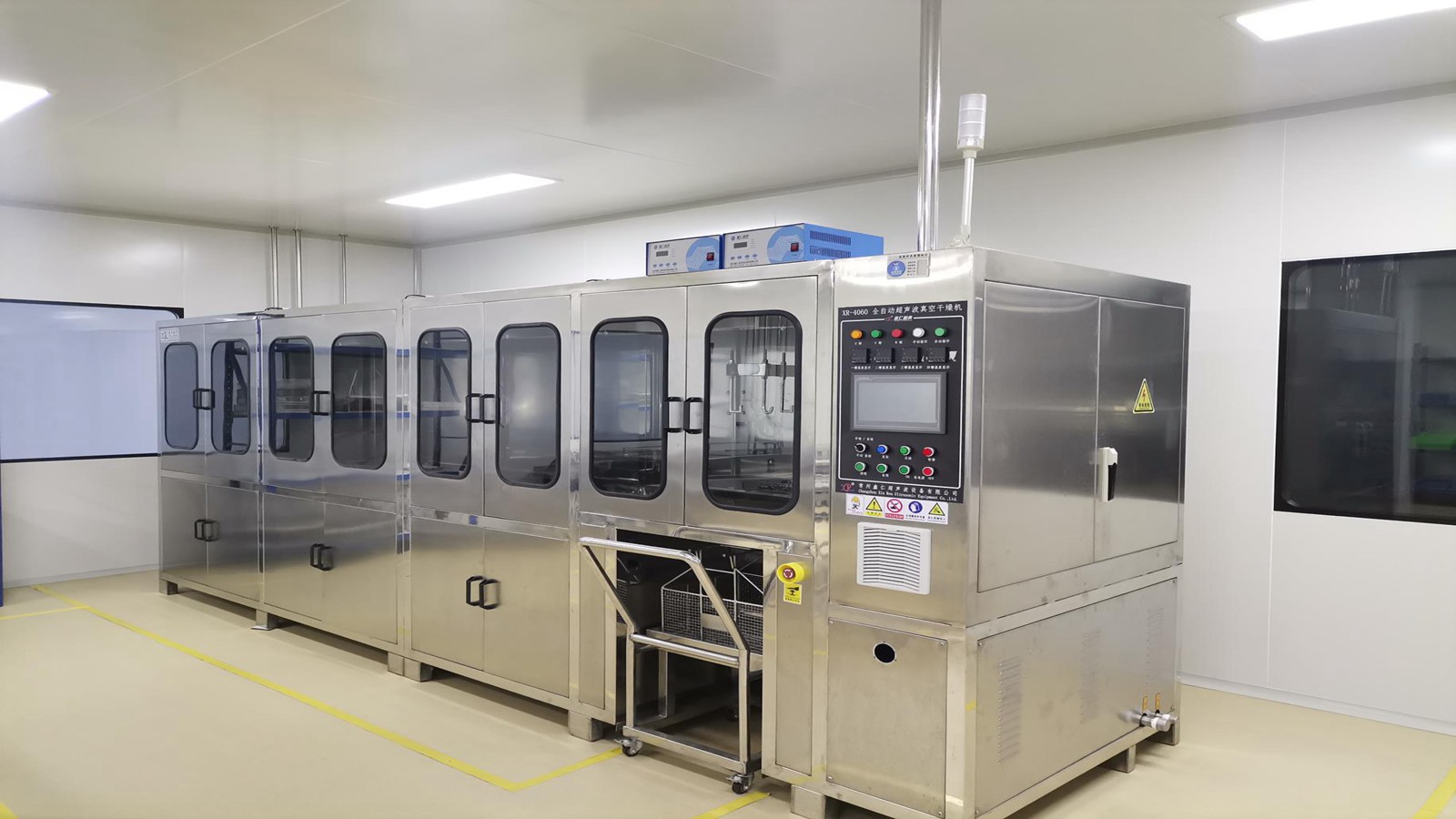
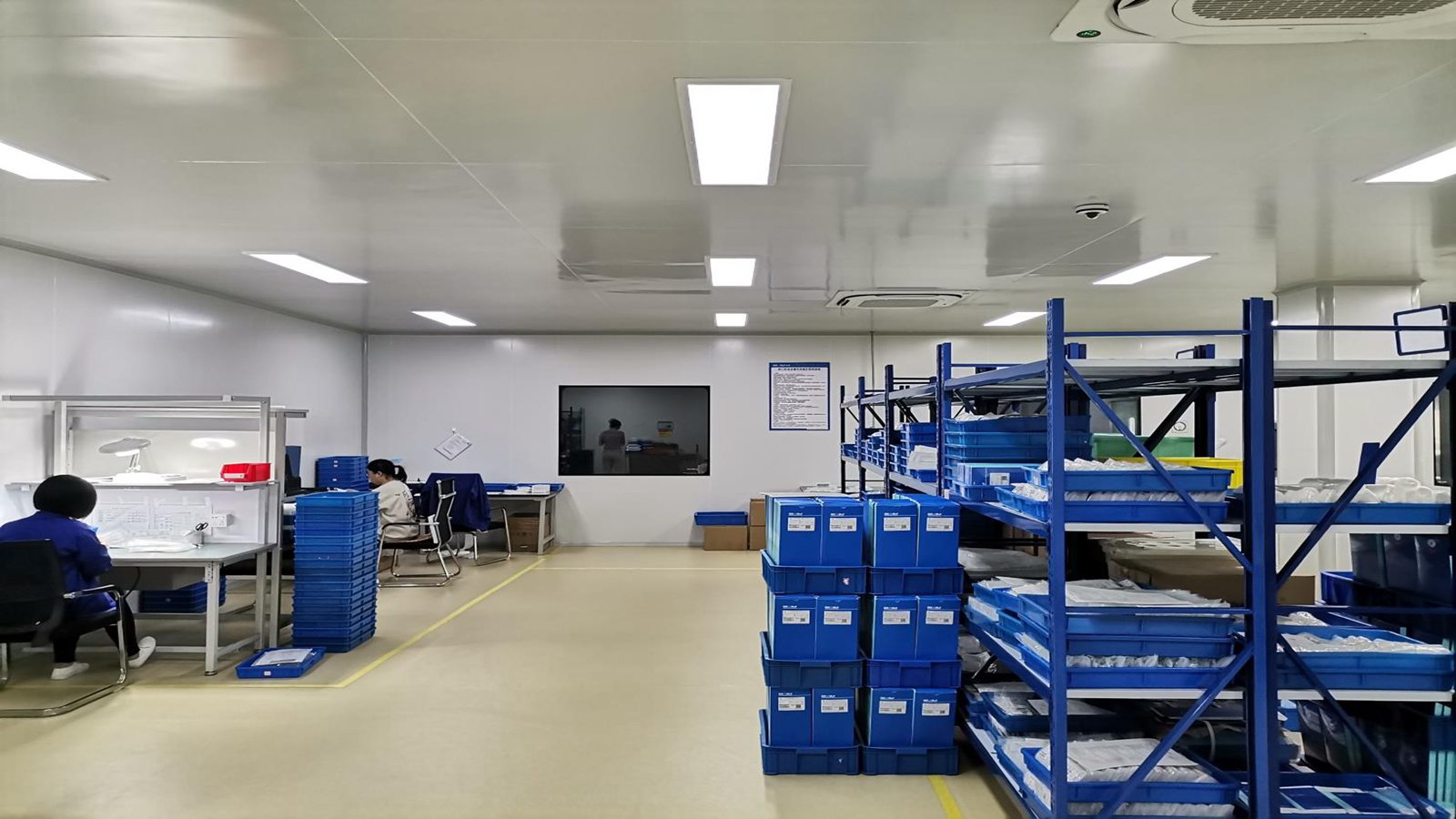
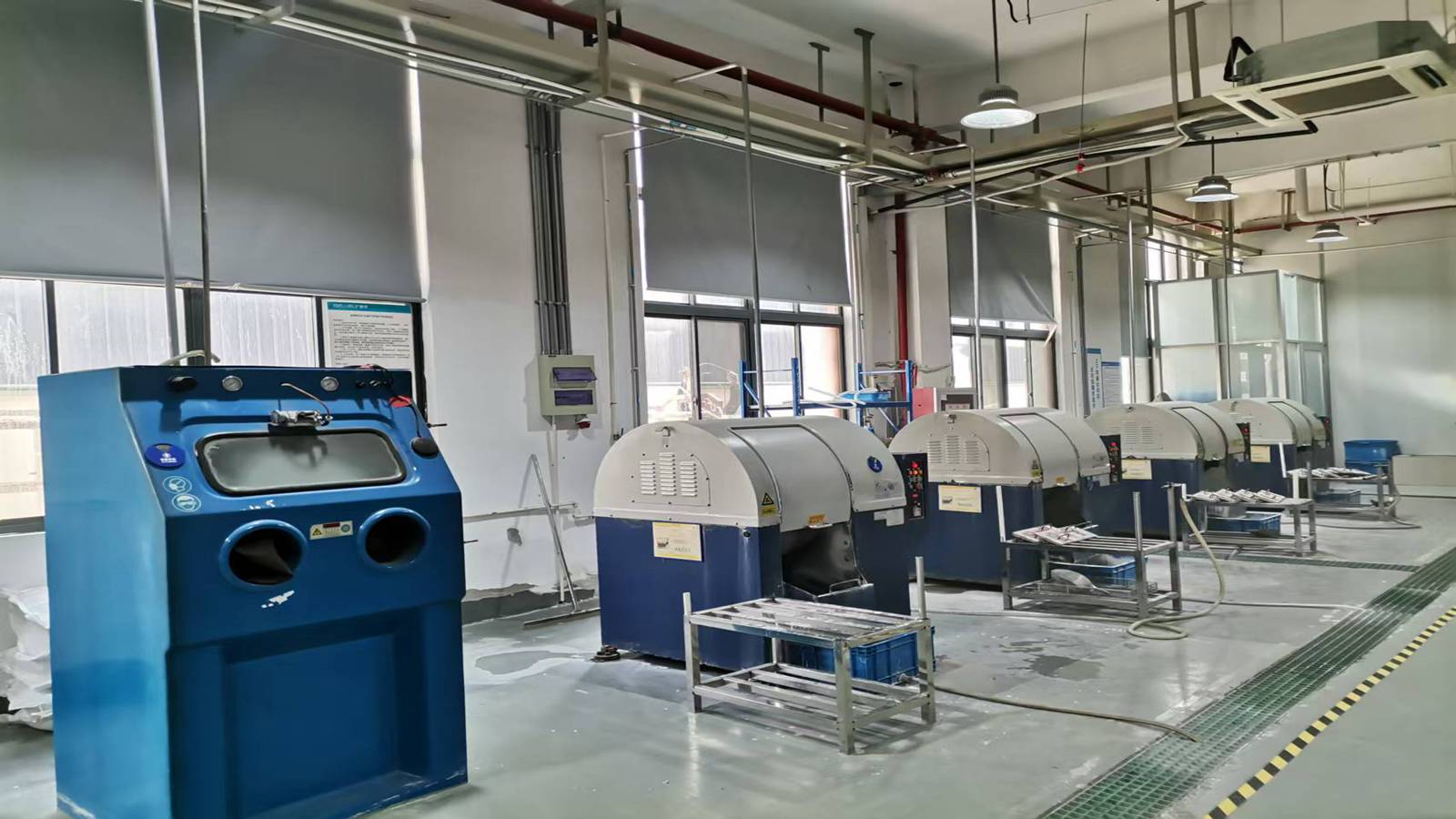
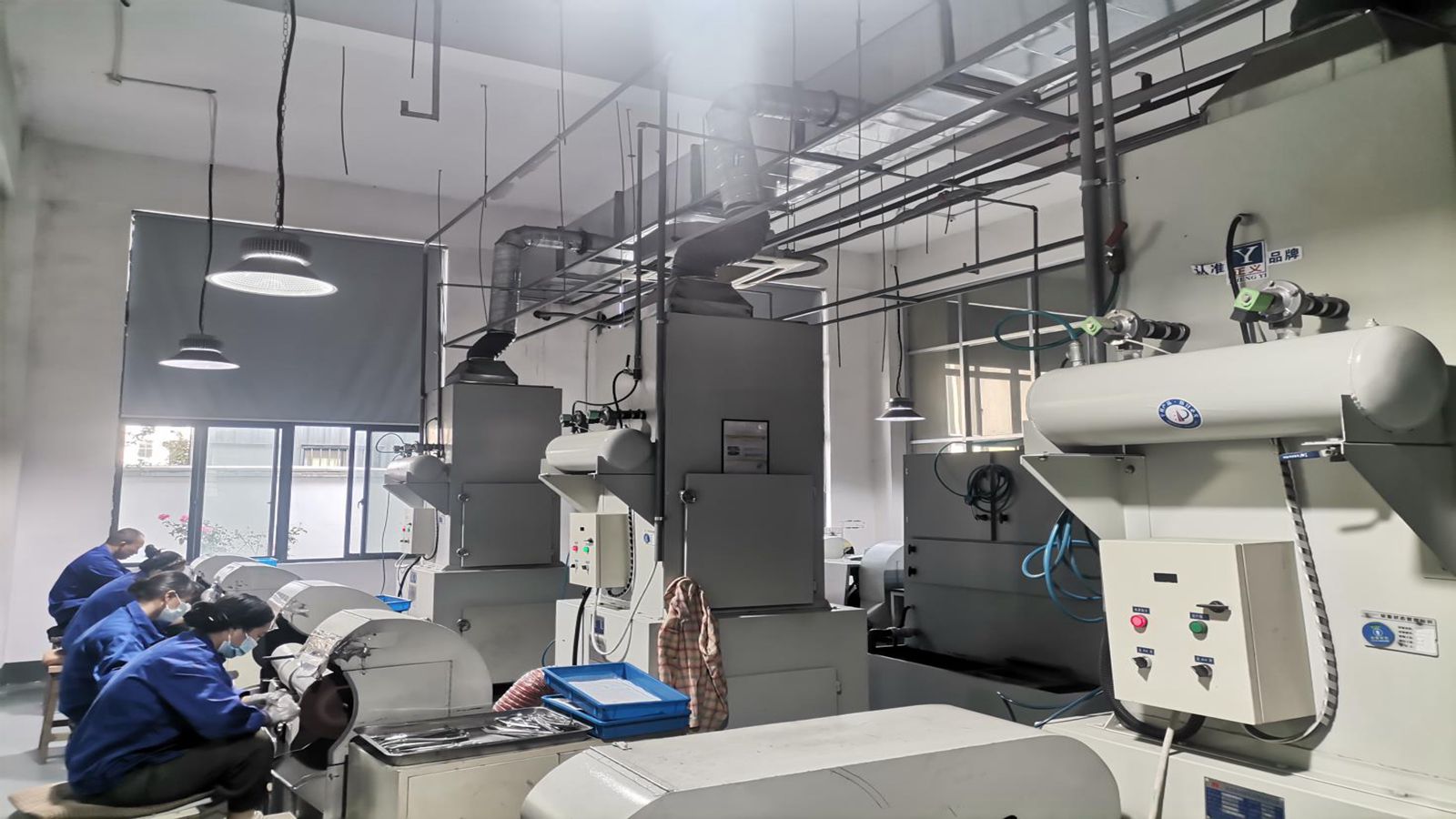
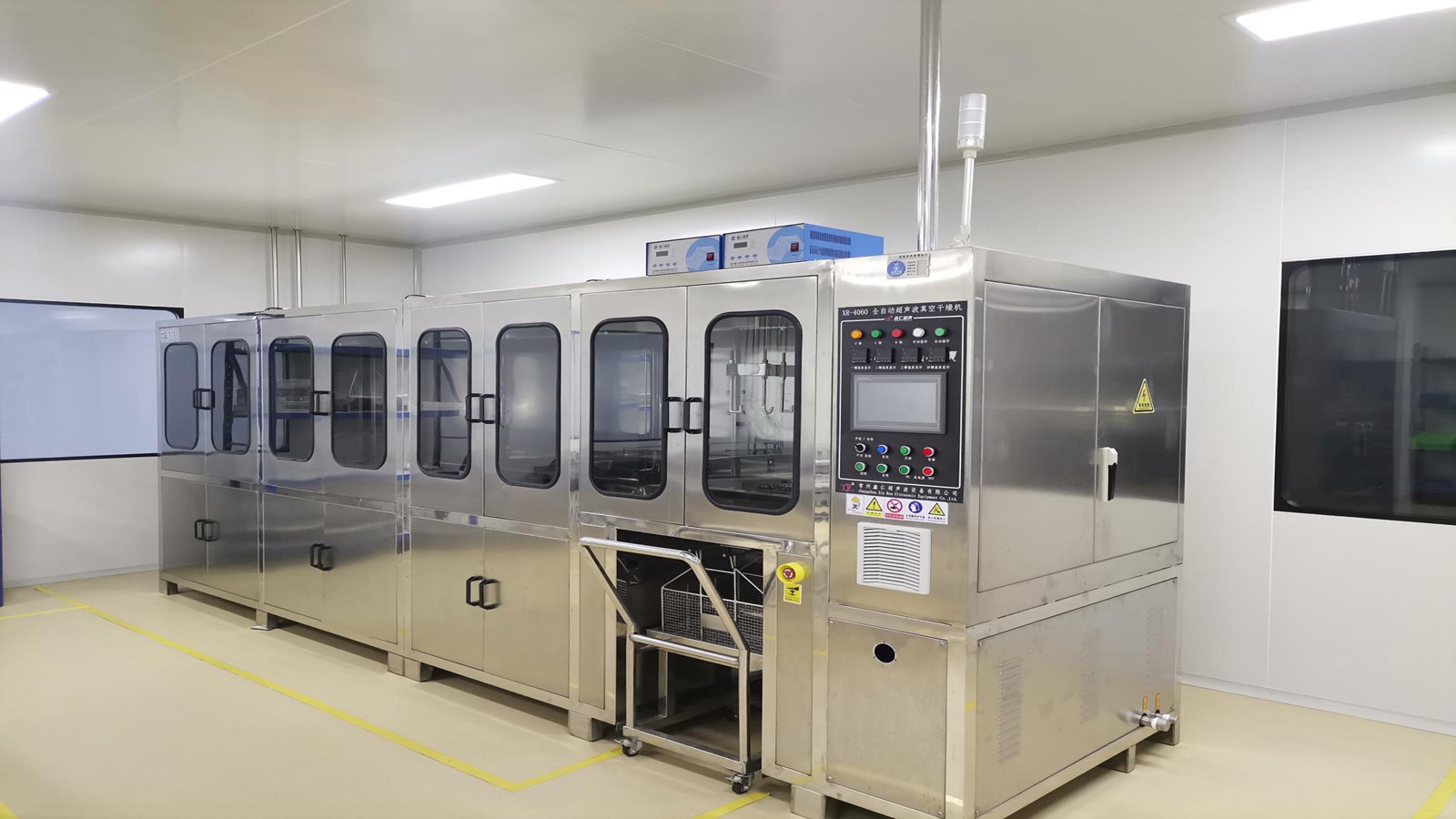
The manufacturing ecosystem integrates high-speed Swiss longitudinal lathes, multi-axis machining centers, precise electrical discharge machines (EDM), and cleanroom sterile packaging lines. This robust footprint enables high-mix, low-volume orthopedic implants alongside high-volume continuous output of bone screws and locking plates. By combining domestic material sourcing, integrated thermal treatments, automated passivation processes, and an in-house sterilization validation pipeline, HBM reduces manufacturing cycle times by 30-40% compared to Western counterparts, offering significant market entry advantages to global clients.

Engineered for clinical safety, our manufacturing pathways comply with stringent global regulatory standards.
HBM Medical maintains a comprehensive medical device quality management system certified under ISO 13485 and MDSAP (Medical Device Single Audit Program), facilitating smooth market entry across the USA, Canada, Australia, Japan, and Brazil.
Our trauma, spine, and joint implant systems hold official European Union CE certification under the active Medical Device Regulation (MDR certificates: EPT 0477.MDR.25/5905 and EPT 0477.MDR.25/5973), ensuring absolute patient safety and conformity.
Every single implant begins with fully certified, medical-grade titanium alloys, PEEK, or cobalt-chromium-molybdenum alloys. We enforce strict traceability from chemical composition certificates (MTRs) to the finished sterile package.
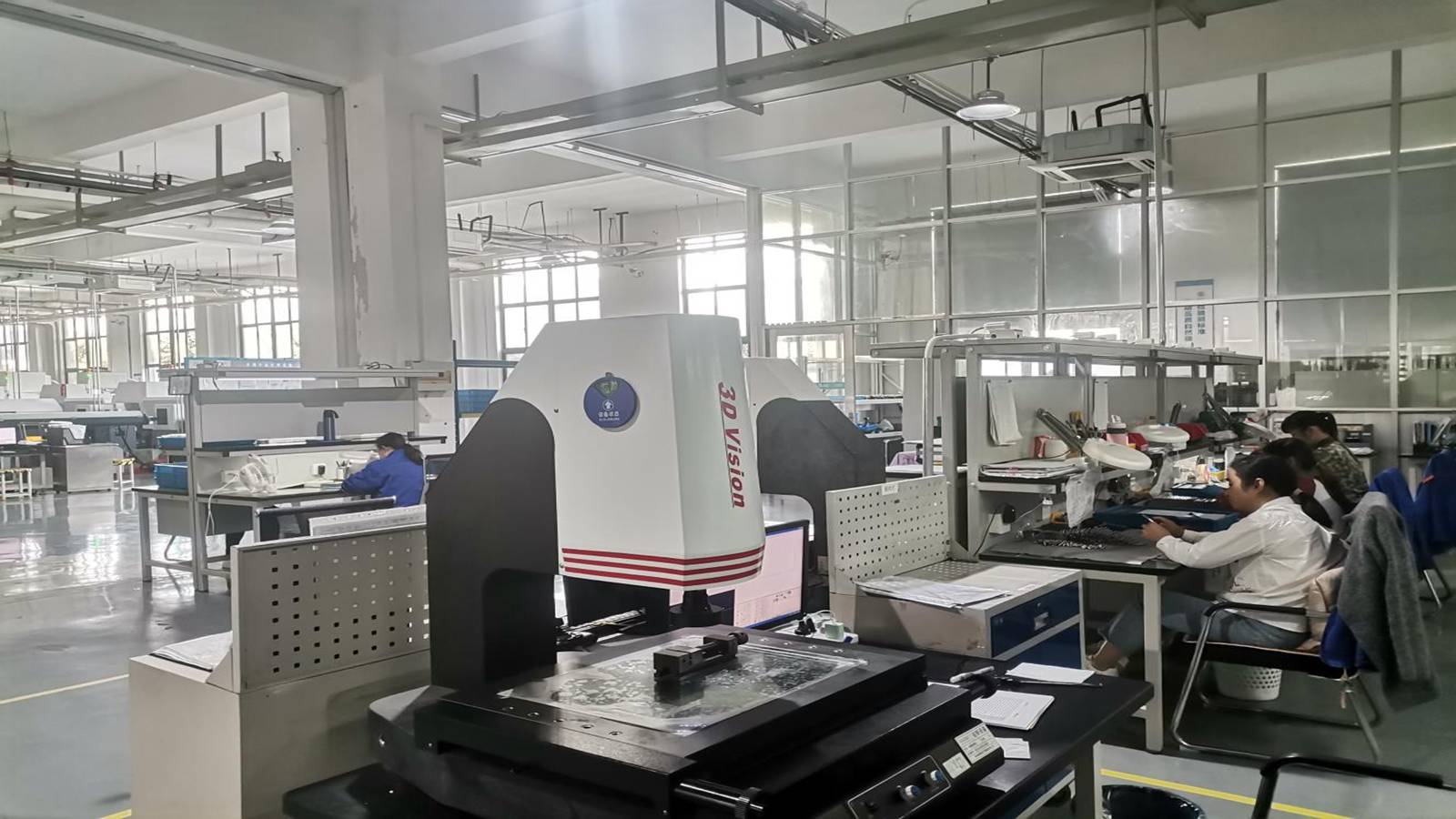
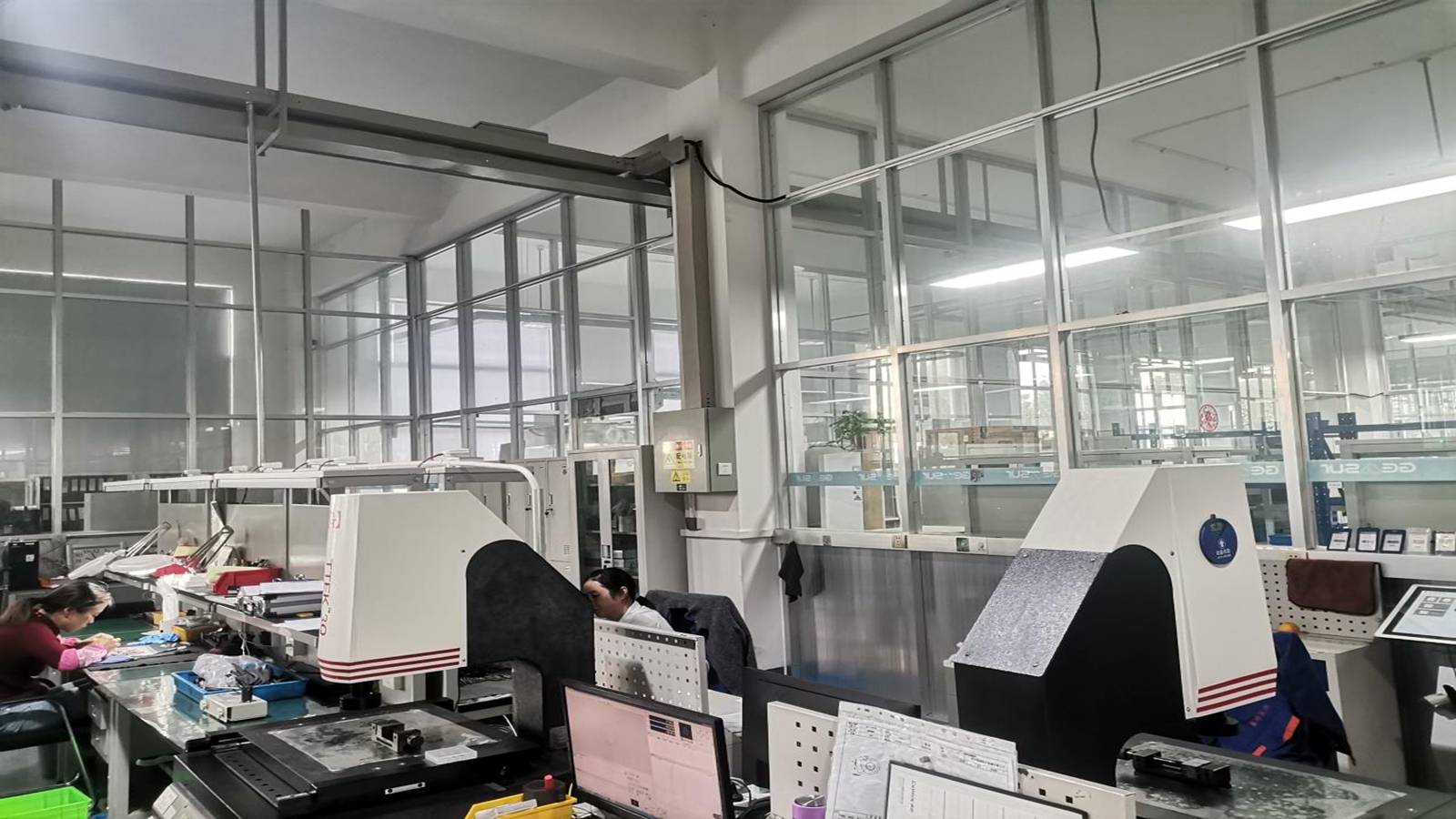
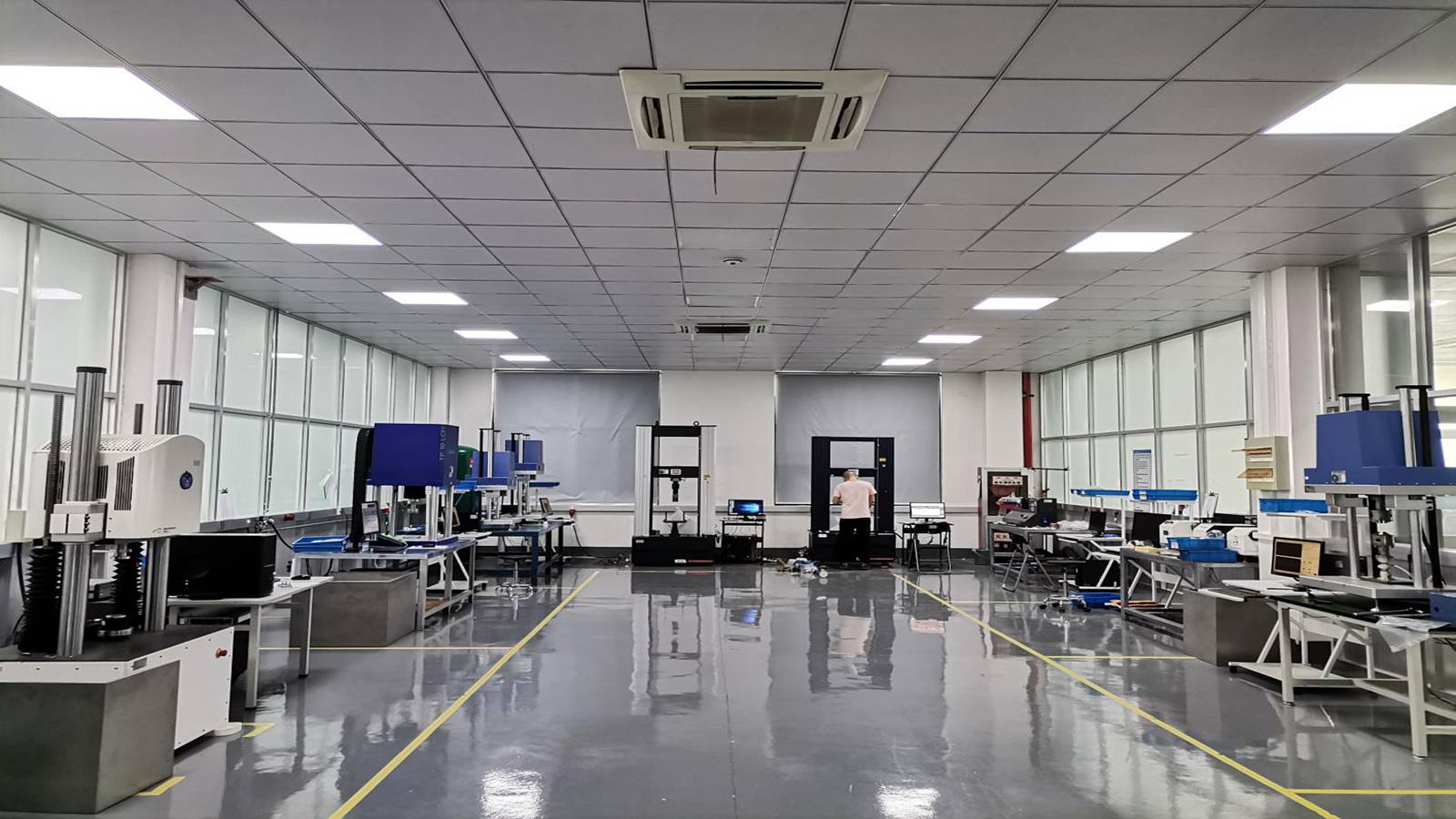
Visualizing our cleanroom production spaces, CNC machining lines, testing laboratories, and precision QA pipelines.

True clinical-grade manufacturing requires deep orthopedic design expertise. At HBM Medical, we do not just fabricate; we co-engineer.
Our dedicated R&D department consists of 31 senior engineers, featuring highly specialized education levels: 1 Doctorate, 11 Postgraduates, and 17 Graduates in Biomedical and Materials Engineering fields. Over the past year alone, our R&D division launched 25 new clinical products, supporting clients with graphic processing, sample replication, and custom on-demand engineering.
Whether optimizing bone screw pitch configurations, refining anatomical profiles of locking plate designs, or evaluating stress distribution through Finite Element Analysis (FEA), we provide comprehensive design-for-manufacturability (DFM) input. This ensures products seamlessly transfer from prototype files to reliable, scalable production runs.
A quick summary of HBM Medical’s operational metrics, manufacturing outputs, and materials compliance standards.
| Operational Core Metric | Technical Capability Details |
|---|---|
| Registered Establishment | Founded on October 15, 2015; Over 10 years of domestic and global export operations. |
| Materials Processed | Medical-grade Titanium (Gr. 5 Ti-6Al-4V, Gr. 2 Pure Titanium), PEEK Optima, UHMWPE, CoCrMo, Implant Stainless Steels (316LVM). |
| Customization Capabilities | Sample processing, technical drawing modification, functional graphic processing, OEM/ODM custom-on-demand services. |
| Quality Control Pipelines | In-process metrology inspections, 100% video-comparator screw thread checks, chemical verification, tensile strength validations, packaging seal integrity inspections. |
| Product Support | Raw material certifications, manufacturing lot number control, biocompatibility documentation support. |
| Primary Global Markets | Domestic (80%), Eastern Europe (5%), Southeast Asia (5%), and expanding global footprints in Central and South America. |
How our surgical implants and instrumentation systems serve orthopedic teams in diverse clinical settings.
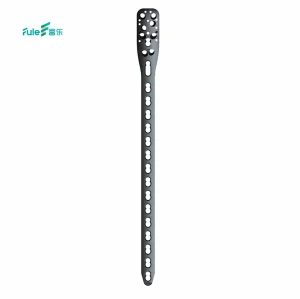
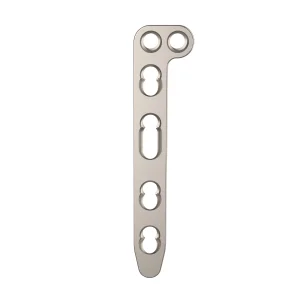
Our anatomical titanium locking plates and Pfna interlocking nails deliver structural rigidity and immediate stabilization during complex reconstructive osteosynthesis, reducing time-in-OR for polytrauma surgeries.
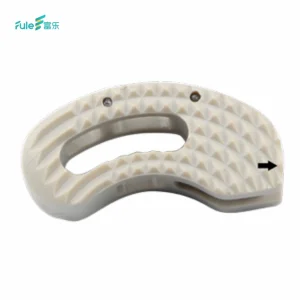
Combining biocompatible PEEK fusion cages with posterior instrumentation systems, HBM implants support load-sharing, optimize spinal alignment, and promote solid bone graft integration in degenerative disk pathology treatments.
Leveraged dynamically across vet clinical structures worldwide, our specialized micro-fixators, flexible reamers, and surgical drills support custom joint reconstructions and bone lengthenings in small and large animal surgeries.
HBM Medical operates clean, systematically monitored environments and maintains strict product evaluation workflows.
Key information regarding production compliance, quality controls, lead times, and manufacturing options.
We manufacture implants using premium, biocompatible medical-grade raw materials, primarily Ti-6Al-4V ELI (Grade 5) titanium alloy, pure medical titanium (Grade 2), implant-grade PEEK (Polyetheretherketone), UHMWPE (Ultra-High-Molecular-Weight Polyethylene), and implantable stainless steels. All materials include complete Mill Test Reports (MTRs) for raw material traceability.
Our manufacturing systems operate under ISO 13485 and MDSAP certifications. Our key product lines, including trauma fixation constructs, are CE-marked under active EU MDR pathways. We support orthopedic brand owners with complete technical documentation, physical test reports, and sterilization validation dossiers to facilitate regional FDA or local ministry of health registrations.
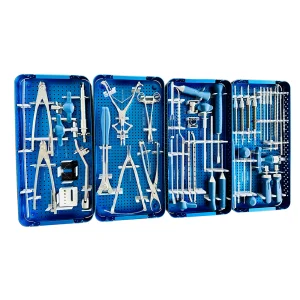
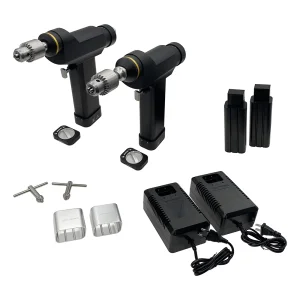
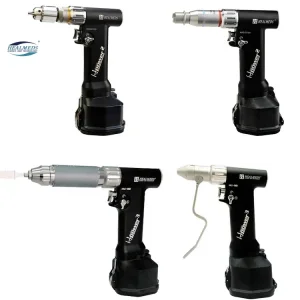
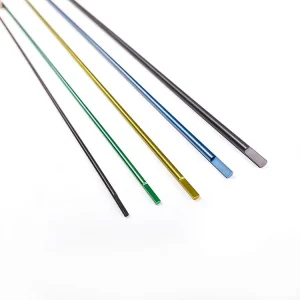
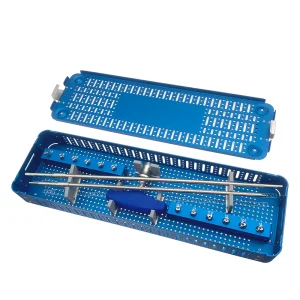
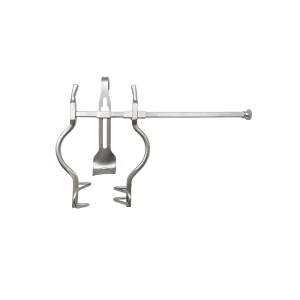
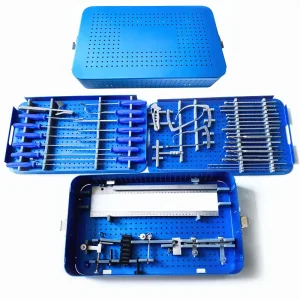
Yes, we provide full custom instrument development. Our 31-member engineering team develops customized surgical instrument kits, including orthopedic drills, flexible reamers, retractors, and alignment guides. This ensures seamless functional mating between our implants and the instruments used in the operating room.
Lead times vary by product complexity. Standard modifications of existing trauma plate designs typically ship within 30 to 45 days. Fully customized implants requiring new production tooling, custom programming, and verification processes typically take 60 to 90 days, depending on regulatory documentation needs.
We execute rigorous QA workflows. In addition to continuous in-line monitoring by our 36 QA/QC inspectors, every batch undergoes chemical validation, geometric inspections, thread-pitch validation via optical comparators, and automated packaging leak detection. Our products can also undergo third-party auditing based on client requirements.
Quality check procedures and manufacturing processes at our ISO-certified facilities.
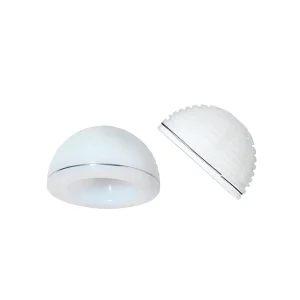
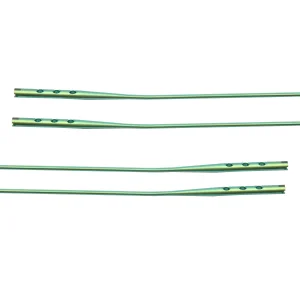
Explore our external fixators, joint replacements, retractors, and dedicated surgical instrumentation sets.
 HBM Medical