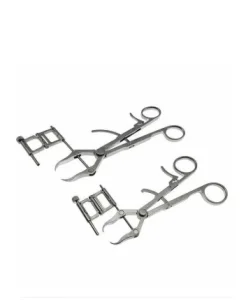
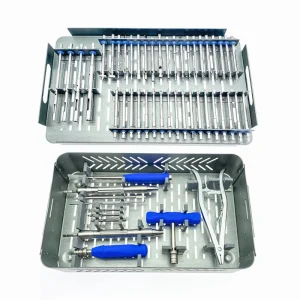
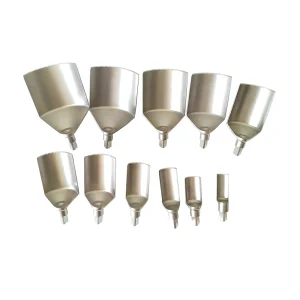
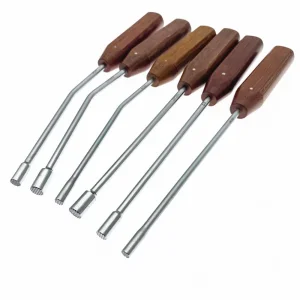
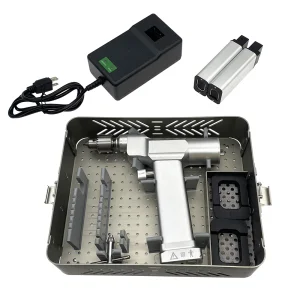
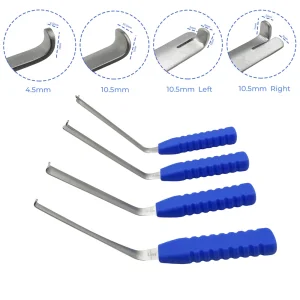
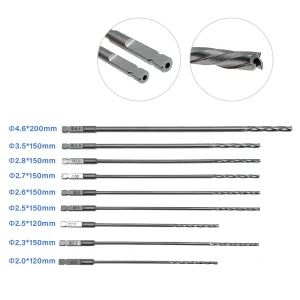
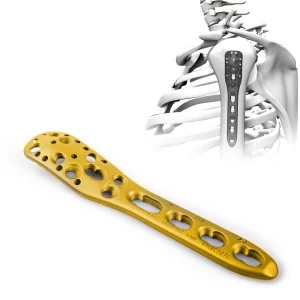
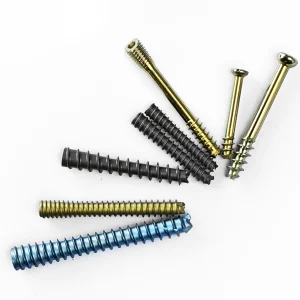
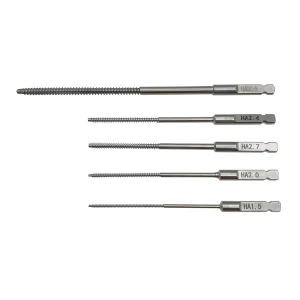
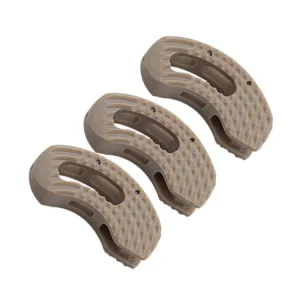
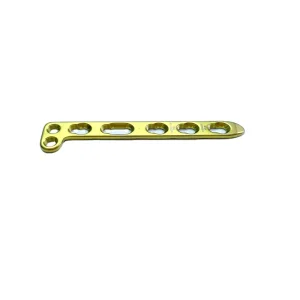
Explore our precision-engineered selection of orthopedic instrumentation and trauma fixation components. Built in compliance with stringent ISO 13485 standards, these systems support joint reconstruction, trauma stabilization, and veterinary surgeries globally.
HBM Medical Apparatus And Instruments Co., Ltd. represents the peak of contract manufacturing capacity in China for premium joint replacement components. Backed by rigorous scientific R&D, advanced material logistics, and validation engineering, we build systems that surgeon networks trust globally.
In modern orthopedic joint arthroplasty, the demands for manufacturing precision, biophysical compatibility, and mechanical fatigue life have never been higher. As a specialized OEM contract manufacturer, HBM Medical designs and manufactures implants and matching instruments that mitigate risk and accelerate patient recovery. The development of custom knee, hip, shoulder, and spinal joint components requires an understanding of tribalogy, surface roughness parameters, and structural mechanics.
Our raw material pathways are heavily monitored to meet global FDA and CE medical-grade specifications. We utilize:
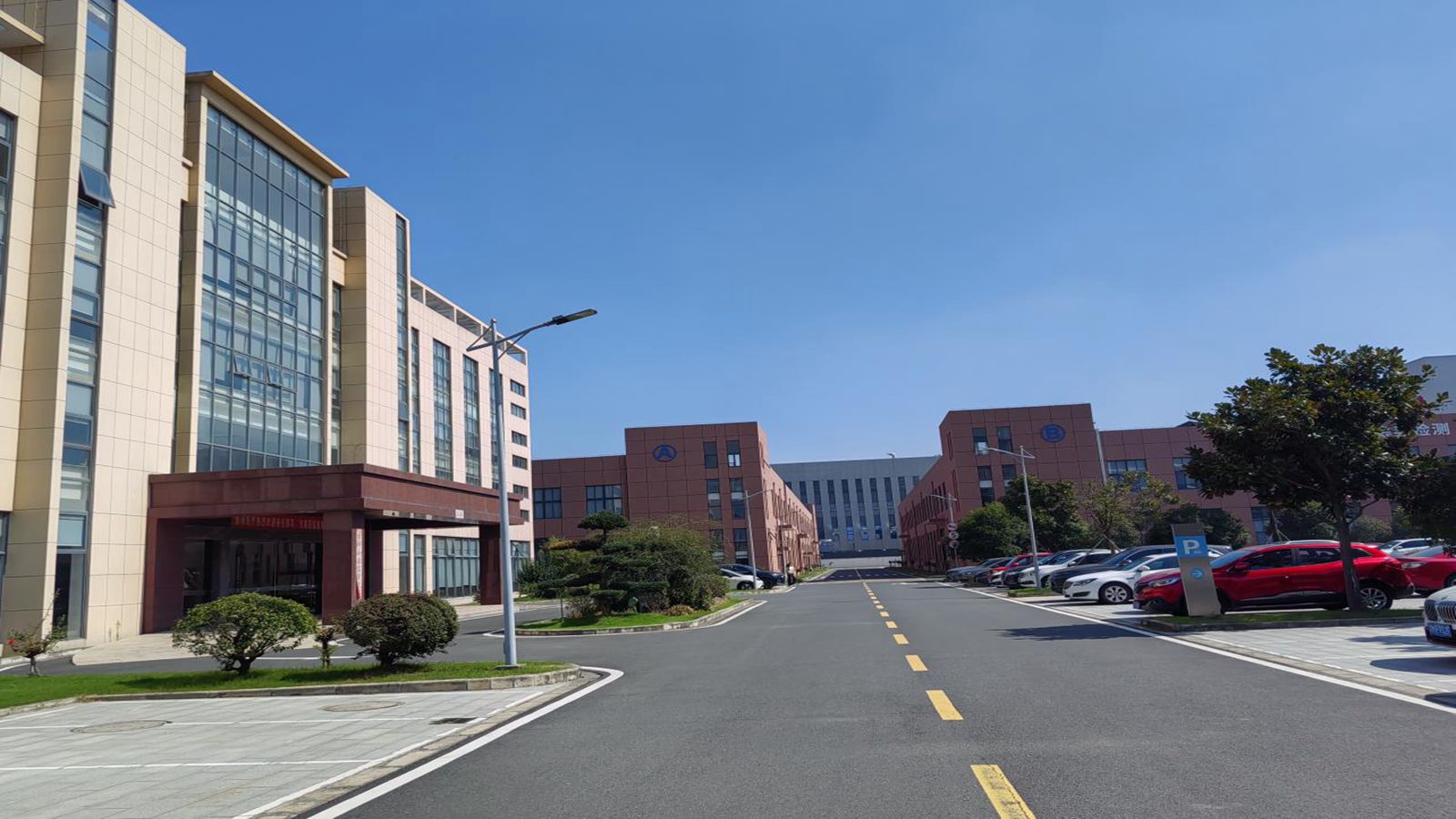
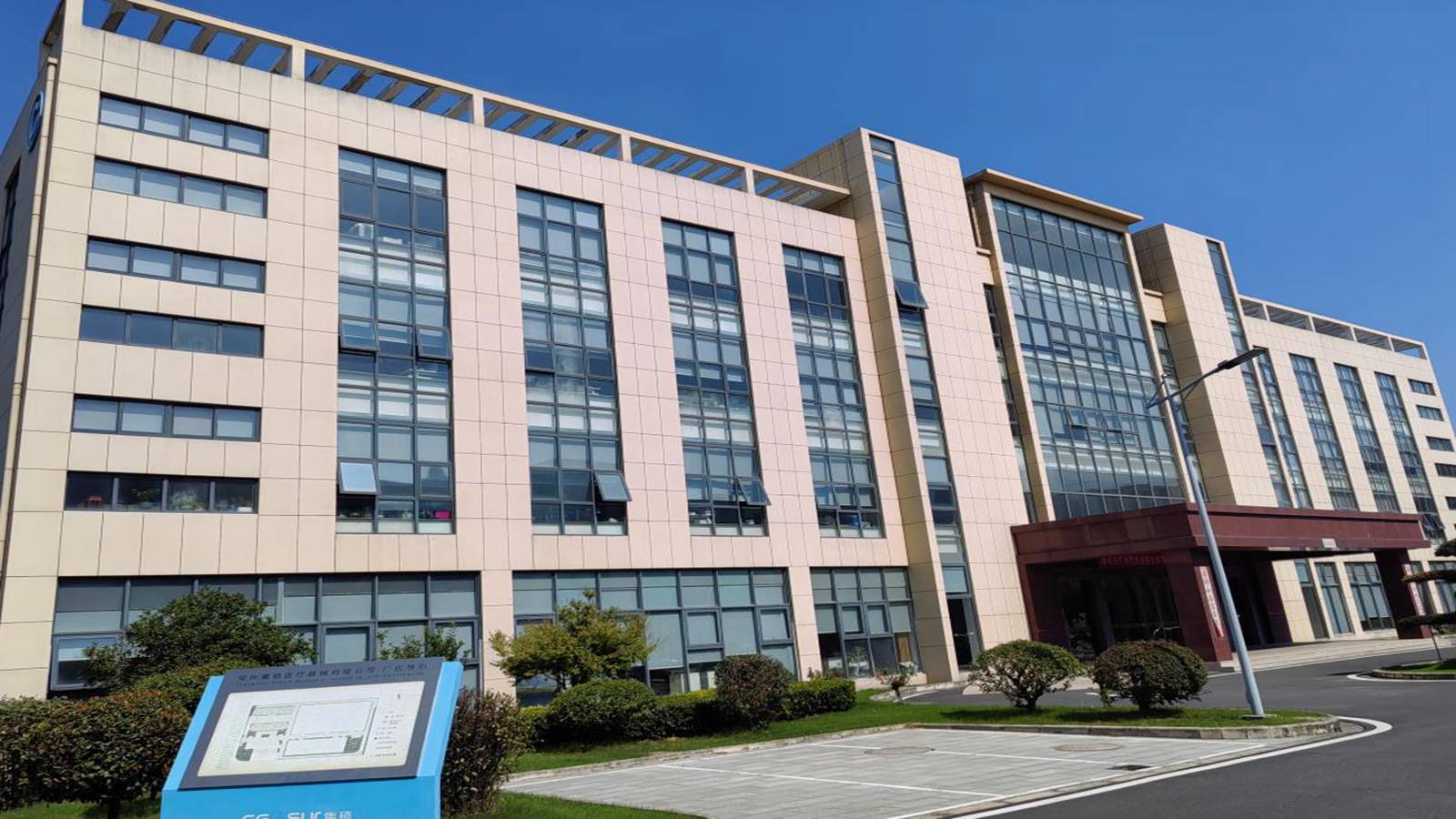
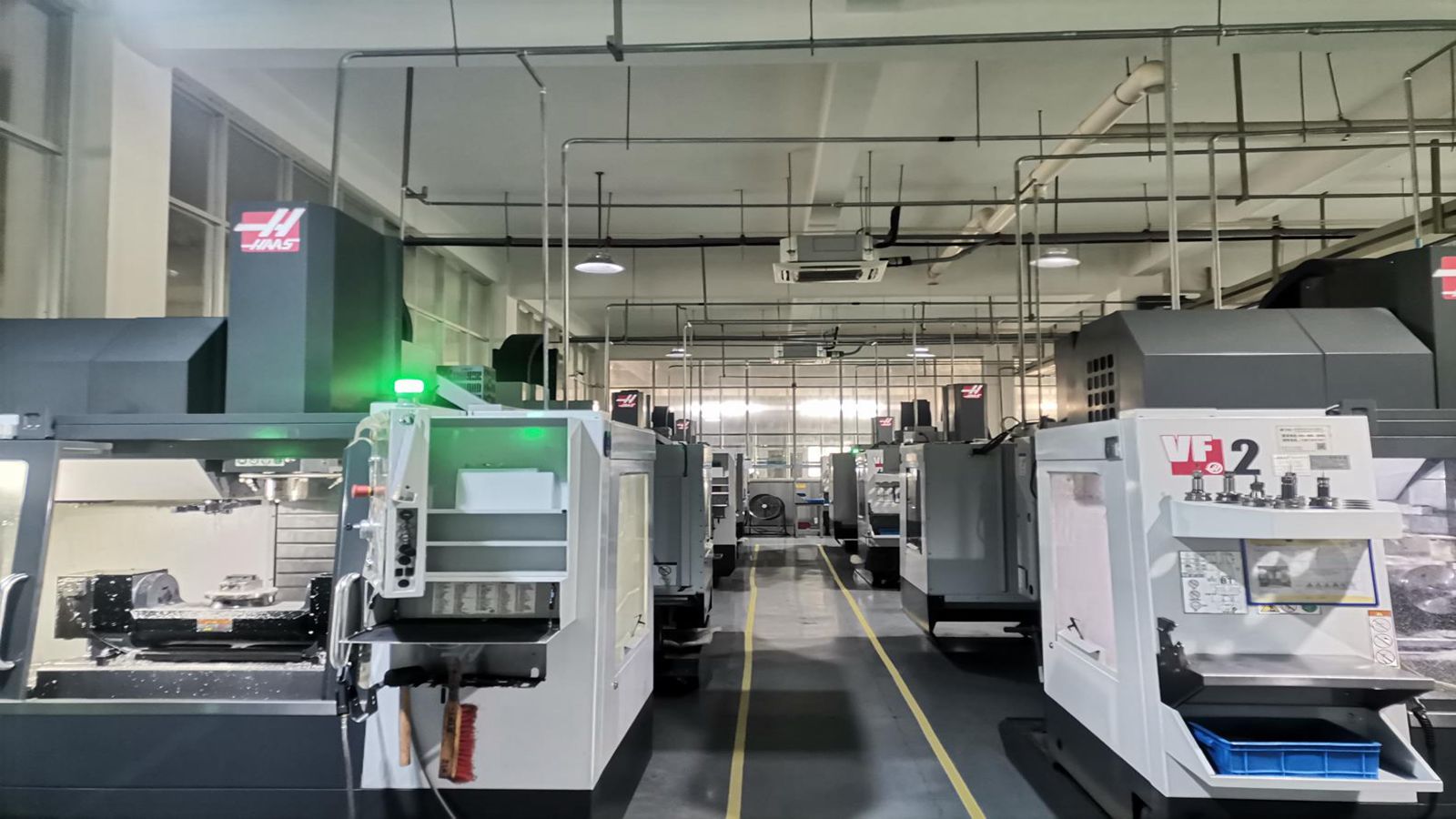
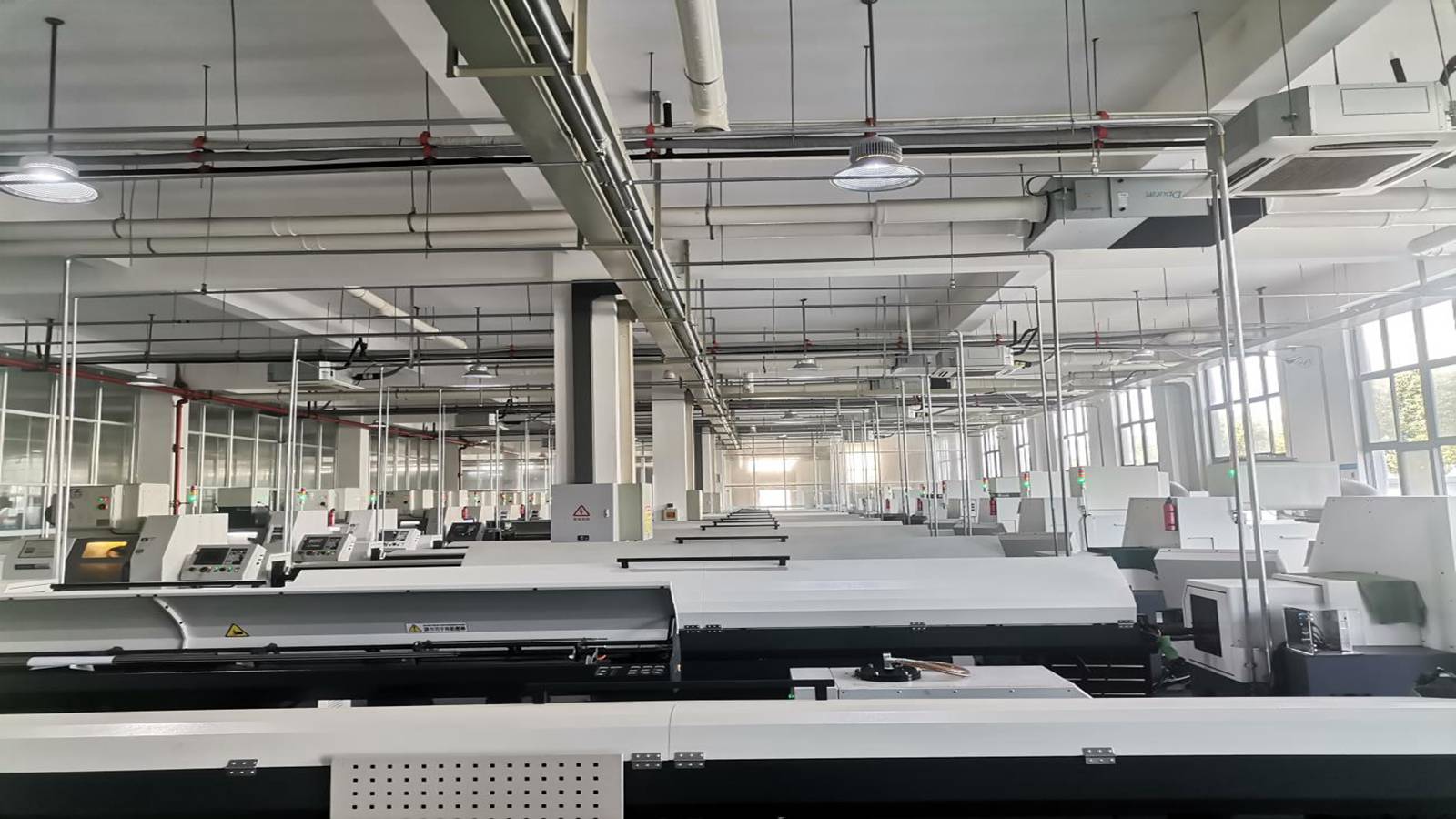
Operating a 30,343 ㎡ modern manufacturing center in China, HBM Medical leverages localized raw material hubs, streamlined logistical workflows, and highly skilled engineering talent. This allows us to offer substantial economic advantages to global orthopedic device brands without compromising mechanical reliability or clinical safety.
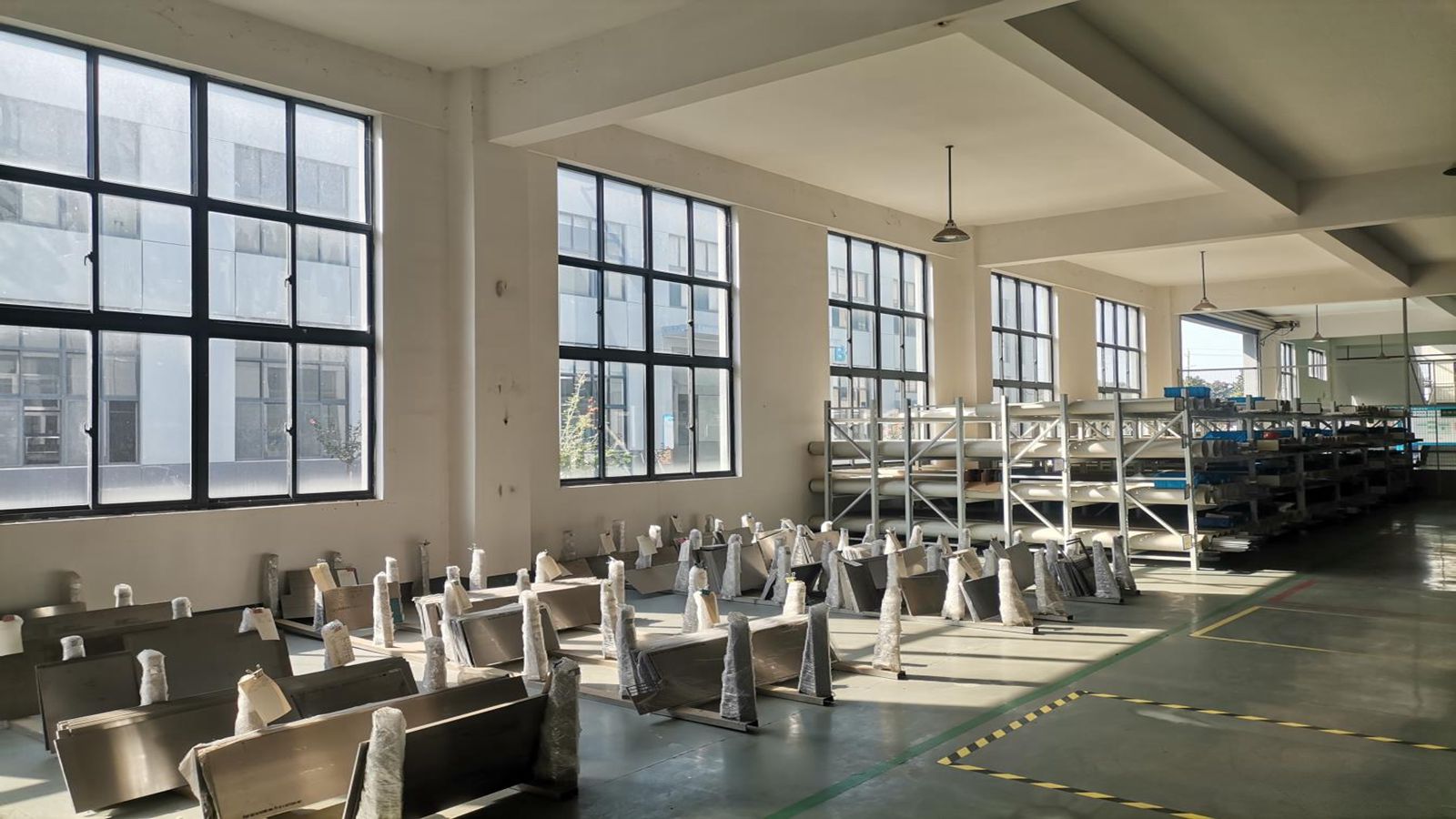
Our facility houses 12 independent production lines configured for high-mix, low-volume (HMLV) specialized orthopedic implants as well as massive, high-volume production runs. Through deep relationships with premium biomedical titanium mills and PEEK suppliers in Asia and Europe, we guarantee material traceability. By performing incoming metallurgical tests (microstructure analysis, tensile strength testing, and carbon-oxygen ratio verification), HBM isolates quality concerns long before manufacturing begins.
| Parameters | Specifications & Capabilities |
|---|---|
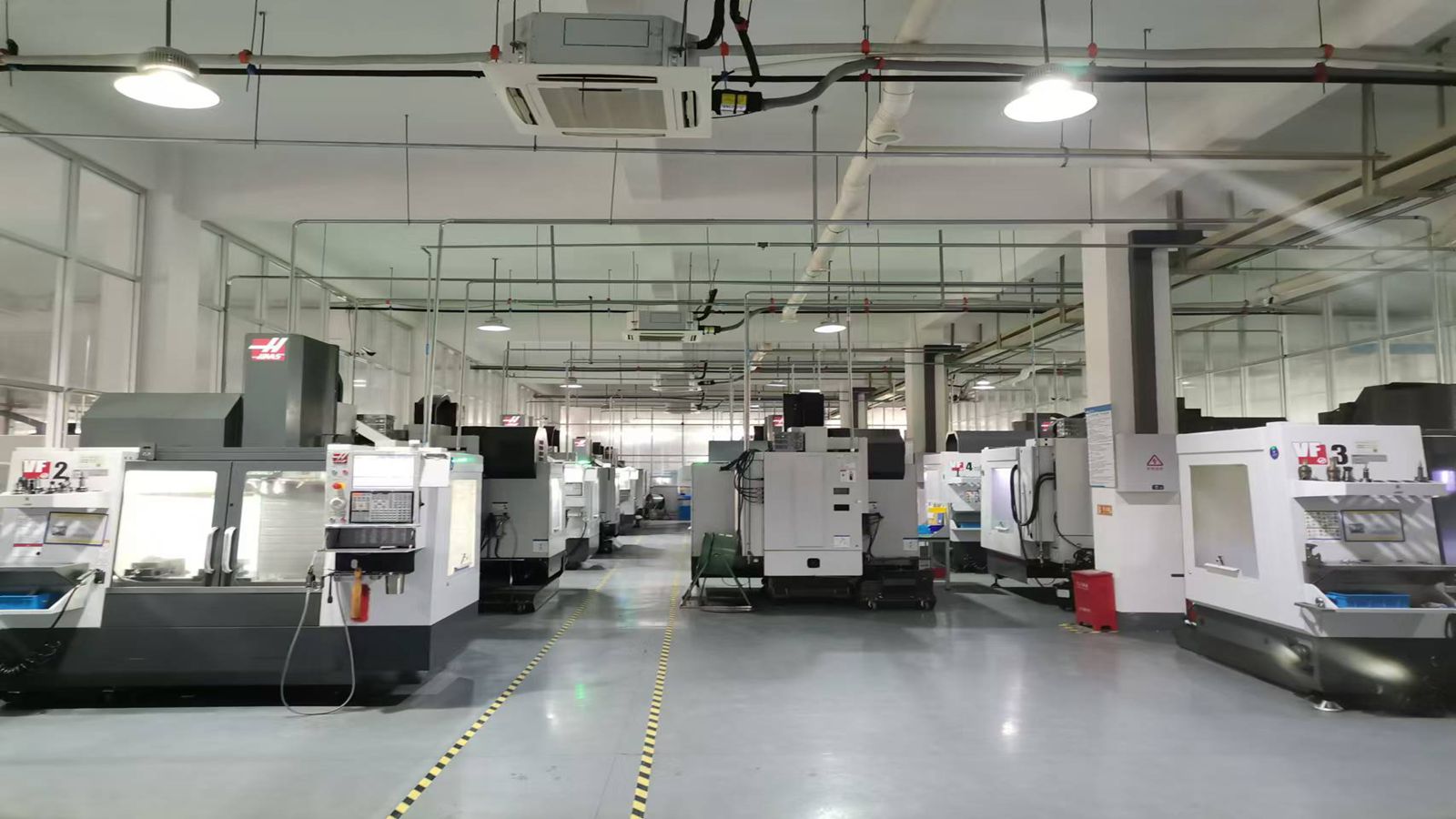
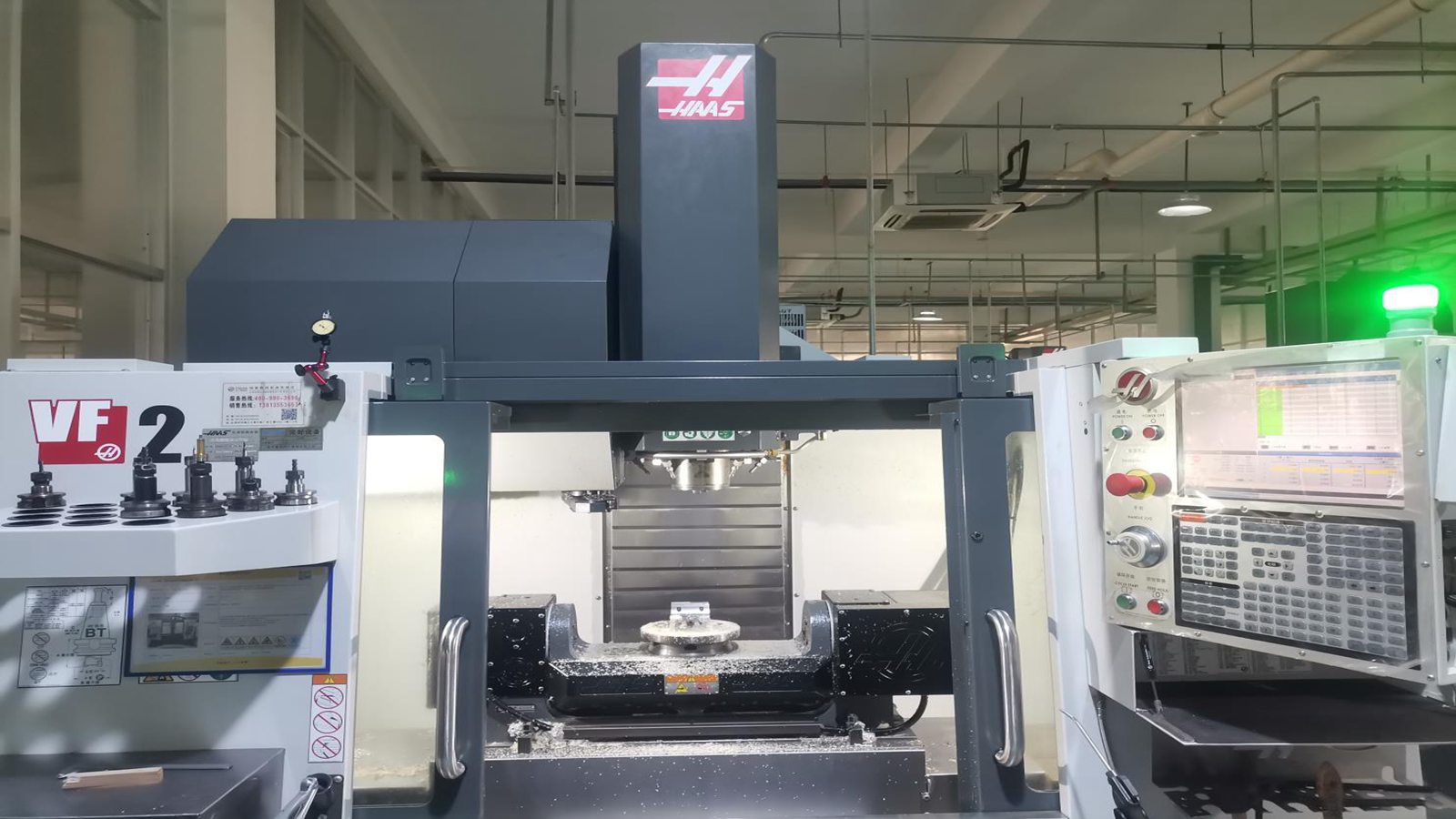
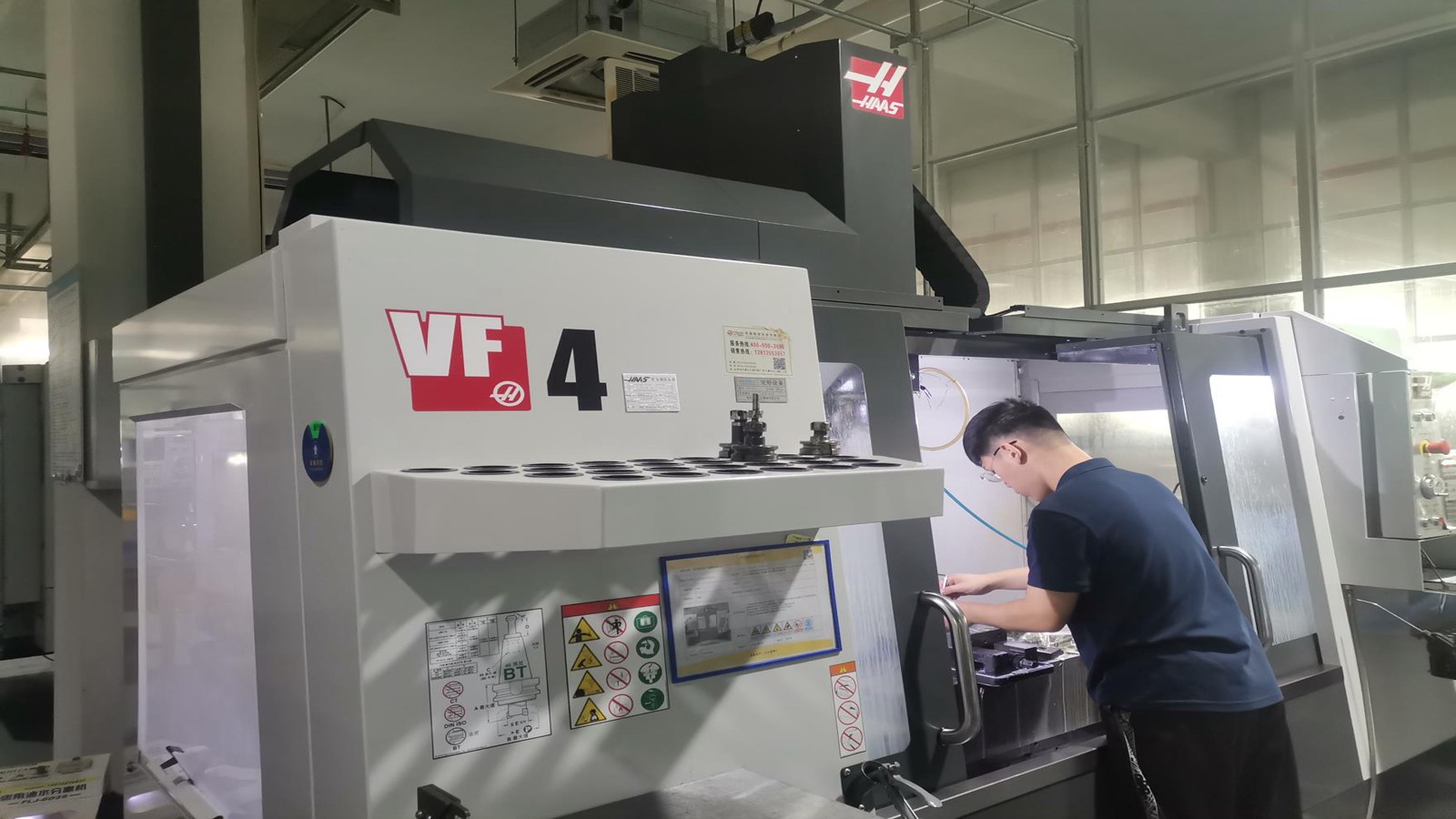
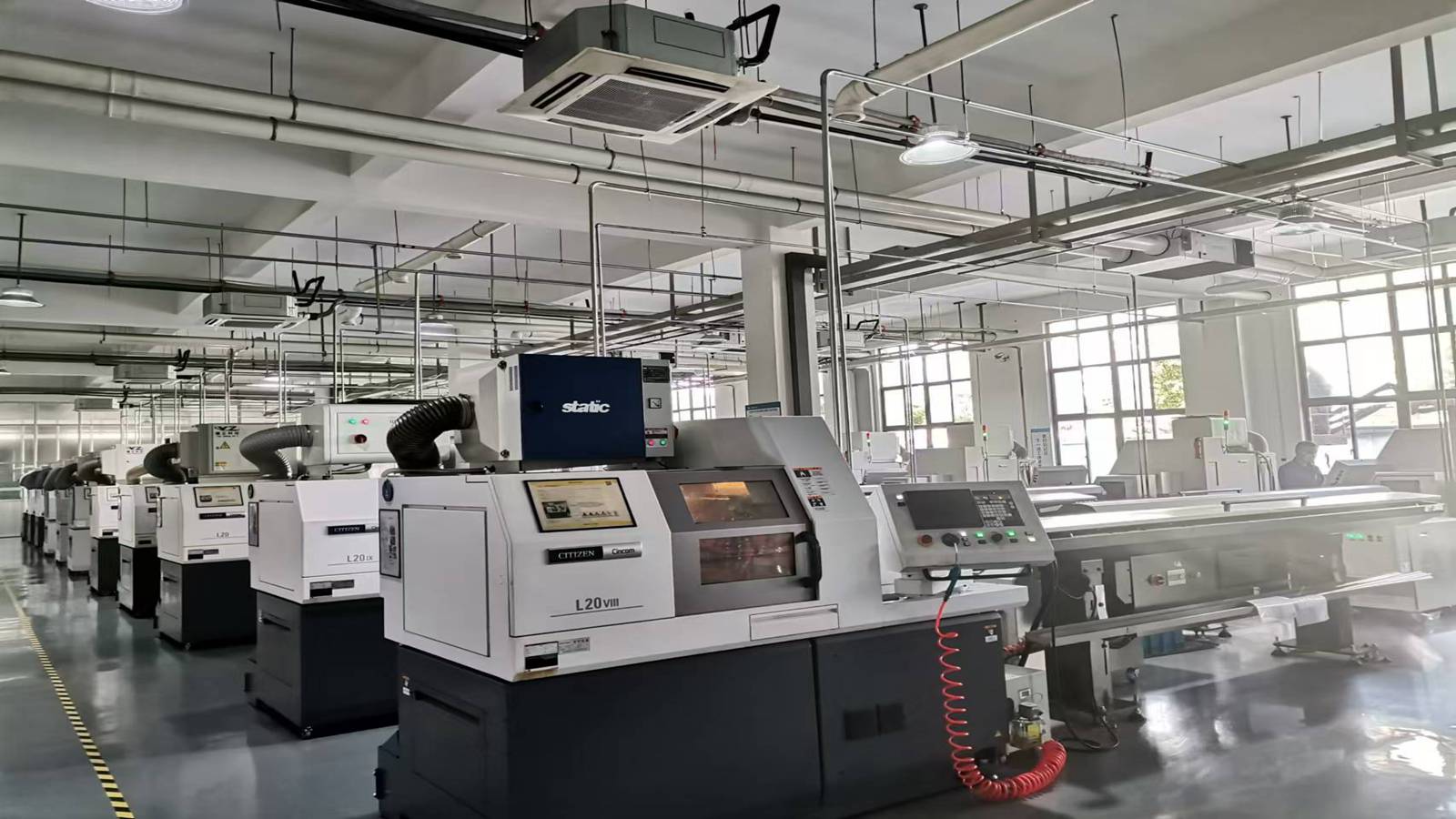
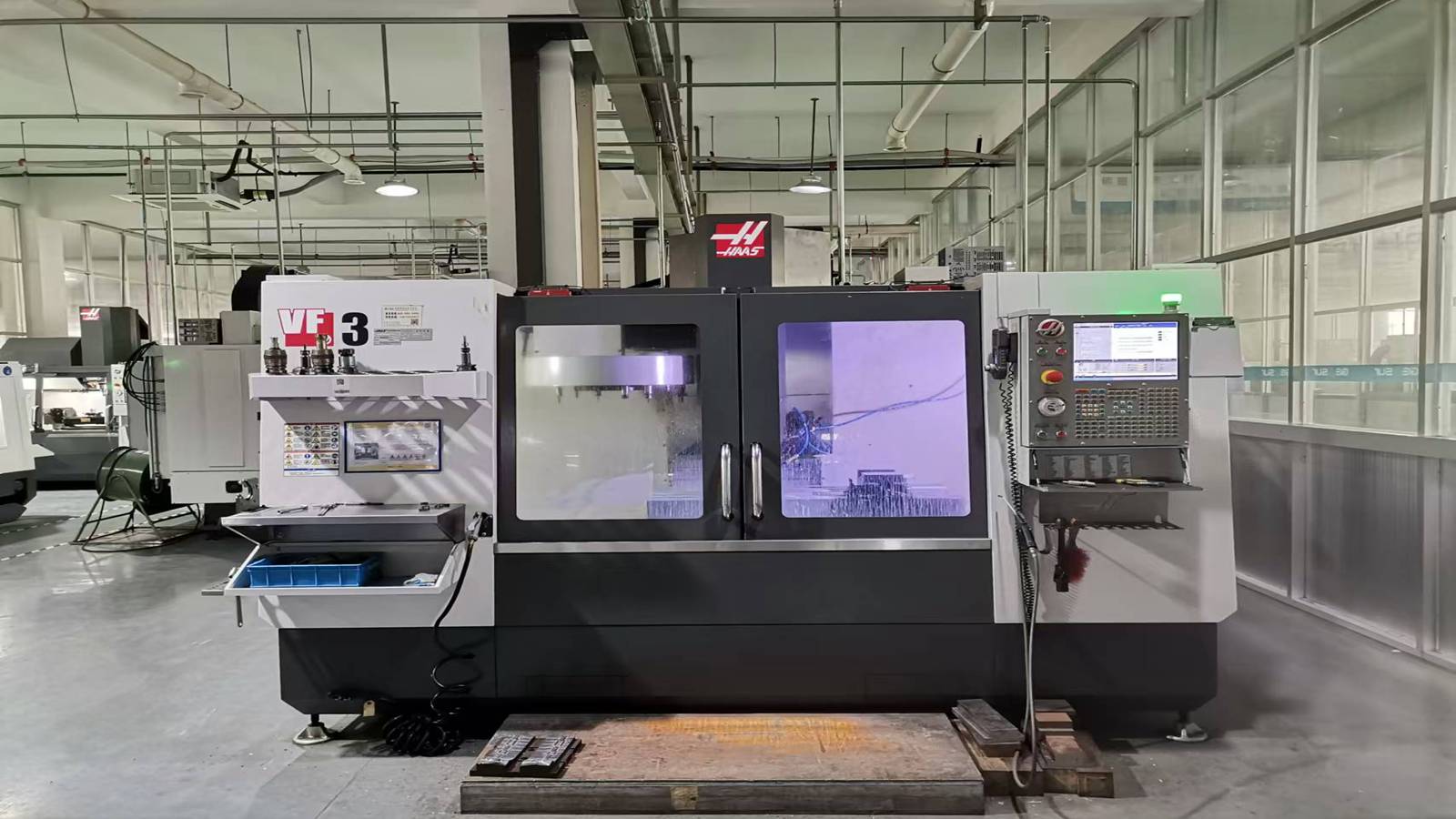
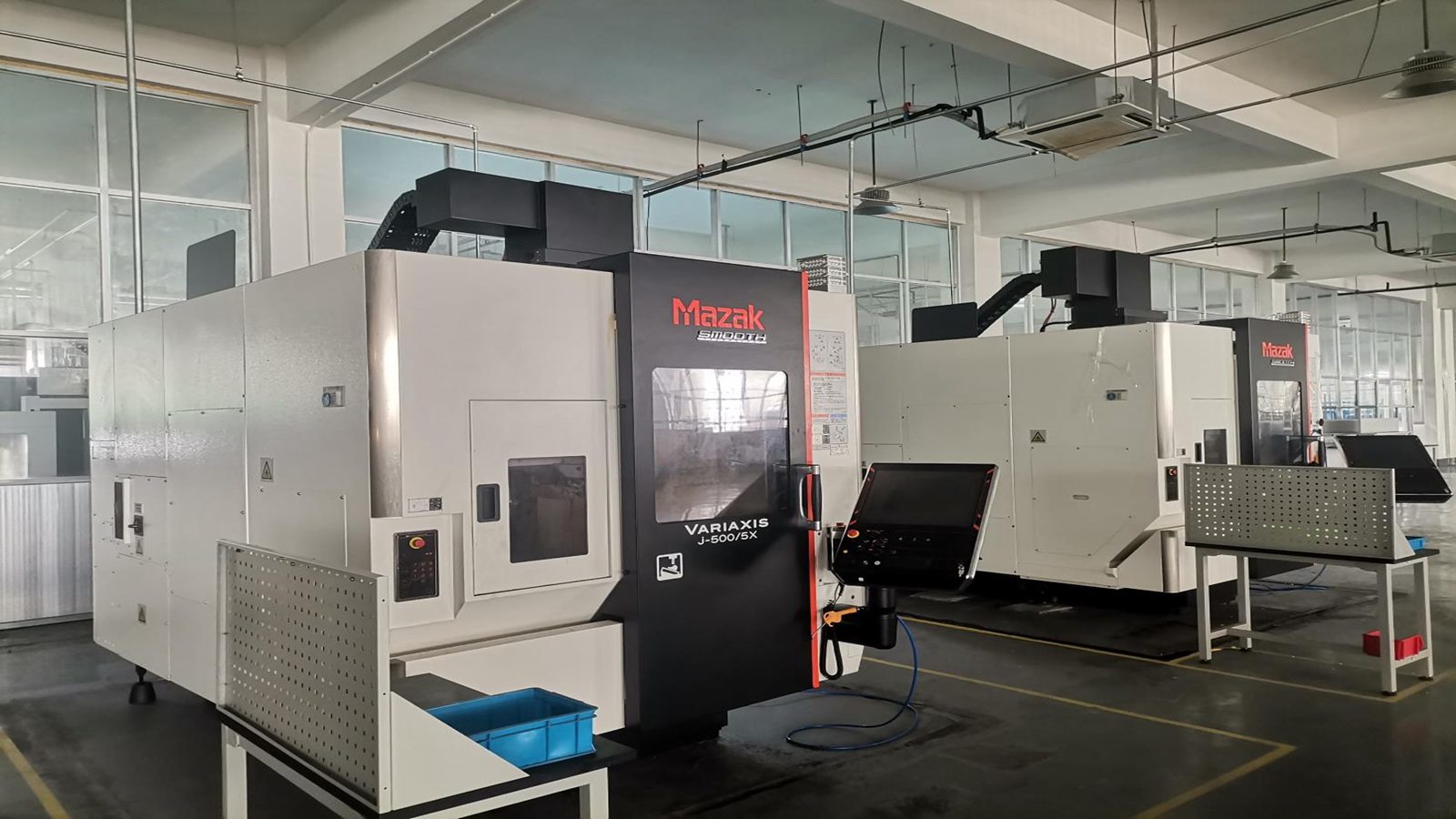
| Machining Equipment | 120+ specialized CNC stations, including 5-axis DMG Mori and Citizen Swiss-type lathes |
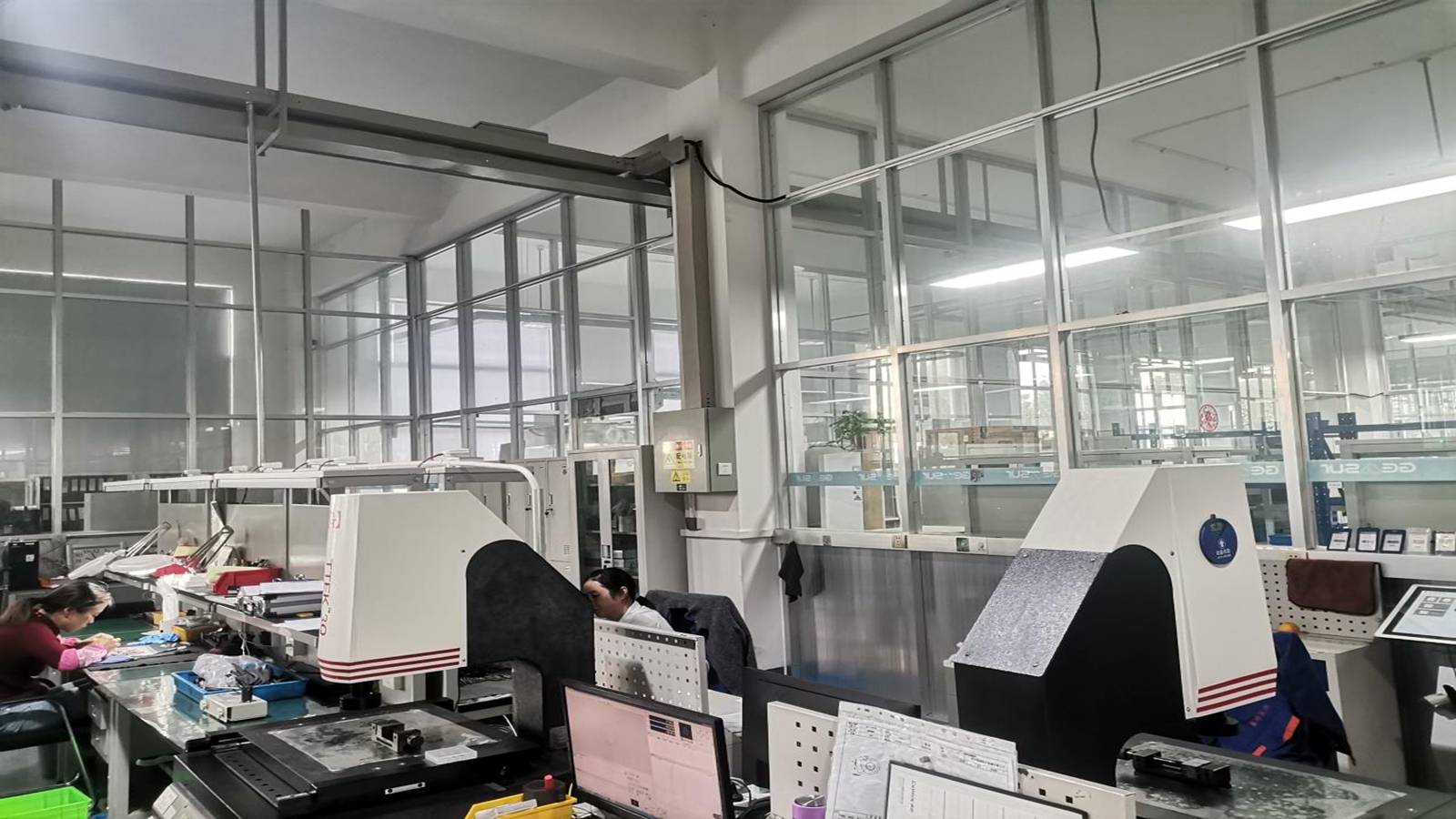
| Metrology & Inspection | Coordinate Measuring Machines (CMM), surface roughness profilometers, optical comparators |
| Annual R&D Output | 25+ new orthopedic and surgical instrumentation systems introduced last fiscal year |
| R&D Staff Profile | 31 permanent engineers (1 Doctorate, 11 Post-Graduates, 17 Graduates) |
Orthopedic requirements differ between human osteosynthesis, joint arthroplasty, and veterinary surgical application fields. HBM Medical builds tailored products to support these target markets:
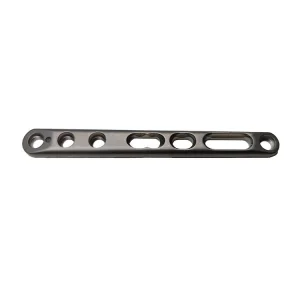
From complex pelvic fractures to distal radius stabilization, human anatomy requires anatomically contoured plating systems that minimize soft-tissue irritation. Our titanium locking plates are manufactured with ultra-low profiles, locking screw holes, and polished margins to avoid tendon impingement. The implant surface is treated with type II anodization, which improves fatigue behavior and limits osseous adhesion, simplifying plate extraction if needed.
The veterinary market has seen significant growth in recent years. We manufacture customized Tibial Plateau Leveling Osteotomy (TPLO) plates, specialized canine cruciate repair systems, and dedicated micro-fixation instrumentation. These implants are engineered to withstand the rapid, high-impact loading cycles typical of active animal recovery.
For medical devices, quality management is not just a standard; it is a regulatory requirement. HBM Medical operates an integrated quality assurance framework that complies with major international regulatory authorities, facilitating export pathways to Europe, North America, and Southeast Asia.
The field of joint reconstruction is shifting toward personalized medicine, smart implants, and additive manufacturing. HBM Medical is continually investing in our production capabilities to support these changes:
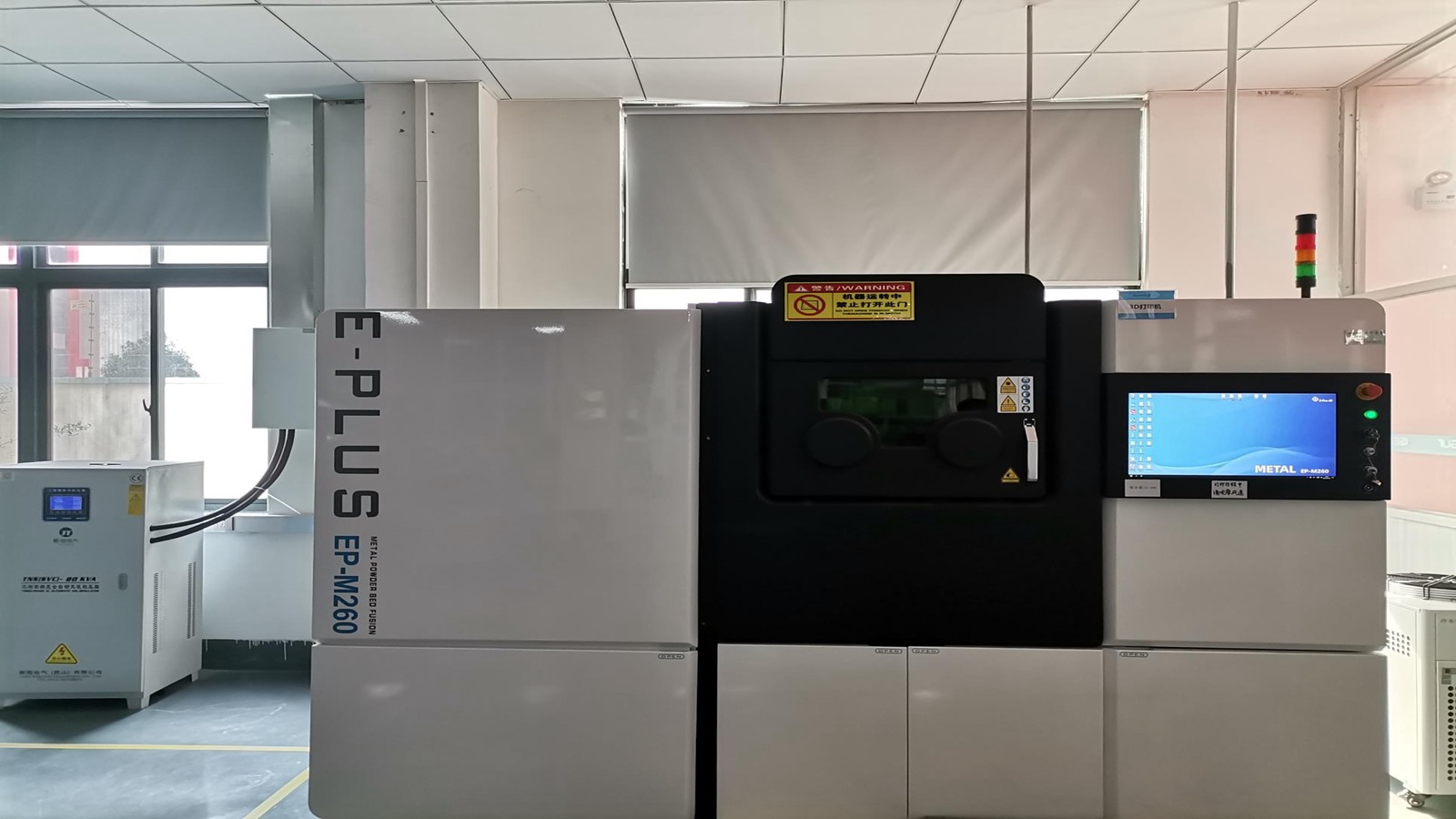
We are integrating selective laser melting (SLM) titanium fabrication systems into our workflow. This allows us to produce highly porous, lattice-like structures that mimic natural trabecular bone, encouraging rapid bone ingrowth and improving the long-term fixation of non-cemented joint implants.
As robotic-assisted arthroplasty gains market share, the demand for high-precision end-effectors, optical registration arrays, and specialized calibration devices has risen. Our R&D division works with robotic system integrators to manufacture custom instrument modules with tight mechanical tolerances.
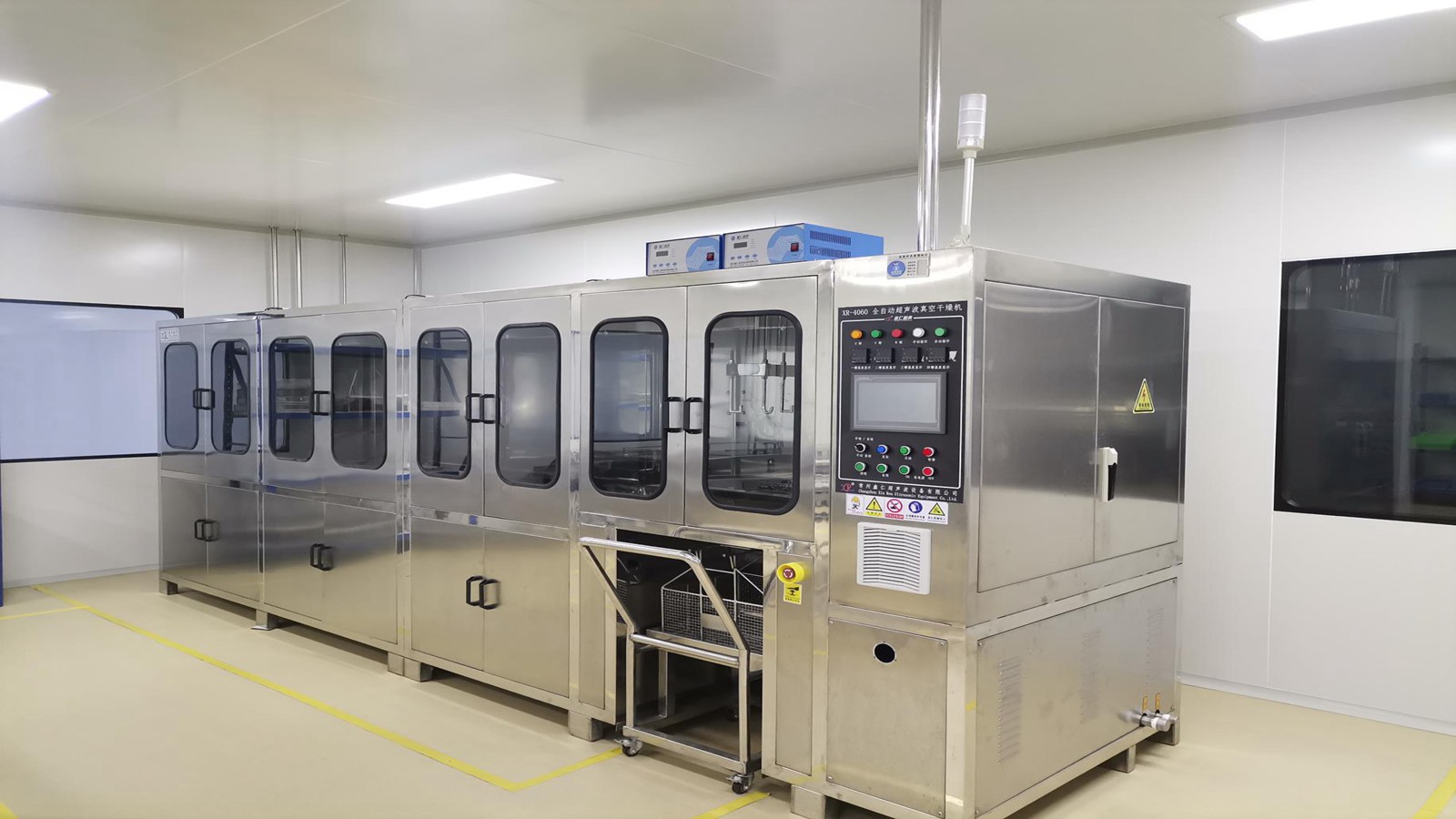
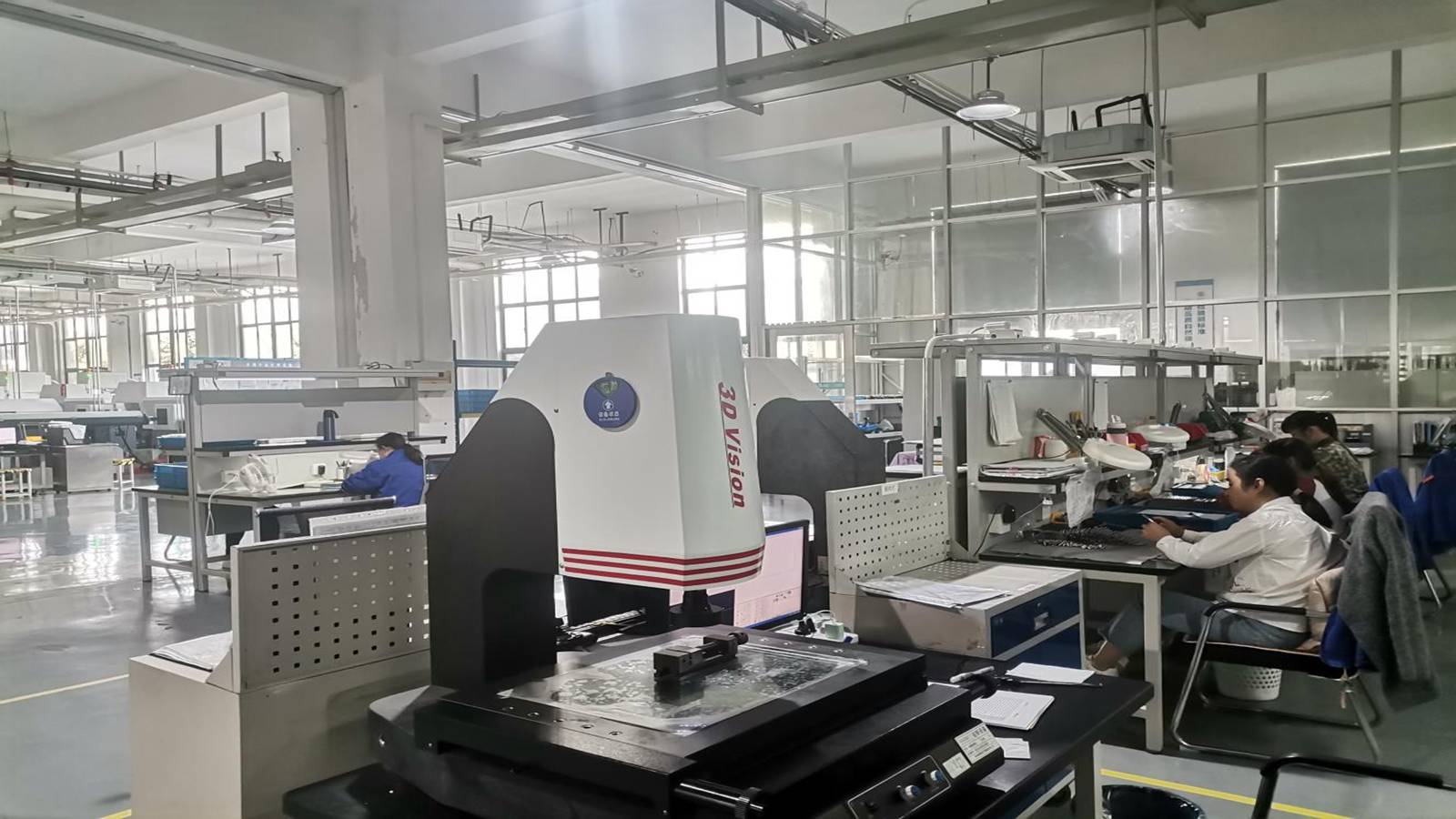
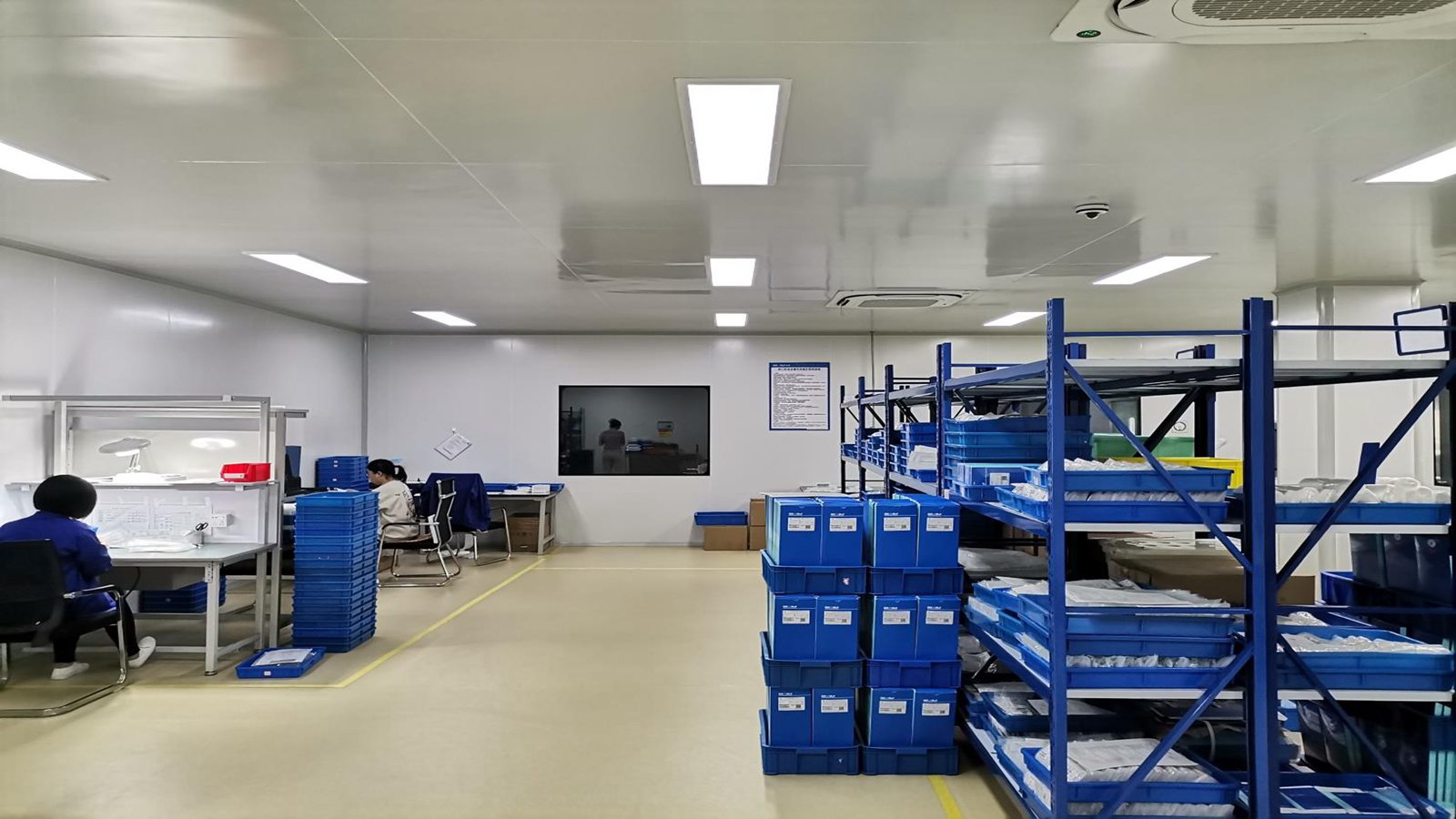
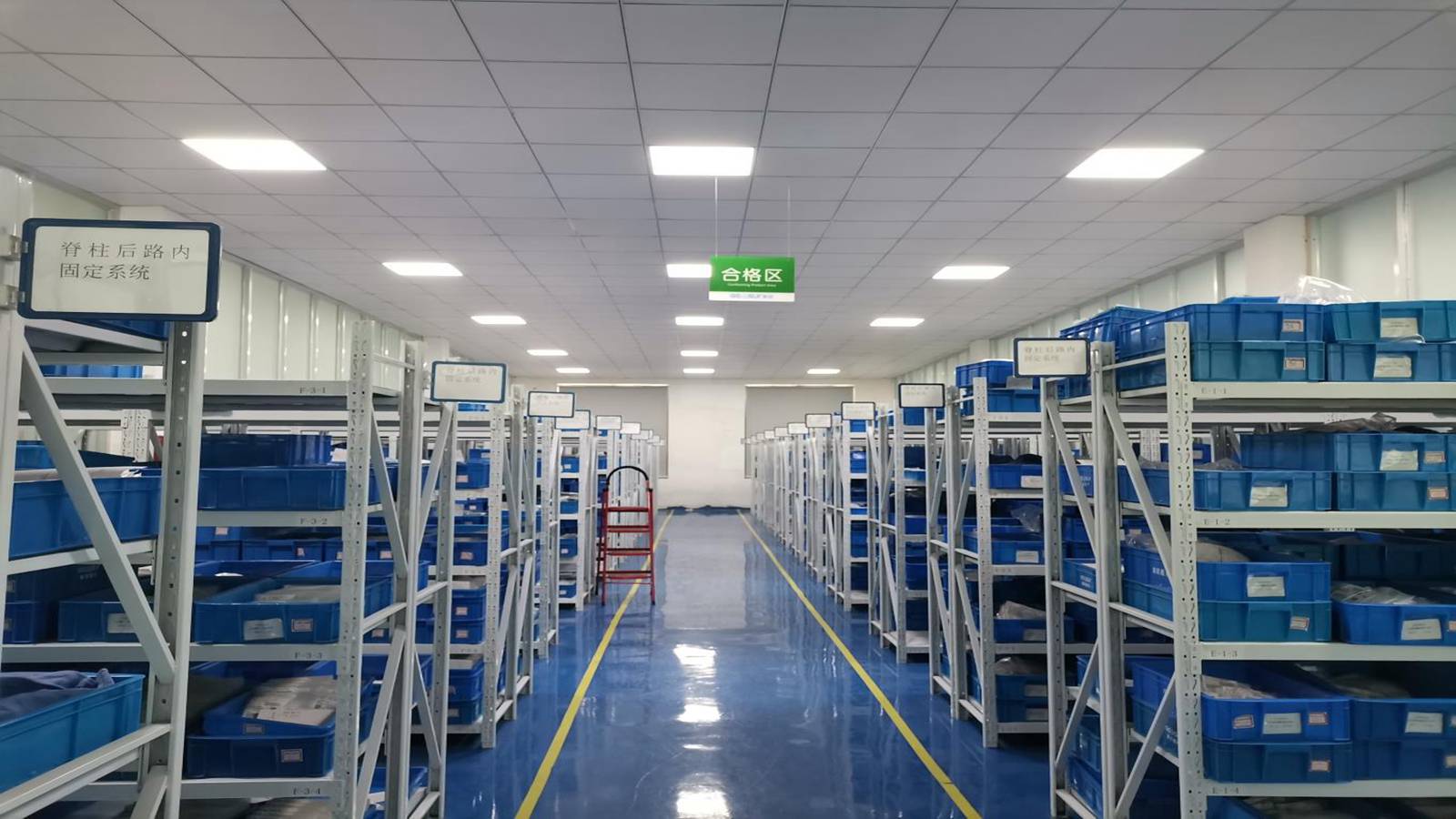
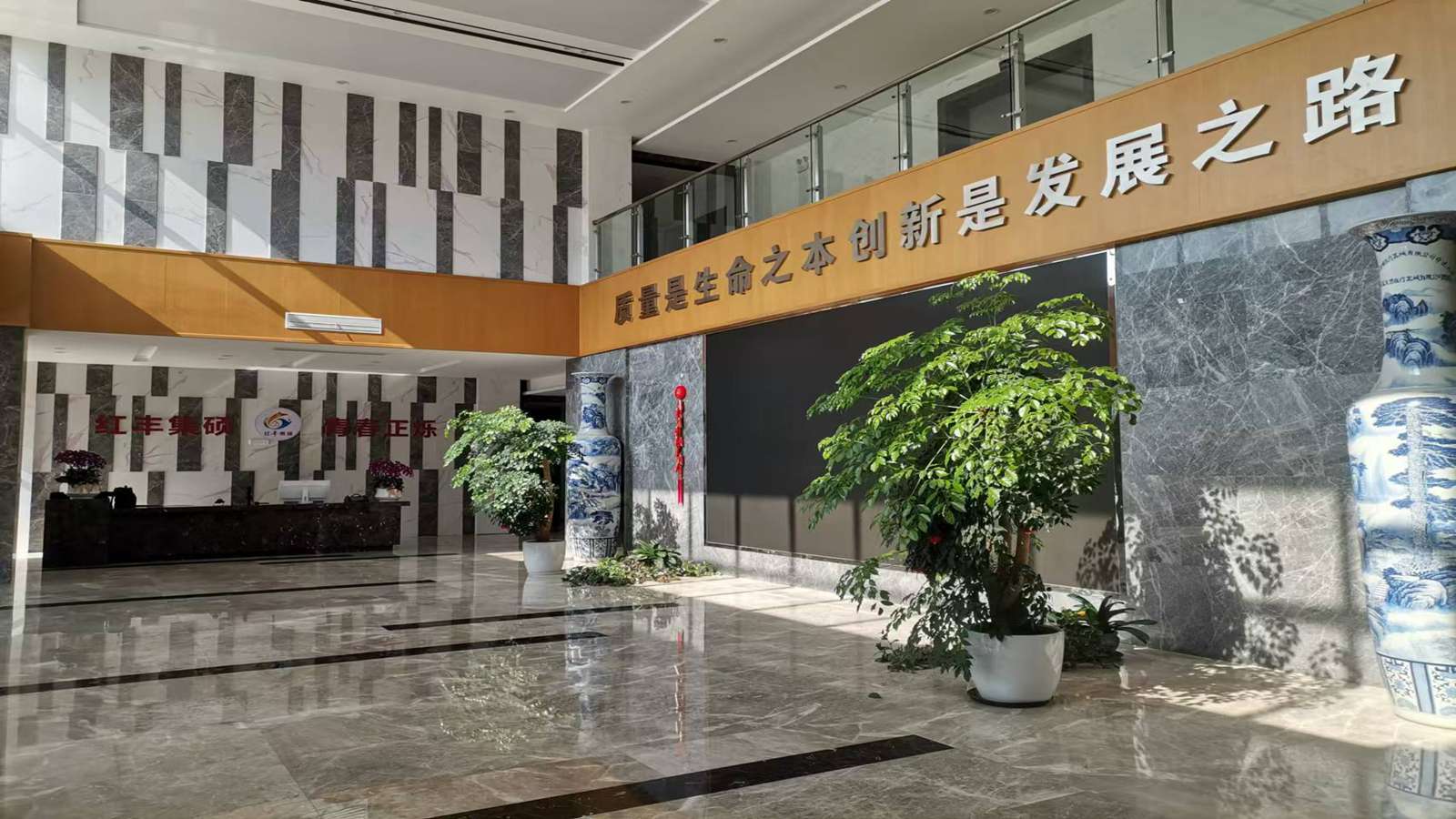
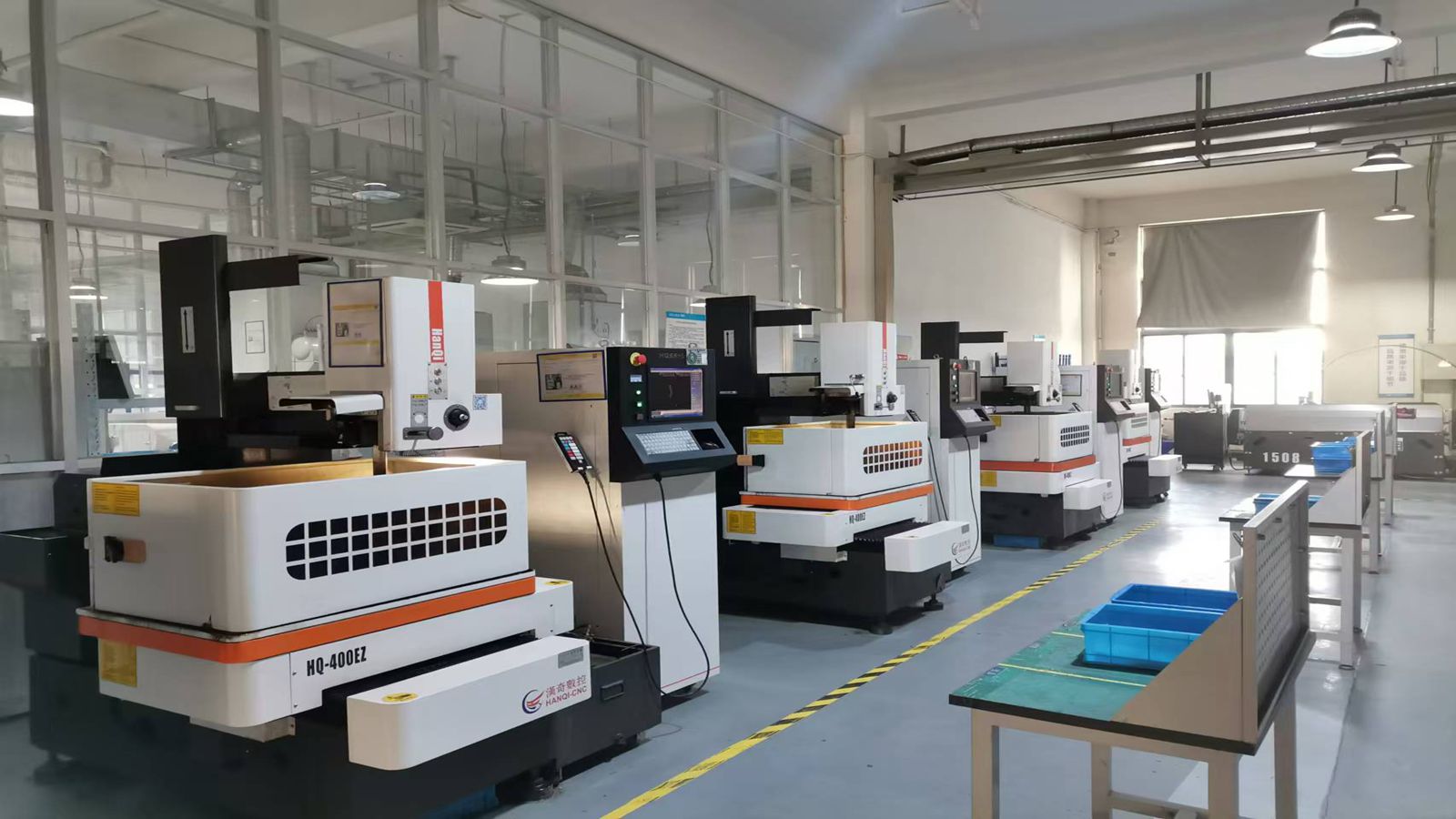
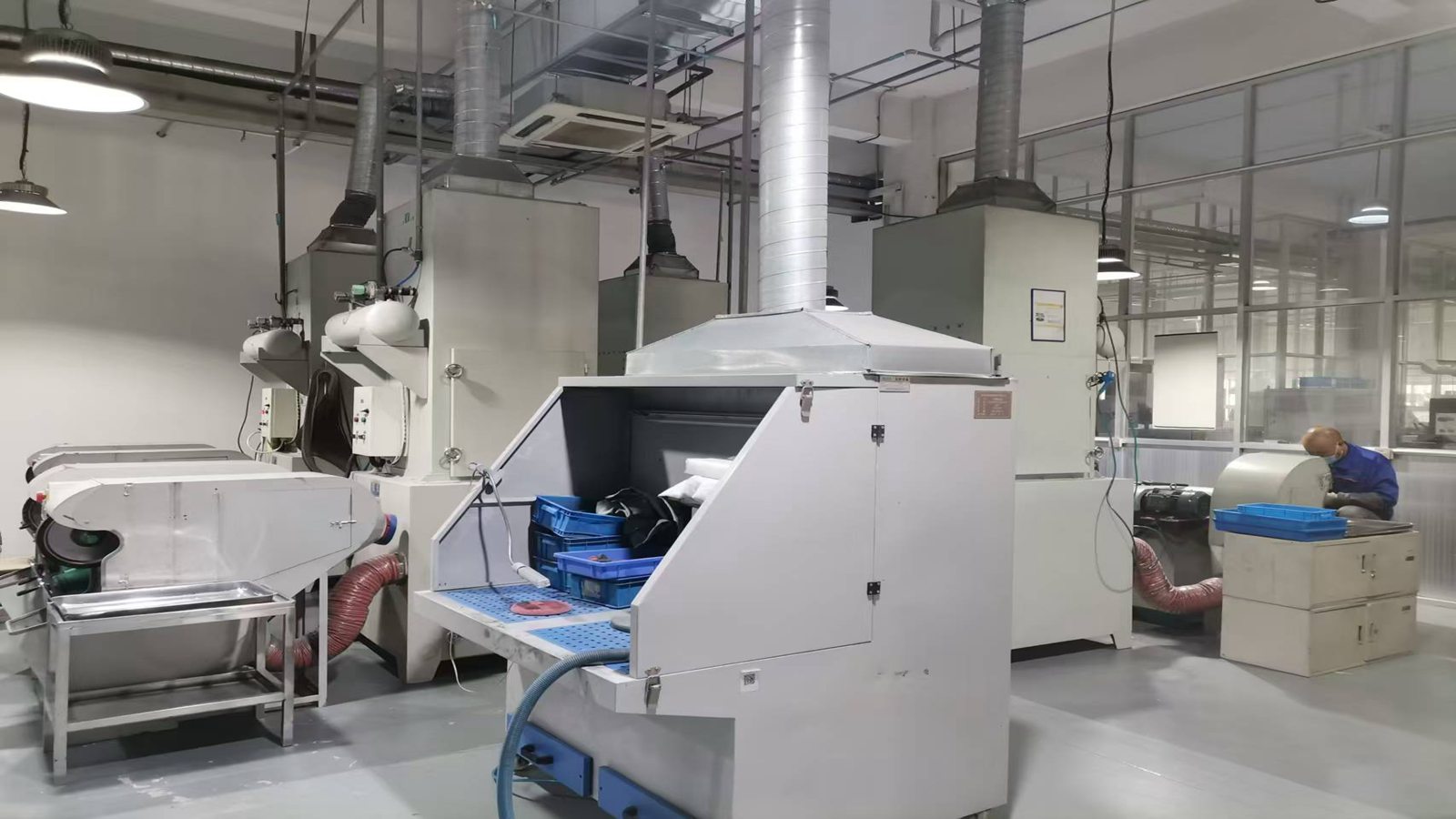
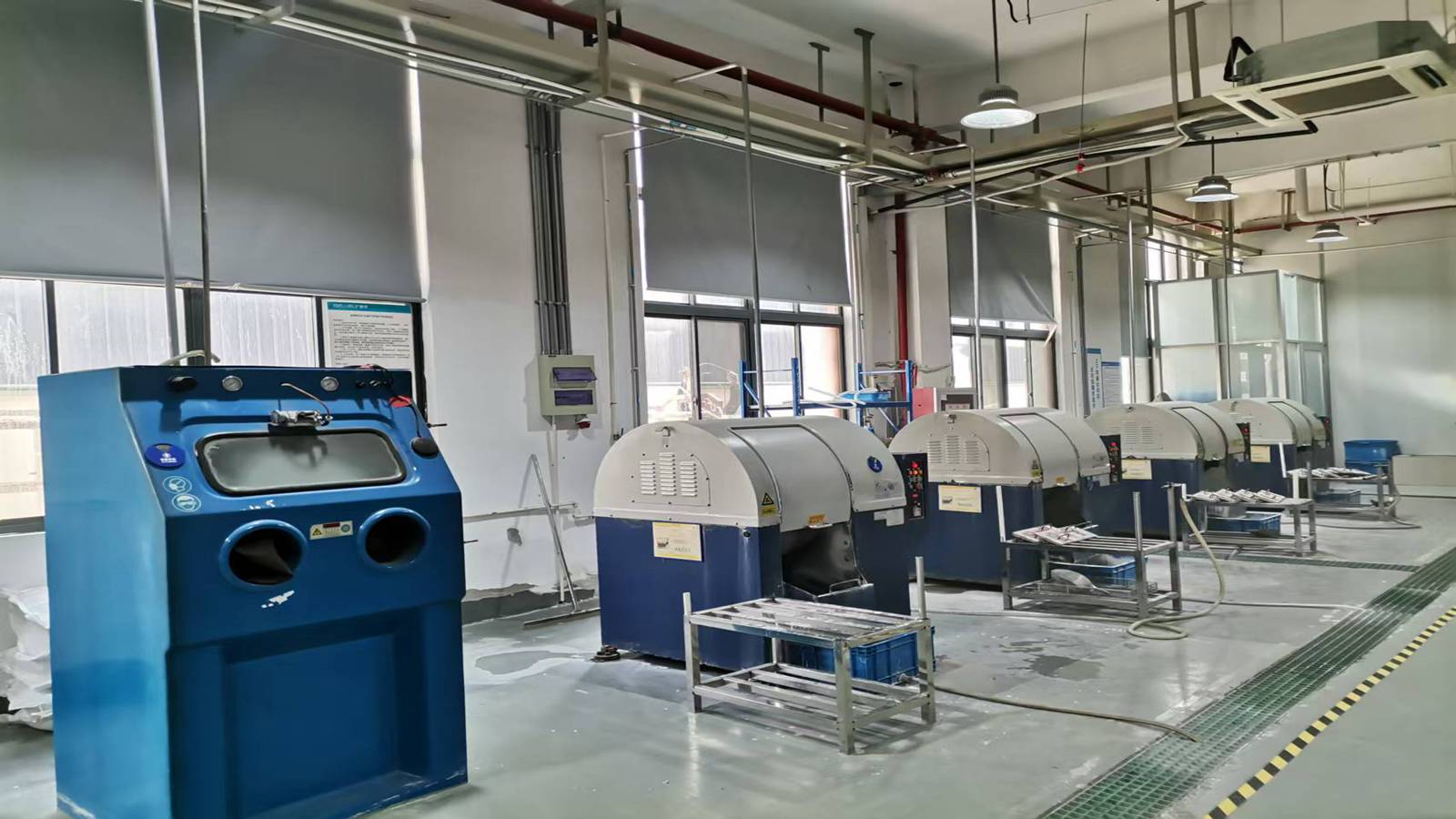
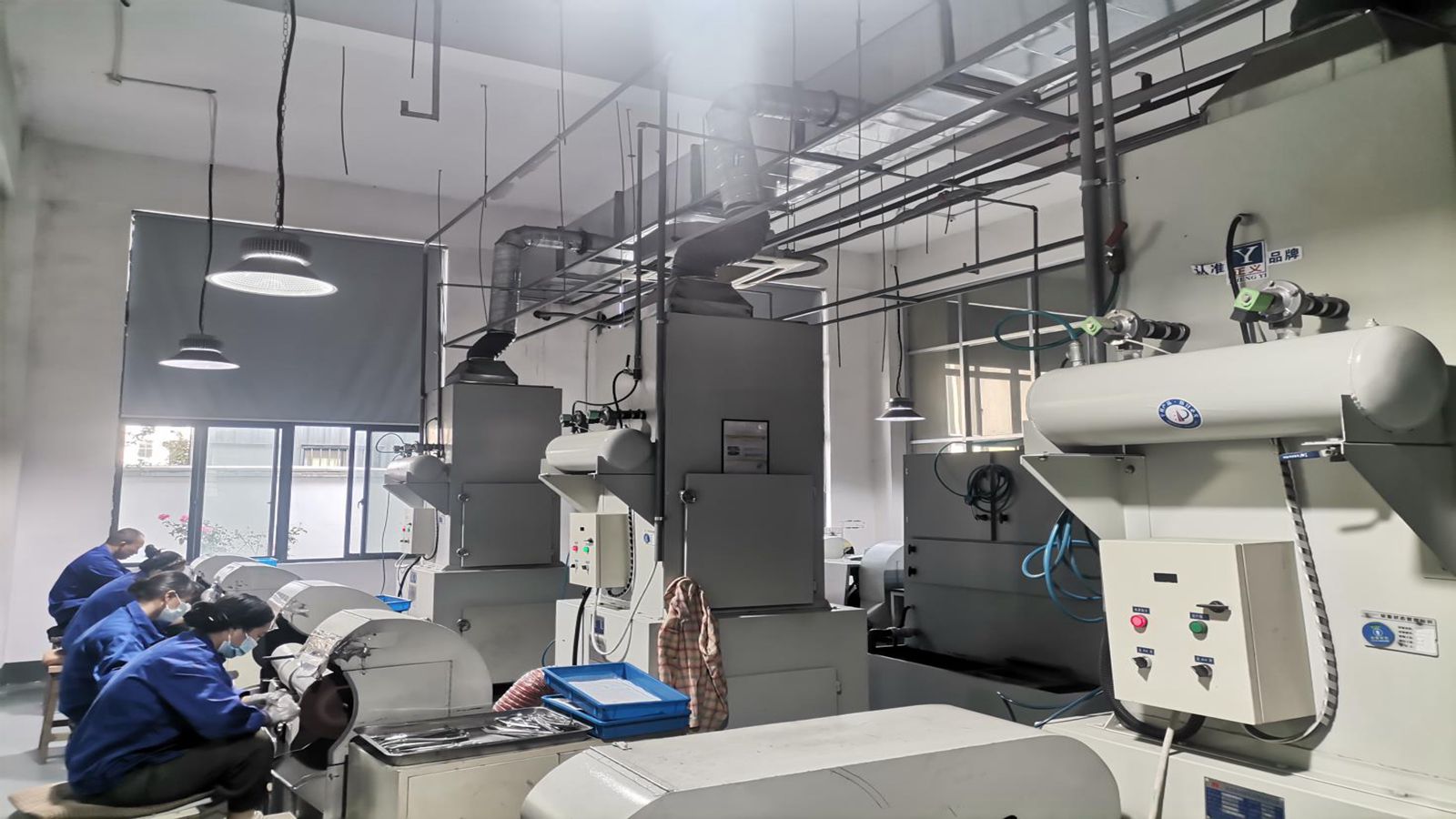
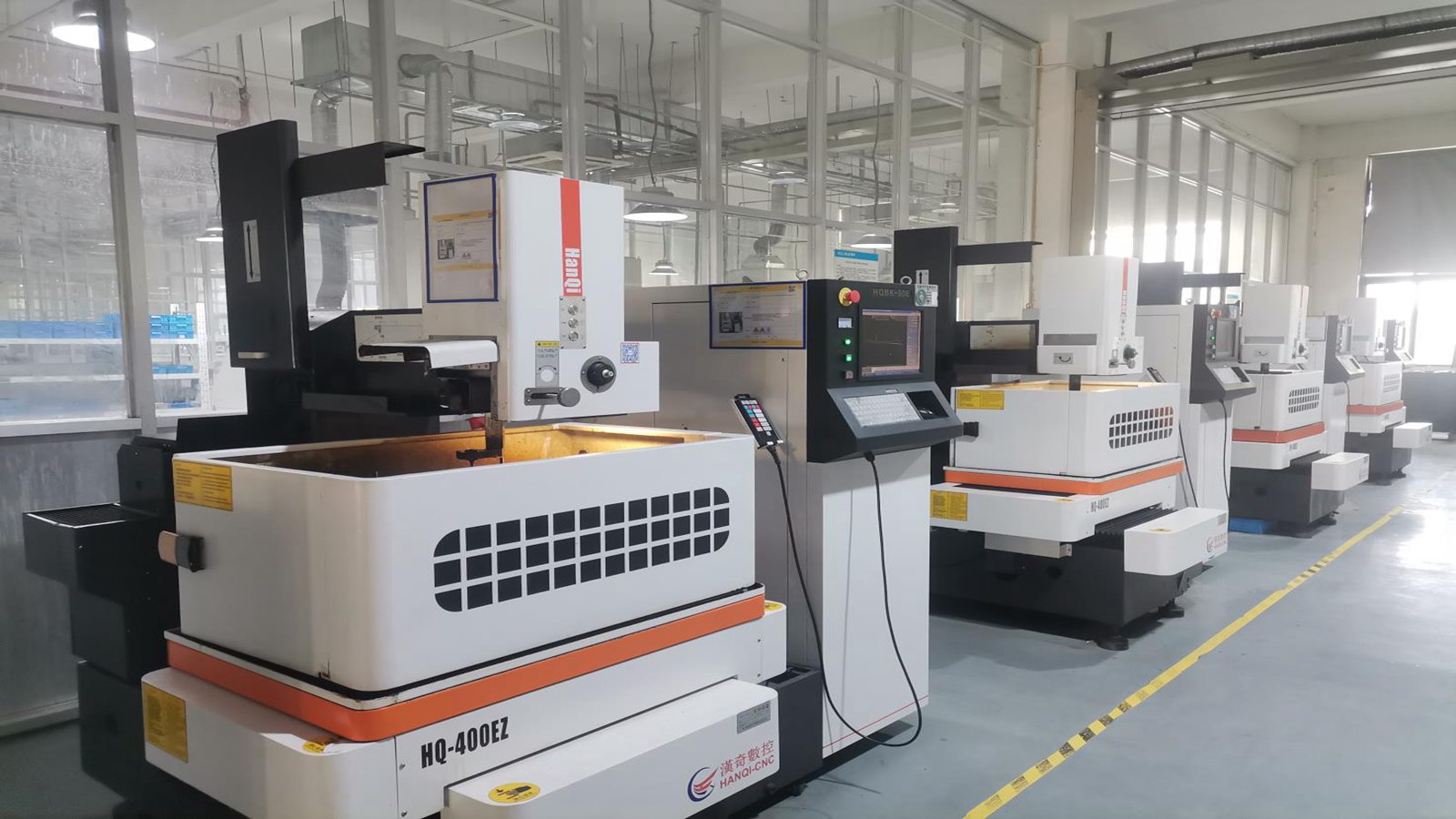
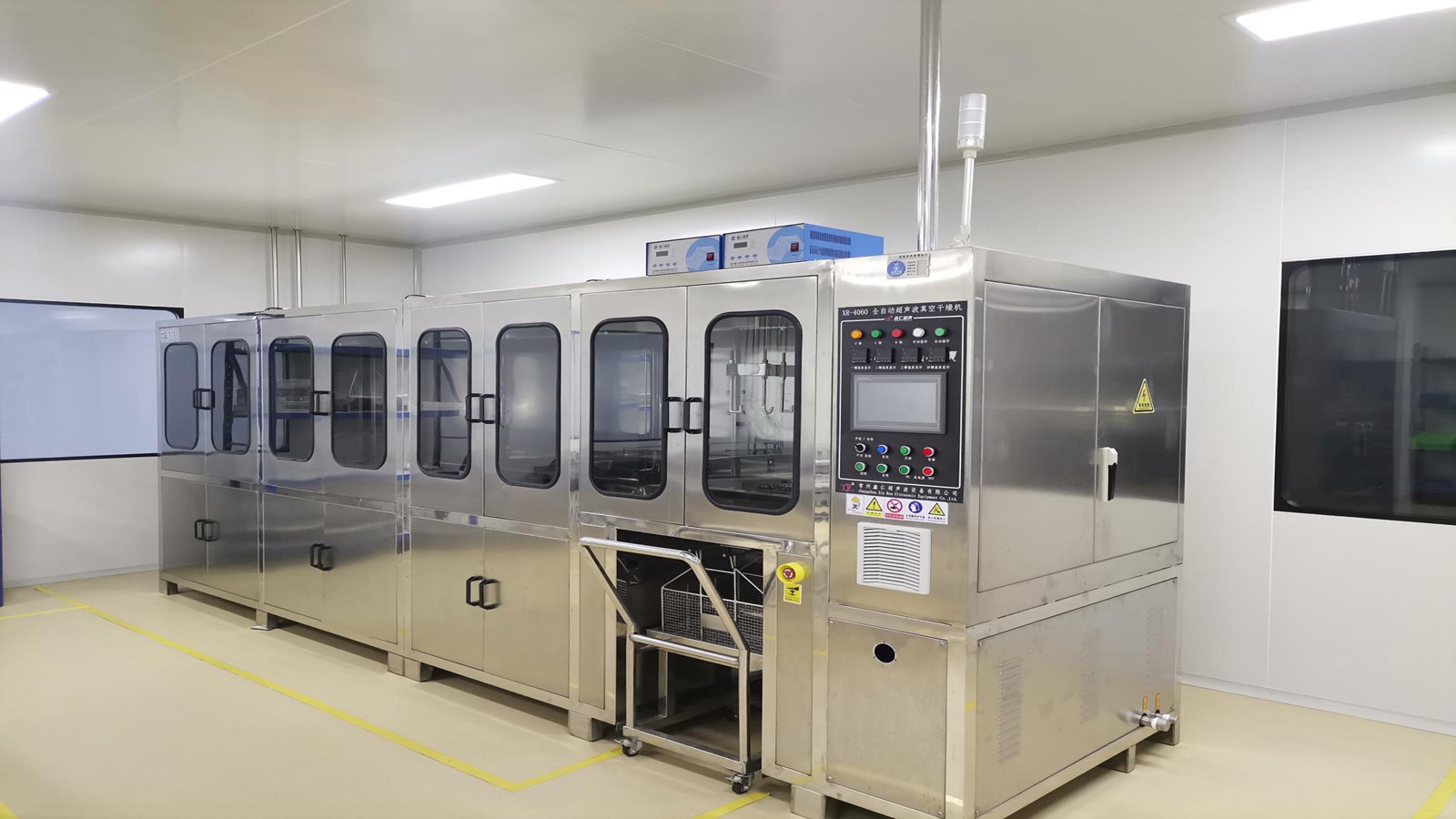
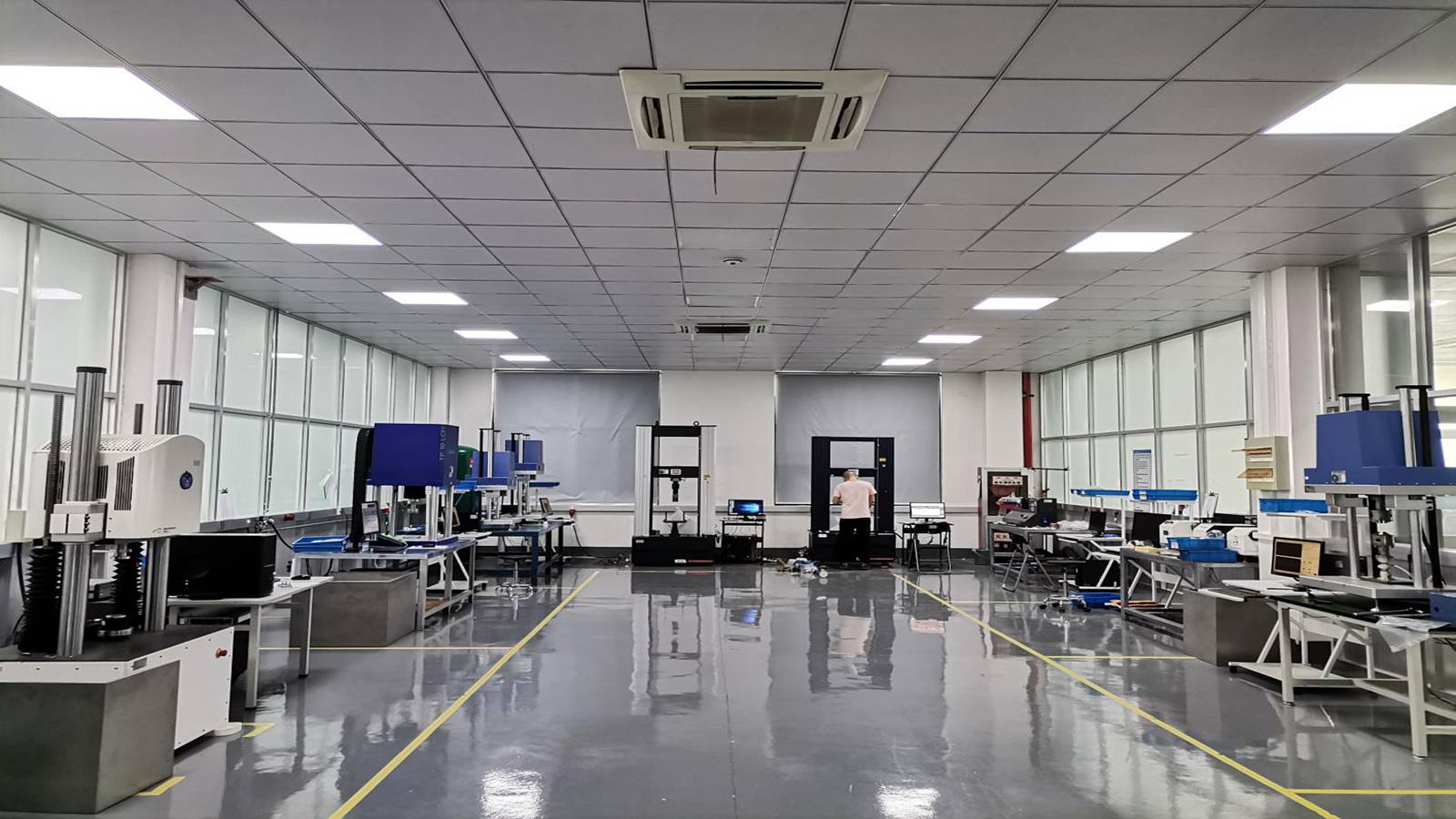
Our production facilities utilize modern technology and clean environment protocols to ensure every implant is manufactured to high standards. These images show the scale of our production floors and testing setups in China.
Our implant systems are designed to provide rigid fixation and promote stable healing. Made from biocompatible titanium alloy and medical-grade stainless steel, these components support clinical applications from spinal fusion to complex fracture fixations.
 HBM Medical