Precision-engineered surgical solutions manufactured under strict international quality standards.
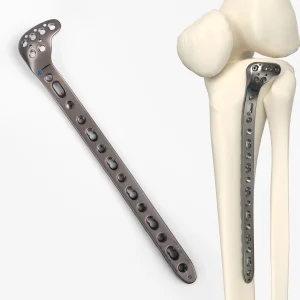
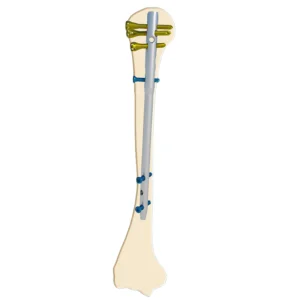
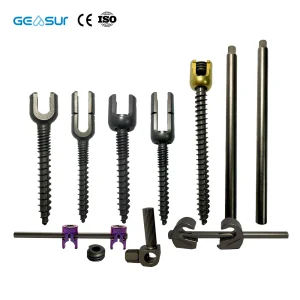
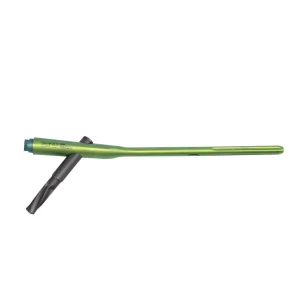
Tibial shaft fractures represent one of the most common long-bone injuries encountered by orthopedic trauma surgeons worldwide. The management of these fractures has evolved significantly, transitioning from conservative casting methods to highly advanced internal fixation techniques. Among these, Tibial Intramedullary (IM) Nailing has firmly established itself as the gold standard for treating unstable, displaced, closed, and open tibial shaft fractures (Gustilo-Anderson Type I, II, and IIIA).
As a leading Chinese manufacturer and exporter, HBM Medical Apparatus And Instruments Co., Ltd. addresses the global trauma burden by providing state-of-the-art tibial intramedullary nail systems. Our solutions are engineered to minimize soft-tissue disruption, preserve the periosteal blood supply, and facilitate early weight-bearing. By integrating advanced biomechanical designs with high-grade biocompatible materials, we deliver clinical solutions that significantly reduce complications such as non-union, malunion, and surgical site infections (SSI).
Unlike traditional bone plates that act as eccentric load-bearing devices, intramedullary nails serve as load-sharing devices positioned directly in the anatomical axis of the tibia. This axial alignment reduces the bending moment exerted on the implant, minimizes the risk of fatigue failure, and promotes secondary bone healing through micromotion-induced callus formation.
Our comprehensive product portfolio caters to diverse surgical approaches, including the traditional infrapatellar approach and the increasingly popular suprapatellar approach. The suprapatellar technique, performed with the knee in semi-extension, has revolutionized tibial nailing by facilitating easier fluoroscopic imaging, maintaining precise fracture alignment, and reducing post-operative anterior knee pain—a common complication historically associated with infrapatellar insertion.
The global orthopedic implants market is experiencing robust growth, driven by an aging global population, rising incidences of road traffic accidents (RTAs), and increasing sports-related injuries. According to clinical registries, the tibia is the most common site for open fractures. Consequently, the demand for high-quality, cost-effective tibial intramedullary nails has surged across both developed and emerging markets.
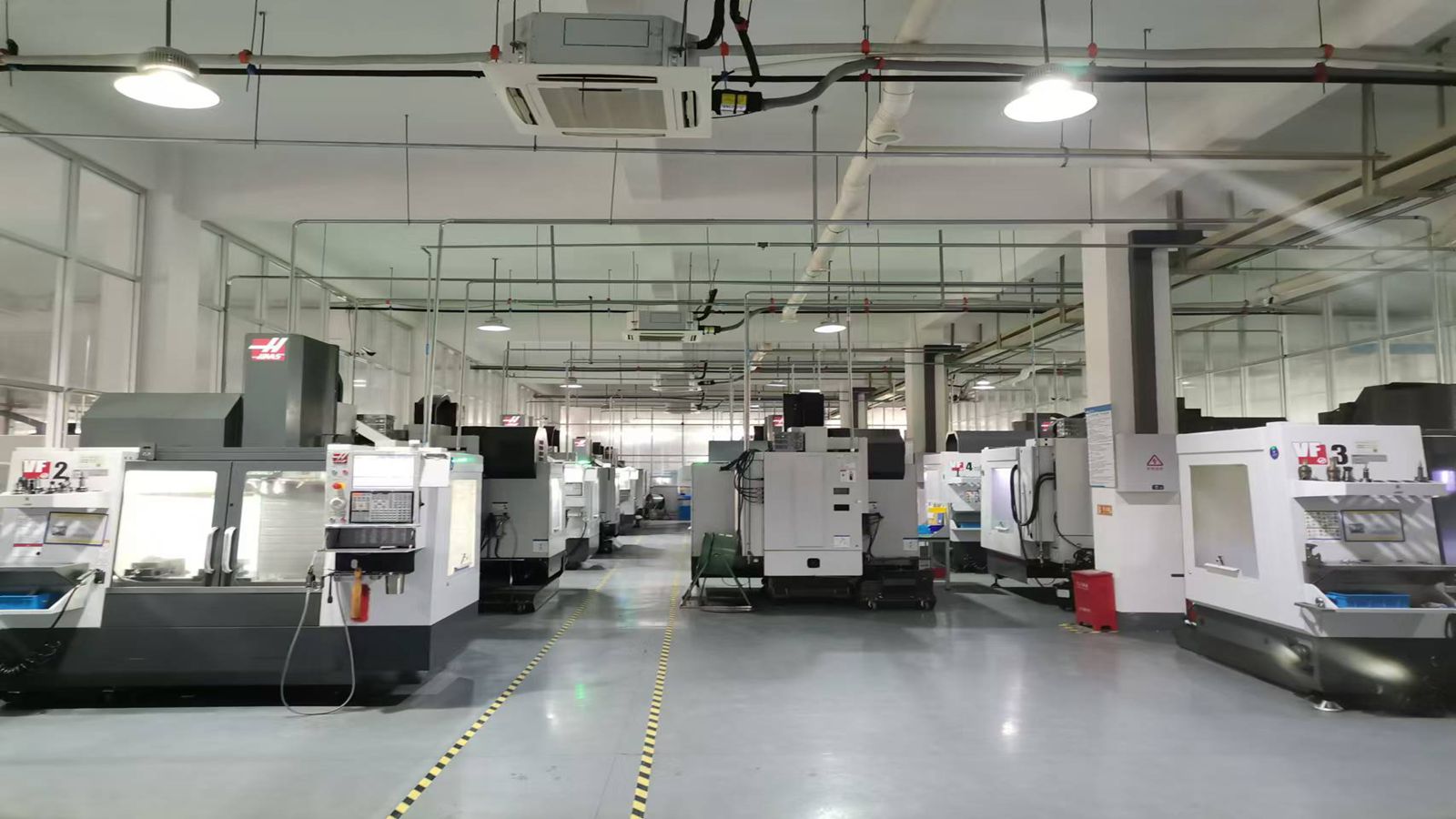
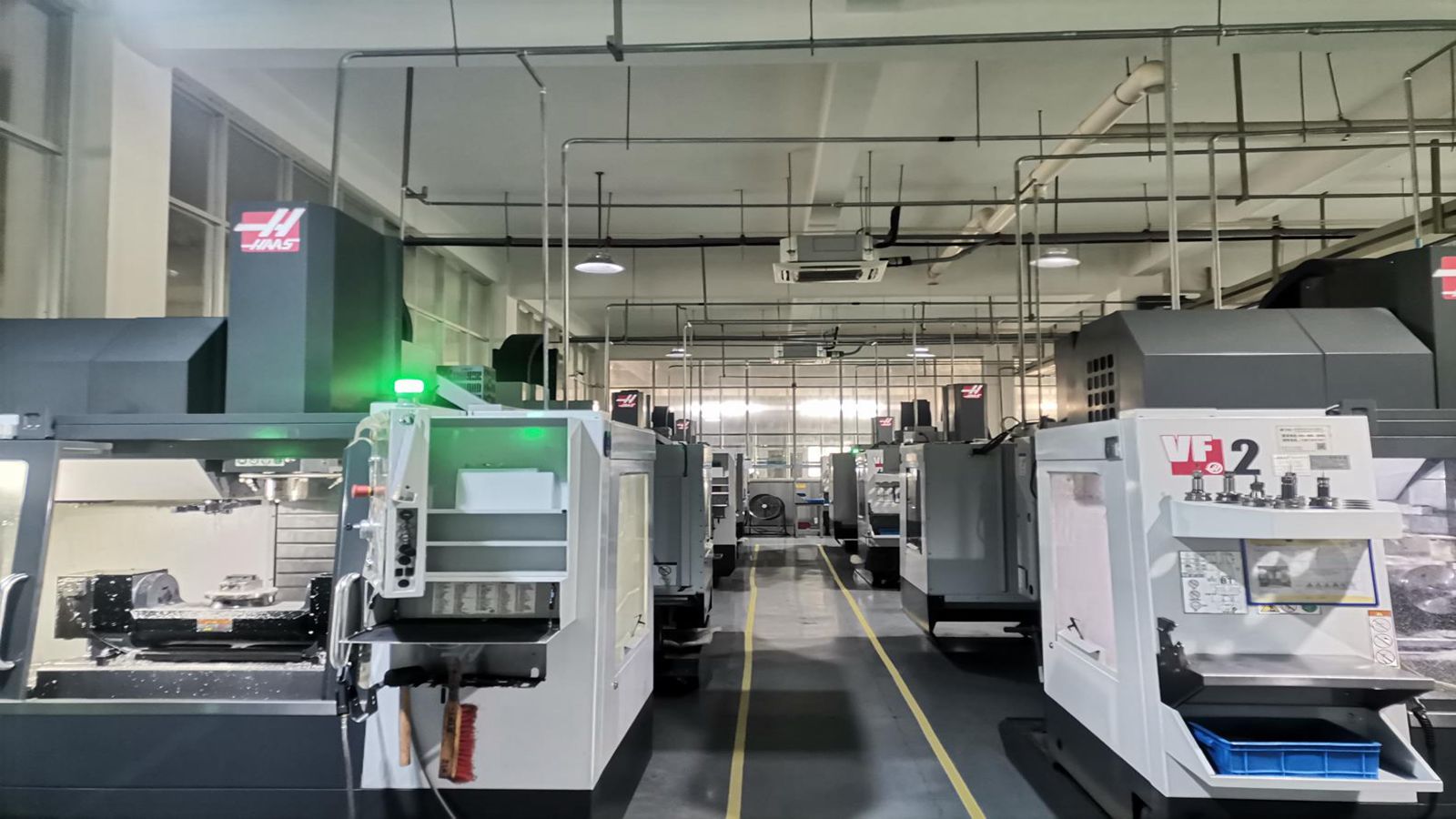
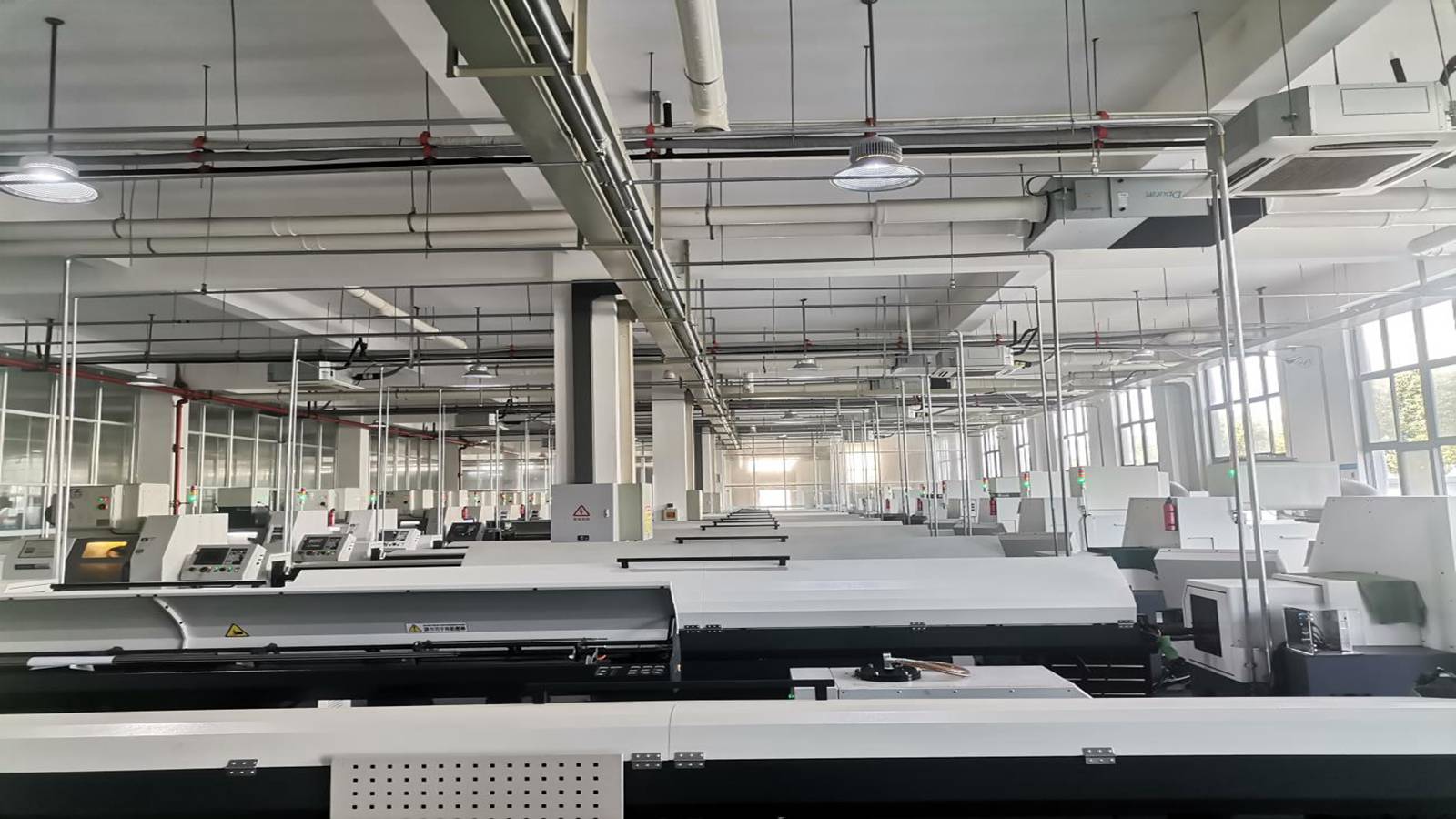
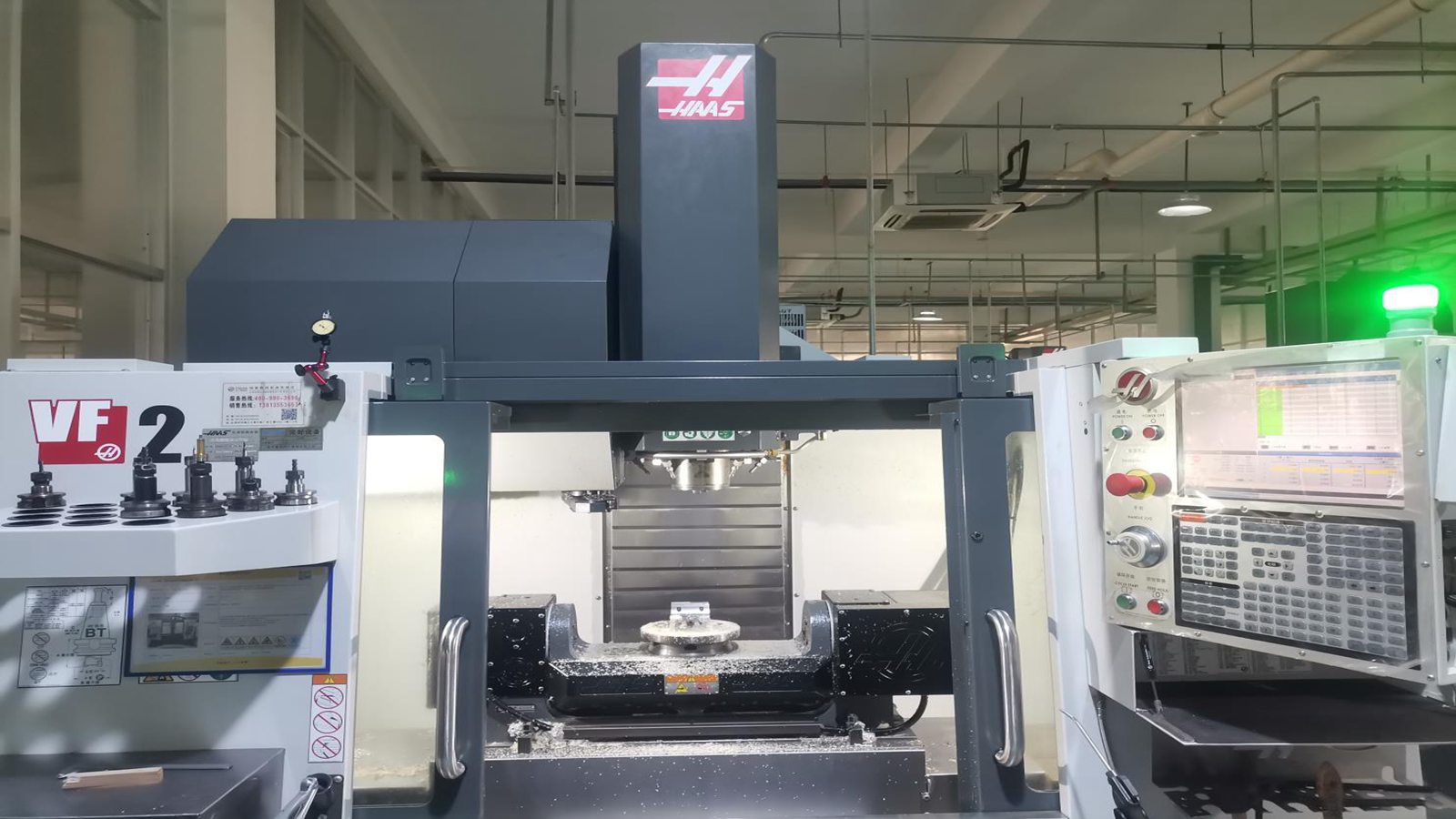
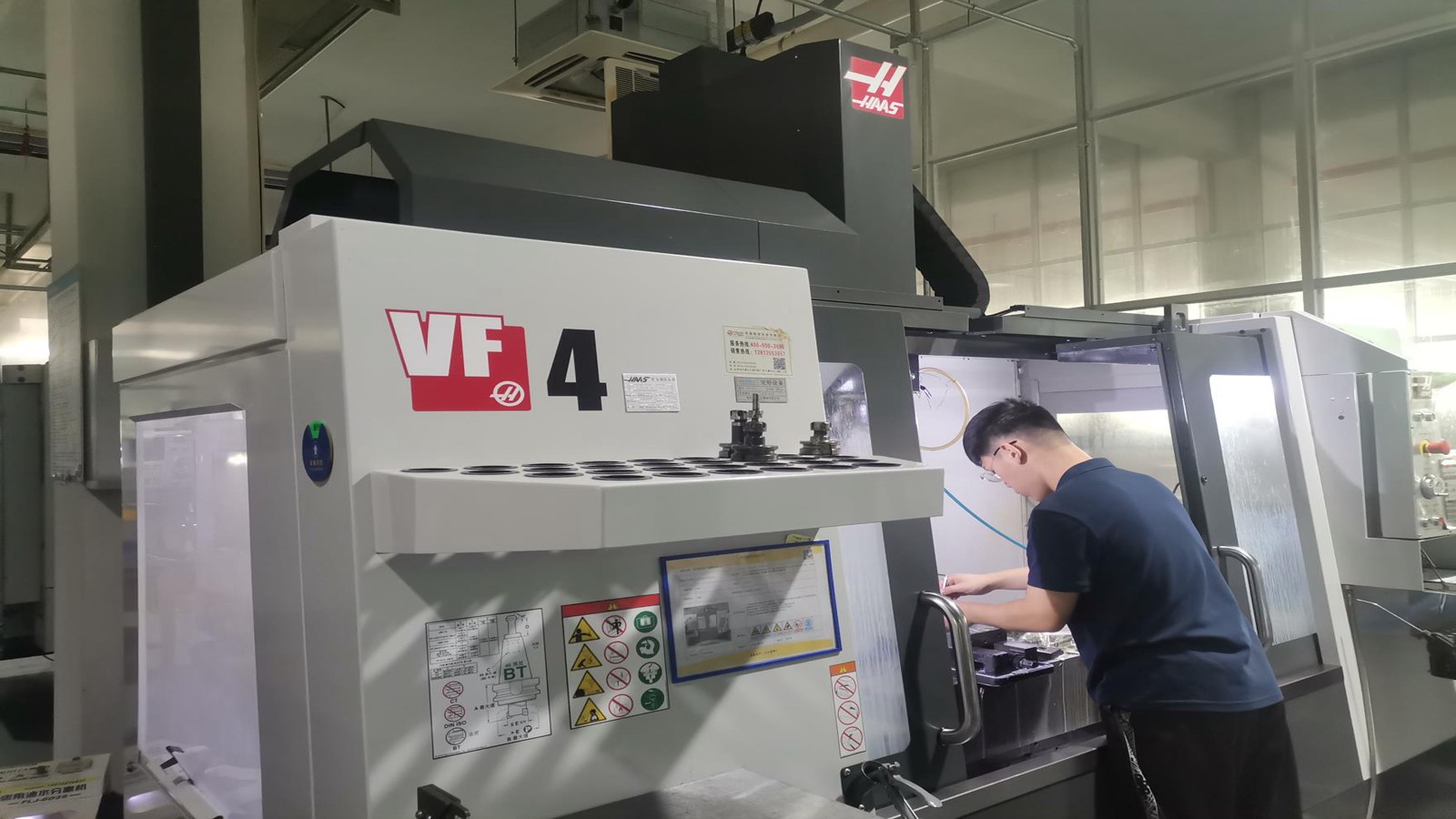
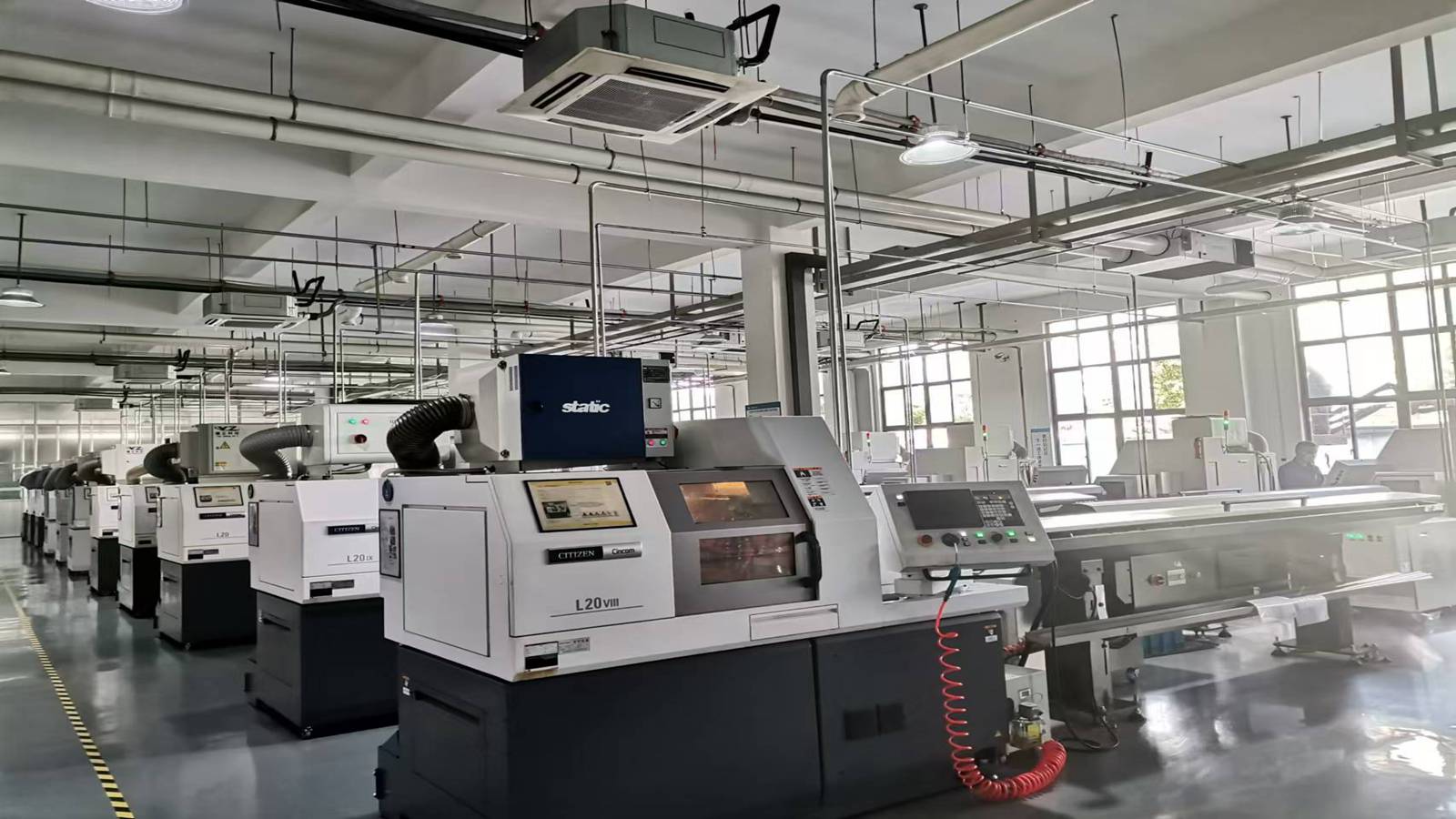
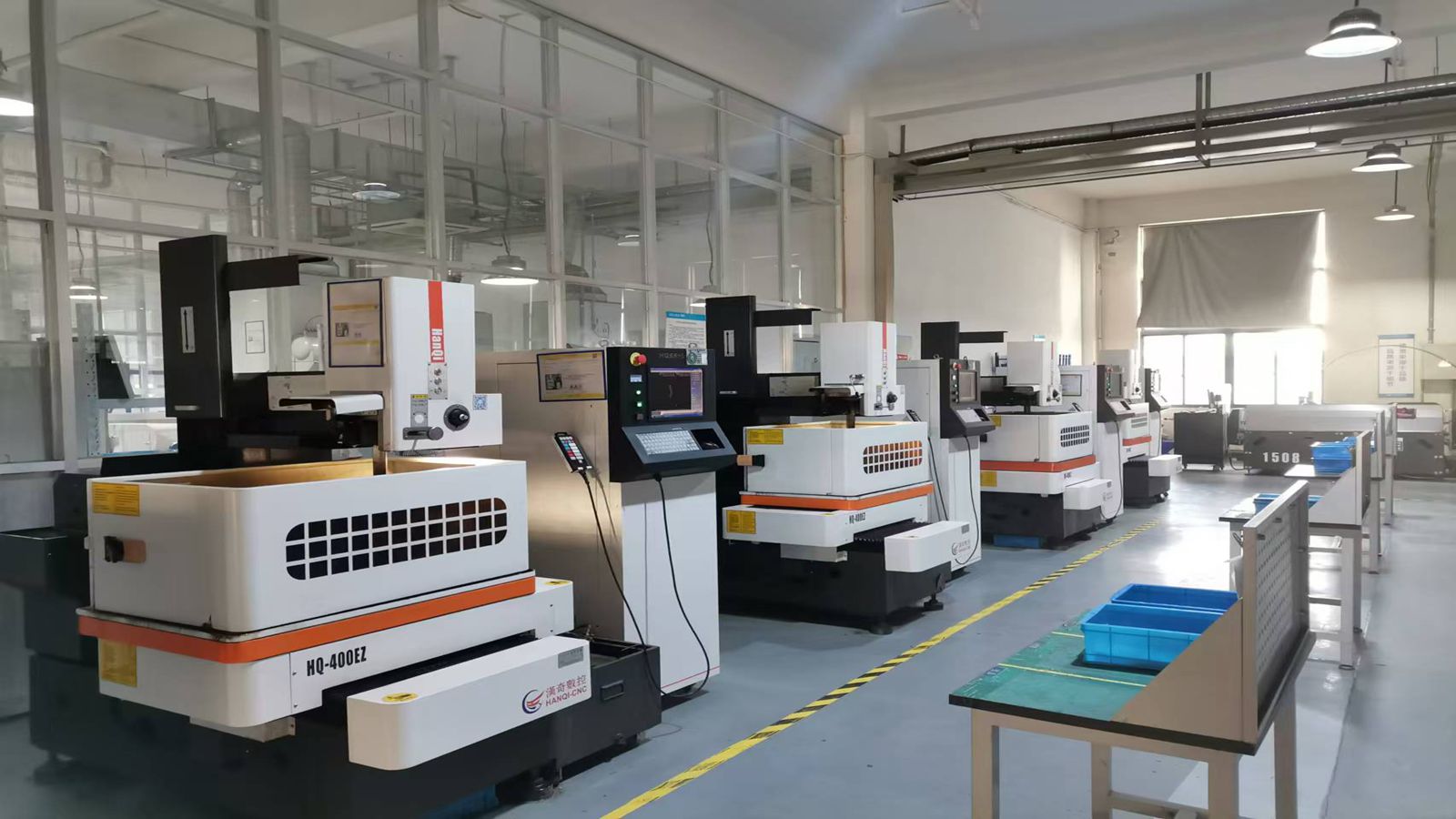
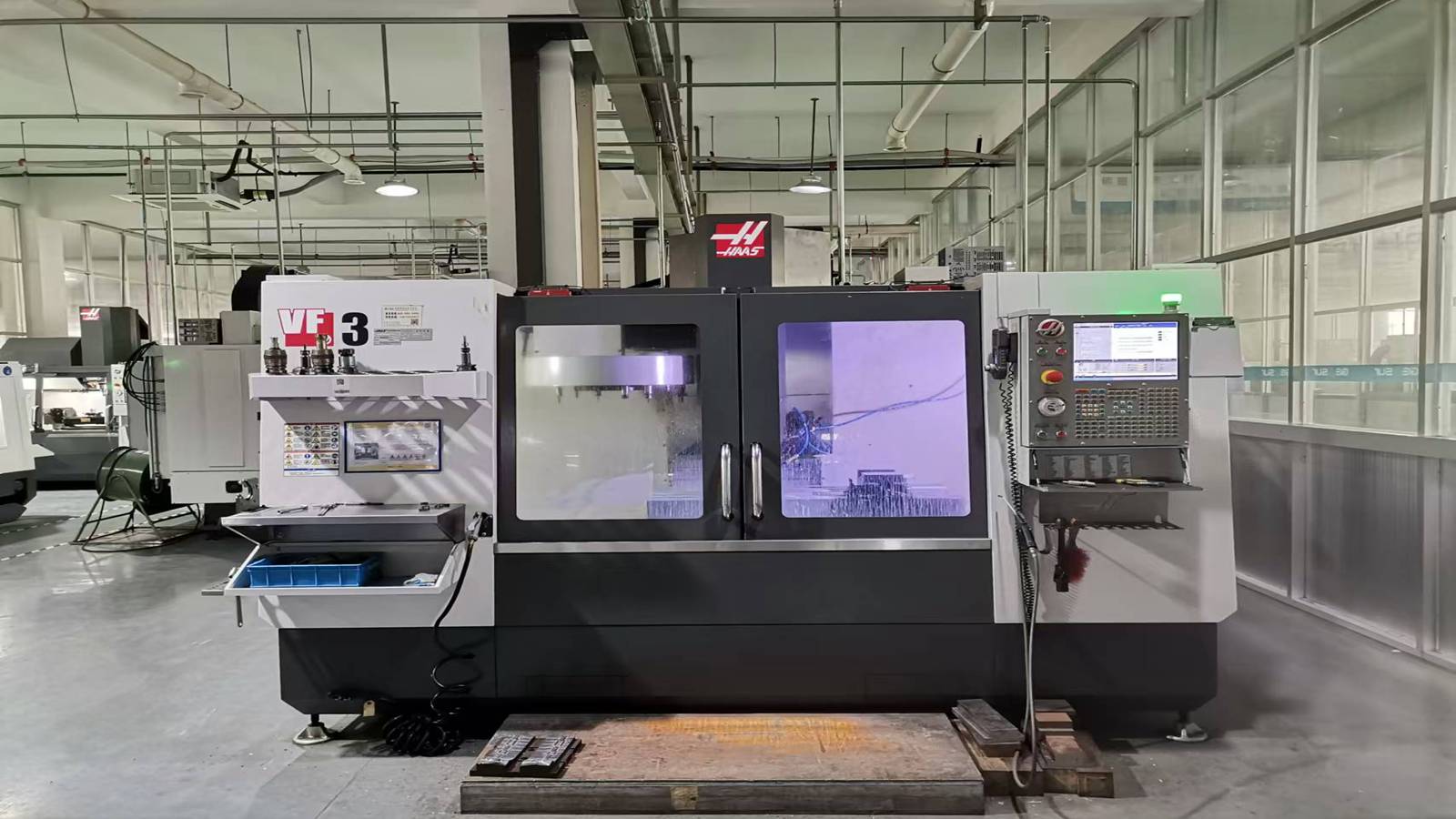
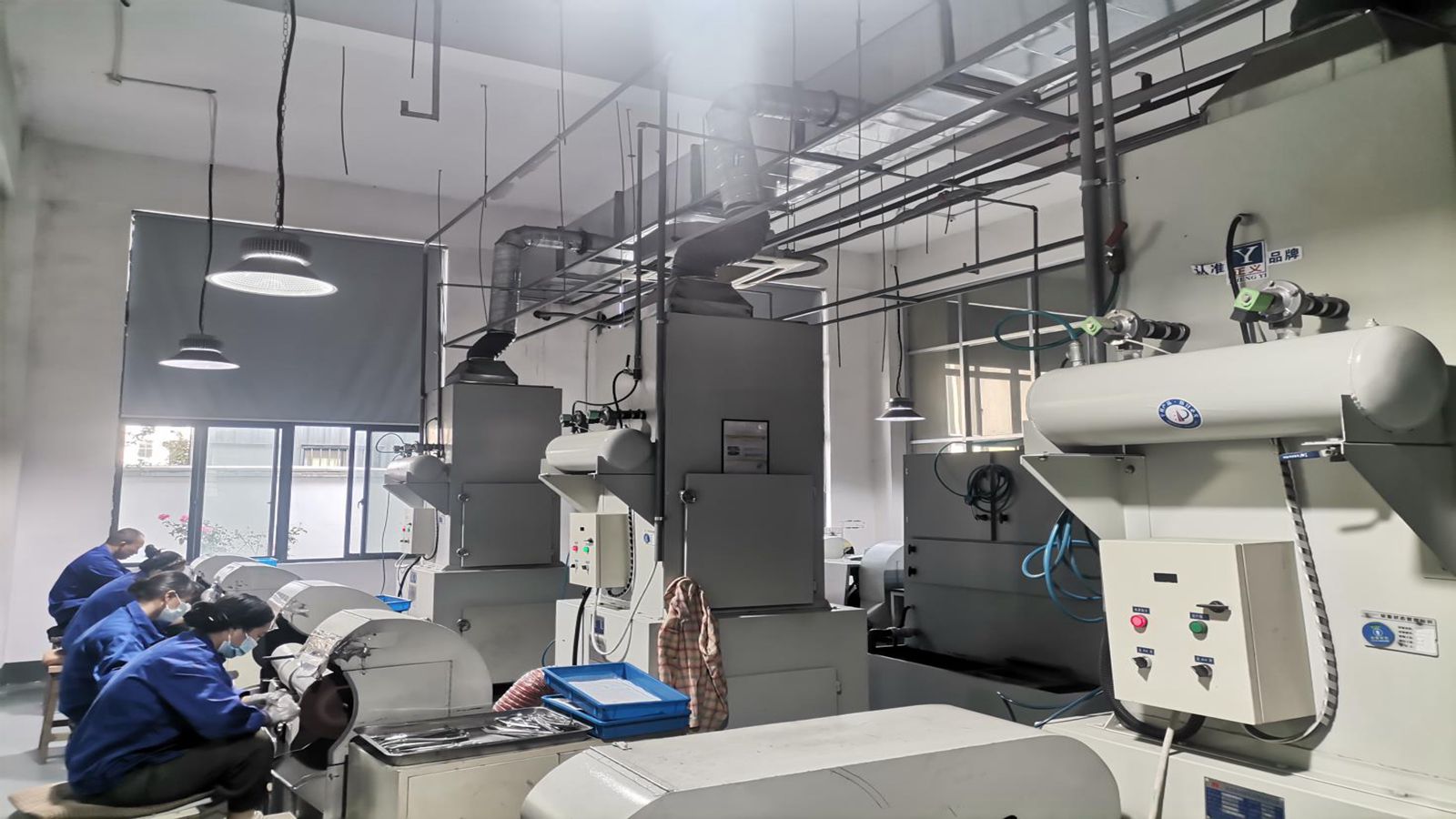
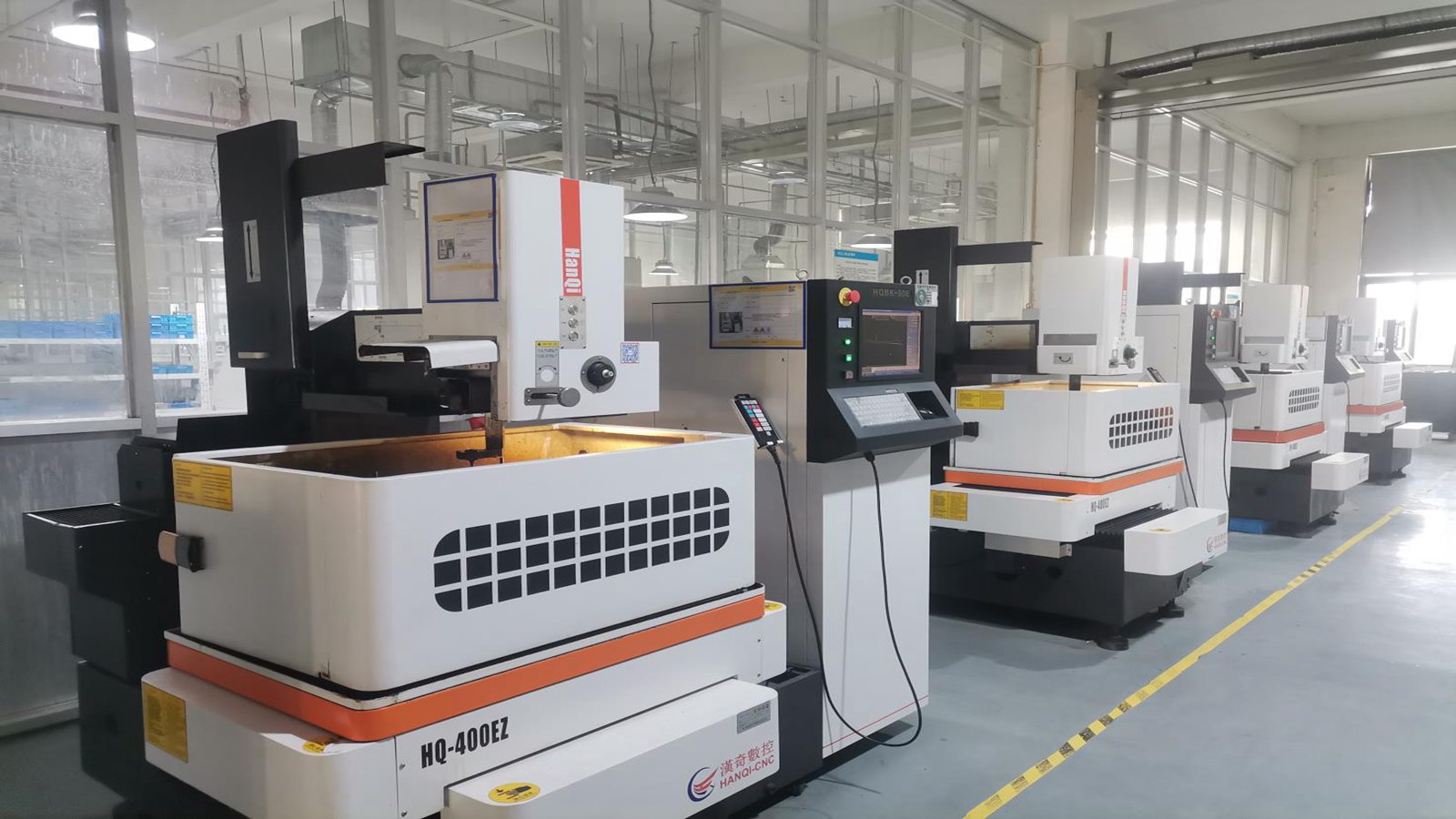
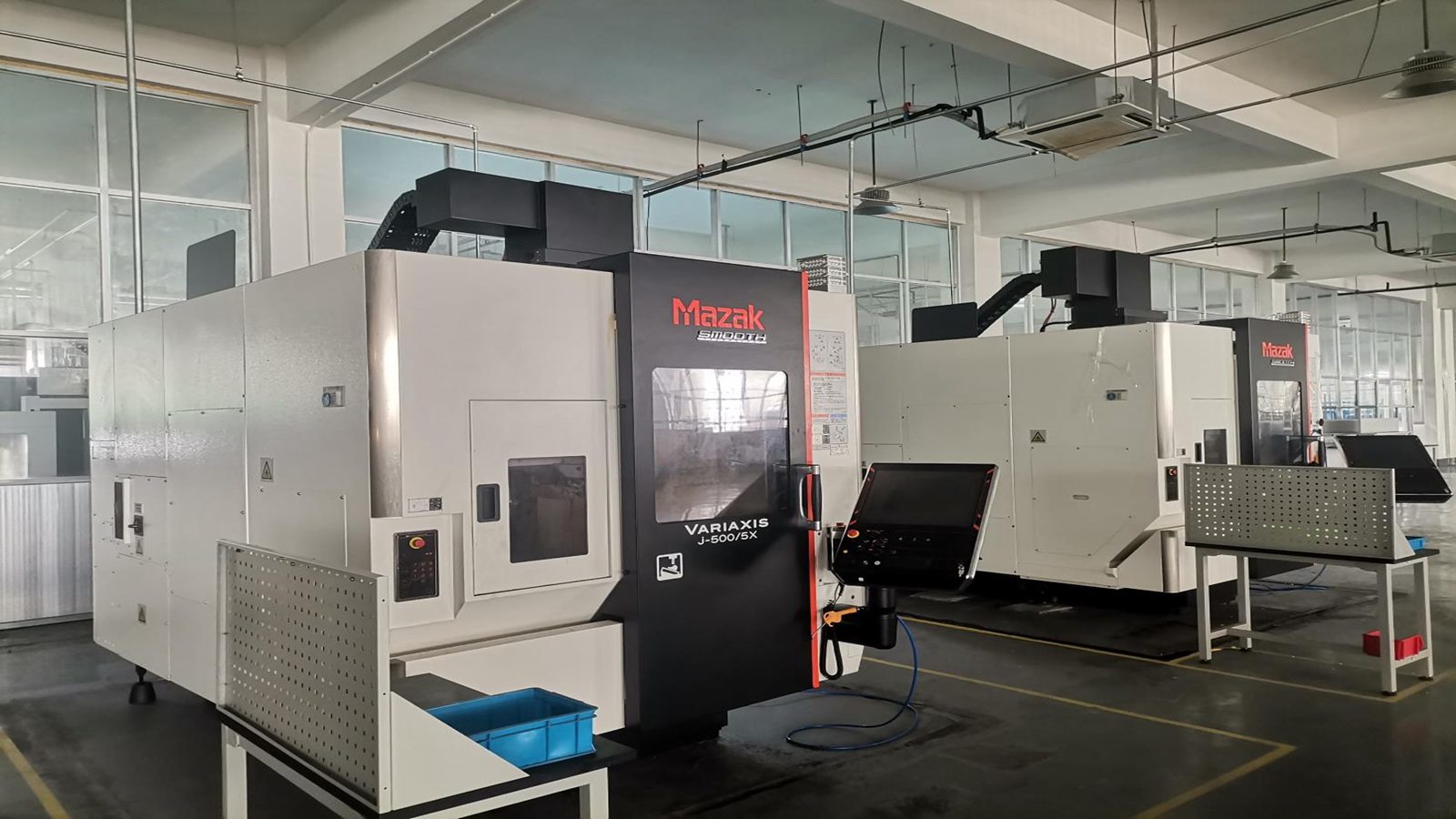
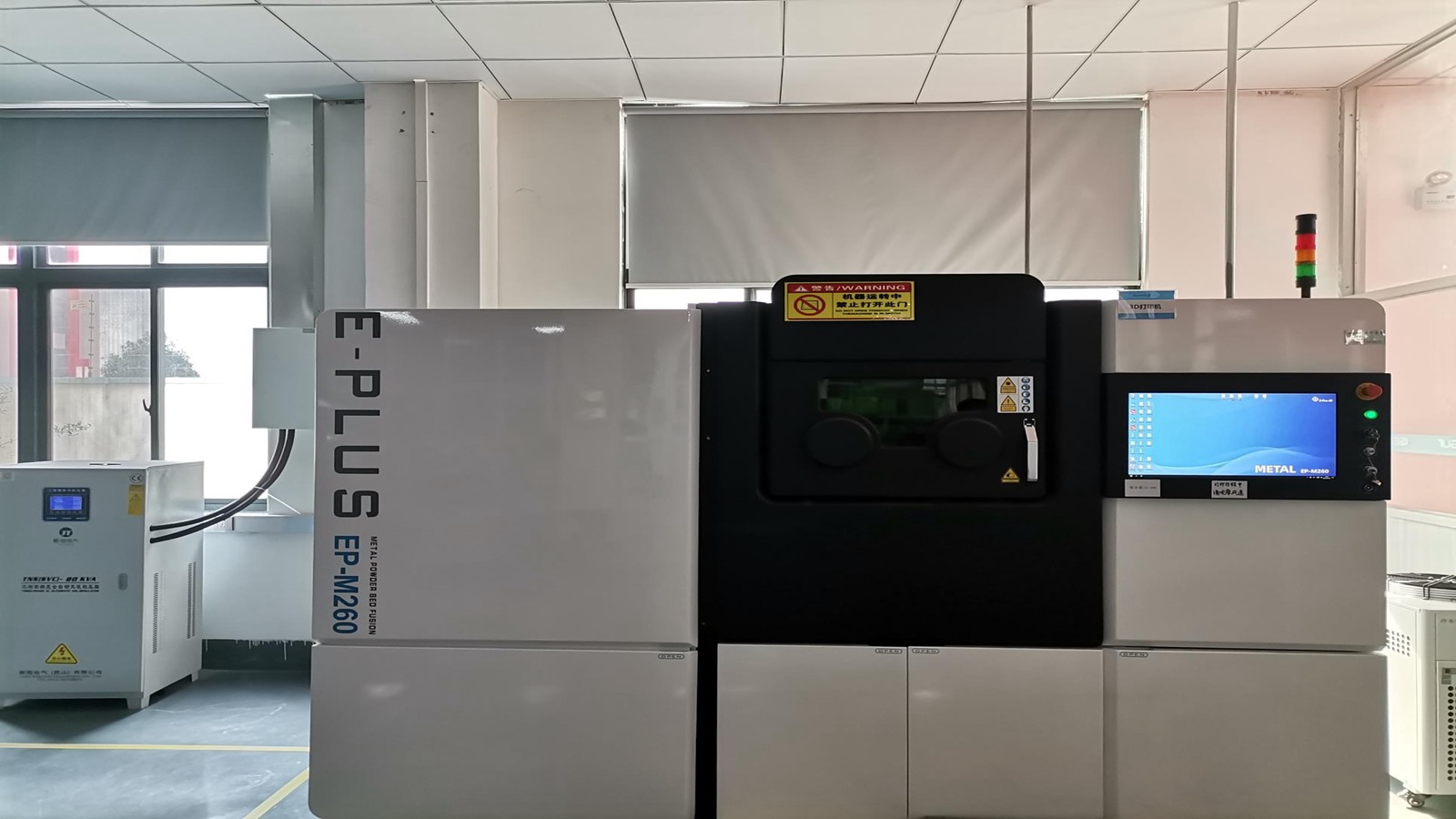
Historically, the global market was dominated by a few multinational medical device conglomerates. However, the industrial landscape has shifted. Advanced manufacturing hubs in China, led by pioneering enterprises like HBM Medical, have closed the technology gap. By leveraging state-of-the-art CNC machining centers, automated surface treatment technologies, and rigorous quality management systems, Chinese manufacturers now offer implants that match or exceed the performance of Western counterparts at a highly competitive total cost of ownership (TCO).
This industrial democratization has enabled healthcare systems worldwide—particularly in Eastern Europe, Southeast Asia, and Latin America—to optimize their trauma care budgets without compromising patient safety. For B2B distributors, hospital procurement groups, and OEM partners, sourcing directly from a certified Chinese manufacturer like HBM Medical ensures robust supply chain resilience, rapid lead times, and extensive customization options.
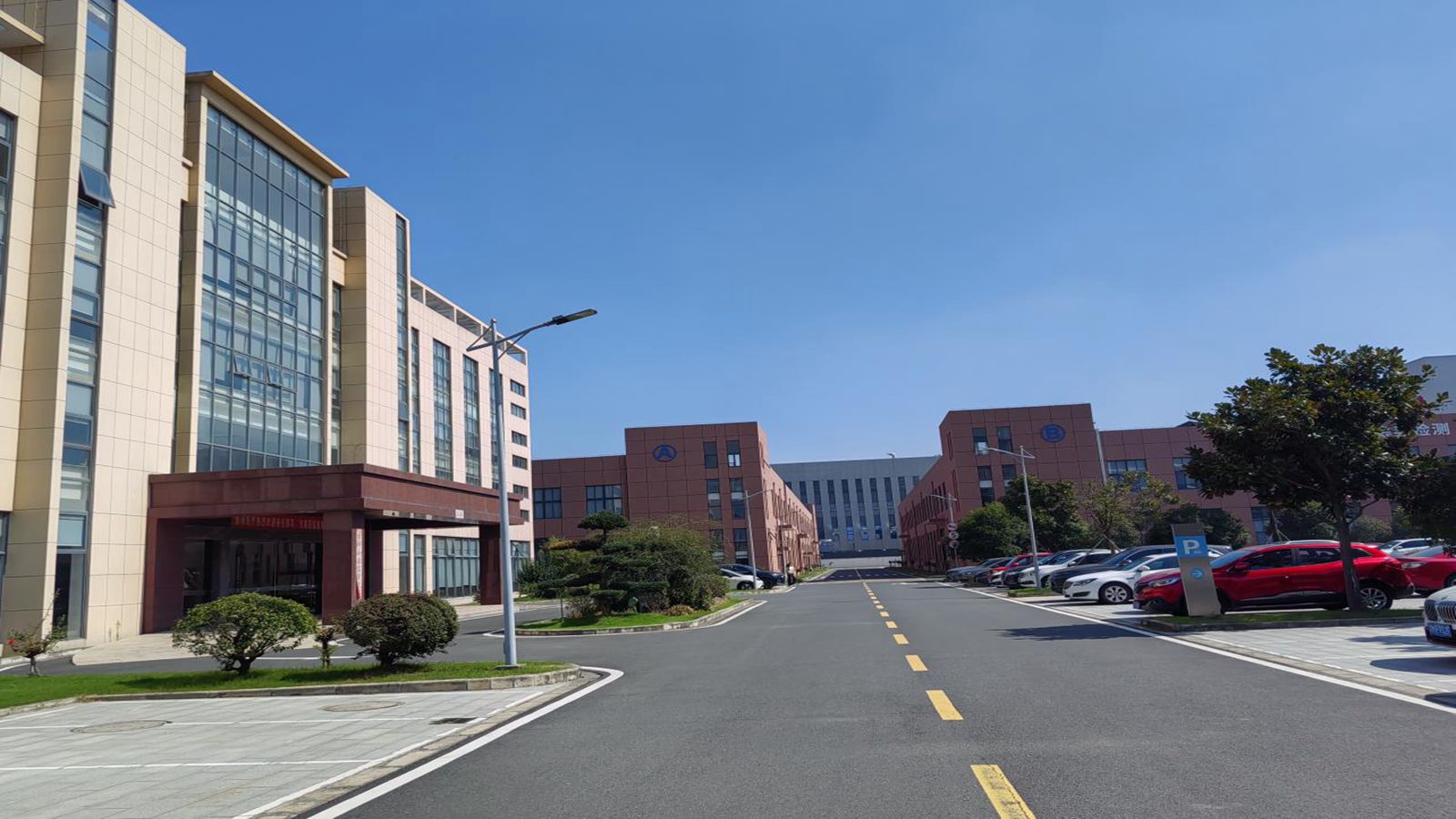
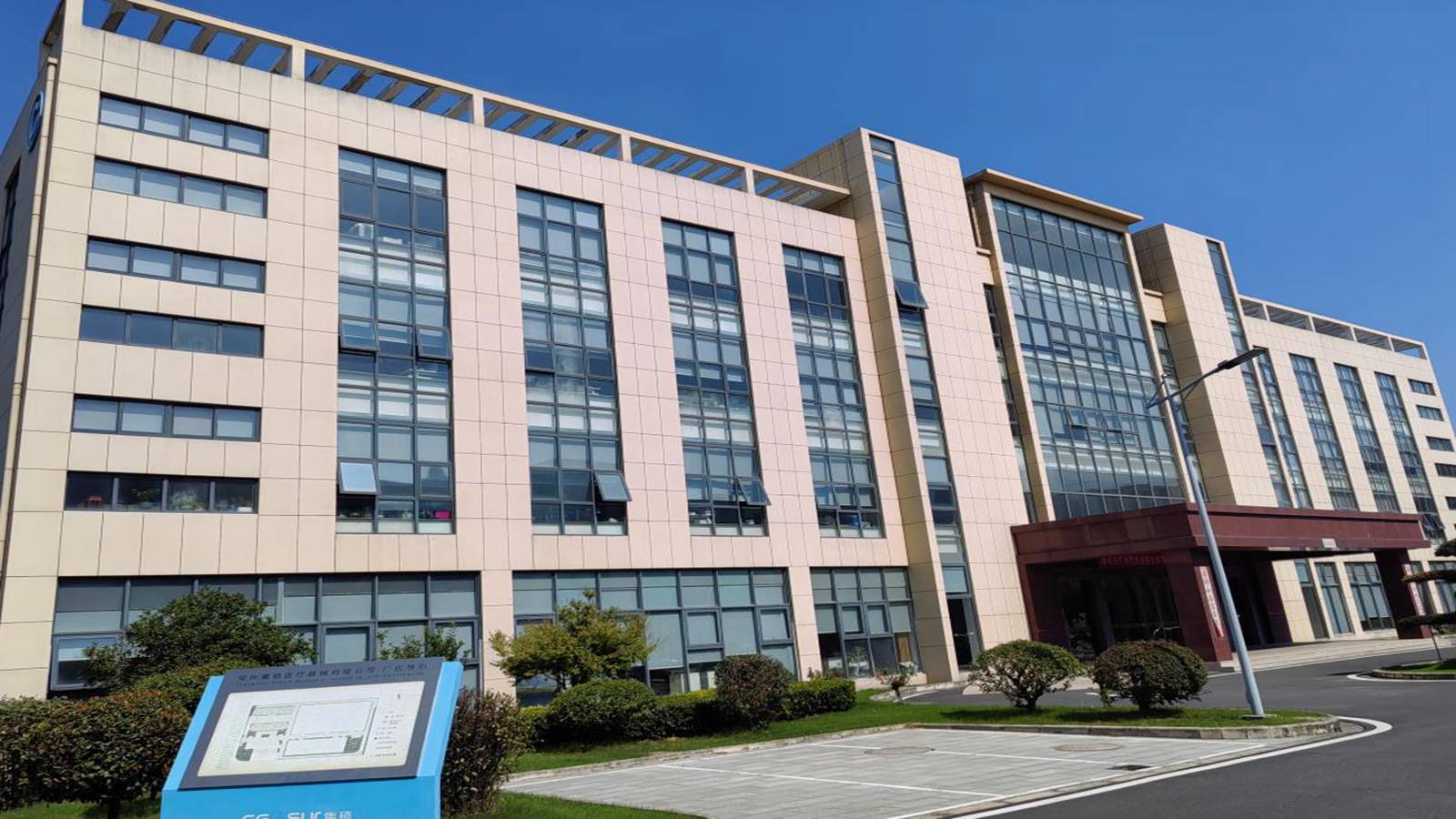
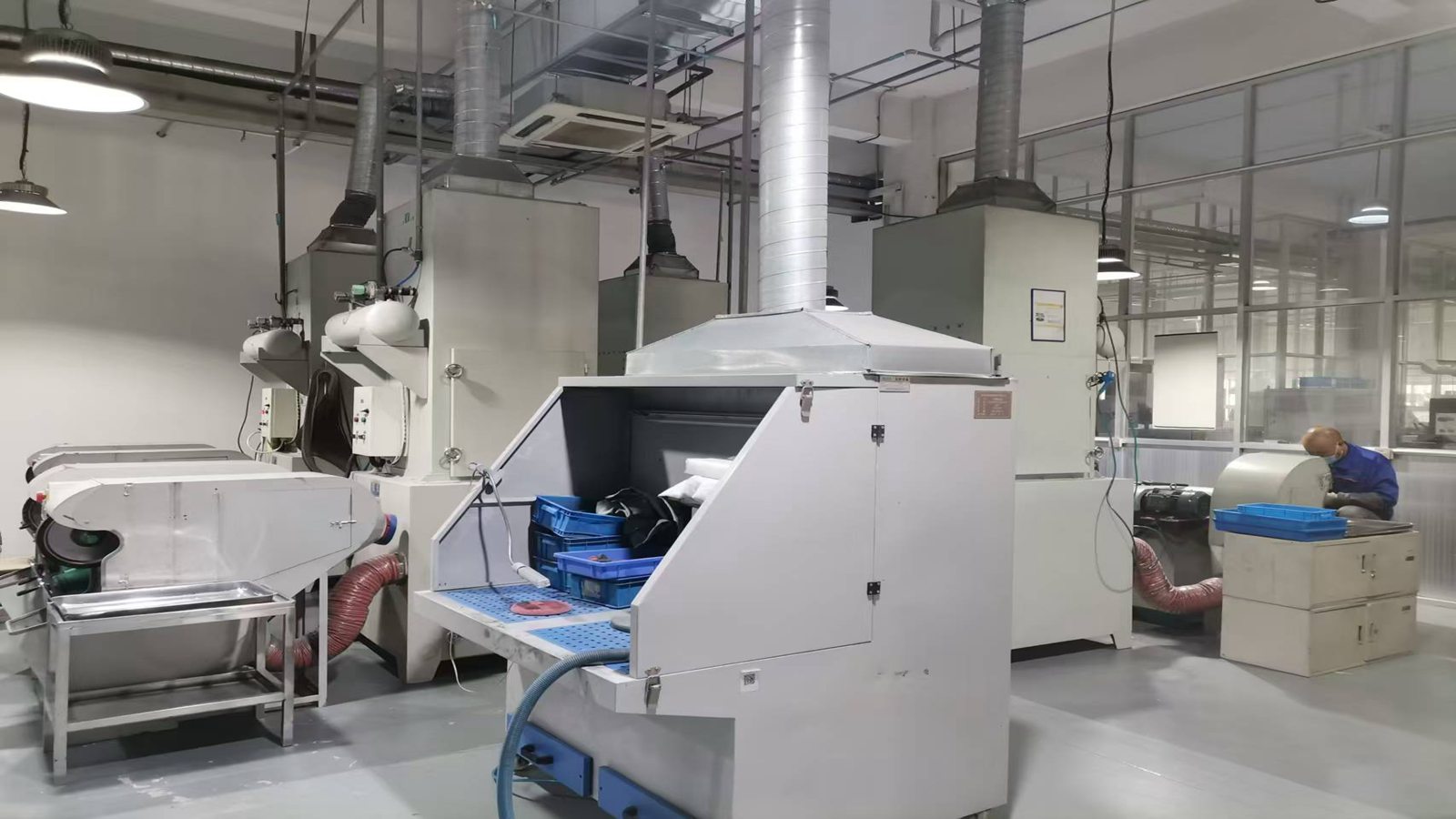
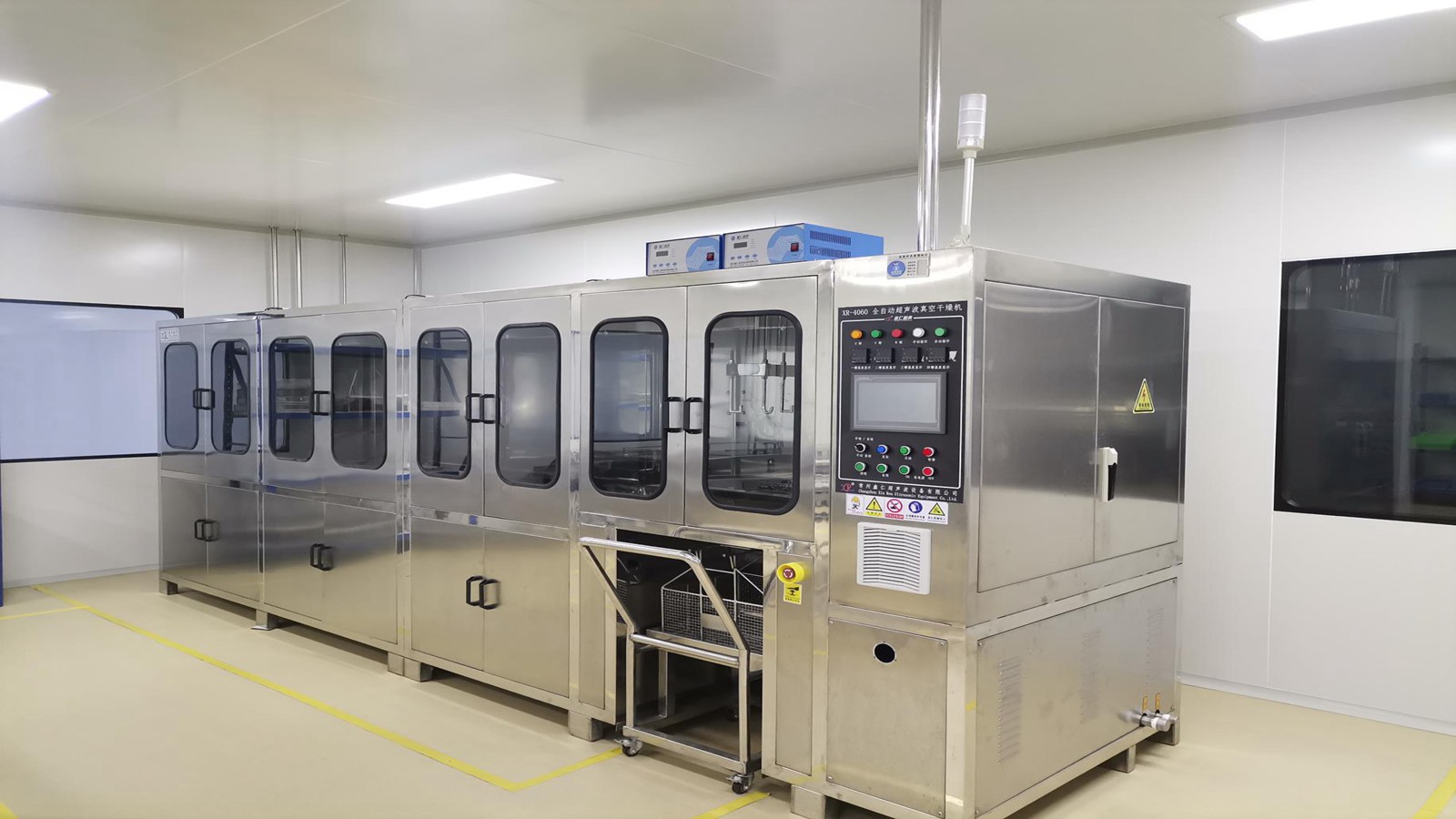
Established on October 15, 2015, HBM Medical Apparatus And Instruments Co., Ltd. has rapidly emerged as a premier R&D and manufacturing powerhouse in the Chinese orthopedic sector. With a sprawling 30,343 square meter state-of-the-art facility, we have built a fully integrated ecosystem capable of delivering professional solutions for orthopedic implants and specialized surgical instrumentation.
Our corporate philosophy, "Integrate the Master, Health being achieved," drives our continuous pursuit of technological excellence. We have assembled a highly qualified R&D team consisting of 31 dedicated engineers, including 1 doctorate holder, 11 postgraduates, and 17 graduates. This formidable scientific team has spearheaded the development of cutting-edge trauma and spine systems, resulting in the launch of 25 new products in the last year alone.
| Parameter | HBM Medical Capability & Specifications |
|---|---|
| Establishment & Experience | Founded in 2015; 10 years of industry and export expertise. |
| Manufacturing Infrastructure | 30,343 m² facility, 12 production lines, 120+ advanced processing/testing machines. |
| Global Certifications | CE (MDR), MDSAP, ISO 13485, ISO 14001, Class III Medical Device Registration. |
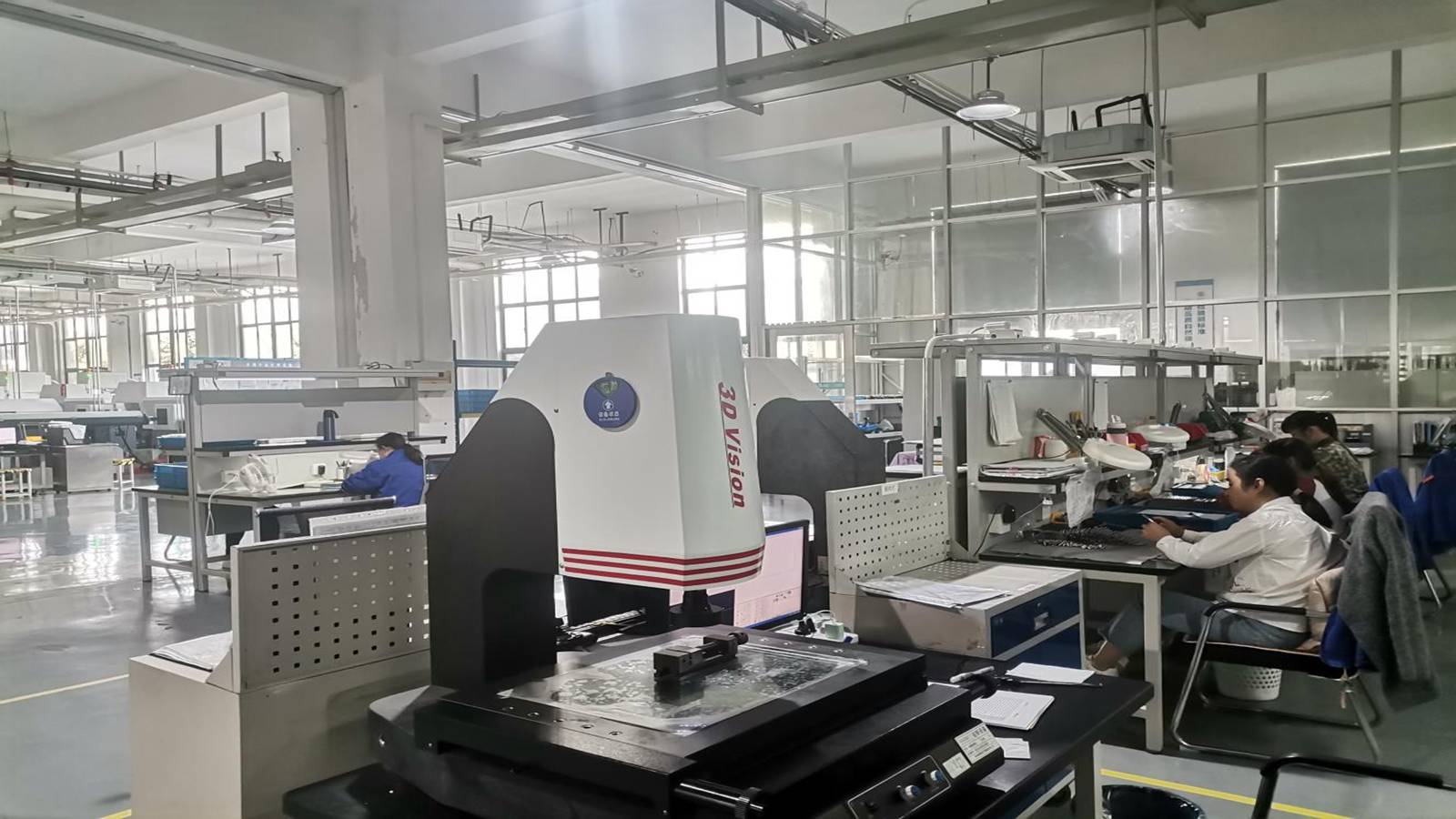
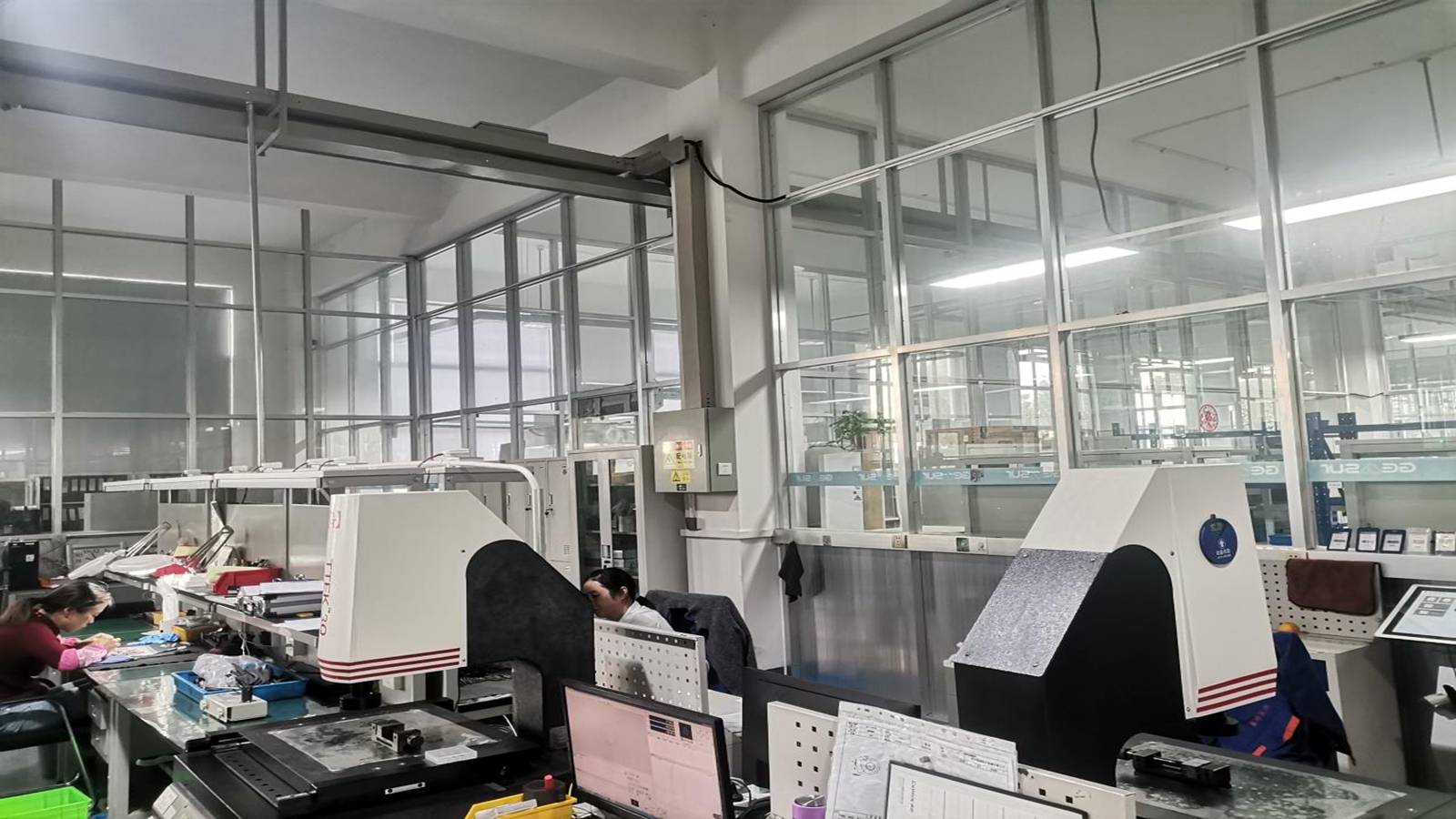
| Quality Control (QC) | 36 QA/QC inspectors; 100% raw material traceability; 100% finished product inspection. |
| R&D Capacity | 31 R&D engineers (Doctorate & Postgraduate led); 25 new products launched annually. |
| Customization (OEM/ODM) | Sample processing, graphic processing, customized on-demand engineering. |
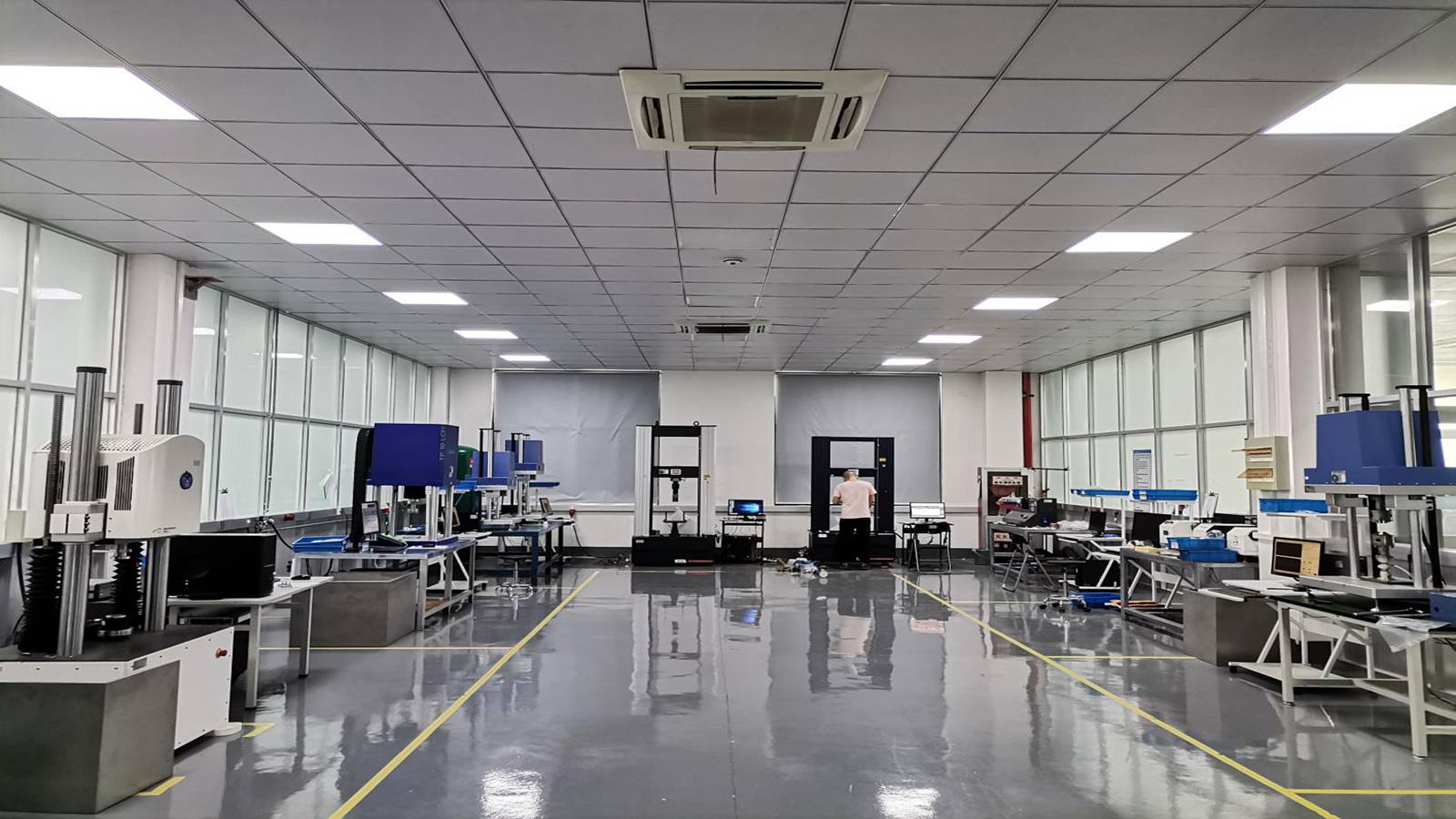
At HBM Medical, quality is not merely a department—it is our core identity. Our manufacturing processes are strictly aligned with international standards. We utilize premium medical-grade titanium alloys (Ti-6Al-4V ELI conforming to ASTM F136) sourced from certified suppliers with complete chemical and mechanical traceability. Every single implant undergoes rigorous dimensional testing, surface roughness analysis, and fatigue testing to guarantee flawless performance in the operating theater.
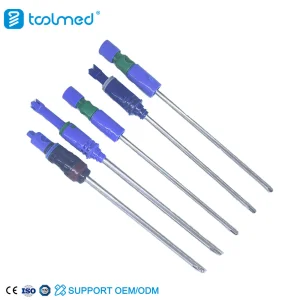
The HBM Tibial Intramedullary Nailing System represents the pinnacle of modern trauma engineering. Designed to accommodate the complex anatomical geometry of the tibia, our nails feature a optimized Herzog Bend (typically 10.5° proximal bend), which facilitates safe insertion and minimizes the risk of posterior cortical penetration during nail advancement.
Features advanced proximal and distal locking configurations. Proximal locking includes dynamic, static, and oblique options to address highly proximal or distal fractures, ensuring maximum rotational and axial stability.
Available in both cannulated (for reamed insertion over a guide wire) and solid configurations (for unreamed applications in open fractures to preserve endosteal blood supply).
Type II anodization increases surface hardness, reduces friction during insertion, minimizes cold welding between the nail and locking screws, and enhances biocompatibility.
Looking toward the future, HBM Medical's R&D roadmap focuses on the integration of smart technologies and bio-active coatings. Our engineering teams are currently developing antibiotic-coated intramedullary nails (specifically targeting localized gentamycin delivery) to combat high-risk open fractures and prevent biofilm formation. Additionally, we are exploring 3D-printed patient-specific targeting jigs to simplify distal locking screw placement, reducing intraoperative radiation exposure for surgical teams.
Navigating the complex regulatory landscape of medical devices requires unwavering commitment to compliance. HBM Medical is proud to hold comprehensive international certifications that validate our rigorous quality management systems. We are certified under ISO 13485, ISO 14001, and the Medical Device Single Audit Program (MDSAP - Certificate C730178). Furthermore, our products carry the prestigious CE Mark (EPT 0477.MDR.25/5905 and EPT 0477.MDR.25/5973), ensuring seamless market entry across the European Union and other regions recognizing MDR compliance.
For our global B2B partners, we offer comprehensive localized support. This includes:
Expert answers to common technical, clinical, and commercial inquiries from global B2B buyers.
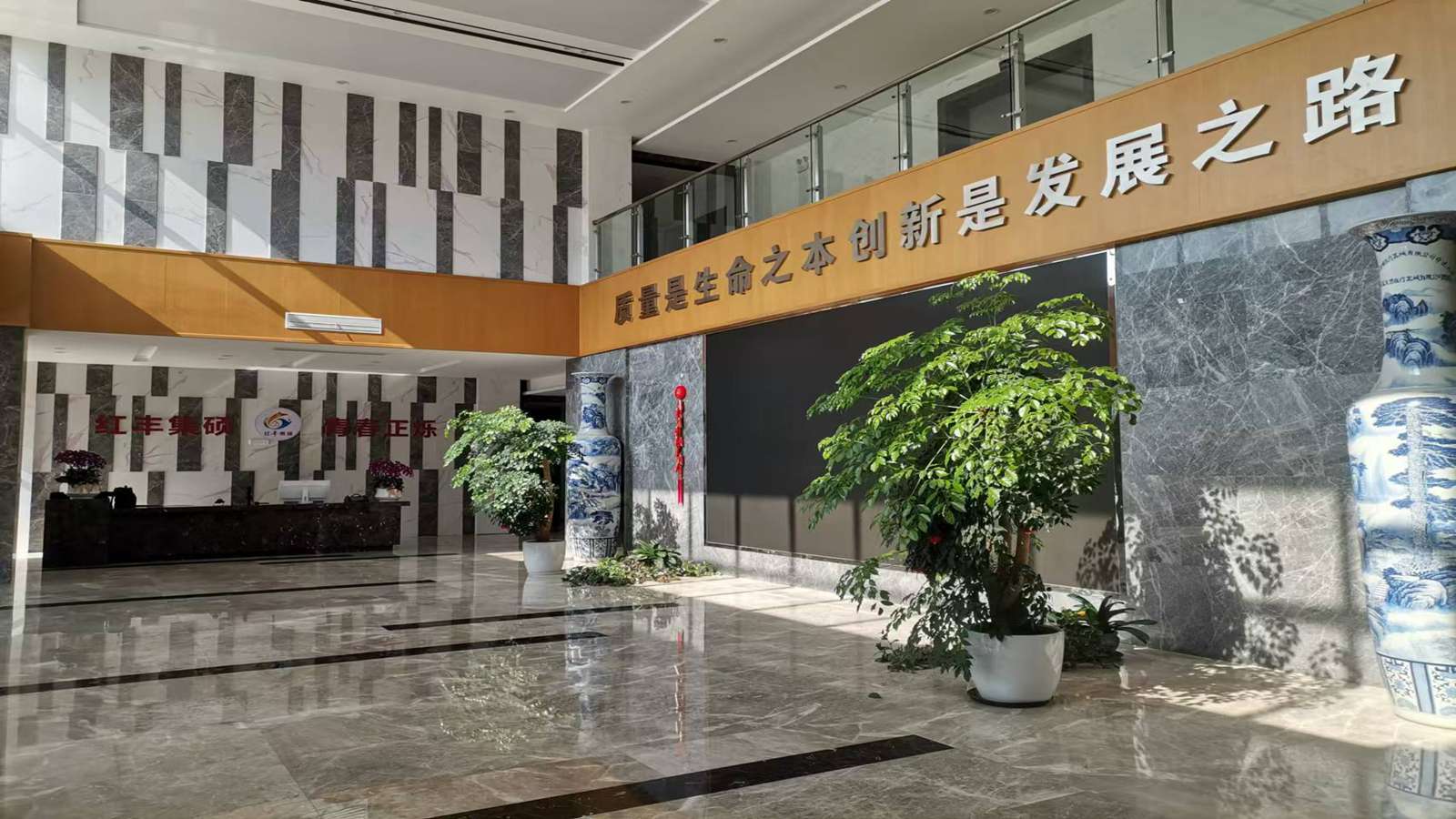
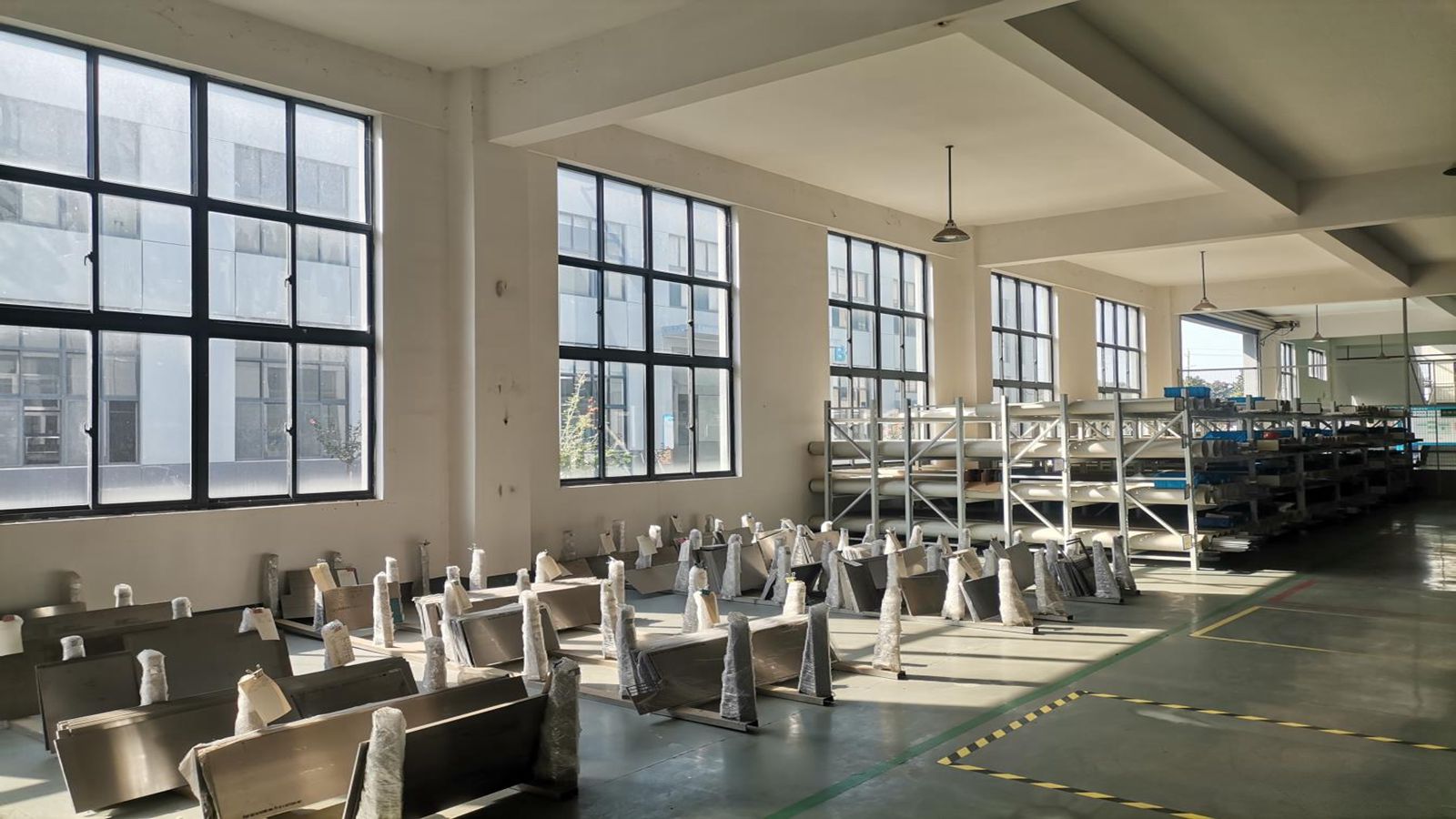
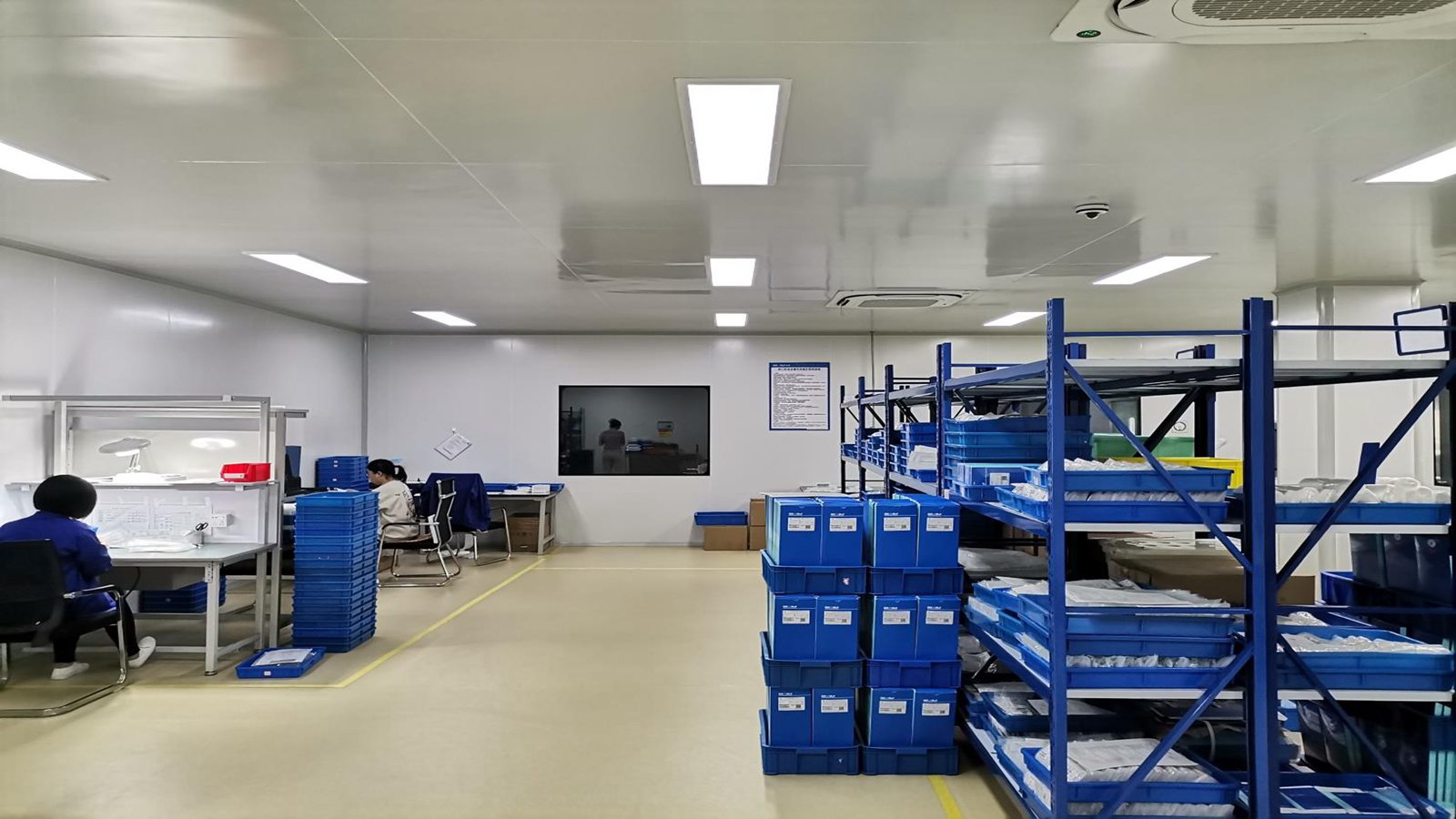
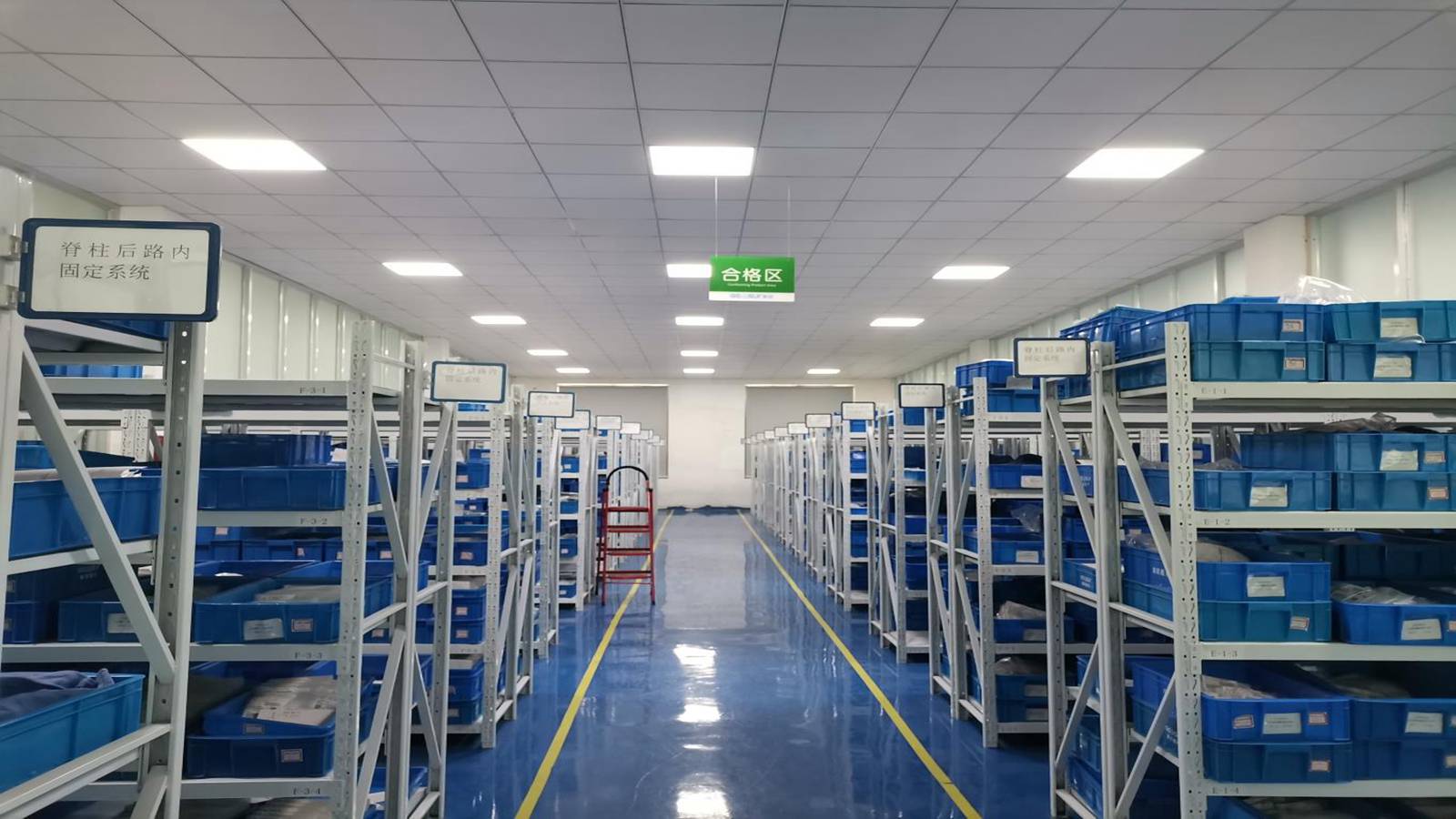
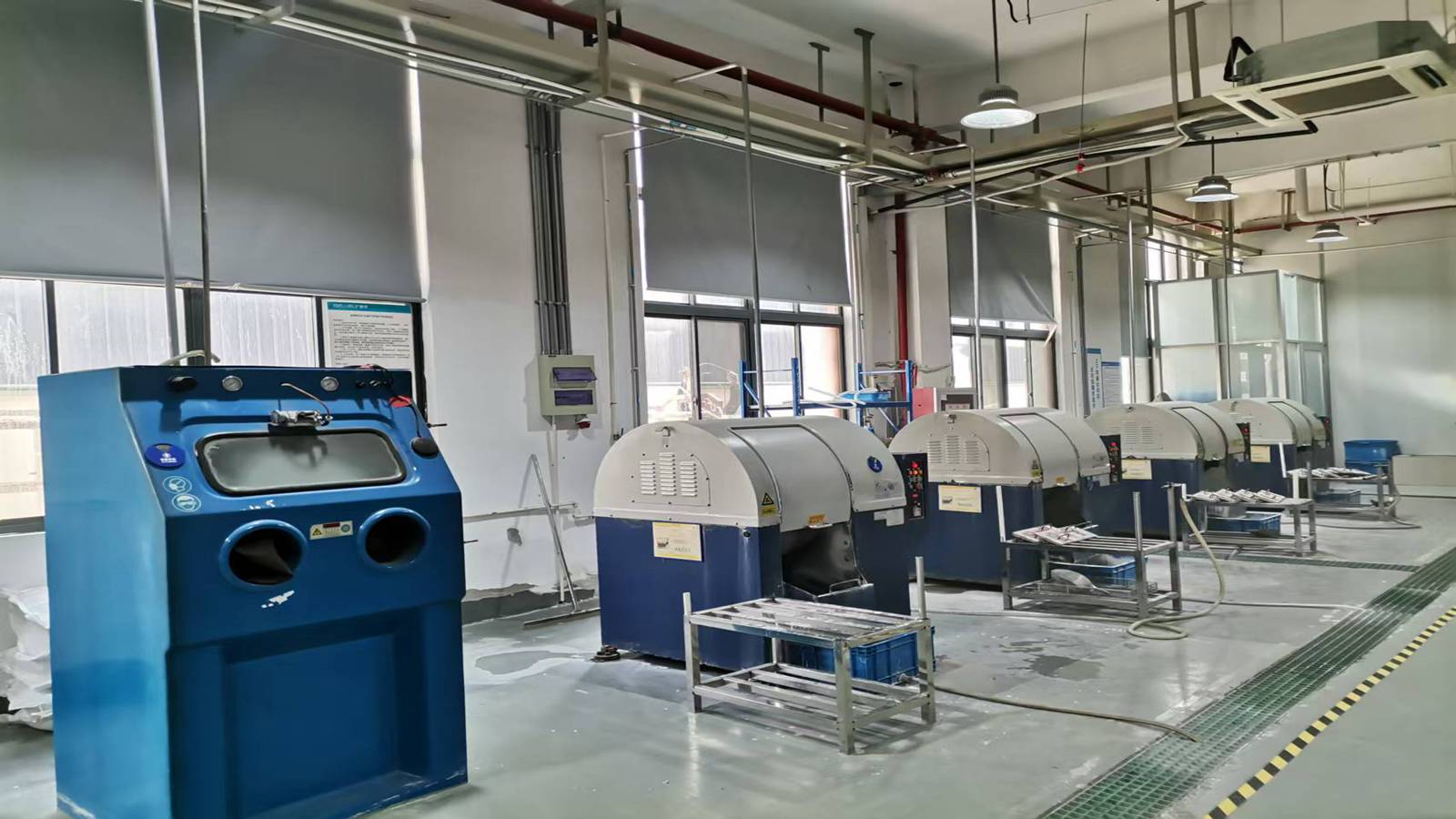
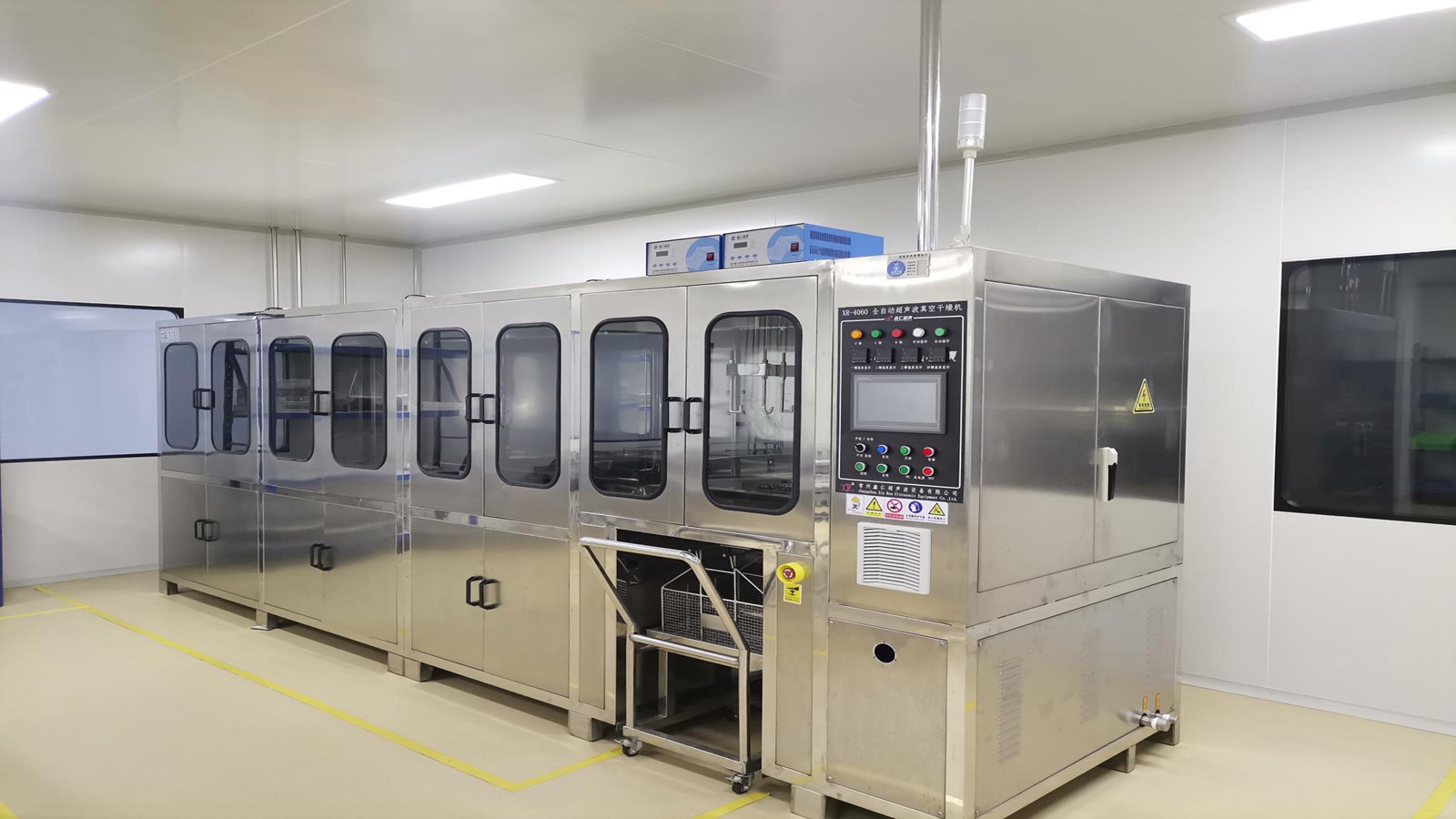
A visual tour of our 30,343m² production plant, cleanrooms, and advanced testing laboratories.
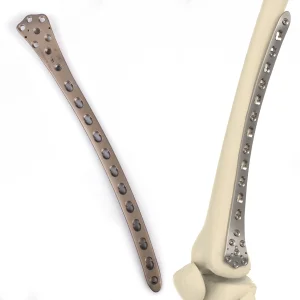
Explore our wide range of locking plates, spinal systems, and veterinary instruments.
 HBM Medical