The global medical sector is undergoing a profound paradigm shift driven by Minimally Invasive Surgery (MIS). At the vanguard of this surgical evolution are Intraoperative Navigation Systems (INS). Once confined to niche academic research complexes, INS technologies have evolved into critical foundational pillars for modern neurosurgery, orthopedics, and spinal interventions. These systems function essentially as "Surgical GPS," allowing clinicians to map precise patient-specific anatomy in real-time, matching preoperative imaging (CT, MRI, and 3D Fluoroscopy) directly with the live patient position on the operating table.
From a commercial perspective, the international market for intraoperative navigation and robotic-assisted surgery is experiencing a double-digit compound annual growth rate (CAGR). The surging demand is propelled by aging global populations requiring arthroplasty and spinal stabilization, alongside a universal clinical imperative to shorten hospital stays, minimize intraoperative blood loss, and eliminate surgical re-operation rates. High-income healthcare regions in North America and Western Europe have set rigorous standards for surgical precision. Simultaneously, emerging economies across Latin America and the Asia-Pacific region are rapidly expanding modern clinical infrastructure, signaling a massive demand for cost-effective, high-reliability navigation instruments and implants.
Procuring wholesale intraoperative navigation platforms and matched orthopedic implants from certified Chinese manufacturers enables global distributors and healthcare groups to optimize their procurement expenditures. By consolidating structural manufacturing with high-precision engineering, Chinese innovators supply ISO-certified, CE-marked, and FDA-cleared devices at competitive price points. This integration democratizes access to sophisticated surgical navigation components worldwide, driving clinical performance while maintaining strict fiscal responsibility.
Optical tracking systems rely on line-of-sight infrared cameras detecting passive reflective spheres or active LED markers fixed to surgical instruments. Conversely, electromagnetic (EM) tracking tracks miniature sensor coils placed within localized low-frequency magnetic fields, bypassing line-of-sight constraints. Top manufacturers are pioneering hybrid tracking models that dynamically adapt to the physical constraints of the operating suite.
Modern surgical environments demand dynamic automatic registration algorithms. By combining intraoperative 3D fluoroscopy or cone-beam CT (CBCT) scan acquisitions directly with real-time patient tracking arrays, systems can instantly update the visual field to account for soft-tissue deformation, micro-movements, or bone displacement during instrumentation, maintaining registration accuracy within <0.5mm limits.
Transitioning away from conventional visual displays, next-generation intraoperative platforms overlay critical path plans, vascular proximity warnings, and implant positioning vectors directly onto the surgeon's field of view through Augmented Reality (AR) headsets. This reduces spatial disorientation and eliminates cognitive fatigue by keeping the surgeon's gaze focused entirely on the surgical site.
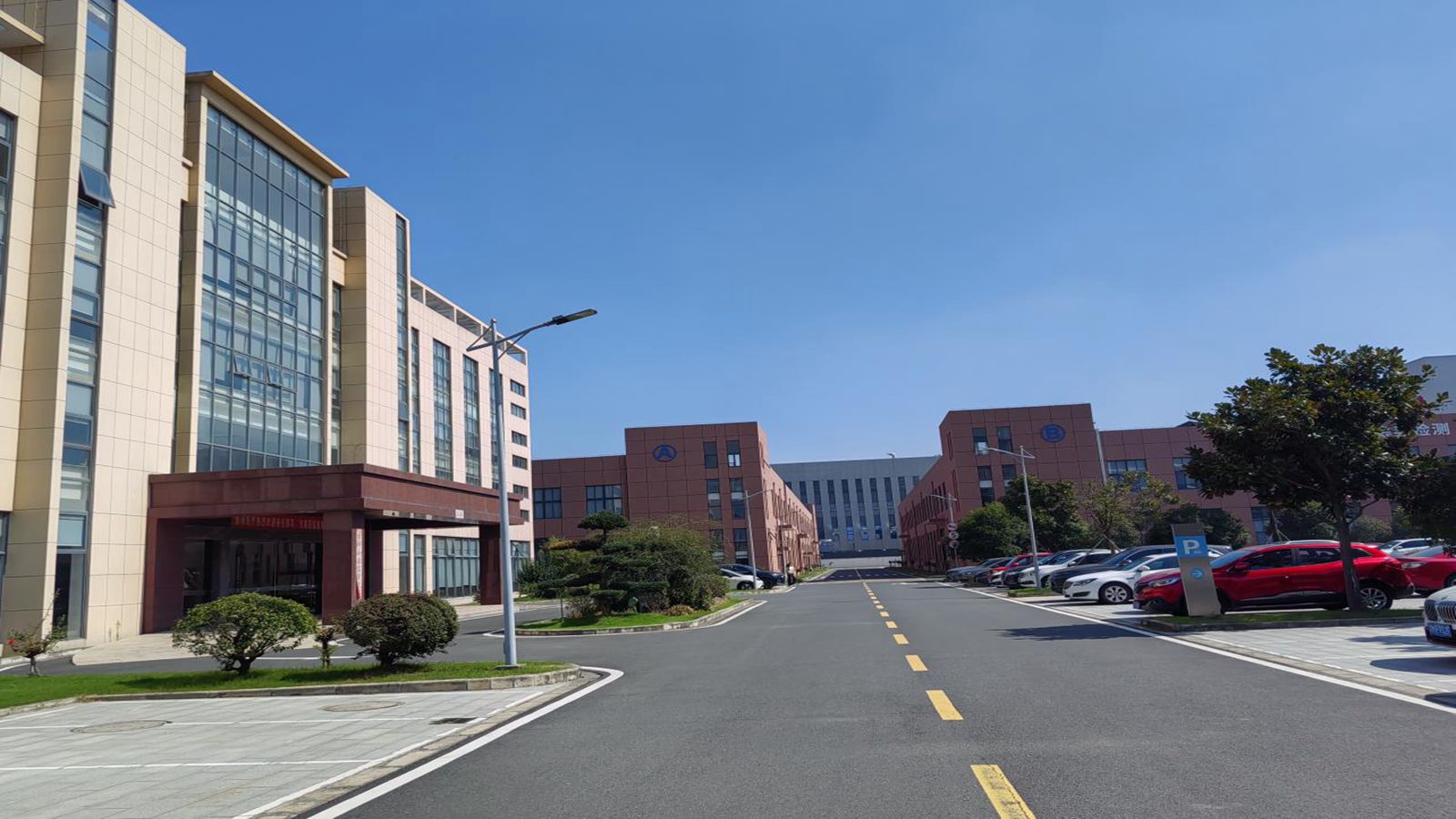
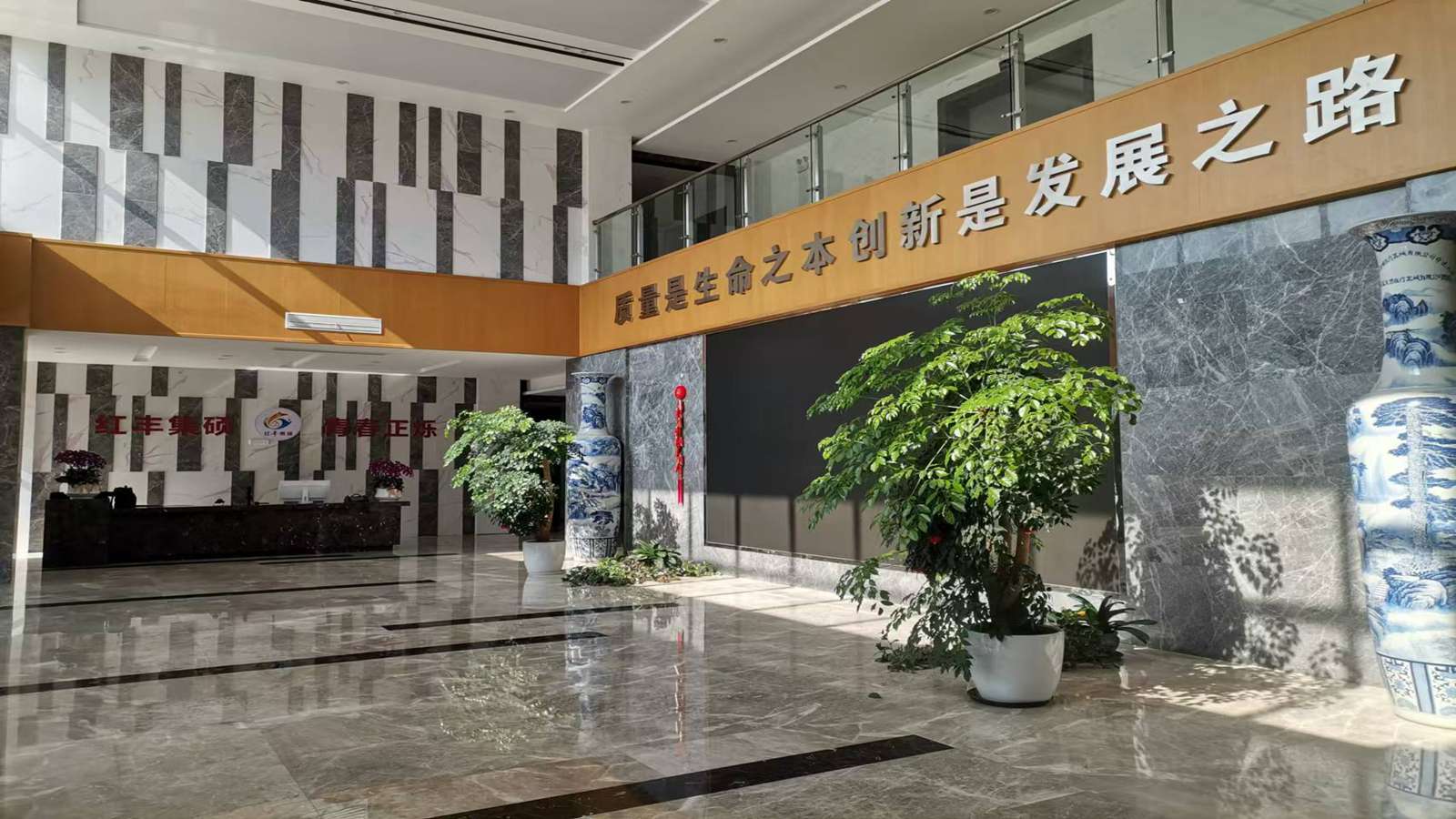
Established in 2015, HBM Medical Apparatus And Instruments Co., Ltd. stands as a premier orthopedic medical equipment research, development, and high-precision manufacturing enterprise in China. Backed by a domestic sales network extending nationwide, HBM has earned substantial recognition across regional distribution networks, engineering partners, and international OEM brands. Our core mission integrates elite R&D capabilities with state-of-the-art production environments to deliver advanced surgical instruments and orthopedic implants to markets globally.
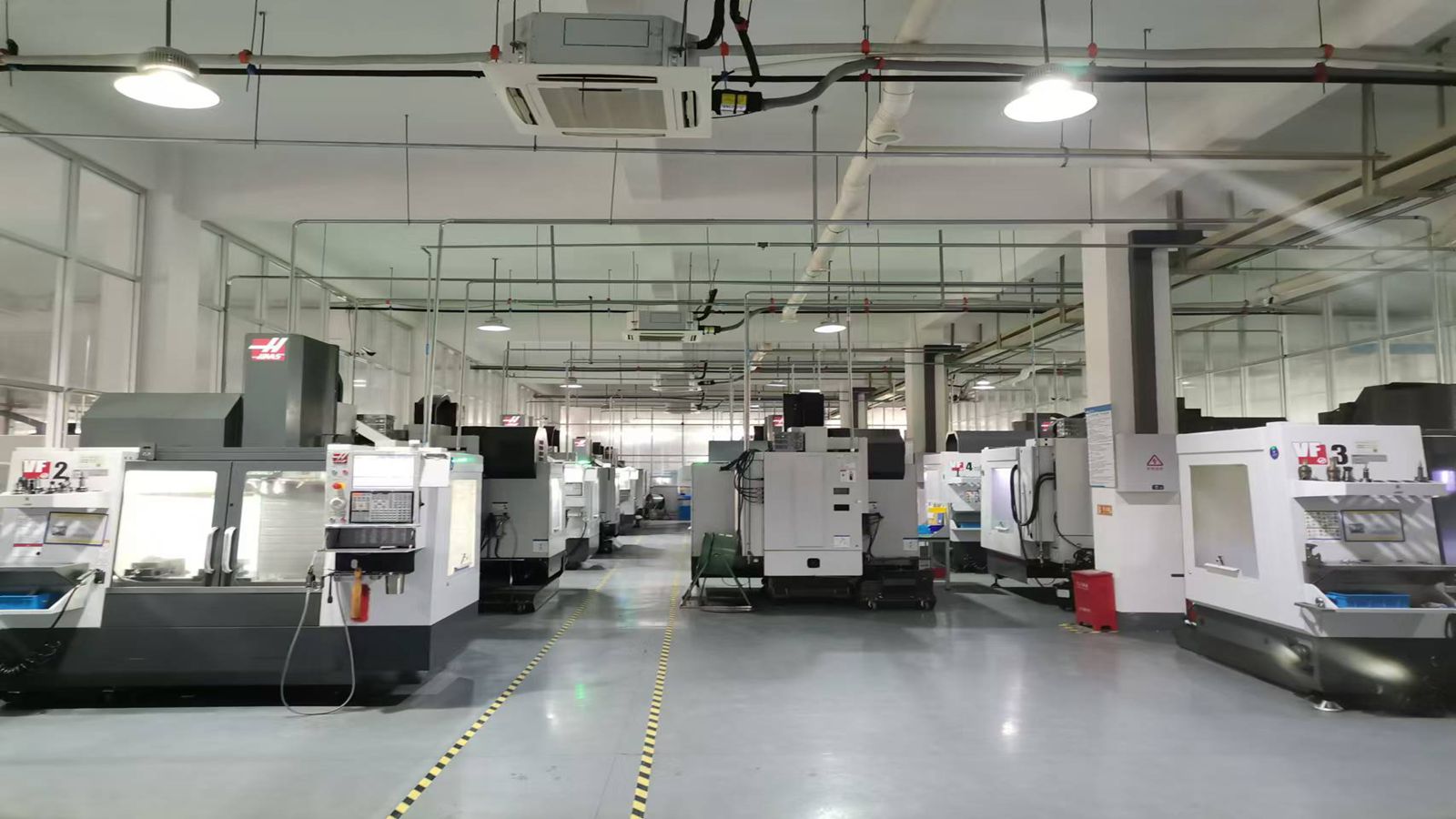
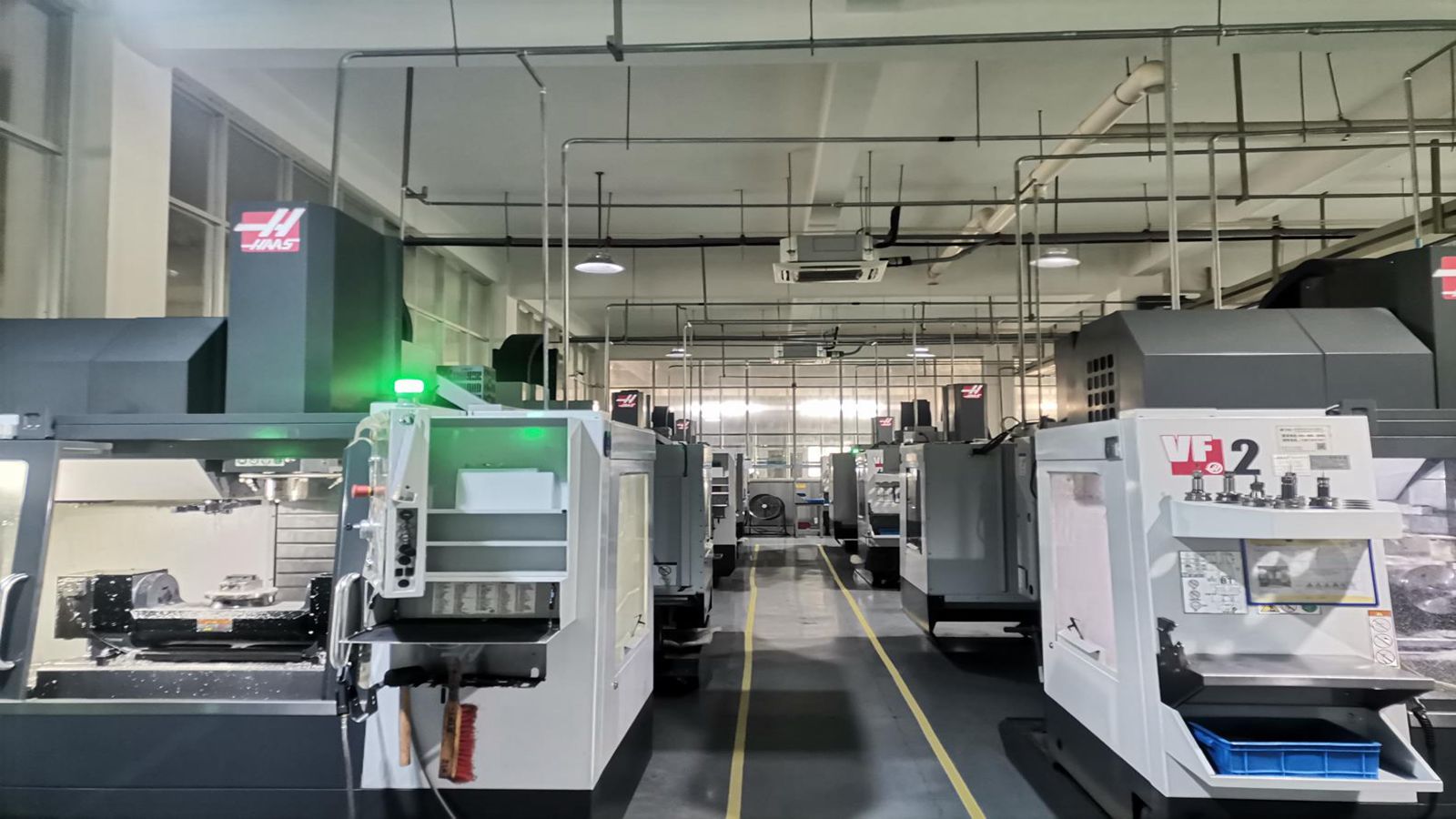
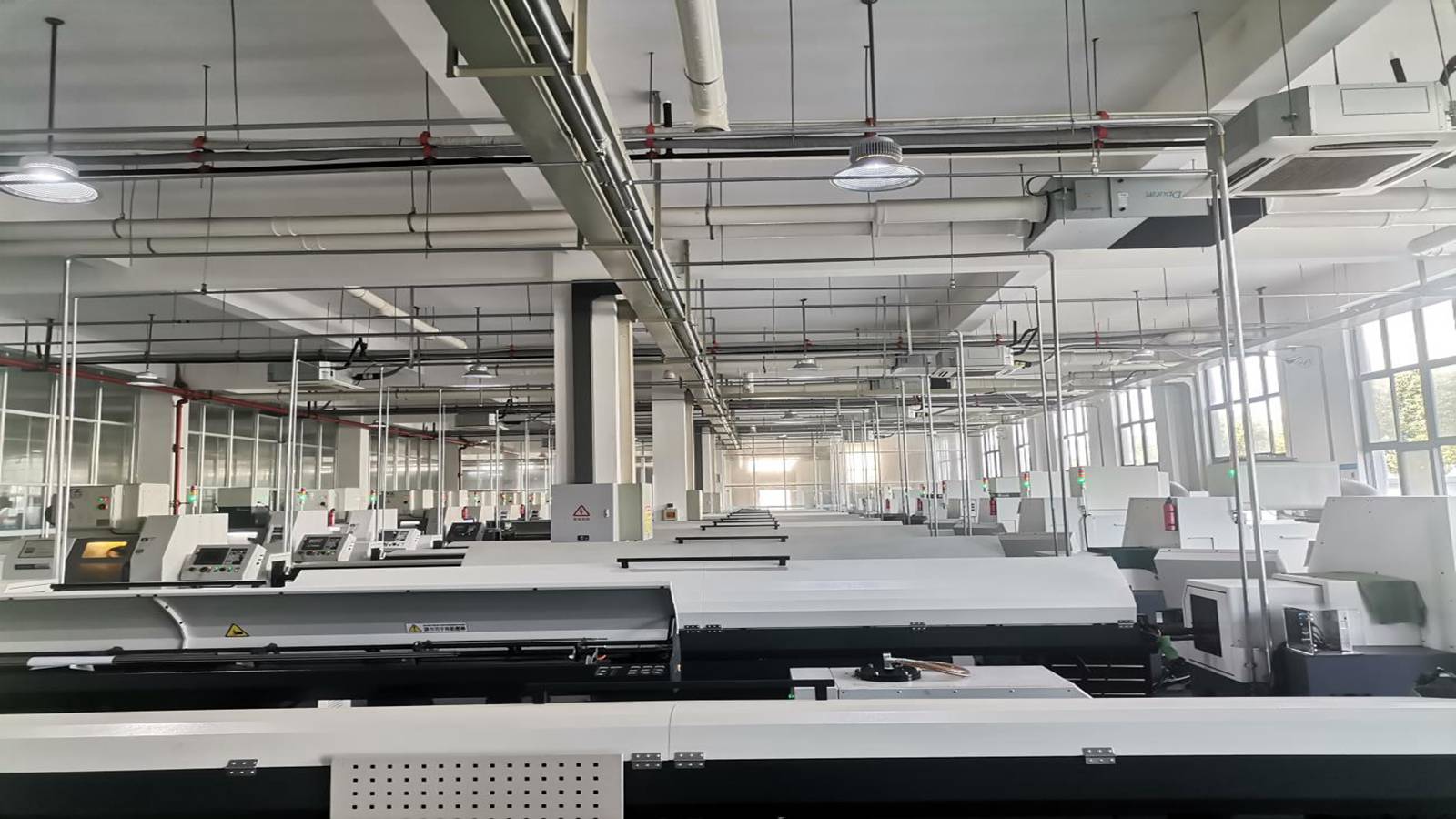
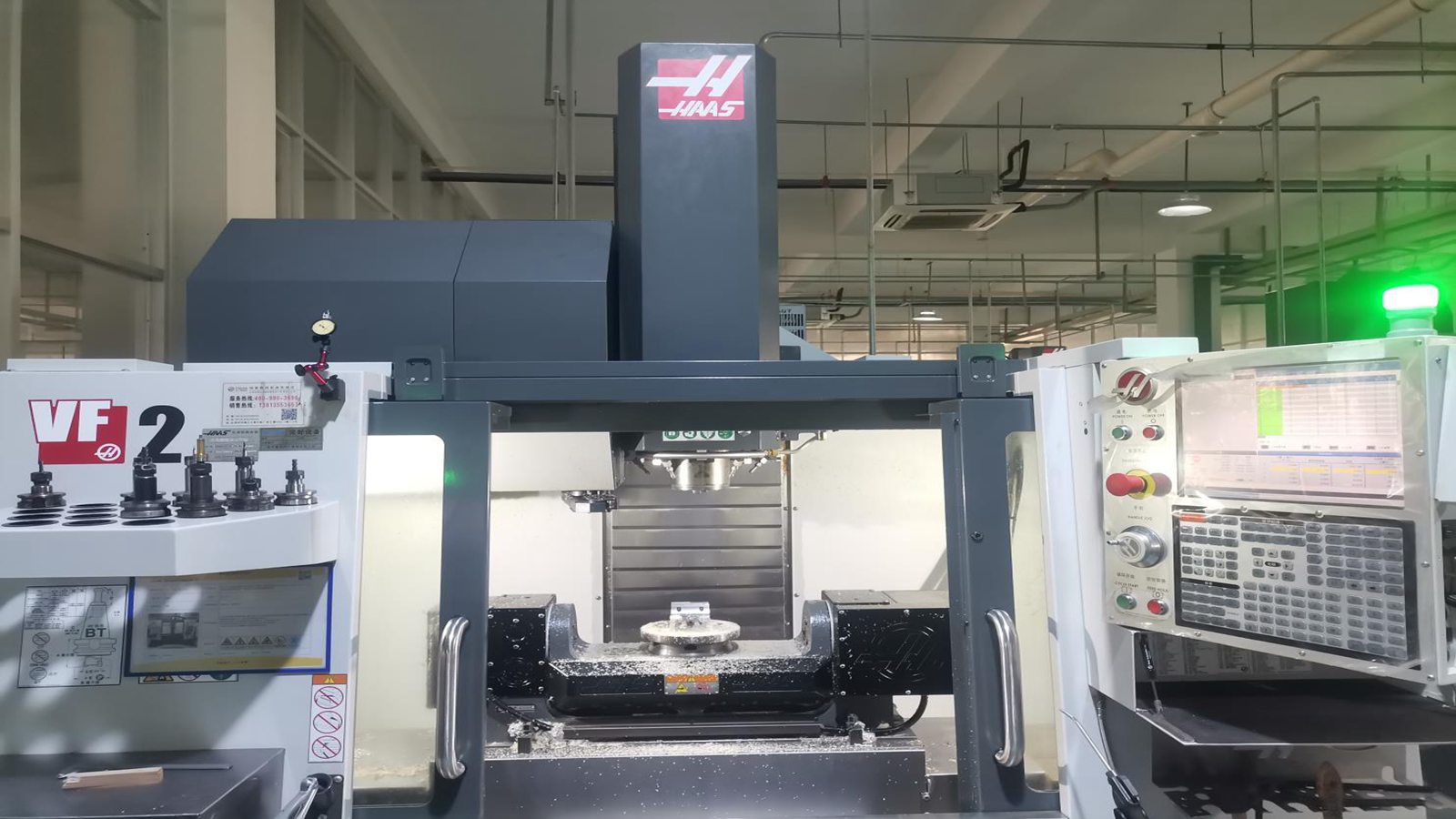
At HBM Medical, quality control is not a variable phase, but a continuous manufacturing standard. We maintain complete product traceability, spanning from raw medical-grade titanium and stainless steel sourcing to finished clinical sterilization packaging. Operating 12 dedicated production lines powered by 120 advanced high-capacity production machines, our production floors are monitored by 36 dedicated QA/QC inspectors. Every batch is subjected to rigorous mechanical stress tests, spatial dimensional tolerances verification, and micro-defect analyses, ensuring absolute performance in highly sterile operating environments.
Innovating in the medical technology sector requires strong academic foundations and structured development. Our specialized R&D core is composed of 31 engineering specialists, including 1 Doctorate researcher, 11 Postgraduate degree holders, and 17 engineering Graduates. This team concentrates on micro-machining tolerances, ergonomic handles, biocompatible interface designs, and surface treatment optimizations (such as plasma spraying and anodic oxidation). Our R&D group successfully developed and launched 25 new products within the past fiscal year, driving surgical design boundaries to meet the challenges of next-generation hospitals.
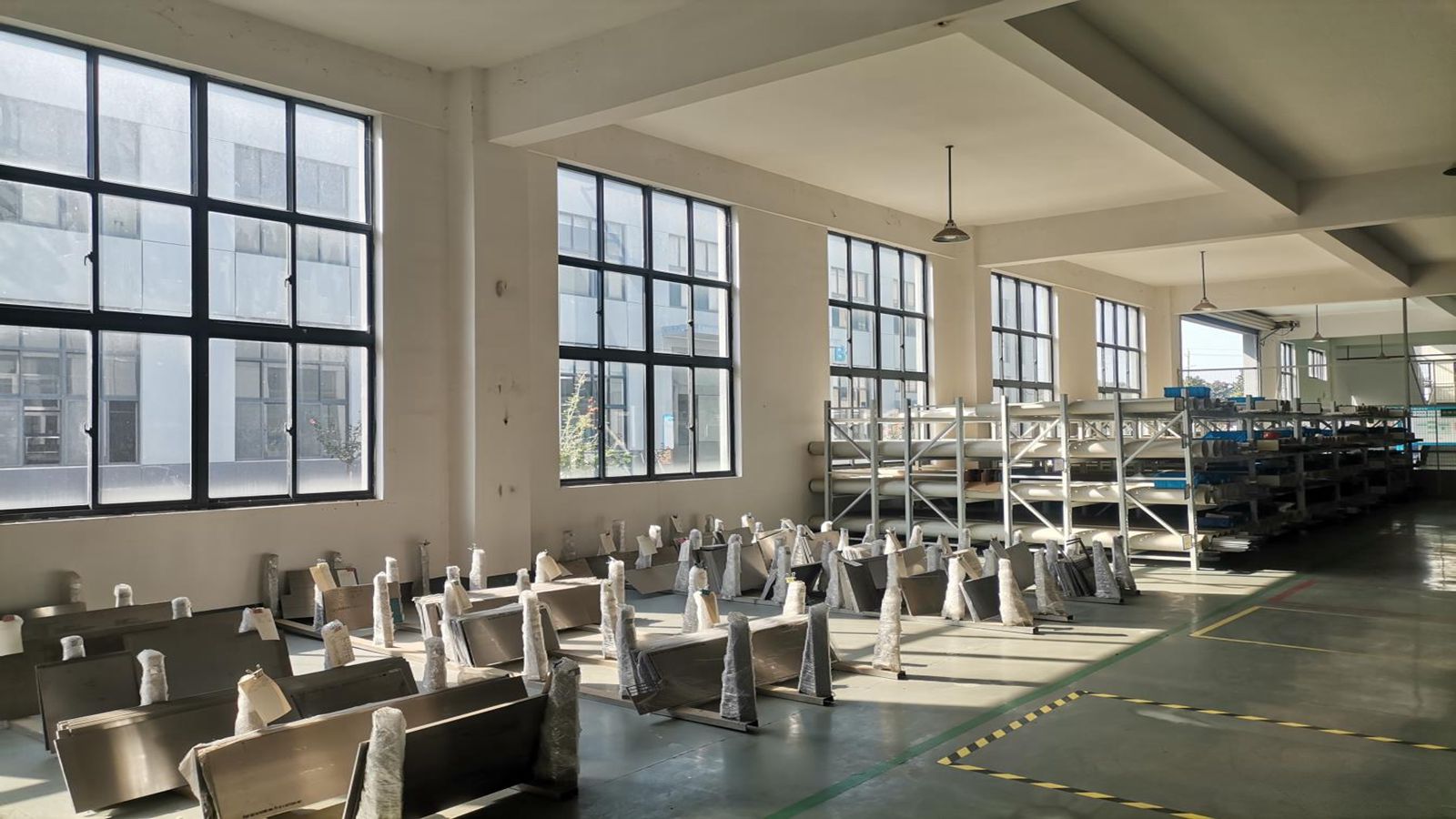
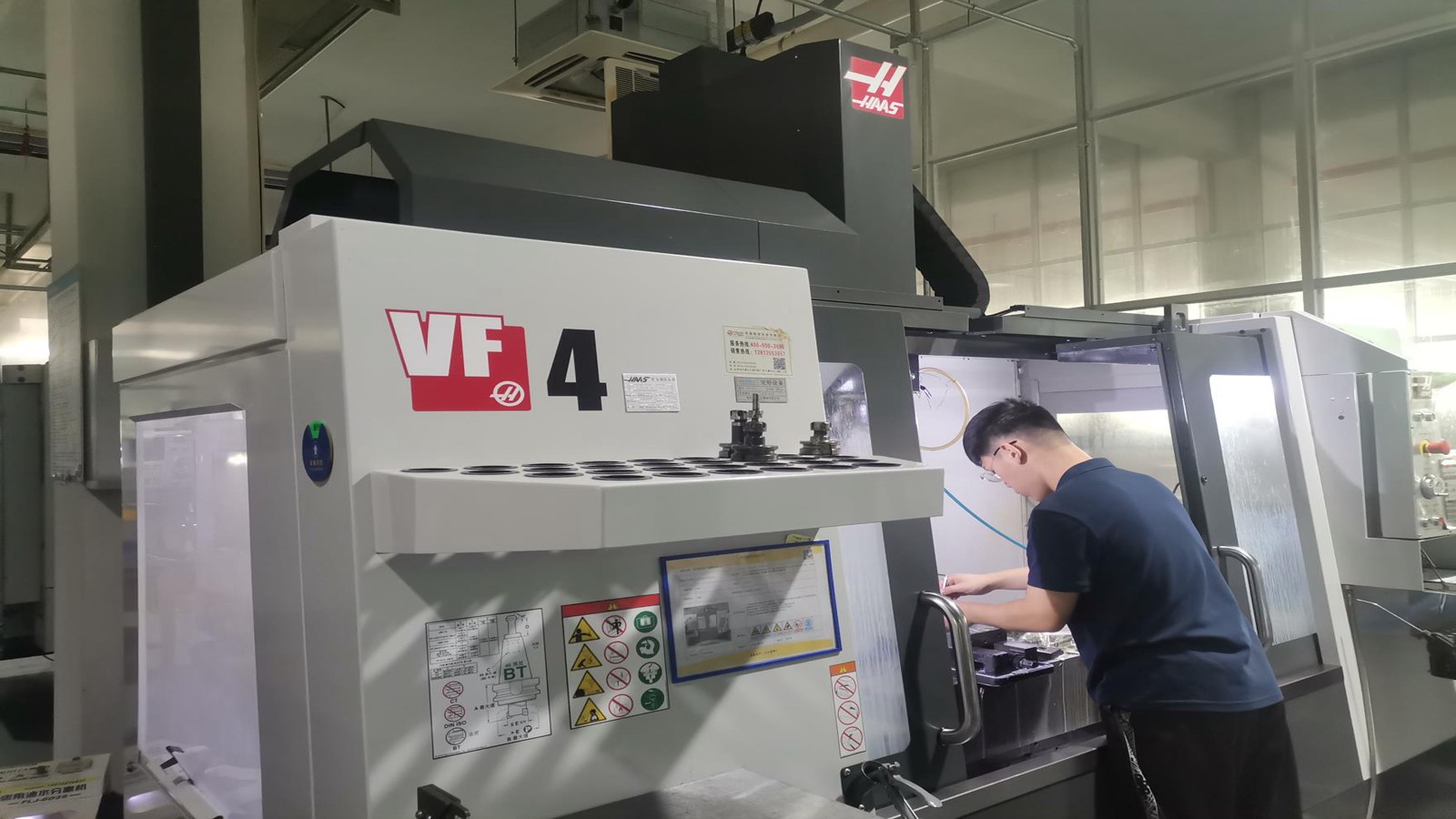
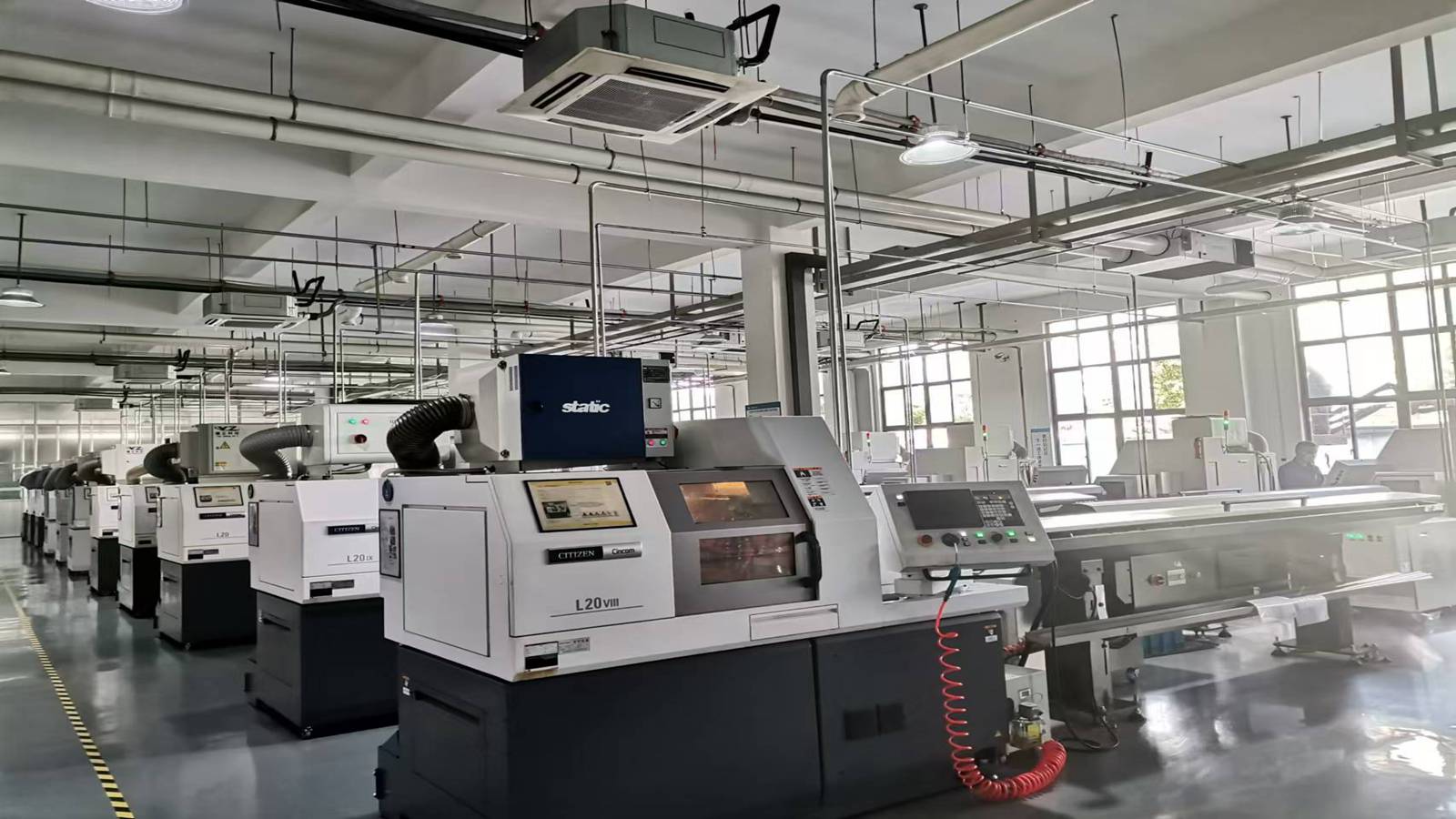
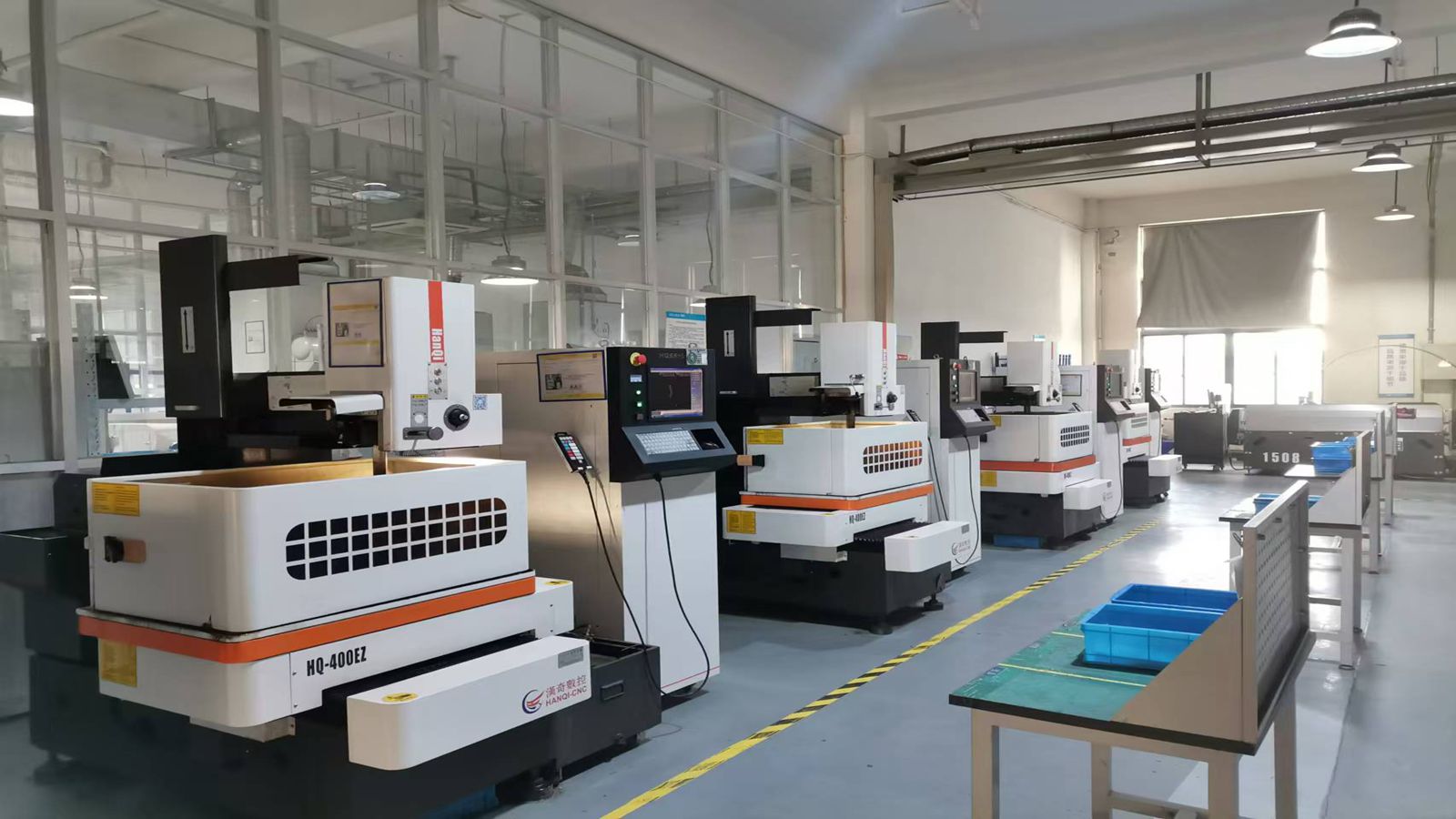
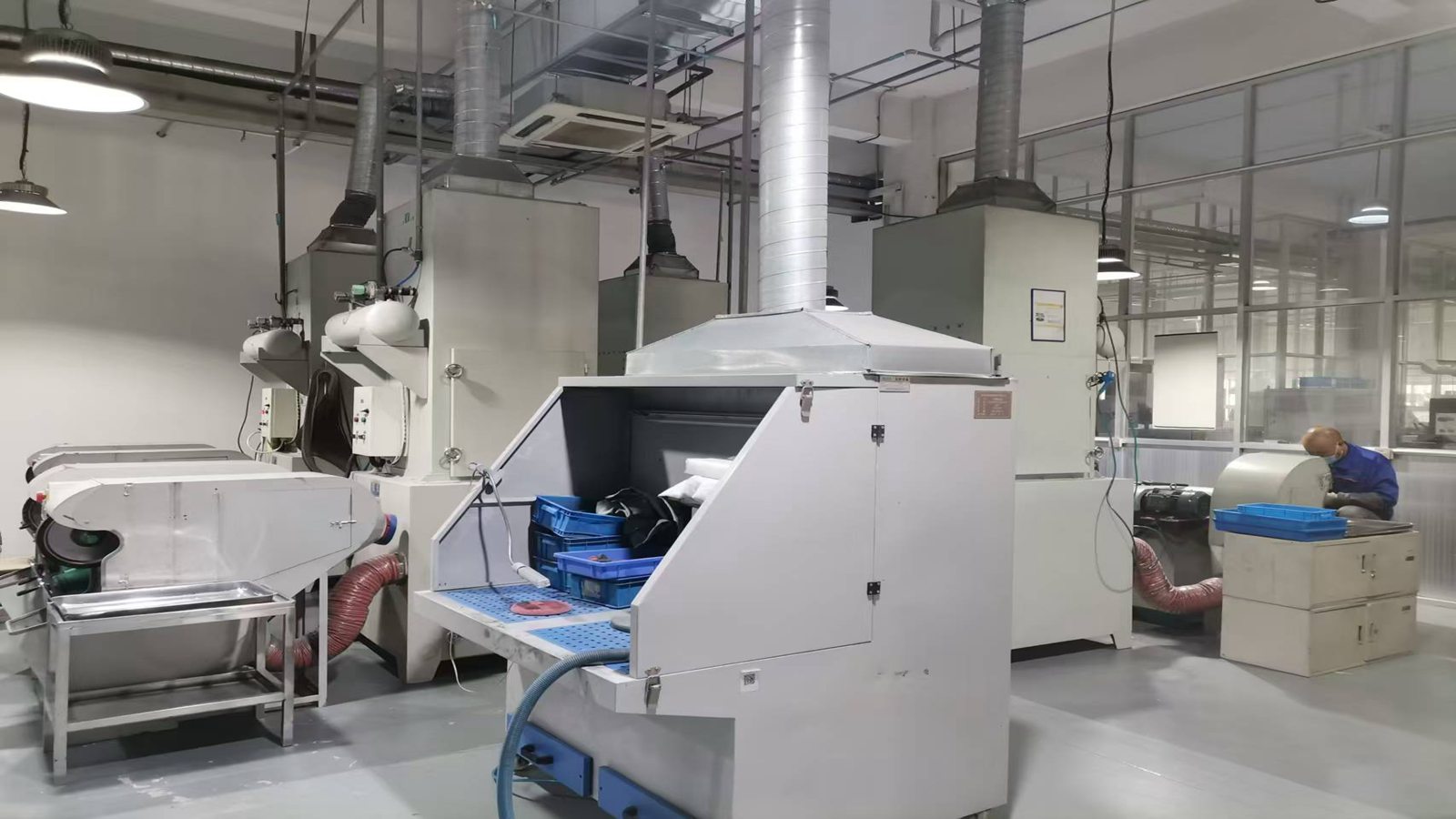
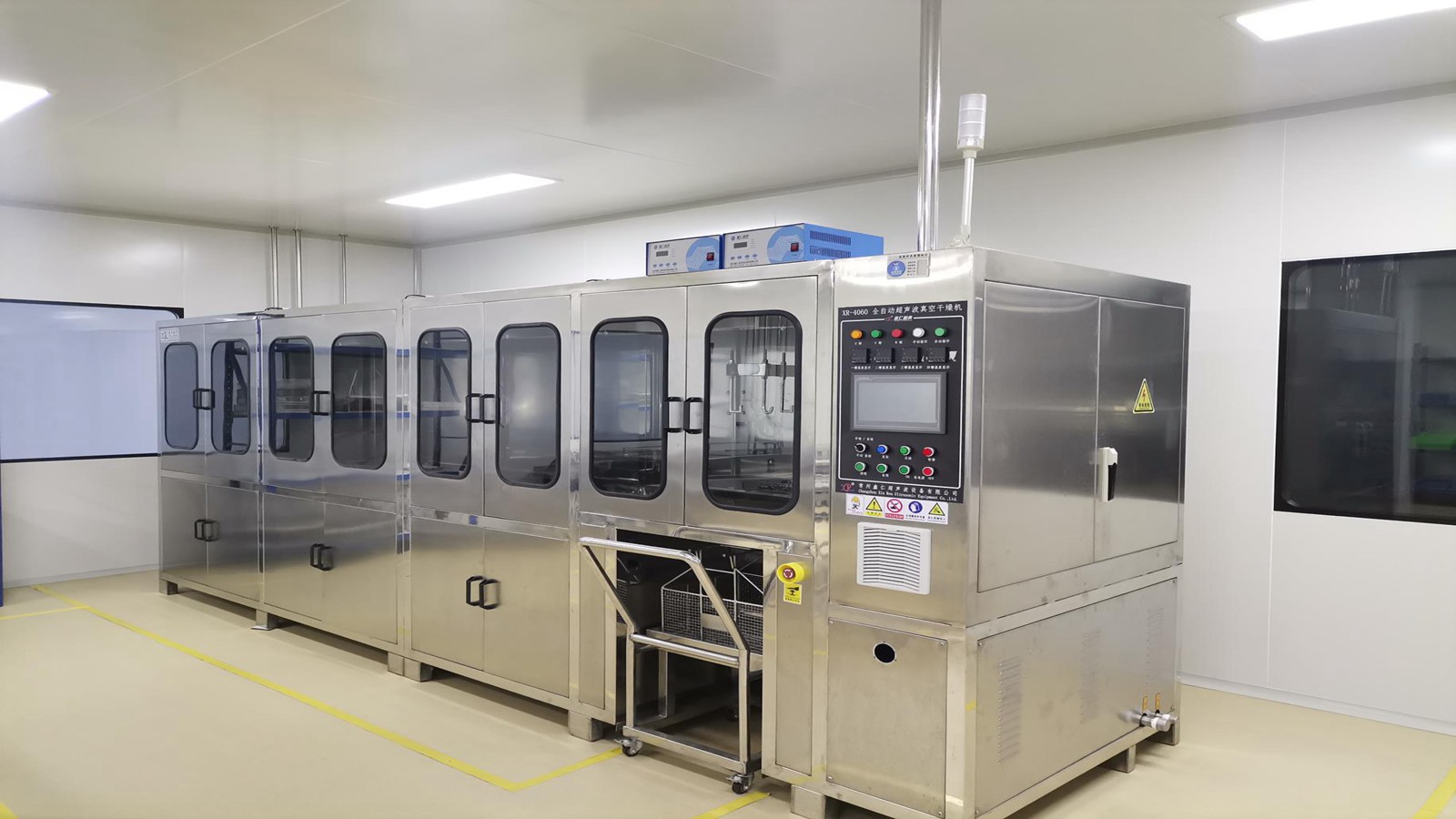
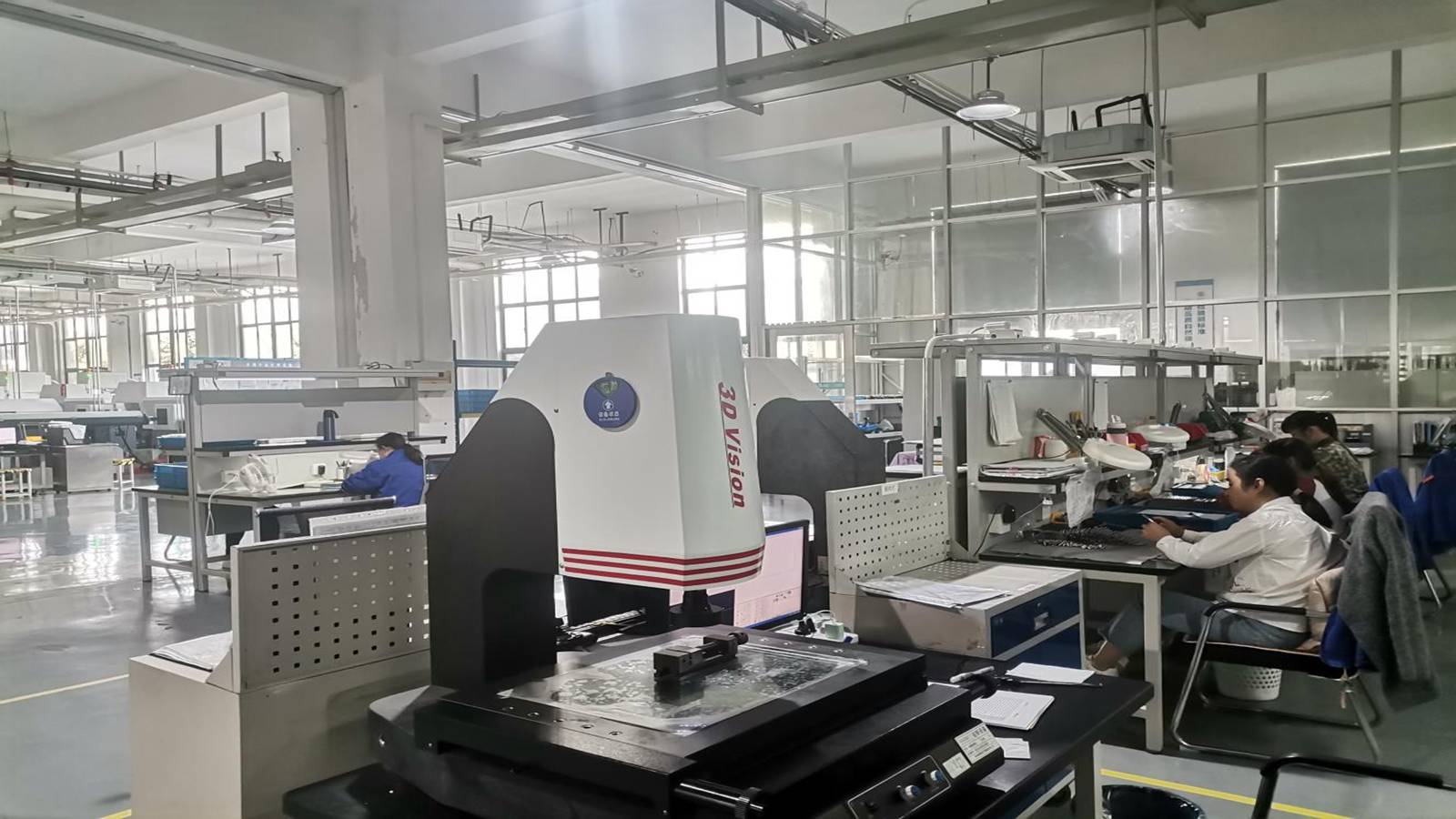
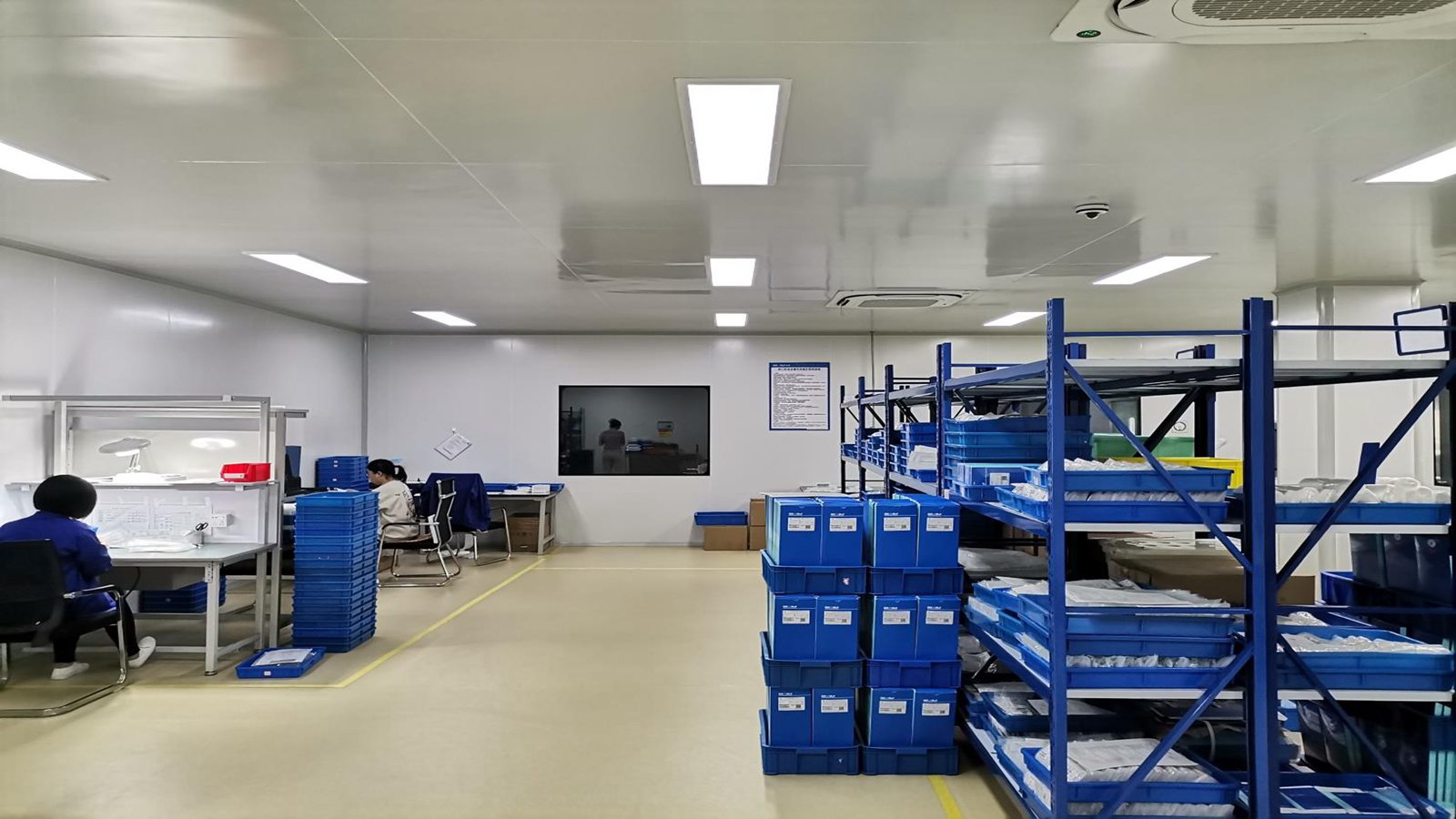
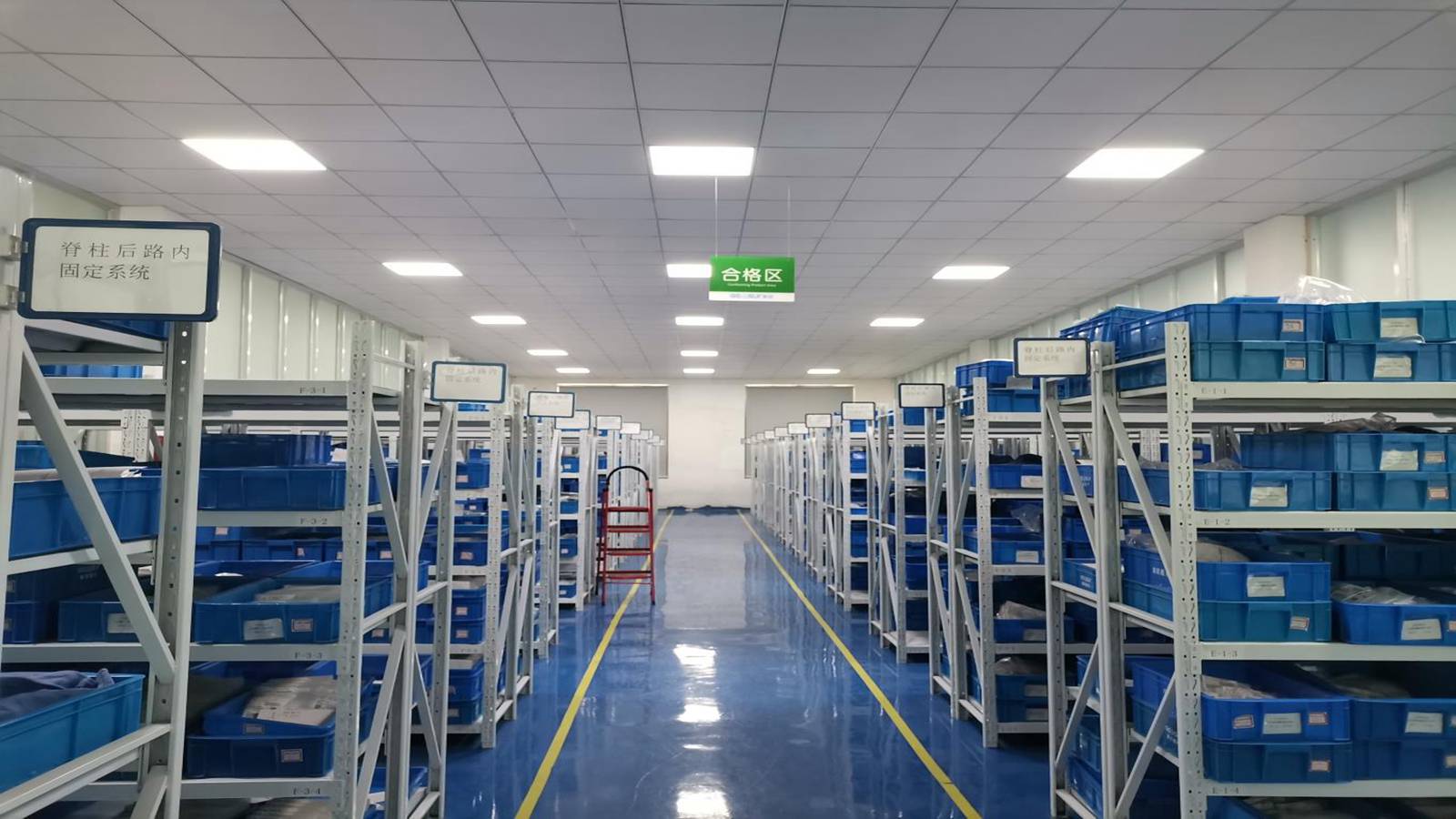
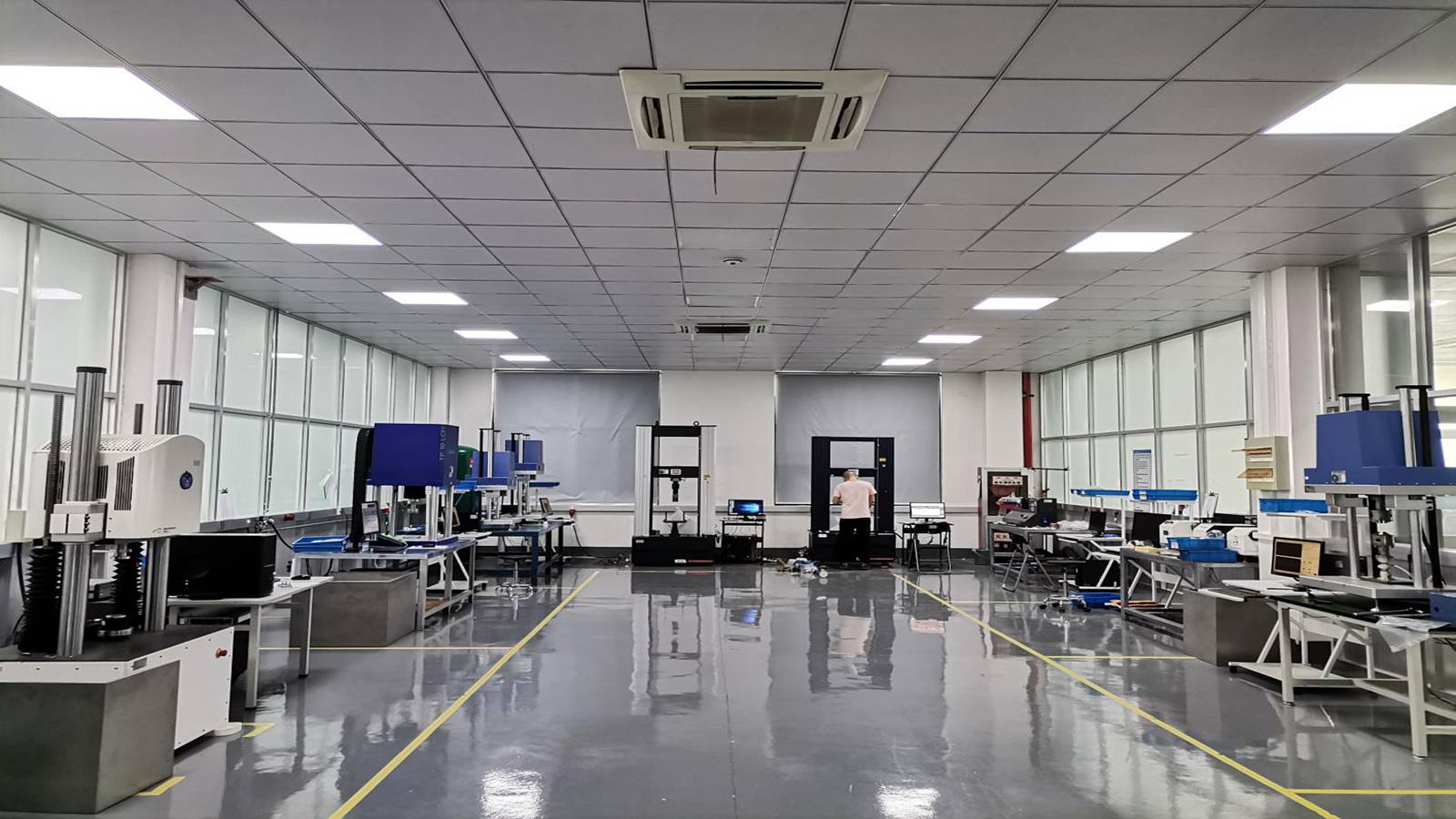
An inside look at our 30,000+ square meter manufacturing plant, showing cleanroom environments, multi-axis CNC machinery, high-precision inspection rooms, and logistics hubs.

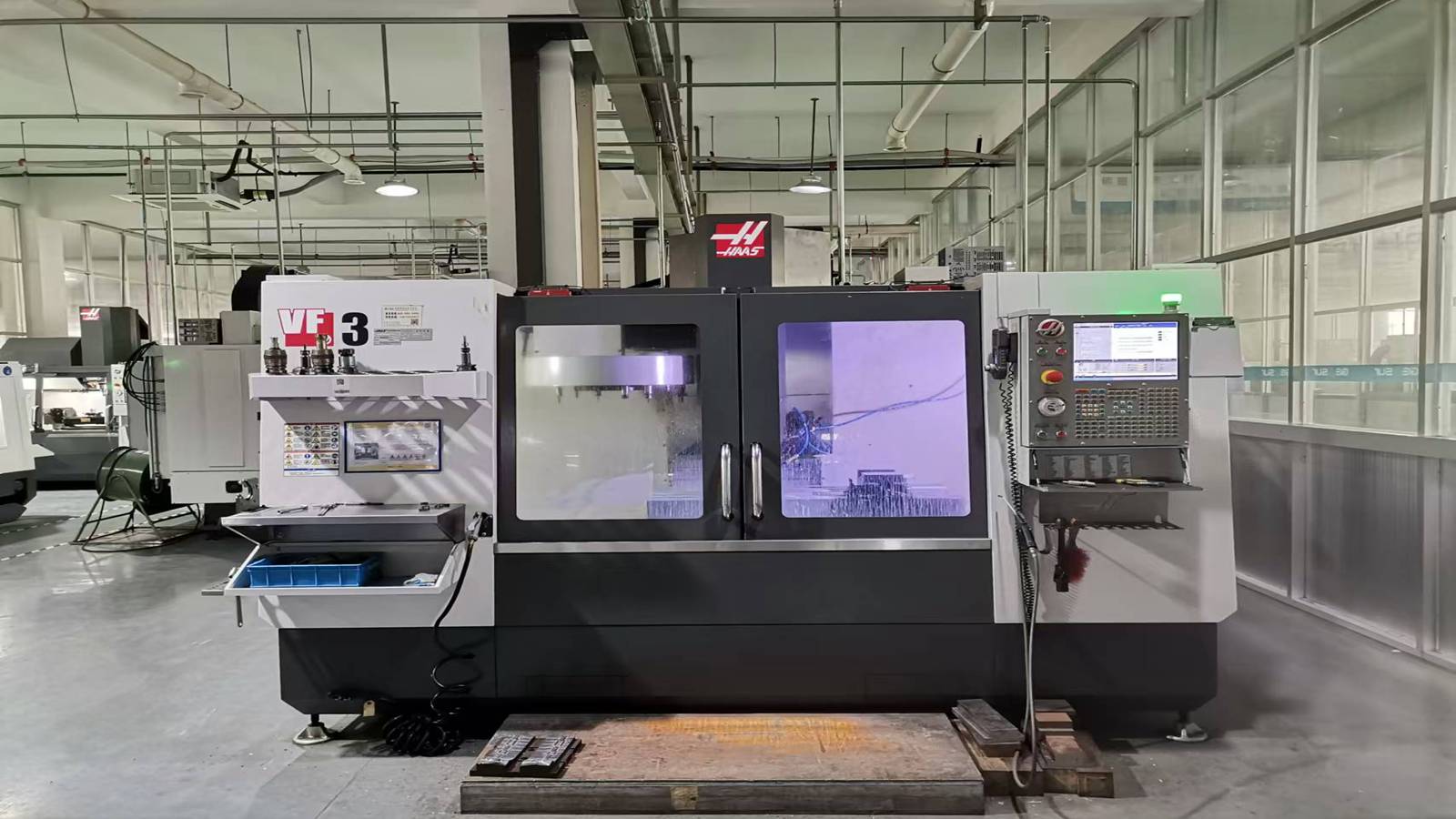
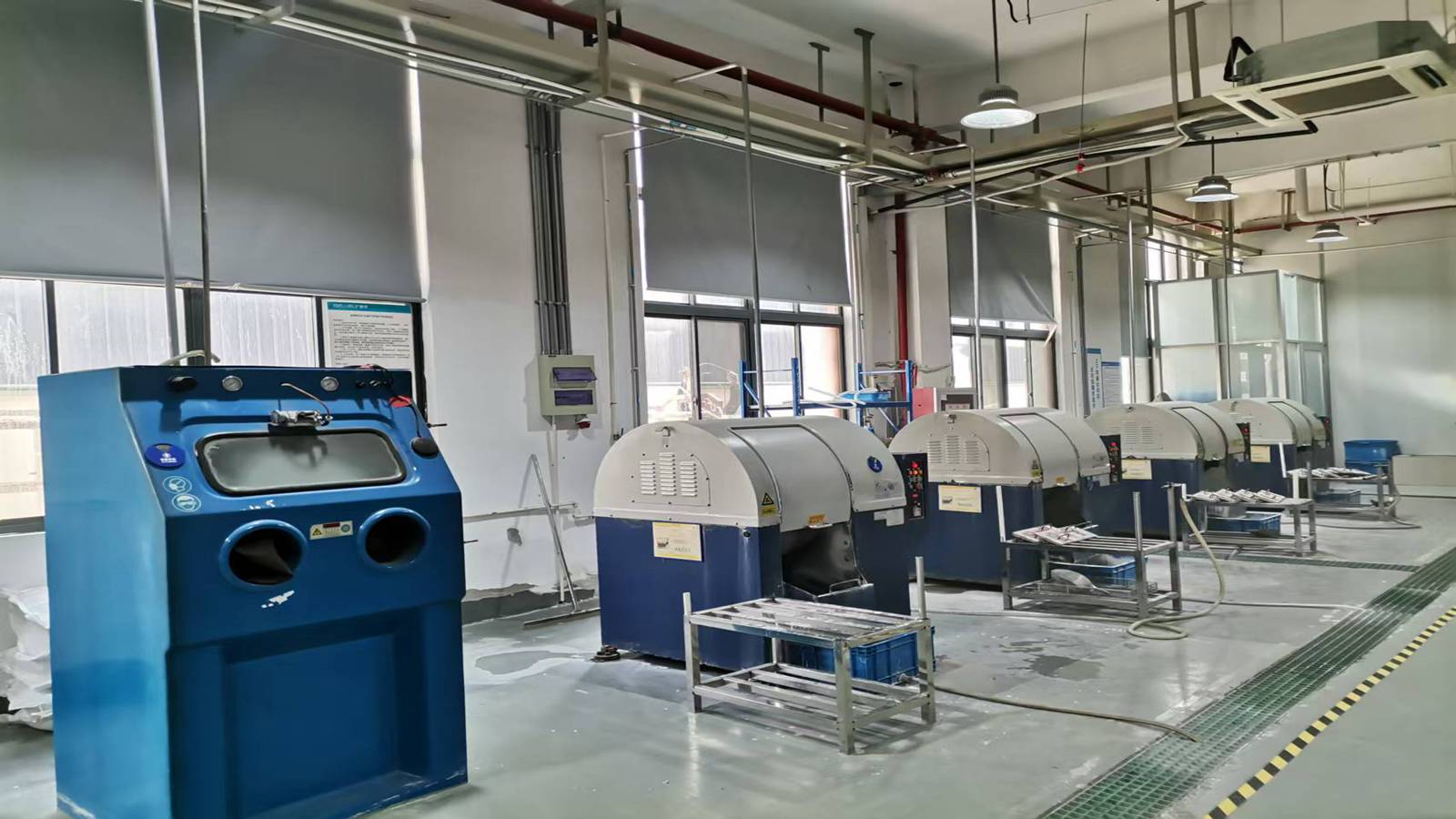
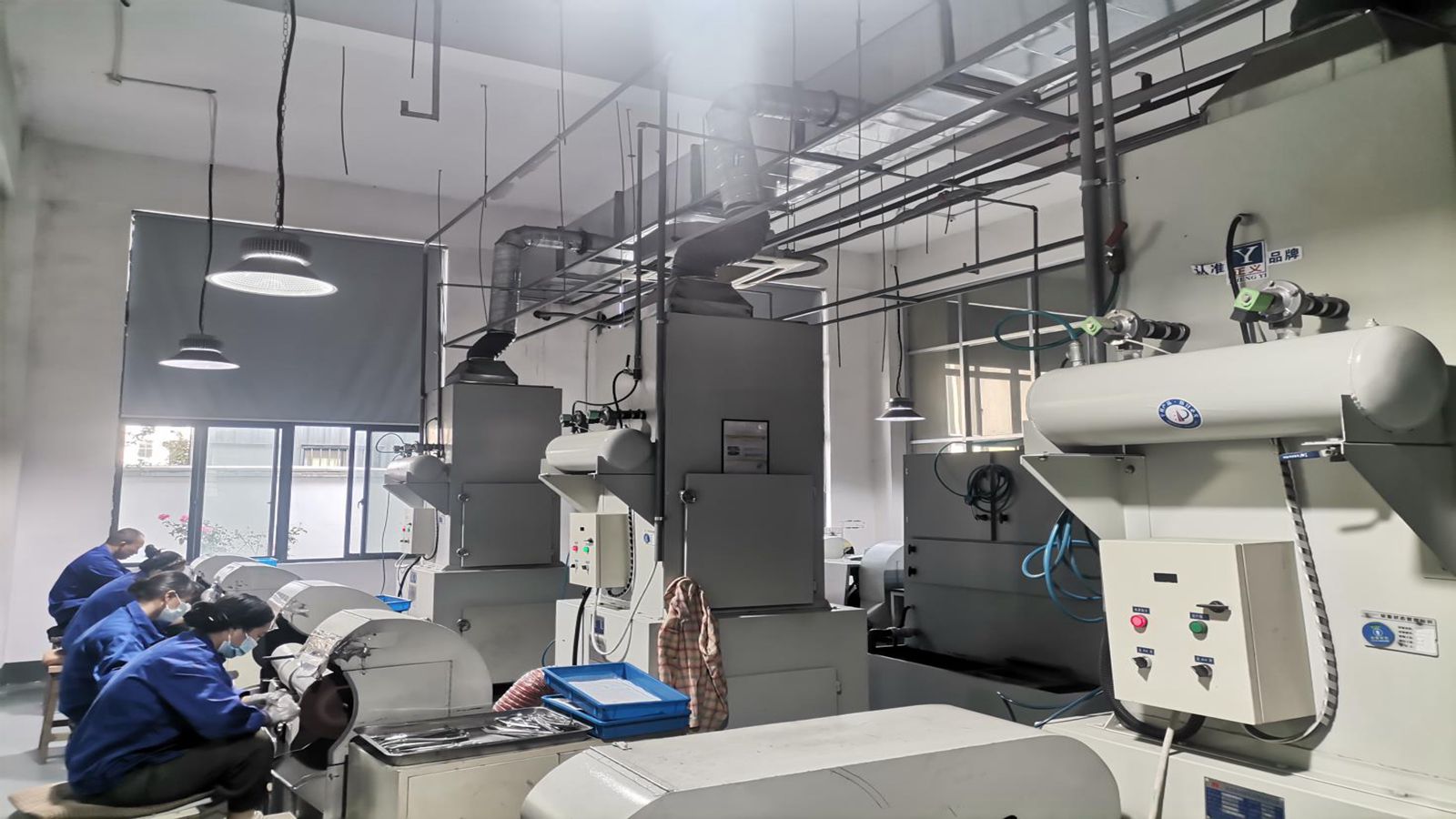
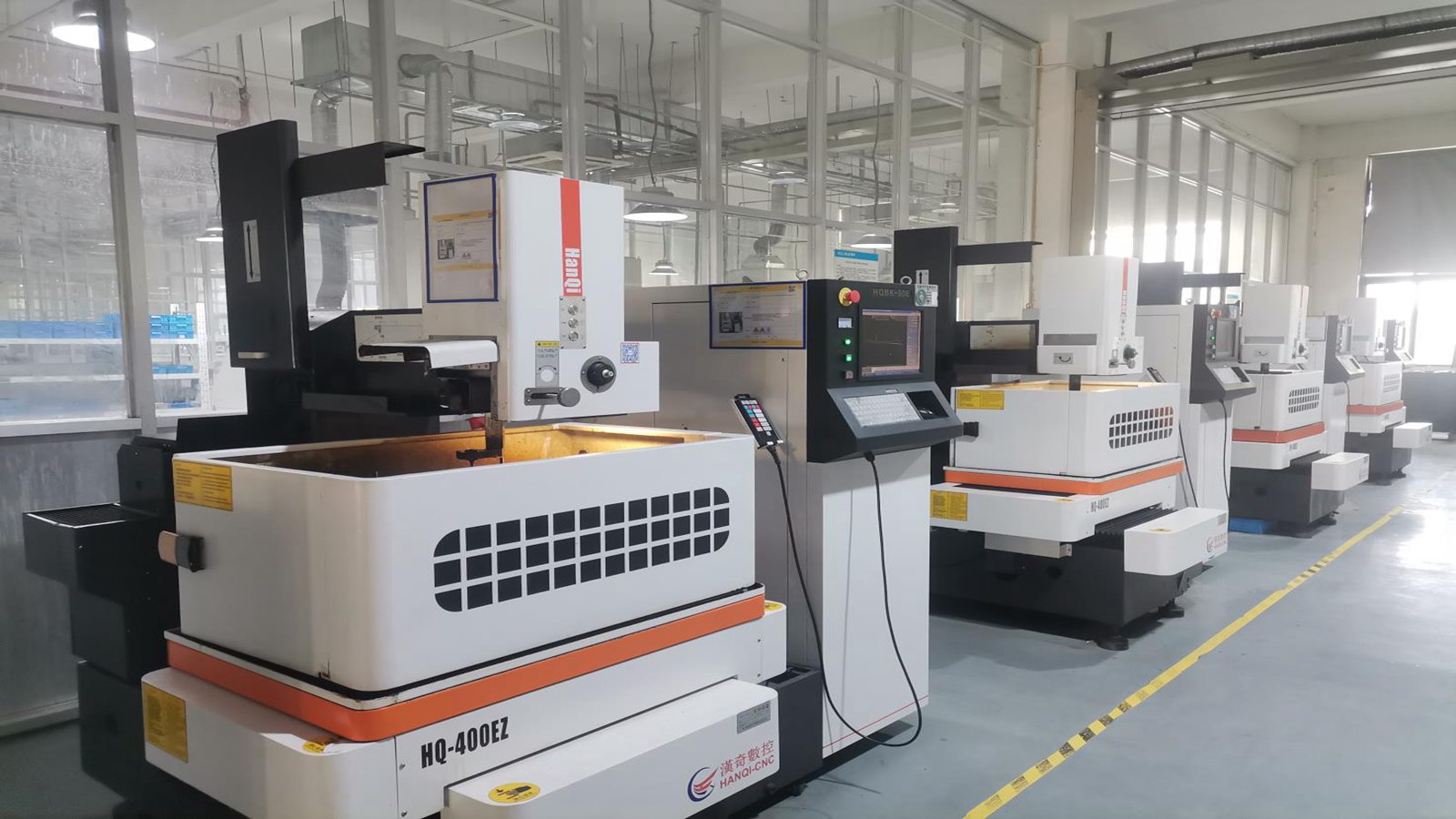
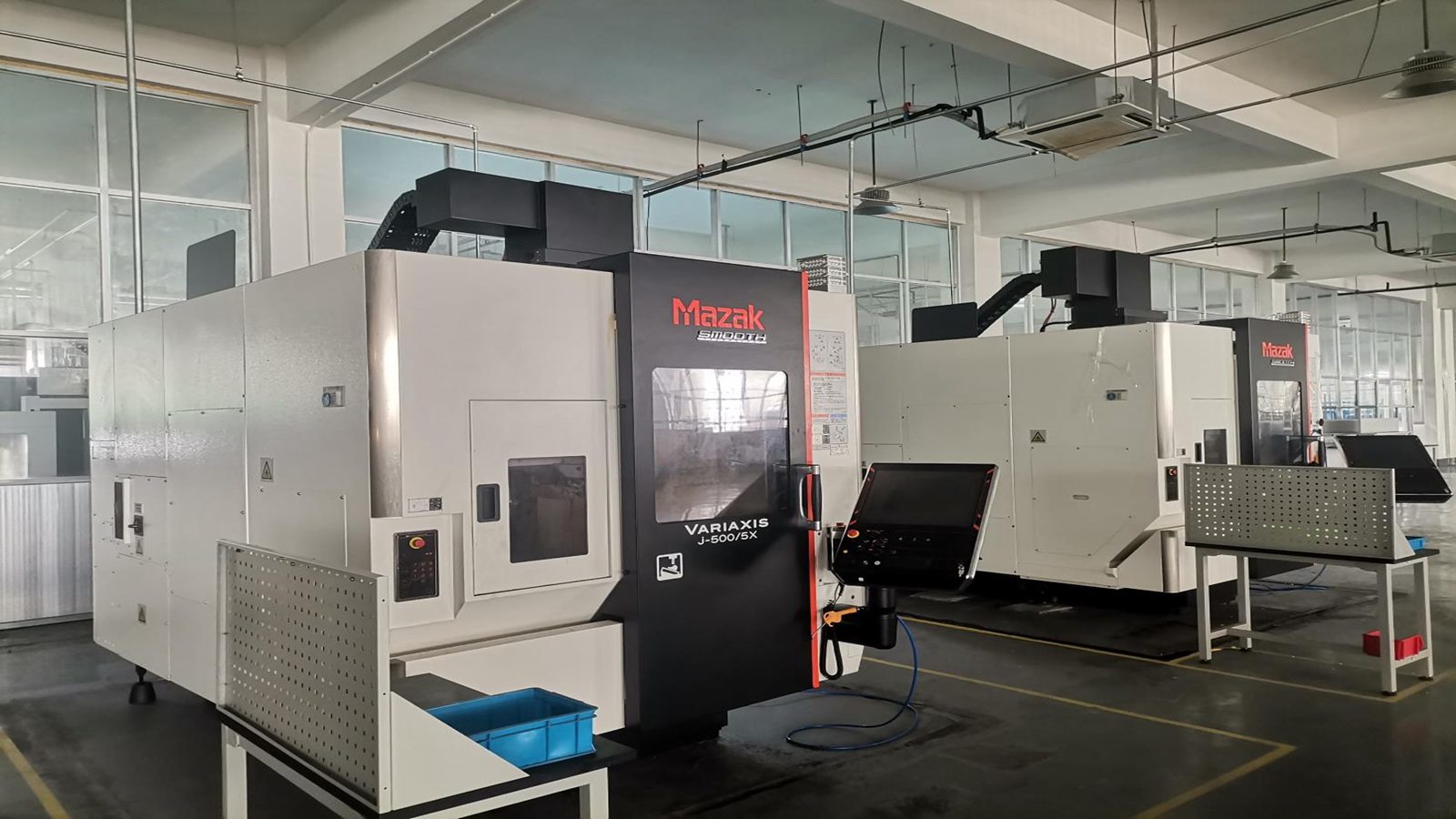
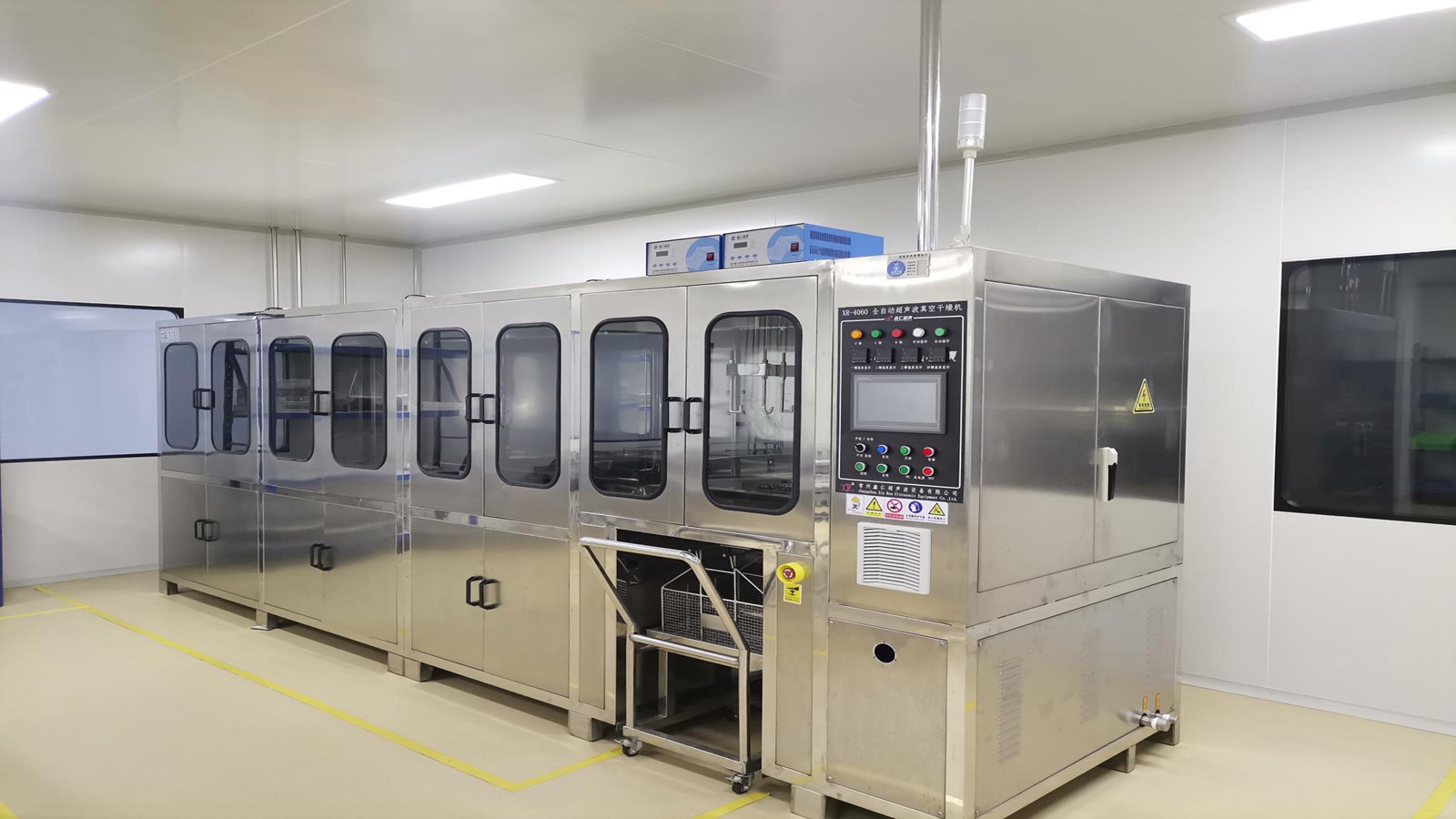
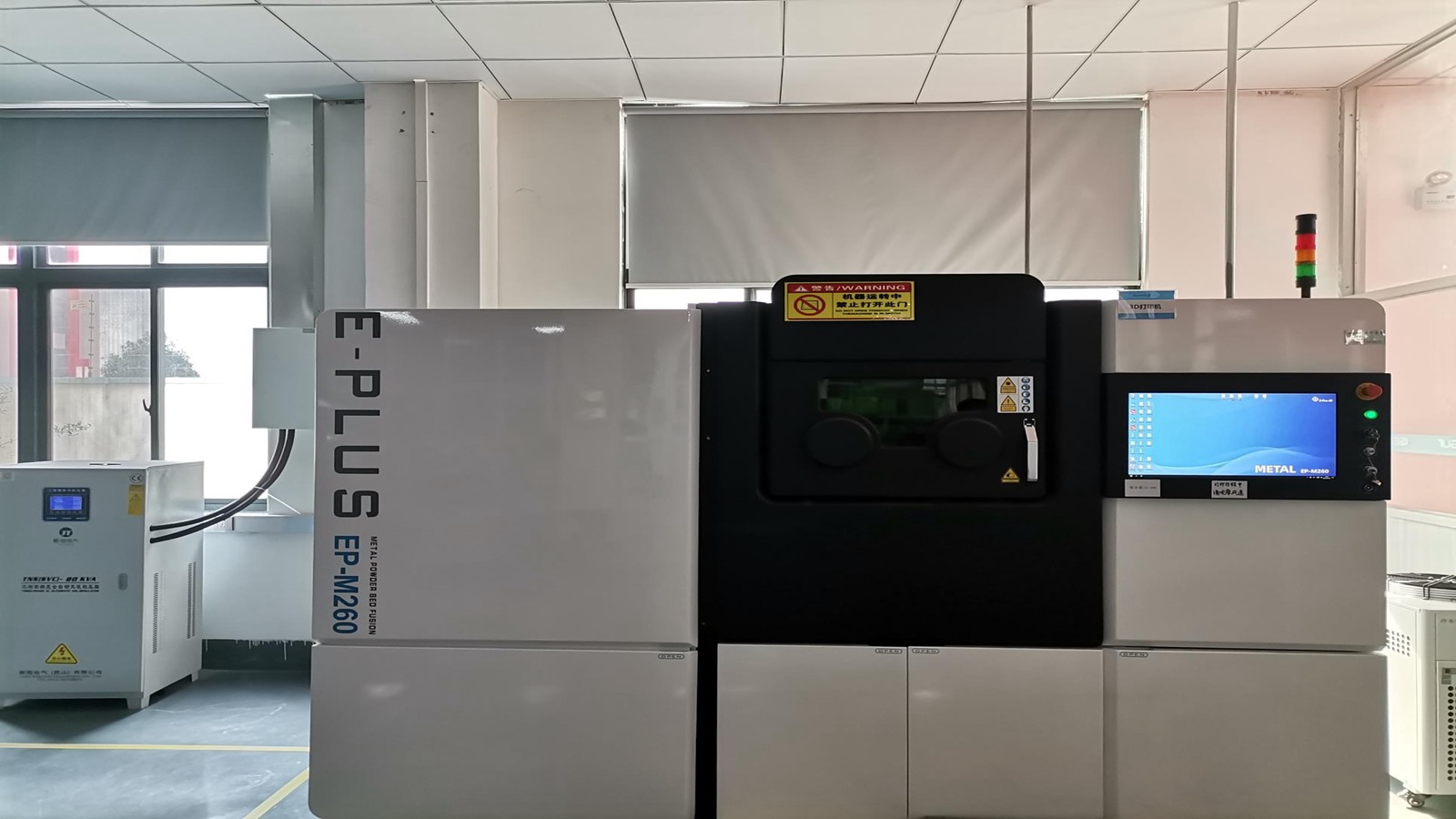
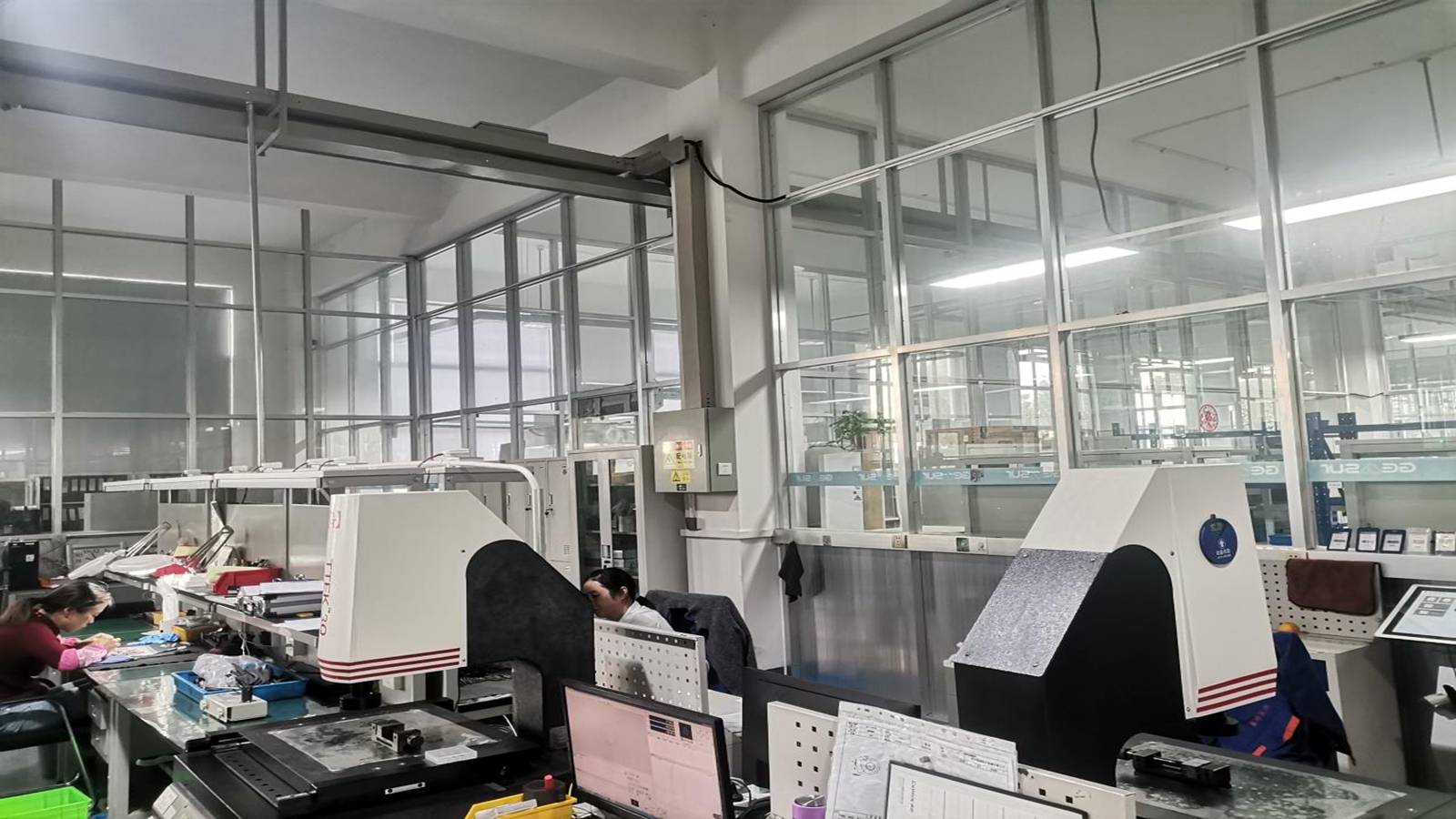
The development of surgical assistance technologies is guided by a clear technological roadmap. This map shows the transition from rigid hardware systems to intelligent, interconnected software-driven solutions.
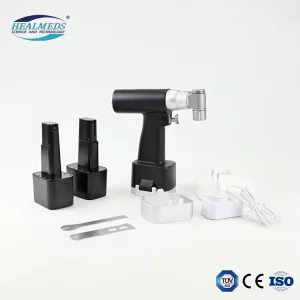
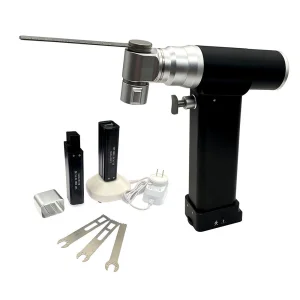
Integrating mechanical surgical tools (like high-speed burrs and oscillating saws) with navigation systems, allowing the software to automatically stop tool activity if the tip leaves the designated safe zone.
Using AI-driven landmark detection to automate the process of registering patient anatomy. This reduces the manual calibration time from several minutes to seconds, improving operating room workflow.
Developing ultra-low latency data pipelines (using 5G/6G protocols) to transmit real-time coordinate data, allowing senior remote specialists to supervise complex procedures from other geographical locations.
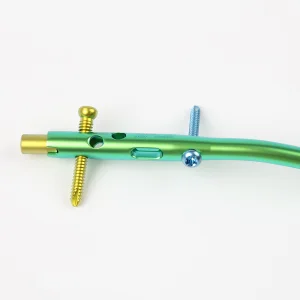
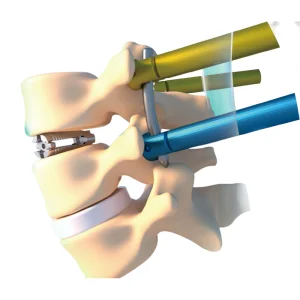
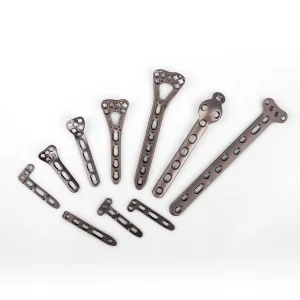
We supply complete system packages, including pedicle screw sets, cervical cages, and titanium implants. These components are designed with tracking marker mounts, allowing seamless integration with leading optical navigation systems.
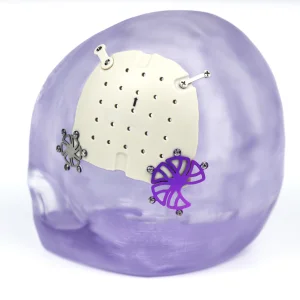
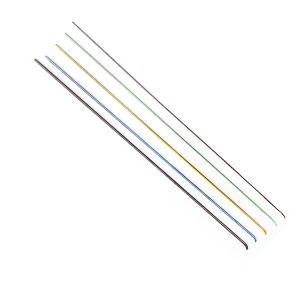
Our distal radius plates, elastic intramedullary nails, and cranial fixation plates are engineered for high anatomical conformity. This precision reduces the need for manual shaping during surgeries and supports accurate pre-surgical computer planning.
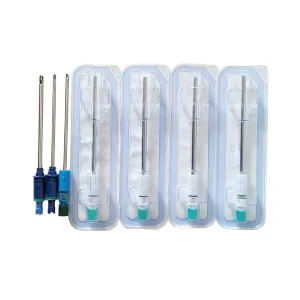
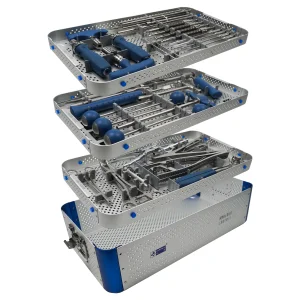
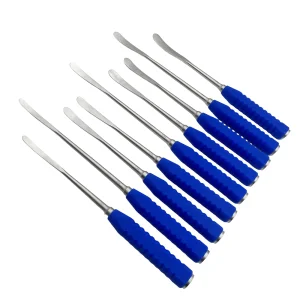
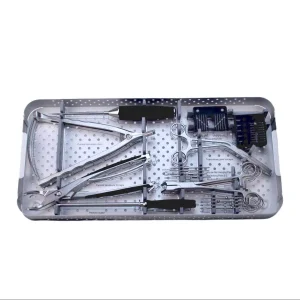
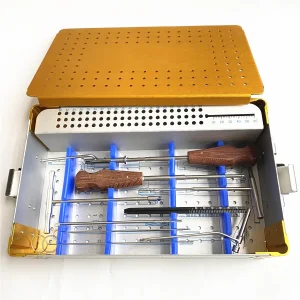
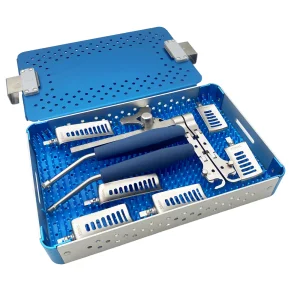
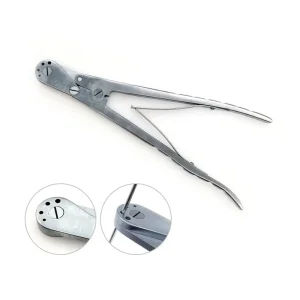
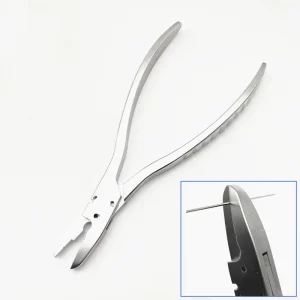
We manufacture durable retractor systems, cutters, and surgical handpieces designed to withstand repeated autoclaving cycle profiles (up to 134°C). These tools maintain mechanical alignment and structural integrity over extended clinical lifecycles.
 HBM Medical