China Wholesale Ankle Implants Manufacturers & Factories

Premium Orthopedic Devices, Advanced Biomaterial Engineering, and Global Contract Manufacturing Solutions by HBM Medical

Clinical Landscape & Engineering of Total Ankle Arthroplasty (TAA)

An In-Depth Whitepaper on Biomechanics, Material Sciences, and Clinical Efficacy in Modern Ankle Reconstruction.

1. Evolution of Modern Ankle Implants

Historically, severe tibiotalar joint degeneration stemming from post-traumatic osteoarthritis, rheumatoid arthritis, or primary degenerative joint disease was addressed exclusively via ankle arthrodesis (joint fusion). While arthrodesis provides immediate stability and pain relief, it significantly limits the patient's range of motion, inducing compensatory biomechanical stress on the adjacent subtalar and transverse tarsal joints. Over time, this leads to secondary osteoarthritic degradation in adjacent foot anatomy.

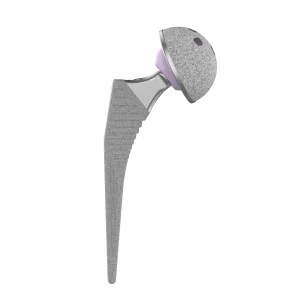
Total Ankle Arthroplasty (TAA) has emerged as the gold standard for preserving physiological joint kinematics. Modern third-generation and fourth-generation ankle implants feature anatomic, semi-constrained, and mobile-bearing designs that replicate the complex, non-hinged motion of the natural ankle. These systems typically comprise three distinct components: a contoured tibial component, a highly polished talar component, and an ultra-high-molecular-weight polyethylene (UHMWPE) or highly cross-linked polyethylene (HXPE) mobile or fixed bearing insert.

Biomechanical Engineering Insight: Third-generation designs implement anatomical curvature matching the natural cylindrical shape of the talus, minimizing shear forces at the bone-implant interface. By incorporating hydroxyapatite (HA) or titanium plasma spray (TPS) coatings, manufacturers stimulate rapid osseointegration, ensuring long-term secondary stability without the need for bone cement.

2. Material Composition and Osseointegration Properties

The performance of wholesale ankle implants is heavily dependent on the mechanical properties and biocompatibility of the alloys and polymers utilized:

  • Titanium Alloy (Ti-6Al-4V): Favored for its exceptional biocompatibility, high strength-to-weight ratio, and elastic modulus that closely aligns with human cortical bone, reducing the risk of stress shielding.
  • Cobalt-Chromium-Molybdenum (Co-Cr-Mo): Typically utilized in the articulating talar component due to its high wear resistance, hard surface finish, and low coefficient of friction when paired with UHMWPE.
  • Highly Cross-linked Polyethylene (HXPE) with Vitamin E: Formulated to reduce wear debris, preventing osteolysis. The addition of Vitamin E acts as an antioxidant, eliminating free radicals and ensuring long-term structural integrity against oxidative degradation.
Enterprise Capacity & Manufacturing Infrastructure

A leading Chinese R&D powerhouse delivering OEM/ODM orthopedic implants and precision surgical instruments worldwide.

Our Corporate Profile

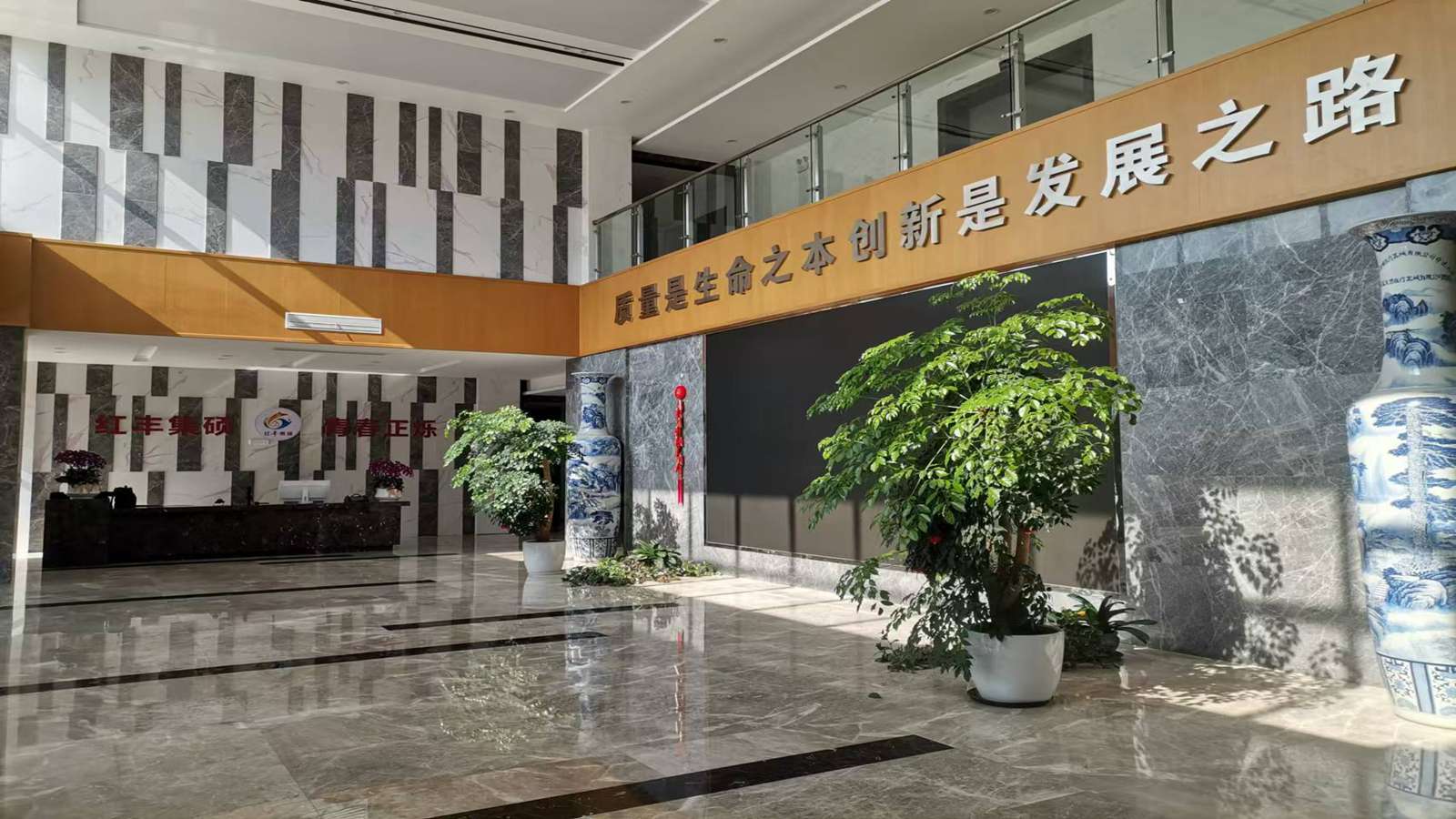
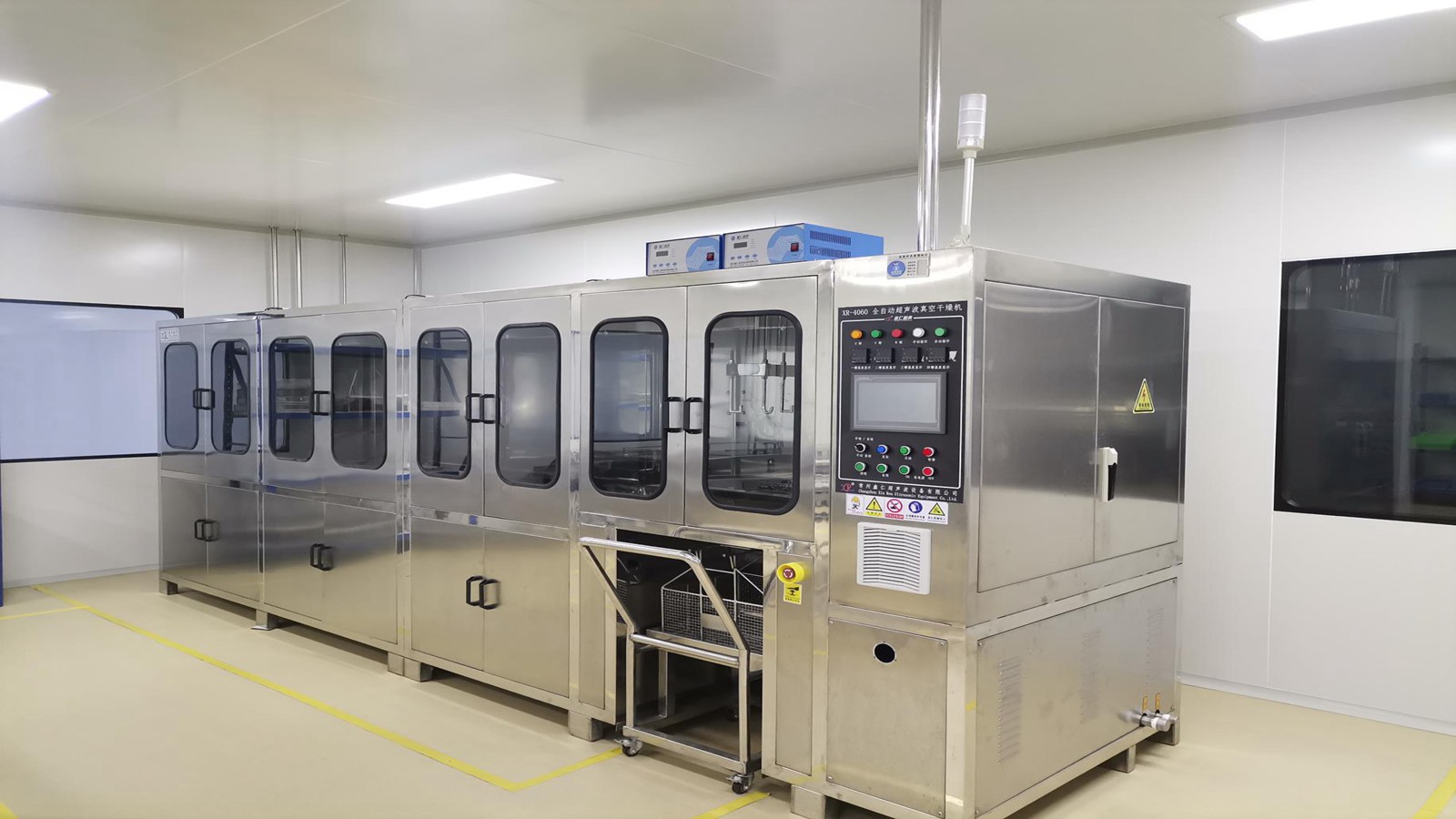
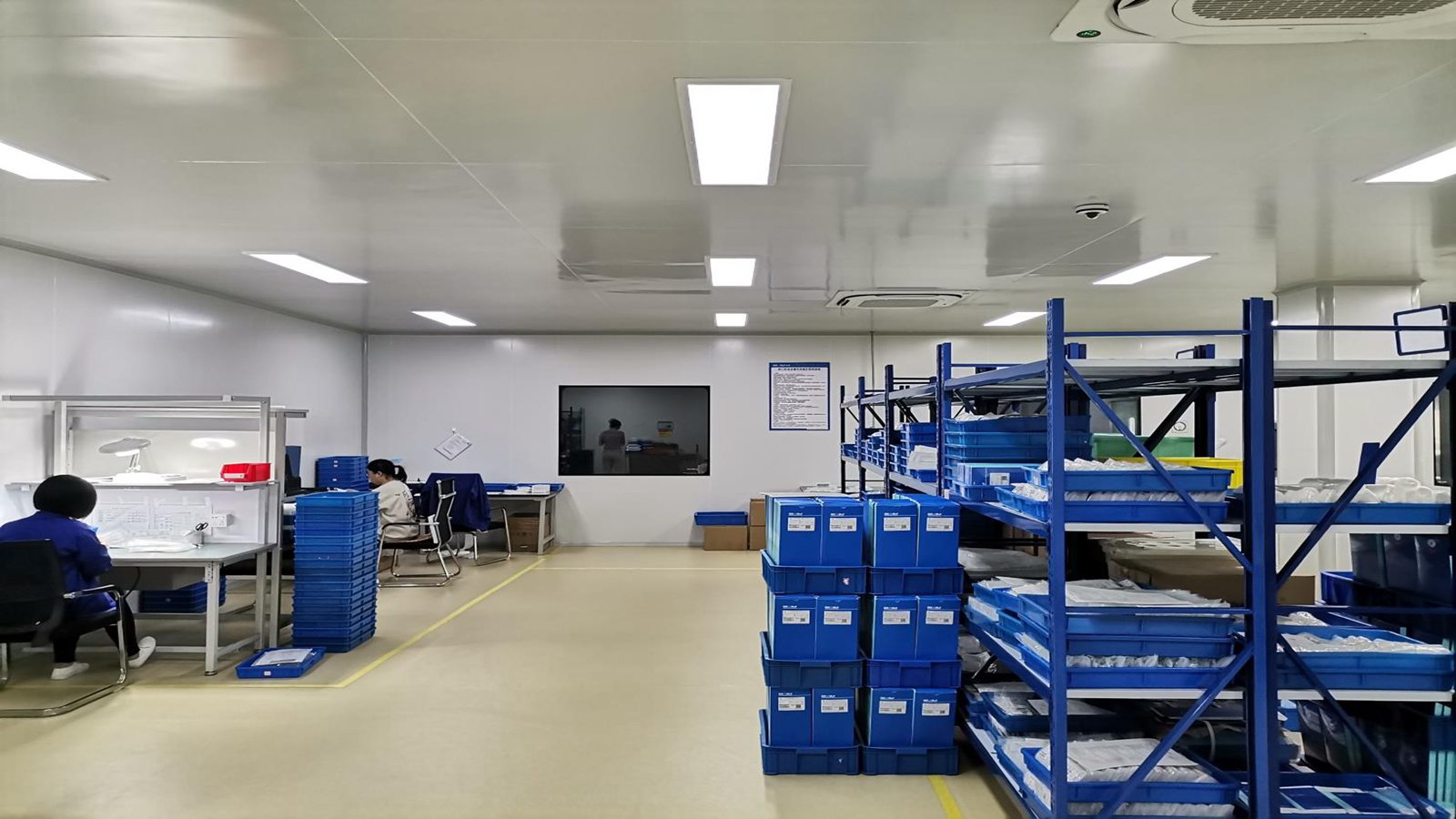
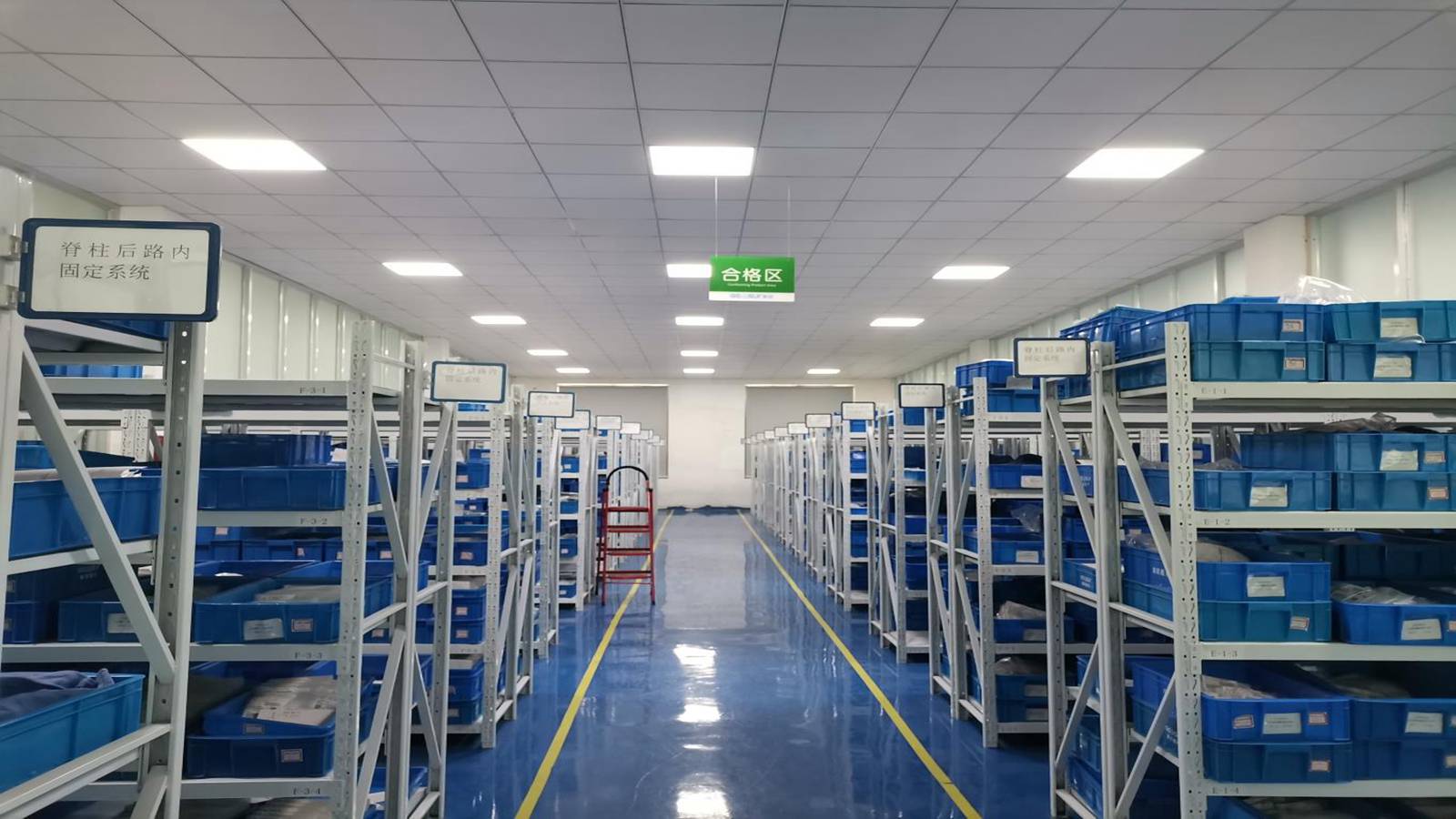
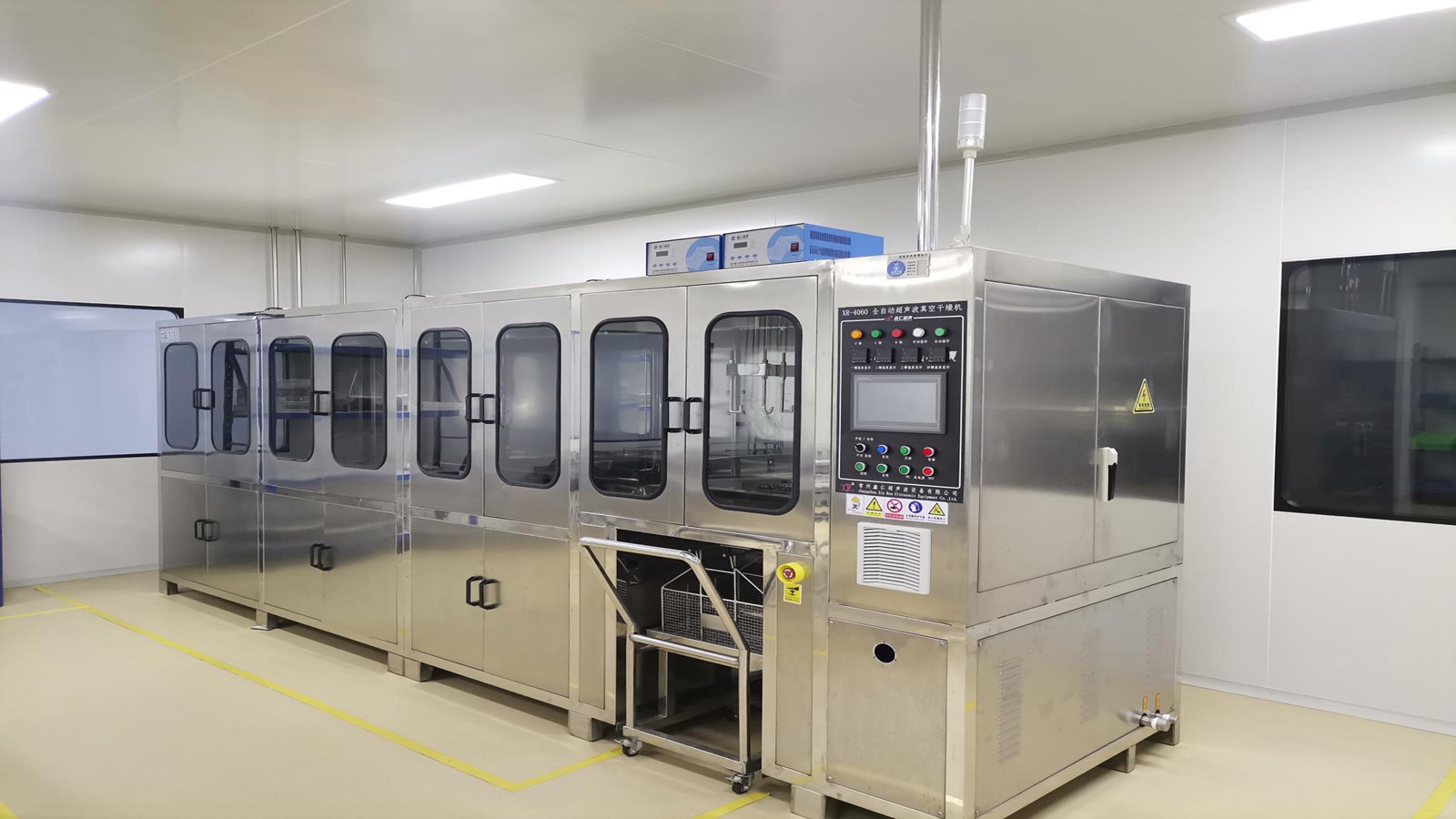
Founded on October 15, 2015, HBM Medical Apparatus And Instruments Co., Ltd. is a leading orthopedic medical equipment R&D, manufacturing, and operation enterprise in China. Spanning an expansive production site of over 30,343 square meters, our facilities are built to satisfy the highest international standards of cleanroom hygiene and technological automation.

With a domestic sales network covering the whole country and sales offices in many regions in China, we have expanded our horizon globally, bringing 10 years of export experience to major markets in Eastern Europe, Southeast Asia, and beyond. Equipped with first-class production equipment, professional R&D, and technology teams, HBM has won the recognition of many global partners.

Our Philosophy: We adhere to the development concept of technological innovation, product innovation, and service innovation. By integrating superior resources, we strive to serve the global healthcare industry under our core motto—"Integrate the Master, Health being achieved."

Advanced R&D and Manufacturing Powerhouse

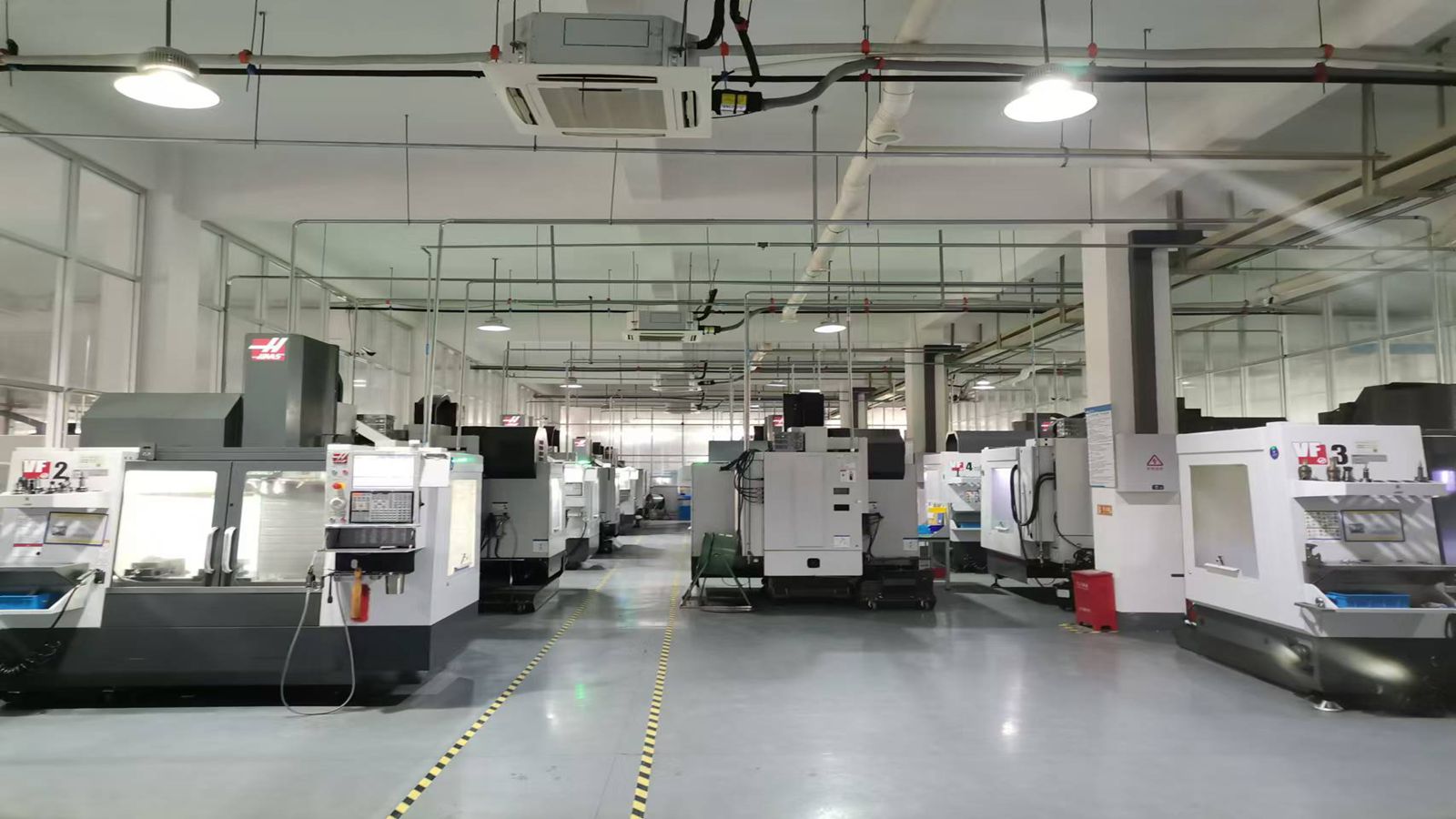
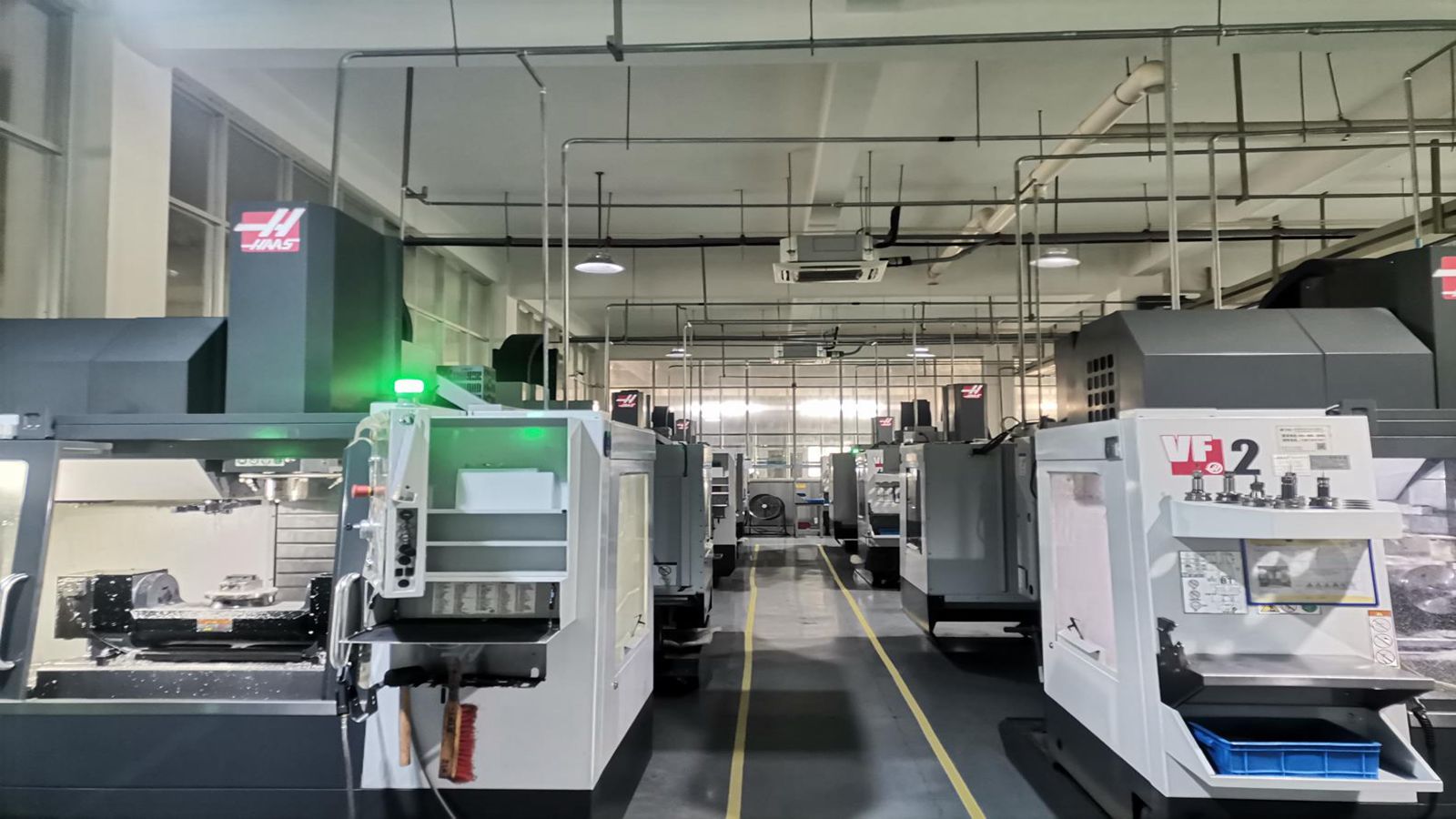
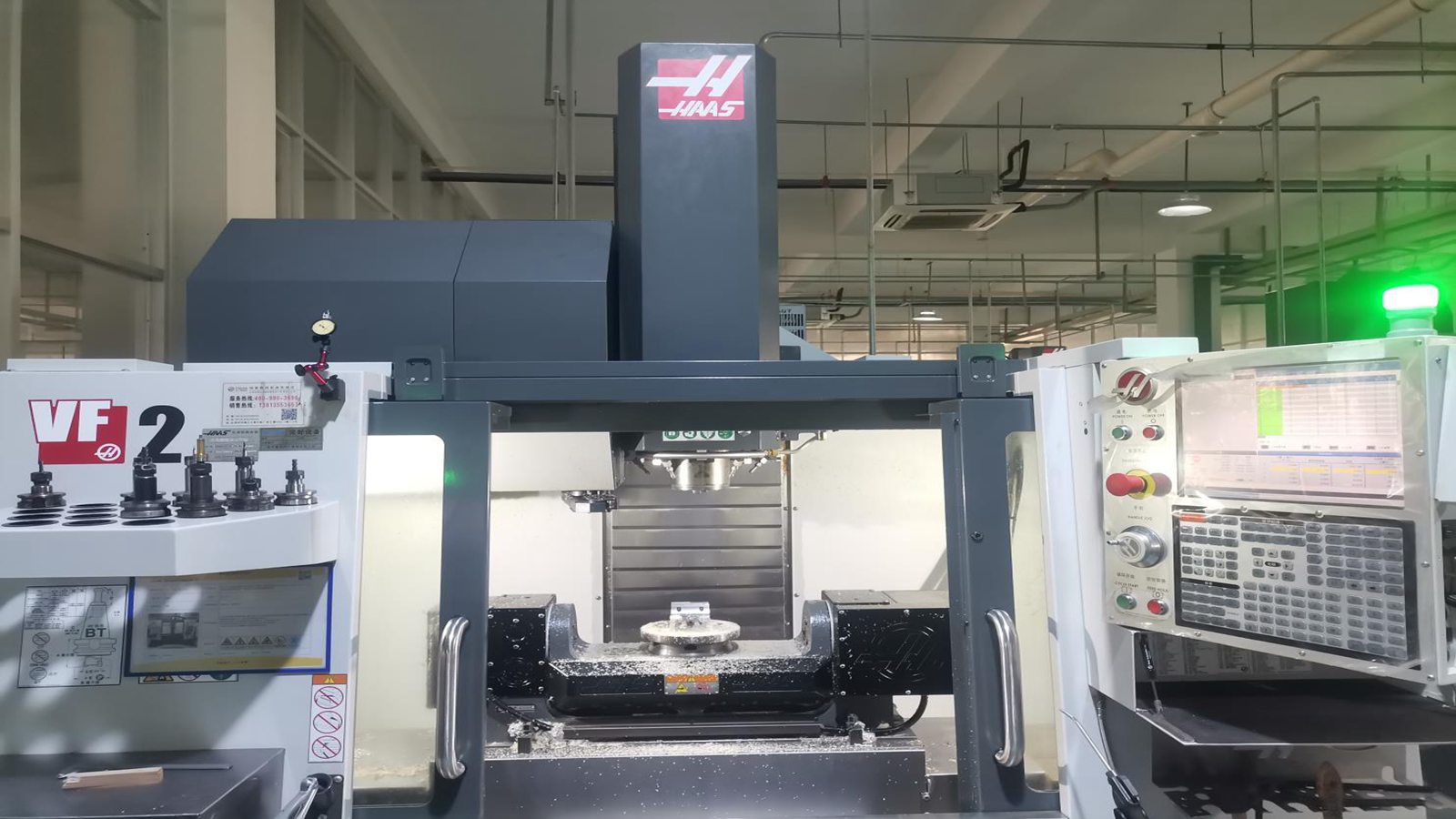
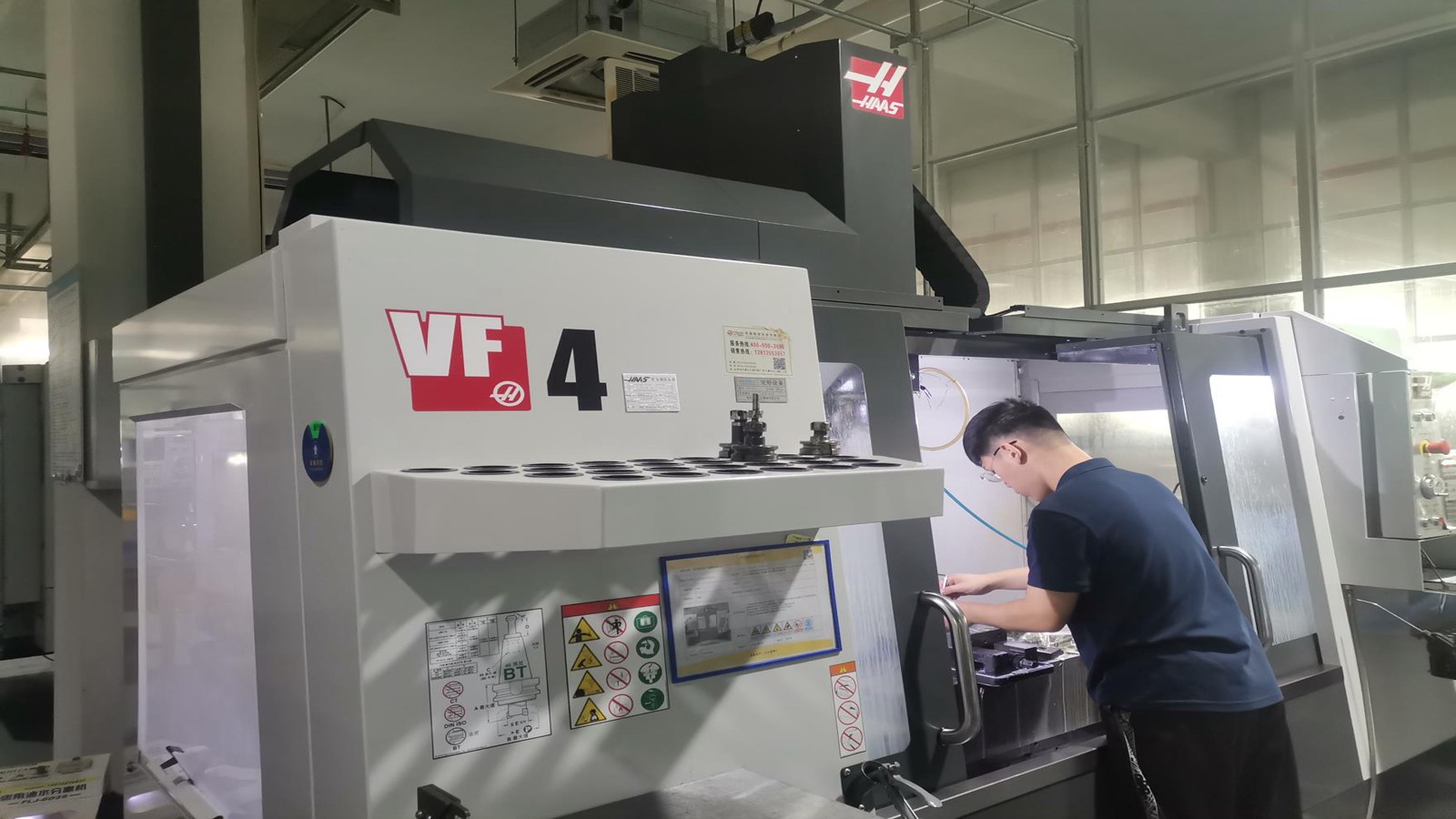
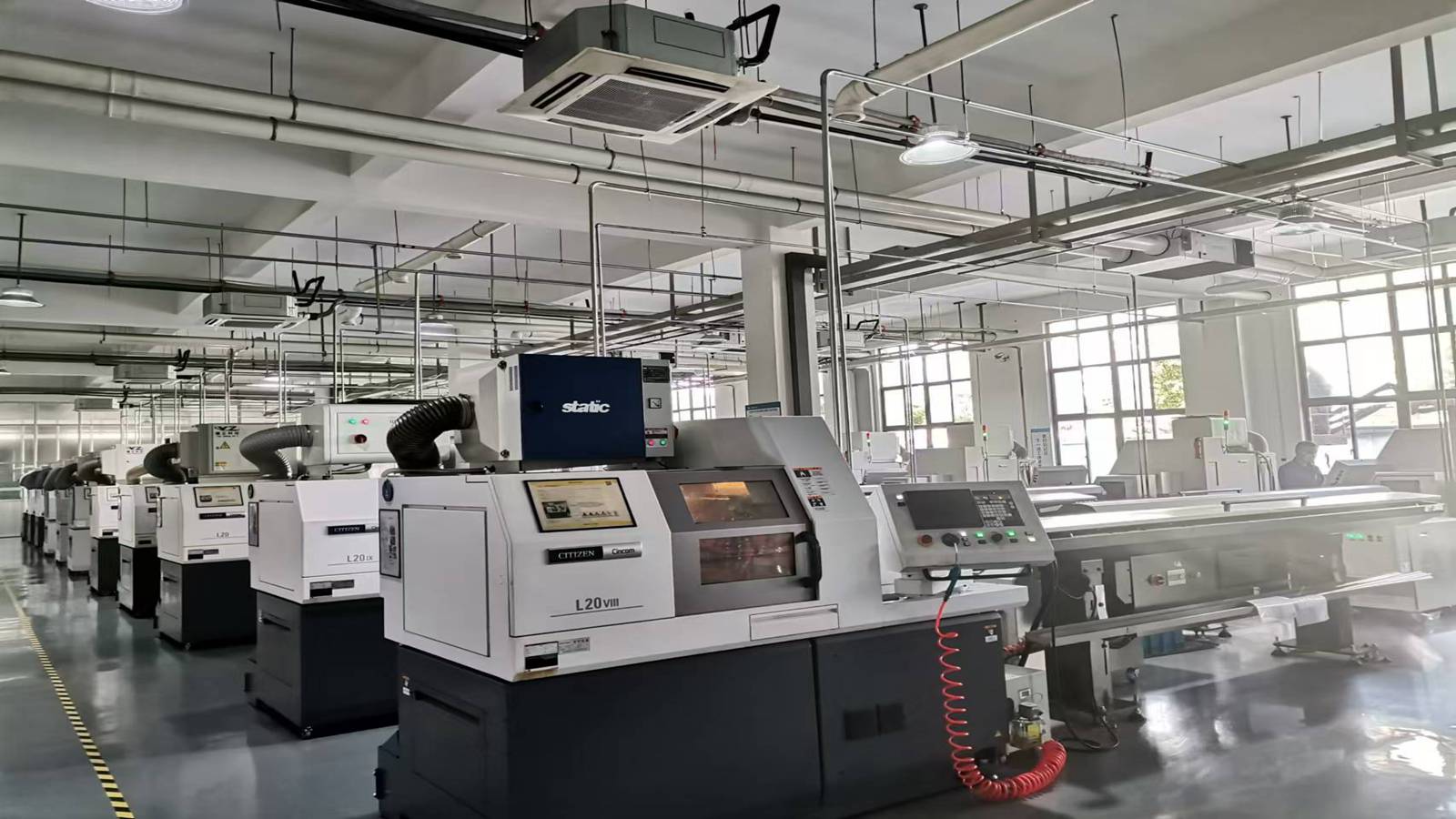
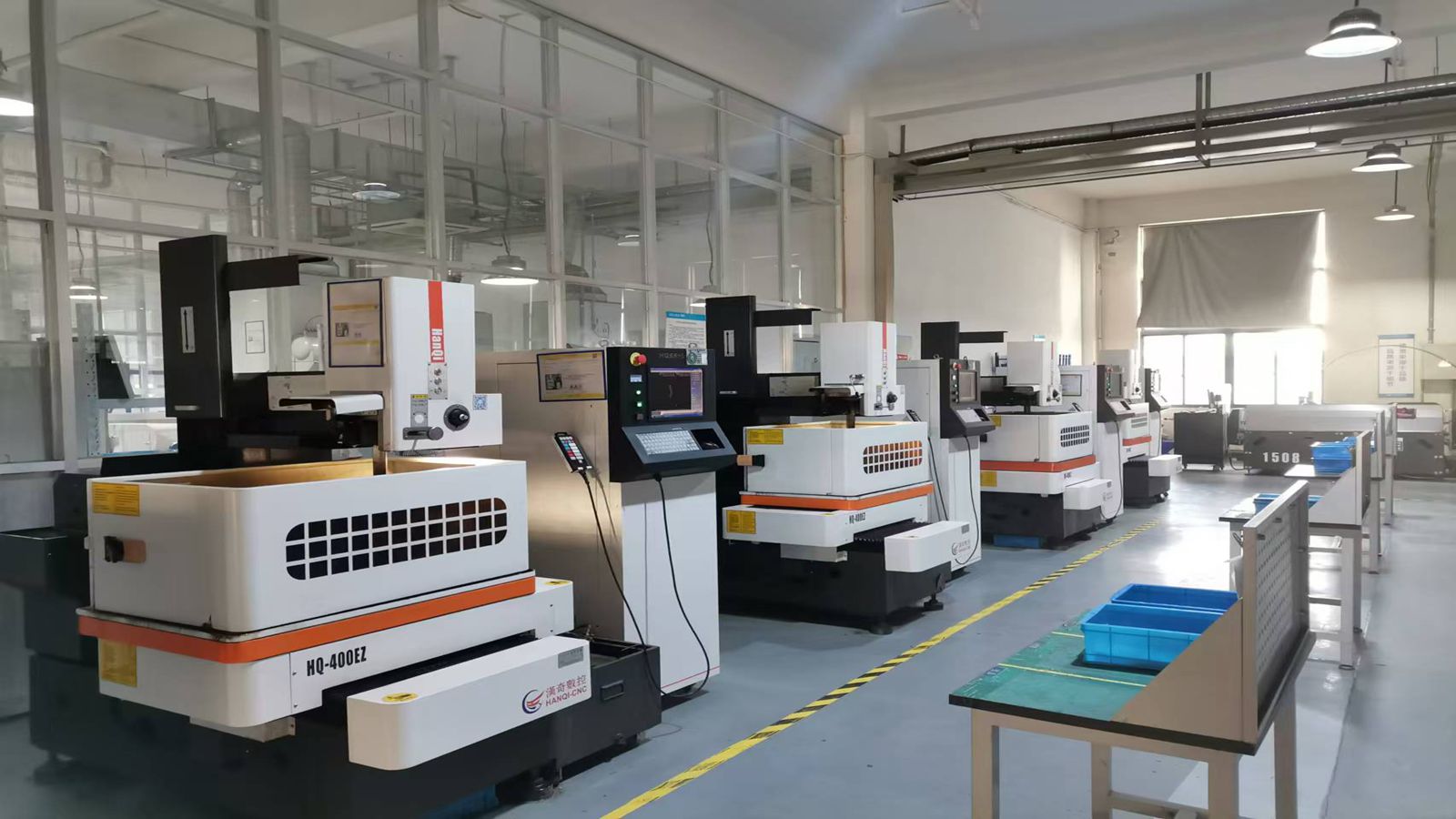
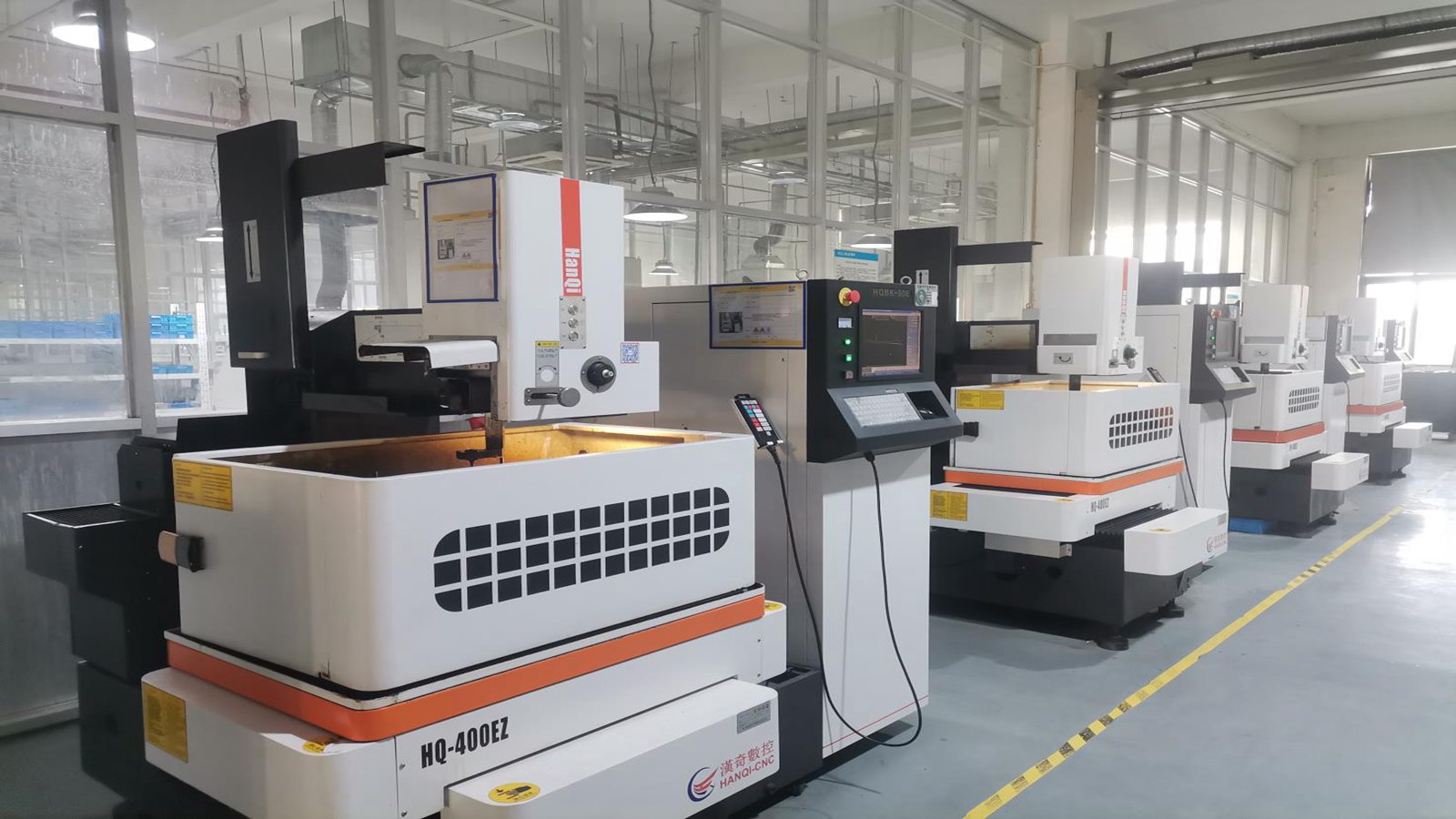
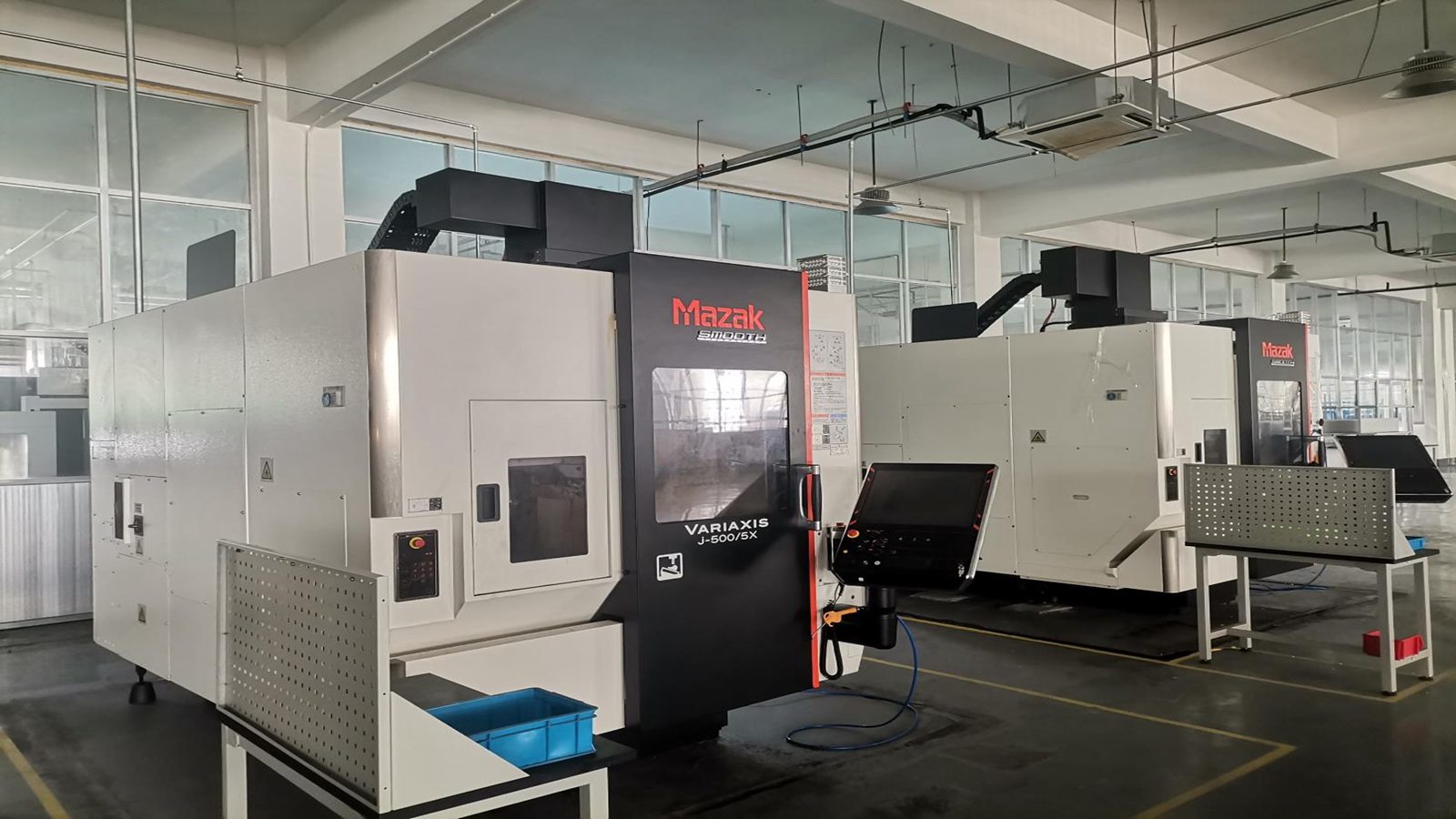
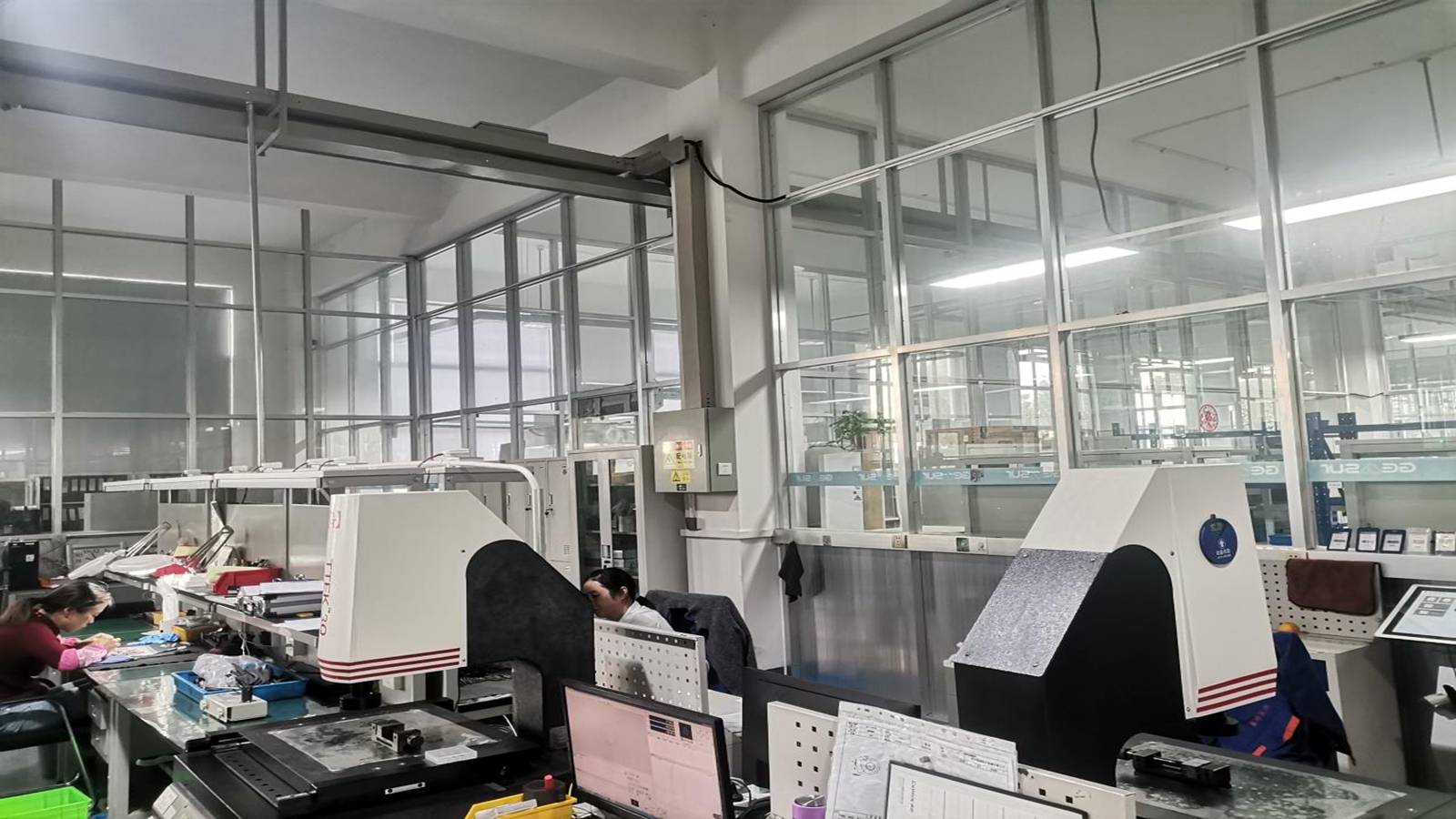
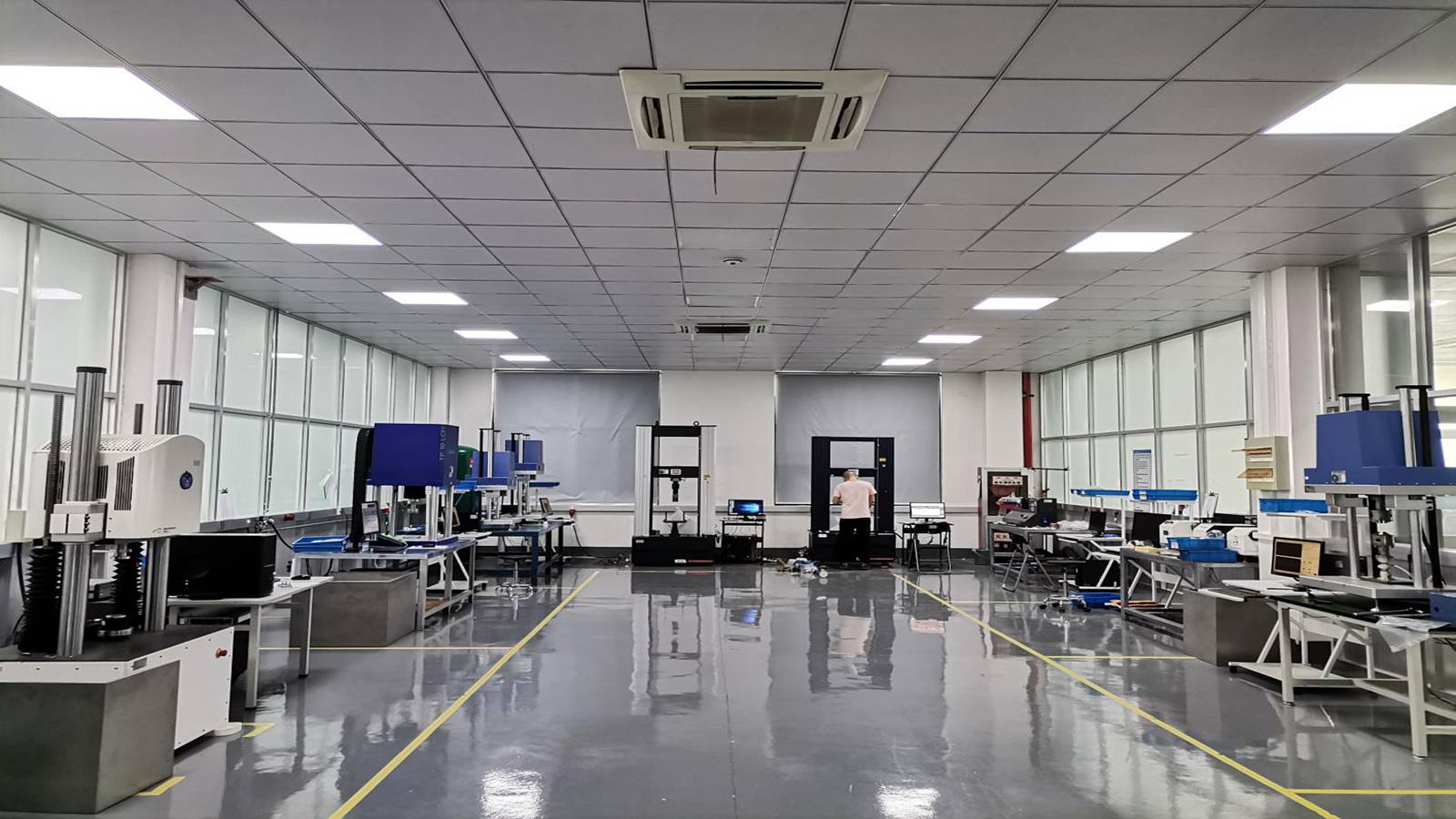
HBM Medical operates 12 state-of-the-art production lines featuring more than 120 advanced processing and testing machines. Our infrastructure allows us to handle complex custom projects including sample processing, graphic design processing, and customized on-demand clinical system fabrications.

Our dedicated R&D division consists of 31 highly qualified engineers:

Education Level Staff Count
Doctorate Degree 1 Specialist
Post-Graduate Degree 11 Engineers
Graduate/University Degree 17 Engineers
Junior College/Technical 2 Specialists

Key Enterprise Metrics & Capabilities

Quantifiable proof of our industrial scale, manufacturing precision, and export logistics.

30,343㎡
Production Floor Space
12
Active Production Lines
36
Full-Time QA/QC Inspectors
25+
New Products Launched Yearly

China's Orthopedic Supply Chain Advantages

How HBM Medical leverages local industrial clusters, high-precision tooling, and cost efficiencies for global buyers.

Raw Material Control & Sourcing

We source medical-grade titanium and cobalt-chromium directly from certified domestic and import suppliers. Every single batch is subjected to chemical analysis, microstructure inspection, and mechanical testing to guarantee compliance with ISO and ASTM standards.

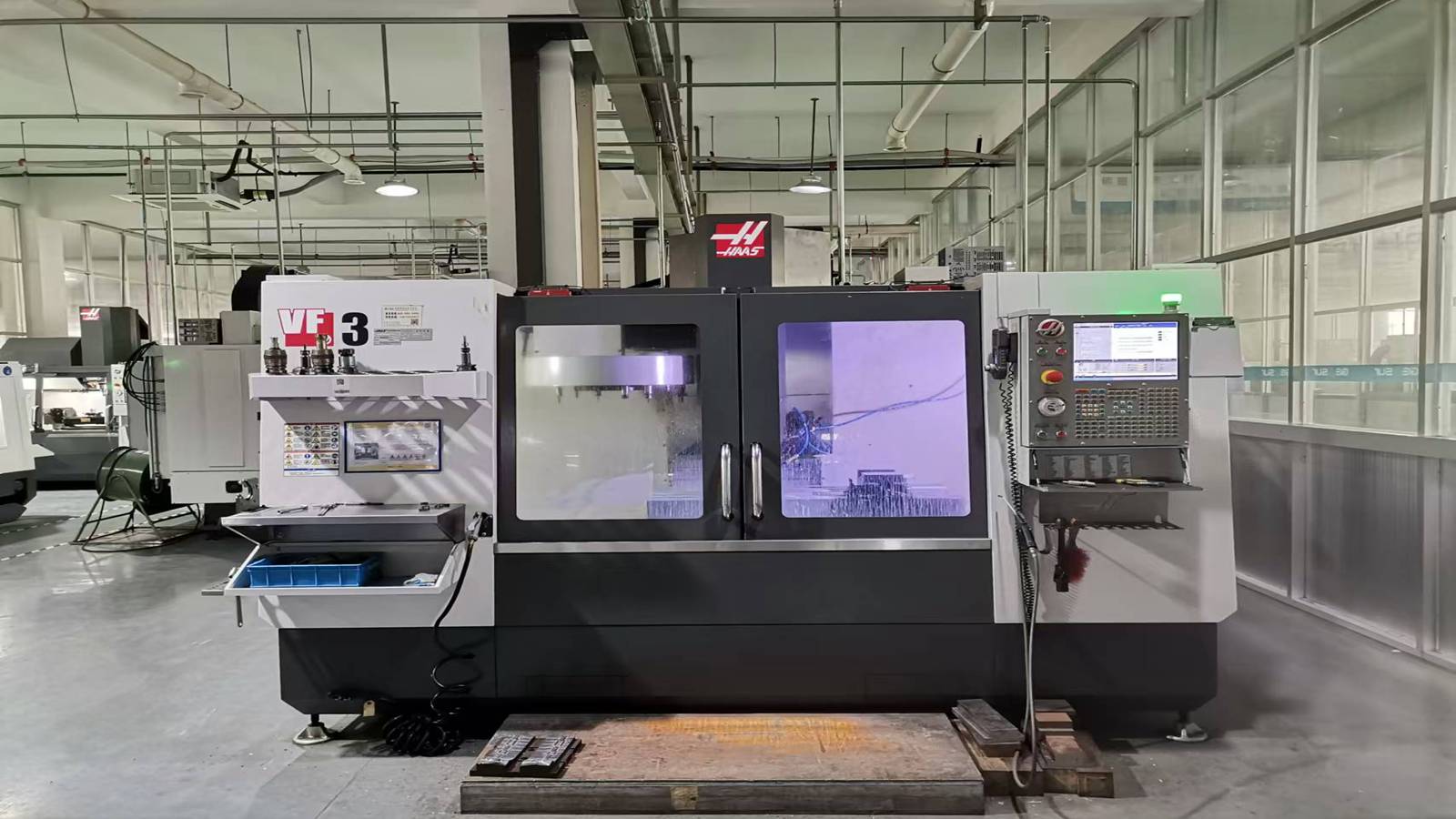
Advanced CNC & Tooling Machinery

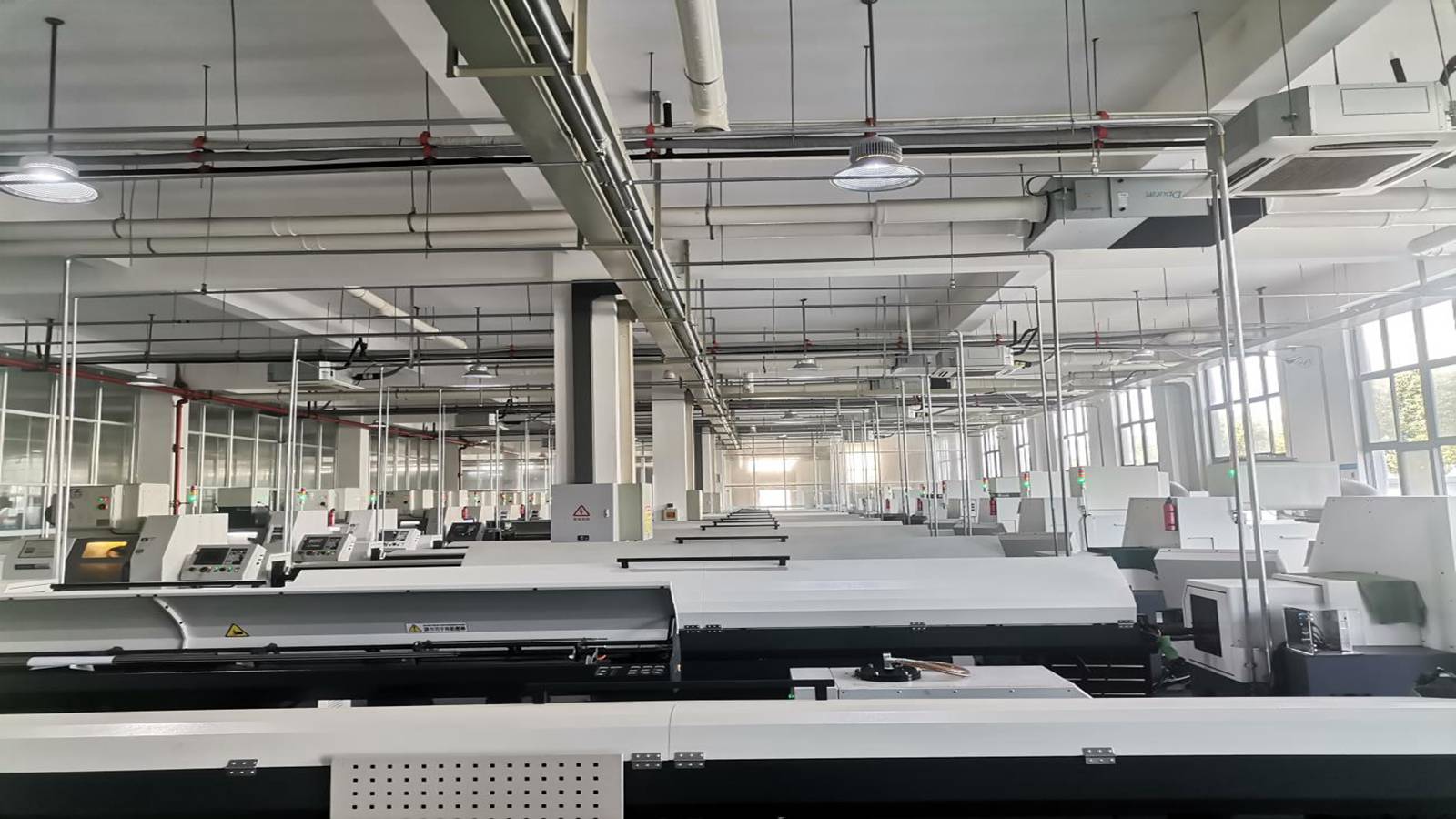
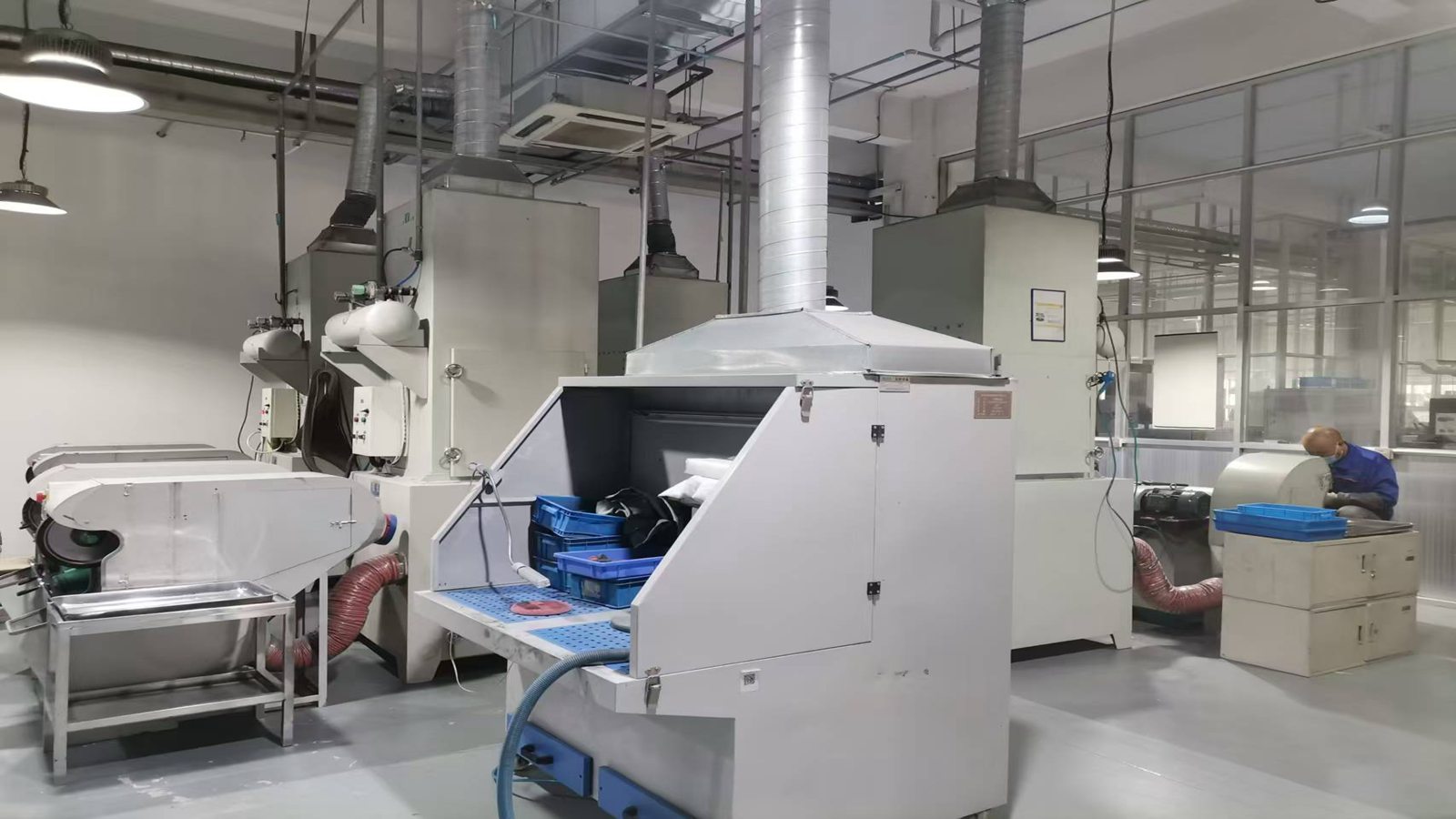
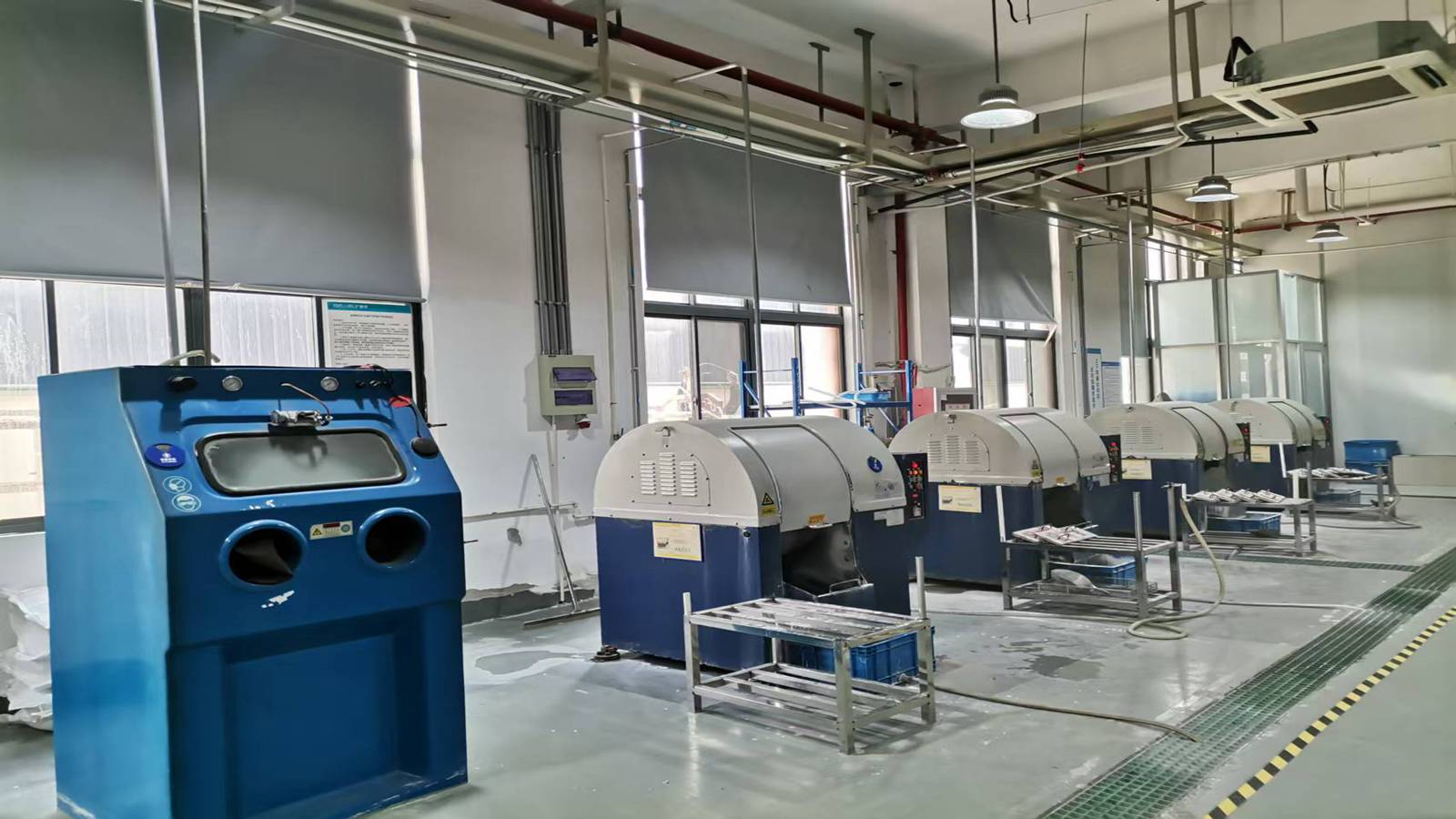
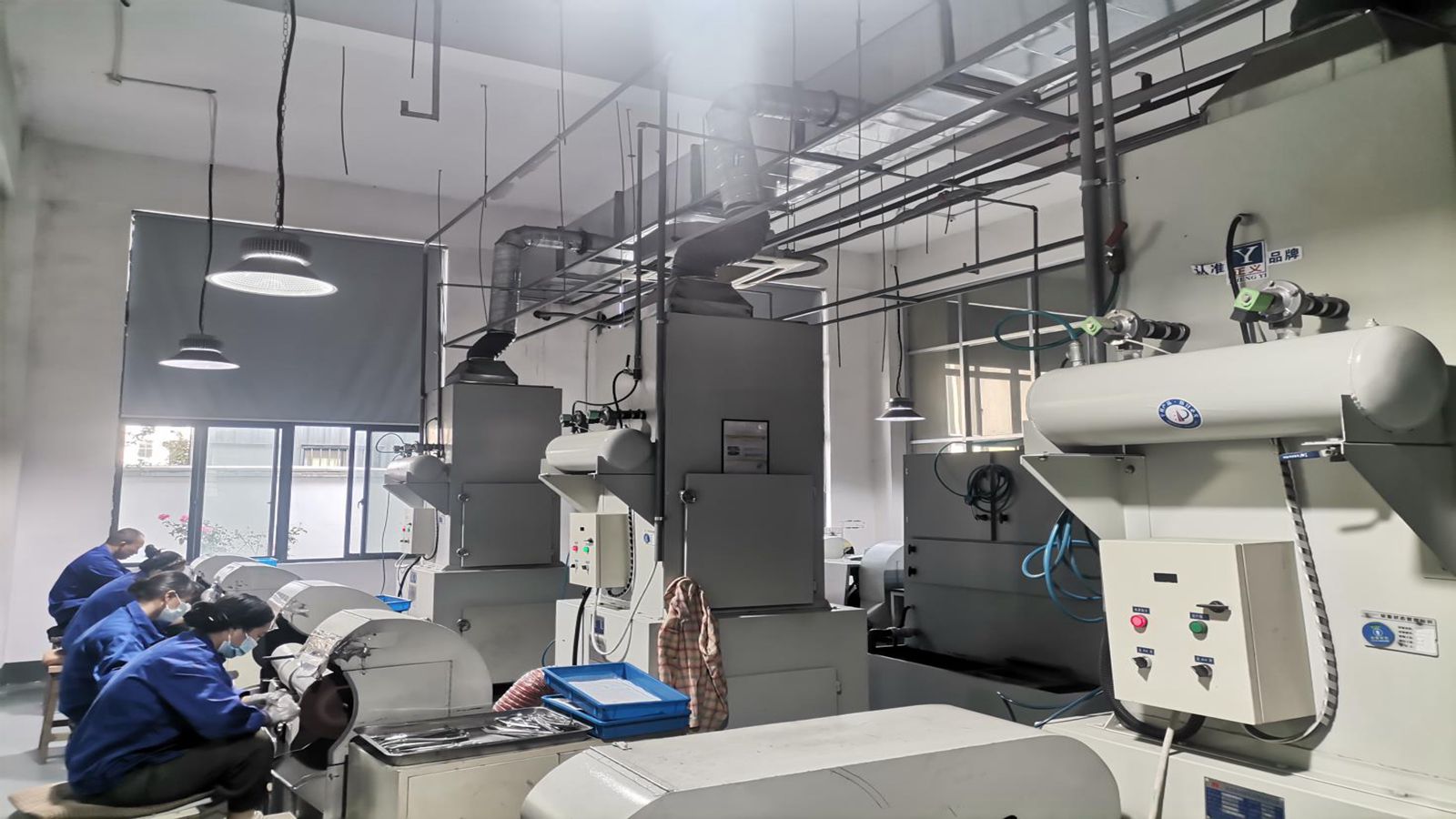
Our workshop features advanced imported Swiss sliding-head lathes, multi-axis machining centers, and automated polishing systems. This allows us to achieve geometric tolerances under 5 microns, ensuring seamless mating between ankle components.

Drastically Lower TCO

By keeping design, material formulation, processing, finishing, and QA under one roof in China's premier medical hub, we pass significant cost savings to our distributors while maintaining premium medical grade quality.

Global Certifications & Quality Management

Full regulatory alignment and traceabilities to secure product registration and clinical market entry.

Regulatory Conformity & Certifications

Entering highly regulated medical markets requires rigorous compliance. HBM Medical has strategically constructed its quality systems to comply with international regulations, enabling smooth entry into global procurement pipelines:

  • ISO 13485 (Medical Devices Quality Management System): Certified system verifying that every step of our design, production, and packaging process is subject to strict risk controls and quality standards.
  • MDSAP (Medical Device Single Audit Program): Allowing HBM Medical to demonstrate compliance across multiple international jurisdictions.
  • CE Mark (EU MDR Conformity): Rest assured that all implants and related orthopedic instrumentation comply with European Union Medical Device Regulation (EU) 2017/745 (Certificates: EPT 0477.MDR.25/5905 & EPT 0477.MDR.25/5973).
  • FDA Clearance: Strategic products are structured to support FDA 510(k) applications for commercial distribution.

Traceability & Quality Auditing

Uncompromised Quality Assurance:

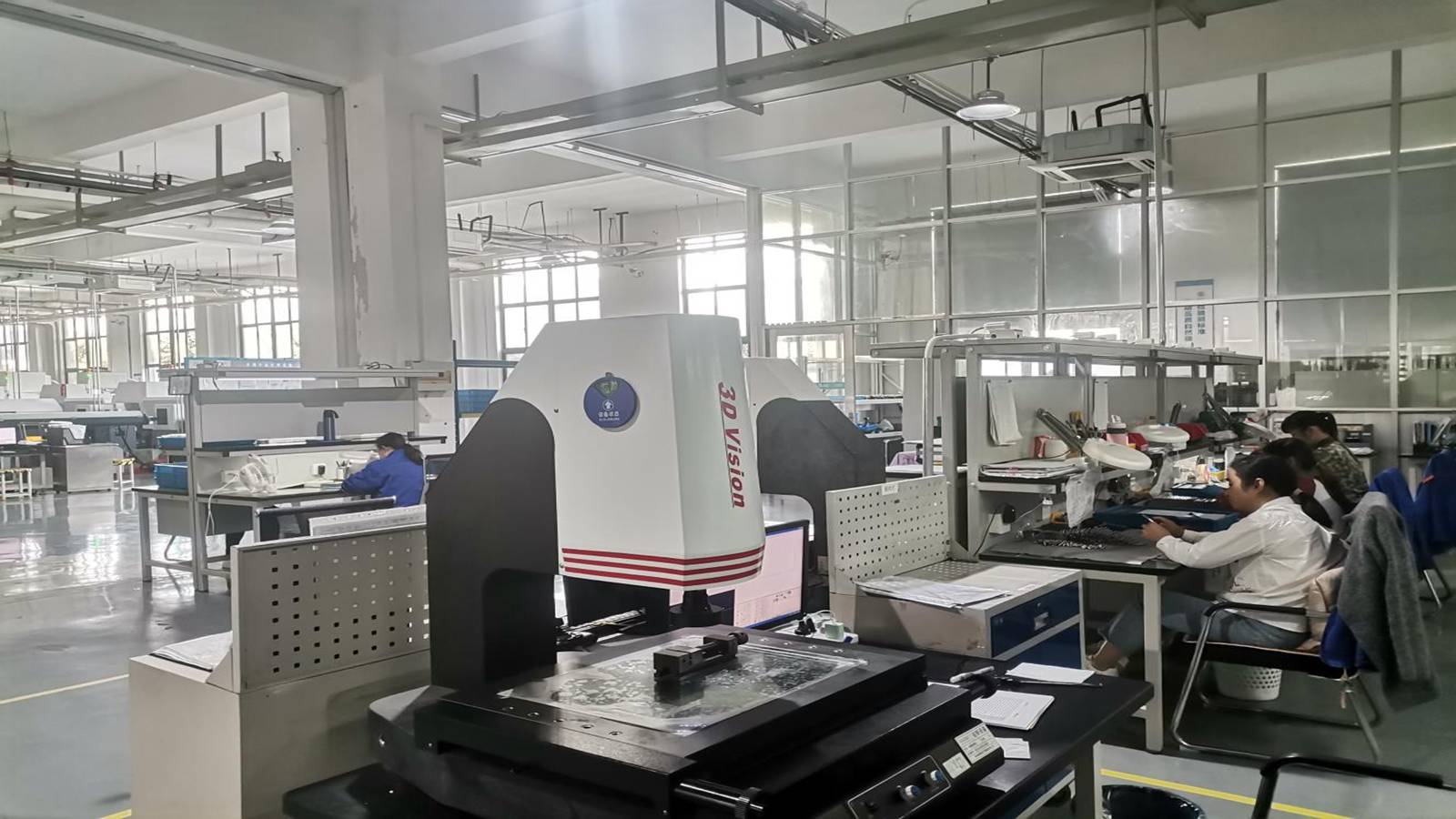
At HBM, product inspection is comprehensive. We support raw material traceability from ingot smelting to the finished sterile package. Under the direct control of 36 QA/QC inspectors, we carry out 100% inspections of high-risk Class III implants alongside random sampling of tooling and auxiliary orthopedic instruments.

Raw Material Traceability Yes, complete documentation and mill test reports provided.
Inspection Methods 100% Inspection on Critical Implants, Random QC, and Client-Specific SOPs.
Sterilization Validation Ethylene Oxide (EO) or Gamma Irradiation options.
OEM/ODM Capacity Full blueprint customization and reverse engineering options.

Clinical Indications & Localized Surgical Support

Catering to orthopedic surgeons and clinics with end-to-end implant systems and customizable instrument sets.

Post-Traumatic Osteoarthritis

Ankle fractures, ligament ruptures, and subluxations frequently lead to cartilage damage over time. HBM’s total ankle systems are anatomically shaped to conform to deformed bone beds, stabilizing the ankle while preserving vital flexion-extension capabilities.

Rheumatoid Arthritis (RA) Support

Patients suffering from systemic joint diseases like RA require implants that exert minimal stress on compromised cancellous bone. Our micro-porous coatings facilitate fast osseointegration, ensuring long-term secondary stability even in osteopenic bone.

Veterinary Joint Reconstruction

Leveraging our versatile R&D team, HBM designs and manufactures specialized micro-implants and surgical instrument sets targeted at canine and feline joint repair. This provides veterinary distributors with access to high-performance, cost-effective solutions.

Comprehensive Surgical Instrument Support

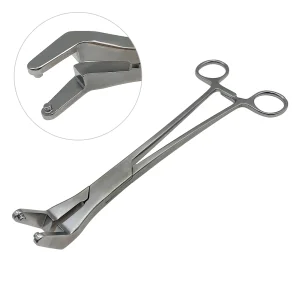
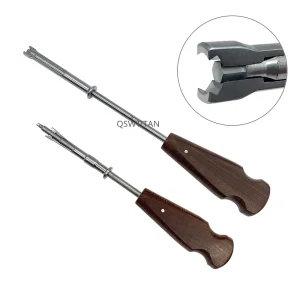
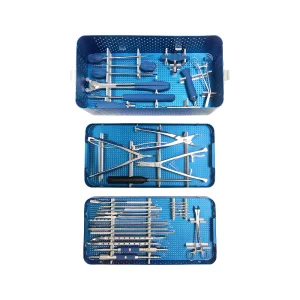
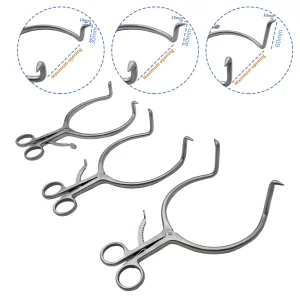
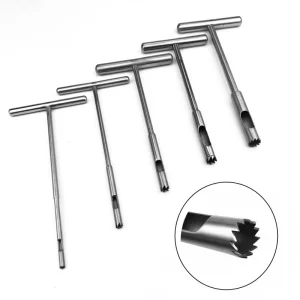
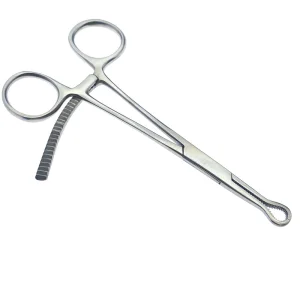
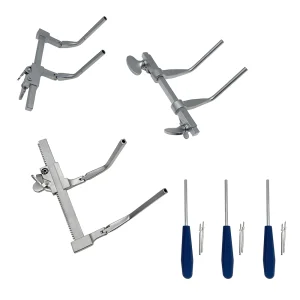
A total ankle implant is only as good as the instruments used to place it. At HBM, we do not just manufacture the implant; we design and fabricate complete surgical instrument sets, including drill guides, resection blocks, distractors, and trials. Providing surgeons with precise, ergonomic, and color-coded instruments ensures minimal intraoperative errors and drastically reduces surgical time.

Frequently Asked Questions (FAQ)

Targeted insights for sourcing officers, distributors, and orthopedic brand managers.

1. What materials are used in HBM ankle and joint implants?
We use medical-grade Titanium Alloys (Ti-6Al-4V) complying with ASTM F136 standards and Cobalt-Chromium-Molybdenum (Co-Cr-Mo) according to ASTM F75 guidelines. For mobile and fixed bearing components, we use Ultra-High-Molecular-Weight Polyethylene (UHMWPE) and Highly Cross-linked Polyethylene (HXPE) to ensure high wear resistance and mechanical reliability.
2. Does HBM Medical support OEM/ODM customization for orthopedic implants?
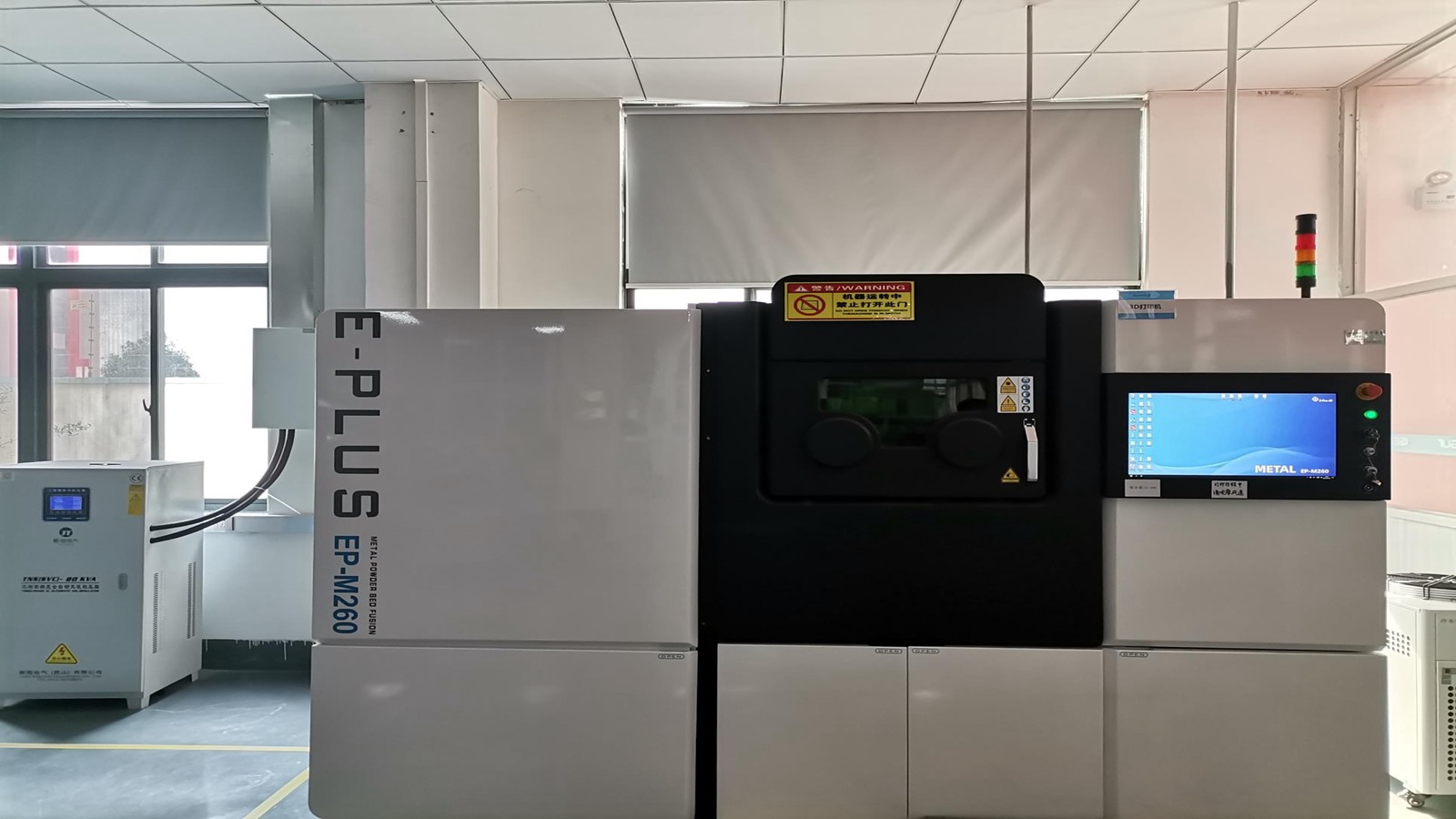
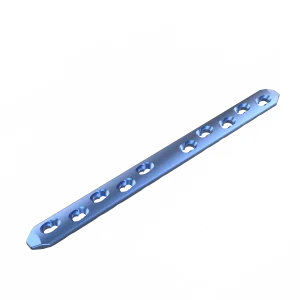
Yes. We offer robust customization options including sample processing, graphic CAD/CAM file processing, and custom instrument kits. With an engineering team of 31 R&D specialists, we can guide projects from 3D printing prototypes to ISO 13485 compliant sterile finished products.
3. What certifications do your factory products hold?
Our quality management systems are certified under ISO 13485 and MDSAP. Many of our core orthopedic plates, screws, and instrument lines hold CE markings (including MDR certifications such as EPT 0477.MDR.25/5905 & EPT 0477.MDR.25/5973) confirming compliance with European medical standards.
4. How does HBM Medical enforce QA/QC inspection?
We employ 36 dedicated QA/QC inspectors to manage inspections at every stage: initial material testing, automated multi-axis milling processes, visual polishing checks, and final cleanroom packaging. We conduct 100% inspection on implant products and provide full raw material traceability reports.
5. What is the typical lead time for wholesale orders?
Standard inventory items can be shipped within 7-15 days. For bulk orders requiring custom modifications or private labeling, typical lead times range from 30 to 60 days depending on raw material availability and regulatory testing validation.
6. Do you supply matching surgical instrument sets?
Yes, we provide fully compatible surgical instrument trays including trials, cutting guides, compression distractors, and screws. Our instrument kits are autoclavable and optimized for ease of use in clinical surgical environments.

Production Facility & Workshop Gallery

A visual walkthrough of our 30,343 square meter manufacturing complex, cleanrooms, and testing facilities.