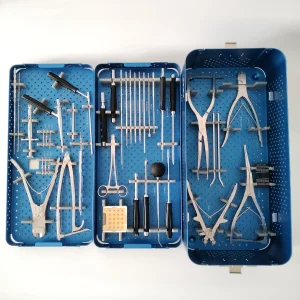
Explore our high-precision trauma plates, spinal systems, and surgical instruments engineered for optimal clinical outcomes.
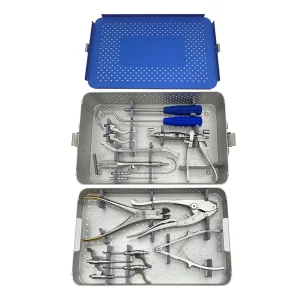
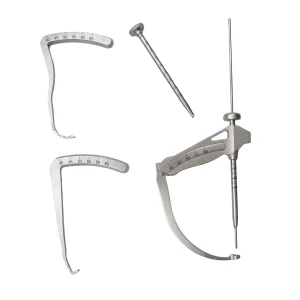
Understanding the clinical demand, technological shifts, and market dynamics of Proximal Humeral Locking Plates.
Proximal humeral fractures represent approximately 4% to 6% of all adult fractures, standing as the third most common fracture type in elderly populations. The clinical management of these fractures—especially Neer Type 3 and Type 4 displaced fractures—remains highly challenging due to poor bone quality (osteoporosis) and the complex muscular forces exerted by the rotator cuff.
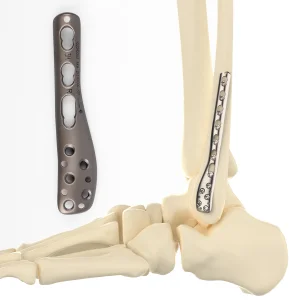
Modern clinical consensus heavily favors Proximal Humeral Internal Locking Systems (PHILOS). These anatomically pre-contoured plates act as fixed-angle constructs, offering superior mechanical stability compared to traditional non-locking plates. By converting shear forces into compressive forces across the fracture line, locking plates significantly reduce the risk of screw back-out, varus collapse, and avascular necrosis of the humeral head.
As global populations age, the demand for highly reliable, biocompatible, and anatomically precise proximal humeral plates has surged. Global medical device brands and healthcare systems are increasingly looking for manufacturing partners capable of delivering high-volume, regulatory-compliant implants that balance clinical efficacy with cost efficiency.

Deep dive into the biomechanics, material selections, and design features that define premium orthopedic implants.
Top-tier manufacturers utilize medical-grade Titanium Alloy (Ti-6Al-4V ELI, conforming to ASTM F136). This material offers an exceptional strength-to-weight ratio, superb biocompatibility, and a lower modulus of elasticity compared to stainless steel, which significantly mitigates stress shielding and promotes natural bone healing.
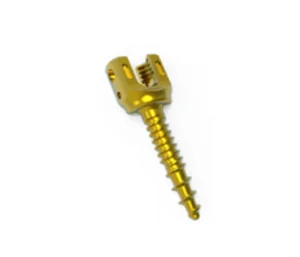
The integration of threaded locking screw holes allows the screw head to lock securely into the plate. This creates a rigid, fixed-angle construct that provides excellent angular stability, particularly crucial in osteoporotic bone where traditional screws are prone to loosening and stripping.
Plates are pre-shaped to match the complex anatomy of the lateral aspect of the proximal humerus. A low-profile design minimizes soft tissue irritation and subacromial impingement, while dedicated suture holes allow for the direct fixation of the rotator cuff tendons back to the plate.
"The mechanical integrity of the proximal humeral plate is heavily dependent on the precision of the locking mechanism. Even a micro-deviation in thread pitch can lead to cross-threading during surgery, compromising the entire fixation construct. This is why HBM Medical enforces sub-micron tolerance controls across all CNC milling processes."
How advanced industrial clusters, technological integration, and massive scale deliver unparalleled value to global buyers.

China has established itself as the epicenter of advanced medical device manufacturing. By integrating complete upstream raw material sourcing (premium titanium and cobalt-chromium alloys) with state-of-the-art downstream processing, Chinese factories offer an uninterrupted supply chain that is highly resilient to global market fluctuations.
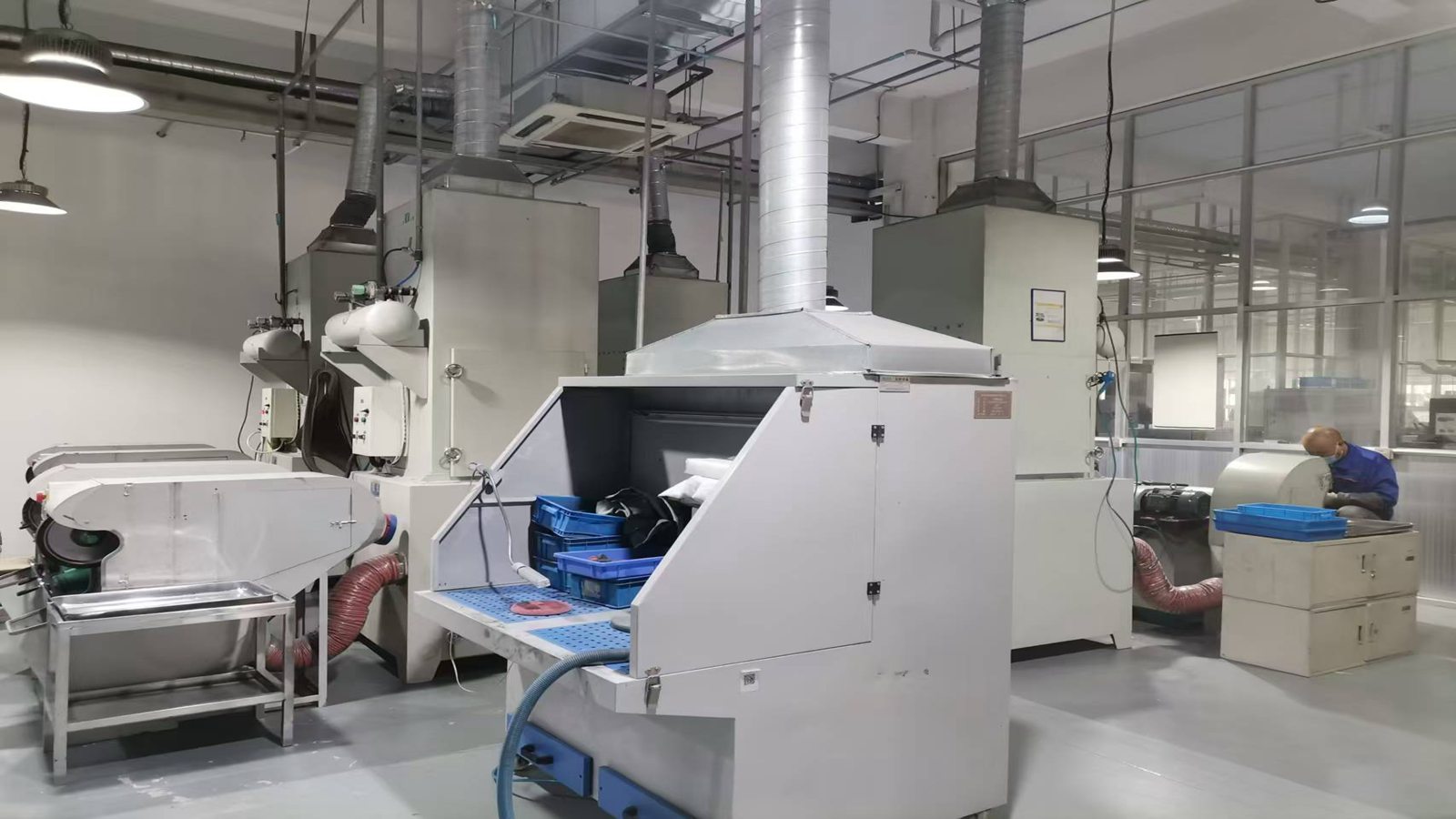
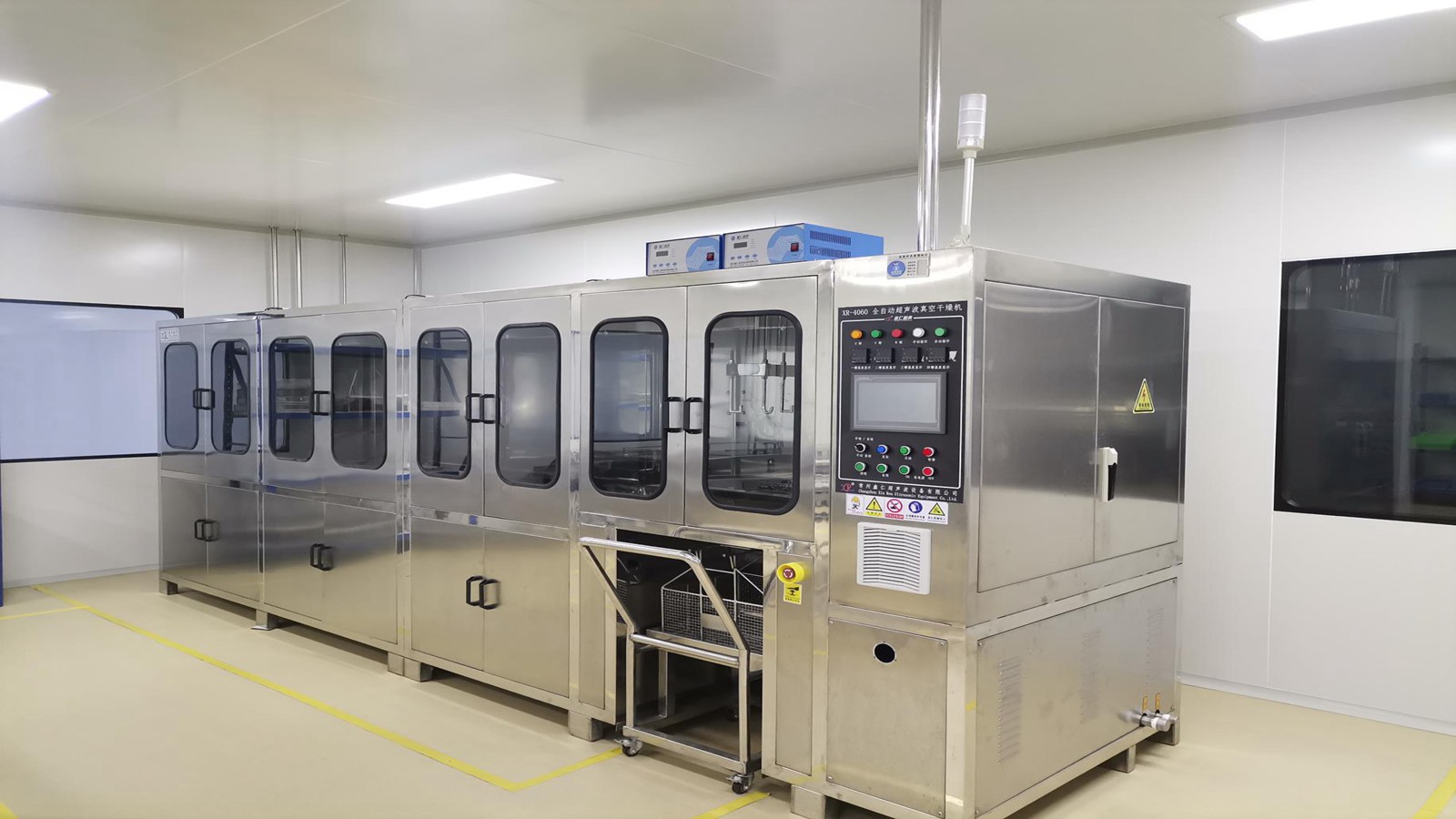
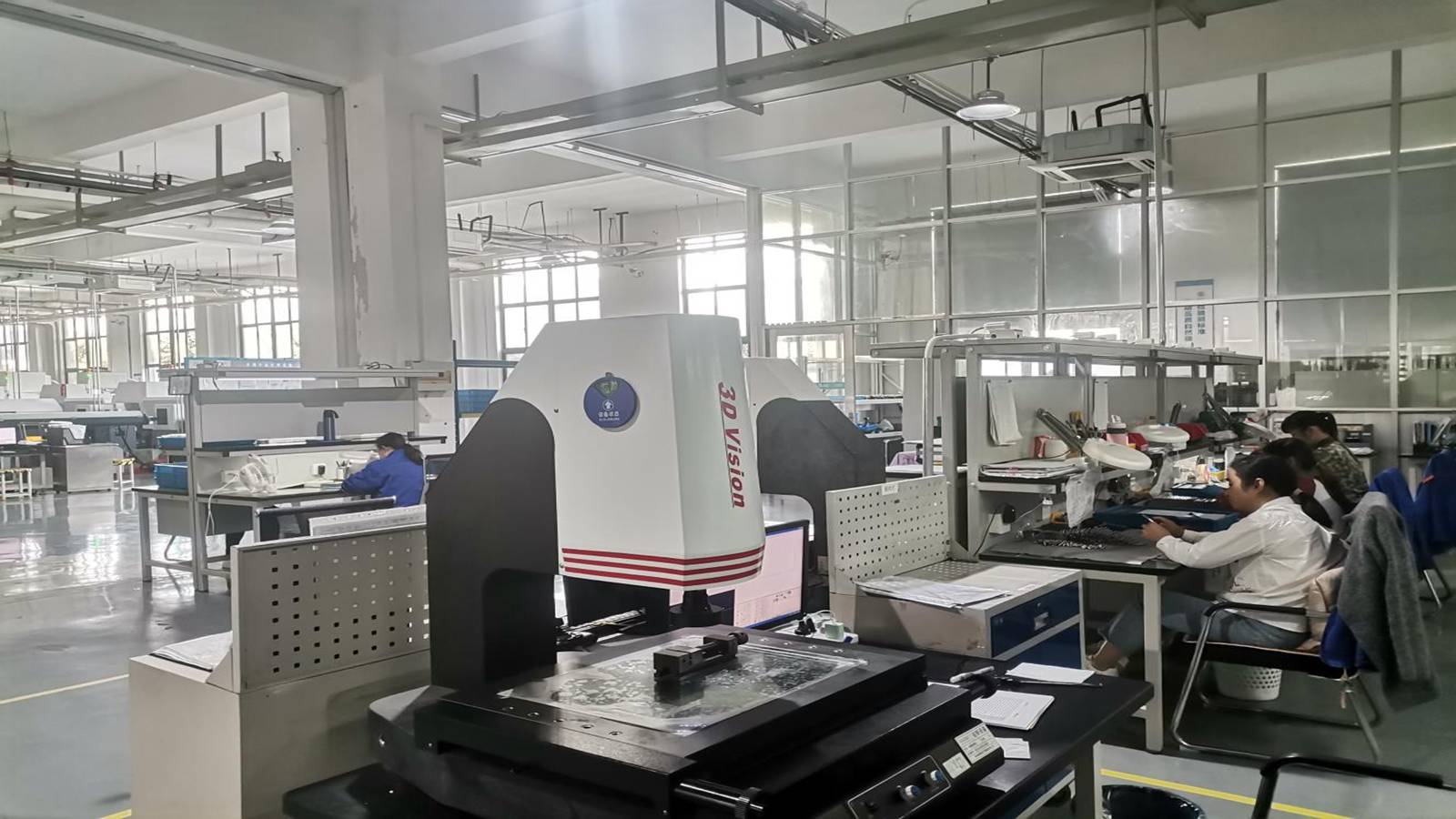
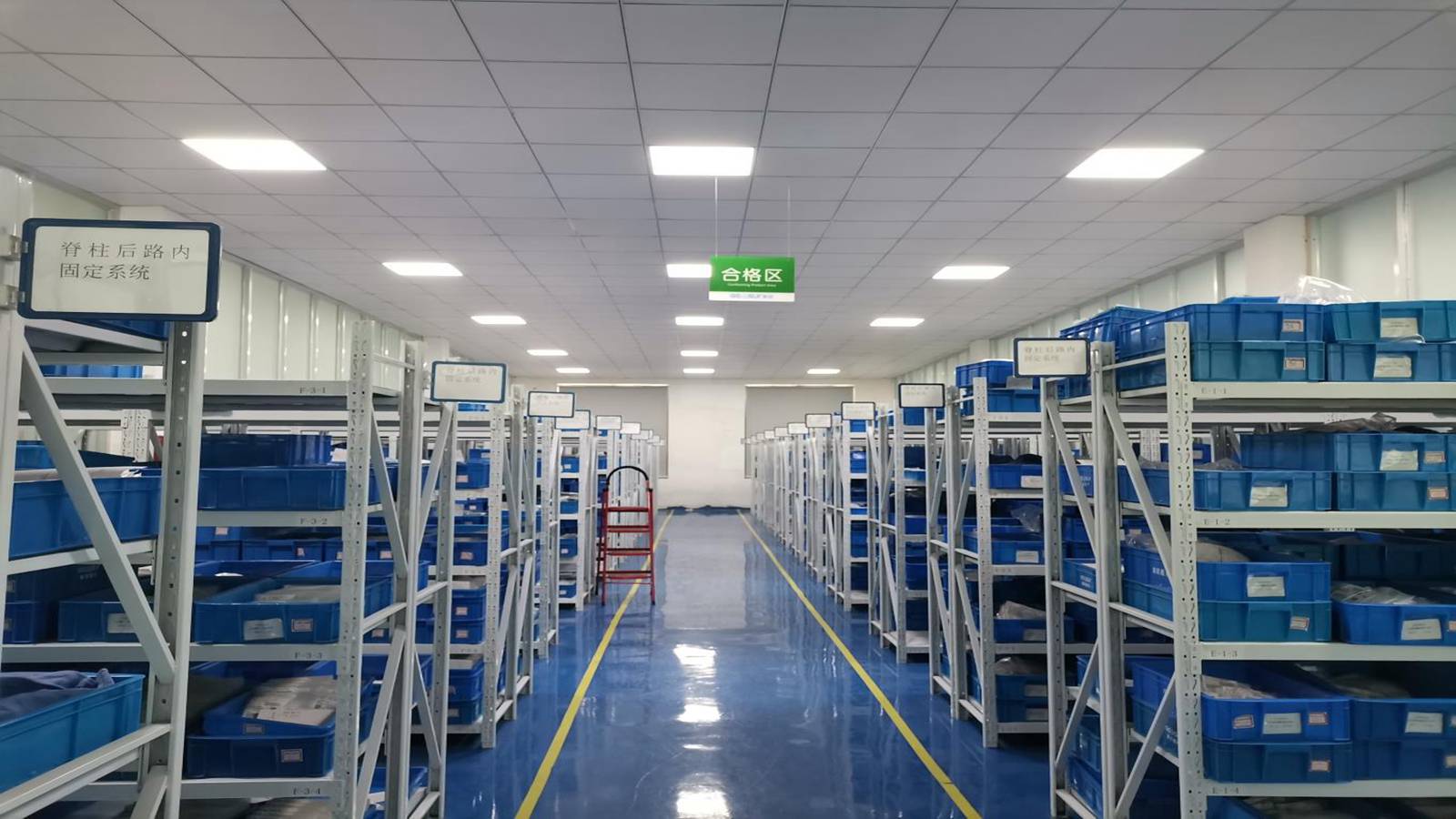
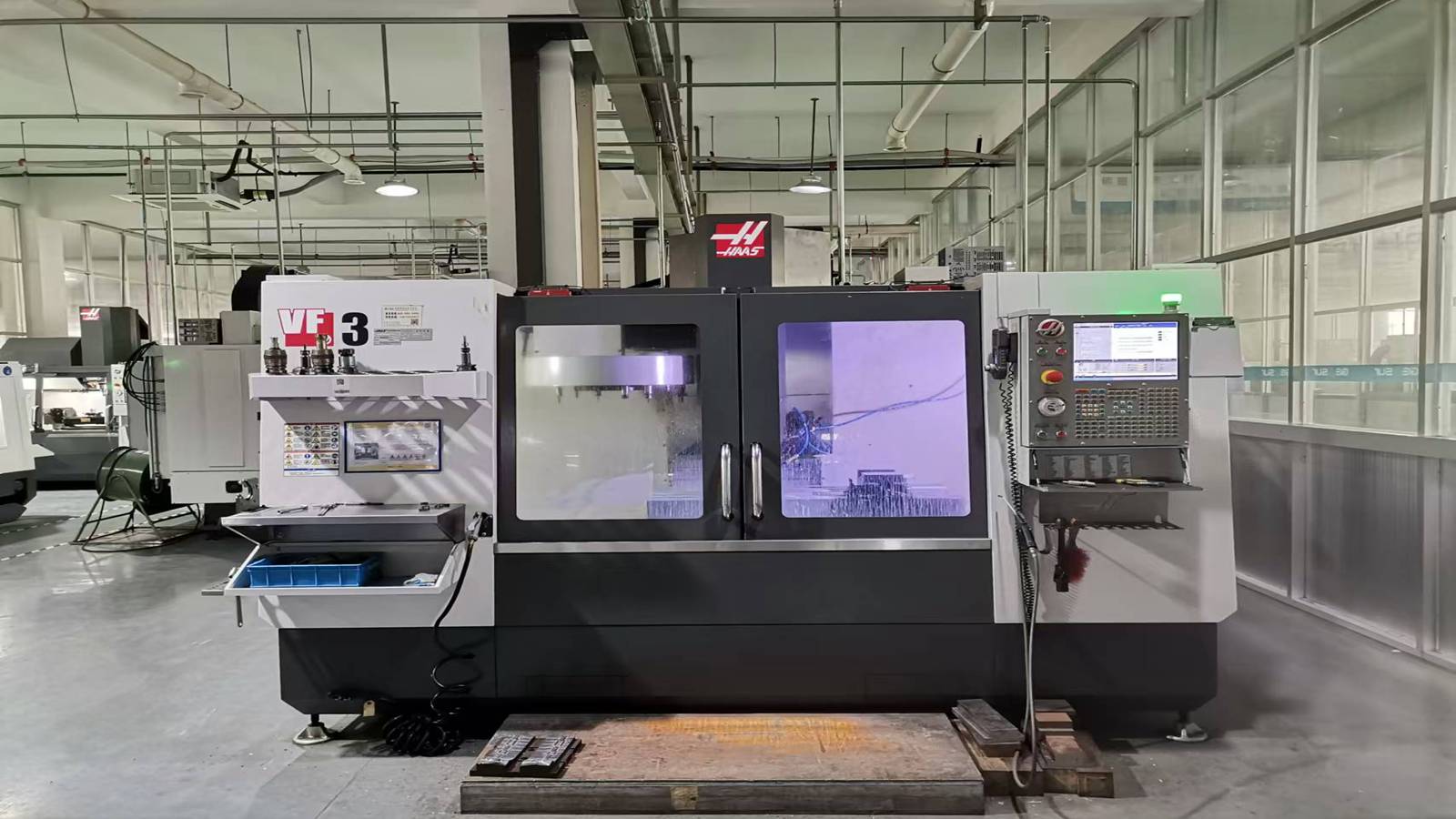
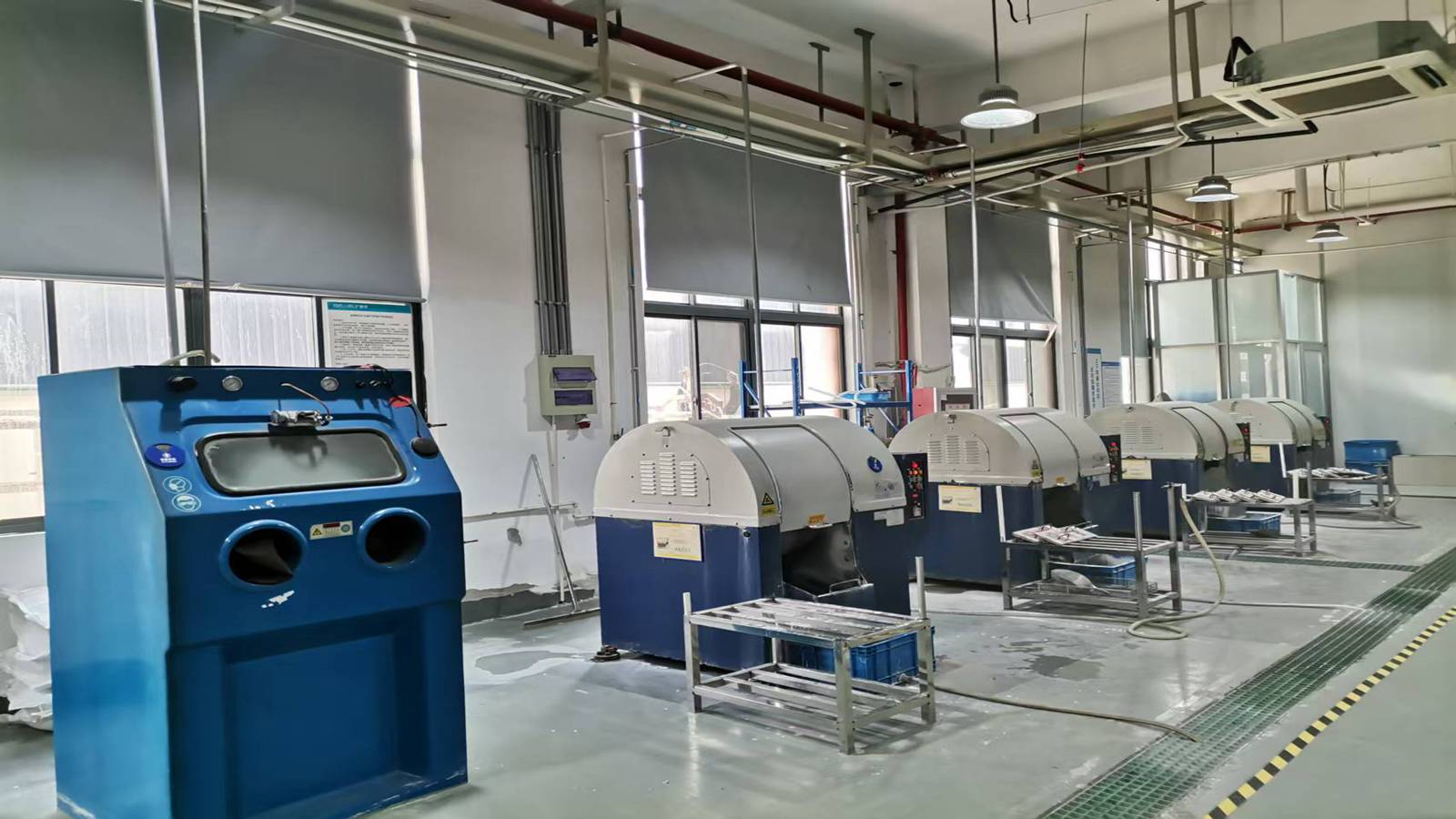
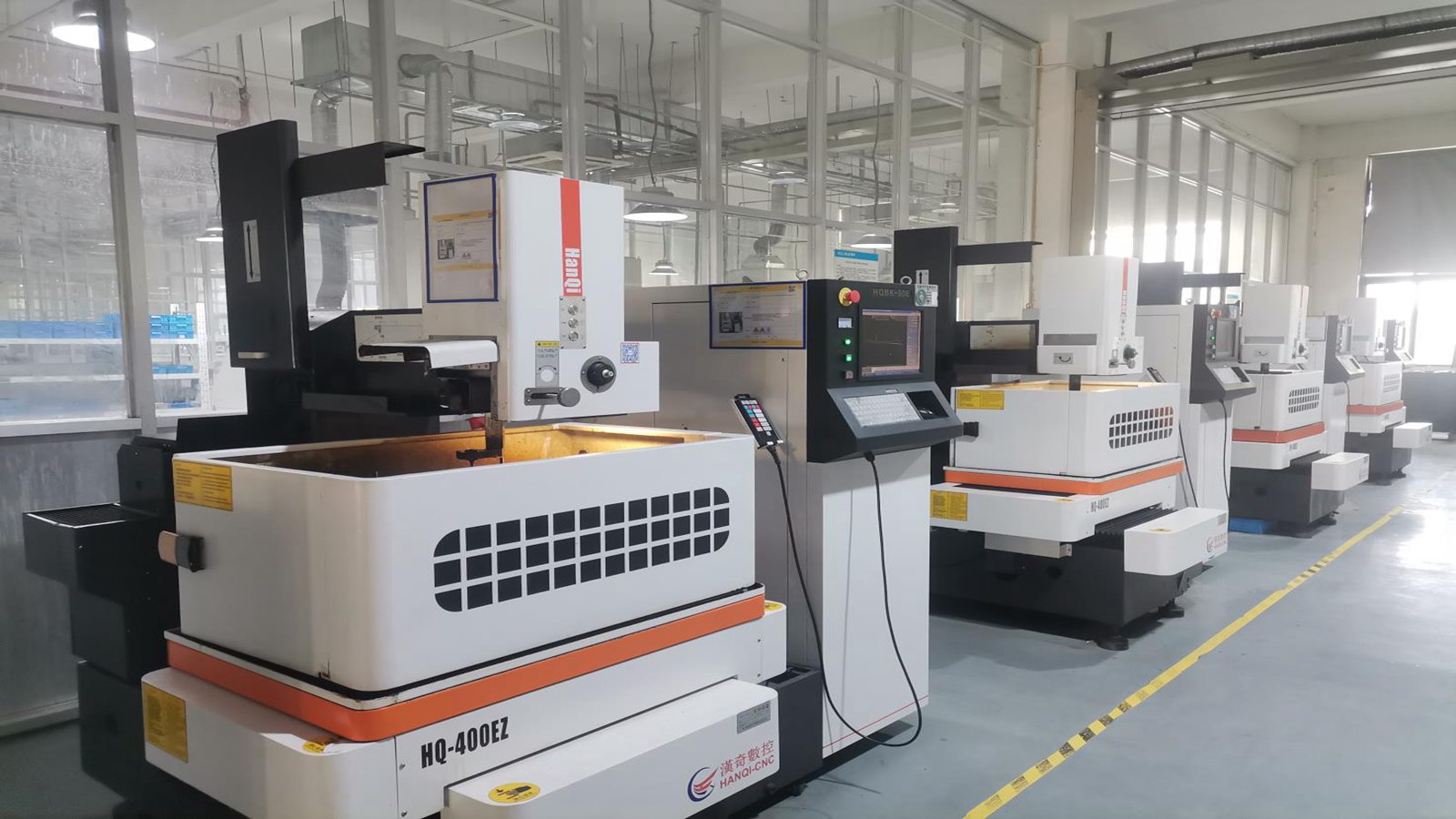
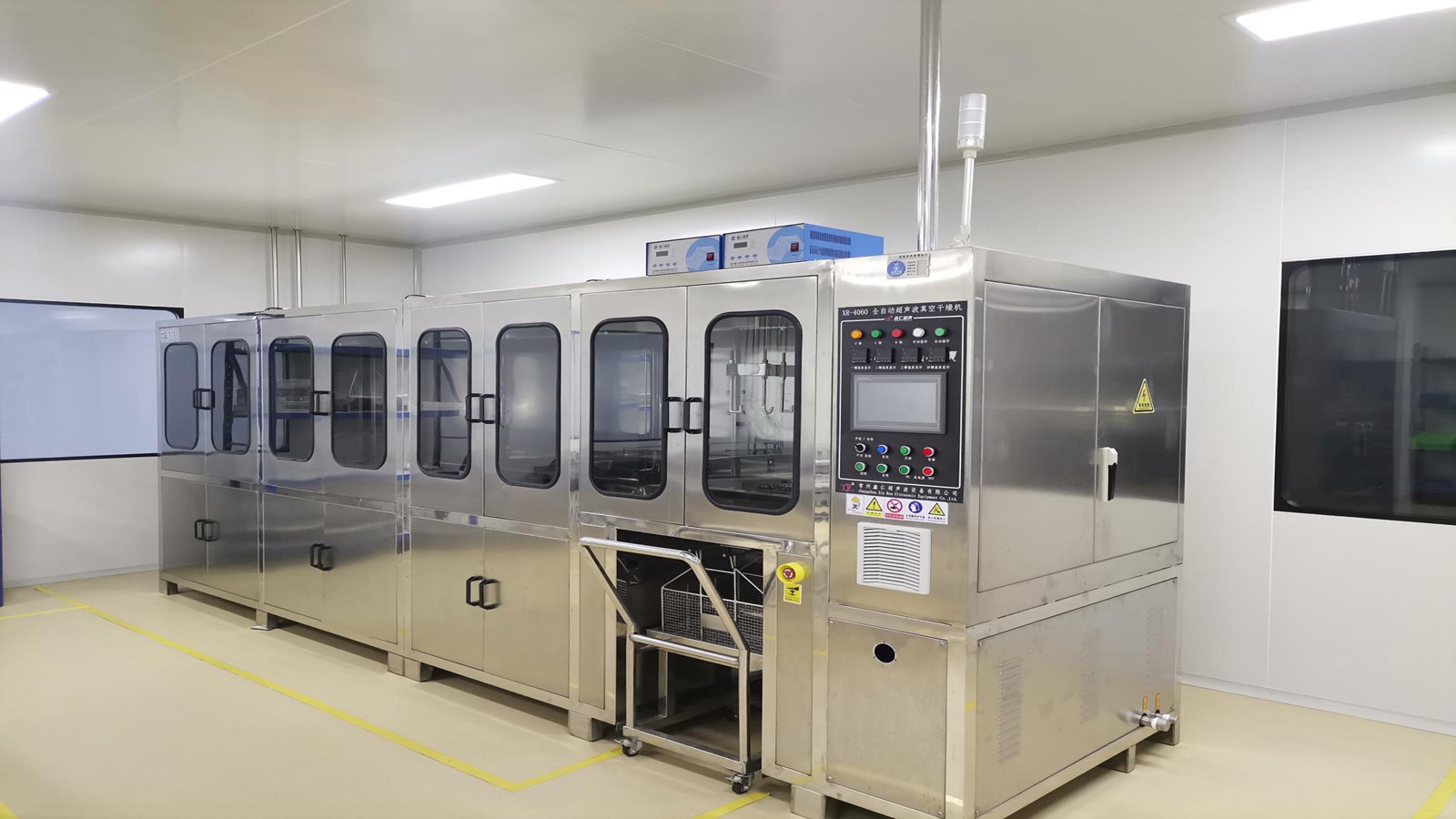
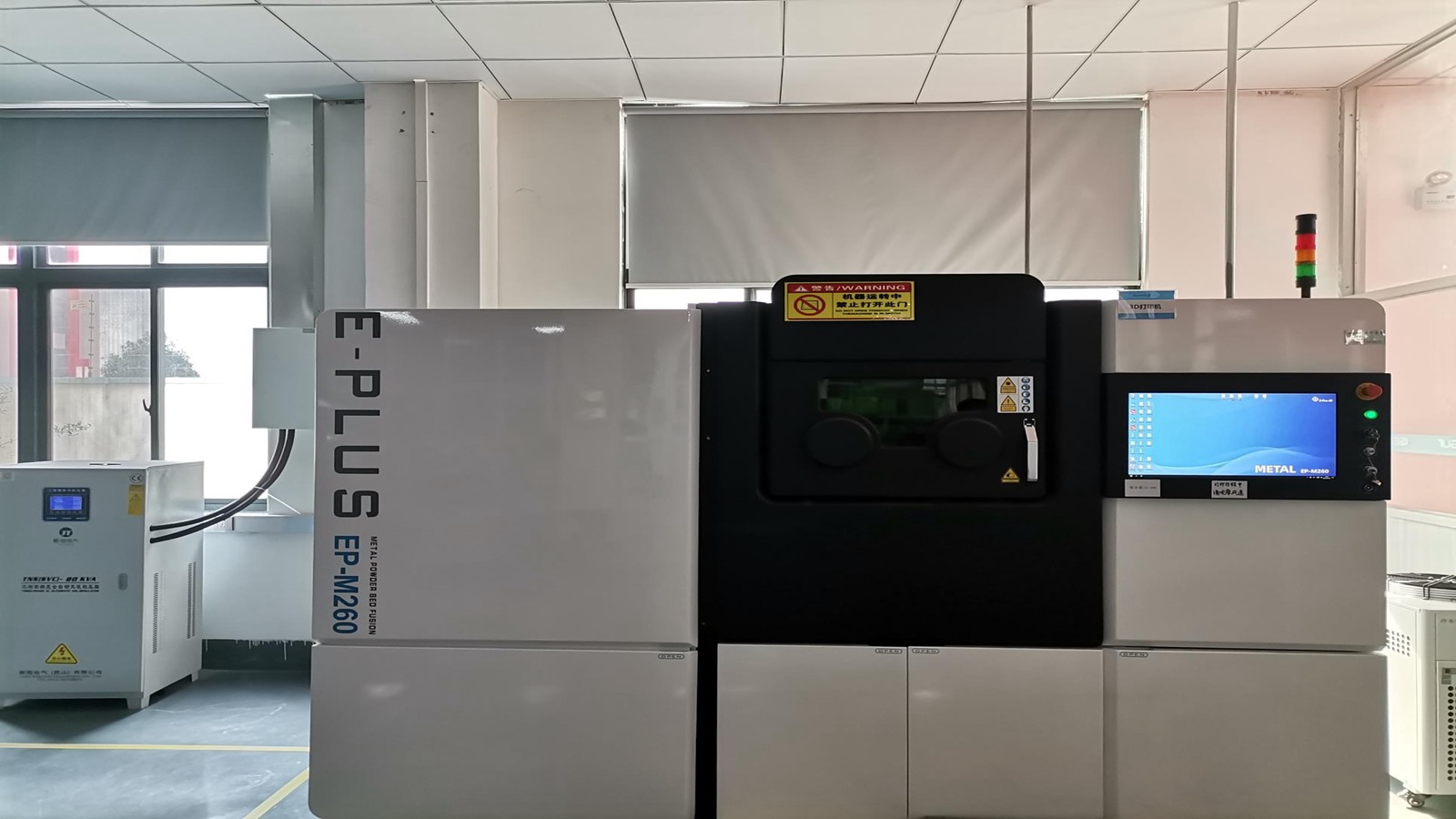
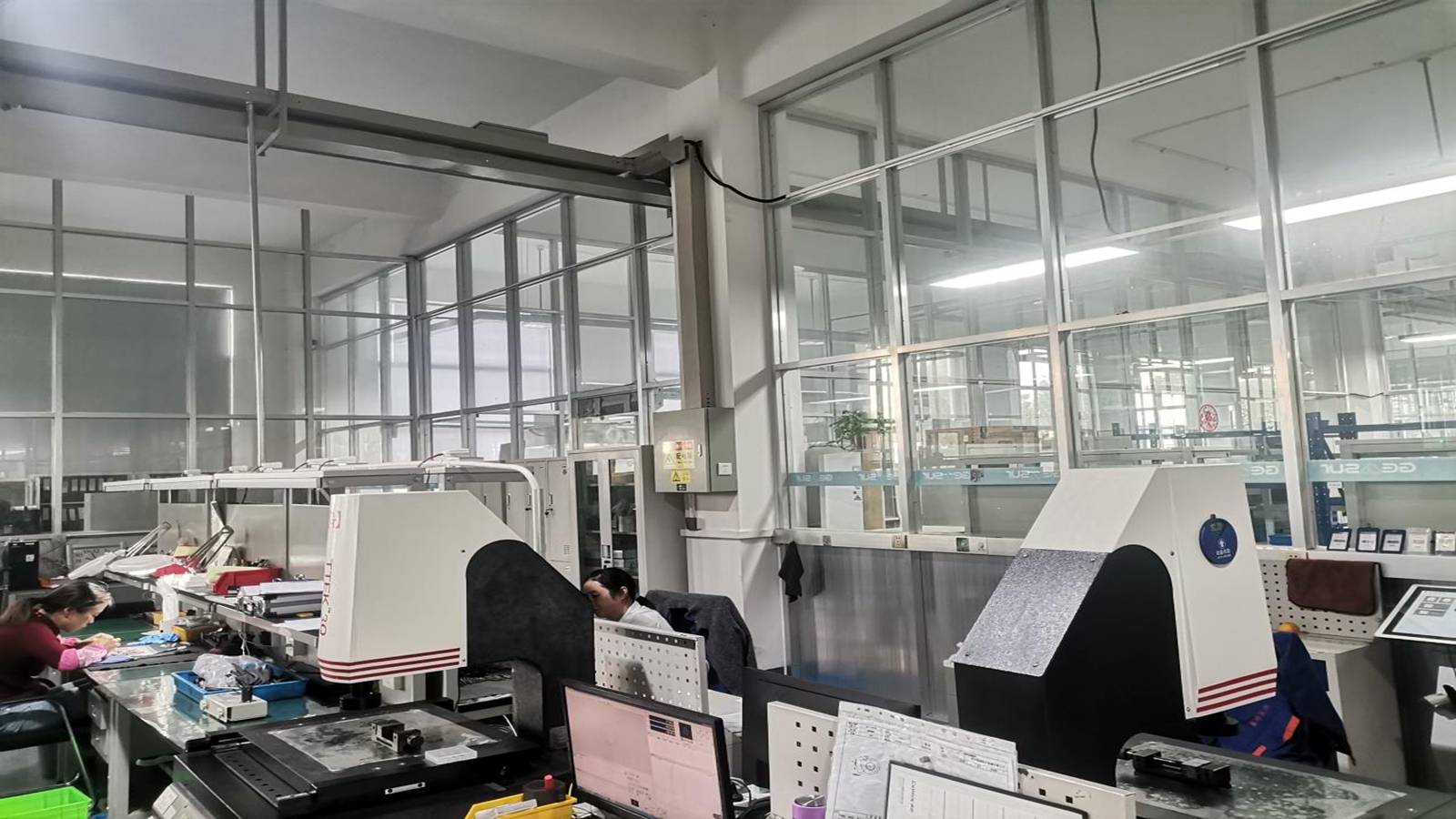
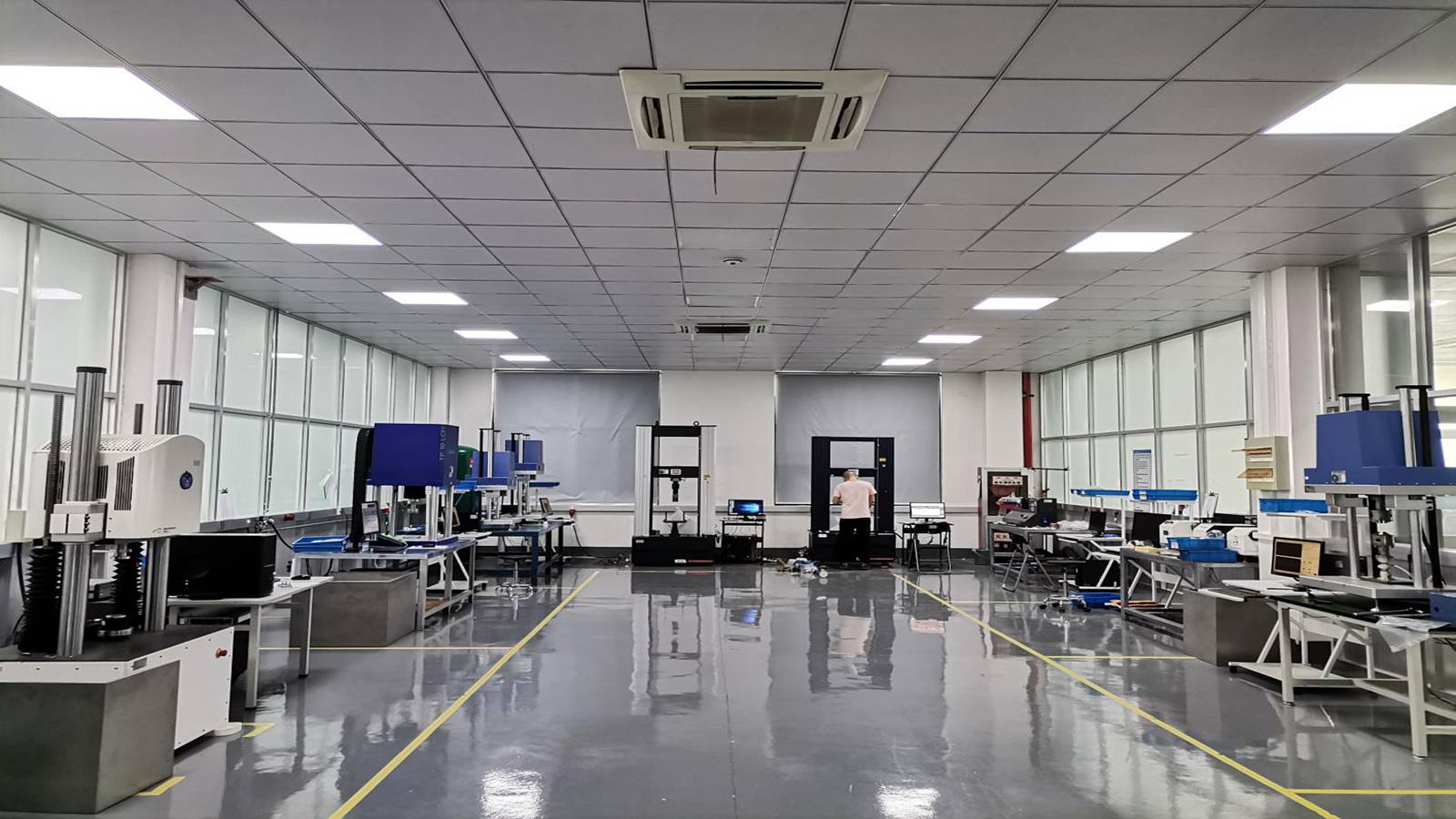
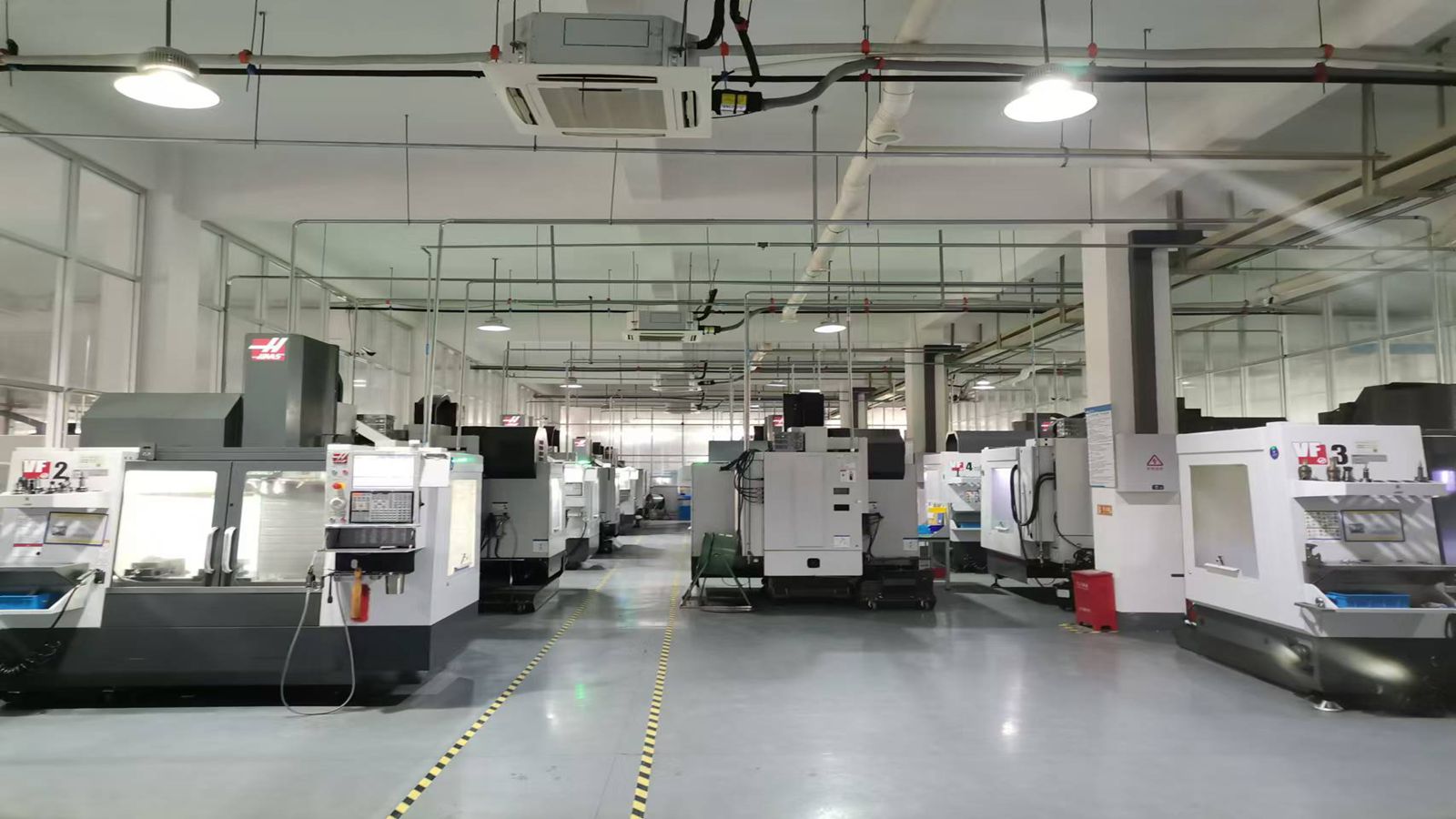
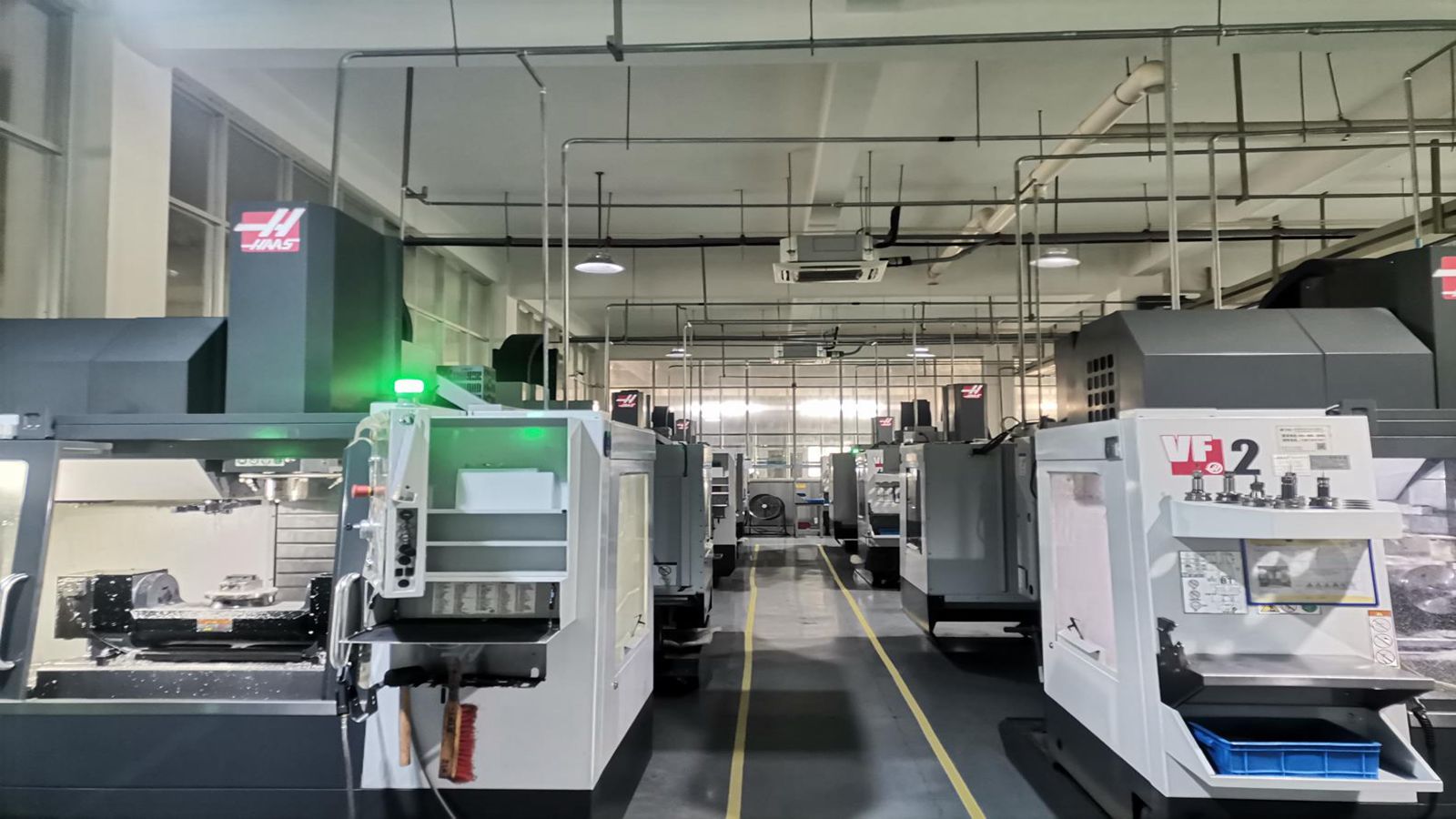
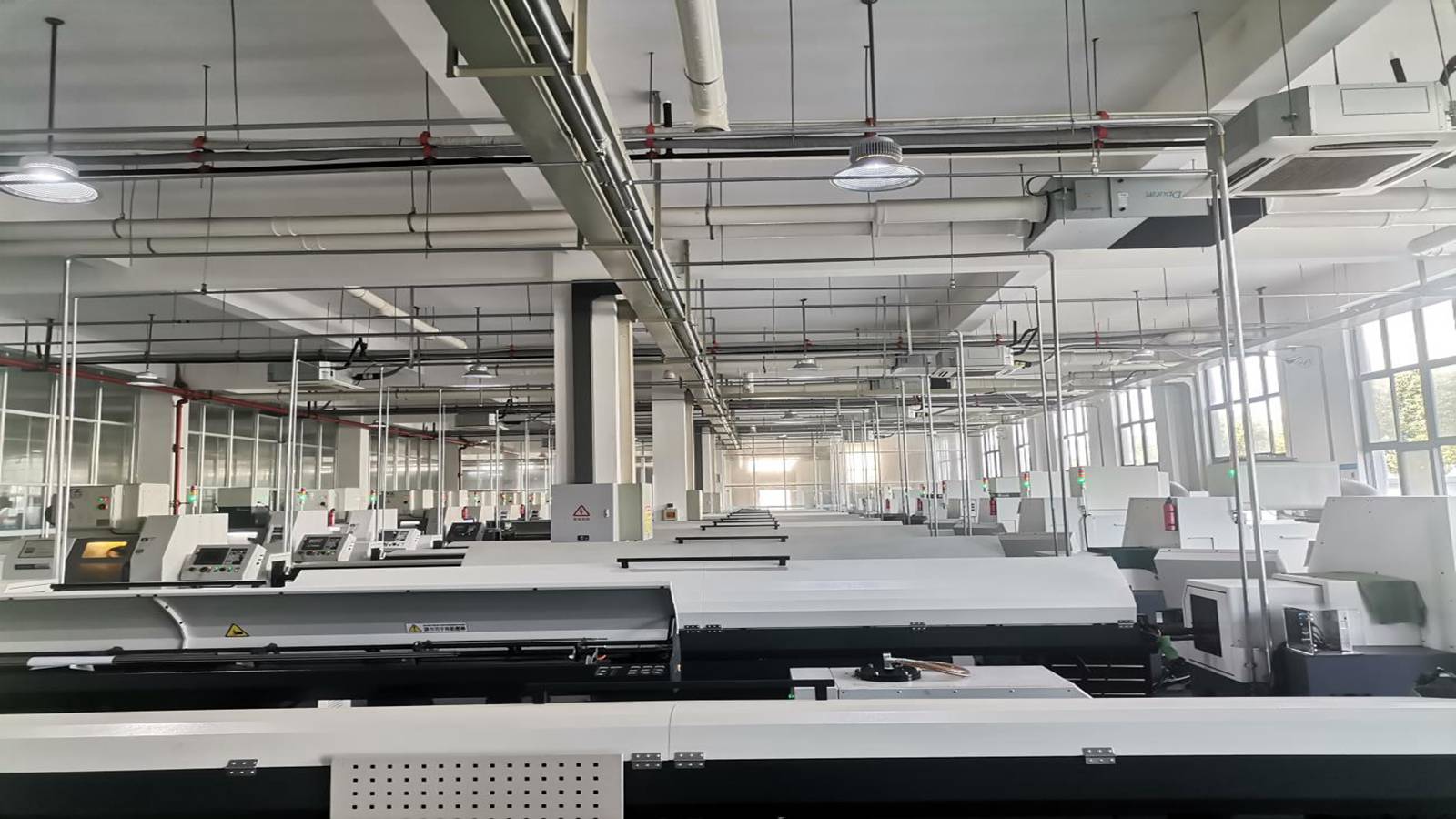
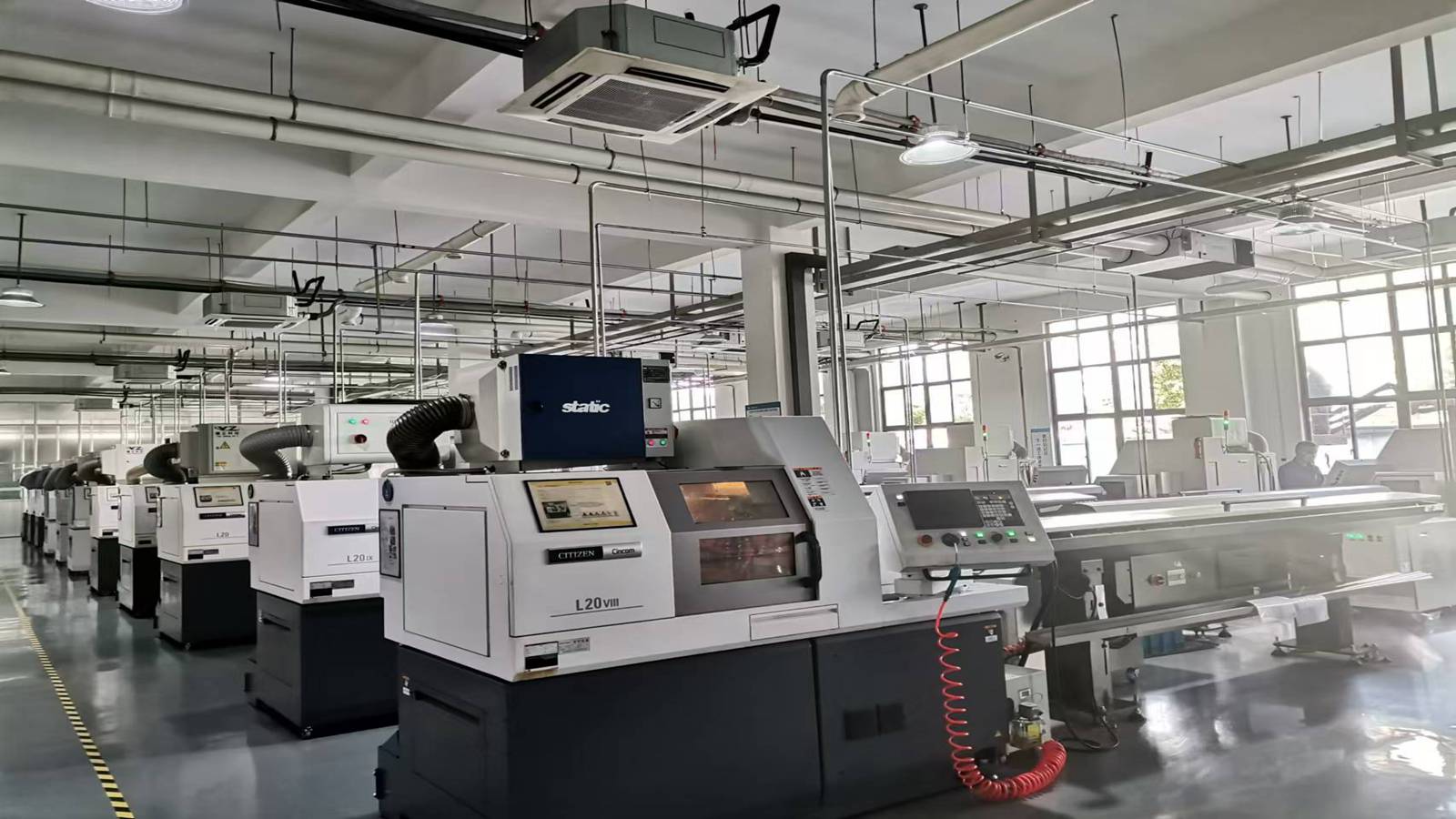
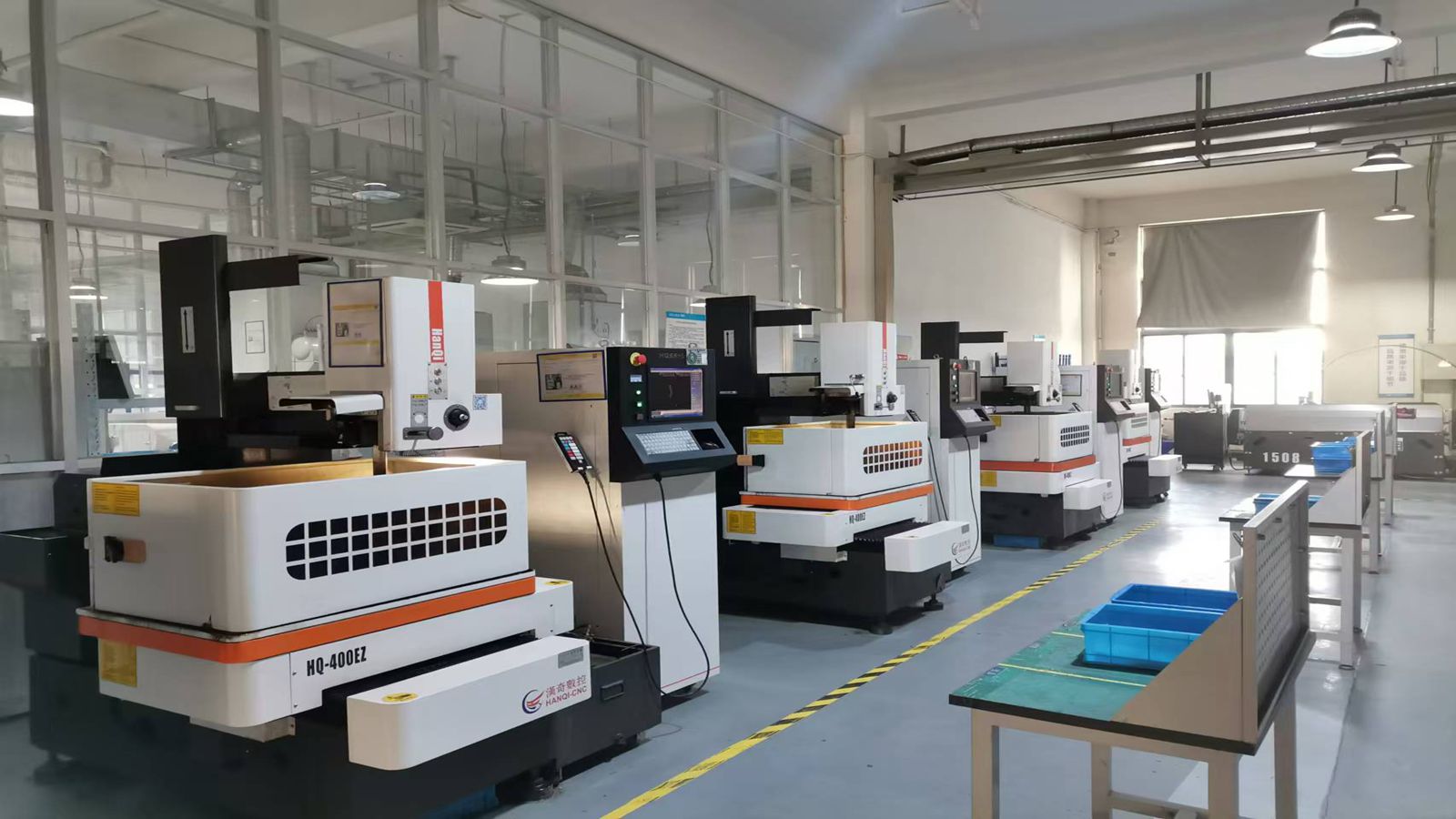
At HBM Medical, our 30,343 square meter facility houses over 120 advanced processing and testing machines across 12 dedicated production lines. This massive scale allows us to run highly efficient, continuous production cycles, drastically reducing lead times for large-scale global procurements.
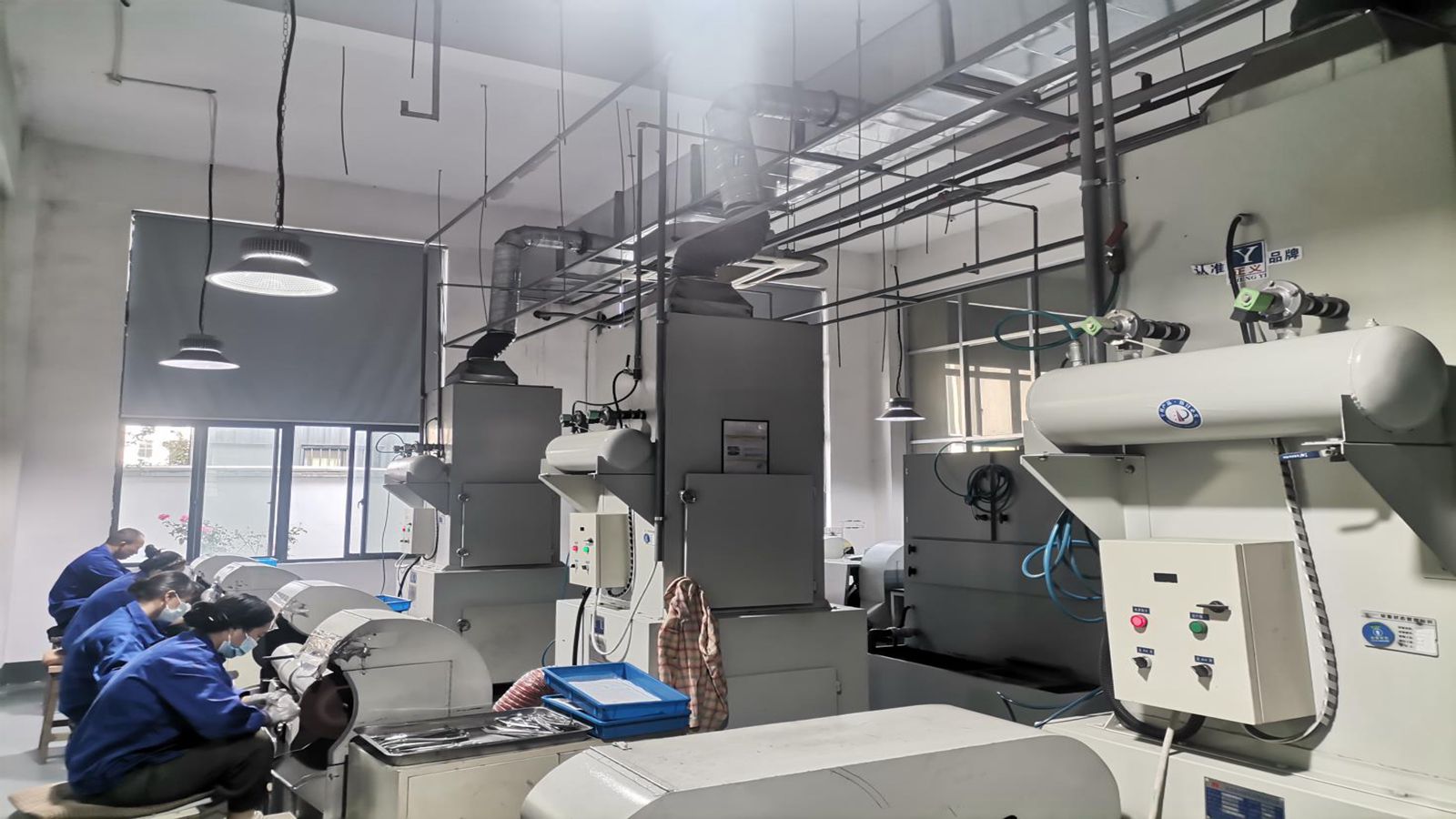
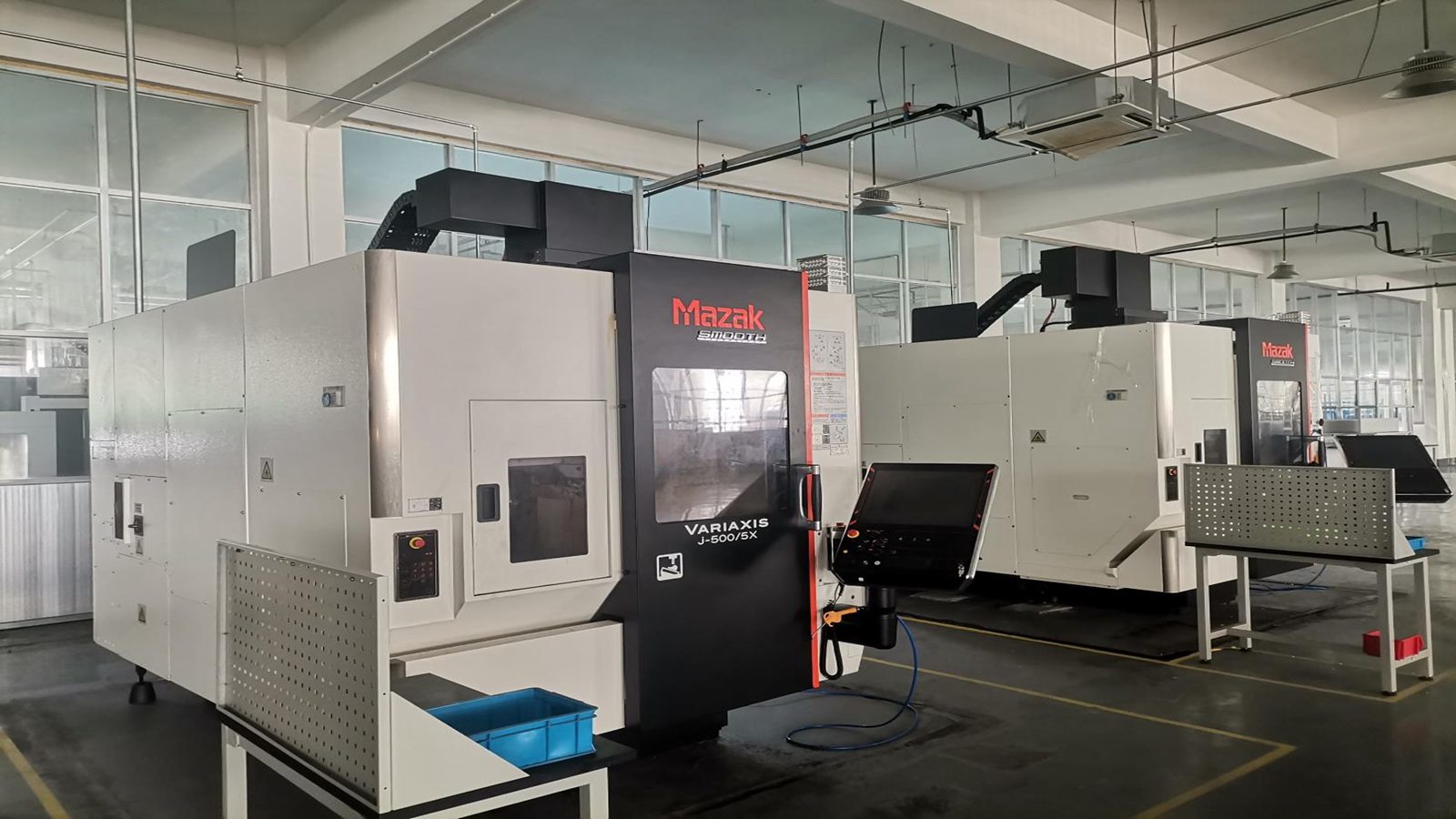
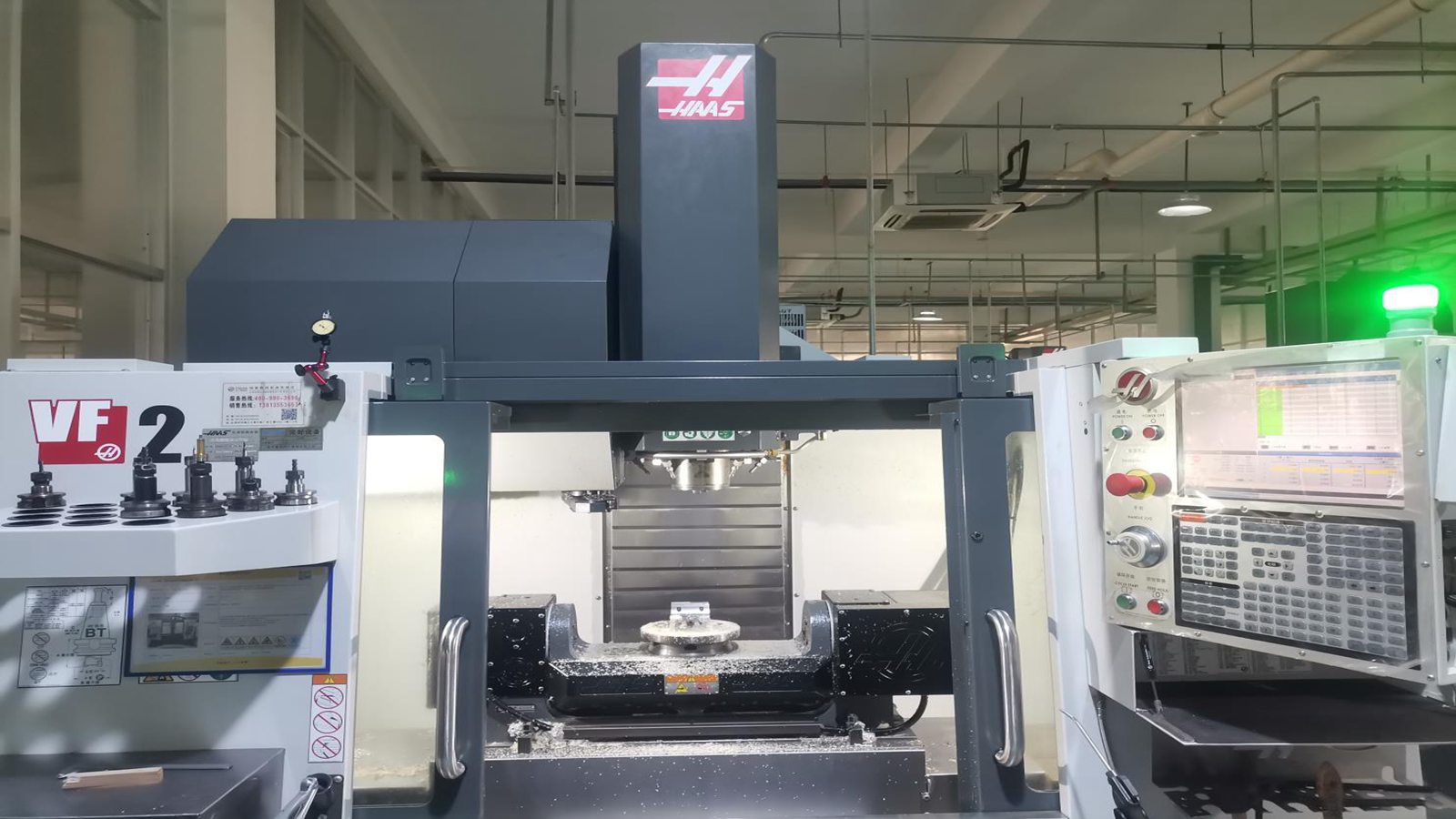
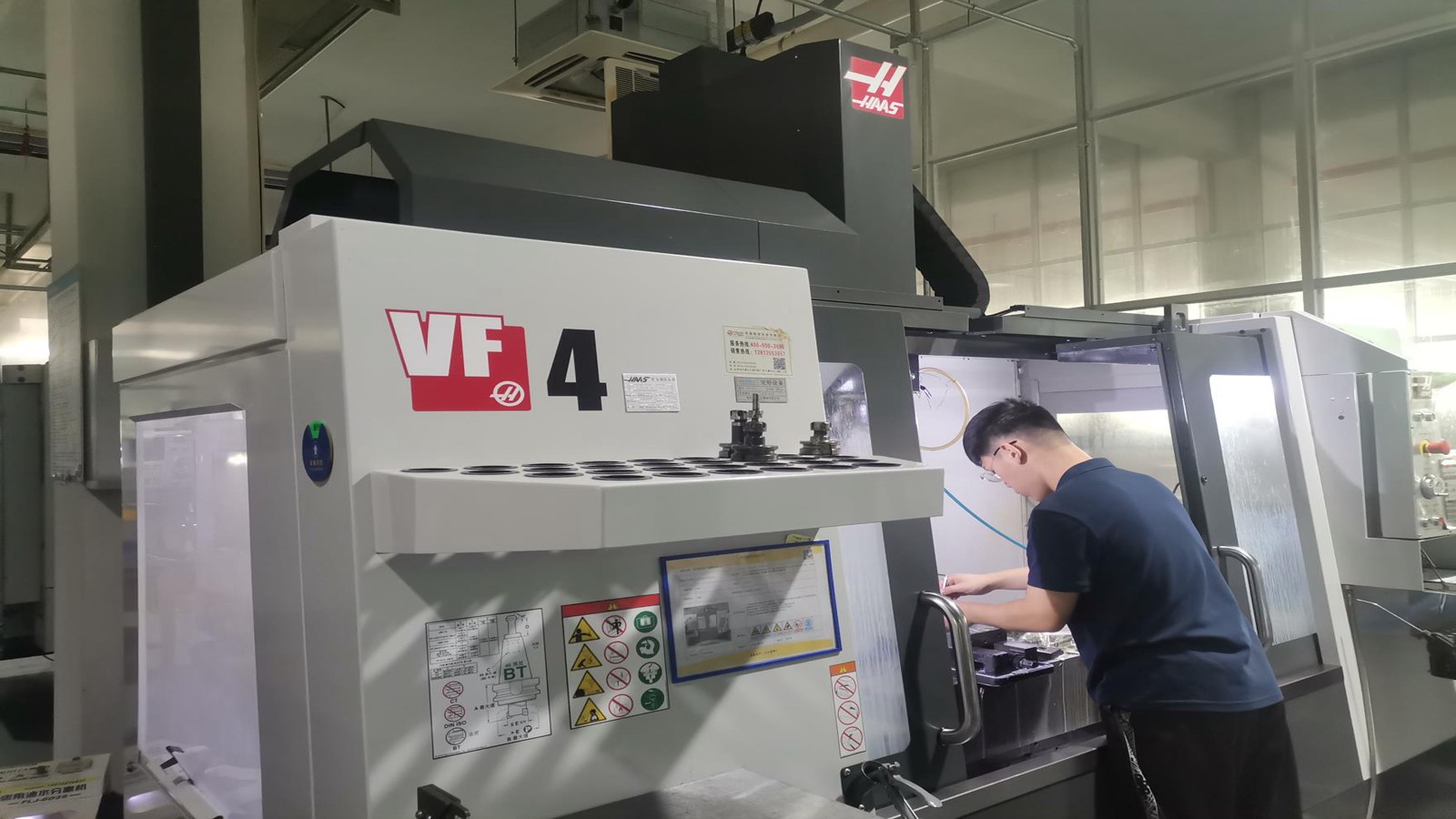
Furthermore, the integration of automated 5-axis CNC machining centers, robotic polishing, and automated anodization lines ensures that every proximal humeral plate meets exact dimensional tolerances. This technological synergy allows us to offer premium, clinical-grade implants at a fraction of the cost of Western counterparts, without compromising on quality or safety.
From geriatric trauma centers to veterinary orthopedics, our implants are engineered for diverse clinical environments.
In aging populations, low-energy falls frequently result in severely comminuted proximal humeral fractures. The bone-implant interface is highly vulnerable in osteoporotic bone. Our proximal humeral locking plates utilize divergent/convergent screw configurations to maximize pull-out resistance, ensuring immediate stable fixation and allowing for early post-operative mobilization.
Younger patients often present with high-energy trauma resulting in complex, displaced fractures. These cases require robust mechanical constructs capable of withstanding significant physiological loads. Our Grade 5 Titanium plates offer the high fatigue strength and structural resilience required for active recovery and long-term joint preservation.
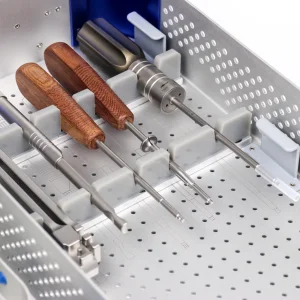
The principles of rigid internal fixation apply equally to veterinary medicine. Utilizing our specialized manufacturing capabilities, we produce downscaled, high-strength plates and instruments (such as mini bone-holding forceps and specialized drill guides) tailored for veterinary trauma clinics, ensuring companion animals receive the same standard of care as human patients.
Empowering global healthcare with high-precision orthopedic implants and comprehensive OEM/ODM solutions.
HBM Medical Apparatus And Instruments Co., Ltd. (established in 2015) is a premier R&D, manufacturing, and operating enterprise specializing in orthopedic medical devices. Over the past decade, we have built a reputation as a trusted partner for global medical brands, wholesalers, and healthcare institutions.
Our facility is fully certified under international quality management systems, including ISO 13485, MDSAP, and CE (MDR). With a dedicated QA/QC team of 36 inspectors, we enforce 100% traceability of raw materials and rigorous multi-stage inspections across all production lines. Whether you require customized OEM manufacturing based on graphic designs or high-volume standard implants, HBM Medical delivers excellence at every step.
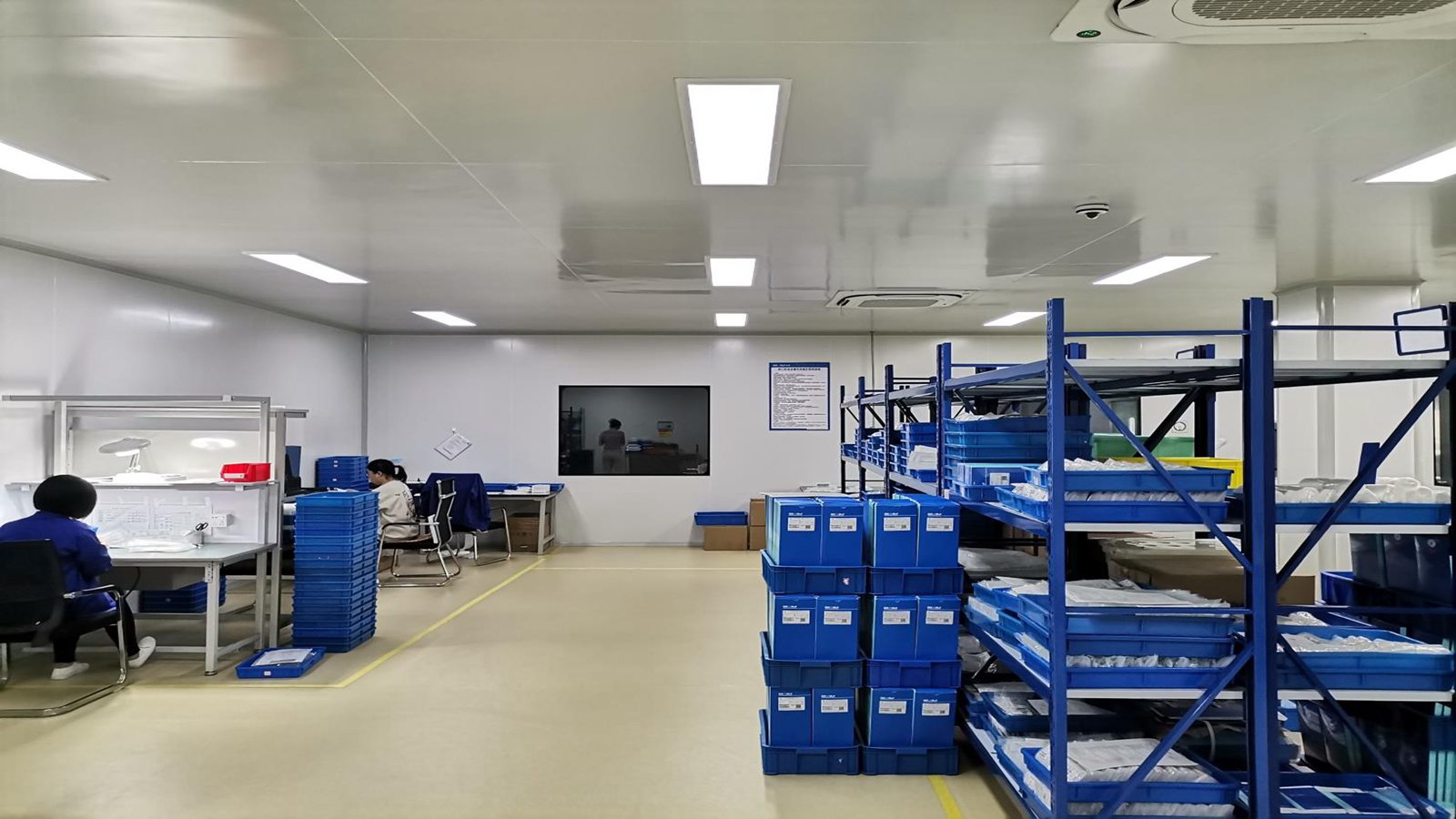
Take a look inside our highly controlled production environments, testing labs, and advanced machining workshops.


Navigating the complex regulatory landscape of international orthopedic device sourcing.
For global B2B buyers, regulatory compliance is non-negotiable. Sourcing medical implants requires absolute assurance that the manufacturer adheres to the latest international standards. The transition from the European Medical Device Directive (MDD) to the more stringent Medical Device Regulation (MDR 2017/745) has raised the bar for clinical data, traceability, and post-market surveillance.
HBM Medical is fully prepared to meet these rigorous demands. Our products hold valid CE Certifications (EPT 0477.MDR.25/5905 & 5973), and our quality management system is certified under ISO 13485 and the Medical Device Single Audit Program (MDSAP). This allows seamless market entry into major global regions, including Europe, North America, and Asia-Pacific.
Every single batch of titanium alloy used in our implants is accompanied by a certified material test report (MTR), ensuring complete traceability from the raw ingot to the finished sterile package. This level of transparency guarantees that our implants possess the exact mechanical properties and chemical compositions required for long-term implantation.
Expert answers to the most common technical, regulatory, and commercial questions from global B2B buyers.
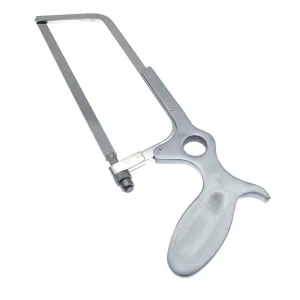
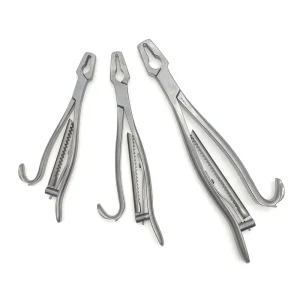
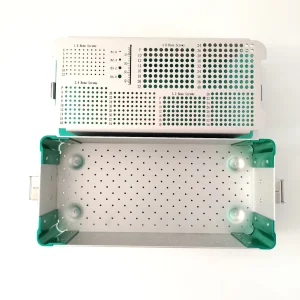
Browse our extensive selection of surgical instruments, external fixators, and specialized orthopedic tools.
 HBM Medical