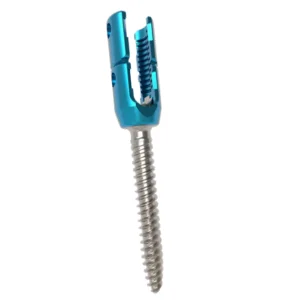
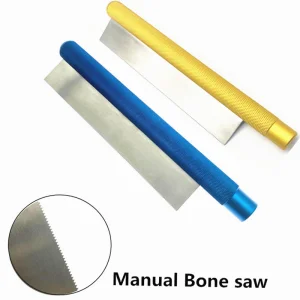
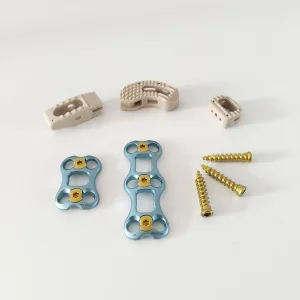
As a premier developer and manufacturer of orthopaedic implants and high-precision instruments in China, HBM Medical offers Class III and Class II medical devices engineered for spinal, articular, and trauma reconstructive surgeries. Explore our top primary product lines.
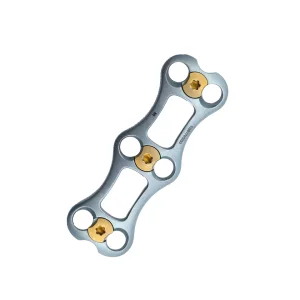
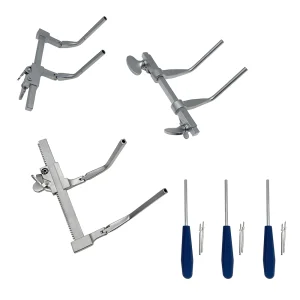
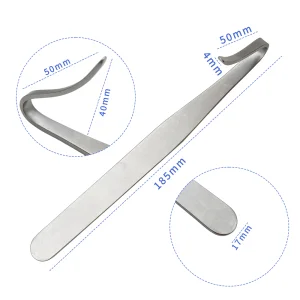
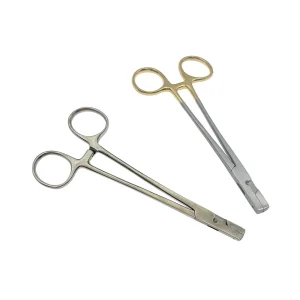
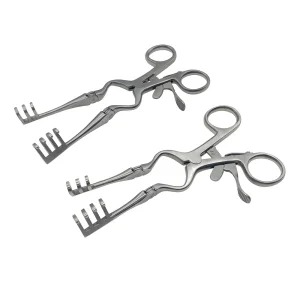
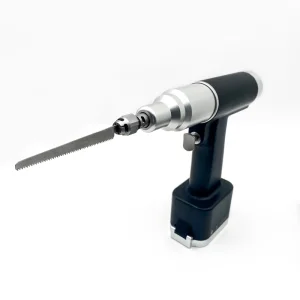
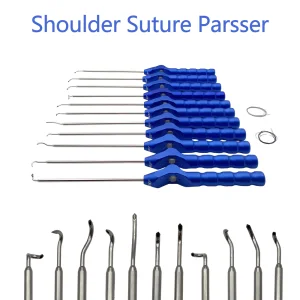
Surgical hooks represent one of the most critical classes of manual surgical instruments utilized across modern operating rooms worldwide. From general soft tissue retraction to high-precision arthroscopic procedures (such as meniscus reconstruction and rotator cuff repairs) and intricate spinal surgeries, the design and mechanical integrity of a surgical hook directly influence clinical outcomes and patient safety.
In the global medical device sector, the commercial demand for surgical hooks is undergoing a significant transition. Healthcare institutions, purchasing organizations, and global distributors are shifting focus away from low-cost, disposable instruments toward ultra-durable, sterilizable, and biocompatible instruments manufactured from premium medical-grade alloys. High tensile strength, fatigue resistance, and absolute chemical stability under repeated autoclaving cycles (typically at 134°C) are the benchmark criteria for selection.
Moreover, as sports medicine and minimally invasive orthopaedic interventions grow globally, specialized instruments such as suture hooks, meniscus pull retractors, and suture passers are seeing exponential demand. Sourcing these components requires deep collaboration with manufacturers who possess advanced metallurgical knowledge and state-of-the-art manufacturing facilities.
All HBM surgical products support complete material traceability. We implement rigorous testing protocols on 100% of raw inputs to guarantee that only biocompatible SUS 316L, SUS 420, and Titanium alloys enter our manufacturing pipeline.
China has established itself as the epicenter of global medical instrument manufacturing, combining unparalleled supply chain depth with rapid engineering cycle times. However, HBM Medical Apparatus And Instruments Co., Ltd. elevates this national advantage by integrating direct R&D capabilities with high-capacity digital manufacturing.
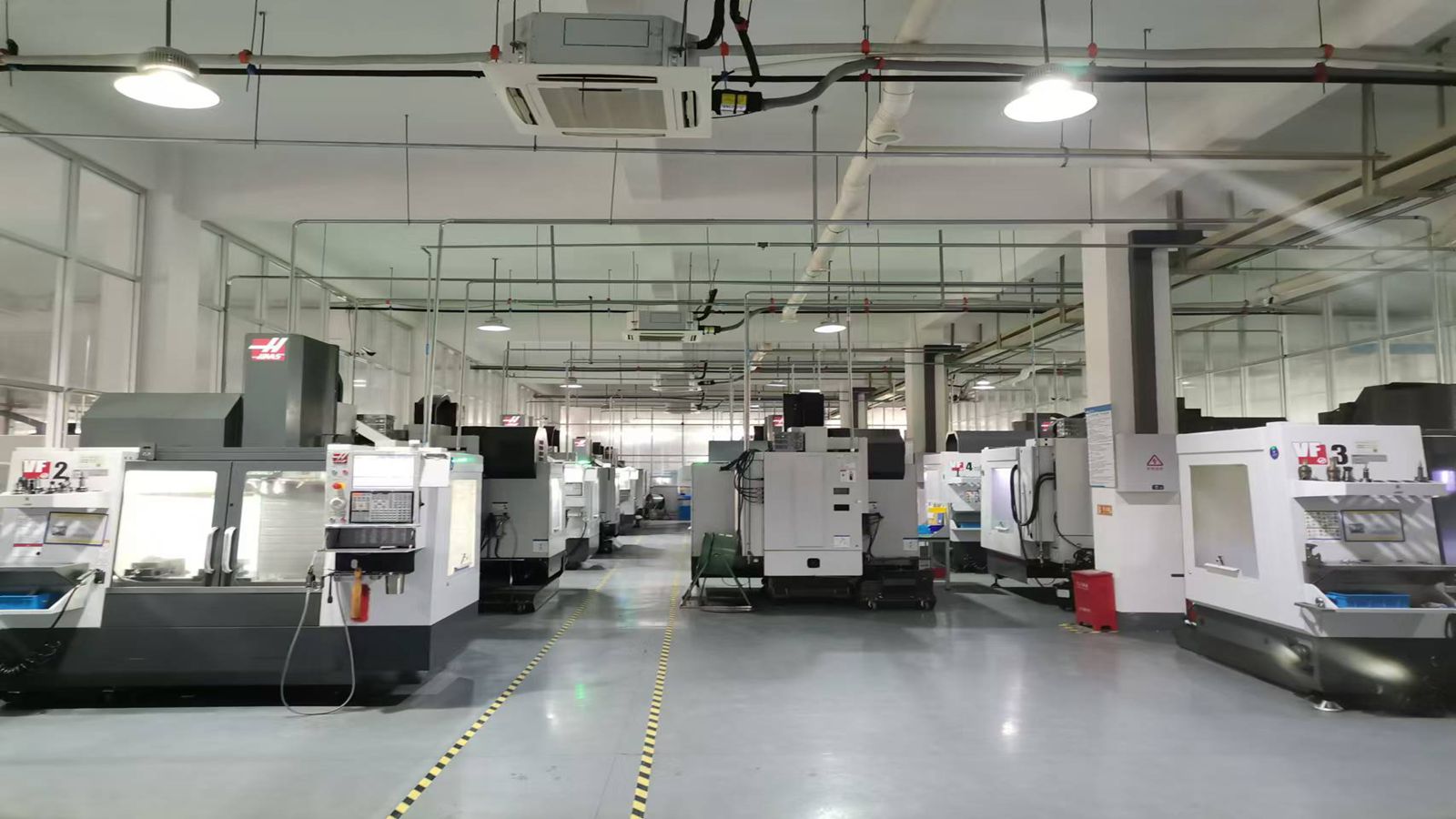
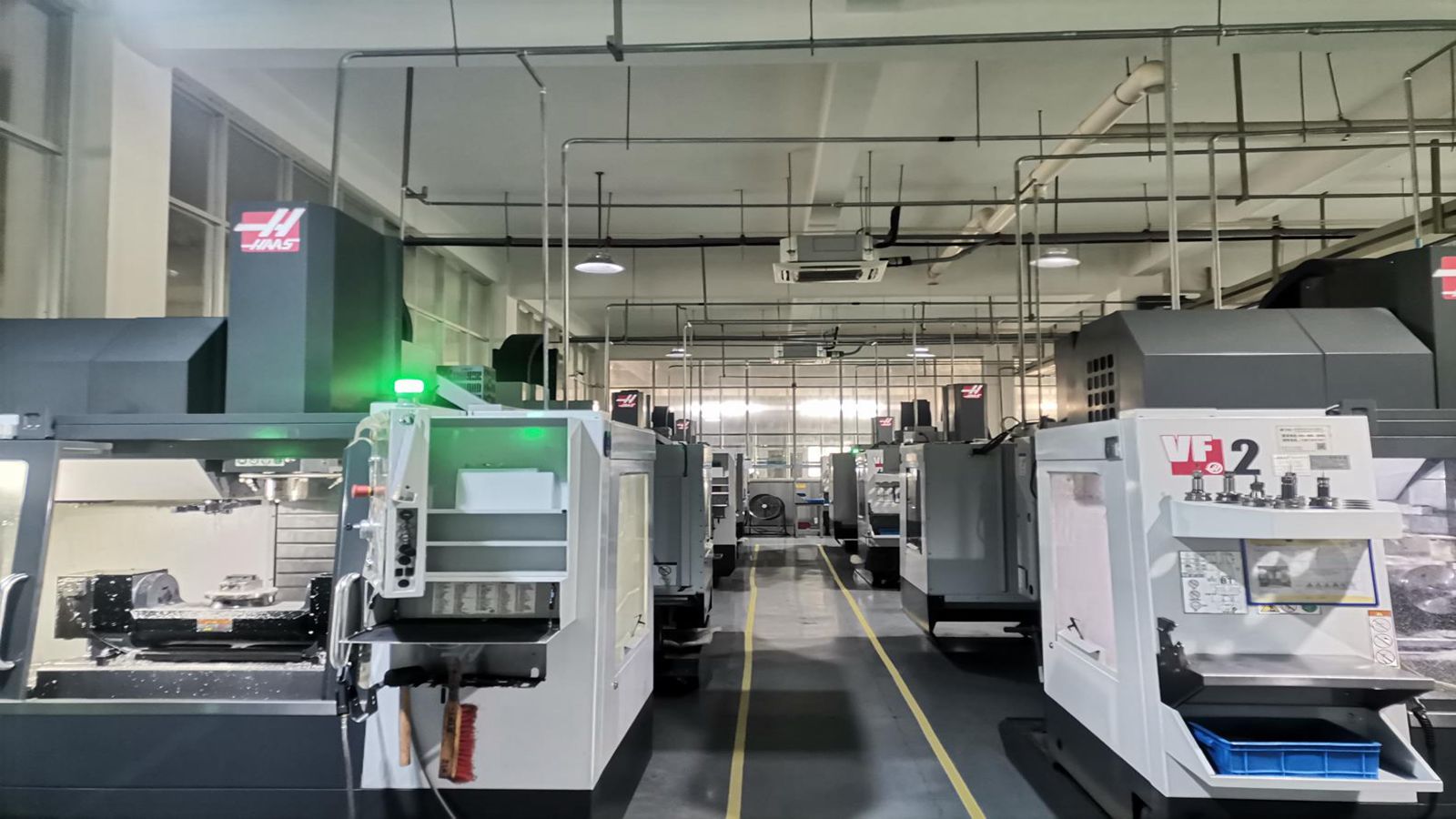
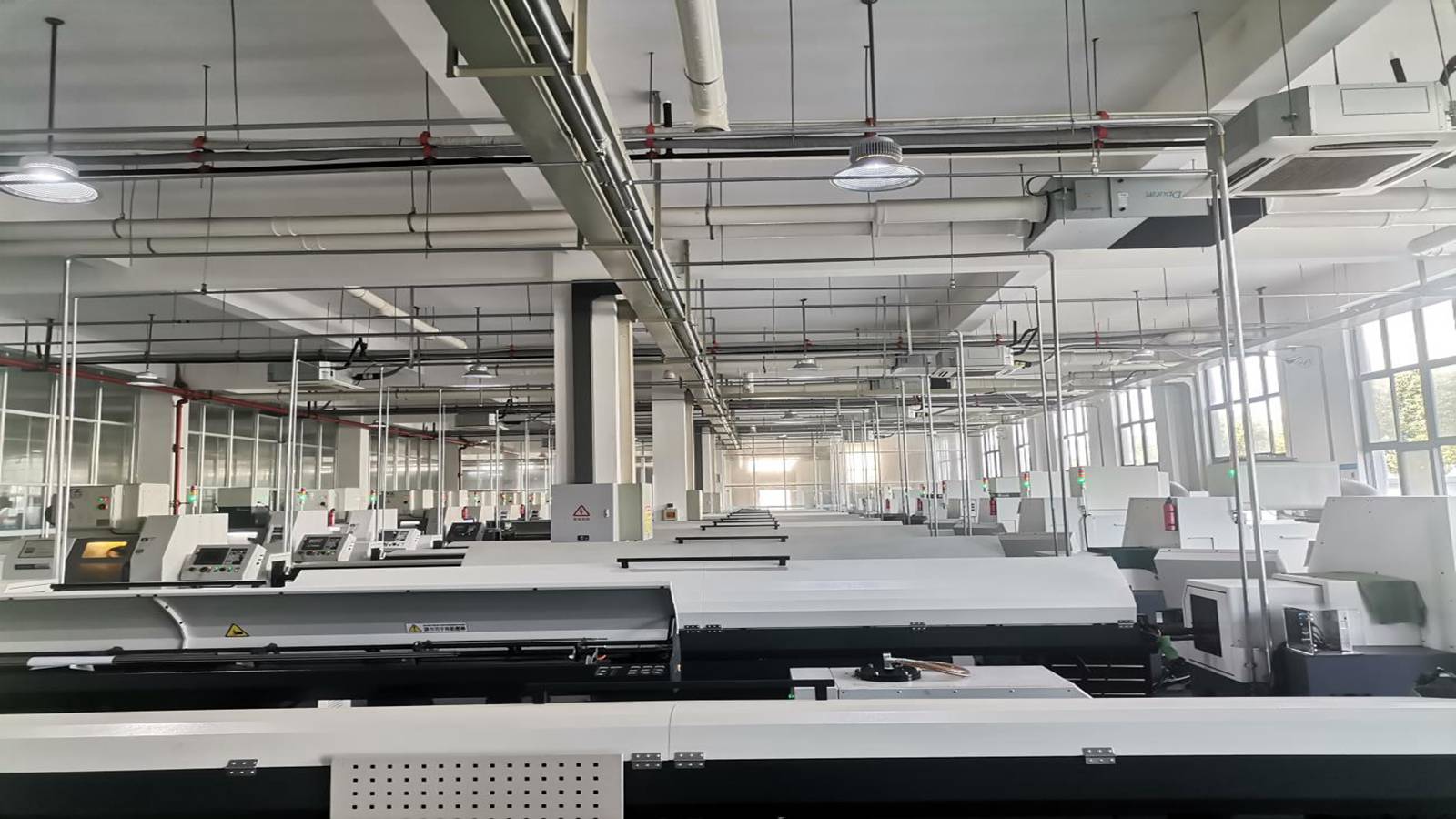
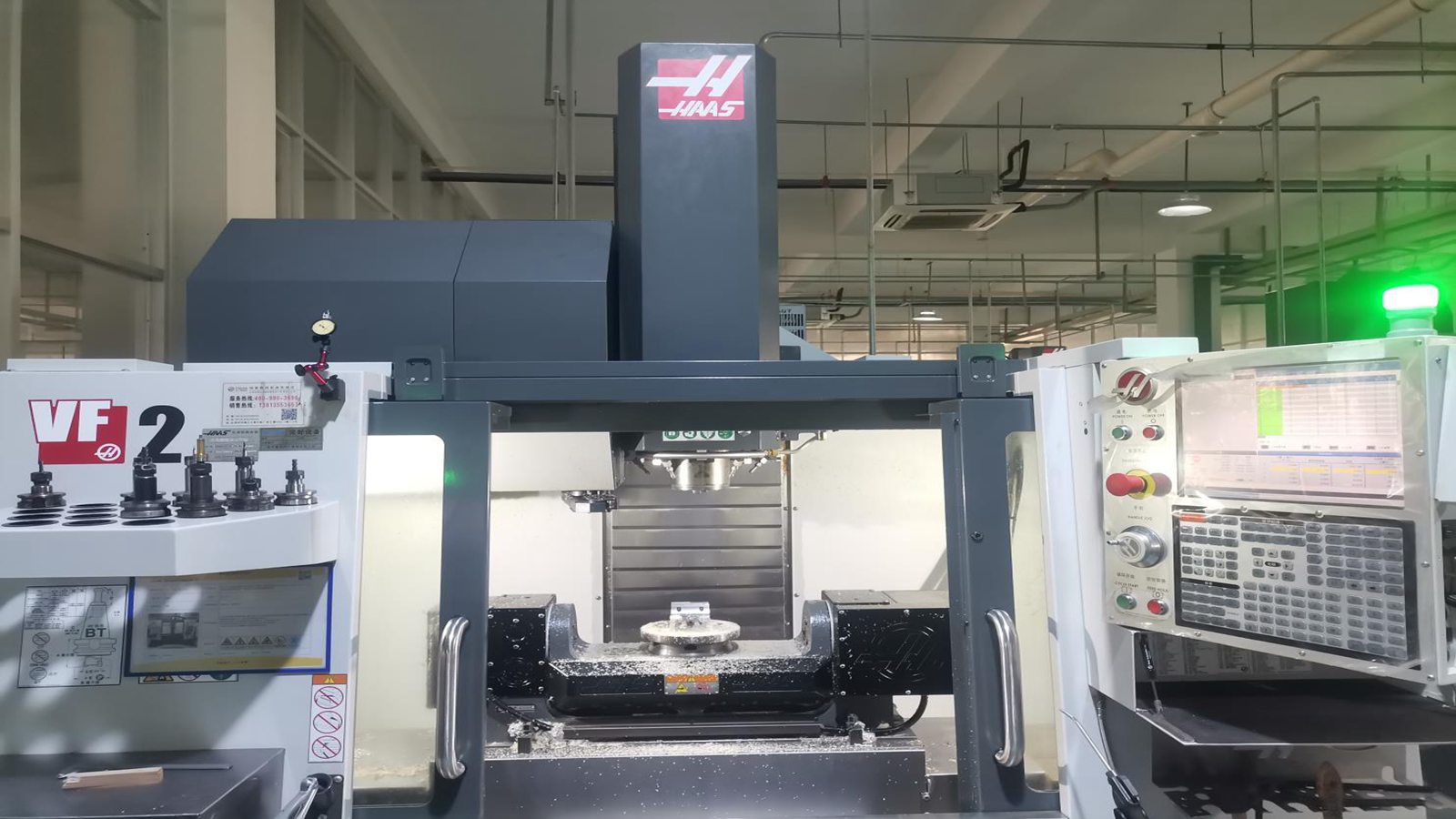
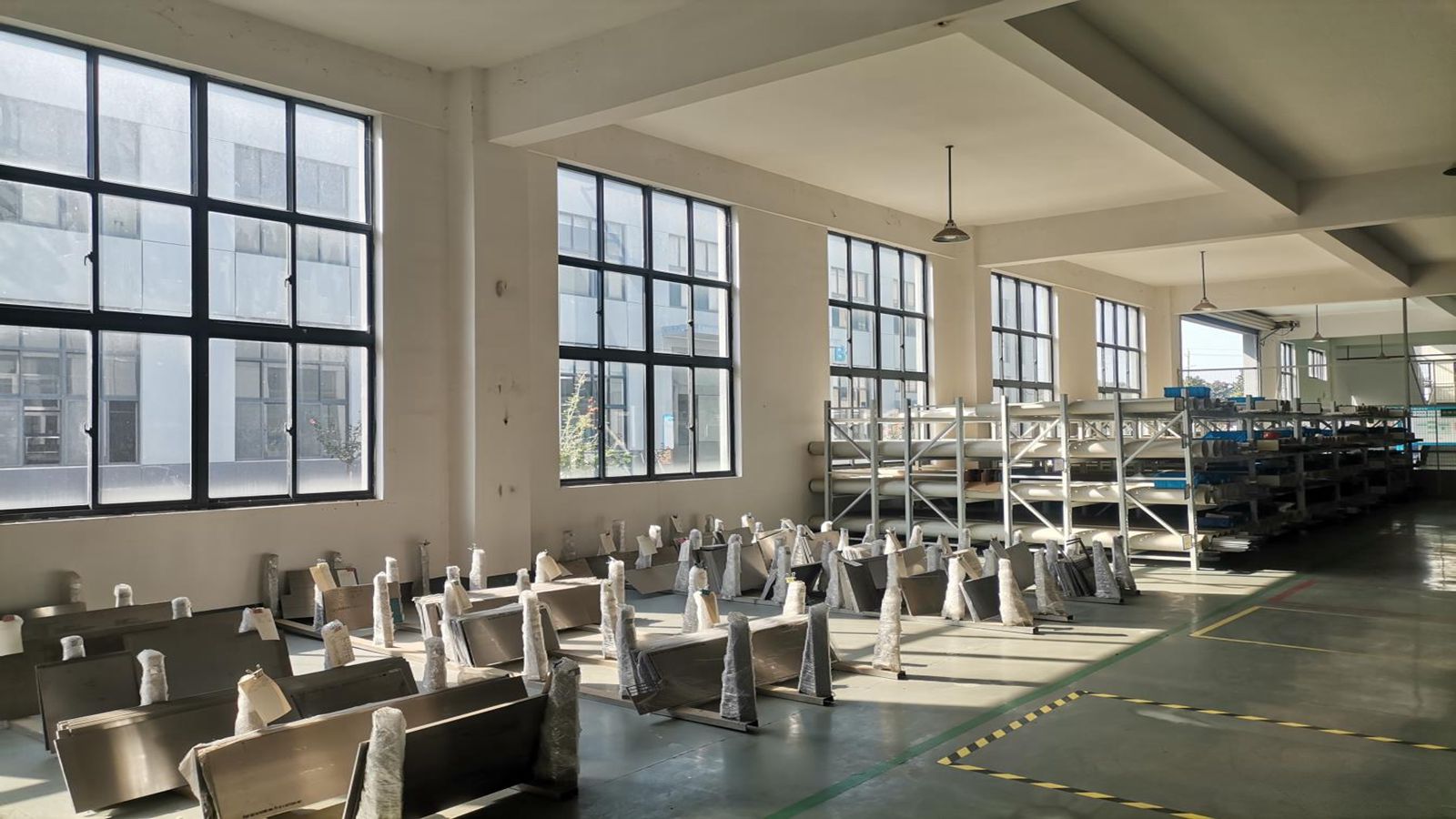
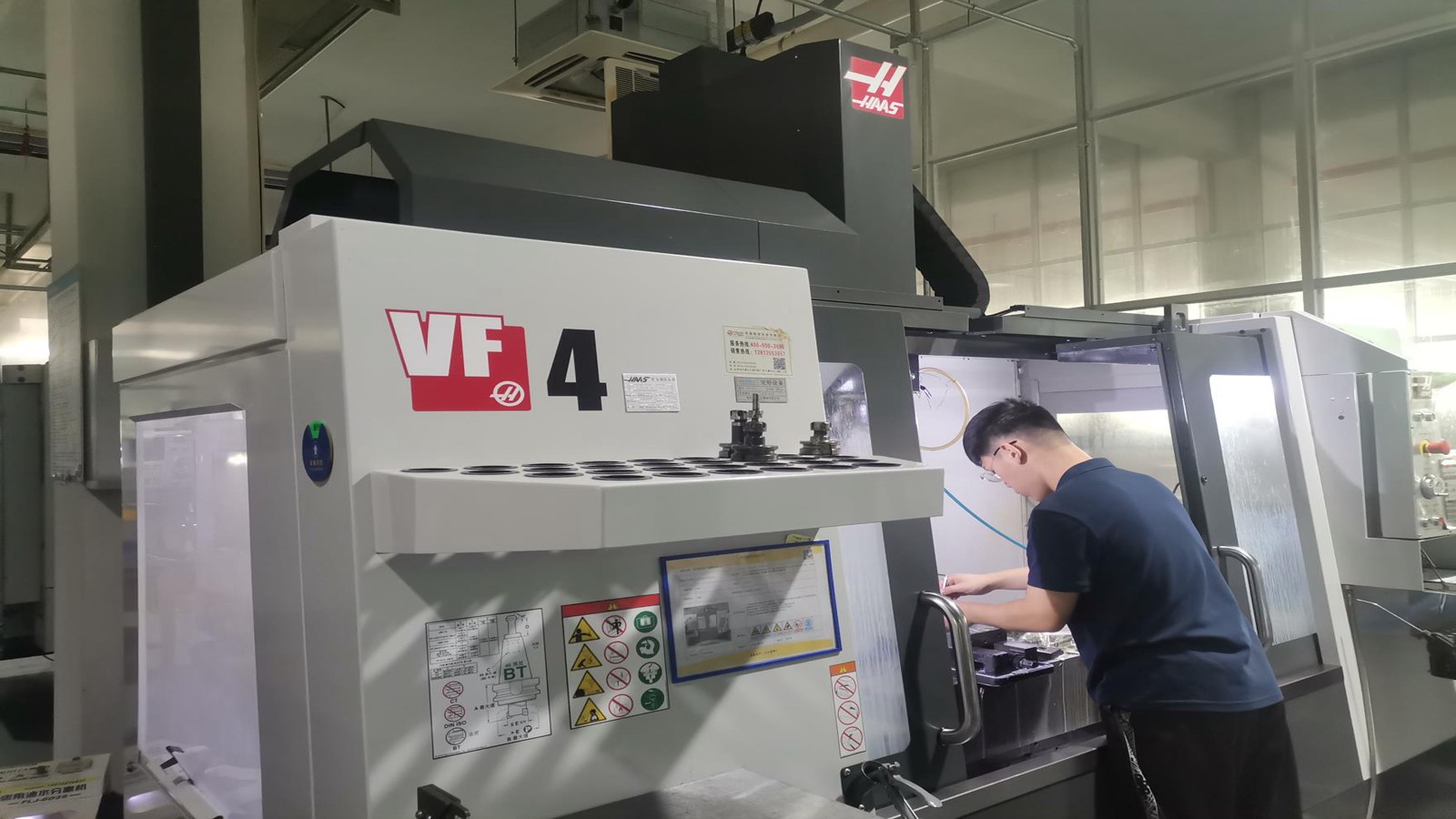
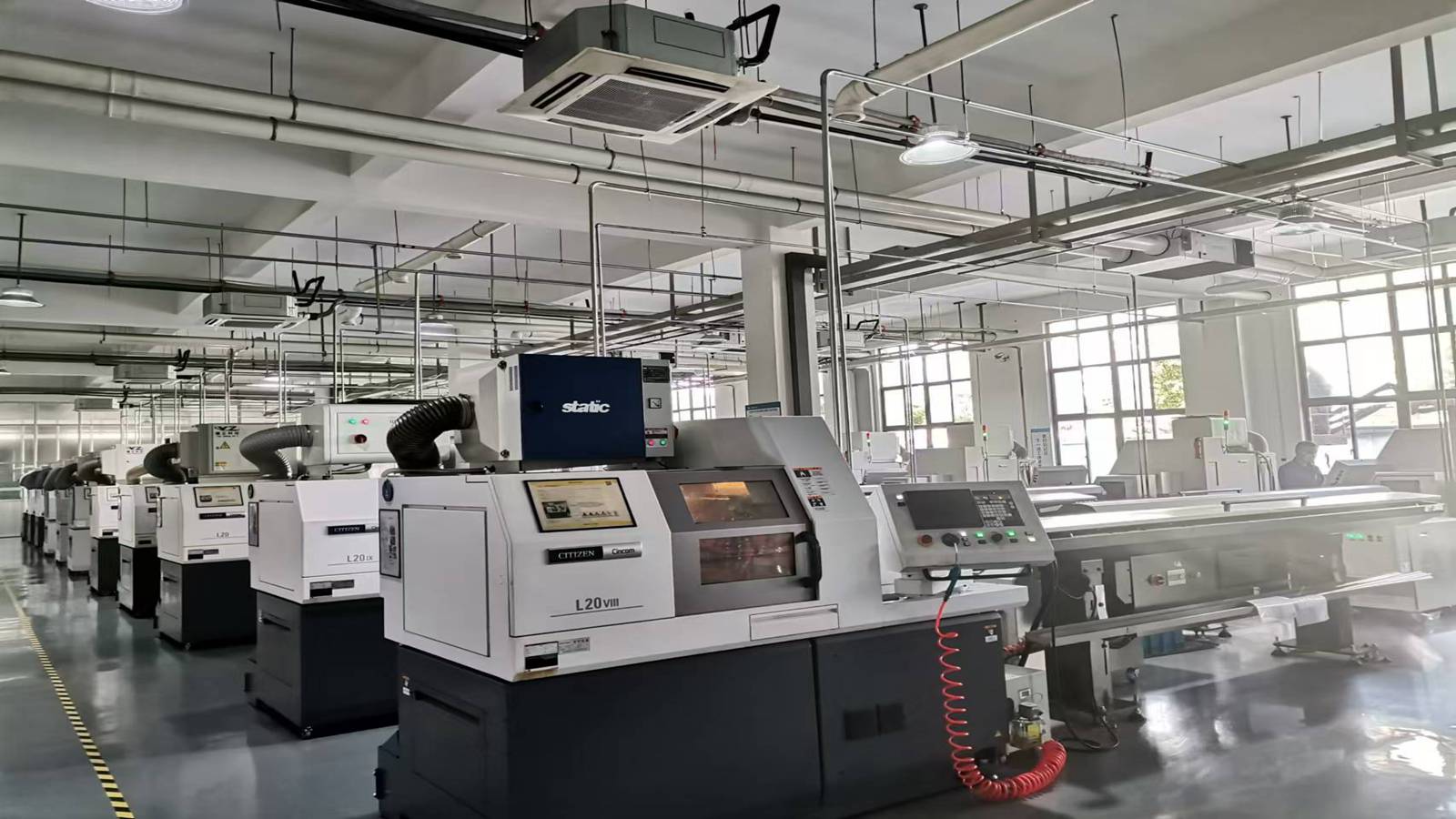
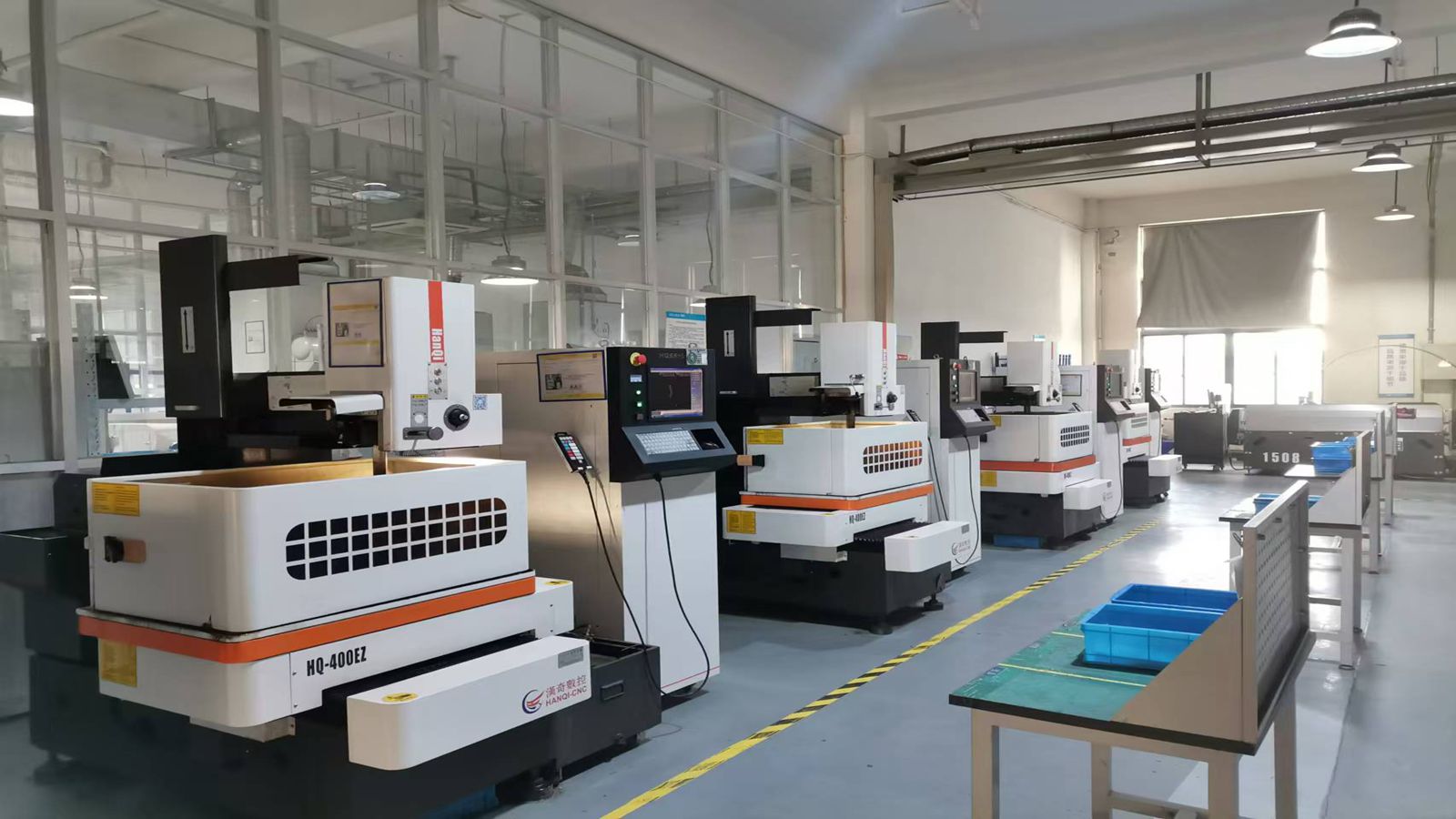
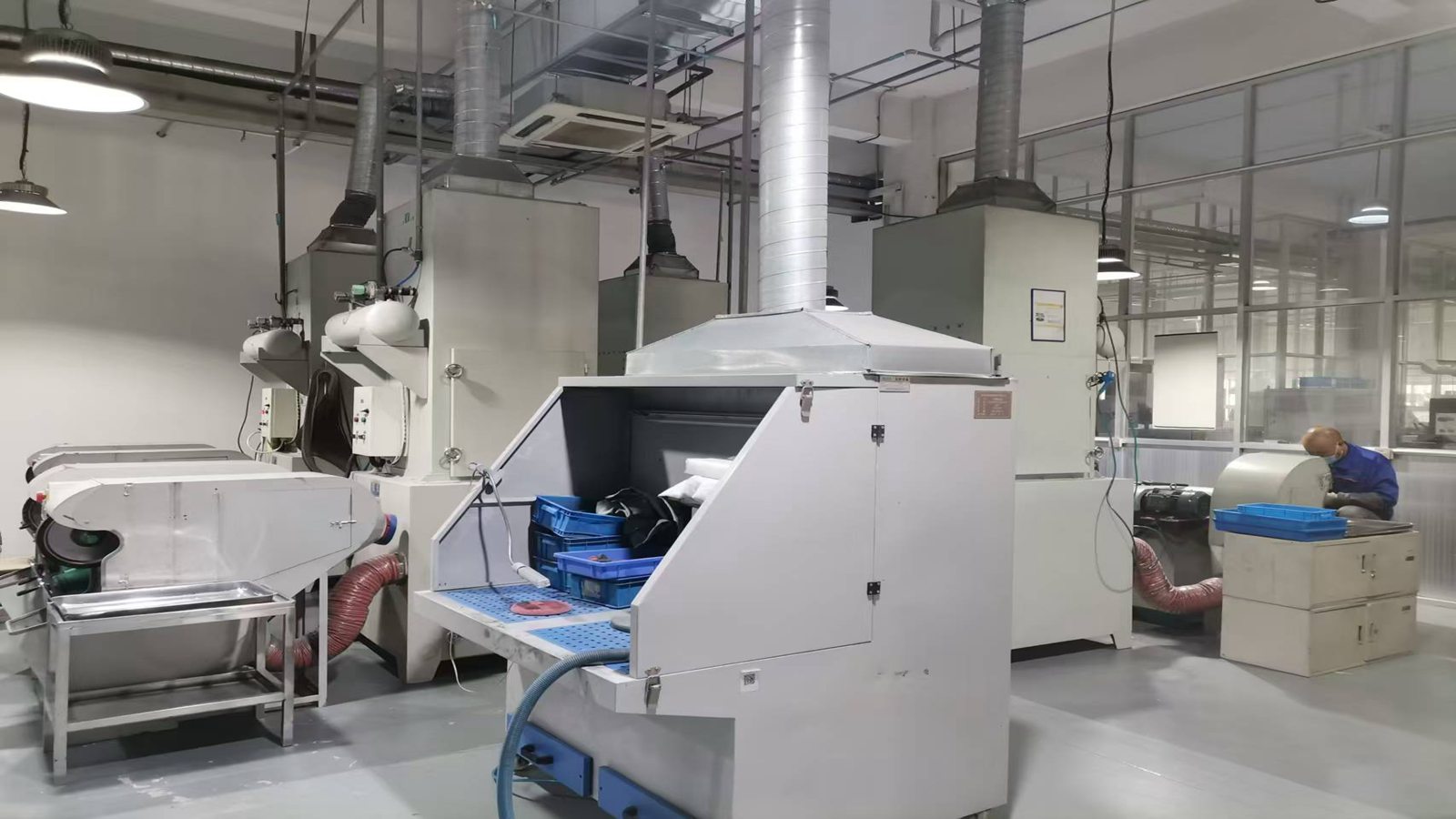
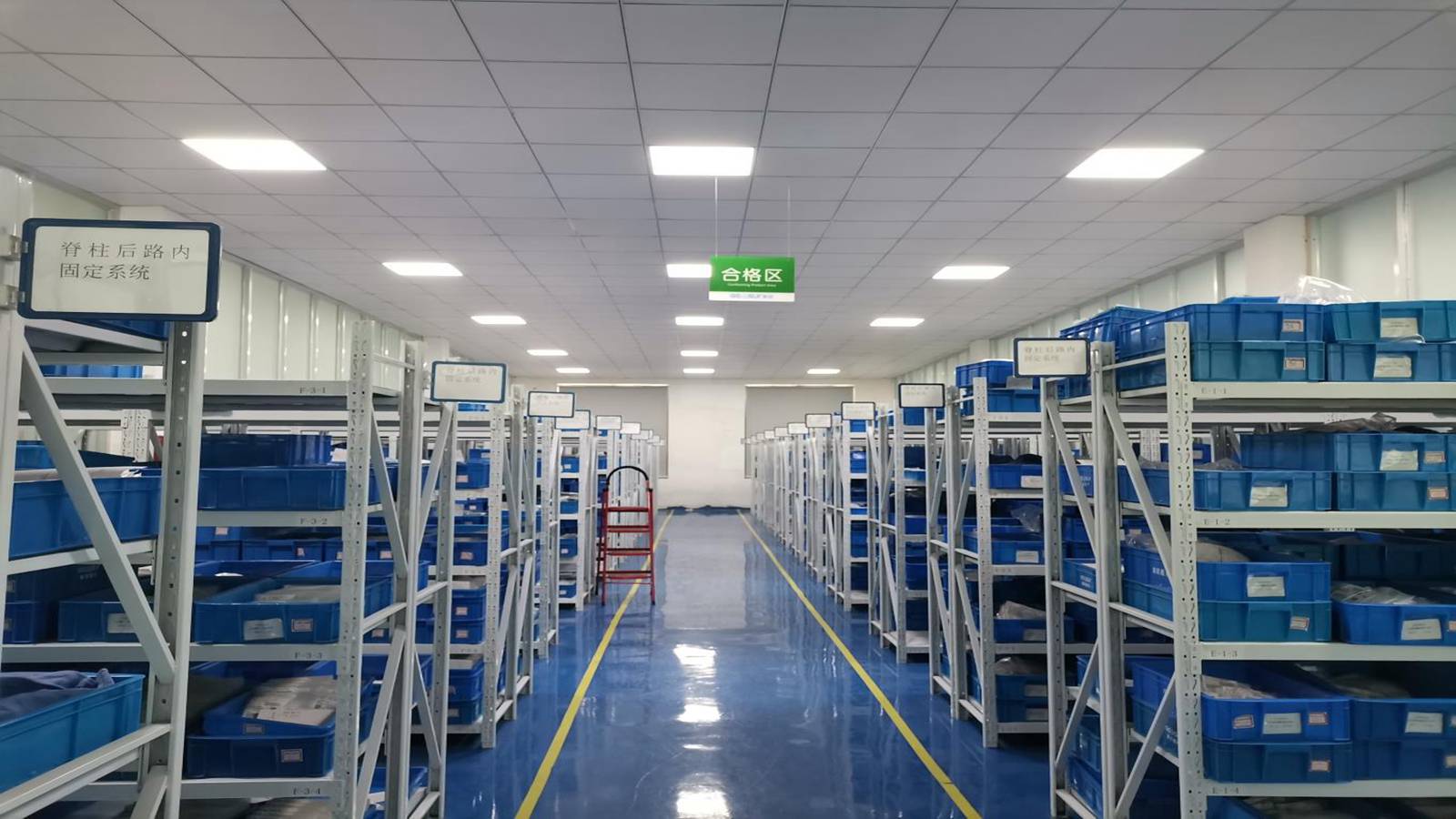
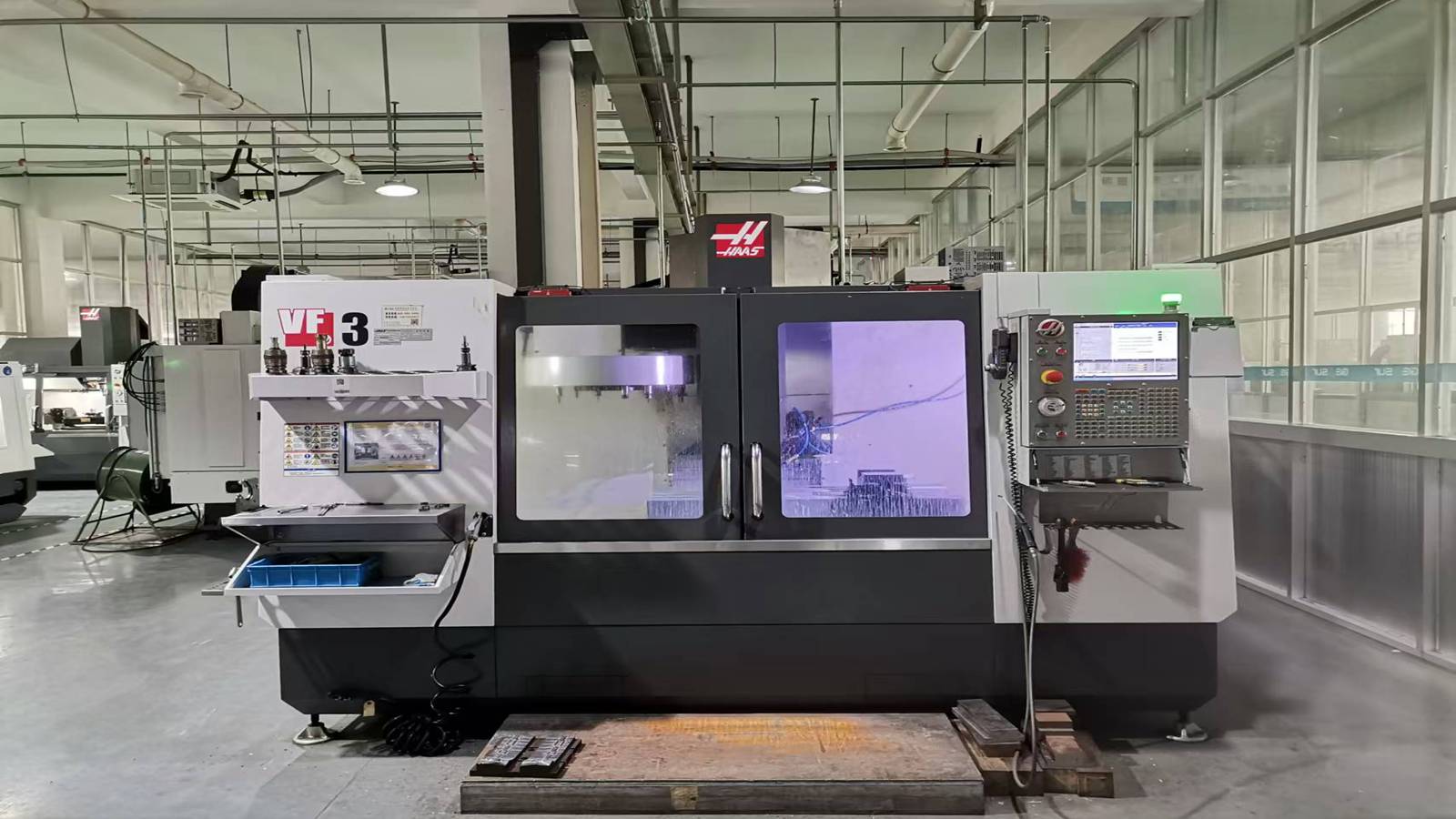
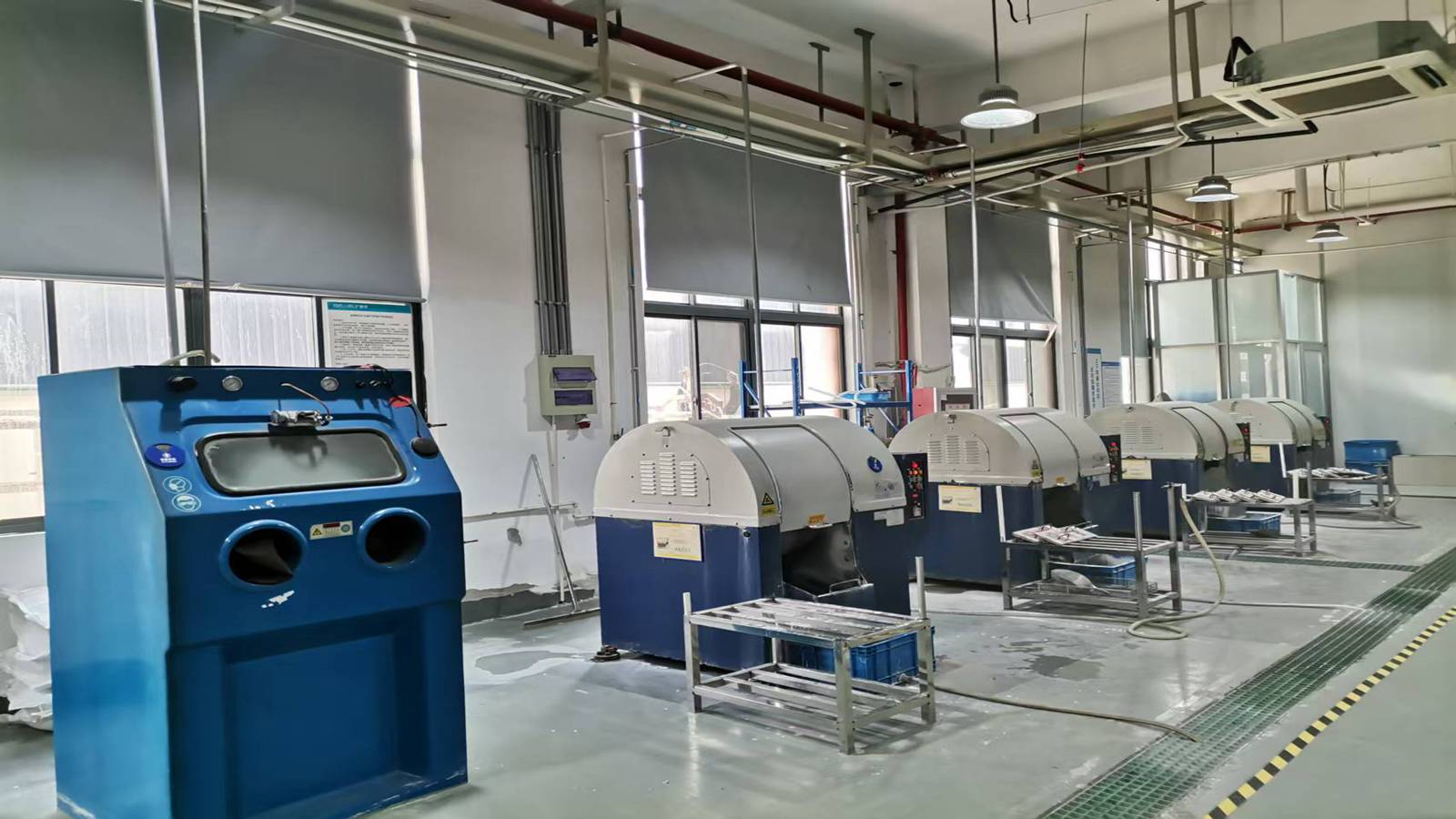
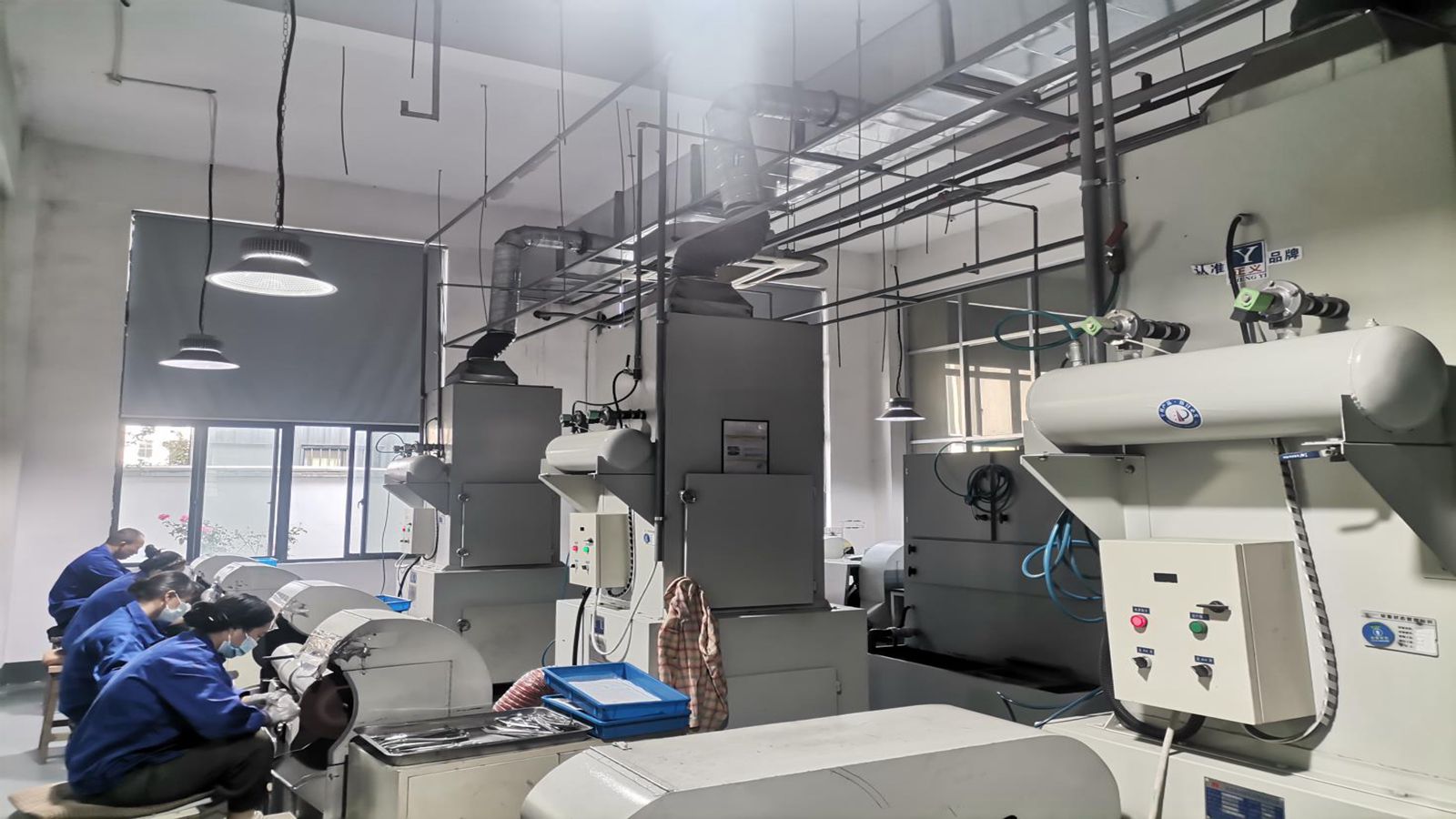
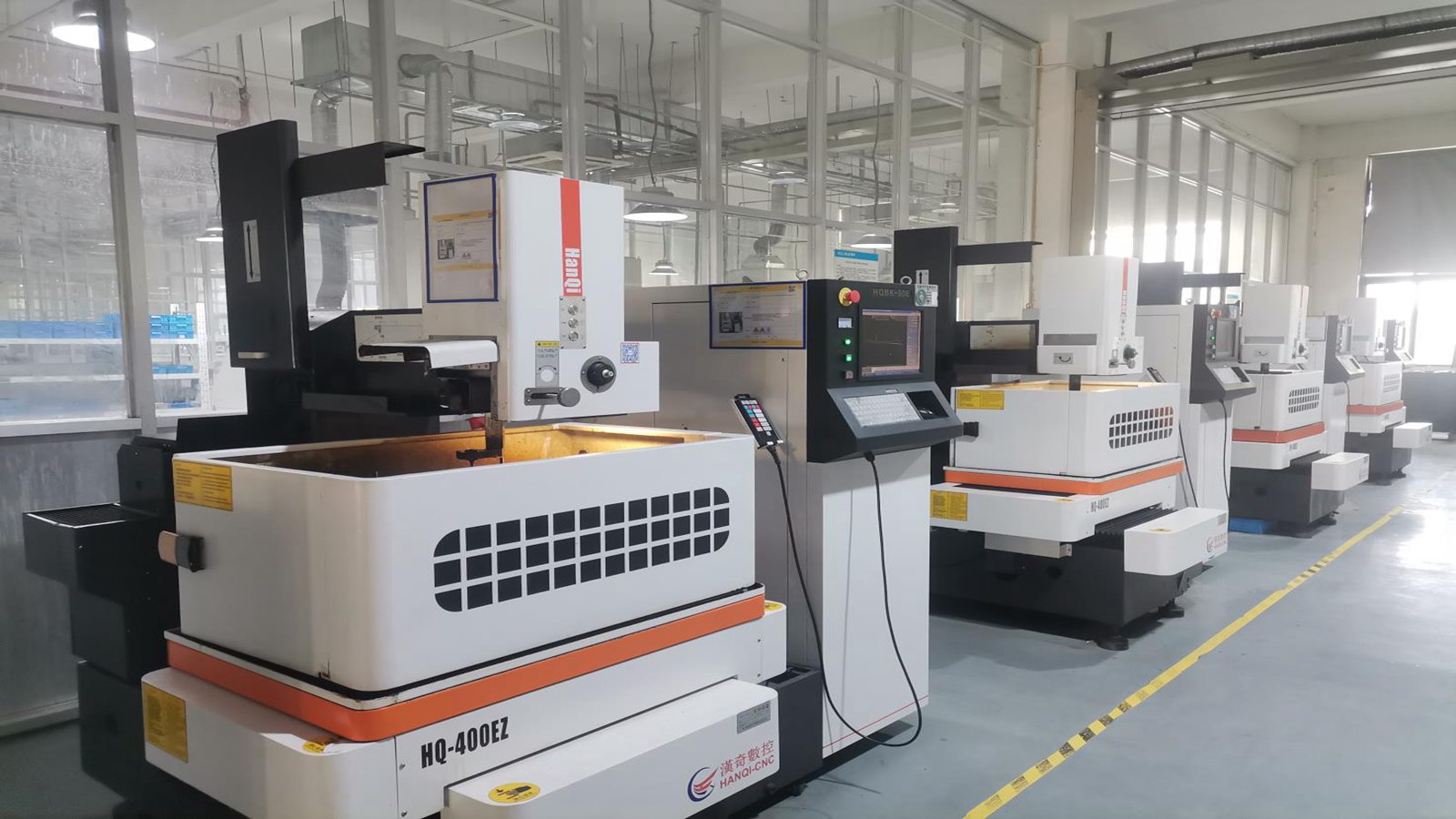
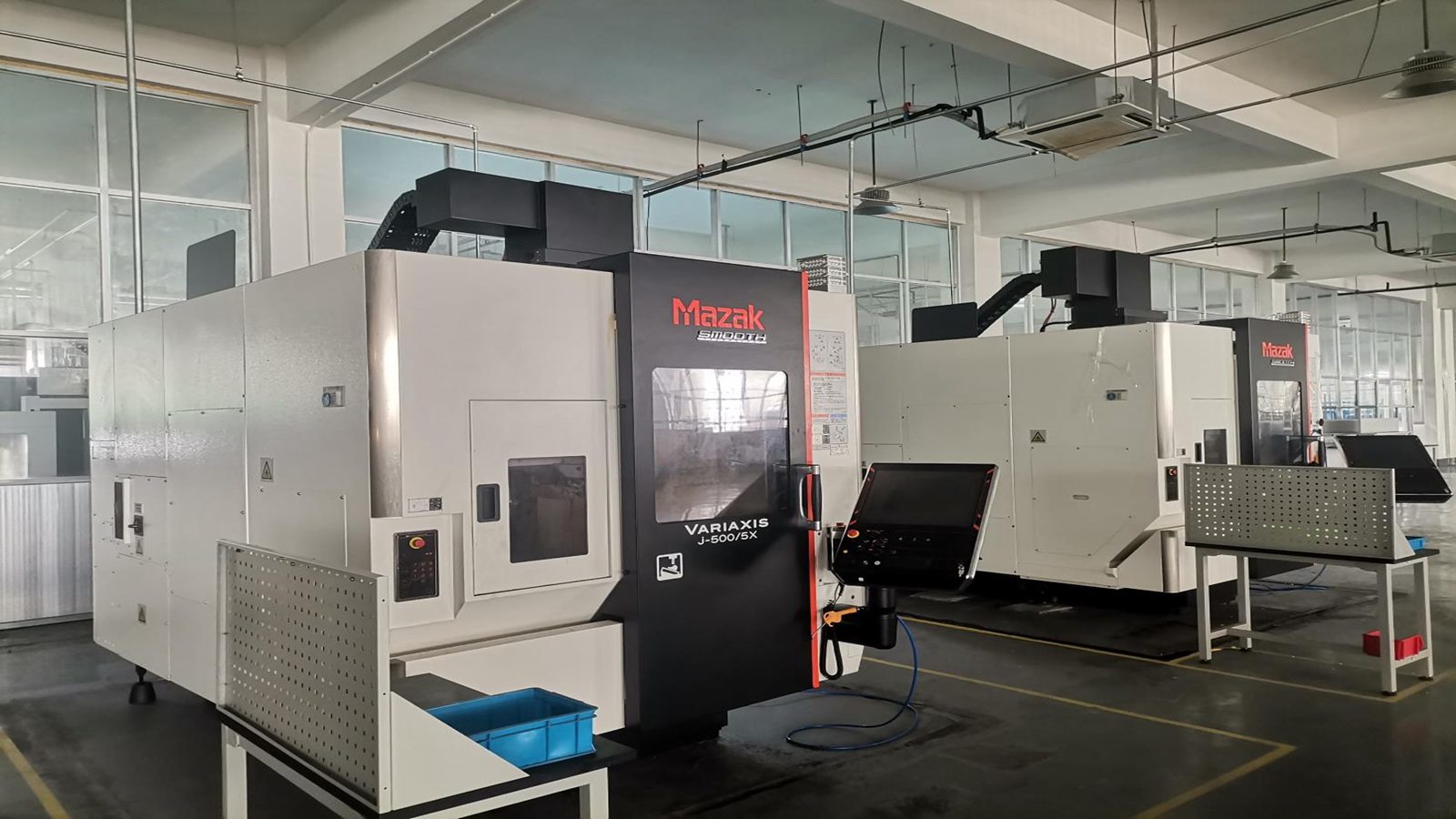
Our 30,343-square-meter facility features 12 dedicated production lines operated by advanced CNC milling, grinding, and wire EDM machinery. This infrastructure enables us to achieve micro-level precision tolerances (within ±0.01mm) required for surgical hooks. By localizing raw material sourcing, tooling design, and surface passivation in-house, we eliminate intermediate markups, offering global OEMs, distributors, and hospital networks an optimal balance of cost-efficiency and uncompromising quality control.
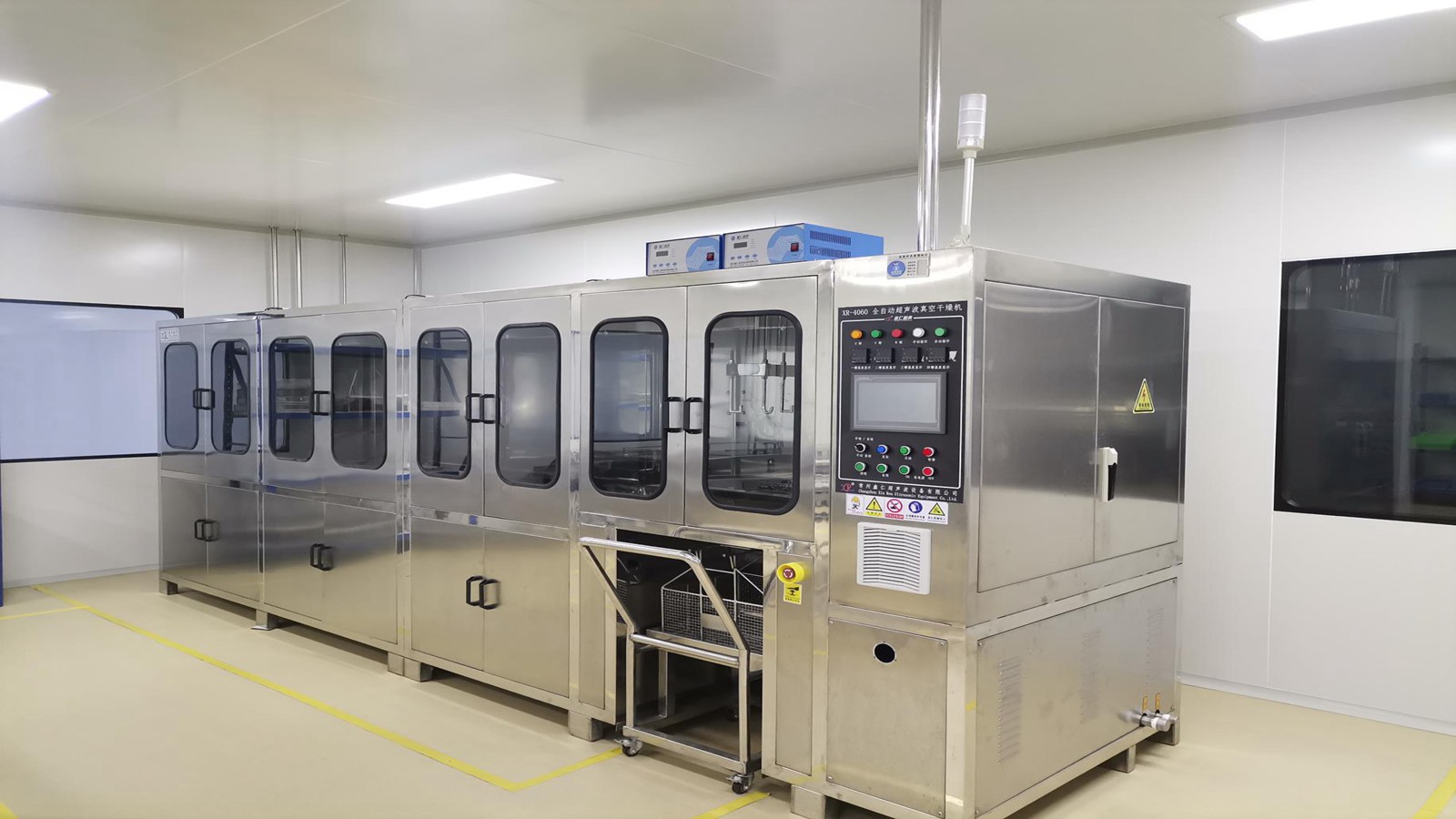
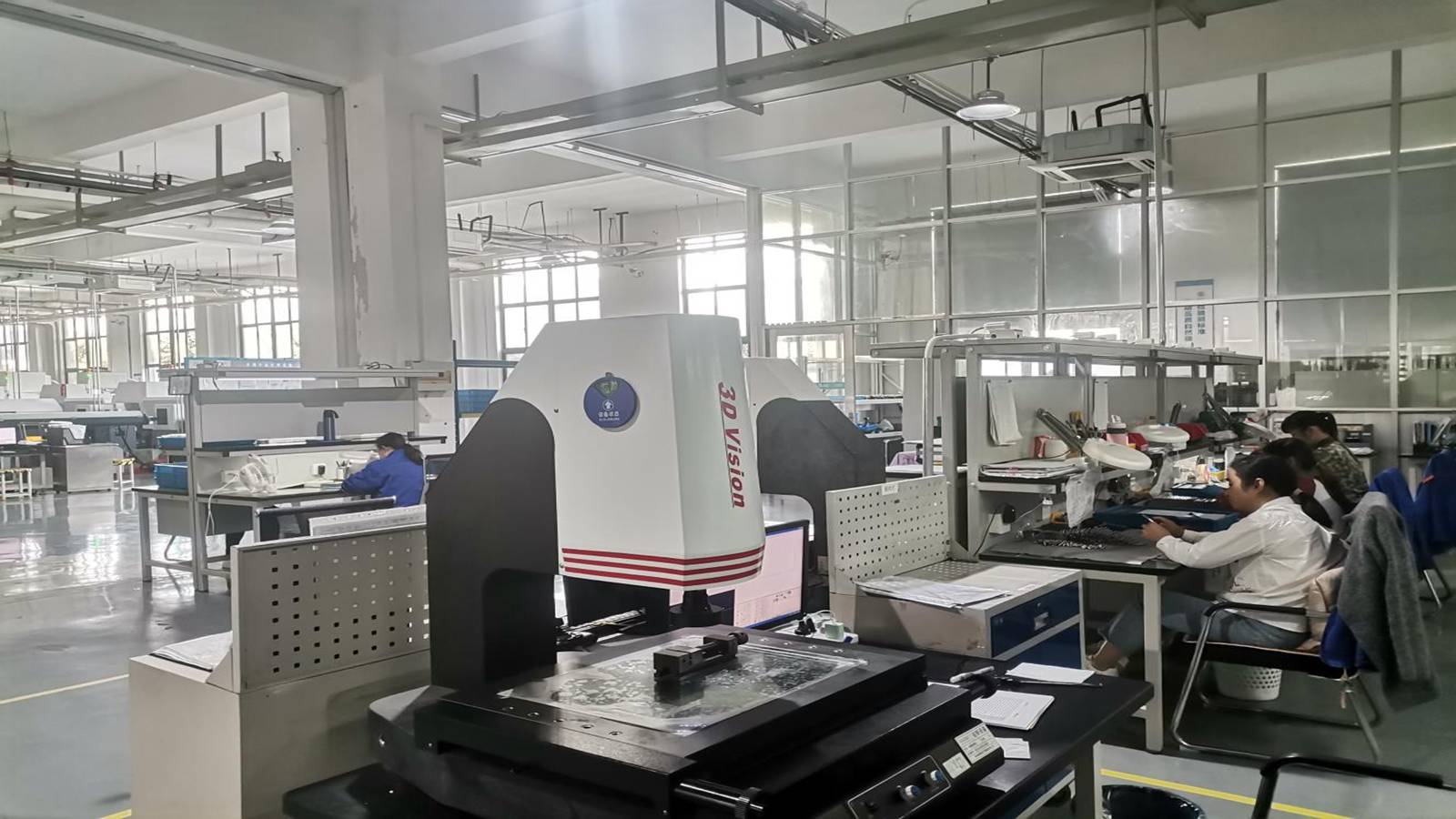
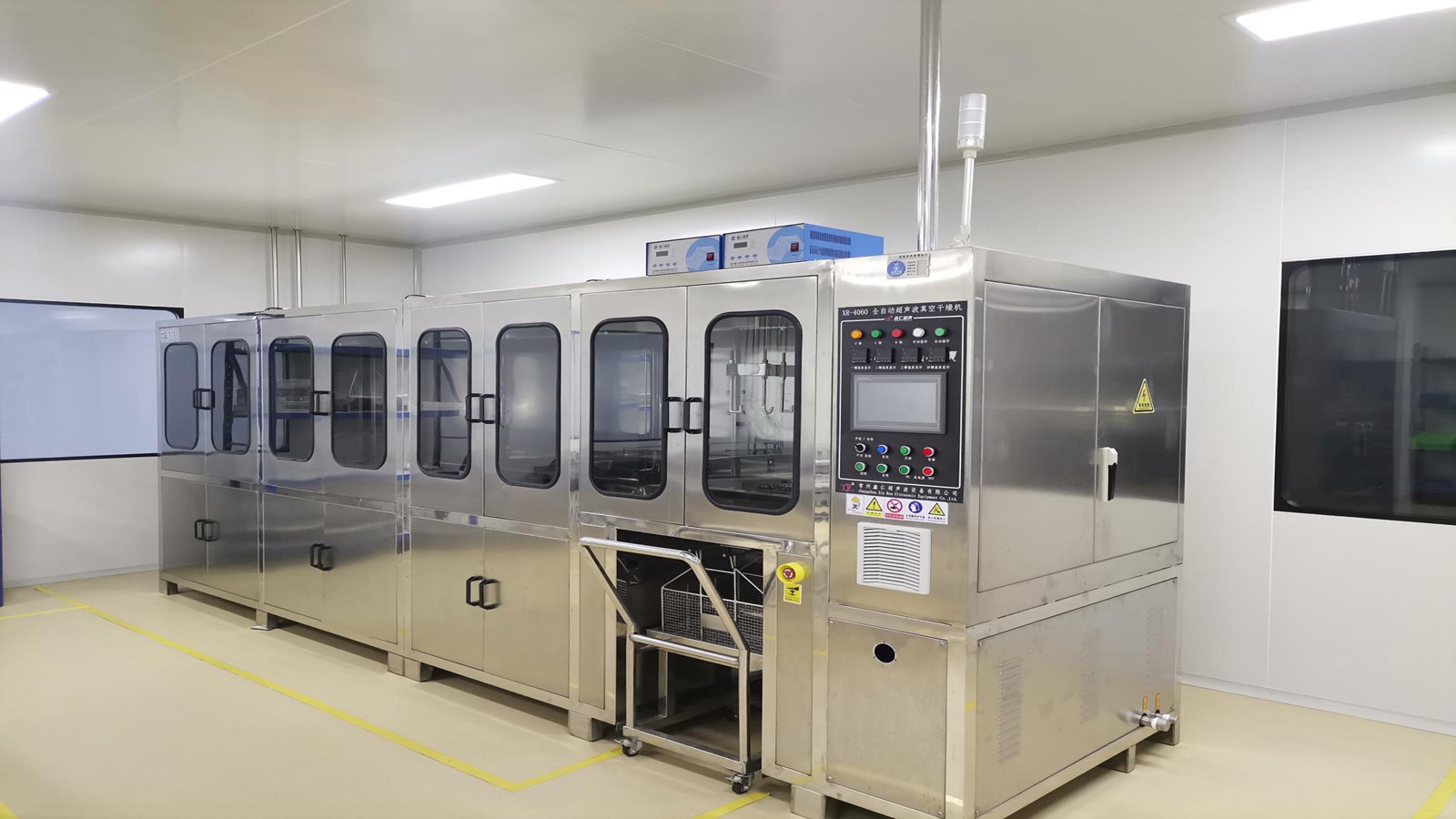
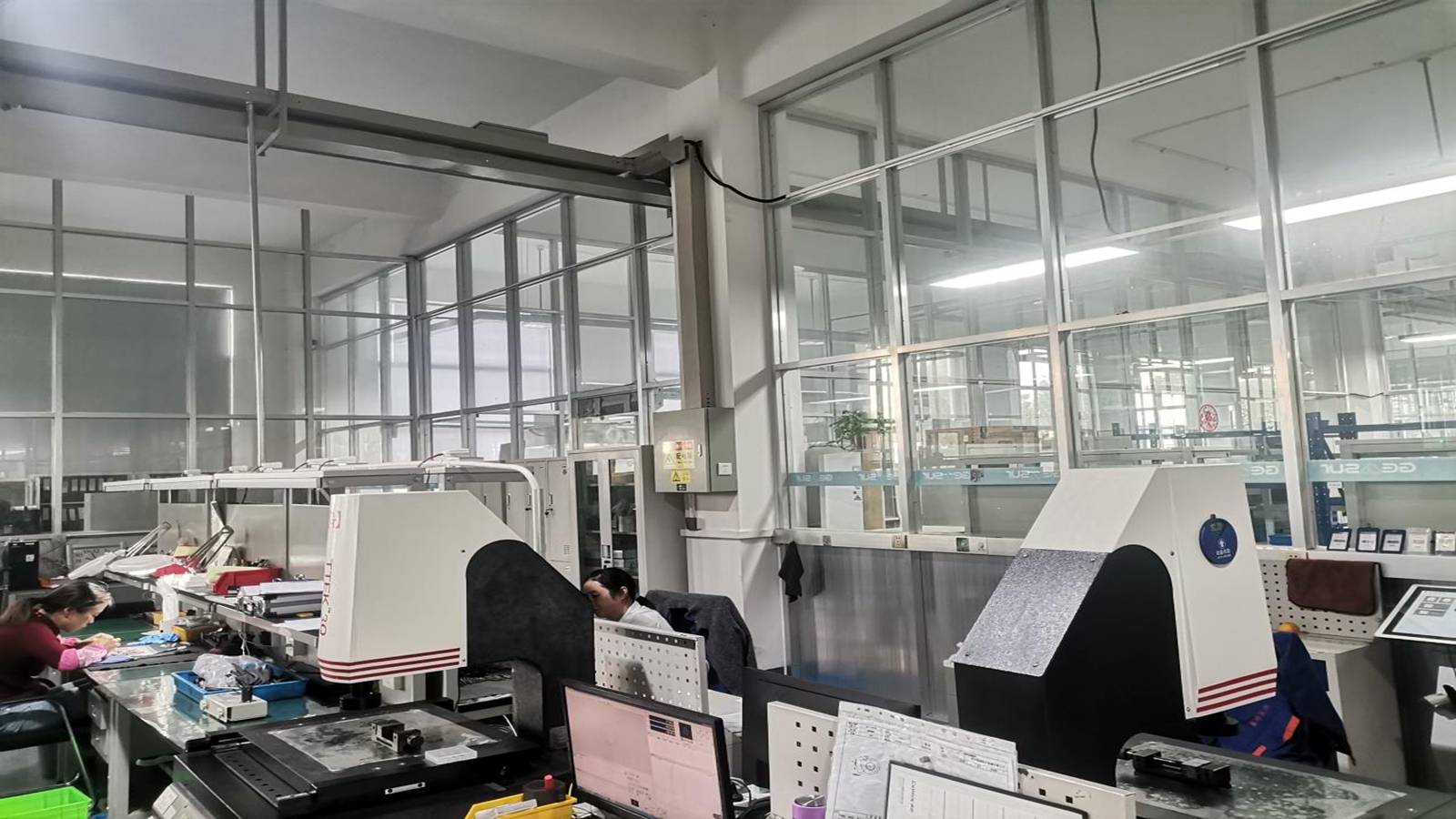
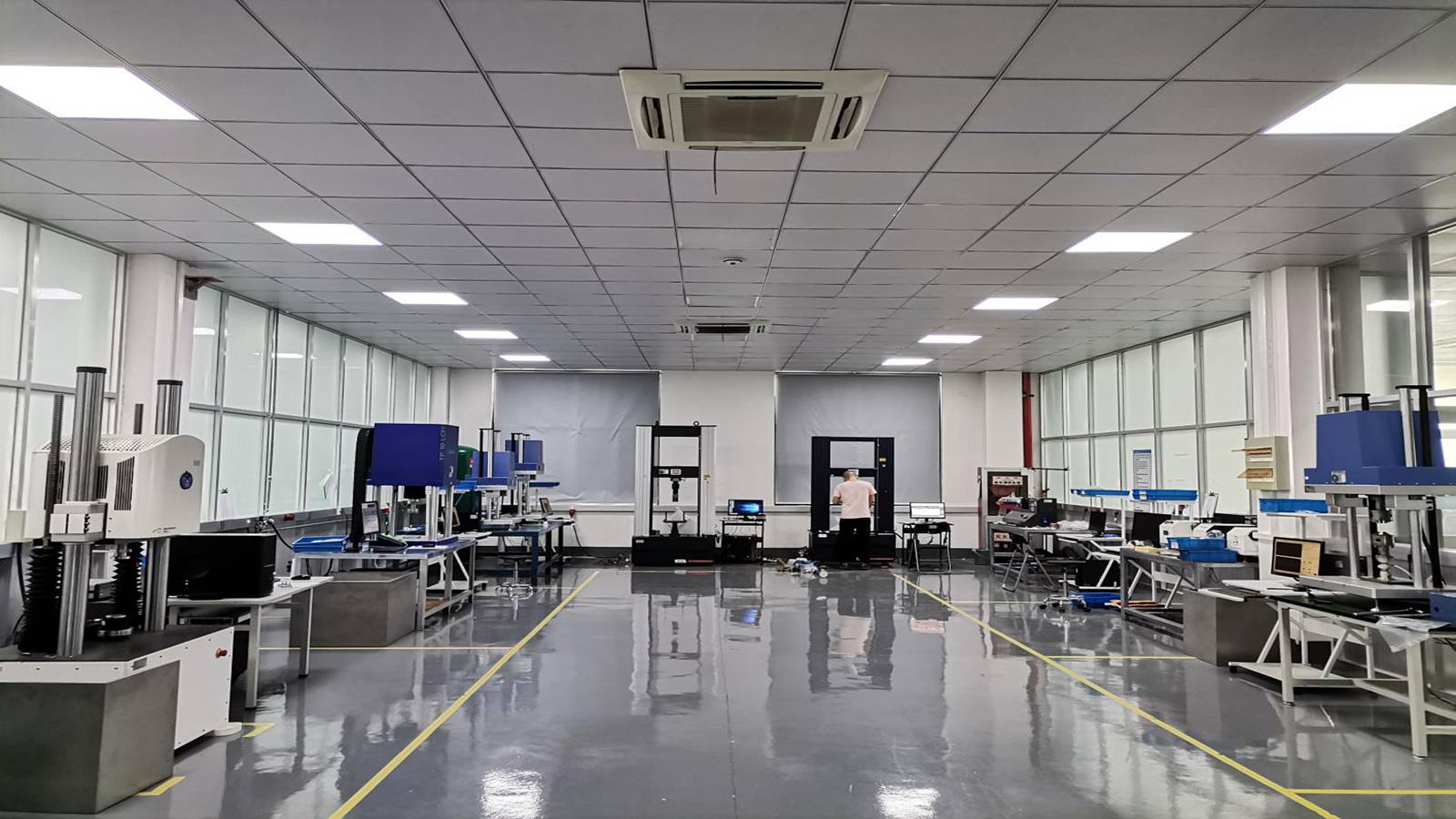
Over 36 specialized QA/QC inspectors execute comprehensive testing protocols—ranging from raw material chemical composition analysis to ultrasonic cleaning verification and passivation testing.
Certified under ISO 13485:2016, MDSAP (Medical Device Single Audit Program), and CE (EPT 0477.MDR.25/5905 & 5973) systems to ensure seamless importing and compliance validation globally.
Supported by 31 R&D engineers (including postgraduates, graduates, and doctorates) delivering rapid sample design, custom blueprint drafting, and bespoke production setups.
Different surgical interventions mandate specific configurations of surgical hooks. Understanding these mechanical and clinical distinctions is critical for procurement officers:
Future Design Trends: The industry is witnessing a clear push toward ergonomic, hollow-handled, and lightweight titanium structures. Additionally, advanced anti-reflective, diamond-like carbon (DLC) coatings are being introduced to extend the lifespan of instruments exposed to high-saline bodily fluids.
| Parameters | Standard Specification | Testing Protocol |
|---|---|---|
| Material Grade | 316LVM / Ti6Al4V ELI / SUS 420 | ICP-OES Chemical Analysis |
| Surface Finish | Ra < 0.4 μm (Electropolished/Matte) | Profilometer Measurement |
| Corrosion Resistance | Boiling water & copper sulfate resistant | ISO 13402 Autoclave Test |
| Mechanical Hardness | 40 - 50 HRC (depending on tool type) | Rockwell Hardness Test |
Founded on October 15, 2015, HBM Medical Apparatus And Instruments Co., Ltd. has developed into a premier force in orthopedic equipment R&D, manufacturing, and international commerce within China. Our primary operational strategy revolves around "Integrate the Master, Health being achieved," combining local manufacturing efficiency with international regulatory standards.
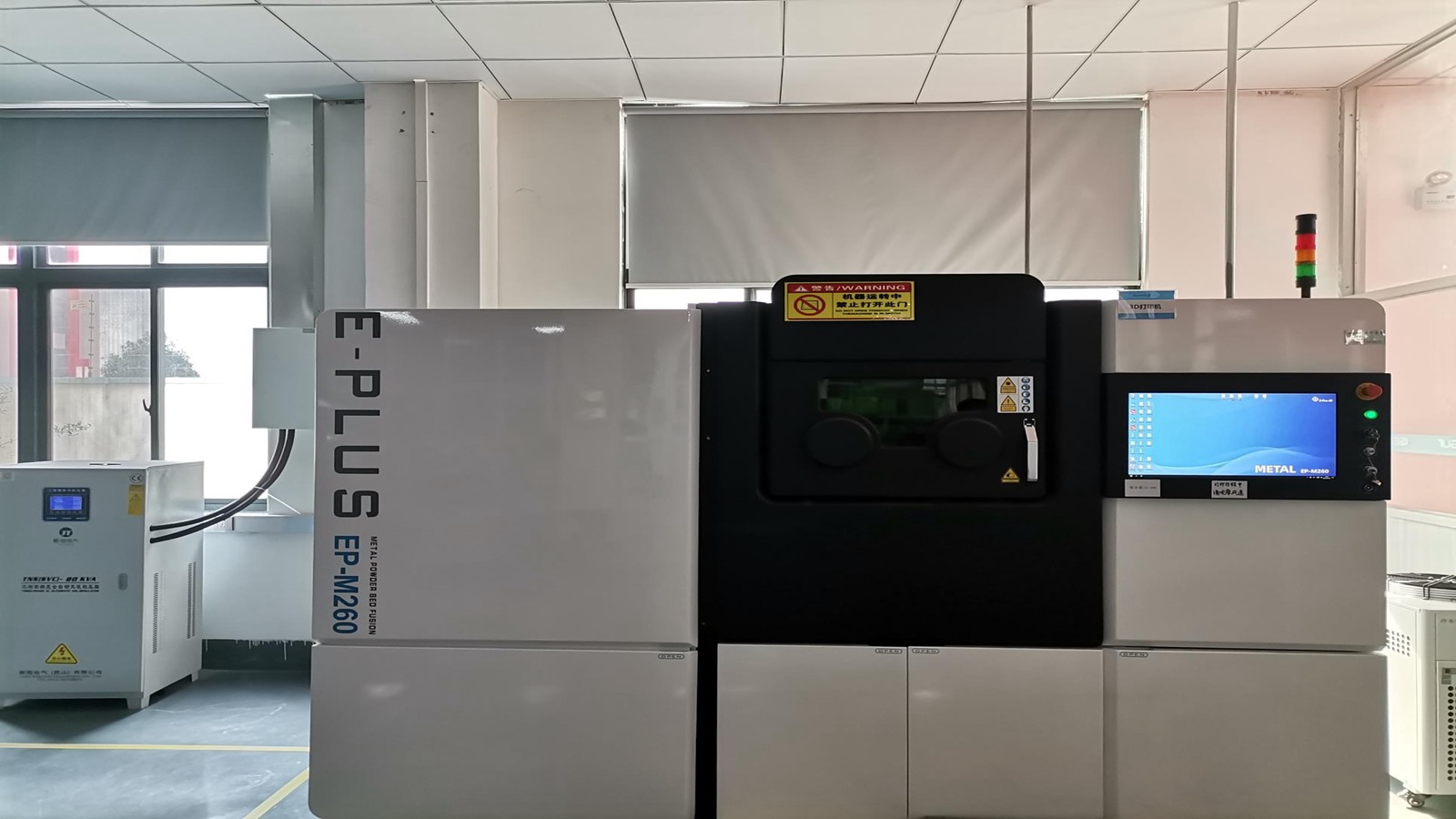
Equipped with a production footprint of over 30,343 square meters, we export across multiple continents, including Eastern Europe, Southeast Asia, and emerging Western networks. With 12 high-capacity production lines, 120 specialized production machines, and 31 dedicated R&D engineers, HBM continues to launch more than 25 new product profiles annually to meet evolving customer needs.
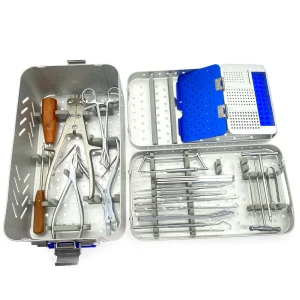
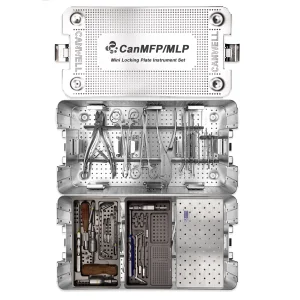
Discover our broader collection of orthopedic surgical solutions, power tools, fragment plates, and specialized suture systems designed for advanced surgical workflows.
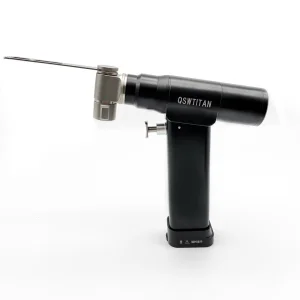
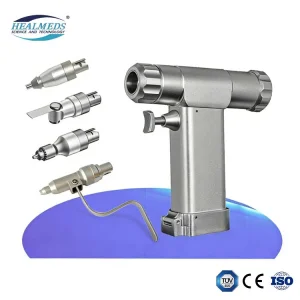
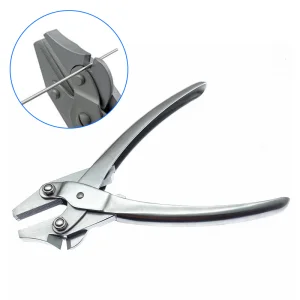
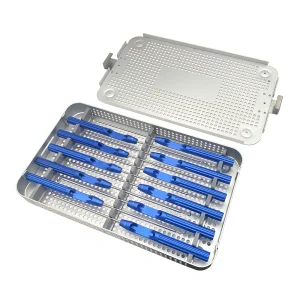
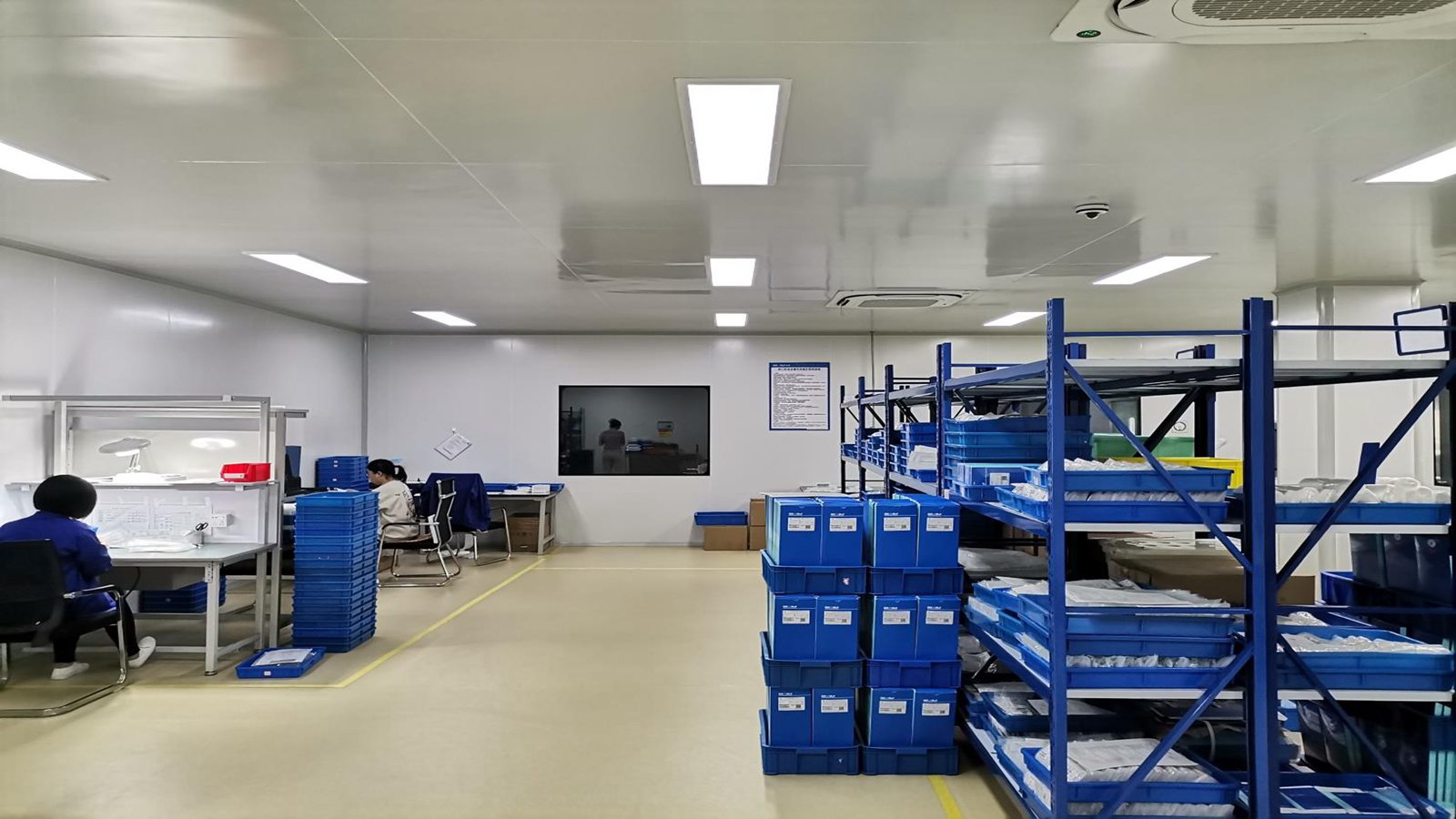
Real-world documentation of our modern manufacturing plants, quality assurance stations, and regulatory certification clearances.



 HBM Medical