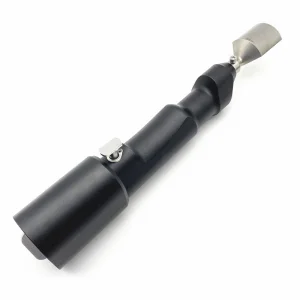
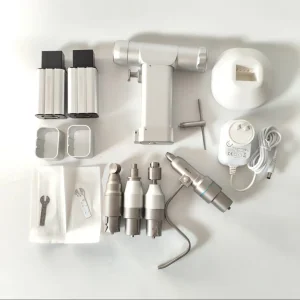
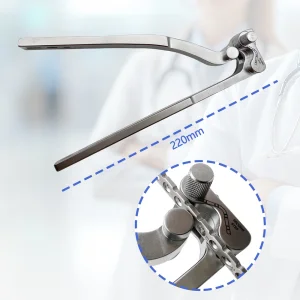
Explore our engineered spinal fixation systems, external clamps, and high-precision power tools designed for demanding orthopedic procedures.
Spinal stabilization represents one of the most technically demanding segments within modern orthopedic surgery. Designed to restore biomechanical alignment, maintain anatomical stability, and facilitate osseointegration across thoracolumbar, cervical, and sacral segments, spinal stabilization devices serve as critical interventions for spinal deformities, degenerative disc diseases, traumatic fractures, and spinal tumors.
Over the past two decades, China has evolved from a high-volume component manufacturing hub into a global leader in biomedical design innovation, advanced material engineering, and ultra-precision manufacturing. Today, leading Chinese factories and suppliers operate under strict international regulatory frameworks, supplying Class III medical devices to Tier-1 hospitals, distributors, and OEM brand owners across the globe.
At the forefront of this transformation is HBM Medical Apparatus And Instruments Co., Ltd. Established as a premiere orthopedic R&D and manufacturing enterprise, HBM integrates specialized mechanical design, finite element analysis (FEA), state-of-the-art multi-axis CNC machining, and comprehensive quality assurance systems to produce world-class spinal hardware and surgical instruments.
Demonstrating true Experience, Expertise, Authoritativeness, and Trustworthiness (E-E-A-T) requires transparency in manufacturing capabilities, engineering personnel credentials, quality control protocols, and global compliance certifications. HBM Medical operates with an expansive infrastructure designed to execute large-scale global procurement contracts while satisfying rigorous regulatory standards.
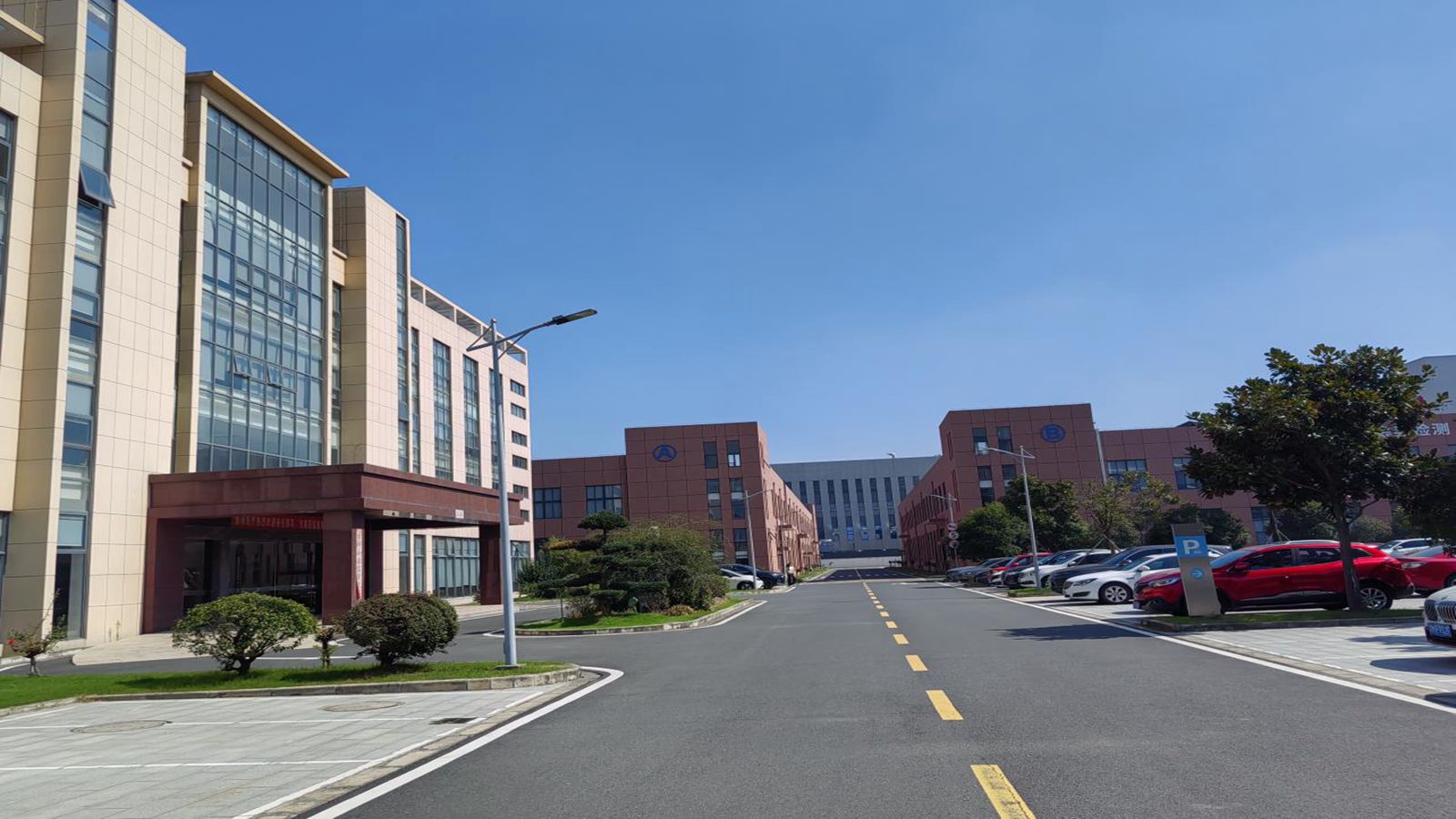
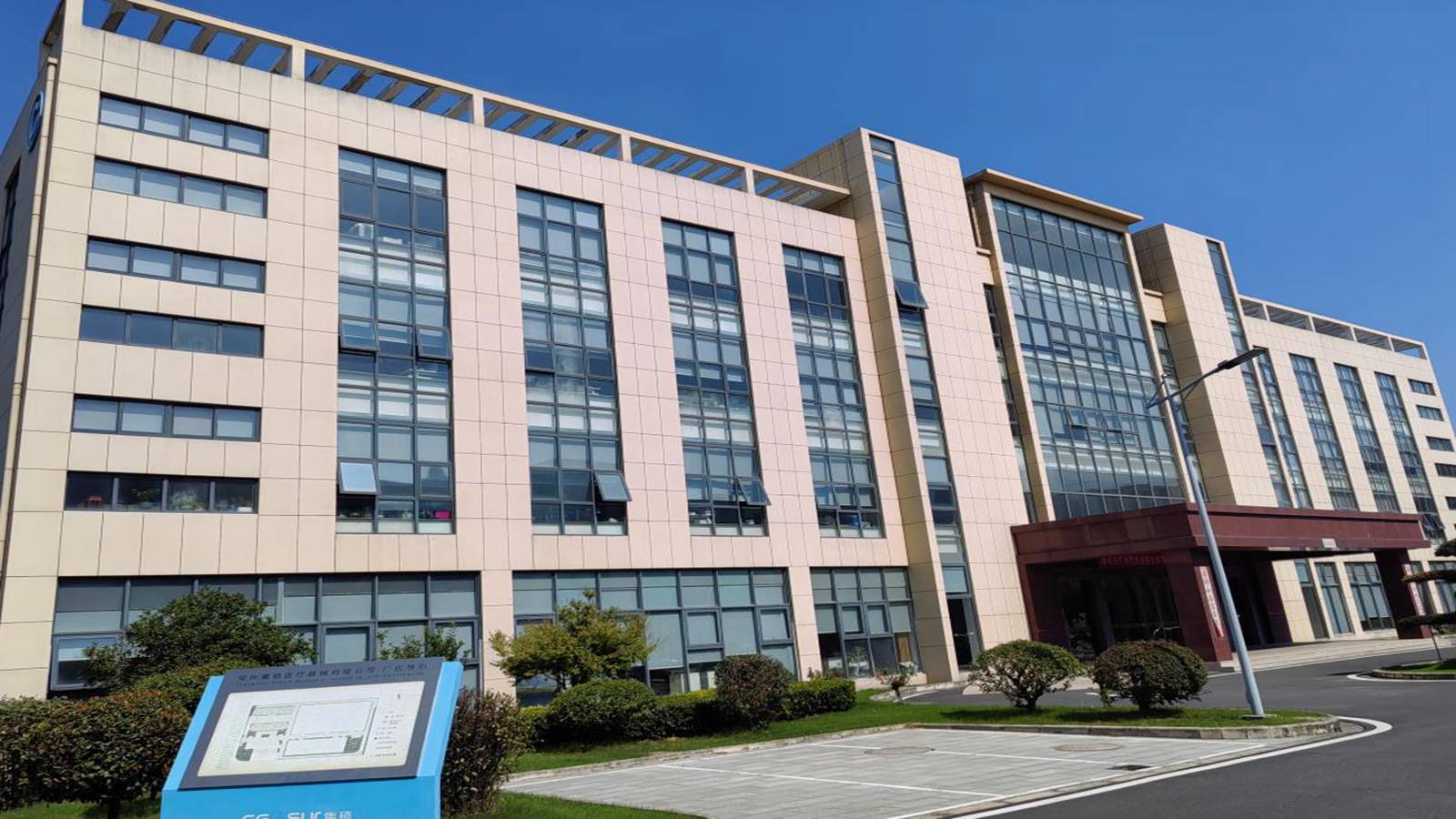
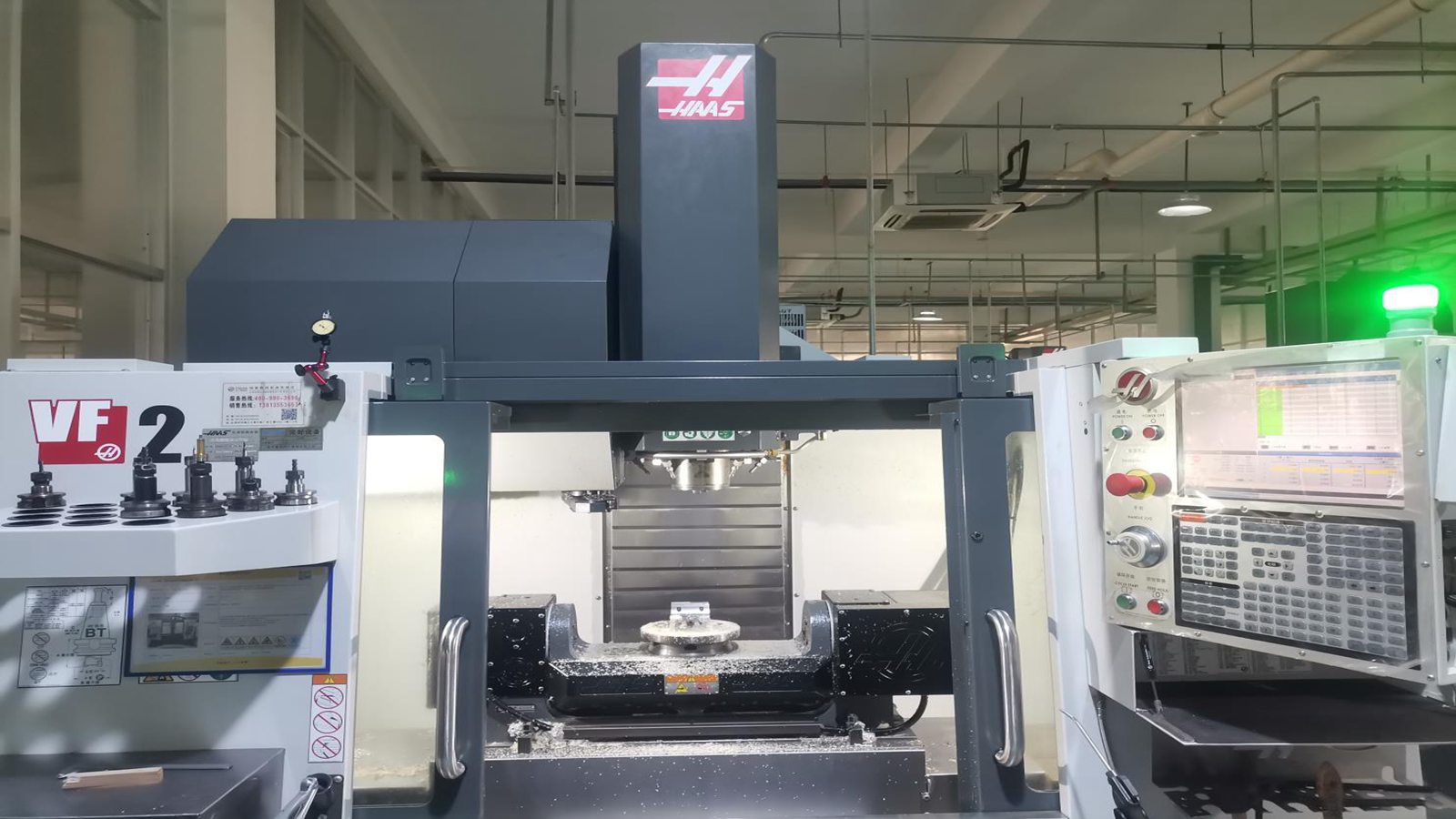
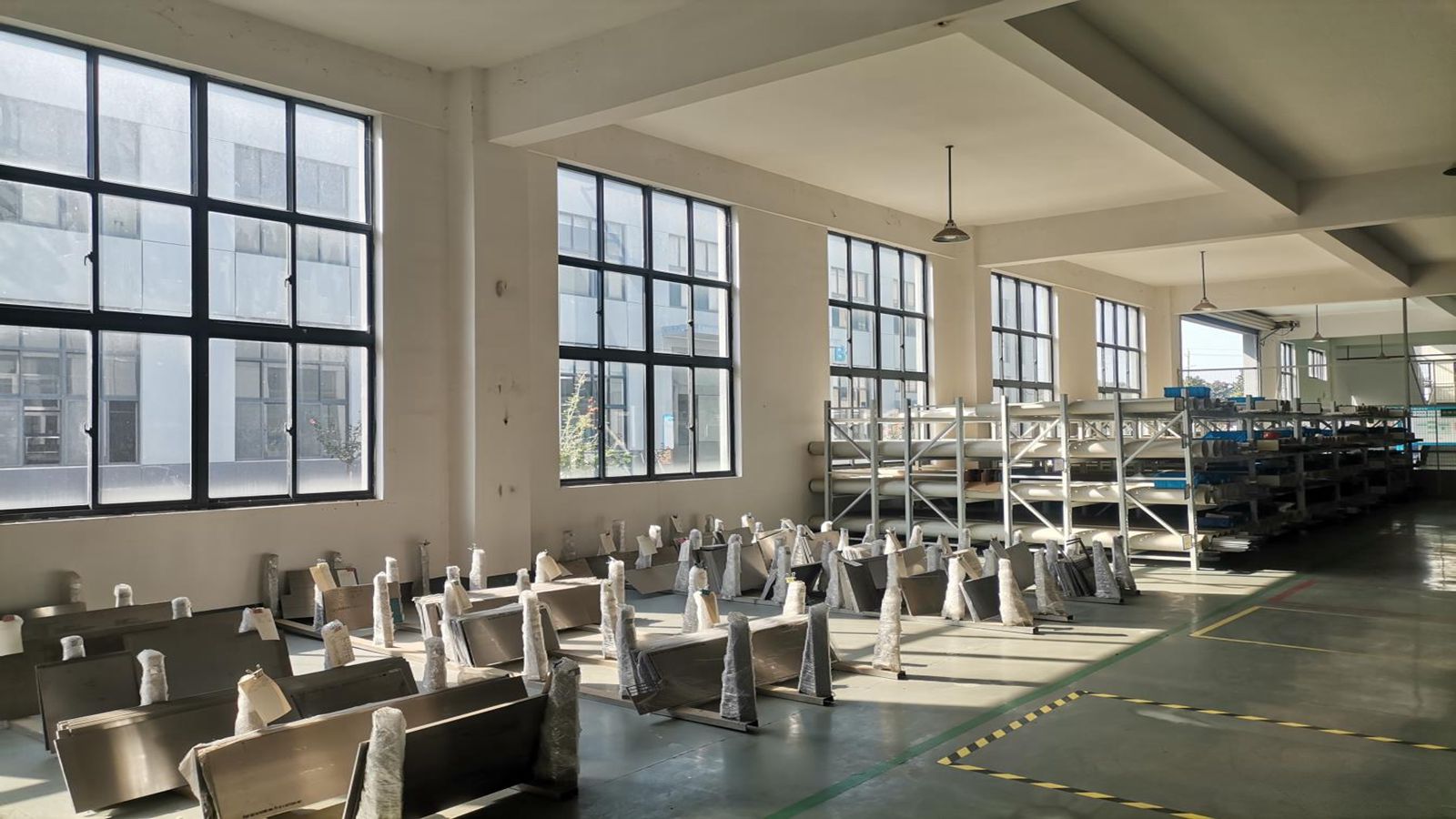
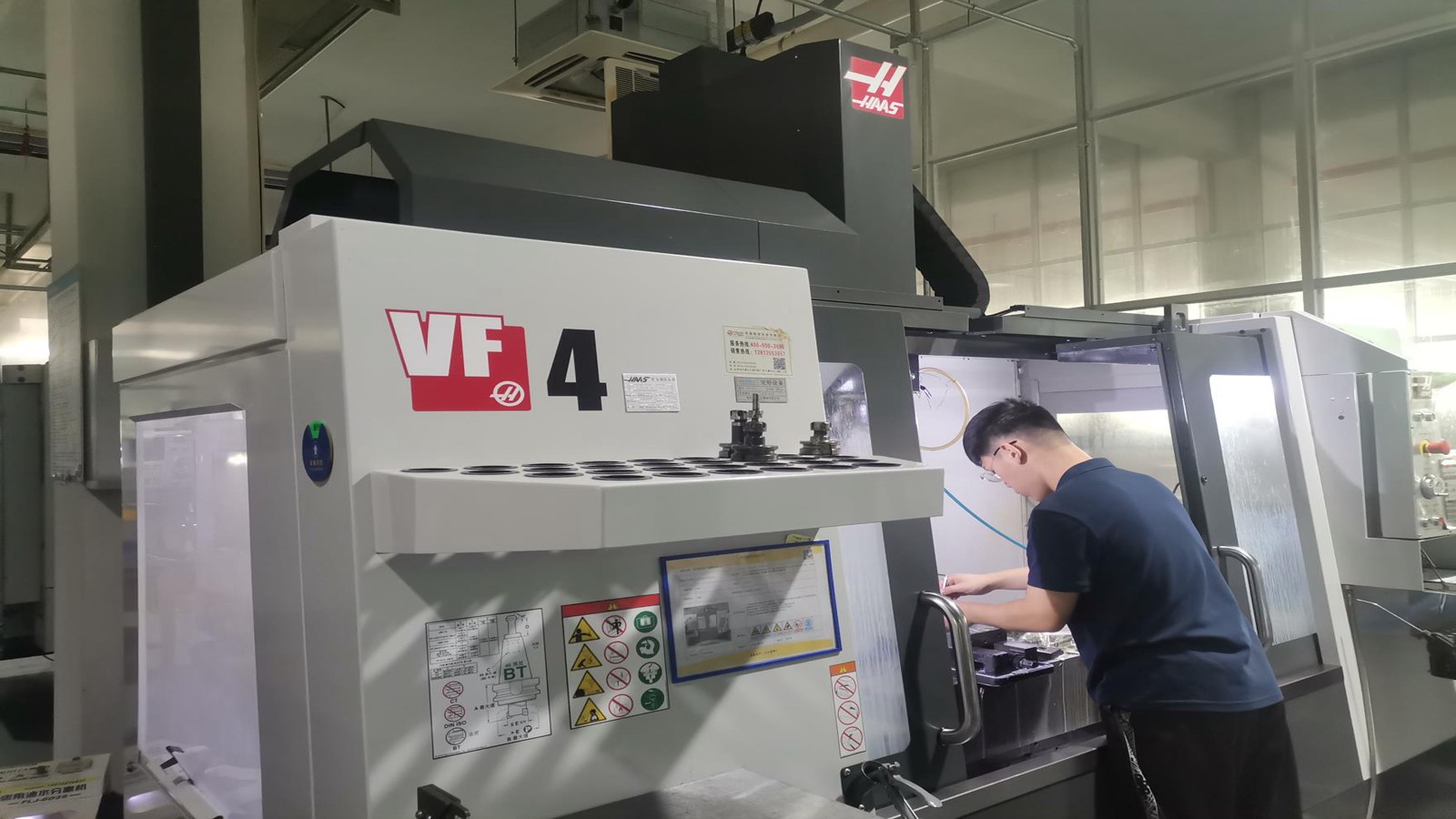
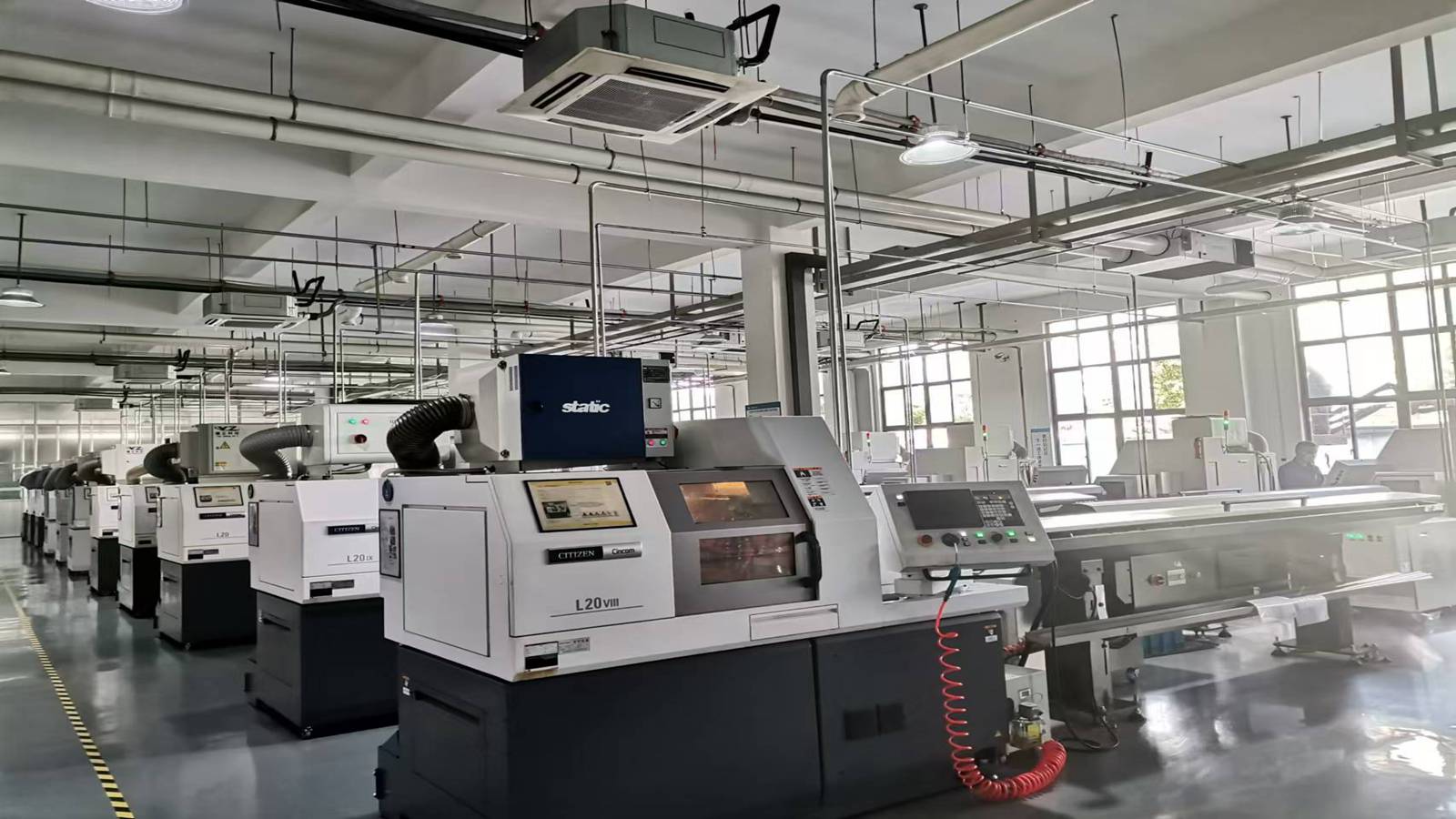
Founded on October 15, 2015, HBM encompasses over 30,343 square meters of standardized industrial plant area. Housing 12 specialized production lines and over 350 high-precision processing and testing machines (including 120 dedicated primary production units), the plant maintains an annualized production capacity capable of satisfying major regional and international surgical demands.
Innovation is spearheaded by 31 specialized R&D engineers whose academic qualifications reflect extreme domain authority: 1 Doctorate degree holder, 11 Post-Graduates, 17 Graduates, and 2 Junior College specialists. In the past year alone, this team successfully launched 25 new surgical products, establishing proprietary IP in titanium fixation, PEEK spinal cages, and minimally invasive instrumentation.
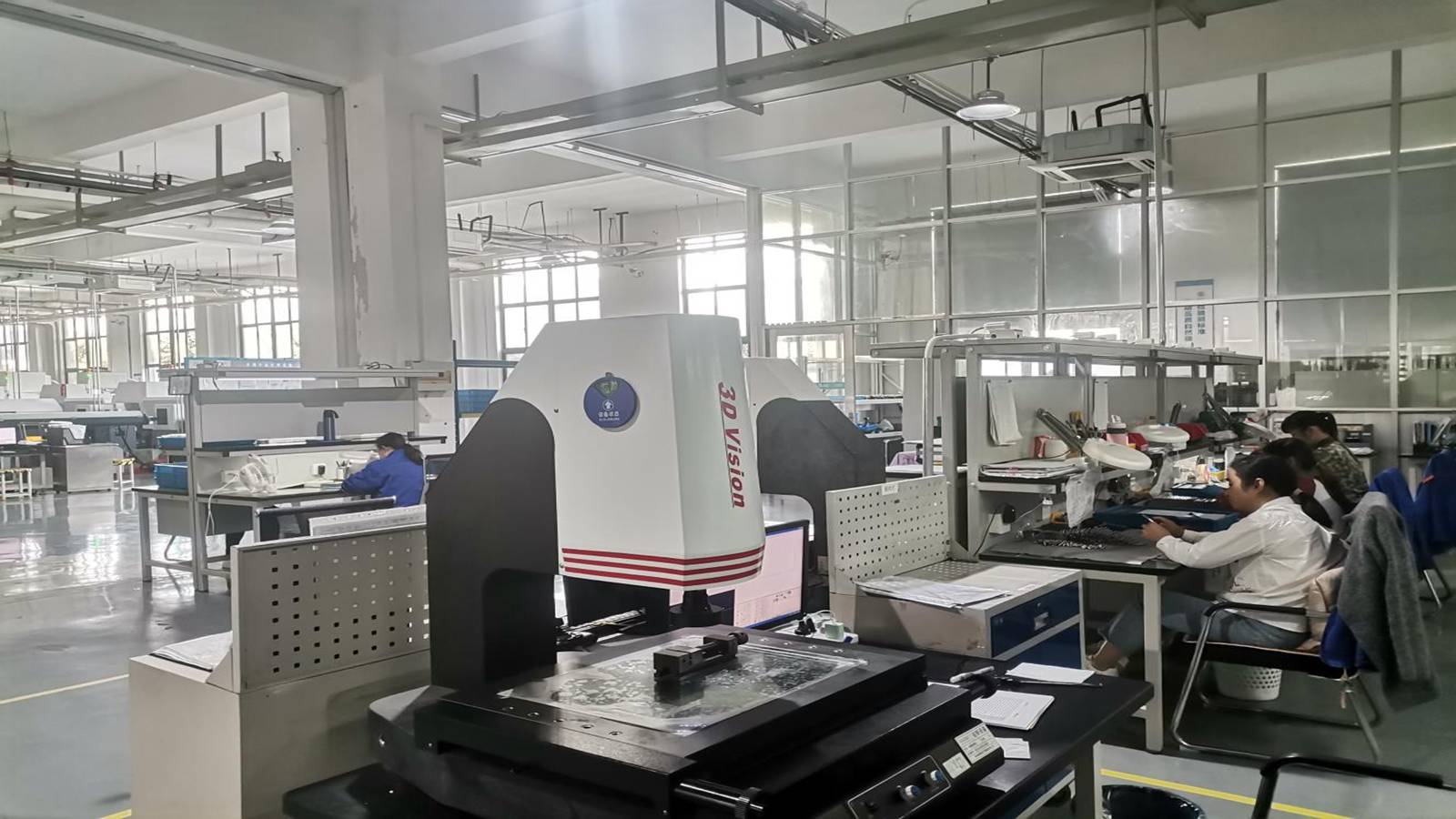
Quality management is enforced by a dedicated team of 36 QA/QC inspectors across every assembly phase. HBM practices complete raw material traceability and multi-modal inspection methods—ranging from 100% full-part dimensional audits to client-customized sampling protocols—ensuring absolute zero-defect output for patient-critical applications.
| Certification System | Certificate / Registration ID | Regulatory Scope & Compliance Standards | Global Market Authorization |
|---|---|---|---|
| ISO 13485:2016 | 04723Q10000765 | Quality Management Systems for Medical Devices | Global Framework Alignment |
| MDSAP | C730178 | Medical Device Single Audit Program | USA, Canada, Australia, Brazil, Japan |
| CE Certificate (EU MDR) | EPT 0477.MDR.25/5905 | Regulation (EU) 2017/745 Class IIb & Class III Devices | European Union & EEA Countries |
| CE Certificate (EU MDR) | EPT 0477.MDR.25/5973 | Regulation (EU) 2017/745 Orthopedic Surgical Hardware | European Union & EEA Countries |
Spinal stabilization systems are engineered to bear complex multi-axial loads, including compression, tension, torsion, and lateral bending. Achieving immediate rigid fixation while promoting long-term biological bone fusion requires sophisticated material selection and precision geometry.
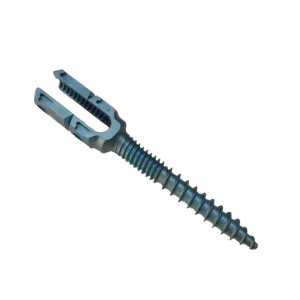
Pedicle screws serve as the foundational anchor in posterior thoracolumbar reconstruction. HBM's 5.5 System Titanium Monoaxial & Polyaxial Pedicle Screws feature dual-thread geometry for fast insertion and optimized pull-out strength. Manufactured from high-strength TC4 Titanium Alloy (Ti-6Al-4V ELI), these screws provide low-profile head profiles to minimize soft-tissue irritation, combined with dynamic angular deflection (up to 50 degrees) in polyaxial variants for seamless rod alignment.
Interbody spacers maintain disc height and restore lordosis. HBM manufactures Transforaminal Lumbar Interbody Fusion (TLIF) and Posterior Lumbar Interbody Fusion (PLIF) cages utilizing biocompatible Polyetheretherketone (PEEK). Featuring elastic modulus closely matching natural human cancellous bone, these implants eliminate stress shielding. Integrated radiopaque tantalum markers facilitate real-time fluoroscopic intraoperative positioning.
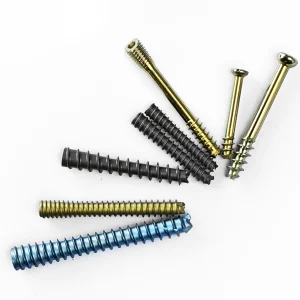
Our Canwell Cannulated Screw 4.5 and Herbert titanium compression screws enable percutaneous minimally invasive placement over guide wires. Designed with differential thread pitches, these screws induce inter-fragmentary compression during rotation, promoting rapid bone healing in complex fracture stabilization and spinal arthrodesis.
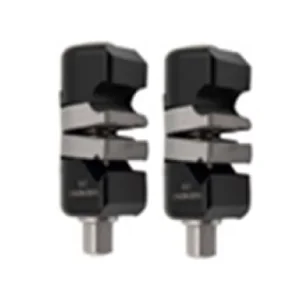
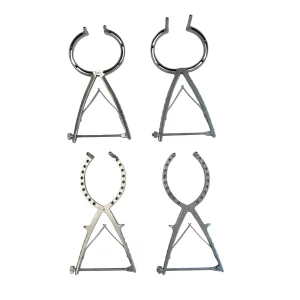
For acute spinal trauma, pelvic disruption, or temporary damage control, HBM's Hoffman External Fixation Pin and Rod Clamps deliver modular rigidity. Built from lightweight, autoclaveable stainless steel and titanium components, these clamps allow multi-planar frame construction without compromising surgical field access.
The global medical device market increasingly relies on China's integrated orthopedic supply chain. HBM Medical leverages these systemic industrial advantages to deliver premium, cost-efficient spinal stabilization products without compromising quality or safety.
Direct sourcing of medical-grade Titanium Alloy (Ti-6Al-4V ELI conforming to ASTM F136), implant-grade PEEK (Invibio / Solvay), and surgical stainless steel (AISI 316L / 420) guarantees full chemical certification, tensile purity, and fatigue resilience from raw ingot to finished device.
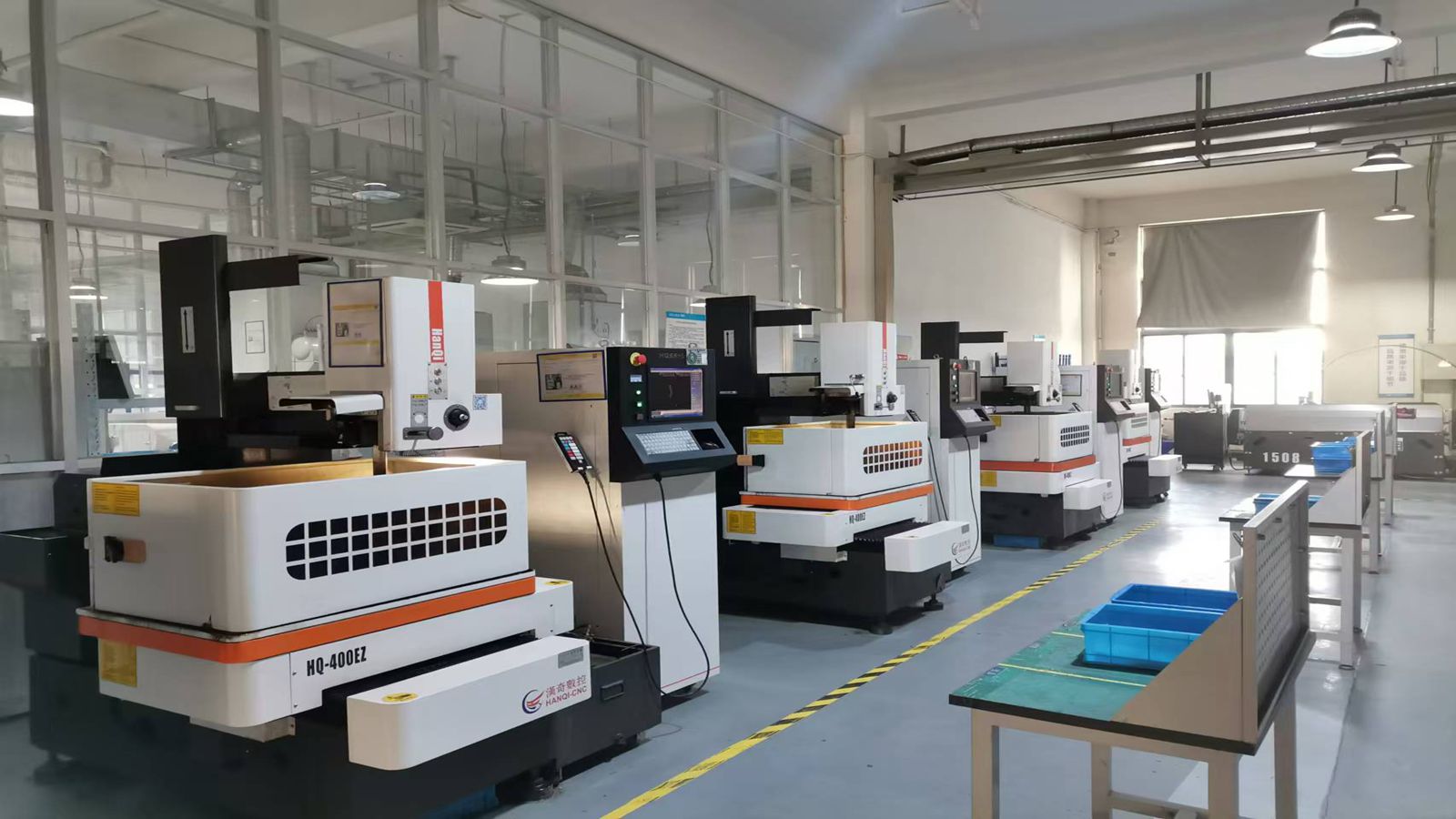
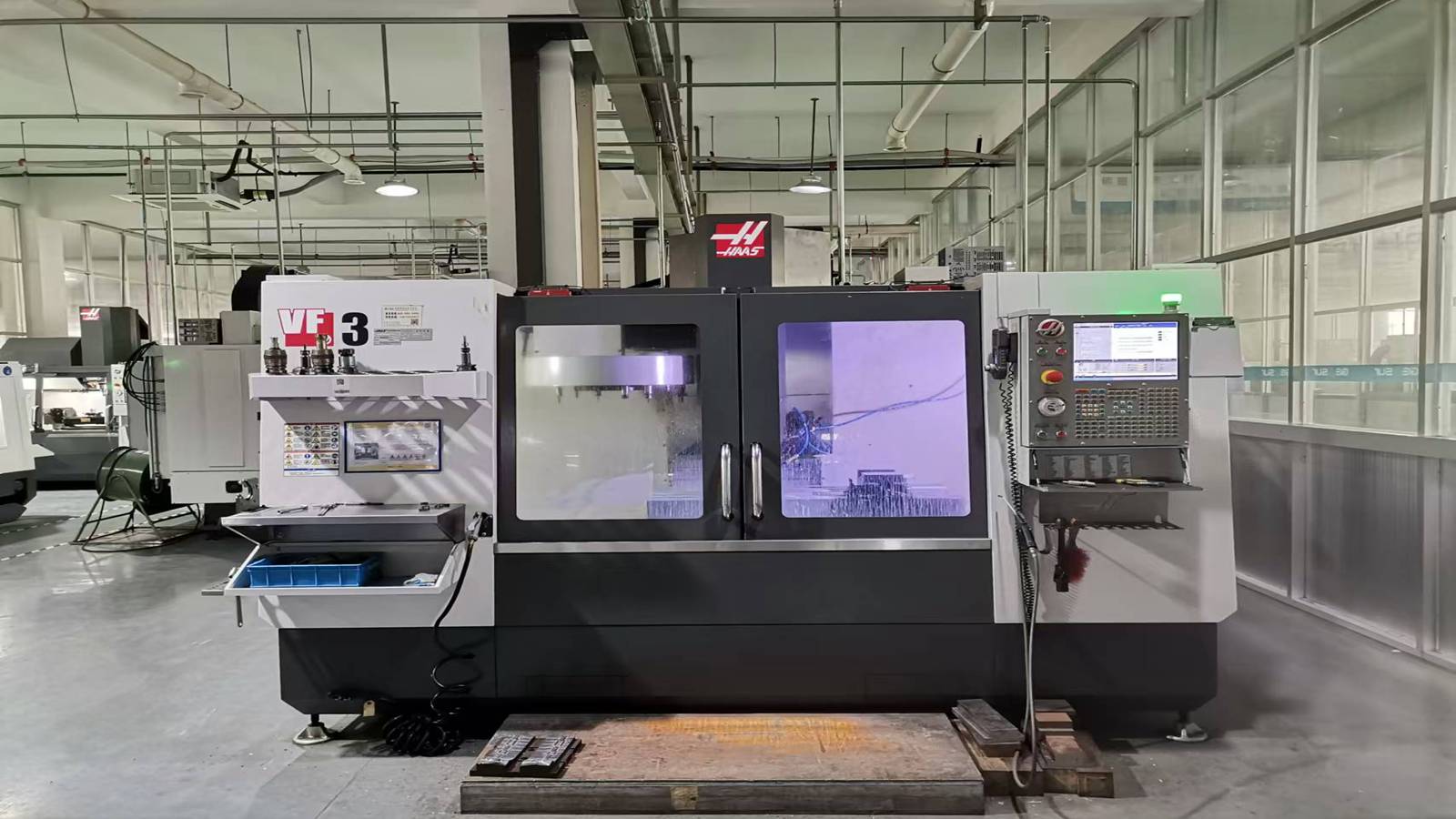
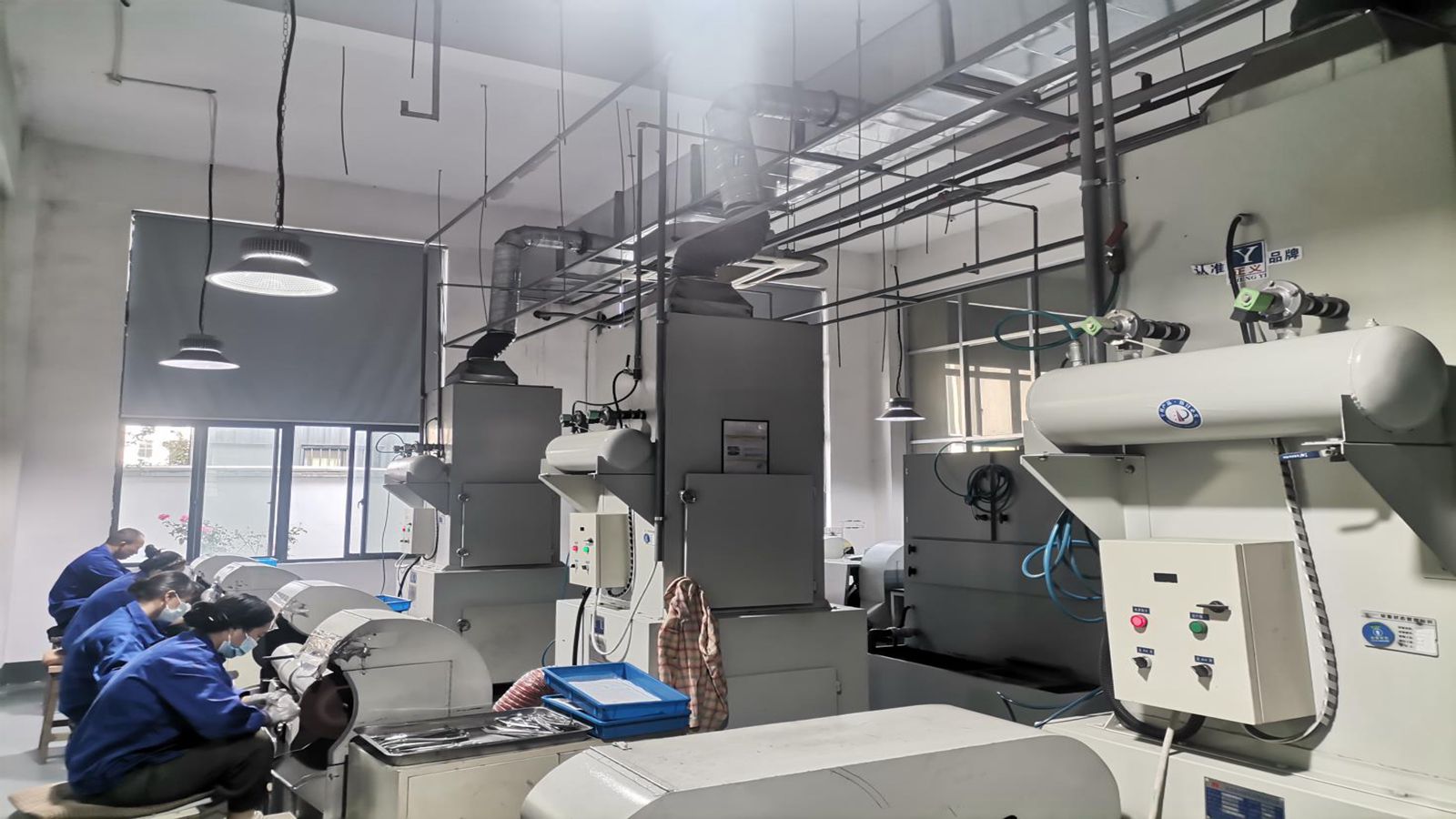
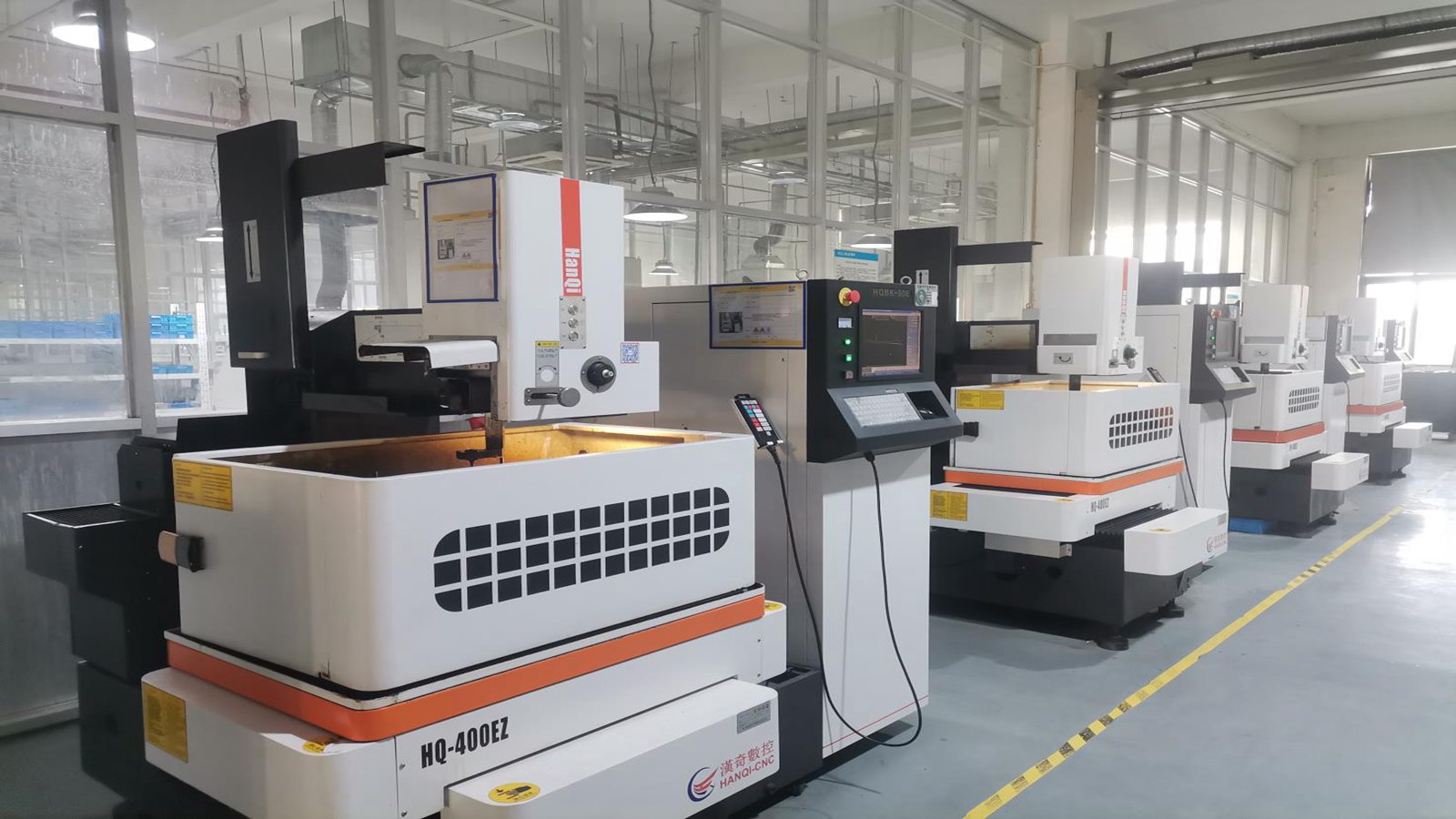
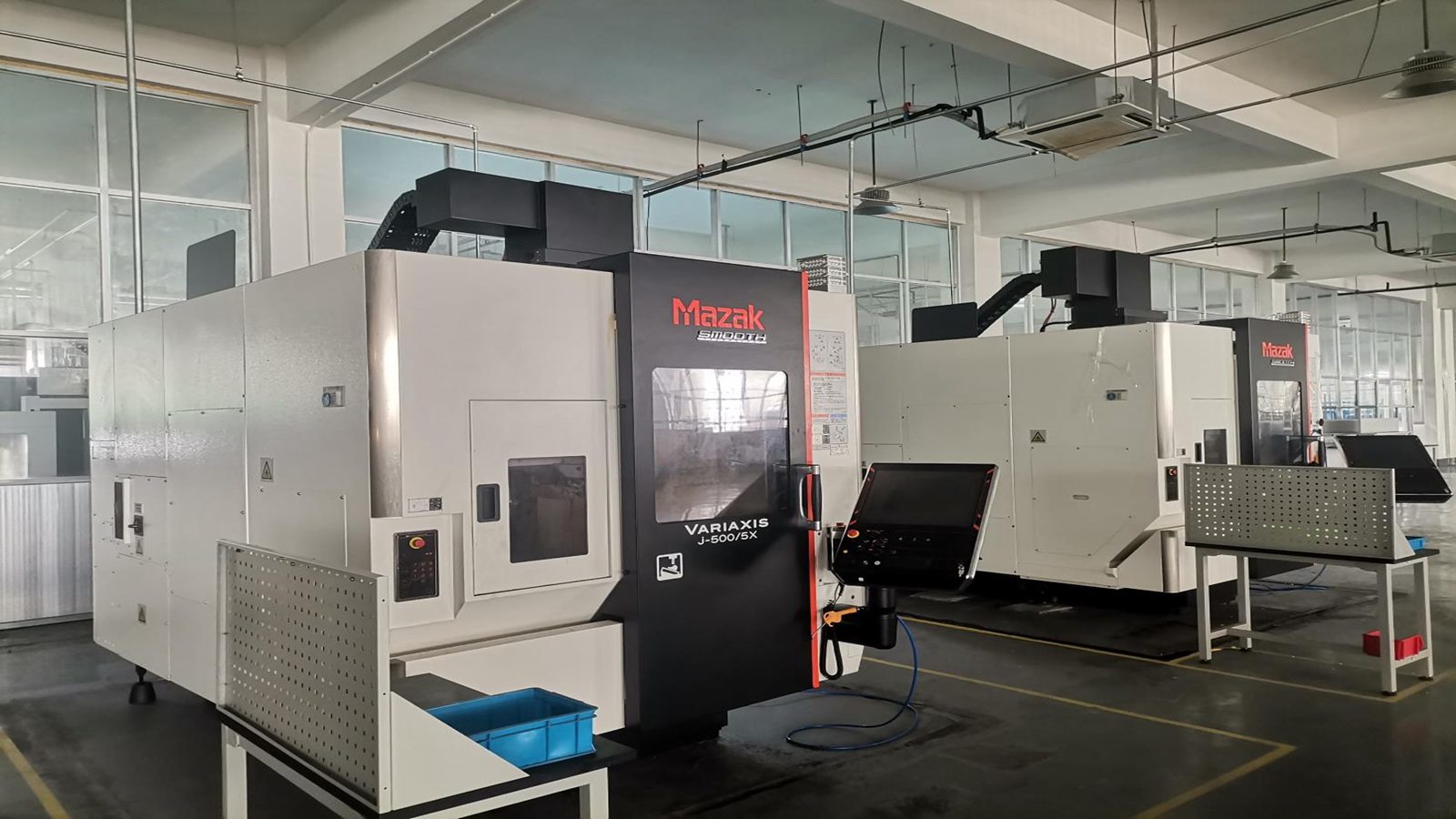
Utilizing Swiss-type 5-axis CNC automatic lathes, multi-axis machining centers, and wire electrical discharge machining (EDM), HBM executes micro-tolerances within ±0.005mm, critical for thread engagement and set screw locking mechanisms.
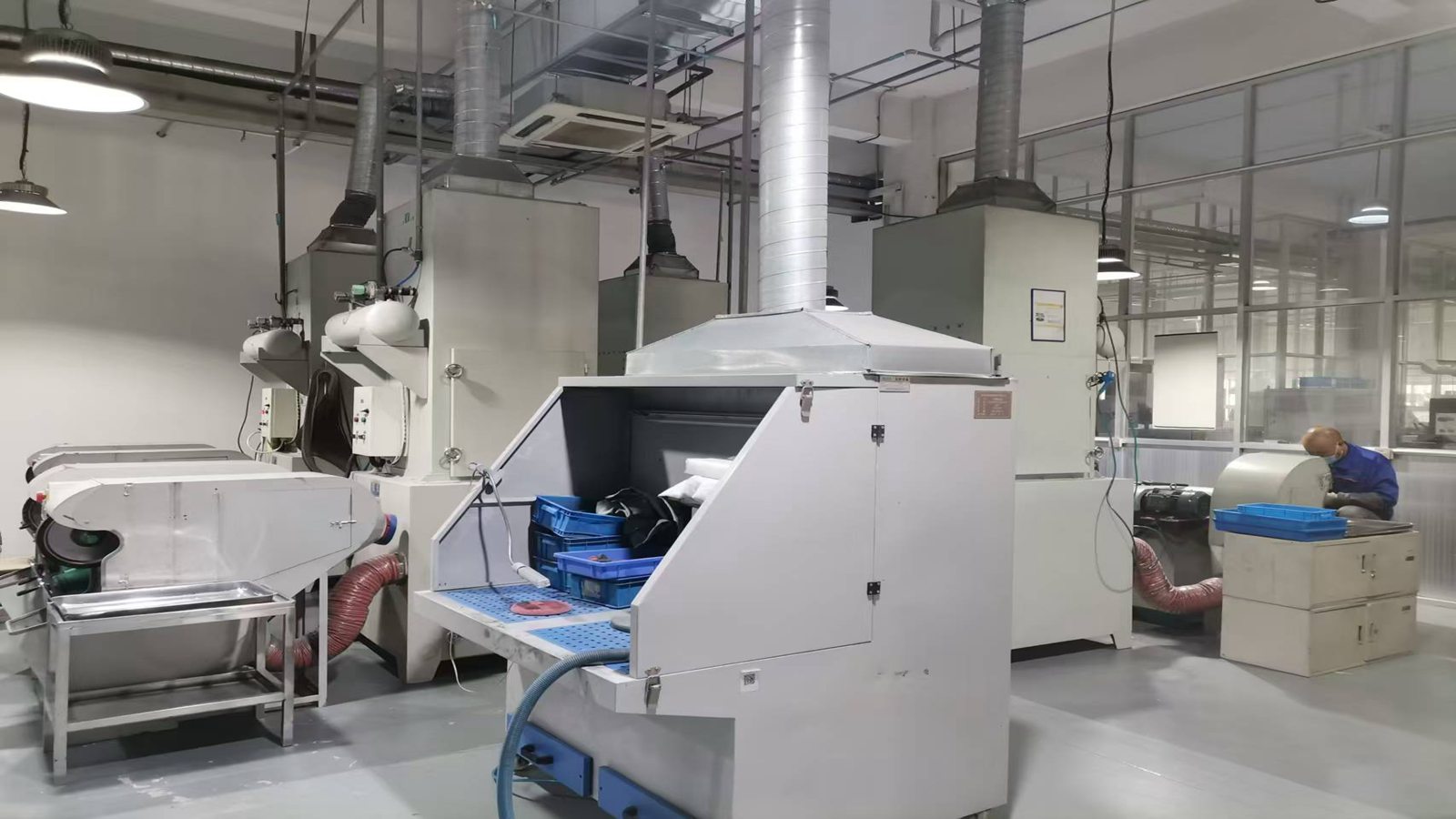
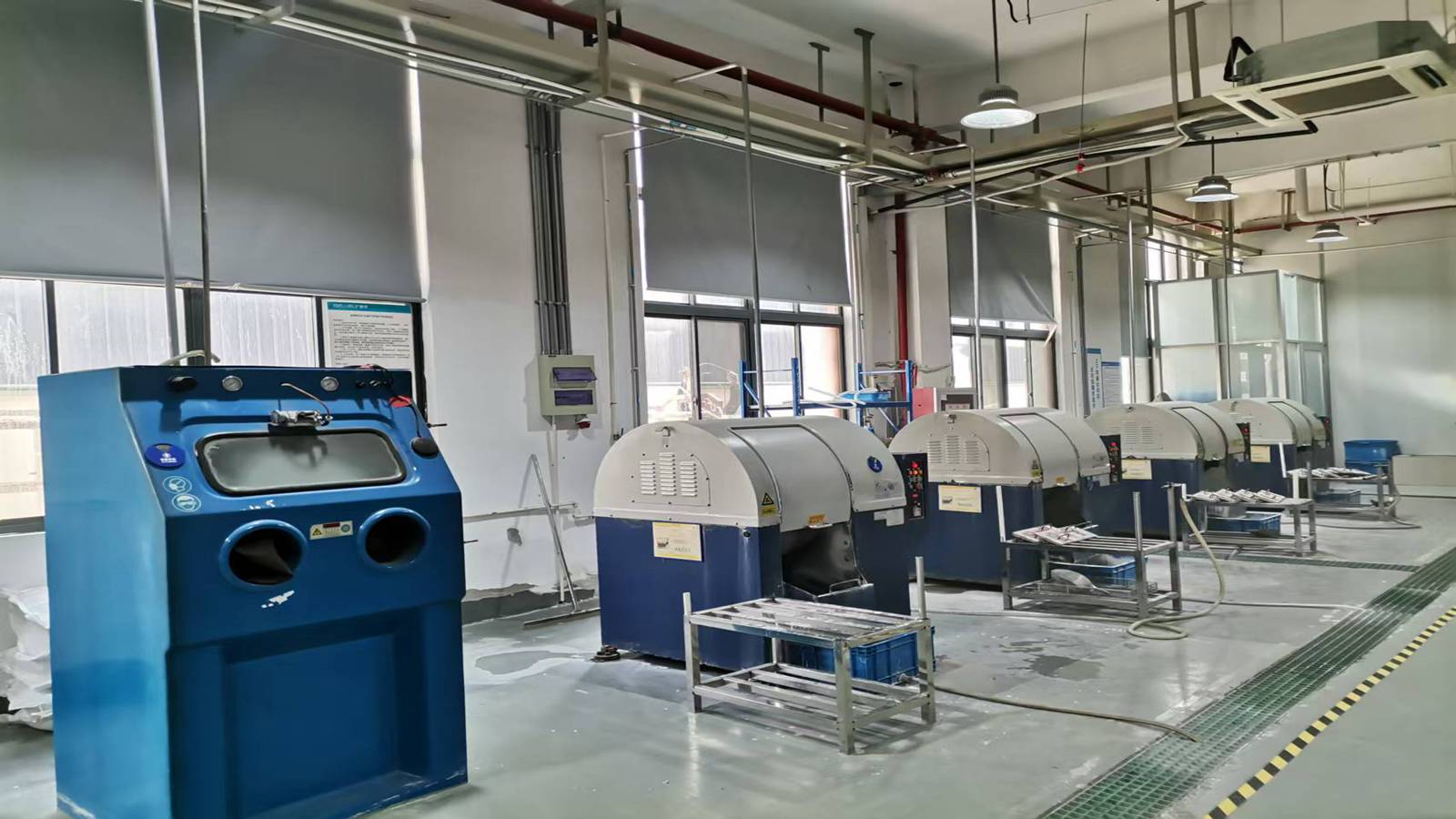
In-house electrochemical anodization, micro-arc oxidation, sandblasting, and vacuum plasma coating provide enhanced corrosion resistance, color-coded surgical identification, and superior bio-active osteo-conductive surfaces.
With 31 dedicated engineers, prototype turnarounds are achieved in as little as 14 days. HBM supports sample processing, blueprint customization (CAD/CAM), and bespoke surgical kit assembly tailored to regional clinical preferences.
Navigating cross-border medical device procurement requires more than competitive pricing; it demands absolute regulatory compliance, supply chain continuity, and localized technical support. HBM Medical serves international brand owners, hospital networks, and distributors with a structured procurement model.
HBM provides complete technical documentation—including CE MDR technical files, Risk Management Reports (ISO 14971), Biocompatibility Reports (ISO 10993), and Sterilization Validation protocols (ISO 11137 / ISO 11135)—accelerating local market registration for importers in Europe, Southeast Asia, South America, and the Middle East.
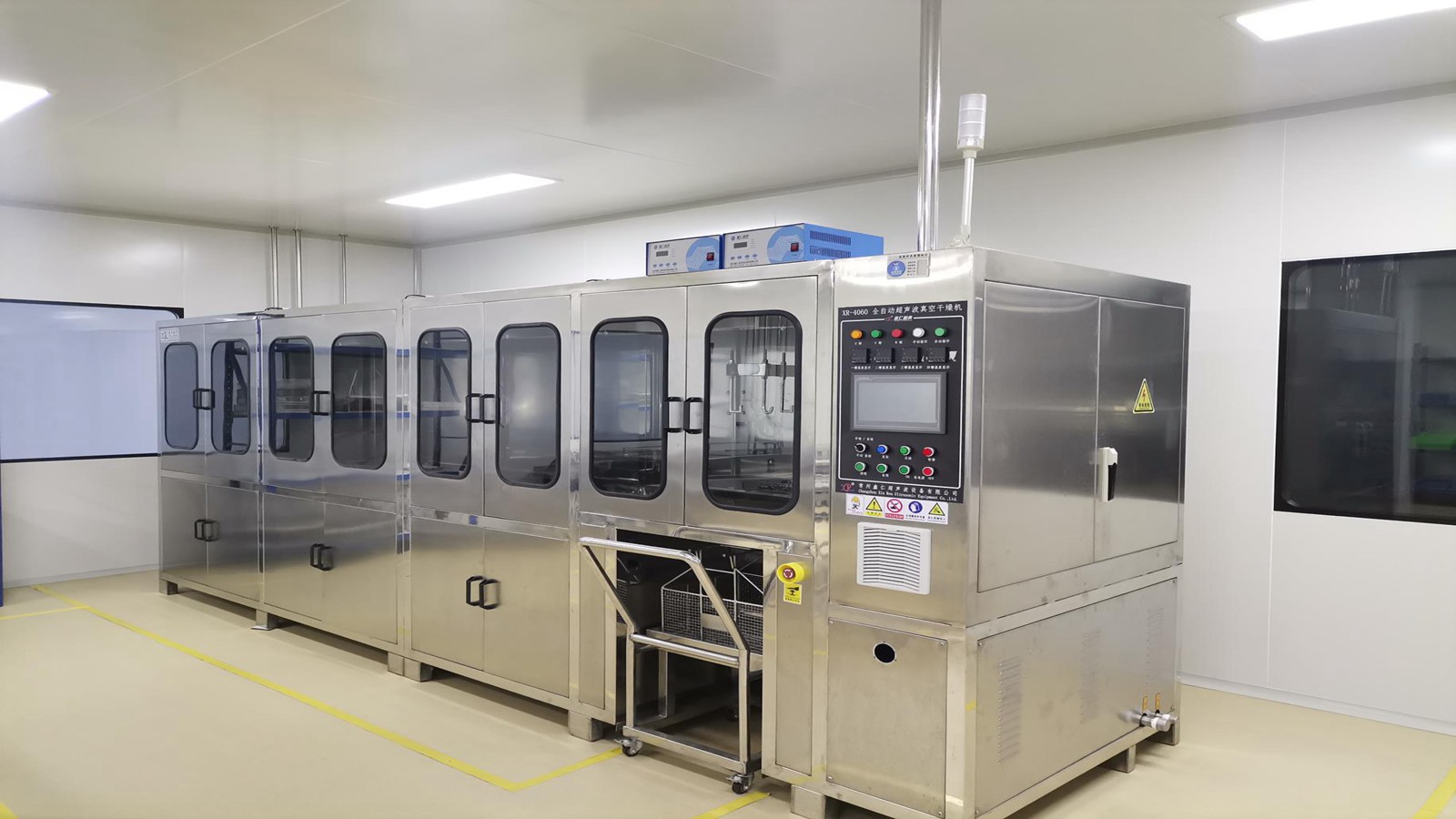
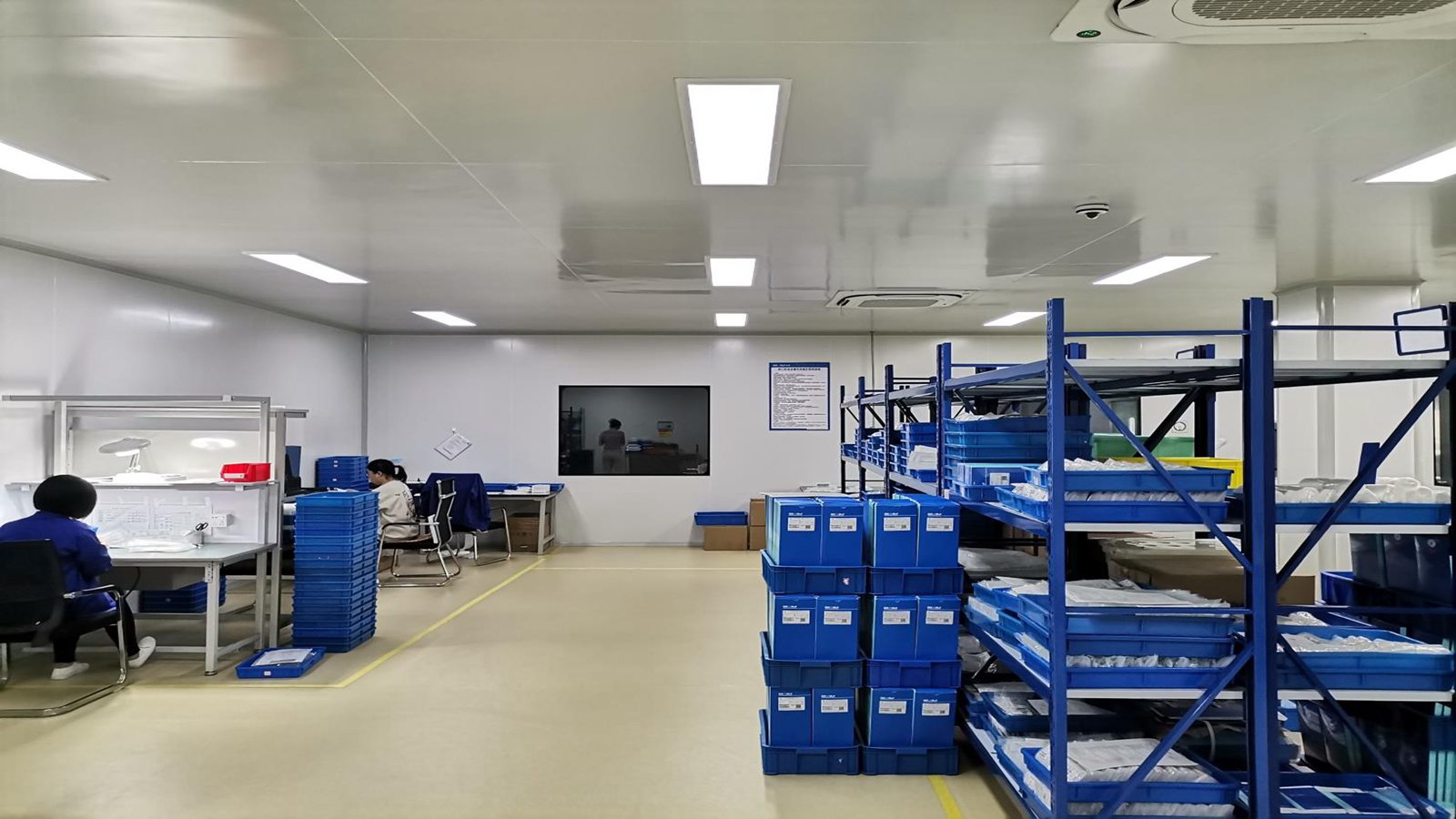
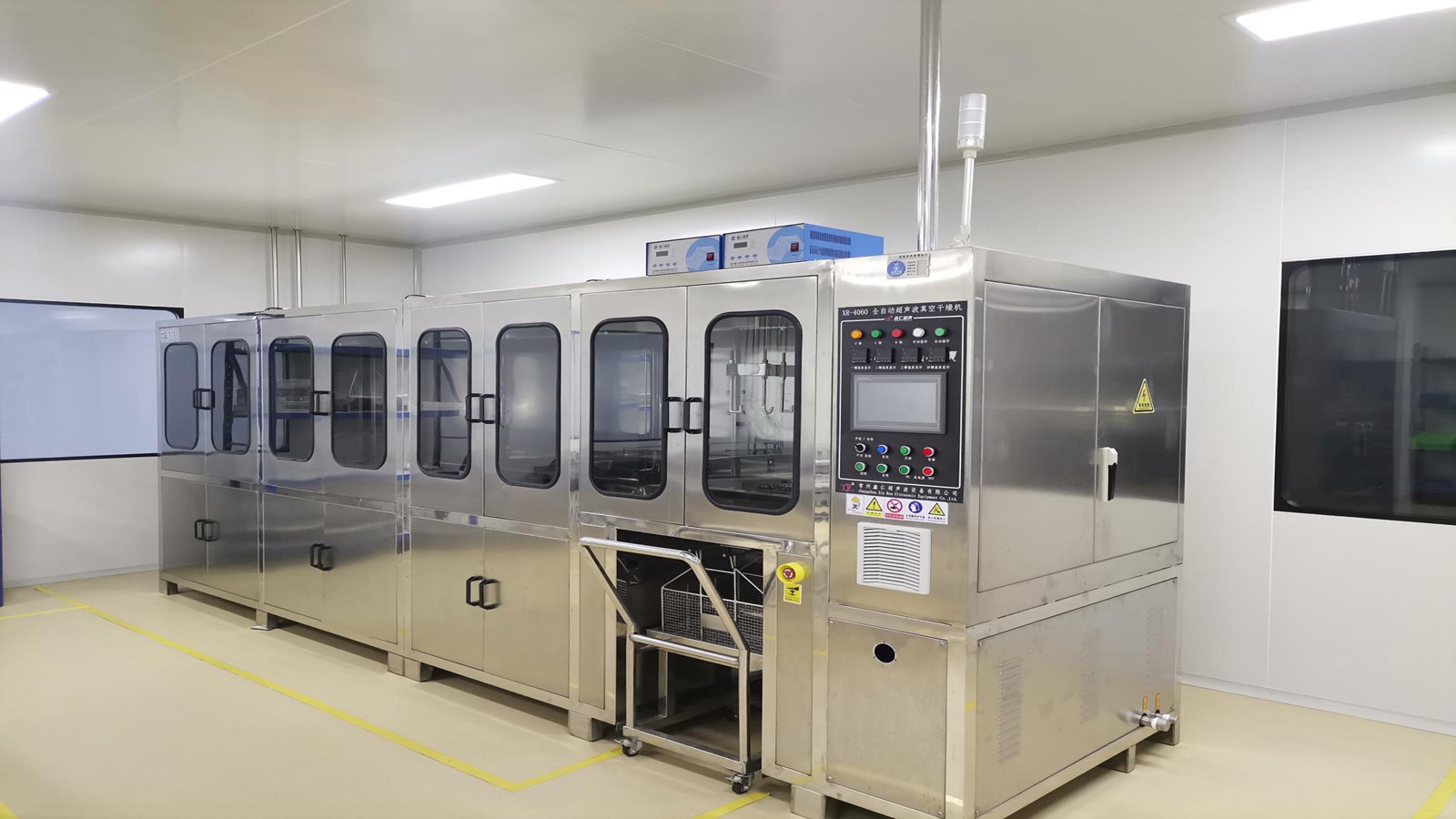
Implants are washed using multi-stage ultrasonic deionized water systems and packed within Class 100,000 (ISO Class 8) cleanrooms. Dual-layer Tyvek blister packaging guarantees shelf-life sterility up to 5 years, validated against physical drop tests and atmospheric changes.
Supported by multi-lingual trade teams (English fluency), HBM coordinates DDP, FOB, and CIF shipping with temperature/humidity monitoring. Furthermore, we supply instructional surgical video guides, CAD mockups, and hands-on instrument training for hospital clinical staff.
Our spinal fixation hardware and surgical instrumentation are designed for diverse clinical applications spanning human trauma centers, specialized deformity clinics, and veterinary orthopedic practices.
Utilizing 5.5 System Titanium Monoaxial Pedicle Screws paired with high-rigidity 5.5mm Titanium Rods, surgeons establish immediate rigid column stability, relieving neural compression and maintaining sagittal balance.
Through MIS or open approaches, HBM TLIF PEEK Cages combined with polyaxial pedicle screw constructs restore intervertebral height, enlarge foraminal space, and ensure solid 360-degree arthrodesis.
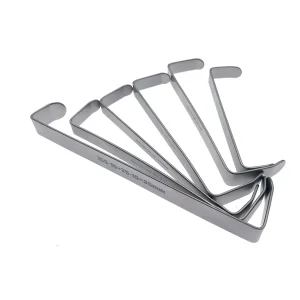
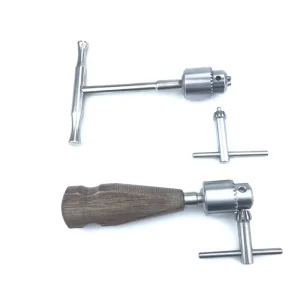
Recognizing the rapid growth of veterinary surgery, HBM offers specialized lines such as the Mini Multi-Functional Drill for Large Animals, Farabeuf Thyroid Retractor, and custom AO reconstruction benders optimized for canine TPLO and equine trauma stabilization.
As surgical medicine advances toward minimally invasive techniques and patient-specific treatments, HBM's R&D institute actively invests in next-generation spinal hardware technologies:
Transitioning from solid PEEK to 3D-printed electron beam melting (EBM) porous titanium cages that mimic natural trabecular bone structure, accelerating cellular adhesion and osseointegration.
Developing pedicle screw systems with flexible PEEK or memory-alloy connecting rods to preserve segment mobility and prevent Adjacent Segment Disease (ASD) in young active patients.
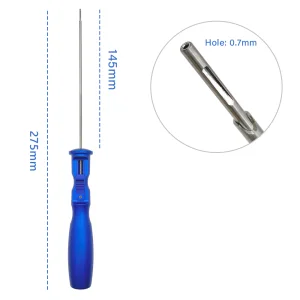
Incorporating sensor-integrated cannulated hand drills and power tools compatible with AI-driven intraoperative optical navigation and robotic surgical assistants.
Every implant and surgical instrument produced in HBM's 30,343 m² facility undergoes rigorous mechanical and chemical validation according to international standards.
| Evaluation Parameter | Test Method / Standard | Acceptance Criteria / Performance Standard |
|---|---|---|
| Static Axial Compression & Bending | ASTM F1717 / ASTM F2077 | No structural yields or permanent deformation under maximum axial loading (>1200 N). |
| Dynamic Fatigue Testing | ASTM F1717 (5 Million Cycles) | Zero fatigue fracture across screw-rod constructs subjected to cyclic axial loads at 5 Hz. |
| Screw Pull-Out Strength | ASTM F543 | High retention torque and axial pull-out resistance exceeding 1500 N in test block medium. |
| Surface Roughness (Ra) | ISO 4287 Profilometry | Polished articulated surfaces Ra < 0.1 µm; porous fusion surfaces Ra > 3.2 µm. |
| Cytotoxicity & Biocompatibility | ISO 10993-5 / ISO 10993-11 | 100% non-cytotoxic, non-pyrogenic, non-hemolytic; safe for permanent human implantation. |
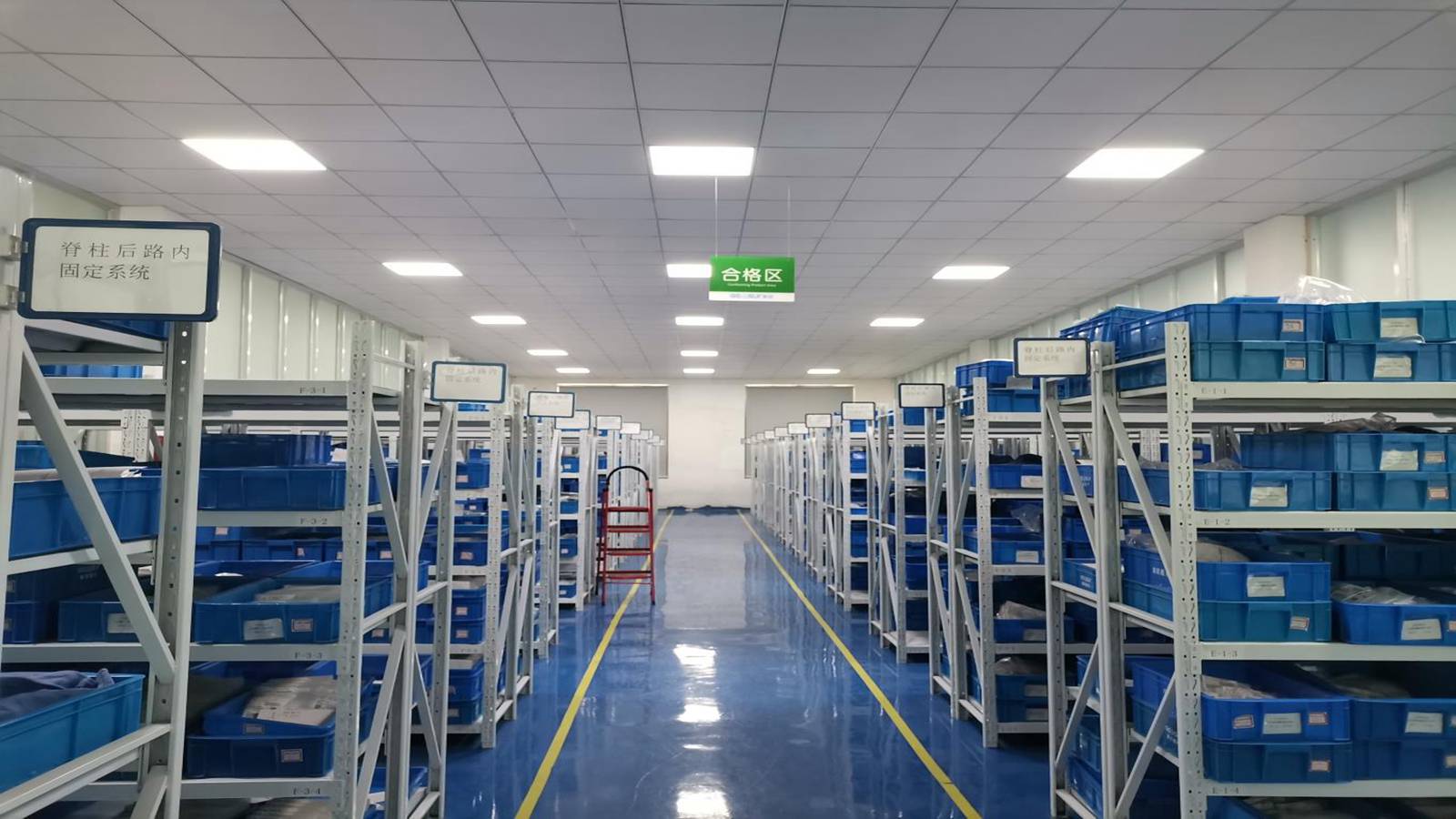
A visual audit of our modern 30,343 m² production base, CNC machining centers, ISO cleanrooms, and testing facilities in China.
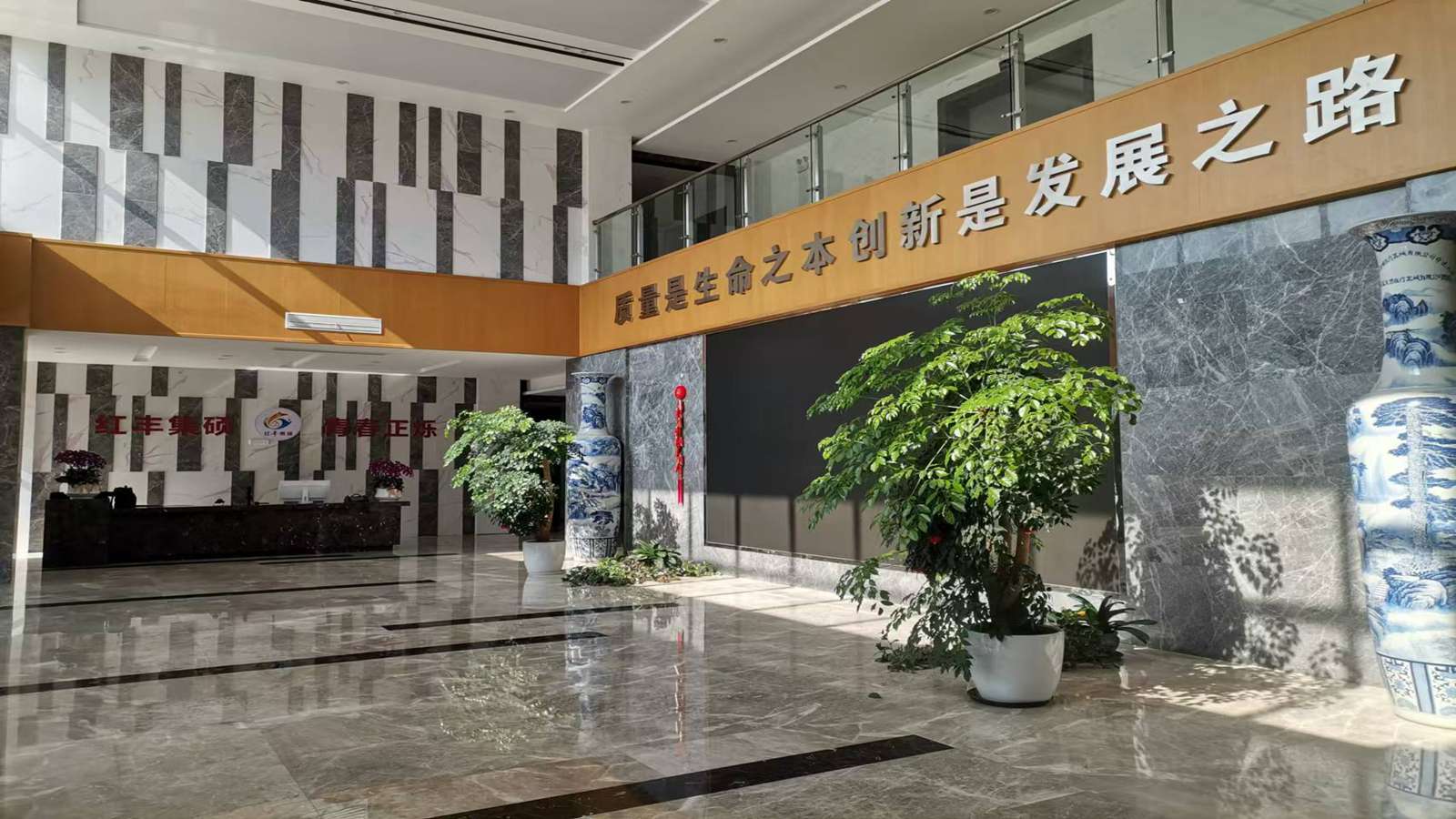
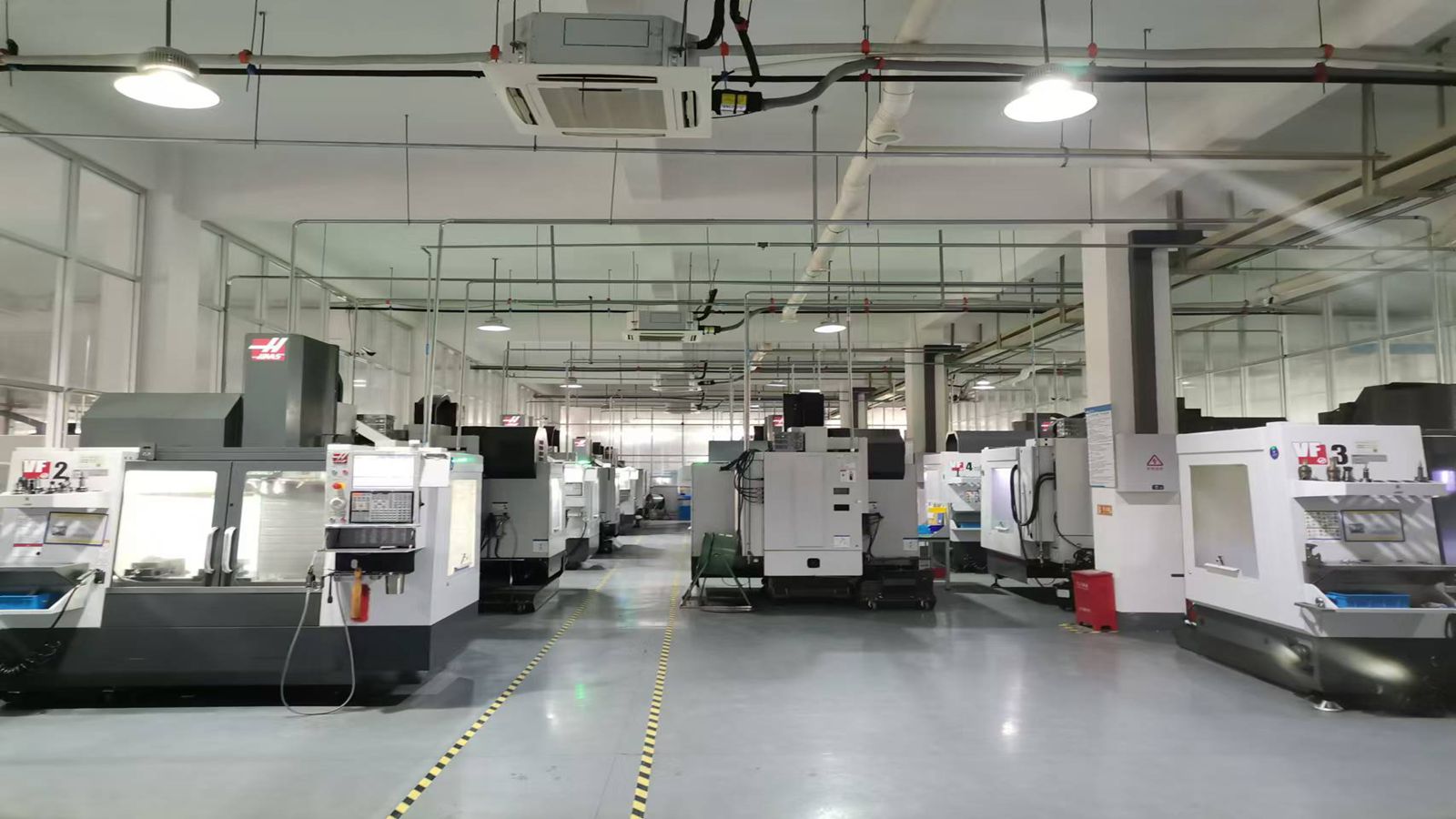
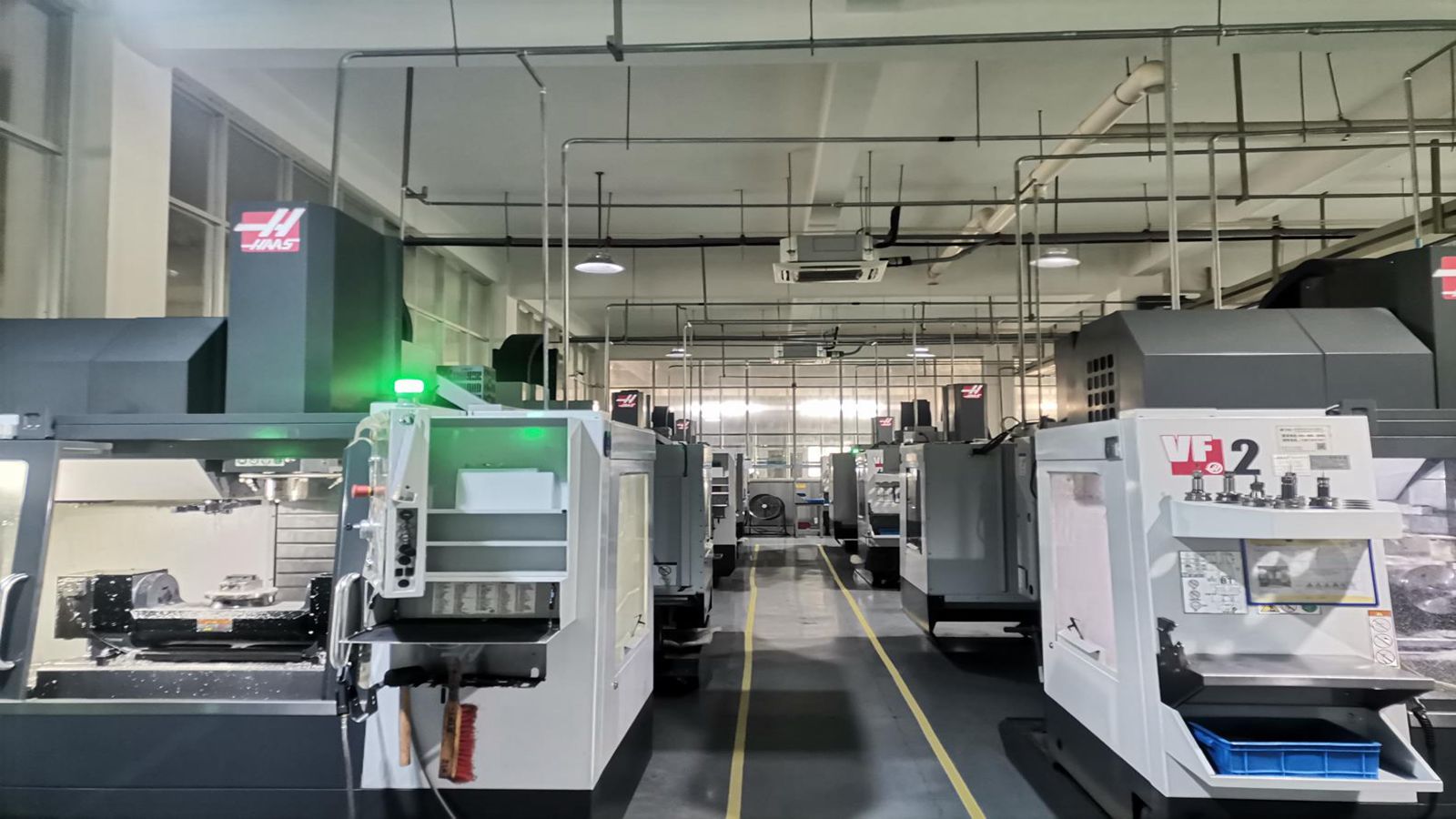
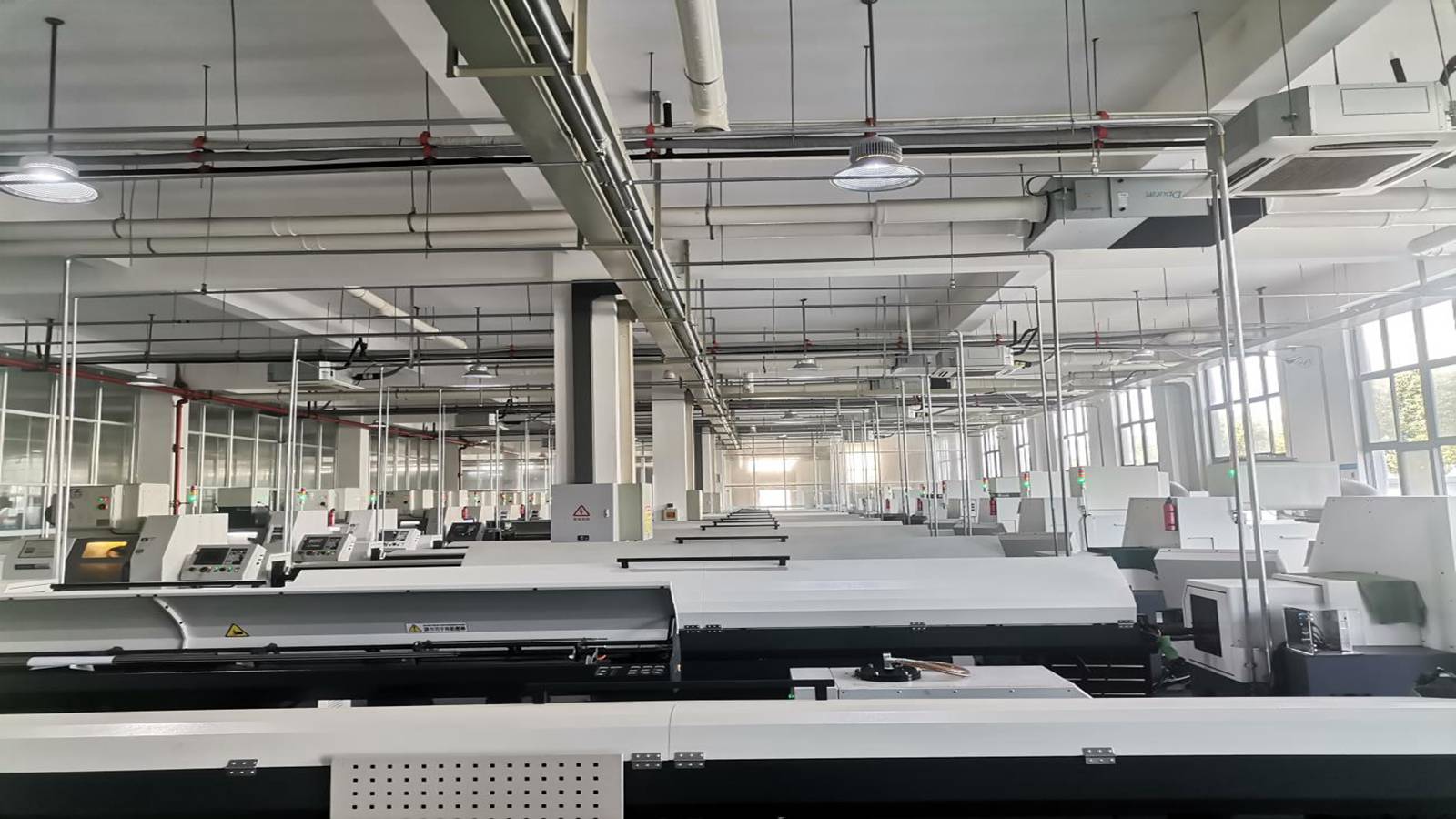
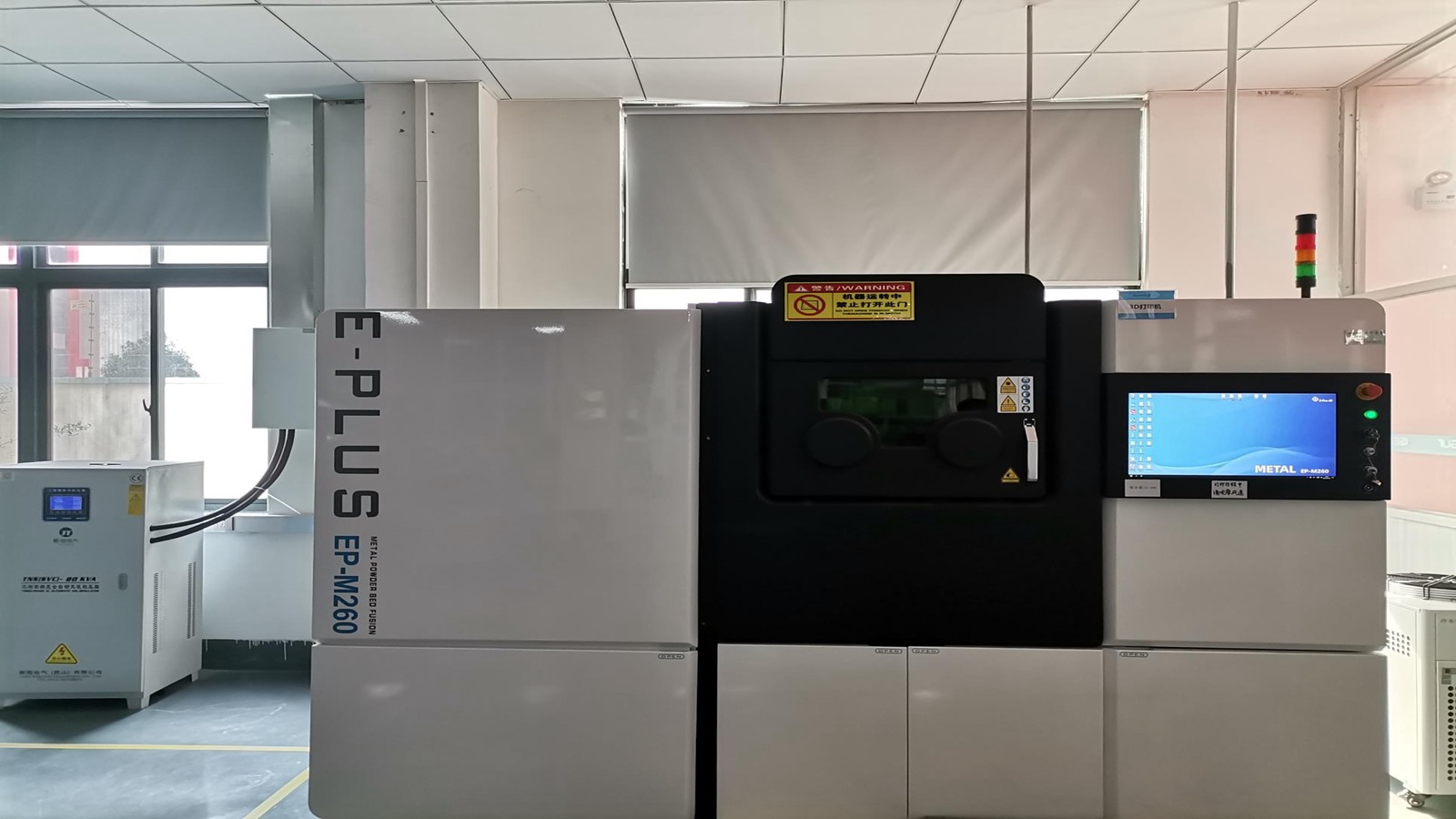
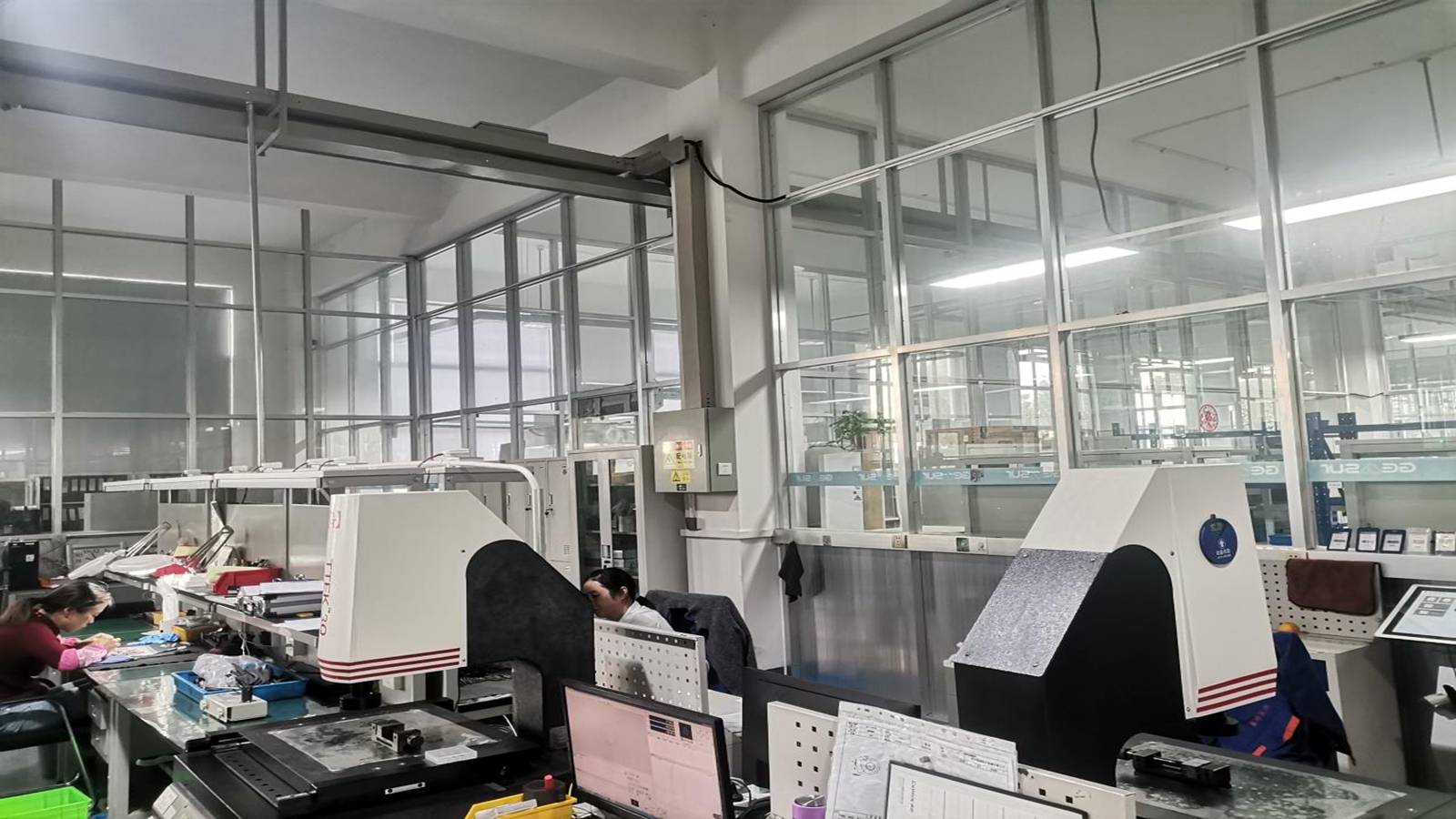
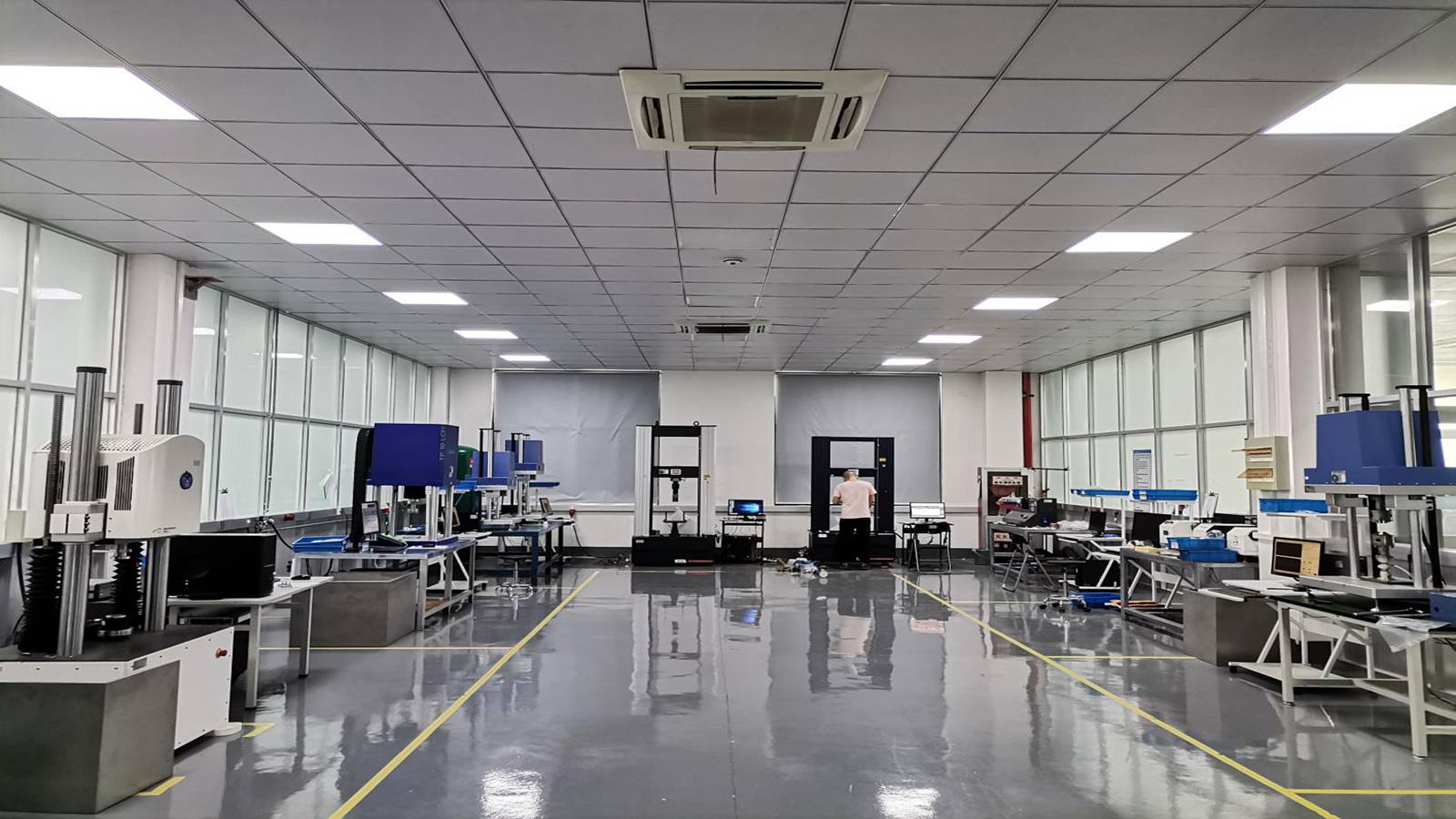
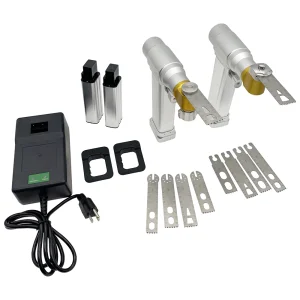
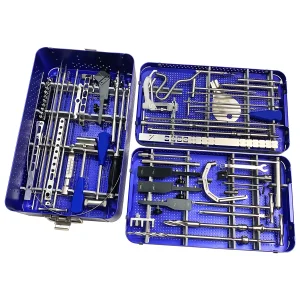
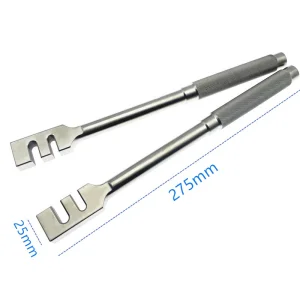
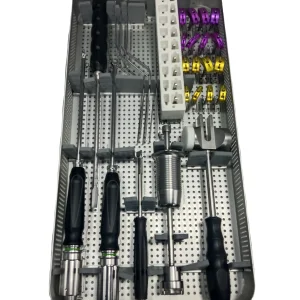
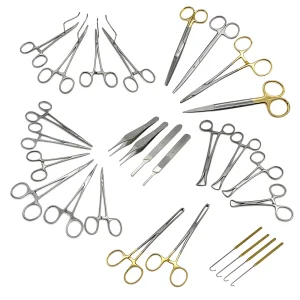
Discover our comprehensive range of specialized spinal retractors, power tools, intramedullary nails, and titanium surgical sets.
 HBM Medical