Explore our premium selection of surgical systems, power tools, and specialized orthopedic instruments engineered for clinical precision.
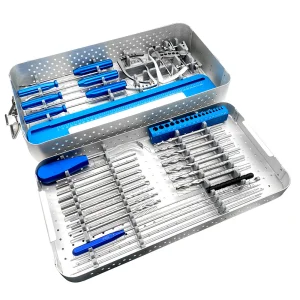
Proximal femoral fractures, particularly in geriatric patients with varying degrees of osteoporosis, present a significant clinical challenge globally. The evolution of fixation strategies has transitioned from extramedullary implants (such as the Dynamic Hip Screw) to intramedullary systems. Among these, the Proximal Femoral Nail Antirotation (PFNA) has emerged as the gold standard for unstable trochanteric fractures.
HBM Medical's PFNA Intramedullary Nails are engineered to address the critical failure modes of traditional screw-based systems, such as cut-out, varus collapse, and rotation of the femoral head. By utilizing a specialized helical blade instead of a standard lag screw, our PFNA system achieves optimal mechanical compaction of the cancellous bone. This compaction significantly enhances resistance against rotation and varus deviation, providing superior primary stability even in severely osteoporotic bone structures.
"The integration of the helical blade mechanism increases the load-bearing capacity of the implant-bone interface, reducing the risk of cut-out by up to 50% compared to traditional dynamic hip screws."
HBM Medical Apparatus And Instruments Co., Ltd. (established in 2015) stands at the forefront of China's orthopedic medical device manufacturing. With a state-of-the-art facility spanning over 30,343 square meters, we integrate advanced metallurgical science with clinical feedback to produce high-performance PFNA systems that meet stringent international regulatory standards.
How HBM Medical leverages cutting-edge materials and precision manufacturing to deliver reliable orthopedic implants.
Our PFNA nails are manufactured exclusively from medical-grade Titanium Alloy conforming to ISO 5832-3. This material offers an exceptional strength-to-weight ratio, high fatigue resistance, and excellent biocompatibility, minimizing the risk of adverse tissue reactions and implant failure.
Unlike traditional lag screws that remove valuable bone stock during insertion, the HBM helical blade compacts the surrounding cancellous bone. This compaction maximizes the surface area contact and achieves optimal anchorage, which is crucial for osteoporotic patients.
Engineered with a precise 5-degree mediolateral angle, our PFNA nails accommodate anatomical variations effortlessly. This design facilitates easy insertion through the tip of the greater trochanter, reducing surgical time and minimizing soft tissue trauma.
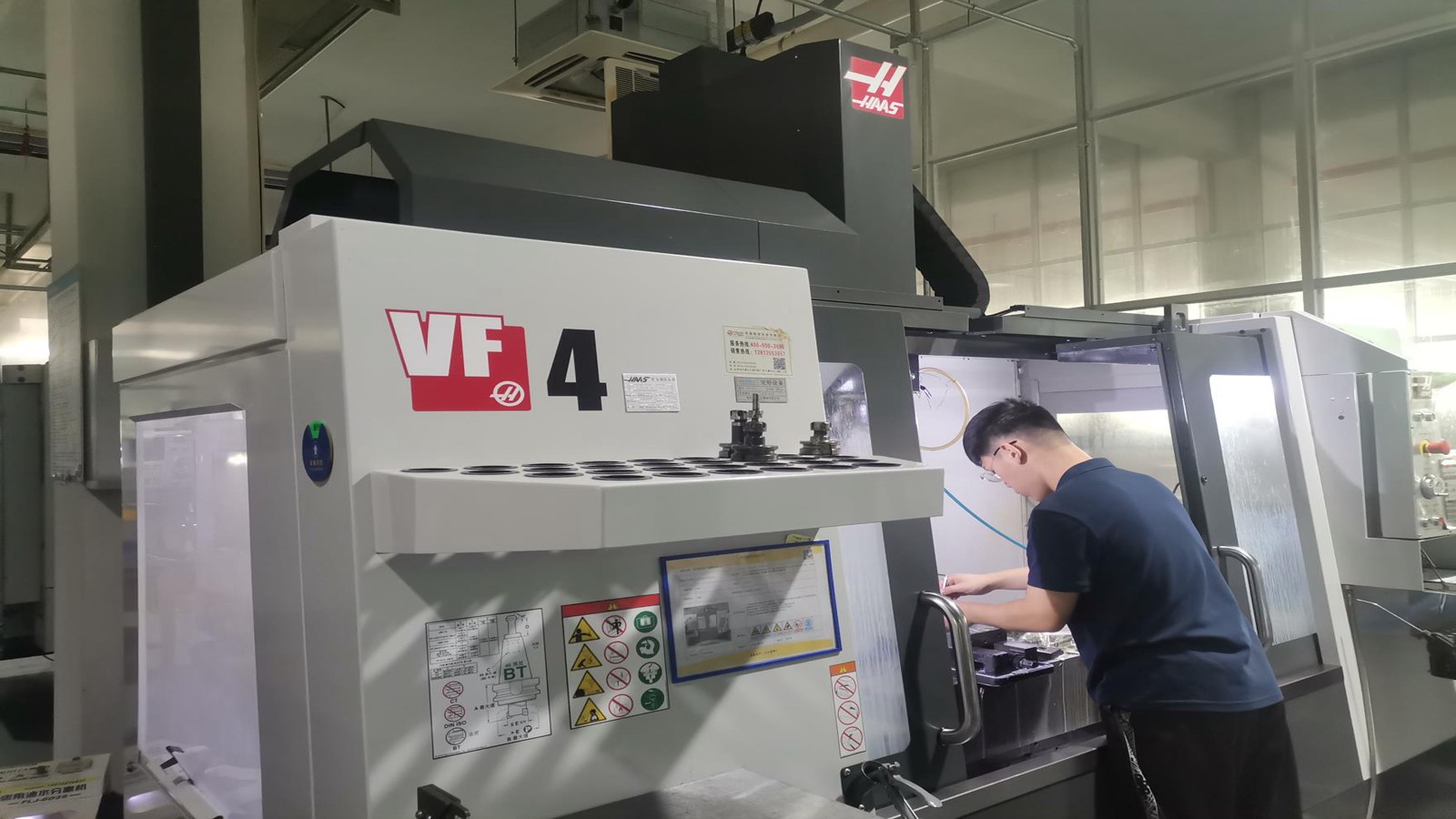
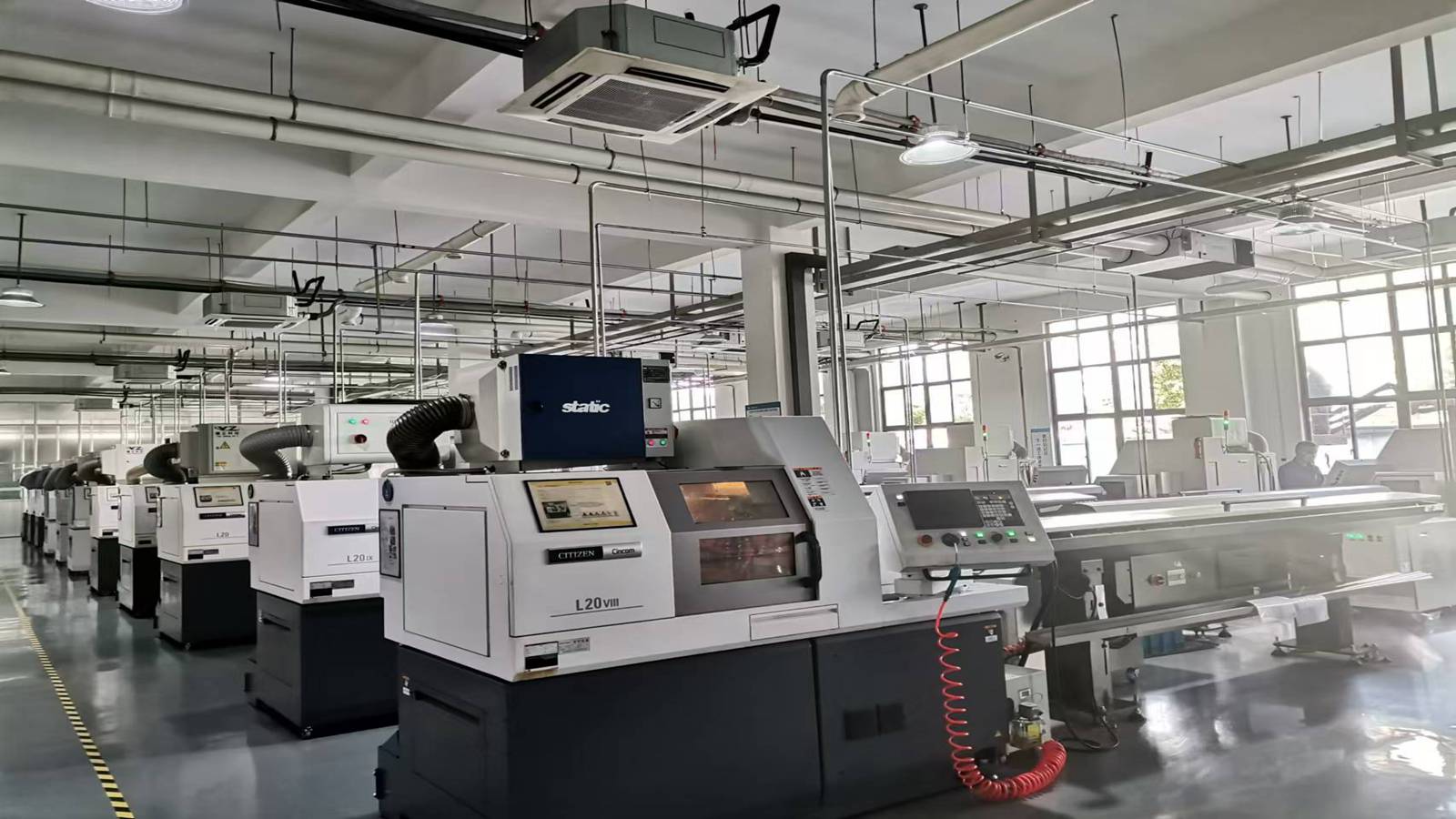
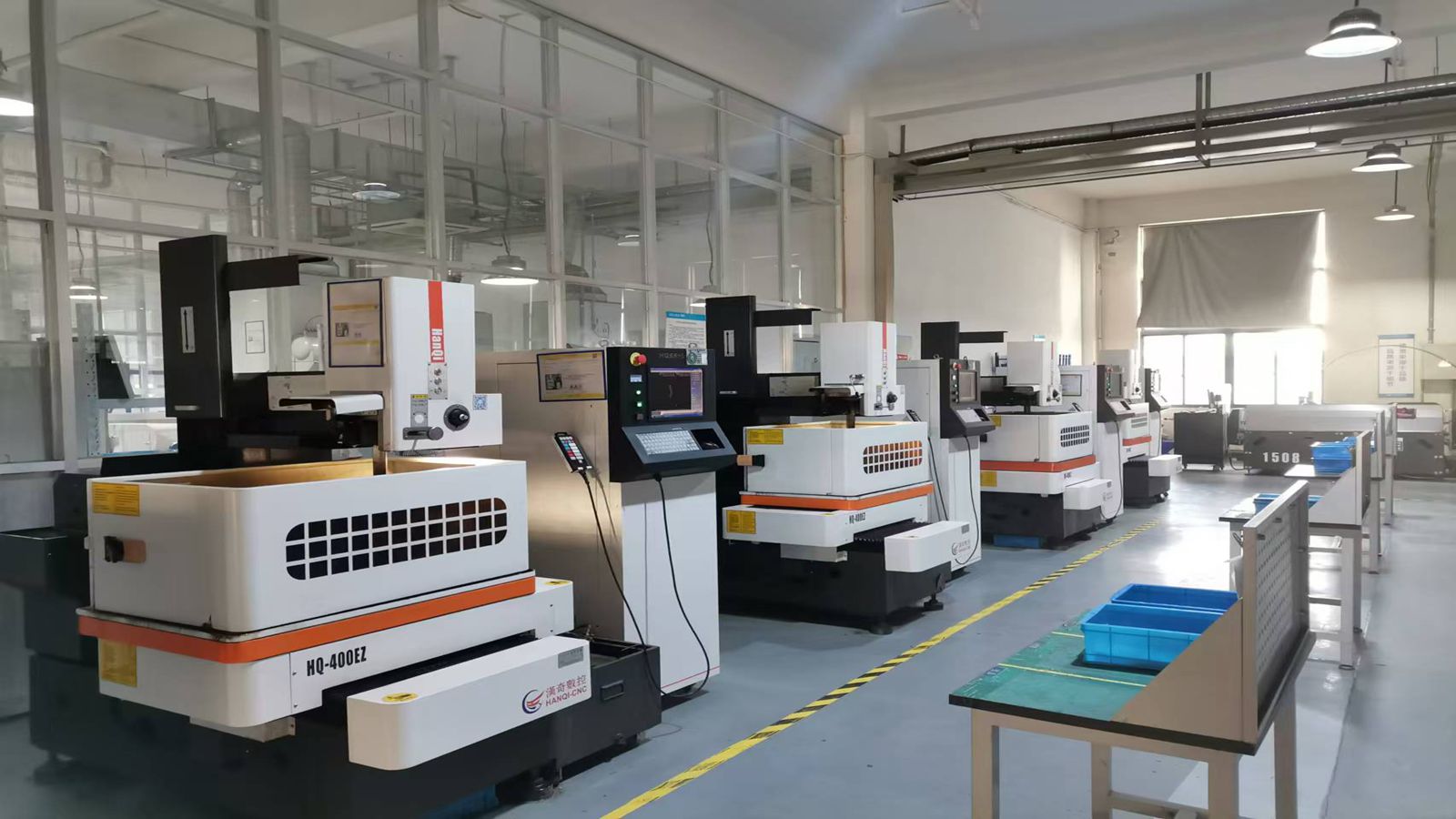
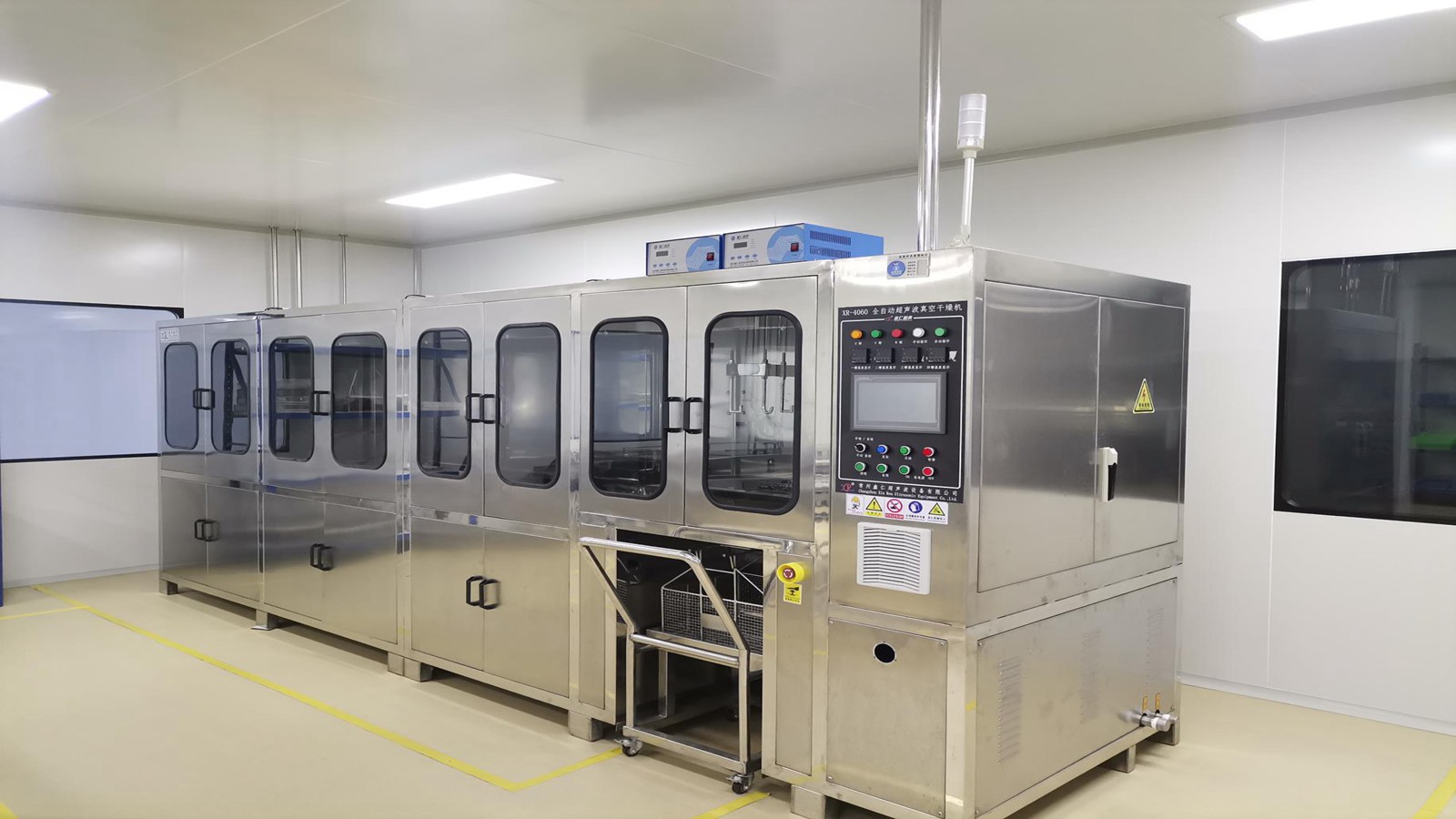
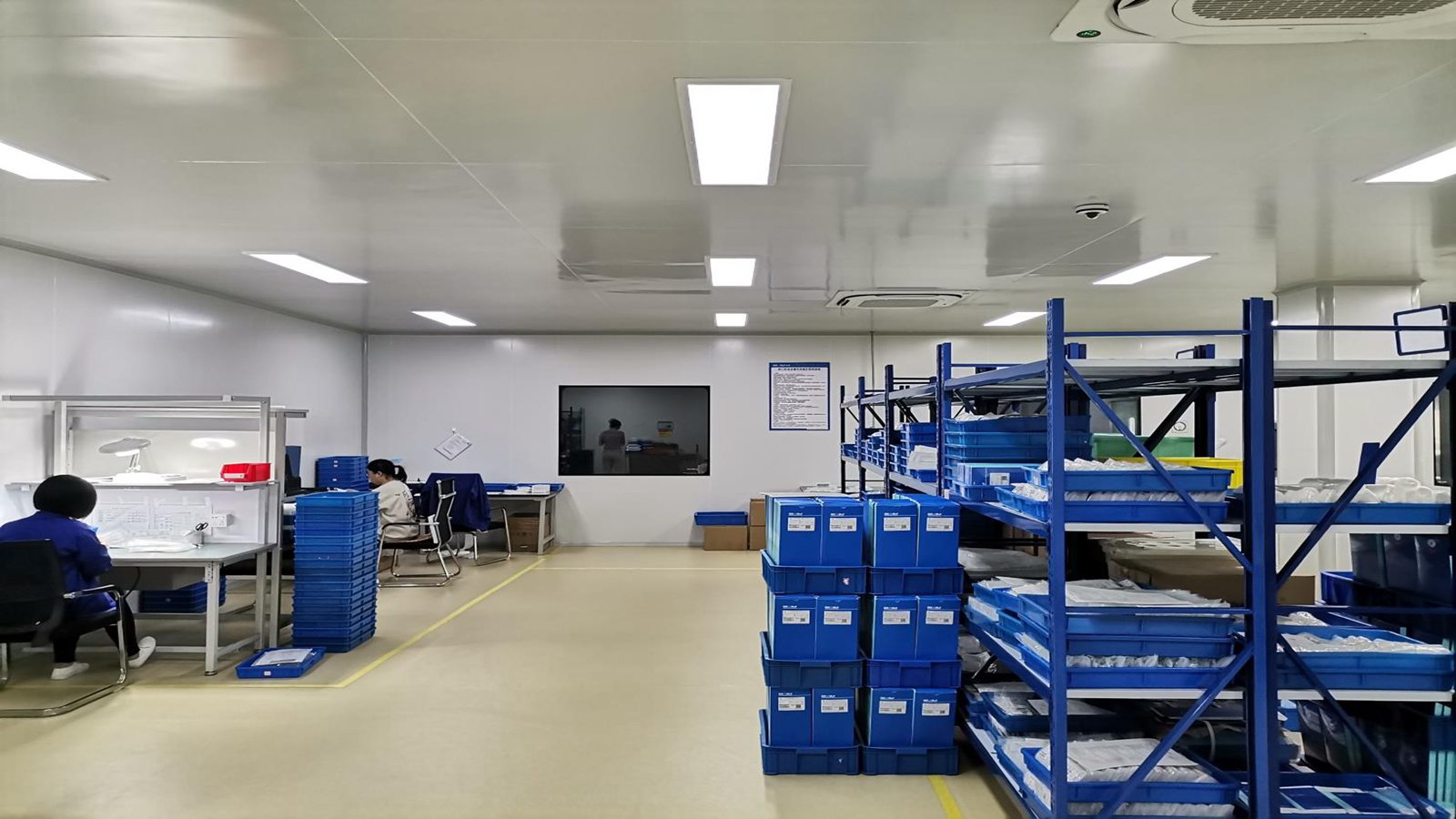
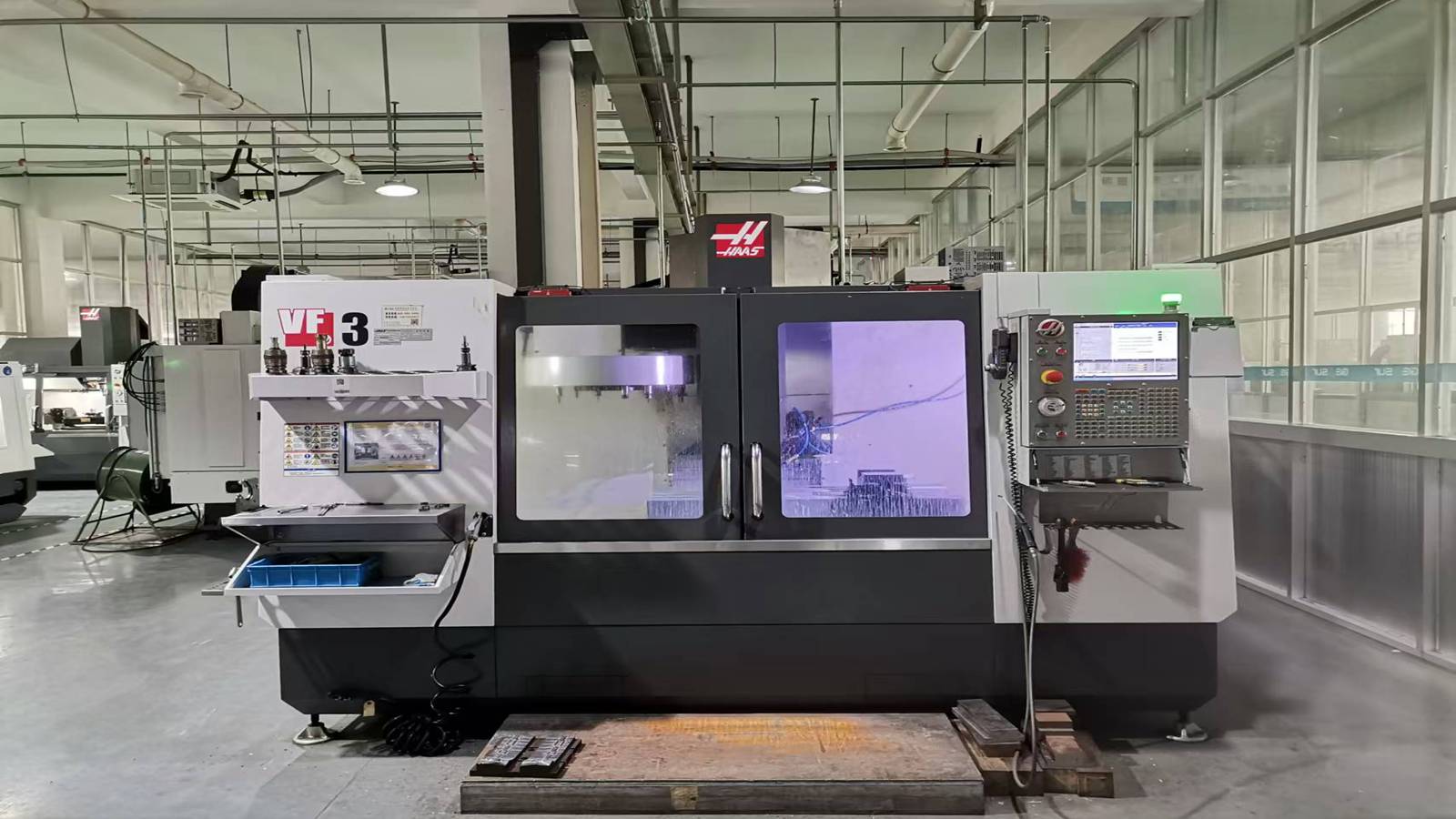
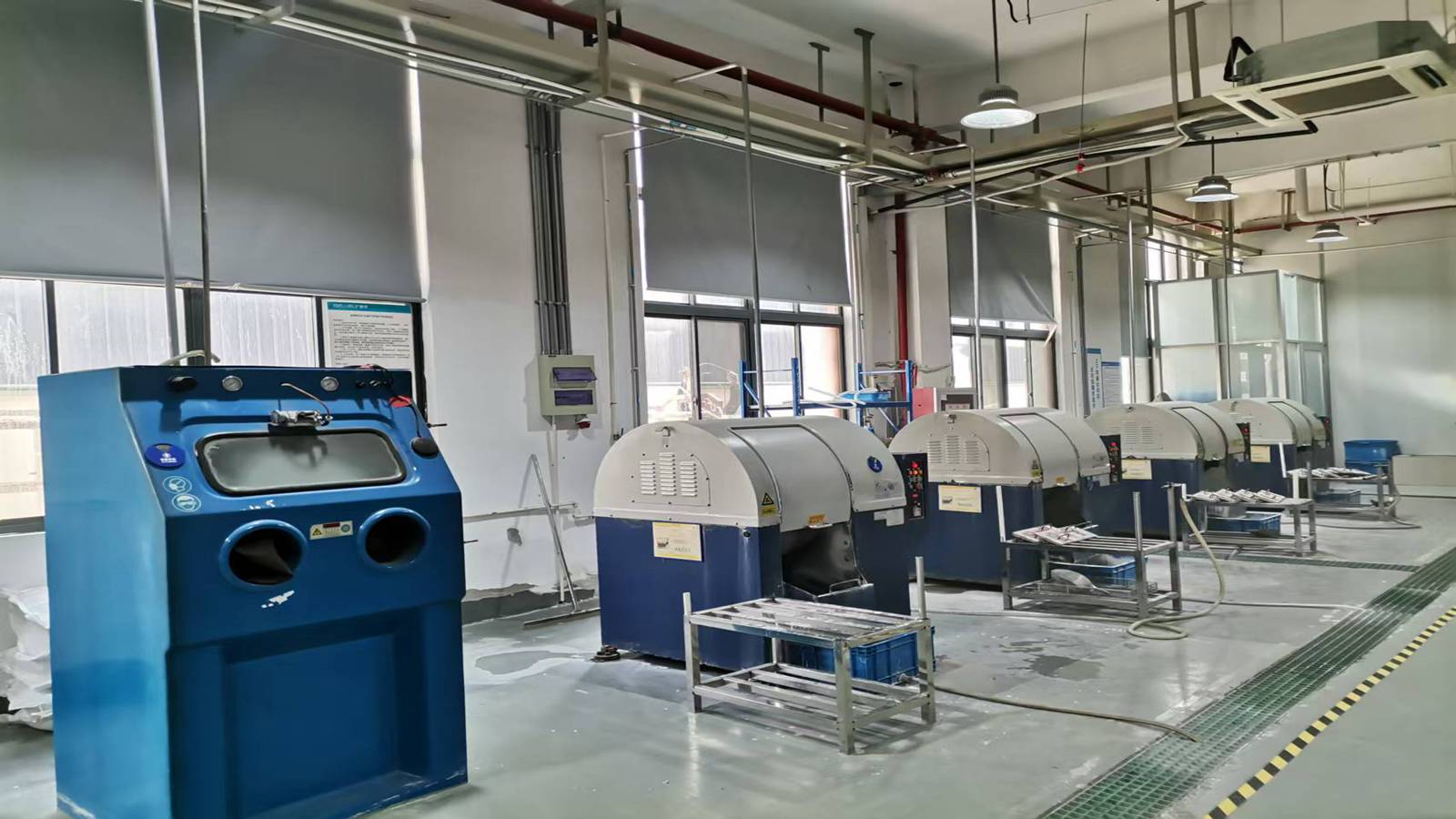
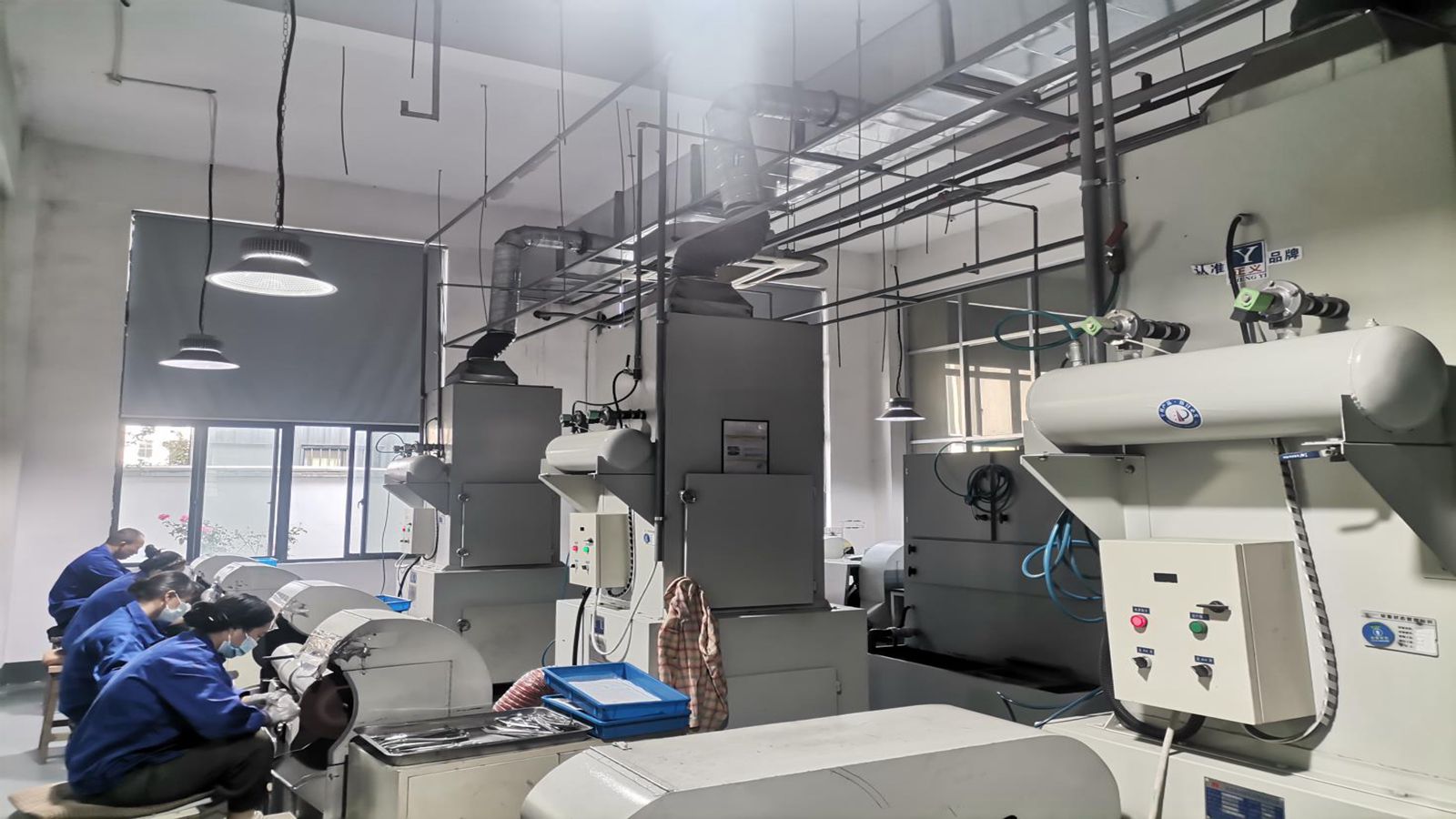
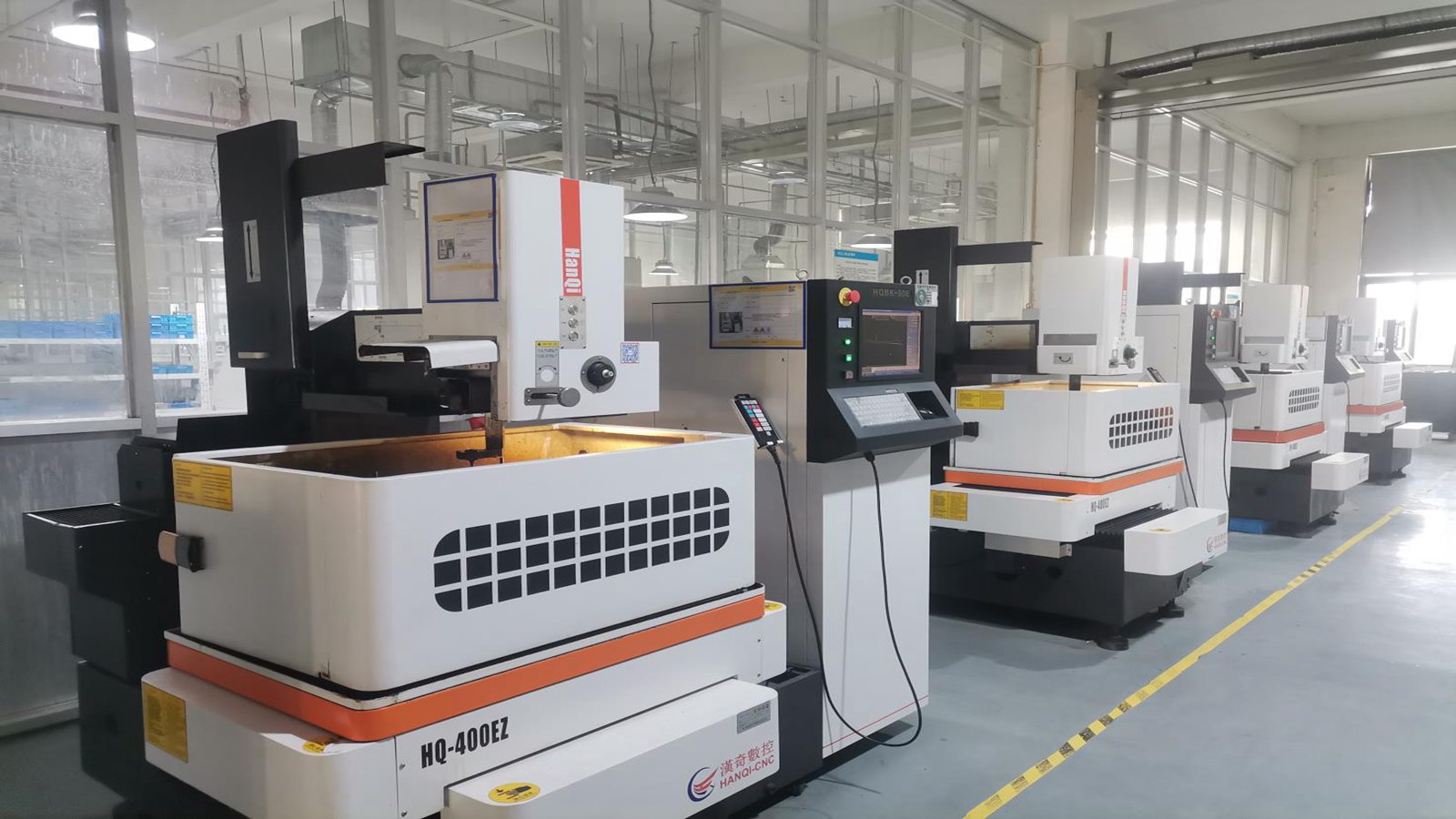
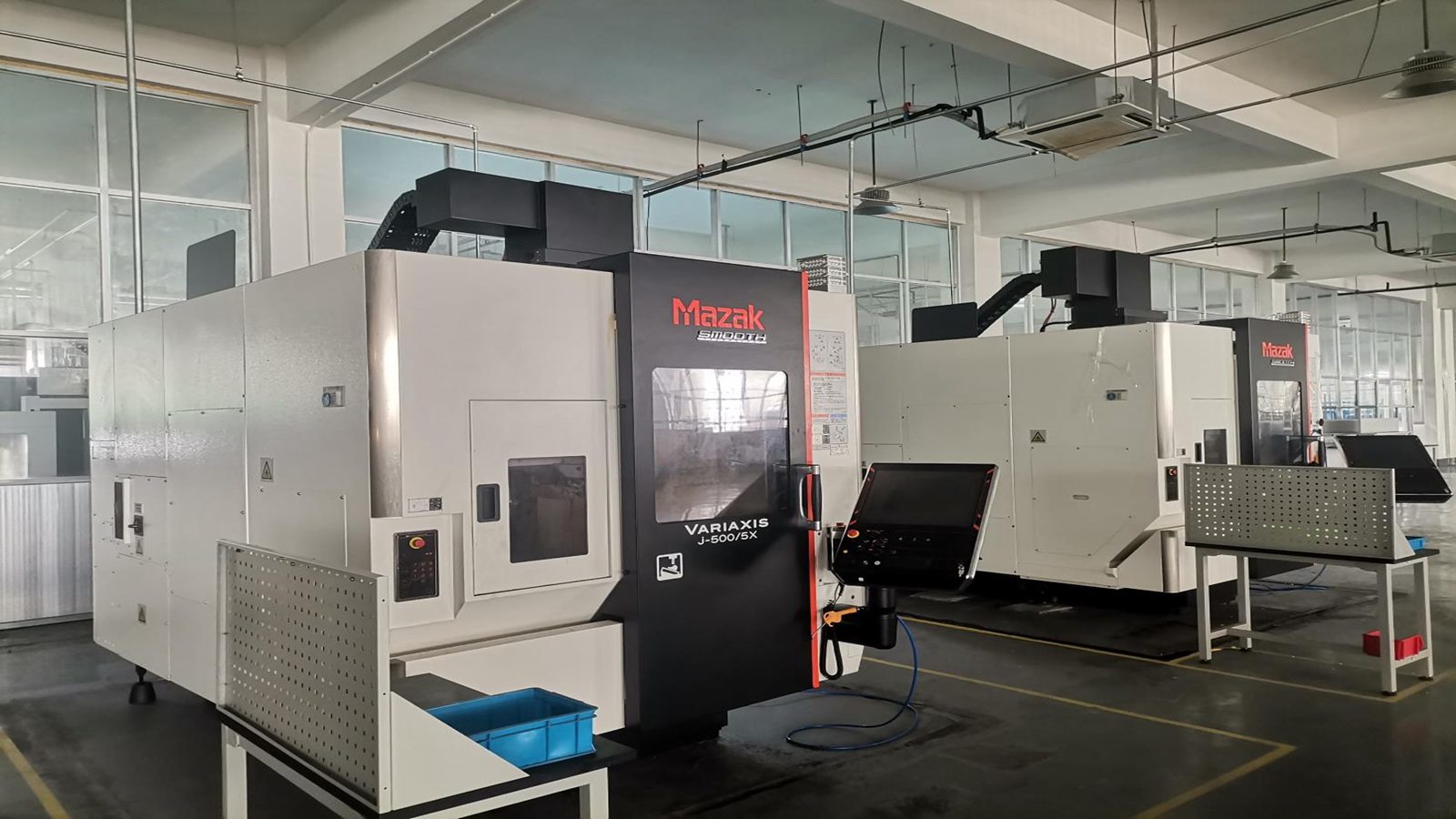
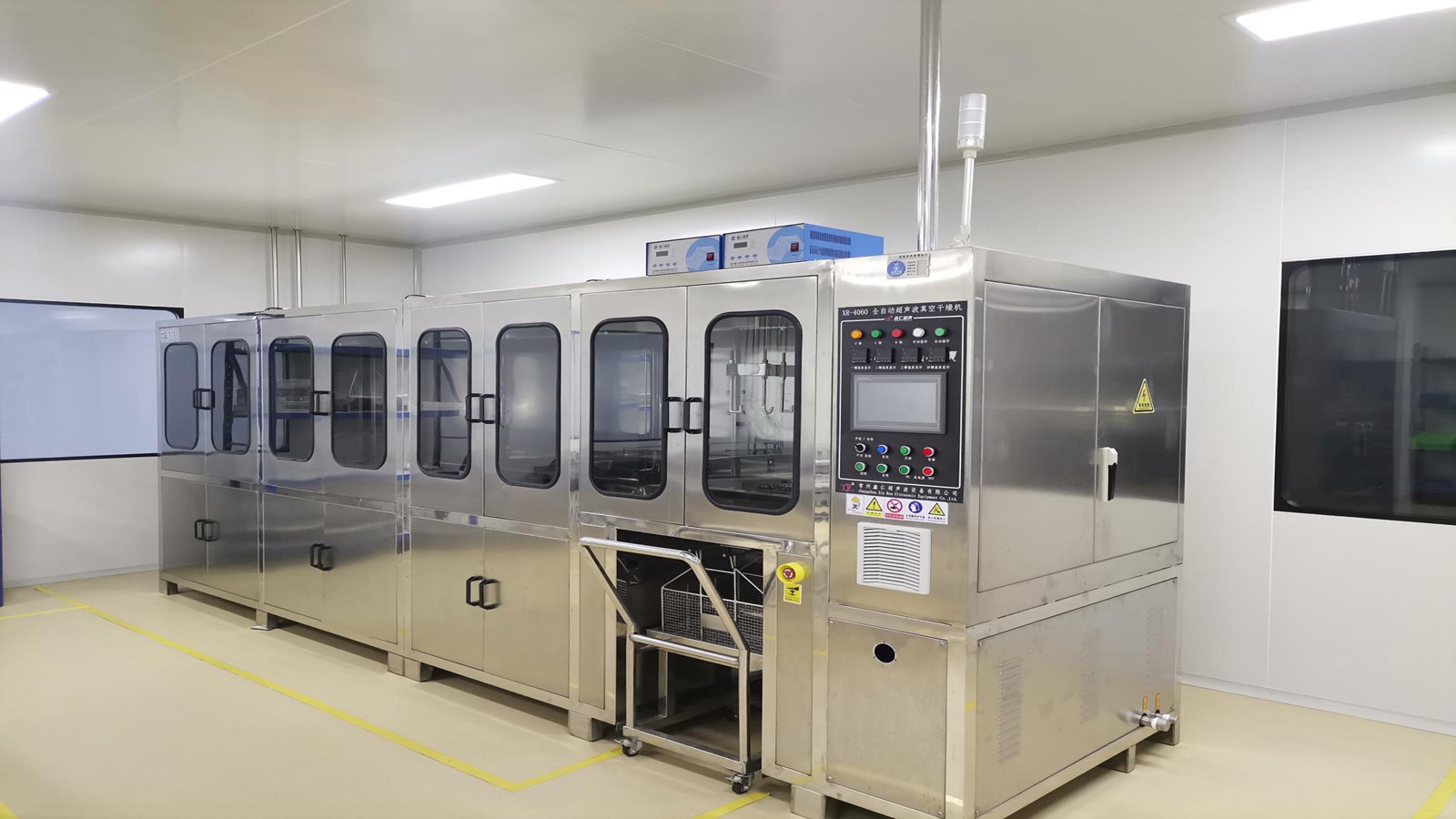
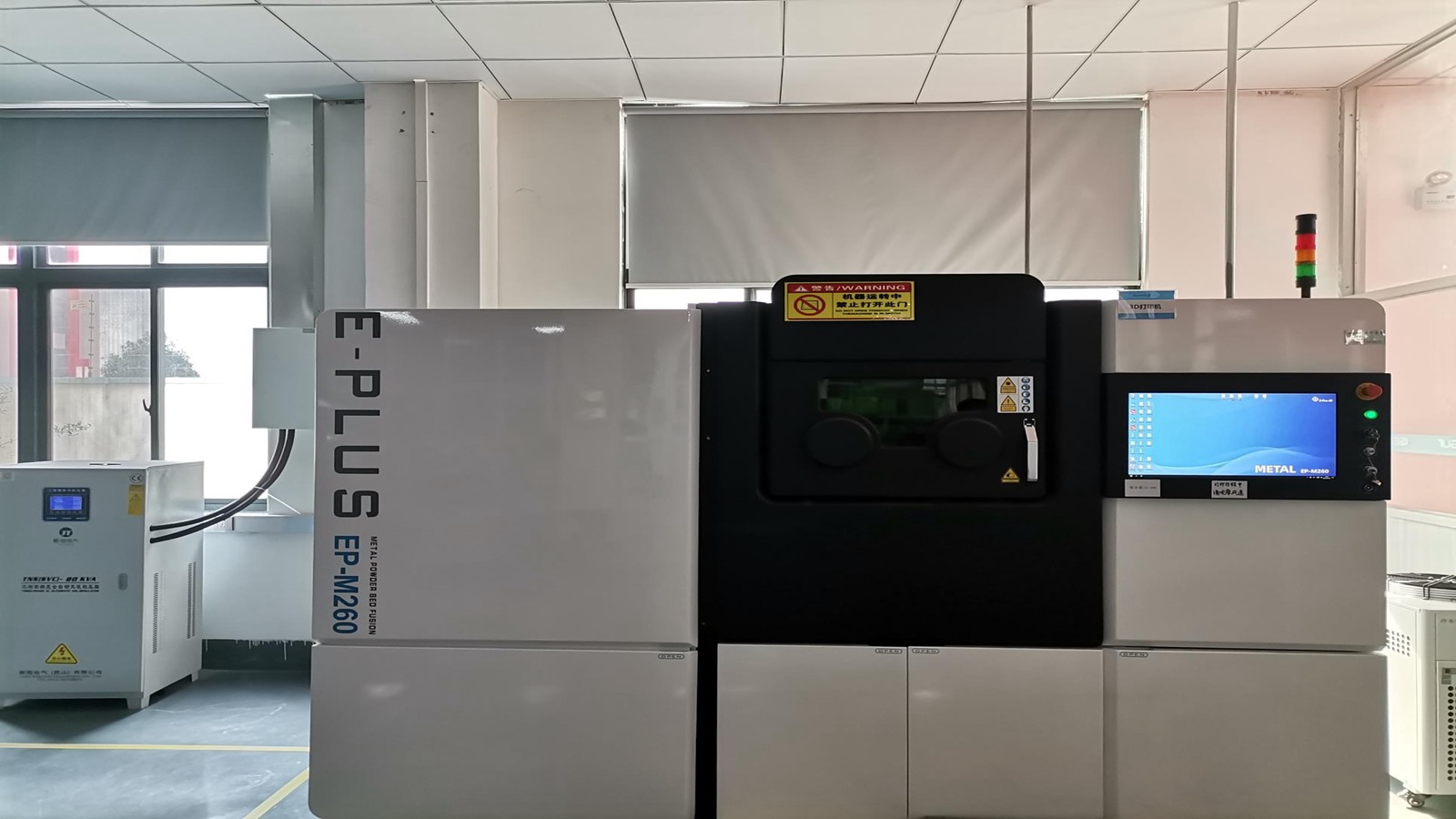
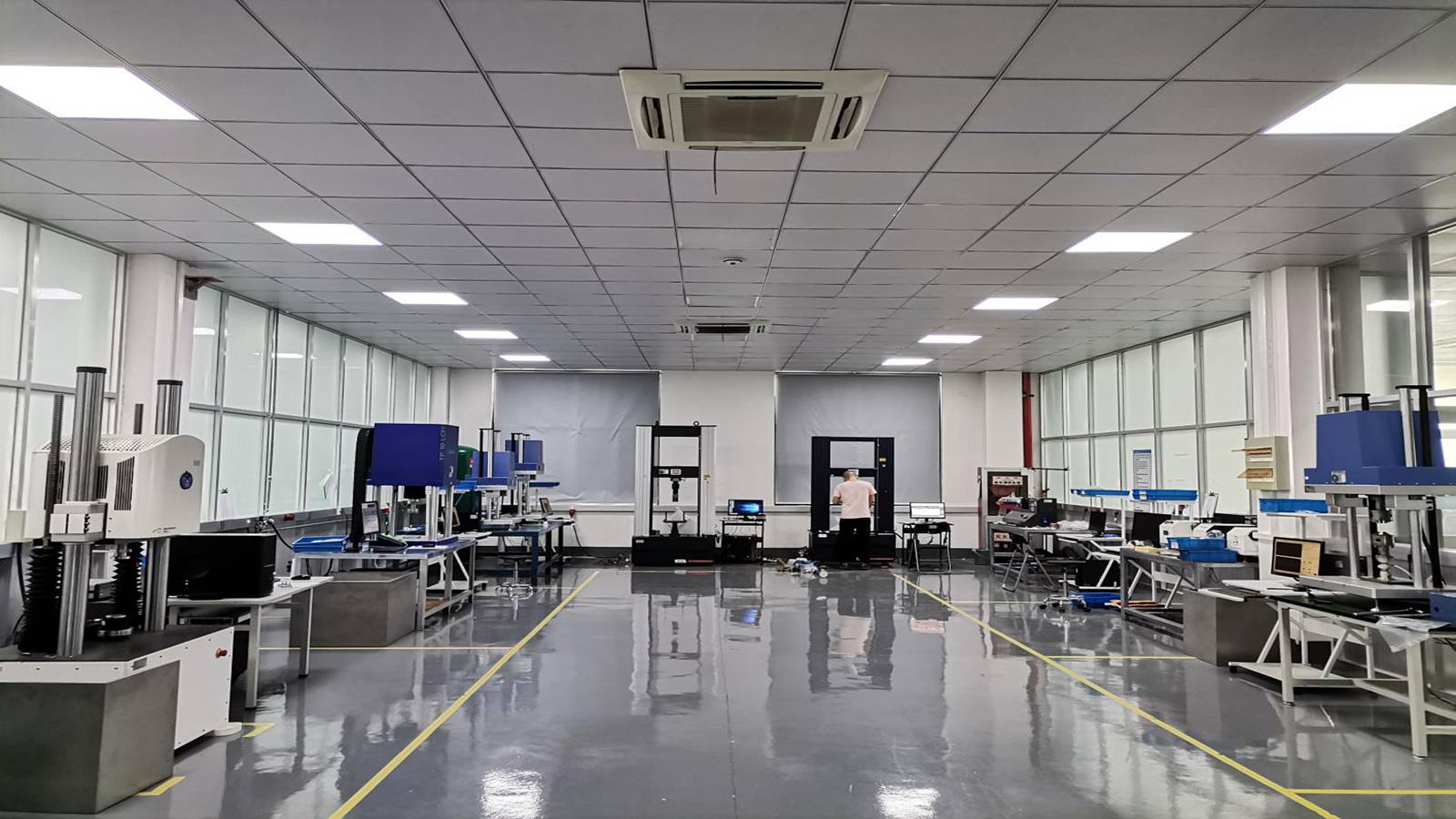
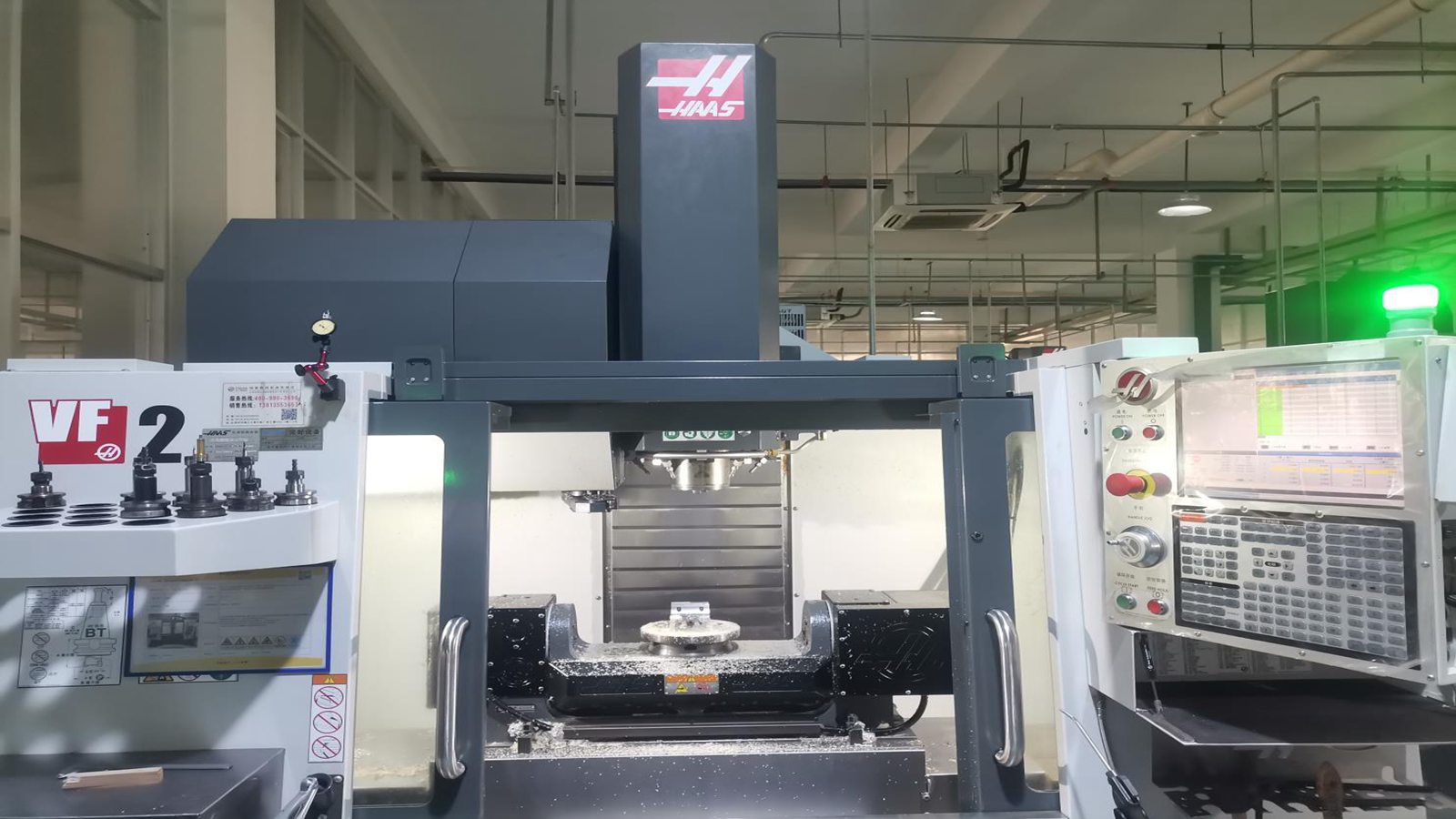
In the highly regulated medical device sector, supply chain continuity and quality control are paramount. HBM Medical operates 12 advanced production lines equipped with over 120 high-precision CNC machining centers and Swiss-type automatic lathes. This extensive infrastructure allows us to maintain complete vertical integration of our manufacturing process—from raw material sourcing and mechanical testing to surface anodization and cleanroom packaging.
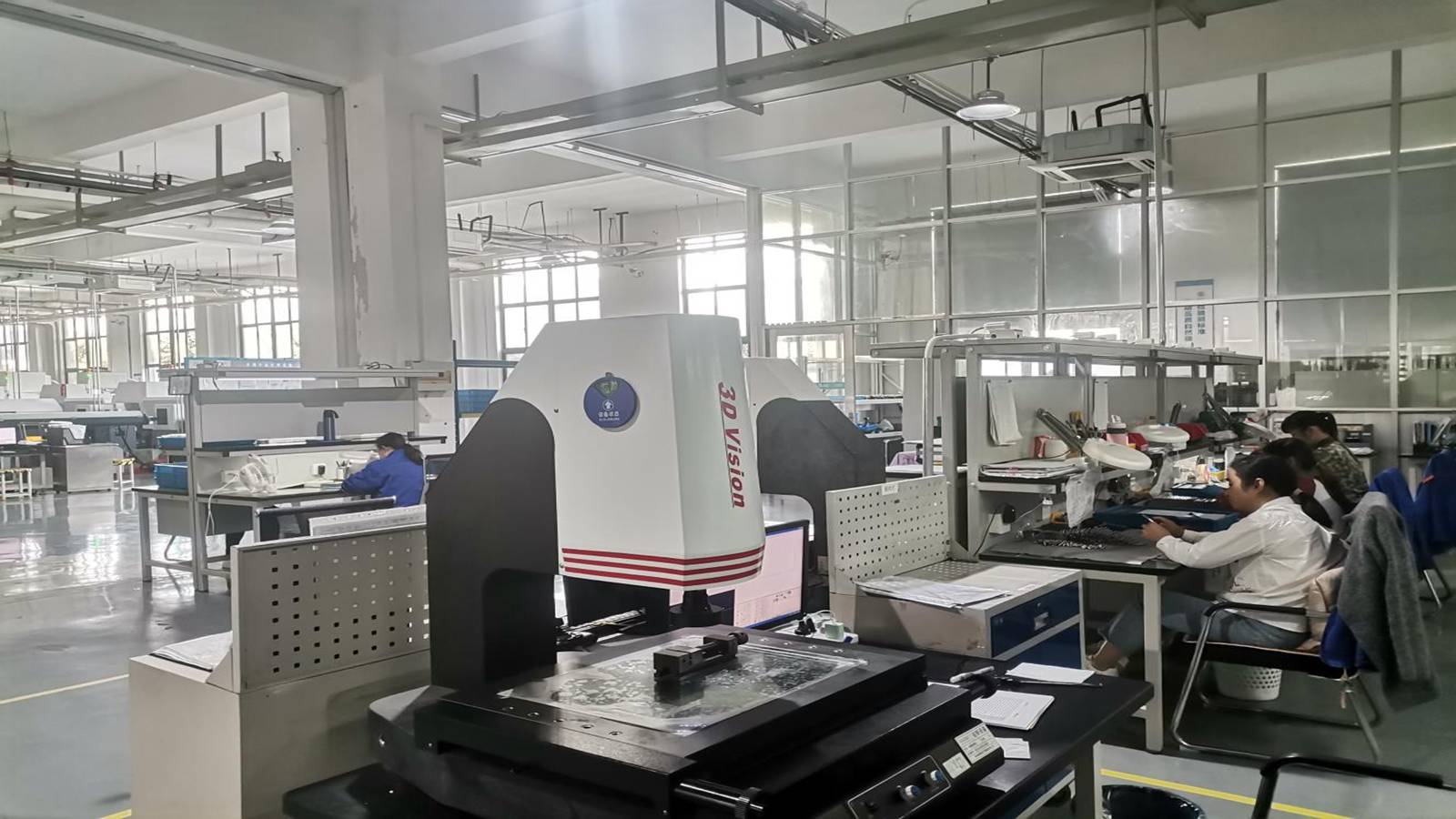
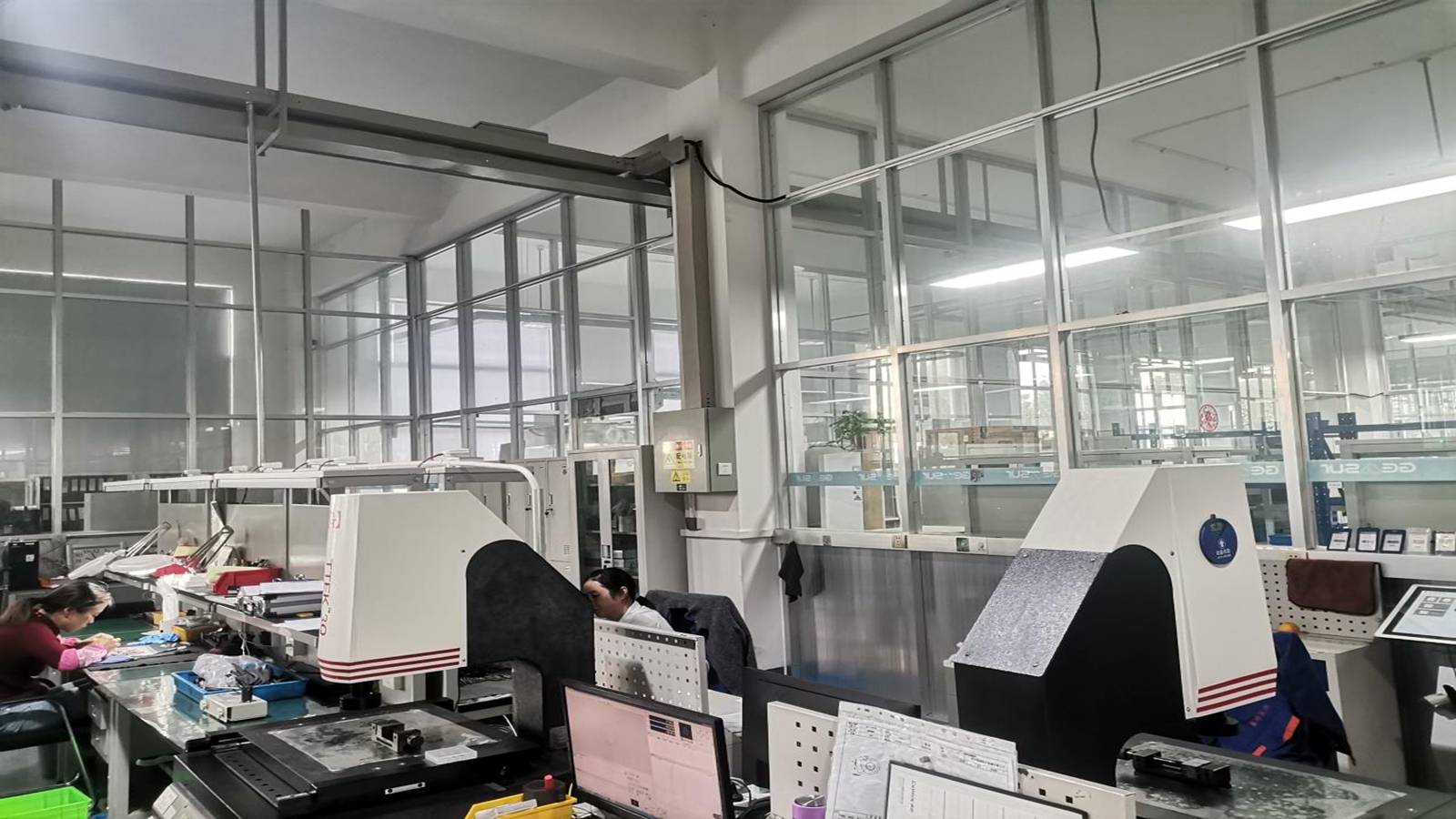
Our robust QA/QC framework is backed by 36 dedicated quality inspectors who execute 100% inspection protocols across all production lines. By implementing full traceability of raw materials and leveraging advanced coordinate measuring machines (CMM), we guarantee that every PFNA nail leaving our facility meets the exact tolerances required for successful surgical outcomes.
With an annual export history spanning a decade, HBM Medical has optimized its logistics and regulatory pathways, ensuring seamless delivery to international distributors, hospitals, and OEM/ODM partners across Eastern Europe, Southeast Asia, and beyond.
Tailoring PFNA intramedullary systems to diverse patient demographics and regional surgical preferences.
In regions with rapidly aging populations, such as East Asia and Europe, the incidence of low-energy osteoporotic trochanteric fractures is rising. HBM's PFNA system is highly optimized for these cases, as the compacted bone surrounding the helical blade provides superior pull-out resistance, allowing for early post-operative weight-bearing and faster rehabilitation.
For younger patients involved in high-energy motor vehicle accidents or falls from heights, subtrochanteric and combined femoral shaft fractures require robust mechanical stabilization. Our long PFNA variants, featuring dynamic locking configurations, effectively distribute stress along the femoral shaft, reducing the risk of stress shielding and promoting secondary bone healing.
Clinical research indicates that the anterior curvature of the femur in Asian populations is often more pronounced than in Western demographics. HBM Medical offers customized PFNA configurations with optimized radius of curvature (ROC) options, preventing anterior cortical impingement during nail insertion and reducing the risk of distal femoral fractures.
As a leading R&D and manufacturing enterprise, HBM Medical is committed to continuous innovation in orthopedic trauma care. Our technical roadmap focuses on three primary pillars:
Our core philosophy drives us to collaborate with leading orthopedic surgeons and research institutions worldwide. By integrating clinical expertise with advanced manufacturing, HBM Medical ensures that our PFNA systems remain at the absolute cutting edge of orthopedic science.
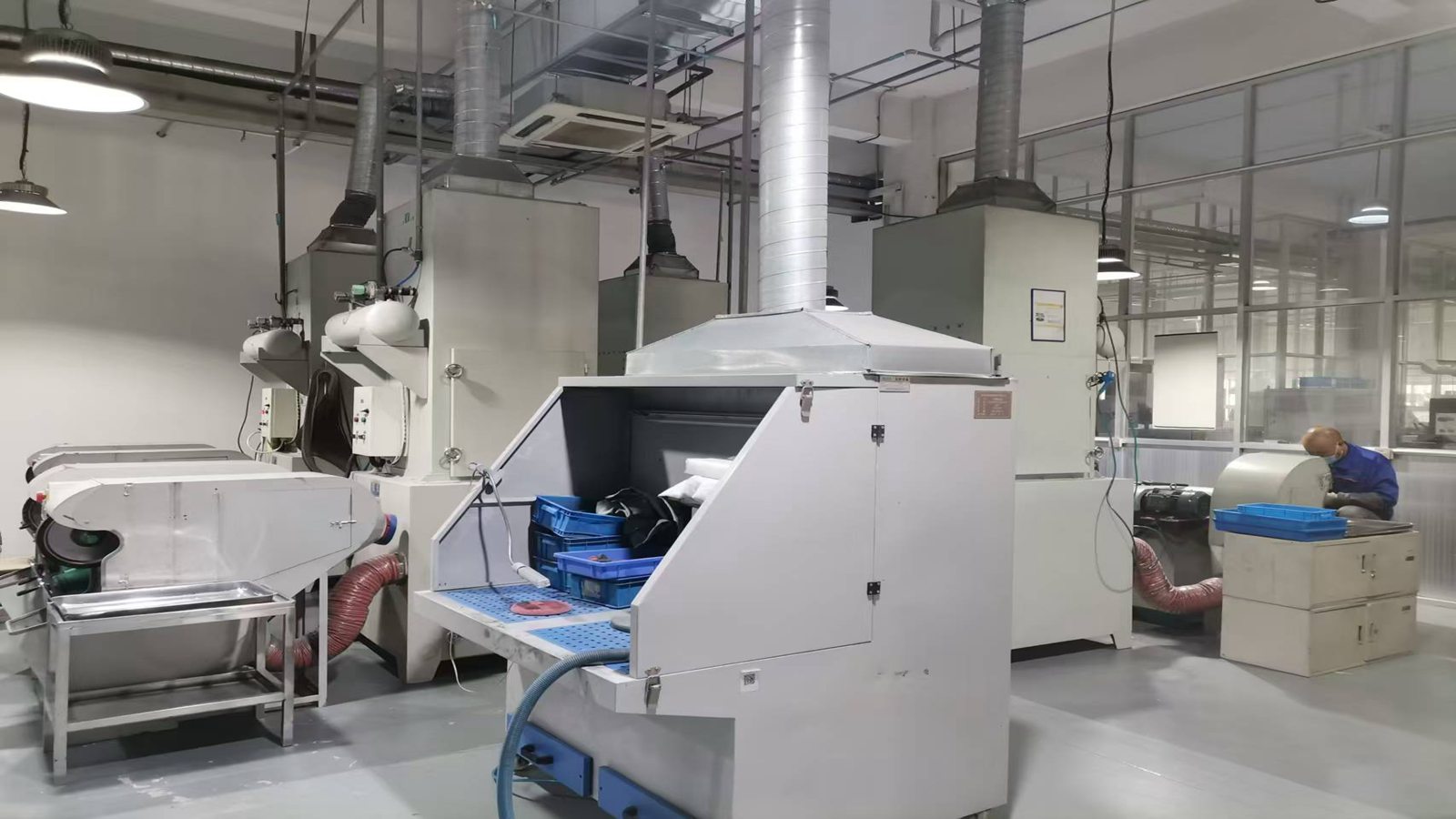
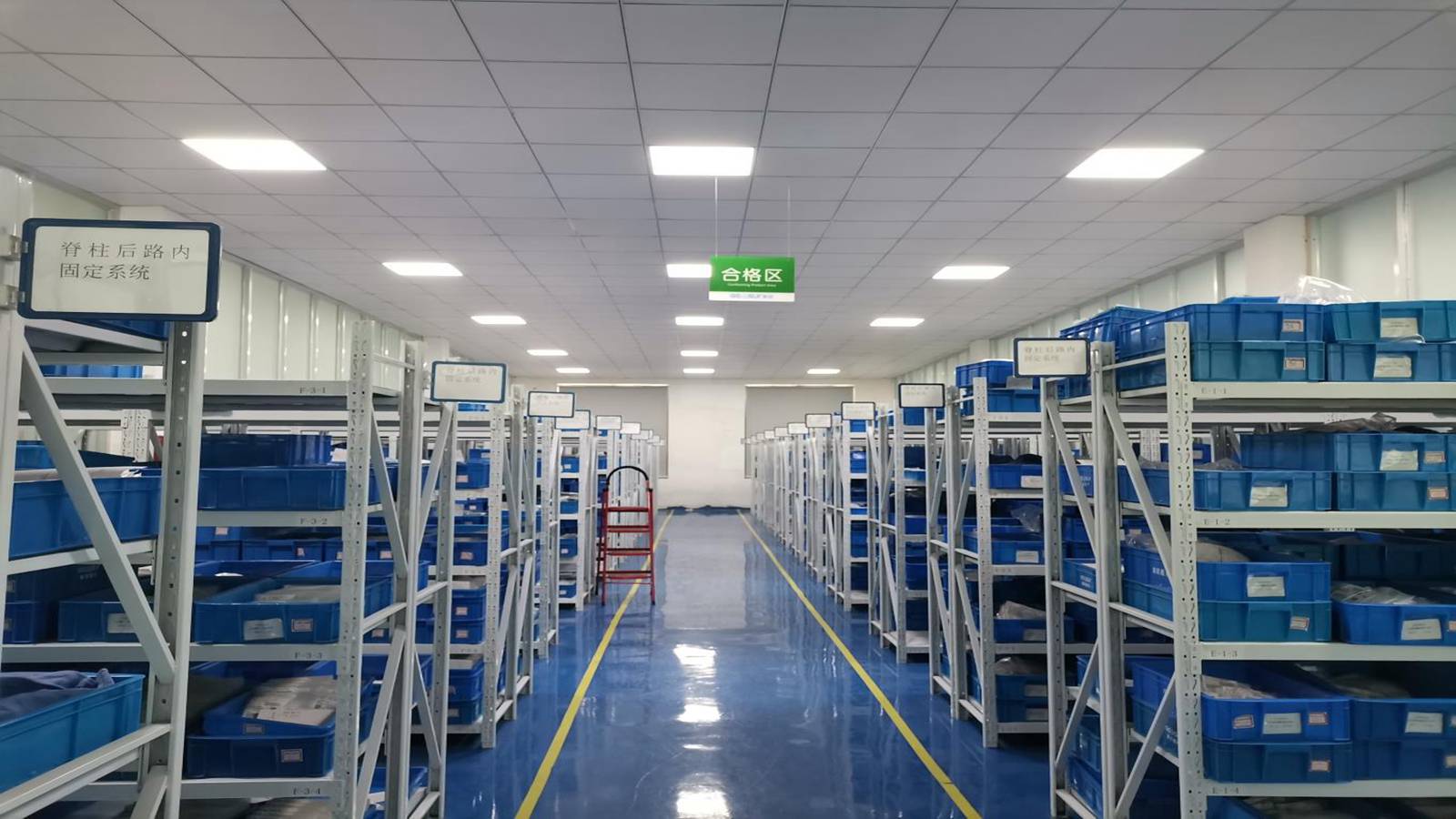
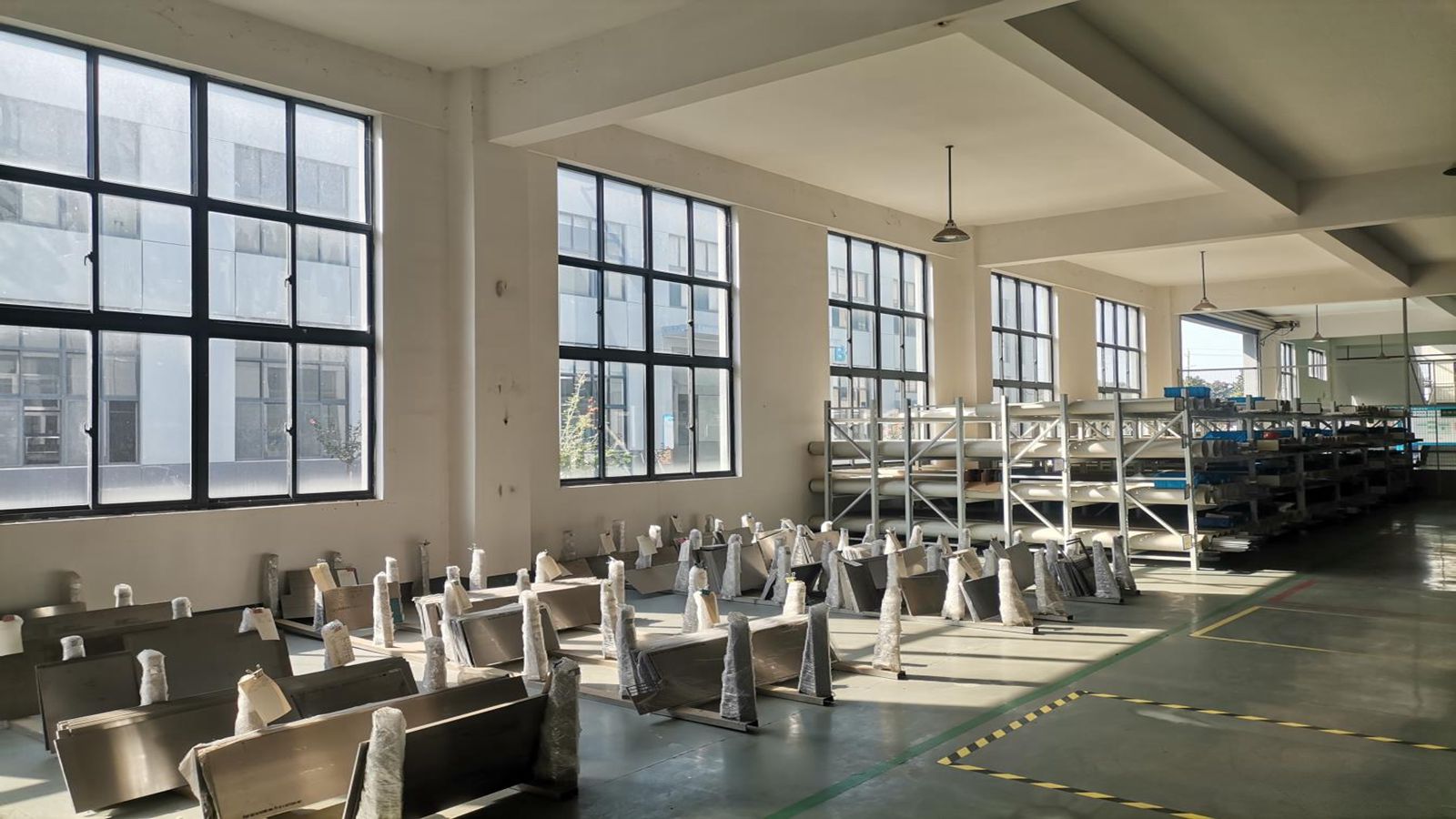
A visual tour of HBM Medical's advanced production lines, testing laboratories, and cleanroom environments.



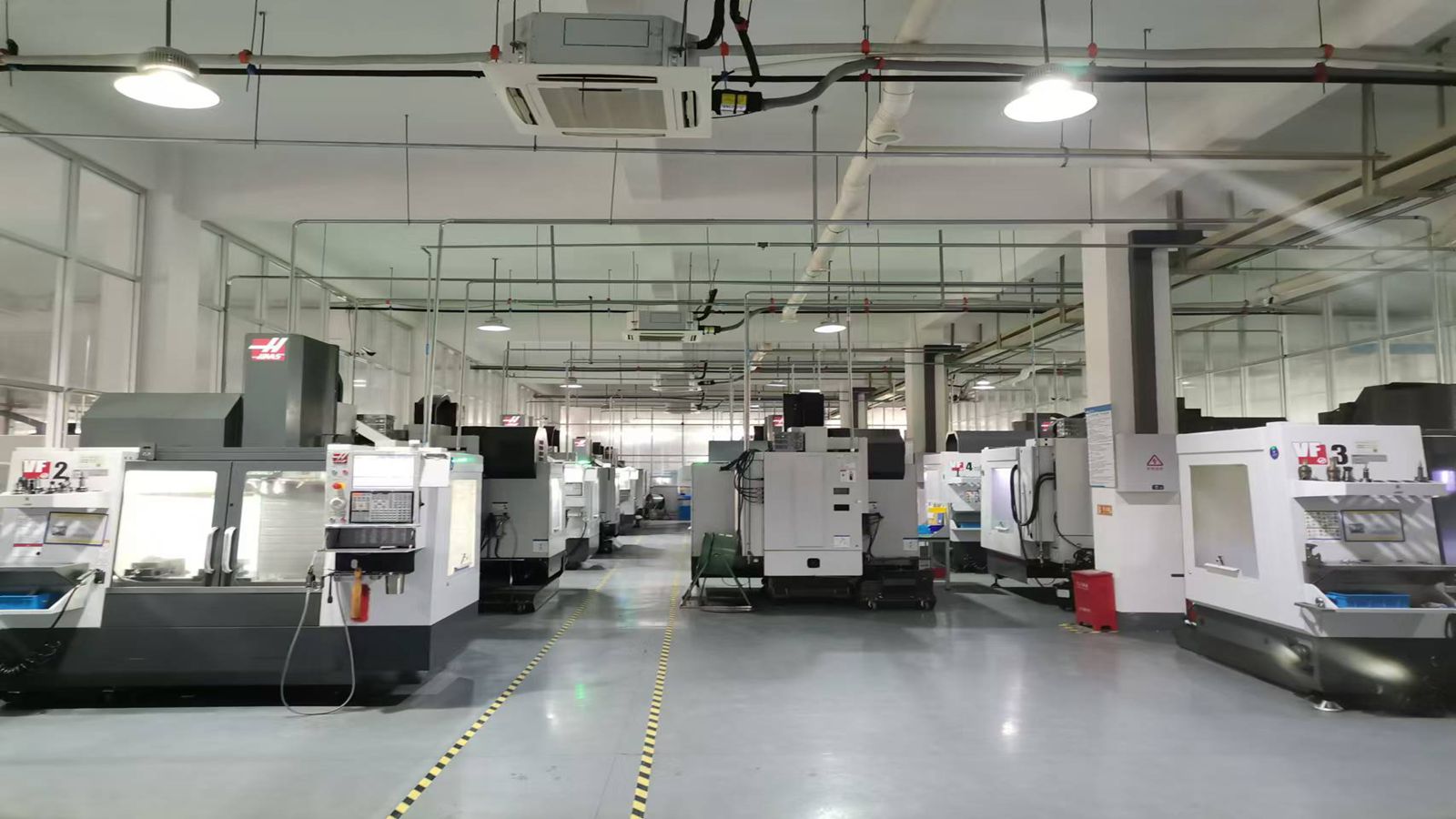
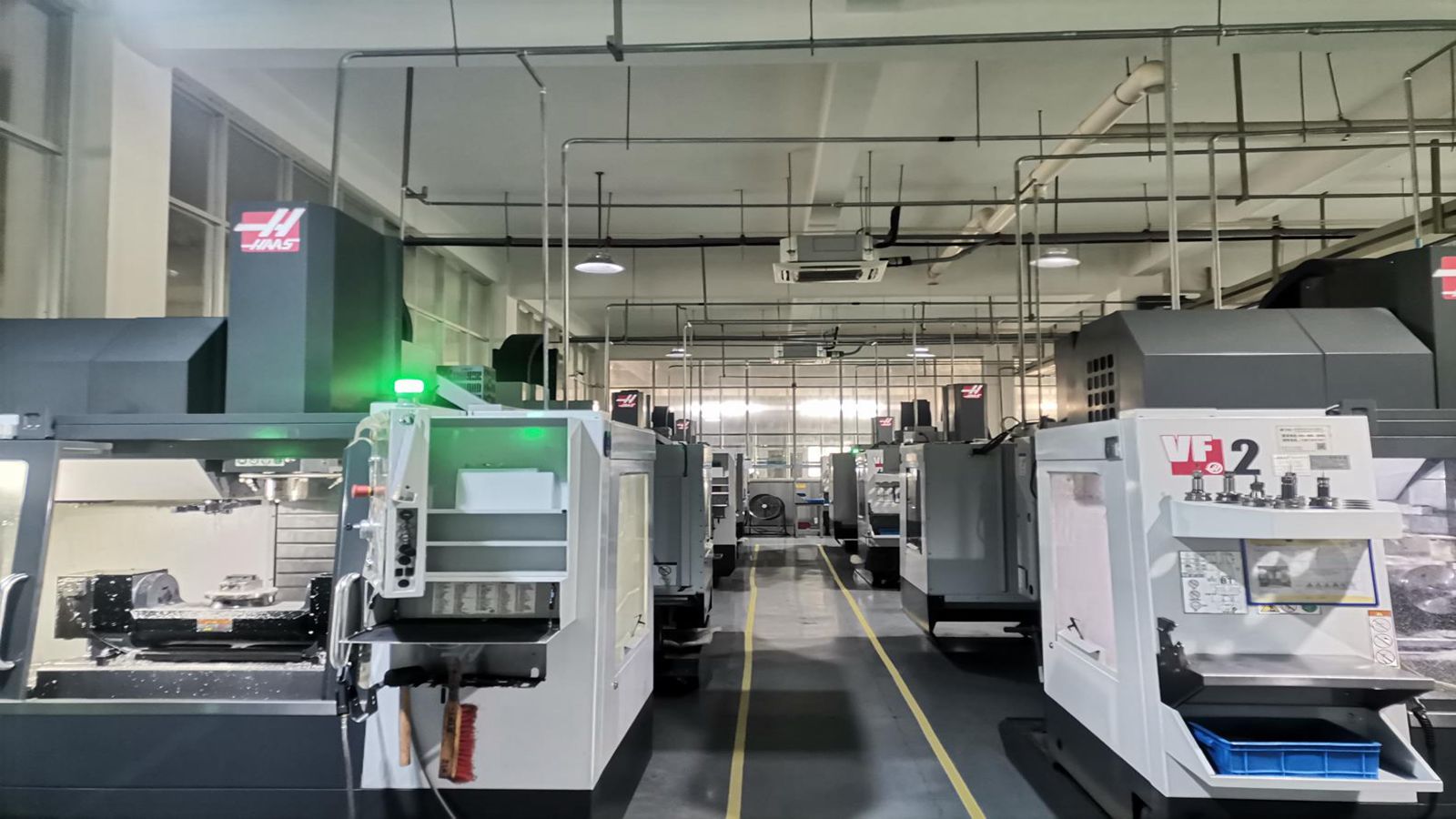
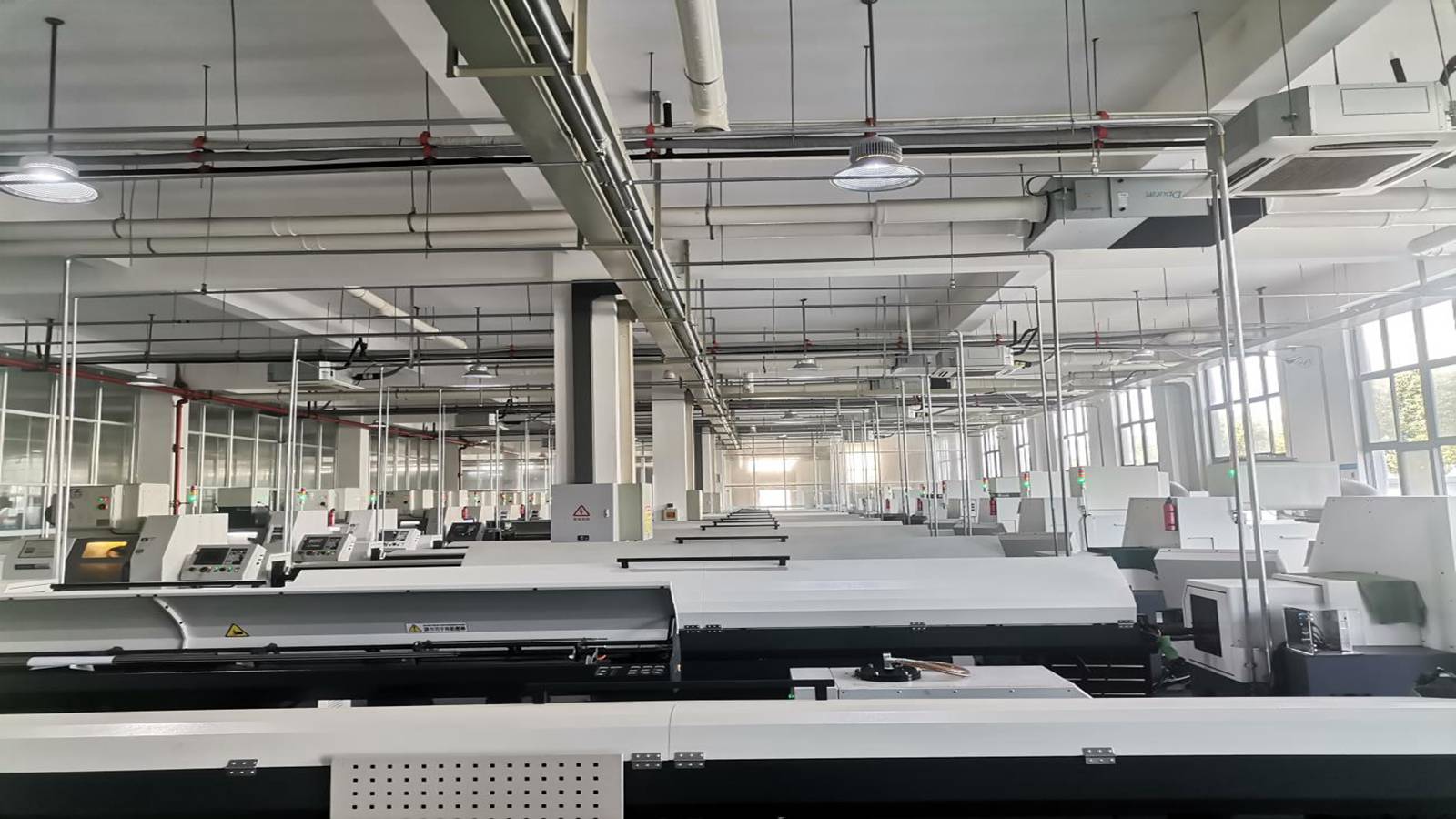
Meeting the strict regulatory demands of international healthcare markets.
HBM Medical holds CE certifications (EPT 0477.MDR.25/5905 and EPT 0477.MDR.25/5973) under the European Medical Device Regulation (MDR). This guarantees that our PFNA systems conform to the highest safety and clinical performance standards required in the European Union and other global regions recognizing CE marks.
Our quality management system is certified under ISO 13485 and the Medical Device Single Audit Program (MDSAP). This single-audit framework verifies our compliance with the regulatory requirements of multiple global jurisdictions, streamlining market access and ensuring consistent quality.
We support full traceability of raw materials from the initial melt to the final sterilized implant. Every batch undergoes rigorous mechanical, chemical, and metallurgical testing, providing our global partners with complete documentation and peace of mind.
Expert answers to common technical, clinical, and commercial queries regarding PFNA Intramedullary Nails.
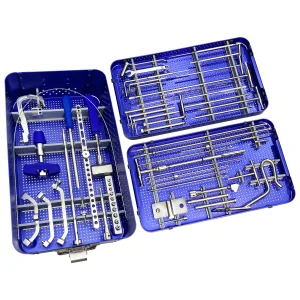
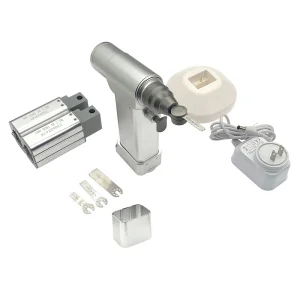
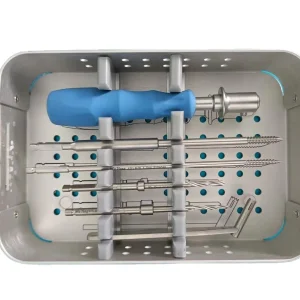
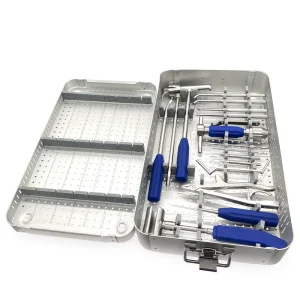
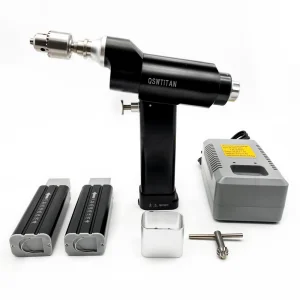
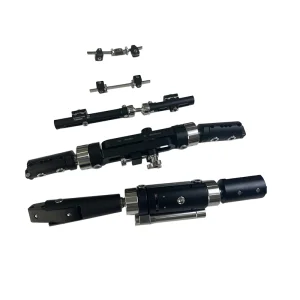
Discover our comprehensive range of specialized surgical instruments, depth gauges, and power tools designed to optimize clinical workflows.
 HBM Medical