Explore our leading Class III implantable solutions and specialized instrument sets manufactured under ISO 13485 and CE certifications.
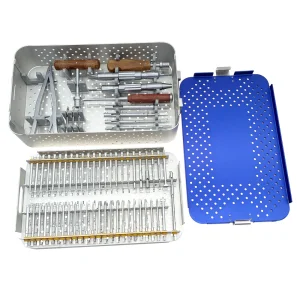
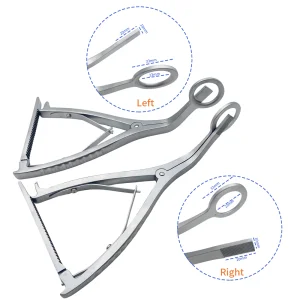
Understanding clinical requirements, materials sciences, and advanced production metrics for orthopedic trauma products.
The global orthopedic surgery and internal fixation sector is witnessing a paradigm shift driven by demographic transitions, rising incidences of high-energy trauma events, and severe age-related skeletal fragility. For healthcare systems, medical device distributors, and global procurement departments, acquiring CE certified trauma implants from qualified exporters is no longer just a regulatory box to check; it is a clinical and legal necessity. As a crucial class of Class III medical devices, internal fixation devices—ranging from locked anatomical plates to retrograde femoral nails and spinal instrumentation—must guarantee absolute biocompatibility, superior fatigue life, and seamless surgical workflow integrations.
As healthcare entities face tightening budgetary constraints alongside escalating procedural volumes, the role of modern Chinese factories has shifted from low-cost casting foundries to advanced engineering facilities. This whitepaper analyzes the current commercial realities, technical trends, supply chain architectures, and the competitive structural advantages of collaborating with premier manufacturers like HBM Medical Apparatus and Instruments Co., Ltd., driving standardizations and providing significant informational gain for prospective buyers.
In modern orthopedic biomechanics, material selection dictates the clinical trajectory of fracture management. The current gold standard relies extensively on Medical-Grade Titanium Alloys (particularly Ti-6Al-4V ELI conforming to ASTM F136 and ISO 5832-3 specifications). Titanium exhibits a low modulus of elasticity that closely approximates human cortical bone compared to traditional cobalt-chrome or stainless steel alloys. This minimizes the risk of stress shielding—a mechanical phenomenon where the stiffness of the metal implant shields the adjacent bone from physiological loads, leading to localized osteopenia and eventual implant loosening.
Concurrently, Polyether Ether Ketone (PEEK) has emerged as the premier choice for spinal interbody cages and specialized dynamic fixation applications. Offering excellent radiolucency, PEEK does not generate artifacts on postoperative CT or MRI scans, allowing orthopedic surgeons to monitor osseointegration and bone graft fusion progress precisely. Future developments in material design target bioactive surface modifications, such as plasma-sprayed titanium coatings or hydroxyapatite (HA) deposits on PEEK substrates, facilitating biological anchorage directly to the host bone.
Finally, bioabsorbable alloys (such as magnesium-based systems and polylactic acid derivatives) represent the next horizon. Designed to hold structural load during the critical bone-healing phase and gradually degrade to leave behind only healthy regenerated bone, these implants eliminate the clinical need for secondary hardware removal surgeries. This significantly minimizes patient morbidity and reduces overall healthcare delivery costs.
A closer look at structural, engineering, and logistics frameworks that define modern high-capacity medical production plants.
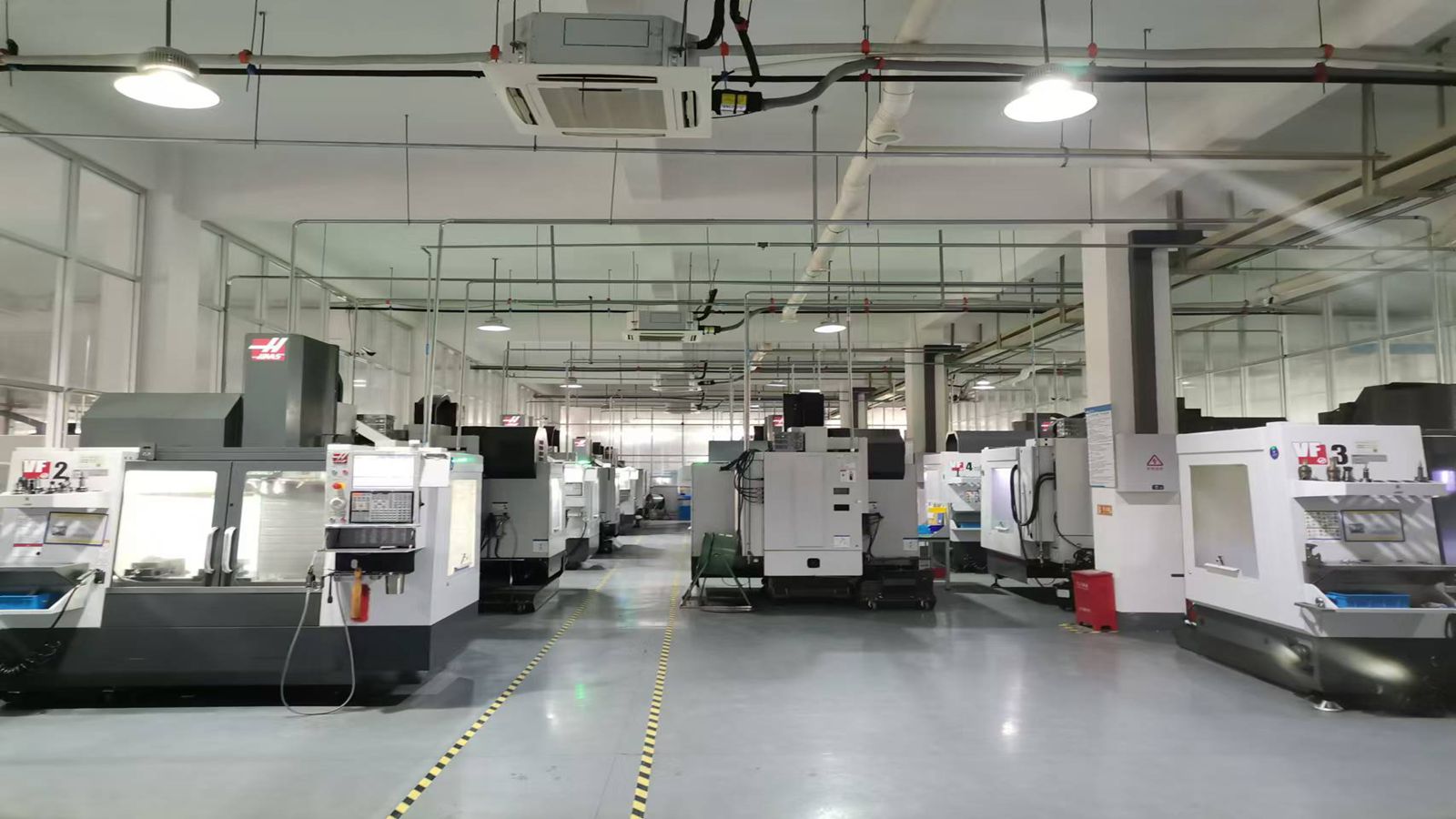
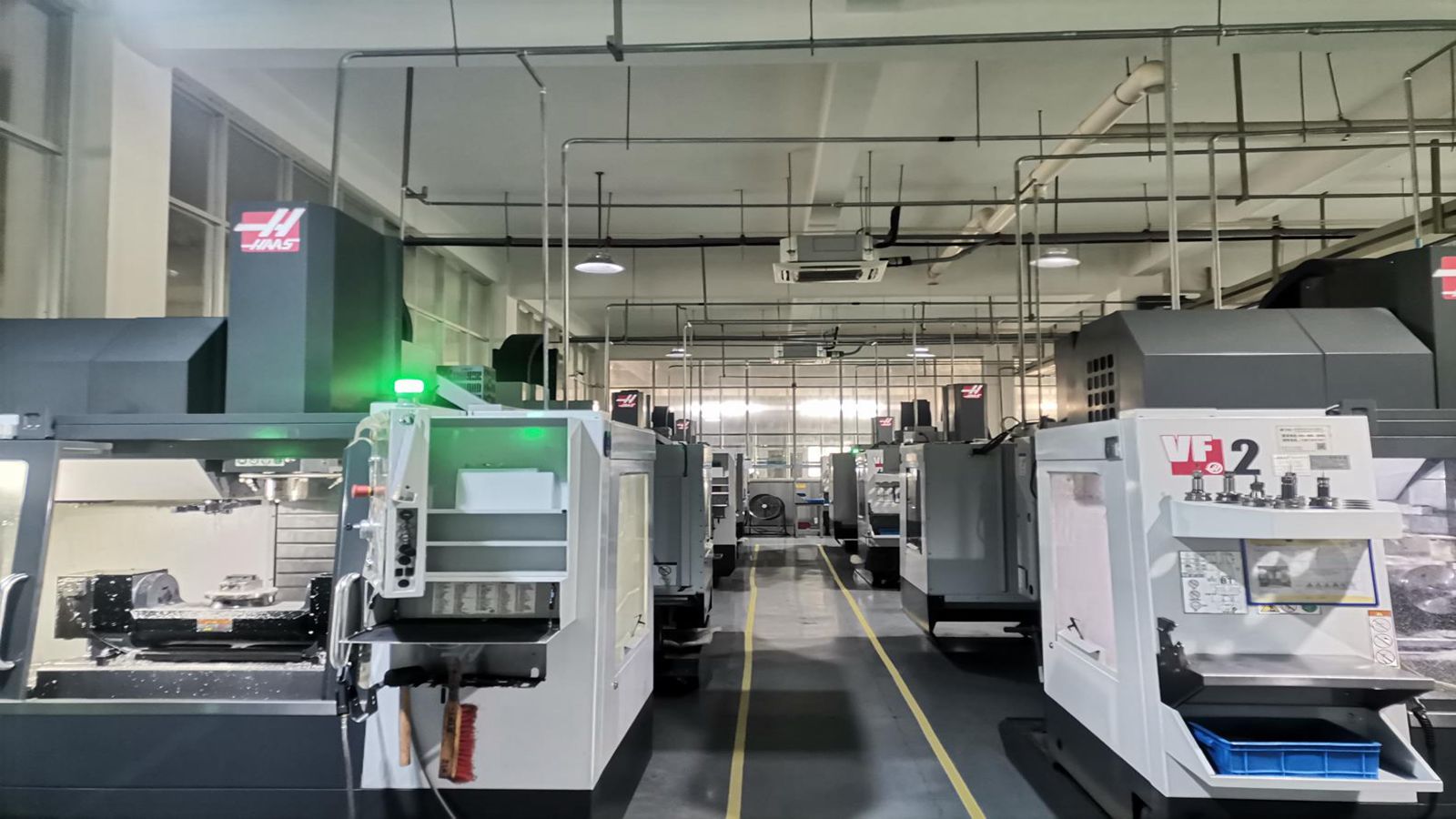
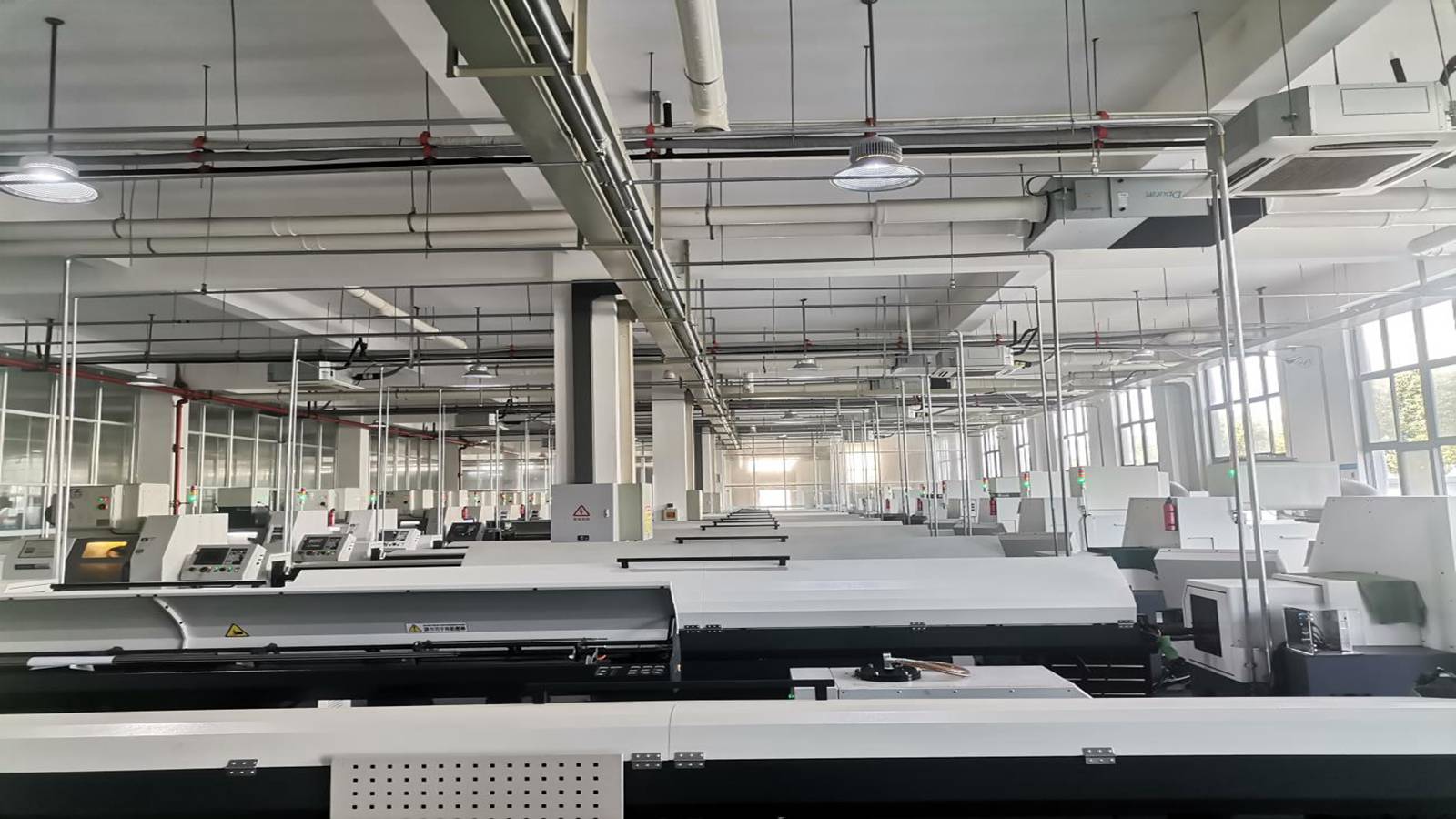
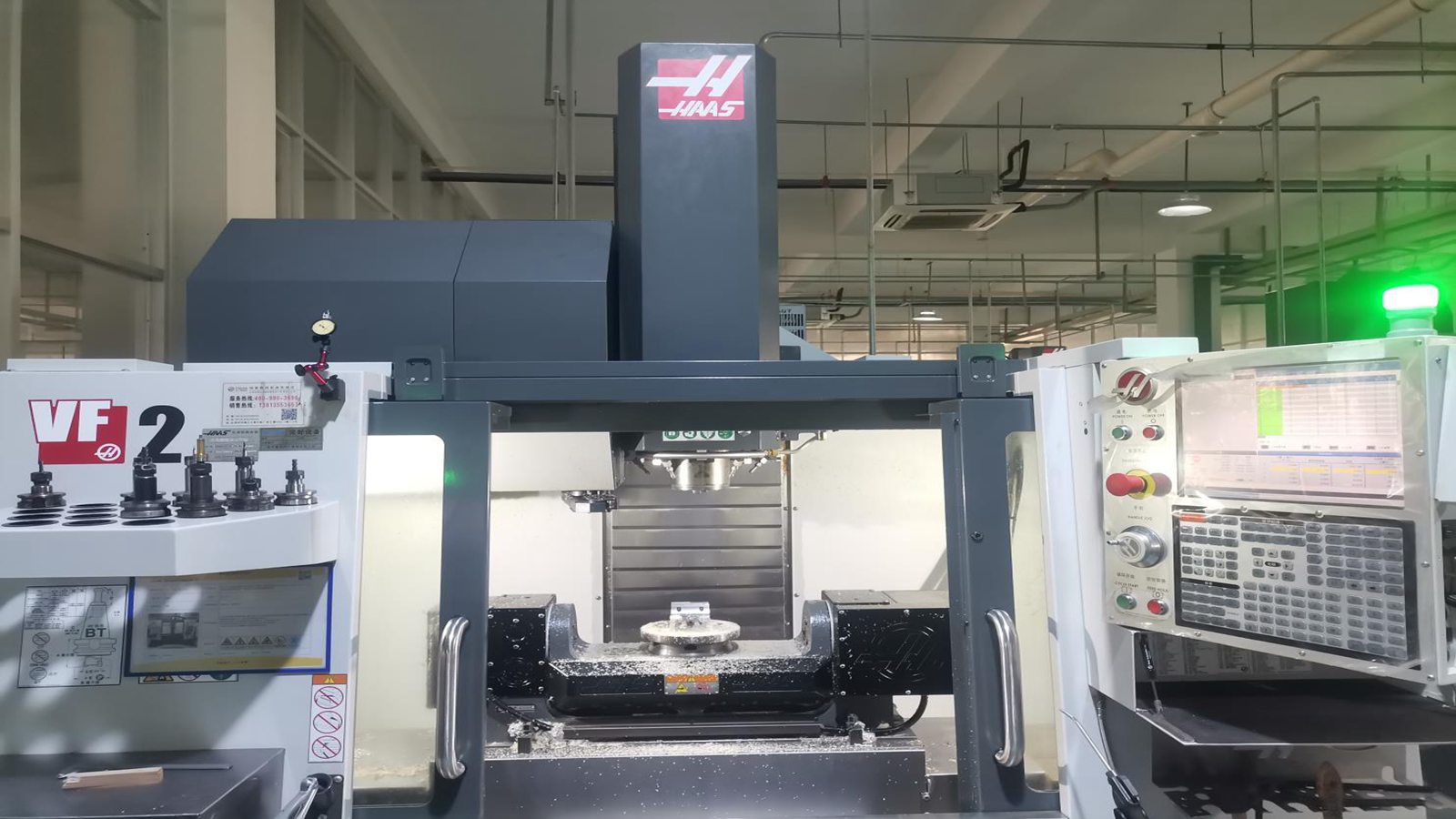
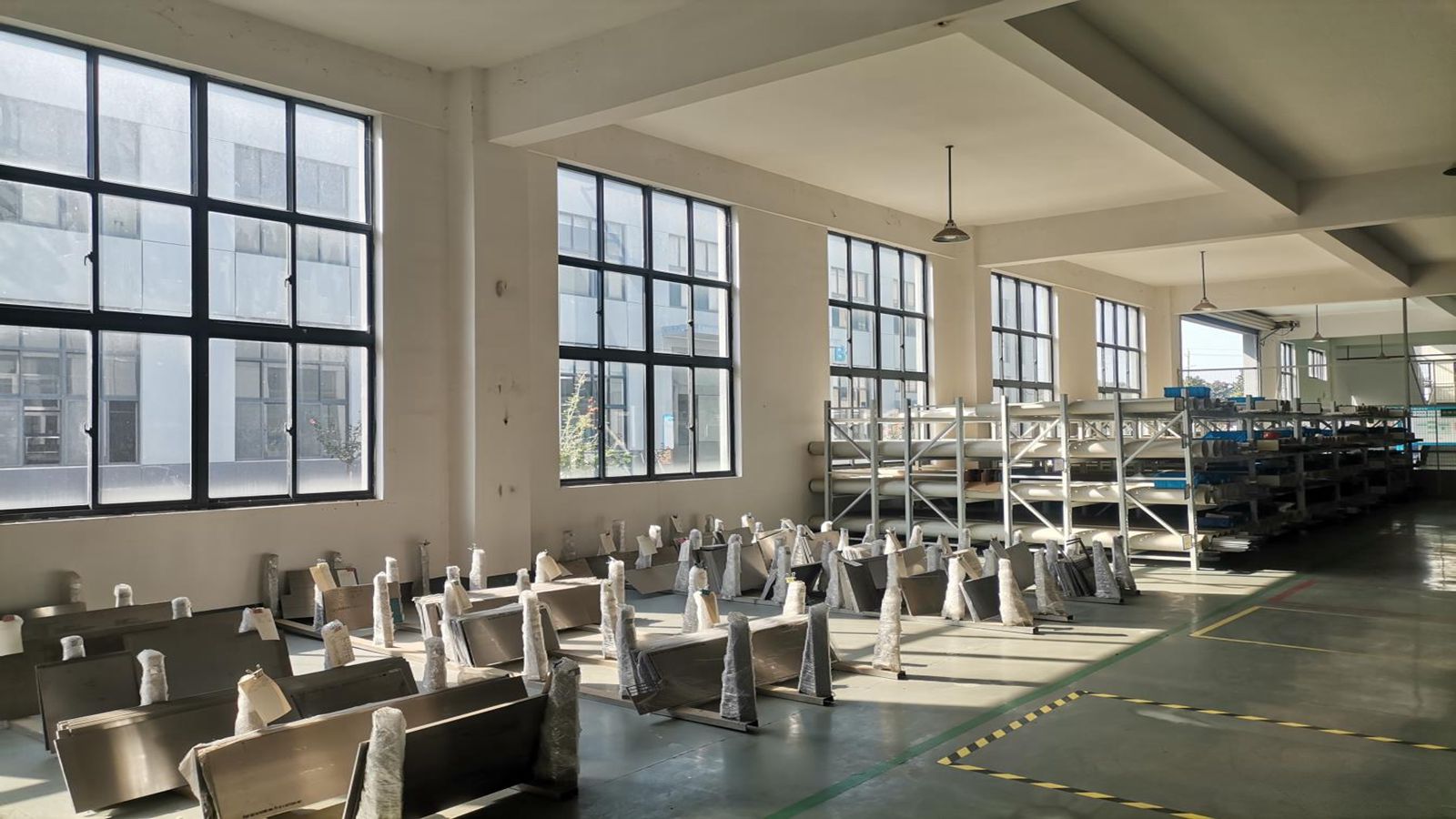
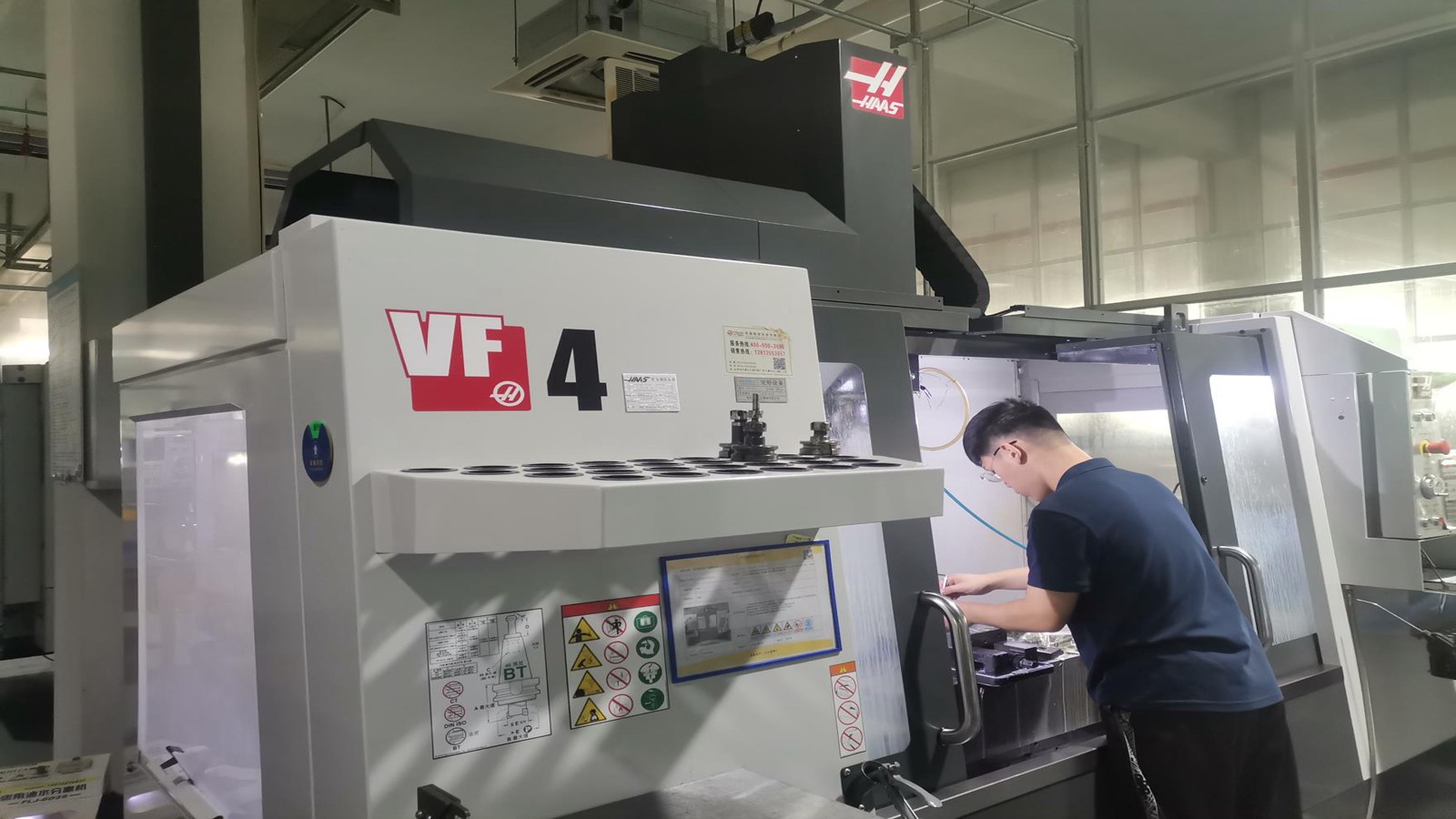
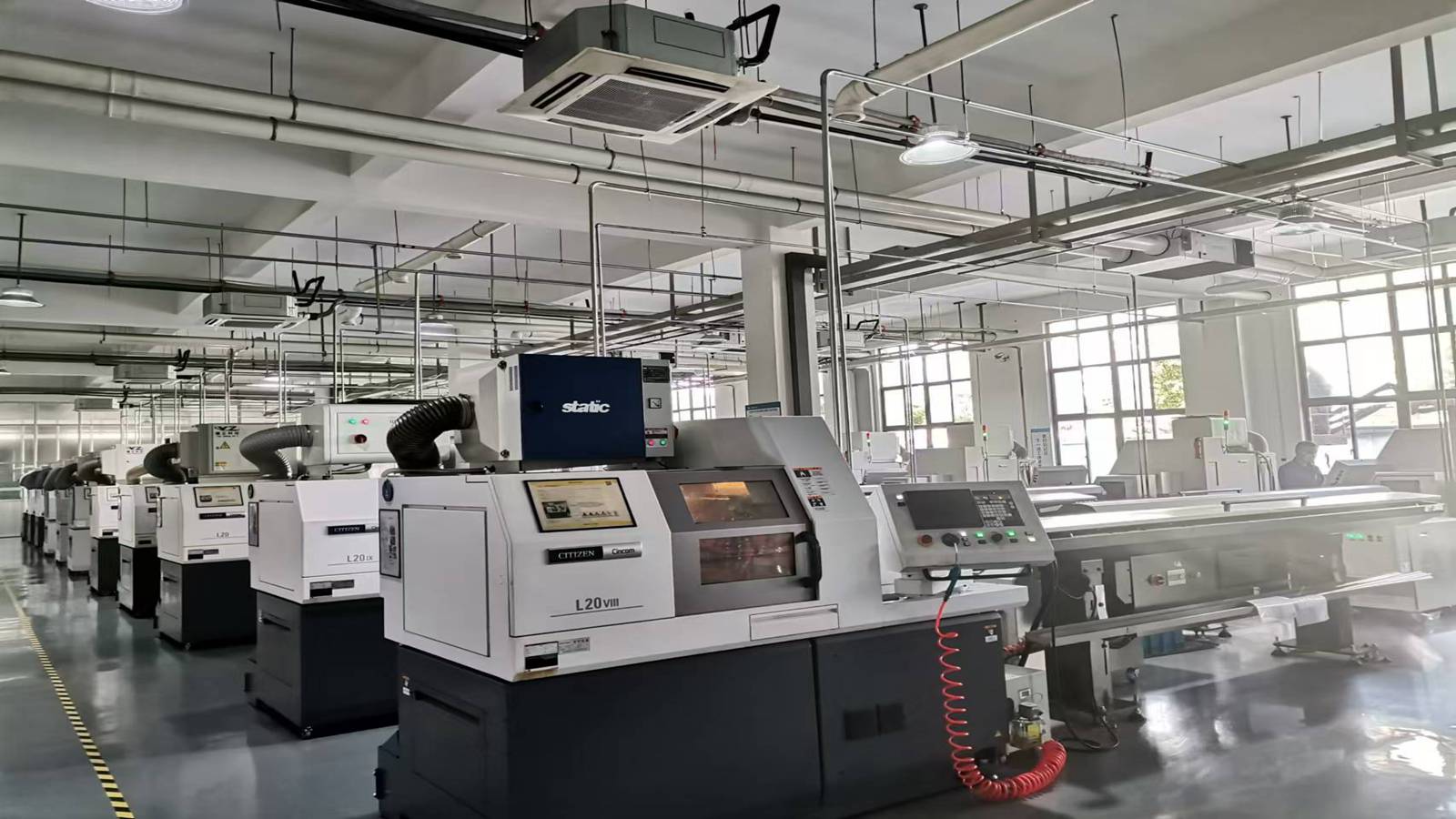
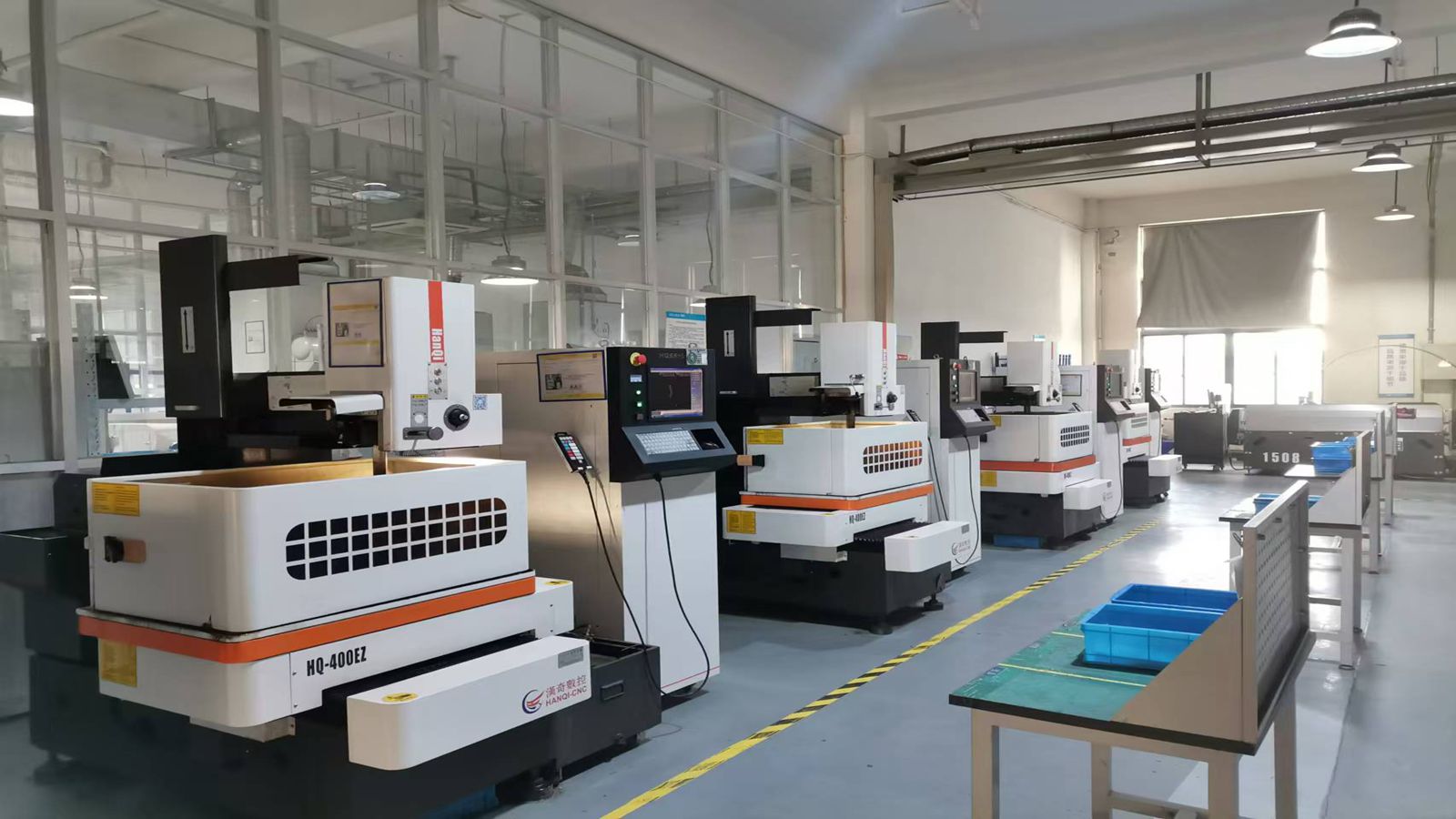
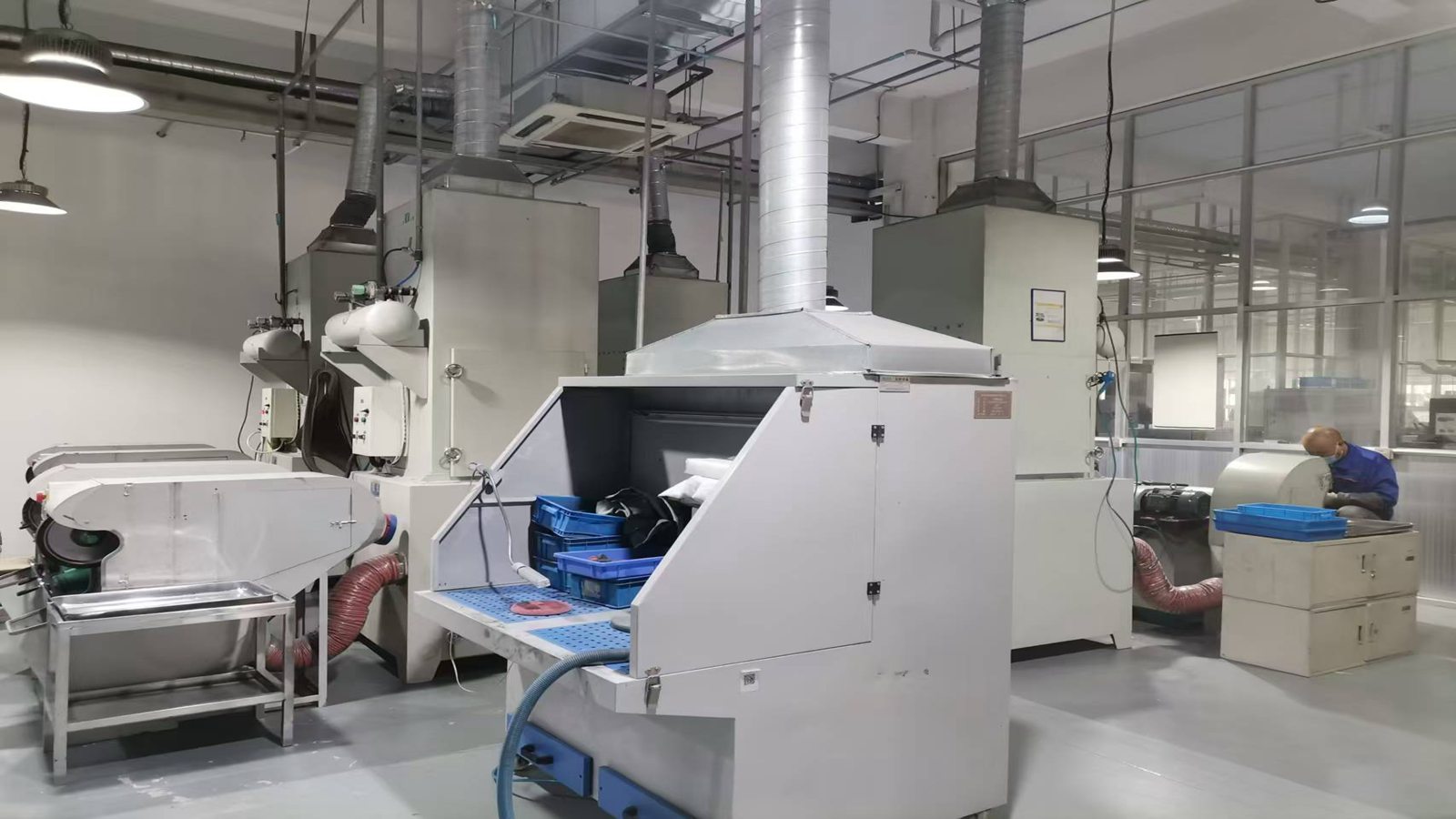
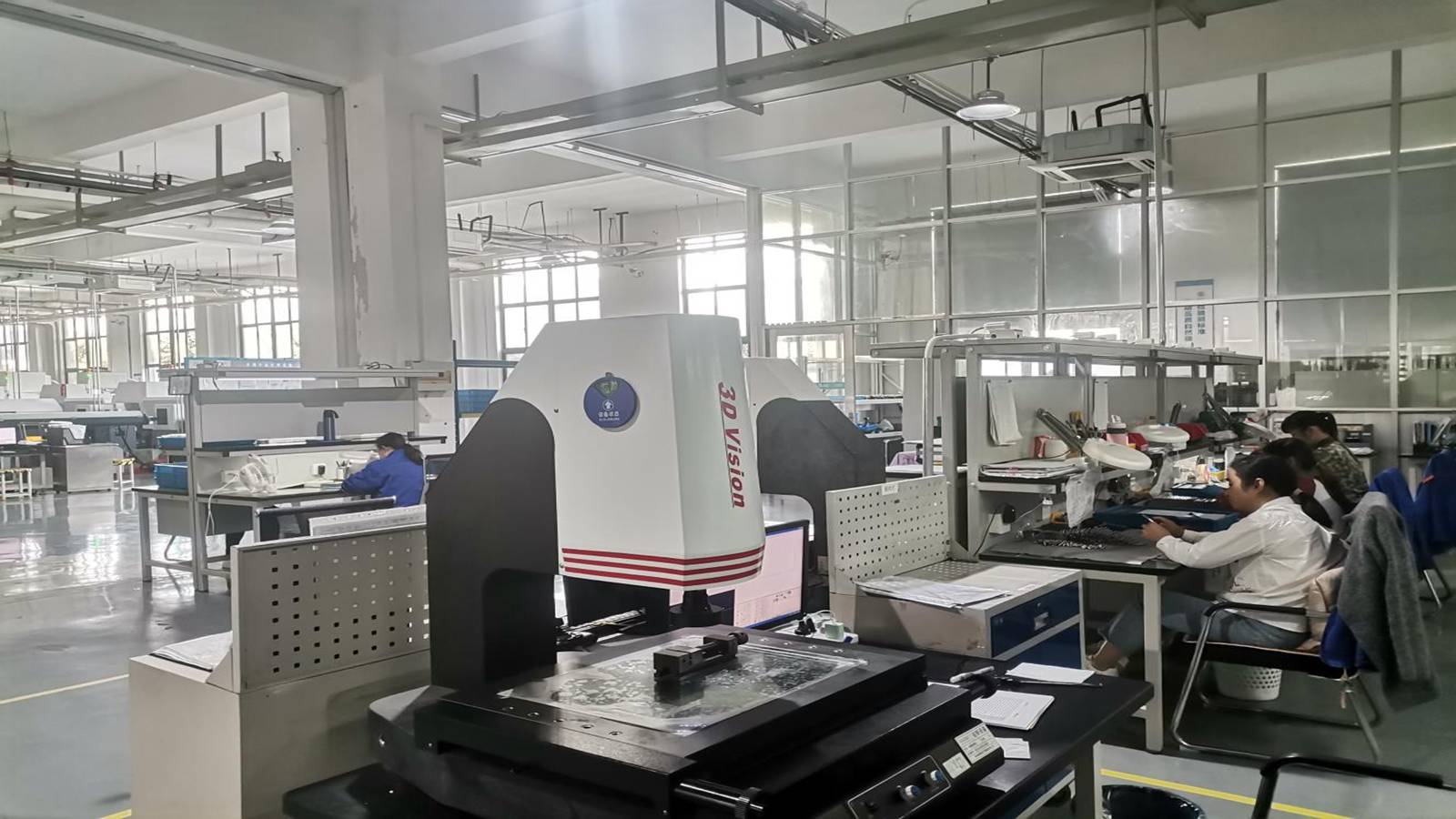
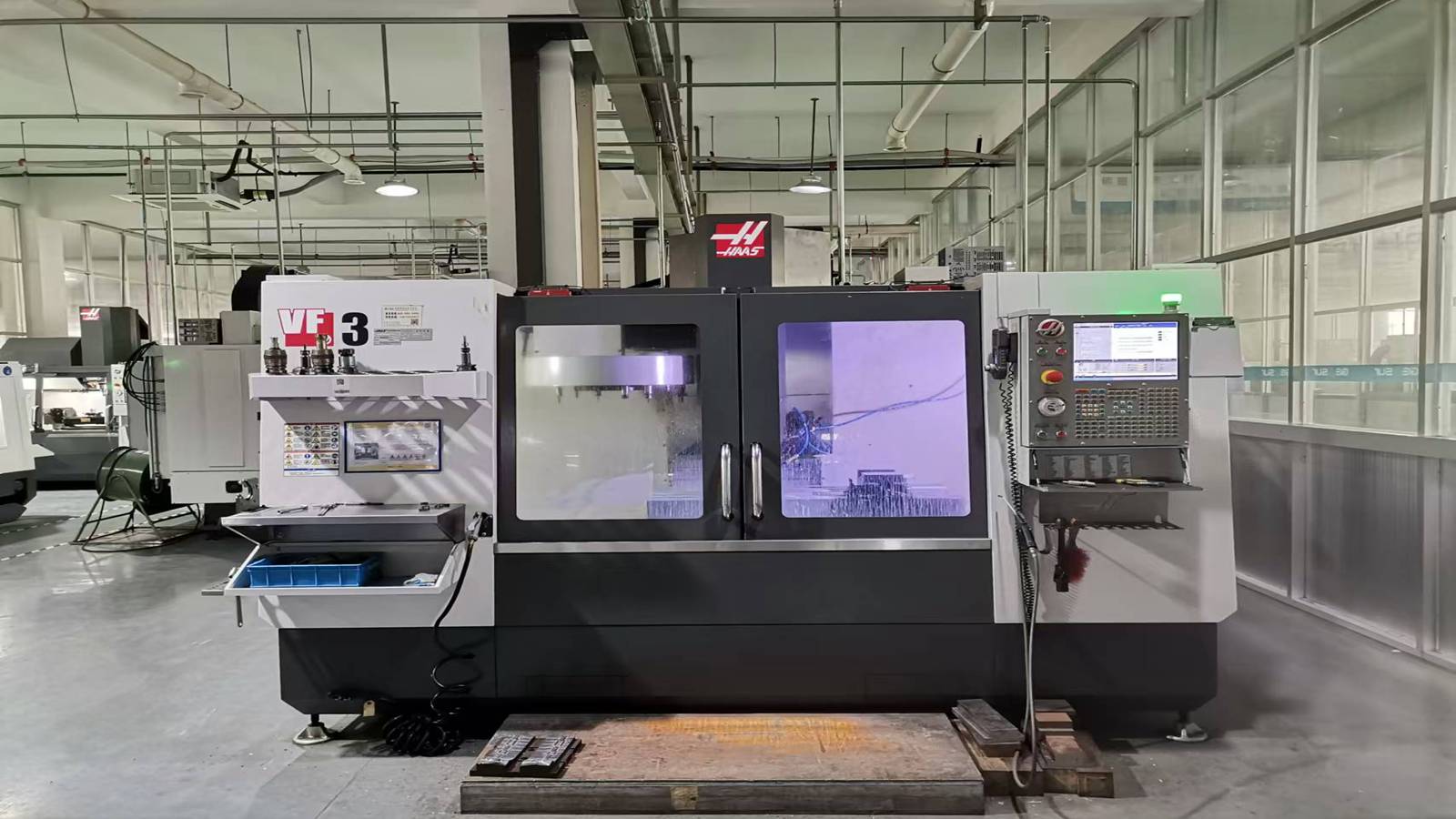
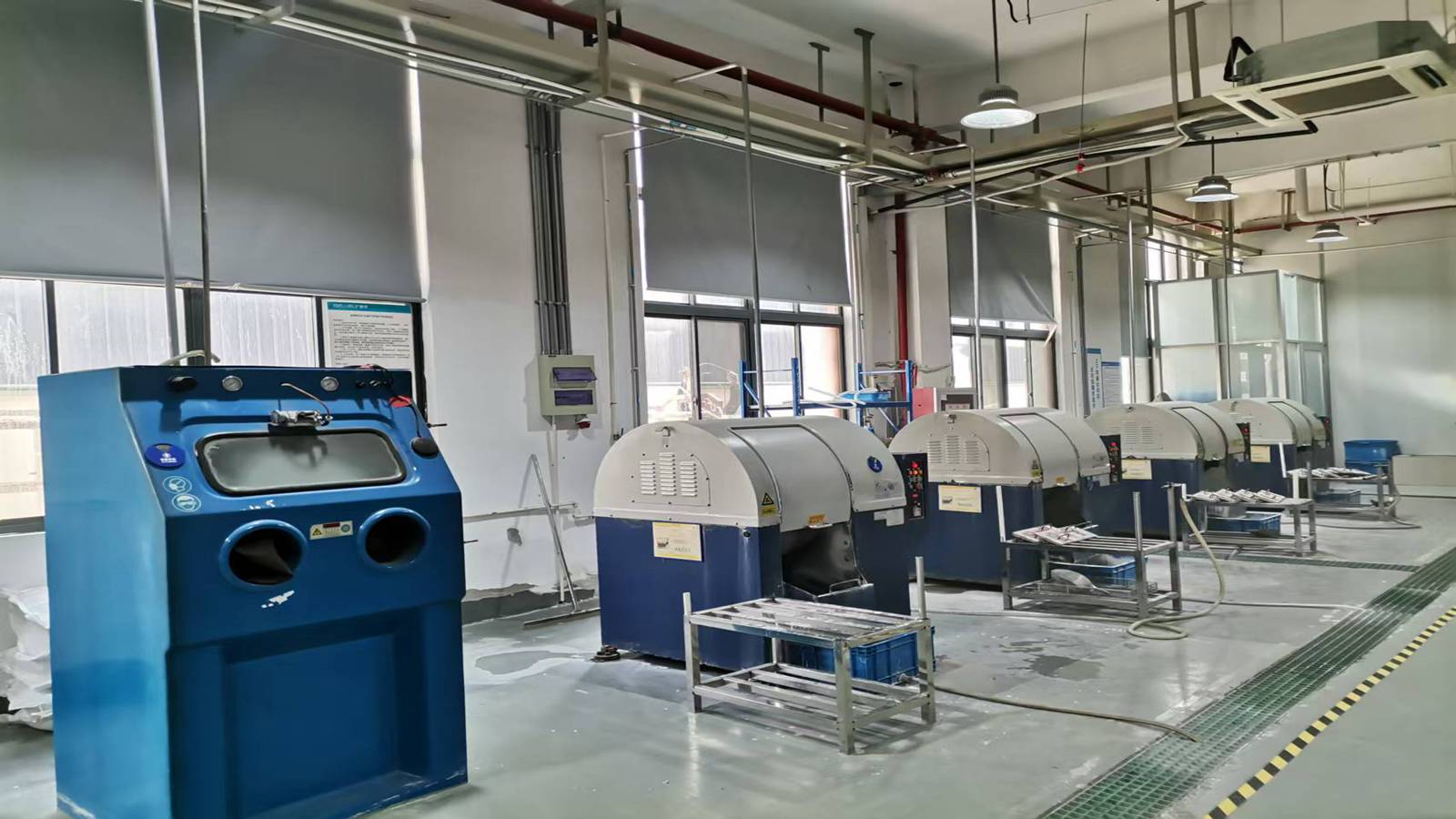
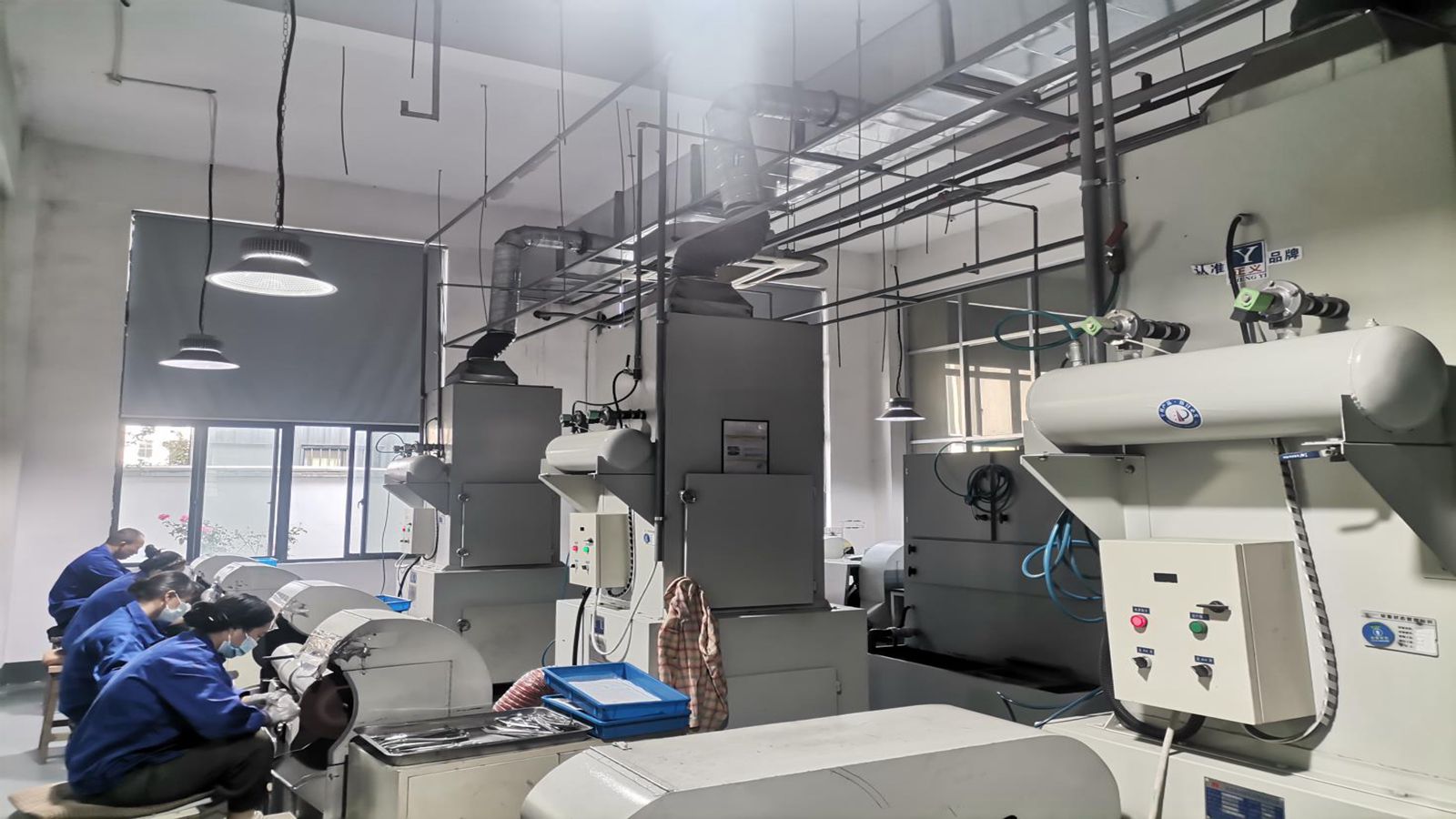
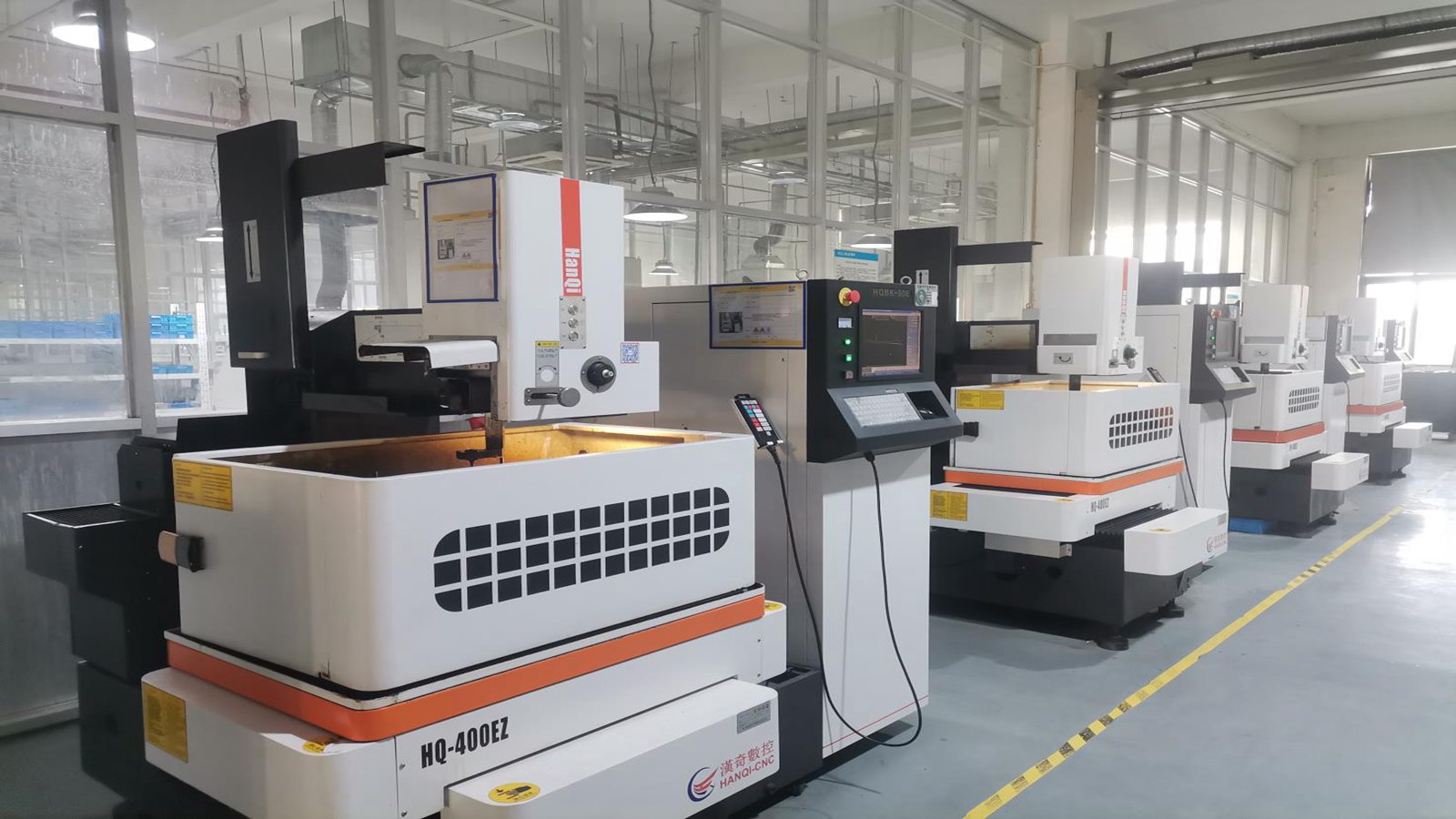
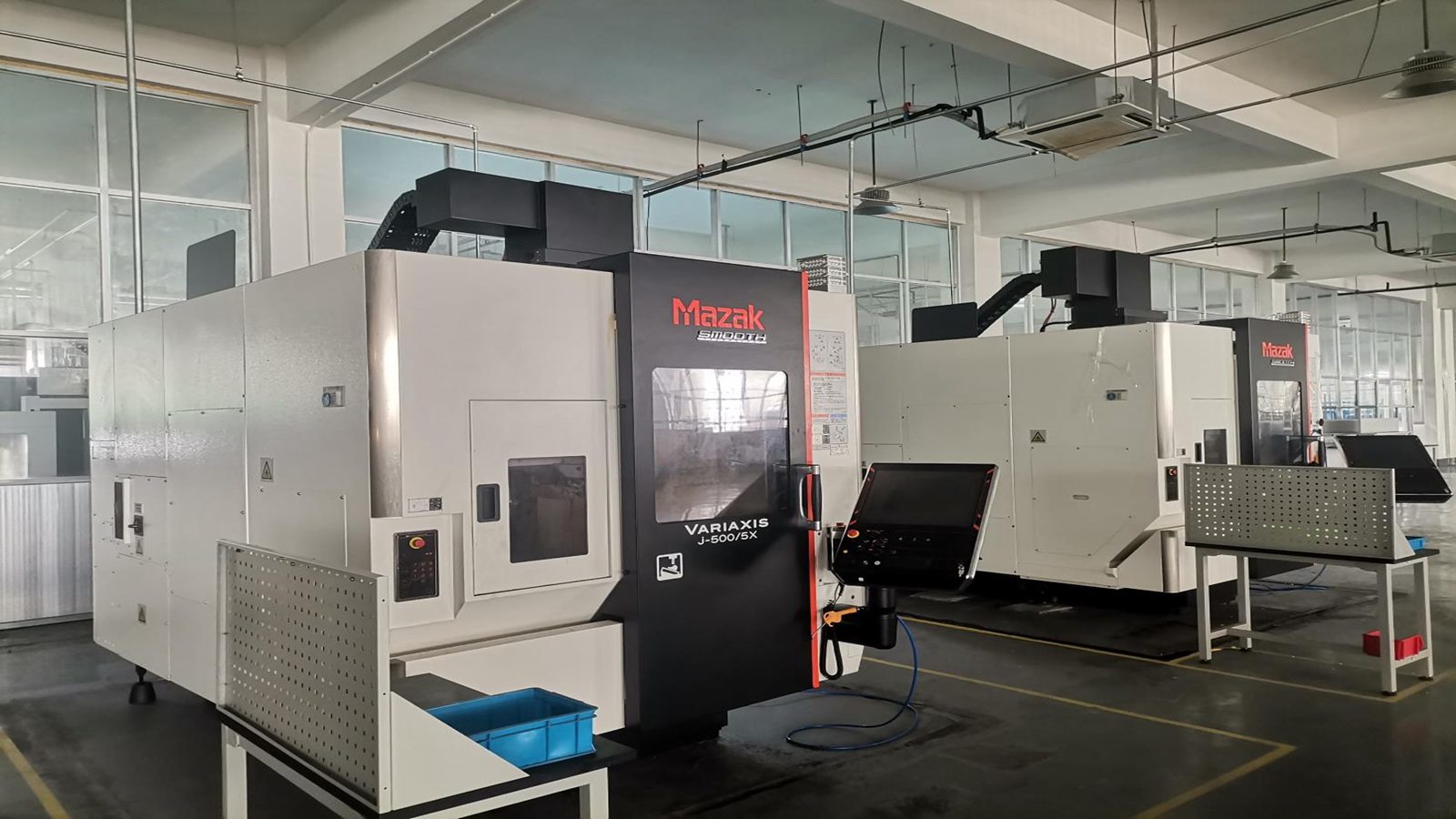
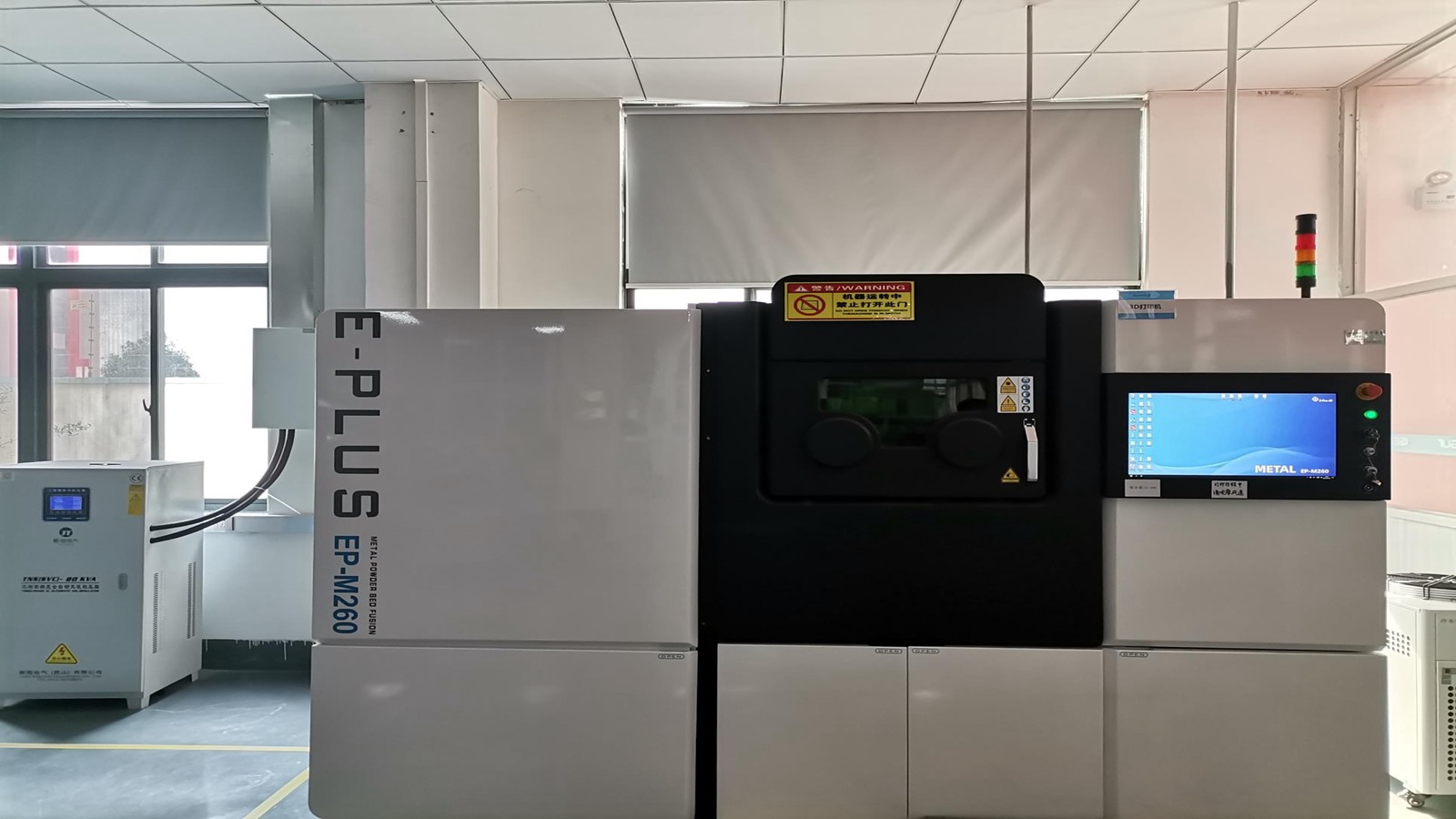
In the aftermath of global supply chain disruptions, procurement directors face extreme volatility in lead times, raw material pricing, and transport costs. The emergence of China's Medical Factory 4.0 framework provides a powerful counter-strategy, leveraging extreme vertical integration and digital manufacturing to ensure uninterrupted supply lines. High-tier plants, including HBM Medical's 30,343 square-meter manufacturing facility in Jiangsu, utilize high-precision Swiss-type multi-axis CNC machines and automated wire-cutting tools to produce components with tolerances of less than 5 microns.
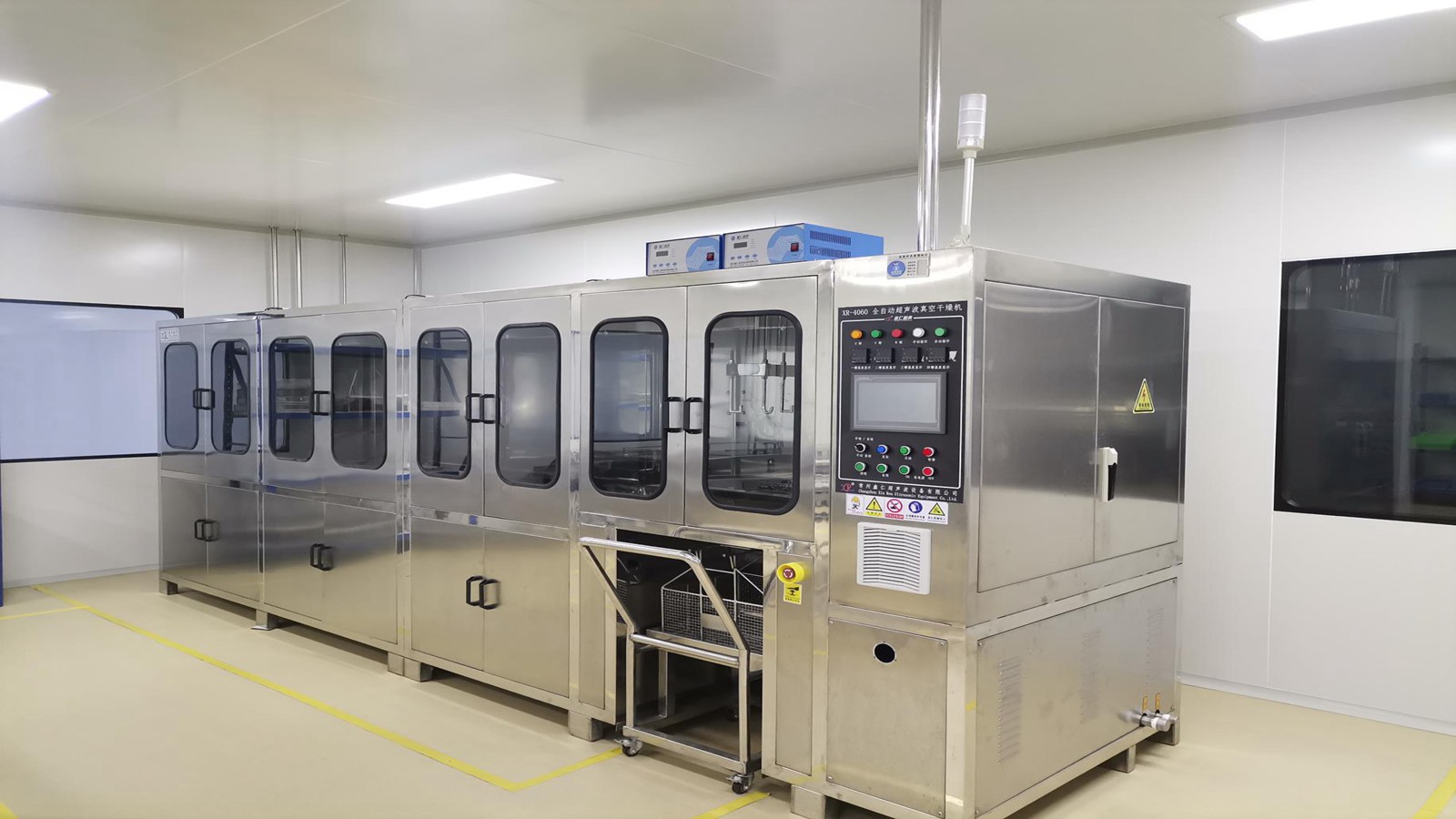
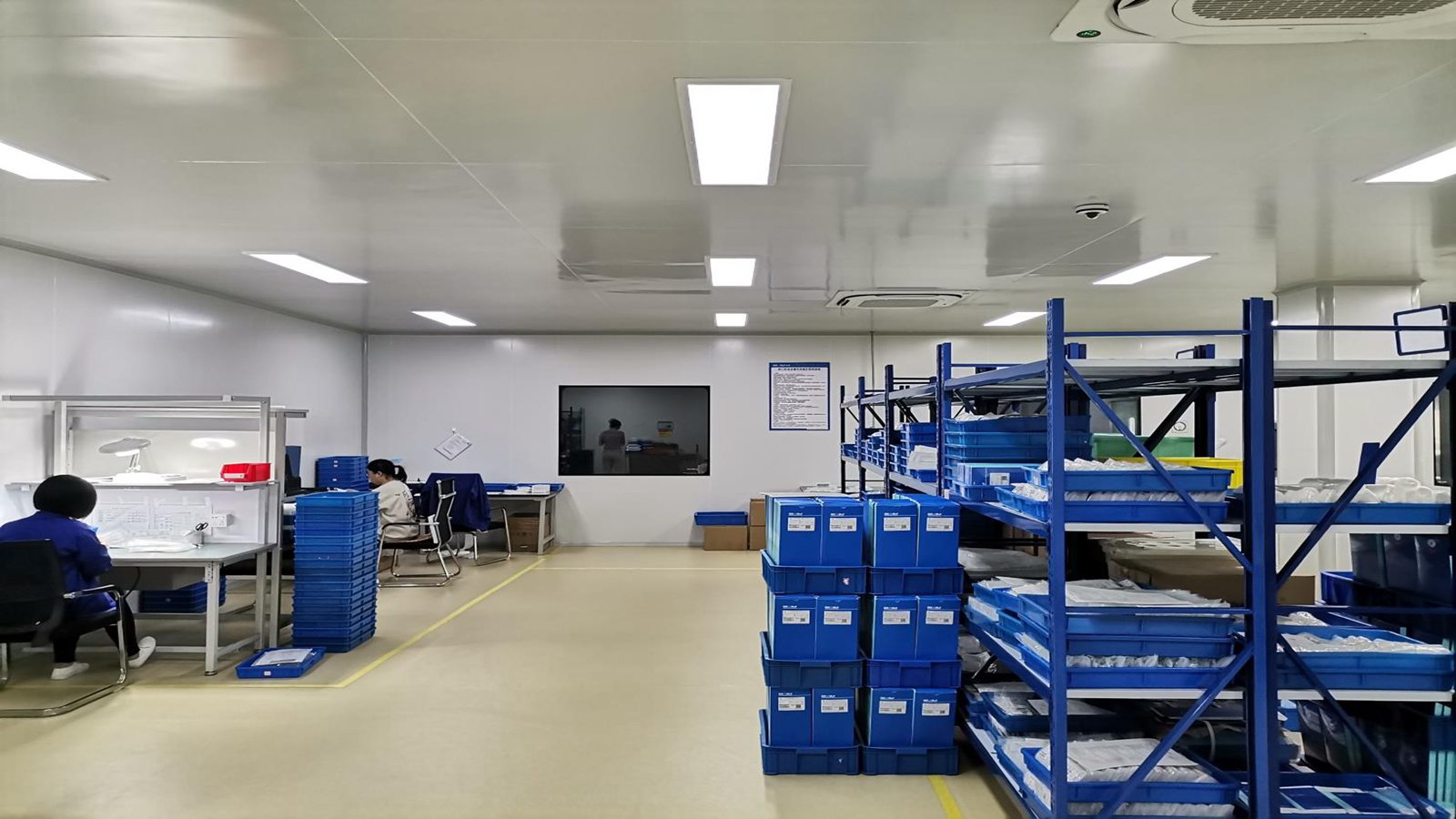
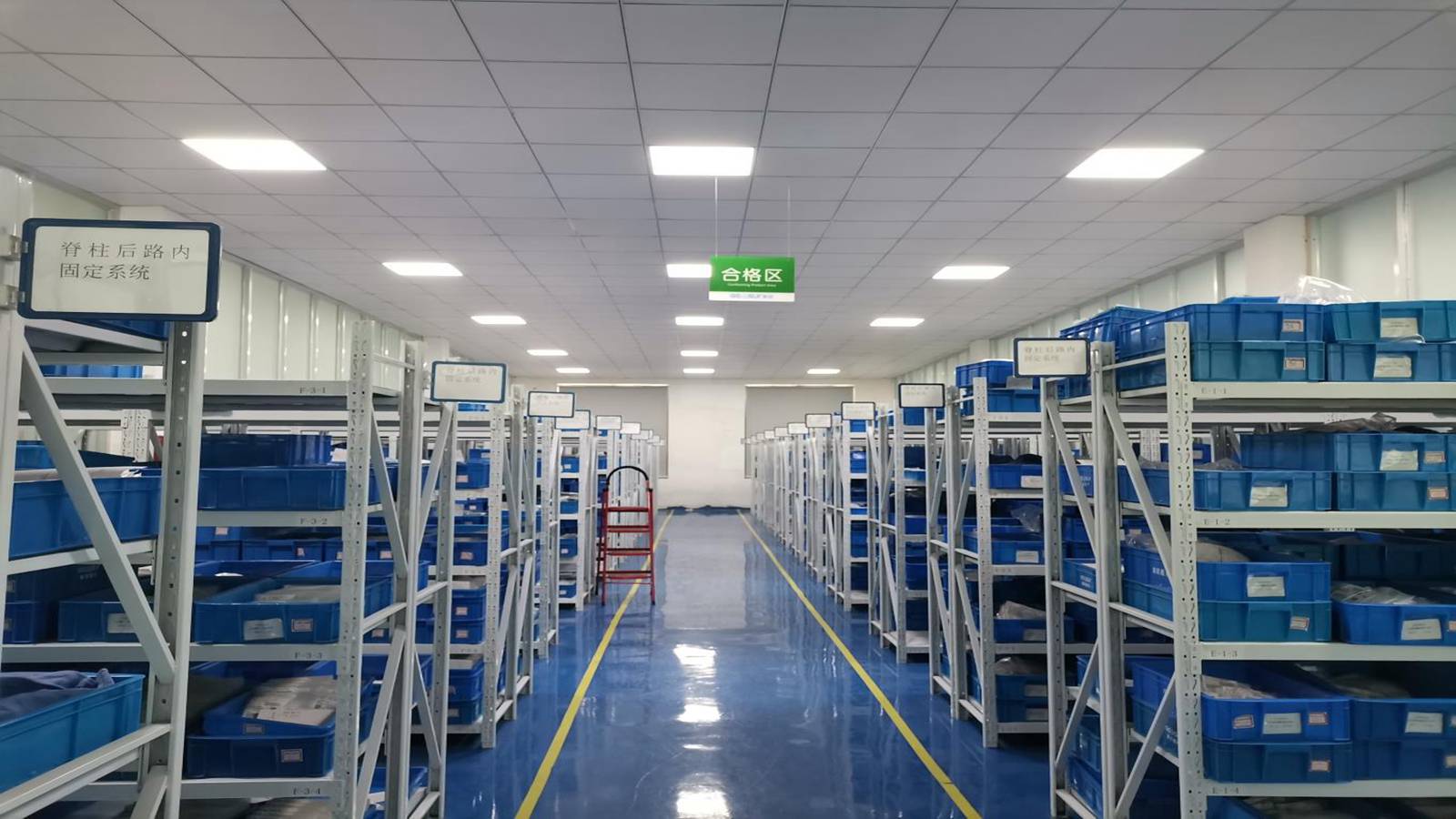
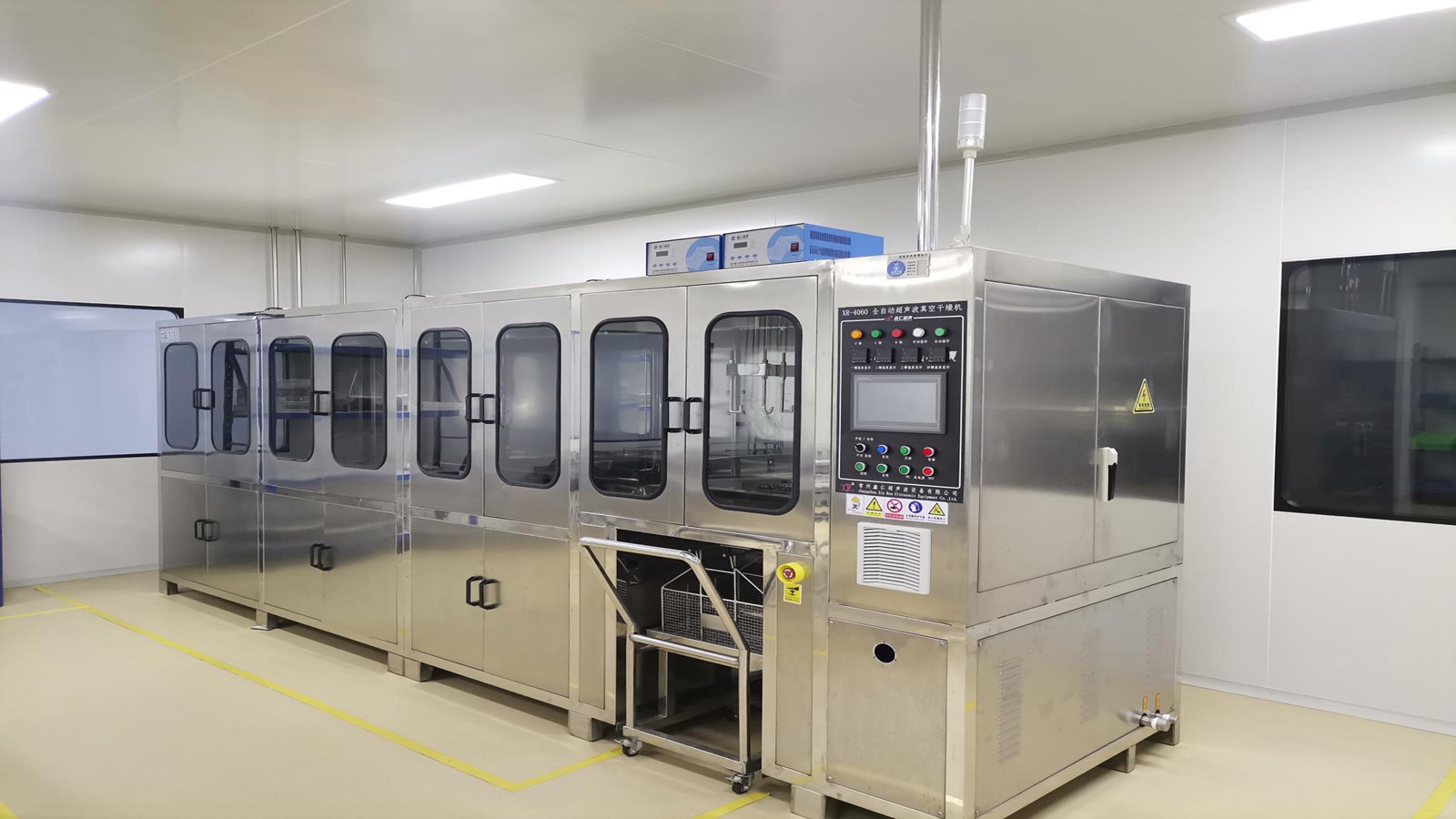
Moreover, modern plants utilize state-of-the-art cleanrooms (Class 100,000 / ISO Class 8 equivalent or higher) for cleaning, packaging, and sealing operations. This level of environmental control minimizes bioburden prior to sterilization (gamma radiation, ethylene oxide, or autoclave), mitigating the risk of deep-seated surgical site infections. By adopting computerized manufacturing execution systems (MES) linked with enterprise resource planning (ERP) databases, factories provide complete raw material traceability, tracking each implant from the raw titanium ingot lot number down to the specific surgical set delivered to the hospital theater.
Securing regulatory approval for orthopedic products in Western markets has become increasingly rigorous. The European Union's transition from the Medical Device Directive (MDD) to the Medical Device Regulation (MDR 2017/745) has fundamentally redefined compliance criteria for orthopedic implants. Under MDR, all implantable trauma devices are designated as Class IIb or Class III, demanding direct clinical data validation, post-market clinical follow-up (PMCF) plans, and rigorous audits of the manufacturer's Technical File by recognized Notified Bodies (such as DNV, TÜV SÜD, or Ente Certificazione Macchine).
Additionally, the Medical Device Single Audit Program (MDSAP) allows a single regulatory audit of a medical device manufacturer's quality management system to satisfy the requirements of multiple jurisdictions (including Australia, Brazil, Canada, Japan, and the United States). By maintaining a quality management framework aligned with ISO 13485, MDSAP, and EU CE standards, exporters assure global buyers that their products comply with the highest standards of safety, quality, and clinical performance.
| Operational Parameters | Technical Specification Details | Quality & Supply Chain Impact |
|---|---|---|
| Quality Management Systems | ISO 13485:2016, ISO 14001, CE (MDR), MDSAP Certified | Guarantees complete legal and clinical validation in target export markets. |
| Production Equipment | 120+ CNC Machining Centers & Swiss-type Automatic Lathes | Enables micron-level machining accuracy for complex anatomical geometry. |
| Material Traceability | Full material test reports (MTR) back to raw ingot supplier | Eliminates raw material defects, securing implant structural reliability. |
| R&D Team Composition | 31 Specialized Engineers (1 Doctorate, 11 Postgraduates, 17 Graduates) | Supports continuous innovation and rapid custom-design prototyping (OEM/ODM). |
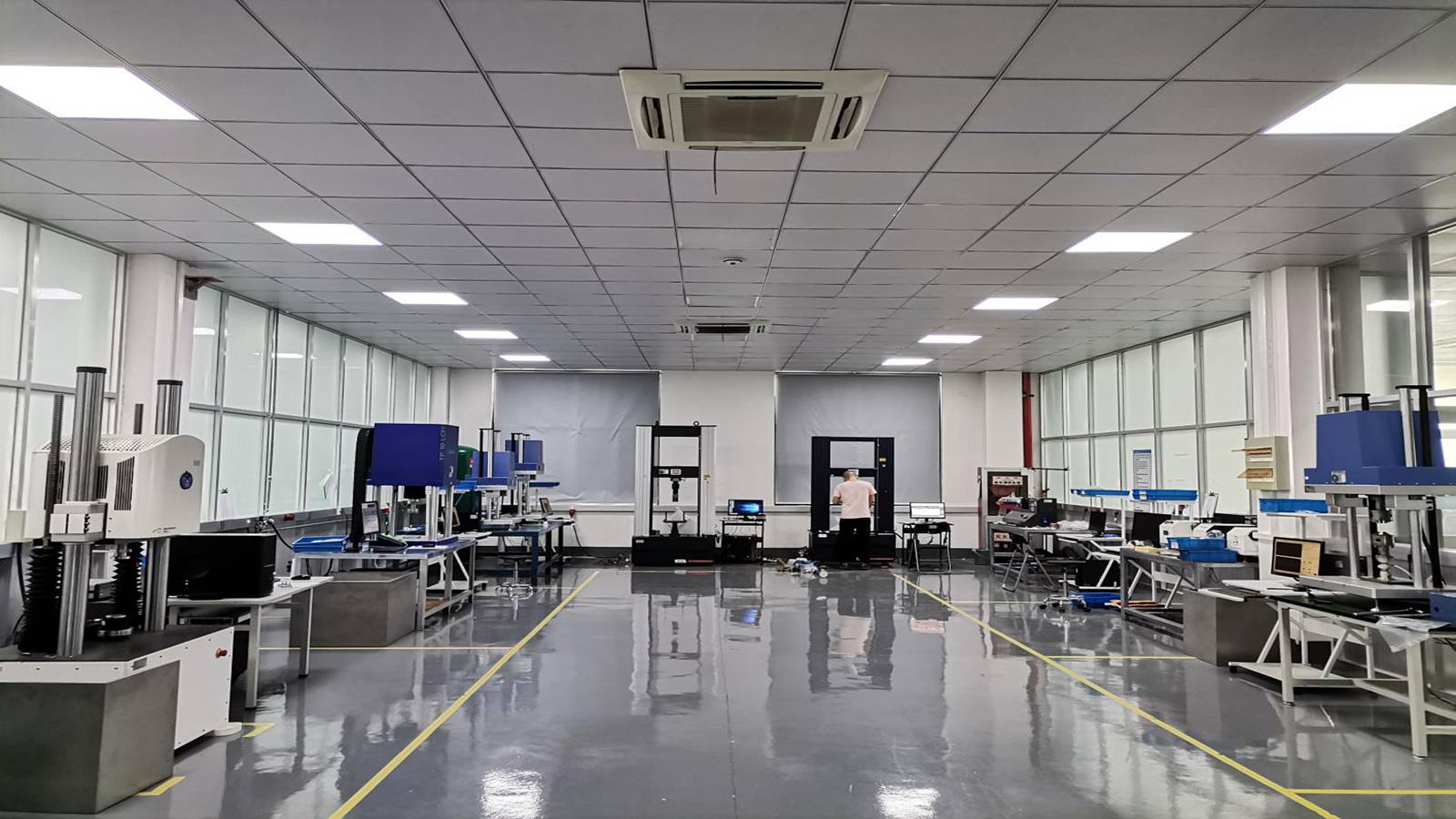
| Testing Protocols | Fatigue testing, tensile strength analysis, bioburden verification | Secures long-term mechanical stability and biological safety of implants. |
Aligning manufacturing capabilities with local hospital tenders, emergency logistics, and specialized surgical workflows.
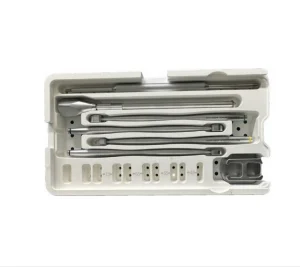
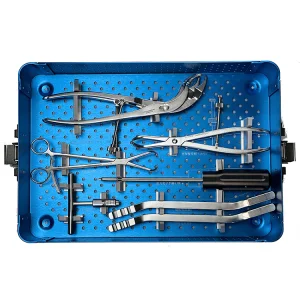
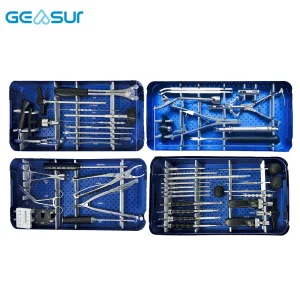
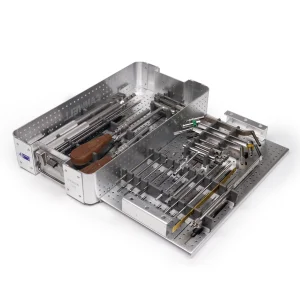
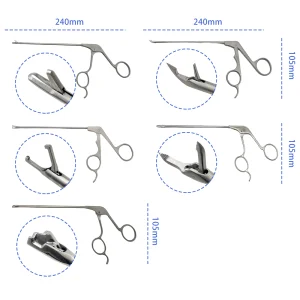
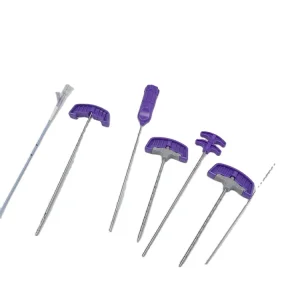
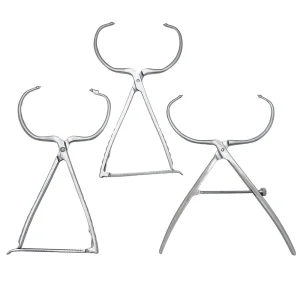
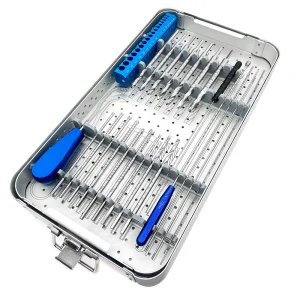
Purchasing trauma implants for public hospital tenders or private hospital networks demands a robust evaluation matrix. Major healthcare providers require manufacturers to submit comprehensive bids demonstrating long-term cost containment, reliable instrument set replenishment, and custom engineering capabilities. During high-volume orthopedic trauma cases—such as multi-fragmentary periarticular fractures or complex spinal stabilization procedures—surgeons rely not only on the implants but also on the ergonomics of the associated instrument kits. A high-quality surgical screwdriver, distractor, or reduction forceps directly impacts surgical efficiency, reducing anesthesia time and improving overall patient outcomes.
Furthermore, localized clinical application scenarios dictate design variations. In developing regions, where access to advanced intraoperative imaging (like C-arm fluoroscopy) may be limited, implant designs must offer simple, intuitive mechanical locking systems (e.g., self-drilling and self-tapping screws, clear physical guides). In contrast, high-income markets often require minimally invasive surgical (MIS) systems—such as the VSSII Extended Arm Spinal System—designed to minimize soft tissue trauma, reduce hospital stays, and expedite rehabilitation protocols. An elite trauma exporter must offer a diverse product portfolio that addresses both basic clinical configurations and highly advanced surgical workflows.
HBM Medical's production capability, backed by 12 independent production lines, ensures that large-scale global tenders can be fulfilled rapidly without compromising quality. The company's dedicated custom R&D division collaborates directly with academic institutions and clinical key opinion leaders (KOLs) to prototype, test, and manufacture customized orthopedic devices under strict quality control. This level of collaborative innovation ensures that new medical technologies transition seamlessly from conceptual designs to certified, clinically proven implants ready for global operating rooms.
Comprehensive regulatory and technical answers for healthcare buyers, distributors, and orthopedic procurement professionals.
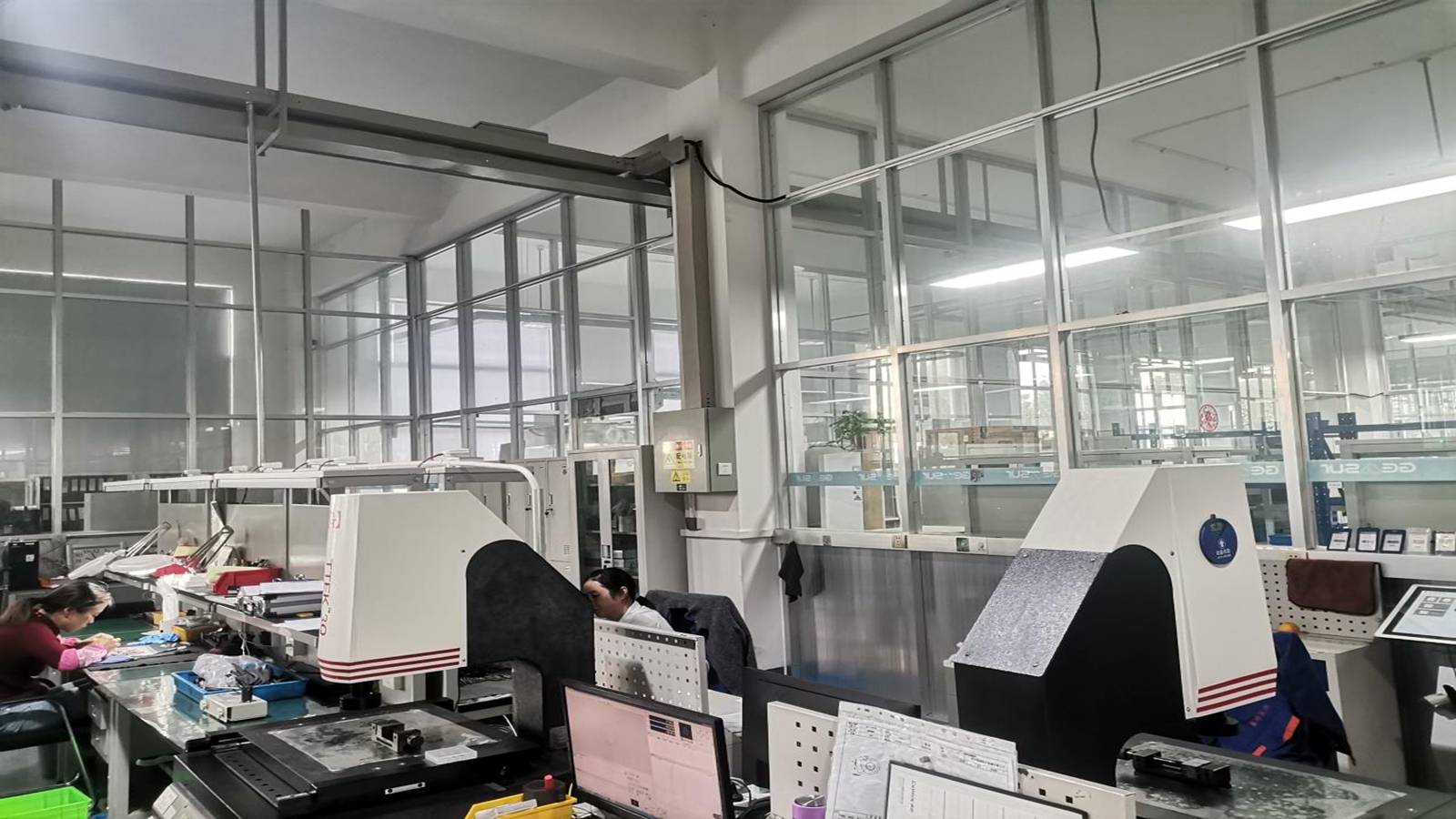
Visualizing our cleanroom environments, high-precision machining workshops, and advanced physical testing labs.



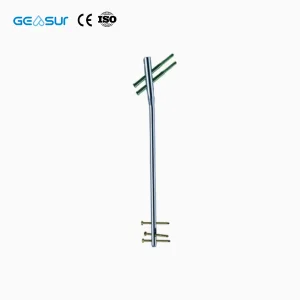
Explore our highly integrated surgical kits, locking systems, and anatomical nail solutions.
 HBM Medical